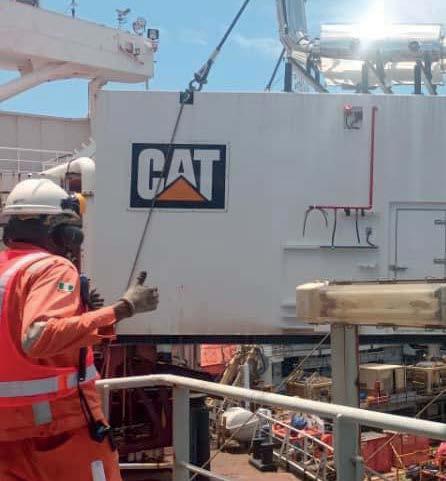
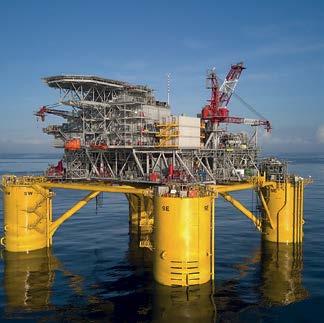

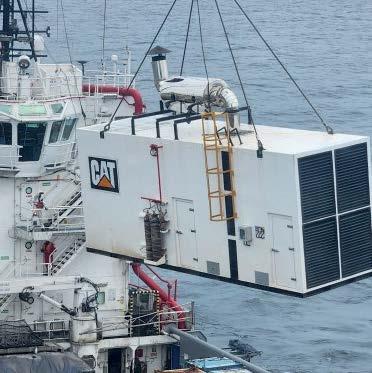
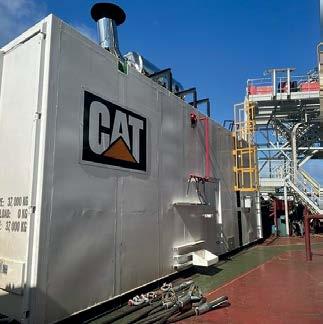
From offshore platforms to heavy-duty Petroleum & Marine operations, Mantrac Nigeria deliversreliable, high-performance power solutions engineered to keep production running without compromise. Backed by Caterpillar expertise, our systems are designed for safety, efficiency, and uninterrupted operations in the most demanding environments. THE SOLE AUTHORISED CAT DEALER REPRESENTATIVE IN NIGERIA | POWERED BY CAT®
• Diesel | Gas | Dual-Fuel
• Rated 20 kVA to 3000 kVA in stock
• Emergency & critical power solutions
• Hazardous-location certified systems
• Local engineering & OEM-backed support
Petroleum Sales Enquiries 0700 626 8722 | 0700 MANTRAC
info@mantracnigeria.com
www.mantracgroup.com
Editor-in-Chief Carley Fallows editor@littlegatepublishing.com
Advert Space Director Emlyn Freeman emlynfreeman@littlegatepublishing.com
Project Director Andrew Richards andrew@littlegatepublishing.com
Commercial Manager James Hamilton james@littlegatepublishing.com
Lead Designer Adam Knights
Research Kristina Palmer-Holt
Editorial Research David Reilly
Corporate Director Anthony Letchumaman anthonyl@littlegatepublishing.com
Founder and CEO Stephen Warman stevewarman@littlegatepublishing.com
For enquiries or subscriptions contact info@littlegatepublishing.com +44 1603 296 100
ENDEAVOUR MAGAZINE is published by Littlegate Publishing LTD which is a Registered Company in the United Kingdom.
Company Registration: 404 2112 62
VAT registration number: 13572767
343 City Road 147 Queens Road London 79 Norwich
EC1 V1LR NR1 3PN
Littlegate Publishing Ltd does not accept responsibility for omissions or errors. The points of view expressed in articles by attributing writers and/or in advertisements included in this magazine do not necessarily represent those of the publisher. Any resemblance to real persons, living or dead is purely coincidental. Whilst every effort is made to ensure the accuracy of the information contained within this magazine, no legal responsibility will be accepted by the publishers for loss arising from use of information published. All rights reserved. No part of this publication may be reproduced or stored in a retrievable system or transmitted in any form or by any means without the prior written consent of the publisher.

Copyright© Littlegate Publishing Ltd
It’s July, and that means we’re over halfway through 2026 already! With just 5 months of the year left, we look forward to seeing how companies are gearing up for the months ahead to deliver 2026 as their best year yet.
We kick off this edition with an expansive feature on CMA CGM, where we got to see a whole array of the company’s operations spanning the Americas. The region is home to a diverse array of markets and trade industries, and so CMA CGM is meeting these with integrated shipping solutions that help keep business across the Americas connected to the world. Here we are, thrilled to have CG United Insurance, Guardian General Insurance, PAS Cargo Guyana Inc. and IronRock Insurance showing vital support for the feature.
We then turn to Maersk Africa, where we got a vital insight into the company’s operations in Africa. We highlighted some of Maersk’s shipping operations to key cargo hubs across the continent, which are supporting the company’s network to ship cargo on both a local and international scale. I’m excited to see Leadway Assurance and Al Gamil Ship Chandler supporting this article.
This month, we also return with a great feature on the International Zinc Association, highlighting the valuable work being done by the organisation to promote and develop global zinc industries. Here, we see just how valuable zinc is for modern life, with its application spanning a wide variety of industries ranging from manufacturing to the healthcare sector. We are glad to have Eloro Resources Ltd. showing support for the article.
by Carley Fallows


Researchers from Borneo Futures in Brunei have conducted a study which suggests that 7% of the critically endangered Tapanuli orangutans in Indonesia were killed in extreme weather last year. In November, Cyclone Senyar hit the island of Sumatra, where the orangutans live, and it is thought that 58 of the less than 800 apes on the island were killed as a result. The cyclone claimed the lives of more than 1,000 people in the country and is one of the deadliest natural disasters in Southeast Asia in 2025.
The Tapanuli orangutans are the most endangered great ape globally, and so the loss of a significant portion of the remaining apes from the extreme weather is a huge loss for an already critically endangered species.
Previous studies had suggested that around 35 of the apes had been killed due to the cyclone; however, this comprehensive study suggests that the actual figure is double this. The weather brought with it significant rainfall, resulting in landslides and canopy damage. Whilst the study did not take into account rain-induced canopy damage or reduced food availability, it does suggest that such extreme weather events could threaten the survival of the species.


For the first time since 1978, Japan has increased its visa fees for all foreigners. This increase is 5 times the original price, increasing single-entry visas from 3,000 yen to 15,000 yen. Alongside this, multi-entry visas will increase from 6,000 yen to 30,000 yen. The increase in the price of visas is aimed at reflecting inflation and rate fluctuations, and is the first time the country has increased the price in almost 50 years.
The yen has been increasingly weakened since 2021, and currently sits at a near-historic low. However, the tourism industry in Japan has seen a significant surge post-pandemic, with 42.7 million international tourists arriving in the country just last year. The new visa pricing for Japan aims to help align the country’s visa fees with those of other G7 countries.
Last month, a 7.8 magnitude earthquake in the southern Philippines resulted in the deaths of 35 people and left thousands of people displaced. The earthquake struck off the coast of Mindanao Island in the south of the country, sending tsunami alerts across the Philippines, as well as Indonesia, Japan and Australia. Tsunami warnings were downgraded after a few hours. However, the earthquake resulted in buildings collapsing and landslides in some areas of the country.
Officials in the country outlined that 134 people were injured, whilst 10,000 families were displaced. The region experienced 130 aftershocks, ranging in magnitude from 1.3 to 6.7. Whilst earthquakes are common in the Philippines due to its location on the ‘ring of fire’, many are minor and pass relatively peacefully. However, this one proved deadly and has left widespread destruction. .

The FIFA 2026 World Cup kicked off last month, and for Cape Verde, it was their first time qualifying for the tournament. The country is the third-smallest country in terms of population to qualify for the World Cup, and was ranked 67th in FIFA’s rankings before the tournament. The team faced off against Spain, a favourite to win the tournament, in their opening match. Whilst many expected the Spanish team to take an easy victory, the African team held firm and saw the match conclude in a 0-0 draw.
A key player responsible for Cape Verde’s impressive performance against one of the highestranked teams in the tournament was Cape Verde’s goalkeeper Vozinha. Vozinha faced countless attacks from Spain, making seven crucial saves to keep the score tied at a draw. His impressive performance was met with overwhelming support from the fans and his team, and he was even awarded player of the match. Following his impressive performance, millions of fans flocked to his social media, raising his following from 50,000 to 5 million. This increase was largely driven by a YouTube channel which has the rights to the World Cup in Brazil, which urged their viewers to go and follow him.
Following a significant Ebola outbreak in recent months, authorities in the Democratic Republic of Congo are reporting 380 confirmed cases and 60 deaths, as well as another 15 confirmed cases and one death in Uganda. These figures offer a bit of hope, as they are reporting confirmed cases rather than suspected. Whilst this decrease does not mean the outbreak is over, it highlights better data with laboratories being able to focus on those with Ebola, and rule out those with other illnesses that have similar symptoms, such as malaria.
A key focus now is on contract tracing, as only around 45% of people who have been in direct contact with an Ebola patient are being followed up with. According to the World Health Organisation (WHO), tracing of at least 90% of contacts is needed to bring the outbreak under control.
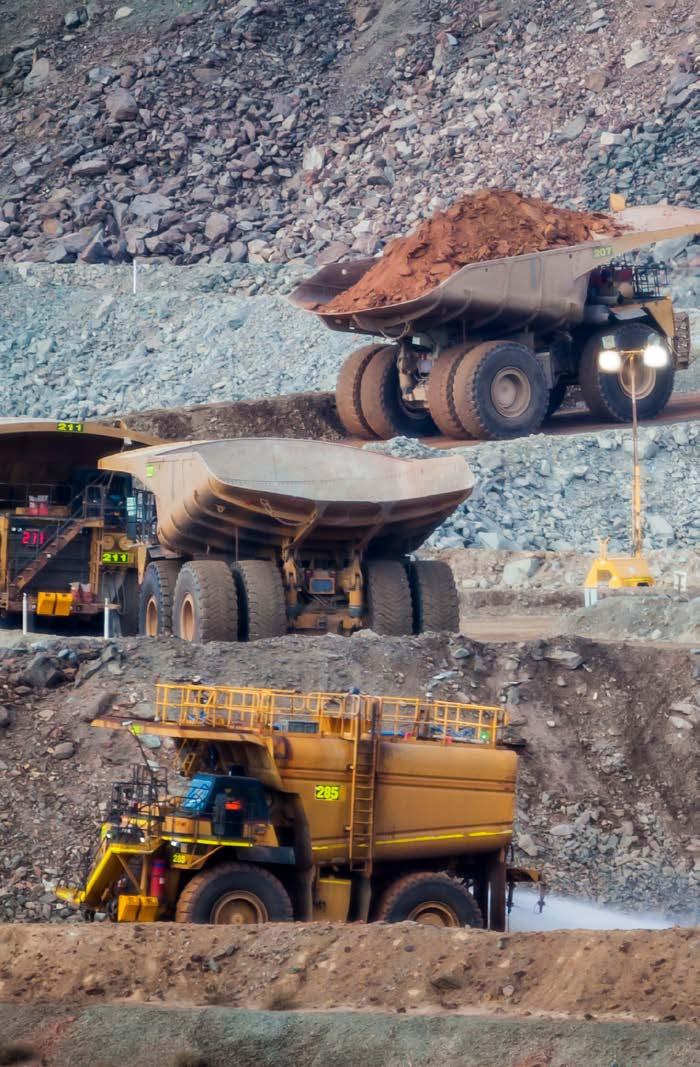
In an effort to promote domestic processing of gold in Guinea, the country has banned the export of unrefined gold. The policy was introduced by Guinea’s President Mamadi Doumbouya following a meeting with industrial and artisan gold producers and buyers. Domestic processing will help boost the economy and create more jobs in Guinea, as currently, raw materials are often refined in other countries that then reap the economic benefits of processing and trading such materials. This policy was introduced immediately to support gold production in the country.
Currently, Guinea is thought to be the sixth-largest gold producer in Africa, and it now joins multiple other African nations that have moved towards more domestic processing and value addition in the mining sector. To help facilitate such refining, a new refinery in the capital, which is near completion, will be a vital hub where gold is sent before processing and export. The facility has a reported capacity of 250 tonnes a year, which should be able to handle the country’s gold production.

Venezuela’s interim leader, Delcy Rodríguez, has signed an agreement with US Energy giant General Electric, with the goal of rebuilding the country’s electricity grid. The agreement comes after Delcy opened Venezuela’s economy to US investors and companies, and the agreement aims to be a vital step for restoring South America’s electricity services.
In recent years, Venezuela has suffered from frequent power cuts, whilst its power system has been in need of repair and investment. Thus, the signing of the deal with General Electric is a vital step towards Venezuela’s future to restore such a valuable service and prevent significant power cuts across the country. However, critics of the government fear that Rodriguez is loosening the country’s control over the economy.


Argentina kicked off their 2026 FIFA World Cup campaign last month with Lionel Messi scoring an impressive hat trick against Algeria. For Messi, the 2026 World Cup is his 6th time featuring at the tournament, which itself broke a record with him being the first man in history to play at 6 World Cups. The hat trick he scored was also his first on the World Cup stage. The game saw Argentina, who are the current World Cup champions, take on Algeria in their opening game, with Messi scoring three goals, leaving the final score 3-0 in Argentina’s favour.
Messi’s score comes after France’s Kylian Mbappé and Norway’s Erling Haaland opened their games with two goals each, highlighting the level of football excellence at the games. However, Messi took it one step further with three goals in his opening game. Plus, in Argentina’s next game, Messi then went on to secure his place as the top goal scorer at a World Cup, scoring his 17th and 18th World Cup goals.
A letter signed by George Washington marking the beginning of the end of the American Revolutionary War will go on display in London for the first time. The letter shows Washington’s acceptance of British surrender, which set in motion the negotiations that led to the 1783 Treaty of Paris, where the independence of the United States was formally recognised by Britain. The letter will feature within the Revolution 250: America’s Independent Story 1763-1783 exhibit, which will be on display at The National Archives in Kew.
The letter is part of the exhibition that will trace the birth of the United States through documents collected from both sides of the Atlantic. Also included in the exhibition will be a copy of the Declaration of Independence.

In Jordan’s second game of the 2026 FIFA World Cup tournament, the team took an early lead with Nizar Al-Rashdan scoring 36 minutes into the game against Algeria. This lead stayed with the team into the second half; however, it was then met with two corners from Algeria that saw N. Benbouali scoring at 69 minutes, and A. Gouiri at 82 minutes. The win for Algeria places Jordan at the bottom of their group, and the latest nation to exit the tournament early, even with one game still to play. Their final group game will be against Argentina, but it will have no impact on Jordan’s chances of reaching the Round of 32.
The 2026 FIFA World Cup is the first time Jordan has qualified for the tournament, after 9 previous attempts. Jordan previously reached the AFC Asia Cup final, but lost out on the title to Qatar.


ALTÉRRA, a United Arab Emirates (UAE) based private investment fund, has announced a vital coinvestment into Inka Energy (Inka) in Peru, alongside I Squared Capital (I Squared). The investment is aimed at supporting the expansion of Inka’s renewable energy activities, a company that is already Peru’s largest independent power producer. This marks the first investment by ALTÉRRA in the Latin American market, and its second investment alongside I Squared.
ALTÉRRA is one of the largest private investment funds in the world focused on climate finance. The fund was launched at COP28, supported by a US$30 billion commitment from the UAE. Through its funds, ALTÉRRA manages funds aimed at building innovative partnerships to mobilize US$250 billion globally by 2030, in order to finance a new climate economy and accelerate the climate transition.
Iraq took on France in their second group game of the World Cup last month; however, bad weather led to a 2-hour delay between the two halves. The game kicked off at 5 pm local time and saw France take the lead before rain began falling in Philadelphia. Clouds were gathering as the whistle was called to end the first half. However, the rain got significantly heavier with the threat of thunderstorms in the area. This led to a two-hour delay before the players took to the pitch to complete the game.
Shortly after the game resumed, Kylian Mbappé scored his second goal of the match, with Ousmane Dembélé scoring another goal just 12 minutes later. This secured France a 3-0 win over Iraq. The second half of the game saw no hydration break as had been seen across the rest of the World Cup matches, with just two minutes of additional time. The game finally concluded at 8.47 pm, almost 4 hours after the game originally kicked off.

Sir Kier Starmer announced in June that he would be resigning as Labour leader, and with it bringing an end to his time as Prime Minister of the United Kingdom. The resignation comes following pressure within the Labour Party for a new leader, especially following low poll ratings. In recent weeks, many within the party have been calling for a change of leader, including Wes Streeting, who resigned as health secretary. Starmer outlined that he would stay on in the interim until a new successor is in place.
Following Starmer’s resignation, Andy Burnham, who has just won a by-election in Makerfield, outlined that he would run to replace him as leader. Many Labour MPs are now rallying around Burnham, who may be on course to become the next Prime Minister.
Three of the current squad for Norway’s national team playing in the FIFA 2026 World Cup are the sons of the players from the class of 1994. The players in question are Erling Haaland, whose father, Alf-Inge Haaland, played for Norway in 1994. Kristian Thorstvedt is another current player whose father, Erik Thorstvedt, played for the 1994 national team. The final player is Alexander Sørloth, and his father, Gøran Sørloth, also played for Norway in 1994.
Players often follow in their father’s footsteps when it comes to football, with many players being the sons of professional footballers. However, having three on the same current squad, whose fathers also all played together, is unique. In 1994, Norway qualified for the World Cup only to be knocked out in the group stages. Now, 30 years later, their sons are playing for the national team and are proving to be a strong side, having already won their first two games.

Europe is braced for extremely high temperatures as a heatwave moves across the continent. France, Spain and Italy have been hit with soaring temperatures, with France already seeing its hottest June day on record, with temperatures hitting 29.8°C. However, the temperatures are only expected to rise, with temperatures in Spain set to hit a peak above 40°C in some areas. This extreme heat has resulted in red alerts across Europe, including alerts in Italy, where 15 cities have been put on a red heatwave alert. This high level of alert highlights that the conditions could pose health risks even to healthy adults, and not just those who are elderly or chronically ill.
As temperatures have risen, so have the number of drowning deaths. In France, 40 people have died in heatwave-related deaths, with many venturing into unsupervised rivers and lakes to cool off. In the UK, more than 1,000 schools were closed or closed early as an extreme heat warning extended across Southern England.
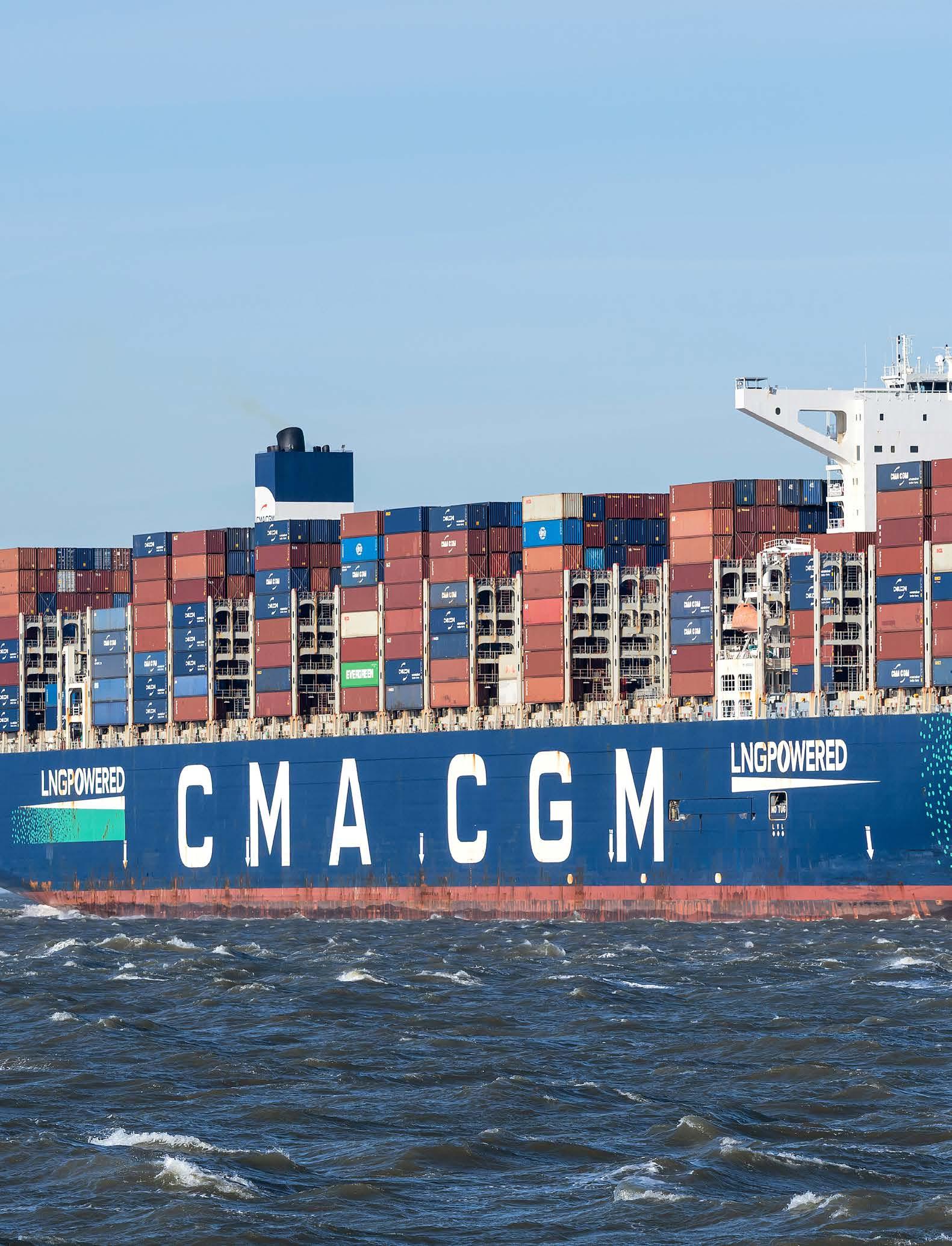
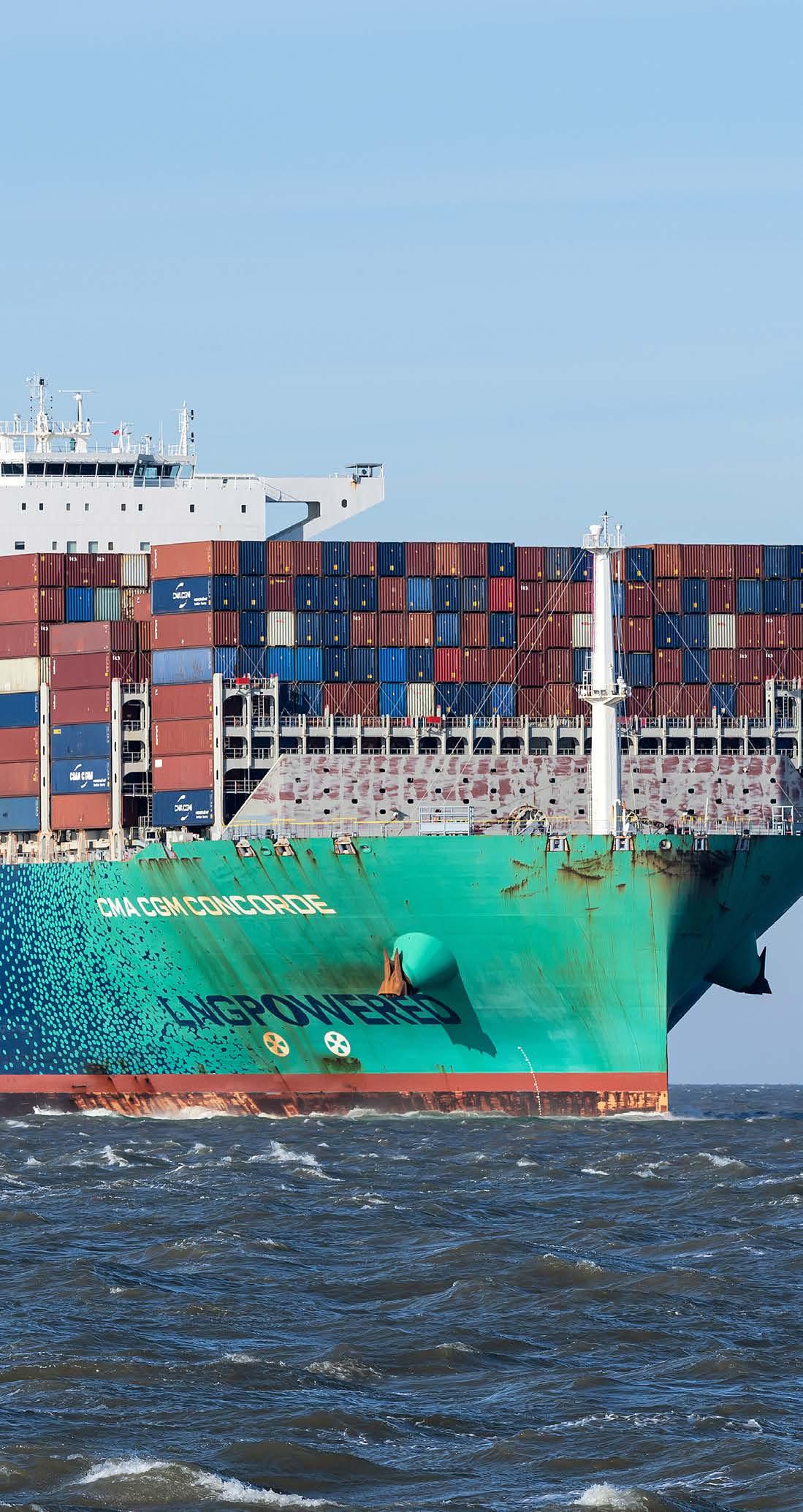
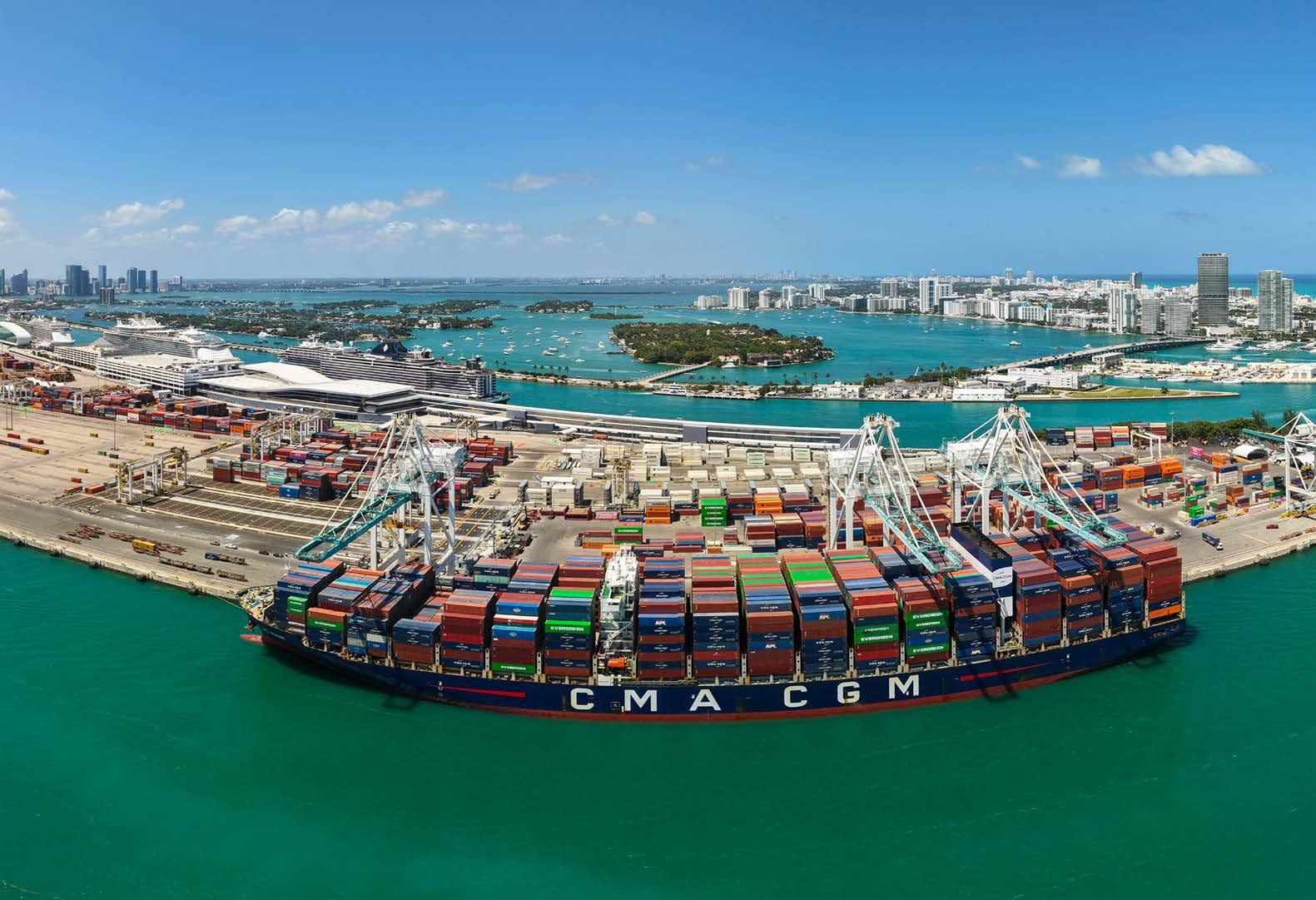
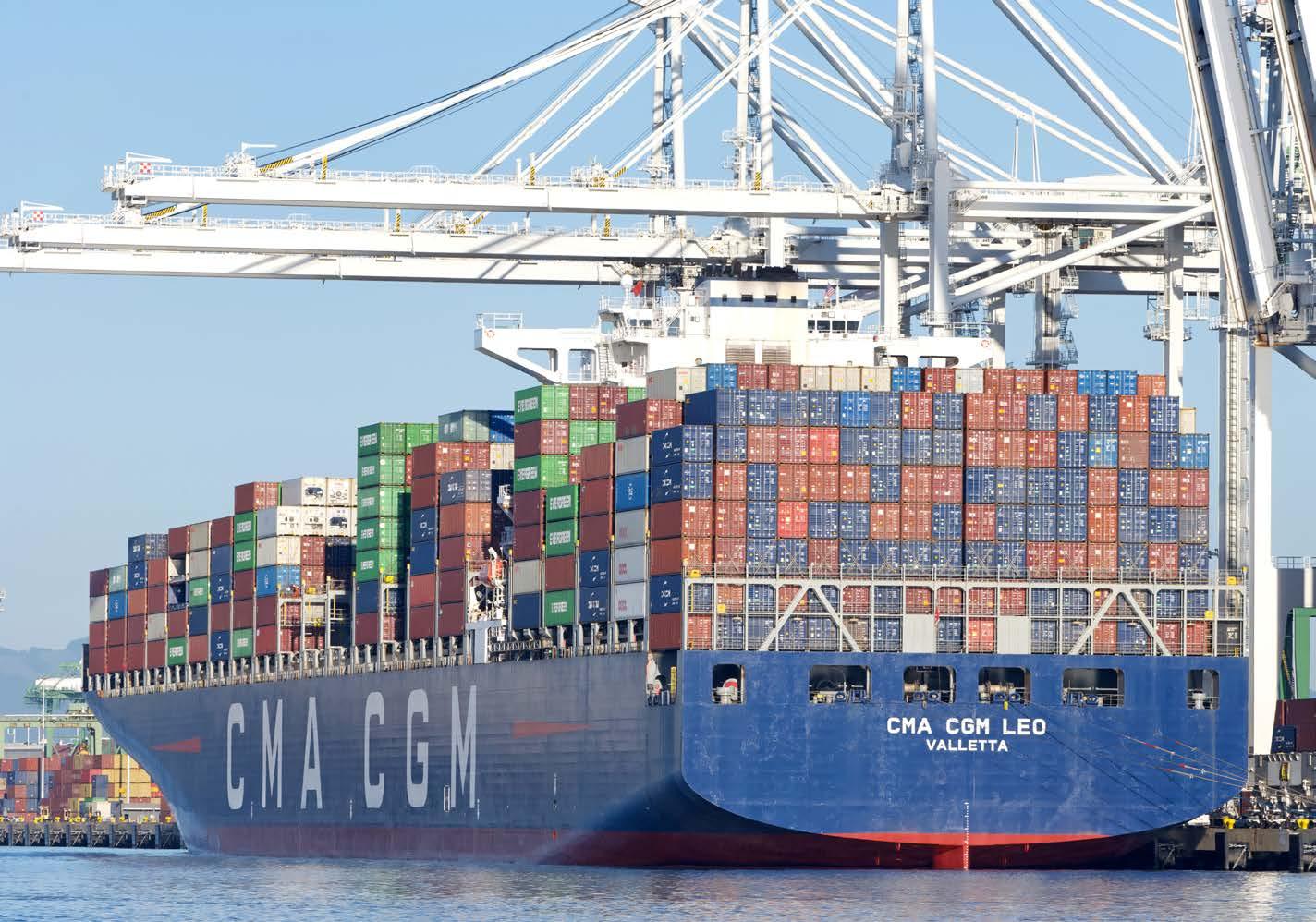
As a leader in the global shipping and logistics industry, CMA CGM today is the third-largest shipping company in the world. Operating across more than 250 shipping lines worldwide and spanning 177 countries, CMA CGM provide its customers with comprehensive shipping and logistics services that help move cargo from start to end markets. In the Americas, shipping is the backbone of connectivity across the region, enabling key trade and logistics operations on both a local and international scale. Thus, to support the shipping and logistics industry across the Americas, CMA CGM operates a vast and robust shipping network, which is anchored in strategic ports and transhipment hubs that help connect the region with markets on both a local and international level.
The Americas are a significant global hub for shipping, offering vital local trade connections and being well-positioned to connect with many critical international shipping routes. With such a wealth of markets spanning the Americas, the region is home to a diverse variety of import and export operations, with cargo including everything from manufactured and agricultural goods, and vehicles, to energy resources. Thus, CMA CGM is primed to provide the plethora of markets and industries within the region with complete and comprehensive shipping operations, driven by its global shipping networks. These networks ensure that every customer can access safe and timely cargo shipping and logistics services and support their supply chains at every step of the journey.
A key network within CMA CGM’s Americas shipping operations lies in the Caribbean, where CMA CGM services the raw materials, food, agriculture, and manufacturing markets with vital shipping and logistics solutions. A key hub for CMA CGM’s operations in the Caribbean includes Saint Martin and St. Maarten, a Caribbean island which is divided into two distinctive territories. The island has the Port of St. Maarten, also known as the Dr.

Prepared business is good business. With CG United Cargo Insurance, you can safeguard your shipments whether you import or export regularly or only from time to time. Our policies provide coverage for physical loss or damage to goods transported by air or sea and can be tailored based on the commodity, carrier, and packaging.
Choose cargo coverage with CG United. Visit cgcoralisle.com to learn more and request a quote today.
CG United Insurance Ltd. W: cgcoralisle.com | E: cgunited@cgcoralisle.com @cgunitedinsurance | @cgcoralisle

A.C. Wathey Cruise and Cargo Facility, in the south of the country, which is a constituent country of the Kingdom of the Netherlands. Then, in the north, there is the Port of Saint Martin, which is part of France’s overseas territory.
The Port of St. Maarten is one of the top cruise ports in the Caribbean, and so it is used to seeing a wide range of vessels arrive at its shores every year, both for cargo and tourism purposes.
For cargo, the port is located along major shipping lines and so offers a vital hub for transhipment operations from the island and across the rest of the Caribbean. To facilitate such cargo operations, the port is home to a key cargo terminal, which is vital to supporting the importing and exporting of cargo to St. Maarten. Here, CMA CGM utilises the port as a vital transhipment hub serving the North-Eastern Caribbean region, offering weekly calls which act as a vital cargo link between St. Maarten and the neighbouring islands of Anguilla, Saba, St. Eustatius and Montserrat. Across these shipping
In today’s connected Caribbean economy, international shipping plays a vital role in keeping businesses supplied, shelves stocked, and opportunities moving. Whether you are importing essential goods, exporting products by air or sea, or moving stock for resale, every shipment represents time, effort and financial investment.
That is why CG United’s Cargo Insurance is designed to help customers ship with greater confidence. Our coverage helps protect goods against unexpected physical loss or damage while in transit, offering valuable peace of mind when shipments are moving across borders, ports and destinations. Cargo insurance may also support international trade by serving as collateral security for banks and other lending institutions that finance shipments. With flexible namedperil and All Risk coverage options, CG United can tailor solutions based on the nature of the goods, packaging, destination and level of risk.
Backed by the strength of the Coralisle Group, serving 21 territories across the region, and supported by an AM Best ‘A’ rating, CG United combines financial strength and regional reach with responsive, people-first service. When your cargo matters, so does the partner you choose. Don’t leave your shipments to chance — connect with CG United’s experienced team today.


We harness the most advanced insurtech to make doing business with us seamless and efficient. Backed by a claims philosophy built on fairness, transparency, and integrity, we're working to become Jamaica's most trusted insurer.
PROVIDER OF.
• CAR INSURANCE
• HOME INSURANCE
• RENTER’S INSURANCE


• CARGO INSURANCE Professionalism. Efficiency. Integrity.
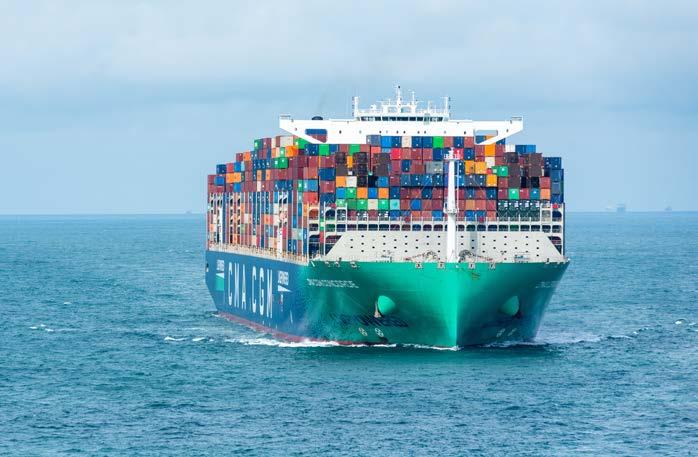
services, CMA CGM is committed to handling a diverse array of cargo, including containerised, Out-of-Gauge (OOG) cargo, and conventional cargo, as well as reefer containers.
On the other side of the Island is the Port of Saint Martin in Marigot, which is within the French side of the island. Here, the Port of Saint Martin provides a versatile commercial port supported by a terminal that can handle all types of cargo primed for import, export and transhipment operations. At the port, the Ferry Terminal plays a central role in connecting cargo from the island with St. Maarten, Anguilla and St. Barthélemy to ensure the reliable movement of goods and business across the region. CMA CGM primarily serves the Port of Saint Martin with regional intra-Caribbean feeder services connecting Marigot with major global hubs across the region, including to Pointe-àPitre in Guadeloupe and Kingston in Jamaica. Thus, the port plays a vital role in the region’s local and international connectivity, with around 250,000 tons of cargo imported annually at the port.
We cannot talk about CMA CGM’s shipping and logistics services in the Caribbean without highlighting its maritime operations in Jamaica. In Jamaica, CMA CGM provides vital services to and from the Port of Kingston, which is the country’s principal maritime hub and also a leading transhipment hub
for the wider region. The port is located on the southeastern coast of Jamaica, making it a vital stop for major shipping lines traversing the Panama Canal. One of the key facilities at the port of Kingston is the Kingston Container Terminal, which handles around 1.6 million TEUs of cargo annually, including everything from grains and motor vehicles to petroleum products. Therefore, with the port operating as a pivotal hub along global shipping lines, CMA CGM offers complete logistics solutions that are customised to the needs of its customers, ensuring that each one has access to door-todoor shipping to and from Jamaica, supported by specialised logistics solutions that can meet the specific and specialised needs of a diverse array of cargo types.
As we have seen, Jamaica operates as a vital transhipment hub for many Caribbean Islands, including Barbados, to support their shipping needs and connect them with global shipping services, enabling better access to international markets. Furthermore, in Barbados, CMA CGM is also one of the leading shipping lines in the country, operating through CMA CGM Barbados, which was incorporated in 2023. Over the last 3 years, CMA CGM has connected the Port of Bridgetown in Barbados with its Cagema Main Liner (CAGMIL) service, which offers direct connections from the US East Coast and Canada to the Eastern Caribbean and Guyana region. Alongside this, CMA CGM also offers its Kalinago Service (KALINAGO), which offers a direct connection between Trinidad and Tobago’s Port of Spain and the Port of Bridgetown in Barbados. The Port of Bridgetown is the country’s primary maritime gateway and plays a vital role in supporting both cargo operations for Barbados, as well as the country’s thriving cruise tourism industry. Thus, for CMA CGM, Barbados, and specifically the Port of Bridgetown, is a vital node across its America’s network serving the country with reliable and weekly services, whilst also connecting it with vital transhipment hubs across the region to support a more well-connected cargo network across the region.
Across the Caribbean, the sea is more than a route, it is the lifeline of commerce, tourism and regional connection. Every day, vessels transport essential goods, equipment, construction materials and consumer products between islands and international markets. In an environment where timing, reliability and resilience matter, protecting marine operations has never been more important. That is where NAGICO Insurances comes in.
For more than four decades, NAGICO has supported businesses and communities throughout the Caribbean with insurance solutions designed for the realities of island life and regional trade. Today, with operations across 32 locations in the Dutch, English and French Caribbean, NAGICO provides marine insurance protection backed by local knowledge, regional reach and responsive service.
Whether transporting cargo across the region, operating commercial vessels, or managing marinerelated liabilities, businesses face a range of risks, from severe weather and accidental damage to operational interruptions and third-party claims. NAGICO’s
Marine Insurance solutions are built to help clients navigate these challenges with confidence. Our offerings include:
• Marine Cargo Insurance — protection for goods in transit
• Marine Hull Insurance — coverage for commercial and private vessels
• Marine Liability Insurance — protection against third-party claims
NAGICO combines technical expertise with a strong intermediary and service network throughout the Caribbean. Our approach is simple: be close to our clients, respond quickly when needed, and provide practical solutions that support business continuity. Whether at sea, in port or in transit, NAGICO helps businesses navigate risk with confidence and keep operations moving forward.
To learn more about NAGICO’s Marine Insurance solutions, connect with one of our representatives or intermediaries across our Caribbean network, or visit us at www.nagico.com.
Pas Cargo Guyana Inc. is one of Guyana’s most innovative and dynamic logistics companies, transforming the movement of cargo while demonstrating the strength and capability of locally owned enterprise. As Guyana’s first Commercial Off-Port Bonded operation and a certified Local Content provider, PAS Cargo stands at the forefront of the country’s evolving shipping and logistics industry. The company was the 2026 recipient of the Guyana Customs House Brokers and Clerks Association Award for outstanding contribution to the development of Trade in the area of Shipping and Logistics.
Specializing in cargo consolidation, imports, and exports, the company provides comprehensive air and sea freight solutions, including Less-thanContainer Load (LCL), Full Container Load (FCL), and integrated supply chain services such as Customs Brokerage, Warehousing, and Door-to-Door Delivery. Through weekly shipping connections via the United States, Panama, and Trinidad, together with a network of strategic partners spanning more than 190 countries, PAS Cargo delivers seamless access to global markets for businesses of all sizes. PAS Cargo is one of the leading cargo networks
serving the Caribbean region, operating direct offices in Trinidad, Barbados, Grenada, St. Lucia, St. Vincent, Jamaica and Suriname.
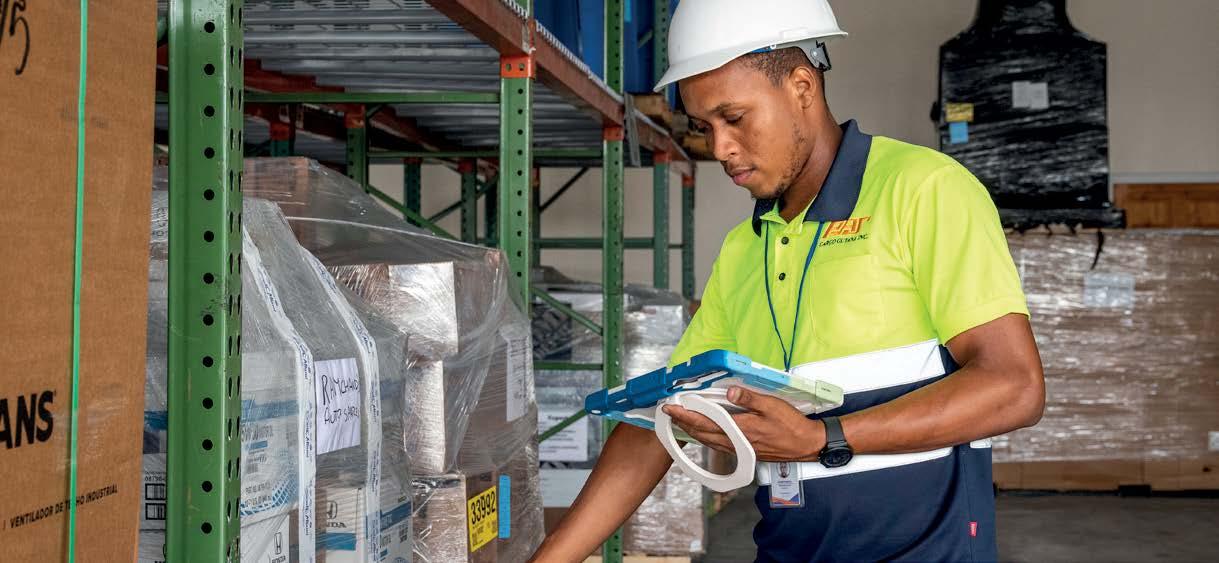
At the heart of the company’s operations is its state-of-the-art-customs bonded warehouse located at Rome, Heroes Highway, East Bank Demerara. Designed to streamline cargo movement and customs processing, the facility combines customs clearance, secure cargo handling, storage, and collection within a single, highly efficient location. Advanced technologiesincluding barcode processing, RFID tracking, and the company’s proprietary Momentum logistics platform-enable real-time visibility, enhanced security, and superior operational efficiency throughout the supply chain.
Driven by a commitment to service excellence, innovation, and customer satisfaction, PAS Cargo continues to set new standards within Guyana’s logistics sector. As the nation undergoes unprecedented economic growth and development, the company remains focused on providing businesses with the reliability, efficiency, and global connectivity required to compete in an increasingly interconnected world.
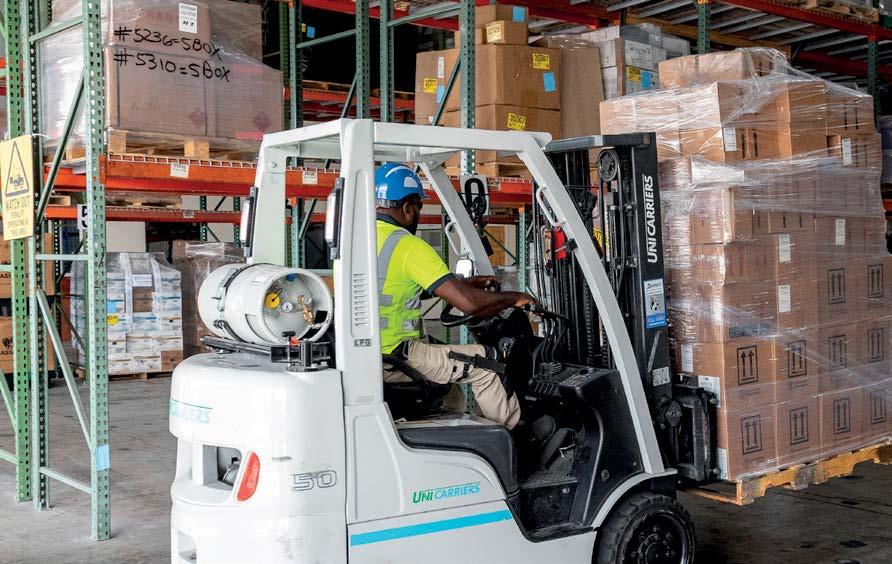
At PAS Cargo Guyana Inc., we move your cargo with speed, reliability, and rates that make sense. From shipping and logistics to in-house customs brokerage, our local team handles every step — so you don't have to.
At PAS Cargo, we offer a comprehensive range of services:
• Import & Export freight (Air, Ocean, LCL, FCL, Project Cargo) Off-Port Customs Bonded Warehouse on Heroes Highway
• In-House Licensed Customs Brokers for seamless cargo clearance
• Door-to-Door Delivery
Another key hub for CMA CGM’s America’s network is the Port of Port of Spain, located in Trinidad and Tobago. Here, CMA CGM Trinidad is the market leader in the twin islands, providing advanced container shipping solutions that are tailored to its customers’ needs. The Port of Port of Spain provides essential cargo handling for the region, thanks to its ideal location across multiple major shipping lines. These lines connect Trinidad and Tobago with trade links throughout the Caribbean, as well as across the Americas. Beyond this, the port is also vital for supporting shipping connections across the Atlantic and Pacific Oceans, making it a primary cargo hub facilitating global shipping. In fact, many shipping routes travelling from the Port of Port of Spain travel through the Panama Canal, highlighting the crucial place the port plays in supporting global trade, thanks to its proximity to one of the world’s most prominent shipping lanes. The Port of Port of Spain has a multipurpose and container handling facility, which is responsible for handling the bulk of containerised cargo, and so it operates as a key transhipment subhub for the broader Caribbean region.
Another key facet of Trinidad and Tobago’s shipping infrastructure, which is utilised by CMA CGM, is the Point Lisas Industrial Port. The port provides specialised port services for the country’s petrochemical, manufacturing and heavy industrial sectors, and so operates as the secondary main container and bulk port for the twin-island nation. Therefore, with these industries being key to Trinidad and Tobago’s import and export markets, CMA CGM provides specialised freight operations from the ports to ensure that no matter the type of cargo being moved, it is handled as safely and effectively as possible to ensure it reaches its destination in the best possible condition. Thus, for Trinidad and Tobago’s key commodity markets, CMA CGM helps connect businesses to support their long-term growth through the company’s vital interconnected shipping services.
The Port of Port of Spain then connects to Guyana, further highlighting the interconnectivity of CMA CGM’s shipping and logistics activities across the Americas. In Guyana, CMA CGM is the leading provider of shipping solutions, with its operations focused on delivering value and reliability for its clients. Having been present in the market for almost two decades, CMA CGM today has a partnership with the number one stevedoring companies in the country, which continue to support its ability to meet its customers’ shipping needs. Today, cargo headed for Guyana is typically routed through the Port of Spain, which is then transhipped across the region to end markets in Guyana. Thus, through CMA CGM, Guyana is vitally connected to the Caribbean,
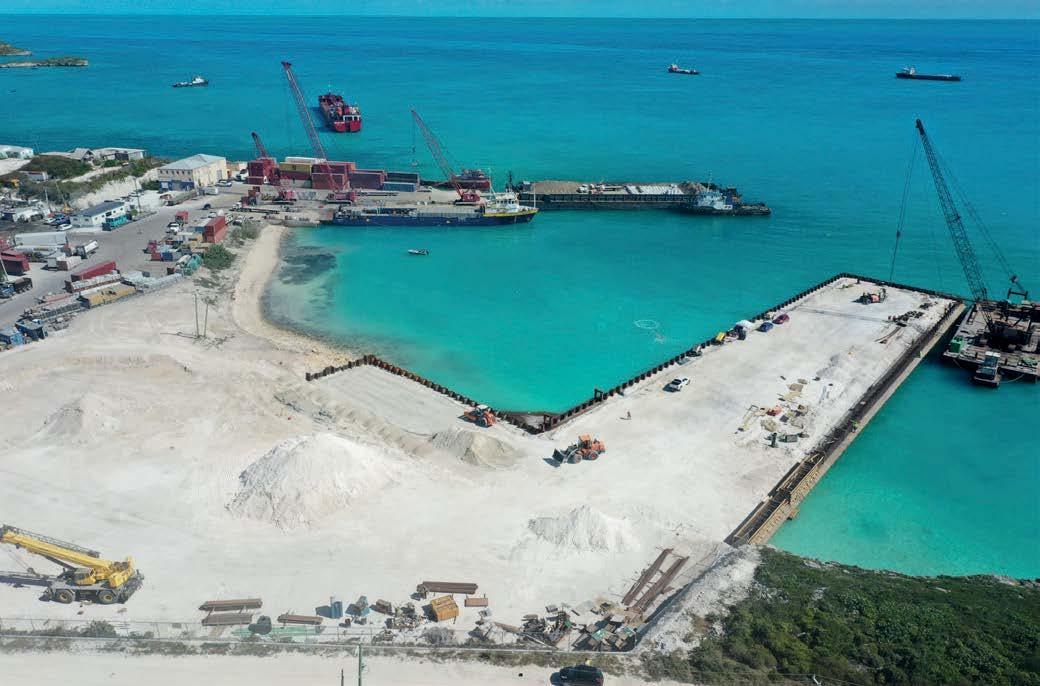
Striving to be the Caribbean’s Premier Port with Unmatched Service for Turks & Caicos!

as well as to other key trade partners spanning North America, South America, and even Europe. To facilitate such connectivity, CMA CGM operates a weekly container shipping service directly to and from the Port of Georgetown, which is the principal and primary maritime gateway for the country.
Across all of CMA CGM’s services, the company also offers a range of value-added services to support its customers’ cargo from the start to the end of its journey. These value-added services include things such as cargo insurance and are built directly into CMA CGM’s online platform, making them an easy additional step for customers when arranging shipments. The platform provides complete visibility over its customers’ cargo shipments, ensuring that from the warehouse to the end destination, customers can monitor their cargo shipment, knowing that it is protected. Insurance offerings through CMA CGM’s value-added services can protect cargo from physical risk and damage. These damages could include loss or damage as a result of fire, collision, natural disasters, theft and mishandling. Therefore, when shipping with CMA CGM, both across the Americas and its global network, customers know that their cargo is being supported by expert shipping and logistics services, as well as its range of valueadded services to ensure that cargo reaches its end destination safely and securely.
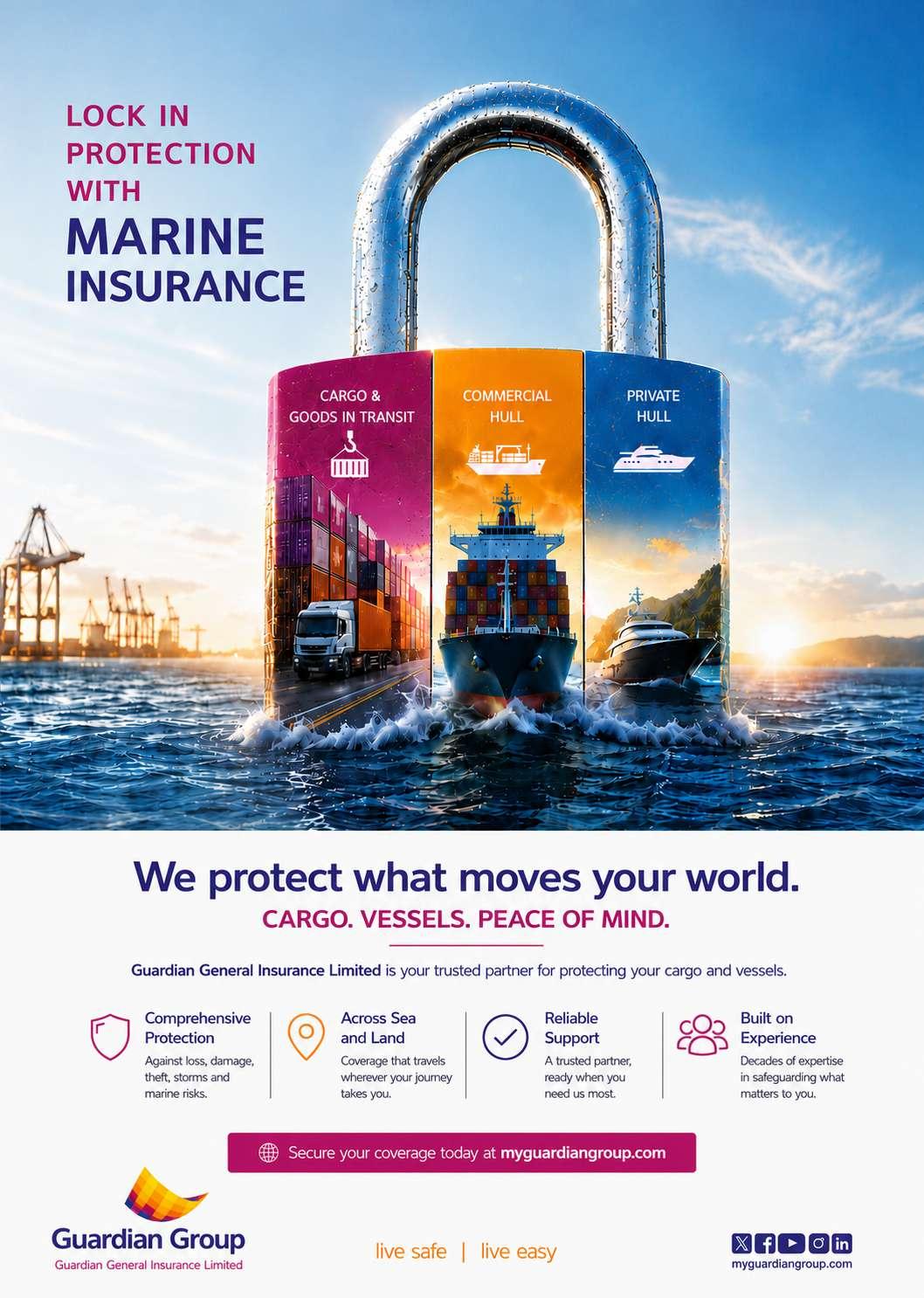
Business today moves through ports, coastlines, roads and supply chains with increasing speed and complexity. Whether it is a commercial vessel supporting trade, a private yacht at sea or goods moving across borders, every journey carries risk. In this environment, marine insurance has become an essential safeguard for business continuity and financial resilience.
For many businesses and vessel owners, hull insurance forms the foundation of protection. Commercial vessels, fishing boats, workboats and private pleasure crafts represent significant investments. Unpredictable weather events, theft, accidental damage and supply chain delays are no longer distant possibilities; they are realities that must be navigated every day.
This is where experience and partnership matter. Modern marine insurance is no longer a one-sizefits-all solution. It has evolved from being a practical
safeguard to becoming an essential component of business resilience. It provides the confidence to operate knowing that disruptions need not become setbacks.
Marine protection today also extends beyond the ocean. Goods in transit coverage safeguards products throughout the logistics chain, from warehouse to destination, including transport by road, sea or air. This continuity of protection helps businesses avoid costly gaps in coverage and maintain momentum.
For decades, Guardian General has supported businesses and vessel owners with marine insurance solutions tailored to the realities of an evolving marketplace, helping clients protect what matters and keep moving forward. Guardian General Insurance Limited’s marine coverage helps owners recover faster and return to business or leisure with confidence.
Across CMA CGM’s operations in the Americas, the company has continued to expand its service offerings to better strengthen its network across the region and support businesses with vital access to global markets. In December, CMA CGM announced that it was reshuffling its PEX2 AsiaCaribbean service, in an effort to strengthen its schedule reliability and enhance the overall port coverage across such a key corridor. The PEX2 service is one of the region’s most reliable and direct services spanning the Caribbean’s ports, whilst also providing a dedicated service between the Caribbean and Mexico. The adjustment to the
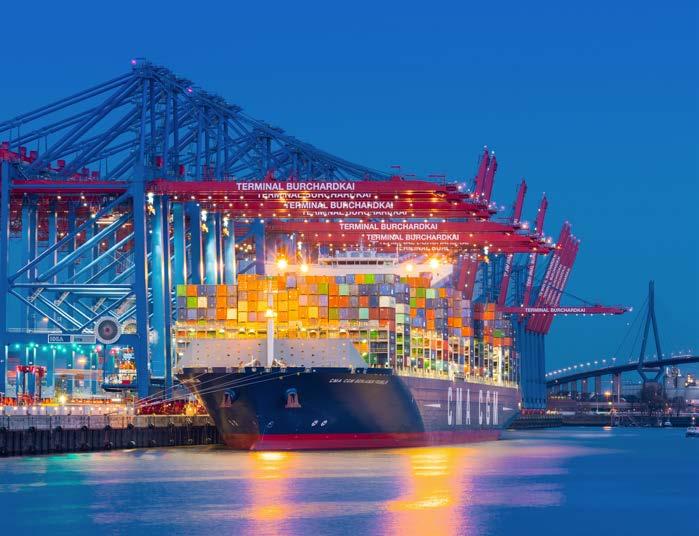
PEX2 services will now add a call at Vung Tau in Vietnam to strengthen the region’s connection to Southeast Asia through feeder connections, whilst also offering new solutions for Mexico’s import and export markets to use the services to access further markets in Asia. Furthermore, the service will offer direct connection to the Dominican Republic, Panama, Jamaica, Colombia and Mexico, many of which will be supported by CMA CGM’s extensive port coverage through the company’s feeder services across the Caribbean. This development highlights CMA CGM’s continued commitment to supporting businesses across the region and the world with reliable, competitive and resilient services to serve the Latin American market for many years to come.
Across CMA CGM’s operations in the Americas, we are reminded why the company is a leader in the shipping and logistics sectors; from its role enhancing services across the interconnected shipping networks spanning the Americas, to providing reliable services along global routes to the likes of Europe and China, the company is a key driver of the region’s interconnectivity. With the continued expansion and development of its services, CMA CGM remains committed to supporting businesses and, in return, helping support the region’s economic development through vital services that keep supply chains and cargo moving.

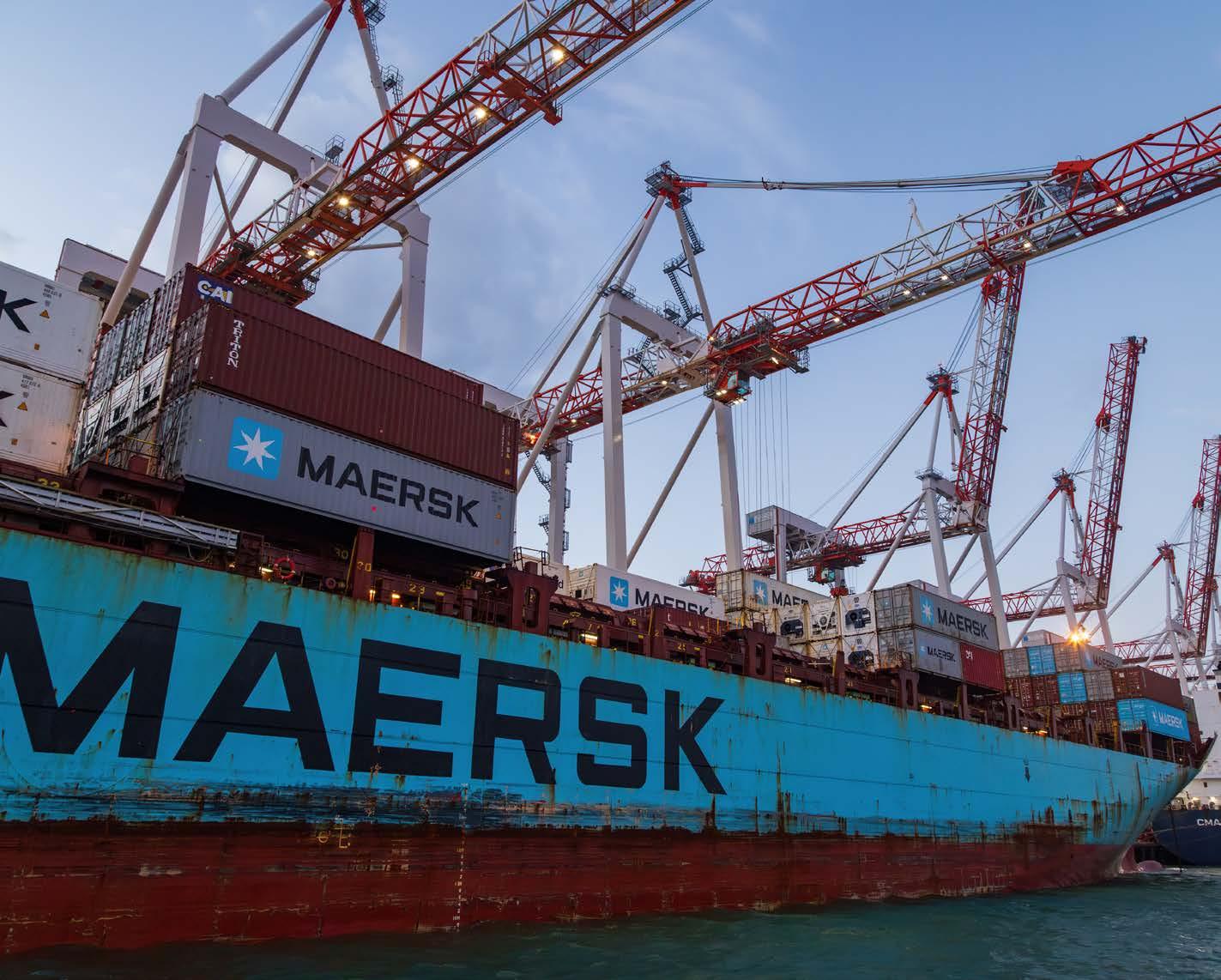
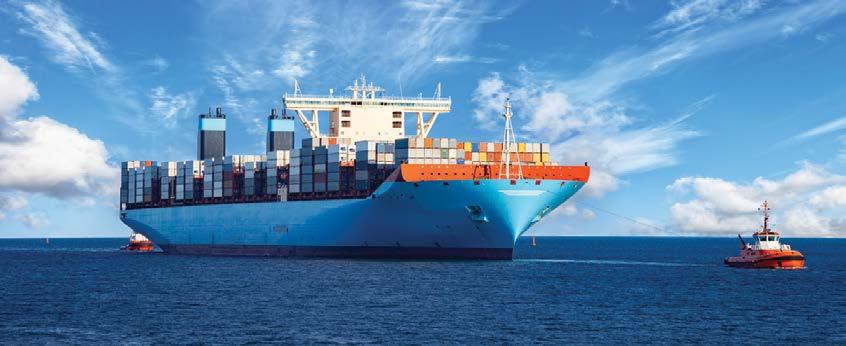
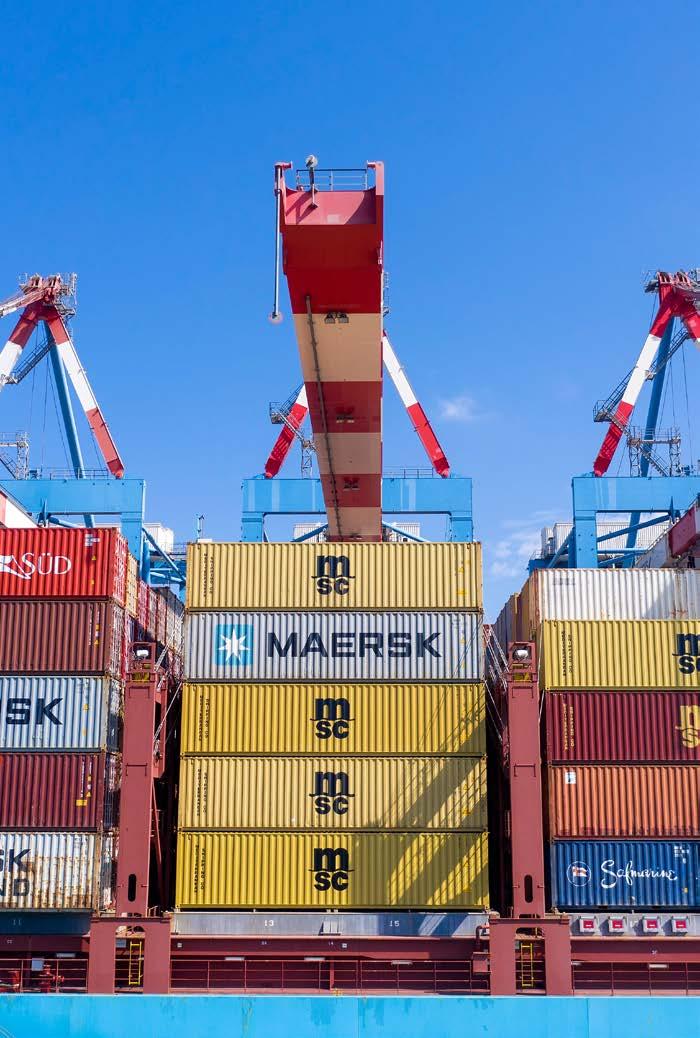
With more than a century of operations behind it, A.P. Møller – Mærsk (Maersk) is a leading international integrated logistics company connecting customers across the globe. With operations in more than 130 countries, Maersk operates one of the world’s largest container shipping networks, which moves 12 million containers every year to all corners of the globe. Across the globe, its operations are divided into key divisions, including Maersk’s India, Middle East and Africa (IMEA) international network. Within this division, we’re excited to explore some of the key services offered across Africa, where Maersk is committed to helping customers enhance their supply chains with reliable and integrated logistics solutions.
Maersk has long been the partner of choice for customers around the world, thanks to the company’s seamless movement of goods via its interconnected logistics networks that combine vessel, air, and truck transportation with warehousing and port operations to support cargo movement across the globe. This network has allowed Maersk to maintain its competitive role as a leading cargo logistics provider, where it utilises the local knowledge and logistics expertise of its global network to help facilitate more efficient, reliable and cost-effective shipping solutions. These operations can be seen in Africa, where Maersk delivers vast shipping and logistics operations spanning across the entire continent. Africa has seen an expanding consumer base in recent years, which has been supported by the continent’s industrial capacity to help bring more unique opportunities and challenges to the region’s logistics networks. These challenges are what Maersk is all about: to deliver both simple and complex logistics solutions that can optimise its customers’ operations and help their businesses continue to grow. Across IMEA, Maersk brings together its local insight, dependable execution


MTI Logistics is a global logistics and cargo transportation company headquartered in Djibouti, known as a major industry leader in the region. Established with strong expertise in logistics management, MTI offers a comprehensive suite of services tailored to both local and international clients, including freight forwarding by sea, air, and land, inland haulage, air cargo solutions, customs clearance, and warehousing & distribution.
MTI Logistics is a global logistics and cargo transportation company headquartered in Djibouti, known as a major industry leader in the region. Established with strong expertise in logistics management, MTI offers a comprehensive suite of services tailored to both local and international clients, including freight forwarding by sea, air, and land, inland haulage, air cargo solutions, customs clearance, and warehousing & distribution.
The company also handles specialized logistics projects, such as heavy lift and project cargo, relocation services, and integrated supply chain solutions, all supported by its experienced team and global network. MTI is committed to efficient, reliable, and cost-effective logistics that ensure timely delivery and customer satisfaction across a wide range of industries.
The company also handles specialized logistics projects, such as heavy lift and project cargo, relocation services, and integrated supply chain solutions, all supported by its experienced team and global network.
MTI is committed to efficient, reliable, and cost-effective logistics that ensure timely delivery and customer satisfaction across a wide range of industries.
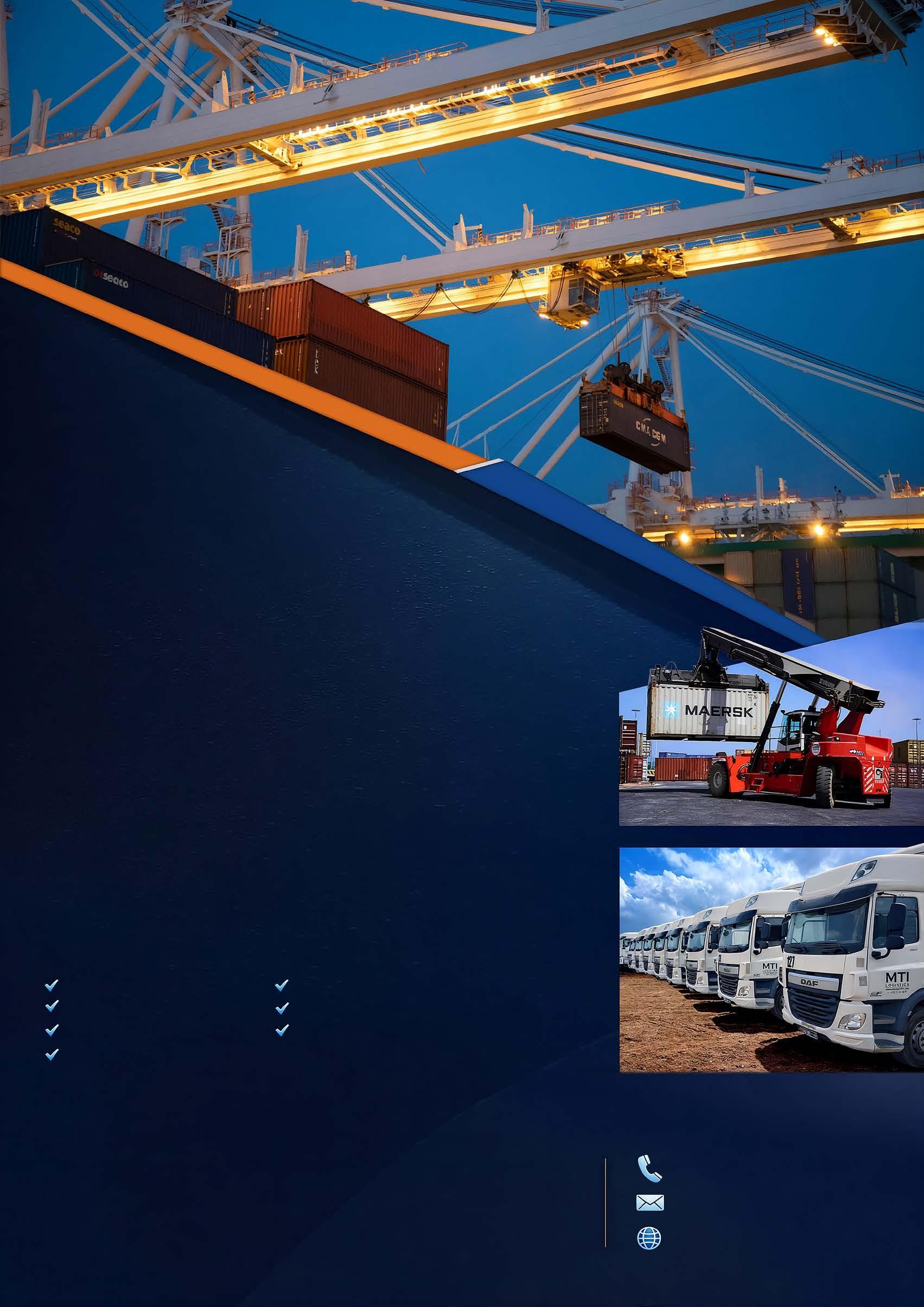
MTI boasts an extensive fleet of trucks and lifting equipment in Djibouti, setting the benchmark for quality and reliability.Our capabilities include: LTL & FTL Transportation • FlatBed Services
• OOG & Heavy Lift Transportation • Local Delivieries & Pichups
MTI boasts an extensive fleet of trucks and lifting equipment in Djibouti, setting the benchmark for quality and reliability.Our capabilities include: LTL & FTL Transportation • FlatBed Services • OOG & Heavy Lift Transportation • Local Delivieries & Pichups
mti-logistics.com
mti-logistics.com
and agile logistics network to deliver the logistics needs of its customers every day.
A key country where Maersk’s logistics have been supporting global trade is in Angola, where Maersk has been connecting businesses to the world since 1998. Maersk’s logistics operations serve all main ports in Angola, with regular main line and feeder vessels, as well as vital inland shipping routes. Common exported commodities include oil, diamonds, LNG, coffee and fish. These cargoes, along with general cargo, are met with Maersk’s local experts to facilitate seamless movement of products out of the country, and along to its global network to connect such industries with their respective markets across the world. Alongside general cargo, Maersk also has specialised operations to handle standard, refrigerated and oversized goods travelling to and from Angola.
One of the most pivotal ports for Maersk’s operation in Angola is the Port of Luanda, which is the country’s main maritime hub responsible for export and import services to connect Angolan businesses to the world. Located in the centre of the most populous and economically dynamic region in Angola, the port provides ample space for cargo unloading, which can then be moved via the country’s railroads and highways to end markets.
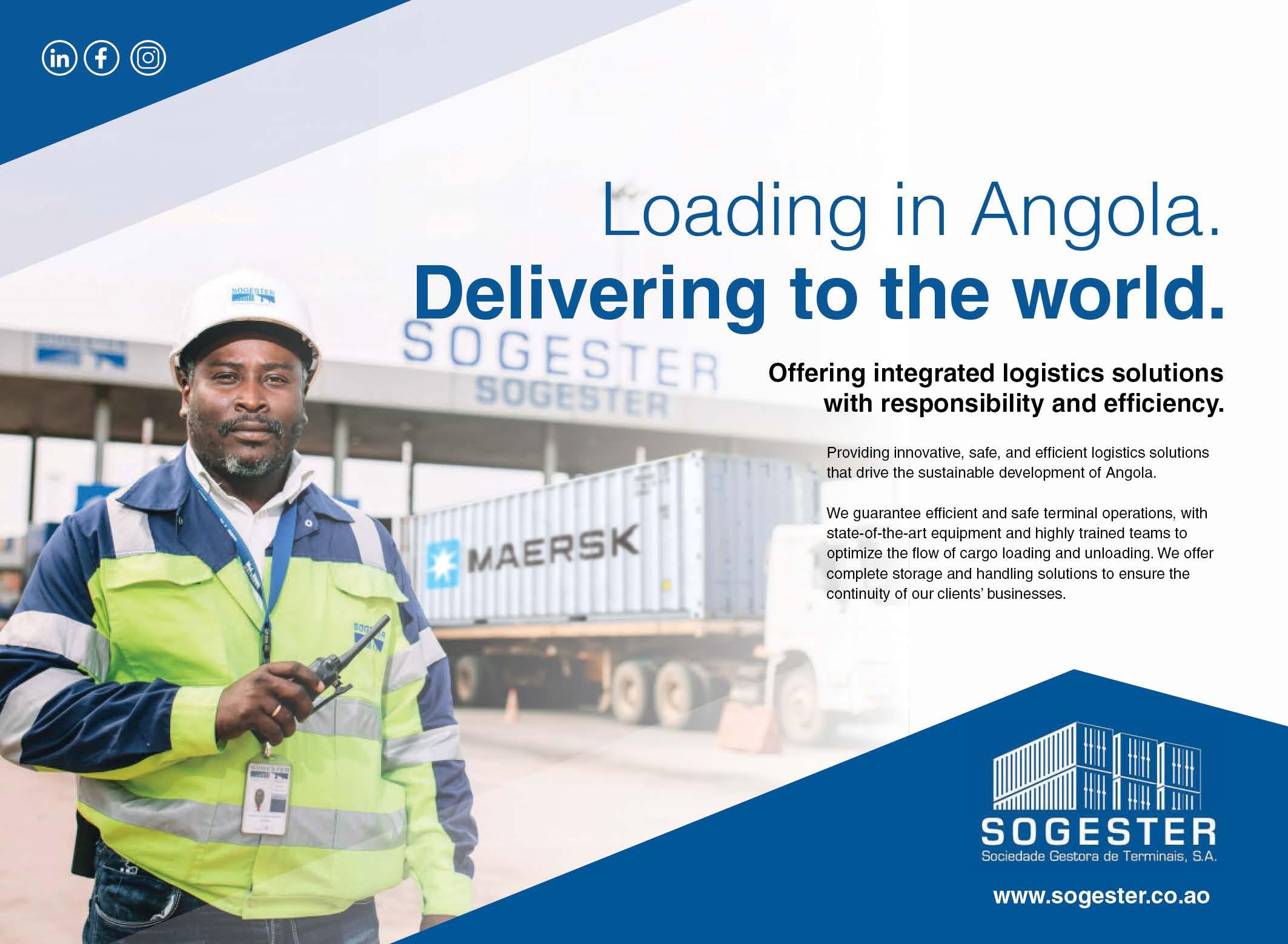
Over the past 18 years, Sogester has maintained a close partnership with Maersk Group, initially as a terminal partner and subsequently as a client. This relationship continues to this day, fostering a highly collaborative partnership between Sogester and Maersk Group, which is Sogester’s primary customer in terms of volume. Several services originating from North Europe, Africa West, and the Far East utilize Sogester’s terminal, and these services are operated with utmost attention to service quality, productivity, and safety.
The Sogester company is proactively preparing for the future of its customers. Studies and agreements are currently being made to upgrade the facility in Luanda to meet the evolving needs of the Lines. Surveys are ongoing, and agreements are being finalized with a construction company
to transform the current two quays into a single, elongated quay measuring 535 meters. This expansion will include four 24-outreach ship-to-shore cranes and at least four Mobile Harbours cranes with Liebherr 800 and 550 models (3/1).
The draft on the terminal will be dredged by the Port Authority based on the newly agreed 20+10 years concession agreement to -16 meters, enabling the port to accommodate the largest vessels in the future.
Complementarily, our operational system is fully integrated with financial and automatic gates, as well as reefer monitoring systems. These enhancements will provide Sogester with the necessary capabilities to manage the ongoing growth of vessels in the future.
www.sogester.co.ao/
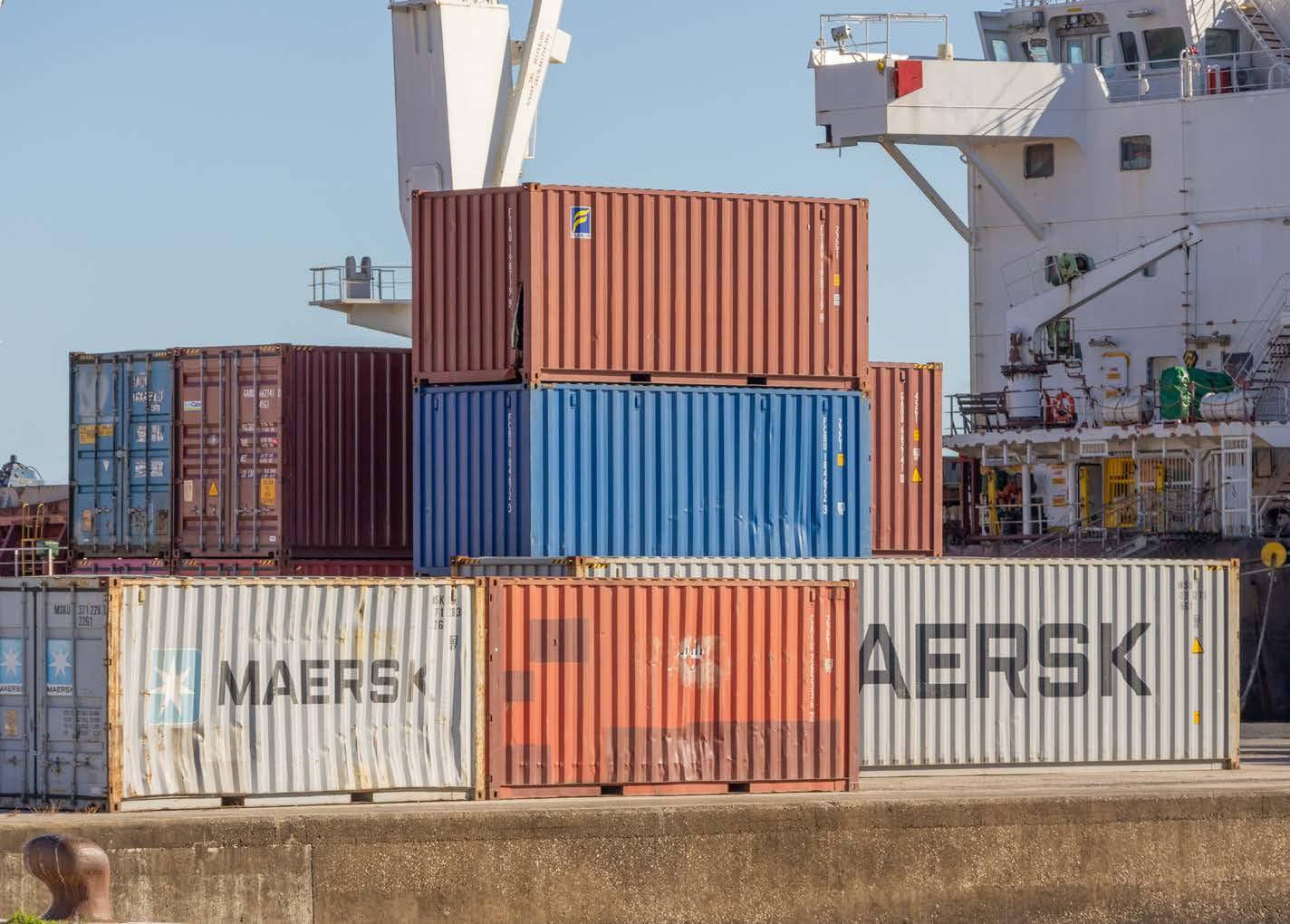
The Port is 2,728 meters long and is divided into seven terminals and a logistics platform intended to aid oil and gas extraction. Maersk facilitates trips to the Port of Luanda to help deliver vital export shipping routes that allow Angola to move its export cargoes across the world, often connecting with key markets, including those in China. Whilst Maersk had previously had a stake in the Port of Luanda terminal, it sold its stake a few years ago and now provides integrated shipping logistics from the port rather than operating the terminal itself.
In recent years, Angola has seen significant growth in its fast-moving consumer goods (FMCG) supply chains, which have largely been due to infrastructure upgrades, digital innovation and regional integration across the shipping and logistics space. With a growing and integrated network, Angola has seen increasing investment towards its logistics infrastructure with the development of a new cold storage, solar-powered refrigeration and reefer containers, as well as modernisation upgrades at the Luanda and Lobito ports. Furthermore, the growth has been backed by government schemes that are promoting Angolanmade goods to reduce the country’s dependency on imports. Thus, with supply chains continuing to expand, the need for vital shipping operators such as Maersk is vital to help continue to fulfil the supply
chain growth for the country, which in turn brings greater economic development for Angola.
Another key example of Maersk’s operations in Africa is in Djibouti, where the company has been facilitating shipping solutions since 2013. For Djibouti, Maersk offers vital cargo shipping via its three weekly services that operate to and from the Port of Djibouti. From here, Maersk connects the country with markets across the world via its global interconnected shipping network. Shipping operations are vital for Djibouti, as the country, and specifically the Port of Djibouti, is responsible for handling around 90% of neighbouring Ethiopia’s trade. Therefore, the port is not only valuable for supporting Djibouti’s global trade, but also the trade of Ethiopia via its port and shipping operations.
The Port of Djibouti spans 7 specialised facilities, which together form a major logistics hub for global trade. This 7-facility network allows the port to deliver focused logistics, transportations and trans-shipment services across East Africa. One of the most significant aspects of this network is the Doraleh Container Terminal (DCT), which is regarded as one of Africa’s most advanced container terminals, equipped with modern facilities designed to offer world-class productivity. DCT has an annual capacity of 1.5 million shipping containers, and so provides essential handling
For businesses operating in Nigeria’s dynamic environment, the question is no longer whether to insure, but who to trust with that responsibility.Leadway Assurance, established in 1970 and Nigeria’s largest insurer by revenue,has spent over five decades earning that trust across corporate Nigeria. Serving big-ticket industries including oil and gas, shipping, aviation, construction,engineering, and manufacturing, Leadway Assurance offers a comprehensivesuite of B2B insurance solutions designed to protect assets, manage liability, andkeep businesses operational in the face of loss.
From marine insurance covering cargo, vessels, and transit risks, to engineering cover for large-scale infrastructure projects, Leadway’s solutions are built for businesses where the stakes are high. Group life insurance supports workforce obligations, while professional indemnity cover shields businesses against the financial consequences of errors, omissions, and third-party claims. What sets Leadway Assurance apart is not just the breadth of its offerings, but a claims record that speaks for itself, with N137 billion paid across portfolios in 2025 and N584 billion claims paid in the last 10 years.
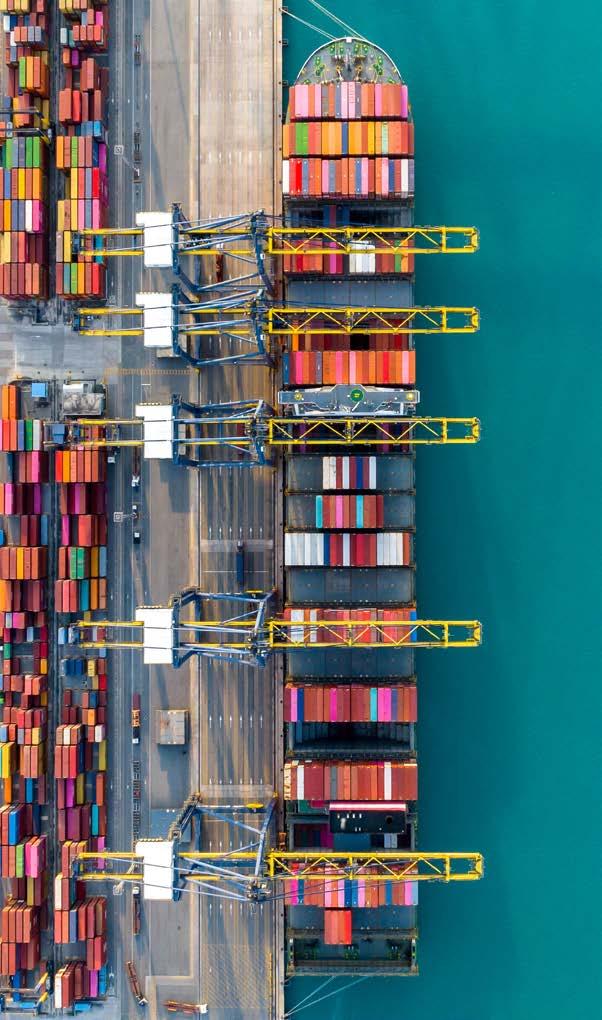


operations for containerised cargo, as well as for bulk, oil and livestock cargo travelling through the port. Accompanying DCT is the Doraleh Multi-Purpose Port, which then handles a range of cargo, including specialised bulk (grains, minerals and fertilisers), breakbulk, vehicles, and general cargo. Collectively, these port facilities provide Djibouti with the essential infrastructure for logistics and storage, serving as a crucial hub for the Horn of Africa. Therefore, with the Port of Djibouti and its specialised 7-facility infrastructure being so vital to the country’s shipping needs, Maersk’s operations are vital to supporting the country’s port into a thriving hub for both local and global shipping operations.
Both Angola and Djibouti sit within Maersk’s IMEA division, which has seen stable growth across its operations. In July, Maersk announced market updates for the IMEA region, where Africa has seen its trade environment continue to evolve. This is largely shaped by shifting demand patterns and infrastructure development in East Africa, where these developments are being supported by a key import network from the Far East, including China, Japan and South Korea. Then, in Western Africa, improved volumes have continued to show an upward trend, which has been supported by investment in infrastructure, which is meeting the rising demand for goods from consumers. Key countries leading this growth are Nigeria, Ghana and Senegal.
In fact, Maersk’s presence in Nigeria is prominent, with the company now operating as the largest shipping line in the country, enabling it to connect Nigerian businesses to the world. The largest port in the country is the Lago Port Complex, often referred to as a Premier Port, and is well equipped with modern cargo handling equipment and personnel support facilities, making the port a cost-effective and customer-friendly port. The port also benefits from rail, water and road connections, providing the port with essential intermodal connectivity to expand across the country, and extend into neighbouring markets. A key facility within the port complex is its major container terminal at the Apapa Port, where Maersk delivers vital solutions to the terminal. The terminal, operated by APM Terminals, a Maersk subsidiary, is responsible for processing a significant share of the nation’s cargo throughput and so is a vital hub for Maersk’s operations to connect Nigerian businesses with the world.
Another key port in Nigeria that is served by Maersk is the Lekki Deep Sea Port, which is Nigeria’s first fully automated deep-water port. The port is capable of handling mega vessels, and today it is the largest maritime gateway serving as a pivotal hub spanning the West African region. The port
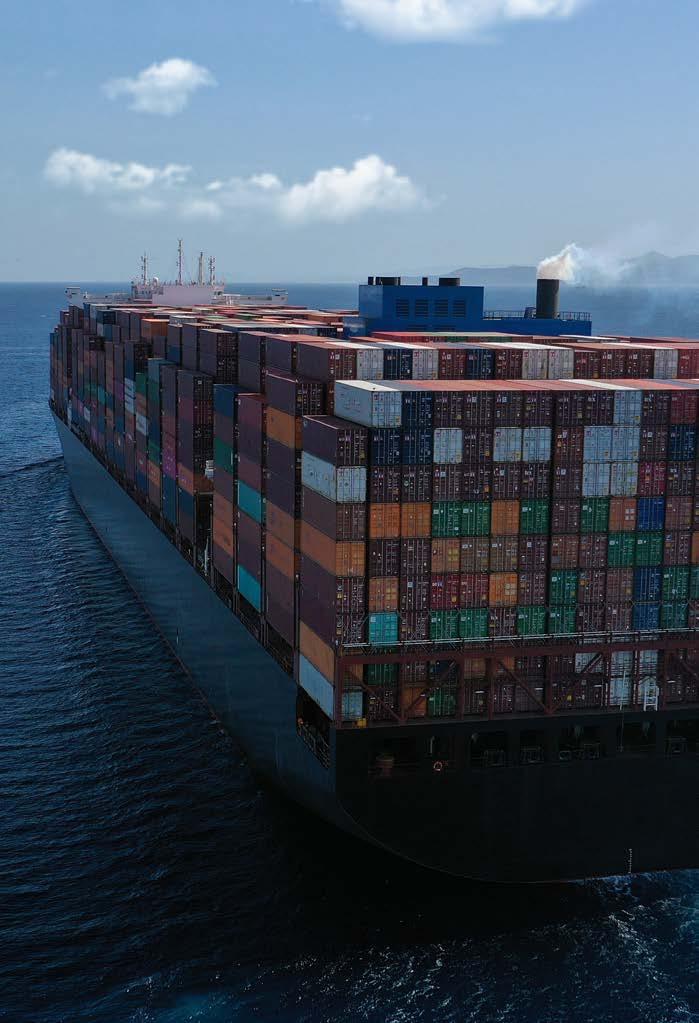
has a depth of 16.5 metres, and so it is capable of receiving 18,000 TEU vessels, and so the port is a hub for key transhipment operations. Plus, with a fully automated modern port supported by 2 FS 6000 scanners to optimise inspection of cargo, cargo can move through the port in as little as 5-7 days for imports and 7 days for exports. Thus, the Lekki Deep Sea Port, along with the Lago Port complex, are vital to Maersk’s shipping operations to and from Nigeria, as it utilises the port’s vast infrastructure and automation to manage largescale international container operations, whilst facilitating transhipment to neighbouring West African countries.
In Senegal, Maersk has developed an integrated logistics hub strategically located between the Port of Dakar and Dakar’s Industrial Area. The hub is the first of its kind for Senegal and will provide an integrated supply chain solution to meet the needs of Maersk’s customers. The warehouse will offer 5,100 square meters of indoor storage capacity, with an additional 500 square meters of outdoor storage space. This will help Maersk to handle a wide range of commodities, including fast-moving consumer goods, retail merchandise, lifestyle products and technology items. According to Thomas Theeuwes, Managing Director for Maersk West Africa, “This investment in Dakar demonstrated
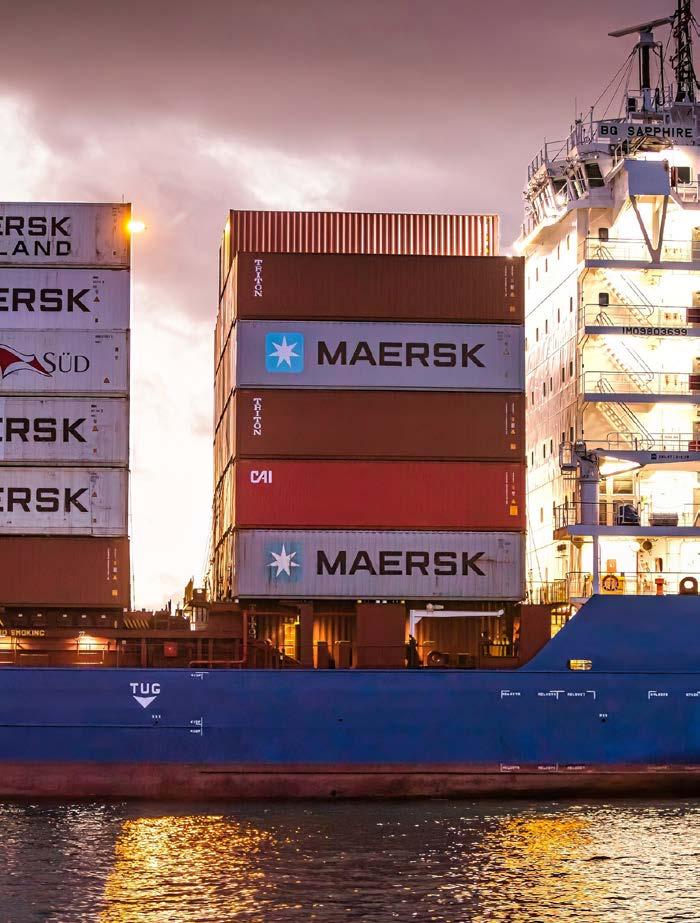

our long-term commitment to Senegal and the broader West African region. By establishing this modern warehouse facility, we’re delivering on our promise to create seamless, integrated logistics solutions that enable our customers to optimise their supply chains and accelerate growth.”
Theeuwes’ comments here highlight Maersk’s key role not just in West Africa, but across the continent to enhance the existing infrastructure of countries across Africa and facilitate key shipping routes to help support long-term growth for each respective country and enhance its global networks.
Across all of Maersk’s operations in Africa, the company remains committed to offering integrated shipping solutions to its customers, which can help move their goods from one destination to another through its reliable and interconnected network spanning ocean, rail, air and waterways. As we have seen in Angola, Djibouti, Nigeria and Senegal, and even more widely across Africa, Maersk brings together its global shipping network and local insight to deliver integrated shipping solutions that help customers strengthen their supply chains, supported by its reliable and efficient logistics solutions.



TotalEnergies is a key global energy company committed to delivering vital energy resources to the market, thereby enhancing global energy development and supporting the economic growth of each country’s energy sector. In recent years, we’ve seen the expansion of TotalEnergies’ operations in Suriname, where the company is delivering exciting energy exploration and production projects that are bringing key investment into the country for the long-term development of Suriname’s energy sector. However, across all of TotalEnergies’ operations, and especially those in Suriname, the company remains committed to developing these energy resources with sustainability and local responsibility in mind.
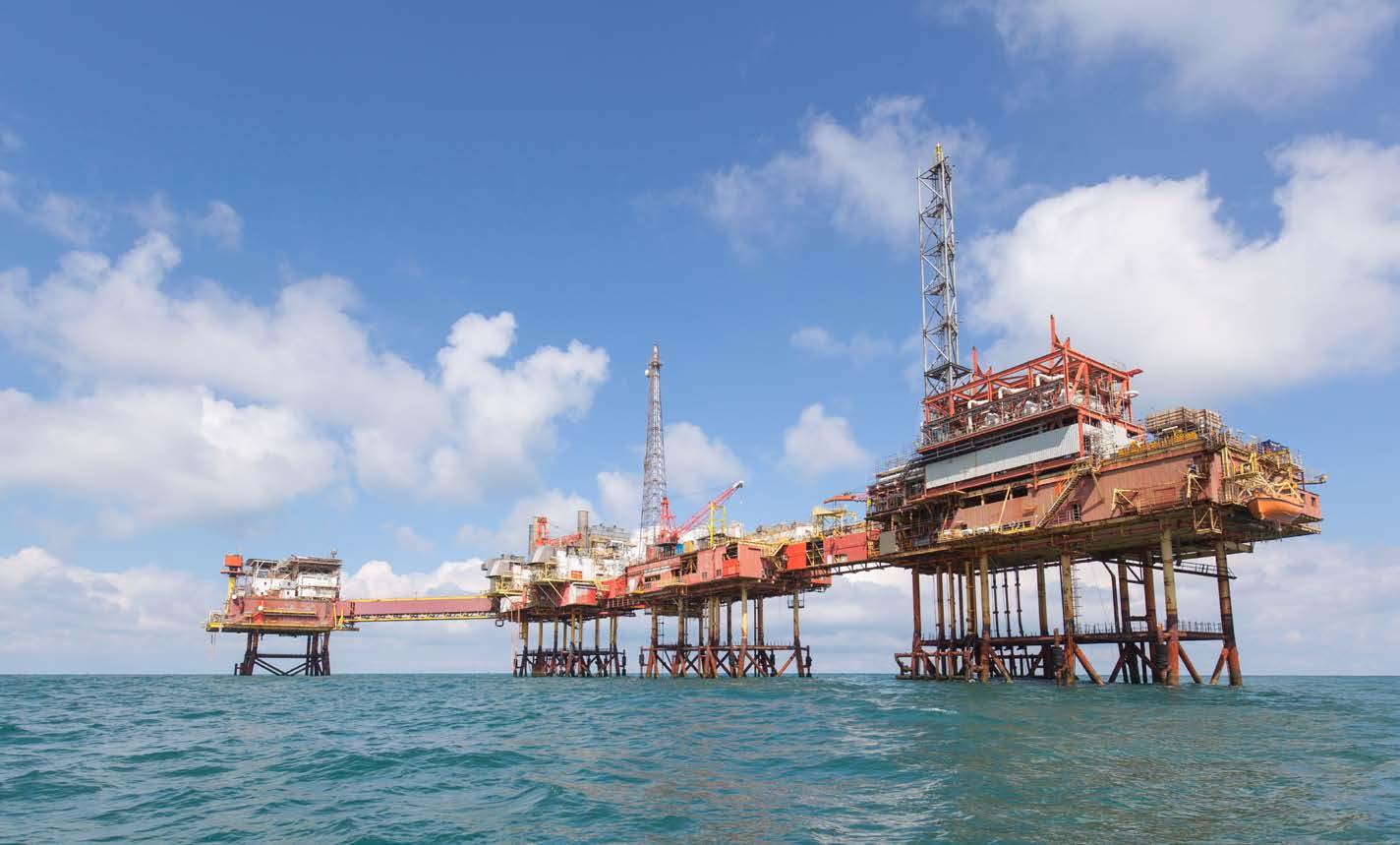
TotalEnergies’ operations in Suriname began in late 2019, when it signed its first agreement in the country for a 50% operated stake in one of the region’s most prolific oil-producing regions, the Guyana-Suriname Basin. The agreement covered Block 58, which today is the site of the GranMorgu project, a major deep-water offshore oil project that is operated by TotalEnergies. The GranMorgu project spans the Sapakara South and Krabdagu oil fields and has been a site of significant development under TotalEnergies in recent years. The project has a confirmed combined recoverable resource of close to 750 million barrels across the two oil fields, offering a vital energy development for Suriname. Block 58 is jointly owned by TotalEnergies and APA Corporation in an equal 50% partnership. However, following the FID for the project in 2024, Staatsolie Maatschappij Suriname N.V. (Staatsolie), Suriname’s state-owned national oil company, were given the option to enter the agreement with a 20% ownership. The GranMorgu project will deliver new wells at depths of between 100 and 100 metres across Block 58. Oil production will be achieved through this system of subsea wells, which will ultimately be connected to an FPSO (Floating Production Storage and Offloading Unit) also located off the Suriname Coast. Once completed, the project is expected to have an oil production capacity of 200,000 barrels of oil per day (b/d), and it will contribute significantly to the development of oil resources across Suriname. Production is expected to begin from the project in







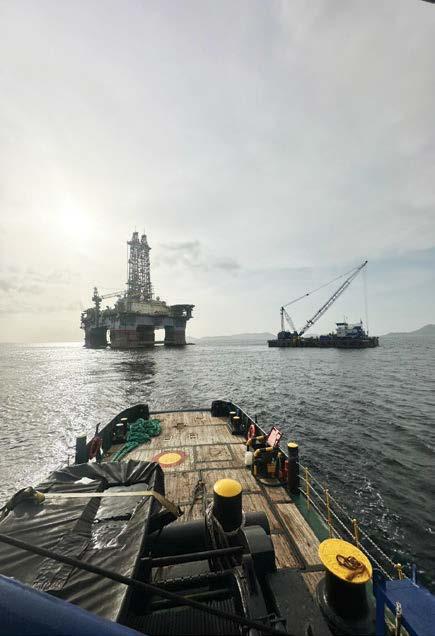







2028, where the FPSO is designed to support future connections of satellite fields across the block to extend the duration of its production plateau.
The GranMorgu development represents a vital investment in Suriname’s energy sector, not just for its expected production rates, but due to the investment it brings to the local community. The total GranMorgu project will see a total of $10.5 billion invested, and a significant portion of this will be made locally, which will contribute to the local employment and economic development of Suriname. A key reason for this is that local companies, including logistics providers as well as the maintenance of the installation, will see between $1-1.5 billion invested in local content, creating over 60,000 direct, indirect and induced jobs across Suriname. Thus, the local community has long played a key role in the development of









the project, and so throughout its development, TotalEnergies has remained committed to working with local stakeholders across Paramaribo and the coastal districts to maintain a dialogue surrounding the development project. This dialogue ensures that its development continues to positively impact local communities whilst enhancing the country’s overall energy development.
Alongside the project’s key local community development, TotalEnergies also remains focused on delivering the project in line with its sustainability strategy to create more low-emission and low-cost oil and gas projects. The GranMorgu project is well in line with these goals, due to its focus on minimising greenhouse gas emissions, with the final project’s Scope 1 and 2 emissions intensity planned to be less than 16kg Carbon Dioxide equivalent per barrel of oil equivalent (CO2e/boe). This will be achieved through the all-electric FPSO for the project, which will have zero routine flaring and full reinjection of associated gas into its reservoirs. In addition, the project will be optimised for power usage with a Waste Heat Recovery unit and an optimised watercooling system for enhanced efficiency, as well as the installation of a methane detection and monitoring system. Collectively, these measures aim to help TotalEnergies deliver the GranMorgu project to enhance the region’s energy potential, support local content, whilst also limiting its overall impact on the environment.
















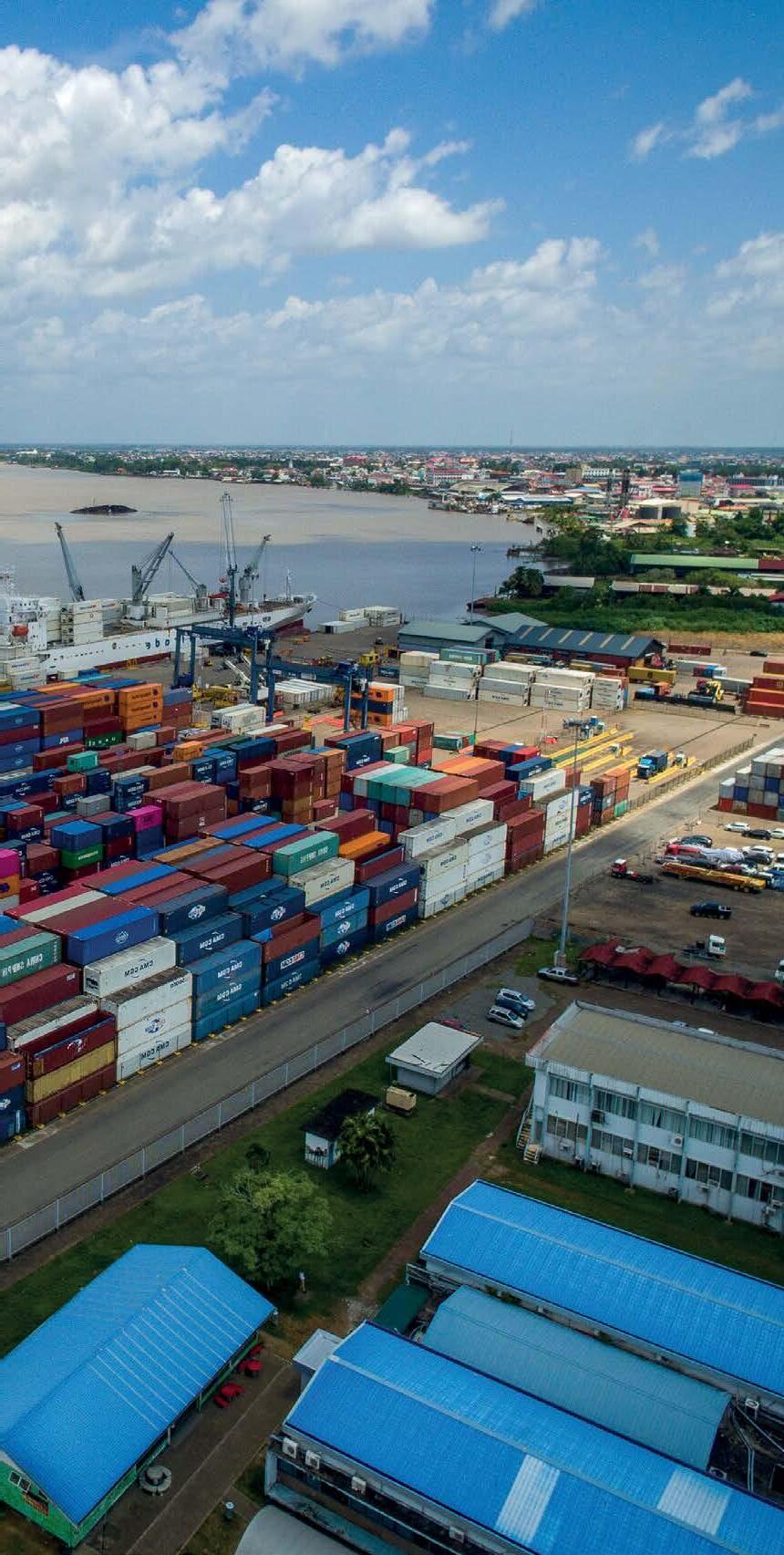
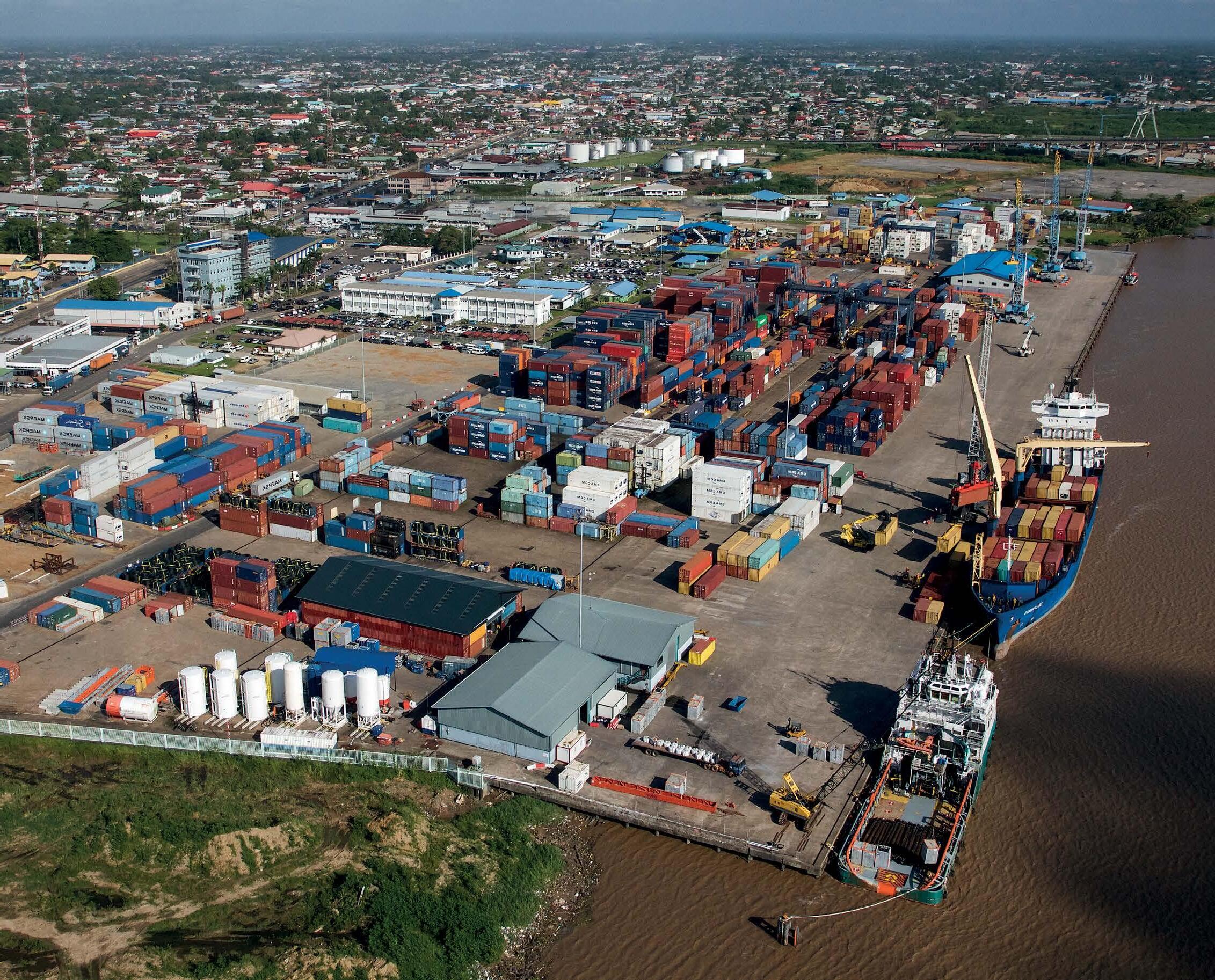
With modern facilities, skilled people and a firm commitment to sustainability, in a splendid public private partnership with the Terminal Operators, we keep cargo moving safely and efficiently, in service of the national economy.

Enabling sustainable economic growth through our port platforms.
T: +597 404 044 • E: smeport@havenbeheer.sr

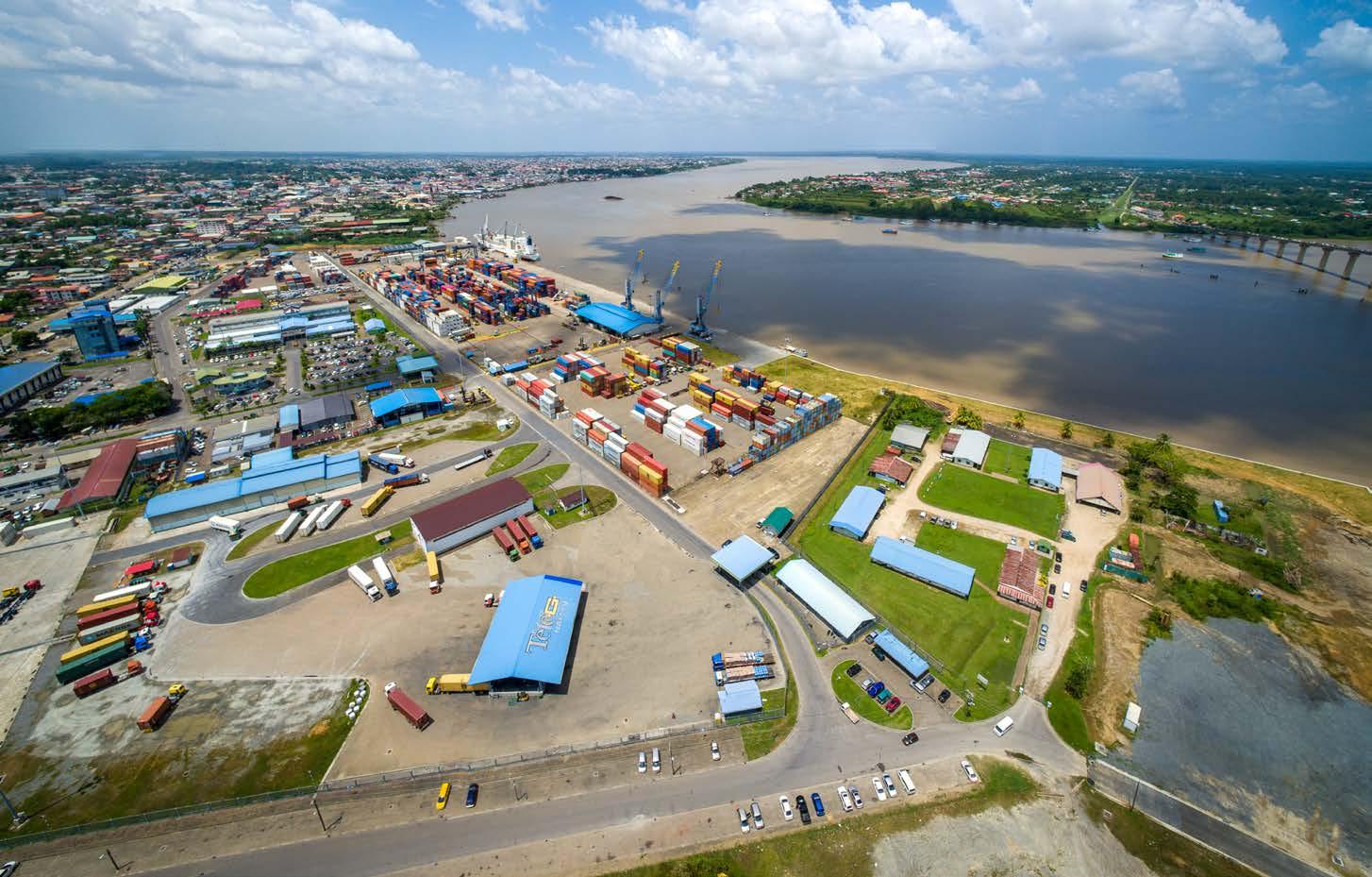
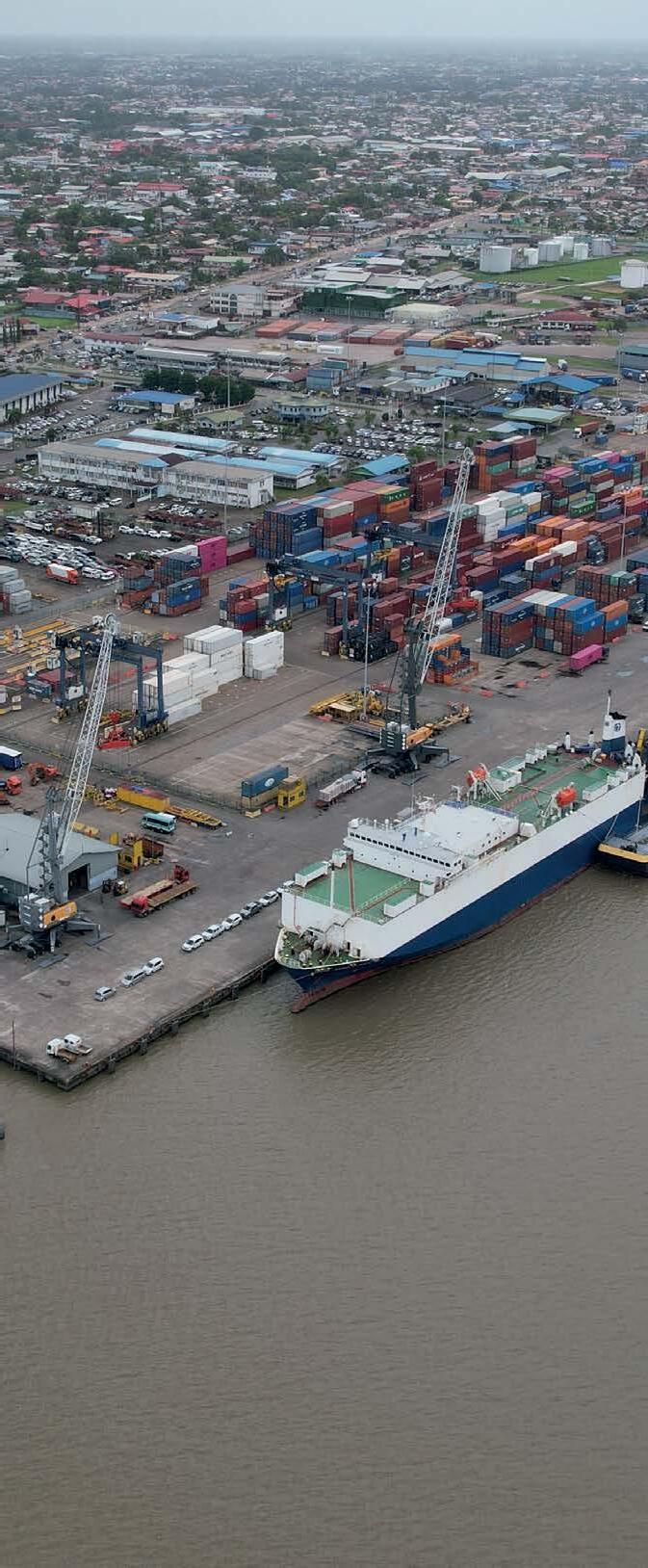
As Suriname positions itself at the forefront of South America’s emerging offshore energy sector, N.V. Havenbeheer Suriname is playing a pivotal role in shaping the nation’s maritime and logistics landscape.
As the steward of Suriname’s most critical port and energy infrastructure, Havenbeheer manages the Dr. Jules Sedney Terminal in Paramaribo, the country’s dedicated Oil Jetty, and the strategically important Port of Nieuw Nickerie. Through these assets, the state-owned enterprise delivers essential port services, including cargo handling, vessel berthing, warehousing, and maritime security—facilitating the smooth flow of domestic and international trade.
With offshore oil and gas development accelerating, Havenbeheer is investing heavily to transform its facilities into a world-class logistics hub. Its specialized Oil Jetty serves as a vital gateway for bulk liquid fuel imports, accommodating vessels transporting diesel, gasoline, and other petroleum products. At the same time, the Paramaribo terminal is being expanded and upgraded into a modern shorebase capable of supporting largescale offshore exploration and production activities.
Through strategic partnerships, the company is enhancing port capacity with expanded quays, dedicated storage areas for casing pipes, specialized warehouses, and mud plant facilities designed to support offshore drilling operations. These developments are strengthening Suriname’s readiness to serve the growing demands of the energy industry.
Looking to the future, Havenbeheer has developmentplans as well for a greenfield project to create a deep-water port and special economic zone in Nickerie. Envisioned as a multi-billion-dollar investment, the project will incorporate natural gas processing facilities and liquefied natural gas (LNG) export infrastructure, creating a fully integrated energy and logistics platform.
Together, these initiatives position N.V. Havenbeheer Suriname not only as the backbone of the nation’s port sector, but also as a key enabler of Suriname’s emergence as a major player in the region’s offshore energy economy.
www.havenbeheer.com

Speaking on the FID reached in 2024, Patrick Pouyanné, Chairman and CEO of TotalEnergies, outlines, “Building on TotalEnergies’ pioneering spirit, this landmark project marks the first offshore development in the country and capitalises on our extensive expertise in deep offshore innovation. Launched only a year after the end of appraisal, GranMorgu fits with our strategy to accelerate time-to-market and develop low-cost and lowemission oil projects.” Pouyanné’s comments here highlight just how valuable this project will be for the future of Suriname’s energy sector, thanks to its focus on enhancing the country’s offshore energy potential, whilst implementing measures to limit its environmental impact and support local development. However, TotalEnergies’ operations in Suriname do not end there, because in 2025 the company announced it had signed an agreement to acquire the 25% interest held by Moeve in Block 53. Block 53 is located directly east of Block 58, where the GrandMorgu development is taking place. Following the acquisition, Block 53 is now held in a joint venture between APA Corporation (45% and operator), Petronas (30%) and TotalEnergies (25%). Block 53 contains the Baja-1 discovery, where over 34 metres of oil were encountered in the Campanian formation. This discovery is a significant downdip extension of the same deposit system as the Krabdagu discovery in Block 58. For TotalEnergies, the proximity of Block 53’s development to its
existing GranMorgu infrastructure in Block 58 will allow TotalEnergies to utilise its existing networks to enhance the development of Block 53.
According to Javier Rielo, Senior Vice President Americas, Exploration and Production at TotalEnergies, “This acquisition brings new resources to the development of our low-cost and low-emission Gran Morgu project.” Rielo continues, “It also proves how TotalEnergies will leverage GranMorgu infrastructure to develop profitably additional resources and extend its production plateau, strengthening the position of the Company in the offshore of Suriname.” As we can see from Rielo’s comments, the acquisition of 25% of the Block 53 development will help enhance TotalEnergies’ total portfolio across Suriname’s energy sector to deliver vital energy development that can strengthen the company’s energy delivery for the future.
In addition to the Block 58 developments, TotalEnergies has previously signed a sharing contract for 2 shallow offshore blocks. These blocks, 6 and 8, were awarded to TotalEnergies following the Suriname Shallow Offshore Bid Round 2021/2021, where TotalEnergies took on the operation of the two blocks with 40% interest. The operation is in partnership with Qatar Energy, which has a 20% interest, and Paradise Oil Company (POC), a subsidiary of Staatsolie, which also has a 40% interest in the development. Blocks 6 and 8 are located towards the south of Suriname, not far
Backed by decades of regional Oil & Gas experience, strong international partnerships, and a committed local workforce, D.S. Belcon supports complex exploration and development activities across Suriname, Guyana, and Trinidad and Tobago with precision, compliance, and local content expertise.
With offices strategically located near key port infrastructure, we deliver integrated logistics solutions that ensure efficient, safe movement of vessels, cargo, and personnel.
• Port Agency Services
• Project & Offshore Logistics
• Customs Brokerage
• Crew & Immigration Services
• Transportation & Freight Forwarding
As Suriname advances into the next phase of offshore development, we remain focused on delivering safe, reliable, and efficient logistics solutions - onshore and offshore.
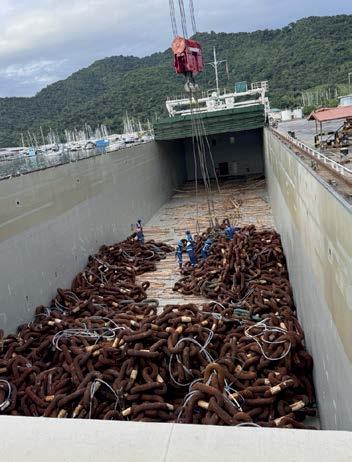

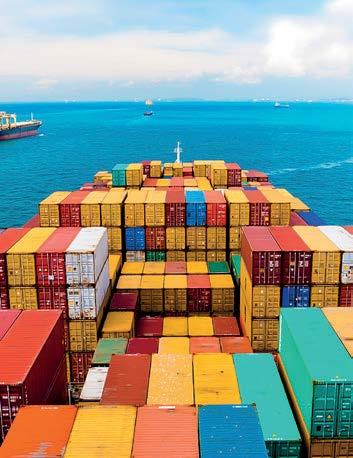

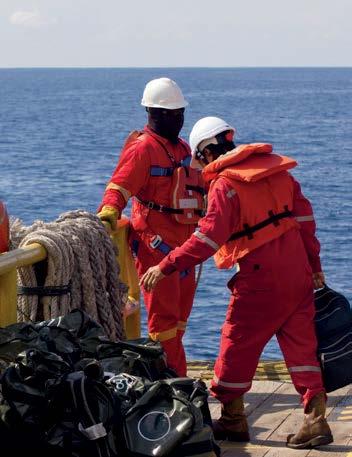

from the border to Guyana, and directly adjacent to Block 58.
The Senior Vice President of Exploration for TotalEnergies, Kevin McLachlan, states in the press release for the Block 6 and 8 sharing contract that “TotalEnergies is pleased to expand its operatorship position in Suriname, a world-class emerging basin, exploring for low technical costs and low GHG emission oil resources”. He continues, “This new milestone further strengthens our strategic international partnership with Qatar Energy, marking its first entry to Suriname”. As we can see from McLachlan’s comments, TotalEnergies’ span across Suriname has established it as a key player in the country’s energy industry. With significant developments in Block 58 and Blocks 6 and 8, TotalEnergies continues working with crucial partners and players across the global industry to bring sustained economic growth and a wider sphere of energy potential to the region.
Across TotalEnergies’ operations in Suriname, the company draws on more than 50 years of experience in South America’s energy sector to advance its expanding developments in the region. One of the earliest countries of development in South America for TotalEnergies was Brazil, and today the company is present in almost every aspect of Brazil’s energy sector, spanning from upstream exploration and
production to downstream marketing services. Within this, TotalEnergies remains committed to developing renewable and green energy to support the region’s transition towards a more sustainable future. This diverse portfolio in Brazil has enabled TotalEnergies to expand across the South American energy market and build up its expertise across every aspect of the hydrocarbon production cycle. With this expertise, not only within South America but on a global scale, it is no surprise that today TotalEnergies is leading vital developments in Suriname to develop the country’s energy resources and position the country as a hub for global energy development over the coming years.
Suriname represents a vital hub for energy development in South America, and with TotalEnergies exploring vital oil and gas resource development projects, the country’s energy sector looks set to continue to grow in the coming years. However, each project delivered by TotalEnergies in Suriname is underpinned by local and environmental considerations to ensure that Suriname can produce the energy it needs now, whilst also supporting the future of the country’s energy sector. With continued investment and acquisitions into the sector, we look forward to seeing how TotalEnergies will continue to enhance its network across Suriname, whilst leveraging its existing infrastructure to enhance the energy potential of the country for the future.

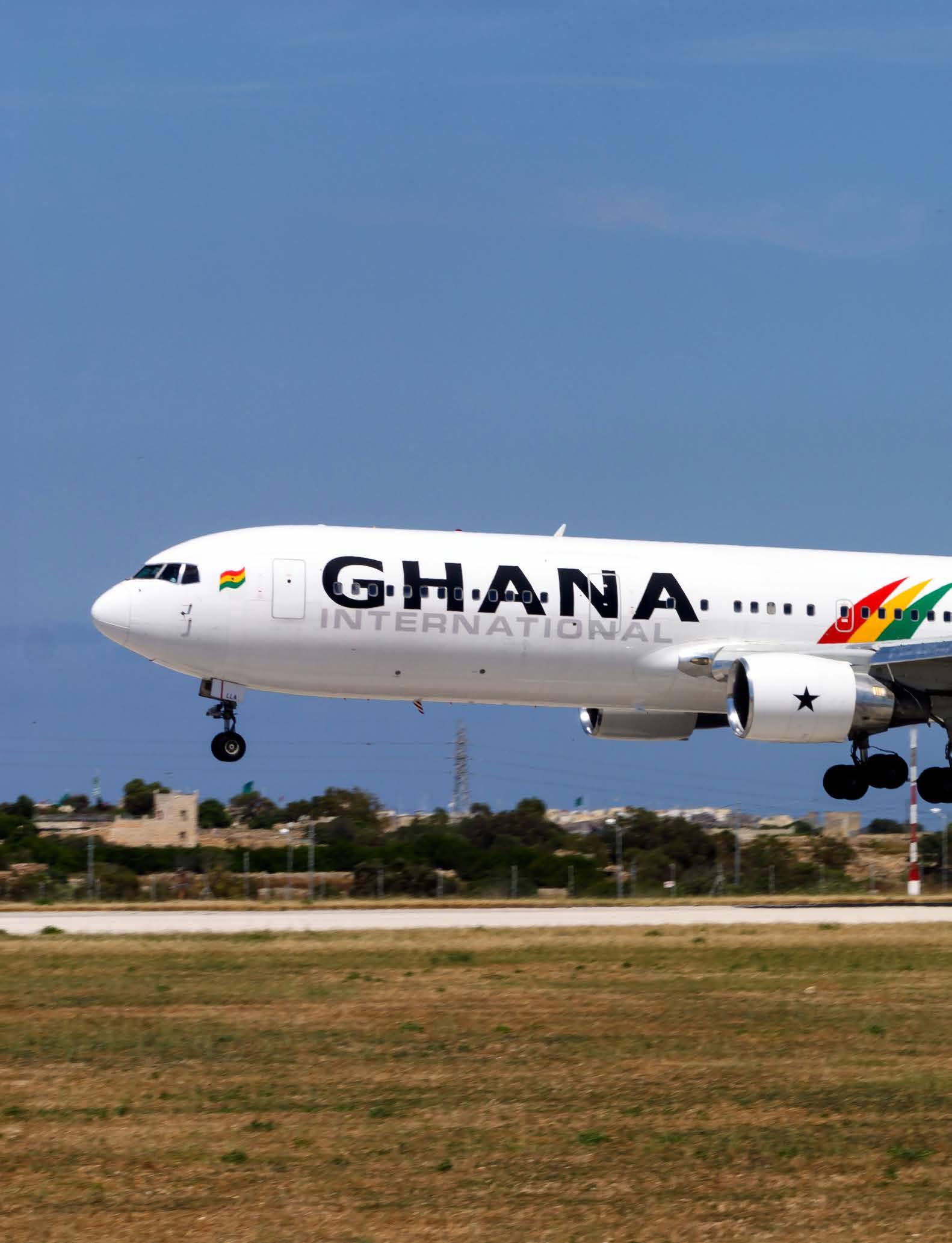


Ghana serves as a vital hub for connectivity in Western Africa, with the country’s aviation industry playing a key role in this. Thus, Ghana’s aviation industry remains one of the fastest-growing and investmentfriendly industries in the country, which is expected to see vital expansion over the coming years to position the country as a leading passenger and cargo hub for the continent. To oversee such a vital industry, the Ghana Civil Aviation Authority (GCAA) is primed to support the country’s air transportation services and position the country as a hub for aviation, supported by GCAA as a world-class aviation regulator and air navigation service provider. Now, 40 years since it was first established, GCAA are looking towards the future and how it can help shape the next 4 decades of Ghana’s aviation industry.
GCAA was established in 1986 with the central goal of providing air navigation services in Ghana. A key part of this role includes the operation and management of all aerodromes in the country, while also regulating Ghana’s overarching aviation industry. Today, Ghana has 8 central airports, which include the Accra International Airport, Prempeh International Airport, Navrongo Airport, Takoradi Airport, Sunyani Airport, Yakubu Tali International Airport, Wa Airport, and Yendi Airport. Across these, GCAA is committed to upholding international standards in civil aviation to ensure that every aspect of the aviation industry runs smoothly and remains competitive in the global aviation market.
Today, GCAA’s role covers Ghana’s entire aviation industry, with its central roles including the regulation of air navigation services, airports and airport services, and aviation security. Alongside this, GCAA works with the Government of Ghana to advise on matters relating to civil aviation in the country, with GCAA operating as the international body for civil aviation in Ghana, which is responsible for giving effect to aviation treaties which are entered into by Ghana. GCAA is also focused on the economic regulation of airlines, airports, and other allied aviation services
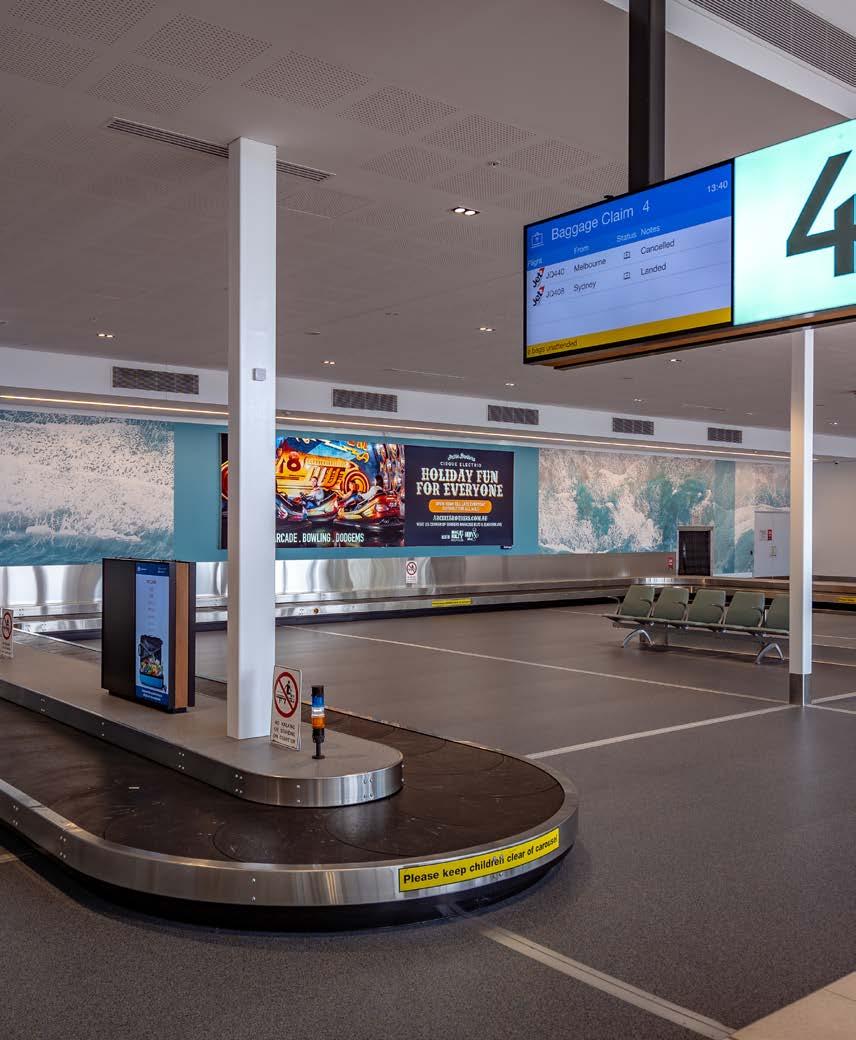
to deliver a sustainable and well-rounded aviation industry that can support the country for many years to come.
A key component of GCAA’s operation is its Aeronautical Information Services (AID), which is committed to providing quality aeronautical data and aeronautical information. This includes all communication, operations, services and flight planning for all of Ghana, as well as the airspace over Ghana’s high seas, and the promulgation of NOTAM for Togo and Benin. Therefore, AID is vital to helping GCAA ensure the safety, regularity, economy and efficiency of air navigation across Ghana.
To ensure that GCAA can continue to uphold such a thriving aviation industry, the Authority has developed its Ghana Civil Aviation Training Academy (GATA). The goal of GATA is to provide the aviation industry and beyond with competencybased academic and professional development for the benefit of Ghana’s aviation industry. GATA was established in 2008 and is now a centre of excellence for Ghana’s aviation knowledge acquisition, supported by state-of-the-art facilities and




systems to provide viable aviation training across West Africa. So far, GATA has trained personnel from Liberia, Nigeria, Gambia, and São Tomé in Air Traffic Control. GATA has also trained aviation inspectors and other safety regulation personnel, which it delivered in collaboration with the Federal Aviation Administration (FAA), the United States of America (USA), the International Civil Aviation Organisation (ICAO) and the Benjul Accord Group Aviation Safety & Oversight Organisation (BAGASOO). Therefore, with such a high level of expertise and training, GATA is aiming to be recognised as a world-class Aviation Training Organisation (ATO), which provides competence-based training for academic and professional staff. This will help deliver Ghana’s aviation industry as a leading hub for education and training, which will continue to benefit its industry and deliver a more regulated and training-backed future for Ghana’s aviation sector.
In May, GCAA celebrated 40 years since it was first founded with a range of celebrations and conferences to mark the occasion. Its 40th Anniversary conference was held at its headquarters in Accra, bringing together current and retired staff from GCAA, airline representatives, officials from the Customs Division of the Ghana Revenue Authority, immigration officers and other
Airways Catering Limited:
Since its founding in 1969 as the catering division of Ghana Airways, Airways Catering Limited (ACL) has grown into West Africa’s premier airline and corporate catering specialist. As Ghana’s first dedicated inflight caterer, ACL serves domestic and international airlines, private charters, and high-profile corporate events from its purpose-built facility at Kotoka International Airport in Accra. Held to the highest international standards, ACL holds HACCP certification and Halal accreditation, operates under the approval of the Ghana Food and Drugs Authority and the Ghana Standards Authority, and is recognised by the Ghana Free Zones Board. Under the leadership of Managing Director Gladys Teni Abulu, ACL continues to elevate every dining experience — from the aircraft galley to the boardroom table.
stakeholders with Ghana’s aviation industry. The central message of the conference was calling for stronger collaboration, innovation and practical reforms aimed at transforming Ghana’s aviation sector.
Speaking at the conference, Rev. Stephen Wilfred Arthur, Director-General of GCAA, outlines, “Today is not only a celebration of how far we have come, but more importantly, it is a unique opportunity to learn, to share, and to shape our future together”. The role of collaboration was highlighted in the Director-General’s speech, with him highlighting that it remains one of the essential aspects of a successful aviation industry, noting that regulators, airlines, policymakers and service providers must all work together to address challenges that confront the sector. Other key points included the emphasis on the importance of passenger welfare, highlighting that for a modern aviation sector, together they must deliver not only growth and efficiency but also respect passenger rights and improve travel experiences.
A key talking point of the conference included a discussion on sustainability, and this focus on sustainability for GCAA was further highlighted in June, when the ICAO presented its final results





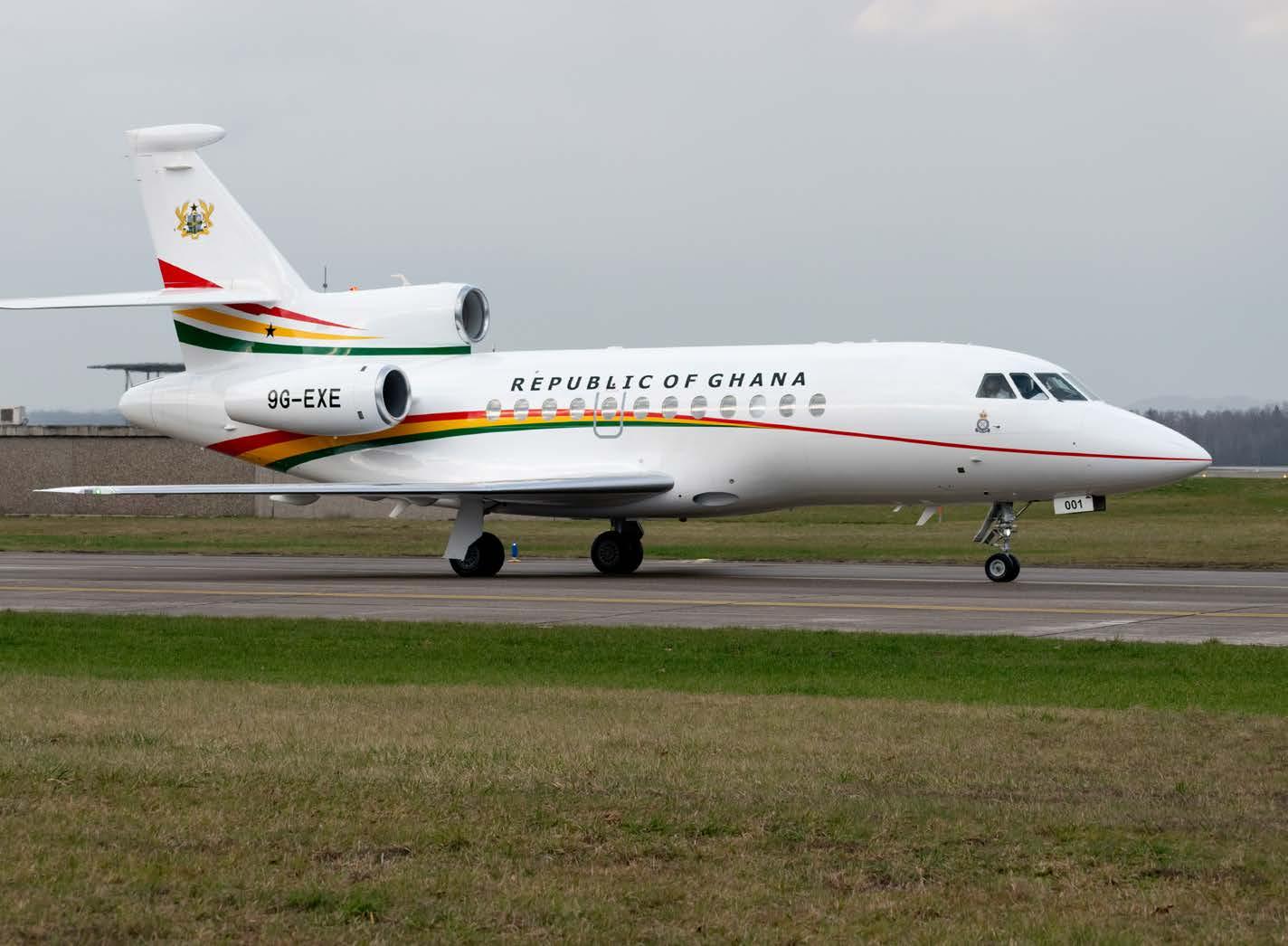
of its Sustainable Aviation Fuel (SAF) Business Implementation Study for Ghana. The study was conducted by ICF under ICAO’s Assistance, Capacity Building and Training for Sustainable Aviation Fuel (ACT-SAF) Programme, and is funded by the UK Department of Transport, to assess the viability of various sustainable aviation fuel production pathways tailored to Ghana’s circumstances and develop a robust business case for SAF production in the country. Speaking on the report, GCAA DirectorGeneral Rev. Stephen Wilfred Arthur outlines that “For GCAA, this is not just an environmental exercise or a box-ticking activity to demonstrate compliance. It is about enhancing energy security, promoting economic diversification, and ensuring that Ghana remains a competitive and responsible leader in African Aviation”.
Arthur’s comments here highlight that this push towards more sustainable options for Ghana’s aviation industry is a vital and long-term process that will help improve the sustainability of the sector. According to the report, domestic demand for SAF in Ghana is expected to be driven largely by voluntary commitments, market price signals and supportive policy incentives. However, for Ghana to produce a meaningful volume of SAF, it will require several feedstock and technology combinations.
These were shortlisted in the report, highlighting pathways with the highest SAF production potential without duplicating feedstocks across competing pathways. Whilst the report did highlight potential risks which could impact the development of SAF in Ghana, including the difficulty and cost of feedstock aggregation or challenges in security financing for second-generation ethanol producers, the report did conclude that Ghana possesses considerable potential to develop a sustainable aviation fuel industry. With the development of this, the report outlines that through the establishment of such a development in Ghana, it can support decarbonised aviation efforts while contributing to the broader economic development goals of Ghana’s aviation industry.
For Ghana, the GCAA is a vital organisation set to take the country’s aviation industry into the future. Over the last 40 years, the Authority has supported, developed and overseen the aviation industry of Ghana with vital regulatory, safety and training operations. Now, with the focus on sustainable aviation fuels, the Authority is looking towards the future and where it will take the next 40 years of its operations. We look forward to seeing how GCAA continues to expand towards the future as it enhances Ghana’s aviation industry.



For over 50 years, PETROCI Holding (PETROCI) has been developing the hydrocarbon industry of Côte d’Ivoire, on a mission to deliver the country as a hub for petroleum operations within Africa. Today, with an expansive portfolio spanning from upstream to downstream energy operations, PETROCI is building an integrated and diversified petroleum network in Côte d’Ivoire through its exploration, development, transportation and management of oil and gas resources. Thus, with operations spanning the whole spectrum of hydrocarbon development and delivery, PETROCI delivers its vast expertise across the country’s industry to develop Côte d’Ivoire’s energy sector towards the future.
PETROCI is the primary state-owned oil company in Côte d’Ivoire, which oversees the exploration and exploitation of hydrocarbon deposits. Alongside this, PETROCI also cover the storage, trading and transportation of such petroleum products. For this reason, PETROCI’s operations are now split into three primary business lines, which include exploration and production, its natural gas division and energy distribution. One of the first branches of PETROCI’s operations is its work in the upstream sector. Within its upstream division, exploration and production of offshore fields predominates its operations. For exploration and production, PETROCI’s operations centre is in the Côte d’Ivoire Sedimentary Basin, which is a prolific passive transform margin along the Gulf of Guinea. Currently, PETROCI has multiple development fields that it is developing to deliver oil and gas assets for Côte d’Ivoire.
One of the most vital hydrocarbon developments in Côte d’Ivoire is the Baleine Field, which is one of the largest hydrocarbon discoveries in the Ivorian sedimentary basin. The field spans Blocks CI-101 and CI-802 and is operated by Eni (47.25%) in partnership with PETROCI (22.75%) and Vitol (30%). The field has been developed in a phased approach, which saw the initial phase deliver production through the Baleine Floating Production Storage and Offloading
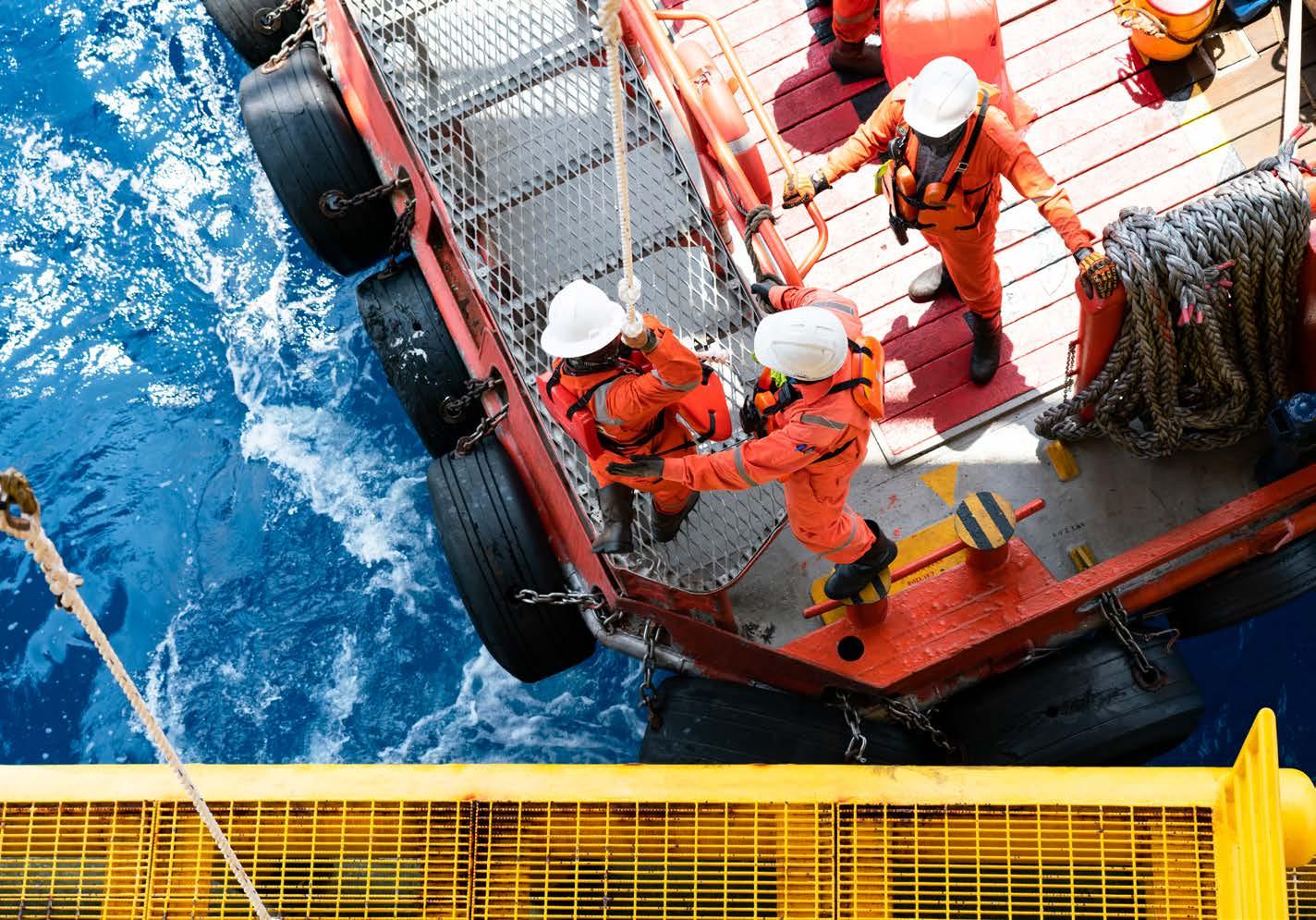
(FPSO) unit with a capacity to handle up to 15,000 barrels of oil per day (bbl/d), and around 25 million standard cubic feet per day (mscf/d) of associated gas. The second phase of the development saw it increase its capacity to around 60,000 bbl/d and roughly 80 mscf/d of associated gas. With such a wealth of energy resources, the development is vital to Côte d’Ivoire’s role in the global energy market that is delivering economic growth for the country, and in turn positioning Côte d’Ivoire as a critical regional energy hub. The third phase of the development is expected in the coming years, following a Final Investment Decision (FID) in 2026.
Other key exploration and production projects include the Espoir Field, which is an offshore conventional oil and gas project located in Block CI-26. The development is located in water depths ranging from 100 to 600 metres, with an estimated recoverable reserve of 93 million barrels of oil and 180 billion cubic feet of natural gas. The field has historically been operated by CNR International (CNRI), and in 2001, Canadian Natural acquired an additional stake with 58.67% equity in the field, with partners PETROCI (20%) and Tullow Côte d’Ivoire (21.33%). However, the license is set to expire in July 2026, and the operations and title of the property are being transferred to PETROCI.
Both of these exploration and production projects are vital to Côte d’Ivoire’s energy delivery, and so PETROCI, as the state-owned oil company, is playing a key role alongside major energy players to enhance the country’s energy sector. Thus, over the coming years, PETROCI plans to increase its role across the Côte d’Ivoire energy sector, utilising its expertise and skills in the hydrocarbon industry to enhance Côte d’Ivoire’s energy delivery and bring vital resources from the Ivorian Sedimentary Basin to market.
The other key aspect of PETROCI’s operations is its downstream operations, which includes it natural gas distribution. This aspect of its operations is delivered by PETROCI-Gaz, which manages the company’s pipeline and distribution systems across the country. PETROCI is the leading distributor of butane gas in Côte d’Ivoire and holds a significant portion of the market share. This gas is distributed throughout the country with 8 distributors, 2 wholesalers and around 600 retailers across Abidjan and its suburbs, as well as 40 PETROCI service stations. For industries, services and public establishments, PETROCI delivers bulk butane gas.
For natural gas, PETROCI has been developing its natural gas distribution network since 2002, and supplies industrial units in the Vridi, Marcory and Treichville areas. The current distribution
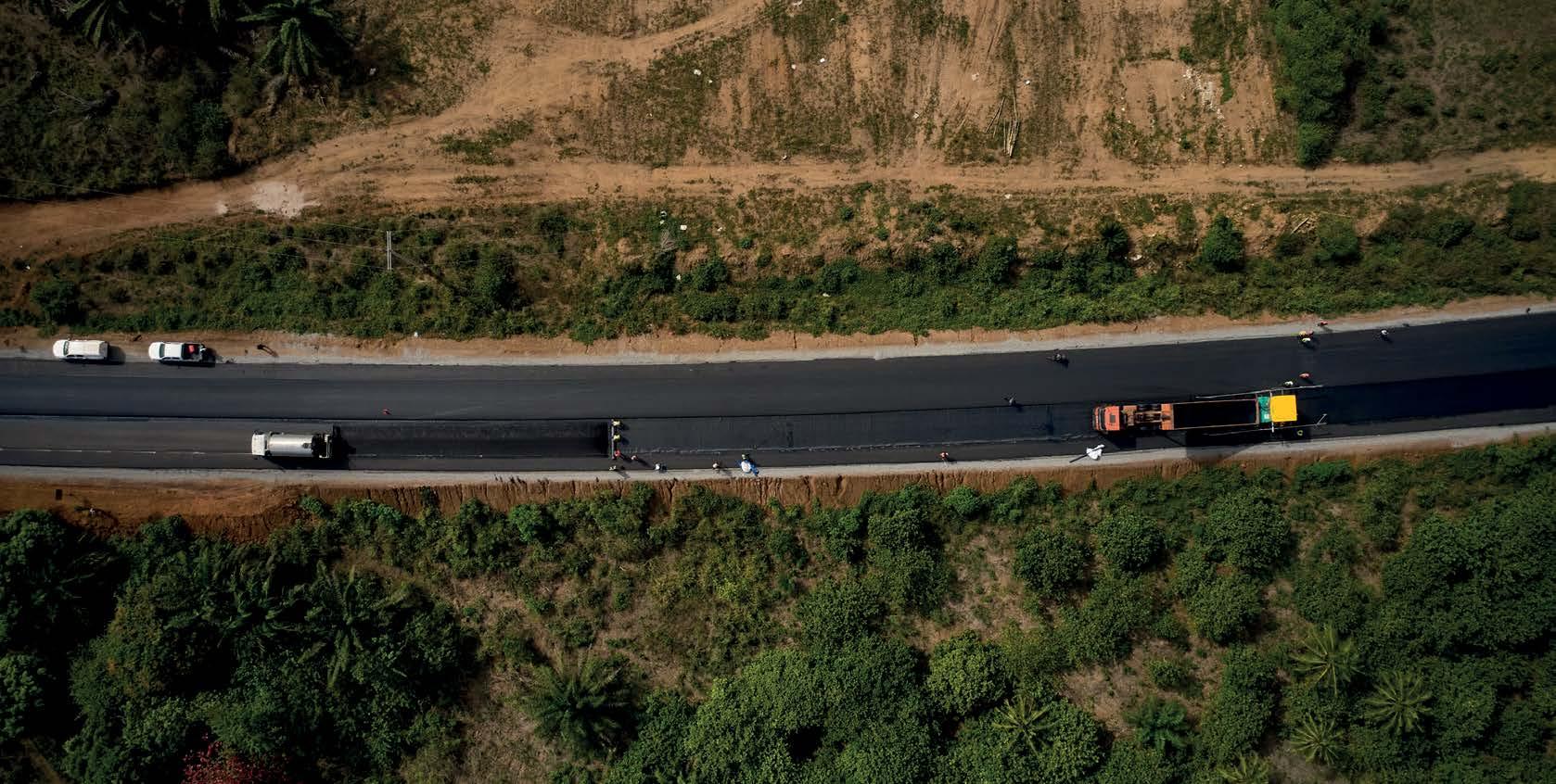
Half a century of construction at the heart of West Africa. For over 50 years, PFO Africa has been building the infrastructure that structures the continent: roads, hydraulic works, industrial platforms, operational buildings. This mastery of construction in demanding environments is the foundation on which our offer to the mining sector rests.
An integrated value chain designed for the most isolated sites. PFO Africa structures an integrated offer adapted to the mining sector around four complementary areas of expertise: infrastructure, renewable energy, facility management and post-exploitation rehabilitation. One partner, one contract, zero handover risk across the full mining lifecycle.
Infrastructure built for extraction.
Access roads, hydraulic works, industrial platforms,

mining infrastructure: we build in isolated areas, under logistical and environmental constraints. This is the core of our business, and what we bring to mining operators across West Africa.
Returning sites to a viable state.
Decontamination, remediation, ecological reconversion: we integrate these considerations from the design phase, so that post-mining becomes a commitment honoured, not an obligation endured.
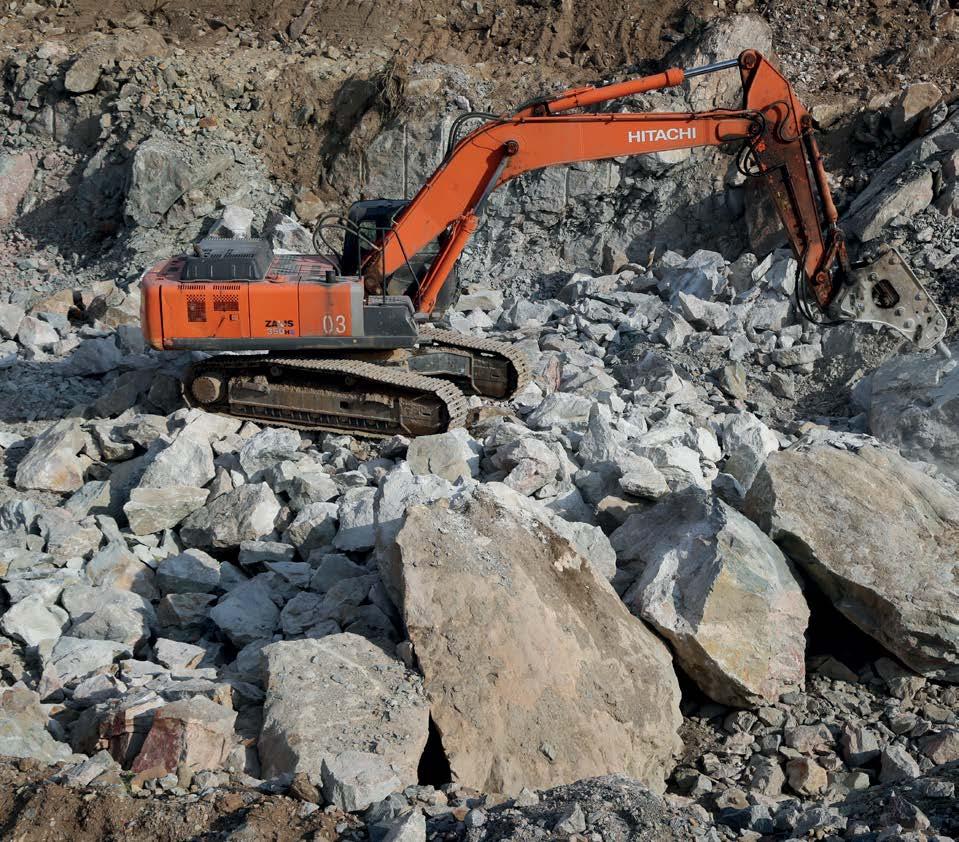
Buildings, roads, hydraulics & urban infrastructure across West Africa.
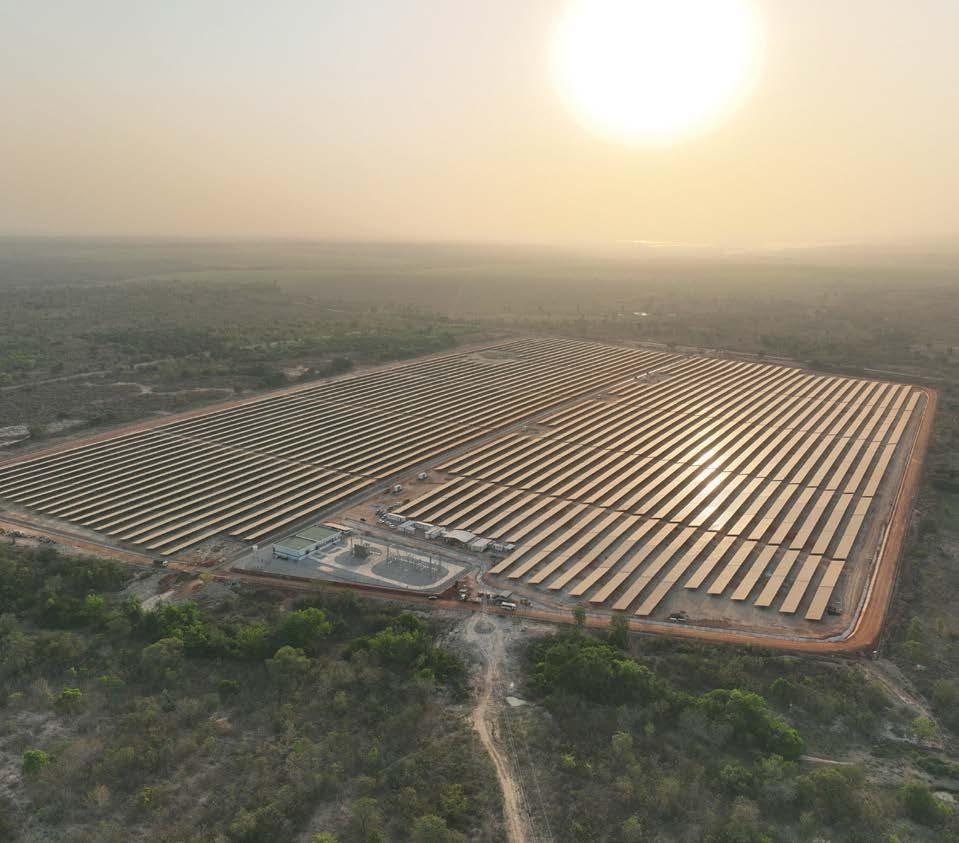
50 MW photovoltaic plants — clean power for West Africa’s future.
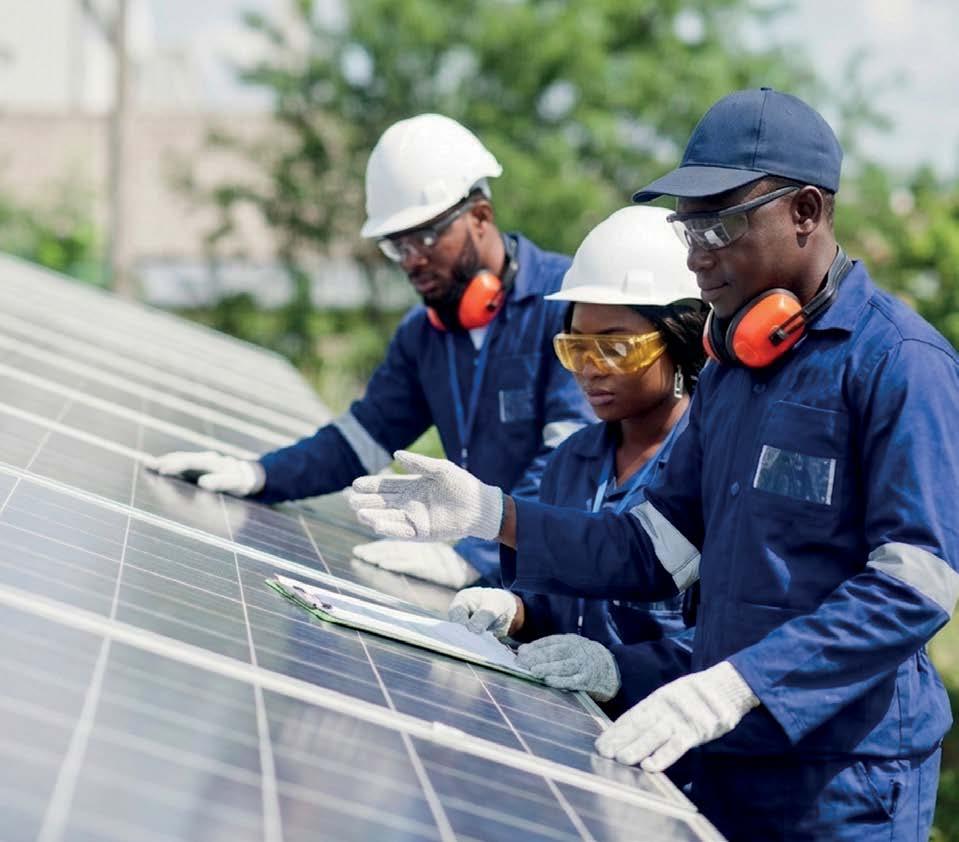
40+ multitechnical services across 400,000m² of managed assets
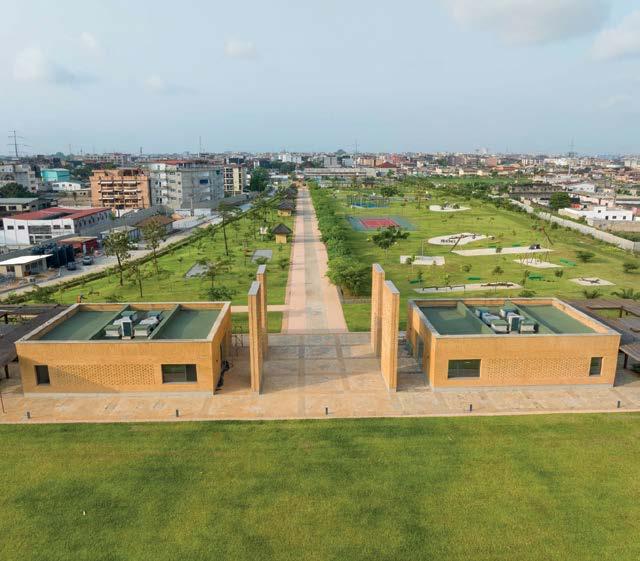
Sanitation, decontamination, post- operation ecological conversion

CARIUS & PARTNERS positions itself as a bridge between African enterprise and global capital. The business-law firm advises across the OHADA region — the bloc that harmonises commercial law in much of francophone Africa — pairing local insight with international reach. From a base in Paris and a growing African network, with London, New York and Hong Kong on the horizon, it guides start-ups and SMEs alongside the foreign investors backing natural-resources, energy and infrastructure projects. Its ambition reaches beyond billable hours: to help drive economic development and improve everyday livelihoods. In a fastmoving market, that dual mandate is its real differentiator.

Excellence in business law.
A pan-African business-law practice advising start-ups, SMEs and foreign investors across the OHADA region — with particular depth in natural resources, energy and infrastructure.

network is 18km long, expanding from Vridi Source Station to Treichville on one side and to Marcory Zone 4 on the other. The central focus of its gas operations is to develop a natural gas distribution network in industrial zones in Abidjan, whilst helping to improve the profitability of natural gas, reduce energy costs for industries and help reduce greenhouse gas emissions. Furthermore, PETROCI’s gas division continues to deliver medium and longterm prospects at a distribution level, and so has distribution networks, in order to deliver vital gas resources to various industrial hubs and continue the development of natural gas fuel across the country.

From PETROCI’s distribution networks, we start to see the final key aspect of the company’s operations focused on midstream development. For PETROCI, its midstream development is focused on the pipeline delivery and the enhancement of pier and wharf facilities to support its oil and gas delivery across the country. PETOCI commissioned the Abidjan-Yamoussoukro pipeline in 2013, which is a 385-kilometre (km) pipeline designed to transport over 1,300,00 cubic meters (m3) of petroleum products to the Yamoussoukro depot. Thus, the pipelines are a vital node supporting PETROCI’s distribution network across Côte d’Ivoire, supporting streamlined energy delivery. For export,
PETROCI has two pier facilities which span two oil berths and are located on the east bank of the Virdi Canal. Here, terminals allow for the reception of ships, where import operations can be unloaded, and oil and gas exports can be loaded. Thus, the ports and dock facilities of PETROCI’s facilities are vital for supporting the national and sub-regional economy.
As PETROCI looks towards the future, the third phase of the Baleine projects looks set to begin. The project achieved the Final Investment Decision (FID) for the third phase of the development in May. The third phase of the development aims to increase oil production from 60,000 to 150,000 barrels per day and deliver a gas output of 200 million cubic feet per day, up from 80 million in the second phase of the development. To achieve this, the third phase of the project includes the development of a new FPSO unit, which will enable early production while optimising costs and leveraging existing infrastructure. Once completed, the oil and gas resources from the third phase of development will be directed towards domestic markets. This development thus highlights a vital exploration and production project for PETROCI, and it will see the oil and gas resources of the country significantly increased to benefit those across Côte d’Ivoire.
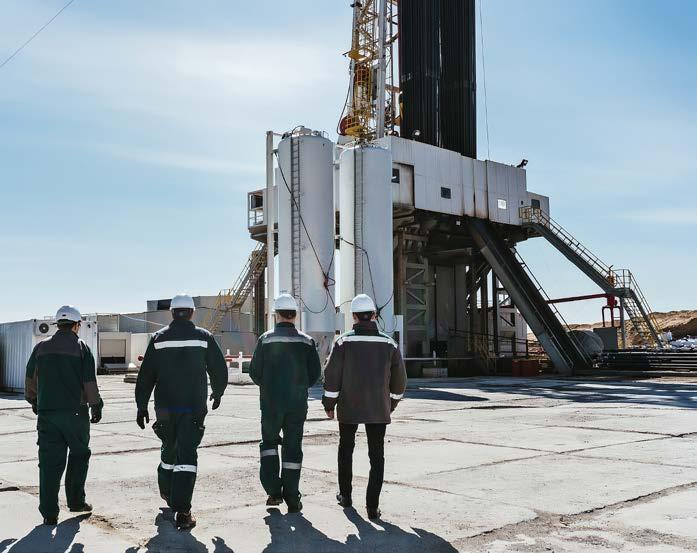
Overall, PETROCI is an expansive oil and gas company operating across every aspect of the Côte d’Ivoire energy sector. From upstream, to downstream and even midstream operations, PETROCI provides the vital networks, development and support to bring oil and gas resources to market. With its vital exploration and production in partnership with energy giants, PETROCI can deliver the necessary infrastructure supported by global expertise to deliver Côte d’Ivoire as a hub for petroleum production in Africa.
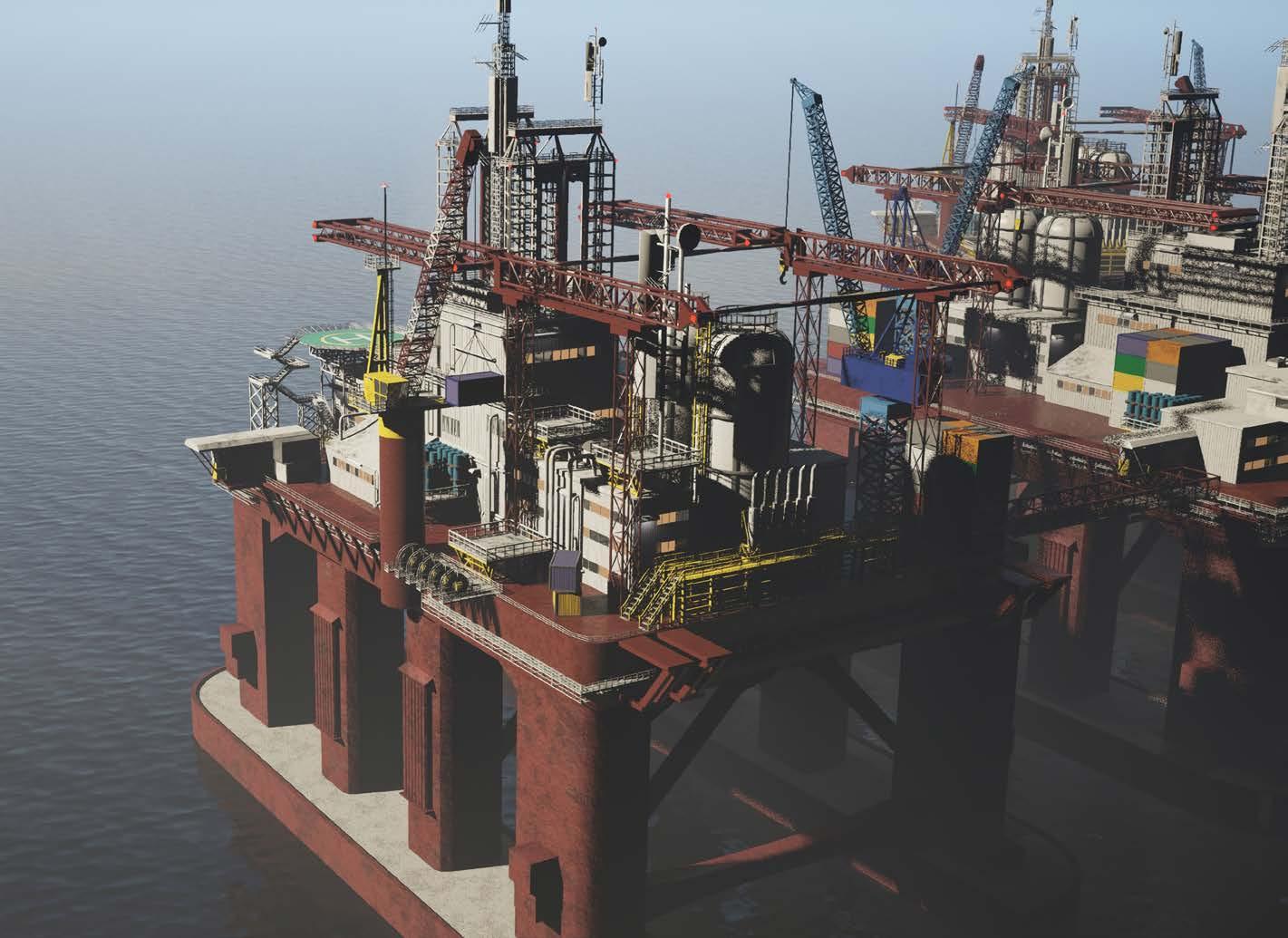
Written by Carley Fallows

Across the UK, hundreds of food and hospitality services are left with used cooking oil and food waste that needs to be disposed of in a safe and legal way. Cooking oils must be disposed of in a licensed way, because the cooking oil waste could cause a serious environmental issue if it were disposed of in an unsafe way, such as being poured down the drain. One of the leading collectors of such cooking oil in the UK is Olleco, who are a food waste recycling company committed to ensuring that food and cooking oil are recycled with the highest of environmental standards, to protect the planet and transform such waste into biodiesel to support a more sustainable transport industry.
Olleco, an arm of the wider ABP Food Group, works with the food and hospitality sectors, offering a range of services which help tackle the climate emergency by transforming waste into renewable energy. Through the company’s comprehensive network, Olleco today works with more than 50,000 catering establishments across the UK and Ireland. Olleco’s network connects these establishments with its 19 sites strategically located across the nation, where it converts waste into sustainable fuels.
Today, Olleco is one of the UK’s most progressive circular economy companies, which means that it is focused on reducing, reusing and recycling throughout its operations. Within this, Olleco can ensure that materials such as cooking oil are kept in circulation and that energy can be produced from them to create renewable energy sources. Working on the biological side of this circular economy, Oleco’s operations span from collecting organic materials (such as cooking oil, animal fats and food waste), which it then converts into renewable

fuels for vehicles, or to power new zero carbon production facilities and homes. Alternatively, some of this material is used to create organic fertiliser that can be used by farmers to start the process all over again. This circular model ensures that nothing goes to waste, and instead, waste is given a new and sustainable life within the circular economy of its operations.
For Olleco, waste materials such as cooking oil are a precious and energy-rich material, which, in a landfill, just contributes to global warming. Thus, it is a great resource to be collected and then turned into renewable fuels. Therefore, Olleco provides businesses with an industry-leading and competitive used cooking oil recycling service. However, Olleco usefully also provides cooking oil delivery services, and so it can both deliver fresh oil and collect waste oil in the same vans to cut down on the need for multiple journeys. This significantly reduces Olleco’s carbon impact across its delivery and collection services by around 50%, which helps keep costs and carbon footprints low.

Much like oil waste, Olleco also collects bulk food waste, and now is one of the UK’s leading food waste collection services too. Here, Olleco collects food waste from factories, local authorities, food manufacturers, food processing plants, retailers, wholesalers and distribution centres. The waste is then processed through Olleco’s national network of anaerobic digestion (AD) plants, which safely capture the methane emitted from the waste. This methane is then used to create renewable biogas to fuel heat and power plants, or it is upgraded into biomethane, which can be used in vehicles or can be fed into the national grid. The plants also then produce nutrient-rich organic fertiliser, which in turn helps reduce the need for chemical fertilisers, which often have negative impacts on the environment.
What we can see from Olleco’s operations is that the company is passionate about turning regular waste products from the food and hospitality sectors into fuels that can continue to power industries, without creating unnecessary landfill waste or harm to our water networks. This circular model helps Ollec remain a key sustainability-focused company, which is helping protect the environment one storage tank of oil at a time!
Sources: https://www.olleco.co.uk/ https://www.olleco.co.uk/about-us https://www.olleco.co.uk/sustainability/ circular-economy
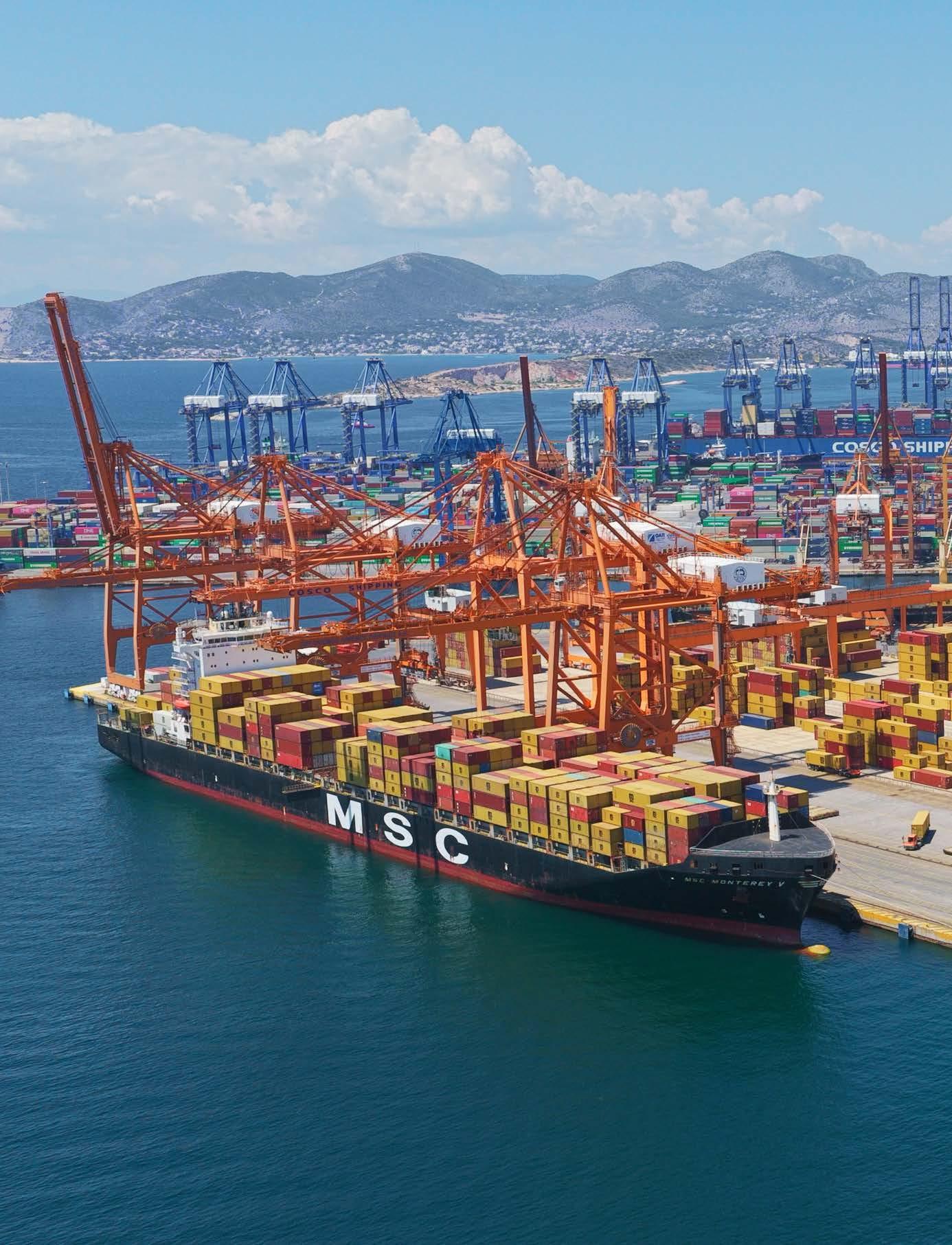
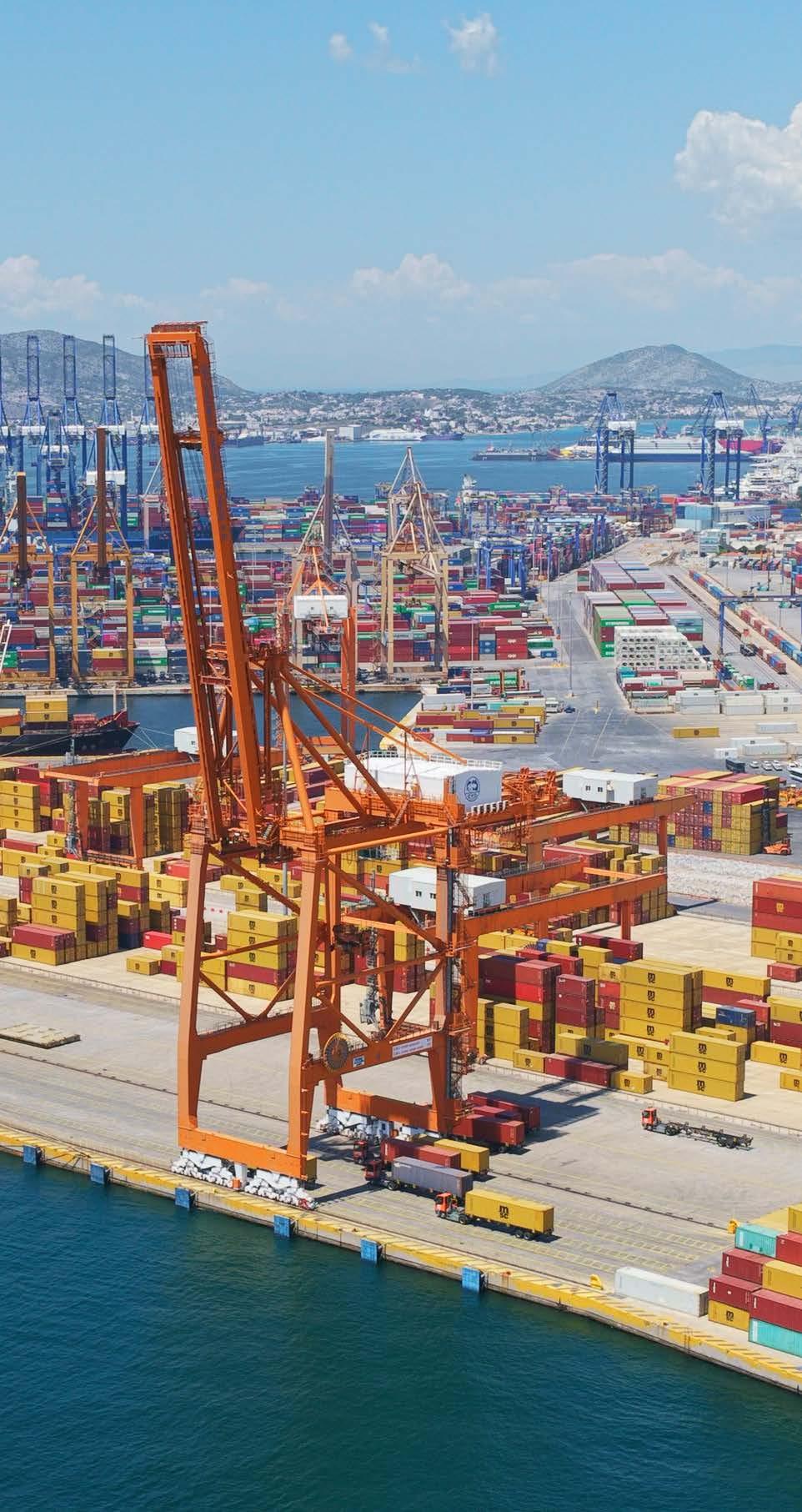
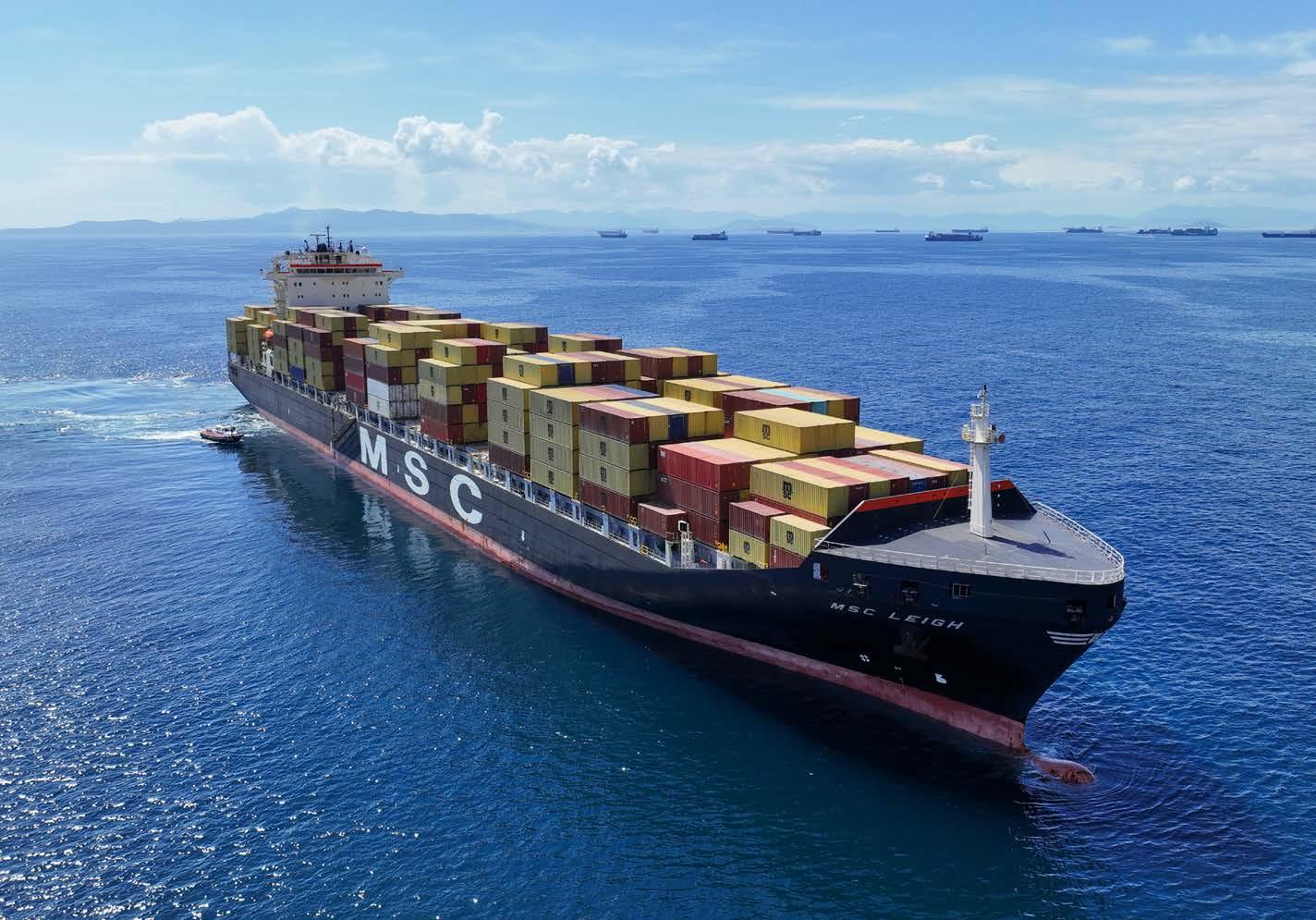
Portugal serves as a vital hub for global trade, connecting Northern Europe with the Americas and Africa, supported by world-class infrastructure. Thus, Portugal’s economy relies heavily on intraEuropean trade to see such commodities as machinery, automobiles, refined petroleum, and medicinal products exported from the country, whilst machinery, chemical products and energy fuels are imported. At present, Portugal’s primary trade partners include Spain, as well as France and Germany in Europe, whilst the United States of America remains the country’s largest non-EU export market. Thus, to support such an expansive trade market, MSC Portugal provides leading shipping and logistics services across the country, through extensive daily logistics and terminal operations as part of its expansive global network through cargo, shortsea shipping and intermodal rail freight.
Since 1991, MSC Portugal has been leading Portugal’s containerised cargo market, offering vital management of major maritime and logistics operations. Connecting with key ports around the country, MSC Portugal provides the vital connection between Portuguese markets and the world through extensive daily logistics and terminal operations. MSC Portugal’s operations are a key division of the global Mediterranean Shipping Company (MSC), which is made up of various subsidiary companies, such as MSC Portugal, that offer vital regional shipping and logistics operations. With a diverse portfolio of shipping companies under MSC, the company today is a leading player in the shipping sector, bringing its extensive industry knowledge and personalised services around the clock to deliver fast and reliable shipping solutions to meet its customers’ every need.
Across MSC Portugal’s services, the company brings its expertise gained from its worldwide services to offer its customers personalised services supported by a wealth of industryspecific knowledge in the world of shipping, logistics and maritime activities. Supported by this extensive knowledge, MSC Portugal can ensure its customers receive the fastest and most reliable shipping solutions possible, to ensure cargo will be transported in the best and most efficient way



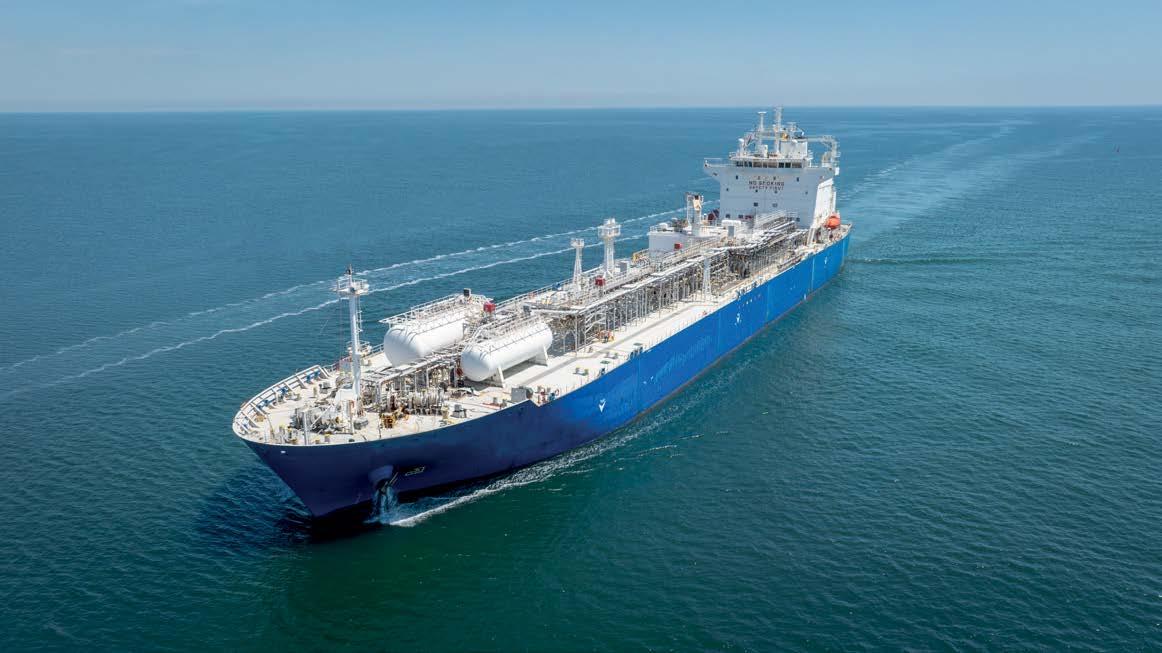

possible. Therefore, in Portugal, MSC Portugal’s cargo handling facilities are strategically located to ensure the timely movement of goods for both important export markets. Across these facilities, MSC Portugal provides consolidation, loading and reloading, packing and unpacking, and crossloading services from containers to trucks.
MSC Portugal’s operations in the country centre around two ports: the Port of Leixões and the Port of Sines. The Port of Sines is an open deep-water port with excellent maritime access and today leads the Portuguese port sector in terms of volume of cargo handled. The port features advanced deep berths, which make it ideal for handling large cargo quantities across its modern and specialised terminals. Thus, the port today handles vast quantities of cargo for the Portuguese sector and even plays a valuable role in the country’s energy sector, thanks to its role in the movement and delivery of crude oil, refined products and natural gas through the ports for both local and international markets. Then, for cargo, the port has seen a significant growth in its cargo operations in recent years, along with the region’s growing cargo sector. Due to an increasing cargo volume at the Port of Sines, the port today plays a leading role as a national port for Portugal, and in
turn has well positioned the port as a competitive cargo hub within global markets. With the port’s role in Portugal’s cargo sector only continuing to grow with the country’s cargo market, MSC Portugal has established a major strategic presence at the port. Today, MSC Portugal utilises the Port of Sines and its associated deep-water container terminals as a vital transhipment facility, providing valuable access to Atlantic transhipment routes, as well as global shipping routes for global trade.
The other vital port supporting MSC Portugal’s operations is the Port of Leixões, which is located in the north of Portugal. The port is able to handle a wide variety of cargo types, including containerised cargo, dry and liquid bulk, Roll-On/Roll-Off (Ro-Ro) and breakbulk. The port can manage such a variety of commodities thanks to its North and South Container terminals. The North Container Terminal has the capacity for 170,000 twenty equivalent Units (TEUs) per year, which is supported by reach stackers and 3 front-end forklifts to deliver seamless cargo movement across the terminal. Whilst the South Container Terminal can handle up to 600,000 TEUs a year, offering a large portion of the total cargo operations of the port. Thus, with the vital infrastructure to handle such large quantities of cargo, the Port of Leixões today is one of MSC
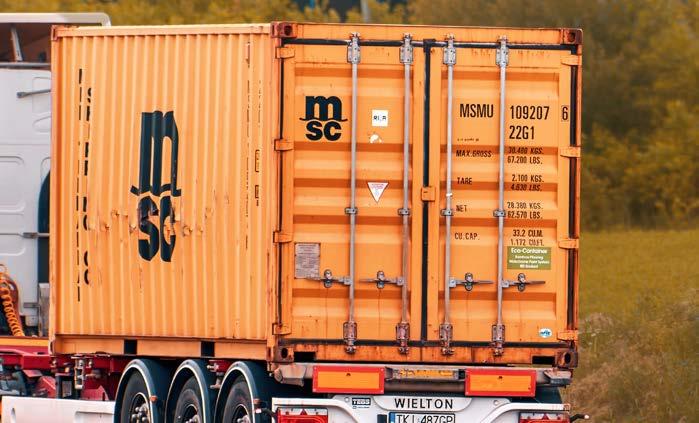
Portugal’s primary commercial maritime gateways in the country, which connects the north of Portugal to global networks where it can deliver goods to markets across Europe, Africa and the Americas.
Customers using MSC Portugal benefit from the company’s local short sea experts who provide the necessary know-how to ensure that its cargo has a safe and smooth journey from its starting point to its destination. This focuses on supporting cargo from the start to the end of its journey, exemplifying MSC’s full end-to-end service. This service gives customers peace of mind that every aspect of their cargo’s journey is being handled by MSC Portugal. Beyond this, MSC Portugal also offers a range of insurance to add an extra layer of protection to
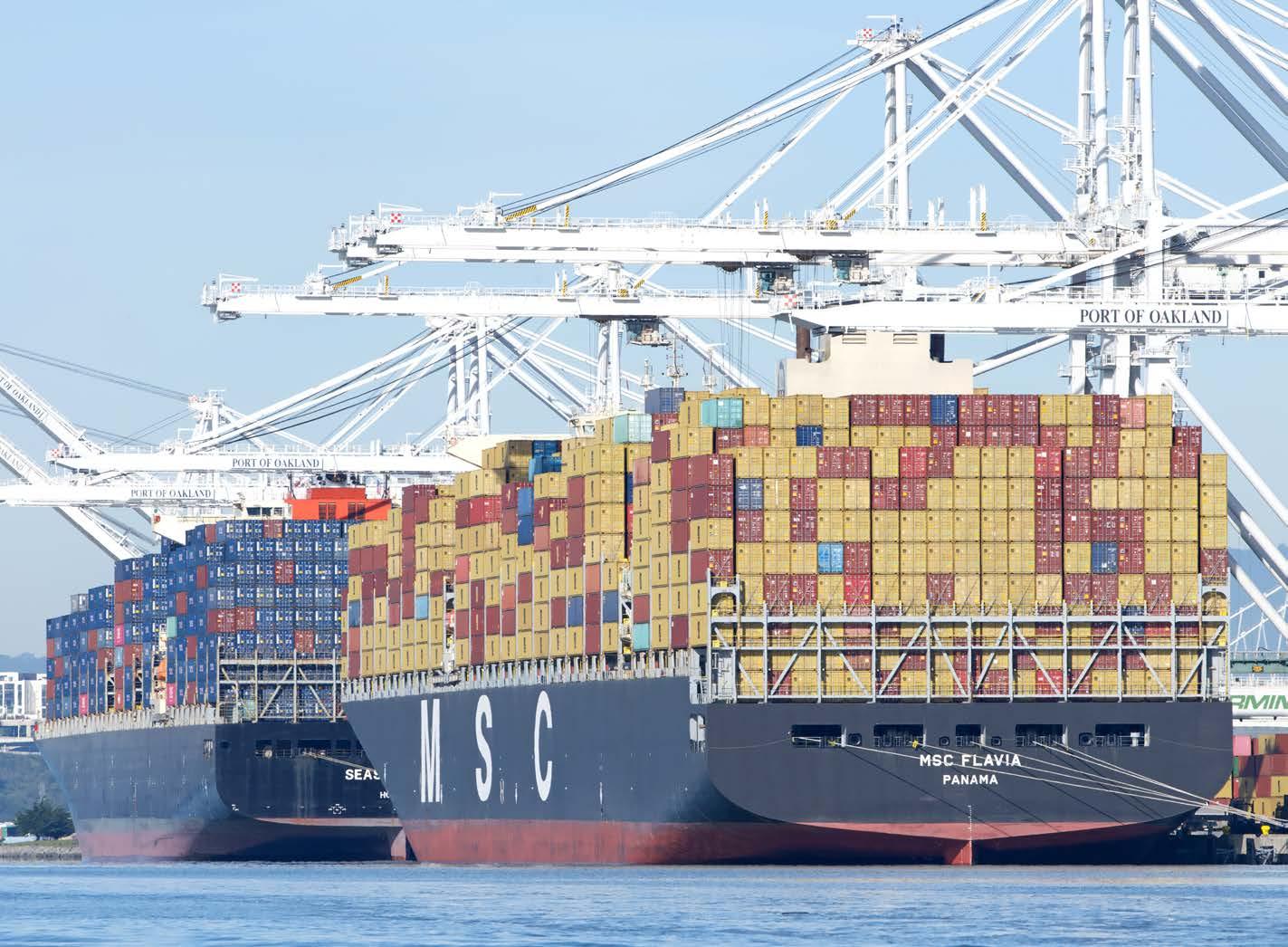

shipments for added peace of mind. All of these aspects are available through MSC Portugal as a one-stop shop for local and global shipping.
However, throughout MSC Portugal’s operations, there remains a key focus on sustainability, which helps its customers move cargo efficiently to help reduce their carbon footprint. MSC Portugal offers solutions that save unnecessary road miles and use efficient terminals and port networks to reduce its customers’ overall carbon footprint across supply chains. This is vital to MSC Portugal, as well as the wider MSC Group, as enabling sustainable supply chains remains a core aspect of its operations. Today, MSC offers a unique approach to sustainability, embedding Sustainable Development Goals into every aspect of its business strategies and operations. For MSC, it recognises the role it plays in global trade connections, and so its operations and long-term visions are striving towards a more sustainable future.
A key sustainability programme conducted by the global MSC Group is the MSC Biofuel Solutions,
which is the first certified carbon insetting program which has been designed specifically to reduce carbon dioxide along its customers’ supply chains and within its own operations. This programme is a key part of MSC’s goal to achieve net-zero by 2050, and so it is working across every aspect of its shipping operations to decarbonise supply chains, and in the process help MSC and its customers meet their sustainability targets. This focus on sustainability extends to MSC Portugal’s operations, and so customers can access efficient, reliable and integrated shipping services supported by carbon reduction measures to help decarbonise its customers’ supply chains one shipping route at a time.
Overall, MSC Portugal is the leading shipping partner for Portugal, supporting the country’s shipping across both local and international scales. With operations extending from the country’s primary ports and shipping hubs, MSC Portugal is primed to support its customers’ supply chains and deliver cargo in a timely and sustainable manner.


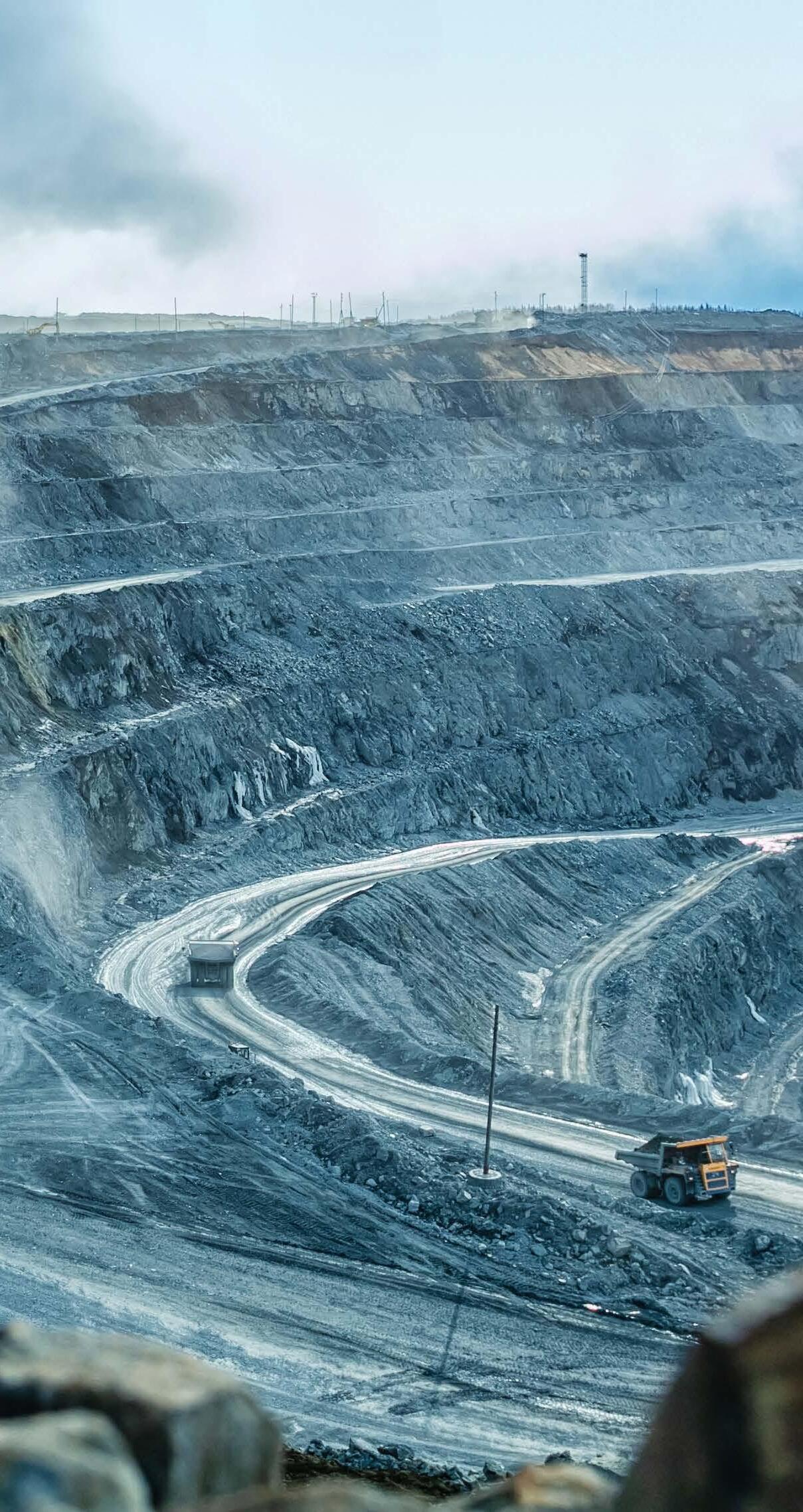
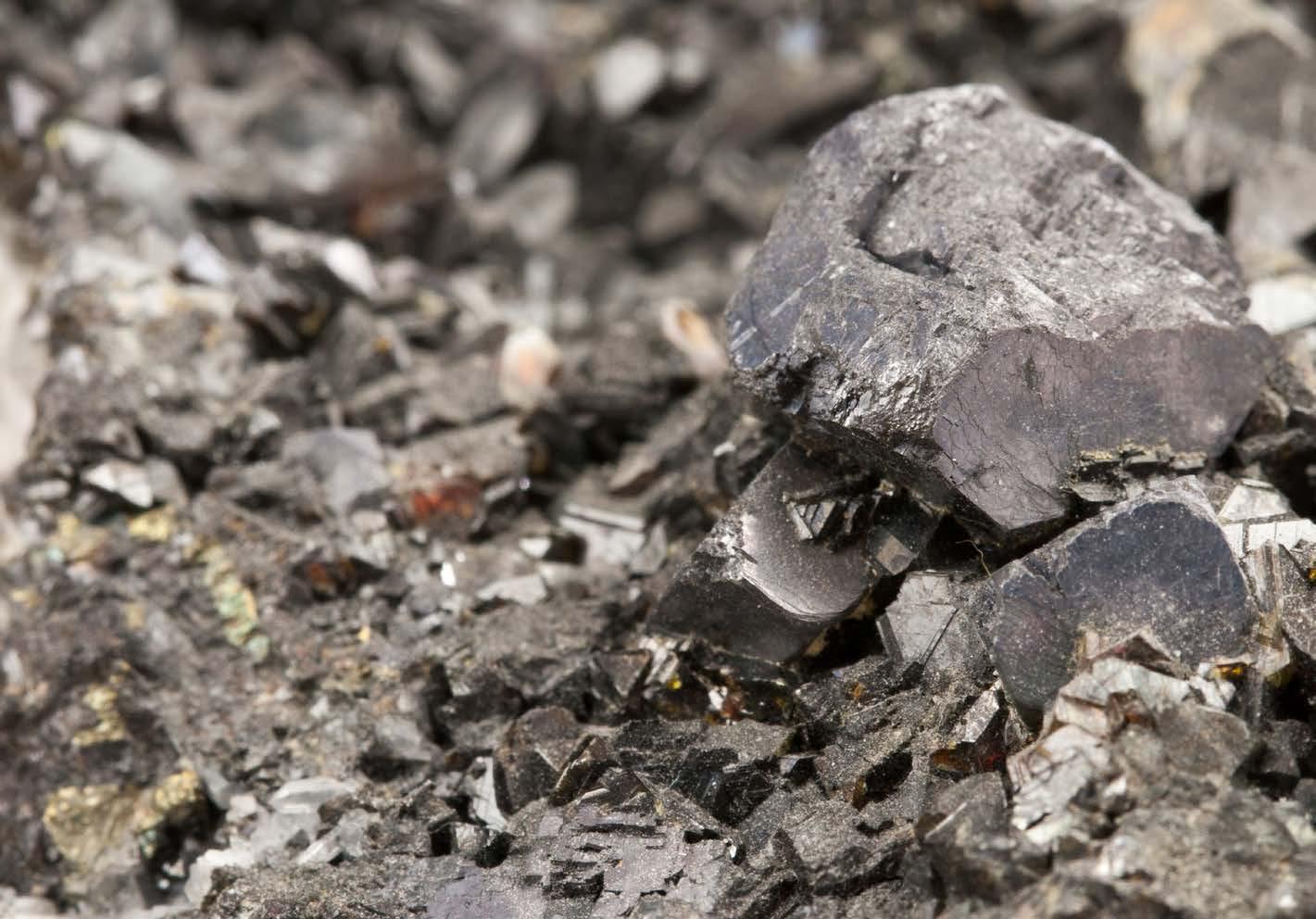
As the only organisation dedicated exclusively to the interests of zinc, the International Zinc Association (IZA) is a unique organisation set on promoting and advancing the role of zinc in everyday life. For IZA, zinc is a fundamental metal that is needed for everyday life. From its use across the engineering field to the use of zinc in medical and automotive manufacturing sectors, zinc is a prominent material for everyday life, and so its development and the zincassociated industry hold a prominent place in the global economy. Thus, IZA is on a mission to provide global leadership, coordination and add value on the strategic issues of the zinc industry.
IZA ‘s membership spans the globe, with its members representing an impressive 60% of the worldwide production of zinc and 80% of all production of zinc in the Western Hemisphere. Thus, IZA’s members are pivotal to the global adoption and development of zinc, with the majority coming from the mining and refining industries. For this reason, mining and refining organisations are given full membership under IZA, due to the prominent role they play in the development of zinc on a global scale. IZA’s members are given seats on the Association’s board of directors and so get to give first-hand input into the progress and development of the sector under the Association’s authority. Furthermore, such members are also given voting rights at the Annual General Meeting, which is a pivotal convergence of the Association to help steer the mission and direction of the Association for the future. However, IZA is also made up of affiliate and associate members who play a pivotal role in the Association, too. Affiliate members of IZA include exploration companies, recyclers, oxide producers, and first users of zinc. Alongside this, other members include companies that are interested in the development and promotion of zinc and its users. Then, for Associate members, this includes industry trade associations, universities, research institutes and other non-commercial organisations.

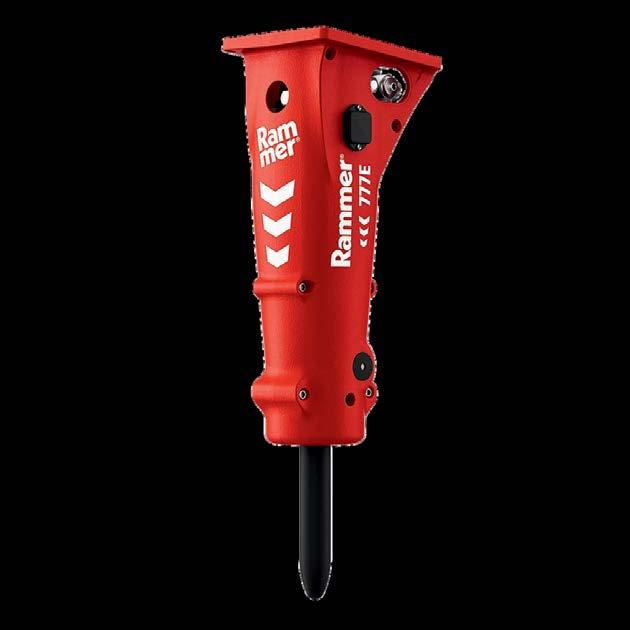




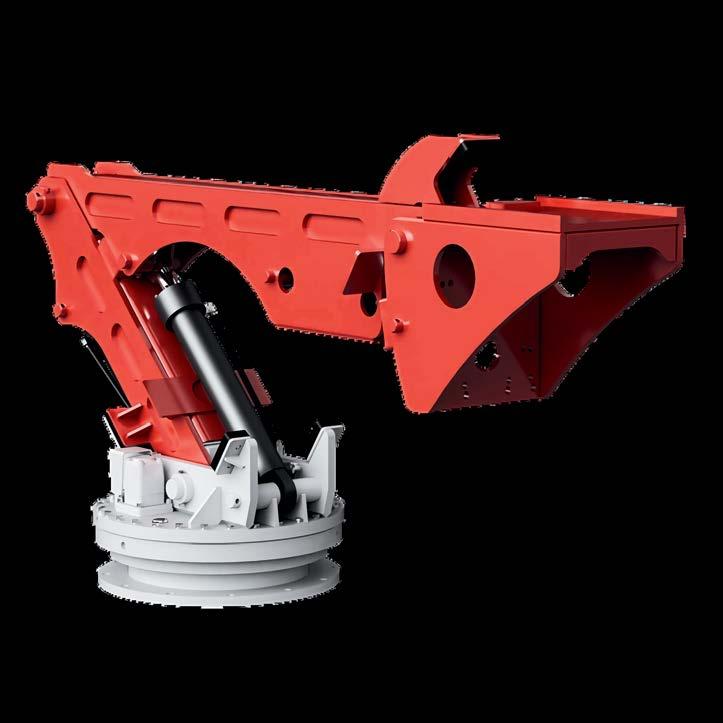




Collectively, these members play a key role in the development, enhancement and promotion of the zinc industry. Thus, in return for their membership, they gain access to IZA’s networks for better sharing, collaboration and enhancement of the industry.
Today, IZA’s operations focus on the global championing of the zinc industry, with the Association acting as an advocate for the sector. Within this, IZA and its members seek to grow and protect zinc markets, whilst the Association provides the framework from which the industry’s stakeholders can coordinate and network. The central goal is to promote and highlight the vital role of zinc on a global scale. IZA’s operation can be broken down into three core program areas, including technology and market development, which aims to build sustainable zinc markets, environment, health and sustainability, which ensures the industry’s licence to operate, and communications, which promotes zinc as a sustainable material that is essential for modern life.
IZA’s operations focus on two primary markets: first use and end use. End user markets include those in the automotive, energy storage, fertiliser, food security, infrastructure and renewable energy. The automotive sector has been a key driver of zinc markets, as zinc is used in galvanising steel for use in automotive components. Galvanised steel in autobody parts makes components stronger,
more formable and considerably less expensive than those using aluminium parts. Therefore, the resulting steel is durable and long-lasting on vehicles, making the zinc used in the galvanisation process an essential element of the industry.
Zinc is also a primary component in zinc energy storage, which is a growing market, especially when it comes to renewable energy. Batteries are becoming more and more in demand as the energy and transportation industries are implementing more sustainability in their operations. Thus, many batteries are being made with zinc, because they offer a flexible, long-life cycle source of energy and require minimal upkeep to maintain their performance and safety. This makes zinc batteries ideal across a wide range of applications, whilst still being lower in cost to produce than others on the market. These two uses of zinc highlight just two vital industries where zinc adoption is being explored and supported. In these industries, IZA and its relevant members are supporting the adoption of zinc as a useful and versatile option that is both sustainable and effective.
Furthermore, first user markets include zinc alloy castings, coatings, chemicals, sheet and zincrich paints. Zinc alloys are a vital component of die casting, which is used in a wide variety of industries, including transport, electronics, housing, and even the medical sector – to name just a few. These alloys provide a strong and durable option, which is corrosion-resistant and can still be produced at a low-cost. With the growth of the population, the demand for zinc alloys is rising, and so the need for zinc products continues to see a significant boost. Another key sector is chemicals, where zinc dust and powder are used in the manufacturing of a multitude of everyday products. Here, zinc oxide is the most widely used zinc compound, which is used in coatings, lubricants, glass and ceramics, electronics, pharmaceuticals, plastics, tyres, animal feed, chemicals, batteries, fertilisers, and even solar energy development. This wide array of applications highlights just how valuable zinc is for such a diverse array of industries, and so IZA is focused on promoting the application of zinc in these categories to highlight its vital role in our everyday lives.
Aside from its applications in various industries, IZA is also passionate about the role zinc plays in our health. For many, zinc deficiencies, especially those in children, can be fatal. According to IZA, 15% of the global population is zinc-deficient, with around 116 thousand children dying from zinc deficiencies every year. Zinc deficiencies result in a weakened immune system, as the body struggles to fight off pathogens, which could lead to an increased susceptibility to infections. Therefore, IZA have developed the Zinc Saves Kids initiative in
partnership with UNICEF to deliver cost-effective and high-impact solutions to treat zinc deficiency. This includes food fortification, macronutrient supplementation, and treatment for diarrhoea. Since Zinc Saves Kids was established, the initiative has raised over USD 4 million, helping to improve the survival and health of young children experiencing zinc deficiency. The role of IZA as part of Zinc Saves Lives highlights the association’s commitment to developing the adoption of zinc for infrastructural, technological, sustainable and health development.
As we can see across IZA’s operations, zinc is a valuable metal and one that is pivotal to our everyday lives; from the technology we use every day, to the role it will play in the global push towards a sustainable future through the likes of energy storage and electric vehicle development. Thus, IZA is committed to highlighting the positive and essential role zinc plays in modern daily life, whilst promoting the industry on a global scale. It’s clear that many industries rely on zinc, and so the Association’s members work together to deliver a zinc industry that will continue to benefit sectors across the globe, whilst also highlighting its vital role in human health too. We look forward to seeing how IZA will continue to enhance its member network, to highlight just how valuable and vital zinc is for modern life.
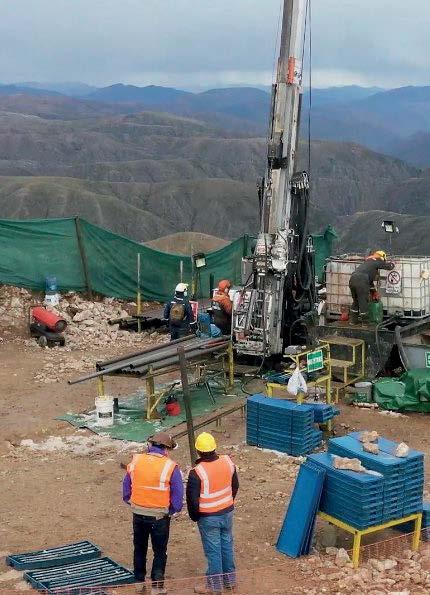
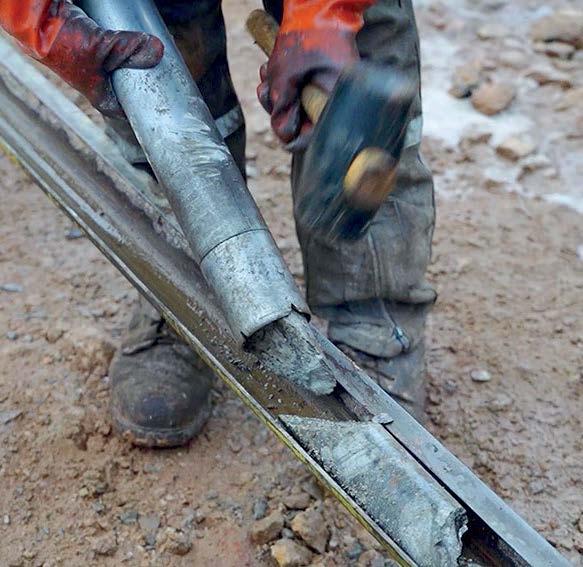
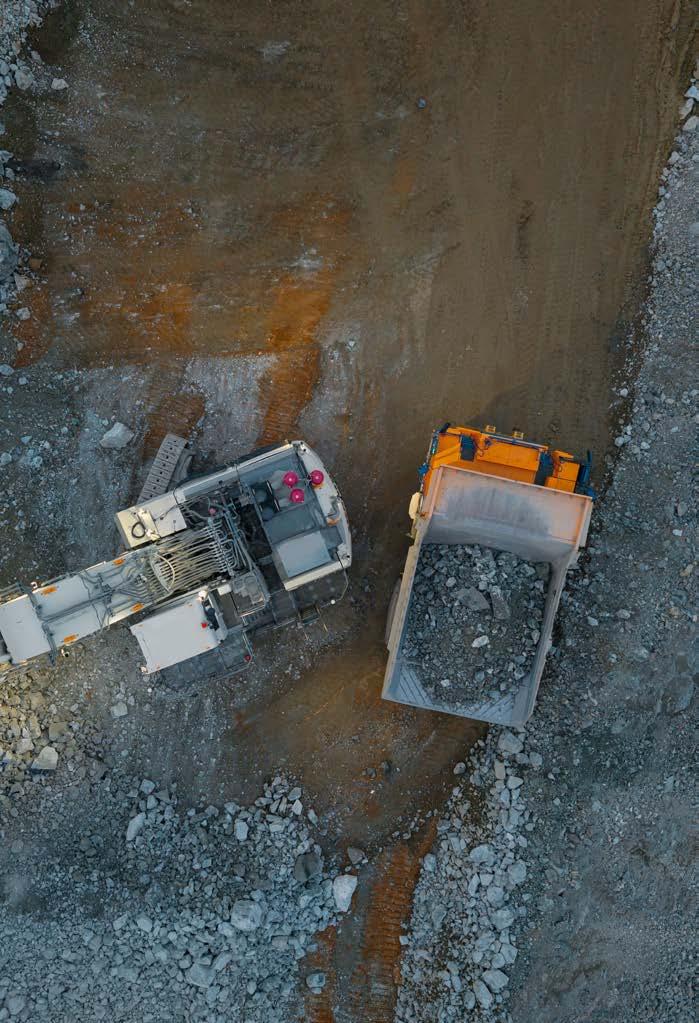
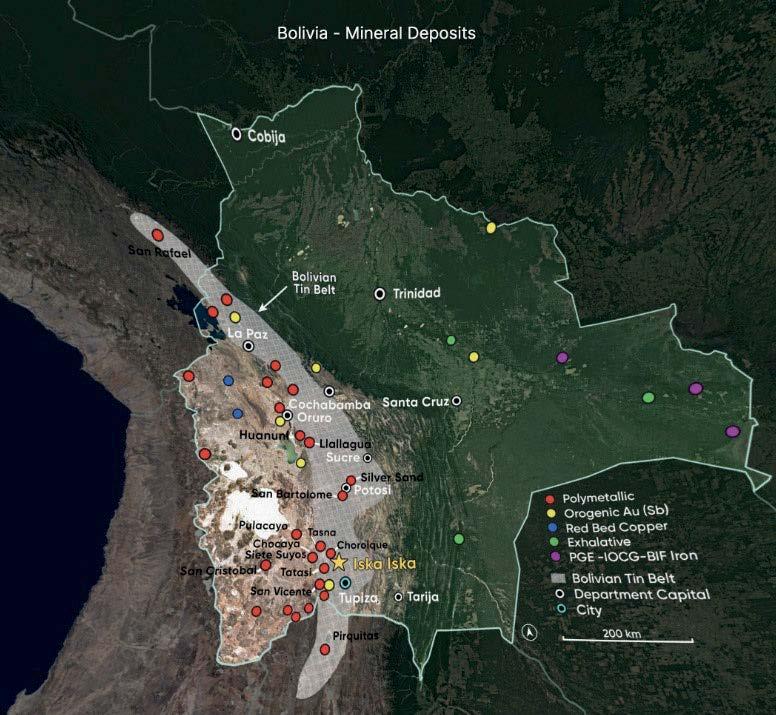
Indium, a critical tech metal, is found with high-grade zinc at Eloro’s Iska Iska project. A major value in a world class discovery.
Eloro is a publicly traded exploration and mine development company focused on developing its potential world-class Iska Iska silver-tin polymetallic property in the Potosí Department of southern Bolivia.
Eloro is a publicly traded exploration and mine development company focused on developing its potential world-class Iska Iska silver-tin polymetallic property in the Potosí Department of southern Bolivia.

The freight forwarding industry of Thailand is a rapidly expanding sector, supported by the region’s growing e-commerce markets and the country’s development of infrastructure projects. Therefore, today freight forwarding in Thailand is a significant sector, responsible for moving cargo and goods across the country through a combination of sea, air, road and rail network operations. To oversee such a rapidly expanding industry is the Thai International Freight Forwarders Association (TIFFA), which has been supporting freight forwarders in the country for more than 35 years. Today, TIFFA is focused on delivering Thailand as a key logistical hub in Asia, focused on regional growth and strengthening the country’s role as a cargo shipping partner within the global freight forwarding market.
TIFFA brings together over 250 members under the Association, all of whom are passionate about developing Thailand’s freight forwarding industry and positioning the country as a hub for seamless cargo movement. Since its establishment, TIFFA has continued to benefit Thailand by providing essential structure, regulation and support to its members. Members of TIFFA are supported by the organisation through networking events, logistics news, regulatory updates, training and education, creating a well-connected and informed freight forwarding industry across Thailand. Therefore, through the Association’s operations, TIFFA is on a mission to position Thailand as a key logistics hub operating across Asia.
TIFFA’s history extends back to 1987, when a group of freight forwarders in Thailand came together to form a united body that could oversee the sector and deliver more regulation, structure and reliability within the country’s freight forwarding industry. However, the establishment faced some early issues with the Association not initially being recognised and instead being viewed as a brokerage by the Government and private sectors. The Association was later submitted to the Board of Trade in Thailand, which fully supported the Association and registered it with the Ministry of Commerce. From here, TIFFA was officially inaugurated, and with it saw an influx of
members joining the Association over the following years. Now, TIFFAA is a leading freight forwarding association, with its members’ operations spanning the region’s freight forwarding services.
Today, the central role of TIFFA is to enhance the business operation of the freight forwarding and logistics services in Thailand, whilst supporting and assisting its members with any operational obstacles or business challenges they may face. Within this, TIFFA acts as an intermediary body for liaison with external parties. Through this, TIFFA aims to help deliver the country’s freight forwarding and logistics sectors as a significant branch of the country’s trade facilitation, and thus a pillar of Thailand’s economy.
However, alongside its promotion and support of the industry, TIFFA is also passionate about education and supporting the industry for the future. The Association promotes the exchange of knowledge and open opinion for academic, research, news and trade information purposes. This creates a well-connected and informed industry supported by best-in-class practices. By sharing such information, TIFFA can ensure that all freight forwarding and logistics services are performed in line with global freight forwarding standards and
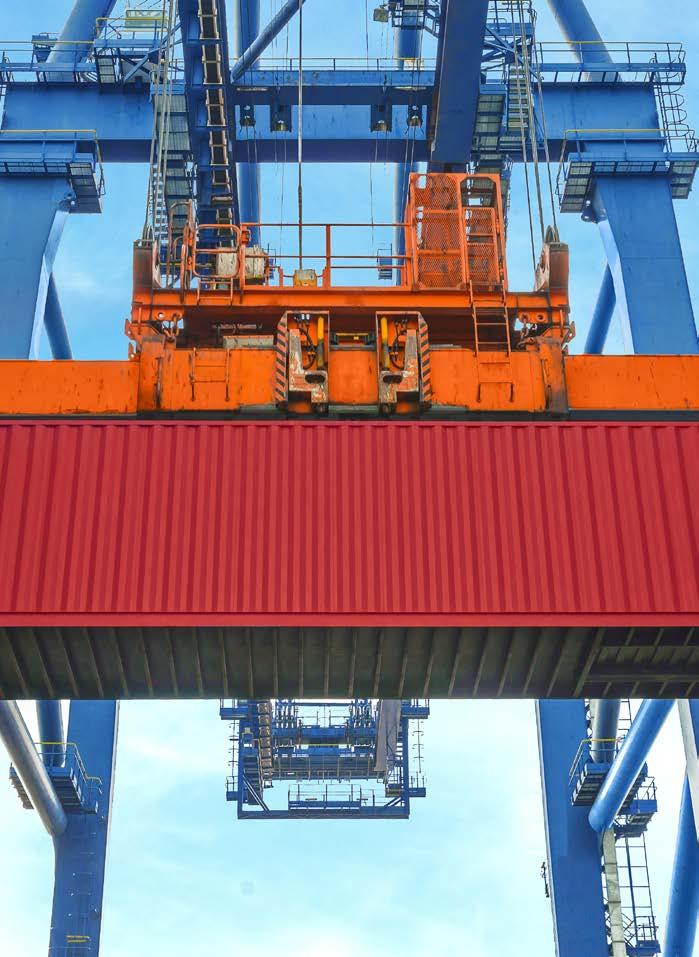

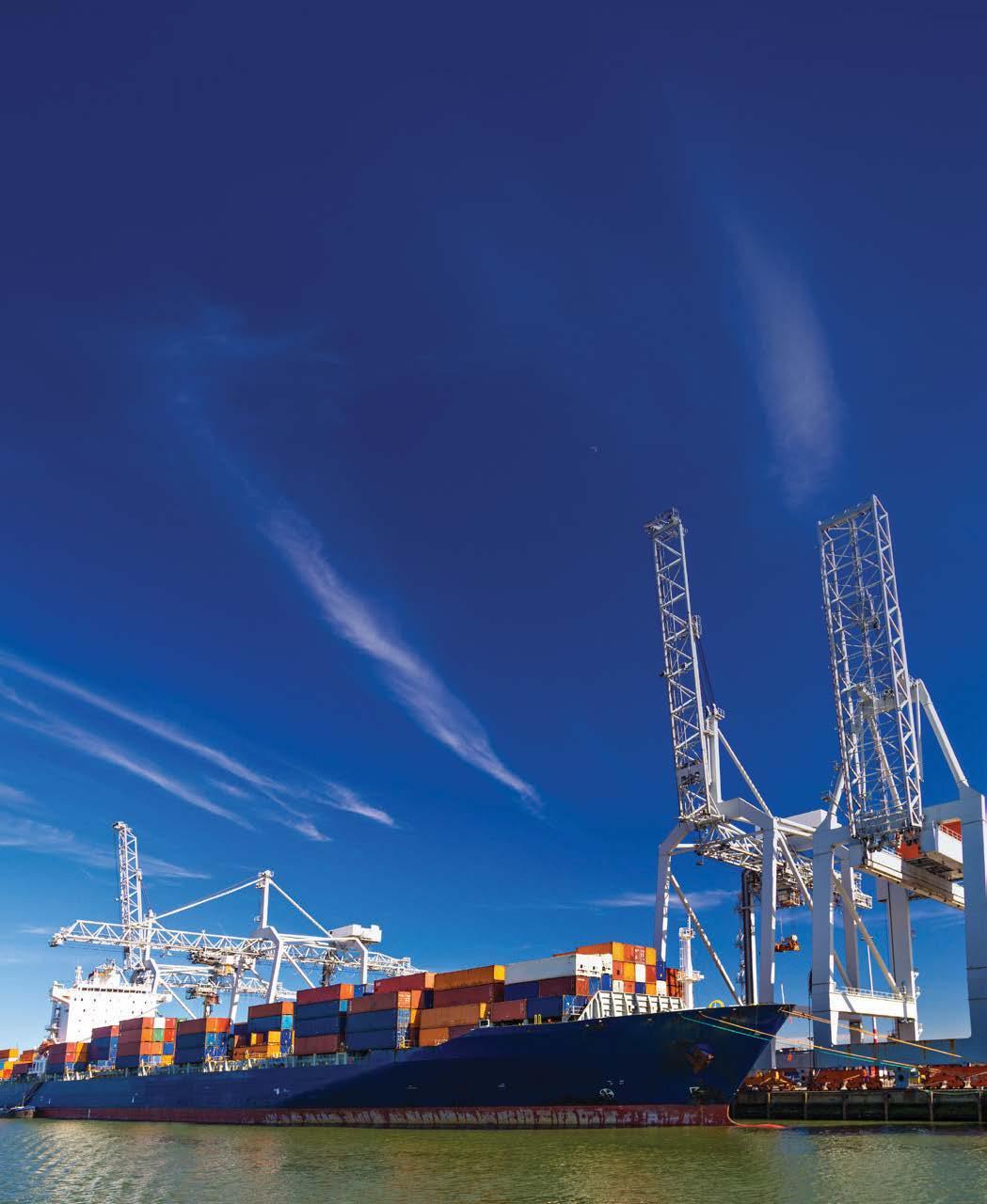
One of the best ways that TIFFA can enhance member collaboration and networking is through its annual TIFFA General Meeting and TIFFA NIGHT. The most recent Annual General Meeting was held in March 2026 and saw 176 members in attendance. 142 of the members in attendance were ordinary members, whilst 34 were associate companies. The meeting provided space for member organisations to discuss industry updates, as well as to allow for voting of committed board members.
As we can see from TIFFA’s expansive role across Thailand’s freight forwarding industry, the Association is passionate about uniting the industry to promote the country into a hub for freight and shipping services underpinned by international standards and regulations. With the support of TIFFAA, members strive to enhance their operations while gaining access to vital information and networking across the industry to support its continued development for many years to come. We look forward to seeing how TIFFA will continue to enhance the industry and deliver Thailand as an internationally recognised hub for seamless freight operations. In return, the Association’s members can enhance their networks and deliver vital economic development for the country in the process.

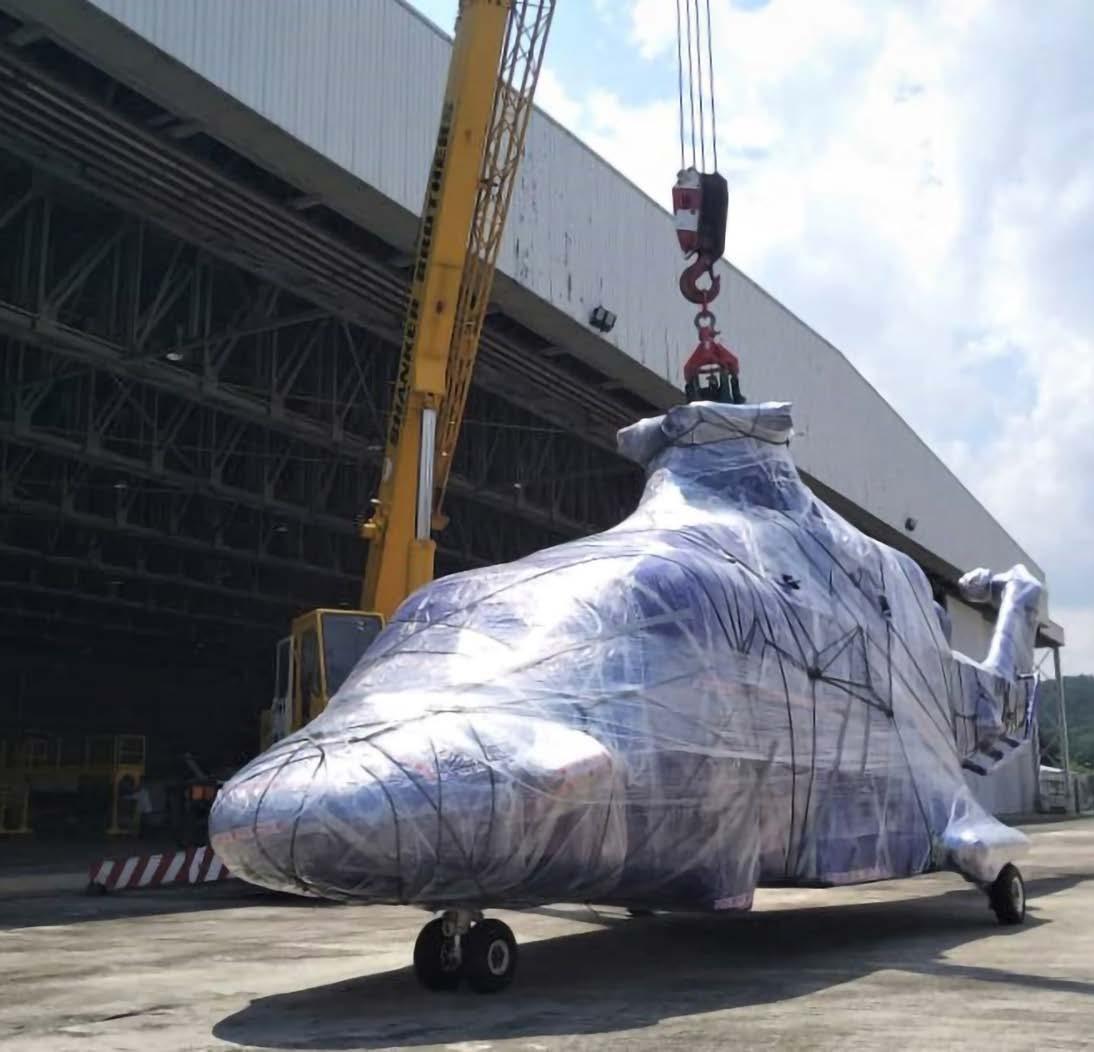
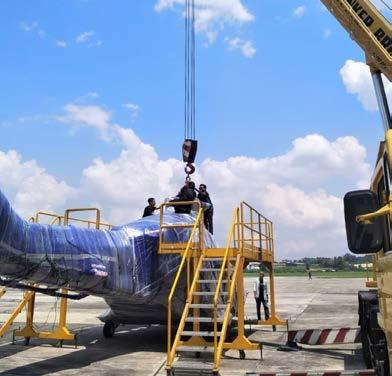
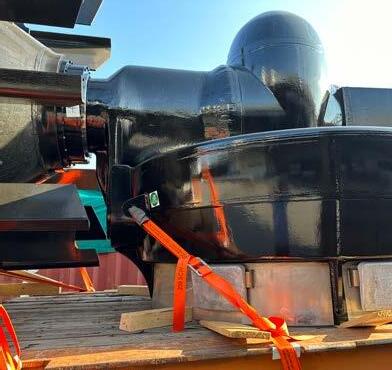


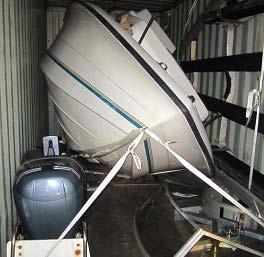
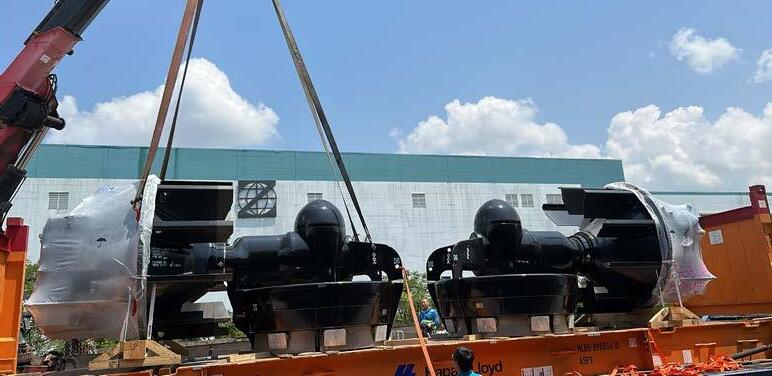
At Anslem Logistics, we don’t just move goods; we move industries forward. Trusted by countless businesses across sectors, we deliver a full suite of innovative logistics solutions tailored to your needs:
Global Freight Forwarding Efficient and reliable, wherever your business takes you.
Warehousing & Distribution Streamlined, secure, and scalable.
Customs Clearance & Documentation Simplifying the complex.
Shipping of Dangerous Goods Safety and compliance guaranteed.
With a global network and a proven track record, our strengths lie in fast and efficient service, personalized solutions, and an unwavering commitment to exceeding expectations in a dynamic global market.
Choose Anslem Logistics – where professionalism meets personalized care. Let’s transform your logistics into a competitive edge.
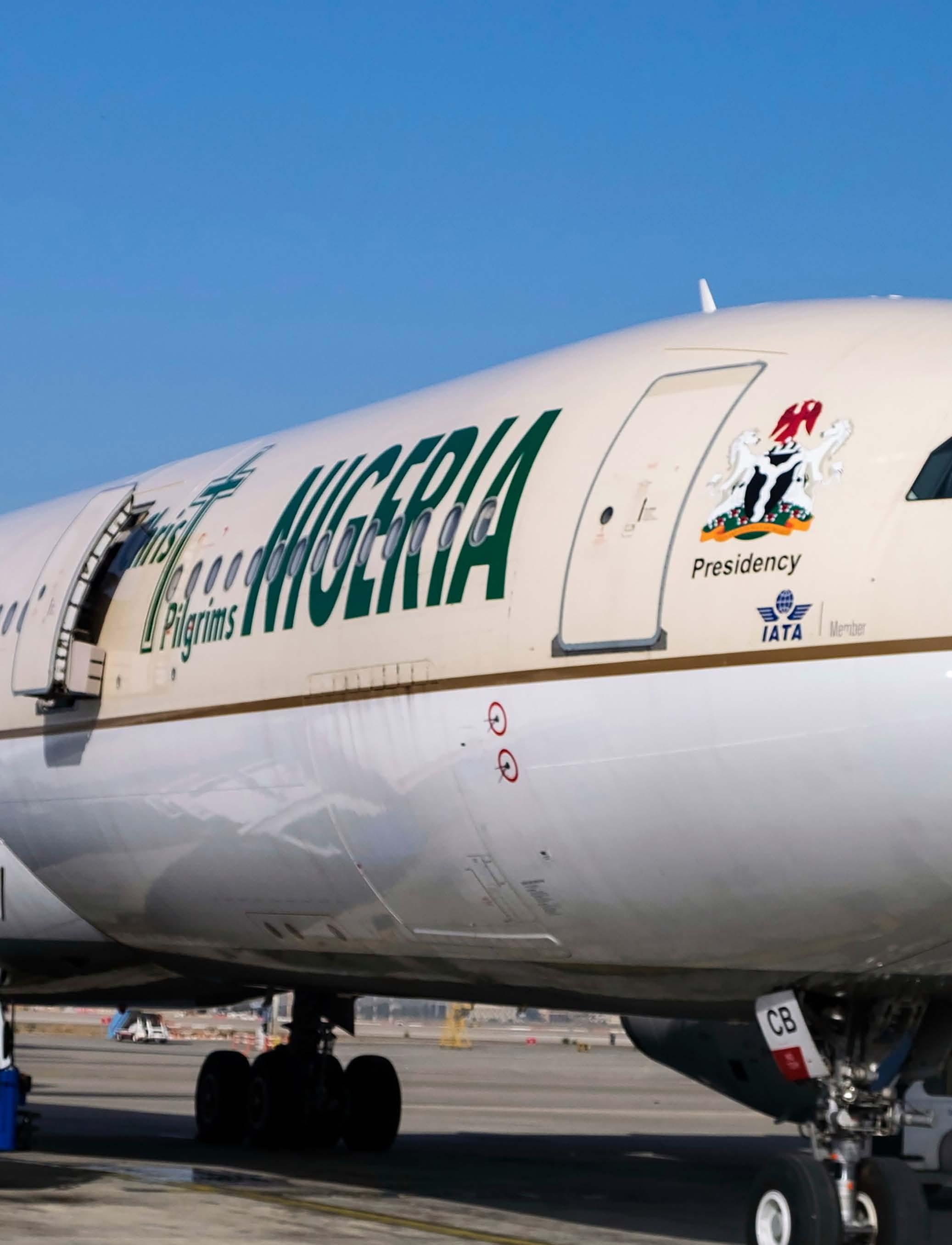

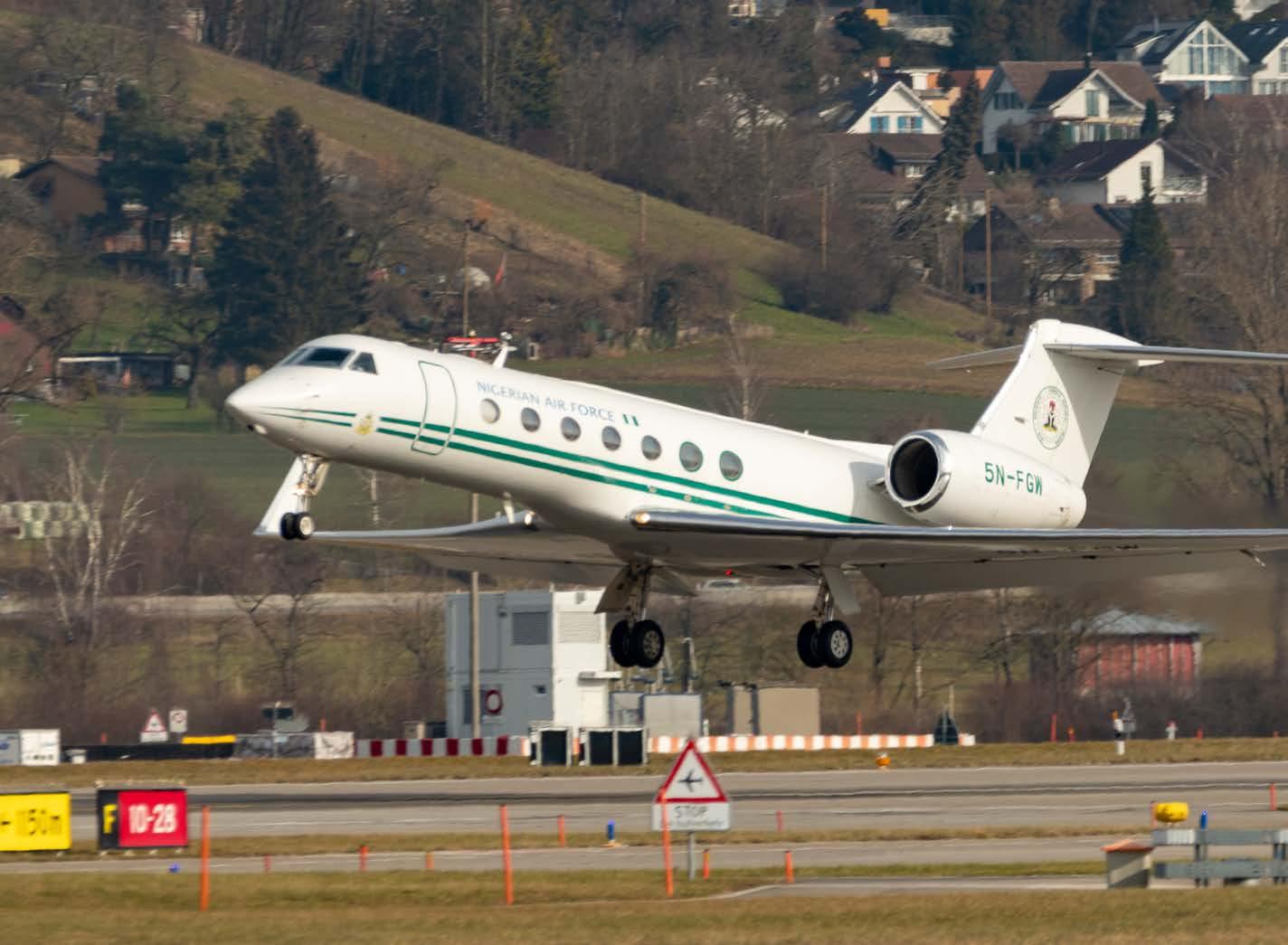
Operating as the sole civil aviation regulatory body in Nigeria, the Nigeria Civil Aviation Authority (NCAA) has been overseeing the country’s aviation industry, implementing vital safety and economic measures to ensure that it provides the best possible services for its passengers. Every year, millions of passengers travel through Nigeria, providing the country with one of the largest domestic aviation markets in Africa. For this reason, the aviation industry contributes significantly towards the country’s economic development, and so the NCAA plays a key role in supporting the industry to ensure it can continue to bring vital economic benefits for the country.
The NCAA was established in 1999 by an Act of Parliament, with the statutory responsibility to oversee the regulation, monitoring and promotion of the safety, security, reliability and economic impact of the country’s air navigation in line with International Civil Aviation Organisation (ICAO) Standards and Recommended Practices (SARPS). The Authority commenced its operations on 1st Jan 2000, with a central mission to deliver NCAA as one of the leading Civil Aviation Authorities in the world, providing aviation safety and economic regulatory services in the most efficient, effective and technologically driven manner possible. In line with this, the NCAA aims to benefit all stakeholders and maintains the highest international standards and sustainable development of the industry for the national economy.
Nigeria today boasts an improved aviation industry, supported by vital infrastructural facilities and state-of-the-art navigation aids to ensure the safety and comfort of passengers flying within Nigeria’s aviation industry. Today, Nigeria’s aviation industry spans 31 airports, which are served by 39 AOC (air operating certificate) airlines for scheduled and non-scheduled flight operations, as well as 28 foreign airlines that operate within Nigeria. NCAA today operates in line with the ICAO, which is a specialised United Nations agency which
Base Aviation Systems Limited, has remained a leading, top notch Aviation Support Service provider in Nigeria. It's success over the years is rooted on quality services, and arrays of core aviation professionals on its kitty. We are at the beck and call of our customers, 24/7.
Passenger and Crew Assistance
Cargo / Baggage handling / Warehousing
Ramp Handling
Customs and Immigration Facilitation
Security Service, Executive Protection


International Landing and over-Flight permits
Flight Plans, Weather reports
Flight clearances and Ministerial approvals
Aircraft Charter
Aircraft Refueling (Jet A1 )
Crew Transportation
Catering and Hotel Reservations
Aviation Consultancy
12, Murtala Mohammed Int’l Airport Road, Mafoluku-Oshodi, Lagos State, Nigeria. Mobile: 234-8033044884, 234-8033026252 | E-mail: opsadmin@baseaviations.com
is responsible for coordinating global principles and standards for international air transport. The organisation was established in 1944, and its 193 member states work together to develop and deliver safe, secure, efficient and environmentally sustainable aviation networks across the world.
Today, NCAA oversees the safety and regulation of the industry, ensuring that every aspect of the aviation sector, from flight crews to engineers, air traffic control and all air operators, is operating in accordance with the ICAO standards to ensure a unified network supporting reliable aviation travel across the country. Alongside this, the NCAA also

ensures that all airspace and aerodrome standards are up to date across its airports. As part of this, the Authority is responsible for certifying and regulating the country’s airports to ensure that every take off, landing and all the associated infrastructure are certified and regulated with international aviation standards. By implementing the international standards of the ICAO, the NCAA can ensure that its airports remain competitive in global markets, underpinned by the safety and regulation standards as any other across the world.
For aircraft themselves, the NCAA ensures airworthiness, focused on the design and



production, modification, repairs, and maintenance of aircraft. This division of the NCAA ensures that every aircraft meets the high standard of the NCAA’s airworthiness regulations. This instils a high level of safety standards across civil aircraft and ensures that every aspect of their safety and development is delivered with world-class standards. In line with this, the NCAA also ensures the overall security of the aviation industry in Nigeria, spanning from the aircraft to the personnel and the aircraft operating environment. In this division, NCAA continues to develop the National Civil Aviation Security Programme of Nigeria, which it utilised to define and coordinate the aspects of the program for the agencies, airport operators, aircraft operations and other allied services. Furthermore, the NCAA is also developing, implementing and maintaining a National Civil Aviation Security Training Programme, which it has developed to help establish high training standards whilst helping to develop aviation security training programmes for individual agencies and organisations.
As we can see from just a few examples of NCAA’s expansive regulatory work across Nigeria’s aviation sector, the Authority is committed to ensuring that every aspect of the aviation sector, from the planes to the airports and everything
in between, is delivered with excellence, safety and strict international standards in mind to help promote Nigeria’s aviation industry among global aviation markets. However, with an ever-growing aviation industry, the NCAA continues to develop these regulations to ensure that it remains in sync with global aviation standards. A big aspect of such development has been the move towards digitisation. This was exemplified in May when the Electric Master Plan for Inspection and Certification (EMPIC) system was introduced, which is used for personnel licensing and medical certification. By digitising the system, EMPIC will help reduce delays

in aviation licensing through a more centralised database. This is a key milestone for the NCAA as it is driving the Authority’s move towards a more modern aviation regulatory oversight, whilst strengthening its regulatory framework.
In May, the NCAA also launched the Drone Portal, which is focused on drone regulations. The Drone Portal was launched by the NCAA in an effort to streamline drone regulations, promote safe drone operation and help accelerate the growth of the drone industry. The announcement was made during the 6th African International Drone Technology Conference and Exhibition by the Director General of Civil Aviation and CEO of NCAA, Capt. Chris Najomo. Najomo outlined in his opening address a need to curb drone proliferation, whilst managing the growth of the recreational open category of drones and providing a comprehensive road map and direction for the industry. Alongside this, it will help establish the clear role the aviation industry will play in making Nigeria a prime player in the drone sector. The new portal will provide a hub for flyer IDs, certifications and drone registration, which can be accessed by operators. Through this network, the NCAA can provide a more comprehensive regulation of the industry and help maintain drone compliance in Nigeria.
Across Nigeria, the NCAA provides reliable and effective regulatory services to ensure that every flight, aircraft and aviation operation across the country is supported by strict regulation. These regulations are underpinned by the ICAO, which ensures that all operations conducted across Nigeria’s aviation sector also meet international standards to help promote and enhance the competitiveness of the country’s aviation sector within global markets. With a comprehensive range of services spanning from regulation, licensing, safety and even customer-focused protections, NCAA is delivering a vital aviation industry for Nigeria to support the long-term development of Nigeria’s aviation for many years to come. With vital new expansions, including the development of the new Drone Portal and the continued digitalisation of its operations, NCAA remains focused on developing and expanding its operations to meet the growing changes and developments of the industry as it works to enhance the aviation sector and, in the process, support the aviation impact on the local economy for many years to come. We look forward to seeing how the NCAA will continue to develop alongside ICAO regulation, to deliver a strengthened and reliable aviation industry in Nigeria for many years to come.

3,000,000 HOTELS




Receiving the best medical care possible is an essential aspect of allowing us to live a long and healthy life, as this is what allows us to treat ailments quickly and catch any issues early. This focus on the best medical care possible is something MediGuide International is passionate about, as they work to deliver world-class healthcare services, dedicated to providing its members with the medical answers they need and deserve. For MediGuide, it aims to empower informed decisions, supported by trusted expert services. For this reason, MediGuide is a leading medical services company that partners with industries across the world to connect their members with trusted medical experts and reliable healthcare options. With vital partnerships across the globe, MediGuide has continued to expand its reach, supporting companies across the world with vital healthcare access and helping individuals get the best treatment for them.
MediGuide was founded in 1999 and began laying the foundation for a global healthcare company offering medical support worldwide. Over the last 25 years, the company has been on a mission to guide its members to accurate diagnoses and better health outcomes. To achieve this, it has continued to empower individuals by giving them information and trusted expert opinions they need to make informed and confident decisions. Therefore, it’s no surprise today that the company is now a trusted partner for global companies such as Allianz, Swisse Re and MetLife, offering its medical services across a range of services. Thus, MediGuide is continuing to transform the global healthcare sector by positioning itself as a leader in second medical opinions and offering better healthcare clarity.
MediGuide want to ensure members have as much information as possible when making a medical decision, and so it offers medical second opinions, which typically consist of reviewing a patient’s file and potentially offering an alternative diagnosis or treatment plan. However, Mediguide takes this one step further and has integrated its Medical Second Opinion services with three other products that help integrate and enhance the overall picture of a patient’s health. These other

services include medical treatment abroad, digital health and preventative health programmes.
MediGuide’s medical treatment abroad services guide members through every step of treatment abroad, from providing a medical second option to connecting them with top medical centres, outlining treatment plans, organising travel and admission and then discharge and follow-up procedures. This comprehensive global coverage helps members feel supported with access to the best healthcare journey for them. These global services are then enhanced by MediGuide’s digital health services, which include a telemedicine toolkit service which offers remote access to export care and health management tools. These offer instant, personalised care for members, so they can have better management over their healthcare and have less disruption day to day for healthcare. The secure service provides access to both primary and speciality care.
Building upon these services, MediGuide is focused on helping deliver long-term wellness, and so its Preventive Health Programme is a key aspect of this. Its Preventive Health Programme is designed to simplify wellness management with annual screening and proactive support. This system aims to help catch any issues early, whilst helping to manage chronic conditions for better long-term health. By providing proactive support, MediGuide can help make care effective and affordable.
Today, MediGuide works with insurers, banks and corporations and offers them a comprehensive suite of B2B healthcare solutions that are designed to enhance user satisfaction and add value to their policies, whilst in the process lowering costs. For Insurers, this means that they can offer enhanced policy offerings with premium healthcare navigation services. Thus, MediGuide can act as a trusted advocate both for insurers and their policyholders to provide comprehensive support, which in turn will help reduce healthcare costs and improve claim ratios, promote high-quality and cost-effective care, whilst enhancing patient adherence. Plus, it means Insurers can attract and retain policyholders by offering access to top-tier specialist and international medical facilities, supported by its global network of trusted medical services.
Then, for Banks, MediGuide partners with banking companies so that they can offer premium banking services with exclusive healthcare benefits. For banks, this allows them to strengthen customer relationships and differentiate themselves from competitors by offering top-tier healthcare services with their banking options. In addition, through MediGuide’s services, it can help reduce client healthcare costs by enabling clients to avoid unnecessary procedures and treatment, which in turn will lower healthcare costs and increase the value of the bank’s offerings. Corporate entities partner with MediGuide to provide their client and employees with access to
world-class healthcare solutions. These solutions enable corporations to deliver tailored, costeffective healthcare benefits, whilst also being costefficient by reducing necessary medical procedures and treatment to lower overall healthcare-related expenses. These help corporations see fewer sick days, increased productivity and the overall improvement of employee health across its operations. A key aspect of MediGuide’s work with corporations is its preventative health programs and digital health services, which provide a more proactive approach to healthcare for employees to help enhance healthcare, reduce absenteeism and minimise future medical costs.
As MediGuide continues to expand its offering across the world, we got to see a vital partnership for the company in February 2025 when it began an innovative partnership with GrECo Affinity. The partnership will see the two companies working together to enhance healthcare access and decision-making in Central and Eastern Europe through Medical Second Opinion (MSO) services. MediGuide has developed a digital platform in close collaboration with GrECo Affinity, which is tailored to the specific needs of its members. Thus, the
platform aims to streamline processes, enhance delivery efficiency and provide a user-friendly experience for individuals seeking medical advice. Speaking on the partnership, Vera Guerreiro, CEO of MediGuide, outlined, “This partnership demonstrated the power of collaboration. Together with GrECo, we’re delivering tailored solutions that promise the well-being of individuals and redefine how healthcare decisions are made”. As we can see from Guerreiro’s comments, this partnership marks a vital step in MediGuide’s expanding global network to deliver trusted and innovative medical services. Across MediGuide’s services, it remains committed to supporting industries and companies globally with trusted medical services and experts to deliver reliable healthcare options. By partnering with key insurance, banking and corporate entities, it can offer its services to these companies to help deliver better healthcare and, in turn, provide vital benefits to these companies in the long run too. As MediGuide continues to expand its role, we look forward to seeing how it continues to enhance its global healthcare network and solutions to provide the best healthcare options to empower members supported by trusted and world-class medical professionals.



For the last 30 years, Asia Shipping has led the way as a leading international freight forwarding company serving the globe with a primary focus on Latin America. Today, the company operates across the entire logistics pipeline, offering resilient operations as a global logistics integrator operating in ocean, air and multimodal transport, supply chain management, and data-driven strategic solutions. We got the chance to talk with Alexandre Pimenta, Chief Executive Officer (CEO) of Asia Shipping, who has been with the company since 1996.
Pimenta was one of the main founders of Asia Shipping; however, Pimenta’s role has evolved in line with the business over the last 30 years, moving from being involved in day-to-day operations, to today focusing on company strategy, international expansion and governance. However, Pimenta still remains close to key decisions and relationship-building opportunities of the business. Therefore, as the company celebrates its 30th Anniversary, there is no one better than Alexandre Pimenta to speak to, to gain valuable insight into how the company has developed over the last three decades, what has been fundamental to the company’s success, and where Pimenta would like to see Asia Shipping in the years to come.
Asia Shipping began operating in 1996 from the continuation of a forwarding operation in Brazil, which, despite its lean structure, had an international vision from day one. Now, three decades later, Asia Shipping is a global logistics integrator, operating in ocean, air, and multimodal transport, supply chain management, and data-

driven strategic solutions. According to Pimenta, “Today, beyond moving cargo, we engineer resilient operations within a landscape shaped by geopolitical instability, digital transformation, and new regulatory requirements. Our essence remains the same—customer centricity and value generation—but the complexity of our deliverables has grown in tandem with an increasingly challenging world.” We can see from Pimenta’s comments that throughout the transformation of Asia Shipping over the last 30 years, its fundamental value of centring its customers to bring them value and success has always remained at the heart of its operations.
Over the last 30 years, Asia Shipping’s operations have vastly expanded; however, a key turning point came in 1999 when Asia Shipping opened its Hong Kong office. Pimenta outlined that, “Opening our Hong Kong office in 1999 marked our transition from a Brazilian company to a Brazilian multinational, establishing a direct presence in one of the world’s primary global trade hubs. Following that move, we expanded into Asia, the United States, and Europe, building a proprietary network based on governance, integrated technology, and leadership development. Our growth has been consistent and strategic, consolidating a global footprint without losing the agility and proximity that defined our origins.”
As we can see from Pimenta’s comments, Asia Shipping’s growth over the last 30 years has been underpinned by its commitment to consistency and strategic expansion. Therefore, now looking back on the last three decades, we asked Pimenta ‘What sets Asia Shipping apart from its rivals?’ Answering this, Pimenta says, “Our differentiator has always been interpreting logistics as risk management and strategic intelligence, rather than mere transportation. We have incorporated resilience, situational analysis, and market anticipation into a sector traditionally driven by pure efficiency. We invest heavily in technology and global integration, focusing on transforming data into coordinated decision-making. We have achieved international scale while maintaining a high-touch, consultative relationship with our clients—a combination that has sustained our relevance for thirty years.” By remaining focused on data, market anticipation and its closer relationships with its clients, Asia Shipping
Alexandre Pimenta, CEO of Asia Shipping
has been able to rise above its competitors as a company that goes beyond just transportation. Expanding on this, Pimenta outlined that the key to the company’s success over the last 30 years has been a combination of long-term vision and the ability to adapt: “We always maintained clarity on our destination but knew how to adjust our course in the face of market transformations. We invested in people, technology, and international presence without sacrificing proximity to our clients.” For Pimenta, “logistics is not just operation execution – it is strategy”.
The shipping and logistics sector has vastly changed since Asia Shipping began in 1996, and so the company has faced key challenges along the way. According to Pimenta, at the start of its operations “the industry operated under a relatively predictable logic. Supply chains were designed to maximize efficiency, slash costs, and leverage economies of scale. The focus was on operational optimization, and the stability of international trade allowed for long-term planning with minimal exposure to disruptions.” However, the last 30 years have seen a variety of key challenges, with Pimenta citing geopolitical tensions, financial crises, the COVID-19 pandemic, extreme weather events, and
new regulatory demands, which have made global supply chains more complex and sensitive to external shocks.
All of these challenges have put additional pressure on Asia Shipping and the entire freight industry. When we asked Pimenta what one of the most significant challenges the company faced in the last 30 years was, they highlighted the global instability in 2020 caused by the pandemic. Pimenta outlined, “The global instability beginning in 2020 exposed vulnerabilities in supply chains, characterized by equipment shortages, freight rate volatility, and port congestion. The logistics environment became highly unpredictable. We responded through closer client collaboration, diversification of routes and modes, and the intensive use of technology to enhance visibility and decision-making agility. This challenge accelerated
our evolution and solidified risk management and resilience as strategic pillars.”
Asia Shipping’s response to the instability caused by the COVID-19 pandemic exemplified the company’s commitment to delivering operations that are resilient and adaptable. This is something Pimenta highlights, with “Efficiency is no longer enough. Resilience, supplier diversification, risk management, and adaptability have moved to the center of strategic decision-making.” However, a big part of Asia Shipping’s adaptation is also towards digitalisation. For Pimenta, “Data, system integration, and predictive intelligence have shifted the role of logistics within companies from a support function to a strategic driver influencing production, distribution, and global positioning. Today, logistics is less about moving goods and more about structuring in a volatile environment”.
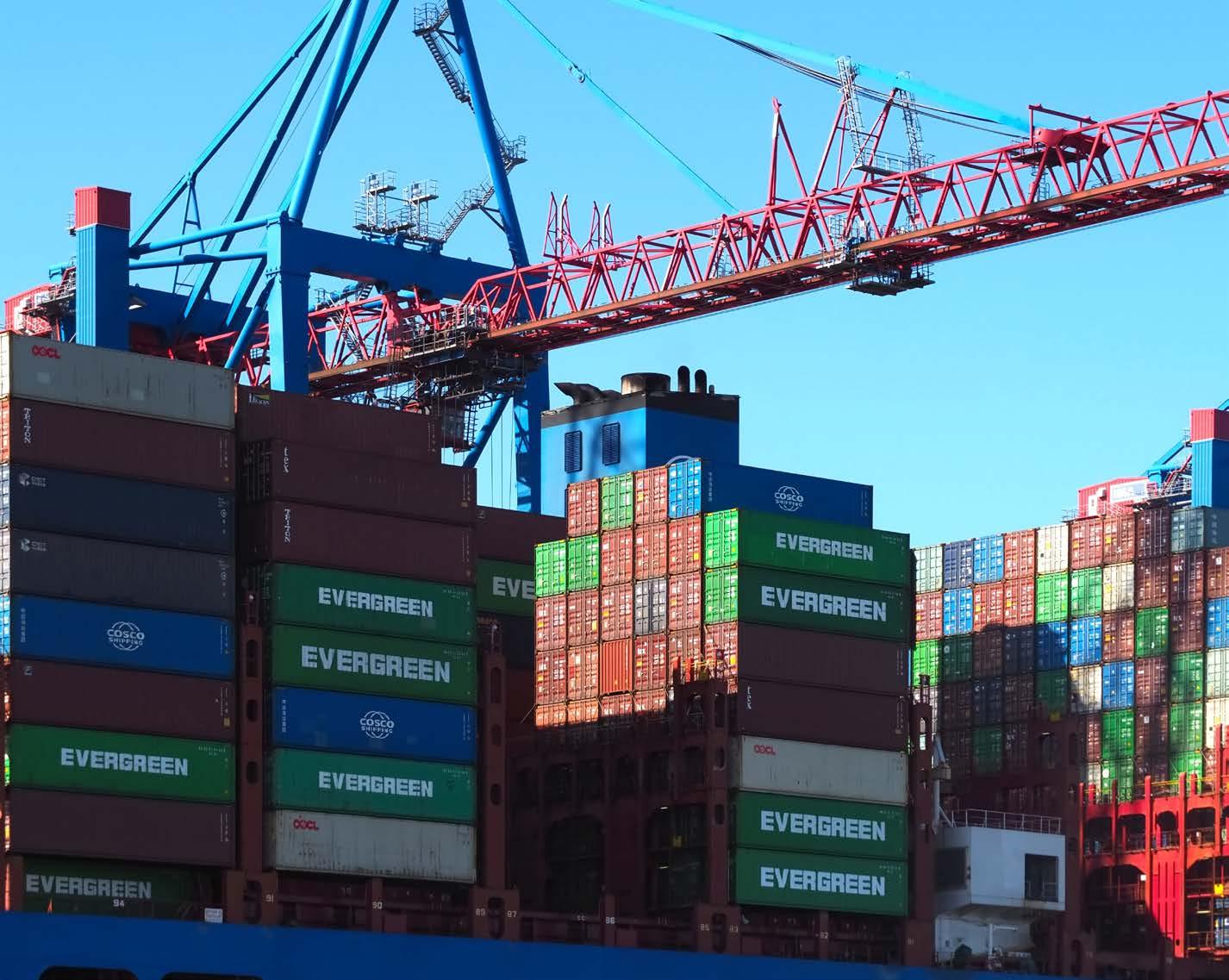
We asked Alexandre Pimenta if there was a defining moment for Asia Shipping that changed its trajectory over the last 30 years towards the company we see today. Pimenta responded: “Yes. Opening the Hong Kong office in 1999 was a watershed moment. We moved from being a Brazilian company with international operations to positioning ourselves as a Brazilian multinational with a direct presence in the world’s major trade centers. This decision represented a shift in mindset and laid the foundation for our consistent expansion. Internationalization was not just geographical; it was strategic—redefining our positioning and our long-term ambition.
Expanding from its opening of the Hong Kong office, Asia Shipping has continued to grow and, with it see a multitude of significant milestones reached over its 30 years of history. Now, Asia Shipping is present in 12 countries, with 45 owned offices and fully integrated global operations. However, one of the most significant milestones for Asia Shipping highlighted by Pimenta was when the company became the only Latin American company ranked among the world’s largest freight forwarders in international industry rankings. Speaking on this
achievement, Pimenta outlines that “More than just an accolade, this symbolizes the ability of a Brazilian company, built on long-term vision and a strong organizational culture, to achieve global prominence.”
Other key achievements outlined by Pimenta included the consolidation of the company’s endto-end service model. This included the acquisition of DATI, a company offering AI-based tech solutions for foreign trade. Through the introduction of DATI, Asia Shipping was able to bolster its technology and data intelligence front to deliver informed and databacked solutions. Another key acquisition was of Hórus Logística, a leading company in the logistics and cargo warehousing sector. The acquisition marked Asia Shipping’s structured entry into warehousing and distribution in Brazil, expanding its operational capacity by over 60% and incorporating distribution centres. These distribution centres are equipped with high-level technology, traceability, and infrastructure, well-suited for regulated sectors like pharmaceuticals.
In fact, DATI and Hórus Logística remain some of the key developments that Asia Shipping is currently working on expanding. For Asia Shipping,
its advancement towards the future is focused on two fronts: operational integration and digital intelligence. Thus, through DATI and Hórus Logística, Asia Shipping can expand its warehousing and distribution footprint, whilst integrating vital digital developments to support data-backed development for the future. Alongside DATI, Asia Shipping also implements Smart Read solutions, which help automate foreign trade document processing. For Asia Shipping, Smart Read will help automate up to 93% of its foreign trade document processing, offering a vital tangible gain in efficiency and scalability for the company as it looks towards the future.
Alongside its expansion, Asia Shipping is also focused on expanding its operations alongside social development. Pimenta explains that the company aligns its business growth with social initiatives, highlighting its involvement in projects such as Conectados do Bem and Movimento IA Brasil. Through these initiatives, tech education is promoted in Brazilian public schools, and access to AI is being democratised by training one million Brazilians. Then, speaking on how Asia Shipping has made its operations more sustainable, Pimenta
says, “We have fully neutralized our 2025 emissions in Brazil through the purchase of certified carbon credits linked to the Jirau Hydropower Plant, contributing to the renewable energy matrix and generating positive impacts for local communities.”
Through vital social and environmental projects, Asia Shipping can ensure that its operations not only enhance the global freight and logistics industry, but also do so whilst minimising environmental impacts and giving back to those in the local community.
So, where would Asia Shipping like to see itself in the next 10 years? Pimenta answers, “In the next ten years, we aim to consolidate Asia Shipping as one of the most relevant logistics players in our operating markets, combining global scale with local intelligence. This means operating as a structured international network that remains sensitive to the regulatory, economic, and geopolitical contexts of each region. We want to be digital by design, using data to guide decisions and anticipate risks, without losing the human element—the ability to interpret complex scenarios, build solid relationships, and act responsibly in unstable environments.
Focusing back on Alexandre Pimenta, we asked about his particular philosophy to achieve success.
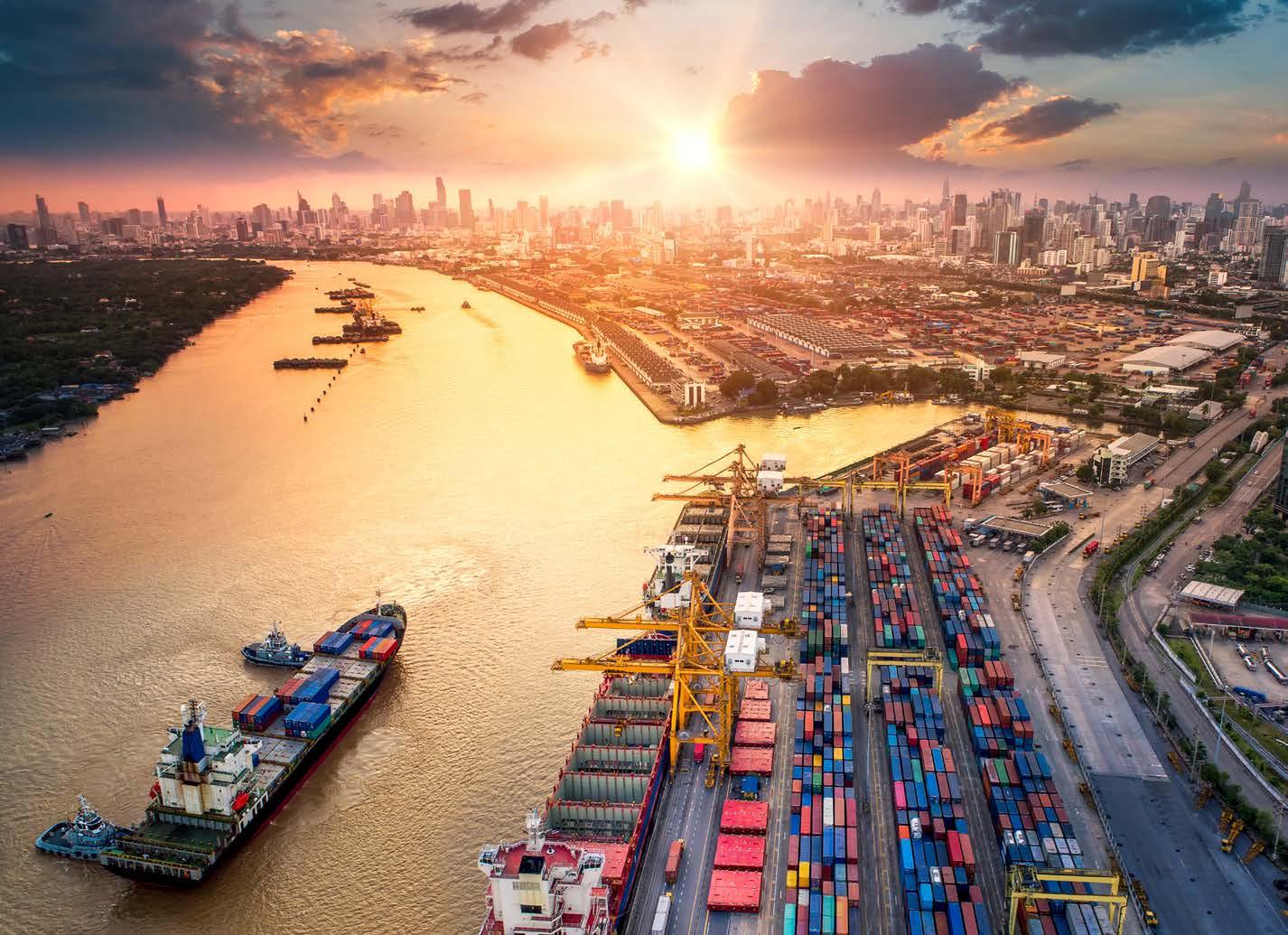
Pimenta highlighted that, “I have always believed that strategy must be accompanied by coherence and disciplined execution. Planning is essential, but monitoring the landscape and adjusting decisions rapidly is equally important. I also believe deeply in people. Companies are made of people; developing leadership and creating an environment of trust is what sustains long-term growth.” It is this focus on people that really feels like the heart of Asia Shipping, because it is through relationships that it can achieve its success.
Speaking on this and the key partners, suppliers and teams that have helped shape the company over the last 30 years, Pimenta highlights that “Over these three decades, we have built lasting relationships with carriers (shipowners), international partners, suppliers, and clients who trusted us through different economic cycles. These are relationships based on trust and longterm vision. I also want to give a special thanks to our team. Asia Shipping is the result of the work of
over a thousand professionals worldwide who have contributed with dedication and a collaborative spirit. A 30-year journey is never built individually; it is always a collective achievement.”
From our conversation with Alexandre Pimenta, there is a real passion behind Asia Shipping to enhance the shipping and logistics sector towards a future where digital integration, adaptability, reliability and trust underpin every operation they deliver. This is something that has supported the company for the last three decades of its operation, and now, as Asia Shipping celebrates its 30th anniversary, it has firmly cemented its place as a leading and highly ranked global freight forwarding company, supporting businesses across the world as a vital global logistics integrator. We look forward to catching up again with Alexandre Pimenta, and Asia Shipping to see how the company develops over the coming years and reaches new milestones on the road ahead.
Written by Carley Fallows

If you’ve ever been to Italy, you may have been lucky to spot a strange cloud formation above Mount Etna that resembles a saucer shape. This strange sauce or lens-shaped cloud formation is known as The Countess of the Wind. However, where did The Countess of the Wind name come from, and what causes these strange yet amazing cloud formations across the world?
The answer to this strange phenomenon comes from the words ‘altocumulus lenticulaus’ which means stationary clouds, that form in the troposphere often in parallel to the direction of the world. Altocumulus lenticulaus, or lenticular clouds, are a special type of cloud that forms when air travels along the surface of the earth but encounters an obstruction such as a mountain, volcano or an artificial structure, which disrupts the typical airflow. This forms areas of turbulence, which are referred to as ‘eddies’. Then, when moist, stable air flows over these eddies, it causes a series of large-scale standing waves to form. If the temperature, near these waves drops below the dew point, lenticular clouds are formed often looking like a lens or saucer sitting neatly upon things like mountains or volcanoes.
Due to the way the clouds form, they rarely occur over low-lying or flat terrain, and so their high position often leads them to be mistaken for unidentified flying objects hovering above high above in the sky. However, in Sicily, the clouds often occur above the famed Mount Etna volcano, and so the regular occurrence of this cloud formation

has been named The Countess of the Wind as, according to locals, “she was born from a struggle in the skies but is of noble beauty’”. Whilst the name gives a certain level of mystery to the cloud formation, it has become a clear signal for those living in the Catania area that a sudden change of temperature or weather is imminent because often, when The Countess is visible, it means that warmer, potentially stormy weather is soon to arrive over the region. Therefore, The Countess acts as a sort of marker for those in the region that bad weather is likely on the horizon.
However, Italy is not the only place where the lenticular cloud phenomena occur. Instead, the cloud formations are often seen all over the world, with notable frequent occurrences over the summit crater of the Mayon Volcano in the Philippines, as well as over Antarctic ice near Scott Base. These formations, like The Countess of the Wind, can come in many forms, sometimes with an iridescent appearance, and other times with gentle hues of various colours including pink. However, no matter where they occur, the cloud’s weird yet wonderful shape sitting almost as a hat upon some of the

world’s most notable landmarks makes them an interesting natural phenomenon to tourists and locals alike.
Whilst the name ‘lenticular clouds’ doesn’t provide the same sense of mysticism as The Countess of the Wind; the cloud formations have long been an interesting natural wonder occurring in some very interesting places on the globe. With many mountain ranges or volcanoes donning the cloud as their very own hat, you cannot help but watch in awe of the beauty and strange spectacle that such clouds provide to our skies.
discoverplaces.travel/en/stories/special-places/ the-countess-of-etna-the-cloud-over-the-volcanoin-particular-conditions
en.wikipedia.org/wiki/Lenticular_cloud
www.metoffice.gov.uk/weather/learn-about/ weather/types-of-weather/clouds/other-clouds/ lenticular
www.bbc.co.uk/weather/articles/cdjdd28edg3o
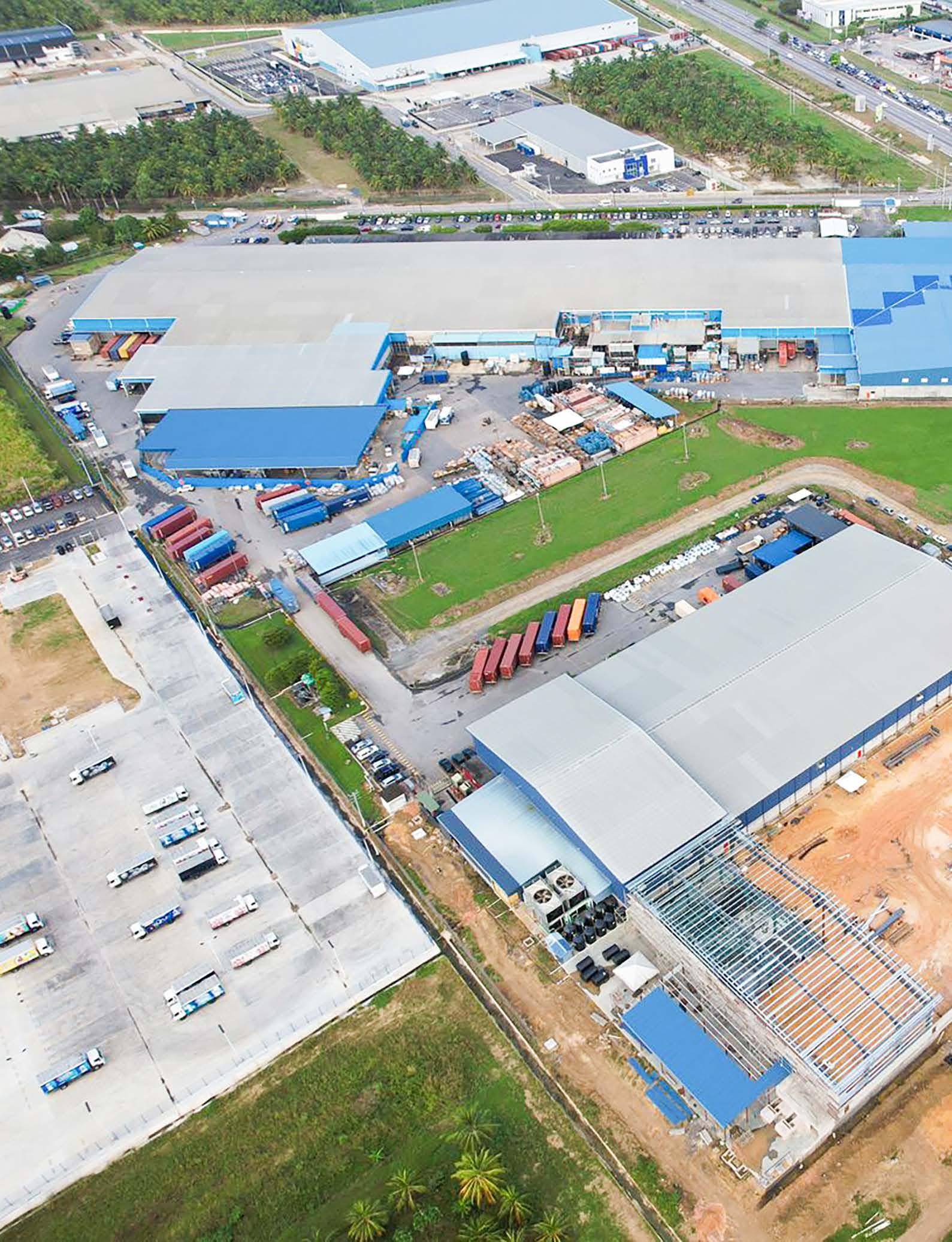
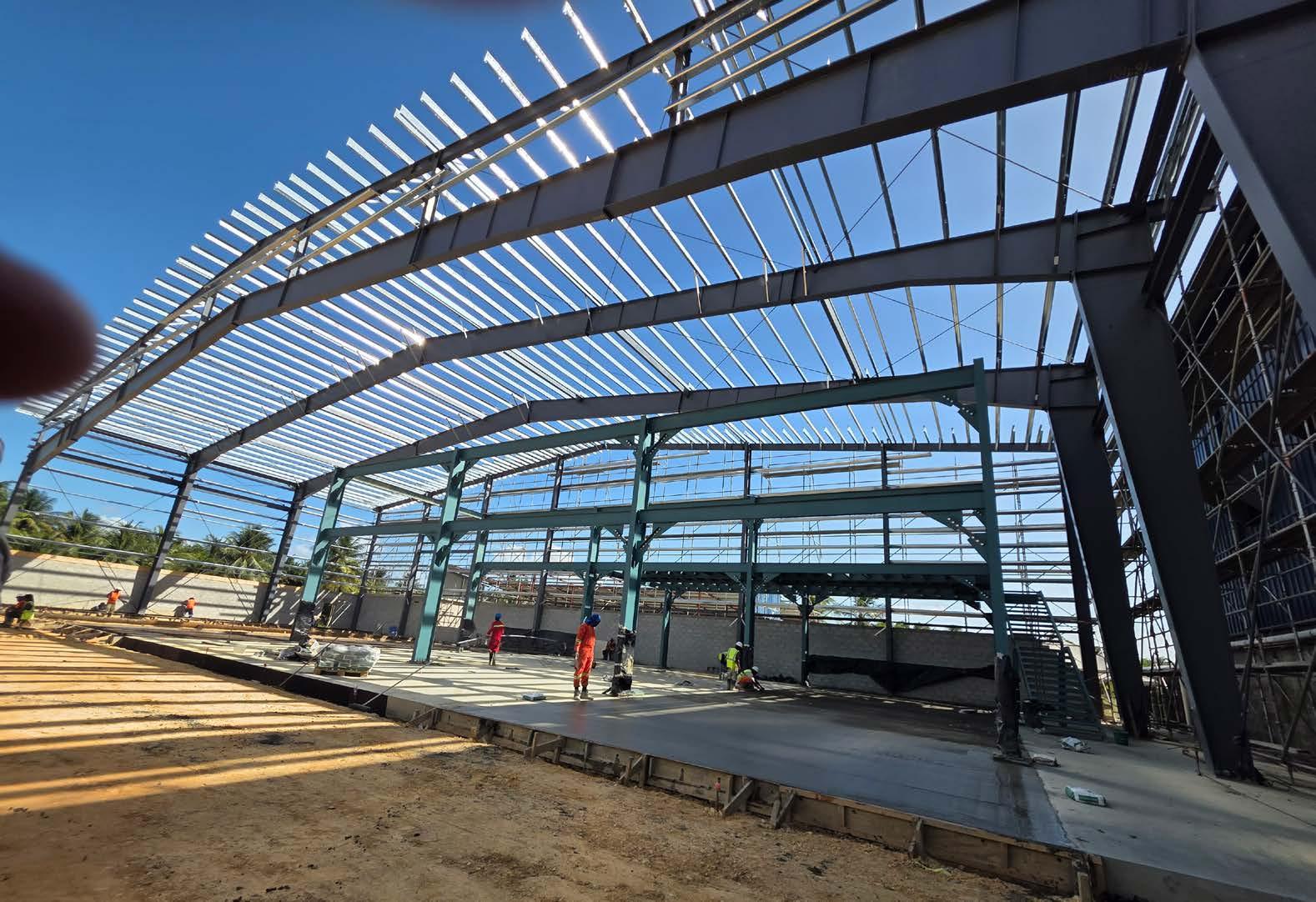
Established in 2015, Varaya Group is a leading EPC Design-Build and Project Management firm delivering end-to-end services across the construction, infrastructure, and real estate sectors. Varaya operates across vital markets, including those in the Caribbean, which have been experiencing unprecedented growth driven by the energy sector boom, as well as increased foreign direct investment and rapid urbanisation. To understand more about Varaya’s role across the construction and real estate sectors, we got to speak with Roshen Ramlal, Chief Executive Officer of Varaya, who gave us a great insight into the operations of the company, its current development projects and what sets it apart from the competition, as well as where the company sees itself in the coming years.
Whilst Varaya began as a project and construction management firm, it has vastly expanded its operations over the last 10 years and is now a recognised EPC DesignBuild and Project Management firm delivering comprehensive services across the construction, infrastructure, and real estate sectors. Across these sectors, Varaya’s core business activities include expert project management, FIDIC Engineering, full EPC (Engineering, Procurement and Construction) contracting, real estate development and financial feasibility modelling, value engineering and design peer reviews. It also recently launched its equipment rental division, specialising in short-term rental and leasing of a wide range of specialised construction equipment.
Varaya delivers these services across four primary markets: Trinidad and Tobago, Guyana, Suriname, and the United States. When we spoke to Roshen Ramlal, CEO of Varaya, he outlined that Varaya entered Guyana over a decade ago and has since become one of the leading Project Management and EPC firms in the country, with particular focus on the hospitality and commercial development sectors. Then, in Suriname, Varaya
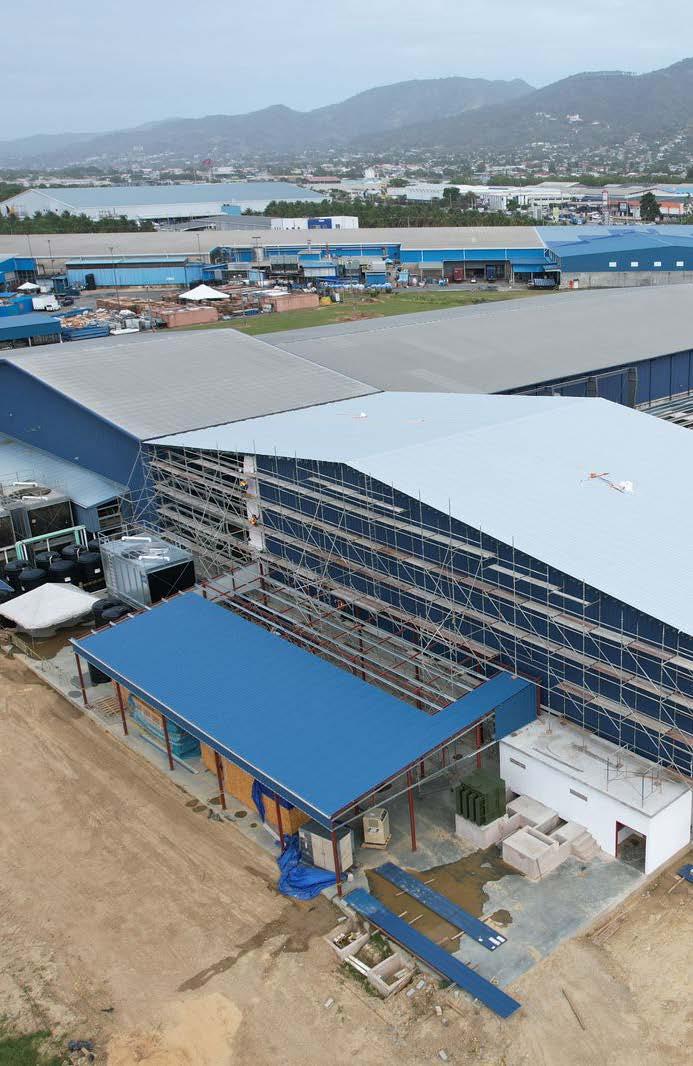

has been spearheading an array of mixed-use developments, including a Hyatt Regency Hotel and a Commercial/Retail concept.
The other key area of development is in the US, where Varaya’s operations are based in Florida, and focus on Pre-Engineered Steel Building (PESB) solutions for the industrial, commercial and other specialised applications. According to Roshen, “Internationally, we leverage strategic partnerships in the United States, Canada, China, Uruguay, and the Dominican Republic to deliver innovative construction solutions and procurement advantages. This global network enables us to source high-quality materials, access cuttingedge building technologies, and deliver cost savings through direct procurement channels.”
Focusing back on the Caribbean, Roshen outlined that the region’s project management and construction sectors are experiencing unprecedented growth, largely driven by Guyana and Suriname as significant energy producers.
Varaya’s operations are well-positioned to support the infrastructure build out required for such growth due to its significant experience in delivering industrial facilities, logistics hubs, and specialised structures, as well as pre-engineered buildings supported by its US operation. Past projects such as the Blue Waters Products Limited - AMCOR Warehouse Expansion in Trinidad demonstrate Varaya’s ability to deliver industrial-scale PESB facilities to exacting standards. Thanks to this expertise, Varaya is now a natural partner for energy sector ancillary development. Notably, Varaya served as the EPC contractor for Repsol’s Galeota Shore Base in Trinidad and Tobago, reinforcing its credentials in energy-sector infrastructure. In 2026, Varaya also launched a dedicated equipment rental service line, including cranes, telehandlers, forklifts, and manlifts, to further support project delivery and Logistics support across Guyana.
However, Roshen noted that these markets are not without their challenges, because there is difficulty obtaining financing for developments due to high borrowing interest rates, which is impacting the feasibility, bankability and returns of projects. In addition, skilled labour shortages, inconsistent
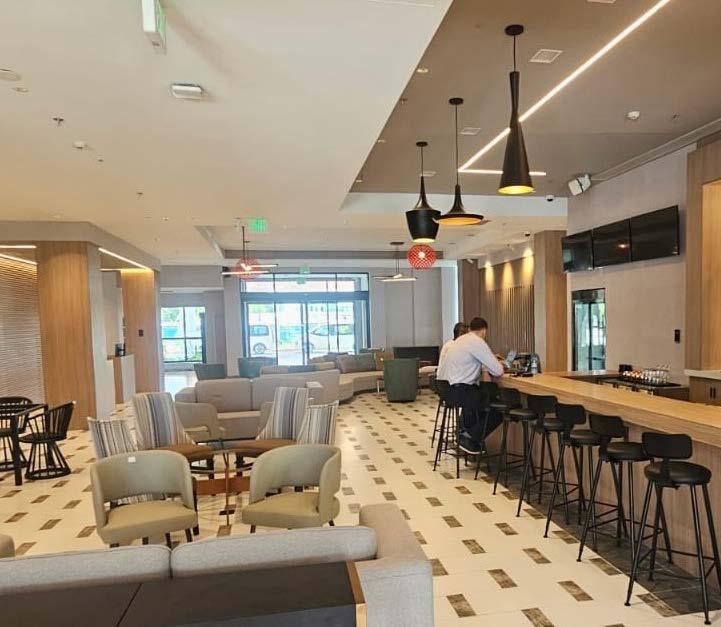

material procurement, supply chain integrity, quality controls, regulations and contract administration have also presented key challenges for the Caribbean’s construction and project management sector.
Notwithstanding, Varaya is committed to facing these challenges head-on with a 6-pillar strategy. The first pillar sees the company uphold its reputation for delivering projects on time within quality specifications and, critically, within the agreed budget. With this reputation, Varaya is now the partner of choice across the EPC and real estate development industry, backed by its rigorous planning, proactive risk management, and transparent communication with all stakeholders involved in a project. The second pillar is financial feasibility, which enables Varaya to begin every project with in-depth financial modelling, including Project IRR, NPV, Cash-on-Cash returns, equity multiples, and asset valuations. By determining the economic sense of a project before any money is committed, Varaya delivers an investor-first

approach to protect capital and ensure the overall bankability of the project.
The third and fourth pillars focus on quality standards and Varaya’s FIDIC Engineering expertise. Varaya is committed to maintaining international quality control protocols on every project, supported by independent testing, material verification, and adherence to recognised building codes. Varaya is currently pursuing ISO 9001 certification, further formalising its commitment to internationally recognised quality management systems. Roshen noted that Varaya has walked away from projects that would compromise safety or quality, and it is this commitment to quality that has earned Varaya an enviable client retention rate and an exceptionally high client referral-based project pipeline.
Then, as FIDIC Engineers on major institutional projects, Varaya is uniquely positioned to provide independent oversight, contractual administration, and design liability management. According to Roshen, “This positions us uniquely – not as an
advocate for either owner or contractors, but as an impartial professional ensuring that contractual obligations are met and international standards are maintained. This role is critical for bankability and investor confidence.” Therefore, Varaya is a trusted advisor to banks, institutional investors, and international brands.
The 5th pillar outlines how Varaya utilises local capacity-building to scale its capability whilst maintaining the highest standards of technical expertise across disciplines. In Guyana, Varaya employs a 90% Guyanese workforce. By hiring local talent, Varaya can provide those across its operations with training in international standards, thereby creating sustainable career pathways that support local social development and ensuring the company’s operational continuity for many years to come. Today, Varaya has approximately 50 employees across Trinidad, Guyana, Suriname, and its US operations, supported by over 70 specialised professionals under its direction through specialist sub-contractors.
The 6th and final pillar of Varaya’s success comes from its commitment to brutal honesty. Roshen outlined, “We tell clients the truth about feasibility, costs and risks – even when it means declining a project. This candor builds long-term trust and distinguishes us in a market often driven by optimistic projections rather than rigorous analysis.” This focus on honesty is what has earned Varaya its reputation for high-quality and efficient project delivery, founded on complete transparency to support both its customers and the company’s commitment to successful development.
In fact, when we asked Roshen what he feels is the best part of what Varaya has to offer, he outlined that peace of mind was the company’s greatest value proposition. “In a region experiencing rapid growth with what is at times a very competitive environment, we offer clients certainty: certainty that their investment is protected, that their project will be delivered to international standards, and that risks are being professionally managed.” Roshen continues, “We do not simply build; we
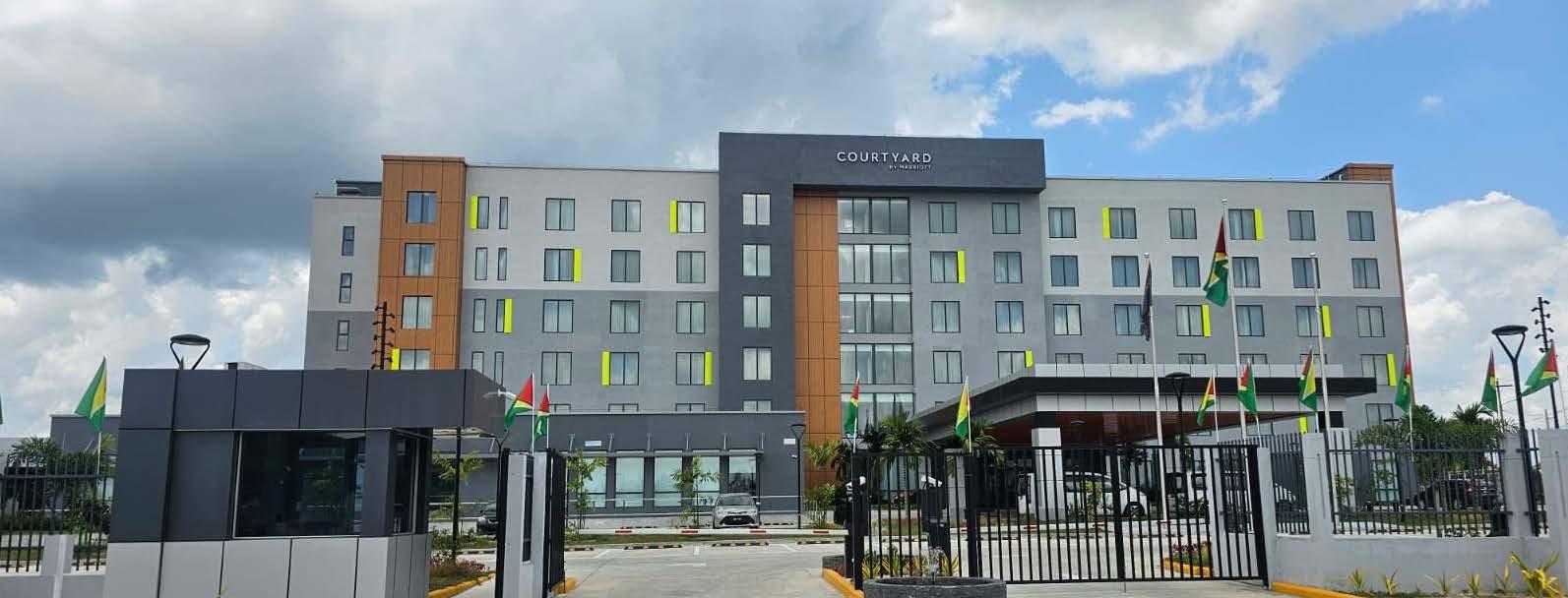
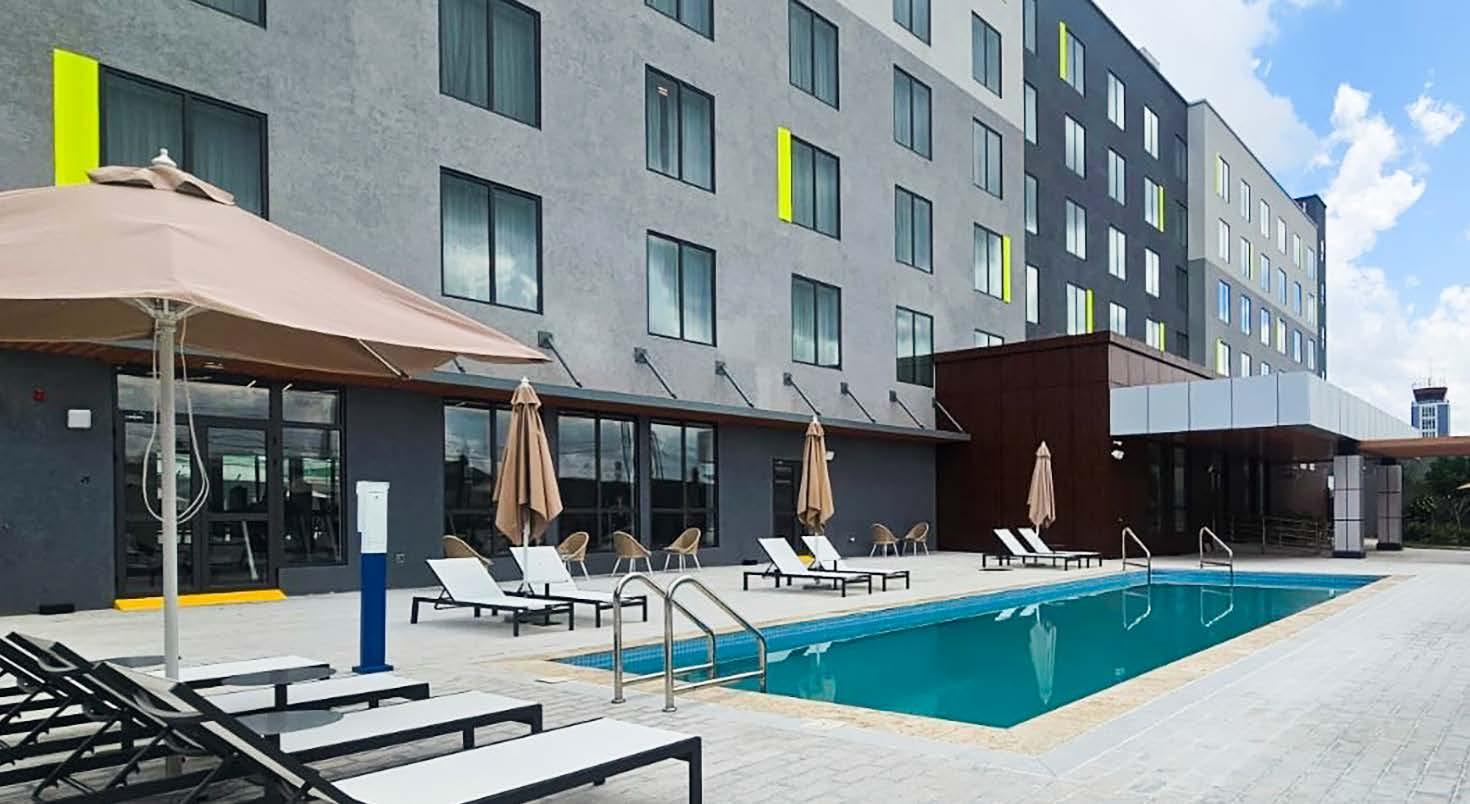
ensure that what we build is financially viable, structurally sound, and operationally sustainable. Our feasibility-first approach prevents costly mistakes before they happen. Our quality control protocols catch problems that others miss – or worse, ignore. Our contract administration protects clients from disputes and liability.” Thanks to this commitment to honesty, safety and certainty, Varaya’s portfolio today spans vital residential, commercial, warehousing, and hospitality sectors, with projects currently exceeding US$500 million in total value.
When we asked Roshen about what exciting projects and developments Varaya is currently working on, he outlined several key transformational projects across its operating markets, including the Hyatt Place Providence project in Guyana. Varaya was the project Originator for this US$40 million hospitality project strategically located in Providence, Guyana. It also operates as the main contractor, taking the Hyatt Place Providence development from initial market study and brand negotiation, through to the construction delivery. This development has become a benchmark for quality construction in Guyana’s rapidly expanding
hospitality sector, highlighting Varaya’s vital role in this sector’s growth. Other projects in the pipeline include new commercial office buildings, onshore port logistics and operations facilities and a portfolio of low and mid-density residential developments in Guyana and the US.
Over the coming years, Roshen outlined four primary objectives for Varaya. First, Varaya wants to become the Caribbean’s Premier Project and Construction Management Firm. This title would help position Varaya as the first-choice pick by institutional investors, international brands, and governments who are seeking rigorous project delivery, financial discipline and international standards. Then, the company wants to expand its regional footprint, extending its operations into additional Caribbean markets whilst deepening its operations in existing territories.
To advance industry standards and professionalisation across the Caribbean, Varaya is committed to continuing to advocate for strong building codes, standardised contract frameworks, and enhancing professional development in the construction sector., Varaya will continue to enter into strategic partnerships with international technology
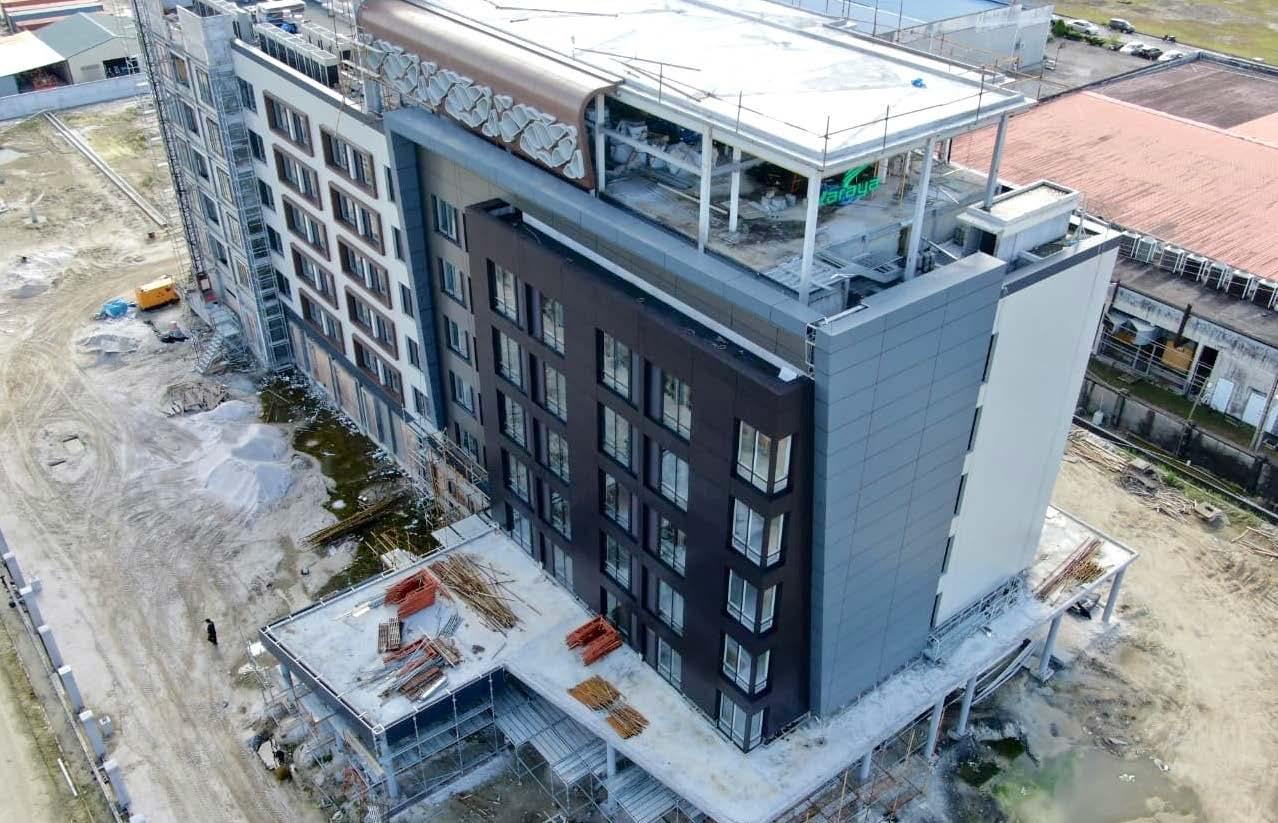

providers, material suppliers, and specialised contractors who share in its commitment to quality.
A key part of Varaya’s future development will be towards technology integration, as it works to actively incorporate Building Information Modelling (BIM), a digital project management platform, and advanced scheduling tools into its workflows. This technological sophistication differentiates Varaya from traditional contractors and enables more successful project delivery. Alongside this technology, Varaya will continue to optimise its deep understanding of the Caribbean Regulatory environment, local supply chains and cultural contexts, combined with its unwavering commitment to international construction and contractual standards, to deliver competitive solutions that bridge the gap between local
knowledge and technologically advanced best practices in the construction sector.
Across Varaya’s operations, there is a prominent focus on successfully delivering key construction and development projects with transparency underpinned by the highest quality and safety standards. With its reputation for honesty, it’s no surprise that Varaya is a leading company supporting investors, governments and international brands who are looking for the best in project delivery, financial discipline and international standards.
We loved speaking with Roshen Ramlal about the success of Varaya and look forward to catching up again soon to see how the company will continue to cement its place both in the Caribbean and beyond. You can learn more about the company by visiting their website at: www.varayaglobal.com .
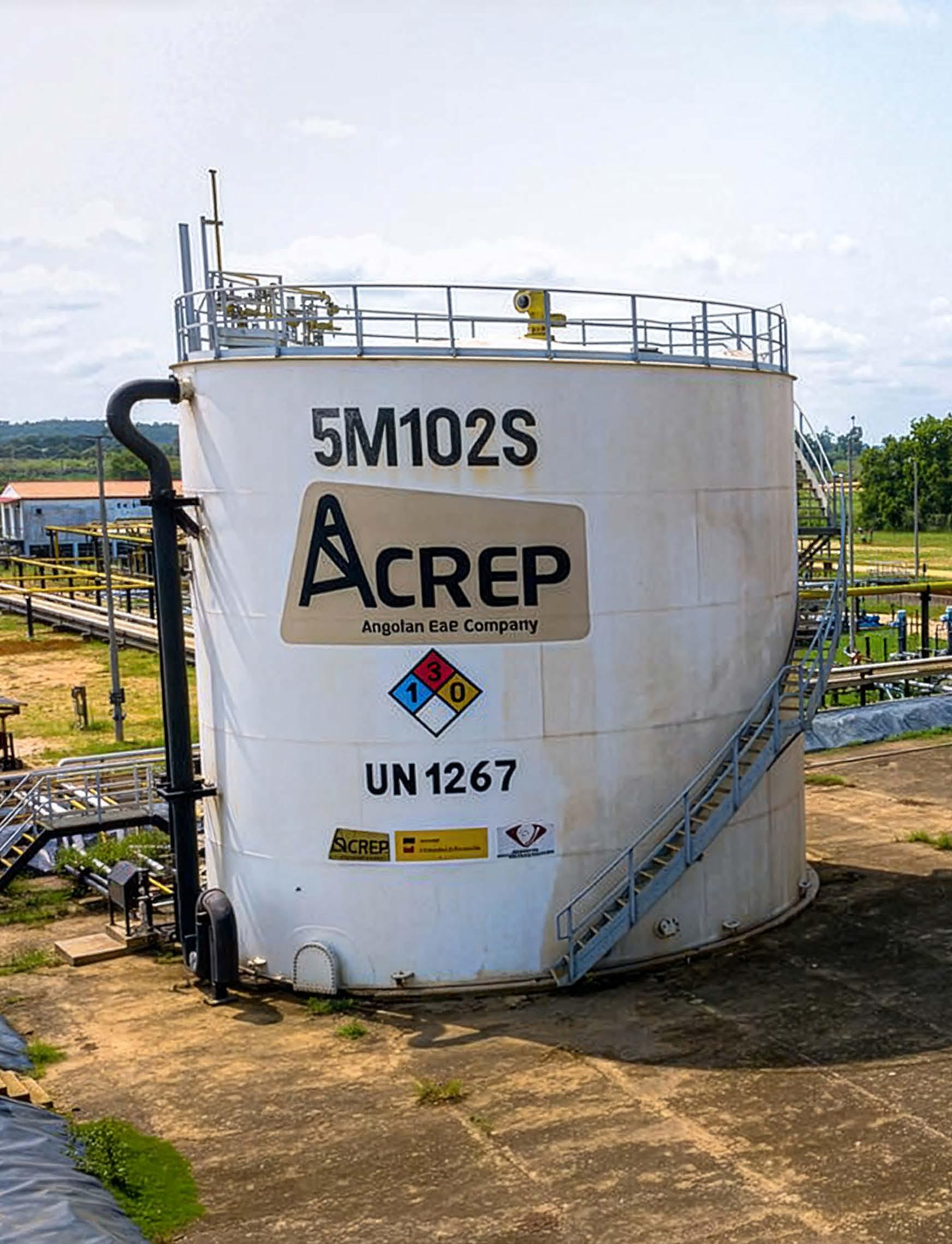
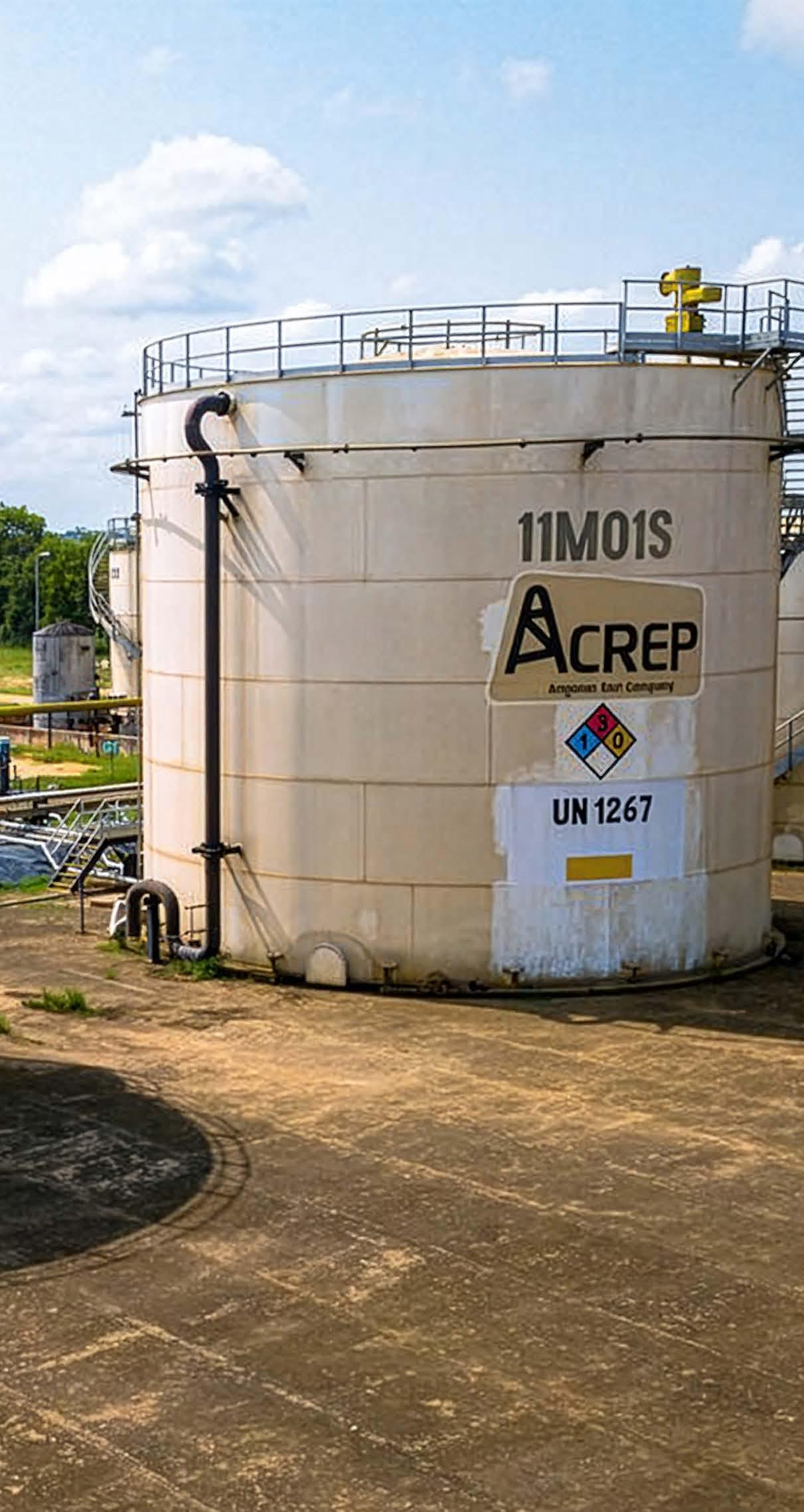
As a prominent Angolan private upstream oil and gas company, ACREP Exploração Petrolifera SA (ACREP SA) spans vital exploration and production operations across Angola, supported by three primary businesses: ACREP S.A., a twenty-year-old Junior E&P company, which launched in 2023, two fully controlled dedicated onshore services companies, Dinge Sondagens Lda and Bucomazi Lda. Through this arrangement, ACREP SA is able to facilitate the drilling and production services by tackling the oil and gas industry critical operational areas, focused on onshore drilling and completion, onshore producing field operations, as well as gas to power generation and distribution. Thus, with these three vital business lines under the Group, ACREP SA is well placed to support exploration and production operations across Angola, aiming to secure a preferred position on the country’s energy development for the future.
ACREP SA, as the mother company, is focused on the exploration and production of oil and gas assets, being a non-operator partner on two offshore Blocks, and operator and partner in three onshore Blocks. Aiming to optimise the exploitation of its oil and gas onshore activities, primarily focus on marginal reserve fields, which call for a high level of synergy to enhance the operations, ACREP SA launched in 2023, a fully controlled subsidiary services company - Dinge Sondagens Lda, covering the drilling, completion and maintenance of onshore oil and gas wells, at depths of up to 3,500 metres, supported by its cement trailer, slickline, including key machinery to construct and maintain access roads to well locations and related facilities.
The second services company launched under the ACREP Group umbrella is Bucomazi Lda, an 100% owned entity, dedicated to fully managing and operating onshore oil fields production, aiming to optimise resources and day-to-day efficiency, whilst replacing third-party contracts.
ACREP S.A. began as an onshore operator, with the signature of the Production Sharing Agreements (PSA) for the Cabinda South and North Onshore blocks in 2023 and 2025, respectively. These assets have a few discovered and tested proven oil and gas reserves, with two of them developed and in production.
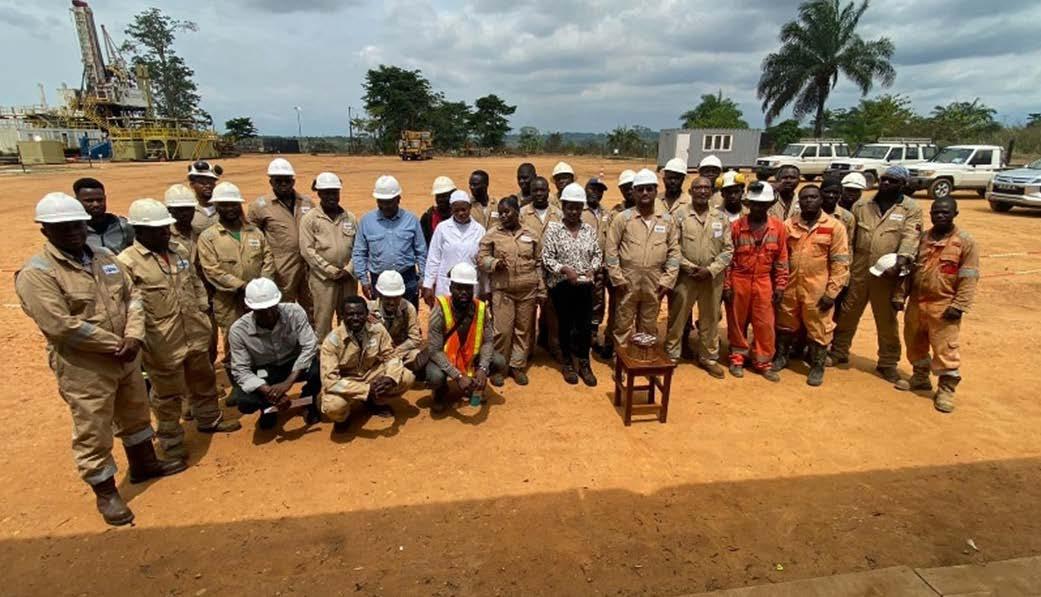

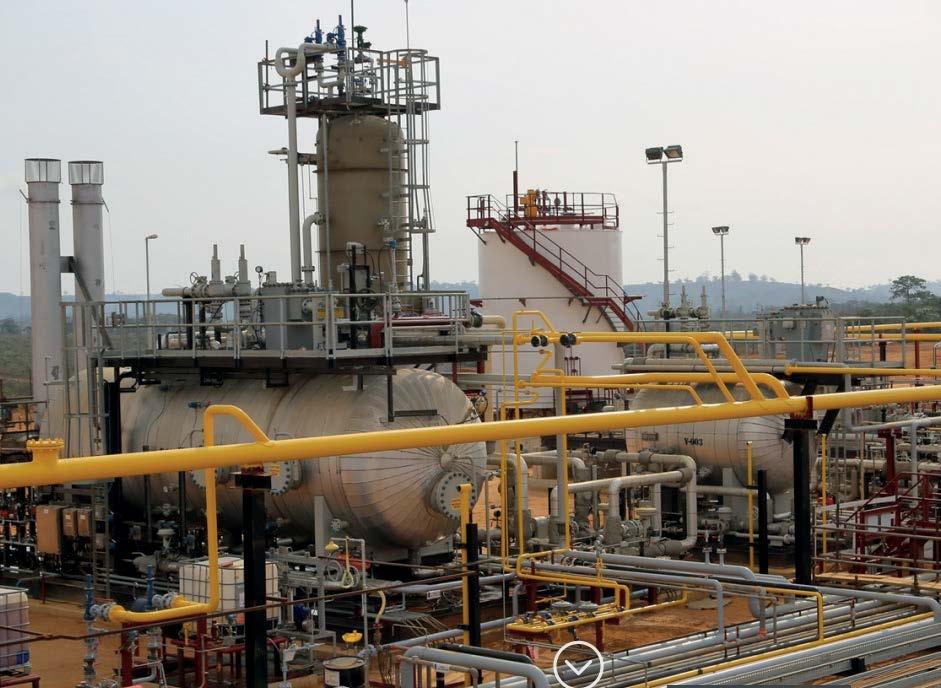
ACREP Exploração Petrolifera S.A. is an independent Angolan upstream company committed to contributing to the development of the country’s hydrocarbon resources.
With over 20 years of presence in Angola’s oil and gas sector, ACREP has built a diversified portfolio across both onshore and offshore assets, combining strategic partnerships with a growing operational footprint.
Today, ACREP is actively advancing its role as an operator, particularly through its participation in onshore blocks, while continuing to collaborate with leading industry players in offshore developments.
ACREP’s portfolio includes:
Operator of onshore blocks in Angola (Cabinda North Block, Cabinda South Block and KON-19)
Partner in offshore assets, including Blocks 1/14 and 6/24
Integration of operational capabilities through group companies, including drilling and production support services
Through its subsidiaries, including Dinge Sondagens(drilling services) and Bucomazi–Prestaçãode Serviços (production support), ACREP is strengthening national technical capacity and contributing to the development of Angola’s upstream industry.
By combining operational development, strategic partnerships and local capability building, ACREP continues to reinforce its role as a committed national player in Angola’s energy sector.
Partnering to develop Angola’s next generation of upstream capability. Call: +244 222 727 109 • Email: geral@acrepsa.ao

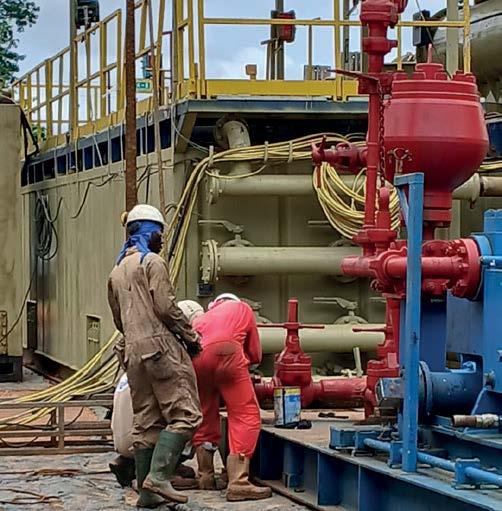
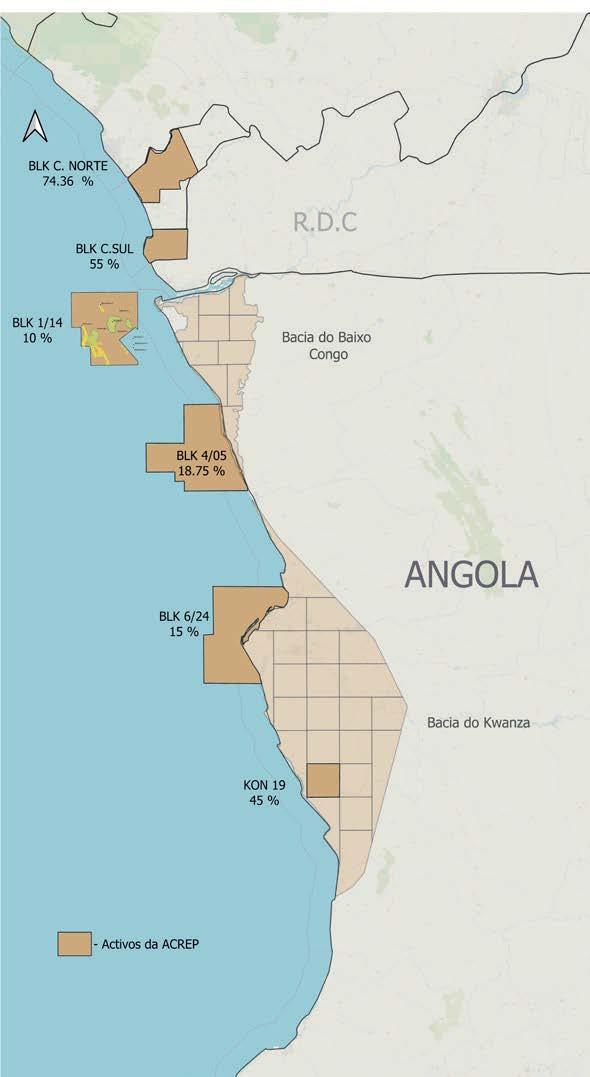
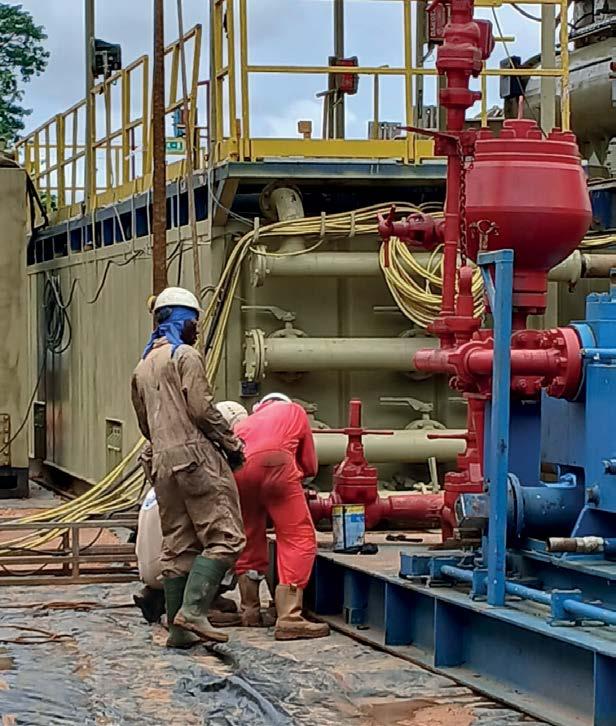

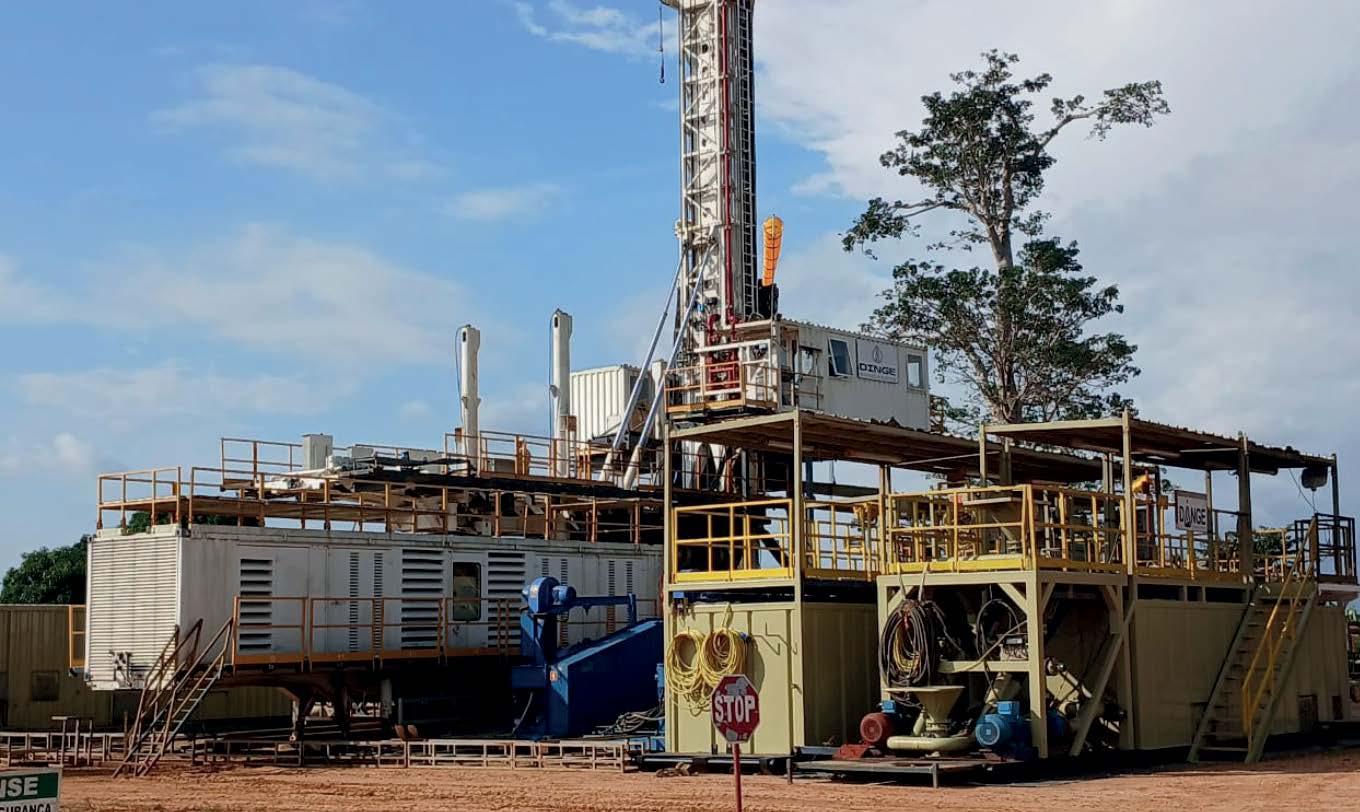
Dinge Sondagens Lda , a drilling services company owned by ACREP SA, launched to support Oil and Gas onshore services, equipeed with a fully automated 1250 HP – Drillmec HH220 Hydraulic Rig, Cement Unit and all the acessories, is able to drill up to 4000 mtrs depth as well as workovers and oil and gas wells servicings. By combining operational development, strategic partnerships and local capability building, ACREP continues to reinforce its role as a committed national player in Angola’s energy sector. Partnering to develop Angola’s next generation of upstream capability
Partnering to develop Angola’s next generation of upstream capability.
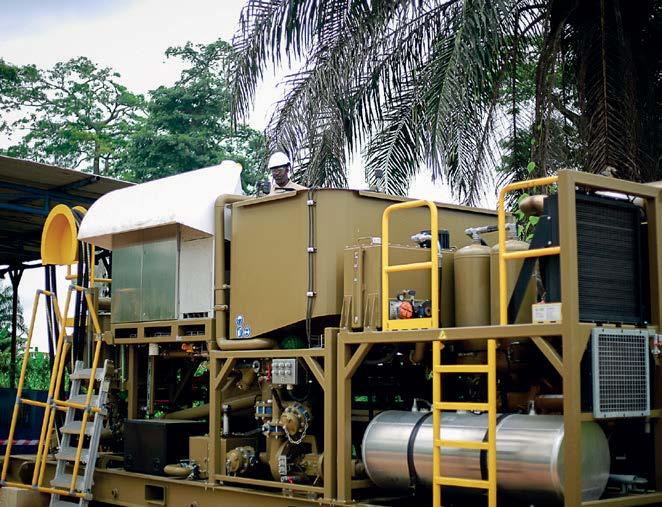
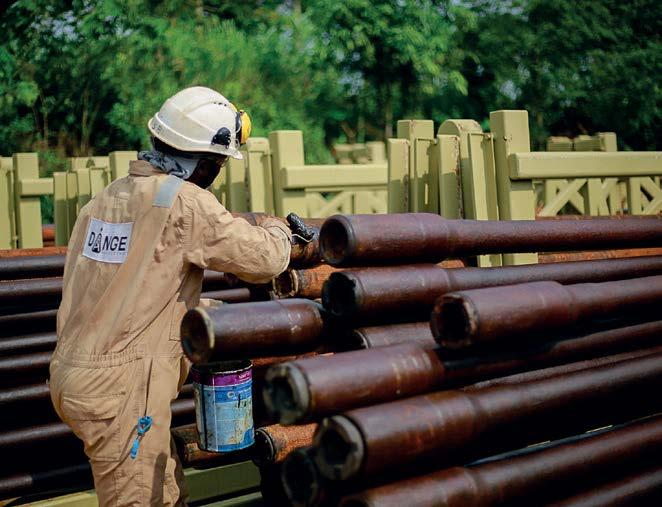
Bucomazi Lda has been, as of December 2025, successfully operating the two Cabinda Province onshore blocks of 1,000km2 each, where actual and future low productivity wells are expected to average as low as 15 barrels of oil per day of production. Whilst Bucomazi began operating the Castanha Oil Field on the Cabinda South Block, it will now also conduct long-term testing of the Dinge Field discovery well, located on the Cabinda North Onshore Block, through a programme approved to begin in April 2026.
The work currently being conducted across the Cabinda South block focuses on key drilling operations, with two horizontal infill wells on the Castanha Field (Cabinda South Block), which is expected to multiply production by 4 times, while confirming independent recent studies that have doubled the existing proven reserves of the asset.
Moreover, the development projects in Cabinda, also include two key gas discoveries, of which one has already been appraised and produced for some time. Thus, under ACREP’s strategy, the company plans to develop a gas-to-power project with a 25MW plant. The power plant energy will be marketed locally and regionally, given the proximity of the Democratic Republic of Congo border, and the actual low level of energy consumption per capita.
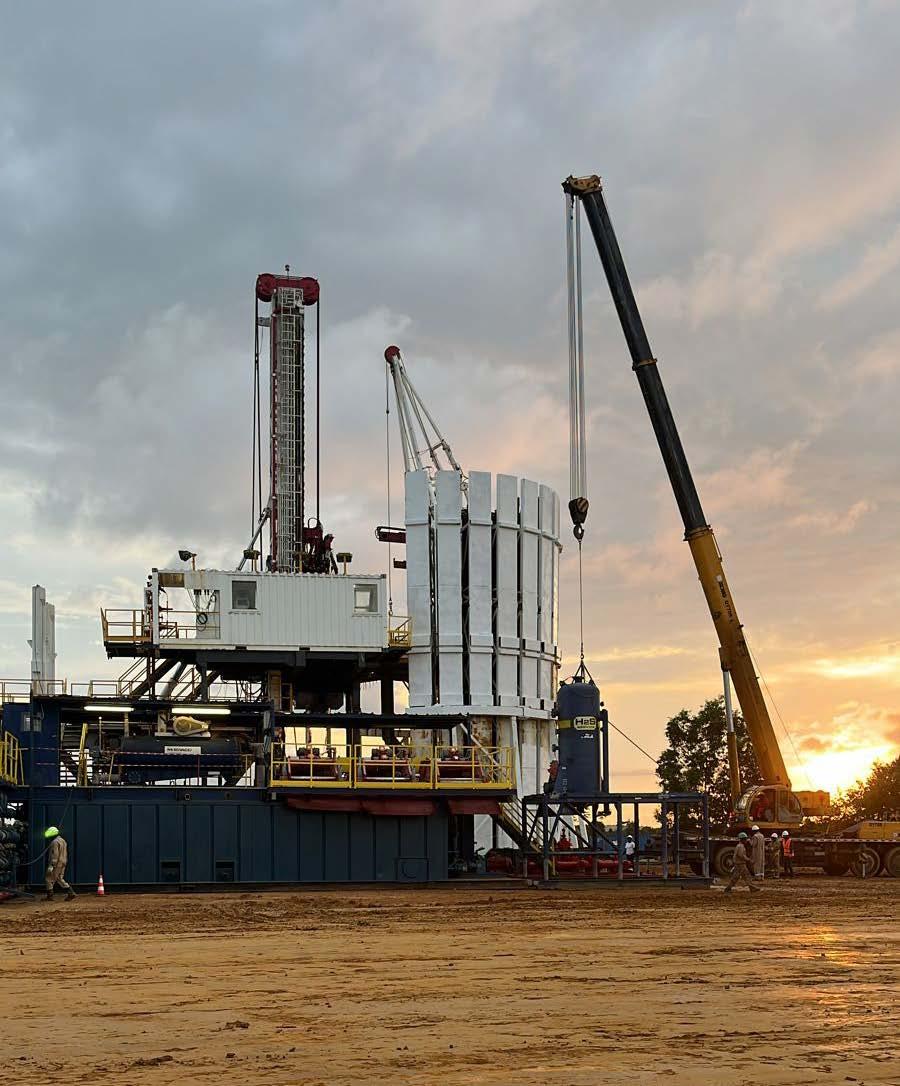
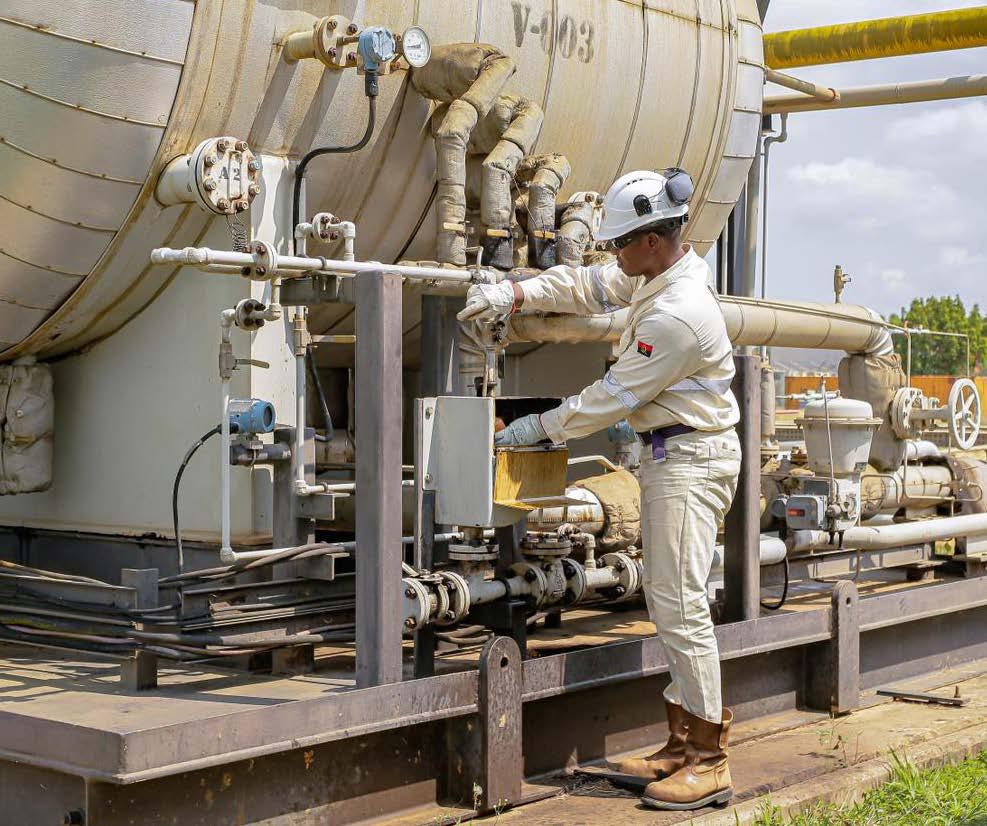
On the North Onshore Block, ACREP will begin long-term testing for the Dinge Field discovery well in 2026, seeking to evaluate its commercial feasibility and overall field development. This development joins the exploration being carried out by ACREP S.A., as it reviews and prepares to interpret the 2D and 3D seismic data of the Cabinda South block, to deliver a better understanding of the discoveries across it. With a better understanding of the discoveries, ACREP could see the opportunity to drill and deliver exploration wells in 2028-2029.
Currently, more than 100 onshore exploration and appraisal wells have been drilled in the three existing blocks in the last 60 years. Some of the exploration wells have seen success, with 20% highlighting oil and gas, which allows for the mapping of oil and gas fields. These wells have called attention to the potential of the Congo Basin source rock, known as the Bucomazi Shales, which has hydrocarbon resources of some 10 billion barrels in situ (on the Cabinda South Onshore Block area). Thus, the development represents a good base for consolidation for ACREP, as a key oil and gas company delivering hydrocarbons to Angola.
With the expertise, the Group will be well positioned to partner with multinational exploration and production companies, already well established in Angola, aiming synergies to approach the energy transition of the oil industry, whilst evaluating downstream opportunities, to join projects to supply products and commodities typical to the industry, such as power and fertilisers, namely in the Cabinda Province recognised by its fertilizers minerals potential, as the phosphates and potassium.
Furthermore, ACREP has even entered into the onshore Kwana Basin of Angola, with a license for Block 19. The block is recognised and confirmed, following exploration and exploitation projects by TotalEnergies in 1945. Therefore, with ACREP now
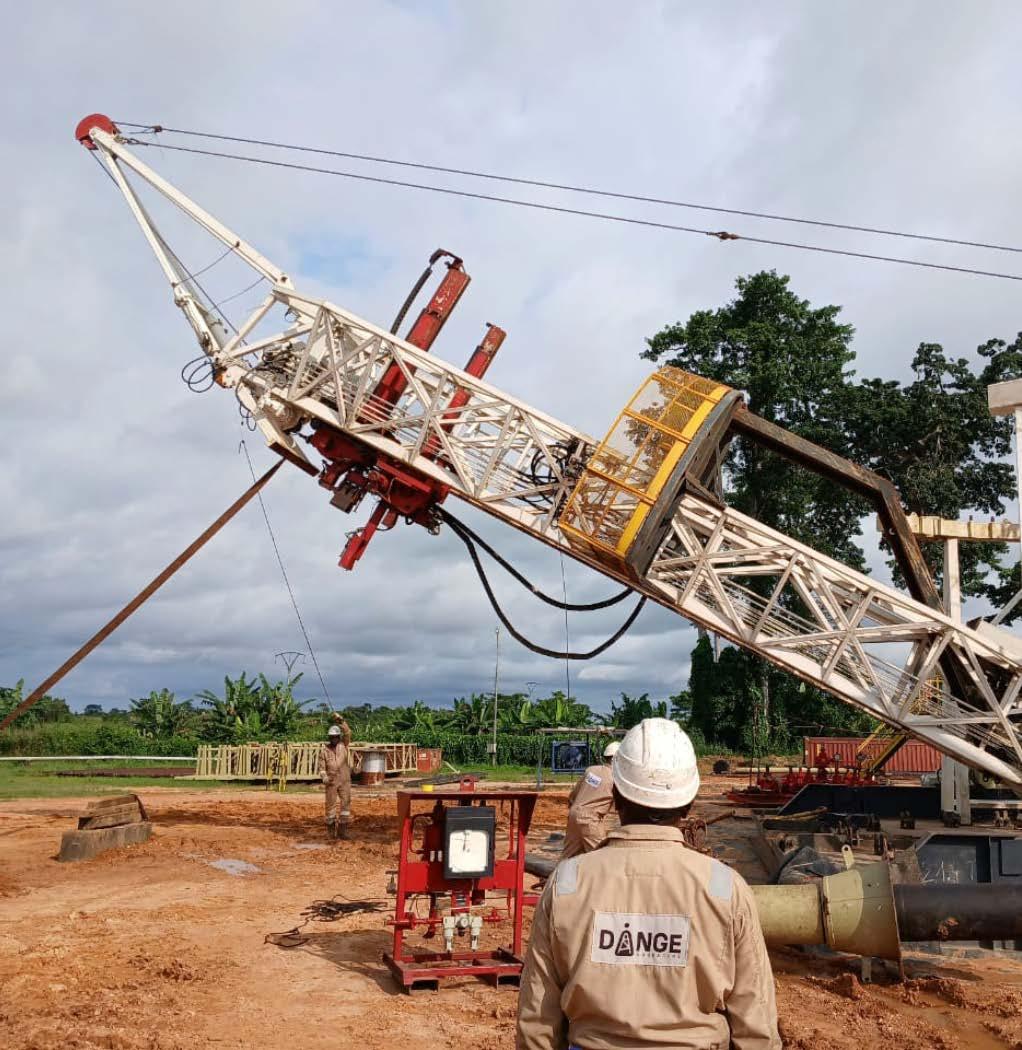
as the operator of the asset, in partnership with Afentra and Enagol, the partnership aims to launch a 200km 2D seismic campaign in 2027, which will drill the committed exploration wells in 2028, which are expected to discover up to 100 million barrels of hydrocarbon resources.
As ACREP looks towards the future, it intends to be a 25,000+ barrels of oil equivalent a day producer, consolidating the company on the gas to power utilities, whilst producing and marketing electricity for the region. The future production aims to include and presumes continued acquisition of minority
interest participating in mature and relevant production assets in Angola’s shallow waters, as well as the ongoing plans to evaluate a downstream project for the development of a sizeable gas and condensate discovery on the Gajajeira-1 well in Block 1/14. These main projects are set to enhance ACREP’s development over the coming years and position it as a key company backed by its expertise across the three companies of the ACREP Group to support multinational oil and gas developments in Angola.
To enhance the adequate conditions for its next year’s ambitious plans, ACREP is also in the process of securing a long-term partnership arrangement with an international oil company, with recognised experience of conducting operations in Africa, on both oil and gas, and gas to power production and distribution. Furthermore, across ACREP and its subsidiaries, the company is set on enhancing the hydrocarbon industry of Angola, supported by its diverse business lines that span all the critical areas of the oil and gas industry.
With this expertise, ACREP is primed to support multinational exploration and production projects across Angola, solidifying its place as a key private upstream oil and gas company. We look forward to seeing how ACREP continues to expand its portfolio across Angola’s hydrocarbon market, working alongside key exploration and production companies to enhance the energy sector of Angola towards the future.
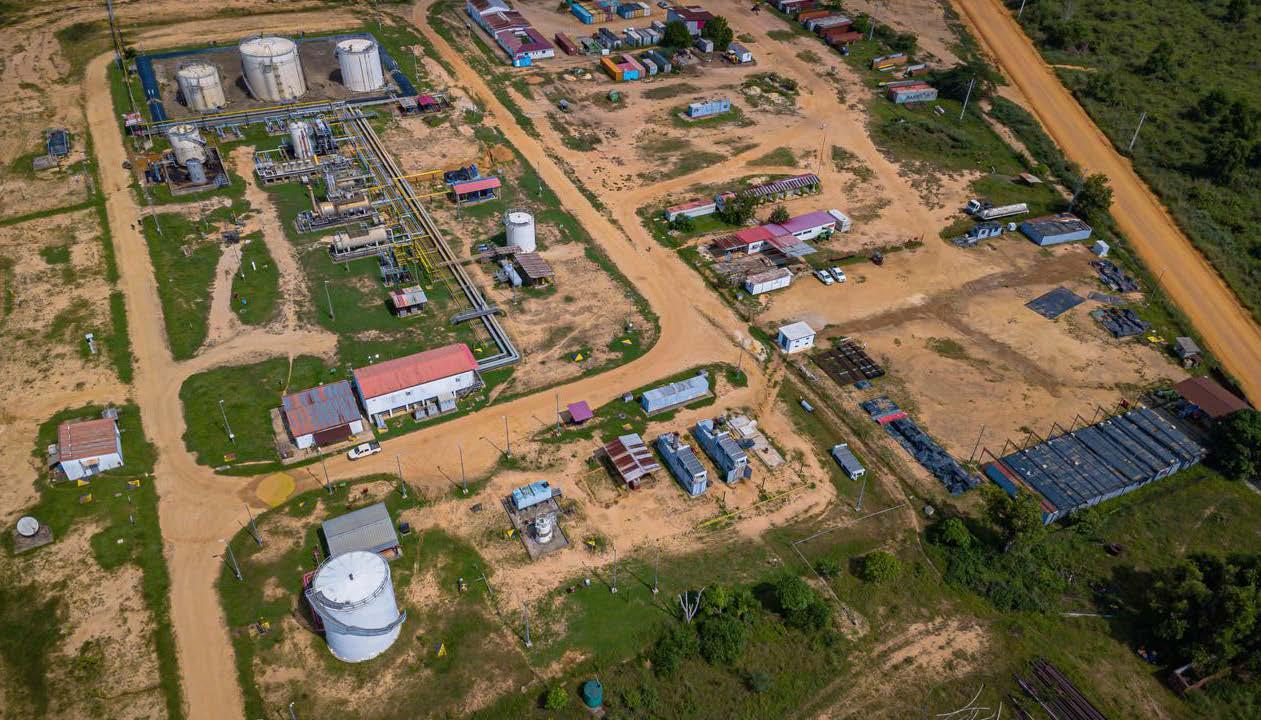
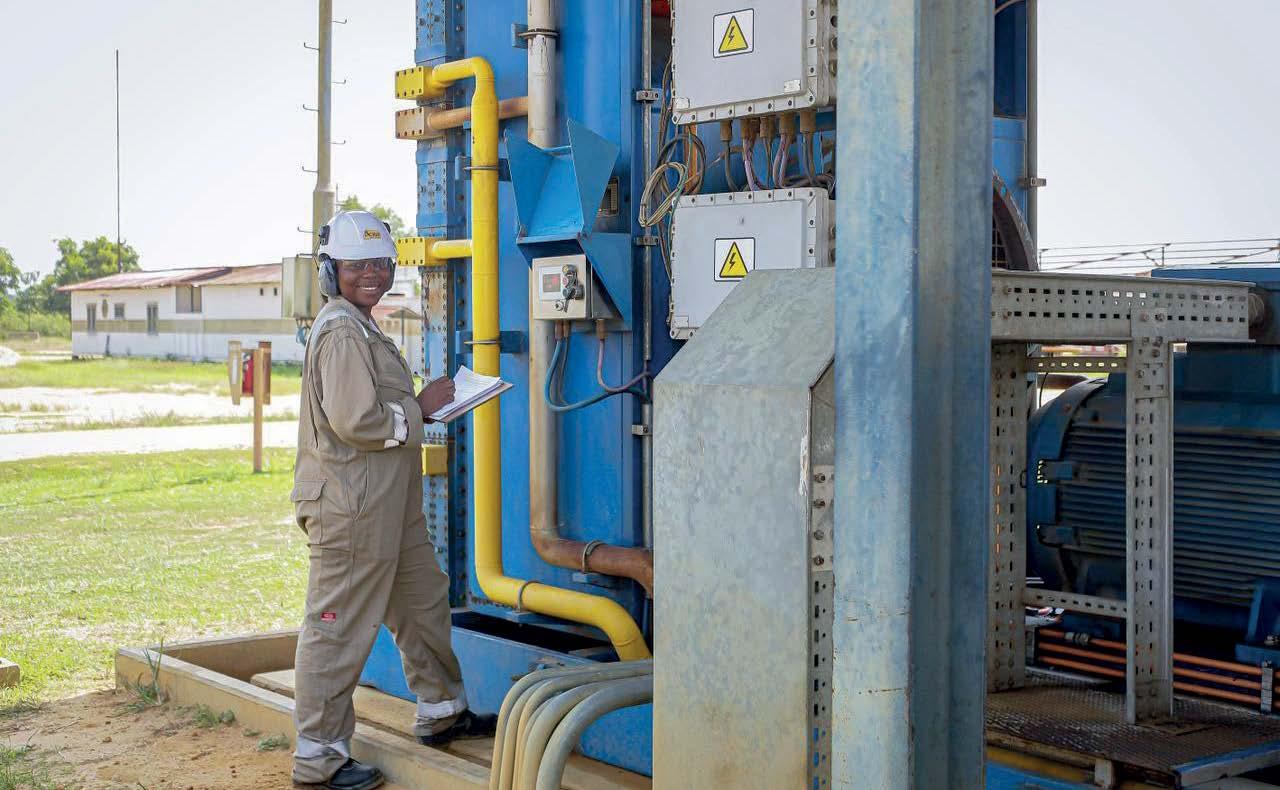

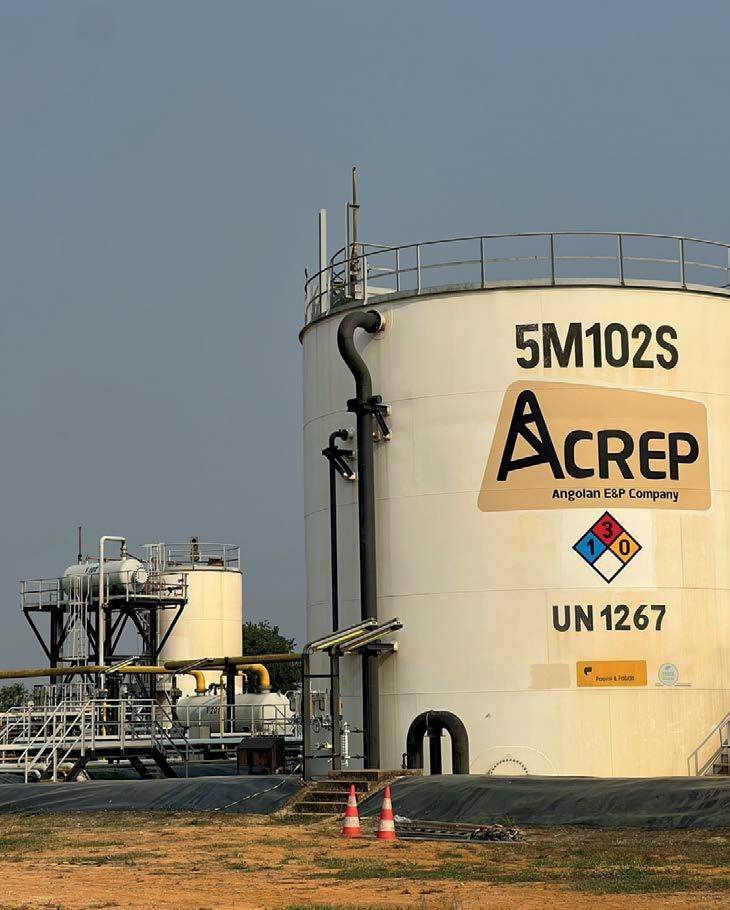
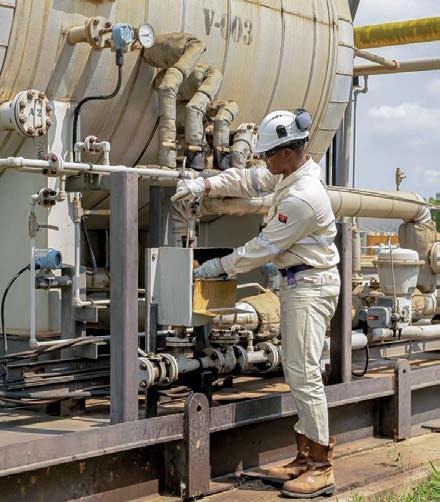
Bucomazi Lda portfolio includes:
Bucomazi Lda - an onshore production services company, fully owned by ACREP SA, whose labor force of 35 experienced team, from operators to foremans and oil gas production supervisors, managing wells equipped with SPE´s pumps and Gas Lift completions, as well as gas powered gensets, is strengthening national onshore technical capacity and contributing to optimize onshore oil fields proved reserves recovery factors. By combining operational efficiency and development optimization with strategic partnerships and local capability building, ACREP has been reinforcing its role as a committed national player in Angola’s onshore opportunities
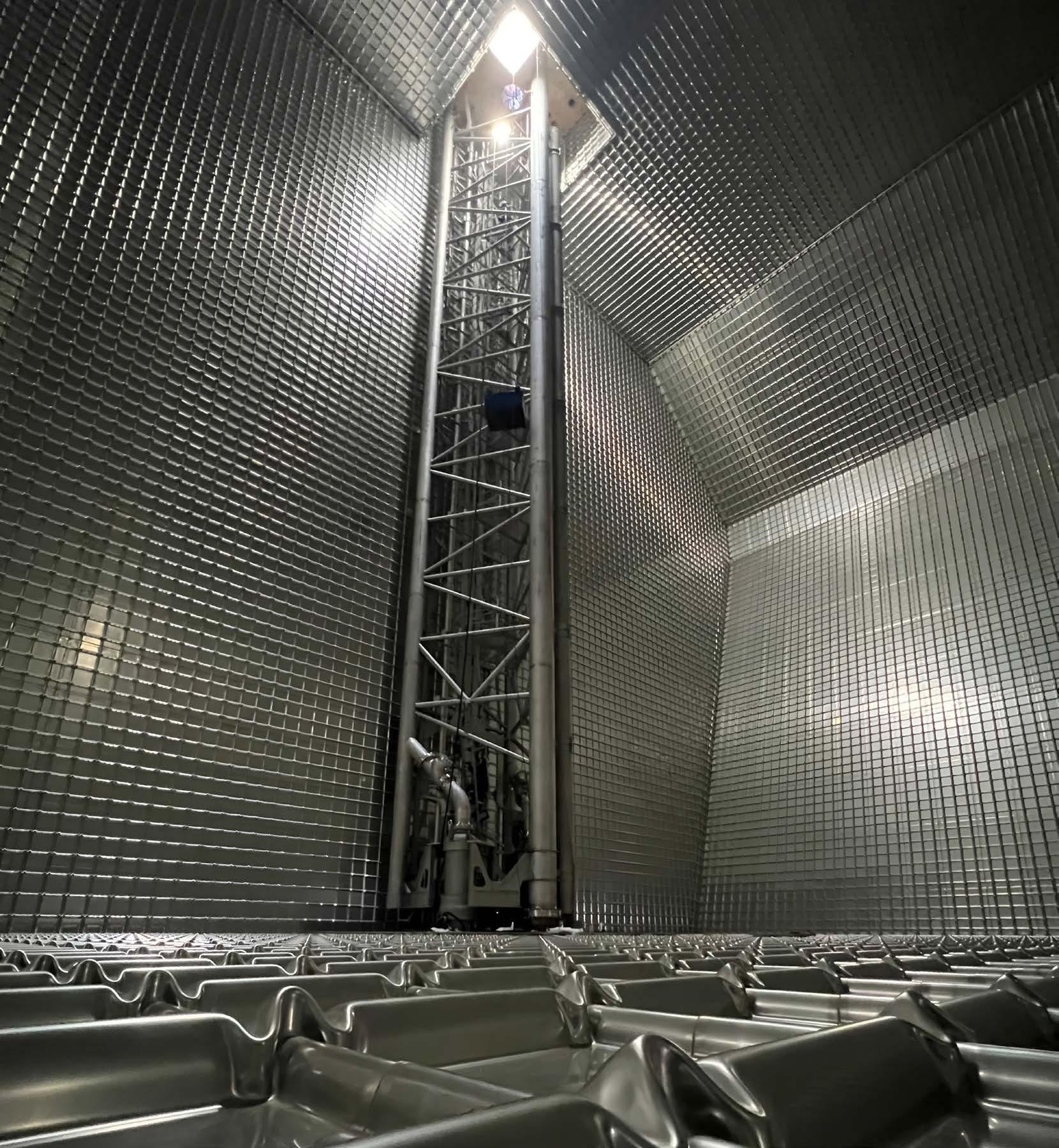
DELIVERING BROAD SPECTRUM OF LNG SOLUTIONS
SSB Cryogenic Services delivers specialized marine and LNG solutions with precision and reliability. From N2 purging operations and Non-Destructive Testing to turnkey LNG project management, our expertise ensures vital operations run safely. Trusted since 2002 for LNG membrane carrier NDT services, we continue to support the region’s expanding LNG fleet with proven skill and commitment.
Backed by SSB Cryogenic Equipment, established in 1996, we operate the largest fleet of T-75 ISO tanks in Southeast Asia, providing complete cryogenic logistics solutions - from ISO tank leasing and maintenance to bulk liquid supply for the gas, marine, and offshore sectors.
SSB Cryogenic Services – Excellence in Service. Leadership in Innovation. Your Partner in Cryogenic, Marine & LNG Solutions