AUGUST 2026
AUGUST 2026
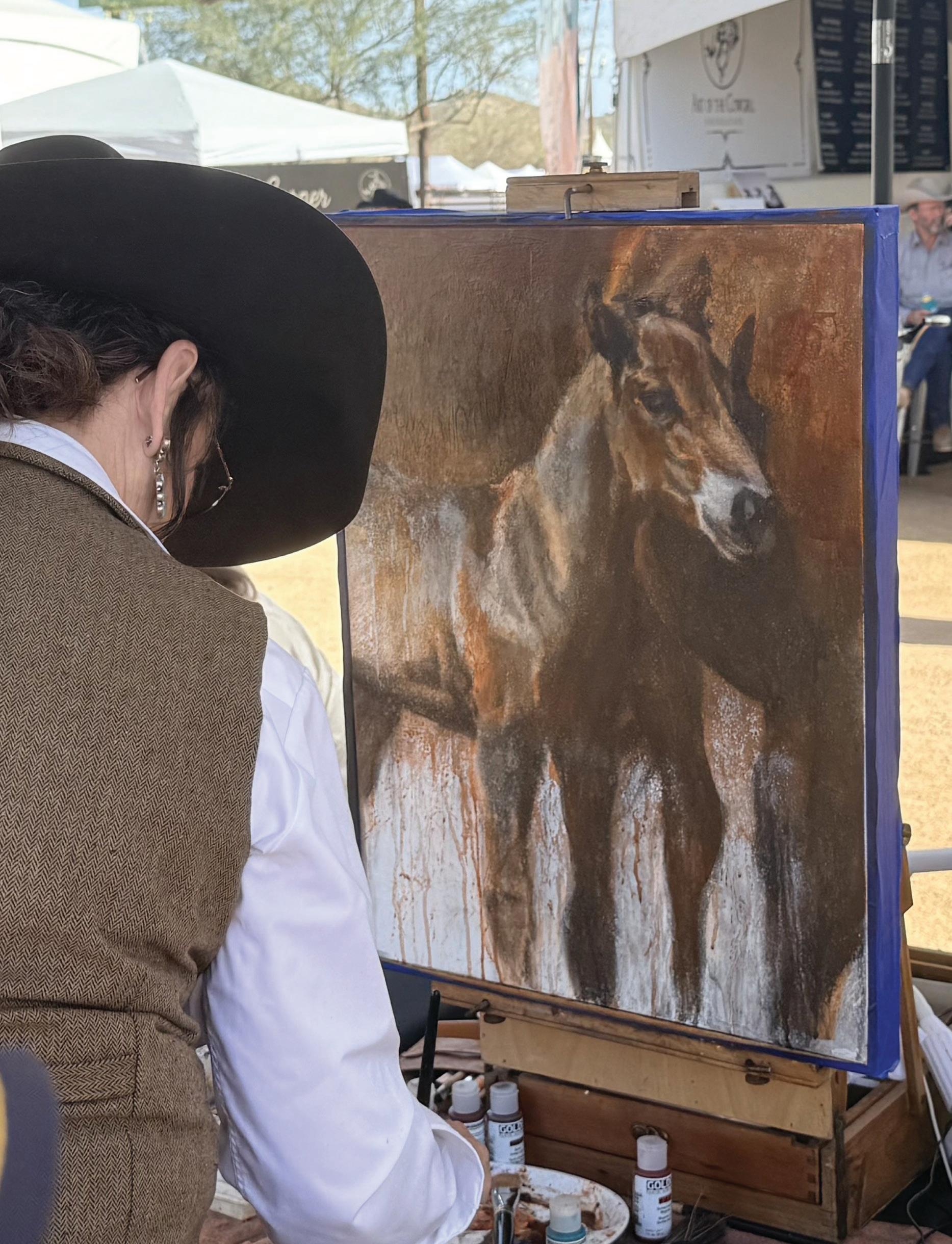
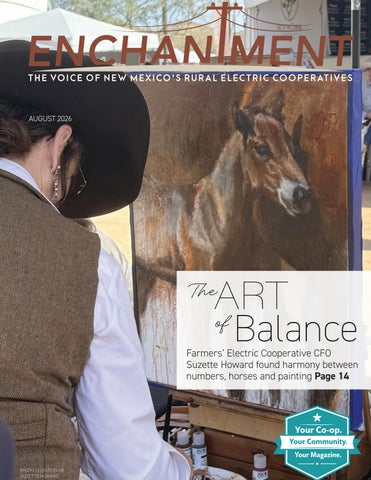
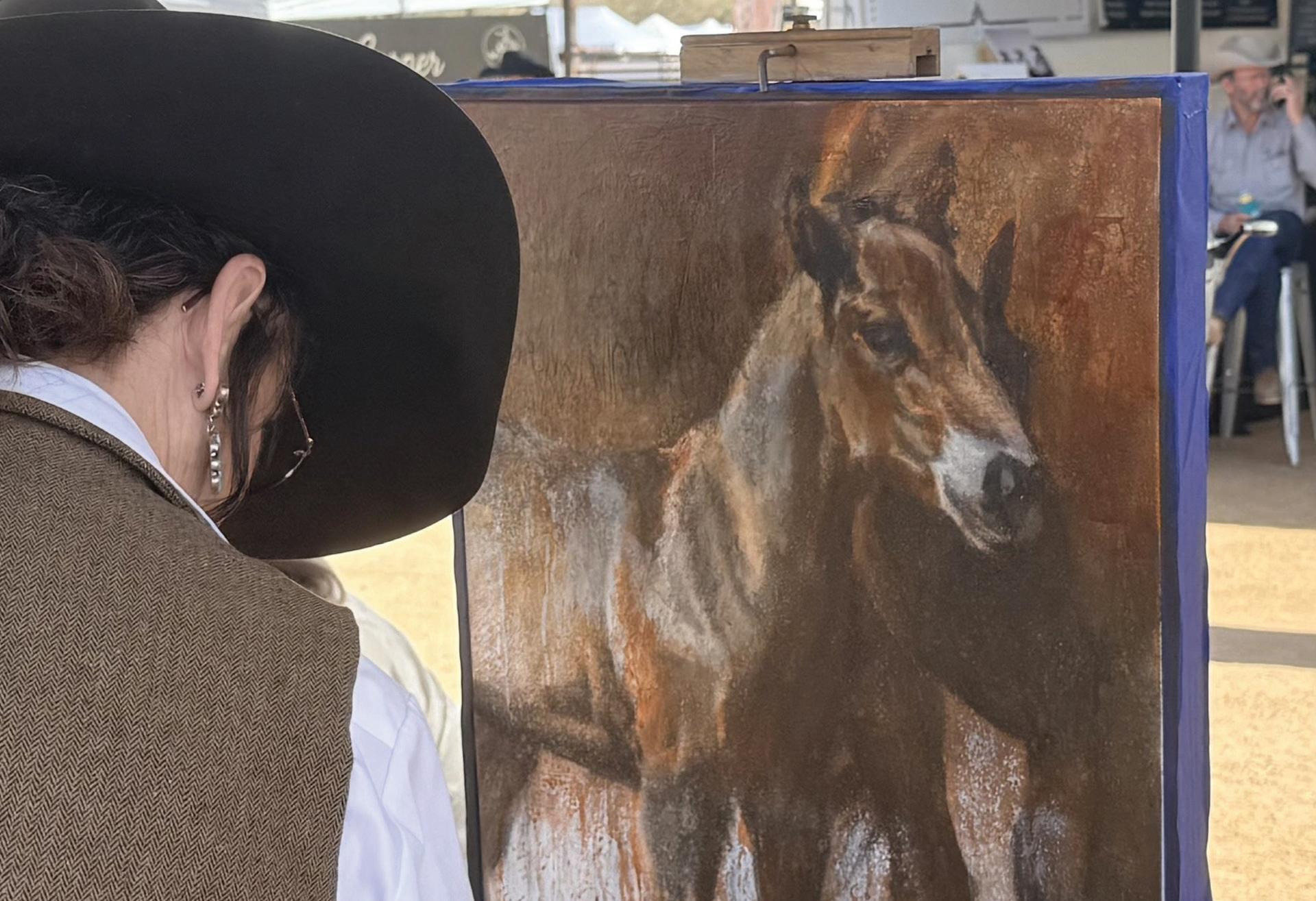
Farmers’ Electric Cooperative CFO Suzette Howard found harmony between numbers, horses and painting Page 14 of The
Aug. 1, 2026 • Vol. 78, No. 7
USPS 175-880 • ISSN 0046-1946
Enchantment (ISSN 0046-1946) is published 10 times a year—every month except June and December—by the New Mexico Rural Electric Cooperative Association, 614 Don Gaspar Ave., Santa Fe, NM 87505. Enchantment provides reliable, helpful information on rural living and energy use to electric cooperative members and customers.
More than 113,000 families and businesses receive Enchantment magazine as electric cooperative members. Nonmember subscriptions are available at $25 a year or $35 for two years, payable to NMRECA. Allow four to eight weeks for first delivery.
PERIODICAL POSTAGE paid at Santa Fe, NM and additional mailing offices.
CHANGE OF ADDRESS: POSTMASTER, please send address changes to 614 Don Gaspar Ave., Santa Fe, NM. Readers who receive the publication through their electric cooperative membership should report address changes to their local electric cooperative office.
THE NEW MEXICO RURAL ELECTRIC COOPERATIVE ASSOCIATION provides legislative and educational services to the cooperatives that are members of the association and deliver electric power to New Mexico’s rural areas and small communities. The mission of the New Mexico Rural Electric Cooperative Association is to strengthen, support, unify and represent cooperative member interests at the local, state and national levels. Each cooperative has a representative on the association’s board of directors, which controls the editorial content and advertising policy of Enchantment through its Publications Committee.
OFFICERS OF THE BOARD OF DIRECTORS
Tim Morrow, President, Springer Electric Co-op, Springer; Charles G. Wagner, Vice President, Western Farmers’ Electric Co-op, Anadarko, Oklahoma; Preston Stone, Secretary-Treasurer, Otero County Electric Co-op, Cloudcroft.
BOARD OF DIRECTORS
Rusty Gwynne, Central Valley Electric Co-op, Artesia; Bill King, Central NM Electric Co-op, Mountainair; Chris Martinez, Columbus Electric Co-op, Deming; Keith Gottlieb, Continental Divide Electric Co-op, Grants; Antonio Sanchez, Farmers’ Electric Co-op, Clovis; Danny Velarde, Jemez Mountains Electric, Española; Bobby Ferris, Lea County Electric Co-op, Lovington; James Ortiz, Mora-San Miguel Electric Cooperative, Mora; Thomas G. Rivas, Northern Río Arriba Electric Co-op, Chama; Charles Bennett, Roosevelt County Electric Co-op, Portales; Raymond Ruffini, Sierra Electric Co-op, Elephant Butte; Jayson Moore, Socorro Electric Cooperative; Joe Reeser, Southwestern Electric Co-op, Clayton; Wayne Connell, Tri-State G&T Association, Westminster, Colorado.
NEW MEXICO RURAL ELECTRIC COOPERATIVE ASSOCIATION
614 Don Gaspar Ave. Phone: 505-982-4671 Santa Fe, NM 87505 Fax: 505-982-0153 nmelectric.coop Enchantment.coop
Vince Martinez, CEO
Tom Condit, Editor & Director of Communications
DISPLAY ADVERTISING: Rates available upon request. Co-op members and New Mexico display advertisers, email Ryan Ferguson at Enchantmentads@nmelectric. coop or call 409-313-3142. National representative: American MainStreet Publications, 800-626-1181.
Advertisements in Enchantment are paid solicitations and are not endorsed by the publisher or the electric cooperatives that are members of the New Mexico Rural Electric Cooperative Association. PRODUCT SATISFACTION, COMPLIANCE WITH APPLICABLE ADVERTISING RULES AND REGULATIONS, AND DELIVERY RESPONSIBILITY LIE SOLELY WITH THE ADVERTISER.
© 2026 New Mexico Rural Electric Cooperative Association, in partnership with Pioneer Utility Resources. Reproduction prohibited without written permission of the publisher.
Dear Members,
It’s hard to believe we’re already in August. With seven months of the year behind us, it’s a good time to reflect on how much we’ve accomplished while looking ahead to what’s next.
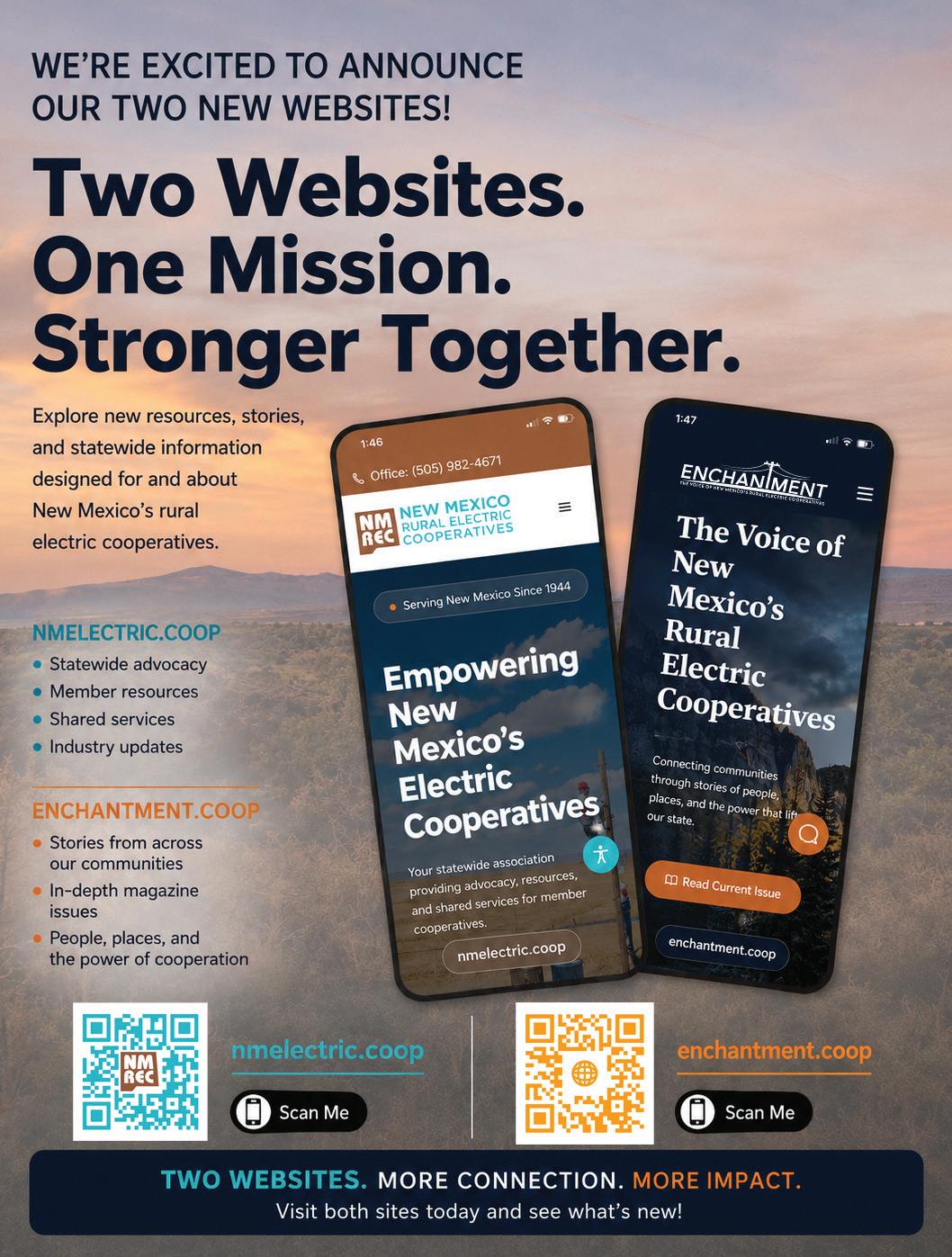
One of the most exciting milestones for NMRECA this year is the launch of our new statewide website, nmelectric.coop. Whether you’re interested in a co-op career, looking for contact information, the latest cooperative news or simply want to learn more about how electric cooperatives serve rural New Mexico, the site brings those resources together in one convenient place.

One feature of the website I’m especially excited about is our new statewide careers page, which brings together job openings from electric cooperatives across New Mexico. It’s a valuable resource for anyone exploring a career in the cooperative industry and gives our member cooperatives a central place to connect with talented individuals interested in serving rural communities.
Another addition is our cooperative directory. Instead of needing to search through printed listings, visitors can quickly find contact information for our member cooperatives and statewide staff. You’ll also find information about each cooperative, educational resources, statewide initiatives and the latest news from across our cooperative network.
I hope you’ll take a few minutes to explore the site. If there’s a feature you’d like to see or a resource you think would benefit our cooperative family, I’d love to hear from you. Your feedback will help us continue making the website an even better resource for everyone.
As always, thank you for everything you do to strengthen your cooperative and the communities you serve. I hope you enjoy this month’s issue of Enchantment, and, if you haven’t visited our new online home yet, I invite you to take a look at nmelectric.coop.
Until next month.
Warmly,
Tom Condit Editor & Director of Communications New Mexico Rural Electric Cooperative Association
Congratulations to Daniel Martinez! Daniel read the Sierra Electric Cooperative edition of Enchantment while watching ships pass through the Panama Canal. Daniel wins $20!
Take a photo of yourself or someone else with the magazine, and email it with a few words about the photo. Include your name, mailing address and co-op name.
One lucky member will win $20. Submitting your photos gives us permission to publish or post the photos in Enchantment, on Facebook and in other media outlets. Email tcondit@nmelectric.coop.







Wait! What happened to summer?
Although I am a devout lover of fall in New Mexico, summer passed me by without even a New Mexico head nod. I could blame the lack of a runoff and a dismal monsoon season for not getting my fly rod out more or for not heading to the mountains. I guess I could blame it on my bosses working me too hard, or maybe I could blame it on that little round ball that has tortured me for more than 45 years now.
As a kid, summer meant cutting grass and pulling weeds at our house, at my grandmother’s and for some of the neighbors. Riding bikes in the arroyo near my house, playing Army and trying to get an old 1948 Jeep running. A couple of evenings during the week, as soon as my dad got home from work, I would load the truck with our fishing gear, some food and Hercules, our dog, and we would head to Pecos for an evening of fishing.
Most weekends, we would head north to the high country near Chama and Hopewell Lake to drown some worms, as my father said. We would help a friend in Los Ojos pick up bales of Timothy, and it was all in the name of fun. And before you knew it, summer was over. It was time to go back to school.
Thankfully, I don’t have to go back to school these days—or pay for anyone to go back to school—so the end of summer has that silver lining. So, I’d better stop reminiscing about days when we had good snowpacks and rain and get back to work.
Stay safe and enjoy the last days of summer.

Vince Martinez NMRECA CEO
As a kid, summer meant cutting grass and pulling weeds at our house, at my grandmother’s and for some of the neighbors. Riding bikes in the arroyo near my house, playing Army and trying to get an old 1948 Jeep running.





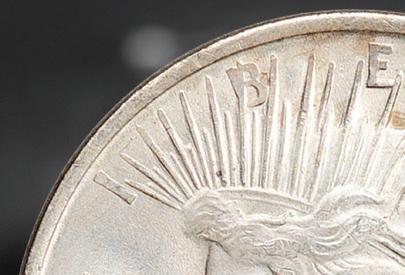


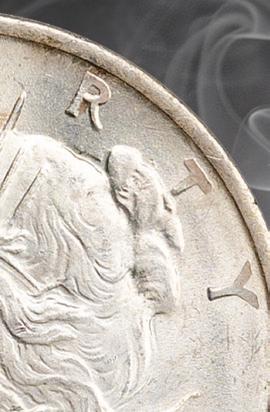
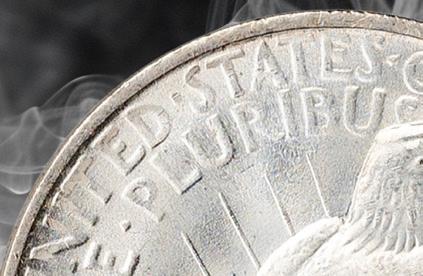
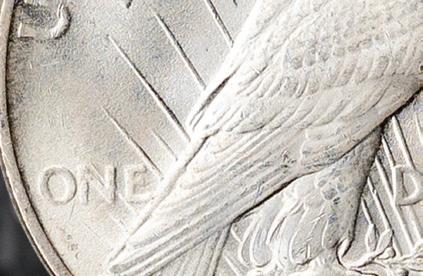
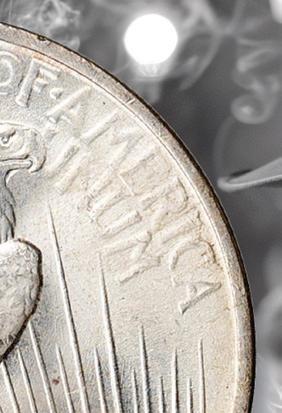


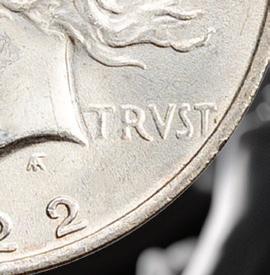




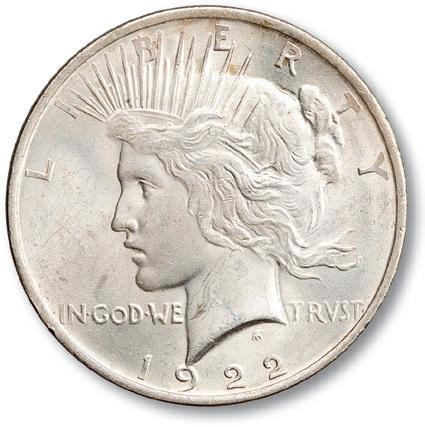
No coin embodies the spirit of the 1920s and 30s more than the Peace Silver Dollar. First struck in 1921, the Peace Dollar was a celebration of the end of WWI and was the silver dollar of choice for prohibition bootleggers and bank robbers like John Dillinger and Bonnie and Clyde. The hefty Peace Silver Dollar holds a special place in American history, as the silver dollar helped America through the Great Depression.
It’s no wonder collectors and history buffs alike clamor to get their hands on them. That is, if they can get their hands on them.



Collectors love “lasts” and the Peace Dollar was the last 90% silver dollar struck for circulation. Little did designer Anthony de Francisci know the legacy he was creating when he designed what has become known as “The King of Prohibition Dollars” but it came to an end 90 years ago when the last circulating Peace Dollar was officially struck and released to the public.
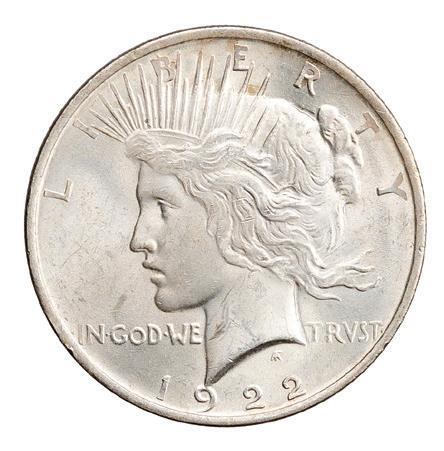
Rarcoa®, America’s Oldest Coin Company, is announcing the public release of 789 of the 1922 Peace Silver Dollar, struck at the iconic “Mother Mint” in Philadelphia, the birthplace of American coinage. Each coin comes in Brilliant Uncirculated condition, pristine as the day they were struck!
Struck in 1922, each coin carries one hundred and three years of American history. Could Al Capone have paid for a load of illegal whiskey with your coin? Or maybe your great-grandfather carried it while storming the beaches of Normandy during World War II before ending up in a small coin shop in Little Rock, Arkansas. Each coin has its own unique history and you can hold 103 years of American history when you buy yours today!

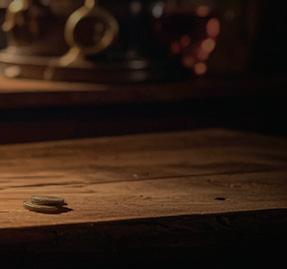
Coin experts estimate that only 15%-20% of Peace dollars still survive today due to multiple mass-meltings over the years, particularly in 1980 when the Hunt brothers tried to corner the silver market, shooting silver up to almost $50 per ounce.
This same 1922 Peace Silver Dollar sells elsewhere for as much as $209. But thanks to Rarcoa’s buying power and numismatic expertise, you can own one for as little as $60, in quantity while supplies last. That’s $149 LESS!
Because the precious metals market is always active and dynamic, prices may adjust to reflect the latest market opportunities.
Act now and you can SAVE BIG when you buy more! But don’t wait, our inventory won’t last long.
1922 Peace Silver Dollar - Brilliant Uncirculated Condition
1-4 coins - $69.95 each
5-9 coins - $64.95 each, Save up to $45 + FREE SHIPPING
10+ coins - $59.95 each, Save $100 or more + FREE SHIPPING

August is one of New Mexico’s hottest and dryest months. Gardens are producing, fruit trees need regular watering, livestock require plenty of fresh water and homeowners are working to keep landscapes healthy until the summer monsoon rains arrive. It’s also a time when many electric well pumps are working overtime—often without homeowners realizing just how much electricity it takes to move water.
When most people think about saving electricity, they think about turning off lights or adjusting the thermostat. But for many rural New Mexico families, one of the biggest opportunities to reduce energy use begins with conserving water.
If your home relies on a private well, every gallon of water you use is pumped by an electric motor. Whether you’re watering a vegetable garden, filling a stock tank, irrigating an orchard or simply watering your yard, electricity is working behind the scenes to deliver that water where it’s needed.
One of the simplest ways to save water and energy is to water early in the morning. Cooler temperatures and calmer winds allow more moisture to soak into the soil instead of evaporating in the afternoon heat. Watering deeply but less
frequently also encourages healthier root systems while reducing how often your well pump cycles on and off.
Take a few minutes to inspect your irrigation system, garden hoses and outdoor faucets. Even a slow leak can waste hundreds of gallons of water over the course of a month. If your home uses a private well, that’s also hundreds of gallons your electric pump didn’t need to move. Repairing leaks promptly saves water and reduces unnecessary wear on your pump.
X Water lawns, gardens and trees before 9 a.m. to reduce evaporation.
X Repair leaking hoses, faucets and irrigation lines as soon as they’re discovered.
X Water deeply but less often to reduce well pump cycling.
X Consider drip irrigation for gardens, flower beds and shrubs.
If you’re using sprinklers, make sure they’re watering your lawn, garden or trees—not sidewalks, driveways or the street. Drip irrigation is another excellent option for many New Mexico landscapes because it delivers water directly to plant roots while minimizing evaporation. After a good monsoon rain, consider skipping your next irrigation cycle if the soil is still moist. Your plants—and your electric bill— may thank you.
Inside the home, small habits can make a difference as well. Run full loads in the dishwasher and washing machine, take shorter showers when possible and turn off the faucet while brushing your teeth. Every gallon you save reduces the amount of water that must be pumped.
Even members served by community
X Skip an irrigation cycle after a soaking monsoon rain.
X Run only full loads in the dishwasher and washing machine.

water systems can make an impact. Electricity is required to pump groundwater, treat drinking water and deliver it through miles of distribution lines. Conserving water helps reduce the energy needed to operate those systems, benefiting communities across New Mexico.
Water and electricity are more connected than many people realize. By using both wisely, cooperative members help conserve two of New Mexico’s most valuable resources while reducing costs, protecting equipment and supporting a more efficient electric system for everyone.



For centuries, Damascus steel has been prized for its strength, beauty and legendary performance. Its distinctive flowing patterns have made it one of the world’s most sought-after blade materials. The problem? Genuine Damascus knives often come with premium price tags. That’s why we created the Stauer Damascus Explorer Knife


Built for adventurers, outdoorsmen and collectors alike, this handsome knife combines rugged utility with timeless craftsmanship. Whether you’re preparing kindling, tackling camp chores or simply admiring its artistry, it’s a blade you’ll be proud to own.





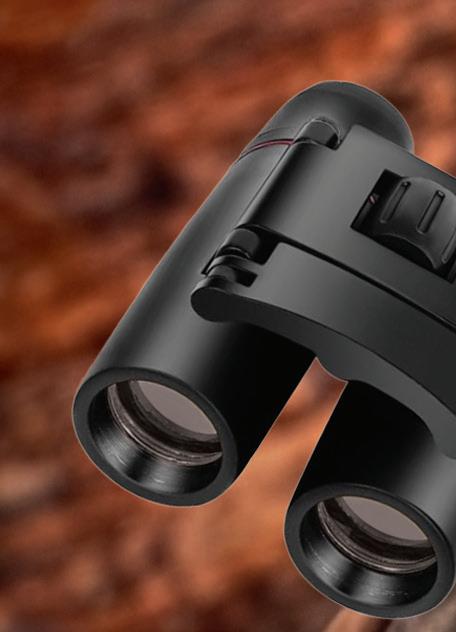
Stauer Pocket Binoculars a $99 value with your purchase of the Damascus Explorer Knife


The first thing you’ll notice is the striking Damascus steel blade. Its signature rippled pattern isn’t just beautiful — it’s the mark of a centuries-old forging tradition. At a full 8 inches long, the blade offers impressive cutting power while maintaining excellent balance and control.
The rich rosewood handle provides a comfortable, secure grip, while the included sheath keeps your knife protected and ready for action. Every detail reflects the kind of quality typically found in knives costing far more.
+FREE Binoculars Impossible PriceONLY
Thanks to Stauer’s direct-to-you model, we’re able to offer this premium Damascus blade at an exceptional value. But supplies are limited, and once this shipment is gone, we can’t promise another opportunity at this price.
If you’ve been looking for a knife that blends performance, craftsmanship and value, now is the time to act. Damascus Explorer Knife
Your Insider Offer Code: DEK132-01 14091 Southcross Drive W., Dept. DEK132-01
Minnesota 55337 | www.stauer.com

*Discount is only for customers who use the offer code versus the listed original Stauer.com price.

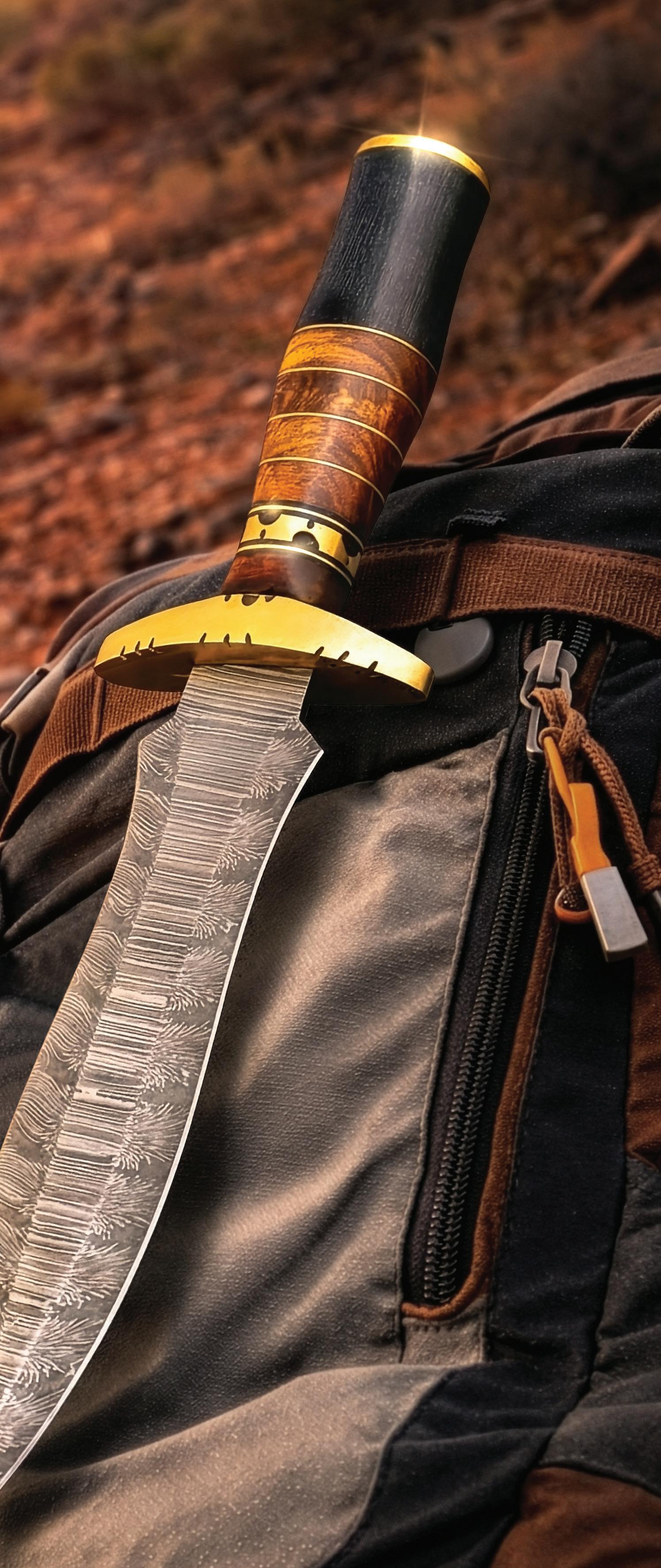
Knife Specifications
• Damascus steel blade
• 8" blade. 13" overall length
• Rosewood handle
• Sheath included

What customers are saying about Stauer knives...
“First off, the shipping was fast and the quality is beyond what I paid for the knife. Overall, I am a satisfied customer!”
— D., Houston, Texas




California residents, please call 1-800-333-2045 regarding Proposition 65 regulations before purchasing this product.
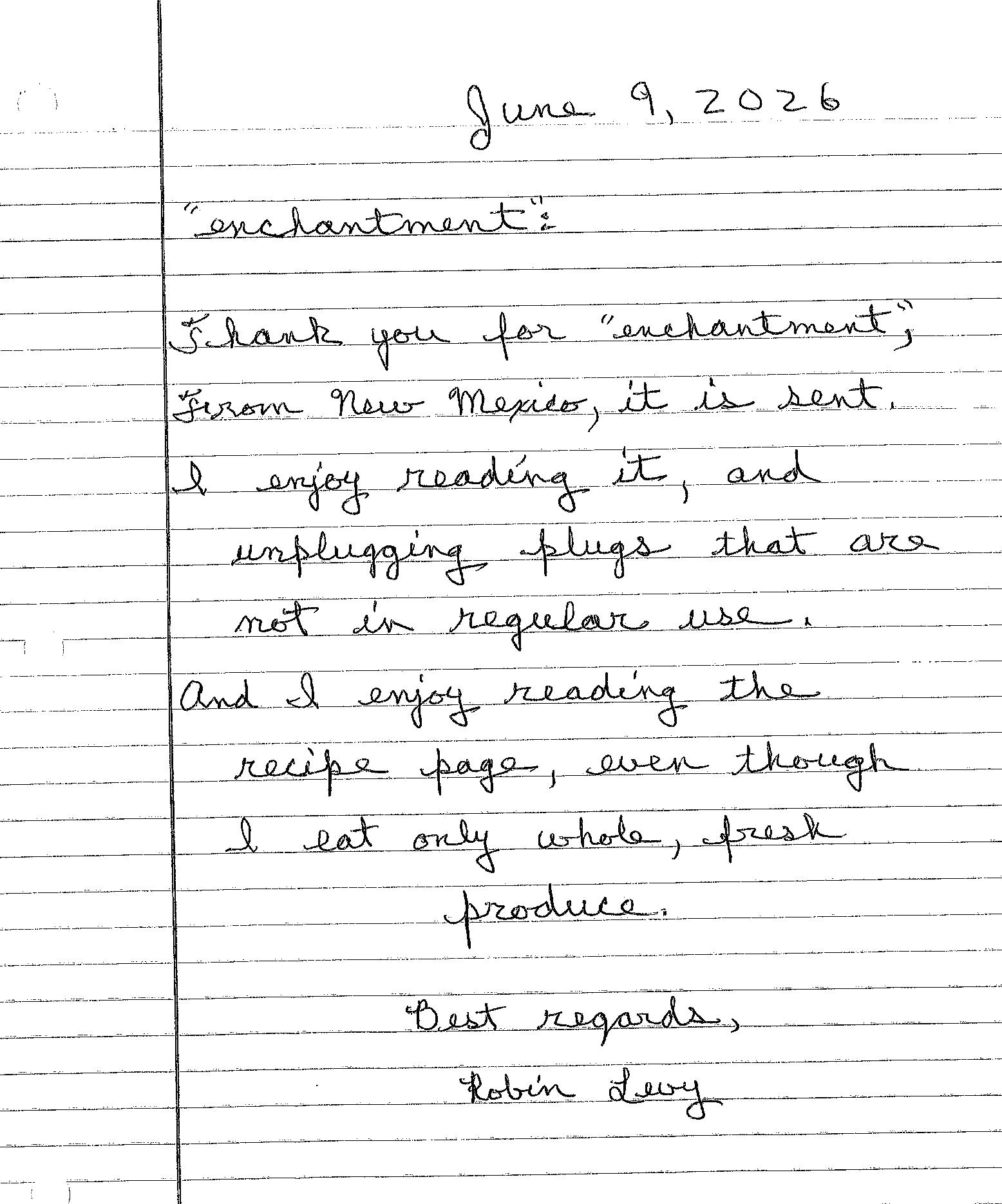
Every issue of Enchantment is created with New Mexico’s electric cooperative members in mind. Sometimes the best reminder of that purpose comes directly from readers—a handwritten note, a kind word, a memory shared or a small detail about how the magazine is used at home.
This month, we’re grateful to share two notes from readers who found something meaningful in recent pages. One reader wrote that her grandchildren come to Alto each summer for an annual cousin camp and loved a New Mexico art project. Another shared appreciation for the magazine’s energy-saving tips and recipe page.
Those responses matter. A children’s activity may become part of a family tradition. A short energy tip may lead to a new habit at home. A recipe may be read, saved or shared. These small moments are part of what makes a member magazine valuable.
Thank you to every reader who opens the magazine, shares it with family, clips a recipe, tries a tip, sends a photo or takes the time to write. Your feedback helps shape future issues and reminds us that local, useful and community-centered content still matters.
Have something to share?

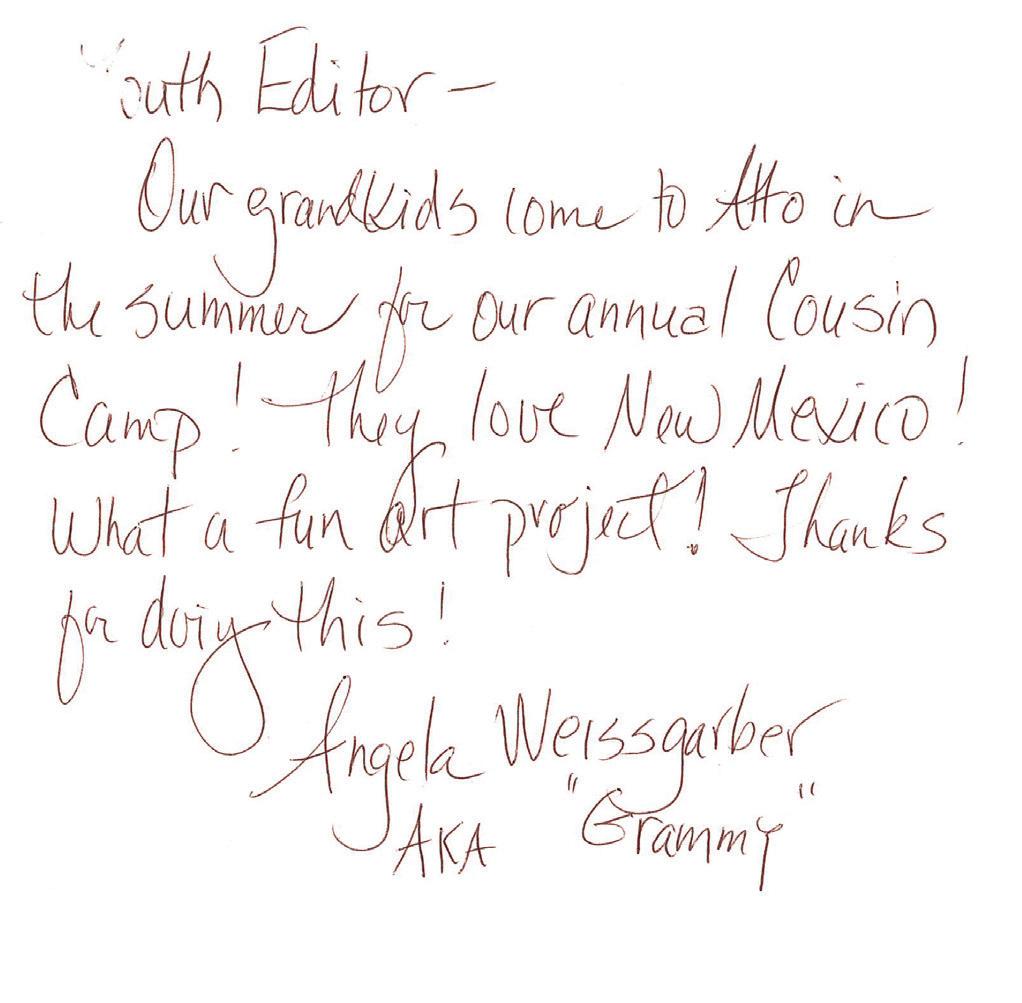
LEFT: Robin Levy wrote to thank Enchantment and noted she enjoys the energy-saving tips and recipe page. ABOVE: Angela Weissgarber, of Alto, wrote her grandchildren visit each summer for an annual cousin camp and loved the art project.
We welcome letters, story ideas, photos and reader feedback from New Mexico’s electric cooperative communities.
• Did you try a recipe, or did your child complete an activity page?
• Did an energy tip help at home?
• Is there a local person, project, business or tradition we should know about? Send letters and story ideas to: tcondit@nmelectric.coop.

ImpossiblePriceWas $299, Now
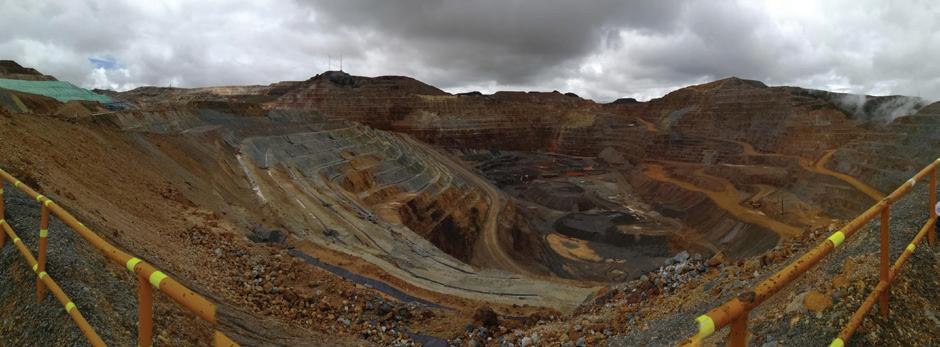
Yanacocha Gold Mine, located near Lima, Peru, is the largest gold mine in South America and the fourth largest in the world.
Faith has a way of steadying us when the ground beneath our feet begins to shift. It reminds us that true strength isn’t measured by the obstacles we face, but by the conviction that carries us through them.
at spirit inspired our Gold Rush Cross Pendant
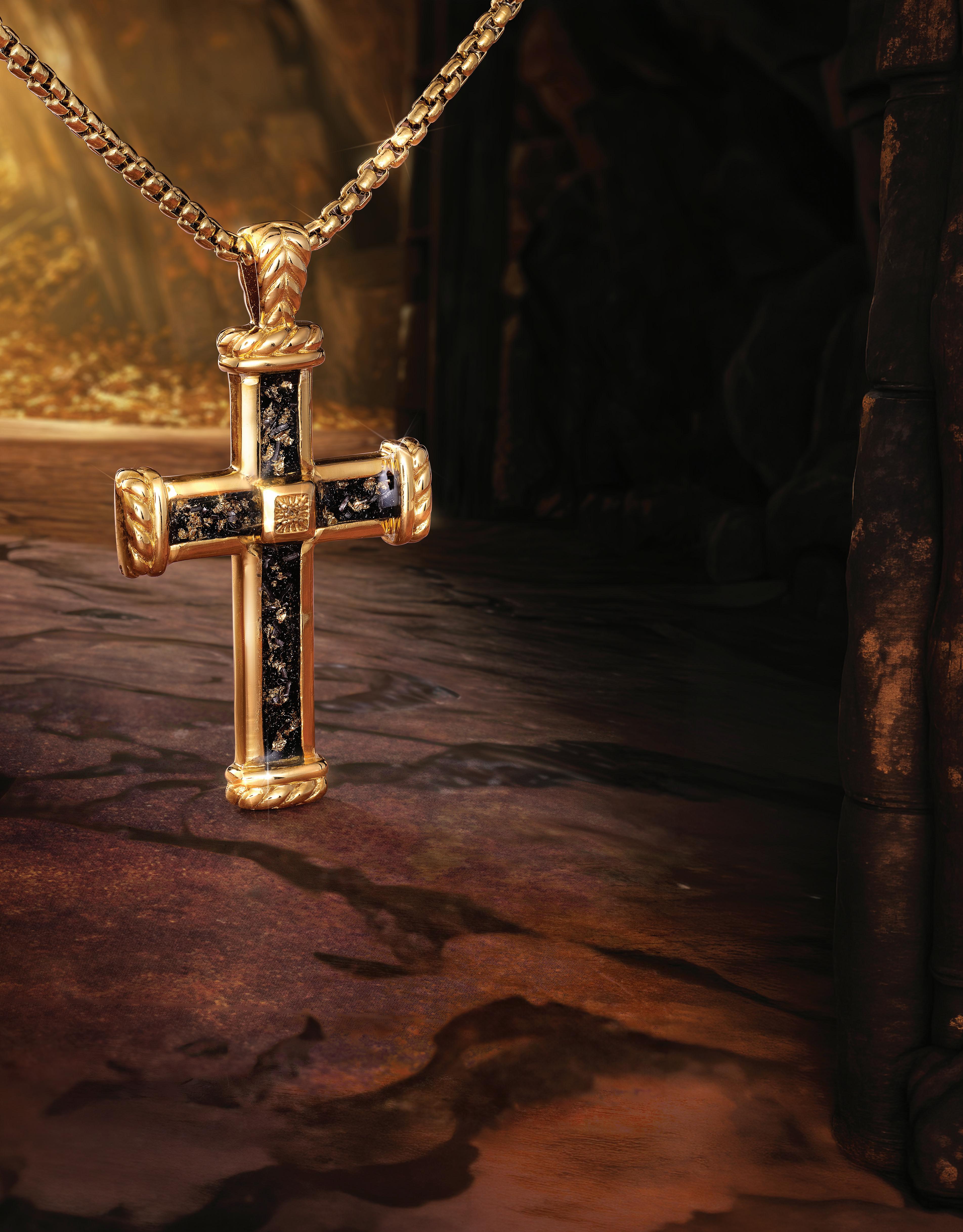
Drawing from the rugged appeal of our bestselling Gold Rush collection, this remarkable piece captures the beauty of genuine 24K gold embedded within a bold black- nished tungsten setting. e contrast is striking—precious metal meeting uncompromising strength—creating a design that is as meaningful as it is distinctive.
Turn it over and you’ll nd an inscription that has encouraged believers for generations: “With God All ings Are Possible.” It’s a daily reminder that faith can move mountains, calm fears, and light the path ahead.
Comparable jewelry store pieces can command far higher prices, but we’ve worked directly with our craftsmen to make this extraordinary expression of faith surprisingly attainable. Better yet, we’ll include a handsome goldnished chain FREE with your purchase, so it’s ready to wear the moment it arrives.
Reserve yours today and wear a symbol of unwavering faith, enduring strength, and timeless hope. As always, your satisfaction is guaranteed for 30 days.
Jewelry Speci cations:
• 24K gold embedded in black- nished tungsten
• Overall drop 2" (29mm x 51mm)
• 22" + 2" gold- nished brass chain with lobster clasp
Men’s Gold Rush Cross Pendant and FREE Chain $299 $79* + S&P Save $220
*You must use the Insider Offer Code to get this price.



Enchantment is looking for a new astronomer to guide us through the stars
For more than 20 years, Enchantment readers looked forward to Alan Hale’s monthly astronomy column. Through his knowledge, curiosity and passion for the cosmos, Alan inspired countless readers to look up and discover the wonders of the night sky.
As we honor Alan’s remarkable legacy, we are seeking someone to continue that tradition.
We’re looking for an accomplished astronomer, astrophotographer, science educator or experienced astronomy enthusiast who enjoys making astronomy accessible and engaging for a general audience. Whether explaining upcoming celestial events, exploring the science behind our universe, sharing stunning images of the night sky or telling the stories behind new discoveries, our goal is to continue bringing the cosmos a little closer to our readers.
Ideal contributors should have:
• A strong background or demonstrated experience in astronomy, astrophotography or a related field.
• The ability to write informative, engaging articles for readers of all ages.
• A passion for educating and inspiring others.
• An appreciation for New Mexico’s incredible dark skies and the unique opportunities they provide for stargazing and astrophotography.
If you’re interested—or know someone who would be—we’d love to hear from you.
Send a brief introduction, examples of your writing and astrophotography, if available, and any relevant experience to tcondit@nmelectric. coop.
While no one can replace Alan Hale, we hope to find someone who shares his passion for inspiring curiosity about the universe and helping our readers discover the beauty and wonder of the night sky.
We are grateful for the foundation Alan built over the past two decades, and we look forward to continuing that tradition for future generations of Enchantment readers.

Electrical dangers are everywhere, even on the school bus or at the bus stop. Something that seems like a minor risk in the moment could end up being deadly.
Those dangers could be at the bus stop or on the way to school. Inform your children to not play near or around power lines or poles while waiting for the bus. They could climb up a nearby tree or electrical pole and accidentally grab a power line. This could be a fatal mistake, so make sure your children know the dangers.
Tell your children to stay away from pad-mounted transformers—the big green boxes on the ground— and other electrical equipment. Children might view these green boxes as playground equipment. Let them know not to put their fingers, sticks or other objects through cracks in a transformer, and explain to them why they should never touch or go near areas where they see hazard stickers.
Discuss as a family the different scenarios your children may find themselves in. If their school bus was ever in an accident involving power lines, they should assume the lines are still energized. They should remain in the bus as their bus driver calls 911. If your children must exit the vehicle, advise them to always listen to instructions from first responders or the bus driver.
In an emergency, students on the bus may need to jump out of the vehicle with both feet together, avoiding contact with the bus and the ground at the same time. Then, they should shuffle away with small steps, being sure to always keep both feet together and on the ground until at least 40 feet away. This will reduce the risk of electrical shock or electrocution.
By Tom Condit

Most people who know Suzette Howard know her as the chief financial officer at Farmers’ Electric Cooperative in Eastern New Mexico. They see a trusted leader whose days are spent balancing budgets, analyzing numbers and helping guide the cooperative’s financial future.
What many don’t know is that long before the workday begins, Suzette is already creating something entirely different.
Each morning at 4 a.m., while much of the world is still asleep, she quietly walks into her studio and paints.
For two peaceful hours, spreadsheets give way to brushstrokes, and deadlines are replaced by horses, cattle and sweeping Western landscapes that have earned recognition throughout the Southwest.
“I get up at 4 o’clock every morning and paint for two hours before feeding the horses and getting ready for work,” she says. “This is a very peaceful time of day and allows me to get in the zone.”
That quiet discipline has become part of who Suzette is. Her love for art began almost as early as she can remember.
“I have always loved to draw,” she says. “My main subject has always been horses. I am the quintessential horse-crazy girl.”
Her mother recognized that passion early, buying her first sketchbook when she was 6. Suzette admits she often became
frustrated because she couldn’t draw as well as her mother.
“I might throw it away and quit for the day, but I always tried again,” she recalls with a laugh.
That persistence eventually carried her through graphite, charcoal, colored pencil, watercolor and pastel before she discovered water-soluble oil paints in 2020—a medium she now considers home.
Today, Suzette’s art captures the strength, grace and authenticity of the American West. Horses remain her favorite subject, inspired by more than three decades of raising and training them alongside her family. Those experiences have shaped not only her paintings but also her leadership philosophy.
“The knowledge that I have obtained training a horse translates into my work at the cooperative, as well as into my artwork,” she says. “Most of all, it has taught me to be as soft as possible, but as firm as necessary.”
It’s a lesson that also reflects the balance she has found between two very different careers.
“Accounting is black and white,” Suzette says. “Your numbers are either right or wrong, which I love for the certainty. Art is so subjective and is truly in the eye of the beholder.”
That contrast keeps her grounded.
“I believe it is a yin and yang situation,” she says. “We all need balance in our lives.”
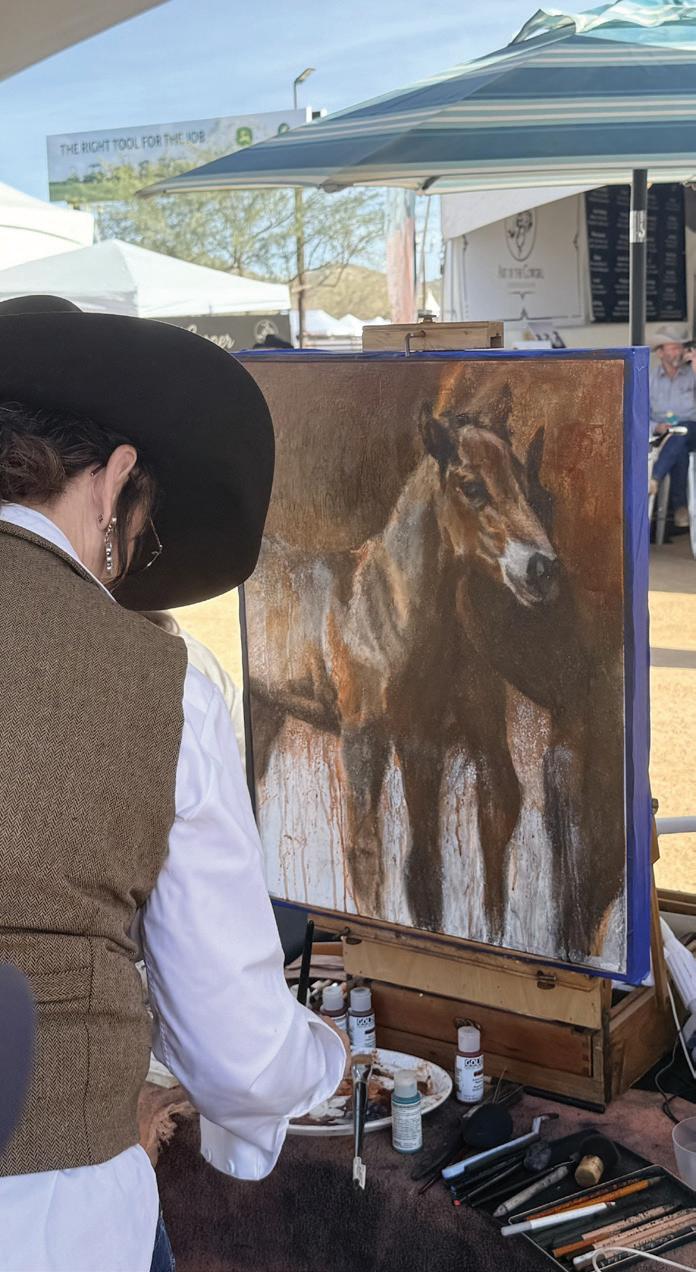
Suzette’s artwork has received increasing recognition in recent years. Several of her paintings were featured in Farmers’ Electric Cooperative’s 2025 calendar, and one of her original paintings was selected as a door prize during NMRECA’s 2026 Annual Meeting. She has exhibited across New Mexico, Texas, Kansas, Wyoming and Arizona, earned multiple awards and was interviewed live by Fox10 News during the prestigious Art of the Cowgirl event in Wickenburg, Arizona.
Yet accolades are not what motivate her.
“I love sharing my work,” she says. “Sharing it with cooperative members is a little extra special because I have served them in several capacities since 1990, and they are my extended family.”
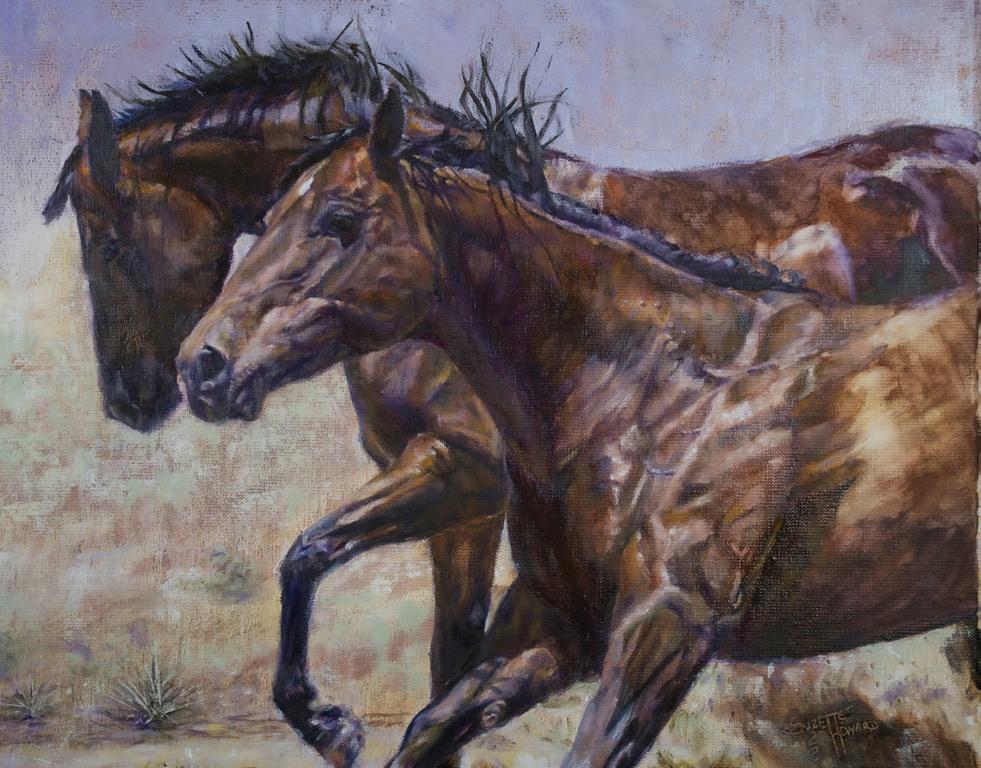
Her favorite painting, titled “Whispers on the Wind,” depicts the noses of two mares gently touching.
Looking ahead, Suzette hopes to continue building her art career after retiring from Farmers’ Electric
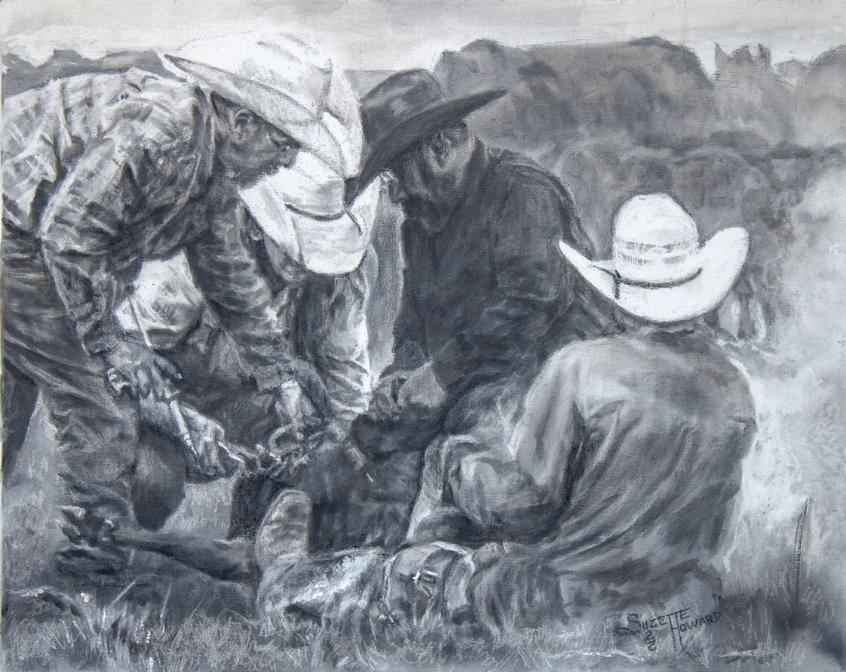
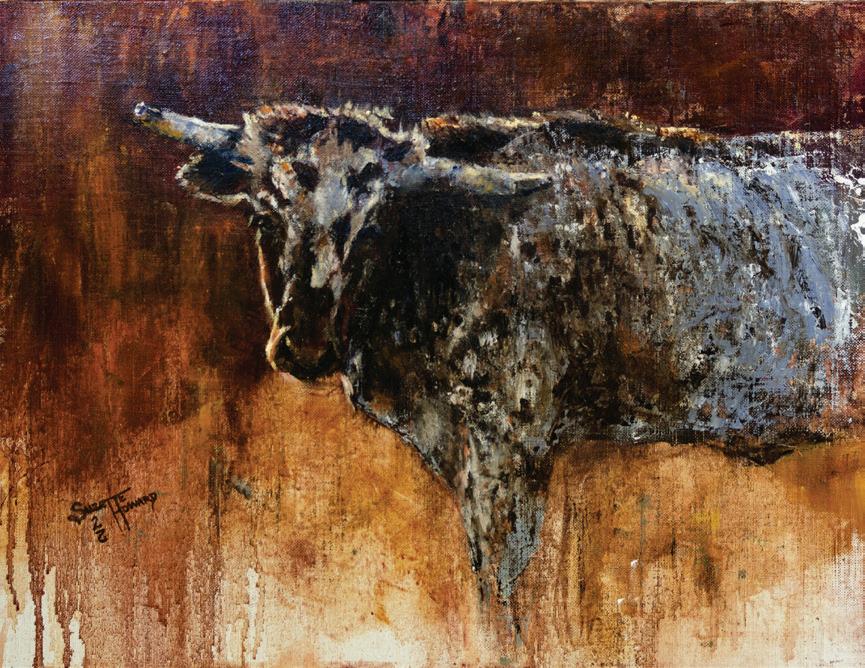
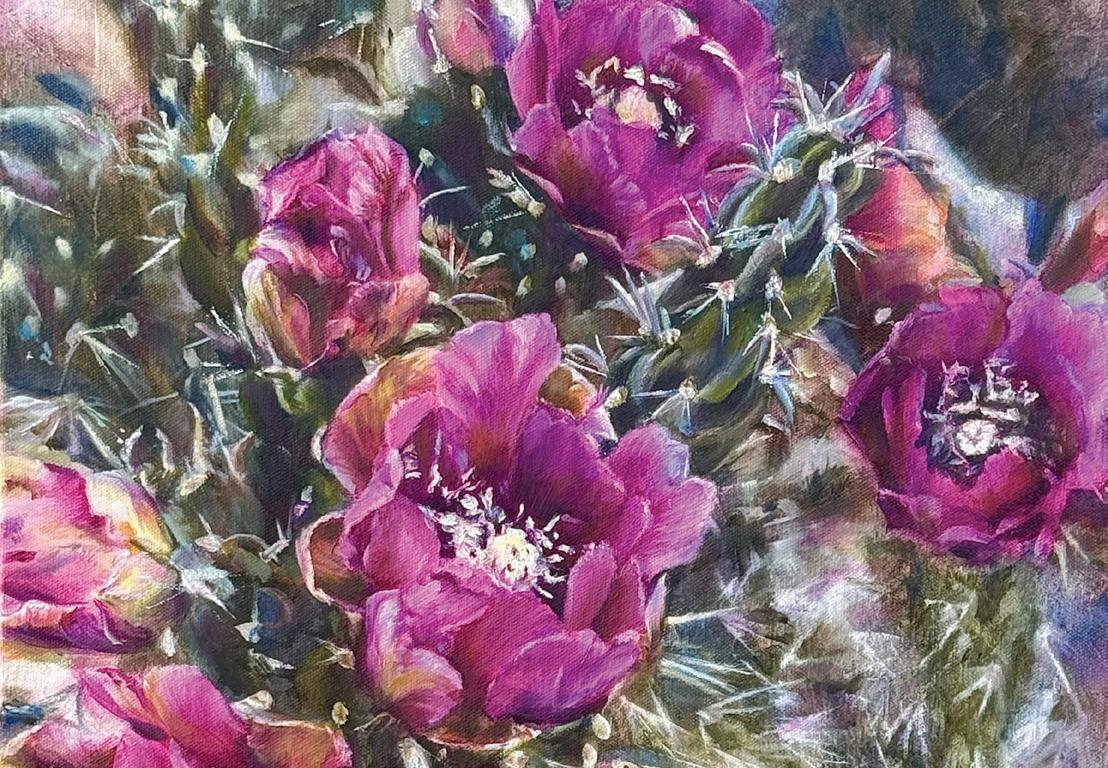
Suzette’s artwork often features horses, cattle and Southwestern landscapes. Clockwise, from left are “Long in the Horn,” “Cowgirl Playtime,” “Cholla” and “Good Hats, Great Hands.”
Cooperative. She credits the leadership skills she developed throughout her cooperative career—including completing NRECA’s Management Internship Program—with giving her the confidence to share her work with others.
She says anyone with a creative passion should invest time to practice and grow.
“There is always an excuse,” Suzette says. “You won’t get better if you don’t hone your skills. Make it a daily habit and stick to it.”
When asked to paint the cooperative spirit, she imagines teams working together seamlessly.
“The cowboys and horses, backlit by New Mexico’s spectacular sunrise, move in unison,” she says. “No verbal communication. Everyone knows their job, and everyone does their job. That’s the cowboy way. That’s the cooperative way.”
For Suzette, that philosophy extends well beyond the canvas. It’s a way of life— one built on discipline, humility, service and a deep appreciation for the people, places and traditions that continue to inspire every brushstroke.

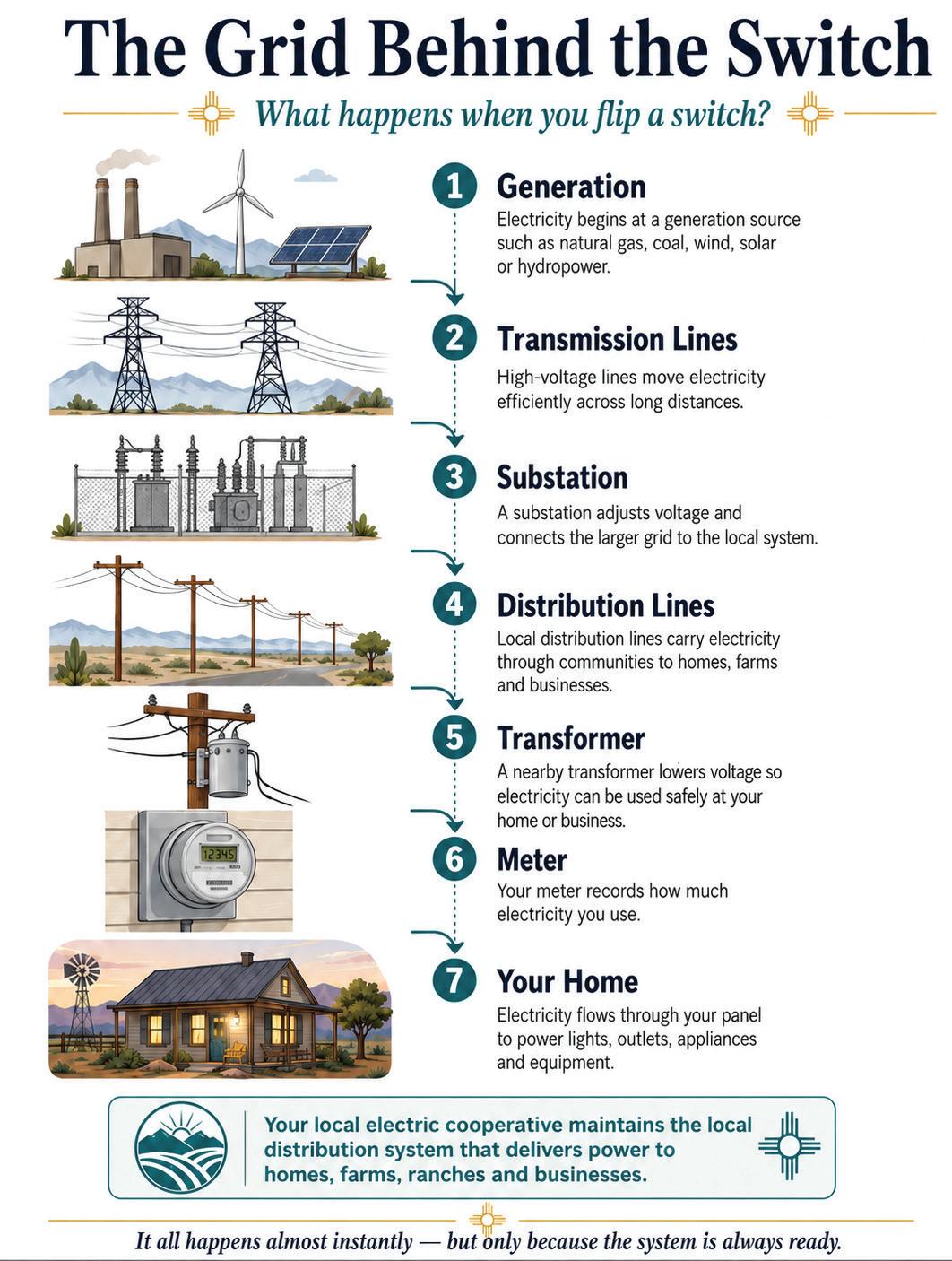
When you flip on a power switch, a complex, coordinated system works to bring electricity from across the state to your fingertips
Most of us do not think much about electricity until it is not there.
When we plug in a phone charger, turn on an air conditioner, start a load of laundry or run a well pump, we expect power to simply be ready. But behind that moment is a large, carefully maintained system moving electricity from where it is generated to where it is needed.
That journey begins at a power generation source. Electricity may be produced using natural gas, coal, wind, solar, water or other resources connected to the larger electric grid.
Once generated, electricity often travels long distances through high-voltage transmission lines. These large lines are designed to move power efficiently across regions, helping connect generation resources to the communities that need them.
Before electricity can safely serve homes and businesses, it must pass through a substation. Substations are a key link between the high-voltage transmission system and the local distribution system. At the substation, voltage is adjusted so electricity can move onto the lines that serve neighborhoods, farms, ranches, schools, water systems and small businesses.

the places where people live and work.
Near your home or business, electricity passes through a nearby transformer. That transformer lowers the voltage so electricity can be used safely inside the building.
From the transformer, electricity travels through a service line to your electric meter. The meter measures how much electricity flows into the electrical panel, outlets, lights, appliances and equipment that help keep daily life moving.
All of this happens almost instantly when you flip a switch. But it only feels simple because the system is planned, built and maintained every day.
Electric cooperatives play a critical role in this system. While generation and transmission cover large regions, your local co-op maintains the distribution lines, poles, transformers, meters and other equipment that deliver electricity directly to members.
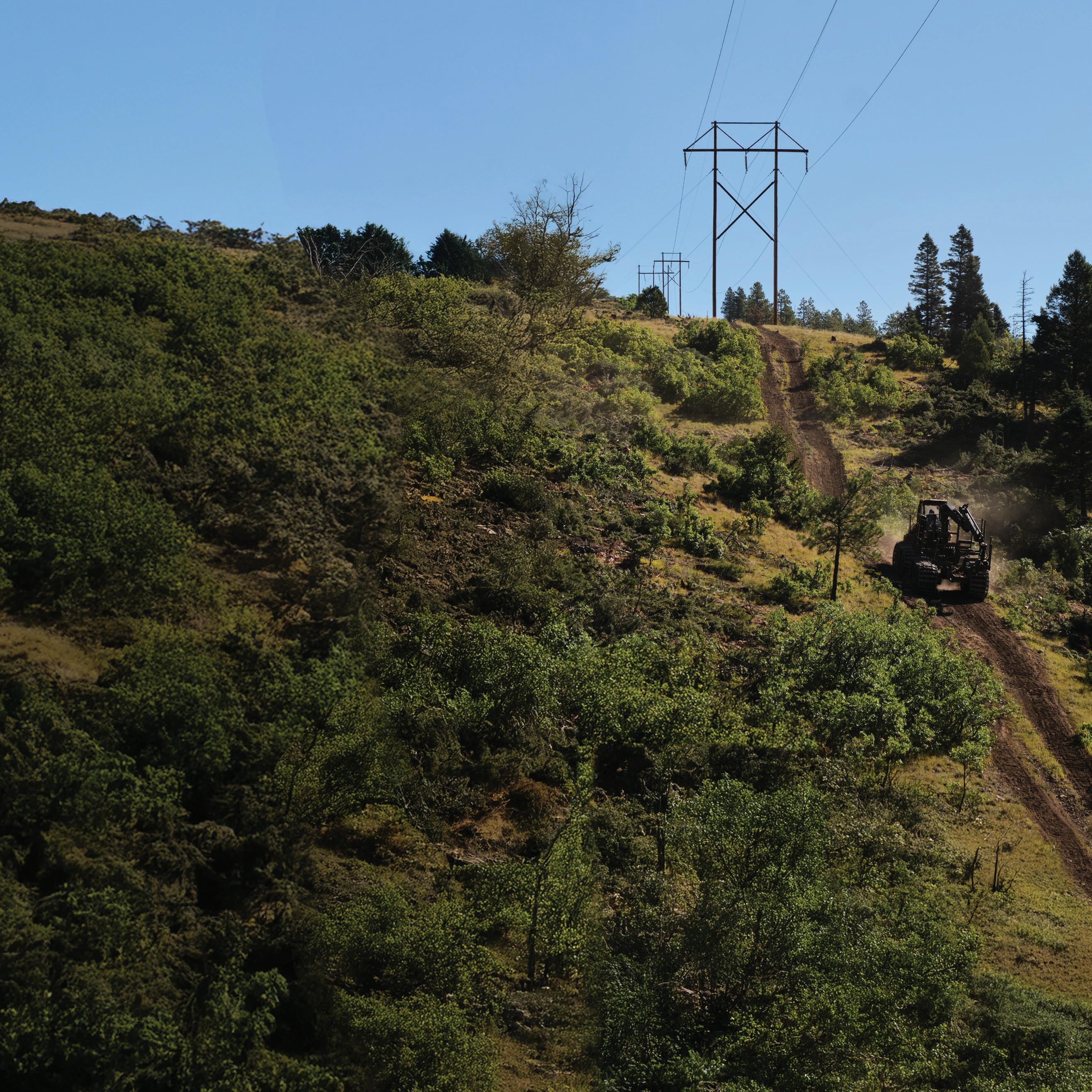
That work never really stops. Co-op crews inspect equipment, replace aging poles, maintain substations, upgrade lines, clear rights of way and respond when storms, wind, lightning, vehicles, wildlife or equipment failures cause outages.

From the substation, electricity travels along distribution lines. These are the lines most of us see along roads, across fields and through rural communities. Distribution lines carry power closer to
So, the next time you turn on a light, remember that it is the final step in a much larger journey. Behind that switch is a network of people, equipment and planning working together to keep electricity safe, reliable and ready when you need it.


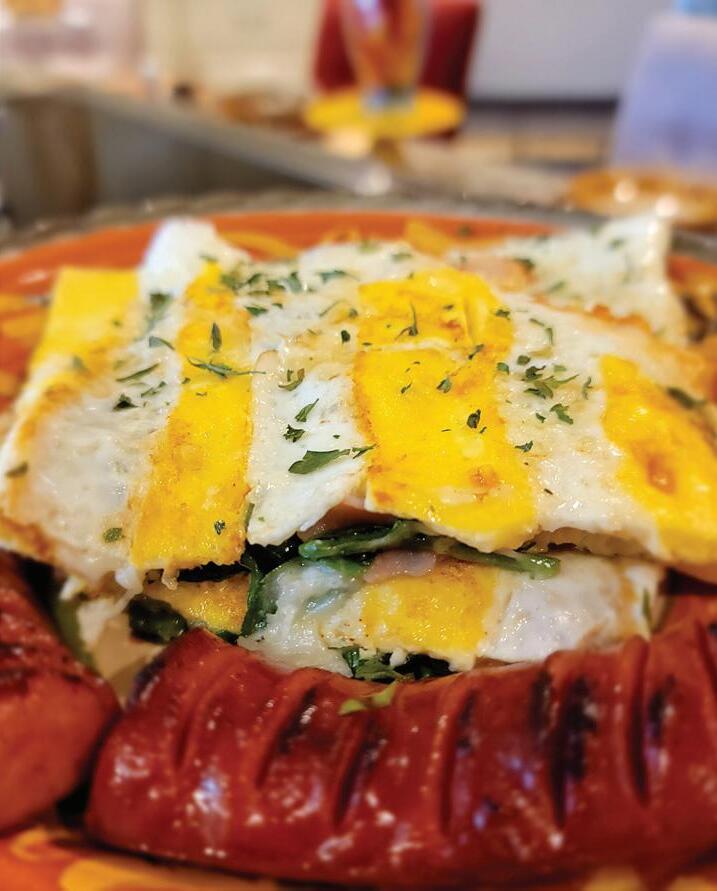
Who says omelets have to look the same every time? This creative twist takes a breakfast classic and gives it a fun makeover by layering strips of cooked egg into fluffy egg whites for extra texture and a fresh presentation.
Packed with savory deli meat, melty cheese, spinach and seasonings, this recipe is easy to customize with your favorite fillings. Whether you’re looking to shake up your weekday breakfast routine or impress at brunch, this omelet proves that a few small changes can make an old favorite feel brand new.

“This twotoned omelet will be a big hit at any breakfast event. It looks complicated, but it truly isn’t. It’s fun and super cool all wrapped up in one. My hubby knows I want new shoes or a purse when he sees this dish coming out of the kitchen!”
— THERESA JOHNSON, FARMERS’ ELECTRIC COOPERATIVE
1/2 to 1 cup of Egg Beaters, depending on skillet size
1/2 to 1 cup of Egg Beaters egg whites, depending on skillet size
3 slices deli meat, chopped
1/4 cup spinach, chopped
1/4 cup shredded cheese
1/2 teaspoon onion powder
1/2 onion, minced
1/2 teaspoon pepper
Smoked sausage
• Heat a nonstick skillet on medium heat, spray with cooking spray and pour in Egg Beaters.
• Cook Egg Beaters to 75% done, just enough to be able to slice.
• Add the egg strips back into the skillet, with the side not fully cooked face down. Separate strips about 1/2 to 1 inch apart in the skillet.
• Pour Egg Beaters egg whites over the strips and allow to cook.
• Sprinkle on onion powder, minced onion and pepper or your favorite seasonings.
• Add chopped deli meat, shredded cheese and chopped spinach.
• Fold over egg to create an omelet. Garnish on top.
• Slide Egg Beaters onto a clean counter or dish, and slice into 1 inch slices.
• Cut smoked sausage in half, then in half again. Score the sausage and sear on both sides to your liking.
• Serve immediately.


Do you have a favorite family recipe you’d love to share with fellow co-op members? We’re always looking for recipes that bring a taste of rural New Mexico to the table. Whether it’s a family classic passed down for generations, a childapproved favorite, a potluck staple or a quick weeknight meal, we want to feature it in an upcoming issue of Enchantment.
To submit your recipe, include:
X The recipe name, ingredients and step-by-step instructions.
X A short story or background about the recipe, such as where it came from.
X A photo of the finished dish if you have one.
Submit your recipe to tcondit@nmelectric.coop. Your recipe could be featured in a future issue and shared with more than 113,000 readers across New Mexico’s electric cooperative communities.
PIE TOWN- 78 E SAWTOOTH DRIVE, SAWTOOTH MOUNTAIN SUBDIVISION LOT 41. 14.43 acres vacant land. Views of Sawtooth Mountains. Close to Pie Town. $35,000. Big Mesa Realty, 575-456-2000, Paul Stout, Broker 17843, 575-760-5461. www. bigmesarealty.com.
SOCORRO, SAN MARCIAL-SOUTH OF SAN ANTONIO-WILLOW SPRINGS SUBDIVISION- 16A WINCHESTER, PRICE REDUCED, 161 ACRES. Great views in the Chupadera Mountain foothills. $90,000. Big Mesa Realty, 575-456-2000, Paul Stout, Broker 17843, 575-760-5461. www.bigmesarealty.com.
HILLSBORO-10841 STATE ROAD 152, OVER 5000 SQUARE FOOT HOME ON JUST OVER SIX ACRES. Excellent opportunity for bed and breakfast or large family. Pool and hot tub. $699,000. Big Mesa Realty, 575-456-2000, Paul Stout, Broker 17843, 575-760-5461. www. bigmesarealty.com.
EASTERN NEW MEXICO- LET US SELL YOUR LARGE ACREAGE WORKING FARM OR RANCH. Broker is farm owner/operator and lifetime New Mexico resident. Big Mesa Realty, 575-456-2000, Paul Stout, Broker 17843, 575-760-5461. www.bigmesarealty.com.
EDGEWOOD 2.5 ACRES. UTILITIES IN PLACE. Located in Vista Cresta subdivision. Mfg. Homes approved. 10 County Line Rd. 505-269-1960.
1. Visit www.enchantment.coop/classifieds and complete form. You will be contacted by email with price and deadline to submit check or money order.
2. Ads will not be accepted over the phone.
3. Or, complete form and select category.
4. Write ad on another sheet of paper.
5. Price: $1.25 per word. For example: 40 word ads are $50 80 word ads are $100
To Send and Pay Your Classified Ad
1. Mail ad and payment (Payable to NMRECA)
NMRECA • enchantment 614 Don Gaspar Ave. Santa Fe, NM 87505
OWN A HISTORIC TIERRA AMARILLA PROPERTY. 2-story traditional adobe 1881 Garcia House w/tin roof; original interior adobe walls & wood floors in most of house. Zoned commercial & residential. Room in back was used as a stage. $200,000. Laurie Frantz, Real Broker LLC, 505-920-1346, lauriefrantz@ gmail.com.
80 GLORIOUS HILLY ACRES 3 MILES SOUTH OF MADRID OFF TURQUOISE TRAIL. Stupendous views of surrounding hills & valley. Many building sites, good dirt road to top of lower 40 acres; no graded road beyond that. Large level spot w/shipping container on lower 40 acres is great building spot. No utilities in place. Laurie Frantz, Real Broker LLC, 505-920-1346, lauriefrantz@gmail.com.
WORK FROM HOME! 3B2B 1568SF MANUFACTURED HOME ON 9.6 ACRES OF GRASSLAND & MOUNTAINSIDE.
2 (38’x60’ & 8’x20’) mostly insulated workshops on slabs, both w/200amp electric; 8’x10’ greenhouse; small stable w/2 stalls; 10’x30’ garden shed/chicken coop. RV hookup w/100amp service, h2o & septic. High-producing well w/delicious water. Laurie Frantz, Real Broker LLC, 505-9201346, lauriefrantz@gmail.com
TEN-ACRE OASIS IN VALENCIA COUNTY. THREE BR, TWO BATHS, 2140 FT2. Great views, solar, RV hookups. In Tierra Grande subdivision south of Belen. 719-468-8748
Deadline
1. Due the 7th, one month prior. Ads due August 7 for the September issue. Good to Know
1. Only members of New Mexico electric cooperatives may place ads.
2. We reserve the right to reject any ad.
4. Advertisements in enchantment are paid solicitations and are not endorsed by the publisher or the electric cooperatives of New Mexico.
5. PRODUCT SATISFACTION, COMPLAINCE WITH APPLICABLE ADVERTISING RULES AND REGULATIONS, AND DELIVERY RESPONSIBILITY LIE SOLELY WITH THE ADVERTISER.
6. Enchantment prints monthly, except for June and December. Questions? Call: 505-982-4671.

Name:
Address: City: State: ZIP: Phone: Cooperative: Select
MEAT RAMS AND EWES FOR SALE. Raise your own meat! This breed, called ‘Rocky Mountain Big’ are very large cross bred Rambouillet/Suffolk sheep specifically bred for raising meat instead of wool. Rams are quite gentle weighing about 350+ pound and with right nutition produce single 7-8 pound lamb at birth, also twins. Lincoln, NM 575808-2711 (text only).
BLACK ANGUS BULLS FOR SALE. Thick, Easy Fleshing ,Low Maintenance ,Raised at high elevation.Trich and fertility tested. Top quality herd and heifer bulls available. Yearlings starting at $ 3400.00. 2yr old starting at $3600.00 Call/Text Bobby Salvo at Y Ranch, 575-642-0962. Datil, New Mexico.
THREE ADULT GOATS. Looking for new home with lots of space for them to room. Free. You pick them up, San Antonio, NM. Call Matthew 505-480-2042.
IRRIGATION PIPE FOR SALE. Used PVC and Aluminum gated and non gated pipe for half price of new. Butterfly Valves, T’s, Elbows, plugs, Bonnets, ETC. Delivery Available. Call Sierra (575)770-8441
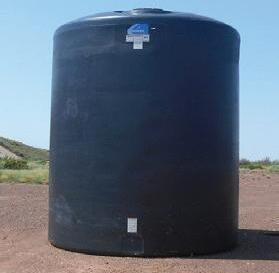
SUPERIOR WATER STORAGE TANKS FOR PEOPLE, CATTLE, RAINWATER, FIRE PREVENTION. Many sizes. Best Prices. 575-682-2308
EQUIPMENT: 500 lb scale ($250); 180/220 volt wire feed MIG ($250); Lincoln Stick welder ($450); 3-point garden lister, new ($450); Scott riding lawn mower, 42” cut ($475); Power River CattL working chute, working, chute ($1,500); Cannon 6 ft 3-point blade, w/teeth ($400); 3-point dirt bucket, very handy ($475); Much more just ask!; Marble slab, 48” × 54”, 1½” thick ($450); Old queen-size bed, complete, 1900 ($300); 2 electric irons, $50 each; Old cast iron pot, 38” diameter, 20” deep ($650); Ringer washer, very clean ($375); Blk Leather Chaps Elk leather. Call 505-235-8262.
WANTED: Used Calf Branding Chute. Call or text 505-321-9419.
BOBBY EMERY WELDING LOCATED IN CLAYTON, NM. We build 1,2,3&4 compartment overhead feed bins, cattle guards ect. Call 575-207-7402.
BUYING OLD GAS PUMPS, PUMP PARTS, OIL CANS, GLOBES, ADVERTISING SIGNS THERMOMETERS CLOCKS, OLD LICENSE PLATES, OLD NEON SIGNS. Call the Gas Guy in Embudo 505-852-2995. Have TruckWill Travel.
PELLET 2000 LB LIFT LIKE NEW $300. 505-235-8262.
DR. HO’S MOTION CISER BENEFITS MOTION HELPS LOOSEN FOOT AND ANKLE JOINTS, VIBRATION HELPS TO RELAX THE LEGS. Heat keeps feet warm. Dr. Ho’s motion ciser provides passive motion excercise through gentle vibration. Call Patricia at 505-373-7531. Cost is $100.
MEMBERS MARK 2-20 COUNT TOTAL PROTECTION UNDERWEAR FOR WOMEN. XL Waist 45’ 64’ Depend Fresh Protection with Tabs AVEC Attaches. Maximum 20 Briefs with Tabs. Call Patricia at 505-373-7531.
TUCUMCARI-1120 S SARATOGA, (Also next to US 54/Mountain Road) $20,000. City water close by. Big Mesa Realty, 575-4562000, Paul Stout, Broker 17843, 575-760-5461. www.bigmesarealty.com.
TUCUMCARI-1516 S SECOND STREET, PRICE REDUCED, Three bedroom, two bathroom home with garage and carport. $60,000. Big Mesa Realty, 575-456-2000, Paul Stout, Broker 17843, 575-760-5461. www. bigmesarealty.com.
TUCUMCARI-1516 S SECOND STREET, PRICE REDUCED, Three bedroom, two bathroom home with garage and carport. $60,000. Big Mesa Realty, 575-456-2000, Paul Stout, Broker 17843, 575-760-5461. www. bigmesarealty.com.
CONCHAS-615 BULLHEAD, Three bedroom, two bathroom home with four bay boat storage/garage on three lots totaling just over one acre. $245,000. Big Mesa Realty, 575456-2000, Paul Stout, Broker 17843, 575-7605461. www.bigmesarealty.com.
SUMNER LAKE- 225 INDIAN PLACE, Two bedroom, two bathroom home on 20 acres in River Ranches Subdivision. Spectacular views of Pecos River valley. $307,500. Big Mesa Realty, 575-456-2000, Paul Stout, Broker 17843, 575-760-5461. www.bigmesarealty.com.
MILAGRO- 0000 PECOS SPUR, PORTILLO CREEK RANCH SUBDIVISION. Tract 6, 164 acres. Partial fencing. Wide open space. $80,000. Big Mesa Realty, 575-456-2000, Paul Stout, Broker 17843, 575-760-5461. www. bigmesarealty.com.
MAGDALENA-0000 TBD STATE ROAD 169, 1.28 ACRES. Great mountain views 15 miles from Magdalena. Borders Cibola National Forest. Hunting potential. $15,000. Big Mesa Realty, 575-456-2000, Paul Stout, Broker 17843, 575-760-5461. www. bigmesarealty.com.
DATIL/PIE TOWN AREA- 0000 3
HERRINGTON CANYON ROAD. 40+/acres west of Herrington Canyon Road. North of Sawtooth Mountains and Cibola National Forest. $19,000. Big Mesa Realty, 575-4562000, Paul Stout, Broker 17843, 575-760-5461. www.bigmesarealty.com.
DATIL/PIE TOWN AREA- 0000 4
HERRINGTON CANYON ROAD, 20+/acres east of Herrington Canyon Road. North of Sawtooth Mountains and Cibola National Forest. $12,000. Big Mesa Realty, 575-4562000, Paul Stout, Broker 17843, 575-760-5461. www.bigmesarealty.com.

Dive into this word scramble challenge! Read the pool safety tips below to uncover the scrambled words. Remember these tips to stay safe while having fun in the sun. Double check your work in the answer key.
1. Never swim without an lutda nearby, even if you know how to swim.
2. Walk around the pool. Gunrnin on wet surfaces can cause slips and falls.
3. Wear cessrnuen and drink plenty of water to stay safe in the summer heat.

4. Keep cilarcteel devices, cords and speakers far away from the water.
5. If you see lightning or hear drehtnu, get out of the pool immediately and go indoors.
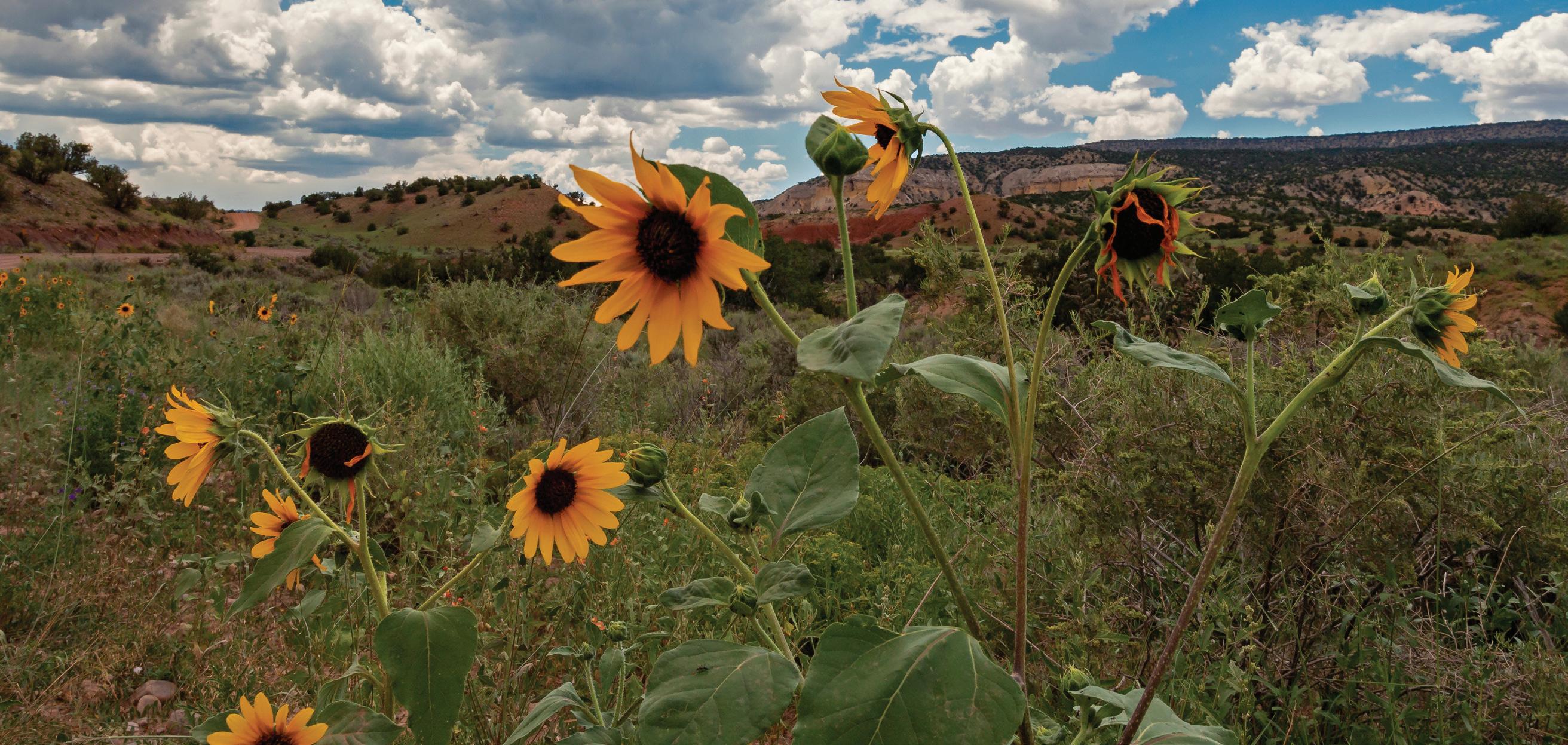
New Mexico’s rural communities, served by electric cooperatives across the state, are surrounded by breathtaking deserts, mountain ranges, and more than 50 national and state parks. From quiet villages to historic cities such as Santa Fe and Taos, the Land of Enchantment blends Native American, Mexican and Spanish cultures into something truly unique. Here are upcoming local events happening in co-op areas and beyond:
Guadalupe County Fair
Where: Santa Rosa
When: July 29 to Aug. 2
The annual Guadalupe County Fair features livestock shows, youth competitions, exhibits, a pancake breakfast and various family activities. Don’t miss out on a weekend filled with tradition. facebook.com/gcf21
De Baca County Fair
Where: Fort Sumner
When: July 30 to Aug. 2
De Baca’s small-town fair includes livestock, youth competitions and food vendors. calendar.aces.nmsu.edu/index.php?context=countyadjac ent&county=15
Doña Ana County Fair & Rodeo
Where: Las Cruces
When: July 31 to Aug. 8
Visit the carnival rides, rodeo, livestock shows, concerts and exhibits at the fair. It is also an opportunity for youth to exhibit various projects they cared for or created throughout the year. donaanacountyfair.com
Lea County Fair & PRCA Rodeo
Where: Lovington
When: July 31 to Aug. 8
Enjoy the arts and crafts showcase, carnival, concerts, Xtreme Bulls Event, PRCA rodeo, livestock shows, vendors and some of the best fair food in the area at the 90th annual county fair. leacountyfair.net
Gallup Inter-Tribal Indian Ceremonial
Where: Gallup
When: July 31 to Aug. 9
Traditions continue at the 104th Annual Gallup Inter-Tribal Indian Ceremonial where Native American dance, rodeo, art shows, parades and artisan markets offer a look at the area’s rich history.
gallupceremonial.com
Quay County Fair
Where: Tucumcari
When: Aug. 6-8
Visit the fair to engage with livestock, youth exhibits, contests, shop with local vendors and enjoy community activities. quayextension.nmsu.edu/events/fair.html
Art & Wine in the Cool Pines
Where: Cloudcroft
When: Aug. 7-9
Spend a weekend amid the mountains of Cloudcroft, indulging in fine art, handcrafted goods, local wines, live music and food vendors. coolcloudcroft.com/events
San Juan County Fair
Where: Farmington
When: Aug. 7-15
Livestock, carnival rides, youth competitions, vendors and food round out the annual fair. sanjuancountyfairnm.net
Curry County Fair
Where: Clovis
When: Aug. 11-15
Grab your friends and family, and get ready for a fair where the rides are wild, the food is fried and the laughter is contagious. See livestock, 4-H exhibits, live music and more.
curryeventscenter.com
Torrance County Fair
Where: Estancia
When: Aug. 11-15
Come join in the fun with livestock exhibitions, 4-H and FFA competitions, local vendors and a variety of family-friendly activities, such as pie and salsa contests. facebook.com/torrancecountyfair
8750’ BBQ & Music Festival
Where: Red River
When: Aug. 12-16
Join in the festivities with a championship barbecue and chili cook-off, live music, vendors, family activities and great food. redriver.org/events/8750-bbq-music-festival
Roosevelt County Fair
Where: Portales
When: Aug. 18-23
Visit the fair to see 4-H and FFA livestock shows, exhibits and vendors, and partake in agricultural traditions. rooseveltcountyfair.com
Mountainair Sunflower Festival
Where: Mountainair
When: Aug. 29
This free art festival includes fine arts and crafts, live music, food vendors, children’s activities and a costume contest. manzanomountainartcouncil.org/sunflower-festival
Send details to eventcalendar@nmelectric.coop. Include the event title, date, town and a summary of the event. Include the event website address so readers can get additional event information. Submit the event notification at least 60 days before the event to meet our press deadline. Space is limited, and events are published at the discretion of the editor.
Until Stauer came along, you needed an inheritance to buy a timepiece with class and re nement. Not any more. e Stauer Magnificat II embodies the impeccable quality and engineering once found only in the watch collections of the idle rich. Today, it can be on your wrist.
e Magnificat II has the kind of thoughtful design that harkens back to those rare, 150-year-old moon phases that once could only be found under glass in a collector’s trophy room.
Powered by 27 jewels, the Magnificat II is wound by the movement of your body. An exhibition back reveals the genius of the engineering and lets you witness the automatic rotor that enables you to wind the watch with a simple ick of your wrist.
It took three years of development and $26 million in advanced Swiss-built watch-making machinery to create the Magnificat II. When we took the watch to renowned watchmaker and watch historian George Thomas, he disassembled it and studied the escapement, balance wheel and the rotor. He remarked on the detailed guilloche face, gilt winding crown, and the crocodile-embossed leather band. He was intrigued by the three interior dials for day, date, and 24-hour moon phases. He estimated that this fine timepiece would cost over $2,500. We all smiled and told him that the Stauer price was less than $100. A truly magnificent watch at a truly magnificent price!
Try the Magnificat II for 30 days and if you are not receiving compliments, please return the watch for a full refund of the purchase price. The precision-built movement carries a 2 year warranty against defect. If you trust your own good taste, the Magnificat II is built for you.







Staying
Lineworkers have a dizzying array of gear they carry and wear to safely do their climbing hooks and hot sticks, have been around since the early days of electricity, been updated and improved over the years. Others, like wireless headsets and more modern innovations. Here’s a comprehensive (though not exhaustive) crews use to stay safe.
Lineworkers have a dizzying array of gear climbing hooks and hot sticks, have been been updated and improved over the years. more modern innovations. Here’s a comprehensive crews use to stay safe.
Lineworkers have a dizzying climbing hooks and hot been updated and improved more modern innovations. crews use to stay safe.
By David Herder
Face shield
Keeping the lights on is dangerous work.
Eye protection
oltageV
Lineworkers have a dizzying array of gear they carry and wear to safely do their jobs. Some items, like climbing hooks and hot sticks, have been around since the early days of electricity, though they’ve been updated and improved over the years. Others, like wireless headsets and arc-rated clothing, are more modern innovations. Here’s a comprehensive (though not exhaustive) look at the tools line crews use to stay safe.
Face shield
resists burning when exposed to an arc flash.
Hard hat
Wireless headset
Utility line crews work near—and with— equipment that can carry thousands of volts of electricity, and linework frequently appears on lists of America’s most dangerous jobs.
Arc-rated and Neck gaiters
clothing
Hoods or hard
Shirts
Hard hat
Eye protection
oltageV tester
tester
Wireless headset
Fortunately, today’s lineworkers have many tools to help them stay safe. Typically, lineworkers wear about 50 pounds of gear, with much of it designed to insulate against electrical shock and protect against other hazards.
Arc-rated and fire-retardant
Hard hats and steel-toe boots give lineworkers extra protection from falling tools, equipment and debris. Lineworkers can also wear insulating helmets that prevent high-voltage shock.
Neck gaiters
Hoods or hard hat liners
Hot stick
Pants
Rubber
oltageV tester
Shirts
Eye protection, like face shields and glasses, can protect lineworkers’ vision from bright flashes if a live wire produces a bright arc.
Hot stick
Pants
Rubber sleeves
Fall-protection
can protect the gloves from being damaged during use and prolong their life.
High safety
Rubber
There are regional regulation differences on which tools to use and when, so a lineworker’s gear varies from state to state.
Fall-protection harness
Hot stick High visibility safety vest Hard hat
High visibility safety vest
From hard hats to boots, hot sticks to gloves and even the clothes they wear, lineworkers’ equipment is designed to ensure everyone goes home safe.
Wearing insulated gloves helps prevent electricity from finding a path into a lineworker’s body. Sometimes, crews wear rubber sleeves extending further up the arms for additional protection.
High visibility safety vest
Wire tongs
Line hoses and blankets
Rubber gloves
Despite working hard to prevent them, lineworkers can be exposed to arc flashes—when electric current flows through the air between conductors or flows toward the ground.
Pole tags
Hand
There are two types of high-voltage gloves. Type I is made from natural rubber, while Type II is made from synthetic rubber. Type II is more commonly used, as it also offers ozone resistance.
Rubber gloves
Hard hat
Every time lineworkers use their highvoltage gloves, they field test them to make sure they are properly insulated. This means doing a visual test to look for discoloration, cuts or holes. Lineworkers can also trap air inside the glove—often by rolling up the bottom to push air into the palm and fingers—to feel and listen for any escaping air.
oltageV tester
Hot stick
Rubber gloves
One way to steer clear of the danger coming from electric equipment is to physically be farther away and work on lines with poles called hot sticks. These tools date back to the 1910s when early lineworkers fashioned them out of wood. Today’s hot sticks are primarily made of fiberglass, a nonconductive material. Hot sticks are often designed to be able to work with lines carrying more than 100,000 volts. They are commonly 6 to 10 feet long, but some can extend to more than 40 feet.
High visibility safety vest
Rubber gloves
High-voltage gloves are rated in classes of the amount of voltage to which they have been proof-tested. The lowest rating is Class 00—approved to protect workers from 750 volts of direct current. The highest rating is Class 4, which is proofed for 54,000 volts.
Lineworkers use multiple types of hot sticks to accomplish a wide range of jobs. Some have hooks to grab onto lines, while others have claw-like heads that can open and clasp onto lines. Some are always one length, while others telescope to reach farther away.
Hand line and hoist
Standard fabrics can catch on fire during an arc flash. Lineworkers wear clothes made from fabrics that are either naturally flame resistant or have been treated to prevent ignition.
There are two different safety terms for these clothes. Flame resistant means the clothing will not catch on fire when subjected to heat. Arc-rated clothing
Hand line and hoist
If an insulating glove has any leak, cut or pinhole, it opens a path for electricity to shock a lineworker.
To protect these high-voltage gloves, lineworkers often wear an outer pair of leather gloves. The extra layer of leather
Hand line and hoist
Hand line and hoist
Lineworkers spend lots of time up in the air working on power poles and lines. Whether this means climbing poles or using a bucket truck, lineworkers use fall-protection harnesses any time they are working more than 4 feet off the ground.
Rail boards with bucket lips
Rail boards with Tool holders and Gear bags
Climbing hooks
Tool holders and buckpacks
Climbing hooks
Climbing hooks
Gear bags
Additional cover
Additional cover up and PPE equipment
Lineworkers climbing been more crews Steel-toe boots
Personal grounding
Steel-toe boots
Steel-toe boots
Climbing hooks
Steel-toe boots
Lineworkers have a dizzying array of gear they carry and wear to safely do their jobs. Some items, like climbing hooks and hot sticks, have been around since the early days of electricity, though they’ve been updated and improved over the years. Others, like wireless headsets and arc-rated clothing, are more modern innovations. Here’s a comprehensive (though not exhaustive) look at the tools line crews use to stay safe.
Lineworkers have a dizzying array of equipment that keeps them safe. Here’s a comprehensive—though not exhaustive—look at the tools they use:
dizzying array of gear they carry and wear to safely do their jobs. Some items, like sticks, have been around since the early days of electricity, though they’ve improved over the years. Others, like wireless headsets and arc-rated clothing, are innovations. Here’s a comprehensive (though not exhaustive) look at the tools line
Hard hat
Voltage tester
Hot stick
High visibility safety vest
Face shield
Face shield
Eye protection
Eye protection
Wireless headset
Wireless headset
Arc-rated and fire-retardant clothing
Arc-rated and fire-retardant clothing
Neck gaiters
Neck gaiters
Hoods or hard hat liners
Hoods or hard hat liners
Shirts
Shirts
Pants
Pants
Rubber sleeves
Rubber sleeves
Fall-protection harness
Fall-protection harness
Rubber gloves
Wire tongs
Line hoses and blankets Pole tags
Hand line and hoist
Wire tongs
Line hoses and blankets
Pole tags
Climbing hooks
Steel-toe boots
Rail boards with bucket lips
Rail boards with bucket lips
Tool holders and buckpacks
Tool holders and buckpacks
Gear bags
Gear bags
Additional cover up and PPE equipment
Additional cover up and PPE equipment
Personal grounding
Personal grounding
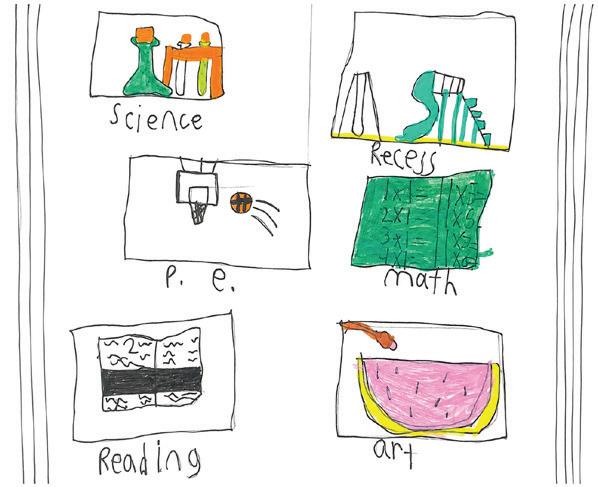
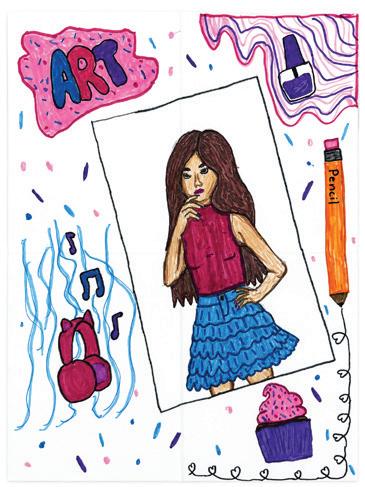
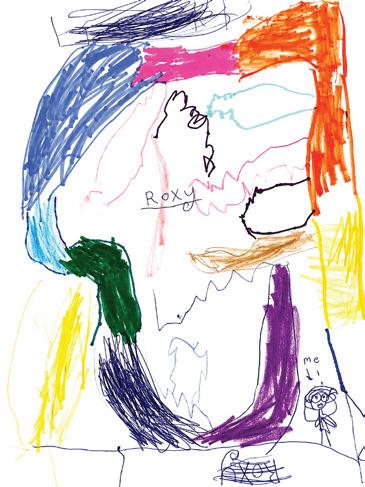
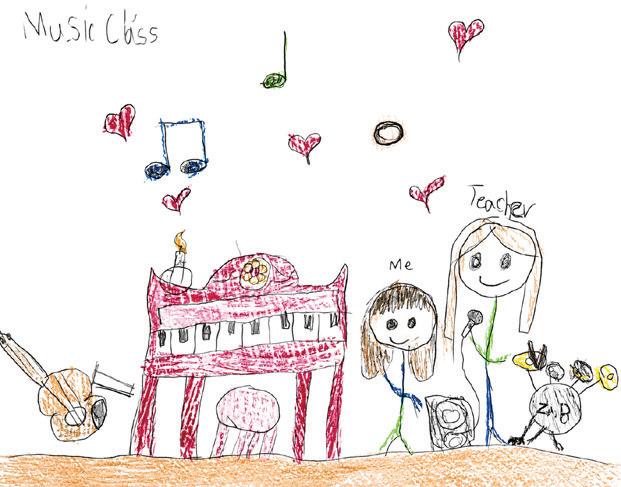
Congratulations to the winning artists who drew their favorite thing to do at school— whether reading, conducting science experiments, creating art or playing outside.
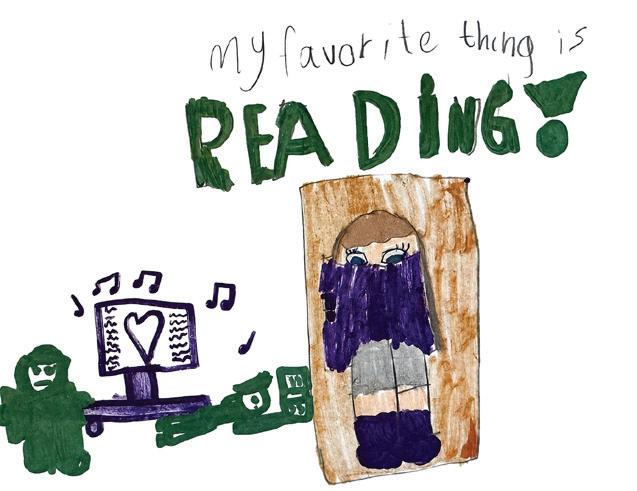
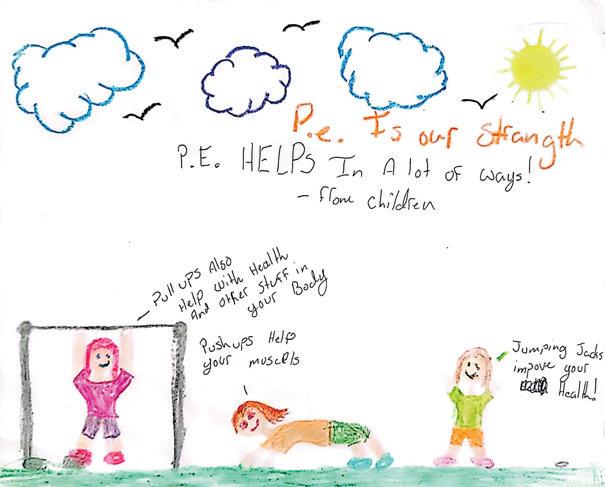
Maebrie Behrends • Age 9
Farmers' Electric Cooperative Bard
September topic: Celebrate harvest season! Draw your favorite fruit or vegetable growing in a New Mexico garden or farm.
Send your drawing to: By mail: Youth Editor 614 Don Gaspar Ave. Santa Fe, NM 87505
By email: tcondit@nmelectric.coop
12
Cooperative
Deadline: Submit by the 9th, one month prior to publication. Winners receive a $15 gift card and are featured in the magazine.
Have a Youth Art topic? Email or mail it to the addresses at left, or call 505-982-4671.

Checklist
Include the following five items on the back of your drawing, otherwise you are disqualified:
First and last name
Age
Mailing address
Phone number
Electric co-op
Artwork accepted up to age 13.