Introduction
When dementia begins to affect someone, the changes are often subtle at first.
You might notice repeated questions, difficulty following conversations, or moments of confusion in situations that once felt simple. Sometimes, it seems like the person isn’t hearing properly. Other times, it feels more like memory is slipping.
This often leaves families wondering, is this a hearing issue?, is it dementia progressing?, or both.
Dementia affects the brain, including the areas responsible for understanding language and processing sound. Because hearing depends not just on the ears, but on how the brain interprets what it receives, changes in cognition can sometimes look very similar to hearing loss.
Understanding that connection is an important first step.
The Link Between Dementia and Hearing Loss
So, can dementia cause hearing loss? The short answer is: it can affect how sound is processed.
Dementia doesn’t typically damage the ears themselves. But it can affect the brain areas responsible for interpreting sound. That means a person might technically “hear” you, yet still struggle to understand what you’re saying.
This is often referred to as central auditory processing decline. You might notice that someone:
• Hears you speaking but seems confused
• Frequently asks for repetition
• Struggles more in noisy places
• Appears overwhelmed in group conversations From the outside, it can look like traditional hearing loss. But sometimes, the root cause is neurological rather than purely auditory.
In conditions like Alzheimer’s disease, the brain regions that help process language and memory gradually change. When that happens, sound may become harder to interpret clearly. That’s why proper assessment matters.
Can Hearing Loss Increase the Risk of Dementia?
Now here’s where things get even more important. Research suggests that untreated hearing loss may increase the risk of cognitive decline over time due to the following factors:
1. Brain Strain
When hearing declines, the brain works harder to fill in gaps in speech. Over the years, that constant extra effort may pull resources away from memory and thinking processes.
2. Social Withdrawal
If conversations become exhausting, many people slowly withdraw. Less social interaction means less mental stimulation, and isolation is a known risk factor for cognitive decline.
3. Reduced Brain Stimulation
The auditory system provides regular input to the brain. When that input decreases, some neural pathways may weaken over time.
Despite all this, hearing loss is considered one of the largest modifiable risk factors for dementia. That means it’s something we can actually address. When hearing is properly supported, often with well-fitted hearing aids, people tend to stay more socially engaged and mentally active.
What Should You Do If You’re Concerned?
If you’ve noticed changes, either in yourself or someone you love, the best step is not to guess; start with clarity.
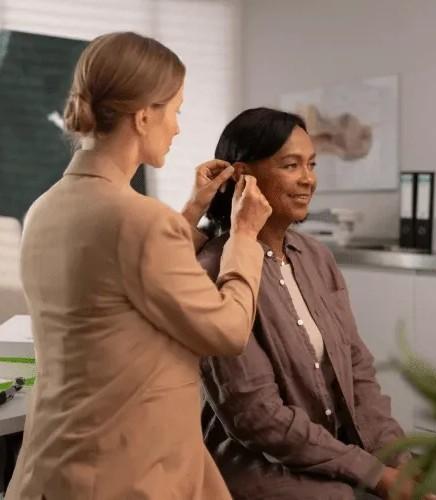
Schedule a Comprehensive Hearing Assessment
Rule out peripheral hearing loss first. Many symptoms of hearing loss and early cognitive decline overlap.
Consider Hearing Support Early
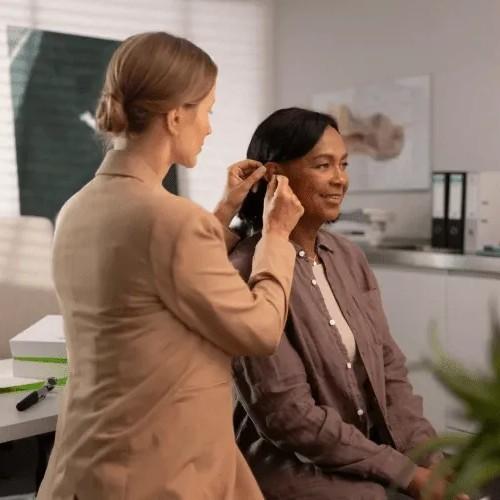
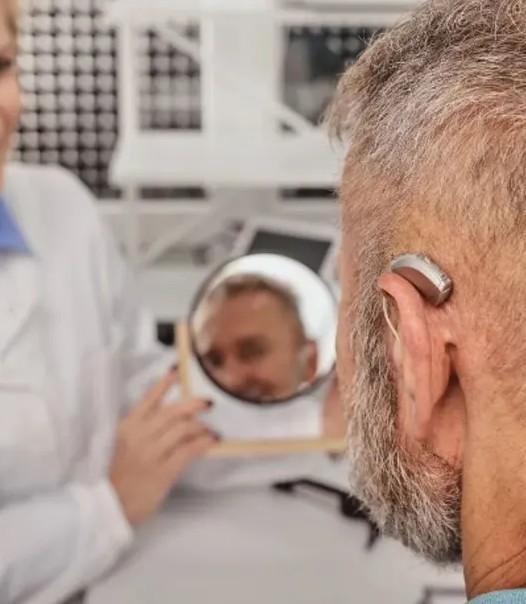
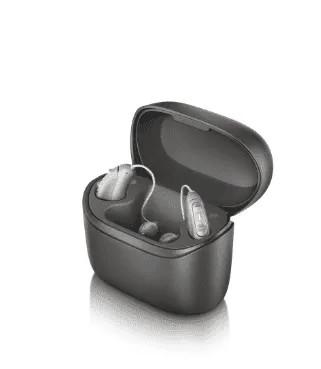
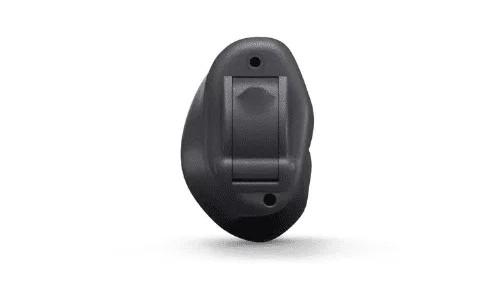
Modern hearing aids don’t just amplify sound. They improve clarity and reduce listening effort. When the brain doesn’t have to strain as much, communication often becomes smoother.
Stay Socially Engaged
Conversations are a powerful brain exercise. Staying connected helps maintain cognitive stimulation.
Monitor Cognitive Changes
If hearing support improves clarity but confusion or memory concerns remain, then it’s appropriate to consult a neurologist for further evaluation.
Why Families Turn to Empower Hearing
When someone asks, “Can dementia cause hearing loss?”
they’re usually looking for more than a clinical answer; they’re seeking reassurance, guidance, and subsequent steps.
At Empower Hearing, we approach these situations with patience and care. We understand that communication changes can be emotional for both the individual and their family. We provide:
• Comprehensive hearing assessments
• Hearing aid fittings tailored to individual needs
• Tinnitus care
• Ear wax removal
• Hearing loss management for older adults
Most importantly, we take time to listen. Because sometimes what people need first is clarity, not complexity.
Conclusion
So, can dementia cause hearing loss? Dementia can affect how the brain processes sound, making it seem like hearing has declined. At the same time, untreated hearing loss may increase the risk of cognitive decline.
The relationship is complex. But one thing that is clear is that hearing health plays an important role in overall brain health.
If you or a loved one is experiencing communication difficulties, memory concerns, or both, starting with a hearing assessment is a practical and empowering first step.
At Empower Hearing, we offer comprehensive assessments, advanced diagnostics, personalised hearing aid fittings, and ongoing support, always with long-term wellbeing in mind.
Contact Empower Hearing today to schedule an appointment and take the next step with confidence.