
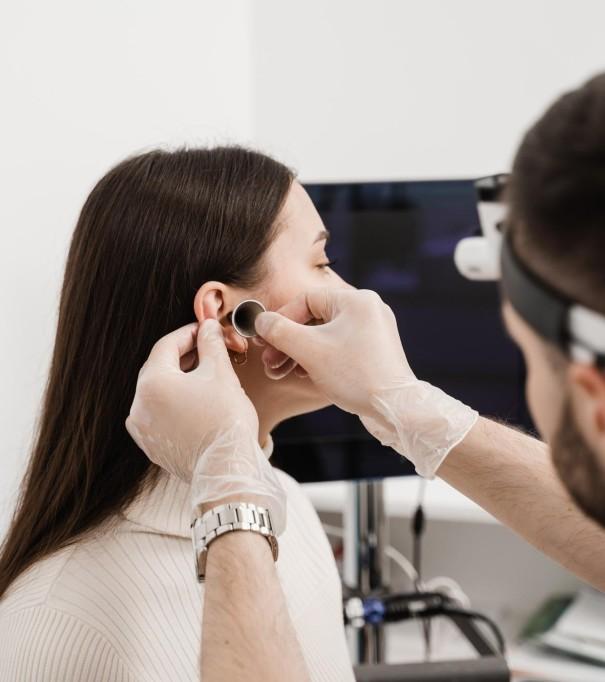
Tinnitus is a common hearing condition characterised by a consistent ringing, buzzing, hissing, or humming noise in the ears that others can’t hear. For some, it’s a minor nuisance, but for others, it significantly affects their quality of life.
Let’s understand how hearing loss causes tinnitus to help you manage and alleviate its symptoms effectively.
Tinnitus is not a disease but a symptom of an underlying condition. It is a perception of sound that originates within the ear or brain rather than from external sources. The symptoms can vary from mild to occasional to severe and constant.
The link between hearing loss and tinnitus isn’t always obvious, but once you understand it, managing tinnitus becomes far more achievable. However, you also need to understand that hearing loss is not the only cause of tinnitus; there are many other factors that can trigger it.

Let’s break down how hearing loss causes tinnitus and what you can realistically do to regain control.
Tinnitus isn’t a disease, but it’s a symptom that can sound like ringing, buzzing, hissing, clicking, whistling, or even humming. Some people notice it occasionally, while others hear it constantly. What surprises many is that tinnitus often appears after subtle hearing loss has already begun, even if the person hasn’t noticed any major hearing difficulties yet.
So, how exactly does hearing loss trigger tinnitus? When hair cells in the inner ear are damaged due to noise exposure, ear infections, ageing, or certain medications, they stop sending clear signals to the brain.
The brain, always trying to fill in the gaps, turns up the volume on its internal processing. That increased brain activity can create phantom sounds. In simple terms, tinnitus is the brain’s response to missing sound input. This is the core explanation behind how hearing loss causes tinnitus, and why treating hearing loss often helps reduce tinnitus symptoms.
Several factors can contribute to both conditions at once:
• Long-term exposure to loud noise (headphones, machinery, concerts)
• Age-related hearing changes
• Earwax buildup is blocking sound signals
• Ear infections or untreated ear conditions
• Sudden hearing loss due to illness or injury
Practical tip: If tinnitus appears suddenly or worsens quickly, a professional hearing assessment is essential.

While tinnitus doesn’t always disappear completely, it can be managed successfully, especially when hearing loss is addressed.
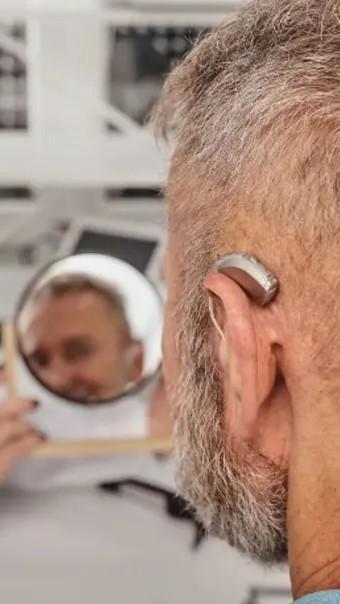
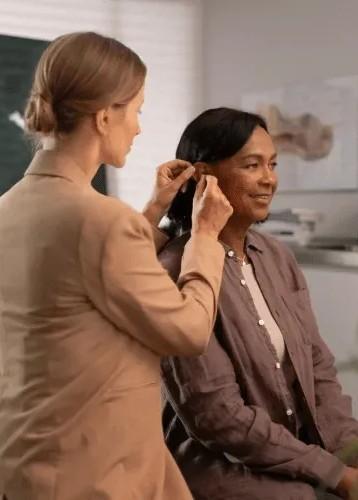
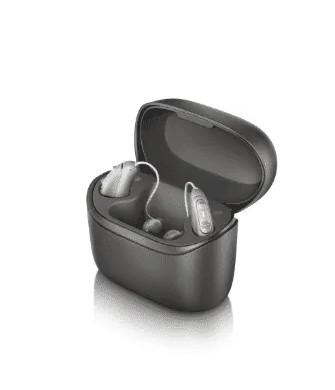
Hearing aids for tinnitus are among the most effective tools for managing tinnitus when hearing loss is present. By restoring missing sounds, the brain no longer needs to overcompensate.
Many modern hearing aids also include tinnitus-masking features.
At Empower Hearing, we offer tailored, unbiased, and unsponsored advice on hearing aids that not only address your symptoms but also fit comfortably within your budget.
Introducing gentle background sounds can reduce the contrast between silence and tinnitus.
Examples include:
• White noise machines
• Soft music
• Nature sounds
• Fans or ambient noise apps
Stress doesn’t cause tinnitus, but it can amplify it.
Simple strategies:
• Mindfulness or breathing exercises
• Consistent sleep routines
• Limiting caffeine and nicotine
Once hearing damage occurs, it’s often permanent, but further damage can be prevented.

• Use ear protection in noisy environments
• Follow safe listening limits with headphones
• Take regular hearing breaks
A personalised tinnitus and hearing assessment provides clarity and realistic solutions tailored to your lifestyle.
At Empower Hearing, we provide a comprehensive tinnitus relief plan that combines advanced hearing aid technology with personalised strategies like a tinnitus management device, tinnitus retraining therapy, and other support strategies.
Tinnitus can feel isolating, but it is rarely random. Once you understand how hearing loss causes tinnitus, the path forward becomes clearer. With the right combination of hearing care, sound strategies, and professional support, tinnitus doesn’t have to control your life.
At Empower Hearing, we offer comprehensive hearing tests, tinnitus assessment, health evaluation, hearing aid fittings, and ongoing hearing care support for adults and children.
Book a consultation with Empower Hearing today and take your first step towards managing tinnitus with confidence.