

How Ear Infections Can Affect
www.empowerhearing.com.au

Introduction
Ear infections are common, but their impact on hearing is often underestimated. While most resolve without long-term issues, repeated or untreated infections can affect how sound is transmitted through the ear and perceived. When an ear infection occurs, sounds may feel muffled, and everyday listening can become more effortful. Although many cases improve with proper care, ongoing or recurrent infections may influence hearing clarity, balance, and overall ear health.
In this presentation, we’ll explore how ear infections can influence long-term hearing and what steps can help protect it.
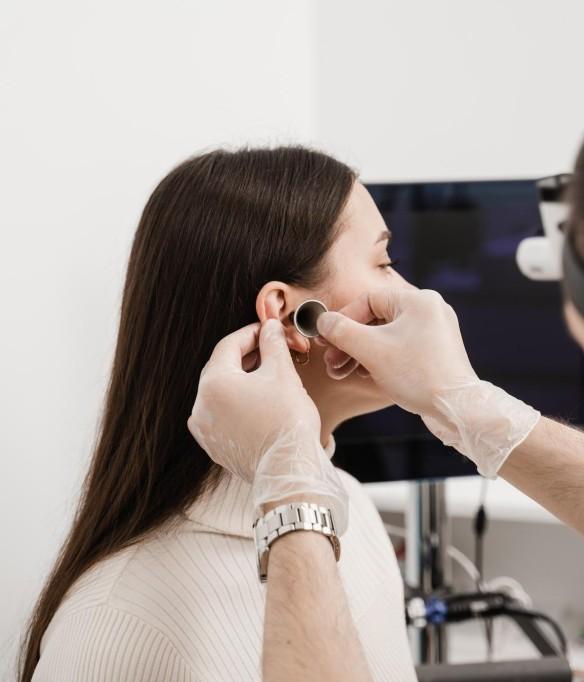
What Happens During an Ear Infection?
An ear infection, medically known as acute otitis media, usually occurs when the Eustachian tube becomes blocked or does not function properly, often following a cold or upper respiratory infection.
This dysfunction can lead to fluid build-up behind the eardrum, creating an environment where bacteria or viruses may grow. As a result, the middle ear can become swollen and inflamed, causing discomfort and temporary hearing changes.
Common signs may include:
• Muffled sounds
• Pain and inflammation
• Temporary hearing loss
• Trouble maintaining balance
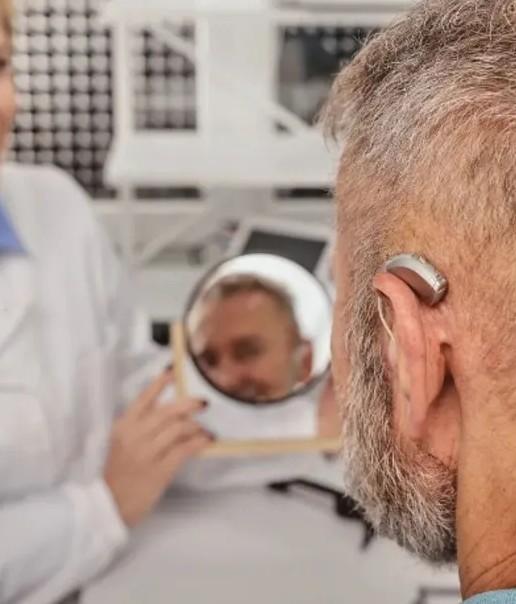
In many cases, the infection clears and hearing returns to normal. However, fluid may sometimes remain in the middle ear after the infection resolves, a condition known as otitis media with effusion (glue ear), which can temporarily affect hearing.
If fluid persists beyond 3 months, further assessment is usually recommended to understand the cause and plan appropriate care.
If infections occur repeatedly or persist over time, they may develop into chronic otitis media, where ongoing inflammation can lead to longer-term ear concerns. In rare cases, untreated or long-standing infections may lead to complications such as cholesteatoma, which can affect surrounding ear structures if not managed.

How Repeated Infections Can Influence Hearing Over Time
A single ear infection may not cause lasting issues. However, when infections recur or persist, the risk of longerterm hearing changes increases.
1. Persistent or Long-Term Conductive Hearing Changes
After an infection, fluid can sometimes remain in the middle ear for a short period. This may create a feeling of fullness and temporarily affect how sound travels. In most cases, this is temporary and improves as the fluid clears, and the Eustachian tube function returns to normal. However, repeated infections may lead to structural changes such as:

• Eardrum scarring
• Damage to the middle ear bones (ossicles)
• Ongoing middle ear inflammation
These changes can affect how sound is transmitted through the ear
2. Eardrum Damage
Severe or recurrent infections may rupture the eardrum. While many ruptures heal naturally, scarring can occur. Scar tissue may reduce the eardrum’s ability to vibrate properly, leading to mild but noticeable hearing changes, and in some cases, ringing in the ears that may require a tinnitus hearing test for further evaluation.
3. Impact on Middle Ear Structures
The small bones in the middle ear play an important role in amplifying sound.

Chronic inflammation may affect their movement or function over time.
4. Chronic Middle Ear Conditions
In some cases, repeated infections may lead to ongoing middle ear disease, requiring closer monitoring and medical care.
5. Developmental Impact in Children
In children, prolonged fluid or repeated infections may influence:
• Speech development
• Listening skills
• Social interaction
Children Are Especially Vulnerable
Children are more prone to ear infections because their Eustachian tubes are shorter and more horizontal, making fluid drainage less effective.
Repeated or untreated infections may affect:
• Vocabulary development
• Pronunciation clarity
• Classroom participation
• Social confidence
What may appear as a distraction or inattention can sometimes be related to reduced hearing clarity. If you’re unsure whether your child’s hearing has fully recovered, a simple hearing test can provide clarity.
Conclusion
Ear infections are often temporary, but repeated or untreated cases can lead to changes in how sound is heard over time.
The good news is that early assessment and appropriate care can help identify any concerns and guide the next steps.
If you’re unsure whether your hearing has fully recovered, a professional hearing test by our skilled audiologist in Canberra can offer clarity and help you make informed decisions about your hearing health.
Our audiologist can assess your hearing in detail and share findings with your GP to support appropriate treatment or referral if needed.