COUNT BASIE
RENÈ MAGRITTE
SPRING 2018
COUNT BASIE
RENÈ MAGRITTE
SPRING 2018
JACK BENNY
ALAN RICKMAN

STEVE JOBS
MARGARET MEAD
SALLY RIDE
RALPH ELLISON
WILLIAM SAFIRE


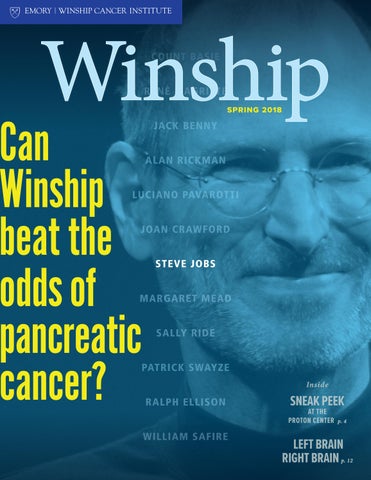
On the cover — Pancreatic cancer has taken many lives. Probably best known among them is Steve Jobs, co-founder of Apple and the entrepreneurial genius behind the iPhone and so much of the personal electronic technology we can't live without. Steve Jobs photo credit: Matthew Yohe {CC BY-SA 3.0] creativecommons.org/licenses/by-sa/3.0 or gnu.org/copyleft/fdl.html, via Wikimedia Commons.
The left brain-right brain theory holds that left-brain people are more logical, right-brain people more artistic. Winship people show that creativity can spring from the most scientific minds.


From the Executive Director 2
Wally Curran marks Winship milestones.
News 3
Winship puts cancer immunology front and center; faculty honored with new chairs; behind the scenes of the Emory Proton Therapy Center.
Features
Can Winship beat the odds of pancreatic cancer? 6
Investigators and clinicians are cracking the code in one of the deadliest cancers.
Winship Magazine is published biannually by the communications office of Winship Cancer Institute, a part of the Woodruff Health Sciences Center of Emory University, emoryhealthsciences.org. Articles may be reprinted in full or in part if source is acknowledged. If you have story ideas or feedback, please contact judy.fortin@emory.edu. © Spring 2018.
Winship Magazine | Spring 2018
Left Brain-Right Brain. 12
When they're not in lab coats and surgical scrubs, some of Winship's most analytical minds also excel in the arts.
Priotizing patient perspective 16
They know what it's like to get through cancer treatment, so their advice rings true.
Imagine this... 18
Outstanding support came from the Winship Fashion a Cure Fashion Show and Gala.
The final treatment 20
Actor/playwright/comedian David Lee Nelson shares his cancer experience.

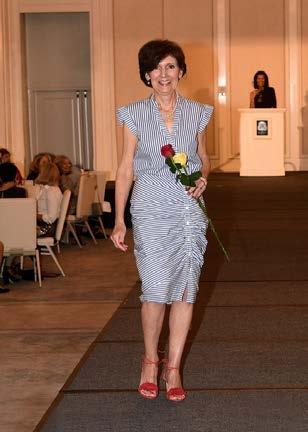
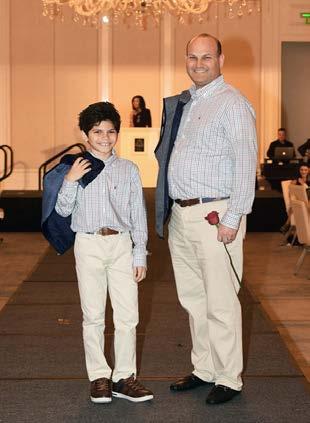
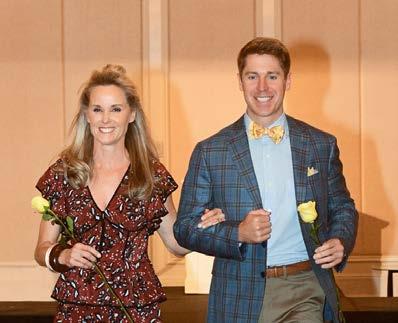
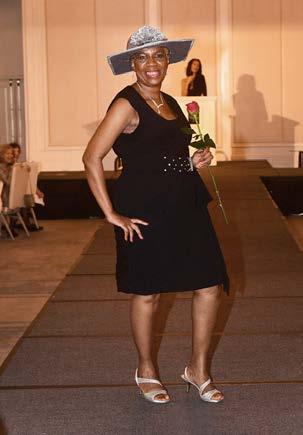
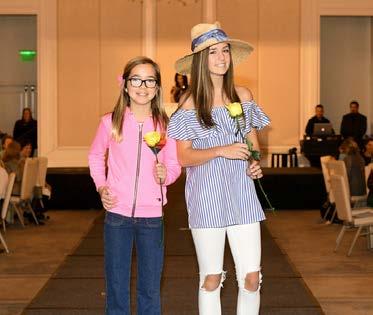
Fashion show models included cancer survivors carrying red roses, family members carrying yellow, and faculty carrying white.
Emory University is an equal opportunity/equal access/affirmative action employer fully committed to achieving a diverse workforce and complies with all federal and Georgia state laws, regulations, and executive orders regarding nondiscrimination and affirmative action. Emory University does not discriminate on the basis of race, age, color, religion, national origin or ancestry, sex, gender, disability, veteran status, genetic information, sexual orientation, or gender identity or expression.
Website: winshipcancer.emory.edu. To view past magazine issues, go to winshipcancer.emory.edu/magazine.
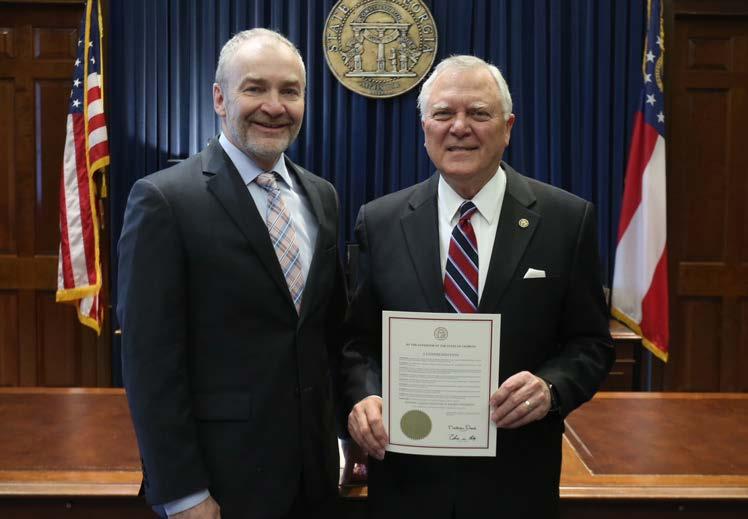
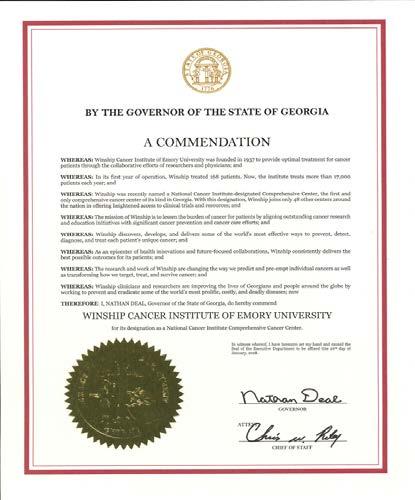
WHEREAS:
As an epicenter of health innovations and future-focused collaborations, Winship consistently delivers the best possible outcomes for its patients...
THEREFORE:
I, Nathan Deal, Governor of the State of Georgia, do hereby commend Winship Cancer Institute of Emory University.
IN JANUARY, I QUIETLY MARKED MY 10TH YEAR AT WINSHIP CANCER INSTITUTE. I don’t usually celebrate work anniversaries, but I can’t help think about how far we’ve come since that first day when I walked in the door in 2008. I started as professor and chair of the Department of Radiation Oncology, and in 2009, I was named Winship’s executive director. That same year, Winship received its first cancer center designation from the National Cancer Institute (NCI). This was the culmination of years of hard work by my predecessors. The designation accelerated the elevation of Winship’s stature nationally, in the community, and on Emory’s campus.
Earning the NCI’s prestigious comprehensive cancer center designation last year is an even higher achievement. There is no other institution of its kind in the state of Georgia, and Winship is one of only 49 such centers in the U.S. You can imagine that I was very proud and excited to meet with Governor Nathan Deal at the statehouse recently and to receive a special commendation on behalf of Winship. His support and that of our state
representatives and congressional delegation in Washington have been vital to our success and progress.
Talking with the Governor reminded me about how much ground we’ve covered in the first year of our comprehensive designation. Winship first opened its doors 81 years ago, and we treated 168 patients in the first year of operation. Each year we now see more than 17,000 newly diagnosed cancer patients, and Winship has become the state’s epicenter of cancer research, education, and patient care. Every day, our Winship clinicians and researchers are making a difference here and around the world in helping to prevent and eradicate cancer as we know it. Those accomplishments are worth celebrating.
Milestones, designations, and commendations are important. They recognize hard work and achievement. They acknowledge contributions for the greater good. They boost our reputation and raise our profile. Ultimately, they are a keen reminder of where we’ve been and where we are heading.
Wally Curran
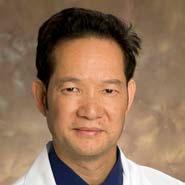
Xingming Deng is the inaugural holder of the Chair in Cancer Biology. Professor in the Department of Radiation Oncology, Deng has unique expertise in uncovering cell death mechanisms, especially in the Bcl-2 and Bax family of proteins. His research focuses on signaling mechanisms of tumor invasion/metastasis.

“I am excited to be here to help realize Winship's potential to be a leader in this area of cancer research.” — Madhav Dhodapkar
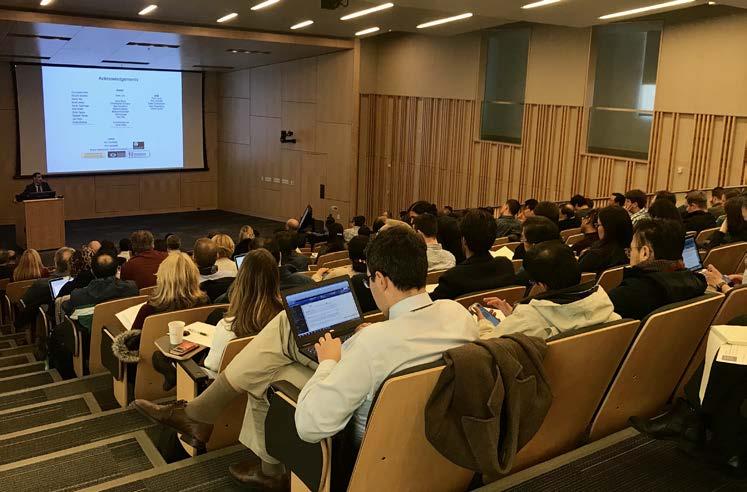
ENORMOUS MOMENTUM IS BUILDING IN THE RACE TO DEVELOP NEW AND BETTER THERAPIES THAT ENGAGE A PATIENT’S IMMUNE SYSTEM TO FIGHT CANCER. The momentum is evident at Winship, where a sense of urgency is fueling basic, translational, and clinical research in immunotherapy. Scientists from across Emory gathered at the beginning of 2018 for the first annual Winship Cancer Immunology and Immunotherapy Retreat. Participants gave brief presentations and discussed emerging areas where Emory has the expertise to lead research and delivery of immunotherapy. In March, the arrival of Madhav
Dhodapkar heralded a new level of commitment and energy for cancer immunotherapy research at Winship. Dhodapkar, a world-renowned expert in the field, joined Winship as the director of the new Winship Center for Cancer Immunology.
“Immune-based approaches are already transforming cancer care and hold even greater potential for the future of cancer therapy,” said Dhodapkar.
Winship and Emory were at the forefront of scientific discoveries that led to checkpoint inhibitor immunotherapy drugs approved in the last few years and now being tested in combination with other therapies. The latest immunotherapy breakthrough is something called CAR T-cell therapy, which involves collecting a patient’s white blood cells and engineering them to recognize and respond to specific cancer cells. Winship has run clinical trials in CAR T-cell therapy and is now treating patients with non-Hodgkin lymphoma with the newly approved drug axicabtagene ciloleucel (trade name Yescarta). w
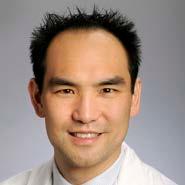
David Yu is the inaugural holder of the Jerome Landry MD Chair of Cancer Research. Associate professor in the Department of Radiation Oncology, Yu focuses on the role of acetylation in directing the replication stress response, and studies how this can translate into cancer therapeutics and diagnostics.
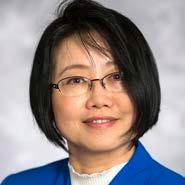
Hyunsuk Shim is the inaugural holder of the Crocker Family Chair in Cancer Innovation. Professor and scientific director of medical physics in the Department of Radiation Oncology, Shim is a molecular oncologist with a specialty in diagnostic imaging and drug discovery. She has contributed insights into chemokine receptor modulation in cancer invasion and metastasis.
By Catherine Williams | Photo essay by Stephen Nowland
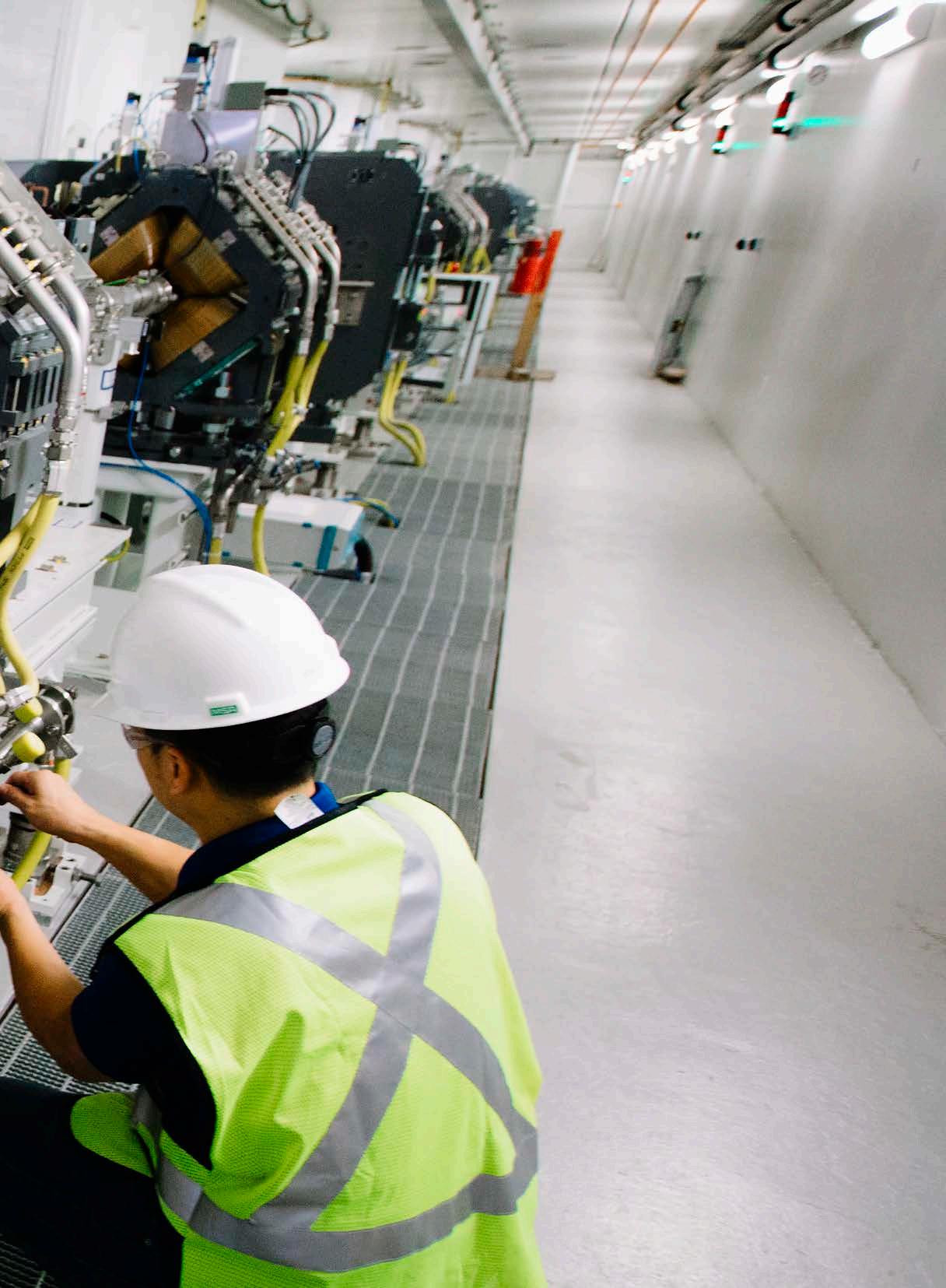
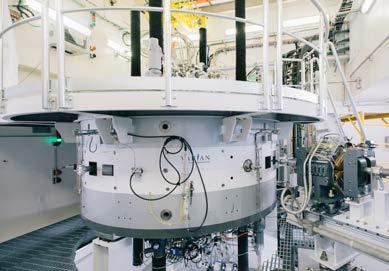
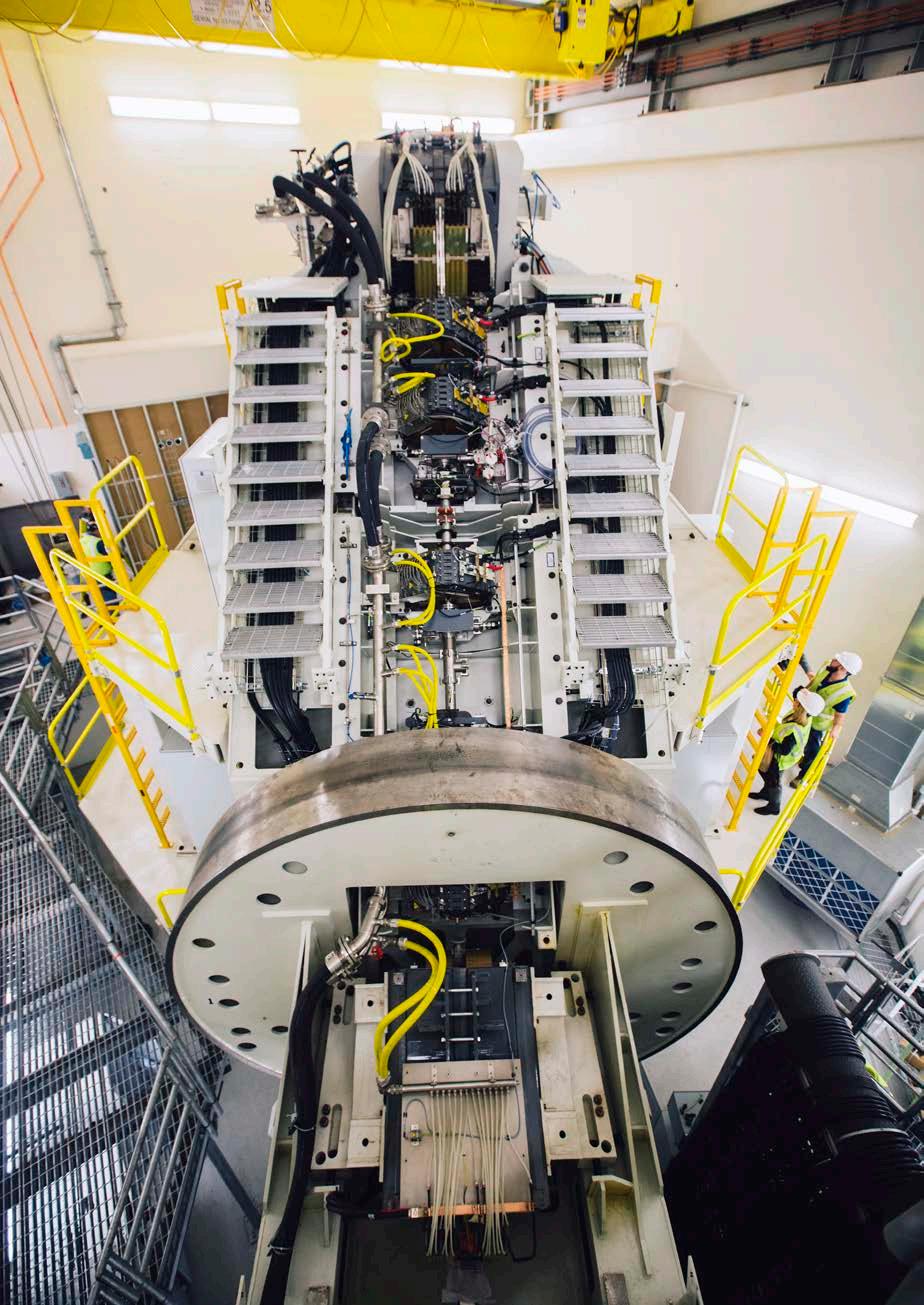
Before the end of 2018, the Emory Proton Therapy Center in midtown Atlanta will begin treating Winship patients with the world’s most advanced radiation treatment for certain cancers. Right now, the equipment that will deliver proton therapy is being meticulously tested and fine-tuned.
That equipment sits behind 12-foot thick concrete walls in a “vault” that will remain closed, except for servicing, once the center opens. The Winship communications team got a sneak peek of the massive machinery that makes the pencil-beam proton technology possible:
(photo #1) the 90-ton superconducting cyclotron; (#2) the 100-yard long vacuum tube that transports the beam and guides it into each treatment room; (#3) the 360-degree rotating gantry that adjusts the proton therapy to any angle without repositioning the patient.

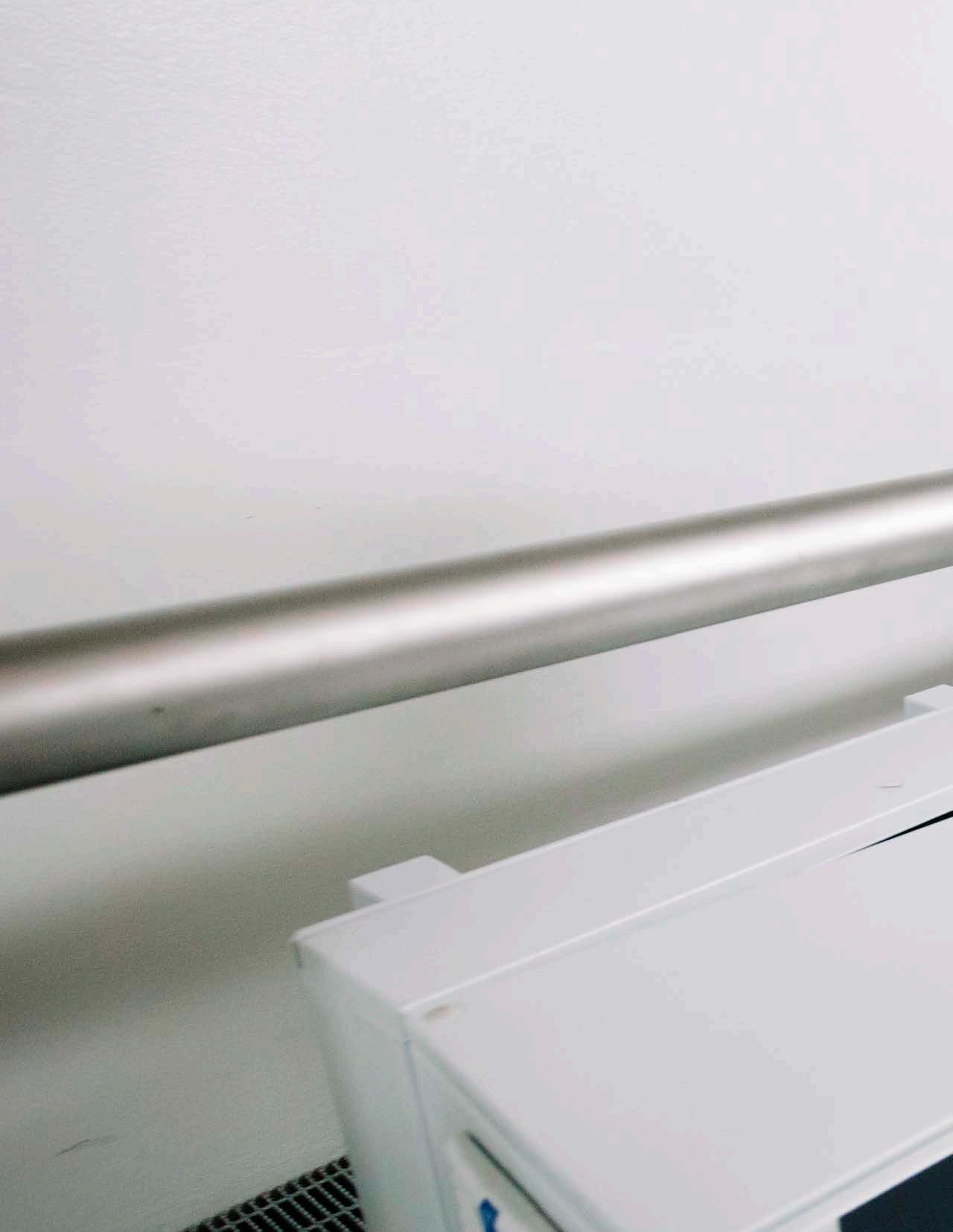
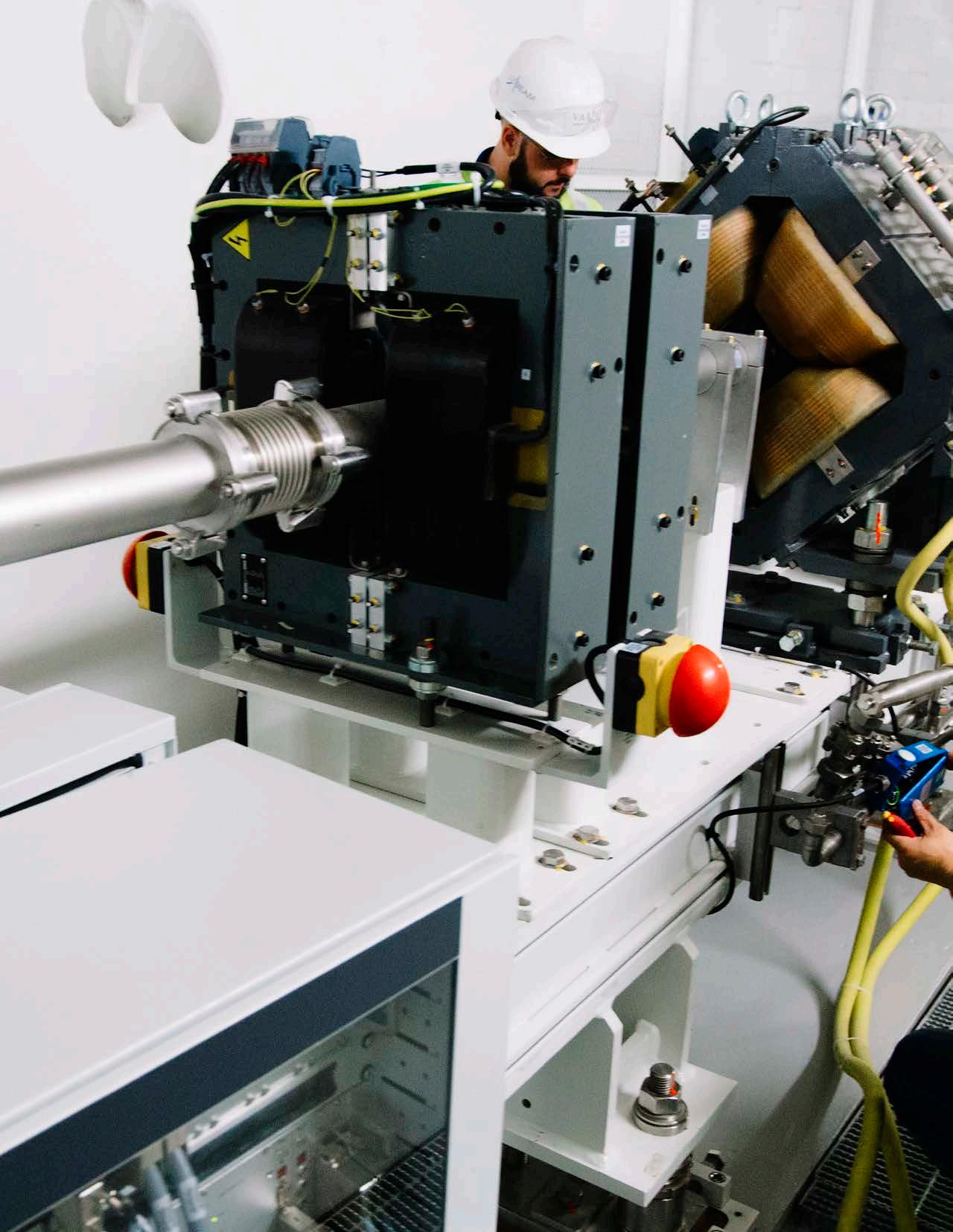
Mark McDonald, Winship radiation oncologist and medical director of the Emory Proton Therapy Center, explains how the technology delivers treatment: “The cyclotron accelerates protons to nearly two-thirds the speed of light, giving them enough energy to penetrate 36 cm (or about 14 inches) into the body, to reach any tumor location.
“As the proton beam travels through the long vacuum tube, a series of magnets focus the beam and direct it to the five patient treatment rooms. The energy of the protons is then adjusted to match the needs of each patient’s treatment.
“The pencil beam technology enables us to deliver the correct dose of proton radiation therapy precisely to the shape of the tumor while minimizing or avoiding radiation to healthy tissues adjacent to the tumors. Reducing or eliminating radiation to normal areas of the body can mean fewer side effects of treatment and reduced risks.” w

By Quinn Eastman


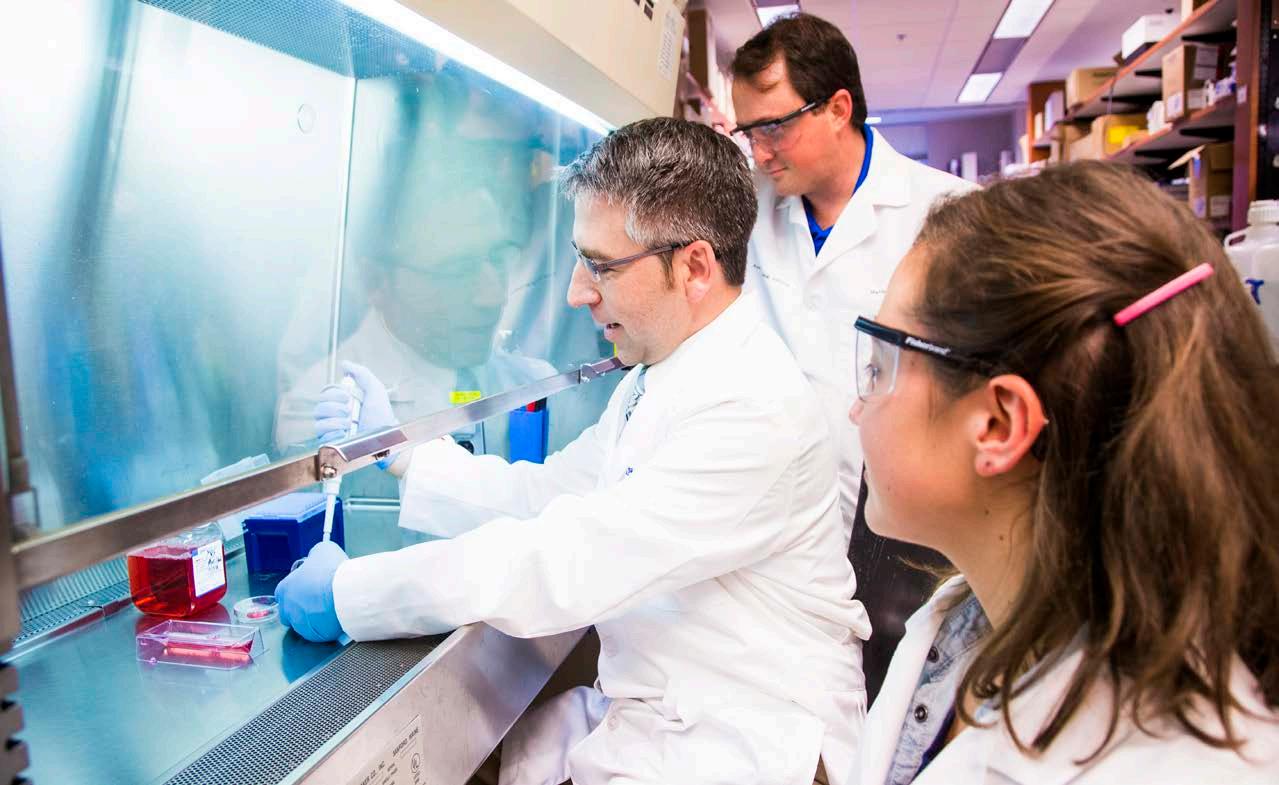
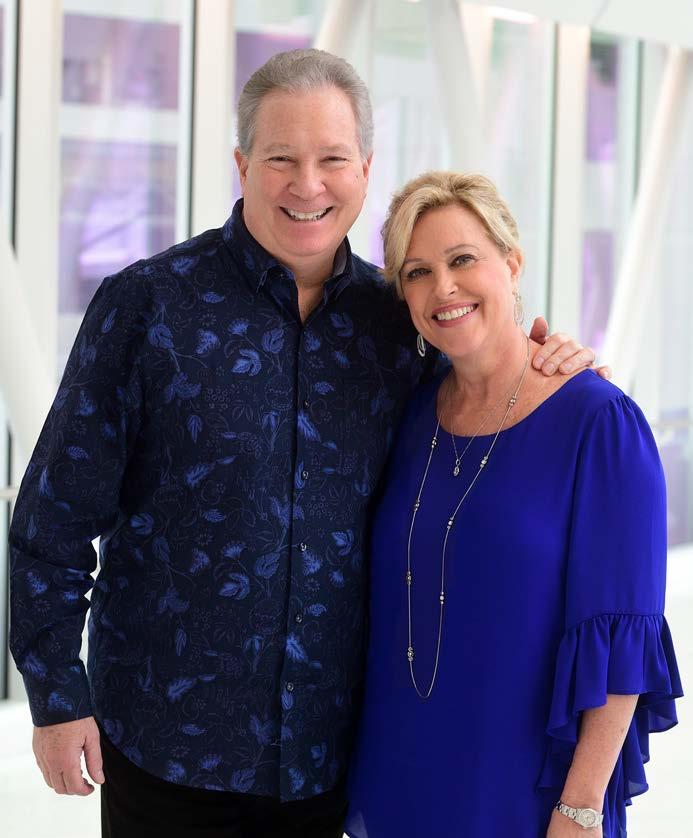
Bassel El-Rayes with his patient, Debra Bradley.

When Debra Bradley found out she had stage IV pancreatic cancer, she kept some of the information private.
The diagnosis transformed her life. It spurred a marriage proposal and a promise that she would not need to face the grueling regimen of chemotherapy by herself. She kept working at her real estate job, with a determined attitude that carried over into how she approached her treatment. For most of 2016, Bradley and her new husband Gary Gross camped out in Winship’s infusion center with their computers, taking care of business.
“I was doing my job,” she says. “That job was saving my life.”
Bradley didn’t reveal to acquaintances and work colleagues that she had pancreatic cancer, because of its formidable reputation. She didn’t let most of her circle know until she rang the bell at Winship celebrating the end of her chemotherapy.
“People have this mindset about pancreatic cancer—it means you’re on your way out,” she says. “I didn’t want people to feel sorry for me and get caught up in that. I did tell people that I would be away on some days for treatment.”
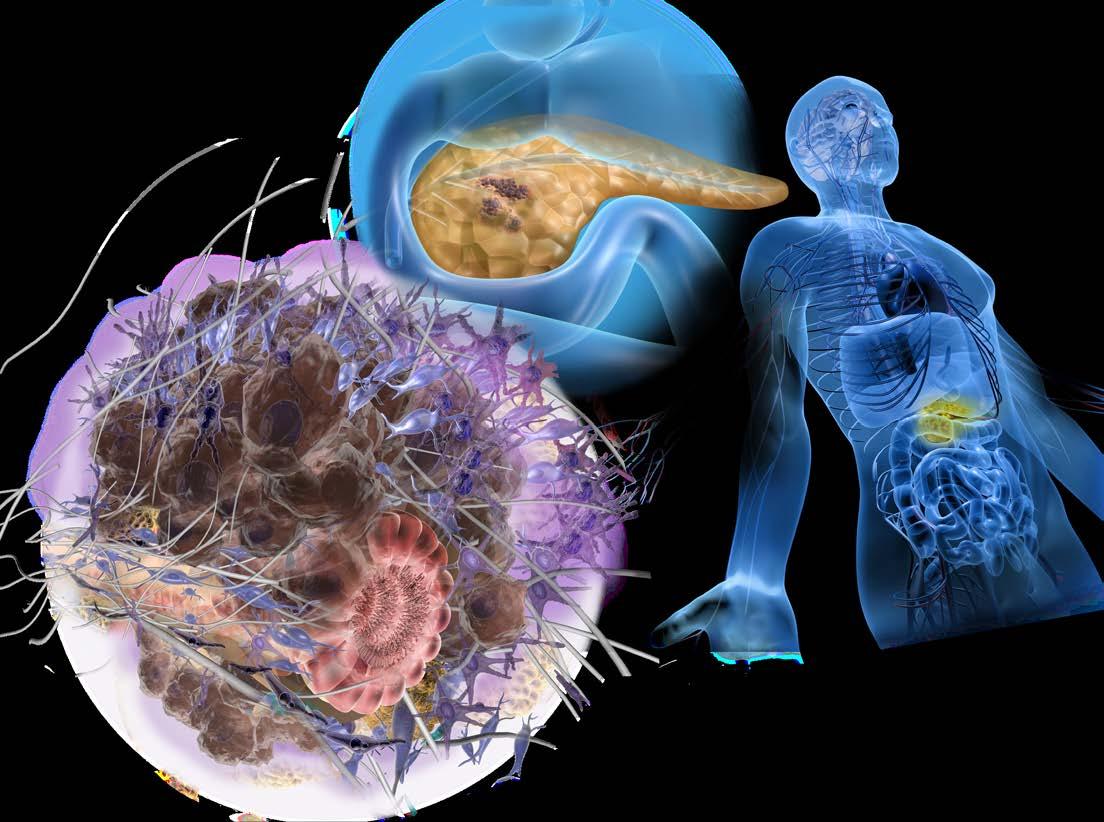
The pancreas, about six inches long, sits behind the stomach, surrounded by the small intestine, liver, gall bladder and spleen. When it works properly, we don’t think about it; when it’s not working, people deal with chronic conditions such as diabetes, or life-threatening disease like pancreatic cancer. You

can live without a gall bladder, but you can’t live without a pancreas. The pancreas houses cells that make insulin, critical to maintaining blood sugar levels, but most pancreatic cancers come from exocrine ductal cells, which make enzymes that help digest food.
Pancreatic cancer is intimidating. Around 20 percent of people survive a year after diagnosis, and less than 10 percent overall survive more than five years. Bassel El-Rayes, Winship’s associate director for clinical research and director of the Winship Gastrointestinal Oncology Program, can list several reasons why.
It’s stealthy—causing few overt symptoms at the beginning of the growth of a tumor, and metastasizing early. Surgery can be difficult, because tumors form close to critical blood vessels in the abdomen.
Researchers are figuring out how to get past the cancer’s impenetrable microenvironment
Pancreatic stellate cells
Tumor cells
duct
“If you look at a tumor from a pancreas, you will see small nests of cells embedded in scar tissue. The cancer uses this scar tissue as a shield, to its own advantage.”
In addition, El-Rayes says, pancreatic cancers are difficult to target; the genetic abnormalities or mutations that drive tumor growth are found in workhorse or “undruggable” genes such as p53 or KRAS, which don’t offer many handles for researchers to grab onto. Targeted therapies aimed at particular mutations, such as EGFR inhibitors, have worked well in lung cancer. Even though those mutations also appear in pancreatic cancers, the same drugs have shown only marginal effects.
Pancreatic cancers use the local environment to their advantage, El-Rayes says. The cancer cells appear to recruit other cells from the body to form a protective shell, which keeps both the immune system and chemotherapy drugs out.
“If you look at a tumor from the pancreas, you will see small nests of cells embedded in scar tissue,” he says. “The cancer uses this scar tissue as a shield, to its own advantage."
El-Rayes and fellow researchers at Winship are developing and testing strategies for getting past that shield. One of them involves a journey “from the bedside to the bench and back.” It uses different tactics from what was used to treat Bradley, but it involves some of the same molecules and defensive mechanisms.
When Bradley began her treatment regimen in April 2016, it included both standard chemotherapy and an experimental drug called BBI-608, as part of a phase Ib/II clinical trial. The drug was designed to target cancer stem cells, which are hardier cells, thought to survive chemotherapy and eventually come roaring back. She experienced an exceptional result.
“We’ve seen the spots on the liver disappear,” El-Rayes said when Bradley completed her treatments in early 2017. “We still see a very tiny spot on the pancreas, which is hard to tell if it’s a tumor or not. From a radiologic point, we don’t see any evidence of disease.”
Among the 66 patients in the BBI-608 study, the overall response rate was around 55 percent, according to results presented last summer at the World Congress on Gastrointestinal Cancer. That’s almost double the response rate from previous studies that established the
current standard of care. Bradley was one of just two “complete responders,” rarely seen with pancreatic cancer. Since then, the BBI-608 plus chemotherapy study has expanded to a larger phase III trial.
When Bradley’s story was told on local TV news, and then on NBC national news, dozens of people called Winship asking if they could be treated with the same drug combination. It was a clear indication that patients with pancreatic cancer are vigilantly looking for new treatments that raise the hope of survival.
Now, more than a year after finishing the combination therapy, Bradley continues to take BBI-608 daily without the chemotherapy. El-Rayes reports that Bradley still has no evidence of disease.
“They call her Wonder Woman,” her husband Gary Gross says. “We felt lucky that she wasn’t a surgical candidate. It’s hard to know what made this happen. It could be the drug, it could be the exact makeup of the cancer, or it could be her disciplined approach.”
In discussions with Bradley in 2016, El-Rayes advised that immunotherapy, which has transformed
treatment of other types of cancer such as lung cancer and melanoma, was not likely to work by itself.
Immunotherapy agents like pembrolizumab and nivolumab get around a defense put up by many cancer cells that shuts off the immune system’s ability to hunt them down. The drugs re-energize T cells that can then enter the tumor and destroy cancer cells. But so far, in clinical trials, they haven’t been effective against pancreatic cancers when deployed by themselves.
Pancreatic cancers appear to have an extra layer of shielding. They work together with fibrotic cells called pancreatic stellate cells, which create those dense nests. For immunologists, their effects can be counterintuitive, because some of the molecules the stellate cells pump out, such as IL-6 (interleukin 6), are known to be markers of inflammation, says basic science researcher Gregory Lesinski.
Inflammation is a normal immune response when tissues are injured by bacteria, trauma, toxins, and other causes. It helps attract germ-fighting white blood cells, but if it persists—as happens with chronic infections
Patients with pancreatic cancer are vigilantly looking for new treatments that raise the hope of survival.
“They
call her Wonder Woman,” her husband Gary Gross says. “We felt lucky that she wasn’t a surgical candidate. It’s hard to know what made this happen. It could be the drug, it could be the exact makeup of the cancer, or it could be her disciplined approach.”
and cancer—inflammation can actually undermine the immune system.
“Inflammation and a good immune response don’t always go hand in hand,” says El-Rayes. “High IL-6 causes immune exhaustion, and keeps the good cells out of the tumor.”
Now El-Rayes and Lesinski are teaming up to figure out how to successfully apply immunotherapy to pancreatic cancers. Lesinski had previously found that immune cells’ activity predict patient survival.
Based on his lab’s recent success in animal models, Lesinski thinks that combining an immunotherapy drug with agents that stop IL-6 could pry open pancreatic cancers’ protective shells. In those experiments, the combination resulted in fewer stellate cells and more T cells in the tumors. Fortunately, a couple of “off-theshelf” options, drugs approved for rheumatoid arthritis, already exist for targeting IL-6, Lesinski says.
Already, El-Rayes and Lesinski are making use of another experimental drug called XL888. El-Rayes had
begun to study a similar drug a few years before with colorectal cancer. Both inhibit a “chaperone” called HSP90, which escorts several growth-driving proteins after they are synthesized in cancer cells. El-Rayes had found that an HSP90 inhibitor was active against pancreatic cancer cells. Lesinski’s lab also has been studying how to combine HSP90 inhibitors with other drugs to get a specific toxic effect against pancreatic cancer cells.
“We think that an HSP90 inhibitor could have both direct antitumor effects, and also alter stellate cell biology, which could let in the T cells,” he says.
A clinical trial has begun at Winship combining XL888 with the immunotherapy drug pembrolizumab for advanced gastrointestinal cancers including pancreatic cancer. With other forms of cancer, but not pancreatic cancer yet, a study of BBI-608, the drug that worked so well for Bradley, together with immunotherapy agents has started as well.
BBI-608 targets cancer stem cells and the immune system via inhibiting the molecule STAT3, part of the same pathway as IL-6, which Lesinski had identified as an ingredient of pancreatic cancer’s fibrotic shield.
“It is likely that BBI-608’s therapeutic effect came from its impact on stem cells, based on most of the published preclinical data,” Lesinski says. “It is possible the drug may act in part by targeting other things STAT3 is involved in, but this is hard to prove in any individual patient.”
Looking ahead, Winship researchers are considering more innovative approaches to getting through pancreatic cancer’s defenses. One, proposed by translational scientist Lily Yang, consists of tiny particles that smuggle chemotherapy drugs such as doxorubicin or irinotecan into the tumor, guided by proteins abundant on pancreatic cancers. The particles’ iron oxide core would allow radiologists to see where the particles are distributed in the body via magnetic resonance imaging. In recent preclinical experiments, the particles carry an enzyme that could help them chew up the fibrotic shield.
It is difficult to look at pancreatic cancer in a positive light, given its hydra-like nature. But Debra Bradley says that one consequence of her journey is a different view of challenges in her life.
“I’m not afraid of anything anymore,” she says. w
“This one will be tricky.”
“THAT HAPPENS BECAUSE OF INFLAMMATION. IT’S A LIVER MET [METASTASIS].”
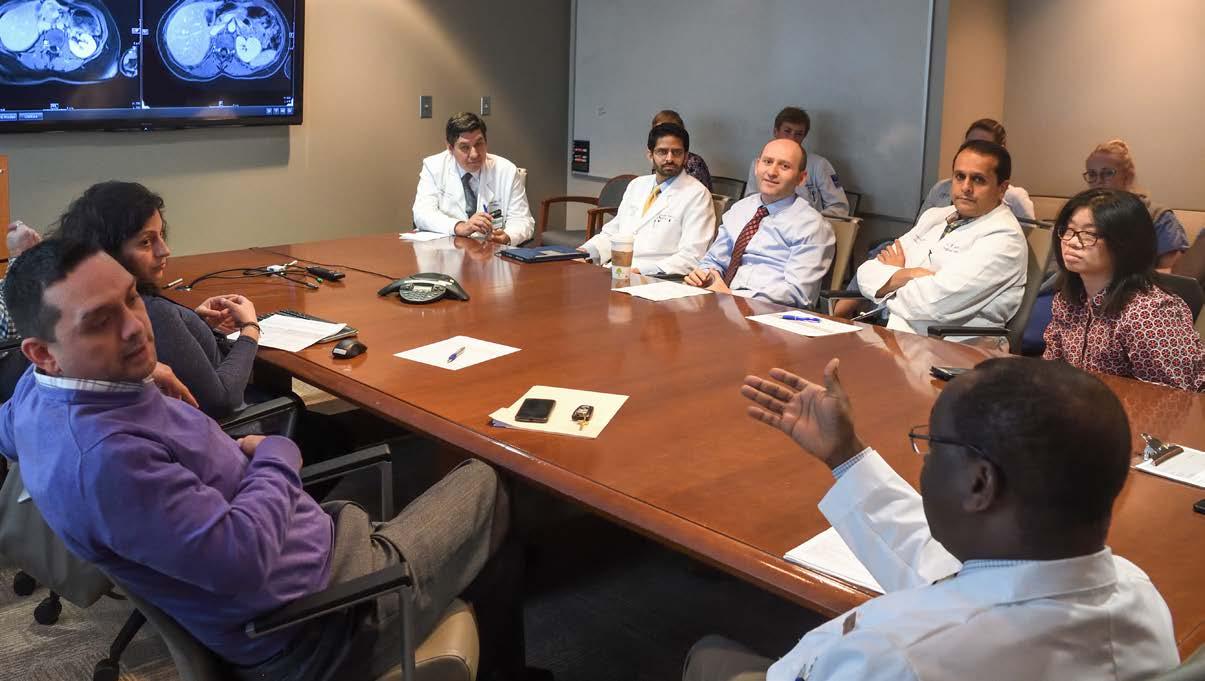
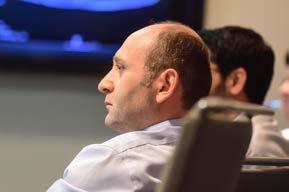
You’d better know your abdominal anatomy if you come to a weekly meeting of the gastrointestinal (GI) tumor board at Winship Cancer Institute, because you will see the liver, pancreas, and other organs zooming by on the screen in a darkened conference room.
Tumor board meetings are at the center of Winship’s team approach. The GI tumor board focuses on patients who need multidisciplinary care, so surgeons, medical and radiation oncologists, and radiologists gather, compare notes on specific patients, and figure out a strategy for each one. Surgical residents attend to learn from and contribute to the discussions.
At one meeting, a resident scrolls rapidly through radiology images projected on the screen. Bassel El-Rayes is at the head of the
table. The mood is serious, but not tense. The discussion includes patients with colon or neuroendocrine cancers, but the largest number have pancreatic cancer. The group quickly gets to work reviewing patients of Juan Sarmiento, a specialist in surgery of the liver and pancreas.
One of the first is a man in his 70s, who has been undergoing treatment for pancreatic cancer. He already had surgery and has had a year of chemotherapy on an investigational drug. The doctors look at both PET and CT scans. Should more surgery be performed, and how?
“This is the hottest area, but this is not how a stage IV patient behaves. There is no other disease,” El-Rayes says.
“Clinically and biologically, this guy is doing well; he’s motivated,” Sarmiento says.
For another patient, the tumor appears to be close to the portal vein, which drains the
liver. The patient has been on a chemotherapy combination. The group discusses whether stereotactic body radiation therapy would be a good alternative to surgery.
For a third, Sarmiento asks an interventional radiologist about directed radiation. “Is that too close to the diaphragm?” he asks. “There may be more pain associated with the procedure,” is the reply.
Each week, the tumor board reviews about 20 cases. After the meeting, the primary physician goes back and communicates the tumor board recommendation to the patient, and a nurse navigator helps make appointments for additional therapies if needed. A multidisciplinary tumor board provides a personalized treatment plan for each patient, including the appropriate use and timing of multiple therapies. This way, the patient benefits from the collective expertise of the team. w
You might think you’re looking at sets of identical twins. Take a closer look. We know them by their white coats, surgical scrubs, stethoscopes, or research labs, But some of Winship’s most analytical minds also excel in the arts. Winship people prove that creativity can spring from the same scientific minds that do cancer research and clinical care.
By Catherine Williams | Photo essay by Jack Kearse
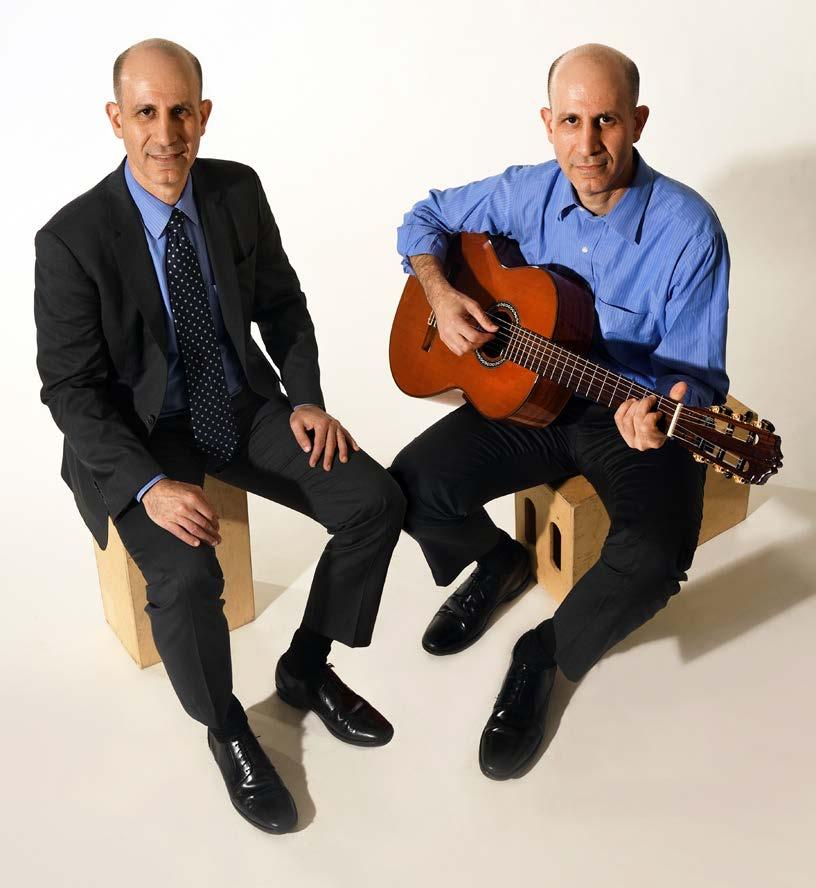
DAVID KOOBY:
As an international leader in pancreatic and liver surgery, David Kooby spends many hours caring for patients in the operating room. One of the ways he relaxes is by playing guitar. While his rock and roll days are not completely over, he’s developed a passion for classical and Spanish guitar. An advantage of playing in these styles, he says, is that he doesn’t have to sing. He mostly enjoys playing music with his family.
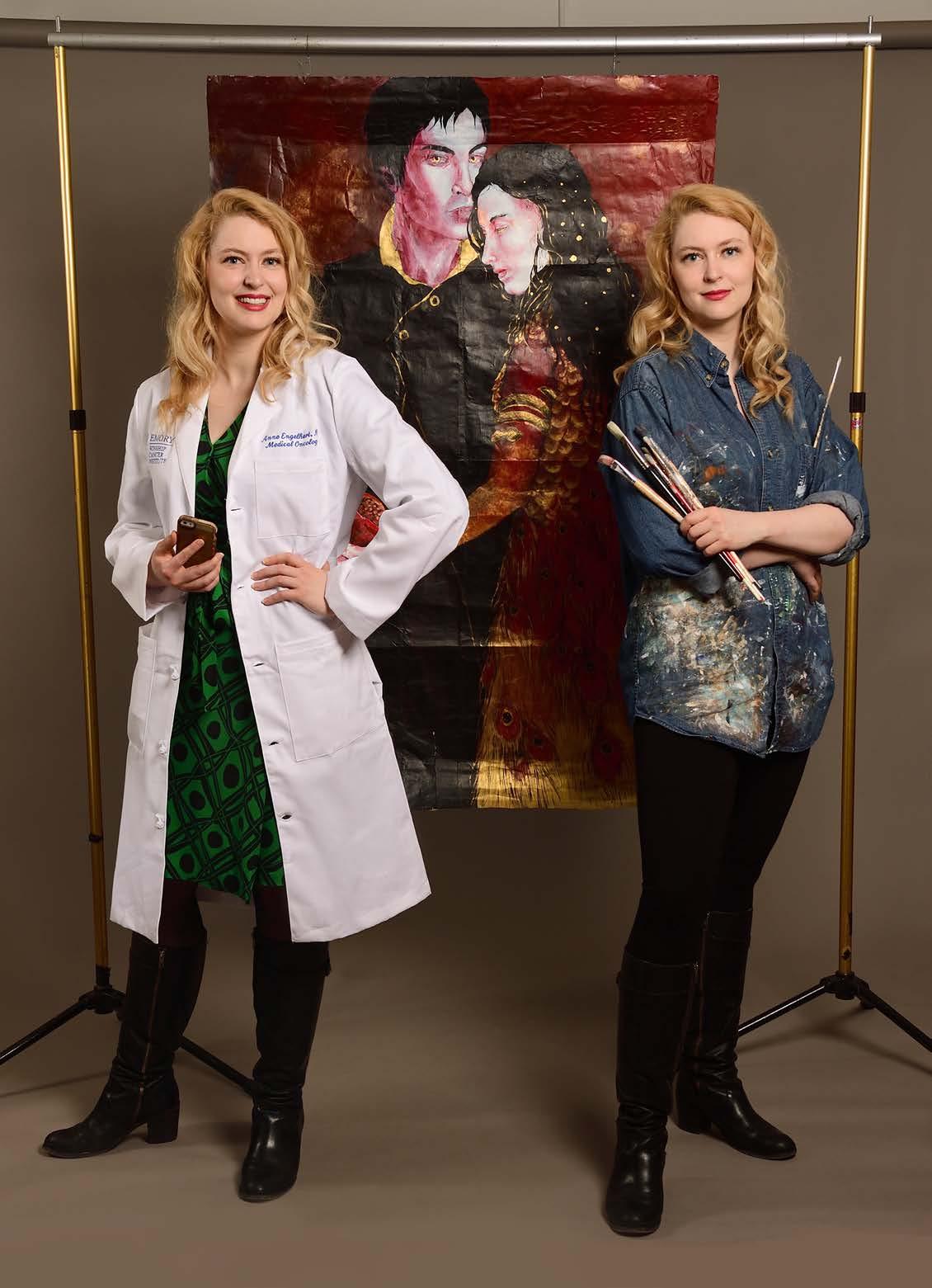
ANNE ENGELHART: Nurse practitioner
Anne Engelhart is a vital member of Winship’s lung cancer team, but equally committed to her art. In college, she double-majored in art and French and spent a year studying at the Institut Catholique de Paris. Here she is standing in front of “Hades & Persephone,” which she painted on the back of a Paris Metro poster… art supplies are pricey when you’re a student! Today she can afford canvas for her artwork, but remembers her days in Paris with great passion.
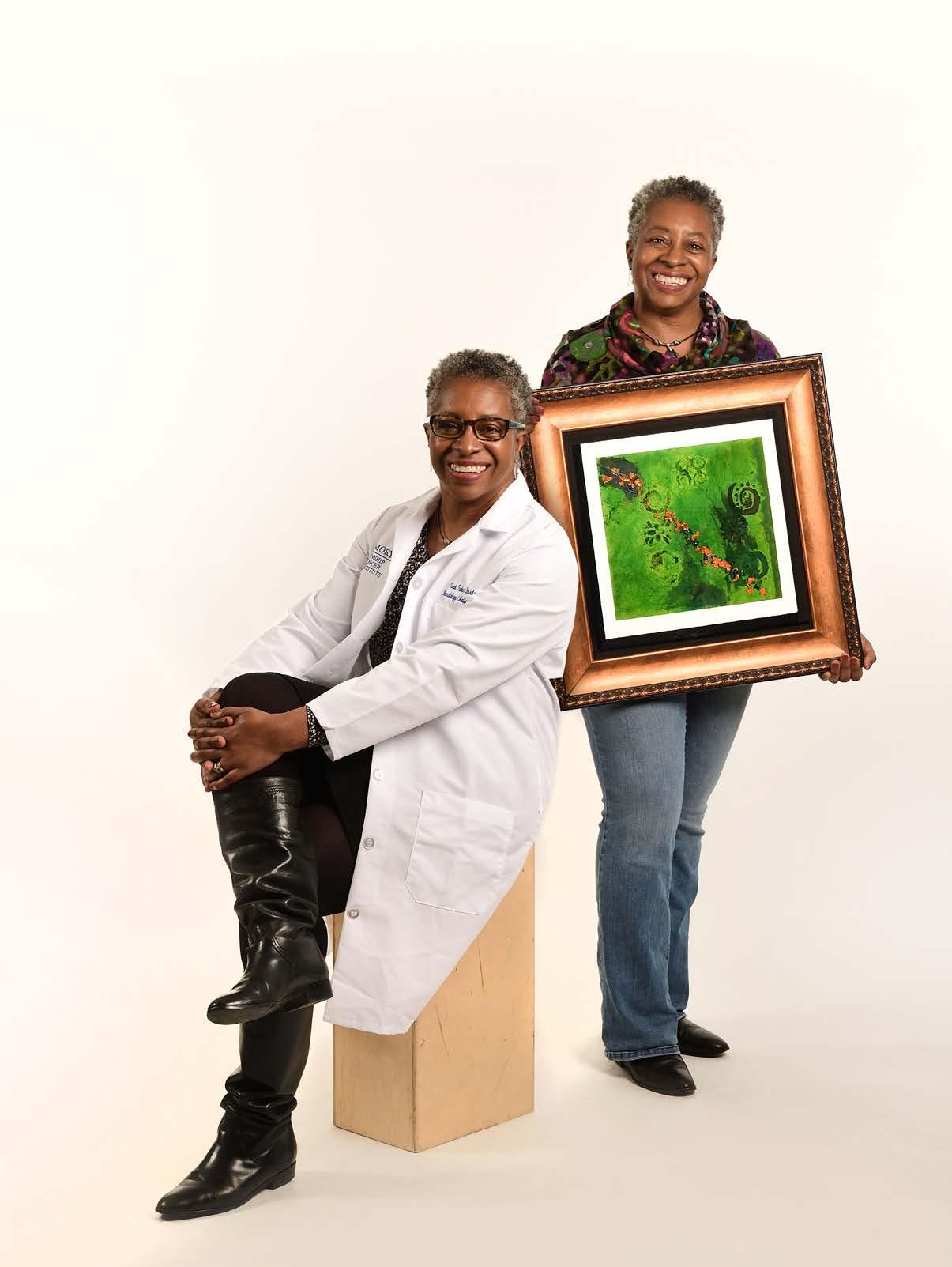
Collage is an apt medium for Carol TuckerBurden’s many artistic interests. Manager of the Marcus research lab, Tucker-Burden also dances, plays music, and sometimes paints. After winning a grant from the Emory Sustainability Project in 2016, she produced three collages made with recycled lab objects: pipette tips, printer ink cartridges, and plastic filter panels to name a few. She’s pictured here with “Whimsical Array,” one of her collages seen every day by lab researchers who frequent the breakroom where they hang.
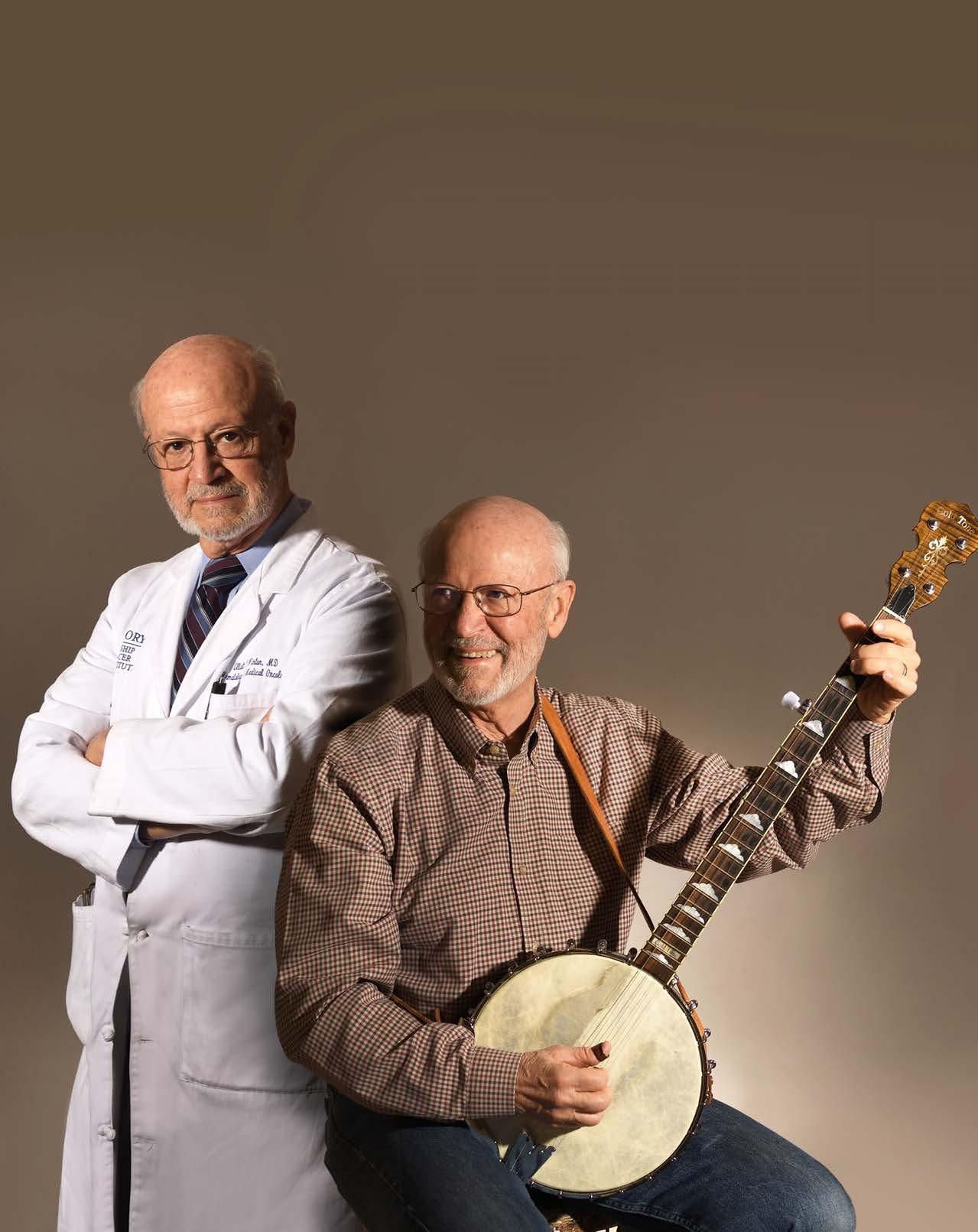
Elliott Winton started his career at Winship in the 1970s, researching and treating blood disorders like acute myeloid leukemia, and co-founding the Bone Marrow Transplant program.
His love affair with the banjo also goes back a long way. He picked up the banjo as a college student, inspired by folk musicians like the Weavers and Bob Dylan. He bought his first banjo and a Pete Seeger instruction book and was hooked.
Some years back, he says, his family gave him banjo lessons because “they got tired of hearing me play the same five songs.” For years, he’s gotten together every week with a group of musicians (mandolin, fiddle, trumpet, but he’s the only banjo player) to play everything from standard bluegrass to contemporary music. He says it’s a chance to be creative in a different way from his work and he leaves the weekly sessions energized. He keeps a banjo in his office and occasionally plays when he’s working late...or when someone has a birthday.
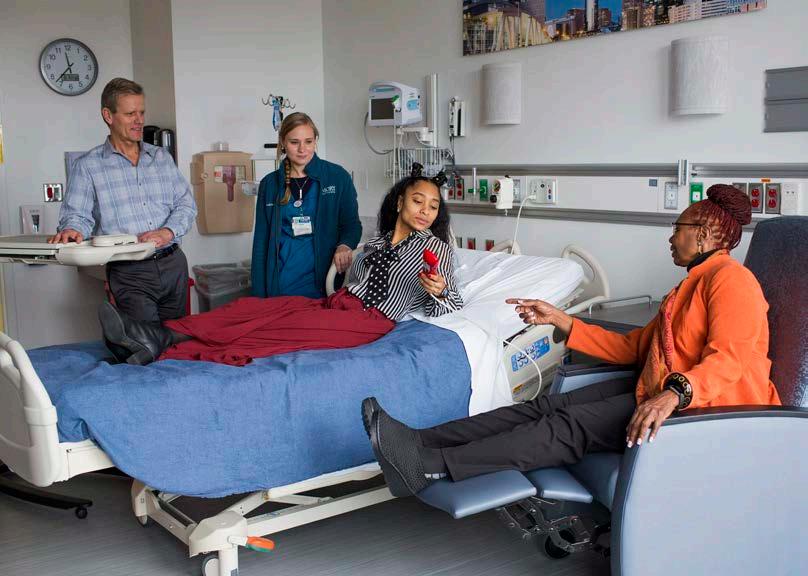

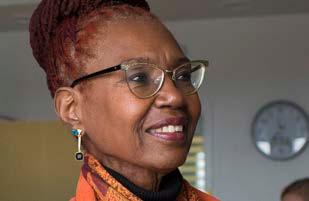
You learn a lot as a cancer patient, or as the caregiver for a cancer patient. You learn about yourself, about the medical system, about humanity. It’s a humbling experience, and many people understandably just want to put it behind them, but others want to make use of the knowledge.
When Bari Ross was being treated for head and neck cancer in 2009, a volunteer wheeled the snack cart over to where she sat in the radiation clinic waiting room. The cart had cookies, chips, candy, granola bars...nothing that Bari could swallow. Even liquids were tough going down.
A week later, Ross was back in the waiting room, and the same volunteer came around again. This time, she had a bottle of Ensure on her cart, just for Bari.
“She listened, and acted. A simple step made a difference for me, as it has for many others,” says Ross.
The volunteer was Julie Whitehead, a former patient who became not only a Winship volunteer, but also a Peer Partner and a Patient & Family Advisor (PFA). She recruited Ross to join her, and today Ross is chair of the PFA Council and a tireless volunteer herself. Julie Whitehead, who passed away recently (see box at right), was an exceptional example of an exceptional group of people.
Being a PFA is a unique role, separate from other kinds of volunteer work, like taking the snack cart around the clinics. There are about 175 PFAs across Emory Healthcare, and 20 of them are Winship PFAs. Their main purpose is to represent the patient perspective to the many clinics, departments and committees that determine how the health system runs, including senior management strategy meetings. They know what it’s like to be a patient, they’ve been there and struggled through it, so the advice they give to leadership, health care staff, and administrators rings true. They advise on everything from staff morale to how a waiting
room should be furnished. They try out new infusion chairs, help orient new employees, brainstorm on improving the scheduling process. They provided backup for the check-in staff in the new lab draw area when it first opened. They also advised architects and designers of the new Emory University Hospital tower on what room configurations and furniture would be most comfortable and convenient for patients and family members.
Lex Gilbert has seen the Emory Healthcare system from many angles: as a colorectal cancer patient, as a clinic employee, as the wife of a Parkinson’s patient, and as a committed PFA and Peer Partner. She says she has the right temperament to be an advisor. “I’m not going to sit silent. I’m a blabbermouth!”
“I can’t wave a magic wand and fix the problem, but I can get the information to the right people who can fix it.”
One of Gilbert’s memorable contributions as a PFA was when she helped stage an informal award ceremony for staff in the radiation oncology clinic. She says it was a lighthearted way for employees to recognize colleagues for some of their unheralded talents, such as being ready for anything, or having an iron stomach.
Gilbert says she’s motivated to volunteer her time by having been treated well as a patient and the need to give back. “If I’ve got the energy and time, I’m going to do it.”
Ed Steinman’s mantra is “tell me what I can do to help.” He’s been a committed advocate for Winship patients ever since his wife, Lory Macrate, was diagnosed in 2011 with multiple myelo-

ma. He spent 21 days sleeping on the couch in his wife’s hospital room when she had a stem cell transplant; he accompanied her to every blood draw, doctor’s appointment, and treatment for the several years it took for her condition to stabilize. She’s doing well, and Steinman is still at Winship, serving on the Winship Advisory Board and on the PFA council as co-chair. He sees himself as a conduit between the two groups, relaying concerns and communicating “so we don’t duplicate each other’s efforts.” Although he knows how upsetting delays and glitches in the system are in a patient’s life, he says he’s seen changes since he’s been here: “Winship does listen. Emory does listen.
“I’m so impressed by everything at Winship, and I want to encourage and be a part of it.” w
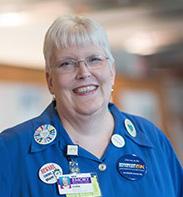
Longtime Winship volunteer Julie Whitehead passed away on Jan. 24, 2018 after a recurrence of cancer.
Julie Whitehead was inspired to volunteer at Winship following her initial cancer diagnosis more than a decade ago. She logged more than 1,600 volunteer hours and was recognized for her exemplary service, teamwork, and a commitment to public good when she won the Robert L. “Bobby” Rearden Spirit of Winship Award.
“Julie was dedicated to making the patient experience at Winship the best it can be,” said DaVida Lee-Williams, director of Guest & Volunteer Services. “We all miss her.”
Some reflections on Julie from people she worked with and cared for:
“Ms. Julie, you touched so many lives through your generous and compassionate heart... Julie brought a light all throughout Winship & she spread her joy everywhere she went…Julie was so dedicated and unsparing in her efforts…I loved her passion and energy for Winship and its patients….Julie was a wonderful, caring person who brought comfort to so many people…I am going to miss her more than words can express.”
Imagine this: a Winship researcher discovering how a cancer cell metastasizes or how to precisely target cancer cell mutations or engage our own immune systems to fight cancer. Discoveries by Winship researchers lead to better ways to prevent, diagnose, and treat cancer, and those discoveries start with community grants supporting innovative research. Two Winship fundraising events this year showcased the Atlanta community’s generosity.
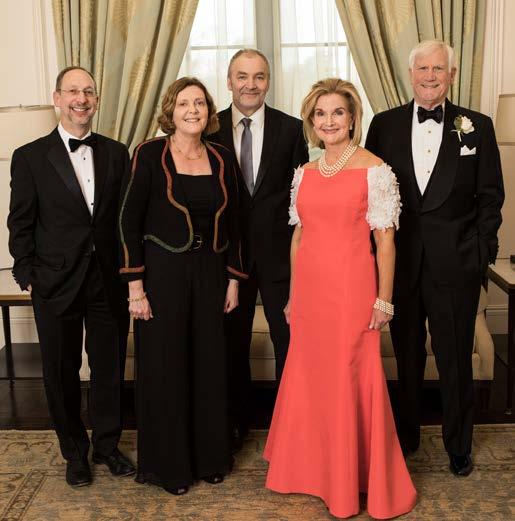
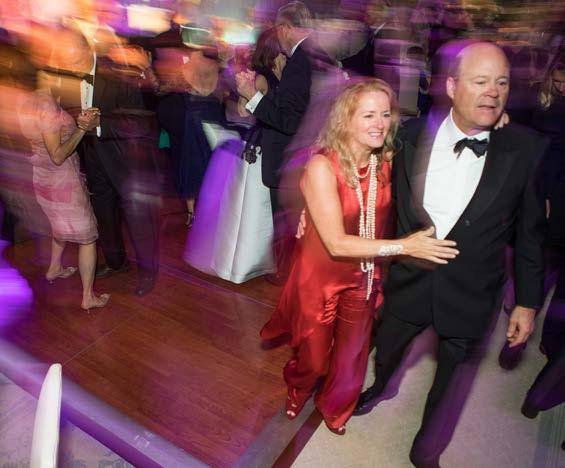
The Winship Gala on March 24th surpassed $1.1 million. The black-tie event celebrated “imagination” as the force driving Winship’s innovative research. This year’s gala proceeds will support grants for the new Winship Center for Cancer Immunology, as well as research focused on cancer prevention, diagnosis, and treatment.
The 6th annual Friends of Winship Fashion a Cure Fashion Show raised $300,000. The funds will be used to purchase a critical new piece of equipment to enable Winship researchers to tag and visualize immune components in cells to better understand how cancer develops in those cells and how they may respond to treatment.
at right: Kristin Higgins, Winship radiation oncologist.
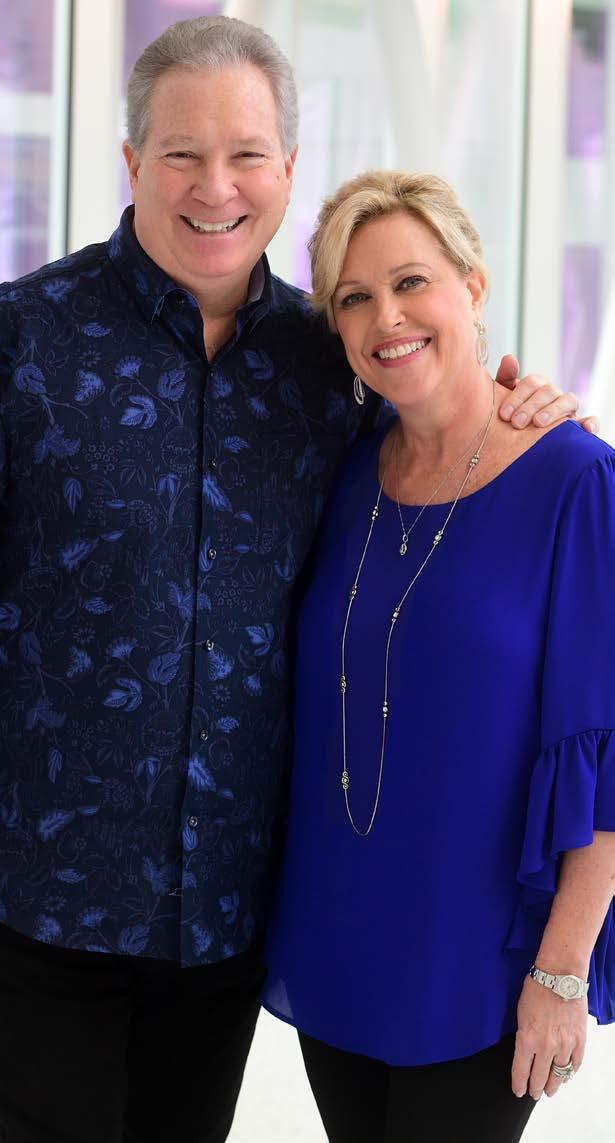
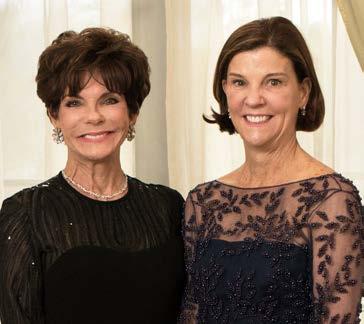
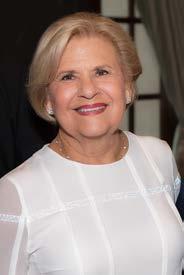
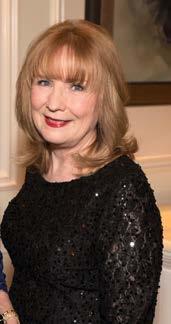
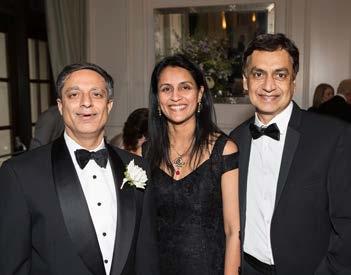
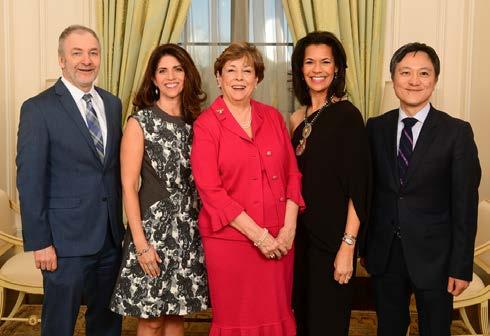
Pictured on bottom half of page 19: (1) Ann Viehman, Friends of Winship member. (2) Winship Executive Director Wally Curran; Fashion A Cure co-chairs Julie Levine and Dell

Rearden; CNN anchor/Fashion Show emcee
Fredricka Whitfield; Winship pathologist Gabriel Sica. (3) cancer survivor
Linda Clarke. (4) Sheldon and Helen Rearden. (5) volunteer Elizabeth Ausband and Friends of Winship member Sam Snider. (6) Winship Advisory Board member Billy Levine with son Jason

2
1
5 4 3 4 5 6 2
Red roses on the runway for cancer survivors, yellow for family members, white for Winship faculty.
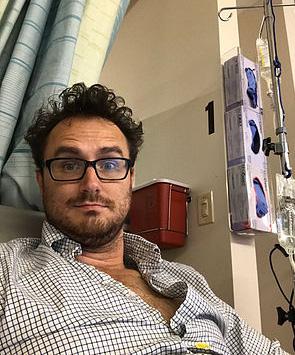
When actor/playwright/comedian David Lee Nelson started chemotherapy treatment for colon cancer back in April of 2017, he chronicled his experience by writing a witty and insightful blog. Below is an edited version of his blog from October 4, 2017, marking his final treatment.
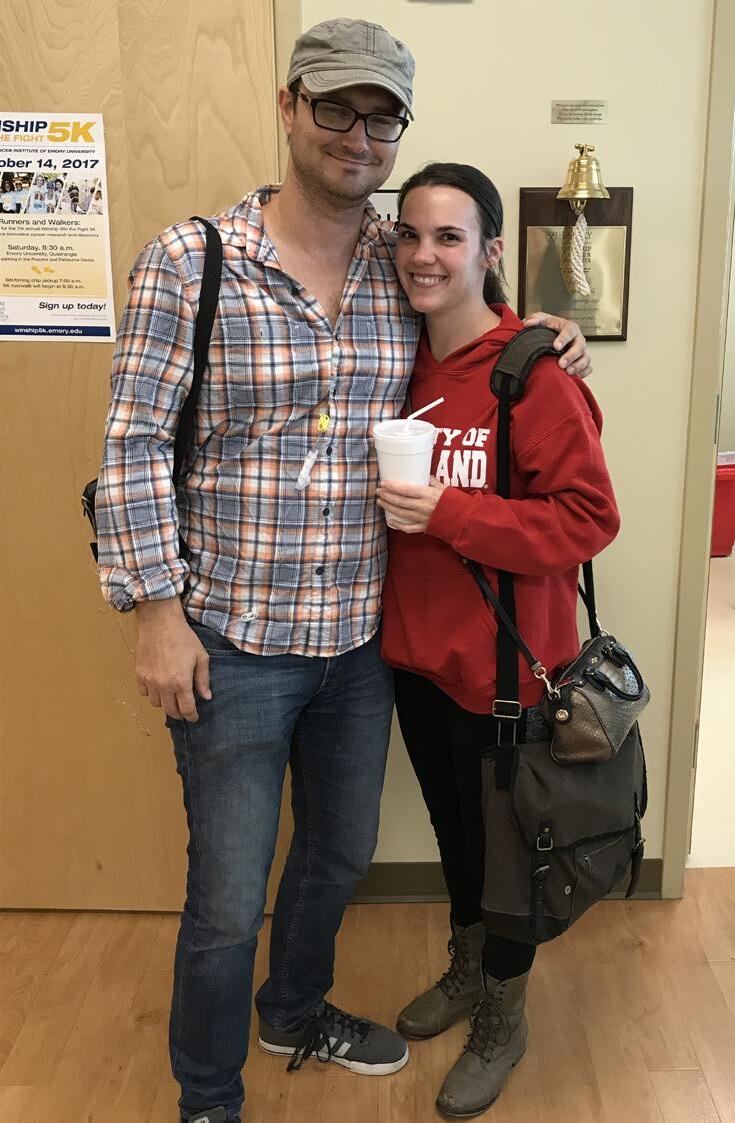
On March 21, 2017, I was diagnosed with stage IV colon cancer. Four weeks later, I started chemotherapy. My treatment plan was 12 rounds, doled out over six months. From April to October, every other week I went to one of Winship’s infusion centers and had two different types of chemo, oxaliplatin and fluorouracil, and bevacizumab (Avastin), a tumor-starving agent. The days were long and boring. On Wednesday, October 4th, 2017, I got my 12th treatment. I was technically “done” with chemo. It is the tradition that on your “last” treatment you ring the bell. I remember sitting there, at treatment five or six or seven, and being so excited to hear the bell ring. It let me know that there was a light at the end of the tunnel, and if that person can get there…so can I.
So, in keeping with tradition, I rang the bell. And hit a gong. People cheered, people said congratulations. It felt good to be “done.”
I know I keep using quotation marks. It’s because I don’t really feel “done.” I still have to get MRIs and CT scans. I still have to get maintenance treatments. What “ended” was the oxaliplatin, which is the drug with the most side effects, and the 5-FU, which requires the use of the dreaded fanny pack. Being “done” with those two is a major relief, and I don’t
want to understate the significance. But I also don’t want to tempt fate, you know?
I don’t want to rouse cancer and make it angry. I don’t want to let it think I think I’ve beaten it. I just want to go about my business, quietly. Because having been through 12 rounds of oxaliplatin and the fanny pack, one thing I know for sure is that I don’t want to do it again.
Those six months were a long process. I barely remember life before chemo. In my darker moments, I wondered why me? Why was I the one to go through this? I see my other friends headlining stand up shows or making movies or having plays produced. They’re going on vacations and booking TV shows and making their Broadway debuts. That could all be me. I traveled pretty high in a lot of those circles. Why are they there, and why am I here?
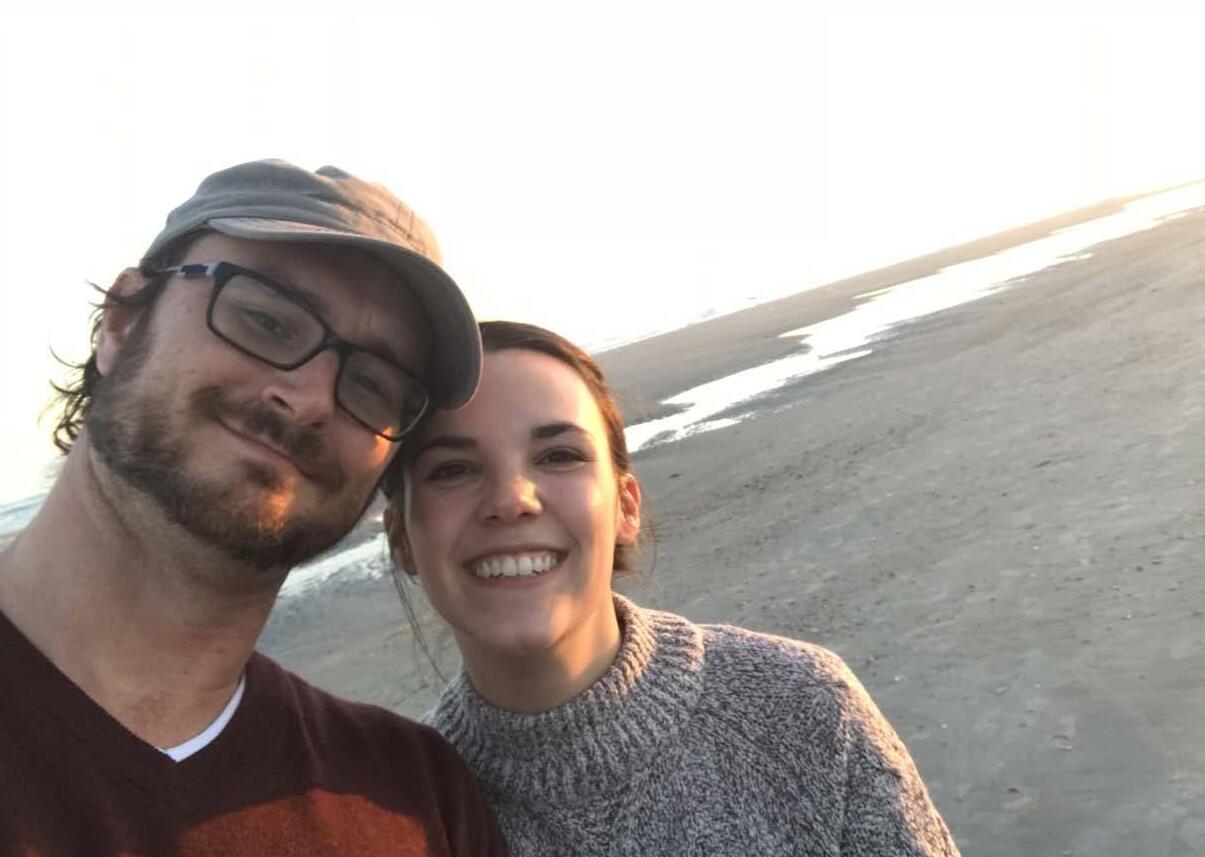
Then I remember that I am a human and humans get cancer. And I’ve been very fortunate. Cancer is something that people die from, and I’m still here. My tumor was not aggressive, the treatments have been working. I’ve grown closer to my family, my girlfriend, my friends. I’ve started a blog. People have read what I’ve written. These are not insignificant things, and I have no idea where they will lead.
Why me? Why not me?
I often think back to that first day at
the oncologist’s office, to the beginning of my story, when they told me I’d be getting chemotherapy. They sent in the team: the pharmacist, the nutritionist, the therapist, all these people telling me things that, at the time, I wasn’t capable of understanding.
Sometimes I think about the person sitting in that chair today, at the beginning of the story, getting the news, unsure of what is happening. I want to tell them that it will all be okay. I don’t know that it will, but that’s what I want to tell them. The one thing I do know is that the “end,” whatever it is, won’t be what they expect.
My friend who finished his treatment a year ago texted me, asking me how I felt. I said I wasn’t sure. I was “done” but didn’t feel like it. I asked him if that
feeling goes away. He said it really doesn’t. Cancer is not a part of your world until it is, and once it is…even if it’s gone, it’s there.
So I’m putting “last” in quotation marks because the truth is I have no idea.
I’m still not out of the woods. In fact, I live there.
That is my story.
But it’s your story, too. It’s all our stories. It’s the one thing we have in common. None of us truly know what is coming next. Which is thrilling, and horrifying, and human.
So here’s to my “last” treatment. Hopefully it will be. In the meantime, I’ll try and make the most of the time I’m given. And enjoy these woods as long as I have the chance.
UPDATE FROM EDITOR: David reports that his latest scans were “outstanding” and that his cancer is currently stable. He has turned his experience into a book and a new one-person show called Stages, opening soon. To read more of his blog, go to davidleenelson.com/blog.
Cancer is not a part of your world until it is, and once it is...even if it’s gone, it’s there. I’m still not out of the woods. In fact, I live there.
1365-C Clifton Road N.E.
Atlanta, GA 30322
winshipcancer.emory.edu 1-888-Winship