Survival rates are up to 25% higher at NCI-designated comprehensive cancer centers. That's good news for Georgia. 4
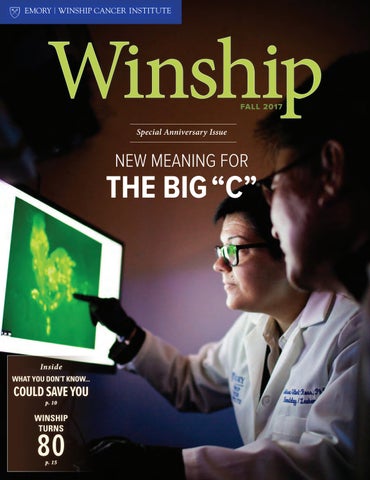
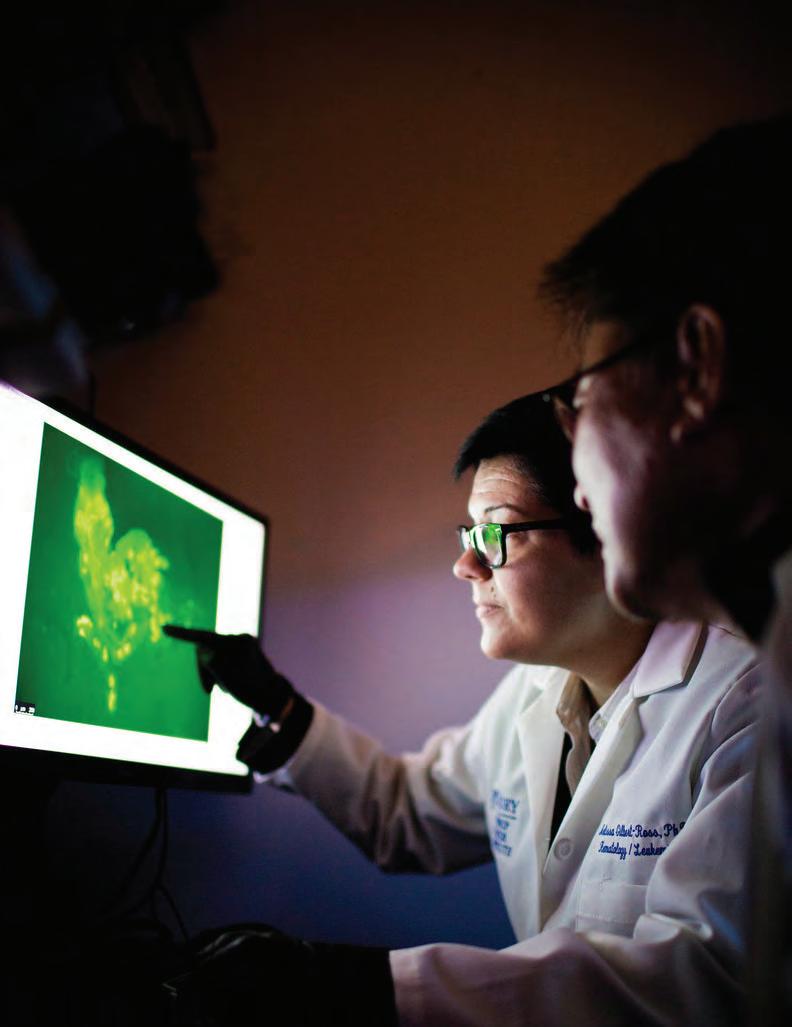
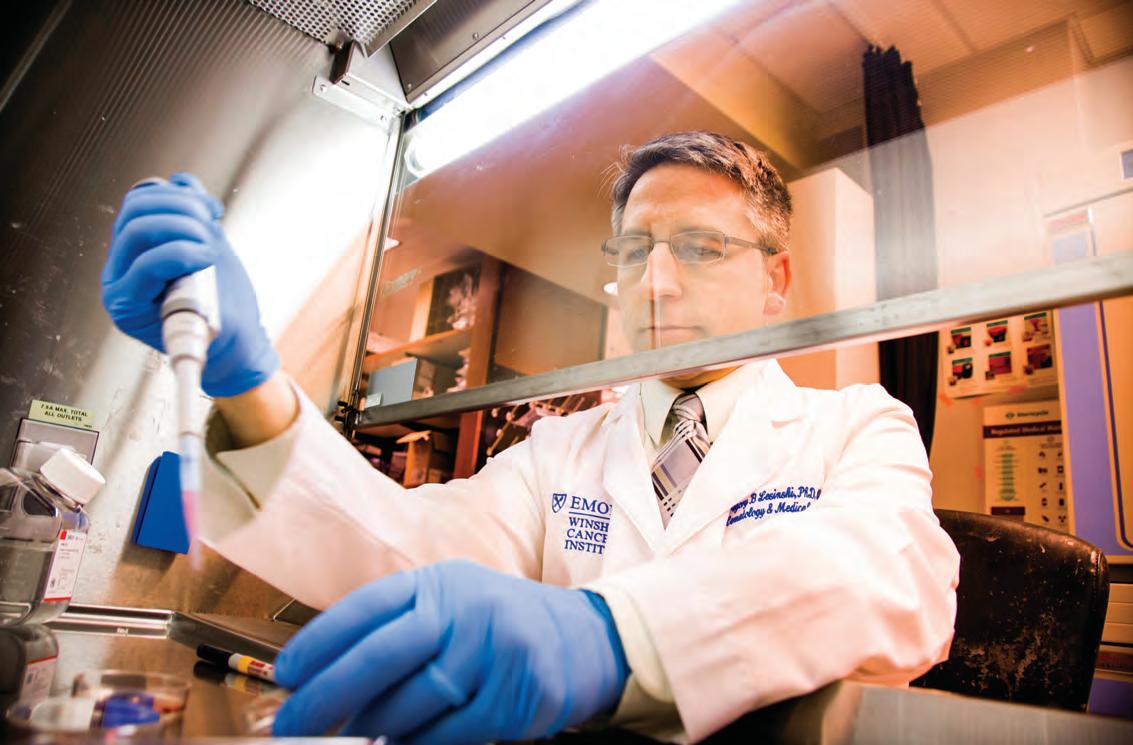
On the cover — Melissa Gilbert-Ross, director of the Cancer Animal Models Shared Resource, and Chang-Soo Seong, research specialist, are looking at a Drosophila melanogaster (fruit fly) model of a genetic combination at high risk for metastasis in lung adenocarcinoma. The model is being used to identify genes that can modify the invasive behavior of these cells. More on how this science is leading to a clinical trial on page 4.
Photo by Ann Borden
Winship Magazine | Fall 2017
In the News
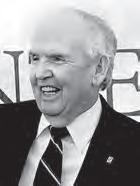
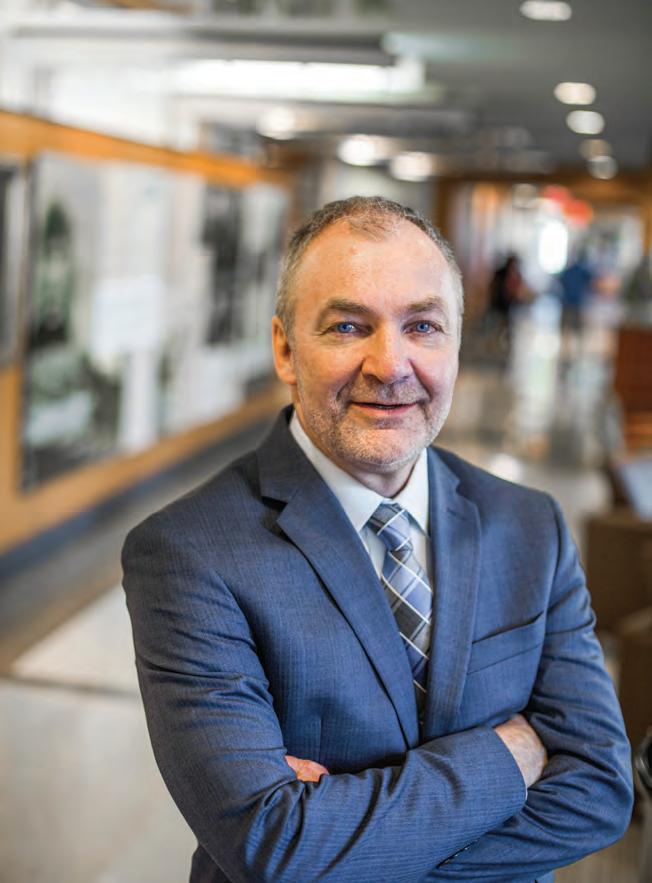
From the Executive Director 2
Wally Curran marks Winship milestones.
News 3
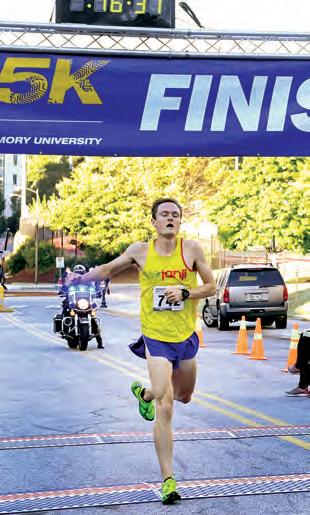
What’s new at the 2017 Winship Win the Fight 5K; the first Winship patient in the new Emory University Hospital Tower.
Features
New Meaning for the Big “C” 4
What does it mean to be a comprehensive cancer center? Winship tackles Georgia’s cancer challenges from every angle.
What you don’t know... 10
Patients might never see the people who work behind the scenes, but they are a critical part of every patient’s treatment.
The Winship 80 15
Some of the history and the people who have made Winship what it is today.
Point of View
A Better Angel of Our Nature 24
A moving tribute to Winship’s H. Jean Khoury.
The death of Robert Woodruff's mother to cancer prompted the gift that became Winship.
Emory University is an equal opportunity/equal access/affirmative action employer fully committed to achieving a diverse workforce and complies with all federal and Georgia state laws, regulations, and executive orders regarding nondiscrimination and affirmative action. Emory University does not discriminate on the basis of race, age, color, religion, national origin or ancestry, sex, gender, disability, veteran status, genetic information, sexual orientation, or gender identity or expression.
Website: winshipcancer.emory.edu. To view past magazine issues, go to winshipcancer.emory.edu/magazine.
Editor: Judy Fortin
Westmaas Photographer: Jack Kearse Production: Carol Pinto
Dear Reader,
The Winship
The Winship 80 recognizes individuals who have helped Winship achieve worldclass status.
For full profiles go to winshipcancer.emory. edu/winship-80
THIS SPECIAL ISSUE OF WINSHIP MAGAZINE CELEBRATES
TWO VERY SIGNIFICANT WINSHIP EVENTS. In May 2017, Winship was awarded the National Cancer Institute (NCI)’s prestigious comprehensive cancer center designation as a part of our competitive cancer center support grant renewal process. This was the culmination of years of attention to strengthening and linking our laboratory research, clinical trials program, population-based science, and education programs. This NCI comprehensive cancer center designation signifies that outside experts understand very clearly that Winship’s outstanding research is lessening the cancer burden for all of Georgia.
Winship has incredible teamwork fueling our comprehensive approach to cancer. I see this teamwork in the strength and diversity of our clinical trials, in the ingenuity and innovation behind our scientific findings, and in the dedication and passion in our classrooms and training programs. As an example, Winship’s growing team of lung cancer investigators and caregivers are key architects of the transformative progress the world has witnessed in the past decade against the deadliest of all cancers. Thanks to amazing work at Winship and at our partner organizations, lung cancer patients today have far more hope and opportunity for longer term and better quality survival than ever before.
We are also celebrating the 80th anniversary of the founding of Winship Cancer Institute. In 1937, Robert Winship Woodruff, then president of The Coca-Cola Company, gave a generous gift to Emory University to start the Robert Winship Memorial Clinic. Having lost his mother to cancer, Mr. Woodruff was determined to bring the best cancer care possible to Georgia. This year, we are honoring 80 individuals and groups who have embodied the mission of Winship over the past eight decades; The Winship 80 includes scientists, patients, volunteers, philanthropists, community leaders, and caregivers. This issue of Winship magazine features a selection of the nominees; all nominees will be posted online over the next six weeks.
Finally, we want to mark the tragic passing of one of our own, Hanna Jean Khoury, director of Winship’s Hematology Division and an international leader against chronic myeloid leukemia, acute leukemia, and myelodysplastic syndrome. Jean was an outstanding physician, researcher, and educator and an extraordinary and beloved member of the Winship and Emory communities.
Please join us as we celebrate these milestones and all those whose lives are touched by cancer.
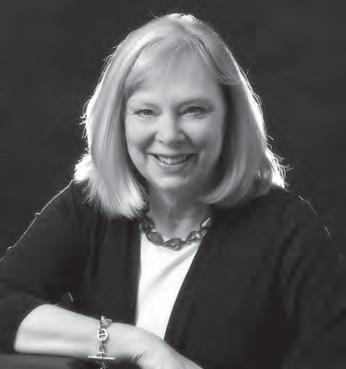
Wally Curran
Photo by Ann Borden
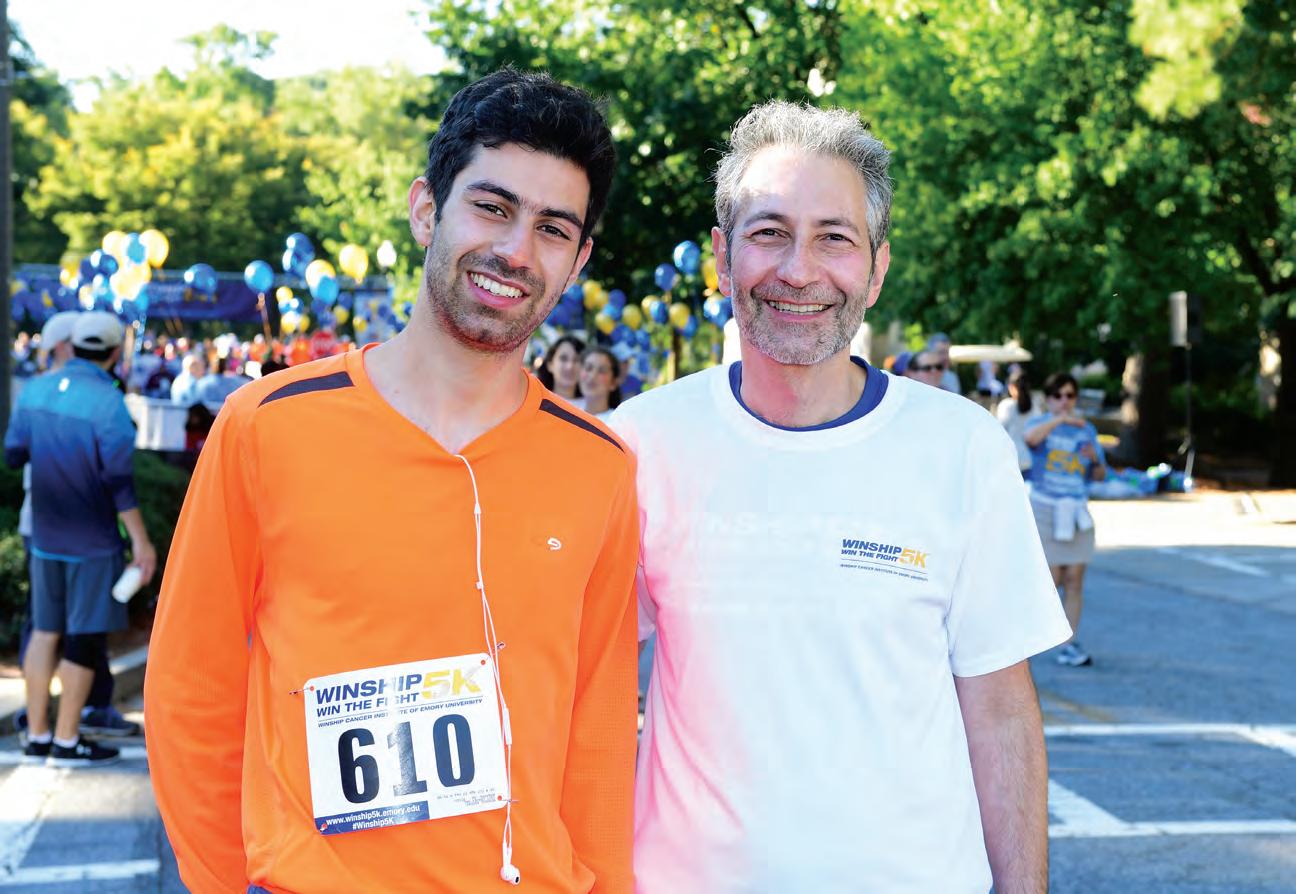
What’s new at the Winship Win the Fight 5K? Lots!
FIRST: THE GRAND MARSHAL Legendary Atlanta Hawks basketball star Dominique Wilkins will serve as Grand Marshal at the event on Saturday, Oct. 14.
SECOND: THE LOCATION Still on the Emory campus, but moved because of construction, the 5K run/walk will be headquartered at the heart of the university
on the Quadrangle (off Dowman Drive). A new course will still run through the campus and the beautiful historic neighborhood of Druid Hills.
THIRD: THE GOAL We’re going for $1 million this year. “We have so many amazing and dedicated participants,” says Executive Director Wally Curran, who initiated the
event in 2011, “I know we can reach this goal.”
PLUS: THE WEBSITE has been updated (winship5k.emory.edu). Participants who want to join but can’t be at the event have an option to join virtually, donate to the cause, and be recognized. It’s only a few weeks away, so get ready, get set, go! w
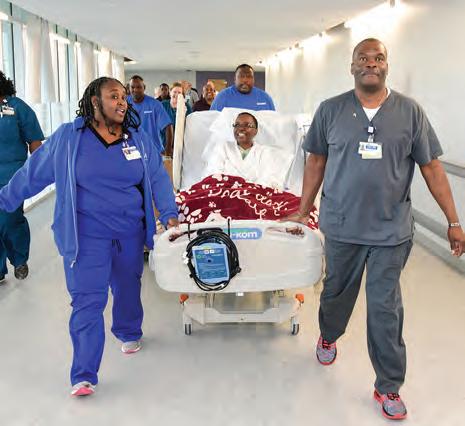
FIRST WINSHIP PATIENT IN NEW HOSPITAL TOWER
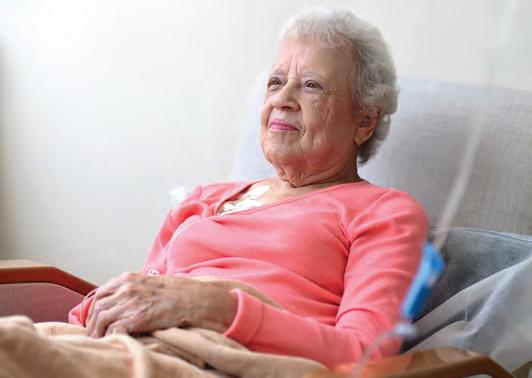
THE NEW EMORY UNIVERSITY HOSPITAL TOWER WELCOMED ITS FIRST INPATIENT, Crystal McCollum, on August 26. Accompanied by her family, McCollum inaugurated one of the new spacious patient rooms designed with both medical care and comfort in mind.
McCollum is being treated for a rare form of abdominal cancer by Winship Chief of Surgical Oncology Charles Staley. She was brought to the tower following surgery and a procedure known as HIPEC, a highly concentrated, heated chemotherapy treatment delivered directly to the abdomen during surgery.
The state-of-the-art hospital tower, across Clifton Road from the original hospital, allows for an expansion of services and expert care, while creating an integrated and spacious environment for patients and their families. Cancer patients and bone marrow transplant patients, along with kidney, liver and pancreas transplant patients, will be cared for in the new facility, which is expected to be fully operational by the end of October. w
WINSHIP GIVES NEW MEANING TO THE
BIG “C”
Winship has been granted Comprehensive Cancer Center status by the National Cancer Institute (NCI), the highest designation given by the NCI.
What does that mean?
By Catherine Williams and Marlene Goldman n Illustration By Taylor Callery
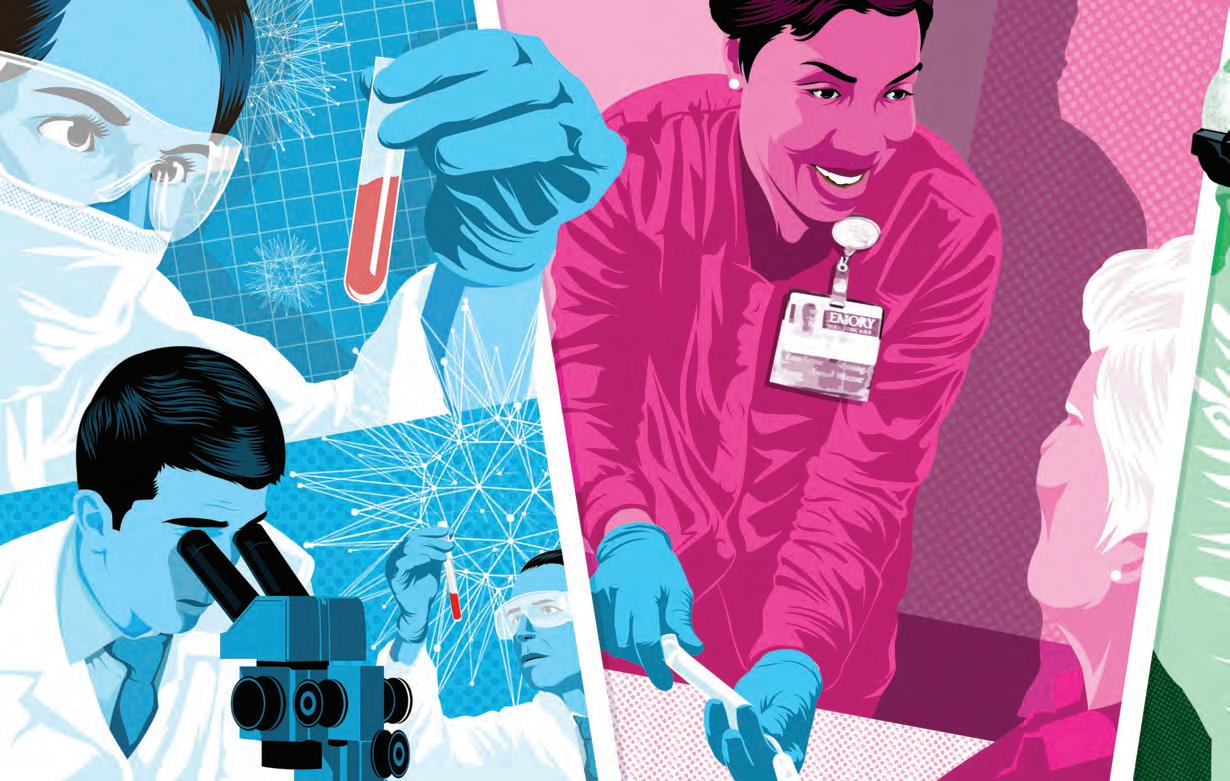
Some 50,000 Georgians are diagnosed with cancer and more than 17,000 die of the disease each year. Winship investigators are working to change that by discovering better ways to prevent cancer, detect it earlier, and treat it. The new comprehensive cancer center designation from the NCI is both a vote of confidence and material support for those efforts.
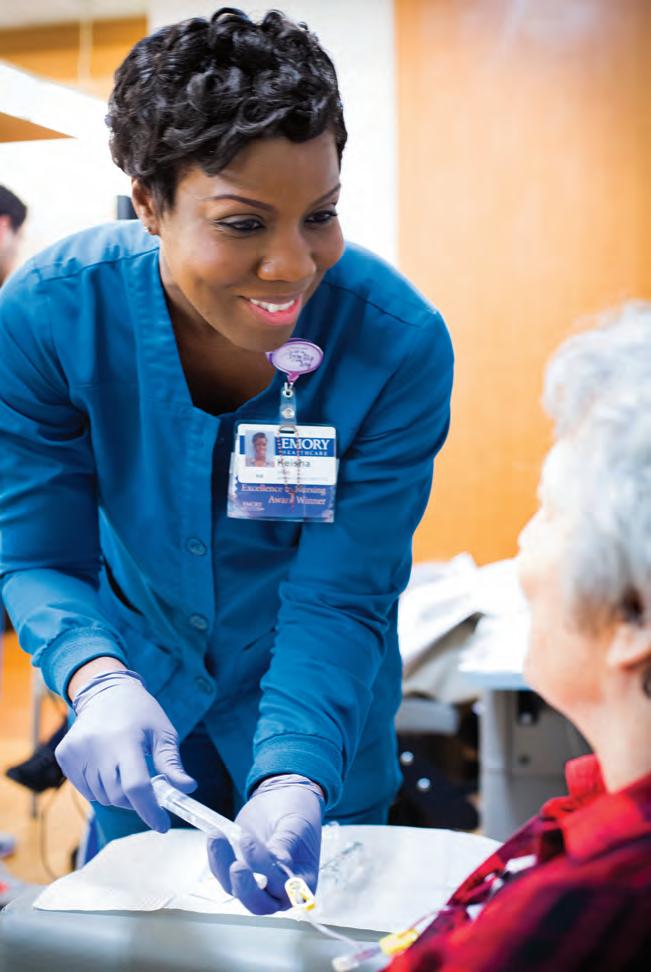
The advances represented by Winship’s comprehensive status are already at work. For patients, it means more precise ways of detecting and diagnosing cancer. It means getting a new drug or therapy not available outside of the clinical trial system. It means being treated by a team of people with the expertise and knowledge to use the most advanced therapies and tools effectively.
For all Georgians, an NCI-designated comprehensive cancer
center means that a critical mass of top cancer researchers from around the world is right here, in their home state, studying the environments, habits, genetics, and health problems of Georgia with the goal of making their lives cancer-free.
Winship joins an elite club of NCI-designated comprehensive cancer centers throughout the country. That’s good news if you’re a patient in Georgia: survival rates are up to 25% higher at these cancer centers.
“Winship conducts research that changes the way cancer is prevented, diagnosed, and treated. As recently as 10 years ago, we had limited treatment options for people with advanced cases of lung cancer and melanoma. Today, new therapies help people live longer with those diseases with a good quality of life. Those new treatments came out of Winship and other research cancer centers like
Winship,” says Walter J. Curran, Jr., executive director of Winship. “We continue to seek better ways to help the citizens of Georgia in their journeys against cancer.”
natural immune system?
Here are a few examples of how Winship researchers are making inroads in this landscape.
“We
will be the first to have a clinical trial designed for LKB1-mutant lung cancer patients. This represents the culmination of years of teamwork.”
The incidence and mortality rates for cancer in the South are high. Georgians in particular have higher rates than the national average of lung, breast, and prostate cancers, and melanoma. Tobacco use and obesity contribute to the statistics, but lifestyle risk factors are not the only reasons for the state’s health disparities; there are also biological factors and access to care issues. Why does multiple myeloma occur two to three times more often among African Americans than among Caucasians? How do we bring better prevention and earlier detection to underserved Georgians? Winship researchers tackle cancer from all angles—in its research labs, clinics, classrooms, and in the community—then take the next steps to turn their discoveries into tools that benefit Georgia.
FROM THE RESEARCH LAB…
It starts in the lab, where Winship scientists get at the root causes of cancer and how cancer cells behave. Why do they multiply uncontrollably, how do they spread, how do they disable the body’s
“We continue to discover what makes cancer so complex. A hundred cases of the same type of lung cancer could all behave differently because of vast differences at the molecular level. We drill down to figure out which differences make the cancer vulnerable and how we can target or exploit those vulnerabilities,” says Suresh Ramalingam, Winship deputy director and lung cancer physician-investigator who anchors Winship’s lung cancer team.
Metastasis, or the spread of cancer to different parts of the body, is often the tipping point between a potentially curable cancer and one that may never be fully controlled. So scientists are determined to figure out how and why that happens. Cancer cell biologist Adam Marcus and his lab have sleuthed out some of the clues by focusing on the LKB1 gene, which regulates metabolism and how cells move. A particular change, or mutation, in the LKB1 gene shows up in 15 to 25 percent of non-small cell lung adenocarcinomas and that subgroup has a higher risk for metastasis. Winship scientists were among the first to figure out how an
Adam Marcus
Photo by Ann Borden
alteration in the LKB1 gene starts a process that opens up a pathway for cells to migrate and blocks the gene’s ability to suppress metastasis. The Winship team was uniquely positioned to take the next step in figuring out vulnerabilities in the process that could be targeted. They worked with a molecule that inhibits a crucial part of the process and, after 12 years of lab bench research, the Winship team is ready to translate the discovery into clinical trials.
“We will be the first to have a clinical trial designed for LKB1-mutant lung cancer patients,” says Marcus. “This represents the culmination of years of teamwork.”
The LKB1 research is an example of collaborative science at its best. Melissa Gilbert-Ross, Wei Zhou, Jing Chen, and Haian Fu drew on their expertise in cell biology, genetics, and drug development to work together like a relay team, each using his or her expertise to take the science and advance it to the next stage. They teamed up with Ramalingam, medical oncologist Taofeek Owonikoko, and pathologist Gabriel Sica to take a multi-pronged approach to increase patient survival.
“With its new comprehensive cancer center status, Winship is positioned to attract more funding and more top scientists, and that is what’s needed to keep research like this moving forward,” says Kimberly Kerstann, Winship’s senior director for research administration, who oversaw the application process for the new NCI designation.
Another Winship lab is looking at genes that control cell aging to see how that process might be used in cancer treatment. “The single biggest risk factor for cancer is aging—it’s bigger than smoking, bigger than genetics, bigger than exposure to carcinogens,” says radiation oncologist and researcher David Yu. “Accumulation of DNA damage during aging leads to mutations that contribute to cancer.”
Yu has been studying a gene from a class of proteins called silent information regulator 2, or Sir2. It’s been dubbed the longevity gene because it regulates aging by protecting cell survival and aiding our body’s ability to repair damaged DNA. An extra copy of the gene has even been shown to extend the lifespan of common brewer’s yeast, fruit flies, worms, and mice. That’s all good for healthy cells, but what about its effect on cancer cells that grow out of control? Cancer treatments
like radiation therapy are meant to damage the DNA in cancer cells and halt unchecked cell division. Yu’s lab looked at whether the SIRT2 gene (a more complex form of the Sir2 gene found in mammals) could be used in an inverse way to aid that process. They have been investigating a chemical that inhibits SIRT2 so that treatments targeting the DNA in cancer would be more effective. Yu says targets like this are examples of more personalized medicine.
The lab of cell biologist Jing Chen has made a discovery that could influence what cancer patients eat. One of the first questions patients ask about in their treatment plans is whether there are things they can control, like diet. In Jing Chen's lab, researchers found that a high fat diet fueled the growth of a particular type of melanoma in mouse models. Now they are looking at whether a low-fat diet could slow the cancer’s growth.
Chen and his colleagues are proposing a clinical study to start next year that will examine the effects of diet and statins in patients with this type of melanoma.
All three scientific discoveries are poised to take the next crucial step: clinical trials.
TO THE CLINIC
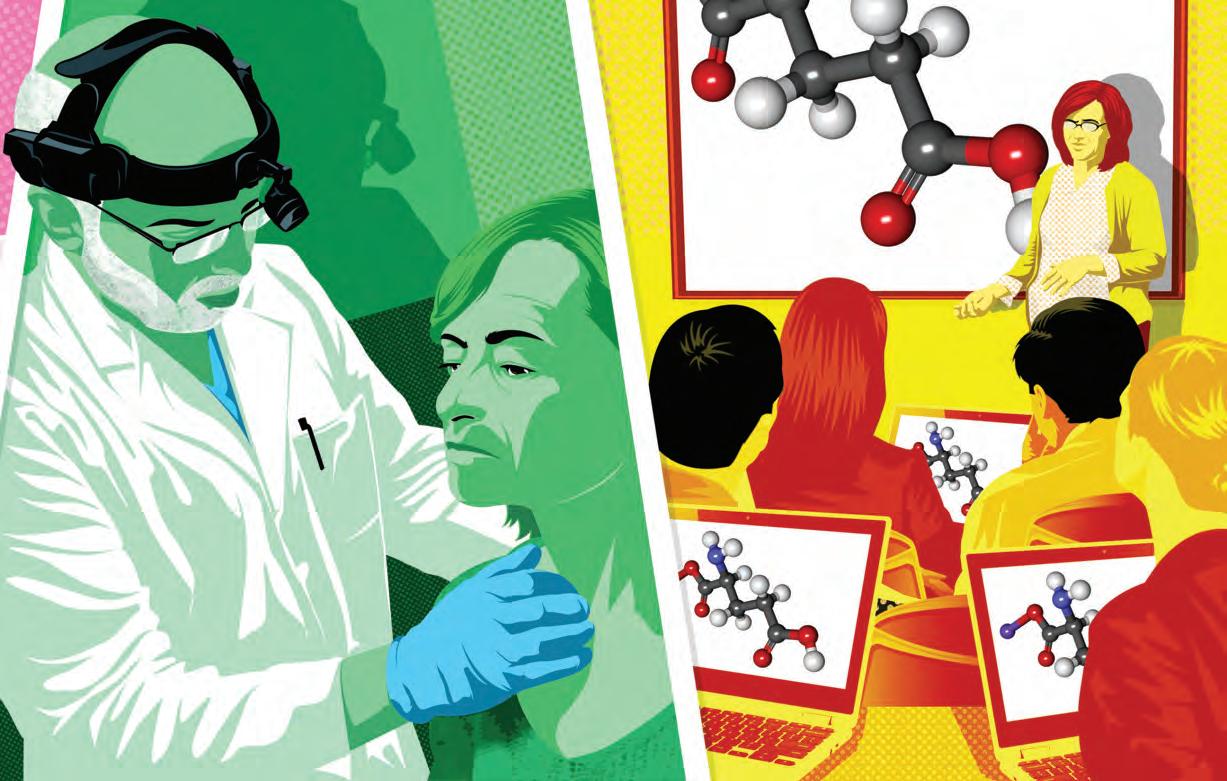
NCI-designated comprehensive cancer center status means Winship translates discoveries made in the lab into clinical trials that test new drugs and treatment regimens. Some trials blaze the path for new types of treatment, like immunotherapy; other trials test out ways to make current therapies more effective, or reduce treatment time, or prevent recurrence.
Associate Director for Clinical Research and gastrointestinal cancer expert Bassel El-Rayes oversees clinical research for more than 250 trials at Winship. He says new cancer treatments take many years of development and testing before they become the standard of care.
“If you are getting standard of care treatment today, you’re getting the treatment of yesterday,” says El-Rayes. “If you enroll in a clinical trial, you are actually getting the treatment that may be the standard of care 10 years from now. That’s why considering clinical trials as part of your option to treat cancer is very important.”
Winship was among the first cancer centers to bring patients onto trials testing two new immunotherapy drugs, nivolumab and pembrolizumab, which have
“At Winship, under the same roof you have scientists, clinicians, and patients. That focus on bench-tobedside research is what sets us apart.”
Bassel El-Rayes
Knowing that tobacco use causes 80 to 90 percent of lung cancer deaths, Winship researchers found a way to change the smoking habits of Georgians.
changed the lives of some advanced lung cancer and melanoma patients. “Winship took the lead in the transformative area of cancer immunotherapy and cancer immunology,” says Curran. “Now we’re investigating how to make these treatments effective for more patients and more types of cancer. Every month we open new trials of therapies that harness patients’ immune systems to improve survival and tumor response.”
Some clinical trials look at improving current therapies, or making them easier for patients. A potentially practice-changing trial by Deborah Bruner, associate director for mentorship, education and training, contrasted outcomes between two types of radiation treatments for men with low-risk prostate cancer. The study showed little difference in survival and symptoms
between standard radiation therapy and a regimen that delivered higher doses of radiation over a shorter time span. The alternative therapy took 13 fewer days and was less expensive and more convenient for patients, all factors that can improve a patient’s quality of life.
Winship investigators also pioneered a new way to prevent recurrence of cancers of the head and neck by using green tea combined with erlotinib, a drug that helps prevent reoccurrence of other types of cancers. A Phase 1 trial showed the combination was safe and could turn off the overactive pathways that led to cancer spread. The next step will be a larger national trial.
“That’s what a comprehensive cancer center does— discovers new ways to treat cancer and validates those in patients,” El-Rayes says.
IN THE COMMUNITY...
In giving Winship the comprehensive cancer center designation, NCI reviewers looked at the collaborative work of researchers in Winship’s Cancer Prevention and Control (CPC) Program. These scientists study the environments, lifestyles, and health problems of Georgians in order to find community-based actions that can reduce cancer risk, incidence, and deaths. Winship draws upon the expertise of 45 scientists from Emory’s schools of medicine, nursing, and public health as well as researchers from the American Cancer Society, the Centers for Disease Control and Prevention, Georgia Tech, and other academic institutions.
“We study preventing disease and whether patients throughout Georgia are receiving equitable quality of care,” says cancer epidemiologist Tim Lash, leader of the CPC program. Community efforts range from working through churches to improve diets and prevent obesity in Southwest Georgia, to encouraging Atlanta households to become smoke-free. Michelle Kegler, Winship epidemiologist in the Rollins School of Public Health, saw that thousands of Georgians are exposed to second-hand smoke in their homes.
Collaborating with the United Way of Greater Atlanta’s 211 Call Center, she launched a program in 2013 that offered assistance to Georgians who wanted to make their homes smoke-free. An NCI grant enabled Kegler and colleagues to take the program into other states: ultimately, 2,300 households participated in the pro-
Photo by Ann Borden
gram and 60 percent of them went smoke-free.
“The program protected lots of children from second-hand smoke and we know that decreases health problems. We also saw it help people quit smoking, so it definitely had an impact on families who participated,” says Kegler.
Sometimes doctors don’t realize the language they use is not easily understood by patients and that’s particularly critical in Georgia, which has one of the lowest literacy rates in the country. Winship researchers are developing ways to help patients better understand what they need to know about cancer and their treatment options.
For example, researchers led by Viraj Master developed an animated video explaining terms used by doctors and staff in talking with men with prostate cancer. The video explains in simple terms what the diagnosis means and the risks and benefits of different treatment options. Rebecca Pentz, an expert in research ethics, has also targeted health literacy with tools to help patients understand chemotherapy terms and molecular testing.
AND THE CLASSROOM
The fourth area that boosted Winship into comprehensive status was its outstanding track record of educating both the public and new cancer researchers, which can start at a very young age. When not in his lab, Adam Marcus is passionate about reaching out to school children in order to grow the next generation of scientists. Since 2012, he and other volunteers have visited more than 35 Georgia schools so students could examine specimens under a microscope and learn what scientists do and what it is like to pursue a career in science.
Marcus and colleague Theresa Gillespie, an epidemiologist who studies cancer disparities, received a National Institutes of Health grant to reach out to K-12 students in urban and rural underserved areas, including girls and minorities who are under-represented in science, engineering, technology and math (STEM) fields. Another Winship program, Summer Scholars, attracts rising high school seniors and recent graduates who spend six weeks working in a Winship laboratory with some of the cancer center’s premier investigators.
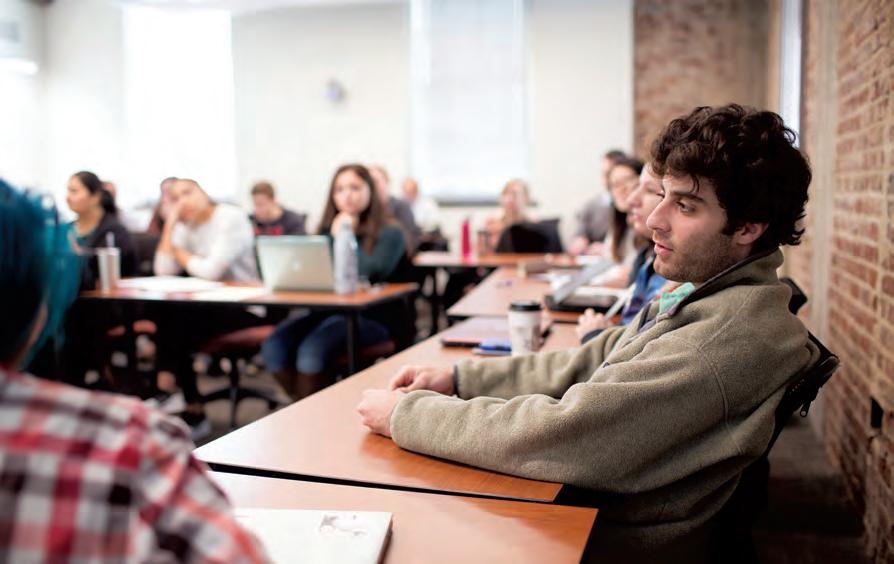
Winship faculty also play a critical role in the highest levels of education by teaching and mentoring students training to be doctors and researchers throughout Emory University.
In earning comprehensive cancer center status, Winship showcased outstanding research across a spectrum, from prevention to treatment and education.
Sagar Lonial, Winship chief medical officer and chair of the Department of Hematology and Medical Oncology, says one of Winship’s greatest strengths is the comprehensive mindset of its people. “A comprehensive cancer center brings together lots of different people who work and think in lots of different ways under one tent.”
“We all learn from each other and bring the best we’ve got to our patients.” w
Winship faculty have taught generations of doctors and researchers through the Emory School of Medicine and the Laney Graduate School Cancer Biology Program.
by
Photo
Ann Borden
Patients usually don’t see what goes on behind the scenes: the pathologists who scrutinize tissue to determine if it’s cancerous; the medical dosimetrists who plot the paths of radiation beams so they hit the cancer and not the healthy tissue; the pharmacy technicians who mix precise doses of medicines for each individualized prescription.
What you don’t know...
The work that goes on behind the scenes.
could save you.
SCENE 1: Dosimetry
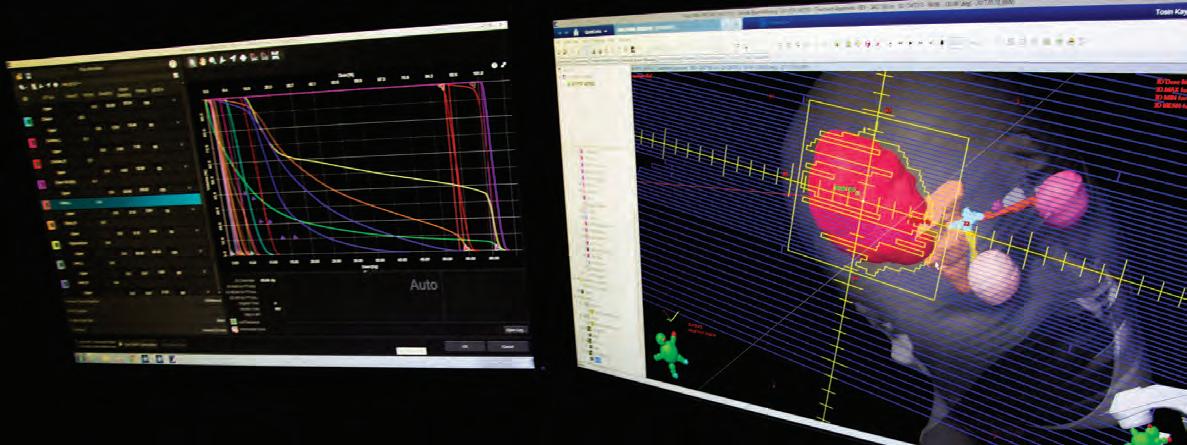
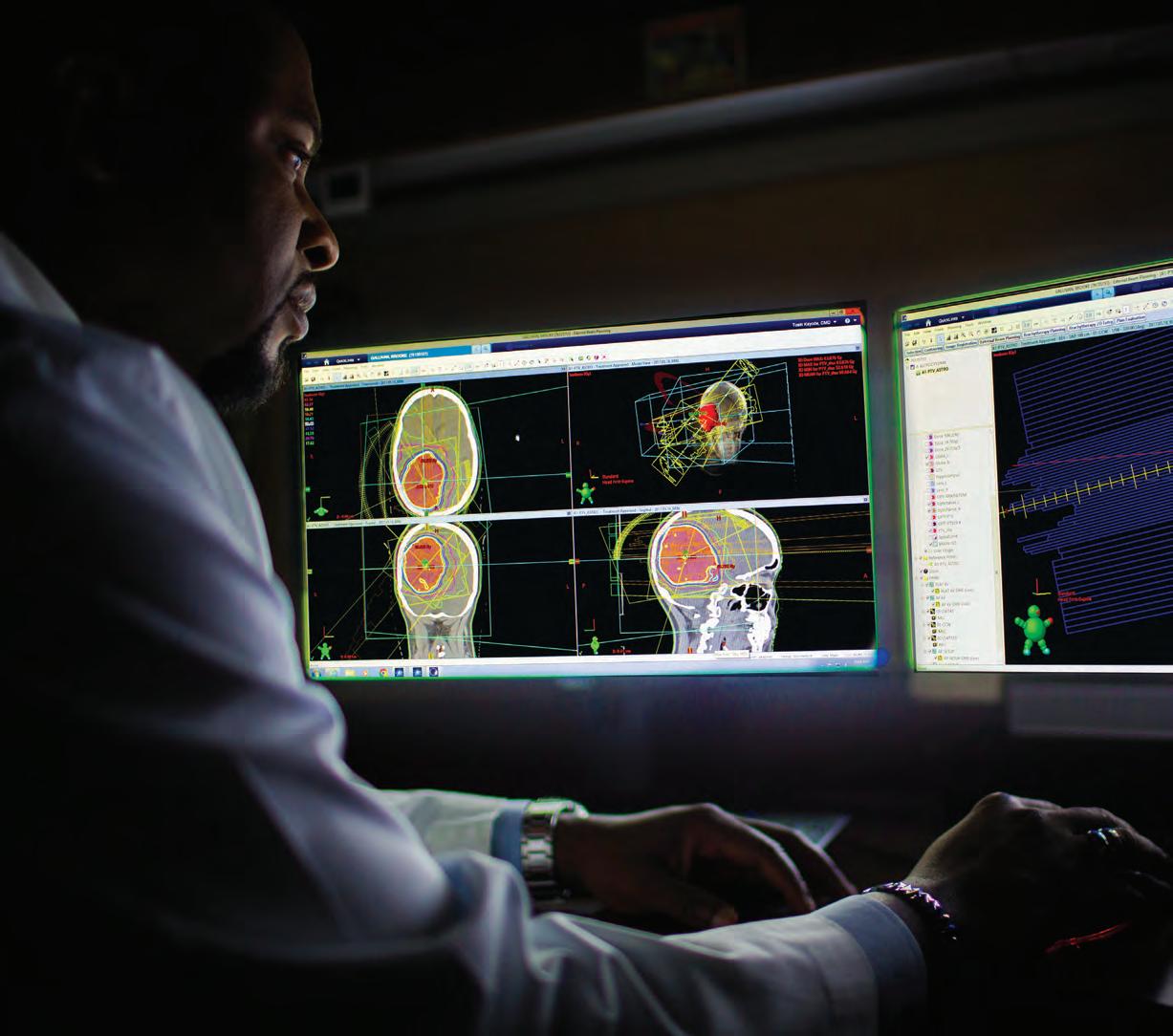
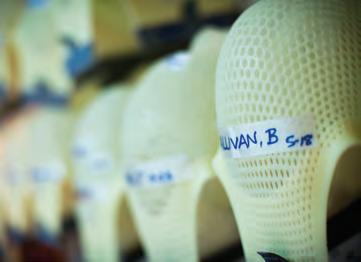
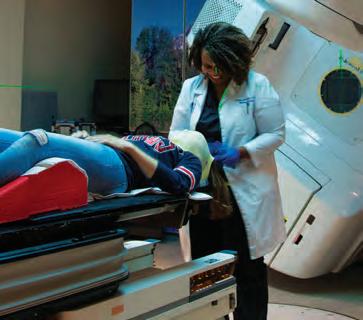
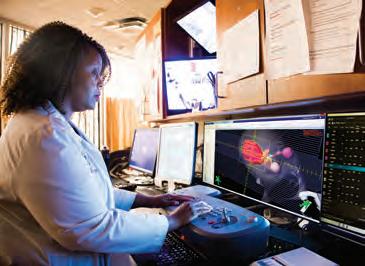
Weeks before Brooke Gallivan started radiation treatments for a brain tumor, Winship medical dosimetrist (from the word “dose”) Oluwatosin Kayode went to work mapping the path for the radiation waves to take (1). Starting with the prescription from radiation oncologist Hui-Kuo Shu, Kayode generated a 3-D computer model using Gallivan’s CT scans. Determining the best, safest dose of radiation therapy is a balancing act between delivering enough radiation to shrink or control the tumor, without damaging normal tissue and vital areas like optic nerves and the brain stem.
The dosimetrist painstakingly maps out a patient’s individualized plan and then works with the radiation oncologist to check and perfect it. For a brain tumor patient like Gallivan, a mask (2) is created to keep her head immobilized in the right position. When treatment begins, radiation therapist Shereen McLendon (3) positions Gallivan on the table with her mask and monitors the radiation (4).
Although radiation treatments last only a few minutes, hours of preparation go into them. Dosimetrist Kayode says it’s extremely gratifying to perform this vital step in a patient’s treatment.
Photo essay by Jack Kearse and Ann Borden
SCENE 2: Is it cancer?
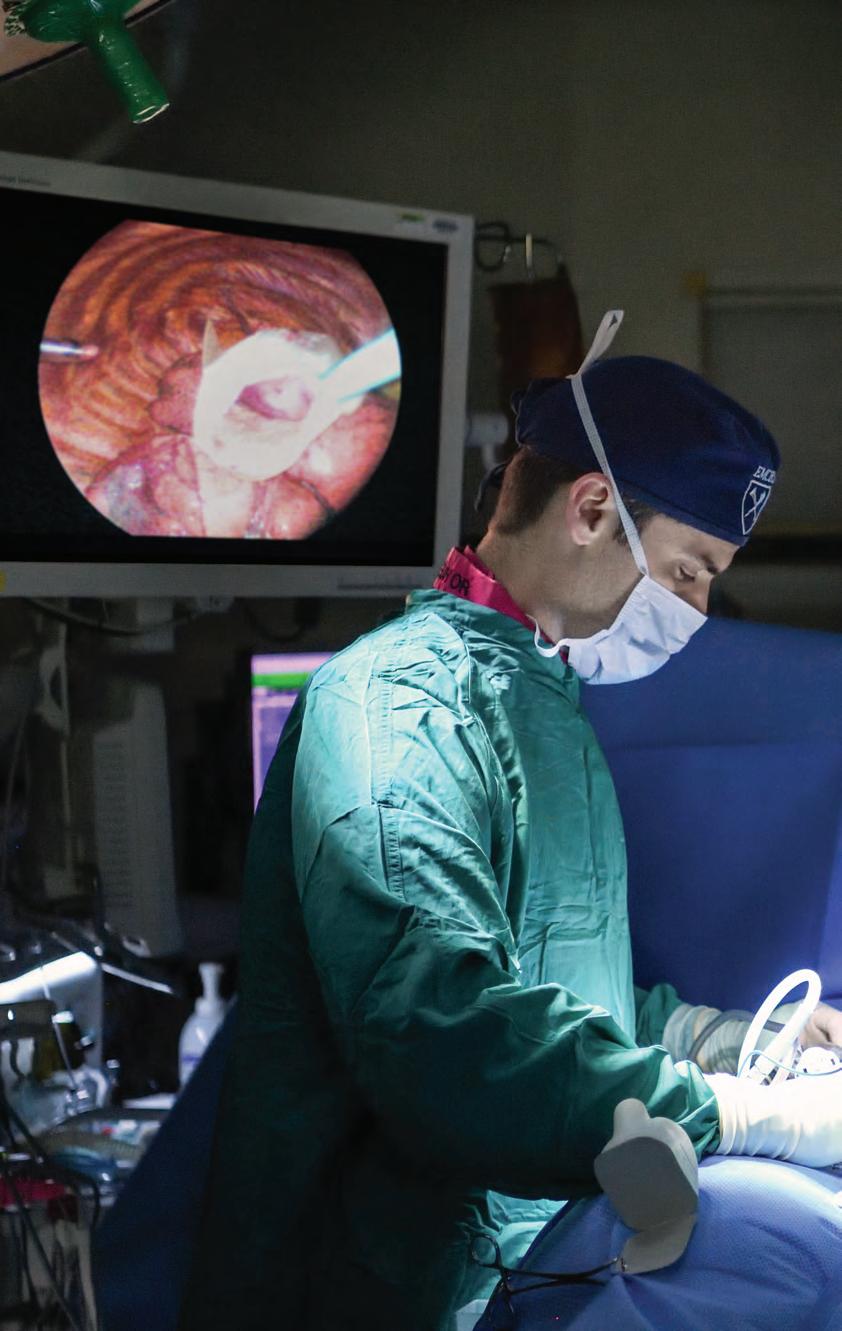
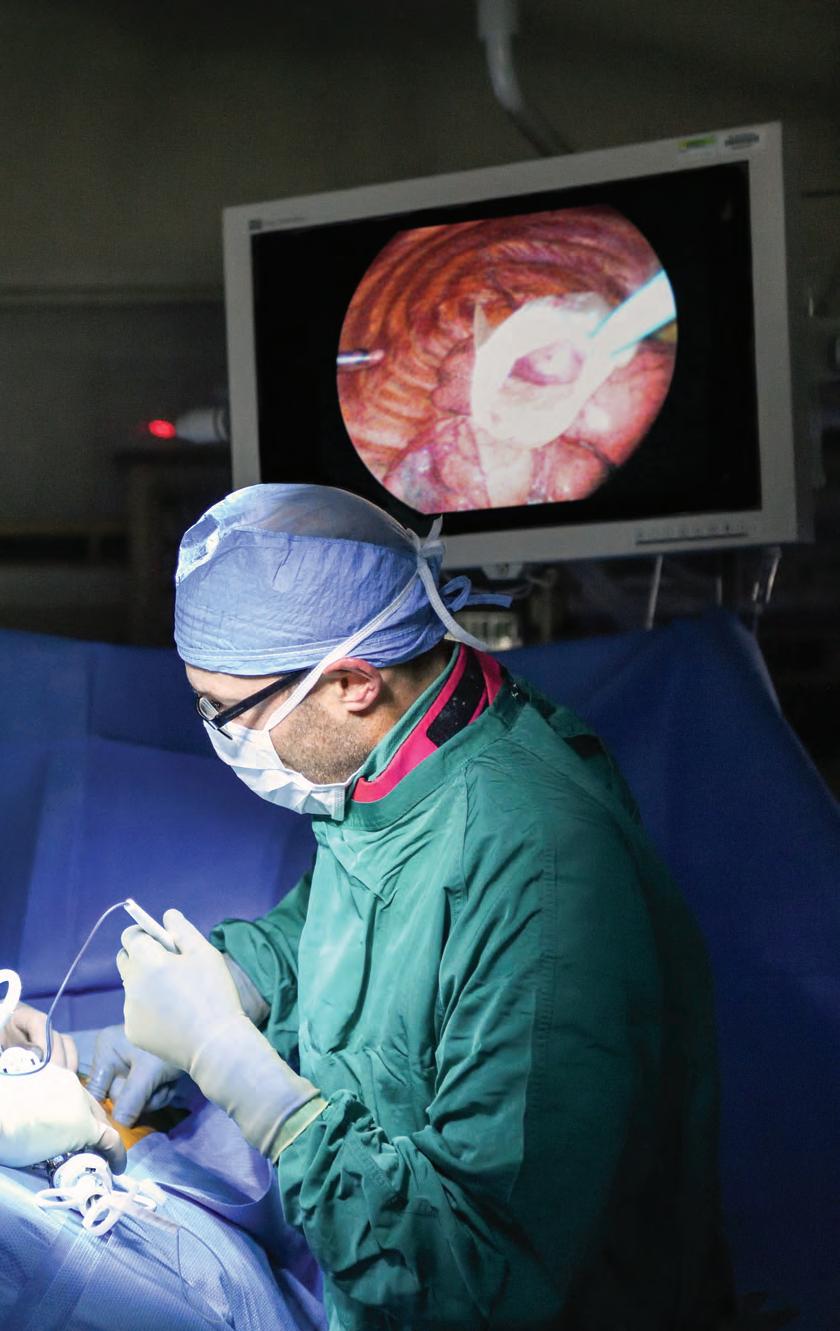
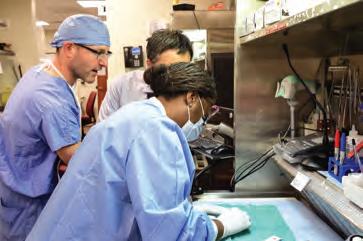
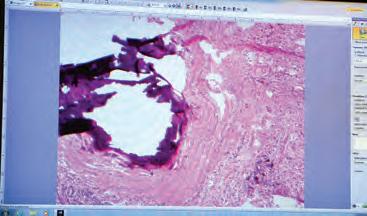
Fred Erler faced the possibility that the nodule seen in his lung imaging could be cancer. A needle biopsy might indicate cancer, or it might be inconclusive. So Winship thoracic oncology surgeon Seth Force offered an alternative: minimally invasive surgery (1) to remove the nodule and take it immediately into the pathology lab to be tested (2), while the patient was still under sedation in the operating room. If it was cancerous, Force could go back and remove the entire lobe of the lung. If it wasn’t cancerous, surgery would be over and Erler would go home the following day.
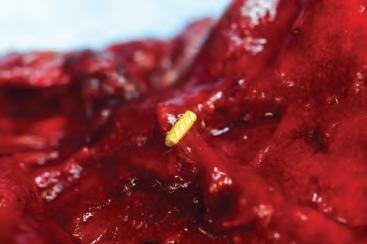
Locating a lung nodule during surgery can be difficult because our lungs are constantly moving as we breathe and, in this case, the nodule can be very small and not directly visible during surgery. So a tiny marker, called a fiducial (3), was inserted next to the nodule that helped Force locate and remove it quickly.
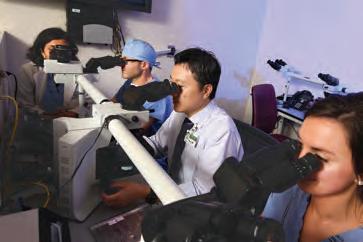
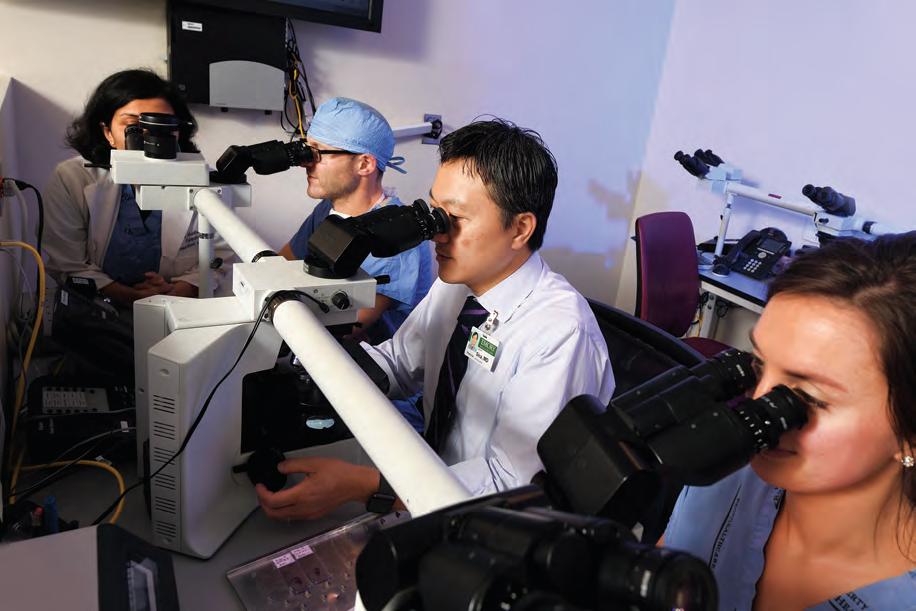
Working against the clock, pathologist Gabriel Sica and his team had 20 minutes to prepare the nodule for testing and make a determination: not cancer. (4 and 5) Fred Erler was done with surgery and Force could tell his family the good news.
“Once he’s recovered, he will not need more follow-up,” said Force. “He doesn’t have to live with the uncertainty of having cancer.”
12:42 12:50 1
SCENE 3: The chemo room
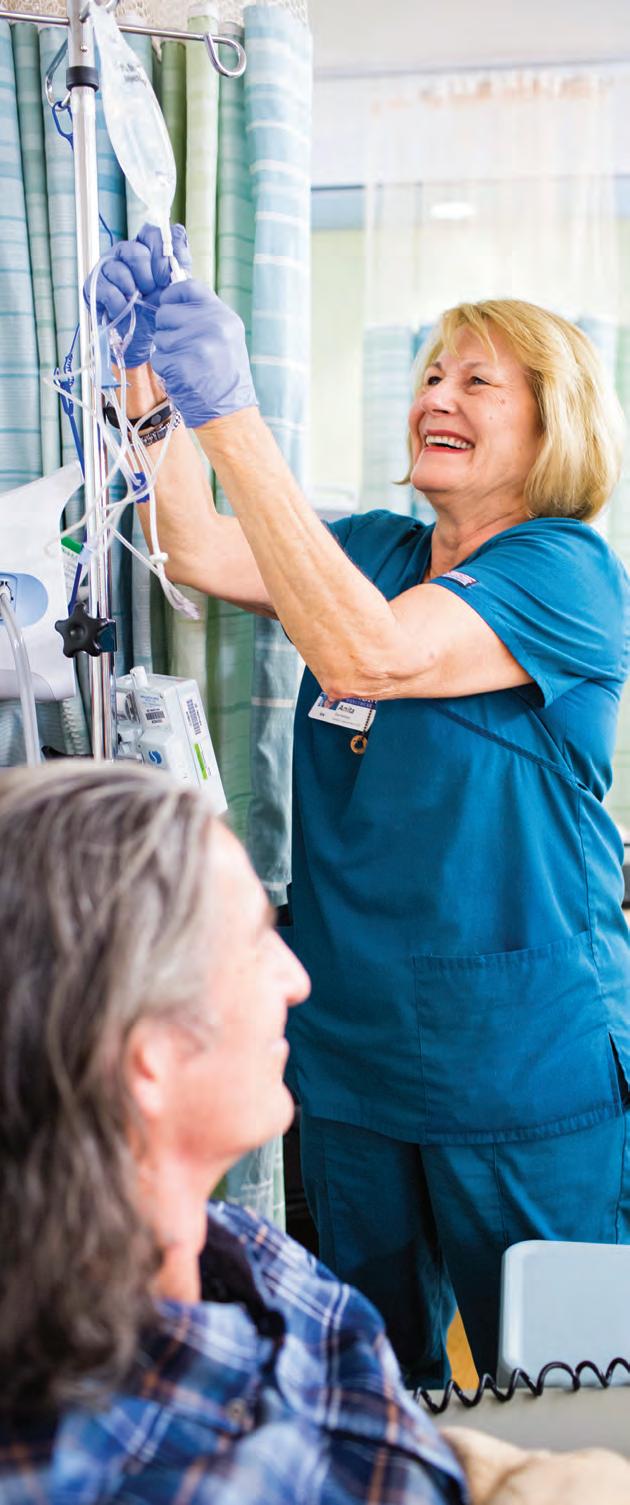
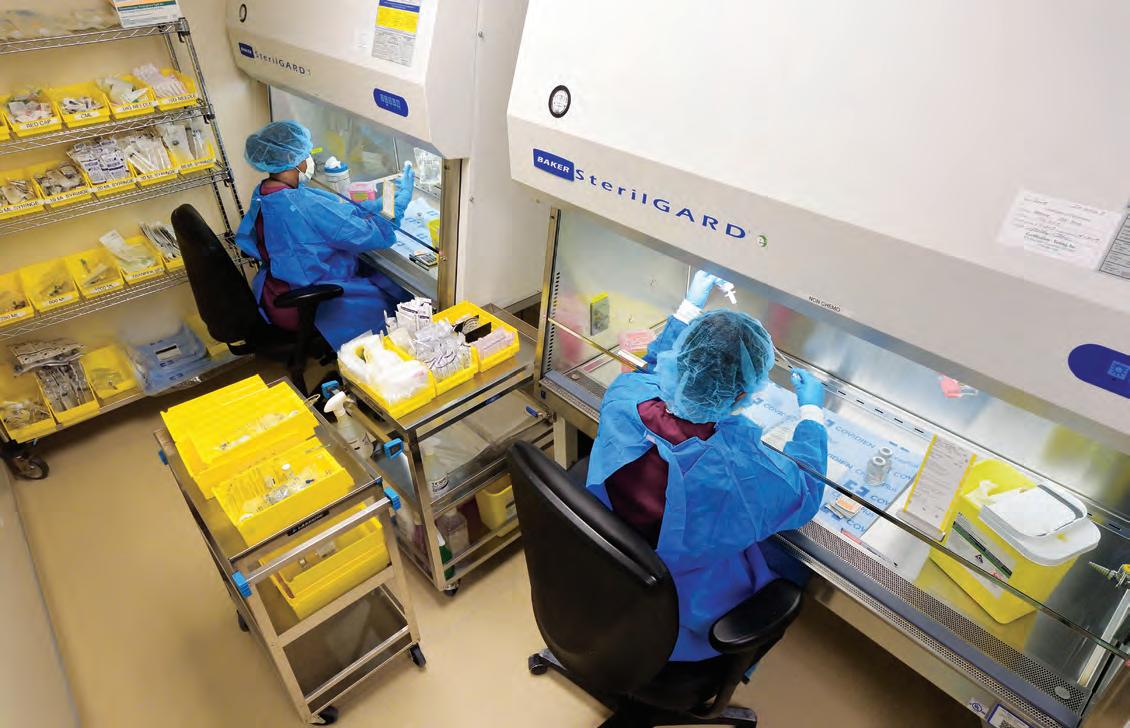
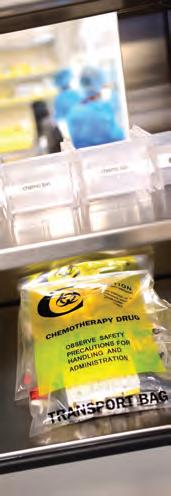
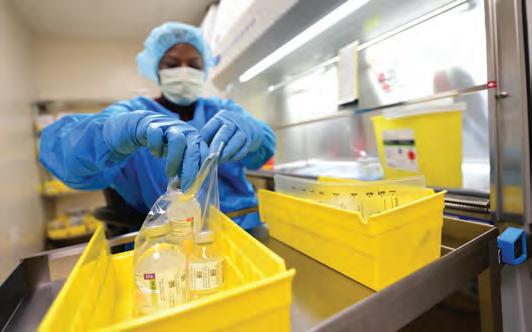
It’s not uncommon for cancer patients to receive three or more different medicines as part of their treatment regimens, and dosages can vary on every visit. Winship patients get treatment at multiple infusion centers throughout the Emory Healthcare hospital system but what they all have in common is strict attention to precision and extreme care in keeping the medicines from being contaminated. This new, state-of-the-art pharmacy in the ambulatory infusion center at Emory University Hospital Midtown provides a sterile chemo room for two pharmacy technicians to work side by side, making up individualized prescriptions for the patients being treated that day.
Pictured are Pearline Ledbetter and Candy McBride, pharmacy technicians level 3, in the chemo room (1), while breast cancer patient Pauline Echols waits in the infusion center (2). w
The Winship
The Winship 80 are recognized for their compassion, their practice-changing insights, their generosity, and their dedication to the mission of Winship Cancer Institute over the past eight decades. And none of this would have happened without the foundational gift of Robert W. Woodruff.
The Vision
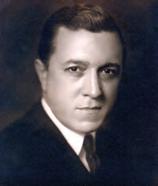
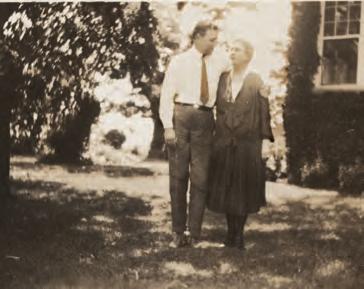
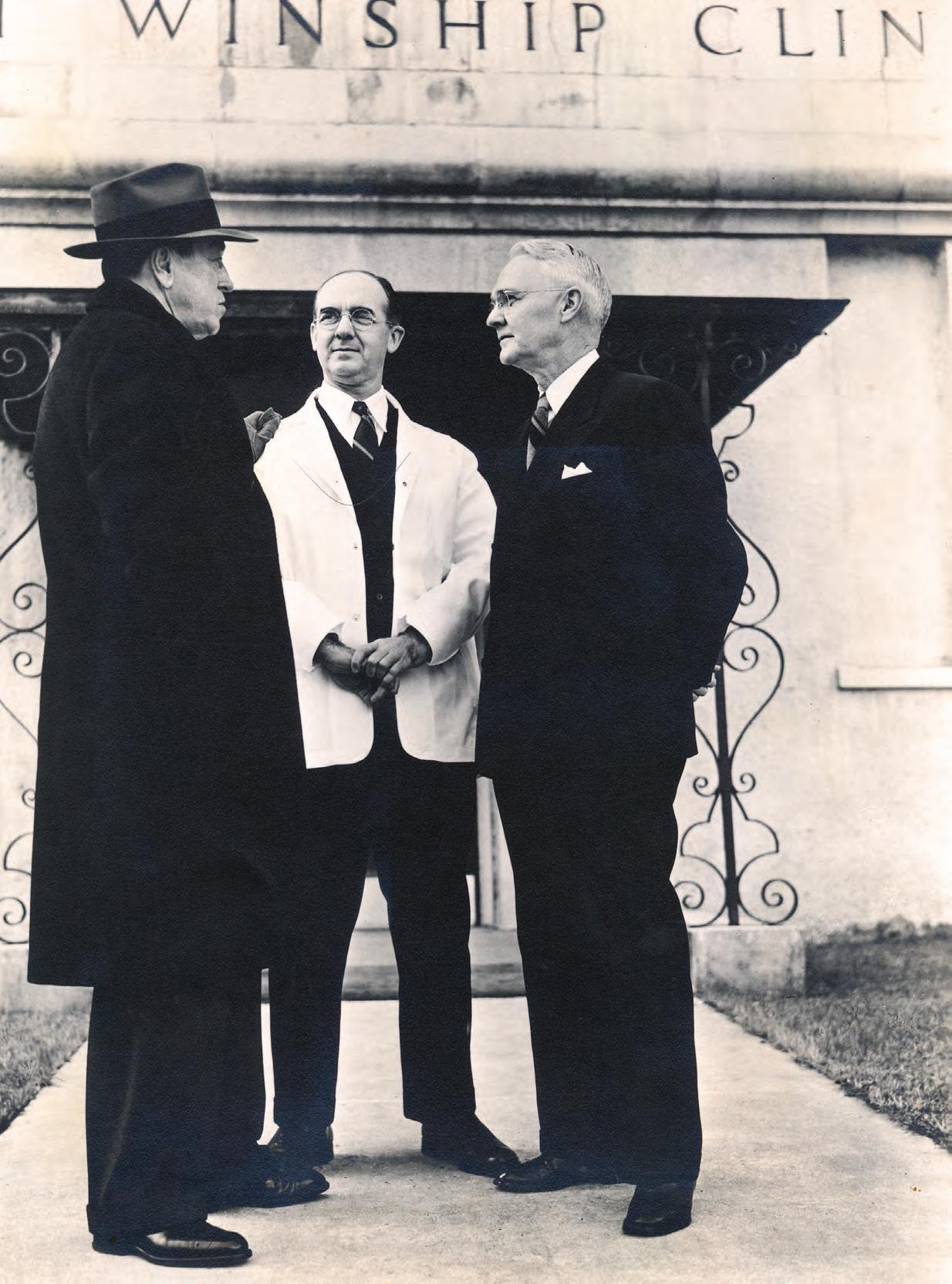
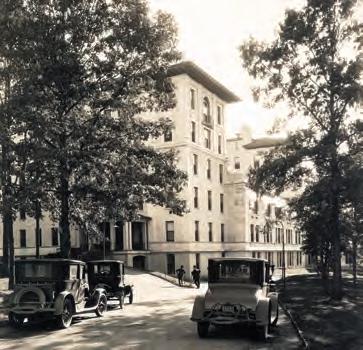
In 1937, Robert Winship Woodruff, then president of The Coca-Cola Company, gave $50,000 to Emory University to start the Robert Winship Memorial Clinic. It was the first donation Woodruff ever made to Emory and was prompted by the anguish of losing his beloved mother, Emily Winship Woodruff, to cancer. Like so many of the people on these pages, Woodruff sought a way to turn his loss into a constructive action.
Because his mother had to travel to New York for treatment, Woodruff’s mission was to bring together cancer physicians and researchers so that Georgians could access the best treatments available, without leaving the state. Establishing the new clinic, named
in honor of Woodruff’s grandfather, Robert Winship, launched a lifelong commitment to advancing cancer treatment. Winship’s first director, Elliott Scarborough, led the Winship Clinic at a time when cancer was taboo to even talk about. He worked to educate the public about cancer and to expand the clinic to a state-of-theart center capable of treating thousands of patients a year.
Thanks to Robert Woodruff and the on-going support of the Robert W. Wood-
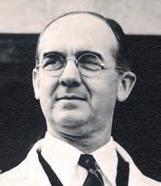
Pictured left: Robert W. Woodruff, Elliott Scarborough, and Hugh Wood, dean of the Emory School of Medicine.
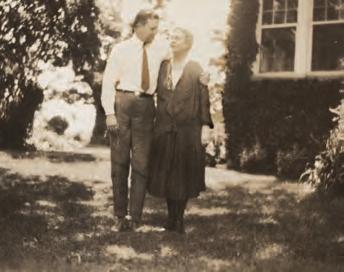
Below: Robert Woodruff with his mother Emily Winship Woodruff.
On these pages are some of the people and organizations who have helped make Winship what it is today.
For full Winship 80 profiles go to winshipcancer.emory.edu/winship-80
ruff Fund, Inc., Winship’s stature and its service to the people of Georgia have continued to grow for the past 80 years.
Today, Winship is fulfilling Robert Woodruff’s vision of a world-class cancer center. The Winship 80 recognizes a broad range of people and organizations who helped make this happen: scientists who mentor and inspire Winship leaders; philanthropists whose donations make groundbreaking research possible; community leaders who shine a light on the importance of cancer research and care in Georgia; patients and their family members who embody Winship’s mission every time they tell their stories, volunteer their time, and offer unbounded compassion to all who face cancer.
The Visionaries
By Dana Goldman
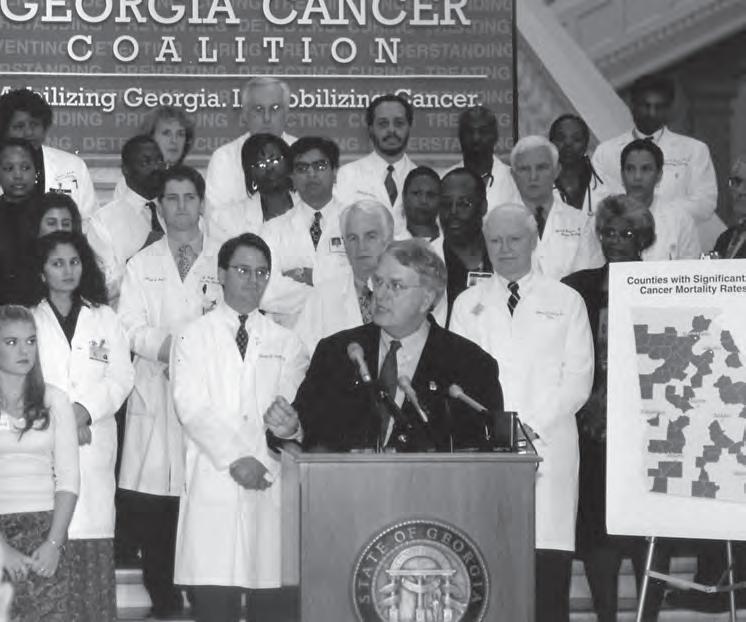
Roy Barnes knew an opportunity when he saw one. In the late 1990s, Barnes, then governor of Georgia, was approached by Hamilton Jordan, a cancer survivor and former White House Chief of Staff for President Jimmy Carter, and Michael Johns, then head of Emory’s Woodruff Health Sciences Center, about how to ramp up Georgia’s efforts in cancer research, prevention, and treatment.
At the time, major tobacco companies were settling civil litigation with states over smoking-related diseases and health care costs. Barnes wanted to ensure that some of the hundreds of millions of dollars that Georgia would receive would go toward a cancer initiative with positive health and economic outcomes for the state. Barnes was rankled by the fact that many Georgians at the time drove to Alabama for cancer care. States surrounding Georgia had National Cancer Institute (NCI)-designated cancer
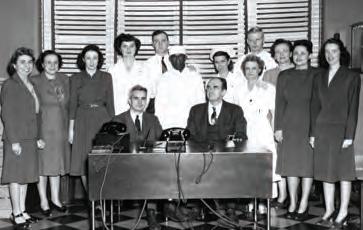
The first staff of the Robert Winship Clinic; Elliott Scarborough is seated on the right.
The Georgia Cancer Coalition launched in 2001, thanks to the teamwork of Governor Roy Barnes (above), Emory’s Michael Johns, and former White House Chief of Staff Hamilton Jordan (right).
centers. Why not Georgia?
In 2001, the Georgia Cancer Coalition (GCC) was launched with a business plan that called for $400 million in tobacco settlement funds over 10 years.
Nancy Paris was one of the leaders of the new nonprofit. A social worker by training, Paris had worked in health care administration and spearheaded initiatives involving low-income and rural Georgians, HIV, hospice and palliative care, and health issues involving homelessness. Cancer was a new niche for her, but Paris says that Barnes and his vision were compelling. “I had the great honor of working for this gifted leader who had a vision of integrating the health and economic impact of cancer for my state,” says Paris. “He wanted this money to go for a great purpose.”
The GCC pulled together health care providers and researchers, recruited experienced scientists to the state, and coordinated a boon of cancer research and investments across Georgia—including at Winship. When stakeholders recognized the need for more in-state clinical trials, Paris spun off a new nonprofit from the Georgia Cancer Coalition: the Georgia Center for Oncology Research and Education (Georgia CORE). In 2005, Georgia CORE incorporated, with the mission of creating and maintaining a clinical trials network with collaboration between community physicians and doctors from academic research centers across the state.
Paris, “We want clinical trials available at Winship to also be available across the state in community cancer centers.” Winship Executive Director Walter J. Curran, Jr. serves on the board of Georgia CORE.
“We’ve all been touched by cancer in one way or another, and we’re extremely proud of what Winship and Emory are doing to address that.”
Michael Cassidy
While the Georgia Cancer Coalition disbanded a few years ago, Georgia CORE continues its mission alongside the Georgia Research Alliance (GRA), which drives a range of science and technology initiatives. GRA strategically recruits researchers to Georgia, funds infrastructure (including state-of-the-art research labs), and acts as a catalyst for new in-state biotech companies. GRA president Michael Cassidy says, “We’ve tried to make the right investments in talent and physical infrastructure and bring more investigators to the state,” he says. “We help our universities attract game changers who will put big teams together. These teams generate interesting ideas, developments, and discoveries and we help them form new products and businesses.” Walter Curran is a GRA Eminent Scholar, and his endowed chair is financially supported by the GRA.
These individuals and organizations were key partners in Winship’s successful bid to become an NCI-Designated Cancer Center in 2009, and most recently, an NCI-Designated Comprehensive Cancer Center in 2017.
To this day, Georgia CORE continues efforts to reduce health care disparities, increase cancer education and prevention, and improve access to clinical trials. Says
Cassidy says both designations have been big wins for Georgia and cancer research as a whole. “We’ve all been touched by cancer in one way or another, and we’re extremely proud of what Winship and Emory are doing to address that. We’re very honored to be part of that.” w
Michael Cassidy and the Georgia Research Alliance were early supporters of the GCC mission.
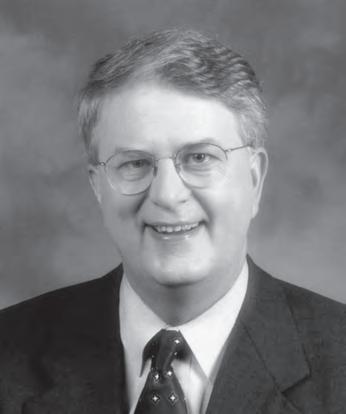
Roy Barnes (Georgia governor 1999-2003).
Nancy Paris started Georgia CORE in 2005.
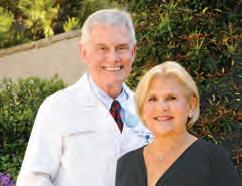
The Glenn family
The Glenn family has been a steadfast supporter of Winship for many years, from chairing fundraising events to directing major donations from their family foundation for the creation of a center focused on breast cancer research and care. The Glenn Family Breast Center, Winship’s first named center for a specific type of cancer, was established in 2013 through gifts from the Wilbur and Hilda Glenn Family Foundation.
The Glenn Family Breast Center is dedicated to elevating patient-centered breast cancer care through support of basic and translational research, clinical trials, and tissue banking.
“We have experienced the uncertainty of this disease, and Winship helped our family fight back with excellent care at the forefront of medical advances,” says Lou Glenn, foundation trustee and founding member of the Winship Advisory Board.
“While our gifts target breast cancer, we hope that others will invest in Winship’s research and exceptional care for all types of cancer so many more families can be helped.”
The Glenn Family Foundation also established the Louisa and Rand Glenn Family Chair in Breast Cancer Research, held by Mylin Torres, who serves as the director of the Glenn Family Breast Center. For full Winship 80 profiles go to winshipcancer.emory.edu/winship-80
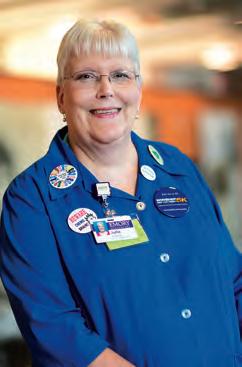
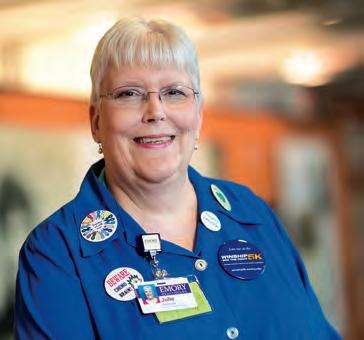
Julie Whitehead has logged close to 1,500 volunteer hours at Winship. Inspired to volunteer following her own cancer treatment, she says, “Some of the most helpful individuals were those who had been through treatment themselves. They helped me get through the scary unknown. Their strength showed me that I too could be a survivor.”
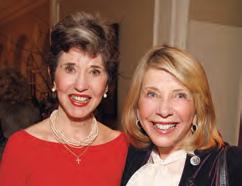
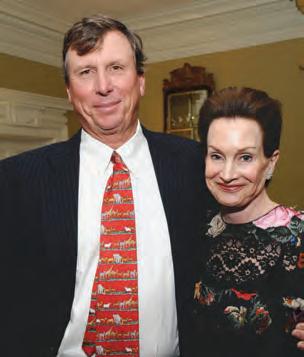
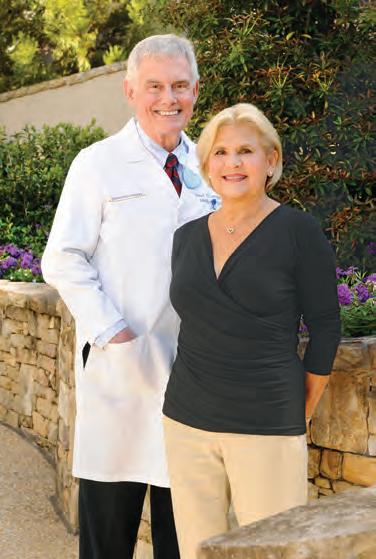
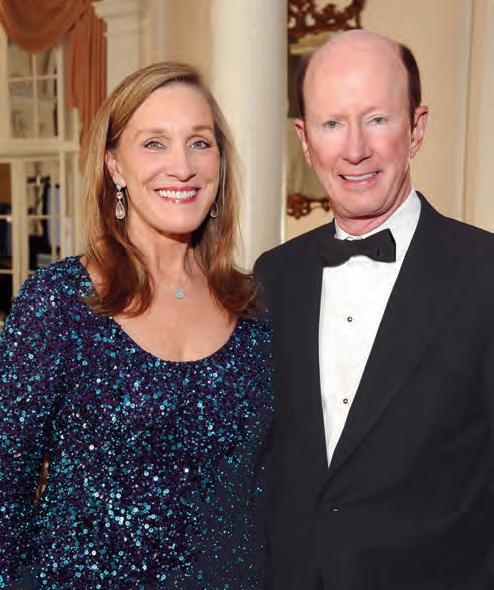
Winship Advisory Board “I’m not going to cure cancer but I do what I can to support the people who will,” says Leslie Wierman (above right), chair of the Winship Advisory Board. It’s a sentiment shared by her 59 fellow board members. All have been touched in some way by cancer. “We are extremely dedicated to Winship and willing to put our time, talent, and resources behind it,” says Wierman.
The Winship Advisory Board was launched in 2006 in order to coalesce a group of people who were contributing individually to Winship through donations and volunteer work. John H. Kauffman (above left), community leader, president of Kauffman Tire, and tireless Winship advocate, was the inaugural chair. Other past board chairs include Bob Meier and Billy Levine (above center).
When Levine took on the leadership in 2014, he brought more structure to the group by focusing on key areas of fundraising, enhancing the patient experience, and boosting Winship’s recognition. “I’m really proud of the fact that people on the Board feel like they’re doing something meaningful,” says Levine. Wierman and her fellow board members continue to work at extending their impact. “We are all ambassadors in the community,” she says.
The Glenns (left to right): Louisa Glenn D'Antignac, Tom Glenn, Lou Glenn, Rand Glenn Hagen.
Cassie Mitchell
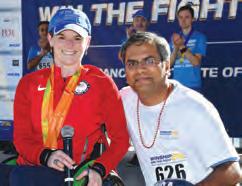
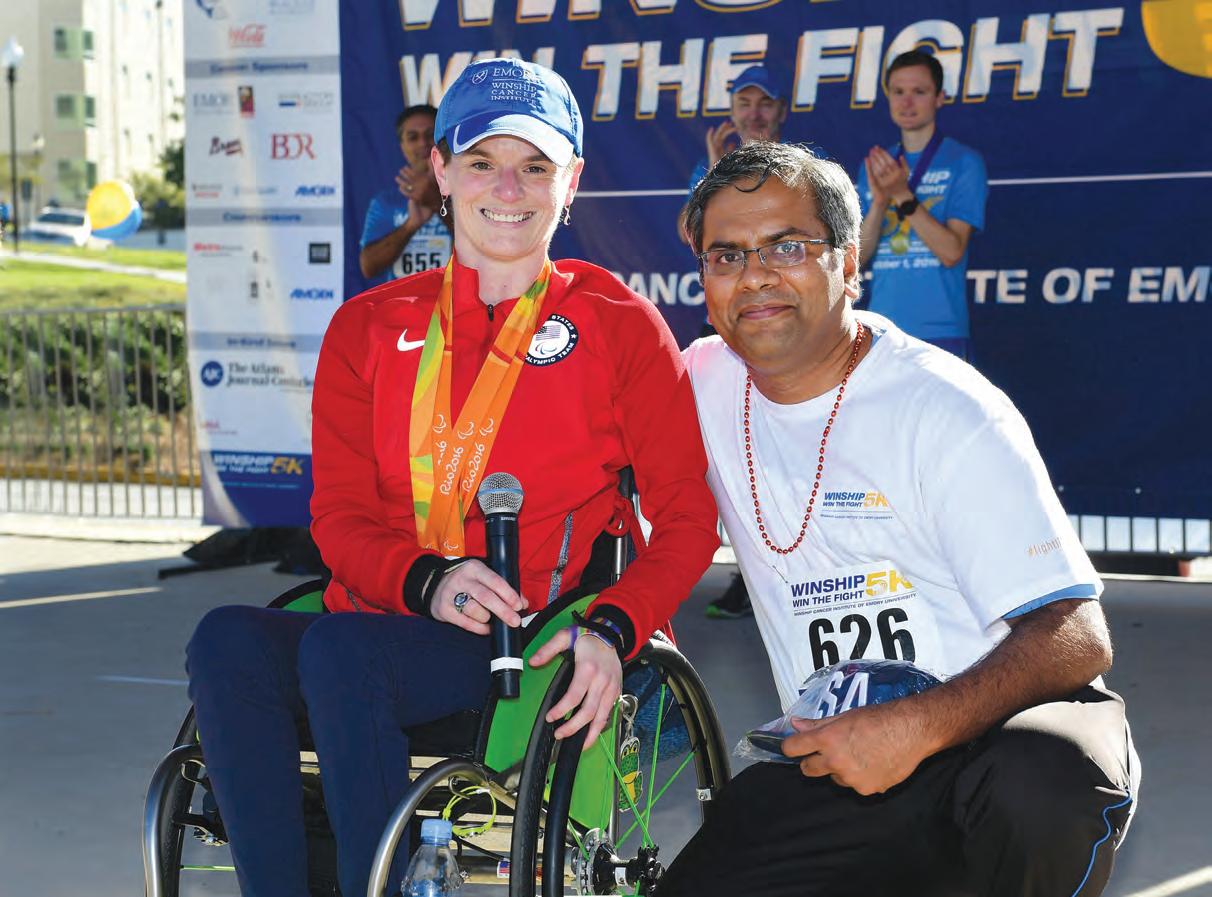
biomedical engineer, Paralympian, and cancer patient, touches many lives at Winship and Emory. Diagnosed with chronic myeloid leukemia in 2016 and laid low by severe side effects from chemotherapy, Mitchell nevertheless competed in the 2016 USA Paralympics in Rio De Janeiro and came home with silver and bronze medals. Her doctor, Winship hematologist Vamsi Kota, supported her throughout. In thanks to Winship, Mitchell handed out medals at the 2016 Winship Win the Fight 5K and presented Kota with the gift of her official USA Olympic cap.
Jim and Sarah Kennedy
Acting on life-long commitments to improve the community, Sarah and Jim Kennedy have been transformative forces at Emory University.
Chairman of media giant Cox Enterprises, Jim Kennedy is also chairman of the James M. Cox Foundation, named in honor of his grandfather and founder of Cox Enterprises. The Kennedys made an initial, personal gift to Winship to support five priority areas: recruitment of faculty researchers, seed grants for scientific research, investigator-initiated clinical trials, development of the survivorship program, and mentoring of young physicians and investigators. This gift came at a critical time for Winship and helped grow the faculty, support innovative projects, and foster collaboration among investigators.
Jim Kennedy’s experience as a patient at Emory motivated a recent gift to launch a new patient-centered model designed to improve patient experiences and outcomes, with prostate cancer care as the initial clinical focus. The initiative accelerates efforts under way within Emory to create more streamlined and reliable care for patients and families. The gift also created two endowed chairs for physician leaders focusing on change initiatives and research to improve patient care.
model for improved health care delivery.”
In making the gift, Jim Kennedy said, “We believe Emory can serve as a national
In 2011, Sarah and Jim Kennedy provided support for Emory’s Alzheimer’s Disease Research Center for clinical trials and associated research studies for treatment of Alzheimer’s disease, chairing its “A Family Affair” event benefitting the Center in 2013. The Kennedys have also supported Emory's Center for Maternal Substance Abuse and Child Development and Emory's Brain Health Center.
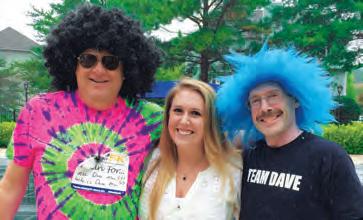
“Team Dave” When Dave Edwards (above right) was diagnosed with stage IV melanoma in 2005, he decided to do everything his Winship doctors suggested. Twelve years after his diagnosis, Edwards is a regular at Winship. He and his many friends, family, and supporters have become a vital part of the annual Winship 5K, running under the banner of Team Dave.
“Team Dave is not just a team that runs the Winship 5K,” says daughter Kelly Edwards, “it’s a group of supportive, fun, silly, and loving people who want something positive to happen to everyone who’s fighting this unwanted fight. Go Team Dave!”
The Rollins family
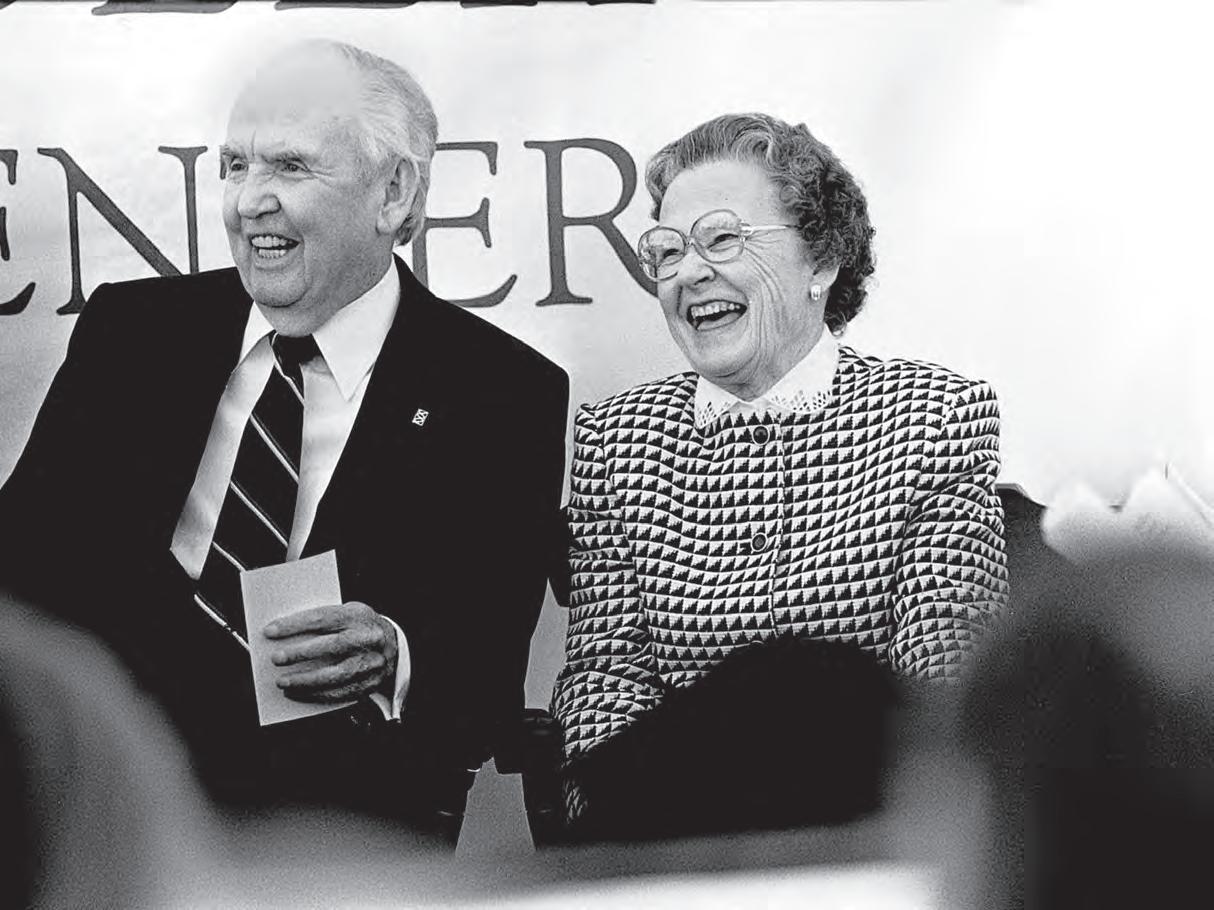
The O. Wayne Rollins Foundation, created in 1967 by family patriarch O. Wayne Rollins and his wife Grace Rollins (pictured here), has provided support throughout Emory, including two endowed chairs at Winship: the R. Randall Rollins Chair in Oncology and the Margaret H. Rollins Chair in Cancer.
Full profile at winshipcancer.emory.edu/ winship-80
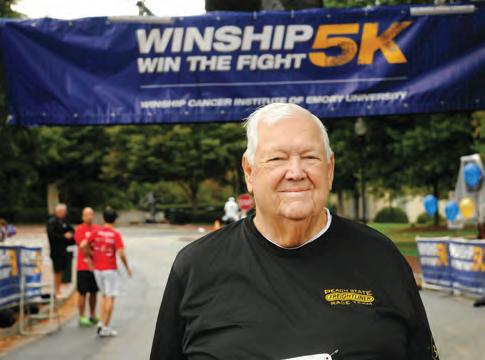
Tom Reynolds, who passed away in October 2016, was a devoted advocate for Winship in the community and made a tangible difference in his volunteerism and philanthropy for the cause of cancer research.
A long-time cancer survivor himself,
Reynolds lost his beloved wife, Patricia, to sarcoma in 2005. With his children, Reynolds established the Patricia R. Reynolds Endowment for Sarcoma Research in memory of his wife and remained steadfast in support for this rarer form of cancer. The Reynolds children Ann Crouse, Rick Reynolds, and the late Tim Reynolds—followed their father’s lead and have been active supporters of both sarcoma research and breast cancer research at Winship.
When the Winship Win the Fight 5K was just getting started, Reynolds enthusiastically signed on his company, Peach State Truck Centers, as one of the original and largest corporate sponsors and also made Peach State an original patron of the Winship Gala.
Brenda Nease
Brenda Nease is perhaps most often recognized as the woman who plays the piano in the Winship lobby on Thursday afternoons. The baby grand came about from a gift made to Winship in her honor, but music is only one of Nease’s many contributions to Winship.
As a cancer survivor, Nease brings personal experience to her commitment both to cancer research and to improving the individual patient experience. She commissioned a painting that hangs in a Winship waiting area and funded the refurbishment of Winship’s Purdom Chapel, dedicated to the memory of her son, Lawton McDonald Nease IV, who passed away from non-Hodgkin
lymphoma. Her on-going commitments include serving on the Winship Advisory Board, helping fund an annual Melanoma Symposium, and the establishment of the Brenda Nease Breast Cancer Research Fund.
“This fund is not about me,” Nease says, “it is about the people who will benefit. It is about the desire to help others in the same situation I was in after my diagnosis. If I can improve any part of this experience for patients, that is my calling.”
“Mrs. Nease faced cancer in her own life with grace and courage,” says medical oncologist David Lawson. “It is very gratifying to see the difference she makes for others through her gifts.”
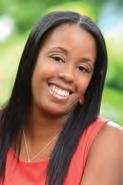
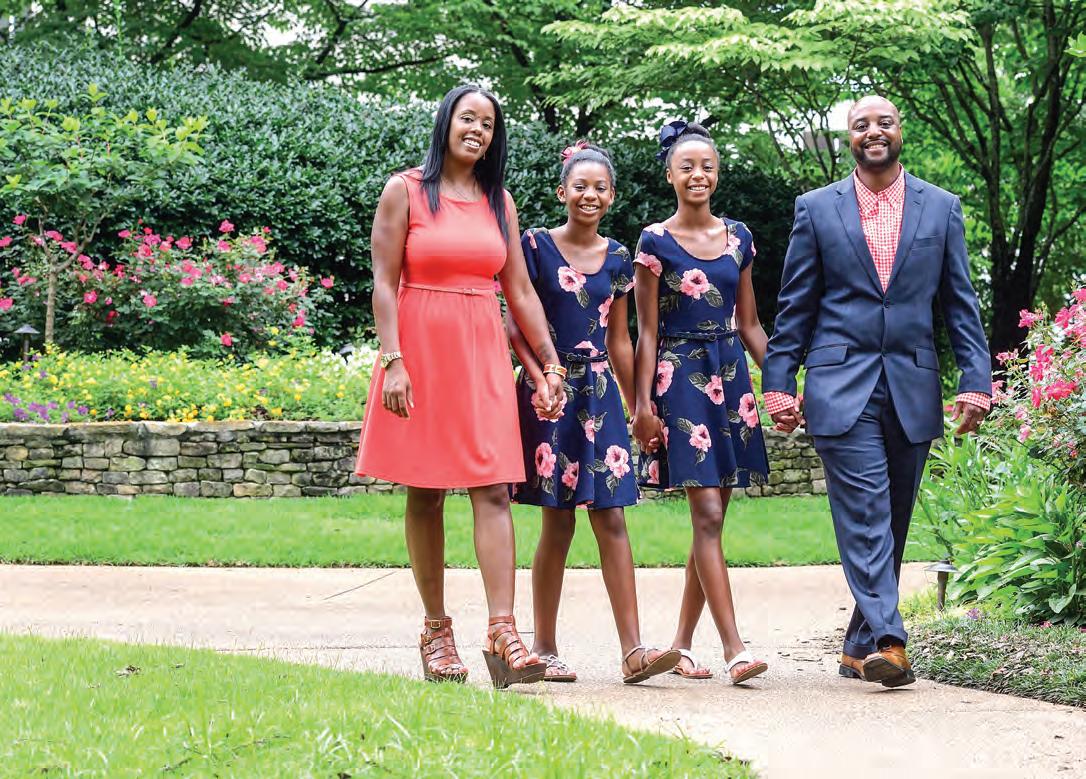
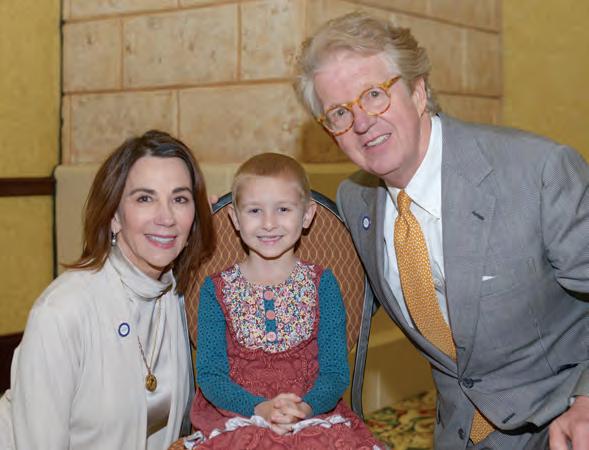
Ivory Cloud By day, Ivory Cloud teaches prekindergarten for children with special needs. By night, during weekends, and in any spare moments in between, you can find her coordinating events for kids with cancer and kids who have lost a parent to cancer. With the help of her husband and daughters, Cloud has held Mother’s Day tea parties and pajama parties at Children’s Healthcare of Atlanta, and she advocates for young women to get preventive care if their mothers died of breast cancer.
“My mom, Lois Marie Heckstall, passed away from breast cancer on Mother’s Day when I was nine,” says Cloud. “She passed away so young she couldn’t fulfill all her dreams. Now I want to help other people fulfill their dreams as a way of making sure my mom’s legacy is out there.”
Friends of Winship
Whena group of 10 women came together in 2011, they knew they all shared a deep appreciation for the care that either they or their loved ones received at Winship. They wanted to raise awareness about Winship’s research and patient care, help educate the public about cancer, raise funds for cancer research, and enhance the patient experience.
Now, more than 330 men and women make up the Friends of Winship and the group has raised millions of dollars to support research through events, including a gala and an annual fashion show. They put on patient events like popsicle give-aways and they host lunch-and-learns with doctors and researchers who share the latest information about cancer and treatment options.
Lory Macrate & Ed
Steinman
“I became a patient involuntarily, but my husband chose to become a dedicated Winship volunteer,” says Lory Macrate. When Lory was diagnosed with multiple myeloma in 2011, her husband, Ed Steinman, decided to do whatever he could to support her. Now that his wife’s health has stabilized, Ed is a passionate member of the Winship Advisory Board and the Patient and Family Advisory Council, he does corporate fundraising for the Winship 5K and Winship Gala, and leads an ever-growing team of supporters at the Winship 5K.
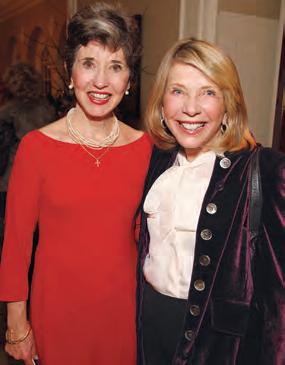
“Our volunteers are passionate about Winship,” says Marietta Petters, a founding member of Friends, “because most of them have been touched by cancer in some way.” “Winship gives people hope,” says Kathy Bowman, another founding member. “You get so excited about what these doctors and researchers are discovering. That inspires us.”
For full Winship 80 profiles go to winshipcancer.emory.edu/winship-80
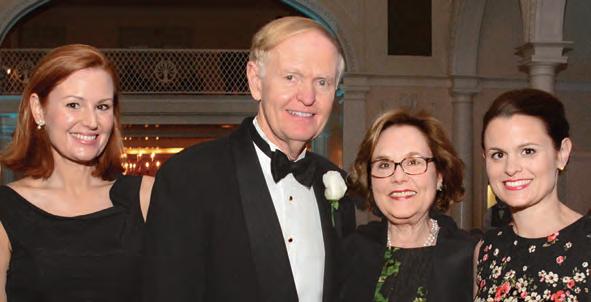
Mary and John Brock
Mary
and John Brock were introduced to Winship when John’s mother, Anise McDaniel Brock, was diagnosed with cancer. As then chairman and CEO of Coca-Cola Enterprises, Brock had access to medical facilities across the country, but research led them to Winship. Although Anise Brock lost her battle with cancer, her experience bound the family to Winship.
As a Georgia Tech alumnus, John met with cancer researchers and physicians at Emory and Georgia Tech to discuss their research programs. The meetings led to the establishment of an endowed chair at Winship named in honor of John’s mother, the Anise McDaniel Brock Chair in Cancer Innovation, in partnership with research scientists at both institutions.
Along with their philanthropic support, the Brocks continue their involvement through Mary Brock’s role on the Winship Advisory Board and their personal support of special events. In 2012, Winship recognized the Brocks by naming them honorary chairs of the Winship Gala.
Marietta Petters and Kathy Bowman.
Kathelen and Dan Amos
TheAflac Cancer and Blood Disorders Center of Chil-
dren’s Healthcare of Atlanta (Children’s) is recognized as one of the largest and most respected pediatric hematology/ oncology programs in the United States. Staffed by pediatric oncologists and researchers who are Winship members, the Aflac Cancer Center cares for more than 450 newly diagnosed cancer patients each year and is a national leader in enrolling children in innovative therapeutic clinical trials.
The relationship between Children’s and Aflac began more than 20 years ago when Kathelen and Dan Amos initiated the Aflac Foundation’s groundbreaking charitable contribution.
Douglas Graham, director of the Aflac Cancer and Blood Disorders Center, Daniel P. Amos Chair, and Winship Executive Committee member, says “The generosity of the Amos family and the Aflac Foundation has allowed the Aflac Cancer Center to make great strides in research that will hopefully lead to a cure for pediatric cancer. We believe that every child deserves a lifetime, and we strive to make that a reality through our basic and translational research efforts.”
Kenneth Anderson When Winship decided to expand its multiple myeloma research and clinical treatment program, Kenneth Anderson (above right) didn’t hesitate to offer his support to the fledgling program. Anderson, who runs the multiple myeloma center at Dana-Farber Cancer Institute in Boston, is an international leader in the field of myeloma and was mentor to Sagar Lonial (above left), Winship chief medical officer, during his early training as a hematologist.
Kathelen and Dan Amos pose with Aflac patient, Brylie Lundy.
Chandra Belani (above left) made a lasting impression on Winship Deputy Director Suresh Ramalingam (above right) during his fellowship training 17 years ago at the University of Pittsburgh, and he continues to have a profound impact on both Ramalingam and Winship. Belani, now deputy director of the Penn State Hershey Cancer Institute, has been an invaluable advisor on building Winship’s world class lung cancer program, says Ramalingam.
Joyce Wilson Winship launched one of the first bone marrow and stem cell transplant programs in the country in 1979, and Joyce Wilson was one of its first patients. Wilson, from the Dalton, Georgia area, was only 23 and had a 2-year-old daughter when she was diagnosed with aplastic anemia.
“My anemia had progressed to such a point that I wasn’t given a lot of options. This was an option to save my life,” said Wilson.
Wilson came back to be part of Winship’s celebration of its 5,000th transplant patient and reunite with her doctor, Winship hematologist Elliott Winton.
A Better Angel of Our Nature
A personal Tribute
By Fadlo R. Khuri
Hanna Michel “Jean” Khoury passed away on May 22, 2017, but his words, actions, and ideals will long outlive him.
Hanna Jean Khoury was a man full of passion, full of life, resplendent with the courage to take life on in all of its complexity. He was the physician’s physician, the mentor’s mentor, a wonderful father and husband, a man in full in the best sense of the phrase, and an incredibly close friend.
He was a man with infinite grace, never seeming to break a sweat even while seeing over 50 patients a day, but he did not glide through life. He was smart, thoughtful, kind, athletic, patient, analytic, loving, precise, and possessed of a remarkable judgment, especially on people.
Hanna loved people but he lived to push them out of their comfort zone.
I first met Hanna in December of 2003 when he served on the faculty at Washington University in St. Louis. Winship hematologist Ned Waller came back from a visit to St. Louis bubbling with energy after meeting Hanna and absolutely convinced we had our future chief of Hematology. Hanna had everything: a track record of exceptional clinical interventions, publications at a young age, impeccable clinical skills, an incredibly humble and sincere approach, and the ability to look you in the eye and speak with such quiet certitude that I knew I was in the presence of a wonderful human being who was a natural leader.
Hanna would grow to become a pioneer in molecular targeting of leukemias and he led and completely revitalized Winship’s Division of Hematology and Leukemia Program. His extraordinary skill and compassion as a physician and clinical investigator led to many accolades and awards, including being named the inaugural holder of the R. Randall Rollins Chair in Oncology in the Emory School of Medicine, and election to the Alpha Omega Alpha medical honor society. He served with great distinction in major international leadership roles at the American Society of Bone Marrow Transplantation and the American Society of Hematology.
Hanna loved people but he lived to push them out of their comfort zone. An incredible athlete, mentally and physically, he would disrupt to a certain degree and then come to my office to ask if he was causing too much trouble. But he always went back for more. He was an equal opportunity mentor to nurses, staff, medical students, residents, fellows, junior faculty, senior faculty, and especially to me, his always beleaguered department chair. I would think he was coming by to ask for help in solving his challenges, when in fact he was coming to solve my challenges.
When I accepted the job as president of the American University
of Beirut, Hanna was among the very first to know. This was not only because he was and always will be one of my closest friends, but I knew the anxiety it would provoke in him. He looked at me and said without hesitation, “This time you are actually going to take the job.”
Hanna had grown up under the shelling of the Lebanese Civil War and spent days on end in a bomb shelter. In Atlanta, he found a delicate but durable slice of peace, prosperity, and creativity for himself and his family. His wife, Angela, and three children, Mikhail, Iman and Alya, always came first in his life, but he was also incredibly proud of and attached to our Winship family of physicians, scientists, nurses, trainees, staff, and especially patients. I reassured him that it was not his time to return to Lebanon: “One day,” I said “but not now. You are doing too much good.”
Fadlo R. Khuri, former deputy director of Winship Cancer Institute, is now president of the American University of Beirut in Lebanon, and he maintains his Emory appointment as professor. In his 13 years at Emory, he also served as executive associate dean of research and chair of the Department of Hematology and Medical Oncology at Emory University School of Medicine. He is editor-in-chief of Cancer This is an edited version of a tribute published in the journal Cancer online ahead of print June 16, 2017.
Hanna came to my inauguration in Beirut. Less than six weeks later, I got a message that filled me with dread. Always poised and polite, my friend asked me to call him as soon as possible. I called him and he told me he had esophageal cancer.
For more than a year, Hanna fought back with everything he had. The man given to provoking the very best in others bore his own challenges with a smile and set about to console others with his grace and humor. He was the shining example of a man who was, in the immortal words of Lincoln, one of those rare “better angels of our nature.”
I will remember him always smiling, prodding and enabling people to tap their potential. Celebrate the beauty of life, he said so often, and leave a real piece of yourself behind. He definitely did. He really was a master physician, a matchless friend. w
Contributions to a fellowship program in honor of H. Jean Khoury can be sent to Winship Cancer Institute, Office of Gift Records, Emory University, 1762 Clifton Rd., NE, Suite 1400, Atlanta, GA 30322.
Gabriel Sica's pathology lab works against the clock to determine if a surgical patient has cancer.
1365-C Clifton Road N.E.
Atlanta, GA 30322
winshipcancer.emory.edu 1-888-Winship
Printed by an FSC-certified printer using sustainable methods that reduce waste and volatile organic compound (VOC) emissions. Paper is a 50% PCW recycled sheet, sourced from a certified managed forest