Find the windows
Look up, down, and around
Isabella often placed her favorite pieces of art next to exterior windows, where they get the best daylight.
Follow the light.
Almost everything you see—paintings, sculptures, chairs, columns, floor tiles, fabric on the walls—is part of Isabella’s collection.
Find something you love. Find something you don ’ t like. Find something that makes you laugh.
Identify the patterns
Look with all your senses
Isabella knew her art history, but she also loved making simple visual connections between art.
Pick 2 or 3 pieces near each other. How do they connect? Color? Shape? Subject?
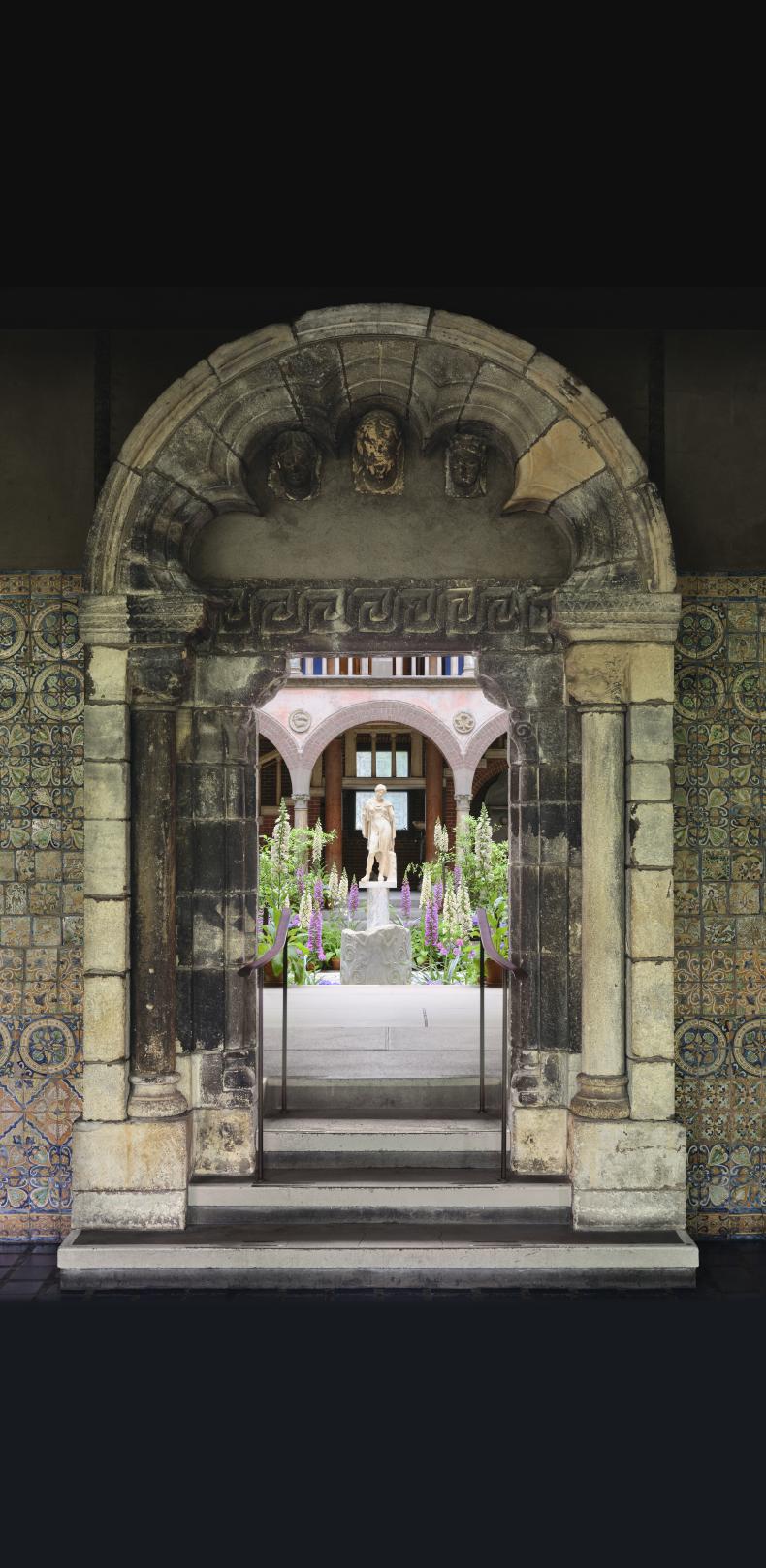
The Courtyard and its garden are the heart of this place. What do yo u hea r? What do you smell?
Isabella Stewart Gardner (1840–1924) created this Museum as a public space to displ ay her growing art collection. She conceived and oversaw its construction between 1899 and 1903—and even mounted ladders to show the builders how she wanted it done.
Want to learn more about the art?
Look for the signs like this in each room
Scan the QR codes to know more about the objects.
We know it looks like someone lived in the galleries, but…
Gallery overview Art highlights
…no one actually did, even if Isabella's galleries create that impression. She only ever lived in an apartment on the fourth floor, which now houses staff offices. While you can’t sit on most of the chairs here, the map notes where you can sit.
During your visit, please do…
Keep our art safe Sketch with a regular pencil but please no pens, colored pencils, or other writing utensils.
Galleries are tight and art is everywhere! Please note how close your elbows, bags, and backs are to the objects.
Take photos and share #GardnerMuseum but please no flash or selfie sticks.
Bring your headphones to listen to the audio.
2
2ND FLOOR NEW WING
1ST FLOOR NEW WING
Check
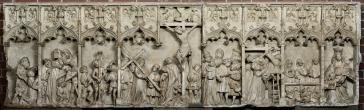
Workshop Retable with Scenes of the Passion, about 1425
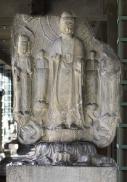
Chinese, Eastern Wei dynasty
Votive Stele, 543 CE
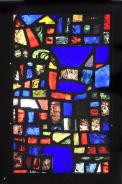
French, Reims Fragments from Reims Cathedral 1700s glass, 1919 panel
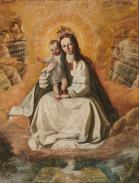
Workshop of Francisco de Zurbarán The Virgin of Mercy, about 1640

Anders Zorn The Omnibus 1892
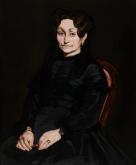
Édouard Manet
Madame Auguste Manet about 1866
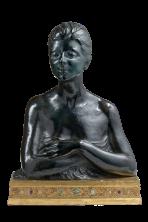
Anna Coleman Ladd
Maria de Acosta Sargent, 1915
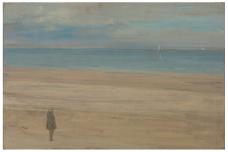
James McNeill Whistler Harmony in Blue and Silver: Trouville 1865

Copy after Baltasar de Echave Orio Don Diego Caballero, 1600s
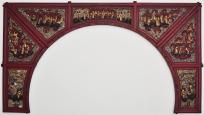
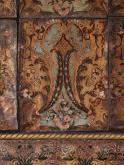
Chinese Bed Panels, early 1800s
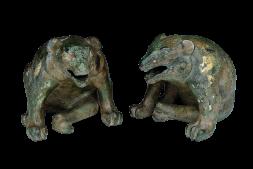
Chinese, Western Han dynasty Mat Weights: Bears about 206 BCE–9 CE
The Dormition and Assumptionof the Virgin 1424–1434
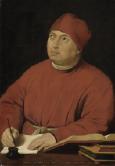
Raphael Tommaso Inghirami about 1510
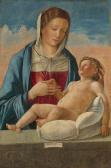
Bellini The Virgin with the Sleeping Child on a Parapet about 1470–1475

, 1470
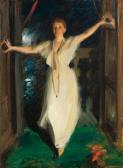
Anders Zorn
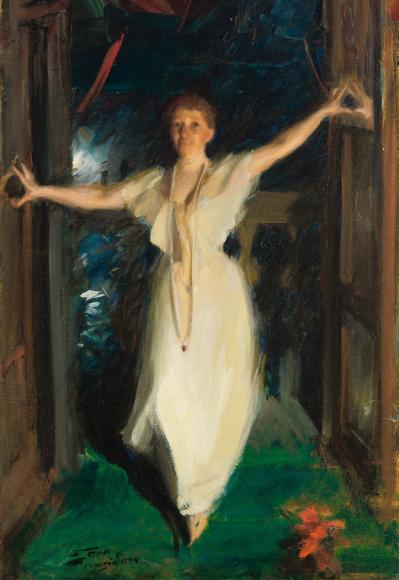
Isabella Stewart Gardner in Venice 1894
Tapestry Room
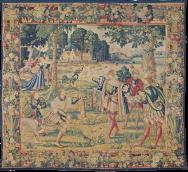
Workshop of Jan Moy A Messenger from Harpagos Brings Cyrus a Letter Concealed in a Hare about 1535–1550
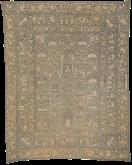
Indian, Bengal Wall Hanging: Triumphal Arch mid 1600s
Dutch Room
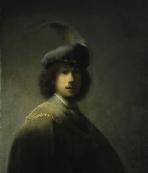
Rembrandt van Rijn Self-Portrait, Age 23 1629
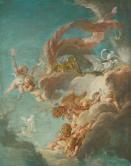
François Boucher The Chariot of Venus about 1750
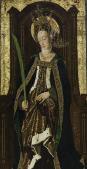
Bartolomé Bermejo Saint Engracia about 1474

Pedro García de Benabarre Saint Michael Archangel about 1470
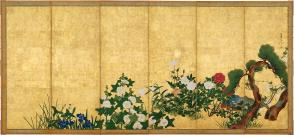
Japanese, Edo period Spring: Pine Trees, early 1800s

Empty frame for a Rembrandt painting stolen in 1990

Peter Paul Rubens Thomas Howard, Earl of Arundel about 1629–1630
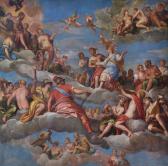
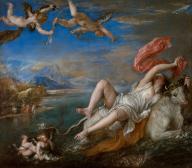
Giovanni della Robbia Lamentation over the Dead Christ about 1515
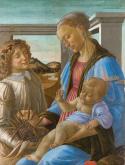
Sandro Botticelli Virgin and Child with an Angel, 1470–1474
French, Soisson Window: Scenes from the Lives of Saints Nicasius and Eutropia, about 1205
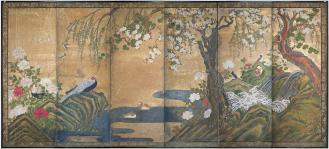
Japanese, Edo period Pheasants and Small Birds, late 1600s–1700s Gothic Room

John Singer Sargent
Stewart Gardner
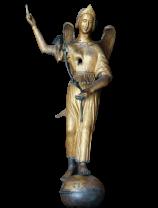
Italian, Venice Angel Gabriel 1800s
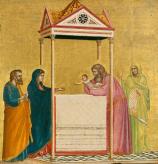
Giotto
The Presentation of the Christ Child in the Temple about 1320
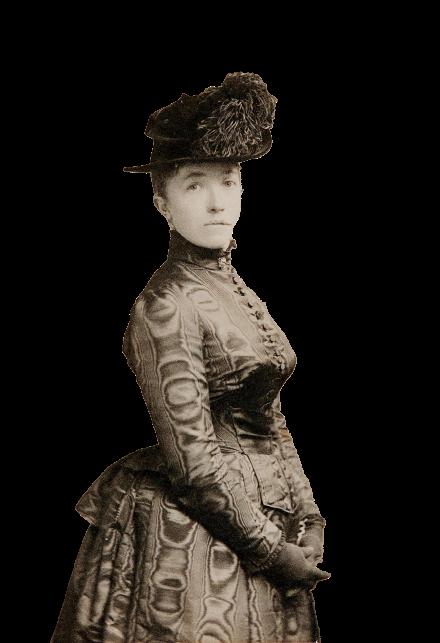
Stewart Gardner | 184 0 –1924
She liked to control things.
She loved plants.
Isabella never explained why she installed her collection this way and even asked friends to burn her letters. This mystery empowers everyone to speculate about why she created certain arrangements— your answer is as good as ours!
She personally placed every object you see. Her last will and testament prohibits permanent changes to the art displays—including placing labels.
Isabella made the radical choice to put a living garden at the center of her Museum. We rotate the plant display every week to keep the Courtyard blooming.
Isabella was —no surprise— wealthy.
She didn’t like labels.
Her family imported textiles. Her husband Jack’s family traded goods (Indonesian peppercorns, Cuban sugar) globally. Both families invested in and profited from the industrial economy.
Isabella disliked how other museums were organized by geography and era. Rather than label and categorize her collection, she mixed objects freely. This creates a personal experience rather than a rigid educational exercise.