Capstone Proposal
Growing Up La Conner


Emily Fisher | IAD 4100-01 | Fall 2025 | Dr. Rula Awwad-Rafferty | University of Idaho
ABSTRACT
The Maple Hall Arts-Based Civic Center project turns a historic community building in La Conner, Washington, into a lively center for youth, the community, and visitors. The design is informed by comprehensive research and stakeholder engagement, from workshops, interviews, and participatory design sessions. Guided by concepts such as Positive Youth Development (PYD), Third Place theory, and creative placemaking, the initiative stresses locations that enhance social connection, civic involvement, and creative expression. Programmatic emphasizes spaces that foster social connection, civic engagement, and creative expression. Programmatic strategies integrate flexible studios, workshops, classrooms, a gallery, café, and expanded theatre and rehearsal spaces, all designed to support youth agency, intergenerational interaction, and community ownership. Maple Hall meets the social and educational requirements of the community by using data-driven insights, community input, and evidence-based design frameworks. It also makes public space more active and strengthens La Conner’s cultural vibrancy, inclusivity, and long-term resilience.

Maple Hall Civic Center ■ 3
TABLE OF CONTENTS
INTRODUCTION
Abstract
Indroduction Vision
Problem Statement
Need Statement
Purpose Mentor
Stakeholders
RESEARCH AND DISCOVERY
Local and Historical Context
Timeline
Population
Demographics
Economics
Historcial District
Creative Distract
Theotertical Foundation and Frameworks
Interview
Workshop Toolkit
DESIGN PROGRAM
Guiding Principles
Design Goals
Case Studies
Site Overview
Floor Plans
SWOT Analysis
Proposal
Quanitative Programming and Code
CONCLUSION
Closing Remarks
Acknowledgment
References
APPENDIX
TOWN TALKS - learning from the past, living in the present and planning workshop summary
Interview Questions
Town of La Conner Moore Clark Subarea Plan
PROJECT INTRODUCTION
Revitalizing the town of La Conner
La Conner, Washington, is a town with a rich heritage of art and culture, known for its scenic location along the Skagit River and vibrant creative community. However, as the town evolves, opportunities for young people to engage in civic and cultural life have become increasingly limited. The lack of dedicated spaces where youth can gather, contribute ideas, and feel invested in their community reinforces the perception that opportunity exists elsewhere, contrib-
uting to youth out-migration. . The goal of this project is to transform Maple Hall into an arts-based civic center that strengthens community identity, gives young people a voice, and honors the cultural assets that make La Conner special. This project seeks to improve the town’s sense of place, inspire civic pride, and support long-term revitalization efforts that encourage future generations to remain engaged and invested in their community.
Third Place
Intergenerational Connection
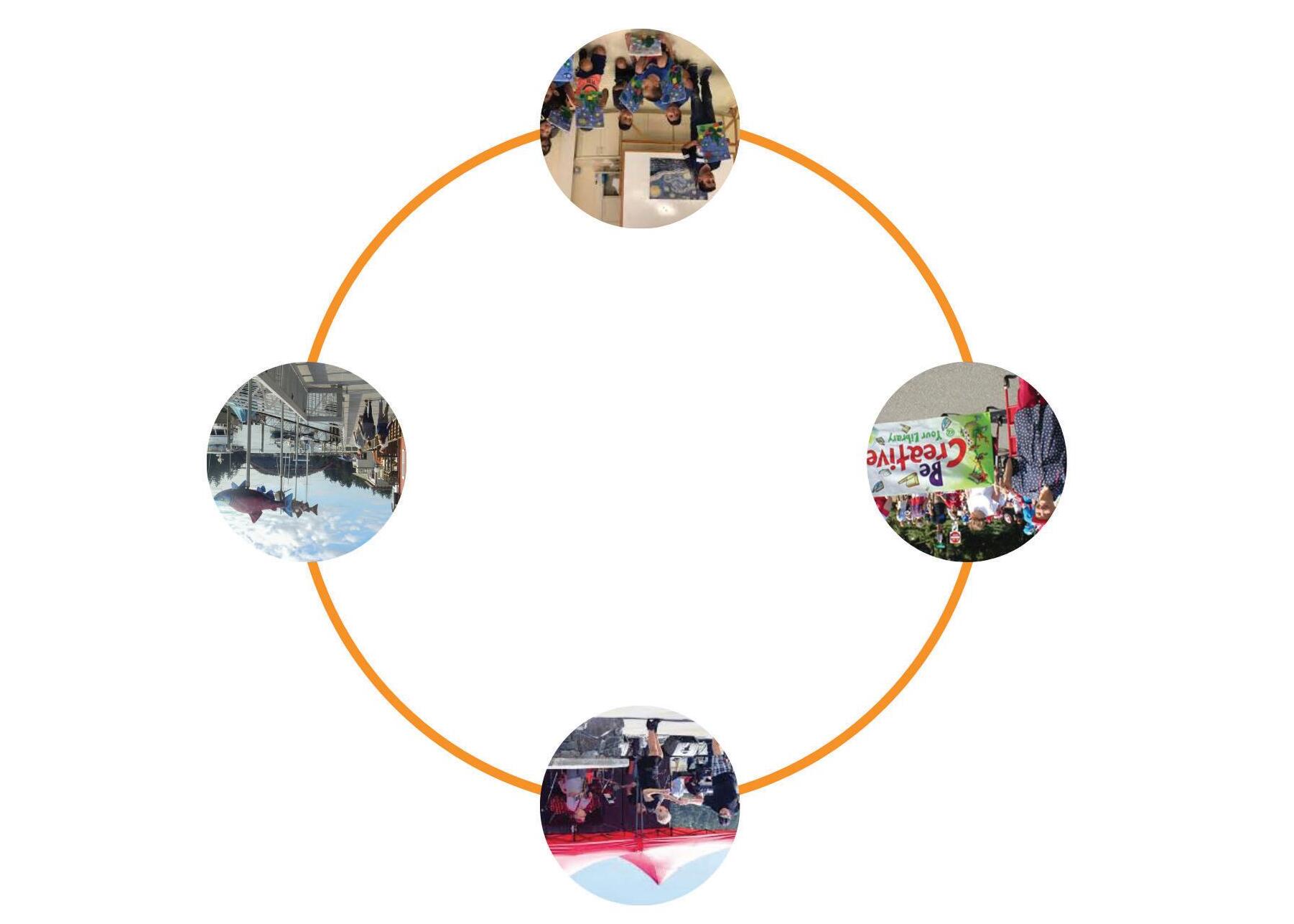
To foster a creative, inclusive, and engaging Third Place where youth and community members connect across generations, explore their creativity, and grow through positive development.
Creativity
PROBLEM STATEMENT
Rural communities across the United States face a persistent challenge of youth out-migration, as young people leave in search of educational opportunities, diverse job sectors, stable income, civic participation, and access to amenities. While many small towns possess strong cultural identities and close-knit community character, they often lack structured and accessible opportunities for children and youth to meaningfully engage in civic and cultural life, share their perspectives, and participate in local decision-making.
This absence of engagement is particularly
critical during childhood and adolescence, when experiences of belonging, agency, and civic participation play a vital role in personal development and the formation of civic pride. When young people are not invited to contribute to their communities, they may develop a sense of disconnection and the perception that opportunity exists elsewhere. Without addressing this gap, rural communities risk losing the next generation’s creativity, leadership, and long-term investment, weakening intergenerational relationships and undermining social, cultural, and economic sustainability.
MIGRATION OF YOUTH
literature revirew (a) (b) (c)
Many rural counties are experiencing a negative net migration of youth. The characteristics that determine whether residents push or pull from/to the community are education, job sectors, income, citizen participation, and natural amenities. (Individual & Place Determinants of Rural Migration for Young/Mid-Age Adults, 2004) Research conducted by Danielle Massey at the University of Wisconsin-Madison showed that “youth exodus counties have significantly lower median household income and a higher proportion of agriculture, forestry, fishing, hunting, and mining jobs. These economic conditions are likely to draw rural youth to urban areas due to wage differentials. Addi-
tionally, citizen participation rates are lower than the national average, suggesting less community involvement and connection. Finally, the proportion of natural amenities and recreation is similar to the national average, which indicates the hypothesis of these variables pulling people to regions still holds true. This information suggests that policies to diversify the local economy and strengthen community bonds would encourage the rural youth to remain at home.”
Rural youth in America continue to believe that the only way to prosper is to leave their hometowns. Metropolitan areas offer more educational, employment, economic, and social options. This is a challenge because now these rural areas have fewer potential workers, homes, voters, parents, and taxpayers. Therefore, rural kids have sacrificed their feelings of belonging and identity related
to their homes. (Miller & Edin, 2022, pp. 1-20) This large-scale out-migration of youth from rural areas is known as the rural youth exodus.
Lost connections are one of the most common reasons people leave rural communities. Connection to community and place, strong social relationships within the community, and proximity to family all contribute to an individual’s social and cultural connections that are lost. Although the cultural and historical features of each location differ, rural residents share a sense of rurality and pride in what it means to be rural (Theobald & Wood, 2011; A. Theodori & G. Theodori, 2014). Identity is developed, and the individual becomes tied to a place.
Another reason why communities endure a youth exodus is a lack of work prospects in agriculture, forestry, fishing, hunting, and mining industries. Low-skilled businesses like meatpacking and feedlots also contribute to outmigration. Youth have voiced similar statements in the form, “I don’t know if there is anything for me to do here job-wise”
(A. Theodori & G. Theodori, 2014). However, many young people who are considering leaving expect to experience stress as a result of leaving an established social network and traveling into the unknown (Hektner 1995). Some rural adolescents explained their reason for staying as “my family owns land here.”
(A. Theodori and G. Theodori, 2014). This obstacle is more than just a land or property issue; in rural America, where the land is frequently productive and profitable, it is a familial obligation to stay and tend the farm. Education and schools have a significant impact on outmigration. Schools sorted and selected adolescents to leave (Corbett, 2003; Carr & Kefalas, 2010; Theobald & Wood, 2011).
Male high school dropout rates were much higher in these non-metro counties, most likely due to the availability of low-skilled jobs. However, for students who complete high school, higher education possibilities and skill-matching jobs are frequent-
ly found outside of the county. However, the number of rural kids graduating high school is increasing, in line with national trends (Howley, 2006). Because many of these characteristics are linked to economic data, push factors are considerably easier to assess. However, it is vital to emphasize that human perceptions and preferences continue to influence economic conditions in a given location.
Communities and officials can establish community characteristics that are likely to push or pull residents. Policymakers ought to consider rural entrepreneurship initiatives to help local firms thrive and enhance the economy. Investing in the community with emerging opportunities requires a “success found at home” approach. With educators and residents continually informed of new prospects, a sense of community and belonging might raise the non-monetary costs of leaving.
Some approaches to accomplish this include encouraging citizen participation and engagement, cracking down on illegal drug activity in rural regions (Dombrowski et al., 2016), sponsoring regional festivals or events, and increasing diversity and inclusion of minority communities. Counties experiencing
a rural youth exodus may be able to return to their former robust, intimate communities through the economic and social reforms. To address a terrible problem like rural America’s graying, legislators, community leaders, educators, and citizens must work together and unite. Diversifying and empowering the economy, as well as developing community and investing in current citizens, are all necessary components of this endeavor. If a community invests in its social and economic aspects, rural youth may decide to stay.

A NEED FOR YOUTH
(a) (b) (c) (d)
There is a critical need to actively involve youth in civic and community initiatives, as their participation brings new energy, innovative ideas, and different perspectives essential for addressing civic problems. Engaging young people in projects not only strengthens the community, but also supports their personal development. By providing opportunities for structured programs and spaces for youth engagement, communities can ensure that the next generation is prepared to contribute meaningfully to the town’s cultural, social, and civic
life.
How can understanding of a place and cultural assets create opportunities for youth engagement?
This project explores the community’s cultural assets, such as its people, customs, organizations, public places, and creative resources. It then lays the groundwork for meaningful youth participation by highlighting the town’s unique strengths and opportunities. When young people are aware of these resources, they can connect with the town’s history, culture, and social networks. This can inspire them to come up with new ideas and get involved in civic life. This knowledge makes it possible to create
programs, events, and places that are useful, interesting, and empowering for young people. By letting them work together, they can come up with ideas, lead projects, and take pride in their community. Cultural assets can help young people become leaders, connect with people of all ages, and strengthen the town’s identity and sense of community.
Maple Hall Civic Center ■ 9
STATEMENT OF PURPOSE
Maple Hall Civic Center ■ 10
The purpose of this project is to transform Maple Hall in La Conner into an arts-focused civic center that engages both youth and the wider community, while preserving the building’s historic character through adaptive reuse. The project aims to make the town’s cultural assets more accessible and meaningful by creating spaces where people of all ages can be creative, participate in civic life, and collaborate across generations. By honoring Maple Hall’s history, the project seeks to strengthen community identity, inspire young people to take on leadership roles, and ensure that La Conner’s cultural and historical heritage continues to thrive for years to come.

MENTOR
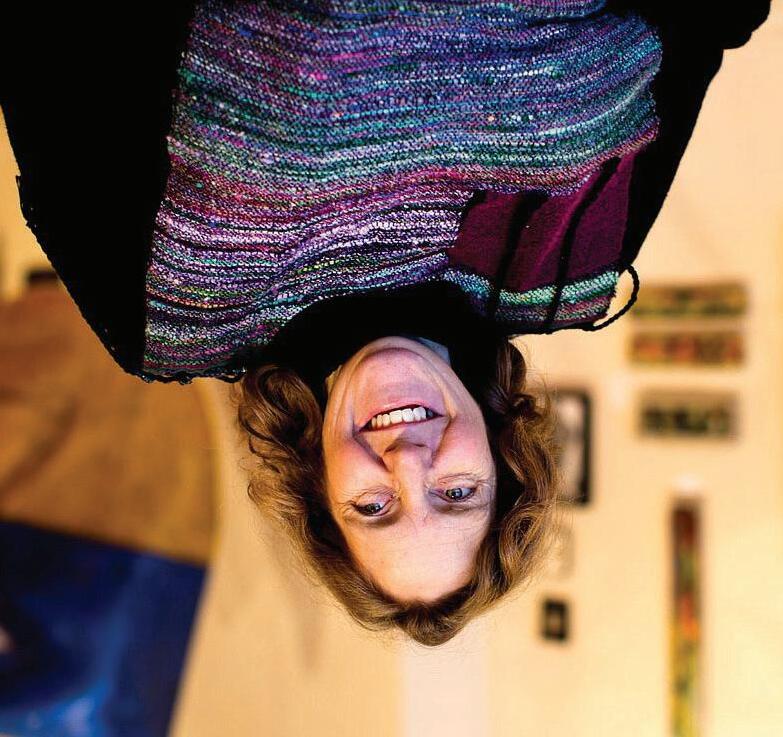
Blair Williams has been the owner and driving force behind the Art Spirit Gallery since 2017, curating and promoting contemporary art that enriches her community. Her expertise and dedication to the arts have been recognized at the state level, where she was appointed by the governor to serve on the Idaho Commission on the Arts. Blair also serves on the Idaho Humanities Council Board, providing strategic guidance to support cultural programs statewide. In addition, she contributes to the next generation of creative leaders as an advisory board member for the University of Idaho College of Art and Architecture. Committed to fostering vibrant communities, she currently serves as president of the Northwest Institute for Creative Placemaking, championing innovative initiatives that use art and design to strengthen civic engagement.
Maple Hall Civic Center ■ 11
Blair Williams
Maple Hall Civic Center ■ 12
STAKEHOLDER
Holly Redell White
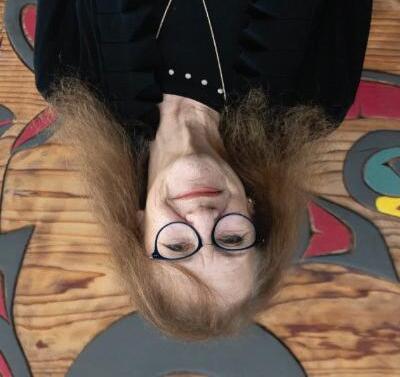
Holly Redell-Witte, along with her late husband, spent 15 years crafting wine at a vineyard in Oregon, cultivating a passion for creativity and dedication to her work. She first visited La Conner years ago and was immediately captivated by the town’s charm, vibrant art galleries, and stunning natural surroundings. Today, she proudly calls La Conner home. While she does not consider herself an artist in the traditional sense, Holly has a deep appreciation for the arts. She serves as the Chair for both the La Conner Creative Arts District and the La Conner Arts Commission, guiding the community’s cultural vision. As a writer, she channels her creativity through her craft, viewing her words as her personal form of artistic expression.
STAKEHOLDER
Jess Pedroza
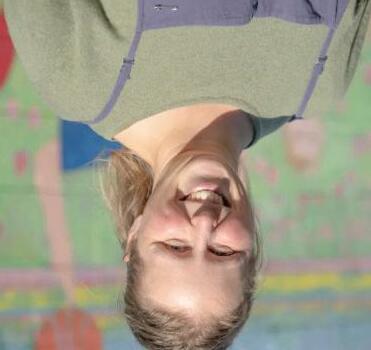
Jess brings a strong background in theater arts and broadcasting from Gonzaga University, along with over a decade of professional experience in video production. Over the past three years, Jess has contributed to the La Conner Drama Club, helping produce engaging school plays that bring the community together. In addition to their work in the arts, Jess serves as the leader of the after-school Braves Club in La Conner, fostering mentorship, creativity, and student engagement. Their dedication to youth and the arts makes them a valuable member of the La Conner community.
Maple Hall Civic Center ■ 13

STAKEHOLDER
Dena Kindred is the Vice President of Community Engagement for the Boys & Girls Clubs of Skagit County, where she leads initiatives to connect youth with educational, recreational, and creative opportunities. With extensive experience in youth development and community programs, Dena advocates for spaces and activities that foster social connection, creativity, and positive growth
Dena Kindred
Maple Hall Civic Center ■ 15

Research
and Discovery
Native Peoples – the Swinomish
The heritage and history of La Conner, WA, go back thousands of years to the first settlements of the native people. Around 1300 A.D a tribal group known as the Coast Salish arrived. The were a marine-oriented society and relied heavily on the Skagit River. They had strong ties to other tribal groups and traded beyond their villages and region. The Indians of the Skagit area started to become in contact with white Americans from mid 1820s until early 1860s. At this time, the population of the Swinomish people decreased to 80% with only 150-200 remaining. In 1855, the Point Elliot treaty established the Swinomish Reservation of 7,449 acres, which is located on Fidalgo Island. Indians tribal groups on Fidalgo, Whidbey, and Camano islands, were assigned to the Reservation. The treaty guaranteed rights and benefits to the local Indians in exchange for surrendering
Maple Hall Civic Center ■ 16
LOCAL AND HISTORICAL
CONTEXT
(e) (f) (g)
to the United States to all territory, except the reservations. The purpose of Point Elliot Treaty was to “secure in law the surrender of Indian ownership under the law of nations of all non-reservation land. By means of the treaty it became part of the public land of the United States.” The Reservation remains close with La Conner. The town La Conner is directly across the Channel from the Swinomish Reservation tribal village. The inhabinants of the Reservation, began to self-govern and resettle and form a new tribal community. The Swinomish Tribal Community is a federally recognized Indian Tribe and a sovereign nation. The enrolled membership is about 778 and the Indian population living on or near the reservation are approximately 1,000. The executive governing body is the 11-member Swinomish Indian Senate, whose members are elected to 5-year terms.
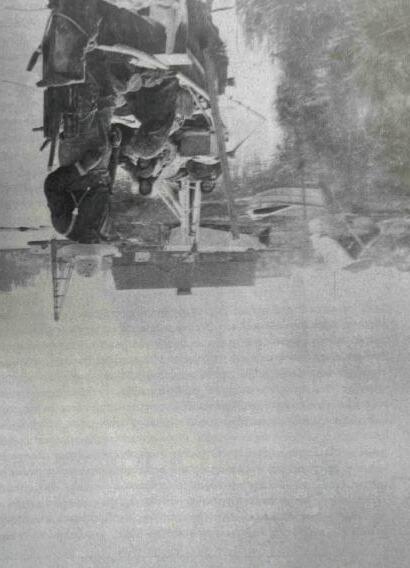
Five local indigenous natives to Skagit county tied up at the piling, with their canoe loaded with supplies, including what looks like teepee poles wrapped with skins attached.
La Conner (Swinomish) Settlement
The first non-native visitors to the region were Spanish, British, and Russian explorers, along with fur traders. By the 1860s, a few had begun settling on Fidalgo Island. On the mainland north of Seattle, the Swinomish settlement—later renamed La Conner—was one of the earliest established communities, home to just 28 people at the time. Perched on a hill east of the Swinomish Channel, the settlement was surrounded by marshes and wetlands, making boats the primary mode of travel. Before dikes were constructed, the Swinomish Channel naturally overflowed into the surrounding marshlands and the Skagit River delta.
In 1863, Michael Sullivan and Samuel Calhoun began diking the marshy flats near La Conner. Initially met with skepticism, they eventually proved that these wetlands could be successfully converted into farmland. The first Euro-American settler in the area was Alonzo Lowe, who opened the Swinomish Trading Post in 1867 on the west side of the channel in what is now Sneeoosh village. However, Lowe found the venture unprofitable and abandoned it after just 14 months. Trader Thomas Hayes soon took over, moving the trading post
across the channel into the Swinomish settlement and establishing it as a post office.
In 1869, John S. Conner and his wife Louisa Ann purchased the trading post from Hayes and transformed it into a General Merchandise Store. By 1870, Conner renamed the post office—and the town itself—La Conner, combining the initials of Louisa Ann with their surname. Conner’s cousin, James Conner, platted the future town site in 1872, though John Conner eventually acquired most of the settlement and surrounding farmland, becoming the town’s leading developer. In 1873, Conner sold the General Merchandise Store to James and George Gaches, English migrants who operated it alongside a waterfront warehouse until the store eventually burned down.
John Conner promoted La Conner as a steamboat hub, and the town quickly grew into a center for transportation, commerce, government, agriculture, and fishing. At the time, steamboats were essential for connecting Puget Sound communities, making La Conner the main port between Seattle and Bellingham. Adjacent to fertile farmlands, the town served as the key ship-
ping and supply point for the surrounding rural areas. Around the same period, settlers began diking and draining the frequently flooded Swinomish or La Conner flats by hand, using shovels and wheelbarrows to build dikes three to seven feet high.
A flood in 1874 destroyed the initial three miles of dikes built by Michael J. Sullivan, but rebuilding efforts continued, with John Conner eventually diking his entire farmland holdings. These early reclamation projects, along with later efforts, ultimately led to 200 miles of dikes, the reclamation of 25,000 acres of land, and the growth of a multimillion-dollar hay, grain, and truck farming industry.
La Conner was first incorporated on November 20, 1883, and just eight days later became Skagit County’s first seat. However, the county seat moved to Mount Vernon in 1884, leading residents to repeal incorporation in 1886. The town was reincorporated in 1888. In 1898, the Albers Company built the Albers Warehouse (also known as the Blue Building) at the south end of First Street. At 65 feet, it was the tallest building in town and became a local landmark, storing Skagit County grain for steamboat shipment to Tacoma for processing.
Maple Hall Civic Center ■ 17
By 1900, La Conner’s population had grown to around 1,000, though a promised railroad connection never arrived, stopping instead in nearby Anacortes. The town remained a steamboat community, but this period marked a high point of prosperity, with most of its historic downtown structures built during this era. Many waterfront buildings still stand on pilings over the slough and channel, reflecting La Conner’s historic ties to maritime industries. The downtown features wood false-front commercial buildings, with a few brick and masonry structures, full-length windows, bracketed friezes, and decorative cornices.
La Conner’s historic district stretches along First Street, from just north of Morris Street to just south of Columbia Street, including part of Second Street and 27 designated structures, though over 200 additional historic buildings exist throughout the town. The Albers Warehouse, while eligible, was not included in this designation. By 1960, the town’s population had declined to 640 as its role as a port diminished, though it remained a hub for commerce, agriculture, and fishing. Tourism and recreational boat-
ing began to grow in importance.
Artists were drawn to La Conner starting in 1937, and over time an artist colony developed in nearby Fish Town as part of the Northwest School movement, ultimately leading to the establishment of the Museum of Northwest Art (MoNA).
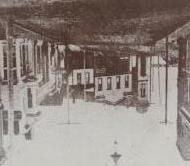
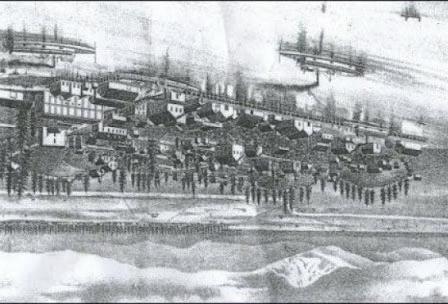

La Conner 1889
La Conner Present Day
La Conner’s Commercial Street in 1903. Note the stillstanding Nevada Bar building (far left) and current Town Hall building (farthest up the street). Photo courtesy: City of La Conner
Maple Hall Civic Center ■ 18
Coast Salish
Swinomish Reservation Established
Museum of Northwest Art (MoNA) established
Artist Colony in Fish Town
Maple Hall Civic Center ■ 19
HISTORIC TIMELINE
Michael Reservation and Samuel Calhoun dikes
La Conner Incorporated Again
Alonzo Lowe/Thomas Hayes Swinomish Trading Post
John Conner Store and Post Office
County seat moved to Mount Vernon
La Conner Incorporated
Floor destryos 3 miles of dike
Maple Hall Civic Center ■ 20
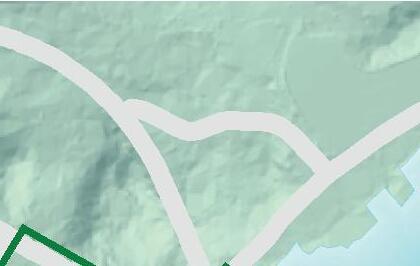
LA CONNER SITE CONTEXT



















Maple Hall Civic Center ■ 21



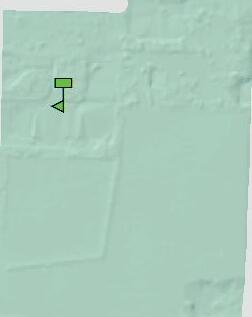
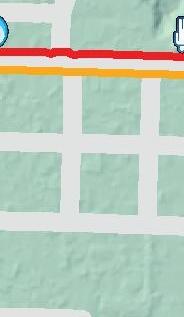
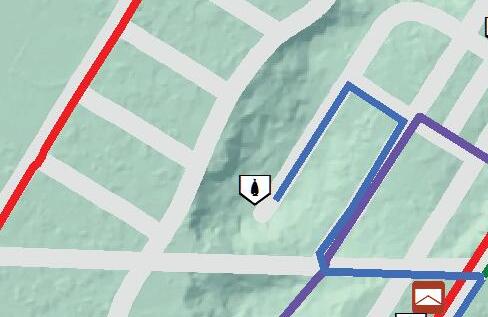
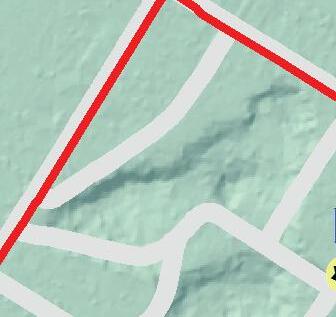


















LA CONNER WALKING MAP
ANALYSIS
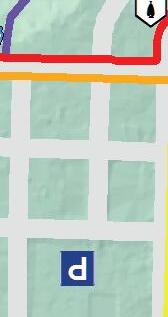
The walking map provides context for circulation routes through La Conner. As La Conner is a small town, pedestrian circulation is essential to daily life, as everything downtown is within walking distance. The map also reveals main buildings downtown and their relation in proximity to one another.
Maple Hall Civic Center ■ 22
LA CONNER GEOGRAPHIC ASSETS

La Conner is urrounded by the Cascade and Olympic Mountains.
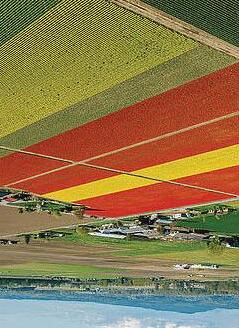
La Conner’s farmlands with rich agricultural fi elds that support crops like tulips, berries, and vegetables, refl ect the region’s strong farming heritage.

La Conner sits along the banks of the Skagit River, which flows into Puget Sound, connecting the town to the region’s waterways and providing a scenic, waterfront character.
Maple Hall Civic Center ■ 23
NOTABLE ASSETS OF LA CONNER
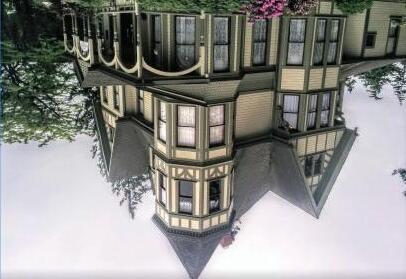
Pacifi c Northwest Quilt & Fiber Arts Museum
703 2nd St, La Conner, WA
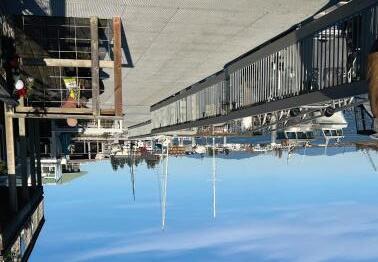
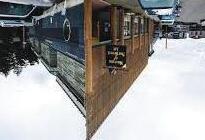
Museum of Northwest Art 121 1st St, La Conner, WA
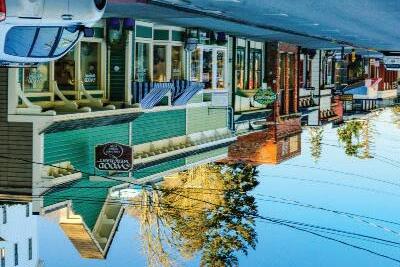
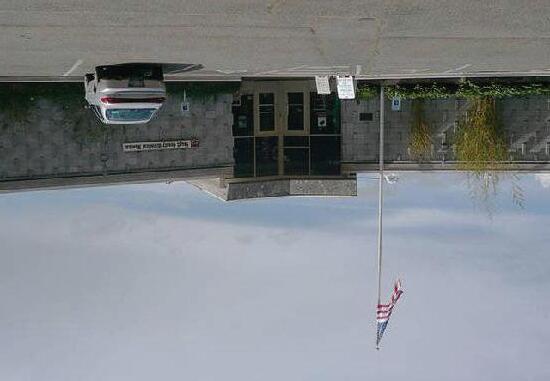
Th e Skagit County Historical Museum 501 S 4th St, La Conner, WA
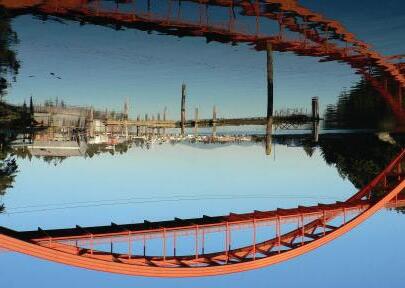
Channel Passage Public Pier and BoardwalkLa Conner Downtown lined with boutques and restuarants
Rainbow Bridge – Landmark and Connector to the Swinomish Reservation
AREAS FOR YOUTH MAP
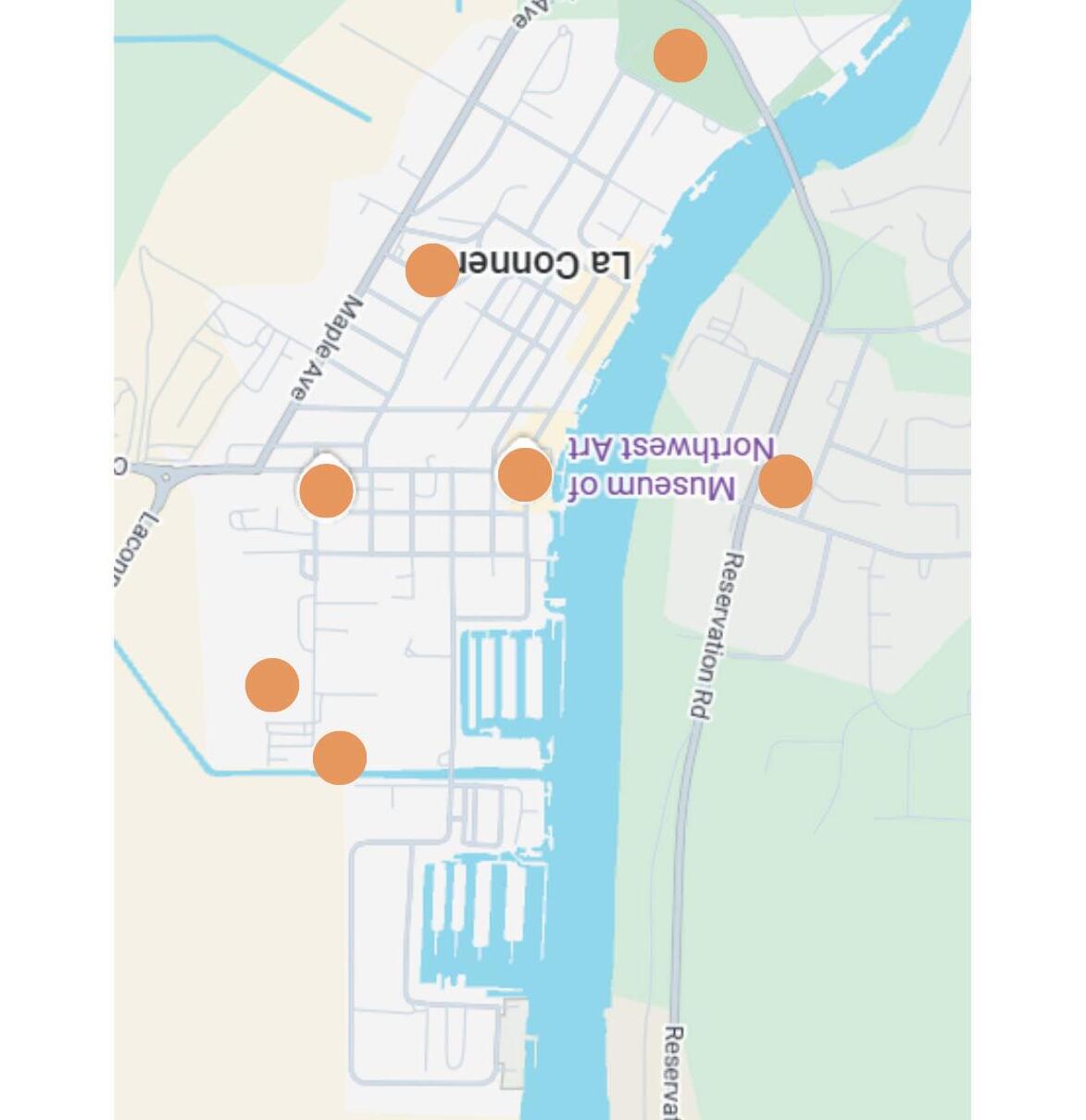
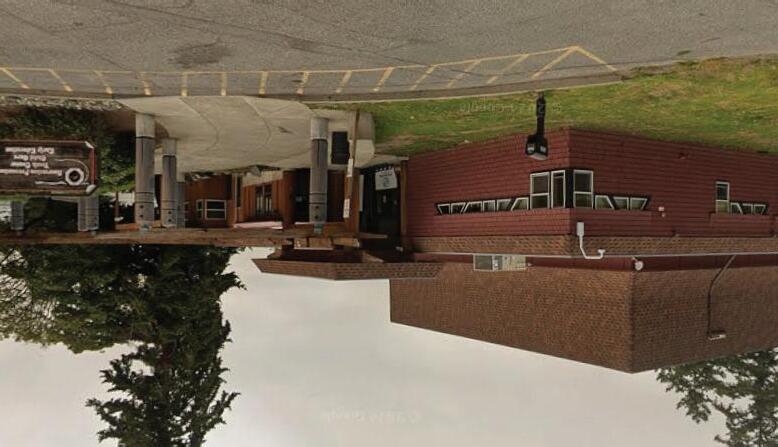
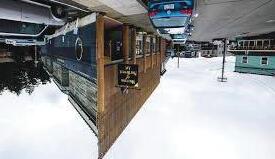
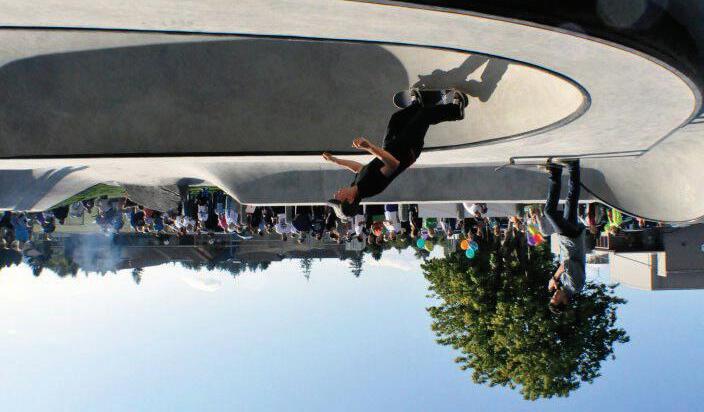
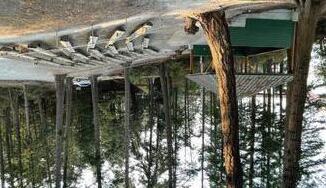
AREAS FOR YOUTH KEY
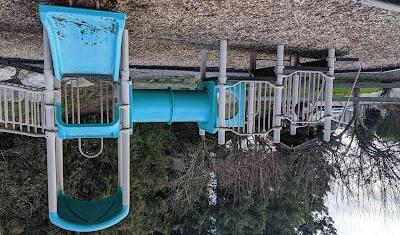
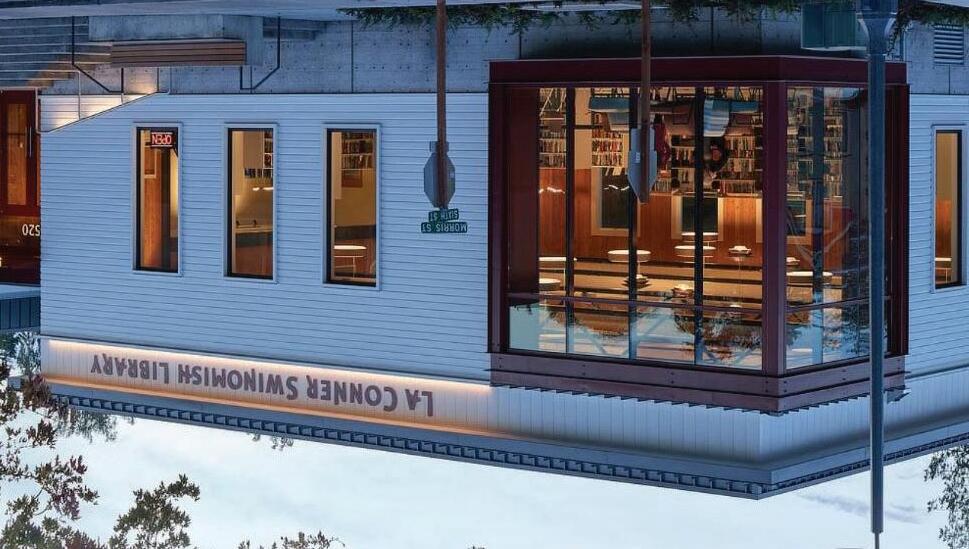
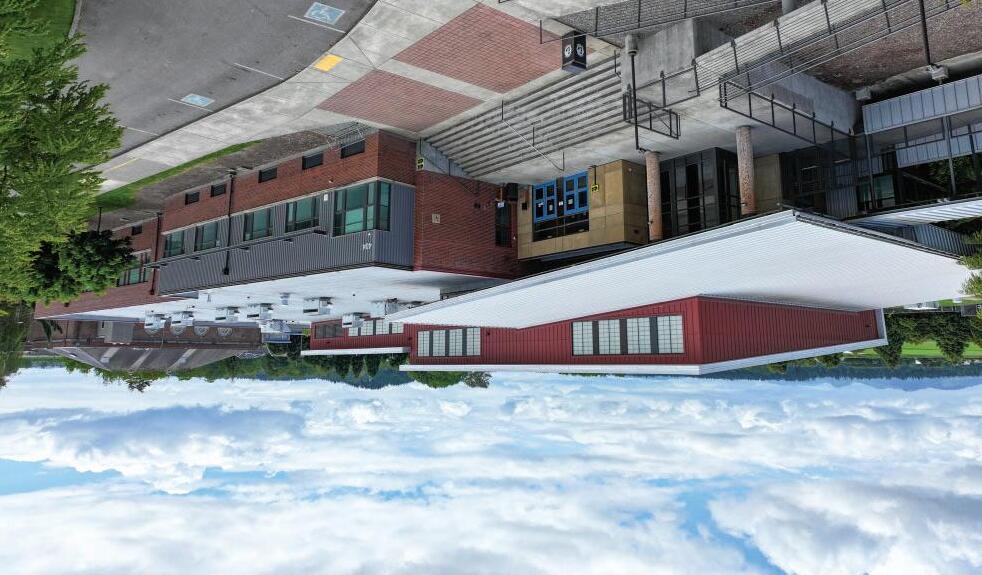
ANALYSIS
The map indicates that it is difficult to find places that fit their needs and interests and provide opportunities for them to develop. As the majority of the town’s social areas are cafes, galleries, and waterfront attractions. Understanding this gap is critical to building interventions that create inclusive, inviting settings that enable youth to remain connected to their communities. How and by what means is the journey between school and home an opportunity for children to learn, be creative, and play?
1. Swinomish Boys and Girls Club2. Pioneer Park3. La Conner Kiwani’s Park
4. Museum of Northwest Art5. La Conner Swinomish Library6. La Conner School Dsitrict
7. La Conner Skateboard Park
Maple Hall Civic Center ■ 25
Maple Hall Civic Center ■ 26
LA CONNER POPULATION
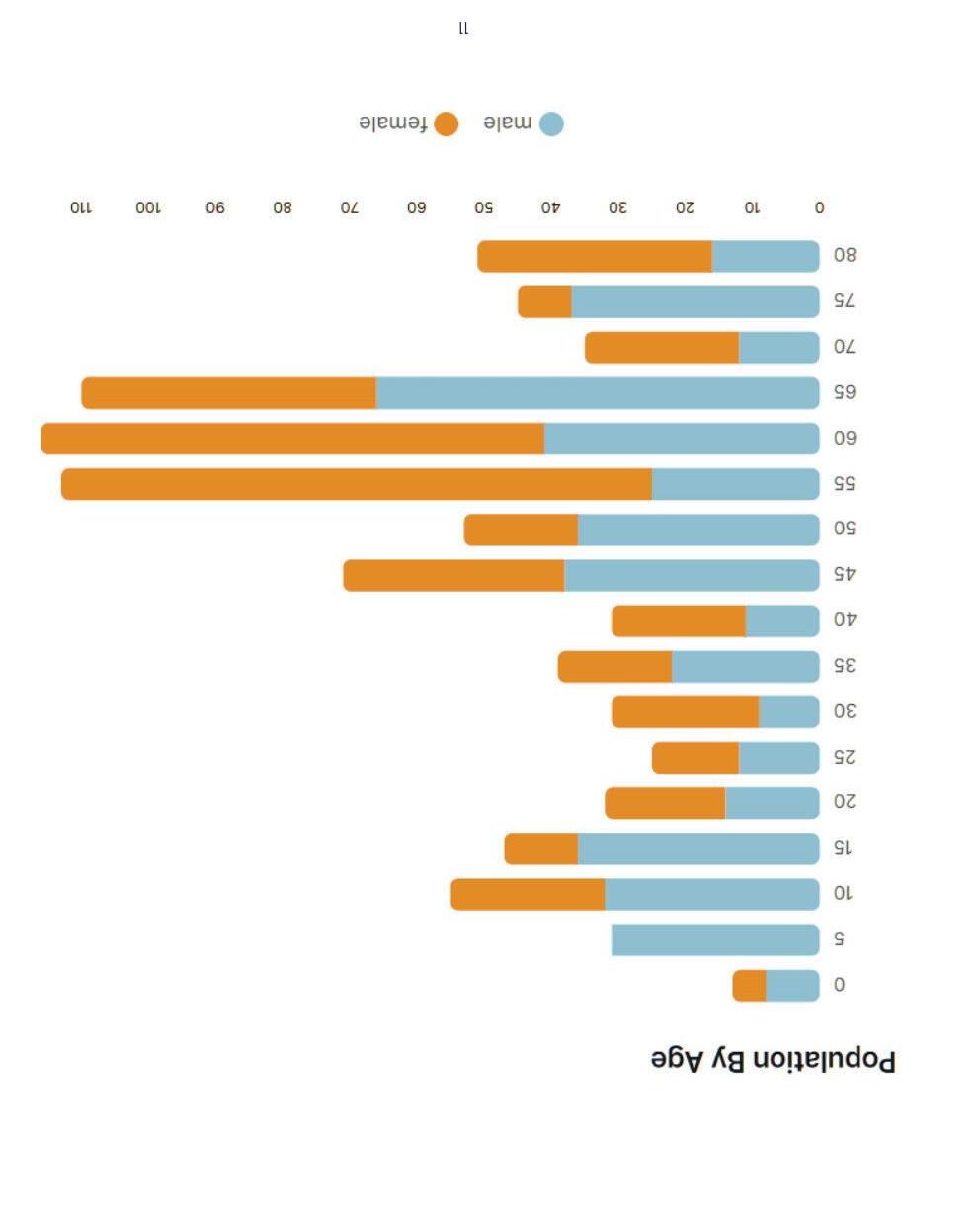
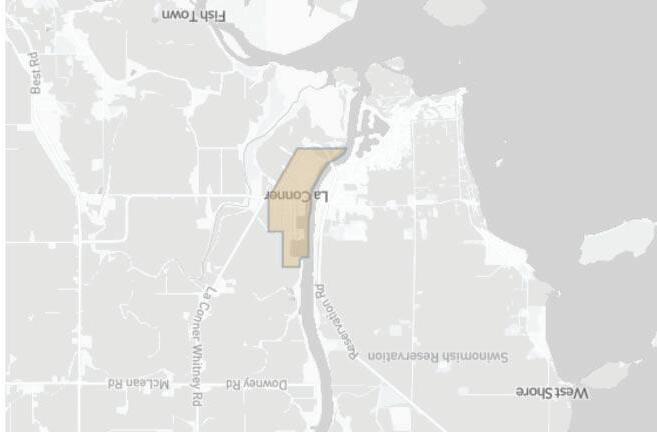
ANALYSIS
La Conner has a population of about 1,000 people. The town has a median age of 57, indicating an older audience. Young people make up only 18-20% of the population. There is a notable drop in residents aged 25-34, while the 45- and 65+ age groups continue to grow. This shows that there is a need for more opportunities for youth so the city can continue to grow and flourish. Creating opportunities for youth in civic and cultural life can help them feel connected to La Conner and contribute to its vitality. Also, creating a connection between the older and younger generations.
Maple Hall Civic Center ■ 27
SWINOMISH RESERVATION POPULATION
(i)
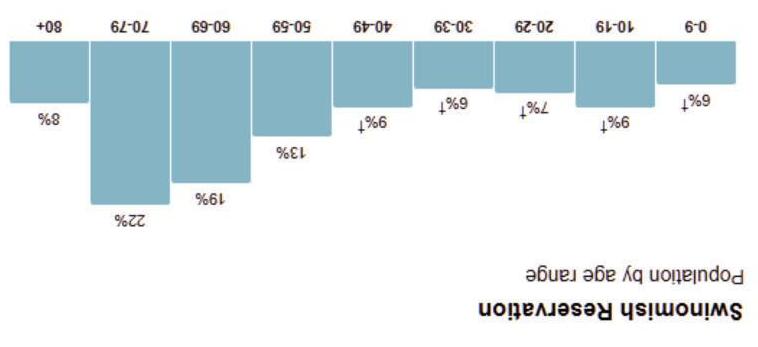
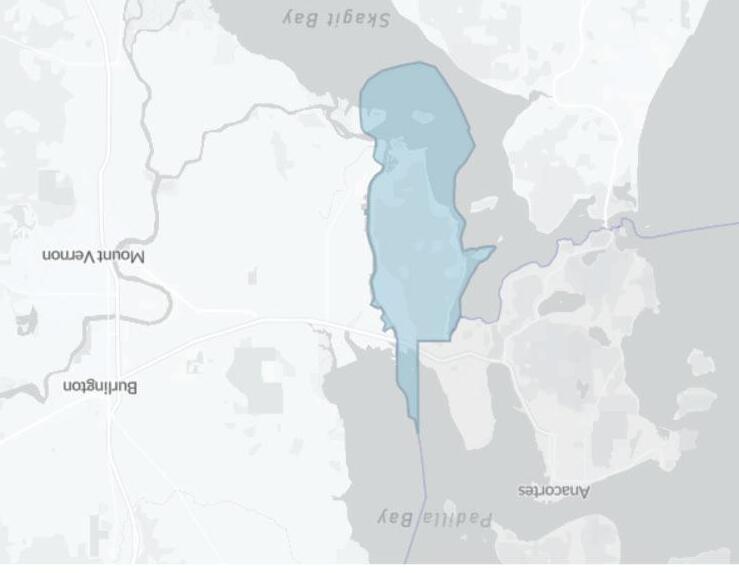
ANALYSIS
The Swinomish Reservation, which is located on Fidalgo Island across the Swinomish Channel from La Conner, is home to a relatively tiny, rural town of roughly 3,200-3,250 inhabitants. The population consists of both tribal members and non-Native citizens, with approximately 700-800 identifying as Indigenous, including numerous Swinomish Indian Tribal Community members. The community has a varied age range, although there is a significantly larger proportion of older persons than national statistics, with many residents aged 60 and up, shaping the Reservation’s social and service needs.
LA CONNER DEMOGRAPHICS
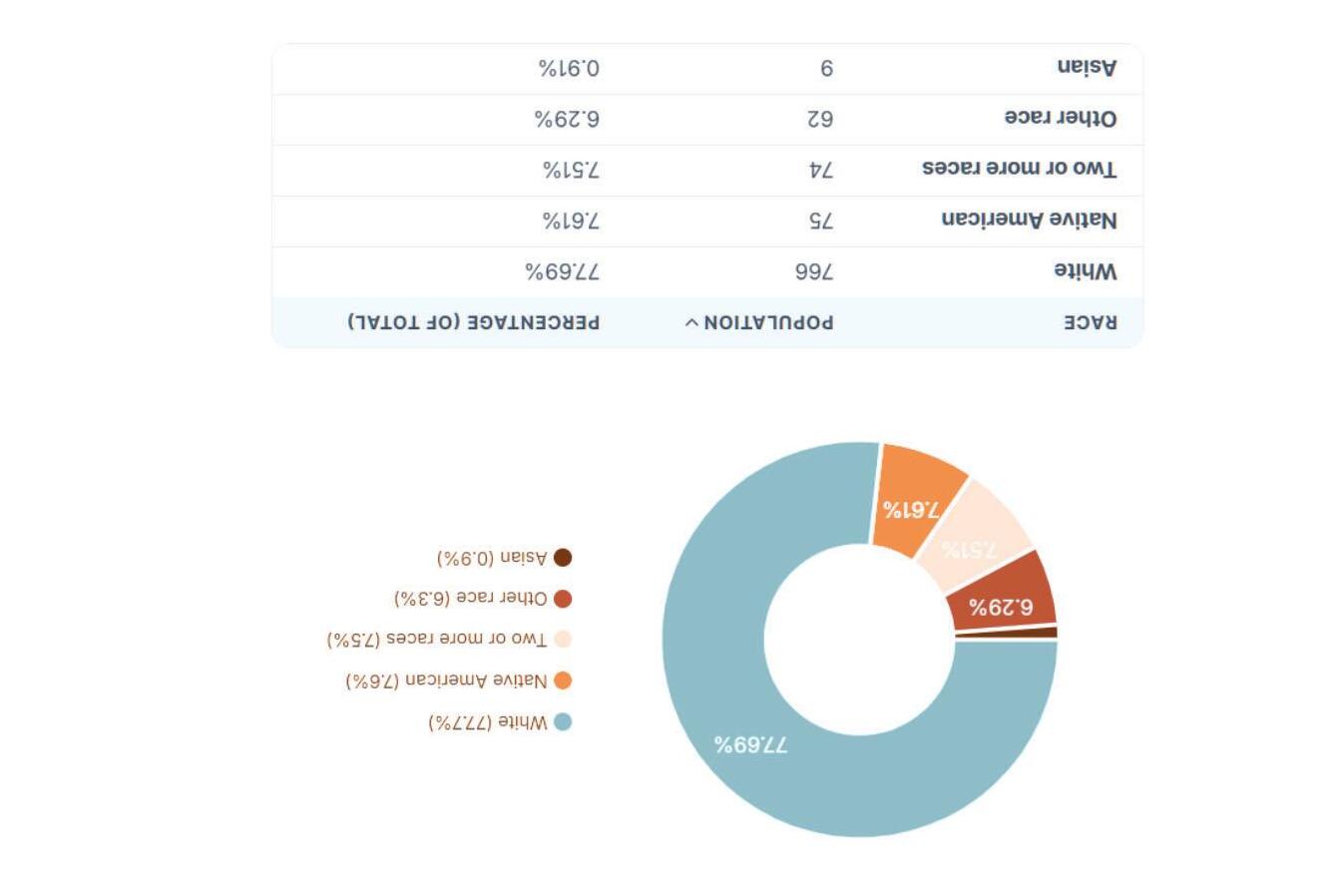
ANALYSIS
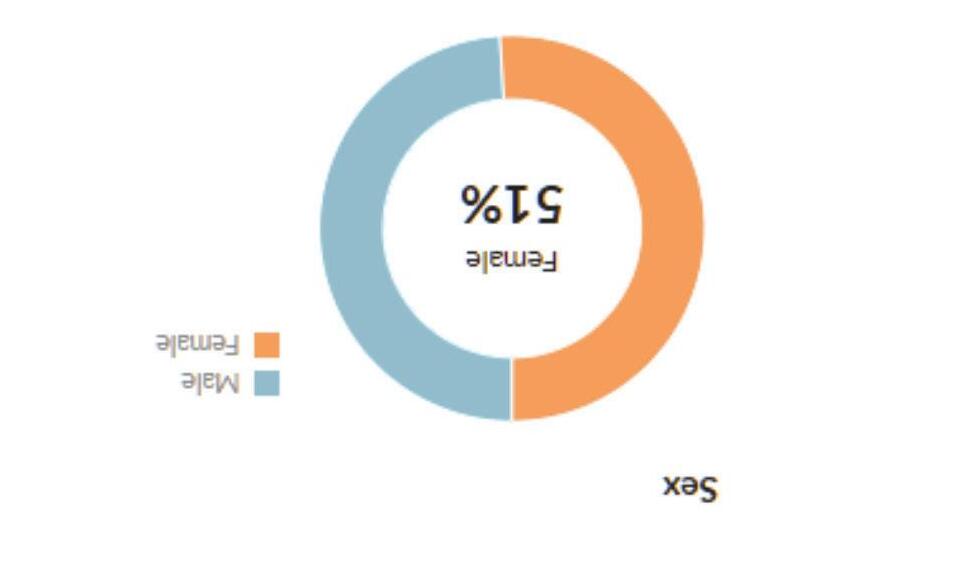
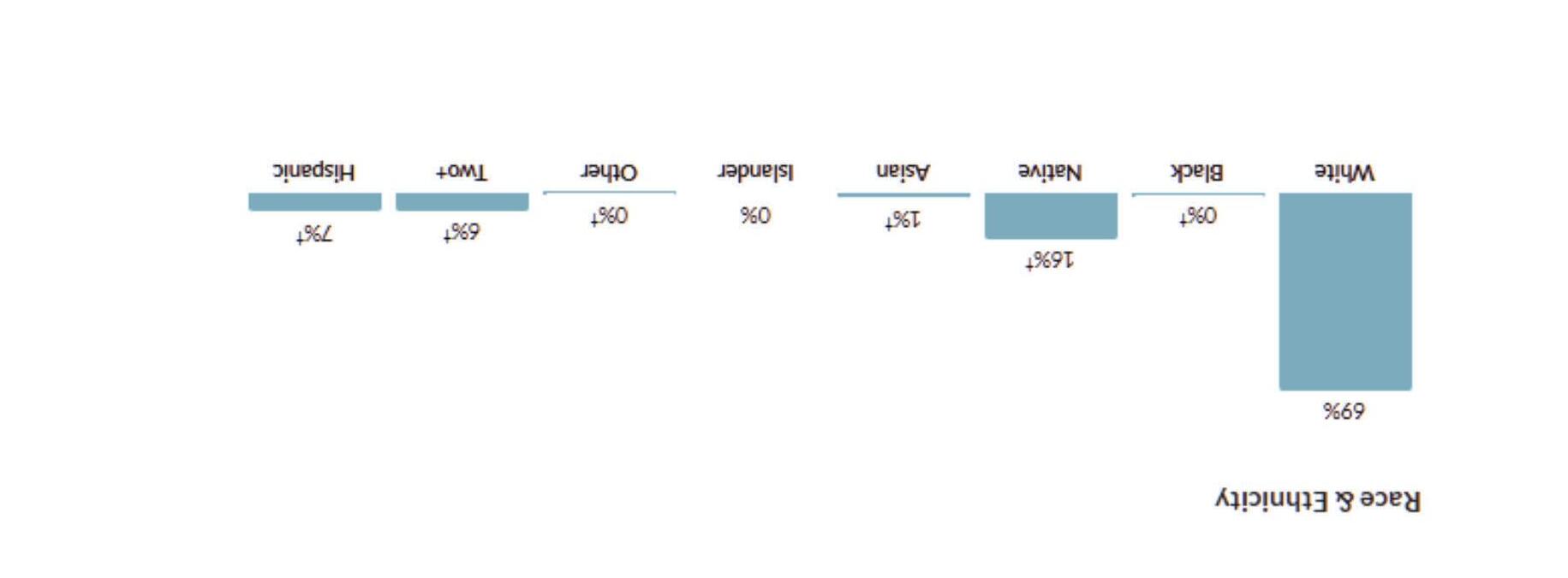
La Conner is a small, predominantly White community, with roughly 76–81% of residents identifying as White. Smaller portions of the population identify as Native American or Alaska Native (about 5–7%) and Hispanic or Latino (around 6–9%), with a few residents identifying as Asian, Black, or multiracial. This racial makeup reflects the town’s history and its small size, which contributes to a relatively homogenous population.
Maple Hall Civic Center ■ 29
SWINOMISH RESERVATION DEMOGRAPHICS
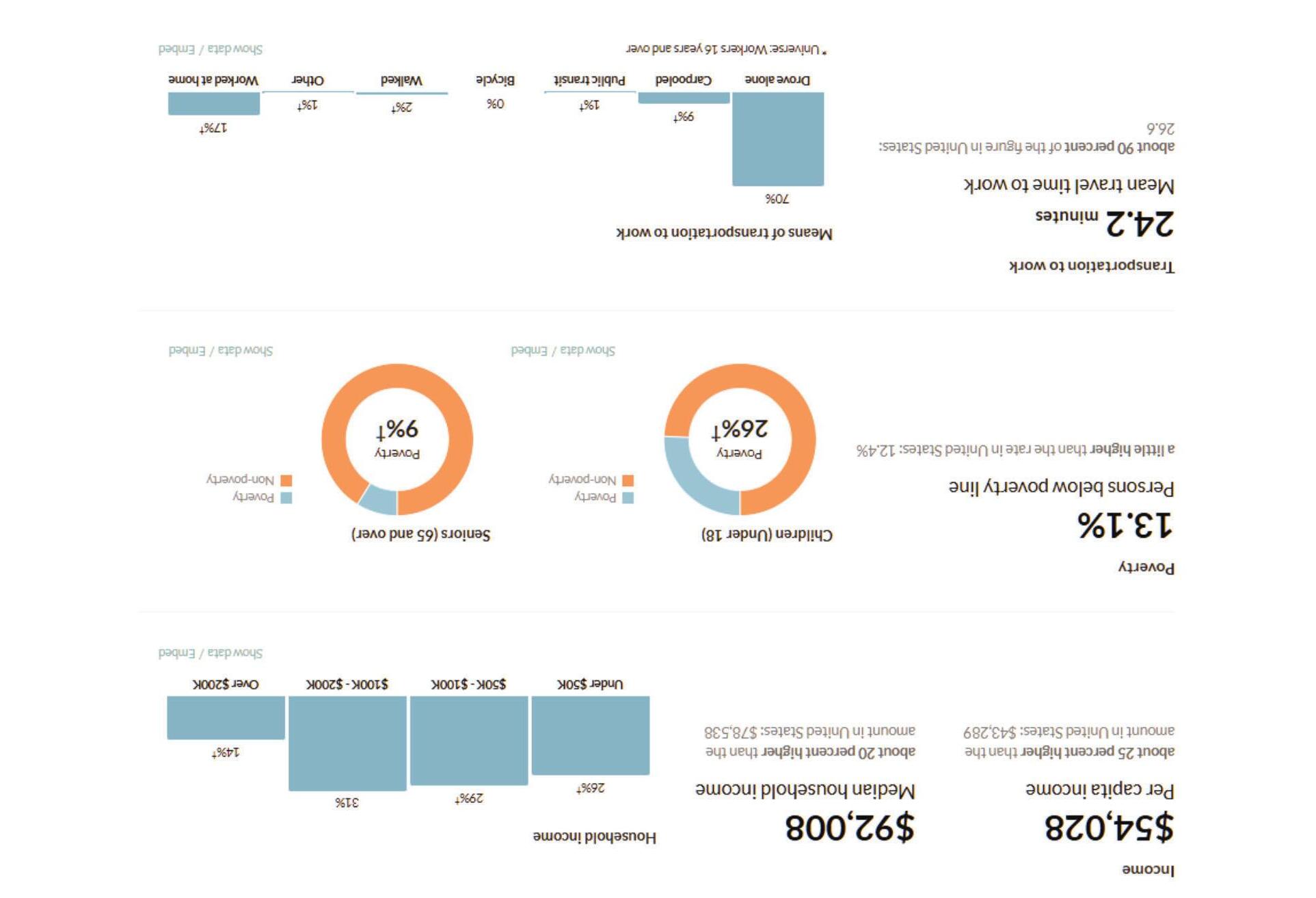
LA CONNER ECONOMICS AND INCOME STATISTICS
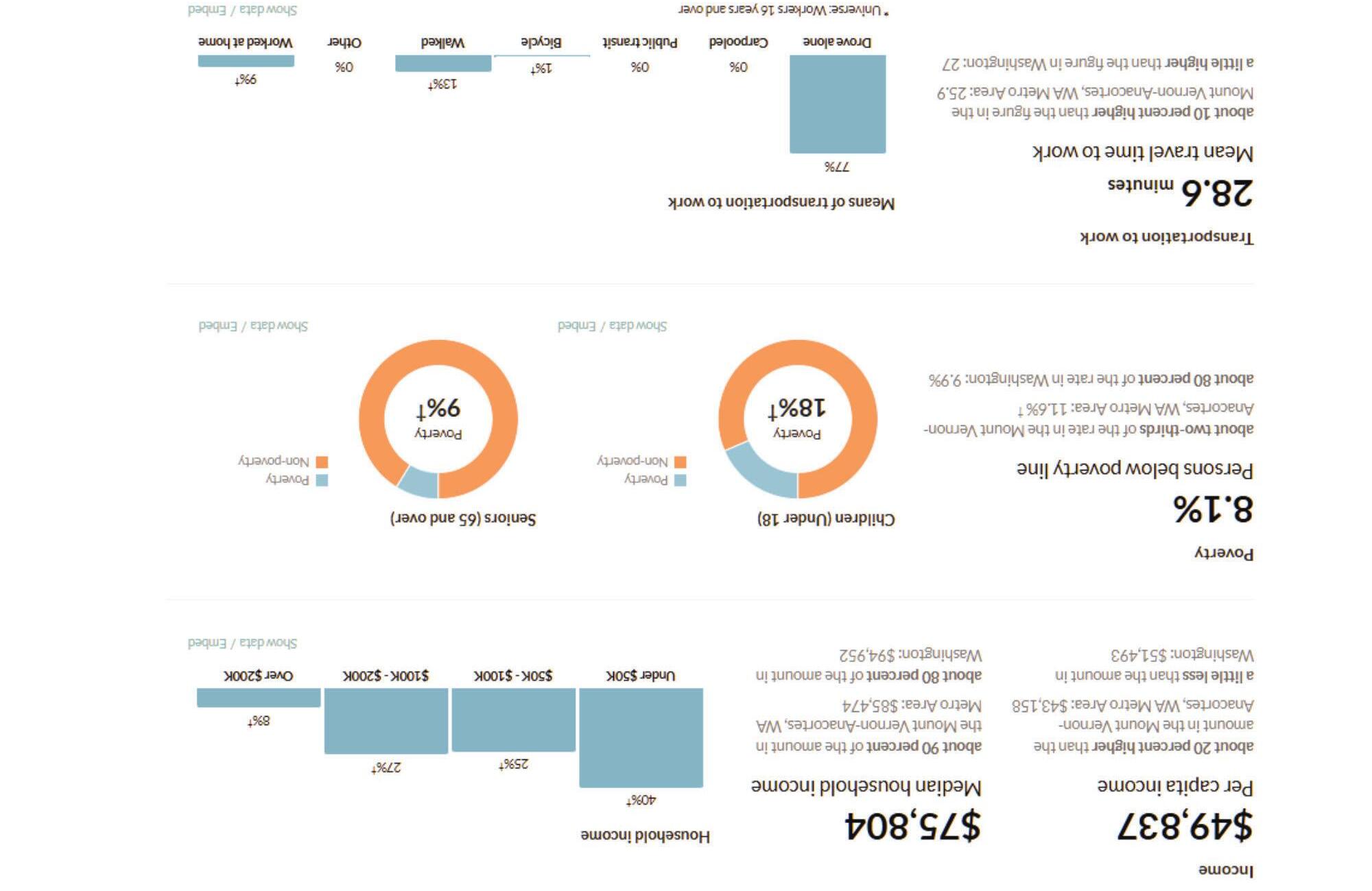
SWINOMISH RESERVATION ECONOMICS AND INCOME STATISTICS
LA CONNER SCHOOL DISTRICT STATS
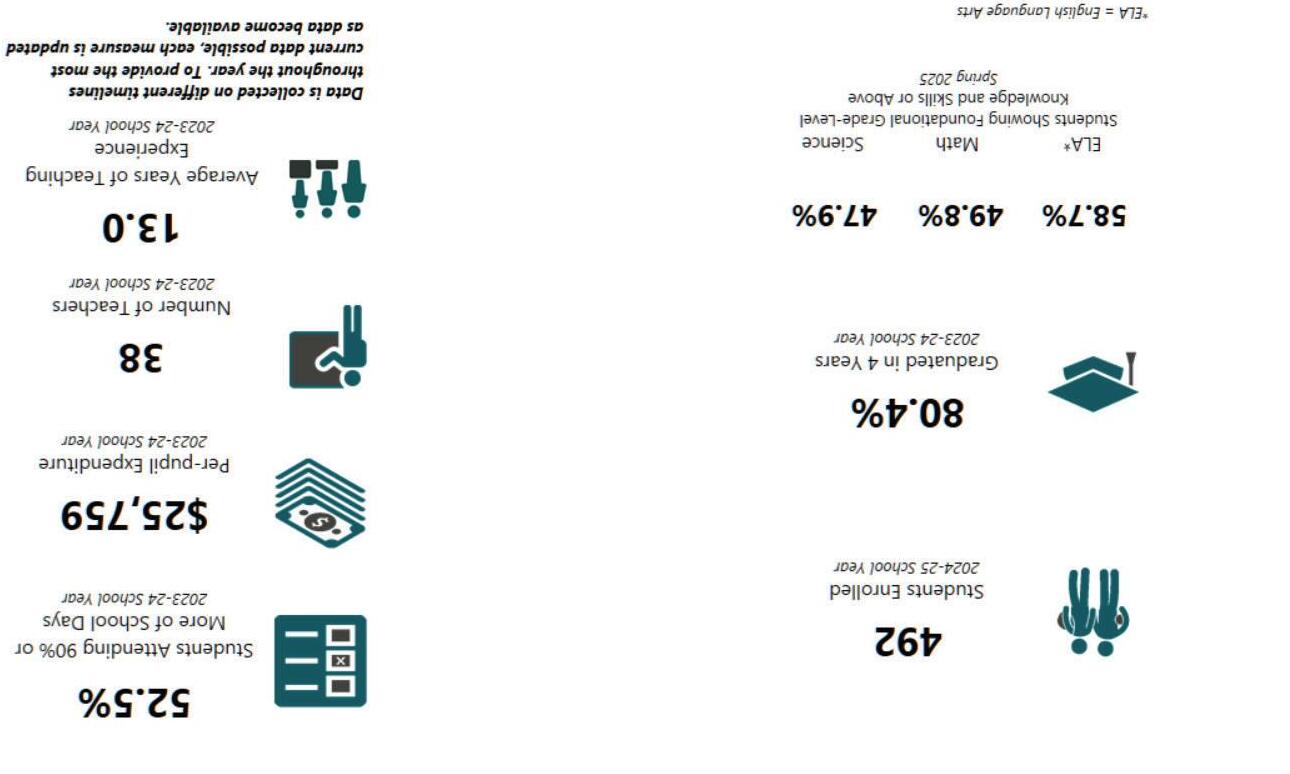

ANALYSIS
The La Conner School District serves a small student population in a rural, tight-knit community, reflecting the town’s overall demographics. Enrollment numbers are relatively low, which means students have limited peer networks and fewer opportunities for diverse social interaction. State assessment scores suggest that while many students perform at or above grade-level standards, there may still be gaps in access to advanced programs or extracurricular learning, especially in a small town with fewer dedicated youth spaces.
Maple Hall Civic Center ■ 32
Hall Civic Center ■ 33
LA CONNER SCHOOL DISTRICT STATS
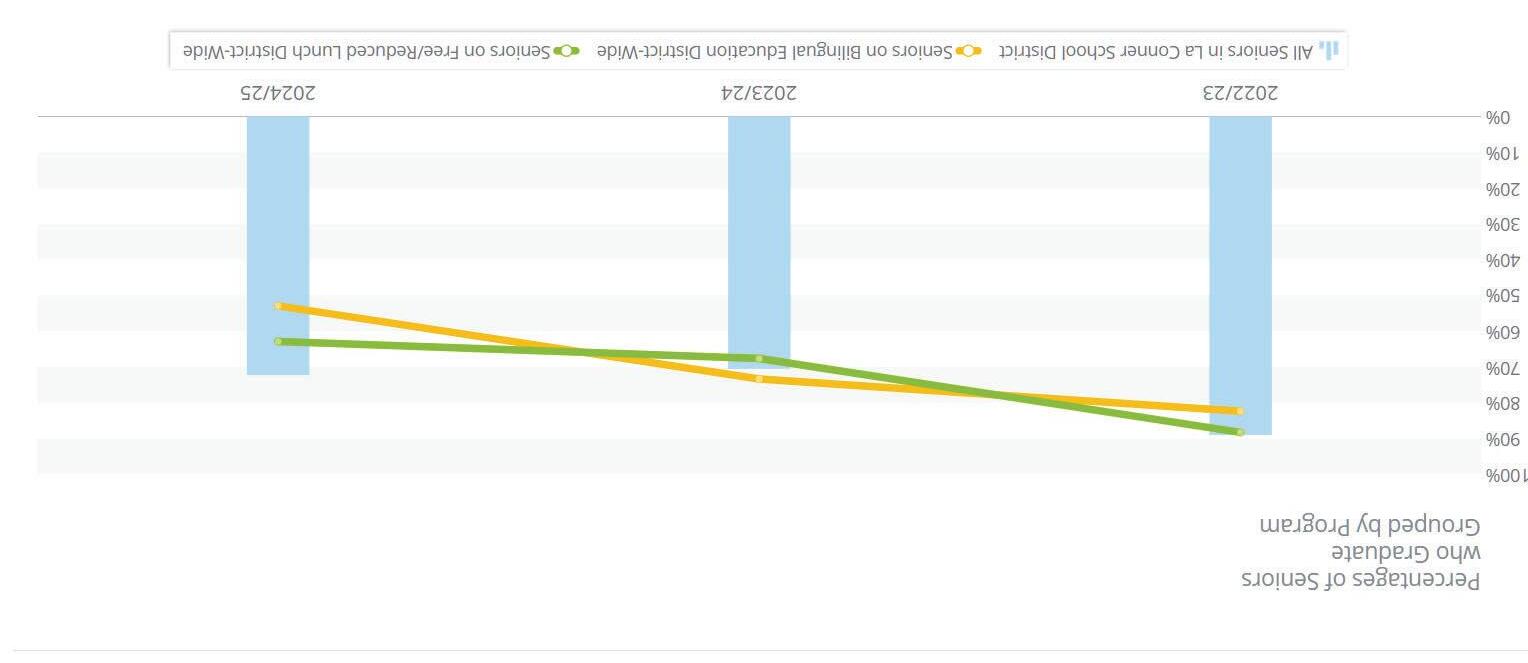
ANALYSIS
Recent data from La Conner School District shows a declining enrollment trend, particularly among younger students and high school populations. Correspondingly, while graduation rates remain relatively high, the overall number of seniors graduating each year has decreased due to the shrinking student body. This decline reflects broader demographic shifts in the community, including lower birth rates, outmigration of families with children, and limited opportunities for youth engagement.
Maple
LA CONNER HISTORICAL DISTRICT
(k) (l)
Since 1974 La Conner has been registered a historic district for the National Register of Historic Places. Most of La Conner’s historic buildings have been preserved, though a few have been lost over time. Many of the waterfront structures are built on pilings over the Swinomish Channel, highlighting the town’s long-standing connection to water-based industries. The architectural styles reflect typical commercial designs from the turn of the century, with wooden false-front buildings being the most common, alongside a handful of brick and masonry structures. These buildings
often feature full-length windows, decorative cornices, and bracketed friezes. While the north end of First Street has noticeable gaps where some historic buildings once stood, the south end remains densely built, maintaining the compact layout of the original development. La Conner’s Historic Preservation District was created to safeguard, maintain, and commemorate the town’s distinct architectural and cultural heritage. The codes ensures that historic structures remain to reflect the community’s creative, aesthetic, and social identity while meeting modern needs.
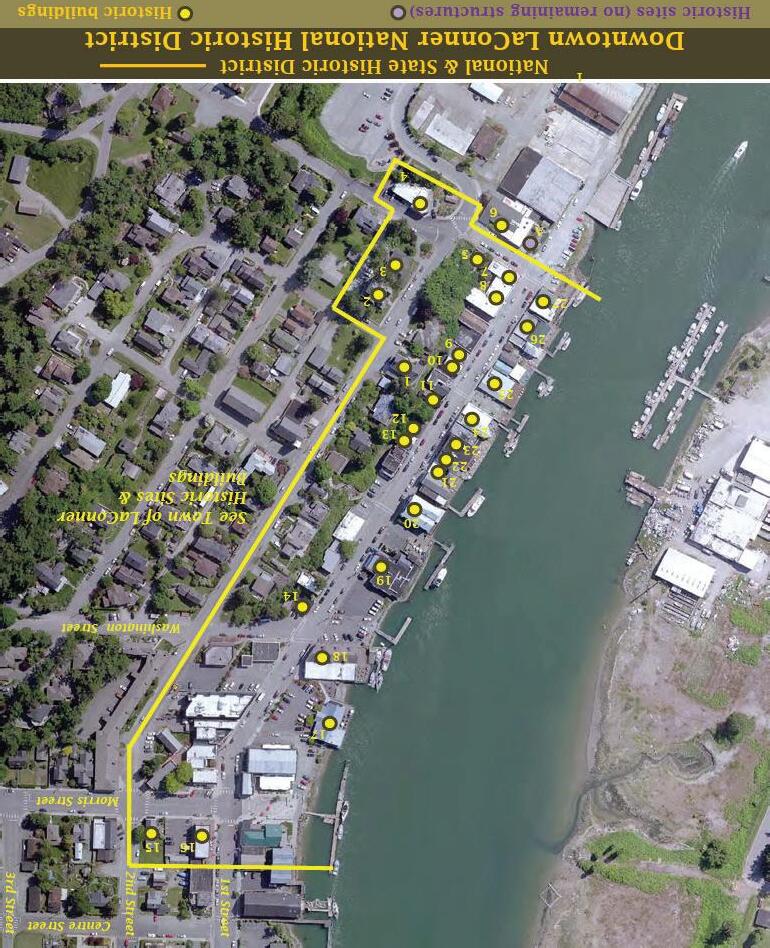
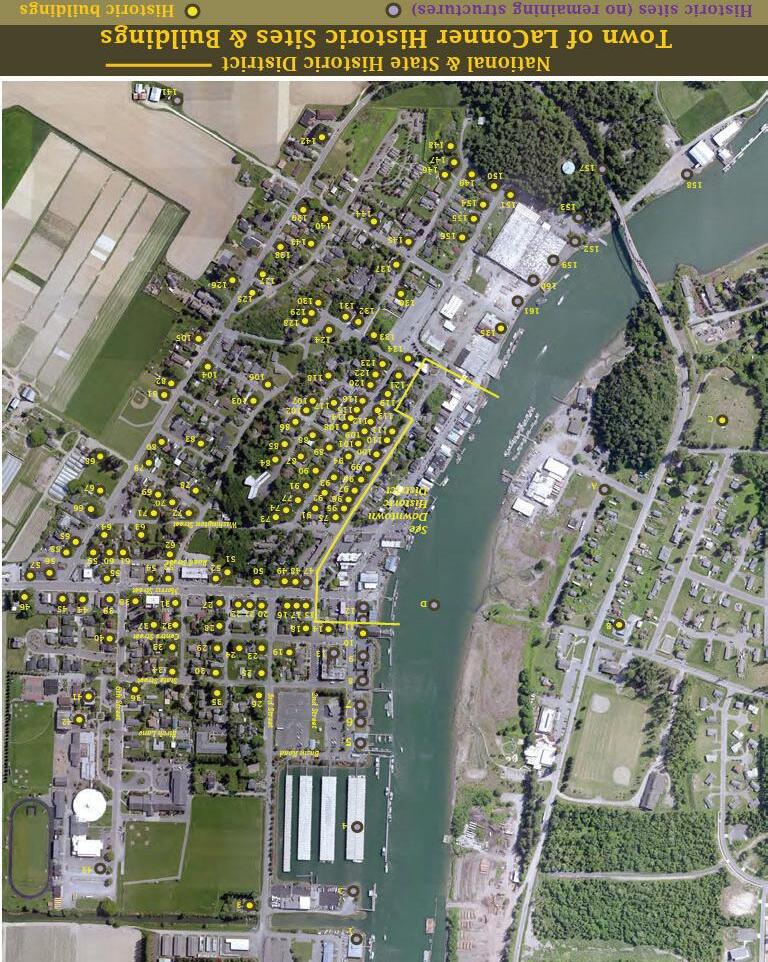
– designated
Maple Hall Civic Center ■ 35
Inserts:
Left
historic structures in the downtown national and state historic district.
Right – designated historic structures in town and Swinomish
Maple Hall Civic Center ■ 36
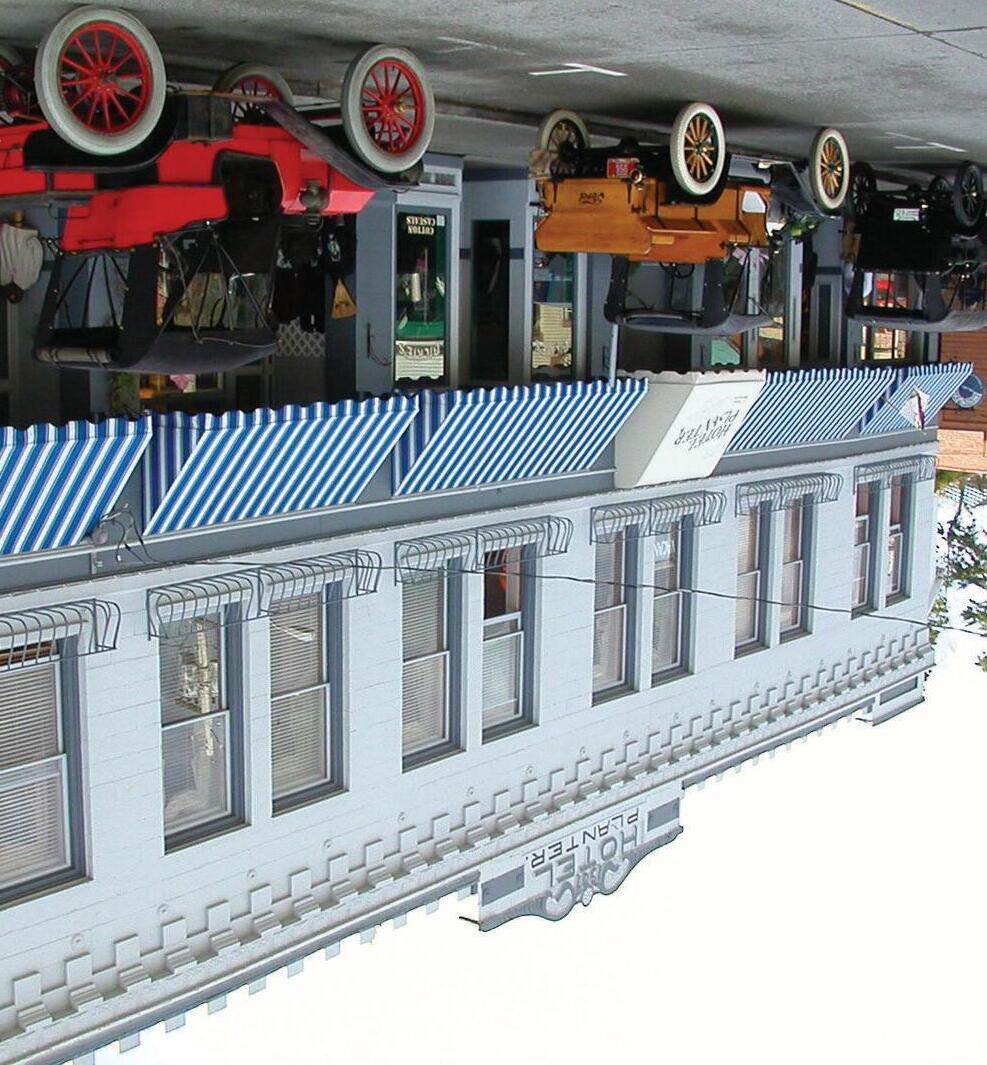
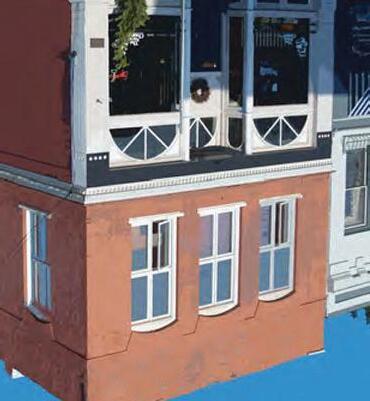
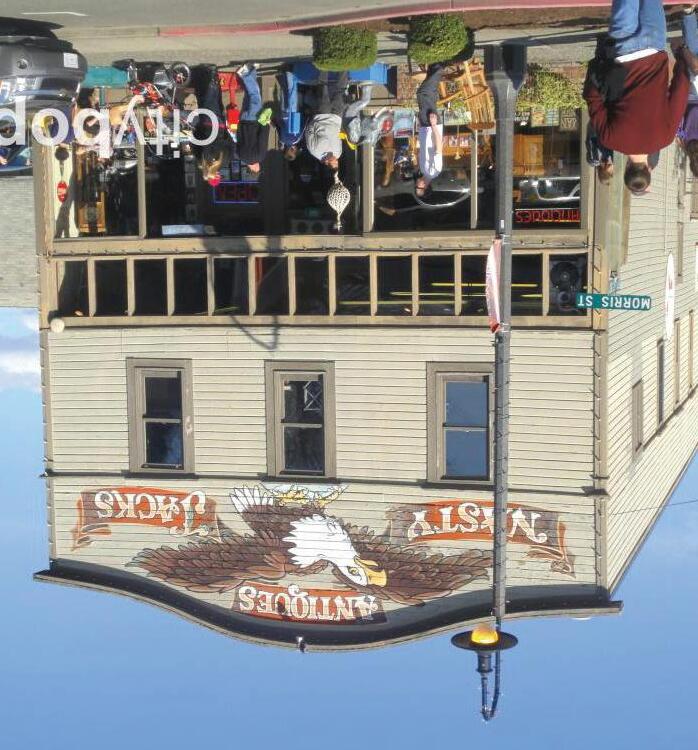
Downtown historic district 1 - 2 story masonry buildings.
LA CONNER CREATIVE DISTRICT
(m)
Town of La Conner is firmly on the path toward being named a state Creative District. La Conner is well into the initial three steps required by the Washington State Arts Commission (ArtsWA) for a Creative District designation
What is a Creative District?
A Creative District is a fun place to live, work, and visit. It’s geographically defined area of cultural and economic activity. It’s the heart of a community. It is a place for people to gather and enjoy their community’s arts and culture. A district is a place where innovation and creativity can thrive. A place that helps the community move enthusiastically into the future. Arts, culture, and design play a vital role in strengthening communities. They help promote a community’s unique creative identity, attract artists, start-ups, and creative businesses, and grow jobs in the creative sector. By increasing tourism and drawing new visitors, they can energize the local economy while also creating opportunities for affordable housing, such as live/work or maker spaces for artists. Additionally, arts and design enhance livability and provide avenues to thoughtfully redevelop historic assets, preserving the character of a community while fostering growth and innovation.
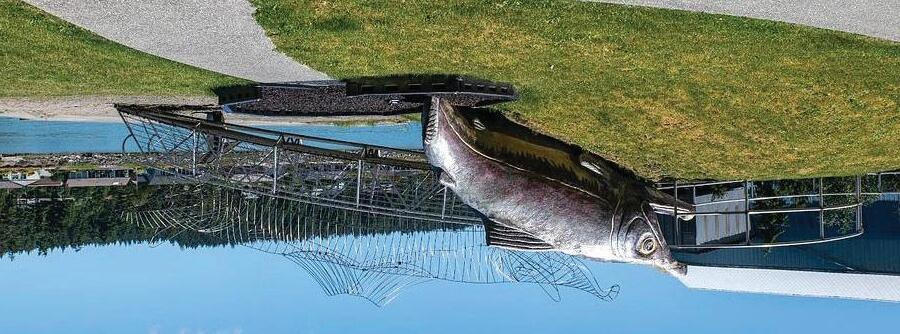
TLA CONNER ARTS COMMISSION
(n)
Iquibus presciis cus. Raestia coremod itaernati offi c tem facersperi sam, idictis Gia derovidi demp.
he La Conner Arts Commission is a public agency devoted to encouraging artistic expression and providing diverse, high quality public art for the enjoyment of residents and visitors. The Commission oversees the acquisition, installation, and maintenance of public artworks, including sculptures, murals, and other visual art forms that reflect the community’s unique character and
heritage. By integrating art into public spaces, the La Conner Arts Commission enhances the aesthetic and cultural vitality of the town, encourages community interaction, and contributes to the identity and appeal of La Conner as a cultural destination. Its initiatives help to strengthen civic pride, attract tourism, and provide residents of all ages with access to inspiring creative experiences.
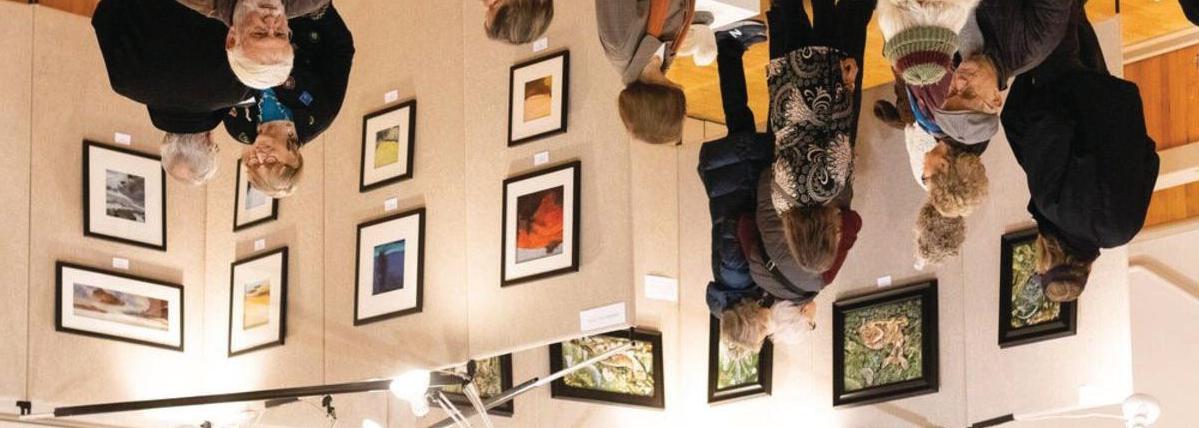
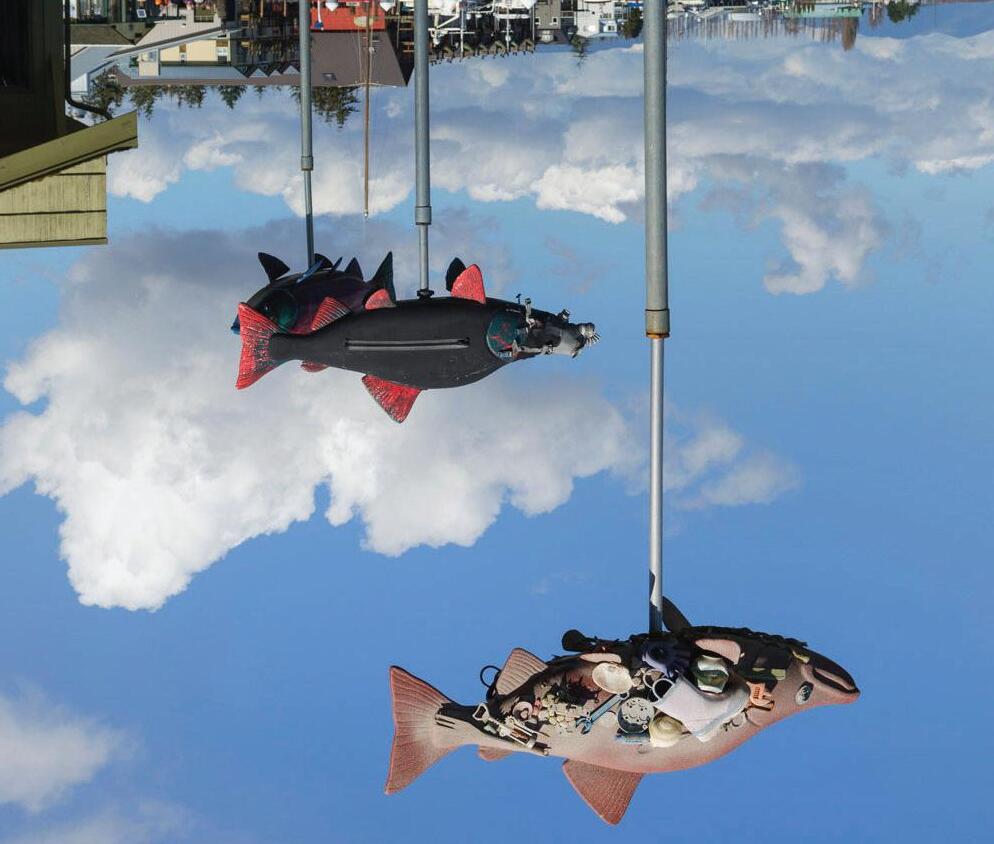
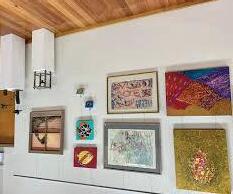
La Conner has over 16 galleries-museums that showcase local art.
Th e once-a-year Art’s Alive! show is La Conner’s premier art show and attracts visitors from far and wide.
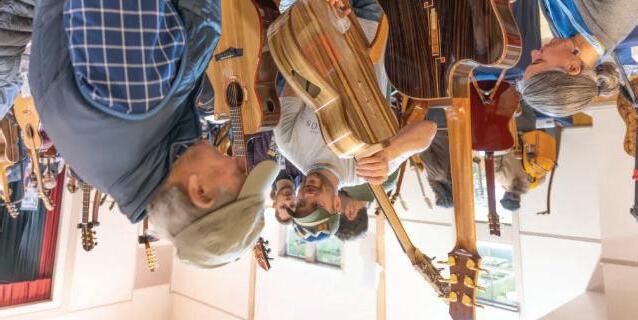
La Conner Guitar Festival May 16 at Maple Hall. Th e three-day event drew hundreds of attendees eager to experience custom instruments up close.
Iquibus presciis cus. Raestia coremod itaernati offi c tem facersperi sam, idictis Gia derovidi demp.
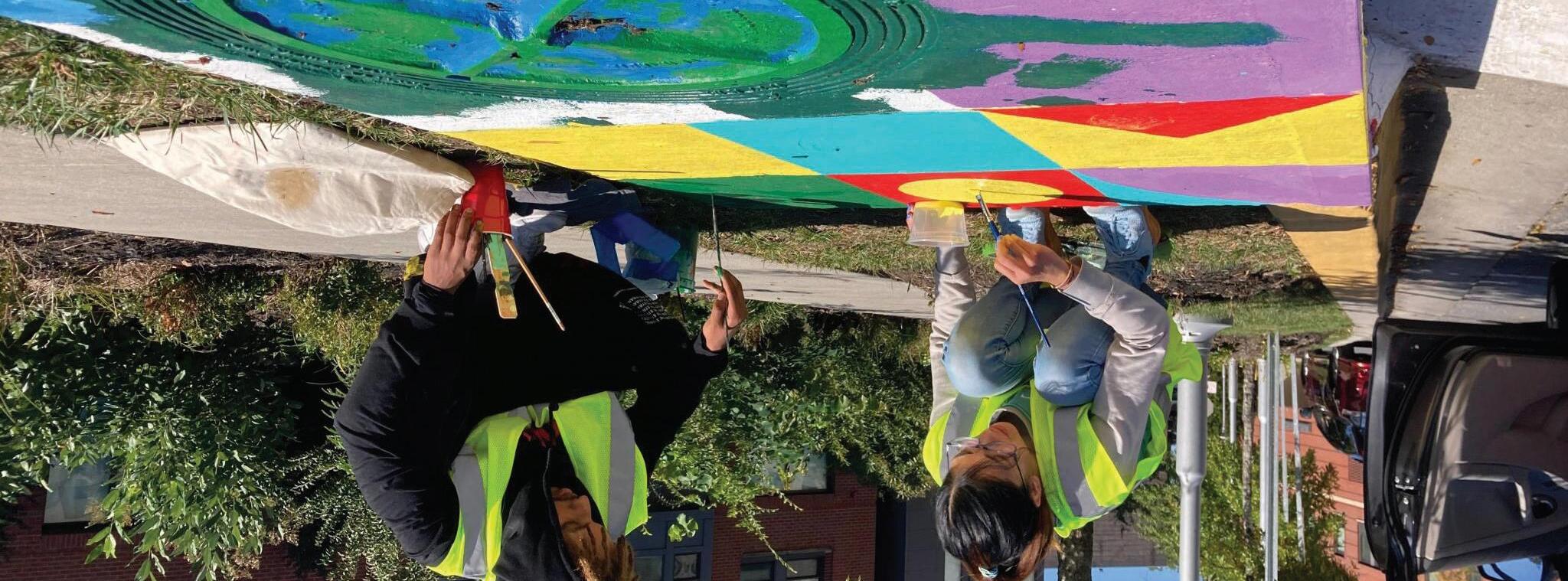
What is creative placemaking?
CREATIVE PLACEMAKING
A theoretical foundation and framework Stregthening Communities with Arts at the Core (o) (p)
Creative placemaking incorporates arts, culture, and design into community development initiatives to build local identity and promote long-term transformation. It uses cross-sector collaboration, strong community engagement, and the participation of artists, designers, and cultural leaders to stimulate
economic, social, and physical transformation. Because creative placemaking can take various forms, it brings together all artistic disciplines to solve a wide range of community issues, including public health and safety, housing, and local economy.
Placemaking with Children and Youth
In the 1970s the United Nations
Maple Hall Civic Center ■ 40
ural Organization (UNESCO) brought a group of people to discuss people-centered solutions to environmental problems. They hypothesised people could form positive relations with the environment if they were supported in the pursuit of beauty in their surrounding and dignity in human relationships. Key member Kevin Lynch pioneered the use of walks, interviews, and map-making to understand how humans experienced urban disticts and how places functioned for them. He later proposed a new program called Growing Up in Cities that used methods with small groups of children in early adolence in low income urban areas faced with rapid change. From decades of work to understand child friendly cities reveal basic needs for healthy child and youth development that cities can serve.
Why it matters
Young people have an important role to play in shaping the development of cities. They are not just in the process of becoming adults; they are a unique group that already has so much to contribute to society. Social inclusion is a significant context in adolescant development. Participatory processes with young people cultivate citizens who know how to work collabratively to create a more sustainable future. This is the heart of
placemaking with children and youth.
Revitalization
From economic, digital rapidization, and Americans’ proclivity to move, American cities, suburbs, and small towns have struggled with structural change and residential uprooting from the last two decades. The Great Recession has compounded these problems.
Revitalization has come from an unexpected source: an innovation in arts and culture. They create and sustain jobs, support local businesses, generate spin-offs, rejuvenate towns, and stabilize neighbourhoods. Creative placemaking developments have significantly contributed to economic competitiveness, livability, and sustainability. Artists and designers are an underutilized entrepreneurial resource. Arts-anchored revitalization encourages non-arts businesses and families to invest in their communities and take an active role in changing them. Seniors, families with children, and young working people are returning to center cities and arts-rich rural towns, proving that investment pays off. A culture-based revival project must be relevant to its particular setting, rather than simply a “me,too” copy of what other cities and towns are doing. Creative placemaking efforts cul-
tivate unique features and resources that already exist in the community and may be highlighted to benefit residents while also attracting visitors and new companies. This aims to create places that appeal to businesses, skilled workers, and new and current residents. Arts and culture play an important role in this transition. It also addresses the safety, aesthetic, expressive, and environmental concerns of residents, workers, and visitors.
Local arts events that include public art, murals, art parades, art fairs and crawls, museums, performances, and open studio nights provide opportunities to appreciate and participate. According to federal study, arts and culture participants are more civically involved in their communities than non-participants. These art activities can also be combined with environmental initiatives such as cleaning up streets, constructing bike routes and bus shelters, exposing and transforming unattractive public utilities, and designing landscaped urban parks over sewers and waterworks. They also highlight an area’s legacy, as well as the culture and skills of newer people from various ethnic and racial backgrounds. By dividing arts and cultural resources over several areas, they create lively hubs that serve both inhabitants and visitors.

What is Positive Youth Development?
POSITIVE YOUTH DEVELOPMENT (PYD)
A theoretical foundation and framework (q)
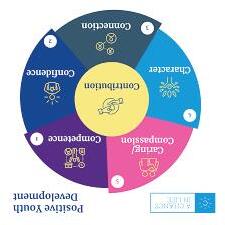
PYD is organized in a framework known as “5 Cs” of Positive Youth Development. The 5 Cs are competence, confidence, connection, character, and caring/compassion. This theoretical framework guides communities in the ways they organize opportunities for youth to real-
ize their potential. It is setting the groundwork for youth to thrive, rather than focusing on getting them to change. It’s an approach led by youth-serving organizations and programs to improve to foster better outcomes for youth.
Principles of PYD:
1. Positive Outcomes: A shift from trying to prevent or fix
Maple Hall Civic Center ■ 42
problems to co-creating positive outcomes.
2. Strength-based approach: Help young people identify their strengths and to build upon them. Nurturing developmental relationships and environments beyond programs and organizations.
3. Youth Engagement and Voice: Work with young people, not just for them. Prepare adults for authentic youth engagement and shared decision-making, creating effective youth-adult partnerships. By
listening to young people’s expertise and perspectives and letting them have a role.
4. Inclusive Strategies: Provide support and opportunities to all young people, not just “at risk” or “gifted.” Ensure that basic needs for safety, food, shelter, and a sense of belonging are met. Designed to reach all young people, it has been shown to be effective for youth who have been marginalized or underserved.
5. Long-term community engagement: Collaborate to foster a pro-youth, strength-based
culture shift among community sectors. Fugitinum volorerum solupidem quo etur mo quidebis cum volore digent odit.
Scientific Foundation of Positive Youth
Development
Positive youth development is based on these research questions: What do we need to thrive or flourish as human beings?
How does development occur? What do we mean by “thriving”?
Maple Hall Civic Center ■ 43
Maslow’s
Hierarchy of Needs: What do we need to thrive?
Maslow’s Hierarchy of Needs is a foundation of PYD, helping answer the question of what do we need to thrive.
Maslow’s findings concluded that for healthy development to occur, primary needs of safety, food, water, and shelter must be met. There also must be a sense of belonging. This means feeling loved and a part of a larger group.
Once these fundamental needs are met, humans are able to thrive when: -they feel competent to contribute -understand and meet basic requirements -Find symmetry, order, and beauty in the environment.
-Realize their full potential Research has shown that youth who don’t have their primary needs met are focused on survival and, therefore, unable to focus on learning or engaging in social interactions. There is a need to attain foundational needs to offer meaningful opportunities.
model of human development. He theorized that development occurs through interaction of social systems. This occurs through how young people develop competencies and values by interacting with social groups and systems, such as families, peers, schools, and workplaces, etc.
He also found that humans are actively involved in shaping their own development. Youth are participants. This is essential for youth engagement. As human development is now understood to be a constant, dynamic, collabrative process between biology and environments. As new research in the science of learning and development shows, the brain is highly malleable and resilient. Humans learn through experiences of interactions with the environment, cultures, and relationships.
Pathways for Intervention
PYD is supported by three bodies of research, guiding different questions and suggesting complementary pathways for intervention.
tors that can buffer the negative effects.
Resiliency Research: Answers why do many young people do well despite hardship? Examines how resilience is not a trait but a process that helps humans rise above negative experiences. This is discovered through studies of individuals from childhood to adulthood, examining protective factors of internal characteristics and external opportunities that help overcome adversity.
Bronfenbrenner’s Ecological Model of Development: How does development occur?
Bronfenbrenner created the ecological
Prevention Science: Investigating the question, how can we predict and prevent negative behaviors? This is achieved by identifying risk factors and protective fac-
Youth Developmental Research: What makes young people thrive? It focuses on strengths and positive outcomes and all youth, rather than “at-risk” youth. Karen Pittman, founder of the Forum for Youth Investment, described prevention approaches to thrive, all young people need to be fully prepared for life and fully engaged in developmental opportunities of their choosing. Led a shift from preventing behavior deficits to building and nurturing positive outcomes that lead to healthy and fulfilling lives. From this shift is developmental assets, Peter Benson and his collegaues at Search Institute identifed 40 assets that young people need to thrive. Half of these assts are from relationships
Maple Hall Civic Center ■ 44
and opportunities, and other half is internal of social-emotional strenths, values, and commitments that can be developed in everyone. This focused on developmental relationships as the gateway to building assets.
Positive Youth Development Outcomes and Environments
Positive Outcomes: Instead of a single-minded idea of fixing or preventing problems, PYD aims to build skills and competencies.
6 Cs Model: The 6 Cs model was developed to conceptualize positive outcomes. The framework was created by Karen Pittman and Richard Lerner and many other scholars. It provides a vocabulary to describe what young people need to succeed.
The Vocabulary Breakdown: The six Cs described by Act for Youth:
Competence: the ability to act effectively in a range of settings, including social, emotional, cognitive, cultural, health, academic, vocational, and civic domains.
Confidence: a sense of overall self-worth, mastery, and efficacy; awareness of making progress in life and having expectations for the future; belief in one’s ability to make a meaningful contribution.
Connection: a sense of belonging, positive bonds with people and social institutions;
Maple Hall Civic Center ■ 45
being protected and having basic needs met.
Character: respect for society and cultural rules; an inner moral compass; taking responsibility and being accountable.
Caring/Compassion: a sense of sympathy and empathy for others, a commitment to social justice.
Contribution: active participation and leadership, bringing about positive change in self, family, social, and civic life.
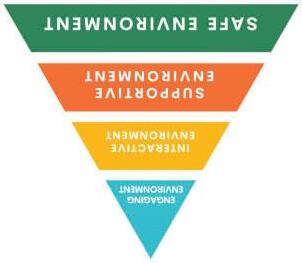
Positive Environments: Features of Youth Development Settings
Young people grow up in a different settings like families, school, youth programs, health care environemnts, child welfare, and juvenile justice systems and more. How can we best support positive outcomes by creating positive, developmental within - and strenthening connectings among these settings?
What are positive environments? Positive environments are “developmental settings” that are safe, inclusive, and welcoming environments. There must be a sense of belonging within these, they provide valuable learning opportunities. Young people are able to fail producively and try agian without emotional or physical harm.
Effective Youth Development Settings
In 2002, Jacquelynne Eccles, Jennifer Ap-
pleton Gootman, and colleagues released Community Programs to Promote Youth Development book that addresses community-based programs that had been shown to achieve positive outcomes for (and with) youth. They identified 8 key features for successful development settings:
Physical and Psychological Safety
Appropriate Structure
Supportive Relationships
Opportunities to Belong
Positive Social Norms
Support for Efficacy and Mattering
Opportunities for Skill Building
Integration of Family, School, and Community Efforts
Physical and Psychological Safety: Trauma-Informed Approach
The first step to building a positive environment is understanding the pervasiveness of trauma. People who have and are experiencing trauma need to feel safe both physically and mentally. The book Reaching Teens, Kenneth Ginsburg and Zachary Brett Raminrez McClain state that “traumitized” should not be another word to determine what young people are capable of and will become. To approach a trauma-informed to youth development is strength-based, supports young people’s agency, and holds all young people to high standards.
Maple Hall Civic Center ■ 46

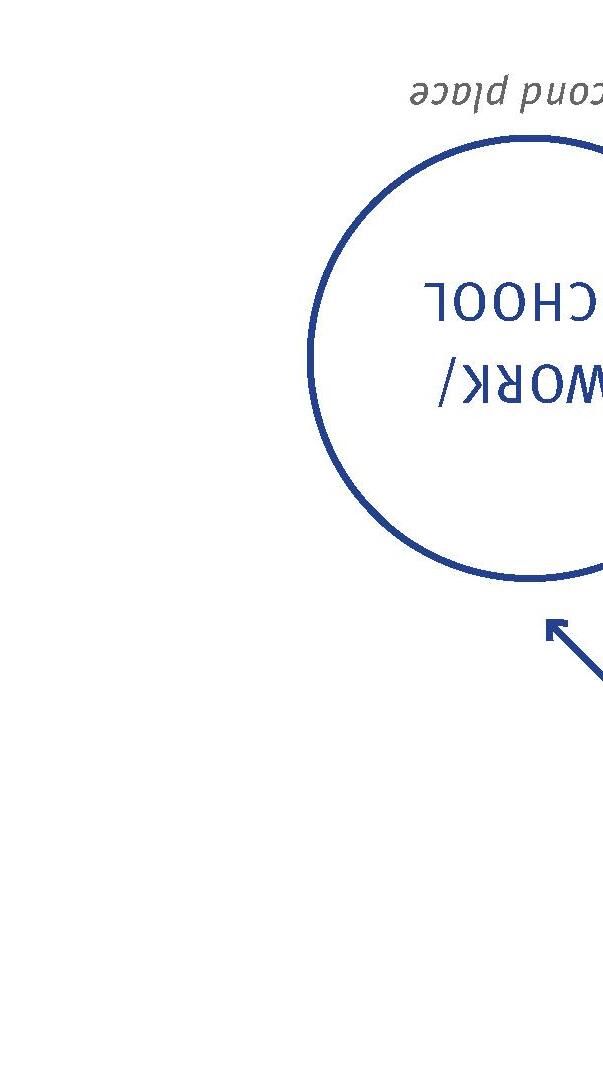
THIRD PLACE THEORY
A theoretical foundation and framework (r)
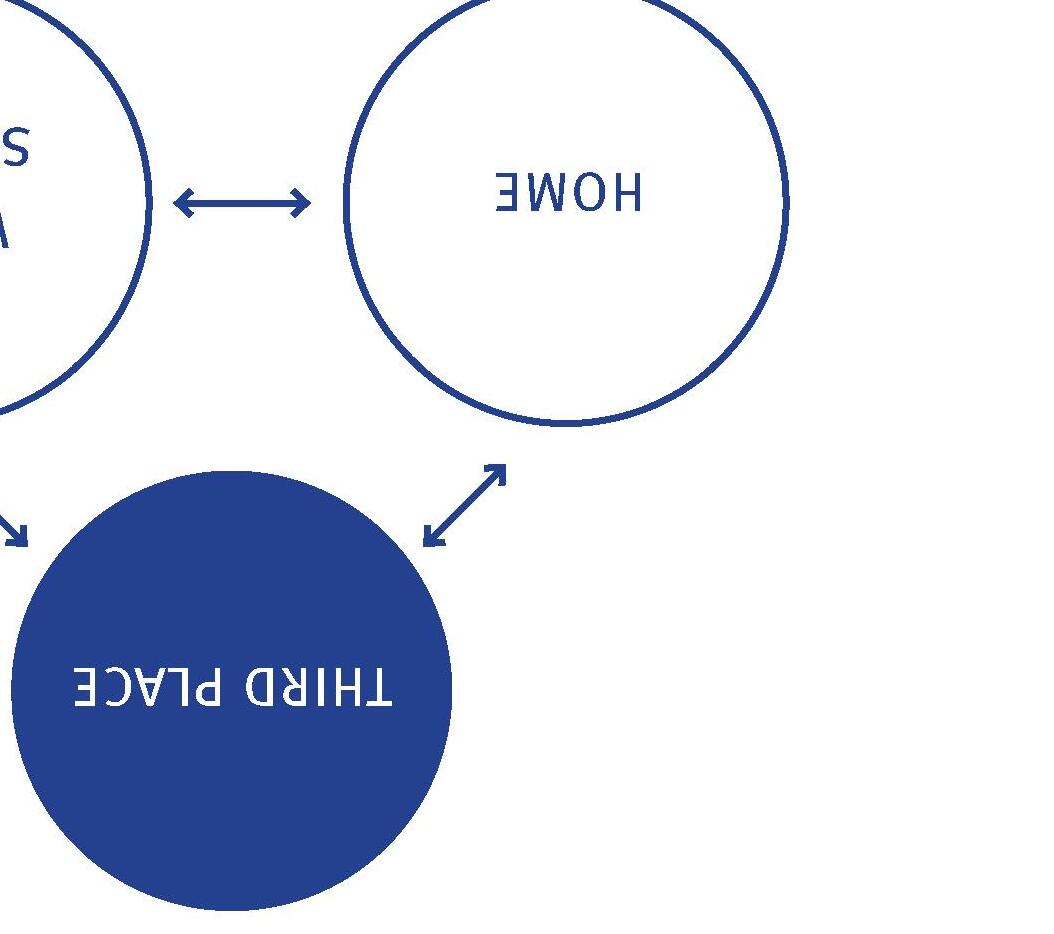
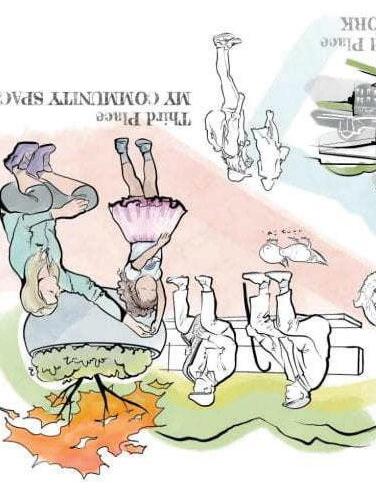
What is the Third Place Theory? The Third Place Theory was developed by urban sociologist Ray Oldenburg, who argued for the importance of informal gathering spots in building and strengthening relationships. A third place is not a person’s home or work but a place where people can go to meet, relax, and belong. Creating
these spaces can help the economy by fostering community and bringing people together.
To break this theory down, to define a home is considered a “first place”; it makes an individual feel safe and comfortable. The “second place” is either a workplace or school, and the individual feels like they are con-
tributing and making a living or learning. The “third place” is essential as it brings people together and connects on a deeper level. It is the heart and soul of a community, where a sense of belonging is prevalent. And creates a more vibrant community.
Third Places for Children
Third Places for Children. A third place for children can provide possibilities for independence, agency, freedom, discovery, creative play, and learning, all of which are necessary for healthy development. This situation is unusual for socialization because it allows young people to form and nurture relationships with peers of all ages, genders, and cultures. Meeting other children and sharing experiences encourages children to accept personal and cultural diversity. This environment has a favorable impact on children’s ability to learn at school and thrive at home.
Third Place and the Local Environment
The local outside environment has a significant impact on children’s development, impacting how they learn, move, socialize, and gain confidence. Adults’ parenting for safety concerns determines what
constitutes acceptable behavior and has a greater impact on access to surrounding streets, parks, walkways, and public areas than actual risk. These views are influenced by social standards about age, gender, and identity, which frequently limit how freely children can explore their environment. When children have regular access to their local outdoor environment, such as walking to school, playing outside, or spending time in neighborhood parks, they meet new people, places, and circumstances. These daily encounters help them gain independence, spatial awareness, social skills, and the ability to recognize and handle risk. While age and development are important, children’s competence develops mostly through experience, not through constraints. Parental worry and overprotection frequently limit children’s access to outdoor settings, compromising their capacity to navigate them confidently and safely. When given the opportunity to interact with their surroundings, even young children can learn about risk awareness. An outdoor environment that is safe, local, and supportive can promote children’s physical and cognitive development. And also instill a sense of belonging, confidence, and early civic commitment to the community.
Recent initiatives, such as the Parc de Belleville in Paris and Parc Blandan in Lyon, aim to restore children’s freedom through adventure-style play areas that stimulate creativity and discovery, using natural elements like slopes and climbing walls. These areas allow children to roam autonomously, experiment, and learn risk management, which can reassure parents when they observe their children navigating securely.
Maple Hall Civic Center ■ 47
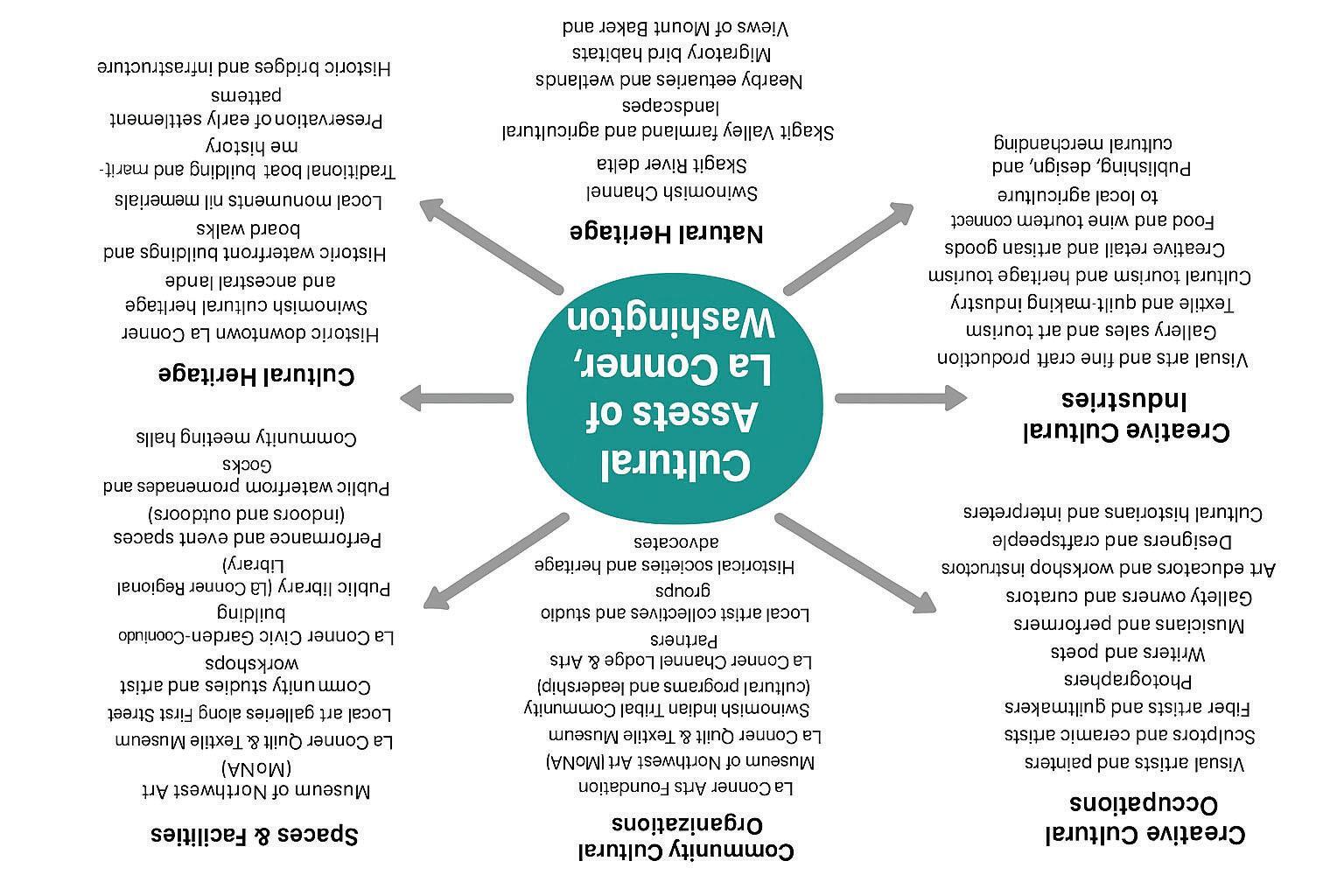
CULTURAL ASSET MAPPING
A Research Method (s) (t)
WHAT IS CULTURAL ASSET MAPPING
By definition cultural asset mapping is “a process of collecting, recording, analyzing, and synthesizing information in order to describe the cultural resources, networks, links, and patterns of usage of a given community or group.”
The purpose of cultural asset mapping is to identify and connect a community’s resources to build a stronger, more engaged, and inclusive community by revealing how people, places, and cultural assets work together to shape its identity and future.
A BREAK DOWN
Culture: How would you define a culture? A community culture is a location with a distinct and shared identity. Humanities, heritage, history, traditions, scenery, food, architecture, and language are all components of culture that contribute to the unique and meaningful qualities of a location.
Asset: An asset is something that contributes value or function to a community. However, not everyone in a community will share the same values. That is what each of us believes is beneficial to our community: how those unique assets build up to what we value collectively. Different people view things in our communities through different lenses.
Mapping: Any method for collecting data about a community’s cultural assets. Using maps to reveal information about cultural assets or to present previously collected information.
THE IMPACT
A cultural asset mapping program can be an effective tool for a city. The findings may provide a thorough understanding of critical networks and cultural attitudes that shape the community. The results can be used in a variety of ways.
1. Enhances Leadership and Capacity: Encourages community members and rising leaders to realize their own creative strengths, develop leadership skills, and initiate new community projects.
2. Supports Future Community Action: Creates a framework for revival and investment, attracting cultural tourism, advocacy, and money by emphasizing the importance of these locations.
3. Improves Connectivity and Trust: Fosters closer links among residents, local groups, and government. Participants feel heard and respected, which fosters trust, civic pride, and a stronger feeling of community and ownership.
4. Reveals Community Identity and Direction: The method identifies both strengths to build on and gaps or challenges to overcome, assisting in the clarification of goals and the formation of an authentic narrative about why the location is important.
TOWN TALKS
Research gathered from La Conner Town Council’s Communication Committee outreach event conducted in September 2022 - 2023. See full report notes on appendix A.
FRAMEWORK
Five tables of 5-6 citizens participated in the open sharing and listening process, expressing their passion for the town of La Conner and their desire to rise to the challenges of growth and change while staying true to what makes La Conner uniquely livable. Facilitators* assisted at each table, assuring that all had a voice. Key notes from asking what we love about La Conner:
1. Community
2. Physical Environemnt
3. The people
La Conner citizens provided input on their community’s vision for bringing its values, diversity, history, and small-town magic into the future and develop creative ideas to ensure that future-related decisions are based on that vision. Here are some key notes capturing areas where citizens had deep concerns and creative ideas for improvement.
Gaps
in the Commmunity:
1. Community engagement
2. Transparency
3.Parks - Pioneer park does not seem kid friendly - more “open spaces”
4. School at lowest enrollment
5. lost middle class
6. Parking
7. Walkibility
Community Vision Projects
1. Public Safety
2. Walkabity, bikeability. Focus on paths to destinations.
3. Bring Swinomish and Shelter Bay into town
4. Grow in a way that preserves why people moved here
5. Commnication and community engagement in decision making
6. Parks
5. Need more wild places for kids
6. Kid friendly parks
FINDINGS
Analyizing this workshop research, it’s clear that people in La Conner care deeply about their town from its close-knit feel, its natural setting, and the character of the people who live there. At the same time, residents were honest about the challenges they’re seeing: fewer kids in the schools, a lack of spaces that feel welcoming for youth and families, concerns about transparency in decision-making, and a desire for more ways to stay connected and involved. Many also pointed out the need for parks and public spaces that feel safe, playful, and accessible. Taken together, these insights highlight a gap in everyday places where young people and the broader community can come together.
Maple Hall Civic Center ■ 51
ONE-ON-ONE INTERVIEW WITH
DENA KINDRED
Conducted on December 2nd
*interview has been paraphrased and shortened in order to fit in book*
Dena Kindred, Vice President of Community Engagement for the Boys & Girls Clubs of Skagit County, provided invaluable insight into the needs, interests, and experiences of local youth. Through our interview, she shared perspectives on how young people engage with community spaces, the importance of programs that foster creativity and social connection, and strategies for creating environments that support Positive Youth Development.
Interview Questions:
How long have you been engaged / what positions?
“I work primarily with our volunteers in the clubs, our community partners that come into the clubs to volunteer, our event volunteers, but I’ve been in this position for almost five years. And prior to that, for like 11 years, I was working in clubs directly. So I was working, I started off as a part-time staff working with kids and then did various positions in clubs throughout the state.”
What is the Boys and Girls Club’s mission?
“our mission and our five core values. So our mission to inspire all young people and empower them to reach their full potential as productive, responsible, caring adults in their community. And then we have five core values we focus on at Boys and Girls Clubs of Skagit County and those are fun, respect, integrity, community, and acceptance.”
What current programs or initiatives does yboys and girls have for youth engagement/involvement in our community that are successful?
“So we partner with different organizations like we for instance we partner with our local libraries and they come in like once or twice a month and run programs with our kids like literacy programs, educational programs. We have programs that focus on academic success, healthy lifestyles, and good character and citizenship. So um you know we offer a program called Power Hour where our kids um can complete uh that’s time for them to do homework or educational activities, healthy lifestyles.”
What makes a space feel safe, welcoming, and empowering for young people?
“a place where every youth feels a sense of belonging and feels like they um are a part of some uh something in terms of they feel that um they can be themselves they feel like when they go through those doors you know that you know maybe things aren’t aren’t as good at like home or they’re struggling in school or they’re having different challenges in their lives and they can come in and they can like be a kid and they can focus on um you know building healthy relationships and getting assistance with like different you know homework assignments or coming in and having a hot meal um you know uh having a hot meal before they go home so but really having a place where they feel a sense of belonging and feel like they can connect with with their peers but also other positive adult role models too.
What do you think right now is the biggest like challenges or needs that are facing youth right now in like communities?
I mean there’s various things but like something that like I either you know talk to their parents about or I um you know I see or is more relevant is you know food insecurity and just being able to have access to um you know healthy meals and you know um not being overwhelmed by you know large grocery bills or high grocery bills um so really just having um being able to like feed your family.
MAPLE HALL YOUTH ENGAGEMENT TOOLKIT
*Explected to be conducting in January 2026*
Workshop toolkit developed by Emily Fisher, Jess Perdoza, and Rula Awwad-Rafferty
Workshop Plan: Exploring La Conner & Play Spaces
Duration: 1 hour
Age Group: Elementary–Middle School
Workshop Goals
Help children reflect on what they love about La Conner.
Understand their experiences and ideas about play spaces.
Gather creative input for designing child-friendly civic spaces.
imagine some fun spaces where you love to play.”
2. Reflection on La Conner – Salmon-Shaped Drawing Activity (10 minutes)
Goal: Help children express what they love about La Conner in a creative, personal way while creating pieces that can become part of the capstone’s sculptural element.
Activity: “Draw or write about what you love about La Conner.”
Encourage them to think about:
People
Nature and parks
Materials Needed
Large sheets of paper or sketchbooks
Markers, crayons, colored pencils
Sticky notes
Whiteboard or easel for group sharing
Workshop Agenda
1. Welcome & Icebreaker (10 minutes)
Brief introduction: “Today we’re going to talk about La Conner and what makes it special to you, and then we’re going to
Things they like to do in town
Optional prompt for discussion: “What makes this town fun, friendly, or special for you?”
Facilitator walks around, asks guiding questions, and helps children articulate ideas.
3. Favorite Play Space (15 minutes)
Activity: “Draw your favorite place to play in La Conner.”
Could be a playground, backyard, park, schoolyard, or even an imaginary spot they love.
Encourage detail: what they do there, who they play with, what makes it fun or special.
After drawing, invite a few volunteers to share their favorite space with the group.
5. Sharing & Reflection (10 minutes)
Ask children to share their dream spaces with the group. Facilitator highlights common themes or imaginative ideas (e.g., lots of nature, creative structures, safe spaces for friends).
4. Dream Play Space (15 minutes)
Activity: “Now draw your dream play space—anywhere you want, with anything you imagine!”
Encourage creativity: new structures, magical features, nature elements, games, etc.
Ask them to think about:
Who can play there
What activities happen there
How it makes them feel
Optional prompt: “What would make this space the most fun or exciting?”
Design Program


DESIGN GOALS
Understand the Community: Gain a deep understanding of La Conner’s cultural, social, and historical context to inform design decisions that are authentic, meaningful, and reflective of local identity.
Guide the Process: Use community insights, cultural asset mapping, stakeholder engagement, and site-specific observations to guide research and design strategies.
Amplify Youth Voices: Ensure youth have a meaningful role in shaping the project, contributing their creativity, ideas, and leadership to influence the design of the space.
Engage Key Stakeholders: Collaborate with local organizations, civic leaders, educators, and cultural institutions to align project goals with community priorities, needs, and aspirations.
Integrate Nature: Incorporate natural elements, daylight, and outdoor spaces into the design, connecting users to the environment and enhancing well-being, creativity, and experiential learning.
Design Through Creative Placemaking: Transform Maple Hall into an arts-based civic center that reflects the community’s identity, supports civic and cultural engagement, fosters intergenerational connection, and creates a welcoming, inclusive Third Place for residents and visitors alike.
GUIDING PRINCIPLES
SENSE OF BELONGING
DESIGN FOSTERS A STRONG COMMUNITY IDENTITY AND OWNERSHIP, CREATING A WELCOMING THIRD PLACE WHERE YOUTH AND RESIDENTS FEEL VALUED, INCLUDED, AND CONNECTED.
CONNECTION TO NATURE
SPACES INTEGRATE NATURAL ELEMENTS AND DAYLIGHT, ENCOURAGING EXPLORATION, INSPIRATION, AND A CALMING RELATIONSHIP WITH THE OUTDOORS.
SAFETY
DESIGN PRIORITIZES PHYSICAL, SOCIAL, AND EMOTIONAL SAFETY, ENSURING ALL USERS CAN ENGAGE CONFIDENTLY IN THE CENTER’S PROGRAMS AND ACTIVITIES.
Maple Hall Civic Center ■ 58
Design Architect
Location
Client
Year Completed
Size
Framework
Executed by WHY Architecture Workshop Inc.
East Palo Alto, CA
EPACENTER Youth Organization
Completed 2020
25,000 sq. ft.
Positive Youth Development (PYD) + Civic Arts
Engagement
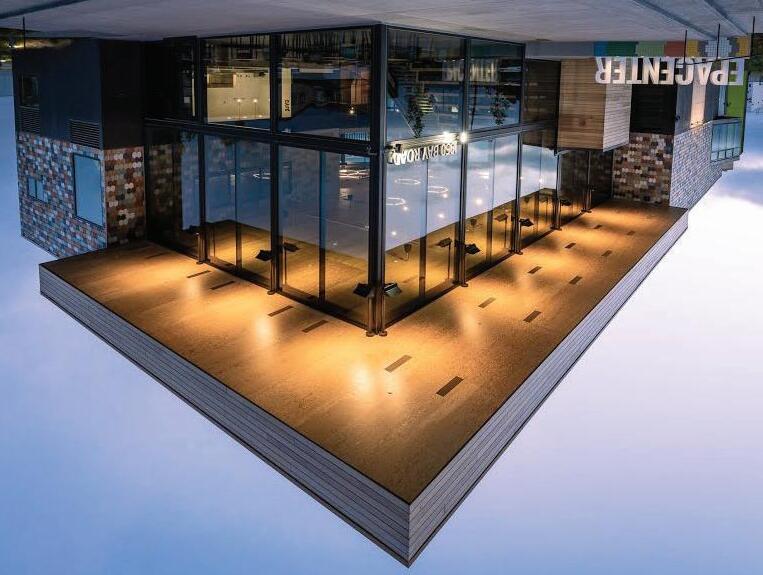
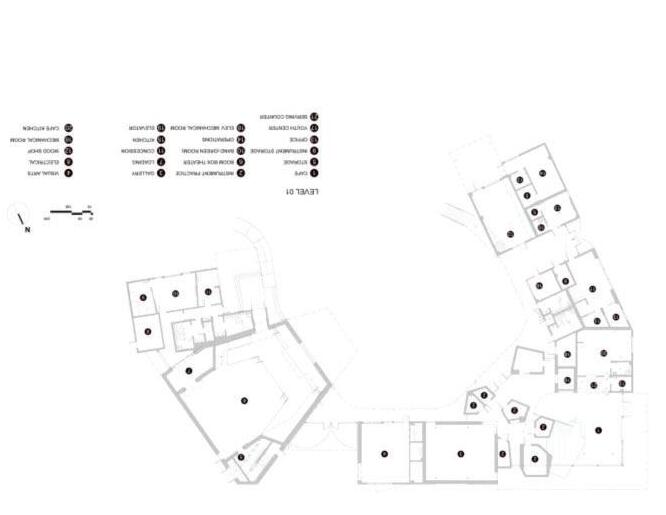
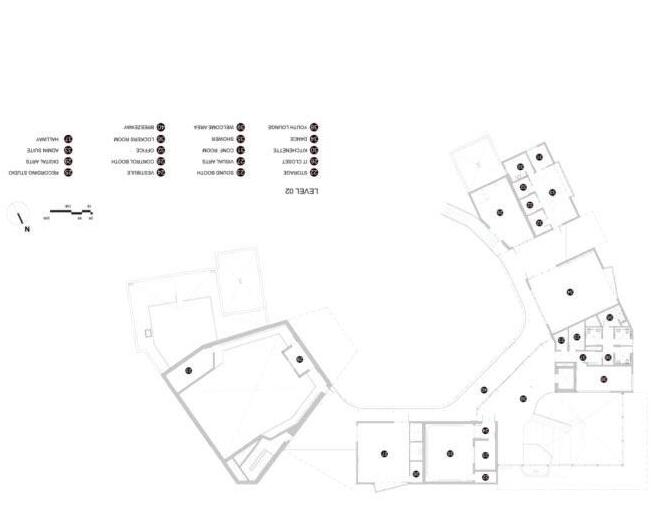
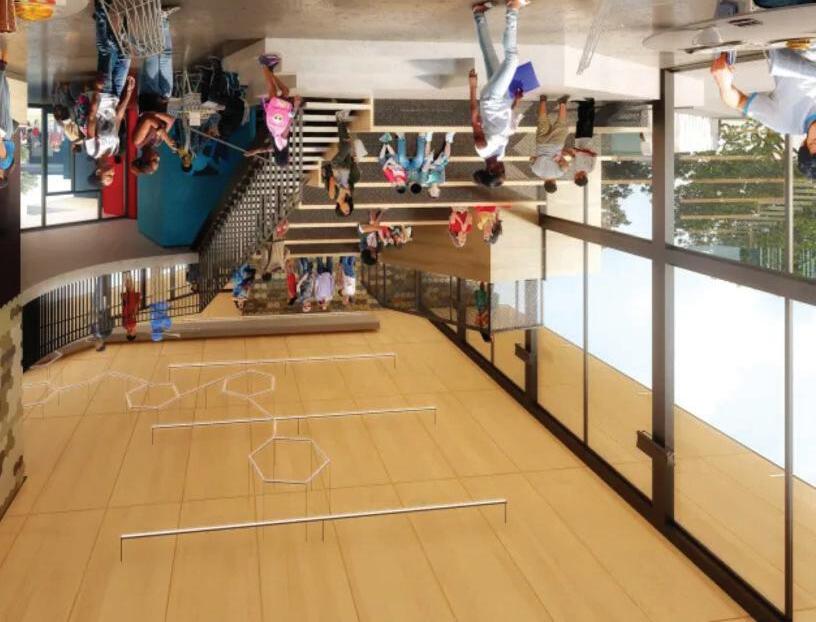
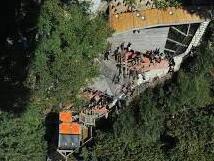
EPACENTER: EAST PALO ALTO YOUTH ARTS & MUSIC CENTER
Case Study (u)
Context
In 2010, The Goldman Foundation engaged the Gardner Center to facilitate and study youth and community engagement activities that would create
EPACENTER, a new arts and music center in East Palo Alto. The space provides tuition-free arts education, job training in creative fields, and social-emo-
tional support for young people. The project used youth participatory (PYD) framework to help guide a inclusive decision-making process by involving the voices of adult and youth stakeholders. To support PYD in giving youth a voice to co-design a space that fosters learning, leadership, and expression.
Design Intent
In 2010, The Goldman Foundation engaged the Gardner Center to facilitate and study youth and community engagement activities that would create EPACENTER, a new arts and music center in East Palo Alto. The space provides tuition-free arts education, job training in creative fields, and social-emotional support for young people.
The project used youth participatory (PYD)
framework to help guide a inclusive decision-making process by involving the voices of adult and youth stakeholders. To support PYD in giving youth a voice to co-design a space that fosters learning, leadership, and expression.
Users and Stakeholders
Primary Users: Youth ages 13–25 (students, artists, performers, designers).
Secondary Users: Local families, educators, mentors, and community partners.
Stakeholders: City of East Palo Alto, EPACENTER nonprofit, design team, and local youth advisory council.
Design Process
The design was developed through a community co-creation model, guided by the principles of Asset-Based Community Development and Positive Youth Development. Through this framework, there were workshops where youth articulated their aspirations for the center. The youth also spear-
Maple Hall Civic Center ■ 59
headed design consultations with architects and landscape designers to design the center’s interior. Finally, multiple feedback sessions were integrated to ensure cultural authenticity and youth ownership. This resulted in garden spaces, outdoor amphitheaters, art courtyards, and areas for learning, performing, and public gatherings.
Design Strategies
Key design strategies employed included incorporating large windows and indoor-outdoor connections to enhance visibility and safety. Also included are movable partitions and furniture to create different workshops, exhibitions, and performances. Belonging and identity were very important, and so was the use of local materials and murals to reflect the community’s heritage. The outdoors played a significant role in the design of learning and restorative spaces for reflection and gathering. Finally, youth-led management programs were introduced to promote leadership and confidence among young people.
Outcomes and Impacts
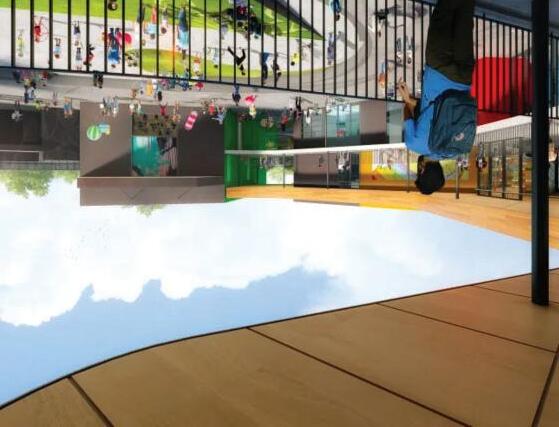
Postive outcomes and impacts have come out of EPACENTER. Through the design process empowerment was shown through youth as they were able to contribute their ideas. This center serves as a civic anchor creating community enagement and connection between intergenerations. The programs help with skill development and help build life skills. This design creates a sense of belonging where youth are celebrated.
Design Architect
Location
Client
Year Completed
Size
Framework
BASE Landscape Architecture
Belleville Park, Paris, France
City of Paris
Completed 2008
1,000 m²
play theory, social connectivity, and site-specific integration
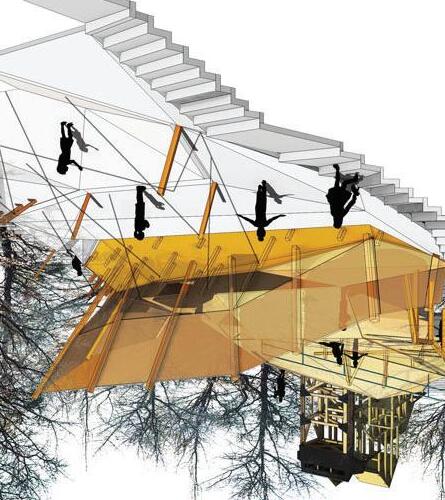
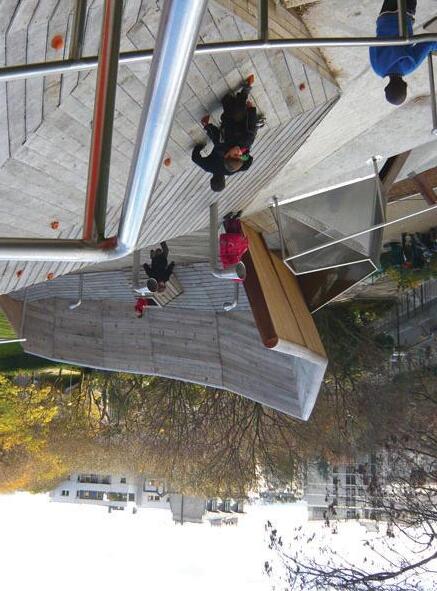
PLAYGROUND IN BELLEVILLE PARK
case study (v)
Project Overview:
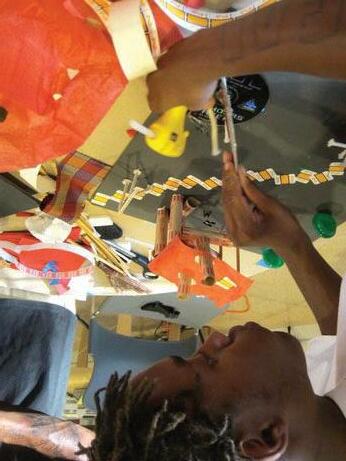
The Belleville Park playground was developed through a participatory design approach, involving children, parents, and community members. BASE worked with CODEJ to transform community input into a playful, functional, and accessible playground. The design focuses on flexibility, imagina-
tive play, and integration with the park’s natural topography, creating a space that can adapt to different age groups and activities.
Users:
Primary users: Children of all ages (toddlers to preteens)
Secondary users: Parents, caregivers, and local community members
Maple Hall Civic Center ■ 61
Design Strategies:
Participatory Engagement: Through workshops, children and adults actively shaped the playground, ensuring that it truly reflects the needs and wishes of the community.
Flexible Play constructions: Modular climbing parts, moderate slopes, and creative constructions such as little cottages enable children to create their own stories and tailor the environment to their skills.
Topography Integration: The playground incorporates the park’s natural slopes, transforming hills into climbing courses and slides, making the environment engaging and lively.
Social Connectivity: Open circulation channels and common play areas promote connection between children, families, and caregivers, building a sense of community.
Imaginative Environment: By avoiding overly prescriptive forms, children can freely explore, interpret, and create, which promotes both cognitive and social development.
Design Process:
Community Workshops: facilitated workshops for children and adults to contrubte ideas.
Safety: create playful, safe, and flexible structures
Iteration: Climbing structures and slopes were refined for challenge, safety, and accessibility.
Construction: Local contractors installed durable, low-maintenance, and safe play materials.
This resulted in garden spaces, outdoor amphitheaters, art courtyards, and areas for learning, performing, and public gatherings.
Outcomes and Impacts:
The project has greatly improved social interaction because families and kids are now spending more time together, which has strengthened community relationships. The playground encourages accessibility for all users by building play structures that can be used by people of all ages and abilities. Its imaginative setting stimulates story play and creative thinking, which
helps both cultural and cognitive growth. The natural slope and many play areas have also made the park more popular, which has made public space more useful. Lastly, interactive workshops have made people in the area feel more connected to and proud of their neighborhood, giving them more influence and making sure the playground meets their needs and ideals.
Maple Hall Civic Center ■ 62
Maple Hall Civic Center ■ 63
Maple Hall Civic Center ■ 64
Design Architect
Location
Client
Year Completed
Size
Framework
RossDrulisCusenbery Architecture, Inc. East Palo San Leandro, CA
Alameda County General Services Agency
Completed 2013
31,500 square feet
Positive Youth Development (PYD) + Civic Arts
Engagement
REACH ASHLAND YOUTH CENTER
Case Study (u)
Context
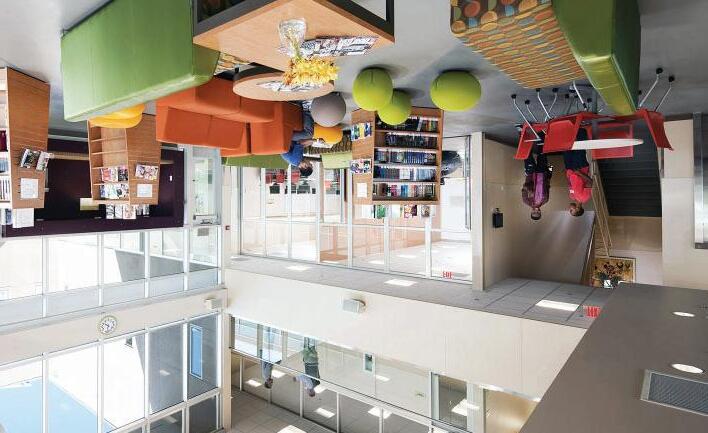
REACH Ashland Youth Center is a 31,500-sq-ft youth and community hub serving the unincorporated Ashland neighborhood of Alameda County. The center integrates healthcare, arts, recreation, education, and job development under one
roof and uses landscape strategies—bioswales, green roofs, native planting, and public outdoor gathering spaces—to promote social and environmental well-being.
The project was created in response to community advocacy and youth demand for a safe,
Design Intent
The goal of the design is to make a safe and friendly place for people aged 11 to 24.
It helps the community heal and gain power through public art, youth programs, and participatory design. Also, one of the goals is to make it easier for people to get health care, the arts, and an education. The environmental goals are to get LEED Platinum certification by managing water well, making energy use more efficient, and landscaping in a way that doesn’t harm the environment. The idea is to use the landscape to teach people about sustainability.
Users and Stakeholders
Pyoung people (ages 11 to 24) who use programs for enjoyment, the arts, career training, health, and education.
Secondary Users: Families can also use the meeting or community space, or they can benefit indirectly from youth programs.
Alameda County Health Care Services Agency (HCSA), Alameda County General Services Agency (GSA), and San Lorenzo Unified School District (SLUSD) are all stakeholders
Design Process
The design was made using a community co-creation process that was based on the
ideas of Asset-Based Community Development and Positive Youth Development.
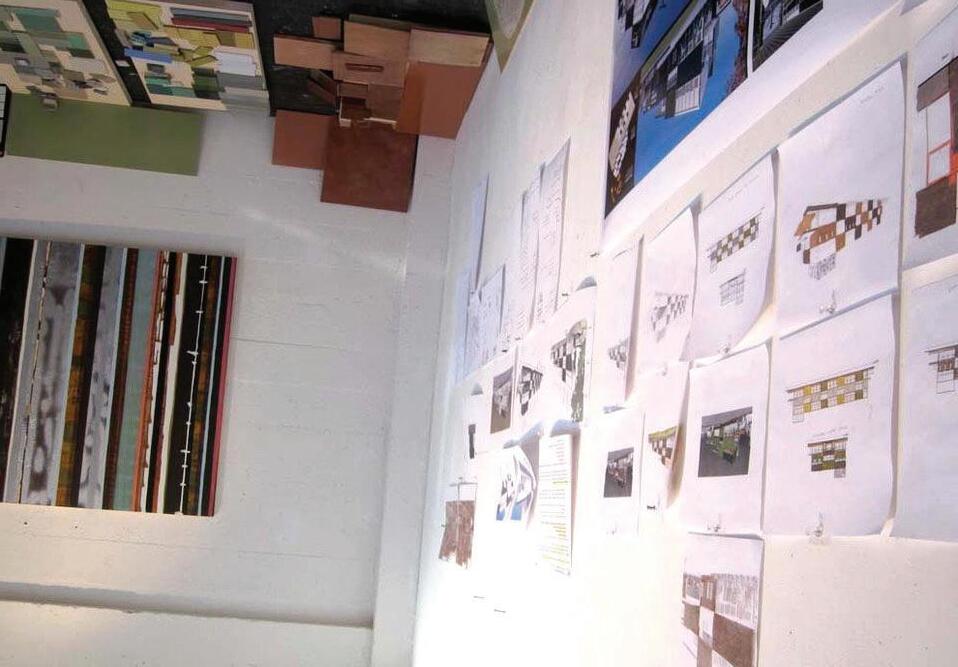
In this framework, there were workshops where young people talked about what they wanted the center to be like. The youngsters also led design meetings with architects and landscape designers to plan the center’s inside. Finally, several feedback sessions were added to make sure the project was culturally accurate and that young people felt like they owned it.
Instead of forcing a set program, the design team, led by RossDrulisCusenbery Architects, worked closely with Alameda County Health Care Services, local schools, community groups, and most significantly, the young people who would actually use the center. Young people helped make decisions on program spaces, safety, visibility, identity, and the general feeling of openness and welcome through workshops, charrettes, and participatory design sessions. Partnerships with recreation experts, health care specialists, and arts teachers helped shape specific program sections like the wellness clinic, recording studio, art rooms, and gym.
Strategies for Design
The design methods for the REACH Ashland Youth Center were focused about mak-
ing a safe, positive, and eco-friendly space that helps young people grow. To make the building more visible and trustworthy, the architects and landscape designers employed clear glass, natural light, and open circulation. Bioswales, permeable paving, native plantings, and a vegetated roof are all examples of sustainable landscaping strategies that keep runoff on site while using less water and gaining less heat. The building has flexible rooms that could be used for a variety of purposes, as well as art and media studios and health and wellness facilities. This made it easy to switch between activities and support different types of programming.
Outcomes and Impacts
REACH shows how combining architectural and landscape design may improve social fairness, environmental stewardship, and the health of communities. Offering activities in the arts, recreation, education, and health has made young people more involved, empowered, and connected to their community. Participatory design and public art projects conducted by young people make people in the area feel proud and like they own the art.
Maple Hall Civic Center ■ 65
Maple Hall Civic Center ■ 66
Project Site
SITE OVERVIEW
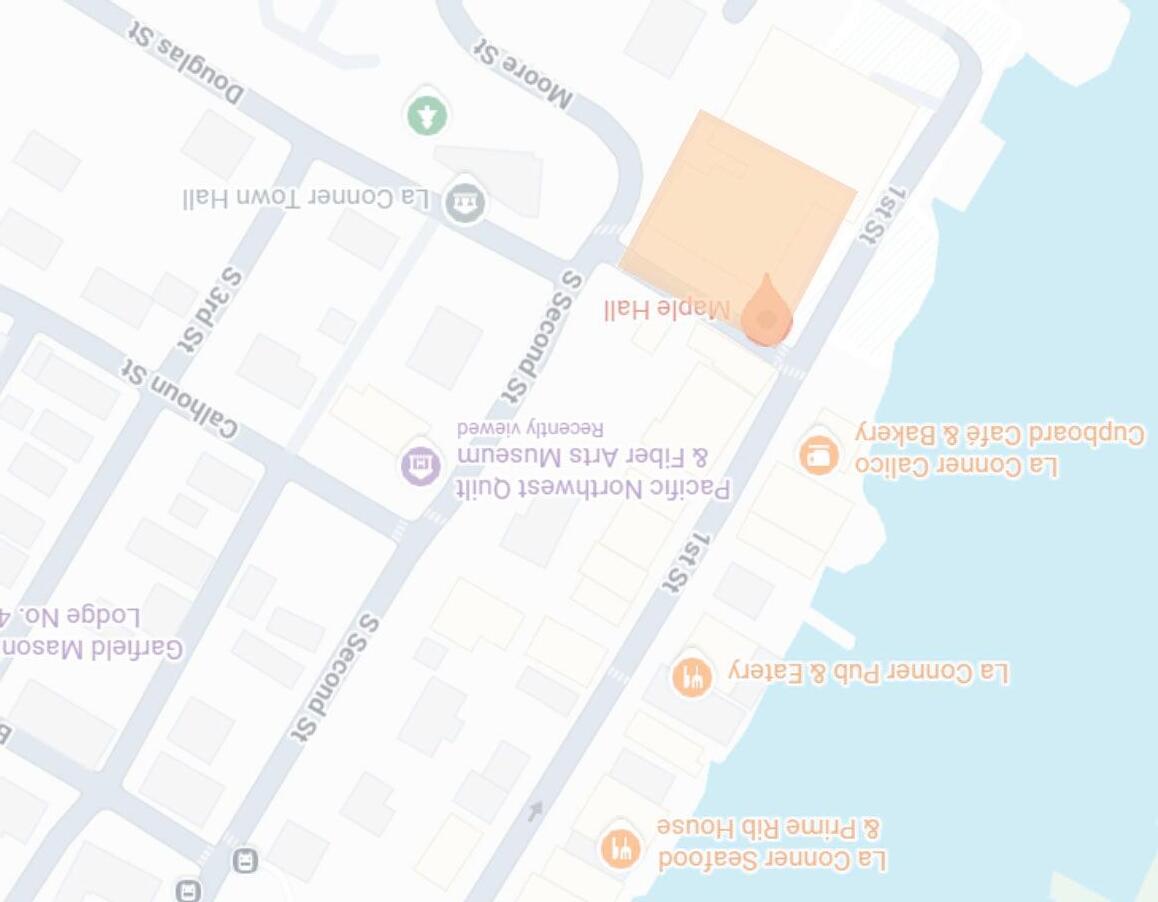
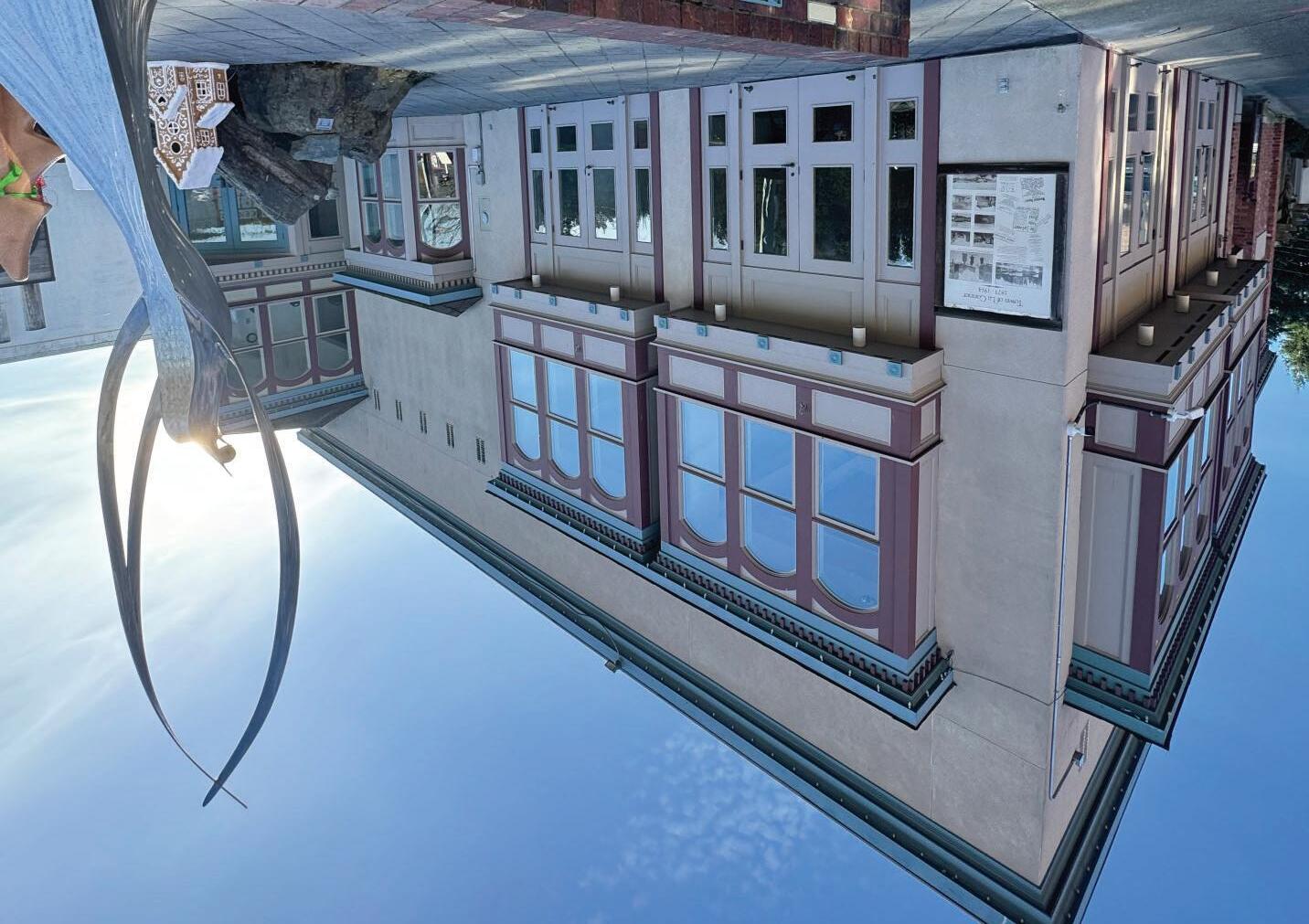
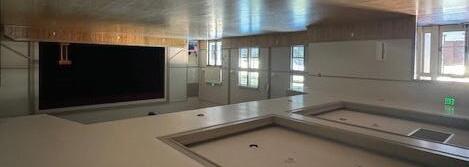
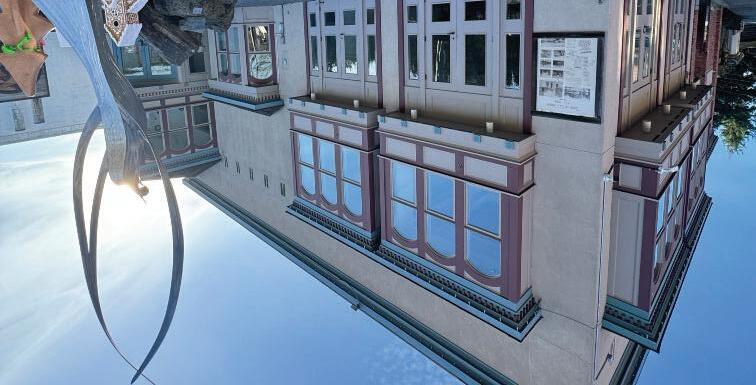
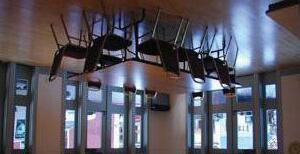
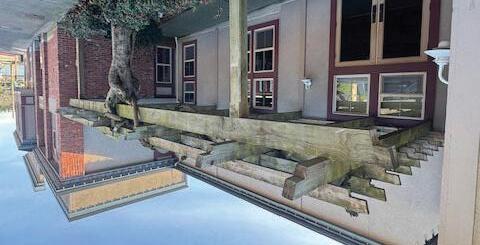
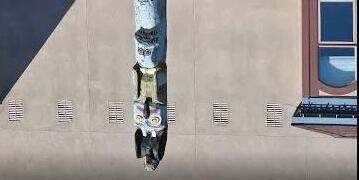
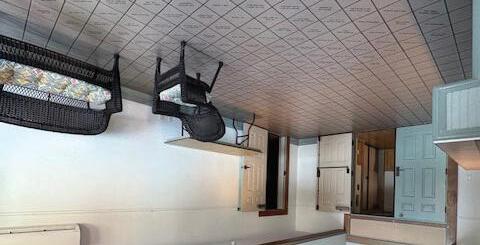
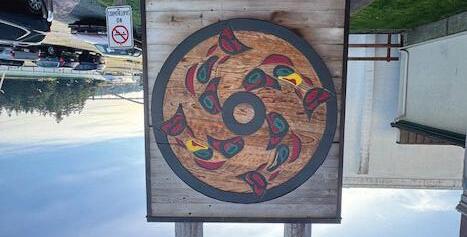
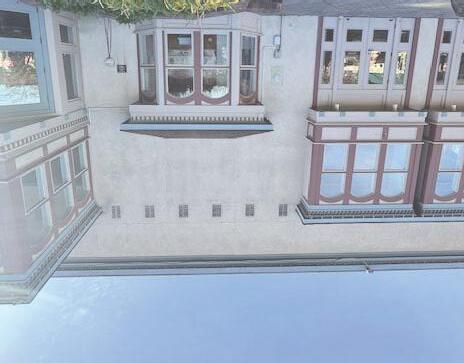
Maple Hall, also known historically as the Legion Hall or Goldsmith Department Store, is a 15,000-square-foot building located in the heart of downtown La Conner’s National Historic District. Originally built in the early 1900s at 108 Commercial Street, the two-story stuccoed brick structure once housed the Goldsmith family’s men’s clothing and dry goods store and even featured a bowling alley operated by Mr. McGerk. Today, Maple Hall stands as a beautiful, modern venue available year-round for banquets, conferences, meetings, performing arts events, retreats, and weddings. Its rich history and central location make it a cornerstone of La Conner’s architectural heritage and a valuable space for community gatherings and cultural activities.

Maple Hall Civic Center ■ 69
SURROUNDING SITE
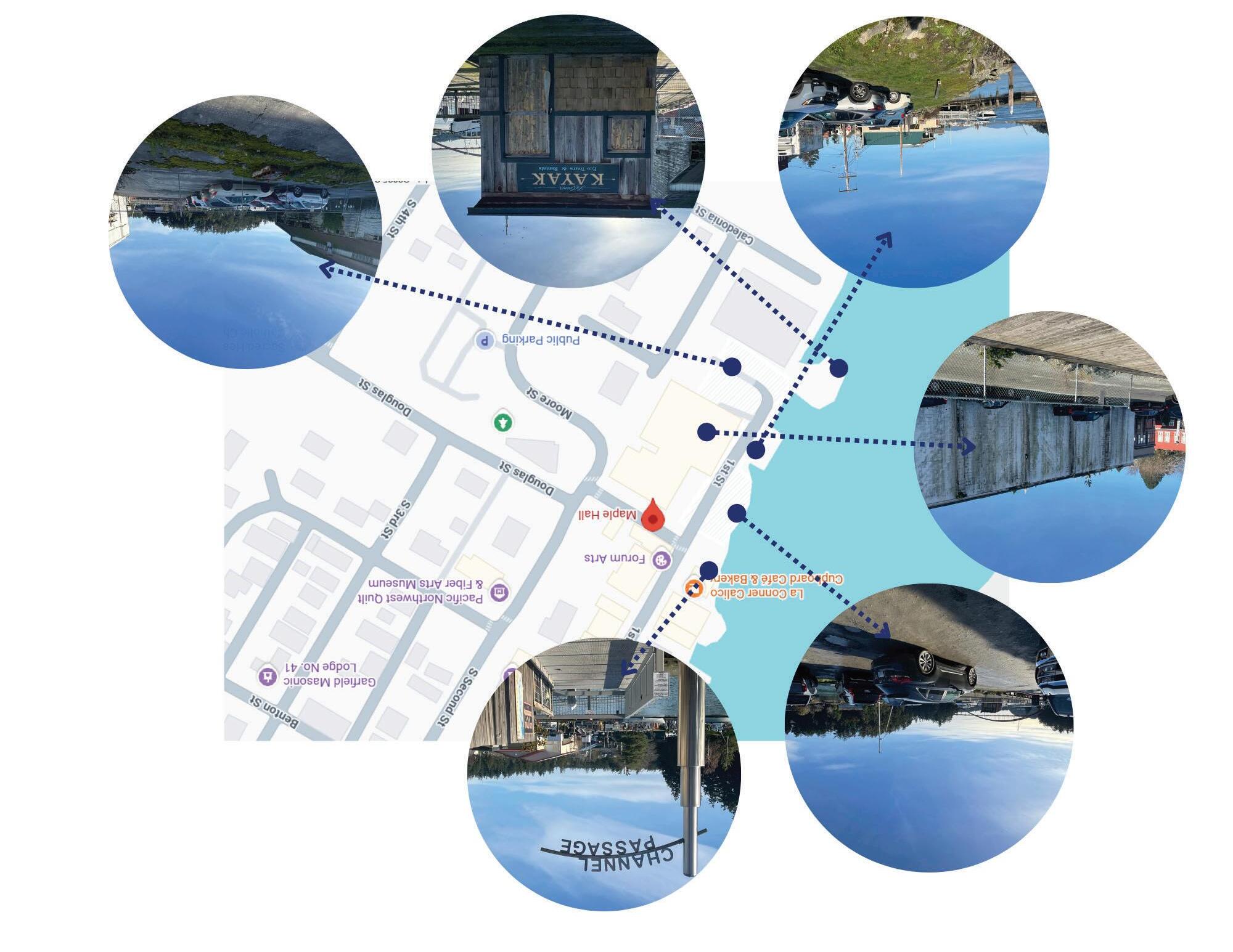
The site surrounding Maple Hall is a unique and underutilized portion of La Conner, with both challenges and opportunities for revitalization. Directly behind the building sits the old Freezer Building, which is currently vacant and disconnected from the surrounding urban fabric. The area lacks proper urban infrastructure, including safe pedestrian pathways, accessible circulation, and clearly organized parking, creating safety concerns for visitors, families, and community members. At the same time, the site offers an exciting opportunity to strengthen connections to the waterfront, integrating the existing boardwalk and open spaces to activate both land and water. By reimagining this site with thoughtful infrastructure, safe circulation, and flexible outdoor programming, the project can transform a fragmented area into a vibrant civic and cultural corridor, linking Maple Hall, the waterfront, and adjacent community destinations.
SURROUNDING SITE CONTEXT
Maple Hall Civic Center ■ 72
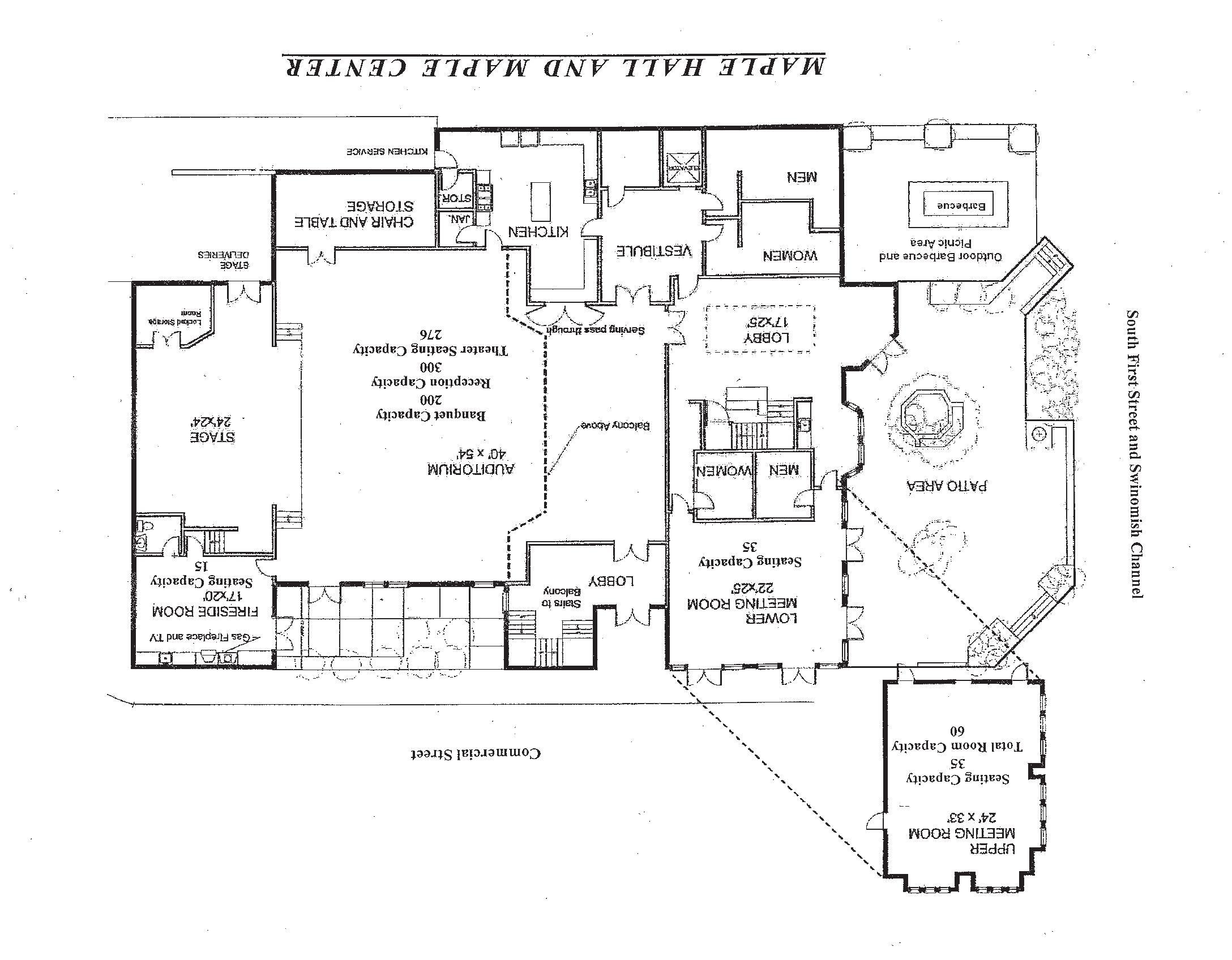
GIVEN FLOOR PLAN
Two Story - 15,200 SQ FT
SWOT ANALYSIS
HOLDS LARGE GROUP EVENTS IN THE HISTORIC DISTRICT
CENTRAL LOCATION ACCESSIBLE TO RESIDENTS AND VISITORS
COMMERICAL KITCHEN
EXPANSION OF PROGRAMMING TO ATTRACT REGIONAL VISITORS, INCLUDING ARTS AND CULTURAL EVENTS
STRENGTHENING YOUTH ENGAGEMENT AND INTERGENERATIONAL CONNECTIONS
WLIMITED CURRENT INFRASTRUCTURE FOR ACCESSIBILITY, CIRCULATION, AND SAFETY
AGING BUILDING SYSTEMS THAT REQUIRES UPDATES
PARKING, TRAFFIC, AND SAFETY CHALLENGES COULD LIMIT ACCESSIBILITY
SEASONAL WEATHER OR WATERFRONT CONDITIONS AFFECTING OUTDOOR USE
PROPOSAL
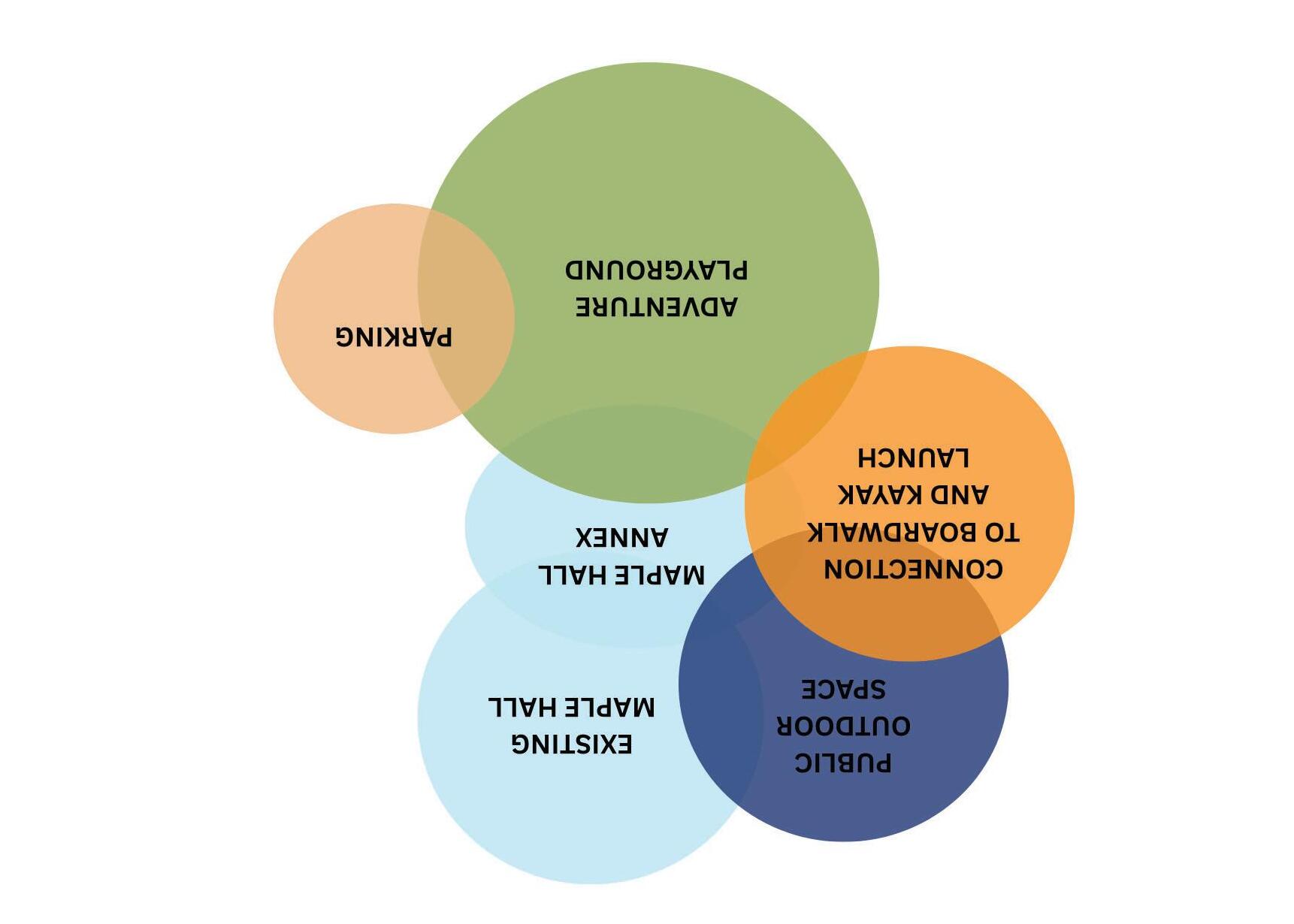
This proposal envisions the transformation of Maple Hall into a vibrant arts-based civic center that serves as a cultural hub for youth, residents, and visitors. The project seeks to expand creative, educational, and performance opportunities through a combination of adaptive reuse, new construction, and enhanced outdoor infrastructure, creating a destination that celebrates La Conner’s cultural heritage while supporting contemporary arts programming.
Key Components
1. Maple Hall Addition
The project includes demolishing the adjacent Freezer Building and constructing a two-story addition to Maple Hall. This expansion will house:
Studios and workshops for painting, pottery, glass, metal, jewelry, woodworking, culinary arts, and other fine arts Classrooms and teaching kitchens to support educational programming. Rehearsal areas and performance spaces for music, dance, drama, and other performing arts. Galleries
spaces for emerging artists and community projects
The addition is designed to foster creativity, collaboration, and positive youth development, while supporting intergenerational engagement and community access.
2. Outdoor Urban Infrastructure
The project will activate outdoor spaces by: Installing an outdoor adventure playground designed for imaginative, flexible, and inclusive play
Integrating the existing boardwalk through the site to improve circulation and connections to other activity areas. Creating land-
scaped gathering spaces, art courtyards, and performance terraces to encourage interaction and outdoor learning
3. Transportation, Parking, and Safety Improvements
To ensure accessibility and safety, the proposal includes:
Improved parking strategies to accommodate visitors, staff, and event attendees.
Traffic management enhancements for safer vehicle circulation.
Pedestrian and bicycle-friendly p.athways, improving walking safety and connections throughout the site
Maple Hall Civic Center ■ 74
Maple Hall Civic Center ■ 75
PROPOSAL SITE DIAGRAM
Maple Hall Civic Center ■ 76
PROPOSAL OF MAPLE HALL
QUANTITATIVE PROGRAMMING AND CODE
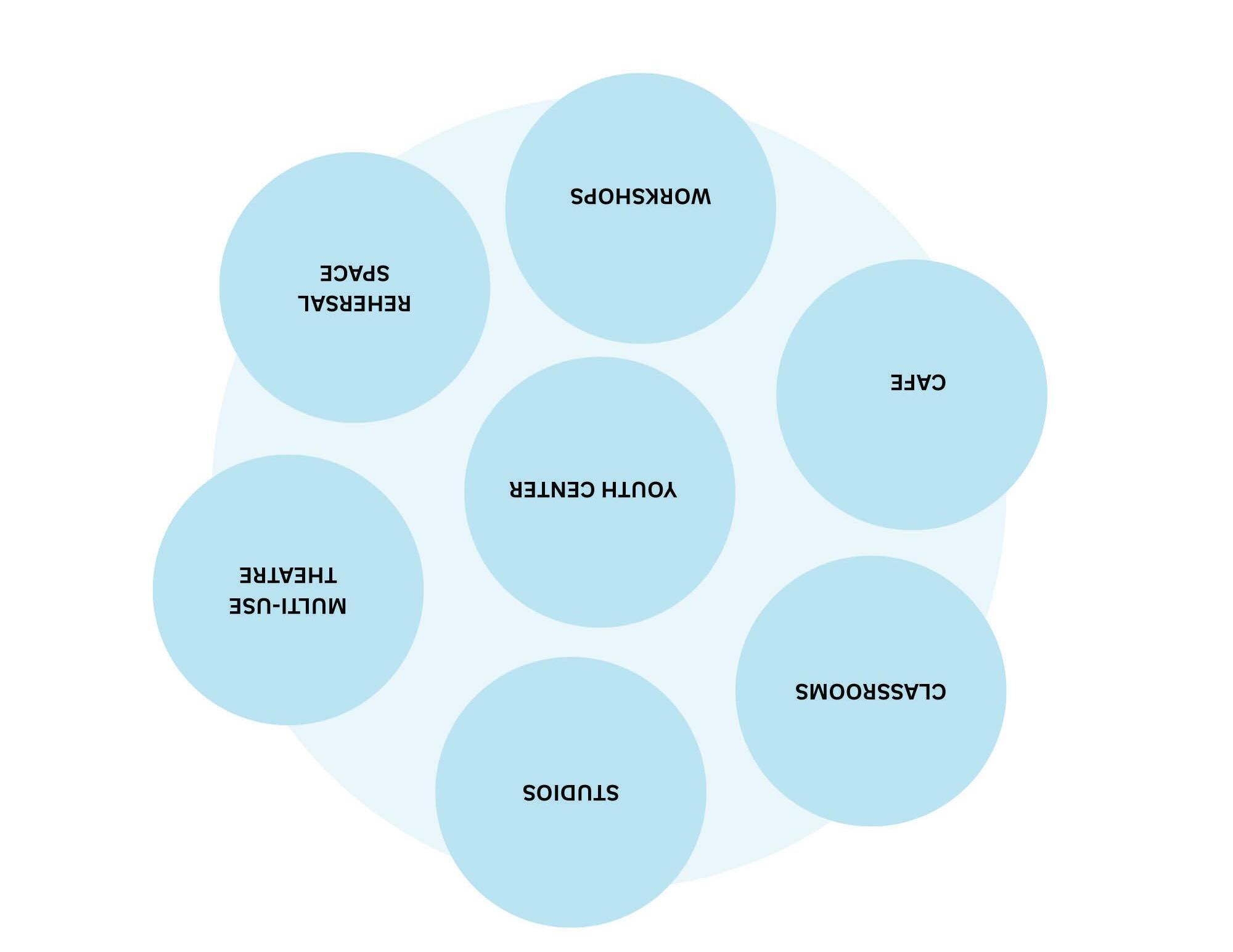
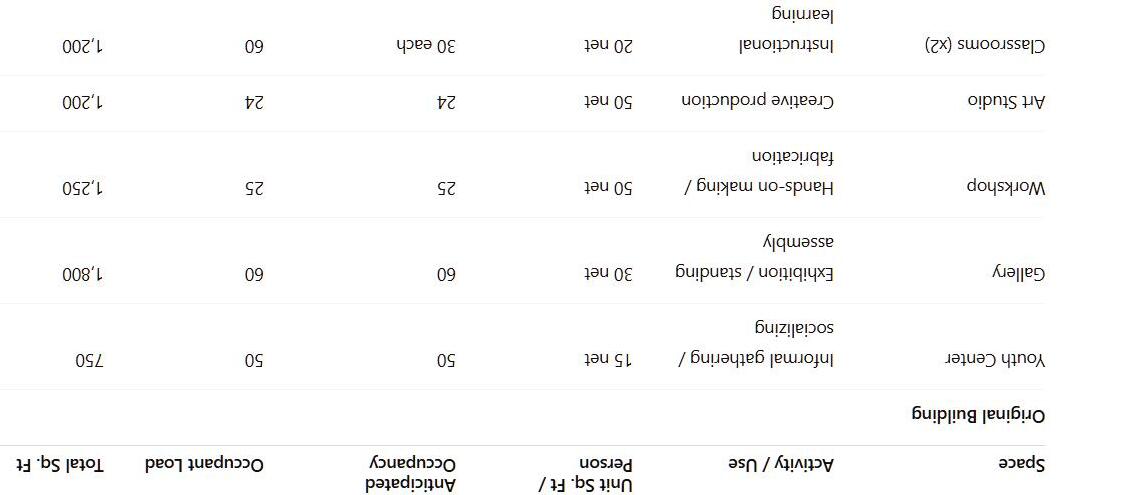
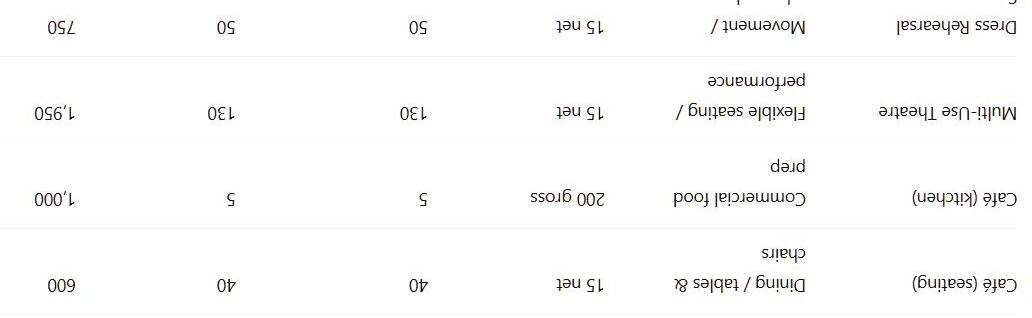
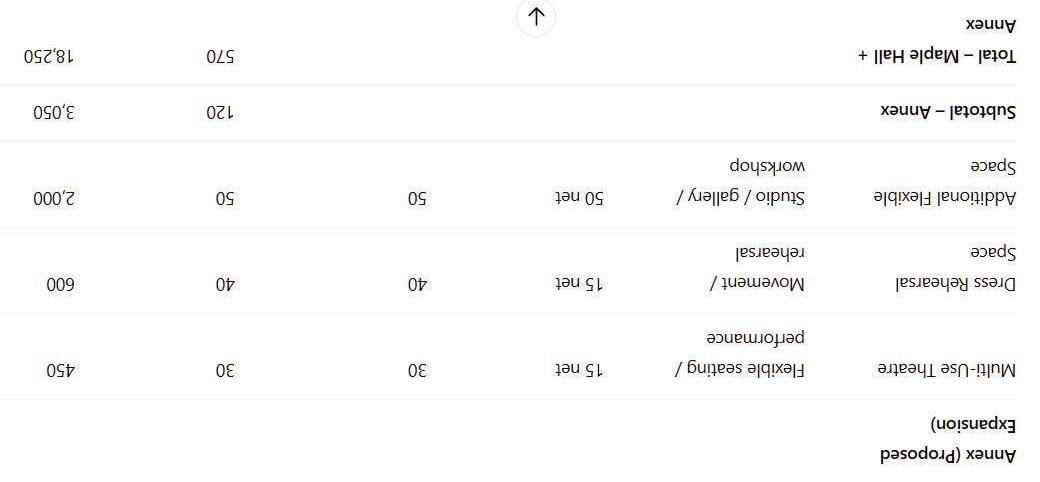
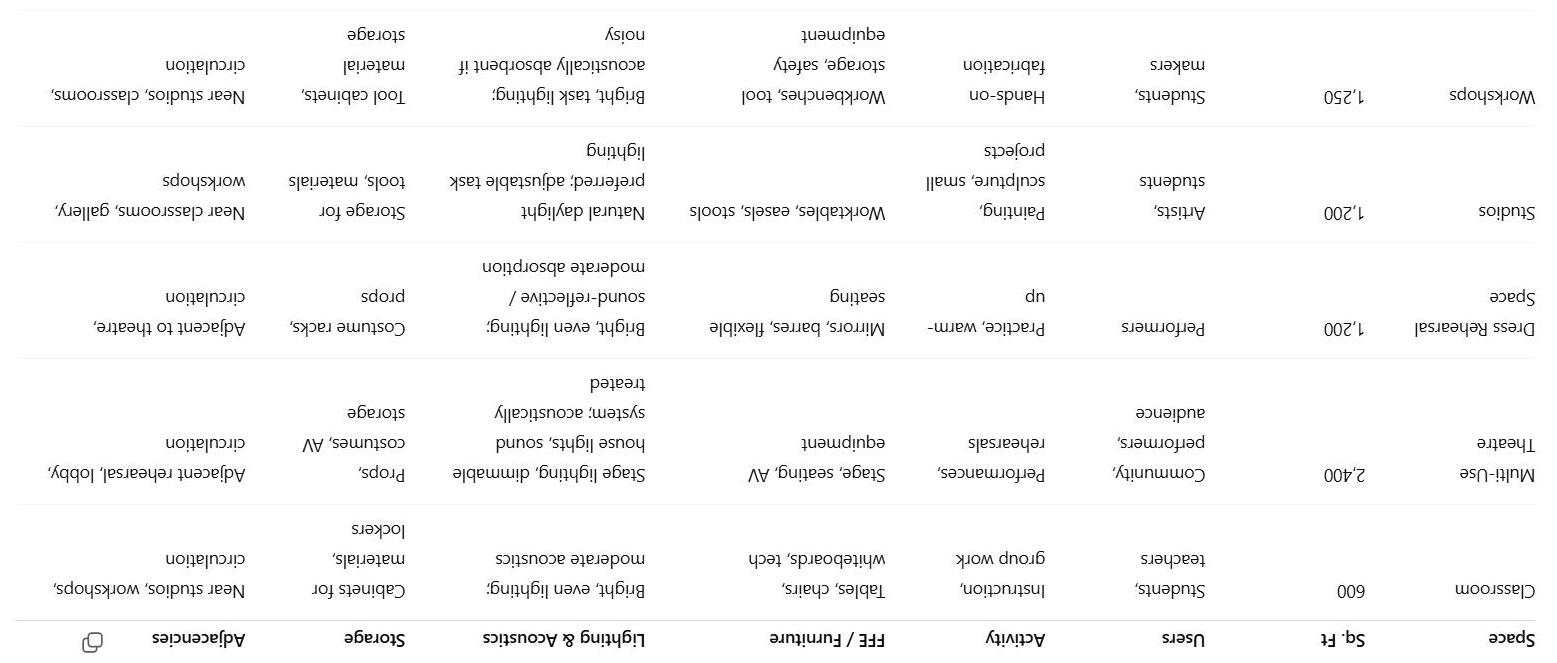
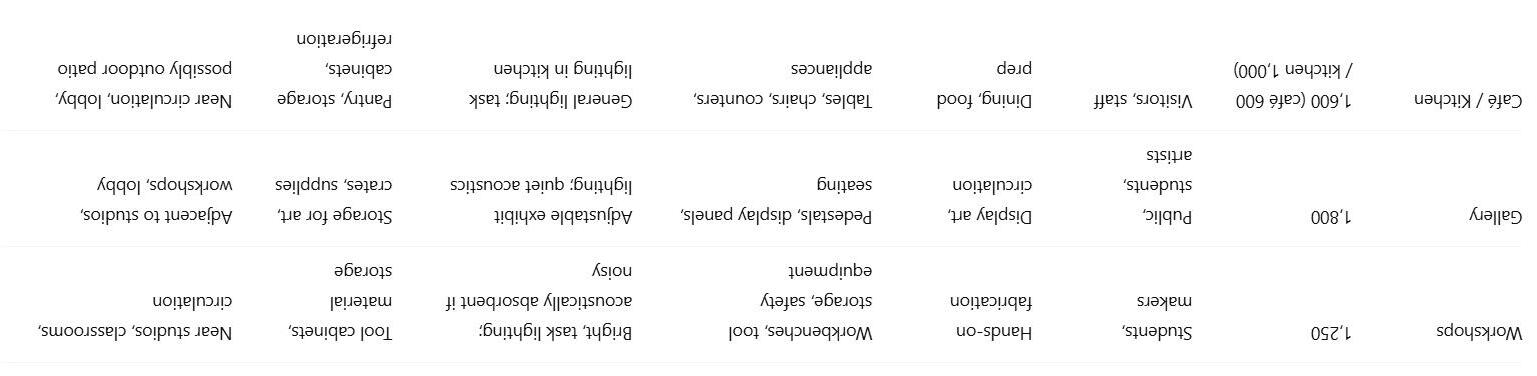
Scope of Project: This project will potentially focus on redesigning Maple Hall to an artsbased Multi-Use Arts & Civic Center with a youth center, gallery, workshops, studios, classrooms, cafe, multi-use theatre, and dress rehearsal space.
Code: Group A (Assembly)
Project Name: Maple Hall
Location: La Conner, Washington
Date of Original Construction: 1900s
Building Type: Type III
Number of Stories: 2
Building Area: 15,000 sq ft
Maple Hall Civic Center ■ 77

QUALITATIVE PROGRAMMING
For potential spaces within scope Maple Hall Civic Center ■ 80


Conclusion
Maple Hall Civic Center ■ 83
CLOSING REMARKS
The Maple Hall Arts-Based Civic Center revitalizes a historic building as a dynamic center for creativity, learning, and community engagement, supporting the growth of La Conner’s Creative District. Informed by youth input, stakeholder feedback, and creative placemaking, the project advances Positive Youth Development, intergenerational connections, and cultural expression. Art is integral to the design, offering opportunities for creative exploration, skill-building, and personal expression that strengthen community identity and attract visitors. Flexible studios, performance spaces, galleries, teaching kitchens, and outdoor amenities link art, nature, and the waterfront, while enhancing circulation, safety, and accessibility. These strategies establish Maple Hall as a cultural anchor that enriches the Creative District and fosters a lasting legacy of creativity and connection.
ACKNOWLEDGEMENTS
I would like to express my deepest gratitude to those who supported and guided me throughout this first phase of my Capstone Project. My sincere appreciation goes to my professor, Dr. Rula Awwad-Rafferty, for her steady guidance, encouragement, and invaluable feedback. I am especially grateful to my mentor, Blair Williams, whose insight, expertise, and generosity of time played a significant role in shaping my research and approach. I would also like to thank the key stakeholders who contributed their perspectives and enriched this project: Holly Redell-White, Jess Pedroza, and Dena Kindred. Their knowledge of the La Conner community, creative district, and youth empowerment deeply informed and enriched this work. I am additionally grateful to the critiquers who offered thoughtful feedback throughout this phase, as well as the La Conner locals who generously shared their experiences and provided valuable insights that shaped the project’s direction. Finally, I extend heartfelt thanks to my family and friends for their unwavering support throughout this process. This project would not have been possible without each of you.
REFERENCES
(a) (2016). Population Trends in Post-Recession Rural America. University of Wisconsin-Madison. https://w3001.apl.wisc.edu/b03_16
(b) (2004). Individual & Place Determinants of Rural Migration for Young/Mid-Age Adults. UTAH STATE UNIVERSITY. https://portal.nifa. usda.gov/web/crisprojectpages/0189679-individual-and-place-determinants-of-rural-migration-for-youngmid-age-adults.html
(c) Miller, E. E. & Edin, K. (2022). Growing Up in Rural America. RSF: The Russell Sage Foundation Journal of the Social Sciences 8(4), pp. 1-20. https://doi.org/10.7758/RSF.2022.8.4.01
(d) Banjac, D. (2024, August 12). International youth day: The importance of youth engagement in the community. UNDP. https://www.undp. org/bosnia-herzegovina/stories/international-youth-day-importance-youth-engagement-community
(e) Historylink.org. The Free Online Encyclopedia of Washington State History - HistoryLink.org. (n.d.). https://www.historylink.org/ (f)
(f) Robinson, T. (n.d.). Walking tour of Laconner`s Historic Landmarks - Binoculars. doczz.net. https://doczz.net/doc/2627745/walking-tour-of-laconner-s-historic-landmarks
(g) Robinson, T. (2022). Steamboat Town: Early history of the town of La Conner, Washington. Skagit County Historical Museum.
(h) U.S. Census Bureau (2023). American Community Survey 5-year estimates. Retrieved from Census Reporter Profile page for La Conner, WA <http://censusreporter.org/profiles/16000US5336780-la-conner-wa/>
(i) U.S. Census Bureau (2023). American Community Survey 5-year estimates. Retrieved from Census Reporter Profile page for Swinomish Reservation <http://censusreporter.org/profiles/25200US4075R-swinomish-reservation/>
(j) La Conner Schools. School Report Card. (2025). https://www.lcsd.wednet.edu/page/school-report-card
(k) The Online Encyclopedia of Washington State History, HistoryLink.org, LaConner-Thumbnail History Washington State Office of Archaeology and Historic Preservation,
(l) Walking Tour of La Conner, 1997 Thomas Robinson
Center
(m) Creative district communities. ArtsWA. (2025, November 21). https://www.arts.wa.gov/creative-district-communities/
(n) Arts commission. Arts Commission | La Conner, WA. (n.d.). https://www.townoflaconner.org/162/Arts-Commission
(o) Creative placemaking. National Endowment for the Arts. (n.d.). https://www.arts.gov/impact/creative-placemaking
(p) Derr, V., Chawla, L., & Mintzer, M. (2018). Placemaking with children and youth: Participatory Practices for Planning Sustainable Communities. New Village Press.
(q) Principles of positive youth development. Principles of Positive Youth Development - ACT for Youth. (n.d.). https://actforyouth.org/pyd/
(r) School Journey As a Third Place : Theories, Methods and Experiences Around the World, edited by Zoe Moody, et al., Anthem Press, 2023. ProQuest Ebook Central, http://ebookcentral.proquest.com/lib/uidaho/detail.action?docID=7007737.
(s)Cultural Asset Mapping,” Rob Voigt. PlannersWeb.com https://bit.ly/CAMplannersweb
(t) “Mapping Out Cultural Asset Mapping A Practical Guide To The Practice” ARTPLACE
(u) Digital, F. (n.d.). Why. WHY. https://why-site.com/architect-reports-on-whys-design-for-epacenter-youth-arts-music-center/
(v) BASE Landscape Architecture. (2011, January 5). Playground in Belleville Park. Landezine. https://landezine.com/playground-in-belleville-park-by-base/
(w) Reach ashland youth center by Rossdruliscusenbery Architecture Inc. Architizer. (2022, April 1). https://architizer.com/projects/reachashland-youth-center/
(x) Commercial transition zone information. Commercial Transition Zone Information | La Conner, WA. (2024). https://www.townoflaconner.org/261/Commercial-Transition-Zone-Information
(y) International Code Council. (2021). International building code. International Code Council. https://codes.iccsafe.org/content/IBC2021
Maple Hall Civic Center ■ 87
APPENDIX A
Full TOWN TALKS report
TOWN TALKS ~ learning from the past, living in the present and planning for the future SUMMARY The initial TOWN TALKS 90-minute session was the third of the Town Council’s Communication Committee’s outreach events. It was held at Maple Hall on September 19, 2022. Five tables of 5-6 citizens participated in the open sharing and listening process, expressing their passion for the town of La Conner and their desire to rise to the challenges of growth and change while staying true to what makes La Conner uniquely livable. Facilitators* assisted at each table, assuring that all had a voice. Recorders* took notes, capturing areas where citizens had deep concerns and creative ideas for improvement. Each table charted its key points and reported out verbally to the larger group. The input and ideas ranged from the need for improved communication to the challenge of growth and density to the need for open space and ball fields. Attached please find the raw, compiled notes as taken by the recorders. In addition, we have attached, with her permission, follow up notes from participant Catey Richie. As planned, the Communication Committee will forward all notes from the September 19, 2022 session to the Town Council and Mayor to help inform future conversations and action by the town. LOOKING FORWARD The Communications Committee recommends that the TOWN TALKS sessions reconvene in 2023 for La Conner residents to talk together in more detail on the important topics raised at the September 19th general listening session. The Committee will send all notes from the 2023 sessions to the Town Council and Mayor for their review and attention. The sessions will be on the following topics: COMMUNICATION: January 2023 (TBD) La Conner citizens gather to provide input and creative ideas for improving transparency, engagement, openness, mutual respect, communication tools and timeliness in citycitizen communication. COMMUNITY VISION: March 2023 (TBD) 1 La Conner citizens gather to provide input on their community’s vision for bringing its values, diversity, history, and small-town magic into the future and develop creative ideas to ensure that future-related decisions are based on that vision. CLARIFICATION: May 2023 (TBD) La Conner citizens gather to provide input and creative ideas on the following topics: development, growth, and density (i.e., Port of Skagit, Center Street) public safety including a walk-friendly/bike-friendly environment infrastructure needs including water treatment and parking open spaces, parks, and ball fields sustainable business, retail, and industry Details on session dates, times and location will be announced at a later date. ____ _________________________________________________________________ Summary submitted by Hanneman, Harlan, McCauley, and Bennett on October 16, 2022. *Many thanks to our TOWN TALKS Session Volunteers: Facilitators Recorders Kate Bennett MaryLee Chamberlain Gail Bruce Rick Dole Gretchen McCauley Susan Erickson Kevin Meenaghan Marna Hanneman Leslie Smith Scott Thomas 2 Town Council, Planning Commission should have Greater role in Driving Ideas Affordable Housing Preserve character of Town while providing Affordable housing Density Comprehensive Plan Developers given greenlight - Need Balance La Conner should preserves its roots in a historic town More government transparencymore meetings p places for public meetings Green space, Swimming pool Tail wagging the dog planner Administration works for
for the commission and council Tribal relationships What we love about La Conner: Community Physical environment The people Magic skagit Neighbors helping neighbors Diversity Tribe, Farming, shelter Bay - getting along Income diversity, housing- different salary levels Not enough community engagement Walkable bike friendly Destination oriented not just first street/boardwalk Think outside the box Seems like green light for developers - Center Street, Port development Planner issues Affordable housing needs balance Subjective decisions being made Code versus case by case analysis - who does this? Planner, Commission Livability Safe feeling, density, what is appropriate? Planner making decisions without consulting the PC Mayor calling to mitigate but then denying People need a voice - keep things to a people level of usability Climate change preparation Accountability -Budget line items, more details Communication - How information received - Paper seems to be a major source How to engage families - flyers; what are key issues” - put issues out there People need to engage with the port Will port compete with existing businesses? Don’t like how town administrator makes them feel Port seems to making a big sale job Feel the port is being deceptive Future town halls should be more community engagement, less presentation Parks - Pioneer park does not seem kid friendly - more just “open spaces”, natural, safe, non concrete Protect the commercial picture as is Living spaces above Do not compete with existing ? Tourists say - Small town life as it used to be Crime, speeding, density - Be creative Street festivals - Street to encourage people to come downtown started with First on First - Idea - Close First Street to encourage people to come downtown Sustainable water - Not enough> Paying too much for water Green space - issue of snapdragon apartment Town came to developer to suggest he build apartments - Concern with rock faces - water intrusion Maple field - took away large space - where does parking occur; Parking encroaches on neighborhoods Firehouse - trade parking for NW station Not enough parking for businesses Parking code goes by square feet and not number of bedrooms Selling parking spots Long standing parking problems Had to remove stairs because of a setback two year ago - how not enforced? Comp plan says every building must have “courtyard or open space” Firehouse p encroached 2 feet into the row. - follow the rules Planning director has all the authority Mistakes errors are made Changing parking code Plan for Lime dock Port - 60 foot building with volunteer fire department Communication issues - decisions are made, importance not understood Density - Town does not support young families No affordable housing School at lowest enrollment Lost middle class County adopted growth plan without considering residents Planned residential neighborhood - town densifying to avoid Avalon Last time affordable housing built was channel Cove in 1995 La Conner has always been family oriented Kids do not have a place to play Preserve field for soccer, baseball Burlington has soccer fields Nothing is happening to obtain parks, no action to get a field Pandemic- Lots of things that should not have. Communication and transparency is a Center Street - Nothing required to be submitted for permit Density - No understanding of how growth is established - Need for follow- through Landed Gentry- not enough parking and Houses too large Push for transparency Frustration with amount of development’/don’t want La Conner to
Maple Hall Civic Center ■ 89
to become a bedroom community 5 air B n B’s - too many Center Street - no enough parking Moore-Clark - vacancy tax - BC - reduce foreigh investors Childcare not available Traffic Port Development? Partnerships with Tribal Community Family safe neighborhoods Climate change Industry drives jobs - if you build it they will come Lack of housing - Encourage ADU’s Comprehensive Plan - Unknown to the public Planning codes need examination and revision Advisory group to reviewed proposed plans Walkability of neighborhoods is very important Not sure there is a way to create affordable housing without subsidizing Money needed to promote infrastructure upgrades Moral underpinnings of society is important to pay attention to Port needs at least 40 million to do repairs Housing on boats? Potential of the Moore - Clark property? Town needs to weigh in with port plans and limit any significant housing there Value in clean energy - Town needs to reduce carbon consumption Eye on the future - Need to set things up Cooperation and Partnership Can we replicate something like the Cascade Landing housing option in La Conner? Rent control Parking is a long standing concern - can we have a shuttle option from big lots? Value - walkability; resilient businesses; unique retail; school district; service clubs; new library; “Norman Rockwell town” - water; farming; historical nature The town and port need resources - can the tribe help? The tribe has partnered with the school district and library - can this be expanded? Need more children - are young families interested in small town feel? Housing too expensive A survey with questions framed in the positive would get us ideas from the citizens Need to preserve fertile farmland and active agriculture Hard working town workers Lack of transparency, accountability and communication ( website) Respect for the history, socio economic diversity - pushing people out Sense of cronyism, decreased ethics, development supported over character Need investment in community, open space, supporting families, surveyor values Town determining what it wants not reactive Diversity Community Engagement Prepare for climate change Planner versus Planning Commission - What is the process Livability - Safety, Density People need a voice AccountabilityBudget needs more line item detail Communication- How to engage families Safety - Crime, Speeding Green spaces Parks - water input/output Developers provide “affordable” housing within their development Land title remains in trust to a non profit or public entity Historic use permits - Less conditional use permits Tiny homes do not meet this need Strong council and Planning Commission - staff assistant to help Communication with discussions - monthly potlucks; input from the citizens Open communication with the community The following (from Catie Ritchie) submitted after previous document prepared Overarching theme: Shifting to thinking about what we DO want vs operating in reactive mode to proposed projects. 1. Public Safety a. Crime b. Walkability, bikeability. Need to focus on paths to destinations (School, store, etc.). Bring Swinomish and Shelter Bay and how they access town into the equation. c. Speeding 2. Livability a. Preserve diversity. Economic. Political. Professional (farmers, marine trades, service industry etc). Tribal/non-tribal. b. Grow in a way that preserves why people moved here. 3. Accountability/transparency a. “Feels like it is a green light to development”. Need to remove the ability of the planner to make subjective decisions. Need to build into the process that town council with community input has more say. 4. Communication a. More events like the “Town Talk”. Do that for specific issues (Port development, Maple field, etc.) b. Communication materials that are accessible to lay people. c. Families.
How to engage and include. 5. Parks a. Pioneer Park is not a destination park for kids. It doesn’t feel safe with Pioneer Parkway and need to find a way for it to be more kid friendly. b. Need more wild places for kids. C.Ritchie ideas 1. Travel a. Need to focus on destinations (school, grocery, parks) and making them feel safe and comfortable. b. Speeding on Maple. 2. Communication a. Transparency – both perceived and real needs to be addressed. b. Use communication tools that make complex issues easier to understand, specifically for code and density issues. c. Families - How do we engage and include in the discussion? 3. Parks a. Parks – a place for kids to be wild. Undeveloped but safe. b. Encourage on-the-ground volunteerism 4. Density a. Homes for middle income. b. Cooperative housing? c. Homes for specific groups only – locally employed, artists, marine trades, farmworkers. 5. Culture a. Keep the rough edges. Not everything has to be polished to be beautiful and enjoyable. b. Look to other communities (in US and other countries) creative ways to maintain culture of the town c. Cultivate a respect of what has come before. Recognize that we all have our starting point in the community. Take time to learn where we have been to better understand where we are going. 6. Petty crime 7. Recognize the La Conner Community, not just Town of La Conner residents a. La Conner, Swinomish, and Shelter Bay are part of the larger community and we need to think beyond our town limits. 8. Vision a. Plan for what we want our community to be instead of constantly reacting to proposals. Noted Themes: Known vision and plan Partnerships Housing - Density; Affordability etc Communication with Transparency; Accountability from Town Government Preservation of historic town, open space, walkability, farmland Public safety - Crime; Speeding; climate mitigation
Maple Hall Civic Center ■ 91
APPENDIX B
Full Interview with Dena Kindred
Hi, how are you? Hi, how are you, Emily? Good. Thank you so much for reaching back out and- Absolutely. At this interval.
Absolutely. And I also too, depending on like the questions that you ask and whatnot, if they’re like club specific, I may get you in touch with our Deputy Director of Operations or one of our VPs or Senior Club Directors to be able to like further answer questions that you have too, if they’re club specific. Okay, yeah.
Yeah. That would be perfect. I know I was curious, you guys had so many different positions, I wasn’t entirely sure which was like the best option, but- Yeah, no, that’s totally fine.
I work primarily with our volunteers in the clubs, our community partners that come into the clubs to volunteer, our event volunteers, but I’ve been in this position for almost five years. And prior to that, for like 11 years, I was working in clubs directly. So I was working, I started off as a part-time staff working with kids and then did various positions in clubs throughout the state.
So I am familiar with that piece too. But yeah, we have specific people in charge of each club site and then a supervisor who oversees the site supervisors. And so totally fine that you reach out to me.
And like I said, depending on what you ask, I might be able to answer like a handful of questions, but if not, I will definitely direct you to the right person to be able to get all your questions answered. Yeah, perfect. That sounds great.
A little bit about my project. So basically, if you’re familiar with the La Conner area, I’m not entirely sure- A little bit, a little bit. A little bit.
Yeah, well, I’m currently redesigning, there’s a space there called Maple Hall. And it’s kind of more, I feel like in La Conner, I feel like it lacks a lot of assets and areas for youth specifically. So I really wanted to try, this CAPSIM project is hypothetical, but trying to figure out ways that making a civic center that would be able to be engaged with youth and specific programmings that would help youth and kind of developing this third place that isn’t just like school or their home, but this third place where they’re able to go and learn and create and play.
So basically, I’ve been doing a bunch of research on the site of what exactly the area is and then research methods. I’m currently in the works of having an actual workshop with the La Conner school and this After Club program to kind of figure out getting their ideas on their dream play space and what La Conner means to them. Cool.
But yeah, kind of going off that, looking at like what the Boys and Girls Club mission is, I’d love to get more information on what you guys and your organization has been doing and like how your organization serves the youth and the community. Yeah, let me share something with you really quick that I chat with a lot of our volunteers about might actually be helpful. Let me find it.
Just kind of like about our mission and our five core values. Oh, can you give me permission to share my screen? There we go. Okay, can you see something that says club mentor orientation? Yes, perfect.
So this is our ission and our five core values. So our mission to inspire all young people and empower them to reach their full potential as productive, responsible, caring adults in their community. And then we have five core values we focus on at Boys and Girls Clubs of Skagit County and those are fun, respect, integrity, community, and acceptance.
They’re like the pillars in everything that we do. Staff know about our five core values. The kids do.
You see them up in clubs and those five core values are what we focus on in Boys and Girls Clubs of Skagit County. So Boys and Girls Clubs of America is our national organization and then different communities have chartered organizations within that. So in Boys and Girls Clubs of Skagit County we serve, we have clubs locations in Concrete, Cedro-Wooley, Mount Vernon, Burlington, and Anacortes.
And we serve birth through high school depending on the location is the age that we do serve but across the county we serve all those ages.
Okay cool. I know I was wondering about what like the attendance of what like specific age groups usually attend like these clubs typically.
Yeah so the specifics in terms of like number of kids that would be something for one of our directors to answer but I can break down in each community the ages that we serve or like the age groups that we serve. So in Anacortes we have a program that serves just teens out of the city hall basement. We have a space down there that we utilize with a gym.
It’s great. We also have a program in our at the old Whitney Elementary in Anacortes and we serve birth through school age. So that goes like all the way up to or through elementary school.
And then our AFC Discovery Center which is right by the hospital in Anacortes. We serve toddler or sorry we serve preschool age kids. Okay so a big variety.
Yes yes. That’s awesome. And then in Burlington we have one location that we just started in this year.
We were at LU Elementary and Allen Elementary but this year we’re at the Old Westview on the campus and we currently serve we have a before school program there and after school and we currently serve elementary age and middle school kids in our after school program there. And then in Mount Vernon we have a program at the Mount Vernon High School. We have a middle school program at LaVenture Middle School.
Along with a few days a week we have a presence at Mount Baker Middle School and then Mount Vernon our elementary program is right next to LaVenture Middle School in a portable there where we serve our elementary aged kids. And then Cedro-Wooley we have we have two portables near Cascade Middle School and we serve elementary through high school at our Cedro-Wooley location. And then in Concrete we serve we’re right next to the elementary school in Concrete as well and we serve the elementary kids there but also we have a teen program as well with a focus on like drama and theater for our teen program which is really cool.
Maple Hall Civic Center ■ 92
Oh wow that is awesome. So that’s that’s kind of the scope of like what we do in each community that we have a club in currently. That’s amazing.
Is the do you know of any like specific programs that they’re doing that are really successful and have received like a lot of great feedback? Yeah do you um do you have Facebook? I do yes. So I would encourage you to follow our Facebook page um so we do a great job in terms of like highlighting our programs and different activities that we do and that can really give you a great like snapshot and tell you a story about the programs that we offer. Also same with Instagram if you have Instagram where we’re our handle is Skagit Clubs.
Let me double check I’m pretty sure it’s Skagit Clubs. But those are great ways to like see what we do and we have like a lot of links to different pictures and events that happen and projects that the kids do. But we focus on yep it’s Skagit Clubs is the handle for Instagram but both those social media outlets and then also LinkedIn.
We have a page on LinkedIn as well but those are great ways to like really like see what we do at the club without like going into a club. Another thing too if if you are interested we always have I know you’re in school a full-time student right now but um when you’re in the area you can always um reach out to me and I can get you connected with the club. You could always come take a tour um to see what we do as well like in real time um because we offer a variety of programs.
So we partner with different organizations like we for instance we partner with our local libraries and they come in like once or twice a month and run programs with our kids like literacy programs, educational programs. We have programs that focus on academic success, healthy lifestyles, and good character and citizenship. So um you know we offer a program called Power Hour where our kids um can complete uh that’s time for them to do homework or educational activities, healthy lifestyles.
You know we offer programs that focus on nutrition and healthy lifestyles and movement and physical activity, sportsmanship, and then good character and citizenship. So we focus focus on leadership um and leadership development and what that looks like and giving back to your community um and being kind to others um and then we offer programs um you know within social emotional learning um as well. So um but that’s always something too that I can get you connected with um a director or two if you want to set up a call um and chat with them and they can really dig into the programs you know for you too if that’s something you’re interested in.
Yeah that would that would be amazing. Currently at the spot I am I’m kind of trying to develop and get community input of what specific like needs like obviously you have your space but if you had a larger space what would you like to see in like a specific yeah program dedicated for you like area? Yeah and that would be they’d be able to speak to that I think a lot more in depth and detailed than I can since I am not in the clubs on a daily basis. Yeah yeah that would that it be perfect.
Maple Hall Civic Center ■ 93
Okay um to you though what do you think is that like you would want like a space that feels like warm and like welcoming and like what would you imagine a space that’s like empowering for you to be? Um you know uh yes warm and welcoming for sure but um a place where every youth feels a sense of belonging and feels like they um are a part of some uh something in terms of they feel that um they can be themselves they feel like when they go through those doors you know that you know maybe things aren’t aren’t as good at like home or they’re struggling in school or they’re having different challenges in their lives and they can come in and they can like be a kid and they can focus on um you know building healthy relationships and getting assistance with like different you know homework assignments or coming in and having a hot meal um you know uh having a hot meal before they go home so but really having a place where they feel a sense of belonging and feel like they can connect with with their peers but also other positive adult role models too. Yeah I love that what do you think right now is the biggest like challenges or needs that are facing youth right now in like communities? Yeah someone asked me that recently or asked a couple of us recently about that. I mean there’s various things but like something that like I either you know talk to their parents about or I um you know I see or is more relevant is you know food insecurity and just being able to have access to um you know healthy meals and you know um not being overwhelmed by you know large grocery bills or high grocery bills um so really just having um being able to like feed your family.
Yeah that’s amazing and luckily too in the spot in Maple Hall there is a really big like kitchen area and I was recently just talking to some community members and they’re selling the food bank in La Conner. Really? So now there is currently no spot for the food bank. Someone bought the building which is really upsetting so finding yeah a space for that to be.
Absolutely. Yeah what would you want to see or what does like community mean for you and I know you mentioned sense of belonging. Yeah I think these are great questions.
I think feeling connected to people, feeling connected to others, feeling supported and encouraged and empowered by others but also being able to feel like you can encourage and connect and empower others too. You know I think that you know community might feel different for each individual but really coming back to that like feeling like you’re a part of something um bigger than yourself right um where you can connect and build relationships with others. Amazing yeah I totally agree and like feeling bigger and I feel like for like youth when they do feel like empowered and I feel like it just like having a spot and being a part of something is going to help them in just like the development of youth and like having that thought because it’s like as they’re developing I feel like I’ve read it’s like when they don’t feel safe their mind is just like trying to feel like safe and secure and they can’t actually grow because they can’t think of anything else because it’s just what it’s like your mind’s like in fight or flight mode.
Absolutely yep very very true. Yeah so it’s amazing yeah so I guess you kind of answered really all of my main questions and I’d love to get in
Maple Hall Civic Center ■
Maple Hall Civic Center ■ 95
in contact to learn a little bit more about programming and kind of figure out that but I would love if um as I keep growing with this project if I could send you my ideas of like floor plans in like areas and could get your feedback as I continue to develop. Absolutely um and my question for you so I will get you connected with um with one or a few of our directors too um to see who you could connect with to ask their and more about programming um what are you going to school for? Yes so I’m going to school for interior architecture and design.
Very cool that’s awesome that’s awesome and so fortunate last year’s senior year and it’s our capstone project so we have a full year dedicated to um a subject of interest and youth has always just I feel like been an interest and I remember when I was a senior in high school I was actually able to write and illustrate a book for children so I feel like it’s a full yeah full circle moment of like creating these places for youth and just helping inspire and like learn it’s just so important to me. So that’s incredible that is really incredible I love how you connect connect the two so um awesome well you’re almost halfway through your senior year um congrats and yeah you just feel free to reach out if you have any follow-up questions um like I said I’ll get you connected with one of our directors um at there might be a couple that might be available to chat with you um and I will um forward them the email that you sent me so they have kind of an idea of what you’re looking for um yeah and if other questions come up just um shoot me an email. Perfect thank you so much for taking the time to meet it’s been amazing. You are so welcome Emily and best of luck with your project and we will chat soon. Yes see you thank you so much. Okay have a good day.