KEY STAGE 4 HANDBOOK
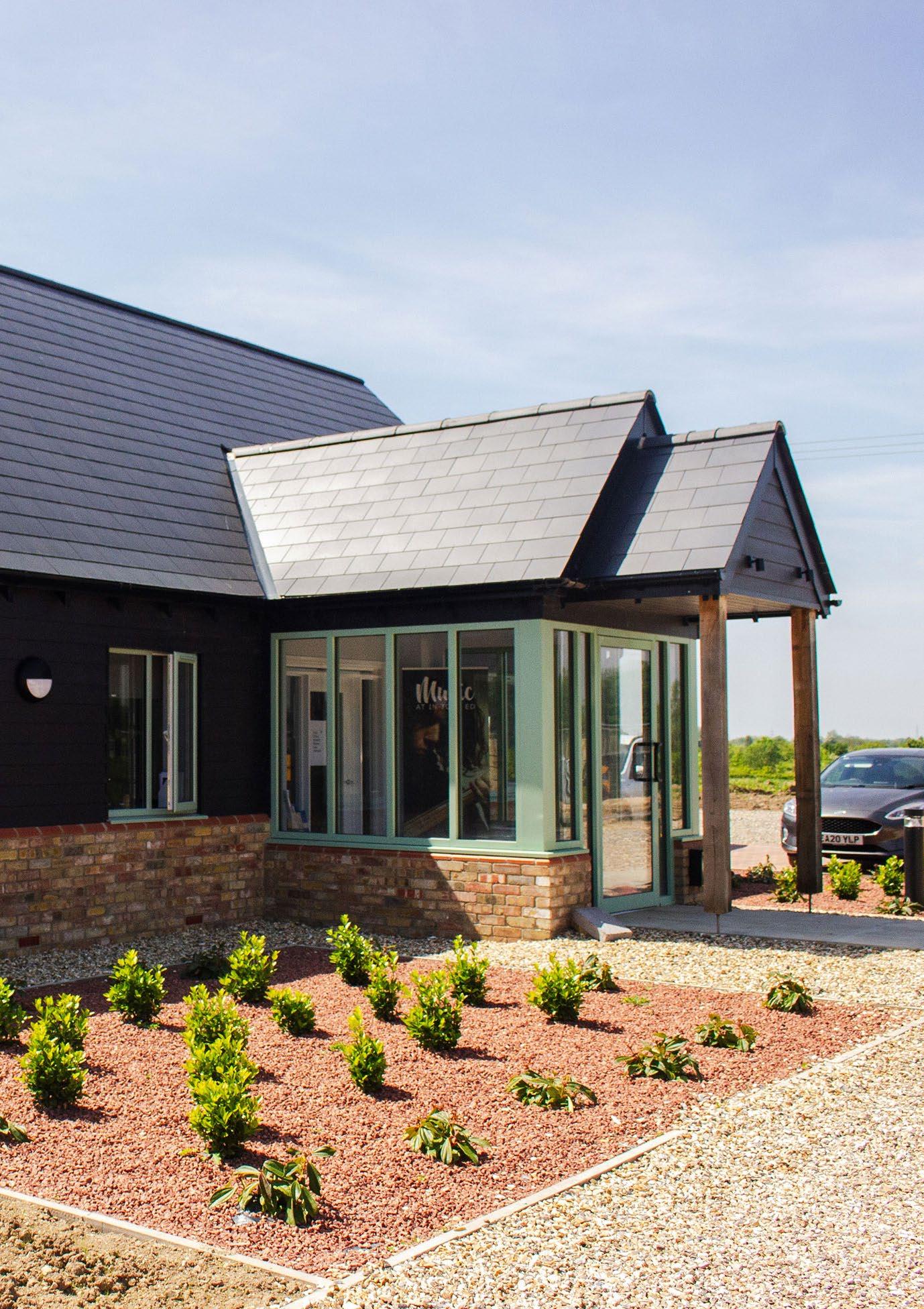
Our unique provision at In Toto Ed is named to reflect what we offer: a “whole” education. That is one that not only inspires and supports academic success, but also discovers and encourages unique talents, and nurtures emotional growth and future independence. We truly believe that every young person has the potential to be exceptional and we aim to support them to achieve that.
At In Toto Ed, we strive to support our students to be successful by offering a wide range of academic and vocational courses that allow students to build confidence, knowledge, and skills to progress to the next stage of their educational journey.
All students will study English Language and Maths, and will then have the opportunity to personalise their curriculum from a range of option subjects that have been carefully chosen to offer academic and practical learning opportunities that enhance knowledge and skill within specific areas and those that are transferable.
As well as learning in the classroom, students can expect to take part in trips throughout the year that enhance our curriculum and provide opportunities for personal growth.
In Toto Ed is driven by our vision to empower young people with complex needs to gain the right qualifications and life skills for their future. We are passionate about developing confidence and independence in our students, ensuring they are equipped to thrive in the next chapter of their lives.
KEY STAGE 4
Core subjects
All students study for qualifications in English Language and Mathematics, as success in these subjects provide the gateway to post-16 courses across all providers. We offer both GCSE and Functional Skills; which course is followed will be determined by staff at In Toto Ed in discussion with parents and carers, as well as the student, to ensure that the chance of success is maximised.
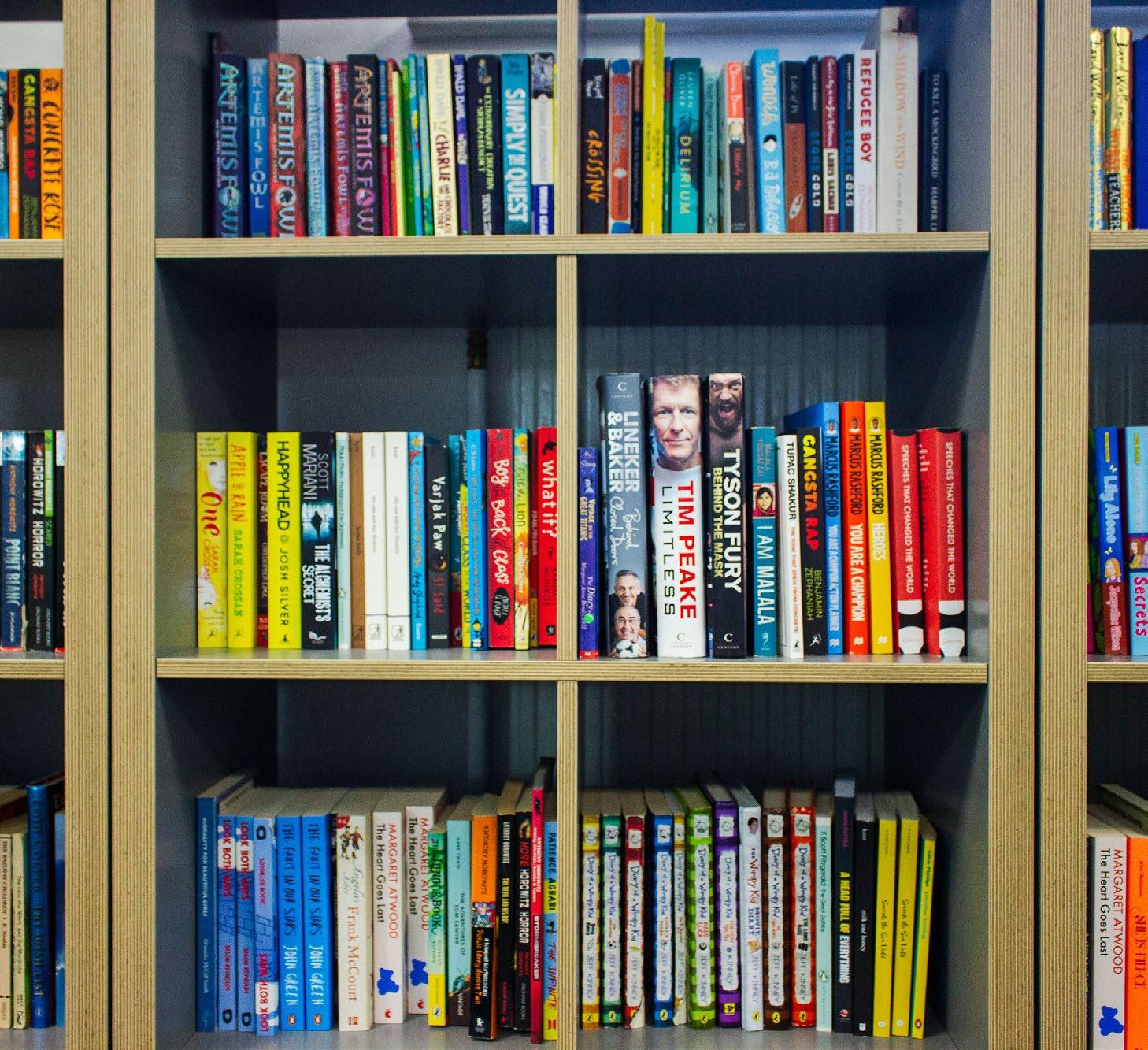
GCSE English Language
This course provides students with a comprehensive foundation in reading, writing, and critical thinking skills. Through honing their ability to respond to unseen texts, students develop skills in analysis, interpretation, and evaluation, in addition to fostering creativity. Through refining their ability to produce well-structured, coherent responses for different audiences and purposes, the course focusses on practical communication skills, and ensures students are well-prepared for both future study and the workplace.
Paper 1 – Explorations in Creative Reading and Writing – looks at how writers use narrative and descriptive techniques to engage the interest of readers.
Paper 2 – Writers’ Viewpoints and Perspectives – looks at how different writers present a similar topic over time.
Exam board and course title:
AQA GCSE English Language - 8700
Assessment method:
Paper 1: Explorations in Creative Reading and Writing (50%)
Written exam: 1 hour 45 minutes
Section A: Reading
• One unseen literature fiction text
Section B: Writing
• Descriptive or narrative writing
Paper 2: Paper 2: Writers’ Viewpoints and Perspectives (50%)
Written exam: 1 hour 45 minutes
Section A: Reading
• One non-fiction text and one literary non-fiction text
Section B: Writing
• Writing to present a viewpoint
Functional Skills English
The NCFE Functional Skills qualification provides students with practical, real-world skills in English, focusing on the development of essential literacy competencies for everyday life and the workplace. Following an initial assessment, students will be entered for the Functional Skills level that aligns with their current learning needs, with the possibility of progressing to higher levels if appropriate. The course covers reading, writing, speaking, and listening, helping students to communicate effectively, understand and interpret written information, and produce written texts for various audiences and purposes. Emphasis is placed on developing the confidence to apply language skills in a variety of contexts, while also developing critical thinking and decision-making skills. Students are able to take their exams at any point across the year and can retake individual components if needed.
Exam board and course title:
NCFE Functional Skills English:
Level 1 - 603/5058/1
Level 2 - 603/5054/4
Assessment method:
Language exam: Paper 1: Reading (33%)
Analysis of sources and application of reading skills in real-life scenarios. The exam consists of multiple choice and written answer questions that test skills such as inference, comparison, and identifying linguistic features.
Language exam: Paper 2: Writing (33%)
Assesses a student’s skills when writing in different forms, and for different audiences and purposes, as well as assessing a student’s spelling, punctuation and grammar.
Speaking and Listening assessment (33%)
Demonstrates a student’s ability to speak, listen, and communicate through planning and presenting on a topic of their choice, as well as taking part in small group discussions.
GCSE Maths
Maths is for everyone; it is diverse, engaging, and an essential skill to be equipped with in later life. By putting students at the heart of everything we do, our teachers are empowered to support every student to reach their personal best, with a curriculum designed to enable students to engage with, explore, enjoy and succeed in Maths.
GCSE Mathematics has a foundation tier (grades 1 to 5) and higher tier (grades 4 to 9). Students must take three question papers at the same time.
Exam board:
AQA GCSE Maths - 8300
Paper 1: Non-calculator
Written examination of 1 hour and 30 minutes
This assessment allows for mix of question styles, from short, single-mark questions to multi-step problems. The mathematical demand increases as a student progresses through the paper.
Papers 2 & 3: Calculator
Written examination of 1 hour 30 minutes
This assessment allows for mix of question styles, from short, single-mark questions to multi-step problems. The mathematical demand increases as a student progresses through the paper.
Functional Skills Maths
The NCFE Functional Skills Maths qualification equips students with the essential mathematical skills needed for real-life situations and the workplace. The course focuses on developing practical problem-solving abilities and improving confidence to use numbers in everyday contexts.
Following an initial assessment, students will be entered for the level (Level 1 or Level 2) that best matches their current skills and knowledge, with the opportunity to progress to a higher level when ready.
The course covers key mathematical areas including number, measure, shape and space, and handling data. Students learn how to apply maths to a range of real-world scenarios such as budgeting, measuring, interpreting data, and working with percentages and ratios. Emphasis is placed on developing reasoning skills, accuracy, and the ability to select appropriate methods to solve practical problems.
Students can take their exams at any time during the year.
Exam board:
NCFE Functional Skills Maths:
Level 1 - 603/5059/3
Level 2 - 603/5060/X
Assessment method:
Section A - Non-calculator 30 minutes
Section B – Calculator 90 minutes
Total Time: 120 minutes
Option subjects
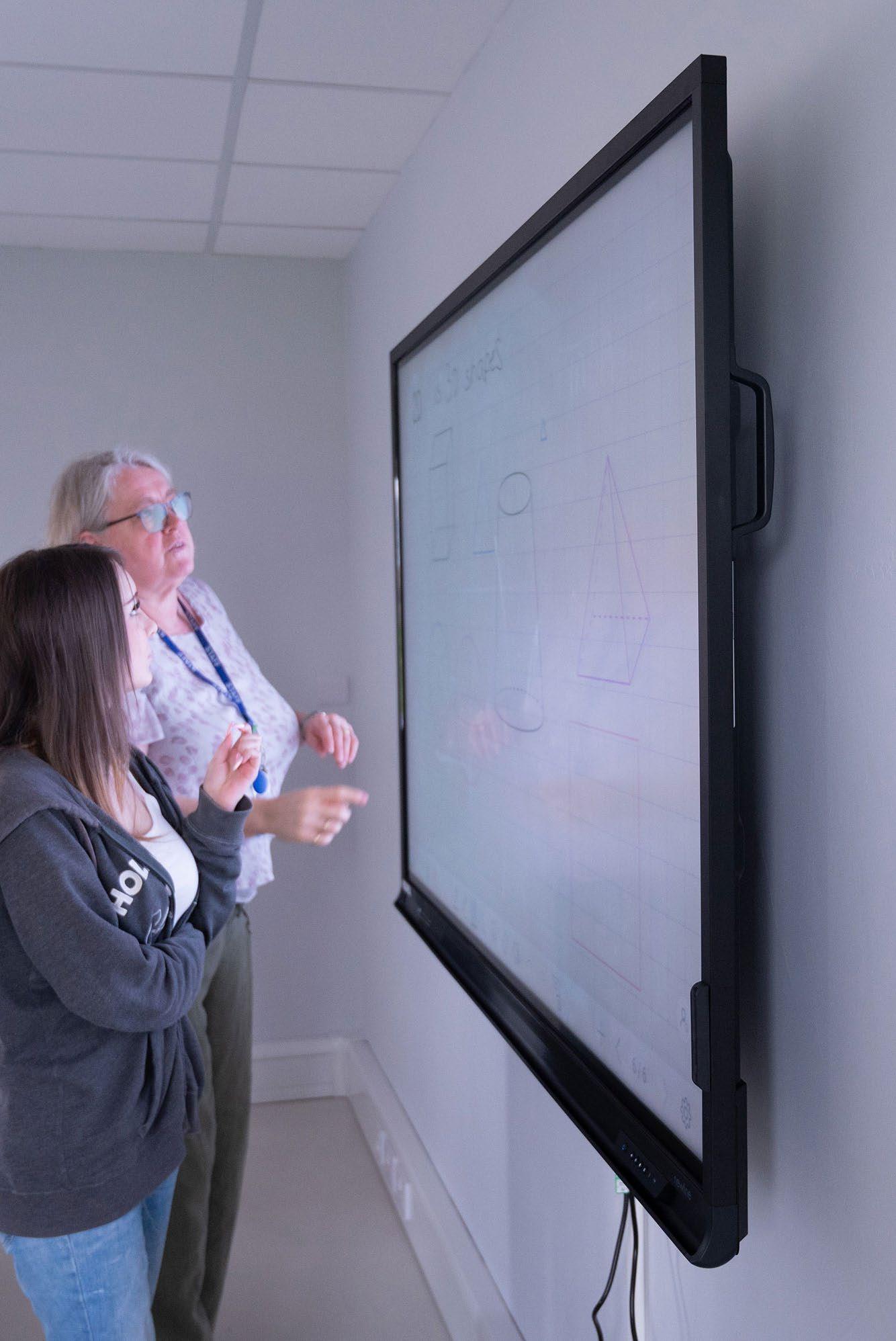
Students choose four options from a selection of subjects. Guidance will be given by staff from In Toto Ed considering individual strengths and future aspirations.
GCSE English Literature
The English Literature curriculum has been designed to stretch and inspire students, sparking a passion for reading and literacy.
Lessons in Years 10 and 11 enable students of all abilities to develop the skills they need to read, understand and analyse a wide range of different texts – covering the 19th, 20th and 21st centuries – as well as to write clearly, coherently and accurately using a range of vocabulary and sentence structures.
Texts we study:
• A Christmas Carol
• Macbeth
• Worlds and Lives
• An Inspector Calls
Exam board and course title: AQA GCSE in English Literature - 8702
Assessment method:
Paper 1: Shakespeare and the 19th-century novel (40%)
Written exam: 1 hour 45 minutes
• Macbeth – William Shakespeare
• A Christmas Carol – Charles Dickens
Paper 2: Modern texts and poetry (60%)
Written exam: 2 hours 15 minutes
• An Inspector Calls – J.B. Priestly
• The AQA poetry anthology
• Unseen poetry
GCSE
Design Technology (Product Design)
Design and Technology prepares students to participate confidently and successfully in an increasingly technological world. Students will gain awareness and learn from wider influences on Design and Technology including historical, social, cultural, environmental and economic factors. Students will have the opportunity to work creatively while designing and making, and apply technical and practical expertise.
At GCSE, students study core technical, designing, and making principles, including a broad range of design processes, materials, techniques and equipment. They can also study specialist technical principles in greater depth.
Exam board and course title: AQA GCSE Design Technology - 8552
Assessment method:
Paper 1
• Core technical principles
• Specialist technical principles
• Designing and making principles
Written exam: 2 hours (50%)
NEA
Practical application of:
• Core technical principles
• Specialist technical principles
• Designing and making principles (50%)
GCSE Art and Design
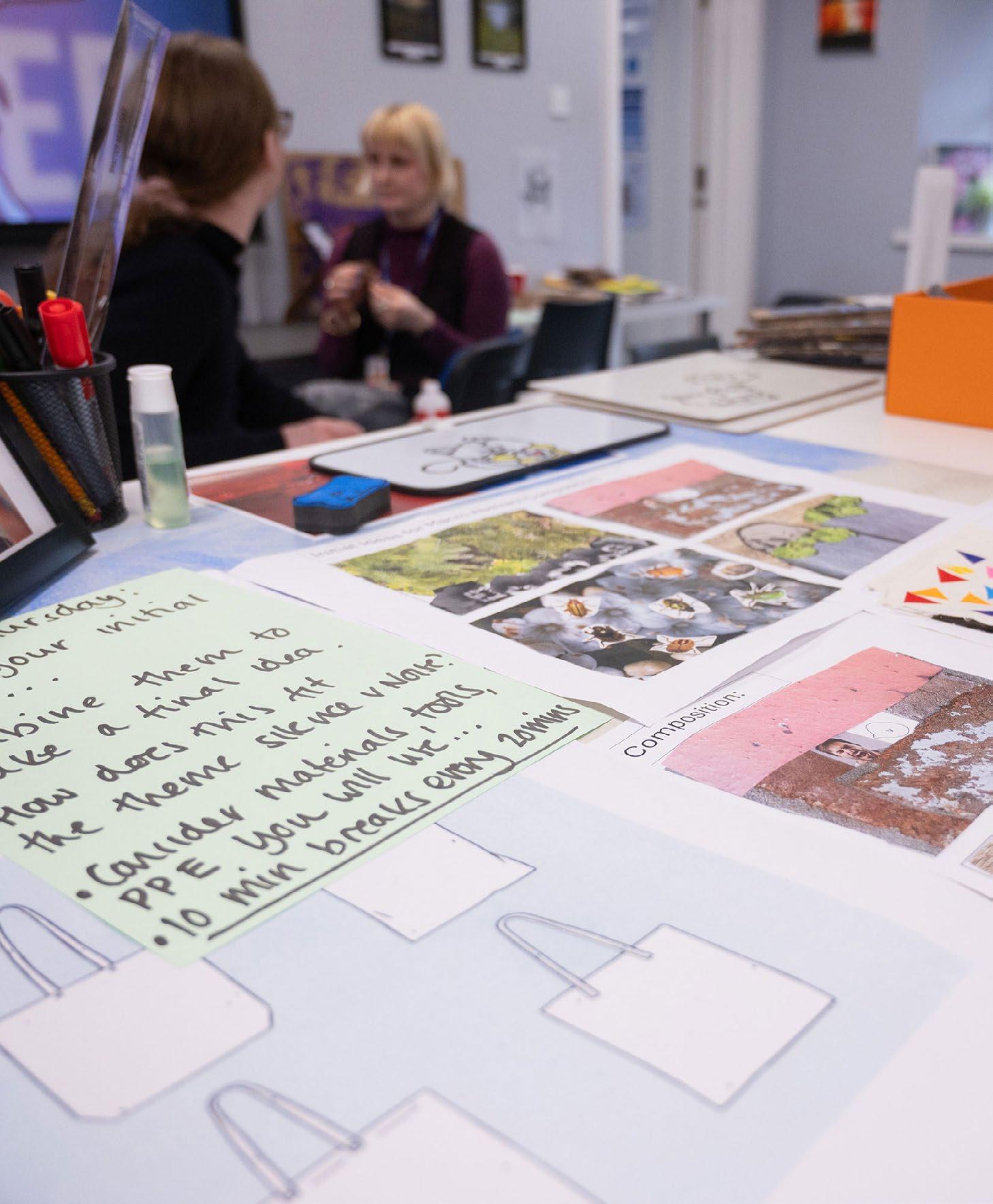
The GCSE Art and Design course allows our students to continue to develop their independent and personal approach to creating art.
Students learn how sources inspire the development of ideas, for example drawing on:
• The work and approaches of artists, craftspeople or designers from contemporary and/or historical contexts, periods, societies and cultures
• Contemporary and/or historical environments, situations or issues
• Other relevant sources researched by the student
• The ways in which meanings, ideas and intentions can be communicated through visual and tactile language, using formal elements, including:
• colour
• line
• form
• shape
• tone
• texture
• The characteristics, properties and effects of using different media, materials, techniques and processes, and the ways in which they can be used in relation to students’ own creative intentions
• The different purposes, intentions and functions of art, craft and design in a variety of contexts.
Students choose one of more of the areas below for study:
• Art, craft and design
• Fine art
• Graphic communication
• Textile design
• 3D design
• Photography
Students explore a wide range of art experiences, including printmaking, painting and three-dimensional design. The course is a great choice for students interested in studying Art further –such as a Foundation Course at an Art college – or considering a career in creative fields such as architecture or the media.
Visits to local galleries and museums support the development of ideas and provide inspiration throughout the course.
Exam board and course title: AQA Art and Design - 8201
Assessment method:
Internally assessed and externally quality assured.
• Portfolio of coursework including sketchbooks (60%)
• A practical examination, including 8-10 weeks preparation (40%)
Coursework is completed during Art lessons with an emphasis placed on individual investigation through sketchbooks, and the acquisition of more advanced skills and techniques.
The final unit of work is the Externally Set Assignment and comprises development and personal responses to a theme selected by the exam board.
Level 2 Extended Certificate in Music
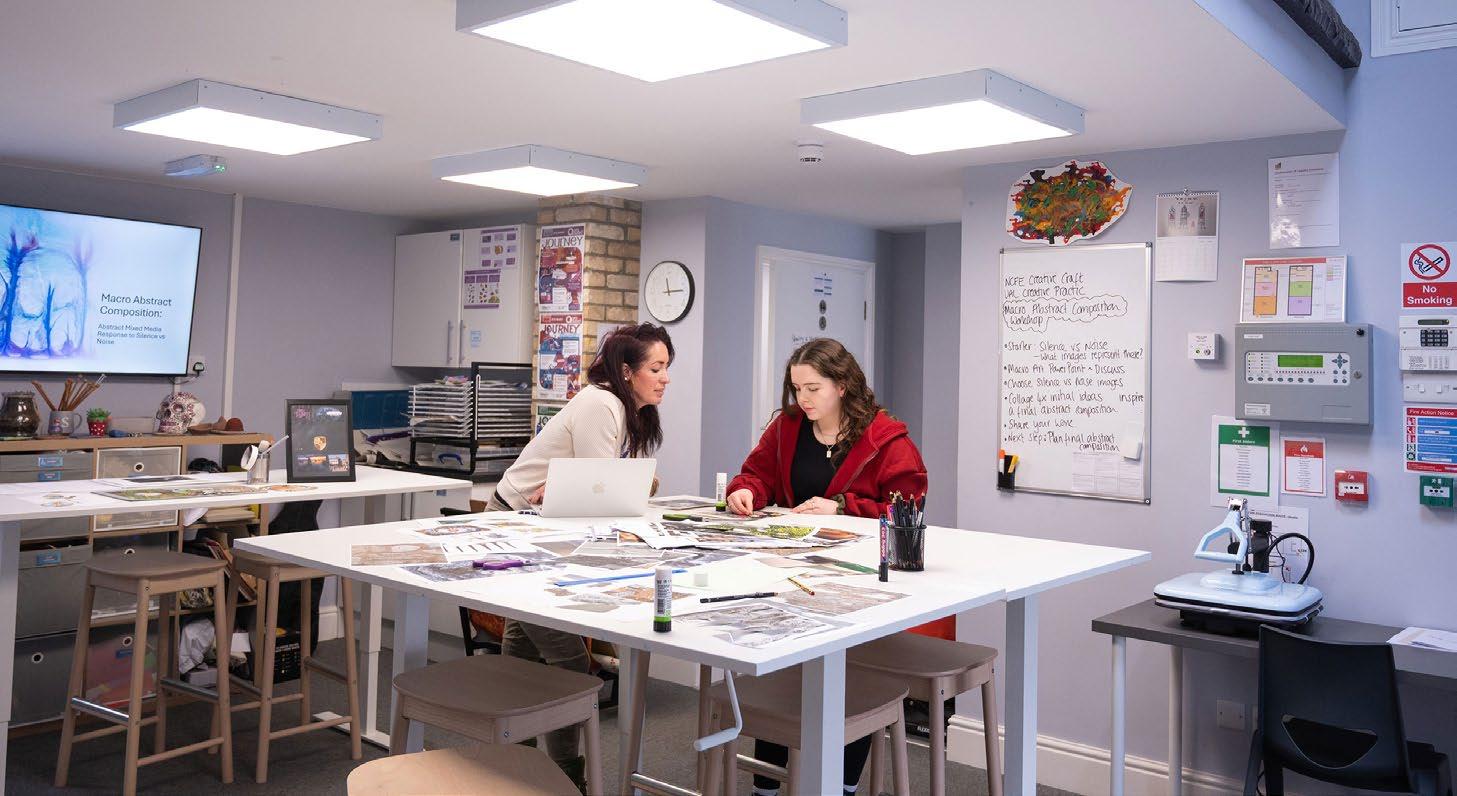
This qualification is designed for students wishing to gain knowledge and skills within the sphere of music performance and associated music industry disciplines. It allows students to develop their performance capabilities and increase their aptitude on their chosen instrument, along with gaining an effective knowledge of event organisation, rehearsal techniques, and the contextual background to their chosen genre and style.
The qualification will give students:
• Experience in planning, executing and analysing a music performance
• The ability to develop and hone their performance within a rehearsal space
• Knowledge of planning, promoting and running a live music event
• A greater understanding of music and the responses it elicits in an audience
• Contextual awareness of styles and genres of music and how they have developed
• The ability to perform effectively in a recording studio environment
The knowledge and skills acquired by performers undertaking this course will enable progression onto further studies, equipped with a greater aptitude for performing in a range of situations, and with a deeper knowledge of the wider skill set and associated requirements which come with being an effective performer.
Exam board and course title:
RSL Level 2 Extended Certificate in Music Practitioners - 601/7991/0
Assessment method:
Coursework based assessment against individual unit criteria. Internally assessed and externally quality assured.
The units covered are:
Mandatory unit
218 Marketing and Promotion
Optional units
224 Digital Recording and Production, 222 Music Sequencing and Production, 202 Composing
Level 2 Diploma in Sport, Exercise and Fitness
This qualification will give students the introductory skills to either start a career in sport, or progress within employment in the sector. This qualification can also prepare students for higher or further education and gives a good introduction to the sport vocation.
Exam board and course title:
NCFE Level 2 Diploma in Sport, Exercise and Fitness - 601/3038/6/SEF
Assessment method:
Component 1: External Assessment (50%)
Written exam: 1 hour 30 minutes
• Multiple choice questions
• Short answer questions
• Extended response questions
The units covered are:
• Participating in Sport
• Anatomy and Physiology for Exercise
• Introduction to Healthy Exercise and Nutrition
In addition to this, there are four optional units which will be chosen by In Toto Ed staff to suit our students, context and facilities.
Level 1/2 Technical Award in Food and Cookery
This course provides students with the opportunity to develop knowledge and understanding of food and cookery. Students will explore food preparation techniques, nutrition, food safety and the skills required to plan, prepare and present a range of dishes.
The course focuses on key areas which are studied throughout:
• Food preparation and cooking techniques
• Nutrition and healthy eating
• Food safety and hygiene
• Menu planning and presentation
Exam board and course title:
NCFE Level 1/2 Technical Award in Food and Cookery - 603/7014/2
Assessment method:
Component 1: External Assessment (50%)
Written exam: 1 hour 30 minutes
• Multiple choice questions
• Short answer questions
• Extended response questions
• Questions based on food and cookery scenarios
Component 2: Internal Assessment (50%)
Synoptic project
• Completion of practical cooking tasks based on a set brief
• Demonstrates skills in planning, preparation and presentation
• Includes evaluation of dishes, techniques and outcomes
RSL Level 2 Extended Certificate in Creative Digital Media
RSL’s Level 2 Extended Certificate in Creative Digital Media with Esports prepares students for entry into the fast-growing world of competitive gaming, digital entertainment, and online content creation, equipping them with the knowledge and practical skills needed to succeed in this dynamic and rapidly evolving industry.
Designed by industry professionals and regularly updated to reflect developments in the esports and digital media sectors, the qualification combines creative media production with the exciting opportunities presented by esports. Students explore areas such as streaming, social media content, branding, event promotion, video production, audience engagement, and digital communication within an esports context.
Exam board and course title:
RSL Level 2 Extended Certificate in Creative Digital Media - 603/4297/3
Assessment method:
Internally assessed and externally quality assured.
The units covered are:
• Digital Games Production
• Creating Digital Art
• Careers in Creative Digital Media
GCSE in Combined Science
Our KS4 Science curriculum is designed to build upon the foundational knowledge acquired at Key Stage 3, and prepare students for further study or employment. It promotes scientific literacy, problem-solving, and an understanding of scientific processes, encouraging students to apply their knowledge to real-world contexts across Biology, Chemistry and Physics.
Exam board and course title
AQA Combined Science (Trilogy)
Assessment method
Six papers, each 1 hour 15 minutes
Practical skills are central to the KS4 Science curriculum. Students must complete a set of required practicals, assessed in the exams. These include experiments such as investigating rates of reaction, testing photosynthesis, and exploring electrical circuits.
The units covered are:
• Biology: cells; organisation; infection & response; bioenergetics; homeostasis & response; inheritance, variation & evolution; ecology
• Chemistry: atomic structure & periodic table; bonding; quantitative chemistry; chemical changes; energy changes; rates of reaction; organic chemistry; chemistry of the atmosphere; using resources
• Physics: energy; electricity; particle model of matter; atomic structure; forces; waves; magnetism
Level 2 Certificate in Beauty Therapy Services
The City & Guilds Level 2 Certificate in Beauty Therapy Services is the foundational, industry-recognised qualification for anyone looking to kickstart a career as a beauty therapist. It provides the essential practical skills, health and safety knowledge, and professional client care standards required to work in a salon or become a freelance therapist. It is designed to meet employer standards offering students the opportunity to either secure junior-level roles within the industry or to progress onto a Level 3 qualification.
Exam board and course title:
City & Guilds Level 2 Certificate in Beauty Therapy Services - 500/8940/7 (3003-40)
Assessment method:
Production of a portfolio and practical assessment by In Toto Ed staff and externally-set online assessments.
The units covered are:
• Working in beauty-related industries
• Health & safety practice in the salon
• Client care & communication
• Providing facial skincare
• Providing manicure treatments
• Providing pedicure treatments
Enrichment
At In Toto Ed, we know that school is about far more than learning new skills and knowledge within different subject areas so we have dedicated time each week for enrichment. These sessions provide students with the opportunity to mix with others in different classes, try new activities, and develop new interests. Students will choose activities each half term based on their own interests.
We will also offer students the opportunity to take part in the prestigious Duke of Edinburgh’s Award that provides students with the opportunity to develop a range of valuable life skills, including teamwork, resilience, independence and leadership. Students will take part in a variety of practical activities and challenges, helping them to build confidence and prepare for future education and employment.
The award is completed through participation in four key sections, which are assessed through ongoing involvement rather than a final exam. All sections must be completed to achieve the award, and progress is recorded and verified by staff.
The course focuses on key areas which are completed through:
• Volunteering
• Physical activity
• Skills
• Expedition
The expedition section involves planning, training for and completing a team expedition. Students will work in groups to navigate a route, carry their own equipment and supplies, and be self-sufficient over the duration of the expedition. This includes cooking meals, setting up tents and camping overnight. Students must be prepared for outdoor conditions and be willing to participate fully in all aspects of the expedition.
At Bronze level, students must also complete an additional section or extend one of the existing sections for a longer period of time.
cambridge@in-toto-ed.com www.in-toto-ed.com/cambridge