BakoDx’s Nail PCR Test Is Now
PCR Test Is Now Onycho ID
Onycho ID
Onycho ID
Onycho ID
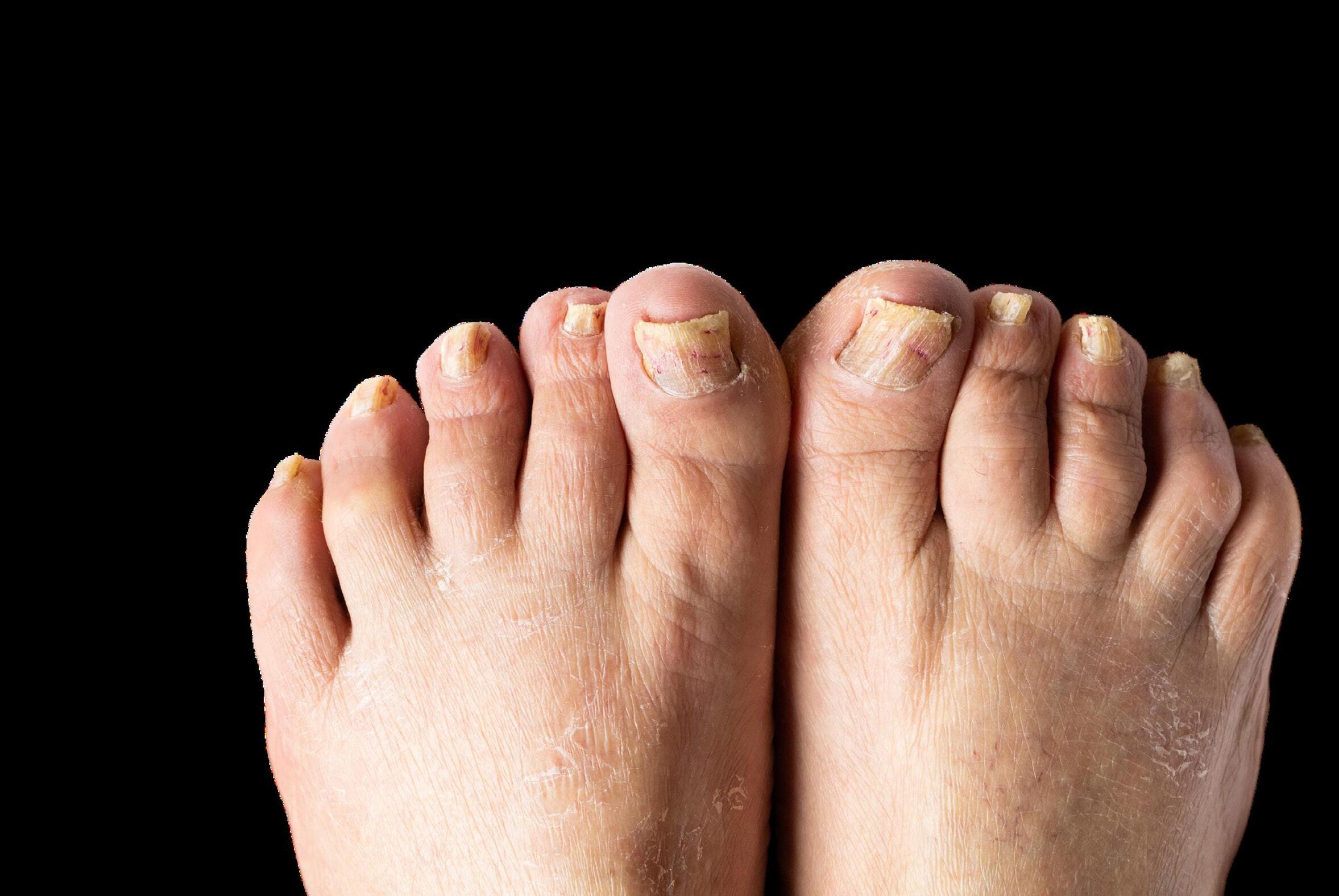
is the first and only PCR-based Onychomycosis test with MolDX® approval — providing an unmatched approach for identifying the infectious agent.
is the first and only PCR-based Onychomycosis test with MolDX® approval providing an unmatched approach for identifying the infectious agent.
Why Choose

Why Choose Onycho ID



Sensitivity: 92.6% Specificity: 100% (vs histopathology)
Sensitivity: 92.6% Specificity: 100% (vs histopathology)
24-48 hour turnaround time
24-48 hour turnaround time
Targeted therapy for effective
Targeted therapy for effective outcomes
Detection of Dermatophytes, NonDermatophytic Molds, & Yeasts


and ANKLE
JOIN US
JUNE 25-28 Disneyland®
DOCTORS’ GENERAL SESSIONS
JUNE 25-28
PODIATRIC MEDICAL ASSISTANT PROGRAM
JUNE 25-27 EXHIBITION
JUNE 26-27
PRE-REGISTRATION ENDS REGISTER NOW AT JUNE 10 THE WESTERN.ORG
HONOREES
cpma’s annual scientificmeeting
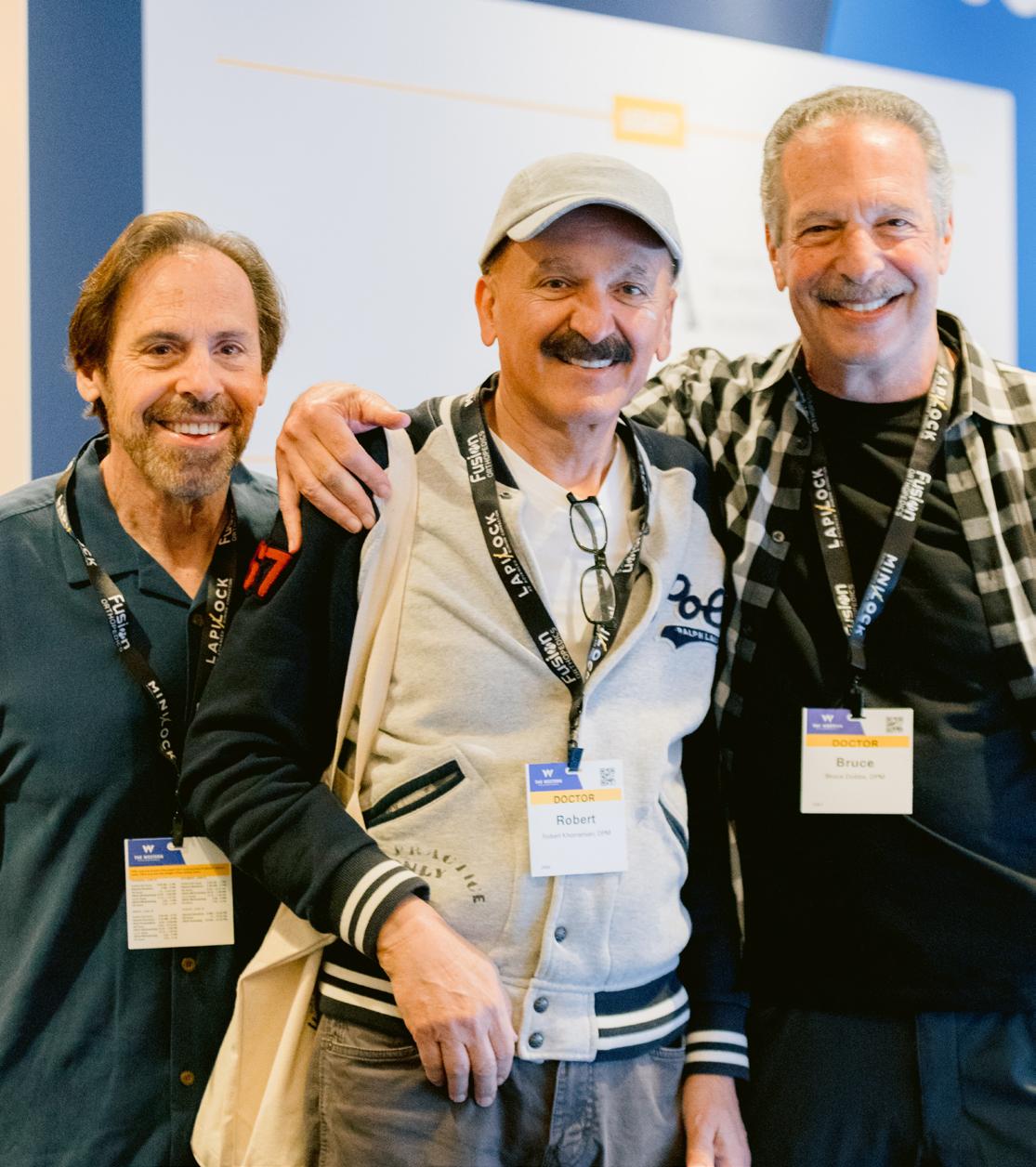
The 2026 Western Foot and Ankle Conference convenes in honor of Althea Finley and Roman Paulus, whose dedication, service, and friendship left a lasting impact on the podiatric community.
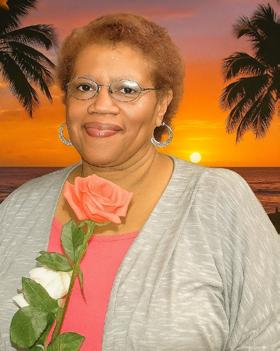
ALTHEA FINLEY
rector of Public Relations and Governmental l Affairs, CPMA ver 30 Years of Dedicated Service
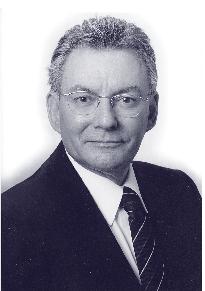
ROMAN P AULUS
Workshop Chair, Western Foot and Ankle Conference Past Executive Director, CPMA A Lifetime of f Dedicated Service
2026 WESTERN SPONSORS
DEPUY SYNNTHES
FUSION ORTHOPEDICS
PARAGON 28
STRYKER ORTHOOPAAEDICS
TREACE MEDICAL CONCEPTS
VOOM MEDICCAL DEVICES
BOSTON SCIENTIFIC HEALLIOS
THERAPEUTICS NOVUS
REVENUE SOLUTIONS THE PODIATRY FOUNDATION
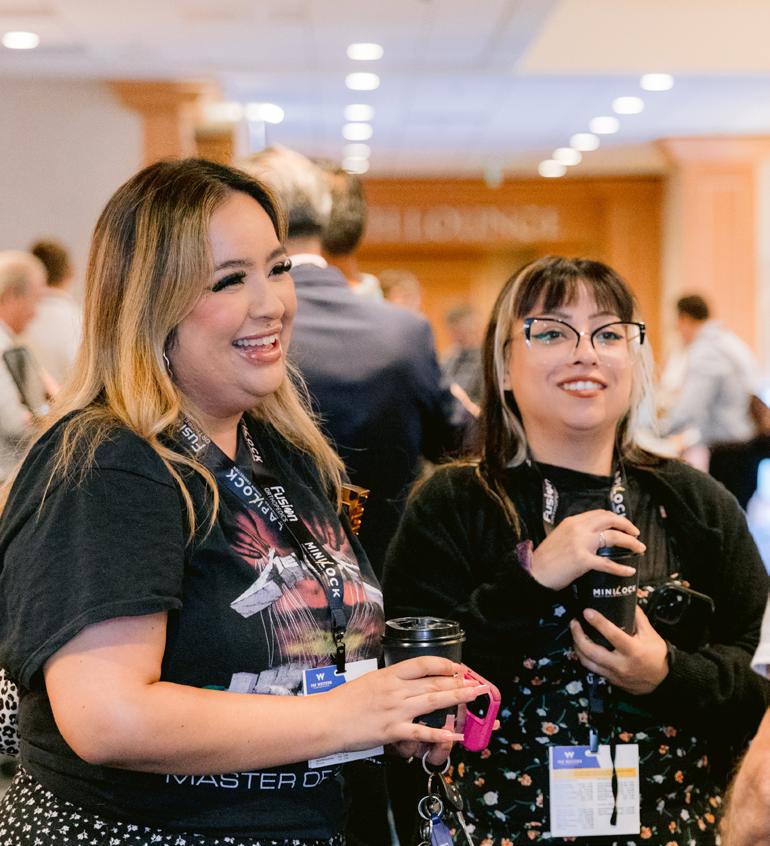
WELCOME TO THE WESTERN
Join us at The 2026 Western Foot and Ankle Conference, where podiatric medical professionals and exhibitors come together for 3.5 days of education and innovation in foot and ankle care at the Disneyland Resort in Anaheim—the Happiest Place to Learn.
EDUCATION FOR EVERY PODIATRIC PROFESSIONAL
The conference integrates non-surgical and surgical lectures, providing a comprehensive view of modern foot and ankle care.
Sessions span all levels of podiatric practice, with case-based and hands-on learning designed to deliver tools you can implement in your clinic or operating room the very next Monday, including:
• Biomechanics, gait analysis, and orthotics
• Dermatology and office-based procedures
• Trauma, fracture management, and sports injuries
• Pediatric foot and ankle care
• Reconstructive surgery and deformity correction
• Limb salvage, infection management, and revision surgery
A two-day program is also offered for podiatric medical assistants, with administrative instruction on Friday and hands-on clinical training on Saturday.
INNOVATION AND TECHNOLOGY
The program highlights the latest advancements shaping foot and ankle surgery. In the Innovations Hub, sponsors showcase technologies that improve surgical outcomes and patient care, including:
• Minimally invasive surgical techniques
• Advanced fixation technologies
• Intraoperative imaging and radiographic decision making
LICENSURE CREDITS
• Orthobiologics and regenerative medicine
• Next-generation implant systems
The Western offers podiatrists from California and other states a convenient way to complete their continuing education requirements in one comprehensive meeting:
• CECH for license renewal
• Radiology / X-ray CECH, plus an optional fluoroscopy course
• Opioid CECH
A DESTINATION CONFERENCE
Attendees have access to discounted theme park tickets and hotel rooms, the Downtown Disney dining, shopping, and entertainment district, and convenient travel from John Wayne Airport. After a full day of education, a little Disney magic may be just what the doctor ordered.
See You In Anaheim!

Devon Glazer, DPM, FACFAS Western Foot and Ankle Conference Committee Chair
FOOT ANKLE SPECIALISTS THE GREATEST VALUE FOR
• Earn up to 26.25 Continuing Education Contact Hours (CECH)
• 10.21 Radiology CECH in General Sessions
• Earn 4 FREE Fluoroscopy CECH from the on-demand course from Western University
• 3.16 hours of designated Opioid-related CECH to support DEA license renewal
• Innovations Hub featuring hands-on learning in the Exhibit Hall — no additional registration required
The Western continues to elevate your experience — delivering more education, more access, and more value for you and your entire team.
• Two-Day PMA Program offering both administrative and clinical education
• 10% PICA Premium Discount with the opportunity to earn an additional 5% discount
• Instant transcript download available immediately after the meeting
• Exhibit Hall located just steps from General Sessions for maximum convenience
• CPMA and APMA member savings on registration
• Award-winning conference featuring esteemed, specialtyselected faculty
• Brand-new, complimentary, and easyto-use Meeting App
• Valuable social and networking opportunities
• Healthy snacks provided daily
• Four Diamond destination with significantly discounted room rates for onsite attendees
• Easy access from anywhere
“Contains both radiology and opioid requirements as well as total units for the year... a complete seminar”
“Having candid discussions about clinical experiences” “Involving my staff” “Meeting up with colleagues”
“Value, Venue, Speakers, PICA” “Accessibility, comprehensive curriculum”
“Cost of conference”
“New talks and formats” “Small pearls that I can use in my practice”

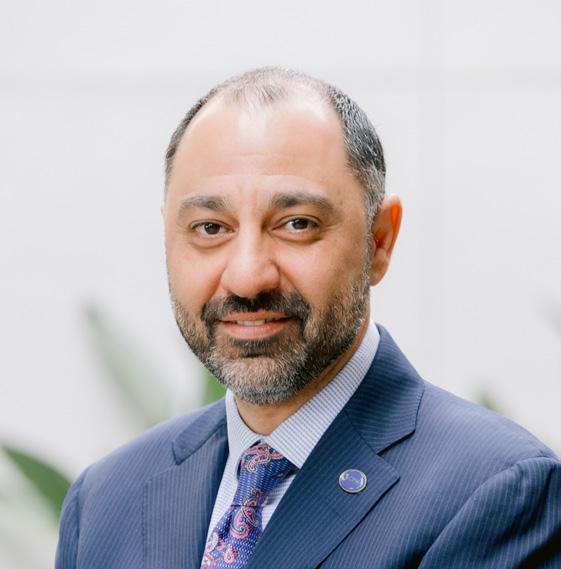
Arman Kirakosian, DPM President, California Podiatric Medical Association
ON THE GROUND: ADVOCACY AT LLC — A PERSONAL PERSPECTIVE
Each year, the Legislative Leadership Conference gives me a reason to step away from the clinic and operating room and reconnect with the bigger picture of our profession. It’s easy to get absorbed in the day-to-day demands of patient care, but LLC is a reminder that the challenges we face individually are often part of a much broader system.
This year’s conference in Sacramento felt especially meaningful. I had the opportunity to sit down with legislators and their staff alongside colleagues and students from across California. What stood out to me wasn’t just the policy discussion—it was how much of the conversation centered on real patient experiences. Advocacy, at its core, is about telling those stories in a way that helps others understand what’s actually happening on the ground.
One example I shared was a patient I recently treated—a diabetic patient who delayed care for far too long because they simply didn’t have access to a podiatrist nearby. By the time they came into my clinic, what could have been a manageable condition had progressed into something much more serious. That situation isn’t unique. In fact, it’s becoming more common.
That’s the reality many of us are seeing.
Across California, patients are waiting longer, traveling further, and presenting with more advanced pathology than we would like. In my own practice, I’ve noticed a steady shift over the years—conditions that used to be caught early are now showing up later, often requiring more aggressive intervention. For colleagues working in rural or underserved areas, this challenge is even more pronounced.
A big part of that issue comes down to workforce shortages. We’ve known for some time that podiatric medicine is facing a supply problem, but it’s becoming harder to ignore. Many counties simply don’t have enough providers, and a significant portion of our current workforce is nearing retirement. At the same time, fewer students are entering the profession. I’ve spoken with students and even pre-med undergraduates who had little to no exposure to podiatry as a career option.
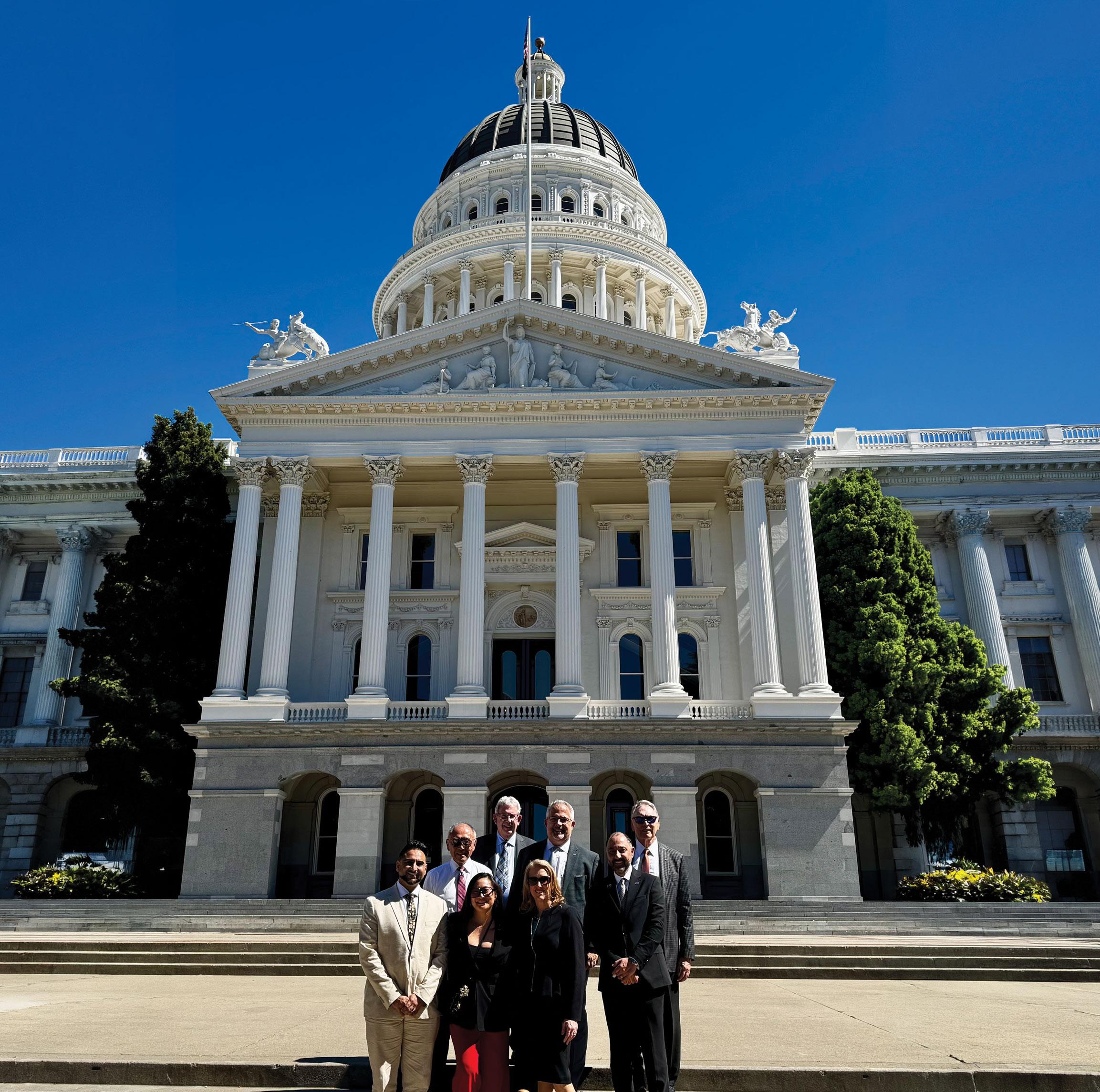
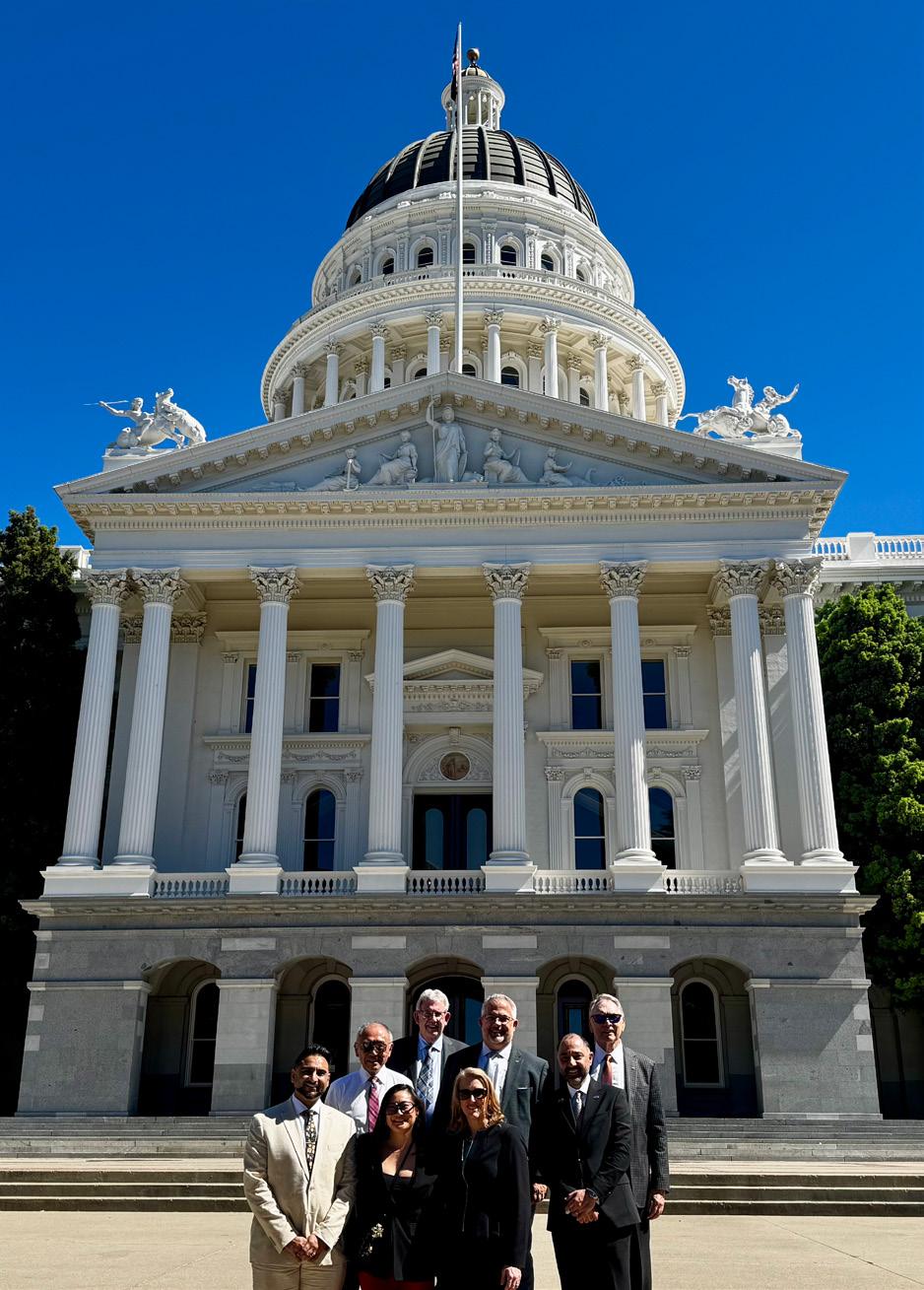
CPMA visits the California State Capitol in Sacramento, CA to bring awareness to AB1591.
That gap—between need and awareness—is exactly where AB 1591 comes in.
The California Podiatric Pipeline Program Act is a practical attempt to build a more structured pathway into our profession. What I appreciate about this bill is that it doesn’t just acknowledge the problem—it proposes a solution rooted in exposure and mentorship. By connecting undergraduate students with podiatric programs earlier, we give them a clearer vision of what this career looks like and how to pursue it.
Mentorship is something I take personally.
As someone who immigrated to this country at a young age, I didn’t always have a clear roadmap. Much of my path was shaped by the people who took the time to guide me, to open doors, and to show me what was possible. That’s why I see initiatives like AB 1591 as more than policy—they’re opportunities to create that same pathway for the next generation.
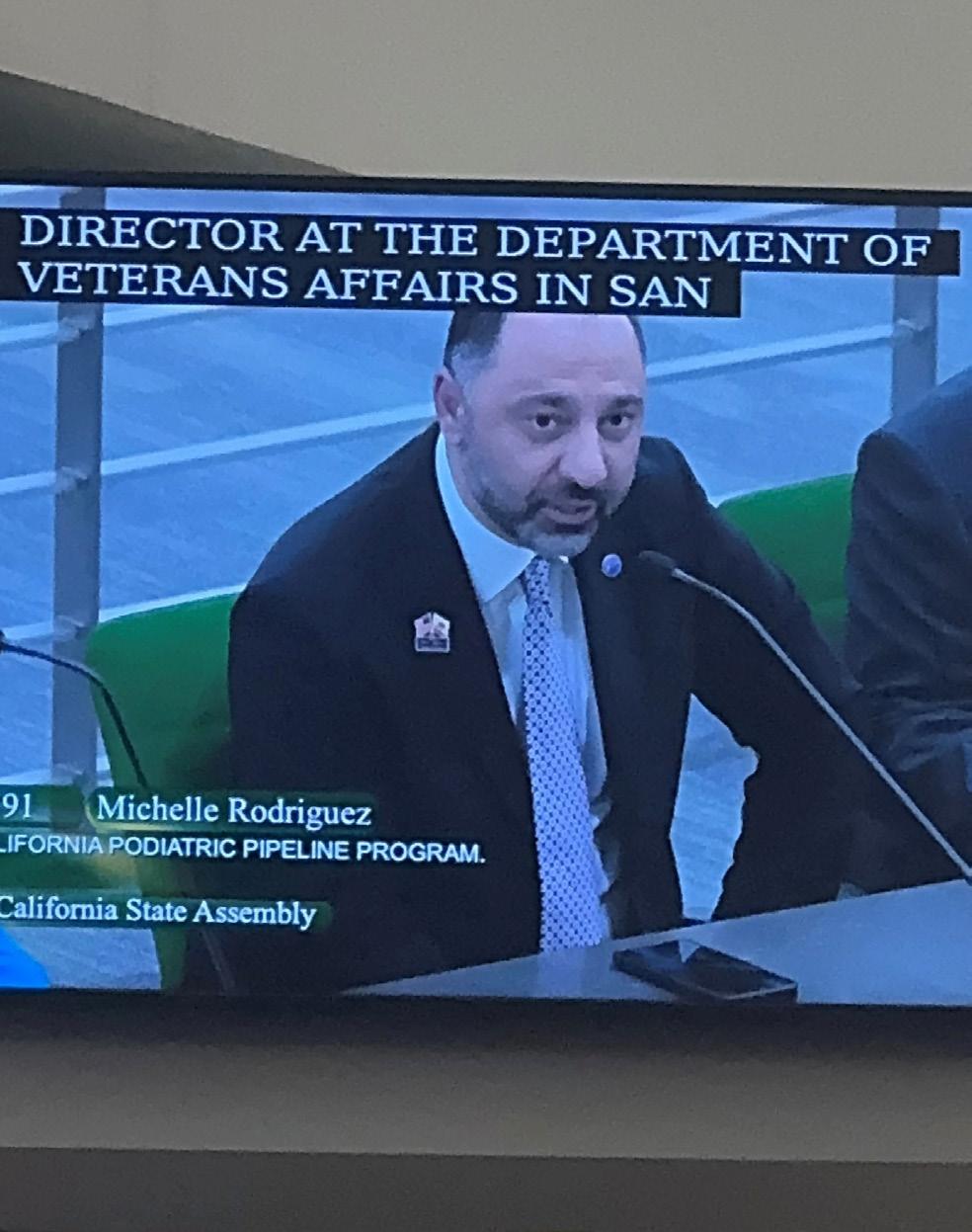
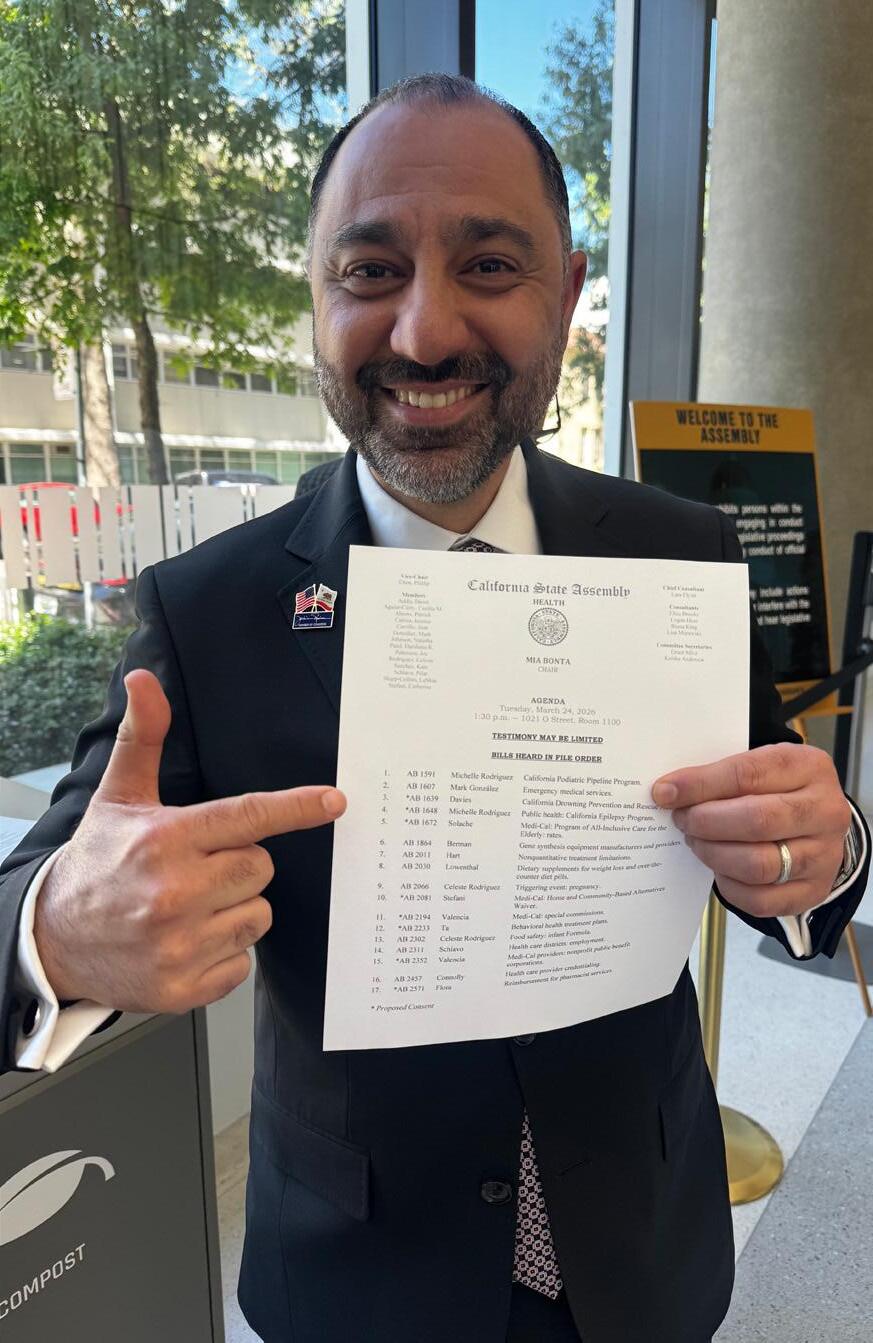
Dr. Arman Kirakosian speaking at the California State Assembly on March 23, 2026
Another important piece of the conversation is where these future providers will go.
There’s a strong emphasis on engaging students from rural and underserved communities, and I think that’s critical. In my experience, people who grow up in those areas often feel a genuine connection to them—and are more likely to return and serve. If we’re serious about improving access, we have to be intentional about how we build that workforce.
From a clinical standpoint, the impact is clear.
When patients have access to podiatric care, we can intervene earlier, manage chronic conditions more effectively, and prevent complications. When that access isn’t there, the consequences are significant—not just for the patient, but for the healthcare system as a whole. I’ve seen firsthand how timing can change outcomes, especially in diabetic limb salvage and wound care.
What made LLC valuable was the opportunity to bring these experiences directly into the conversation.
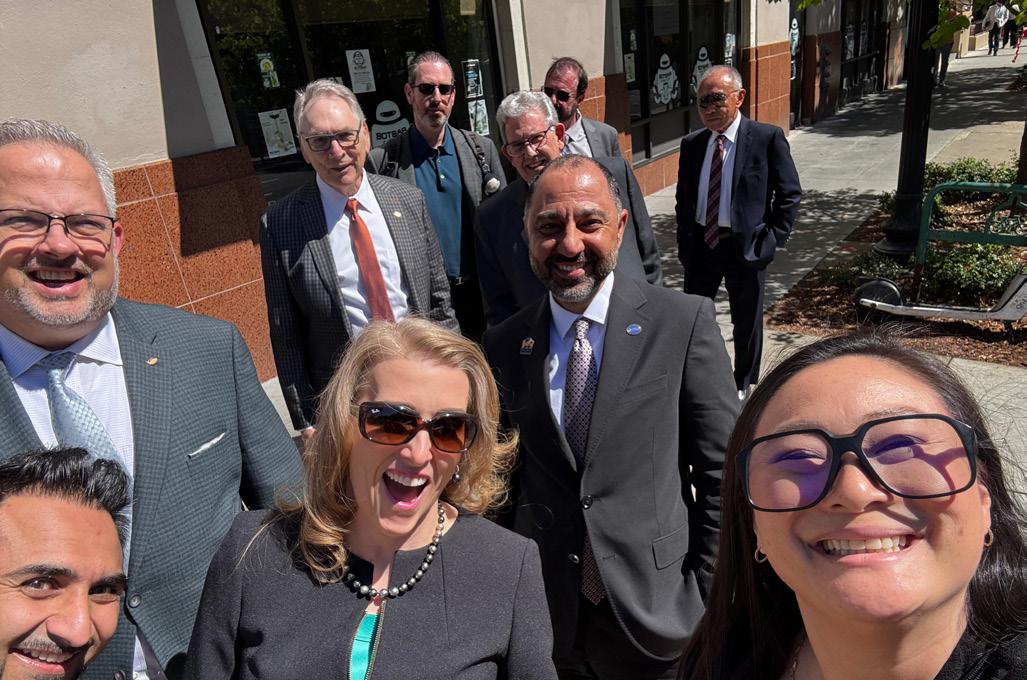
These weren’t abstract policy discussions—they were grounded in what we see every day in practice. And I do believe that matters. When legislators hear directly from physicians who are treating patients, it adds a level of clarity and urgency that data alone can’t always provide.
Of course, participating in something like this requires time away from practice, from family, from responsibilities. That’s not insignificant. But it reflects something important—a commitment to shaping the future of our profession and improving care for our patients beyond the walls of our clinics.
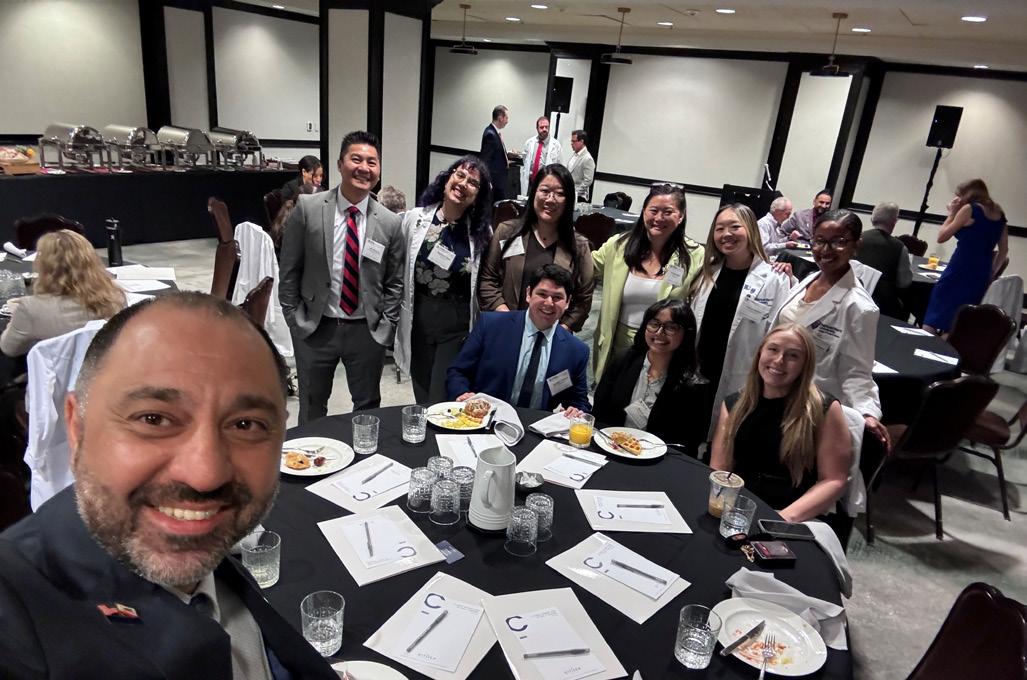
There’s still work to be done—through mentorship, outreach, and continued advocacy. Whether it’s speaking to students, engaging with our communities, or participating in legislative efforts, we all have a role to play.
For me, LLC is a reminder that our responsibility doesn’t end when the clinic day is over. It extends into how we advocate, how we lead, and how we help build what comes next.
That work continues.
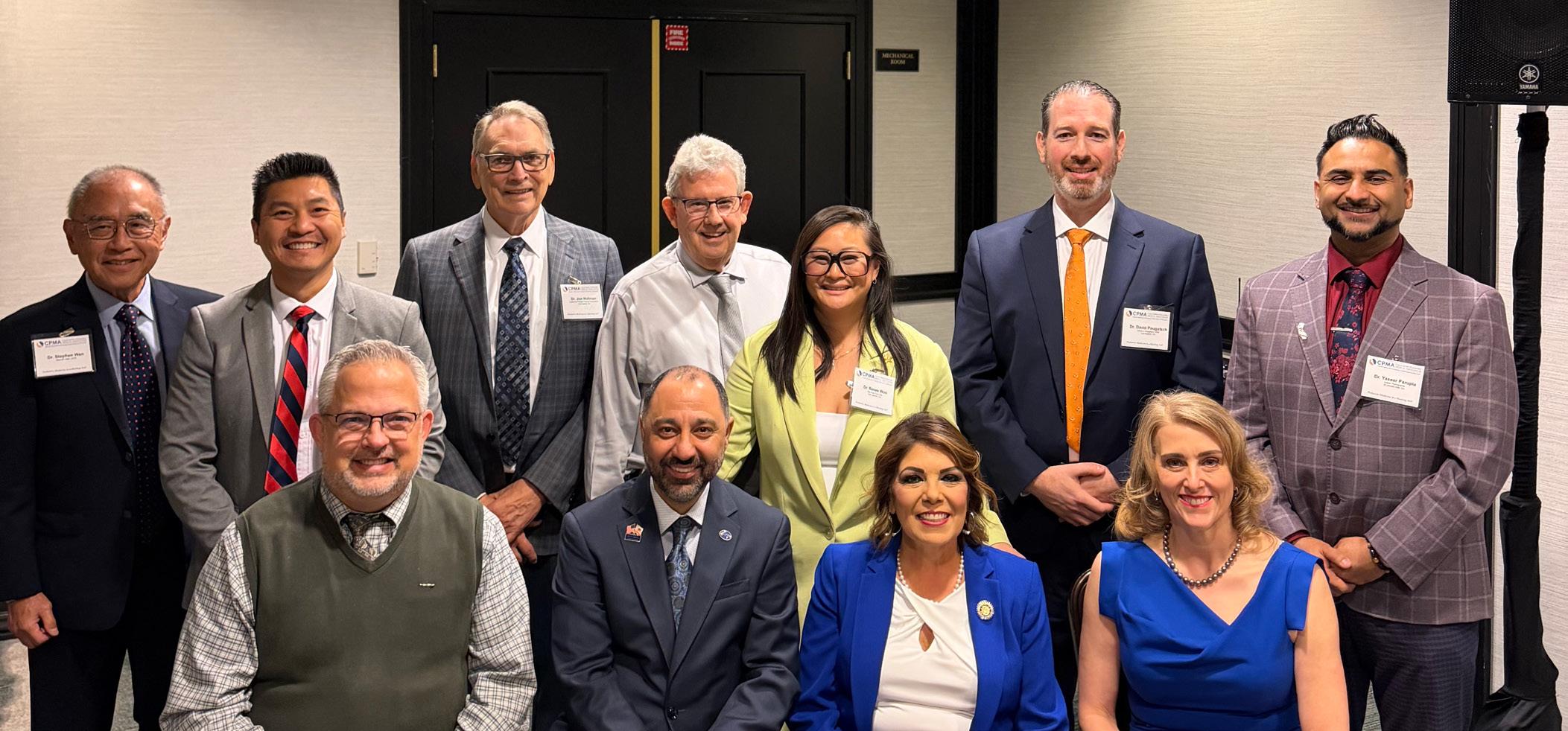
2025-2026 CPMA Board members with Assemblymember Michelle Rodriguez, author of AB 1591, during the LLC.
AB 1591 (RODRIGUEZ) CALIFORNIA PODIATRIC PIPELINE PROGRAM ACT BACKGROUND
Problem
California faces a growing shortage of Doctors of Podiatric Medicine (DPMs) who specialize in diabetic foot care, limb-salvage surgery, podiatric sports medicine, and mobility preservation.
Ҍ More than half of California counties – mostly rural - have fewer than one licensed podiatrist per 25,000 residents.
Ҍ DPMs have the highest rate of planned retirement in the next five years of any health care provider at 23.4 percent.1
Ҍ Two accredited podiatric medical schools exist in California (Samuel Merritt University and Western University of Health Sciences). According to SMU leadership, applications to podiatry schools have been trending downward nationwide in recent years.2 A recent graduate class of one of the California podiatric medical schools had only 19 students.
Limited awareness of podiatric medicine as a profession and the absence of structured undergraduate mentorship discourage qualified students - particularly from rural and underrepresented communities - from pursuing this vital field.
Solution
Ҍ To address shortages of health care provider, several states have tackled the problem through “pipeline” legislation:
Ҍ In 2001, Texas created, through legislation, the “Joint Admission Medical Program” (JAMP) connecting undergraduate campuses with medical schools, offering scholarships and guaranteed seats for disadvantaged students (SB 940).
Ҍ In 2003, New Mexico created the BA/MD Program which reserves medical school seats for high-school seniors who maintain GPA standards and commit to in-state service.
1. https://hcai.ca.gov/wp-content/uploads/2024/04/Health-Workforce-Research-Data-CenterAnnual-Report-to-the-Legislature-January-2024.pdf, Page 4
2. https://abc30.com/post/need-podiatric-doctors-central-california/16359306/
These models demonstrate that early exposure, mentorship, and conditional admission significantly increase the number of clinicians practicing in shortage areas. California should consider a similar program for podiatry by creating the California Podiatric Pipeline Program Act.
The California Podiatric Pipeline Program Act will direct the Office of Health Care Access and Information (HCAI) to create an undergraduate-to-podiatric medical school pathway that introduces students to the profession and supports their academic and clinical development.
Program may include, but not be limited to, the following:
Ҍ University Partnerships: HCAI will coordinate agreements between CSU/UC campuses and California podiatric medical schools (Samuel Merritt University and Western University of Health Sciences).
Ҍ Mentorship: Through partnerships with governmental, non-profit organizations and health care facilities, students will gain access to mentorship, summer internships, and clinical-shadowing experiences with licensed DPMs.
Ҍ Early Admission Pathway: Qualified students who meet GPA and professionalism benchmarks will receive priority or conditional admission consideration to participating DPM programs.
Ҍ Reporting & Accountability: Upon appropriation in the budget, HCAI will report annually to the Legislature on participation rates, matriculations, and workforce outcomes.
Once implemented, the California Podiatric Pipeline Program will expand California’s homegrown podiatric workforce and increase diversity among health professionals serving Medi-Cal and rural populations. More trained DPMs in the workforce will improve preventive care, reducing diabetic-related amputations and chronic wound complications.
Fiscal Impact
Minimal. The bill primarily authorizes coordination and planning grants administered by HCAI, using existing workforce-development funds where available.
Member Education Notice
This overview is provided for the education of CPMA members and is intended to help explain the purpose, background, and potential impact of AB 1591, the California Podiatric Pipeline Program Act. CPMA will continue to keep members informed as the bill moves through the legislative process.
We’re Going FOR GOLD
CalPPAC makes sure podiatrists are heard in California.
Decisions made at the Capitol affect how you practice, how you're reimbursed, and how podiatry is represented in healthcare policy. CalPPAC allows us to support lawmakers who understand podiatric medicine and stand up for our scope of practice.
As we begin our Road to Gold 2028 campaign, we invite you to be part of the team.


Michael Cornelison, DPM, FACFAS Executive Director, California Podiatric Medical Association
REMAKING THE CASE FOR EQUIVALENCY
Imagine, if you will, that you’ve gone to practice for a podiatric medical group that was subsequently contracted with a healthcare services company owned by a major private insurer. Suddenly, that company decided to stop treating you as a physician provider and instead classified you as an allied-health “Advanced Practice Provider,” similar to a Physician’s Assistant or a Nurse Practitioner. Now you’re being reimbursed for all services at a statutory 85 percent of what you’d been reimbursed previously – across the board, with no change in your practice’s operational expenses.
Seem unlikely? Well, this is exactly what would have happened last year if UnitedHealthcare Group-owned Optum’s plan to reclassify podiatric physicians had been successful.
Fortunately, the broad, collaborative efforts of APMA, state components including CPMA, and podiatric specialty organizations thwarted this plan, and as a result, Optum will continue to include DPMs in their physician reimbursement fee schedule.
Imagine again, that you are being told you will no longer be allowed to be reimbursed by Medicare through billing of the familiar CPT Evaluation and Management (E/M) codes (99202-99205, 99211-99215), but instead you’ll be required to use two new HCPCS codes that would reimburse at a level equivalent to level 2 codes (99202 and 99212) for all E/M new and subsequent encounters regardless of the complexity of the visits. Sound crazy? Well again it almost happened in 2018 when CMS proposed replacing E/M CPT codes with two HCPCS G-codes, GPD0X (Podiatry services, medical examination, and evaluation with initiation of diagnostic and treatment program, new patient) and GPD1X (Podiatry services, medical examination, and evaluation with initiation of diagnostic and treatment program, established patient), to describe podiatric evaluation and management services.
Again, fortunately, APMA’s full-court press with CMS, Congress, and the AMA/Specialty Society RVS Update Committee (“RUC”) convinced CMS to rescind its plan to implement these codes. Either of these two examples could have been devastating to any number of podiatric practices. Worse, it would have set up a potential domino effect of additional actions that could have endangered the existence of our podiatric medicine as we know it. In the end, a lot of intense, thoughtful work paid off, and these once existential threats were neutralized well before any mass panic ensued, to the extent that few of us actually recall them.
But there’s one very important take-home message from recounting these examples: the only reason we had to fight these battles in the first place is because we are not considered to be physicians, on-par with the MD and DO colleagues, with whom we associate, with whom we collaborate, and probably most importantly, like whom our patients expect us to perform.
MIS FiberTak® Achilles SpeedBridge™
Percutaneous FiberTape® Compression and Repair
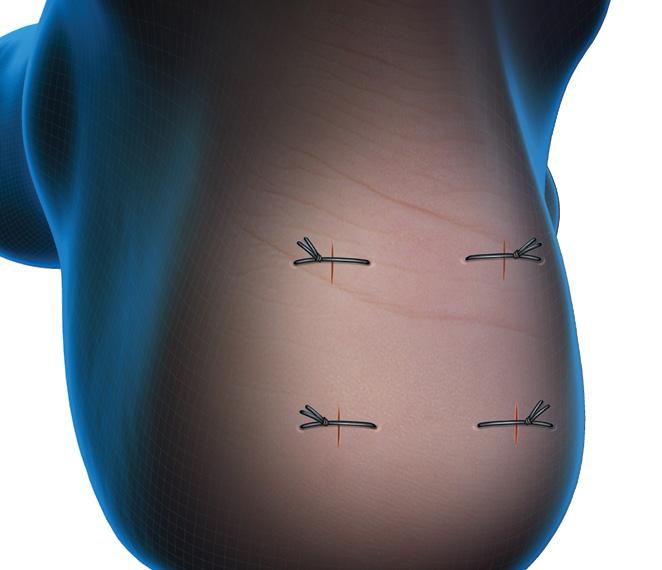
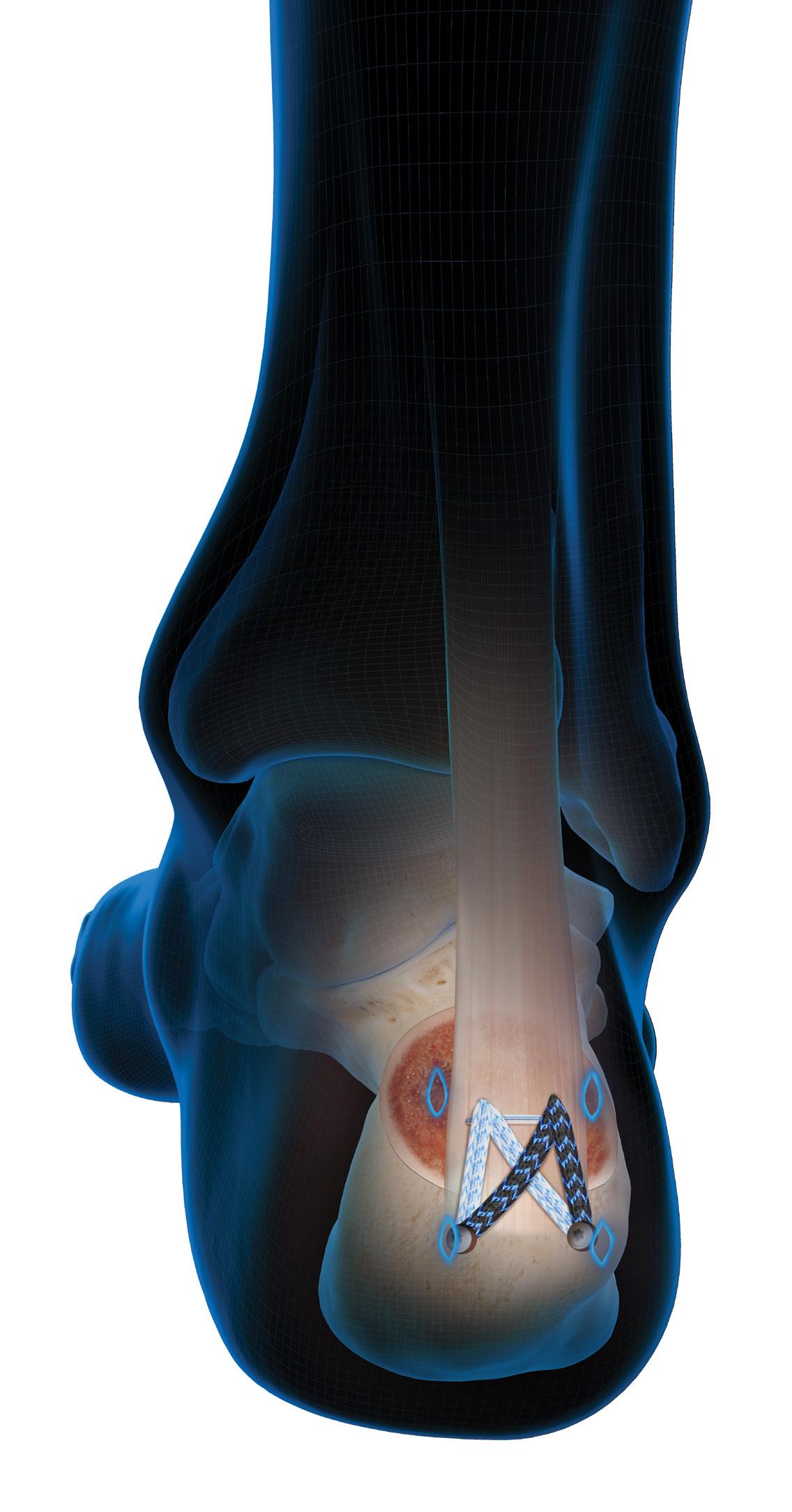
The MIS FiberTak Achilles SpeedBridge repair implant system enables an hourglass pattern of FiberTape suture and knotless rip-stop sutures to be laid over the tendon’s distal end in a completely knotless 4-anchor configuration. It also provides rigid tendon fixation with improved tendon-to-bone opposition, potentially allowing for immediate postoperative weightbearing and range of motion.1
2.6 mm Knotless FiberTak anchors for proximal fixation (x2)

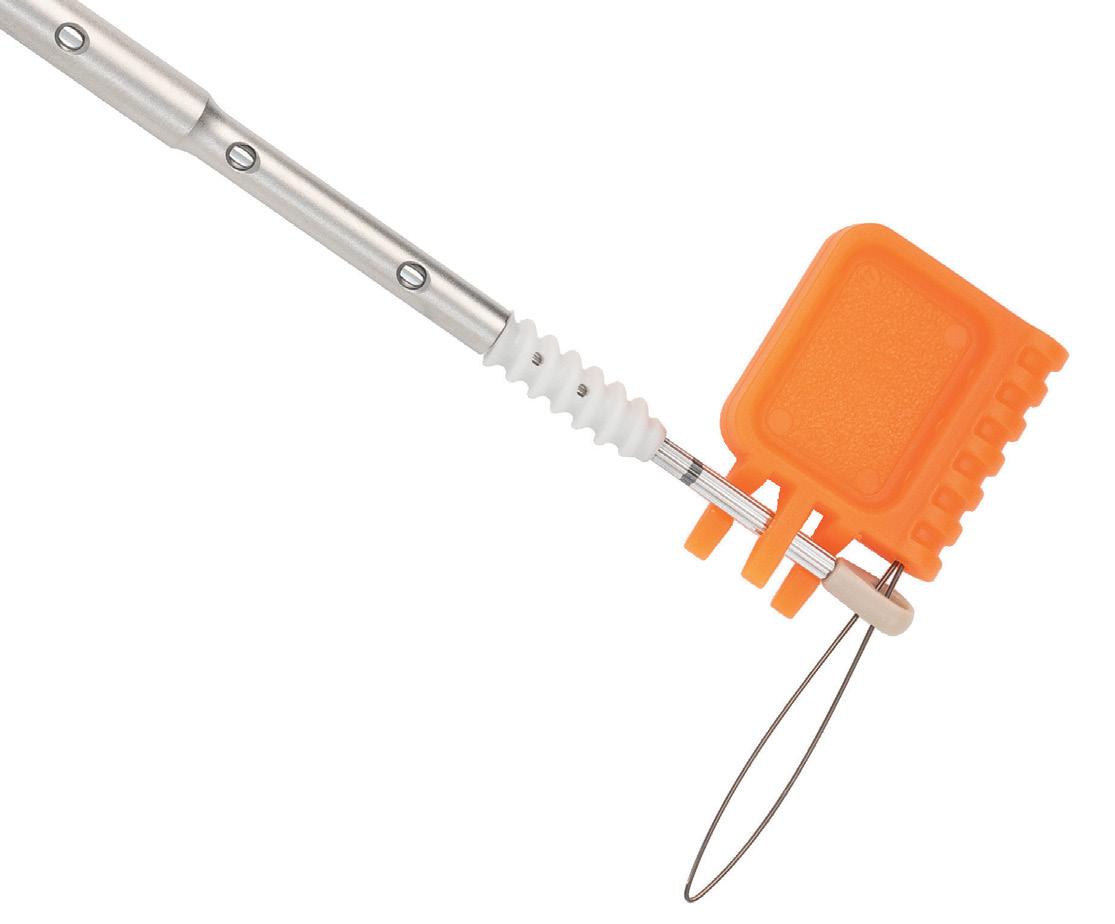
DX 3.9 mm BioComposite SwiveLock® anchors for distal fixation (x2)
MIS FiberTak Achilles SpeedBridge Features
■ Four small poke holes
■ 25% less implant material than the 4.75 mm SwiveLock Achilles SpeedBridge construct
■ Knotless rip-stop doubles the biomechanical strength2
■ Collagen-coated 1.7 mm FiberTape suture
■ Cannulated instrumentation for percutaneous approach
References
Learn more about the MIS Achilles approach
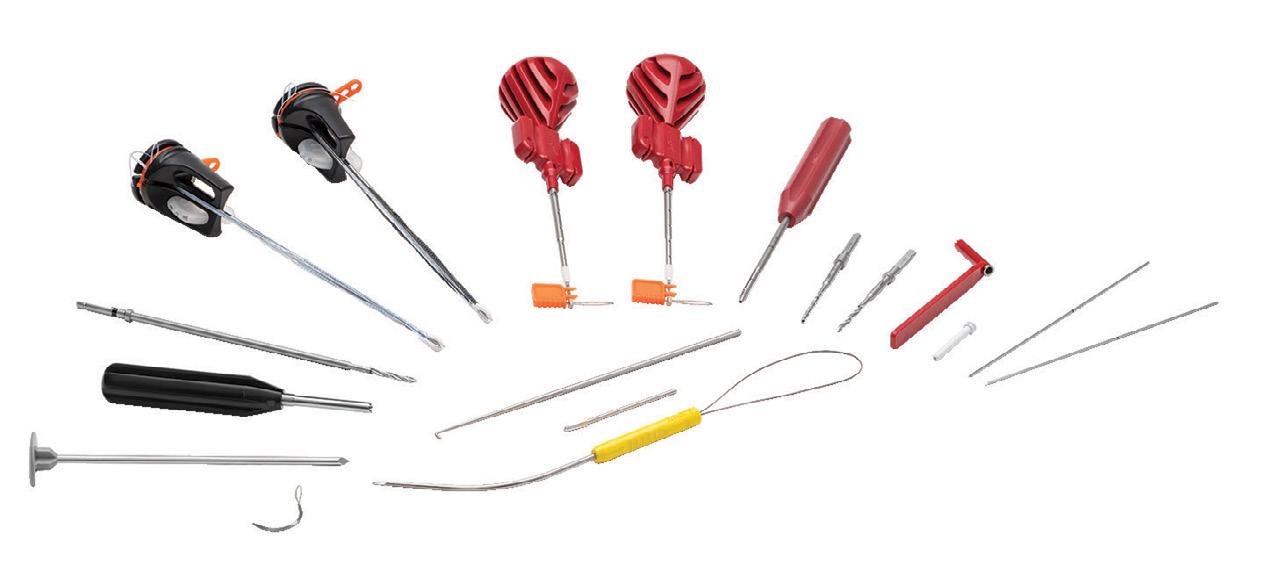
MIS FiberTak Achilles SpeedBridge Kit
1. Arthrex, Inc. Data on file (APT-01462, APT-00924, APT-01140). Naples, FL; 2020.
2. Arthrex, Inc. Data on file (APT-05964). Naples, FL; 2023.
This is why, for the past 20 years, CPMA’s long-term strategy has focused on what Dr. Jon Hultman coined as “The Case for Equivalency,” with the ultimate goal of DPMs receiving the same “Physicians and Surgeons Certificate” that our MD and DO colleagues possess as their license to practice medicine in California. This is a quest that I have been involved in personally since leading up to serving as CPMA President in 2010. Since that time, I have often been asked, “why do we need a plenary license?” I’ve also been told by many of our colleagues that they feel they already have “parity” or are close enough to it that they question what in addition would be achieved, other than the ego-pleasing ability to call ourselves physicians. The answer is somewhat obscured by the sense of security we experience that is largely due to the success that we
(largely through the organizations that advocate for us) have achieved in battles like the ones we’ve talked about above. There’s no doubt that the stature, recognition, and integration of the podiatric specialty into mainstream medicine has advanced significantly over the decades, as we all know. However, we have the same limited license that has remained unchanged for upwards of sixty years. The nature of our limited license, and its distinction from the licenses for those who also perform the roles expected of physicians, is that while we are expected to function the same, we do so with one proverbial hand tied behind our back, especially when it comes to legal, regulatory, and perceptional obstacles of all sorts that we must constantly face.
"We are expected to function as physicians but are not recognized as such."
BECAUSE WE’RE NOT CONSIDERED “PHYSICIANS”
The following is a list of challenges we’ve faced over recent years as a result of the lack of recognition of DPMs as being on-par with other physicians. Some of these have been addressed (often as a result of extensive efforts), while others remain problematic:
Ҍ DEA MATE Act opioid abuse training exclusion of podiatric CME providers (solved!)
Ҍ MD/DO documentation requirements for diabetic shoes and at-risk foot care
Ҍ Ambiguity in permission to perform or order procedures:
ᴼ STSG harvest sites above lower leg
ᴼ Physical therapy for proximal associations with foot/ankle dysfunction
ᴼ imaging on proximal associations with foot/ankle dysfunction
Ҍ Need for legislative fix to partnership ownership (done!)
Ҍ Mandatory on-call compensation discrimination
Ҍ Ambiguity about H&P/admitting privileges at hospitals and surgery centers
Ҍ Patient expectations/misunderstandings on scope
Ҍ Frequent omission from legislative and administrative decisions affecting MD/DO
ᴼ COVID first responders
ᴼ Class action lawsuits against commercial insurance carriers
Ҍ Exclusion by degree from insurance premier provider panels
ᴼ (Patient EOB’s: “you could have saved if you had seen a premier provider…)
Ҍ Pay and rank inequity in VA/Federal services
ᴼ Serve in medical service corps with psychologists, social workers, optometrists, pharmacists, and audiologists
ᴼ Do not serve in medical corps with MDs and DOs
Ҍ Title XIX – Medicaid “optional” status of podiatric services
Ҍ Exclusion from medical staff leadership roles
Ҍ Scope limited by statute, not education and training
ᴼ Statutory scope not consistent from state to state
Ҍ Inconsistent rights and obligations within large medical groups
Ҍ Interdisciplinary CME opportunities hampered by recognition of accreditation
Ҍ Published research within specialty going largely unrecognized
As you might imagine, it takes a considerable amount of time, effort and resources to address each of these battles individually. Instead of resigning ourselves to continually struggle to win these battles, wouldn’t it make more sense to focus on winning the war itself? As CPMA has done for the past twenty years, we continue to maintain that the key to victory is elevating the DPM degree to the level of plenary licensure enjoyed by all other physicians – in short, to achieve a state where “MD=DO=DPM.” Clearly stated, this is distinct from other suggested approaches, such as a degree change to MD or DO, obtaining multiple professional degrees (MD/ DPM or DO/DPM), or pursuing physician-extender training to become “full body” practitioners. CPMA’s work over the years has reinforced that all these other approaches would be prohibitively impractical to training institutions and undesirable to potential trainees.
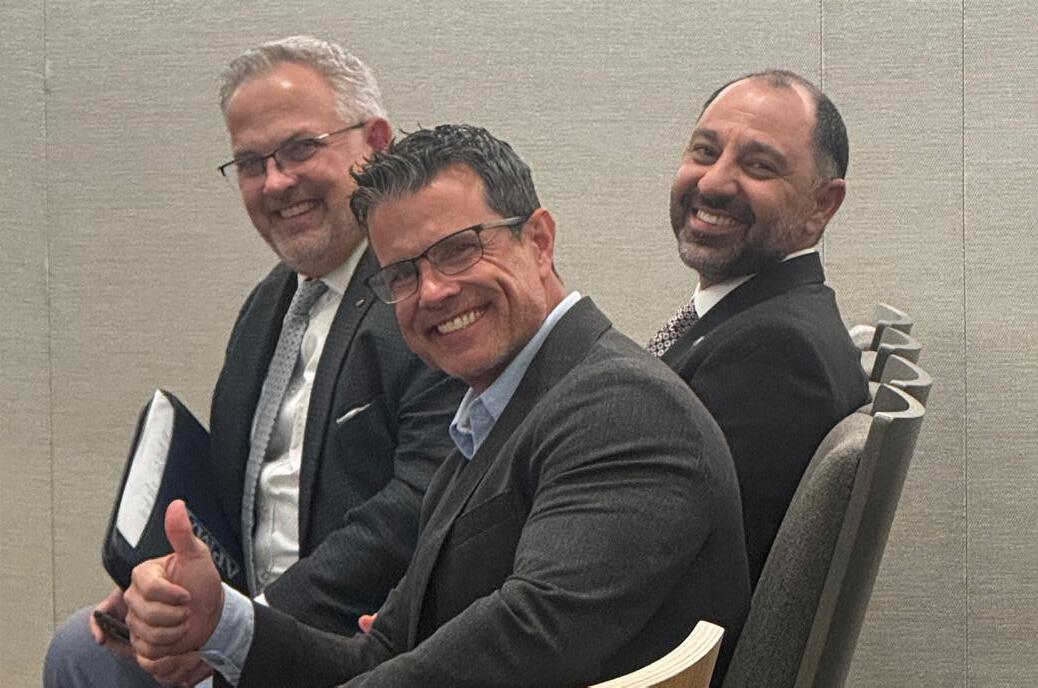
There is no other health care profession that has achieved the level of comparability of education, training, experience, and demonstrable ability expected of physicians.
The unique integration of podiatric medicine and surgery as a de facto specialty of medicine is clear proof of that. It should stand to reason, then, that demonstrating that comparability to the rest of the physician community should be an ideal and straightforward goal.
This is opposed to the historically adversarial process of going straight to the legislatures while defending ourselves against those who oppose us largely because of a lack of knowledge of who we actually are and what we actually do.
MD=DO=DPM
This approach of transparency is what led to earnest discussions with the organizations most threatened by our previous legislative efforts that culminated in a joint announcement in 2010:
The California Medical Association (CMA), the California Orthopaedic Association (COA), and the California Podiatric Medical Association (CPMA) have agreed to launch a joint task force to evaluate the education and training of future graduates of California podiatric schools, with the goal of preparing these students to have the education, training, and certification that would allow them to be licensed as physicians and surgeons in California.
The “Physicians and Surgeons Task Force” first met in October of 2012, and over the next 5 ½ years, it carried out curricular comparisons, site visits to colleges and residencies in California, and further analyses of accreditation and performance standards leading to qualification for licensure at the end of the first year of residency (PGY-1). The result was that the Task Force found that Podiatric trainees had demonstrated that they are capable of performing at the level of their MD and DO peers at the level of training for licensure in California. The final step would be that podiatric candidates for the Physicians And Surgeons Certificate would have to pass a licensing exam deemed to be equivalent to those currently established in California – namely the USMLE and COMLEX.
Shortly thereafter, the California Medical Association drafted and passed through its House of Delegates the following Resolution:
KEY RESOLUTIONS
Ҍ RESOLVED: That our California Medical Association supports all processes to enable California podiatrists who have completed standardized educational processes (such as the 4-4-3 model) to take physician licensure exams (COMLEX, USMLE, or a new “accepted and approved” licensing exam specific to the podiatric specialty) so that applicants can be designated as physicians and surgeons in California; and be it further.
Ҍ RESOLVED: That this be referred to the AMA for national action.
As a result, we are incredibly close to the finish line, with one last major hurdle to overcome. But it’s a big one, and it will take continued effort – and time – to see through. Much of that work will need to happen within the podiatric side of the equation, and it must involve stakeholders outside of California. Our efforts up to this point have demonstrated that a good portion of our family nationally feels our pathway is not quite ready for prime time nationally. That said, the consensus has been that nationally the profession should acknowledge that individual states should make efforts to pursue the parity question in a manner that works best in their state.
That’s where we stand now, and CPMA has been actively pursuing a pathway for a licensing exam that would be accepted in California as a suitable threshold for the Physicians and Surgeons Certificate. As we move toward achieving this, it is critical that all of us continue to do a number of things: (1) continue to practice at the highest levels of training and integrity, in collaboration with physician colleagues for the comprehensive health of our patients; (2) demonstrate to the public that we indeed have earned their expectation to view us as specialists of foot and ankle health in the same manner as they view any other physician specialty; (3) work diligently to support the pipeline of new podiatric colleagues by helping to ensure that the pool of qualified applicants to the colleges of podiatric medicine is sufficiently robust; (4) continue to support CPMA’s efforts and our need to collaborate with other states and national stakeholders by maintaining your membership in CPMA and APMA; and (5) prepare for the efforts that will be required to pass the legislation necessary to enact Physician and Surgeon Certificate licensure for DPMs by establishing relationships with your local state legislators and making regular meaningful contributions to the California Podiatric Political Action Committee (CalPPAC).
What You Can Do
PRACTICE AT THE HIGHEST LEVEL
Deliver care aligned with physician-level standards.
SHAPE PUBLIC PERCEPTION
Reinforce your role as a physician specialist.
SUPPORT THE PIPELINE
Mentor and encourage future podiatrists.
STAY ENGAGED
Maintain CPMA & APMA membership.
ADVOCATE LOCALLY
Build relationships and support CalPPAC.
It’s been a long road to travel thus far, and there remains a long road ahead. But I have no doubt that the members of CPMA have benefitted from our efforts and will continue to do so from the process itself as much as you will from the eventual outcome. We could not have gotten this far without you, and I am thoroughly grateful for your continued support.
Executive Director





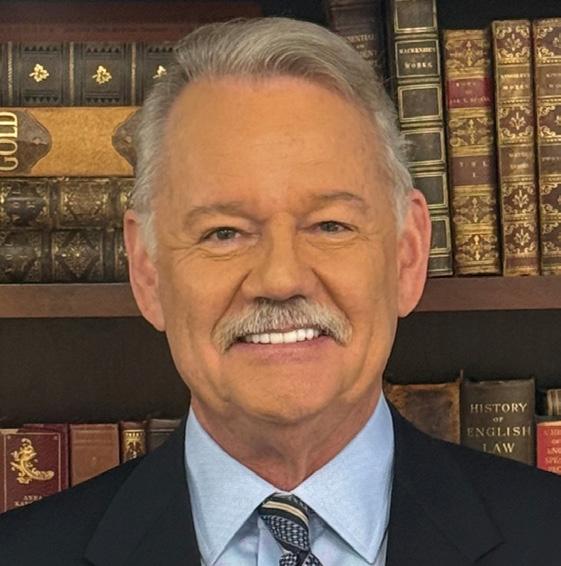
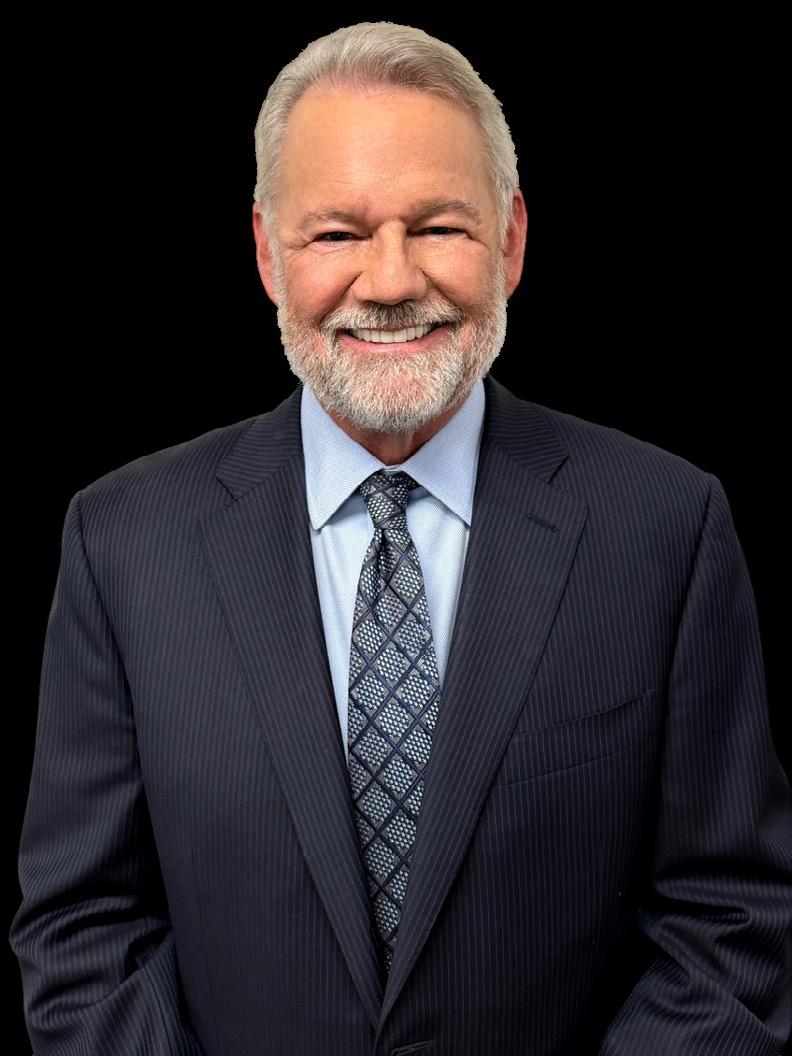
C. Keith Greer, Esq. Greer and Associates, APC.
ENFORCEMENT ALERT: CRITICAL UPDATES TO PREVENT GOVERNMENTAL AND CIVIL LIABILITY
In this Pre-Western issue, I am continuing the tradition of providing short highlights of legal issues we have been helping members with during the prior year, along with changes readers can, and should, immediately implement and integrate into their practices to avoid potential liability.
AI SCRIBES
While AI scribes are fantastic time savers for busy practices, they introduce critical legal and regulatory risks that mandate immediate defensive practices. First, you must get consent from the patient, as California generally requires consent from all parties before confidential communications are recorded. Written consent is preferred, but oral recorded consent will suffice. Second, you must make sure that the AI is HIPAA compliant with both how it saves data and how the recorded data is managed and transmitted.
Lastly, AI is not perfect, as it can “hallucinate” (fabricate) nonexistent data and omit critical symptoms or non-verbal cues. When you sign off on AI notes, you have adopted the text as your own, and with it the risk of professional negligence civilly for incorrect or missing data, and potentially opened yourself up to fraud and abuse liability for recklessly accepting unverified entries as your own. In medicine, we have yet to see how the “oops, the AI did it” defense will be received. If it is analogous to how courts have treated lawyers falling into this trap, don’t expect any sympathy.
Key takeaways
Ҍ Get patient consent to be recorded
Ҍ Confirm HIPAA compliance, and
Ҍ Review and verify all AI notes before signing off
LICENSING BOARD COMPLIANCE
The biggest expense of the PMBC is licensee discipline, and the days of having licensees in good standing shouldering this burden are over. While in prior decades the Board had sufficient funds to be lenient and reduce fines, plan on paying the maximum fine of $2,500 for infractions (such as late CLE reporting or licensing fees), and the full cost of investigation and prosecution for more severe disciplinary actions, which can range from low five figures well into six figures.
LABOR LAW COMPLIANCE
The California legislature passed laws requiring employers to provide employees with a number of notices and postings, including the requirement of providing all employees a “workplace rights” notice every year. The Department of Labor has a compliant notices containing all the mandated disclosures. This website also has a link to Cal/OSHA that has additional required postings and notices available for downloading.
It is also important to note that ex-employee lawsuits against doctors’ offices remain an endemic problem. The allegations are typically that the ex-employee was not allowed to have 10-minute rest breaks each half day shift, did not get 30-minute unpaid lunch breaks and did not get paid overtime.
RADIOLOGY
It is against the law for anyone to “push the button” or position the patient if they are not certified to do so.
The Radiologic Health Branch is performing on-site unannounced audits to confirm machines are properly registered, the individuals operating the machines are properly credentialed, technical instructions are properly posted, the machines are properly calibrated, and logs are properly maintained.
Key takeaways
Ҍ Timely comply with licensing requirements.
Key takeaways
Ҍ Have your office manager visit dir.ca.gov, click on the “Workplace postings” link on the first page under “Employers,” and download the labor and OSHA required notices and postings
Ҍ Periodically remind employees that they need to take the required breaks and report any overtime, and monitor compliance. I also strongly encourage getting Employment Practices Liability Insurance.
Key takeaways
Ҍ Don’t let anyone who isn’t certified operate the machine or do final positioning of the patient.
Ҍ Periodically review your compliance with Radiologic Health regulations. Assistance is available at cdph.ca.gov.
SKIN SUBSTITUTES
Chronic wounds, in particular diabetic foot ulcers and venous leg ulcers, present a well-documented risk of infection, hospitalization, and amputation if not effectively managed. Within modern wound care, skin substitute grafts have become an established component of treatment algorithms when standard care fails.
The dramatic drop in reimbursement rates for skin substitutes, combined with wide spread audits that are resulting in six, and even seven figure repayment demands, has had a chilling effect on the use of skin substitutes. These audits are difficult to defend if the supporting documentation doesn’t address all the criteria necessary for reimbursement. The good news is that comprehensive documentation generally results in favorable audit outcomes.
Unfortunately, the collateral victims of this scenario are patients who need and qualify for skin substitutes. Many healthcare providers avoided using skin substitutes because they were so expensive. That obstacle has now been removed. The insecurity of inadequate notes has also now been removed, as we now know exactly what needs to be in the notes to support reimbursement.
In my humble, non-medical opinion, going forward we should see a dramatic increase in the use of skin substitutes. Lastly, it should be noted that if a wound degenerates to the point of causing serious injury, and the practitioner did not use a well-established modality that experts would consider clinically indicated, and within the standard of care, there is an argument that the omission constitutes professional negligence. Thus, physicians who categorically avoid advanced therapies aren’t playing it safe. In fact they may be exposing themselves to a different kind of risk, especially as standards of care evolve. Ҍ Don’t let fear of audits cause you to under-serve your patients.
Ҍ For further guidance, go to:
https://med.noridianmedicare.com/web/ jeb/topics/documentation-requirements/ skin-substitute-wound-care
ORTHOTIC CASTING
I have, sitting on my desk, three repayment demand appeals from Blue Cross and Blue Shield, seeking the return of money paid for casting supplies and services relating to functional orthotics. HCPCS S0395 generally doesn’t get paid because insurers treat it as bundled into the L3000 code. In the repayment demands I am dealing with, the practitioners used CPT 29515 (application of a “lower leg,” i.e., short splint).
Key takeaways
Ҍ Each payor has its own reimbursement guidelines which need to be considered. If casting for the orthotic is bundled in the orthotic reimbursement, use of other casting codes subject the provider to recoupment.
HOSPITAL PRIVILEGES
I was recently surprised to see a case where a hospital was refusing to allow D.P.M.s perform admitting H&Ps. It is well established that D.P.M.s have the right under California and Medicare law to perform their own history and physicals in a hospital setting. We always win this battle.
MIPS
Physicians who fail to meet the reporting requirements for Medicare’s Merit-based Incentive Payment System (MIPS), or score below the performance threshold, can face up to a 9% reduction in Medicare Part B reimbursements. To comply, D.P.M.s must report data across four performance categories: quality, costs, promoting interoperability (exemptions apply), and improvement activities. Exact requirements can vary slightly by practice size and participation type.
Key takeaways
Ҍ If your hospital is not allowing you to perform your own H&Ps, contact the CPMA office and we will help you rectify the problem.
Key takeaways
Ҍ Don’t wait until the last minute. Immediately implement a MIPS compliance plan.

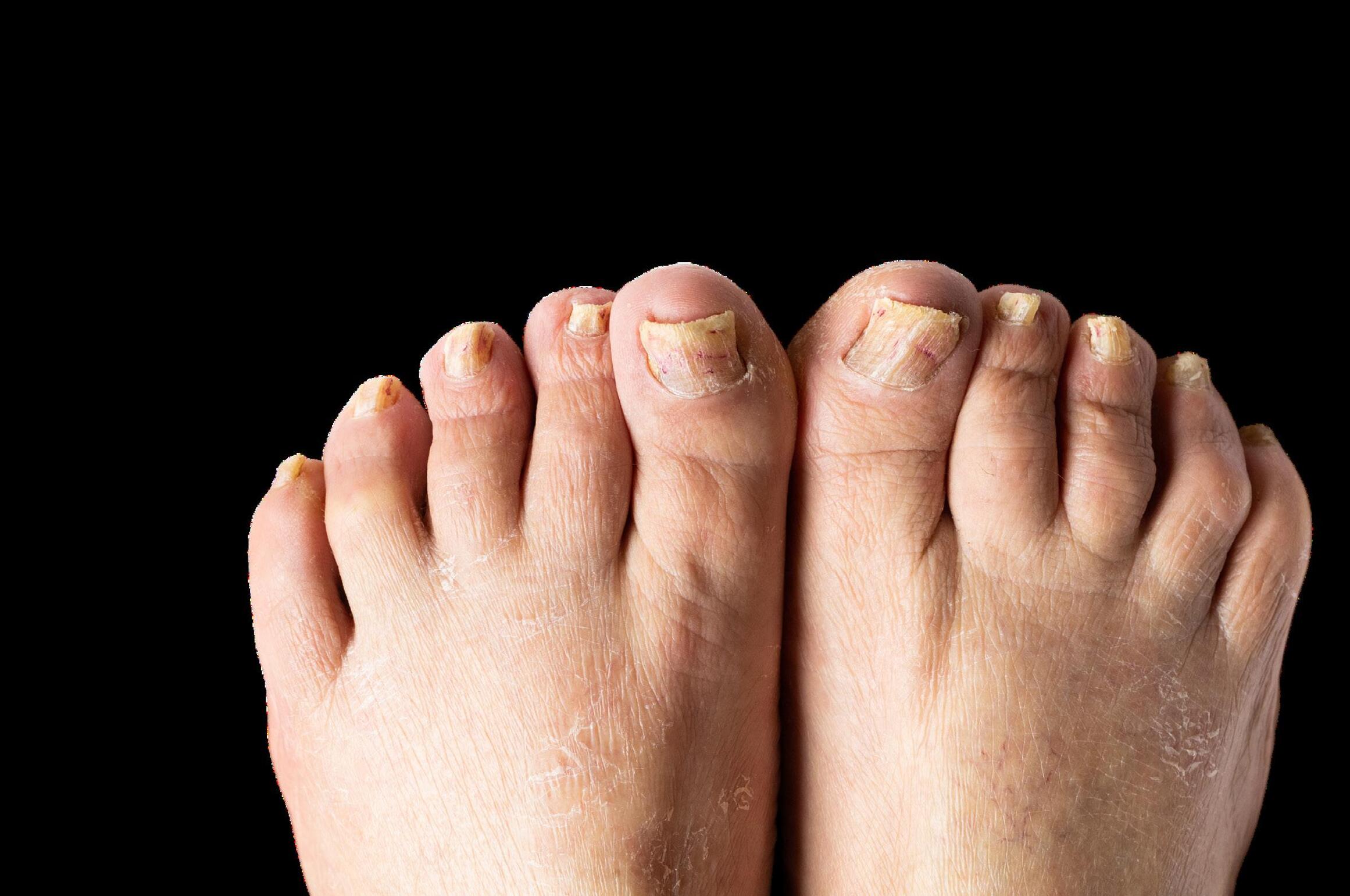
Onychomycosis
Both PAS and PCR based identification of pathogens provide precise diagnosis, optimizing patient outcomes.
Onychomycosis
Both PAS and PCR based identification of pathogens provide precise diagnosis, optimizing patient outcomes.
Wound Care
Podiatric Pathology
Histopathologic and histochemical examination of nail, skin, tissue, bone, and cytology.
Podiatric Pathology
Histopathologic and histochemical examination of nail, skin, tissue, bone and cytology.
Results within 24–48 hours. 3-5x more sensitive than culture. One of the largest organism & resistance gene panels available, providing clinicians a much broader spectrum of antibiotic choices.
Wound Care
ENFD Testing
ENFD testing is a valuable diagnostic tool for identifying the presence and severity of small fiber neuropathy which helps doctors provide optimal treatment solutions.
Results within 24-48 hours. 3-5x more sensitive than culture. One of the largest organism & resistance gene panels available, providing clinicians a much broader spectrum of antibiotic choices.
MEDICARE CONSIDERATIONS FOR COMMON PODIATRIC INJECTION SERVICES MEMBER EDUCATION RESOURCE
Injection services are a routine part of podiatric practice, but they remain an area where medical necessity, frequency, diagnosis, and documentation must be clearly supported.
CMS Local Coverage Determination L34218 and its related Billing and Coding Article A57079 address injections involving tendon sheaths, tendon origins or insertions, ligaments, ganglion cysts, tunnel syndromes, and Morton’s neuroma.
For practices, the key takeaway is straightforward: the clinical record should clearly support why the injection was performed, what site was treated, what condition was being addressed, and why the service was medically reasonable and necessary.
Services Addressed by the Policy
This Medicare guidance applies to the injection of chemical substances, including local anesthetics, steroids, sclerosing agents, and neurolytic agents, into or around structures such as:
Ҍ Tendon sheaths
Ҍ Tendon origins or insertions
Ҍ Ligaments
Ҍ Ganglion cysts
Ҍ Tunnel syndromes, including tarsal tunnel
Ҍ Nerves of the foot, including Morton’s neuroma
The policy also uses the term “Morton’s neuroma” broadly to include inflamed or swollen nerves in the ball of the foot, including neuromas in different intermetatarsal spaces.
Medical Necessity and Appropriate Use
Under the policy, injections may be indicated when they are used to relieve pain or dysfunction caused by inflammation or other pathological changes. The use of local anesthetic and/or steroid injections should generally be short-term and part of an overall management plan.
That means the injection should not stand alone in the record. The documentation should connect the procedure to the patient’s diagnosis, symptoms, physical findings, prior treatment, and ongoing care plan.
For example, the record should support:
Ҍ The patient’s complaint and duration of symptoms
Ҍ Relevant physical exam findings
Ҍ The specific diagnosis or suspected diagnosis
Ҍ The exact site injected
Ҍ The medication or substance used
Ҍ The patient’s response to prior conservative measures, when applicable
Ҍ The reason the injection is expected to improve pain, function, or clinical outcome
For mild carpal tunnel or tarsal tunnel syndrome, the policy states that injection may be indicated with or without a trial of conservative measures, such as oral non-steroidal anti-inflammatory drugs or orthoses.
Repeated Injections Require Stronger Documentation
One of the most important practical reminders in this policy involves frequency.
The policy states that signs or symptoms justifying treatment should be resolved or reevaluated after one to three injections. Injections beyond three to the same tendon origin or insertion, tendon sheath, ganglion, neuroma, ligament, or local area within a six-month period must be justified in the clinical record.
That documentation should explain:
Ҍ Why the prior treatment did not fully resolve the condition
Ҍ Why additional injection therapy is reasonable
Ҍ Why further treatment can reasonably be expected to succeed
Ҍ Whether the issue represents a recurrence or continuation of the same problem
A recurrence may justify a second course of therapy, but the record should make that clear.
Multiple Sites in One Session
The policy also cautions that medical necessity for injections of more than two sites during one session, or for frequent or repeated injections, may be questioned. These services are more likely to prompt a request for medical records.
When multiple sites are injected, the documentation should support each site separately. The record should avoid vague language and should make clear that each injection was clinically necessary.
A stronger note will identify:
Ҍ Each anatomical site
Ҍ The diagnosis associated with each site
Ҍ Symptoms and exam findings supporting each injection
Ҍ The clinical rationale for treating multiple sites on the same date
Dry Needling Is Non-Covered Under This Policy
The policy specifically states that “dry needling” of ganglion cysts, ligaments, neuromas, tendon sheaths, and tendon origins or insertions is non-covered.
This is an important distinction for practices to keep in mind when documenting and billing injection-related services.
Practical Takeaways for Podiatric Practices
For podiatric physicians and billing teams, this policy is a reminder that injection services should be supported by clear, specific, and individualized documentation. Templates can be helpful, but they should not replace clinical detail.
Before billing these services, practices should consider whether the record answers these questions:
1. What condition is being treated?
2. What site was injected?
3. Why was the injection medically necessary?
4. What prior treatment or evaluation supports the decision?
5. If this is a repeated injection, why is another injection reasonable?
6. If multiple sites were injected, does the record support each site separately?
7. Is the service covered under the applicable policy?
When documentation is clear, the record tells the story of the patient’s condition, the physician’s reasoning, and the medical necessity of the service.
Closing Reminder
Injection therapy remains an important tool in podiatric care. However, as with many commonly performed services, routine use does not remove the need for careful documentation. Practices should periodically review their injection documentation, coding patterns, and payer guidance to ensure that services are supported by the medical record and aligned with current Medicare requirements.
Source Note: Prepared by CPMA using Medicare coverage guidance and information brought forward by CPMA’s Medicare Committee.
Disclaimer: This article is intended for general educational purposes only and should not be interpreted as legal, billing, or coding advice. Coverage and coding requirements may vary by payer and may change over time. Practices should review current CMS Medicare Coverage Database guidance, payer policies, and consult qualified billing, coding, or legal advisors as appropriate.

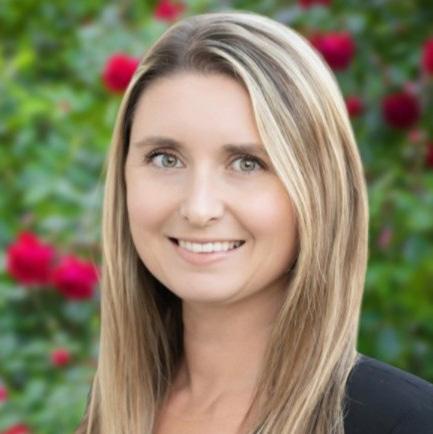
Blair Reese, SPHR, PHRca Director, Professional Relations and Governmental Affairs California Podiatric Medical Association
HIRING THE RIGHT TEAM: 5 PRACTICAL HR FUNDAMENTALS FOR YOUR PRACTICE
Hiring is one of the most important decisions you will make in your practice. The right hire can improve patient flow, strengthen your team, and elevate the overall patient experience. The wrong hire, on the other hand, can create inefficiencies, impact morale, and ultimately affect patient care. A strong hiring process does not need to be complicated, but it does need to be intentional. With a clear approach, you can build a team that not only supports your day-to-day operations but also contributes to the long-term success of your practice.
Find the Right Person— Not Just Coverage
When you are short-staffed, the pressure to move quickly is real. However, hiring just to fill a seat often creates more work in the long run.
The hires that tend to stay and succeed are not always the most experienced, they are the ones who align with how your practice operates day-to-day. This includes how they interact with patients, support the clinical team, and manage the pace of your office.
Best Practice: Look to your own team. Identify individuals who have been successful in your practice and consider what has made them effective. Review their experience prior to joining your team and use those patterns as a baseline when evaluating new candidates.
After working as a Human Resources professional for nearly 20 years across multiple industries, I have found that strong hiring does not come from overcomplicating the process. It comes from consistently applying a few basic fundamentals that help organizations make better decisions, set clearer expectations, and build stronger teams.
Define Success Upfront and Set Clear Expectations
Before posting a position, take a step back and define what success actually looks like.
What should this person be able to do independently within their first 30, 60, and 90 days?
What gap are they filling within your practice?
Clarity at this stage allows for more effective hiring decisions and sets a stronger foundation once the individual is onboarded.
Best Practice: Use your job description as a working document—clearly outlining the Knowledge, Skills, and Abilities (KSA) required. When used well, it becomes a tool not only for hiring, but for onboarding, training, and ongoing performance conversations.
GOING FOR GOLD
INDIVIDUAL CONTRIBUTORS
Platinum Champions
Michael Cornelison, DPM
Heather McGuire, DPM
Yaseer Parupia, DPM
Thomas Rambacher, DPM
Silver Advocates
Arti Amin, DPM
Cherri Choate, DPM
Gregory Cooper, DPM
Neil Mansdorf, DPM
J. Scott Rosenthal, DPM
Paul Schwartz, DPM
John Tam, DPM
Sustaining Champions
Toby S. Ishizuka, DPM
Phong H. Le, DPM
Renee Woo, DPM
Heather McGuire, DPM

Gold Advocates
William C. Adams, DPM
Tracy Basson, DPM
Diane Branks, DPM
Douglas Robinson, DPM
Bronze Advocates
Toby S. Ishizuka, DPM
Renee Woo, DPM
Michael A. Zapf, DPM
THANK YOU FOR YOUR CONTRIBUTIONS
CalPPAC Advocates
John Chisholm, DPM
D. Jeffrey Haupt, DPM
S. Chris Horine, DPM
Jonathan Huey, DPM
Jessica Jaswal, DPM
Colleen M. Kenney, DPM
Bruce R. Lawrence, DPM
Phong H. Le, DPM
Sandra J. Loving, DPM
Judith Ann Manzi, DPM
Kenneth Passeri, DPM
Robert Portillo, DPM
Shalvi Prasad, Fellow
Beverly Spurs, DPM
Douglas Taylor, DPM
Judianne Walker, DPM
Create Structure in Your Hiring Process
Consistency is one of the most overlooked elements of effective hiring.
Taking a uniform approach to each candidate allows for more equitable comparisons and helps reduce unconscious bias. It also creates a more reliable process overall.
Best Practice: Use a structured interview format—ask each candidate the same core questions and evaluate them against the same criteria. Pair this with intentional reference checks. Ask direct questions such as: Would you rehire this person? and How do they perform in a fast-paced, patient-facing environment? These insights often provide valuable context beyond the interview itself.
Stay Engaged and Think Long-Term
Hiring is not something that can be fully delegated. Your involvement as the practice owner or lead physician is an important part of the process.
Be intentional about the candidate experience— communication, timeliness, and professionalism all reflect your practice. At the same time, consider the long-term impact of each hire. Strong hiring decisions support not only immediate needs, but also future growth and retention.
Best Practice: Use the SMART goals framework—Specific, Measurable, Attainable, Realistic, and Time-based—to create clarity around the role, performance expectations, and rampup timeline.
Treat Onboarding as Part of the Hiring Process
Hiring does not end when the offer is accepted.
A structured onboarding process is especially important in a clinical setting, where workflow, patient care standards, and compliance all play a role. Onboarding should extend beyond the first day and include training, clear expectations, and regular check-ins over the first several weeks and months. Retention starts here.
Best Practice: Establish a simple, practical check-in cadence that works with your schedule—1–2 weeks, 30 days, and 60 days. Use these touchpoints to assess understanding, reinforce expectations, and gauge how the individual is adjusting to the role and your practice environment.
Final Thought
Strong hiring practices are not about adding complexity, they are about being intentional in the decisions you make. When you approach hiring with clarity, consistency, and purpose, you are not simply filling a role, you are building a team that supports your patients, strengthens your practice, and contributes to long-term success.
2025/2026 CPMA BOARD OF DIRECTORS
PRESIDENT
Arman A. Kirakosian, DPM San Bruno, CA 94066
PRESIDENT-ELECT
Heather R. McGuire, DPM Ventura, CA 93003
IMMEDIATE PAST PRESIDENT
Phong H. Le, DPM Elk Grove, CA 95758
SECRETARY-TREASURER
Ebonie E. Vincent, DPM Long Beach, CA 90813
DIRECTORS
Yaseer Parupia, DPM Sacramento, CA 95825
ALAMEDA/CONTRA COSTA
Judianne Walker, DPM Danville, CA 94526 (925) 830-2929
CENTRAL COAST
Frank Sturh, DPM Ventura, CA 93003 (805) 643-8572
Byron Collier, DPM
Arroyo Grande, CA 93420 (857) 320-0396
CENTRAL VALLEY
Christina Ma, DPM Merced, CA 95341 (209) 960-6871
COACHELLA VALLEY
Kenneth K. Phillips, Jr., DPM Palm Desert, CA 92260 (760) 773-3338
INLAND
Jan Tepper, DPM Upland, CA 91786 (909) 920-0884
David A. Pougatsch, DPM Beverly Hills, CA 90210
Thomas E. Rambacher, DPM Mission Viejo, CA 92692
Douglas M. Taylor, DPM Walnut Creek, CA 94596
Renee Woo, DPM San Leandro, CA 94578
PARLIAMENTARIAN
Stephen C. Wan, DPM Rossmoor, CA 90720
EXECUTIVE DIRECTOR
Michael J. Cornelison, DPM, FACFAS Sacramento, CA 95831
2025/2026 CPMA SOCIETY PRESIDENTS
LOS ANGELES COUNTY
David A. Pougatsch, DPM Beverly Hills, CA 90210 (310) 919-4179
MID-STATE
Brandon Hawkins, DPM Bakersfield, CA 93309 (661) 832-1667
Cherrelle L. Nguyen, DPM Visalia, CA (559) 960-3426
NORTHERN CALIFORNIA KAISER
Christy King, DPM Oakland, CA 94611 (510) 813-3831
ORANGE COUNTY
Andrew Eskander, DPM Irvine, CA 92614 (949) 774-2890
REDWOOD EMPIRE
Rachel A. Hoyal, DPM Santa Rosa, CA 95404 (707) 546-2107
GENERAL COUNSEL
C. Keith Greer, Esq. San Diego, CA 92128
GOVERNMENTAL REPRESENTATIVES
Ryan Spencer, MBA Sacramento, CA 95814
STUDENT REPRESENTATIVES
Carolyn Truong CPM @ SMU
Isaiah Claudio CPM @ WesternU
SACRAMENTO VALLEY
Kurt Fleschner, DPM Sacramento, CA 95823 (715) 222-4242
SAN DIEGO
Stephen Kriger, DPM Chula Vista, CA 91910 (619) 427-3481
SAN FRANCISCO/SAN MATEO
Bill Metaxas, DPM Burlingame, CA 94010 (650) 342-2420
SANTA CLARA VALLEY
Michelle Cummins, DPM Cupertino, CA 95014 (408) 823-2407
SOUTHERN CALIFORNIA KAISER
Suzette Lee, DPM Los Angeles, CA 90066 (323) 857-4034
The California Podiatric Physician is the official publication of the California Podiatric Medical Association. CPMA and the California Podiatric Physician assume no responsibility for the statements, opinions and/or treatments appearing in the articles under an authors’ name. For editorial or business information and advertising, contact California Podiatric Medical Association, 7311 Greenhaven Drive, Suite 208 Sacramento, CA 95831; Telephone, (916) 448-0248; Facsimile; (916) 448-0258; E-mail; breese@calpma.org
organogenesis.com
California Podiatric Medical Association
7311 Greenhaven Drive, Suite 208



Come for the top-notch education, stay for the net working at the Happiest Place on Ear th!
General Sessions offering 26.25 CECH for DPMs –get more for your money!
On-Demand Fluoroscopy course adding 4
fluoroscopy/radiology CECH included for all DPMs
* Oppor tunit y to earn 3.16 Pain Management CECH included
Engaging Exhibit Hall with a variet y of vendors ever ything you need for your practice, from billing to surger y - including hands-on training in the Innovations Hub and Mobile Labs
Risk Management program for your PICA discount



2-Day program for Medical Assistants covering front and back office – 1 day administrative, 1 day of clinical hands-on training!
New and improved meeting app for an elevated user experience
Amazing discounts on hotel reservations
Discounts on theme park tickets for your family
Visit TheWestern.org for more information and to register.