Un Periódico Diferente / A Different Kind of Newspaper
Un Periódico Diferente / A Different Kind of Newspaper
Un Periódico Diferente / A Different Kind of Newspaper
Un Periódico Diferente / A Different Kind of Newspaper
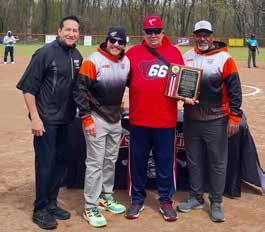
Foto del Mes /Photo of the Month
Remembering our March 2023 Edition
Latinx Journalism Matters
Support Publishers of Color
The impact of COVID-19 has been especially devastating for communities of color. Now, more than ever, independent, local journalism needs your support.
El Sol Latino
contents
2 Foto del Mes /Photo of the Month Remembering our March 2023 Edition
3 Portada / Front Page
Partnership between Holyoke’s and Puerto Rico’s Volleyball Halls of Fame
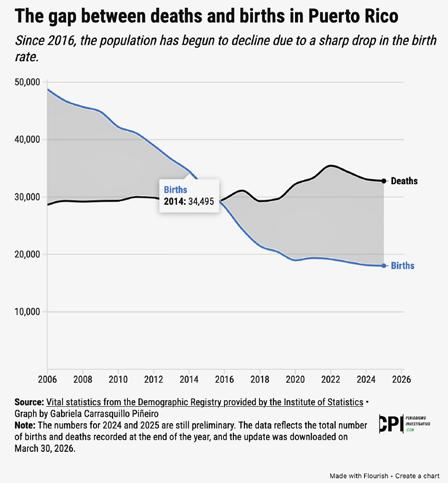
4 For the third straight year, Puerto Rico’s population decline is being driven by deaths, not migration
6 Hampshire College’s demise is yet another blow to creative, outside the box options in higher education
8 Opinión / Opinion
Steady Through Spring
9 Global challenges and our Individual response: Think globally/act locally
11 Estabilidad, dignidad y respeto para las familias puertorriqueñas y latinas del oeste de Massachusetts
12 Literatura / Literature Es mejor soñar
15 Children’s Book Author, Soon-To-Be Grad Sees Value in Experience
18 Libros / Books Bronx Attitude
16 Fabulaciones
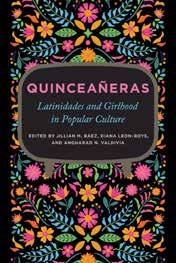
19 Nuclear Quinceañeras: Latinidades and Girlhood in Popular Culture
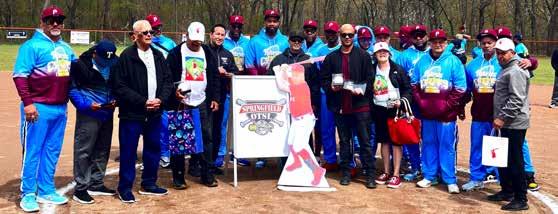
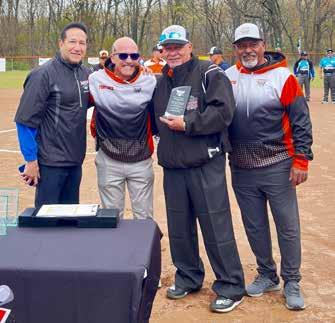
20 Deportes / Sports Comienza Temporada 2026 de la Springfield OTSL
Editor Manuel Frau Ramos manuelfrau@gmail.com 413-320-3826
Assistant Editor Ingrid Estrany-Frau
Art Director Tennessee Media Design
Business Address El Sol Latino P.O Box 572 Amherst, MA 01004-0572
Editorial Policy
El Sol Latino acepta colaboraciones tanto en español como en inglés. Nos comprometemos a examinarlas, pero no necesariamente a publicarlas. Nos reservamos el derecho de editar los textos y hacer correcciones por razones de espacio y/o estilo. Las colaboraciones pueden ser enviadas a nuestra dirección postal o a través de correo electrónico a: info@elsollatino.net.
El Sol Latino welcomes submissions in either English or Spanish. We consider and review all submissions but reserve the right to not publish them. We reserve the right to edit texts and make corrections for reasons of space and/or style. Submissions may be sent to our postal address or via electronic mail to: info@elsollatino.net.
El Sol Latino is published monthly by Coquí Media Group. El Sol Latino es publicado mensualmente por Coquí Media Group, P.O Box 572, Amherst, MA 01004-0572.
Partnership between Holyoke’s and Puerto Rico’s Volleyball Halls of Fame
by MANUEL FRAU RAMOS
El Salón de la Fama del Voleibol de Puerto Rico (Puerto Rican Volleyball Hall of Fame) held its sixth (6th) induction ceremony, welcoming 34 new members during an event on Sunday, April 12, 2026. The event was held at the Inter-American University, Metropolitan Campus, in San Juan, Puerto Rico.
This year’s unprecedented ceremony underscored the Salón de la Fama’s commitment to celebrating Puerto Rico’s volleyball legacy while forging stronger ties with international volleyball organizations. For the first time, it included a delegation from the International Volleyball Hall of Fame (IVHF) in Holyoke, Massachusetts, birthplace of volleyball and home to the largest Puerto Rican population per capita in the U.S. George Mulry, IVHF Executive Director, was one of the event’s main speakers and delivered his remarks in Spanish.
This reunion between the Puerto Rico and Massachusetts Halls of Fame marks the culmination of a three-year initiative. The event’s significance became clear in 2023 when Héctor ‘Picky’ Soto, a celebrated figure in Puerto Rican volleyball, received the inaugural International Volleyball Hall of Fame Mayoral Award of Excellence. The award ceremony, held on February 15, 2023, at Teatro Renacimiento in Arroyo, Puerto Rico, was led by Joshua García, Puerto Rican IVHF board member and mayor of Holyoke, Massachusetts.
At that time, another initiative was unfolding regarding Puerto Ricans in the world of volleyball and their relationship with the IVHF. Jimmy Camacho, sport aficionado and Holyoke resident, was establishing an agenda to address the absence of representation of Puerto Rico and Puerto Ricans’ volleyball history in the IVHF exhibitions area. Journalist Manuel Frau Ramos and artist Gaddier Rosario joined efforts with Camacho in advancing this project.
On August 1, 2025, the Puerto Rico History of Volleyball Exhibit had its first soft opening at the International Volleyball Hall of Fame. The exhibit is located at the pavilion’s main entrance. The Holyoke Tourism Advisory Committee funded the exhibition as part of the city’s tourism plan to promote Holyoke as a cultural and sports destination. The expanded exhibition is scheduled to be finished this summer with an official Grand Opening Exhibit.
The successful event was, in part, the result of continued communication between PR and Holyoke. Camacho had opened channels of communication with key figures in the Puerto Rican volleyball scene, fostering the development of a collaborative agenda between the IVHF and Puerto Rican volleyball organizations and personalities associated to this sport. These contacts included Julio “Buyín” Camacho, a former player, coach, and historian, as well as the author of the book Voleibol en Puerto Rico: 116 años del deporte de la malla alta, and Jorge Iván Jiménez, the former owner of the Patriotas de Lares team and a historian of the Liga de Voleibol Superior Masculino de Puerto Rico. Particularly important personal conversations between
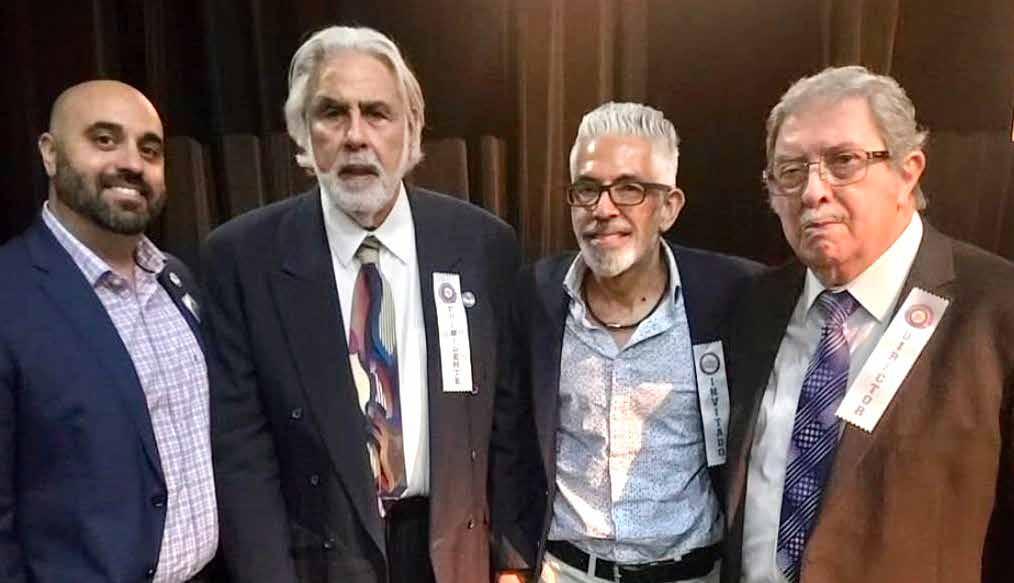
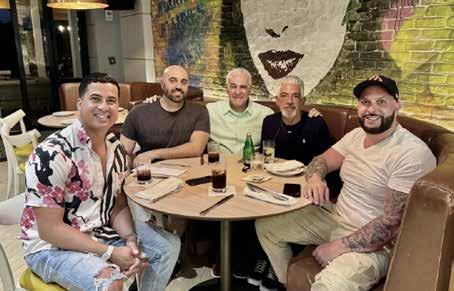
Mulry, Executive Director of the International Volleyball Hall of Fame (IVHF); Pedro “Pedrito” Rodríguez Morales, Presidente del Salón de la Fama del Voleibol de Puerto Rico; Jimmy Camacho, founder of Set to Serve, Inc.; Juan “Raful” Rodríguez, Primer Vicepresidente del Salón de la Fama del Voleibol de Puerto Rico
Camacho, Pedro “Pedrito” Rodriguez Morales and Rafael “Raful” Rodríguez, President and Vice President, respectively, of the Salón de la Fama del Voleibol de Puerto Rico became the foundation for the invitation to the induction ceremony.
Camacho highlighted that the significance of this gathering was not a mere coincidence: these two remarkable individuals are custodians of their respective Halls of Fame. George Mulry’s legacy is being inducted into the Puerto Rico Volleyball Hall of Fame and opening the Holyoke facility to showcase our sport’s history. Similarly, Pedrito Rodriguez’s legacy includes being inducted into the International Volleyball Hall of Fame in the U.S. and collaborating on events and projects in Puerto Rico and Holyoke, Massachusetts.
The guest delegation from Holyoke included, besides Jimmy Camacho and George Murly, Juan Montano, owner of the popular Fiesta Café restaurant, known as El Epicentro de la Cultura Puertorriqueña en Holyoke, Manuel Frau Ramos, founder and editor of El Sol Latino, Cesar Ruíz, founder and CEO of USA International Sports Complex, and Andrew Meléndez, chief operating officer of USA International Sports Complex.
Moving forward, the town of Naranjito, Puerto Rico, one of the island’s most iconic volleyball towns, will be honored during the 5th anniversary of the Fiestas Patronales de Holyoke (Thursday, July 30th – Sunday, August 2nd, 2026). Holyoke Mayor Joshua A. García and Melvin Sánchez, chairman of the Fiestas Patronales organizing committee, traveled to Naranjito in March to officially invite Orlando Ortiz, town Mayor, to join the festival this summer.
The Mayor of Holyoke’s sister city, Salinas, PR, Karilyn Bonilla, has confirmed a rematch to try to win the sister-city volleyball trophy. Holyoke and Salinas held a friendly volleyball match last year in Puerto Rico. Bonilla will bring a Puerto Rican team to Holyoke during this year’s Fiestas Patronales de Holyoke. The game is scheduled for July 30th.
continued on page 5
George
For the third straight year, Puerto Rico’s population decline is being driven by deaths, not migration
by GABRIELA CARRASQUILLO | CENTRO DE PERIODISMO INVESTIGATIVO
A report published by the U.S. Census Bureau in January on population estimates shows that Puerto Rico’s population shrank in 2025 compared with the previous year. It also marks the third consecutive year in which the loss of residents was driven primarily by deaths rather than net migration, a measure calculated by subtracting the number of people leaving from the number arriving. After the Census announcement, several Puerto Rico news outlets reported on and discussed the figures while incorrectly suggesting that the population decline reflected a new wave of migration, even though this indicator has been falling in a nearly steady pattern.
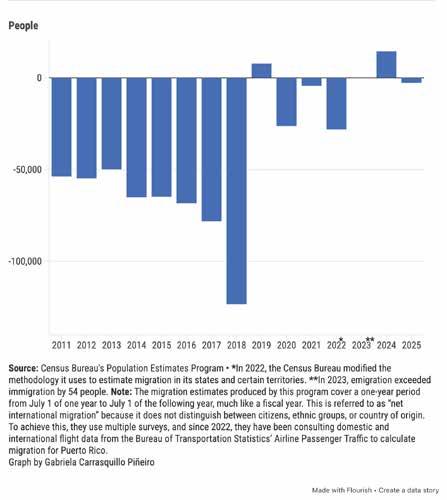
15 Years of Net Migration in Puerto Rico
This indicator takes into account the number of people entering and leaving Puerto Rico, regardless of their nationality, country of origin, or ethnicity. Both the inflow and outflow of people result in a net migration that is generally negative in Puerto Rico, since the number of people leaving exceeds the number of people arriving.
On the island, deaths have outnumbered births since 2016, and that gap has continued to widen for two reasons: fewer births and more deaths. Although the Census data for 2024 and 2025 are still preliminary, they show that the drop in births has leveled off since 2020 while deaths have continued to rise. A 2023 investigation by the Centro de Periodismo Investigativo (CPI) documented this increase in mortality in Puerto Rico and found that it stems from a combination of factors, including an aging population and deteriorating health care services.
Migration still plays an important role in the estimates, but in recent years it has not been the main driver of population loss.
In its documentation, the Census Bureau explains that migration has two components: people entering the country, or immigration, and people leaving it, or emigration. Together, those two factors produce what is known as net migration, which is calculated by adding immigrants and subtracting emigrants. Net migration is negative when more people leave than arrive, and positive when more people arrive than leave.
Although migration has historically been the main factor behind Puerto Rico’s population decline, that has not been the case for the past three consecutive years. The shift reflects the fact that, after the large-scale exodus triggered by hurricanes Irma and Maria, the balance between those leaving and those arriving to live on the island appears to have stabilized. That pattern is reflected in data from the Census Bureau’s Population Estimates Program and in the findings of the latest migrant profile published by the Puerto Rico Institute of Statistics. In 2018, for example, Puerto Rico experienced a mass exodus in which more than 120,000 more residents left than arrived. By contrast, in 2019, more than 7,000 more people arrived in Puerto Rico than left.
In short, the widening gap between births and deaths since 2016 is what drove Puerto Rico’s population decline from 2023 through 2025, while the annual flow of people entering and leaving the island remained comparatively more balanced during that period.
Published: March 31, 2026 at 05:40 AM continued on next page
Photo provided
For the third straight year, Puerto Rico’s population decline is being driven by deaths, not migration continued from page 3
Migration-balance data such as the figures included in the Census release in January refer to the total movement of people to and
from Puerto Rico, regardless of country of origin, nationality or ethnicity. Demographer Melissa López Rosa confirmed that interpretation, while noting that Puerto Ricans are still believed to make up the main flow of people moving to and from the island.
For the first time in more than 20 years, this indicator showed that more people moved to Puerto Rico than left in 2019 and again in 2024. As a result, migration was estimated to have contributed to population growth in those years, although deaths offset that growth.
López Rosa said those shifts may have different explanations.
“For 2019, it is inferred that the increase in arrivals reflects people returning after Hurricane Maria, once essential services in Puerto Rico had stabilized,” she said. “As for 2024, there has been speculation that it had to do with the pandemic and remote work. I would not go so far as to say it is return migration, because we would need to see who exactly is coming back and what their characteristics are.”
According to Census Bureau documentation, the agency updated its population-estimation methodology in 2022, and among the sources it has used since then are domestic and international flight data from the Bureau of Transportation Statistics.
This translation was generated with the assistance of AI and reviewed by our (CPI) editorial team to ensure accuracy and clarity.
Partnership between Holyoke’s and Puerto Rico’s Volleyball Halls of Fame continued from page 3
For additional information about Puerto Rican volleybal, please see our March 2023 edition (Puerto Rican Volleyball Player Héctor ‘Picky’ Soto Honored with Inaugural IVHF Mayoral Award of Excellence) and our March 2024 edition (Anuncian Planes para Nuevo Complejo Deportivo en Holyoke), both available online at Issuu.com/elsollatino.
Andrew Meléndez, Chief Operating officer of USA International Sports Complex; George Mulry, Executive Director of the International Volleyball Hall of Fame (IVHF); Cesar Ruíz, Founder and CEO of USA International Sports Complex; Jimmy Camacho, Founder of Set to Serve Inc.; Juan Montano, owner of Fiesta Café. Absent from the photo: Manuel Frau Ramos, El Sol Latino
Hampshire College’s demise is yet another blow to creative, outside the box options in higher education by AUSTIN SARAT
This article was originally published in The Conversation | April 17, 2026
Hampshire College, a private college located in Amherst, Massachusetts, announced on April 14, 2026, that it was joining the list of small, experimental liberal arts colleges that have closed their doors over the past few years.
Hampshire will cease operations in December 2026 because of “declining enrollment, the weight of long-standing debt, and stalled progress on land development,” Hampshire board chair Jose Fuentes said in a statement. Hampshire currently enrolls 625 students, about half the number who attended in the early 2000s.
Recently admitted Hampshire students will receive a refund on their deposit. Hampshire’s current students completing their final capstone project can still graduate from the school. Other enrolled students can transfer to another school in Massachusetts that is part of the Five College Consortium. Amherst College, where I teach law, is part of this consortium. This arrangement allows students from participating colleges to take classes on different campuses.
As someone who has taught many Hampshire students, I can attest that the college delivered an education that lived up to its motto, “Non Satis Scire,” meaning “To Know Is Not Enough.”
I have also written about the financial dilemmas liberal arts colleges are facing, as enrollment drops, finances are strained and they are pressured to adopt vocational programs.
Hampshire’s demise is another sign of the consolidation occurring in higher education, in which wealthy schools and those that deliver a traditional and often vocationally driven curriculum have an advantage. Meanwhile, dozens of small colleges with small endowments, like Hampshire, cannot keep up.
Founded in 1965, Hampshire billed itself as a school that “scrapped generic models of learning” and offered a student-
driven curriculum. It does not have traditional core course requirements and encourages students to undertake self-directed projects.
Hampshire is the latest experimental New England college to find its approach was not sustainable.
Three Vermont colleges – Green Mountain College, Marlboro College and Goddard College – closed in 2019, 2020 and 2024, respectively.
These schools were hardly household names in the higher education world, but each was prominent among aficionados of experimental education.
These colleges emphasized students undertaking independent studies, did not have standard academic departments and deemphasized faculty research. They attracted quirky, passionate students, many of whom did not thrive in traditional high school settings.
The dream of experimental education
The origins of experimental education in colleges and universities can be traced to the turn of the 20th century and the American philosopher John Dewey. While Dewey focused on elementary and secondary education, he also wrote a book in 1899 called “The School and Society: Being Three Lectures,” which became a handbook for schools like Hampshire College.
Dewey “insisted that the old model of schooling … was antiquated,” explained Peter Gibbon, an education scholar at Boston University.
Dewey believed that “students should be active, not passive,” wrote Gibbon. “Interest, not fear, should be used to motivate them. They should cooperate, not compete.”
Those principles inspired the first stirrings of experimental education in the United States.
In 1917, Deep Springs College, a college focused on student self-government and manual labor, opened on a California cattle ranch. There are 24 to 30 undergraduate students at a time at this two-year school. Students are responsible for helping to run the school, including hiring faculty and admitting new students.
In 1921, Antioch College, a private college in Ohio that had opened 70 years earlier, reorganized itself to emphasize learning by doing. It became the first liberal arts college in the U.S. to create a co-op program, which combined in-class instruction with
continued on next page
AUSTIN SARAT
Hampshire College’s demise is yet another blow to creative, outside the box options in higher education continued from page 6
learning through employment outside the college.
Dewey’s influence also inspired Alexander Meiklejohn, who, after a tumultuous tenure as president of Amherst College in the early 1900s, directed the Experimental College at the University of Wisconsin from 1927 to 1932. Students at this independent college, operating within the broader University of Wisconsin, did not receive conventional grades. They also studied in six-week sessions, rather than traditional semesters that last a few months. Meiklejohn wrote that this school had “one aim and that aim is intelligence.”
Some University of Wisconsin faculty, though, thought Meiklejohn’s approach was not rigorous. In a preview of what was to come a century later, the Experimental College closed five years after its inception.
Sarah Lawrence, a New York liberal arts college that opened in 1926, and Bennington College, a small college that opened in Vermont in 1932, were soon added to the list of the early adopters of experimental education.
Experimental colleges come into their own
Throughout the late 1950s and ’60s, dozens of other experimental colleges were founded, including Evergreen State College in Washington state.
These schools were not developed to transform higher education, argues education scholar Reid Pitney Higginson. They were designed to add variety to the menu of existing schools.
In a sense, experimental colleges captured the spirit of the 1960s. They wanted to free their students from the traditional educational paths and empower them to have a say in how their colleges operate. That sometimes caused difficulty, when students pushed for greater control over their schools.
Yet even in their halcyon days, experimental colleges never became as financially well off nor as prestigious as their mainstream competitors. At its founding, Hampshire seemed to have a distinct advantage: its membership in the Five College Consortium, connecting it with Amherst, Smith College, Mount Holyoke College and the University of Massachusetts.
An exception to the rule
But even that was not enough to save Hampshire. One challenge for it and other higher education institutions is that a rising number of students are questioning the value of a college degree, especially if it does not result in skills or a certification they can quickly use as graduates to make a living.
Tuition and housing for students attending Hampshire in the 2025-26 school year costs more than US$72,000.
Hampshire’s closing signals the full flowering of a higher education era that favors well-resourced schools, which benefit from federal funding and large private donations. Those schools
often deliver a more conventional, safer educational product and can attract students from wealthy families.
Because Hampshire remained steadfastly unconventional, its failure may encourage schools to double down on offerings they know will attract a job-anxious generation of students.
What documentary filmmaker and Hampshire graduate Ken Burns told The New York Times about his alma mater’s closing helps explain why it and other experimental colleges could not survive as the exception to the rule in today’s higher education landscape.
“(Hampshire) was dedicated to a transformational education, in an era when higher education has been hijacked by the transactional,” Burns said. “A college education is, to some, like a Louis Vuitton handbag. And that’s not Hampshire.
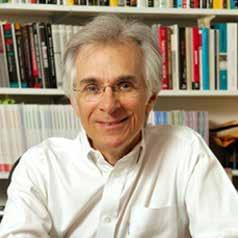
AUSTIN SARAT, William Nelson Cromwell Professor of Jurisprudence and Political Science, Amherst College. Sarat is interested broadly in the intersections of American law and politics .His public writing has appeared in The Guardian, Slate, The New Republic, The Bulwark, CNN.com, and the Los Angeles Times, among other places.
At the Start of Graduation Season
by Dr. SONIA E. DINNALL Superintendent of Springfield Public Schools
As we begin graduation season across Springfield Public Schools, I find myself reflecting on what this moment really represents.
This is my second graduation season as superintendent. And while the ceremonies matter, what stays with me most are the stories behind the diplomas.
Springfield Public Schools
Not just what our students have done. But who they have become.
I think about a student who spent his high school years in a culinary program, working side by side with professionals, competing, creating, and now seeing his work featured beyond the classroom. Another who is already logging flight hours, taking off and landing on her own, charting a course toward a future in aviation.
I think about a student who turned a passion into a business, balancing school while building something of his own. And another who travels across cities each day to get to school, never missing a beat, finding her voice through theater and storytelling despite real challenges.
I think about students who have filled their schedules with academics, arts, athletics, service, and work. And I think about students who show up every day with quiet determination. Supporting their classmates. Staying focused. Balancing school, work, and life. Figuring it out, one day at a time.
Growth is confidence taking shape, voices getting stronger, responsibilities becoming real, and futures leading the way. As we celebrate this season, I see not only what our graduates have accomplished, but also who they are becoming.
And that is what matters most.
Because while graduation marks an important milestone, it is not the finish line. It is the beginning of what comes next. And across our schools students are ready for what comes next, and we will keep working to ensure that is true for all.
Al inicio de la temporada de graduaciones
Ahora que comienza la temporada de graduaciones en las Escuelas Públicas de Springfield, me veo reflexionando sobre lo que realmente representa este momento.
Esta es mi segunda temporada de graduaciones como superintendente. Y aunque las ceremonias son importantes, lo que más me llega son las historias que hay detrás de los diplomas. No solo lo que nuestros alumnos han hecho. Sino en quiénes se han convertido.
Pienso en un alumno que pasó sus años de instituto en un programa de cocina, trabajando codo con codo con profesionales, compitiendo, creando y que ahora ve cómo su trabajo se da a conocer más allá del aula. Y en otra que ya está acumulando horas de vuelo, despegando y aterrizando por su cuenta, trazando el rumbo hacia un futuro en la aviación.
Pienso en un estudiante que convirtió su pasión en un negocio, compaginando los estudios con la creación de algo propio. Y en otra que viaja cada día de una ciudad a otra para ir al colegio, sin perder el ritmo, encontrando su voz a través del teatro y la narración a pesar de las dificultades reales.
Pienso en estudiantes que han llenado sus agendas con estudios, artes, deportes, voluntariado y trabajo. Y pienso en estudiantes que acuden cada día con una determinación silenciosa. Apoyando a sus compañeros. Manteniéndose centrados. Equilibrando los estudios, el trabajo y la vida. Descubriendo el camino, día a día.
El crecimiento es la confianza tomando forma, las voces haciéndose más fuertes, las responsabilidades haciéndose realidad y los futuros marcando el camino. Al celebrar esta temporada, veo no solo lo que nuestros graduados han logrado, sino también en quiénes se están convirtiendo.
Y eso es lo que más importa.
Porque, aunque la graduación marca un hito importante, no es la meta. Es el comienzo de lo que viene después. Y en todas nuestras escuelas los alumnos están preparados para lo que viene después, y seguiremos trabajando para garantizar que así sea para todos.
Latinx Journalism Matters
Support Publishers of Color
The impact of COVID-19 has been especially devastating for communities of color. Now, more than ever, independent, local journalism needs your support. El Sol Latino is your local Latinx-owned, independent news source that brings to the front lines diverse Latino voices, perspectives, news and stories.
Dr. SONIA E. DINNALL
Global challenges and our Individual response: Think globally/act locally
MIGUEL L. ARCE and JOSÉ P. ARCE
The expression, “think globally/act locally”, urges people to consider the health of the entire planet and act in the local community. The origin of the phrase is uncertain with some believing it was coined in 1967 by environmentalists; while others attribute it to botany in 1977. Like the expression “think globally/act locally,” the butterfly effect is a concept that describes how small changes in initial conditions can lead to vastly different outcomes in complex systems. Even minor events can have significant and unpredictable ripples. The idea underscores the sensitivity of systems; seemingly trivial actions can result in major consequences. The concept of the butterfly effect has since been used outside the context of weather science as a broad term for any situation where a small change is supposed to be the cause of larger consequences. Those in power use the environment, commerce and the military to advance their own selfinterest having global consequences. They dissociate the global realities in their own lives, yet their impact ripples are more like a tsunami. The billionaires, the oligarchs, believe they will escape consequences of their actions on climate change, misuse of precious resources, and expansion of the militarization of the world.
The t-shirt logo for the 2019-2020 Philanthropy project, which students will be able to purchase. (https://southblueprint.com/20244/news/think-globally-act-locallydgss-philanthropy-project/)
Global issue: Climate change
The “butterfly effect” suggests that one small act can change the world forever. In December 2025, the Copernicus Climate Change Services said that 2025 is virtually certain to finish as either the second- or third-warmest year since records began around 1850. America had its warmest March on record in 2026, according to just-released preliminary data from two different government agencies (Weather Channel, April 7, 2026). Policy makers and executives trivialize the impact of global warming. The truth is that over 1.2 billion people face condemning, life-changing risks through exposure to at least one critical climate hazard, such as heatwaves, flooding, hurricanes, and drought (World Bank Group [Press release #2024/033/Plant], October 31, 2024). Through our inactions, we are failing to reduce plastics; our coral is bleaching and storms are supercharged. Fossil fuel companies have intensified hundreds of heat waves worldwide (National Public Radio, September 11. 2025). The President supports the “beautiful, clean coal” industry while opposing self-generation windmill projects. In fact, he has stopped offshore projects in their completion stages (AP News, December 22, 2025). He has charged federal agencies with “drill, baby, drill”. Our leaders are destroying our home, Mother Earth.
Global Issue: Consolidation and misuse of resources
As of 2026, there were 3,428 billionaires in the world (Forbes, March 10, 2026). International Consortium of Investigative Journalists report (October 31, 2023) found that the ultra-rich pay almost no tax. The Global Tax Evasion Report revealed that billionaires across the world pay just 0% to 0.5% of their wealth in taxes. Only a handful of men, control the policies and practices that govern not only our society but the global community. The World Inequality Report 2026 (Brookings Institute, May 16, 2023) findings indicate mounting global disparities can imperil geopolitical stability. As early as 1911, President Theodore Roosevelt called for the end of special protections for businesses in government. He declared that anyone who worked hard should be able to provide for themselves and their family, and that no one person was more entitled to special privileges than another. He stood by fair play under the rules of the game ensuring the rules made opportunity available to everyone. In 2026, global international corporations, like Exxon and Walmart, continue consolidating resources; therefore, negatively impacting the community. We are in accord with Roosevelt that it is morally obscene that a handful of men have shaped such staggering economic disparity.
Global Issue: Militarization
In his farewell address of January 1961, President Dwight D. Eisenhower expressed concern about misplaced powers of the military-industrial complex on national policy. He warned the public to be vigilant. He forewarned us to protect the nation’s liberties and democratic processes that are led by a small number of individuals who benefit from the sales of war armaments. We can see the irreparable harm taking place globally due to the misplaced priorities of our decision-makers and the executive branch. Each manufactured and procured bomb, rocket, tank represents a profit that goes to, what Bob Dylan calls, the “masters of war”. Wars make inequality worse. A modern aircraft carrier can cost $13.5 billion to build — the Navy has 11 aircraft carrier “strike groups”. A typical strike group usually consists of around eight ships, including the aircraft carrier itself, cruisers (between $2-3 billion each), destroyers (approximately $2 billion each), and submarines ($2 to 5 billion each) and supply ships. In contrast to the exorbitant cost of a strike group, hypersonic anti-ship missiles, autonomous drone swarms, and advanced submarine torpedoes all threaten these ships at a thousandth of one percent of the cost of only one of these ships. The cost of building a single aircraft carrier could alternatively cover: 200,000 teachers’ salaries; build 32,000 homes; pay for full college scholarship for 260,000 students, provide water for 130 million people, modernizing 5,300 rural health care centers at $2.5 million each, transforming rural healthcare (The Data Project, A. I. Network, No Date [Continuous tracker, sited on April 11, 2026]). All of the aforementioned options are vital necessities to construct a stable society. Peace spending benefits citizens with countless potential advantages.
Global Challenges: Personal and community action
The earth is suffocating from toxicants created by the profits of billionaires who use the force of military actions to maintain business empires. By comparison, the concept of thinking globally and acting
continued on next page
The Impact of Immigration Policies and Practices on Children
locally emphasize the importance of collective action and the need for all to contribute to the fight against injustice. The principle is reflected in the ideas that the fight for equality is not just a personal struggle but a collective endeavor that requires the involvement and support of everyone. The global multifaceted collision of our policies and actions can be addressed through individual involvement as well as collective action. We live in a global web of interconnectedness. A butterfly flapping its wings in the Amazon might well be the origin of a hurricane in the Atlantic. By understanding and facing the impact of our actions, we all can contribute to a more equitable world. The masters of war impact our only fragile home, Mother Earth. We are indivisibly connected to our current and future global ecology.
The integrity of the struggle depends on the absence of special treatment. This year, 2026, there are calls for a unified global vision that encourages nations to collaborate more effectively to build a healthier and more resilient global community. Ultimately, the vision should be built on a future characterized by a shared commitment to a prosperous population. The private market system is plagued by problems of inequality, social injustice and exclusion. Poorly educated, ill-clothed, homeless, disenfranchised individuals cannot participate and contribute fully in the market system. “In every wise struggle for human betterment one of the main objects, and often the only object, has been to achieve in large measure equality of opportunity. In the struggle for this great end, nations rise from barbarism to civilization, and through its people press forward from one stage of enlightenment to the next. One of the chief factors in progress is the destruction of society” (Theodore Roosevelt, Speech [ August 8, 1910] “The New Nationalism,” John Brown Memorial Park dedication, Osawatomie, Kansas).
The stresses people feel/live are real. In 1857, Frederick Douglass, stated in his West Indies Emancipation speech, “if there is no struggle, there is no progress”. We have choices to make. Now is the time for principled stances. We have to be like Sisyphus. The story of Sisyphus is an ancient Greek myth that tells the story of a king who was punished by the gods for his trickery and for cheating death a couple of times. He was condemned for eternity to push an unwieldy and heavy rock up a mountain, only to have it come crashing down before he reached the top. He was fated to repeat this hopeless task for eternity. The myth suggested the way to escape the inevitable despair was to live with dignity and authenticity. We do not speak of this struggle of the past merely from the mythological standpoint; rather, our interest is primarily in the application today. President Abraham Lincoln also believed that individuals have strengths and have the capacity to build. Individuals can intervene with the innumerable positive attributes of humankind. Individuals have strengths and the capacity to build. “Let not him who is houseless pull down the house of another, but let him work diligently and build one for himself, thus by example assuring that his own shall be safe from violence when built”. Lincoln’s line is a map for social order at a moment when the world’s foundation is cracking.
Presidents Lincoln, Roosevelt, and Eisenhower direct us to look at the benefits to the whole. Mythological figure Sisyphus and historical figure, Frederick Douglass, direct us to tackle our life-threatening hardships of climate change, disparities of income and militarization, with grace and without becoming bitter. Their combined thinking
continued from page 9
asks us to focus on addressing root causes, community engagement, and the intersectionality of policies and practices building a resilient global landscape. The lessons offered by these individuals over the centuries teach us how to apply resources to the problems of the present. It is of little use for us to pay attention to the mighty men of the past unless they are sincere in their endeavors. The three No King’s Days celebrated “ordinary” people and the need to pay attention to the expanding powers of the oligarchs. Legendary poet, singer and the Nobel Award winner in Literature, Bob Dylan, writes in three of sixteen stanzas,
Come, you masters of war
You that build the big guns
You that build the death planes
You that build all the bombs
You that never done nothin’
But build to destroy
You play with my world
Like it’s your little toy
You fasten all the triggers
For the others to fire
Then you sit back and watch
While the death count gets higher.
In Dylan’s song, the “Masters of War” hoard positions of authority and control, tragically wielding their power to devastate our Mother Earth and obliterate nature’s inherent beauty and glory. Despite possessing the wealth and means to aid the needy, the downtrodden, the marginalized, and the scorned, they instead choose the relentless acquisition of wealth, control, and dominion. However, Planet Earth is not merely a sandbox for the wealthy to construct polluting factories, erect fences that separate them from the poor, or instigate wars that wreak havoc and kill the innocent. Billionaires often sit idly by, sipping their cocktails, seemingly without regret as average people are caught in the machinery of indifferent violence, suffering serious wounds or horrific deaths. Their loved ones are left to mourn the senseless pain and anguish of their fathers, mothers, sisters, brothers, children, and friends. What might these victims have accomplished? How much joy could they have experienced in a violence-free existence? How might they have served as sources of wise counsel?
Our informed communities and local efforts stand as a strong bulwark against the political, social, and economic stresses marginalized people face due to indifferent greed. Let us remember that “We, the people” make all the difference to a global community when united in spirit and purpose for a just society. We must stand together to defend our children — our future. It is our planet, and so “We, the people” must join hands with others to end the world’s destruction, indeed, our very own demise.
AI Generated guitar strumming man image. (Gemini 2.5 Banana) April 23, 2026
Estabilidad, dignidad y respeto para las familias puertorriqueñas y latinas del oeste de Massachusetts
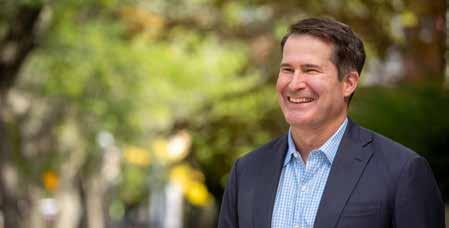
por SETH MOULTON
En el oeste de Massachusetts, muchas familias puertorriqueñas y latinas ya no están lidiando solo con el alto costo de vida—están luchando por mantenerse a flote. En comunidades como Springfield, Holyoke, Chicopee, y Westfield, muchas familias están cargando dos presiones al mismo tiempo: el aumento en los costos y la incertidumbre real de si podrán seguir viviendo en los lugares que han ayudado a construir. Cuando una familia siente que solo está tratando de aguantar un mes más, eso no es falta de esfuerzo. Eso es una falla de liderazgo.
Como congresista federal y como padre de familia, entiendo que estas presiones no se sienten en abstracto. Se sienten en la renta, en la compra del supermercado, en la cuenta de luz, en el costo del cuido de los niños y en el miedo de que cualquier gasto inesperado desestabilice todo el hogar. También sé que en el oeste de Massachusetts estas realidades se viven en comunidades donde la presencia puertorriqueña y latina no es nueva ni marginal. Es parte esencial de la historia, la economía y la identidad de la región.
SETH MOULTON
Las familias puertorriqueñas son ciudadanos estadounidenses. Han servido en nuestras Fuerzas Armadas por generaciones. Muchas son hijas e hijos de veteranos. Muchas tienen familiares que vistieron el uniforme con honor. Y muchas conocen de cerca lo que significa sacrificarse por el país mientras todavía tienen que luchar aquí por vivienda asequible, acceso a servicios y estabilidad económica. Soldados puertorriqueños como los Borinqueneers sirvieron a esta nación con valentía. Su legado merece más que reconocimiento. Merece un gobierno que luche por las familias y comunidades que ellos defendieron. Ese sacrificio no es historia lejana. Está presente hoy en muchas familias del oeste de Massachusetts.
Ese compromiso con nuestras tropas y con quienes han servido no puede quedarse en palabras bonitas. Defender a nuestros militares también significa apoyar a las familias de veteranos, apoyar a quienes regresan a casa, y asegurar que las comunidades que más han dado al país tengan acceso real a vivienda, salud, oportunidades económicas y respeto. En Springfield y Holyoke, eso no es un mensaje simbólico. Es una realidad de comunidad. Esto tampoco está ocurriendo en los márgenes. Los latinos han sido una fuerza clave en el crecimiento de Massachusetts. Pero cuando las familias trabajadoras ya no pueden costear quedarse en sus comunidades, el problema no es solo de equidad. También es económico. Massachusetts no puede darse el lujo de empujar
hacia afuera a la gente que sostiene su fuerza laboral, sus pequeños negocios y su vida comunitaria. El futuro del estado depende de que las familias trabajadoras puedan echar raíces aquí con estabilidad y confianza.
La crisis se siente mas fuerte en a vivienda. Ningún padre o madre debería tener que escoger entre pagar la renta o pagar el cuido de sus hijos. Ninguna familia debería verse obligada a aceptar un trayecto de dos horas para encontrar un hogar que pueda pagar. Esos no son sacrificios razonables. Son cargas impuestas sobre quienes ya están haciendo todo lo correcto para salir adelante. La atención médica crea una presión parecida. Aun en un estado que se enorgullece de su cobertura médica, demasiados hogares siguen preocupados por si podrán costear una cita, un medicamento o una emergencia Cuando el gobierno federal invierte miles de millones en políticas que separan familias en lugar de ayudarles a pagar el cuidado de salud, deja claras sus prioridades. Yo creo en prioridades distintas. Por eso propuse redirigir miles de millones en nuevos fondos para ICE para reducir el costo del cuidado de salud para las familias trabajadoras. Porque el gobierno debe ayudar a nuestras comunidades a mantenerse sanas y unidas, no hacerles la vida más difícil.
Durante demasiado tiempo, Washington ha permitido que temas urgentes como la vivienda, el costo de vida y la salud se conviertan en puntos de discusión en vez de prioridades de acción. No necesitamos más figuras que hablen fuerte y hagan poco. Necesitamos liderazgo que produzca resultados. Eso significa trabajar con seriedad, romper estancamientos políticos y enfocarse en resolver problemas concretos.
Por eso estoy aspirando al Senado de los Estados Unidos. Porque creo que el gobierno debe arreglar problemas, no solamente administrarlos o comentarlos. He puesto la asequibilidad en el centro de mi campaña porque las familias trabajadoras están cansadas de que se les reconozca su resiliencia mientras sus costos siguen subiendo. El reconocimiento no paga la renta. No baja la factura eléctrica. No le devuelve tiempo a una madre o a un padre que tiene que trabajar más solo para mantenerse a flote.
Lo que las familias puertorriqueñas y latinas del oeste de Massachusetts están pidiendo es claro: costos más bajos, más estabilidad y un gobierno que entienda la realidad de sus vidas. Eso significa construir más vivienda y hacerlo más rápido. Significa bajar costos de salud y energía. Significa proteger a quienes han servido al país y a las familias que cargan con ese legado. Y significa entender que la dignidad de una comunidad también depende de si puede quedarse, crecer y prosperar en el lugar al que pertenece.
Massachusetts no puede construir un futuro fuerte si las familias que impulsan su economía ya no pueden permitirse vivir aquí. Nuestros políticos tienen que hacer más que reconocer a las familias latinas. Tiene que luchar por las condiciones que les permitan quedarse, crecer y salir adelante con dignidad.
Nota del autor: Seth Moulton representa al Sexto Distrito en el Congreso de Massachusetts y es candidato al Senado de los Estados Unidos.
Literatura / Literature
Es mejor soñar
por JOSÉ EDGARDO CRUZ FIGUEROA
You should dream more, Mr. Wormold. Reality in our century is not something to be faced. Graham Greene, Our Man in Havana
En la mañana del día antes de su viaje, la realidad de Arturo Martínez era que hacía seis años que Sofía Morelli se había marchado, dejándolo sin aliento en la puerta de su casa, después de seis años de un romance agridulce del que nadie excepto ellos sabía nada. Ahora se cumplían seis años de ese momento desgraciado y desde entonces no la había visto ni en pintura a pesar de que ella vivía a pocas cuadras de su casa. Estando tan cerca y en una ciudad de apenas cien mil habitantes, su desaparición era tan insólita que a veces Arturo pensaba que ella se había muerto y él no se había enterado. De esas dos realidades, la del abandono y la de la desaparición, Arturo no sabía cuál era la que sería más sensato ignorar. Es mejor soñar, se decía en tono apaciguado, pero sin saber qué sueño era el que debía resaltar.
En la vida hay realidades y hay realidades
Ahí estaba la realidad de su siglo, llena de ansiedad y espanto. Antes de él nacer, el mundo había sufrido dos guerras monstruosas, un pavoroso holocausto, y una hecatombe nuclear. Cuando cobró conciencia política, vivió lleno de esperanza por diez años pensando que era posible cambiar su realidad inmediata por una donde cundiera la justicia, la paz y la abundancia. Ese ideal se derrumbó al enterarse que en su nombre se habían cometido miles de barbaridades.
En la Unión Soviética habían muerto millones, masacrados por la pistola y el fusil, otros después de ser confinados y maltratados a son de trabajo duro, de frío y de hambre, muchos terminando desquiciados porque sus ideas se veían como síntomas de males psiquiátricos. Las categorías negras de los chinos habían tenido su precursor en el régimen bolchevique. El que fuese terrateniente, agricultor pudiente, contra-revolucionario, derechista o simplemente una influencia mala, quedaba sujeto al hostigamiento, la persecusión o la muerte.
En China, la política y la cárcel habían bailado una danza macabra y tocar a Mozart en un violín había sido igual que decir me cago en la madre de Mao o peor. La Revolución Cultural había sido diez años de purgas inmisericordes en aras del exterminio de todo trazo del pasado que no fuese revolucionario. La brújula del proceso era un librito rojo que era como una Biblia y a nombre del cual se efectuaban denuncias y acusaciones de revisionismo, que era como decir sacrilegio, seguidas por actos de violencia contra los herejes. En el mejor de los casos los acusados terminaban en el exilio pero para la mayoría el resultado era la humillación pública, el encarcelamiento, la tortura y la ejecución. Un grupo muy perseguido habían sido los maestros y la primera víctima en ese grupo había sido una mujer.
En Cuba, en vez de tribunales los paredones habían dado cuenta de los supuestos enemigos del pueblo y de la historia y la consigna reinante había sido “dentro de la Revolución todo, fuera de la Revolución nada”, lo que significaba que dentro de la Revolución solo había espacio para lo que Fidel aprobara. El que no coincidiera
terminaba en un calabozo revolucionario, si no es que lo mataban. Aquellos que eran llevados a juicio solo tenían derecho a decir “Yo me acuso y me encuentro culpable”, o como había dicho Reinaldo Arenas, si les daban una patada en el culo tenían que aplaudir y aceptarlo. Siguiéndole los pasos a Stalin, Fidel había transplantado a Cuba el juicio como una forma de espectáculo moral, años después de que esa práctica había sido mundialmente reconocida como un fraude, lo que refutaba aquello de que para evitar repetir la historia había que conocerla y reafirmaba la idea de Marx de que la historia se repite, la primera vez como tragedia, excepto que en este caso no era la primera vez.
Esa realidad ponía en entredicho la idea de que con el tiempo se puede sacar poesía hasta de un campo de batalla. Al encontrarla enterrada en la novela que leía en ese momento, le pareció una observación muy astuta; una forma poética extraída de un carapacho prosaico. Luego pensó que hacer literatura de ese catálogo de impurezas de su siglo era imposible. En la página escrita eran como un vómito en medio de una acera. De hecho, la palabra “impurezas” más que un eufemismo era una ofensa. Arturo lo sabía pero lo aceptaba con resignación, como un condenado a muerte acepta la sentencia que le ha tocado.
La realidad de su vida era distinta. Es cierto, había nacido en la pobreza pero lo que más recordaba de sus primeros diecinueve años era la alegría de jugar con sus hermanos, el cariño de su madre, de su abuela, de sus tías, la protección de uno de sus tíos, la sonrisa de las muchachas que querían ser su novia, los labios de las que le habían enseñado a besar y el encanto de Marina Fuentes, la primera mujer a la que había amado y con quien había perdido la virginidad. Por muchos años sufrió la pérdida de Marina y al conocer a Sofía pensó que algo había en la idea del ciclo de samsara, un ciclo que le parecía esplendoroso y opresivo a la misma vez. Lo curioso de su caso era que después de perder a Sofía se había reencontrado con Marina. Entonces pensó que quizás Marina era su moshka y decidió que ese era el sueño que era mejor soñar. Era de esa manera que era mejor enfrentar la realidad.
Tal vez esa realidad que parecía merecedora no era más que un crucigrama de ideas, de palabras conectadas entre sí que formaban una imagen de su vida a la manera de un collage. ¿Qué importaba si esa imagen estaba adornada con palabras juntas en un todo sin coherencia, lleno de frases retorcidas, de huecos rellenados con ideas que en su conjunto le decían poco o nada, como una plataforma política escrita por André Breton? No le interesaba que su vida tuviese un mensaje como el de un manifiesto o el de una concepción filosófica del mundo. Era mejor soñar aunque eso fuese una estrategia de escape inútil frente a una realidad inevitable. ¿Pero cuál de las dos? Quizás su error estaba en creer que la opción era dual pues si soñar era una alternativa entonces esa realidad onírica también estaba a su alcance.
A partir de los diecinueve, la vida de Arturo había dado giros inexplicables. ¿Cómo era posible que después de crecer sin libros en su casa, sin ningún tipo de educación política o de exposición a ninguna idea importante que no fuese parte de su doctrina religiosa, hubiese terminado en la universidad para de ahí brincar al activismo radical como el que se tira de cabeza en la parte más profunda de una piscina sin saber nadar?
continued on next page
Literatura / Literature
Es mejor soñar continued from page 12
En el activismo Arturo obtuvo la educación que inicialmente había rechazado al dropiarse de la universidad para entregarse a la lucha anti-colonial y revolucionaria que para tantos en su momento había sido la encomienda histórica más importante que jamás pensaron ejecutar. Fue así porque la decisión había tenido más cualidades de sueño que de juicio racional. En esa época fue que Arturo vivió su primer ciclo de samsara pues al cabo de diez años terminó en el mismo sitio donde había empezado pero entonces como un hombre si no enteramente nuevo al menos sustancialmente reformado. Si era claro que para no enfrentar la realidad era mejor soñar, no era igual de fácil saber cuál realidad era la que había que dejar de lado.
Esa mañana, camino del trabajo hizo un esfuerzo por acordarse que debía estacionarse en el parking de visitantes. Un año atrás le había regalado su carro a su hijo para que pudiese viajar sin problemas a su trabajo. Desde entonces tomaba el autobús y cuando iba a la universidad en el carro de su mujer usualmente era para un evento extracurricular pasadas las cuatro de la tarde. A partir de esa hora cualquiera podía usar los espacios reservados durante las horas laborables para aquellos que tuvieran un pegadizo certificando que habían pagado la cuota anual para estacionarse en esas áreas. El carro tenía uno que había caducado pero era fácil olvidar ese pequeño detalle que podía terminar costando.
Al bajarse del carro lo hizo con menos agilidad que durante los años que estuvo con Sofía. Ahora sus movimientos eran más calculados que antes. La artritis en la rodilla derecha le obligaba a rotarse deliberadamente. Al subir una escalera todavía podía detenerse en pleno vuelo, dar una vuelta rápida y rehacer sus pasos e incluso podía hacerlo de espaldas pero eso no era lo más recomendable. En vez de radical su paso ahora era prudente.
De camino a la biblioteca tuvo tiempo de pensar en todas la ausencias que lo agobiaban pero lo que más sentía en ese momento era la pesadumbre de su andar, luchando por no encorvarse, lamentando el trabajo que le costaba subir escaleras pero rehusándose a usar los elevadores si solo necesitaba subir una planta. Cuando usaba el elevador condenaba en silencio a los jóvenes y a los obesos que le acompañaban porque iban nada más que del sótano al primer piso; con un rictus de desprecio en la boca y el ceño fruncido los catalogaba de vagos o irresponsables.
En su ascenso por las escaleras una colega a quien había visto hacía unos minutos en otra parte se le acercó en dirección contraria y al percibir su aproximación Arturo alzó la vista. Al ver quién era sonrió y le dijo “No podemos seguir viéndonos así”. Con una carcajada de una nota ella contestó “¡Lo sé!” y siguió sin parar. Al llegar al tope de la escalera Arturo estaba jadeando. Para recuperar un poco el aliento recorrió el resto del camino muy despacio. Se movió de un lado a otro entre los estantes tratando de no acentuar la cojera que la artritis le provocaba. Examinó las hileras de libros pensando en su condición física, otra de sus múltiples realidades. Seleccionó una colección de cuentos mientras pensaba que cuando uno llega a viejo, soñar se vuelve más importante que antes.
En el plano físico uno podía reconocer al menos cuatro dimensiones. En el lenguaje ordinario, para connotar una apreciación holística la gente decía que su juicio abarcaba lo largo y lo ancho. ¿Pero por qué
no incluir lo alto y lo profundo? En el caso de los sueños, la dimensión era lo invisible. Y ahí se complicaba todo. Marina había sido una ausencia de cuarenta años antes de que su vacío fuese ocupado por Sofía. Sofía era ella en forma de sobresalto, una mezcla de lo real y lo imaginario. Sofía era la invisibilidad de Marina y Marina era su sombra.
La reaparición de Marina restituyó la presencia de Sofía entre nubes y arena, saliendo de una concha como una perla acabada flotando sobre el mar. Ninguna de las dos eran parte de la vida cotidiana de Arturo y sin embargo en el diario pensar de él su invisibilidad no registraba. Ambas estaban ahí como el verso de una canción que se te pega en el cerebro, repitiéndose sin cesar. Eran las dos caras del mismo sueño, ese que ahora quería anteponer a la cara de la realidad todavía sin saber cuál realidad era la que quería soslayar. Sofía se había convertido en un misterio. Marina existía muy a lo lejos pero su presencia tenía coordenadas. Pensar en una era como pensar en la otra.
Quizás la disyuntiva entre sueño y realidad era falsa. Quizás por eso cuando Arturo pudo otra vez abrazar a Marina le dijo que era tan dulce como un sueño mientras imaginaba a Sofía despertando a su lado. Entonces no le quedó duda que para vivir la realidad a pleno, lo mejor era soñarla como un todo sin fronteras. Quizás el ciclo de samsara era una equivocación y la única realidad era nacer constantemente, soñando lo que hacemos y haciendo lo que soñamos. Podía ser que a fin de cuentas ese era el sentido en el que hacía sentido decir que es mejor soñar.
continued on next page
Latinx Journalism Matters
Support Publishers of Color
The impact of COVID-19 has been especially devastating for communities of color. Now, more than ever, independent, local journalism needs your support
El Sol Latino is your local Latinx-owned, independent news source that brings to the front lines diverse Latino voices, perspectives, news and stories. SUPPORT EL SOL LATINO
Es mejor soñar continued from page 13
Con esa idea y un sentimiento de calma renovada, Arturo se dispuso a efectuar su viaje. Se levantó con cuidado colocando su mano en el antepecho de la ventana para no caerse. Usó la misma mano como un resorte para enderezarse y coger impulso hacia delante. La habitación estaba oscura y tenía que asegurarse de no tropezar con las zapatillas que solía dejar al pie de la cama. Apoyándose en todas las superficies disponibles llegó hasta el baño. Abrió el chorro de la pluma para restregarse los ojos y luego regresar al cuarto. Ese viraje era siempre inútil, más determinado por la esperanza de que tal vez podía meterse de nuevo en la cama para seguir durmiendo, que por la realidad de que de sueño no le quedaba más. Ese sueño que se disipaba casi siempre como a las tres o las cuatro de la mañana no era del tipo que necesitaba atender con más esmero para cerrarle el paso al agobio de la ausencia permanente de Sofía o de la distancia entre él y Marina. Obvio: querer dormir no es lo mismo que necesitar soñar aunque ambas cosas se conectan con la misma palabra.
Encendió una luz tenue para no atropellar sus pupilas y sacó del closet una maleta azul grande y una roja de tamaño mediano. Antes de poner el ordenador en la maleta conectó un flash drive para asegurarse que era el que tenía su archivo de fotos de Sofía. Entre cientos de fotos de ella había solo una de Marina que era de aquella época de los diecinueve años. Durante su reencuentro ella no le había permitido fotografiarla pero no importaba. Se mantenía intacta así que mirando el retrato de cuando tenía veinte años veía la misma cara y el mismo pelo y la misma figura que había surgido frente a él como de la nada cuarenta años después. ¿Estaba soñando? Marina y Sofía tenían la cualidad paradójica de los recuerdos, que no existen en la vida diaria pero son por definición imposibles de olvidar. Eran prueba de lo que debe ser un sueño: un emborujo incorpóreo de ansias, de deseos que se satisfacen sin consecuencias. Eran como una película que para serlo mezcla el movimiento y la parálisis y te permite estar en muchos sitios sin dar un paso. Arturo nunca las veía pero siempre estaban presente. Su movimiento con ellas era como el de la Tierra rotando sobre su propio eje. Esa realidad soñada no negaba la realidad vivida a diario. Más bien era un punto de referencia, el principio y el fin de un ciclo que como un tiovivo regresa sin cesar a su punto de partida aunque a fin de cuentas termina en un lugar indeterminado dónde nunca sabes si lo que te espera es más de lo mismo o la encarnación de lo que has soñado. ¿Dónde terminaba uno y comenzaba lo otro? La frontera entre la realidad y los sueños era como la que existía entre una gota de tinta y un papel en blanco: aun con la mancha el papel no dejaba de ser papel en blanco. El teléfono vibró y en la pantalla apareció un mensaje de su amiga Betzaida—”Cuando llegues al aeropuerto te estaré esperando.” Arturo titubeó entre seguir fantaseando o pellizcarse. Betzaida tenía ojos profundos y un cuerpo fenomenal pero era solo una creencia, un producto del acto de creer que era otra forma de soñar. Ellos creían en sí mismos recíprocamente, amparados en una intuición de compatibilidad muy fuerte, como la que surge de un sueño tan intenso y tan claramente definido
que transforma un recuerdo en un presagio. Miró todas las fotos antes de irse y al cerrar el ordenador le quedaban apenas unos minutos para salir. Sabía que como siempre había empacado más libros de los que iba a poder leer pero era mejor no poder leerlos todos que quedarse corto y no poder leer por no haberlos empacado. Al bajar las escaleras vio primero a Sofía aproximándose en dirección contraria y luego a Marina siguiéndole los pasos. Ambas le dijeron lo mismo que él le había dicho a su colega camino de la biblioteca. Notó que cuando bajaba la escalera no cojeaba. Su rodilla derecha crujía pero no vacilaba. Su paso era firme. Estaba listo para lidiar con lo que se le apareciera, fuera un sueño o fuera real. Repitió que era mejor soñar, abrió la puerta sin pensarlo más, miró a su mujer y se montó en el carro.
JOSÉ EDGARDO CRUZ FIGUEROA (cruzjose5319@gmail.com) es natural de San Juan y criado en El Fanguito y Barrio Obrero en Santurce, Puerto Rico. Es profesor emérito de ciencias políticas en la Universidad del Estado de Nueva York en Albany
JOSÉ EDGARDO CRUZ FIGUEROA
Children’s Book Author, Soon-To-Be Grad Sees Value in Experience by
Originally posted on UConnToday (UNIVERSITY OF CONNECTICUT) March 30, 2026
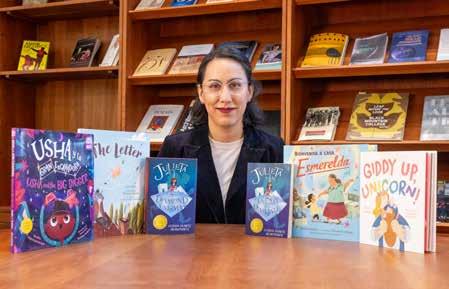
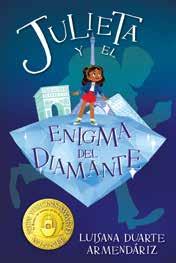
Luisana Duarte Armendáriz ‘26 Ph.D. poses for a photo with her book, “Julieta and the Diamond Enigma” in both English and Spanish, as well as other children’s books she has translated in the Dodd Center for Human Rights on Tuesday, March 17, 2026. (Sydney Herdle/UConn Photo)
Having grown up in Ciudad Juárez, Chihuahua, just across the border from El Paso, Texas, Luisana Duarte Armendáriz ’26 Ph.D. straddled the line between languages, cultures, and national borders
Like the main character of a good book, Luisana Duarte Armendáriz has a deep backstory, each turn casually worked into conversation when, and only when, it becomes pertinent to drop mention of things like dean of discipline at a boarding school.
She doesn’t open with graphic designer or multimedia journalist and won’t even talk about the time she held in her hand an acceptance letter to medical school. Sure, her stint as a high school art teacher might come up, along with that year-long missionary trip to the Philippines.
But unless she’s prodded, the doctoral candidate who’s set to graduate in May, only mentions her past in relation to the present and to the future, as she reconciles the possibility, even opportunity, of yet another reinvention after defending her research this summer.
Duarte Armendáriz ’26 Ph.D. takes to heart her grandfather’s wisdom doled out whenever she and her 21 cousins – that’s just on her mother’s side –switched majors or pivoted professions: Take the lessons gained from each experience and transfer them to the next, never were they useless.
It’s why this semester as the graduate assistant for the UConn English department’s Creative Writing Program she delighted in using her graphic design skills to help create posters for Poetic Journeys.
And it’s why her dissertation looking at the intersection of children’s literature
and translation studies is a natural fit.
KIMBERLY PHILLIPS
Having grown up in Ciudad Juárez, Chihuahua, just across the border from El Paso, Texas, Duarte Armendáriz straddled the line between languages, cultures, and national borders, just as the young characters in her picture books and young adult novels stride their own stories.
Author, translator, and dog mom, that’s what she is today, the order of which is situationally dependent.
Writing – Not Exclusive to Geniuses
“I cannot write creatively in Spanish, and that goes back to growing up on the border and having more access to entertainment in English. My creative language is in English,” Duarte Armendáriz says. “I have compartments for different activities in the language that I do them in – like my love language is in English, but my cutesy language is in Spanish.”
When she watched a colleague’s young child last spring, she admits needing a few days to find a natural play language to communicate with the 6-year-old. With her nieces and nephews, play happens in Spanish not English, the same as her childhood, and she had to adjust.
Duarte Armendáriz says her own childhood was filled with books, her mother a frequent visitor of the library in El Paso with daughter in tow, her grandfather forever inquiring what book she had a nose in, her extended family as subjects of news reports in a paper she started at 8 years old.
Her “first crush,” she says, was the detective Sherlock Holmes, it’s why she learned to play the violin.
Yet, she says she didn’t recognize writing as a potential career until she was nearly done with college. It was a profession for only geniuses she thought, until taking a creative writing class that focused on children’s literature.
One might say she had an ah-ha moment, so when applying for master’s programs she looked for one that would give her opportunity to bring to life the character that had been living in her head for some time.
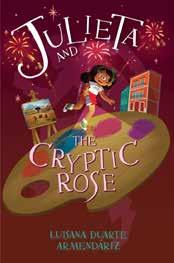
Simmons University in Boston paired her with an editor from Lee and Low Books to – in a single semester – write the first draft of “Julieta and The Diamond Enigma.” Its sequel, “Julieta and The Cryptic Rose,” will be released Sept. 15.
Both chapter books, they tell the story of young Julieta, “who’s sort of a combination of Amelia Bedelia, Ramona Quimby, and Flavia de Luce,” she says, as the girl solves mysteries that involve her art handler father and art restorer mother.
“I didn’t know I was writing a mystery until my editor told me to put in more red herrings,” Duarte Armendáriz says. “I had this idea that it was just going to be an adventure story of a girl who would travel to a lot of places. That was the original nugget of the story, and it was more like a fantasy adjacent story in my head. But then it started evolving.”
Two deep revisions and four years later, “The Diamond Enigma” was published in June 2020. “The Cryptic Rose” has taken six years to produce, but in between a couple of pictures books have been in
continued on next page
“Julieta and The Cryptic Rose” will be released in September. (Contributed art)
Literatura / Literature
Children’s Book Author, Soon-To-Be Grad Sees Value in Experience continued
development, although not yet sold, and a Ph.D. program has been in progress.
“I’ve definitely incorporated stories from my own life and things that have happened to me,” Duarte Armendáriz says, giving as an example, “My first name is a hard one, people have always mispronounced it, so I knew that English readers would see ‘Julieta’ as ‘Juliette.’ In the first pages of the first book, she says that her name sounds like the hooting of an owl. That was a piece of my life that I was able to incorporate.”
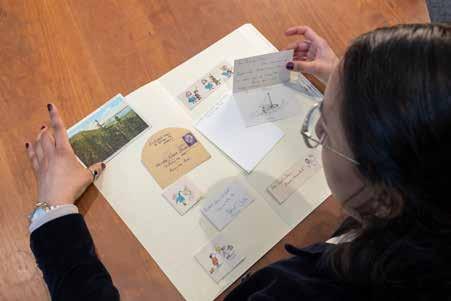
Luisana Duarte Armendariz ’26 Ph.D. flips through correspondence between acclaimed children’s literature authors Ruth Krauss and Maurice Sendak from the UConn Archives and Special Collections in the Dodd Center for Human Rights on Tuesday, March 17, 2026.(Sydney Herdle/UConn Photo)
Making a Story Accessible
Duarte Armendáriz once interned at the Massachusetts-based Charlesbridge Publishing, a stint during which she says she read through the “slush pile,” or unsolicited submissions that were sent to the publisher without an agent as a go-between.
A mound capped with too many my-grandkids-and-me stories and sing-song rhymes that didn’t quite hit the mark, she noted what worked and what didn’t – because most submissions don’t get a hardcover, let alone a soft one.
“Those stories, it’s not that they didn’t have value because they’re the experience of someone, but there’s still something in them that might not appeal to everyone,” Duarte Armendáriz says. “The key is trying to make a story accessible and find a new angle that hasn’t been done before, which is a hard thing.”
Almost equally as hard for an author is letting go of their story, the characters and the world they invested time into building. Upon completion of a story, Duarte Armendáriz explains, the next person to see it outside of the editors is the illustrator, a person deliberately kept out of the process until that point, a stranger to the author to allow for them to conceive the visual elements from the text the author provided.
“It’s their interpretation of the world that I created,” she says. “And even though it might be scary for writers, I really appreciate it because, for example, the cover illustrator of ‘Julieta,’ Olivia Aserr,
from page 15
put a bandage on her knee. That says so much about who she is and her personality. I would never have thought about adding it if I had drawn Julieta.”
That one little detail made an impression, she notes, and could have changed the tone, meaning, and clarity of the story – something she, as a translator of children’s literature, also keeps foremost in mind with the copy before her.
Translations Give Ideas for Ideas
Translating text from Spanish to English, or any language into any language, is not a word-for-word practice. Duarte Armendáriz describes it as “sense for sense. You want to give the idea for the idea.”
A translator must answer many questions as they move through the process including whether to maintain the cultural references of a story or synthesize the ideas into something a foreign audience would understand. After all, an English-speaking audience may not understand the cultural nuances of a story originally written in Swedish for Swedes, she says as an example.
“When translating children’s literature, you also have to think about changes in time, because what was allowed 20 years ago might not be as palatable today,” Duarte Armendáriz says. “I created a ruckus in one of my translation classes, because in the beginning of a book I’m trying to translate, the mom is smoking a cigarette inside the house.
“It’s not crucial to the story, and I can change it to something else that will keep the essence of what the cigarette was doing, so it will be a little easier on contemporary American audiences,” she continues. “My professor was aghast, ‘How could you take away the cigarette?’ But I’m thinking about this as an industry. Who are the gatekeepers? The editors, the parents? Translation can be sense for sense, but you can also keep it foreign or make it domestic, depending on what the goal is.”
She also needs to know who the intended reader is because, she notes, Mexican Spanish is different than Castilian Spanish and Cuban Spanish and even Mexican American Spanish in the U.S. Indeed, “pelota,” “bola,” and “balón” all mean “ball” in Spanish, just not to everyone who speaks Spanish.
Only a small percentage of foreign texts are translated into English for U.S. audiences each year, whereas other countries are more inclined to adapt English texts to their tongue, Duarte Armendáriz explains. That’s not surprising, as translations are one way for a country without a literary culture to build one or enhance what’s produced domestically.
“It’s a way to get to know the world and have access to other experiences that otherwise you wouldn’t have,” she says of translated works, comparing them to Greek, Roman, or Asian art on display in
continued on next page
“Julieta and The Diamond Enigma” was published in 2020. Luisana Duarte Armendáriz ’26 Ph.D. also translated it into Spanish. (Contributed art)
a museum. “Books are just another representation of that art. It’s another way of understanding the people around us.”
Children Devour Every Word
Duarte Armendáriz has been learning origami lately and passes along a fluorescent pink frog. Her practice of the Japanese art of paper folding is in preparation for school visits this fall when “The Cryptic Rose” debuts.
Just how the frog fits in though, is about as cryptic as the meaning of the rose.
Usually, Duarte Armendáriz visits fourth and fifth grade classrooms, students who’ve built up to chapter books and have read all about Julieta. One Massachusetts school has designed a curriculum around the book.
Teachers there take the upper elementary school students to the Museum of Fine Arts in Boston where they hunt for treasures, in search of their favorite piece. Later, back in the classroom, Duarte Armendáriz visits to help them sort through what they found and gives them a writing prompt: How would they smuggle that piece out of the museum?
Entrenamiento
Ofrecemos: Estipendio libre de impuestos Requisitos
Tener 21 años o más
Ingreso estable y hogar seguro
Pasar verificación de antecedentes
Create a distraction. Tuck it in an updo. Dip it in … oh, Duarte Armendáriz says she might incorporate that one into a future book. It’s pretty clever.
“It’s reinvigorating to go into classrooms and see that people actually read what I wrote because it’s a few years from when I sat down to write until it’s in the hands of the audience,” she says. “And children pay attention to all the details. I have to reread very quickly before I go into a classroom, so I’m not saying, ‘I wrote that? I don’t remember writing that. It was just a plot point. I have no idea.’ They want a reason for everything.”
That’s much the same as what she as a young girl would have expected from writer and illustrator Leo Lionni, a childhood favorite, or from the Hardy Boys, maybe her second and third girl crushes.
“Letting yourself be silly is something that I always appreciated and still appreciate in children’s books,” she says. “With Julieta, I try to imbue that in her. I laugh sometimes when I’m writing because I think, ‘I would do that’ or ‘I wouldn’t do that, but I would want to do that,’ so I live vicariously through her. I really allow myself to play through writing, and that’s something that’s a through-line even in my own reading.”
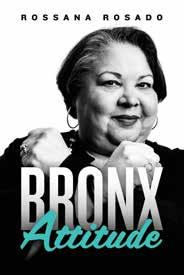
Bronx Attitude by ROSSANA ROSADO • SAN ANTONIO, TEXAS | ELITE VOICES
DESCRIPTION
When you’re from the Bronx, people perceive a certain toughness. It is that Bronx attitude that permeates this memoir. A childhood surrounded by family imbued the author with a sense of duty and empowerment that got this daughter of Puerto Rican parents through a journey in uncharted territory like a college application process and so many things that people in her family had not experienced but expected from her. She writes about culture shock in college and lovely moments of identity and purpose, which lead her to a thirty-year career in New York media.
The author describes her challenges and victories as a young reporter covering city hall during the Koch administration to the role of publisher and CEO. Her career mirrored and coincided with the unprecedented growth in New York’s diverse Latino community. From her Bronx childhood to a seat at the table in New York’s iconic boardrooms, the author demonstrates how Latinas lead.
This memoir is a celebration of family, traditions, heritage, and good old hardcore New York City hustle.
REVIEW
“Written with stunning honesty, breathtaking beauty, and New York humor, Bronx Attitude is a book that’s impossible to put down. When you finish reading this mighty memoir, you’ll want to clap for the author, Rossana Rosado, who rose from the protective
pages
bosom of a hard-working community of Puerto Rican entrepreneurs and pioneers to become one of the most beloved and powerful women in publishing and government. It is a raw and fearless exploration of how identity is shaped within the quiet, complicated bonds of family, an intimate peek into the life of an ambitious woman who leans on the power of her culture and profound love of the written word to chart a path to live her dreams in an unforgiving city and media industry. Bronx Attitude will touch readers’ hearts, spark conversations, and linger long after the final page.” -Sandra Guzmán, Daughters of Latin America: An International Anthology of Writing by Latine Women.
ABOUT THE AUTHOR
ROSSANA ROSADO is a journalist, writer, educator, and fierce champion of justice. She is a New Yorker born and raised in the Bronx. Presently, she is a commissioner in New York State overseeing criminal justice services. Previously, she served as New York’s secretary of state. As secretary, she advanced social justice reform. Her state service follows a journalism career of over thirty years in New York media, which included stints in radio and television as an Emmy Award-winning producer.She served as the first female editor, and then publisher and CEO, of “El Diario-La Prensa”, the oldest Spanish-language newspaper in the country. As a young reporter, she covered city hall and wrote many stories about the challenges faced by Latino New Yorkers. As publisher, she volunteered with organizations helping folks returning home from prisonShe has a journalism degree from Pace University and a master’s in criminal justice from John Jay College, where she was a distinguished lecturer, and taught courses in four NYS prisons. During her media career, she earned an Emmy Award, a STAR Award from the NY Women’s Agenda, and a Peabody Award for journalism. Her passions are leadership, justice, women, and her family-hubby and two adult children.
Nuclear por MAIELIS
GONZÁLEZ • BARCELONA, ESPAÑA |
CABALLO DE TROYA | Febrero 5, 2026 | 192 páginas
SINOPSIS
La nueva voz de la ciencia ficción cubana aborda en Nuclear las fantasías del exilio y de nuevas posibilidades de revolución.
Claudia sabe que el futuro prometido por la Revolución cubana no llegó ni llegará, y en el exilio, escribiendo desde el sur remoto de una isla en el Delta del Tigre argentino, encontrará otros sueños de resistencia y rebelión, junto a la promesa de horizontes posibles que conseguirán dejar atrás el basurero tóxico del realismo capitalista.
Benicio, en cambio, se ha quedado prácticamente solo en Cuba, pero no le interesa migrar o no se atreve. Prefiere perseguir el sueño o la locura de su arte para descubrir entre las ruinas de la central nuclear abandonada de Juraguá el fantasma del futuro soviético desvanecido.
Una novela deslumbrante entre la Zona y el Río, entre el paraíso futurista abortado y el consuelo del paisaje acuático, entre el laberinto y la red. Una ficción especulativa afrocaribeña mezclada con la historia reciente de Latinoamérica que logra crear nuevas cartografías de lo weird.
SOBRE la AUTORA
MAIELIS GONZÁLEZ (La Habana, 1989) es narradora, investigadora y divulgadora literaria. Se licenció en Artes y fue profesora de la Facultad de Artes y Letras de la Universidad de La Habana.
Actualmente es profesora de Escritura creativa en la Escuela de Escritores de Madrid. Entre sus obras más destacadas podemos encontrar Sobre los nerds y otras criaturas mitológicas (2016), De rebaños o de pastores (2020) y Jauría (2022).
Se encarga de presentar y producir, junto a Sofía Barker, el pódcast Las Escritoras de Urras (Premio Ignotus 2021 y 2022)
RESEÑAS
Una tragedia cuántica que nos hace reflexionar sobre el destino de la condición humana. Una novela para todos los tiempos y para todos los cuerpos. Desde lo isleño a lo continental, Maielis González explora el universo de la zozobra y lo ominoso, y nos invita a preguntarnos qué hubiéramos sido más allá de las catástrofes políticas. Elaine Vilar Madruga
Esta novela es red y laberinto: el río en el que nos juntamos porque “la única literatura que interesa es la de la sinapsis que nos conecta a unos con otros”. Nuclear aborda, desde la ficción especulativa, la dificultad de narrar la identidad, la migración y la historia. Nos muestra lo mutante de los territorios y de los lenguajes, por eso su imaginación es cuántica y revoltosa. Mónica. Ojeda
«Esta novela es un viaje alucinado por las ruinas de un proyecto utópico y, al mismo tiempo, na inolvidable inmersión en espacios perturbados y enrarecidos. Entre la Ciudad Nuclear cubana y el Delta del Paraná se traza un puente invisible que revela la persistencia espectral de futuros truncos. Maielis González recurre a la ciencia ficción para narrar con lucidez y ferocidad las heridas históricas y afectivas que todavía irradian. Liliana Colanzi
Quinceañeras: Latinidades and Girlhood in Popular Culture
Edited by JILLIAN M. BÁEZ, DIANA LEON-BOYS and ANGHARAD N. VALDIVIA
CHAMPAIGN, IL | UNIVERSITY OF ILLINOIS PRESS | May 26, 2026 | 224 pages
DESCRIPTION
From dramas to reality TV to advertising, quinceañeras are familiar across mainstream media in the United States. The celebration event for fifteen-year-old girls has evolved over time and today is immersed in gender politics and consumer culture while speaking to Latina/o/x assertions of culture, belonging, tradition, and assimilation.
Jillian M. Báez, Diana Leon-Boys, and Angharad N. Valdivia edit a collection that draws on the expanding field of girlhood studies to examine the increasing visibility of the event and the figure of the quinceañera herself in pop culture. The contributors focus on quinceañeras as a trope for Englishlanguage media’s treatment of Latina girlhoods and Latinx cultures
but also examine how use of the quinceañera charts deepening openness and inclusivity within Latinx culture.
Timely and thought-provoking, Quinceañeras provides an interdisciplinary exploration of a celebration and its central figure within studies of Latina/o/x identity, race, class, gender, and sexuality.
AUTHORS
JILLIAN M. BÁEZ is a professor of Africana, Puerto Rican and Latino Studies at Hunter College. She is the author of In Search of Belonging: Latinas, Media, and Citizenship. DIANA LEON-BOYS is an assistant professor in the Department of Communication Arts at the University of Wisconsin–Madison. She is the author of Elena, Princesa of the Periphery: Disney’s Flexible Latina Girl. ANGHARAD N. VALDIVIA is Emerita Research Professor at the Institute of Communications Research and the Department of Latina/Latino Studies at the University of Illinois, UrbanaChampaign.
Deportes / Sports
Comienza Temporada 2026 de la Springfield OTSL
Van Sickle Field (El Hoyo Softball Field) • Springfield, MA • 25 de abril de 2026
Dedicada a José “Yoito” Reyes, dirigente del equipo Criollos Hartford
In memoriam de Iván “Ivo Cardona López – 1962-2026
Carlos Gónzalez, Roberto Fontánez, José “Yoito” Reyes y José Santos / foto Springfield OTSL
Familiares de Iván “Ivo” Cardona López junto a compañeros de “Ivo”, dirigentes de la liga y oficiales electos
Transmisión en vivo por Dímelo
I-D: José Santos (Vice-President de Springfield OTSL), Roberto Fontánez (Presidente de Springfield OTSL) junto a los árbitros Rómulo Pérez, Roberto Ortiz, Edgar Rivera (Presidente de los árbitros), Juan Santos, Orlando “Landy” López y el Representante Estatal de Massachusetts, Carlos González
Flow Deportes
Carlos Gónzalez, Roberto Fontánez, Juan Santos y José Santos