








































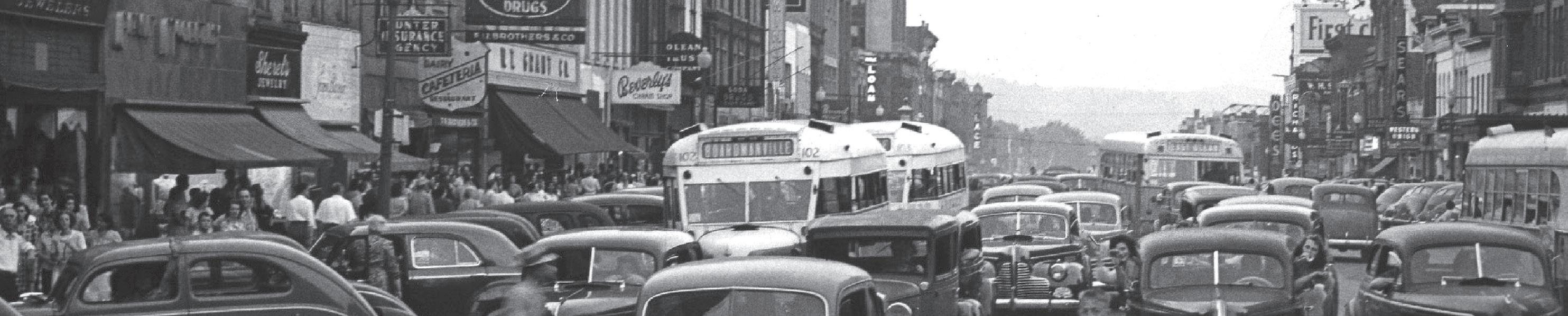





























































































Since its founding in 1949, Cutco has been an integral part of the Olean community.
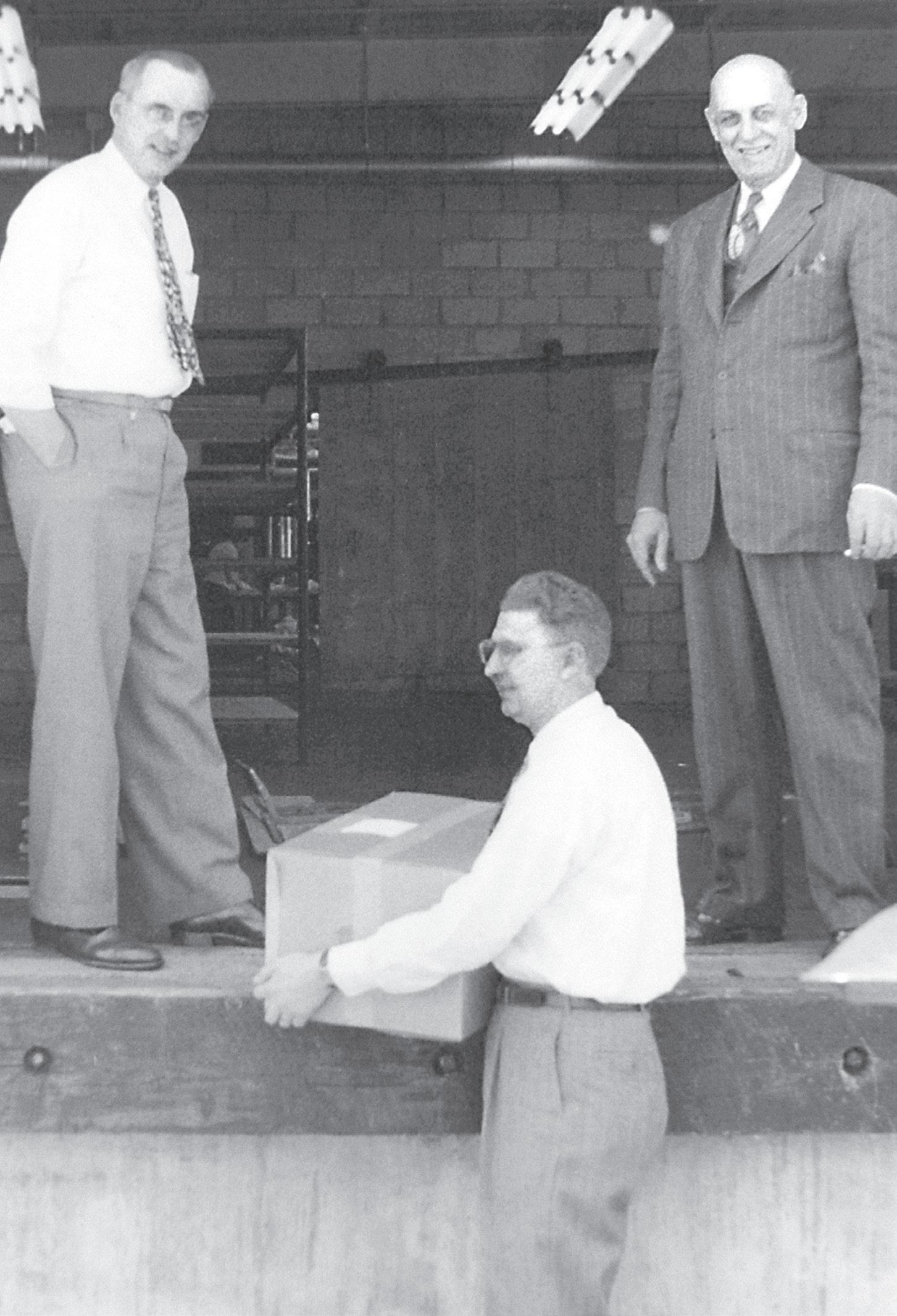
The company’s story began when ALCOA wanted to add kitchen knives to the products its Wear-Ever salesmen were selling. They entered into a joint venture with Case Cutlery to form a company called Alcas Cutlery Corp., that would manufacture Cutco Knives at a new factory in Olean.
That innovative idea launched a company that has stood the test of time. It has evolved, but its purpose hasn’t changed — to make and sell the best American-made kitchen knives around, and to stand behind them with The Forever Guarantee.
The innovation didn’t end with the birth of Cutco.
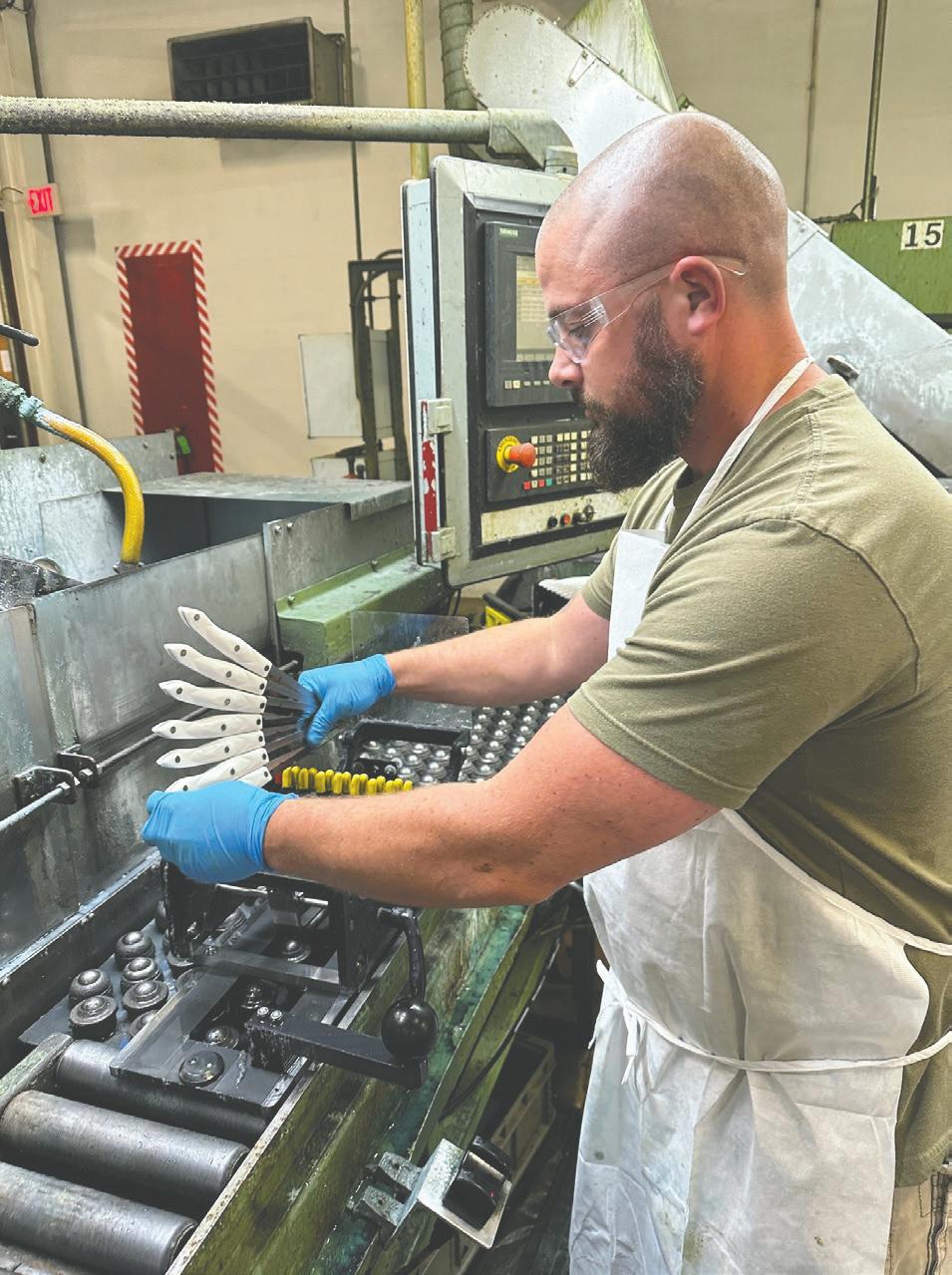
In 1952 the distinctive Wedge-Lock Handle was added to its products and, eight years later, the company added the exclusive Double-D® edge to some of its knives. Both are signature features of Cutco Knives to this day.
The most significant event for the company occurred in 1982, when a management team purchased Cutco from ALCOA, making it a private company. A few years later, in 1985, Cutco acquired Vector Marketing as its primary sales organization, forming the foundation for the corporate structure that exists today.
In the years that followed, expansions
were made to the headquarters, products were added and then, in 1996, Cutco acquired KA-BAR® Knives Inc., which remains a partner company. Over time, Cutco opened a Cutco/KABAR Visitors Center in Olean and nine retail stores across the country. It also bought
Schilling Forge Inc. of Syracuse to add to its corporate family.
“We’re very proud of what we’ve built here,” said Cutco Corp. president and CEO Jim Stitt. “From the beginning we’ve been committed to staying American made and to preserving our cultural identity for generations to come.”
To honor Cutco’s commitment to American manufacturing and to celebrate America’s 250th Anniversary, Cutco is offering The 250th Celebration Knife with Sheath through Sept. 7, 2026. For information, visit Cutco.com or stop by the Cutco/KA-BAR Visitors Center.































































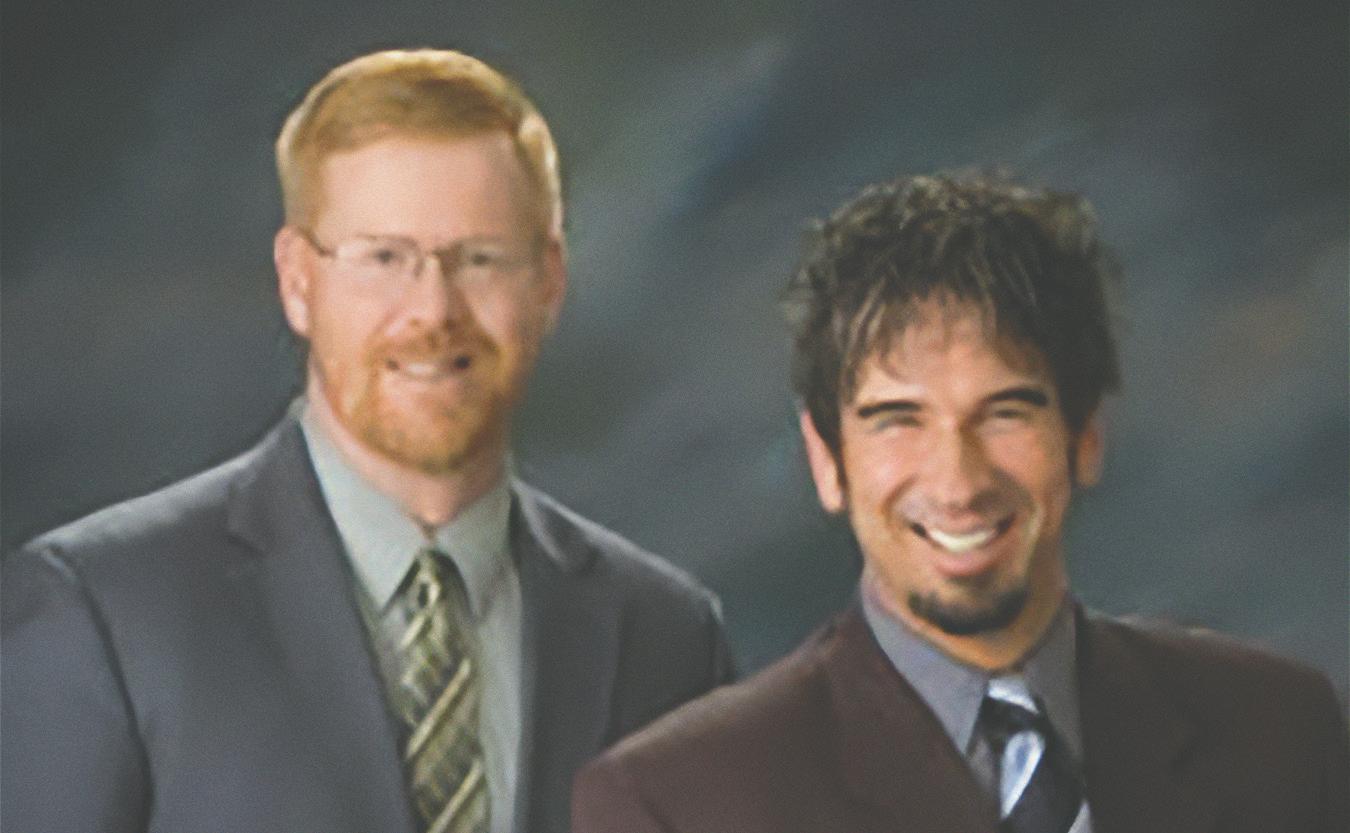
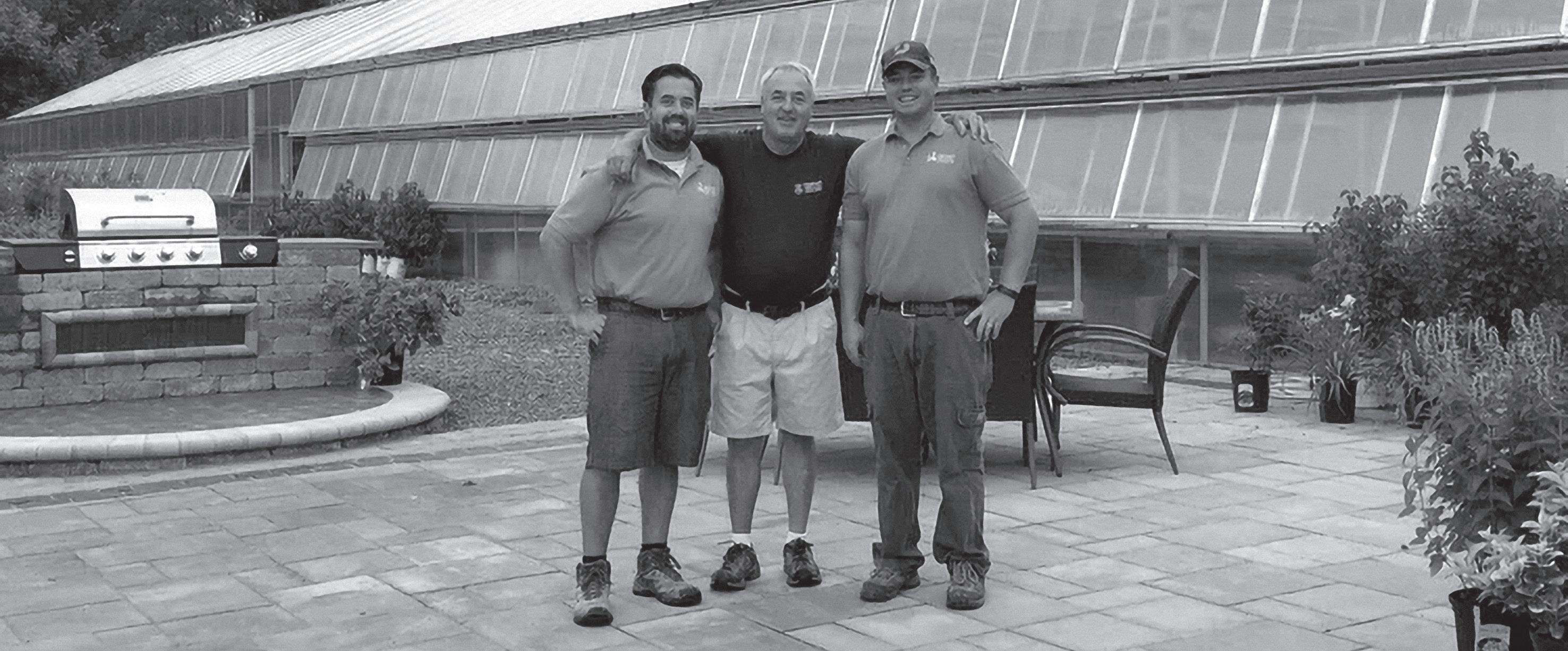
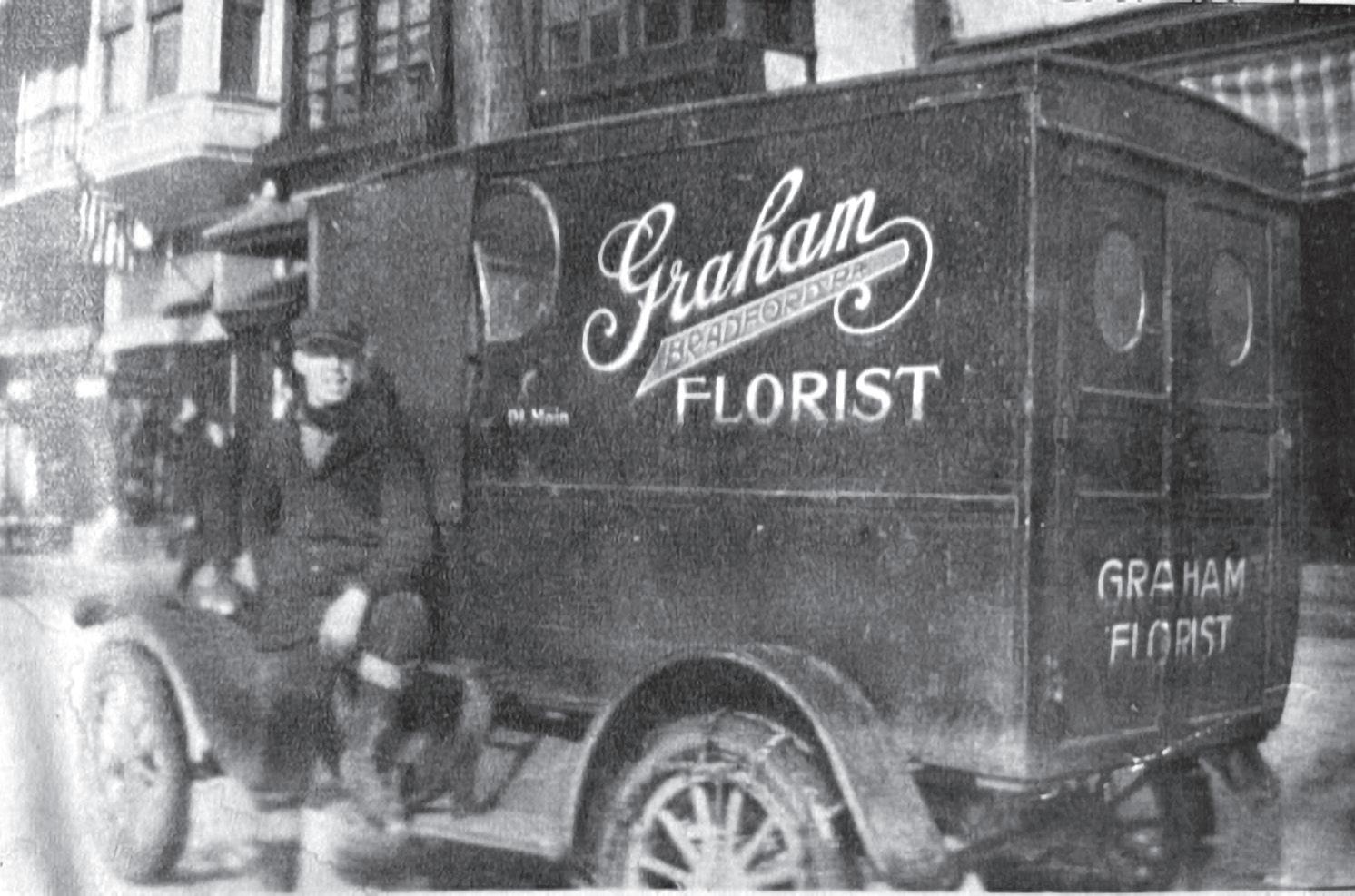
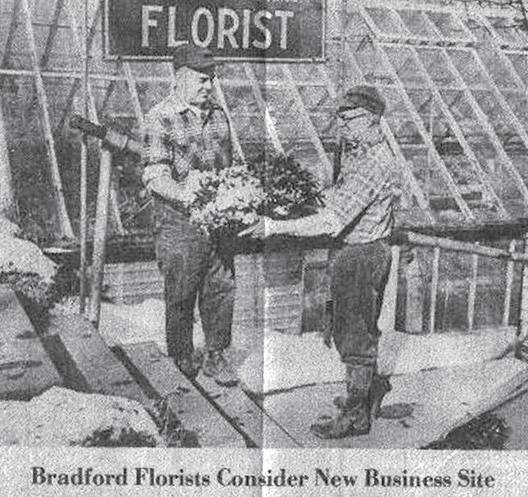












For more than a century, Wright Monumental Works has helped families throughout the region preserve the memories of those they love. Today, the family-owned business at 212 E. Main St. in Bradford continues that tradition under the leadership of the third and fourth generations of the Rose family.
Following the passing of longtime owner and master memorialist Ralph A. Rose, the company proudly carries forward the values, craftsmanship, and compassion he devoted his life to building. Ralph spent more than 70 years in the monument industry, becoming a trusted name throughout the region for his dedication to families during some of life’s most difficult
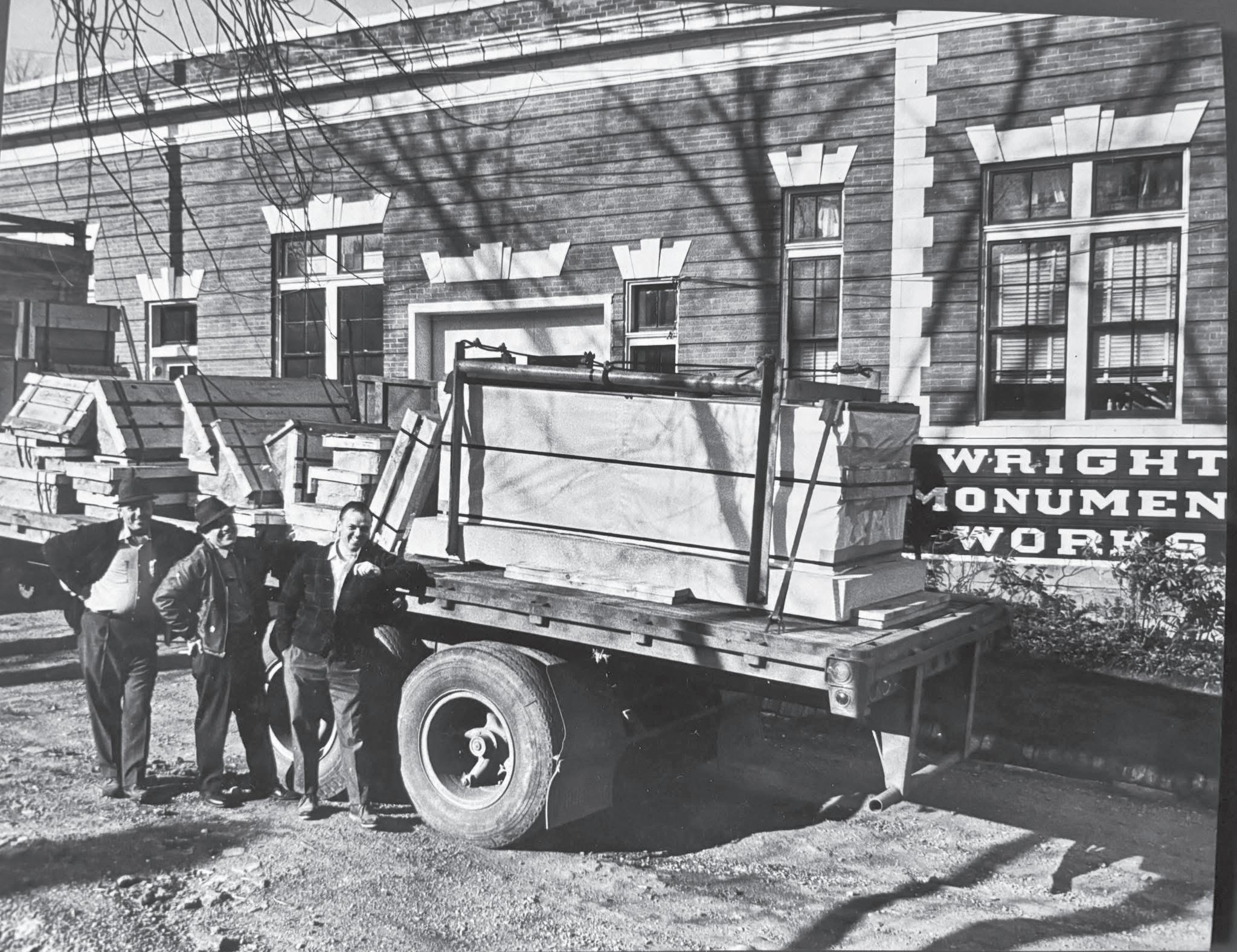
moments. His guidance, knowledge, and commitment to excellence continue to shape the business he loved.
Ralph’s daughter, Kelly Rose Platko, serves as co-owner and
memorialist, overseeing sales, customer service, and day-to-day operations. Alongside her is her husband, Mark Platko, who is also co-owner. Together they remain committed to
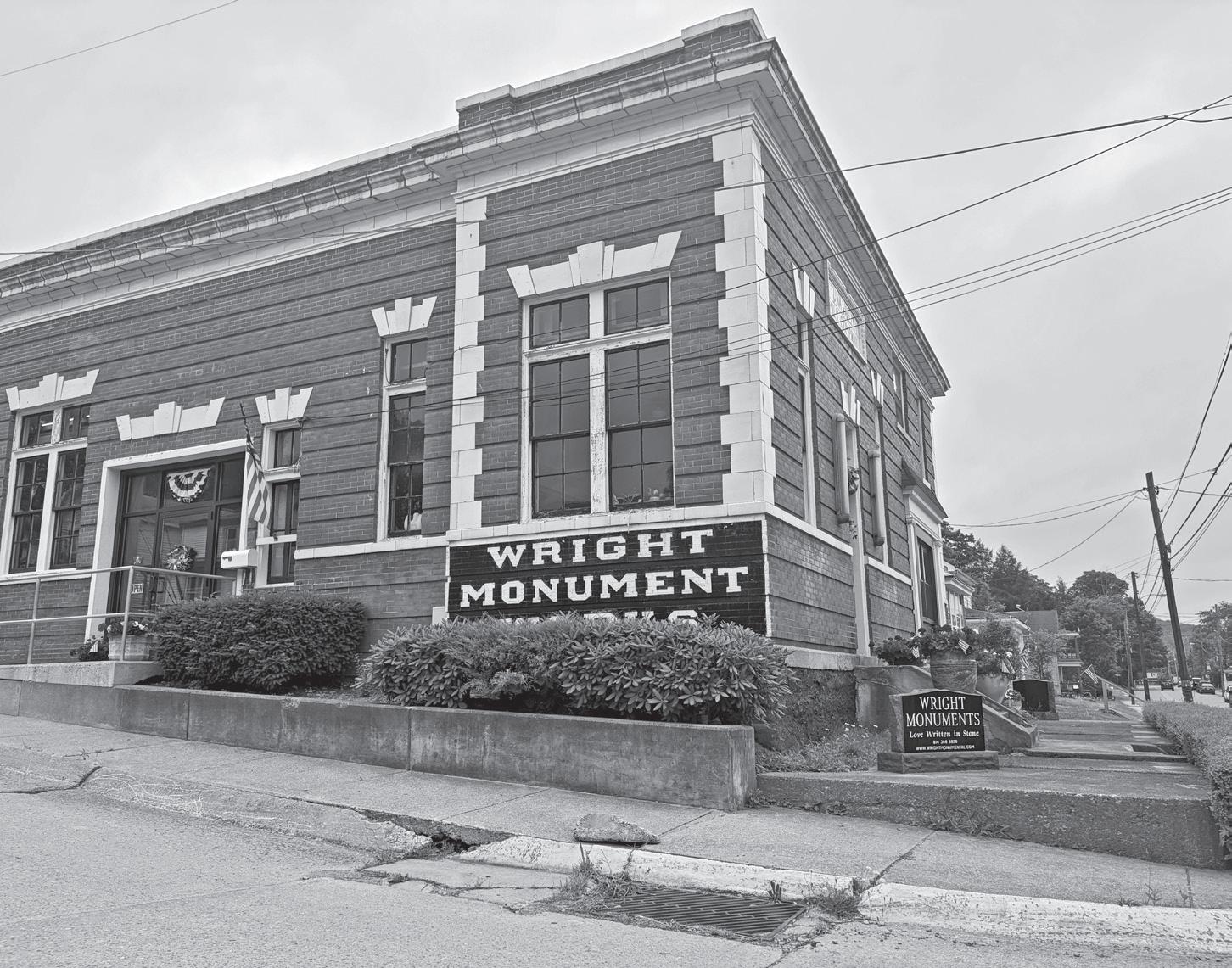
providing personalized service while preserving the family tradition that has defined Wright Monumental Works for generations. Representing the fourth generation is Cassy Wolfe, Kelly’s daughter, who works alongside her mother helping families create meaningful and lasting memorials. Cassy also serves as the owner and manager of McKean Memorial Park Cemetery, where she continues her family’s dedication to serving the community with
care, professionalism, and respect.
The Wright Monumental Works story began in 1915 when Charles Wright established the business in Bradford. Ralph’s father, Philip M. Rose, became owner in 1940, and the Rose family has remained dedicated to the company ever since. Over the decades, Wright Monumental Works has earned a reputation for quality craftsmanship and compassionate service across a 150-mile service area.
The company offers custom granite monuments, mausoleums, bronze memorials, pet memorials, benches, garden sculptures, civic recognition pieces, stone cutting and finishing, memorial artwork, and granite countertops. Every memorial is carefully designed to reflect the life and legacy of the individual it honors, with in-house carving and hand-etched artwork creating truly personalized tributes.
Among the company’s proudest accomplishments are the granite entrance signs at the University of Pittsburgh at Bradford
and the black granite flame monument at the Zippo/Case Museum & Flagship Store, honoring the company’s founders.
An important part of Wright Monumental Works’ continued success is its dedicated staff. Office Manager Barbara Steinhauer, who has served the company for more than two decades, remains an invaluable resource for families, providing knowledgeable guidance and compassionate support throughout the memorial selection process.
The company’s guiding philosophy remains unchanged:
“Love Written in Stone for People Who Matter by People Who Care.”
That simple statement reflects the values Ralph Rose instilled throughout his lifetime. While his presence is deeply missed, his legacy lives on through the family and team who continue serving the community with the same integrity, compassion, and commitment to excellence that have defined Wright Monumental Works for generations.
For nearly 90 years, McKean Memorial Park has provided families throughout McKean County with more than a final resting place. It has become a place of reflection, remembrance, and quiet comfort, where generations return to honor loved ones in a setting designed to celebrate life while offering peace to those left behind.
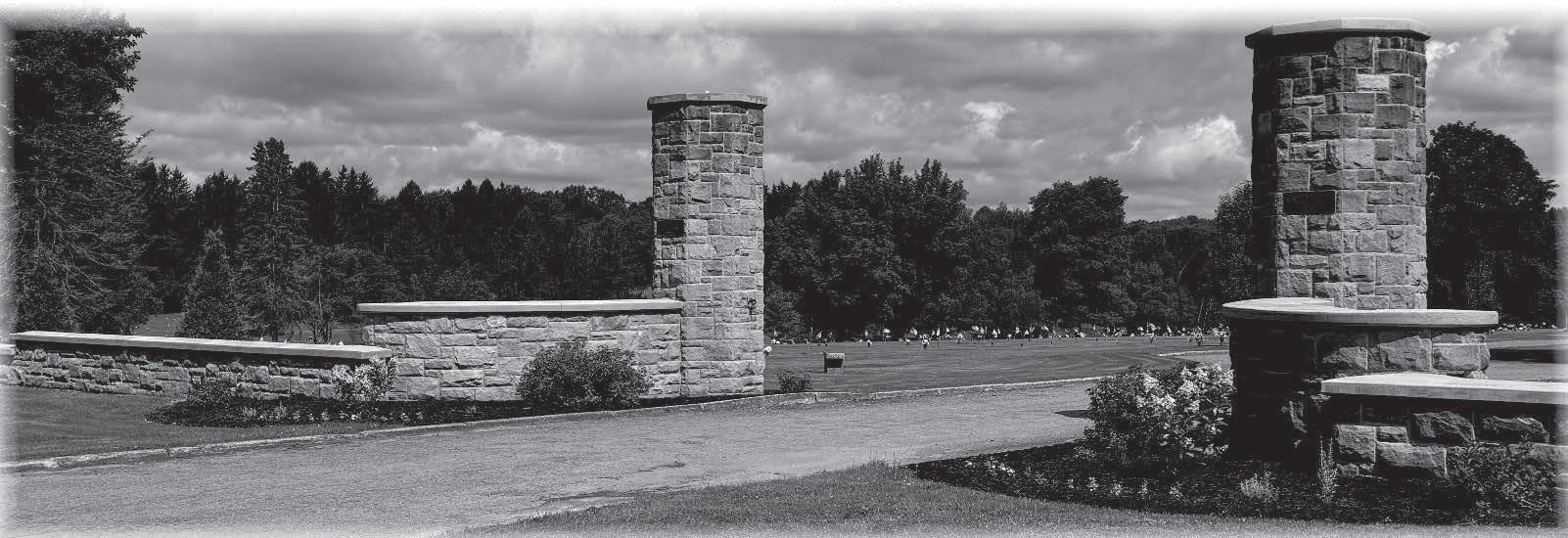
The story of the park begins long before it became a cemetery. In 1824, the land was part of a 10-square-mile tract granted by the United States government to General Lafayette in recognition of his service during the American Revolution. Today, the surrounding Lafayette Township still bears his name, connecting the property to an important chapter of American history.
Years later, the land became the farm of the M.B. Goff family. As communities across McKean County continued to grow, local leaders recognized the need for a centrally located cemetery that could serve families throughout the region. Their vision became reality on April 22, 1936, when ground was broken on the 101-acre property that would become McKean Me-
From the very beginning, the founders established the cemetery as a non-sectarian memorial park, welcoming people of every faith and background. Their goal was not simply to create another cemetery, but to establish a place where beauty, nature and remembrance
That vision remains evident throughout the
Unlike traditional cemeteries filled with upright monuments, McKean Memorial Park embraces the memorial park concept. Bronze memorials lie flush with the landscape, allowing visitors to take in expansive lawns, mature trees, flowering shrubs, and evergreens without interruption. The result is a peaceful, garden-like atmosphere where families can focus on memories rather than monuments.
The park’s distinctive character was shaped by renowned American architects Walter J. Hall and Raymond V. Hall, who designed the impressive stone entrance, the iconic Singing Tower and the chapel while also assisting with the overall layout of the burial sections. For decades, the chapel welcomed families during funeral services before being thoughtfully converted into the administration building in 2019, preserving its history while continuing to serve visitors.
The Myrl Scott family cared for McKean Memorial Park from its founding in 1936 until 2021. Today, the park continues under new ownership, with Cassy Wolfe helping carry forward its legacy while also working alongside her family at Wright Monumental Works. Together, the neighboring businesses share a common purpose—helping families honor loved ones with compassion, dignity, and lasting care.
Today, more than 10,000 members of the community rest within the park’s beautifully maintained grounds. Every season brings a different kind of beauty,
from blooming spring flowers and lush summer greenery to vibrant autumn colors and the quiet stillness of winter. For many families, visits to the park become lasting traditions— places to celebrate birthdays, anniversaries and memories that continue long after a loved one has passed.
One of the park’s defining commitments is its perpetual care trust fund. Every grave space purchased includes perpetual maintenance, providing families with the reassurance that the grounds will continue to be cared for indefinitely. That promise ensures the beauty and dignity of McKean Memorial Park will be preserved for future generations.
For Wolfe, McKean Memorial Park represents more than beautiful grounds and historic architecture. It is a place where local families return year after year to remember parents, grandparents, veterans, friends, and neighbors. Every tree, pathway and memorial reflects the park’s original mission—to provide a peaceful place of remembrance that will endure for generations.
As McKean Memorial Park approaches its 90th anniversary, it remains faithful to the vision established in 1936: a non-sectarian memorial park where history, natural beauty and perpetual care come together to serve the people of McKean County. Nearly a century after its founding, the park continues to offer families not only a final resting place, but a lasting place to remember.






















































The history of a hospital serving Cuba is actually traced back to 1908, when Hugh W. Evans of Bellevue Hospital in New York City and his wife, Mary Ashley Evans, opened a private hospital.
Located at 5 Spring St., behind the First Baptist Church, it was considered to be the most up-to-date health care facility for its time. The hospital featured an operating room and electric lights, the most modern equipment available, according to Minard’s Civic History of Cuba.
Only surgical and maternity cases were admitted — the hospital did not serve mental cases or patients with infectious diseases. At the time there were seven doctors and two dentists practicing in Cuba.
Files indicate that the cost of a private room with bath in 1923 was $5 per day, while semi-private rooms were $3.50 per day. Use of the operating room for major surgery was $8 ($5 for minor surgery) and $5 for maternity deliveries.
The Evanses operated their hospital until a new facility, Soldiers and Sailors Memorial Hospital, was established at 140 W. Main St. It opened its doors on Feb. 1, 1923.
The vision of Robert H. Bartlett, the new hospital was built at a cost of $30,000 and was paid for by popular subscription of
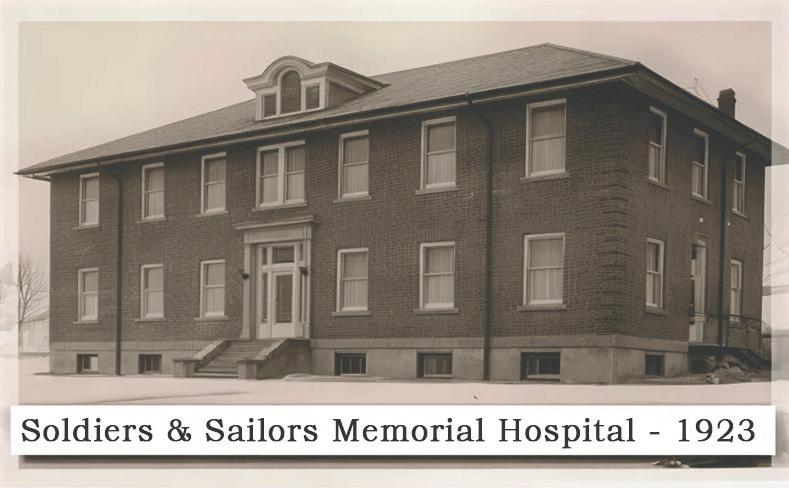
the people of Cuba and surrounding area communities. Several thousand dollars of the cost to complete the project was also raised by the sale of bonds by the Cuba Memorial Building Corp.
The Evanses were the first superintendent and matron of the building, which had a capacity of 18 beds and eight bassinets for babies.
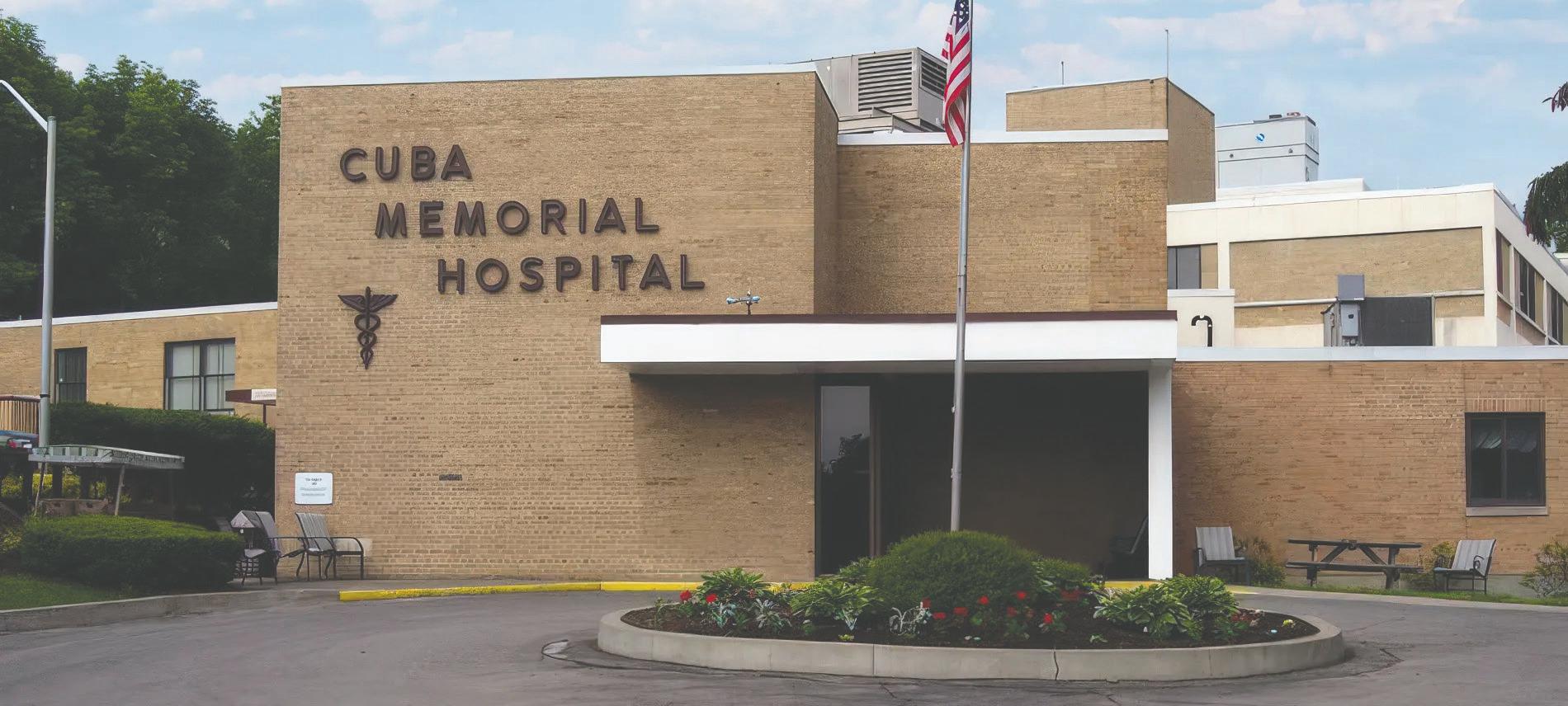
In 1925, the medical facility was incorporated and the name changed to Cuba Memorial Hospital, Inc. The structure remained in use for several years and was expanded in 1949-50, and again in 1960.
In 1966, an announcement of a major expansion was made
with an estimated cost of $2.5 million. Construction was started in 1967 and the building was completed and dedicated in 1972. In that year, there were five physicians listed
on the active staff, two as associates and 10 on courtesy staff.
In 1997, Cuba Memorial was named a Critical Access Hospital, a designation given rural medical facilities
due to the travel distance to facilities serving larger communities. Many hospitals were closed in the 1990s, but CMH remained open and was the first to be named a Critical Access
Hospital in New York state. Currently, there are 18 such hospitals with the designation. Today, Cuba Memorial is in a partnership with hospitals in Olean and Dunkirk — the Twin Tier Affiliation — in partnership with Kaleida Health of Buffalo and part of the Upper Allegheny Health Care System.
CHM no longer offers any surgical care or an intensive care unit but it does offer an Urgent Care Center, which is open 24 hours a day, seven days a week. Rehabilitation care, in-patient acute care (21 beds), palliative care and long-term care (61 beds) as well as outpatient testing services — including x-ray and ultrasound — are also offered at the facility. For more information call (585) 968-2000 or visit cubamemorialhospital.com.




















































ROULETTE, Pa. —
Three generations have worked to make Close’s Lumber Co. a success.
The business began three generations ago in 1973 with Donald Close Sr. at the building supply on River Street in Roulette which later became Close’s Lumber Co., Inc. Donald Close Jr. went to work upon his return from Germany where he was stationed with the Army.
Don Jr’s children, Michael Close and Valerie
Cousins, joined the family business in 1991 and 1999, respectively. Don Sr. retired in 1992.
“As the business grew over time, it was necessary to expand to offer our customers everything that they may need for their remodeling projects and new home builds from the ground up -- lumber, sheathing, roofing, insulation, drywall, doors, windows, plumbing, plumbing fixtures, hardware, power tools, hand

tools, paint, flooring, cabinetry, countertops and so much more,” said Cousins.
The firm’s first purpose-built location in Roulette was built in 2002 with a beautiful 16,000-square-foot showroom, which was completely remodeled in 2022.
“This has allowed our customers to see products in person instead of visualizing which is very helpful,” she said.
In 2004, Valerie’s husband Keith decided to join with plans to expand. In 2008 the site in Olean was purchased, and construction of a second location with a 10,000-square-foot showroom was underway.
“We are currently finishing up our remodel here as well to keep up with the constant change in products,” she said. “We’ve expanded our departments and have added new inven-




tory. Our showrooms are beautiful.”
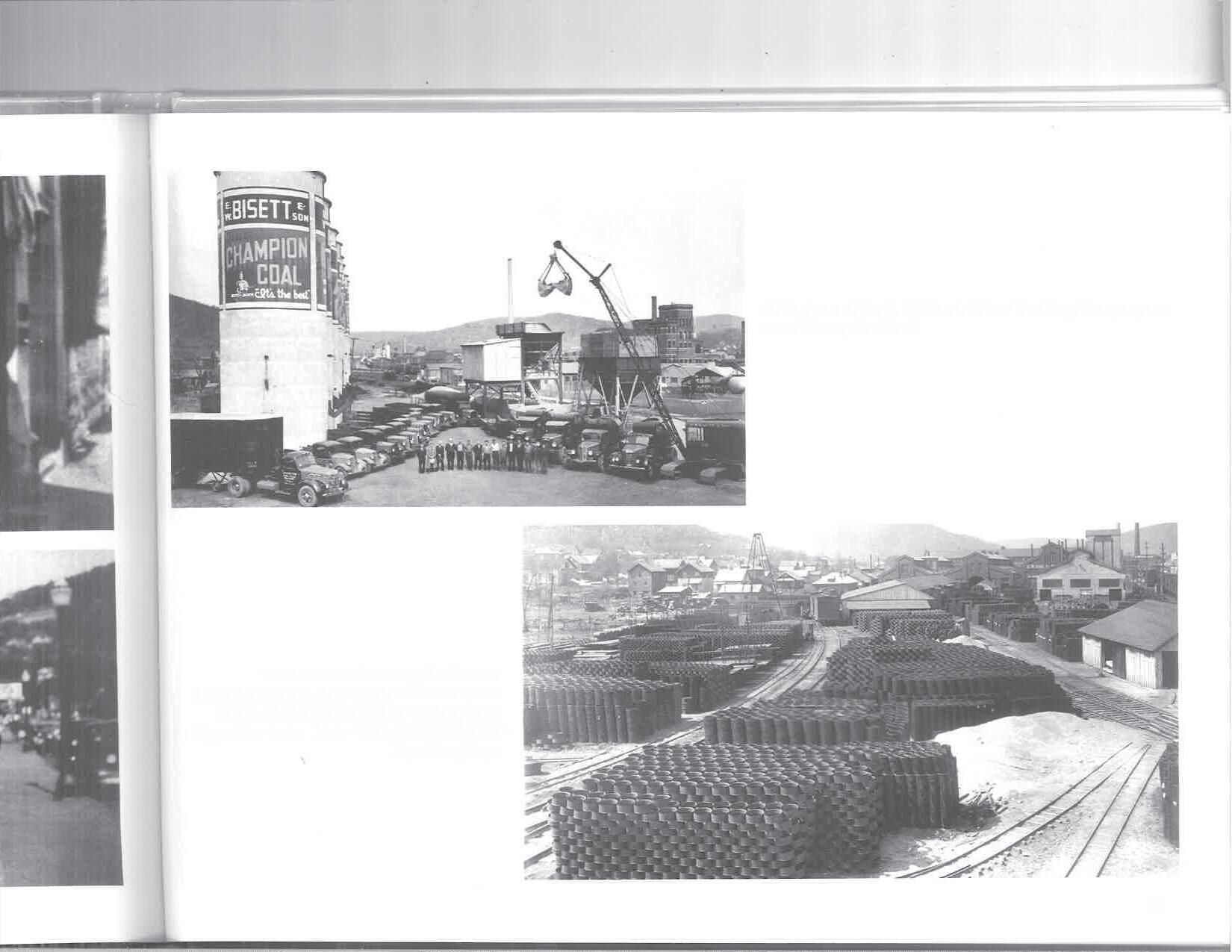
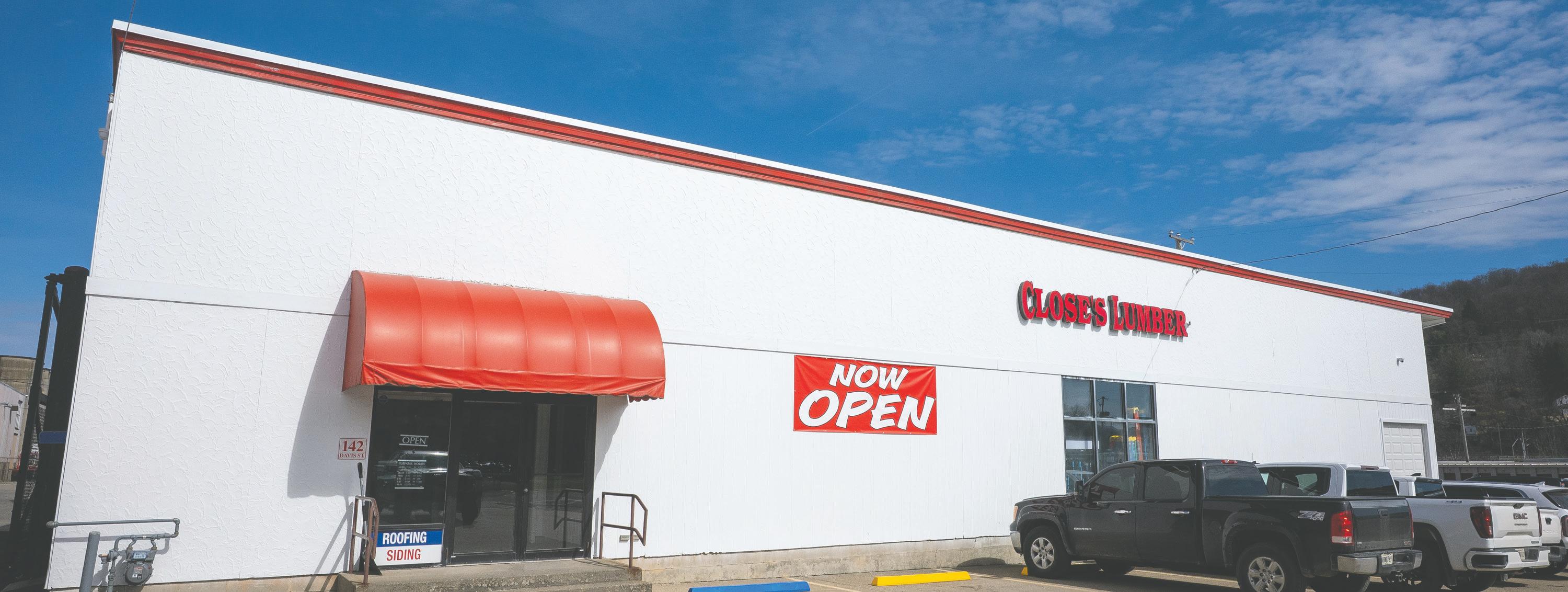
In 2024, the firm purchased the old Bisett Building Center on Davis Street in Bradford to make a third location.
“We completely renovated the building,” she said. “We carry everything and more, of the items that you find at the other locations.
Building materials are covered and kept out of the weather at all locations, making it convenient for customers to

drive through and pick up materials.”
The location opened in April 2025.
“We are still family owned and operated today,” she said. “Our success wouldn’t be possible without a good staff. We appreciate all 23 of them for their hard work and dedication. They are an important part of our Close’s Lumber family, a family that has been proudly serving quality materials since 1973.”