Generating £10m of social value through Tech-Takeback 4 5
Defence Circularity Takes Flight with the Tornado 2 Tempest Project
From End-of-Life Technology to New Beginnings
ERI and New York’s Practical Model for Urban E-Waste Recovery How a Reuse Mindset Became a Global IT Trading Platform 6 7 8
Defence Circularity Takes Flight with the Tornado 2 Tempest Project
Circularity is happening – sometimes in the most unexpected ways: The Tornado 2 Tempest project shows how creative thinking in advanced UK engineering can lead to the most astounding results. Through Rolls-Royce, the MOD, DE&S and Additive Manufacturing Solutions, retired Tornado aircraft components have been transformed into Rolls-Royce’s Orpheus small engine concept.
What’s Happening
The Tornado 2 Tempest project is testimony to circularity in practice in the defence sector, providing supply chain resilience and protecting future manufacturing capability.
The Tornado 2 Tempest project has turned parts from retired RAF Tornado aircraft into powdered metal, which has then been used to 3D print new components for Rolls-Royce’s Orpheus small engine concept.
The project focused on Tornado components containing valuable metals, including titanium from jet engine compressor blades. These parts were cleaned, atomised into powder feedstock, and used to create a 3D printed nose cone and compressor blades.
Rolls-Royce then installed the 3D printed nose cone onto an Orpheus test engine and ran it under test conditions, with positive results.
Why This Matters
The project illustrates how surplus assets may be redefined as a source of future capability in the defence industry, exploring how strategic materials can be recovered and reused while balancing strict quality, safety and resilience standards, helping to demonstrate how circularity is possible even in highly technical sectors.
Circularity in defence is not only about reducing waste, it is about protecting strategic materials, strengthening supply chains and designing future capability from the resources we already have.
In Brief
Retired aircraft parts are being reused
Strategic metals are being kept in circulation
Tornado components have been turned into powdered metal for use in 3D printing. The project focused on valuable materials including titanium, steel and aluminium.
Digital traceability is included
The team also demonstrated a Digital Product Passport to capture material provenance and lifecycle data.
The Bigger Picture
Andrew Eady and the wider Tornado 2 Tempest team are helping show that circular economy practices can sit at the centre of innovation, not at the edge of it. This is circularity integrated into engineering, digital systems, supply chain resilience and future defence capability – turning existing materials into future value.
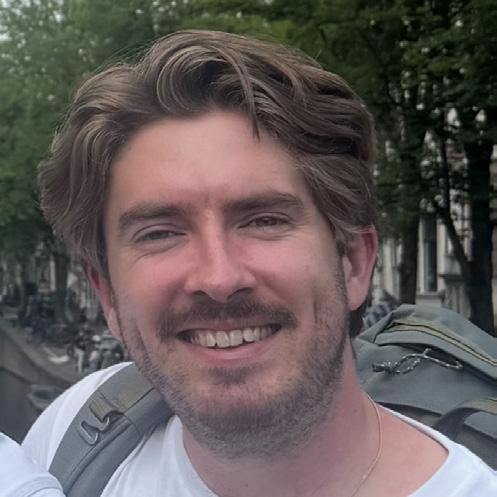
ANDREW EADY
Generating £10m of social value through Tech-Takeback
Circularity is about materials, recycling and carbon reduction, but also human impact: access, opportunity and inclusion. The work led by David Greenfield and TTB CircularIT shows how reused technology can reconnect people with education, employment and community life through the new Tech-Takeback Foundation.
What’s Happening
Tech-Takeback Foundation was established to tackle digital exclusion by providing refurbished devices, internet access and digital skills support to people facing barriers to digital participation. This may include people experiencing homelessness, refugees, young carers, people living in poverty, those managing chronic illness, and others excluded from these opportunities.
The Foundation builds on a decade of digital inclusion work developed through TTB CircularIT. The Foundation will focus on delivering social value, while TTB CircularIT will process and donate technology on behalf of the charity and support organisations on their data erasure journeys.
In 2025, 244 people were supported with refurbished laptops and digital skills training, generating an estimated £9.6m in social value. Of those supported, 83 found employment, 232 accessed education or training, and 197 reported improved mental health and self-esteem. The work also supported the reuse and recycling of 12,800 items of end-of-life technology.
Why This Matters
Tech-Takeback Foundation shows why circularity cannot be measured through environmental outcomes alone. Reusing technology can reduce emissions and keep valuable materials in circulation, but it can also remove real barriers from people’s lives. When a refurbished device is combined with digital skills support, the impact can extend far beyond the equipment itself.
CO-FOUNDER & MANAGING DIRECTOR | TECHTAKEBACK FOUNDATION
In Brief
Digital inclusion is being linked to circularity
Refurbished laptops are helping people access education, employment and essential services.
The 2025 impact report estimates £9.6m in social value from 244 people supported. Reuse is creating measurable social value
Circularity in technology is not only about extending the life of devices, it is about extending access, opportunity and dignity to the people who need them most.
More than 12,800 items of technology were reused or responsibly recycled in 2025. End-of-life technology is being kept in circulation
The Bigger Picture
The Earth’s resources are scarce, and human potential is precious. By connecting responsible technology reuse with measurable social value, Tech-Takeback Foundation and TTB CircularIT are showing how circular technology can reduce waste, protect resources and create access, opportunity and dignity for people who need it most.
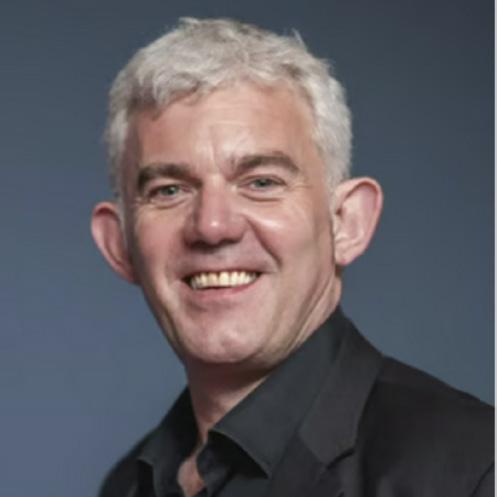
DAVID GREENFIELD
From End-of-Life Technology to New Beginnings
For circular economies to work, they need to recover more than materials. They need to create systems that recognise human potential too. Through DSA Connect’s prison workshop programmes, Harry Benham is showing how end-of-life technology can become the foundation for skills, rehabilitation and meaningful routes back into work.
What’s Happening
DSA Connect has developed a prison workshop programme combining IT asset disposal, component recovery, recycling as well as employability training. Working with partners including Xerox, the Ministry of Justice and HMP prisons, the initiative gives prison residents hands-on experience processing non-databearing technology.
The workshops include inventory creation, device and component identification, component recovery, materials segregation, equipment refurbishment and specialist software. Residents also gain experience producing ESG reporting for partners and stakeholders.
For Harry Benham, chairman of DSA Connect, the focus is not charity. It is about recognising people who want to work, contribute and rebuild. The programme turns technology recovery into a practical pathway for skills, confidence and future employment.
Why This Matters
DSA Connect shows how circular economy models can create value beyond the materials being recovered. End-of-life devices can become a training resource, a route into work and a way for people to rebuild confidence. In a sector where trust, compliance and process matter, these workshops help residents build real evidence of capability and workplace readiness.
Circularity is not only about what we recover from technology – it is about what we help people recover in themselves.
In Brief
Technology recovery is creating skills
Prison residents gain hands-on experience in dismantling, identifying, sorting and recovering IT components.
Circularity is being linked to rehabilitation
The workshops connect responsible technology processing with employability, confidence and reintegration.
DSA Connect works with organisations including Xerox, the Ministry of Justice and HMP prison teams. Partnership is central to the model
The Bigger Picture DIRECTOR | DSA CONNECT
Harry Benham and DSA Connect are helping show that circularity can be environmental and social by design. The same system that keeps technology in use for longer, recovers components and diverts materials from waste can also create opportunity for people who need a practical route back into work, contribution and long-term stability.
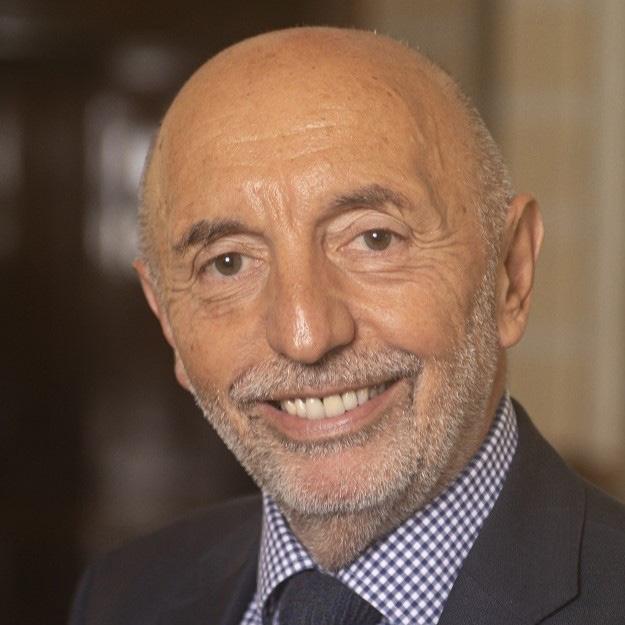
HARRY BENHAM
ERI and New York’s Practical Model for Urban E-Waste Recovery
Implementing circularity relies on access as much as awareness. ERI’s work with the City of New York shows how circular infrastructure can be successfully created: by bringing secure electronics collection into residential buildings and making responsible disposal easier for people living in dense urban communities.
What’s
Happening
New Yorkers reportedly discard more than 400,000 tons of e-waste each year, while NYC Department of Sanitation (DSNY) describes e-waste as the city’s largest and fastestgrowing household hazardous waste stream. The challenge is not only awareness. Many residents do not have access to a vehicle, making it difficult to take old computers and televisions to recycling points. Through ecycleNYC, delivered with ERI, residential buildings with 10 or more units can access free electronics recycling, using secure bins or internal storage with arranged pick-ups. The model connects the scale of New York’s e-waste problem with a practical answer: making responsible collection available where people already live.
Why This Matters
E-waste policy only works when people can act on it. Devices can contain valuable recoverable materials, but also hazardous substances and data-bearing components that need proper handling. By placing secure collection inside apartment buildings, ecycleNYC reduces the barriers that often lead to improper disposal and helps make responsible recycling part of everyday city life, not a specialist task for later.
Circularity only works when responsible choices are designed around the realities of everyday life.
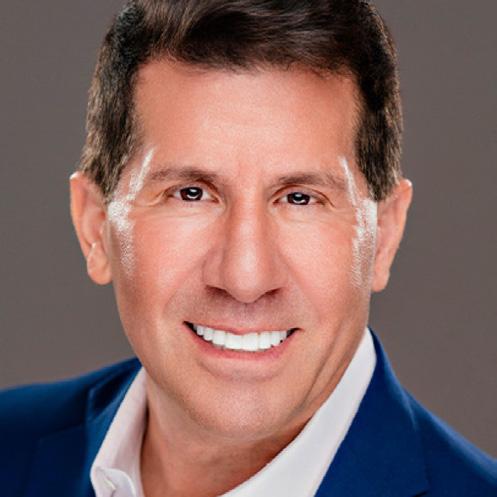
JOHN SHEGERIAN
CEO | ERI
In Brief
New York has a major e-waste challenge
Residents reportedly discard more than 400,000 tons of e-waste each year.
DSNY identifies it as the largest and fastestgrowing household hazardous waste stream in NYC. E-waste is a household hazardous waste issue
Access is part of the problem
Many New Yorkers do not have access to a vehicle, making electronics recycling harder.
ERI helps bring collection closer to residents
ecycleNYC provides secure bins or arranged pick-ups for eligible residential buildings.
The Bigger Picture
Cities around the world will face rising e-waste pressure as devices, infrastructure and AI-related hardware refresh cycles accelerate. One forecast linked to New York’s data-centre debate warns AI could generate up to five million tons of e-waste annually by 2030. New York’s model shows why global pressure still needs local, secure, buildinglevel collection systems that actually work.
How a Reuse Mindset Became a Global IT Trading Platform
Born in the former Soviet Union and moving to Denmark aged 11, Mantas Hansen grew up around resource scarcity and repair culture. Electronics were repaired, reused and maintained, not discarded. That mindset later shaped his career in circular IT, long before refurbished technology became a mainstream business opportunity.
What’s Happening
After more than 12 years in the IT reuse sector, including early work with Flex IT Distribution and the APPROVED SELECTION brand, Mantas Hansen went on to build several ITAD and circularfocused companies.
Through that experience, he saw the same challenge repeatedly: the global secondary IT market was growing quickly, but many brokers, traders and ITAD companies were still relying on fragmented systems, emails, spreadsheets and outdated marketplaces.
Processes such as communication, RMA handling, order management, logistics and compliance documentation were often managed manually across disconnected tools.
Rather than continuing to work around those limitations, Mantas founded BrokerShark, a modern platform designed to bring trading, auctions, communication, RMA management, order handling and logistics into one connected ecosystem.
Why This Matters
The circular IT industry has evolved, but many of the systems supporting it have not. As international trading becomes more complex, businesses need better tools for transparency, compliance, logistics and workflow management. BrokerShark responds to that gap by helping modernise the infrastructure behind used IT trading, not just the trading process itself.
If the circular economy is going to scale efficiently, the tools supporting the industry need to evolve alongside it.
The Bigger Picture FOUNDER | BROKERSHARK
In Brief
Repair culture shaped the thinking Mantas grew up around a mindset where electronics were repaired, reused and maintained.
The secondary IT market is growing
Used IT trading has become more global and professional, but many systems remain outdated.
Smaller businesses gain better tools
BrokerShark gives traders, brokers and ITAD companies access to structure normally requiring larger teams or ERP systems.
BrokerShark is built around a simple idea: trading used IT should be easier. By bringing key processes into one platform, it supports faster workflows, clearer communication and stronger global trading connections. For smaller businesses, it also offers access to structure and tools that would usually require larger teams or expensive ERP systems.