
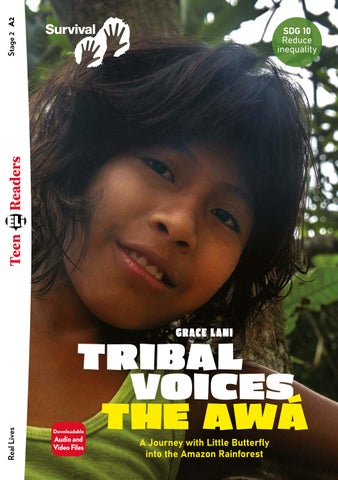
A Journey with Little Butterfly into the Amazon Rainforest

In this reader:
21st Century Skills
Key 2030 Agenda
Glossary
To encourage students to connect the story to the world they live in.
A2 level activities.
Explanation of difficult words.
These icons indicate the parts of the story that are recorded.
Audio start stop
The FSC® certification guarantees that the paper used in these publications comes from certified forests, promoting responsible forestry management worldwide.
For this series of ELI graded readers, we have planted 5000 new trees.
GRACE LANI
A Journey with Little Butterfly into the Amazon Rainforest
Teen Readers | REAL LIVES

The ELI Readers collection is a complete range of books and plays for readers of all ages, ranging from captivating contemporary stories to timeless classics. There are four series, each catering for a different age group: First ELI Readers, Young ELI Readers, Teen ELI Readers and Young Adult ELI Readers. The books are carefully edited and beautifully illustrated to capture the essence of the stories and plots. The readers are supplemented with ‘Focus on’ texts packed with background cultural information about the writers and their lives and times.
Tribal Voices: the Awá
Grace Lani
English Version and activities
Pauline Russo
In collaboration with Survival International
ELI Readers
Founder and Series Editors
Paola Accattoli, Grazia Ancillani, Daniele Garbuglia (Art Director)
Real Lives Series Creation
Grazia Ancillani
Graphic Design
Emilia Coari
Production Manager
Francesco Capitano
Photo credits
Survival International, Shutterstock
First edition: 2024 © ELI s.r.l. P.O. Box 6 62019 Recanati (MC) Italy
T +39 071750701
F +39 071977851 info@elionline.com www.elionline.com
Typeset in 12 / 17 pt Fulmar designed by Leo Philp
Printed in Italy by Tecnostampa - Pigini Group
Printing Division Loreto - Trevi (Italia)
ERT284.10
ISBN 978-88-536-4392-6
All websites referred to in Tribal Voices are from the Survival International website and whilst every effort has been made to check them at the time of going to press, Survival's contents are subject to updates. Therefore ELI disclaims responsibility for their possible future changes.
1 Choose the best word (A, B or C) to complete the text below. This story is about a young girl (1) _____________ the Awá tribe. She lives in the Amazon rainforest in Brazil, in South America. There are (2) _____________ 520 people in the tribe. The Awá (3) their own vegetables and eat the fruit from the trees in the forest. They also fish and hunt animals in the forest for (4) . They speak their own language and are happy to live there. They know the rainforest very well, and they protect it and help it to grow. This is very important for the environment and the (5) _____________ world. The Awá have lived in the forest for centuries, but in recent years, their way of life has been in danger because of outsiders coming to their land, destroying the trees and nature in the forest and bringing illnesses. With the support of celebrities and (6) people from countries around the world, Survival is trying to help the Awá stop the deforestation so they can live in peace on their land.
1 A for B from C at
2 A more B less C around
3 A plant B put C take
4 A fun
5 A all
food C sale
every C whole
6 A many B lots C any
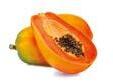
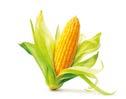
2 Here are some of the fruit and vegetables that the Awá grow in the forest. Match the photos to the correct name. The first one is done for you. a manioc b



The 2030 Agenda Goal 15: Life on Land. Protect, restore and promote sustainable use of terrestrial ecosystems, sustainably manage forests, combat desertification, and halt and reverse land degradation and halt biodiversity loss.
3a What do you know about rainforests and the people who live there? Write a short paragraph.
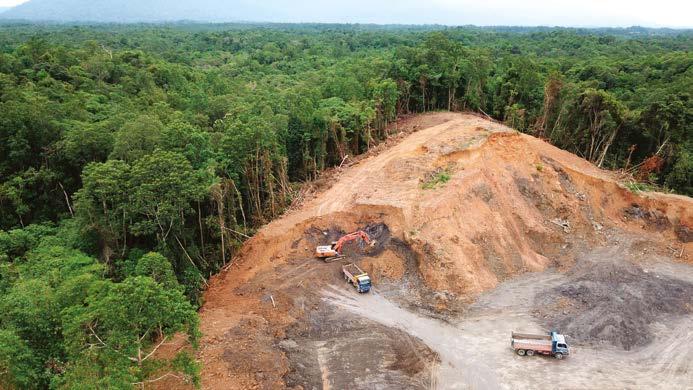
3B How do loggers cutting down the trees in the rainforest (deforestation) change the lives of Little Butterfly and the rest of the Awá tribe? Discuss with a partner.
4 Listen to the start of Chapter 1 and decide if the sentences are true (T) or false (F).
1 There are around 520 members of the Awá tribe.
2 The Awá are one of the most threatened peoples on Earth. ■
3 The name Awá means ‘tribe’.
4 Little Butterfly’s friend is called ‘Forest Tree’ because she’s tall.
5 Little Butterfly likes acai berry juice.
6 Little Butterfly goes to school a few times a week.
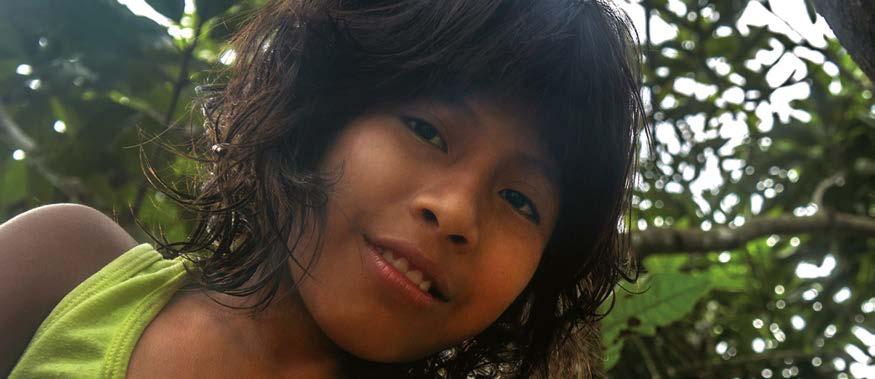

That’s me a few years ago!
“If you destroy the forest, you destroy us too.”
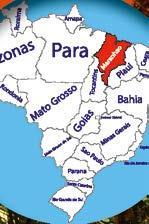
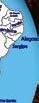
Map of South America
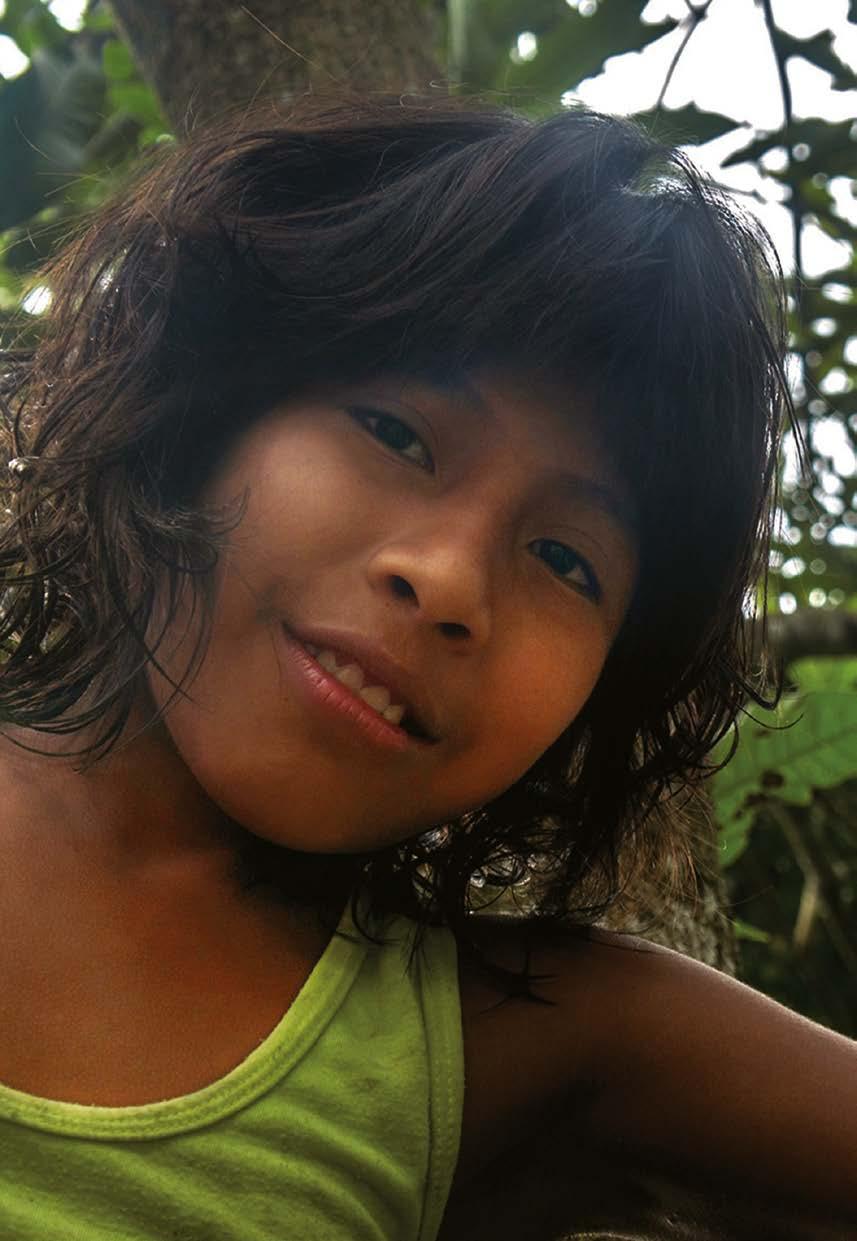
My name’s Little Butterfly and I belong to the Awá tribe*. My people live in Brazil, near the Gurupi River in the Amazon rainforest in the Maranhão region. We call this land “Harakwá”, which means “the place we know”. There aren’t many of us in the tribe, only about 520 people. Some of them avoid contact with outsiders: they are nomads* who live deep in the forest. For this reason,
tribe group of Indigenous people nomad person who moves from one place to another
they are called “uncontacted”. I don’t live with my “uncontacted” relatives but in one of the settled communities, created in the forest years ago.
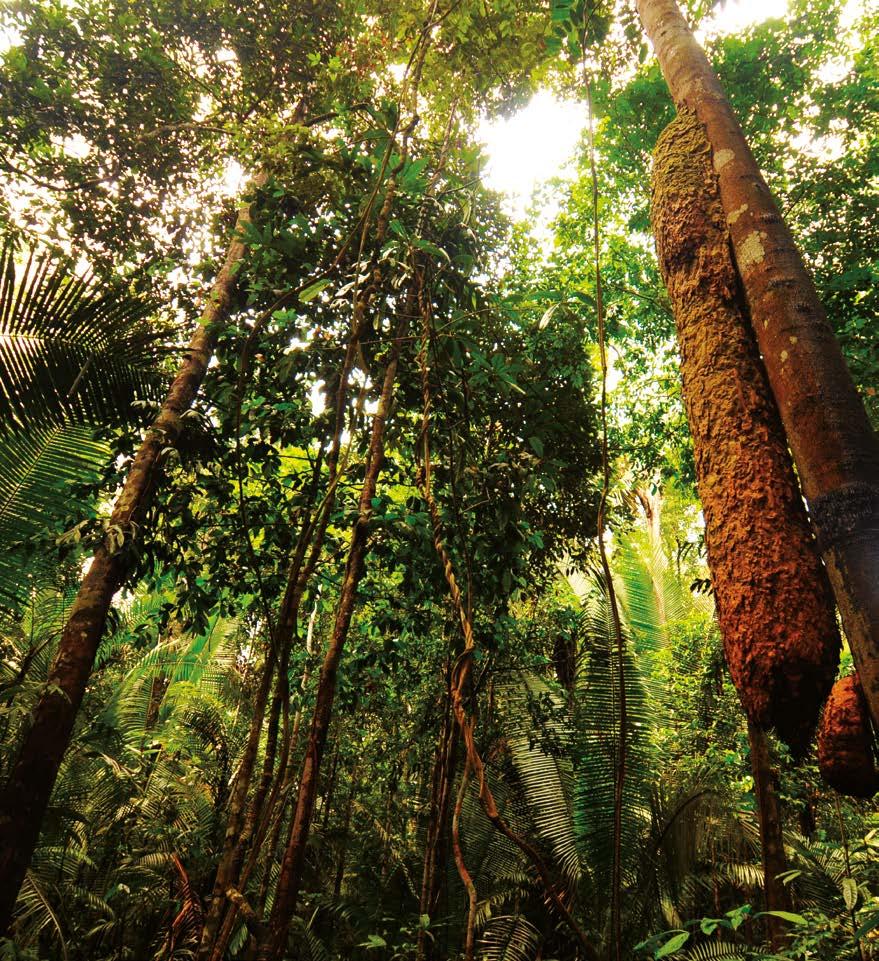
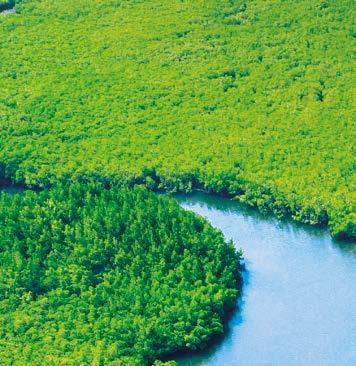
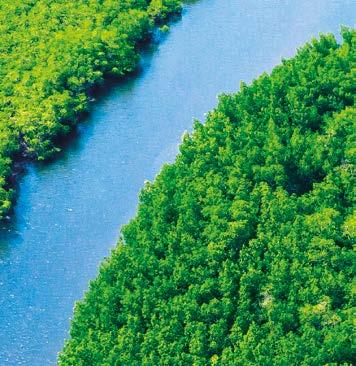
This is the biggest rainforest in the world, and it’s extremely important for the variety of species* that live there and for absorbing the huge amounts of CO2, which are dangerous to humans.

The Amazon rainforest is home to about 400 Indigenous peoples who depend on the nature around them for food, tools and medicine. They have a unique* and great knowledge of the plants used to treat illnesses. Despite this, there is still racism and violence towards these peoples, and their lands are stolen for profit*. The theft of their land brings them poverty*, illnesses and death. On the other hand, when their lands are protected and their rights are respected, these peoples thrive*, and also look after their environment*, which is also very important for all of us.
Maranhão is a state in north-eastern Brazil, South America.


species type of animal or plant unique the only one there is, nothing like it profit money you get from selling something poverty having no money thrive to grow and live well environment everything that is around us on Earth





To some people, it may seem strange to live in the forest, but for the Awá it’s normal. For us, the forest is the most beautiful place to live, and my house is beautiful and perfect to me. For centuries, the Awá lived in harmony* with the rainforest. Then, in only four decades, a large part of our land was destroyed and many people were killed by the “karaí” (“the white people”). We have lost 30% of our central territory* and we are one of the most threatened* peoples on Earth. I feel terrible knowing that so many of the thickest forests covering our planet have disappeared ... but I will talk more about that later. Now I want to tell you about myself, my people and my greatest wish: my dream is that one day they will stop destroying our forests and that the Awá people will be able to live in peace and not have to escape* anymore. I hope that many people will read this book and feel close enough to me and my people to talk about it in class with teachers, and with friends and family, because in harmony living together well territory lands threatened in danger escape to run away
it’s only by knowing the true facts, that we can see what’s happening with our own eyes. I hope that the story of the Awá will inspire* every one of you and make you understand how important it is, for us and all peoples of the world, to fight for freedom and to be able to determine* our own lives.
As I have already said, there’s a group of the Awá who are called the “uncontacted” because they avoid contact with outsiders. This is exactly why they are more vulnerable*. They have no immunity* against illnesses brought in from outside. A common cold could very easily kill them all!
We speak the Guajá language, which is one of the Tupi-Guaraní languages. The name Awá means “man” or “person”.
inspire to motivate, encourage determine to control, make decisions about vulnerable frail, fragile immunity your body’s natural defence
Indigenous native, original people in a country
The Tupi-Guaraní languages were, and still are, one of several linguistic groups spoken by the Indigenous* peoples on the American continent before the Europeans arrived. They include about 70 languages, which are spoken in Paraguay, Bolivia and Brazil. The bestknown ones are guarani and tupi antica (also known as the classic tupi language).
1 Choose A, B or C to make true sentences about Little Butterfly.
1 Little Butterfly wants people to A tell others about the Awá B come to the rainforest
C give the Awá a place to live
C isn’t interested in playing with After-reading
2 She got her name because she is _______________ than the other girls.
A lighter B more playful C smaller
3 She _______________ fruit and vegetables for her breakfast every morning.
A cooks B picks C buys
4 She learns things _______________.
A at school
B from her community
C from the ‘uncontacted’
5 Little Butterfly’s family for food.
A goes to a town
B asks the outsiders
C hunts and fishes
6 She _______________ a computer.
A would love to have B has no money to buy
2 Little Butterfly talks about some members of the tribe, who they call the ‘uncontacted’. They are nomads, so they never stay in one place but move about. Write down the things they need to live.
• The things they carry about with them.
• The things they find in the forest.
The 2030 Agenda Goal 2: Zero Hunger aims to end hunger, achieve food security and improved nutrition, and promote sustainable agriculture.
The tropical forests don’t just provide food for the tribes that live there but are also important for the people living around them. The birds, bees and bats that live in the rainforests make the fields around them produce more food for everyone by pollinating the plants and keeping away the animals and insects that are a danger to them. The moist air from the Amazon rainforest also creates clouds that carry water to other areas in Brazil.
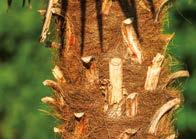
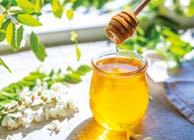
3a Here are some of the natural things that the Awá find which help them to live in the forest. Match the photos to the correct name.
a palm leaves
b fish
c honey
d insects
e fruit
f tree fibres



3B Discuss with a partner how these things are different from, or even the same as, the things you and your family use. Think about where you get your food and clothes from, and if they come from sustainable sources.
4 Before-reading Activities
Vocabulary
4 Here are some words you’ll find in Chapter 2. Match the words to the correct definition.
1 ■ ritual
2 ■ sacred
3 ■ wasting
4 ■ abandoned
5 ■ accessories
a not using something well, throwing it away - for example, food b things added to your clothes, jewellery, hats, scarves, etc.
c left to live on its own d a religious ceremony
e holy
A2 Key
5 Listen to the start of Chapter 2 and choose the correct answer A, B or C.
1 What do the Awá men do when they are celebrating takajá?
A They sing like birds. B They dance like birds. C They eat like birds.
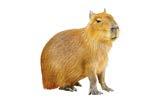
2 Which animal do they never hunt because it has a bad smell? A Capybara B Bat C Opossum
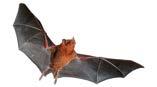
3 To make sure the forest survives, the Awá …
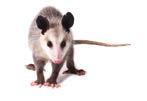
A use only what they need. B waste a lot of food. C hunt all of the animals that live there.
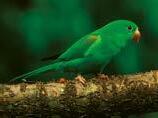
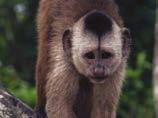
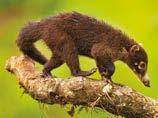
4 Which pets does Little Butterfly’s family like the best? A Parrots B Baby monkeys C Coati
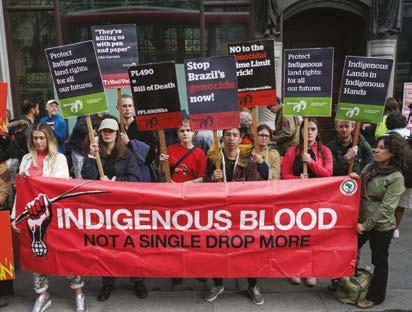
Survival International is the global movement for tribal and Indigenous peoples’ rights. We work to prevent* their destruction and give them a platform* to speak to the world so they can let the world know about the genocidal violence, slavery* and racism* they face on a daily basis.
prevent to stop something from happening platform a way to communicate, place to speak from slavery being made to work without being paid racism hating or considering someone inferior because of where they come from/the particular group they belong to
By lobbying* the powerful, Survival helps defend the lives, lands and futures of people who should have the same rights as other contemporary* societies. It was created in 1969 by volunteers horrified* by the genocide* of Amazonian Indigenous peoples. Since then, it has fought non-stop, with great success, to make the world a better place for tribal and Indigenous peoples. It has helped prevent what some thought was "inevitable"*: some believed that tribal peoples would be completely wiped out* by the year 2000; others said the uncontacted tribes didn’t exist. Today we know that there are more of them than we ever imagined.
lobbying trying to convince, putting pressure on contemporary of the same period in time horrified shocked genocide intentional destruction of a people in whole or in part inevitable when something will definitely happen wiped out completely destroyed
Survival believes that the roots* of crimes against tribal and Indigenous peoples are to be found in industrialised societies, and wants to radically* change public opinion towards them. It fights against racism, land theft* and genocidal violence. Unlike many other organisations, Survival refuses government money and does not take donations* from companies that might violate the rights of tribal and Indigenous peoples.
Visit www.survivalinternational.org/getinvolved to find out how to act, and join the movement. For tribes, for nature, for all humanity.
The Awá are one of the more than 150 uncontacted tribes around the world. They’re Indigenous peoples who avoid contact with outsiders. Most of them live in the Brazilian Amazon, but 25 such tribes live in Peru, and there are uncontacted tribes living on the Andaman and Nicobar Islands (India), in Indonesia, New Guinea, Bolivia, Colombia, Ecuador and Paraguay.
We know very little about them, but we know that each people is unique, and their languages, cultures and world views can’t be replaced: they are an essential part of human diversity. There’s scientific evidence that their territories are the best barrier* to deforestation and the most biodiverse places on Earth. They are not “primitive” and, like all other human societies, constantly change.
roots origins, where something began radically completely theft taking something that isn’t yours
donation money given to organisations to help people barrier a way to protect against something
• Maureen Simpson, In Search of a Missing Friend
• Charles Dickens, Oliver Twist
• Geoffrey Chaucer, The Canterbury Tales
• Janet Borsbey & Ruth Swan, The Boat Race Mystery
• Lucy Maud Montgomery, Anne of Green Gables
• Mark Twain, The Adventures of Huckleberry Finn
• Angela Tomkinson, Great Friends!
• Edith Nesbit, The Railway Children
• Eleanor H. Porter, Pollyanna
• Anna Sewell, Black Beauty
• Kenneth Grahame, The Wind in the Willows
• Mark Twain, A Connecticut Yankee in King Arthur’s Court
• Elizabeth Ferretti, Dear Diary…
• Angela Tomkinson, Loving London
• Mark Twain, The Adventures of Tom Sawyer
• Mary Flagan, The Egyptian Souvenir
• Maria Luisa Banfi, A Faraway World
• Frances Hodgson Burnett, The Secret Garden
• Robert Louis Stevenson, Treasure Island
• Elizabeth Ferretti, Adventure at Haydon Point
• William Shakespeare, The Tempest
• Angela Tomkinson, Enjoy New York
• Frances Hodgson Burnett, Little Lord Fauntleroy
• Michael Lacey Freeman, Egghead
• Anna Claudia Ramos, Expedition Brazil
• Charles Dickens, David Copperfield
• Mary Flagan, Val’s Diary
• Maureen Simpson, Destination Karminia
• Michael Lacey Freeman, Dot to Dot
• Silvana Sardi, The Boy with the Red Balloon
• Silvana Sardi, Scotland is Magic!
• Silvana Sardi, Garpur: My Iceland
• Silvana Sardi, Follow your Dreams
• Angela Tomkinson, Festivals are fun
• Gabriele Rebagliati, Naoko: My Japan
• Silvana Sardi, Gyeong Min Kim: My Korea
• Grace Lani, Riri: My South Africa
• Sarah Gudgeon, The Yellow Sticker Girl
• Sarah Gudgeon, The Kid from Kabul
• Grace Lani, Tribal Voices: the Awá
• Anonymous, Robin Hood
• Jack London, The Call of the Wild
• Louisa May Alcott, Little Women
• Gordon Gamlin, Allan: My Vancouver
• H.G. Wells, The War of the Worlds
Littly Butterfly is a member of the Awá tribe. She loves living in the Amazon rainforest in Brazil with her family, with nature and the animals, but ‘outsiders’ are destroying their home. This is a problem for the Awá, the environment, and the whole world!
Read about the Awá, how they live, and the dangers they face. Little Butterfly tells us about her dream of living in peace one day, with the help of Survival International’s campaign and their supporters around the world.
In this reader you’ll find:
- Glossary of difficult words
- Comprehension and KEY style activities
- Exit test
- Authentic photos and videos
Tags
Indigenous peoples in the Amazon | Nature and animals | Ways of life | The Environment
Look at the inside front cover flap to find out how to download your free Audio files.