6 Student’s Book with Digital Book
21st-century skills
Cultural exploration
SEL (Social and emotional learning)
STEAM projects

The pleasure of learning

21st-century skills
Cultural exploration
SEL (Social and emotional learning)
STEAM projects
The pleasure of learning

pleasure of learning
Welcome page 4
People in My Community
page 8
Looking at the Past
page 22
Parts of the body
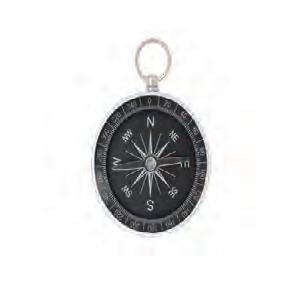
Compass directions deep , high , low , amillion
Vocabulary 1
bangs, beard, braces, freckles, mustache, ponytail, smile; bald, creative, friendly
bones, dinosaur, footprint, fossil, magnifying glass, scientist, shell, skeleton; dig, examine
Exam Extra: Flyers Reading and Writing Part 2
Around the World Episode 1 - Spain
Practice makes perfect!
page 40
Join the club!
page 54
Zero conditional Ordinal numbers
Where / Whenwereyou/theyborn?
Where / Whenwashe/she born?
Grammar 1
Vocabulary 2
Grammar 2
Relative pronouns
champion, coach, equipment, game, medal, team, trophy; practice, score, warm up
join a club; band, chess, choir, debate club, photography, martial arts, pottery, robotics, volunteering
Exam Extra: Flyers Reading and Writing Part 4
Around the World Episode 2 - India
Animal Kingdom
Going Away for the Weekend
page 72
page 86
chameleon, cheetah, eagle, goat, koala, octopus, ostrich, salamander, wolf, worm
charge (your phone), forget, go away (for the weekend), remember; luggage, passenger, passport, ticket, tour guide, tourists
Exam Extra: Flyers Reading and Writing Part 3
Around the World Episode 3 - Botswana
What are your plans?
page 104
Reduce, Reuse, Recycle
page 118
escape room, esports event, go-karting, mini-golf, popcorn, theme park, trampoline park; go bowling, hang out, stream a show
pick up litter, plant trees, protect wildlife, recycle, reduce plastic, reuse, save water, turn off the lights, use green energy, use public transportation
Exam Extra: Flyers Listening Part 4
Around the World Episode 4 - Environments Around the World Grammar Bank page 136 1 2 3 4 5 6 7 8
belikeand looklike apartment, buildings, city block, highway, neighborhood, skyscrapers, traffic, village
Simple past and past progressive bracelet, coins, helmet, mask, necklace, pot, statue, tools
Simple past and past progressive questions
Present perfect with yet and already cello, clarinet, flute, harp, saxophone, trombone, trumpet, xylophone
Present perfect with for and since click on a link, download an app, print a document, save a file, send a text; keyboard, screen; online
Present perfect questions with yet
Present perfect questions with Howlong...?
Comparative and superlative adverbs
Future predictions with will / won’t
beak, claws, fins, fur, scales, skin, tail, wings
balcony, check in, elevator, (second) floor, hall, key card, lobby, towels
may and might crunchy, delicious, disgusting, salty, sour, spicy, sticky, sweet
First conditional canyon, cliff, coast, coral reef, glacier, hill, stream, valley
Question tags with beand can
Future with willand begoingto
Comparisons with not enough/ too... / (not) as as
First conditional questions
Story Time and Social and Emotional Learning
Rowan’sNewNeighbor Self-awareness: Thinking about first opinions
TheGreatDiscovery Social awareness: Appreciating our history
Rowan’sConcert Self-management: Working hard to do well
CloseFriends Self-awareness: Developing your own interests
Visiting“AnimalKingdom” Social awareness: Respecting animals
TheLongTrip Relationship skills: Helping and encouraging friends
Describing where things are the shand zh sounds
Heat Islands Project: Let’s experiment with green roofs!
Using before and after the chand sh sounds A Secret Hero Inside Your Body
Project: Let’s find out what makes bones strong!
Talking about wishes the fland fr sounds How do we hear music?
Project: Let’s experiment with pitch!
Flyers Listening Part 3
Flyers Reading and Writing Part 5
TooMuchScreenTime Relationship skills: Supporting friends
TheEarthChallenge
Responsible decision-making: Helping the environment
Comparing photos the fand v sounds
How do computers think?
Project: Let’s think like a computer!
Talking about similarities and differences the long ah sound Bird Beaks
Project: Let’s learn about birds’ beaks!
Making plans with friends short e and short a The Pulley: A Simply Amazing Machine
Project: Let’s experiment with pulleys!
Using your senses to describe food short a and long ah What’s pH?
Project: Let’s test the pH of foods!
Flyers Reading and Writing Part 6
Flyers Speaking Part 1
Asking for more information the gr and gl sounds
What’s erosion?
Project: Let’s experiment with erosion!
Flyers Reading and Writing Part 7
Flyers Listening Part 2
Flyers Speaking Part 3
Flyers Reading and Writing Part 1





1 Look and talk with a friend.


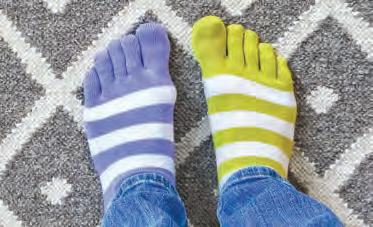
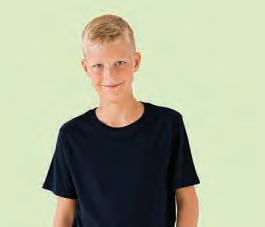
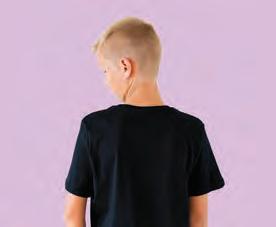
1 Which of these body parts can you use to play sports? 2 Which of these can you use to carry things? 2 Listen, point, and say. Then watch.
3 Look and match to the photos. Then listen and check.
Ask and answer about the photos.
You can see fingers, but you can’t see elbows. Is it photo d?
1
Listen and read. Then listen again and say.
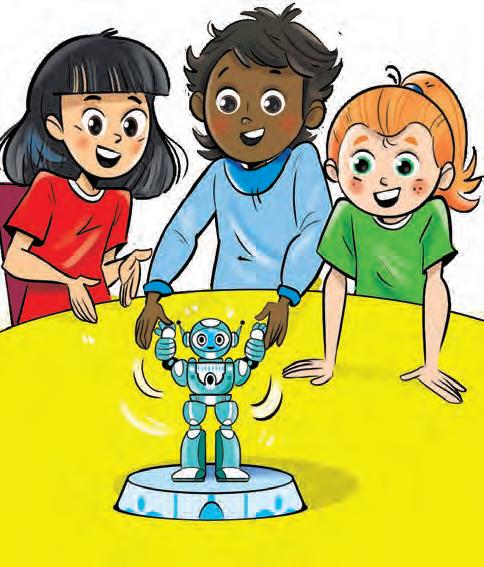
Rowan: Hey, Holly and Julia! Look at the robot my dad and I built this summer.
Holly: It’s so cool! What does it do?
Rowan: Lots of things! If I move the knees like this, the legs bend.
Julia: Can I try? Look! If I move its arms, they bend at the elbows, too.
Rowan: I know! And that’s not all. When you put the robot down, it walks!
Holly: Wow! What does this button do?
Rowan: The robot’s hands open and close when you push it.
Julia: I can’t believe you made this, Rowan!
Julia: It was great!
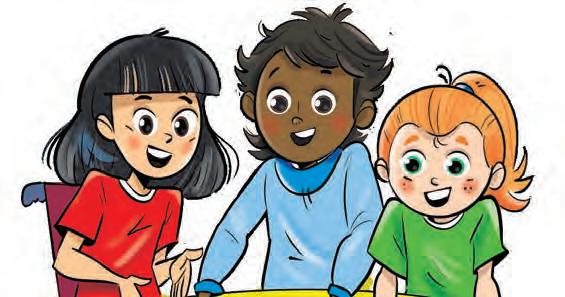
Rowan: Thanks! How was your summer vacation?
Holly: My vacation was good, too. But I didn’t make a cool robot!
2 Read and match.
1 If you cook food on a stove,
a if I don’t wear a coat in winter.
2 If it snows, b it’s cold outside.
3 If you bend your knees,
c when we make a mess.
4 We always clean our room d it gets hot.
5 I get cold
e when you go hiking in the forest.
6 You hear the birds sing f you can jump better.
3 Say and complete.
When I’m cold, I ... ... takes her umbrella.

... wear a sweater. If it rains, she ...








1
Listen and read. Then listen again and say.
Julia: Hey, Rowan, when were you born?
Rowan: On July 3rd. My birthday is on the same day as my mom’s!
Holly: Really? I didn’t know that!
Rowan: Yes, but she was born in 1985.
Holly: And where were you born, Julia?
Julia: I was born in New York City.
Rowan: How long did you live there after you were born?
Julia: Not very long. I think we moved here when I was four. How about you?
Holly: I was born here in the city! But my parents weren’t born here. They were born in Canada and moved here before I was born.
Rowan: How interesting. It’s nice to learn new things about your friends!
2 Order the sentences.
1 little brother / born? / your / When was
When was your little brother born?
2 were born / My grandparents / in 1950.
3 in 2000. / weren’t born / They
When was Rowan born? He was born on July 3rd.
Rowan’s mom was born in 1985. Julia’s family moved here when she was four.
Where was Holly born?
Holly was born in this city.
Holly’s parents were born in Canada. They weren’t born in this city.
Holly’s family moved before she was born. Julia’s family moved after she was born.
4 in South Korea / lived / was born. / before I / My mom
5 were / Where / Oliver and Sarah / born?
6 was born. / We moved / after my sister / to Morocco
3 Ask and answer about you.
When were you born?

I was born on March 15th.
Vocabulary 1

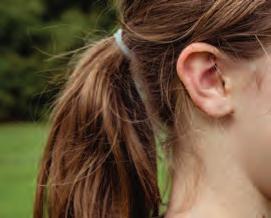
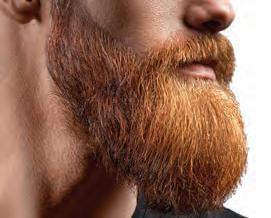
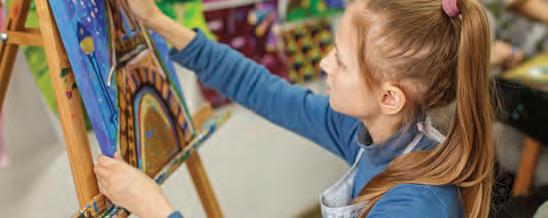
1 Look and talk with a friend.
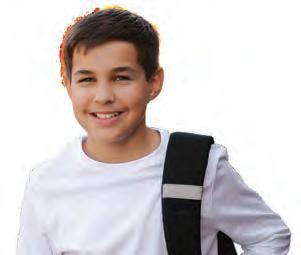
Which of these photos describe you?


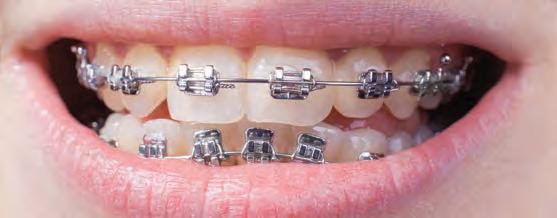
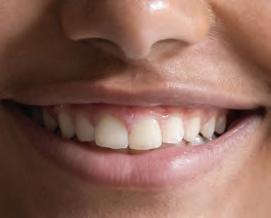
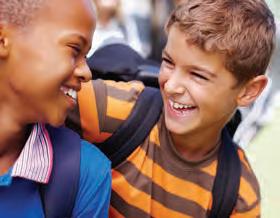
Which of them describe people in your family?
Listen, point, and say. Then watch. 3 Look and match to the photos. Then listen and check.

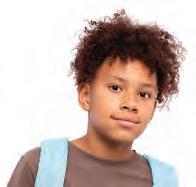
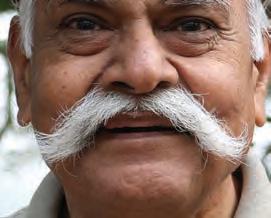
Ask and answer about the photos. Photo e: Does he have a beard? No, he doesn’t. He has a mustache.
1 Listen and read. Then listen again and say.
Julia: I met our new teacher this morning! His name is Mr. Stevens.
Rowan: What’s he like?
Julia: He’s very nice and funny.
Rowan: Oh, great! What does he look like?
Julia: He’s tall, and he has a beard and a mustache. Look, that’s him.
Rowan: Where?
Julia: Over there. He’s talking to the girl with the bangs.
Rowan: He has a friendly smile.
Julia: Yes, he does! Oh, and I also met two other new teachers.
Rowan: Really? What are they like?
Julia: They’re very friendly, too. I think we’re going to have fun this year!
2 Read and complete with the correct form of look like or be like. Then look and match.


1 A: What does your sister look like?
B: She has long, red hair, and freckles.
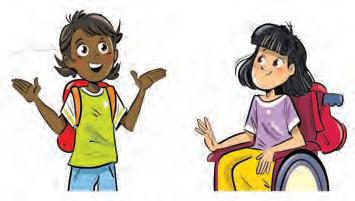
What’s he like?
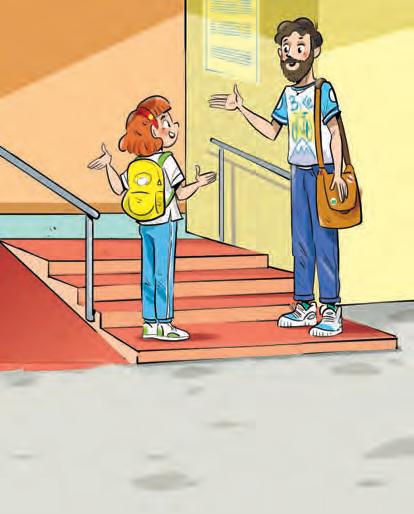
He’s very nice and funny. What does he look like? He’s tall. He has a beard. What are they like? They’re very friendly.


2 A: What your art teacher ?
B: She’s creative and funny.
3 A: What the teachers at your school ?
B: Oh, they’re very nice and friendly!
4 A: What your uncles ?
B: They both have beards, mustaches, and friendly smiles. They’re twins!
3 Talk about your friends and family.
She’s very friendly and funny. What’s your best friend like?
1 Look and answer. What’s the new neighbor’s name?
2 Listen and read.
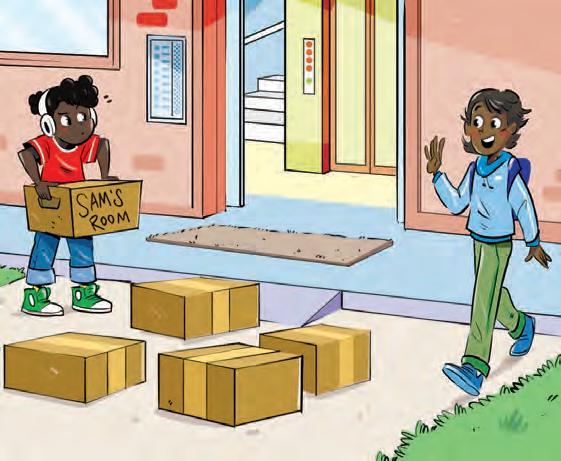
Rowan saw that he had new neighbors. A boy was carrying some boxes down the street. Rowan was excited. He could make a new friend!
“Hi there,” he told the new boy. But the boy just walked past him and didn’t answer.
Rowan was upset. The boy wasn’t very friendly!
“There’s a new boy in my neighborhood,”
Rowan told Holly and Julia the next day.
“Really? What’s he like?” Holly asked.
“Well, at first I thought he looked friendly. But then he wasn’t very kind to me,” Rowan explained.
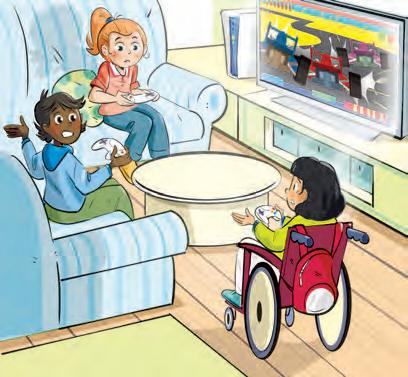
“Sorry, I can’t hear anything when I wear my headphones. Hi, I’m Sam.”
“Nice to meet you, Sam. I’m Rowan.”
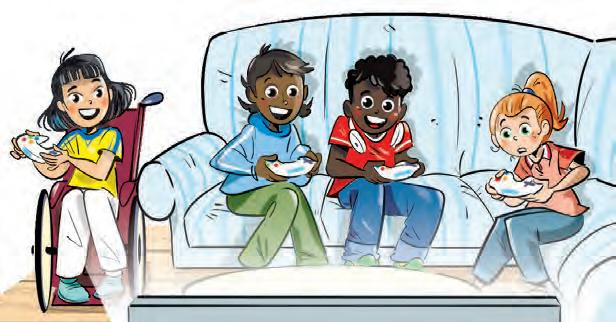
The next weekend, Rowan invited Sam to play video games with his friends.
“Do you like the new RacingStars game, Sam?” asked Holly.
“Yes, it’s great.” Sam answered. “And it’s even better with new friends!”
“Oh, no! What did he do?” Julia asked.
“Nothing — that’s the problem!” Rowan answered.
“He walked past me and didn’t say anything!”
Holly and Julia were surprised. “That’s strange. Maybe he didn’t hear you,” said Holly.
“Yeah, or maybe he felt upset because he moved to a new house,” Julia added.
“Why don’t you try to talk to him again?” Holly suggested.
The next day, Rowan saw the new boy reading outside.
“That’s my favorite comic book, too!” he said.
Sam took off his headphones and smiled.
3 Look, read, and answer the questions.
1 What was the new neighbor carrying? Some boxes.
2 Why was Rowan excited?
3 Why was Rowan upset?
4 What was Sam reading the next day?
5 What did the kids do together at the end?
4 Tell a friend the story in your own words.
5 Read and write.
1 What did Rowan think about Sam at first?
2 Why did Julia and Holly think the boy didn’t talk to Rowan?
3 What advice did Julia and Holly give to Rowan?
4 Why didn’t Sam answer Rowan the first day?
5 How do you think Rowan feels about Sam now? Why?
6 Ask and answer.
1 Have you ever had a first opinion about someone that was wrong?
2 Why did you have that first opinion?
3 Did you change your opinion? Why?
4 What did you learn from that experience?
5 What do you think about that person now?
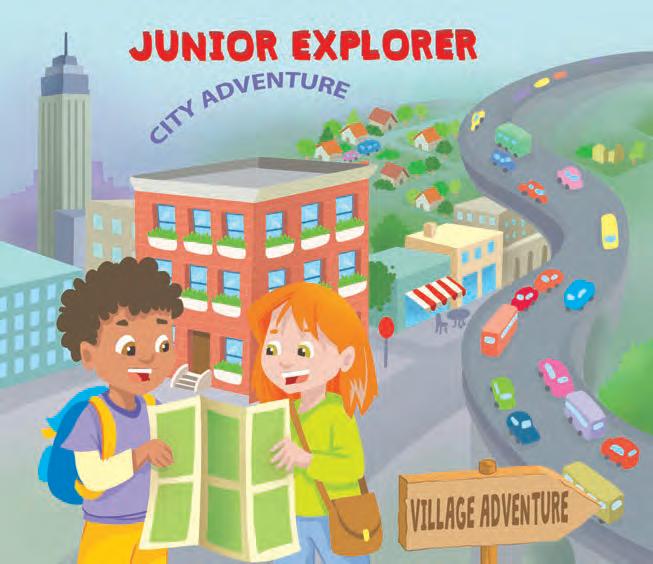
1 Listen and read. What kind of game is this?
2 Look and match. Then listen, check, and say.


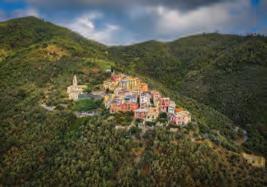

3 Ask and answer about where you live.
Your adventure starts at your apartment. This is where your character lives!
First, explore all the buildings on your street.
Then visit other city blocks and neighborhoods to collect treasure.
Can you find the tallest skyscraper?
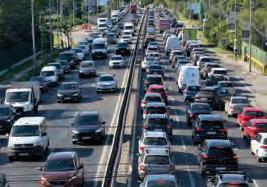
Remember: Walk carefully near the highway. There’s a lot of traffic!
Finally, click the arrow to continue your adventure in a small village outside the city. How to play:



1
Listen and read. Then listen again and say.
Holly: Hey, Sam! Do you want to go to the park? The one that’s next to the library.
Sam: Yes, please!
Holly: So, how are you? Are you enjoying your new home?
Sam: I’m doing well. I still get lost sometimes. The other day I tried to go home, but I went to a building which was on a different street!
Holly: Oh, no! What was your old neighborhood like?
Sam: We lived in a quiet village where everyone knew each other.
Holly: That sounds nice.
Sam: Yes, it was. Hey, guess what? One of my old friends is coming to visit me!
Holly: Really? Which one?
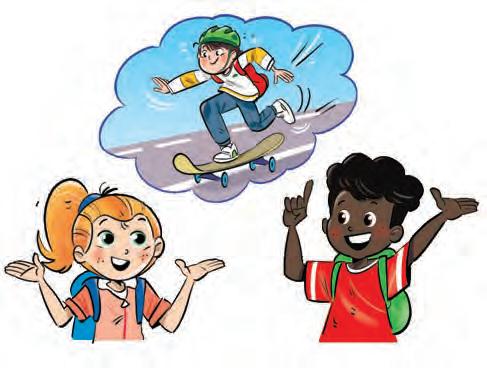
Sam: Miguel, the one who likes skateboarding.
Holly: Cool! I can’t wait to meet him.
2 Read and match.
1 This is the restaurant
2 Gloria is the girl
3 We like the cake
4 Are they the neighbors
5 Where is the game
6 My friends and I are at the library
Sam lived in a quiet village where everyone knew each other. It’s the park that’s next to the library.
I went to a building which was on a different street.
Miguel is the friend who likes skateboarding.
a who are always friendly?
b where we always study.
c who plays the piano.
d that I got for my birthday?
e where you can eat huge hamburgers.
f which is made of chocolate.
3 Say and guess about people and places at school.
This is the place where we eat lunch. The school lunchroom!


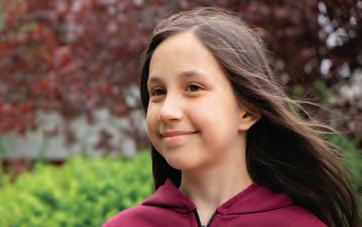
1 Look at the photo. What do you think the speakers will talk about?
2 Listen and check (✔).
1 Where do the kids live?
a in cities
b in towns
c in villages
2 What does Alex talk about?
a the food where he lives
b the parks where he lives
c the weather where he lives
3 Why do people come to visit Alex’s city?
a to take pictures
b to go to the beach
c to ride horses
4 What kind of buildings does Claudia talk about?
a apartments
b skyscrapers
c castles
5 What do people in John’s city do with their trash?
a They leave it on the ground.
b They throw it in the river.
c They throw it away.

The main idea is the most important message. Listen for key words that tell us what the speakers are talking about. Also listen for ideas that the speakers repeat — for example, beautiful, pretty, colorful.
3 What do the kids think about their cities? Listen again and match. There’s one you don’t need.
1 Alex a My city is noisy.
2 Claudia b My city is very clean.
3 John
c My city is so beautiful.
d My city is really big.
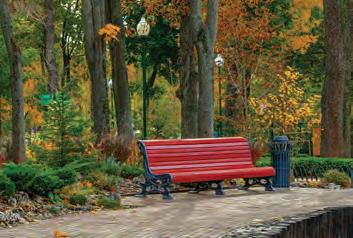
1 Look at the photos and talk with a friend. Where are these benches? Which place looks the nicest? Why?
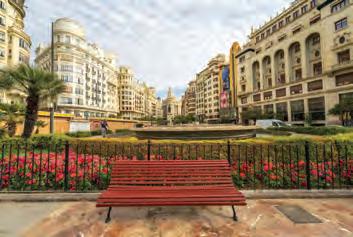
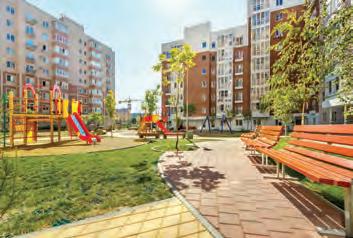
2 Listen and circle.
1 I’m going to the park that’s between / across from the library and the city hall.
2 Do you mean the one that’s near / across from the playground?
3 No, the one that’s behind / in front of the tall trees.
4 There are some lights behind / next to it.
3 Imagine you’re making plans with a friend. Describe where you should meet. Use the ideas in the box.
Where do you want to meet?

sh and zh
Describing where things are
It’s in front of / behind / next to / across from the big tree.
It’s near / far from the station. It’s between the café and the playground.
It’s in the center of the park.

4 Listen and say. Then listen again and write.
1 sh 2 zh
a 1 short b treasure
c shopping d station
e Asia f television
g shy h usually
At the big tree. It’s in the center of the park, near the café.
5 Listen and say the chant. Clap when you hear a sh sound. Raise your hand when you hear a zh sound.
In words like ship, shop, wash, and she, SH is a quiet hush you hear. But usually and treasure, see? These make a loud ZH in your ear!
Narrator: There was a boy who took care of the sheep in his village. It was a small village, far from any highways or skyscrapers.
Boy: Watching sheep is boring! Wait, I know how to have some fun. I’m going to make a joke … (yelling) Wolf! Wolf! I see a big wolf!
Neighbor 1: (worried) Oh, no! Let’s help!
Neighbor 2: Hurry!
Narrator: The neighbors ran quickly to help the boy.
Neighbor 1: (surprised) Where’s the wolf?
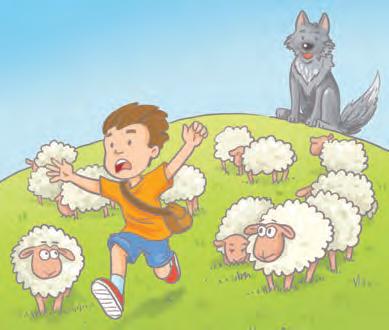
Boy: (laughing) I watched all of you run! It was very funny!
Narrator: The neighbors weren’t happy. But the next day, the boy did it again … and the next day, too! The people in the village were very angry. Then, one day …
Boy: (frightened) Wolf! Wolf! Please help!
Narrator: Nobody believed him. But then the neighbors heard the wolf, too.
Neighbor 1: It’s true! There really is a wolf!
Neighbor 2: Come on! We must help the boy!
Narrator: The brave neighbors scared away the wolf. Then they talked to the boy.
Neighbor 2: (calmly) Do you understand now why you mustn’t lie?
Boy: (notproud) Yes! I’m sorry. I’m going to do better.
Narrator: And from that day on, the boy always told the truth.
1 Read the play on page 16 again. Then answer the questions.
1 There are four people in the play. Who are they?
2 What is the setting of the play? Check (✔). a big city with busy highways a small village a bridge near a river
3 What does the narrator of this play tell you? Check (✔) all. the setting of the story the characters’ names what the characters do how the characters feel what the characters wear what one of the characters learned
Writing dialogue
When writing dialogue for a play, write the words that the characters say. Use short sentences and simple words that sound like real people talking.
4 Look at the words in parentheses in the play. Answer True (T) or False (F).
1 The words in parentheses are directions. They tell the actors how to act out the dialogue.
2 The actors have to say the words in parentheses.
5 Who said it? Read again and write Narrator, Boy, or Neighbor2.
1 : Watching sheep is boring!
2 : Wolf! Wolf!
3 : Nobody believed him.
4 : We must help the boy!
5 : Do you understand now why you mustn’t lie?
2 Plan your play. Answer the questions.
1 What kids’ story can you use for your play?
2 How many characters are there? What are their names?
3 What’s the setting of your play?
4 How do your characters feel in the play?
5 What directions can you include?
3 Now use your notes to write the play in your Workbook.
1 Think! Where can you find gardens?
2 Listen and read. What does UHI mean?
Cities are usually hotter than villages in the countryside. That’s because cities are full of buildings, roads, and cars that produce heat and hold it in. Scientists call this the urban heat island (UHI) effect because cities are like hot islands with cooler countryside around them. The extra heat from the UHI effect also makes pollution worse, which means city air is less healthy. What can we do?
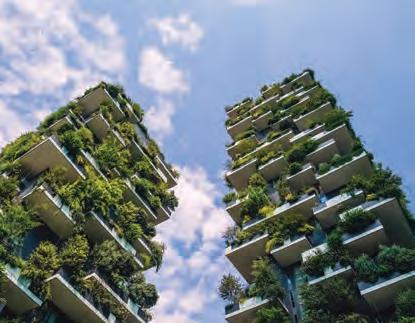
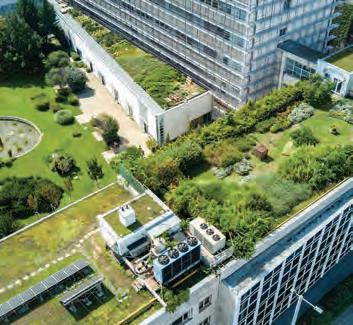
Trees and other plants can help because they make the air and ground cooler. But how can you plant more trees when there are lots of buildings and roads? There’s a simple answer! Green buildings have gardens on their roofs or walls. The plants and soil in these gardens make the buildings cooler. This then helps cool down the whole city, and it cleans the air, too. Some people also grow food on their roofs!
3
Green buildings aren’t only pretty, but they also help our planet. They save energy, clean the air, and can help grow food. In big cities all over the world, green skyscrapers are becoming more popular. Maybe one day all our buildings will be green!
a This is a structure on top of a building.
b This describes a town or city.
c This is the result of a cause.
d To become less hot.
e This area is outside the city and has farms, fields, and nature.
4 Organize your group.
5 Do the experiment. You’ll need:
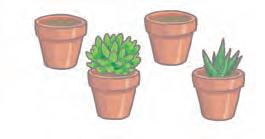
small pots with soil and plants
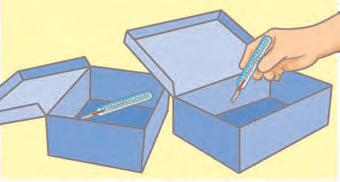
1 Put a thermometer in each of the two boxes. Close the lids.
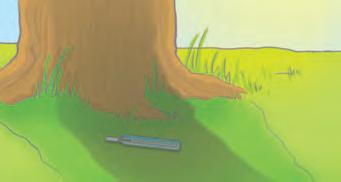
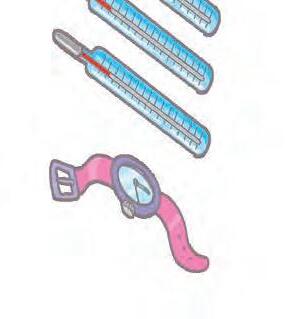
4 If you have a third thermometer, put it in a shady spot near the two boxes.
Let’s experiment with green roofs!
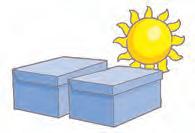
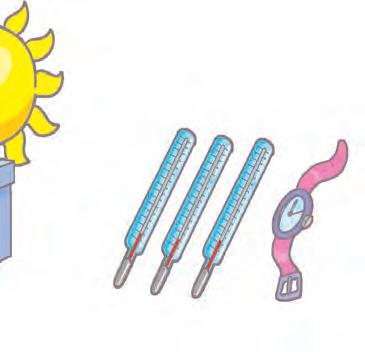
two small boxes with lids, sunlight two or three thermometers a timer
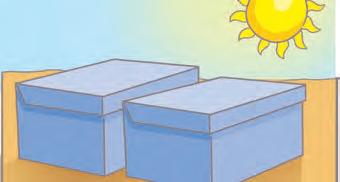
2 Put both boxes in a sunny spot.
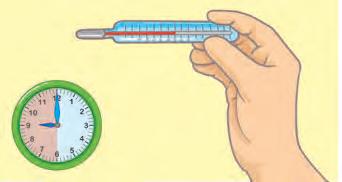
5 After 30 minutes, check the temperatures on all three thermometers. Take notes.
6 Think! Then share with the class.
1 What was the temperature outside the boxes?
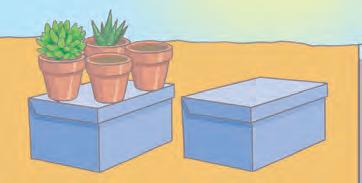
3 Put the pots with soil and plants on top of one of the boxes. Don’t put anything on the other box.
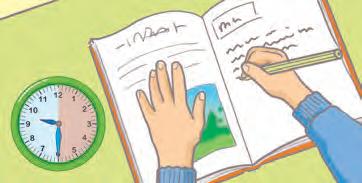
6 After another 30 minutes, check the temperatures again. Take notes.
2 Which of the two boxes had the highest temperature? What do you think is the reason for this?
3 Did the experiment end as you expected? Why or why not?