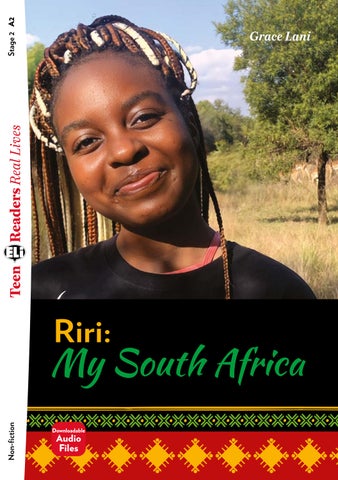
Riri: My South Africa
Teen Eli Readers
The ELI Readers collection is a complete range of books and plays for readers of all ages, ranging from captivating contemporary stories to timeless classics. There are four series, each catering for a different age group: First ELI Readers, Young ELI Readers, Teen ELI Readers and Young Adult ELI Readers. The books are carefully edited and beautifully illustrated to capture the essence of the stories and plots. The readers are supplemented with ‘Focus on’ texts packed with background cultural information about the writers and their lives and times.
The Publisher would like to thank Claudia Signorile for her precious support.
Riri: My South Africa
Grace Lani
English Version and activities
Silvana Sardi
ELI Readers
Founder and Series Editors
Paola Accattoli, Grazia Ancillani, Daniele Garbuglia (Art Director)
Real Lives Series Creation
Grazia Ancillani
Graphic Design
Emilia Coari
Production Manager
Francesco Capitano
Photo credits Shutterstock
First edition: 2023
© ELI s.r.l. P.O. Box 6 62019 Recanati (MC) Italy
T +39 071750701
F +39 071977851 info@elionline.com www.elionline.com
Typeset in 12 / 17 pt Fulmar designed by Leo Philp
Printed in Italy by Tecnostampa - Pigini Group Printing Division Loreto - Trevi (Italia)
ERT330.10
ISBN 978-88-536-3969-1
Before
you read
Reading • A2 Key
1 Choose the best words (A, B or C) to complete the text below.
This story is about a South African girl (1) Riri.
South Africa is the southernmost country in the continent of Africa and (2) _________ sixty million people live there. Its largest city is Johannesburg, often known as ‘The City of Gold’ as it’s famous (3) its gold and diamonds.
In South Africa, there is a (4) variety of different cultures, languages and religions. If you visit this country, you can try different kinds of food from these various cultures. They eat a lot of meat and really like having a ‘braal’, which is a special kind of barbecue. (5) of different sports are also played in South Africa. The most popular are football, rugby and cricket. South Africa is also a (6) beautiful country, with wonderful beaches, mountains, forests and desert areas.
Vocabulary
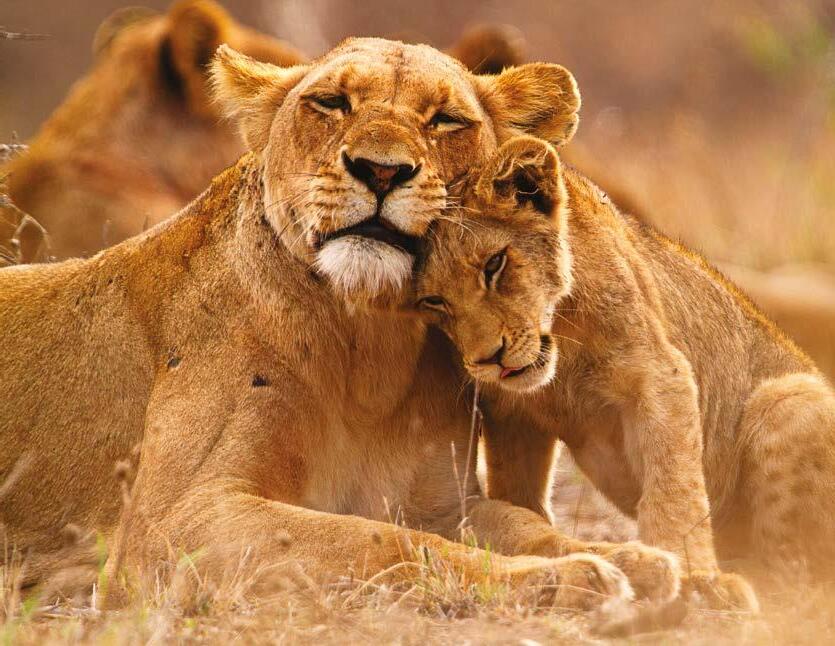
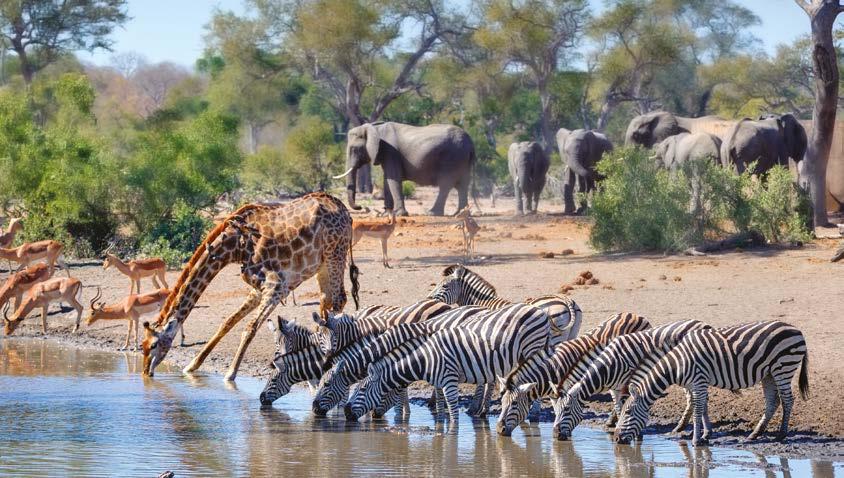
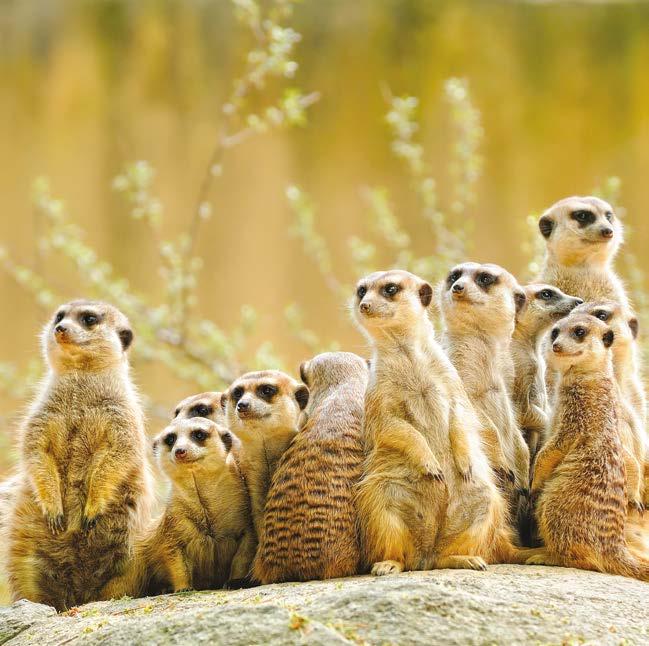
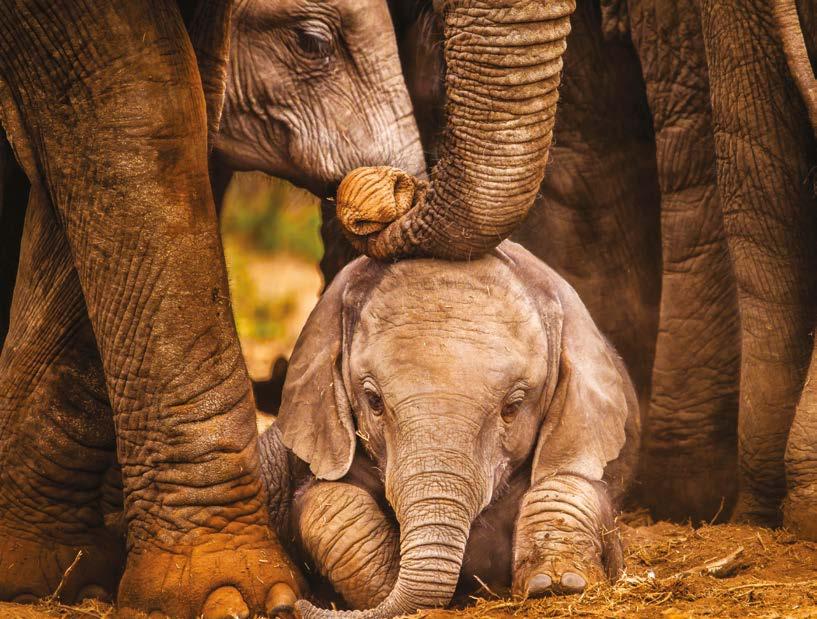
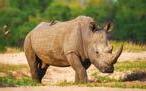
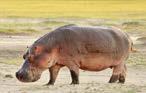
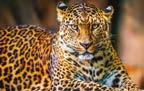
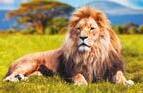
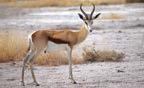
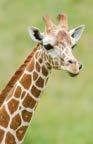
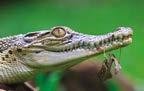
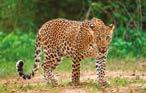
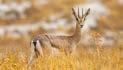
2 Here are just some of the animals you can find in South Africa. Match the photos to the correct name.
a giraffe
b cheetah
c leopard
d gazelle
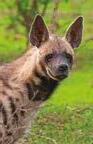
e hyena
f hippopotamus (hippo)
g crocodile
h rhinoceros (rhino)
i lion
Writing and Speaking
3a Write a short paragraph about your country like the text in exercise 1.
3B Discuss with a partner about your country and South Africa. How are they the same and in what ways are the two countries different?
Listening
4 Listen to the start of Chapter 1 and decide if the sentences are true (T) or false (F).
1 People in South Africa don’t usually have short names.
2 Riri always has a lot to do every day.
3 She never gets up early in the morning.
4 School starts at a quarter past seven.
5 Each lesson is usually less than an hour long.
6 Riri stays in the same classroom for all her lessons.
Chapter 1
A Competition
Hi, my name’s Rirhandzu!
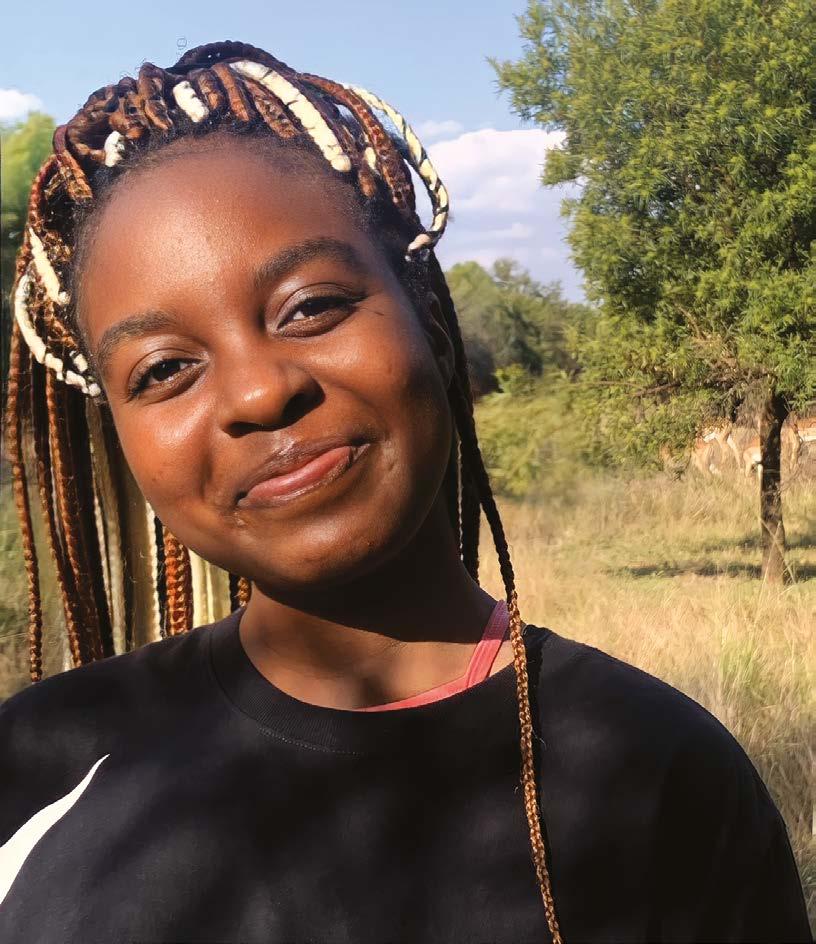
Actually, my full name’s Rirhandzu Tlangelani Xiluva Chauke. Are you maybe thinking that it’s a bit too long? Well, in South Africa, names are often long because they have a special, important meaning. Take my name for example: ‘Rirhandzu’ means ‘love’, ‘Tlangelani’ means to ‘celebrate or rejoice’, and ‘Xiluva’ means ‘beautiful flower’. Anyway, everyone calls me Riri, which is short for Rirhandzu. Chauke is my surname.
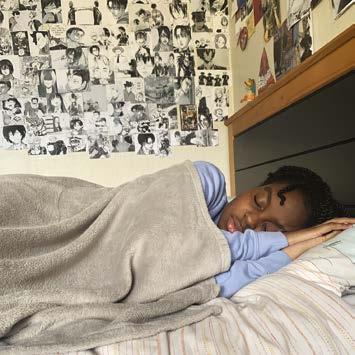
My days are busy and full of fun, but the worst moment for me is the morning because I have to get up at 6 o’clock. I just love sleeping late!
My days are busy and I have to get up at
All students like me must arrive at school on time. The bell rings at 7.45 a.m. and the teacher for the first hour immediately calls out our names to see if we’re all there. Then we start our lessons, which are about 50 minutes long. Sometimes they can be a bit longer if we have to do Cycle Tests, which are class tests on all our different subjects. These tests are really difficult and we need to study hard for them! Every time we change subject, we also change classroom and classmates, so there’s never a boring moment!
3 study English, maths, Afrikaans, biology, must follow and we also
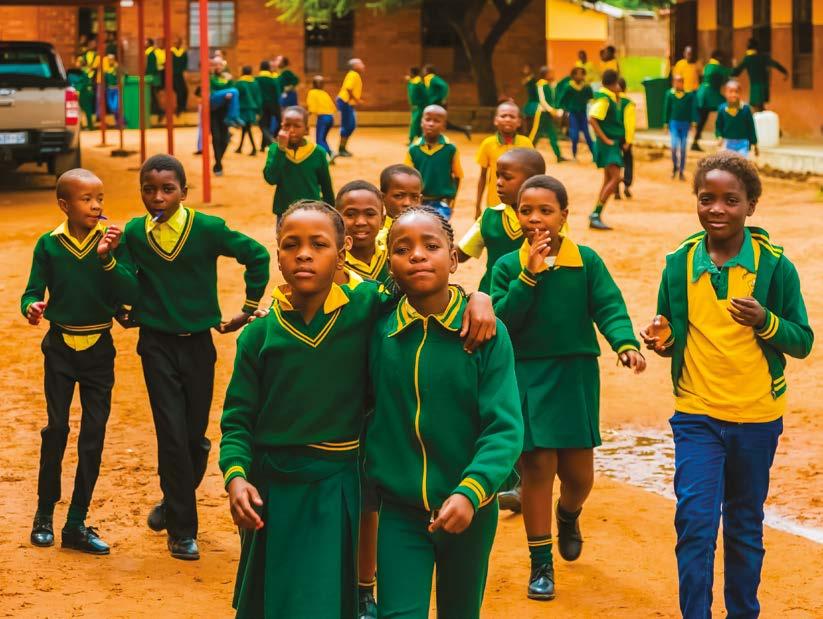
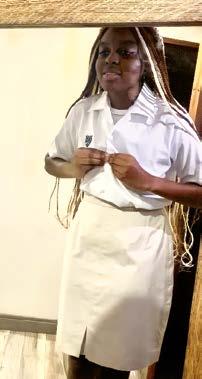
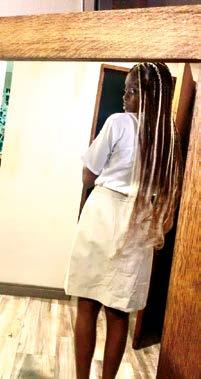
There are lots of different subjects; some we have to do, others we can choose to do or not do. We study English, maths, Afrikaans, biology, law, physics, geography, music, history, drama* and art. There are lots of rules* that we must follow and we also have to wear a uniform. Here I am getting ready for school!
drama the theatre and actors rules what you can and can’t do
We must all study four subjects: Afrikaans, English, maths and life orientation, which is a kind of Civic Education. From grade 10 to 12 of High School, we choose what other subjects we want to study among art, physics, chemistry, history and science.
School System
In South Africa, most children go to Kindergarten, known as Grade 0, before starting Elementary School (grades 1-6). All students must then go to Secondary School up to Grade 9 because all children in South Africa have to go to school from the age of 5 or 6 until they are 15 years old.
Grades 10-12
This part of High School is known as ’Further Education and Training’ or FET. Students don’t have to do these three years, so usually only students who want to continue their studies, for example at a university, stay at school until they’re 18 years old. At the end of Grade 12, there are exams for the National Senior Certificate. This School Leaving Exam is called the “Matric”.
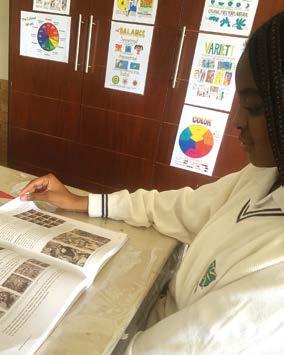
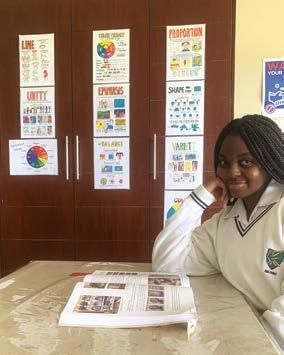
Here I am during my art lesson. Here I am during my art lesson.
The last year of High School is called Matric, like the name of the School Leaving Exam. We have a month’s holiday from school every three months, so it’s not that bad. We start in January and finish at the end of March. Then we stop for the month of April and start again in May until the end of July. July is a hard month for us because it’s full of exams on all our subjects! Then it’s holiday time again in August and we can relax a bit before starting again in September. The school year finishes with the final exams in November. So, as you can see, April, August and December are the three months when we’re on
Artiscool!Iloveit!
Vocabulary
3 Here are some words you’ll find in Chapter 2. Match the words to the correct definition.
1 ■ abroad
2 ■ poaching
3 ■ hunt
4 ■ leap
5 ■ predator
6 ■ wonder
7 ■ unite
Listening • A2 Key
a kill a wild animal for sport or food
b want to know something
c come or bring together
d an animal that kills other animals
e in or to a foreign country
f jump high or a long way
g taking or killing wild animals on land that doesn’t belong to you
4 Listen to the start of Chapter 2 and choose the correct answer A, B or C.
1 Where did Riri and Claudia first meet?
2 What’s their favourite subject?
3 What does Claudia want to become?
4 Which animal is Riri writing about in her article?