

Elizabeth Ferretti Football Crazy


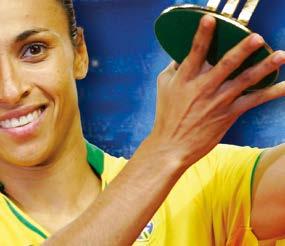
Lionel Messi and Marta Vieira da Silva









































This book talks about the world of football, and two great football heroes. Inside these pages you will find:
1 2 3 4 5
Information about when and where football started, and about the game today, the players, the teams, and styles of play.
Information on the biggest clubs, the most exciting competitions, as well as football around the world and the amazing story of women’s football.
The lives and brilliant careers of the world’s greatest footballers - Argentina’s Lionel Messi and Brazil’s Marta Vieira da Silva. We learn about where they grew up, their problems and beliefs, and how they got to the top of their game.
You will learn and practice the language of football - verbs, nouns and phrases of the world’s favourite sport.
Finally, we think about what makes a player great, and what we can learn from these amazing stars of football for our own lives.
Spazio didascalia
In this reader:
21st-century Skills
2030 Agenda
A2 Key
Simple Story
Glossary
To encourage students to connect the story to the world they live in.
A2 level activities.
A brief summary of the paragraph.
Explanation of difficult words.
Picture Caption
A brief explanation of the picture.
Audio start stop
Think
These icons indicate the parts of the story that are recorded.
To encourage students to develop their critical thinking skills.
Football Crazy
Lionel Messi and Marta Vieira da Silva











Teen
Readers Elizabeth Ferretti
The ELI Readers collection is a complete range of books and plays for readers of all ages, ranging from captivating contemporary stories to timeless classics. There are four series, each catering for a different age group: First ELI Readers, Young ELI Readers, Teen ELI Readers and Young Adult ELI Readers. The books are carefully edited and beautifully illustrated to capture the essence of the stories and plots. The readers are supplemented with ‘Focus on’ texts packed with background information about the topics covered.
Football Crazy
Elizabeth Ferretti
Amazing Lives is a collection of titles aimed at introducing readers to the lives of extraordinary people.
© 2026
ELI s.r.l. P.O. Box 6 62019 Recanati MC Italy
T +39 071750701
ELI Readers
Founder and Series Editors
Paola Accattoli, Grazia Ancillani, Daniele Garbuglia (Art Director)
Graphic Design
Emilia Coari
Production Manager
Francesco Capitano
Photo credits
Shutterstock
F +39 071977851 support@elipublishing.com www.elipublishing.com
Typeset in 12 / 17 pt
Fulmar designed by Leo Philp Printed in Italy by Tecnostampa - Pigini Group
Printing Division
Loreto - Trevi - ERT297.10
ISBN 978-88-536-4816-7
First edition: March 2026 www.eligradedreaders.com
























Testimonials

Read the quotes below. Do you agree? Why? / Why not?
The Spirit of Football

If you’re not playing with passion [= love + energy], then you’re not playing football.


Thierry Henry, French footballer (born 1977)




The thing about footballthe important thing about footballis that it is not just about football.










Terry Pratchett, British writer (1948–2015)






The more difficult the victory [= when you win], the greater the happiness in winning.
Pelé, legendary1 Brazilian footballer (1940–2022)


1 legendary very famous, talked about by many people
Team Work

You can’t win together if you don’t work together.

Nick Saban, American football coach1 and sports journalist (born 1951)



You cannot win a game of football on your own; it’s about the entire [= whole] team working together […].
That’s how football works: it has always been about the group, not the individual [= single player].
Lucy Bronze, English footballer (born 1991)



No one is bigger than the team, you win together, and you can certainly lose together.
Sam Kerr, Australian football player (born 1993)





1 coach person who teaches people to play better football
Testimonials

As Terry Pratchett said, football is not only about the game –it’s also about who you are. Do you agree with these footballers and managers? Why / Why not?
Be the Best

Every single day, I wake up and commit to becoming [= work to become] a better player.


Mia Hamm, American soccer [= football] player (born 1972)


If you do not believe you can do it, then you have no chance [= hope of doing well] at all.
Arsène Wenger, French football manager (born 1949)





I think a footballer can have all the qualities [= how you are as a person] in the world, but if he doesn’t have the attitude [= right way of thinking] and hunger, then he’ll never reach the top.”
José Mourinho, Portuguese football manager (born 1963)




Football and Us





Football is the only thing that can bring together an entire country, regardless of [= not influenced by] political or religious differences.
Zinedine Zidane, French footballer and manager (born 1972)

Football is more than just a game. It can bring hope and joy to people’s lives.
Didier Drogba, Ivorian footballer (born 1978)






Football, like life, is filled with ups and downs, and the most important thing is to keep moving forward and never give up.
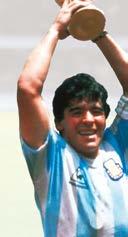
Diego Maradona, Argentinian footballer (1960–2020)







Before you read
Vocabulary
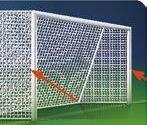
1 Match the words to the pictures.
1 goalkeeper
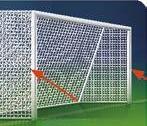
2 net
3 referee
4 pitch
5 goal posts
6 score a goal
7 stadium
8 fan
9 striker
10 World Cup










2 Fill in the table with the words from the box.
amateur • attack • youth
Word Meaning Opposite Meaning
adult (adj.) describes people over 18 1 ...................... (adj.) describes people under 18
professional (noun + adj.) sportsperson paid to play 2 ..................... (noun + adj.) sportsperson not paid to play defend (verb; football) try to stop the other team from getting a goal 3 (verb) try to move forward on the pitch to score a goal
Gap Fill
3 You are a sports journalist at your local newspaper. Fill in the gaps with the correct word from the box to complete this match report.
In (1) exciting match (2) a strong team (3) ............................. Porto in Portugal, the local under-21 team played (4) energy and great teamwork. The Portuguese team worked hard, (5) ............................. our best striker, Joe Smith, scored a brilliant goal early (6) ............................. the first half. (7) ............................. half-time, the Portuguese team scored a surprise goal. The score was 1–1. Our young players pushed forward to get (8) ............................. the Portuguese defence and they scored (9) , winning the match 2–1 in front (10) ............................. twenty thousand proud fans. but • again • an • past • with • in • After • from • against • of
UNDER 21 TEAM BEATS VISITORS FROM PORTUGAL
Speaking – Pair Work
21st-century Skills
4 Talk about these questions with another student. Then write your answer.
1 What is your favourite sport? What do you like about it?
2 Do you have a favourite team or sports person? What do you like about them?
3 Do you do any sports? If so, which? What kind of exercise do you prefer?
4 What new sport or exercise would you like to try? Why? ..........................................................................................................
Listening
A2 Key
5 Listen to track 2 and complete the sentences using the correct number or date.
1 Modern stadiums have seats for more than ............................. people.
2 Over ............................. years ago people in China played cuju, a game like football.
3 Football was popular in England and France during the ............................. .
4 In the Football Association wrote a list of instructions for football.
5 Some teams have ............................. defenders, ............................. midfielders and ............................. forwards.
6 This is called the ............................. formation.
Speaking - Group Work
6 In groups, imagine you are trainers and coaches working for your national football team. Think about, then discuss, these questions together to come up with a plan you all agree on.
1 How will you help your players to stay fit?
2 How will you encourage the players to work as a team?
3 You have a big international match later this year, what formation will you choose and why?
4 How will you solve any problems in your team?
Writing - Realia Project
7 Great news! You have received money to start a new football club in your area. You are looking for players for both the male and female teams. Make a poster or advertisement to get players to join your exciting new project. Remember to include – why you are starting the team and how you feel about it; where the club is; the date and time training starts; age groups; level of football; and any other information you think is important.

Chapter 1
The Beautiful Game
There are at least 250 million footballers in the world, and they play in nearly every country.
Football is the world’s favourite sport - and that’s official! Football is played all over the world and by people of all ages. Today, the richest clubs play in big stadiums that have seats for more than 100,000 people, but do you know how the game started?
The Beginning of Football
Did you know that over five thousand years ago people in China played cuju - a game like football? The Ancient1 Greeks played a ball game called Episkyros and Ancient Egyptians played with a ball made of animal skin. Football was popular in England and France during the 1300s but these games were played for days, had many players, and were often dangerous!
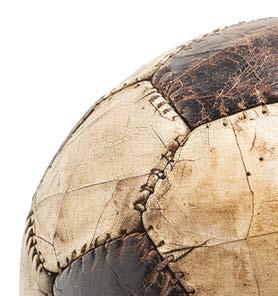
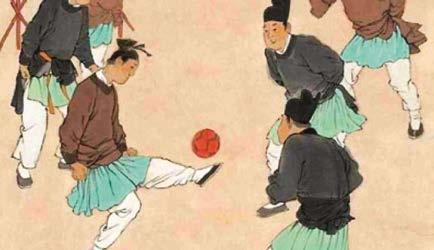
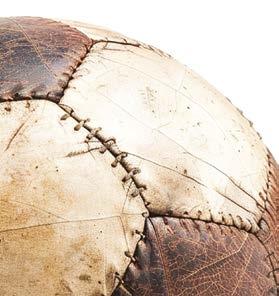






(here) from a long time in the past

The Modern Game



In football, every goal you score is a time to celebrate1 .



In 1863, the Football Association 2 of England wrote a list of rules3 that explained how to play the game. This was the start of the game that we know and love today.
1 celebrate (here) show you are happy (because of good news)
2 Football Association (also called the FA) world’s first official group for footballers and clubs
3 rules instructions
Did you know that 3.5–4 billion people enjoy watching football? That’s a lot of fans!

In the US, football is called ‘soccer’. US football is a different game – that ends with the Super Bowl every year.
The Football Team
Modern football teams have eleven players. What do these players do? The goalkeeper tries to stop the other team kicking the ball into his team’s net. Defenders play in front of the goalkeeper and stop the ball getting too close to the goal area. In front of them are the midfielders. Why are they called that? Because they usually play in the middle of the field, or pitch. Last, are the forwards – these players try to score goals.
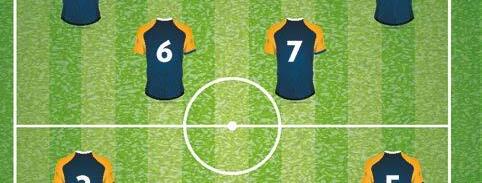
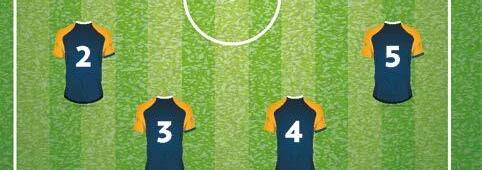
4 - 4 -2
Every team has a goalkeeper, and there are usually one or two forwards. In midfield and defence the number of players can change. The most popular team formation 1 is to have four defenders2 and four midfielders with two forwards. This is called the 4-4-2 formation. Why is it so popular? Because the midfielders can help defend and attack.
1 formation where the manager wants each player to play 2 defender player that defends




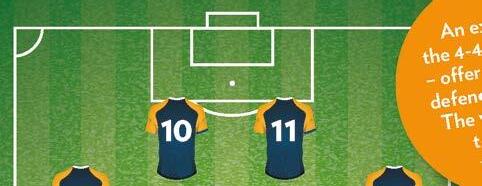
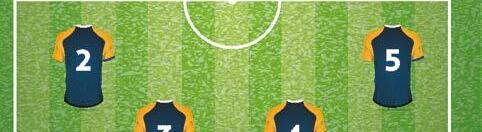
An example of the 4-4-2 formation – offers both strong defence and attack. The wingers1 help to open up the game.




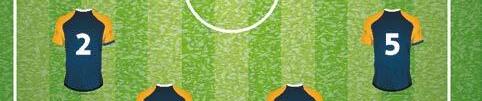


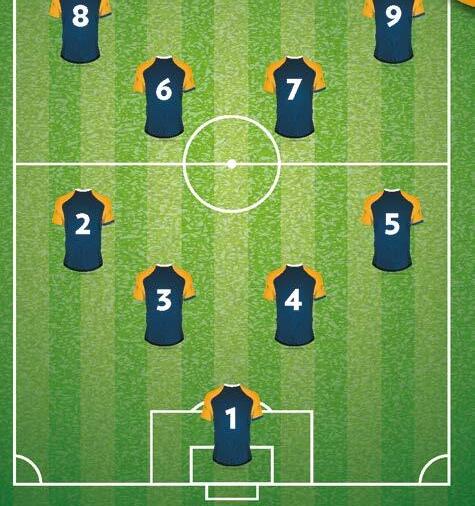
A Diff erent Formation
4-2-3-1 has helped Spain (2010), Germany (2014) and France (2018) win the Football World Cup. With three defending midfielders and a defender (3-1), teams protect their goal. Four forwards with two midfielders (4-2) offer a strong attack.
Football’s Greatest Players
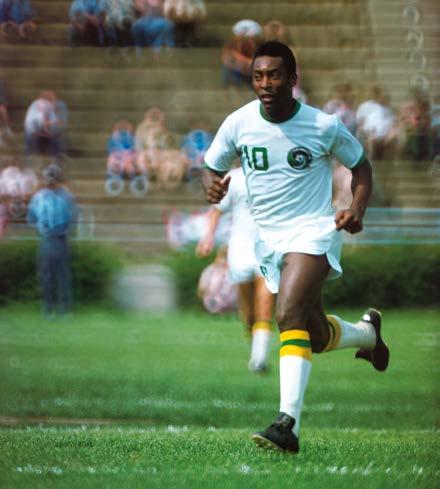
You can’t win a football match by yourself, but some individual players get famous. Why? Because they’re the best! First on the list is Brazilian striker Pelé (1940–2022) who won three World Cups for Brazil. This incredible1 footballer scored more goals than any other player - 1,279 in 1,363 games. The most famous player of the 1970s to 1990s was Diego Maradona. Born in Argentina, he scored ‘the goal of the century’ in a 1986 victory over England.
In this book we learn about the lives and careers of two great footballers – Argentina’s
1 incredible so great it is hard to believe
Lionel Messi and Brazil’s Marta.



Football Crazy

Full name: Edson Arantes do Nascimento
Nickname1: Pelé
World Cup winner: with Brazil (1958, 1962, 1970)
Youngest World Cup winner: aged 17 in 1958
Played for: Santos FC2 Legend (1956-1974)
Outside football: gave a lot of his time and money to make children’s lives better, wrote music and books






Full name:
Diego Armando Maradona Franco
Nickname:
El Pibe de Oro (‘the Golden Boy’)
World Cup winner: with Argentina, as captain (1986)
Named:
FIFA top player of the 20th century
Famous team: Napoli (1984-1991)
World’s most expensive: Napoli paid €12 million to Barcelona for Maradona – making him the most expensive player at that time.








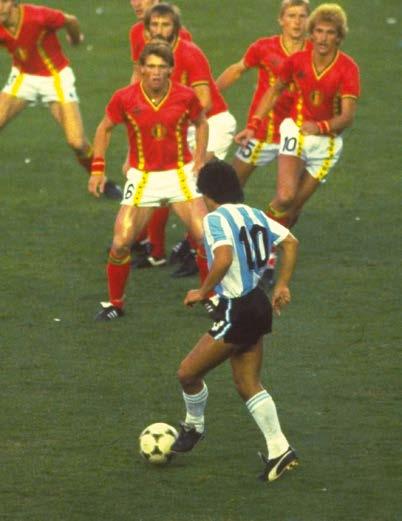


1 nickname funny / kind name that other people give you (not your real name)
2 FC Football Club
If you include amateur, semiprofessional and youth teams, there are over 300,000 football clubs in the world!
4
Top League 1 Teams
The world has about 4000 professional football clubs for men and women. Football teams from these clubs can play in local2 , regional3, and national leagues, as well as international competitions. Do you know some good league teams around the world? In the men’s game in Africa, Al Ahly SC, based in Cairo, are a great team, while a top women’s team is Mamelodi Sundowns Ladies from Pretoria in South Africa. In South America, Brazil and Argentina have the strongest teams in both the men’s and women’s leagues.
1 league group of teams that play each other
2 local (adj.) describes the area near your home
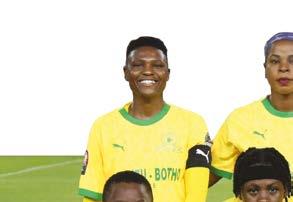
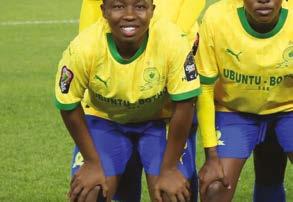
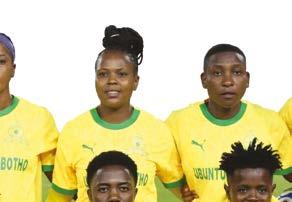
3 regional (adj.) describes a large area of a country
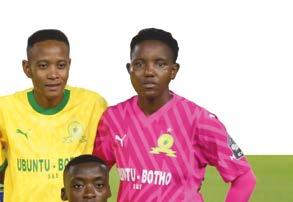
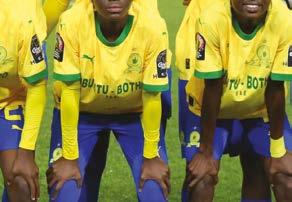

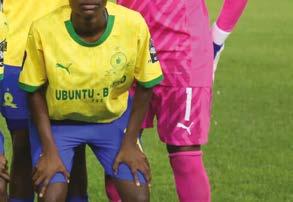

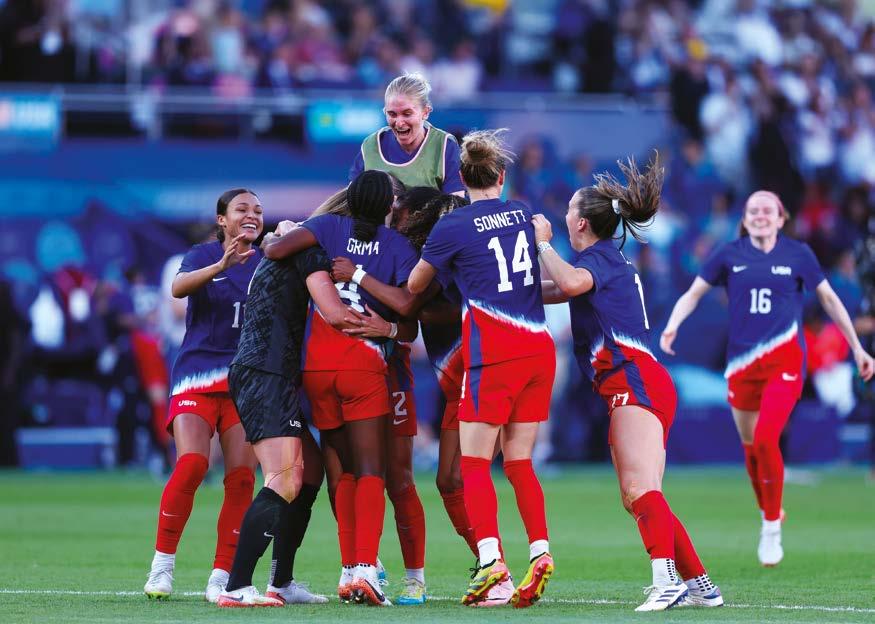
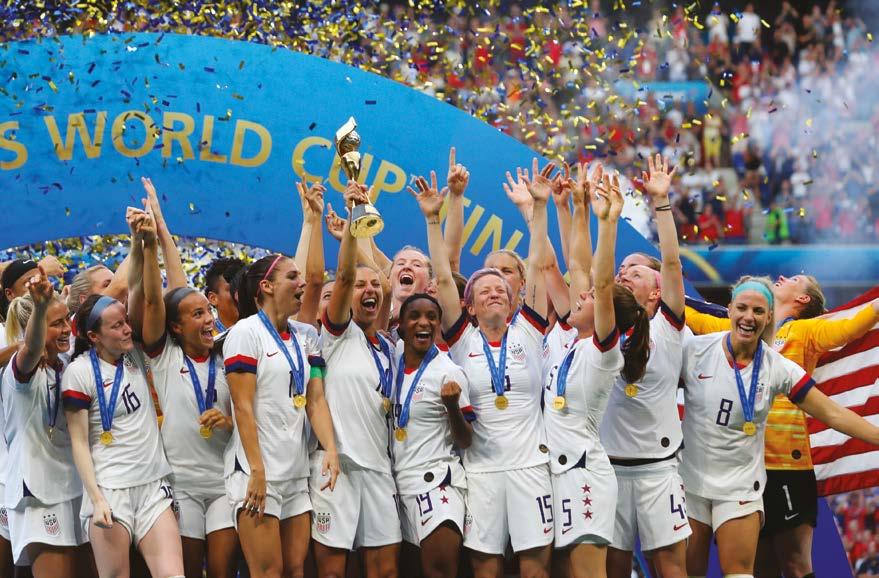
The United States is the top international women’s team, with four World Cup wins.


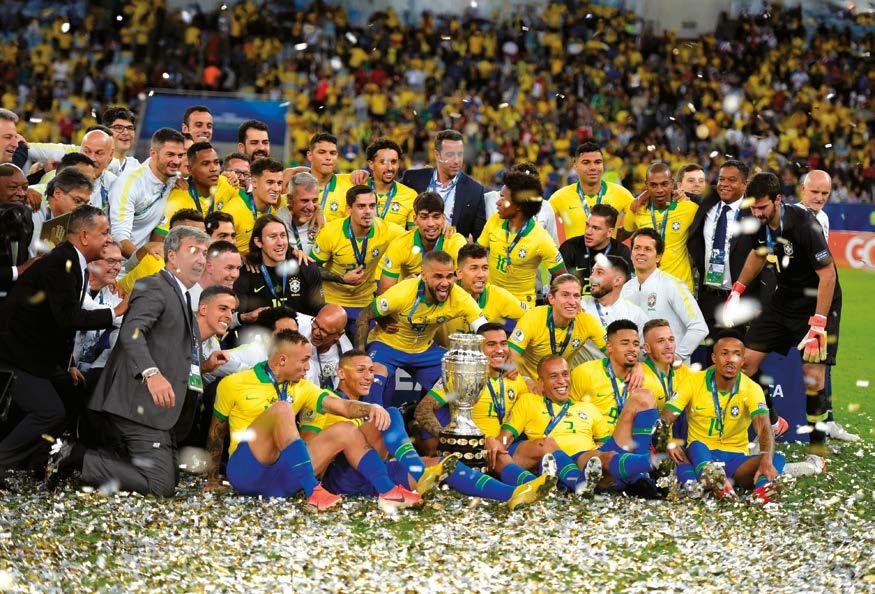
In the men’s game, the greatest team is Brazil. They’ve won the World Cup five times.
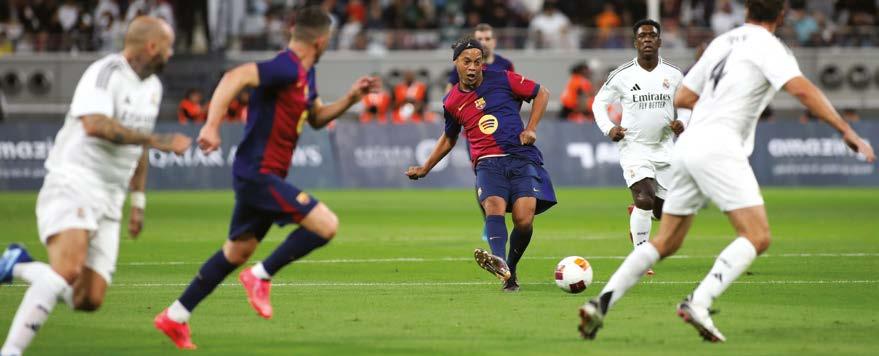
In Europe, FC Barcelona
Femenì is the top women’s team at league level.
FC Barcelona
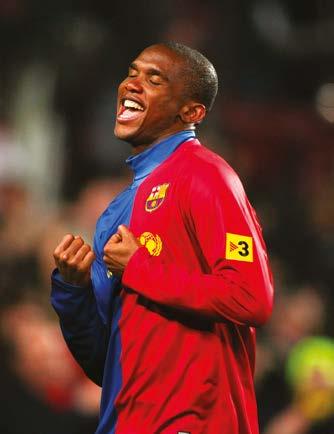
This men’s team, from the city of Barcelona in the Catalan region of Spain, is known as Barça (pronounced bar–sah). With millions of fans around the world, this is ‘mes que un club’ - more than just a football club. Top players include Ronaldinho, Samuel Eto’o and Neymar Junior. Its home stadium, called Camp Nou, is the biggest in Europe. We will learn more about Barça, and the club’s most famous player, later in this book.
Ronaldinho
Ronaldinho, born in 1980, is a famous Brazilian footballer - one of the best footballers in the world. He is famous because of his amazing football and his big smile. He played for top clubs like Barcelona and AC Milan. He won the Ballon d’Or in 2005 and helped Brazil win the World Cup in 2002. People love his goals and the fun way he plays football.
Samuel Eto’o
Football Crazy
Samuel Eto’o, born in 1981, is a famous footballer from Cameroon. He played for big clubs like Barcelona, Inter Milan, and Chelsea. Eto’o won the Champions League three times and scored many goals. He is known for his speed, power, and smart play. He is one of Africa’s best footballers ever.
The FIFA World Cup
The men’s World Cup began in 1930 in Uruguay and Uruguay were the first winners. The competition has happened every four years since then, with breaks for World War II (in 1942 and 1946). Women had to wait sixty-one years for their own international1 competition. The first official Women’s World Cup was held in 1991 in China. This competition also happens every four years.
FIFA comes from French: Fédération Internationale de Football Association (English = International Federation of Association Football). This is like the English FA, but for the world.
1 international (adj., here) describes a match between different countries
Football - A Game for Everyone
Official football games last 90 minutes, played in two periods of 45 minutes each. ‘Half time’ is a break of fifteen minutes between the two halves.
One of the best things about football is the community1 spirit that goes with the game. You can meet people and make friends with them on the pitch even if you don’t speak the same language. It’s just you, the rest of the team, a ball and, perhaps, a goal or two! Football can help to build relationships2 between people from different countries - many top league teams have international players who are loved by fans everywhere. 5
1 community group of people who like / do the same things
2 relationships way two or more people, or groups, talk to / are with each other
Football Crazy
Football Friends
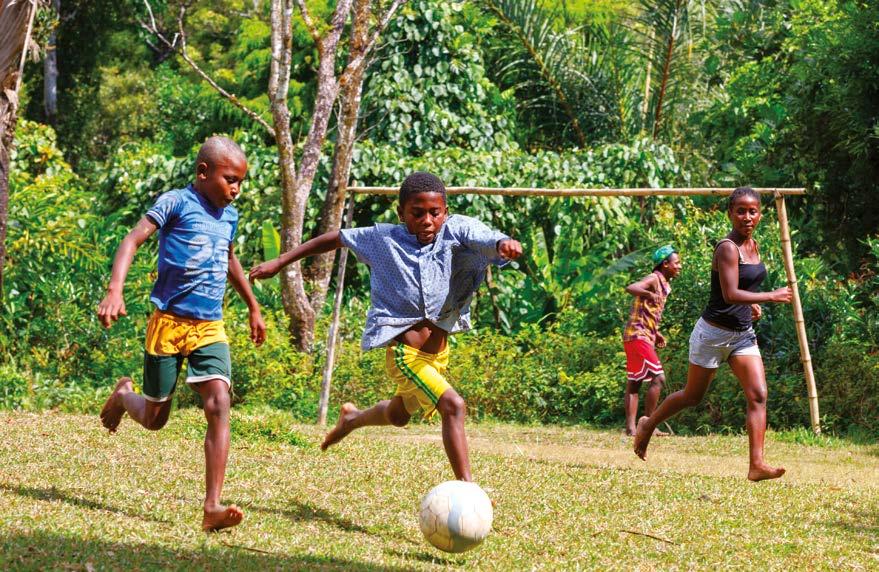
You can often find people playing football in local parks, car parks, or on the beach. In these ‘kickabout’ or ‘pickup’ games you just arrive and play. Goal posts may be made from shoes, bags or jumpers. There is usually no refereeplayers decide about the rules together. In Paris there are famous competitions called Mondial des Quartiers. This means ‘neighbourhoods1 of the world’. Do you want to play for ‘Senegal’ or ‘Brazil’? You can! Just choose the team you want to play for, wherever you are from.
1 neighbourhood small area of a town or city
How Football Helps
Football is also helping children around the world. In the UK, for example, The Football Foundation gives money so that even the smallest clubs can have a good pitch. The Football Foundation helps make sure that communities around the country have a place to play football.
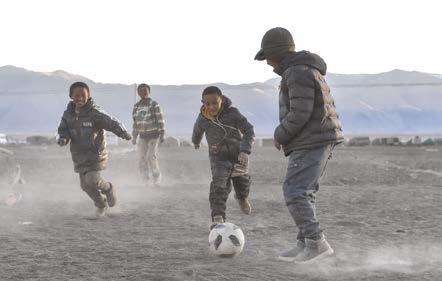
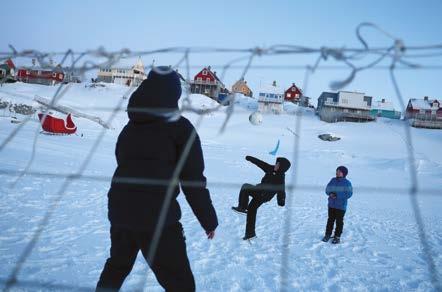
Children playing football from Tibet to Greenland.
Soccer Aid and More
Every year top players and other famous people play a very special match. This is called Soccer Aid for UNICEF. The money that comes from this match is used to help protect children around the world. Look out, too, for Football Beyond Borders (FBB). FBB uses football to help children with difficult lives to stay in school.
The referee (on the pitch) and two linesmen or lineswomen (referees who stand next to the pitch) make sure rules are followed.
Being Poor
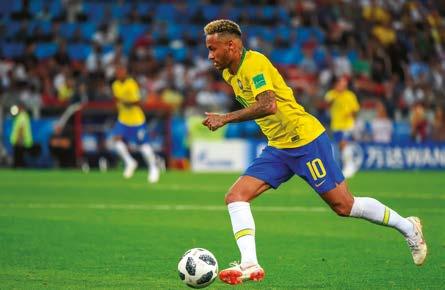
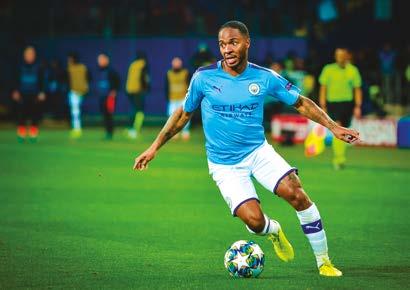
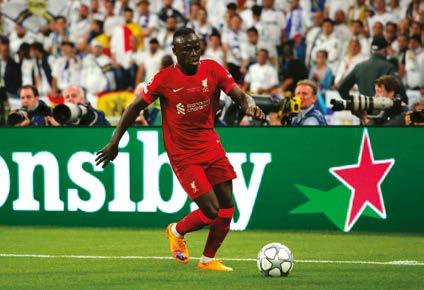
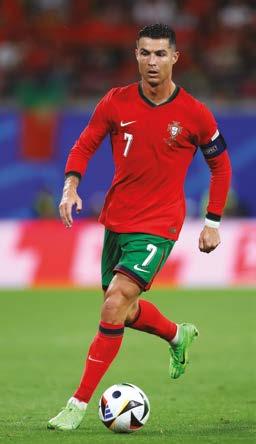
Football can offer a way for people from poor families to earn money. Cristiano Ronaldo, Neymar, and Raheem Sterling grew up poor. Sadio Mané learned to play in Senegal on dirt1 pitches and with no shoes. Football clubs in some poor areas provide free meals and a safe space, as well as helping kids stay in school.
1 dirt dry earth, (here) not grass
Reading and Grammar A2 Key
1 Choose the correct word (A, B or C) to complete the text about Chapter 1.
Football is played all (1) ............................. the world and (2) ............................. people of all ages. Some clubs have big stadiums (3) ............................. seats for thousands of fans, other teams play (4) ............................. a local level in their neighbourhoods. Teams are made up (5) eleven players – a goalkeeper, defenders, midfielders and forwards or strikers. You can’t win a football match (6) yourself, it’s a team game, but some players become world-famous because they are so good! Brazilian legend Pelé, for example, scored more goals (7) ............................. any other player. Every four years, teams (8) ............................. different countries play in the women’s and men’s World Cups – if you win, you are the best team in the world!
1 A over B on C about 2 A at B from C by 3 A with B on C for 4 A to B at C as 5 A by B with C of 6 A from B out C by
7 A as B than C from 8 A to B from C out

Reading
2 In the next chapter we meet football legend, Lionel Messi. Read this quote from him, then complete the table.
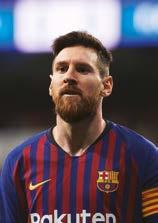

I’m Argentine, and I will always feel that in my soul [deepest part of you].
That’s never changed, even when things were tough [difficult].
Question Yes or no? Answer from the quote
1 Do we learn where he comes from?
2 Do we know about him as a person?
3 Do we learn about his family?
4 Did he have problems in his life?
Listening
3 Listen to the start of Chapter 2, and decide if these sentences are true (T) or false (F).
1 Lionel Messi was born in a small town a few kilometres north of Rio de Janeiro, the capital of Argentina.
2 His home city, Rosario, is known for its live music, arts and working-class culture.
3 Messi’s family lived in a part of town with a strong spirit.
4 Messi’s grandmother was worried he was too young.
5 Messi surprised everyone – he scored two goals in his first time on the pitch.