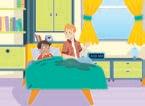
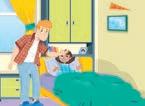
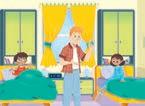
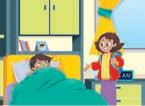
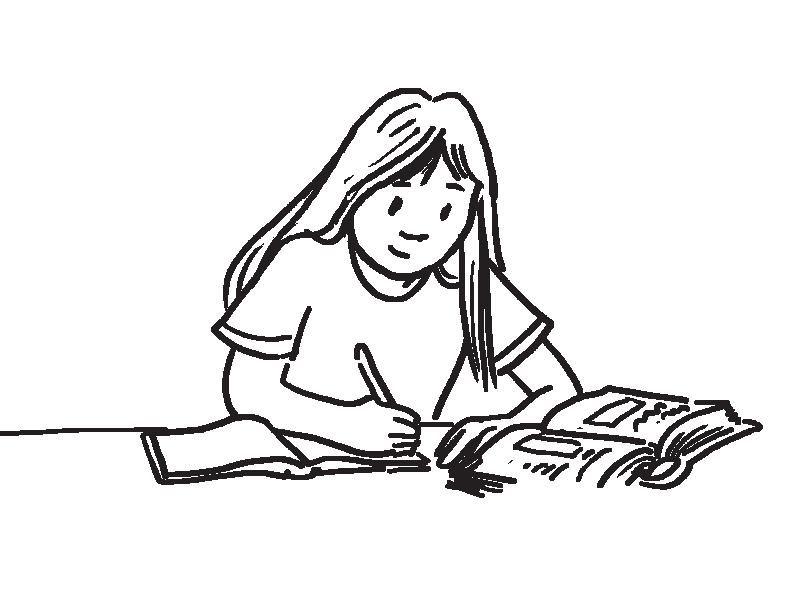
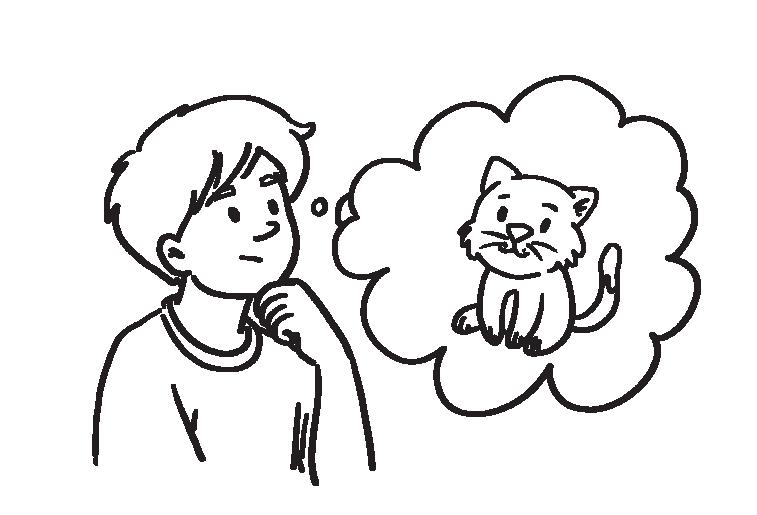
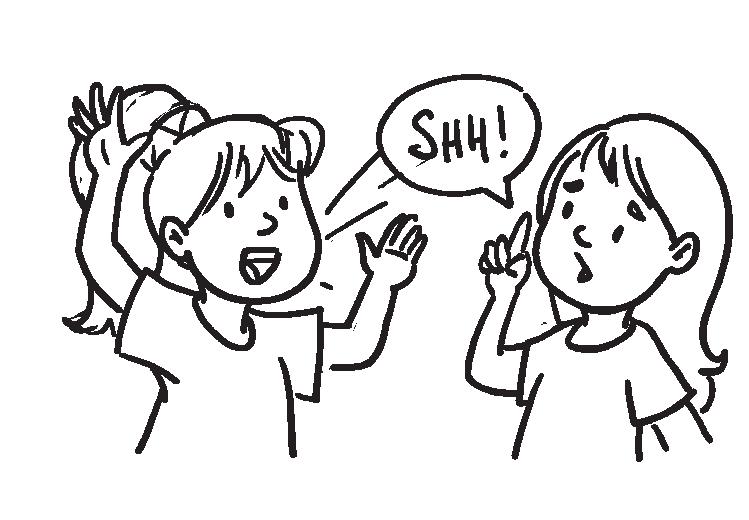
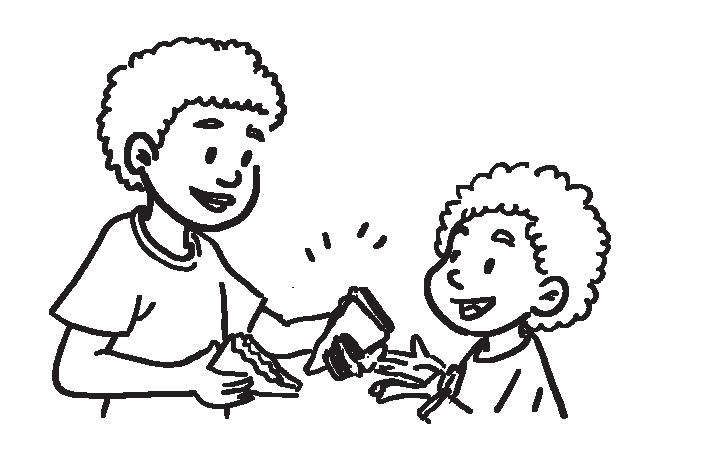
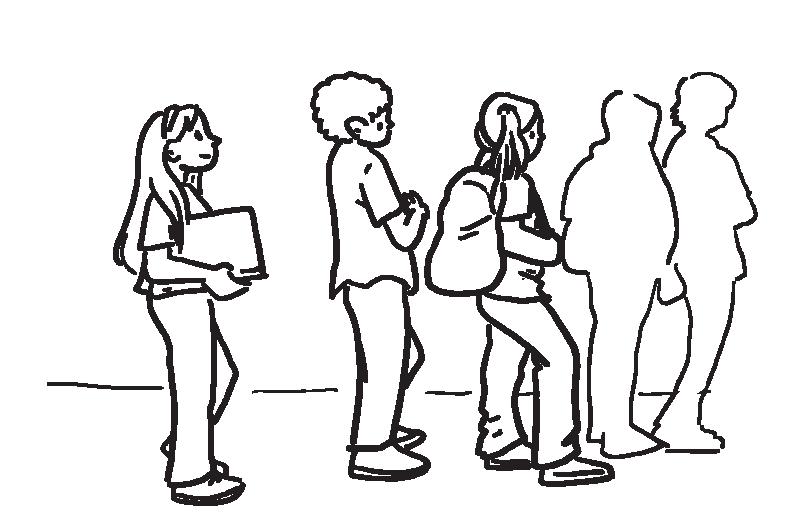
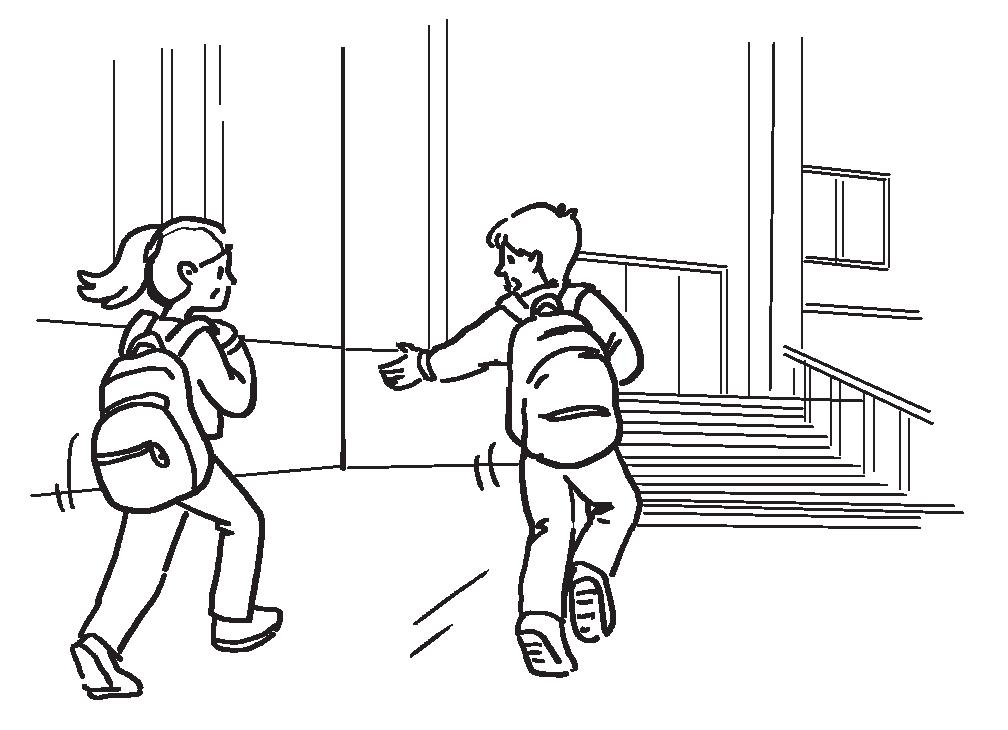
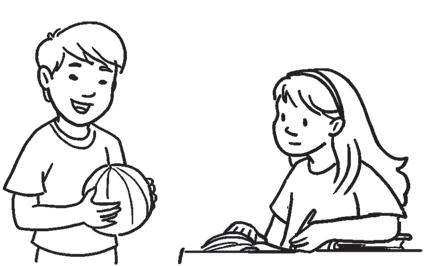
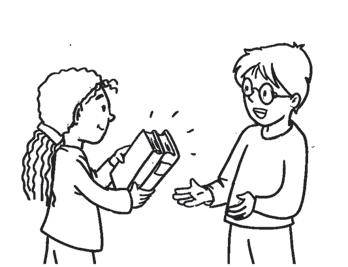
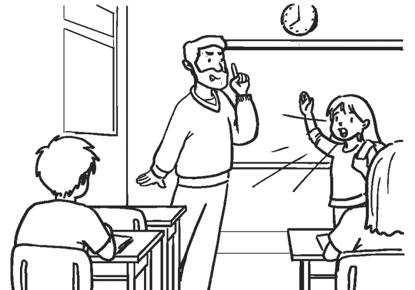
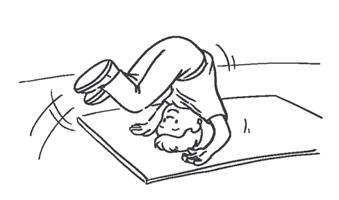
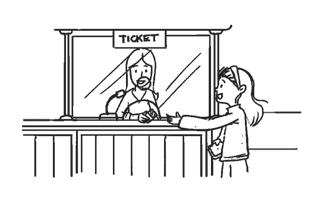
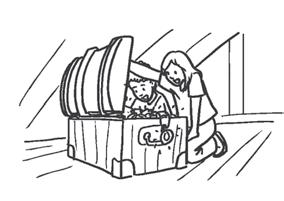
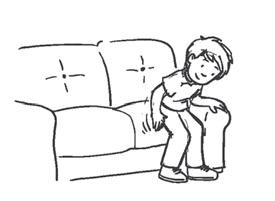
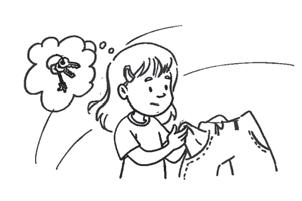
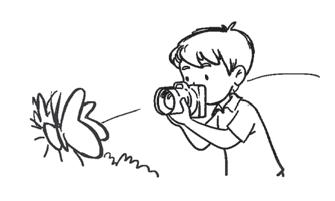
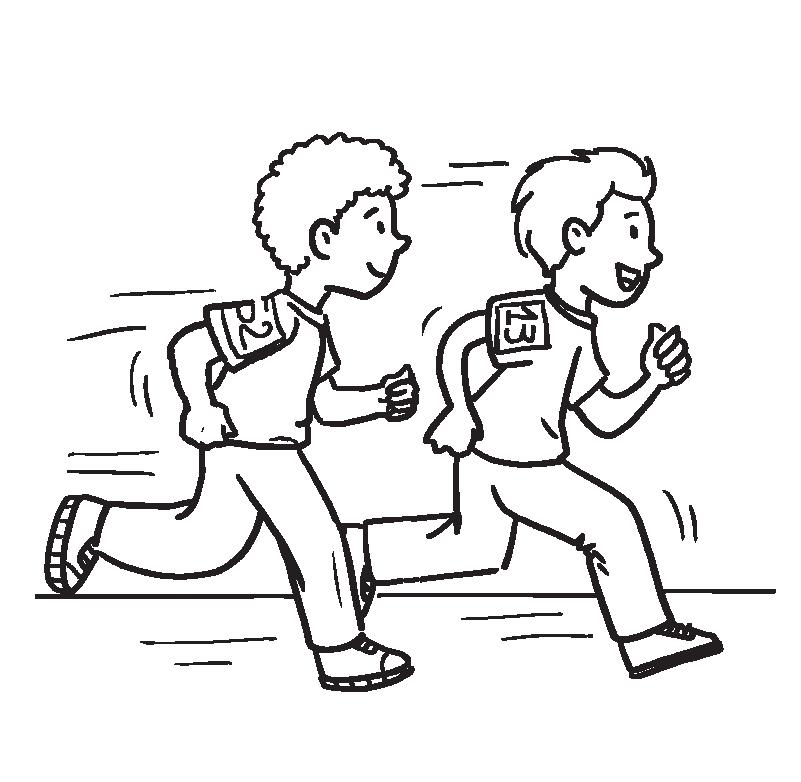
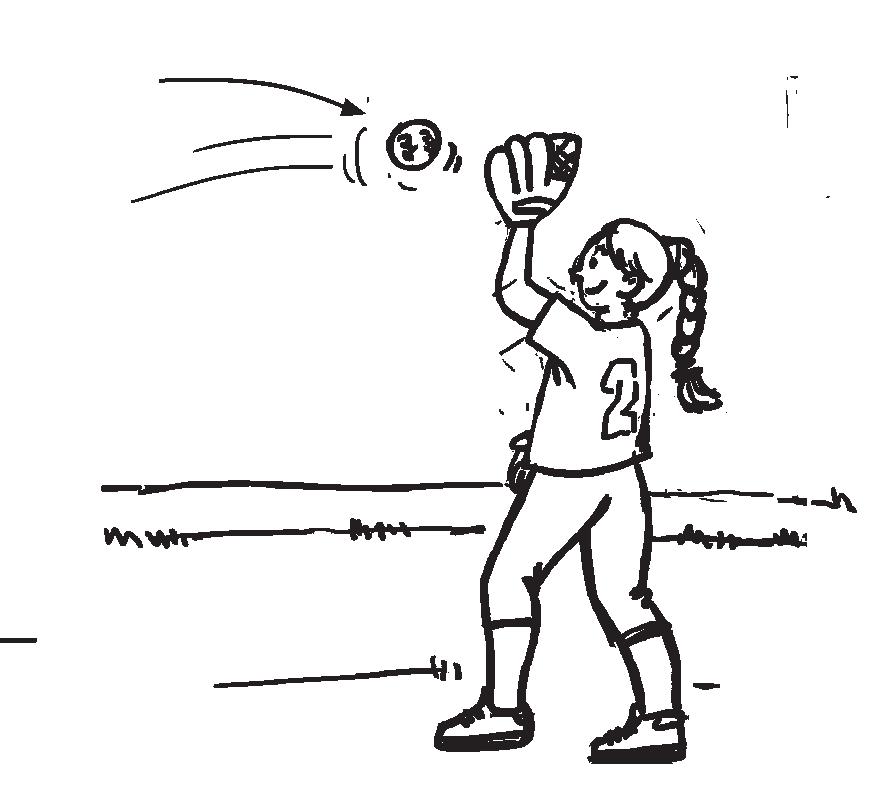
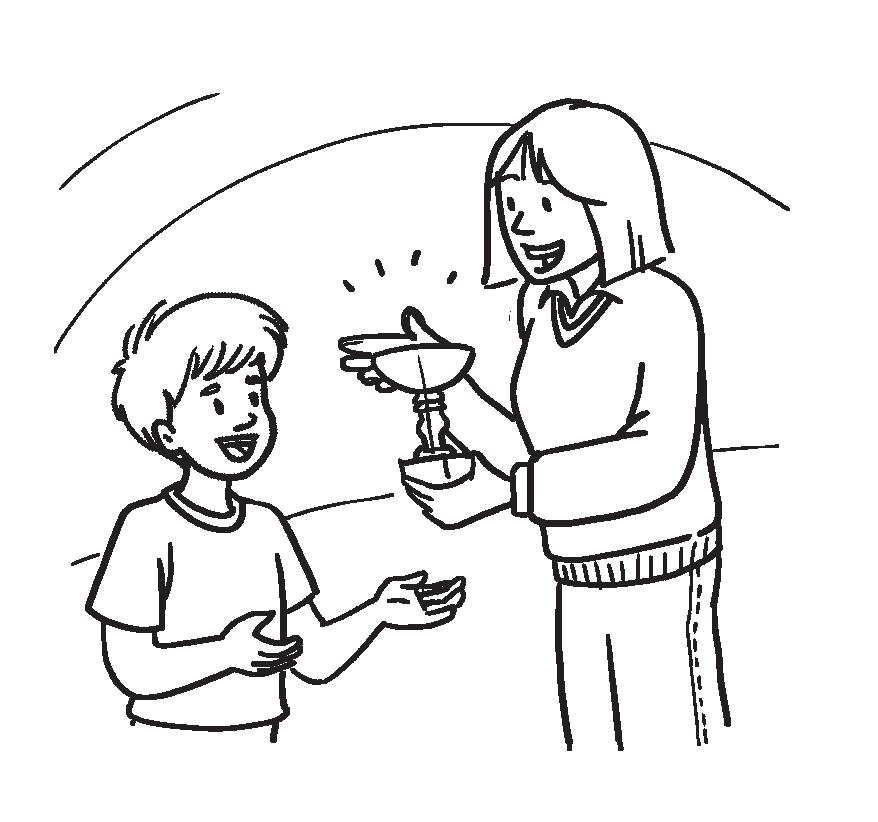
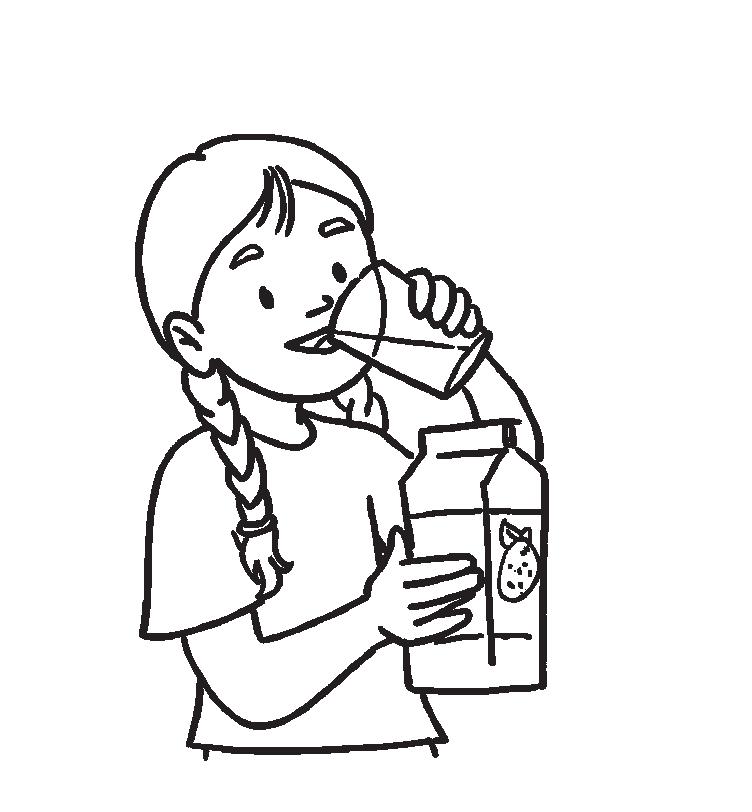
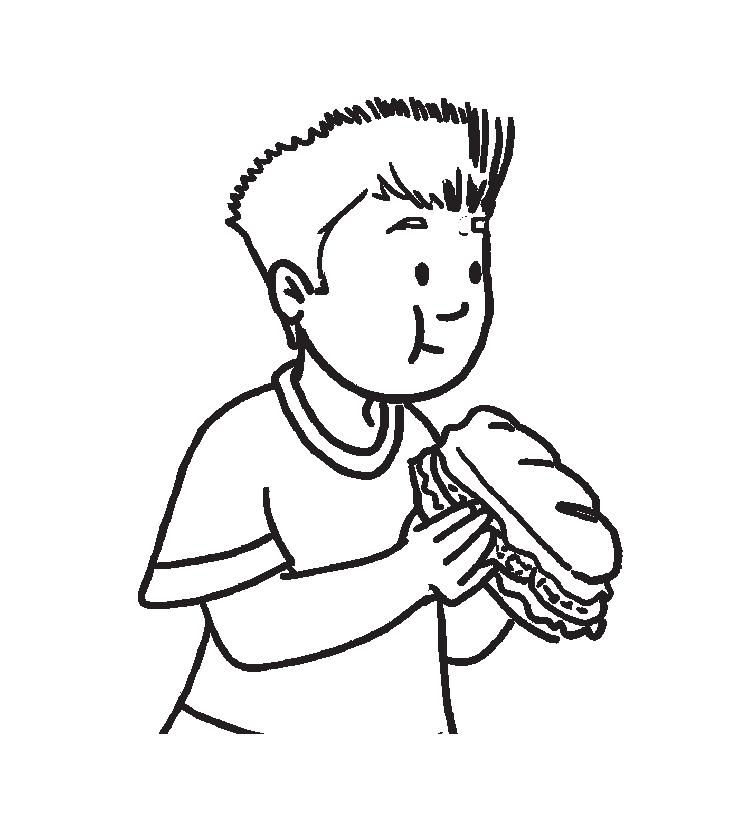
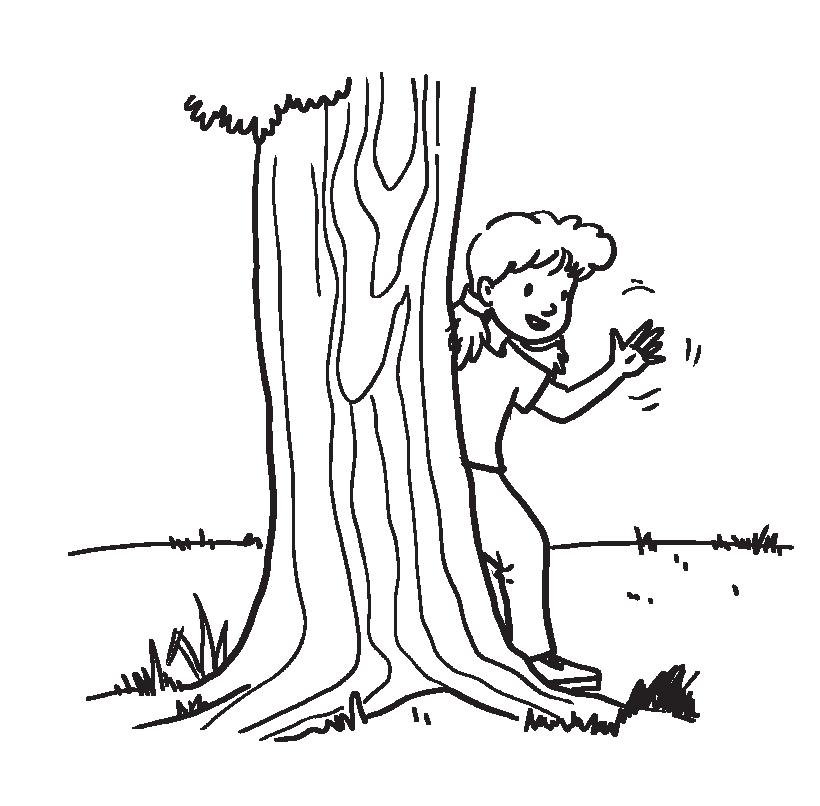
carry, drop, look for, move, need help, pick up, plant seeds, pull, push, water
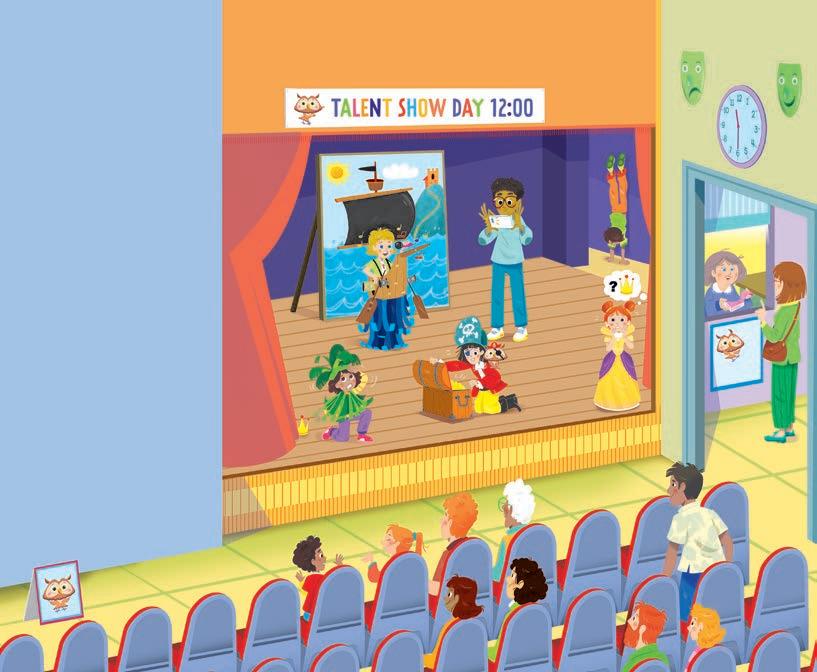
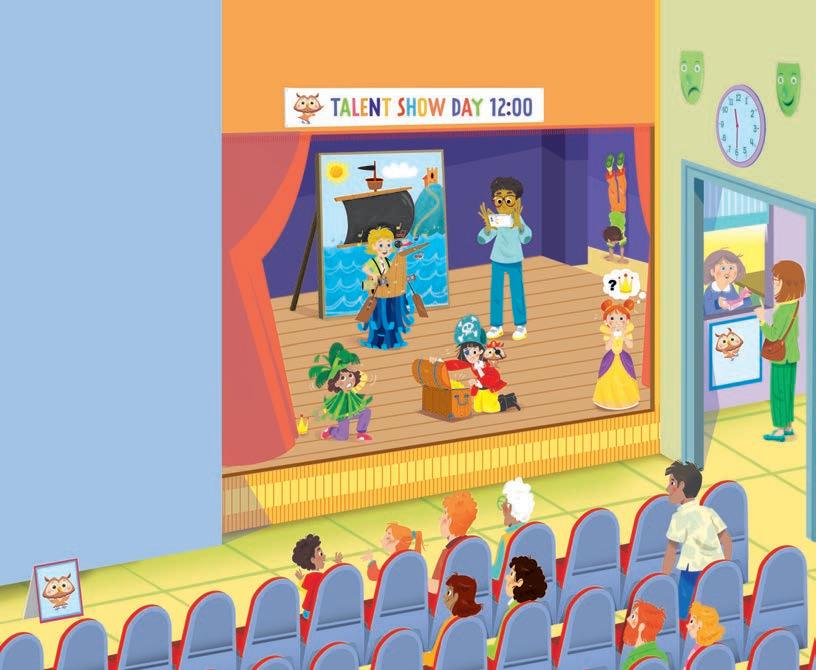
Special School Days page 72 buy a ticket, do gymnastics, find treasure, have fun, lose something, say hello, sing a song, sit down, take pictures, wear a costume
Around the World Episode 3 - Ghana
Family Fun page 86
On Vacation
Around the World Episode 4 - Vacations Around the World Language Bank page 112 1 2 3 4 5 6 7 8
Future with begoingto – questions and short answers
Story Time and Social and Emotional Learning Let's talk! Phonics
Tyler’s Great Idea
Relationship skills: Fixing problems with friends
I’m sorry you’re sick!
Social awareness:
Understanding how others feel
Watch out!
Responsible decision making: Thinking before doing something
What do you want to be?
Self-awareness: Thinking about my future
Tyler Needs Help
Relationship skills: Working in a team
Leo’s scared!
Self-awareness: Believing in myself
Making suggestions Let’s play basketball! How about jumping rope? Why don’t we play a game?
Expressing sympathy What’s wrong?
I’m sick! / I don’t feel well. I’m sorry to hear that! Get well soon!
Expressing preference Which one do you like? I like the biggest one.
short a and long a Shapes and symbols Project: Let’s design school signs! Reading and Writing Part 4
f sound Germs Project: Let’s do a clean hands experiment!
Part 2
Happy birthday!
Self-awareness: Understanding how I change
The Family’s Vacation
Self-management: Being a leader and problem-solver
Giving reasons
Why do you want to be a pilot?
Because I like planes!
Talking about the past When did you ...? yesterday / last Tuesday / last week / last year
Reacting to a story
Wow! / That’s amazing! That sounds fun! Really? / No way!
That’s too bad!
Talking about past abilities I could run fast when I was ten.
I couldn’t do gymnastics before, but now I can.
Responding to plans
All right!
I guess you’re right. I’m not sure.
I don’t know about ...
schwa sound Technology and inventions
Let’s design an invention! Reading and Writing Part 1
vowels with r City planning Project: Let’s design a city!
Part 1
-ed endings The needs of plants Project: Let’s design a planter! Reading and Writing Part 2
the j sound Construction using recycled materials Project: Let’s design a costume! Reading and Writing Part 5
the w sound Understanding bar charts Project: Let’s find out about birthdays! Speaking Part 3
the tr sound Understanding the weather in different seasons Project: Let’s plan a vacation!
Listening Part 3
Introduction
Buddies presentation
Welcome to Buddies, a six-level primary school course that promotes language learning through the values of friendship and collaboration, within the context of real-world discovery and cultural exploration.
Buddies is an American English course developed for schools with between three and six hours of English a week. The course provides core lessons, as well as additional focus on skills development, social and emotional learning (SEL), STEAM projects, exam support, and cultural lessons.
The Buddies course provides a solid language learning syllabus which corresponds to the following levels:
• Buddies 1 and Buddies 2: pre-A1 (Starters)
• Buddies 3 and Buddies 4: A1 (Movers)
• Buddies 5 and Buddies 6: A2 (Flyers)
A Day at School
This Teacher’s Book includes clear teaching notes for each lesson and is designed to provide advice and strong guidance for teachers with classroom management tips, language and cultural tips, and extra ideas for mixed abilities (reinforcement and extension activities). Answers to the Student’s Book activities are indicated on the thumbnails.
Buddies: Learning together! Learning for life
This course explores the lives of young learners through the eyes of the Buddies family and their friends. These characters grow alongside the students, supporting them throughout their language learning journey. The memorable characters mirror young learners’ real-life experiences and facilitate long-term retention and language acquisition as well as personal development.
Buddies allows us to see inside the kids’ world where a diverse cast of characters models the values of friendship, collaboration, and support through their everyday adventures. Outside this world, students go on a journey of real-world discovery and cultural exploration guided by their trusted mascot, Ollie the owl, who links the familiar world with the new.
With well-structured lessons and engaging content, Buddies helps all students to develop their English language skills in a supportive and motivating environment.
Meet the Buddies family
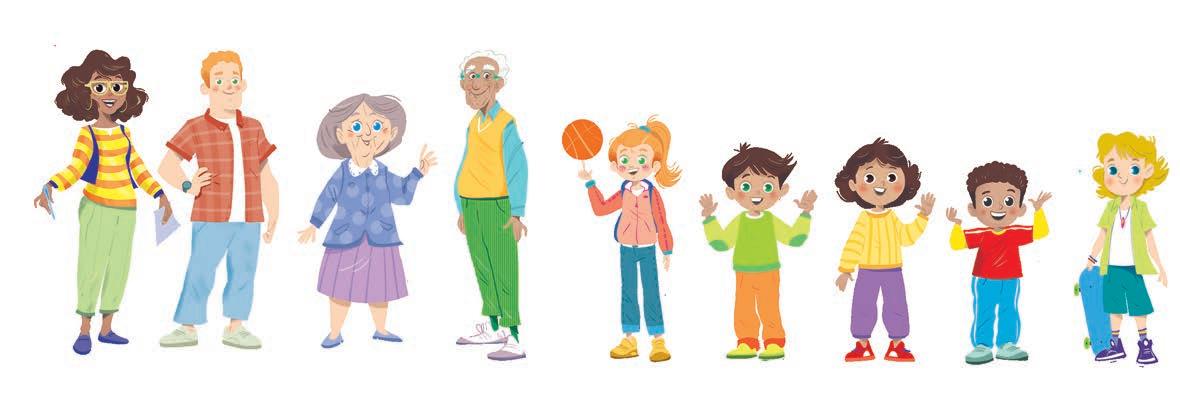
At the heart of this course are four siblings: Milo, Emma, Leo, and Holly. The siblings take turns as the main characters in different levels of the course. As students develop through their primary school years, the characters accompany them, providing a sense of continuity and connection. The adult characters in the course provide a background of stability, confidence, and gentle guidance as the main characters and students move forward in their learning journey.
Who’s who in the family?
Milo is the youngest sibling. He features in the first two levels of the course, Buddies 1 and Buddies 2, and appears in other levels as the youngest member of the family.
Emma is nine years old. She’s Leo’s twin sister and features along with him in Buddies 3 and Buddies 4. She also appears in other levels with Leo and her other siblings.
Leo is Emma’s twin brother and features alongside her in Buddies 3 and Buddies 4. He also appears in other levels alongside Emma and his other siblings.
Holly is the older sister and features in Buddies 5 and Buddies 6. She also appears in earlier levels.
Meet the Buddies for levels 3 and 4
In levels 3 and 4, our main characters, Leo and Emma, have a friend who accompanies them on their everyday adventures. This friend is Tyler.
Meet the Buddies mascot, Ollie the owl
The course mascot, Ollie, acts as the students’ study-buddy throughout the series, providing a link between the students’ everyday experiences and the wider world around them by:
• providing guidance through core grammar lessons with explanatory videos.
• providing tips on the Skills pages.
• introducing hands-on project work in real-world STEAM projects.
• fostering respect and interest in different cultures by exploring the different continents in the Around the World lessons.
Ollie
Story Time
Working with stories
Buddies offers a topic- and values-based comic story in every unit that follows the lives of the Buddies family and friends in their everyday adventures. The bold, captivating comic frames and fun, playful storylines grab students’ attention. Language from the units is reinforced and recycled in the stories, aiding retention. The captivating illustrations are clearly supported with speech bubbles, audio, and video
Social and emotional learning
Each story aims to foster human connection and personal growth in students through the inclusion of social and emotional learning in the storylines. The CASEL (Collaborative for Academic, Social, and Emotional Learning) Framework has been used to highlight the broad areas of competence in the stories including self-awareness, social awareness, relationship skills, and responsible decision-making. The storylines in Buddies encourage students to reflect on the values they present and to relate them directly to their own lives in follow-up personalization activities.
How to get the most out of the Buddies stories
1 Warm up
• Introduce context to set the scene: Show the story pages and introduce the setting, characters, and key vocabulary (objects, feelings, etc.). Activate prior knowledge by asking students to name other things they can see in the illustrations.
• Predict and engage: Ask students to predict what the characters are doing or what might happen.
2 Listening & Watching
• First Exposure: Play the audio. Encourage students to follow the words/pictures in their books without interrupting.
• Guided Comprehension: Play the story a second time, pausing after each key event. Ask simple comprehension questions and point out actions that relate to the social and emotional learning theme.
• Play the video and ask students to focus on what they can see, for example, the characters’ expressions, actions, backgrounds, and colors.
3 Post-Listening: Practice and Reinforcement
• Active Reading: Have students listen again and read the lines for assigned characters (role-play reading).
• Check Understanding: Use the related exercise such as True or False, multiple choice, or gap-fill exercises to check vocabulary and plot understanding.
• Act it Out: Divide the class into groups to act out the story using props and body gestures. This brings the language to life and boosts fluency.
4 Focus on Life Skills
• Discuss the social and emotional learning theme: Refer back to the pictures or plot points that illustrate the life skill (e.g., patience).
• Reflect and Apply: Ask students to discuss why the skill is important and identify examples in their own lives. Use the ask-and-answer task in the last exercise to reinforce the concept.
Vocabulary 2
Working with photos
The second set of vocabulary in each unit is introduced with eight photos and is accompanied by a listening activity. Students first listen to the items in order and then in random order, before numbering them in the correct sequence. The routine for this lesson uses photos as a highly engaging method to reinforce listening comprehension and vocabulary retention. Students then practice and produce the new words through a fun song.
Vocabulary 2 routine
1 Lead-in: Engage students by eliciting known vocabulary and set the context for the new language.
2 Listen, repeat, and identify
Listen and Say: Play the audio for students to hear the words in order and repeat them to practice pronunciation.
Listen and Number: Play the rest of the audio track where the items appear in random order. Students identify and number the corresponding images as they hear them.
3 Using the new vocabulary: Students complete written tasks, working independently to reinforce the connection between the spoken word and its written form. In addition, speaking tasks use the photos as prompts allowing students to produce the new vocabulary in a functional and communicative context.
4 Consolidation and production: Use the song to allow students to practice the new language and build fluency in a fun and supportive lesson.
Working
with songs
Songs are a powerful tool offering multiple benefits that enhance language acquisition and whole child development. Songs can help students:
• Boost language: Students use new words and phrases naturally and spontaneously, increasing confidence and fluidity
• Aid memory: Music helps students remember what they learn.
• Support all learners: Songs are great for different learning styles. Students see (visual), hear (auditory), and move (handson).
• Create a positive mood: Singing helps students relax, concentrate, and feel a sense of belonging to the class. It creates a happy, calm environment for learning.
Grammar 2
Presentation, Practice, and Production
The main Buddies characters present the second grammar point within the context of the unit topic. The presentation, practice, and production (PPP) model is effective in the primary classroom because it offers a clear and supportive structure. This predictable, step-by-step routine helps young learners feel secure and builds their confidence with new language.The model acts as a scaffold, guiding students from understanding a new grammar point to practicing it in a controlled way, and finally, to using it freely on their own. This gradual process ensures students feel successful at each stage, giving them a sense of achievement when they can finally use the new language to express their own ideas. As with Grammar 1, the key structures are supported by a clear grammar box, audio, and video. Two practice and production activities follow the main presentation, allowing students to apply the Buddies System by first working individually and then helping each other in pairs.
1 A Day at School
Unit objectives
At the end of this unit, students will be able to …
• talk about how they do things at school
• talk about what they must and mustn’t do at school
• make suggestions
• write instructions using the imperative
Materials
• Student’s Book pp. 8–19
• Workbook pp. 4–11
• Unit Tests
• Flashcards: be kind, be late, carefully, do homework, keepneat, loudly, quickly, quietly, practice, raiseyourhand, share, shout, slowly, study, take a test, takecareof(yourbooks) , think, wait in line
• Review: A coin, counters (scraps of paper or beans)
• Poster Pack
• Digital Book
Unit theme
In this unit, students focus on their lives at school. They talk about the things they do at school, learn to describe how they do things using adverbs of manner, and discuss school rules using must and mustn’t. Students also practice making suggestions about games they want to play, and they write instructions using the imperative.
In the story, students are shown that friends sometimes have different ideas, which can lead to problems. They learn that shouting loudly and arguing are not constructive ways to fix problems with friends. They are asked to think about how to solve a disagreement in a better way. The STEAM lesson is an opportunity for hands-on learning. Students use different skills to make signs for school. Ask them to bring pencils, poster board, paper, scissors, and markers to class.
Phonics: Short a: can,practice and long a: late,play,wait
Reading: Working out meaning from context
Writing: Using the imperative
Exam Practice: Preparation for YLE Movers Reading and Writing, Part 4
Unit assessment
Unit 1 Reinforcement Test. See pp. 146–147.
Unit 1 Extension Test. See pp. 148–149.
• Vocabulary 1 video
• Grammar videos 1 and 2
• Story Time video
• Audio materials
• Digital Book Digital resources
Lesson 1 Vocabulary 1
A Day at School
Lesson 1 objectives
Objective: To talk about things we do at school. Vocabulary: carefully, loudly, quickly, quietly, share, shout, slowly, study, think, wait in line
Recycled language: library, take, walk
Materials: Classroom Language poster; Flashcards: carefully, loudly, quickly, quietly, share, shout, slowly, study, think, waitinline; Digital Book
Warm up
• Greet the class. Ask: Where are we? and elicit answers.
• Use the Classroom Language poster to ask students to tell you what day of the week, month, and season it is. Ask: How’s the weather? and encourage students to give you full answers.
• Play TheGuessingGame with classroom objects. See pp. 18–19 of your Teacher’s Book.
1 Look! What can you see?
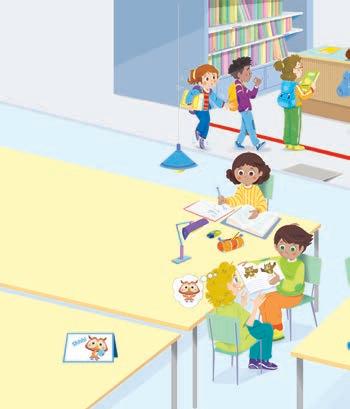
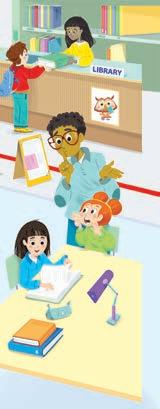
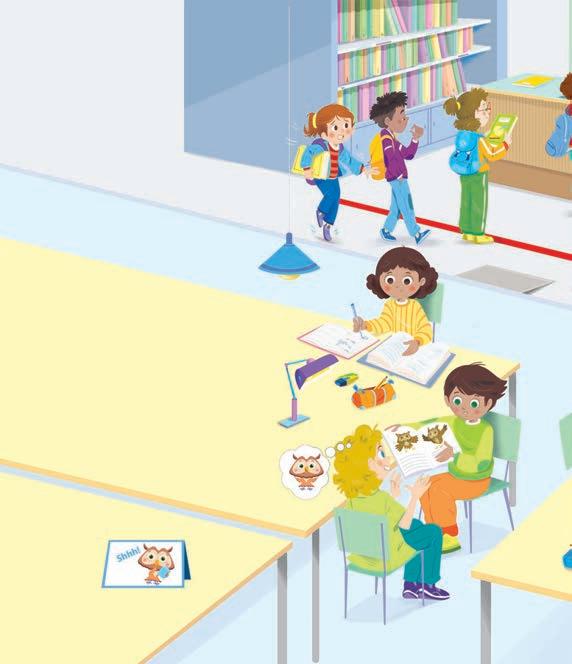
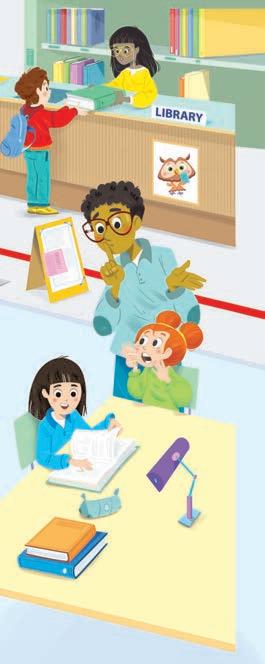
• Show pp. 8–9 of the Student’s Book. Say: Look! Where are they? Elicit inthelibrary. Ask: Whatcanyouborrowfroma library? and elicit answers.
• Ask students to look at the children in the library and point to the ones you describe. Say: Thisstudentiswalking/ talking/takingabook. Ask students to describe what else they can see.
• Ask: CanyouseeTyler?Whoishethinkingabout? and elicit Ollie. Point to the sign with Ollie on it on p. 8 of the Student’s Book. Say: Look!It’sasign. Ask: Is it OK to be loudinthelibrary? (No.)
2 Listen, find, and say. Then watch.
• Display the flashcards on the board. Ask students to stand up and copy your actions. Point to the relevant flashcard(s) and say: We’re(waitinginline).
• Ask students to look at their books, listen, point to the words, and say them. Play the audio.
• Say: Now let’s watch a video! Use the interactive whiteboard (if available) to show the vocabulary in the video. Ask students to repeat the words.
3 Point and say.
• Ask two students to read out the speech bubbles. Explain to students that they should point to a character, ask a question, and then answer. Their answer should say what the character is doing and how they are doing it. Remind students when to use he, she, or they.
• Students work in pairs and take turns to ask and answer.
4
Listen and chant. Then chant with actions.
• Display the flashcards on the board. Say: Listen to the chant. Play the audio and point to the flashcards in time with the chant. Read the chant out loud one line at a time for students to repeat. Play the audio again, and encourage students to chant along.
• Demonstrate these actions: Rulesinthelibrary: hold your hand out to show Stop; Saywithme: make both your hands do a talking action like a mouth; Quietly: place a finger to your lips. Students copy the actions. Say: Let’s chant with actions! Play the audio and encourage students to join in.
• Students add the actions they learned earlier in Exercise 2 so that they have an action for all lines in the chant. Students repeat the chant with all the actions.
Ending the lesson
• Ask: Doyouusebookscarefully? Discuss the importance of using class materials carefully.
• Say: That’stheendofclass.Goodbye!
Now go to Workbook 4 page 4.
Lesson 2 objectives
Objective: To talk about how we do things at school.
Grammar: Adverbs of manner
Vocabulary: carefully, loudly, quickly, quietly, share, shout, slowly, study, think, wait in line
Recycled language: eat, fly, read, use
Materials: Flashcards: see Lesson 1; Digital Book
Warm up
• Greet the class. Say: Standupquickly.Sitdownslowly. Repeat and have students follow your instructions.
• Play TheMimingGame. See pp. 18–19 of your Teacher’s Book.
Look!
• Ask: HowmanytimescanyoufindOllie? (Three.) Encourage students to also say where Ollie is (on the poster, on the sign, and in the thought bubble).
• Ask students to look for Tyler and Leo in the picture. Ask: Whataretheytalkingabout? and accept all reasonable answers.
1
Lesson 2 Grammar 1
Listen and read. Then listen again and say.
• Show pp. 8–9 of the Student’s Book. Ask: What is Leo sharing? (A book.) Say: ListentoTylerandLeo. Play the audio. Check comprehension by asking: Aretheytalking about birds? (Yes.) What kind of birds? (Owls.) Who reads loudly? (Sophie.)
• Play the audio again and then assign the roles of Leo and Tyler to pairs. Students read the dialogue out loud.
• Review Ollie’s Grammar box, making sure students understand the meaning of the highlighted words. Ask: Do thewordsinbluetellushowwedosomethingorwhere wedosomething? (How.) Are these words before or after the verb? (After.) Write loud, quiet, slow, quick, and careful on the board. Ask students to think about what letters we add to these adjectives to make them adverbs (-ly). Say these sentences and have students repeat. Ask different students to demonstrate with actions: Ishoutloudly.I singquietly.Iwalkslowly.Irunquickly.Ireadcarefully.
• Point to Ollie and say: Let’s watch Ollie. Play the Grammar video as many times as is needed.
2 Who is it? Listen and number.
• Ask students to look at the pictures and say: Think about whatthechildrenaredoingandhowthey’redoingit.Now listen and number. Play the audio. Ask students for the answers and write them on the board. Play the audio again and pause after each child speaks. Ask: Whatarethey doing? Students raise their hands to answer.
Audioscript
1 I’m walking slowly.
2 I’m waiting in line quietly.
3 I’m shouting loudly.
3 Ask and answer.
• Ask two students to read the speech bubbles. Ask: Which wordstellushowwedosomething? (Slowly and quickly.) Say: Nowyoucanpractice. Students work in pairs to ask and answer questions. Monitor and suggest different adverbs of manner.
Ending the lesson
• Say: Let’ssaygoodbyequietly.Encourage students to join in.
• Say: Closeyourbooks.Goodjob, everyone.
Now go to Workbook 4 page 5.
6 Special School Days
Unit objectives
At the end of this unit, students will be able to …
• talk about special activities they do at school
• talk about the things they did on special days
• react to a story
• write a story in the past
Materials
• Student’s Book pp. 72–85
• Workbook pp. 44–51; 70
• Unit Tests
• Flashcards: buyaticket, catch a ball, dogymnastics, drinkjuice, eat a sandwich, find treasure, getaprize, have fun, hide behind a tree, losesomething, run a race, sayhello, singasong, sit down, takepictures, throw a ball, wear a costume, winthegame
• STEAM: Recycled materials, paints, glue, scissors, colored paper
• Review: A coin, counters
• Poster Pack
• Digital Book
Unit theme
In this unit, students explore special school activities. They learn to talk about a school talent show and other activities they do at school. They discuss what they did and didn’t do using irregular verbs and ask questions using the simple past. Students also practice reacting to a story and putting events in order using adverbs.
In the story, students see the characters taking part in a talent show and Leo feels scared about his performance. They are shown that they should believe in themselves and that taking part can be fun. They learn how they can help their friends who feel scared develop self-confidence. The STEAM lesson is an opportunity for hands-on learning. Students use different skills to design and make a costume. Ask them to bring materials they need to class.
Unit overview
Vocabulary 1: buyaticket, dogymnastics, find treasure, have fun, losesomething, say hello, singasong, sit down, takepictures, wear a costume
Vocabulary 2: catch a ball, drinkjuice, eat a sandwich, getaprize, hide behind a tree, run a race, throw a ball, winthegame
Grammar 1: Simple past irregular: Affirmative and negative
Grammar 2: Simple past irregular: Questions and short answers
Story Time: Leo’s scared!
SEL: Believing in myself: Self-awareness – Experiencing self-efficacy
Listening: Making inferences
Functional language: Reacting to a story: Wow!, That’samazing!, That sounds fun!, Really?, No way!, That’s too bad!
Phonics: The j sound: gymnastics, jeans, jug, juice, jump, orange
Reading: Understanding sequence of events
Writing: Ordering events
Exam Practice: Preparation for YLE Movers Reading and Writing, Part 5
Around the World: Episode 3 – Ghana
Unit assessment
Unit 6 Reinforcement Test. See pp. 166–167.
Unit 6 Extension Test. See pp. 168–169.
Digital resources
• Vocabulary 1 video
• Grammar videos 1 and 2
• Story Time video
• Culture video
• Audio materials
• Digital Book
Lesson 1 Vocabulary 1
Lesson 1 objectives
Objective: To talk about a talent show day at school.
Vocabulary: buyaticket, dogymnastics, find treasure, have fun, losesomething, say hello, sing a song, sit down, takepictures, wear a costume
Materials: Classroom Language poster; Flashcards: buyaticket, dogymnastics, find treasure, have fun, losesomething, say hello, sing a song, sit down, takepictures, wear a costume; Digital Book
Warm up
• Greet the class. Play PickaSong in teams. Score each team full marks (10/10). See pp. 18–19 of your Teacher’s Book.
• Use the Classroom Language poster to ask students to tell you what day of the week, month, and season it is. Ask: How’s the weather? and encourage students to give you full answers.
• Write talent show on the board and explain the meaning. Ask: DoyouknowanytalentshowsonTV?Doyouwatch them?
1 Look! What can you see?
• Show pp. 72–73 of the Student’s Book. Say: Look! This is a schooltalentshow.Let’sseewhateveryoneisdoing.
• Hold up the flashcards one at a time. Ask students to point to the child or person in the picture who matches each flashcard. Say the phrase and have students repeat.
2 Listen, find, and say. Then watch.
• Ask students to look at their books, listen, point to the words, and say them. Play the audio.
• Then play the video and ask students to repeat. Use the interactive whiteboard (if available) to show the vocabulary in the video.
3 Look and say.
• Ask two students to read out the speech bubbles. Say each of the 10 actions in the picture as a sentence in the present progressive and have students repeat, e.g., He’ssingingasong.
• Students work in pairs and take turns to ask and answer questions. Remind them to use He or She correctly.
Lesson 2 Grammar 1
4
Listen and chant. Then chant with actions.
• Display the flashcards on the board. Say: Listen to the chant. Play the audio and point to the flashcards in time with the chant. Read the chant out loud one line at a time for students to repeat. Play the audio again and encourage students to chant along.
• Assign the roles of actors, singers, and pirates to students. Each group should come up with several actions for their role that they perform on their line of the chant. Say: Let’s chant with actions! Play the audio several times and encourage students to join in.
Ending the lesson
• Ask: Whattalentscanyoudo? Encourage students to use phrases from the picture.
• Say: Closeyourbooks.Welldone!
Now go to Workbook 4 page 44.
Lesson 2 objectives
Objective: To talk about what you did for a talent show.
Grammar: Simple past irregular: Affirmative and negative
• Greet the class. Ask: Who can remember what kind of show was in the last lesson? (A talent show.)
• Play TheMimingGame with the phrases from Vocabulary 1. Ask: Whatishe/shedoing? and elicit answers in the present progressive. See pp. 18–19 of your Teacher’s Book.
Look!
• Ask: HowmanytimescanyoufindOllie? (Four.) Encourage students to also say where Ollie is (on the talent show banner, on the pirate’s shoulder, on the display board, and on the poster at the ticket office).
• Ask: Whatbirdsdopirateshave? and elicit or teach parrots. Ask: Doyoubuyticketsforschooltalentshows?
1
Listen and read. Then listen again and say.
• Show pp. 72–73 of the Student’s Book. Say: ListentoTyler, Leo, and Emma. Play the audio. Check comprehension by asking questions – students raise one hand for No and two hands for Yes: DidTylerdogymnastics? (No.) Did Leo wear a costume? (No.) DidSophiefindtreasure? (Yes.)
• Play the audio again, and then assign the roles of Tyler, Leo, and Emma to groups of three. Students read the dialogue out loud.
• Write on the board Yesterday, Ihelpedmymom. Ask: Which lettersareontheendof“help”? (-ed.) Ask: Is the sentence abouttodayoryesterday? (Yesterday.) Then write on the board Yesterday, Isangasong. Point out to students that, for lots of verbs, we don’t put -ed on the end when we talk about the past. They are irregular.
• Review Ollie’s Grammar box, making sure students understand the meaning of the highlighted words. Read the examples out loud and ask students to repeat.
• Write on the board Ididn’tsingasong. Explain to students that after didn’t, we use the base verb and they must remember what this is.
• Point to Ollie and say: Let’s watch Ollie. Play the Grammar video as many times as is needed.
2
Listen and write.
• Ask students to read the sentences and think about the affirmative and negative forms they need for the answers. Play the audio.
• Play the audio again and have students repeat. Write the answers on the board. Draw students’ attention to the irregular form of the verb for the affirmative and the base form for the negative. Remind students that the forms stay the same for all people, including he, she, and it
Audioscript
1 I didn’t find shoes, but I found treasure.
2 I didn’t take a test, but I took pictures.
3 I bought a ticket, but I didn’t buy a book.
3 Look at the picture. Then say.
• Ask two students to read out the speech bubbles. Brainstorm ideas for the wrong sentences using the flashcards and write a list on the board.
• Students work in pairs to ask and answer questions. Suggest that students also say the number so their partner can find the character in the picture.
Ending the lesson
• Hold up the flashcards one a time and ask students to mime what they see.
• Say: Well done, everyone! Now go to Workbook 4 page 45.
A Day at School | Reinforcement Test
Name: Date:
1 Look and read. Then check (✔) or cross (8). He’s sharing. She’s waiting in line. She’s studying. He’s shouting. She’s thinking. 2 Read and circle.
3 Read and complete.
be • do • keep • practice • raise • take
1 You must kind to pets.
2 You must your hand.
3 It’s good to the classroom neat.
4 Let’s soccer.
5 We must a math test today.
6 I my homework in the afternoon.
4 Look and match. Complete the sentences with must or mustn’t.
Can you play? Hello, Jack! Run! We be late for school. Quiet, Tina. You shout in the classroom. Sorry, I can’t. I do my homework. You take care of these books.
Special School Days | Reinforcement Test
Name:
1 Look and write.
Date:
buy a ticket • do gymnastics • find treasure lose something • sit down • take pictures
2 Read and complete in the past. Use the words in brackets.
Paul: We 1 (have) fun yesterday.
Elly: Yes. The talent show was great.
Paul: My mom 2 (say) hello to your mom.
Elly: That’s nice. Did she like our costumes?
Paul: Yes. You 3 (wear) the best costume.
Elly: Thanks. You 4 (do) gymnastics. You were really good.
Paul: Thanks. We 5 (not sing) a song. I can’t sing. Jack 6 (sing) a song.
Elly: He was good. Do you have any pictures? We don’t have any. My mom 7 (not take) pictures.
Paul: Yes. My mom 8 (take) lots of pictures! Look!
3 What did they do? Look and read. Then check (✔) or cross (8).
They ran a race. She ate a sandwich. She threw a ball. He drank juice. He got a prize. She hid behind a tree.