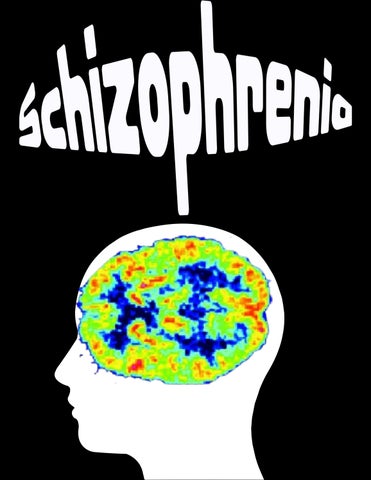

Scientists have searched for centuries to unlock the mystery behind schizophrenia — and yet it remains one of the most misunderstood mental illnesses. Genetics, brain chemistry, and even prenatal environments all seem to play a part. But why does the brain, so brilliant and intricate, sometimes turn against itself? The answers are still unfolding.
Hollywood often gets it wrong. Schizophrenia isn’t about danger or violence — it’s about vulnerability. It’s about fighting a daily battle that no one else can see. Many people with schizophrenia are thoughtful, creative, and kind — living proof that even when the mind plays tricks, the heart can remain steady.
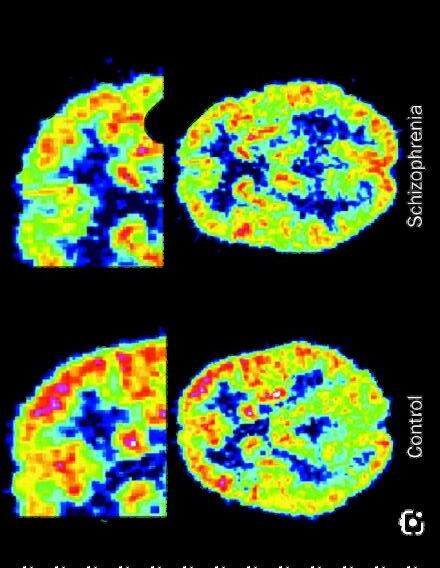
Schizophrenia is a complex brain disorder that affects about 1% of the population and is believed to result from a combination of genetic, neurochemical, and environmental factors. Scientifically, it's associated with imbalances in brain chemicals, especially dopamine and glutamate, which are neurotransmitters involved in thinking, emotion, and perception. Brain imaging studies have shown that some people with schizophrenia may have differences in the structure and function of their brains—such as enlarged ventricles, reduced gray matter, and abnormal activity in areas that control emotion and decision-making. Genetics also play a major role; having a close relative with schizophrenia increases a person’s risk, although no single gene causes it on its own. Scientists believe that disruptions in early brain development—sometimes even before birth—might make the brain more vulnerable to stress or trauma later in life, triggering the onset of symptoms, often in late adolescence or early adulthood. Research continues to explore how brain circuits malfunction in schizophrenia, with the hope of finding more precise treatments.
The causes of schizophrenia are not fully understood, but researchers believe it results from a complex interplay of genetic, biological, and environmental factors. Genetics plays a significant role—having a close relative with schizophrenia increases one’s risk. Brain chemistry and structure are also implicated; imbalances in neurotransmitters like dopamine and glutamate, as well as structural differences in certain brain regions, have been observed in people with the disorder. Environmental stressors, such as prenatal exposure to infections or malnutrition, childhood trauma, or heavy cannabis use during adolescence, can also contribute to triggering the condition in genetically predisposed individuals.
Another underexplored topic is the deep connection between schizophrenia and creativity. Historically, many famous artists, poets, and thinkers—such as Syd Barrett of Pink Floyd or mathematician John Nash— have had schizophrenia or symptoms related to psychosis. Researchers have found that people with schizophrenia tend to score high on measures of divergent thinking, which is the ability to generate many unique solutions to a problem. While schizophrenia often impairs functioning, the altered perceptions of. reality can also allow for novel associations, symbolic thinking, and . abstract thought that contribute to creativity. Moreover, people with schizotypal traits (a milder, non-psychotic)
Schizophrenia is a complex and often misunderstood mental disorder that affects how individuals think, feel, and behave. It can cause severe disruptions to daily life, relationships, and a person’s sense of reality. Though its exact causes remain unclear, a combination of genetic, biological, and environmental factors is widely believed to contribute. Early diagnosis, consistent treatment, and community support play a critical role in helping individuals manage their symptoms and live meaningful lives.
As research continues to advance, the future offers hope for more effective treatments, greater understanding, and reduced stigma around schizophrenia. Continued education, compassion, and investment in mental health services are essential to supporting those affected. By shifting how society views mental illness, we can build a world where individuals with schizophrenia are not defined by their diagnosis, but empowered by the care, respect, and opportunities they receive.