The sustainability report 2025 for Eleiko Group AB describes our progress during 2025 and outlines our plans going forward. The report has been prepared in accordance with the Swedish Annual Accounts Act and the sustainability information is presented in a format inspired by the European Sustainability Reporting Standards (ESRS). Eleiko Group’s subsidiaries are included in the report.
This is Eleiko Overview
At Eleiko, we work to make people stronger, so they can perform better — in sports and in life. Since 1957, Eleiko has been a worldwide leader in international weightlifting, powerlifting and strength & conditioning communities. Eleiko is uniquely certified by the IWF, IPF and Para Powerlifting federations.
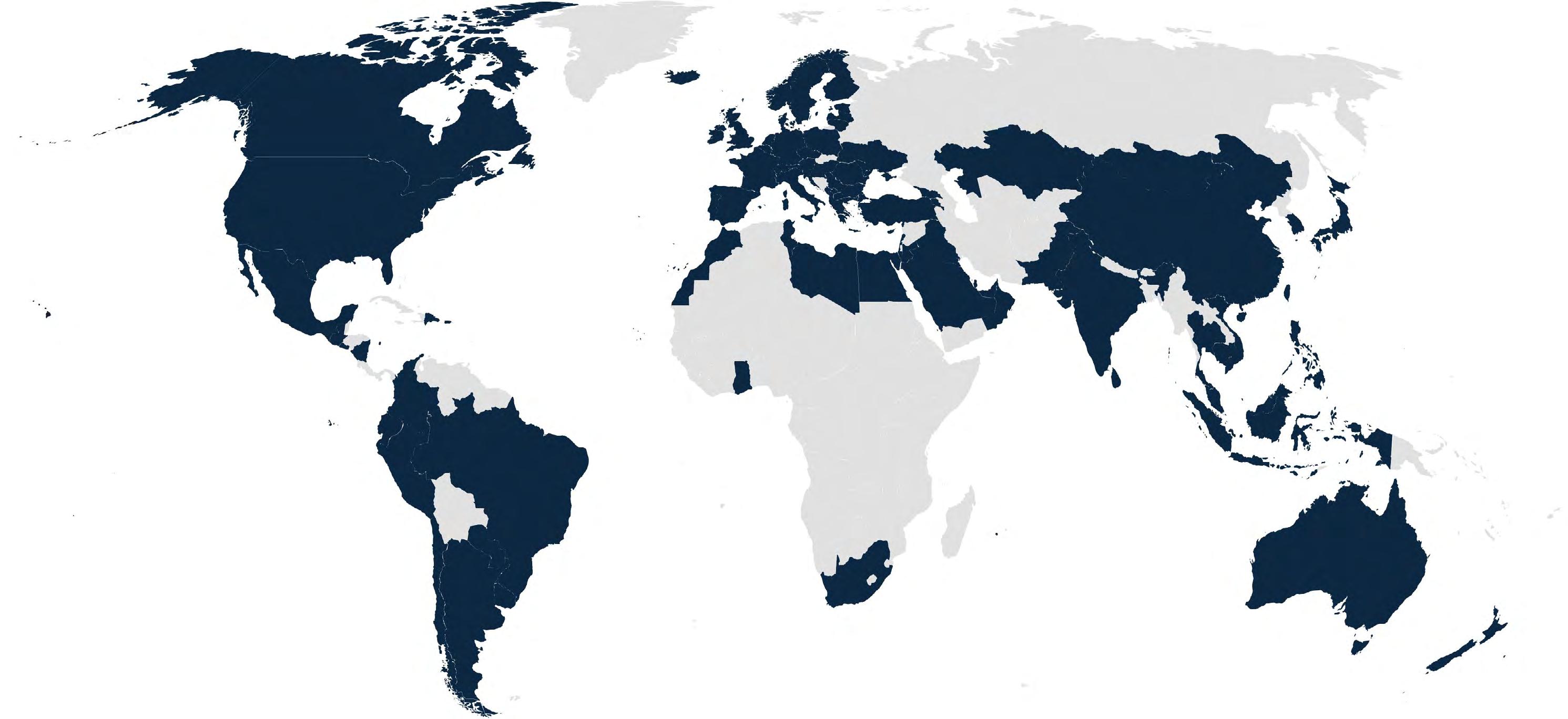
The products have been delivered to more than 180 countries over time and are often seen at the world’s largest championships and in the most respected strength training facilities. More than 1,000 world records have been set with an Eleiko barbell. With quality, innovation and customer service as guiding principles, Eleiko is the leading equipment provider and educator in strength.
Headquartered in Halmstad, Sweden, Eleiko Group and its subsidiaries have a global reach, with 221 employees, sales to over 100 markets and net sales of SEK 896 million.
Eleiko HQ, Halmstad Sweden Sales subsidiaries
Building a stronger world CEO message
We find ourselves at a pivotal moment — for the world, for our industry, and for Eleiko. Across 2025, companies and societies continued to navigate a complex web of macroeconomic pressures, geopolitical uncertainty, and an accelerating climate transition. The tension between short-term cost pressures and long-term sustainability investments has never been more visible. And yet, the most forward-looking organisations respond not by pulling back, but by doubling down on purpose.
At Eleiko, we have done the same. This report reflects a year in which we made some of our most significant investments in the quality and sustainability of our products, the strength of our team, and the resilience of our operations. It is also a year in which we celebrated meaningful milestones — and set the stage for continued progress in the years ahead.
A world in transition
Global sustainability frameworks are evolving rapidly. The EU’s Corporate Sustainability Reporting Directive (CSRD) is now in force, raising the bar for transparency and accountability across industries. Following the proposed changes under the EU Omnibus package, Eleiko Group is currently not within the scope of mandatory CSRD reporting requirements based on size thresholds. However, we have chosen to continue with the implementation of the European Sustainability Reporting Standards (ESRS) as we believe it is the best approach from a strategic perspective.
The steel industry — central to what we do — is undergoing its own green transition. Green hydrogen, fossil-free electricity, and circular material flows are no longer theoretical ambitions; they are being built into production infrastructure right now, including by our strategic partner Ovako. These are the kinds of systemic shifts that make our own sustainability progress both possible and meaningful.
Stronger products, longer lives
One of our most important sustainability contributions is also one of our most fundamental: making products that simply last longer. In 2025, we launched a new generation of Eleiko barbells with significantly improved durability and an extended product lifetime — the result of years of close collaboration with Ovako, pursuing low-carbon steel solutions without compromising the precision performance Eleiko is known for.
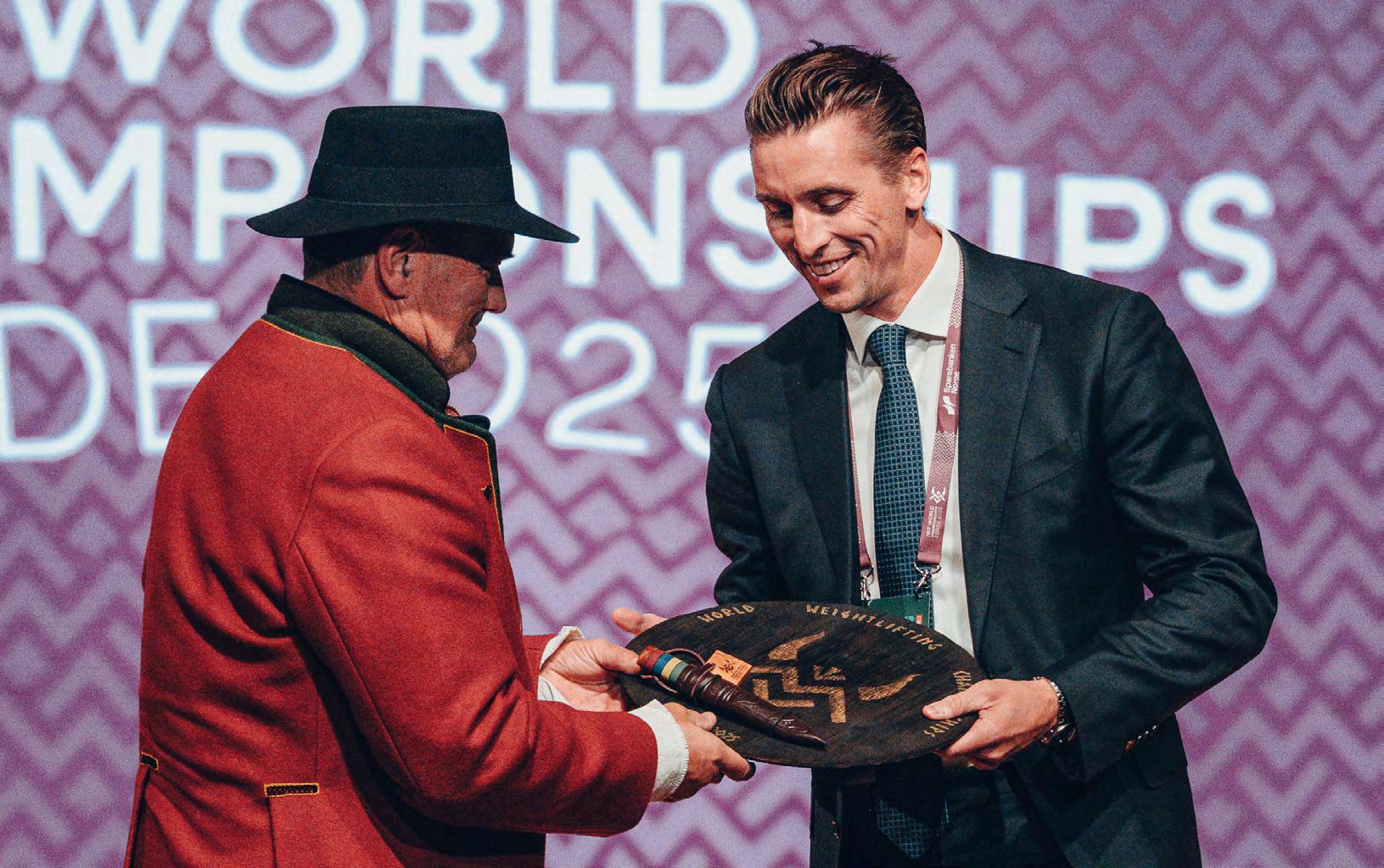
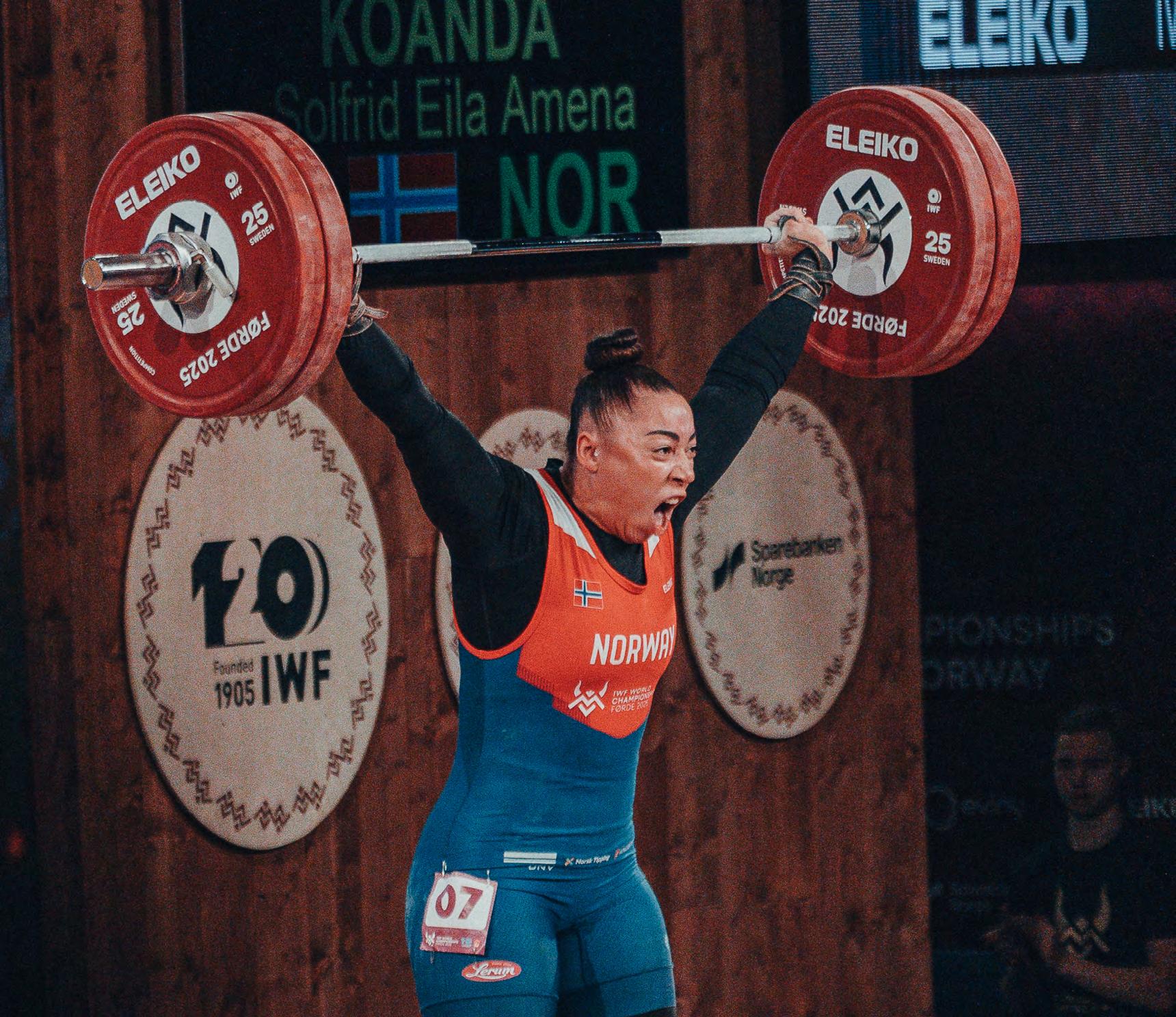
The launch was validated in the most demanding arena possible. At the IWF World Championships in Weightlifting in Førde, Norway, our new barbells were used to break 40 world records — a testament to the performance quality that has defined Eleiko since 1957. When a product can withstand that level of elite use and still outlast its predecessors, that is sustainability in its most tangible form.
Our investment in product development has also accelerated significantly. Total R&D investment will double in two years, and we have approved plans for an expanded and upgraded Test Center and Prototype Workshop. These investments reflect our conviction that the path to long-term sustainability runs directly through product innovation.
“ We are building a stronger world — one product, one team, one partnership at a time.
— Erik Blomberg, CEO
Strengthening our organization
A stronger world starts with stronger people — and that begins within our own organization. In early 2026, we welcomed Sabina Lindén as our new Chief Human Resource Officer. Sabina brings over 20 years of senior HR leadership experience and her appointment reflects our belief that how we develop, support, and retain our people is just as strategic as how we develop our products.
We also welcomed onboard Daniel Åhman as Head of Product Management. Daniel has experience from leading Design & Innovation teams at several successful Swedish product companies. His deep expertise in product innovation and early-phase development comes at the right time, as we take on increasingly complex and ambitious product development projects.
These appointments are part of a broader organisational investment. We are particularly proud that our employee Net Promoter Score improved from 31 to 42 over the course of the year — a result of deliberate focus on corporate wellness, incentive structures, and leadership development throughout the company. We will continue the work as a motivated and supported team is the foundation of everything we want to achieve.
Operational resilience and digital transformation
Sustainability requires resilience — in supply chains, in processes, and in the data that underpins good decisionmaking. In 2025, we took a significant step forward by approving the implementation of a new ERP system with integrated AI-powered tools. This will improve our productivity, reporting accuracy, and product lifecycle management capabilities in ways that directly support our sustainability agenda.
We also continued to optimize our supply chain, with the goal of reducing shipping routes and building greater operational resilience. More than 50% of our cost of goods sold were
produced in Sweden — a figure we are proud of, and one that reflects both our commitment to quality manufacturing and to reducing the environmental footprint of our logistics. These improvements, combined with continued growth and strengthened finances, give us a solid platform from which to invest further.
Five years with the UN Global Compact
This year, we mark five years as a participating member of the UN Global Compact. The ten principles — spanning human rights, labour standards, the environment, and anti-corruption — have served as a consistent framework for how we embed responsibility into what we do. What began as a commitment has, over five years, become part of how Eleiko operates. We remain as committed to these principles as ever, and we see our ESRS reporting journey — now underway — as the next chapter in that same story of transparency and accountability.
Looking ahead
The work ahead is significant. The sustainability challenges facing our planet are not diminishing — they are intensifying. But so is our resolve, and so are our capabilities. With a stronger team, longer lasting products, more resilient operations, and deeper partnerships, we are better positioned than ever to make meaningful progress.
I want to thank every person at Eleiko — across our offices, our production floor, and our global network of distributors, supply partners — for their commitment to this work. And I want to thank our customers, who choose Eleiko not only for the performance of our products but increasingly for our commitment to sustainability.
Erik Blomberg, CEO
“ At the IWF World Championships in Weightlifting in Førde, Norway, our new barbells were used to break 40 world records — a testament to the performance quality that has defined Eleiko since 1957.
— Erik Blomberg, CEO
Highlights of the year 2025
Barbell launch
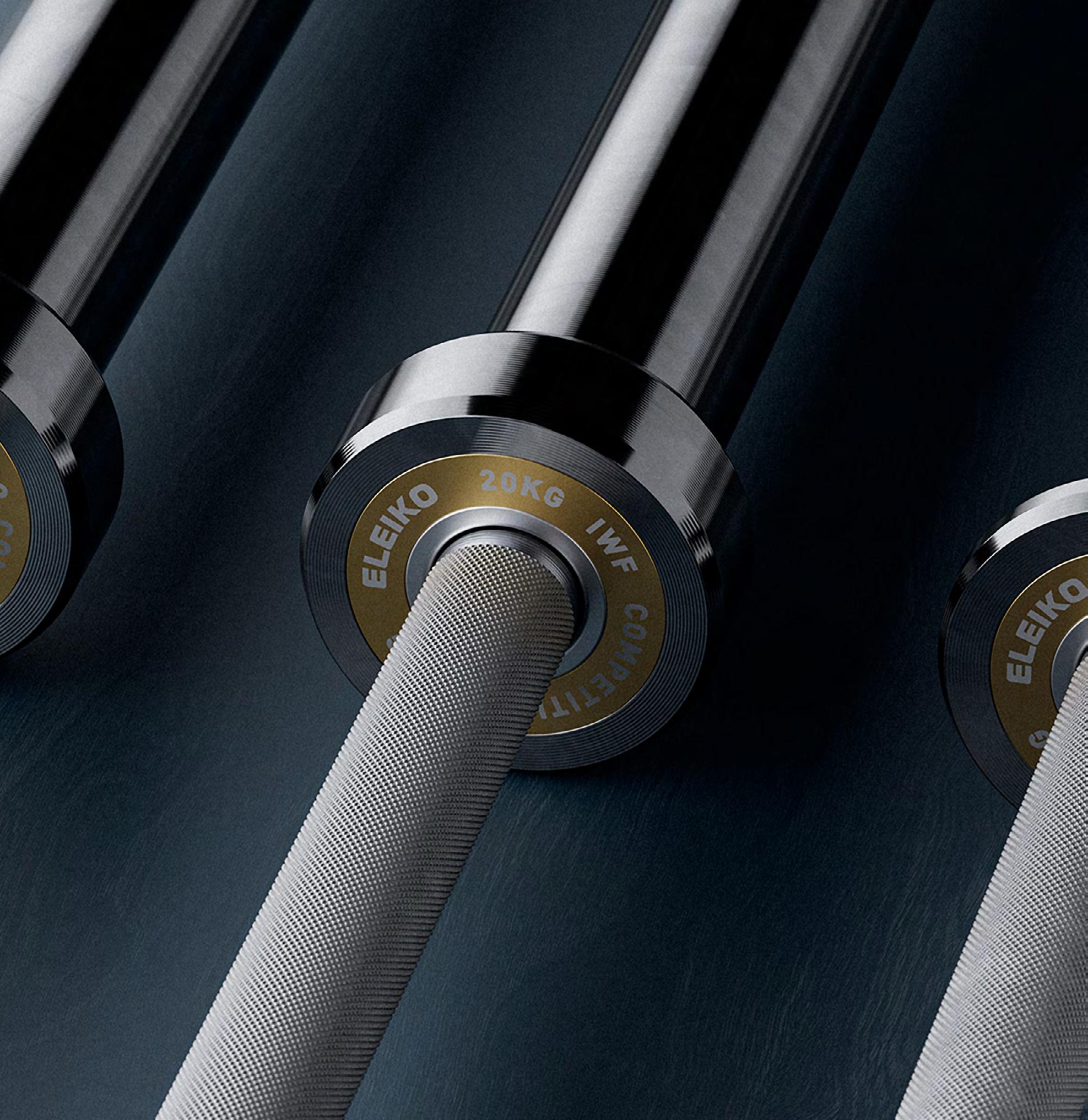
We launched a new range of sensor-ready barbells, delivering greater precision and durability, and refined lifter feel and performance tracking capability.
Recruitment — Head of Product Management
Daniel Åhman joined Eleiko as Head of Product Management, bringing extensive experience from senior leadership roles at Thule Group and Axis Communications.
Configurator technology
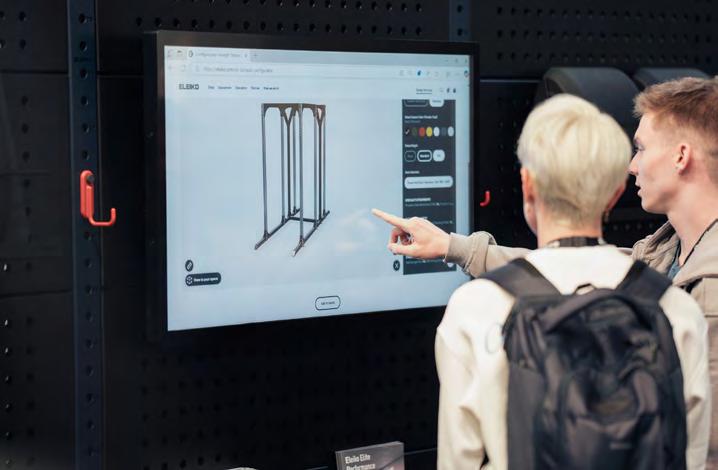
We launched a full suite of configurators, enabling customers to easily design and customize complete solutions with greater flexibility and clarity.
The Nordic Summit
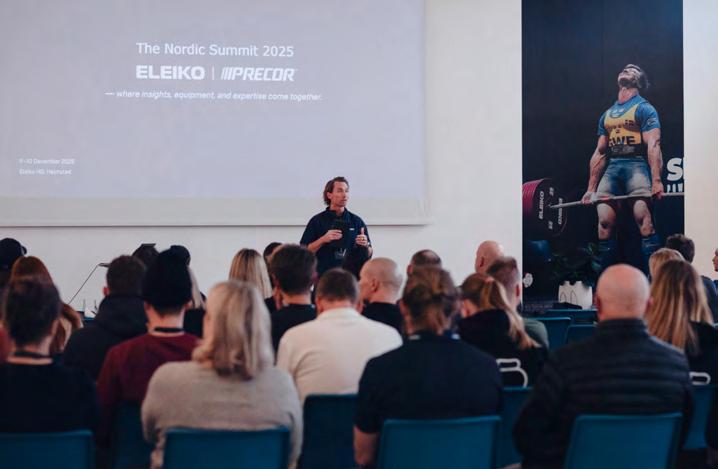
Together with our partner Precor, we welcomed customers from across the Nordics to Eleiko HQ for a two-day event featuring a facility tour, new product introductions, and expert-led sessions.
IWF World Championships
The 2025 IWF World Championships, held in Førde, Norway in October, marked the competition debut of Eleiko’s new barbells. Over the 10-day event, 40 world records were set using the bars.
We also delivered a fully customized competition environment, including the competition stage, 15 warm-up platforms, and 50 training stations.
Barbell launch
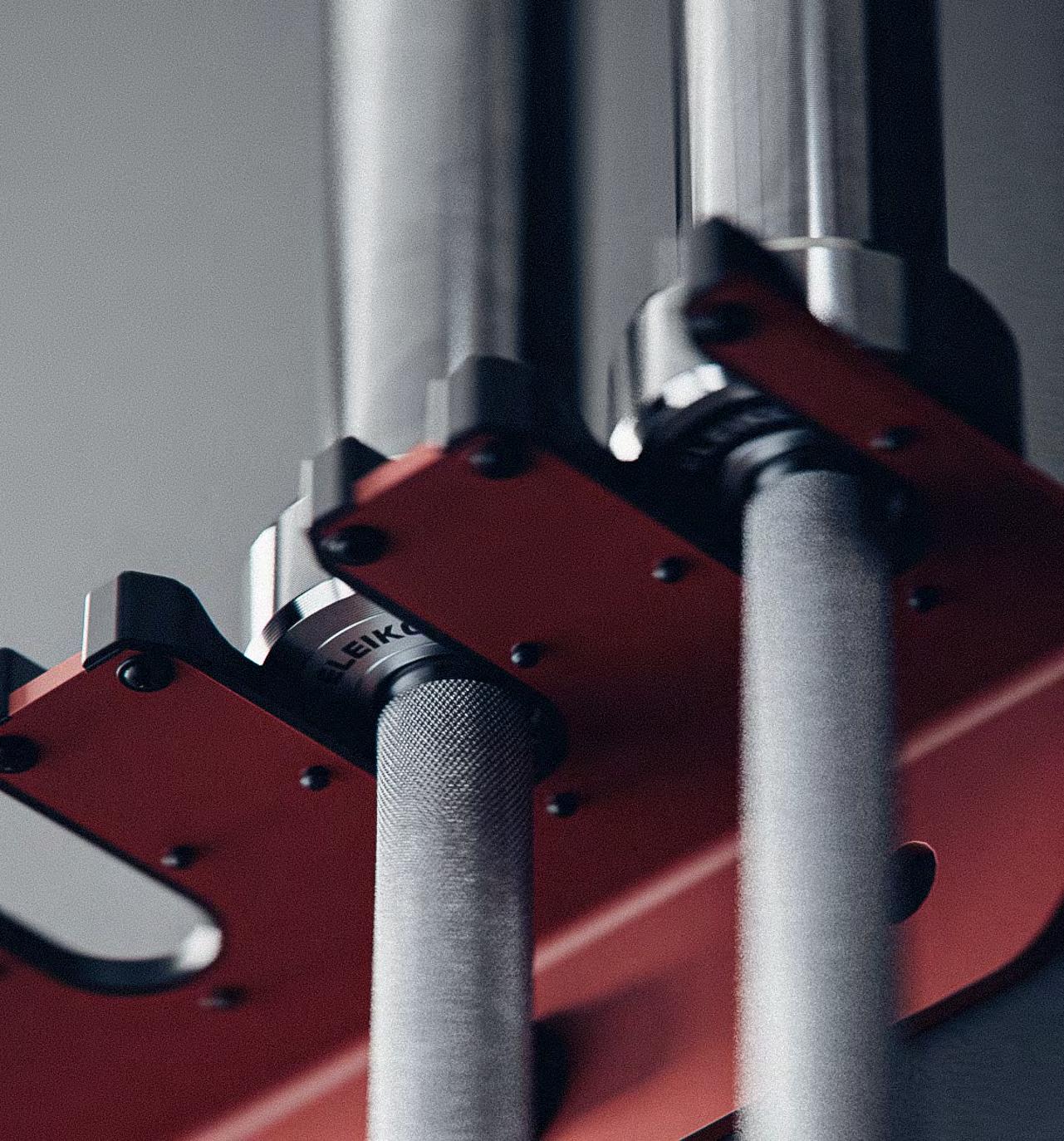
Built on 65 years of barbell expertise, the new Eleiko barbells refine what matters most — feel, performance, and longevity — delivering greater precision, durability, and alignment with the lifter experience.
The barbells continue Eleiko’s commitment to environmental responsibility. They are manufactured in Halmstad, Sweden, from Eleiko Steel™ — clean Swedish steel that combines strength and flexibility, developed through decades of innovation and competition use. Eleiko Steel™ consists of 97% recycled steel and is produced using fossil-free energy, resulting in an 80% lower CO₂ footprint compared to the global average.
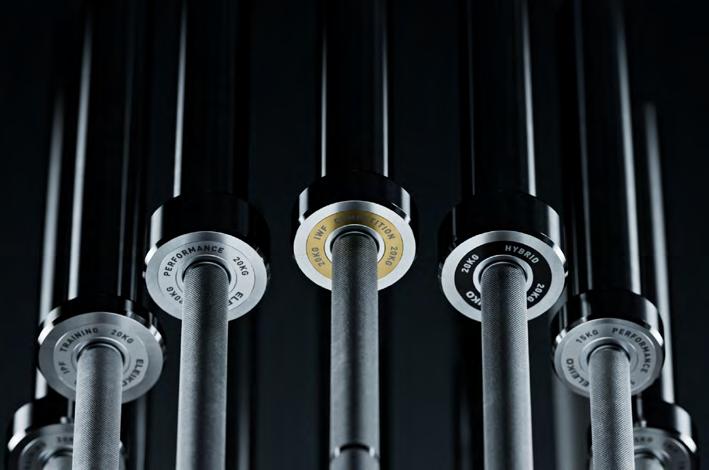
The streamlined portfolio is designed to guide lifters to the right bar for their needs. It includes IWF, IPF, and WPPO-certified bars for weightlifting, powerlifting, and para powerlifting, alongside multipurpose and specialty bars for general strength and functional fitness.
Each bar, across all levels and disciplines, is built with the same care and attention to detail that defines Eleiko. Whether on the competition platform or in training, Eleiko barbells are designed to support lifters at their strongest.
The Eleiko IWF Weightlifting Competition Bar has been awarded the iF DESIGN AWARD 2026 and the Red Dot Design Award 2026
Recognized for precision engineering, performance innovation, and integration of advanced training technology into elite competition equipment.
Who we are
Our purpose and values
Our purpose
We work to make people stronger, so they can perform better — in sports and in life.
We believe in the power of strength and the impact it can have on people’s lives. Building strength improves confidence, resilience, and overall well-being. By providing the tools and resources necessary for people to become their strongest selves, we want to make a lasting impact on people and build a stronger world.
Our values
Our work is guided by three core values: performance, learning and kindness.
• Pursue outstanding performance.
• Keep learning.
• Act with kindness.
“ Set your bar high, be kind, and do more of what makes you stronger.
— Erik Blomberg, CEO
Who we serve
Customer segments and markets
We serve lifters
For some, it is a profession. For others, a passion or a path to better performance and health. They discover lifting in different ways, but all share the ambition to grow, believing that strength is essential to achieving their goals. We serve people who value quality and performance, appreciate a high level of care, and invest in products built to last. We connect through a shared passion for strength and a drive to perform. Our main segments are professional, commercial, and home.
Professional
Working together to realise our customers’ vision, Eleiko helps create facilities that deliver outstanding results across professional environments — from elite sports and international competitions to the military, university athletics, and specialised training centres. Certified by the International Weightlifting Federation (IWF), International Powerlifting Federation (IPF), and World Para Powerlifting (WPPO), Eleiko equips the world’s most prestigious competitions and training facilities. Our complete range of competition equipment is engineered to the highest standards and calibrated to within millimetres and milligrams.
Commercial
We support commercial operators in creating high-quality training environments for a wide range of users, including commercial gyms, fitness chains, corporate wellness spaces, and hospitality environments. Our solutions are designed for high-traffic settings where durability, safety, and consistent performance are essential. Through robust equipment, modular systems, and thoughtful facility design, we help operators optimize space and deliver reliable training experiences. We also work closely with our customers to develop tailored solutions aligned with their brand and long-term ambitions.
Home
Home gyms are a growing market, driven by the need for flexible and accessible training. Together with our product and design experts, customers create tailored training spaces for their home, garage, or backyard. Built to last and designed for performance, our equipment enables effective training in a compact format.
“With the Eleiko Prestera strength system we have the modularity to be creative but also efficient with the pieces used to offer best-in-class configurations with smaller footprints. Which means less shipping weight, material weight and production waste.
Supporting athletes to perform
IWF World Youth & Junior Championships
Lima, Peru | April 30–May 5
World Classic & Equipped Bench Press Championships
Drammen, Norway | May 17–25
World Classic Open Powerlifting Championships
Chemnitz, Germany | June 8-15
IWGA World Games 2025
Chengdu, China | August 7-17
World Classic & Equipped Sub-Junior & Junior Powerlifting Championships
San José, Costa Rica | August 29-September 7
IWF World Senior Championships
Førde, Norway | October 3-12
Elite World Championships
Cairo, Egypt | October 11-18
Central American Games 2025
Guatemala City, Guatemala | October 22-29
Islamic Solidarity Games 2025
Riyadh, Saudi Arabia | November 6-15
World Open Equipped Powerlifting Championships
Cluj, Romania | November 12-16
Precision crafted strength equipment Products
Our product portfolio includes a wide range of equipment designed to bring training concepts for strength and performance to life.
Stationary strength — 50%
Eleiko’s collection of stationary strength equipment includes racks, rigs, cable machines, benches, platforms, and storage solutions. The stationary strength portfolio is primarily centered on the Prestera strength system, which offers scalable and modular solutions aimed at optimizing training environments.
Free weights — 37%
This category includes barbells, weight plates, dumbbells, and kettlebells, all fundamental equipment for strength training, weightlifting, and powerlifting. It also integrates Tools and Gear, which was previously categorized separately, encompassing a variety of accessories designed to enhance training, such as lifting belts and knee sleeves. Additionally, this category includes training tools such as plyo boxes, resistance bands, and mobility equipment.
Partner brands — 13%
Our partner brands offer carefully selected products from trusted brands that complement our own portfolio within the Nordic market. These include treadmills, strength machines, and flooring solutions.
— Daniel Åhman, Head of Product Management “
At Eleiko, we strive to create products that are compelling to use, built to last, and engineered for confident performance, so you can become stronger.
The Eleiko Feeling
It started in 1957 with a dream of the perfect barbell. Back then, bars used to bend and break during competitions but in 1963, Eleiko barbells became the first to endure an entire weightlifting competition. Six decades of innovation and thousands of world records later, we still deliver products that help athletes push the boundaries of human potential through our focus on precision, quality, and safety.
Swedish Craftsmanship
Eleiko is dedicated to being the industry leader with durable, high-performing products and delivering the ultimate lifting experience through designs with a lifter first perspective.
Eleiko’s quality is achieved through carefully sourced materials, precision engineering, and Swedish manufacturing.
We focus on durability and sustainability, creating equipment that lasts a lifetime — benefiting lifters, operators, and the planet. Many of our core products are made in Sweden, either in-house or in partnership with trusted local suppliers.
We prioritize European partners and actively expand local manufacturing and sourcing to enhance quality control, transparency, and sustainability.
Quality and testing
Through rigorous design, testing, and manufacturing processes, we make safety a fundamental part of every product we create. Components are carefully considered and wear-tested, final products being subjected to a battery of tests to simulate varied lifting environments. Bars are bent, plates dropped, knobs pulled, and pads pounded — all to ensure our products exceed the demands of the toughest training environments. Once launched, customer feedback informs our continual product improvement and development process. We stand behind our products with industry-leading warranties.
A team of experts
To create best-in-class products, we depend on a team of experts with diverse knowledge and skills. From our talented product development team to our dedicated service professionals, we offer the expertise required to deliver the ultimate lifting experience. All our bars are manufactured in-house, and we are continuously expanding this range. With this forward-looking vision, we are actively exploring new opportunities to grow our product line and manufacturing capabilities.
To be the number one strength company Company strategy
Strategic priorities
To become the number one strength company, we focus on five strategic priorities visualized around the flywheel to the right.
Financial targets
Our financial targets are focused on achieving a sustainable growth of 15% annually. A sustainable growth means that our growth is strategic, profitable and humane.
Governance structure
Family ownership
Eleiko is fully owned by the Blomberg family, who play an active role in the company’s development. Erik Blomberg serves as CEO and Hans Blomberg leads technology development, both remaining operationally active in the business.
Rickard Blomberg has been active in Eleiko for over sixteen years, including his role in the US subsidiary, and continues to contribute in his capacity as owner together with Madeleine Blomberg and Gunnila Blomberg. The family maintains active ownership through representation on the Board of Directors, where the owners rotate.
Governance of sustainability matters
The Board of Directors carry the responsibility to oversee Eleiko’s sustainability agenda and approve any strategies and reports as well as the double materiality assessment. The management team are responsible for managing Eleiko’s impacts, risks and opportunities and delegates this responsibility out in the organization. We are in the process of strengthening structured training and competence development in sustainability for governance bodies.
Quality and sustainability at Eleiko
The Head of Quality and Sustainability leads the operational sustainability work and develop the strategies and action plans in close collaboration with the management team and other departments. In 2025, the quality and sustainability departments were merged and are now being led by Simone Rishede who was previously the Head of Sustainability, and a team of two quality engineers and one sustainability coordinator.
Owners
The
Board of Directors
The Board of Directors approves the sustainability statement, and oversees and monitors ESG topics.
Management team
The Management team ensures that Eleiko has the capabilities and resources needed to take action on ESG topics.
Head of Quality and Sustainability
The Head of Quality and Sustainability leads and develops the ESG agenda in close collaboration with the organisation.
“Sustainability is a core value at Eleiko, guiding how we design, produce, and deliver our products. We aim to reduce our environmental footprint while supporting a stronger future.
At the same time, sustainability is closely connected to what we stand for — strength and performance. Training itself is an investment in long-term health, making it a sustainable choice for both body and mind. By encouraging people to train, we contribute also to healthier individuals.
So sustainability is about the planet and to make the world a better place — and also about people, performance, and health.
— Gunnila Blomberg, Owner
Blomberg family sets out the general values, direction and priorities in the Owners Directive.
Partnerships Commitments
At Eleiko, we are committed to building long-lasting partnerships, sharing our expertise, and delivering outstanding service. As a family-owned company, we are deeply invested in the success of our customers and the broader strength community. Through our collaborations, we promote the principles of quality and sustainability in strength sports and beyond.
International Weightlifting Federation (IWF)
The International Weightlifting Federation (IWF) is the international governing body for the sport of weightlifting. Eleiko has partnered with the IWF since 1969, equipping, promoting, and growing the sport of weightlifting.
International Powerlifting Federation (IPF)
The International Powerlifting Federation (IPF) is the international governing body for the sport of powerlifting. With the support from its sporting partners and associates, the IPF aims to be the leading organization for athletes committed to drug-free, high-standard competition — advancing its athletes and the sport.
World Para Powerlifting (WPPO)
World Para Powerlifting (WPPO), under the governance of the International Paralympic Committee, acts as the international federation for the sport and represents the ultimate test of upper body strength competition. We are proud to support an organization that champions inclusivity and provides athletes with opportunities to excel in a highly competitive and inspiring sport.
The Family Business Network (FBN)
The Family Business Network (FBN) connects family-owned businesses worldwide to support long-term success across generations. Through the Polaris framework and The FBN Pledge for a Sustainable Future, the network promotes responsible business leadership and sustainability. As a member, Eleiko aligns with these principles and benefits from shared insights and best practices within the community.
Active Sweden
Eleiko is a member of Active Sweden, Sweden’s industry organization for wellness companies. The organization works to strengthen industry standards, promote fair competition, and improve public health. Through our involvement, we support initiatives that encourage an active lifestyle and enhance the role of wellness in society.
ETH — National Training Centre for Weightlifting (Elitmiljö Tyngdlyftning Halmstad)
In partnership with the Swedish Weightlifting Federation and Halmstad University, Eleiko has developed an elite weightlifting training program that combines high-performance sport with academic studies. This initiative fosters Sweden’s top weightlifters while advancing the science and development of strength training.
The United Nations global impact
The UN Global Compact is the largest corporate sustainability initiative in the world, with more than 20 000 participating companies in over 150 countries. Companies who join and support the UN Global Compact commit to working responsibly in alignment with ten principles around human rights, labour standards, the environment, and anti-corruption. They also commit to reporting their ongoing efforts annually.
A Just Transition is the UN Global Compact’s vision to ensure the move to net-zero emissions and climate resilience is orderly, inclusive, and just — leaving no one behind.
As a participant of the UN Global Compact since 2020, Eleiko commits to its ten principles on human rights, labour, the environment, and anti-corruption. We actively integrate these principles into our business practices and transparently report our progress annually, reinforcing our dedication to sustainability and ethical governance.
The 10 principles
Human
rights
Principle 1: Businesses should support and respect the protection of internationally proclaimed human rights; and
Principle 2: Make sure that they are not complicit in human rights abuses.
Labour
Principle 3: Businesses should uphold the freedom of association and the effective recognition of the right to collective bargaining;
Principle 4: the elimination of all forms of forced and compulsory labour;
Principle 5: the effective abolition of child labour; and
Principle 6: the elimination of discrimination in respect of employment and occupation.
Environment
Principle 7: Businesses should support a precautionary approach to environmental challenges;
Principle 8: Undertake initiatives to promote greater environmental responsibility; and
Principle 9: Encourage the development and diffusion of environmentally friendly technologies.
Anti-Corruption
Principle 10: Businesses should work against corruption in all its forms, including extortion and bribery.
Basis of preparation
About the Sustainability Statement
Reporting period
The reporting period for the sustainability statement is equal to Eleiko Group AB’s financial statement, covering the period from January 1 to December 31, 2025.
General basis of preparation
The sustainability statement has been structured in a format inspired by the European Sustainability Reporting Standards (ESRS). Following the Omnibus, Eleiko Group AB is no longer within the scope of mandatory reporting under EU’s Corporate Sustainability Reporting Directive (CSRD) due to the new thresholds. However, we decided to use the ESRS as a reporting framework on a voluntary basis to provide a transparent report and be prepared for potential changes to the legislation in the future. We continue to follow the development of the ESRS disclosures during 2026.
The data points included in this statement have been assessed as material according to our Double Materiality Assessment (DMA) and a reference list of included disclosures can be found in the Appendix. Several topics, particularly in the upstream value chain, are currently managed qualitatively due to limited data availability. We are working to improve data coverage over time.
Time horizons
The time horizons applied to the sustainability statement follow the time horizons provided in the ESRS standard and are explained in detail in the Double materiality assessment chapter.
Consolidation
The sustainability statement is consolidated in the same way as the financial statement and includes the parent company Eleiko Group AB and its subsidiaries Eleiko Sport Inc (USA), Eleiko Sport AS (Norway), Eleiko Sport Ltd (UK), Eleiko Sport GmbH (Germany), Eleiko Sport SAS (France) and Eleiko Sport S.L. (Spain). Consolidation of all quantitative environmental, social and governance (ESG) data follows the above unless specified in the Reporting Principles for each data point.
Value chain
The material impacts, risks and opportunities (IROs) connected to Eleiko value chain have been assessed in the DMA. Both upstream and downstream information are included in the reporting scope and any limitations are described under each topic. Eleiko’s value chain is presented in the Business Model and Value Chain chapter.
Risk management and internal controls
Eleiko has established processes to ensure the reliability of sustainability data reported. Data is collected from relevant internal functions and consolidated by the sustainability function. The Head of Quality and Sustainability is responsible for reviewing and validating the data in collaboration with process owners. Reporting principles and methodologies are defined for each data point and are reviewed annually. Existing processes are continuously strengthened as part of our ESRS implementation journey.
Reporting principles and changes
The reporting principles are described for each data point and comply with the ESRS. Significant estimates are described alongside the relevant data point. Changes to previously disclosed data are described where applicable. In 2025 we have improved the data quality for emissions and energy by updating the methodologies. For more information, see the E1: Climate change chapter.
Accounting estimates and uncertainty
Certain data points rely on estimates and therefore brings a certain level of uncertainty. This is mostly in Scope 3 emissions and any estimates are specified in the reporting principles alongside the reported data point. The accounting estimates are reassessed annually to ensure we improve our data quality and any changes are also highlighted in the reporting principles.
Readers guide
The sustainability statement is structured in four parts, general information, environment, social and governance. Tables inspired by ESRS 2 General Disclosures can be found in the Appendix.
Business model and value chain
Business model
We design and manufacture high-performance strength products for competition and training facilities with a focus on safety, quality and durability. Our success depends on high expertise in strength training, product design, and manufacturing processes. We aim to be recognized as a responsible and trusted company known for its
professionalism, trustworthiness, and commitment to delivering the right quality at the right time. Our range of equipment is complemented by educational resources and services, enabling us to tailor unique solutions for our customers.
Upstream activities
• Extraction and processing of key raw materials
• Global supplier network across Europe, Asia, and North America
• Inbound transportation and distribution to Eleiko
Our upstream activities begin with the extraction and processing of key raw materials, primarily steel, rubber, aluminum, wood, and textiles. These materials are sourced through a global supplier network with multiple tiers, mainly located in Europe, Asia, and North America.
Raw materials, components and products are transported between suppliers and to Eleiko, primarily by sea and road. A significant share of our products is manufactured by external partners, making close supplier collaboration and responsible sourcing essential to ensuring quality, reliability, and sustainability.
Own
operations
• Research and development of products
• Production, assembly, and quality assurance
• Warehousing, logistics, and customer delivery
Eleiko’s operations include product development, production, warehousing, logistics, and sales. Materials and components are received into production or warehouse facilities, where quality checks are performed.
Durability and long product lifetime are central to how we create value across our entire value chain.
Production primarily consists of metalworking, welding, assembly, and packaging, performed by a combination of skilled personnel and automated processes. Our warehouse and logistics operations enable efficient handling and global distribution, with packaging designed to protect products while optimizing transport efficiency.
Downstream activities
• Downstream transportation and distribution
• Product use, maintenance, and customer support
• End-of-life treatment, including reuse and recycling
In the downstream value chain, products are distributed globally through logistics partners, distributors, and direct sales channels. Eleiko’s products are designed for long-term use, often lasting for many years, with limited environmental impact during the use phase as most products do not require energy to operate.
After sales services, including spare parts and repairs, support customers throughout the product lifecycle and help extend product lifetime. At end-of-life, products can often be reused, refurbished, or recycled although this is not currently in our direct control.
Double materiality assessment
Impacts, risks and opportunities
The Double Materiality Assessment (DMA) is a strategic tool that gives us a comprehensive understanding of our impact and external influence. It is aligned with the guidelines related to the Corporate Sustainability Reporting Directive (CSRD) and the European Sustainability Reporting Standards (ESRS).
In 2024, we conducted our first DMA where we identified and assessed impacts, risks and opportunities (IROs) across the value chain, to ensure that we focus our efforts on what matters most. The results were reviewed in 2025 but no changes to the material topics were made. Eleiko will continue to use the DMA framework although we are no longer in scope for the CSRD following the Omnibus.
Outcome of the assessment
After finalizing the DMA we identified eight material topics across the value chain as shown in the table to the right. The topics with most direct impact were E1: Climate Change and S1: Own Workforce and the ones with the most indirect impact in the upstream value chain are E2: Pollution and E4: Biodiversity and Ecosystems The majority of environmental and social impacts occur upstream, particularly in raw material extraction and processing. The material topics directly guide our strategic priorities and resource allocation.
E3: Water and Marine Resources and S3: Affected Communities were determined to be non-material topics, given that the identified IROs occur far upstream in the value chain and are of limited scale relative to Eleiko. Nonetheless, these areas remain subject to our supplier assessments and human rights due diligence processes.
The material IROs are described in further detail under each respective chapter in the statement.
Material sustainability topics
E1: Climate Change
E2: Pollution
E3: Water and Marine Resources
E4: Biodiversity and Ecosystems
E5: Circular Economy
SOCIAL
S1: Own Workforce
S2: Workers in the Value Chain
S3: Affected Communities
S4: Consumers and End-Users
GOVERNANCE
G1: Business Conduct
Material Not Material
Process for identifying, assessing and determining material matters
Approach
We have structured our double materiality assessment (DMA) in accordance with the guidelines set forth in EFRAG IG 1: Materiality Assessment Implementation Guidance We are committed to the continuous development of our methodology to ensure its accuracy, completeness, and ongoing relevance for both internal and external stakeholders.
Scope
The scope of the assessment were both Eleiko’s own operations and our value chain activities.
Stakeholder engagement
Stakeholder engagement is structured according to the specific characteristics of each stakeholder group and the feasibility of engagement methods. This tailored approach ensures effective communication and meaningful interaction aligned with the company’s objectives and stakeholders’ needs. The views and interests of stakeholders were included in the double materiality assessment and are described more related to each topic where applicable.
Responsibilities
The Head of Quality and Sustainability leads the work with the DMA together with internal teams. The Management Team validated and delivered the results to the Board of Directors who are responsible for the final approval of the DMA. The DMA process is an ongoing activity and the DMA should be adjusted when necessary.
Assessing impacts
Negative impacts were scored based on their severity, a combination of scale, scope and remediability, and likelihood on five-point scales. For human rights related impacts severity was prioritized over likelihood. Positive impacts were scored based on their scale, scope and likelihood.
Assessing risks and opportunities
The risks and opportunities were scored based on the magnitude of financial effect and the likelihood of it occurring using five-point scales. Any impact, risk or opportunity above the threshold line in a 5x5 grid is deemed material.
The DMA process
A. Understanding the context
• Comprehensive overview of the company’s operations and value chain.
• Mapping of the relevant industry and sector.
B. Identification of actual and potential IROs
• Identification of actual and potential IROs throughout the value chain.
• Compilation of a comprehensive list of material topics.
• Benchmarking and engagement through stakeholder dialogues.
C. Assessment and determination of material IROs
• Scoring and evaluation of identified IROs.
• Determination of material topics and their corresponding sub-topics.
• Validation of the identified material topics.
Our impact on climate change
Managing climate impact is a responsibility we must take towards people and the planet we all share. We still have a long journey ahead, but we are determined to take on these challenges and push ourselves to reduce our greenhouse gas emissions.
Our approach to this topic has been to focus on implementing the GHG protocol in full to ensure we establish a baseline for our emissions. Over the years, a lot of effort has been put into this and 2025 marks the first year with a complete accounting. Moving on, we will focus on improving the data quality where possible, and develop a transition plan in line with the targets defined in the Paris Agreement. This process will start in 2026. While this transition plan is not yet in place, we continue with ongoing activities to reduce emissions across our value chain.
Material matters related to climate change
In the DMA we identified material IROs in the sub-topics Climate change adaptation Climate change mitigation and in Energy We found the most significant impacts to be in our Scope 3 emissions, specifically related to purchased goods which represents two thirds of our total emissions. We also identified financial risks related to how consequences of climate change might affect our supply chain, raising the importance of thorough supplier screening on climate change risks.
Within energy we saw positive impacts from the use of renewable energy across our own operations. However, we could also identify that significant parts of our upstream value chain are still dependent on energy from non-renewable sources. This also causes the risk of increased energy prices in the supply chain which could lead to increased costs for Eleiko.
of climate change in the
change mitigation
emissions in Scope 1 and 2
GHG emissions in Scope 3
Limiting the use of air freight to reduce emissions could potentially lead to lost opportunities
Policies and actions related to climate change
POLICIES
Our organization has established an overall ESG Policy outlining our approach to climate change and other topics. Although currently general, it demonstrates our commitment to responsible and proactive climate action through effective management and forward-looking practices. We recognize the need for a more detailed policy with explicit internal guidelines, which will be developed to address our material climate-related matters. Additionally, we have adopted an Air Freight Policy to reduce the use of avoidable air freight.
ACTIONS
Strategic sourcing
We are committed to a local supply chain strategy, actively moving production closer to our own operations and our customers. This approach fosters stronger collaboration with suppliers, enhances our understanding of the value chain, and ensures high environmental and social standards. Additionally, reducing long-distance freight helps lower our emissions of greenhouse gases. We have worked towards a target of spending over 50% of our Cost of Goods Sold (COGS) in Sweden and this was achieved in 2025.
Environmental
Management System (EMS)
Since 2017, Eleiko has had a certified EMS in line with the standard ISO 14001 The EMS ensures that we continuously implement improvements relating to the environment in our operations and ensure we have efficient and sustainable processes throughout the organisation. The EMS is externally audited once a year and the certification is planned to be renewed in 2027.
Reducing air freight when possible Transportation is our second largest category of emissions and when broken down we saw that air freight were a significant contributor to the emissions. Representing less than one percent of the total tonnes of shipped goods but nearly a third of the transportation emissions, it is clear that if we are careful before choosing air freight we can reduce transportation emissions. Our Air Freight Policy provides us with clear guidelines on how to evaluate if air freight should be approved, and who has the authority to approve them.
Minimalistic design approach
Over 60% of our emissions in Scope 3 are related to category 1:
Purchased goods and services It is therefore clear that this is the area where we should put the most of our efforts and one of the ways we do this is by having a minimalistic design approach where we ensure that we do not use unnecessary materials or components. We follow a clean, functional design ethos — every element has a purpose. By prioritising subtraction over addition, we remove anything unnecessary, ensuring our products remain refined and efficient.
The Eleiko Prestera Strength System embodies this philosophy. A fully modular system, it eliminates excess, focusing only on what enhances performance, quality, and user experience. Designed for long-term use, it allows for easy disassembly and replacement of worn parts — extending the product lifecycle.
TARGETS
No formal, timebound, targets have been established yet. As we develop the transition plan we will identify the relevant targets across the organization and aim to set Science Based Targets in the near future.
Share of COGS1 by region, %
Gross scopes 1, 2, 3 and total GHG emissions
REPORTING PRINCIPLES
All emissions are accounted for in accordance with the methodology set out in the Greenhouse Gas Protocol (GHG Protocol) corporate standard. Base year and targets have not yet been established and is therefore left out of the table. In 2024 we conducted a Scope 3 screening with advisory from experts at Position Green an ESG software firm. The screening formed the plan for how we achieved complete reporting of our Scope 3 emissions in 2025. The data from 2024 have been reviewed and updated with improved data quality, to ensure comparability going forward.
Spend-based emission factors are collected from EXIOBASE v3.11 which is based on 2023 data, plus inflation-adjusted factors for 2024 and 2025.
GHG Intensity
The GHG intensity is calculated as the total GHG emissions in tonnes CO2e divided by the revenue for Eleiko Group in SEK million.
Scope 1
Scope 1 emissions include fuel used in vehicles, fugitive emissions from refrigerants and welding, as well as stationary combustion for heating and energy produced from non-fuel renewables. Fugitive emissions from refrigerants are calculated using a supplier specific method and fugitive emissions from welding calculated using the average data method. Stationary combustion are calculated using the fuel-based method and includes heating with natural gas at our facilities in Austin. The average data and fuel-based methods multiply volumes times emission factors from the UK Department for Environment, Food and Rural Affairs (DEFRA)
Scope 2
Scope 2 emissions include purchase of electricity and heating for our production, offices and warehouses. Electricity in Halmstad includes consumption from the grid and from our solar panels. Consumption data are based on invoices and meter readings.
Scope 3
Scope 3 emissions include the ten categories listed in the table and represent 99% of our total emissions. The emissions in Scope 3 are calculated using a mix of activity-, average-, and spend-based data.
C1: Purchased goods and services includes all purchased goods and services in the reporting period. For products that has a Life Cycle Assessment (LCA), we have multiplied the volumes with the emissions factors. If an LCA is not available, spend-based data is used and multiplied by EXIOBASE emission factors. The spend-based method is currently used for the majority of purchased goods and services.
C2: Capital goods includes CAPEX spend for tools, furniture and other capital goods multiplied by emission factors from DEFRA.
C4 & C9: Up- and downstream transportation consists of in- and outbound transportation carried out by third-party logistics providers. Emissions are calculated using a combination of supplier-specific data and activity-based data.
C4 & C9: Up- and downstream distribution includes emissions generated from our distributors’ warehouses. Emissions are calculated by multiplying the floor area (square feet) allocated to Eleiko at each distributor with a regional emission factor. Where emission factors were not available or if site-specific data was missing, estimates were applied.
C5: Waste generated in operations include supplier-specific and estimated volumes for waste. Waste that is generated from our operations at Eleiko HQ in Halmstad is supplier-specific. Waste volumes from our operations at Eleiko Sport Inc. in Austin is based on estimates.
C6: Business travel includes supplier-specific data as well as distancebased emissions from flights and car travel.
C7: Employee commuting covers emissions generated from Eleiko employees commuting to and from work. The data is based on a survey where employees report how far they commute and which transport mode they use. The results are then extrapolated to represent the full workforce. We have included emissions from employees working from home using regional emission factors.
C11: Use of sold products consists of electricity use for cardio machines such as treadmills and is calculated by multiplying expected use over its lifetime, energy consumption and an emission factor for the region where the machine was delivered to.
C12: End-of-life treatment of sold products covers emissions from the end-of-life phase of Eleiko products. Emissions are calculated by multiplying the amount of each type of material sent to a region by the emission factors. Assumptions are made for the type of waste treatment per material and region.
Omitted Scope 3 categories
The categories C8: Upstream leased assets C10: Processing of sold products C13: Downstream leased assets, C14: Franchises and C15: Investments are excluded as they are not relevant or below the threshold for Eleiko Group.
Energy consumption and mix
(E1-5)
ENERGY INTENSITY (E1-5)
REPORTING PRINCIPLES
Energy consumption
Regarding energy consumption from electricity and heating, no assumptions were made concerning consumption levels. However, some assumptions were made for energy consumption from company vehicles.
Energy mix
Assumptions were necessary for the energy mix due to the absence of data on guarantees of origin. For energy consumption within Europe, the energy mix assumptions were derived using data from Eurostat. Similarly, for our facilities in the United States, the energy mix was estimated based on the annual disclosures provided by our energy suppliers.
Contractual instruments
For Eleiko Group AB facilities, 100% of the purchased electricity, heating, and cooling are sourced through contractual instruments. Eleiko maintains an agreement with its electricity supplier that guarantees the provision of 100% renewable electricity. The energy supplied originates from wind, hydro, solar, and bioenergy sources. This agreement is a bundled contract, wherein both the energy and the associated attributes (such as Guarantees of Origin or their equivalent) are delivered together within the same contractual framework. No separate (unbundled) energy attribute certificates are utilized.
For Eleiko Sport Inc. facilities, there are no contractual instruments in place. No agreements exist concerning renewable electricity, Guarantees of Origin (GO), Renewable Energy Certificates (REC), Power Purchase Agreements (PPA), or any other types of energy attribute certificates. Consequently, Scope 2 emissions for Eleiko Sport Inc. are calculated exclusively using the location-based method, reflecting the local grid mix in Austin, Texas. None of the other subsidiaries have facilities with contractual instruments. No agreements for renewable electricity, Guarantees of Origin (GO), REC, PPA, or other energy attribute certificates are in place for these locations.
Pollution in the value chain
Pollution occurs primarily in our upstream value chain, particularly in the extraction and processing of raw materials such as steel, aluminum, and rubber, as well as through transportation and manufacturing processes.
The most significant impacts relate to emissions to air from material production and logistics, pollution of water connected to mining and refining processes, and the presence of substances of concern in materials and production processes.
While the direct impact from our own operations is limited, we recognize our responsibility to address these impacts through our approach to sourcing, product design, and supplier engagement.
POLICIES
Our approach to pollution is guided by a combination of internal policies and external regulatory requirements. At an overarching level, our ESG Policy outlines our commitment to environmental responsibility, while the Eleiko Product Standard defines requirements related to product safety, restricted substances, and compliance.
In addition, we maintain an internal chemical management system to support compliance with applicable regulations and to manage risks related to substances used in our products and processes. Our suppliers are required to comply with relevant chemical legislation, including REACH, as part of our supplier agreements.
ACTIONS
We address pollution-related impacts primarily through our work in the value chain. All suppliers are required to sign our agreements and adhere to our expectations, including those related to environmental responsibility. Environmental aspects are integrated into our supplier assessments conducted through Position Green, where topics such as chemical use, emissions, and environmental management are evaluated. While these assessments provide an important foundation, we have identified a need to further strengthen requirements and followup processes over time.
Internally, our chemical management system supports the identification and control of substances used in our products and operations. This is complemented by our approach to product design, where we aim to minimise the use of hazardous substances and reduce environmental impact through careful material selection.
We also work to reduce pollution related to transportation by increasing local sourcing and optimising logistics flows. In our own operations, our certified Environmental Management System (ISO 14001) ensures a structured approach to identifying and managing environmental impacts, including pollution.
TARGETS
Pollution-related impacts are currently managed primarily through compliance processes and internal controls and we have not yet established specific, time-bound targets related to pollution.
Biodiversity loss in the upstream value chain
Eleiko’s impact on biodiversity is primarily indirect and occurs in the upstream value chain, linked to the extraction and processing of raw materials. The most relevant drivers identified are climate change, land and water use change, and deforestation associated with raw material production.
These impacts are geographically dispersed and largely outside our direct control, but are considered material due to their severity and their connection to global environmental challenges.
POLICIES
Our approach to biodiversity is integrated into our broader environmental and sustainability framework. This includes our ESG Policy, which outlines our overall commitments, and our alignment with the UN Global Compact principles. Expectations related to environmental responsibility are also included in our supplier requirements.
ACTIONS
We address biodiversity-related impacts primarily through our work in the value chain. Supplier assessments include environmental aspects, allowing us to identify and prioritise risks, particularly in higher-risk regions and material categories. This forms part of our broader due diligence approach.
Our sourcing strategy also plays an important role, where we aim to increase sourcing from regions with higher environmental standards and improve transparency in our supply chain.
In addition, our focus on product durability contributes indirectly to reducing biodiversity impacts. By designing products with long lifetimes, we reduce the need for virgin materials and thereby the pressure on natural ecosystems associated with resource extraction.
METRICS AND TARGETS
Due to limited traceability and the indirect nature of the impacts, no quantitative metrics are currently disclosed. We aim to develop indicators over time, particularly linked to sourcing and supplier risk exposure.
We have not established specific biodiversity-related targets. Future work will focus on improving traceability of raw materials and strengthening the assessment of biodiversity-related risks in key parts of the value chain.
Designing strength equipment that is built to last
We design products that last. Crafted from carefully selected materials and engineered for durability, our equipment delivers lasting performance.
By prioritising quality and longevity, we support our customers while reducing environmental impact. We strive to select the most sustainable or innovative materials and prioritize local production. Additionally, we offer our support and expertise to ensure that the equipment is utilized in a manner that preserves both its quality and the wellbeing of the lifter in the long run.
In the DMA we identified IROs within all three sub-topics. Positive impacts include how we optimize resource use and extend product lifetime by working with circular design principles. Negative impacts are tied to the use of virgin materials and the linear business model setup. However, we see several opportunities in creating a circular business model. We identified a risk related to upcoming regulations within circular economy if we do not prepare for them accordingly. Lastly, waste at the end of product life as well as packaging were assessed as material.
Policies and actions related to circular economy
POLICIES
Eleiko Product Standard
The Eleiko Product Standard defines the requirements on the products that must be fulfilled and includes requirements on the work process, compliance, product safety, prohibited materials, and more. It is used as a checklist to ensure our standard requirements are fulfilled for every product.
Product Design Guideline
Our Product Design Guideline describes how we design and develop products that embody the Eleiko feeling. The purpose of the guideline is to support and guide our development team and external agencies in the design process of physical Eleiko products and to describe and define our design language, how to achieve it and when it should be applied.
ACTIONS
Design Philosophy
Our goal is simple: design safe, durable, and high-performing products tailored to the user’s needs. By carefully selecting materials and refining designs, we minimise environmental impact while maximising product lifespan. The design phase plays a critical role in a product’s carbon footprint. That’s why we focus on longevity — ensuring our products retain both form and function over time. We design for durability, ease of maintenance, and minimal waste, creating equipment that performs for years.
Design principles for sustainable innovation
• We design safe, long-lasting, high-performing products that are good for the user and the environment.
• We focus on both the materials and the form of our products to minimize their environmental impact. We use recycled and recyclable materials whenever possible, and we design our products to be easily disassembled and recycled at the end of their life but above this, we ensure that our products live as long as possible.
• We also consider the aging of our products in the design process. We want our products to last for decades, and we believe that a minimalistic and timeless design language is essential for achieving this goal. Every detail in our designs has a purpose, and we strive to create products that are both functional and aesthetically pleasing.
• We believe that providing lasting solutions is a key factor in sustainable product design. We are constantly evaluating new materials, technologies, and trends to ensure that our products continue to improve and meet the needs of our customers. We are committed to developing products that are built to last a lifetime.
TARGETS
We have not established any specific targets yet as our current priority is to determine our baseline metrics for resource use, so that future targets are defined accurately. Despite not having the targets in place yet, we follow clear guidelines and principles in our product development process to ensure we are inspiring the strength industry to transition into a more circular economy.
E5-4 AND E5-5
The data points for E5-4 are not included in the report for 2025 as we identified the need to better understand the metrics and assure data accuracy first. E5-5 are partially included.
Data points for E5: Circular economy
RESOURCE OUTFLOWS, WASTE (E5-5)
REPORTING PRINCIPLES
Eleiko has operations that generate waste at our facilities in Halmstad, Sweden, and in Austin, Texas where we have an office and warehouse. Due to poor data availability for the facility in Austin, we have excluded it from the numbers in the table above. However, the waste generated in Halmstad represents over 90% of the total waste generated in own operations. The data is collected directly from the waste treatment suppliers.
Work environment and company culture
Eleiko is committed to providing a safe, respectful and development-oriented working environment for its employees.
Our approach to workforce management is based on applicable labour legislation, internal policies and established people management practices. These frameworks guide how the company manages impacts, risks and opportunities related to its own workforce.
In the DMA we identified material IROs in the sub-topics Equal treatment and opportunities for all and in Working Conditions. The IROs were assessed using actual data, benchmarking and employee feedback from stakeholder dialogues and the employee survey. Health and safety were identified as a priority sub-sub-topic, mainly concerning blue collar workers.
POLICIES
Eleiko has policies and internal guidelines that govern employment conditions, workplace health and safety, equal treatment, and employee conduct. These aim to ensure fair working conditions, protect employee health and safety, and promote a respectful and inclusive workplace. The policies support the identification, management and remediation of potential impacts on the company’s workforce.
Our company policies for own workforce are:
Eleiko Code of Conduct
• Work Environment Policy
• Policy Against Discrimination and Harassment
• ESG Policy
Equal treatment and opportunities for all
Preventing discrimination and harassment
Employee dissatisfaction regarding opportunities for personal development
Unequal share of female and male employees
Unequal salary ratio between female and male employees
Working Conditions
Employees covered by collective agreements
Accidents and minor injuries in the workplace
Stress in the workplace
Severe injury or fatality in the workplace
Providing conditions for work-life balance
Actual positive impact
Actual negative impact
Actual negative impact
Potential negative impact
Actual positive impact
Actual negative impact
Actual negative impact
Potential negative impact
Potential positive impact
Costs associated with sick-leave Risk
Employee dissatisfaction
Processes and actions related to own workforce
PROCESSES
Employee Engagement
The company engages regularly with its own workforce and workers’ representatives to understand and address actual and potential impacts on employees. Engagement takes place through several structured processes, including regular dialogue between employees and managers, formal collaboration with employee representatives, and the company’s work environment management processes.
In Sweden, the company conducts regular consultations with employee representatives and safety representatives in accordance with applicable labour regulations. Work environment matters are discussed in established forums and through regular safety rounds and workplace meetings.
Employees are also encouraged to raise concerns or provide feedback through their direct manager, HR, or established internal communication channels. These dialogues enable the company to identify potential risks, improve working conditions and incorporate employee perspectives into decision-making processes related to people management, workplace environment and organisational development.
HR supports managers in these processes and ensures that relevant issues raised by employees are addressed in a structured way.
Process to remediate negative impact
The company has processes to address potential negative impacts on its workforce. Employees can raise concerns through managers, HR, employee representatives, or the company’s whistleblowing channel. Reported issues are investigated and, where necessary, corrective actions are implemented. The whistleblowing system allows confidential reporting and supports a workplace environment where concerns can be raised without risk of retaliation.
ACTIONS
Health and safety
The company maintains structured processes for managing work environment matters, including internal guidelines and systems for reporting risk observations and incidents, including near misses. We encourage the employees to report regularly to ensure that we identify the risks and can take proactive actions to avoid future accidents. These processes support the overall identification, monitoring and mitigation of workplace risks and contribute to continuous improvement of the work environment. Additionally, we have created an internal safety e-learning course for all employees that are placed at Eleiko HQ.
Improving employee satisfaction
To ensure we have a satisfied workforce we conduct an annual employee survey designed to measure satisfaction and engagement across the organisation. The results are analysed at company-wide and department level. Small teams are grouped to at least eight employees to ensure anonymity. The survey provides valuable insights that are turned into specific actions throughout the company.
The survey measures our employee Net Promoter Score (eNPS) which shows the satisfaction level on a scale from -100 to +100. It is based on the question: “How likely are you to recommend your workplace to others on a scale from 1-10?” A higher eNPS indicates a more engaged workforce. In 2025, the score was +42, an improvement by 11 points from 2024. We have benchmarked our eNPS score against other companies in the consumer goods sector using Position Green’s Private Market Benchmark with over 2 000 companies. The participation rate is also measured to ensure a complete and accurate representation of the workforce. The participation rate were 82% in 2025. eNPS 2025
Gender diversity in the workforce
We believe in equal opportunities for all individuals, and place a high value on diversity, recognizing the importance of a range of backgrounds, genders, and competencies across our teams. We aim to have an equal share of women and men and to increase the representation of women in leadership. This is a long-term activity involving many internal processes, such as recruiting and talent development.
+42
The share of women in leadership positions with at least one direct report, excluding the management team, has increased from 20% in 2021 to 32% in 2025. This shows that small activities and a long-term mindset are a successful approach.
+31
TARGETS
Although we have internal targets and KPIs that we follow, we have not yet set any time-bound targets to specific IROs. We will work to identify the relevant targets and their time frame.
Data points for S1: Own workforce
EMPLOYEE CHARACTERISTICS (S1-6)
GENDER DIVERSITY IN MANAGEMENT (S1-9)
AGE SPLIT (S1-9)
REPORTING PRINCIPLES
Employee characteristics (S1-6)
The number of employees includes all recorded individuals employed by Eleiko, excluding external contractors, at year end by headcount. The country data is presented in accordance with the ESRS standard, including countries with >50 employees representing at least 10% of our total number of employees.
Employee turnover is calculated as the number of employees who left Eleiko during the reporting period divided by the average number of employees for the same period.
Collective bargaining coverage (S1-8)
The collective bargaining coverage only includes employees in Sweden at the moment. The coverage rate for Sweden alone is 100% and until we have accurate data for other countries we have made an assumption that these are 0%. We plan to include data from the remaining countries in the next reporting period.
Age split (S1-9)
The age split only includes employees in Sweden at the moment. 2025 is the first year of reporting this data point and we will include all employees in the next reporting period. It is reported by headcount, attributed to an age range based on their recorded date of birth.
Gender diversity in management (S1-9)
The gender diversity in management are reported for the Board of Directors and for the Management Team. In addition, we are reporting the diversity for all managers with one or more direct report as we see this as a key metric.
Data points for S1: Own workforce
WAGES (S1-10)
TRAINING AND SKILLS DEVELOPMENT (S1-13)
Number
Percentage of employees per gender who participated in performance reviews, %
training hours per employee
INCIDENTS, COMPLAINTS AND SEVERE HUMAN RIGHTS IMPACTS (S1-17)
REPORTING PRINCIPLES
Adequate wages (S1-10)
All employees receive wages that meet or exceed applicable legal minimums and are aligned with relevant collective agreements and market benchmarks. The company regularly reviews compensation levels to ensure fairness and competitiveness, supporting a standard of living that covers basic needs. Based on this assessment, 100% of employees were paid an adequate wage in both 2025 and 2024.
Training and skills development (S1-13)
Performance and development discussions form part of the company’s people management practices and are expected to take place regularly between managers and employees. While the company does not currently operate a centralized performance management system, managers conduct these reviews in line with internal guidelines. The company continuously evaluates how to further structure and strengthen its performance management processes. Average training hours per employee are excluded from our reporting this year.
Health and safety (S1-14)
All employees are covered by the health and safety policies and procedures that are set out by Eleiko. Accidents are reported through our internal system and ill health are accounted for through the HR system and processes. The data point includes accidents that cause injuries and lead to absence. Accidents and near misses that do not cause absence from work are accounted for in the metric Incidents on page 36.
Remuneration metrics (S1-16)
The gender pay gap in white-collar roles is 15%, primarily reflecting a higher proportion of men in senior roles. In blue-collar roles, the gap is 7%, partly reflecting a smaller proportion of women in these roles, as well as a higher share of recently hired women with limited experience. The gender pay gap are only disclosed for employees in Sweden in 2025 and the members of the management team has been excluded. The total remuneration ratio are not disclosed in 2025.
Incidents, complaints and severe human rights impacts (S1-17)
No incidents, complaints or severe human rights impacts have been identified or reported against Eleiko or any of our employees.
Ensuring safe and fair working conditions in the value chain
Eleiko’s most significant social impacts occur in the upstream value chain, particularly in relation to raw material extraction and manufacturing in regions with elevated risk levels. These risks include working conditions, labour rights violations, and limited transparency in lower-tier supply chains.
While these impacts occur outside our direct operations, we recognize our responsibility to address them through our approach to responsible sourcing and supplier engagement.
POLICIES
Our work is guided by the Eleiko Code of Conduct, which all suppliers are required to sign as part of our agreements. This code sets out our expectations regarding human rights, labour standards, health and safety, and ethical business practices. Our approach is further supported by our commitment to the UN Global Compact principles and internal policies related to responsible sourcing.
ACTIONS
We manage risks related to workers in the value chain through a structured supplier approach. All suppliers are required to sign our agreements, including the Supplier Code of Conduct, which establishes a baseline for expected behaviour. Sustainabilityrelated aspects are assessed through our supplier evaluations in Position Green, where topics such as labour conditions and governance are included. These assessments currently function primarily as a screening tool, and we have identified the need to further develop requirements and follow-up processes to strengthen our approach.
We apply a risk-based approach, prioritising engagement with suppliers in higher-risk regions and categories. Where relevant, identified issues are addressed through dialogue and corrective actions, supporting continuous improvement over time.
TARGETS
We have not established formal targets related to workers in the value chain. Future priorities include strengthening supplier requirements, improving follow-up processes, and increasing transparency beyond tier 1 suppliers.
Working Conditions
Unsafe
Other Workrelated Rights
Consumers and end-users
Safe and high-performing products for lifters
Eleiko’s relationship with consumers and end-users is central to our purpose of making people stronger. Our products are used in environments where safety, performance, and reliability are critical, ranging from elite competition settings to commercial facilities and home gyms.
The most relevant impacts identified relate to product safety, quality, and the long-term performance of our equipment. As our products are designed for repeated and intensive use, any failure could have direct consequences for user safety and trust. At the same time, our focus on durability and precision contributes positively by enabling safe and consistent training experiences over long periods of time.
POLICIES
Our approach to consumers and end-users is guided by internal policies and standards that define requirements for product quality, safety, and performance. The Eleiko Product Standard establishes mandatory requirements that must be fulfilled for all products, including compliance, safety, and material considerations.
These are supported by our broader Code of Conduct and quality management principles, ensuring that customer safety and product responsibility are integrated into how we design, manufacture, and deliver our products.
Personal Safety of Consumers and/or End-Users
Fatal
Ensuring user safety through product development, quality assurance, and instructions
Positive impact on peoples’ health
Minor
consequences
Processes actions and targets related to consumers and end-users
PROCESSES AND ACTIONS
We work systematically to ensure that our products meet high standards of safety and performance throughout their lifecycle. Product development is based on rigorous design and testing processes, where components and finished products are subjected to extensive testing to simulate real-world use and demanding training environments. This includes mechanical testing, wear testing, and continuous evaluation of product performance.
Customer feedback plays an important role in this process, as insights from users and partners are integrated into product improvements and future development. This supports our ambition to continuously refine product quality and user experience. We also support our customers through after-sales services, including spare parts and product support, which help ensure safe use over time and extend product lifetime.
In addition, our close collaboration with international sports federations and professional users provides external validation of product performance and safety in some of the most demanding environments.
METRICS AND TARGETS
Product quality and customer satisfaction are monitored through internal processes, including customer feedback and claims management. While these areas are actively managed, we do not currently disclose specific quantitative KPIs other than the customer satisfaction in this report. Future work may include further development of structured targets and follow-up related to customer experience and product performance.
We have not established specific, time-bound targets related to consumers and end-users. However, maintaining high product quality, safety, and customer satisfaction remains a core priority for the organization.
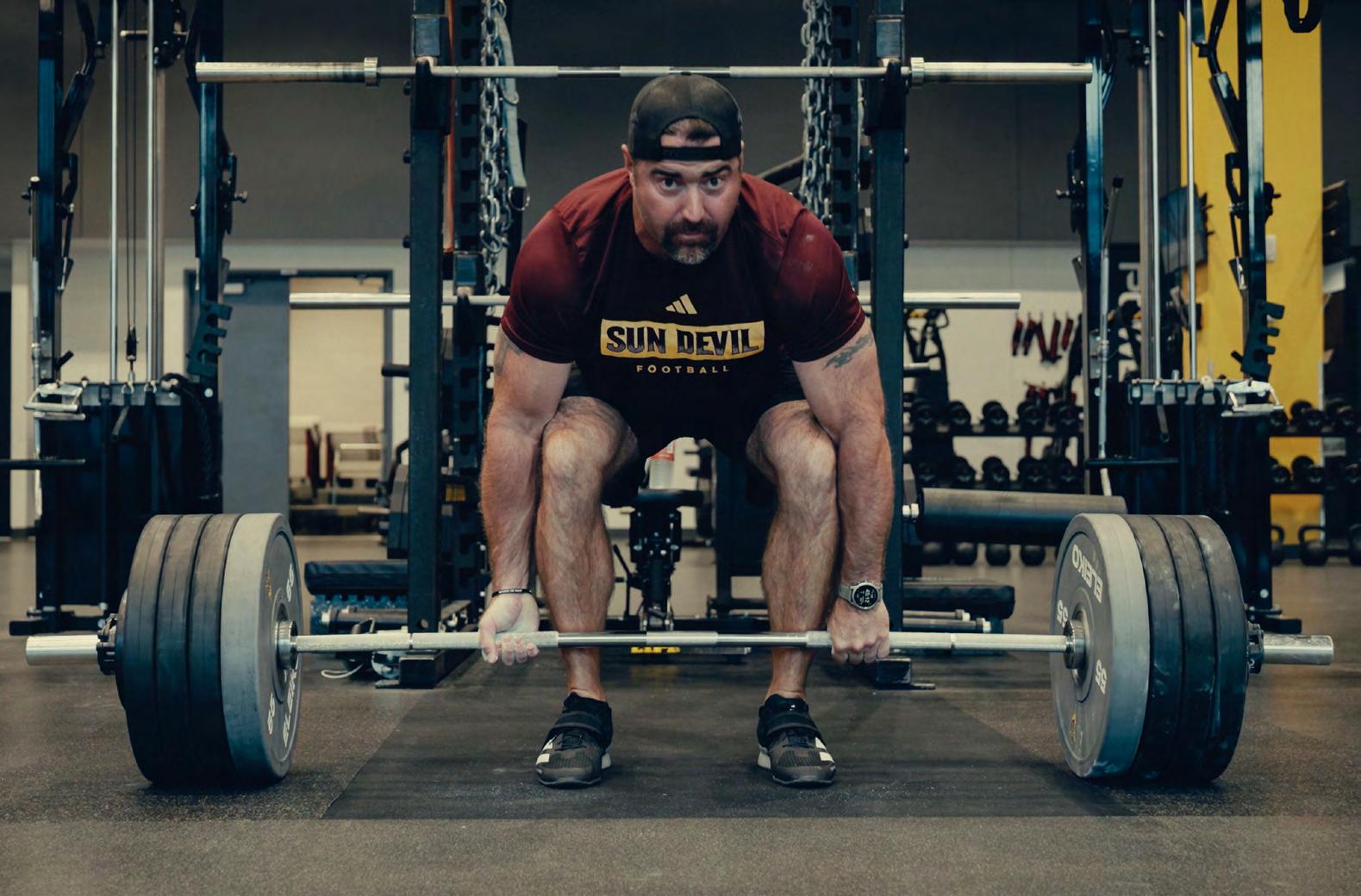
— Coach Connolly, Arizona State University “
I’ve trusted my Eleiko barbell for decades and I’ll trust it for decades more.
Customer Satisfaction
Net Promoter Score
We follow our customer satisfaction to learn what we do well and what we can do better. Net Promoter Score (NPS) measures customer loyalty by asking how likely customers are to recommend a company on a scale from 0 to 10. The NPS score ranges from -100 to +100, where higher scores indicate strong loyalty and customer devotion. With an NPS of +69, we are happy that our customers consider Eleiko a reliable partner — while continuing to identify opportunities for improvements.
Responsible and ethical business practices
Maintaining high ethical standards is essential to Eleiko’s operations and long-term success. The main risks identified relate to corruption and bribery, as well as the need for further formalisation of processes and training to ensure consistent implementation across the organisation.
POLICIES
Our governance framework is based on the Eleiko Code of Conduct, which define expectations for ethical behaviour both internally and across our value chain. These are supported by our commitment to the UN Global Compact principles, including Principle 10 on anti-corruption.
ACTIONS
Responsibility for business conduct is embedded in our governance structure, where the Board of Directors oversees sustainability-related matters and the management team is responsible for implementation. There is currently no structured anti-corruption or sustainability training in place, which has been identified as an area for improvement.
To support transparency and accountability, Eleiko provides an external and publicly available whistleblowing channel. This allows both employees and external stakeholders to report concerns confidentially. There were zero reports through the whistleblower channel in 2025.
Ethical business conduct is also integrated into supplier agreements and assessments, ensuring that expectations extend throughout the value chain. While ethical considerations are part of daily operations, we have identified a need to further formalise processes and introduce structured training.
TARGETS
We have not established formal targets related to business conduct. Future focus areas include strengthening governance processes and introducing structured anti-corruption training and awareness initiatives.
Corporate Culture
CoC and company values embedded into everyday working routines Potential positive impact
CoC and company values not embedded into everyday working routines Potential negative impact
Strong COC and company values can lead to lower employee turnover and reduced risks of business ethics breaches Opportunity
Corruption and Bribery
Prevention and detection of corruption including training Potential positive impact
Corruption in the value chain
Potential negative impact
Corruption related to Eleiko’s own operations Potential negative impact
Risk for legal fines and reputational damage from corruption/ bribery cases Risk
Prohibited from key market due to sales to sanctioned customer/ country Risk
ESRS disclosure requirements by reference
Auditor’s report on the statutory sustainability statement