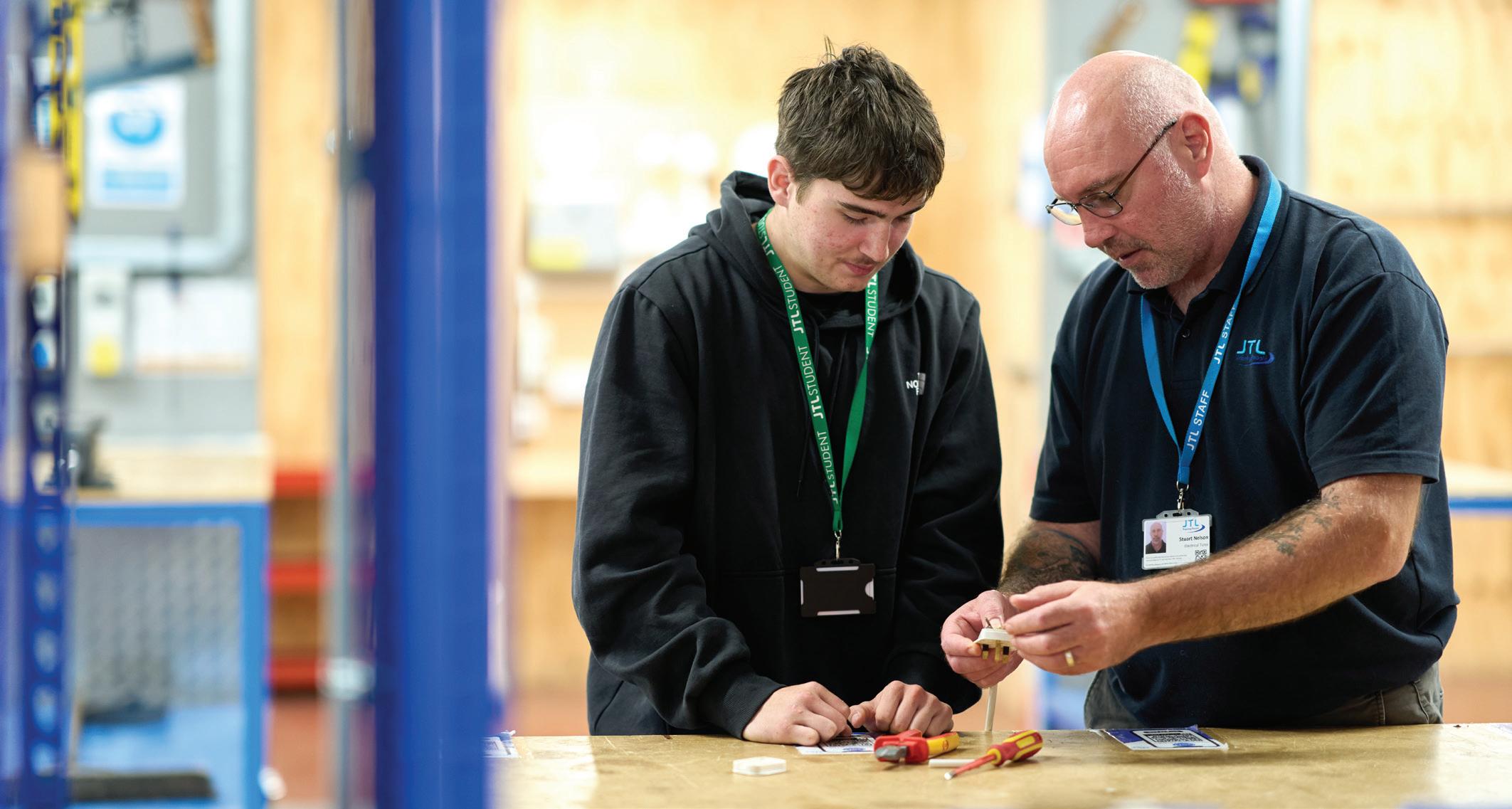
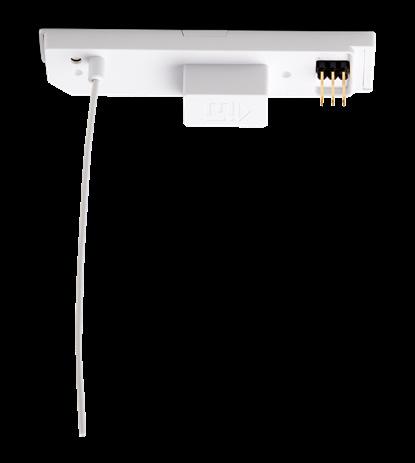
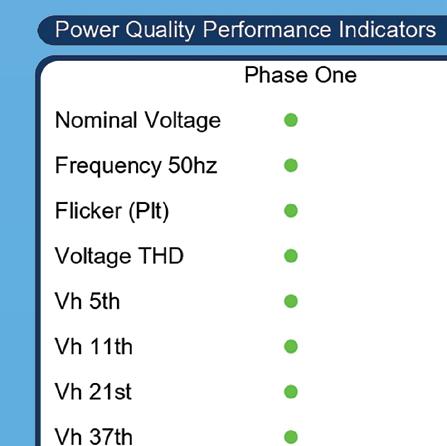
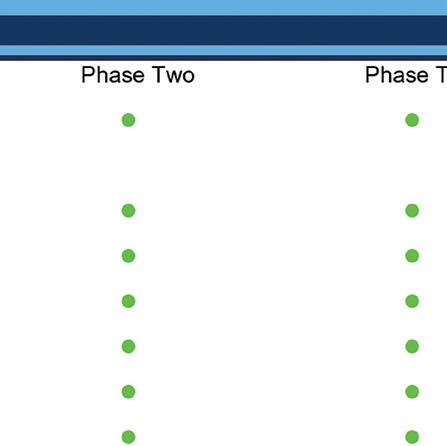
Why apprenticeships must work for employers Page 26 SWA cables A guide to construction, termination and installation Page 34
Test & measurement
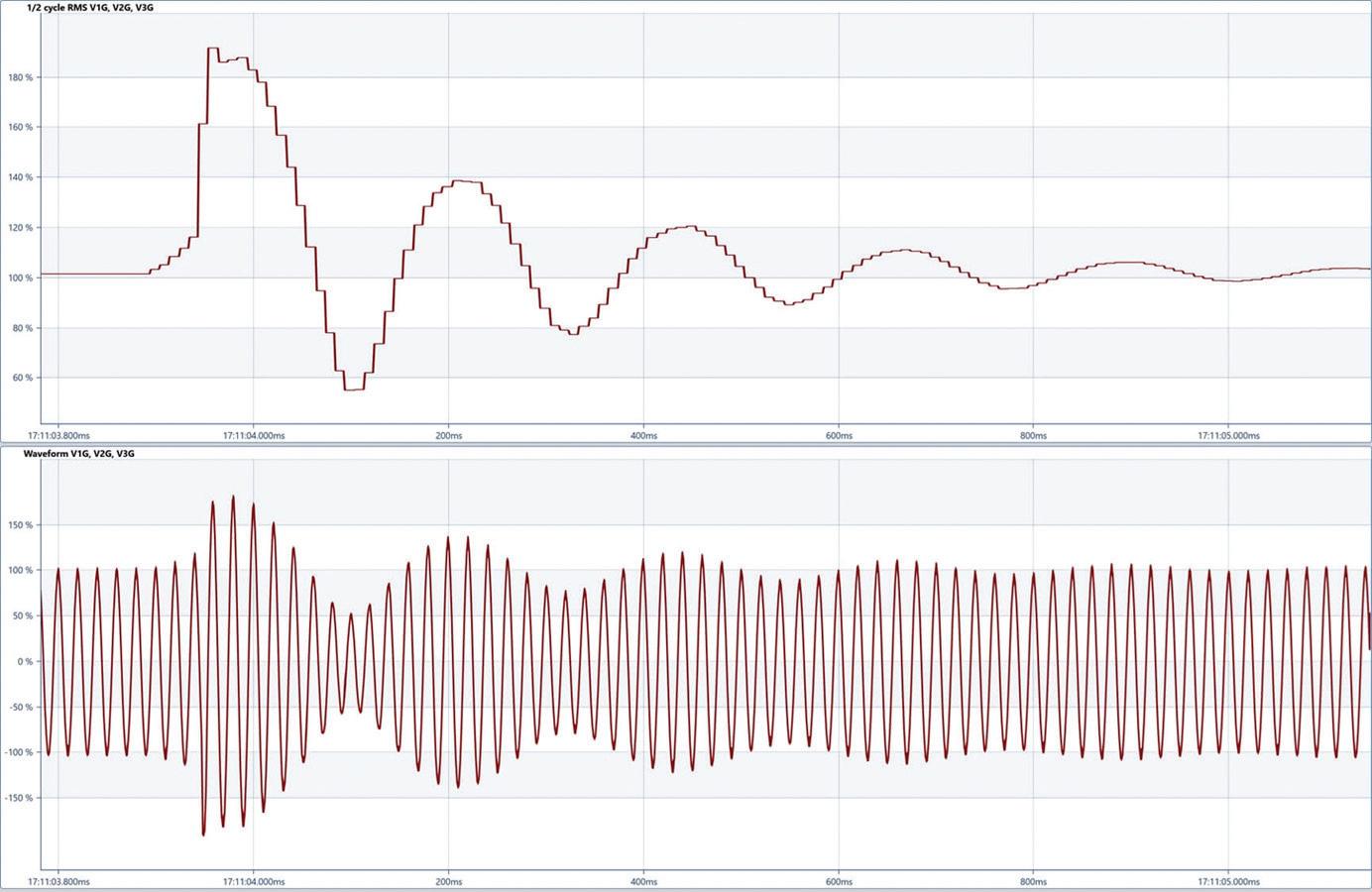
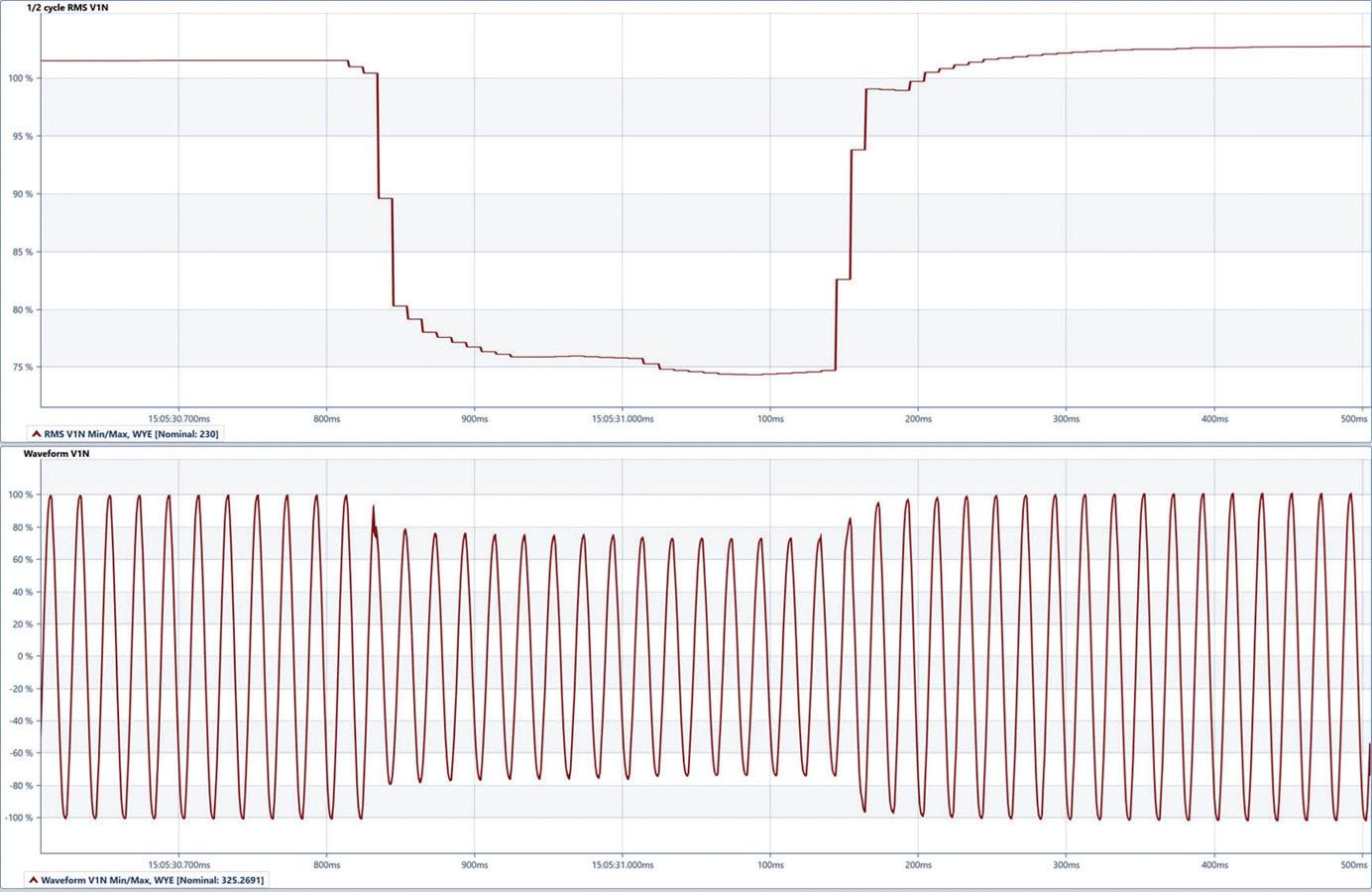
Voltage flicker, sags and swells Page 38
July/August 2026
JTL National Awards 2026
JTL’s annual awards celebrate the outstanding achievements of apprentices, tutors, training officers and employers.
Skills, training & apprenticeships
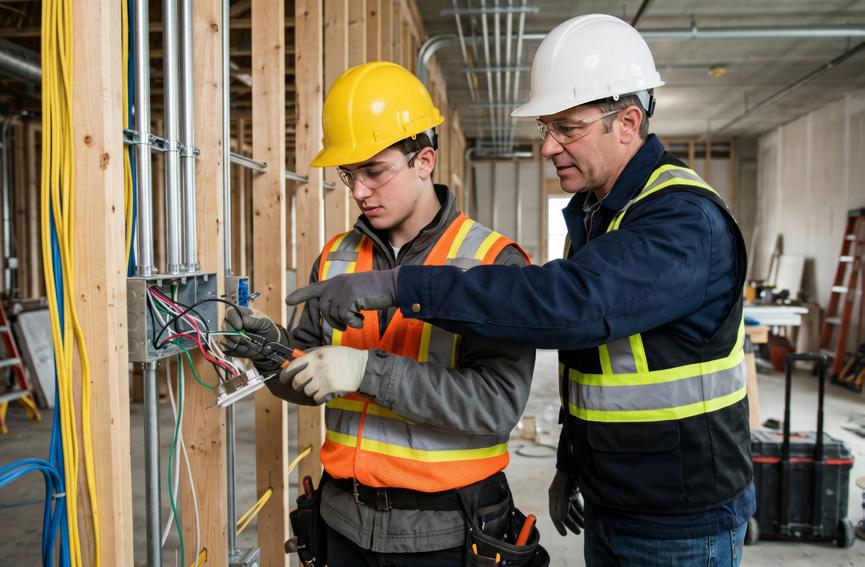
As the UK accelerates towards a low-carbon future, demand for skilled electrotechnical professionals has never been greater.
Regulars
Welcome
05 Editor’s note
06 Guest Editor introduction
News & views
08-11 Industry news
12 JTL National Awards 2026
Interview
14-16 Glenn Grant, ECA
Ask the expert
18-19 Protective Neutral Bonding
Lighting matters
32-33 3D-printed lighting
Technical focus
34-37 A guide to SWA cables
Features
Skills, training & apprenticeships
20-21 Low-carbon skills
24-25 The value of apprenticeships
26-27 Supporting employers
Lighting
28-30 Modular lighting
Test & measurement
38-40 Power quality
Home life safety
42-43 Connected home technology
Fire safety & security
44 Meet Daren Pool, FSA Chair
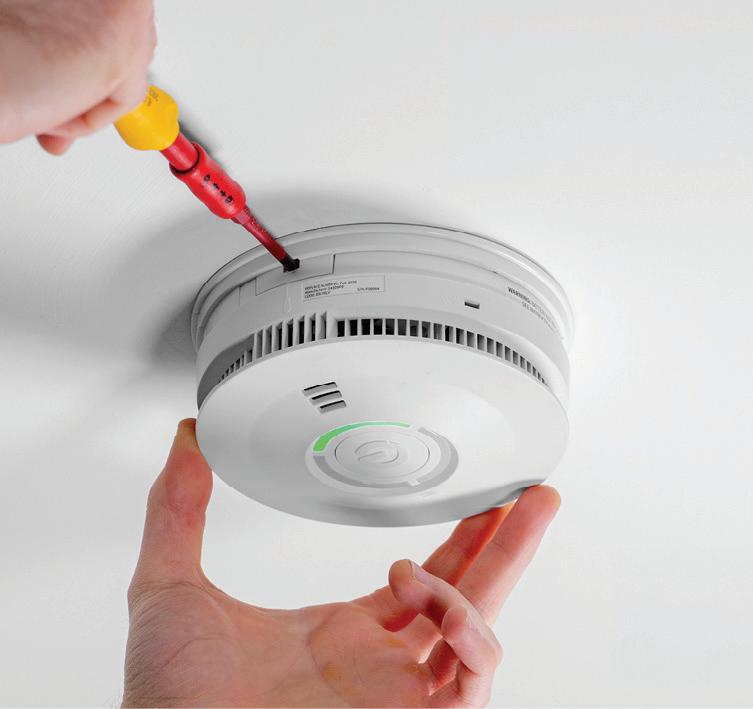
46-47 Fire and CO alarms
Home energy
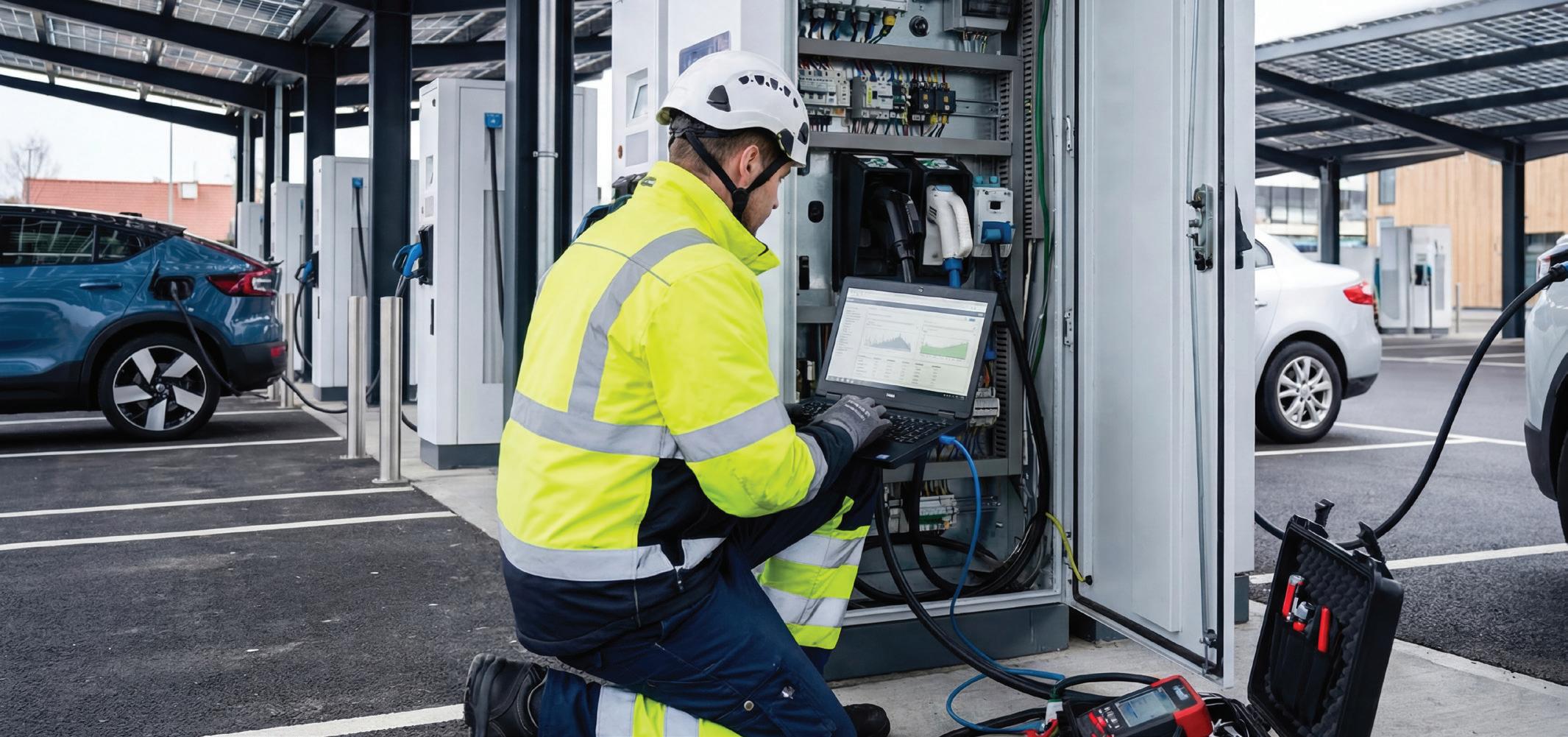
48-49 Bringing training to the trade
Book your place at
CIRCULAR LIGHTING LIVE 26 will throw down the gauntlet to the Lighting Industry. It will set the vision for the next decade and a half, showing how “business as usual” will be replaced with new business models and technologies, driven by new market and regulatory forces.
VISION 2040
BUILD BACK BETTER AWARDS 26 will take place at Circular Lighting Live, celebrating and rewarding creativity, innovation, social purpose and environmental leadership in lighting.
Ends 31 July
From the Editor
The critical skills shortage remains a key concern for the electrotechnical sector, so we’re taking a closer look at all things skills, training and apprenticeships in this issue – and we’re delighted to welcome ECA’s Managing Director, Andrew Eldred, as our Guest Editor to help us navigate this topic.
After his welcome note overleaf, Andrew explores the importance of developing green skills, but argues that ‘awareness-level training is not occupational competence’. He highlights the need to build a properly qualified workforce – and what’s required to achieve it – on pages 20-21. Andrew then adds his comments to EAL’s look at the value of apprenticeships (pages 24-25) and JTL’s case that apprenticeships must work for employers (pages 26-27). He also offers his thoughts on new training initiatives from Aico (pages 42-43) and Luceco (pages 48-49).
The pressing need to close the skills gap was also on the mind of ECA’s recently appointed President, Glenn Grant, when we spoke to him for ‘The interview’ in this issue. We asked: If you could solve one issue facing the industry overnight, what would it be? Glenn answered: Skills shortage. Turn to pages 14-16 to read the full interview. We also hear from the new Chair of the Fire & Security Association, Daren Pool, on page 44.
Elsewhere in this issue, we look at the future of lighting, with CEF discussing the increasing popularity of modular lighting (pages 28-30) and Signify exploring the shift towards custom, on-demand, 3D-printed lighting systems (pages 32-33). Technical content comes courtesy of Power Quality Expert, with a look at voltage flicker, sags and swells in power quality measurements (pages 38-40), and Scolmore Group, which presents a guide to SWA cables (pages 34-37). Meanwhile, our ‘Ask the expert’ column delves into the PNB earthing system (pages 18-19).
Finally, with all the talk of skills shortages, the recent JTL National Awards 2026 provided a timely celebration of the fantastic achievements of JTL apprentices, tutors, training officers and employers, with the winners showcasing the outstanding talent coming through our industry (page 12) – long may it continue.
Editorial Director Carly Woodhead
News
Editorial Director Carly Woodhead carly.woodhead@lylamedia.co.uk
Design & Production
Sophia Kerby design@lylamedia.co.uk
Advertising & Subscriptions
To request a free regular copy of Electrotechnical News or speak to a member of the sales team email: info@electrotechnicalnews.com
Director Nathon Woodhead nathon.woodhead@lylamedia.co.uk
LinkedIn
Disclaimer
The opinions expressed in editorial material do not necessarily represent the views of Electrotechnical News. Unless specifically stated, goods or services mentioned in editorial or advertisements are not formally endorsed by Electrotechnical News, which does not guarantee, endorse, or accept any liability for any goods and/ or services featured in this publication.
Electrotechnical News
Lyla Media Ltd, Hoo St Werburgh, Rochester, Kent, ME3 9UY
From the Guest Editor
The electrotechnical sector is vital to safer homes, cleaner energy, smarter infrastructure and a stronger built environment. But new technology will only deliver these benefits if it is designed, installed and maintained by skilled, competent people.
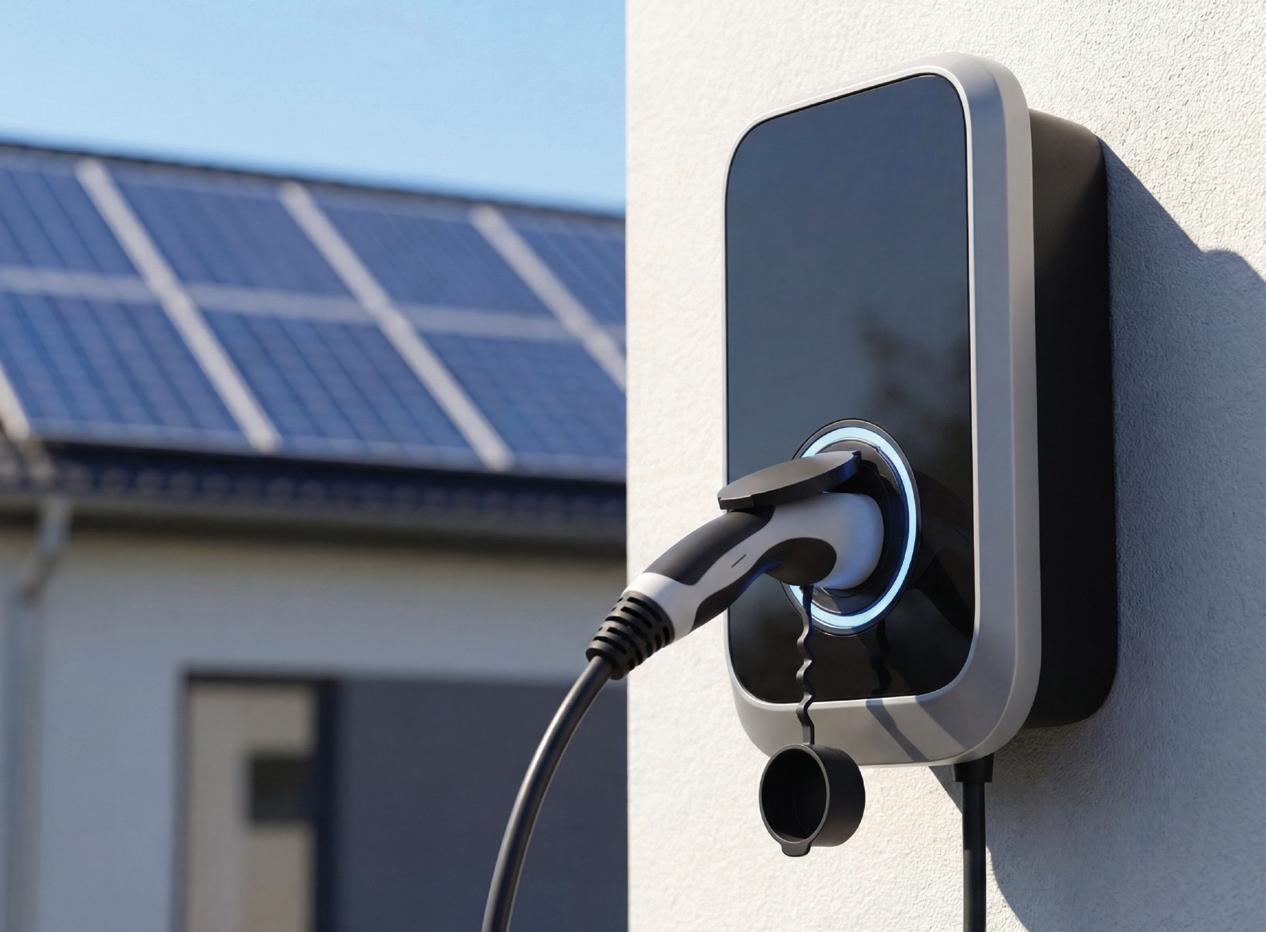
That is why training must remain a priority. From connected home systems that help spot damp, mould and poor air quality, to EV charge points and smart energy, the principle is the same: competence underpins progress. See what Sync Energy is doing in this area on pages 48-49.
Electrical contractors are already investing in skills, supporting learners and adapting to changing customer needs. But many – especially smaller – firms face real barriers around cost, time and administration. If we want employers to keep training, we must make it easier. Kevin Sparrow at EAL explains why industry-aligned training matters on pages 24-25.
Apprenticeships remain a strong route into our industry, but they need clear support, fair funding and practical pathways that work for both learners and employers. Read more from JTL’s CEO Chris Claydon on pages 26-27.
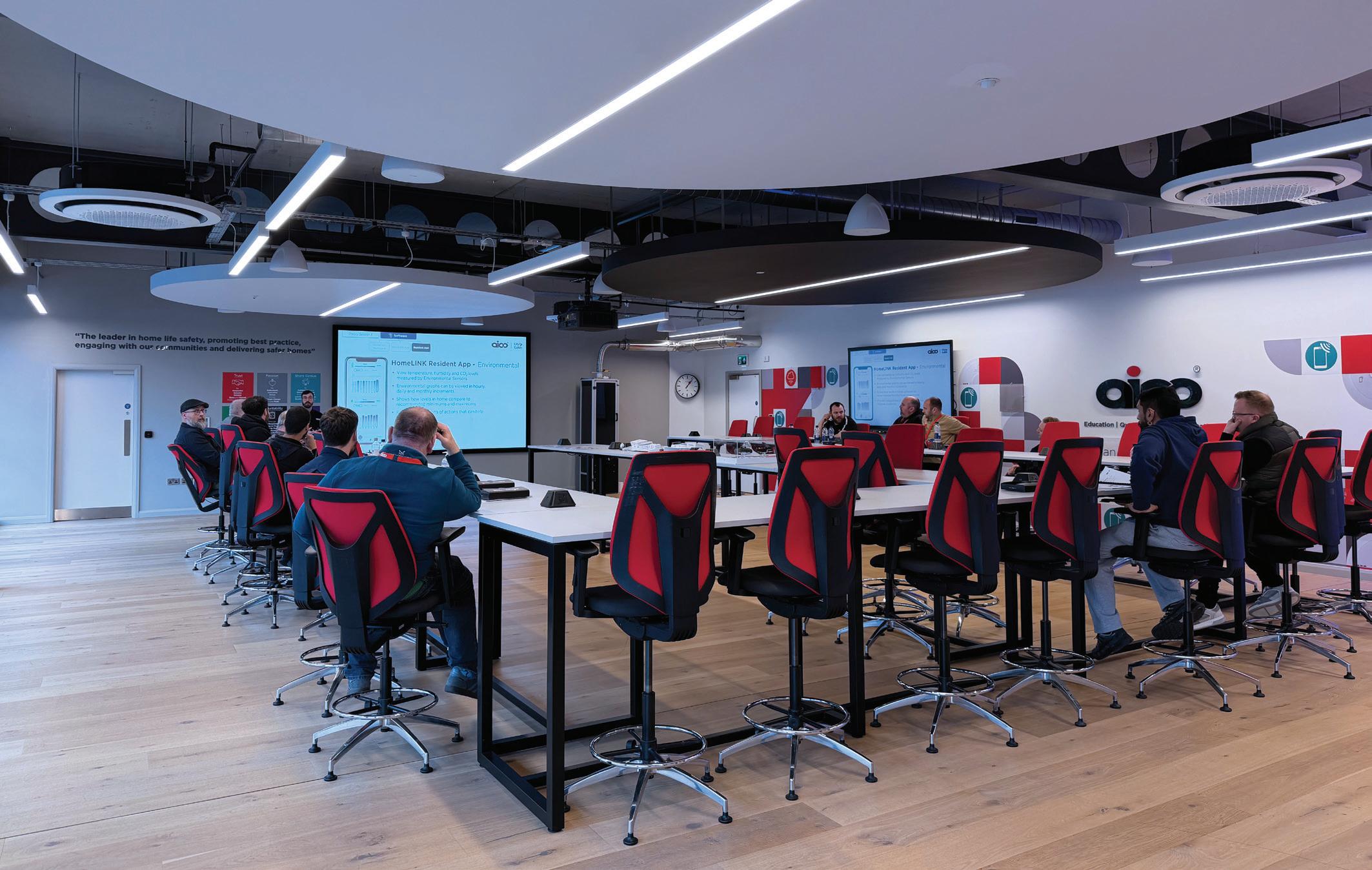
The opportunities ahead are clear. Connected technologies can improve safety and wellbeing, low-carbon systems can cut emissions and costs, and smarter infrastructure can help communities and businesses thrive. But none of this happens without a skilled, competent workforce. Aico’s new City & Guilds course makes interesting reading on pages 42-43.
For 125 years, ECA has championed training, apprenticeships and professional development. That work must continue. Our sector’s future depends not only on new technology, but on the people trusted to make it work safely and well.
Andrew Eldred Managing Director, ECA
Andrew Eldred is Managing Director of the Electrical Contractors’ Association (ECA). He is responsible for all ECA trade association operational activities and leadership of the association’s senior management team. He is also the lead Director for Council. Previously, Andrew led on all aspects of ECA membership and skills strategy, including workforce skills policy, individual competence, apprenticeships and net zero upskilling. In addition, Andrew is a trustee-director of the apprenticeship training charity JTL.
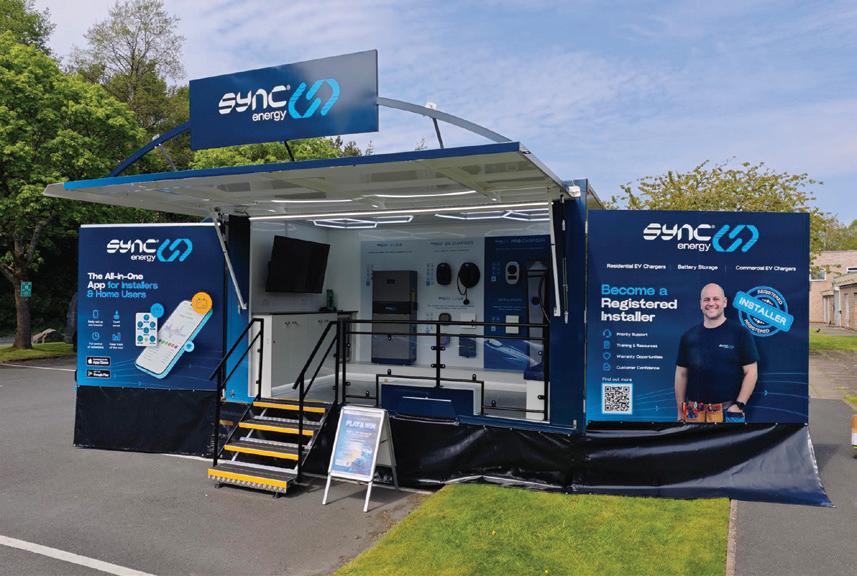
Each Sync Energy domestic charger you purchase = 1 entry to win
• Buy a Sync Energy Domestic Charger
• Upload your receipt & play Multiple products on one invoice? Re-upload for each
• Match 4 Symbols to win
Every play also enters the grand prize draw.
£50 for every 2 eligible installs via the Sync Energy App. Registered installers auto-enrolled.
Newsroom
Faster electrification would cut UK household bills, say climate advisers
The Climate Change Committee (CCC) has published its annual assessment of the Government’s progress in reducing emissions. It warns that households are facing higher energy bills because the UK is not electrifying fast enough.
Overall emissions fell 1.8% in 2025. There has been good progress in a range of areas, and the UK is on track to meet the fourth and fifth carbon budgets. Electric vehicle uptake
continues to grow, with nearly one in four new car sales now electric. A record amount of new renewable energy was contracted in the latest auction, and peatland restoration has increased by 26%.
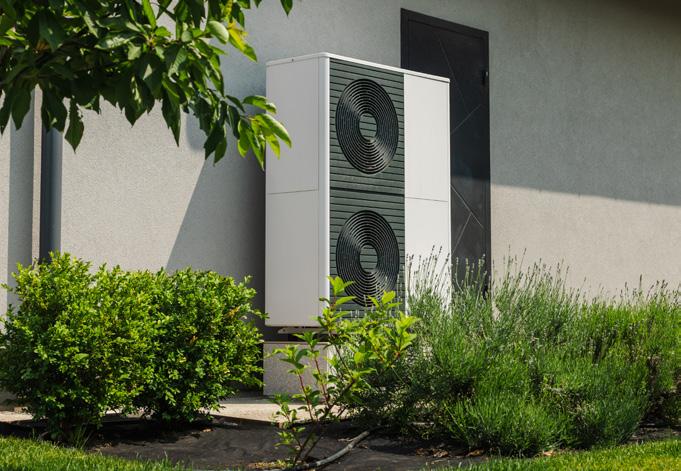
However, progress in electrification has slowed in other areas, including heat pump installations in existing homes – up just 7% this year compared to 56% the year before. The share of electricity in industrial energy use also fell slightly last year. This is leaving people exposed to fossil fuel price shocks and puts later carbon budgets at risk.
The Government needs a more ambitious plan to electrify these key parts of the economy, including further action to reduce the cost of electricity, the CCC notes.
theccc.org.uk
Thousands of homes eligible for £9,000 off heat pump
Thousands of households on heating oil across England and Wales will be eligible to receive £9,000 to switch to a heat pump this summer, saving them money on their energy bills.
From 21 July, the Boiler Upgrade Scheme grant is being increased by 20% – from £7,500 to £9,000 – to help rural households make the move from heating oil to a heat pump. This will electrify families’ heating, protecting them from fossil fuel price spikes and providing greater certainty over energy bills.
gov.uk
Retailers join Government’s plug-in solar plans
Flagship retailers Currys, B&Q, Amazon and Lidl have joined Government plans to bring plug-in solar panels to UK homes.
At a roundtable of some of the biggest retailers in the country, with a combined total of almost 4,000 stores and a significant online presence, Minister for Energy Consumers Martin McCluskey discussed the crucial role of plug-in solar in the clean energy revolution. Those in attendance included Amazon, Asda, B&Q, Currys, Screwfix and Wickes.
This follows rule changes announced by the Government earlier this year that will allow UK homeowners to self-install plug-in solar panels in the coming months and builds on savings of up to £480 consumers can already make from rooftop panels.
gov.uk
Joint industry statement on plug-in solar panels
ECA, ESF, the IET, NICEIC and SELECT are clear that public safety must be the first principle in any rollout of plug-in solar PV units. Whilst we support wider access to cheap and clean energy, these products should only enter the mass market once the necessary regulatory, technical and product safety framework is fully in place. Without that foundation, there is a serious risk of avoidable hazards in homes, uncertainty for the electricity system, and lasting damage to public confidence in the energy transition.
As organisations representing electrical safety, engineering standards and technical competence across the electrotechnical sector, we believe there are serious issues that must be addressed before any massmarket adoption. We are urging Government to proceed with caution and ensure that safety, product assurance, competence and system resilience are designed into any rollout from the outset.
eca.co.uk
Updated BS 7430 Code of Practice published
The revised edition of BS 7430 –Protective Earthing of Electrical Installations – Code of Practice has been published.
The updated British Standard came into effect on 31 May, replacing BS 7430:2011+A1:2015, which has now been formally withdrawn.
The main updates include:
• Updated recommendations for earthing of high-voltage (HV) derived low-voltage (LV) supplies, including:
1. Public and private transformers
2. Combined HV/LV earthing systems
3. HV/LV and LV/LV separation.
• Updated recommendations for generators, including:
1. TN S systems
2. IT systems.
• Application of Protective Neutral Bonding (PNB) system earthing.
• Updated recommendations for installations having particular considerations for earthing, addressing more complex or higher risk environments.
• Updated recommendations for earth electrode systems, reflecting current best practice and performance expectations.
• Removal of recommendations for special installations, streamlining
the document and aligning with other applicable standards and guidance.
Protective earthing is fundamental to electrical safety, particularly as installations become more sophisticated and incorporate technologies such as EV charging, energy storage and distributed generation.
The revised code of practice is available via the ECA BSI Online Standards Library, which provides access to more than 80 British Standards for ECA Members. The ECA Technical team is also on hand to support Members with this update.
eca.co.uk
Red tape and electricity prices are holding back heat pump installers
HPA UK (Heat Pump Association UK) has published its Heat Pump Installer Member Priorities: Recommendations for Government and the Wider Sector to Support the Heat Pump Workforce.
These recommendations have been developed collaboratively with HPA UK’s Installer Members, reflecting the views of nearly 250 installation businesses of all sizes. They come as the Government sets out its ambition to install 450,000 heat pumps per year by 2030, which will require installers to play a critical role in delivering low-carbon heating.
The publication sets out the priority
actions installers believe are needed to accelerate heat pump deployment through stimulating consumer demand, supporting workforce development and reducing the administrative burden faced by heat pump installation businesses.
Key recommendations include streamlining certification and compliance requirements to reduce unnecessary paperwork while maintaining high installation standards, and ensuring that any changes to schemes or incentives are clearly signalled and designed to minimise disruption to the market.
In addition, the publication highlights
Greater protections to restore families’ trust in home upgrades
Ministers are taking action to hold the retrofit industry to account for delivering home upgrades through a new consumer protection service, under proposals announced in June. Families will therefore be better protected when upgrading their homes, giving them confidence to make improvements and cut their bills.
Plans being consulted on would create:
• A transparent public register of Government approved installers.
• A single advice and support service covering the entire time a home is being upgraded.
• Powers to hold installers and delivery partners to account, including bans from working on Government schemes if they don’t meet high standards.
• A new data-backed system that spots risks and installer performance issues earlier.
This will simplify the process for consumers, providing a single point of access offering end-toend support, quality checks and routes to redress.
gov.uk
the importance of rebalancing electricity and gas prices to ensure low-carbon heating becomes the most affordable option for consumers, helping to drive sustained demand.
hpauk.org.uk
BCIA welcomes tougher commercial building energy standards
The Building Controls Industry Association (BCIA) has welcomed the Government’s confirmation that privately rented non-domestic buildings over 1,000 square metres in England and Wales will be expected to achieve a minimum EPC B rating by 2031, describing the move as an important step forward in improving the energy performance of the UK’s commercial building stock.
Under the proposals, larger commercial buildings will be required to meet the higher standard where improvements are considered cost-effective, while existing flexibility measures, including the seven-year payback test and current exemptions, will remain in place.
The new standards represent a significant opportunity to improve energy efficiency across some of the UK’s largest and most energy-intensive buildings. The BCIA believes the announcement sends a clear signal that improving building performance is becoming an increasingly important priority for the built environment.
However, the association has also expressed concern that smaller commercial buildings will remain subject to the existing EPC E requirement, with no confirmed timetable for further improvements.
bcia.co.uk
Government has secured £100 billion of
clean energy investment
More than £100 billion in clean energy investment announcements has been secured since the Government came to office, Energy Secretary Ed Miliband has confirmed, as he declared Britain is part of a global boom in clean energy that is creating jobs across the UK and boosting energy security.
It follows a recent announcement of up to £9 billion investment from Japan into the UK’s offshore wind industry, and Rolls-Royce SMR winning a multi-billion-pound Sweden nuclear export contract off the back of the UK’s pioneering SMR programme. Meanwhile, National Grid recently confirmed £1.2 billion of contracts to upgrade 1,000 km of transmission lines.
This year’s renewable auctions have unlocked the largest chunk of private investment this parliament, with £27 billion mobilised in clean energy investment. $2 trillion of investment is expected globally in clean energy this year.
gov.uk
Public backs clean power to strengthen UK energy security
Anew report, commissioned by 11 leading energy trade bodies, shows almost two-thirds (63%) of the public across the UK think clean power strengthens the UK’s security, which is held as a majority view across every political persuasion.
According to the report, Watt Communities Want: Six Insights into UK Public Opinion on Energy, there is a clear appreciation of the impact of international events –such as the ongoing crisis in the Middle East – on rising energy bills. While bills remain the public’s top concern, there is strong support across all groups (age, political, gender) for fairly spreading investment costs over many years, rather than delaying them – even at the expense of lower bills now.
The polling highlights six key insights from the data:
1. People know clean energy makes the country more secure.
2. Bills remain the top concern, but voters support the need to spread infrastructure costs over many years.
3. Climate change and air pollution still matter.
4. The public will back a flexible, storage-led energy system.
5. Clean energy is now an industrial opportunity.
6. Confusion remains around the reality of today’s energy system.
hpauk.org.uk
Neighbours could hold the key to cheaper, greener energy
UK Power Networks is exploring the potential of community-led energy. Working with Community Energy Pathways, Fuse Energy and Energy Systems Catapult, the network operator is developing the UK’s first scalable blueprint for community-led flexibility through the project Neighbourhood Watts.
The innovation is exploring how neighbours can share and use energy more efficiently together. This means homes and businesses team up to use local energy first, such as solar, and shift when they use electricity to avoid peak times. The result? Money saved on energy costs, cleaner power for the community and the chance
to earn money by using electricity at less busy times.
The project will identify and quantify the full value of community coordination – for networks, consumers and communities – then develop scalable models for how communities across the UK can invest in, and benefit from, flexibility. It will also explore new ways for households to participate in flexibility markets, including those without their own low-carbon technologies, ensuring that inclusive tariffs and methods allow everyone to benefit from cleaner, more affordable energy.
ukpowernetworks.co.uk
Celebrating success at the JTL National Awards
Following a fantastic day at the JTL National Awards 2026 on Wednesday 10 June at Plaisterers’ Hall, London, JTL is delighted to share the achievements of those recognised on the national stage.
The JTL National Awards bring together apprentices, employers, colleagues and industry partners from across the country to celebrate excellence in apprenticeship training and recognise the exceptional talent developing within the building services engineering sector.
Chris Claydon, Chief Executive of JTL, said, “These awards celebrate the very best of the talent coming through our industry. Each apprentice recognised has shown exceptional commitment, technical ability and determination throughout their training, and their achievements demonstrate the real impact that high-quality apprenticeships can have.”
Apprentice award winners
Rising Star of the Year
Highly Commended: Freya Taylor, UKAEA
Winner: Liam Rufus, E Thompson & Son Ltd
Electrical Apprentice of the Year
Winner: Ryan Young, Electrofix Group Ltd
MES Apprentice of the Year
Winner: Lee Collins, Amdell Ltd
Apprentice of the Year
Winner: Joshua Davies, Sureserve
Outstanding teaching staff
In addition to celebrating apprentice success, the awards also recognise the dedication and expertise of JTL teaching staff who play a vital role in supporting learners throughout their apprenticeship journey.
Training Officer of the Year
Winner: Stephen Allcorn
Tutor of the Year
Winner: Jason Villarde
Employer Recognition Awards
These awards recognise employers that go above and beyond in supporting apprentices through
high-quality training, mentoring and workplace development opportunities, helping to equip the next generation of skilled professionals with the knowledge and experience needed to succeed.
East: Woodward Group Limited
South: BCG Electrical Services Ltd
Wales: Mike Pryde Electrical Services Ltd
North East: Lincs Electrical Services Ltd
North West: JJ Group (Contracting) Ltd
West: Haysham Limited
The success of the winners and finalists highlights the exceptional talent being developed through JTL apprenticeships and the collective efforts of employers, tutors, training officers and colleagues across the organisation. Everyone recognised at the awards has demonstrated the professionalism, commitment and continuous improvement that underpin apprenticeship success.
The JTL National Awards 2026 were supported by headline sponsors Milwaukee and Baxi, with further sponsorship provided by Electrical & Plumbing Skills, ECA, Schneider Electric, EAL, Scolmore Group, JIB, Edmundson Electrical, UK Plumbing Supplies, DiLOG, Titus, Dovetail & Slate and CompEx.
Electrical & Plumbing Skills proudly sponsors the JTL National Awards. Congratulations to this year’s winners!
Joshua Davies, JTL Apprentice of the Year 2026
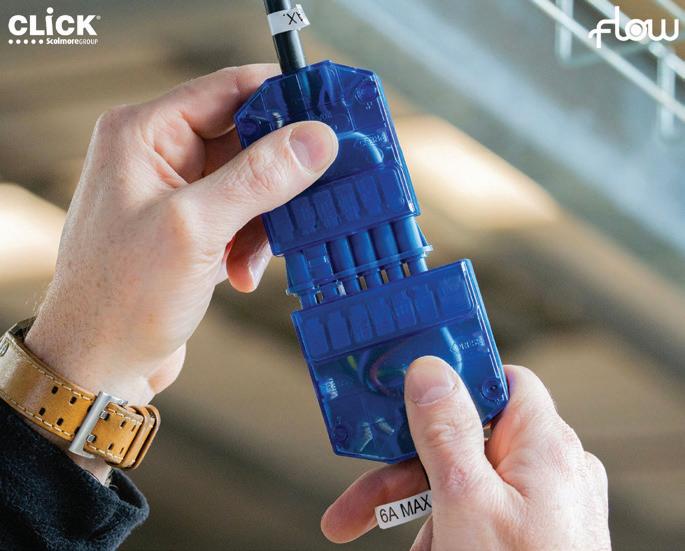
Click Scolmore expands its market-leading Flow range with the launch of the new 6-Pole lighting connection system
Click Scolmore has announced the launch of its new Flow 6-Pole range, an advanced addition to the company’s established Flow lighting connection and management system. Designed to meet the growing demand for flexible, intelligent, and future-proof lighting installations, the new 6-Pole solution brings enhanced capability for modern commercial environments – including full support for DALI, switch-dim, and (0) 1-10V dimming solutions.
Building on the success of the existing 3 and 4-pole Flow products, the new 6-Pole range provides contractors with a simple, plug-andplay method for creating more complex lighting installations quickly, safely, and with minimal disruption. The system has been engineered to reduce installation time, simplify configuration, and support easy re-configuration as building layouts and client requirements evolve.
The Click Flow system has always been about speed, safety, and flexibility. The new 6-Pole range takes this to the next level, giving installers a powerful solution for advanced lighting control without adding complexity.
Advanced lighting control made simple
The 6-Pole Flow connectors provide six dedicated terminals, enabling seamless integration with many lighting control systems including both DALI (Digital Addressable Lighting Interface) and (0) 1-10 dimming. This allows luminaires, sensors, and control devices to communicate intelligently, delivering precise lighting management and improved energy efficiency.
With two-way communication and built-in monitoring capabilities, DALI-enabled installations can be easily adapted as spaces change, without the need for rewiring. It also offers emergency lighting and energy monitoring which can be critical for commercial and industrial installations. The system also supports switch-dim and (0) 1-10V dimming, offering smooth, reliable brightness control for everyday use and full dimmable control during emergency operation. This allows the required light levels to be set or adjusted depending on the application of the area.
Fast, safe installation with push-fit technology
Like the rest of the Flow range, the new 6-Pole products feature Click Scolmore’s proven screwless push-fit technology, designed to cut installation time in half. Integrated cable clamps, push-in terminals, and a simple locking mechanism ensure a secure, low-maintenance connection every time.
The connectors are engineered for rapid testing, maintenance, and component replacement –allowing contractors to work more efficiently and with minimal disruption on site.
Built for modern commercial environments
The Flow 6-Pole range is ideal for offices, retail spaces, sports halls, exhibitions, and any environment requiring adaptable lighting control. For applications where fire safety and environmental protection are essential, the 6-Pole Flow cables are manufactured using Low Smoke Zero Halogen (LSZH) materials; so that it can offer enhanced fire and environmental protection.
Expert lighting design support
Every Flow 6-Pole installation is backed by Ovia’s in-house lighting design team, providing comprehensive support from initial enquiry through to ordering goods. Services include:
• Site-specific lighting calculations
• Luminaire selection guidance
• Compliance-focused design support
This collaborative approach ensures that installers, contractors and specifiers can achieve reliable, compliant and high-performance lighting solutions tailored to the needs of any installation.
Improved safety with Click’s Flow Scheme
The Click Flow Scheme is designed to simplify and improve the safety of complex lighting installations. Using a flexible system of distribution hubs, management boxes, and compatible connectors, Flow enables adaptable wiring solutions that respond to changing legislation and project requirements.
A wide range of Ovia luminaires are available pre-terminated with Flow connections, alongside pre-wired 3 and 4-pole cables, however the Flow 6-Pole range is a standalone solution and is not compatible with existing 3-Pole or 4-Pole Flow products. Each scheme is tailored to the project brief or wiring schematic and can also accommodate cross-specification designs produced by Ovia’s lighting design team.
Detailed equipment reports are provided by room or location, including full technical data, making Flow a valuable tool for electrical designers when selecting products and planning installations.
A natural evolution of the Flow system
The introduction of the 6-Pole range reflects Click Scolmore’s ongoing commitment to innovation and to supporting contractors with solutions that respond to changing legislation, energy-efficiency targets, and the increasing complexity of modern lighting design. For more information, visit the Click Scolmore website at scolmore.com, where a dedicated brochure covering the full Click Flow 6-Pole range is available, or download the Scolmore Group app
interview The
Sit down with: ECA’s Glenn Grant
Meet Glenn
Glenn Grant is Director of Drax360, part of Obsequio Group. He’s worked in the electrical industry since 1980, has been an active member of ECA’s East Region for over 25 years and is East Region Council Member.
Glenn began his career in electrical wholesaling before moving to Gent in 1984, a fire detection and alarm systems specialist. He then managed UK operations at Cerberus (now part of Siemens) before starting and running Wagner in the UK, an aspirating smoke detection and fire suppression specialist. In 2001, he left Wagner to establish and run his own fire and security business. Following the sale of that business in 2018, he joined Drax360, where he remains today. Glenn was appointed President of ECA in May 2026, following a year serving as Senior Vice President.
Glenn Grant was recently appointed the 113th President of the Electrical Contractors’ Association (ECA) and assumes the role during ECA’s historic 125th anniversary year. Electrotechnical News speaks to Glenn about his journey through the industry, the changes he has witnessed since starting out in 1980, and priorities for his presidential term.
In May, Glenn Grant became the 113th President of ECA, but his involvement with the association spans decades. An active member of ECA’s East Region for more than 25 years, he has served as Bedfordshire & Hertfordshire Branch Chair, East Regional Chair and is currently on his second six-year term as East Region Council Member. So, what has kept him committed to the association for so long? “Easy – ECA Members can access a range of services to help them operate better, as Drax does,” the Drax360 Director explains. “It’s the networking and camaraderie that I value; talking to Members about their problems – we generally have the same ones – and listening to their different solutions fascinates me.”
What are those common problems?
“For some it’s simply finding enough work or making money on that work. Delivering the work on time, to a high
“The industry has moved far beyond traditional installation work into complex systems, digital technologies and energy-related solutions.”
quality and to budget remains a huge challenge, especially in a climate of cost uncertainty.”
Having worked in the industry since 1980, Glenn is well-placed to understand the changing electrotechnical landscape and what it means for contractors. “The biggest change has been the pace of innovation and the breadth of systems that we install,” he comments. “The industry has moved far beyond traditional installation work into complex systems, digital technologies and energy-related solutions. At the same time, the focus on competence, compliance and safety has rightly intensified, driven by client expectations – making it so important that contractors have strong support and representation.
“Another big change has been the attitude to safety – from both employer and employee. Twentyfive years ago, you could walk onto pretty much any site with little understanding of health and safety implications. The industry’s focus on reducing accidents and health and safety management (competence, safe working practices etc.) has significantly improved. In 2000, there were over 100 construction industry fatalities. In 2025, there were 35, which is still 35 too many.”
Priorities for presidential term Glenn assumes the Presidency in ECA’s 125th anniversary year, and
“We need to make sure the general population recognises that our industry isn’t just a spark bashing a house; it’s a respected profession.”
at a time of rapid change across the electrotechnical sector, with the safe energy transition and digitalisation shifting the landscape considerably. “It’s a huge privilege and honour to represent ECA Members and help champion the electrotechnical sector,” he says. “For me, being President is about listening to Members, reflecting their priorities back into ECA’s work, and representing ECA in front of wider industry, Government and related stakeholders, including Europe.
“ECA is firmly focused on Member value and on the issues that most affect Member businesses day-to-day – competence and skills, regulation and standards, and fairer commercial practices. I’m here to support that.
“My main priority is ensuring ECA continues to provide practical support that helps Member businesses deliver
safe, high-quality work and builds strong businesses. I want to help more Members make full use of what ECA already offers – particularly practical business support such as ECA’s Growth Hub.”
The Growth Hub was introduced by recent ECA Presidents Sean Smyth and Stuart Smith, and has grown both in breadth and momentum under Immediate Past President Ruth Devine. It provides tailored business training courses and guidance to help Member businesses achieve growth at whatever stage they are at. There is an annual funding allocation exclusively for Members to support the uptake of training.
Skills shortages remain a major concern
When it comes to pressures facing the industry, Glenn highlights demonstrating and maintaining competence, keeping pace with changing standards and regulation, and navigating commercial pressures such as procurement models, payment risk and rising costs. However, if he could solve one issue facing the industry overnight, Glenn says immediately: the skills shortage. “We need to make sure the general population recognises that our industry isn’t just a spark bashing a house; it’s a respected profession and a fantastic career for both men and women. We simply need more entrants.”
“Don’t just look at young people – our industry is more than capable of training mature people who are looking at career changes.”
Glenn suggests growing your own talent as a practical solution. “At Obsequio Group we’ve just opened our own Academy and have our first apprentice cohort running through it.” He also stresses the importance of reskilling. “Don’t just look at young people – our industry is more than capable of training mature people
who are looking at career changes.”
He praises ECA’s work in setting up Electrotechnical Training and Careers Alliances (ETCAs) as “a great piece of forward-thinking, taking advantage of devolved funding”. These regional alliances connect local ECA Members, skills providers, unions and local authorities. ECA has helped set up 10 ETCAs so far, with another due to launch in mid-July.
Looking ahead to the future
Despite the challenges, Glenn believes there are huge opportunities in electrification and the transition to net zero, including renewable integration, EV infrastructure, building safety improvements, energy efficiency and smarter buildings. He identifies data as the technology set to transform the industry the most over the next decade. “We’re installing very sophisticated and connected systems and I’m excited to see how the data
“We’re installing very sophisticated and connected systems and I’m excited to see how the data collection will be used to manage these systems and improve people’s lives in the future.”
collection will be used to manage these systems and improve people’s lives in the future,” he explains.
“Technology touches people’s lives in so many positive ways, and this will only increase over time. With its searing pace, no one really knows what this will look like – which equally scares and excites me.”
As he embarks on his one-year presidency at this critical time, what legacy does Glenn hope to leave? “I want to help more – and new –Members feel that ECA is helping them in a tangible way, whether through stronger representation, clearer guidance or more businesses using ECA support services such as the Growth Hub to improve performance and win work on the right terms,” he says. “If engagement increases and Members tell us they are seeing real value, that will be a great legacy.”
And with a career in the electrical industry stretching back over 45 years, what advice would today’s Glenn give to his younger self starting out in 1980? “It’s better to ask forgiveness than wait for permission,” he answers. “When I started, I was too focused on ‘doing the right thing’ and sometimes that slowed me down. Experience has taught me to move forward – even when the solution isn’t 100% – rather than spend too much time creating perfection every time.”
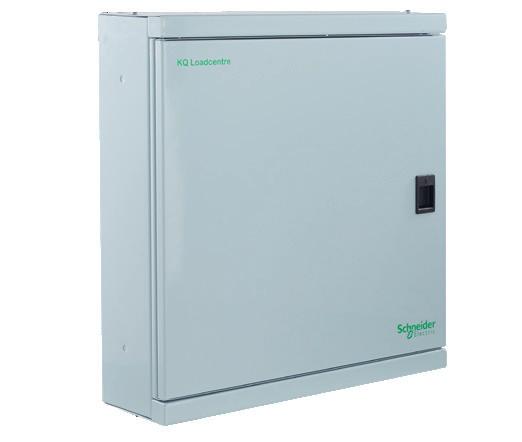
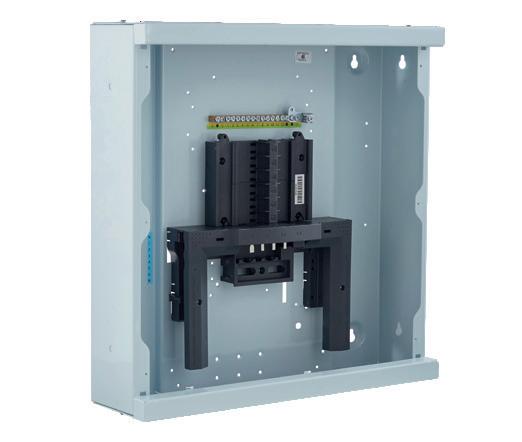
KQ Loadcentre
Single and 3 Phase Distribution Boards
Availability
Our stock is always on standby, ready to ensure your projects stay on track.
Budget-Friendly Quality
Keep your project and budget aligned with our cost-effective options.
Reliable and Industry-Compliant
Ensuring your project stays on spec and built with reliable solutions.
Scan to find out more
Installer-Friendly Design
High-quality components and quick-install features.
Excellence and Reliability
We are committed to delivering best-in-class solutions for your needs.
Ask the expert Introducing the new PNB earthing system
How does PNB differ from other earthing arrangements, where is it used and what does its inclusion in BS 7671 Amendment 4 mean for electrical designers and installers?
PDarren Staniforth Head of Electrotechnical Solutions, CEF
With over 30 years’ experience, Darren is one of the electrical industry’s leading technical experts. He began his career as an electrical apprentice, working across a range of domestic, commercial and industrial projects, before qualifying as a lecturer at Bedford College. Well known from his previous role as Senior Technical Presenter with NICEIC, Darren was appointed Head of Electrotechnical Solutions at CEF in 2022.
Have a question or industry comment?
Darren is here to provide expert technical advice and answer your queries. Send your questions to: info@electrotechnicalnews.com
rotective Neutral Bonding (PNB) is a specialised earthing arrangement used by Distribution Network Operators (DNOs) in the UK. Although PNB has existed for many years, it has gained increased attention as electricity networks expand to support electric vehicle charging, renewable energy and rural developments.
PNB is classified as a variation of the TN-C-S earthing system, but it differs from the more common Protective Multiple Earthing (PME) arrangement in several important ways.
PNB and PME arrangements
In a PNB system, the neutral conductor is connected to earth at a single point, usually close to the customer’s supply or at a dedicated transformer, rather than at multiple locations along the distribution network. This makes PNB suitable for individual properties or small groups of customers where installing a full PME network is impractical and costly. DNOs typically use PNB where only one or a few customers are supplied directly from a transformer, provided that strict design criteria, including earth electrode resistance and separation from high-voltage earthing systems, are met.
The most common earthing system in the UK is TN-C-S (PME). In this arrangement, the Protective Earth and Neutral (PEN) conductor is connected to earth at multiple points throughout the distribution
network. This provides a low earth fault loop impedance, allowing protective devices to disconnect quickly in the event of a fault. PME is economical, reliable and well suited to densely populated urban areas. However, it can present risks if the PEN conductor becomes damaged or broken, as exposed metalwork connected to the main earth terminal may rise to a dangerous voltage.
TN-S and TT systems
The TN-S system differs by providing separate neutral and earth conductors throughout the supply. The earth connection is normally provided by the metallic sheath of the supply cable. TN-S systems are generally found on older underground cable networks and are less vulnerable to broken PEN conductor faults than PME systems. However, they are becoming less common as older infrastructure is replaced. Main DNOs are choosing to identify their TN-S systems as PME due to maintenance work that may have been carried out on the network cable.
“Although PNB has existed for many years, it has gained increased attention as electricity networks expand to support electric vehicle charging, renewable energy and rural developments.”
Another common arrangement is the TT system, where the electricity supplier provides only the live and neutral conductors, and the customer installs their own earth electrode. Because the earth fault loop impedance is usually higher than in TN systems, residual current devices (RCDs) are essential to ensure automatic disconnection during fault conditions. TT systems are frequently
used in rural areas, farms and temporary installations.
Inclusion in BS 7671 Amendment 4
The PNB earthing system provides a practical alternative where a full PME network cannot be installed. While it shares many characteristics with PME/TN-C-S, it uses a single neutral-to-earth connection rather than multiple earth points. Compared with TN-S and TT systems, PNB offers a balance between safety, cost and performance, making it particularly suitable for isolated customers and small rural developments.
The introduction of this earthing system into BS 7671:2026 4th Amendment to the 18th Edition should not create too much worry for electricians and designers. On the Electrical Installation Certificate or Condition Report we will still select TNC-S, regardless of it being PME or PNB.
cef.co.uk
Low-carbon skills matter, but competence must come first
As the UK accelerates towards a low-carbon future, demand for skilled electrotechnical professionals has never been greater. Andrew Eldred, Managing Director of ECA, explains why delivering the energy transition safely requires a competent workforce, high-quality apprenticeships and recognised training pathways that equip electricians with the skills needed to install and maintain the systems powering a greener future.
TAndrew Eldred Managing Director of ECA
he UK’s energy transition is reshaping homes, workplaces, transport and industry. From EV charge points and solar PV to battery storage, electric heating, smart buildings and automation, electrification is now central to cutting carbon, strengthening energy security and improving resilience.
For the electrotechnical sector, this is both an opportunity and a responsibility. ECA-commissioned
research last year showed that electrical contractors are Britons’ most trusted experts on the technologies behind cleaner, more flexible energy systems. If the UK wants these systems to be safe and reliable, robust competence standards, high-quality apprenticeships and recognised upskilling routes are essential.
The skills challenge is not simply to create more training ‘products’, as some in Government seem to believe. It is to build a properly qualified workforce through apprenticeships for new entrants, credible, publicly funded alternative routes for experienced workers and adult career changers, and focused upskilling for qualified electricians. Government must also rebuild the financial case for employers to invest in new entrants, badly weakened by poorly
“In a safetycritical sector, awareness-level training is not occupational competence.”
thought-through rises in minimum wages and other employment costs.
Getting green skills right
That is why the debate around ‘green skills’ needs more precision. In a safety-critical sector, awarenesslevel training is not occupational
competence. A short course in EV charging or solar PV is not the same as having the knowledge, skills, experience and judgement to design, install or maintain safely. Poorquality work risks people, property and public confidence.
At ECA, we welcome Government’s focus on strengthening the workforce for the low-carbon transition. Demand is rising and employers need access to people with the right skills. But speed cannot come at the expense of safety or standards.
That is why new Apprenticeship Units for solar PV and EV charging must be approached carefully. Short courses can help employers meet priority skills needs. But in the electrotechnical sector, public funding should support routes recognised by industry and aligned with established competence frameworks.
For qualified electricians, credible upskilling routes already exist. Electrician Plus qualifications in EV charging, solar PV and battery storage build on existing occupational competence and are recognised under the Electrotechnical Assessment Specification and Mandatory Technical Competences. Government should make better use of what the sector has built. Apprenticeship Units, as currently designed, fail this test – risking
“The UK does not simply need more certificates; it needs more qualified electricians who can deliver safe, compliant work.”
confusion for employers, learners and providers, and weakening the link between training and competence.
Building a competent workforce Apprenticeships must also remain central. ECA’s updated England Electrical Skills Index shows the scale of the challenge – while interest in electrical careers remains strong, fewer than one in five learners on Government-funded classroombased electrical courses in England progressed into an apprenticeship in 2024/25. Independently, and as part of the wider EBSSA engineering and building services skills coalition,
ECA continues to call for lower burdens on employers, betterfunded apprenticeship provision, and stronger routes from classroom courses into apprenticeships and the adult NVQ equivalent.
The wider skills system should be judged by outcomes, not enrolments. Too often, success is measured by course starts, rather than whether people complete employment-based training and become qualified and competent. The UK does not simply need more certificates; it needs more qualified electricians who can deliver safe, compliant work.
Businesses also have a major role. Training should be seen as an investment in resilience, productivity and growth, and rewarded as such. Firms with a competent workforce will be better placed to win higherquality work, protect their reputation and meet client demand. Larger clients and supply chains should be required to value competence and move away from a race to the bottom on price.
Delivering the energy transition safely
The safe energy transition will depend on more than skills alone. ECA’s Safe Energy Transition Charter calls for simpler regulation, electricready homes, stronger Government collaboration with electrical firms and industry bodies, and public funding that prioritises recognised routes into qualified electrician status. Government must also speed up grid upgrades, rebalance energy costs so clean electricity is not unfairly penalised, and ensure consistent competence standards across the UK.
The UK will become more electrified. The choice is whether that transition is planned, safe and trusted, or fragmented and reactive. Only by backing apprenticeships, funding recognised upskilling, listening to employers and embedding competence into delivery can Government and industry build the workforce needed for a safer, greener future.
eca.co.uk
The latest updates on skills training and apprenticeships for employers, educators and learners...
The latest updates on skills, training and apprenticeships for employers, educators and learners...
• Perfect for employers who want to keep up to date with the latest news and views
• Perfect for employers who want to keep up to date with the latest news and views
• Regular product giveaways
• Regular product giveaways
• Informing the industry on funding, legislation and key updates
• Informing the industry on funding, legislation and key updates
•
Closing the skills gap: the value of apprenticeships
With workforce shortages continuing to challenge the electrical sector, developing the next generation of electricians through high-quality, industry-aligned training has never been more important, says Kevin Sparrow, Senior Industry Manager (BSE) at EAL.
EKevin Sparrow Senior Industry Manager (BSE) at EAL
AL is the exclusive Awarding Organisation for Building Services Engineering (including electrical) apprenticeships in Wales and supports thousands of apprentices each year across England and Northern Ireland. Working closely with industry partners such as TESP, ECA, the IET, training providers including JTL, and employers, we help ensure our qualifications remain aligned with the real needs of the sector and reflect current industry practice.
In England, the principal apprenticeship routes are the Installation and Maintenance Electrician standard and the Domestic Electrician standard, both of which incorporate EAL qualifications and lead to the AM2S or AM2D assessments. In Wales, apprentices typically follow the EAL Level 3 Building Services Engineering – Electrotechnical Installation qualification, which culminates in the AM2S assessment. While apprenticeship policy differs across the UK, the core technical competencies remain aligned, grounded in BS 7671 and established industry standards. That consistency matters to employers, particularly those working across borders and seeking confidence in the competence of the future workforce.
“While some contractors understandably have concerns about cost, commitment or the time required to support training, the long-term return can be substantial.”
Meeting demand for skilled electricians
For electrical contractors, the value of apprenticeships is becoming even clearer amid ongoing skills
pressure. Industry evidence shows the electrical skills gap remains significant. JTL’s 2025 report, Powering the Future: Securing a Skilled Electrical Workforce to Deliver Growth, reported that England’s electrical workforce had fallen by 26.2% since 2018, from 214,200 to 158,000 electricians in 2024, and estimated that more than 10,500 new apprenticeship starts are needed annually to stabilise workforce numbers. ECA’s latest Building Engineering Business Survey also found that 37% of respondents cited a significant shortage of qualified electricians as a barrier to growth.
For businesses, apprentices remain one of the most effective ways to build capacity while shaping skills aligned with the work they actually
deliver. They offer a practical route to developing future talent, improving productivity and supporting succession planning. Apprentices can bring fresh thinking, adapt quickly to new technologies and working practices, and grow into long-term employees who understand the standards, culture and customer expectations of the business. In a market where recruitment can be challenging, investing in apprentices is both a workforce development strategy and a commercial decision.
If you are considering taking on an apprentice, your local college or
apprenticeship training provider, such as JTL, is a good place to start.
Why early engagement matters
There is also value in engaging earlier with the talent pipeline. Colleges delivering the Building Services Engineering for Construction T Level in electrotechnical engineering can provide access to high-calibre students looking for industry placements, giving employers an opportunity to assess potential future apprentices before recruitment.
Employing an apprentice can also
Andrew Eldred, Managing Director, ECA
“Despite the challenges, many businesses know they must keep investing in apprenticeships as far as they can. When speaking to Government and other sectors, I am always proud to point out that electrical apprentice starts have risen and stayed 20% above historic trends for the past five years. But with demand for electricians and FESS technicians growing fast, this is still not enough. That is why I urge everyone to support ECA and other sector voices in making the case for stronger financial support for employers, alongside proper long-term investment in apprenticeship delivery.”
support a business’s corporate social responsibility (CSR) objectives by creating local employment opportunities, improving social mobility and demonstrating a clear commitment to developing the next generation of skilled workers. For electrical businesses, this can strengthen reputation with customers, communities and supply chain partners, while also supporting tender and social value expectations in some contracts. Alongside these CSR benefits, apprentices can help build a reliable talent pipeline, reduce longer-term recruitment pressure, and develop skills directly aligned with the business’s needs.
While some contractors understandably have concerns about cost, commitment or the time required to support training, the long-term return can be substantial. A strong apprenticeship culture helps businesses build resilience, develop a more sustainable workforce and position themselves for future growth in an increasingly electrified economy.
eal.org.uk
Why apprenticeships must work for employers
The electrotechnical sector stands at a defining moment. Demand for skilled electricians is rising rapidly, driven by net zero ambitions, housing targets and the modernisation of our infrastructure. Yet at the point when we need to accelerate workforce growth, our pipeline of new entrants is not keeping pace. This is not a new challenge, but it is becoming more urgent, warns Chris Claydon, Chief Executive of JTL.
SChris Claydon Chief Executive of JTL
kills England estimates that demand for electricians will grow by around 32,000 additional roles by 2035 across construction and clean energy sectors. This comes against a workforce that has already contracted significantly, reducing by 25% since 2018. Without intervention, the gap between demand
and supply will only widen. For employers, particularly the small and medium-sized firms that make up upwards of 80% of our sector, this poses a direct threat to productivity, growth and long-term sustainability.
At the heart of the solution is a route we know works: high-quality apprenticeships.
Apprenticeships in the electrotechnical sector are the gold standard for a reason. They produce fully competent, safety-critical professionals who meet the rigorous standards our industry demands, while also supporting productivity,
retention and workforce stability.
But if the case for apprenticeships is so strong, why aren’t more employers taking them on? The answer is not a lack of willingness, but the reality of the system they are being asked to navigate.
For SMEs in particular, employing an apprentice is a major investment. Over a four-year programme, employers take on wage costs, supervision responsibilities and administrative requirements, often before they see a return. At the same time, the system itself has become increasingly complex, making it harder to access
“We need stronger, longer-term incentives that recognise the true cost of training in safety-critical trades, and a system that backs employers who invest in skills.”
funding, understand obligations and move quickly when ready to recruit.
We hear this every day from the 3,800 employers that JTL works with. They want to train the next generation but need the confidence, support and incentives to do so.
That is why we need a simpler, more accessible apprenticeship system –one that reflects the realities of running a small business. We need stronger, longer-term incentives that recognise the true cost of training in safetycritical trades, and a system that backs employers who invest in skills.
Reform alone is not enough
Encouragingly, there is growing recognition of these challenges at the highest levels of Government. We were pleased to recently welcome the Skills Minister to our Thames Valley training centre, where she heard directly from
employers about the barriers in the current system and the need for greater financial support.
At JTL, we are committed to being not just a quality training provider, but a bridge between industry and Government – ensuring policy reflects the realities on the ground. But reform alone is not enough. We also need to think differently about how we bring people into the industry.
One of the clearest opportunities is the introduction of a structured preapprenticeship pathway in England, helping address both early withdrawals and employer confidence in workreadiness.
A Level 2 pre-apprenticeship focused on employability, hand skills and essential health and safety training would provide a vital bridge – giving learners meaningful exposure to the
Andrew Eldred, Managing Director, ECA
“Pre-apprenticeships already work well in Scotland: progression rates into the electrical apprenticeship are above 50%, giving both learners and employers more confidence that a further four-year commitment will pay off. Extending this option to England – and possibly Wales – therefore makes sense. Chris is also right, however, that rising employment costs are making it harder for employers to recruit, even with a stronger pre-apprenticeship route. ECA continues to campaign for proper financial support for apprentice employers, whether through wage subsidies, which work well in the Republic of Ireland, higher direct incentive payments, or tax and National Insurance relief.”
trade, including access to site through an ECS card, while giving employers confidence that new starters are prepared and committed.
This is something JTL is well placed to deliver, drawing on decades of experience, industry-recognised training, and a national network of centres and employer partnerships. Done well, it could improve completion rates, reduce risk for employers and strengthen the talent pipeline.
Invest today to meet the challenges of tomorrow
Ultimately, the message to employers is simple: apprenticeships remain the best long-term investment you can make in your business. Yes, the system must improve, and we will continue to push for change. But you are not alone in navigating it.
As the leading provider of electrotechnical apprenticeships, JTL supports employers at every stage – from recruitment and onboarding through to training and completion. We understand the pressures you face and are here to make the process as straightforward and effective as possible.
The future of our industry depends on the decisions we make today. By investing in apprenticeships and strengthening the system that supports them, we can build a workforce ready to meet the challenges ahead.
Modular lighting: a more flexible future
The shift towards modular lighting can reduce plastic and electrical waste while creating more installation and maintenance opportunities for electricians. Gavin Tallentire, Senior Category Manager at CEF, explains how the company is working to bring modular products, as well as advice and support, to trade counters across the UK.
Gavin Tallentire Senior Category Manager at CEF
Until recently, many LED lighting products were designed as fixed, singlepurpose fittings. If a component failed or functionality needed to change, the only option was to replace the whole product. As a result, large amounts of plastic and electrical components were wasted that, really, didn’t need to be.
Modular lighting offers a more flexible approach. By designing luminaires around interchangeable components, fittings can be
configured for different applications, adapted when requirements change (for instance, when PIR dimming is needed) and maintained or repaired more easily over time.
For contractors, that means more practical options on site. For customers, it can mean less disruption, longer product life and less unnecessary waste.
The case for modularity
A bulkhead is a good example. In one setting, a contractor may need a standard fitting. In another, they may need to add a photocell for external use, so the light responds to natural daylight levels. In another application, they may need emergency functionality, or a different bezel or surround to suit the environment. With a modular approach, those options can be built around the same core product, rather
“As more suppliers develop these ranges and costs continue to settle, modularity is set to become a much more familiar part of the lighting market.”
than needing a completely separate fitting for every job.
Having that flexibility not only makes it more straightforward to select or
3000 SERIES
Smarter detection . Stronger protection .
The 3000 Series delivers advanced Fire and Carbon Monoxide detection in a range designed for simplicity, reliability, and the future.
Smart. Connected. Future-proof.
Choose Multi-Sensor or Single Sensor alarms, and upgrade with the Ei3000MRF for wireless interconnection and smart data access via the Ei1000G Gateway
specify products; it also supports better van stock management and can help contractors respond more quickly to customer requirements. If the right modules or components are available, there is greater potential to complete work on the first visit, rather than having to leave site, order a new fitting and extend the duration of the project.
It also creates a stronger maintenance opportunity. As integrated LED fittings have become more common, traditional lamp replacement work in commercial settings has reduced. Modular lighting starts to bring some of that service element back, because individual components, such as drivers, LED boards or emergency modules, can be replaced or upgraded without removing the whole luminaire. It even allows electricians to quickly change lighting functionality (for instance, from PIR to photocell sensors), which is especially useful on long-term maintenance contracts.
End user benefits
The benefits are just as important for end users. If a fitting has been installed for several years and one component fails, finding an exact likefor-like replacement can be difficult. Product ranges move on, dimensions change, and replacing a whole fitting can mean additional disruption, not to mention decorative repairs. With a modular product, the visible fitting can often remain in place while the failed component is changed.
There is also a clear environmental case to modular lighting. LED has helped the industry reduce energy
“By designing luminaires around interchangeable components, fittings can be configured for different applications, adapted when requirements change and maintained or repaired more easily over time.”
consumption, but the next challenge is product lifecycle and waste. Too often, a complete fitting is removed and discarded when much of it is still perfectly serviceable. If the body, diffuser or housing remains fit for purpose, replacing one failed component is a more responsible approach than throwing away the whole luminaire.
Modularity can also support better end-of-life management. When products are designed so that components can be separated, plastics, electrical parts and other materials can be handled through more appropriate recycling routes, including WEEE processes where relevant.
Beyond the immediate installation
The important shift now is that modularity is becoming more accessible. Historically, it has been more common in project or specification ranges, where the cost base made it easier to justify. But modular thinking is now moving into more everyday, overthe-counter trade products. As more suppliers develop these ranges and costs continue to settle, modularity is set to become a much more familiar part of the lighting market.
CEF is supporting that shift as it develops. The market is still relatively early, but suppliers are moving in this direction and CEF is becoming an early adopter where the right products and solutions are available. CEF’s goal is to make modular products and components accessible quickly and recommended as much as possible at trade counters.
Modular lighting is about giving contractors a more practical way to meet different requirements, support customers over time and reduce the amount of usable material added to site waste. As more modular ranges become available, the opportunity is to think beyond the immediate installation. The right fitting can do the job today, but it can also be adapted, maintained and kept in service for longer. That is where modular lighting has the potential to make a real difference for contractors, customers and the wider industry.
cef.co.uk
Lighting matters
Designing for a world beyond standard lighting
For decades, retrofitting lighting systems involved balancing performance, aesthetics and practicality against the limitations of existing infrastructure, but the lighting industry is now rethinking how renovation projects are approached. James Bennett, Professional Business, Market Leader, Signify UKI, explains why GreenSpace perfect fit signals the future of renovation.
LJames Bennett Professional Business, Market Leader, Signify UKI
ighting renovation has long been defined by compromise. Installers and designers typically work within the constraints of legacy ceiling cut-outs, outdated fittings and fragmented product catalogues. The result is familiar: adapter rings, visible mismatches and time-consuming searches for ‘close enough’ replacements.
The perfect fit concept from Signify myCreation challenges that entire paradigm by reframing what a retrofit solution should be – not an approximation, but a precisiondesigned match. Something that seamlessly fits, does not look like a replacement and feels like a part of the ‘setting’.
Signify myCreation perfect fit is part of a broader shift towards custom, ondemand, 3D-printed lighting systems that are engineered around realworld renovation constraints, rather than forcing buildings to conform to standardised products. The benefits are many. Let’s dive in.
From replacement to reconfiguration
Traditional lighting upgrades typically start with a product catalogue. 3D-printed lighting flips
that approach; it starts with the physical space.
Instead of selecting from a limited range of diameters, trims or mounting solutions, installers can configure a downlight that is designed to integrate seamlessly into existing ceiling conditions. This removes one of the most persistent pain points in refurbishment projects – the mismatch between old infrastructure and new lighting technology. The outcome is a shift from replacement thinking to system reconfiguration, where the fixture adapts to the building, not the other way around.
Cleaner aesthetics, simpler installation
One of the most visible benefits of perfect fit is aesthetic continuity. By eliminating the need for adapter rings and workaround fittings, ceilings maintain a uniform, architectural finish. But the value proposition extends beyond just design. Installation complexity is reduced significantly, as the solution is engineered to integrate directly into the intended retrofit environment. In practice, this means fewer components, less on-site adaptation and faster deployment cycles.
In action at El Dorado Airport
As part of its strategy against climate change, the International Airport Operator (OPAIN) was looking for a solution to mitigate the impact of its activities and reduce its carbon footprint. The maintenance department, together with other areas of the airport, constantly adopts measures aimed at increasing the efficiency of the airport’s infrastructure, which covers an area of approximately 6.9 km².
The main aim of the initiative was to retrofit interior luminaires while ensuring the lighting had the least possible negative impact. Given that terminals are 24/7 transit points, the priority was to offer greater visual comfort for passengers and better workspaces for the entire airport workforce. For outdoor lighting, the challenge was to implement a cloud-based system that allowed operations and maintenance to be managed remotely with maximum reliability and safeguards.
El Dorado is the first project of its kind in Latin America to implement the latest innovation in lighting, both by using 3D-printed luminaires and Interact City systems to remotely manage exterior lights.
The luminaire also offers a variety of optics for comfort and task lighting, as well as ambiance (with multiple colour and texture options) to go along with the broad lumen ranges, enabling use from small rooms to high ceilings, so one product for multiple spaces (faster renovation/less disruption).
Sustainability through precision manufacturing
Perfect fit also reflects a broader industrial transition – manufacturing only what is needed, when it is needed, rather than having to order a minimum quantity. The 3D printing approach aligns production directly with project specifications, producing the exact quantity needed, and what’s more, the luminaire is easy to upgrade, with components that can be replaced without tools.
As part of Signify myCreation’s 3D printing approach, luminaires are produced on demand using high levels of recycled and bio-circular materials. This reduces excess inventory, minimises waste and supports a more
circular production model.
A step towards circular renovation practices
Renovation is one of the most resource-intensive activities in the built environment. Perfect fit contributes to reducing that footprint in two ways:
• By extending the usable life of existing ceiling infrastructure through precise adaptation.
• By reducing material waste through additive, on-demand manufacturing.
Together, these changes point towards a more circular approach to building upgrades, where renovation does not necessarily mean replacement, but intelligent adaptation.
Intelligence integrated
The perfect fit comes with integrated intelligence features, including daylight sensing, automatically adjusting light output when sufficient natural light is available, reducing unnecessary energy consumption. Presence detection further enhances efficiency by dimming or switching off lights in unoccupied spaces. Because these smart functions are built directly into the system, there is no need for external sensors, helping to maintain clean ceiling aesthetics while simplifying installation. The result is instant energy savings, improved convenience and a smarter approach to lighting control.
Perfect fit is less about a single product and more about a design philosophy – that renovation should not require compromise. By aligning manufacturing precision with real-world installation conditions, it points towards a future where lighting systems are seamlessly integrated, sustainably produced and inherently tailored to the spaces they inhabit.
Say goodbye to frustrating refits. Your aperture, perfectly matched. Every time.
signify.com
Technical focus
Jake Green Head of Technical Engagement at Scolmore Group
Jake Green is Head of Technical Engagement at Scolmore Group. Having joined the business in 2021, he progressed from Technical Engagement Engineer to lead the function. He works closely with consultants, specifiers and contractors, advising on compliant solutions amid evolving regulations. With 17 years’ industry experience, Jake began as an apprentice before moving into maintenance and facilities management, later delivering technical training at Certsure (NICEIC/ELECSA).
A guide to SWA cables: construction, termination and installation
Steel wire armoured (SWA) cables are a cornerstone of robust electrical installations, providing outstanding mechanical protection and long-term durability. Jake Green, Head of Technical Engagement at Scolmore Group – which includes the Unicrimp cable accessories division – considers the basic structure of SWA cables, their means of installation and ‘making off’, and the relevant regulations which might apply to their installation.
Steel wire armoured (SWA) cables have been in use for many decades. They were first introduced in the 19th century for telegraphy, and modern (PVC insulated and sheathed) SWA cables were introduced in the 1960s. Cross-linked polyethylene (XLPE insulated and sheathed) cables were then introduced in the 1970s.
There are three current British Standards which specify the requirements for types of SWA cables used within the electrical installation industry:
• BS 5467: 2016 Electric cables.
Thermosetting insulated, armoured cables of rated voltage of 600/1000 V
and 1900/3300 V for fixed installations.
• BS 6724: 2016 Electric cables. Thermosetting insulated, armoured cables of rated voltage of 600/1000 V and 1900/3300 V for fixed installations, having low emission of smoke and corrosive gases when affected by fire.
• BS 7846: 2015 Electric cables.
Thermosetting insulated, armoured, fire-resistant cables of rated voltage of 600/1000 V for fixed installations, having low emission of smoke and corrosive gases when affected by fire.
Structure
Steel wire armoured cable is relatively complex, and it is this complexity
Power Quality as a Service
which requires the installer to take care when terminating the cable.
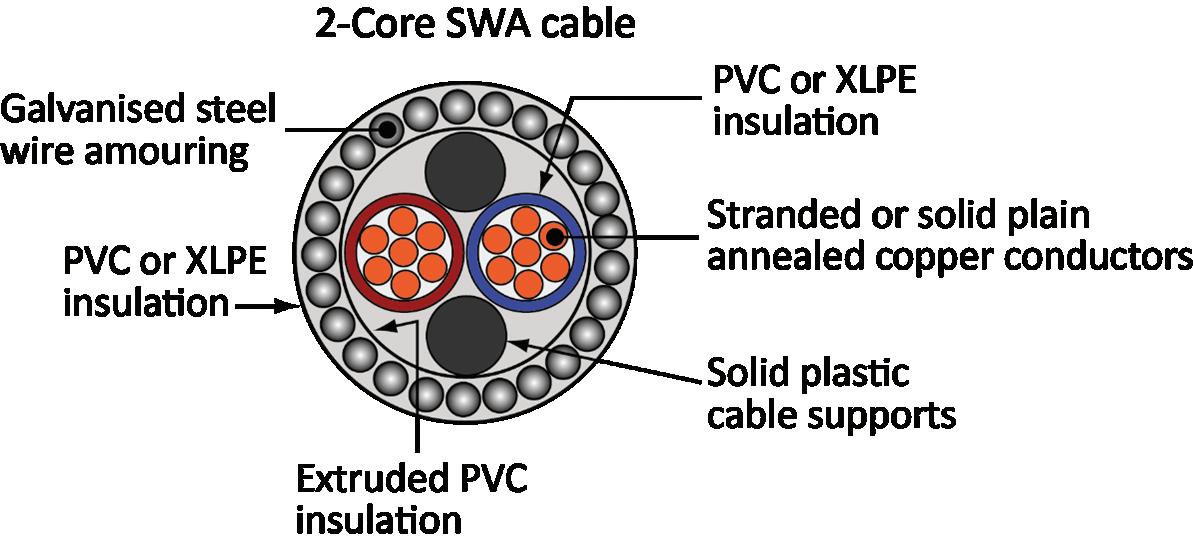
The outer sheath is either PVC or XLPE, as is the insulation surrounding the conductors. The insulated conductors are surrounded by extruded PVC or wrapping and then galvanised steel wire armouring is wrapped helically around the cable before the outer sheath is added.
Terminating the cable
Regulation 526.1 requires, amongst other things, that: ‘Every connection… between a conductor and other equipment shall provide durable electrical continuity and adequate mechanical strength’.
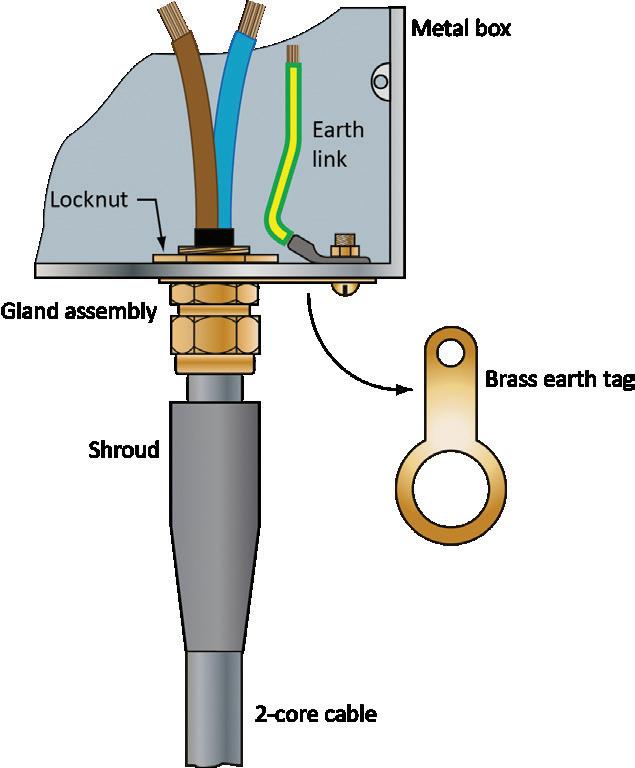
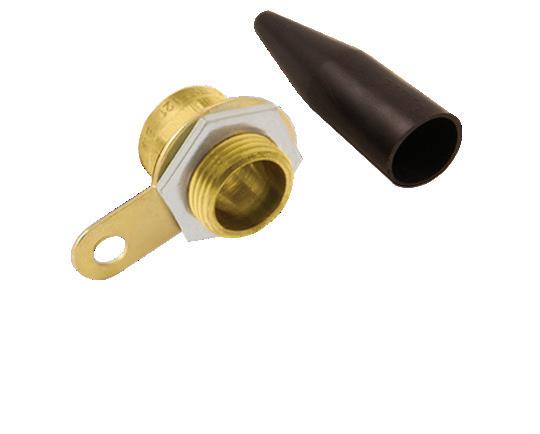
Terminating an armoured cable requires the installer to take care in ensuring that the cable is correctly terminated using all elements of the gland assembly – shroud, gland assembly, earth tag (banjo) and locknut (ring).
To ensure that continuity is maintained, the gland assembly must be terminated in such a way that the armouring is robustly held and that electrical continuity is maintained. This is done using the ‘banjo’ and creating the ‘earth link’ as seen in Figure 2. Even where there is a separate protective conductor in the cable, the armouring remains an exposed-conductive-part and continuity should be maintained.
“Terminating an armoured cable requires the installer to take care in ensuring that the cable is correctly terminated using all elements of the gland assembly.”
Regulation Group 522.8 details the group of requirements which are likely to apply most commonly to the installation of any cables. In particular, Regulation 522.8.10 requires armoured cables to be used where cables are buried in the ground, unless those cables are installed in conduit or ducting. Even where armoured cables are buried in the ground, they should be at such a depth as to avoid inadvertent damage. The general guidance is that any cables should be buried at a depth of between 450 mm to 600 mm. A reasonable guide is to assume the double depth of a spade.
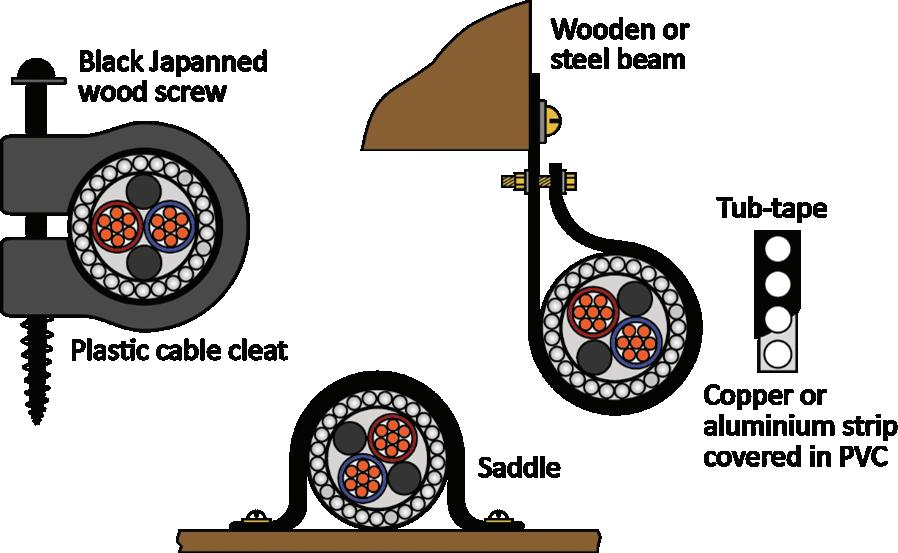
Where armoured cables are installed on ladder rack or cable tray, the support systems of the containment system must be adequate to meet the requirements for the combined weight of all cables installed.
any internal copper conductor.
Installation
It should be noted that it is rarely necessary for SWA cable to require a separate protective conductor from the armouring. The CSA of the steel armouring greatly exceeds the CSA of
Size for size, armoured cables are heavier than non-armoured cables. It is important that the means of support are adequate to ensure that such cables do not become a hazard (522.8.4).
Where cables are buried, warning tape should be used to warn persons digging that a live cable is in close proximity.
Figure 1: End-view of typical SWA (image courtesy of TJ Bratley)
Figure 2: Terminated SWA (image courtesy of TJ Bratley)
Figure 3: Gland assembly and shroud
Figure 5: Electrical warning tape
There remain specific requirements for the use of armoured cables in Part 7 of BS 7671, and the designer/ installer should make sure they are familiar with the relevant Sections where this is the case.
Cable accessories for SWA cables
In addition to correct containment and support systems, the selection of appropriate fixings, cleats and glands plays a key role in ensuring SWA installations remain mechanically secure and compliant with BS 7671.
Unicrimp provides a broad portfolio of cable accessories designed to support robust SWA installations across commercial and industrial environments.
Fire-rated fixing solutions
Within its Q-Fire range, Unicrimp offers All-Round Banding, a prepunched steel banding system designed to provide secure, fireresistant cable support. Suitable for cables, conduit, trunking and containment, the banding can be easily cut and formed on site, with pre-punched holes allowing quick fixing using screws, bolts or nails.
The range is available in non-coated galvanised steel (12mm and 17mm widths), as well as LSF-coated options in black (12mm and 17mm) and red or white (12mm), all supplied in 10-metre coils.
“Size for size, armoured cables are heavier than non-armoured cables. It is important that the means of support are adequate to ensure that such cables do not become a hazard.”
Metal cable cleats
Also forming part of the Q-Fire collection, metal cable cleats provide additional mechanical restraint where SWA cables are installed on ladder rack, tray or directly to structure. Manufactured from carbon steel with a durable polyester coating, they offer high-temperature resistance, impact strength and long service life.
Available in sizes covering 12.615.2mm and 15.1-17.8mm cable
diameters, the cleats are compliant with BS 7671 Regulation 521.10.202 and are particularly suited to commercial, industrial and higherrisk installations where circuit integrity and secure cable retention are critical.
Cable glands and termination
Correct termination remains fundamental to maintaining electrical continuity of the armour. Unicrimp’s Q-Crimp range incorporates over 19 product categories, including a comprehensive selection of cable glands suitable for SWA applications.
Brass BW, CW and AE1W glands are manufactured to current approvals and comply with BS 6121. The latest three- and four-part brass gland designs incorporate a brass olive, enabling effective clamping across varying armour sizes and grades. These are available in 20(s)mm, 25mm, 32mm and 40mm sizes and are supplied in packs of two.
Conclusion
SWA cables are widely used within the electrical industry and provide significant levels of mechanical protection across a broad range of installations. However, their performance is dependent not only on correct cable selection, but also on appropriate installation methods, secure fixing and compliant termination.
Ensuring adequate mechanical support, maintaining electrical continuity of the armour, and selecting suitable glands, cleats and fire-rated fixings are all essential elements of a safe and durable installation.
By combining correct design principles with quality, standardscompliant accessories, installers can ensure SWA systems continue to perform reliably under both normal operating conditions and in the event of fire.
scolmore.com
Figure 4: Support types for SWA cables (image courtesy of TJ Bratley)
Voltage: the true measure of power quality
Rob Barker, Director of Power Quality Expert, discusses voltage flicker, sags and swells in power quality measurements.
TRob Barker Director of Power Quality Expert
he term power quality is generally used as an all-encompassing, catchall description for power measurements. We often talk about
power factor, real power and reactive power being associated with the quality of the power being used, but these terms are more correctly associated with energy usage and energy efficiency.
Power quality is more related to voltage, and standard BS EN 50160 defines the voltage characteristics that the supply needs to comply with. The standard covers various parameters, including the measurement most people associate with power quality – harmonics. Although harmonics
Elspec Equalizers provide real-time compensation for voltage events
contribute to power quality, there are a number of other measurable quantities of the voltage that may be having an effect on the electrical installation and equipment.
Flicker
Flicker refers to the perceived fluctuation in light intensity that occurs when voltage fluctuations impact lighting systems. It is often caused by rapidly changing loads in the electrical network and can cause visual discomfort along with affecting the performance and lifespan of sensitive equipment, especially in industries that rely heavily on precise lighting conditions or use sensitive equipment.
What is flicker?
Flicker is characterised by voltage fluctuations occurring multiple times over a specific period, resulting in perceptible changes in light output. These variations can happen at irregular intervals and may differ in their duration and intensity. The frequency of the voltage fluctuations can lead to more pronounced flicker, which can be noticed in lighting systems where rapid changes in brightness can cause a visual annoyance.
Voltage flicker measurement
The method for measuring flicker is defined in standard IEC 61000-4-15, which provides a framework for the evaluation of voltage flicker.
The assessment of flicker involves calculating values which are used to measure for both the Perceptibility Short Term (PST) flicker over a standardised 10-minute period, and the Perceptibility Long Term (PLT) flicker over a standardised two-hour period. A short-term flicker value of 1.0 or more means that 50% of individuals will perceive the flicker to be both noticeable and irritating.
Calculating flicker
The calculations for PLT and PST both use the voltage variation and the number of switching events to measure how they impact the level of flicker:
• Voltage variation – The voltage variation, expressed as a percentage, represents the magnitude of the voltage fluctuations within a given time period. A higher voltage variation can result in more significant effects as the changes in voltage levels have a more noticeable impact on the lighting system.
• Number of switching events – The number of switching events refers to the frequency or rate at which the voltage fluctuations occur. A higher number of events indicates that the voltage is changing more frequently, potentially leading to a more pronounced flicker effect.
Both the voltage variation and the number of switching events contribute to the overall flicker level and flicker characteristics. While the voltage variation determines the magnitude of the fluctuations, the number of events influences the frequency and pattern of the flicker. It is important to consider both aspects when evaluating and mitigating flicker issues in lighting systems to ensure a comfortable and visually stable environment for people.
Voltage surges and dips
Voltage dips (also known as voltage
sags) and surges (or swells) are the most common types of power quality disturbances.
All electrical systems and equipment are designed to work within a specific voltage level, and changes in the voltage below or above the defined low and high limit could damage the equipment, cause outages and other power quality issues.
What are voltage surges (swells)?
Voltage surges are defined as a momentary increase in the RMS
Table of flicker effects
Voltage flicker
voltage to 110% or more above equipment recommended nominal voltage range for a period of 10ms (1/2 cycle) to 1 minute, as defined in the IEC 61000-4-30 standard.
Voltage surges are less common than voltage dips (sags) and they are usually related to a system fault. Surges can occur as a result of a single line to ground fault, which will briefly raise the voltage level of the unfaulted phases as shown in the example. These swells are more likely to happen in ungrounded or floating ground delta systems and can also occur when a large load is turned off.
What are voltage dips (sags)?
A voltage dip (sag) is a brief reduction in the RMS voltage to 90% or less below the nominal voltage for a period of 10ms (1/2 cycle) to 1 minute. The cause of the dip is usually a sudden large change of load through the source impedance, such as in a motor startup or a short circuit event.
Voltage dips (sags) are a common power quality event that can occur several times per year at a typical industrial site’s PCC (Point of Common Coupling) and even more at the equipment connections. Modern standards now require that
electrical equipment has the ability to ‘ride through’ brief voltage dip events with the requirement depending on the dip characteristics and the application, like those found in renewables generation.
Fault ride through
The ability to ‘ride through’ network disturbances is a critical consideration for renewable energy connections.
During a voltage dip caused by an external event, such as a network fault, both wind and solar generators must maintain their connection to the grid. This requirement, known as Fault Ride Through (FRT) or Voltage Ride Through (VRT), supports the grid by injecting reactive current to support the voltage when a dip is detected.
Although the initial fault event can typically last less than 200ms, the grid can take up to 1.5 seconds to return to 90% of the nominal voltage. It is essential that renewable generators remain connected during this entire recovery time so that normal energy production and active power delivery can resume immediately once the grid stabilises.
Overcoming power disturbances
Using advanced power quality meters and power quality analysers with a waveform record functionality allows you to capture almost any event in your system. These meters can record voltage dips and swells and can be set with triggers and thresholds to capture additional power disturbance events for later review in the meter’s software.
Using the information provided from the analysers can help when selecting the correct power quality solution. Devices such as voltage stabilisers can be installed to provide real-time compensation to stabilise voltage, enhance power factor, help mitigate harmonics and reduce voltage flicker and fluctuations in real-time.
The IEEE 1668 standard, Recommended Practice for Voltage Sag and Short Interruption Ride-Through Testing for End-Use Electrical Equipment Rated Less than 1000V, can help with guidance and ways to manage these types of voltage event.
Voltage RMS 1/2 cycle and waveform charts during a voltage surge (swell)
Voltage RMS 1/2 cycle and waveform charts during a voltage dip (sag)
Helping housing professionals navigate the connected home
Aico recently expanded its award-winning training programme with the launch of a new City & Guilds Assured course: The Connected Home. This free, full-day course gives attendees the opportunity to develop confidence in connected home technology while earning a recognised accreditation.
As the housing industry shifts towards data-driven solutions, Aico’s new City & Guilds Assured course, The Connected Home, explores how connected home hardware and software can provide meaningful data and actionable insights to strengthen compliance, protect residents and support informed, proactive decisionmaking.
The course has been carefully refined through extensive pilot sessions with industry stakeholders, housing professionals and internal
colleagues. Feedback gathered during these sessions has ensured the content is both practical and relevant, with a strong focus on realworld challenges faced by housing providers. As a result, the training has been meticulously tailored to meet the sector’s specific needs, while ensuring attendees remain up to date with the latest technologies in an evolving legislative landscape.
Bridging the gap between technology and legislation
The recent introduction of Awaab’s
Law has brought increased attention to indoor air quality, damp and mould, and the importance of proactive property maintenance. With housing legislation evolving rapidly across the UK, connected home technology is becoming an essential tool for housing providers looking to demonstrate compliance, identify issues early and improve resident outcomes.
Attendees will gain a comprehensive understanding of:
• Compliance: navigating differing legislation and regulation across the
“The recent introduction of Awaab’s Law has brought increased attention to indoor air quality, damp and mould, and the importance of proactive property maintenance.”
UK, including Awaab’s Law, and the requirements defined within these documents.
• HomeLINK Technology: a comprehensive overview of the capabilities and benefits of Aico’s Internet of Things technology.
• Data and insights: leveraging data-driven insights to enhance efficiency, compliance and awareness, while maintaining responsible data practices.
The connected homes of tomorrow
This course provides a thorough
Andrew Eldred, Managing Director, ECA
“Aico’s initiative reflects the growing pressure on housing providers to prove competence and compliance. Providers must now show they have qualified staff, sound safety systems and clear audit trails, with stronger enforcement and higher reputational risk for failure. This shift creates real opportunities for electrical contractors and other installer businesses. Demand is rising for compliance-led work, inspections, remediation and long-term maintenance. Crucially, housing procurement will need to move towards competence-based selection, favouring accredited, welltrained firms. Contractors that can prove their skills, give assurance and support compliance will be better placed as trusted partners, not commodity suppliers.”
overview of Aico’s Connected Home Solution, covering everything from theory to practical application. Participants will be introduced to the HomeLINK Portal, gaining handson insight into how to effectively manage their portfolio and monitor data at scale:
• Navigation: detailed walkthroughs of the Portal, SmartLINK App and Resident App.
• Management: using Aico’s Case Management system to assist with proactive maintenance.
• Installation: technical guidance on system installation and device compatibility.
• Future-proofing: insight into upcoming developments and technologies.
This City & Guilds Assured course offers housing professionals the opportunity to build confidence in connected home technology while gaining a recognised accreditation that demonstrates commitment to professional development.
To register your interest in this invite-only course, please contact your local Relationship Manager at aico.co.uk/contact
aico.co.uk
60 seconds with Daren Pool, FSA Chair
Daren Pool, Managing Director of Triple Star Fire & Security Limited, recently began his tenure as Chair of the Fire & Security Association (FSA). Here, he reflects on how the fire and security industry has evolved over the years, the opportunities and challenges it now faces, and his vision for the future of the FSA and the wider industry.
Daren Pool Managing Director of Triple Star Fire & Security Limited
What does it mean to you to have been appointed Chair of the Fire & Security Association (FSA)?
To be Chair of the FSA is both a privilege and a responsibility. This association represents a sector that protects lives, property and critical infrastructure every single day. Being entrusted to help lead that collective voice – on behalf of our members and the wider industry – is something I take extremely seriously.
How has the fire and security industry changed during your career?
The industry has become more complex, more accountable and more technologically driven. There is greater scrutiny than ever – from regulation, from clients and from society at large – and rightly so, given the critical nature of the work we do. We’ve also seen increasing convergence between fire, security and digital technologies, alongside rising expectations around competence, documentation and transparency.
What do you see as the biggest opportunities and challenges facing the industry today?
The biggest opportunity lies in professionalisation and innovation – demonstrating the value our sector brings through competence, quality and trusted delivery.
Equally, the challenges are significant:
• Skills and recruitment shortages.
• Keeping pace with regulation and standards.
• Ensuring consistency and competence across the supply chain.
• Managing the impact of rapid technological change.
How we respond collectively will define the industry’s future reputation.
Are there any key differences between the opportunities and challenges facing the fire and security sectors?
While fire and security face many shared challenges, there are differences. Fire is increasingly driven by regulation, compliance and life safety risk, while security is often influenced by evolving threats, technology and integration. However, both sectors depend on competent people, robust standards and trust – which is why alignment and collaboration are more important than ever.
What role should the FSA play in helping the industry address these challenges and seize new opportunities
The FSA should act as a trusted anchor for the industry:
• Promoting best practice and ethical standards.
• Providing clear guidance and authoritative commentary.
• Supporting skills development and competence pathways.
• Acting as a united voice with regulators and policymakers.
“The industry has become more complex, more accountable and more technologically driven.”
Most importantly, the association must continue to be member-led and member-focused.
Looking ahead, what are your priorities over the next five years?
My key priorities are focused on relevance, professionalism and influence. Over the coming years, I want the FSA to:
• Be the first port of call for members seeking guidance, support and representation.
• Champion standards, competence and ethical practice across both fire and security.
• Support the industry through technological change, including digital systems and smarter integration.
• Actively address skills, training and succession planning.
• Strengthen the FSA’s voice with Government, regulators and stakeholders.
The next phase must be about ensuring the association evolves at the same pace as the industry it represents.
eca.co.uk/join-us/fsa
NATIONAL COVERAGE
We have over 400 locations across the UK, where we locally stock a wide range of top-branded electrical products, from the world's leading manufacturers
LOCAL SERVICE
Our teams are empowered to become industry experts, because we believe that our customers deserve excellent customer service from knowledgeable staff, without exception We can also cater our local stock to best suit you!
SPECIALIST SUPPORT?
We cater to ALL of your electrical needs with our specialist divisions! UKGT delivers sustainability, energy-saving and solar expertise, while UKLD provides nationwide lighting support with free compliant advice, design, value engineering, and lamp phase-out planning Our wider network includes Cabletech’s specialist cables, Datatech’s high-quality IT infrastructure and electrical solutions, ventilation and hazardous-area divisions, plus EDS - ready-built panel boards that are pre-wired, populated, metered, and surge-protected.
From concept to certification: the making of Espire
Following ESP’s entry into the fire and safety alarm sector with its Espire range, Jake Green, Head of Technical Engagement at Scolmore Group, offers an insight into the development journey behind these high-performance products.
Jake Green Head of Technical Engagement at Scolmore Group
Already an established name in the UK fire protection and security industry, ESP is continually looking at ways to improve and develop its product offer and to explore new areas for expansion. The launch of Espire earlier this year is the company’s most significant new product development programme to date. It brings to market a comprehensive range of high-performance fire and CO alarm products that has at its core
quality, reliability and innovation.
Espire operates as a distinct brand within ESP’s expanding portfolio, drawing on the extensive expertise that has been built up over more than 25 years in the fire protection and security sector. Benefiting from its position as part of the Scolmore Group, Espire enjoys the strong backing of Scolmore and the trusted distribution network of ESP.
Quality and standards
With a product category that plays a crucial role in safety, it is imperative that the products are of the highest quality, have undergone rigorous testing procedures and comply with all the relevant standards. As expected with a project of this scale and importance, ESP invested significantly to create a range of products to meet the company’s exacting requirements. The full
Espire collection has been developed from scratch.
The project was guided by a robust design process that began with extensive research to understand user requirements, market trends and technical constraints. Insights from this phase informed several cycles of prototyping and testing, enabling continuous refinement of the designs until they achieved the desired balance between functionality, aesthetics and user satisfaction.
To maintain strict quality control measures and ensure product consistency, the factory operates under a comprehensive and rigorous auditing system. Regular internal inspections and process evaluations are carried out to verify that every stage of production meets stringent industry standards and regulatory requirements.
The facility is equipped with stateof-the-art manufacturing and testing equipment, enabling precise calibration and verification of alarm functions, sound output levels and detection accuracy. Complementing this technology is a highly experienced and qualified team of engineers, quality control specialists and technicians, all dedicated to upholding the highest standards of safety, durability and compliance.
Installer compliance
The range has been designed to assist installers to meet the recommendations of BS 5839-6: Code of Practice for the Design, Installation, Commissioning and Maintenance of Fire Detection and Fire Alarm Systems in Domestic Premises, and BS EN 50292: Electrical apparatus for the detection of carbon monoxide in domestic premises –Guide on the selection, installation, use and maintenance.
Rigorous testing procedures
All Espire products have undergone a meticulous design, development and manufacturing process at its dedicated factory. To ensure compliance with all relevant standards, rigorous testing is conducted at various stages in the production process.
A variety of specialised testing chambers and rooms have been utilised to conduct a range of tests on the alarms. These include:
• Smoke alarm testing – state-ofthe-art smoke tunnels are utilised to ensure fast and accurate responsiveness to various concentrations of smoke.
• Heat alarm temperature testing – heat testing is carried out in
the alarm chamber and measures the responsiveness to changes in temperature. The calibration of the alarm can be adjusted to ensure correct response times are met.
• Carbon monoxide testing is carried out using the alarm chamber and sensor chamber, to measure the responsiveness to various CO levels.
• Decibel ratings of the alarms are tested in a soundproof room, to ensure the alarm is sounding at the required level.
• Ingress protection of the alarms is tested in a special chamber, to include humidity rating.
• A radio frequency test room is used to capture the transmission signals from the RF module without interference.
• Duration tests that take place after manufacture include controlled faults and functionality checks.
Multi-stage testing
Each alarm is tested a minimum of four times during production. These include pre-checks of the components before moving on to the calibration checks of each sensor or sounder. During assembly of the devices, the interface and functional tests are also carried out on the production line, concluding with a final assembly soak test to ensure all alarms have been thoroughly checked and tested prior to installation.
All alarms have been tested by thirdparty test houses and certified by LPCB (Loss Prevention Certification Board) and TUV to meet the relevant product standards – BS EN 14604 for smoke alarms, BS 5446-2 for heat alarms, and BS EN 50291-1 for CO alarms. Every product in the Espire range also comes with a five-year warranty, providing homeowners with added peace of mind.
With meticulous testing, rigorous certification and innovative design, the Espire range represents ESP’s unwavering commitment to protecting lives and property.
espireuk.com
Smoke tunnels for testing
Bringing training directly to the trade
Sync Energy is making installer training more accessible with the launch of its new all-electric Roadshow Van, a mobile training and product demonstration space designed to bring practical support directly to electrical wholesalers and contractors across the UK. Gareth Yeomans, Sync Energy Installer Training and Engagement Team Manager at Luceco Group, explains more.
CGareth Yeomans
Sync Energy Installer Training and Engagement Team Manager at Luceco Group
reated to support contractors as they expand into EV charging, home energy management and connected renewable technologies, the Roadshow Van will visit wholesaler branches, trade counters, industry events and customer sites nationwide, giving installers the opportunity to get
hands-on with products, ask technical questions and build confidence in installation, commissioning and handover.
The launch forms part of Sync Energy’s wider commitment to supporting the electrical trade as demand grows for EV charging, battery storage, solar integration and smart home energy solutions. With contractors increasingly expected to advise customers on more connected and energy-efficient homes, the van is kitted out to provide practical product training and encourage direct technical engagement.
Selected stops throughout the roadshow will offer structured CPD sessions designed to help contractors stay informed on the latest developments across EV charging, renewable technologies, home energy systems and changing installation requirements.
Delivered by Sync Energy’s technical and training specialists, the sessions will provide knowledge that contractors can apply on site. Topics will include EV charger installation best practice, smart charging functionality, integration with solar and battery storage, and the wider
“Topics include EV charger installation best practice, smart charging functionality, and integration with solar and battery storage.”
role of connected energy systems in future-ready homes.
Connecting installers with smart solutions
The mobile showroom will also showcase Sync Energy’s growing product portfolio, including residential EV chargers, commercial charging solutions and the Sync Energy Flow home energy management range. Contractors will be able to see how the products work individually and as part of a wider system, helping them better understand the opportunities within the fast-evolving energy market.
Gareth Yeomans, Sync Energy Installer Training and Engagement Team Manager at Luceco Group, said, “Training and education are central to how we support installers. The market is moving quickly, particularly across EV charging and home energy management, and contractors need clear, practical information that helps
them stay confident and compliant.
“The Sync Energy Roadshow Van allows us to take that support directly to contractors across the country. Rather than expecting busy contractors to travel to us, we can bring the products, demonstrations and training opportunities to their local wholesaler or trade counter.
“It gives visitors the chance to ask questions and understand how products are installed and commissioned in real-world environments. That hands-on approach is incredibly valuable, especially as more contractors look to expand their skills and move into new areas of renewable technology.”
The Roadshow Van will also support closer engagement with wholesalers, helping branch teams offer added value to contractor customers. By hosting roadshow events at trade counters and local branches, wholesalers can provide access to product experts, CPD opportunities and live demonstrations without the need for a formal training centre environment.
Andrew Eldred, Managing Director, ECA
“Renewables are a major opportunity for electrical contractors, and ECA welcomes any programme that builds awareness and confidence. But this growing market also attracts opportunists, large and small. Government and industry must recognise that safe, reliable electrical systems depend on fully qualified and competent electricians to install and maintain them. The sector already has robust ‘Electrician Plus’ training routes, now recognised by MHCLG through the electrical Mandatory Technical Competences (MTCs). ECA and other sector bodies are now also working with DESNZ, DBT and DWP to secure support for these routes across every relevant part of Government.”
Energy expertise on the road
As electrification continues to shape the work carried out by electrical contractors, training will play an increasingly important role. From EV charging points and smart tariffs to solar systems and battery storage, installers are being asked to support more complex, connected technologies in domestic and commercial environments.
Sync Energy’s training-led approach is designed to help contractors meet this demand with confidence. By combining mobile demonstrations, CPD content and direct technical support, the Roadshow Van gives installers a practical way to strengthen their knowledge and understand how individual products fit into a wider energy ecosystem.
“It’s not just about understanding one product; it is about helping installers see the bigger picture,” Gareth added. “EV chargers, batteries, solar and smart energy controls are becoming increasingly connected, and contractors who understand that wider system approach will be better placed to support customers in the future.
“Our aim is to make that knowledge accessible. The Roadshow Van is a practical way of taking training, education and product support out into the market, helping installers develop their skills while strengthening our relationships with wholesalers and contractors across the UK.”
For more information on the Sync Energy Roadshow and to see where the van will be visiting, go to sync.energy/roadshow
A WINNING COMBINATION
with Scolmore Group’s comprehensive range of solutions