Your well could lower your heating and cooling costs.
If your home has a well, you may be halfway to a geothermal HVAC system.
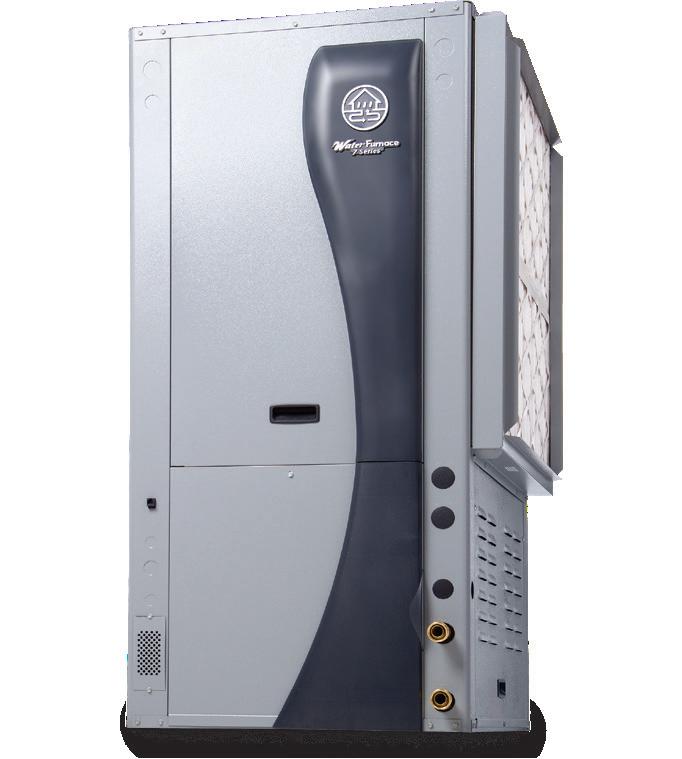
Your water well can make switching to a WaterFurnace geothermal heating and cooling system easier and more affordable. An existing well can often serve as part of the geothermal loop field, reducing installation timelines and costs. WaterFurnace delivers:
• Steady, year-round heating and cooling that’s twice as efficient and lasts 40% longer than traditional HVAC
• Savings of up to 70% on home energy costs
• Long-lasting HVAC system that adds home value Contact your local WaterFurnace dealer to schedule a no-pressure home assessment for a personalized estimate.
Warsaw Colliers Htg & Air Conditioning (574) 203-2492 trustcolliers.com
Waterloo Gibson’s Htg & Plbg, Inc. (888) 754-1668 gibsonsgeothermal.com
Westfield Precision Comfort Systems, Inc. (317) 867-2665 precisioncomfort.com
West Lafayette Blue Fox Htg & Clg (765) 252-0051 bluefoxhvac.com
VOLUME 76 | NUMBER 1
ISSN 0745-4651 | USPS 262-340
Published monthly by INDIANA ELECTRIC COOPERATIVES
Indiana Connection is for and about members of Indiana’s locally-owned, not-for-profit electric cooperatives. It helps consumers use electricity safely and efficiently; understand energy issues; connect with their co-op; and celebrate life in Indiana. Over 300,000 residents and businesses receive the magazine as part of their electric co-op membership. The average printed and mailed cost per issue is 54 cents.
CONTACT US
11805 Pennsylvania St., Carmel, IN 46032 317-487-2220 | info@indianaconnection.org IndianaConnection.org
INDIANA ELECTRIC COOPERATIVES OFFICERS
Dr. Richard Leeper President Jamey Marcum Vice President Melissa Menchhofer Secretary/Treasurer John Cassady CEO
EDITORIAL STAFF
Britt Davis Editor
Mandy Barth Vice President of Communication and Member Engagement
Lauren Carman Director of Events, Engagement, and Communication
Ashley Curry Production and Design Coordinator Holly Huffman Communication Support Specialist
Indiana Connection does not use unsolicited freelance manuscripts or photographs and assumes no responsibility for the safekeeping or return of unsolicited material.
SUBSCRIPTIONS
$12 a year for individuals not subscribing through participating REMCs/RECs.
CHANGE OF ADDRESS
If you receive Indiana Connection through your electric co-op membership, report address changes to your local co-op.
POSTAGE
Periodicals postage paid at Indianapolis, Indiana, and at additional mailing offices.
POSTMASTER
Send change of address to: Indiana Connection 11805 Pennsylvania St., Carmel, IN 46032 Include key number.
No portion of Indiana Connection may be reproduced without permission of the editor.
FOLLOW US ON SOCIAL MEDIA
A reflection of the community
The spring and summer months are prime time for electric cooperative Annual Meetings and member appreciation events. Due to budget constraints or reduced interest, some co-ops have shifted to virtual meetings. However, many still offer in-person events.
Annual Meetings are typically a place to exercise Cooperative Principle #2: Democratic Member Control. Unlike for-profit electric companies, co-ops are democratic organizations controlled by their members. Annual Meetings update members on the co-op’s business from the past year and elect or re-elect directors to represent members’ interests.
But co-op events aren’t just about business. They’re a place for the community to gather, spend time together, and share a meal.
In May, I had the privilege of visiting Kendallville, Indiana, for
Noble REMC’s Member Appreciation Event. I sat at the Indiana Connection booth and met many wonderful magazine readers. I also watched as community members greeted one another and enjoyed the event. There was plenty of laughter and smiles as people waited in line for their free porkburgers and hot dogs. The members also stopped by other booths to learn more about organizations in their community, including Noble County Tourism, Big Brothers Big Sisters, and Black Pine Animal Sanctuary.
Co-op events reflect the local community and the people who live there. If your co-op is hosting an event this summer or throughout the year, I highly recommend taking the time to visit. I bet you will be glad you did.
BRITT DAVIS | editor bdavis@indianaec.org
EMAIL: info@indianaconnection.org
WEB: indianaconnection.org (fill out forms)
MAIL: 11805 Pennsylvania St., Carmel, IN 46032
ON THE MENU: Submit your favorite recipes featuring pumpkin, deadline Aug. 1. If we publish your recipe on our food pages, we’ll send you a $10 gift card.
GIVEAWAY: Enter to win an art supply set. Visit indianaconnection.org/talk-to-us/contests or send your contact information to our office address. The deadline to enter is July 31.
The
Consider
The
Master
What
The Madison BBQ Party is the ultimate summer celebration (Not in all editions)
An oriole summer (Not in all editions)
ON THE COVER: Luciana Harmon, a homeschool student from Jeffersonville, was honored as the Artist of the Year and as the 11th-grade winner in the 2026 Cooperative Student Art Contest. Learn more about the artists behind the contest’s exceptional art in this month’s cover feature. (Photo by Kiley Lipps)
jayremc.com
CONTACT US
260-726-7121
800-835-7362
EMAIL
marketing@jayremc.com
OFFICE HOURS
8 a.m.– 4 p.m., Monday– Friday
MAILING/STREET ADDRESS
484 S. 200 W, Portland, IN 47371
POWER OUTAGES
To report a power outage, call 260-726-7121 or 800-835-7362, 24 hours a day, 7 days a week
BOARD OF DIRECTORS
Kenneth Denton Chairman
Rick Dues
Bethany Edwards Secretary
Dru Hall
Josh Richards
Phil Laux
Angela Lutes
Klint Moser
Ronald Smithson
STAFF
Neil Draper President/CEO
Becky Napert Business Manager
Pete Byrum Operations Manager
Jeff Myers Engineering Manager
Carly Nichols Marketing and Communications Coordinator
Announcing plans for a new headquarters
As we gathered for our 90th Annual Meeting this year, I was reminded of the extraordinary vision that brought this cooperative to life nine decades ago. Ninety years ago, electricity was not a guarantee for rural communities like ours — it was a challenge that required courage, cooperation, and a shared belief in a better future. The founding members of Jay County REMC came together with determination and purpose, building not only an electric system but a legacy of service that has strengthened homes, farms, and businesses across our community ever since.
I have a favorite expression when I think back to those times: “Blessed are those who plant trees under whose shade they will never sit.”
Those men and women who blazed an unknown trail for the betterment of us, not knowing the incredible impact it would make on generations of future members, certainly planted their trees. Thinking this way fills me with tremendous pride, but it also challenges and motivates me to ask an important question — what trees are we planting today? As employees and directors of this REMC, what will we be remembered for by those who come after us?
Over the past 90 years, that legacy has continued to grow. What began as a mission to energize rural Jay and surrounding counties, has evolved into a commitment to deliver reliable power, embrace innovation, and serve our members with integrity and care. Generations of employees, board members,
and you — our members — have shaped this cooperative into what it is today. As we honor that proud history, we must also prepare for the opportunities and responsibilities ahead.
With that in mind, I am pleased to share plans for a new headquarters facility for Jay County REMC.
Our current headquarters has served as a centralized hub for more than 60 years. It has been the heart of our operations and a constant presence in the community — a place where members have come for service, support, and connection. However, as our operations have grown and evolved, the building has surpassed its useful life and no longer meets the needs of a modern electric cooperative.
Importantly, our commitment to this community remains unchanged. The new facility will be constructed on the same property, ensuring that Jay County REMC continues to operate from the location that members know and trust. Maintaining this presence reflects our deep roots in the community and our ongoing dedication to being accessible and connected to those we serve.
The new headquarters is being thoughtfully designed to create a lasting, positive impact for our membership. It will bring all employees together, improving coordination, strengthening teamwork, and enhancing communication across departments.
(continued on page 8)
Living on in every bite
COOKBOOK HONORS ESTEEMED MEMBER’S LOVE OF COOKING
BY CARLY NICHOLS
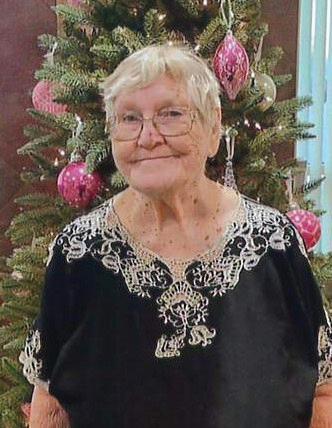
For over 63 years, Doris Ann Kahlert, who passed away on Dec. 4, 2025, called Jay County REMC lines home. But to those who knew her best, Doris was far more than just a longtime member of the cooperative community. She was a loving friend, devoted cook, faithful woman, and someone who always put others first.
For Margie Teboe, Doris wasn’t just a family friend. She was family.
Margie shared that Doris had known her since the day she was born. In fact, Doris often called Margie her “bonus daughter.” Doris and Margie’s mother were best friends for more than 28 years, creating a bond that became deeply woven into everyday life and family memories.
Doris was the youngest of five siblings. Life looked much different when she was growing up, and like many women of her generation, she learned through experience, hard work, and caring for others. In 1991, Doris married Bernard, who was originally from Germany and loved homemade meals. That love for home cooking helped inspire Doris’s own passion in the kitchen. From then on, cooking and baking became one of the ways she showed love to the people around her.
Margie described Doris as someone who was always thinking about others before herself. “No matter anything in life,” she said, “it was always about that other person.”
Her faith was also central to who she was. Margie said Doris loved God deeply and found comfort in that faith throughout her life.
For 34 years, Doris worked in the school system as a dishwasher, where she especially loved seeing and interacting with the children each day. Even in her work, she found joy in caring for people.
Cooking remained one of Doris’s greatest joys. Margie recalled that Doris loved collecting recipes and cookbooks. Every birthday, Christmas, and special occasion, she would ask for cookbooks as gifts. She
especially enjoyed clipping recipes from local Amish newspaper sections and carefully saving them away in a kitchen drawer. While going through Doris’s belongings, Margie even discovered a cookbook from 1959, which is the same year Doris graduated from high school.
One of Doris’s proudest traditions was submitting recipes to Indiana Connection. According to Margie, having her recipes selected meant the world to her. “It was Doris’s life, what she did for REMC,” Margie shared. “She was so excited. It was everything to her when she would win $10 for turning her recipes in.” In fact, Doris’s recipe was chosen once again, the very month she passed away in December.
To help honor Doris’s memory and preserve the recipes she loved so dearly, Jay County REMC created a special cookbook titled Doris Ann’s Dishes. Using handwritten recipes that were graciously saved through Indiana Connection submissions over the years, the cookbook serves as both a tribute to Doris and a celebration of the joy she found in cooking for others.
The cookbooks are available for purchase for $5 each at the Jay County REMC office. In a way that Doris herself would have appreciated, all proceeds from cookbook sales will be donated to Second Harvest Food Bank to help families in need throughout the community.
To those who knew her, Doris will be remembered not only for the meals she prepared or the recipes she shared, but for the kindness, warmth, and generosity she carried into every part of her life. Through every handwritten recipe card, cookbook clipping, and family favorite dish, her love continues to live on in every bite.
Doris Ann Kahlert
Copies of the Doris Ann’s Dishes cookbook are on sale at Jay County REMC.
Members can also win a copy of the cookbook by filling out the form below and returning it to the REMC office.
To enter, mail form to Jay County REMC, 484 S. 200 W., Portland, IN 47371, by July 31.
Win a $50 bill credit
Follow these simple steps for your chance to win a bill credit for $50 in electricity.
CLIP THE COUPON BELOW. Complete and return the form to the office with your monthly payment by the bill due date in order to be entered Or, you can email your entry to marketing@jayremc.com.
MAY WINNER: Joseph S. of Union City
NAME:
ACCOUNT NO.:
PHONE NO.:
REMC rates and rebates
RATES
RESIDENTIAL AND FARM SERVICE
Service charge: $32 per month
Kilowatt-hour (kWh) charge:
• 0-500 kWh: $.0371/kWh
• 501-1,500 kWh: $.0191/kWh
• Over 1,500 kWh: $.0131/kWh
Power Cost Adjustment: $.092/kWh
Outdoor lights:
• 50-watt LED: $8.75 per month
• 400-watt MV: $13 per month
REBATES
ELECTRIC WATER HEATERS 30 GALLONS OR LARGER
• Replacement of an existing electric water heater: $200
• Gas to electric replacement: $200
• New construction water heater: $200
Visit jayremc.com for guidelines and restrictions. Additional rebates can be found at powermoves.com.
Thank
you!
Thank you to our members who attended our 90th Annual Meeting on June 18 and for making our 2026 a success! A recap of the meeting will be in next month's Indiana Connection.
(continued from page 5)
The layout will foster greater collaboration, allowing our team to respond more efficiently to outages, service needs, and the day-to-day demands of operating your electric system.
In addition, the facility will include indoor storage for all trucks and equipment. Protecting these essential assets from weather and wear will improve their longevity, reliability, and readiness — ultimately benefiting our members through faster response times and more dependable service.
The building will also feature expanded meeting and training spaces to better support employee development, safety programs, and board governance. These spaces will allow us to invest in our people and ensure we are continuously improving how we serve you.
For member convenience, the new headquarters will include a drive-thru window for bill payment and inquiries, offering a simple and accessible
way to connect with us. This addition reflects our commitment to enhancing the overall member experience while maintaining the personal service you expect from your cooperative.
This project is more than a new building — it is an investment in the future of Jay County REMC. It positions us to better serve current members while preparing for the needs of future generations. Just as our founders planned for the long term when they first brought electricity to this community, we are committed to making decisions today that will sustain and strengthen the cooperative for decades to come.
Thank you for your continued trust, support, and engagement. It is an honor to serve as your CEO, and I look forward to building the next chapter of our cooperative together.
Neil Draper President/CEO
Consider electrical safety
BEFORE AND DURING YOUR VACATION
Before leaving for vacation, most people focus on packing and travel plans, but preparing your home for electrical safety is just as important. Taking a few simple steps can help reduce the risk of fire, damage, or electrical issues while you are away.
AT HOME BEFORE YOU LEAVE
Avoid leaving lights on continuously while you are gone. Light bulbs and fixtures can become hot over time, increasing the risk of fire. Instead, use programmable timers or motion-sensing outdoor lighting to create the appearance that someone is home without keeping lights on constantly.
Unplug nonessential appliances and electronics. Items such as coffee makers, toasters, televisions, and entertainment systems can be vulnerable to power surges or lightning strikes. Unplugging them reduces the risk of damage and helps prevent electrical fires.
Inspect cords and outlets before you leave. Look for frayed wires, cracks, or loose connections, and address any issues before traveling.
WHILE YOU ARE AWAY
Electrical safety does not stop once you leave home. When staying in a hotel, condo, or shortterm rental, take a few moments to check for potential hazards.
Look for overloaded outlets, excessive use of extension cords, outlets that feel warm, or unusual odors that could indicate overheating. If you notice a concern, report it to management immediately. If the issue is not resolved, consider finding another place to stay.
ON THE ROAD
If you are involved in a crash that brings down a utility pole or power lines, remain inside your vehicle. Downed lines may still be energized and pose a serious risk of electrocution. Warn others to stay away, and call 911. Only exit the vehicle when emergency responders confirm it is safe.
A few small actions can make a significant difference in reducing electrical risks while traveling. Preparing your home, staying aware of hazards, and knowing how to respond in an emergency can help keep your vacation safe.
Let’s get this bread
MASTER THE ART OF HOMEMADE BREAD WITH THESE IRRESISTIBLE RECIPES
Almond poppy seed loaves
GALE RHODES, BATTLE GROUND
1 1/8 cup vegetable oil
1 1/2 cups of half and half or milk
2 1/4 cup sugar
3 eggs
3 cups flour
2 Tbsp poppy seeds
1 1/2 tsp salt
1 1/2 tsp baking powder
2 tsp almond extract
1 1/2 tsp vanilla
FOR THE GLAZE
1/4 cup orange juice
3/4 cup sugar
1/2 tsp almond extract
1/2 tsp vanilla
Mix the oil, sugar, and milk in a large bowl with an electric mixer or in a stand mixer. Add the eggs and beat for 1 to 2 minutes. Mix the dry ingredients in a separate bowl. Add the dry ingredients to the wet in three batches, mixing slowly after each addition. Add the almond extract and vanilla last.
Bake in two greased and floured loaf pans at 350 F. While the loaves are baking, make the glaze and let it sit, stirring occasionally. Check the bread for doneness after 1 hour, but baking may take 10 to 15 minutes longer. When the loaves are done, let them rest out of the oven for 5 minutes, then remove from the pans and glaze the tops and sides.
Pumpkin bread
PATRICIA BURTON, TAYLORSVILLE
1 package (8 oz) cream cheese, softened
1/4 cup sugar
2 eggs, beaten and separate
1 3/4 cups flour
1 1/2 cups sugar
1 tsp baking soda
1 tsp cinnamon
1/4 tsp ground nutmeg
1 can of pumpkin
1/2 cup margarine, melted
1/3 cup water
Mix the cream cheese, sugar, and one beaten egg until well blended. Set aside.
Combine the dry ingredients. Add pumpkin, margarine, 1 beaten egg, and water, mixing well just until moistened. Reserve 2 cups of the pumpkin batter. Pour the remaining batter into a greased and floured 9-by-5inch loaf pan. Pour the cream cheese mixture over the pumpkin batter and top with the reserved pumpkin batter. Cut through the batters with a knife several times for a swirl effect. Bake at 350 F for an hour and 10 minutes or until a wooden pick inserted comes out clean. Cool for 5 minutes, then remove from the pan.
No knead focaccia bread
DEBBIE WILSON, LOOGOOTEE
1 packet yeast
2 tsp honey
5 cups all-purpose flour
1 Tbsp salt
1 tsp garlic powder
1 tsp thyme
1/2 tsp basil
1 tsp oregano
A pinch of pepper
6 Tbsp extra virgin olive oil, divided Parmesan cheese, grated or shredded
4 Tbsp butter plus enough to butter the pan
2-4 cloves garlic, minced
Whisk the yeast, honey, and 2 and a 1/2 cups of lukewarm water together. Let it sit for 5 minutes. Mix together the flour, salt, garlic powder, thyme, basil, oregano, and pepper, and add to the wet ingredients. Mix it with a rubber spatula until the shaggy dough firms and the ingredients are incorporated.
Pour 4 tablespoons of the olive oil into the bottom of a large bowl. Transfer the dough, cover it with plastic wrap, and let it rise until doubled in size.
Butter a 9-by 13-inch pan. Pour 1 tablespoon of olive oil into the center of the pan.
Deflate the dough by working it with a spatula from side to side, then transfer it to the pan. Pour the oil left in the bowl over the dough. Let it rise until doubled in size.
Dimple with fingers and push deeply to the bottom of the pan. Drizzle the remaining tablespoon of oil over the dough and sprinkle with Parmesan cheese. Bake at 450 F on the middle rack of the oven for 15 minutes. Then, turn the temperature down to 400 F and bake for an additional 5 minutes.
When ready to serve, melt 4 tablespoons of butter in a pan and add two to four cloves of minced garlic. Heat and stir until the garlic is lightly toasted. Brush on top of the bread.
An investment in preparation
WHAT TO CONSIDER BEFORE ADDING HOME BACKUP BATTERY SYSTEMS
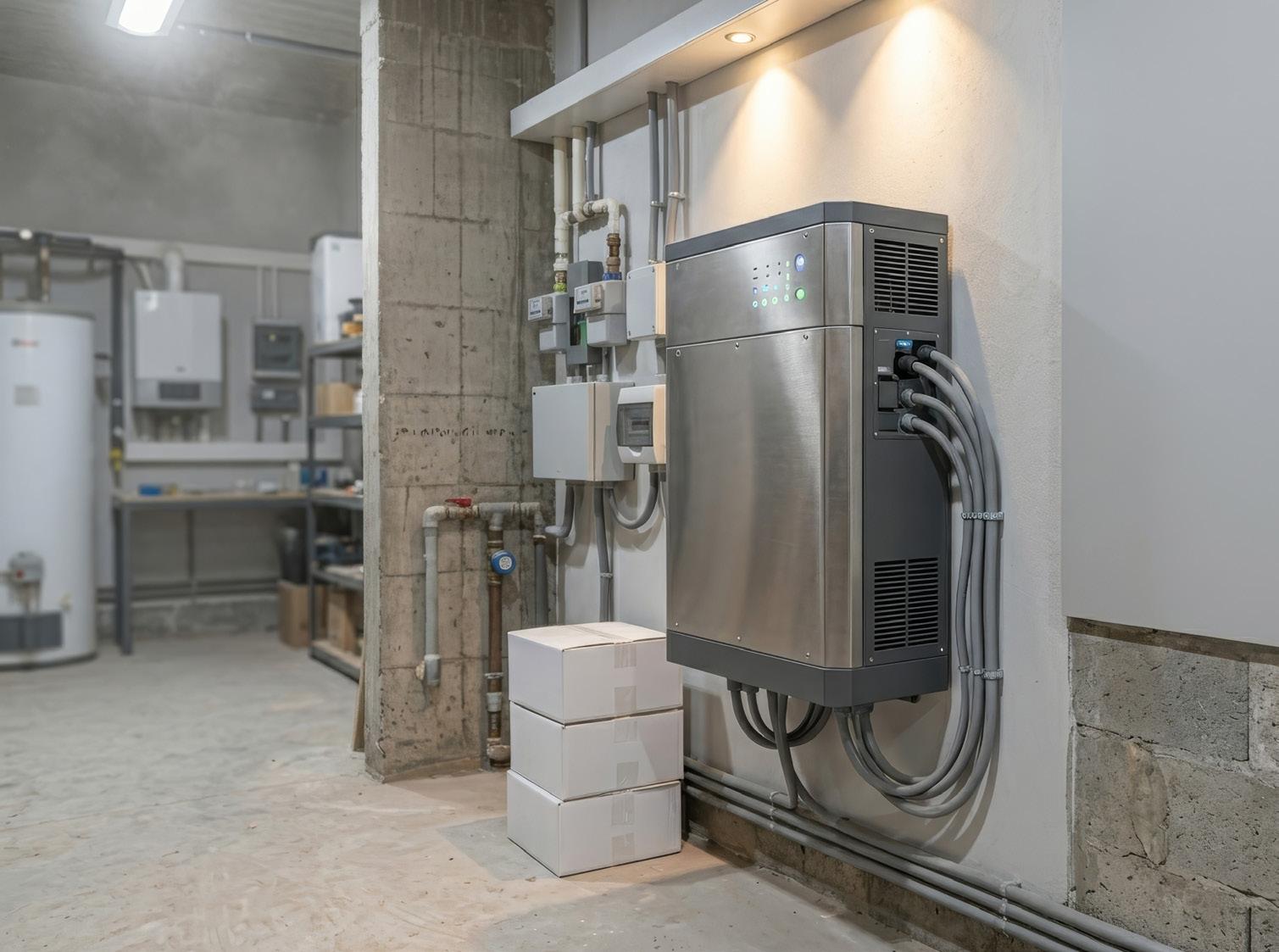
Many homeowners have considered adding backup battery storage to provide power at peak times or when the electricity goes out. Yet such an addition can be a major investment. Before you spend money on a residential battery storage system, consider these questions.
WHY DO YOU WANT A BACKUP POWER SYSTEM?
This is the first question an electric co-op’s energy advisor will ask. If you are concerned that your home is frequently losing power, co-op employees can investigate the issue and identify potential fixes that may save you money. Sometimes you can resolve your issue without needing a more expensive purchase.
WHAT DO YOU WANT TO POWER?
Battery systems that power an entire home are much more expensive than smaller systems that power critical items, such as heating and cooling, refrigerators, and a few appliances. The type of heating in the home can also make a huge difference; electric resistance heat requires much more electricity compared to a natural gas or propane furnace.
Before committing to a purchase, you need to understand what your backup battery system can do. Your cooperative can provide insight
into the energy needed to power appliances and systems.
HAVE
YOU CHECKED ON THE SUPPORT A CONTRACTOR WILL PROVIDE?
A residential battery system will likely need a contractor to install it properly. Seek multiple bids and consider what each contractor is offering. Question each salesperson’s assumptions. Will a contractor provide a walkthrough on setup or support after installation? A good contractor should be willing to answer questions even after service is completed.
When you purchase a backup power system, be sure to
follow your electric co-op’s interconnection rules when setting it up to ensure safe operation. This will prevent damage to your home and the energy grid and keep your co-op’s linemen safe.
By knowing the right questions and considerations, you can be sure that your backup battery system will meet your needs. Be sure to contact your local electric cooperative before you purchase a system to ensure the dollars you spend make sense!
Jake Eslinger Energy Advisor
Parke County REMC
Crawford County
BY NICOLE THOMAS
Bordered by the Ohio River and Blue River, Crawford County offers abundant opportunities for outdoor recreation. Visitors can camp at Patoka Lake State Park, one of Indiana’s largest campgrounds with more than 500 campsites. They can also hike to waterfalls at Hemlock Cliffs in Hoosier National Forest or explore deep valleys and rocky cliffs at Yellow Birch Ravine Nature Reserve.
CAVE COUNTRY
Crawford County is home to two of Indiana’s best-known tourist caves: Marengo Cave and Wyandotte Caves. Siblings Blanche and Ollis Hiestand discovered Marengo Cave in 1883 after they crawled into a sinkhole with two candles, hoping to explore it before their classmates. After learning about the discovery, landowner Samuel Stewart opened the cave for tours just days later, charging 25 cents per visitor. Today, Marengo Cave offers guided tours year-round and has about five miles of passageways, making it one of Indiana’s longest caves. Nearby,
Wyandotte Caves features a pair of limestone caves with evidence of Native American mining dating back to about 8000 B.C. The cave system is also home to nearly 30,000 bats.
AMONG THE STARS
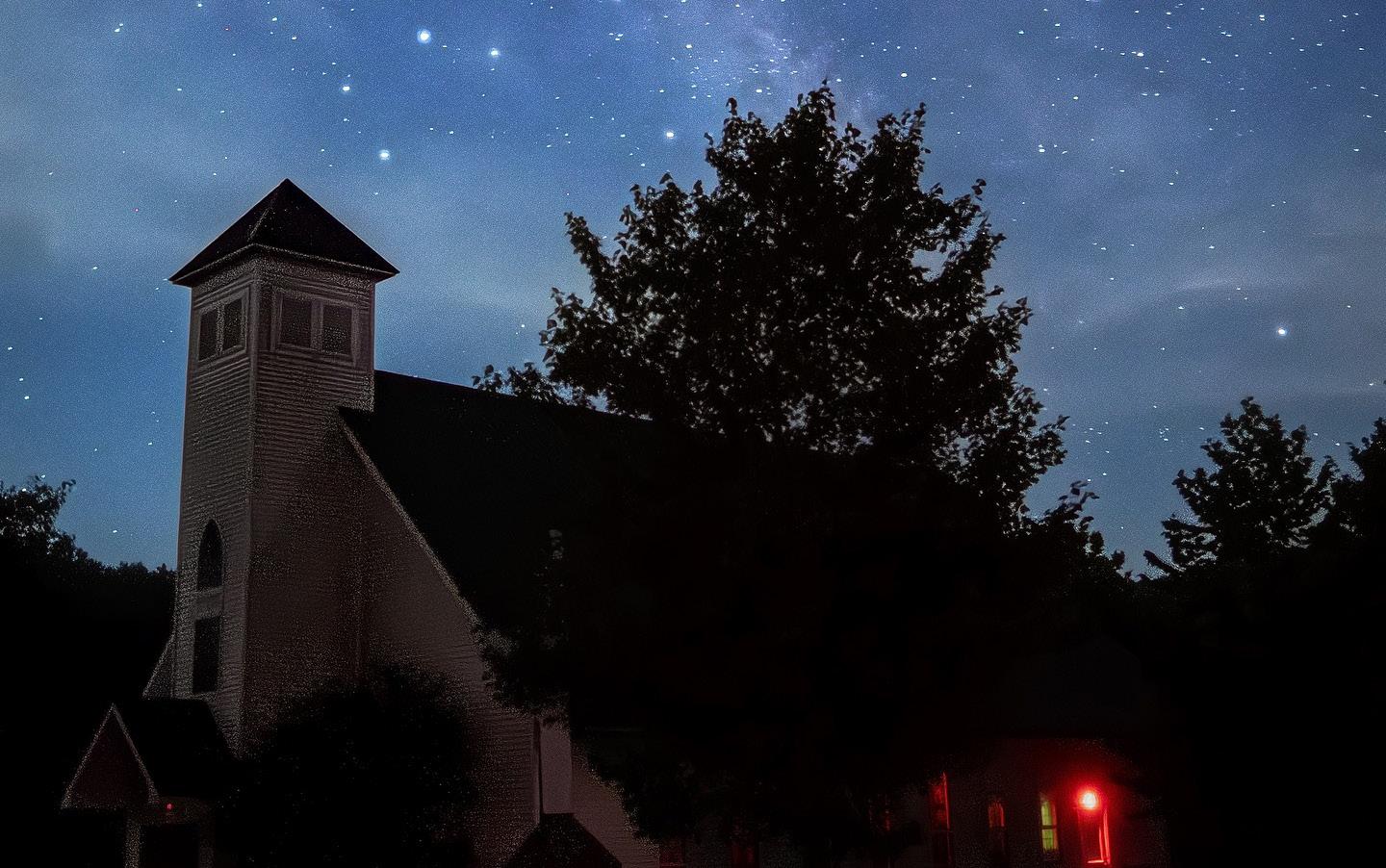
Crawford County’s low levels of light pollution make it a popular location for stargazing in Indiana. Cave Country Canoes hosts the Milky Way Festival at Sycamore Springs Park, where volunteers from the Louisville Astronomical Society set up high-powered telescopes for views of the Milky Way, planets, and other celestial objects. Visitors are encouraged to bring lawn chairs, picnic blankets, binoculars, and red-light flashlights to preserve their night vision. Visitors can also bring or rent a boat and drift onto Mill Pond to take in the starry night from the water.
FLOWING ADVENTURE
Each summer, Cave Country Canoes also hosts the Paddle Festival, where participants can kayak or canoe up to 48 miles across four days with
routes extending to the confluence of the Blue River and the Ohio River. Before heading out on the water, participants can grab a coffee at Out of the Blue Coffee and Ice Cream Shop. After a day of paddling, they can relax with food trucks, live music, and overnight primitive camping before returning to the river the next day.
COUNTY FACTS
FOUNDED: 1818
NAMED FOR: William H. Crawford, the U.S. Secretary of Treasury from 1816 to 1825
POPULATION: 10,526
COUNTY SEAT: English
INDIANA COUNTY NUMBER: 13
Energy Efficiency That Works as Hard as You Do.
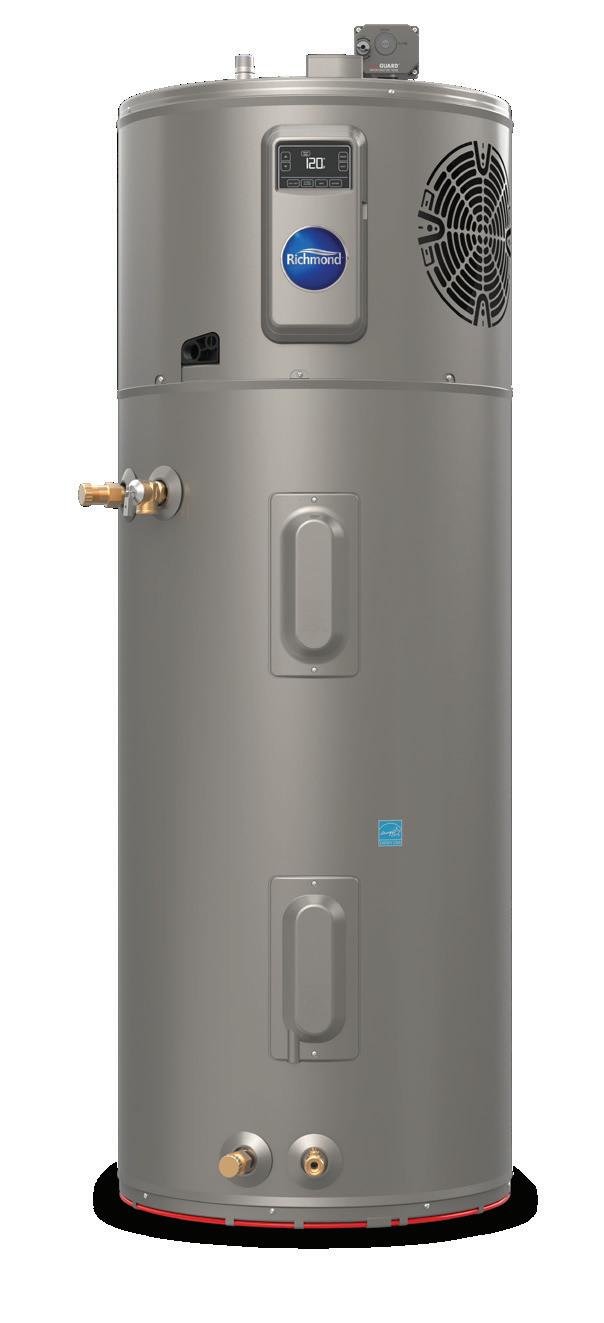
As a member of your local electric co‑op, you know the value of smart energy choices. A Heat Pump Water Heater uses far less energy than a traditional water heater — meaning dependable hot water with lower monthly bills. Efficient for your home. Good for your wallet. Better for your community.
SHOWCASING THE TALENTS OF Indiana’s student artists
The 2026 Cooperative Student Art Contest offers young Hoosier artists a chance to shine
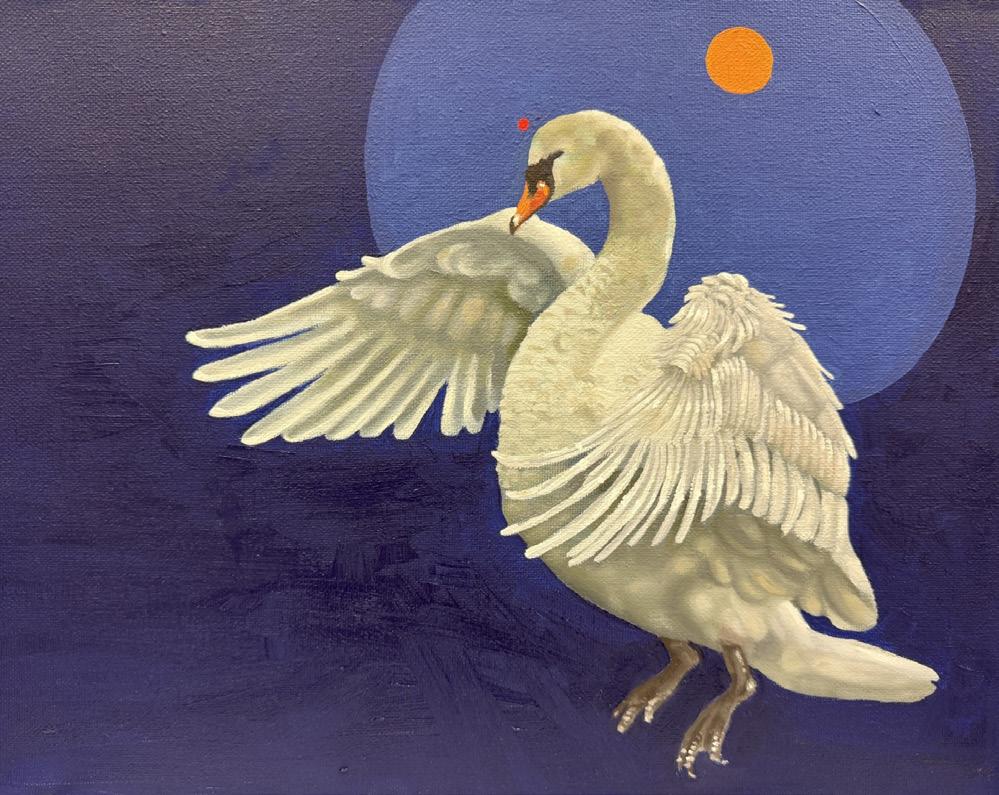
Earlier this year, Indiana’s electric cooperatives named the winners of the 29th annual Cooperative Student Art Contest. Luciana Harmon, a homeschool student from Jeffersonville, was honored as Artist of the Year.
A first-place artist was also selected in each grade, Kindergarten through 12th grade, and received $100. Thirteen additional artists received honorable mention awards and $50.
“Indiana’s electric cooperatives value the creativity and talent of young people in their communities,” said John Cassady, CEO at Indiana Electric Cooperatives (IEC). “This contest is a great way to encourage creative expression while giving students the opportunity to share their work with people across the state. Supporting local students in this way reflects cooperatives’ commitment to the communities they serve.”
The artwork was judged based on artistic merit, originality, and creativity. “We received so many thoughtful and creative entries from across the state,” said Karlee Gable, youth and education manager at IEC and coordinator of the art contest.
As the contest moves beyond the calendar format, we’re excited to see students bring a fresh perspective to their artwork and tell the cooperative story in different, creative ways.
– Karlee Gable
“It’s always rewarding to see students share their talent through the contest.”
The art contest is open to any Indiana K-12 student and will continue in 2027, shifting from month-based themes to cooperative-focused categories.
“As the contest moves beyond the calendar format,” said Gable, “we’re excited to see students bring a fresh perspective to their artwork and tell the cooperative story in different, creative ways.”
Read on to learn more about the 2026 contest winners.
KINDERGARTEN
Dorothy Gatwood, Bristow
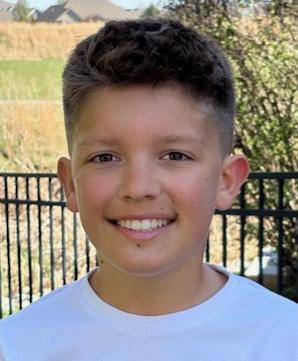
Dorothy Gatwood of Bristow is this year’s kindergarten winner for her bright and cheerful painting of a sunset. A student at Ferdinand Elementary School and member of Southern Indiana Power, Gatwood shared, “I like to paint. It’s the best!”
With an a can
FIRST GRADE
Jane Olsen, Newburgh
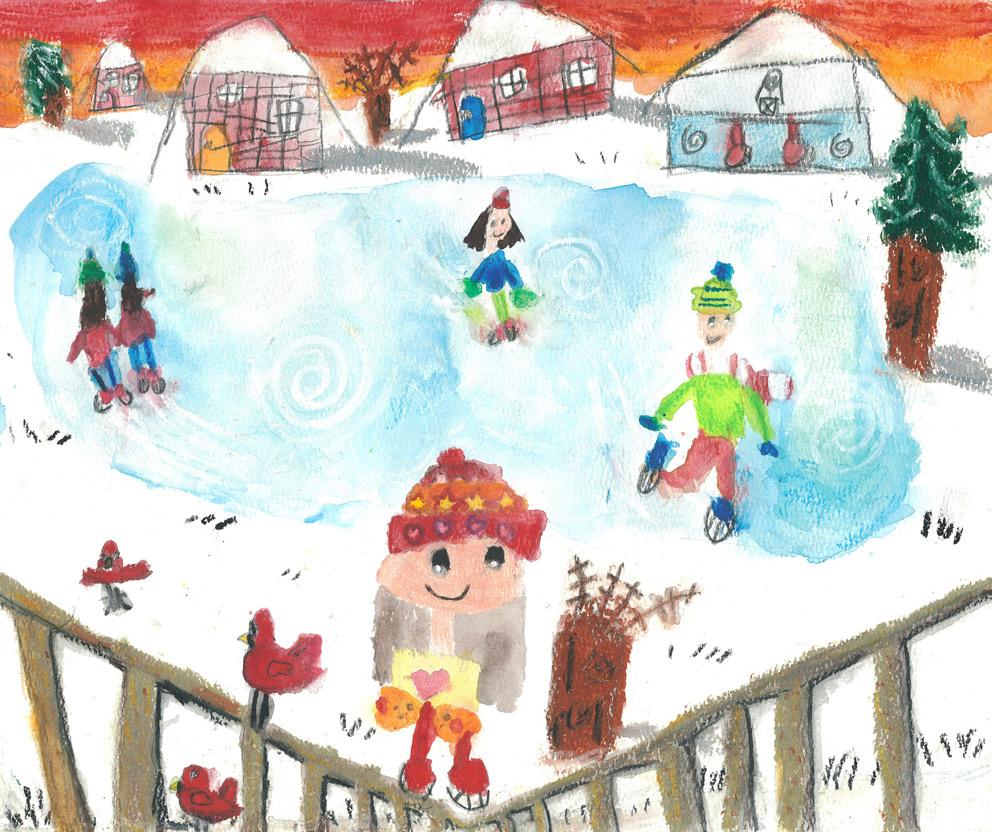
Jane Olsen, a student at Newburgh Elementary, is the first-grade winner with her winter scene depicting a lively ice-skating rink. Olsen continues her winning streak, earning her second consecutive selection in the contest and showcasing her growing artistic talent.
THIRD GRADE
Addilyn Hammel, Huntington
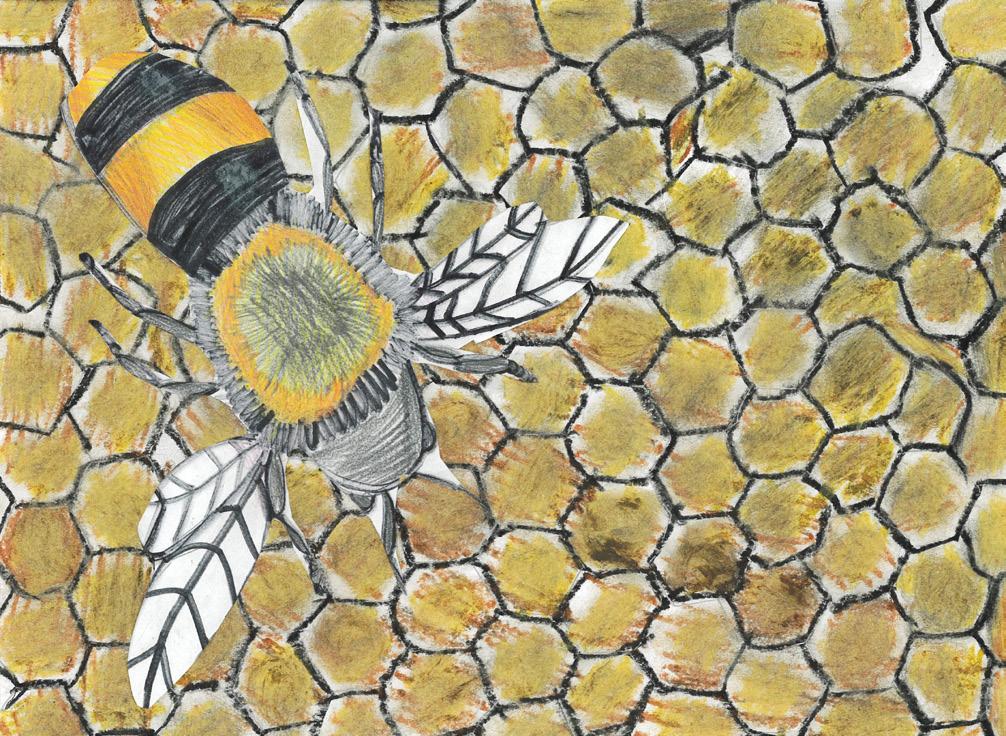
Addilyn Hammel of Huntington is the third-grade winner and a member of Heartland REMC. She created “The Hives Are Alive!” to show how bees are associated with the start of spring. She attends Andrews Elementary School.
Josephine Stanger is the second-grade winner with her soft pastel artwork titled “The Snow Surprise”. She is a first-time contest winner for her winterinspired piece and is a member of South Central Indiana REMC.
SECOND GRADE
Josephine Stanger, Martinsville
FOURTH GRADE
Nash Cissell, Borden
Fourth-grade winner Nash Cissell of Borden is a student at Silver Creek Elementary and a member of Clark County REMC. He earned his second consecutive win with a creative collage artwork depicting the iconic April tradition, Indiana University’s Little 500 race.
FIFTH GRADE
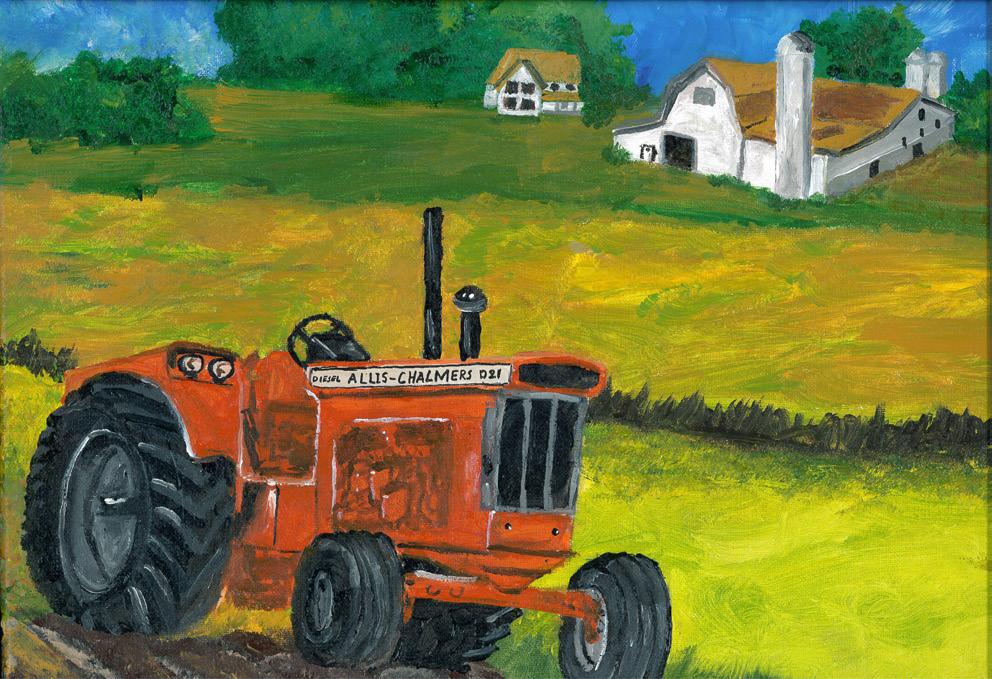
Dustin Otto, Amboy
Dustin Otto of Amboy is the fifthgrade winner for his piece titled “Spring Farm”. A homeschool student, he created his large canvas work to reflect “the time we spend outdoors in springtime.” He is a member of Miami-Cass REMC.
SEVENTH GRADE
Lily Fouts, Seymour
Lily Fouts of Seymour is the seventhgrade winner and a student at Immanuel Lutheran School. She has enjoyed bringing her visions to life through lessons with Kay Fox Art and Design. Fouts is a member of Jackson County REMC and was awarded an honorable mention in fifth grade.
SIXTH GRADE
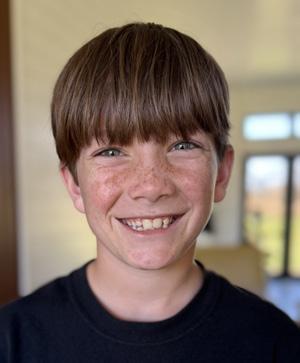
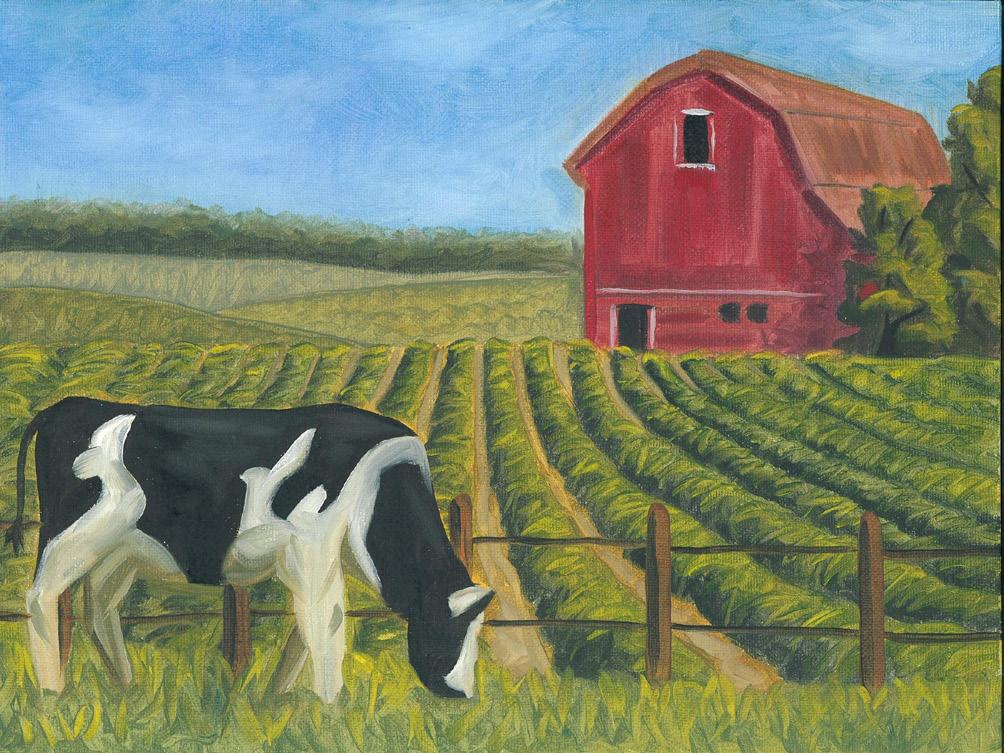
Hunter Spindler, Greenwood
Hunter Spindler, a homeschool student, is the sixth-grade winner from Greenwood. Using oil paints, his preferred medium, Spindler’s artwork celebrates June as National Dairy Month. This marks his second consecutive year as a winner, and he is a member of JCREMC.
EIGHTH GRADE
Olivia DeSchamp, Jasper
Olivia DeSchamp, a student at Forest Park Jr/Sr High School, is the eighth-grade winner and a member of Dubois REC. Her pastel artwork features soft floral imagery illuminated by fireflies, capturing a summer evening in an Indiana garden.
Laura Deckena is the ninthgrade winner from South Whitley for her art “The Curious Critter”. A first-time winner, she created her piece using scratch art techniques to depict a squirrel perched in a tree during an Indiana autumn.
NINTH GRADE
Laura Deckena, South Whitley
10TH GRADE
Cooper Baird, Fort Wayne
Cooper Baird, the 10th-grade winner from Fort Wayne, marks his third consecutive year winning his grade level. A student at Carroll High School, Baird views art as both a creative outlet and a personal journey. He shared, “I create because it allows me to make sense of the world and my place within it.”
ARTIST OF THE YEAR
11TH GRADE
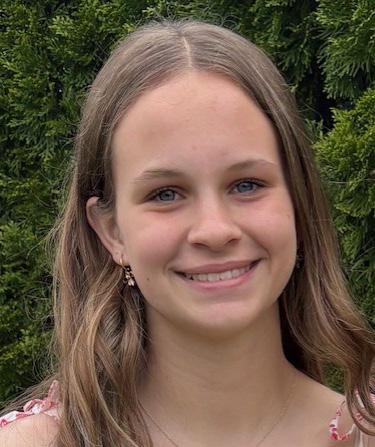
Luciana Harmon, Jeffersonville
Luciana Harmon of Jeffersonville, a homeschool student, has been named Artist of the Year and the 11th-grade winner for her detailed colored-pencil drawing of a deer in an Indiana forest. Harmon is passionate about creating artwork that highlights animals and nature, sharing that she strives to “bring glory to God through the beauty of his creation” through her art.
12TH GRADE
Makenna Krause, South Whitley
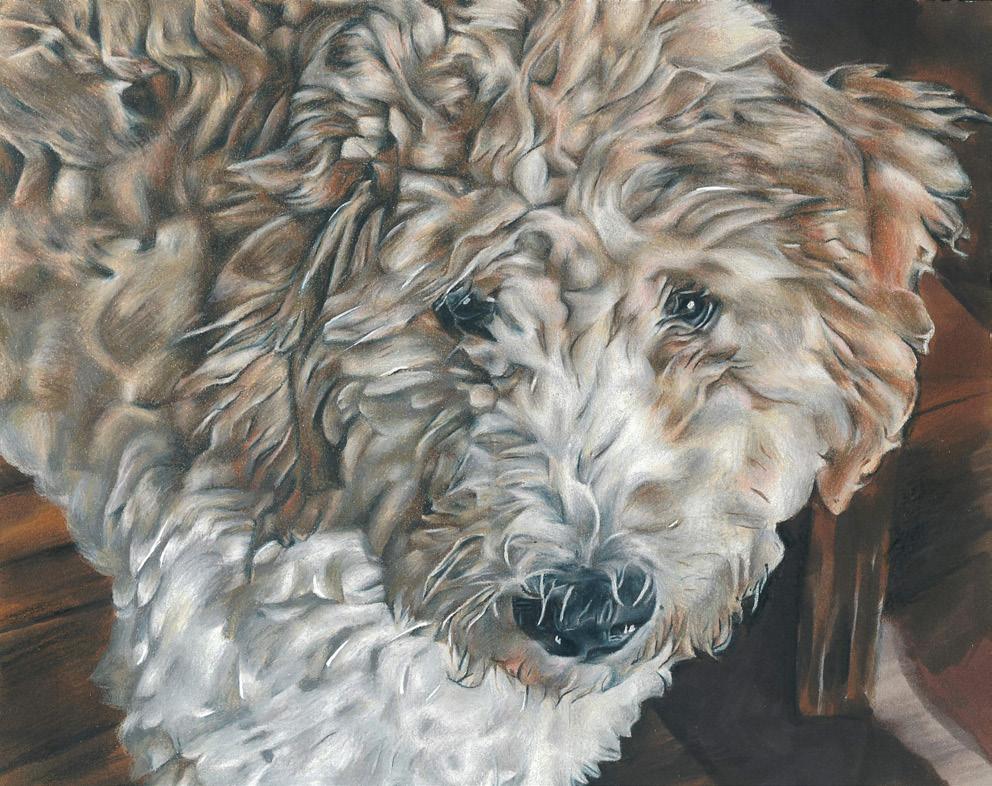
Makenna Krause, a homeschool student from South Whitley, is the 12th-grade winner for the heartfelt portrait of her late dog, Logan. Using a precise blend of markers and colored pencils, Krause captured both the likeness and spirit of her subject. This marks her first category win in the contest.
Looking ahead to 2027
The creativity continues with the 2027 Cooperative Art Contest. Next year’s theme, “We Power Indiana,” invites students of all grade levels to illustrate the people, communities, and everyday activities that keep Indiana moving forward. From farms and schools to neighborhoods and local businesses, energy connects the places and experiences that matter most. Electric cooperatives don’t just deliver power — we help power Indiana’s communities, and we want students to illustrate what that looks like to them.
Entries will open Aug. 2, 2026, and remain open through March 1, 2027. Students, parents, and educators can find full details on contest rules, theme guidelines, and eligibility at goiec.org/artcontest
Honorable mention winners
KINDERGARTEN
Jolysbeth Holt-Lara, Henryville Clark County REMC
FIRST GRADE
Hudson Heiny, Henryville Clark County REMC
SECOND GRADE
Eleanor Daunhauer, Ferdinand Dubois REC
THIRD GRADE
Rowyn Mellencamp, Seymour Jackson County REMC
FOURTH GRADE
Henry Crance, Columbia City
FIFTH GRADE
Robert Reno, Jeffersonville
SIXTH GRADE
Eden Fawver, Knightstown Henry County REMC
SEVENTH GRADE
Etta Kaucher, Greenfield NineStar Connect
EIGHTH GRADE
Isabella Martin, Fort Wayne
NINTH GRADE
Isabella Griffin, Warsaw Kosciusko REMC
10TH GRADE
Mary Mondok, Fort Wayne
11TH GRADE
Elizabeth Massie, South Whitley
12TH GRADE
Hannah Moore, Pierceton Kosciusko REMC
International flavors, local spirit
THE GARAGE FOOD HALL FEATURES AWARD-WINNING CUISINE IN A COMMUNAL GATHERING SPACE
BY STACEY MCARTHUR
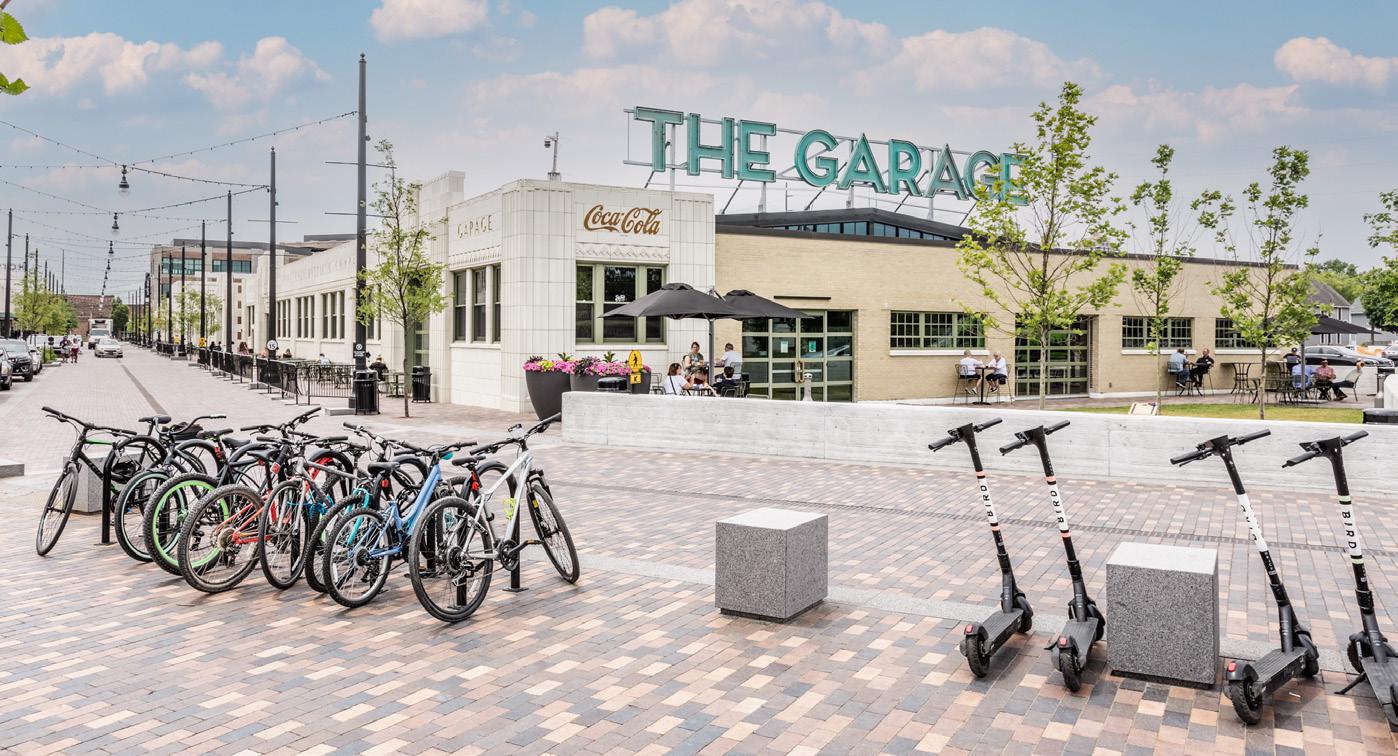
Exploring the culinary options at The Garage Food Hall is akin to traveling around the world. The 38,000-square-foot community marketplace features more than 20 independently owned local and regional vendors housed in two repurposed Coca-Cola bottling plant garage buildings in the Bottleworks District in downtown Indianapolis.
Food options abound, like Pig Pen BBQ, Clancy’s, and Just Chicken. Latin-inspired vendors include Gaucho’s Fire and Sal & Pimenta. La Chinita Poblana is a MexicanAsian fusion taqueria. Patrons can even find gluten-free corn pancakes stuffed with meat, cheese, and veggies at Azucar Morena. Drink options include Hard Truth Distilling and Axel’s Garage.
AND THE WINNER IS Opening in January 2021, The Garage has won several awards for its culinary kaleidoscope. This year, it earned the #4 spot on USA Today’s Best Food Halls list. A panel of culinary experts nominated their
favorite 20 food halls nationwide.
USA Today’s 10Best editors and readers voted for the final top 10.
“Food halls like The Garage exist across the country, but this year, we stood out,” said Catherine Haynes, general manager.
TESTING THE TASTES
Haynes praised the quality of all restaurants. “We do taste tests. If it’s a food concept, we make sure there is nothing like it in the food hall, so there’s no direct competition. We vet for the best,” said Haynes, “which sets us apart from other food halls in the country.
“Guests who come to The Garage are amazed by the variety of food and beverages. Everything from lobster rolls to arepas, poke bowls to backyard BBQ, and burgers to sweet treats. It’s perfect for groups where everyone wants something different, all set in a fun, lively atmosphere to hang out and enjoy.”
MORE THAN JUST FOOD
There’s plenty to do while hanging out, like experiencing the thrill of racing with a high-quality racing
simulation. Social activities have included workshops, book swaps, and tabletop games. Recently, management hid a $100 gift card for guests to find. “The Garage is also a great spot for gathering. We have large seating areas, live music, a giant projection screen for sports, and a spacious patio,” Haynes said.
The first Friday of each month, The Garage offers an extra dose of creativity. Guests can explore popup vendors showcasing handmade goods, unique crafts, and oneof-a-kind finds. “There’s always something new to look forward to when you come,” said Haynes.
The Garage Food Hall 906 Carrolton Ave. Indianapolis, IN 46202 765-742-3300 garageindy.com
The Garage is open Sunday from 11 a.m. to 8 p.m., Monday through Thursday from 11 a.m. to 9 p.m., and Friday and Saturday from 11 a.m. to 10 p.m.
PHOTOS COURTESY OF THE GARAGE FOOD HALL
The things we do and don’t see
Summer has a way of drawing our attention to the things right in front of us — the county fair, an evening ballgame, a weekend at the lake, a family reunion. These are memories of my Indiana summers growing up. What we rarely think about are all the things working quietly in the background that make those moments possible.
That’s true in almost every part of life. We admire a healthy crop but don’t always see the months of planning, preparation, and hard work that went into it. We appreciate a smooth trip without thinking much about the roads, bridges, and crews that keep us moving. We enjoy a cool home on a hot July afternoon without considering everything required to make that comfort feel routine. The better a system works, the less attention it tends to receive.
In fact, success can make important things almost invisible. When something becomes dependable enough, we stop thinking about it altogether. We simply expect it to be there when we need it. Electricity is a good example.
Most people don’t spend much time thinking about electricity when it’s doing its job. We flip a switch, adjust the thermostat, charge a phone, or power equipment needed to get through the day. That’s exactly how
it should be. But dependable electric service doesn’t happen by accident. I think about it every day, all day. That’s my job.
Reliable power takes long-term planning, ongoing investment, and people willing to think years into the future. It also takes cooperation. While your co-op serves members directly, it is also part of a larger network working together to ensure reliable, affordable power. That is where we at Wabash Valley Power Alliance come in. I like to say that we are a cooperative of cooperatives. We provide the power to 21 member electric cooperatives serving communities across Indiana and Illinois. By working together, those
co-ops can plan for future energy needs, invest in reliability, and accomplish things collectively that would be more difficult to do alone.
Reliability isn’t built in a single day, a single year, or by a single organization. It’s the result of people working together over time with a shared commitment to the communities they serve. That is the essence of who we are as cooperatives. And because your electric cooperative is memberowned, you are not just served by this system, you are part of it.
Jeff Conrad President and CEO
Wabash Valley Power Alliance
An oriole summer
BY MIKE LUNSFORD
It’s in late April or early May when I first notice the orioles, although it must be said that once they are here, they are impossible to miss. Flashy and noisy and always startling, they never cease to catch me by surprise. I’ll be sitting at my cabin window, my mind a mile or two away as I contemplate an empty white page, and an oriole will suddenly light on a greening tulip tree branch not far away; they demand immediate attention.
Indiana is home to two kinds of orioles: the more common Baltimore oriole with its vibrant oranges and blacks and silver stiletto-like beaks, and the more subtle Orchard oriole, a slimmer black and chestnut-colored bird that I tend to see in only a few places on my property, and not for very long. Female Orchard orioles, by the way, are nearly green.
It’s July now, and the orioles that have made my yard and woods their summer homes (they winter in the tropics) while most of their kin have moved north, stay mostly in the crowns of our tallest maple trees, dining on caterpillars and spiders, as well as the berries that grow in brushy spots along our woods. They were first drawn to the trees by the ease of finding the lime green and tender samara, the winged fruit we often call “whirligigs.”
Now, by the time the heat of mid-summer has us in its sweaty grip, the few orioles that have stayed on in my corner of Parke County have raised broods that are out of
the gray sock-like nests that their parents expertly constructed with plant down and moss and the finest grasses. My habit of leaving sliced oranges and cups of grape jelly out for them has become routine, and I will continue to be dutiful with them until August, as we see and hear the birds less and less, and then not at all. By the time we get to these “dog days,” they visit my buffet infrequently, preferring to raid my wife’s hummingbird feeders instead.
Orioles are celebrated most in the spring when their newness, their novelty, is as fresh as the season, but I find myself appreciating them most in this seventh month, for they have chosen to stay put, to stick it out, to make the best of it here. They share their crankiness and color as the heat of our summer rises, and the tints of our flowers, lawns, and trees begin to fade.
I have no way of knowing, but it’s possible that the mature couples I’ll see next spring are the birds that were raised here this summer. I hope they bring their appetites.