Electrical Apparatus OCTOBER 2025 - International!
Electrical Apparatus
More than Motors
A global perspective
The annual international issue
An argument for solar
The international player
EV charging of the future
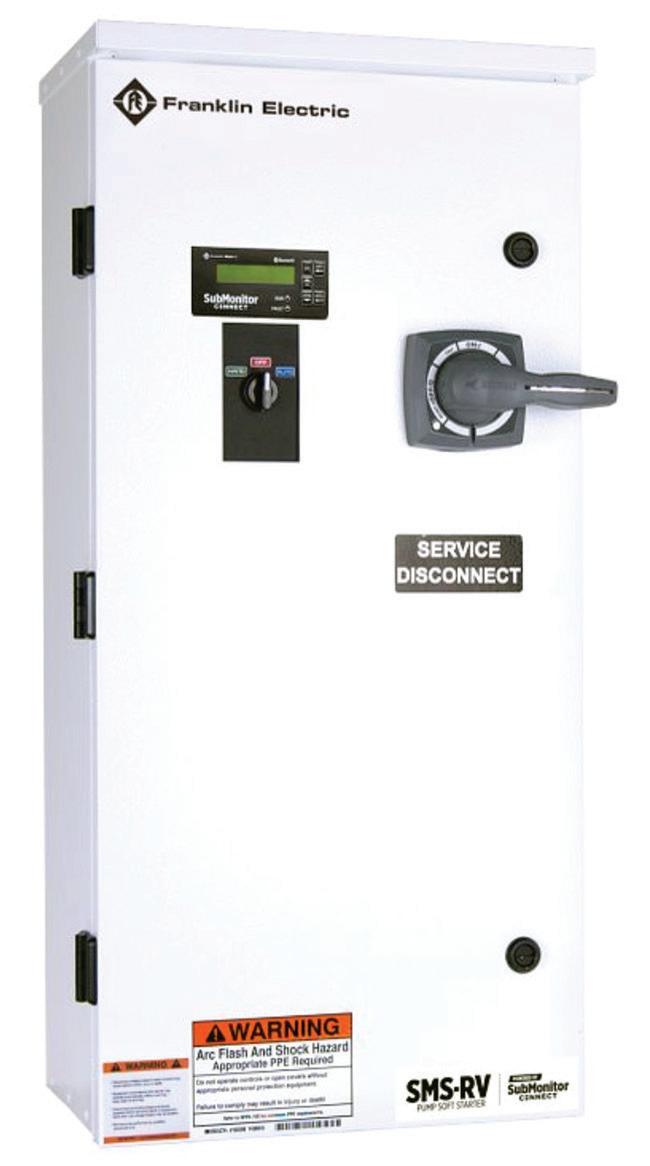
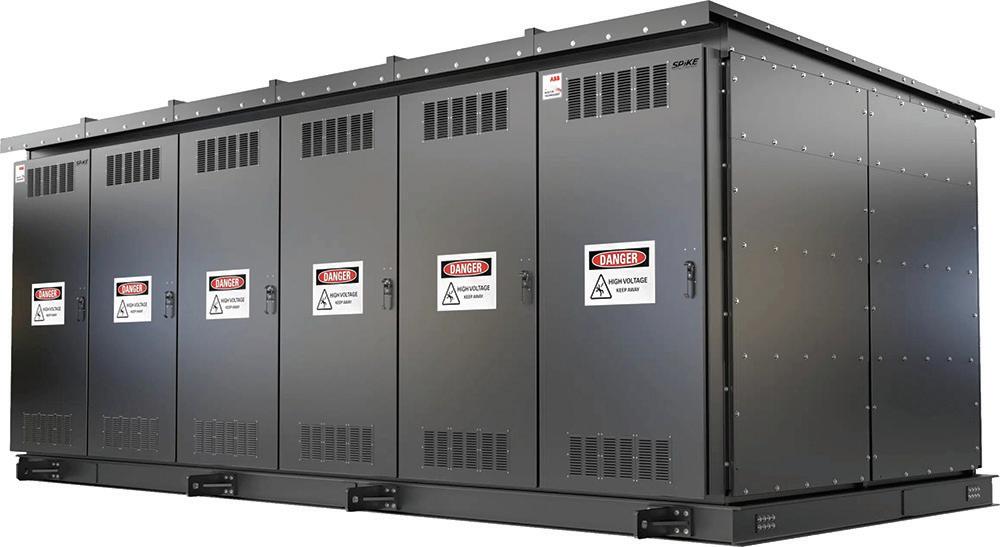
Medium-voltage starters
Fabtech report
EA Reader Profile
19 Outshining any naysayer
How persistence has paid off for Dan Marks of Bohr Electronics
By Colin Gregory-Moores, EA Contributing Writer
Safety & Health
24 Kenya believe it?
Safety in the electric utility sector — or lack of safety — often begins at the top
By Charlie Barks, EA Managing Editor
Electrical Manager
26 Company peacemakers
The best managers know how to defuse the conflicts that too often arise among co-workers
By Bill O’Leary, EA Contributing Writer
Conventions & Trade Shows
28 Fab four
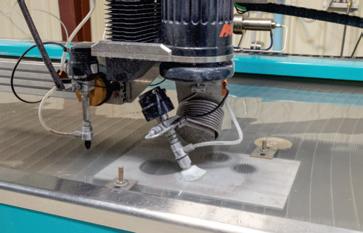
Metal forming, fabricating, welding, and finishing shared the stage at Fabtech 2025
By Charlie Barks, EA Managing Editor
Pump It Up
30 A pump compliance primer
Summing up the many standards and code requirements that pump users must learn and follow
By Bill O’Leary, EA Contributing Writer
Energy
33 Global solar
The numbers don’t lie: Why the world should double down on solar energy
By Fazli Acikgoz, EA Special Correspondent
50 Wire to wire
Report shows global electricity demand is likely to keep growing through 2026
By
Charlie Barks, EA Managing Editor
Business Management
35 International player
How lessons learned from being ‘the biggest and best repair outfit in West Africa’ led to doing business around the world
By Michael Mitten, EA Contributing Writer
Electric Avenue
38 EV charging stations of the future
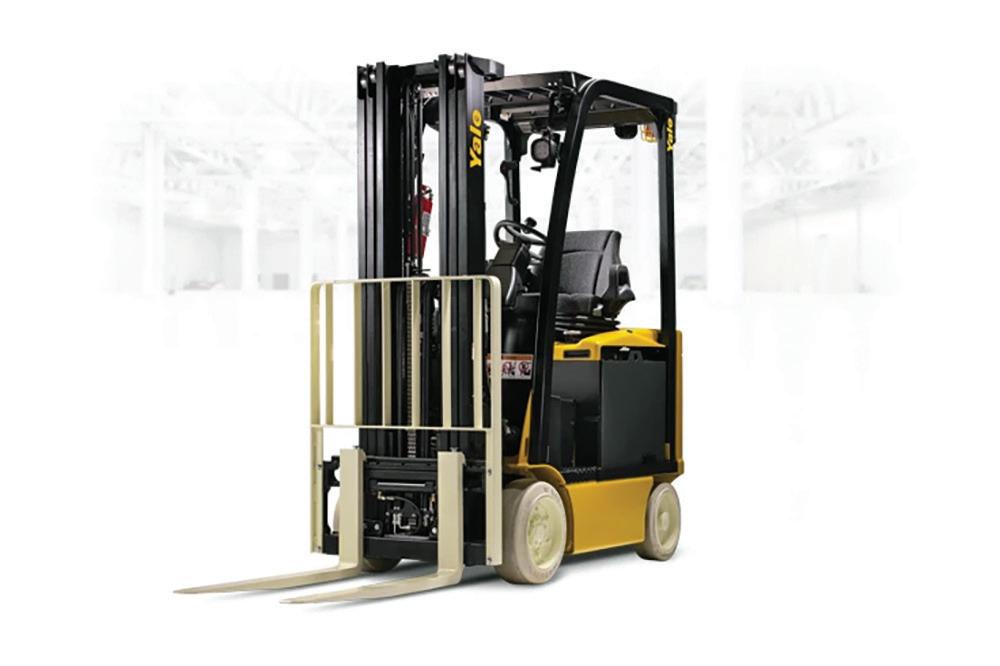
How they’re evolving from simple plug-ins to advanced hubs offering speed, convenience, and integration with the grid
By Maura Keller, EA Contributing Writer
Power Transmission & Distribution
41 Starter pack
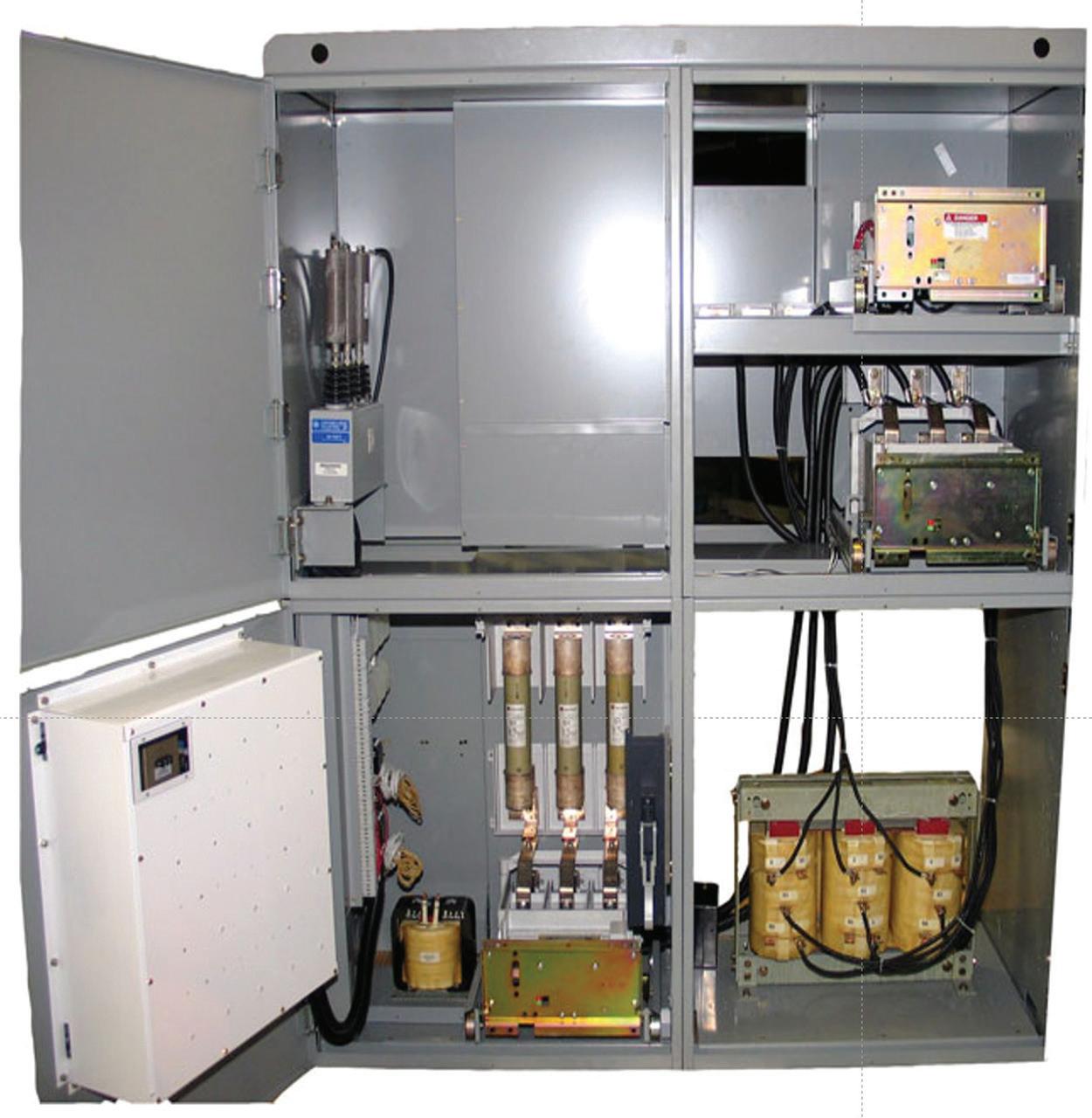
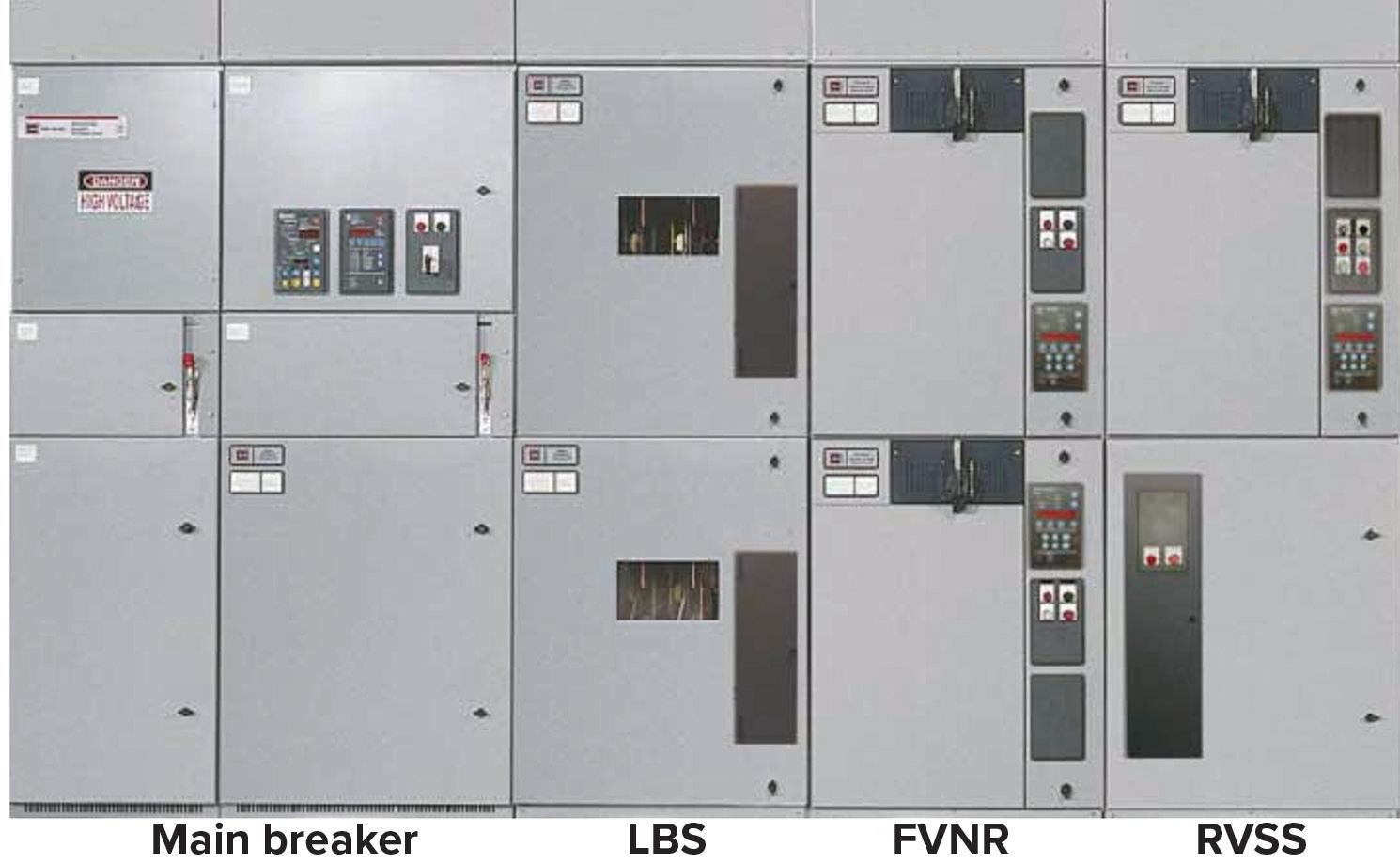
The basics of specifying and applying medium-voltage motor starters
By David Bredhold, EA Contributing Writer
Finance & The Workplace
46 Accounting outside the boundaries
How International Financial Reporting Standards differ from the U.S.’s Generally Accepted Accounting Principles
By William H. Wiersema, CPA, EA Contributing Editor
Trusted Solutions. Built to Last.
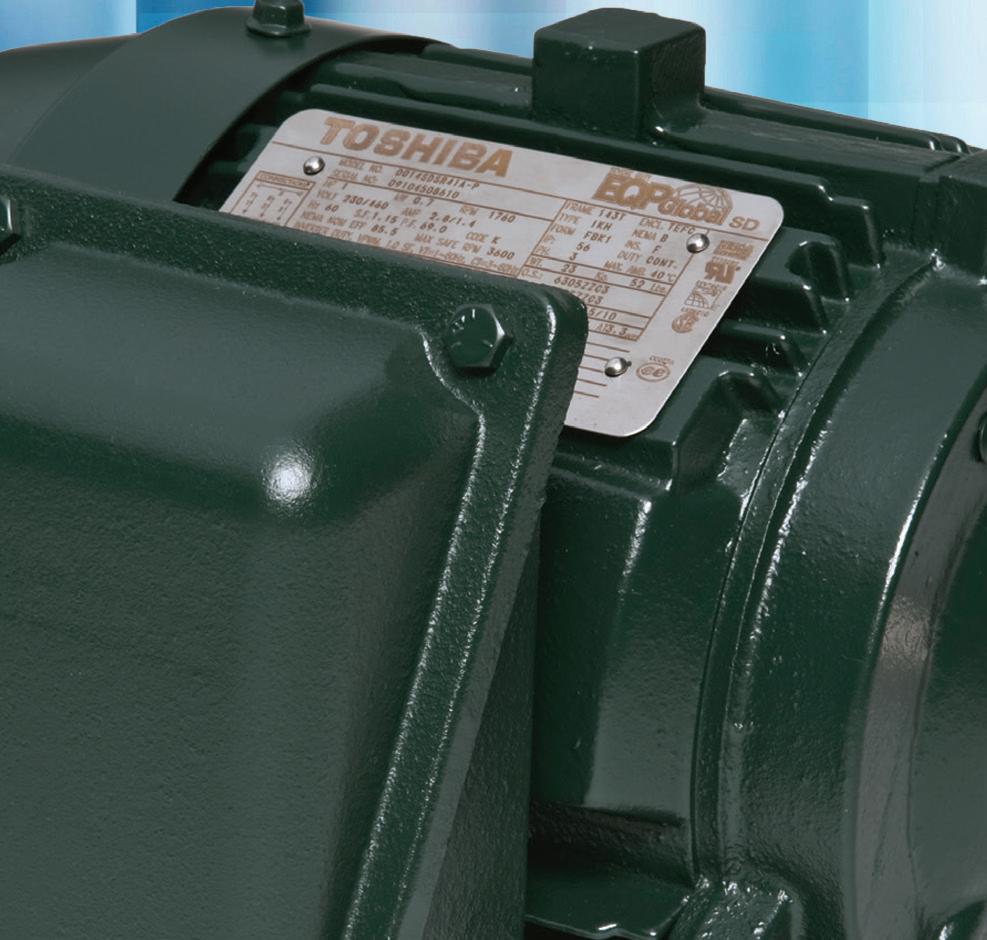
Toshiba’s proven motor and drive designs deliver lasting performance, backed by a three-year warranty when purchased together as a package.
• Performance & Efficiency
• Rugged Engineering
• Reliable Operation
• Proven Quality
• Expert Support
The Editor’s Comment
Coming next month in Electrical Apparatus:
Doerr Motor and Pump LLC; Battery Show report; starters on NEMA Design BE and CE motors; battery swapping for EVs; stress in the workplace
What a world, eh?
An annual revisit of international news does little to quell the avalanche of bad headlines we’ve grown accustomed to seeing daily in America. Even within the trades, they can be tough to escape, when you consider things like utilities fraud happening globally, or workforce raids at manufacturing plants.
Fear not; EA has you covered on nding gems amidst the rockiness. This, our 2025 international issue, serves as a reminder that during uncertain times, people everywhere are still capable of doing their best, working hard, thinking of new ideas and new ways to better the world around them.
First, some housekeeping: You’ll notice in our classi ed advertising section (page 51) a number of international classi ed advertisements from around the world. Secondly, in last month’s issue, we incorrectly stated the nances of Integrated Power Services in our report about the convention of the Electrical Apparatus Service Association: IPS’s correct current revenue is $1.2 billion.
In the modern globalized, digitized world, it can be refreshing to network in person, as we were reminded recently at Fabtech 2025 (page 28). At this annual show — the biggest edition of the event to date — attendees witnessed the international presence of the industrial workforce.
Electrical Apparatus
17 N. State St., Suite 435 Chicago, Illinois 60602-3598 (312) 321-9440; fax (866) 228-7274
E-mail: EAMagazine@barks.com www.barks.com
Founded 1948 as Volt/Age Horace B. Barks, Founding Publisher
Elsie Dickson, Founding Publisher
STAFF
Elizabeth Van Ness, Publisher
Kevin N. Jones, Senior Editor
Charlie Barks, Managing Editor
FINANCE EDITOR
William H. Wiersema
CONTRIBUTING WRITERS
Fazli Acikgoz, David Bredhold, Chase Fell, Colin Gregory-Moores, Avery Heeringa, Maura Keller, John Malinowski, Michael Mitten, Bill O’Leary, Kristine Weller
SPECIAL PROJECTS
Barbara Goetz Barks
CARTOONS AND PUZZLES
John D’Acunto, Myles Mellor, Tim Oliphant
ElectroMechanical Bench Reference
Supplement mailed with the December issue
Elizabeth Van Ness, Editor & Publisher
ADVERTISING
Barbara Wachter, Advertising Director
CIRCULATION
Circulation@barks.com
Read Electrical Apparatus online
The entire contents of this issue are available online. Scan the QR code below:
Though Fabtech is, at its core, a fabrication and metal-forming trade show, the 2025 version of the expo demonstrated that those industries, like so many others, are rapidly expanding via new digital and automated innovations. It also now focuses heavily on manufacturing. The event came at a pivotal time, o ering a rsthand look at the automation, high-precision machinery and smart fabrication technology needed to address key industry challenges, including the ongoing skilled labor shortage. More than 45,000 manufacturing professionals from around the world attended to explore solutions, and exhibitors displayed the latest innovations shaping the future of manufacturing.
So yes, many of the troubles mentioned in this comment a year ago are still present. The world is still grappling with two major wars, and markets navigate a sea of tari s and a volatile economic environment. But think of what you and your business achieved in that amount of time, despite those distractions and obstacles. How many jobs and projects were completed? How much downtime was eliminated? How many clients did you serve, improving their quality of work, and even life? Keep controlling what you can control, and you can remain in step with this rapidly spinning globe.
Electrical Apparatus (ISSN 0190-1370), Vol. 78, No. 10, is published monthly by Barks Publications, Inc., 17 N. State St., Suite 435, Chicago, Ill. 60602-3598; (312) 321-9440; fax (866) 228-7274. www.barks.com. Periodicals postage paid at Chicago, Ill., and at additional mailing o ces. Postmaster: Send address changes to Electrical Apparatus, c/o Barks Publications, Inc., 17 N. State St., Suite 435, Chicago, Ill. 60602-3598. PM #40830553.
U.S. subscriptions: 2 years—$120; 1 year— $65. Foreign airmail: 2 years—$275; 1 year—$150. Subscriptions also include an annual directory supplement, the ElectroMechanical Bench Reference. Single copies: $12 each plus postage; December issue, $30 with the supplement ElectroMechanical Bench Reference.
Copyright 2025 Barks Publications, Inc.
Reproduction of any part, by any means, including photocopy machines and computer networks, without the written permission of Barks Publications, Inc., is prohibited. Electrical Apparatus and ElectroMechanical Bench Reference are trademarks registered with the U.S. Patent O ce.
Or enter the URL directly: https://bit.ly/oct 25worl
See page 54 for links to upcoming issues that you can bookmark.
Copies of articles in print or PDF format may be ordered from our Marketing Department (312) 321-9440. Prices available on request. Libraries and companies registered with Copyright Clearance Center, 222 Rosewood Dr., Danvers, Mass. 01923, should send 75¢ per page copied direct to CCC.
Material also available in microform and CD-ROM from Pro Quest information service, (800) 521-0600 ext. 2888 (US) or 01734-761-4700 (International); https://www. proquest.com/.
Printed in the U.S.A.
Let’s Solve Your Problem
Have you been stumped recently by an electromechanical application or repair problem? Send your question to this department, at editor@barks.com, and we’ll see if we can give you an answer.
Surge test for one-turn stator coil
We are performing a stator rewind for a large two-pole turbine generator. The stator bars are single-turn. We usually surge test the coils as a quality check for turn insulation during the winding process. Is the surge test necessary for a one-turn coil?
The surge test is a fast high-voltage pulse on a coil or circuit. The tester measures the pulse response with an oscilloscope. Identical coils and circuits can be compared and should have virtually identical responses.
Your generator coil has no turn insulation since it is a single turn. Therefore, the surge test would not be practical in this application. You may want to consider a surge test to evaluate the integrity of the connections as the winding progresses.
Changes to woundrotor induction motor
We have a 200 hp crane-duty motor for stator rewind. This machine is of woundrotor induction construction. It has a three-phase winding integral to the rotating element.
The customer is experiencing reliability problems with this motor. He has good results from a 150 hp machine with the same frame size, voltage, and speed. He has asked us to recon gure the stator from 200 hp to 150 hp. We have access to tools that can help us make changes to the stator winding to e ect a lower level of ux density. In the event we make this
change, does the rotor winding also need to be changed?
In a wound-rotor induction motor, the rotor is magnetically coupled to the stator like a transformer secondary. If you reduce the stator’s ux (e.g., by reducing volts per turn), this will reduce induced EMF in the rotor. This in turn reduces rotor current and torque, assuming the same external resistance.
If the rotor winding is in good condition and properly insulated, and if you’re not planning to increase slip or rotor current beyond original design levels, there’s usually no need to change the rotor winding when stator power is reduced. Crane motors are usually designed for short duty cycles and high torque overloads (Class H insulation and CDF ~40%-60% typical). Ensure that the new torque-speed pro le still meets crane load demands. Make sure the rotor can handle the thermal cycles based on how torque and duty cycle may change with the 150 hp con guration.
Transpositions 360° vs. 540°
For a generator winding, we are considering a conversion from group transpositions to Roebel bars. This change would make the connections much simpler for a eld installation. We know there is a 360° Roebel transposition and a 540° Roebel transposition. How would we choose the best design to minimize circulating currents?
The Roebel transposition has been used for more than 100 years to reduce circulating current losses in large generators. In the 360° Roebel, every conductor strand occupies every position in the bar through the core length, thus equalizing the crossings of the magnetic ux lines in the core portion. The 360° transposition is proven to reduce circulating currents.
The 360° design helped with distortion in the core section, but engineers agreed that
there were still problems in the end turns. The 540° design was patented by AllisChalmers 60 years ago to address the end turn situation.
Some designers believe that the best choice is to build a transposition in the core section and in the end arm. The output of the generator and physical constraints are critical considerations. A change such as this should be reviewed by generator designers.
Changing copper conductor to a larger size
We are a power utility and are in the process of rewinding a 4000 hp 4160 V machine that is critical to our operation. The rewind shop has recommended that the wire size in the coils be increased to gain greater copper density for carrying current.
We agree that this change could likely give a decrease in I2R losses and thus the motor would run cooler. But the winding is a factory design, and we are hesitant to change, since this motor has given us good service. What are the trade-o s when considering this change?
This machine is built with form coils. That is, the winding is made with rectangular copper conductors. It sometimes makes sense to take advantage of the chance to increase copper size. A cooler-running motor is more e cient and will potentially last longer. But there are trade-o s. Slot ll includes copper, but it also includes ground wall insulation, vertical llers, and armor. An increase in copper usually means a change in another part of the system. The spacing of the coils in the end winding is a consideration, as is the ease of installation and connections. Increasing copper has de nite advantages, but choose this only when it makes sense for the application. —
Edited by the EA sta EA
An overseas chapter helps raise EASA’s profile
It’s been evident for quite some time that the Electrical Apparatus Service Association is no mere U.S. organization anymore. Take a look at the activities of just one of the association’s overseas chapters and you’ll see how broadly the association’s in uence now extends around the world.
Re ecting the mission and priorities of its parent organization, the European &
World Chapter of EASA serves electromechanical sales and service companies across Europe, the Middle East, Africa, and large parts of Asia. As a voice for the industry in these parts of the world, the chapter provides its members with educational resources, technical expertise, and networking opportunities. Through these services and ventures, the chapter seeks to help member companies enhance their performance and stay current in their use of materials, recommended practices, and technology.
The chapter kicked o 2025 by presenting to its members the “General Industry Business Survey 2025,” the purpose of which is to gather information about the current state of the industry. EASA created the survey to collect data that will help members understand the trends, challenges, and opportunities businesses are facing today. The questions in the survey were designed in partnership with the organization’s committee members to ensure the questions are relevant and comprehensive. With the survey, EASA hopes to gain insight into the business landscape and attain a better understanding of the needs of members. The results of the survey are meant to provide data that will inform EASA’s future initiatives and programming.
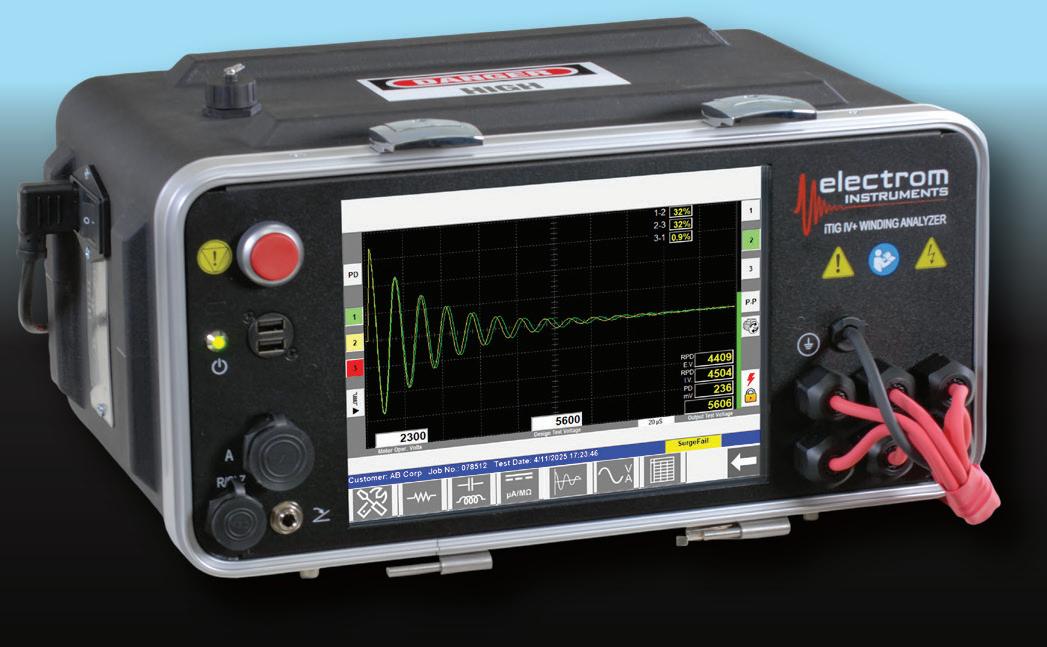
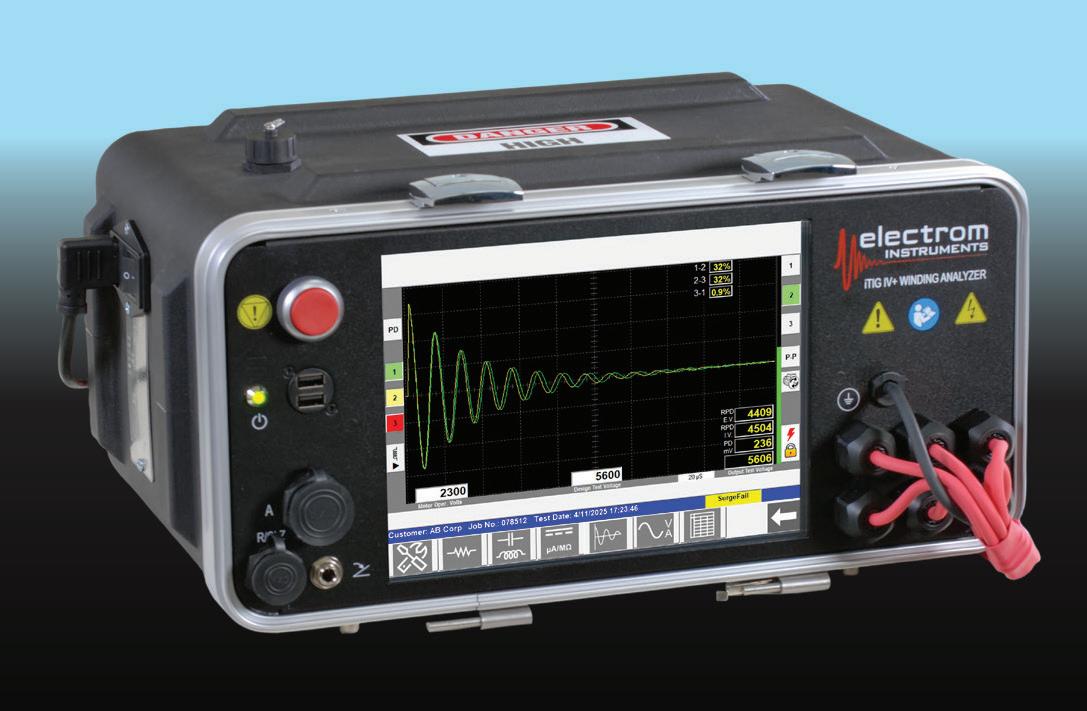
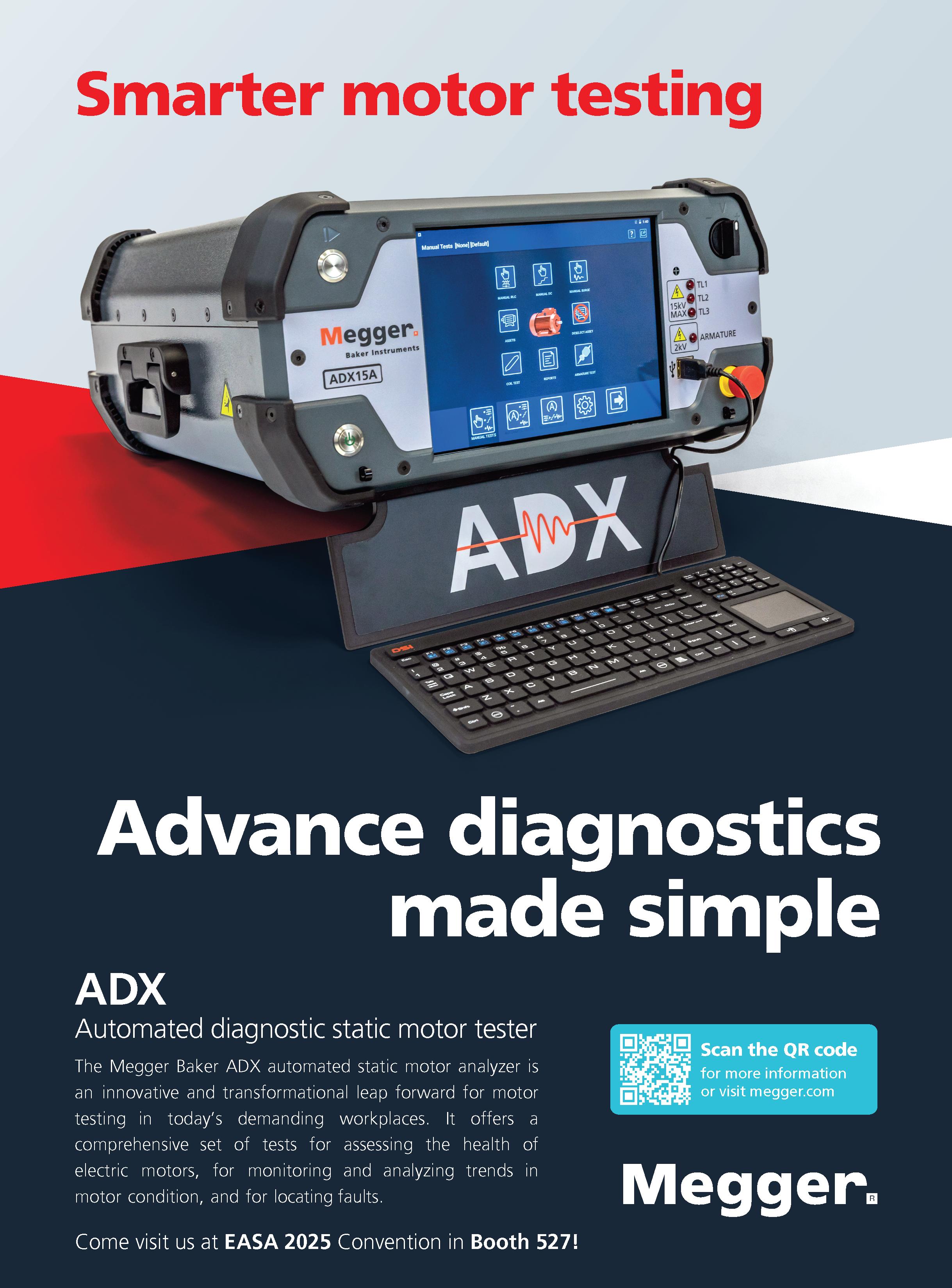
Motor Tester Winding Analyzer
A series of EASA “digital co ee meetings,” held over the course of a week starting on March 3, brought together 128 people from 75 companies and 35 countries. The sessions were intended to provide a platform on which attendees could share their knowledge, network, and discuss industry trends. The event was structured to encourage collaboration and expand the perspectives of participants from di erent levels and departments.
The digital co ee meetings opened with an EASA updates session, which provided attendees with insights into the organization’s current initiatives, resources, and upcoming activities. Later sessions focused on topics such as industry trends and market insights as well as marketing strategy. The event has successfully integrated 120 apprentices (20% of the workforce) over the past decade, addressing industry skill shortages, said Jon Burton, who presented a session about attracting and developing talent.
An article titled “Turning Customers into Brand Ambassadors: A Sales Funnel Approach,” written by Chiara Girardi, the marketing communications and sales channel manager at SDT Ultrasound Solutions, was published by the European & World Chapter in April. The article presented a strategy that businesses can use to convert customers into “brand ambassadors.” The strategy is described as a powerful approach to improving customer retention, building credibility, and promoting organic growth. According to Girardi, businesses can achieve these objectives by approaching the customer journey as a “strategic sales funnel,” which allows for a systematic process of nurturing satis ed customers until they become advocates for the service
provider’s brand — in other words, building a company’s reputation.
The annual EASA Get Together Dubai took place on April 6, ahead of the Middle East Energy 2025 conference. This event was dedicated to discussion, technical exchanges, and networking for EASA members and their peers. The program included sessions led by experts on a variety of industry topics. The gathering also provided a chance for attendees to reconnect with colleagues and form new relationships. The event’s location and timing were designed to give those attending the energy conference an opportunity to participate in an EASA-speci c event.
At the CWIEME Berlin 2025 conference, held June 3-4 at Berlin’s famed exhibition grounds, EASA Europe, Asia & Africa introduced the EASA Service & Solutions Centre, a new initiative developed in collaboration with the Coil Winding, Insulation & Electrical Manufacturing Exhibition.
The EASA Service & Solutions Centre was designed to serve as a hub where service providers, original equipment manufacturers, and suppliers could connect with one another for mutual bene t. Situated in Hall 25 near the Power Hub, the space was dedicated to encouraging interactions and strengthening the community. The presence of the EASA Service & Solutions Centre was central to the association’s participation in CWIEME Berlin as an o cial association partner, providing a platform for EASA to engage with the wider electromechanical community.
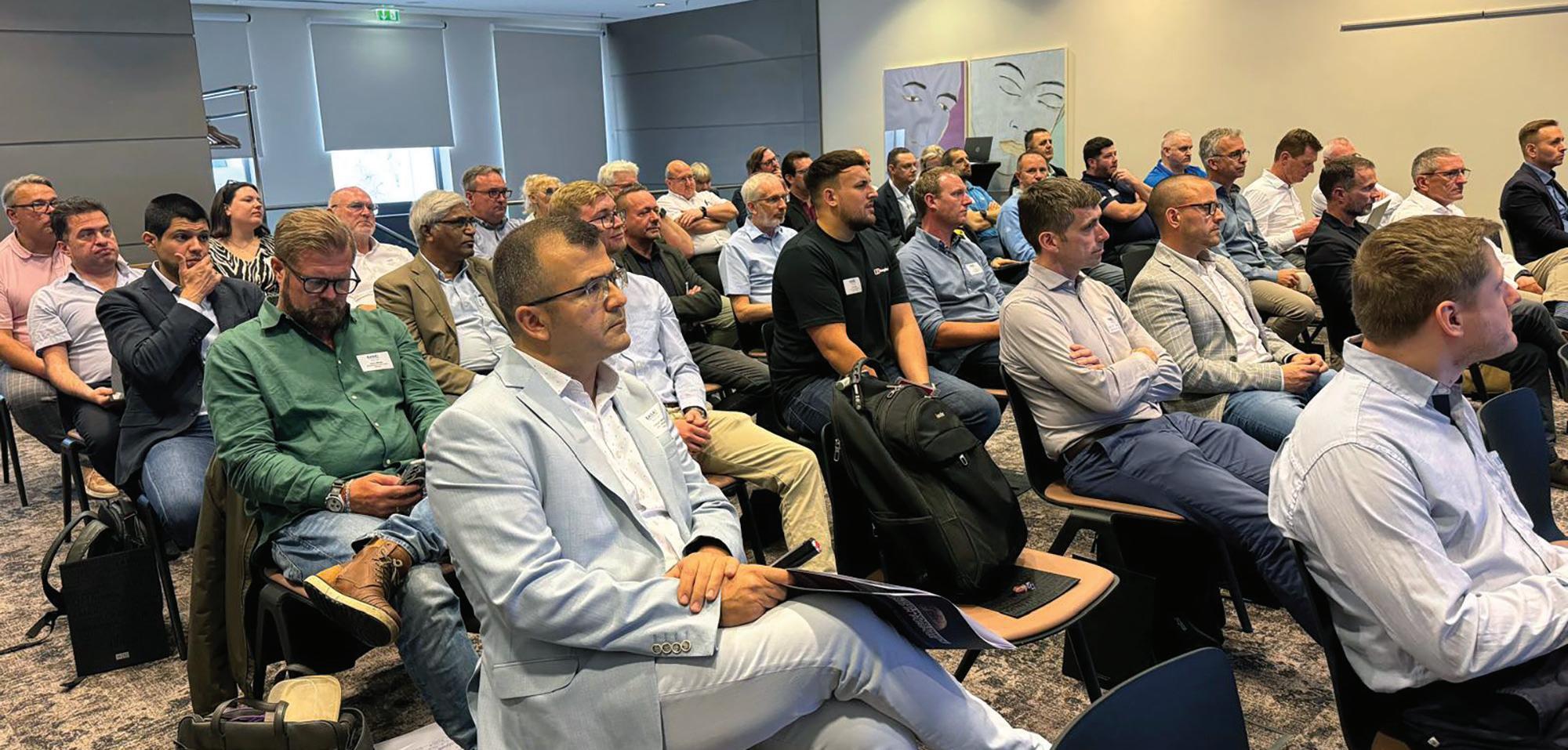
Prior to the CWIEME Berlin 2025 exhibition, on June 2, the Europe, Asia & Africa Chapter hosted a separate pre-exhibition gathering (pictured). The event was intended to provide an early opportunity for professionals in the electromechanical sector to connect and network with peers before the main conference got underway. The gathering served a speci c purpose: to allow members to establish relationships, share insights, and prepare for the exhibition in an informal setting. The event’s timing, just before the larger CWIEME event, was intended to maximize the value of the trip for members who were traveling to Berlin.
These are just some of the things EASA’s European & World Chapter did during the rst half of the year. One can only imagine how much further this chapter and others around the world can go toward solidifying EASA’s reputation as an in uential international organization.
— Kevin Jones EA
VFD-Induced ShaftVolt age DestroysBearings! ys Bearings
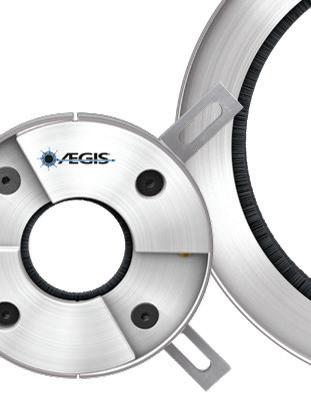
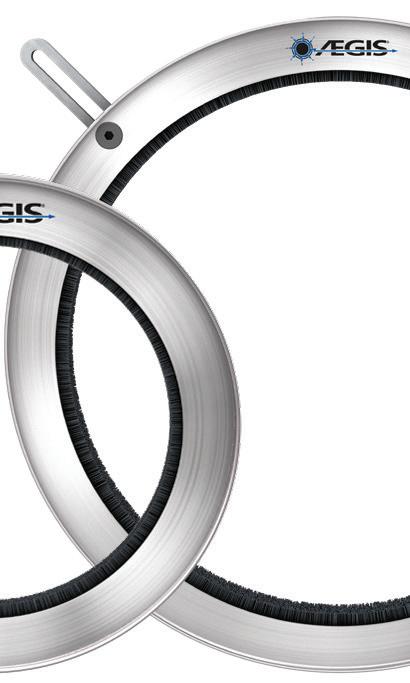
Variable frequency drives (VFDs) are used to control pumping systems. But VFDs create a motor shaft voltage that discharges through the bearings, blasting millions of pits in bearing surfaces. Both motor and equipment bearings are at risk. These discharges degrade the bearing grease and cause bearing fluting, premature failure, and costly downtime.
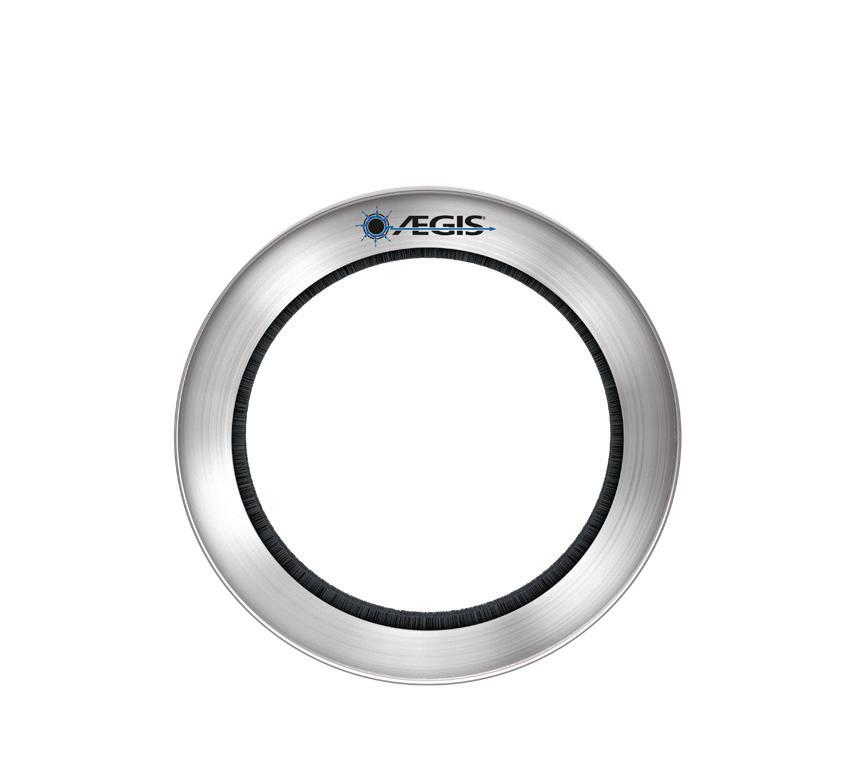
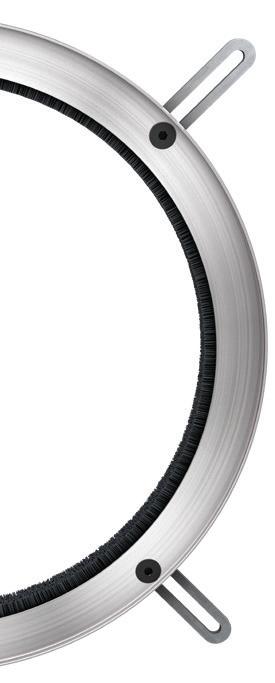
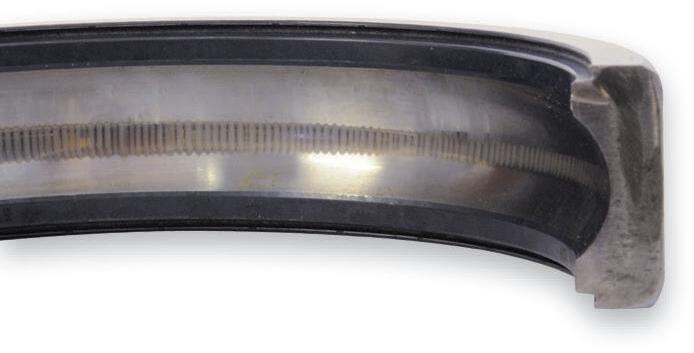
Protect motor bearings with AEGIS® Shaft Grounding Rings
By channeling VFD-induced discharges safely to ground, AEGIS® Shaft Grounding Rings prevent electrical bearing damage. Proven in millions of installations worldwide, AEGIS® Rings provide unmatched protection of motors against electrical bearing damage, motor failure, and unplanned downtime.
See our shaft grounding case studies and resources at:
est-aegis.com/case-studies
1- 866-738-1857 | sales @ est-aegis.com
Members of the EASA Europe, Asia & Africa Chapter gathered June 2 prior to the CWIEME Berlin exhibition for networking, technical presentations, and discussions about where the industry is headed.
— EASA European & World Chapter Ltd. photo
Update your calendar with these upcoming trade shows, conferences, and other events. Do you know of an event that you think we should bring to the attention of Electrical Apparatus readers? E-mail us about it at editor@barks.com.
• September 29-October 2, 2025 — Canadian Manufacturing Technology Show, Toronto Congress Centre, Toronto, Ontario, Canada. Canadian Manufacturing Technology Show, www.cmts.ca.
• October 5-7, 2025 — EGSA Fall Conference, Loews Royal Pacific Resort, Orlando, Fla. Electrical Generating Systems Association, https://egsa.org/Events/Fall2025-Conference.
• October 13-16, 2025 — Hydraulic Institute Fall Conference, Kansas City Marriott Country Club Plaza, Kansas City, Mo. Hydraulic Institute, www.pumps.org/ event/2025-fall-conference.
• October 23, 2025 — The 2025 Celebration of World Standards Day, Bethesda North Marriott Hotel and Conference Center, Rockville, Md. American National Standards Institute, www.ansi.org/events/ standards-events/world-standards-day.
• November 4-6, 2025 — 2025 NEMA Annual Meeting, Eau Palm Beach Resort & Spa, Palm Beach, Fla. National Electrical Manufacturers Association, https://www. makeitelectric.org/meetings-events.
• November 16-20, 2025 — International Mechanical Engineering Congress & Exposition, Renasant Convention Center, Memphis, Tenn. American Society of Mechanical Engineers, https://event.asme. org/IMECE.
• January 31-February 4, 2026 — 2026 ASHRAE Winter Conference, Caesars Palace, Las Vegas, Nev. American Society of Heating, Refrigerating, and AirConditioning Engineers, www.ashrae.org/ conferences/2026-winter-conference.
• February 2-4, 2026 — AHR Expo 2026, Las Vegas Convention Center, Las
The historic Country Club Plaza, now a popular shopping destination, is just steps away from the location of this month’s Hydraulic Institute Fall Conference, being held Oct. 13-16 at the Kansas City Marriott Country Club Plaza. — Marriott International, Inc., photo
Vegas, Nev. The Air-Conditioning, Heating, and Refrigeration Institute, https://www. ahrexpo.com.
• February 8-11, 2026 — NEMRA 2026: Power Tomorrow, Today, Orlando World Center Marriott, Orlando, Fla. National Electrical Manufacturers Representatives Association, www.nemra.org/save-the-datenemra26-returns-to-the-sunshine-state.
• February 22-26, 2026 — Hydraulic Institute 2026 Annual Conference, Sawgrass Marriott Golf Resort & Spa, Ponte Vedra Beach, Fla. Hydraulic Institute, www. pumps.org/event/2026-annual-conference.
• March 2-6, 2026 — PowerTest 2026, Gaylord Opryland Resort & Convention Center, Nashville, Tenn. InterNational Electrical Testing Association, https://bit. ly/4cMrfZ5.
• March 10-12, 2026 — NFMT2026, Charlotte Convention Center, Charlotte, N.C. National Facilities Management & Technology Conference & Expo, https://www. nfmt.com/Charlotte/2026.
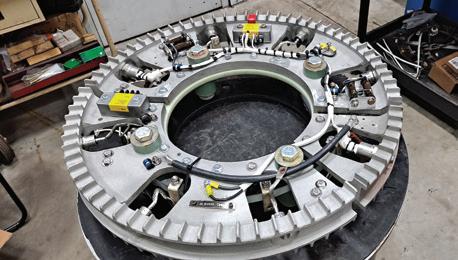
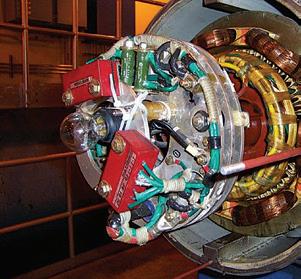
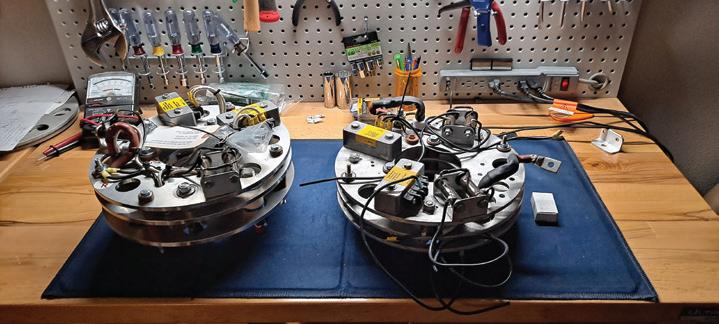
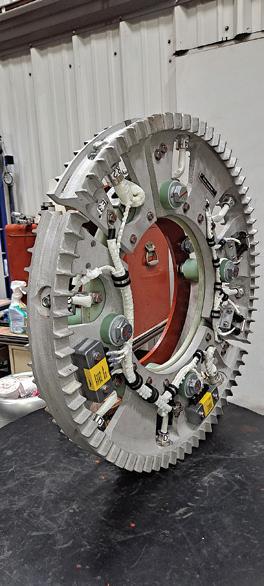
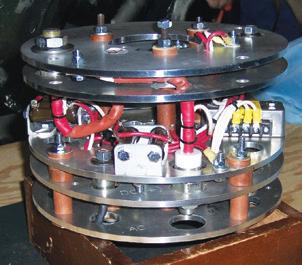
Synchronous Motor Rotating Rectifier Assemblies
•Drop-in replacement assemblies (Control modules and filters)
•Remanufacturing and custom designs
•Reverse engineering
•Parts
•Testing
• March 25-26, 2026 — Coiltech Deutschland 2026, Messe Augsburg, Augsburg, Germany. QUiCKFairs, http:// bit.ly/4lJgHh2.
• April 7-9, 2026 — Facility Fusion 2026, Hilton San Francisco Union Square, San Francisco, Calif. International Facility Management Association, https://facilityfusion.ifma.org.
• April 23-25, 2026 — Pearl Annual Conference 2026, Cleveland Metropolitan at The 9, Cleveland, Ohio. Professional Electrical Apparatus Reconditioners League, https://pearl1.org/conference-details-copy.
• June 10-11, 2026 — Coiltech North America 2026, Suburban Collection Showplace, Novi, Mich. QUiCKFairs, www. coiltech.us.
• June 13-16, 2026 — EASA Solutions Expo, Rosen Shingle Creek, Orlando, Fla. Electrical Apparatus Service Association, https://easa.com/convention/future-easaconventions. Edited by Kevin Jones EA
Quality Service / Expedited turnarounds
We service all original equipment manufacturer designs
•Repair Contact us at 832-806-8840 or see our website at www.Triggerelectricproducts.com
Know Your Industry
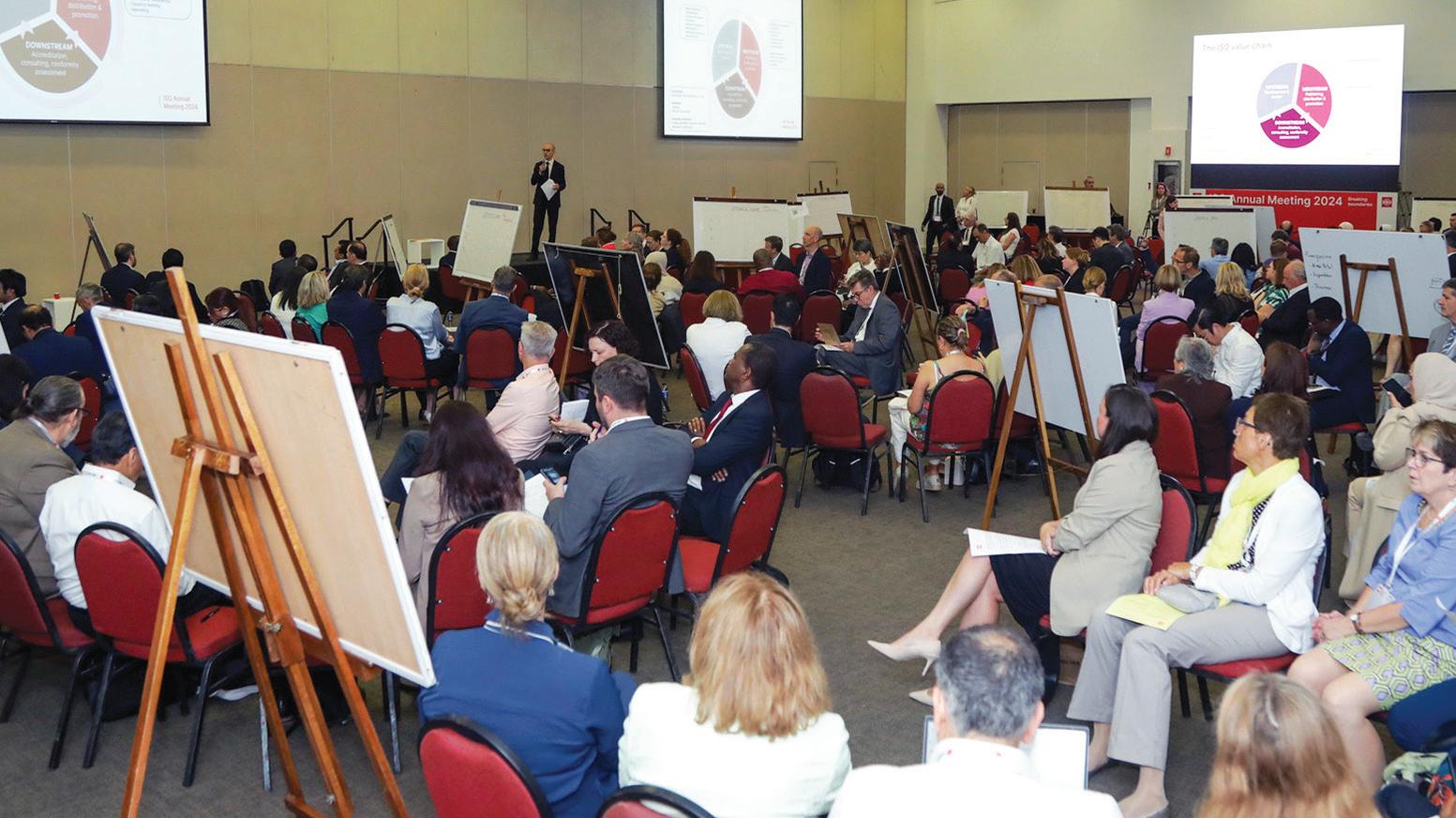
Setting the gold standard for nearly eight decades
Annual Dues: Vary by membership tier Website: www.iso.org/home.html
Just about every product that consumers interact with today goes through processes that utilize standardization to ensure precision, safety and quality. Whether it be the shirt on your back or the furniture you’re sitting on, almost everything made today has a set of standards looking over it to achieve the best possible nal product.
As much as today’s advanced technologies like smartphones and computers need standardization, the products, objects, and processes of the 20th century needed them as well.
Such was the reason that the International Organization for Standardization, known as ISO, was o cially founded in 1947.
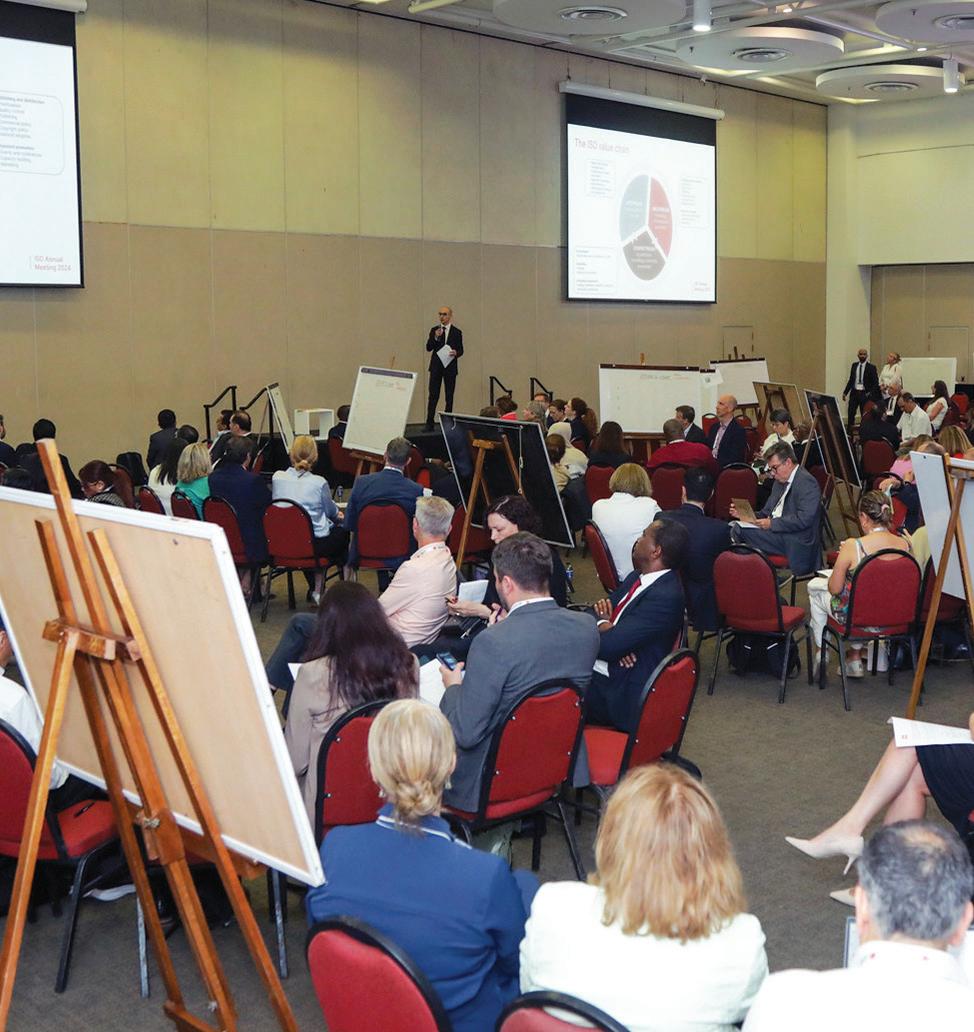
Now, nearly 80 years since its o cial inception, ISO “brings global experts together to agree on the best way of doing things – for anything from making a product to managing a process,” according to the organization. ISO is one of the oldest organizations operating free from governmental in uence and is a global force for standardization processes. To date, the organization has published more than 25,000 standards and other deliverables and is home to 173 national standards bodies.
ISO o ers three types of membership: full members, correspondent members, and subscriber members. Full members, also known as member bodies, have a hand in developing standards with the organization and vote in technical and policy meetings. Correspondent members are able to attend events and meetings as observers, and subscriber members keep up to date with ISO’s work but cannot participate directly in the making of and voting on standards.
Both full members and correspondent members can sell standards publications and adopt standards nationally, while subscriber members cannot. As described by the organization itself, the
role of ISO is “similar to that of a conductor, while the orchestra is made up of independent technical experts nominated by our members.”
For those interested in getting involved with the organization, membership is obtained by contacting the member organization in one’s country (the U.S.’s member organization, for example, is the American National Standards Institute) to request being added to their technical committee. Through the process of getting involved with localized organizations in one’s own region and laddering back up to the greater umbrella of ISO, members earn experience working with both national and international organizations.
ISO looks for industry specialists, academics, researchers, technical experts, and more. From start to nish, ISO says that the development of a standard typically takes about three years. Although the organization is best known for its standards, it also specializes in producing technical speci cations, reports, international workshop agreements, and guides.
Given the expansive nature of standards, ISO covers a plethora of sectors, including health, energy, environmental sustainability, food, and agriculture. Standards publications that apply to all of these industries are available for preview and also for purchase on the organization’s website, in addition to articles that relate to these sectors. These standards are developed by a collection of more than 250 technical committees, which consist of experts who specialize across an extensive range of industries — from sewing machines to air quality. Members can gain access to standards development through either an observational or participatory capacity.
One area that ISO has focused on is the rise in arti cial intelligence. It has released standards materials about AI this year. In July, the World Standards Cooperation “launched two groundbreaking technical and policy papers o ering recommendations to guide the governance of AI globally and combat mis- and disinformation,” according to ISO. The World Standards Cooperation is co-led by ISO, the International Electrotechnical Commission, and the International Telecommunication Union. The rst of these papers explored the “current landscape of standards and speci cations related to digital media authenticity and arti cial intelligence,” according to the organization. The
second o ered standards guidance for policymakers on how best to regulate multimedia content as it relates to ethical and safe use.
Other news and insights — spanning intelligent transportation systems to intellectual property rights — are available on the organization’s website. Upcoming ISO events include the organization’s annual meeting, taking place Oct. 6-10 in Kigali, Rwanda, and the International AI Standards Summit in Seoul, Korea, Dec. 2-3. The organization hosts workshops, webinars, and standards launches throughout the year.
Whether it be the co ee we start our days with or the alarm clock we set before going to bed, standards enable the development and production of the products we use (big and small) to make our lives enjoyable and a little easier.
— Avery Heeringa
At Performance Carbon we engineer the solutions that extend
Plant Happenings
Field of Dreams factory
Cargill, Inc., and Germany’s HELM AG have launched Qore LLC in Eddyville, Iowa. The $300 million facility grinds locally grown corn into QIRA, a replacement for the chemical component used to manufacture polymers. The goal of the venture, according to the companies, is to ll a need for more sustainably produced products, along with boosting the Iowa corn industry. Lycra will be one of the rst brand partnerships for Qore.
Can do, Cantex
An old plant is getting a new life with the opening of the rst Arkansas manufacturing site for electrical conduit and component maker Cantex, based in Fort Worth, Tex. The Nashville, Ark., location will create 110 new jobs and begin operations at the end of 2025. The previous Husqvarna plant closing impacted the local community, so the Cantex expansion is welcomed. Cantex provides electrical conduit, ttings, elbows, and non-metallic residential switches, outlets, and ceiling boxes to a range of electrical distributors, contractors, and end users.
No longer Sweet Home Alabama
A Boaz, Ala., plant that manufactures vehicle chassis was scheduled to close and lay o 85 employees in September. The facility was owned by Federal-Mogul Motorparts, now called DRiV, a Tenneco company that makes auto parts for several brands including Mercedes-Benz and Toyota.
Winding down
The slow housing market and recent tari s are being cited by the Michigan clock and furniture manufacturer Howard Miller as reasons for the planned closure of its Zeeland, Mich., manufacturing plant, which is expected to impact 130 employees. Howard Miller representatives said in a statement that the Zeeland plant will phase out operations this year but stay open to sell inventory into 2026. The family-owned company has been a part of the Zeeland community for three generations.
You’ve been WARNed
In early July, Ohio enacted a new Worker Adjustment and Retraining Noti cation (WARN) law as part of a larger bill. The mini-WARN law embraces the overall framework of the federal act while imposing more state-speci c procedures for employers planning to close operations or lay o a signi cant percentage of workers. Ohio employers with 100 or more employees are a ected by the new law, which directs them to provide written notice of closure 60 days beforehand to union representatives, non-union employees, and government o cials.
Kristine Weller
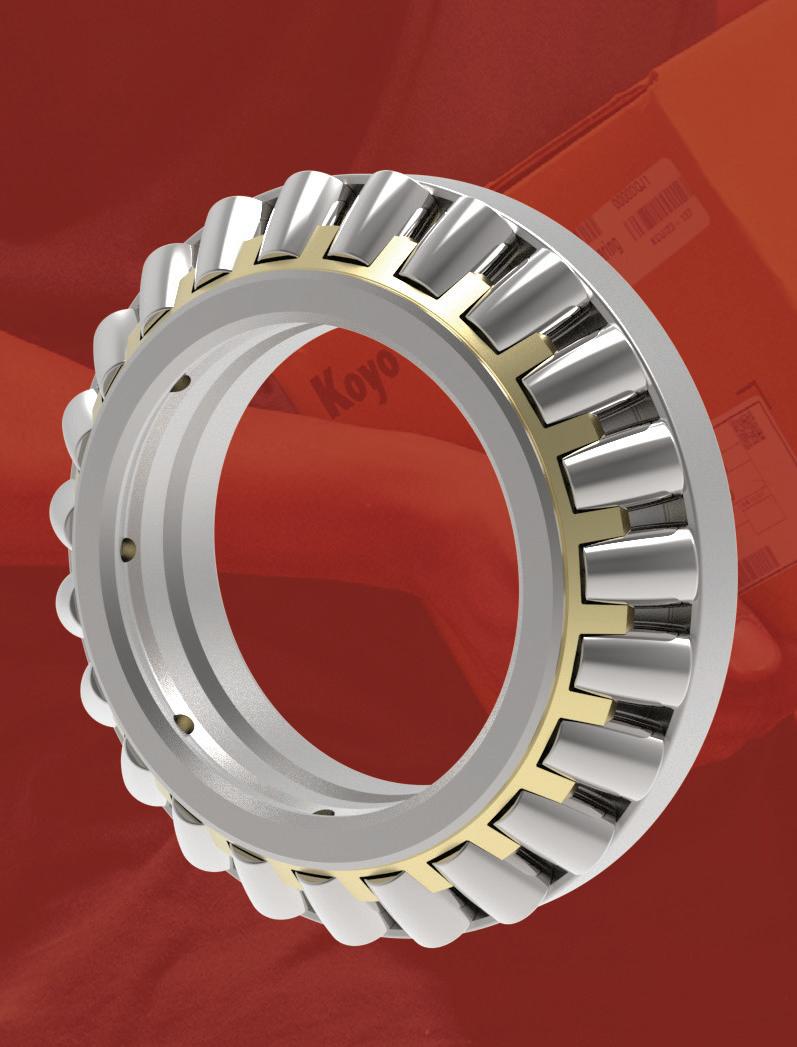
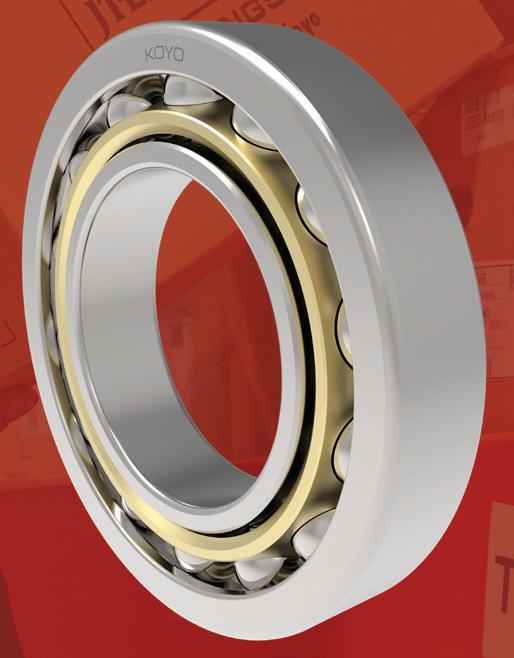
Premium JTEKT bearings on-the-shelf at all 7 Bartlett Bearing locations.
For more than two decades, Bartlett Bearing has partnered with JTEKT, formerly known as Koyo, to offer a range of high-quality, durable ball, needle, and roller bearings for demanding applications. From the smallest bearing to the largest, our team remains dedicated to giving you the right solution at the right time. Bartlett Bearing is proud to offer the same unbeatable service and support with on-the-shelf inventory for all your bearing needs.
THERMAVOLT / TUFQUIN / CEQUIN | HT180 FILM DIAMOND-DOT & PRE-PREG PAPERS | ARAMID, POLYESTER, POLYIMIDE & POLYAMIDE, PRODUCTS BY DUPONT, COTTRELL, 3M, & ST. GOBAIN
LENNI, DELFINGEN, VARFLEX, 3M, KANEKA, IPG, ATKINS & PEARCE, KREMPEL, ISOVOLTA, HESGON, ELANTAS, ST. GOBAIN, SWECO, and DUNBAR
Europe plans for the future of its power grid
The summer of 2025 marked a milestone in Europe’s energy transition. That’s when, for the rst time, solar power became the European Union’s largest single source of electricity.
In June, solar accounted for 22.1% of the EU’s electricity, with the Netherlands meeting 40.5% of its needs from solar and Greece 35.1%. This growth, fueled as it was by new capacity and sunny weather, coincided with a record coal low of 6.1% and the closure, on June 20, of Ireland’s last coal plant.
“Europe is becoming a solar powerhouse,” declared Chris Rosslowe, an energy analyst with data analytics rm Ember. “Nonstop records are not just the result of sunny weather but also from new solar being built every year.”
Wind power also performed well early in the summer, reaching 16.6% of EU electricity in May and 15.8% in June, but forecasts predicted a 40% drop in July and August, forcing increased reliance on coal and gas. BloombergNEF projected that this could raise EU power plant emissions by 14% in July compared to June. “The longer the wind lull continues amid the scorching heat, the longer fossil fuels will have to ll the evening demand gap in power markets,” observed Florence Schmit, energy strategist at Rabobank, a banking co-op.
On June 2, European electric utility association Eurelectric released its 2025-27 Presidency Manifesto, which prioritized customer-driven electri cation, energy security, and digital transformation. A Eurelectric-EY study found that EV owners could save €450 to €2,900 annually with smart and bidirectional charging, potentially providing 114 TWh of grid capacity by 2030. “Electric cars are fun to drive, but customers need choice in the market and clear incentives to act,” said Eurelectric’s secretary general, Kristian Ruby.
Electricity prices surged in July in response to heat and low wind generation. Italy’s wholesale price reached €113.33 per megawatt-hour, France’s nearly doubled to €79.38, and Germany’s rose 40.3% to €90.03. On July 1, prices in Paris spiked to €557.34 per megawatt-hour before declining later as renewables rebounded.
Also on July 2, the European Commission proposed amending the EU Climate Law to set a 2040 target of a 90% cut in net greenhouse gas emissions from 1990 levels. This goal builds on an existing 2030 target and aligns with strategies for economic competitiveness. “Agreeing on the 90% climate target provides us with a clear lighthouse to guide our future actions,” said
Teresa Ribera, the commission’s executive vice president for “clean, just, and competitive transition.”
The EU’s Methane Regulation reached its rst milestone on Aug. 5. Member states are now required to publish inventories of underground coal mines closed since Aug. 3, 1954. Measurement of methane emissions will begin in May of next year, with mitigation plans due by February 2027. “The upcoming August deadline for publishing a public
inventory of closed and abandoned coal mines is only the rst step,” Ember noted shortly before the deadline. “Member states now face the challenge of turning plans into action.”
Also on Aug. 5, the European Commission approved an €11 billion French state aid plan for three oating o shore wind farms whose output is expected to total about 1.5 gigawatts, enough to power 450,000 homes. The funding is intended to accelerate deployment and reduce reliance on fossil fuels. “With this €11
The Industry’s Quietest Bearings
Utilizing our precision manufacturing process to create improved raceway finishes and tighter dimensional tolerances, NTN pairs high-quality components and a special polyureabased grease designed for the electric motor industry to provide the needed quietness and a high-temperature performance you expect in your applications.
billion scheme, France will be able to deploy o shore wind capacities faster,” Ribera predicted.
Then, on Aug. 6, the European Commission began consultations for a “strategic road map” on digitalization and articial intelligence in the energy sector, the nal draft of which is due in early 2026. The purpose of the plan is to improve grid optimization, energy e ciency, and demand exibility while addressing the rising use of power by data centers. “To fast-forward the twin green and digital transitions, we need an energy system that is smarter and more interactive,” urged energy commissioner Dan Jørgensen.
Nuclear energy partnerships, meanwhile, advanced in August as AtkinsRéalis and Électricité de France (EDF) expanded collaboration on new construction, engineering, and waste management. “This collaboration agreement with a world-class organization like EDF is a game-changer for the nuclear industry,” said AtkinsRéalis’s CEO, Ian L. Edwards. EDF also signed an early work agreement with Finnish energy company Fortum to explore new nuclear projects in Finland and Sweden.
Looking to the future, European energy consulting rm PwC predicted that mergers and acquisitions in the energy sector are likely to be driven by decarbonization, technology, and cross-sector convergence, with strong interest in renewables, storage, and critical minerals. High interest rates and regulations, however, are likely to create a buyer-friendly market in o shore wind and carbon capture. “In 2025, the energy, utilities, and resources sectors are prioritizing resilience and transformative growth,” said Tracy Herrmann, a partner with PwC.
The European Commission plans to present a “European Grid Package” later this year with the objective of expanding storage capacity and attracting investment in renewable energy; up to €2.29 trillion will be needed by 2050 for these purposes, the Commission predicts. The hope is that the plan will streamline legislation, shorten the time needed for approvals, and strengthen cross-border planning.
Strategic Energy Europe, a news organization, released a statement in July that summed up Europe’s current energy ambitions: “The quality and success of the European Grid Package will depend on how e ectively it incorporates technical expertise, stakeholder input, and political resolve.” — Kevin Jones
Speaking Of . . .
Powered by WEG
In the September Electrical Apparatus, on page 32, as part of our coverage of last July’s convention of the Electrical Apparatus Service Association, we mentioned an acquisition by WEG Electric Corp. In a follow-up conversation with Peter N. Barry and Gerardo Elias, we gained some valuable clarity on the company’s impactful relationship with Marathon.
No longer under the Regal Rexnord umbrella, the accomplished brand is now “Marathon powered by WEG,” with the latter company currently rebuilding the value proposition through offerings like Marathon’s BlueMax, Black Max, Blue Chip severe duty, and generalpurpose Globetrotter products. Here are some additional details that didn’t make it into our EASA report:
In May of 2024, Regal Rexnord sold its industrial motors and generators business to WEG. This included all electric motors NEMA 180 and IEC112 frame and larger, regardless of brand, and the entire generator business. WEG established the new company as Marathon Electric, based in Wausau, Wis. All products are now available under the Marathon brand.
Now part of the WEG Group, Marathon Electric has taken bold steps to enhance product availability and service for EASA and other distributors. The company has increased stock by 30%, broadening its inventory profile, and has expanded its warehouse network. Marathon is investing and expanding manufacturing capacity in all of its North American facilities.
EASA distributors also tend to benefit from U.S.-based support, underscoring the company’s dedication to reliability and service excellence. All of this is available on a new website, www.marathonelectric.com, which includes a new e-commerce platform for EASA partners to access pricing, check availability, place orders, connect with their sales representatives, and more.
— Charlie Barks EA
> DC Commutators
•Largest drawing/specification database of various OEM’s
•Reverse Engineering capabilities
•True (OEM & Government approved) spin-seasoning capabilities
•New & Refilled. Various types. Up to 12 feet riser diameter
> Low, Medium and High Voltage Slip Ring Assemblies and components
> AC Rotors and rotor components
•Bars and Rings - Copper and Brass Alloys
> Copper and Brass Extrusions, Forgings, and Castings
•Amortisseur Bars, Coils, Blowout Coils, Commutator Bars, Cu Contacts
Marathon brand motors on the line.
— Marathon photo
Outshining any naysayer
How persistence has paid off for Dan Marks of Bohr Electronics
By Colin Gregory-Moores, EA Contributing Writer
For the past 30 years, Dan Marks has spent his career in the locomotive, freight, and transit space, starting in his thirties at his father’s traction motor repair shop, on to being an independent rep buying and reselling components for transit cars and locomotives, through working for Penn Machine Co. LLC, part of Marmon Holdings, Inc., a Berkshire Hathaway company, as its VP of sales in the wheels, axles, and gearbox overhaul business.
It was that culmination of experience that provided Dan with the opportunity to become CEO at Bohr Electronics, Chattanooga, Tenn., a position he has held since September 2022. For near-on thirty years, he has been a member of the Association of American Railroads and the American Public Transportation Association. He is also an accomplished and much-sought-after speaker and interviewee.
‘Sunday’s child’
To the question of his age, Dan raucously and infectiously laughs and says, “Like you, I’m balding and old.” He was born in 1970 in the then heavily industrial city of Pittsburgh into, as he puts it, a wonderful middle-class environment. His father Jim was a self-made man in the electrical apparatus business. “He’s the one who really was the driving force for me to have any kind of interest in not only entrepreneurship, but also in electromechanical engineering.” While he did not inherit any of his father’s jack-of-all-trades abilities – he openly admits to not being able to fix anything – his understanding of how things work, and his professional interests stem from his father.
Please turn to next page
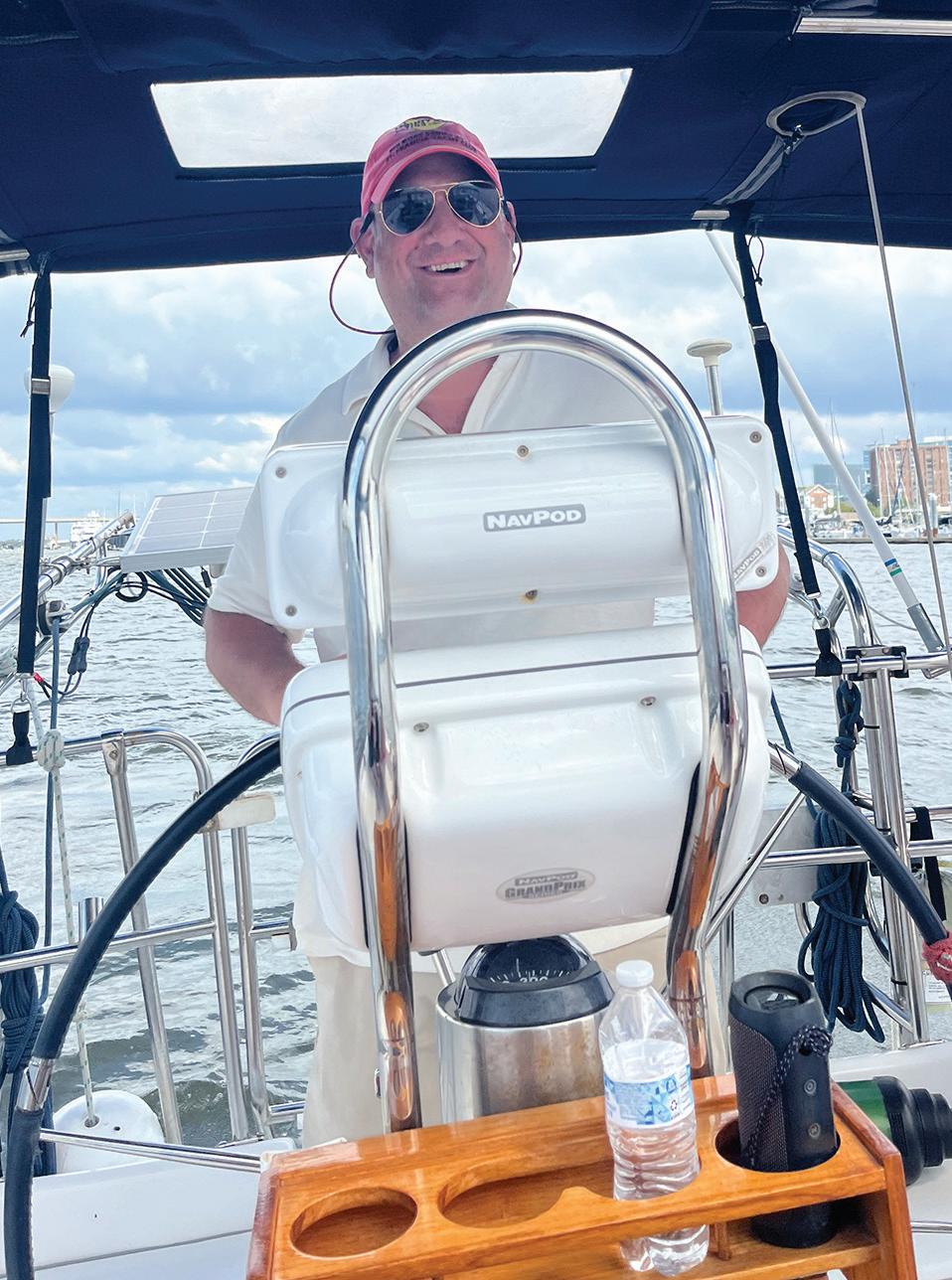
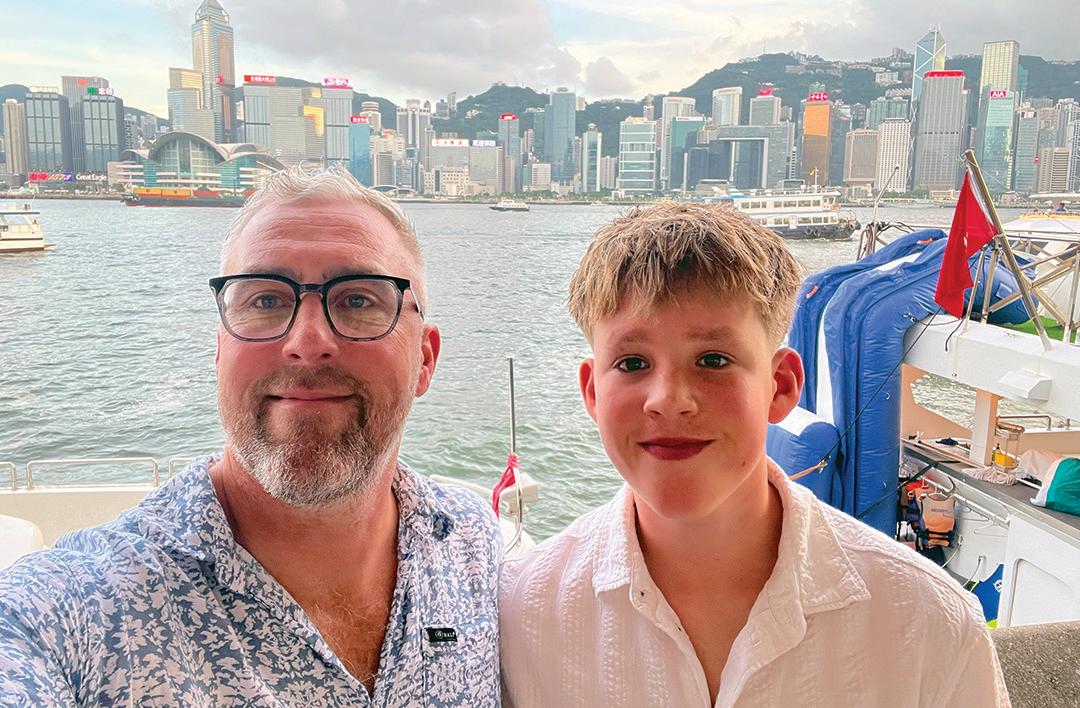
Dan Marks at the helm of a chartered sailboat in Charleston, S.C. — Justin Marks photo
READER PROFILE continued from page xx
Although it was not an easy relationship, he recalls how his father, an avid golfer, immediately laid down his golf clubs forever and bought a sailboat when he saw how much Dan enjoyed the water and spending time on his uncle’s boat on Chesapeake Bay. From then on, every Sunday after church, Dan and his family would go sailing on “Sunday’s Child,” where Jim showed his three children the ropes of both sailing and living. “I think that was probably his greatest gift, not only to me, but also to my siblings.” Later, Dan would do the same with his children too, and the water still is the place where he can wind down. Their mother, Marie-Jo, was a full-time housewife, fully committed to supporting Dan, his older sister, and younger brother through all the things that a mother does.
Working and learning on somebody else’s dime
From 1988-1993, he studied hotel, restaurant, and institutional management at Mercyhurst University, a private Catholic university in Erie, Pa. “It took me an extra year to graduate. I wasn’t exactly on the book side of things,” he jocularly laughs. Upon graduating, he went to work for Herc Rentals in an
entry-level inside sales position. He stayed there for six years, attending lots of in-house sales programs, and eventually being promoted to outside sales. Out of the three hundred salespersons, he was always in the top ten. During that time, he kept begging his father to let him come and work for him. The answer was always, “First, work and learn on somebody else’s dime.” At one point, he quit his job and went on a road trip to the beach for a year, after which Herc hired him right back. “It’s the hustle, getting the deal, and knowing that if you really work very hard, you’ll succeed,” Dan enthuses. Finally, he just leveraged his father and said, “I’m going to quit my job and come work for you even if I have to sweep the oors.” That was in 1999.
Organization and sales prowess
As his abilities grew, his father started to see what an in uence he was on his son. Together, they were able to take the company Traction Motor Services, Inc., which his father founded in 1991, from being a small electrical apparatus shop into a multi-million-dollar operation when it was sold in 2005. “It was an old mill building, a small operation,” Dan comments, “and through professionalizing it we were able to get into larger and greater opportunities.” First, he established inventory controls. Then he introduced standard operating procedures and equipment purchasing requirements. He remembers walking around the plant with a ve-gallon bucket, picking up brand-new carbon brushes, which he inventoried. “We had a Kanban scenario started, before I even knew what Kanban meant,” he laughs and concludes, “Organizing a business is half the battle, and then the sales prowess that I brought with me from my days at Herc helped as well to grow the business.”
The Rolodex, Part 1
After his father’s death and the sale of the company, Dan didn’t want to go to work for anyone or have any employees. He was a young man in his early
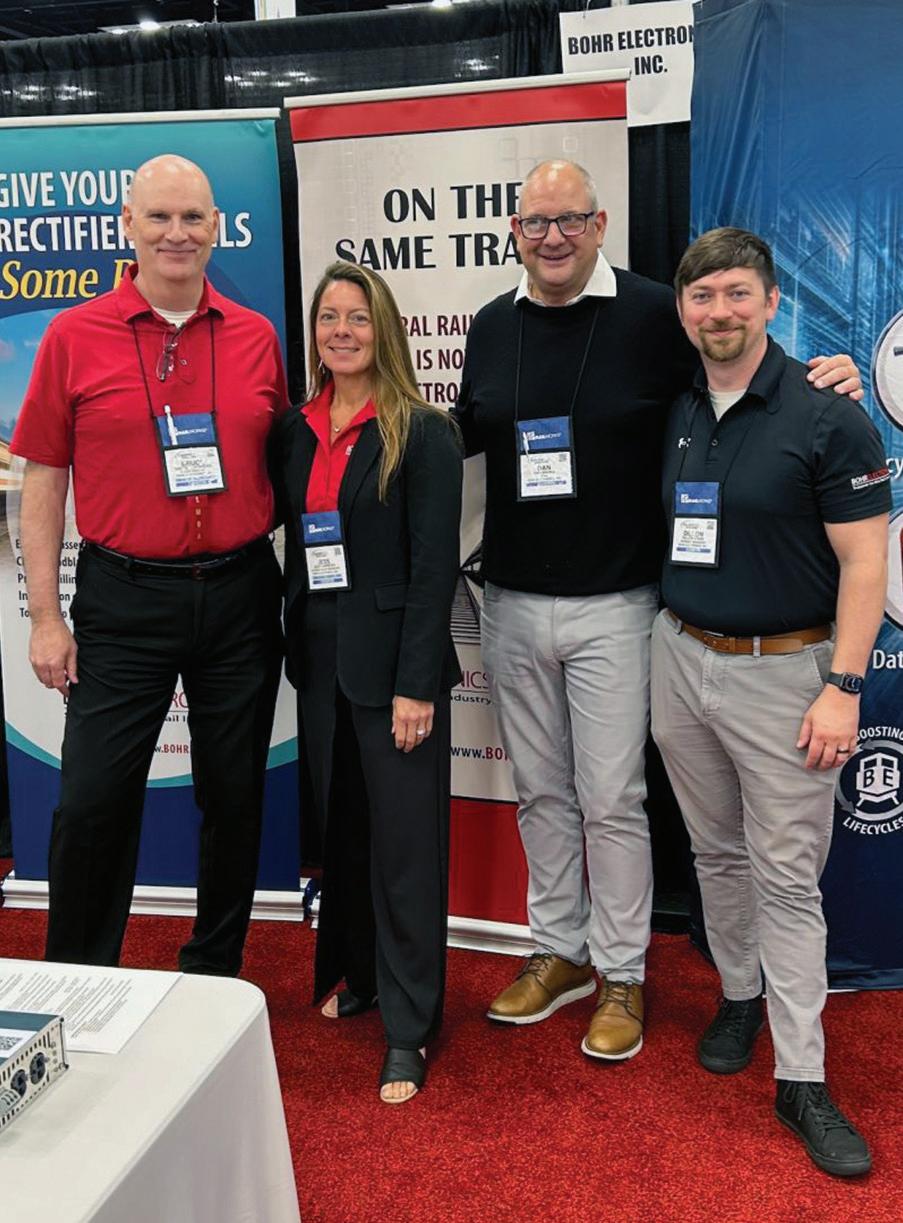
From left to right, Bruce Bloomster (sales director), Jess Carnerio (outside sales), Dan Marks (CEO), and Dillon Steen (engineering manager) of Bohr Electronics at the Railway Interchange 2025. (Photographer unidentified.)
thirties and a newly married father. When the business sold, he started DJM (his initials) Industries with the support of his wife Lorraine, preferring to go out and hustle the same customers that he had been selling to working for his father, calling on every transit agency on the eastern seaboard asking, “What can I sell you?” “I knew where a lot of the railroad components came from, and so I leveraged my Rolodex if you will,” he says.
The Rolodex, Part 2
When he was around 40, he was headhunted for the Canadian company CCI Thermal Technologies, Inc., which had recently acquired Fastrax. CCI was later purchased by the U.S. company Thermon. They asked him to run the Fastrax switch heating business development, which was a new role. “I jumped into that as a mentor, manager, and salesperson because it was a small group,” he enthusiastically remembers. He got to work directly with the CEO Bernie Moore, who, he says, “was quite a mentor and just gave great guidance.” At the time, the company was seeking to expand its business and diversify, and Dan’s skillset and Rolodex came in handy once again.
After three years, he was recruited by Penn Machine Company LLC, a Pennsylvania-based company, where he started out as director of sales of the transit group. Thanks to a white paper that he took the initiative to write, the transit and freight groups were consolidated under his leadership and grew exponentially. He also brought oil and gas opportunities in the fracking business to Penn Machine. When he left, they were doing about 4.5 million dollars in revenue. “That got a lot of attention by senior leadership, but not enough to keep me there,” he candidly states. A headhunter on LinkedIn recruited him for Bohr Electronics.
Employing 72 people, Bohr Electronics has been in Chattanooga, Tenn., for 60 years, and in Searcy, Ark., since 2022. Its business is twofold. It repairs and remanufactures the electronic and electromechanical gear in the locomotive electrical cabinet, which it also manufactures in its entirety; as
well as designing and manufacturing high-tech locomotive event recorders. During his tenure as CEO, the company has grown 52% YTD. A major part of Bohr’s success Dan credits to listening to the customer, the company-wide policy of sharing knowledge, the supportive culture of the parent company Alderman Enterprises, and the fact that “the working culture of our employees, from our management team down to the rank and le, is wonderful.”
Understanding the next thing
Dan’s advice to today’s generation is to be advocates for themselves: “You can’t just e-mail people; you still have to put yourself out there. You’ve got to understand the next thing and gure out how to get there.” Despite the caveat from a schoolteacher that he wouldn’t amount to much, he has always known that he had the gumption to achieve something. He laughs, humbly con dent that, as far as he is concerned, he has outshined any naysayer. EA
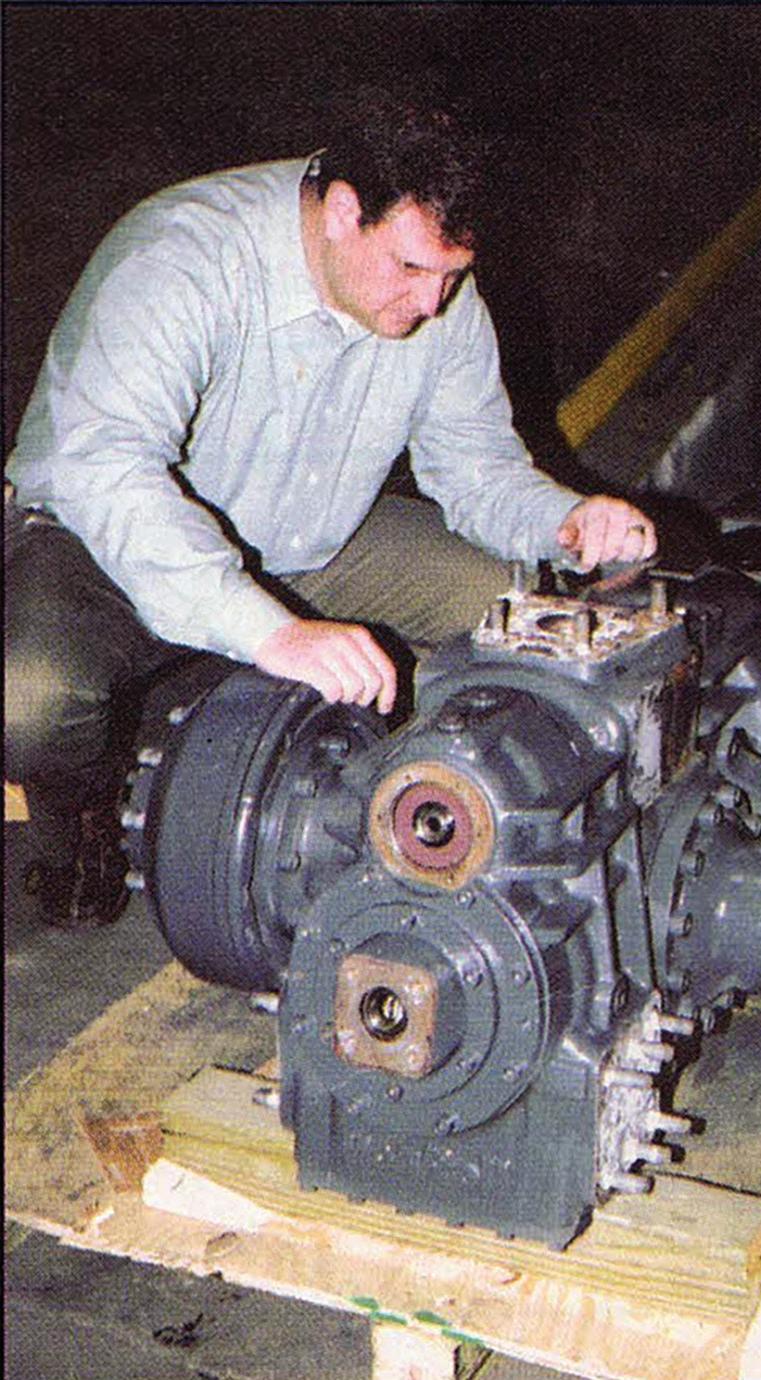
From an article by the late Richard Nailen in the July 2005 issue of Electrical Apparatus: Dan Marks is seen working at Traction Motor Services, Inc.
— Electrical Apparatus photo by Richard Nailen
Saving energy while preserving a nation’s patrimony
Multinational technology conglomerate Siemens AG has cut Germany’s Berlin State Library’s energy use in half while helping to improve the safekeeping of the library’s valuable cultural assets. To do this, Siemens installed intelligent building technology that reduces energy use by 52% and ensures stable temperature and humidity levels throughout the building — essential for preserving the library’s more than 32 million media items.
The project’s costs — around €20 million, or roughly $23 million U.S. — are covered by guaranteed savings in energy costs. This is made possible with energy savings contracting, a service Siemens o ers to public as well as private customers.
The Berlin State Library has a collection well worth making an extra e ort to preserve. Among its holdings are: a Gutenberg Bible; the main autograph
collection of Johann Wolfgang von Goethe’s writings; what’s said to be the world’s largest collection of Mozart and J.S. Bach manuscripts; and the scores of four of Beethoven’s nine symphonies.
Consortium seeks to digitize machine production
Innomotics, the manufacturer of electric motors and large drive systems, announced in July that it’s coordinating a consortium seeking to advance electric machine manufacturing by leveraging digitalization to boost power density and sustainability.
Want to Get Familiar with Electric Motors and Their Operation?
Innomotics and Siemens are two members of a consortium that’s seeking to improve electric machine design and production with digital technology. — Innomotics photo
Germany’s Berlin State Library, the repository of some of the nation’s most precious cultural artifacts, has undergone an energy-e ciency update with the help of Siemens AG. — Siemens AG photo
Called “EA 2.0: Integrated Product and Process Innovation for Electric Drives” and hosted by the Werner von Siemens Centre for Industry and Science in Nuremberg, Germany, the project is intended to streamline production processes while reducing material and energy use without sacri cing performance. The project partners, in addition to Innomotics, include Siemens, Datalyze, Fraunhofer IPK, and Ingwerk GmbH.
The project’s ndings have shown that extruding neodymium-iron-boron metal powder can produce permanent magnets for electric drives, a breakthrough now being further explored to design customized energy-e cient motors. Robert Schwengber-Walter, project manager for digitalization and process management at Innomotics, says that the research should “enable the integrated application of novel magnets and digital data structures in the shared product of the electric drive,” which in turn could lay the groundwork for longer-term collaboration among the project’s partners.
ABB investing in a new Canadian hub
ABB, the multinational electrical engineering corporation, is making its largest investment to date in Canada in the form of a project valued at more than $130 million Canadian. The company plans to build a new manufacturing and research-and-development hub in Montreal, Quebec, with an anticipated opening date sometime in mid-2027.
An artist’s rendition of a research-and-development and manufacturing facility ABB plans to build in Montreal.
The purpose of the new facility will be to consolidate the operations of two existing sites and to address the growing demand for advanced power protection and grid resilience technologies in critical sectors across the country, such as utilities, renewables, transportation, and infrastructure.
The new, highly energy-e cient building is designed to reduce carbon emissions by more than 95% compared to the two current facilities. The hub will bring together more than 600 current employees and is expected to create additional jobs as production expands.
The project is receiving $16 million Canadian in funding from Investissement Québec. Over the past decade, ABB has invested about $275 million U.S. in its Canadian operations. — Kevin Jones EA
— ABB photo
Feature | Safety & Health
Kenya believe it?
Safety in the electric utility sector — or lack of safety — often begins at the top
By Charlie Barks, EA Managing Editor
When we think of electrical safety in the utilities sector, it tends to be on a technical level: downed lines, faulty transformers, overloaded grids.
But as we’ve seen over the years, major utilities can neglect or jeopardize safety practices due to a lack of guidance from their C-suite executives and leadership. We’ve seen several U.S. utilities come under re legally for safety violations in the past ve years alone — a couple of them leading to convictions.
So it’s safe to say that uncovering and addressing safety malpractice and corruption at the highest levels of utility management is a productive thing for the greater grid. Internationally, this is a problem as well.
Illegal connections
For example, in Nairobi, Kenya, on Aug. 18, o cers from the Directorate of Criminal Investigations attached to Kenya Power arrested a suspect believed to be the mastermind behind illegal electricity connections in Igembe North and Igembe South sub-counties of Meru County. The suspect, Japhet Kirimi (who goes by the alias “Senator”) was arrested in Maua town after being spotted by a complainant.
Kirimi, who had previously been arrested in February 2024 for the o ense of arson, had been on the run until his capture. According to the Directorate, o cers conducting Kenya Power operations, acting
on intelligence, proceeded to Mpinda village, where they established that the suspect, together with his accomplices, including one Ibrahim Gituma, had constructed an extensive underground electricity network.
The illegal connections were found to be powering more than 21 borehole pumps supplying water to miraa farms in Mpinda, Kabuitu, Kanyakine, Muthucine, Mangala, and surrounding areas. Kenya Power’s managing director and CEO, Dr. (Eng.) Joseph Siror, commended the Directorate and other law enforcement agencies for their collaboration in tackling energy theft.
“We are grateful to the Directorate of Criminal Investigations and other law enforcement agencies working closely with us to weed out illegal activities within our network,” Siror said. “Beyond nancial losses, illegal power connections expose the public to the danger of electrocution and compromise the quality of electricity supply to our customers. We will not relent until all illegalities are eliminated.”
The illegal connections caused transformer failures, with 14 transformers destroyed and replaced at a cost of 21 million Kenyan shillings, or about $160,000 U.S. In addition, the estimated revenue lost from supplying electricity illegally to the 21 boreholes over a period of four years stands at 90.7 million Kenyan shillings, which is about $700,000 U.S.
“Illegal activities on the electricity network, such as theft of power and vandalism, not only compromise the quality of energy supply but also jeopardize the country’s economic development,” said Kenya’s energy and petroleum cabinet secretary, James Opiyo Wandayi. “The government is committed to ensuring that these illegalities are dealt with in the full force of the law. We will provide all the necessary support to Kenya Power and all other agencies that are faced with this challenge until we eliminate these vices.”
Kenya Power is undertaking countrywide operations as part of the ongoing war on illegal installations, which pose a serious danger to the public and contribute to energy losses. Illegal activities within the electricity distribution network account for commercial energy losses estimated at about 6% of the total electricity purchased from generators annually.
Kenyan authorities recently dismantled a sophisticated illegal electricity syndicate operating in the Igembe region of Meru County. The operation, led by the Directorate of Criminal Investigations in collaboration with Kenya Power and Lighting Co., exposed a clandestine network that had been siphoning electricity for years.
The suspects are currently in custody and will face legal proceedings. Authorities are urging the public to report suspicious activities to help curb similar schemes.
This case highlights the growing challenge of power theft in Kenya, especially in rural areas where farming operations depend heavily on electricity. Beyond nancial losses, such illegal connections pose serious safety risks — electrocution, blackouts, and infrastructure strain.
A widespread problem
All of this is not to say that this is a Kenyan problem alone. There’s been a troubling uptick in utility-related scandals in general of late, with several cases involving bribery, fraud, and manipulation of energy policy. Here are just a couple of the most notable recent ones, both in the U.S.:
> Last year, FirstEnergy Corp. of Akron, Ohio, was at the center of a $60 million racketeering scandal involving former Ohio House Speaker Larry Householder. The money was used to pass Ohio House Bill 6, which bailed out FirstEnergy’s failing nuclear and coal plants. The scandal led to multiple indictments, including indictments of executives and lobbyists, and FirstEnergy pleaded guilty to federal fraud charges.
> Commonwealth Edison of Chicago has been embroiled in a yearslong bribery scheme involving former Illinois House Speaker Michael
There’s been a troubling uptick in utility-related scandals in general of late, with several cases involving bribery, fraud, and manipulation of energy policy
to Madigan’s allies in exchange for favorable legislation. ComEd paid a $200 million ne as part of a deferred prosecution agreement. Executives testi ed that the company was on the brink of bankruptcy before legislation — allegedly in uenced by the bribery — rescued it.
In terms of broader trends in utility corruption, a recent analysis from climate action group Floodlight found a surge in fraud and corruption among U.S. power companies, threatening both consumers and climate goals. Executives from multiple utilities, including American Electric Power, have faced investigations or indictments. These schemes often aim to in ate electric bills, block renewable energy adoption, or manipulate regulatory frameworks. EA
Feature | Electrical Manager
Company peacemakers
The best managers know how to defuse the conflicts that too often arise among co-workers
By Bill O’Leary, EA Contributing Writer
We’re all human. We get angry, sad, frustrated, along with a whole other bevy of emotions and reactions that we probably aren’t proud of in hindsight. But it’s the human vulnerability that leads to the dreaded workplace conflict. Put more than one person in the same place and history dictates that conflict will result.
It’s human nature and the workplace typically has more than just two people in a singular setting, whether physical or virtual, which means more opportunities for misunderstandings and arguments. And oftentimes it’s the manager who has to navigate, quell, and resolve these conflicts. But how can leaders deftly move through these choppy waters without being pulled in the undertow?
Here, I will provide managers with the skills needed to properly handle workplace conflicts, which enhances productivity and positivity. And keeps HR at bay.
Don’t delay
First off, exhibit speed when reacting, while still remaining thoughtful. Don’t rush to judgment and react immediately per se but address the situation early. This way, resentment, anger, jealousy, hurt feelings, and any other negative emotions won’t
build. By tackling issues while they are “small,” you prevent escalation to much bigger problems. You can’t go back in time. You can’t un-ring the bell. You can’t put the toothpaste back into the tube. I can go on but what I mean is that you can prevent the problem from ever occurring. Instead, you have to chart a path forward by containing the damage.
With those realistic expectations in mind, managers should be able to keep any tiny disagreements at that minuscule size. If you ignore the issue, it can fester into disengaged workers, lack of productivity and an overall negative culture that kills morale. You don’t want a competent, high-performing employee to leave because you dragged your feet. So if you notice an inkling of tension or a trend of recurring friction, schedule a check-in with the relevant parties.
Once the situation has been broached, managers need to maintain their composure and stay calm. Keep your emotions in check during those relevant discussions, even if they involve situations or interactions that you were a part of. It might sting to hear hurt feelings or criticism directed towards you but how you react in these key moments will go a long way in properly resolving the conflict.
Pausing for a moment before speaking and counting to seven in the moment along with taking a deep breath can be a good way to process what is happening and not let instinct, elevated feelings, or being reactionary be your guide. Also, leave your initial judgment at the door. Don’t assign blame or use accusatory language. Soften your tone and avoid dramatic words like “always” or “never.” Saying, “I think,” “tell me more,” “what I’m hearing is” and more can help balance the discussion and provide a calming environment.
Listen actively
The last two examples I provided fold into my next recommendation, which is to practice active listening. What is active listening? It’s a very effective communication skill where a listener fully focuses on, understands, and responds thoughtfully to what someone else is saying. It goes beyond simply “hearing the words” - it touches on acknowledging and showing respect for the speaker’s perspective.
Components of active listening include providing your full attention but putting away distractions like checking your phone, laptop, or watch during the conversation. It also includes maintaining eye contact and facing the speaker. This body language, along with nodding and leaning slightly forward, communicates engagement.
Reflecting and paraphrasing is another tactic that exhibits active listening and helps in resolving workplace conflict. This entails summarizing what
you heard in your own words, which con rms understanding. Examples include, “So I’m hearing that you feel frustrated with an overly critical supervisor. Is that correct?” It may seem obvious and repetitive on its face, but in reality it validates the other person’s experience and prevents misunderstandings. It also potentially reduces defensiveness because the o ended party doesn’t feel ignored while reducing escalating tension from “arguing” to “clarifying.”
Finally, it can build rapport and trust. By re ecting, you are showing respect but taking the time to understand their viewpoint. More often than not, people just want to be heard. And venting can be more than half the battle, it can be the full enchilada. Mixed clichés aside, managers should use active listening as a default. You’re getting full clarity on a situation before “diagnosing,” which avoids judgment and premature missteps. The cherry on top here is acknowledging emotions. Recognize that feelings are being shared. Thank the other person for exhibiting this vulnerability. It can be hard to do that in any situation much less to a higherup, and respond thoughtfully instead of reactively.
Learn to mediate
I’ve been speaking about one-on-ones where the manager is not directly involved in the situation, essentially hearing one side of the story at a time. How about mediating a discussion and seeking resolution in a group setting?
Step one — and this is the common beginning step for any workplace resolution tactic manager — is to prepare. Gather as many facts as you can at the outset with the goal of understanding what happened to each individual separately. And avoid making any assumptions or bringing any opinions or biases at the outset. This can be done by scheduling separate one-on-ones with each member before the group meeting.
Also, set the stage by scheduling a private, neutral space where both parties can feel open and safe to talk freely. Avoid intimidating environments like your own o ce. This could add an air
of fear to all parties. Again, the goal is professional resolution, not a punishment.
So we’ve entered the meeting. Now what do we do? Set the tone by being calm and make it clear that your goal is resolution, not blame. You want to understand each perspective and to arrive at a solution that works best for everyone.
Then, establish some ground rules — pretty standard fare for mediation — that includes each person getting equally allocated time to speak, no interruptions, no accusations or personal attacks, and the ultimate angle of focusing on solutions rather than past issues or grievances. Of course, you should still provide space for those “problems” to be shared. They are the reason you’re all here. They deliver important context but they should always be connected to speci c solutions.
Follow the ground rules you set by giving equal time to all participants and encouraging the use of “I” statements to keep the focus on the individual who is currently speaking. Then, bring in that old friend we call “active listening” by summarizing what you hear to show understanding - “So, Tim, what I’m hearing is that you feel the department goals are not clear and are constantly changing, which is creating a good deal of stress and unfairness in your view. Is that accurate?”
Find common ground
While you’re in the meat of the meeting, try to identify common interests and agreement, not just positions. Look for important underlying needs and goals such as clarity, work/life balance, respect, and recognition. Creating common ground can bring down the temperature of the con ict while keeping the focus on generating solutions.
And explore those solutions together. Come up with multiple options before deciding a speci c path forward. Encourage collaboration and compromise in that path so potentially all individuals are satis ed to some degree. This can easily be achieved by making everyone an active participant
— ask them to recommend what they think would work.
Get rm agreement on the way forward by clearly summarizing the decisions. Writing down the ideas and sharing them with each person through e-mail or another commonly used communication method helps rm up that foundation. Have each worker commit to this path. This can be done either verbally or by having each worker sign a written document that outlines the solution. This helps make the buy-in a more tangible reality.
Finally, check in with everyone after a week or two to gauge progress. We’re all human, and relapse is not just possible but common. Typically, con ict resolution isn’t a magical switch being ipped but an ongoing journey of peaks and valleys. As you navigate this at-times fraught terrain, make sure that you’re reinforcing positive attitudes and making any adjustments when necessary. Positivity, solutions, mutually benecial outcomes - this is your compass, your North Star to resolution. EA
Feature | Conventions & Trade Shows
Fab four
Metal forming, fabricating, welding, and finishing shared the stage at Fabtech 2025
By Charlie Barks, EA Managing Editor
CHICAGO — As manufacturers sought new opportunities to enhance productivity and drive the industry forward, Fabtech 2025, held Sept. 8-11 at Chicago’s McCormick Place, showcased the tangible solutions and technology leading the way. Fabtech is said to be North America’s largest event embracing the four related disciplines of metal forming, fabricating, welding, and finishing, and anyone walking the expansive exhibit floor could easily see why.
The event came at a pivotal time, offering a firsthand look at the automation, high-precision machinery, and smart fabrication technology needed to address some prominent industry challenges, including the ongoing skilled labor shortage. More than 45,000 manufacturing professionals from around the world attended to explore solutions across 850,000 square feet of exhibits, where more than 1,500 world-class suppliers — including Platinum Sponsors Amada America, BLM Group, MC Machinery Systems, and Trumpf, Inc. — displayed the latest innovations shaping the future of manufacturing.
“Manufacturers today are tasked with meeting higher production demands amid a shifting labor landscape,” said Tracy Garcia, CEM, Fabtech group director at the Society of Manufacturing Engineers. “Fabtech is where real-world answers were found. This is the place to see the technology that could immediately boost efficiency, hear what is coming next from industry leaders, and leave with concrete solutions that could be implemented as soon as you returned to your shop.”
What drove demand
The show reflected the industry’s most pressing needs by showcasing the technology and equipment designed to address them. Attendees explored these trends across the show floor:
> Automation and smart manufacturing. As automation adoption accelerated, attendees saw live demonstrations of advanced robotics, cobots, and AI-powered systems that detected part defects in real time. Together, these things are reshaping the approach to quality and speed. These solutions were found throughout all three halls, with leaders like Fanuc, Kuka, Fronius, Cloos North America, Lincoln Electric, and Beckhoff Automation showcasing robotics and automated welding solutions.
> The connected smart shop. The latest in smart factory solutions were on display, demonstrating how AR/VR, the Internet of Things, and nextgeneration software are powering flexible, on-demand manufacturing with fewer risks and faster results. Attendees explored these innovations from exhibitors like Bystronic, Prima Power, and Mazak Optonics.
> High-precision technology. Live demonstrations of the newest highspeed fiber lasers, press brakes, and cutting-edge fabrication machinery offered attendees a look at precision for cutting and welding applications. The technology on display, critical for such industries as automotives, heavy equipment, aerospace, defense, was a significant feature in three major sections of the expo: forming & fabricating; welding; and stamping and press automation.
> Sustainable manufacturing. Attendees explored a wide range of sustainable solutions, from eco-friendly coating systems to energy-efficient machinery. This trend was prominent in McCormick Place’s Lakeside Center, where finishing exhibitors such as Gema USA, IFS Coatings, Therma-Tron-X, Nordson, and Global Finishing Solutions demonstrated their wares.
Technology-focused pavilions
To help attendees navigate the vast show floor, the Fabtech was organized into seven specialized technology pavilions: Automation, Forming and Fabricating, Tube and Pipe, Stamping and Press Automation, Welding, Finishing, and the new Job Shop Pavilion.
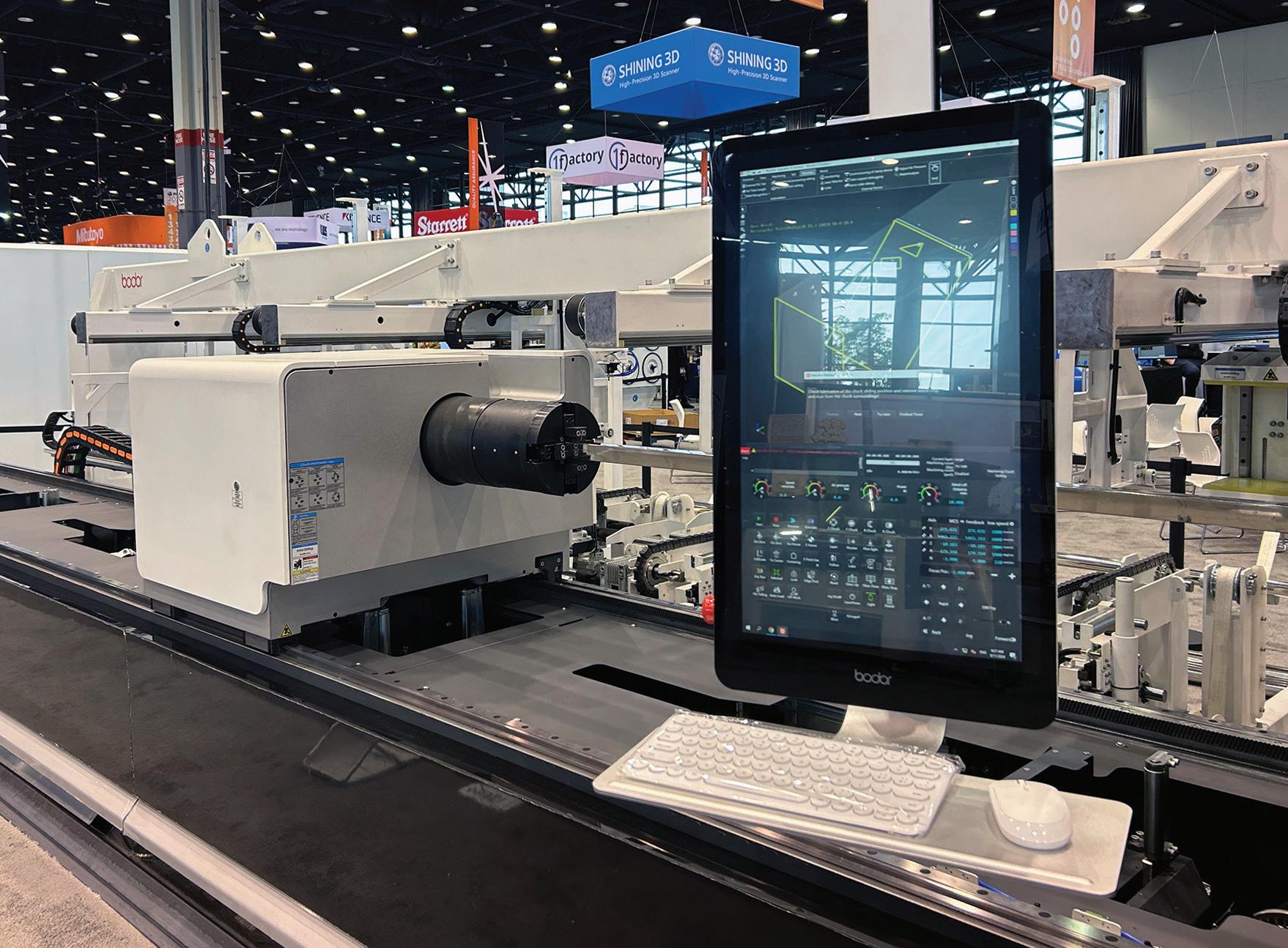
A Bodor tube laser cutting machine used across various industries for cutting and shaping metal tubes. The company recently began operations at its new global headquarters in Jinan, China.
“The show floor was a preview of where the industry was heading next,” said Mark Hoper, senior vice president of expositions and media at the Fabricators and Manufacturers Association, one of several co-producers of Fabtech. “The combination of established industry leaders and hundreds of new exhibiting companies created an unmatched environment for discovery. Attendees left with a clear vision of the innovations that boosted their productivity and competitiveness long after the show ended.”
A diverse roster of speakers
Complementing the live demonstrations and solutions attendees observed on the show floor, Fabtech’s education program offered more than 200 sessions and workshops across 13 tracks. The program was designed to expand on themes attendees encountered in exhibitor booths.
The speakers’ program included some big-name keynote speakers with a decidedly athletic theme, plus one Electrical Apparatus regular who was recently inducted into the Manufacturing Hall of Fame.
“This wasn’t just the largest Fabtech; it’s the most essential,” said Tracy Garcia. “The record-breaking size of our show floor reflected the industry’s incredible drive for innovation — from automation that enhanced workforce productivity to the smart technologies that were powering next-generation supply chains.”
The event kicked off Monday, Sept. 8, with NASCAR visionary Andy Papathanassiou, renowned motorsports innovator and the sport’s first pit crew coach. In his keynote address, titled “Over-the-Wall Thinking,” Papathanassiou shared the winning strategies behind his team’s 250-plus victories and 16 series championships. Attendees learned how his approach to preparation, communication, and continuous improvement transformed NASCAR pit crews and how these principles could be applied to business leadership.
“Over-the-wall thinking was a philosophy I developed over 30 years in NASCAR,” said Papathanassiou. “It’s how top athletes solved problems through practice, repetition, and eliminating distractions. This mindset helped leaders become more engaging, dynamic, and effective.”
On Tuesday morning, Emmitt Smith, legendary Dallas Cowboys running back and the NFL’s all-time leading rusher, delivered the second keynote address. Smith boasts three Super Bowl rings, a spot in the Pro Football Hall of Fame, and the unique distinction of winning Super Bowl MVP, NFL MVP, and NFL rushing title in the same season.
Beyond football, Smith is a successful entrepreneur and bestselling author. His talk focused on adapting to change, overcoming obstacles, leadership, and teamwork, drawing from his experiences as a profes-
sional athlete, business leader, and “Dancing with the Stars” champion.
“Oftentimes, wisdom from mentors revealed potential we didn’t see in ourselves,” Smith said. “It’s not change itself, but our attitude toward change, that limits our possibilities.”
Wednesday’s keynote featured a figure described by Fabtech as “one of the best performance coaches in the business.” Alan Stein Jr. has coached NBA greats like Kevin Durant, Stephen Curry, and Kobe Bryant. He broke down the leadership habits and mental performance strategies used by elite athletes and high-performing organizations. This includes “practical methods any fabrication or manufacturing firm could utilize to enhance leadership, strengthen team culture, and create an environment where employees performed at their best,” Stein said.
The next day, Harry Moser’s keynote presentation delved into how OEMs and job shops can benefit from reshoring. As the founder of the Reshoring Initiative (featured regularly in Electrical Apparatus since the initiative’s founding), he helped bring enough manufacturing jobs back to the U.S. that he has been inducted into the Manufacturing Hall of Fame.
During his keynote, Moser shared national survey findings and practical strategies to help manufacturers and job shops capitalize on shorter, domestic supply chains. He touched on areas such as how to justify the initial costs that automation entails and how better to align the workforce to maximize productivity.
This year’s Fabtech was also a milestone tenth anniversary for women, as the Women of Fabtech program celebrated a decade of advancing women in manufacturing. This year’s keynote speaker was leadership strategist and author Dr. Amber Selking, who shared insights into teamwork, resilience, and performance excellence. Returning after a successful launch, the Emerging Leaders Program provided specialized content and networking to support early-career professionals and cultivate the next generation of manufacturing leaders.
“There’s a reason Fabtech continues to be a cornerstone for industry professionals,” said Mark Hoper, senior vice president of expositions and media at the Fabricators and Manufacturers Association. “The energy, the diversity of exhibitors on the show floor, the range of ideas and technologies — it all came together to deliver an unmatched opportunity for attendees to find solutions and gain a clearer vision for their operations.” EA
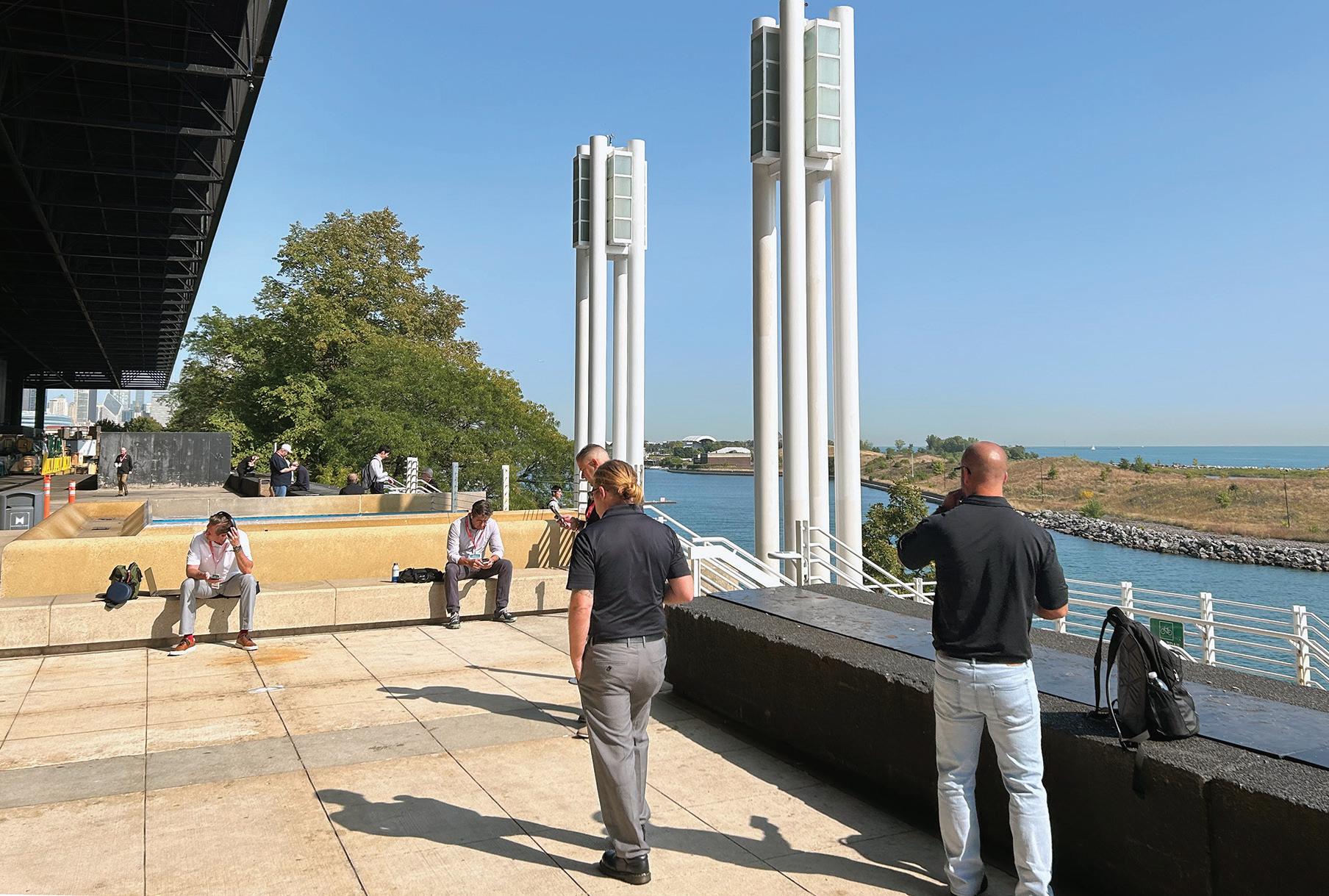
Fabtech attendees take a break for lunch outside McCormick Place’s Lakeside Center next to Lake Michigan in Chicago.
— Electrical Apparatus photos by Charlie Barks
A pump compliance primer
Summing up the many standards and code requirements that pump users must learn and follow
By Bill O’Leary, EA Contributing Writer
Manufacturing, distributing, and repairing pumps is no easy feat. A whole litany of standards must be followed to ensure compliance. Compliance requirements for pumps extend beyond operational efficiency; they also involve environmental protection, occupational safety, and mechanical integrity. A handy guide to pump compliance is certainly in order, so here’s a brief rundown of the regulatory framework for pumps from the U.S. Environmental Protection Agency, the Occupational Safety and Health Administration, and the National Fire Protection Association. Consider this a Pump Compliance Primer to get you up to speed on regulations, standards, and more — a field-friendly reference guide.
EPA Requirements
40 CFR Part 112 (SPCC): Facilities with greater than or equal to 1,320 gallons of oil storage require secondary containment around pumps and piping manifolds. Mechanical seals that experience seepage are considered a “discharge” and must be addressed immediately through capture. It also requires facilities to implement a written “Spill Prevention, Control, and Countermeasure” plan that describes oil storage containers and capacities, outlines personnel train-
ing requirements, details secondary containment for tanks, drums, and pumping systems, clarifies emergency response and notification procedures, and provides inspection and maintenance schedules.
40 CFR Part 122 (NPDES Permits): Establishes requirements for permits to discharge pollutants from point sources into waters across the U.S. It applies when pumps discharge process water, wastewater, oily water, or contaminated stormwater to the environment. Pump station discharges such as stormwater bypasses require monitoring and reporting. Any operator discharging pollutants must apply for an NPDES permit. Any discharges, leaks, or spills not covered by the permit are subject to significant penalties. This standard also requires a stormwater pollution prevention plan for stations handling industrial run-off. This document needs to have a site description and drainage mapping, employee training, best practices for addressing spill prevention, proper chemical storage, and secondary containment for pump stations.
40 CFR Part 261 (RCRA Hazardous Waste): This standard defines what is hazardous waste along with how it is identified and regulated. Pumped fluids classified as hazardous must have compatible seals and elastomers; flushing water used for maintenance may be subject to hazardous waste management. Maintenance rinse water and flushed lubricants can be classified as hazardous waste. The standard outlines four key hazardous waste characteristics: ignitability or flash points, corrosivity, reactivity, and toxicity. Wastes are catalogued into a number of lists such as the F-list, which covers non-specific source wastes from common processes such as degreasing and solvent cleaning, and the K-list, which outlines “source-specific” wastes from specific industries.
40 CFR Part 265 (Tank and Container Standards): This standard applies to all treatment, storage, and disposal facilities. It states that pump transfer lines connected to hazardous waste tanks must be compatible and that daily inspections are required for leaks and deterioration. It also requires that waste not react with container material and that new tanks undergo integrity assessment with regards to design and corrosion protections. Tanks hauling hazardous waste must have vaults or liners to contain leaks and spills.
OSHA requirements
29 CFR Part 1910.147 (Lockout/Tagout): Pumps need to be isolated from all energy sources before servicing. This includes hydraulic supply valves, pneumatic actuation, electrical disconnects, and stored fluid pressure. Verification is needed to ensure that pressure gauges read zero and by checking shaft rotation.
29 CFR Part 1910.119 (Process Safety Management): This standard applies if a pump system contains more than 10,000 lbs. of a ammable liquid or certain toxic chemicals. Mechanical integrity programs are required to ensure compliance along with written maintenance procedures, seal management, and vibration monitoring.
29 CFR Part 1910.212 (Machine Guarding): This standard covers how proper guarding is needed, since pumps have rotating shafts, belts, impellers, and couplings. It states that machine guarding is needed for couplings between motors and pump shafts, exposed rotating shafts and keyways, ywheels or gear trains in reciprocating pumps, and drive belts and pulleys on belt-driven units.
29 CFR Part 1910.1200 (Hazard Protection): This standard dictates that uids must be identi ed per GHS labeling, and safety data sheets need to be accessible near pump stations. It ensures that pump workers understand the hazards of chemicals they work with and how to protect themselves, including barrier uids in seals such as oils and glycols, pumped chemicals such as acids, caustics, solvents, wastewater, and fuels, coatings, patina and corrosion inhibitors applied to pump casings or systems, and lubricants and cleaning solvents used in pump maintenance.
NFPA Codes
NFPA 20: Regulates re pump installation and requires pump performance testing and pressure relief valves when churn pressures exceed system ratings. It applies to diesel and electric-driven re pumps, rotary or reciprocating pumps where very high pressure or speci c ow control is required, vertical shaft turbine pumps for rivers, lakes, wells, and reservoirs, and centrifugal pumps. It requires that all re pumps must be installed in dedicated, accessible, and protected rooms and be connected to a reliable water source capable of meeting the system’s demands. It also has speci c performance requirements, such as maintaining at least 65% of rated pressure at 150% of rated ow.
NFPA 25: Dictates that ongoing maintenance/testing schedules for re pumps such as weekly churn tests and annual ow tests are required. This standard for the inspection, testing, and maintenance of water-based re protection systems also requires the use of records and logbooks for pump inspections.
NFPA 30: Governs ammable liquid transfer and states that pumps must be listed for ammable service, with explosionproof motors per NEC Article 500.
NFPA 31: Standard for the installation of oil-burning equipment such as pumps supplying fuel oil to burners. It emphasizes preventative maintenance checks for leaks at pump seals, connections, and gaskets along with requiring annual inspections of strainers and lters, testing of relief valves to ensure proper bypass operation, and con rming that pumps shut down with burner controls during safety tests.
NFPA 70: Pumps operating in Class I, Division 1 areas must use motors rated per NEC 501.125. Also, conduit seals are required within 18 inches of motor terminations. It also covers motor installation requirements, overcurrent protection,
and that pump motors are protected from overload and short circuits, including both centrifugal and positive displacement pumps. Proper installation, grounding, protection, and motor performance for agricultural and irrigation pumps are also covered.
NFPA 110: This standard for emergency and standby power systems applies to pumps that are connected to generator back-up power systems. It de nes two performance levels for emergency systems: Level 1, for life safety systems that must automatically start within 10 seconds of power loss include emergency lighting and critical elevators; and Level 2, for optional/non-life safety systems that provide power to equipment where downtime is inconvenient or costly but not immediately life-threatening along with stating that longer startup times, such as times around 60 seconds, are acceptable.
NFPA 291: This code provides recommended practices for re ow testing and marking of hydrants. It relates to re pumps supplying hydrant systems and provides formulas for calculating friction losses in mains and residual pressure at hydrants. Pump workers are directed to use these calculations to verify proper pump sizing for maximum re ow and that discharge and suctions pressures stay within rated pump operating limits.
What we’ve covered here is just the tip of the pump iceberg as a vast amount of compliance materials is out there waiting to get its day in the sun. Having this article nestled in your back pocket, relaxed on your passenger seat, or embedded in your phone can help you meet a bevy of pump challenges. EA
Reserve your ad space in the 2026 ElectroMechanical Bench Reference
The annual supplement to
Electrical Apparatus
The EMBR is the essential buyer’s guide for people who design, specify, use, operate, maintain, or repair electrical equipment.
The EMBR is now online all year! FREE standard listings and enhanced advertiser listings at:
www.embrbarks.com
Advertising closing for the 2026 EMBR and the December EA is Nov. 3. Contact barbara@barks.com.
Names & Faces
During its annual business meeting July 22 at the Gaylord Opryland Resort & Convention Center in Nashville, the Electrical Apparatus Service Association introduced its new international officers for the 2025-26 administrative year.
Chairman of the board Barry Bullard of EMI Power & Automation, Inc., Decatur, Ala.; vice chairman Mathis Menzel of Menzel Elektromotoren GmbH, Berlin, Germany; and secretary/treasurer Kevin Krupp of York Repair, Inc., Bay City, Mich. Chairman Bullard has more than 45 years of experience in the electromechanical industry. He held the offices of vice president and president of the Mid-South Chapter of EASA during the
This #@&% Impulse Tester is not putting out the voltage. Call PJ and order a Real Surge Tester !
PJ Electronics (since 1969) has been manufacturing an exclusive High Frequency Surge Tester that is the best for testing the integrity of insulation in all electric motors, generators and all types of windings. We offer Bench, Portable & Console models. All 65 Models (6KV to 60KV output) are capable of testing fully assembled motors without rotating the rotor.
period 2016-21. In 2019 he was elected to serve as the director of Region 4. He served as secretary/treasurer of EASA in 2023-24 and as vice chairman in 2024-25.
Selected to serve on the executive committee were immediate past chairman Paul Rossiter of Energy Management Corp., Salt Lake City; Christopher Culver of Ainsworth, Inc., Toronto; and Calvin Earp of Shermco Industries, Inc., Irving, Tex.
Infinitum, the Austin-based start-up known for its sustainable air-core motors, recently announced the appointment of Vikas Desai as chief commercial officer. He will oversee Infinitum’s commercial efforts and revenue growth, according to an announcement sent to Electrical Apparatus. Desai brings three decades of customer-focused leadership experience to Infinitum, having built and scaled multiple global businesses across the solar energy and technology sectors. Prior to joining Infinitum, he served as chief commercial officer of Maxeon Solar Technologies.
Seeq, a Seattle provider of industrial analytics, artificial intelligence, and enterprise monitoring for industrial companies, announced in August the appointment of Anton Chilton to its board of directors. Chilton brings more than three decades of global technology leadership to Seeq, most recently serving as CEO of QAD, Inc., a SaaS provider of ERP and supply chain products for global manufacturing companies. Over a multi-decade tenure at QAD, Chilton held leadership roles across sales, marketing, and professional services. — Charlie Barks EA
Deaths
Steven Jezowski, manager and mentor at York Electric Repair
Steven Edward “Junior” Jezowski, 71, died in Flint, Mich., on May 6, Electrical Apparatus has learned.
Visit www.pjelectronics.com to learn why we are the only choice for all of your Surge Testing needs!
He was born to the late Stephen Jezowski Jr. and Arlene Tardiff on April 25, 1954, in Bay City, Mich. After graduating from high school, Steven served in the U.S. Navy during the Vietnam War from 1971 to 1975. He refined his skills as an electrician during his military service and continued in the profession for more than 41 years, first as a full-time employee, then as part-time at York Electric Repair. For more than ten years, Steven also taught an electrical machinery class at Delta College in Saginaw, Mich.
Steven’s career at York Electric Repair was shaped by the way he could troubleshoot and help customers, leading to a promotion to manager of technical services. He was the second employee hired at the young company and was an important part of its growth during his time there.
“He cared deeply about electric motor theory, application, and repair, and he continued to learn and teach until just before he passed,” said company president Kevin Krupp. “He will be greatly missed by current and past employees and those that knew him in the industry.”
Friends and acquaintances recall that Steven’s passion and expertise in the electrical industry was matched by his enjoyment of rooting for his favorite sports teams and spending time with friends and family. He is survived by his wife, Connie, and by his children, grandchildren, and great-granddaughter.
A visitation and celebration of life took place on May 14. EA
EASA’s executive committee, from left to right: Paul Rossiter, Calvin Earp, Chris Culver, Barry Bullard, Mathis Menzel, and Kevin Krupp. — Electrical Apparatus Service Association photo
Steven Jezowski
Global solar
The numbers don’t lie: Why the world should double down on solar energy
By Fazli Acikgoz, EA Special Correspondent
As the global energy transition accelerates, few technologies o er the scalability, a ordability, and long-term bene ts of solar power. Once viewed as an expensive alternative, solar is now one of the most cost-e ective energy solutions available.
But widespread adoption still varies dramatically by region — largely due to di erences in cost structure, policy support, and economic incentives.
Take the U.S.: Residential solar installation costs remain over $700 per kilowatt-hour, compared to just $160 per kilowatt-hour in China and around $350 per kilowatt-hour across the European Union. The culprit? Not hardware — panels and inverters are cheaper than ever — but the surrounding costs: permitting, inspections, customer acquisition, and project management. These “soft costs” account for more than 60% of the total system price in the U.S.
Solar as an economic investment
Beyond climate bene ts, solar energy makes economic sense. Consider the following:
About the author
Fazli Acikgoz holds a Bachelor of Science degree in mechanical engineering from Ondokuz Mayis University in Samsun, Turkey, and an MBA from Stanton University in Anaheim, Calif. Since 2022, he has been an independent operations specialist o ering operational support services to individuals and small businesses. This is Fazli’s rst contribution to Electrical Apparatus. — Editor
> Payback period. In the U.S., a typical residential solar system pays for itself in seven to ten years, depending on state incentives and energy prices. In Germany or the Netherlands, payback can be as low as ve to seven years due to streamlined permitting and strong feed-in tari s.
> Return on investment. With lifespans of 25 or more years, average ROI ranges from 10% to 20% annually, outperforming many traditional nancial investments.
> Amortization advantage. Solar systems are increasingly nanced with long-term low-interest loans. When combined with federal tax credits and net metering, monthly savings can outweigh loan repayments, meaning households can be cash ow-positive from year one.
In commercial and industrial contexts, ROI can be even higher. Many companies in Europe now use rooftop solar not just for cost savings, but to meet sustainability benchmarks and gain ESG investment appeal. In the U.S., corporations like Apple, Amazon, and Walmart have led the way with large-scale installations that both reduce operational expenses and improve brand equity.
Global best practices
In China, vertically integrated manufacturing and centralized deployment strategies keep prices low. With more than 580 GW of installed capacity, solar is both an economic lever and a diplomatic tool. Europe takes a di erent approach: Distributed generation, policy harmonization, and generous incentives drive adoption in places like Spain, Italy, and the Netherlands.
In India, the government has paired national targets with rural microgrid programs, showing how solar can address both electri cation and development. Meanwhile, Australia’s high retail electricity prices and strong net metering policies have resulted in the highest rooftop solar penetration rate per capita in the world.
— Gergitek / Shutterstock photo
SOLAR continued from previous page
Meanwhile, in the U.S., the Inflation Reduction Act and tools like SolarAPP+ have begun to address bottlenecks — but permitting, local regulation, and inconsistent interconnection rules still slow momentum. A recent analysis from the U.S. Dept. of Energy’s National Renewable Energy Laboratory suggests that simplifying permitting could reduce residential solar costs by up to $1,000 per household.
Why now?
There are several reasons to move forward with the further development of solar power:
Facts that make the case for solar
Here are some fundamental numbers that show why supporting the trend toward going solar makes sense:
> Residential solar cost: China ~$160/kW; EU ~$350/kW; U.S. ~$700/kW
> Average residential return on investment: 10%–20% annually
> Solar system lifespan: 25 to 30 years
> Payback period: Five to ten years, depending on region
> Annual solar capacity growth in China: about 35%
> Rooftop solar share in Australia: More than 30% of homes
> Commercial ROI (Europe): Up to 25% in certain markets — FA
> Energy security. Solar reduces dependence on imported fuels and stabilizes long-term energy prices.
> Job creation. Every megawatt of solar creates five to seven full-time jobs, from manufacturing to maintenance.
> Resilience. Decentralized rooftop systems provide backup power during grid outages and disasters.
> Economic growth. For every dollar invested in solar, GDP can grow by $2.50 to $3.00 through local multiplier effects.
> Electrification of everything. As vehicles, heating, and even cooking shift to electric, clean power becomes central to reducing carbon emissions across sectors.
What needs to change
To unlock the full economic value of solar, countries — especially the U.S. — must:
> Standardize permitting and reduce soft costs.
> Expand access to financing tools for homeowners and businesses.
> Incentivize domestic manufacturing to compete globally.
> Link solar deployment to export strategy and industrial policy.
> Ensure solar benefits reach underserved communities through shared and community solar models.
> Integrate battery storage incentives to maximize self-consumption and grid stability.
> Train a skilled solar workforce to meet rising installation demand.
The case for solar is no longer ideological — it’s economic. Around the world, countries that embrace solar are creating jobs, boosting resilience, and gaining energy independence. Whether you’re a policymaker, business leader, or homeowner, one truth is clear: The sun doesn’t send a bill. Let’s harness it. EA
Selmer Farm LLC is a solar installation located in McNairy, Tenn. Built in September 2014 and operated by Onward Energy, the installation has a total capacity of 15.8 MW.
— Electrical Apparatus photo by Kevin Jones
GLOBAL
International player
How lessons learned from being ‘the biggest and best repair outfit in West Africa’ led to doing business around the world
By Michael Mitten, EA Contributing Writer
My love of travel and seeing the world was cemented at a very young age. When I was aged three my parents moved to Nigeria, where my dad had led the creation of a joint venture repair shop – Portland Electrical Repairs - between Blue Circle Cement and British Electrical Repair Services, both the leading British companies in their respective fields at the time. Blue Circle needed a high-quality repair service in West Africa. British Electrical Repair Services needed to expand. Given they were the U.K.’s dominant multi-site service company at the time, overseas growth had become a strategic necessity. Ultimately, my family’s business, Houghton International, was born of the fallout of that joint venture relationship and of Blue Circle’s need to source high-quality HV coils and materials from a reputable European vendor. My dad was their man, so my mother flew back to the U.K., incorporated a business, found suppliers, bought a load of copper wire and insulation materials, and shipped them to Lagos along with our Christmas presents. They were in business!
Portland Electrical Repairs grew to be the biggest and best repair outfit in West Africa, employing more than 400 people at its peak in the mid-1980s. And it was with this cemented life experience as inspiration that I returned into management after university, with a concrete will and determination
to see the world. But I was skint. The company was skint. So I had to be creative to make it work.
In 2001, a company called Google was just starting to organize the world’s information, and we had only a single dial-up connection, so finding grant funding and overseas customers was difficult. Identifying what I could sell around the world was much easier. We had a product of sorts, preformed coils - although we had no branding nor differentiation of what each variant of insulation system did, nor how it performed under testing. And we also had services – a few of our team had traveled to Nigeria to provide technical and hands-on expertise for large, complex rewinds. I figured I could sell both as a package.
Laying the groundwork
Without thinking through the product positioning, I set about finding customers. We already had a single customer in Hong Kong. Although British sovereignty was ceded to China in 1997, their way of doing business remained very British, so it seemed an easy place to start, but I was struggling to find target companies and contacts.
Fortuitously, I found a competitor’s brochure on the desk of a U.K. customer that I managed to slip into my bag during the paper shuffling as the meeting ended. I’d noticed they advertised all their export customers by both name and country on the back page. All I had to do was identify the right people, which was easier said than done in the nascent days of the internet. So, I picked up the phone and started asking questions, ultimately finding the maintenance managers at various power plants, and a handful of rewind companies to visit.
Next was funding. In 2001, Enron had been our biggest indirect customer, so when they blew up, they almost took us with them. Thankfully, we got paid, but times were tough. We had to halve the workforce and basically start again. Exporting, therefore diversifying our customer base and spreading risk, was a sensible strategy, alongside growing our U.K. repair business more sustainably.
The only issue was, we had no cash. I scoured the earth to find U.K. government funding for me to go on a sponsored trade mission to Hong Kong, where we had a single customer. I pulled all the pieces of the pie together and presented it to my parents, barely hopeful they’d sign it off. After a half hour’s grilling, they gave me the nod, on the basis I worked to a strict budget, come hell or high water. I couldn’t believe it. I was in business! And that business was in Hong Kong!
Please turn to next page
Michael Mitten and his son Freddie with Victoria Harbor and Hong Kong Island in the background. — Michael Mitten photo
The Hong Kong trade mission
I recall being crushed with imposter syndrome when I sat in the taxi from the airport as it navigated through the high-rise buildings and bright lights illuminating that wonderful, awe-inspiring city. Who the hell was I to be here? Dread washed over me like a Star Ferry sinking in Victoria Harbor.
Through the fog of eight hours’ jet lag, I was up and out early at my first meeting with the British consulate. The great thing about joining trade missions is that everyone’s a novice exporter, so you find camaraderie among the group, and very useful guidance from the consulate’s trade specialists. With their encouragement, that afternoon I hopped on the train to my first meeting, thinking I’d find a cab at the other end to take me on to the power station which was, unbeknownst to me, in the middle of nowhere.
I found a cab, but the driver couldn’t speak English, nor I Cantonese. My meeting was in 15 minutes. Perplexed, I walked around a shopping center trying to find an English speaker who could translate my destination for me. This was a big lesson – be prepared. It’s easy now with AI and free translation programs, so there’s no excuse. But note you cannot always rely on having 5G or Wi-Fi in the wilds of an unknown country. In this industry, we operate in some extreme and sometimes
remote places. So get all this work done well in advance, and use your hotel concierge to help you figure out distance and transit times locally.
Finally, I found a benevolent local lady who was lovely and wrote out everything I needed with great care. I’ll always remember that lady, because she taught me a massive lesson: Human nature remains the same the world over. Most people are nice, and many go out of their way to help a stranger. I always do the same, because you never know when you may need a hand in a strange place. But also, that being professional means being prepared and having a backup plan no matter the environment, language, or location.
I was an hour and a half late for that first meeting. I had no mobile phone, so I couldn’t call to inform the prospective customer. Thankfully, when I arrived sweating with stress and bedraggled by the humidity, my shirt soaking wet, they were okay, and they still took time to have the meeting. They went out of their way to explain how they understood and thought it quite hilarious how this young lad as green as grass had flown halfway around the world to see them sweating like I’d run a marathon to meet them.
This map of Hong Kong that hangs above the author’s desk continues to give him inspiration.
— Michael Mitten photo
Making a strong impression
Their decency and understanding cemented another huge lesson in my mind: If you go to the effort of flying halfway around the world, almost everyone you meet will sit up and take notice of you, and invariably they will be much more senior decision makers than someone in as lowly a position as I was would normally get to see. In this instance, even the managing director of the power plant popped in to say hello, which blew me away. It turned out not that many people made the effort.
As ever, timing is everything. They had a critical 3.3 kV motor that had just failed, a suspected rotor bar failure. As I was there, could we fix it? I was buzzing. I got straight onto the phone to our U.K. team, figured out what we needed to quote, and they faxed it through. I was at the plant into the evening while we worked out a deal to ship the rotor to the U.K. to be fixed on emergency service.
The maintenance team was knocked out with our service levels, and despite knowing they were paying a premium, gave me a £15,000 order to do the job, my first ever export order. Boom! I loved that feeling.
I returned from that trip more motivated than I’d ever been, and a little wiser from the experience. The £15,000 (about $19,734 U.S.) order turned into over £100,000 (about $131,560) — more than double that in today’s money, as we delivered a program of proactive upgrades to their critical rotors. I was now hooked on exporting and started moving heaven and earth to find more target countries and customers, building a network of people around the world, many of whom remain friends to this day.
International growth
Over the next 20-plus years, we grew our reach to almost 40 countries globally, spanning every continent bar Antarctica. Eventually this breadth created enough critical mass of inquiries for us to be continually manufacturing coils and providing services to end users and repair companies in such far-flung places as as Australia, Venezuela, Costa Rica, Indonesia, and the Faroe Islands, supporting all manner of repair challenges, often in emergency service.
Yet it was that first trip to Hong Kong that taught me so many lessons. Preparation is everything. The more prepared you are, the more professional and convincing you become to your target customers. I learned that if you are decent and polite, people will go out of their way to help you, no matter where you are in the world. I learned to make sure I do the same because you just never know when you may need it yourself one day. I learned that when you really go out of your way to meet someone and listen to what challenges they face, by asking great questions, and listening more than you speak, that people respond with belief and give you opportunities. I learned that if you fly halfway around the world, the top guys in organizations pop in to say hello, which eases the grip of their pen as they sign off your all-important, high-margin purchase order.
A most important lesson
More than anything, I learned that exporting is not only challenging but great fun, and an excellent way to spread risk by diversifying your customer base outside of your local or national markets. Which leads to my final point.
Exporting is great, but to be truly effective it must be part of a joinedup strategy. It must be thought through in terms of the cost of customer acquisition – it’s both cost- and time-heavy, although far less so now
that we have a culture globally of introductory video calls. I wasted lots of time and cash we could ill afford running down blind alleys with customers I’d failed to fully qualify the quality of. But depending upon your country, state, or locale, funding, mentoring, and support can be available, so look into it. Once your strategy is clear, do your homework, and find great customers. Great customers are ones who value your service, are willing to pay a premium for it, and pay you on time, every time. This takes time. Quickly jettison poor customers. But you should be doing that as a matter of everyday business; it’s not exclusive to exporting. Poor customers sap your organization dry. Either get them to shape up or get rid of them by recommending your competitors.
I have a large, framed map of Hong Kong above my desk, which I looked at nostalgically while thinking about how to write this article. As I pondered structure and message, I realized why I’d bought it. It’s because some of my richest life experiences came from my life on the international exporting road, from meeting people in other countries who do things differently, often better than we do at home, and taking inspiration from them, shaping my character for the better. More than anything, I guess I wanted to remind myself of that, and also of where it all started for me, in that stinking, sweaty, beautiful, awe-inspiring, mind-boggling city state that was once part of the British Empire that gave me a huge opportunity in life for which I’ll always be grateful.
A view of Hong Kong Island from the Star Ferry, a public transportation system that shuttles passengers across Victoria Harbor between the Kowloon Peninsula and Hong Kong Island.
— Michael Mitten photo
EV charging stations of the future
How they’re evolving from simple plug-ins to advanced hubs offering speed, convenience, and integration with the grid
By Maura Keller, EA Contributing Writer
It’s 1965 and you’ve just pulled up to your neighborhood gas station. A young man wearing a clean uniform, black cap, and crisp black tie ventures out from the small service station to greet you. While filling up the tank, he washes the windows, lifts the hood, and checks the car’s fluids. You pay him in cash and drive away.
Fast forward to 2025 – a mere 60 years later. A woman pulls her EV up to a supercharging station adjacent to a convenience store. No need for immediate payment as her charging purchase is automatically billed to her vehicle’s digital account, and subsequently her credit card. She briefly watches the morning news on her cell phone. Inside the c-store, computers monitor her EV charging purchase, while security cameras record her every move. Store employees scan the forecourt through closed-circuit televisions, never having to venture outside. Upon charging her EV in a matter of minutes, she replaces the charging “nozzle” and drives away.
It’s evident that a lot has changed in the vehicle “fueling” experience during the last 60 years. And while the advent of EVs within the automotive space has undoubtedly impacted the industry, envisioning EV charging “stations” of the future is an awe-inspiring experience.
Continuous innovations
Johannes Copeland, COO of Skycharger, one of the largest non–original equipment manufacturer (nonOEM) developers of fast-charging infrastructure on the West Coast, is a rising voice in the EV infrastructure space and often shares his insights on what the EV charging stations of the future will look like.
At Skycharger, Copeland focuses on re-imagining charging stations as more than just a plug-in point, envisioning them as integrated hubs designed for speed, reliability, and accessibility.
“Over the past several years, a few trends in EV charging have emerged in the U.S. market,” Copeland says. “The availability of a-c charging has continued to grow as a workplace and customer amenity – for example, at shopping malls, airports, and hotels. In addition, d-c fast chargers have graduated from unreliable, low-power monolithic monstrosities to very high-power, flexible, sleek machines.”
The transition from 50 kW to 250+ kW ports happened during the last four years, and Copeland says the industry will continue to see station power push from today’s 400 kW top-end up to 500+ kW for light-duty, and 1200 to 1500 kW for heavy-duty truck charging.
“There is far more competition, particularly in the 300-400 kW dual-port monolithic configuration,” Copeland says. “This is driving innovation to try to attract customers with distinctive features but is also driving costs down. Cabinet- and dispenser-based EV charging systems are becoming more flexible and more powerful. Yesterday’s 200 kW cabinets are now available in 600 to 1200 kW – and power between two and twelve ports.”
In addition, driver fee payment options have grown, giving customers more flexibility for payment methods and roaming. Also, software features that were novel years ago are becoming core features for owner/operators, such as time-of-use pricing and load management.
“Looking at EV charger topology, the first chargers have been very much standalone chargers –a station with one or two plugs,”
This conceptual image from Skycharger, a Nashville-based company that’s been designing and building EV charging infrastructure since 2013, shows a truck and bus charging hub. — Skycharger image
Johannes Copeland, COO of Skycharger
says Antti Vuola, director of market segments, Kempower, a Finnish company that designs and manufactures modular and scalable high-power d-c fast-charging solutions for EVs. “A few manufacturers introduced distributed charging systems with dynamic power sharing, enabling multiple dispensers with multiple plugs from the start. The distributed charging system offers the best utilization of charging sites and thus enables highest energy delivery, which in turn means more revenue for charging operators.”
Additionally, as Vuola points out, chargers used to be just an electrical box with a cable sticking out. Today chargers need to have a unique UX (user experience). “All of this comes with design but also with big screens to guide the user and also enable marketing for customers,” Vuola says. “UX also covers the ease of use. As EVs are getting more popular outside of early tech adopters and charging is being done by the everyday person of all ages, chargers need to be accessible and easy to use.”
Mind-boggling innovations
To meet the healthy EV market, countries like Norway are exhibiting some unique EV charging innovations, such as electrified roadways. As Vuola explains, Norway decided a long time ago to subsidize the electrification of road transport. This has led to healthy market growth leading up to today, when almost all new cars being registered in Norway are EVs. EV truck charging in Norway is also leading the trends.
“The Norwegian government has built a healthy environment for this transformation and, as EVs have populated the market, innovations for public charging have been pioneered in Norway,” Vuola says. “Norway also has the highest ratio of EVs to people in Europe, so there have been challenges in how to meet the need for public charging – namely, having enough plugs and power, minimizing queuing, and delivering good service and customer experience.”
Gilbert Michaud, PhD, is an assistant professor of environmental policy at the School of Environmental Sustainability at Loyola University Chicago and the coordinator of the school’s Climate & Energy Focus Area. According to Michaud, Norway has a dense and reliable network of chargers that are integrated with the power grid.
“They treat this as public infrastructure. In practice, it’s just about as easy to charge your EV as it is to refuel your car at a gas station in the U.S.,” Michaud says. “They have also linked this infrastructure to renewable energy, which further reduces emissions.”
Of course, with a lot of demand – as is evident in Norway – comes the need for new developments and innovations. A large market also creates and attracts a lot of new enterprises to develop solutions for EV charging. “Some of these innovations will develop the market, and others will just stay as local variants of charging,” Vuola says.
In the U.S., Copeland doesn’t think electrified roadways, like those in Norway, that use induction charging will be a viable solution in the
near term for several reasons. To be useful for all vehicles, it would require coordination to standardize receivers and install them on vehicles.
“At the moment, speaking about the U.S. at least, our government and federal highway administration is not only incapable of driving the technical standardization that would be necessary, but is also completely opposed to using public money to promote EVs,” Copeland says. “Public works, highway, and civil projects are already far too expensive. At the same time, the gas taxes that fund them are naturally declining with EV adoption, so it will be a non-starter politically and financially.”
Also, Copeland says it’s important to consider how many roads would have to be electrified before the manufacturers would build their vehicles differently to conform. Alternatively, how many vehicles on the road would be required to justify the expense, time, and effort to electrify the roadways?
“Highway infrastructure projects are one of the only things that take even longer than electrical infrastructure projects. Highway-integrated charging would require both the modification of the road specs, and also a high-power utility connection,” Copeland says. “Each of these projects would easily be at least five years in development, even if you could find a government or investor to fund it. Having to wait on governments and contractors to electrify roads would create a new kind of range anxiety all over again, because not only do you need to know where the charge strips are, you would also need to be in the correct lane to get your charge.”
Envisioning the future
In the future, Copeland believes there will be three major trends in EV chargers: battery integration; a plateauing of max power; and more chargers, but fewer charging networks.
“On battery integration, we are already installing a-c and d-c coupled batteries alongside chargers to peak shave, load shift, and to shorten infrastructure development time and cost,” Copeland says. “This enables operators to install EV charging stations in areas where costs would otherwise be prohibitive (high-demand chargers, distribution upgrades, etc.).”
The maturing of the EV charging market also is happening concurrently with the scaling of AI data centers – both of which will demand massive amounts of power to function and will stress the utilities’ development capabilities to deploy new electric services.
“In order to deploy chargers in saturated areas or to deploy more quickly, battery integration will be key,” Copeland says. “The financial, practical-use cases of battery storage systems will only grow as
GIlbert Michaud, assistant professor, Loyola University Chicago
battery cost continues its downward march.”
With regard to max power, Copeland says there will be a practical financial limitation to how much battery capacity most OEMs will install in a vehicle even with lower cost and greater density.
“There is also a point at which EV range is more than sufficient to satisfy even the most rangedemanding driver,” Copeland says. “Some premium vehicles are already going 400 miles or more on a full charge. After all, the typical size of gas tanks hasn’t materially changed in decades. As charging stations become more ubiquitous, there will be less incentive for OEMs to continue to increase the car’s battery size, because range matters less when you can re-charge anywhere.”
So if the car’s average battery size effectively peaks, so will charging speeds. For example, as Copeland points out, nobody complains gas pumps are too slow because they’re always done pumping in less time than it takes to grab a snack from the store.
“The best charging experience is one that is wellmatched to the natural dwell time spent at the amenity,” Copeland says. “You don’t need fast chargers at the movie theatre – and maybe that big-box store owner won’t want five-minute charging if the drivers never come into the store. Once your charging session speed is faster than what you need for the grocery run, or the quick pop into the pharmacy, or the fast food restaurant – you don’t need more power. On the charger side, there comes a point at which higher power does not provide any more noticeable benefit to the driver, adds unnecessary cost to build the vehicle, creates no measurable marginal benefit to the owner, and becomes prohibitively expensive to deploy – particularly given the cost and competition trends facing EV operators.”
Copeland estimates that the upper, practical limitation of light-duty EV chargers is in the range of 550 kW to 650 kW. This would satisfy an 80% charge of most light-duty vehicles within 10 minutes. There is also a utility-side infrastructure constraint to charger speed: transformer size. Typically, a 2500 kVA transformer is the largest transformer a utility will install on a 480 V circuit before requiring a mediumvoltage service. If you want to charge four vehicles concurrently at your station, you would max out at about 630 kW.
Finally, regarding networks – Open Charge Point Protocol (OCPP) is the shared language spoken between open EV chargers and charging station management systems. According to Copeland, OCPP and the availability of compatible EV hardware has resulted in the sprouting of many charging networks. He says the next several years will likely see a contraction in the number of networks, as govern-
‘You don’t need fast chargers at the movie theatre – and maybe that big-box store owner won’t want fiveminute charging if the drivers never come into the store,’ says Copeland
ment incentives change and private money for development becomes more costly.
“There has been a bit of a land grab recently, however, as the industry matures, the number of players in the space will naturally peak and then contract down to a handful of major players,” Copeland says. “This is bound to happen in a maturing industry, as the speculative money exits the space over time and operators must turn a profit to survive.”
Looking at the future of EV charging, Vuola says the next-generation charging stations in public charging will grow in size, particularly the number of plugs available for consumers. He expects charging stations will have 20 or more plugs.
“The future could also see wireless charging brought into action –i.e., no plugs or cables, just parking spots which facilitate charging. This would be particularly beneficial for charging accessibility and for charge sites where space for hardware is limited,” Vuola says. He expects that charging speeds will also continue to grow but vary based on the use case (on-the-go fast chargers vs. opportunity charging at places like shopping centers).
“Achieving the maximum possible power is not always relevant because dwell time varies between locations – it’s not necessary for a car to fully recharge in 30 minutes if the user will be shopping for three hours,” he says.
Michaud envisions future EV charging stations will look less like today’s traditional gas stations and more like hubs with rapid chargers along highways that are paired with work stations and cafes. Some may be curbside services in cities.
“The model is all about convenience and reliability. It will become a normal and almost invisible part of life for EV consumers in the future,” Michaud says. “Charging times also will likely shrink to mere minutes. And with AI taking off, in the future, chargers will likely do a better job of communicating with the grid to optimize load balancing. Charging stations are clearly becoming a more widespread part of the clean energy ecosystem. How and where we build them over the next decade will also be vital at ensuring the reliability of the power grid.”
Vuola expects that as charging sites get bigger, grid connection will become a constraint. Therefore, we will likely see more battery energy storage solutions (BESS) supporting charging sites, powered by local energy generation. “This is supported by the reduction in battery prices which is expected to continue and, thus, making investment in BESS a competitive solution for solving grid constraints,” Vuola says.
“High-powered charging enabling really fast charging of a variety of vehicles, which will be mirrored by an increase in the charging capacities of EV batteries – meaning EVs will be able to receive these increasing levels of charging power,” Vuola says. “Wireless charging is also one interesting prospect that could be very transformative. And we are in just the first step of the electrification of transport. The future is bright and there are big opportunities still ahead.” EA
Feature | Power Transmission & Distribution
Starter pack
The basics of specifying and applying medium-voltage motor starters
By David Bredhold, EA Contributing Writer
Oil and air. No, this is not a discussion about the chemical industry. Early medium-voltage starters used oil or air as insulating media. Some oil starters were introduced at least as early as 1945, while production for some air starters began as early as 1939. No doubt some continue to serve their owners today. Many of us do not throw away an old working model simply because something new becomes available.
Oil starters continued to be manufactured into the mid1950s, while air starters were manufactured into the mid1990s. Production cessation dates vary by manufacturer.
While providing a reliable means to control medium-voltage motors, various issues could be encountered that have been overcome with newer and better materials today. Porcelain was used for insulators. While insulating well, porcelain is prone to cracking. Composite materials are used today, proving reliable and serviceable.
Asbestos was used for arc chutes. While resisting heat, elaboration is not required to detail the problems inherent in handling and disposal of this hazardous material. Oil is messy to handle, and it requires testing for contamination and for by-products from deterioration. Oil also presents a disposal problem.
Diminishing supplies for replacement parts is an issue for aging units. Fewer parts are manufactured as demand diminishes because fewer are purchased, restricting the stock eventually to that which is available on the surplus market. Ratings are limited as well. Interrupting ratings and operating voltage levels were not necessarily consistent with those available today. On the positive side, slide-in replacements (Figure 1) are available from several sources for the aging products.
The starters shown in Figure 1 are replacements for aging air or oil starters. Some of the attributes noted:
The starters are available to replace aging or obsolete medium-voltage motor controls manufactured by numerous manufacturers. This feature allows retention of the original structures that may still be serviceable. Particularly relevant is that the original manufacturer of the equipment may have gone out of business long ago.
Medium-voltage starter basics
Medium-voltage motor starters manufactured today use vacuum interrupters for motor circuit switching. Production of vacuum starters, depending on manufacturer, began in the early 1980s. Vacuum interrupter technology for starters is the same technology as used in medium-voltage vacuum circuit breakers. The vacuum interrupter employed for motor starters has been modified to suit the needs of motor starting:
> Low short-circuit interrupting capacity. Medium-voltage starters, as with low-voltage starters, are never called on to interrupt shortcircuit currents. Fuse protection is included in the starter circuit to provide short-circuit interrupting protection.
> Frequent switching. Medium-voltage starters are modified to provide the frequent switching that may be required for some motor loads. Mechanical life of 1,000,000 operations is not uncommon.
A basic medium-voltage starter consists of an enclosure, fusible switch, contactor, and a protective relay. Ancillary items include current transformers to provide current input for the protective relay and a control power transformer to power the protective relay and the contactor’s coil as necessary. A three-phase voltage transformer with primary and secondary fuses may also be required to provide scaled primary voltage for the protective relay.
Generally speaking, mediumvoltage motor starters are available in voltages from 2.2 kV to 7.2 kV. Amperages are available up to 800 A (some are usable only to 720 A). A 15 kV, 250 A full-voltage starter is available also. The basic operating component for a medium-voltage starter is the contactor (Figure 2).
The contactor is composed of three vacuum interrupters and a switching mechanism. Contactors are variously offered in ampacities of 200 A to 800 A depending on the manufacturer; 400 A and 800 A are common offerings. Some manufacturers limit operating ampacities for each to a value lower than the rated load current due to heat rise limitations. Contactors may be available as bolt-in or as stab-in, depending on the manufacturer. My preference is for stab-in for ease of maintenance.
Typical control voltages are 120 or 240 VAC, 24 to 125 VDC, depending on manufacturer and control voltage requirement. Momentary and maintained control systems are available. Depending on the control system, close and trip voltages may not be the same for motor circuit contactors. Be sure to verify control voltage requirements prior to specifying. Default control voltage supplied will usually be 120 VAC.
A motor protective relay is required to interface with the contactor. When specifying a starter, if a preference is not expressed, the starter manufacturer will usually offer its preference, usually a relay of its own manufacture, if it has one. Optionally, the specifier may have a choice that better complements other protective and monitoring products used in that facility or company-wide (Figure 3).
The motor protective relay may be integrated with other protective relays, power monitors, and such, from the same manufacturer. Most users prefer to standardize on one manufacturer’s relaying and monitoring products. Technical support is easier when one call can be made. Replacement stock is minimized. Personnel training is consolidated for one manufacturer’s products. Common software can be used to integrate all of the products into a common platform. To house the motor protective relay, a low-voltage compartment is employed (Figure 4).
The low-voltage compartment is physically and electrically isolated from the medium-voltage compartment by the sheet metal that surrounds the components. The components may be accessed and serviced safely. The motor protective relay is the
Figure 2. Medium-voltage vacuum contactors.
— Eaton Corp. photo
Figure 3. Motor protective relay.
— Basler photo
MEDIUM-VOLTAGE STARTERS continued from previous page
minimum device that is needed, along with inputs from the current transformers and potential transformer in the main compartment. The low-voltage compartment may also contain a power meter as well as local controls and status indicators; all are shown in Figure 4 for this example. Additional components vary depending on the requirements of the specifier. To complete a basic medium-voltage motor starter, a fusible disconnect is needed (Figure 5).
The disconnect, of course, provides a disconnecting means, lockout, and tagout capabilities for the motor circuit as required by the National Electrical Code (NEC). The fuses provide fault current protection as required by NEC Section 430.225. When specifying fuses, be aware that some manufacturers allow a choice of clip-in or bolt-in fuses. Be sure to specify a set of spares when purchasing a new starter. Medium-voltage fuses are not inexpensive, but neither is downtime spent waiting for replacements. Medium-voltage fuses usually are not available as readily from distributors as are low-voltage fuses.
When specifying a medium-voltage starter, the line voltage must be known, as well as motor type (induction, synchronous, and such) along with the motor’s horsepower. Include control power voltage. Also advise if control voltage is derived from incoming power or supplied separately. Remote control from a PLC or distributed control system may provide the source for control power. Alternatively, interposing relays may be used within the starter’s cubicle, using the control power transformer within the cubicle.
Types of structures for motor starters
Structures for motor starters are available with the same NEMA classifications as those for low-voltage equipment with which we are familiar. Enclosure types are: NEMA-1, NEMA-1 with gasketing, NEMA-1 with drip shields (needed when fire sprinklers are present), NEMA-12, NEMA-3R with full-height door, and NEMA-3R non-walk-in. For NEMA-3R enclosures as well as for areas with high moisture, be sure to specify cabinet heaters supplied from a remote power source to eliminate condensation. Remote heater power is preferred to supply heater power when the main source is off. A single, free-standing starter may be the only one needed to control a single motor. The unit shown in Figure 6 is an example. The primary fuses and main contactor are shown in the bottom left cubicle. Note the control power transformer to the left of the main contactor. The autotransformer is in the cubicle to the right of the main contactor’s cubicle. The shorting contactor and autotransformer bypass contactor are both located above the autotransformer. The low-voltage compartment, as shown in Figure 4, is located in the door.
Figure 4. Low-voltage compartment.
— Eaton Corp. photo
Figure 5. Fusible motor disconnect.
— Eaton Corp. photo
A lineup with multiple starters is often needed to power the motors for a group of motors. For a lineup, additional information is needed. The lineup will usually contain a main horizontal bus. The horizontal bus ampacity will be needed: 1000 A, 1200 A, 2000 A, and 3000 A are commonly o ered; be sure to specify type of plating. (Consult the manufacturer for types available.)
Incoming power may be supplied to an incoming, main-lug-only structure. For this purpose, a feeder breaker or fusible switch will be provided elsewhere. Optionally, a main fusible switch can be provided by the starter manufacturer. Depending on the needs, maximum ampacity for the main switch may be 600 A or 1200 A, depending on the manufacturer of the lineup. Breakers are required above 1200 A and may be used for lower-ampacity applications.
Some manufacturers will provide a vacuum breaker close-coupled to the starter, appearing as part of the lineup, when a fusible switch is not large enough. The breaker’s protection relay is often speci ed to match the manufacturer of the motor protection relay, with an Ethernet/IP connection tying all cubicles together, as well as to the control system.
When a main breaker is used, it will require a three-phase potential transformer (PT) and three current transformers (CT). Some will want a power monitor installed as well. A power monitor, if included, will also require a three-phase potential transformer and three current transformers. My preference is to employ a separate set of PTs and CTs for the power monitor to avoid ancillary components in the protective circuit.
When specifying CTs, also specify a shorting block to allow short circuiting and disconnection of the device they serve without damage to the CT. PTs should have a disconnection switch block.
Figure 7 shows a termination block used for CTs and PTs. It provides termination points for all CT and PT cables needed for a protective relay or a power monitor in one package. Additionally, it provides isolation switches for the PT leads and shorting and disconnection means for CT leads. CT leads cannot be opened when under power due to high voltages generated by the open circuit. It is dangerous to personnel and may result in insulation failure in the CT.
Figure 8 is a sample of a medium-voltage motor starter lineup. Note that the main breaker and incoming line compartments occupy the rst two structures. In the front-on view, the breaker’s structures appear to front-align with the starters. However, depending on the manufacturer, the breaker’s structures are from 60” deep to 96” deep, while the starter enclosures are 30” deep. Two load break switches (LBSs) are located in the second compartment. These may be used to provide power to a separate transformer, capacitor bank, or other load.
The fourth structure contains two full-voltage, non-reversing (FVNR) starters. A two-high FVNR assembly will contain up to a 400 A starter. An 800 A FVNR unit will be limited to a one-high unit.
The reduced-voltage, solid-state (RVSS) starter is the last item in the lineup. Check with the manufacturer prior to specifying an RVSS. Some top out at 200 A, while others may be available as large as 400 A. RVSS starters are often used today where previously electromechanical starters were used. They o er smooth acceleration whereas electromechanical starters o er stepped acceleration.
A word of caution is due. Many RVSS starters are intended only to operate from a center-grounded wye transformer. Check with the starter’s manufacturer before specifying.
A word of caution is due. Many RVSS starters are intended only to operate from a center-grounded wye transformer. Check with the starter’s manufacturer before specifying.
RVSS starters contain silicon-controlled rectifiers (SCRs) to provide the voltage ramp for a motor. Many years ago, the SCRs also powered the motor when it was at the end of the ramp. Because a voltage drop occurs across an SCR, heat is generated within the starter. Today’s RVSS starters contain an internal contactor that closes at the end of the ramp, shorting across the SCRs. This feature eliminates additional heat to be dissipated within the enclosure.
The contactor is often termed a bypass contactor. My preference is the term shorting contactor because that is what it does — it shorts around the SCRs. A separate bypass (real bypass) contactor can be supplied that can be used for full-voltage starting should the SCRs fail; a protective relay is provided for the (real) bypass contactor to protect the motor. Note that the bypass/shorting contactor never breaks a load. When the motor is to be de-energized, the bypass/shorting contactor is opened. The motor is then ramped down by the SCRs. Most solid-state starters can communicate. Ethernet/IP, Modbus, PROFIBUS, and DeviceNet are common communication buses.
Some manufacturers can also supply an emergency bypass truck. Should the SCRs in the RVSS fail, and if a spare set is not available, the bypass truck can be installed in place of the SCR truck. Full-voltage starting will be used to start the motor temporarily. Obviously, it is well to determine if the motor and load can be started at full voltage prior to using the emergency bypass truck. Also, a motor protection relay will be supplied to control the full-voltage starting function.
Ramp time for SSRV starters is up to 180 seconds for some, while an extended ramp time to 360 seconds is available for others. These ramp times may still be too short to start some loads. For longer starting times and for special applications, wye-delta starting or other conventional means will be required. Some of the types mentioned earlier can be employed when needed; specify as you would for any other starter.
Types of mediumvoltage starters
As with low-voltage starters, a variety of medium-voltage starter types is available. Full-voltage, primary reactor reduced-voltage, synchronous, and such, are variations that are offered. It is well to remember that special motors or modifications may be needed for special starting needs. Synchronous motor starting equipment can be provided. Field control, if required, can be included also.
The horsepower range for medium-voltage starters is limited by contactor ampacity, 800 A maximum to 7200 V, 250 A to 15 kV, depending on manufacturer. Motors, however, are manufactured for larger horsepowers than can be accommodated by a starter. How do we start them without a starter? Medium-voltage vacuum breakers can be employed for these cases. (See the article “Breaker breakout” in the August 2025 issue of Electrical Apparatus for more about motor starting using vacuum breakers.)
Be sure to consider monitoring equipment needed for partial discharge as well. For 2400 V systems, it is not usually a consideration. Equipment operating at higher voltages is susceptible to partial discharge. An analysis of the system can be made by engineering firms that are equipped to provide the service. It is cheaper to attend to it prior to inception of the phenomenon than to treat the deleterious results after it occurs.
A close-coupled transformer is a third possibility to include to power a starter lineup. Close coupling is made to the transformer’s secondary protective device, if required. I have built similar systems to include primary close-coupled protection for the transformer as well. This makes a nice, space-saving lineup. If an oil-filled transformer is provided outdoors while the gear is located indoors, a short section of non-segregated bus can be run through the building’s wall to couple the transformer to the secondary protection and the remainder of the lineup.
Though many may never encounter the need for medium-voltage starters, a basic introduction is worthwhile. At the least, we know where to begin to look. The need may not be here today, but no one can predict the role in which we will be cast later in our careers.
Figure 8. Medium-voltage starter lineup with main breaker.
Eaton
photo
Feature | Finance & The Workplace
Accounting outside the boundaries
How International Financial Reporting Standards differ from the U.S.’s Generally Accepted Accounting Principles
By William H. Wiersema, CPA, EA Contributing Editor
Accounting rules in the U.S. are known as Generally Accepted Accounting Principles (GAAP), which function as a single framework for determining the performance and value of diverse companies. However, U.S. GAAP is not used in other countries. Many of them apply the principles-based International Financial Reporting Standards (IFRS). Compared to U.S. GAAP, IFRS has more flexibility, while potentially improving operating results and asset levels.
As such, U.S. users need to view IFRS financial statements from the perspective of new eyes. The fictional company XYZ Motors in the sidebar illustrates the types of favorable impacts of IFRS over GAAP. The company’s earnings before interest, income taxes, depreciation, and amortization (EBITDA) double, from $5 to $10 million, as does the value of the assets presented, from $25 to $50 million.
Despite efforts to conform GAAP and IFRS, they remain distinct. In 2002, the U.S. and international standard setters agreed to attempt global convergence. As announced in a 2014 press release, the effort culminated in “a converged standard on the recognition of revenue. . . . The standard will improve the financial reporting of revenue and improve comparability of the top line in financial statements globally.”
However, even as U.S. companies implemented the new GAAP for revenue recognition, divergences arose. The U.S. standard setter, the Financial Accounting Standards Board, chose not to require a separate performance obligation for shipping and handling, or for sales tax to be included in the transaction price. It behooves readers of financial statements to understand these and other key differences between IFRS and GAAP.
Beyond revenue, dissimilarities for middle market companies that are summarized in this article include inventory valuation, intangibles, leases, and fixed asset cost. Many other notable differences exist between GAAP and IFRS. Readers should seek the advice of a qualified professional.
Grow EBITDA
IFRS values inventory higher than GAAP does. In the U.S., many middle-market companies apply the
last-in, first-out (LIFO) method to deduct price inflation from inventory value, increase the cost of goods sold, and save on income taxes. It assumes that the most recently purchased or produced goods (the “last in”) are sold or used first (the “first out”), so that inventory is valued at older costs before inflation. Notably, IFRS disallows LIFO in favor of the first-in, first-out or weighted-average methods, which yield higher inventory levels with likely favorable impacts on income.
Moreover, while both GAAP and IFRS require write-downs of inventory to net realizable value (NRV), meaning selling price less disposal costs, they differ on reversing them. Under GAAP, the lower value becomes the new cost basis, and even if the market conditions improve, the inventory cannot be written back up.
On the other hand, under IFRS, if the circumstances that previously caused the inventory to be written down to NRV no longer exist or if there is clear evidence of an increase in NRV, the write-down can be eliminated. In the sidebar example, the net effect of using IFRS inventory methods is to reduce the cost of goods sold and increase EBITDA by $1.5 million, while raising inventory values by $5 million.
Intangibles are also broadened under IFRS, reducing operating expenses. For example, GAAP mandates expensing research and
development costs as incurred, except for certain software. On the other hand, IFRS capitalizes development costs based on technical feasibility and intent to use or sell the assets. In the example, XYZ Motors capitalizes $1 million in development costs, reducing its operating expenses and increasing EBITDA. The balance sheet carries a related intangible asset of $5 million.
EBITDA AND CERTAIN ASSETS
Differences in lease accounting also impact EBITDA. Under GAAP, lessees classify leases as either finance or operating, with different accounting treatments for each. Operating are those in which the lessee does not “rent to own.” While both financing and operating leases are recognized on the balance sheet, operating leases, which encompass most facility arrangements, continue to be recorded as rent expense rather than the amortization and interest for financing leases.
* Excludes interest, income taxes, depreciation and amortization
In contrast, under IFRS, both operating and financing leases record amortization and interest instead of rent. In the sidebar example, facility rent of $2.5 million under GAAP becomes zero under IFRS. IFRS reflects the expense outside of EBITDA.
Revalue property and equipment
Beyond incremental EBITDA, IFRS also allows companies to mark up assets under certain circumstances. For example, a company might periodically mark up its property and equipment to fair value, contrary to GAAP. IFRS also mandates component depreciation, which could result in depreciating certain portions of an asset over a longer period than the whole asset lasts.
Component depreciation separates parts of an asset that are significant in relation to the total cost of the asset if they have different useful lives or patterns of consumption of economic benefits. If a piece of machinery or equipment has components that wear out or need replacement at different rates, each significant component depreciates separately. For example, a machine might have a motor, a frame, and a control system. If the motor has a different useful life compared to the frame, the entity recognizes depreciation for the motor separately from the other components.
In the U.S., assets are often depreciated over their accelerated U.S. income tax lives. GAAP does not address component depreciation. Indeed, the Wiley GAAP Guide, an accounting handbook, describes U.S. company practices as follows: “[M]ost companies capitalize the replacement components under the rationale that the portion of the asset being replaced would have been depreciated sufficiently based on the useful life of the host asset so that at the time of replacement, little or no carrying value would remain to be removed.”
Concluding the sidebar example, the value of property and equipment grows by $15 million because XYZ Motors elected under IFRS to state it at fair value. Particularly real estate can have appreciated values
relative to the books. When the increased property and equipment value is combined with inventory and intangibles, total asset values double.
Many countries relax IFRS for smaller companies. For example, while adopting IFRS, the U.K. has separate principles for small- and medium-sized entities. They feature simplified frameworks compared to IFRS, such as a more flexible financial statement presentation, a simplified risk and rewards model for revenue recognition, separate accounting for operating leases, and expensing development costs, among others. U.S. GAAP also provides elective simplifications. These country-specific practices may make crossing the border less drastic.
However, despite more than 20 years of efforts by the standard setters, conformity of GAAP and IFRS remains unlikely in the foreseeable future, so that differences will remain. Analyst Audra Ong commented in her paper “The Failure of International Accounting Standards Convergence”: “The search for convergence appears to have ended, and the U.S. has decided to follow its own course. It will still retain an international accounting presence, but the emphasis will be in satisfying the needs of its domestic market.”
Under GAAP, lessees classify leases as either finance or operating, with different accounting treatments for each
Sidebar. XYZ Motors, U.S. GAAP compared to IFRS.
Product Showcase
What’s new in electronics, electrical products, and forklifts
Electric lift truck series
Yale Lift Truck Technologies has introduced the ERP 2.23.5N Electric Lift Truck Series, designed for versatile indoor and outdoor operations across sectors like automotive parts, 3PL, retail, food and beverage, and pharmaceuticals. These battery-powered models feature a spacious cab, optimized mast visibility, and optional Yale Reliant safety systems. Users can specify logic-matched motor con gurations; the standard package includes a-c induction motors for traction and hydraulic pumping. The models support loads up to 3.5 tonnes and are re-engineered to meet the demands of dynamic warehouse environments.
SubMonitor pump soft starter
Single-bearing synchronous generators
WorldWide Electric Corp. is o ering single-bearing a-c synchronous generators for standby and continuous-duty power in industrial, marine, irrigation, and mobile applications. Interchangeable with Marathon, Stamford Newage, and Onan models, the units are available from 4 kW to 2100 kW rated to 40°C, with 7.5 kW to 99 kW options rated to 50°C (CSA approval pending). Designed and built to IEC, BS, NEMA MG1, CSA, and CE standards in an ISO-certi ed facility, the generators are selfventilated, IP22-rated, and nished with varnish and epoxy coatings for durability. Bolted diodes simplify eld service, while stranded lead wires and Essex windings improve reliability, according to the manufacturer. Con gurations include single- or three-phase, 50/60 Hz, four-pole operation.
a UL 508A-certi ed Oregon
functions include UL 489 tion-ready inputs (12–240 and programmable on/o delays. Set-up, monitoring, and diag-
Franklin Electric has introduced the SMS-RV SubMonitor pump soft starter, integrating a soft starter with the SubMonitor Connect overload relay for advanced pump control. The unit supports three-phase motors from 5 hp to 150 hp at 230–460 VAC, with a current range of 200–480 A. Built in a UL 508A-certi ed Oregon facility, it features a powdercoated, gasketed NEMA 3R/ UL Type 3R enclosure. Key functions include UL 489 branch protection, automation-ready inputs (12–240 VAC/VDC wet), dry contacts for auto run/ oat control, Modbus RTU communication, automatic fault reset, and programmable on/o delays. Set-up, monitoring, and diagnostics are managed via the FE Connect mobile app. motors from 5 hp to 150 hp at
Remote switch kit
CBS ArcSafe has introduced the RSK-SRF30 Remote Switch Kit, designed for use with low- and medium-voltage switchgear. The system allows technicians to remotely open, close, or reset circuit breakers without modifying existing equipment and can be operated from a distance of up to 300 feet away, according to the manufacturer. Powered by a Milwaukee M18 RedLithium battery and driven by a linear actuator, the device attaches via switchable magnets. A foam-lined hard case is included for transport and storage.
Metal-clad switchgear
Spike Electric Controls has introduced 38 kV metal-clad switchgear, engineered for medium-voltage power distribution in critical industrial applications. Rated up to 38 kV with con gurations to 3000 A and 40 kA symmetrical interrupting capacity, the switchgear features fully enclosed, metal-clad construction to meet ANSI/IEEE safety standards. Units are available in indoor and outdoor NEMA designs with custom layouts, including feeder, main-tie-main, and double-ended con gurations. Compatible with protective relays, PLCs, backup power, and remote monitoring, each assembly is factory-tested and pre-wired for reduced installation time. Manufacturing is completed at Spike’s UL-certi ed, ISO 9001-compliant facility in Houston.
Data acquisition and machine monitoring
De ant is an 8–16 channel real-time data acquisition system engineered for predictive maintenance and machine health diagnostics. Compatible with accelerometers, proximity probes, 4–20 mA, and Hall e ect sensors, it continuously records vibration, temperature, speed, current, and other operating parameters with high accuracy, according to the manufacturer. The system delivers immediate visualization and remote access, enabling operators to track performance from any location. When abnormal conditions are detected, De ant issues alerts for proactive intervention, helping reduce repairs and downtime. Designed for versatility in industrial environments, it supports seamless sensor integration, continuous data logging, and advanced analytics to extend equipment life and improve reliability. — Fazli Acikgoz EA
Wire to wire
Report shows global electricity demand is likely to keep growing through 2026
By Charlie Barks, EA Managing Editor
Electrical grid, we feel for you.
Renewables, natural gas, and nuclear are set to meet the additional demand as the world’s use of electricity rises for industry, appliances, air conditioning, data centers, EVs, and more, according to a mid-year report from the International Energy Agency, or IEA, that projects global electricity usage through the end of 2026.
According to the report, demand for electricity is expected to expand at one of the fastest sustained paces in over a decade despite ongoing economic pressures, with renewables, natural gas, and nuclear all contributing to meet the additional demand. And although this is set to place unprecedented demand on grids worldwide, the IEA report strikes a cautiously optimistic note as to how it will be handled.
Electricity demand is set to rise by 3.3% in 2025 and 3.7% in 2026 – more than twice as fast as total energy demand growth over the same period, according to the report, which notes an increase in demand for electricity to power factories and appliances, keep buildings cool, operate growing fleets of data centers, and run electric vehicles. While the latest forecasts for global electricity demand growth this year and next are a deceleration from the 4.4% surge recorded in 2024, they remain well above the 2015-23 average of 2.6%.
Renewable energy sources are expected to overtake coal as the world’s largest source of electricity as early as 2026, depending on weather and fuel price trends. At the same time, nuclear power output is expected to reach record highs, driven by reactor restarts in Japan, robust output in the U.S. and France, and new additions, mostly in Asia. The steady increase in gas-fired power generation is set to continue displacing coal and oil in the power sector in many regions.
As a result of these developments, carbon dioxide emissions from electricity generation are forecast to plateau this year and record a slight decline in 2026, although weather and economic conditions could affect that trajectory.
“The growth in global electricity demand is set to remain robust through 2026, despite an uncertain economic backdrop,” said Keisuke Sadamori, IEA director of energy markets and security. “The strong expansion of renewables and nuclear is
steadily reshaping electricity markets in many regions. But this must be matched by greater investment in grids, storage, and other sources of flexibility to ensure power systems can meet the growing demand securely and affordably.”
Emerging economies in Asia account for the bulk of global electricity demand growth. China and India are expected to drive 60% of the increase in global electricity use this year and next. Demand growth is forecast to accelerate to 5.7% in China and 6.6% in India next year, from 5% and 4% in 2025, respectively. Here in the U.S., the rapid expansion of data centers is expected to keep annual electricity demand growth above 2% in both this year and in 2026, more than double the average growth rate over the past decade. By contrast, electricity use in the European Union is set to grow more slowly this year, at a rate of around 1%, though a modest acceleration is expected in 2026, the report shows.
In the first half of 2025, wholesale electricity prices in the European Union and the U.S. rose by 30% to 40% from the same period a year earlier, largely due to higher natural gas prices amid a tighter global gas market. While average power prices remained below the 2023 annual levels in these markets, they were above the levels seen in 2019. Meanwhile, the frequency of negative wholesale prices is increasing in various markets.
Electricity prices still vary considerably across different regions. This has implications that vary by industrial sector. Average electricity prices for energy-intensive industries in the European Union are still double those in the U.S. and significantly higher than in China. These cost differences continue to pose challenges to the competitiveness of energy-intensive industries in the European Union. EA
A mid-year report from the International Energy Agency expresses cautious optimism that the world’s power producers will be able to keep up with accelerating demand for electricity in the coming years. — Komjomo / Shutterstock photo
Classified
RATES AND INFORMATION
Regular classified ads - straight lineage with optional logo: Per 8 pt. line (1 column width): $16.
(Blank lines for spacing also charged.) Minimum charge: $75.
$7 confidential box number
For more information, closing dates and requirements, contact Barbara Wachter, Adv. Director E-mail: barbara@barks.com
Phone: (312) 626-2316
*subject to Publisher’s acceptance
Help Wanted
MOTOR SERVICE MANAGER
Toshiba International Corporation based in Houston Texas is looking for an experienced Motor Technician with knowledge In: Sleeve Bearing Motors, Vibration Analysis and Field Applications.
Technicians will be required to provide technical support via phone or email. Candidate must be able to evaluate Medium and Low Voltage motor failures for warranty consideration.
Position will be 30% Travel and 70% o ce support.
Electric Motor Shop in Wake Forest, NC, is looking for candidates for:
• Field Service Techs
• Manual Machinists
• Motor Mechanics
• Outside Sales Reps
• Field Service Manager
• Pump Mechanics
• Switchgear Specialist
• Winders
UNPARALLELED SERVICE
Candidate must be competent in Microsoft o ce suite as computer skills are necessary. Toshiba o ers competitive wages, 401K (Up to 6% Match), PTO/Holiday pay and Health, Dental and Vision insurance.
For employment consideration, apply through the career website: Careers | Toshiba International Corporation (Ref#: MANAG00124900)
http://bit.ly/motor-service
Electric Motor Shop o ers competitive pay and benefits, including 401k. For employment consideration, please contact Kristine Larsen at 919-556-3229 or by email at Kristine.Larsen@emsnc.com
Germany
PARTZSCH GROUP
Fastest full-service provider for rotating electrical machines. With state-of-the-art technology and 40,000 m² of production space, PARTZSCH o ers everything from a single source: manufacturing, repair, and maintenance of electrical machines up to 250,000 kVA and 120 t. Whether onsite service, replication or engineering –customers benefit from the highest levels of reliability, quality, and short delivery times. http://www.partzsch.de/
South Africa
DELBA Electrical specializes in the repair, refurbishment, and maintenance of electrical rotating machines, including large industrial motors, generators, and alternators. With advanced facilities and trained artisans, DELBA delivers precision rewinds, dynamic balancing, vacuum impregnation, and testing. DELBA Electrical partners with leading OEMs to ensure quality, reliability, and energy-e cient performance, serving industries across mining, manufacturing, and power generation.
http://www.delba.co.za/
Bulgaria
ELIN ENGINEERING LTD
EU Motor Repair & Sales Since 1989 - full service shop in Plovdiv, Bulgaria LV and MV
motors up to 20 tons - rewinds, mechanical repairs, overhauls DC traction motors, pumps, gearboxes, magnets and coils
Dynamic balancing and laser alignmentshop and field 24/7 emergency support for loyal customers The sole WEG and KSB authorized Service Partner and distributor for Bulgaria. WhatsApp +359 886 235 911elin@eldvigateli.com www.eldvigateli.com
Mexico
Located in Monterrey, N.L., México, Servicio Industrial de Motores, S.A. de C.V. (SIMSA) started operations in 1998 with two persons: the owner and one worker. Simsa started servicing small industrial motors in maintenance and rewinding. Actually, we are 230 collaborators with an ample portfolio of services, including: industrial motor from fractionals to 12,000 kw, servomotors, industrial Electronics and spindles.
www.simsacv.com
Mexico
Avoiding unplanned shutdowns is crucial to prevent costly downtime. GRUPO DELTA
DE TABASCO o ers predictive maintenance programs with static and dynamic tests to monitor electric motors, cables, power quality, and load. These programs extend equipment lifespan, reduce replacement costs, and minimize downtime. We have the tools and expertise to implement them. Contact: servicios2@grupodeltadetabasco.com
Australia
AC Hargreaves is a trusted Australian engineering provider supplying and repairing motors, gearboxes, generators, pumps, transformers, and more. Serving industries across Australia and Oceania, we deliver tailored solutions to boost reliability and reduce downtime. With a Brisbane workshop, 24/7 mobile technicians, leading brands, and in-house expertise, we ensure quality workmanship, fast turnaround, and dependable power solutions.
www.achargreaves.com.au
Help Wanted Help Wanted
COMPETITIVE PAY, BENEFITS & OT!!
Prime Electric in Gorham, ME is looking for an experienced Electric Motor Technician.
Relocation compensation, training program & advancement opportunities. Safe, friendly environment. Call 207-591-7800 or email résumés to dan@PrimeElectricMotor.com. Visit us at PrimeElectricMotor.com.
Help Wanted
ELECTRIC MOTOR TECHNICIAN
SUPERVISOR - 2ND SHIFT
10+ years exp w. industrial AC/DC electric
motors, generators & electro-mechanical
equipment repair. Must have previous
supervisory exp. Pay based on exp. Excellent
benefit package: 401k, medical, dental,
vision, vacation, sick pay, paid holidays.
EEO
HELP
WANTED
Electric Motor Shop in Colorado Springs, CO looking for candidates for:
• Lead Shop Mechanic
• Pump Mechanic
• Motor Mechanic, AC/DC
• Manual Machinist
Apply at bit.ly/mti_jobs
Motor Technology, Inc.
515 Willow Springs Lane
York, PA 17404
We are a locally owned and operated shop in Colorado Springs. Pay is based on experience and skills candidate o ers. Excellent benefits package, competitive pay and signing bonus o ered.
Please contact Tommy English Tommy@coelectricmotor.com 719-473-7744
The EA word search
Enter not in haste
In the grid at left, nd and circle the words listed below, which are taken from this month’s “Electrical manager” article, page 26. The uncircled letters,when arranged in order, will spell out some useful advice for any manager who’s about to enter a meeting with an employee to discuss a personnel con ict. The solution may be found online at http://barks.com/puzzles, or call (312) 321-9440. Happy hunting!
Philippines
Newton Electrical Equipment Co., Inc. has provided trusted expertise in large rotating machine rebuilding since 1969. Specializing in rebuilds that restore performance and e ciency, Newton uses advanced diagnostics and predictive testing to prevent costly failures. Their solutions reduce downtime, extend equipment life, and lower total cost of ownership. From inspection to delivery, Newton combines expert skill and precision technology to help industries maintain reliable operations. https://www.newtonelectrical.com
Egypt
Omar Sons Company (OSC) is a leading industrial service and manufacturing firm. We repair and maintain electric motors and generators of all sizes. OSC provides predictive and preventive maintenance for rotating machines. Services: on-site support, dynamic balancing, and metalworking. Team of 50+ skilled electro-mechanical engineers and technicians. Fast, precise, and value-driven service. Industries: water, irrigation, mining, oil & gas, manufacturing. 4,000 m² repair center with 30-ton crane and modern tools. Equipped for all rotating machinery work. Top-quality overhauls and repairs to international standards. https://omarsonsmotors.com/
India
Chintamani Elmech Solutions Pvt. Ltd., Nasik, India, supports industries with topgrade electrical insulation. We o er reliable materials for power plants, motors (DC & AC), furnaces, foundries, and appliances. Our mica range includes rigid, flexible, and mixed sheets, molded parts, tapes, and custom pieces. We also provide G10, G11, GPO3 parts, rewind kits, and mica rings, with reverse design and new part creation.
Visit: www.cesnasik.com
Email: admin@cesnasik.com
Australia
Australian Winders is a global specialist in industrial motor winding and motor generator coil and roebel bar manufacturing. Our coils are manufactured in-house by the same experienced winders who install them. This end-to-end expertise ensures sustained, superior performance. Serving power, mining and transport, we deliver onsite motor rewinds worldwide, minimising downtime, avoiding transport costs and maximising asset longevity even in the most demanding operating conditions.
https://www.australianwinders.com.au/
New Zealand
Bookmark these links to access our flipbooks: OCTOBER 2025 (this issue)
https://bit.ly/oct25worl NOVEMBER 2025
https://bit.ly/nov25krow DECEMBER 2025
https://bit.ly/dec25buyy
MILBANK INDUSTRIAL ELECTRIC CO. LTD
Based in New Zealand’s Central North Island. Servicing and rewinding AC & DC rotating machinery. In-House capacity up to 40 tonnes; larger units on-site. Motor, pump and generator overhauls, rewinds & precision balancing. Accredited to modify, repair and overhaul explosive atmosphere equipment. As proud members EASA, we adhere to the ANSI/EASA AR100 standard—guaranteeing quality, reliability, and peace of mind with every repair. https://www.milbank.co.nz/
Philippines
Ganz Electric is one of Hungary’s most well-established industrial companies with more than 145 years experience in tailor-made manufacturing of power transformers, electric motors & generators and their services for di erent industries with high engineering solutions. As part of its commitment to innovation, Ganz has started to develop a monitoring system for transformers and rotating machines called Intelligent Solutions. https://www.ganzelectric.com/
Classified Display
Direct Electrix Equipment Corporation delivers expert industrial electrical solutions across critical sectors marine, Utilities, manufacturing, and beyond. We specialize in the repair, maintenance, and installation of industrial electrical equipment built for demanding environments. Our team brings deep industry knowledge, technical precision, and 24/7 support to every project. Contact us at deec.inquiry@gmail.com
Classified Display
TMR Sales & Service Ltd. is your trusted engineering partner across Barbados and the Eastern Caribbean. We deliver smart solutions to keep you comfortable, safe, and powered—energy-e cient air conditioning, reliable electrical services, dependable generators, and advanced fire safety systems. Our Building Management Systems automate controls for smarter spaces. Supported by specialized workshops, we anticipate your needs. Five departments, one mission: keeping the Caribbean connected, cool, and secure. www.tmr.bb
Direct & Current
ADVERTISING INDEX
more about the products and services featured in this issue! Use the QR code or go to https://shout.com/s/jzY9qeON to request information from advertisers.
AISLE SEE YOU AROUND. The power couple of American grocery lore decided they’re better off alone. Since their founding, Heinz (1859, Pittsburgh) and Kraft (1909, Chicago) represent two of the most steadfast food manufacturers in the nation. They merged in 2015. Turns out, they weren’t made for each other, as the Kraft Heinz Co. announced Sept. 2 that it will separate into two independent, publicly traded companies through a tax-free spin-off.
STEEL & GRANITE. U.S. Steel has announced it will stop processing steel slabs at the Granite City, Ill., plant. This follows the earlier idling of both blast furnaces — one in 2019 and the other in 2023. Roughly 800 to 900 jobs are guaranteed through 2027 under a national security agreement tied to the sale of U.S. Steel to Nippon Steel. Workers will be reassigned to maintenance roles, but union leaders warn of potential pay cuts due to changes in incentive structures.
HYUNDAI RAID. Immigration enforcement agents stormed a Hyundai electric vehicle battery production plant in Georgia Sept. 5, citing a large number of illegal workers. Hyundai Motor Co. has since said it is aware of the action that took place at the construction site of its supplier, the HL-GA Battery Co. in Bryan County, Ga., saying in an official statement that it is “closely monitoring the situation while working to understand the specific circumstances. Based on our current understanding, none of those detained is directly employed by Hyundai Motor Co.”
DELO COUNTER. Massachusetts manufacturer Delo recently conducted “extensive reliability tests on directional conductive adhesives” in an effort to confirm their suitability as an alternative to solder in miniLED display manufacturing. Building on its 2024 feasibility study, this version used stamping to dispense precise adhesive volumes onto structured test boards. Single and arrayed miniLEDs were cured with a thermode process at 180°C. The connections were then subjected to extended storage tests of up to 500 hours at 85°C/85% relative humidity and at 120°C.
A MOOG MOMENT. Moog, Inc., the motion and fluid controls and control systems company, has opened an operations training center in East Aurora, N.Y. Located just miles from Moog’s headquarters, the 13,000-square-foot facility will provide hands-on training and career development paths, “ensuring the advanced manufacturing workforce can meet the growing manufacturing demand for important national defense projects within the aerospace and defense markets,” per an August 26 company announcement. — Charlie Barks
Have the digital “Direct & Current” delivered each week, at no charge, to your e-mail in-box. Scan the code at right or sign up now at http://eepurl.com/dEkrB9.
A U.S. Steel employee works with an electric arc furnace. — U.S. Steel photo
Rolled Steel & Stainless Steel
Ideal for common pump applications where the motor and pump shaft are directly connected and mechanically sealed, such as centrifugal pump applications.
Stainless Steel Washdown Duty
-JM Series
-1 – 20 hp
-3600 and 1800 rpm
-IP69K rated
- BISSC/BEAG certified
Open Drip Proof
-JM/JP Series
-1 – 50 hp
-3600 and 1800 rpm
-230/460 Volts at 60 Hz
-1.15 Service Factor
-Inverter duty
Jet Pump Motors (TEFC)
-Totally Enclosed Fan Cooled (TEFC)
-3 - 150 hp
-1200 and 900 rpm
-230, 460, and 796 Volt
-Removable Feet
Jet Pump Motors (ODP)
- 1/3 – 2 hp, 1ϕ at 115/230 Volts, 60Hz
- 1/3 – 5 hp, 3ϕ at 230/460 Volts, 60Hz
-3600 rpm
-Inverter rated
-Removable Feet
Cast-Iron
We also supply WorldWide Electric and North American Electric cast-iron closecoupled pump motors with JM or JP shafts suitable for general purpose and severe duty industrial and commercial pumping applications.