Waves of Change
The ELC Explores St. Kitts and Nevis | July 1-6
Celebrating 40 Years of Leadership, Legacy & Influence


Waves of Change
History, Culture and Connection in St. Kitts and Nevis
From July 1–6, ELC members traveled to St. Kitts and Nevis on a journey that became far more than an international excursion. It was an opportunity to stand where history unfolded, and deepen relationships across community, and experience firsthand how the Caribbean's past continues to shape the modern world.
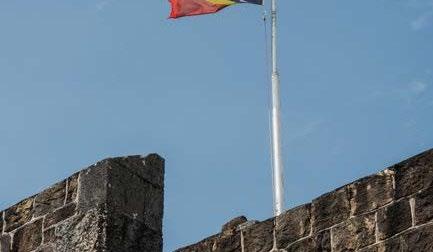
St. Kitts and Nevis occupy a profound place in history. Its landscape bears the legacy of European colonization, the transatlantic slave trade, and an economy built on the forced labor of enslaved Africans. Yet alongside that painful history stands an enduring testament to resilience. African influence remains woven into the nation's music, cuisine, faith, language, art, and traditions. Even the national flag reflects the African heritage (black) and symbolizes the struggle (red) from slavery through colonialism to independence.
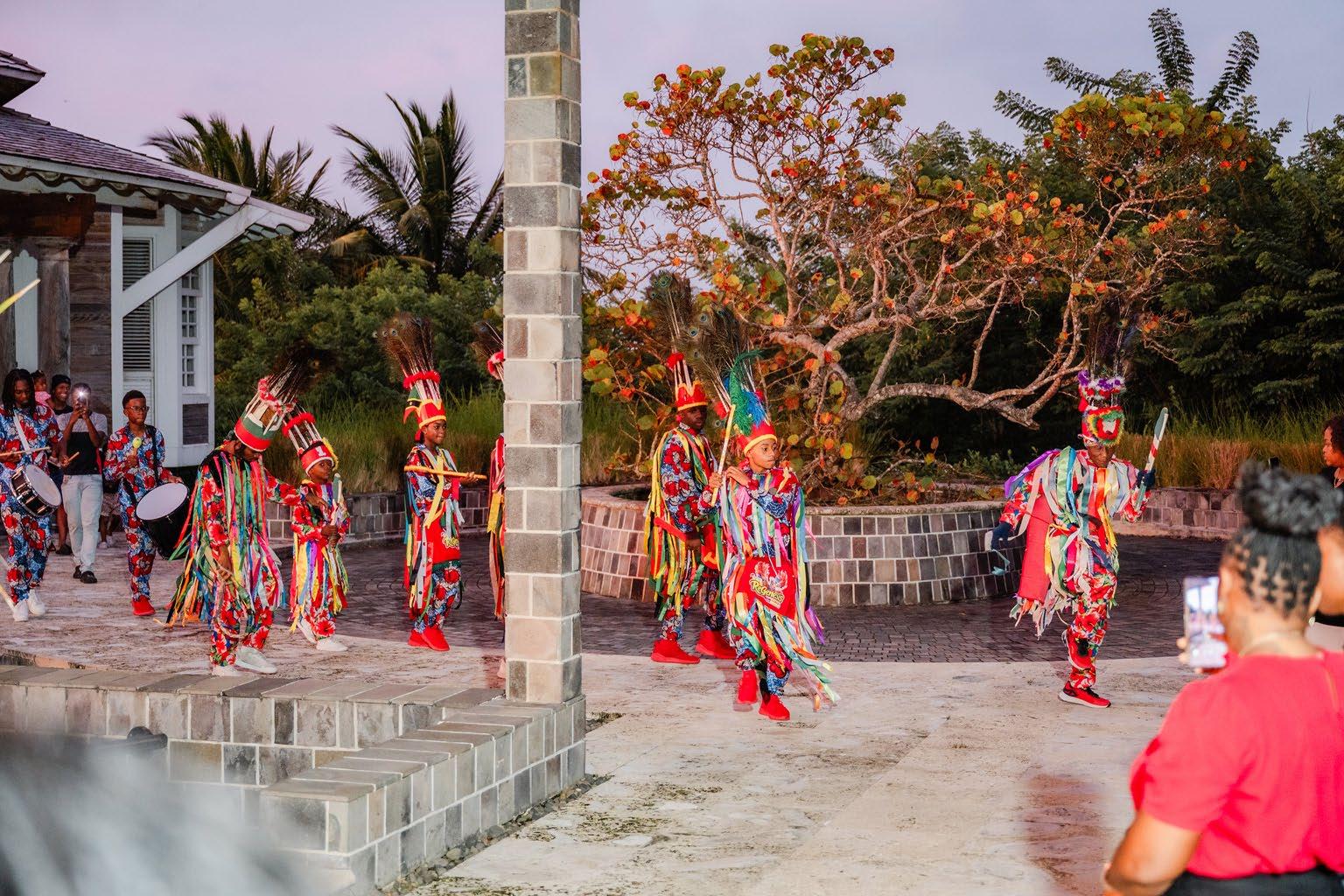

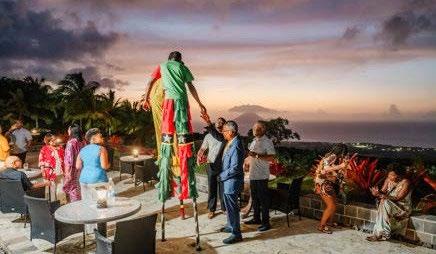
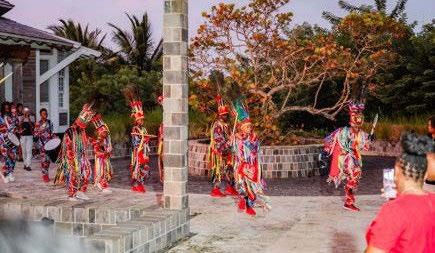
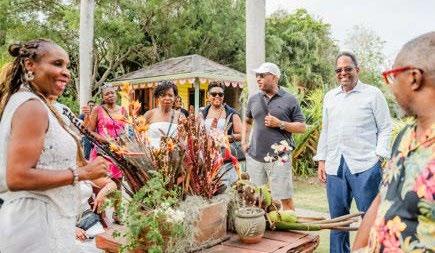
Kittitian cultural performers welcome ELC members to Bellemont Sanctuary.
Understanding the Caribbean’s Global Influence
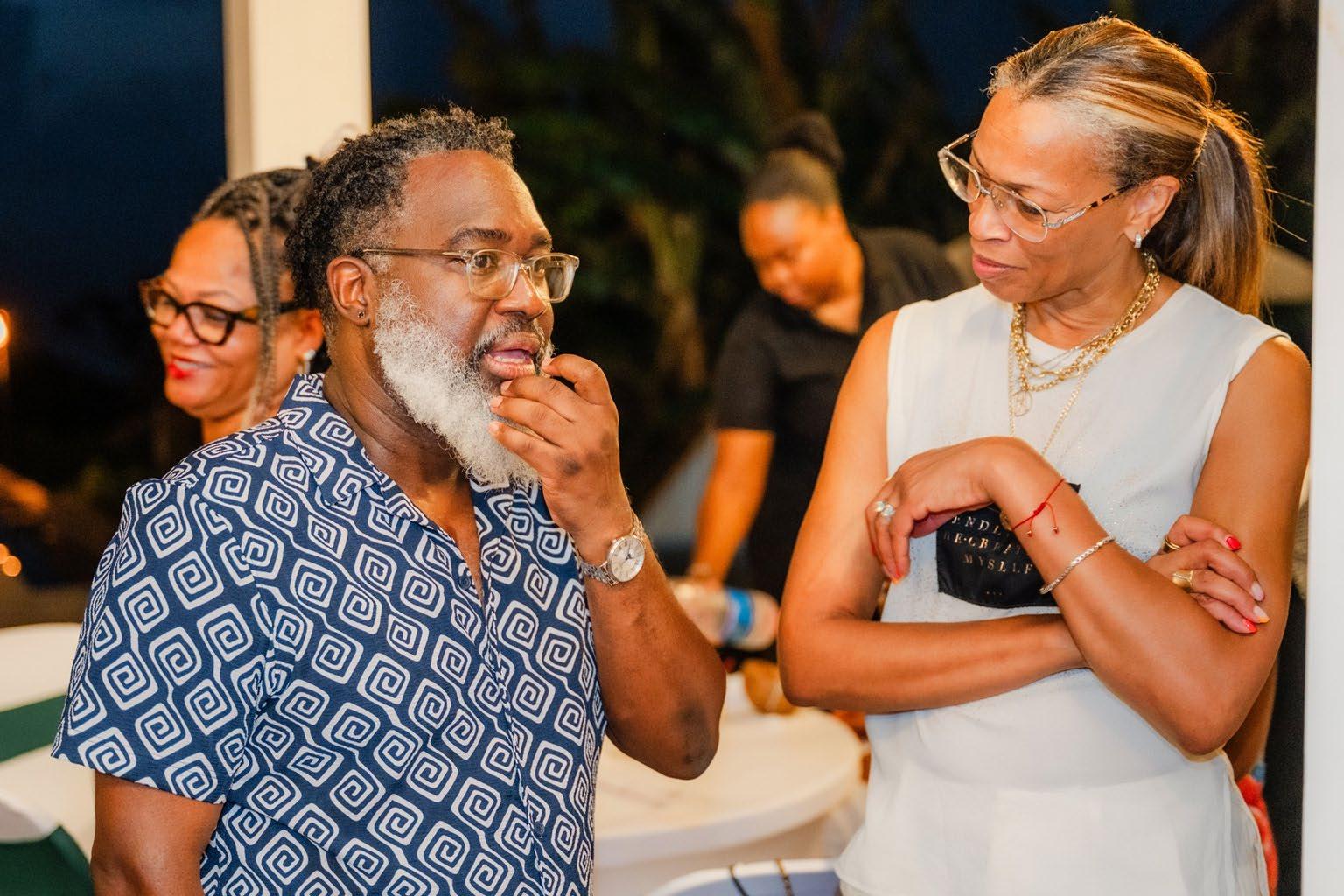
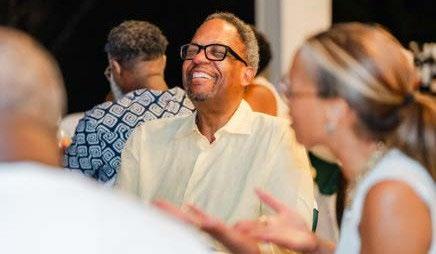
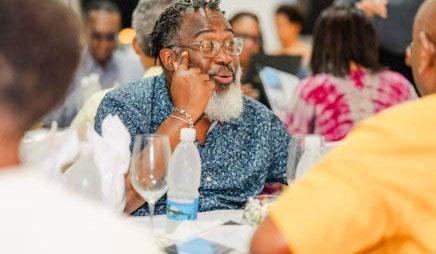
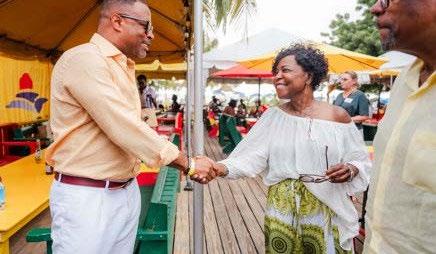
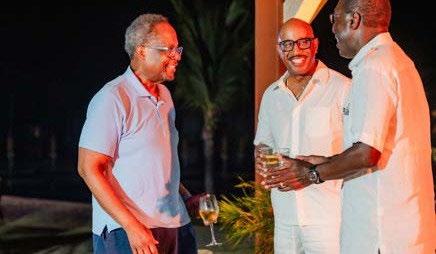
The journey began at Belle Mont Sanctuary, where members were welcomed with traditional Kittitian performances and local cuisine. Joined by Naeemah Hazelle, Permanent Secretary in the Office of the Prime Minister of St. Kitts and Nevis, the evening established the tone for the days ahead: cultural immersion, and shared discovery.
That spirit of learning deepened during a thought-provoking discussion led by Kevin Farmer, Deputy Director of the Barbados Museum & Historical Society. His presentation challenged members to view the Caribbean not as a footnote in history, but as a driving force in shaping the modern world.
Farmer traced how the forced migration of Africans to the Caribbean forged new societies and identities. Though people from different African nations, languages, and traditions were brought together under brutal conditions, they preserved and adapted their beliefs, foodways, music, and spiritual practices. Those traditions blended with Indigenous and European influences to create the vibrant cultures that continue to define the Caribbean today.

Understanding the Caribbean’s Global Influence
The discussion also revealed how islands such as St. Kitts, Nevis, and Barbados became central to an expanding global economy through the production of sugar, rum, molasses, cotton, and tobacco. The immense demand for sugar fueled plantation expansion and the trafficking of enslaved Africans, while systems of labor, trade, finance, and supply chains laid foundations that continue to influence modern capitalism. Members left with a deeper understanding that the wealth generated through enslaved labor extended far beyond the Caribbean, fueling commercial expansion, and economic growth across Europe and North America. It was a powerful reminder that the history of these islands is inseparable from the history of the modern global economy.
Experiencing History Across St. Kitts
History came alive as members explored the places where these stories unfolded.
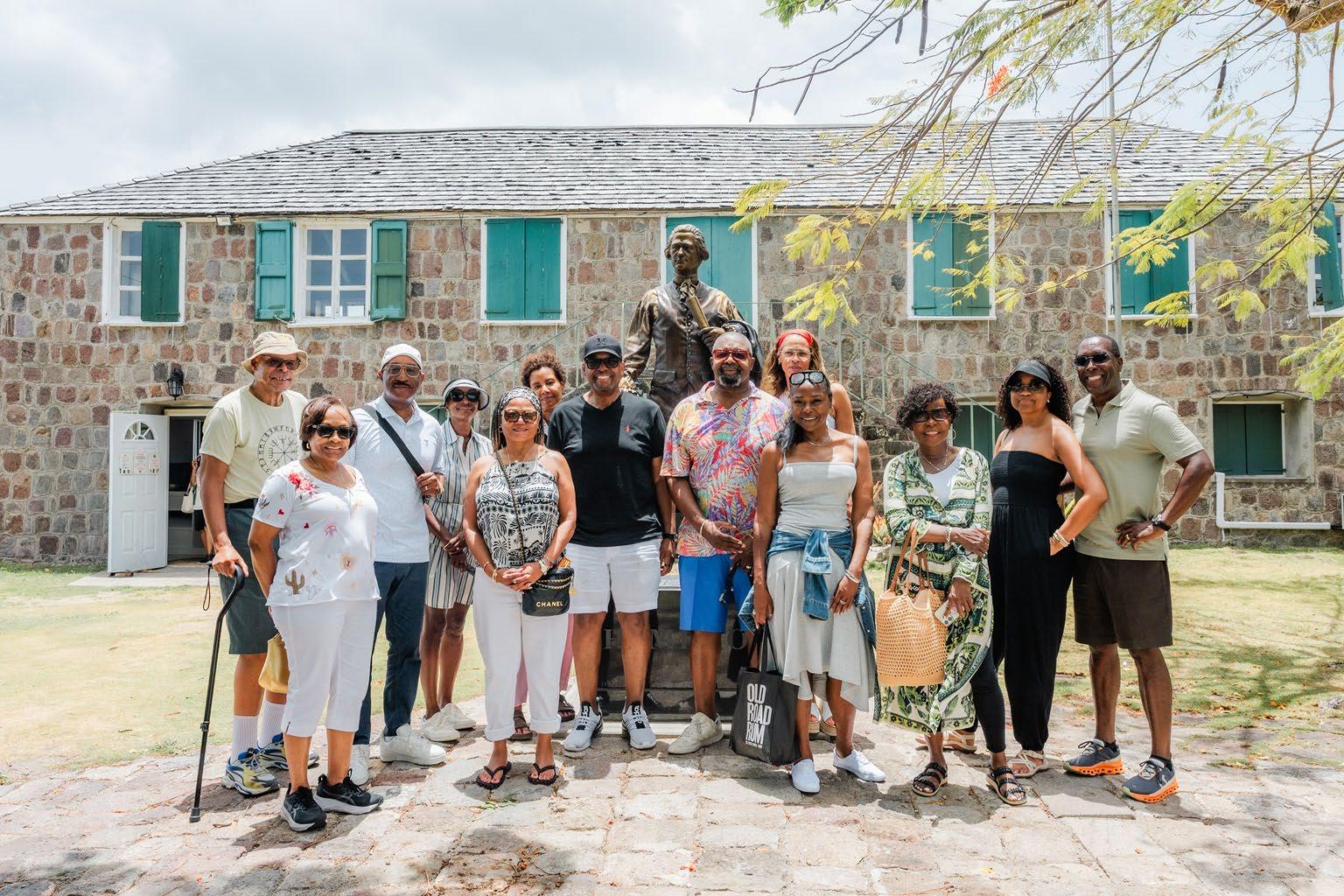
Guided by local historian Percival Hanley, the group visited Old Road Rum Co., where rum-making traditions offered insight into the close relationship between sugar production, trade, and the plantation economy.
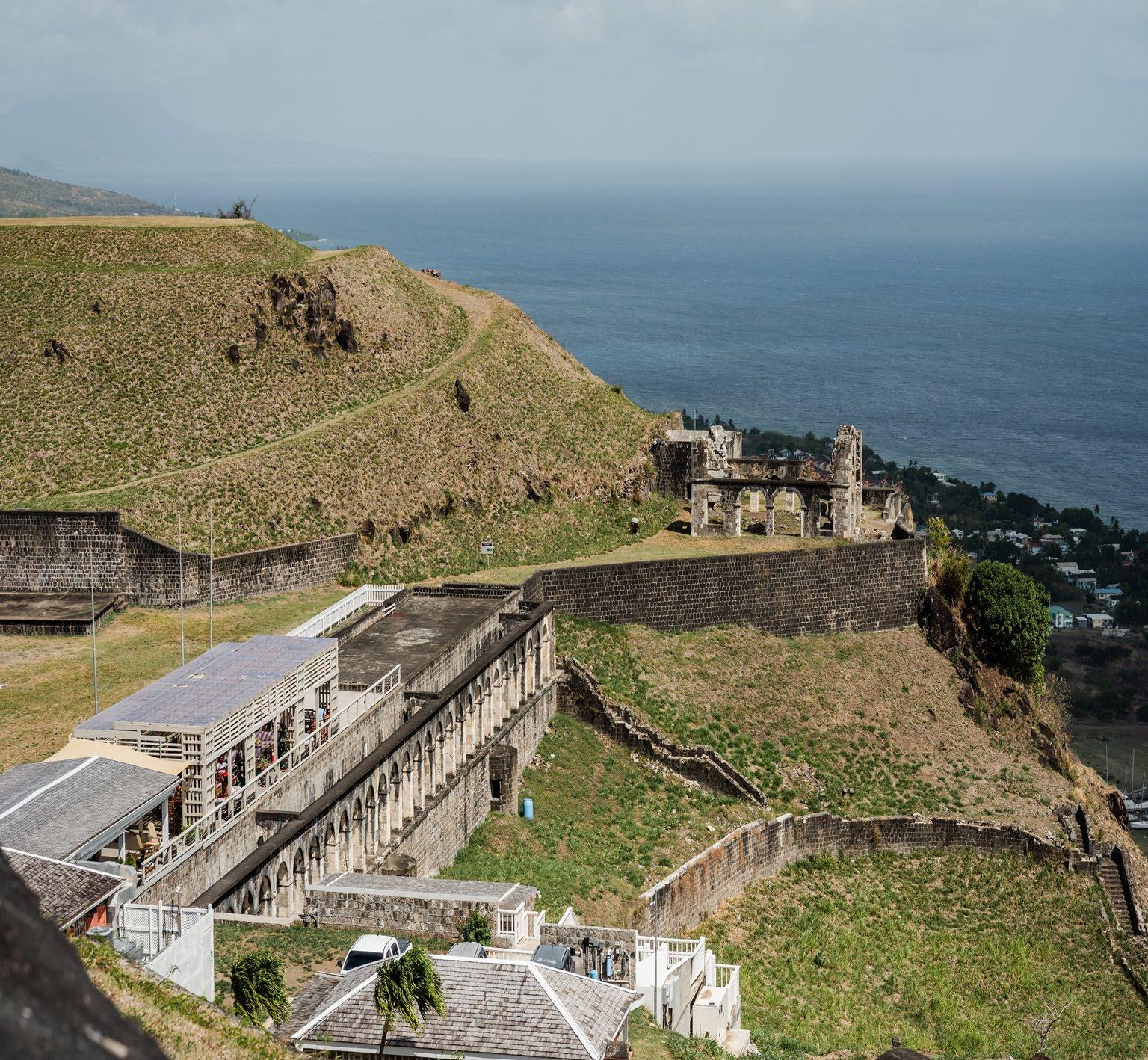
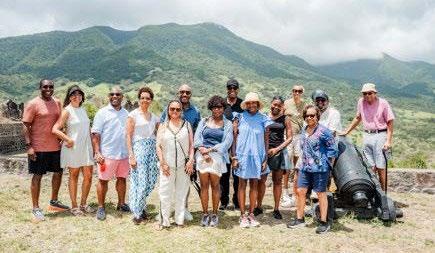
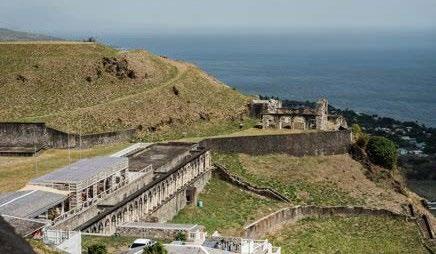
At Romney Manor, members toured Caribelle Batik and watched artisans transform fabric into vibrant works of art, witnessing firsthand how craftsmanship ensures traditions continue across generations. Perhaps the most moving experience on St. Kitts was Brimstone Hill Fortress National Park. While often celebrated as an extraordinary British military achievement, the fortress tells a story of the enslaved Africans whose skill, labor, and endurance made its construction possible.
Standing atop the fortress challenged members to look beyond its imposing stone walls and recognize the countless unnamed builders whose contributions shaped history while rarely receiving acknowledgment. The visit transformed a historic landmark into a powerful reminder that behind every monument are human stories deserving of remembrance.
Tracing Resilience and Transformation in Nevis
After two days immersed in the history of St. Kitts, members crossed the Caribbean Sea by private water taxi to Nevis, where another chapter of the journey unfolded against a backdrop of breathtaking beauty and profound historical significance.
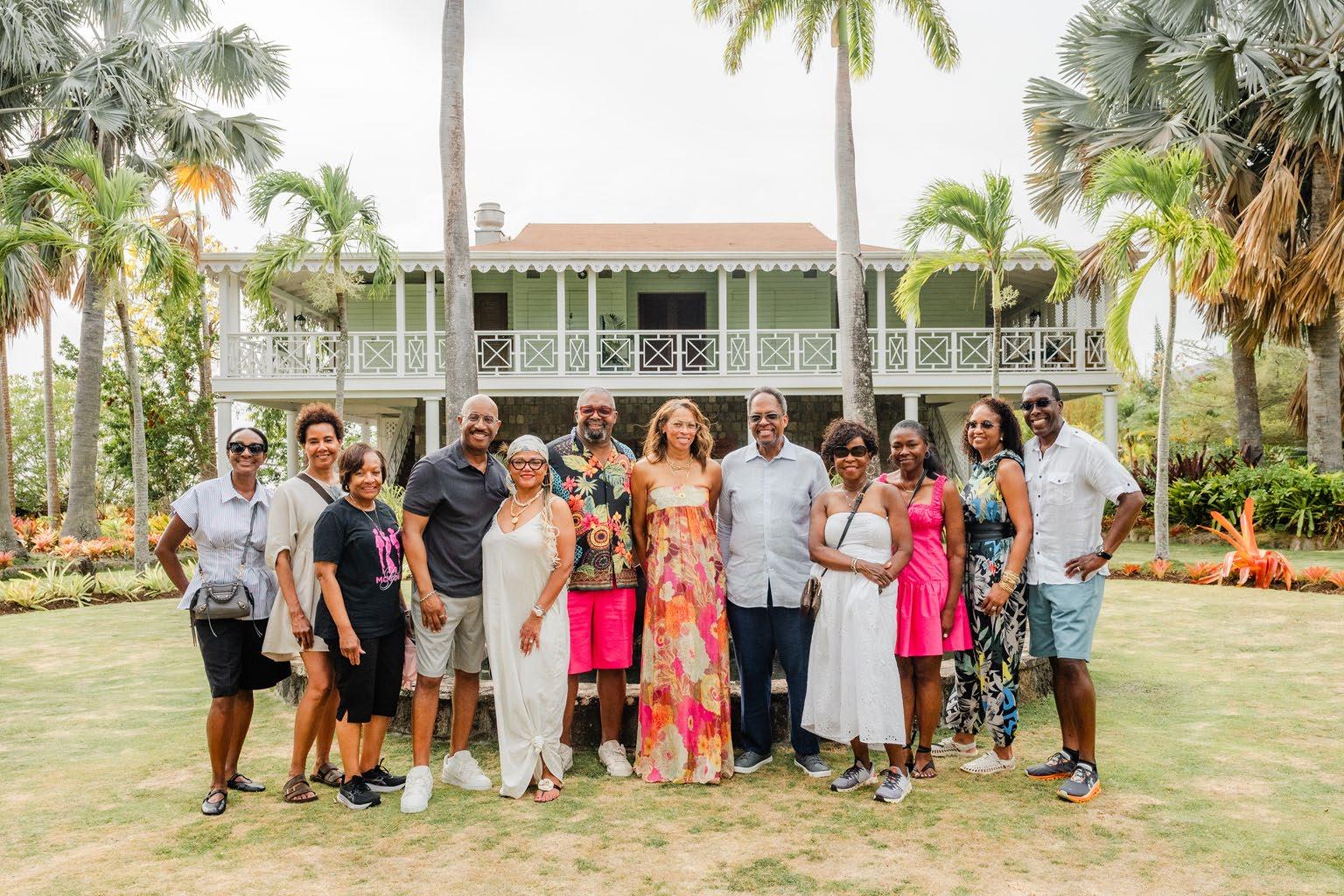
The first evening began with an exclusive reception at the Botanical Garden of Nevis, where lush tropical landscapes provided a peaceful setting for reflection and renewed connection.
The following day, members visited Cottle Church, the ruins of the first church on Nevis where enslaved and free people could worship together. Built during the 1820s, the church challenged the rigid racial divisions of plantation society by creating a shared place for faith and fellowship.
Standing among its weathered stone walls offered a quiet moment of reflection. Members considered the role faith has long played as a source of hope, while recognizing the courage required to create spaces of shared humanity within an unequal world.
Tracing Resilience and Transformation in Nevis
continued
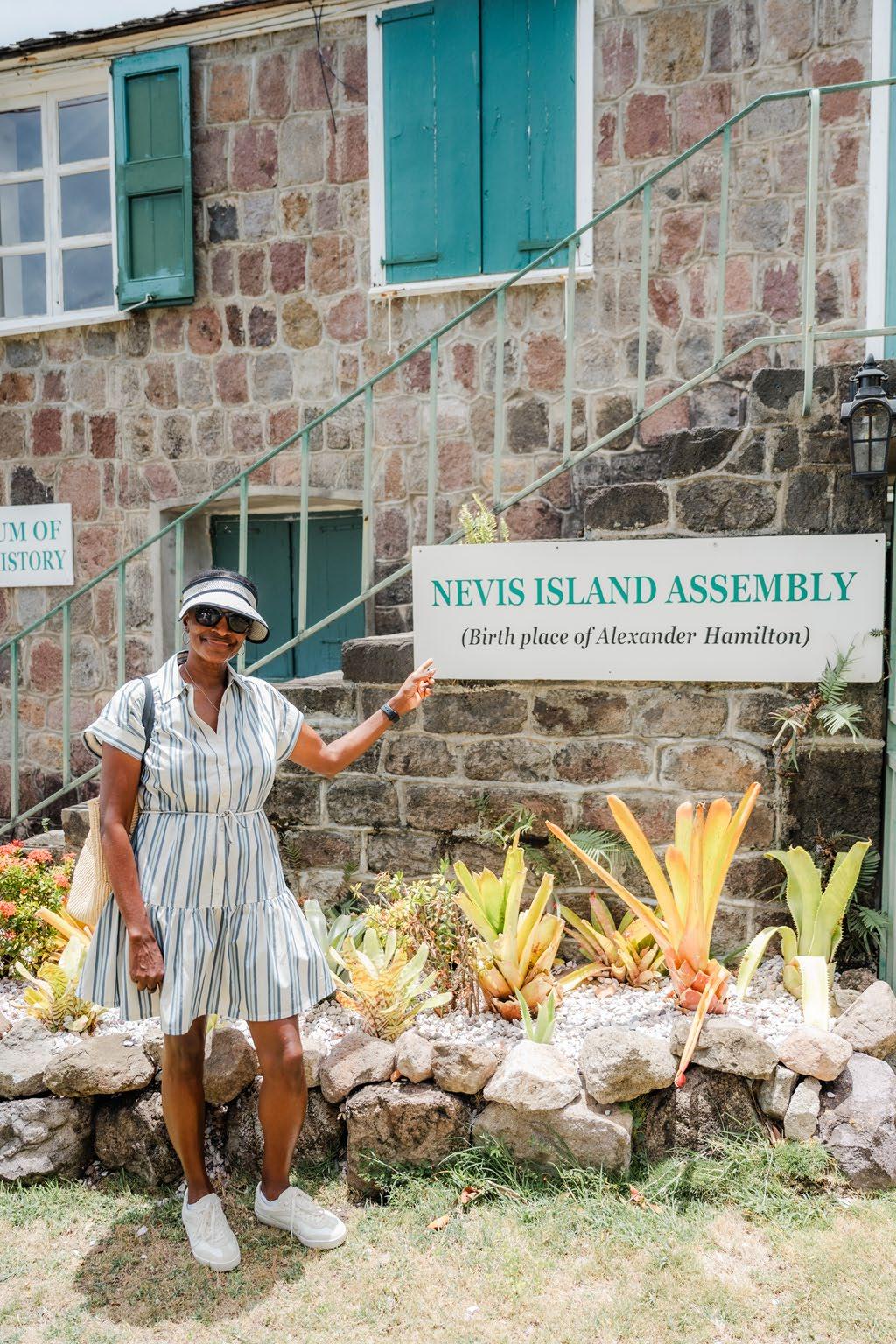
At the Alexander Hamilton Museum, members explored how Hamilton’s childhood in Nevis, surrounded by Caribbean trade and commerce, may have shaped the financial ideas he later brought to the United States. As the nation’s first Secretary of the Treasury, Hamilton helped establish the foundations of the American financial system, including the First Bank of the United States, a national currency, public credit, and a structure for managing federal debt.
Standing in his birthplace created a powerful connection between Nevis and the development of banking in the United States. It also offered a fuller view of that history by recognizing that the Caribbean economy Hamilton witnessed was fueled by sugar, international trade, and the forced labor of enslaved Africans. The visit showed how the financial systems that shaped the United States were influenced by ideas and economic activity extending far beyond its shores, including the Caribbean.
Culture, Leadership and Community
While history anchored the experience, culture and community gave it heart.
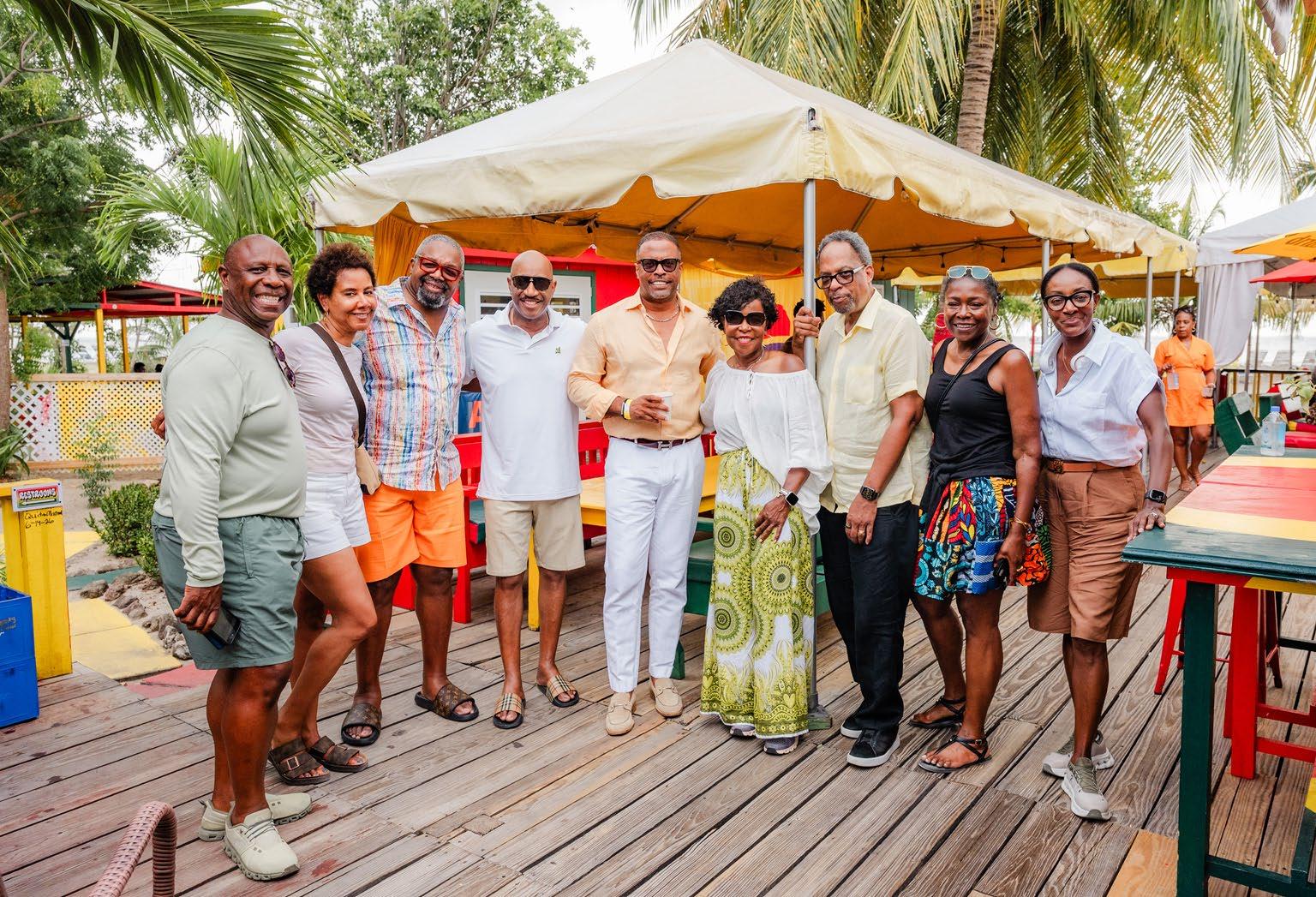
Members shared local cuisine, sailed across blue waters, celebrated Independence Day beneath the Caribbean sky with dinner and a beach bonfire, and discovered the joy that comes from experiencing new traditions together.
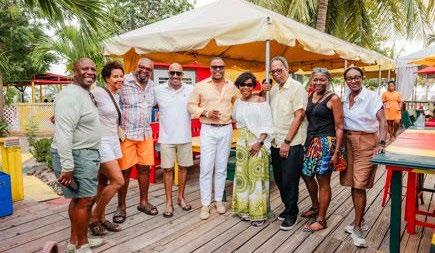
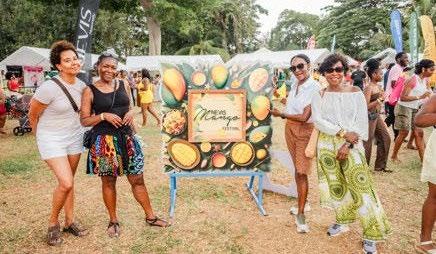
At the Nevis Mango Festival, members joined residents in celebrating one of the island's most beloved traditions. More than a showcase of over forty mango varieties, the festival highlighted how food preserves heritage, strengthening community across generations.
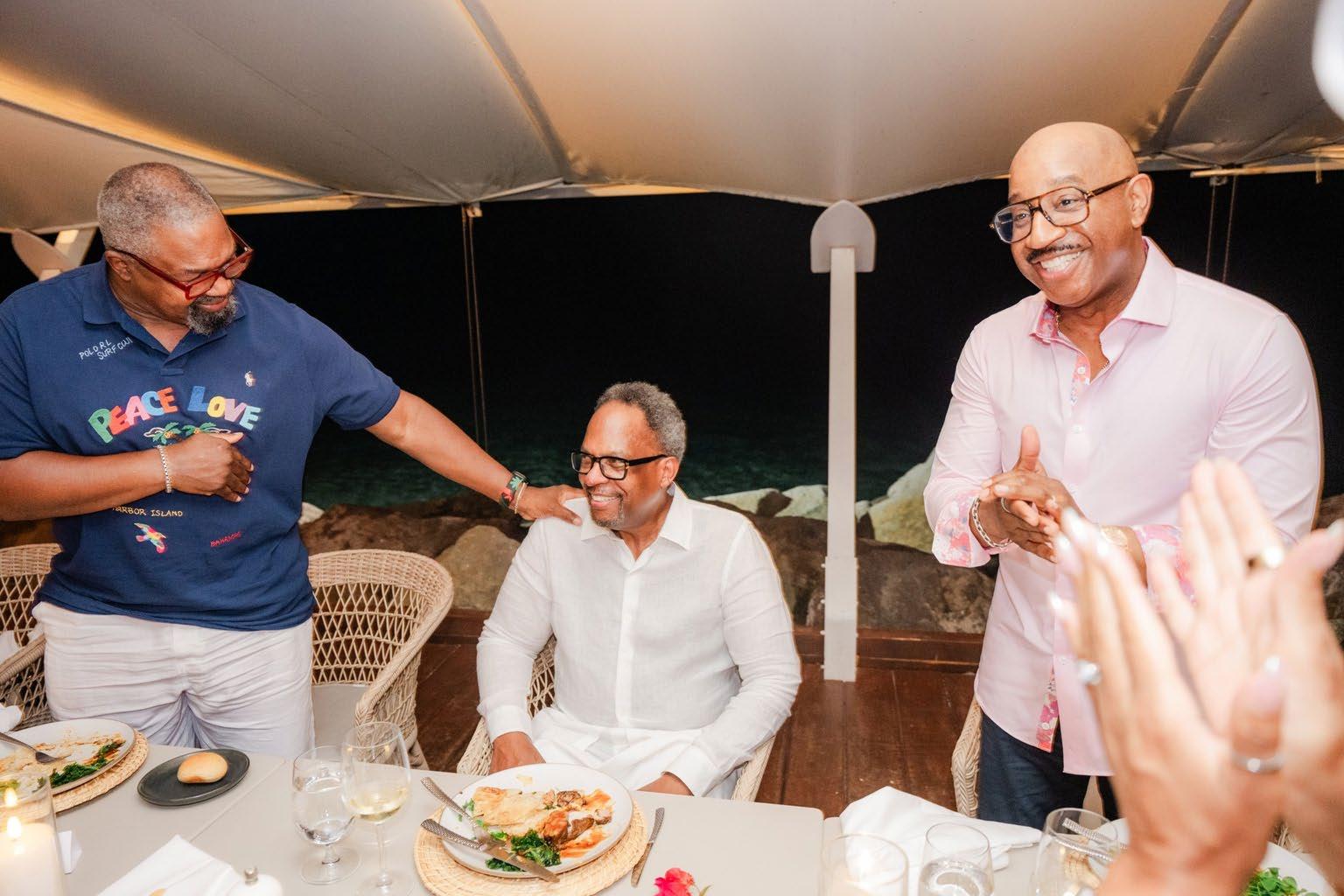
One of the journey's defining moments was an intimate conversation with the Premier of Nevis, the Honorable Mark Brantley. His reflections on balancing economic development with cultural preservation challenged members to think differently about leadership.
Culture, Leadership and Community
As the week drew to a close, members departed with far more than new knowledge.
They gained a deeper appreciation for how history is remembered across Africa, the Caribbean, and the United States, and for the importance of ensuring those stories continue to be told with authenticity and respect.
Standing in places shaped by the transatlantic slave trade invited reflection on the sacrifices, and strength of those whose shoulders we stand upon today. It also reaffirmed that leadership is never simply about personal achievement, it is about creating opportunities for others and leaving communities stronger than we found them.
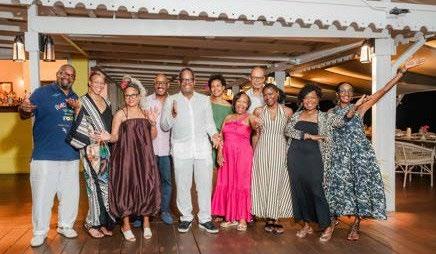
Perhaps the journey's greatest gift, however, was the strengthening of relationships across The Executive Leadership Council.
Culture, Leadership and Community
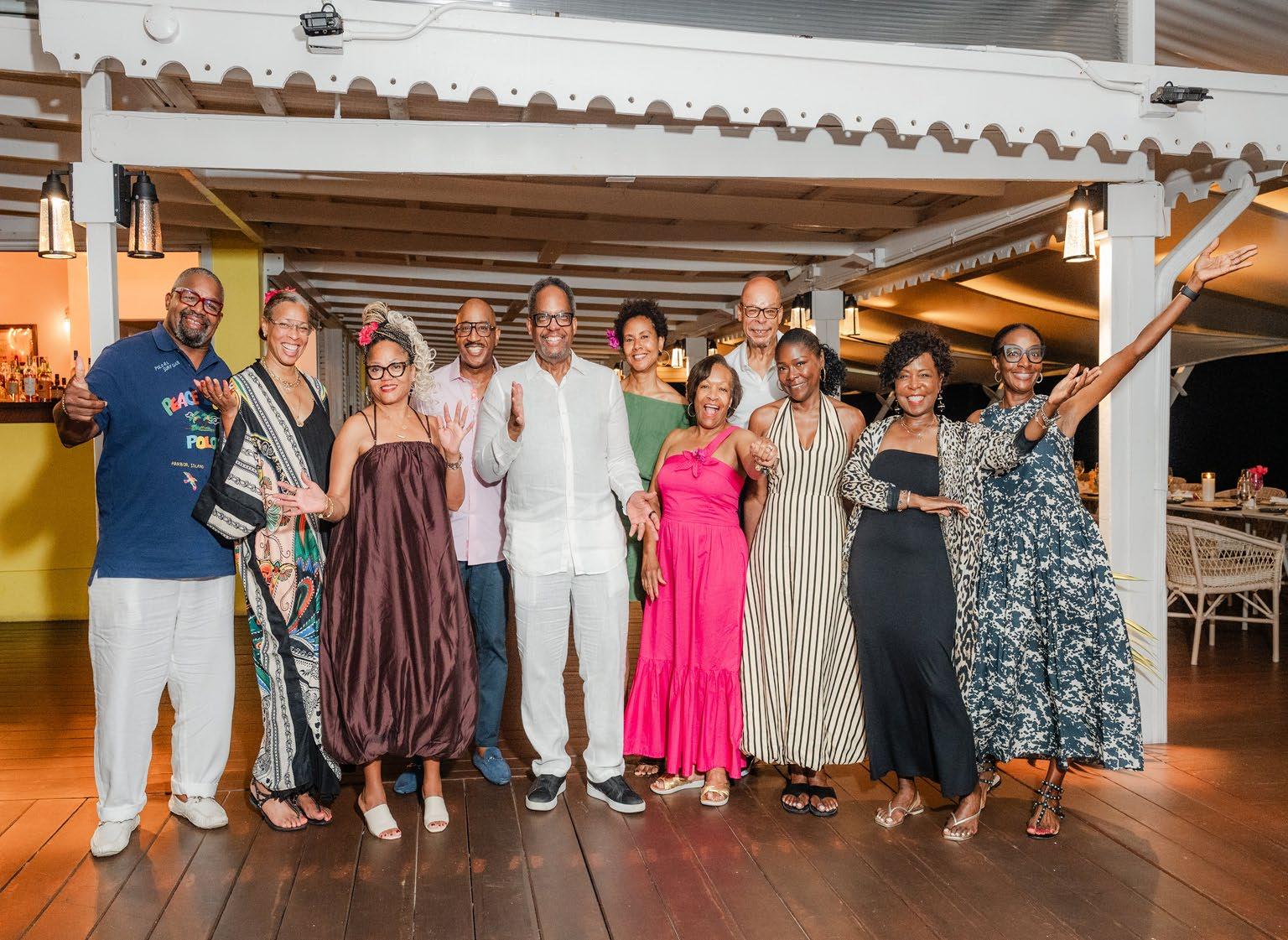
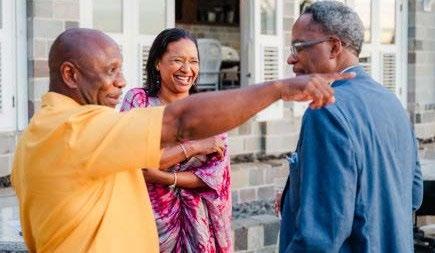
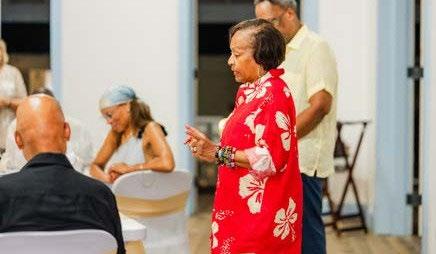
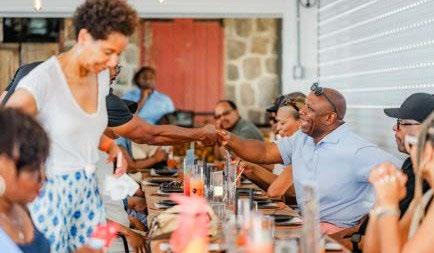
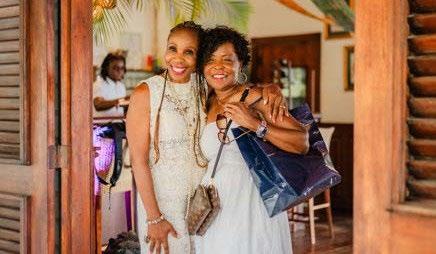
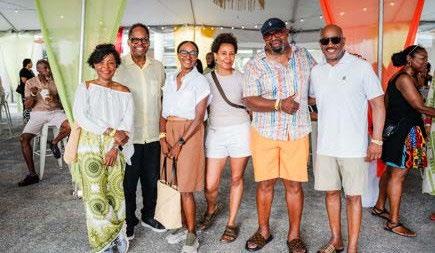
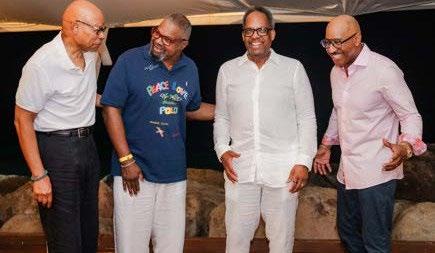
Between every excursion, conversation, and shared meal, members laughed together, learned from one another, exchanged personal stories, and built connections that extended well beyond a traditional member gathering.
Since its founding in 1986, The Executive Leadership Council has opened pathways of opportunity for Black executives to lead with excellence and create lasting impact across business and society. In St. Kitts and Nevis, that mission took on renewed meaning. Walking the ground where so much history was written reminded members why exists today: to honor the resilience of those who came before us while preparing and empowering those who will lead tomorrow.
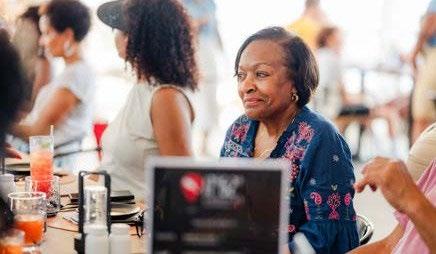
Welcome Reception
Stilt walkers, cultural performances, and a steel band welcomed guests.
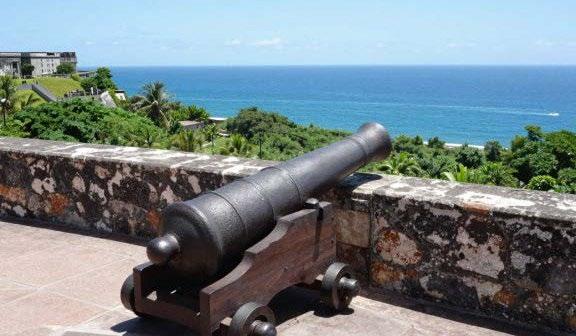
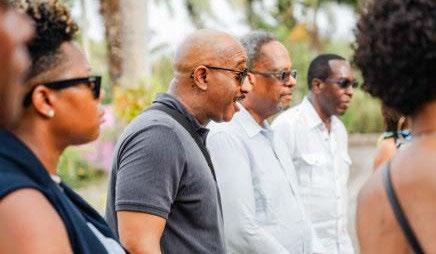
Bellemont Sanctuary & Brimstone Hill
Exploring the UNESCO World Heritage Site at Brimstone Hill Fortress.
Botanical Garden & Alexander Hamilton Museum
and
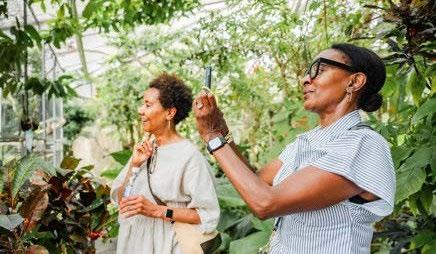
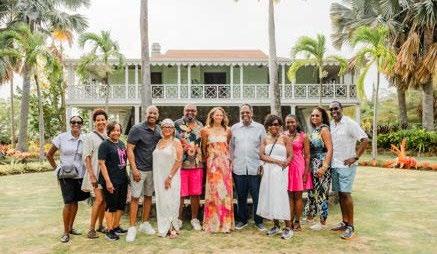
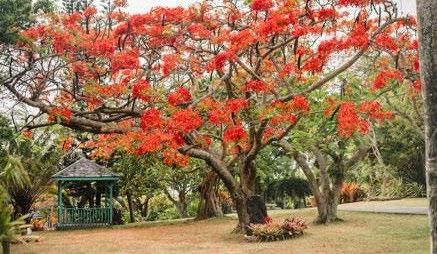
An after-hours reception
guided tour to Alexander Hamilton’s birthplace.
Sunshine’s & the Mango Festival
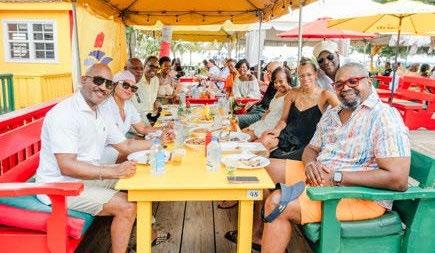
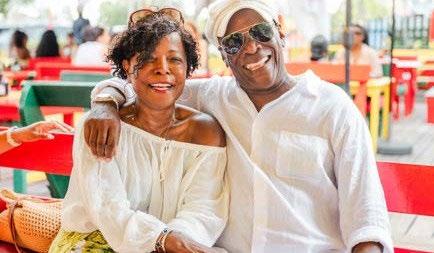
Lunch at Sunshine’s Beach Bar & Grill and the Nevis Mango Festival.
Nevis Evenings
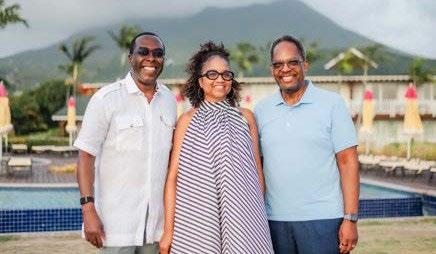
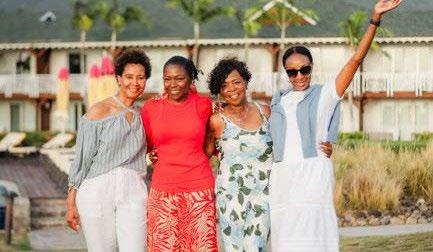
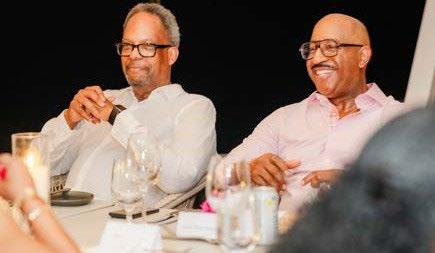
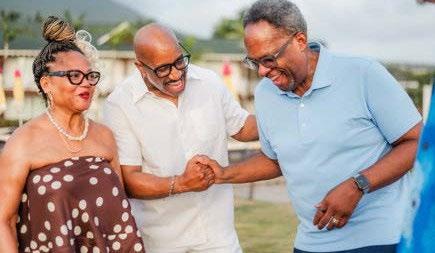
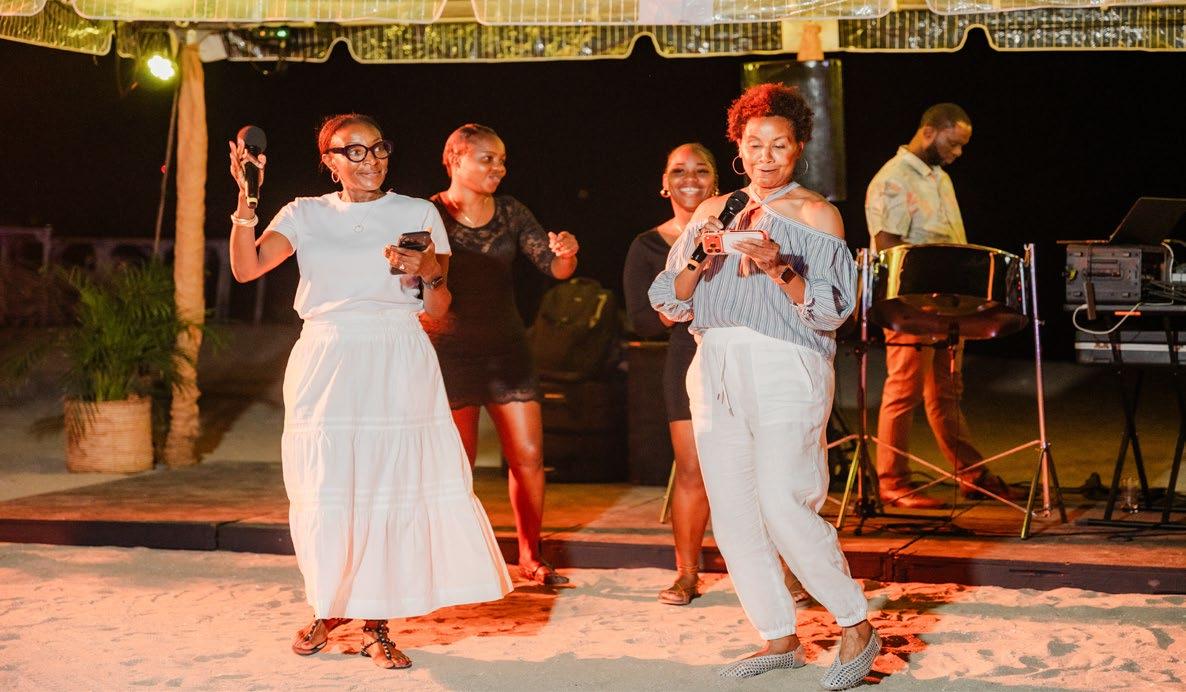
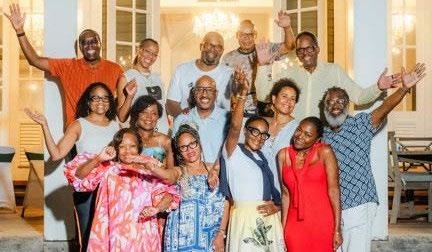
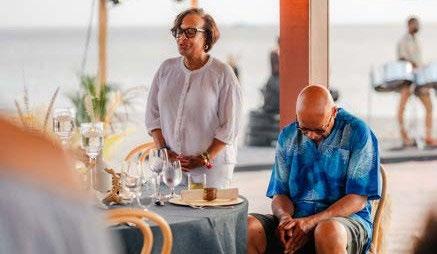
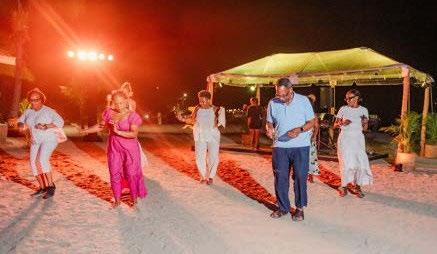
Farewell Dinner & Fourth of July celebrations.

Nevis Evenings
Farewell Dinner & Fourth of July celebrations.
Further Reading
The learning didn’t end when the trip did. A few books kept coming up in conversation, worth sharing for anyone who wants to go deeper:
01 Stamped from the Beginning
Ibram X. Kendi’s National Book Award-winning history of racist ideas in America. A heavy read, and his answer, becoming antiracist, is worth discussing as a group. 02 Born in Blackness
Howard W. French’s sweeping, contested account of Africa and African labor at the center of the modern world.
Isabel Wilkerson’s bestseller on the hidden hierarchy underlying American life, and its parallels abroad. 04 How I Built This
Guy Raz distills lessons from 200+ founders, a complementary lens on the resilience The ELC celebrates. 05 The Three Mothers
Anna Malaika Tubbs restores the overlooked women who raised MLK Jr., Malcolm X, and James Baldwin.
06 In the Castle of My Skin
George Lamming’s classic 1930s Barbados novel, a natural companion to St. Kitts and Nevis.
07 The Color of Law
Richard Rothstein on how government policy, not private choice, built racial segregation in housing. 08 Bootstrapped
Alissa Quart dismantles the myth of the self-made American, favoring interdependence over grit.
The ELC has never been about one person. It is a community of leaders who lift as they climb. In St. Kitts and Nevis, we walked the ground that inspired and made that mission necessary.
Celebrating 40 Years of Leadership, Legacy & Influence
THE EXECUTIVE LEADERSHIP COUNCIL