AFlipbookProjectbyGroupII
Respiration Across the Invertebrate World
Caniedo•Dago-oc•Haban•Manzanillo•Pascual

General Body Surface
Alsoknownascutaneous respiration,itreferstothe exchangeofoxygenand carbondioxideacrosstheskin.
Asthebody'slargestorgan,the skinservesasbothabarrier andconduitbetweenthe externalenvironmentandthe internalmilieuoftheanimal.In fish,thecutaneoussurface fulfillsthisdualrole,connecting andseparatingthesetwo compartments.
Cutaneousrespirationrelieson gasdiffusionacrosstheskin, allowingoxygentoenterthe bodyandcarbondioxidetoexit. Sincegasesmovealongpartial pressuregradients,efficient exchangerequiresathin,moist respiratorysurfacetodissolve gasesandfacilitatediffusion. Additionally,thesurfacemust benearabloodsupplyto transportoxygeneffectively.
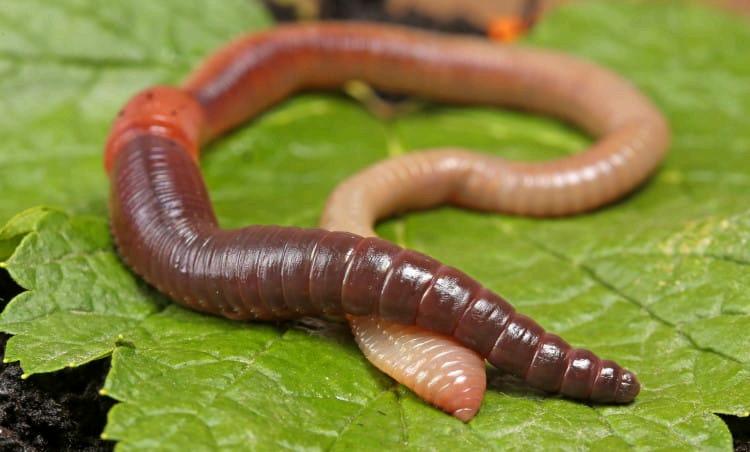
Invertebrateslikeearthworms, leeches,seastars,andflatworms usecutaneousrespiration, absorbingoxygenandexpelling carbondioxidedirectlythrough theirskinorbodysurfaces,whichis efficientinsmallorthin-bodied organisms.
Commonearthworms, displayingdistinctbody segmentsandvisible chaetaealongtheirlength.
Gillsarerespiratoryorgans usedbyfreshwaterandmarine animalstobreathe,often shapedlikefeathers.Some bivalvesutilizegillsforboth filterfeedingandrespiration.In mollusks,gillsarelocatedinthe mantlecavityandserveasthe primaryorganforgas exchange. Mostmolluskshaveeithera singlepairofgillsoronlyone gill,oftenwithfilamentspresent ononlyoneside.
Gills
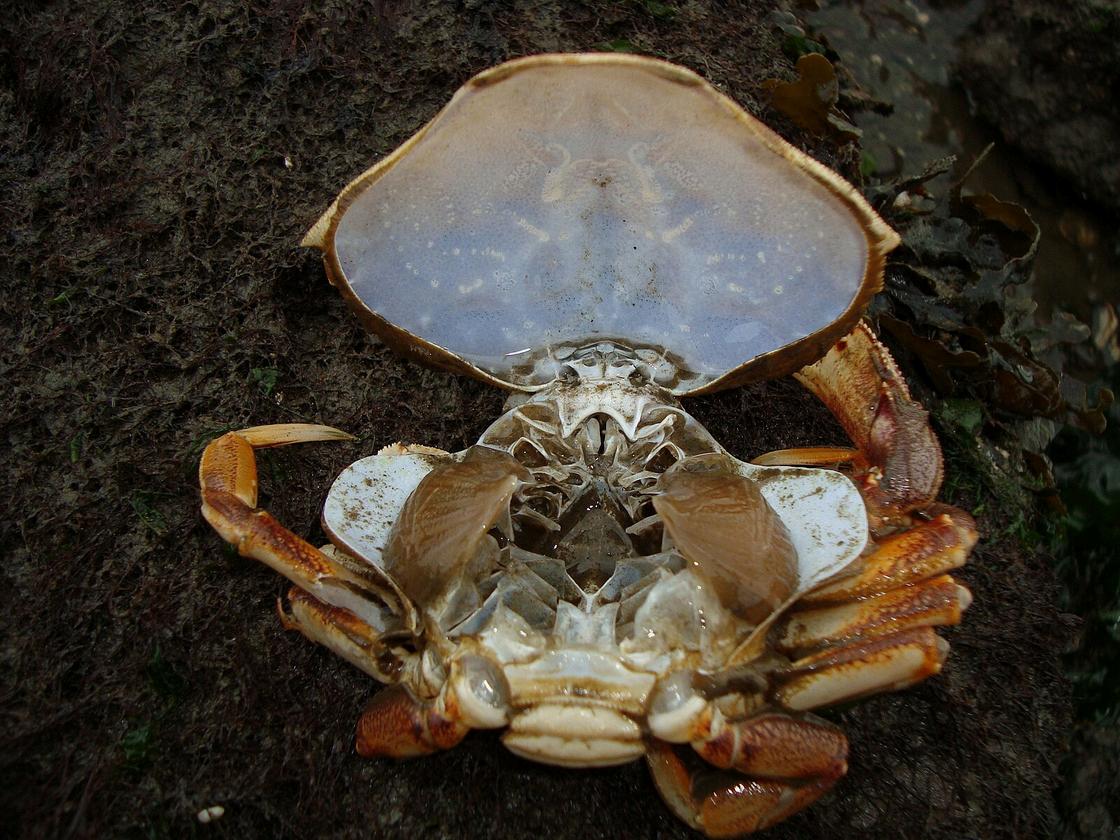

Thisisacrabexoskeletonfoundin YaquinaBay,withthecarapace liftedtorevealtheinternalstructures andgillmassesunderneath.
Invertebrates,particularly molluscs,crustaceans,andsome annelids,havedevelopeda varietyofgillstructuressuitedto theirenvironmentsandlifestyles. Unlikevertebrategills,whichare typicallyenclosedwithinan operculum(asseeninfish), invertebrategillsareoften externalorlocatedwithin specializedcavities. Waterflowsoverthese structures,enablingoxygento diffuseintothebloodstream whilecarbondioxideisreleased intothesurrounding environment.Inmany invertebrates,bodymovements orciliahelpmaintainasteady waterflowoverthegills.
Incrustaceans,gasexchange cantakeplacethroughthethin integumentorspecializedgills Whenpresent,crustaceangills areformedbymodificationsof appendageparts,most commonlytheepipodites.
LunMantleCavity
Themantlecavityinmollusksfunctions similarlytolungsbyservingasa respiratorychamber,housinggillsthat extractoxygenfromwaterandexpel carbondioxide,makingitessentialfor aquaticrespiration.Beyondgas exchange,italsosupportsother physiologicalfunctions,muchlikelungs doinair-breathinganimals.Inbivalves,it aidsinfilteringfoodfromwater,whilein cephalopods,thecontractionofthe mantleforceswaterthroughasiphon, propellingtheanimalforward,similarto howlungsregulateairpressureduring activitieslikecoughingorexhaling. However,unlikelungs,whichoperatein air,themantlecavityisadaptedforan aquaticenvironment,relyingonwater flowratherthandirectairexchange. Despitethesedifferences,itservesasthe closestequivalenttolungsinmollusks, enablingrespiration,feeding,and movementinuniqueways.
Bookl
Booklungsarebre arachnids,particular ofasmallopeningc leadstoanairch containingnumero (lamellae)stackedl Theseblood-filledpla intakeandcarbond tinystructurescalled thespacesbetween theirshape.Theap structuresvariesam withsomehaving branchingedges,a patternsontheai
ngs
RespiratoryTree lungs
eathingorgansin lyspiders,consisting calledaspiraclethat hamber(atrium) ousthin,flatplates ikepagesinabook. atesfacilitateoxygen dioxiderelease,while dtrabeculaesupport nthem,maintaining ppearanceofthese mongspiderspecies, smooth,spiny,or nddifferentsurface irchamberwalls.
Therespiratorytreeinholothurians(sea cucumbers)isahighlyspecialized structurethatservesbothrespirationand wasteremoval Locatedneartheanus,it consistsofbranched,tubularstructures linedwithbloodvessels.Waterentersthe bodythroughtheanusandcirculates throughtherespiratorytree,allowing oxygentodiffuseintothebloodstream whileexpellingcarbondioxideand nitrogenouswasteintothesurrounding water Thissystemisespeciallyeffective inlow-oxygenenvironments,asit providesalargesurfaceareaforgas exchange.Therespiratorytreeis connectedtothecloacalcavity,aidingin excretion,andcanbeextendedor retractedtocontrolwaterflow.This adaptationenablesseacucumbersto efficientlyrespireandremovewaste, withoutrelyingongillsorlungs.
Didyouknow? Thedivingbellspidercreates aanairbubbleunderwater, sctingasatinygillsoitcan taysubmergedforhours!
Tracheal Tube
Thetrachealrespiratorysystem, foundininsectsandmany otherarthropods,consistsofa networkofair-filledtubescalled tracheaethattransportoxygen directlytocellsandremove carbondioxide.
Airentersthroughspiracles, whicharecloseablevalveson thebodysurfacethatregulate gasexchange.Fromthe spiracles,airmovesintoan intricatesystemoftransverse andlongitudinaltracheae, whichdistributeoxygen efficientlywhilemaintaining pressurebalancethroughout thebody.
Unlikevertebraterespiratory systems,thetrachealsystem functionsindependentlyofthe circulatorysystem,ensuringa directandrapidoxygensupply totissueswithouttheneedfor respiratorypigmentsinthe blood.
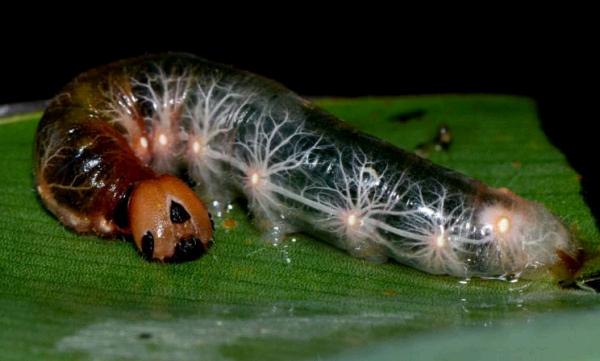

Thisisanaturallytransparent caterpillar,showcasingthe trachealsystemclearlyconnected tothespiracles.
Thisadaptationallowsforhigh metabolicactivityandis particularlyeffectivein terrestrialenvironments,where diffusionthroughairismore efficientthanthroughliquid.
Didyouknow?
Invertebrateslikeinsectsuse trachealtubestodeliver oxygendirectlytotheircells, bypassingthecirculatory systemforefficientgas exchange.
Photo:JimCordoba,EnioCano
Respiratory Pigments
Respiratorypigmentsareoxygen-carryingmoleculesthathelpother respiratorystructurestransportoxygenthroughouttheorganism. Respiratorypigmentsalsofunctiontofacilitatetheconcentrationgradient ofoxygenandhelpthebloodtocarryoxygeninhigheramountsthan wihoutthem.Overall,therearefourgeneraltypesofrespiratorypigments: hemoglobin,hemocyanin,chlorocruorin,andhemoerythrin.
Hemoglobinisaredironcontainingpigmentpresentin multipleannelids,molluscs, echinoderms,andarthropods.
Hemocyaninisablue-green copper-containingpigment foundincephalopodsand somearthropods,like crustaceans.
Chlorocruorinisagreenironcontainingpigmentobservedin marineannelids.
Hemoerythrinisapurple-pink iron-containingpigmentthatis presentinsomemarineworms.
Whendeoxygenated,hemoglobinturns toacrimsonhueandchlorocruorin turnsalightgreencolor,while hemocyaninandhemoerythrinboth becomecolorless.
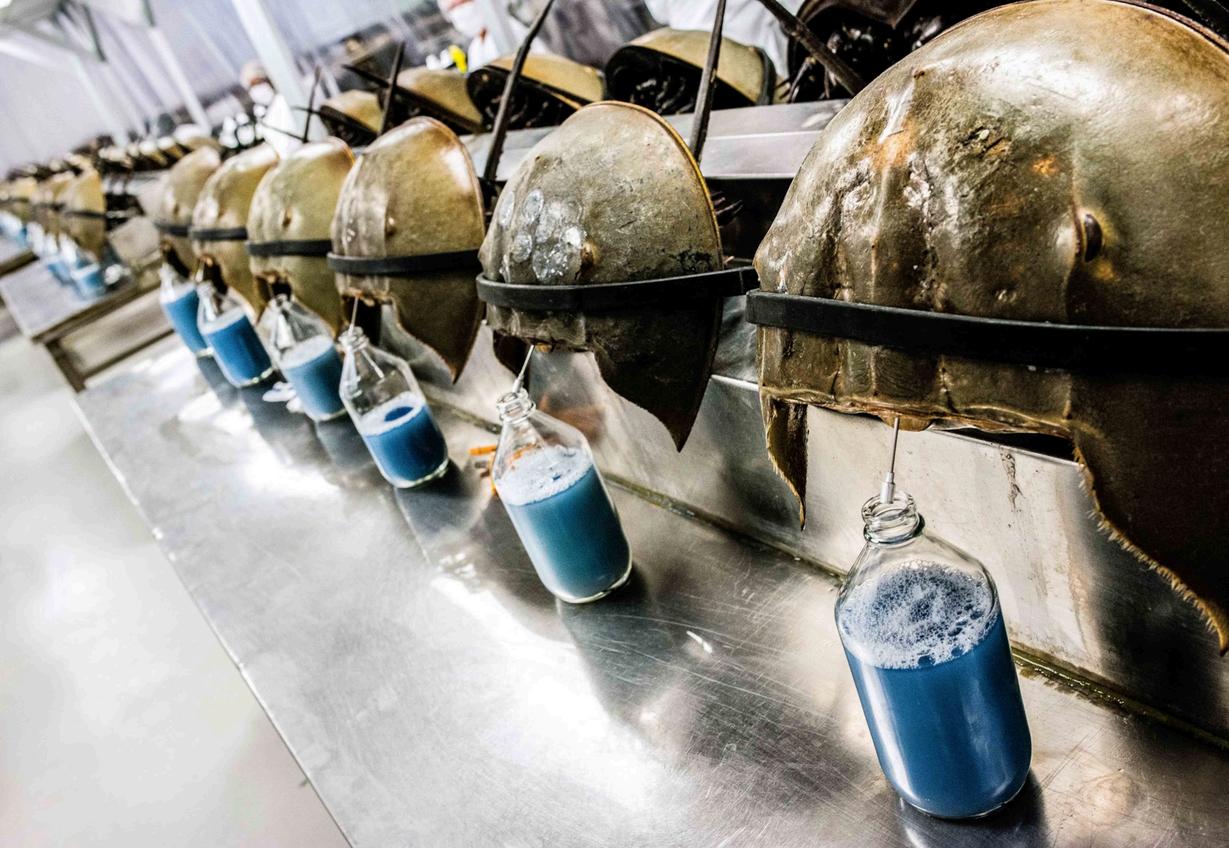
TheseareAtlantichorseshoecrabs (Limuluspolyphemus)being harvestedfortheirbloodwith hemocyanin
Photo:TimothyFadek
References
IMAGES
Fadek,T.(n.d.).Atlantichorseshoecrabs'bluebloodbeingextracted.[Photograph].NationalGeographic. https://wwwnationalgeographiccom/animals/article/animal-blood-comes-in-a-rainbow-of-colors Cordoba,J.,Cano,E.(2016).Naturallyoccuringtransparentcaterpillar.[Photograph].AskanEntomologist.https://askentomologistscom/wp-content/uploads/2015/01/tracheal-system-2png?w=300
Earthlifenet (2020) Commonearthwormsclearlyshowingbodysegments,withvisiblechaetae[Photograph].https://earthlife.net/wp-content/uploads/earthworm4.jpg
WIkimediaCommons.(2009).Crabinternalanatomy.[Photograph]. https://commonswikimediaorg/wiki/File:Crab internal anatomyjpg
CONTENT
Alderman,S L,Gillis,T E,&Farrell,A (2024) Encyclopediaoffishphysiology:frommechanismto application(2nded.).Elsevier.
Hill,R.W.,Wyse,G.A.,&Anderson,M.(2016).Animalphysiology(4thed.).SinauerAssociates.
Solomon,E.,Martin,C.,Martin,D.W.,&Berg,L.R.(2018).Biology.CengageLearning. Wells,R.M.G.(1980).Invertebraterespiration.EdwardArnold.