Digital Media 1
Ethical Issues
11/14/2025
Teacher: Mrs. Thalia Batchelor
Topic: Human Rights Online and Digital
11/14/2025
Teacher: Mrs. Thalia Batchelor
Topic: Human Rights Online and Digital
“Addressing hate speech does not mean limiting or prohibiting freedom of speech It means keeping hate speech from escalating into something more dangerous, particularly incitement to discrimination, hostility and violence, which is prohibited under international law.”
- United Nations Secretary-General
António Guterres, May 2019
https://www un org/en/hate-speech/understanding-hate-speech/hate-speech
-versus-freedom-of-speech
Freedom of speech allows digital artists to express their ideas, beliefs, and creativity without unfair censorship.
When posting art on digital spaces such as social media it’s able to reach people from across the world This allows these artists to challenge social norms, explore sensitive themes (racism, history, religion, etc ) and represent political or cultural opinions
Hate speech limits freedom of speech as it crosses the line and moves towards harmful expressions. Hate speech promotes violence against different groups, encourages discrimination, dehumanizes people based on race, ethnicity, gender, etc and it uses stereotypes to attack or degrade people
Digital platforms usually remove this type of content as it creates a harmful environment, fuels discrimination and violates community guidelines
Art is symbolic, abstract and occasionally exaggerated, this makes determining hate speech difficult as different audiences have different interpretations.
An prime example of hate speech in digital art is the Swedish street artist Dan Park who was arrested in 2011 for a collage poster depicting an Afro-Swede student activist naked and in chains accompanied by a text saying “Our negro slave has run away ” , along with the activist’s personal contact information.
https://en.wikipedia.org/wiki/Dan Park
(Amnesty International) states in Article 12 of the Universal Declaration of Human Rights, that:
“Everyone has the right to privacy and freedom from attacks on their reputation ”
However, many ethical issues pertaining to digital art combat this statement. Such as:
The most significant flashpoint involves AI models trained on vast datasets of images scraped from the internet, which often include copyrighted and personal works used without the original creators' permission or compensation.
Several lawsuits have been filed against AI companies like Stability AI, Midjourney, and DeviantArt by artists who argue their work was used to train AI models without consent, resulting in potential copyright infringement. While these cases primarily focus on copyright, they inherently raise ethical questions about the right of artists to control the use and proliferation of their images and styles
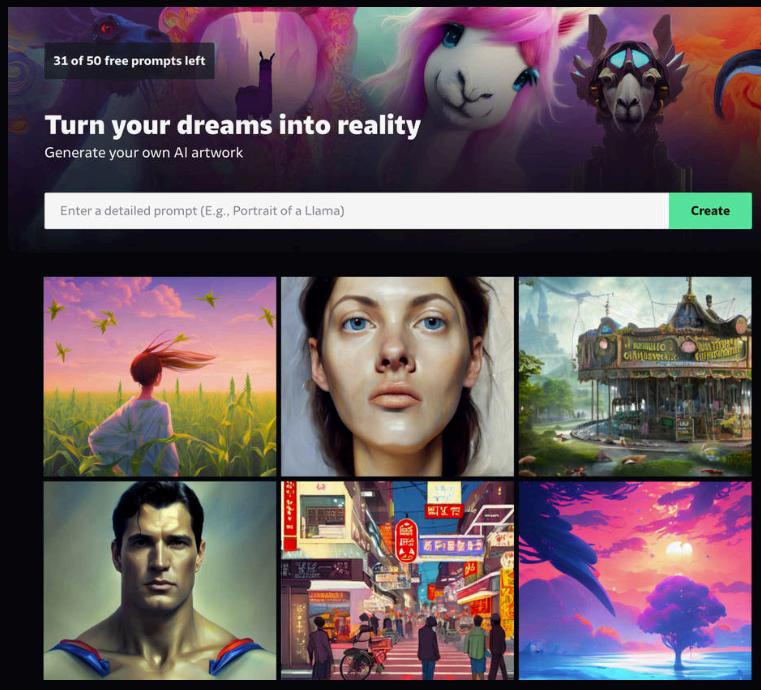
For example, on November 10, 2022, DeviantArt published an announcement stating that they would begin to use “DreamUp”, an image-generation tool that allows you to create art based on text prompts The user argued that
artists should be allowed to remove their images from the Datasets AI generators used. They also stated that artists should be allowed to remove their name (username and real names) from prompts that are allowed to be used, or even credit for their work in the generated image This was in order to keep the right to privacy for their pieces
In conclusion,although everyone has a right to privacy and protection of their reputation, the rise of digital art (especially AI-generated art) creates serious ethical problems that threaten these rights Artists are losing control over how their work, identity, and personal information are being used because AI systems often train on images without permission The lawsuits and public backlash show that many creators feel their privacy is being violated and their artistic identity exploited, which goes against the human rights principles meant to protect them
Using digital technologies, digital art can be created It is a creative process that encompasses a wide range of techniques, from digital drawings, paintings, and illustration, to photos, videos, and even sculpture. However, Cyber security involves using technology and processes to safeguard digital assets. It aims to protect against attacks that steal, alter, or destroy sensitive information, extort money, or disrupt services It requires individuals, businesses, and governments to work together, with security measures being layered across computers, networks, and programs In relation to human rights, cybersecurity measures are necessary to protect this data and uphold the right to privacy especially in an increasingly digital world, where personal data is stored and transmitted electronically.
Cybersecurity has profoundly affected digital art by introducing significant vulnerabilities to artists' work and livelihoods while simultaneously fostering a new niche for artistic expression and collaboration around the theme of security The primary impacts are increased risk of theft and fraud, data loss, and the emergence of new protective measures and creative forms
Newsletter:
https://www.fusionartps.com/art-and-data-loss-5-cybersecurity-consideratio ns-for-digital-artists/
In 2023, digital artists must prioritize cybersecurity to protect their work and client data from cyber threats Key steps include staying vigilant against scams like fake software offers or fraudulent gallery submissions, which can
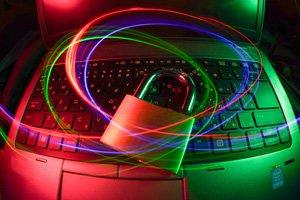
lead to data theft or malware. Artists should also protect against ransomware by using strong passwords, two-factor authentication, and considering cyber insurance Proactively preventing data loss is essential, so regular backups to external servers or cloud storage are crucial, along with implementing a zero-trust security policy as businesses expand Additionally, limiting access to trusted associates and adding digital watermarks to artwork can help deter theft. These precautions allow artists to safeguard their creations and maintain a secure online presence.
Reddit Website:
- https://www reddit com/r/ArtistLounge/comments/1kajajn/digital art how do i protect my digital art online/
“I have just recently started posting art online because I'm making a ttrpg with lore and the VERY FIRST picture of a person I post I got a comment about buying my art for one of those weird art scams I just need to know what I'm getting into What should I do to protect my art from this stuff? I have a pretty defined water mark (I put it over multiple colors and it has a glow effect). I know that won't be enough though. I have heard about nightshade, is that any good? Are there other similar things? I usually work on mobile, so if I can getting something to work on the same device that'd be great but I'm willing to transfer art to my laptop to get the added security
Any advice would be much appreciated ”
Amnesty International. (2025, April 9). UniversalDeclarationofHumanRightsAmnestyInternational.
https://www.amnesty.org/en/what-we-do/universal-declaration-of-hu man-rights/?utm source=google&utm medium=cpc&gad source
United Nations (n d ) Hatespeechversusfreedomofspeech|UnitedNations
https://www un org/en/hate-speech/understanding-hate-speech/hate-s peech-versus-freedom-of-speech
WhathappenedbySolarRoseArtonDeviantArt. (2022, November 11).
DeviantArt
https://www deviantart com/team/journal/Create-AI-Generated-Art-Fairly-w ith-DreamUp-933537821
WhathappenedbySolarRoseArtonDeviantArt. (2022, November 12). DeviantArt.
https://www.deviantart.com/solarroseart/journal/What-Happened-936 791795
Whatiscybersecurity?(n d )
https://www ncsc gov uk/section/about-ncsc/what-is-cyber-security Admin, G , & Admin, G (2023, August 9) Art and Data Loss: 5 Cybersecurity
Considerations for Digital Artists - Fusion Art. FusionArt.
https://www.fusionartps.com/art-and-data-loss-5-cybersecurity-consid