Healthcare sector
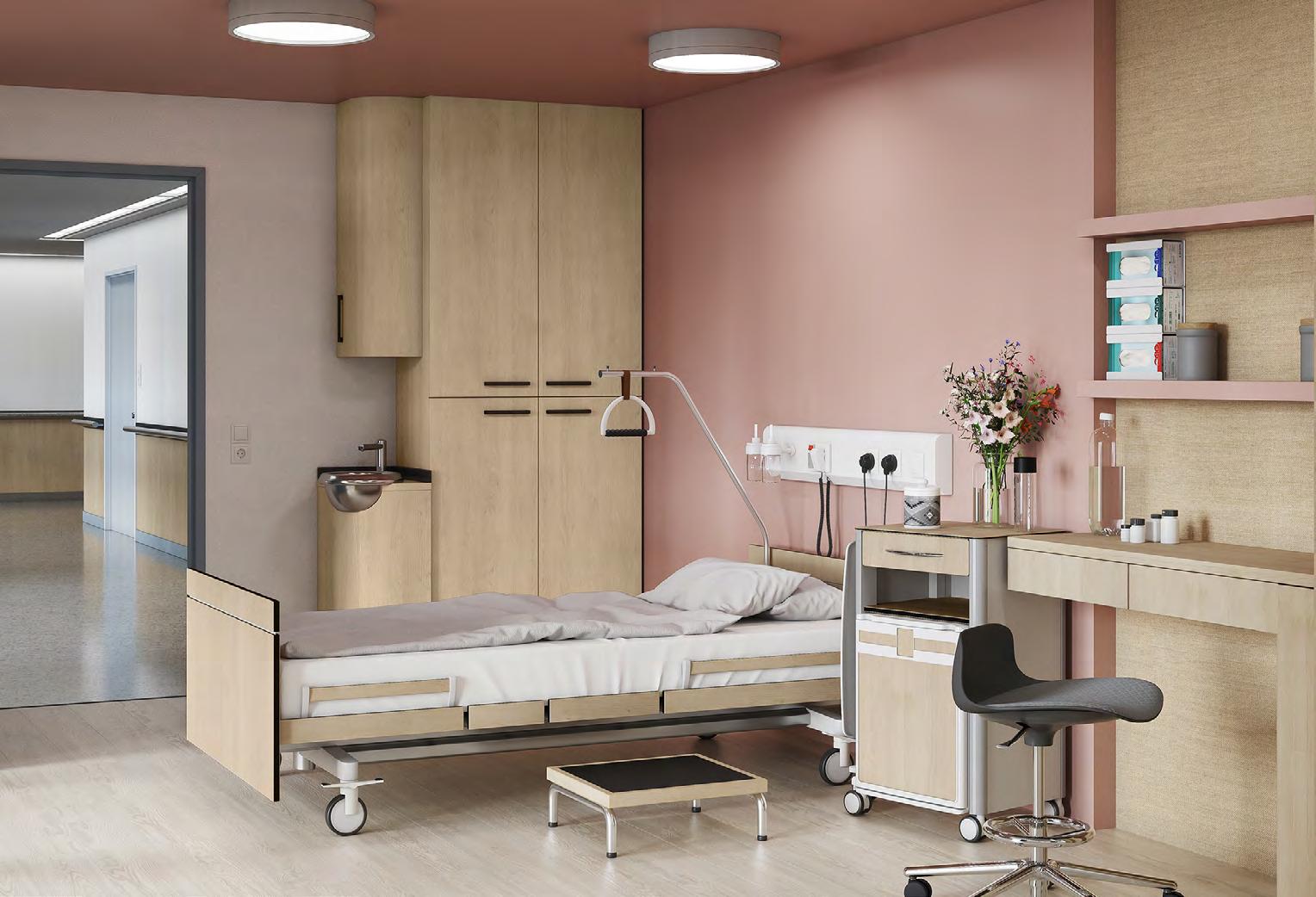
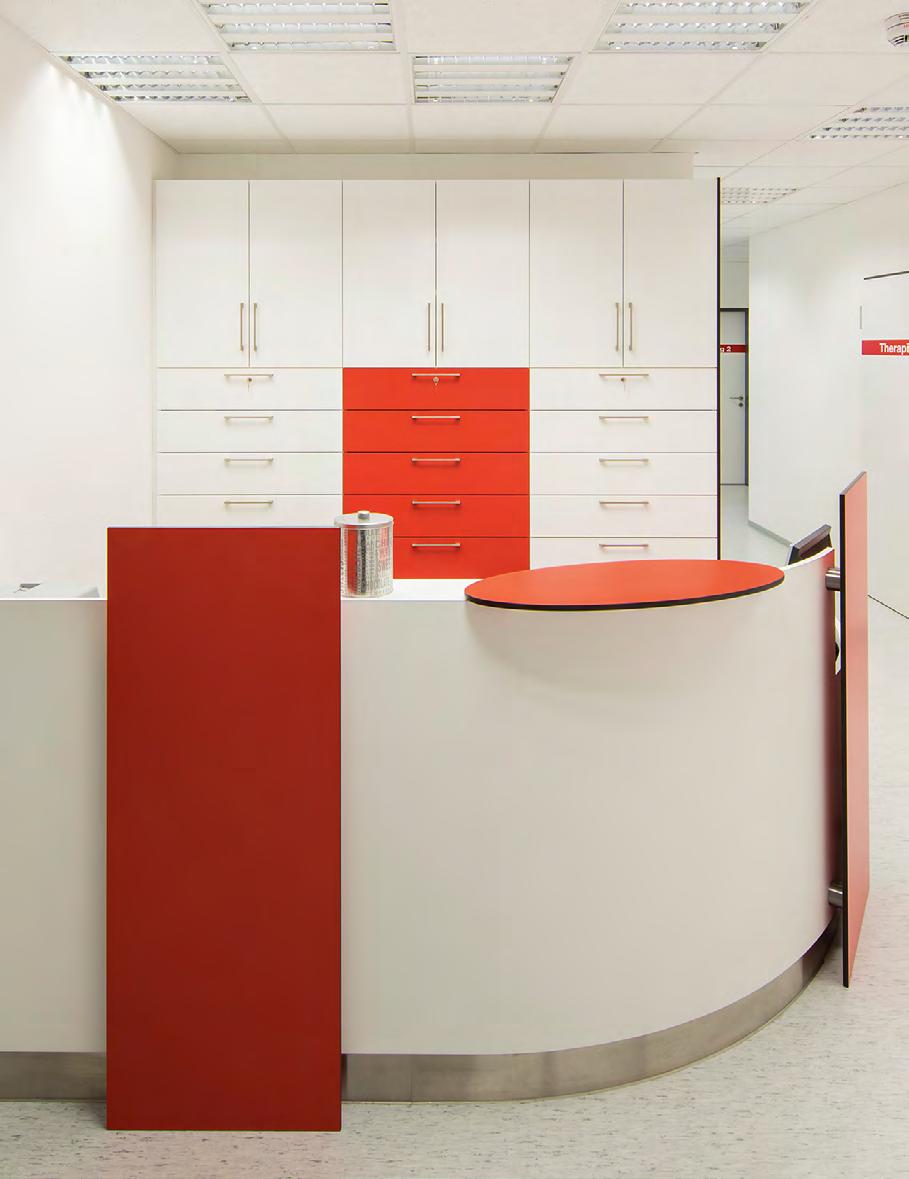
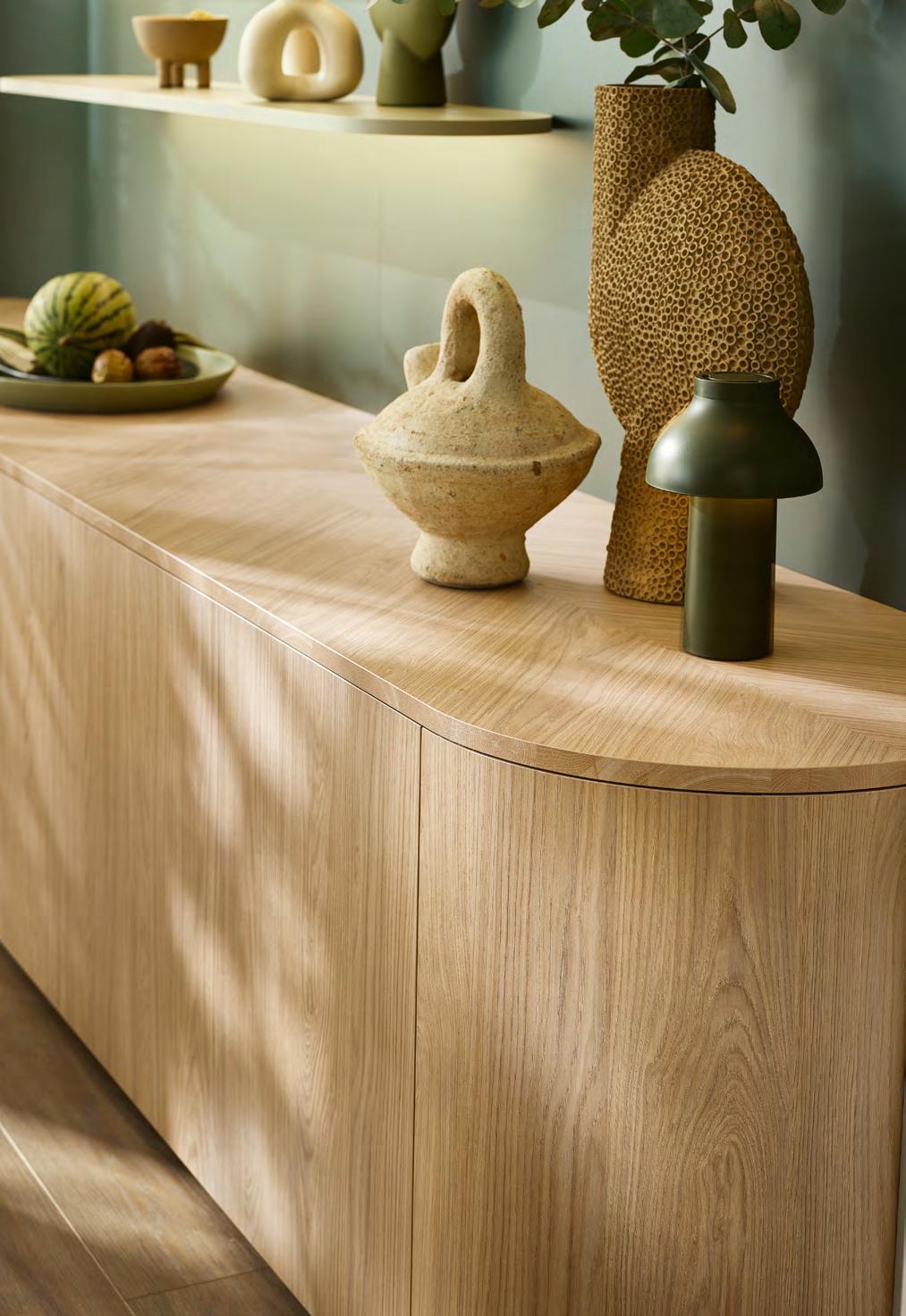
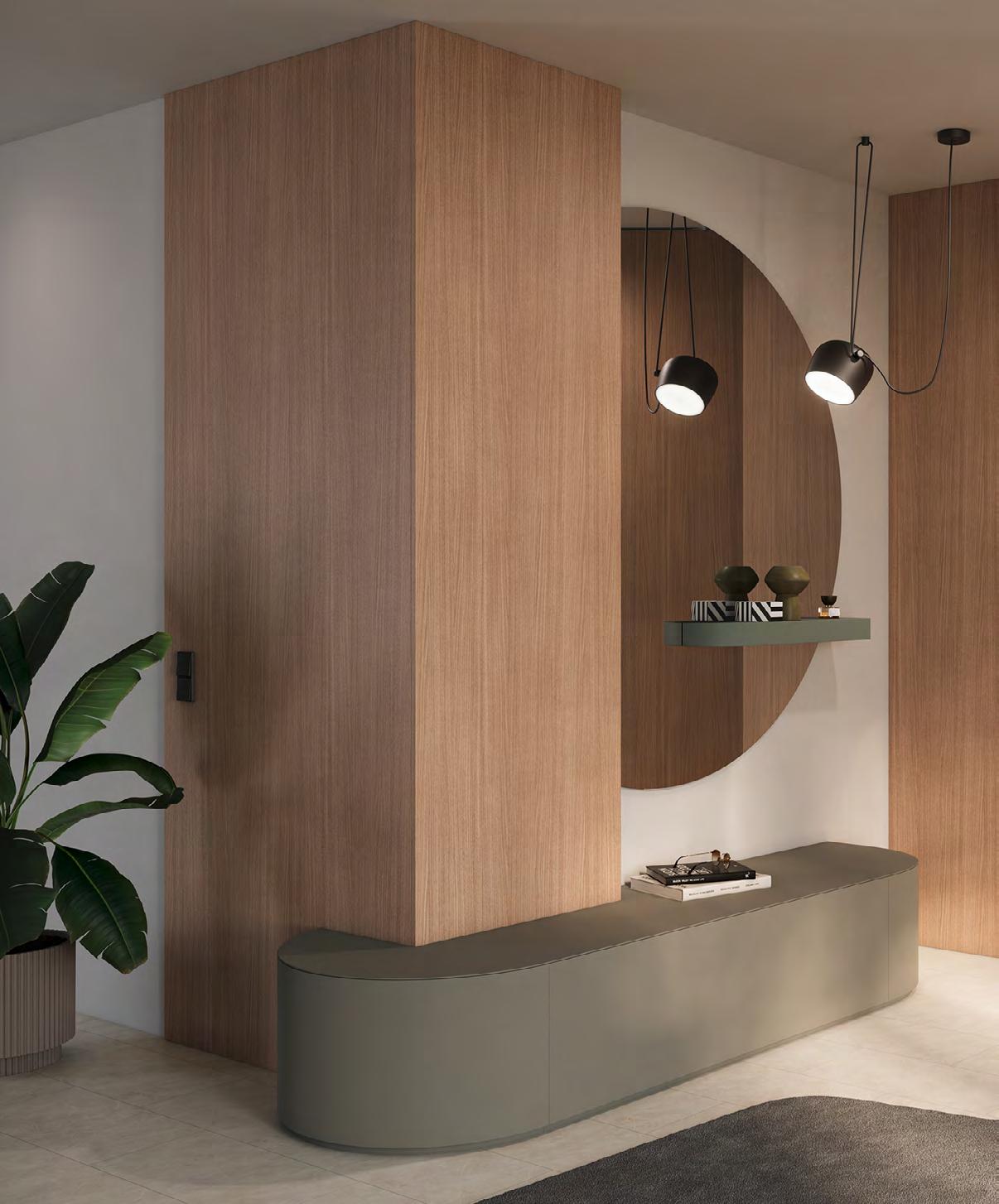
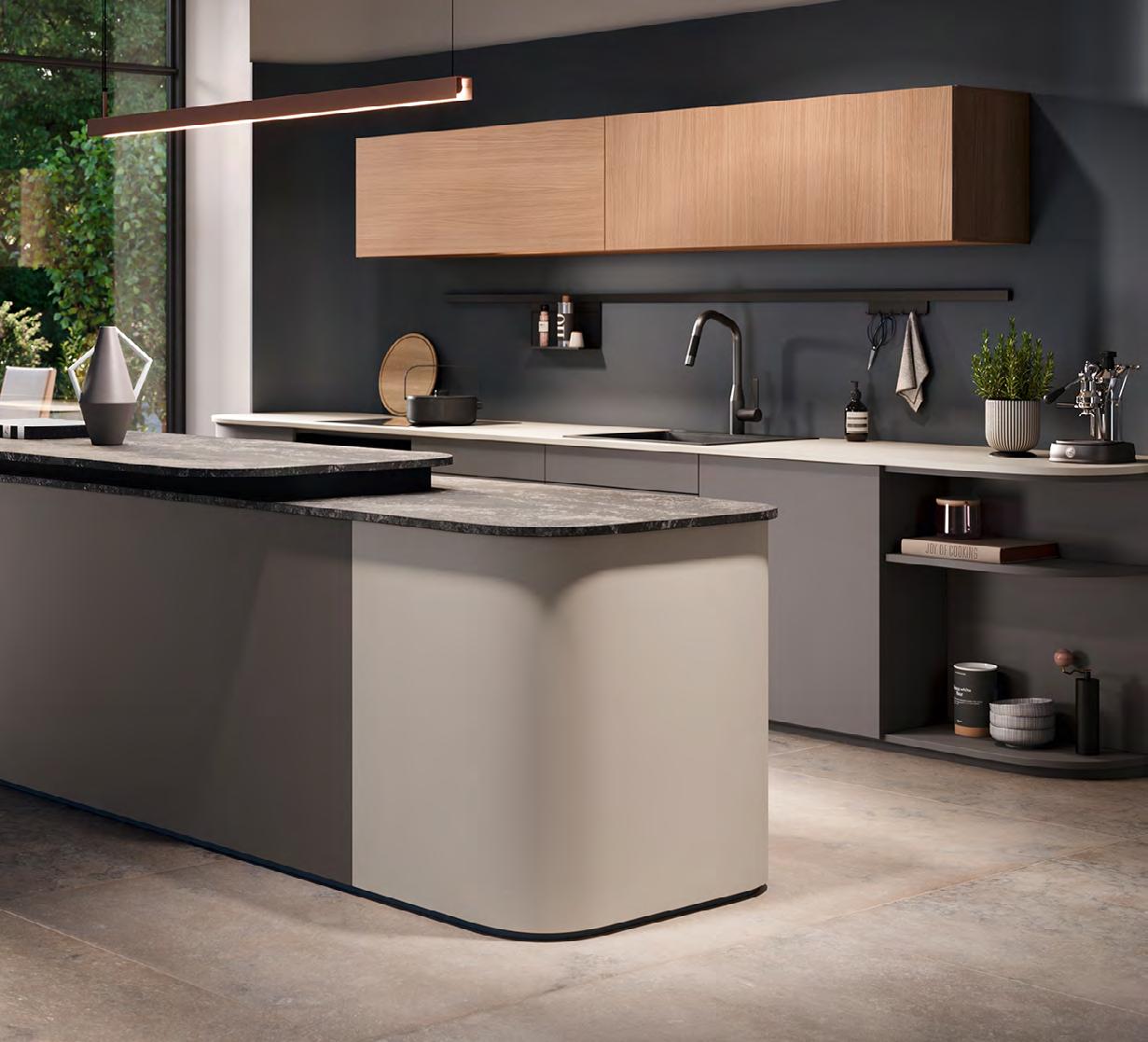
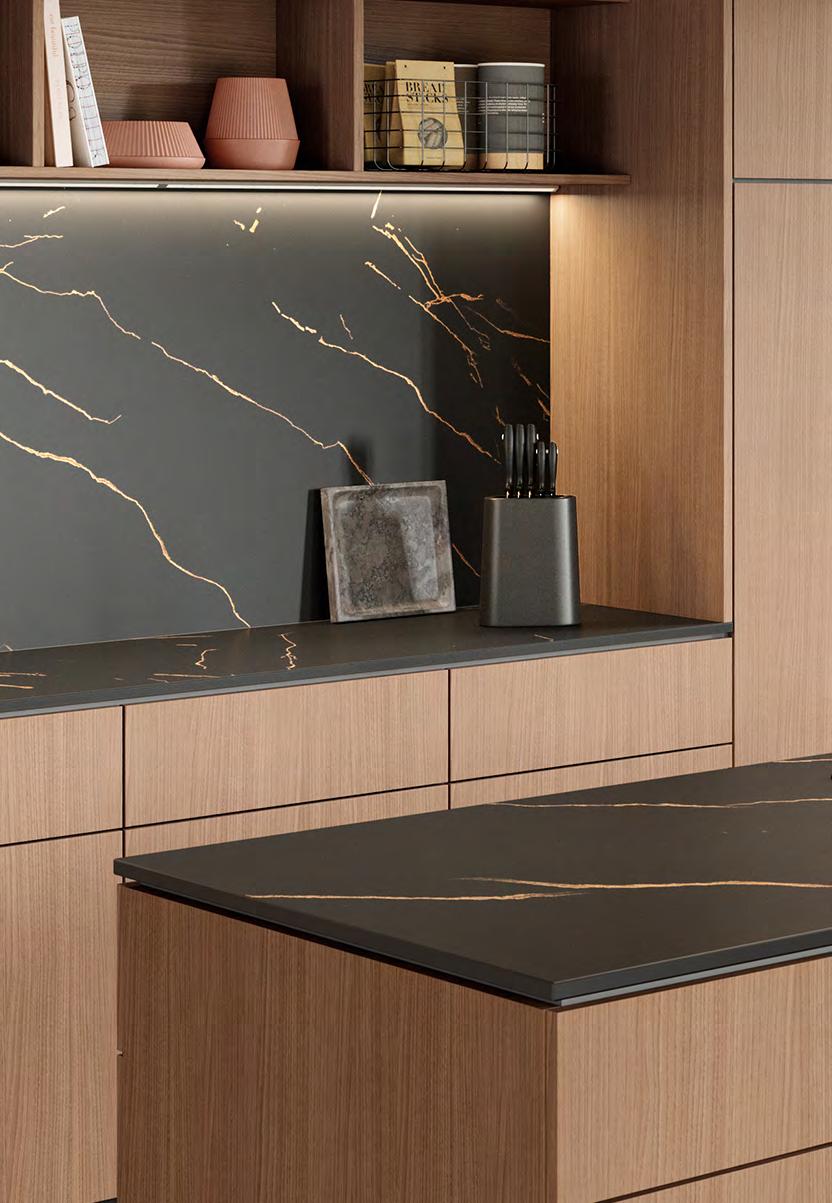
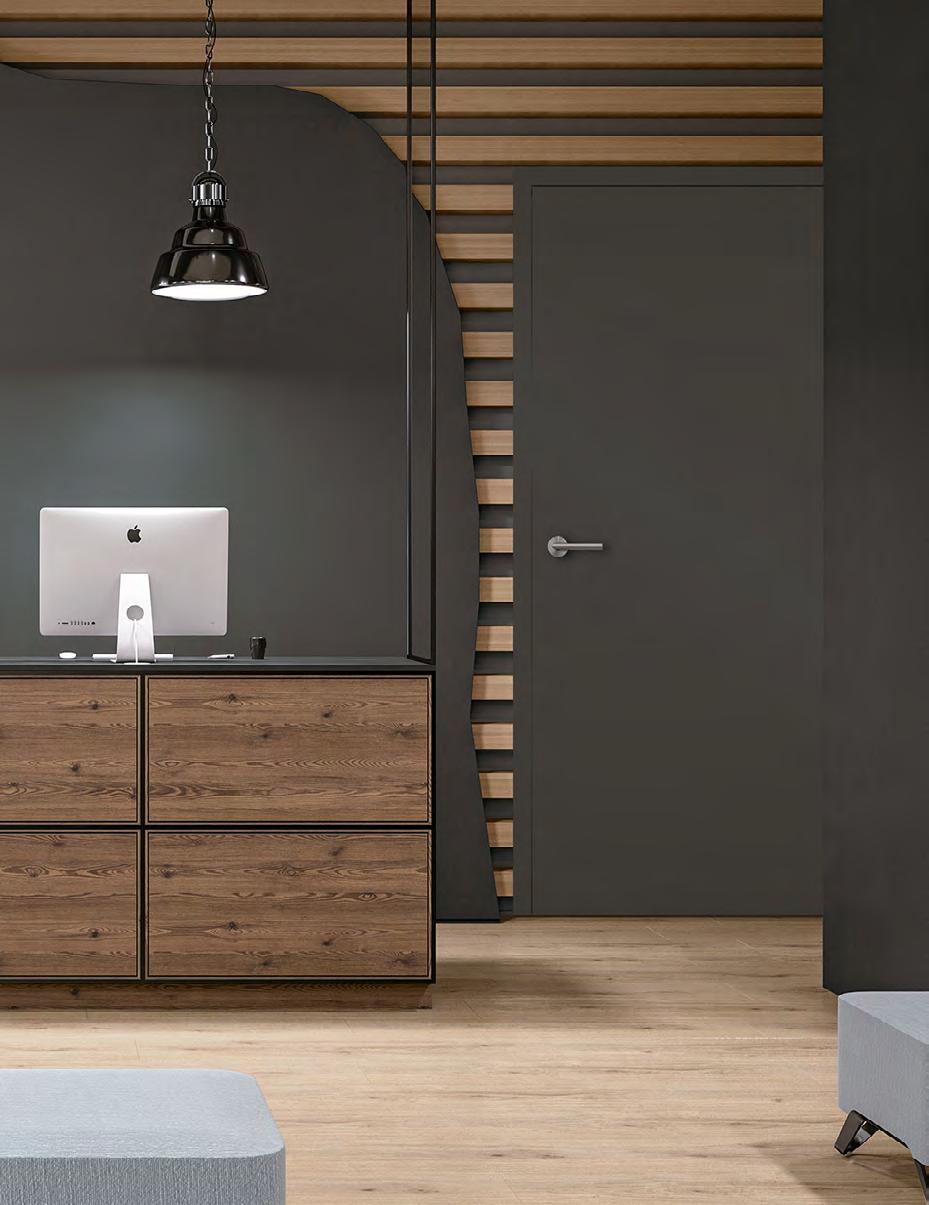
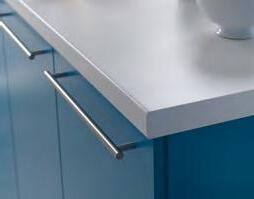
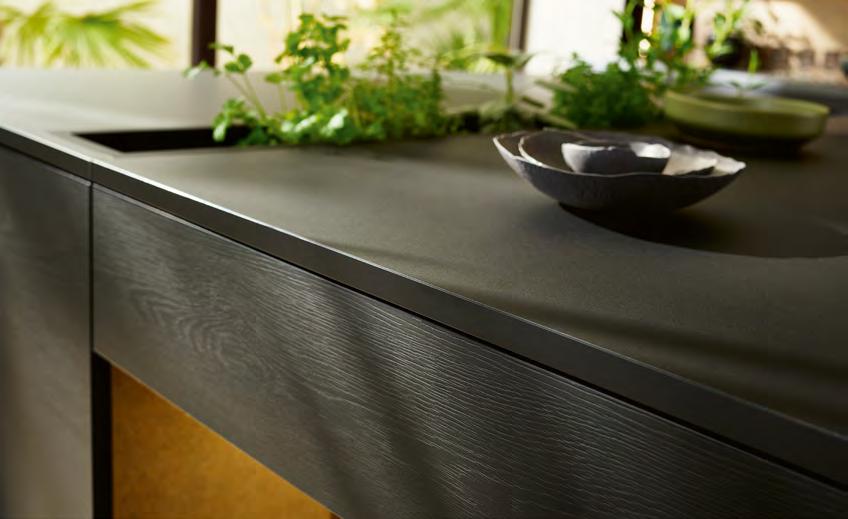
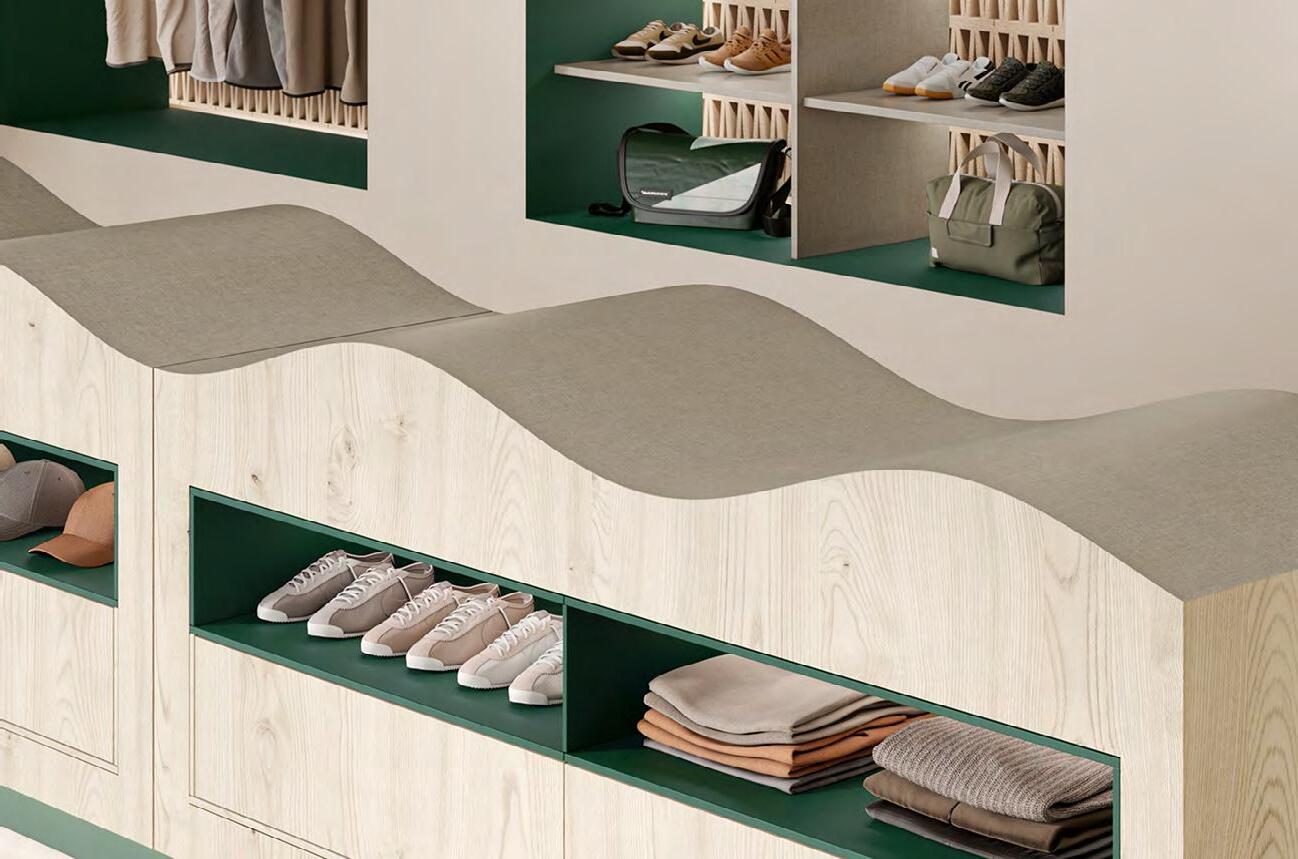
Hygiene plays a central role in the healthcare sector. With their antibacterial surface properties and resistance to many cleaning agents and chemicals, EGGER Laminates and Compact Laminates are ideal for functional as well as atmospheric interior design in hospitals, care facilities, laboratories and medical practices.
Frequent areas of application: Reception counters, furniture fronts, table and work surfaces, wall coverings.
EGGER Laminates
Product details & decors
EGGER Compact Laminates
Product details & decors
Laminate U325 ST9 Antique Rose
Laminate F685 ST10 Acapulco
Laminate W1000 ST9 Premium White
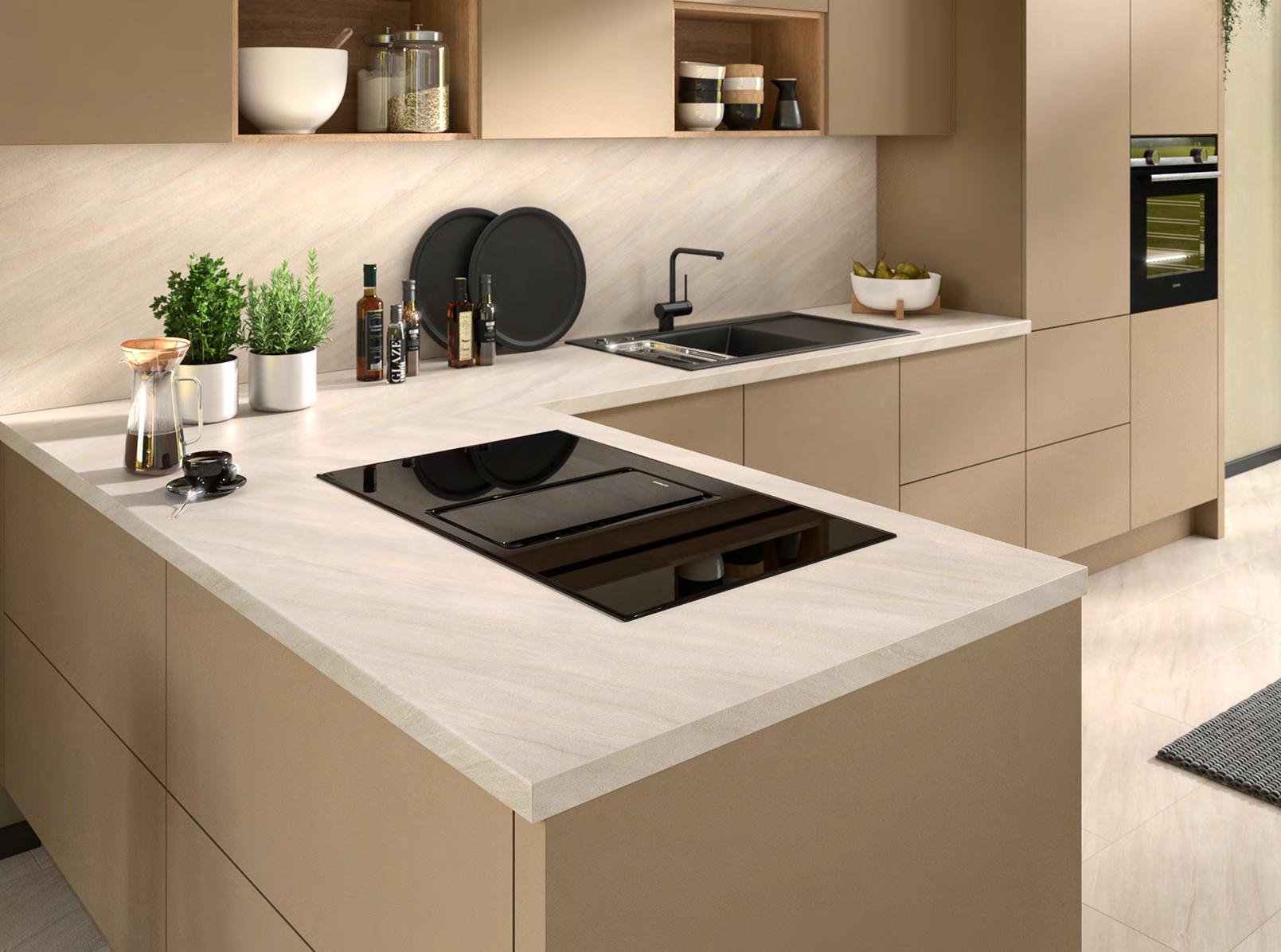
Laminate H1732 ST9 Sand Birch
© Fotografische Werkstatt Katharina Jaeger / Schreinerei Syring
Compact Laminate U321 ST9 China Red
Doors
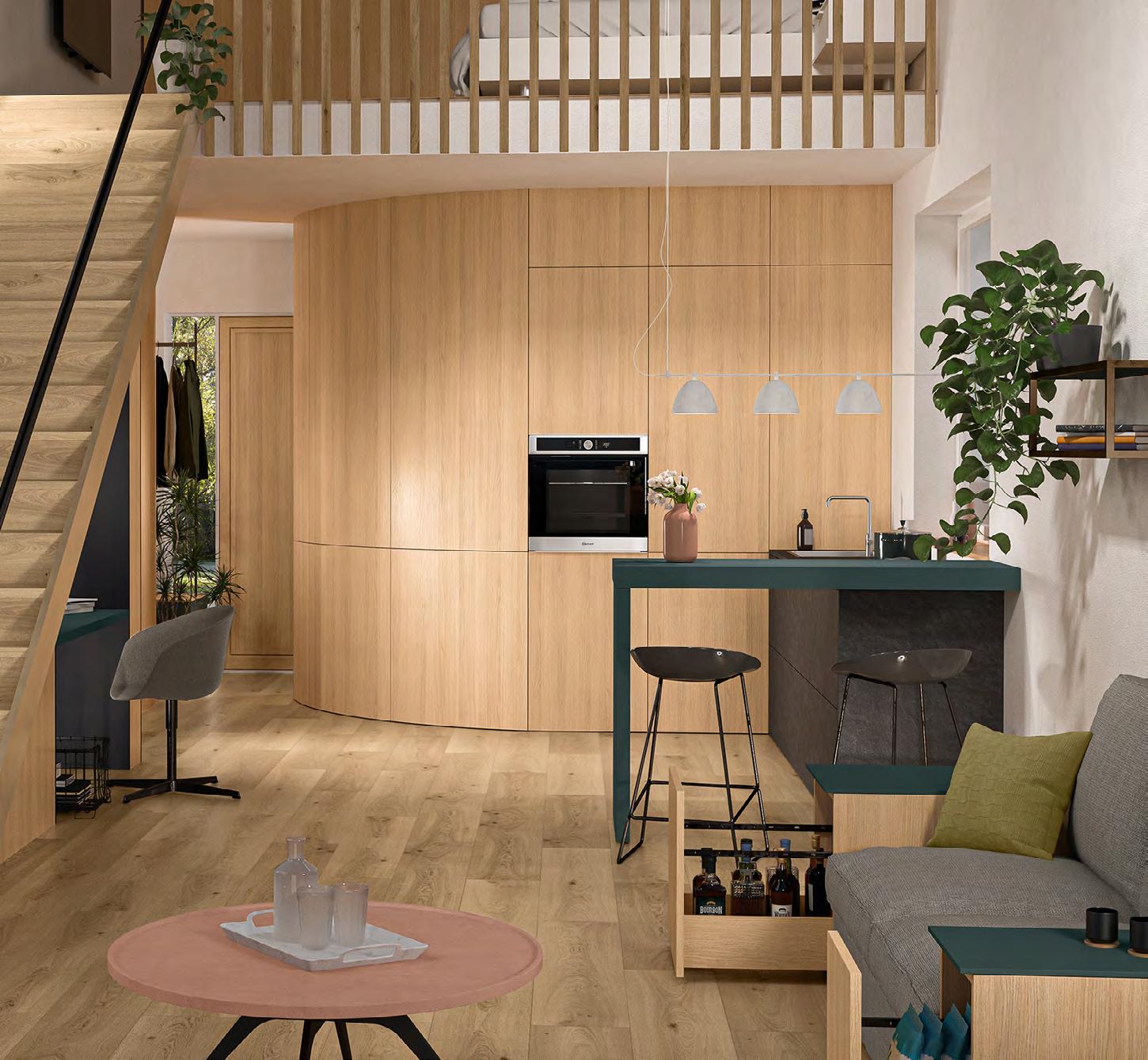
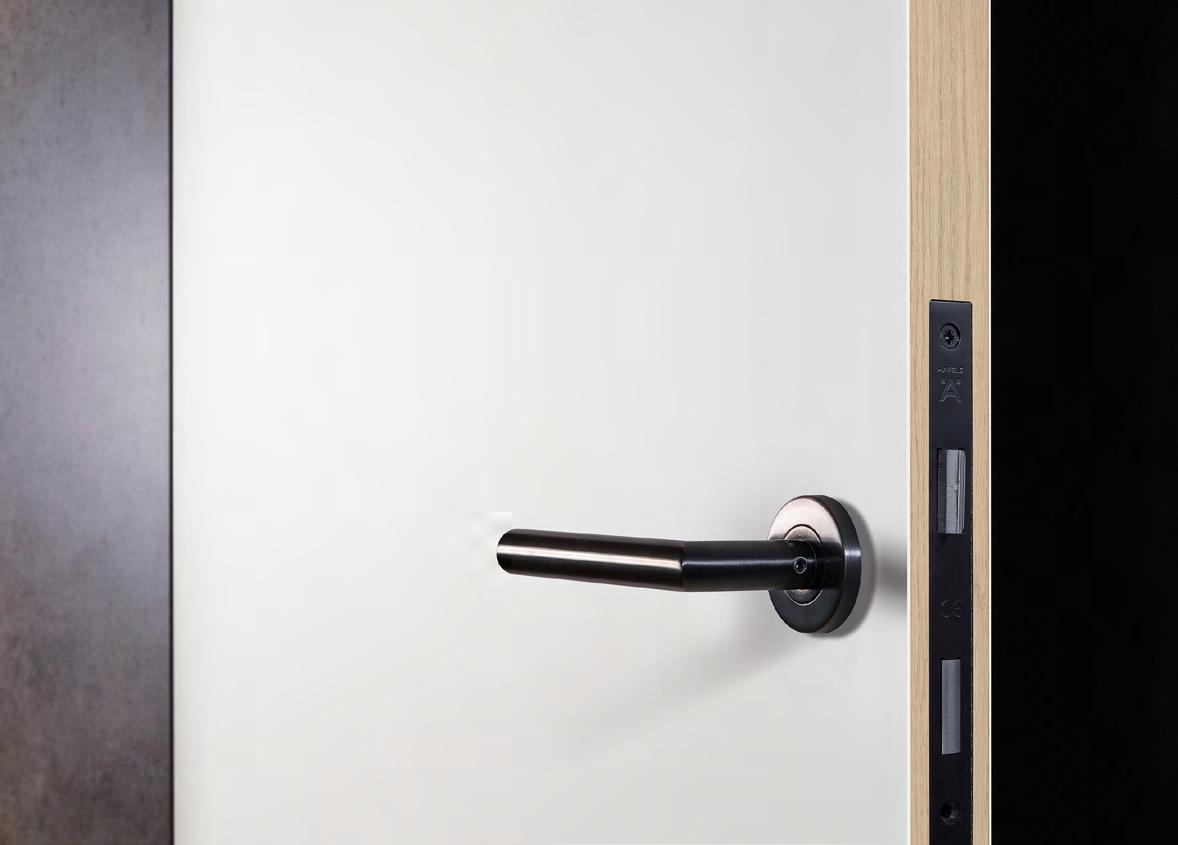
In combination with furniture and flooring, doors become the cohesive element in a holistic room design. Decorative EGGER Laminates in Door Sizes are easy to cut and the ideal material for all door elements.
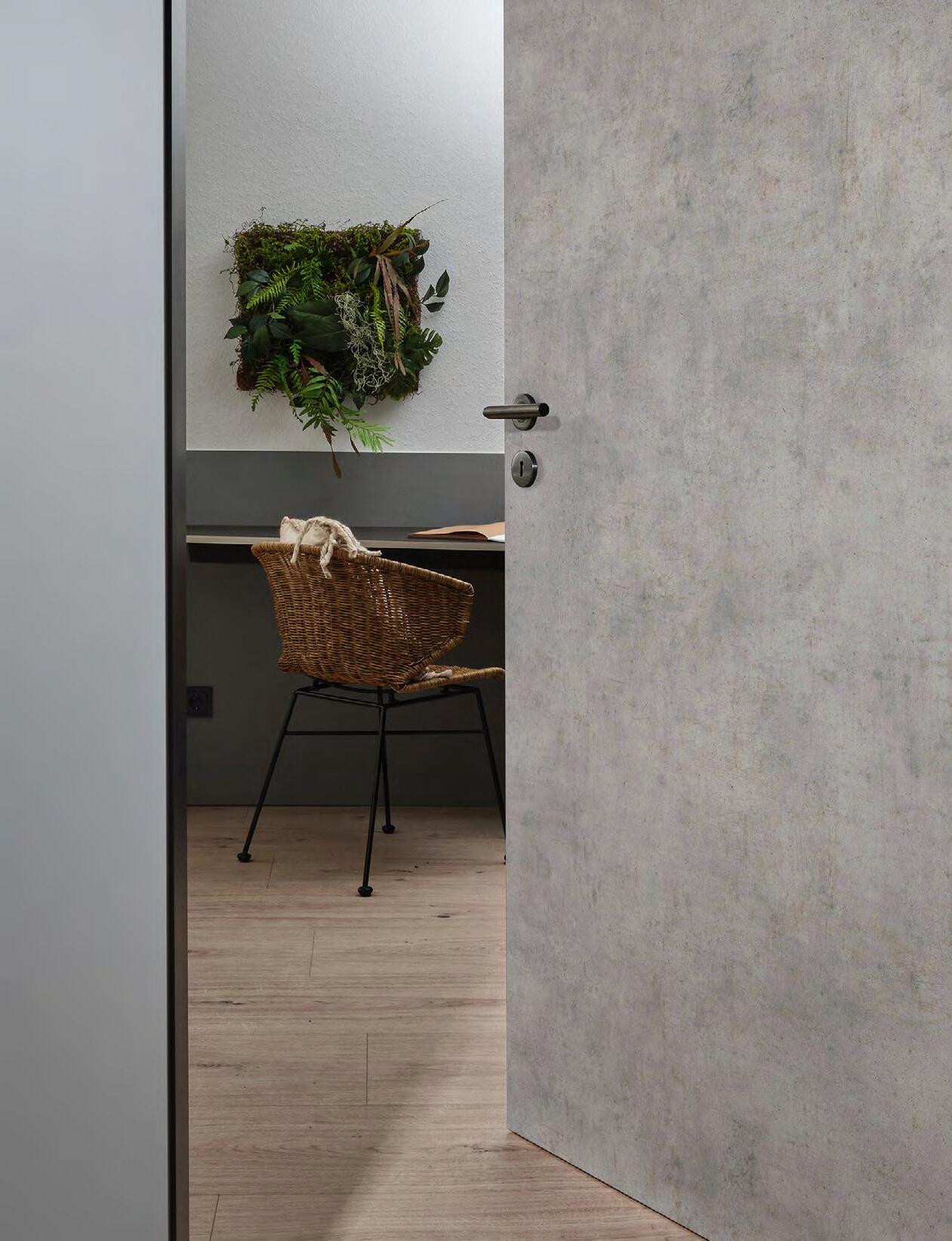
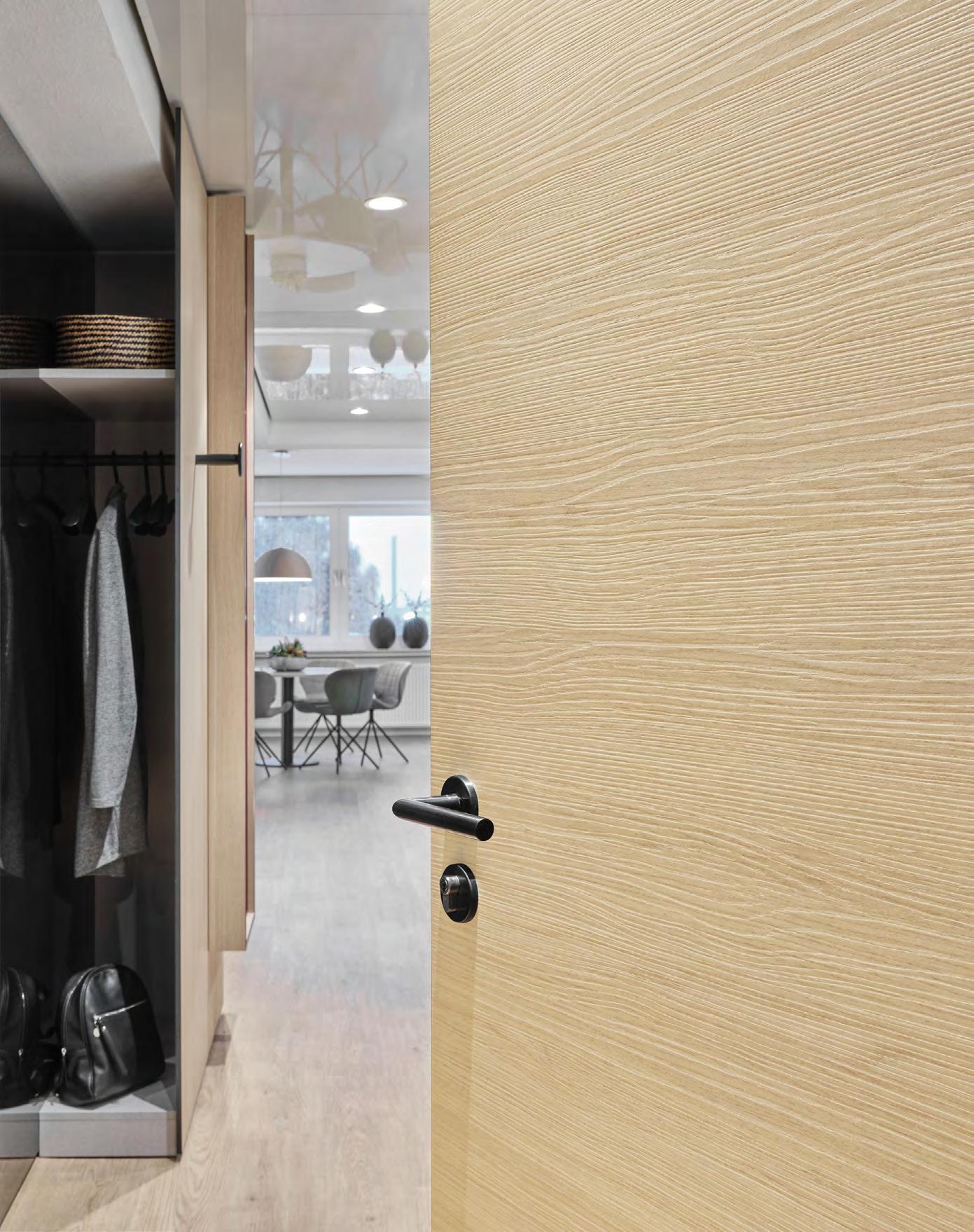
Doors with a wooden appearance can be obtained particularly economically in this way. The resistant surface of the wood reproductions does not require painting and is easy to clean. Material looks such as concrete or metal are also particularly impressive. With timeless uni colours and white decors, the visual connection to window frames also works well.
EGGER Laminates in Door Sizes
Laminate W1001 ST9 Solid Premium White
Laminate F186 ST9 Light Grey Chicago Concrete
EGGER Laminates in Door Sizes Product details & decors
Laminate H357 STG4 Vicenza Oak Horizontal
Laminate U961 PM
Graphite Grey
Furnish a “healthy home” with EGGER Laminates
We are aware of the growing importance of indoor air quality. This is why we intensively test the emissions of our products and also have them tested by independent institutes for their suitability for “healthy homes”. Laminates with the “TÜV PROFiCERT-product Interior” certificate confirm that you have purchased laminates deemed safe for a “healthy home”. It means you are working with materials that are both tested for harmful substances and comply with international emission requirements.
Cleaning laminates
EGGER Laminates do not require any special care due to their resistant, hygienic and dense surface. Regular cleaning is nevertheless important. The cleaning intervals must be adapted to the area of application and the degree of soiling. Gentle agents such as glass cleaner should be used for this purpose. Cleaning agents must not contain any abrasive components, as they may adversely affect the gloss level or scratch the surface.
Good to know
Antibacterial surface properties
On the hygienically sealed and closed surfaces of EGGER Laminates, bacteria and germs are reduced by 99.9% within 24 hours (according to ISO 22196). This characteristic also prevents the bacteria from breeding. Laminates are thus particularly suitable for areas subject to certain hygiene requirements.
Use of laminates
Because of their resistant, hygienic and dense surface, laminates do not require any special care. The following information should be observed for daily use:
Laminate surfaces should generally not be used as a surface for cutting since knives leave cuts, even in durable laminate. Always use a chopping board.
Avoid placing hot cooking equipment, e.g. casseroles, pans, etc., that have come straight from the oven or the hob onto the laminate surface. Always use heat protection.
Spilt liquids should always be wiped or cleaned up immediately. Extended exposure to certain substances can change the gloss level of a laminate surface. Spilled liquids should be cleaned up consistently and quickly.
More on products for a healthy home
Cleaning recommendations for EGGER surfaces
Classification of laminates
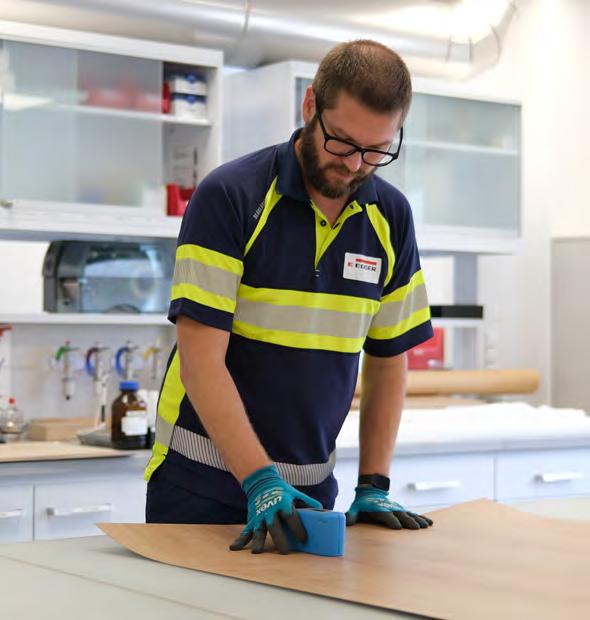
For quality assurance and optimisation, EGGER operates its own laboratory in which comprehensive material tests are carried out in accordance with standard EN 438. The following classification systems are used to describe the respective laminate quality. The laminate type and the associated use is described by the combination of letters or numbers (e.g. HGP = horizontal application, general purpose, postformable).
Alphabetical classification
Standard First letter Second letter Third letter
EN 438 Part 3
Laminates H – Horizontal application V – Vertical application G – General purposes D – Heavy duty S – Standard quality (cold-formable) P – Postformable (hot forming) F – Flame-retardant (cold-formable)
EN 438 Part 9
Laminates with alternative core B – Coloured core R – Metal reinforced core C – Compact laminate T
Laminate S – Standard grade F – Flame retardant grade
Numerical classification
First digit – resistance to surface abrasion
Initial abrasion point 2 3 4 (Revolutions)
≥ 50 ≥ 150 ≥ 350
Second digit – impact resistance
Resistance to impact from a small ball 2 3 4 (Newton)
≥ 15 ≥ 20 ≥ 25
Third digit – scratch resistance
Scratch resistance 2 3 4 (Evaluation degree) 2 3 4
Classification EGGER Laminates
Laminate qualities
Nominal thickness 0.80 mm
Laminate type according to EN 438 alphabetic numeric
Laminates HGP 3 / 3 / 3
Laminates Coloured Core BTS 3 / -¹ / 3
Laminates in Door Sizes HGP 3 / 3 / 3
Laminates in Variable Length (nominal thickness 0.60 mm)
Laminates XL
3 / 2 / 3
3 / 3 / 3
PerfectSense Ambiance Laminates 2 HGS 3 / 3 / 4
PerfectSense Matt Laminates 2 (PM texture) HGS 3 / 3 / 4
PerfectSense Matt Laminates 2 (TM12 / TM22 textures) VGS 3 / 3 / 2
PerfectSense Gloss Laminates 2 HGS 3 / 3 / 4
PerfectSense Matt Laminates Coloured Core 2
PerfectSense Gloss Laminates Coloured Core 2
/ 4
/ 4
¹ Characteristic is not defined in the standard for laminates with coloured core structure.
2 Based on the EN 438 standard, as lacquer-based laminates are not currently described in the standard.
Laminate
H3309 ST28 Sand Gladstone Oak
Good to know
What does postformable / cold-formable mean for laminates?
The product standard EN 438 specifies defined minimum radii for type P laminates (postforming). Postformability is defined as follows: In the longitudinal or manufacturing direction, at least 10 times the thickness of the laminate and in the width or transverse direction, at least 20 times the thickness of the laminate.
With a nominal laminate thickness of 0.80 mm, this corresponds to a radius of 8 mm or 16 mm. These minimum radii are possible on postforming and wrapping systems, if the laminate is heated (hot forming).
Larger radii, where the laminate is cold formed, can be achieved with templates. In this context, we also speak of “cold-formable”.
CPL and HPL manufacturing process
The abbreviations CPL and HPL are often used in connection with laminates. These describe the respective manufacturing process:
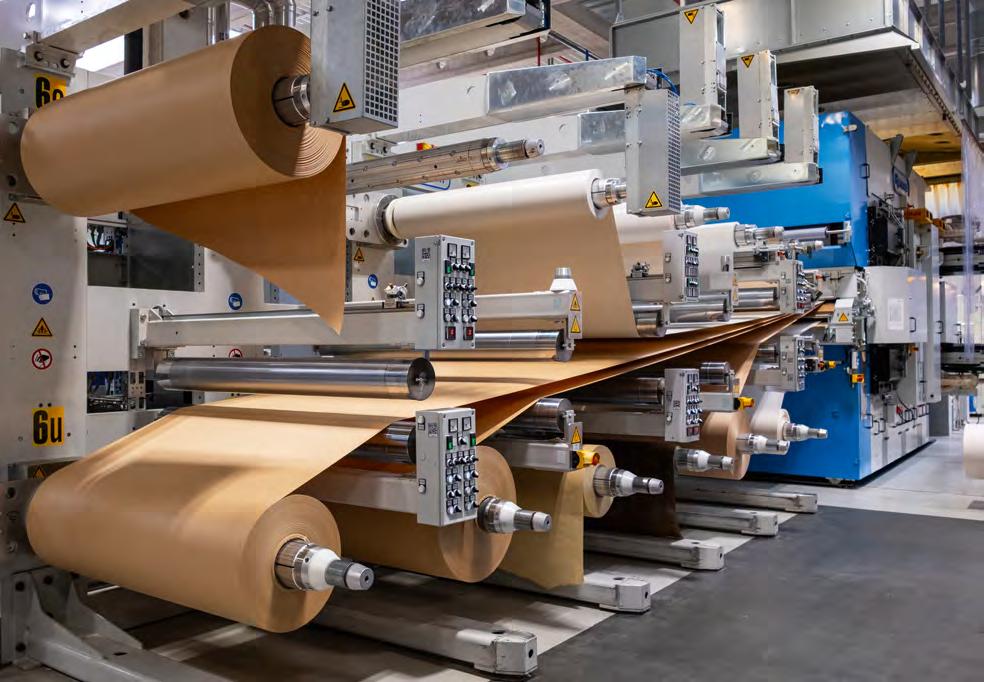
» CPL → Continuously Pressed Laminates: CPL is manufactured in continuous double belt presses (see picture).
» HPL → High Pressure Laminates: HPL is usually produced in multi-daylight presses. Compact laminates with a thickness of ≥ 2 mm are also produced on these presses.
The laminate structure and the resins used are comparable in both manufacturing processes. With an identical product structure (laminate thickness, decor, texture), the product properties and requirements to be tested according to the standard are also identical. No matter whether CPL or HPL: As a result, you get resistant laminates.
Laminate H1710 ST10 Sand Kentucky Chestnut
VIDEO: Follow EGGER Laminates on their journey from Gifhorn to the rest of the world
www.egger.com
EGGER Scandinavia ApS Jernbanegade 5A 6862 Tistrup
Denmark
t +45 75 29 10 00 info-scan@egger.com
CENTRAL_SCAN_en_01/2026_BRI
All our shown and mentioned decors are reproductions. Product-specific colour and surface differences are possible. For a binding selection, order decor samples in the required product version. Due to variables in the printing process, colours may vary slightly from the actual product. Subject to technical modifications and printing errors.