THREAD TROUBLESHOOTING REFERENCE GUIDE
By Bob Percell, President, Superior Threads© | Superior Threads©, used by permission PROBLEM SOLVING • TENSION • NEEDLES
Shop ALL Thread here!
Sometimes I wish that my sewing machine and longarm machine were like a brand new car. Fresh from the factory, everything works well and if there's a problem, I can take it back to the dealer and drive a loaner vehicle without worry. The only maintenance is filling it up with fuel, checking the tire pressure every so often, and the occasional oil change. In all reality, I put more miles on my sewing machine than I do my car! Most dedicated quilters and sewists are in similar situations. When we encounter a problem with our machines, it's really easy to get frustrated and feel overwhelmed. Luckily, there is a helpful troubleshooting guide we can reference to find the source of a problem.
There are many players in the perfect stitch game. The machine, the thread, the needle, the tension settings, the batting or backing, the fabric, the thread path and thread guides, speed, use of lubricants or adhesives, thread delivery system, and perhaps even the weather. We've created an easy-to-understand flowchart to identify and solve stitching-related problems. The first step is to determine if the problem lies with the machine or with the thread. If you experience breakage or other problems with a particular spool of thread, replace it with another spool of the exact same type of thread (same brand, same type, and same thread weight) and test it, without changing any of the other variables or settings. It is OK to use a different color. If the second spool works perfectly fine, we might have an easy fix. Try the first spool again. If it works this time, it was probably a threading mistake and the problem is solved. If the original spool still does not work, we can conclude that it might be a bad spool and needs to be replaced. If the same problems occur with a second spool of identical thread, it's time to look at other areas.
Thread Quality and Application
Are you using a good quality thread? Are you using this thread in the intended manner? Inexpensive serger thread found in bargain bins at discount stores (think of the $1.99 cones of thread with a layer of dust on them) is not intended for machine quilting. Fine, lightweight piecing threads may not be suitable for high-speed longarm quilting. Linty and inexpensive threads may not be suitable for your application. Decorative heavier threads may be intended for couching, serger, and bobbin work; not for the needle. While there are threads universal in nature, most high-quality threads are created for specific applications. We recommend a fine, strong 50 wt. thread for piecing because it's thin enough to not add any bulk at the seams. A 40 wt. thread, cotton or polyester, is the most common thread type used for quilting (topstitching) because it is visible and shows decorative detail in the stitch pattern.
Thread Delivery
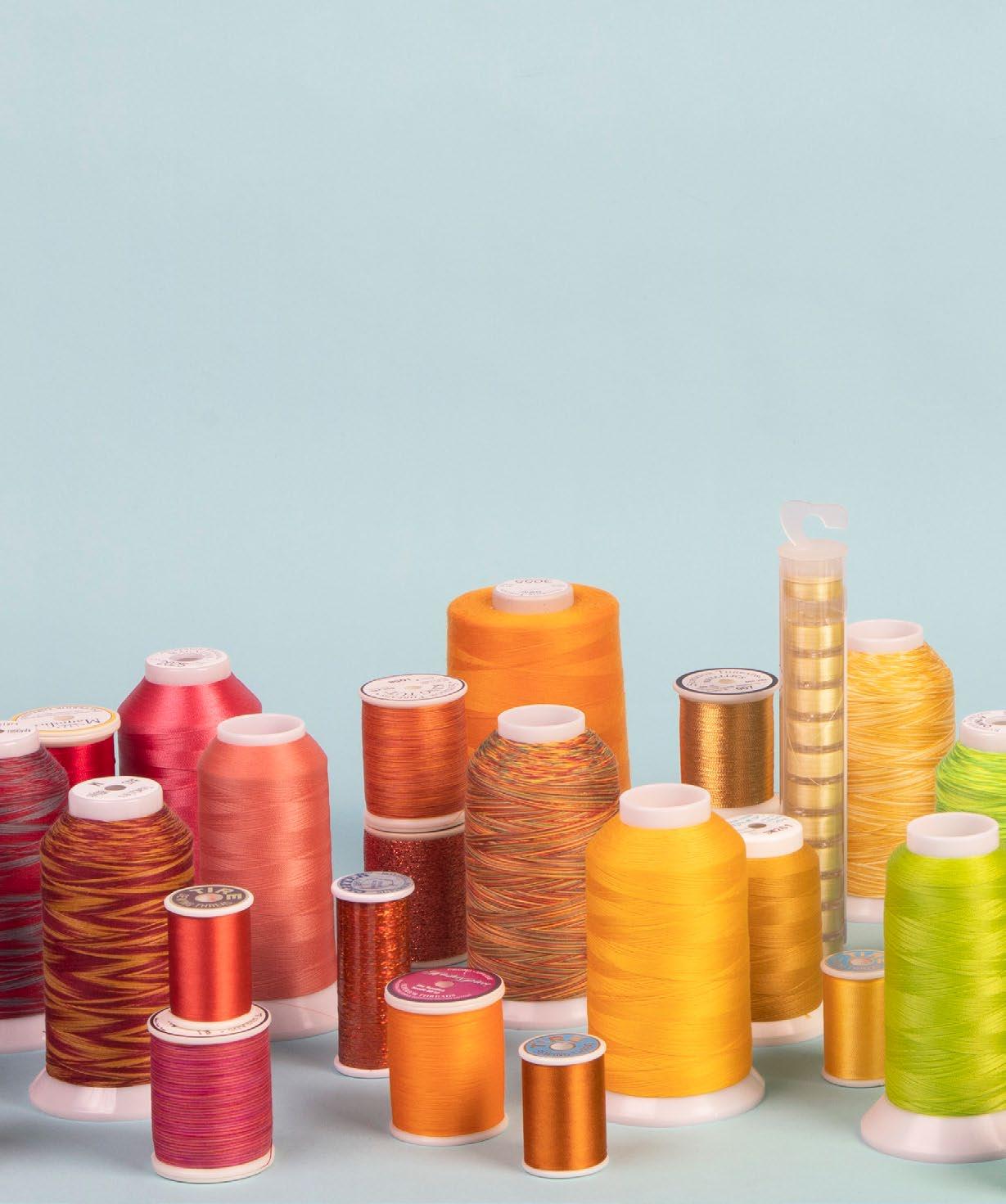
Sensitive or decorative threads, such as metallic threads, may need more care than others. Spools and cones are wound differently. Most spools are wound with a straight or parallel wind whereas cones are wound in a criss-cross pattern. On home machines, straight-wound spools perform better with the spool positioned on the vertical pin spool holder so the thread unwinds straight from the side. If you position the spool in the usual manner on the horizontal pin, the thread unwinds over the end of the spool and puts a twist on the thread as it unwinds. This twisting action may cause problems with a sensitive thread. If your machine unwinds the thread over the end of the spool and not from the side, it is strongly recommended that you use cones. Spools are not intended to unwind at high speed over the top or end of the spool.
Needle
If you experience your top thread shredding, it is often the result of thread passing through a needle that is too small. It's like trying to lace up shoes with a shoelace that is too thick for the shoe eyelet. It will shred and eventually break. Some styles of needles have larger eyes than others. For home machines, the Topstitch and Metallic needles have the largest eyes and really do make a difference in helping reduce the amount of tension applied on the top thread. Size #90/14 is recommended for medium to heavy threads and any decorative thread. It seems that most stores sell metallic needles, but they are almost always size #80/12. That is too small for metallic threads. Change to a #90/14. Even if your needle is new and your thread is shredding, try another new one.
Tension Settings
You have permission to change the tension settings. They exist specifically for you to make changes. Most machines are factory preset to sew using a fine (50 wt.) polyester thread (I've actually read my machine manuals!). Quilters and embroiderers often use medium wt. and heavier threads which require loosening of the upper tension settings. Whether your machine has an automatic or manual tension system, learning to adjust the upper tension will prevent and resolve a lot of frustration. On a scale of one to ten, the upper tension setting on most machines is factory preset to 5.0. Automatic tension systems may adjust the settings down to 3 or 3.5. That may not be enough. With metallic thread, we adjust the tension down to 1.0, regardless of machine brand. The most commonly used tension settings for other threads are between 2.5 and 4. Don't rely on the factory preset tension. Bobbin tension settings are usually more reliable, but it is still OK to make adjustments. Before doing so, make sure the bobbin case is clean and threaded properly. To have a benchmark of current bobbin tension settings, mark a dot with a permanent marker on the bobbin case to indicate the screw position. When you loosen or tighten the bobbin tension, turn the tension screw in small 1/4-turn increments.
Speed
Machines are getting faster and faster. Reducing the sewing speed often solves breakage problems.
Other Factors
Some high-sheen threads don't do well with adhesive sprays. Some fabrics have a denser weave and are more abrasive in nature, while other fabrics have sparkling or UV coatings. On longarm machines, the tautness of the fabric between rollers affects the results.
All these variables contribute to the end result. Fortunately, we have control over most of them and with minor adjustments, can solve most sewing-related problems on our own.