

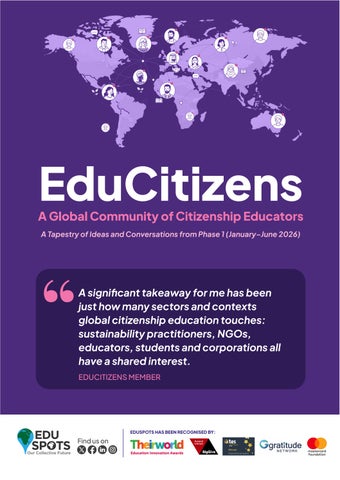
A Tapestry of Ideas and Conversations from Phase 1 (January–June 2026)
A significant takeaway for me has been just how many sectors and contexts global citizenship education touches: sustainability practitioners, NGOs, educators, students and corporations all have a shared interest.
EDUCITIZENS MEMBER
EDUSPOTS HAS BEEN RECOGNISED BY:
The EduCitizens Community was developed by Cat Davison and the EduSpots team with the support of the UNESCO Youth for Peace Intercultural Leadership Programme 2025–2026. The project is one of a selected group of initiatives promoting intercultural dialogue and cultural understanding through innovative approaches. The views and opinions expressed throughout this course are those of EduSpots and the contributors and do not necessarily reflect the views of UNESCO or the Kingold Group.
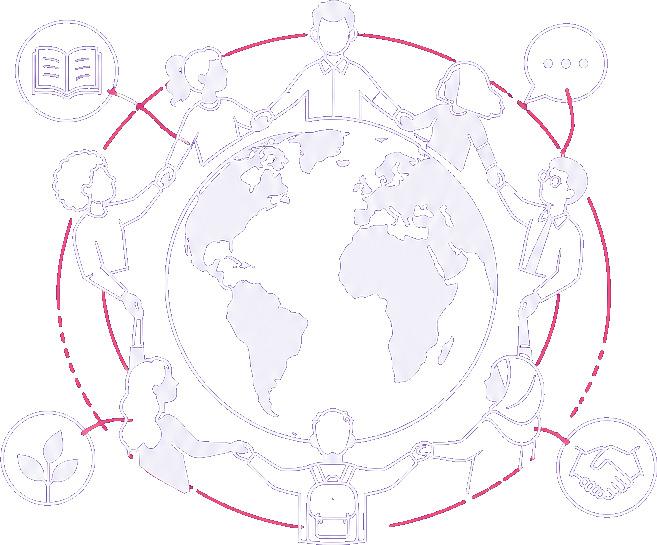
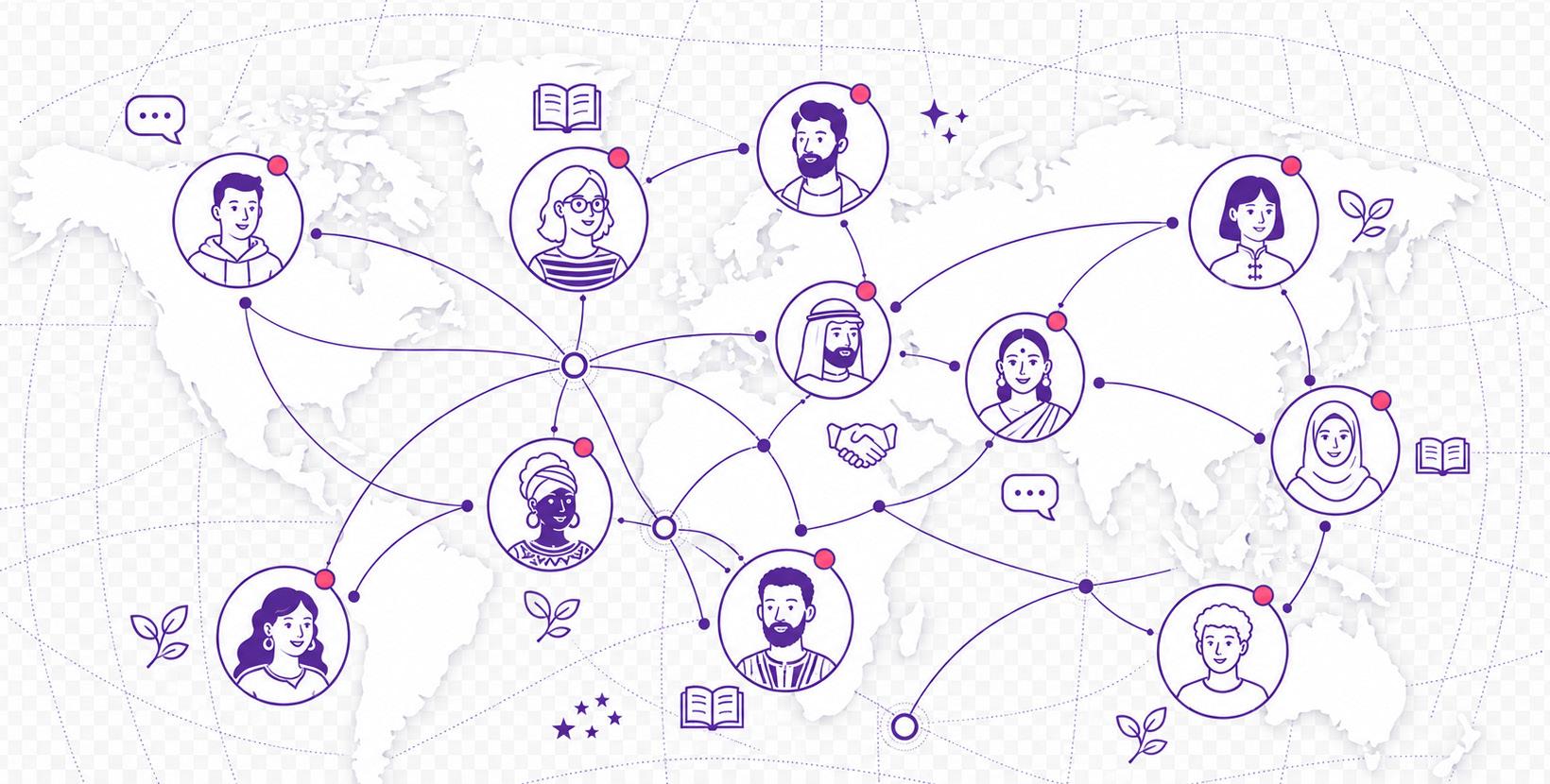
Not a single conversation, but hundreds of them across 14 countries, on video calls and in online forums, between educators who had never met and youth leaders who had never before had a space like this to think out loud together.
EduCitizens is an online international community convened by EduSpots, an organisation that connects and equips over 400 local Catalysts to drive educational change across Ghana, Kenya, and beyond. Unlike EduSpots’ physical network of 50 educational Spots dotted across West and East Africa, EduCitizens is an experimental online space: a community united not by geography, but by a shared commitment to active forms of global citizenship education.
Alongside EduCitizens, as part of ‘EduSpots Unlocked’, EduSpots also facilitates the Ghana Climate Education Community of Practice (CECOP), bringing a growing number of climate educators together in Ghana and beyond.
Read more here: https://eduspots. org/eduspotsunlocked/
At the heart of EduSpots’ approach to education, is a belief that the core purpose of education is to enable learners to become empathetic and active citizens, and thrive on a lifelong love of learning. EduSoots has developed a learner profile across areas such as inclusiveness, digital literacy and teamwork that aim to support our collective development towards this aim.
The response when the community launched was striking. Over 120 applications arrived from 30 different countries. The message was clear: educators everywhere are hungry for this kind of dialogue. They want to understand what Global Citizenship Education looks like beyond their own borders, and be part of something bigger than their classroom or community.
Note that members had to give evidence of a specific interest in global citizenship education to join the group - either as part of their education, career or wider social change work.
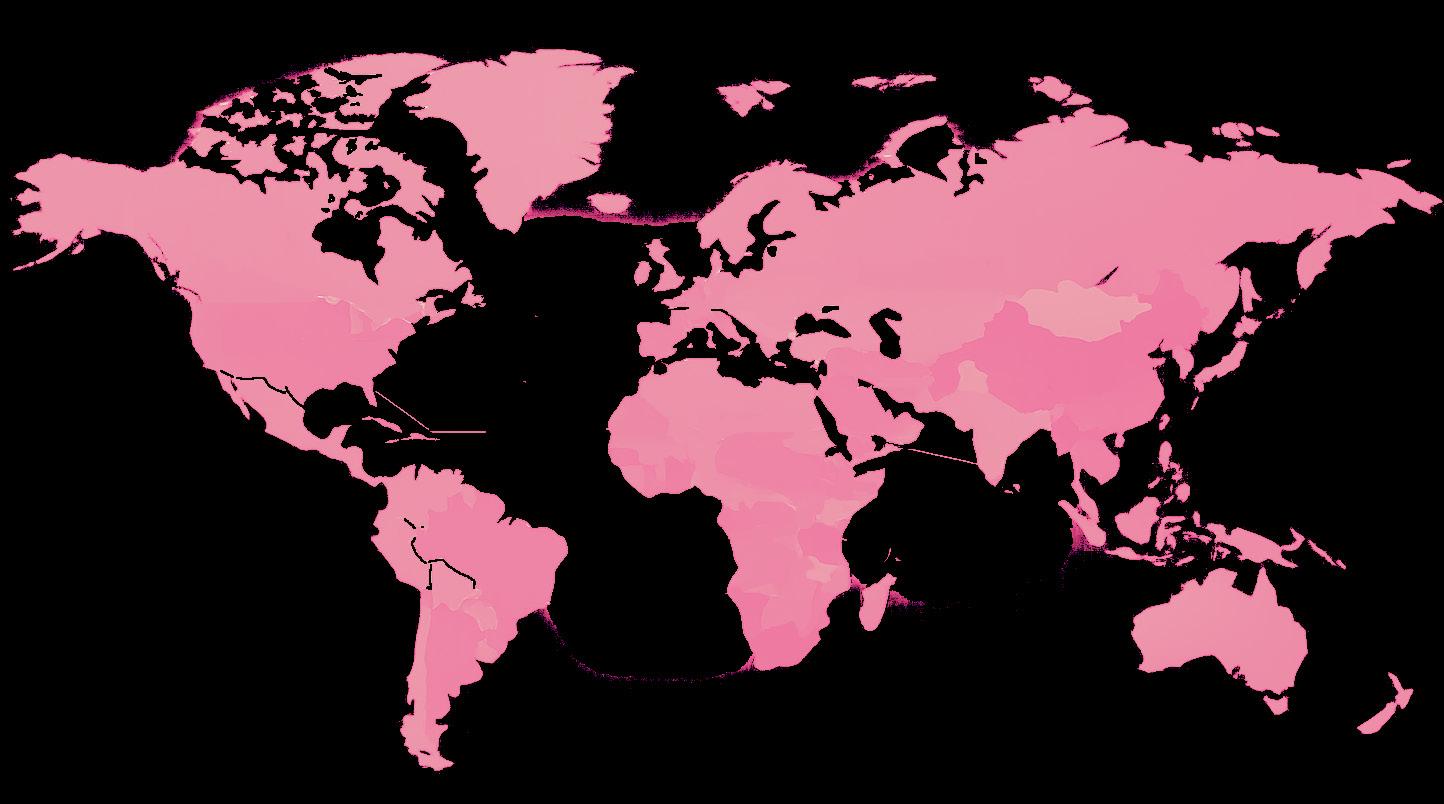
EduCitizens is an experimental “online spot” using EduSpots’ unique WhatsApp for Learning and Community Engagement Methodology, combined with interactive Zoom sessions.
Its primary purpose is to bring together a diverse international cohort of educators and youth leaders to explore the nature of active citizenship education, sharing, reflecting, and building knowledge together.
The community exists to:

Create a participatory space where educators can share perspectives across cultures and contexts.
Explore what Global Citizenship Education looks like and feels like in different communities around the world.
Contribute to the development of learning resources focused on active citizenship, equity, and intercultural understanding.
Connect local realities to the bigger global conversation about sustainability, human dignity, and collective responsibility.
We live in a world of rapid change and deepening inequalities. Polarisation, misinformation, the climate crisis, and political instability are reshaping the lives of young people everywhere. Yet alongside these challenges, there is extraordinary energy: youth-led movements, community innovators, and educators finding new ways to foster critical thinking, empathy, and civic agency.
Global Citizenship Education is not a luxury or an optional curriculum add-on. It is a foundational response to the realities of the 21st century. When young people are equipped to think critically about the world
they inhabit, to understand interconnection, to empathise across differences, and to take meaningful action, something transformative becomes possible.
For EduCitizens, the most important insight is this: educators working on the frontlines of citizenship education rarely get to hear from each other. A teacher in rural Kenya, a civic educator in the UK, a youth leader in South Africa, and a learning designer in Ghana may all be wrestling with the same questions, yet working in isolation. This community is an attempt to change that.
Over the 6 months of engagement, members were asked to score their competencies between the beginning of engagement and the engagement up until this point. They rated their competencies on a sliding scale, scoring themselves out of 100.
How strong is your current knowledge of the theory behind diverse forms of active global citizenship education?
How connected do you currently feel to others involved in active citizenship education?

How would you rate your current confidence level in practical educational delivery and/or design in active citizenship education?
How would you rate your current level of intercultural collaboration skills?
I have learnt that there’s more that unites us than what we should allow us to divide us especially around racial lines. Humanity shares a lot in common and that’s something we need to build on to promote more inclusive systems across the world.
I have been struck by the diversity of forms and applications of global citizenship education, as well as by the ways in which its priorities are shaped by different geopolitical contexts. While some common aims and approaches may exist, it is clear that local contexts and cultures influence how global citizenship education is understood, embedded, and implemented.
The biggest learning for me has been that global citizenship isn’t about knowing all the answers, it’s about asking better questions and taking small, consistent actions. Through the discussions on climate change, misinformation, and civic responsibility, I realized how connected local actions are to global outcomes.
It’s been interesting to learn from the model itself, and how to engage a global community of teachers in professional learning. WhatsApp proves a powerful tool!
It’s been inspiring to know there are others out there doing the same thing and feel less alone in my quest to educate the next generation.
One of the most significant learning moments for me came during a session led by Dr Simon Eton, where he explored the distinction between what he termed “soft charity” and “hard charity.” Soft charity focuses on giving resources or support to address an immediate need, often providing temporary relief without addressing the underlying causes of a problem
Being part of the Educitizens community has taught me that improving educational outcomes requires more than just providing resources; it also involves empowering citizens to engage and demand transparency, accountability, and quality education.
I want there to be a place in the world where people can engage in one another’s differences in a way that is redemptive, full of hope and possibility.
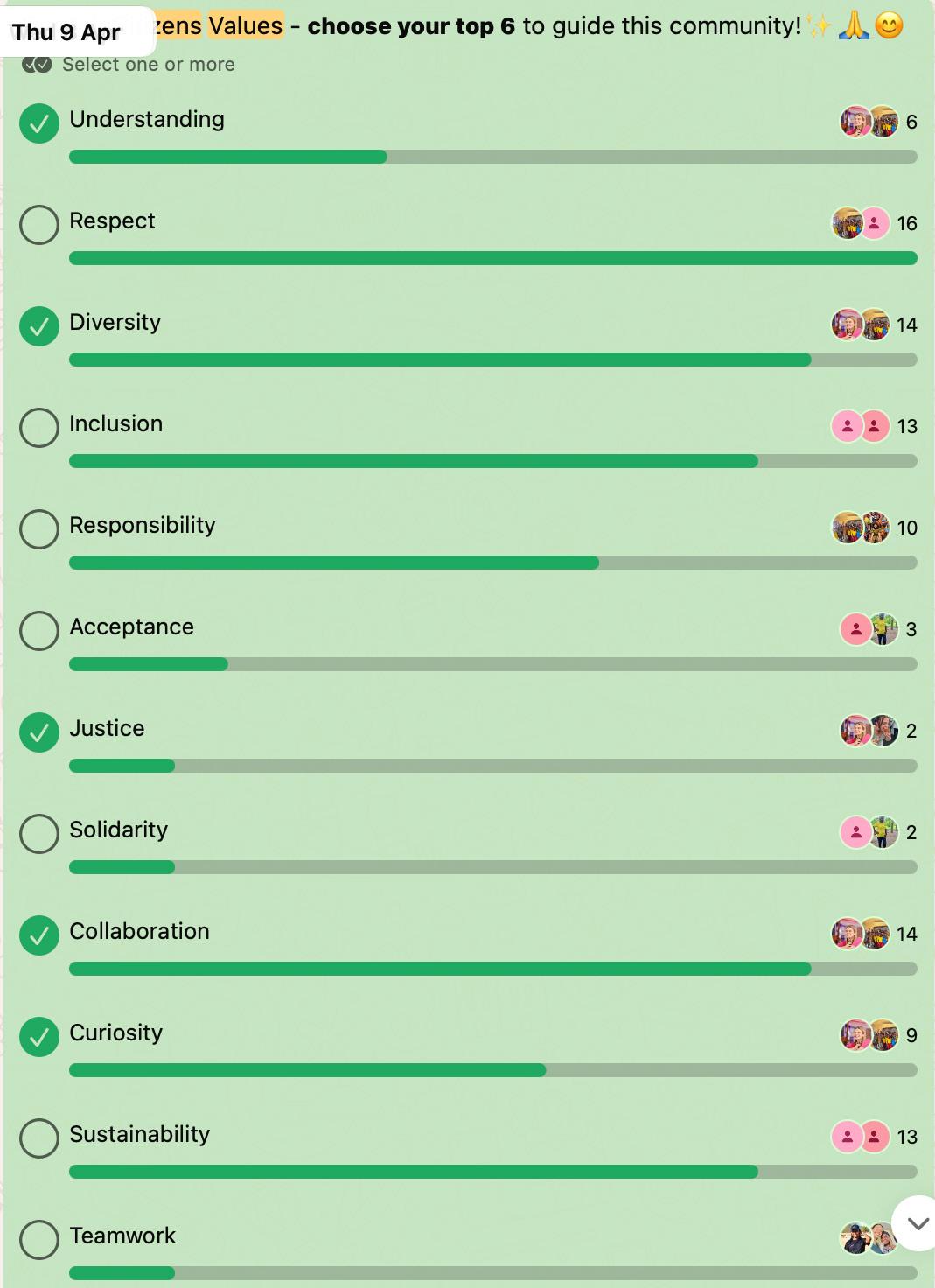
Following a session exploring the values underpinning shared understandings of citizenship education, the EduCitizens community grounded its work in a set of agreed values. These values guide how we engage with each other, how we approach difficult questions, and how we measure our collective progress. Following a WhatsApp discussion and poll, the community decided on the following core values to guide the approach of EduCitizens.
CURIOSITY:
Leaning into a love of learning by asking questions, exploring ideas, and seeking new perspectives.
DIVERSITY:
Valuing the unique backgrounds, experiences, and voices that strengthen communities and understanding.
INCLUSION:
Creating spaces where everyone feels welcomed, heard, and able to participate meaningfully and safely.
RESPECT:
Treating ourselves, others, and our communities with kindness, empathy, and dignity.
RESPONSIBILITY:
Taking ownership of our actions and contributing positively to the people and places around us.
SUSTAINABILITY:
Making choices that support long-term wellbeing for people, communities, and the planet.
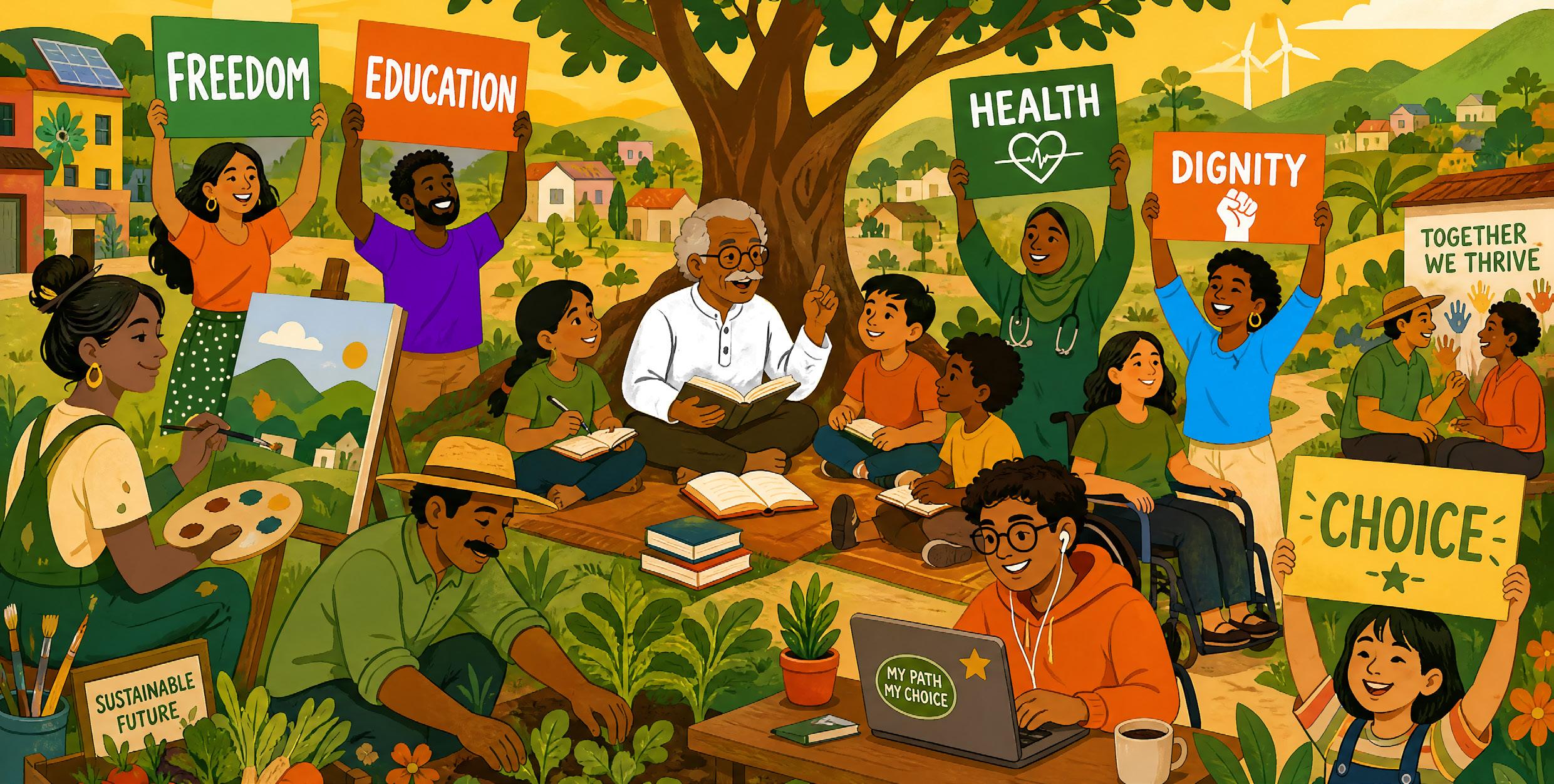
We are not citizens of just our hometowns or nations, “but of the world. SOCRATES
Greek and Stoic philosophers embraced the idea of being a ‘citizen of the world’.
Long before borders as we know them existed, thinkers in ancient Greece challenged people to look beyond tribe, city, and empire. The Stoics taught that all people share in a single human community governed by reason and virtue. Their idea of cosmopolitanism planted an enduring seed: our moral responsibilities extend to all humankind.
This early vision reminds us that global citizenship is not a modern invention. It is a timeless call to recognize our common humanity and to act with justice and compassion toward others, no matter where they come from.
1945
The United Nations was established
1947
UNESCO affirmed commitment to peace, human rights, and global solidarity
In the aftermath of a world at war, nations came together to build a new international order. The United Nations was created to prevent future conflict and to promote peace, cooperation, and human dignity for all.
UNESCO’s founding affirmed that lasting peace must be built in the minds and hearts of people. It committed to advancing education, science, culture, and communication as pathways to mutual understanding and global solidarity.
The UN Charter affirms the equal worth of every person and the importance of working together to solve shared problems. It laid the foundation for global citizenship as a practice of collective responsibility.
By placing human dignity and dialogue at the center, UNESCO helped shape an educational vision that prepares learners to engage across differences and contribute to a more peaceful and just world.
The Universal Declaration of Human Rights gave formal shape to shared global humanity
The global justice movement gathered momentum; Global Citizen emerged
UNESCO formally introduced Global Citizenship Education as a key priority
In response to the horrors of the past, the Universal Declaration of Human Rights declared the inalienable rights of every person. It affirmed that all human beings are born free and equal in dignity and rights—regardless of nationality, race, religion, or background.
At the turn of the century, people around the world mobilized for economic justice, climate action, and human rights. The idea of Global Citizen gained powerful momentum through youth leadership, digital connection, and cross-border movements.
Recognizing the need to educate for a complex, interconnected world, UNESCO made Global Citizenship Education a core priority. GCE empowers learners to develop the knowledge, skills, values, and attitudes needed to address global challenges and build a better world for all.
This landmark document gave concrete expression to our shared humanity and continues to guide laws, policies, and movements that uphold justice, equality, and the protection of human rights.
Global citizenship grew beyond awareness—it became action. People began to take responsibility for the world they share and to shape a more equitable, sustainable future together.
GCE is not just about learning facts—it is about cultivating empathy, critical thinking, and a commitment to human dignity and the planet. It prepares every learner to be an agent of positive change.
Through the evolution of this concept, being a global citizen has come to mean that an individual identifies as part of a modern, emerging world community, one in which people actively choose to support, respect, and improve the world beyond their own borders.
Understanding global citizenship in this way, rooted in our shared humanity, codified through international frameworks, and energised by global movements, is the foundation on which the EduCitizens community builds its work.
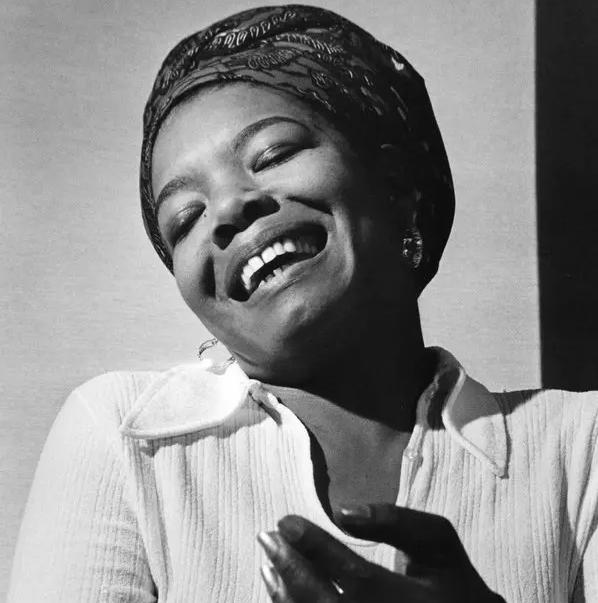
During bad circumstances, which is the human inheritance, you must decide not to be reduced. You have your humanity, and you must not allow anything to reduce that. We are obliged to know we are global citizens. Disasters remind us we are world citizens, whether we like it or not.
MAYA ANGELOU
Global Citizenship Education (GCE) is a multifaceted and contested response to a globalised world. UNESCO defines GCE as comprising cognitive, socio-emotional, and behavioural learning designed to help students understand the world and actively participate in promoting peace and inclusion. At its core, GCE challenges the traditional notion of citizenship tied exclusively to the nation-state, insisting instead that education must equip young people to engage with, and take responsibility for, the world beyond their borders.
Across different national contexts, citizenship education takes diverse forms. In some countries, it is closely associated with political understanding and is delivered through curriculum-based lessons that emphasise democratic values, responsible voting, civic participation, and knowledge of political institutions and processes. In others, concepts of global citizenship are embedded across a range of subjects, including geography, politics, personal and social education, literature, religious studies, and philosophy, reflecting a more interdisciplinary approach to developing global awareness and civic responsibility.
The team’s literature review demonstrates that GCE is addressed differently depending on the geographic and educational context:
In Dutch secondary education, GCE is heavily integrated into bilingual education (TTO) and is often tied to the goal of ensuring pupils are “at home in the world”. Studies show a clear dominance of a liberal orientation, focusing on political and moral themes such as democracy, international politics, and human rights. (Duarte & Robinson-Jones, 2022).
In Korean higher education, GCE has evolved from a neoliberal government-driven rhetoric aimed at national competitiveness into a significant policy concern aligned with the UN’s Sustainable Development Goals. There is a noted tension, however, between policy aspirations for social justice and the practical reality of universities being pressured to produce “global workers” marketable in an international economy (Gerstner & Abura, 2024).
Research indicates that while teachers rarely use the specific term “global citizenship” in their instruction, they often provide rationales that correspond to its themes. US educators frequently rationalise GCE through familiar concepts like globalisation, interdependence, and international connections. However, implementation is often impeded by curricular insecurity, a fear of undermining national identity, and time constraints (Rapoport, 2010).
These schools often feature an explicit mission of creating global citizens (for example in the IB curriculum where service is also compulsory), yet research reveals conceptual uncertainty among staff. GCE in these elite settings is frequently articulated as a “celebration of diversity” through festivals or in some cases, through uncritical charity frameworks and service-learning trips that may inadvertently reinforce power imbalances rather than challenge or explore them. Those schools embedding critical thinking within their curriculums enabled their students to understand these critical nuances further.
To make GCE more effective and transformative, several critical mind shifts and movements are ongoing:
From “Soft” to “Critical” GCE:
A significant movement involves shifting away from “soft GCE,” which focuses on a common humanity and superficial cultural celebrations, toward “critical GCE.” Critical GCE encourages learners to reflect on power relations, historical structural inequalities, and their own complicity in global harm. This includes movements to decolonise the curriculum and resist the “saviour” narrative in international development.
In higher education, there is a push to evaluate GCE through Nancy Fraser’s 3Rs model for social justice: Redistribution (addressing economic inequalities and providing equal access to learning environments), Recognition (respecting cultural differences and dismantling institutionalised hierarchies in the curriculum), and Representation (promoting equitable participation in decision-making and ensuring student voices are heard).
Effectiveness in GCE requires a shift toward transformative learning, where students learn to identify and comprehend different perspectives and question sources of privilege and injustice. This involves critical literacy, equipping citizens to recognise how language is used to exercise power.
Finally, there is a movement to ground GCE in the lived experiences of students rather than keeping it as an abstract or hidden part of the curriculum. Effective GCE requires explicit instructional tools and curricular guidance for teachers, who often feel they “cannot teach what they don’t know.”
Overall, the sources suggest that for Global Citizenship Education to be effective, it must move beyond neoliberal competitiveness and “feel-good” multiculturalism toward a principled commitment to social justice and the disruption of systemic global inequalities.
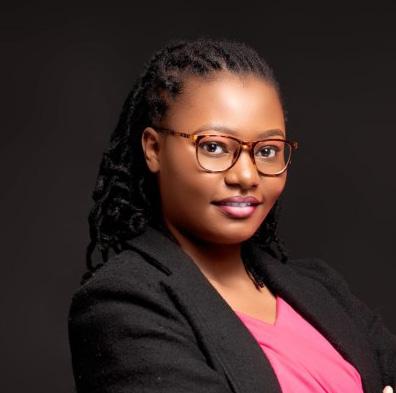
Data Scientist
Kenya
In Kenya, Global Citizenship Education is approached through the Competency-Based Education curriculum, where learners are supported in developing skills such as critical thinking, collaboration, creativity, communication, citizenship, and digital literacy. It is not only taught as a separate subject, but is integrated into everyday learning activities, community service, environmental education, peace education, and values-based learning. It ensures learners understand they are part of a wider global community and have a role to play in it.
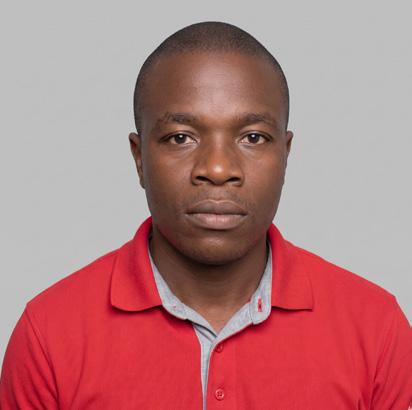
Founder, Green Community Guardians | Teacher
Kenya
Global Citizenship Education is about helping young people see themselves as part of a wider global community while staying rooted in local realities. It’s learning that connects climate action, human rights, and civic responsibility to everyday decisions and community problems. The goal is to build skills and mindsets that turn awareness into action. In Kenya, it’s mostly driven by youth-led NGOs, schools, and community groups. The focus is practical: climate and environment projects, peacebuilding, digital literacy, and using data to address local issues like waste management and water access. We do not live in isolation. What happens in one community can connect to wider national and global issues.
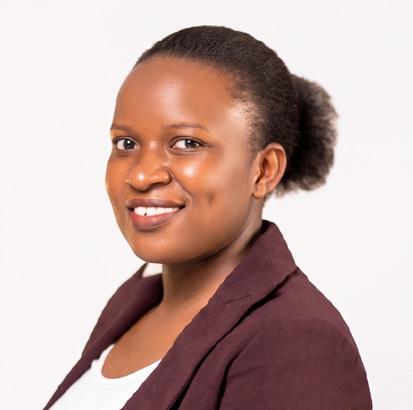
Project Management
Professional (PMP)
Uganda
To me, being a global citizen means understanding that our actions, values, and decisions go beyond our personal lives or countries and impact people and the planet globally. It is about being responsible, inclusive, and intentional in how we relate with others. Through THE NIYO’s (C&D), I intentionally challenge young people to think beyond themselves and embrace dimensions such as people and planet, while building healthy relationships, appreciating diversity, and becoming responsible stewards of the environment. I encourage them to think globally by exploring challenges affecting communities worldwide and connecting those to local actions they can take.
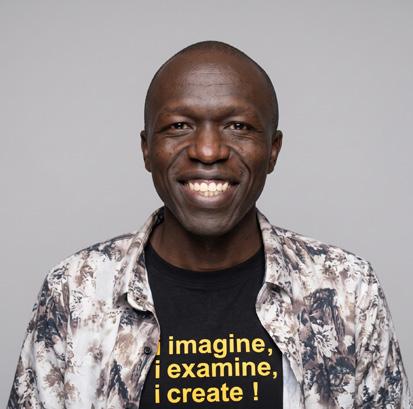
Learning Experience
Designer (Education)
Kenya
Global Citizenship Education is about equipping learners with the essential skills needed to thrive in an interconnected world. This includes communication, critical thinking, collaboration, and cultural awareness, skills that prepare students not just for local contexts, but for the global workforce and society. I design workshops that help learners build these skills through practical, real-world activities. The focus is on creating experiences where students learn to think critically, work across differences, and communicate effectively so they can engage confidently and responsibly as global citizens.
These perspectives span Ghana, the UK, South Africa, and India, and reveal both shared concerns and the distinct realities each context brings.
The most relevant form of GCED in my context emphasizes active citizenship, social cohesion, and critical media literacy. As societies become more interconnected and digitalized, young people need skills to engage constructively across cultural, ethnic, religious, and political differences while critically assessing information online. This addresses misinformation, intolerance, civic disengagement, and inequality. It empowers young people to understand local and global issues, appreciate diversity, and take informed action toward peaceful, inclusive communities.(Priscilla Asamoah Baffour, Ghana)
It’s important young people truly understand the global nature of today’s interconnected world and how policies impact various systems (e.g. economics) and regions. (Michelle Blanchard, Switzerland)
In South Africa, where crime and gender-based violence remain critical, GCED must equip young people, especially girls, to navigate an unsafe environment safely and confidently. Girls don’t have to become statistics; they should be empowered to protect themselves, advocate for their rights, and contribute positively. This means including personal safety, healthy relationships, emotional intelligence, and boundary-setting alongside critical thinking and ethical decision-making. At the same time, learners shouldn’t be defined by the challenges around them. Effective GCED should inspire hope, leadership, and action, combining protection with empowerment to develop confident, compassionate leaders. (Cameron Strydom, South Africa)
Effective GCE connects global awareness with local action. Young people are often aware of global issues like migration, climate change, and inequality, but there’s a gap between awareness and meaningful participation. To bridge this gap, GCE must integrate active citizenship, social accountability, and critical thinking. Additionally, promoting community-led initiatives that move people from awareness to action. (Sarah Asiedu, NGO leader, Ghana)
What we need is ‘rooted GCE’, an education that starts with the problems young people see outside their window, then traces how those problems connect to the rest of the world. Too many of us grew up hearing about global issues that felt far away, climate change was polar bears, not flooding in Accra. The definition I’d use: GCE that builds local pride + global responsibility through skills, action, and critical thinking.(Mariam Hamid Silla, Ghana)
There are many directions citizenship education can take, character education, grit theory, personal development. The most important thing is fostering empathy, compassion, and reflexivity across all age groups. This outlook prepares young people to respond to changing societal issues, including inclusion and sustainability, sometimes best fostered through storytelling and real-world social projects. (Anna Bray, student, UK)
My students typically engage with global issues through fundraising and charity which while admirable, often reinforces an ‘us helping them’ dynamic without sitting with discomfort. What’s needed is education that helps them wrestle with uncomfortable questions: where does family wealth come from, what’s the shadow of colonial economic history, how does money move globally, and how do the consumption habits of the wealthy sustain the inequalities they’re fundraising about? (Katie Couldrey, teacher, UK)
In the Indian context, the most urgently needed GCED develops critical thinking, ethical use of technology, intercultural understanding, environmental responsibility, and active civic participation while helping students retain a strong sense of local identity and cultural heritage. GCED must move beyond awareness of global issues to equip students with the competencies to navigate complexity, engage respectfully with diverse perspectives, and contribute meaningfully to society. (Vineeta Garg, India)
What is the most relevant form of Global Citizenship Education in your own context?
As the community has grown, survey responses have surfaced a clearer picture of which methods members find most effective when engaging young people with citizenship education. Five approaches stand out:
One of the approaches cited across the community was role-play, peer-to-peer learning, dialogue circles, and group discussion as the foundation for meaningful engagement.
The most impactful methods are participatory discussions, peer-to-peer learning, interactive activities such as simulations and role plays, and youth-led community projects. (Priscilla Asamoah Baffour, Ghana)
Storytelling and dialogue circles use relatable stories and open discussions to connect global issues like climate change, inequality, and peace to students’ daily lives, building empathy and critical thinking. (Mariam Hamid Silla, Ghana)
Learning has to lead somewhere: into a real project, campaign, or piece of action, not just discussion.
Action-oriented projects move from talk to action through SDG campaigns, community service, and school clubs. Youth retain 70%+ more when they apply concepts. (Mariam Hamid Silla, Ghana)
I engage students through inquiry-based learning, projectbased learning, design thinking, and interdisciplinary STEAM activities that encourage them to explore local issues with a global perspective.(Vineeta Garg, India)
Structured simulations let young people practise real-life decisionmaking in a safe environment.
For our older learners, one of the most impactful initiatives is a gamified programme called Real Life for Kids. Participants take on roles, apply for jobs, earn and manage money, and make decisions that affect their wellbeing, developing critical thinking, financial literacy, and an understanding of active citizenship. (Cameryn Strydom, South Africa)
Throughout the years, we have embraced experiential and playoriented approaches, hands-on activities and interactive play that connect theory to real-world applications.(Sarah Asiedu, Ghana)
Members increasingly use technology and youth facilitators to make global topics interactive rather than top-down.
Peer-led learning and digital tools: train youth facilitators and use videos, polls, and social media to make global topics interactive and youth led. (Mariam Hamid Silla, Ghana)
I also use technology and AI tools to help students research, analyse diverse viewpoints, collaborate, and create solutions. (Vineeta Garg, India)
Humanising Global Perspectives
A smaller but distinct theme: using methods that help students see people in other contexts as similar to themselves, not ‘other.’
Methods that include voices from other perspectives and places, things that humanise a story and help pupils understand that people living in different global contexts to them are not ‘other,’ but there are lots of similarities, despite obvious differences. (Katie Couldrey, England)
The EduCitizens community gathers regularly for online sessions that bring together educators, youth leaders, researchers, and practitioners from around the world. Each session explores a different dimension of Global Citizenship Education. Below are highlights from the sessions captured so far.
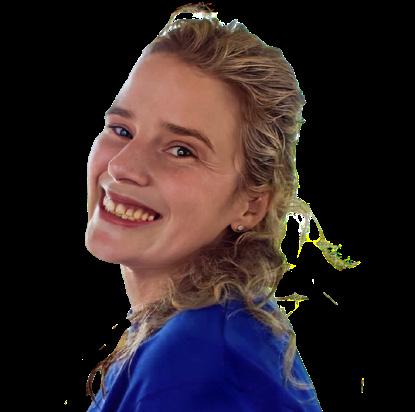
PRESENTED BY:
FOUNDER/CEO, EDUSPOTS
The inaugural EduCitizens session, facilitated by Cat Davison (Founder/CEO, EduSpots), brought together educators from across 30 countries for the first time. The session set the tone for everything EduCitizens would become: participatory, honest, cross-cultural, and grounded in a genuine commitment to active citizenship rather than passive learning.
Cat opened by framing her own role not as an expert delivering knowledge, but as a facilitator.
“My role in this is going to be one of facilitation,” she told participants, “not someone who’s going to be here sharing my own knowledge.” This spirit of mutual learning defined the session throughout.
After a brief introduction to EduSpots and its work, participants were placed into small breakout groups to answer one simple question: what brought you to EduCitizens? When the groups returned, the sharing that followed was rich, specific, and human.
From the UK, an educator shared her work with privileged students heading toward boardrooms and positions of global power and her determination to ensure that when they get there, they use that power well. “I think it’s really important to find ways to give education opportunities to those children and teenagers who then will become the people controlling the global money,” she said. “To make sure that where they are working is doing good and is not just lining pockets.”
From Ghana, Manisha spoke about growing up in a rural community and arriving at university in Accra only to realise how many opportunities had simply never been visible to her. Her work now is about making sure young people in remote communities do not have to wait that long. “I’m just creating awareness and exposing youth in rural communities to essential opportunities that are at their disposal,” she said.
From Uganda, Derek’s contribution was read aloud by Cat: “Active citizenship education is important for preparing students to solve problems in the community today and in the future. In my context as a teacher of biology and environmental science, actively engaging students is essential for identifying the pressing issues in our environment.”
John, working in underserved communities, made one of the session’s most powerful contributions: showing how active citizenship, at its most fundamental, is about knowing your rights. He described establishing child rights clubs in 30 schools, training children to know who to report to if they are abused. “If a child is being abused, the person knows who to go and report to. If a woman is abused, she knows where to report it. All these things are part of active citizenship.”
Cameron, from South Africa, reflected on working in a context of extreme inequality: “In Africa we are very well exposed to extreme privilege versus completely rural and underprivileged scenarios. And giving from a privileged environment, those children don’t always necessarily realize the impact that giving has on the communities right beside you.”
Drawing from her own practice as a teacher of philosophy, critical thinking, and politics, and from her work running 50 community-based service learning projects, Cat shared four ideas she considers foundational to effective citizenship education:
The skills to critically reflect on power, media literacy, and the narratives that shape our world, understanding not just what is said, but why.
The role of listening, understanding, and human connection alongside critical and academic thinking. “Sometimes empathy can play a more important role than all the critical and academic thought that there is.”
Recognising that we all come from different perspectives and that different value systems have merit, while also holding firm on issues like human rights abuses.
The understanding that creating a fairer world is not the work of one person or one action. “It’s why in EduSpots we really believe in the power of community.”
Active citizenship is not about one-off projects. It is about understanding that all of your actions, what you eat, what you consume, how you relate with people, how you protect other people’s rights, all of these things come together to constitute what it means to be an active citizen.
- CAT DAVISON, EDUSPOTS
What became clear in the very first EduCitizens session is that active citizenship means something different in every context and that is exactly the point. For some members, it starts with knowing your rights. For others, it is about questioning the systems that give some people power over others. For others still, it is about the quality of attention a teacher brings into a room. What united everyone in that first session was not a shared definition but a shared conviction: that education can and must do more than transmit knowledge. It must build the agency, empathy, and critical awareness that makes active citizenship possible
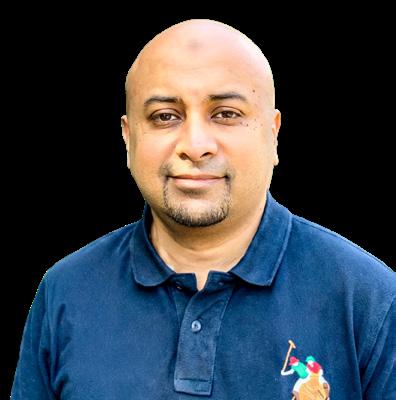
PRESENTED BY:
EduSpots Advisory Group member, and previously, Manager, Inclusion, Protection and Engagement, International Federation of Red Cross and Red Crescent Societies
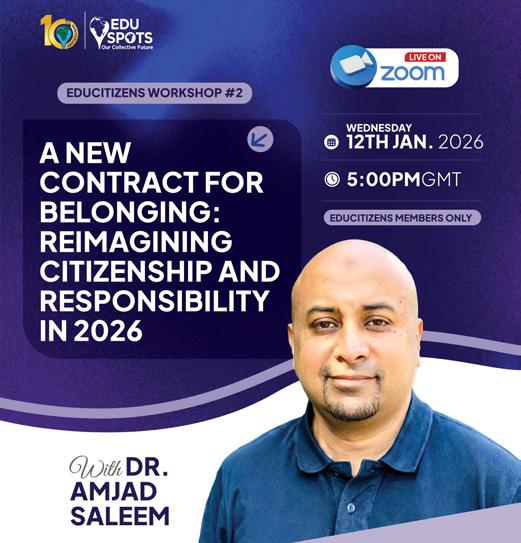
Held on 12 January 2026, Session 2 brought a humanitarian and peacebuilding lens to the EduCitizens community. Dr. Amjad Mohamed-Saleem, a political scientist whose work spans interfaith dialogue, decolonial approaches to social cohesion, and protection of vulnerable communities across South Asia and beyond, framed citizenship not as a fixed legal status but as an evolving “contract” a set of mutual obligations between individuals, communities, and institutions that needs renewing for the realities of 2026.
1
2
3
BELONGING AS A TWO-WAY RELATIONSHIP.
Citizenship isn’t only about what individuals owe their communities, but what communities and institutions owe individuals, particularly those historically excluded, displaced, or marginalised.
A DECOLONIAL LENS ON GLOBAL CITIZENSHIP.
Drawing on his work in post-conflict and interfaith contexts, Amjad challenged the group to examine whose definitions of “citizenship” and “responsibility” dominate global education narratives, and how local, non-Western frameworks of belonging can reshape that conversation.
Echoing the session’s subtitle (“Citizenship, Trust & Responsibility”), the session explored how trust between communities, and between communities and institutions, is foundational to any functioning notion of shared citizenship, and how that trust is built or eroded.
PROTECTION AND INCLUSION AS CITIZENSHIP EDUCATION.
4 KEY TAKEAWAY:
Drawing from his humanitarian work, Amjad connected the everyday work of protection (ensuring no one is “left behind, left out, or feels unsafe”) directly to citizenship education, arguing that teaching young people to notice who is excluded is itself a citizenship skill.
The session pushed the community to think of citizenship education not as teaching a fixed set of civic facts, but as cultivating the capacity to renegotiate belonging continuously, and with attention to power, history, and who gets left out of the “contract.”
PRESENTED BY:
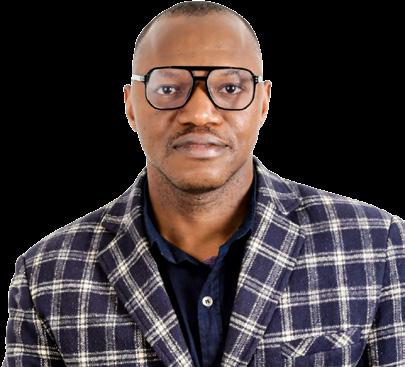
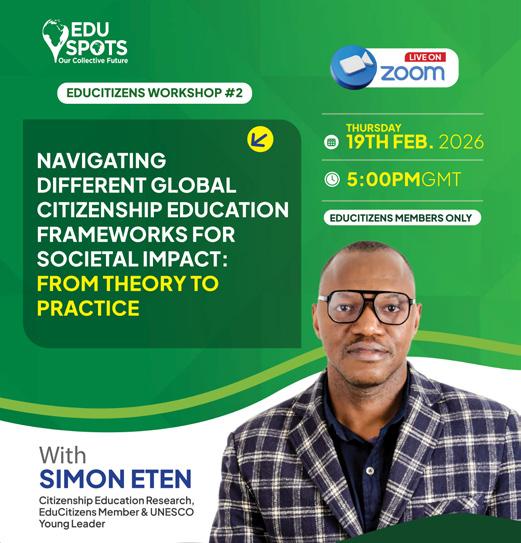
Simon Eten, a Ghanaian Senior Research Fellow at UCL and a UNESCO fellow, provided a profound exploration of Global Citizenship Education (GCE). Drawing from his extensive research in Ghana and the UK, Eten challenged practitioners, ranging from NGO leaders to educators, to look beyond the surface of humanitarian work to understand the underlying power structures and historical contexts that shape our global engagements.
The Complexity of the “Global Citizen”
The session began by addressing the inherent ambiguity of the term “Global Citizenship Education.” Eten described GCE as a “floating signifier”, a flexible conceptual symbol that different actors interpret according to their own goals and contexts. While international organisations like UNESCO and Oxfam have popularised the term, its meaning has evolved significantly over centuries. Historically, the concept of being a “citizen of the world” finds its roots in Greek cosmopolitanism,
but its modern application has seen three distinct phases. In the 1990s, the term was often associated with neoliberalism, describing global elites whose business interests transcended national borders. Subsequently, civil society actors reclaimed the term for global activism, using it to describe those fighting the negative impacts of globalisation on local communities. Finally, an anti-colonial critique emerged, challenging the Western liberal values embedded in mainstream GCE frameworks.
A central pillar of the session was the application of Vanessa Andreotti’s typology of “Soft” versus “Critical” GCE. This framework is essential for any organisation seeking to measure the depth of its impact.
Views global problems through the lens of poverty and helplessness
Frames solutions as providing education/ resources to the Global South
Motivated by “charity of the heart” and common humanity
Leads to fundraising, volunteering, cultural celebrations
Addresses symptoms, not root causes
Identifies root causes as injustice, inequality, and complex global structures
Requires practitioners in the Global North to recognise their own complicity
Demands transformation of structures and assumptions
Questions one’s own power and privilege
Seeks long-term eradication of inequality
In development practice, these theoretical frameworks manifest as two competing models: the Charity Model and the Social Justice (or Human Rights-Based) Approach.
The Charity Model is effective for immediate relief and crisis management. It builds empathy and can mobilise rapid resources. However, its primary limitation is that it addresses only the symptoms of social problems, not the root causes, and risks creating a “culture of dependency” or reinforcing a “saviour” mentality.
The Social Justice Approach focuses on systemic change, community agency, and accountability. While its results may be less visible in the short term and its concepts can sometimes feel abstract, it aims for the long-term eradication of inequality.
One of the session’s most practical insights was the idea of using charity as a “pedagogical entry point”. Rather than viewing charity and social justice as mutually exclusive, organisations can use initial service delivery to engage a community, followed by “guided reflection” to interrogate the structural causes of the issues being addressed. Several strategies were highlighted for organisations looking to make this shift:
Shift Power to Communities: Move toward participatory models where local members lead the decision-making process.
From Service to Advocacy: Instead of indefinitely providing resources such as bicycles or books, organisations should use their data to lobby for
policy reform.
Redefine Success: Move beyond tracking the “number of people served” toward measuring longterm structural changes and government adoption of successful models.
The session provided real-world examples of this evolution. EduSpots, for instance, noted a shift from shipping donated books from the UK to funding African fiction and local storytelling, ensuring that the resources available to Ghanaian children are culturally relevant and locally sustained.
Another example was the NGO IBIS (now part of Oxfam), which built schools in remote Ghanaian communities to bridge educational gaps. Crucially, they used the evidence from these projects to advocate for a “Complementary Basic Education” unit within the Ghanaian government, eventually leading to state-wide adoption of the model.
“The goal is not to be in these communities for eternity, but to facilitate the structural changes that make such interventions unnecessary.”
– SIMON ETEN
The session served as a powerful reminder that global citizenship is not merely an identity of “doing good,” but a commitment to understanding the complexities of power and injustice. For educators and activists, the challenge is to move beyond the comfort of the charity model toward a more critical, advocacy-based approach that empowers local communities and demands systemic accountability.
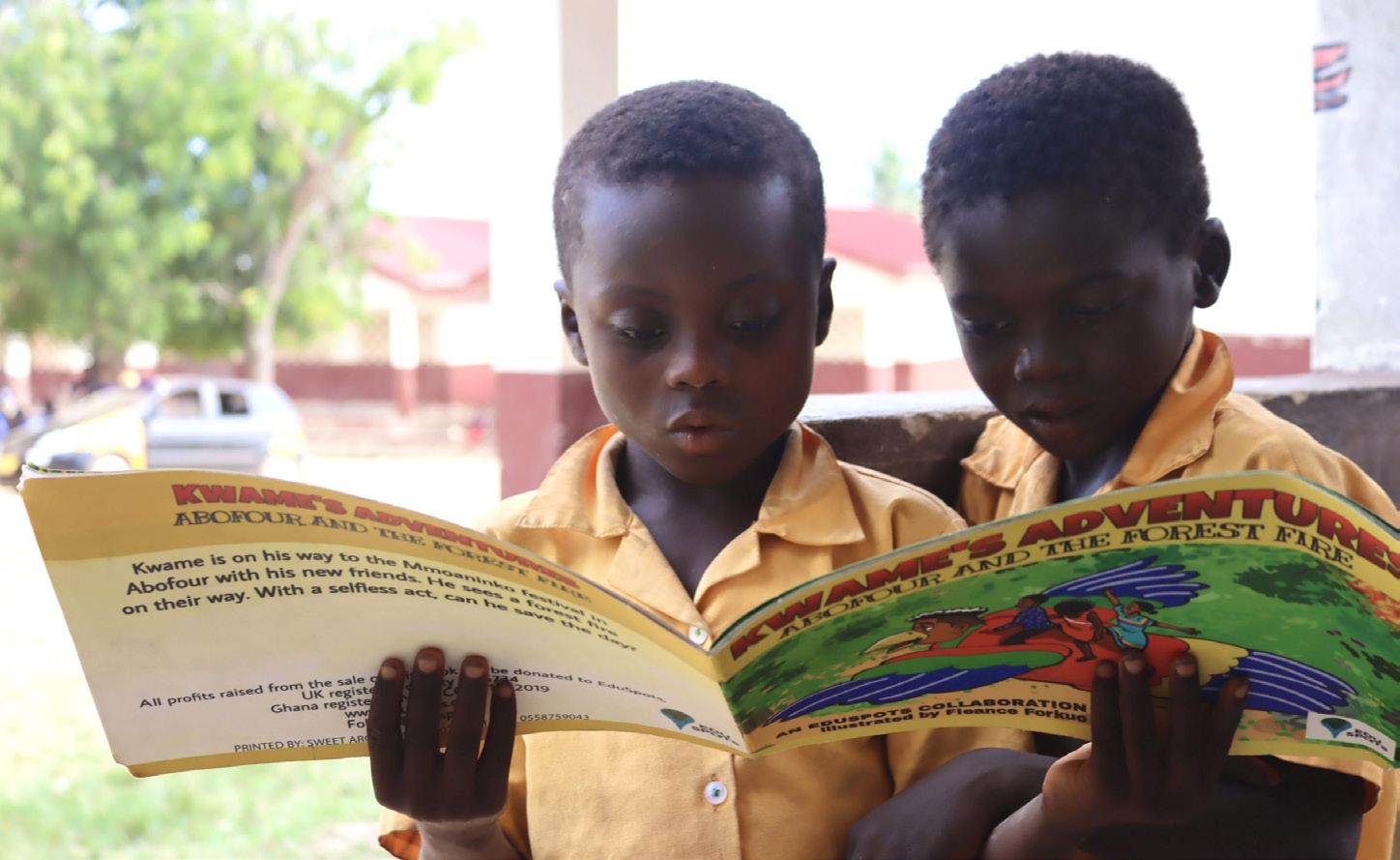
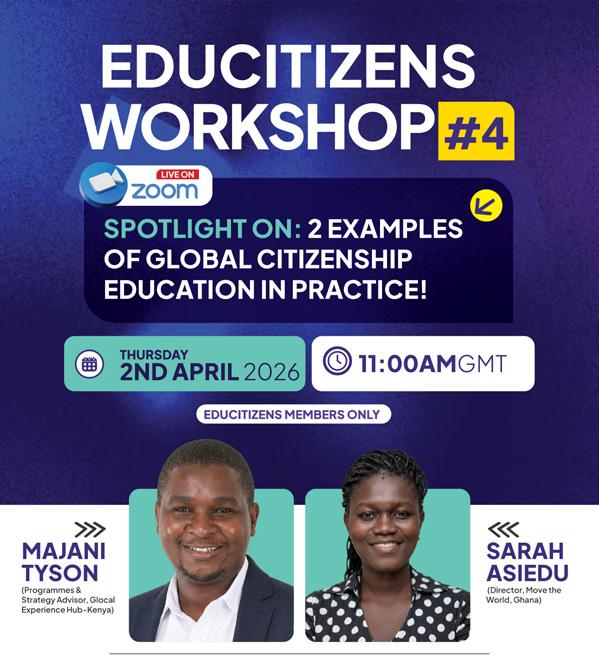
Session 4 brought two African-led organisations to the community: Move the World Ghana, presented by Sarah Asiedu (Director), and Glocal Experience Hub Kenya, presented by Majani Tyson (Programs and Strategy Advisor). Both demonstrated what Global Citizenship Education looks like when it moves beyond the classroom into lived, practical, communityrooted action. Facilitated by Emmanuel Sefadzi, the session was one of the community’s most grounded and practical to date.
PRESENTED BY:
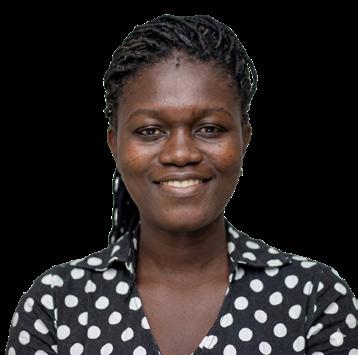
Move the World Ghana is based in Madina, a community in Greater Accra, where the organisation identified a gap between what young people were learning in school and how that learning was showing up (or not) in their daily lives. The organisation observed both an education gap and a skills gap: young people were passing exams but leaving school without the practical abilities to face an unpredictable world.
Sarah opened her presentation with a question to the
group: “If you could change the world today, what one thing would it be?” Responses from participants ranged from changing people’s mindsets, to creating equal opportunities in education, to addressing corruption and behavioural attitudes, to building peace. Sarah’s point was clear: everyone in the room already had a version of a superpower, a value or vision they were working toward. Move the World’s mission is to channel that energy into structured, practical action.
Move the World’s primary programmes work with students aged 10 to 15, a stage Sarah describes as the “curious mind” stage, where young people are exploring, questioning, and most open to new frameworks for understanding their world.
Programme Structure
10 - 12 Get Global
13 - 15 Get Local
15+ Get Active
Focuses on the first six Sustainable Development Goals. Students learn bead making as a livelihood skill tied to SDG 1 (No Poverty), crop growing linked to SDG 2 (Zero Hunger), mindfulness and empathy practices for SDG 3 (Good Health and Well-being), and community sanitation projects for SDG 6 (Clean Water). Learning is hands-on, participatory, and joyful. “Kids come in their full element when you expose them to play activities, they own the learning,” Sarah said.
Focuses on SDGs 7–12, asking young people how they can use local resources to create change. One example: students designing solar ovens from paper and recycled materials to address affordable energy. The emphasis is on thinking locally while understanding global connections.
A newer programme developed in response to a key challenge: parents and communities were not engaged with what students were doing. Get Active brings communities on board, closing the gap between school-based learning and family and community support.
When asked how local actions connect to global impact, Sarah gave a concrete example from Medie. Students identified an illegal dumping site in their community that was causing flooding into nearby rivers. They organised to redirect the waste to a composting facility in Kotoku. The flooding was reduced. Families no longer lost homes. “It may be very local,” Sarah said, “but there is an impact which is global to an extent.”
Move the World’s model frames global citizenship as cyclical: you see a problem, get curious, learn, act, reflect on your actions, learn again, and act again. “Practice is more like putting what we’ve learned into action,” Sarah explained. “Active citizenship is about participation, not just sitting back and saying this is wrong. It’s creating that change in your small way.”
You don’t need to have that big power before you do it. You can still do it in your little city settings.
— SARAH ADU, MOVE THE WORLD GHANA
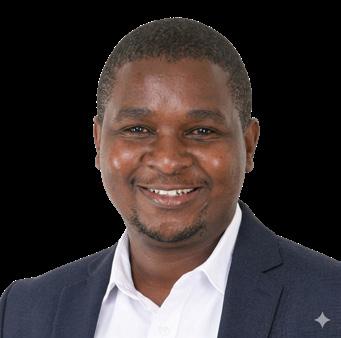
Glocal Experience Hub is a not-for-profit organisation based in Nanyuki, Kenya, near Mount Kenya. Its mission is to ignite social change through immersion experiences, grounded in the belief that you cannot solve what you have not seen, and that the world changes through solidarity, not just individual ambition.
Timani opened with two challenges the organisation is
directly responding to: the rise of nationalism, which, while giving people a sense of belonging, can also prevent the global cooperation needed to address shared crises, and a growing disconnection among people, even as the world becomes more globally connected. “Global challenges are to be solved by global solidarity,” Majani said, “not just from a national perspective.”
Glocal Experience Hub’s flagship programme is a structured immersion course designed to empower young people to understand how they can shape and be shaped by an interconnected world. The programme brings together young people from the Global North (predominantly Europe) and the East African community, with a deliberate focus on 80% female participation.
Duration: A 4-month immersive programme, with a shorter 3-week option also available.
Age range: High school graduates from Europe (Global North) and 18–25-year-olds from East Africa who are passionate about activism and community organising.
Methodology:Highly participatory, discussions held over bonfires and forum theatre rather than classrooms. Participants are placed with host families across the community, not housed at the Hub itself, so they experience the issues they are researching through direct daily contact.
Curriculum areas: Introduction to global citizenship, cross-cultural dynamics, creative arts and communication, self-development, governance and geopolitics, international trade, and a research project culminating in a local or global advocacy campaign.
Immersion builds empathy faster than theory: When young people live inside a community and work directly with its members, they gain empathy and understanding far more quickly than through classroom discussion alone.
Diverse groups create powerful learning: Bringing together participants from very different backgrounds, countries, and worldviews challenges assumptions and expands perspectives in ways that homogeneous groups simply cannot.
Safe spaces unlock difficult conversations: A dialogue around a bonfire produces more honest, reflective conversation than a classroom Q&A. The environment conversations take place in often shape openness.
Learning linked to action produces impact:When participants must gather evidence and run a real campaign, the learning becomes concrete and the impact measurable.
Immersion
builds empathy faster than theory.
When young people are placed directly inside a community, they gain understanding that no classroom can
— MAJANI TYSON, GLOCAL EXPERIENCE HUB KENYA
replicate.
The session closed with a rich exchange on how to handle moments of genuine cultural or religious difference in mixed groups. Sarah shared a personal story: at a workshop, a participant asked “what is prayer?” and then “what is God?” and Sarah admitted that her first instinct was to judge rather than to empathise. She asked Majani how facilitators should handle these moments.
Majani’s response: understand where the participant is coming from. Every person brings personal and cultural experiences that have shaped their perspective. The role of the facilitator is to create a safe space where those perspectives can be shared without judgment and where curiosity, rather than reaction, becomes the default.
1. Global citizenship is not an abstract concept — it is a cycle of curiosity, learning, action, and reflection that anyone can practise anywhere.
2. Local action has global impact. A student cleaning a drain in Madina is contributing to the same shared world that global frameworks are trying to protect.
3. Immersion works. The most powerful citizenship education happens not in classrooms but in communities, in conversation, and in action.
PRESENTED BY:
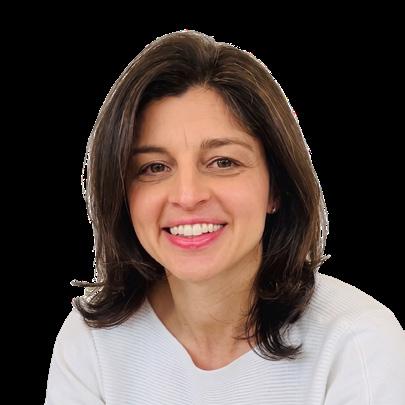
Founder, Positive Politics Lab (formerly The Educators Lab)
In an era defined by global uncertainty and increasing political polarisation, the role of civic education has never been more critical. However, traditional approaches, often limited to the “mechanics of government,” are increasingly seen as insufficient for preparing the next generation.
In this session, Michelle Blanchet, founder of the Positive Politics Lab (formerly The Educators Lab), challenged educators to rethink what civic education can and should be.
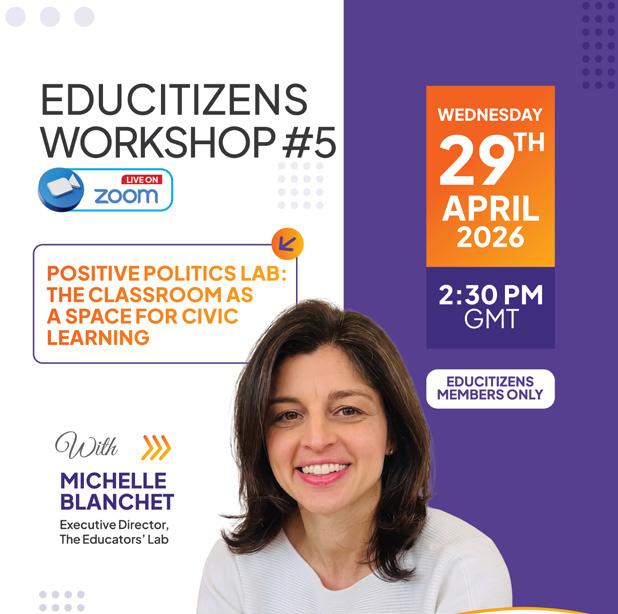
The session began with a fundamental premise: as educators, we must operate from a place of hope. Blanchet noted that while many young people today feel nervous or scared about the state of the world, citing concerns about political instability, climate change, and economic security, there are always “helpers” working on solutions to every problem. To combat apathy, she advocates for “futures thinking”: a pedagogical approach that helps students envision the world they want to inhabit and set achievable goals for their local or national community.
One of the primary critiques discussed was that civic learning is often siloed into understanding how laws are made, voting, or petitioning. While these mechanics are important, Blanchet argued that they can feel limiting to students. Instead, she proposed a broader definition: civics is the set of rules and regulations that shape our world and the day-to-day process of contributing to society.
Many students do not realise that their daily actions such as building community projects, connecting with neighbours, or presenting ideas to parents are active forms of civic engagement. Teachers play a vital role in pointing out these moments, helping students recognise that they are already practising the skills of a citizen.
The workshop identified several “gaps” in current student development that must be addressed to foster a healthy democracy:
Sensemaking and Curiosity
Encouraging students to keep asking “why” to combat the natural decline in inquiry as they grow older.
Empathy and Perspective-Taking Teaching students that opposing viewpoints often stem from different values rather than “bad intent.”
Critical Thinking and Agency
Social-Emotional Skills
Moving students away from the “What can I do about it?” mentality toward a sense of accountability and power.
Developing the ability to regulate emotions and manage relationships, which is foundational to working with others in a political space.
To build these skills, Blanchet shared several practical strategies for the classroom:
If we want students to remain curious, we must design experiences that require it. Examples include a “questions quota,” where students must ask a certain number of questions before leaving a lesson, or using exit tickets to capture remaining inquiries.
“Practice like you play” was a recurring theme. In South Africa, students participate in “Real Life for Kids,” a gamified simulation where they manage jobs and families to learn responsibility. Similarly, in Ghana, the National Commission on Civic Education (NCCE) hosts competitions where students identify national problems and present policy solutions to experts.
Blanchet demonstrated how games can help kids navigate complex topics like negotiation and compromise. She suggested using recyclables to prototype games around the theme “How to Citizen” or using “conversation menus” to guide students through deep, respectful discussions.
Teachers must model the behaviour they wish to see. This includes practising humility, admitting when they are wrong, and showing respect for diverse perspectives even when they disagree.
Perhaps the most provocative idea shared was that the classroom should be a “political space.” While “politics” is often viewed negatively in some contexts, Blanchet argued that being political simply means caring about what happens in your community. By making the classroom a safe space to discuss the issues of our time, educators provide students with the practice ground they need to engage in the real world.
Ultimately, rethinking civic education is about moving from a passive understanding of “how things work” to an active participation in “how things could be.” By leveraging external partners like museums and libraries and integrating civic skills across all subject areas, we can ensure that every student leaves the classroom with the tools and the hope necessary to shape their future.
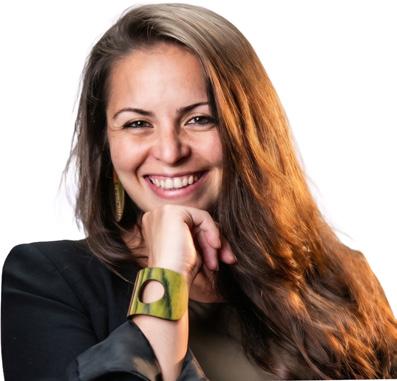
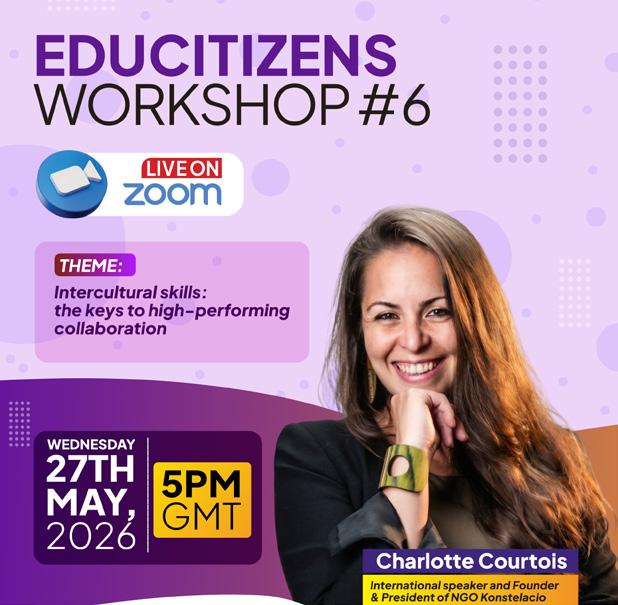
PRESENTED BY:
International Speaker, Founder/President of NGO Konstelacio and UNESCO Youth for Peace Young Leader
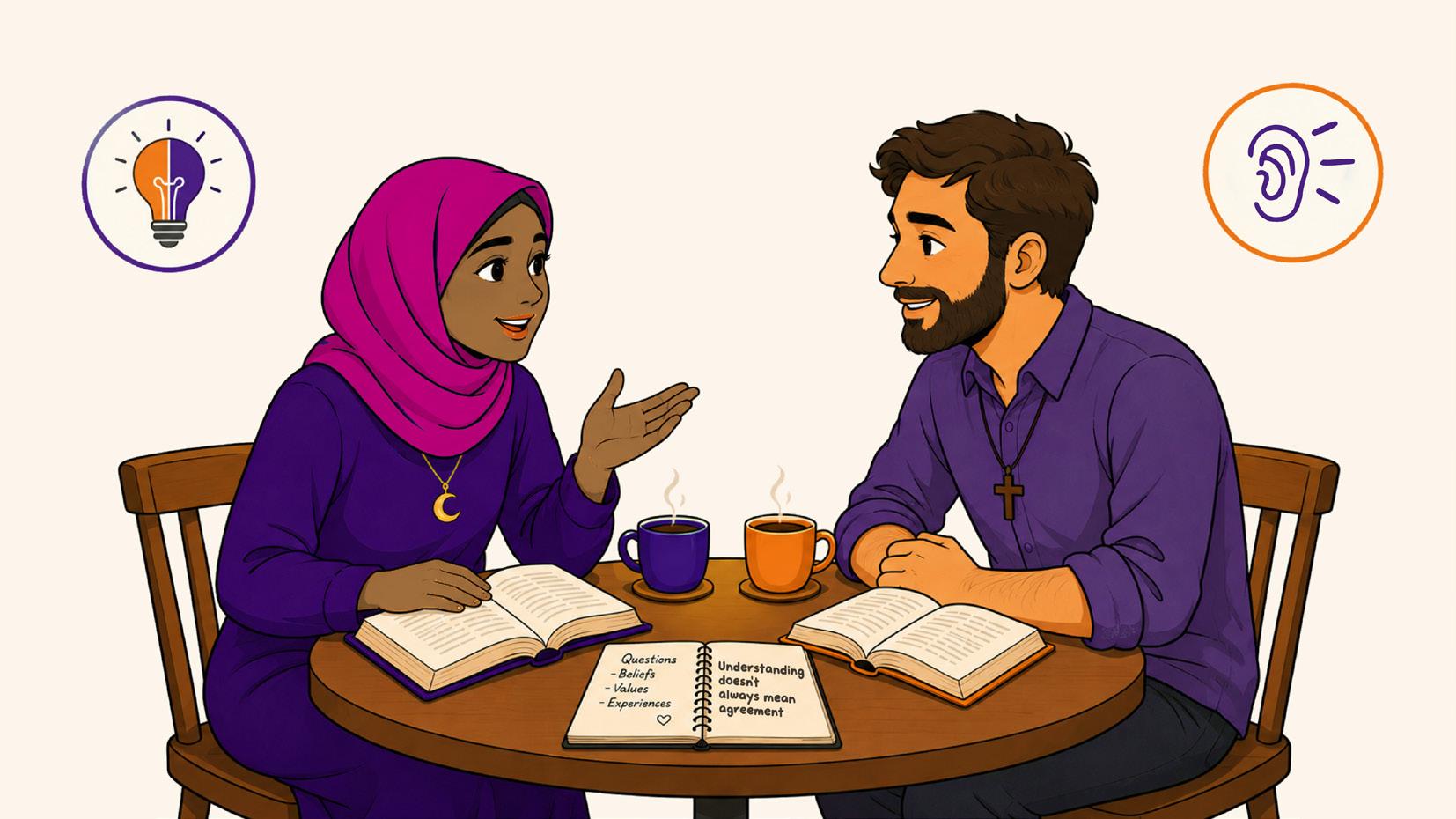
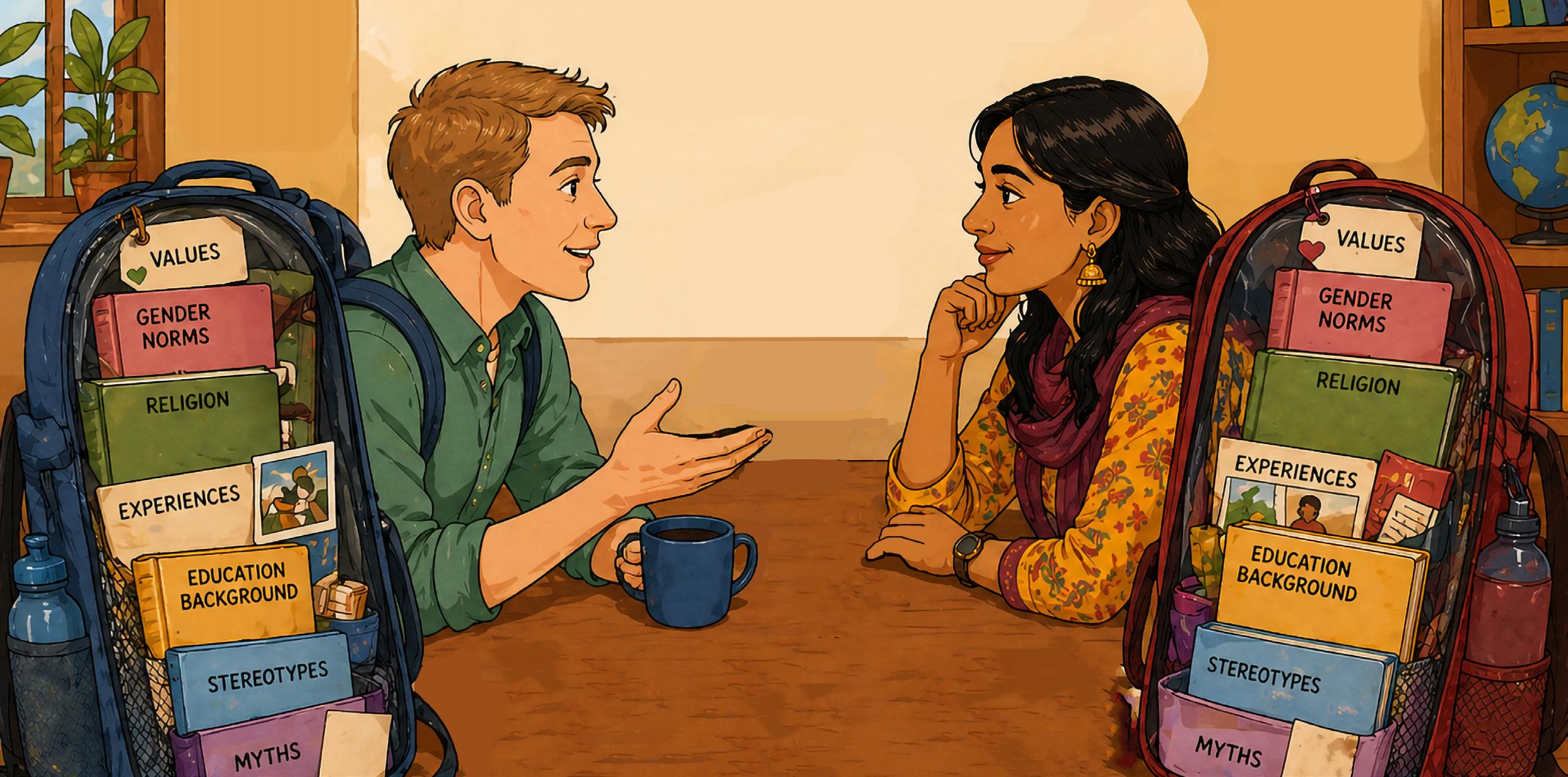
In an open exchange on ideas, Charlotte emphasised that developing meaningful relationships across different backgrounds and perspectives requires a combination of vulnerability, curiosity, and decentration. Together, these three concepts help create trust, reduce misunderstanding, and build bridges between people.
is about having the courage to align your actions with your emotions and daring to be authentic. It involves being genuine enough to admit when you do not know something or when you need support. Rather than weakening relationships, this openness often increases trust and creates opportunities for deeper connection.
For example, someone might say, “I’m not sure if I understand this religious practice, can you tell me more?” or “I think I might be using the language wrong here, can you help me?” Another example could be asking, “Can you help me understand how this person might be approaching the situation in relation to their context?”
KEY ADVICE
having a ‘sparring partner’ that you trust to be able to have uncomfortable conversations with and gain honest feedback.
involves listening to understand and learn more deeply, rather than listening simply to respond. Even if your ultimate goal is to persuade someone, understanding their perspective first creates a stronger foundation for dialogue. When we become curious about another person’s behaviour or response, we often reduce our own stress and engage with them in a more open and non-judgemental way.
This mindset can be expressed through questions such as, “I’m curious to understand what the use of this word means in your context,” or “I’d love to learn more about the importance of this festival to your community.” Similarly, noticing someone’s discomfort and gently saying, “I noticed you seemed a bit uncomfortable when I spoke earlier. I understand if you don’t want to explain, but I’d love to understand better,” demonstrates respectful curiosity.
KEY ADVICE
Pausing for a moment to consider how someone’s thinking may have evolved, before jumping to a conclusion.
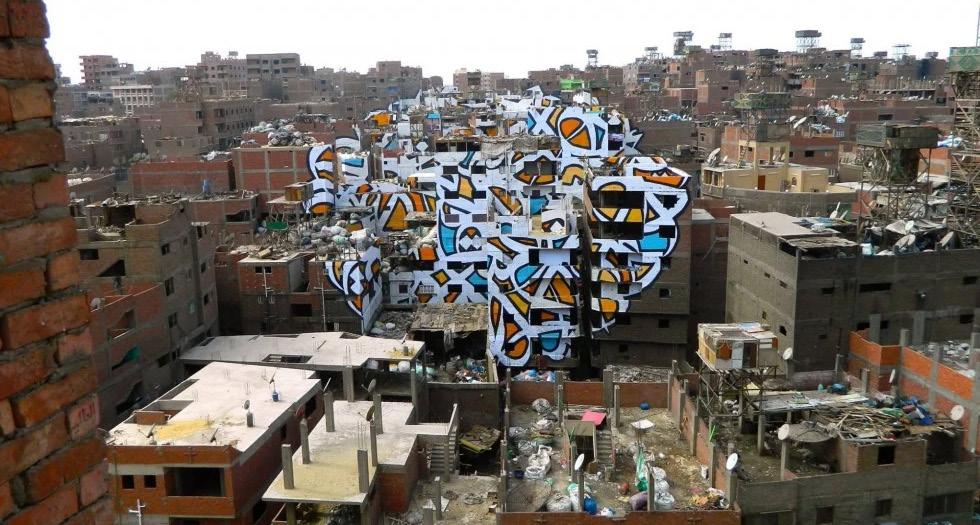
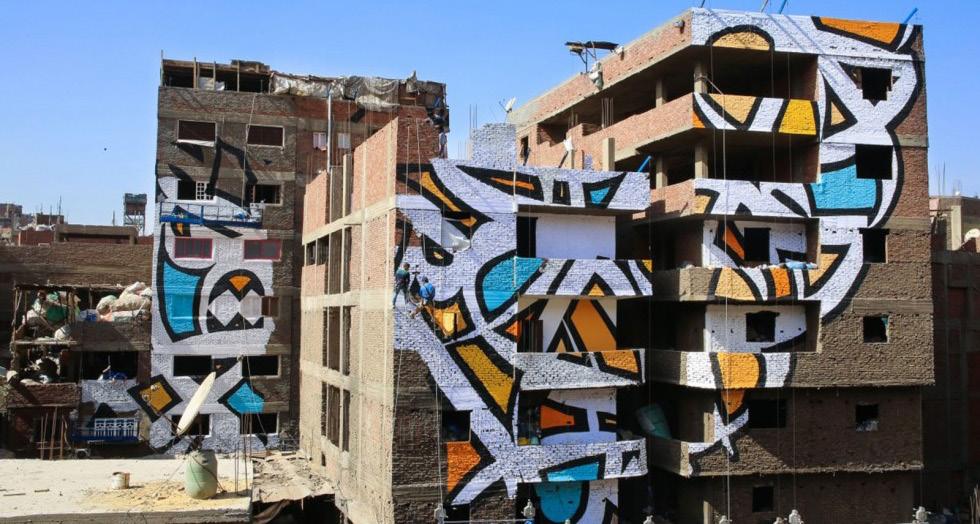
is the ability to distinguish between objective facts and our own interpretation of those facts. Charlotte suggested that the saying, “In order to see the sun, you must first wipe your eyes,” captures this idea well: before we can understand others clearly, we must recognise the assumptions and biases through which we view the world. Every conversation is shaped by our beliefs, values, experiences, and culture. By becoming aware of our own lens and considering the lens through which others see the world, we create greater opportunities for empathy and understanding.
For example, someone might recognise that another person’s upbringing has led them to value punctuality and outcomes over relational engagement. This awareness allows them to understand that a colleague may not prioritise daily social interaction, without assuming they are unfriendly.
Taking time to become more aware of how your own upbringing, experience and culture impact how you perceive the world before gaining the mental flexibility to step into others’ shoes. Again, this takes curiosity.
El Seed, French Artist. ‘Perception’, in Cairo: An image that can only be seen in its intended way from one specific point, and reads “If one wants to see the light of the sun, he must wipe His Eyes”. If someone wants to admire his work he must climb to the top of the Mokkatam Mount.
Much of what makes EduCitizens special happens not in the formal sessions, but in the spaces between them. Our WhatsApp group has become a living extension of the community, a place where members share, question, celebrate, and push each other’s thinking in real time, across time zones, from classrooms and offices and community centres around the world.
The ChatStats data below covers the period from 5 January 2026 to 30 May 2026. The first five months of the EduCitizens WhatsApp group. The numbers tell their own story.
Members shared opportunities and projects generously and without being asked.
The debate after Session 3 on charity vs. social justice ran for days and stayed respectful even when people disagreed.
A learning-styles discussion shared by Cat sparked a genuinely rich, multi-day exchange that touched on neuroscience, pedagogy, and equity.
— JANE KIMANI, KENYA
To keep the community active between sessions, the group follows a simple weekly rhythm: MONDAY
A thought, point, quote or inspirational example for the week ahead, drawn from this community.
Share your activities and ongoing ideas for the week gone by and the week ahead.
SATURDAYS: Relaxed sharing encouraged!
All sharing opportunities (fellowships, funding, etc.) related to citizenship education.
Discussion on a current affairs theme or wider resource shared.
One EduCitizens member on the WhatsApp Interview Sofa.
SUNDAYS: Rest...
Drawn from the collective wisdom of the EduCitizens community, these recommendations are practical and grounded in real experience. They are offered not as a prescriptive checklist, but as an invitation to reflect on and deepen your own practice.
Start with hope, not fear: Students who feel overwhelmed by global problems need educators who model possibility and help them drive positive outcomes for themselves and others. Ground civic learning in positive visions of the future alongside honest engagement with current realities.
Name citizenship when you see it: Help students recognise that they are already practising citizenship in their daily lives. Naming small actions such as litter picking, empathy or tree watering affirms this and builds both agency and confidence.
Expand your definition of civics: Civic education is not only about government mechanics or one-off service projects. It includes every act of community contribution, every moment of empathy, every question asked about power and justice.
Move from awareness to action: Empathy without accountability is not enough. Design learning that moves students from “I understand the problem” to “I have a role to play in addressing it” recognises our complicity in many of the world’s challenges.
Use charity as a bridge: Service projects have their place, but they should lead somewhere: toward guided self-reflection, critical awareness, structural understanding, and advocacy.
Interrogate your own frameworks: Ask yourself: is my approach to GCED soft or critical? Am I addressing symptoms or root causes? Whose knowledge and perspective is centred in my classroom?
Your local experience is global knowledge: The challenges your community faces are connected to global systems. Your insight into those challenges is valuable and worth sharing.
Ask the hard questions: Why does this inequality exist? Who benefits from it? What would need to change? What perspectives do other people have about this? Critical questioning is the beginning of transformative action.
Collaborate across differences: Seek out perspectives that challenge your own. The EduCitizens community is evidence that extraordinary learning happens when we bring together people from different contexts.
Think long-term: Systemic change takes time. Document, reflect, advocate, and keep going.
Shift power to communities: Move toward participatory models where local members lead the decision-making process. Organisations that work ‘with’ communities build lasting change.
Redefine success: Move beyond “number of people served” toward measuring depth and sustainability of impact, structural change, policy adoption, and community agency.
Invest in local stories: Cultural relevance matters. When learning materials reflect local realities and voices, education becomes more meaningful and more effective. Positioning local people as the subjects and not objects of stories enables people to see themselves as the agents and not recipients of change.
Use evidence to advocate: Successful local models should not stay local. Use your data to lobby for policy reform and government adoption of what works.
Create space for reflection: Purposefully create the space to pause, ask questions, and think together. Community dialogue is itself a form of citizenship education. Action alone has limited impact.
Our sessions so far have covered the foundations of GCED, frameworks for understanding the difference between soft and critical approaches, and models from educators and organisations working in Ghana, Kenya, Switzerland, France and Spain. In June, we look forward to bringing environmental sustainability into focus with a session led by Akwasi McLaren, Founder of Ghana Instinct and Escape Ecolodge, opening our mind to sustainability leadership in a session: “From Soil to Stream: Regenerating Land and Life in Ghana.”
Building on game-based and tool-based learning ideas shared by Michelle Blanchet in Session 5, one idea emerging from the community is a set of Global Citizenship Cards, a practical, hands-on resource for educators inspired by the Learning Science Cards model. Each card introduces a core citizenship concept (active citizenship, social justice, intercultural dialogue, civic agency) alongside a real-world example, a reflection question, and a practical activity. Cards can be used as discussion starters, workshop tools, or for teacher training and youth leadership sessions. Alongside the card resource, there will be the development of citizenship-themed games, playful, participatory tools that help young people and educators explore civic concepts through experience rather than instruction.
We are a group of educators and youth leaders across 14 countries who now know each other, have broadened their own global perspective on citizenship and have begun to build a shared vocabulary for the work they are each doing in their own contexts. We plan to slowly grow this network.
Educators in rural Kenya and urban London, youth leaders in Ghana and France, practitioners in Uganda and the Switzerland, all of them are asking versions of the same questions.
What does it mean to be a citizen in this world? What kind of education serves that citizenship? And how do we, together, build something better?
There are no final answers here. Global Citizenship Education is itself a process of becoming: a commitment to staying curious, staying critical, staying connected, and staying in motion. It is not something you achieve and then stop. It is a practice, renewed in every classroom, every community conversation, every moment when someone chooses to act beyond their own borders in the service of a shared world.
The EduCitizens community is a small but meaningful expression of that possibility. We offer this booklet in that spirit: a living document and an invitation to continue the conversation. This booklet began as a community conversation. It remains one.
Thank you, truly, for your curiosity in building #OurCollectiveFuture.
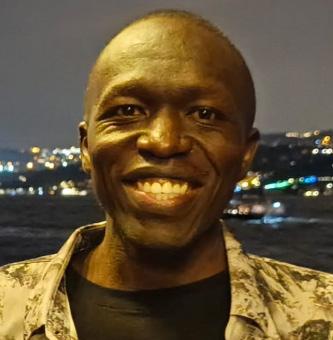
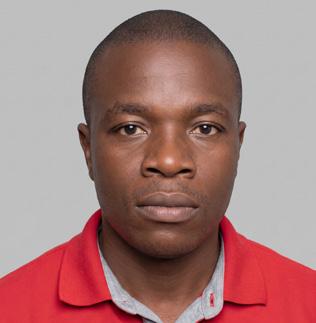
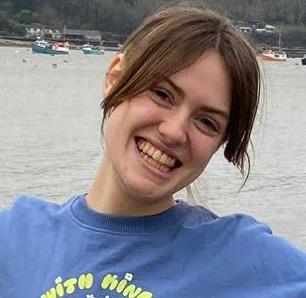
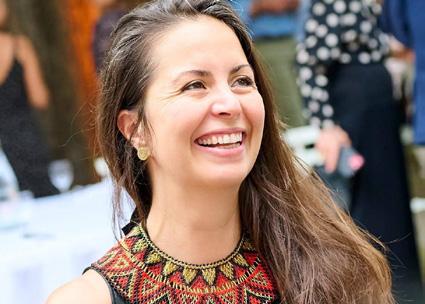
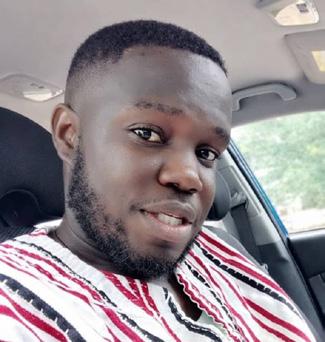
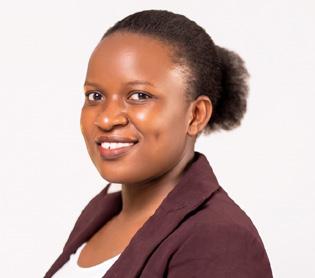
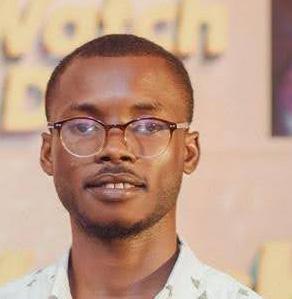
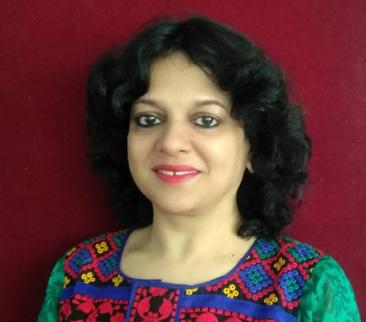
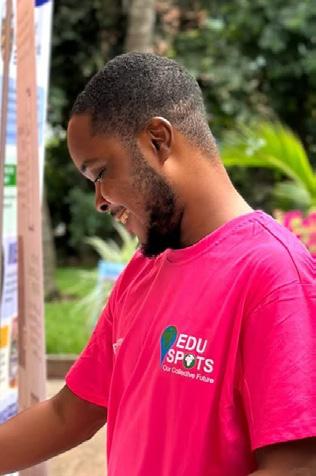
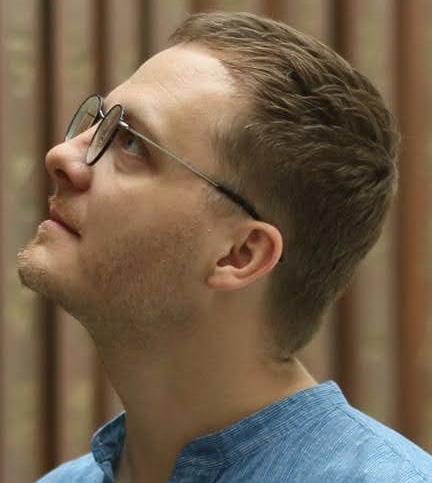
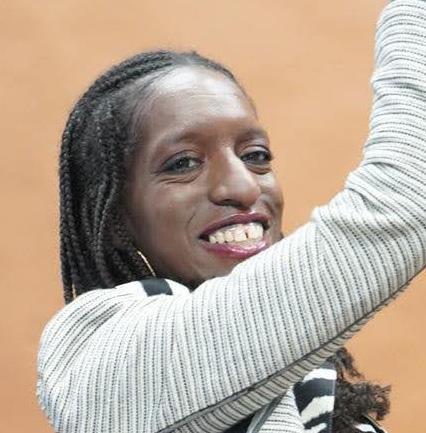
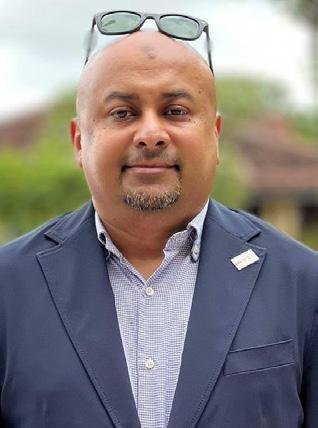
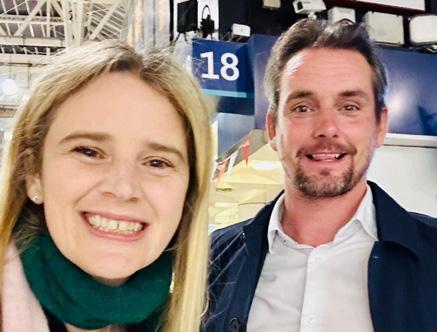
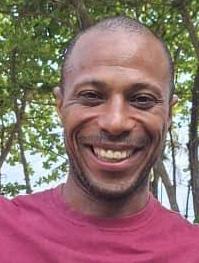
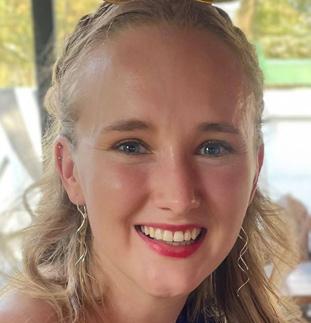
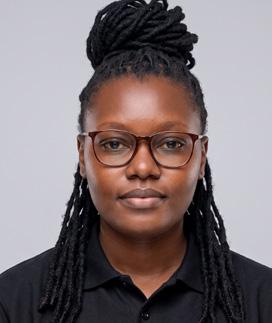

This tapestry of ideas was written by Emmanuel Sefazi (EduCitizens Coordinator, Ghana) and Cameryn Strydom (EduCitizens Intern, South Africa) with support from the EduCitizens Community and Cat Davison (EduSpots’ CEO/Founder), as part of the UNESCO Youth for Peace Intercultural Leadership Programme.
For up to date information on this community SCAN
With thanks to all EduCitizens members, guest speakers, and the EduSpots team for their contributions to this booklet and community.
EDUSPOTS HAS BEEN FEATURED BY: