2025 Educatius Impact Annual Report
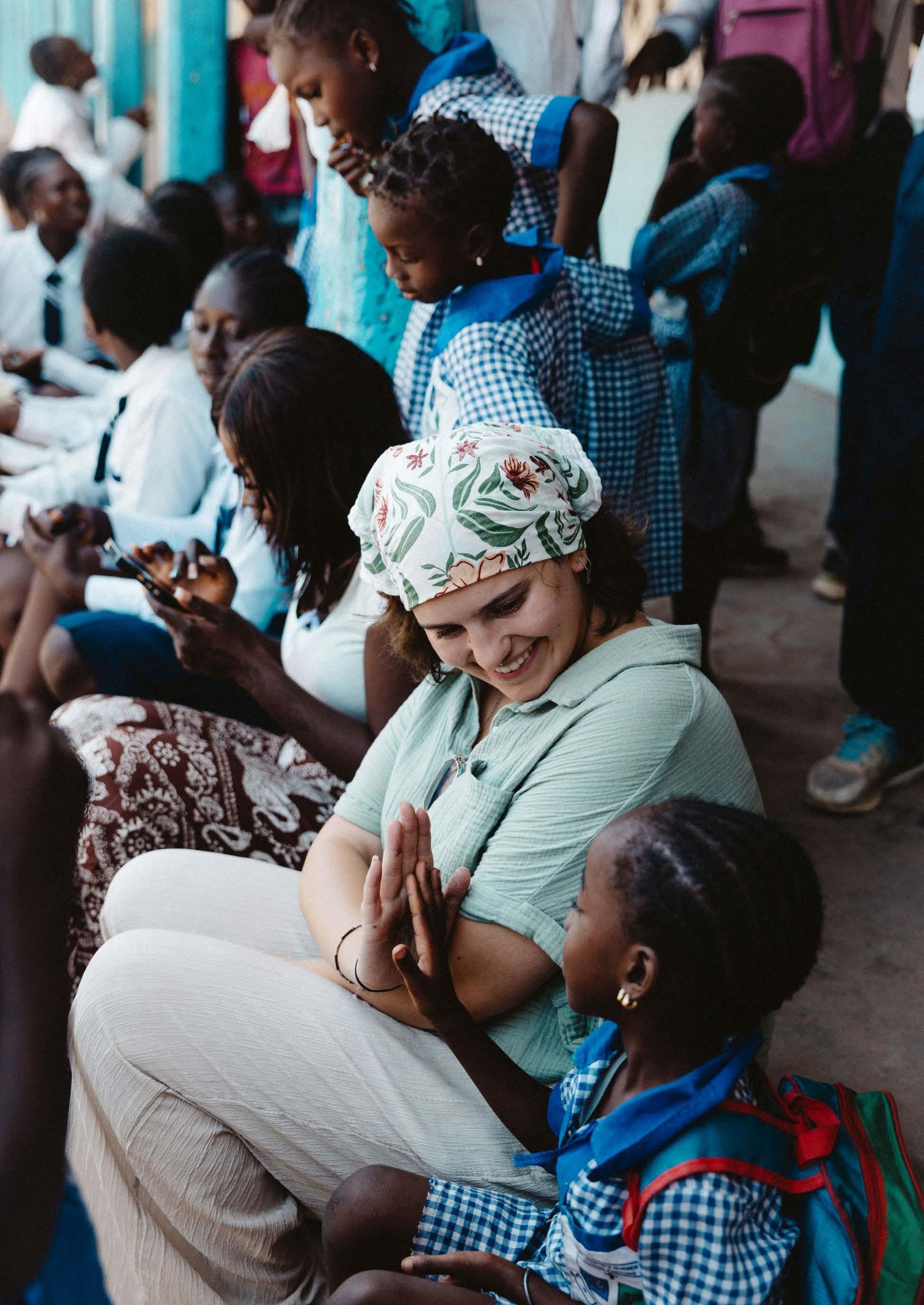

St. Martin's School: Expanding access to education in The Gambia
Sponsored 620 students for the 2025–2026 school year—continuing a 16-year commitment to reduce dropout rates and improve exam outcomes
Aiducatius Creativity Internship: Art meets education in The Gambia
Continued
Gabriella Children's Rehabilitation Centre: Empowering children with disabilities
Tree Planting & Forest Conservation in Tanzania: 16 years of impact
Marked 16 years of reforestation efforts—combining meaningful climate action with community training in sustainable forest management and economic resilience
Global Youth Resilience Initiative: Supporting student well-being
Continued a global program equipping international exchange students, parents, host families, and coordinators with tools to build emotional resilience and cultural adaptability
The story of Aiducatius: How it began
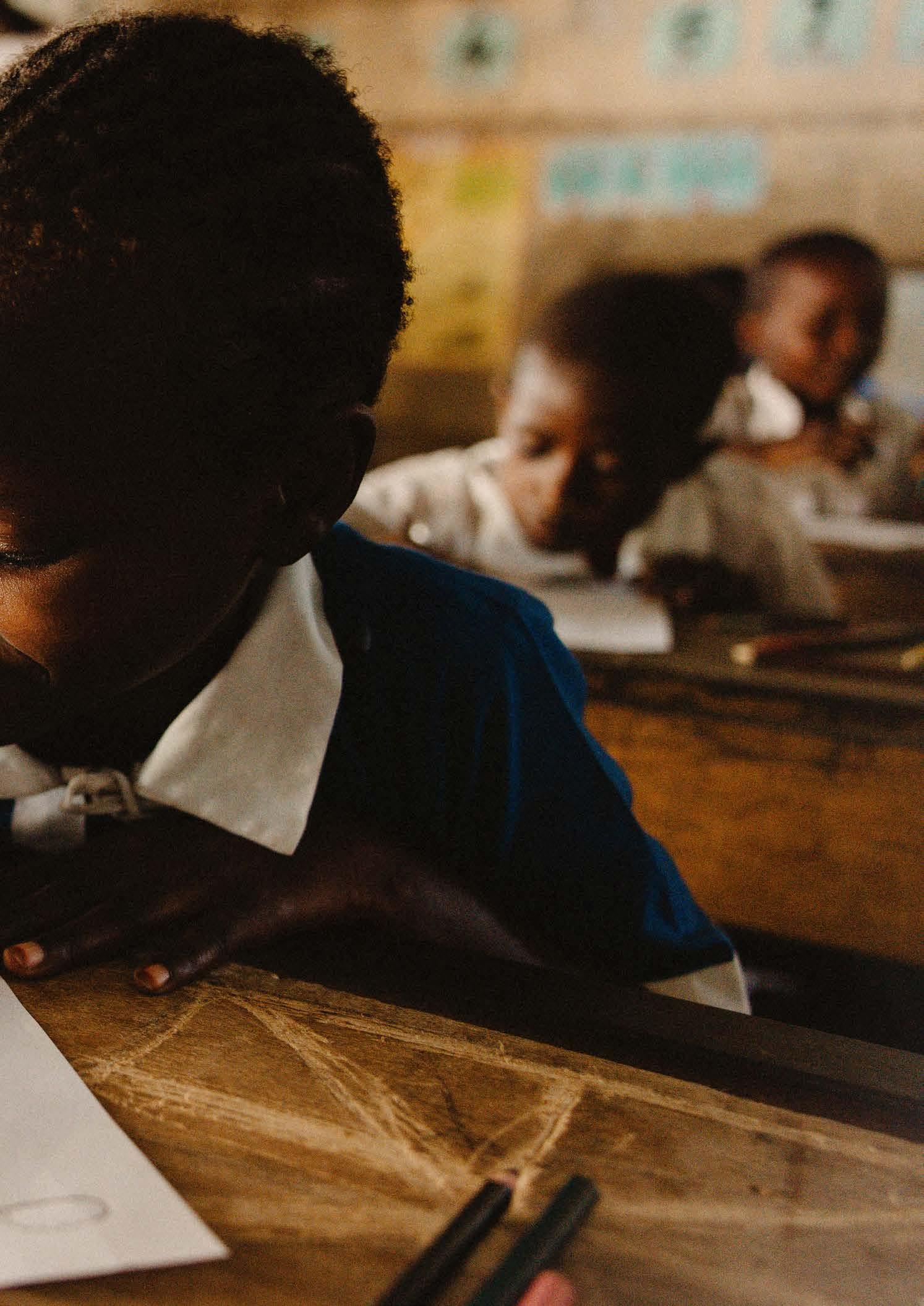
We believe education can create positive change across the world. An exchange experience does more than shape students; it influences host families, schools, and local communities in meaningful ways.
Throughout 2025, Educatius continued its long-term commitment to educational access, sustainability, and student well-being. Our initiatives supported students with limited opportunities, encouraged young leaders, and strengthened projects focused on global sustainability.
This report shares key moments from 2025, the communities we worked alongside, and the people whose lives were positively affected through these efforts.
By Educatius
In many developed countries, access to education is often taken for granted. In rural communities in The Gambia, however, education can still feel out of reach.
Families in communities such as Kartong often face difficult economic realities. Parents may need to choose between sending children to school or relying on them to help support the household.
Even though public education in The Gambia does not require tuition fees, the additional costs of uniforms, textbooks, shoes, school supplies, and meals remain major barriers for many families.
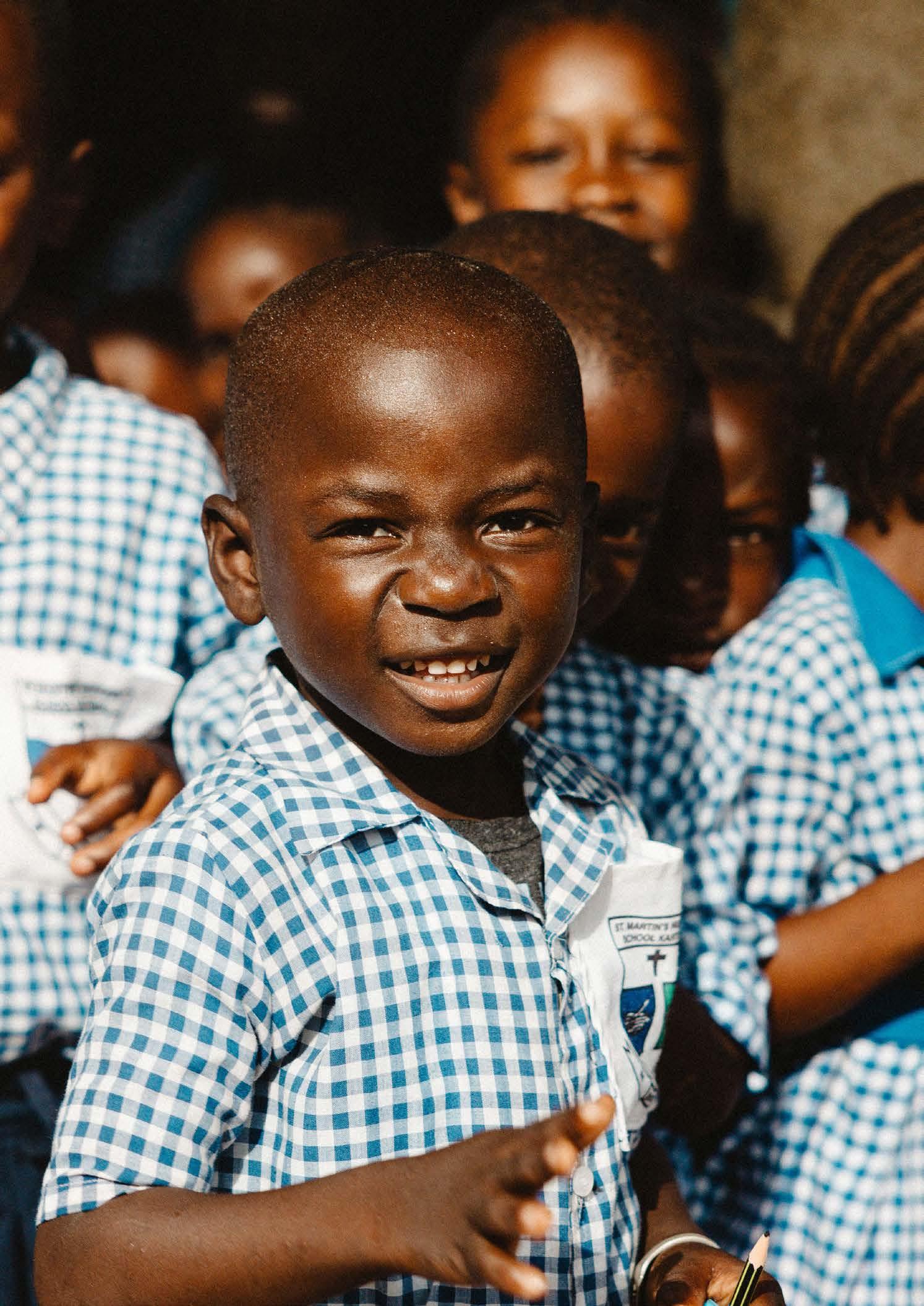
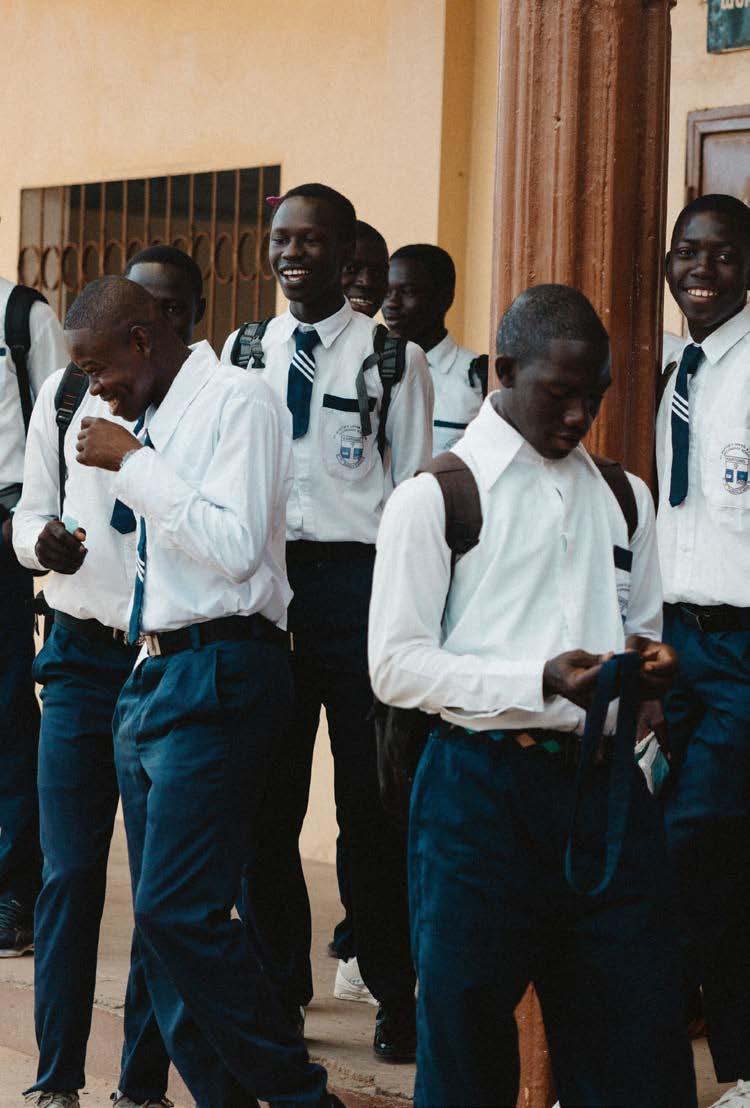
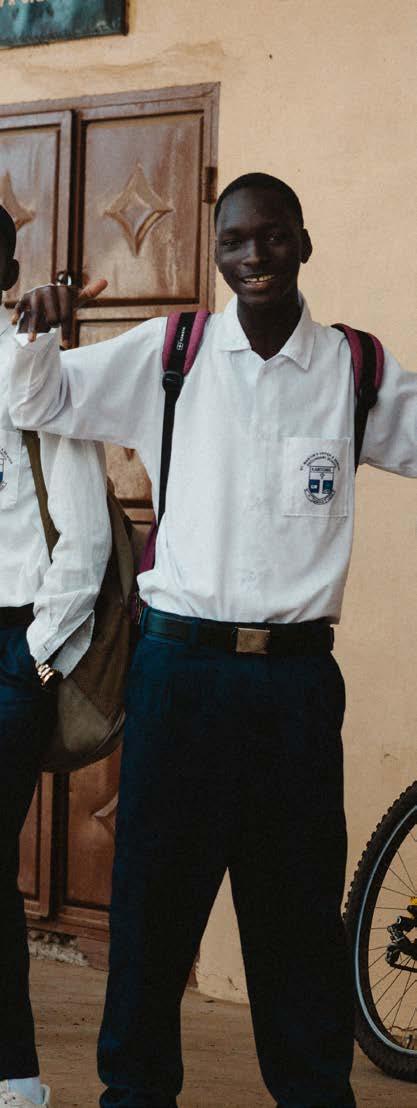
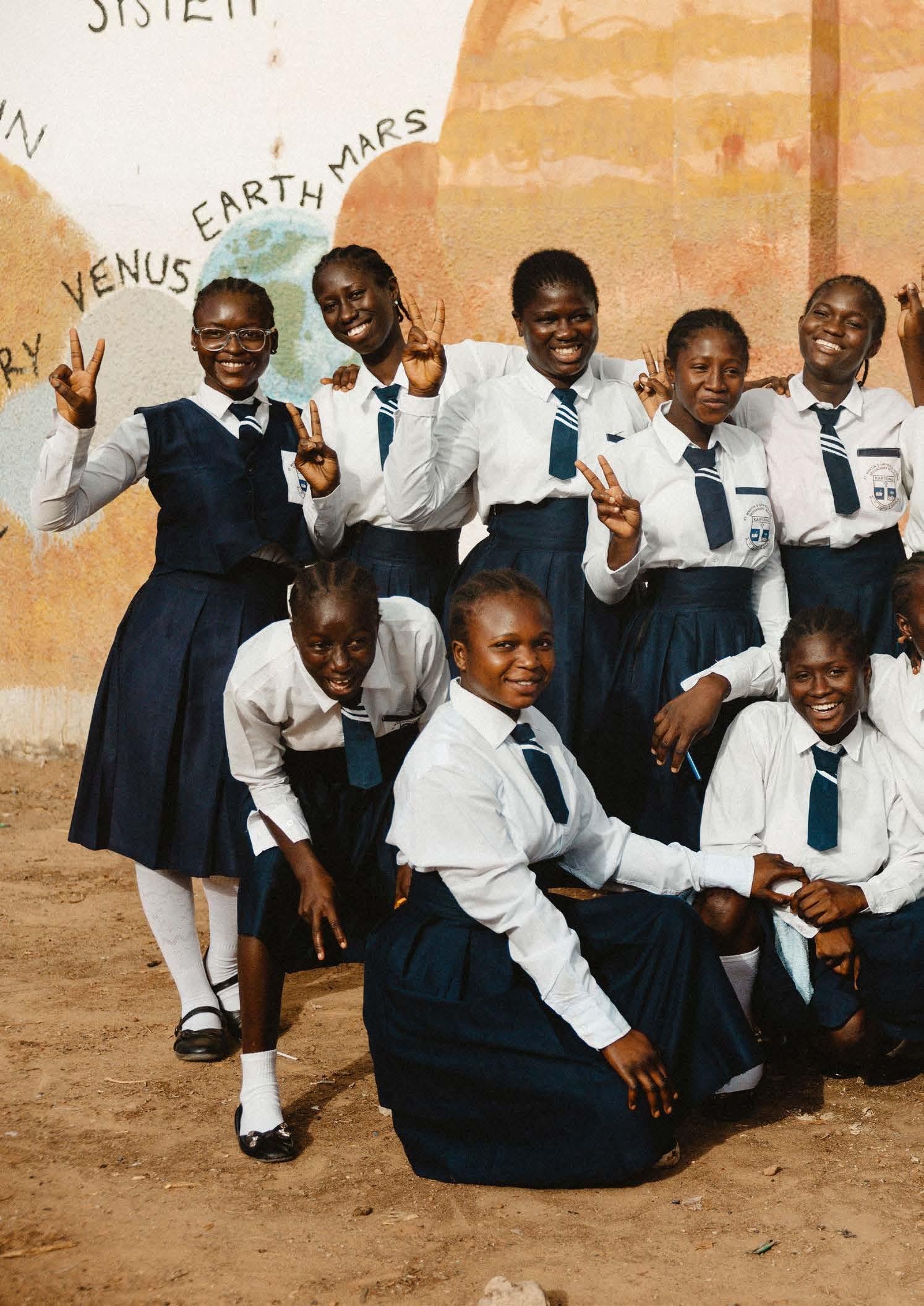
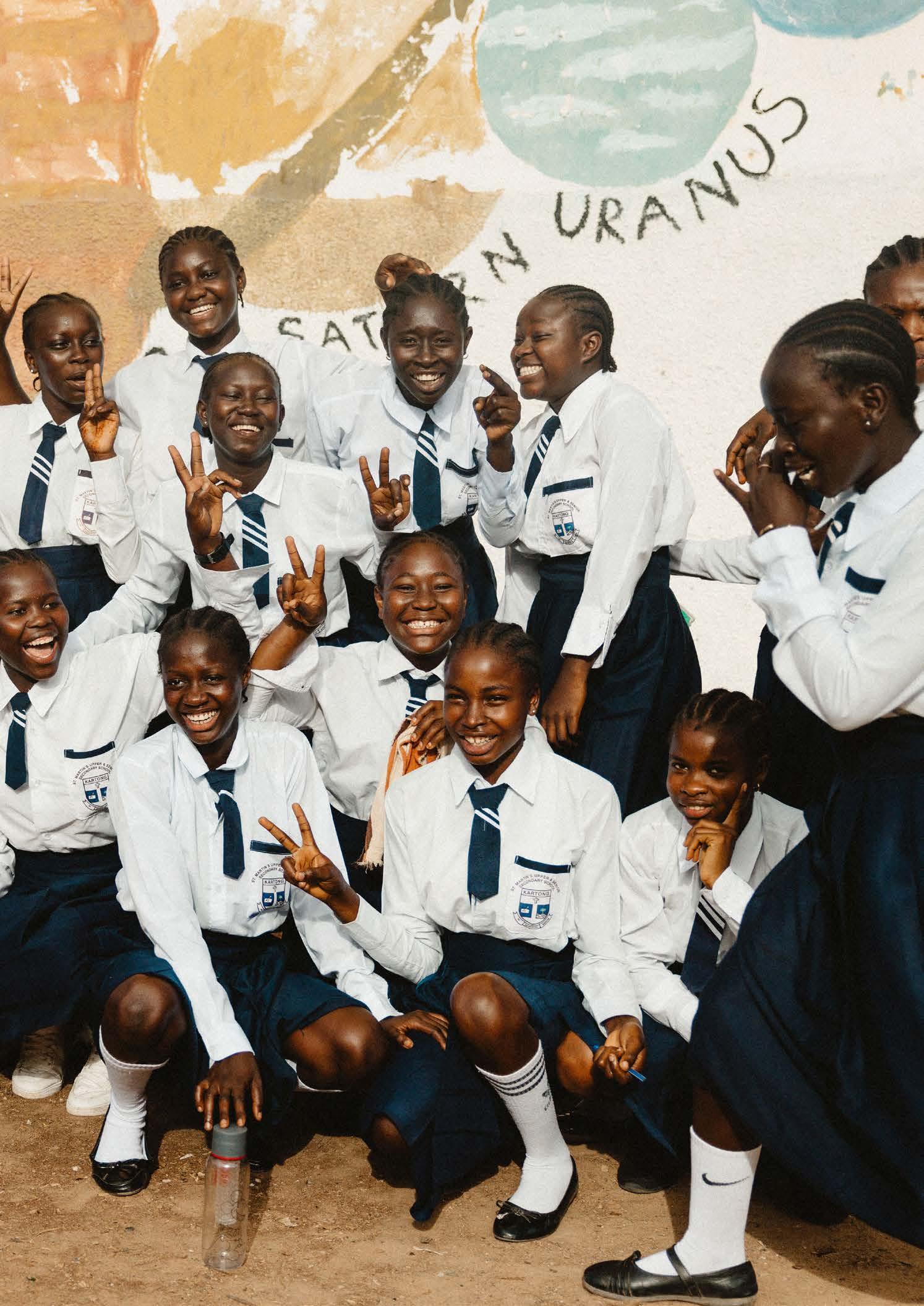
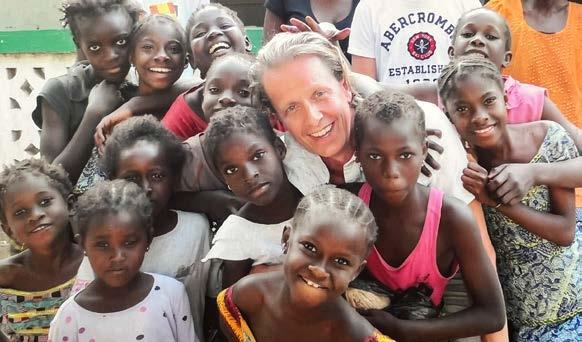
Aiducatius, the not-for-profit sister organization of Educatius, has supported St. Martin’s School since 2009. Through this long-term partnership, students receive the essential resources they need to attend school consistently and continue their education.
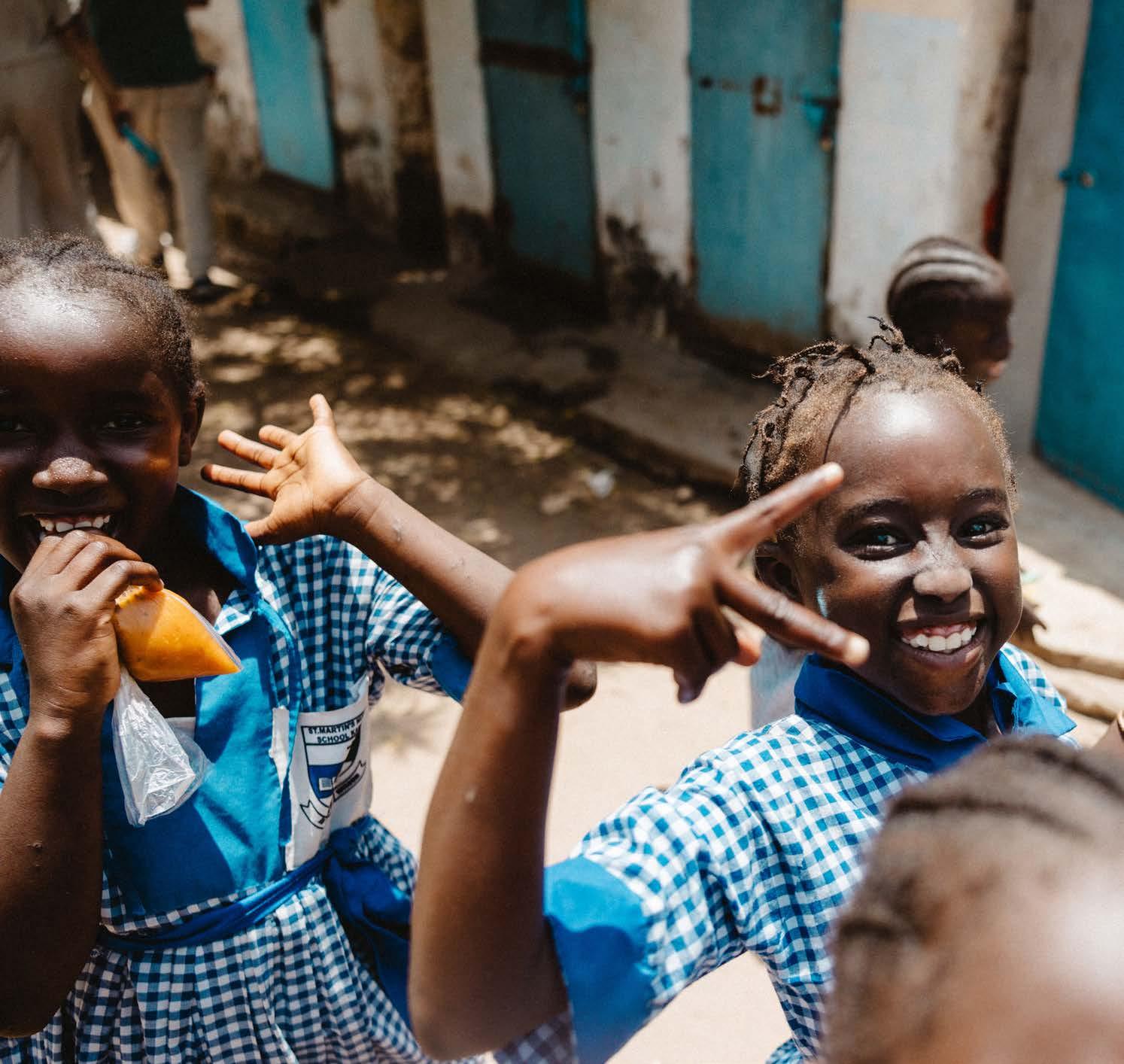
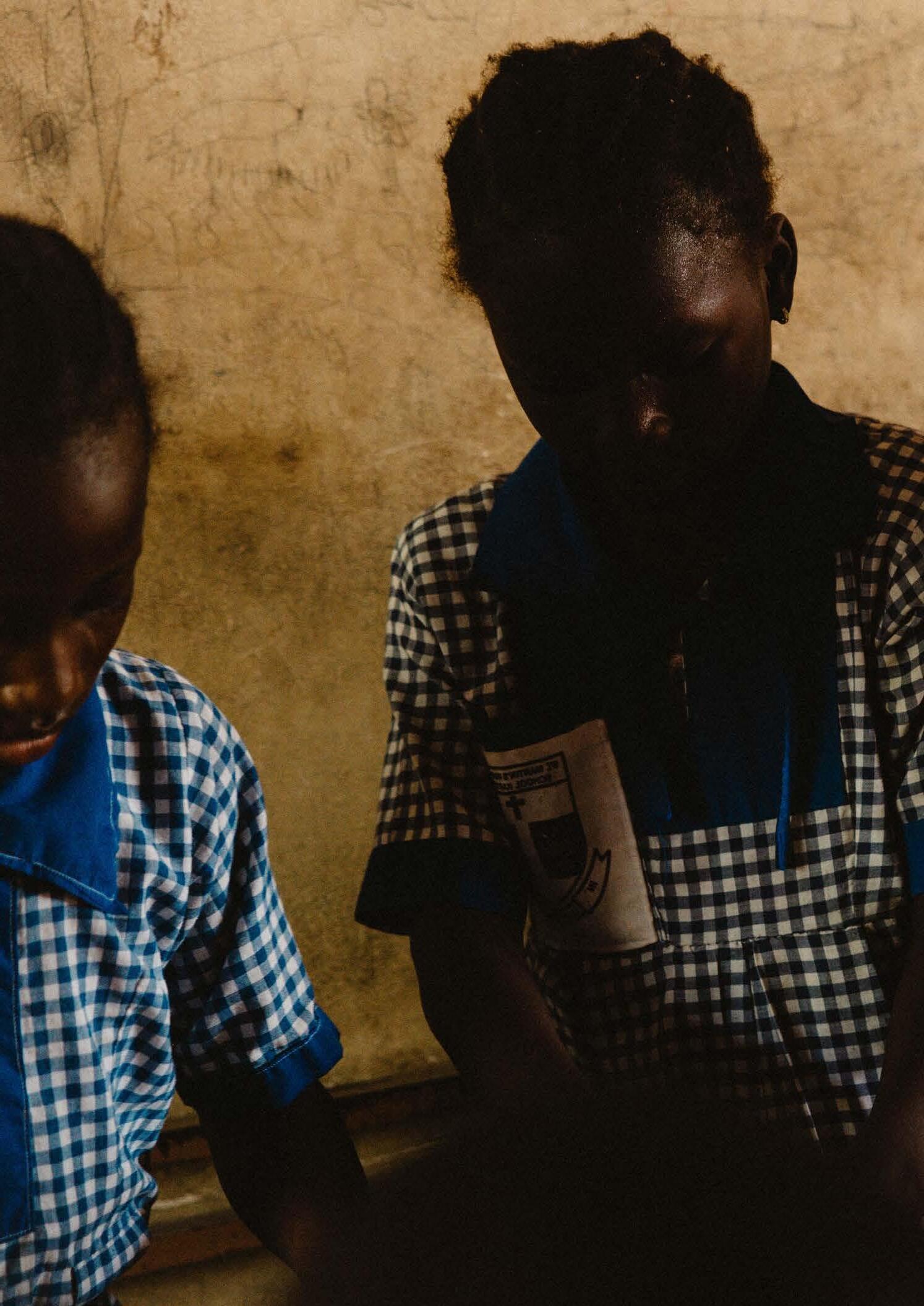
In 2025, Aiducatius supported 620 students at St. Martin’s School, nearly half of the school’s total student population. This support has helped reduce dropout rates, increase enrollment, and improve educational outcomes.
Supported by Aiducatius since
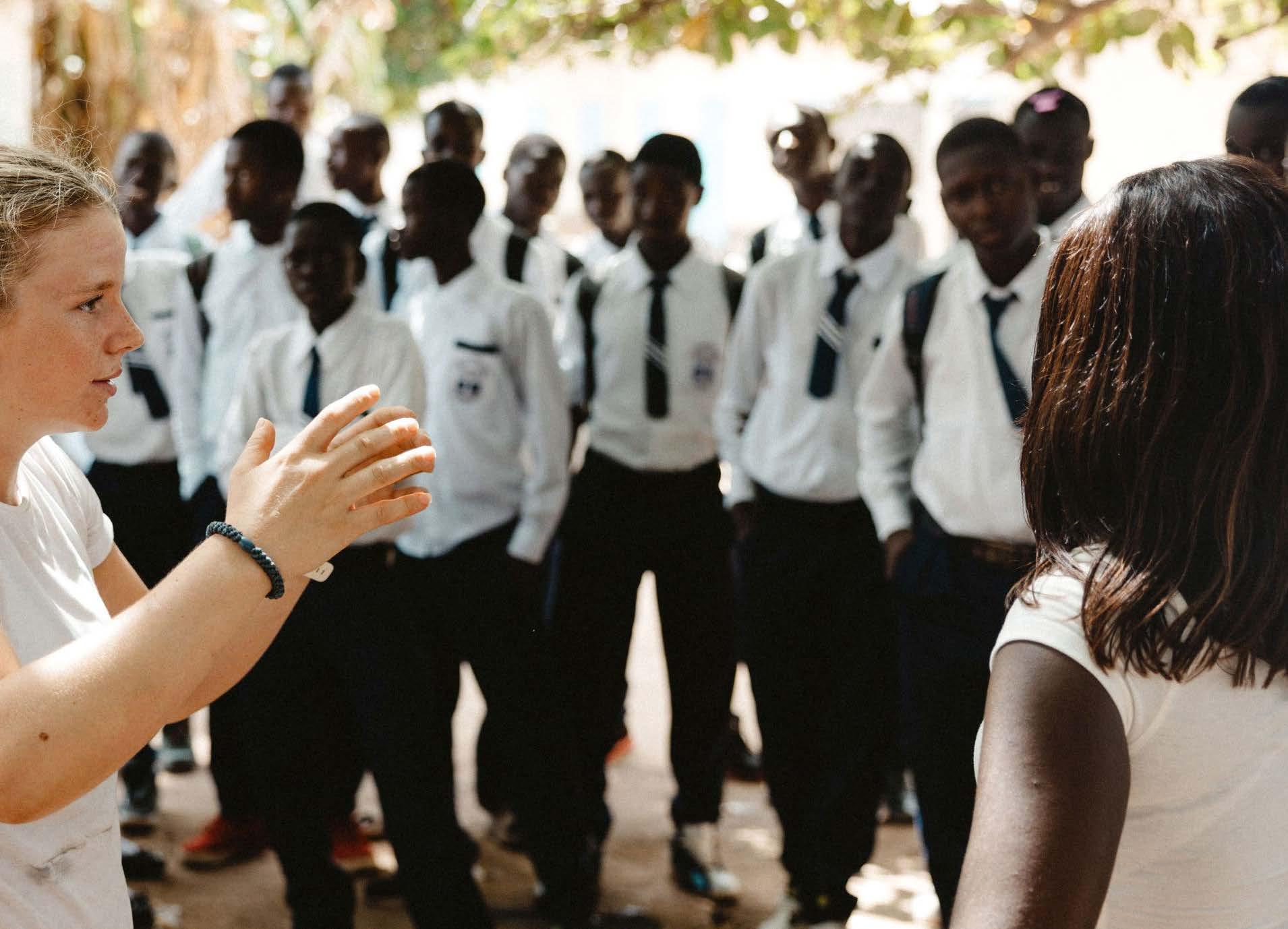
When Aiducatius started working with St. Martin’s School, classes only went through Grade 8. Since this is the only comprehensive school in the area, students who wanted to continue their high school education had to travel to another town, which was not feasible for many. Some students walk up to two hours to arrive at the school.
Over the years, and in part through Aiducatius’ support, the school has been able to add additional grade levels.
In 2025, for the first time, Grade 12 was added to the school, allowing all students in the area access to a complete secondary education. This is an enormous achievement and a lasting benefit to the community. Beginning in the 2025–2026 school year, students will increasingly be able to complete important national examinations locally rather than relocating to other towns.
Students at St. Martin’s School achieved significant academic improvements during the 2025 school year:
Grade 3 National Assessment Test (NAT) pass rates increased from 50% in 2024 to 80% in 2025.
Grade 8 NAT pass rates increased from 70% in 2024 to 89% in 2025.
Grade 9 GABECE national examination pass rates increased from 80% in 2024 to 100% in 2025.
With continued support from Aiducatius and additional support from the Ministry of Education and the MRC Holland Foundation, St. Martin’s School is entering an important new stage of development.
Eighteen new classrooms are currently being constructed at a new school site in Kartong. Starting in the 2026–2027 school year, Upper Basic and Senior Secondary students will move to the new campus, while Early Childhood Development (ECD) and Lower Basic students will remain at the current location.
Planned developments for the new campus include:
Science and technical education streams
A clean drinking water system and a 20,000-liter borehole tank
Laboratory facilities and technical workshops
Expanded staffing with university-trained graduates
Transportation support for students and teachers traveling from surrounding communities
A multipurpose hall for seminars, graduations, and community events
A library serving both students and the wider Kartong community
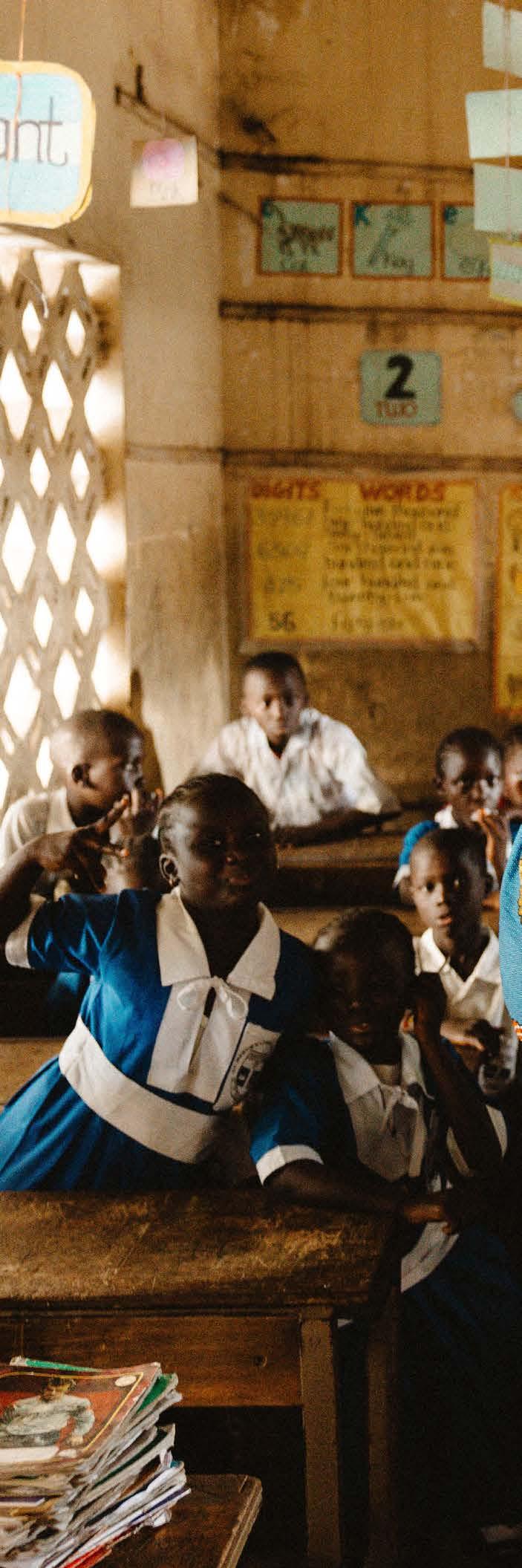
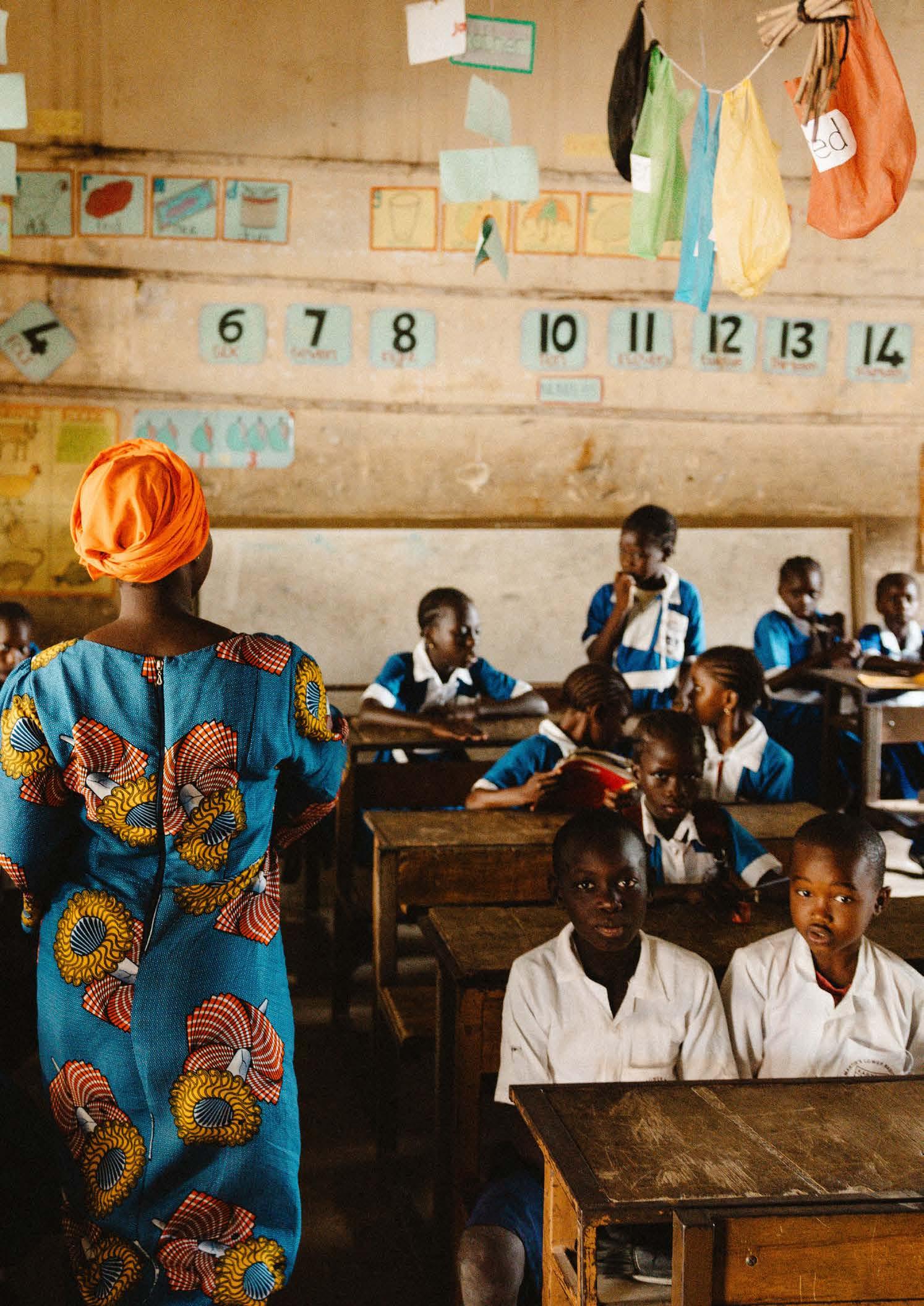
The school’s expansion is expected to create benefits that extend far beyond the classroom.
Technical and vocational training will help students develop practical skills and improve employment opportunities. Science education streams may strengthen future healthcare and technical sectors in the region.
The library and educational facilities will encourage a stronger reading culture, research skills, and longterm academic development. Improved transportation and infrastructure will also support stronger attendance and teacher retention.
The expanded campus may also create more opportunities for international exchange and cross-cultural learning, helping students better understand global issues, social responsibility, and community leadership.
As St. Martin’s School continues to grow, the partnership between Aiducatius and the school remains focused on long-term sustainability, educational quality, and expanded access.
Beyond infrastructure growth, the campus development represents increasing opportunity for students, families, and the wider Kartong community. Aiducatius is committed to making sure that students have the ability to participate.
Gibril Jabang is from Kartong and attended St. Martin’s Upper Basic School. He was among the students supported through the Aiducatius program from Grade 7.
Today, Gibril studies geography and history at the University of The Gambia.
His journey reflects the long-term impact of educational access. Support that began with school materials and attendance assistance ultimately created a pathway to higher education and future professional opportunities.
By Educatius
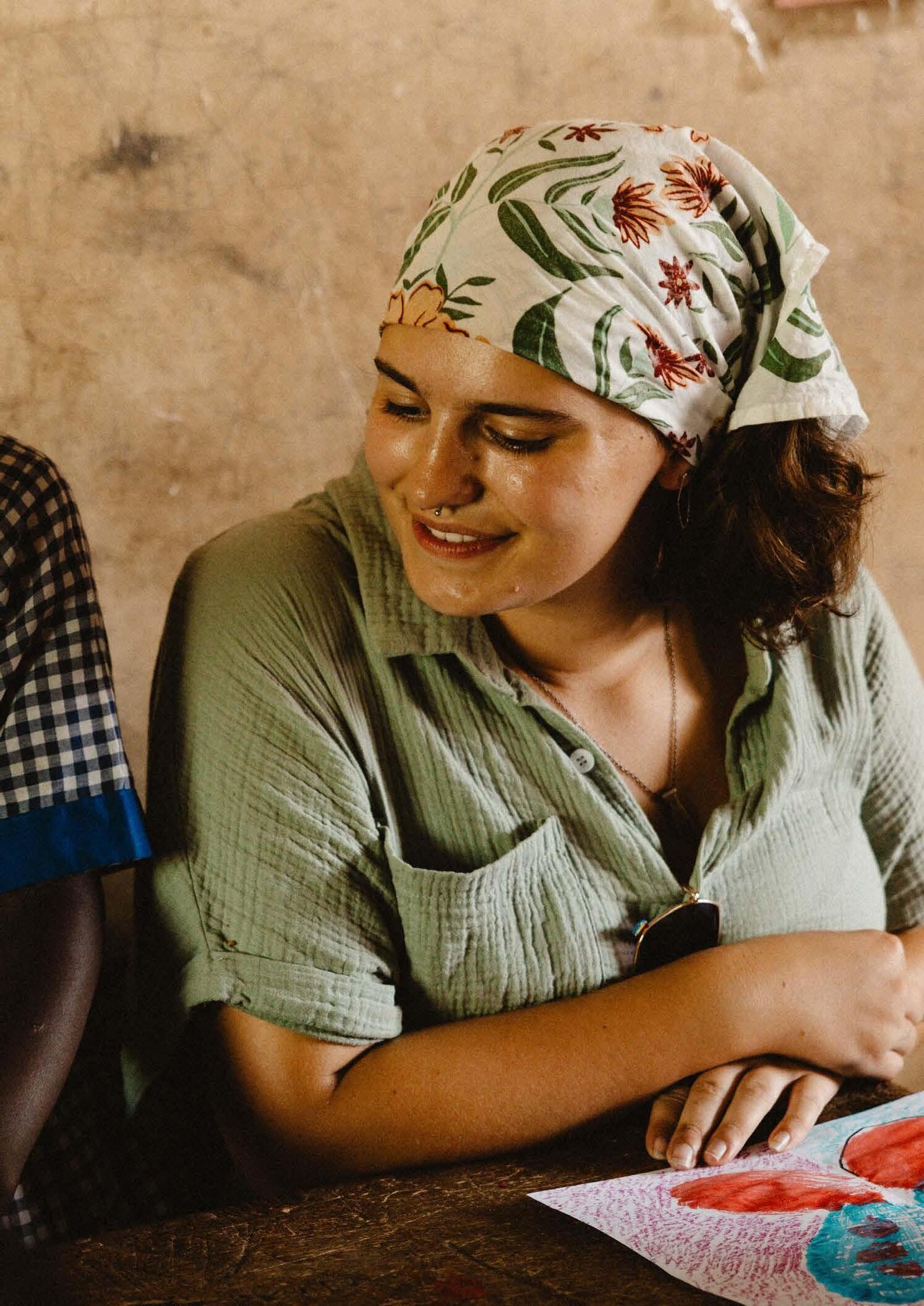
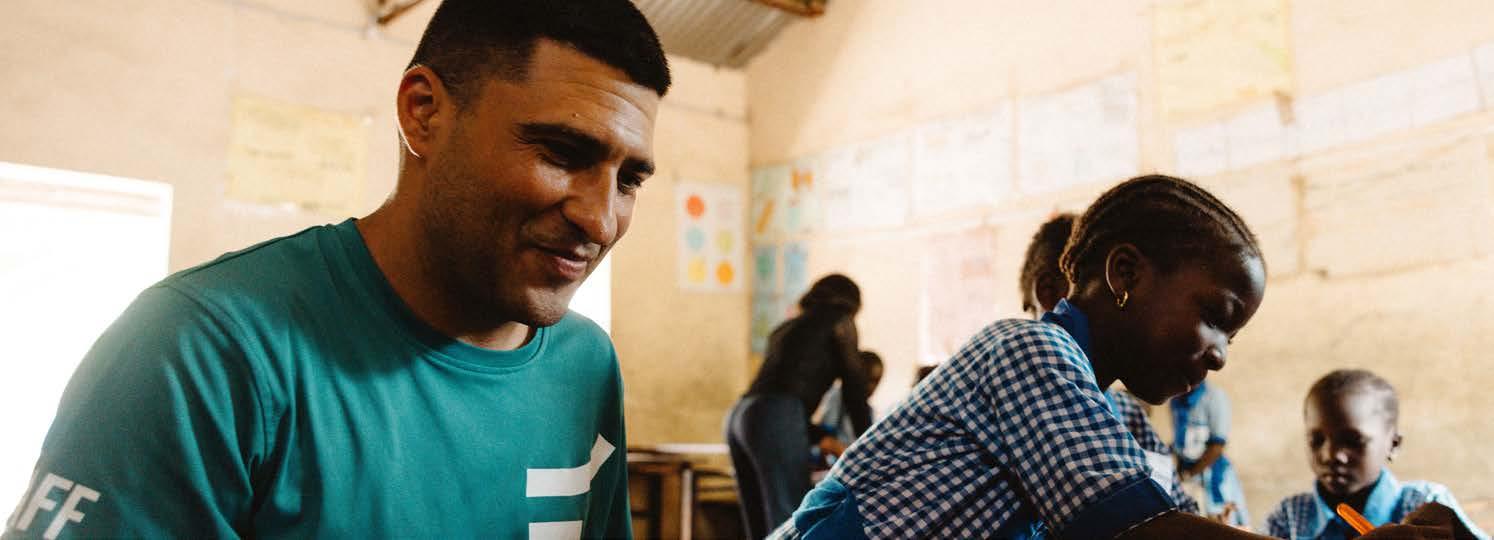
The second annual Aiducatius Creativity Internship took place in June 2025, building on the success of the inaugural program launched the previous year.
Created to support students at St. Martin’s School through arts education and cultural exchange, the internship brings together students, educators, host family members, local coordinators, and Educatius staff from across the global Educatius community. What began as a small initiative has grown into a wider platform for creative collaboration and longterm community engagement.
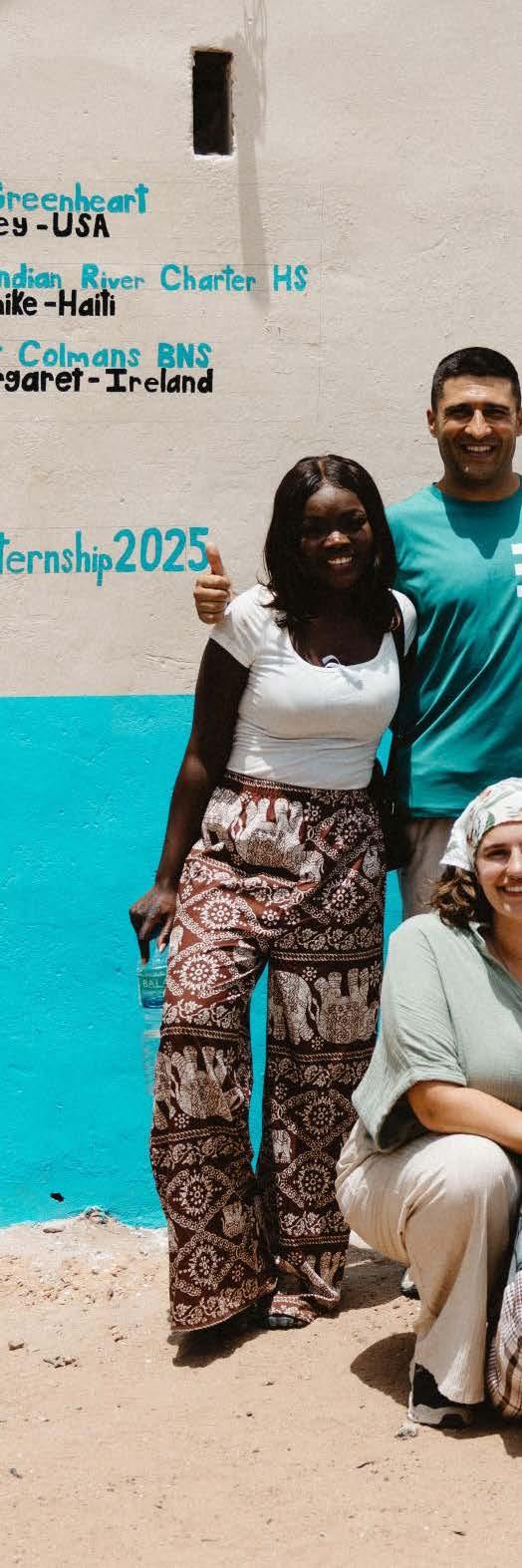
In 2025, the internship expanded to include four Educatius staff members, in addition to two student alumni, one teacher, and one local coordinator.
Supported by Aiducatius since 2009, St. Martin’s School identified visual and performing arts as areas where international perspectives could complement the existing curriculum. While the school already maintains strong local arts instruction, school leadership believed students would benefit from exposure to different creative approaches, teaching styles, and forms of expression. The internship was designed to create that opportunity.
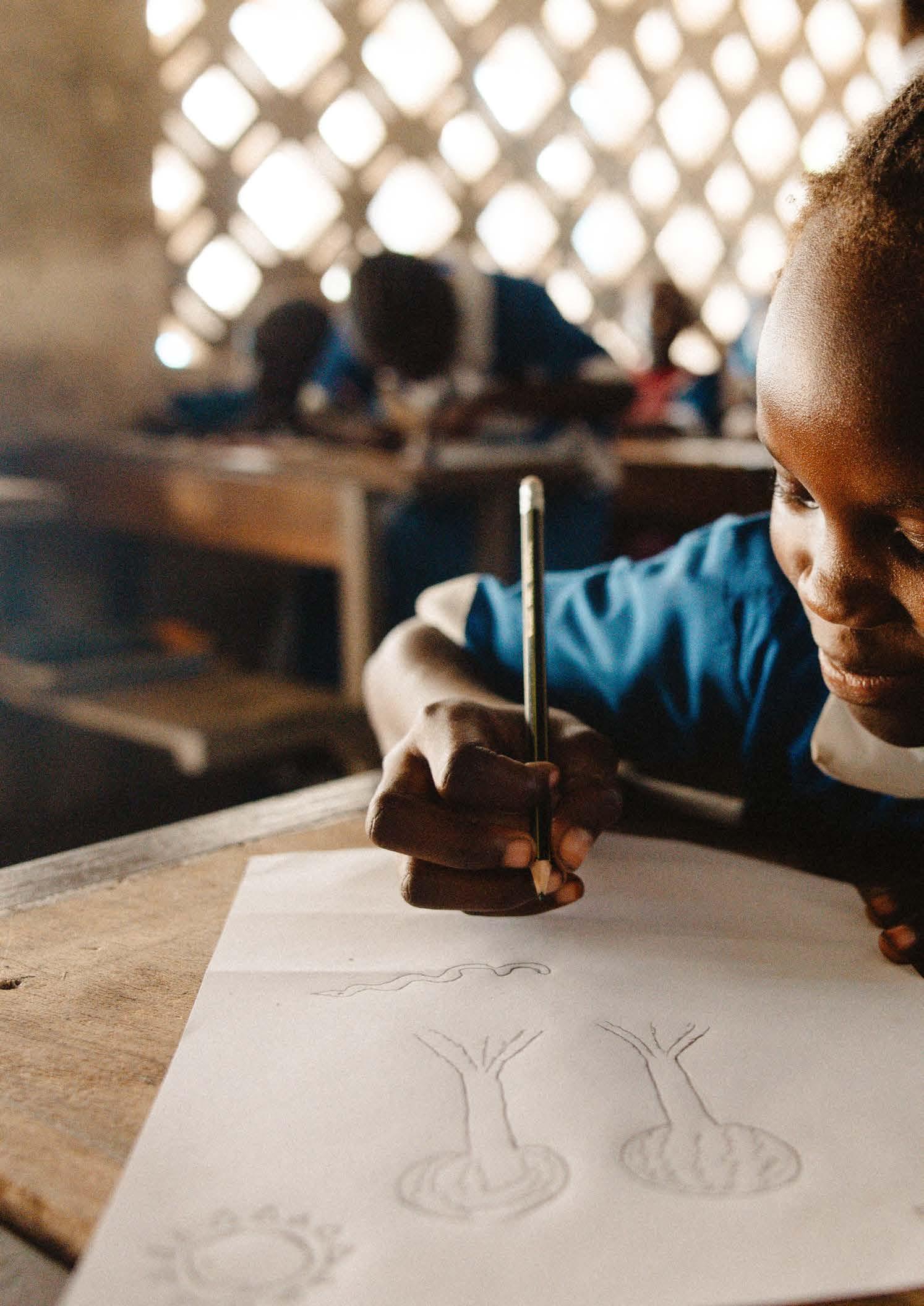
Through workshops focused on storytelling, visual arts, performance, and creative collaboration, students were encouraged to build confidence, experiment creatively, and express themselves in new ways.
The 2025 internship attracted more than 200 applicants from 18 countries, demonstrating growing international interest in the program.
Applicants submitted proposals outlining their creative backgrounds, experience with children, and ideas for activities that could benefit students at St. Martin’s School. A panel of international judges evaluated candidates based on artistic ability and alignment with the goals of the program.
The internship is open to Educatius students, alumni, host family members, local coordinators, teachers at partner schools, and staff members across the organization, and has become an annual tradition.
• Fednike Nozistene – Performing Arts Teacher, Indian River Charter High School, USA
• Anne Håkanes – Educatius alumna and Nordic ambassador, Norway
• Sylvi Jones – Educatius student, USA
• Margaret Pettersen – Educatius host mom and local coordinator, Ireland
The internship also included four Educatius colleagues nominated by peers as outstanding examples of Educatius values (expertise, passion, integrity and customer-first):
• Ana Rodriguez – Student Experience Advisor, USA
• Chiara Adele Bonfanti – Student Success Manager, Italy
• Kacey Nichols – Outreach Manager, Greenheart International, USA (strategic J-1 partner)
• Zlatemir Milanov – Sales Manager, Europe
Together, all participants reflected the global nature of the Educatius community, representing Italian, Norwegian, Bulgarian, Haitian, Irish, and American nationalities, with additional international study and work experience across Spain, Colombia, Australia, and the United Kingdom.
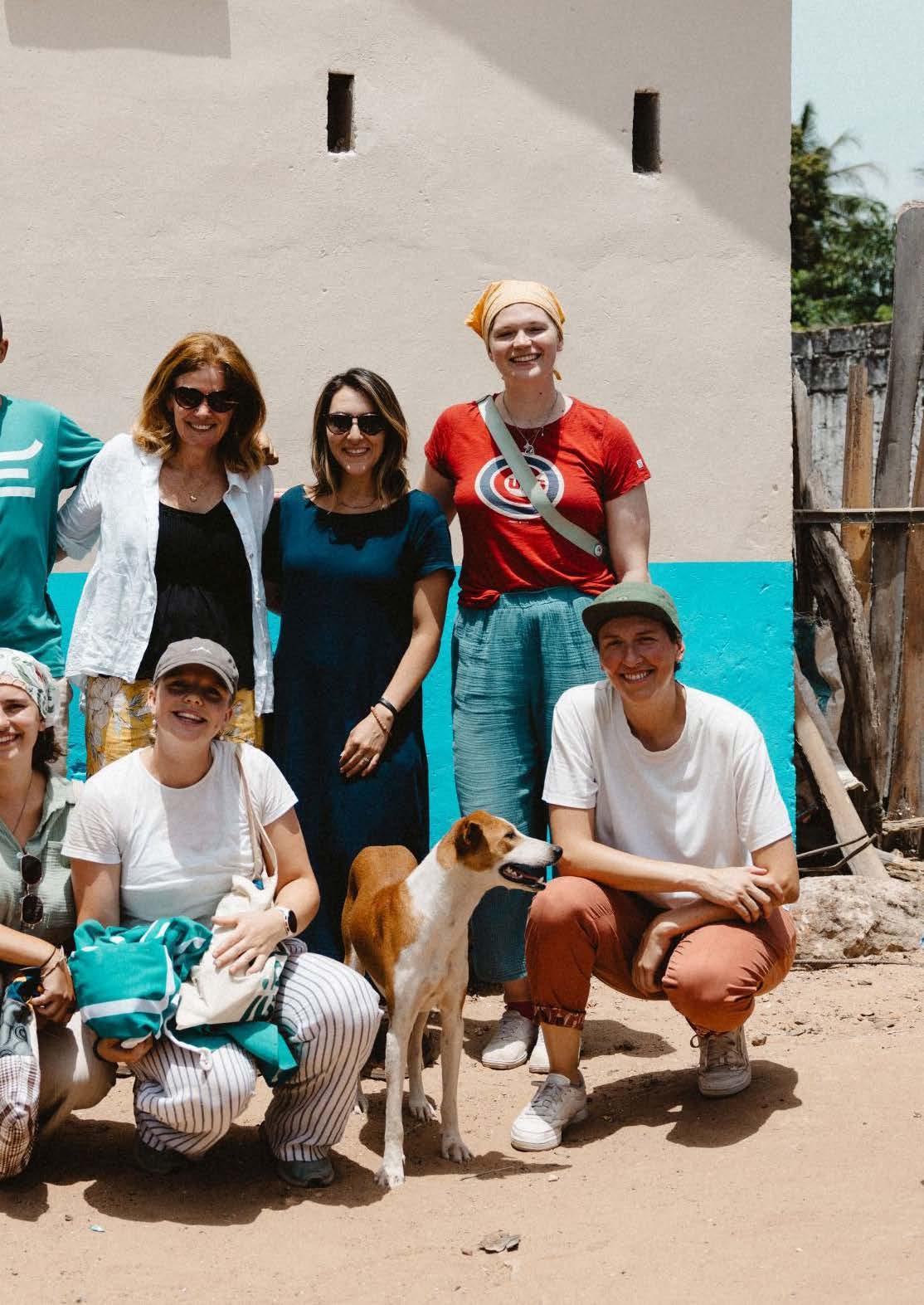
Interns collaborated with school leaders for months before arrival to design activities that would complement the school’s curriculum and support local educational goals.
During their time in The Gambia, participants worked closely with students through drawing, painting, storytelling, and performance-based activities designed to encourage creativity and confidence. Students
responded with enthusiasm, curiosity, and strong engagement throughout the workshops.
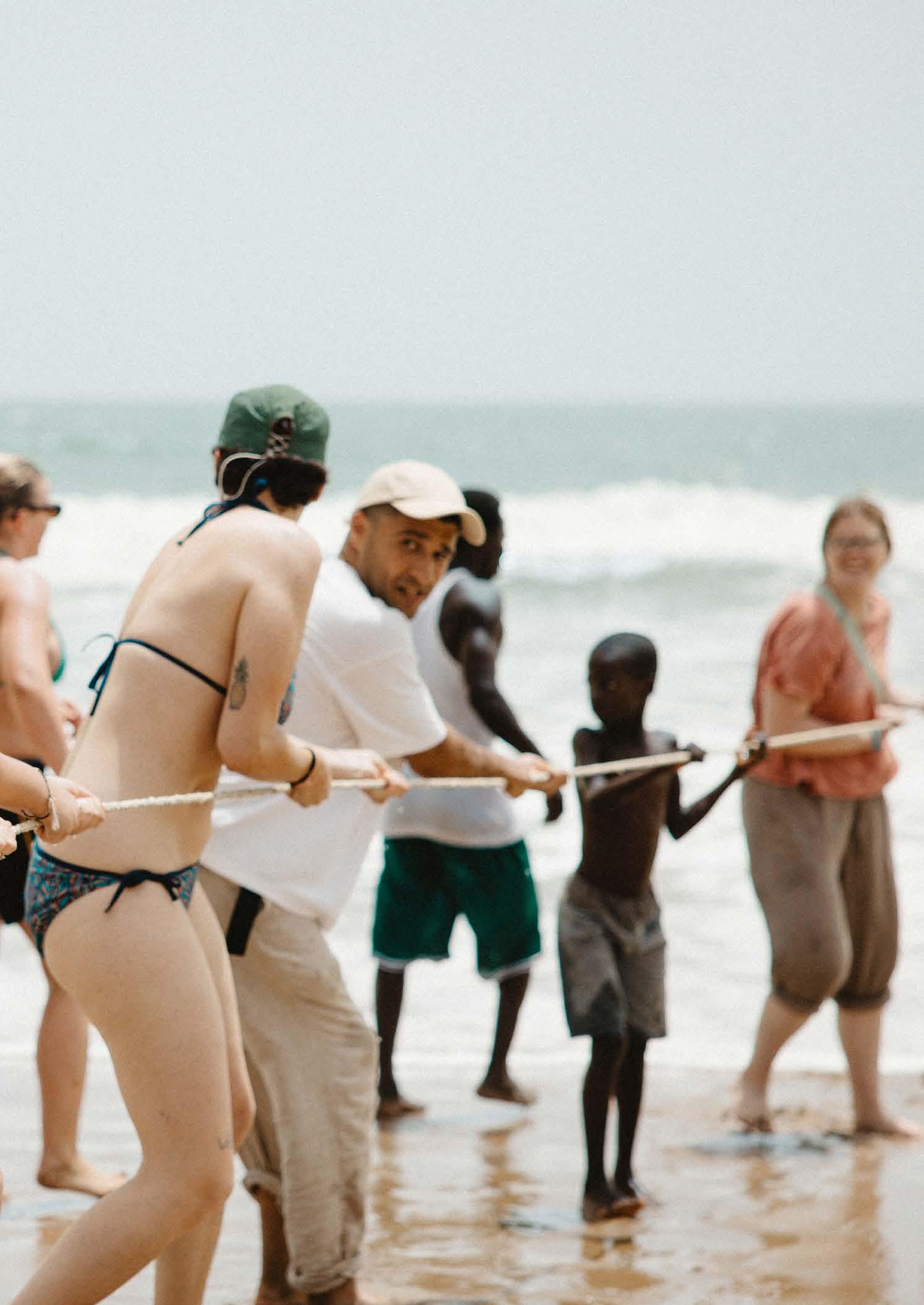
The internship also created meaningful opportunities for exchange between participants and the local community. Participants developed a deeper understanding of Gambian history, traditions, and daily life.
The 2025 internship created significant impact for both St. Martin’s School and the wider Educatius community. Key outcomes included:
Hundreds of students participated in creative workshops.
Art supplies were donated to support continued arts education.
Students, teachers, and interns engaged in meaningful cross-cultural exchange.
Participants gained firsthand understanding of the Kartong community and Gambian culture.
Educatius staff contributed time, donations and expertise to community projects like a beach plastic cleanup and building a library for a community center.
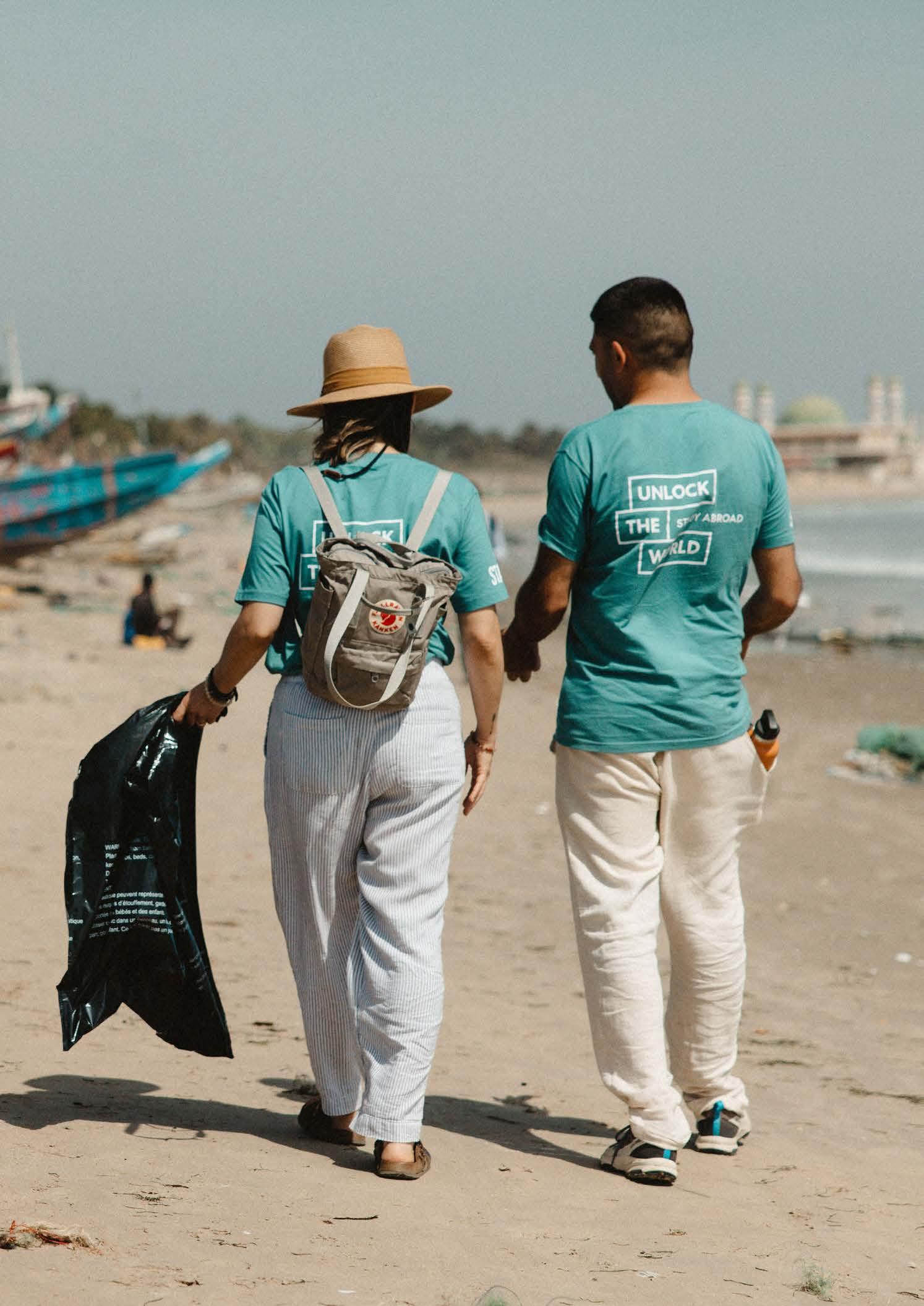
One of the most meaningful outcomes of the internship was what continued after participants returned home. Over time, it has inspired long-term personal and community initiatives connected to The Gambia.
Several 2025 participants supported additional projects, some even after the internship ended:
• Anne Håkanes partnered with SPAR International in Norway to provide feminine hygiene products to Gambian girls and women so they would not need to miss school or work.
• Kacey Nichols from Greenheart International collected children’s books from her local American community to help stock a new library built at a local children’s center.
• Chiara Adele Bonfanti launched a GoFundMe campaign while Jenna Rioux completed a marathon fundraiser; together they raised money for uniforms, shoes, and textbooks for additional students in The Gambia.
• Margaret Pettersen organized fundraising activities in Ireland and helped coordinate the construction and delivery of 60 teacher desks after meeting a traveling carpenter during the internship.
• Fednike Nozistene wrote and directed The Tale of the Magic Drum, a play inspired by Gambian folklore that was performed by her high school students in Florida and won a state theater award.
These initiatives show how the internship continues to generate impact long after participants leave The Gambia.
The internship has become a beloved annual tradition for the Educatius community. Each year, participants find new ways to learn, contribute to the local community, and collaborate with teachers and community members in Kartong, and more participants from Educatius’ global community will have a chance to apply and join.

By Educatius
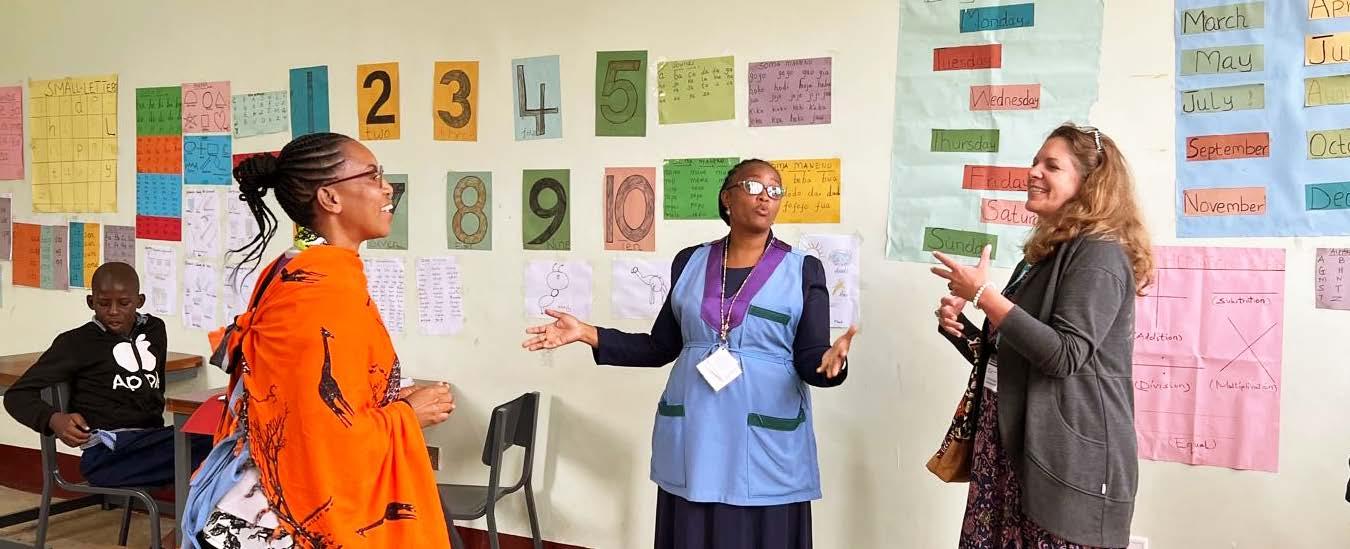
“I was deeply inspired by the staff and teachers at Gabriella Children’s Rehabilitation Centre. Seeing their dedication firsthand – and the way they use creativity, innovation, and care to support children who have already faced so many challenges early in life – left a lasting impression. The work happening there is changing lives in very real ways.”
Carla Kearns, VP Communications, during a 2025 visit to Gabriella Children’s Rehabilitation Centre
In Tanzania, social and cultural barriers can profoundly affect children with disabilities. Many are excluded from education and lack access to the support systems needed to help them learn, communicate, and participate fully in society.
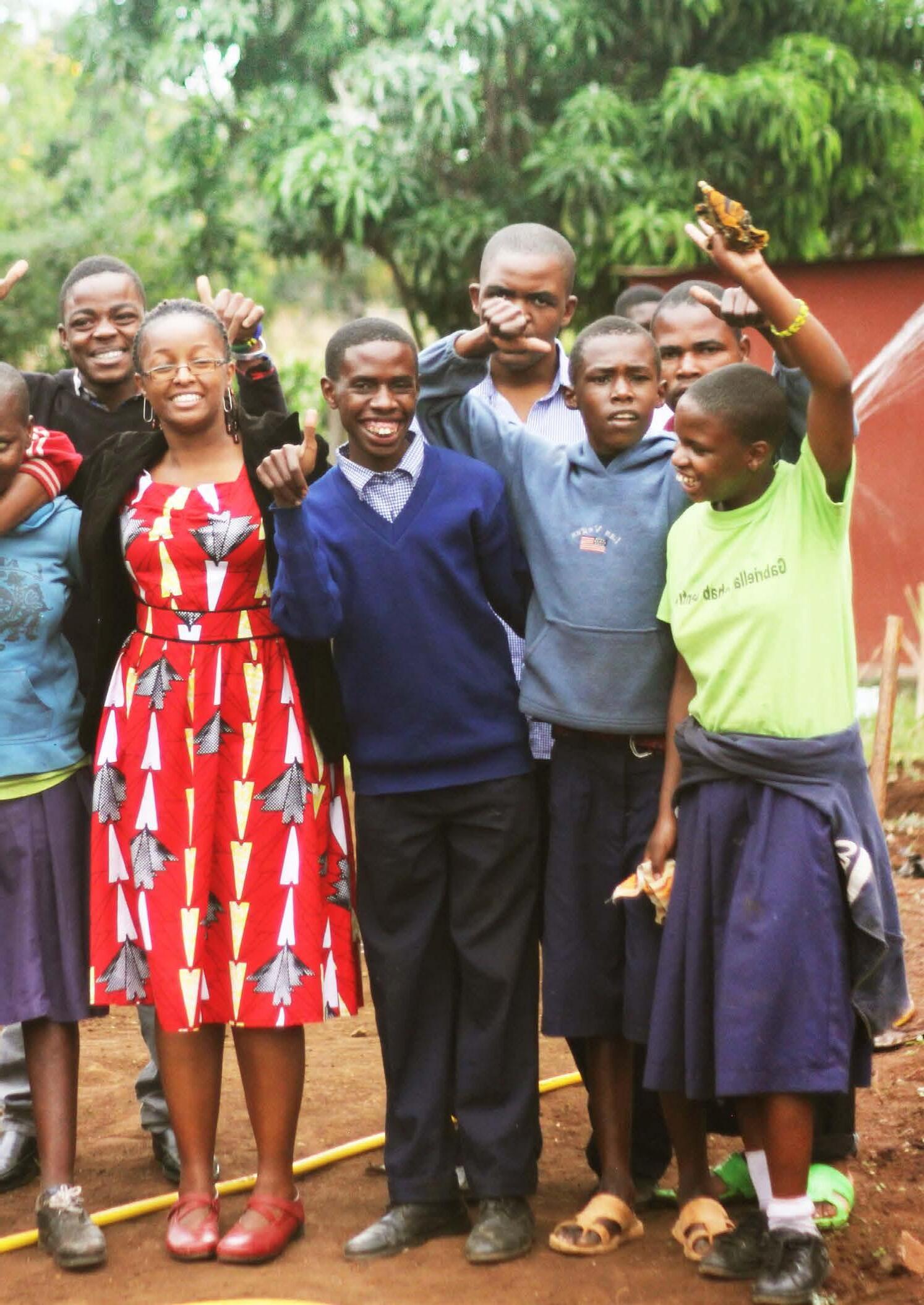
The Gabriella Children’s Rehabilitation Centre (GCRC) works to change this reality. The center provides specialized education, therapy, vocational training, and family support for children with disabilities. Its work focuses not only on care, but also on dignity, independence, inclusion, and long-term opportunity.
Children at the center receive support for life-altering developmental disabilities including autism, cerebral palsy, ADHD, learning disabilities, and Down syndrome. Through education, therapy, community outreach, and advocacy, the Gabriella Centre helps children build confidence, develop practical skills, and participate more fully in their communities.
Supported by Educatius since
188
enrolled children and youth reached
3505 people through campaigns and events
In 2025, Gabriella Centre achieved several major milestones:
• Increased enrollment to 188 children and youth
• Expanded to seven structured classes and vocational streams
• Reached 3,505 people through awareness campaigns and events
• Expanded services into the Simanjiro region
• Strengthened collaboration between therapy, psychology, education, and vocational teams
• Increased community integration and reduced dropout through stronger follow-up systems
The center also continued strengthening institutional systems and improving structured educational programming for children with disabilities.
Many children with disabilities experience discrimination, neglect, and exclusion. Families may isolate children due to social stigma, while communities often misunderstand disabilities and neurodiversity.
Visibility and participation play an important role in reducing stigma. When children are seen learning, performing, and contributing, community attitudes begin to change.
In 2025, Gabriella Centre:
• Co-hosted the African Disability Collaboration Summit (ADC) in Moshi, attended by 775 participants from Tanzania and across Africa
• Conducted awareness visits in 26 schools
• Expanded church outreach to 11 churches through performances and awareness activities, often the first point of contact for families seeking help
• Increased family and community engagement through stronger follow-up systems
These initiatives helped strengthen public awareness and reduce isolation for children with disabilities and their families.
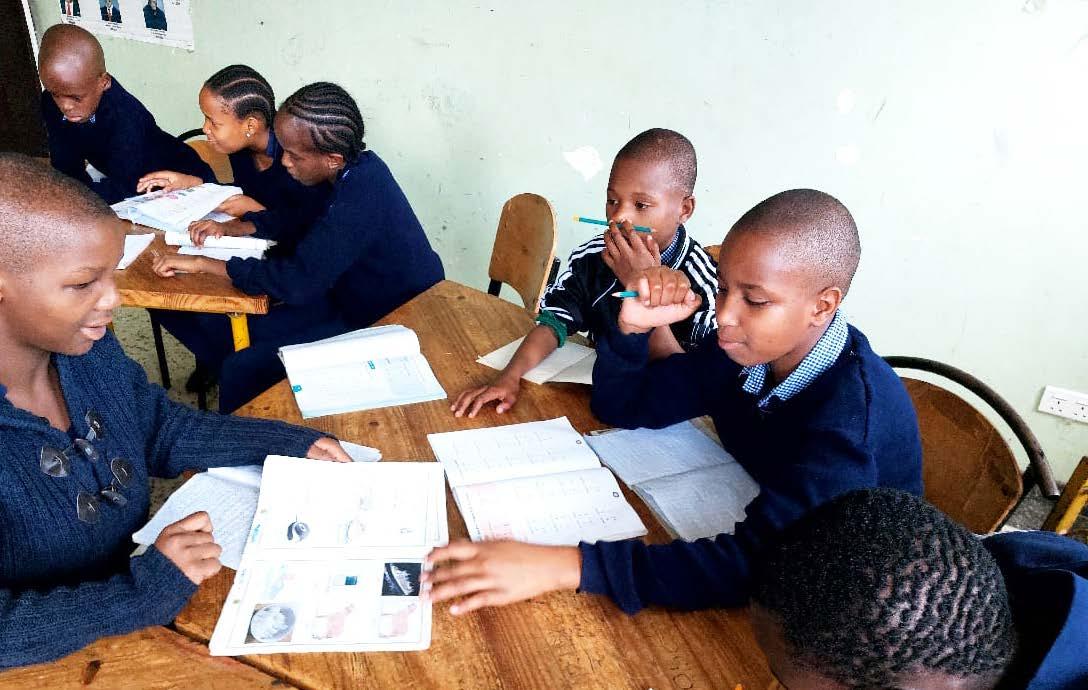
Many children with disabilities are excluded from mainstream education due to limited teacher training, insufficient support systems, and lack of adapted learning materials.
Gabriella Centre expanded its inclusive education efforts by:
• Strengthening individualized education programs
• Providing teacher training to 12 mainstream schools to support children beyond the campus
• Improving referral systems and school collaboration
• Supporting 47 children and youth in transitioning into mainstream schools and workplaces
• Improving teacher retention through stable salary funding and long-term staffing support
Many children with disabilities are identified late or misdiagnosed, delaying early intervention and support.
To improve early identification and family support in 2025, Gabriella Centre:
• Conducted 273 professional assessments
• Strengthened structured “Therapy Weeks” combining therapy, assessment, and caregiver training
• Expanded teletherapy services, reaching 2,899 parents and caregivers remotely
• Provided direct intervention training to 1,496 caregivers
• Improved assessment tracking and documentation systems
• Expanded outreach screening activities, medical services and medication support
These efforts improved access to early intervention and strengthened family involvement in children’s development.
Young people with disabilities often face unemployment and social dependence due to limited vocational opportunities.
Gabriella Centre expanded vocational and life-skills programming in 2025 by:
• Expanding vocational training to 10 skills tracks, including tailoring, gardening, cookery, and other practical skills
• Conducting community follow-up visits
• Organizing two youth camps focused on skills reinforcement and independence
• Providing life-skills training including budgeting, shopping, transportation use, and communication skills
The center’s approach emphasizes independence, confidence, and practical participation in community life.
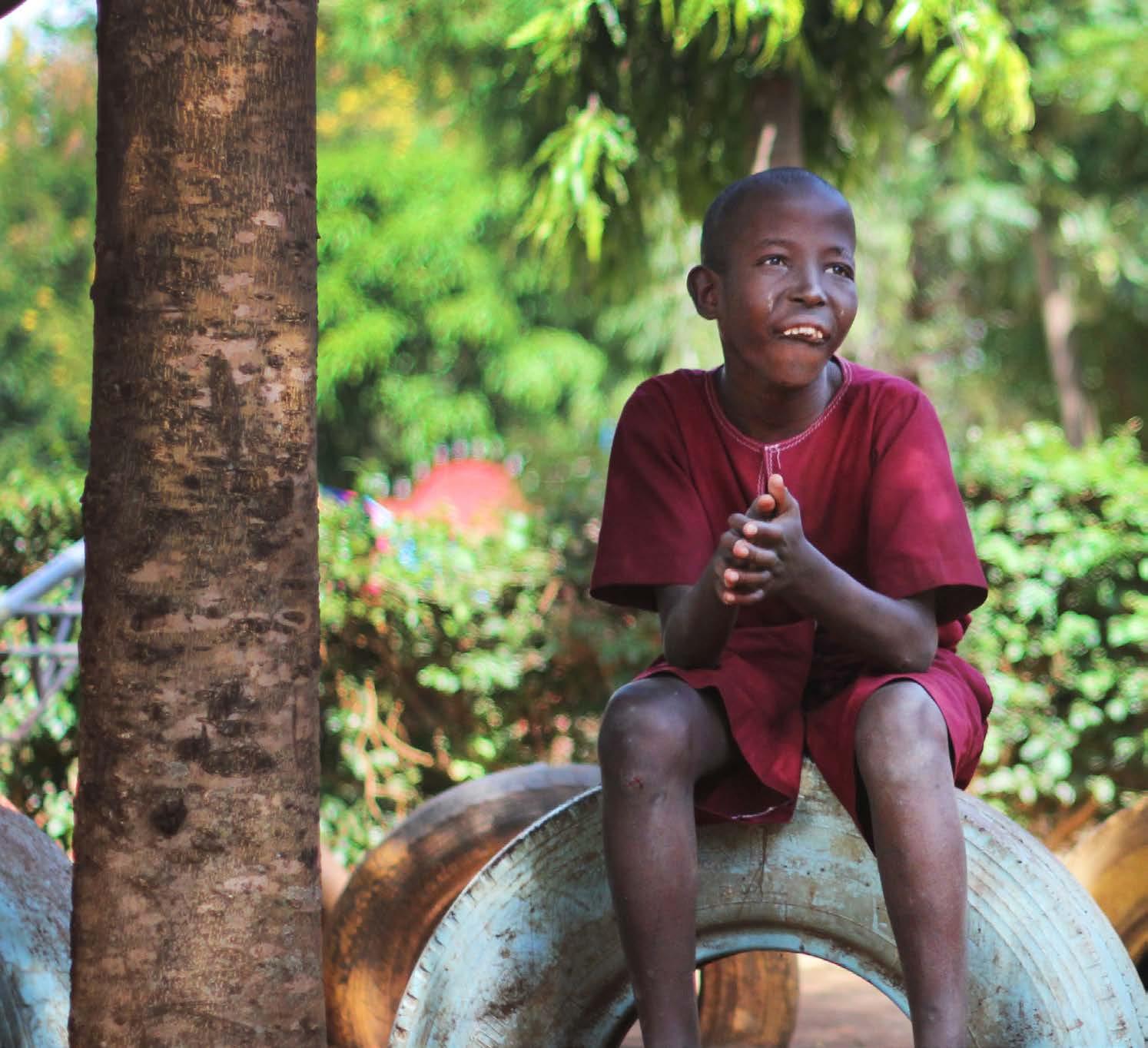
In 2025, Aiducatius funding was allocated entirely toward academic teacher salaries, helping strengthen staffing stability and long-term program continuity. The support contributed to:
• Improved teacher retention
• Expansion to seven structured educational classes
• Continued education for 188 children and youth
• Greater stability across educational and therapy programs, as teachers can count on stable employment
The focus of the funding was not rapid expansion, but sustainability and continuity of care.
When Daudi (not his real name) first arrived at Gabriella Children’s Rehabilitation Centre, he was 13 years old and struggling deeply.
After the death of his mother, Daudi and his younger sister, who also has a learning disability, were raised by their grandmother. Daudi had attended a mainstream school, but the environment was not adapted to his needs.
Living with ADHD and a learning disability, he struggled with concentration, connection, and emotional regulation. He frequently abandoned classes, became involved in fights, and was often punished rather than supported.
What others saw as aggression was often frustration, confusion, and repeated experiences of exclusion. His confidence was extremely low. He struggled to communicate clearly and could not complete many daily self-care tasks independently. Most painfully, his father initially believed that investing in Daudi’s education would not make a difference.
At Gabriella Centre, Daudi entered a structured and supportive environment designed for neurodiverse learners. Through individualized education, therapy, behavioral support, and patient guidance, he slowly began to improve.
The focus extended beyond academics; the team worked on communication, emotional regulation, coordination, independence, and confidence.
Daudi began showing significant improvements in mathematics, literacy, concentration, and commu-
nication. His reading skills progressed from recognizing only letters and syllables to reading simple words independently.
He became more engaged during lessons, participated appropriately in classroom activities, and improved his ability to focus for longer periods. His impulsivity decreased and his coordination improved through therapy and structured support.
Most importantly, his confidence grew.
As Daudi’s progress became visible, his family’s perspective also changed.
His father, who once doubted the value of investing in his education, became actively involved in his life and care. Before her passing, Daudi’s grandmother saw that he was finally in a safe and supportive environment where he was learning, growing, and being understood.
For Gabriella Centre, this represents not just a child changing, but a family changing its beliefs about what is possible.
Daudi’s story illustrates more than academic progress. It is about dignity, inclusion, and acceptance. A child once misunderstood and excluded is now supported and recognized for his potential. A family that once felt hopeless now sees a future.
When children with disabilities receive the right support, education, and encouragement, transformation extends far beyond the classroom. Families change, communities become more inclusive, and attitudes shift.
Gabriella Children’s Rehabilitation Centre operates as a fully registered and compliant organization in Tanzania. The center is officially registered as a Non-Governmental Organization (NGO) under the laws of the United Republic of Tanzania.
Gabriella Centre also participates in multiple regional and national disability and rehabilitation networks, including:
• African Disability Collaboration (ADC)
• National disability and rehabilitation networks in Tanzania
• Inclusive education forums
• Community-based rehabilitation (CBR) networks
• Partnerships with local government authorities in education, health, and social welfare
These partnerships strengthen collaboration, advocacy, research, and professional development across the disability sector.
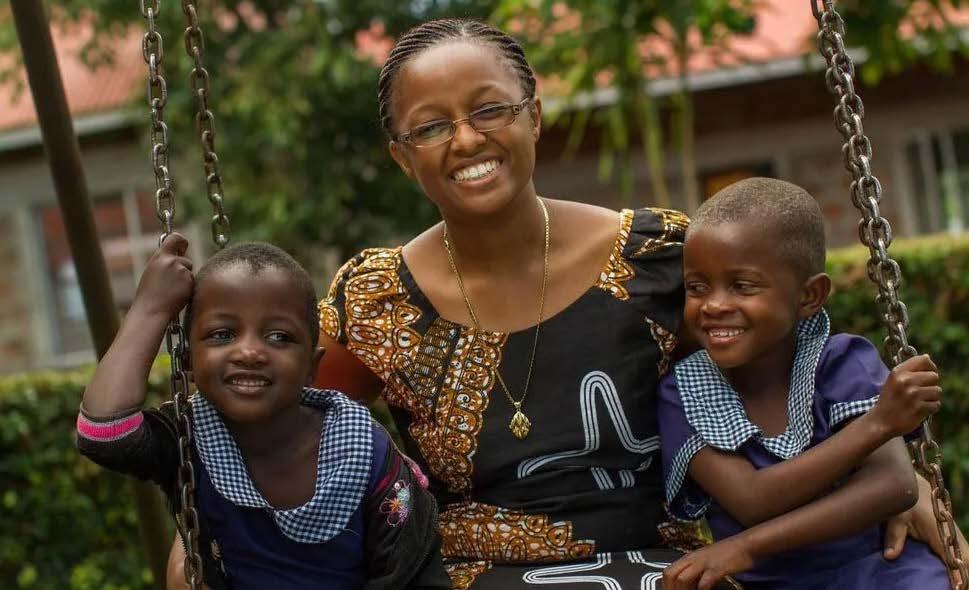
Frodiaus Fidel Mwenge serves as Special Needs Teacher, Head Teacher, and School Manager at Gabriella Children’s Rehabilitation Centre. In addition to leading the center, he directly teaches one of the autism classes and works closely with students and families.
In 2025, Teacher Mwenge led training sessions in 12 mainstream schools across the Kilimanjaro region, helping more educators beyond the campus better identify and support their students with disabilities and learning differences.
He also coordinated awareness initiatives including choir performances, sports activities, youth camps, sibling camps, and fathers’ engagement programs. Through this work, he has helped strengthen community awareness of how children with disabilities can be supported, improve referral systems, and expand inclusive education practices.
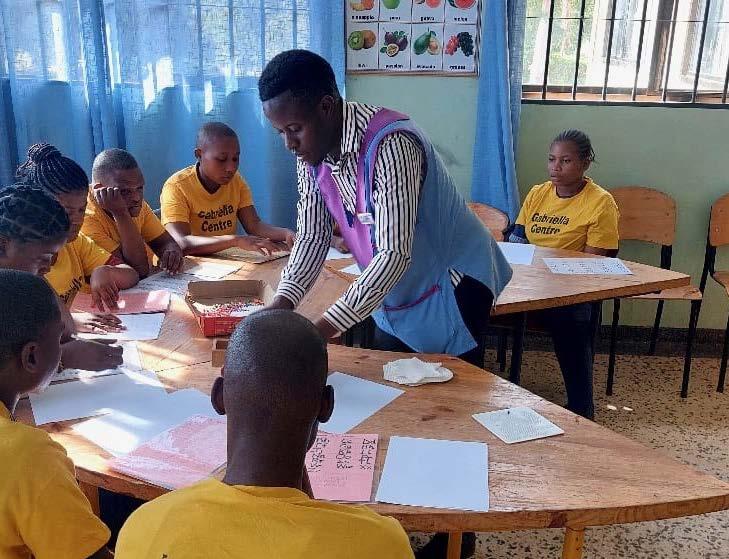
His leadership reflects Gabriella Centre’s wider mission: building systems that allow children with disabilities not only to learn, but to participate, grow, and be seen.
In 2025, Gabriella Centre reported:
188
children and youth enrolled
1 , 496
caregivers trained directly
2 , 899
professional assessments conducted
273 26
schools visited for awareness activities
caregivers reached through teletherapy
12
mainstream schools trained
churches engaged through outreach programs
11 47
children and youth integrated into mainstream schools or workplaces
individuals reached through awareness campaigns
3 , 505 775
participants at the African Disability Collaboration Summit
Gabriella Centre’s priorities for 2026 include:
• Expanding early identification systems in rural communities
• Strengthening vocational-to-employment pathways
• Increasing inclusion in mainstream schools
• Expanding assistive device development and access
• Improving long-term staff retention for teachers and therapists
• Strengthening monitoring and evaluation systems
• Expanding inclusive sports and play-based learning initiatives
The center’s work directly supports the principles of SDG 4 (Quality Education) and SDG 10 (Reduced Inequalities). Gabriella Centre’s work reflects broader global educational responsibility. Its programs promote:
• Inclusive education
• Equal access to learning
• Disability inclusion
• Teacher development
• Educational equity
• Sustainable community support systems
At Educatius and Aiducatius, we believe education should be accessible to all children, including those too often excluded from traditional systems. Supporting projects like Gabriella Centre reflects our long-term commitment to educational opportunity, inclusion, and human dignity.
By Educatius
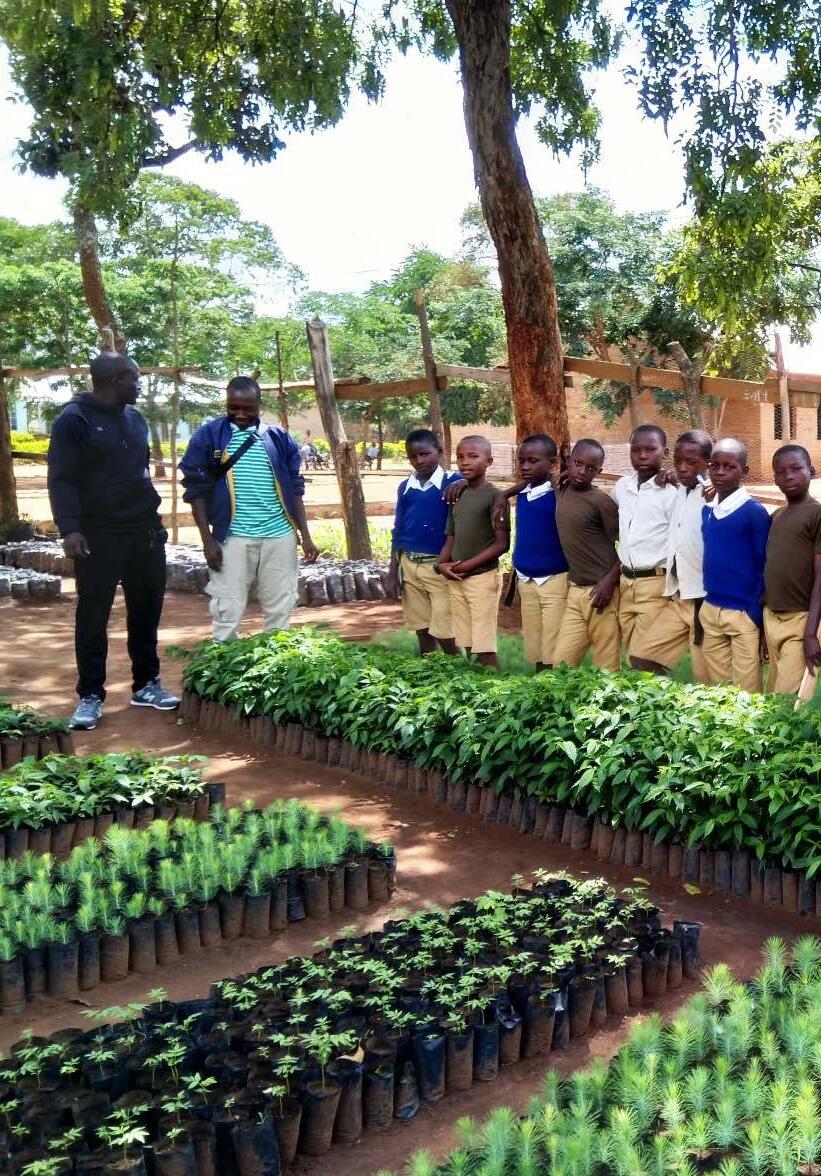
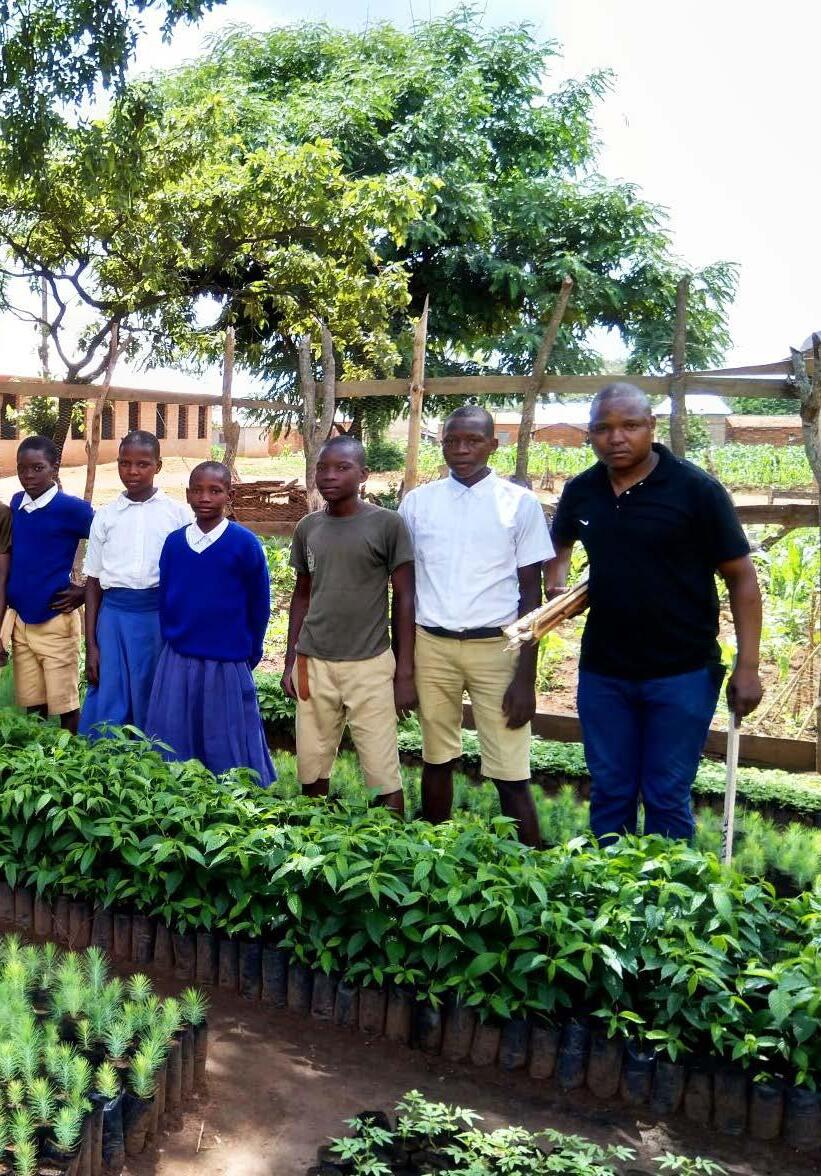
International student exchange programs require air travel, which has an environmental impact. Recognizing our responsibility, Aiducatius launched a long-term environmental initiative in Tanzania in 2009 focused on sustainable tree planting, forest conservation, and community engagement. Through partnerships with local organizations in Nyamahanga and the Kondoa District, the initiative supports environmental protection while also creating long-term economic opportunities for local communities.
Since 2020 alone, nearly 150,000 trees have been planted through the program. Based on conservative estimates, each mature tree sequesters approximately 22 kg of CO₂ annually.
Once these trees reach maturity, the project’s estimated annual carbon offset capacity will conservatively reach approximately 3,500–4,000 metric tons of CO₂. Assuming an average 10,000 km per student roundtrip flight in economy, this is roughly equivalent to offsetting about 3,900–4,700 round-trip international student flights per year on a CO₂-only basis.
But our work is about much more than planting trees.
Our collaboration combines environmental sustainability with practical community development. The project focuses on:
• Sustainable tree planting
• Protection of natural forests and water sources
• Environmental education
• Fuel-efficient cookstove construction
• Sustainable agriculture and coffee farming
• Community-based conservation initiatives
In 2023, FPCT Nyamahanga Mission was awarded a Certificate of Appreciation from the Tanzania Torch of Freedom – an honor comparable to presidential recognition.
trees planted since 2020 150 , 000
Supported since
Nyamahanga & the Kondoa District, Tanzania
In 2023, FPCT Nyamahanga Mission was awarded a Certificate of Appreciation from the Tanzania Torch of Freedom – an honor comparable to presidential recognition.
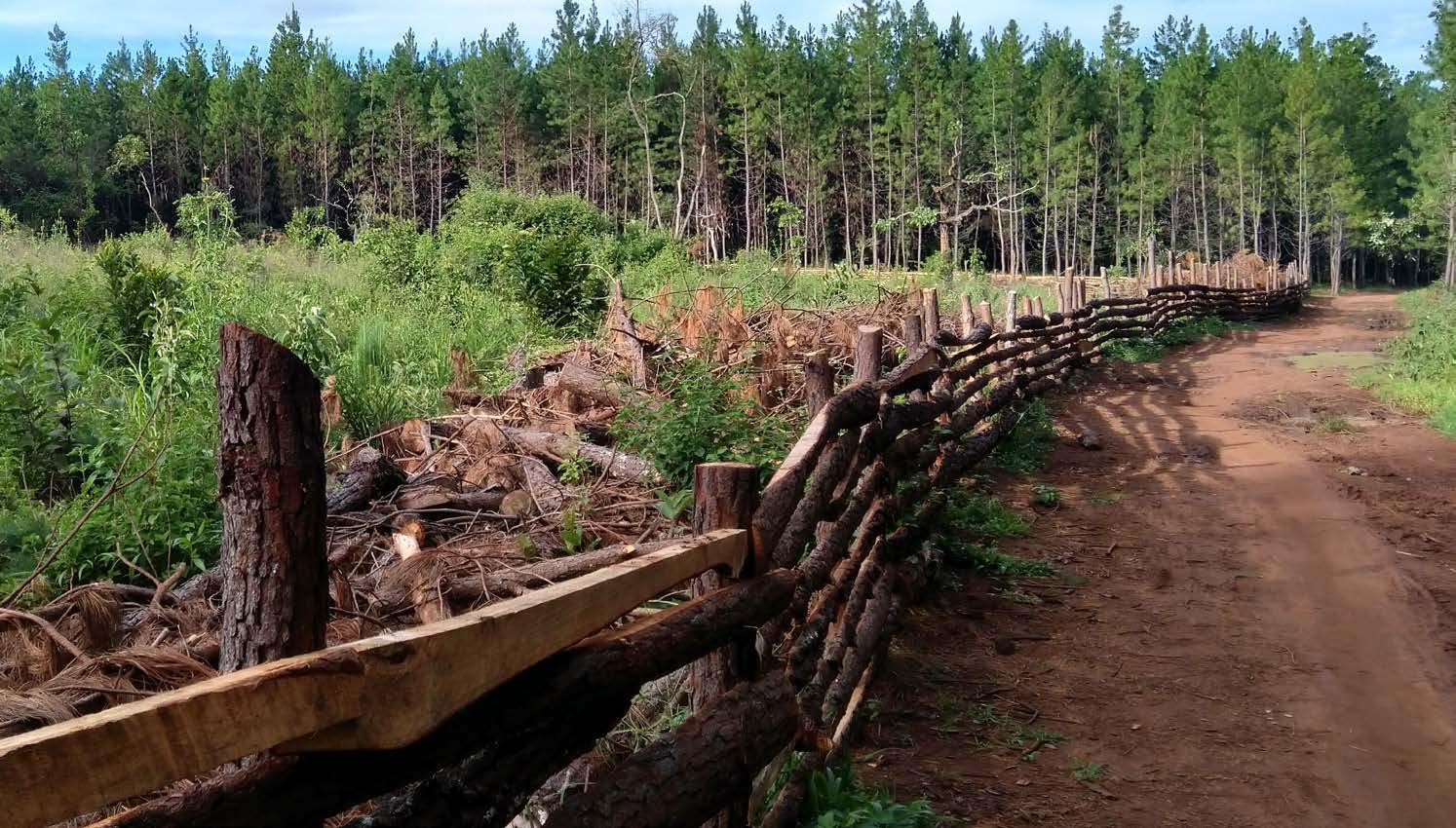
• Free distribution of tree seedlings to villages, schools, and community groups
• Technical training in tree cultivation and forest management
• Support for sustainable income-generating activities connected to reforestation
• Long-term investment in environmentally sustainable farming systems
• Environmental awareness programs in schools and villages
• Community education on sustainable forestry practices
• Training on responsible natural resource management
• Youth engagement initiatives focused on climate sustainability
• Installation of fuel-efficient cookstoves in schools and homes
• Practical training in stove construction and maintenance
• Reduced firewood consumption and lower household fuel costs
• Reduced pressure on surrounding forest areas
• Support for cultural and ecotourism initiatives connected to the Karundi area
• Creation of sustainable local economic opportunities
• Preservation of local traditions, environmental knowledge, and cultural heritage
Since 2009, our collaboration has created measurable environmental and social benefits across local communities.
• More than 150,000 trees distributed since 2020 to local community members for community and personal economic benefit
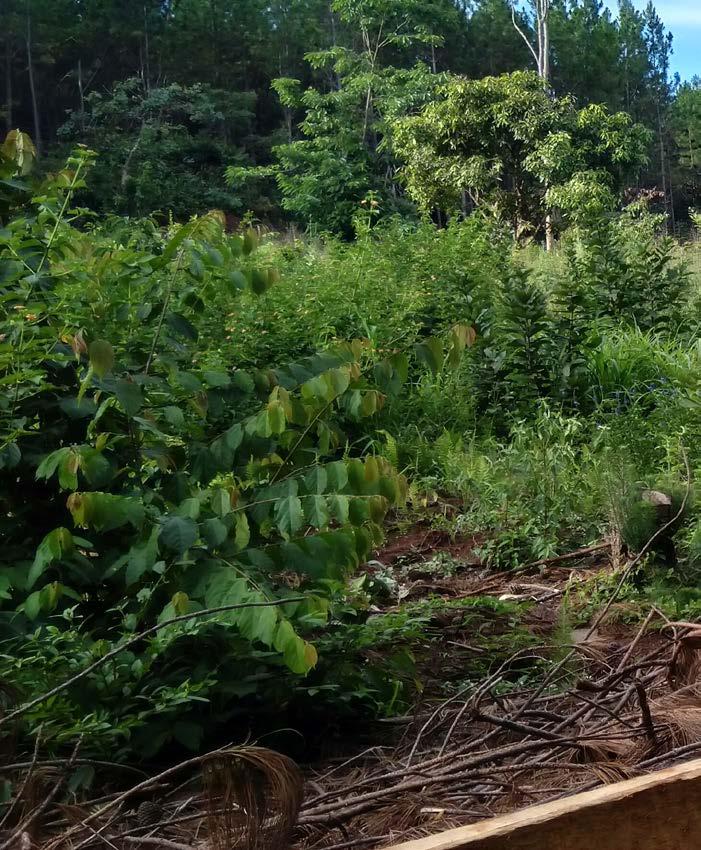
• Protection and regeneration of natural forest areas
• Reduced deforestation through fuel-efficient cookstoves
• Improved biodiversity in protected conservation areas
• Recovery of indigenous plant and tree species previously disappearing from the region
• New income opportunities connected to tree cultivation and coffee farming
• Lower household fuel costs
• Reduced time spent collecting firewood
• Healthier cooking environments with reduced smoke exposure
• Increased involvement of schools and families in environmental initiatives
• Practical environmental sustainability training
• Increased local capacity for long-term project management
• Greater environmental awareness among youth and communities
The project also continues to face challenges, including drought, unpredictable weather patterns, biodiversity loss, and long-term funding needs. These realities reinforce the importance of sustainable planning and community involvement.
In 2025, the project achieved several important milestones:
• Distribution and planting of 5,630 fruit trees across 29 schools
• Construction of fuel-efficient cookstoves at Ruziba Secondary School and Ntungamo Primary School
• Additional support for cookstove construction at Nyamahanga Church kitchen
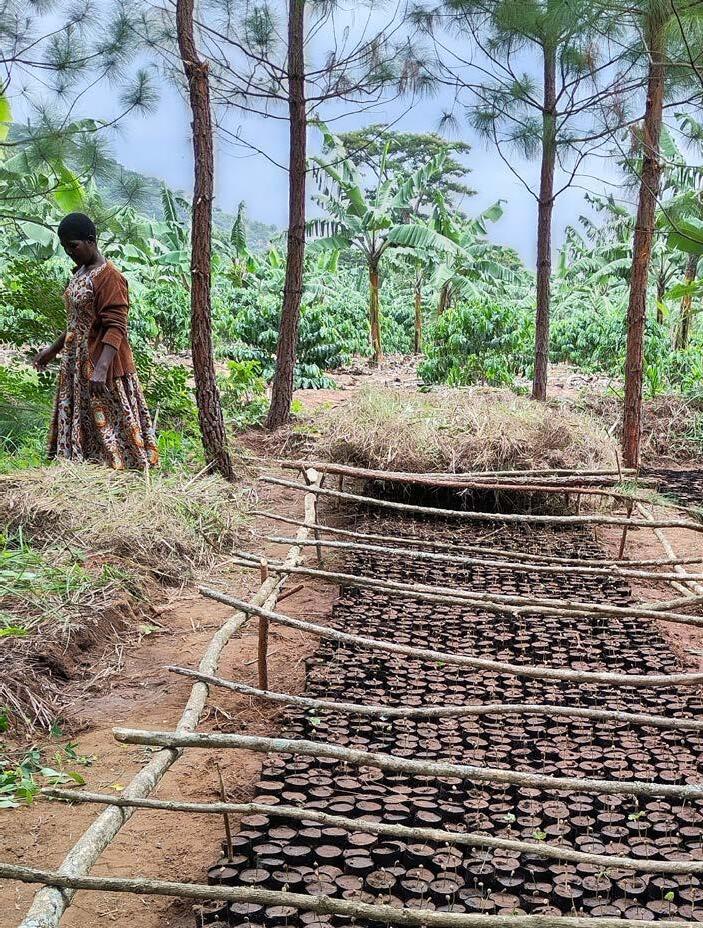
• Expansion of coffee seedling production to support long-term community self-sufficiency
• Increased environmental outreach beyond direct project communities
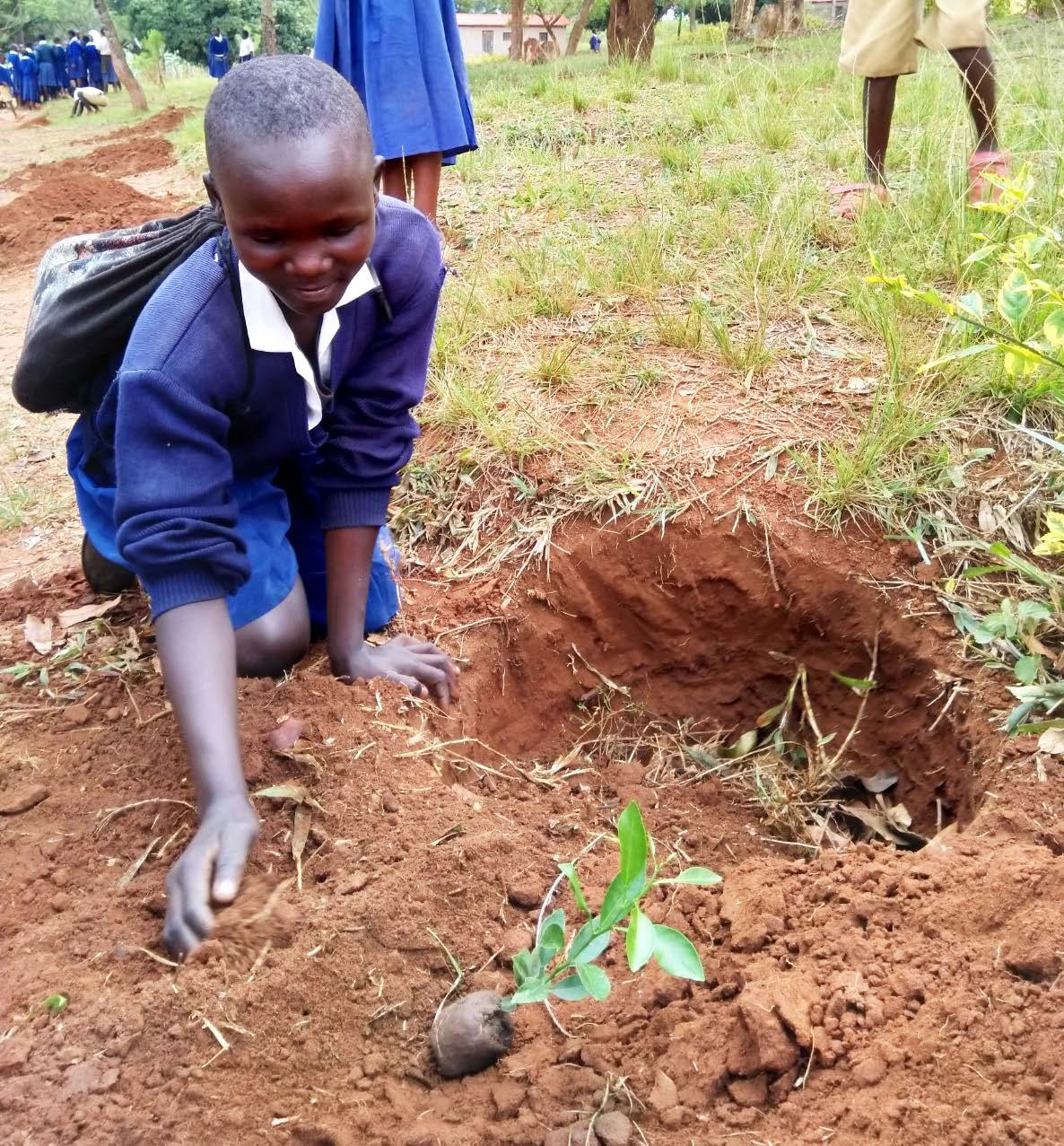
Distribution and planting of across
5 , 630 29 fruit trees schools
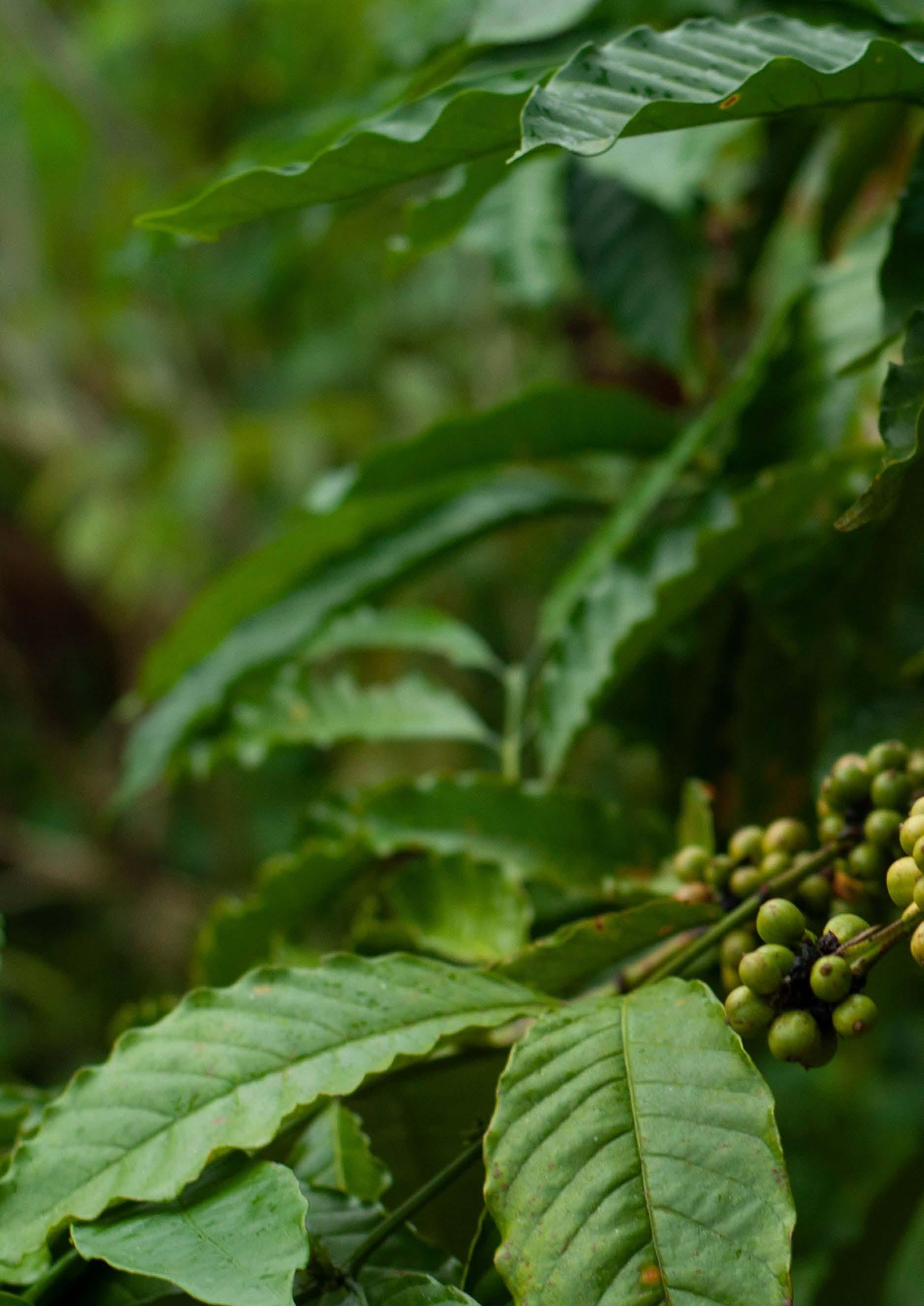
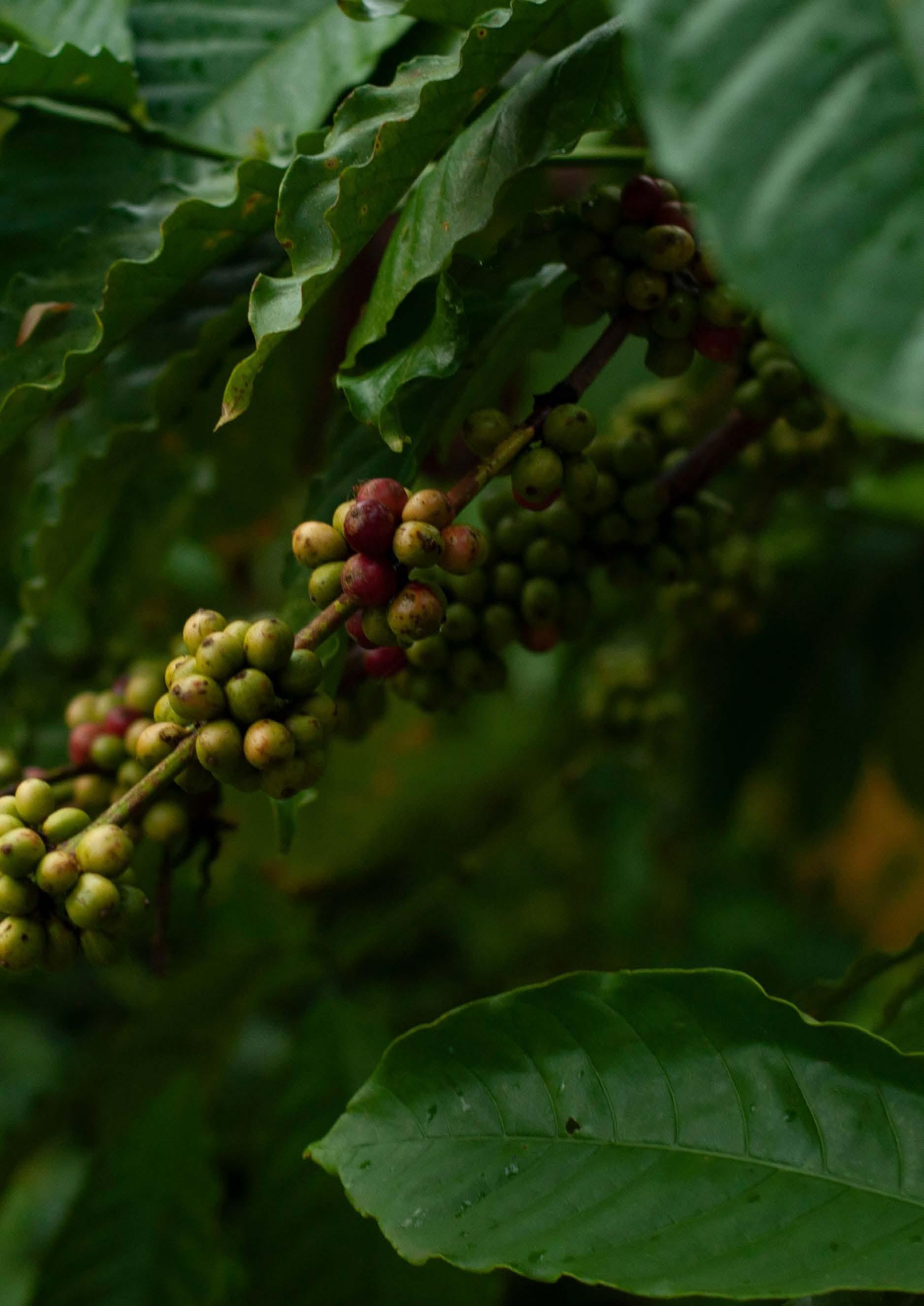
Farmers in the Kondoa District are increasingly encouraged to establish small coffee plantations due to favorable soil and climate conditions. Many families connected to Nyamahanga Mission have begun developing coffee plantations, including households supporting vulnerable children and children with disabilities.
When plantations are properly prepared using organic manure and seedlings are planted at the beginning of the rainy season, harvesting can begin within two to three years.
The initiative promotes sustainable and organic farming methods. Instead of relying on chemical pesticides, farmers are trained to create natural alternatives using locally available plants. This reduces costs while supporting healthier farming practices.
Farmers are also encouraged to continue cultivating food crops such as maize and beans to strengthen household food security and reduce dependence on a single source of income.
Small-scale coffee plantations developed through agroforestry methods can also create important environmental benefits for the region. When coffee is grown alongside native trees and other crops, coffee helps protect soil quality, reduce erosion, improve water retention, and support biodiversity.
Shade trees provide habitat for birds, insects, and pollinators while helping restore ecological balance in areas affected by deforestation and land degradation. Compared to large-scale monoculture farming, diversified coffee farming systems can contribute to healthier local ecosystems and strengthen long-term climate resilience.
The expansion of sustainable coffee farming also supports long-term carbon capture and community well-being. Trees planted within coffee farming systems absorb and store carbon dioxide while improving local air quality and reducing pressure on surrounding natural forests.
At the same time, coffee farming creates new income opportunities for families, helping support school fees, household needs, and long-term financial stability. The project’s focus on organic farming methods reduced chemical use also contributes to healthier working conditions for farmers and safer local food systems for surrounding communities.
The project continues to face several environmental challenges, including:
• Drought and unpredictable rainfall
• Deforestation
• Loss of biodiversity
• Pressure on natural ecosystems
• Long-term community engagement and participation
Over time, the project team learned that restoring and protecting existing natural forests can often be more effective than simply planting large numbers of trees.
As a result, greater emphasis is now placed on:
• Natural forest regeneration
• Protection of indigenous tree species
• Selective and strategic tree planting
• Long-term environmental education
People are more willing to change behaviors when they clearly understand both the environmental challenges and the practical benefits for their own lives and communities.
Building trust, involving local communities directly, and communicating openly about challenges has proven more effective than imposing outside solutions.
Long-term environmental sustainability depends not only on technical solutions, but also on relationships, patience, education, and shared responsibility.
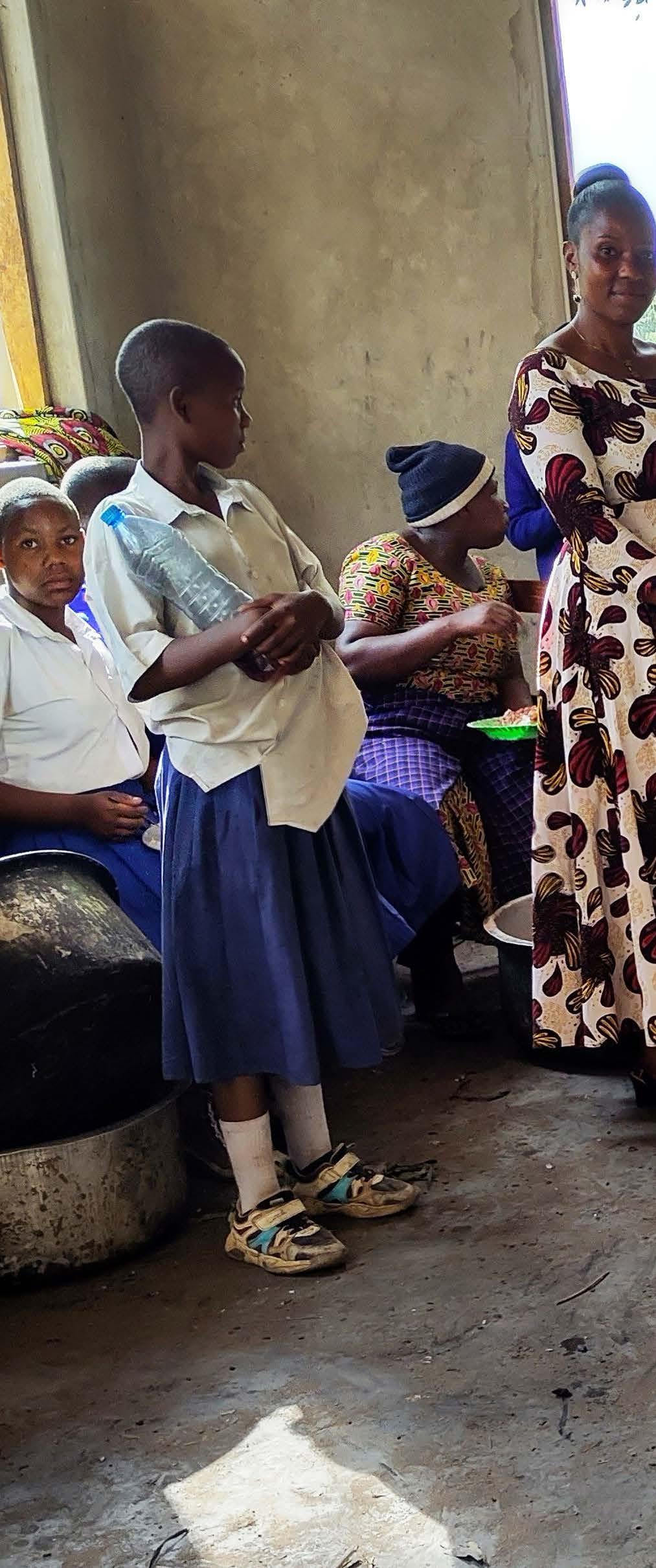
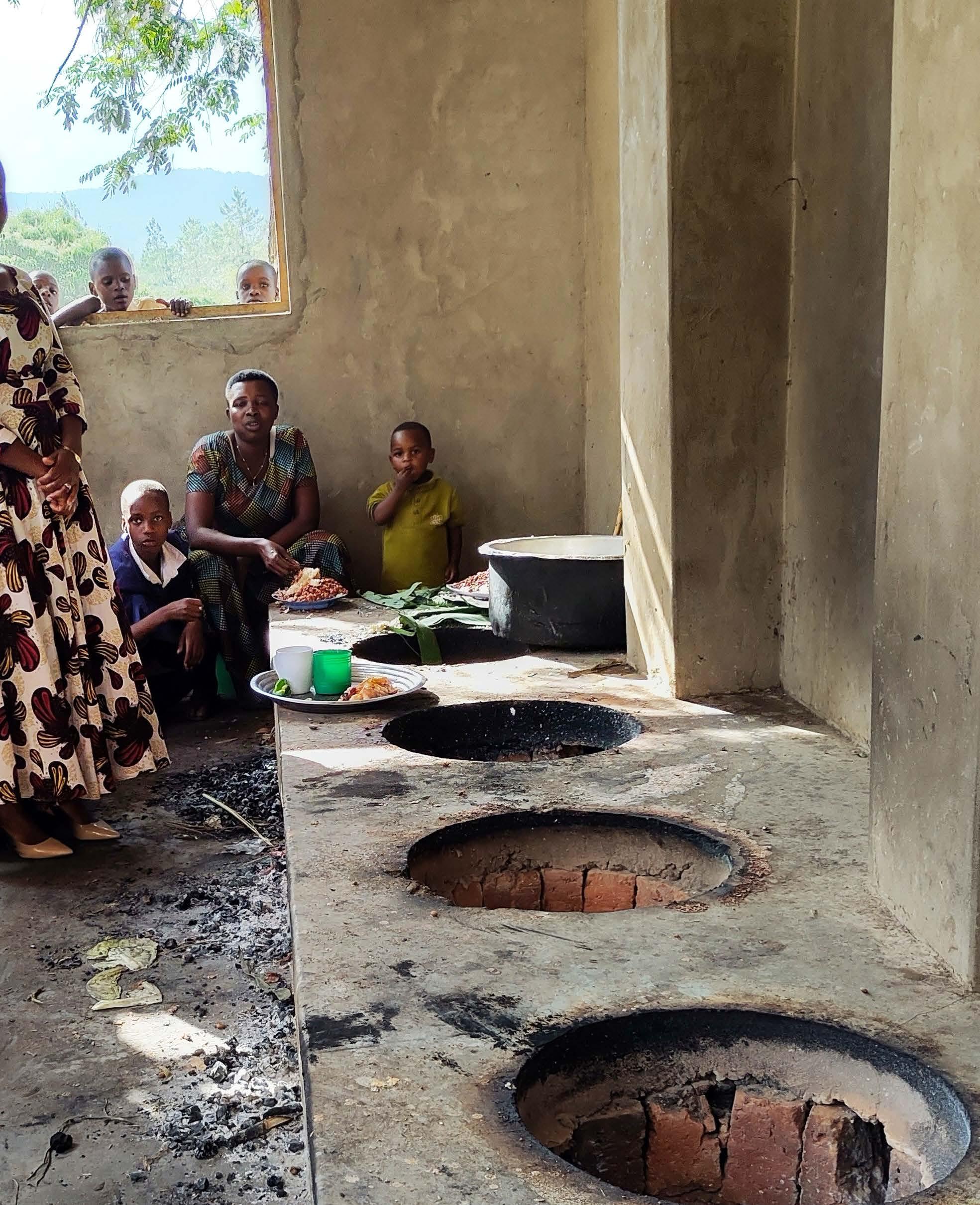
Ntungamo Primary School serves approximately 1,400 students, many from low-income families living in surrounding rural villages.
Before the project, the school did not have a proper kitchen facility. Meals were prepared outdoors over open fires beneath trees, exposed to rain, dust, wind, and falling debris.
The school community wanted to improve conditions but lacked the financial resources to construct proper facilities.
Through support connected to Aiducatius, the project helped build a kitchen and install fuel-efficient cookstoves at the school. The graduation celebration for Standard VII students became one of the first major events where meals were prepared using the new facilities.
The project also inspired nearby schools to explore similar solutions for their own communities.
At Ruziba Secondary School, approximately 700 students benefit from our fuel-efficient cookstove project. Ntungamo Primary School serves approximately 1,400 students.
Before the project, students were required to carry firewood to school so meals could be prepared. Cooking often took place outdoors over open fires. The new cookstoves use approximately one-third of the fuel required by traditional methods. This reduces pressure on local forests while improving cooking conditions for school staff through reduced smoke and heat exposure during food preparation.
Fruit trees were planted at several schools as part of the environmental education initiative. Most participating schools serve between 700 and 1,000 students.
Many of the fuel-efficient cookstoves supported through the project were built by Faustine Banobi, a local builder who also trains apprentices in construction skills.
His work reflects an important part of the project’s philosophy: long-term development depends not only on infrastructure, but also on trust, accountability, and skills transfer within communities.
In addition to construction work, apprentices receive mentoring in responsibility, communication, and practical problem-solving. Supporting local leadership and craftsmanship helps strengthen the long-term sustainability of community initiatives.
Since conservation efforts began around the ecotourism and protected forest areas, local communities have observed the return of several indigenous plant and tree species that had previously become increasingly rare.
Older community members describe seeing traditional medicinal plants, fruits, roots, and leaves return to areas where they had not been visible for many years.
Protected forest areas have also contributed to local wildlife recovery, including increased sightings of the threatened red colobus monkey species found in the region.
• Expanding fruit tree distribution to additional schools
• Conducting long-term evaluations of tree planting programs dating back to 2010
• Recognizing communities and individuals who successfully maintained long-term plantations
• Exploring carbon trading partnerships connected to conservation efforts
• Further developing the Karundi Cultural and Ecotourism Farm as a tourism, research, and educational site for university students
Through this initiative, Educatius continues working to combine environmental sustainability, climate responsibility, and long-term community development.




By Educatius
Adolescence is a formative stage in which resilience can shape how young people experience and respond to challenges. Resilience is the ability to adapt positively when facing difficulties, setbacks, or unfamiliar situations.
For international exchange students, resilience plays a critical role in helping them navigate and benefit from their experience abroad. Exchange students
often face challenges such as homesickness, culture shock, language barriers, and unfamiliar academic environments, while being physically distant from their primary support systems.
Educatius recognizes its responsibility to support students throughout this highly impactful period of personal growth, where both positive experiences and challenges can have a lasting effect.

Global

The Global Youth Resilience Initiative reflects Educatius’ commitment to supporting the well-being of international exchange students throughout their journey. Students receive support from pre-departure preparation through program completion and beyond.
The initiative brings together experienced Educatius staff, partners, and teen mental health professionals to provide practical tools, guidance, and support systems designed specifically for young people participating in international exchange programs.
• Training programs for students, host families, coordinators, and staff
• Developed with mental health specialists and translated into multiple languages
• Ongoing improvements to well-being practices and support structures
• Partnerships with health professionals and intervention protocols for students in need
• The Global Youth Resilience Index collected responses from more than 4,000 young people across nine countries.
• Activities are shared with the Educatius community encourage behavior to support well-being
Educatius takes its responsibility seriously in ensuring the best possible experience for international students. Understanding the challenges exchange students face is essential in providing meaningful and effective support throughout their exchange journey.
To better understand student experiences, Educatius conducted a resilience survey involving alumni from its exchange programs. Building upon our research of more than 4,000 youth in the general populations of nine countries, this survey focused on four key pillars of the exchange experience:
• Resilience and personal growth
• Challenges experienced
• Support systems
• Coping strategies


The first questions examined students’ levels of resilience and personal development throughout their exchange experience. The goal was to better understand the long-term emotional and personal impact of participating in an international exchange program.
The great majority of students reported feeling more open-minded, self-sufficient, and confident after completing their program. The findings suggest that living abroad encourages significant personal growth by pushing students outside their comfort zones and requiring them to adapt to unfamiliar environments, cultures, and daily challenges.


The data revealed a consistent pattern across student responses. Students strongly associated the exchange experience with:

Adaptability Personal
Open-mindedness
At the same time, the survey identified areas where students continued to struggle, particularly emotional regulation, stress management, and asking for help when needed.
One significant finding was the mixed response related to help-seeking behavior. While students
showed clear growth in adaptability, many still found it difficult to ask for support during challenging moments. This highlights the importance of continued emotional support systems and proactive well-being initiatives for teenagers participating in international exchange programs.
The second section of the survey focused on the challenges students experienced throughout their exchange journey. Understanding these difficulties is essential in evaluating the emotional realities of living abroad at a young age and identifying where additional support may be needed.
While international exchange programs are often associated with academic opportunities and cultural exploration, the survey findings showed that the most significant challenges students faced were emotional and social rather than academic.
The data revealed a strong connection between the challenges students experienced and the personal
growth outcomes identified in the resilience findings. Many of the qualities students reported gaining were developed directly through overcoming difficult situations.
The findings suggest that resilience and personal growth often emerge through engaging with challenges rather than avoiding them. Because the most difficult aspects of the journey are often emotional and relational, the results reinforce the importance of structured support systems throughout the exchange experience.

Feeling homesick
The third section of the survey focused on the support systems students relied on throughout their exchange experience.
The findings showed that personal relationships played a central role in helping students adapt to new environments and manage emotional challenges.
One notable insight was the role of friendships formed during the exchange experience. While “making new friends” was identified as one of the most common initial challenges, these same relationships later became one of the strongest sources of resilience and emotional support.
This reflects a core aspect of the exchange journey: many situations that feel difficult at first eventually
become the foundation for personal growth, confidence, and emotional stability.
The survey also highlighted the important role of Local Coordinators. Although they were not always the most frequently cited day-to-day support system, responses to open-ended questions showed that Local Coordinators often had a particularly strong impact during complex or emotionally difficult situations.
The survey findings suggest that students most often navigate challenges during their exchange experience through supportive relationships, meaningful social bonds, and access to trusted adults. Resilience is closely tied to connection.
Parents or family at home
New friends made on exchange
Host family
Friends from home
Teachers or school staff
Local Coordinator
Support staff from the organization
agent

The final section of the survey explored the coping strategies and resilience tools students used to manage the emotional, social, and cultural challenges of the exchange experience.
A large majority of students – 82% – reported that resilience developed through gradually exposing themselves to unfamiliar or uncomfortable situations. This emerged as one of the clearest patterns across the survey findings and suggests that resilience and personal growth are often built by approaching uncertainty, not avoiding it.
The second most selected coping strategy further reinforced another major finding: the importance of relational support. Nearly 79% of students identified talking with someone they trust as one of their primary ways of coping with stress and emotional challenges.
The findings also showed that participation in activities and social groups had a strong positive impact on adaptability and emotional well-being. Joining sports teams, clubs, and organized activities helped students build social connections, develop a sense of belonging, create structure and routine, and increase confidence in unfamiliar environments.
For many teenagers living far from their primary support systems, routine and participation provided a greater sense of stability and personal control during periods of transition and uncertainty.
The survey findings, including responses to openended questions, suggest that resilience develops primarily through action, relationships, and active participation rather than purely theoretical approaches. Resilience is not a fixed trait; it is a process developed through experience, human connection, and the willingness to engage with unfamiliar situations over time.
Most effective coping strategies.

Pushing myself to try new things even when nervous
Talking with someone I trust
Joining a sports team or club
Creating a daily routine
Setting small goals and focusing on progress
Spending time in nature
82 % 63 % 39 % 54 % 26 % 79 % 58 % 37 % 46 % 11 %
Reducing time on social media
Journaling or writing about my thoughts
Doing something creative (art, music, crafts, etc.)
Practicing mindfulness or meditation
On behalf of the Educatius Group, YouGov conducted The Global Youth Resilience Index, surveying 4,079 teenagers between the ages of 16 and 20 across nine countries. Participants were asked a series of resilience-related questions designed to evaluate emotional well-being, adaptability, coping behaviors, and support systems.
Educatius then surveyed their own alumni to examine how alumni compared with adolescents in the broader youth population.
This comparison is based on conceptually equivalent resilience questions from the YouGov Global Youth Resilience Index and the Educatius student survey. While the wording was not always identical, the themes and emotional indicators measured were closely aligned.
Educatius recognizes that participation in an international exchange program is not the sole factor influencing resilience development. Resilience is shaped by a wide range of external and individual factors, including family environment, previous life experiences, socioeconomic conditions, personality traits, and existing support systems.
While the findings suggest a strong relationship between the exchange experience and higher resilience indicators, the results should be understood within the broader context of adolescent development and the many variables that contribute to emotional well-being and personal growth.
Educatius exchange alumni
Educatius exchange alumni general youth population general youth population 97% 95% 59%
Ability to adapt to unfamiliar situations
Confidence handling setbacks and challenges
Emotional resilience
Educatius exchange alumni
Comfort with uncertainty and discomfort
Educatius exchange alumni
Looking for growth in difficult situations
Educatius exchange alumni
Ability to talk to someone trusted
Educatius exchange alumni

Across every resilience-related category, students who completed an international exchange experience appeared significantly more resilient than adolescents in the general youth population.
The data suggests that exchange students did not simply become more internationally minded or culturally aware. They also appeared emotionally stronger, more adaptable, and more confident when facing difficult situations.
A clear narrative pattern emerged throughout the comparison. Many adolescents in the general youth population described emotional uncertainty, difficulty regulating emotions, discomfort with adversity,
hesitation asking for help, and feeling overwhelmed by stressful situations.
In contrast, exchange students repeatedly described adaptation through challenge, increased confidence, emotional resilience, greater self-awareness, and personal growth developed through real-life experiences.
The findings suggest that the exchange experience may function as an unusually intense developmental environment during adolescence. Living abroad places students in situations that require continuous emotional adjustment, problem-solving, social adaptation, and independence.

One of the most striking findings in the comparison related to students’ comfort with uncertainty and unfamiliar situations.
Modern adolescents are often described as anxiety-prone, avoidant of uncertainty, and emotionally overwhelmed by stress and unpredictability. Exchange students, however, overwhelmingly reported becoming more comfortable facing uncertainty, managing unfamiliar environments, taking social risks, handling emotional discomfort, and navigating difficult or unpredictable situations.
Rather than resilience being taught only as a concept, students appeared to build resilience through direct lived experience.

One of the most emotionally significant findings related to vulnerability and helpseeking behavior. Adolescents in general often struggle with emotional openness, vulnerability, asking for help during difficult moments, and communicating emotional distress.
Exchange students reported a significantly greater willingness to seek support when needed, rely on trusted relationships, communicate emotional challenges, and engage with support systems.
One especially notable gap emerged in responses to the statement: “I learned how to manage difficult emotions more effectively.”
Among Educatius exchange students, 89% agreed with this statement – a result approximately 9 percentage points higher than that of the general youth population. This finding is particularly significant because the ability to manage difficult emotions effectively influences how young people respond to stress, relationships, uncertainty, and future life challenges.
Despite differences in survey structure and wording between the Educatius student survey and the YouGov Global Youth Resilience Index, the overall pattern remained highly consistent: exchange students demonstrated substantially stronger resilience indicators across every emotional dimension measured.
In 2009, Tom Ericsson, founder of Educatius, and his wife Anna learned about the business model behind TOMS Shoes: for every pair sold, another pair was donated to families in need. Inspired by the idea of combining business with social impact, they launched Aiducatius.
The original concept was simple: sponsor one child in Africa, Latin America, or Asia for every student program sold through Educatius. Over time, the initiative evolved into a broader collection of educational, environmental, and community-based projects.
Since 2009, Aiducatius has helped thousands of young people access education and opportunity. Even during the COVID-19 pandemic, when international travel restrictions created enormous financial challenges for the student exchange industry, Tom and Anna continued personally supporting Aiducatius projects so programs could continue uninterrupted. At the same time, families around the world have chosen Educatius programs knowing their participation contributes to meaningful social impact.
“After securing basic needs like food, safety, and medical care, we believe education is the most powerful tool young people have to build better futures.”
“We are deeply proud of the thousands of students supported by Aiducatius since 2009 and grateful to see this work continue even after our retirement. Thank you to everyone helping carry this mission forward.”
Education lifts a life. That simple idea launched Aiducatius, and it still drives everything we do.

To learn more about Educatius & Aiducatius follow us on social media