
UseAI Tools Safely Without Committing Plagiarism

educationsparkk.blogspot.com/2026/07/UsesofAItools.html
Plagiarism
Introduction

Friday, 10 July 2026
Artificial Intelligence (AI) tools have transformed the way students, professionals, researchers, and content creaters work. From generating ideas, and improving writing to analyzing data and automating repetitive tasks.AI has become a powerful productivity partner. However, with these benefits comes an important responsibility: usingAI ethically and avoiding plagiarism.
Plagiarism occurs when someone presents another person's ideas, words, or work as their own without proper acknowledgement. WhileAI- generated content may appear original, using it without reviewing, editing, or adding personal input can lead to academic, professional, and ethical issues. Learning how to useAI responsibly helps individuals benefit from technology while maintaining originality and credebility.
Understand the Role of AI as an Assistant
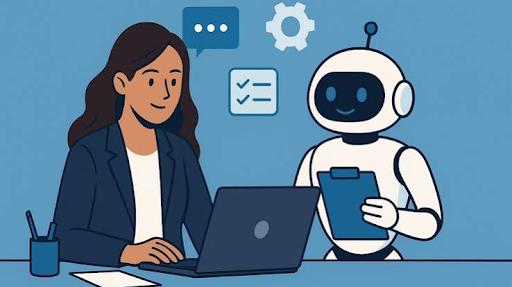
The safest way to useAI tools is to treat them as assistants rather than replacements for your own thinking.AI can help with brainstorming ideas, creating outlines, explaining complex topics, improving grammar, or suggesting improvements. However, the final work should reflect your own understanding, analysis and creativity.
For example, instead of askingAI tool to write an entire research report and submitting it directly, use it to generate possible topics, organise your thoughts, or identify areas that need more research.Your personal knowledge and judgement should remain the foundation of the final content.
Always Review and Edit AI-Generated

AI-generated text may contain incorrect information, outdated facts, or language that does not match your personal style. CopyAI responses without reviewing them increases the risk of sharing inaccurate or unoriginal material. After usingAI tool, carefully check the content. Verify facts from reliable sources, rewrite sections in your own words, and add your own examples, opinions, or experiences. Editing transformsAI-generated suggestions into meaningful work that represents your individual contribution.
Use AI for Ideas, Not Copying
One of the best ways to avoid plagiarism is to useAI for inspiration rather than duplication. AI can help you explore different perspectives, create content structures, or suggest creative approaches. However, directly copyingAI-generated paragraphs into assignments, articles, or reports without modification can weaken originality
Agood practice is to askAI questions such as:
"Can you suggest ideas for this topic"
"Help me create an outline"
"Explain this concept in simple language"
"What points should I consider?"
These approaches encourage learning and creativity instead of dependence.
Give Proper Acknowledgement When Required
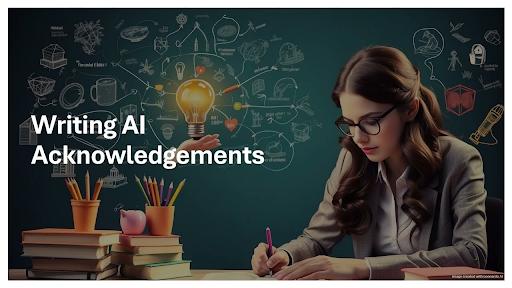
Different organisations, schools, and workplaces have different rules regardingAI usage. Some institutions require users to disclose whenAI tools have beenused in creating content.
IfAI has contributed significantly to your work, follow the required guidelines for acknowledgement. Being transparent aloudAI assistance demonstrates honestly and professionalism.
Avoid Sharing Sensitive Information
ResponsibleAI use also involves protecting privacy Avoid entering confidential business documents, personal information, passwords, financial details, or unpublished research intoAI tools unless you certain the platform provides appropriate security measures.
AI tools process information to generate responses, so users should carefully consider what data they provide, Protecting sensitive information is an essential part of ethical technology use.
Check for Accuracy and Originality
AlthoughAI tools can generate impressive content, they do not always produce completely reliable answers. Users should fact-check important information and compare it with trusted sources.
For written work, plagiarism detection tools can help identify similarities with existing content.However,originality is not only about passing a plagiarism check. True originality comes from adding personal insights, critical thinking, and unique perspectives.
Develop Your Own Skills Alongside AI

Overdependence onAI can limit creativity and problem-solving abilities. Instead of allowing AI to do all the work, use it as a learning tool.AskAI to explain concepts, provide feedback, or suggest improvements while continuing to develop your own skills.
For students, this means usingAI to understand subjects better rather than avoiding the learning process. For professionals, it means combiningAI effficiency with human experience and decision-making.
Follow Ethical AI Practicesin Professional Work

In workplaces,AI should support productivity while maintaining professional standards. Employees should understand company policies regarding.AI usage and avoid presenting AI-generated work as entirely their own when disclosure is required.
Business can benefit fromAI for tasks such as drafting documents, analyzing information, and improving workflows, but human review and responsible remain essential.
Conclusion
AI tools offer incredible opportunities for improving creativity, productivity, and learning. However, usingAI responsibly require awareness, honesty, and ethical decision-making. Avoiding plagiarism is about avoidingAI; it is about usingAI correctly.
For more 1.The Best FreeAITools
BeatThe Clock
7.Artificial Intelligence in 2026: The Ultimate Catalyst for Smart Education