
Tempe Elementary Schools




Each day, Tempe Elementary Schools Nutrition Services team serves approximately 2,800 breakfasts, 7,000 lunches, and 540 snacks to students across the district. Each meal is made with care and emulates our dedication to providing quality, nutritious meals to ensure students are equipped with the brain power to do their best in the classroom.
Tempe Elementary Schools Student Wellness Policy

This institution is an equal opportunity provider.

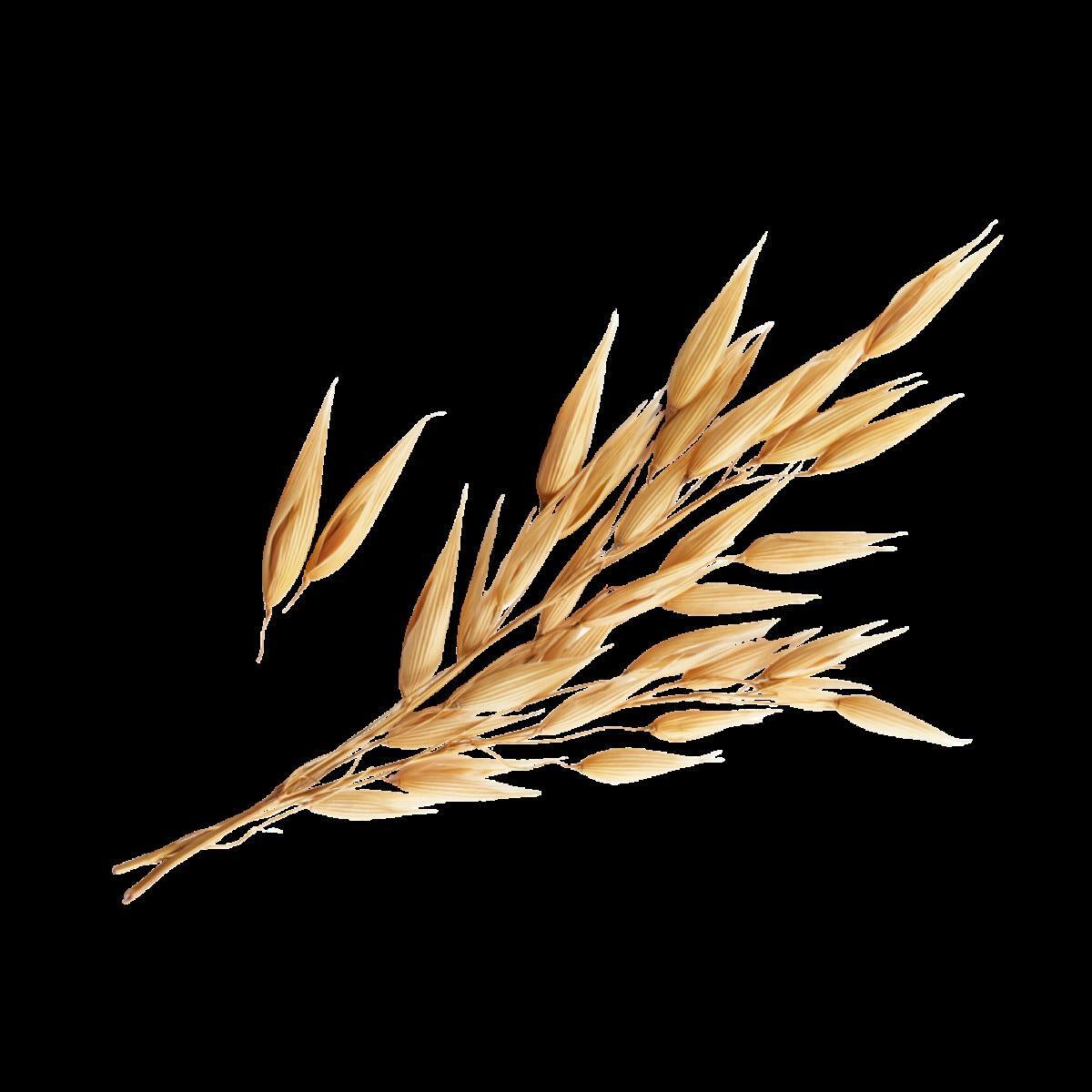





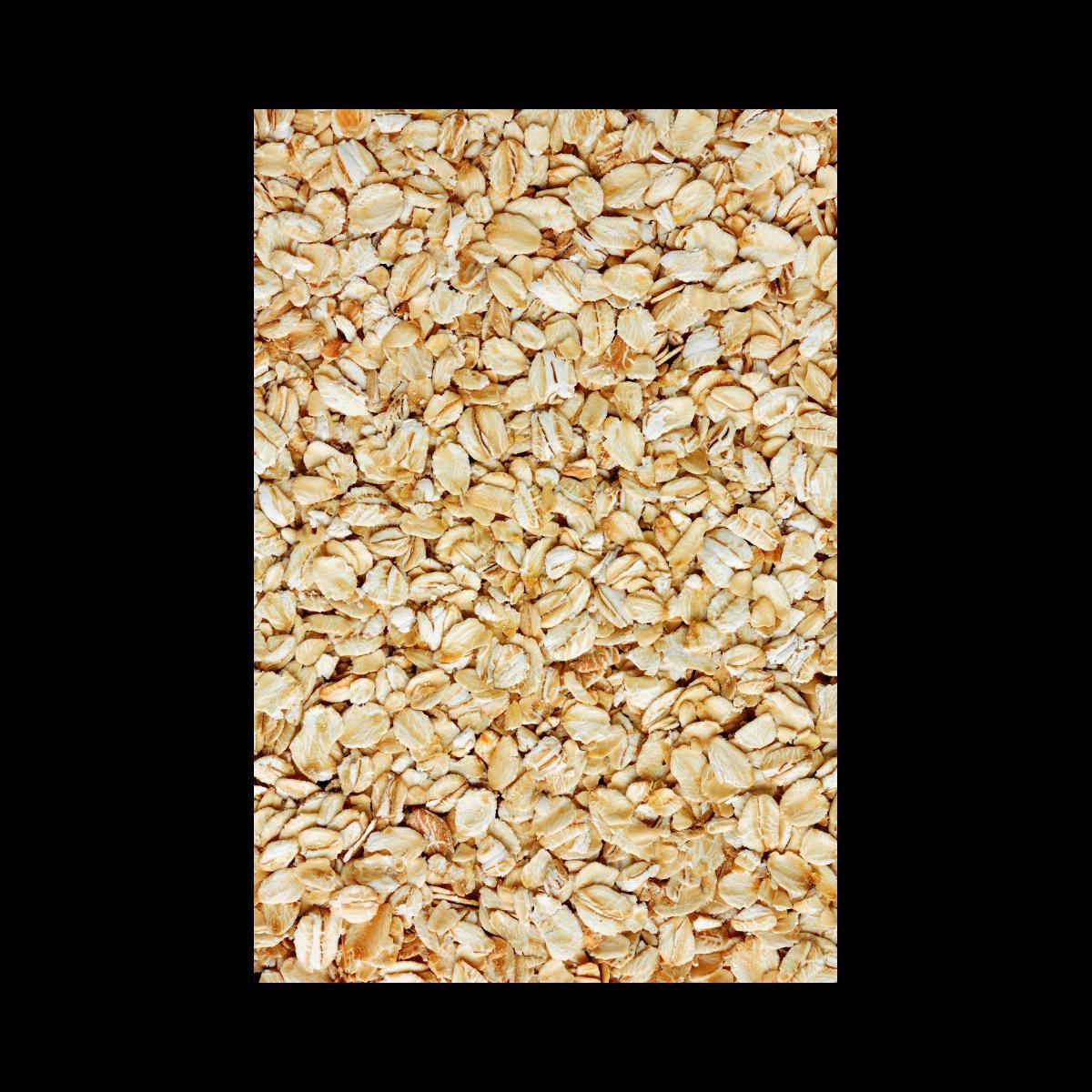
Oats are a type of cereal grain.


Oats are commonly rolled and made into oatmeal.
Oats are grown mainly in the & northern regions of the United States.
There are 2 different kinds of oats: husked & naked.
Farmers use a “combine harvester” to harvest the oats.

Oats are also used to make 95% of the oats grown in the U.S. are used for livestock feed.

January is National Oatmeal Month!

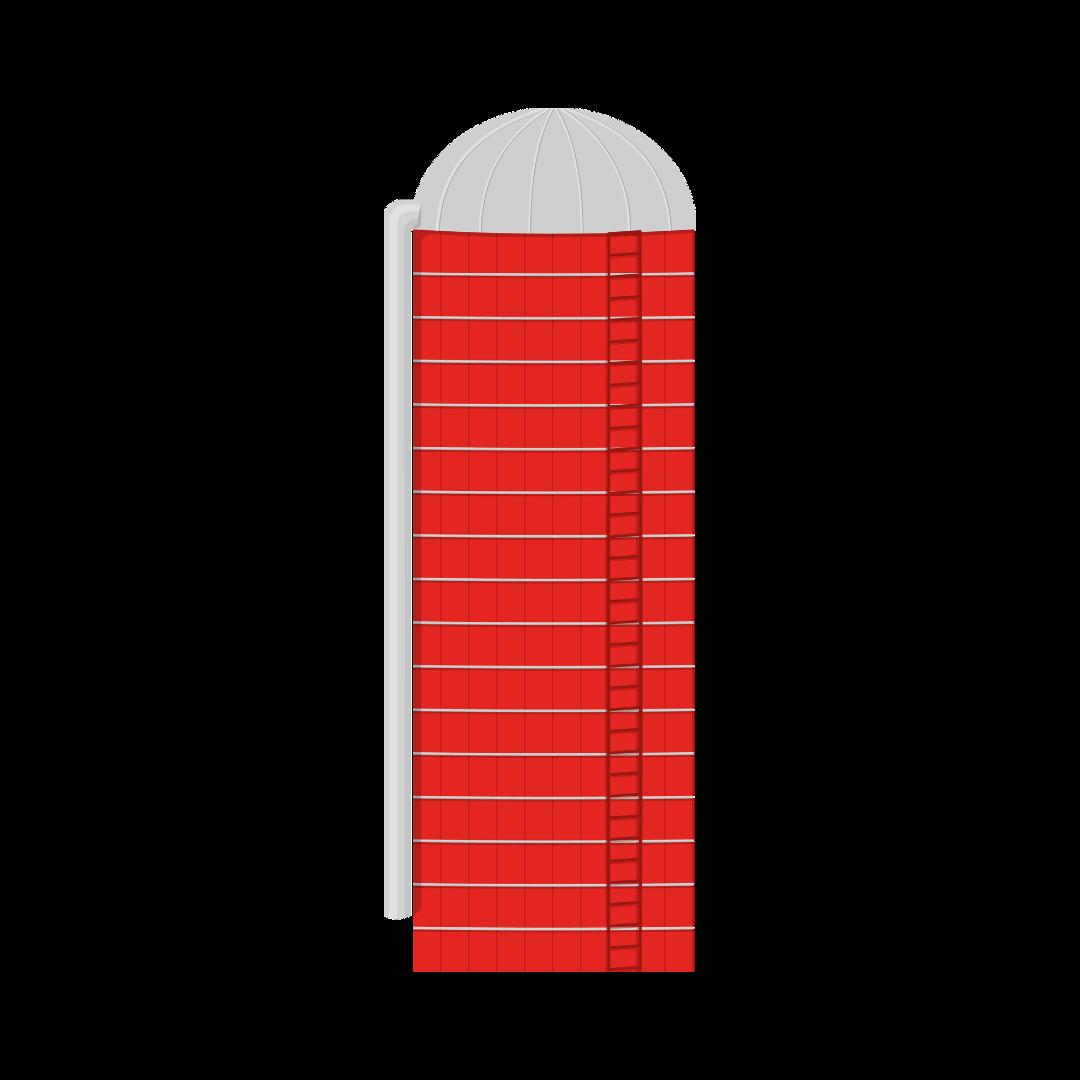
Oats are stored in silos.



Fiber supports movement through the digestive system.
Fiber is a type of carbohydrate that the body doesn’t digest; it simply passes through.
Soluble fiber dissolves in water…it helps regulate blood sugar levels and removes cholesterol from


Insoluble fiber is sometimes referred to as “roughage. ”
2 types of fiber:

1. Soluble fiber
Insoluble fiber

Fiber is ONLY found in plant foods.
Dairy & meat products do not have any fiber.
Fiber helps to regulate the body’s use of sugar.
Insoluble fiber does not dissolve in water…it helps food move throughout the digestive system.



BOTH forms of fiber are important & beneficial to overall health.
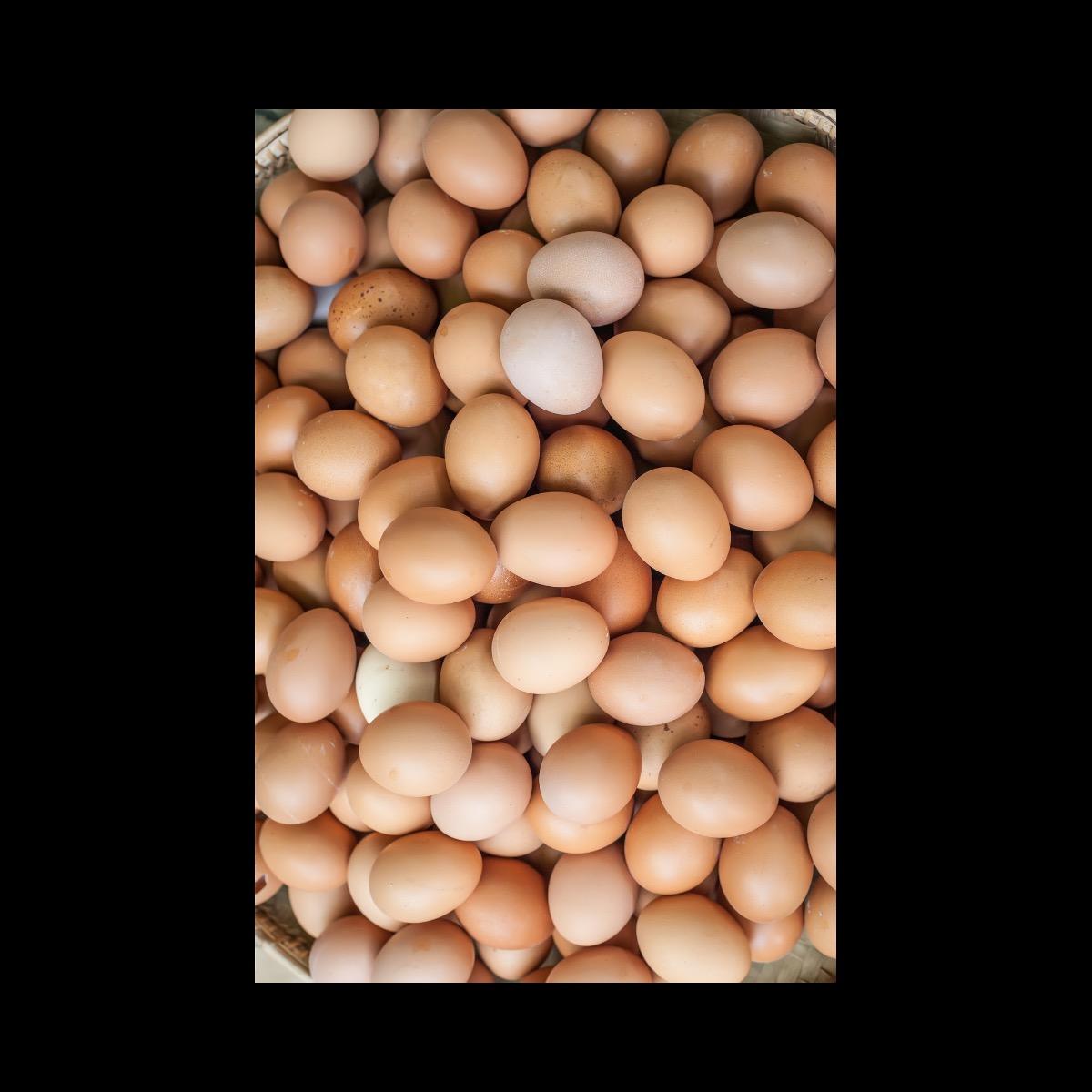
Eggs are a type of animal protein like seafood, meat & poultry.

Eat FARM FRESH eggs!
of
1. Eggshell
2. Egg White (Albumen)
3. Egg Yolk (Vitellus)
Eggs with brown shells come from larger hens.
One hen can lay around 250 eggs per year.

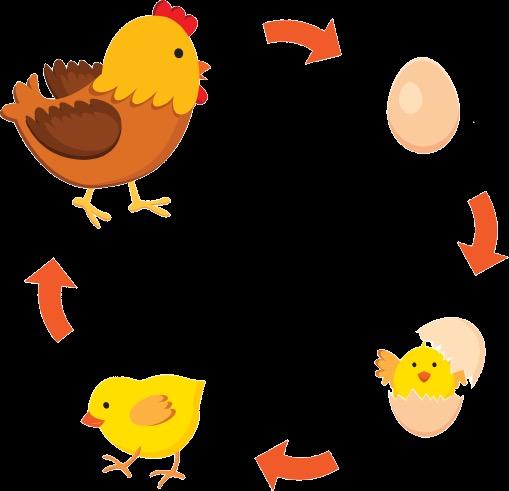
An eggs shell and yolk color do not affect the taste or quality of the egg.
Eggshells in stores are commonly white or brown, but they can also be blue, green or pink

B Vitamins help support the body’s energy levels, brain function & cell metabolism
essential B vitamins:
Vitamin B1, Vitamin B2, Vitamin B3, Vitamin B5,

Vitamin B6, Vitamin B7, Vitamin B9 & Vitamin B12.
Water is needed to help the body absorb B vitamins.

In-Vitamin!


B5, B12, C and E knock on your door…what do you do? blood cells.
B vitamins helps the body make energy from food.
B vitamins plays a role in serotonin production.
The body cannot store most B vitamins, so they need to be regularly consumed.
Serotonin makes us feel happy

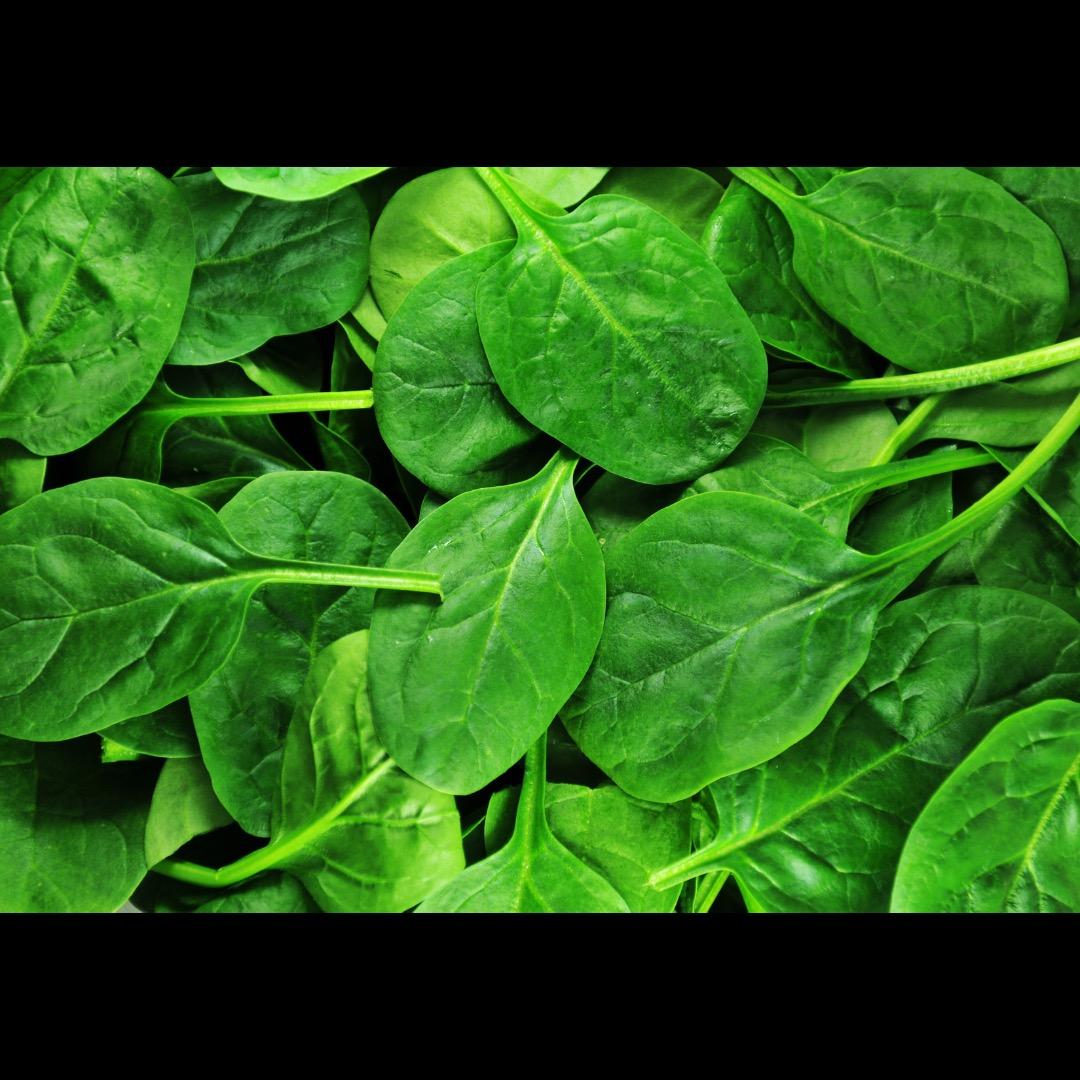

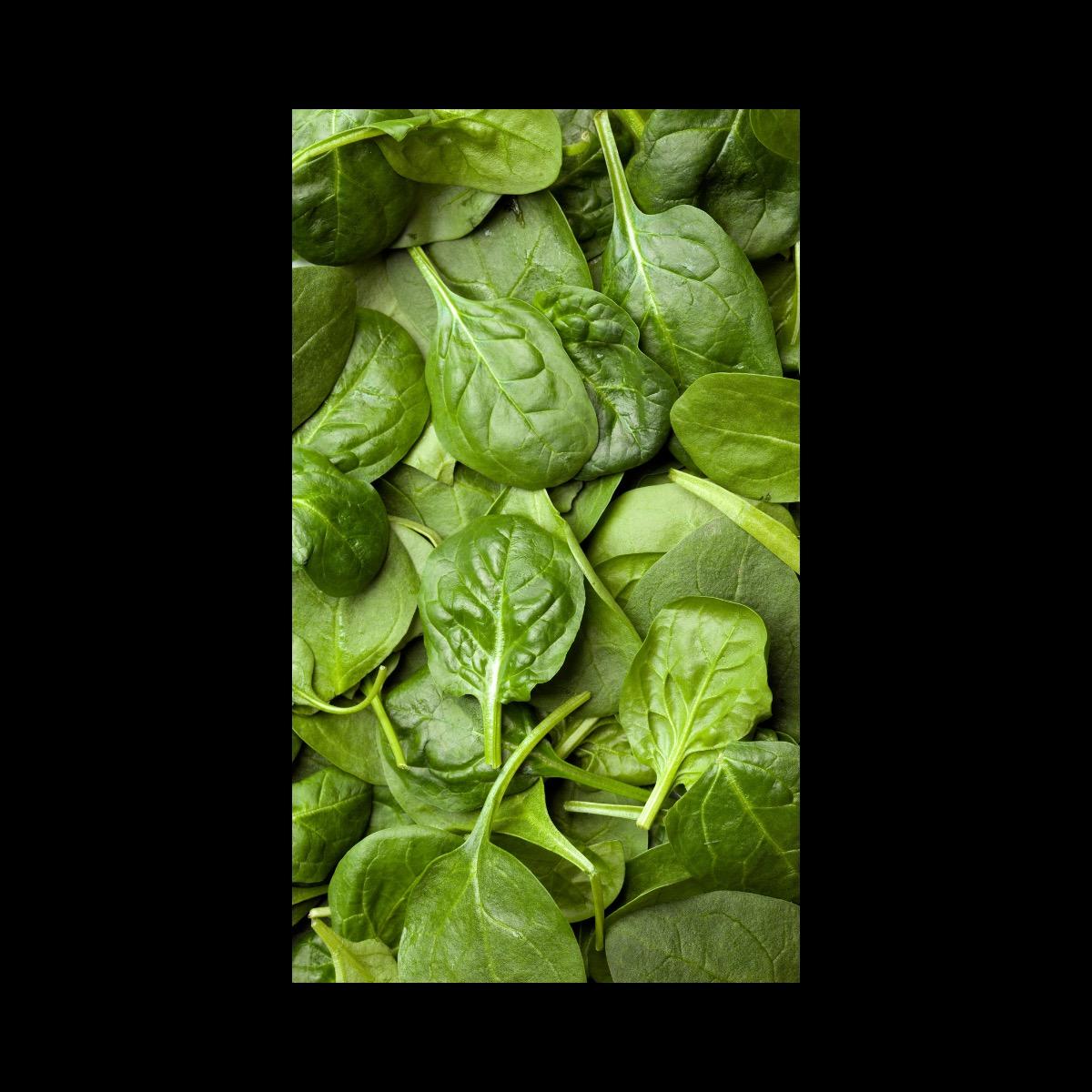
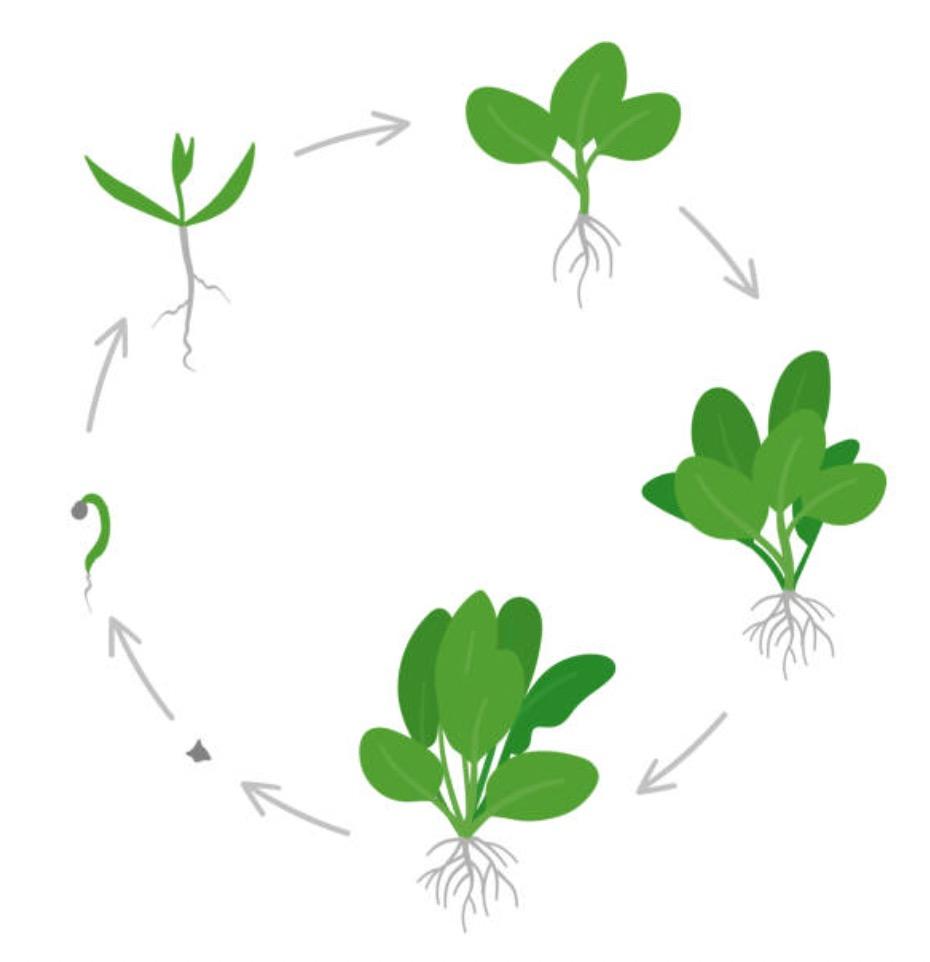
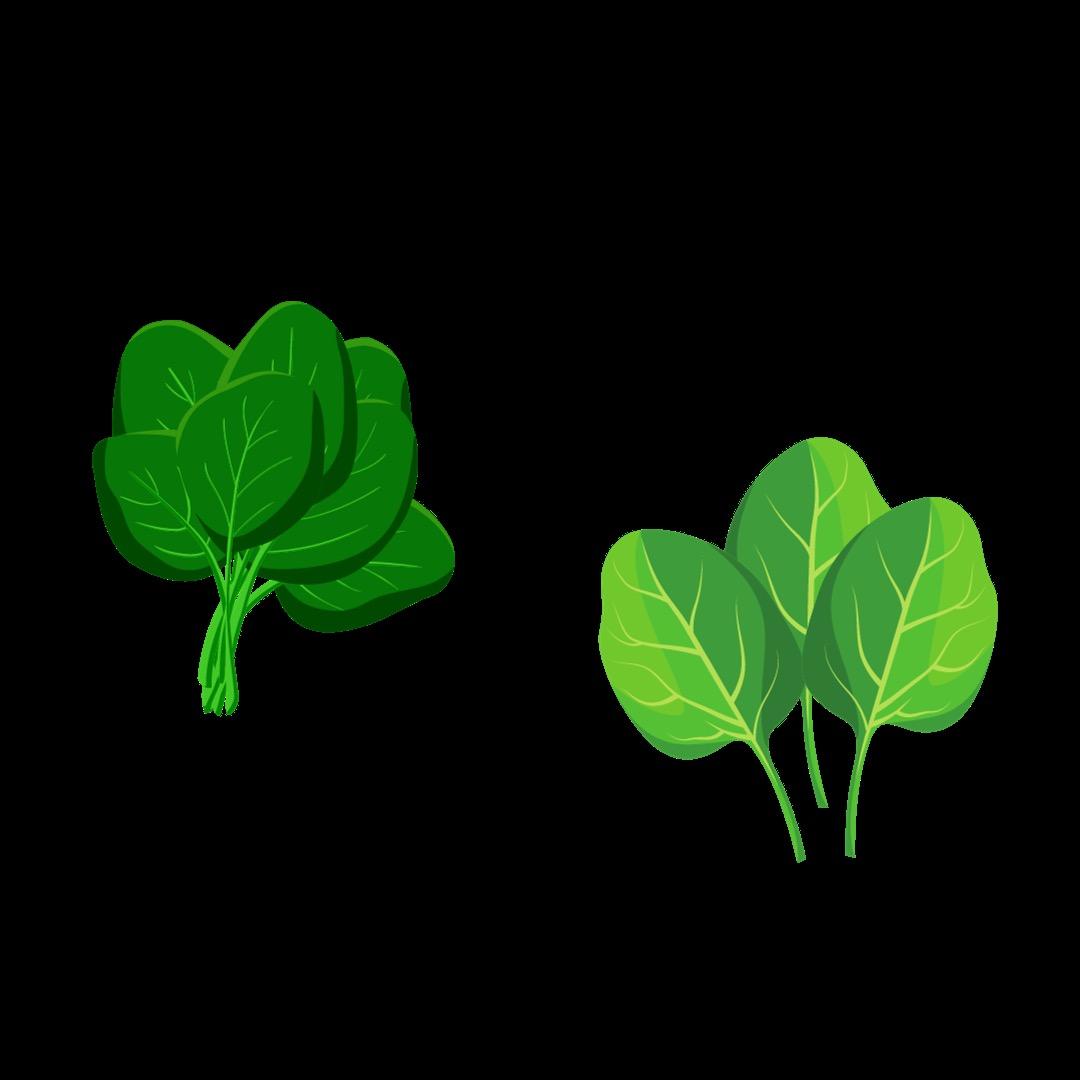
Spinach is a nutritious, leafy green
Main Types of Spinach:
1. Savoy
2. Semi Savoy


The U.S. harvests around 960,000 pounds of spinach each year.
3. Flat 3 of its major nutrients 8 days after

Spinach is a part of the goosefoot family of the shape of its leaves.
F R E S H spinach is the B E S T spinach!

Flat spinach is the best known & most popular.






Vitamin A supports good vision, growth & immunity


Vitamin A helps see better at night more vivid colors during the day

How far can you read down this eye chart?


Vitamin A has antioxidant properties.
Vitamin A can help speed up the healing process of cuts & scrapes.
Vitamin A supports the immune system to fight off infections.
Vitamin A is a fat-soluble vitamin.
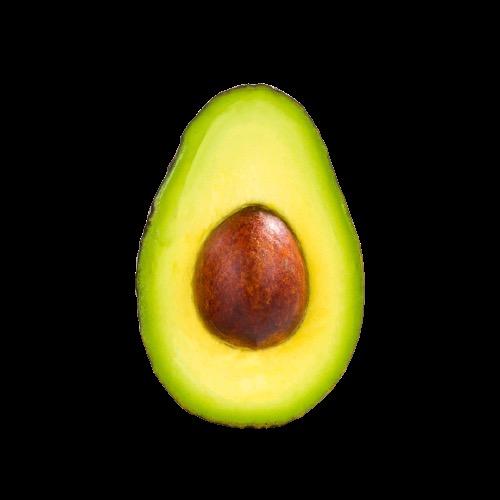
Vitamin A is a fat-soluble vitamin – which means it absorbs better into the body when eaten with foods with some fat like avocados!
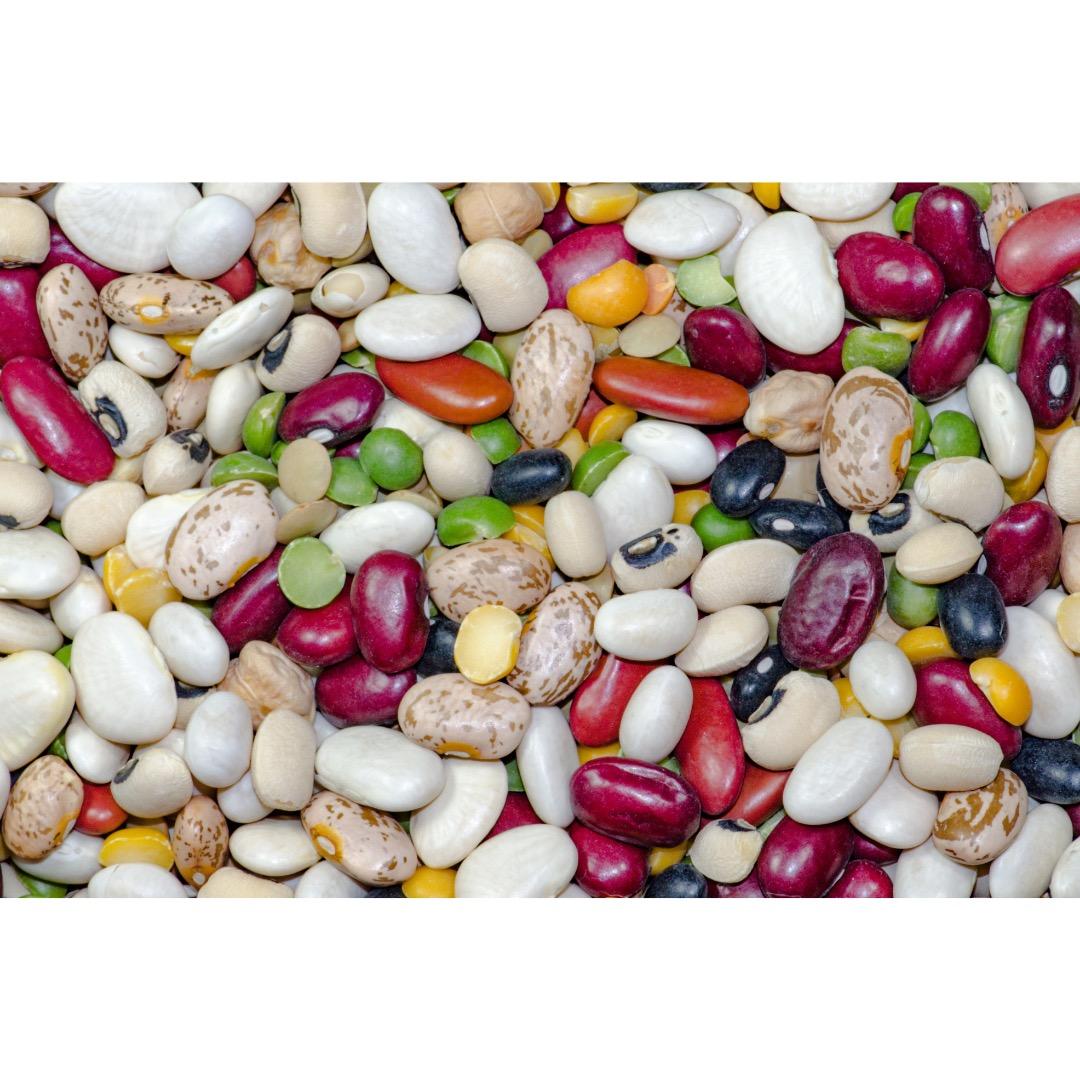

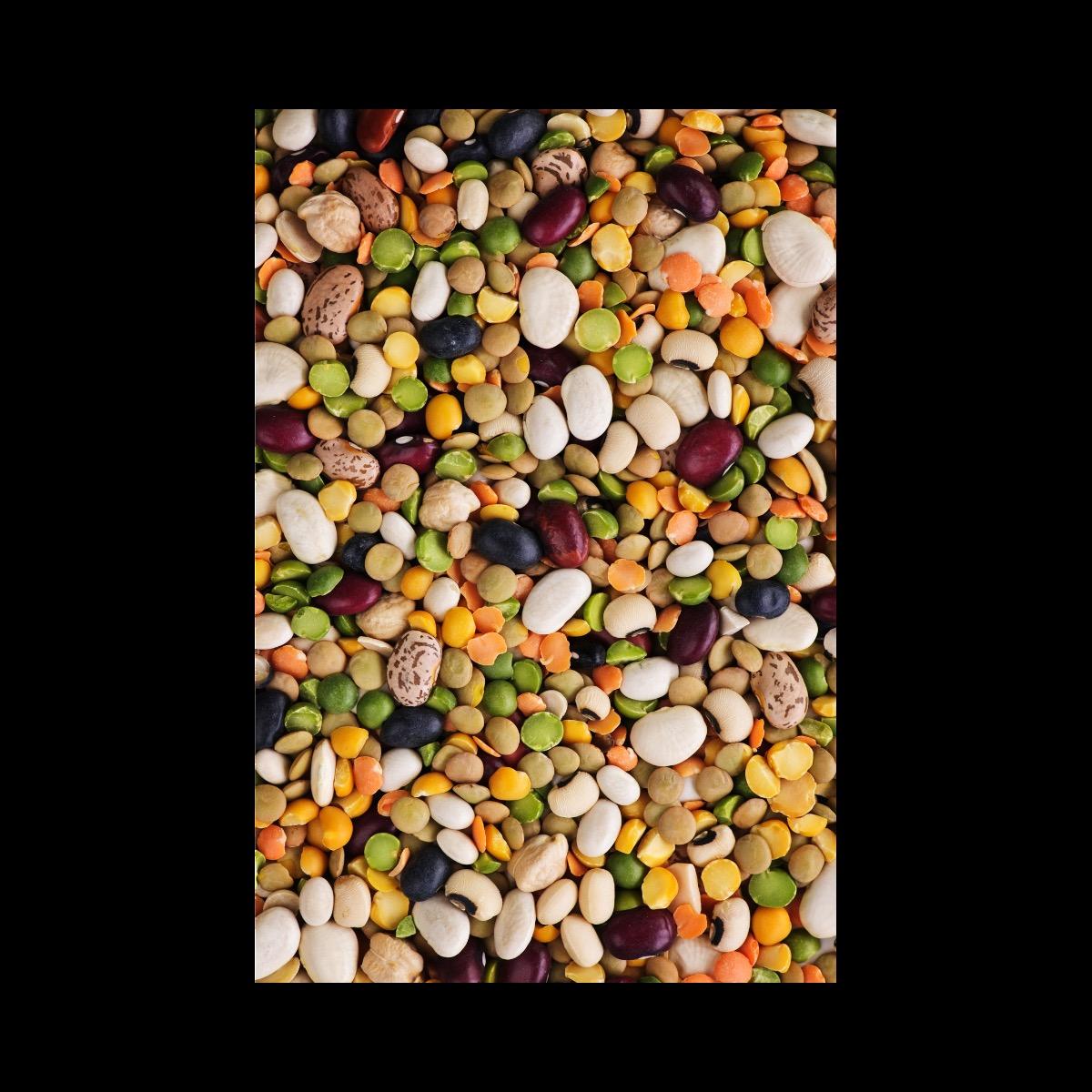
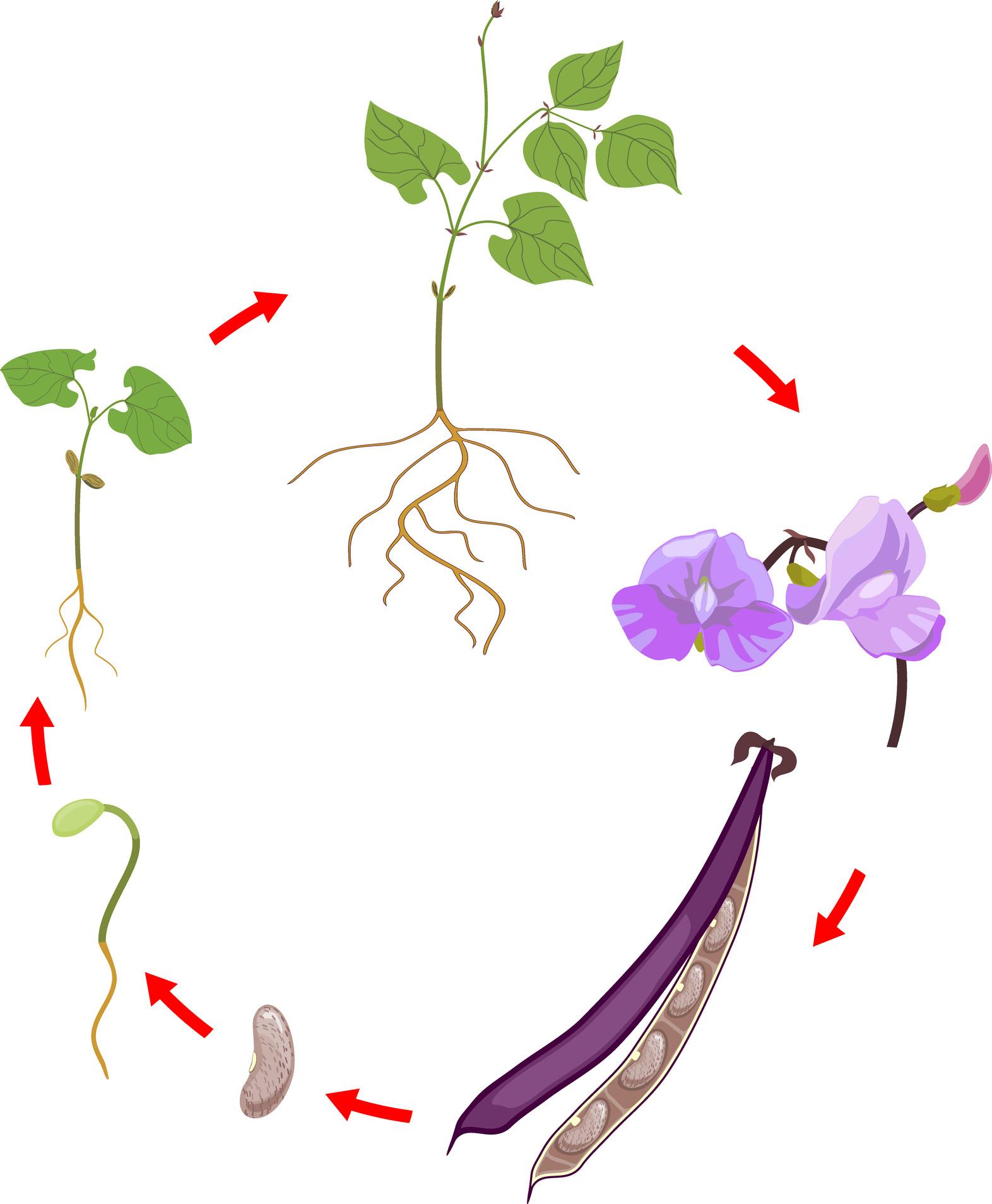
Beans are the seeds typically grown in pods.
Beans have been cultivated by humans for over
Most Popular Types of Beans:
1. Green Beans
2. Kidney Beans
3. Pinto Beans
4. Lima Beans
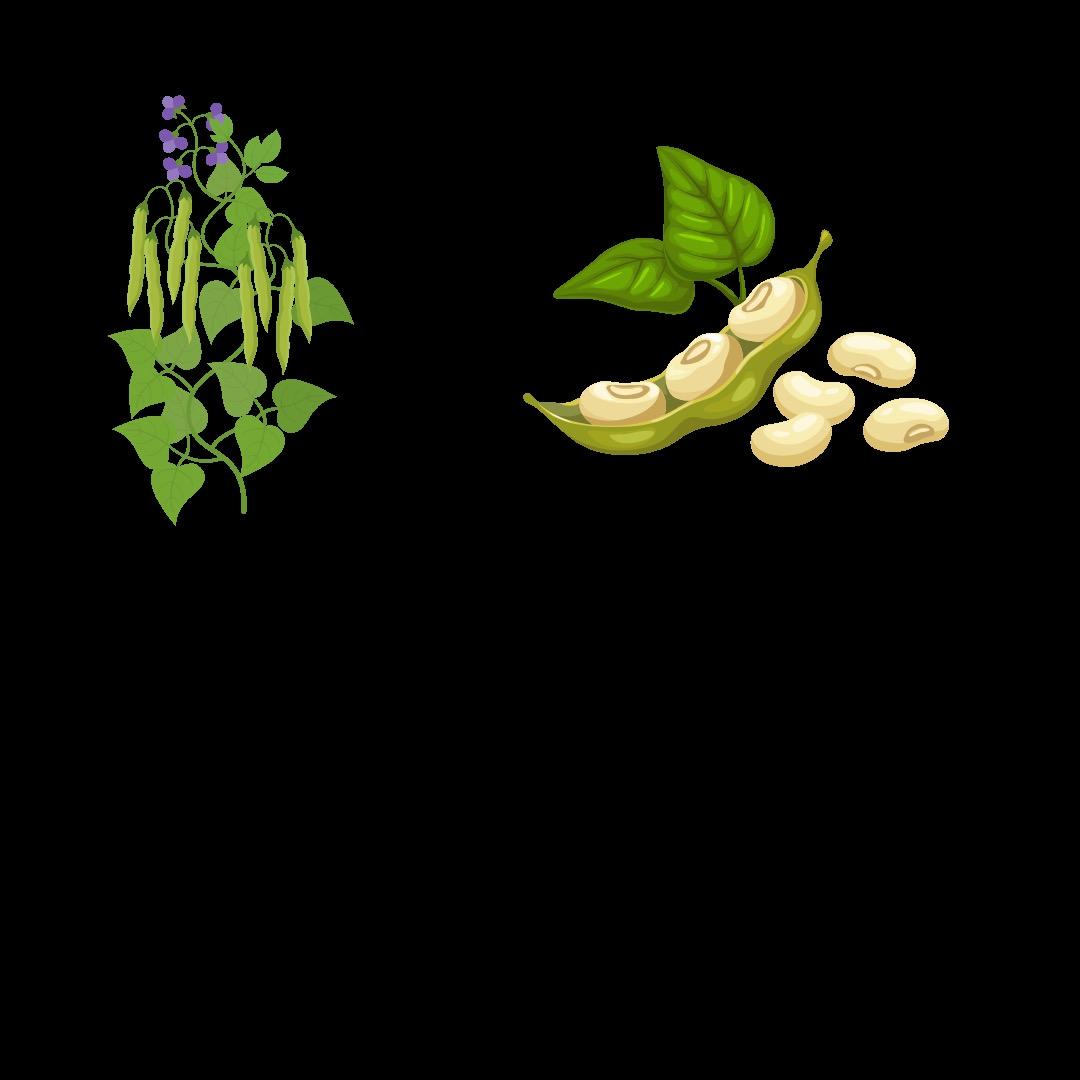

All beans are a part legume family.
Pods come in various shades green, red purple.

Try growing some beans in your garden!
There are over 40,000 types of beans.

Iron carries oxygen in the blood, supports the immune system & proper brain function
Heme comes from animal meat and is easily absorbed into the body after eaten. comes from plant foodslike beans!
Iron is found in EVERY cell of the body.

Non-heme sources of iron are best absorbed into the body when eaten with a source of vitamin C, like an orange.
Iron helps muscles function by carrying oxygen to their cells.

Supports a healthy immune system.
Human blood is RED because of iron and oxygen reacting with each other.
The body uses iron to make hemoglobin.

80% of the Earth’s crust is composed of iron.
Hemoglobin helps carry and transport oxygen in the blood to other parts of the body…like a backpack!
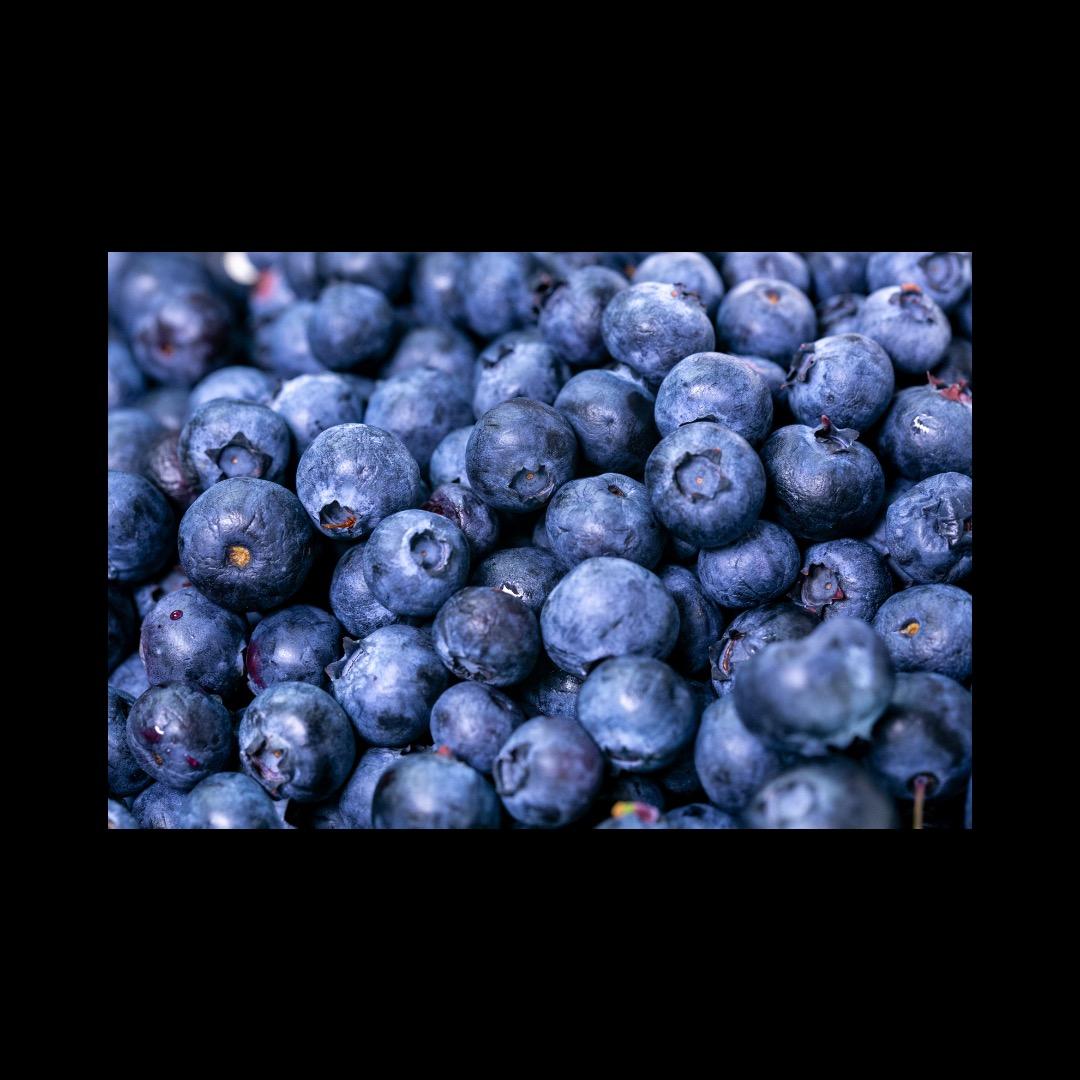

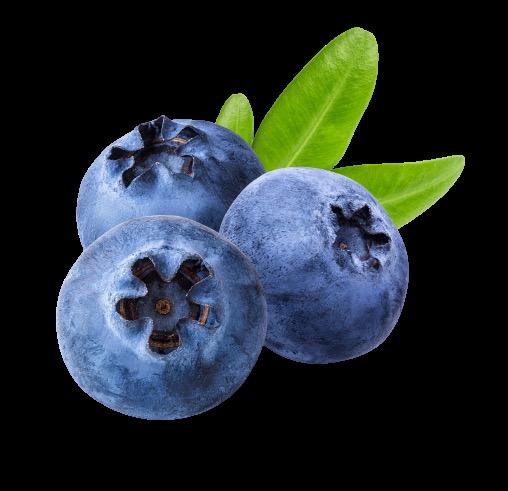
Blueberries are a type of berry known for their mildly tarte taste.
The U.S. is home to around 102,000 acres of blueberries.
Blueberries are native to North America.
4 JULY is National Blueberry Month!
Highbush blueberries are the most common.
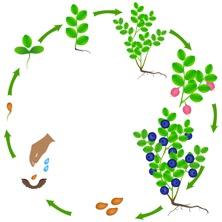
The waxy coating on blueberries is called

1 blueberry bush can produce blueberries/year
Blueberries are one the only food naturally blue in color.
B Vitamins help support the body’s energy levels, brain function & cell metabolism
essential B vitamins:
Vitamin B1, Vitamin B2, Vitamin B3, Vitamin B5,
Vitamin B6, Vitamin B7, Vitamin B9 & Vitamin B12.
Water is needed to help the body absorb B vitamins.

B5, B12, C and E knock on your door…what do you do? blood cells.
B vitamins help the body make energy from food.
be regularly consumed.
B vitamins play a role in serotonin production. Serotonin makes us feel happy


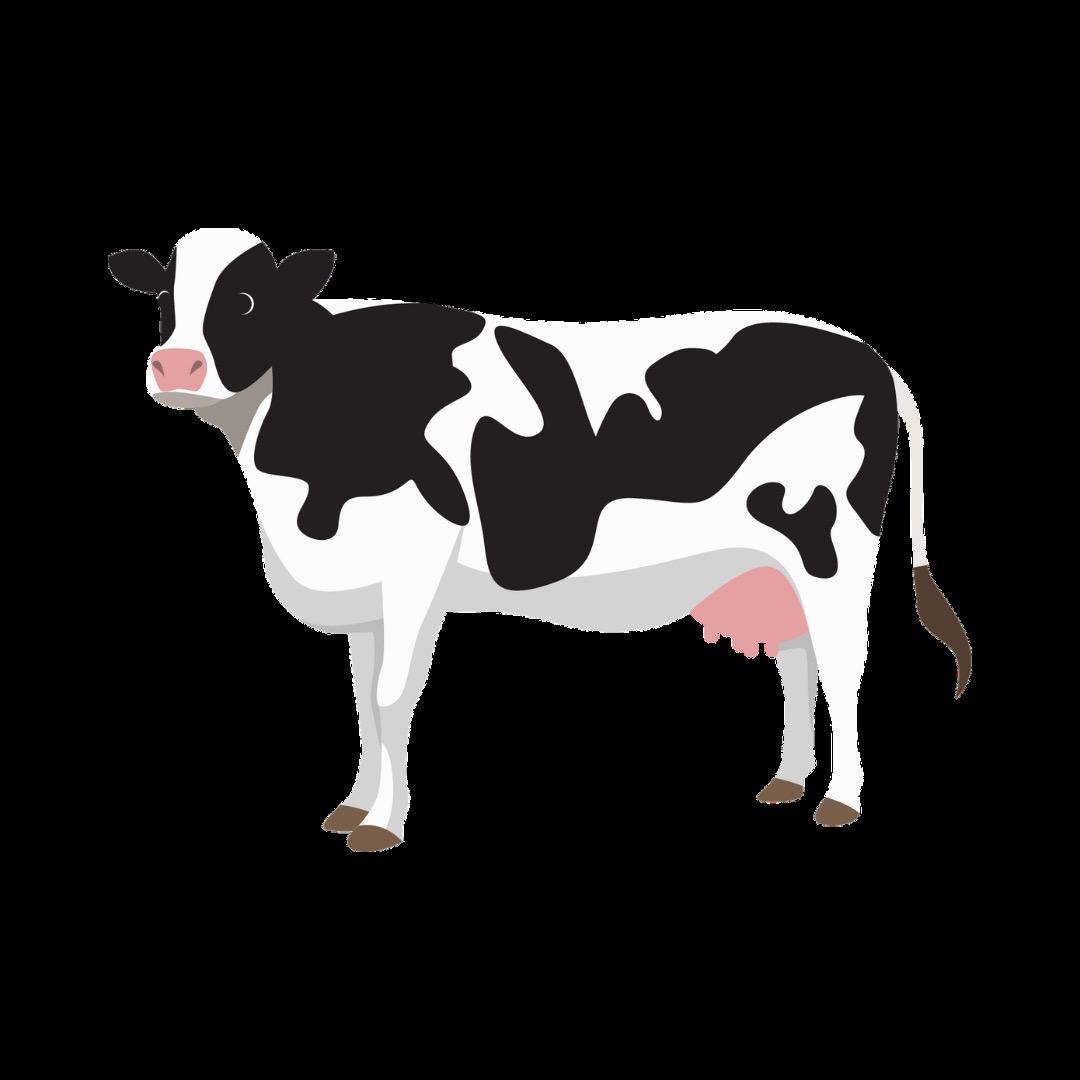
Milk is a type of dairy product –most commonly made from cows.
Milk contains essential nutrients
Milk is made up of 85-95% water with the rest being fats, proteins, carbohydrates & vitamins
Breeds of Dairy Cows:
1. Ayrshire
2. Brown Swiss
3. Guernsey
4. Holstein
5. Jersey
6. Milking Shorthorn
Holstein cows all have a unique pattern of spots!
1 cow produces around 6 gallons of milk per day.

Cows can SEE almost 360 degrees and SMELL up to 6 miles away!
ALL 50 states have dairy farms!





Calcium supports healthy bones & teeth as well as proper blood & muscle function

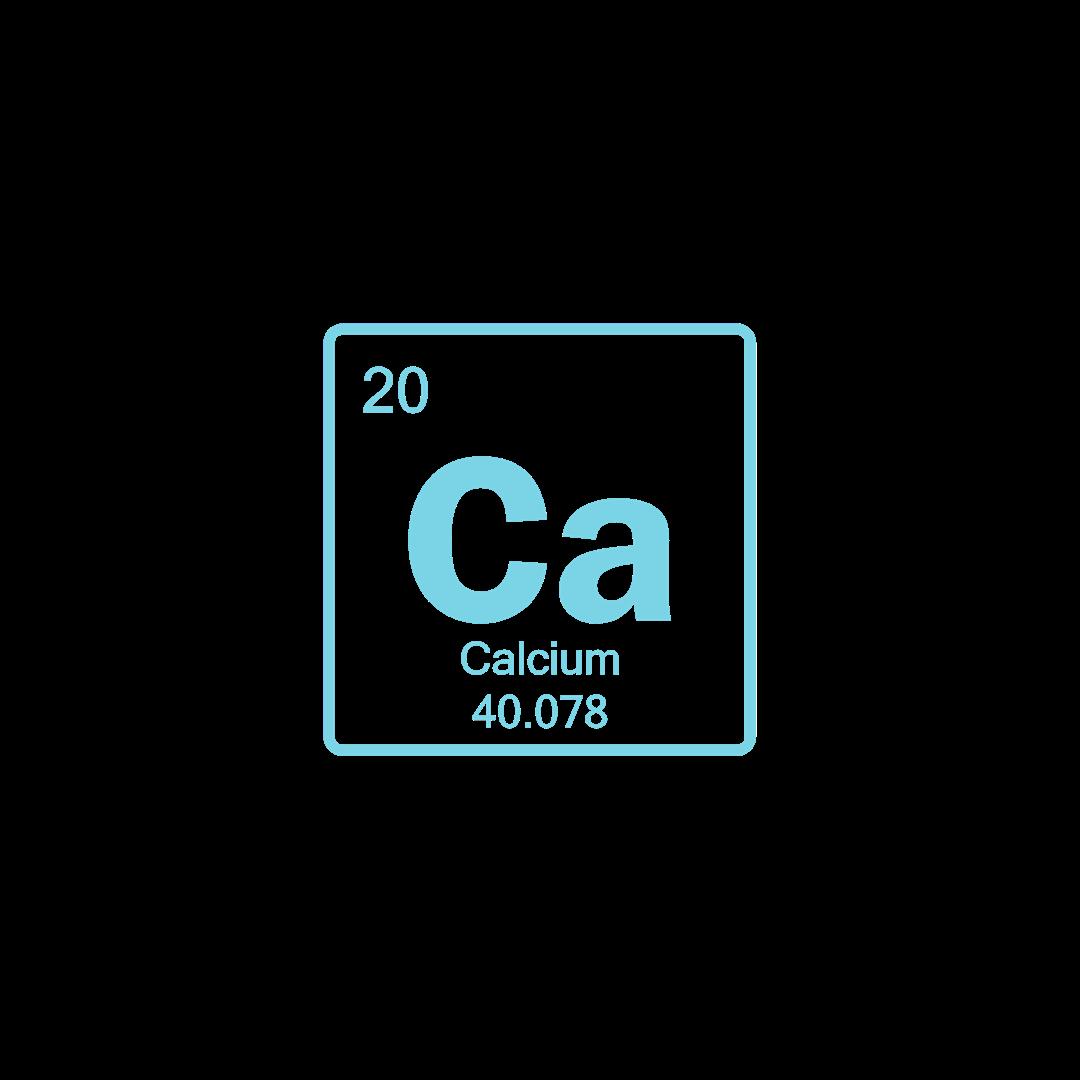
Calcium is the th most abundant chemical element in the Earth’s crust.
Calcium helps keep muscles
99% of the body’s calcium is stored in the bones
Calcium also supports heart health . blood, muscles & other tissues.

Calcium helps form bones and teeth and keep them healthy.
Calcium helps to heal cuts & wounds.
Calcium is the MOST abundant mineral in the human body.