



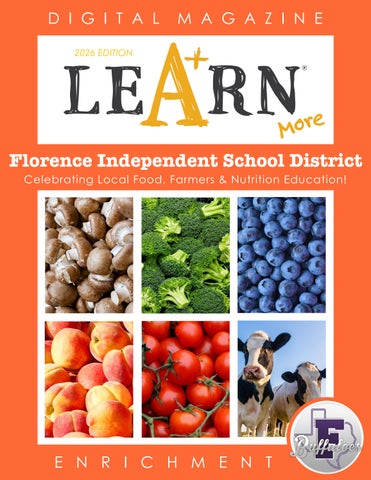
Learn MORE about how these foods are good for you!
Mushrooms | Broccoli | Blueberries
Stone Fruit | Tomatoes | Milk
Potassium Vitamin D
MARCH


Learn MORE about how these foods are good for you!



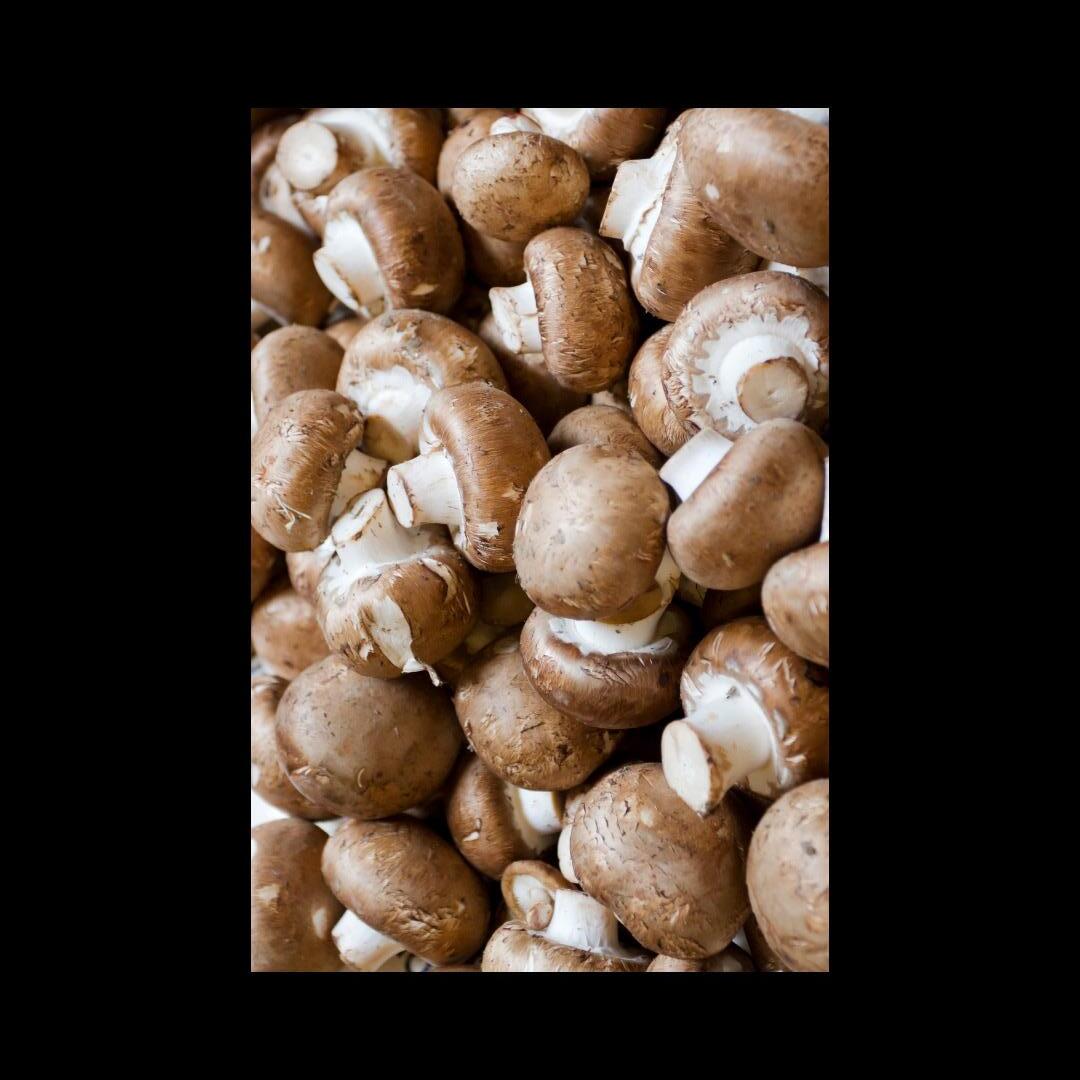
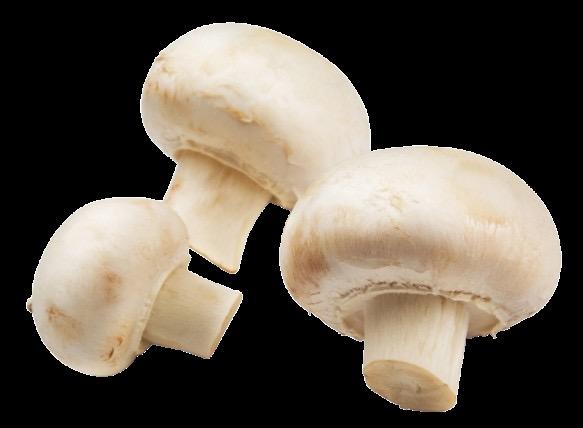
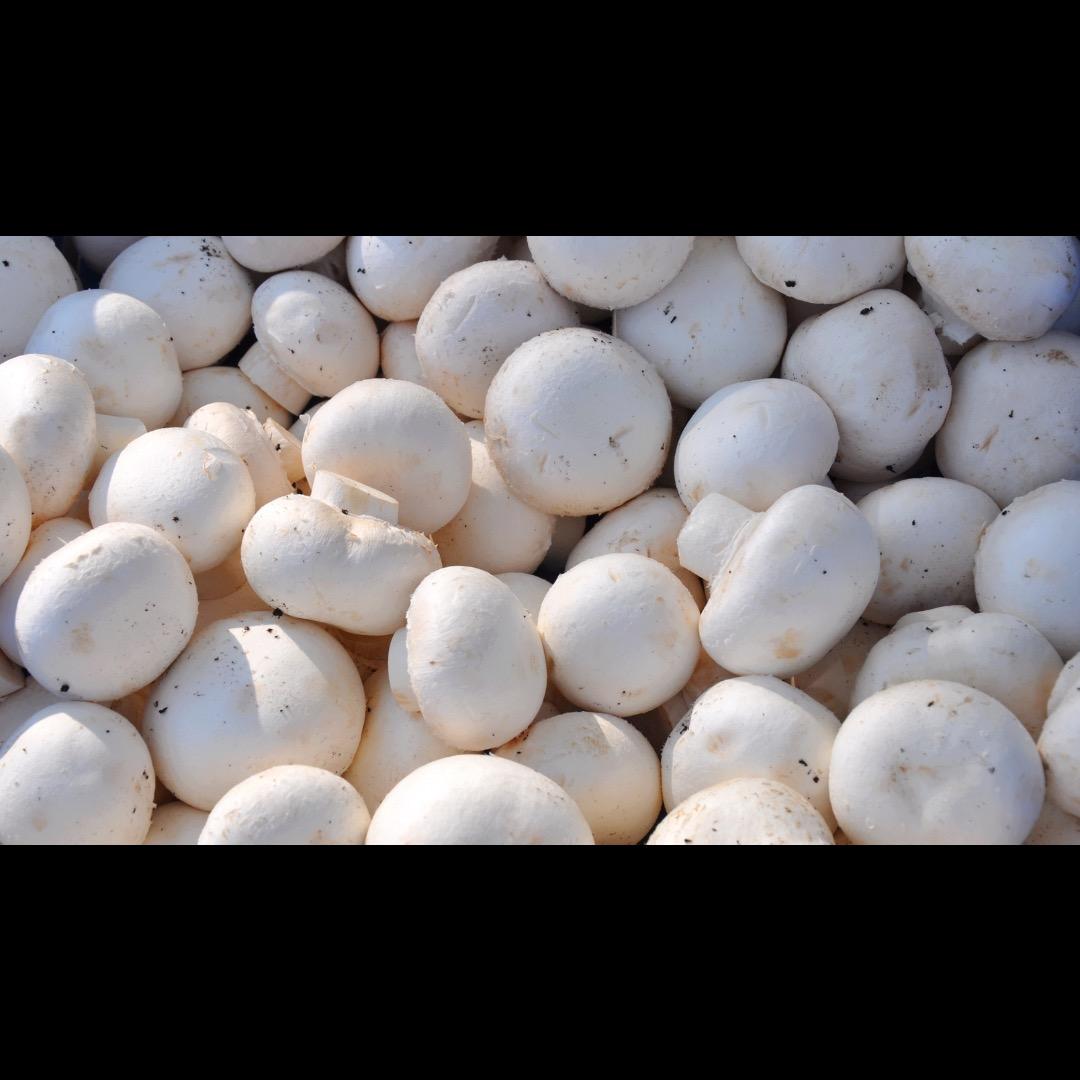
Mushrooms are a common form of that are considered a vegetable.
Most mushroom farms are indoors so farmers can replicate natures perfect conditions.
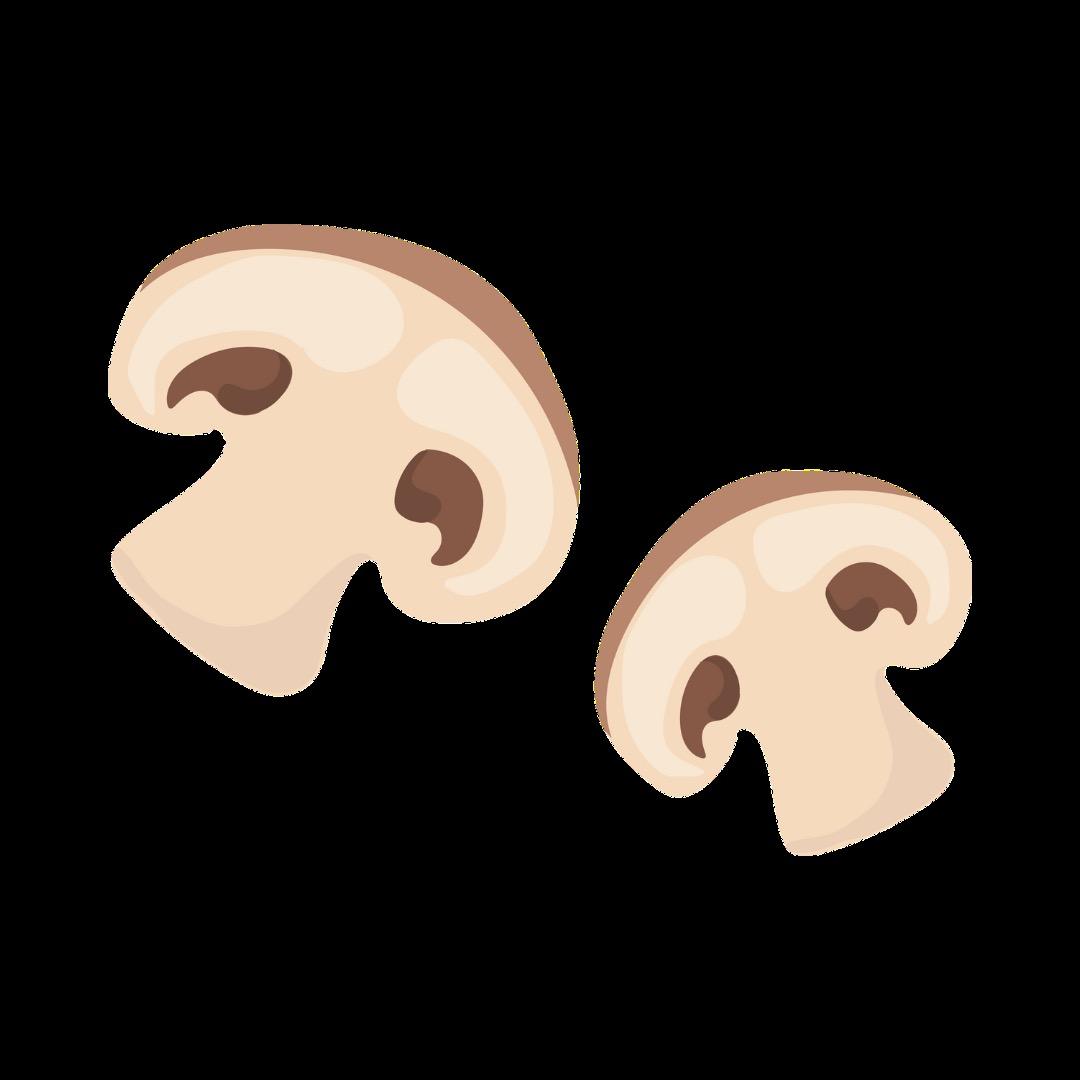
Popular types of mushrooms include White Button, Crimino & Portabello which are all the SAME mushroom; they are just harvested at different ages
Umami –a primary taste found in mushrooms.
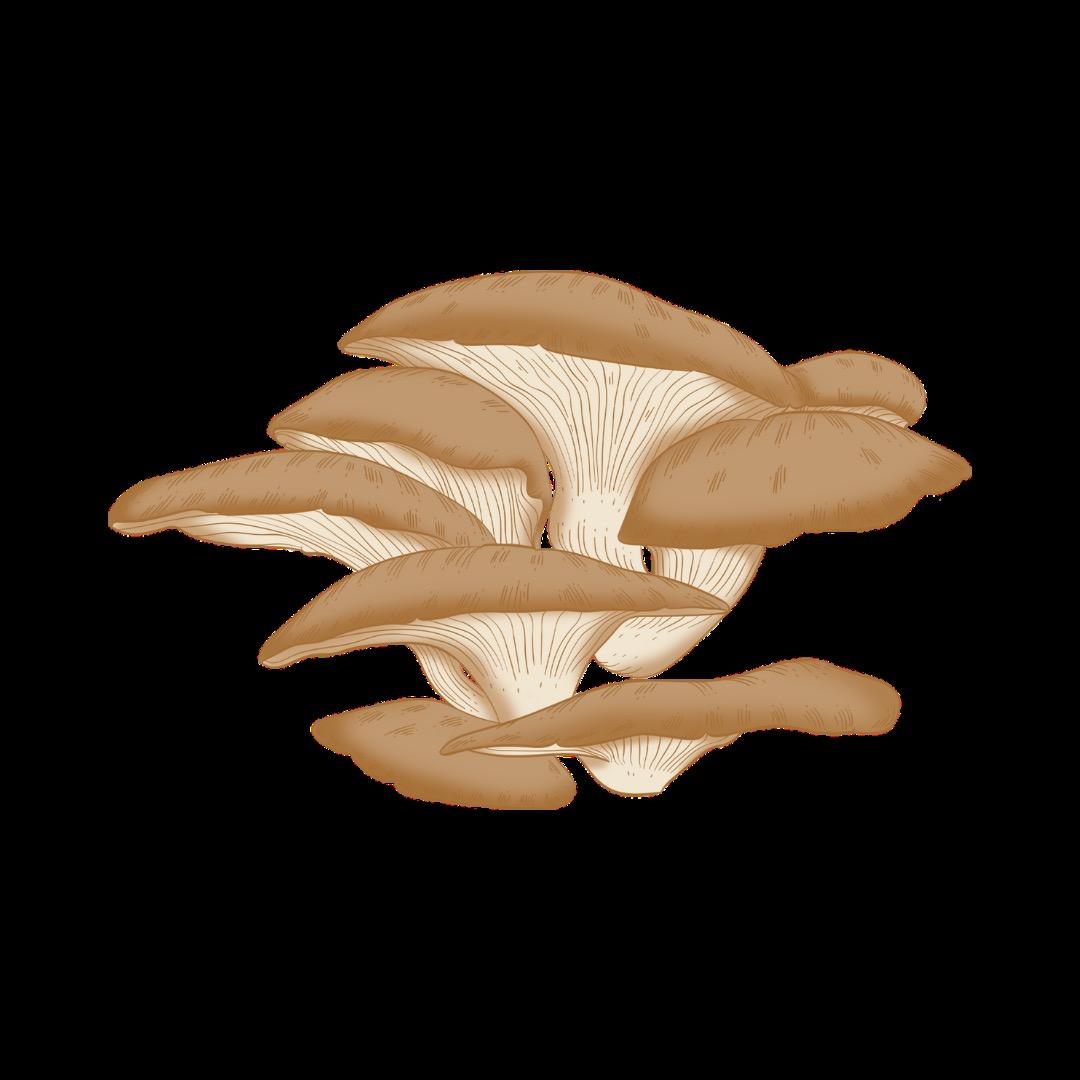

Some mushrooms stay underground for YEAR S.

White Button mushrooms are the most commonly grown type of mushroom.
Fungi are the LARGEST have classified 2,189 mushrooms as edible.

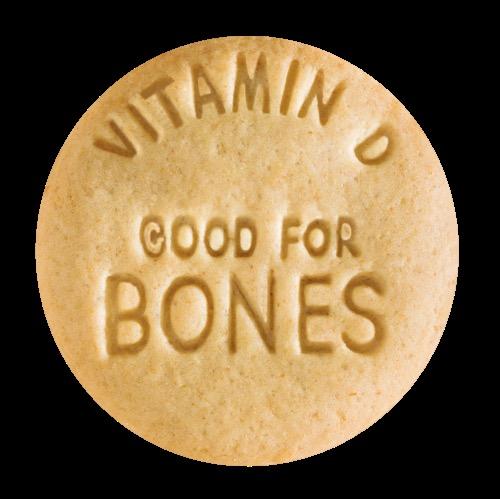



Vitamin D supports the development & maintenance of bones, teeth & muscles.
Vitamin D is the ONLY vitamin that the body can make on its own.
Vitamin D helps prevent cavities.

Vitamin D supports the immune system
Vitamin D is known as The Sunshine Vitamin. ”
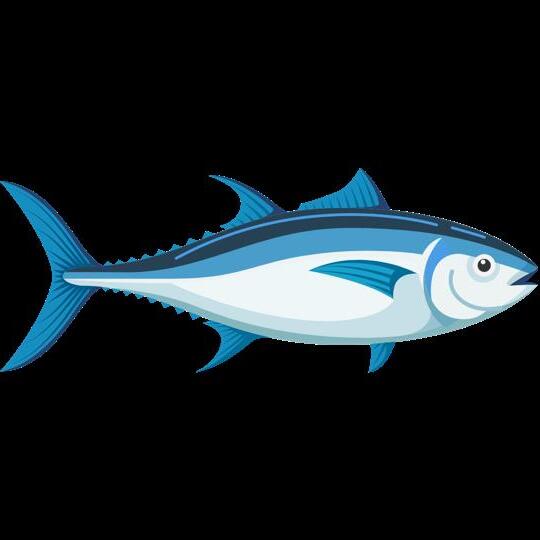
Only a few foods like oily fish contain vitamin D.
Most people get the majority of vitamin D when their skin is exposed to the sun

Vitamin D can help boost happy moods!
Vitamin D helps the body absorb calcium & phosphate from food.
Calcium and phosphate are essential for strong bones.
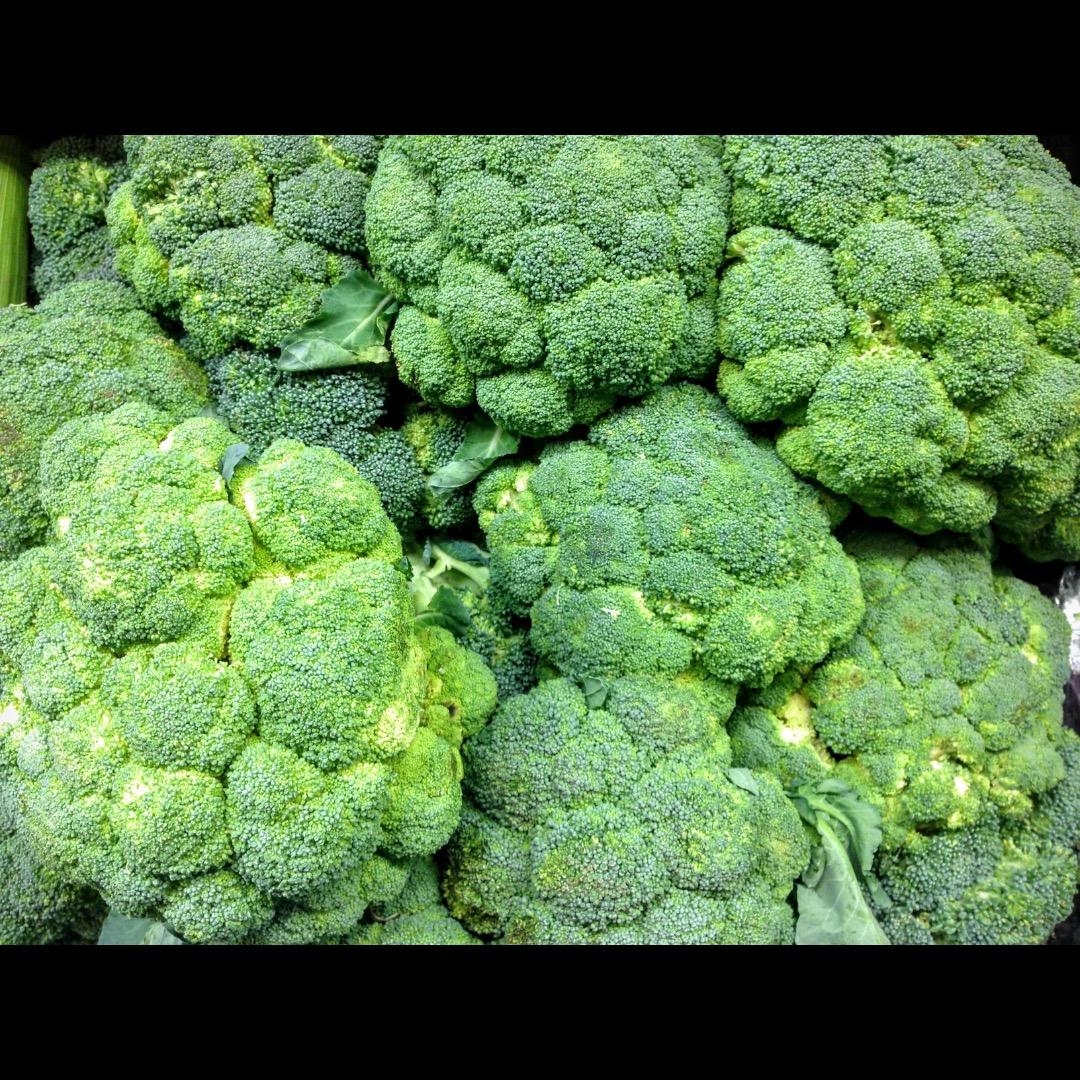



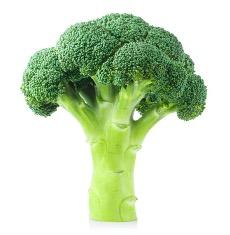
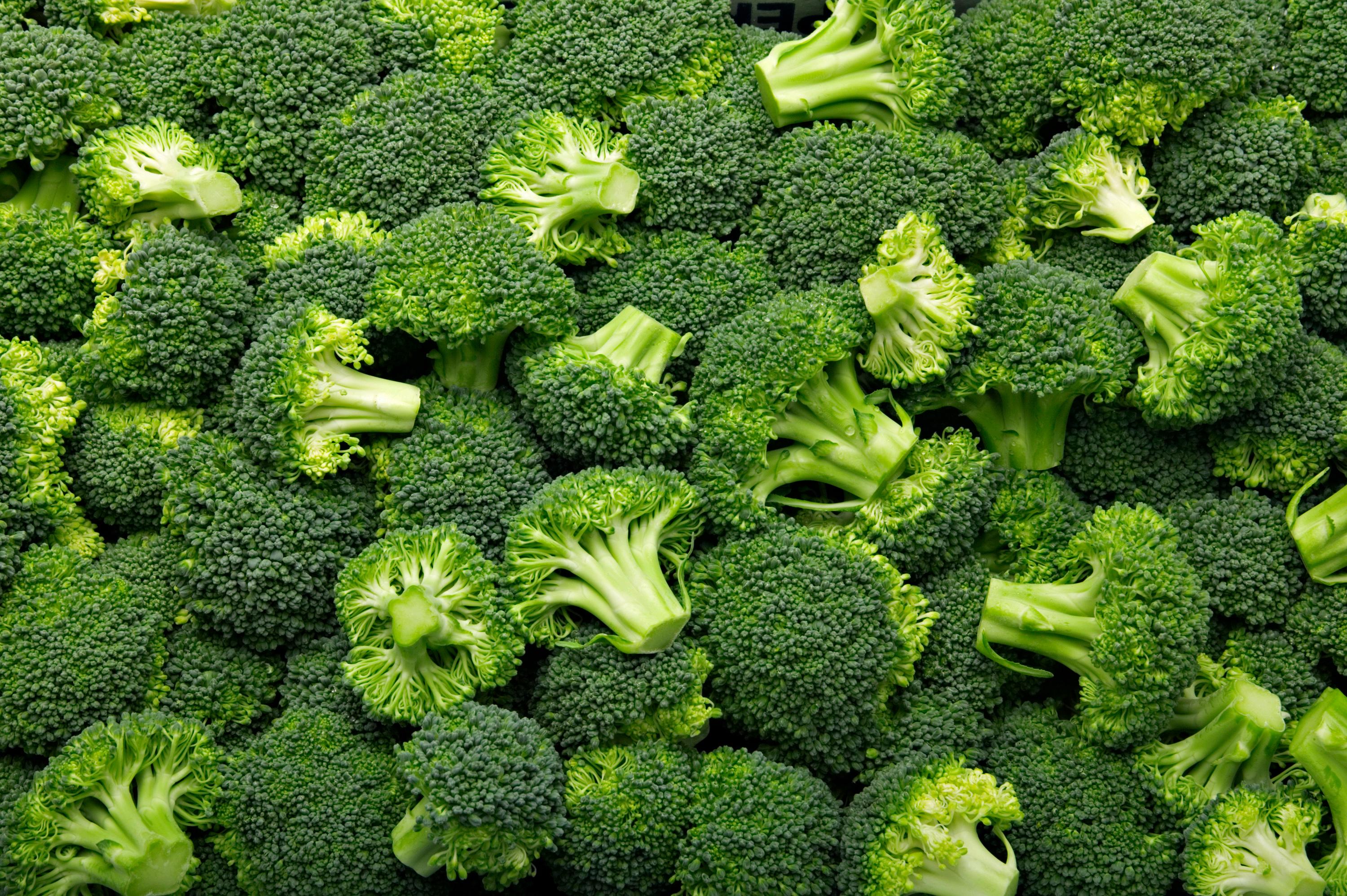
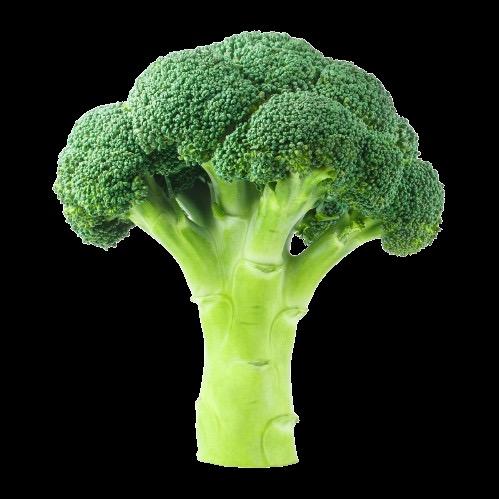
Broccoli is a related to cabbage, kale, cauliflower & others.
1.
2. Heading


Pronounced · fr· uhs

The word broccoli means “the flowering top of a cabbage. ”
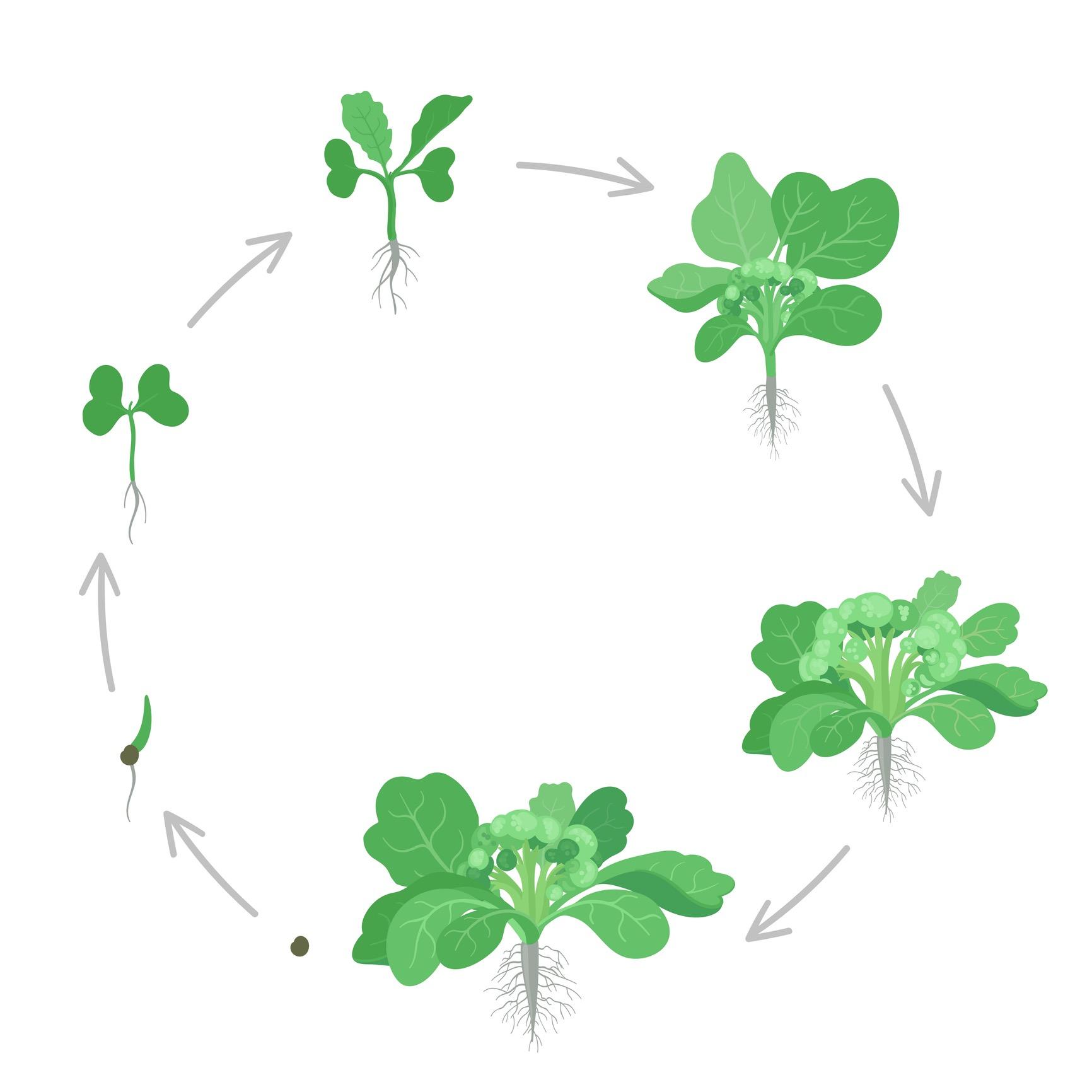

Broccoli is a part of the brassica family.

All broccoli
Broccoli grows during the


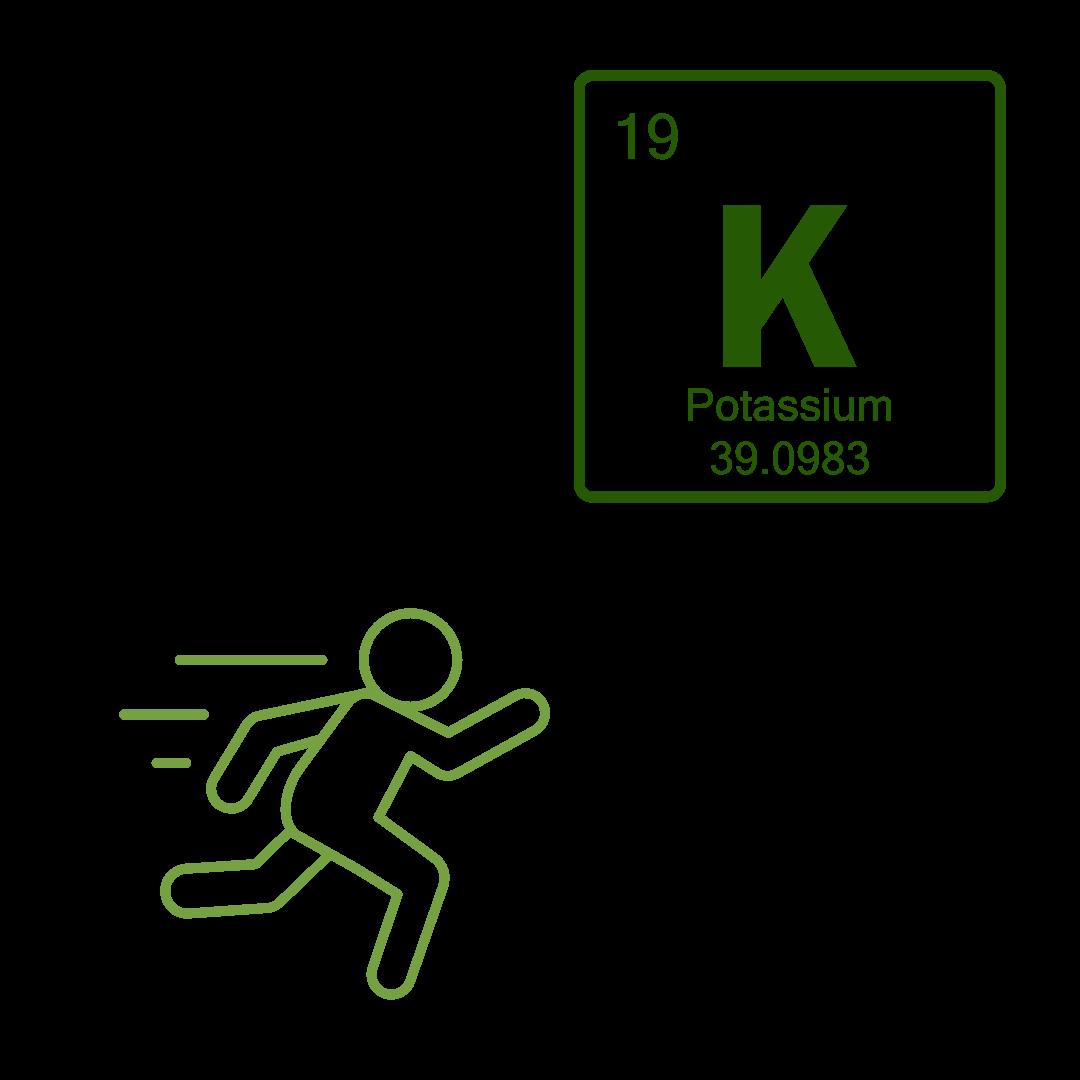
Potassium supports balancing fluid in the body & proper function of the muscles and nerves.
Once potassium enters the body, it functions as an electrolyte.
Electrolytes help amount of water in the body.
Helps to keep the body

Potassium helps to regulate the heart rate
Potassium helps to regulate contractions.

Potassium is the THIRD most abundant mineral potassium is found in
The body is made 60% helps promote .
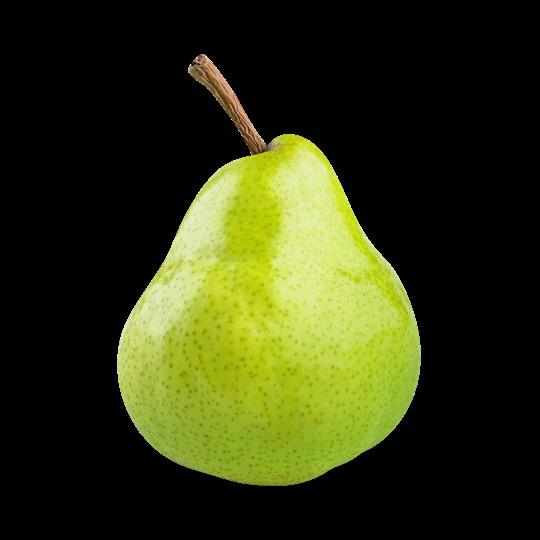
Many runners eat foods high in potassium like pears before a run to prevent muscle cramps.
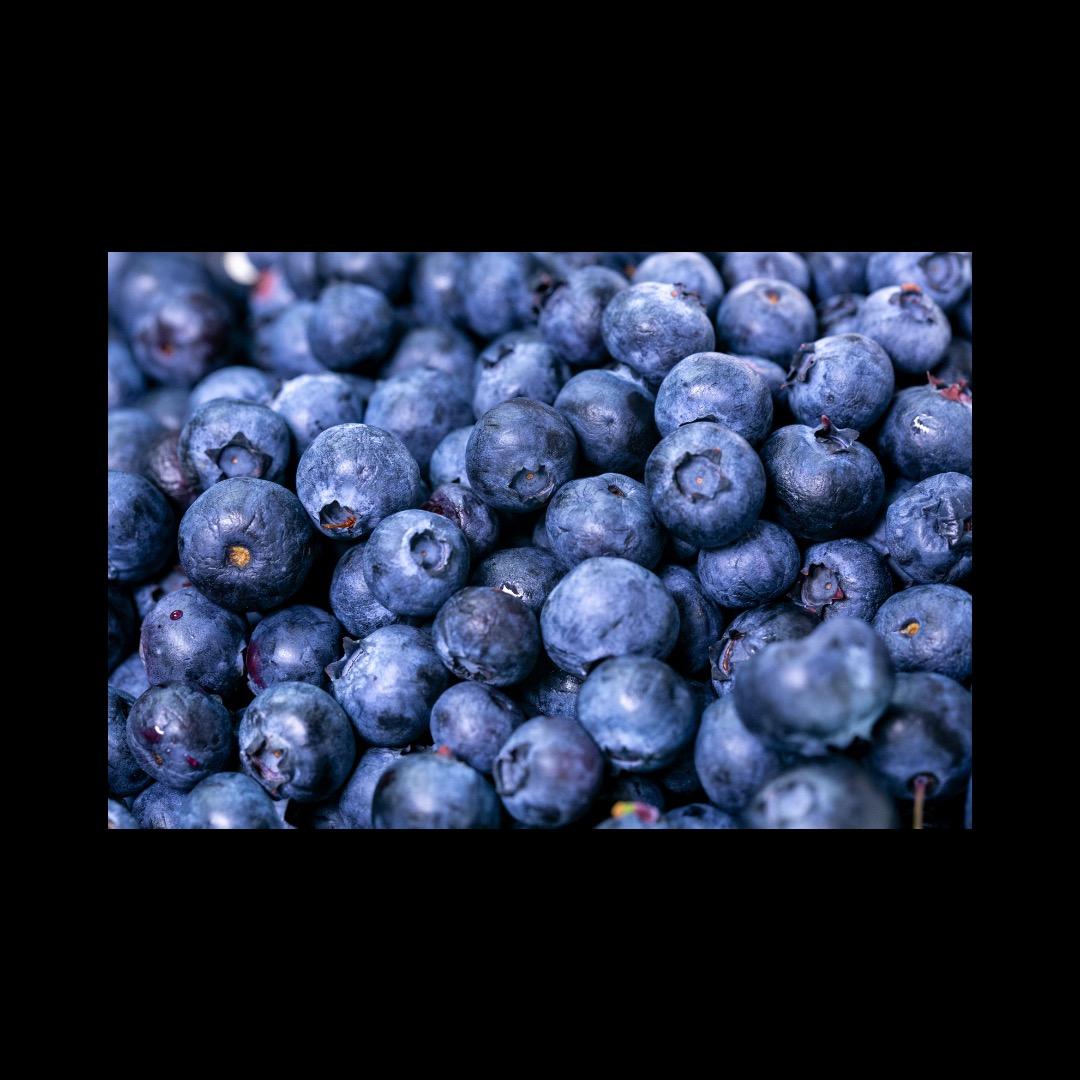


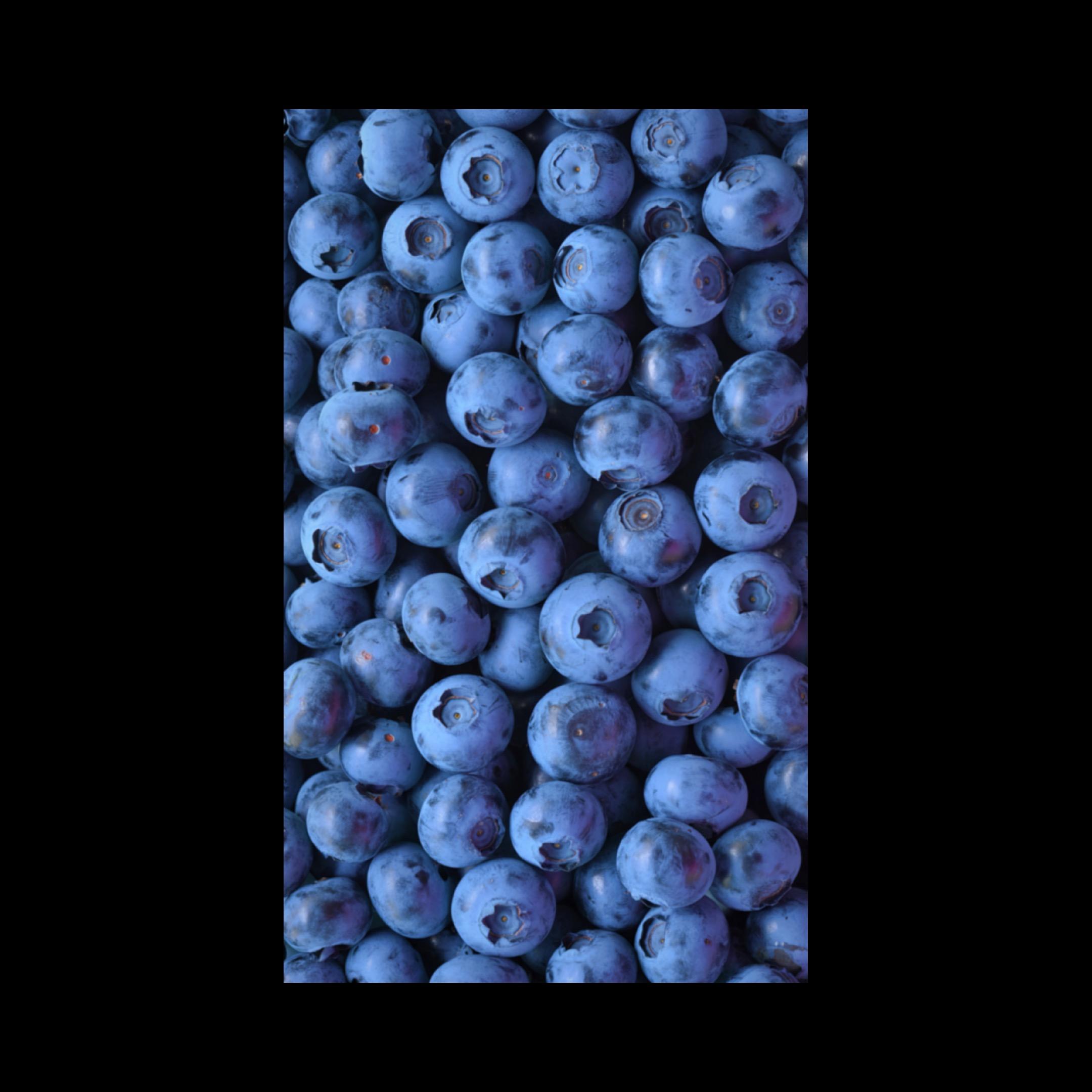
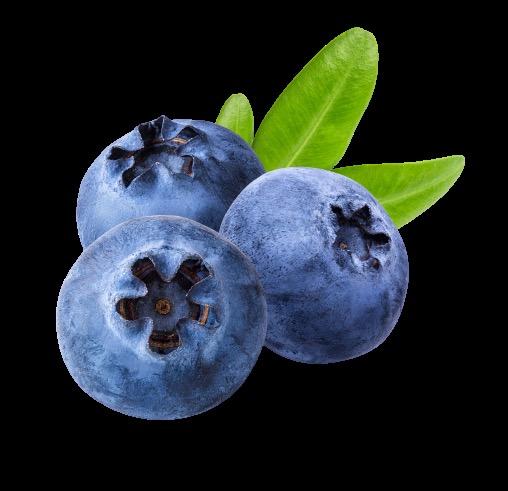
Blueberries are a type of fruit known for their mildly tarte taste.
The U.S. is home to around 102,000 acres of blueberries.
Blueberries are native to North America.
Highbush blueberries are the most common.
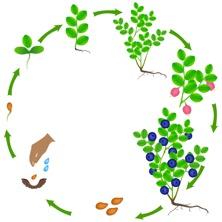

1 blueberry bush can produce 6,000 blueberries/year.
Blueberries are one the only food naturally blue in color.

Lowbush blueberries are smaller & sweeterperfect for making jam!

B Vitamins help support the body’s energy levels, brain function & cell metabolism
essential B vitamins:
Vitamin B1, Vitamin B2, Vitamin B3, Vitamin B5,

Vitamin B6, Vitamin B7, Vitamin B9 & Vitamin B12.
Water is needed to help the body absorb B vitamins.


B5, B12, C and E knock on your door…what do you do? blood cells.
B vitamins helps the body make energy from food.
be regularly consumed.
B vitamins plays a role in serotonin production. Serotonin makes us feel happy

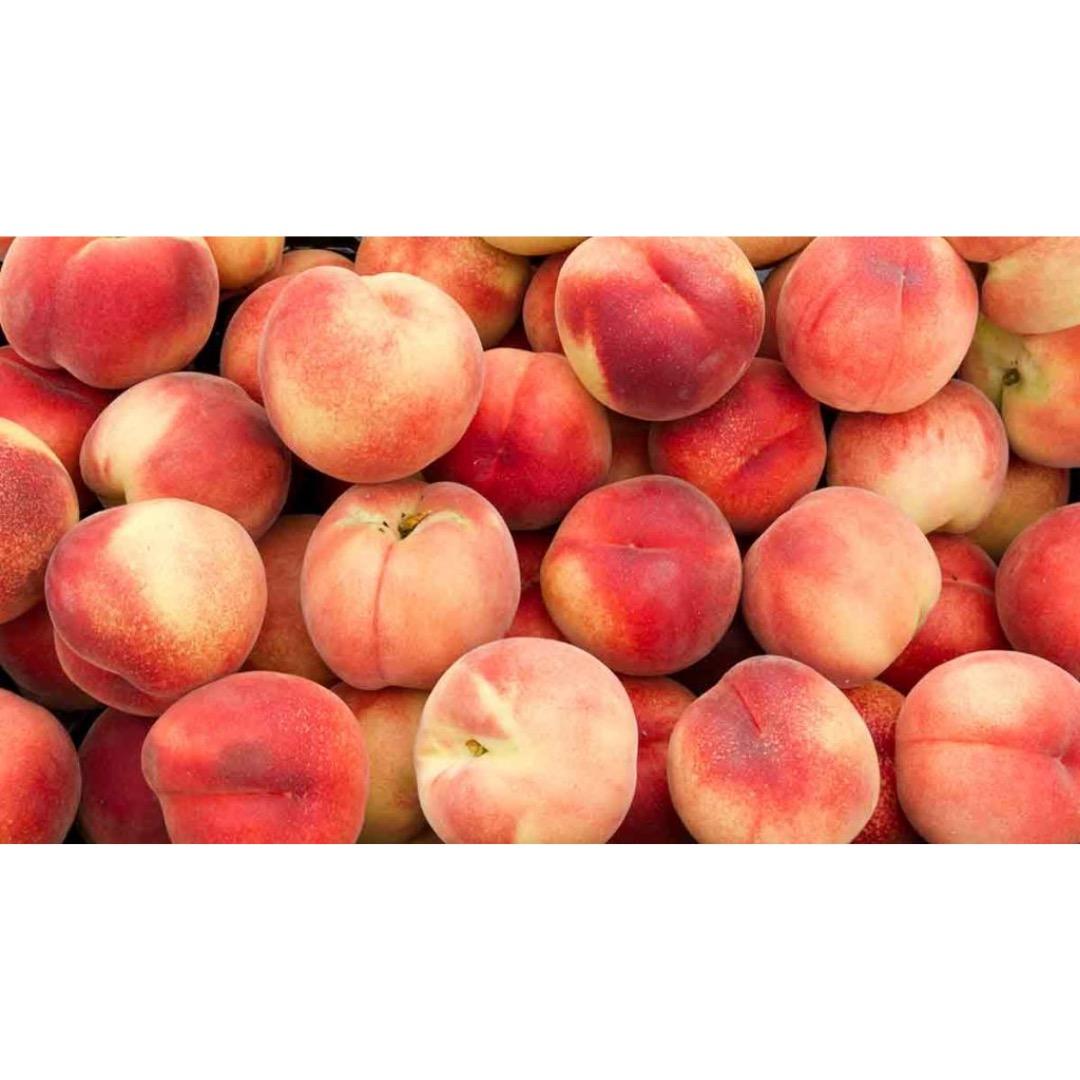


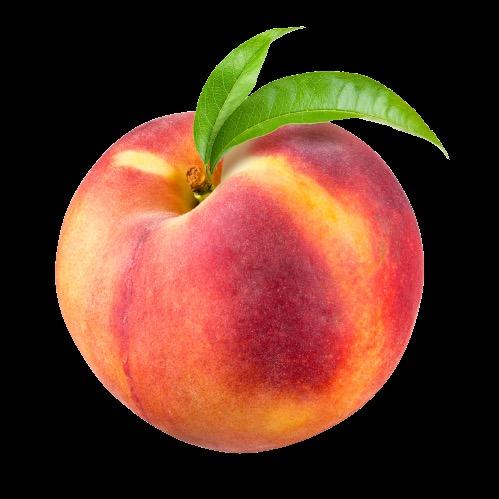
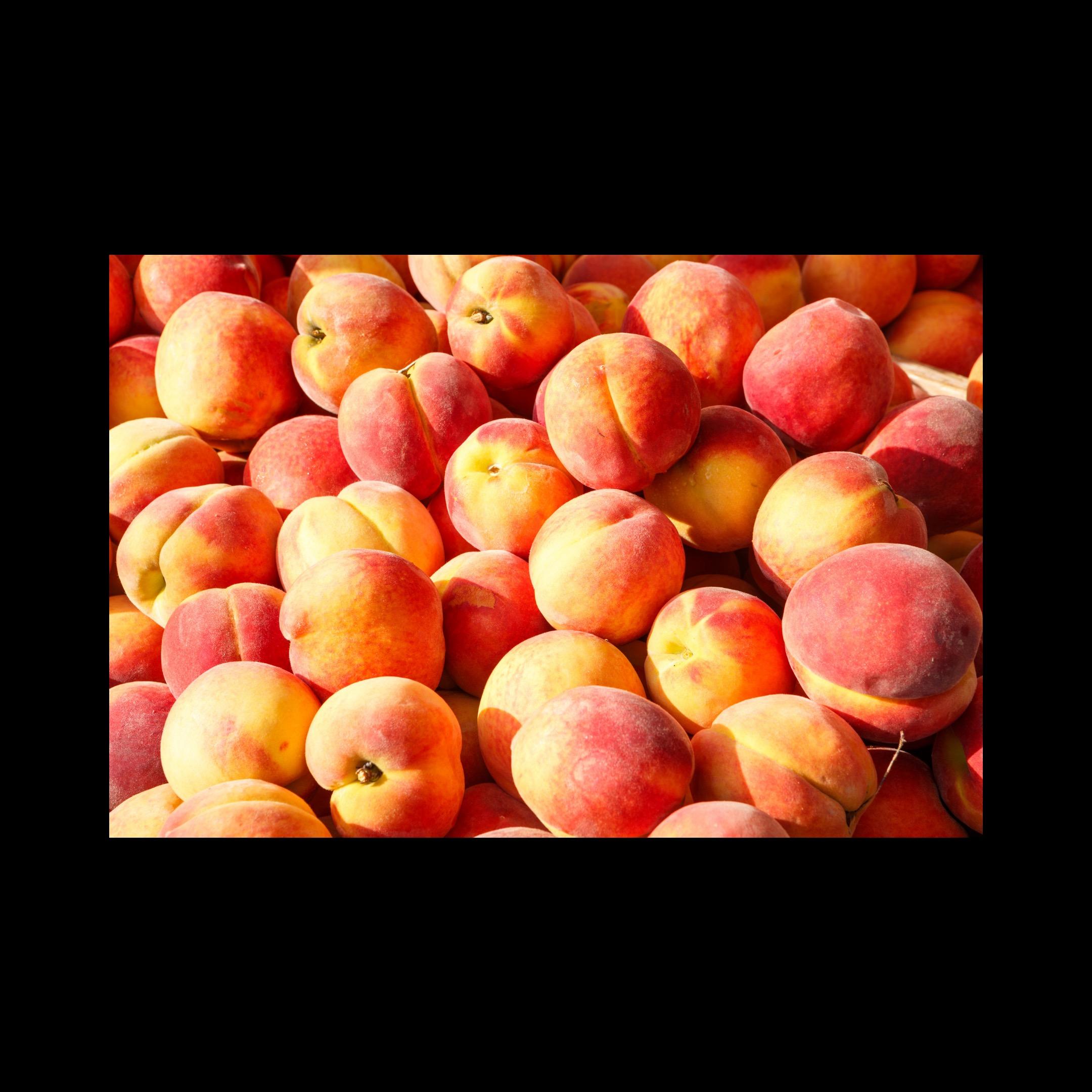
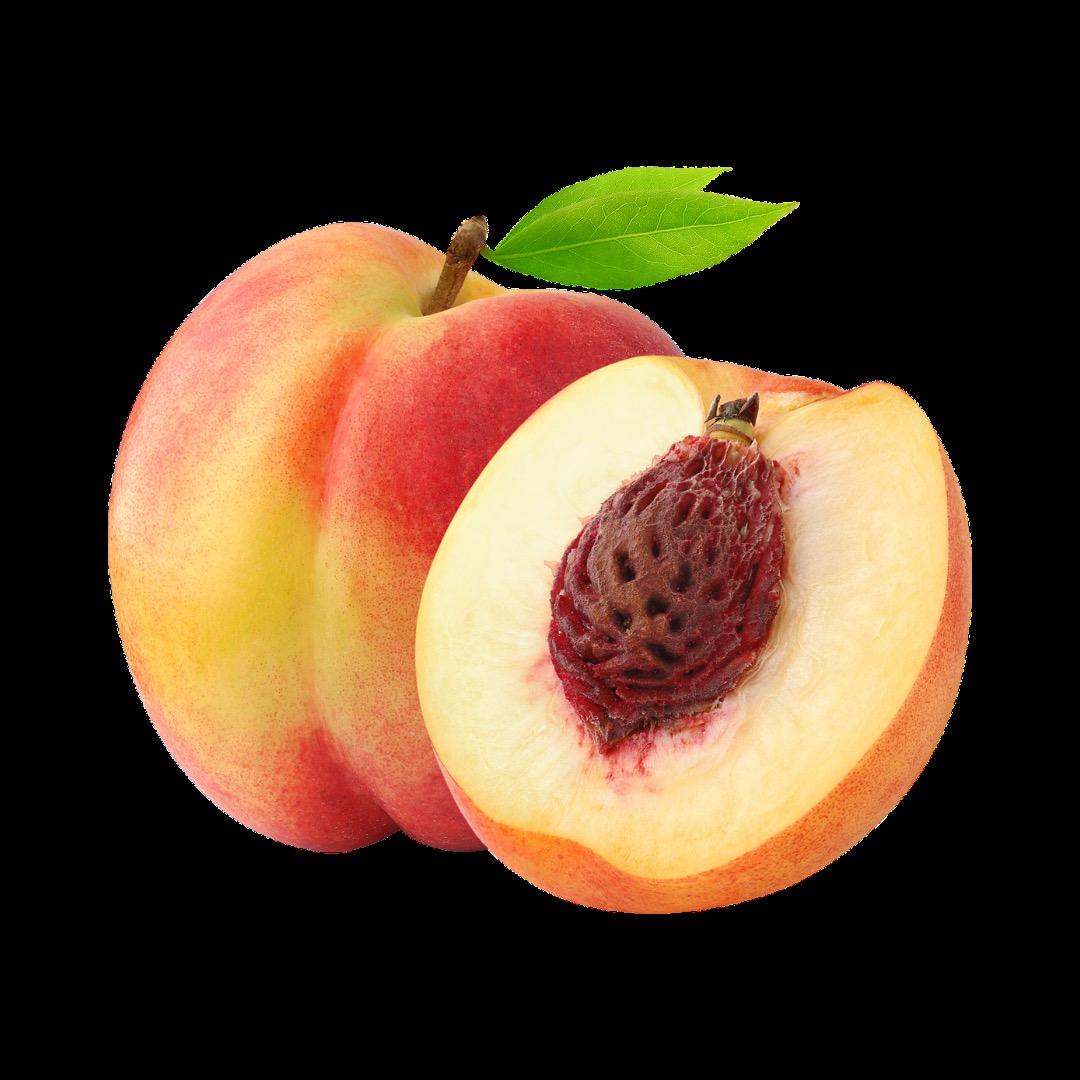
Stone fruits are a type of fruit characterized large, hard pit

There are many types of stone fruit apricots, cherries
Most stone fruits are in season through early fall
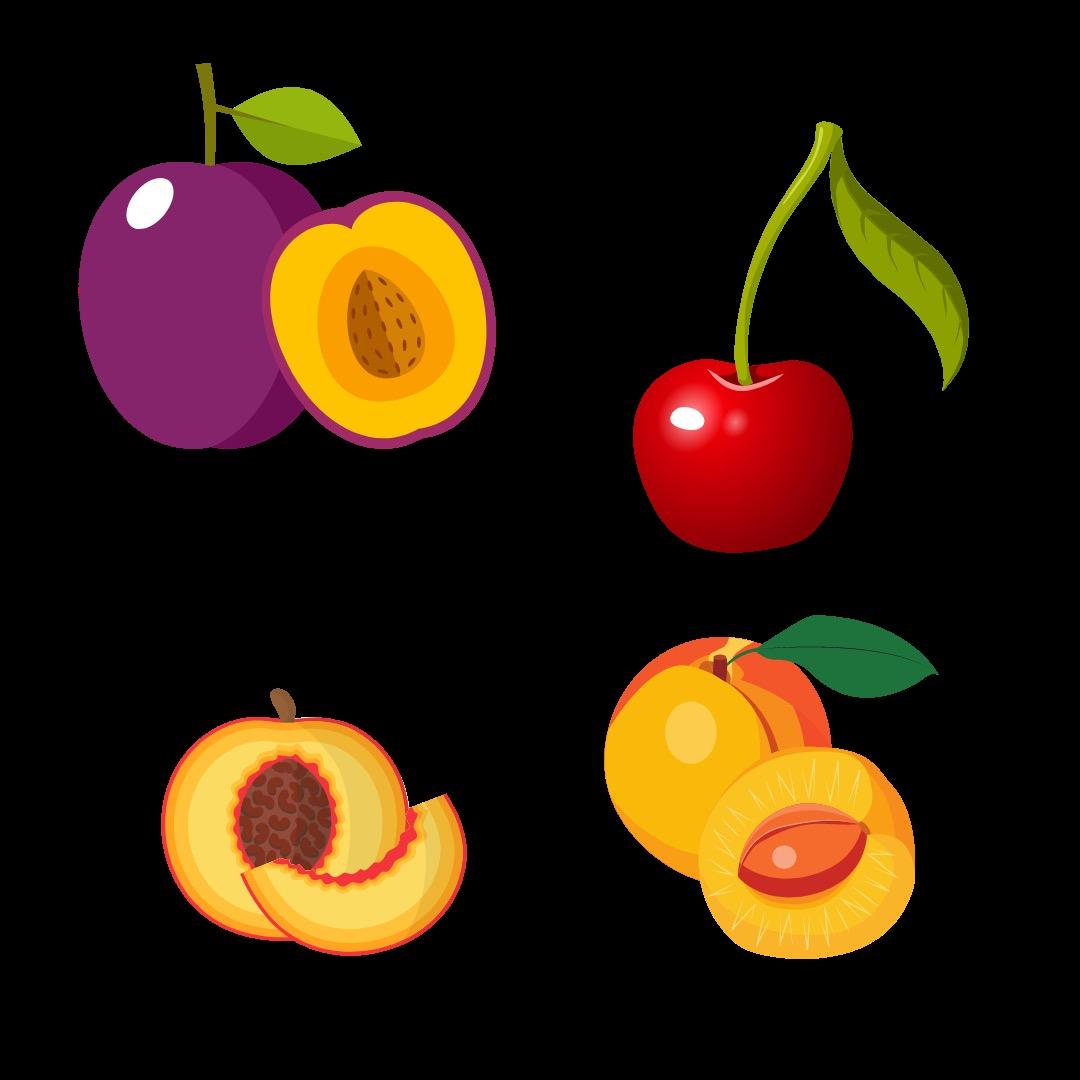
Stone fruits skin tend to be smooth or fuzzy.
ALL types of stone fruits grow on trees.
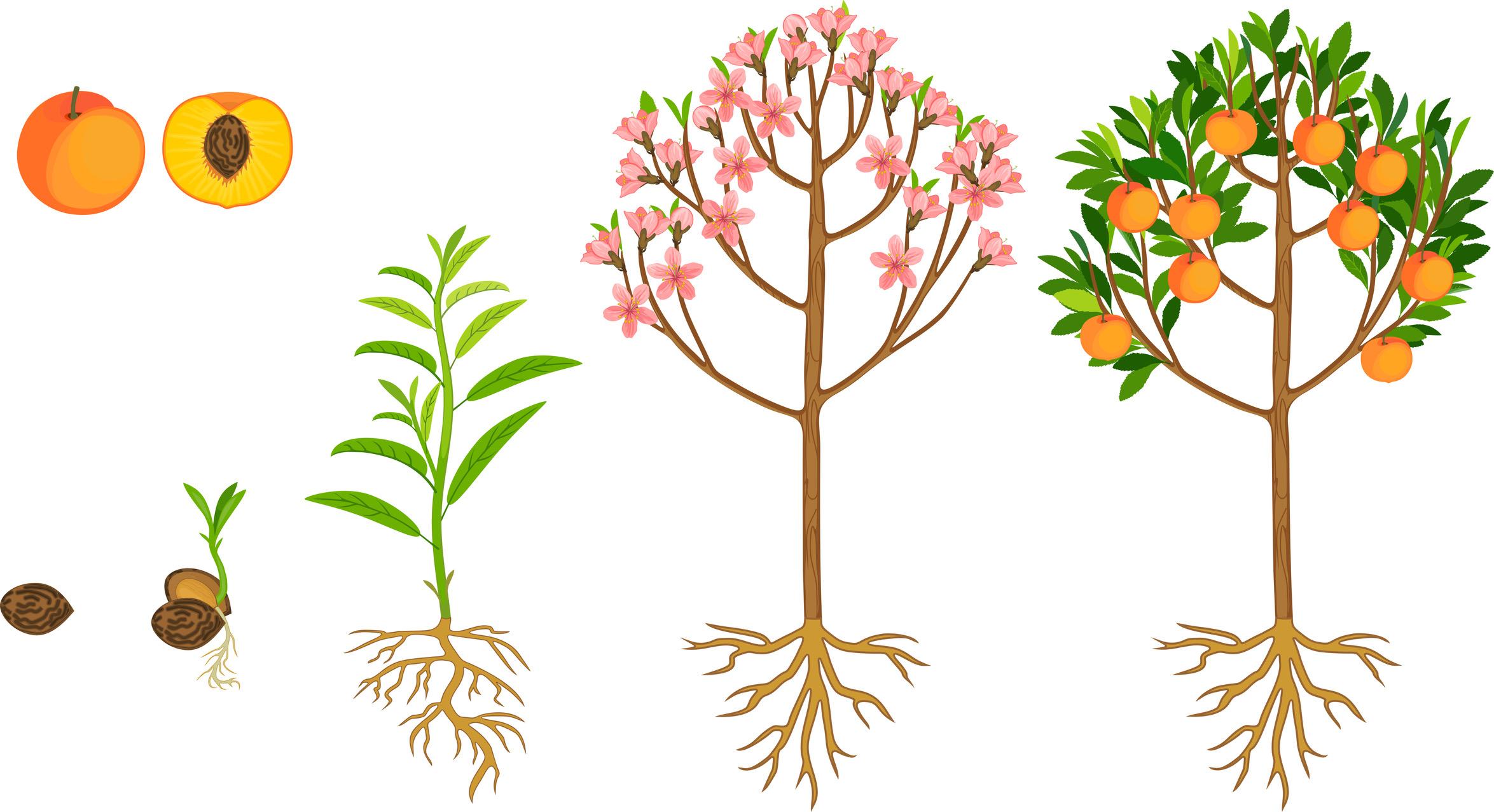
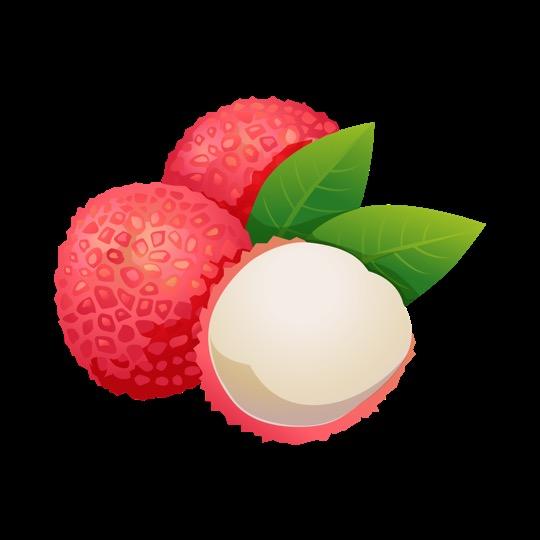
The seed in the center of stone fruit are known as the ”pit” or “drupe.”

Peaches are one of the MOST popular types of stone fruit.
The first fruit to be eaten on the moon was a stone fruit!


Vitamin A supports good vision, growth & immunity
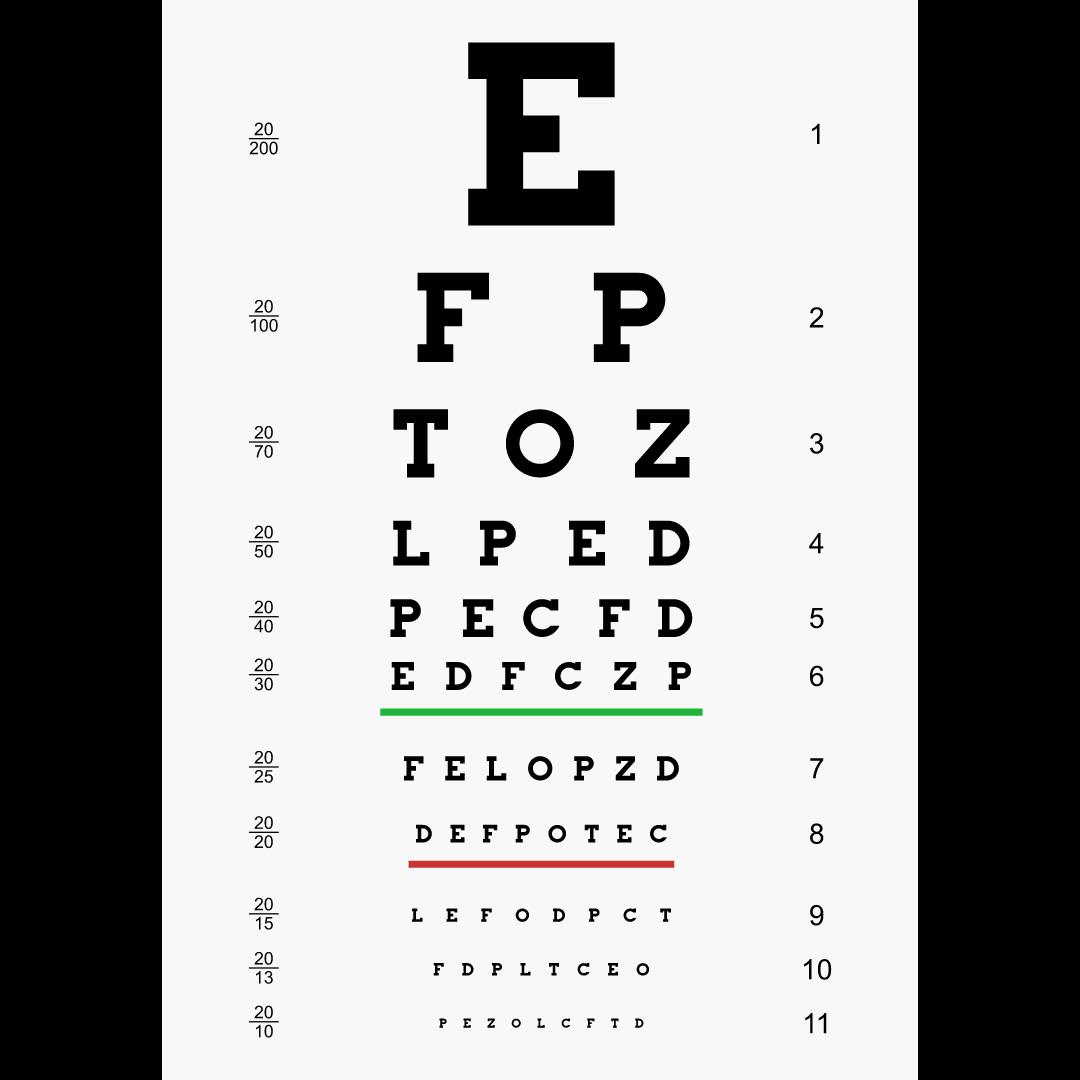
Vitamin A helps more vivid colors during the day


How far can you read down this eye chart?


Vitamin A has antioxidant properties.
Vitamin A can help speed up the healing process of cuts & scraps.
Vitamin A supports immune system to fight off infections.
Vitamin A is a fat-soluble vitamin.
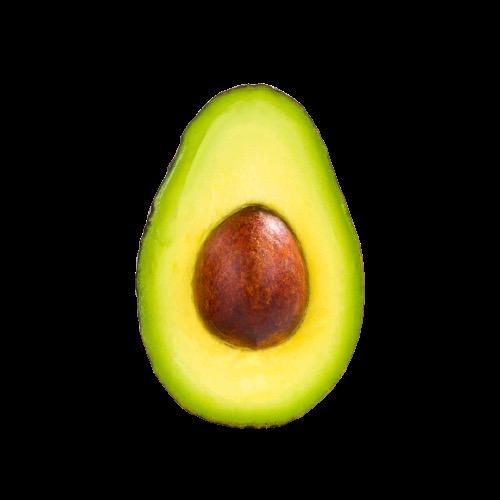
Vitamin A is a fat-soluble vitamin – which means it absorbs better into the body when eaten with foods with some fat like avocados!
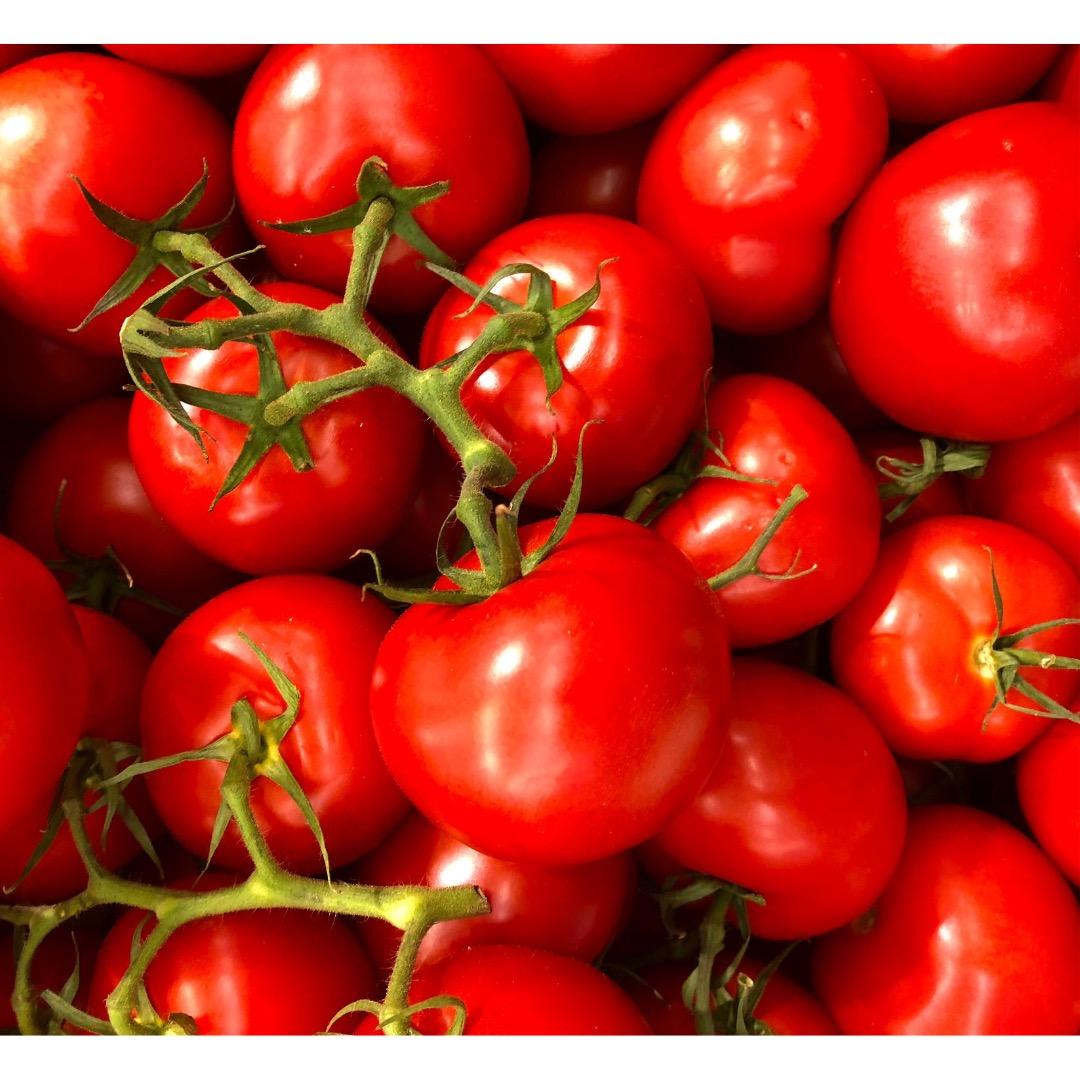


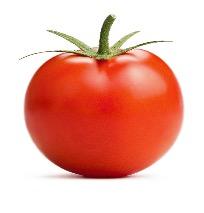
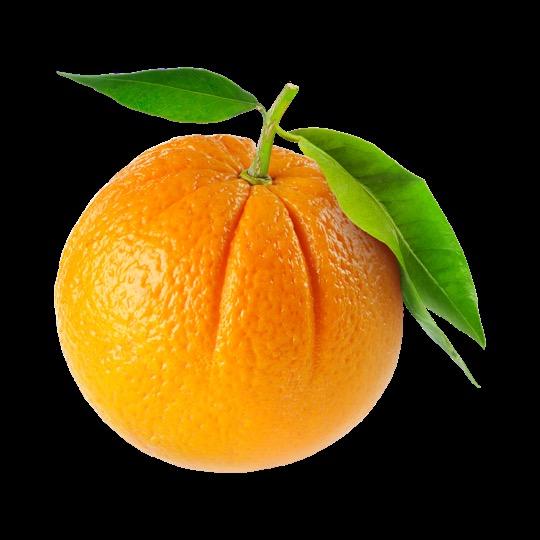
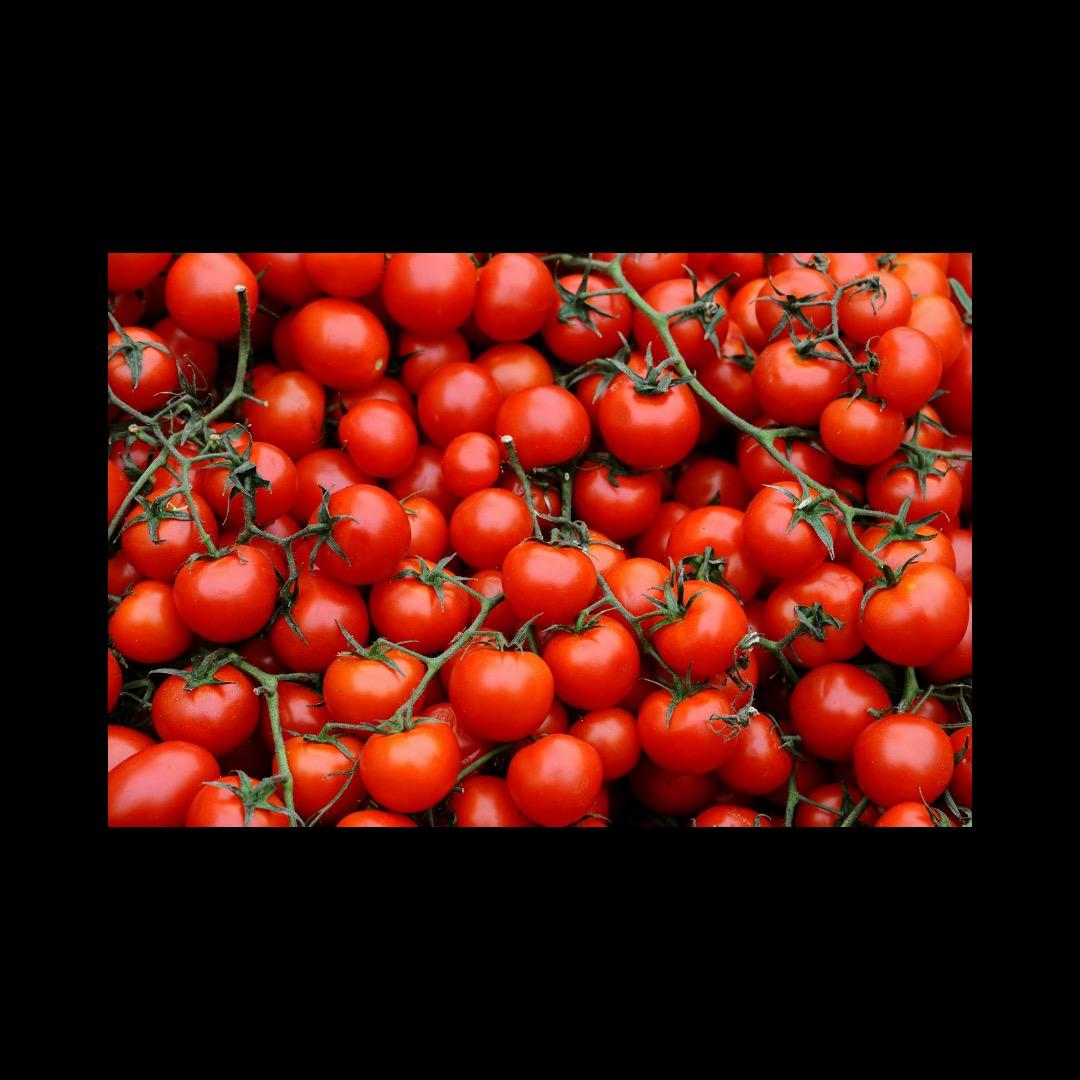
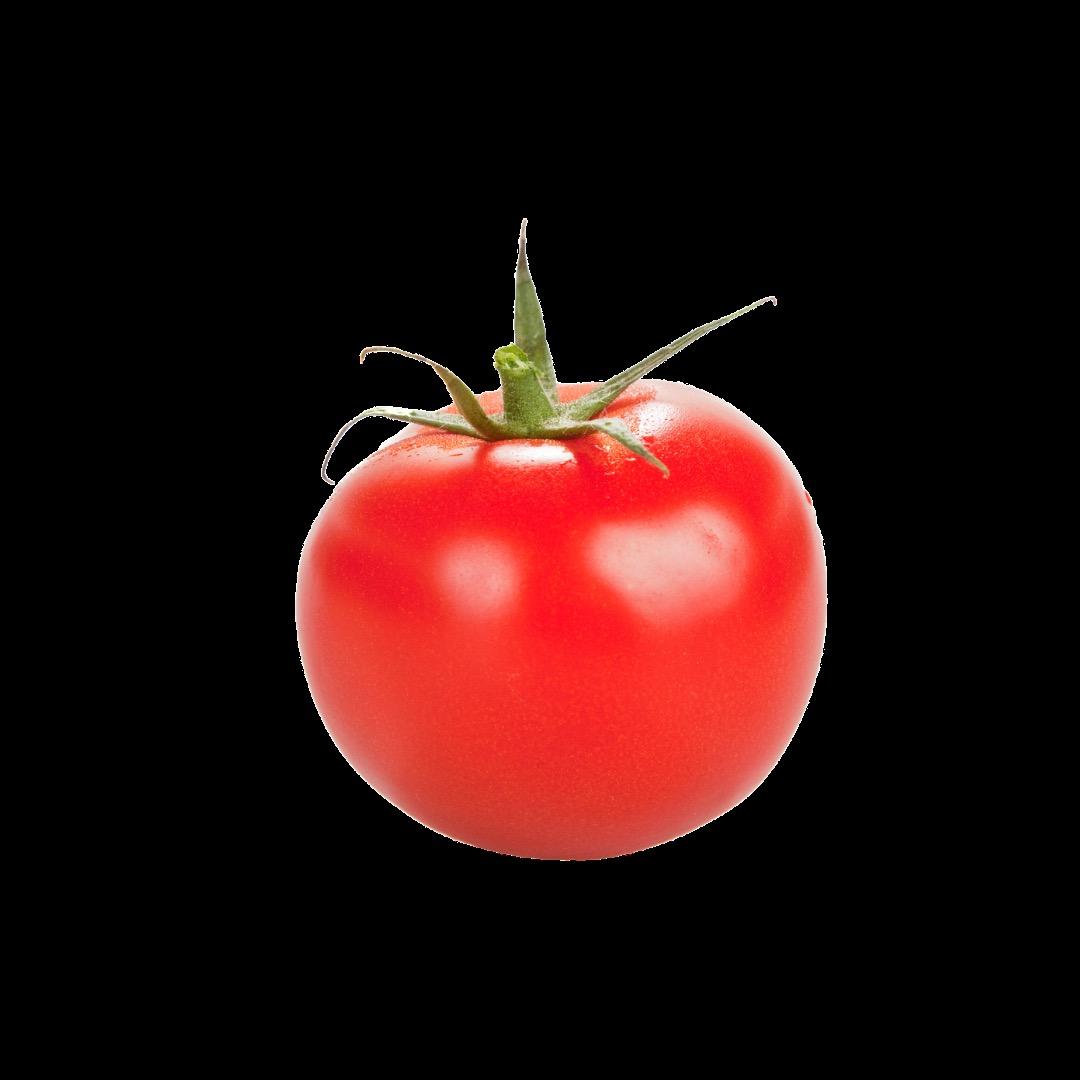
Tomatoes are considered to be both a fruit & a vegetable!
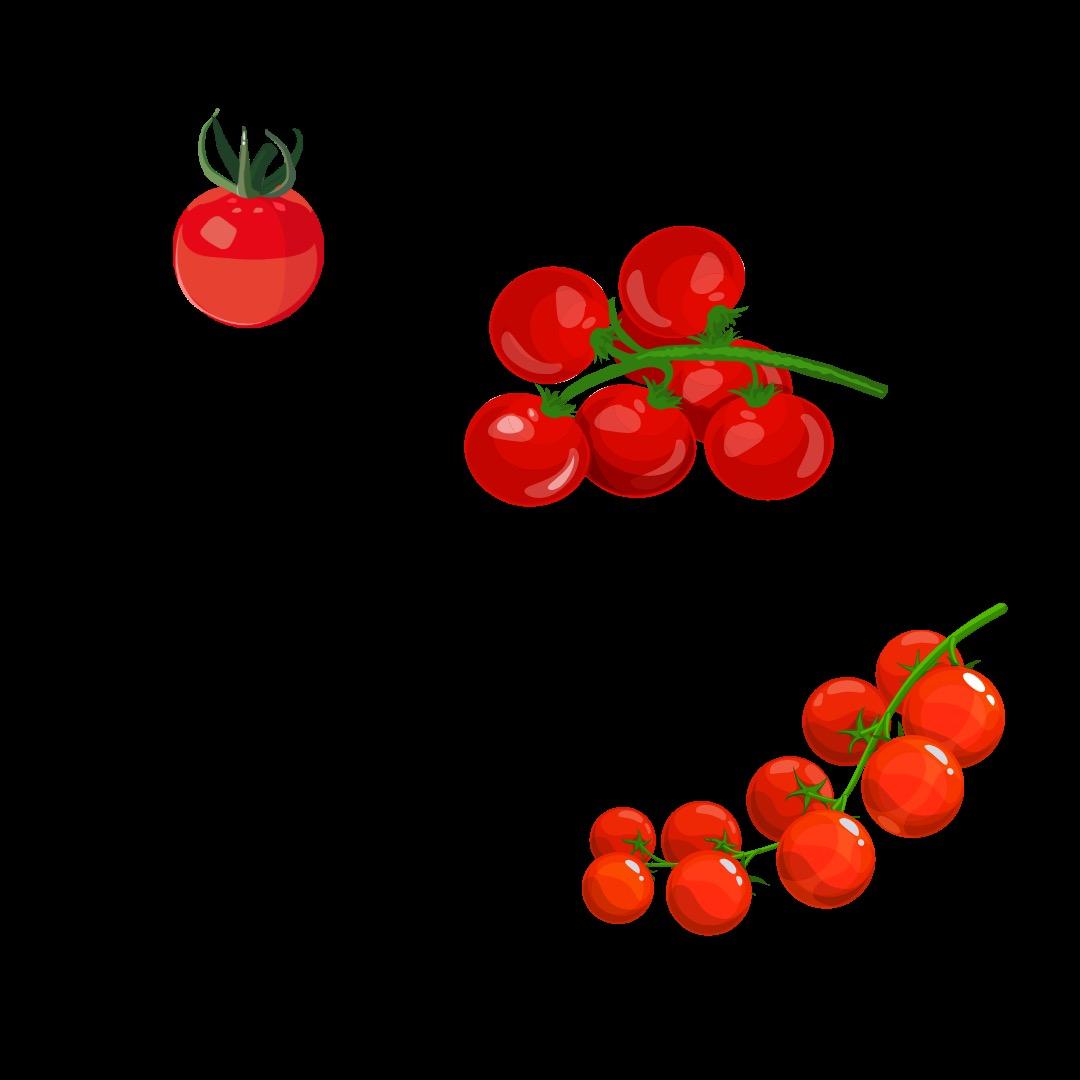
1. Cherry
2. Grape
3. Roma

MANY Americans grow tomatoes in their own garden.
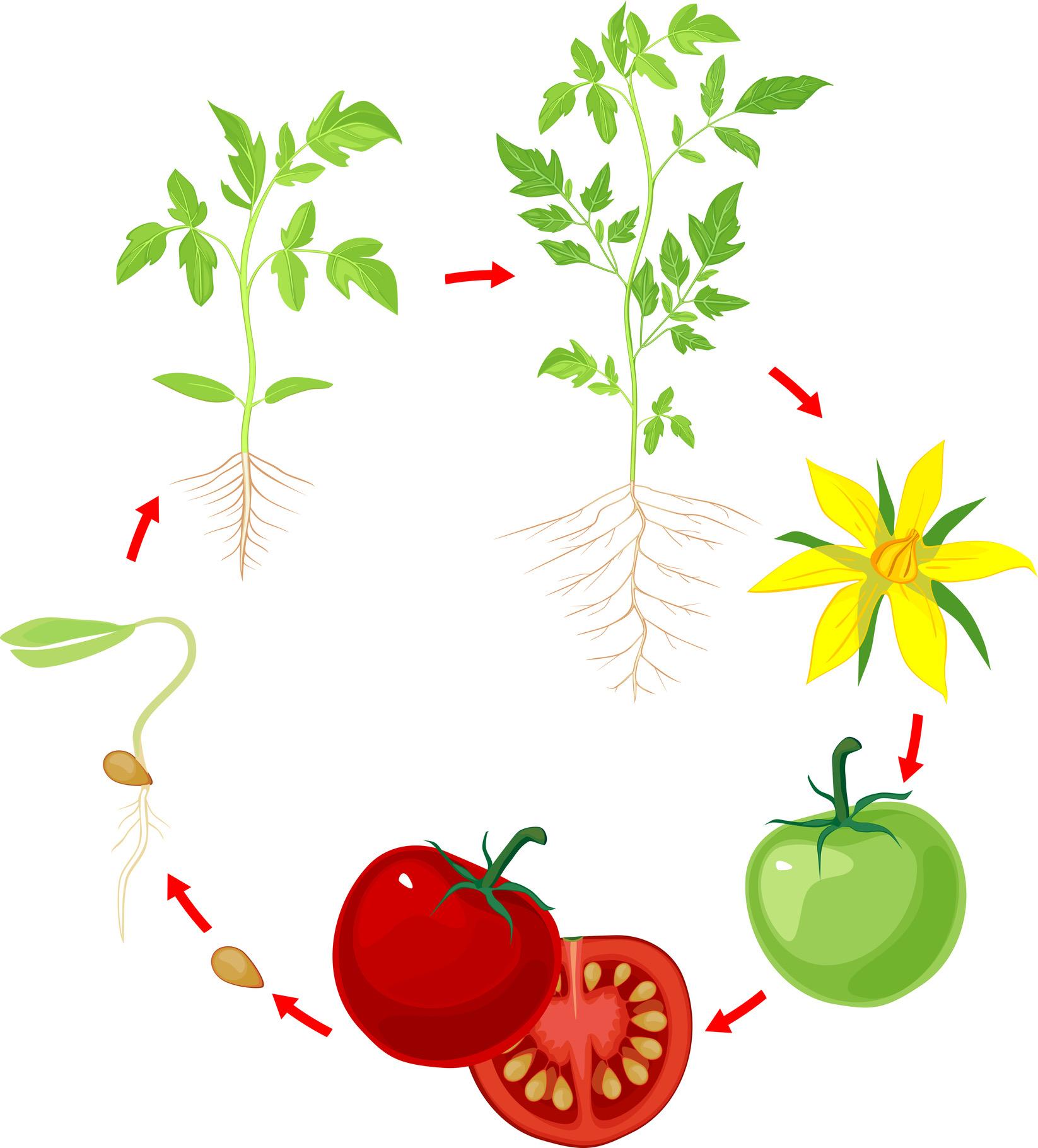
12,000+ TONS of fresh market tomatoes are grown/year in the U.S.
Tomatoes take 60-100 days to grow from seed to fruit.

Botanically, tomatoes are a season crop that LOVE the sun.
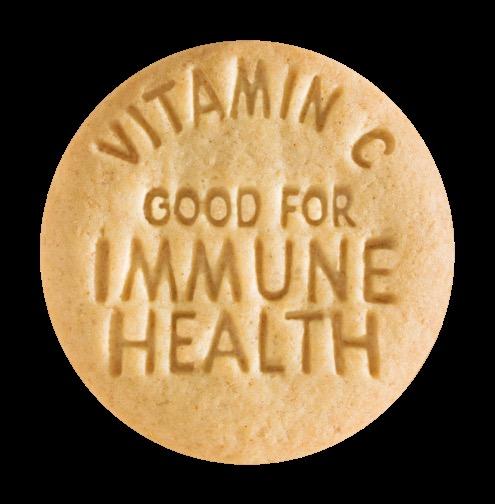


Vitamin C supports the immune systemthe body’s defense against infections.
Vitamin C is also referred to as “ascorbic acid.”
Vitamin C is an antioxidant. Antioxidants help protect against damage caused by exposure to harmful substances in the environment.

The body cannot make vitamin C on its own - it has to come from food.
Vitamin C helps keep you happy & healthy! What do you call a vitamin that improves your eyesight?
A Vitamin C!
Vitamin C is a very important vitamin for healthy gums & teeth.
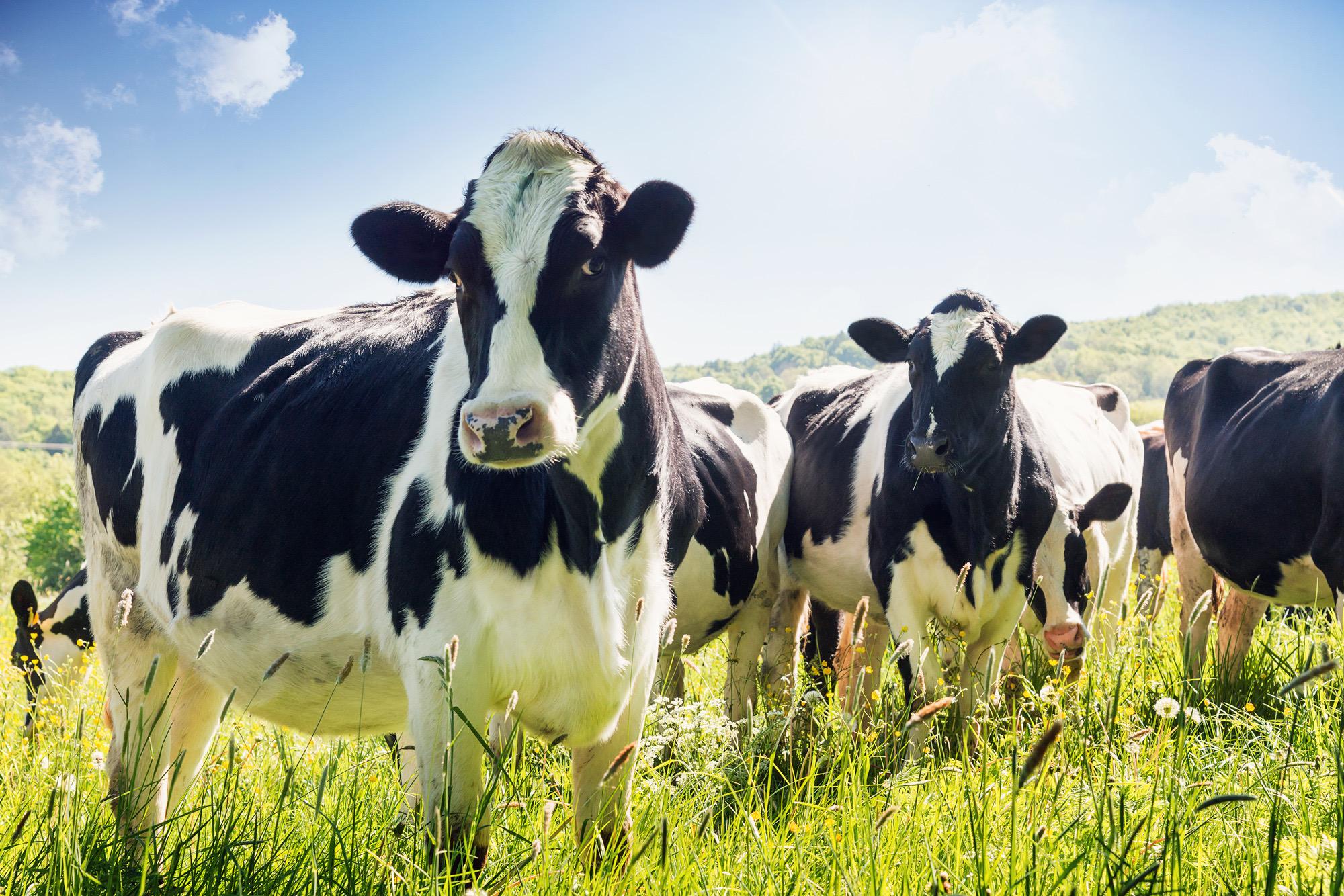


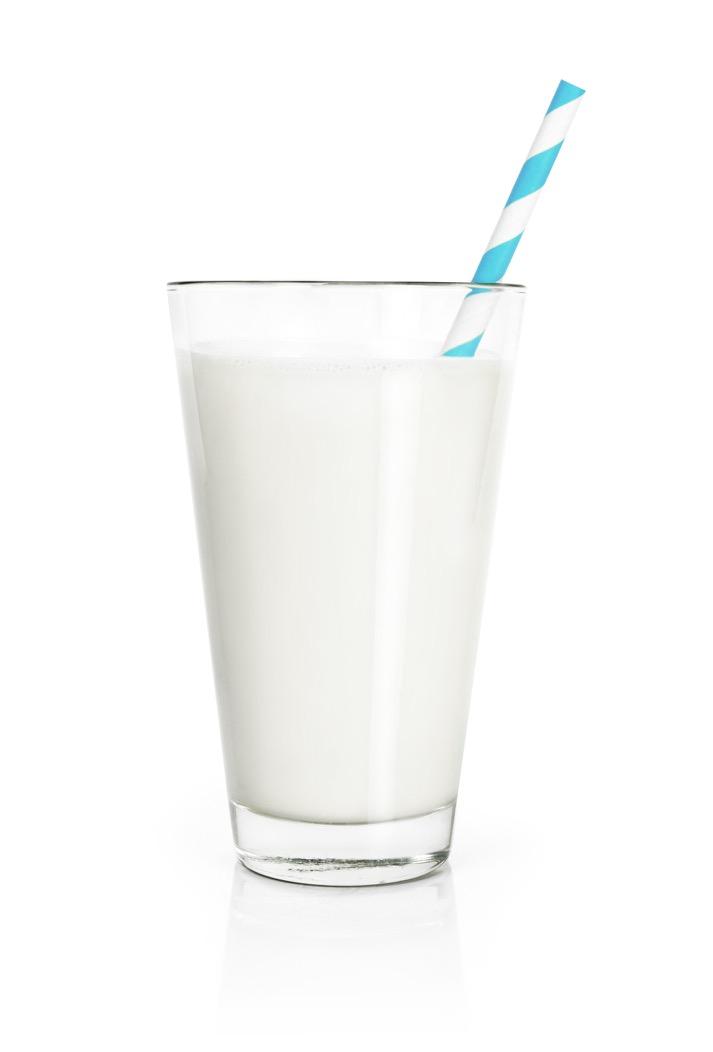
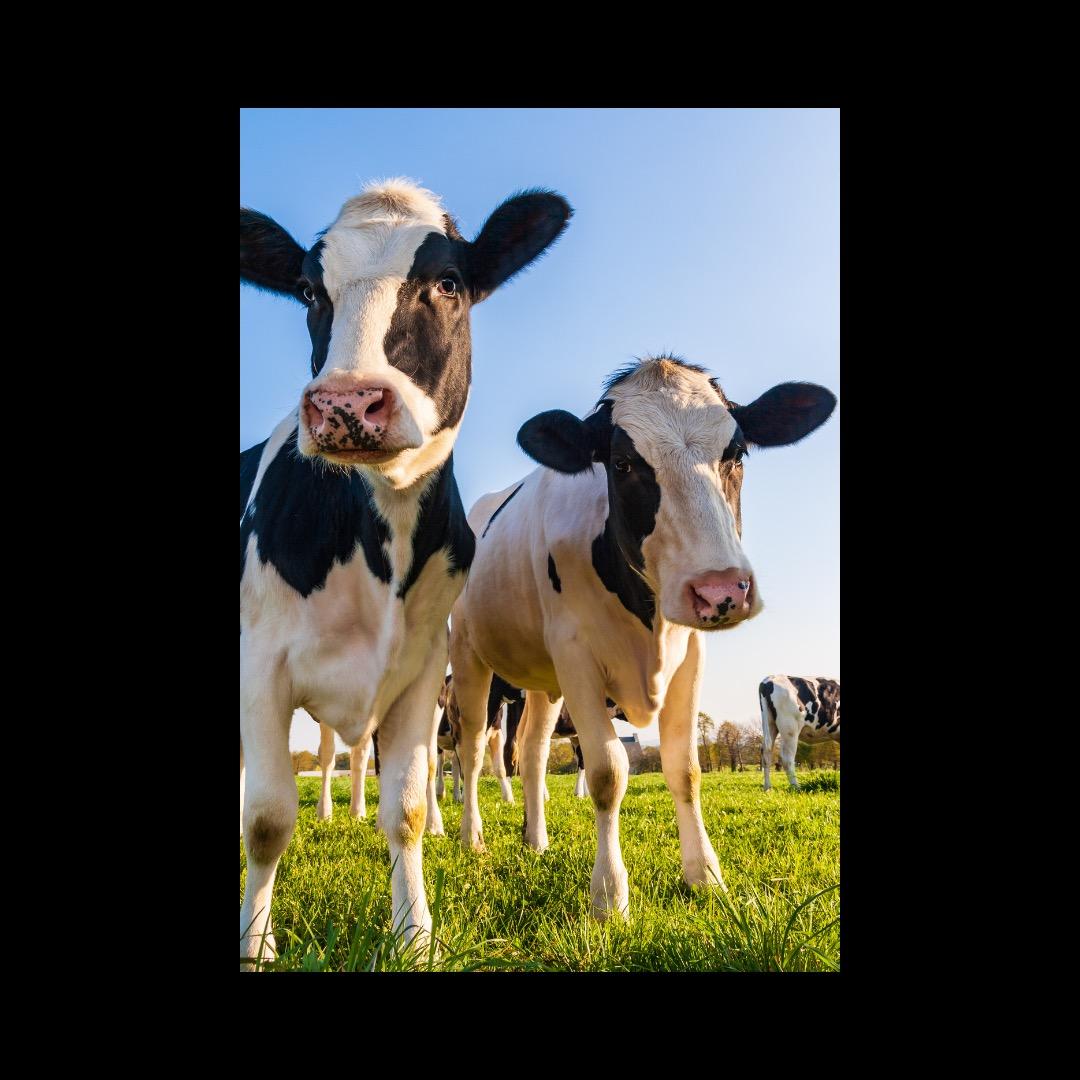
Texas is the 4th largest milk producing state & produces 15+ billion pounds of milk per year.

70% of Texas dairy farms in are located in the panhandle
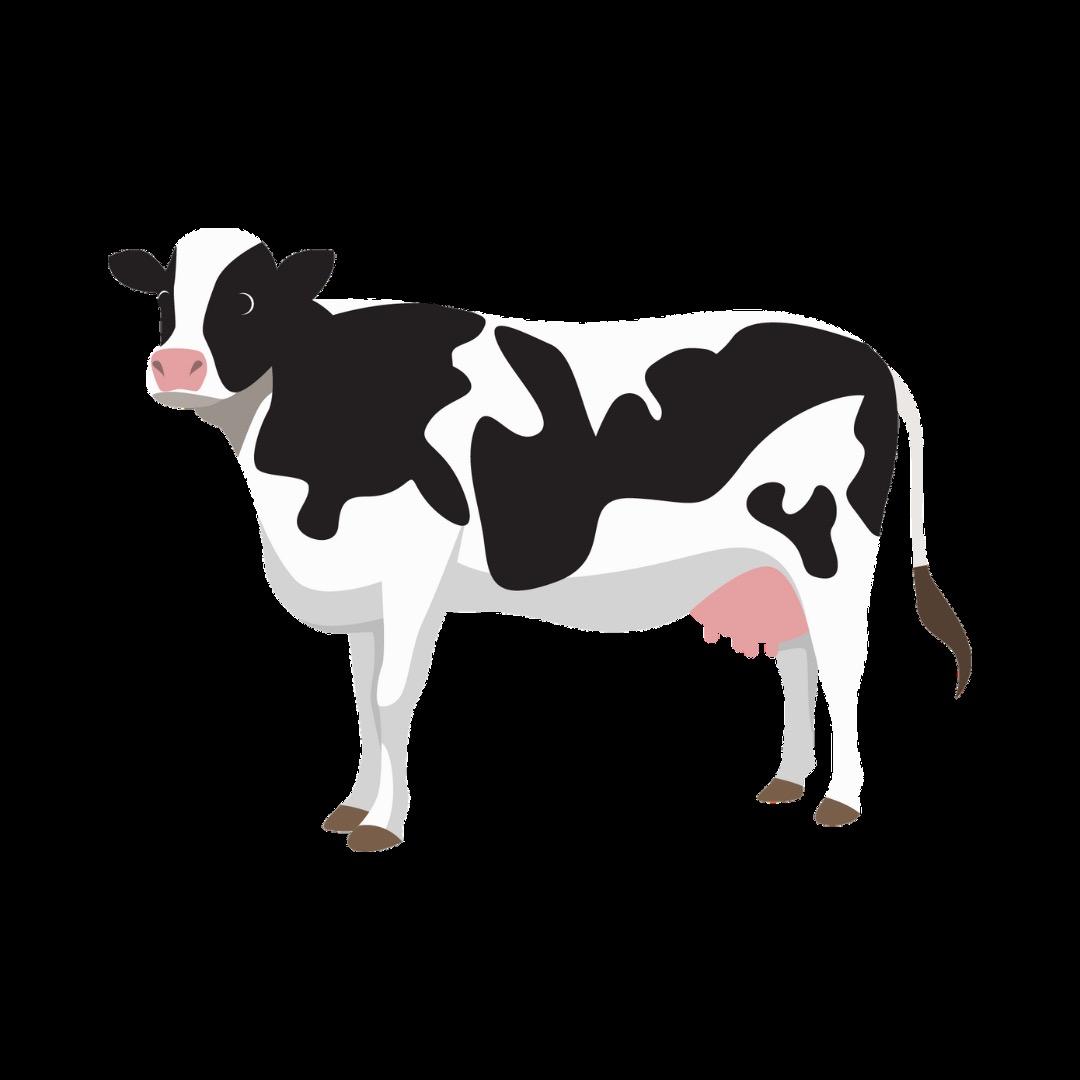
Texas is home to 646,000 dairy cows and 320 dairy farms
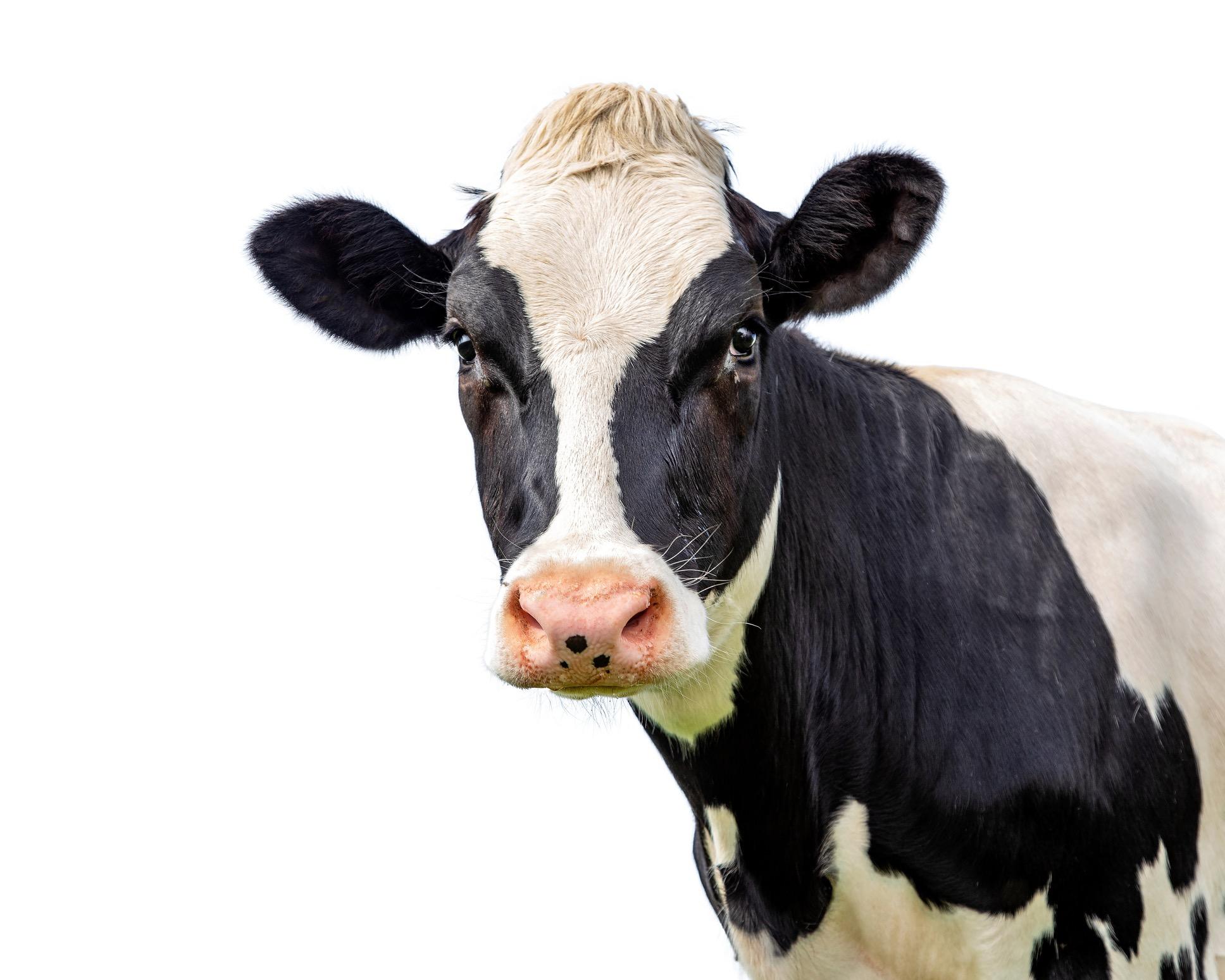
Holstein cows are the ones with unique black & white spots!
Most Texas dairy farms are family-owned. popular dairy cow breed in Texas.
Texas is home to 33 milk processing plants throughout the state.



The average on a Texas dairy farm is around
The dairy industry significantly Texas’ economy
The average Texas dairy cow of milk per day.


Protein builds, maintains and replaces the tissues in the body.
Protein helps to transport & store nutrients throughout the body.
18 - 20% of the body is protein.

EVERY cell in the human body contains protein.
The body cannot store protein long term… which is why protein needs to be consumed daily.
Protein is made

blocks.
Protein plays a big role in building and repairing muscles.
Protein is a MACRONUTRIENT . A macronutrient is a nutrient that the body needs in LARGE
Protein helps maintain fluid balance throughout the body.