


Our mission is to provide our future leaders with nutritional, quality meal choices through education and friendly service in a caring environment.

Fayette County School Nutrition Program is proud to be highlighting the foods on their menus & promoting nutrition education!
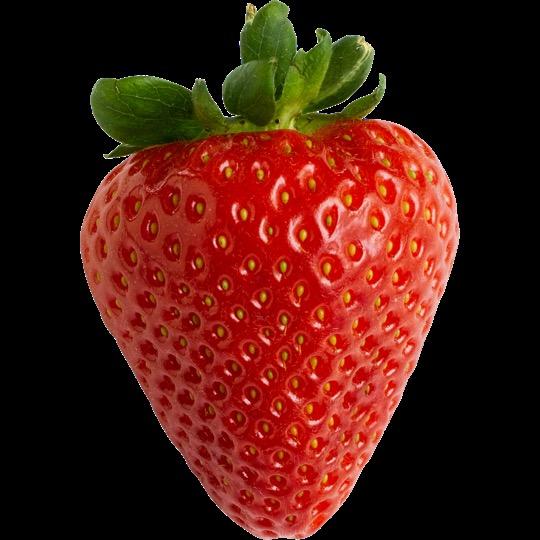






fruit to ripen in the spring.
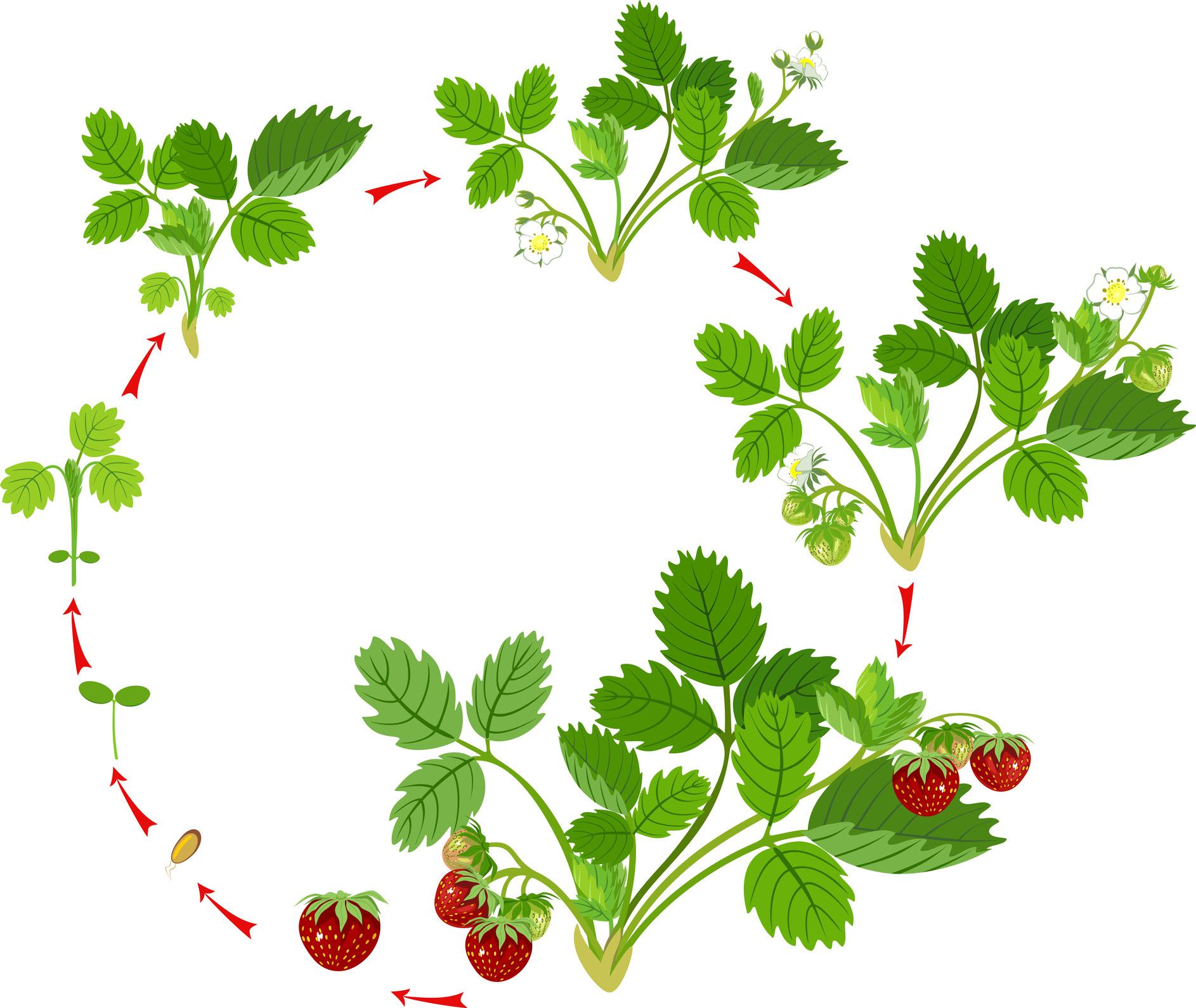
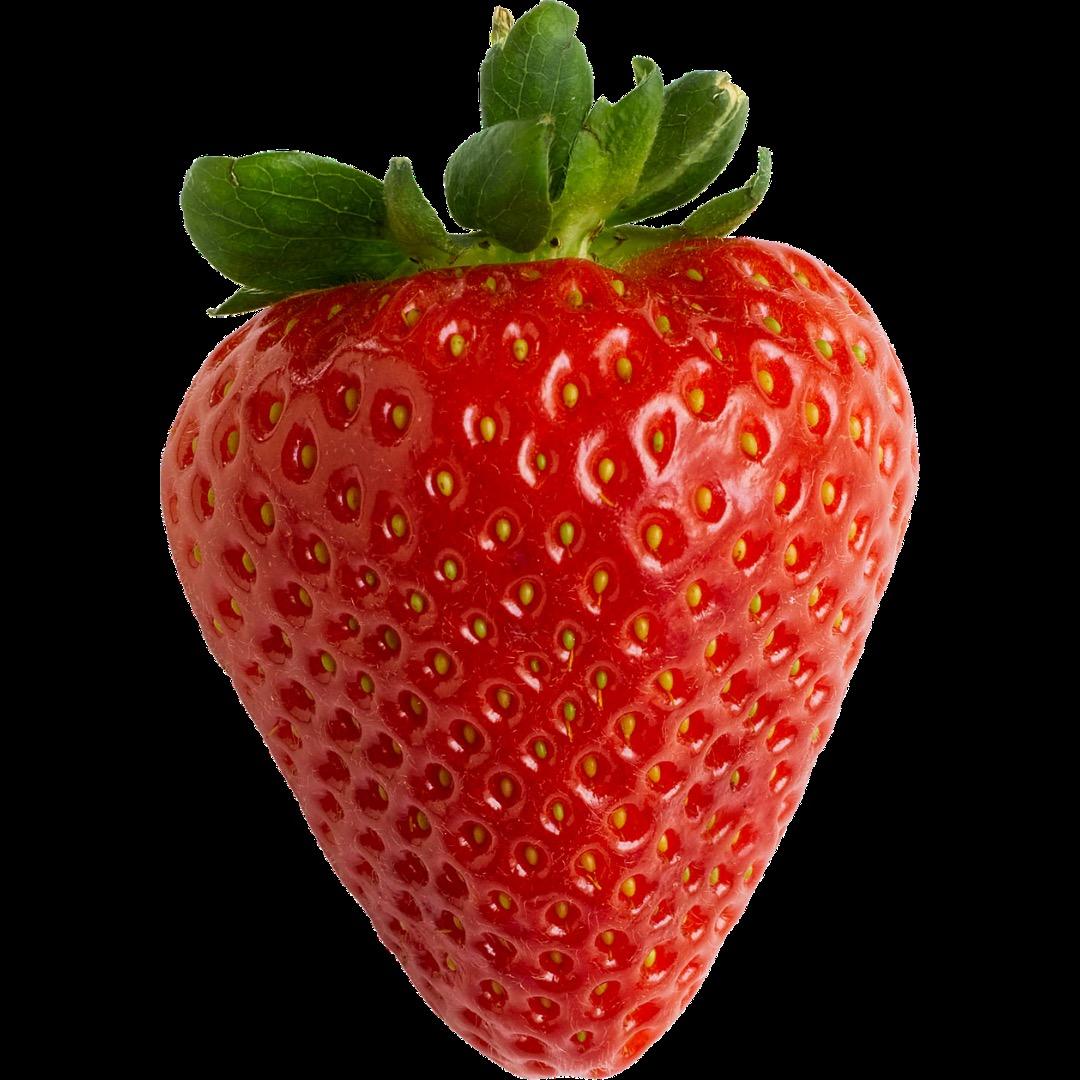
2. Ever-bearing 3. Day-neutral
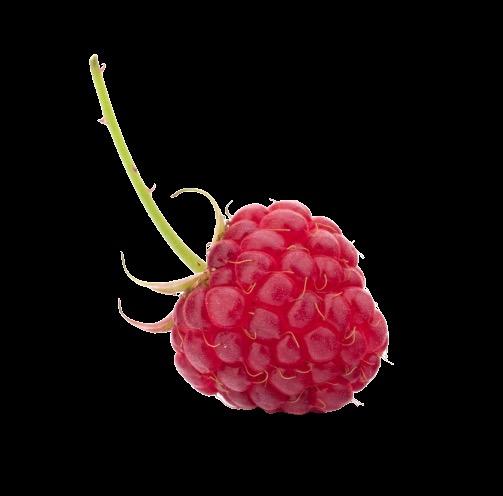
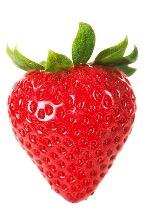
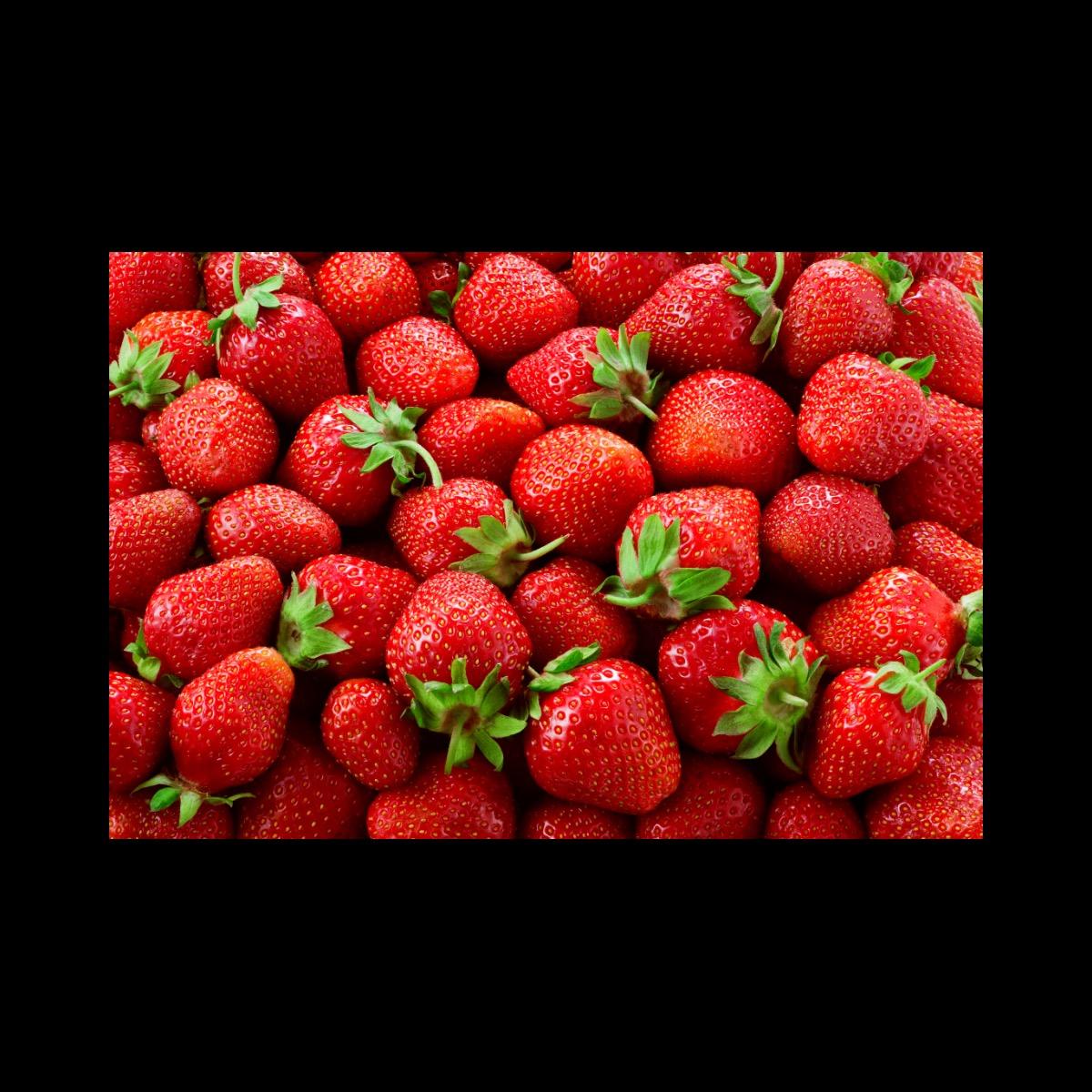
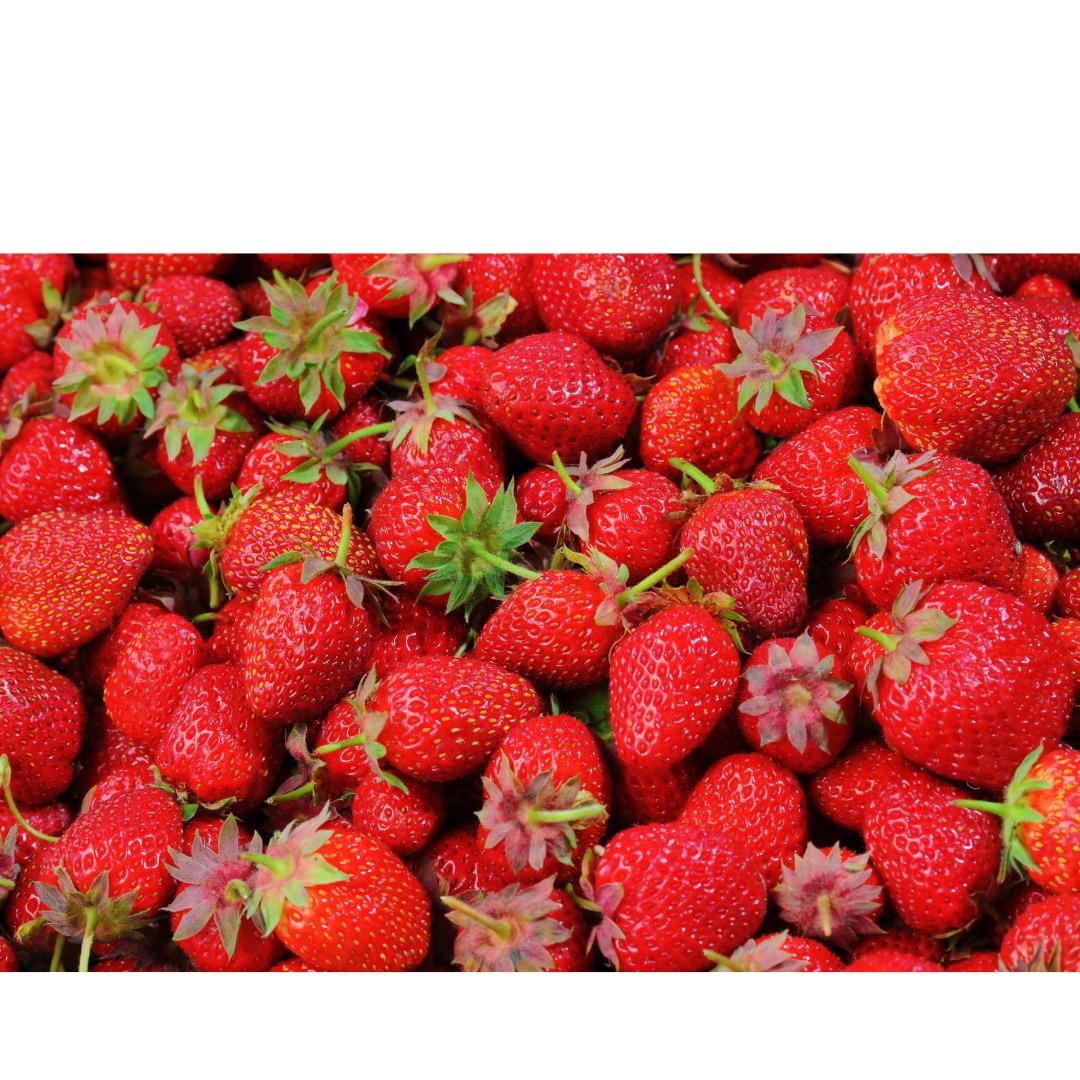
strawberry has ONLY fruit with seeds on the outside.


Peak strawberry harvesting season lasts from April through June.



Vitamin C supports the immune systemthe body’s defense against infections.
Vitamin C is also referred to as “ascorbic acid.”

Vitamin C is an antioxidant. Antioxidants help protect against damage caused by exposure to harmful substances in the environment.

The body cannot make vitamin C on its own - it has to come from food.
Vitamin C helps keep you happy & healthy! What do you call a vitamin that improves your eyesight?

Vitamin C is a very important vitamin for healthy gums & teeth.
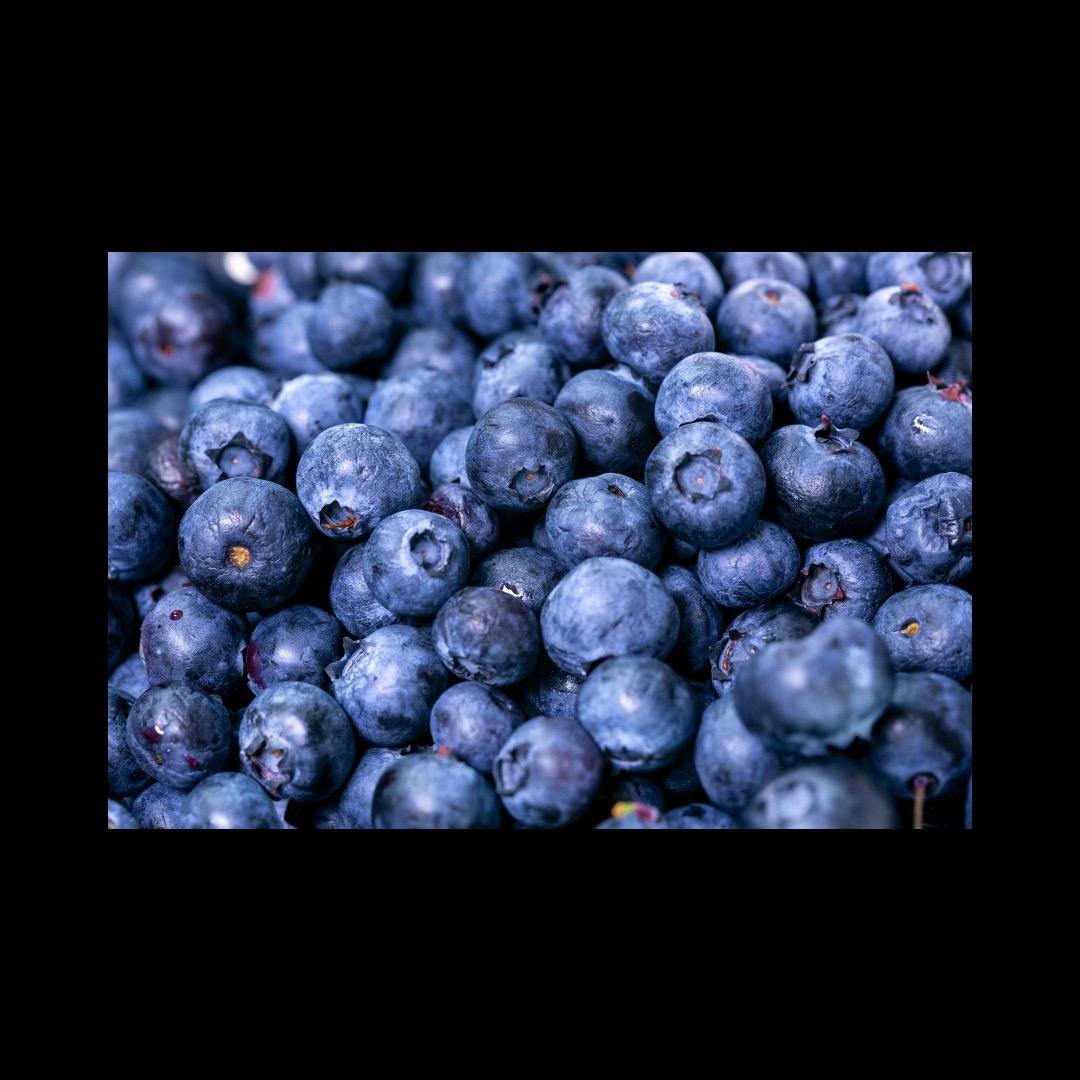



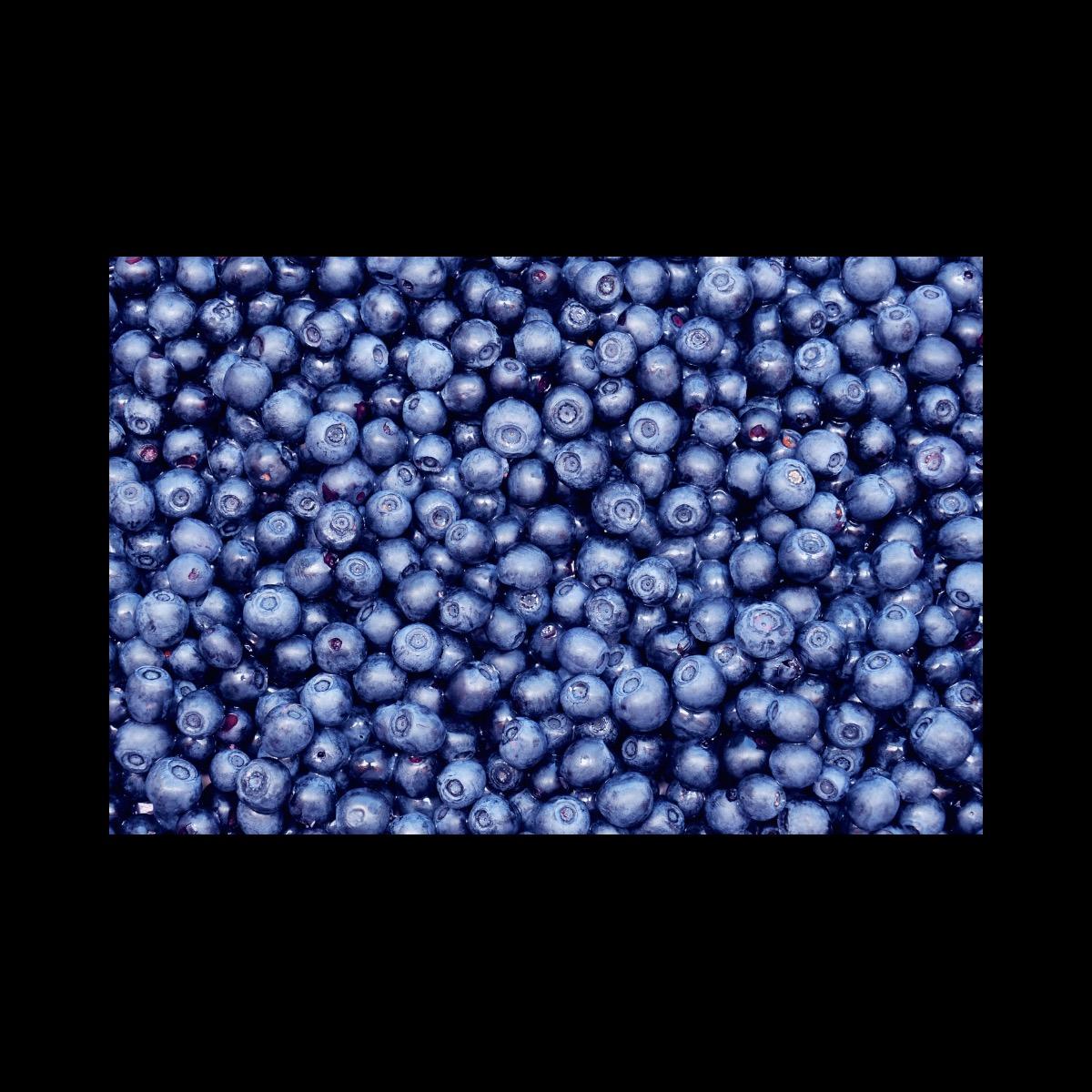
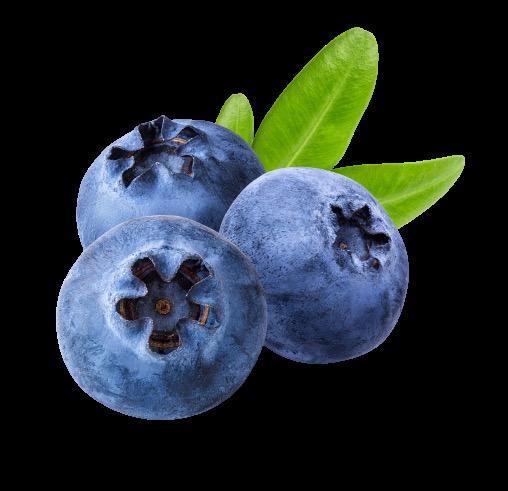
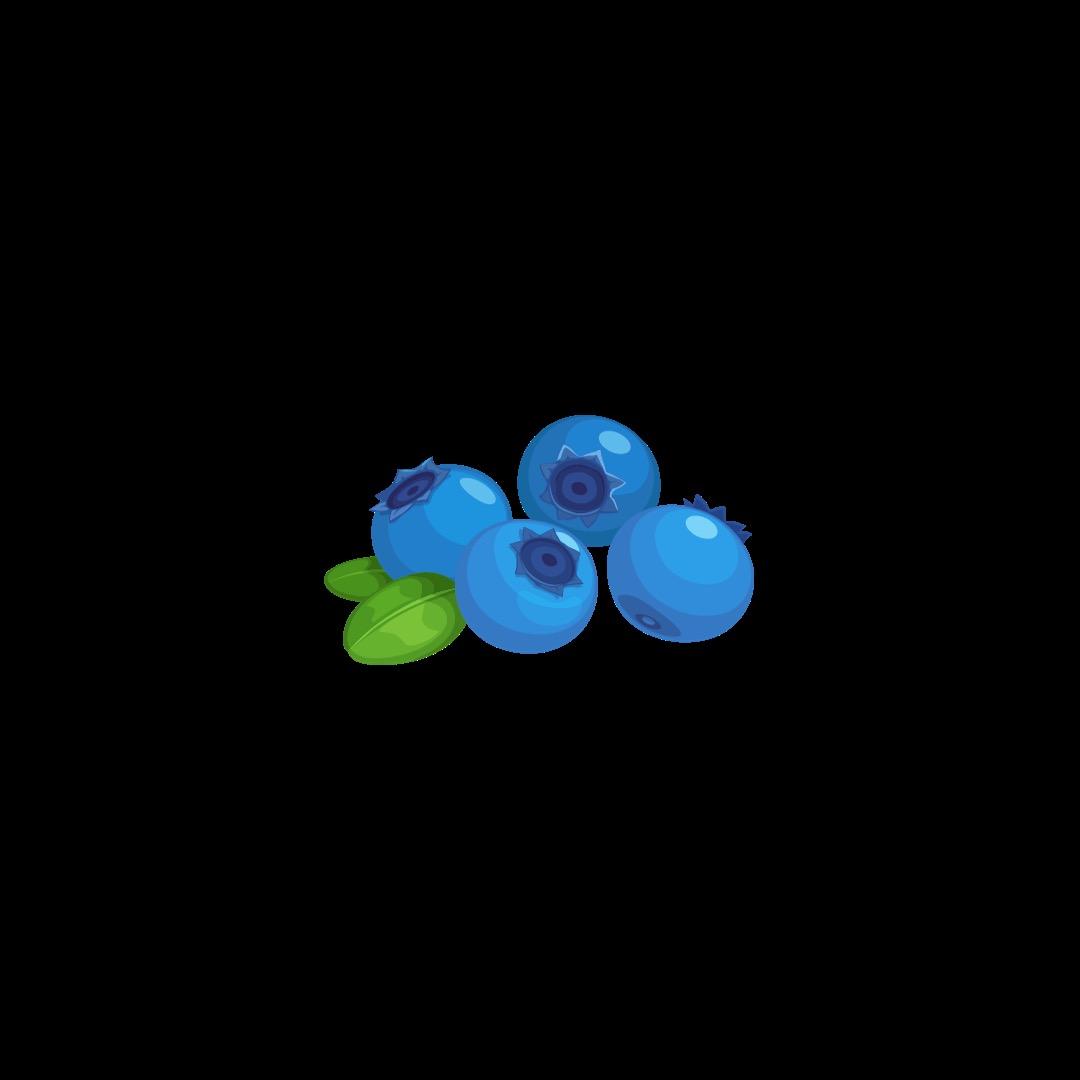
Blueberries are a type of berry known for their mildly tarte taste.
The U.S. is home to around 102,000 acres of blueberries.
Blueberries are native to North America.
Highbush blueberries are the most common.

1 blueberry bush can produce 6,000 blueberries/year.
Blueberries are one the only food naturally blue in color.

Lowbush blueberries are smaller & sweeterperfect for making jam!

B Vitamins help support the body’s energy levels, brain function & cell metabolism
essential B vitamins:
Vitamin B1, Vitamin B2, Vitamin B3, Vitamin B5,

Vitamin B6, Vitamin B7, Vitamin B9 & Vitamin B12.
Water is needed to help the body absorb B vitamins.


B5, B12, C and E knock on your door…what do you do? blood cells.
B vitamins help the body make energy from food.
be regularly consumed.
B vitamins play a role in serotonin production. Serotonin makes us feel happy
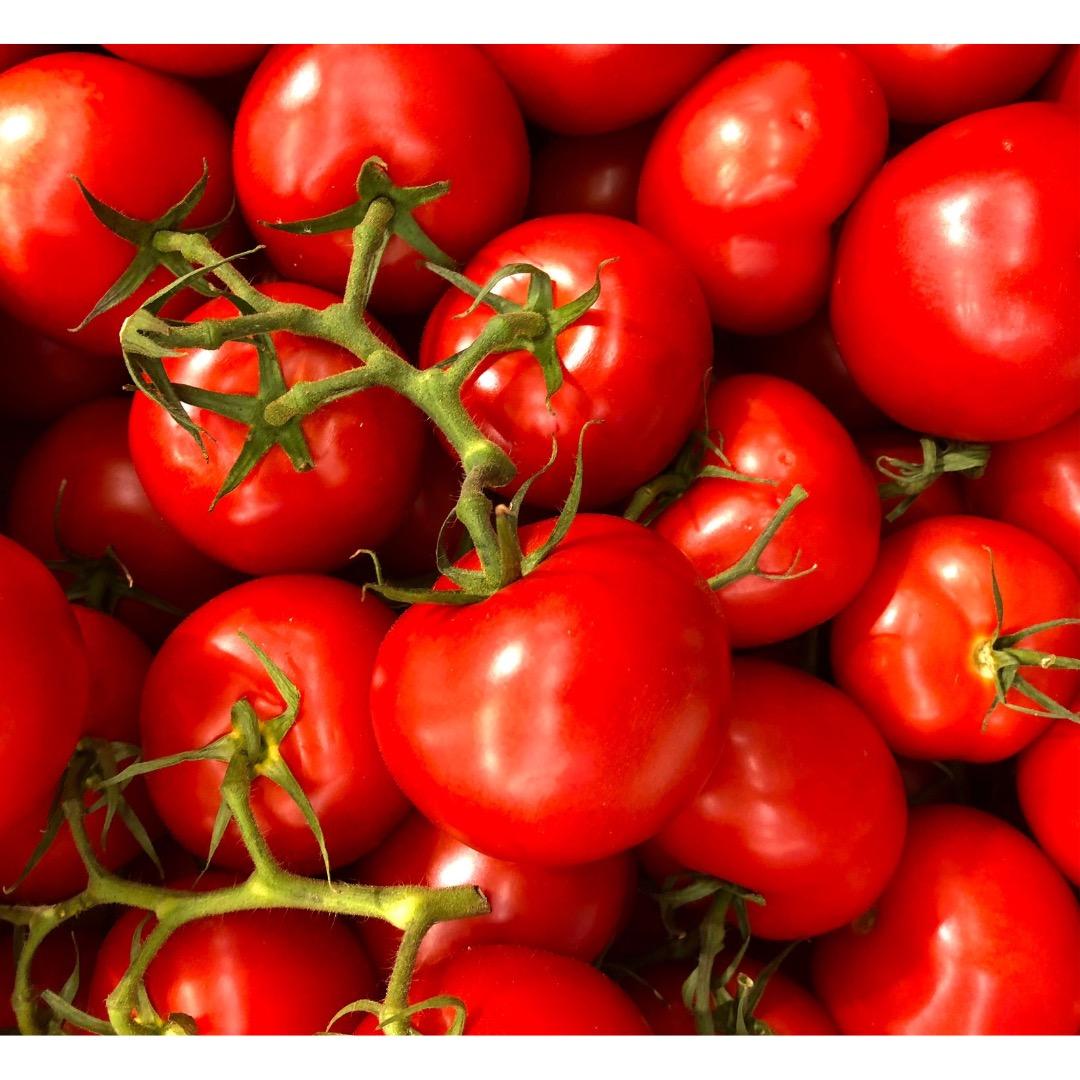

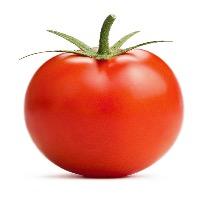
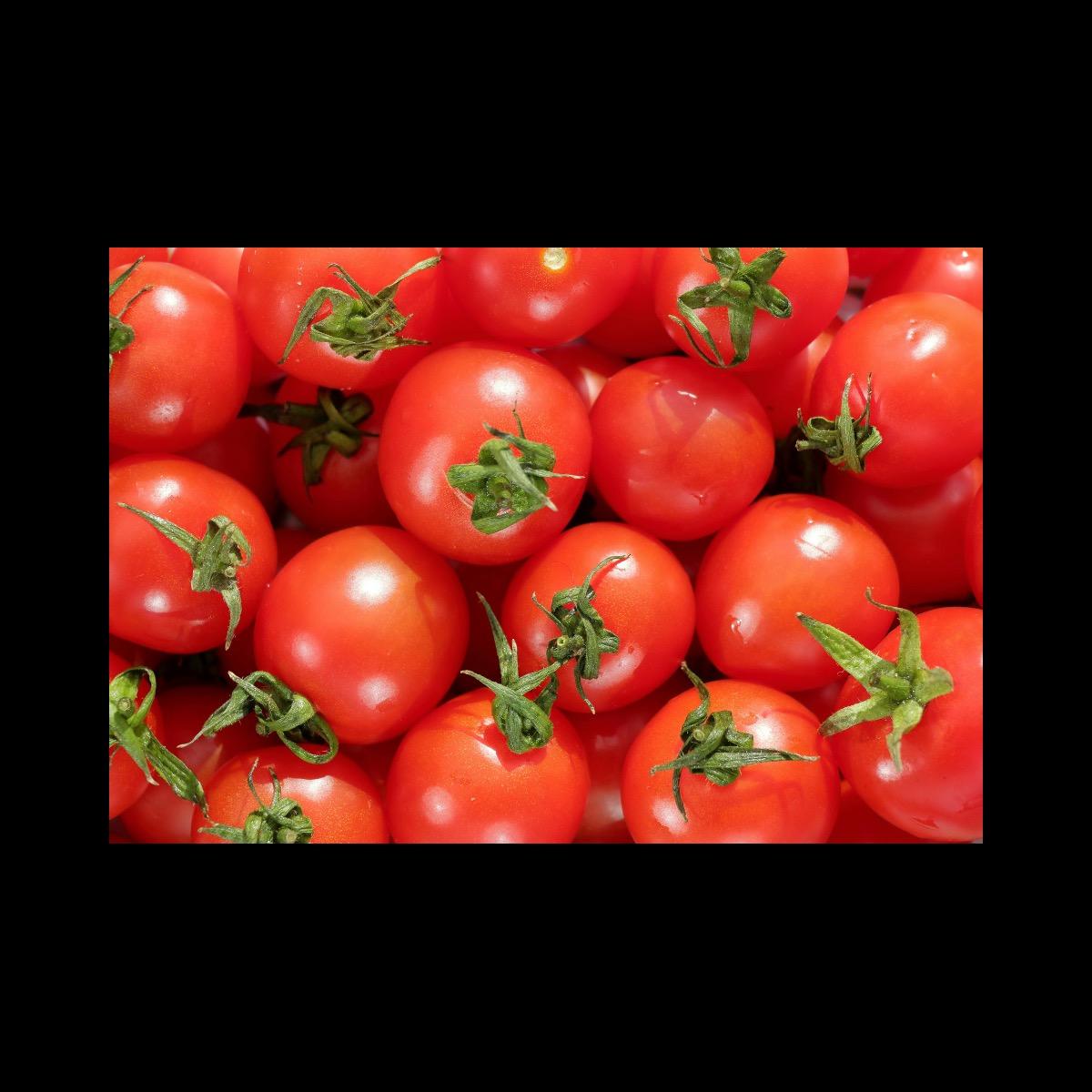
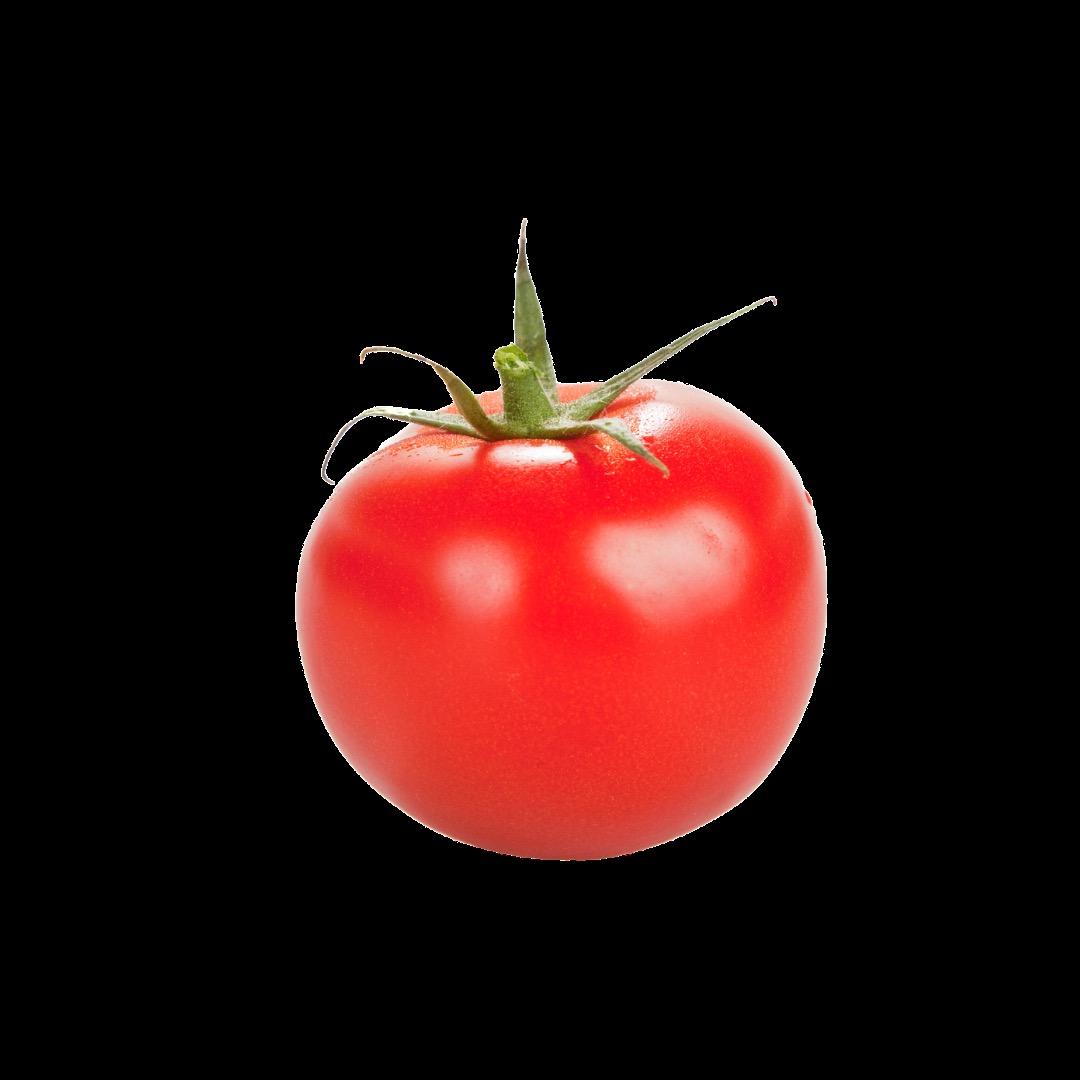
Tomatoes are considered to be both a fruit & a vegetable!

12,000+ TONS of fresh market tomatoes are grown/year in the U.S.
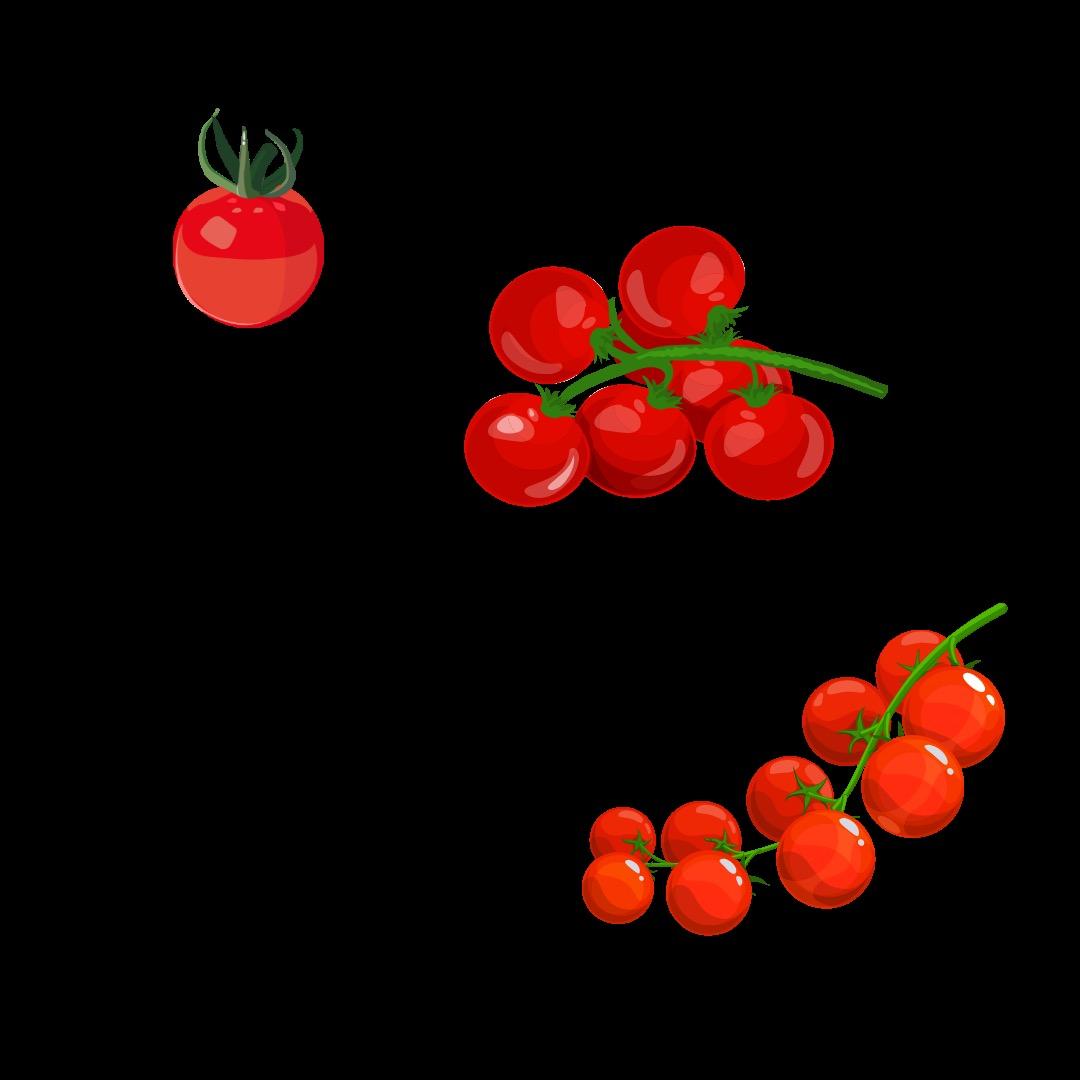
1. Cherry
2. Grape
3. Roma
MANY Americans grow tomatoes in their own garden.
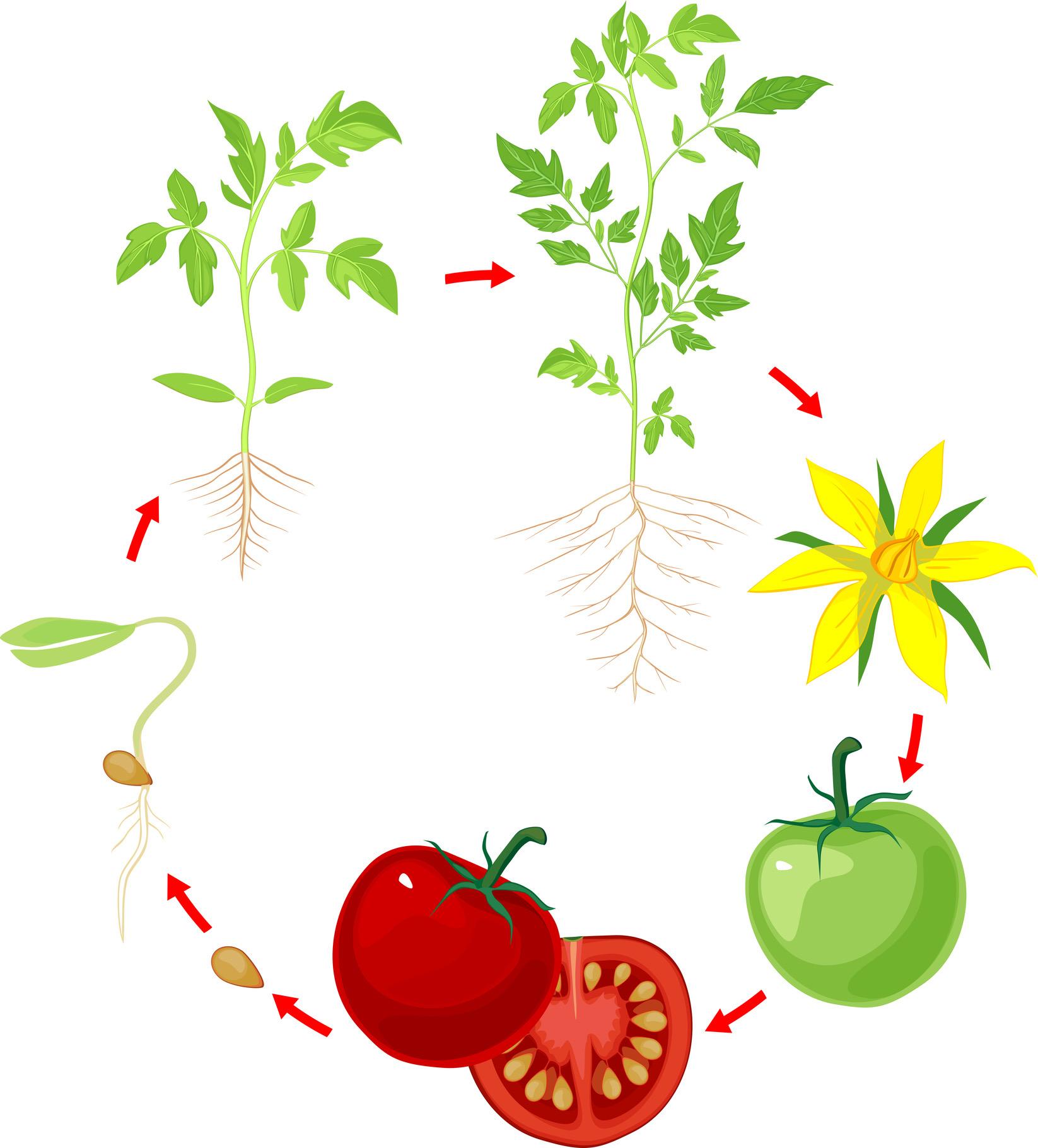
Tomatoes take 60 - 100 days to grow from seed to fruit.

Botanically, tomatoes are a season crop that LOVE the sun.



Vitamin A supports good more vivid colors during the day
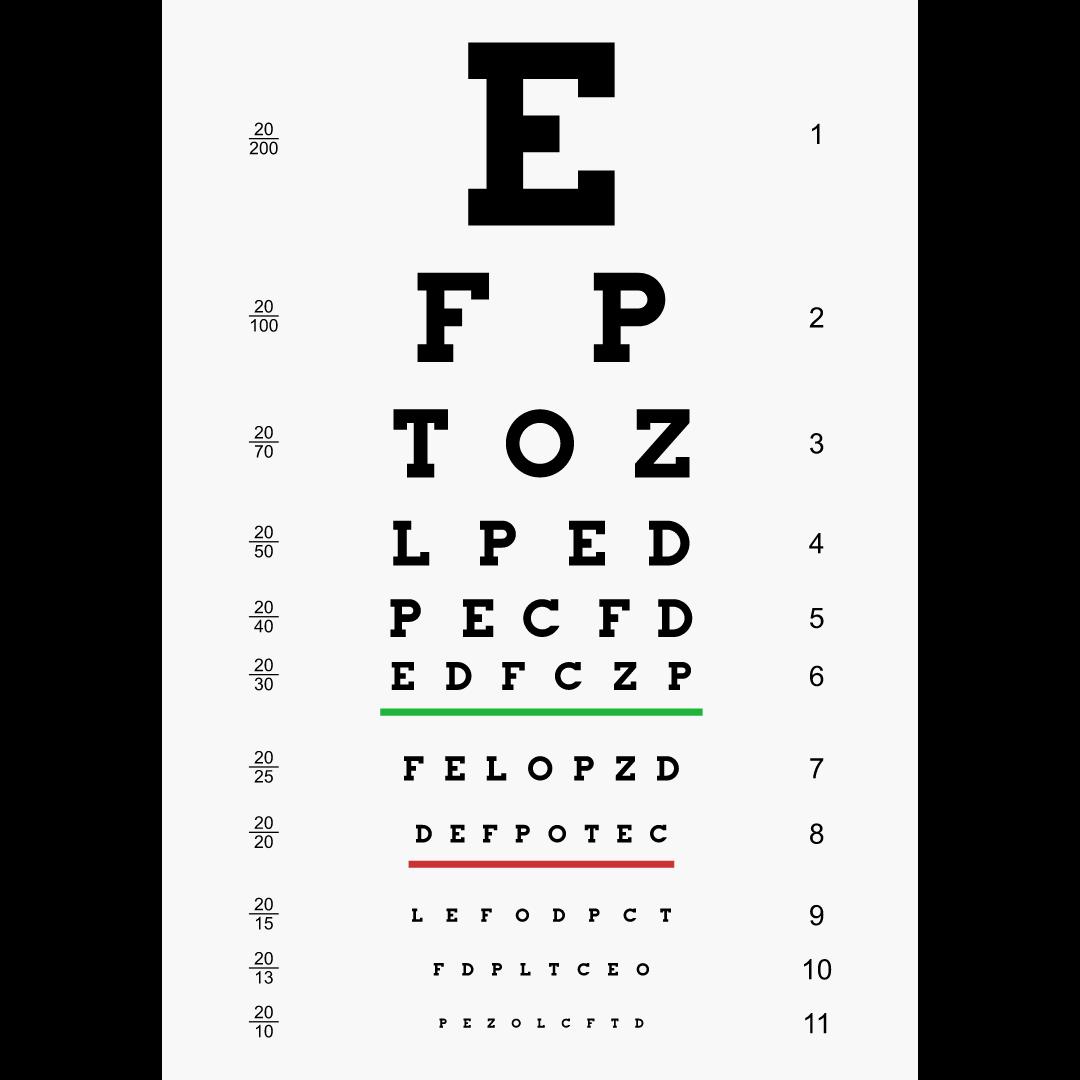
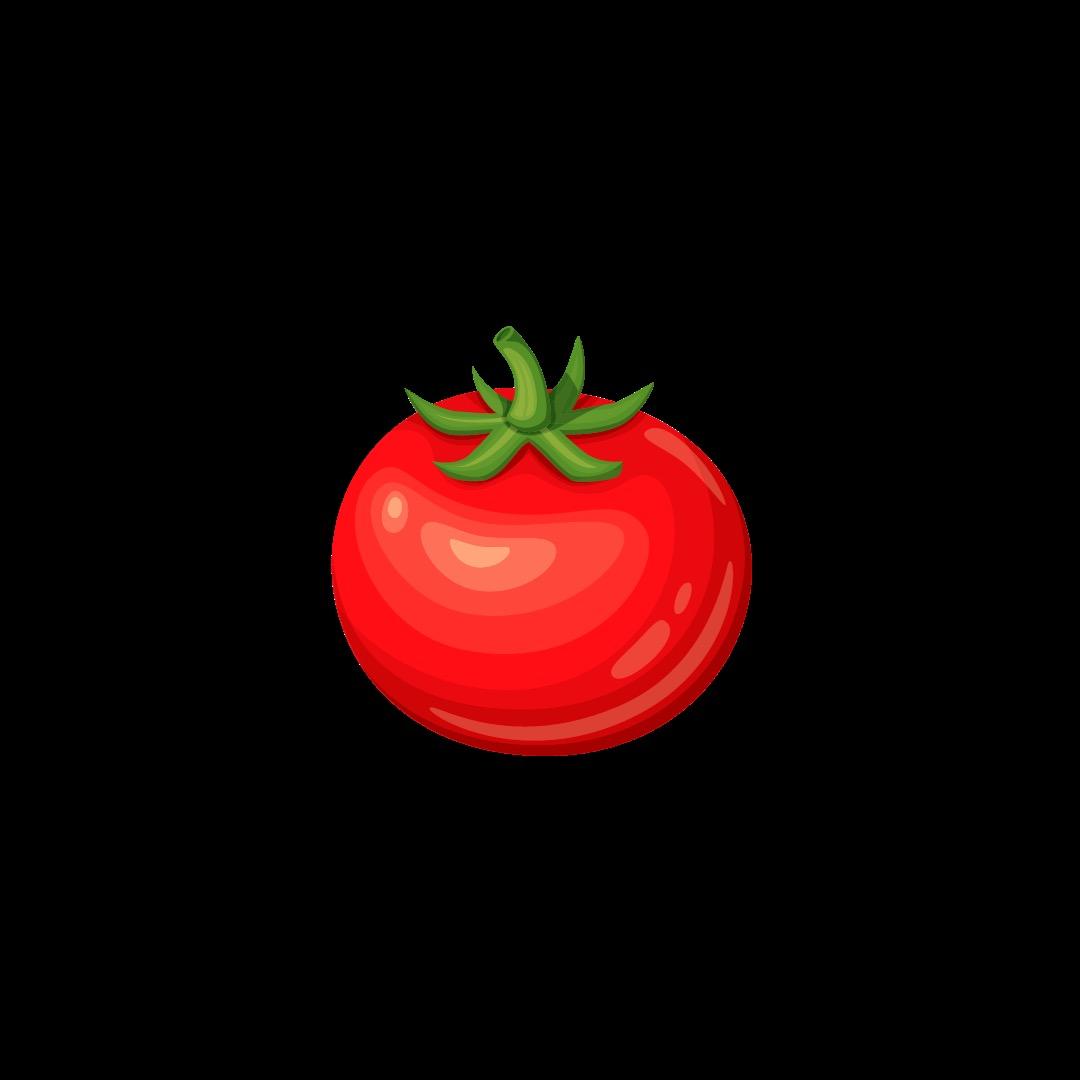


How far can you read down this eye chart?
Vitamin A has antioxidant properties.
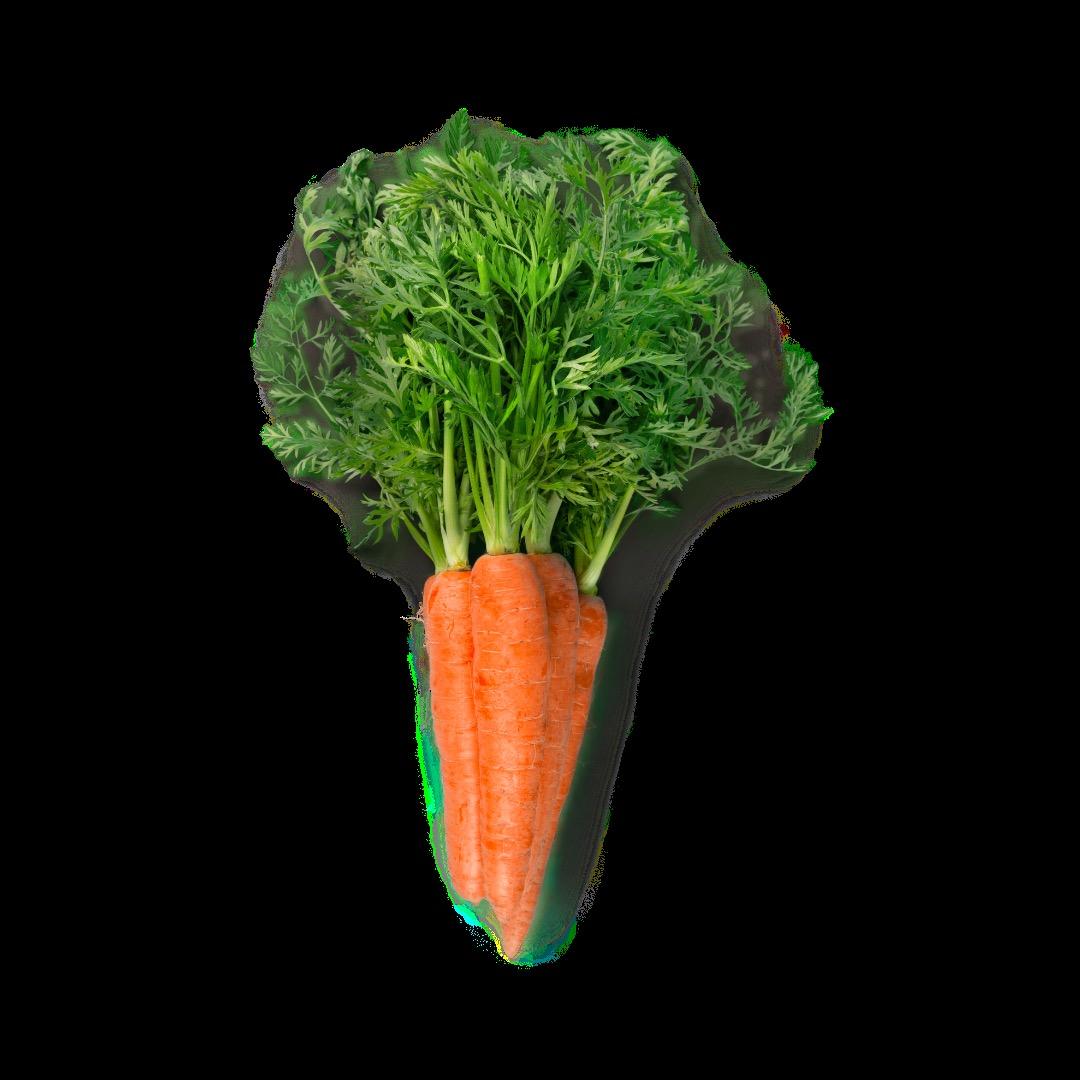
Vitamin A can help speed up the healing process of cuts & scrapes.
Vitamin A supports immune system to fight off infections.
Vitamin A is a fat-soluble vitamin.
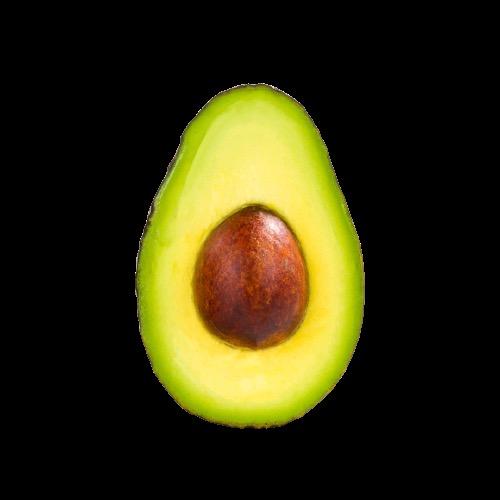
Vitamin A is a fat-soluble vitamin – which means it absorbs better into the body when eaten with foods with some fat like avocados!
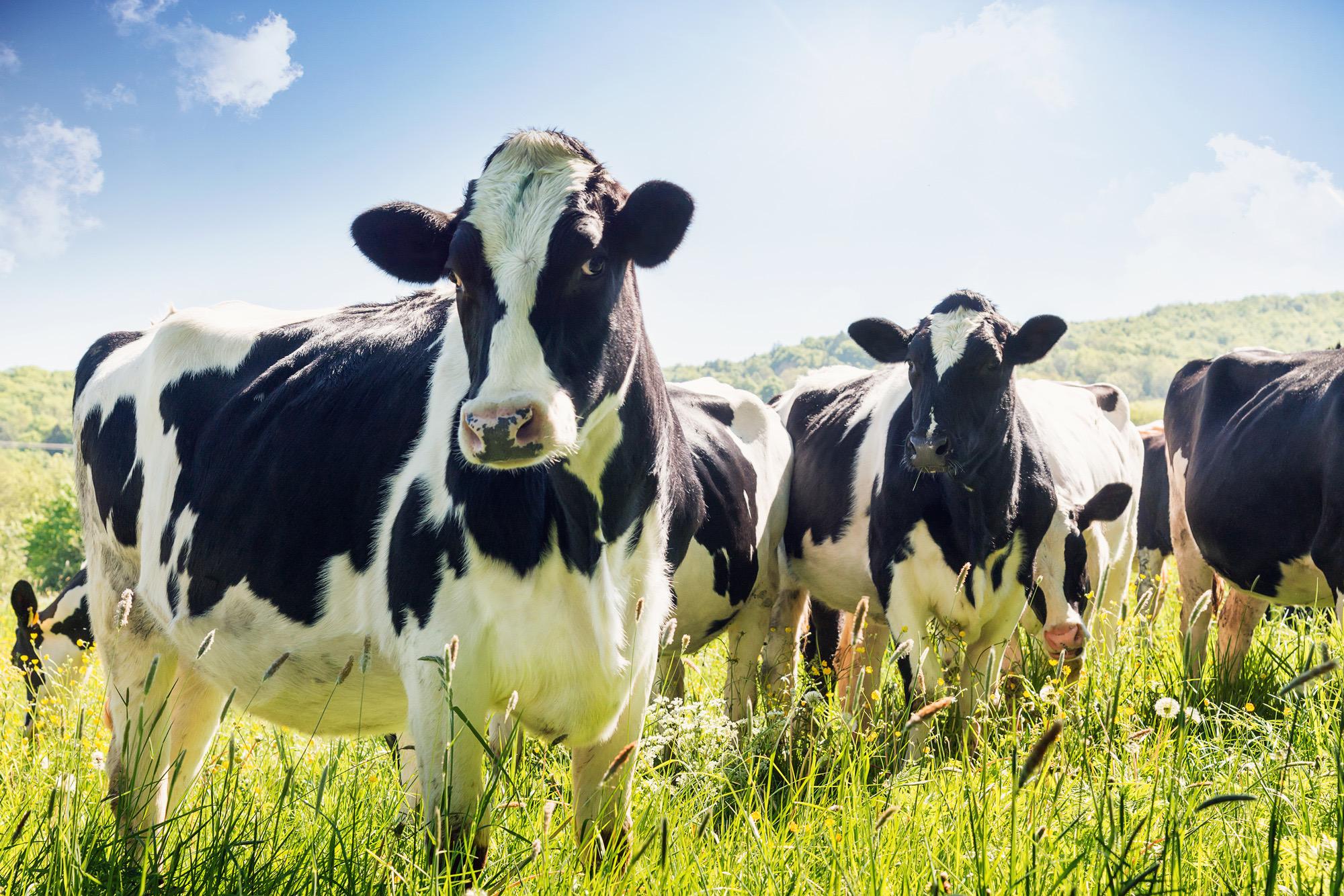

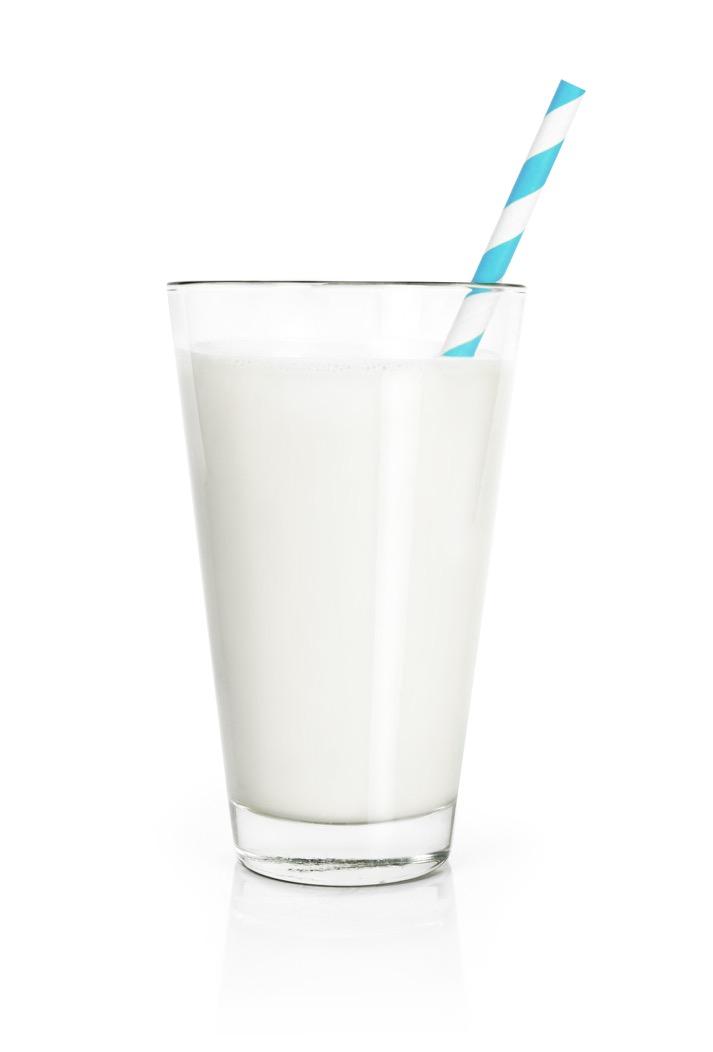
Milk is a type of dairy product –most commonly made from cows. essential nutrients
Milk is made up of 85-95% water with the rest being fats, proteins, carbohydrates & vitamins
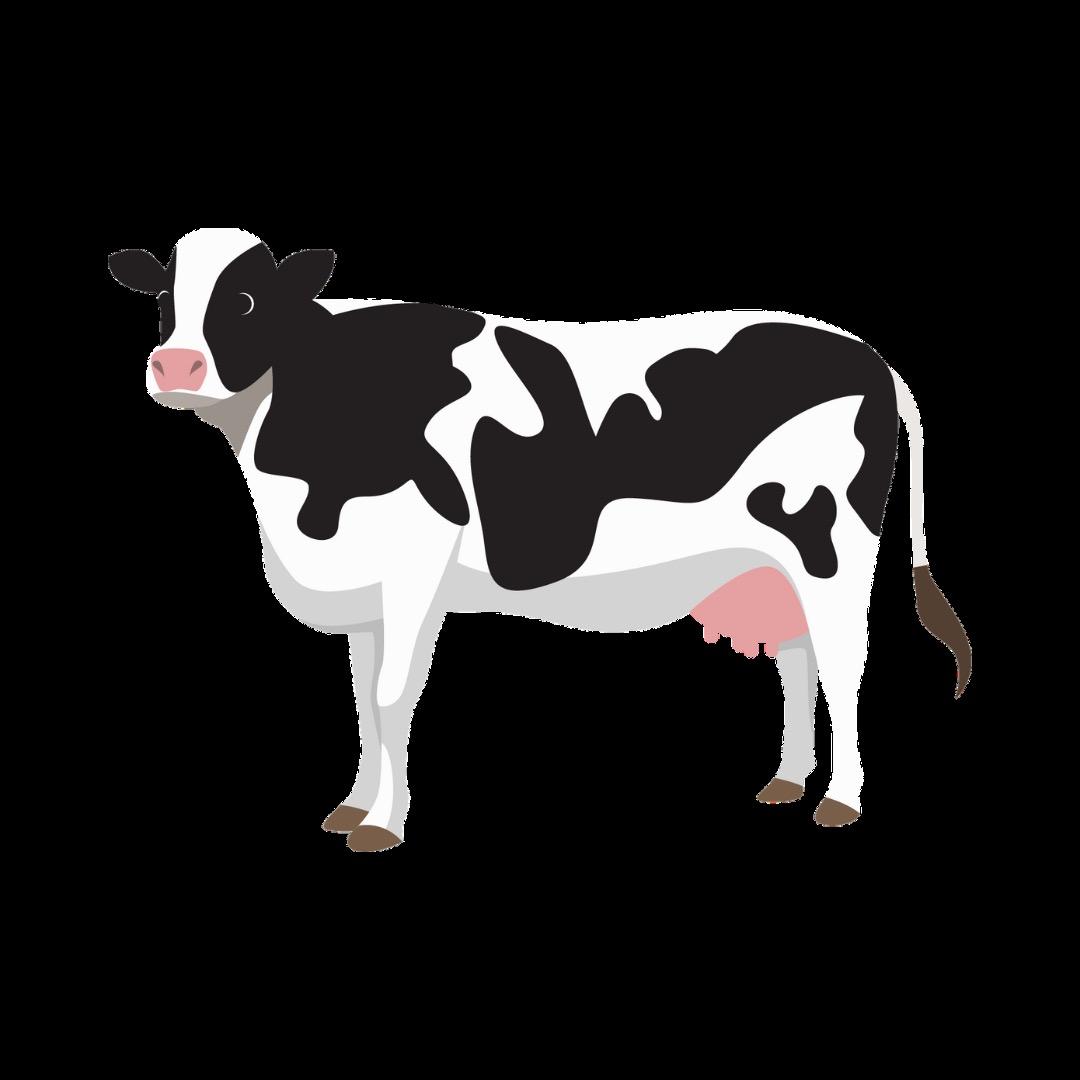
Breeds of Dairy Cows: 6
1. Ayrshire
2. Brown Swiss
3. Guernsey
4. Holstein
5. Jersey
6. Milking Shorthorn
Holstein cows all have a unique pattern of spots!
1 cow produces around 6 gallons of milk per day.
Cows can SEE almost 360 degrees and SMELL up to 6 miles away!



Calcium supports healthy bones & teeth as well as proper blood & muscle function

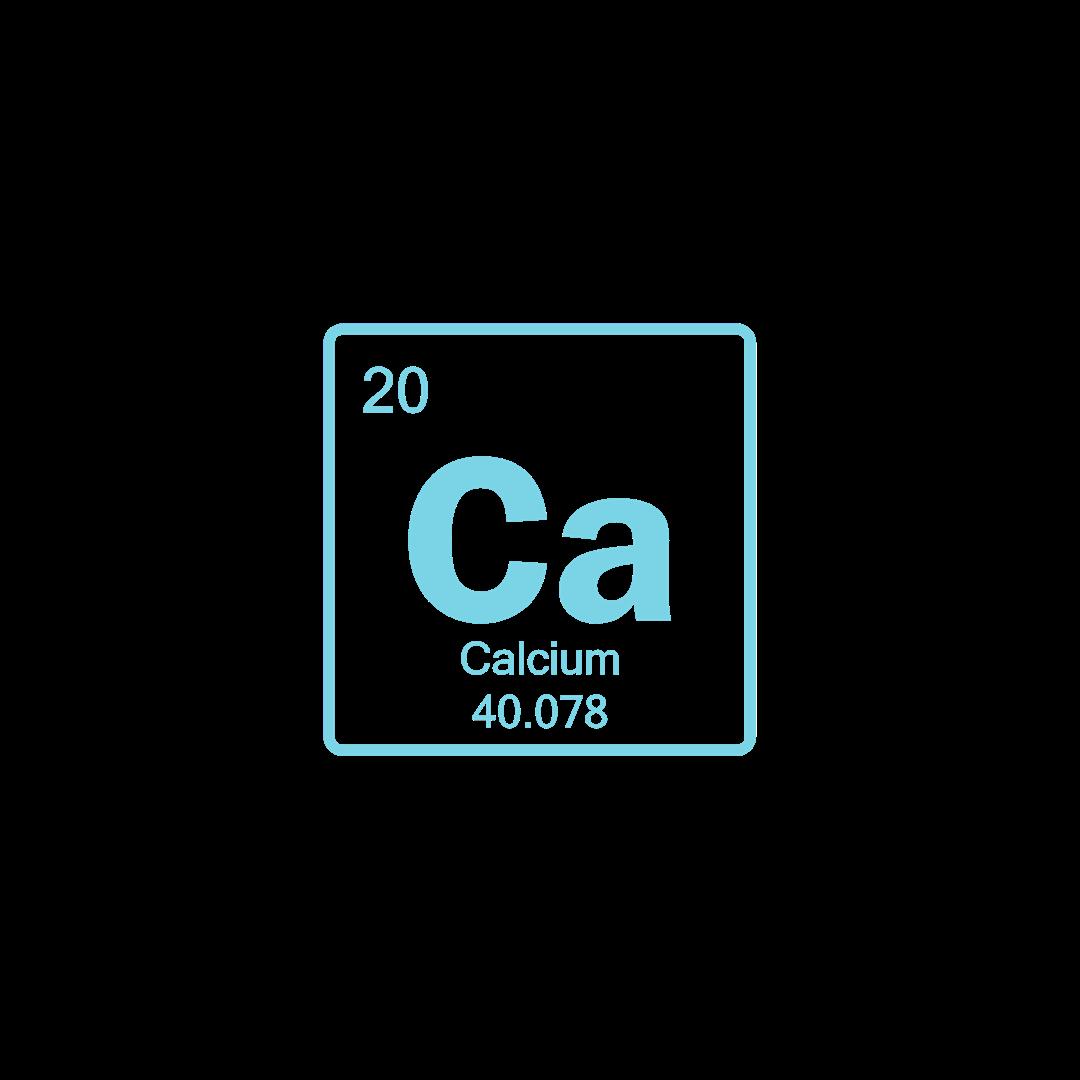
Calcium is the th most abundant chemical element in the Earth’s crust.
Calcium helps keep muscles
99% of the body’s calcium is stored in the bones
Calcium also supports heart health . blood, muscles & other tissues.

Calcium helps form bones and teeth and keep them healthy.
Calcium helps to heal cuts & wounds.
Calcium is the MOST abundant mineral in the human body.

In accordance with Federal civil rights law and U.S. Department of Agriculture (USDA) civil rights regulations and policies, the USDA, its Agencies, offices, and employees, and institutions participating in or administering USDA programs are prohibited from discriminating based on race, color, national origin, religion, sex, disability, age, marital status, family/parental status, income derived from a public assistance program, political beliefs, or reprisal or retaliation for prior civil rights activity, in any program or activity conducted or funded by USDA (not all bases apply to all programs). Remedies and complaint filing deadlines vary by program or incident.
Persons with disabilities who require alternative means of communication for program information (e.g., Braille, large print, audiotape, American Sign Language, etc.) should contact the State or local Agency that administers the program or contact USDA through the Telecommunications Relay Service at 711 (voice and TTY). Additionally, program information may be made available in languages other than English.
To file a program discrimination complaint, complete the USDA Program Discrimination Complaint Form, AD-3027, found online at How to File a Program Discrimination Complaint and at any USDA office or write a letter addressed to USDA and provide in the letter all of the information requested in the form.
To request a copy of the complaint form, call (866) 632-9992. Submit your completed form or letter to USDA by: (1) mail: U.S. Department of Agriculture, Office of the Assistant Secretary for Civil Rights, 1400 Independence Avenue, SW, Mail Stop 9410, Washington, D.C. 20250-9410; (2) fax: (202) 690-7442; or (3) email: program.intake@usda.gov.
USDA is an equal opportunity provider, employer, and lender.