





Vitamin C
Vitamin A
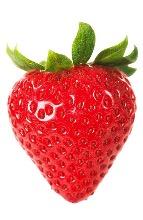
Strawberries | Cauliflower | Green Peas | Peaches


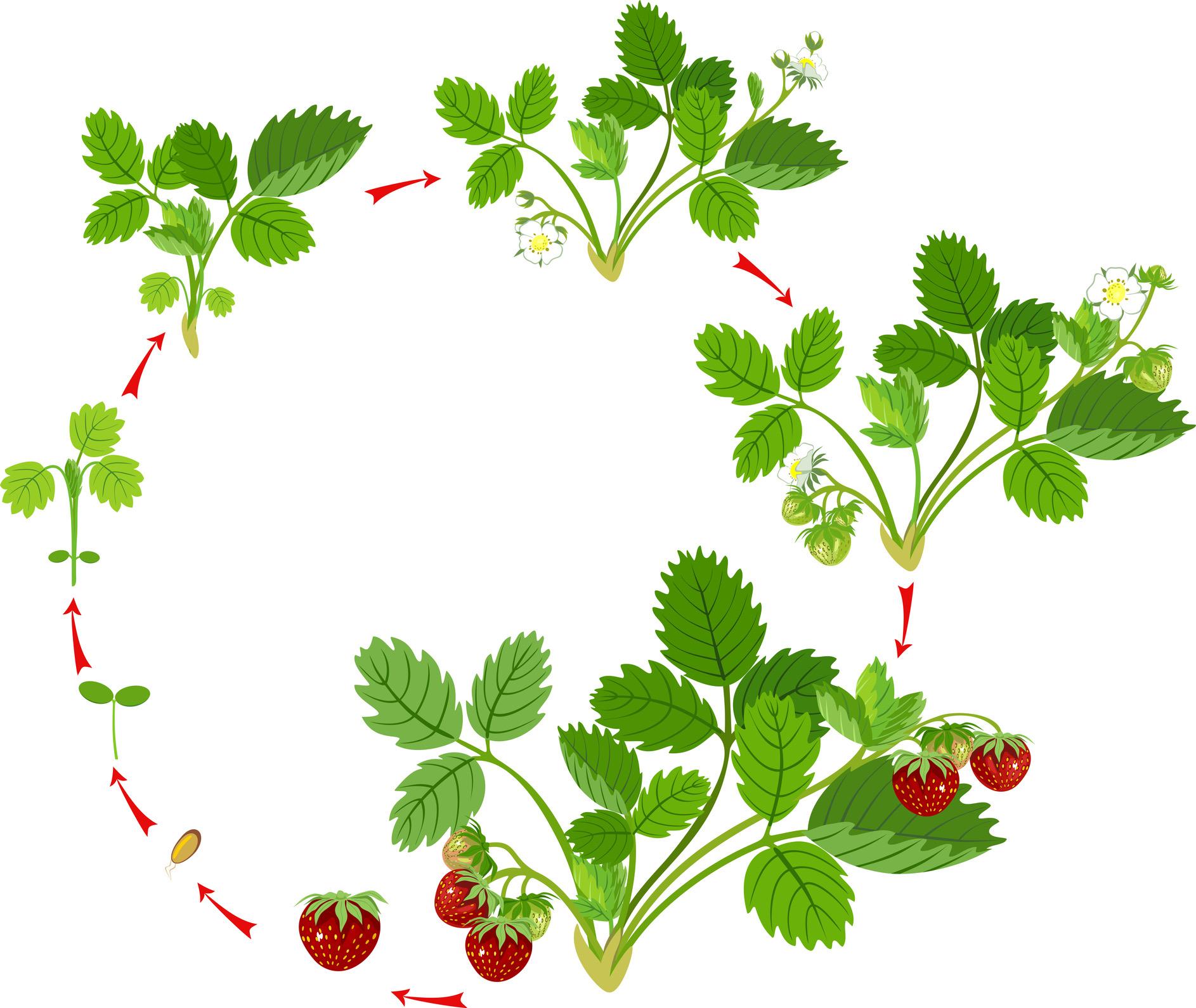
fruit to ripen in the spring.
2. Ever-bearing 3. Day-neutral
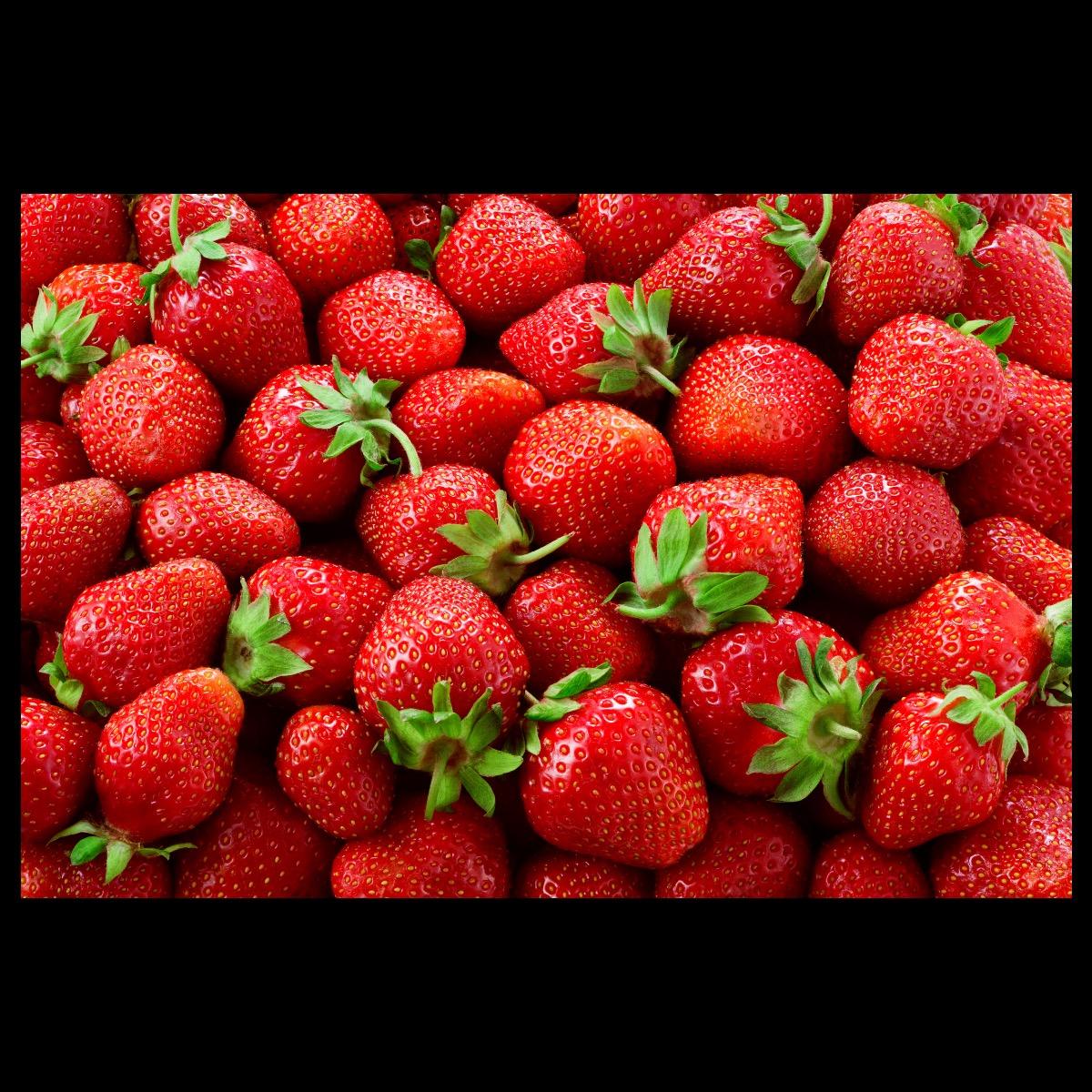
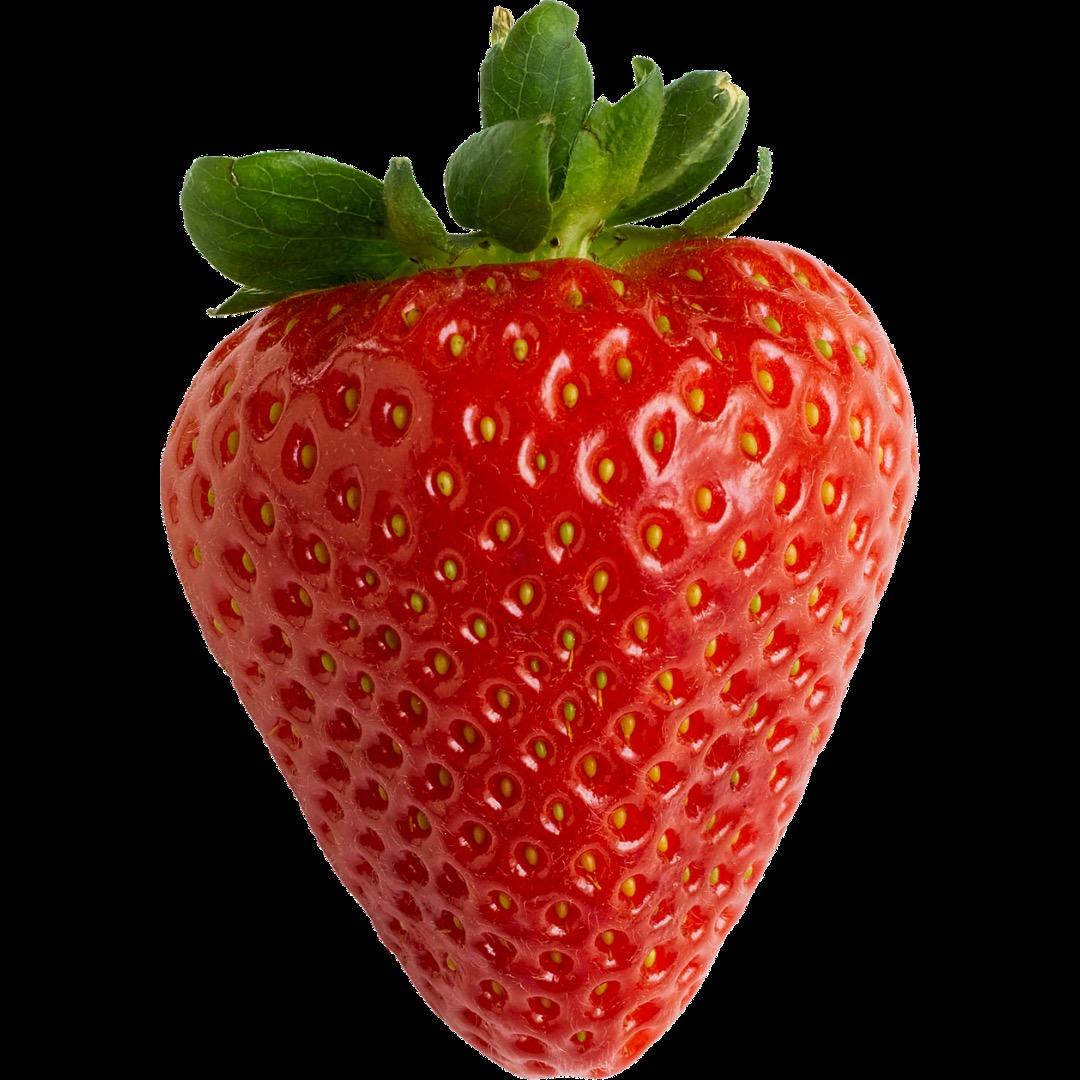
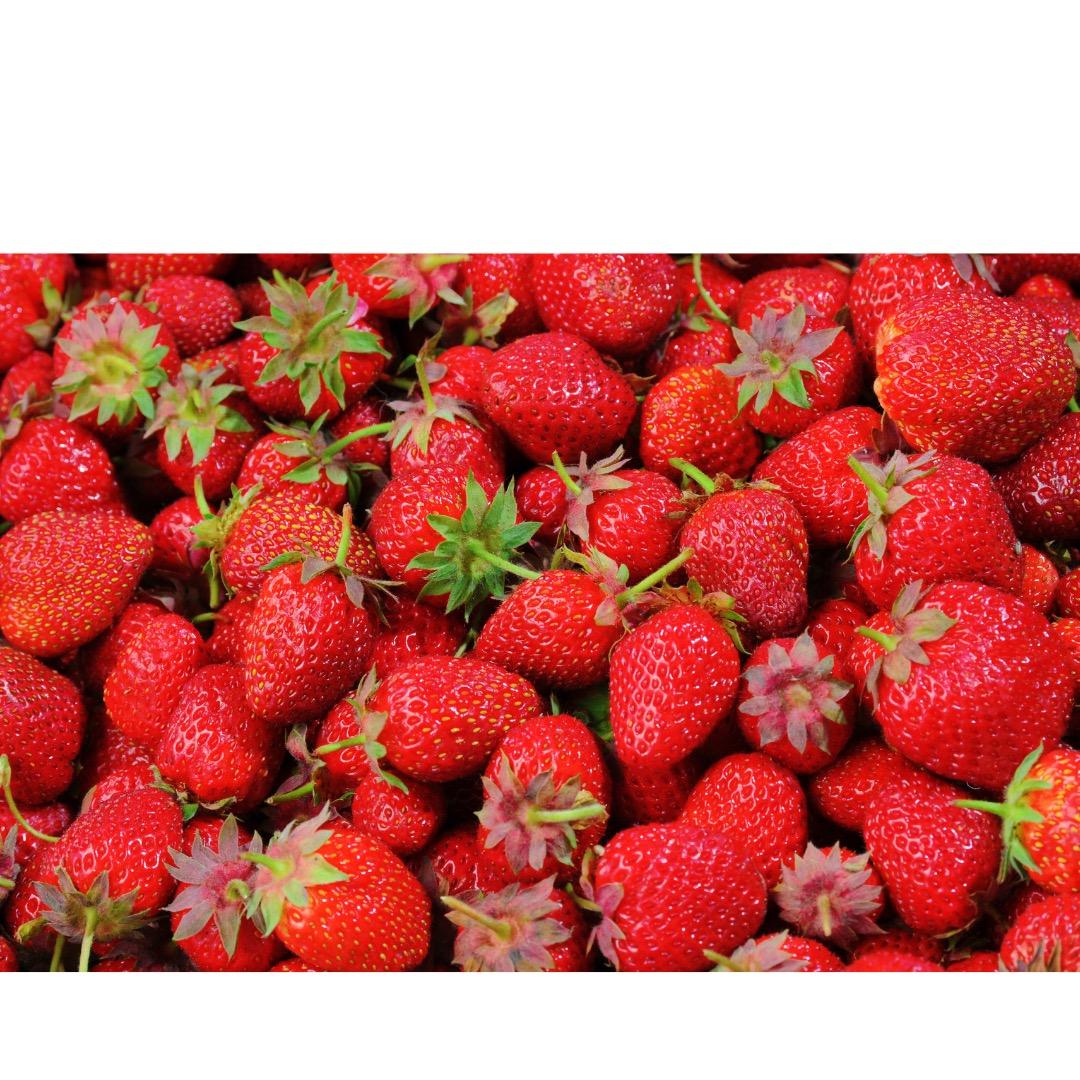
strawberry has ONLY fruit with seeds on the outside.

Peak strawberry harvesting season lasts from April through June.
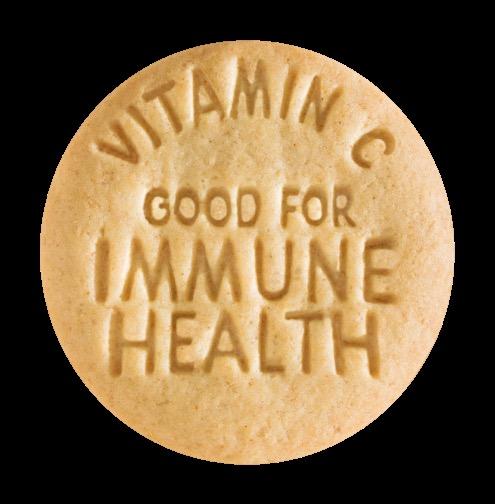



Vitamin C supports the immune systemthe body’s defense against infections.

Vitamin C is also referred to as “ascorbic acid.”

Vitamin C is an antioxidant. Antioxidants help protect against damage caused by exposure to harmful substances in the environment.

The body cannot make vitamin C on its own - it has to come from food.
Vitamin C helps keep you happy & healthy! What do you call a vitamin that improves your eyesight?

Vitamin C is a very important vitamin for healthy gums & teeth.
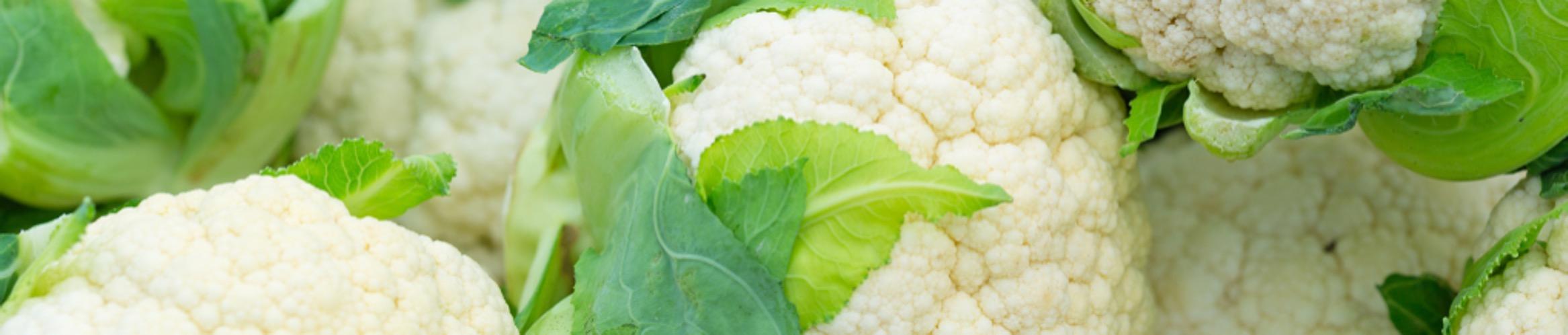


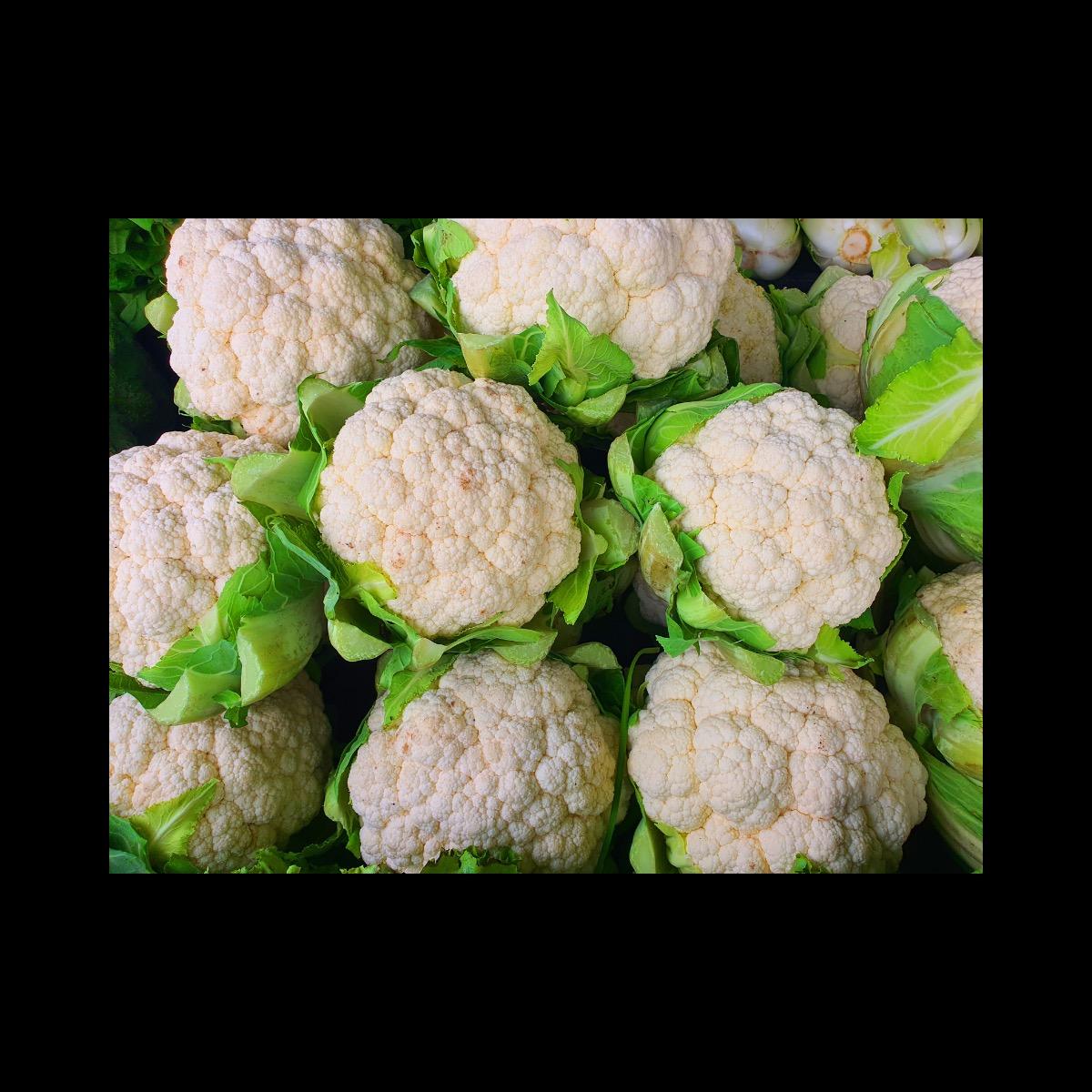
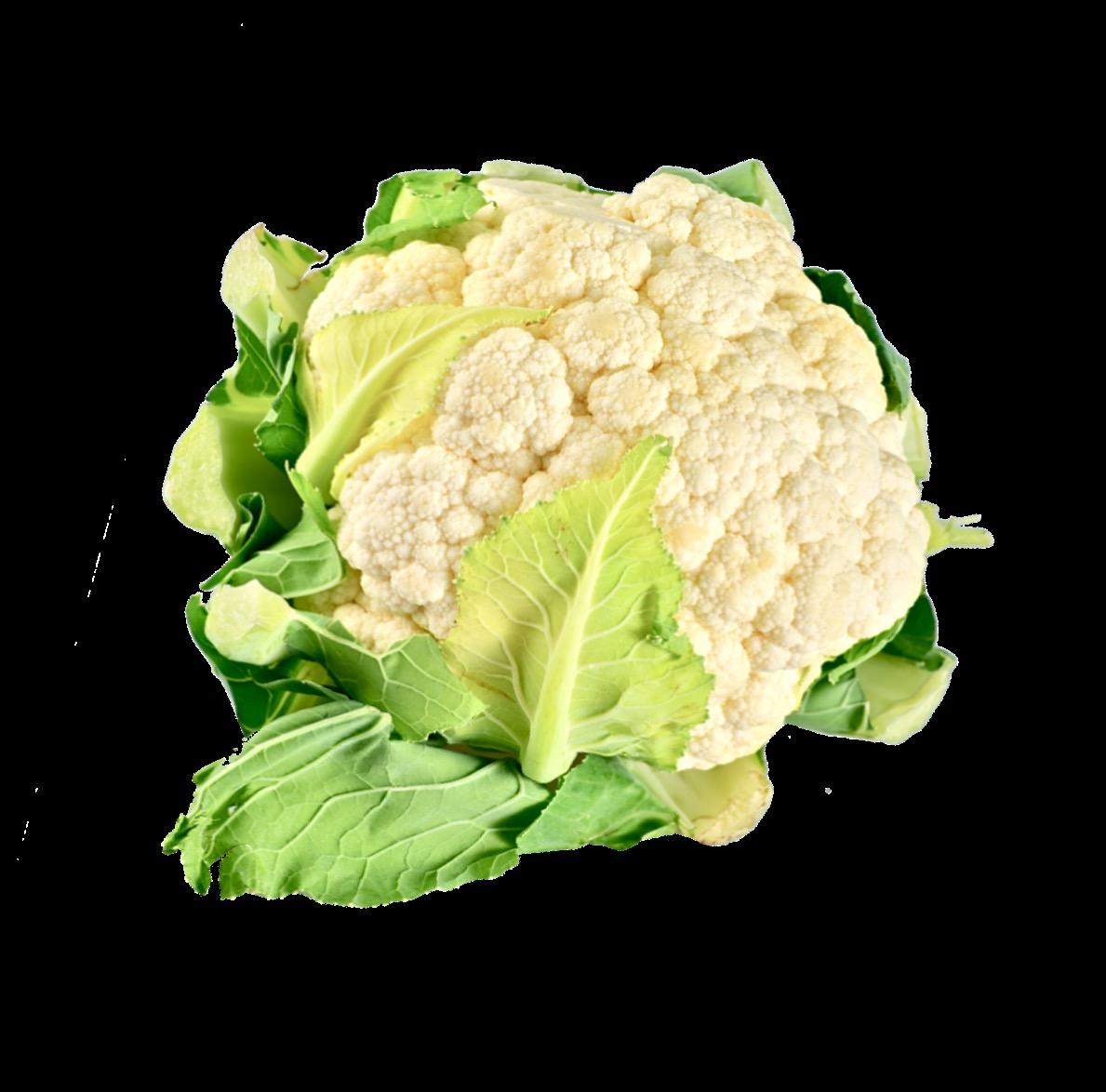
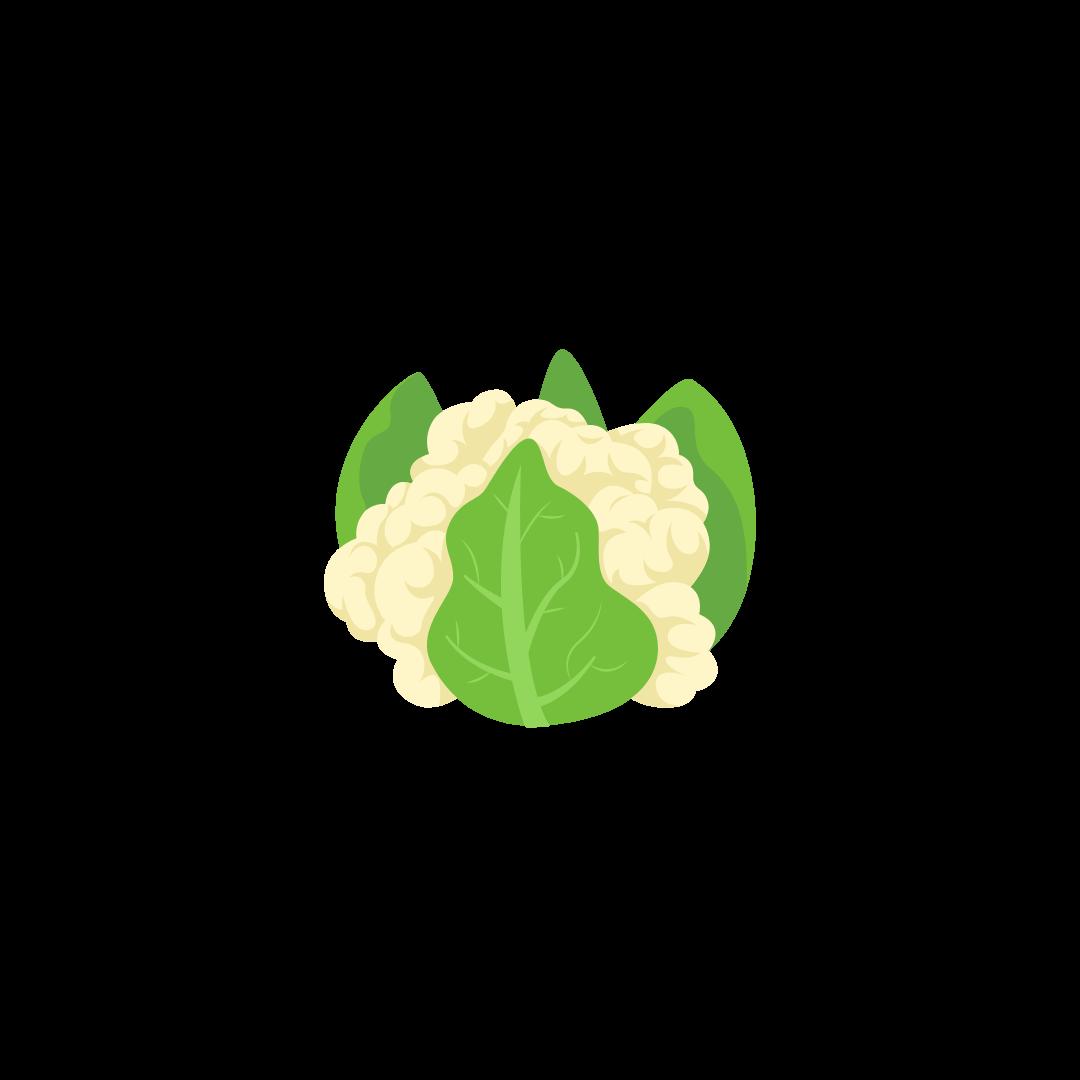
Cauliflower is a type of cruciferous vegetable related to broccoli, cabbage, kale & others.
Cauliflower is white due to its leaves protecting it from the sun

Cauliflower is made up of tiny flower buds called “florets.”
“Cabbage Flower”
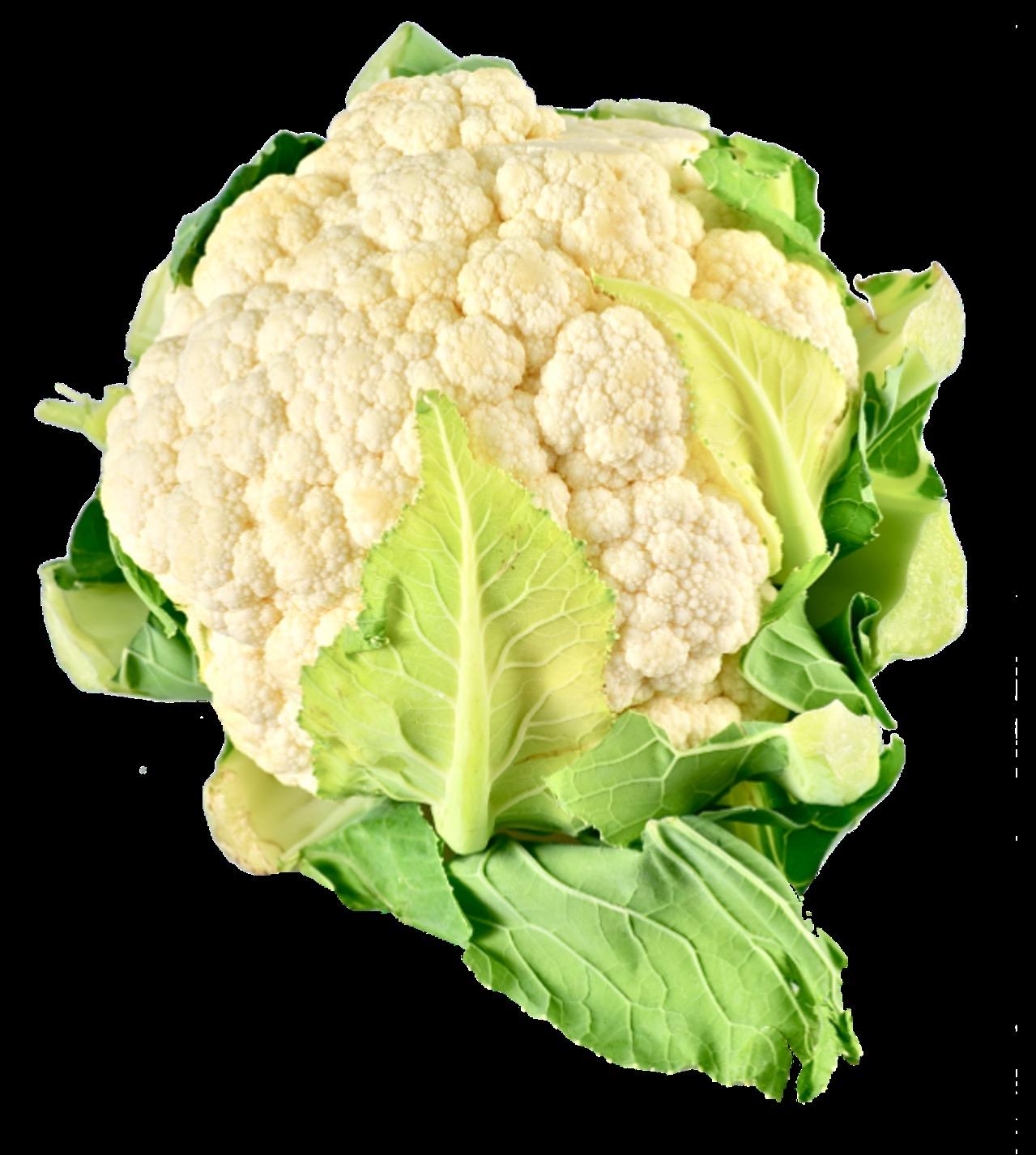

cauliflower head, the BIGGER the flavor!

Cauliflower can be

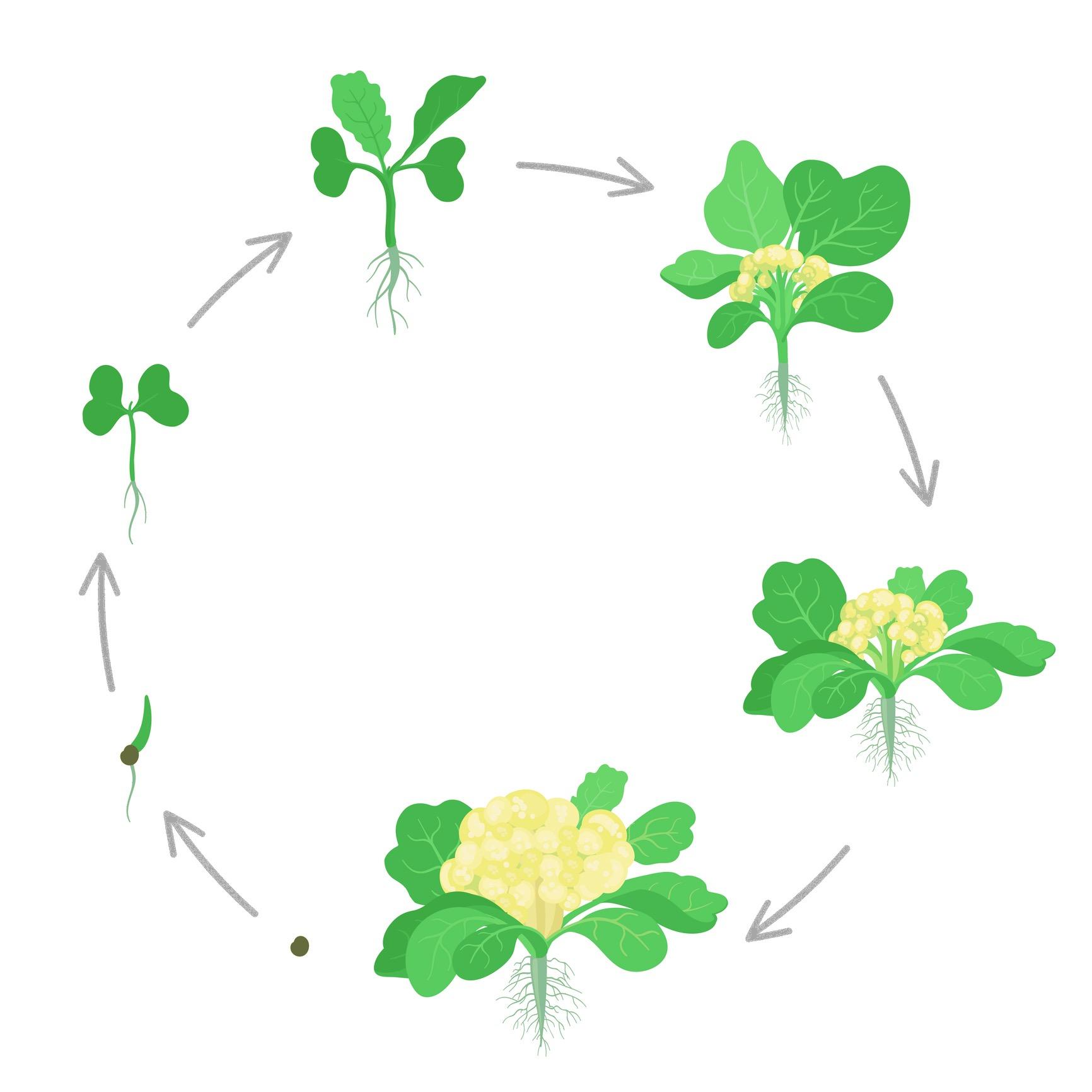
Cauliflower takes 85 days to grow from a seed to being ready to harvest.


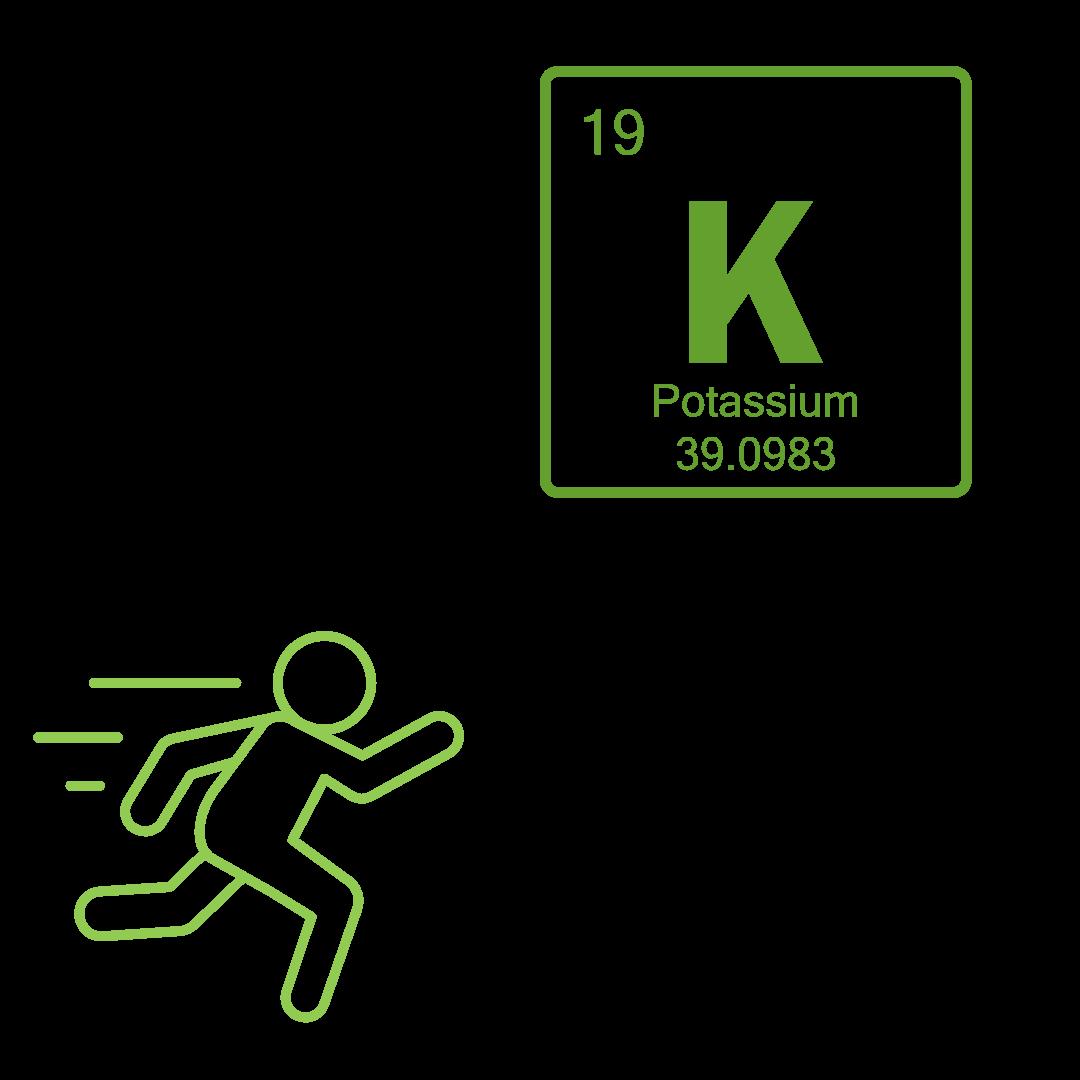
Potassium supports balancing fluid in the body & proper function of the muscles and nerves.
Once potassium enters the body, it functions as an electrolyte.
Electrolytes help amount of water in the body.
Helps to keep the body

Potassium helps to regulate the heart rate
Potassium helps to regulate contractions.
Potassium is the THIRD most abundant mineral potassium is found in
The body is made 60% helps promote .
Many runners eat foods high in potassium before a run to

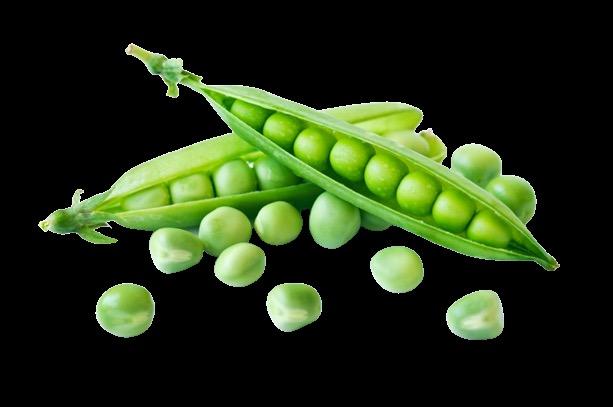
1. English Pea
2. Snow Pea
3. Sugar Snap Pea 3
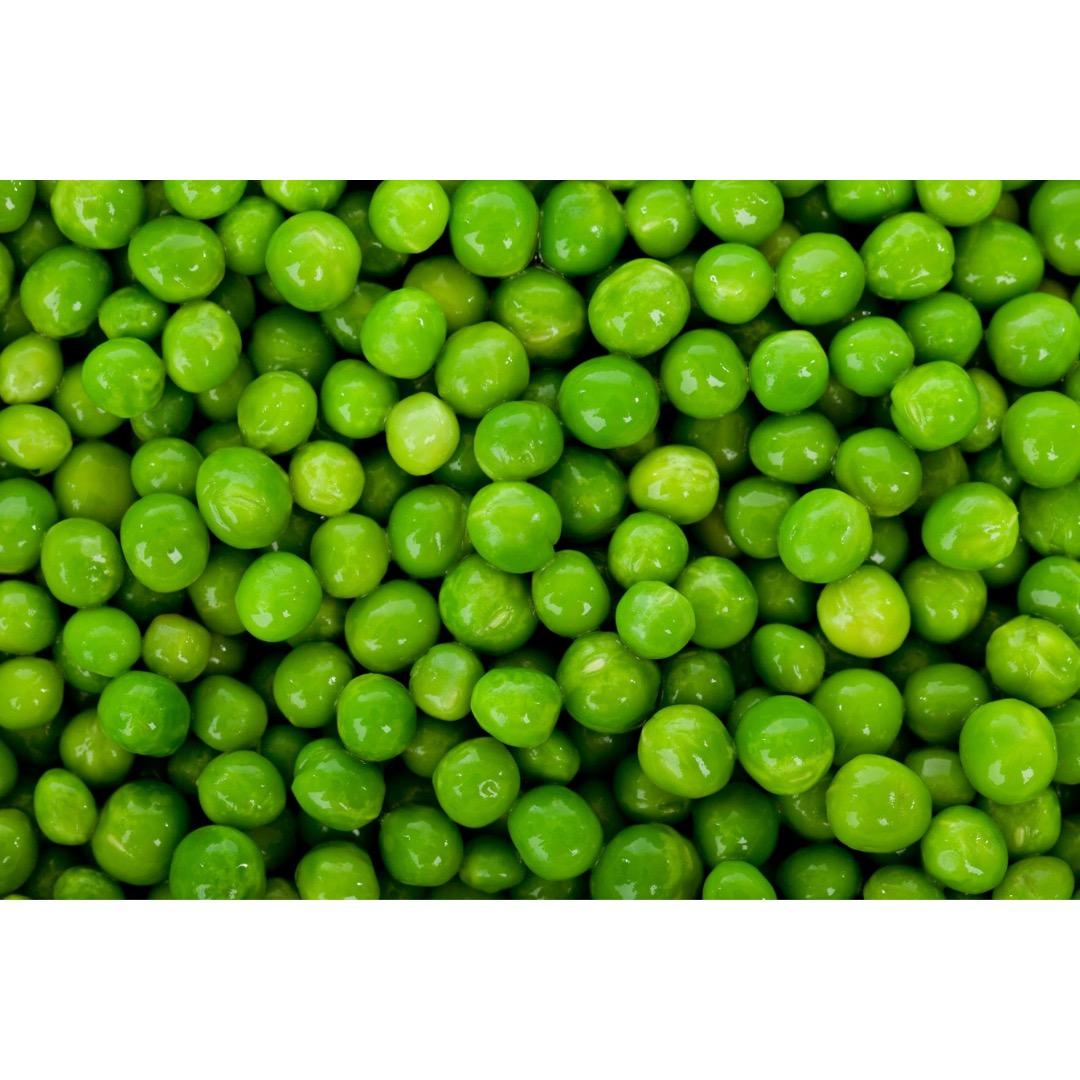
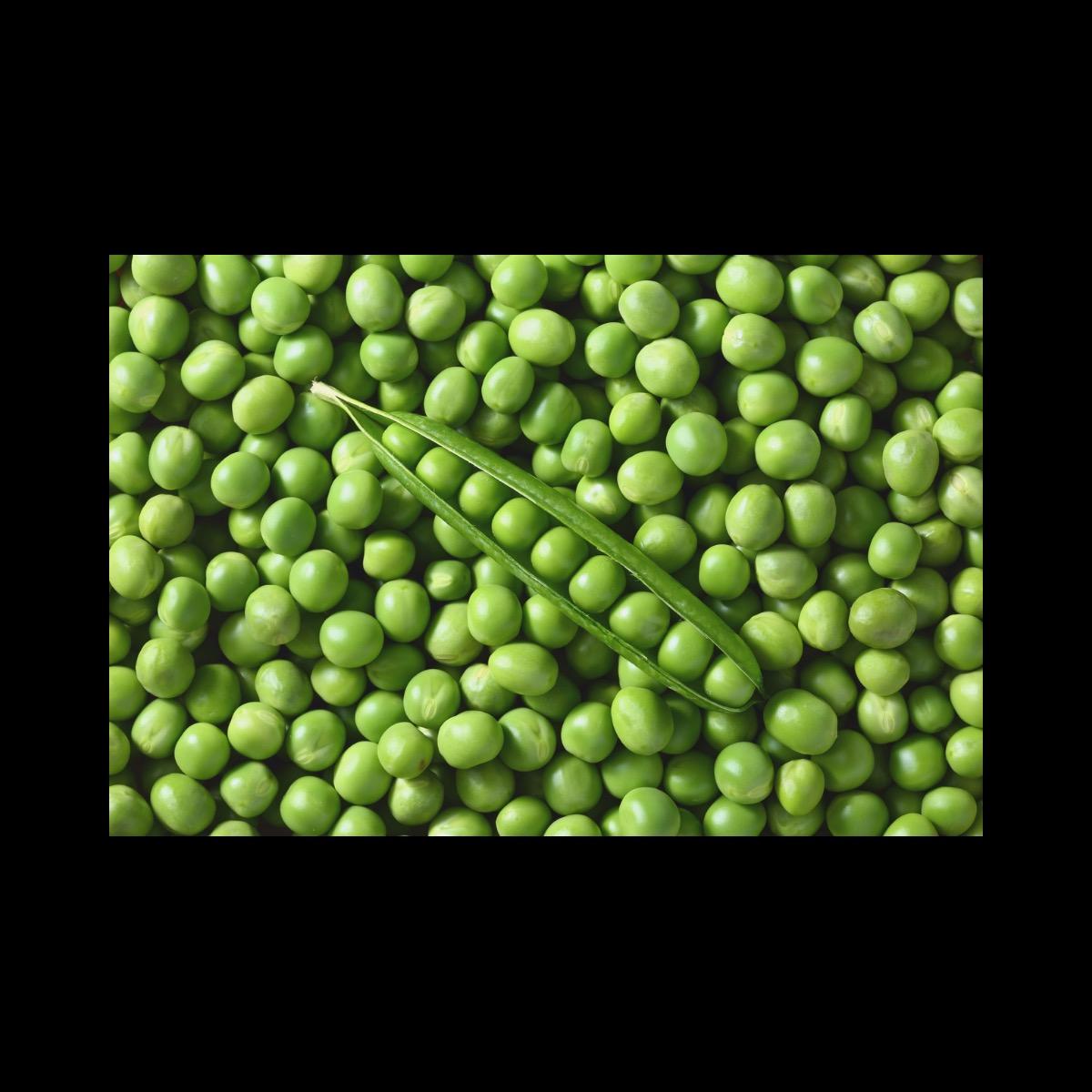
English peas are the most popular.
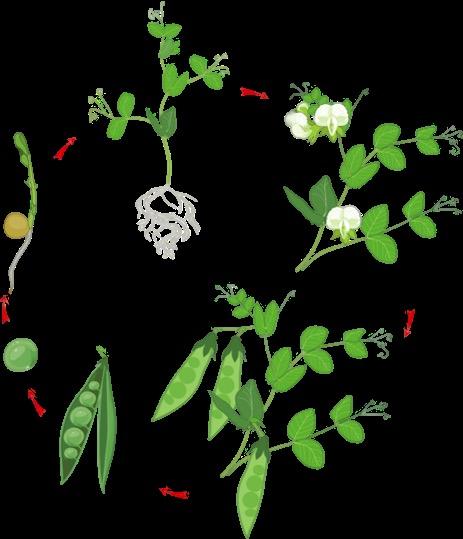
The U.S. is home to about 893,000 acres of peas.

Pea pods grow to be 4 inches long.
Peas are cool-weather crops that cannot tolerate the heat.

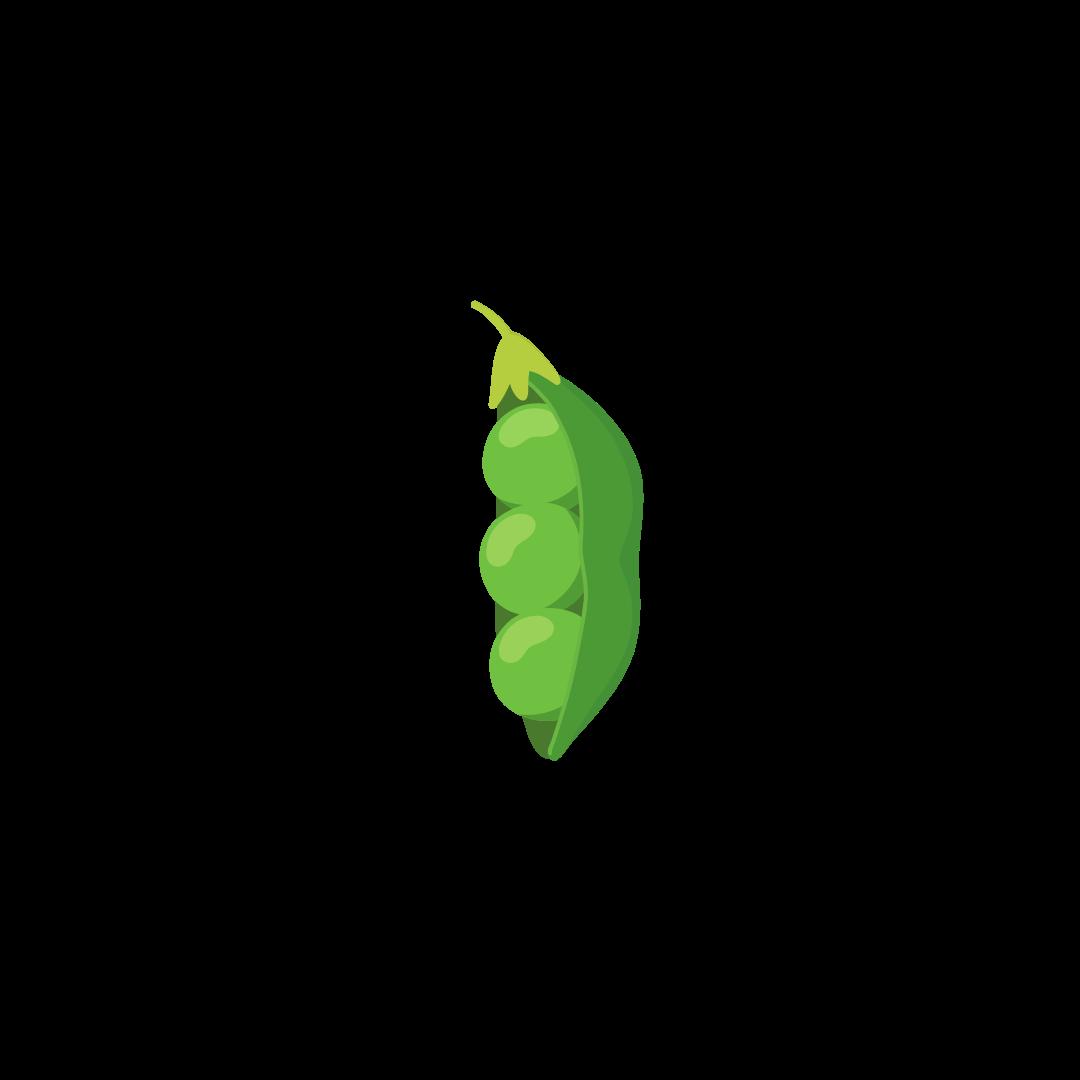
There are 5 - 10 peas in each pod.
A fully mature pea is yellow. The average pea weighs 0.1 - 0.3 grams!
Peas are ready for harvesting 60 - 70 days after planting.


Fiber supports movement through the digestive system
Fiber is a type of carbohydrate body doesn’t digest; it simply passes through.
Soluble fiber dissolves in water…it helps regulate blood sugar levels and removes cholesterol from
Insoluble fiber is sometimes referred to as “roughage. ”
2 types of fiber:
1. Soluble fiber
Fiber helps to regulate the body’s use of sugar.
BOTH forms of fiber are important & beneficial to overall health. ONLY found in plant foods.
Insoluble fiber
Insoluble fiber does not dissolve in water…it helps food move throughout the digestive system.
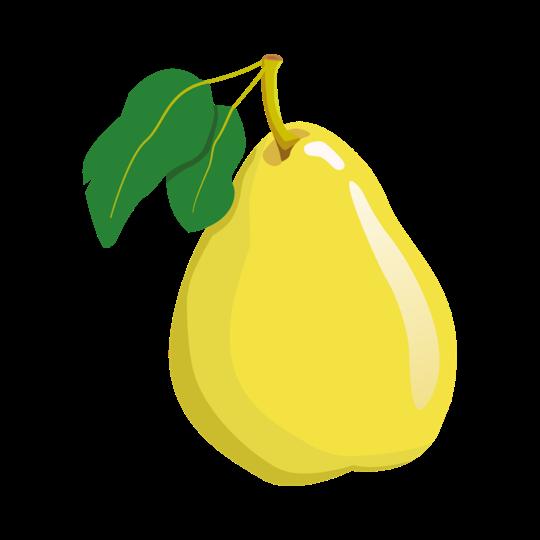
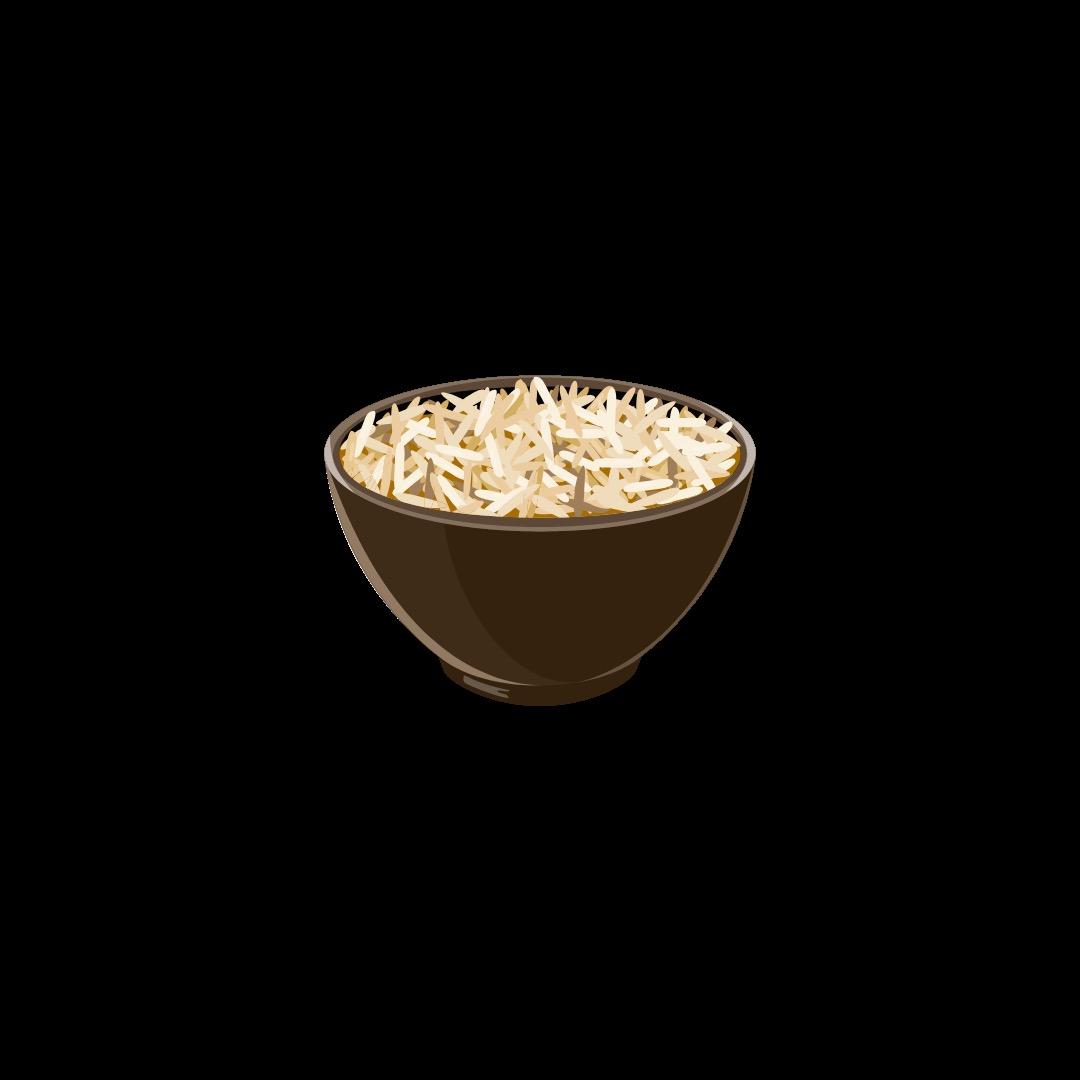
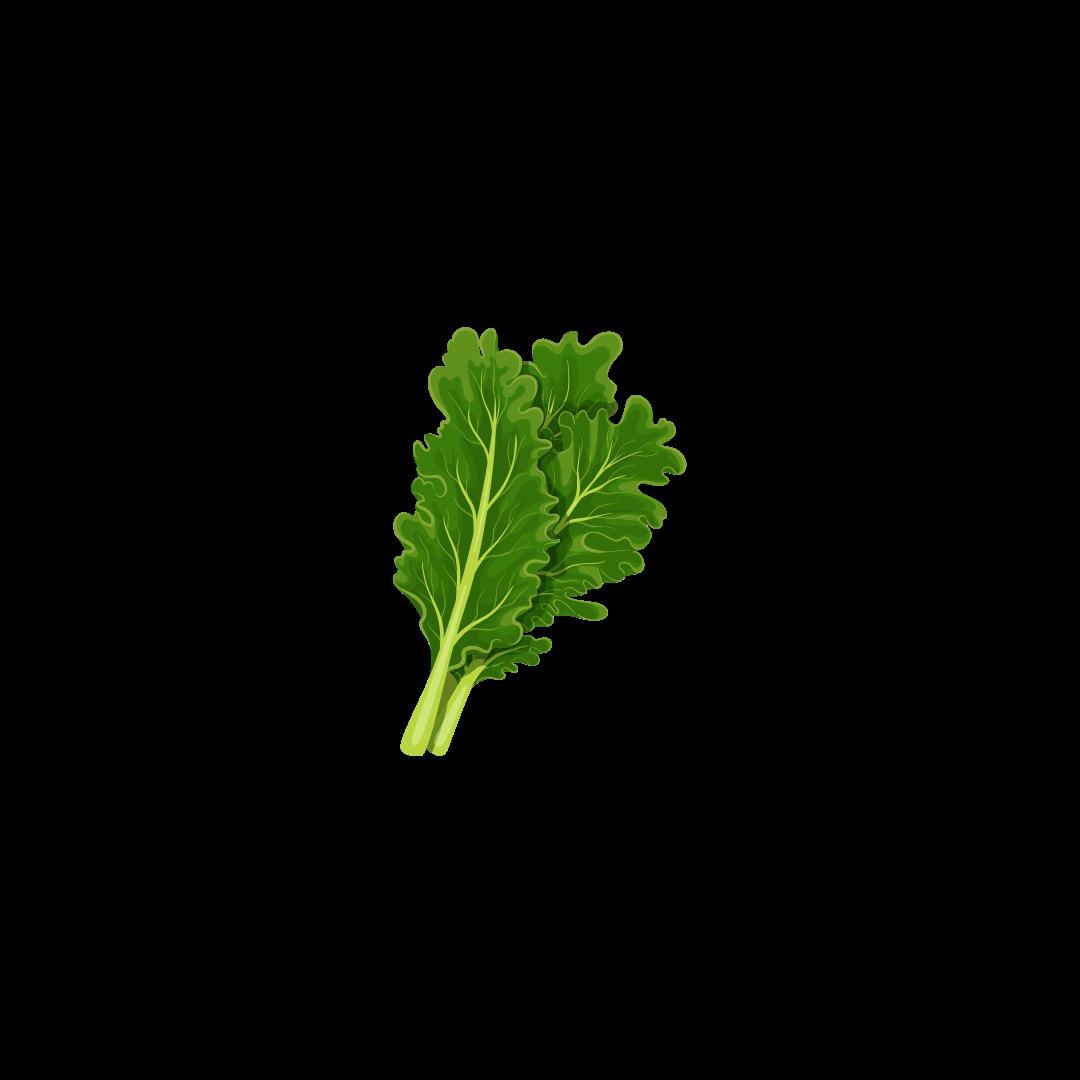
Dairy & meat products do not have any fiber.
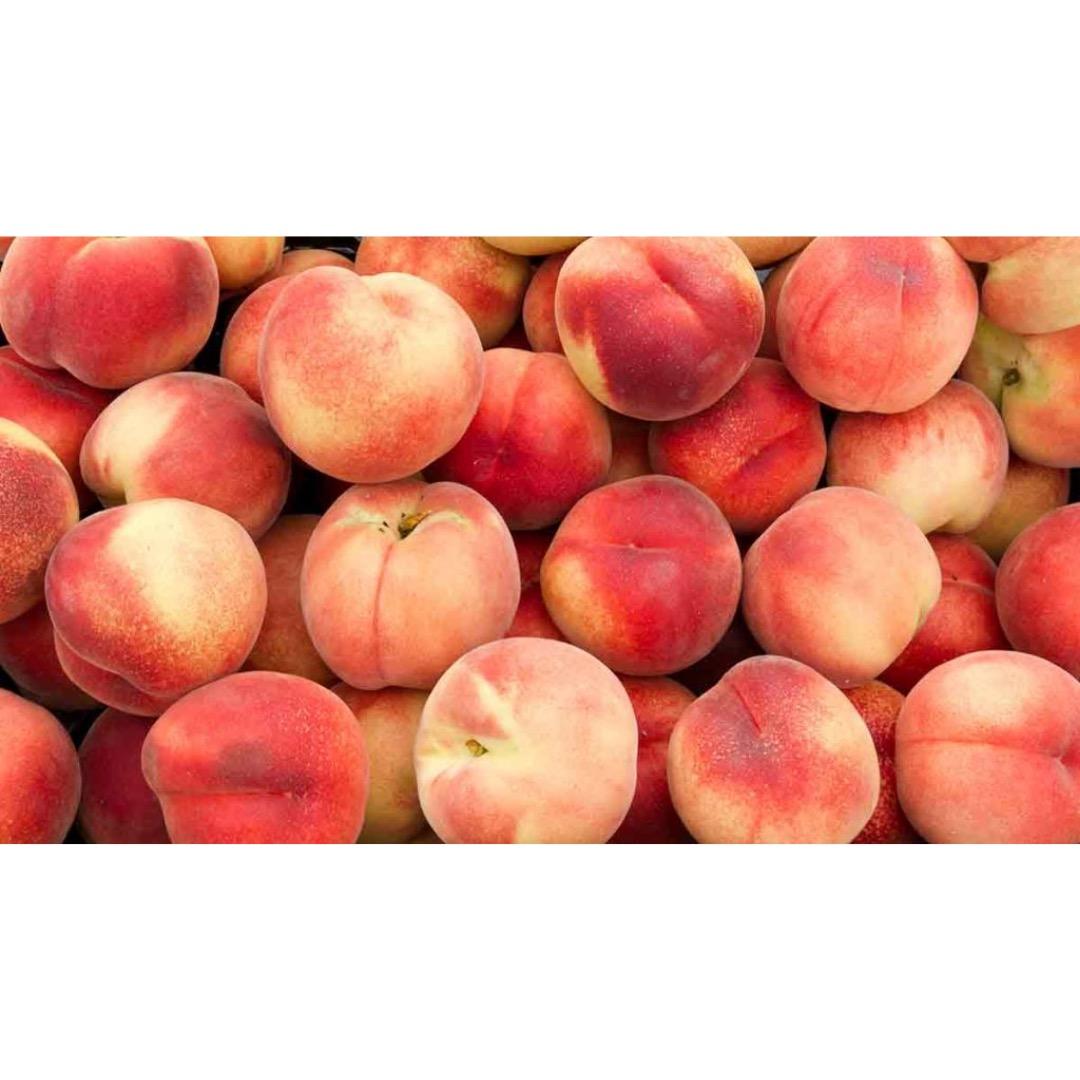

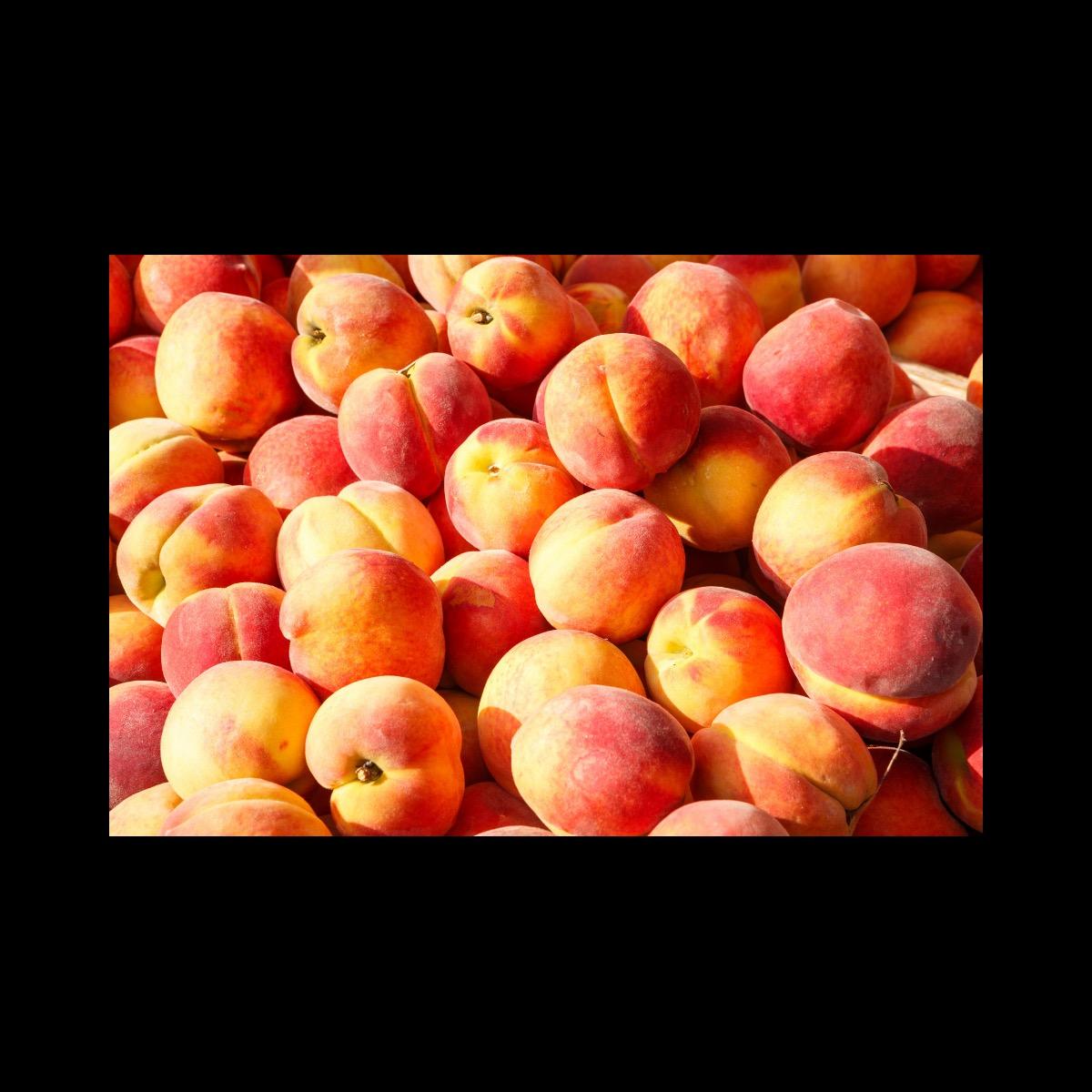
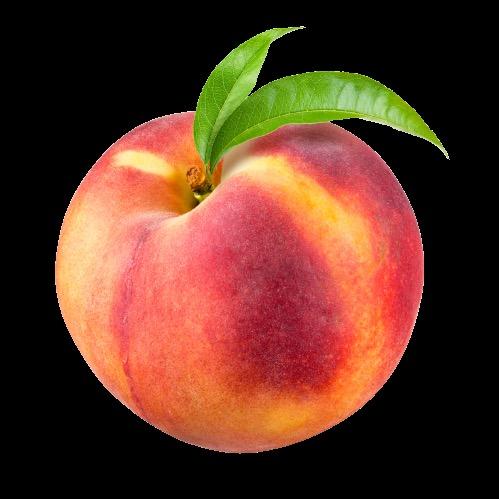
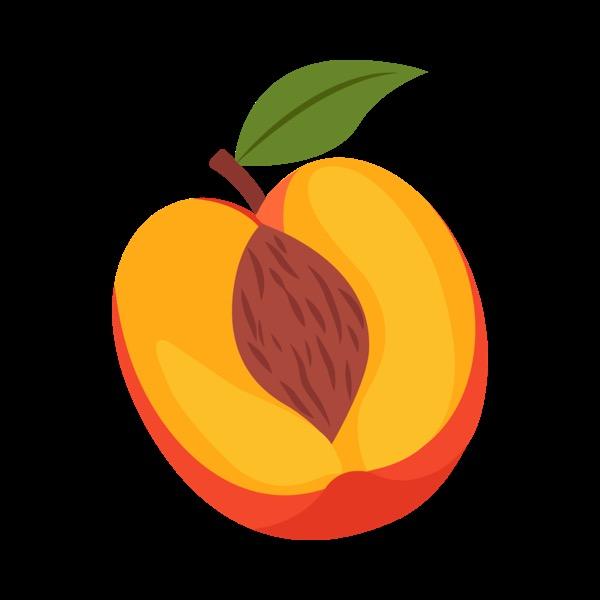
Peaches are a type of stone fruit - a fleshy fruit that contains a hard “pit” inside.
Peaches come in two main categories: clingstone and freestone peaches.
Freestone peaches are the most common. There are over 300 different varieties of peaches.

Peaches are HAND .
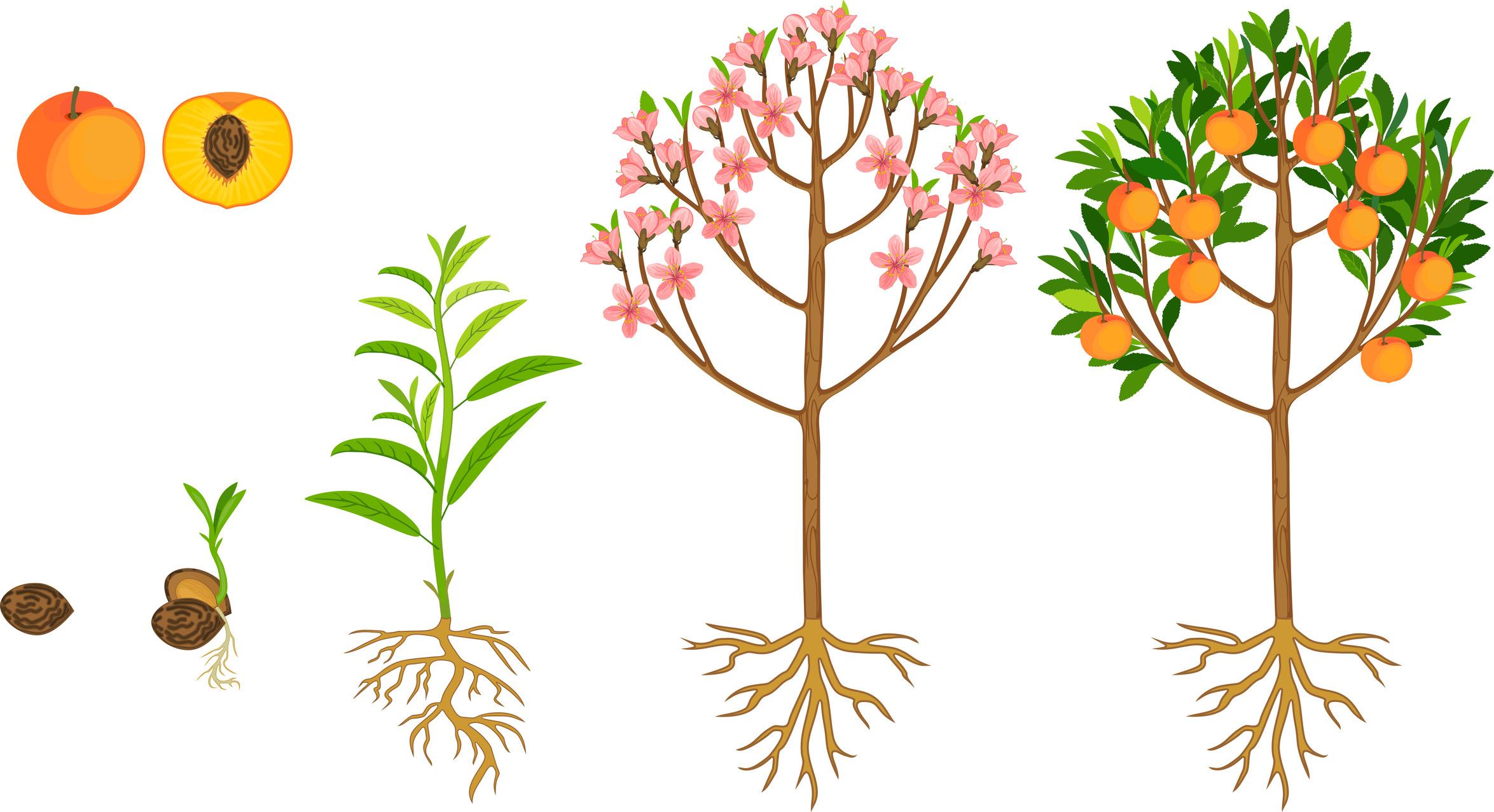

can produce up to 66 pounds fruit each year.


Peaches take 3 - 5 months to grow once pollinated.
Peach trees usually grow to be around



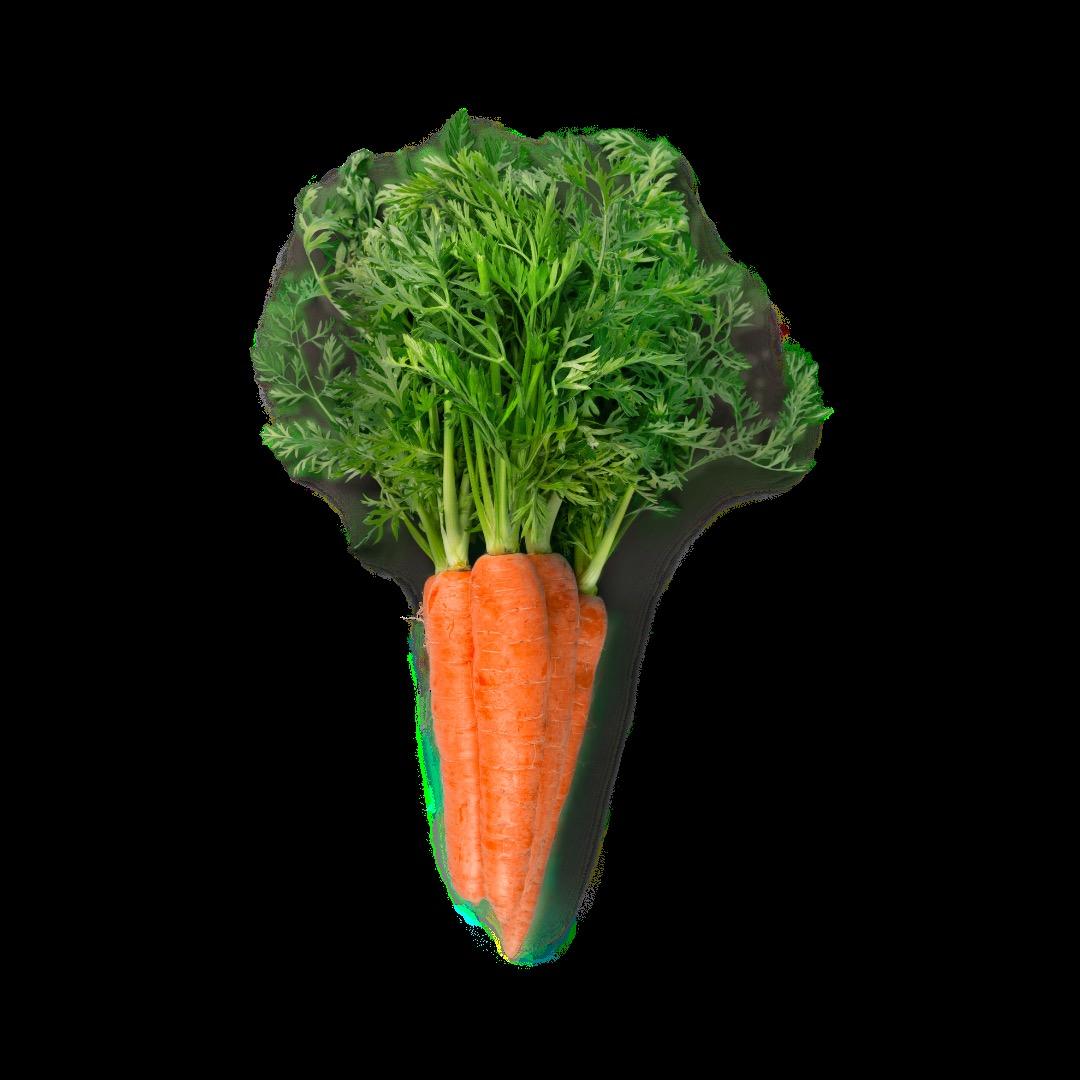
Vitamin A supports good vision, growth & immunity


Vitamin A helps see better at night more vivid colors during the day

How far can you read down this eye chart?
Vitamin A has antioxidant properties.
Vitamin A can help speed up the healing process of cuts & scrapes.
Vitamin A supports the immune system to fight off infections.
Vitamin A is a fat-soluble vitamin.
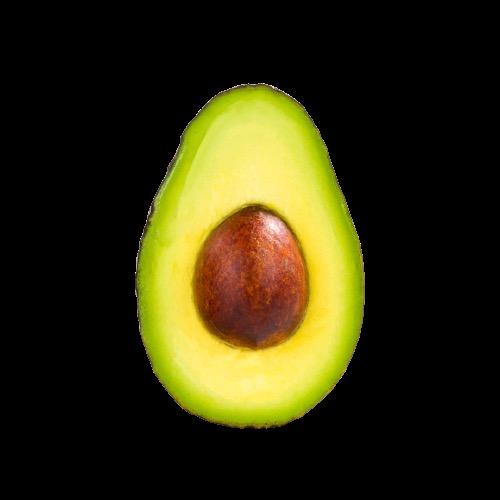
Vitamin A is a fat-soluble vitamin – which means it absorbs better into the body when eaten with foods with some fat like avocados!