Innovation setting the pace for the industry at Expo Riva Schuh and Gardabags FASHION Off Duty On Point FASHION Soft Escape DESIGN When shoes meet the Radiofonografo FASHION Urban Desire FASHION The Real Ones - Style Straight 1 RUNWAY Fall/Winter 2026-27 10 22 16 ISSUE N.04 JUNE 2026 26 32 62 70 92 98 76 114 146 168 122 136 158 176
SLIDING DOORS
Sporty street: the perfect contamination
DESIGNER
Ennio Capasa tells his story ICONS
Nina Christen: the shoe designer who is redefining luxury FAIRS
Expo Riva Schuh and Gardabags overlap borders FASHION Traveling Souls
DESIGN FOR TRAVEL
When the suitcase became for everyone TRENDS
Light, material, movement and time: four trends shaping the next season
FASHION Street Flame MARKETS The shoe that crosses continents
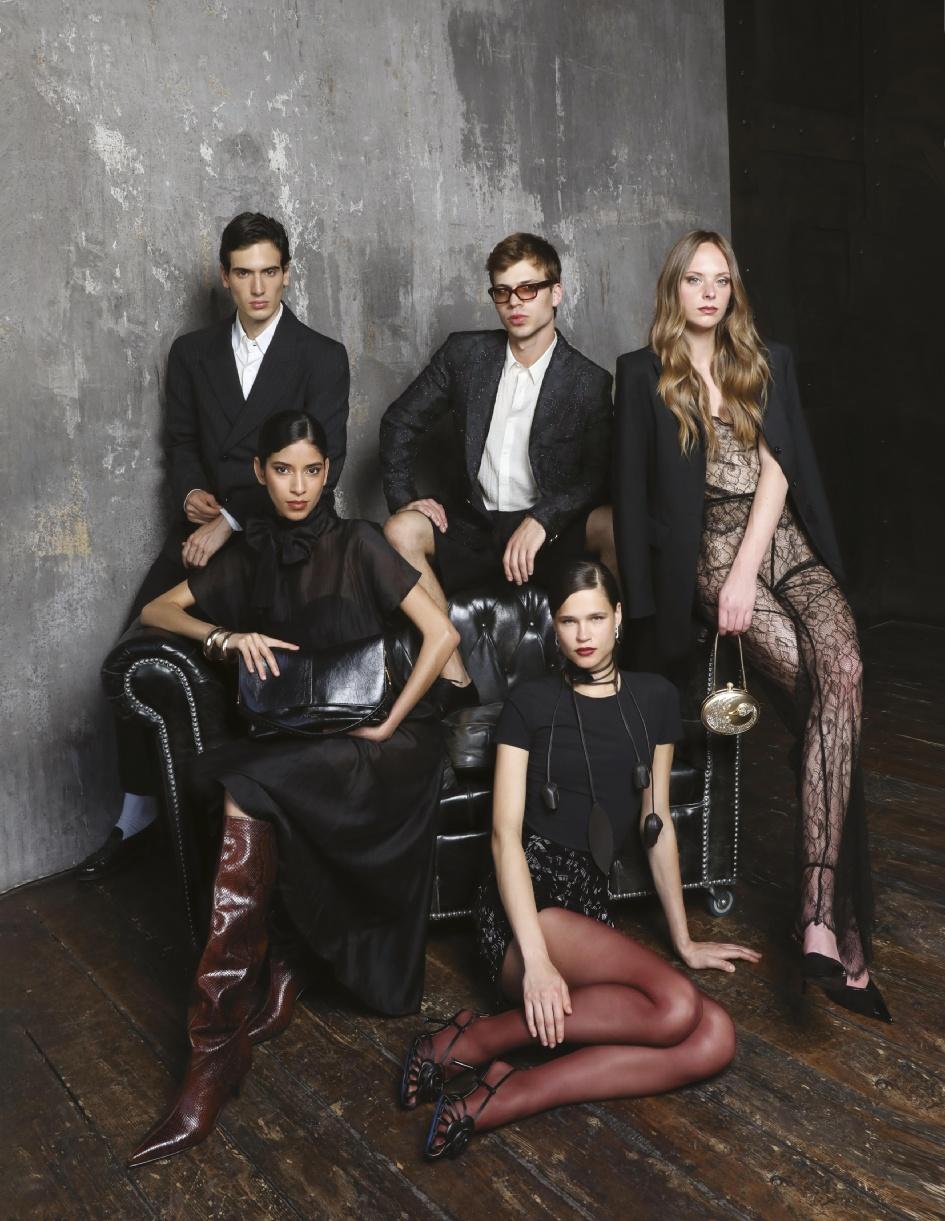
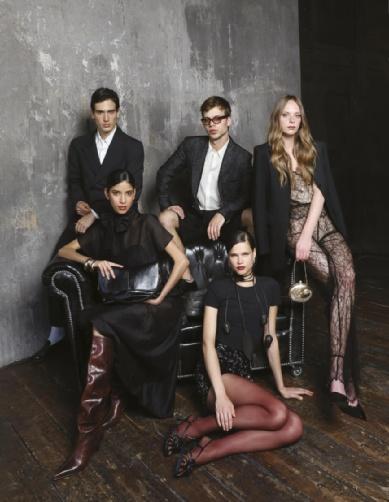
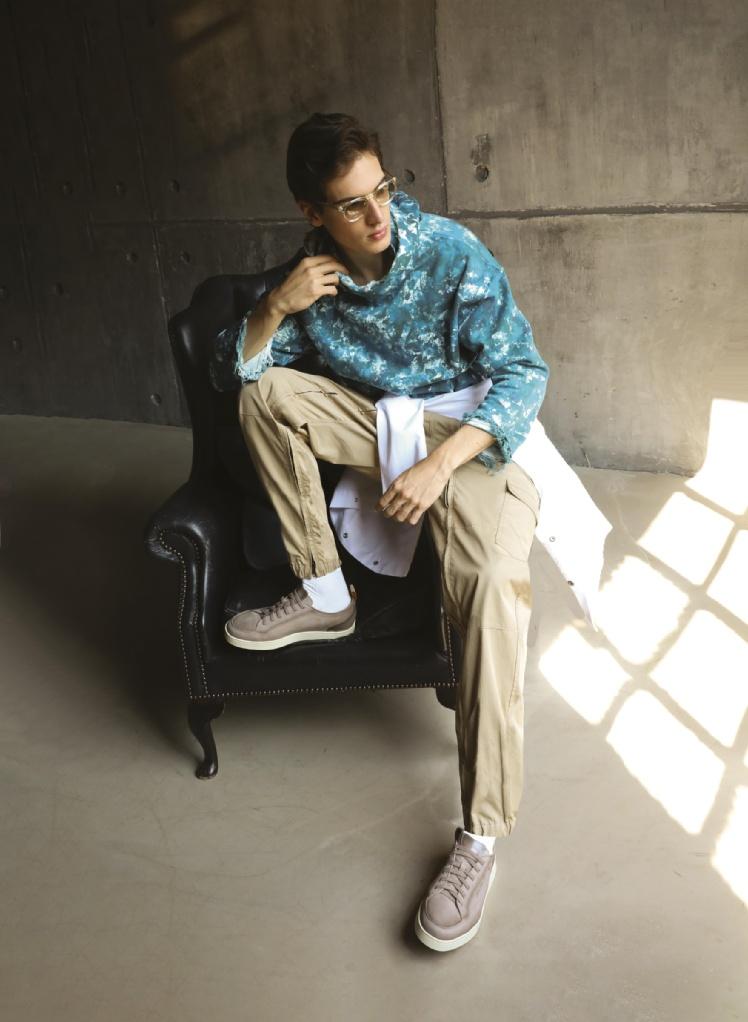
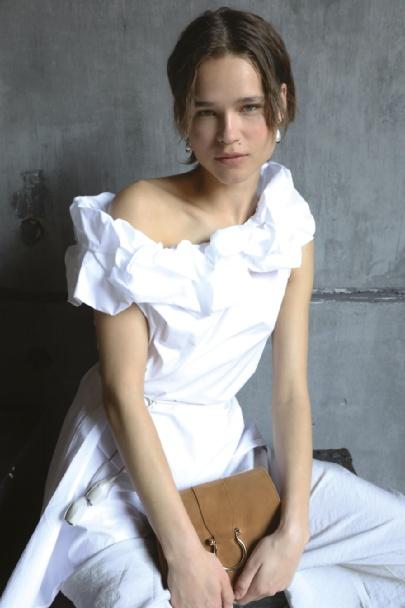
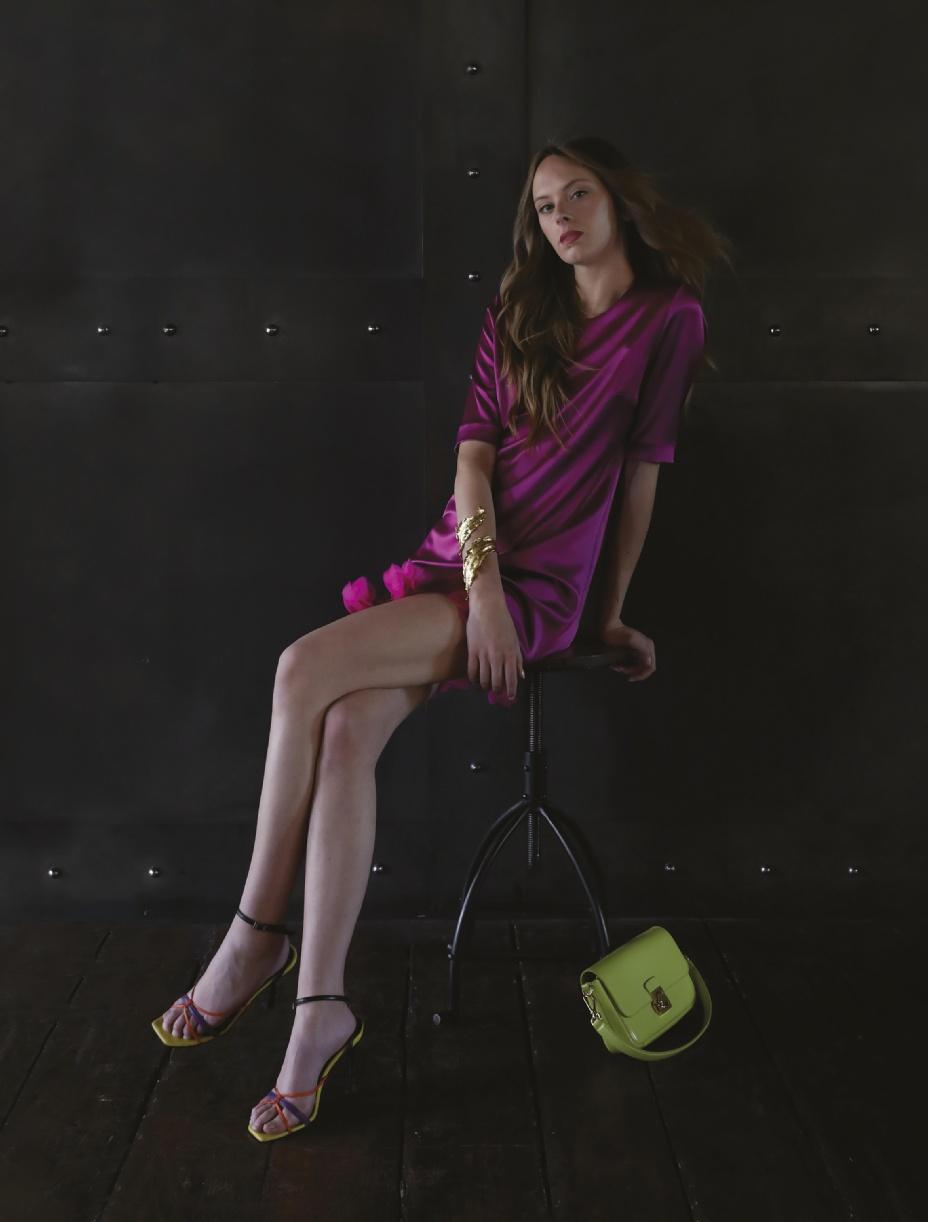
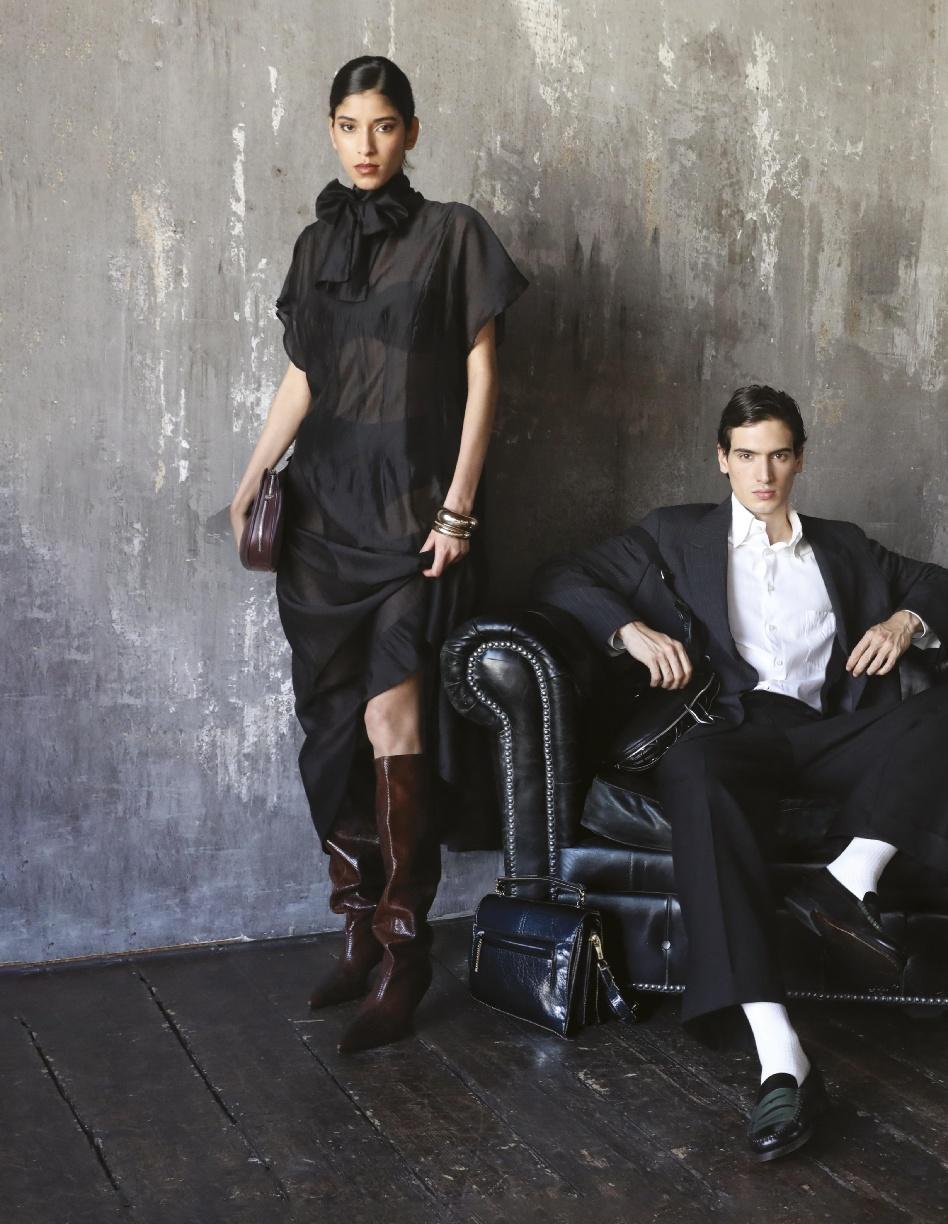
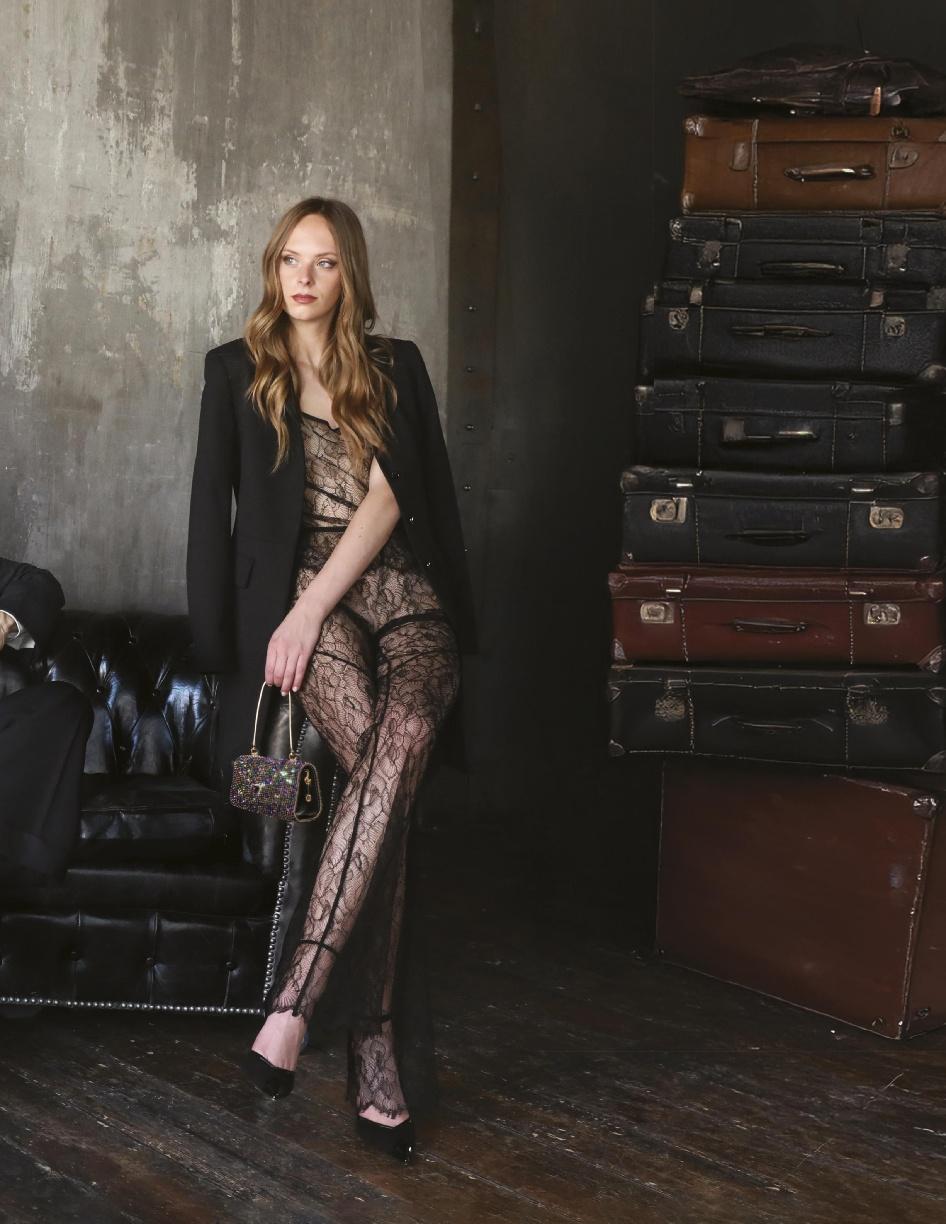
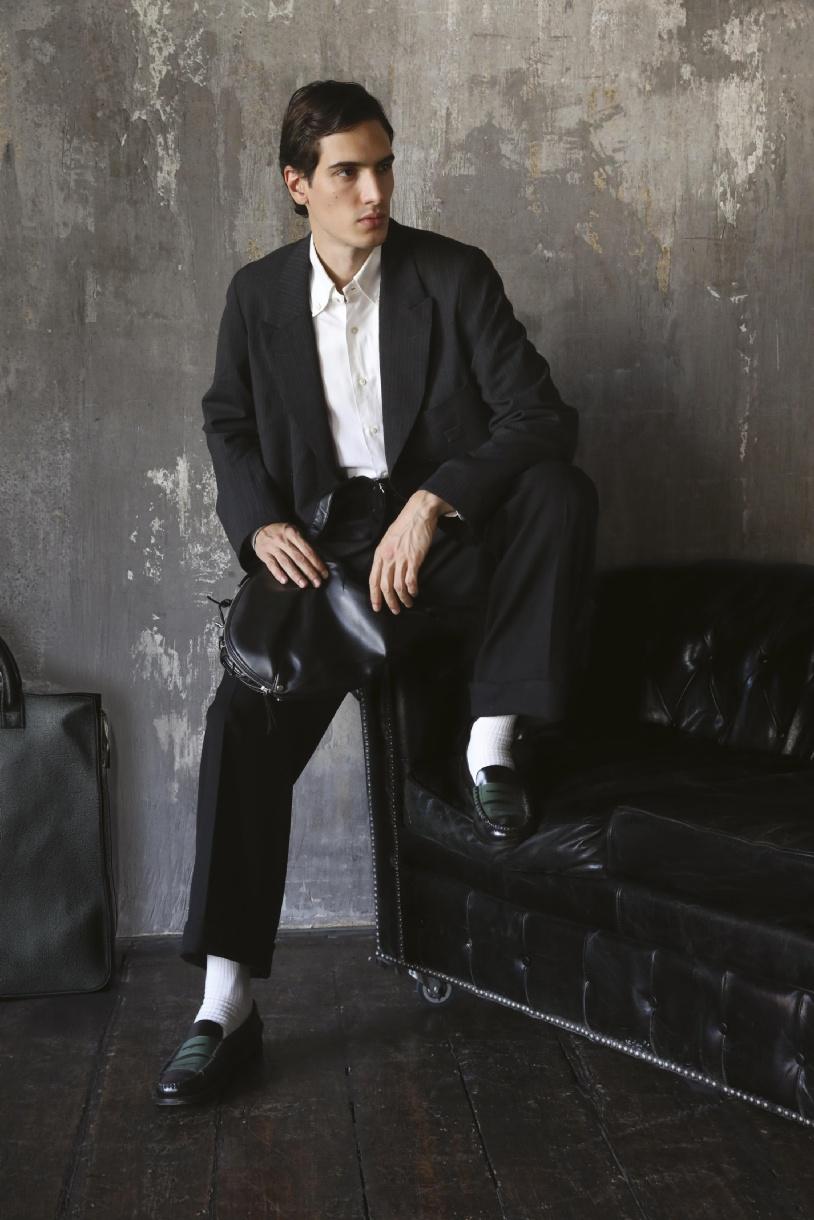
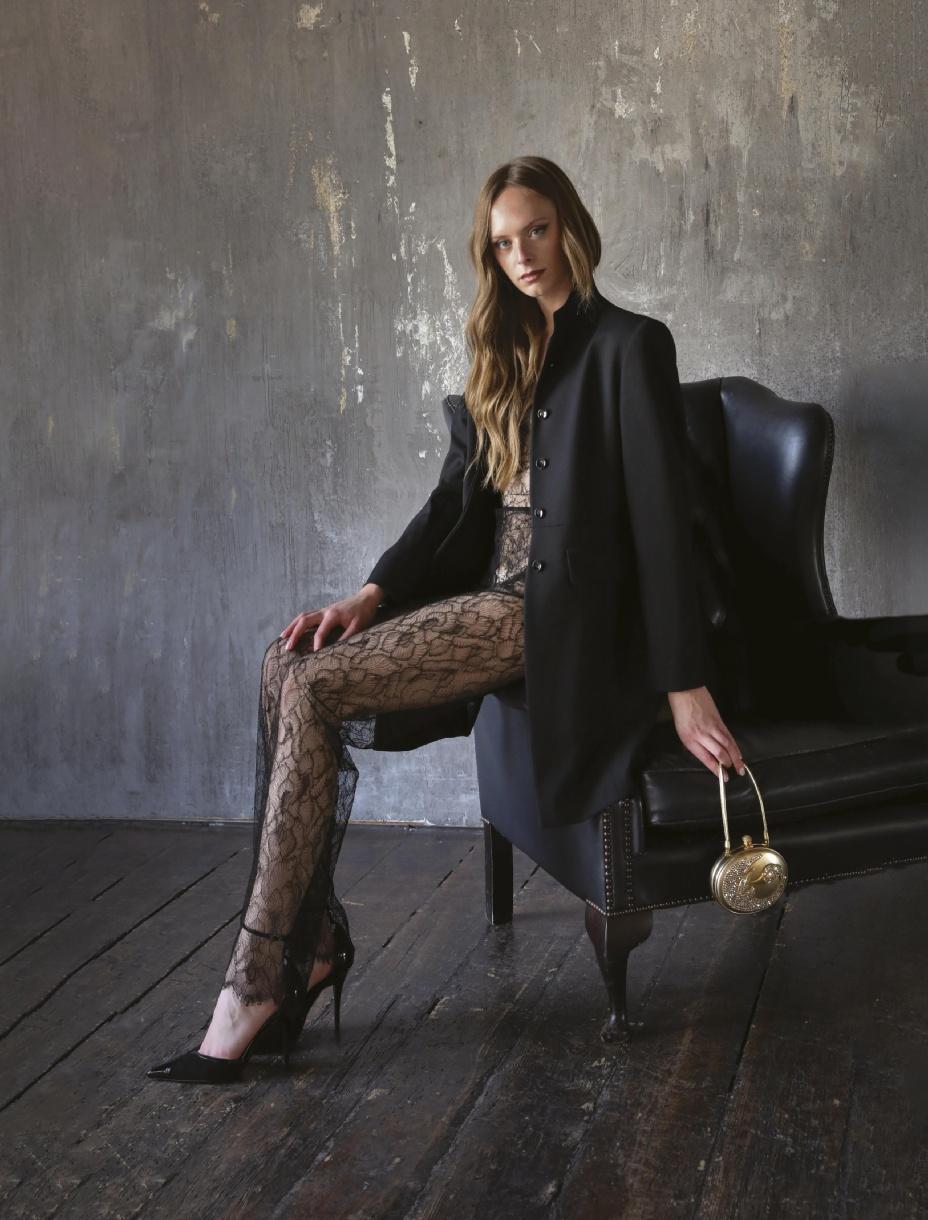
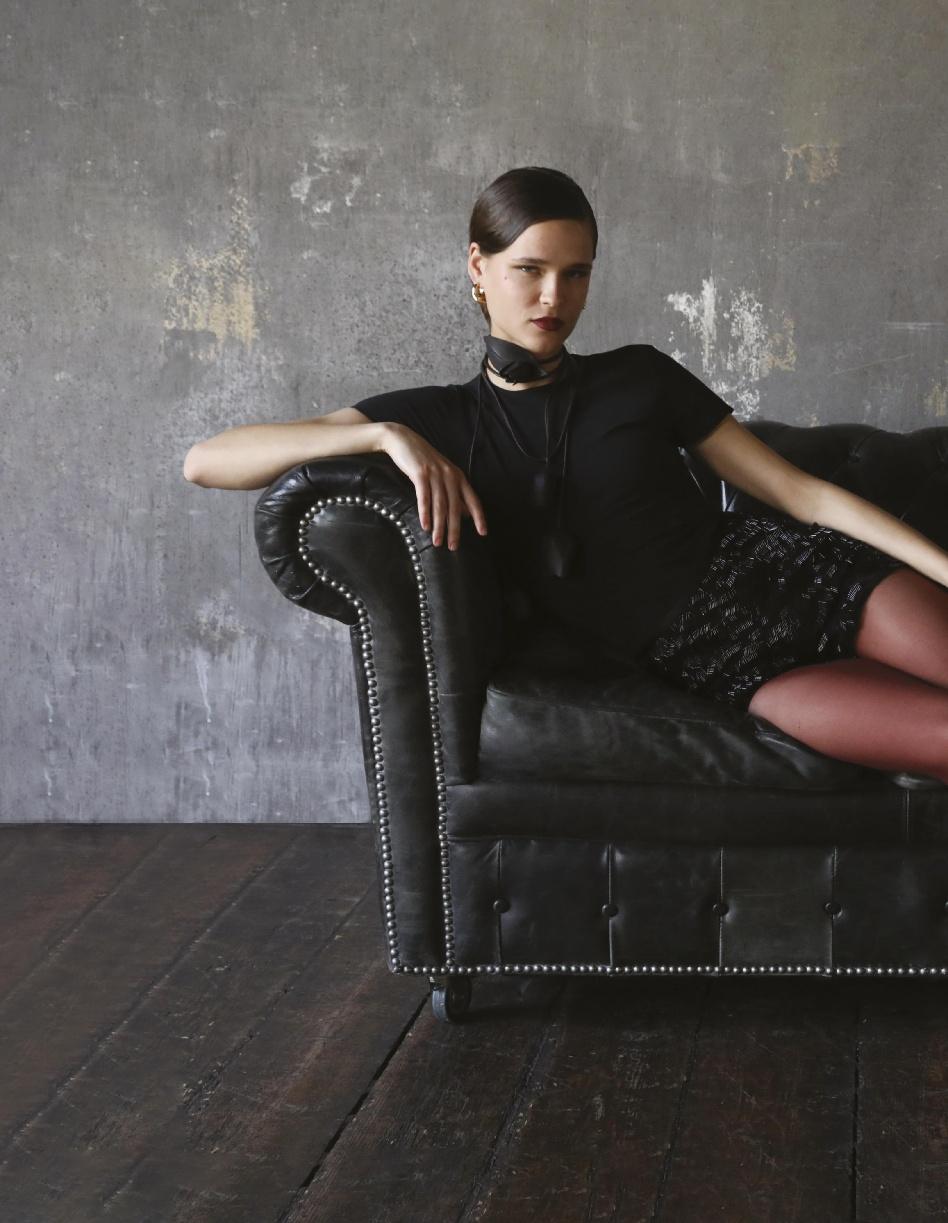
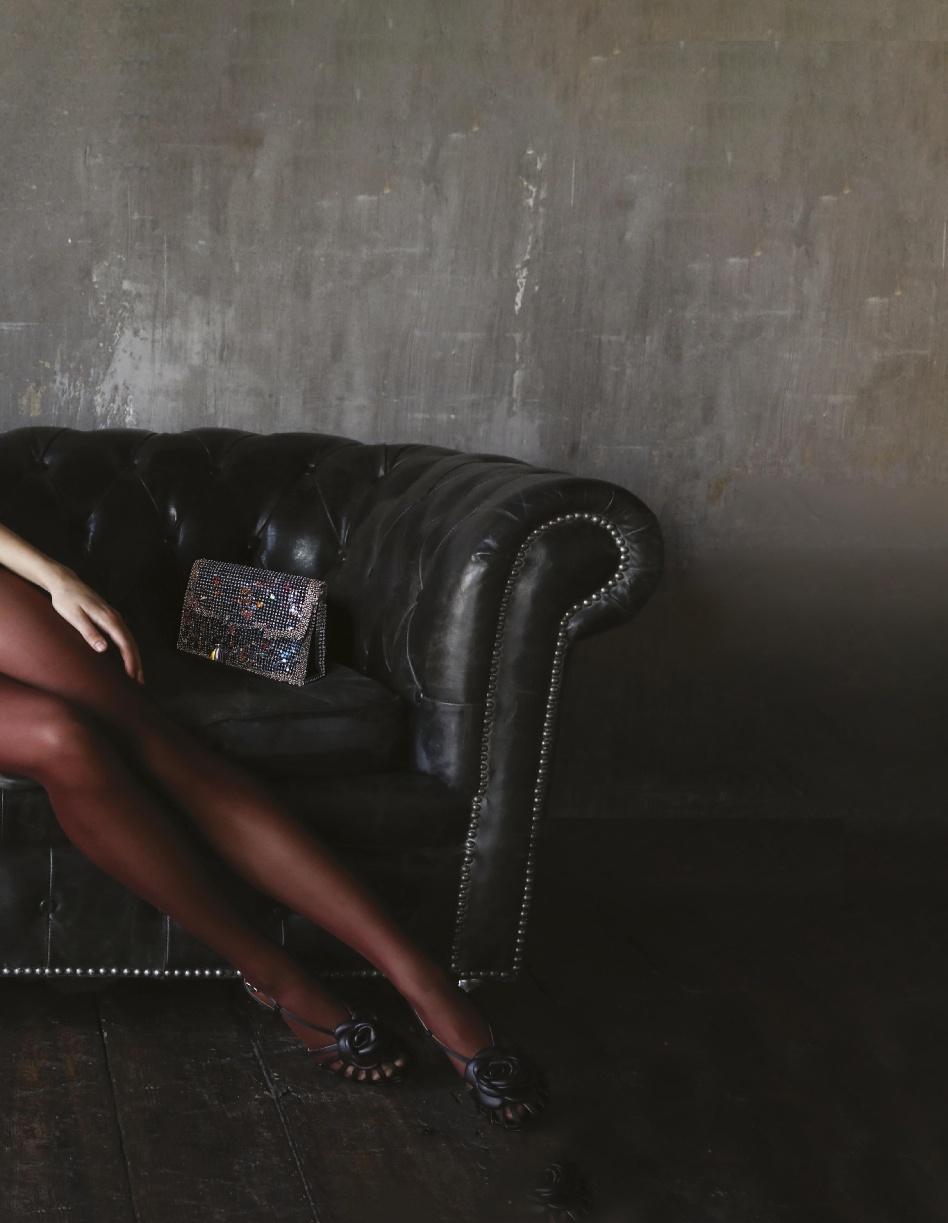
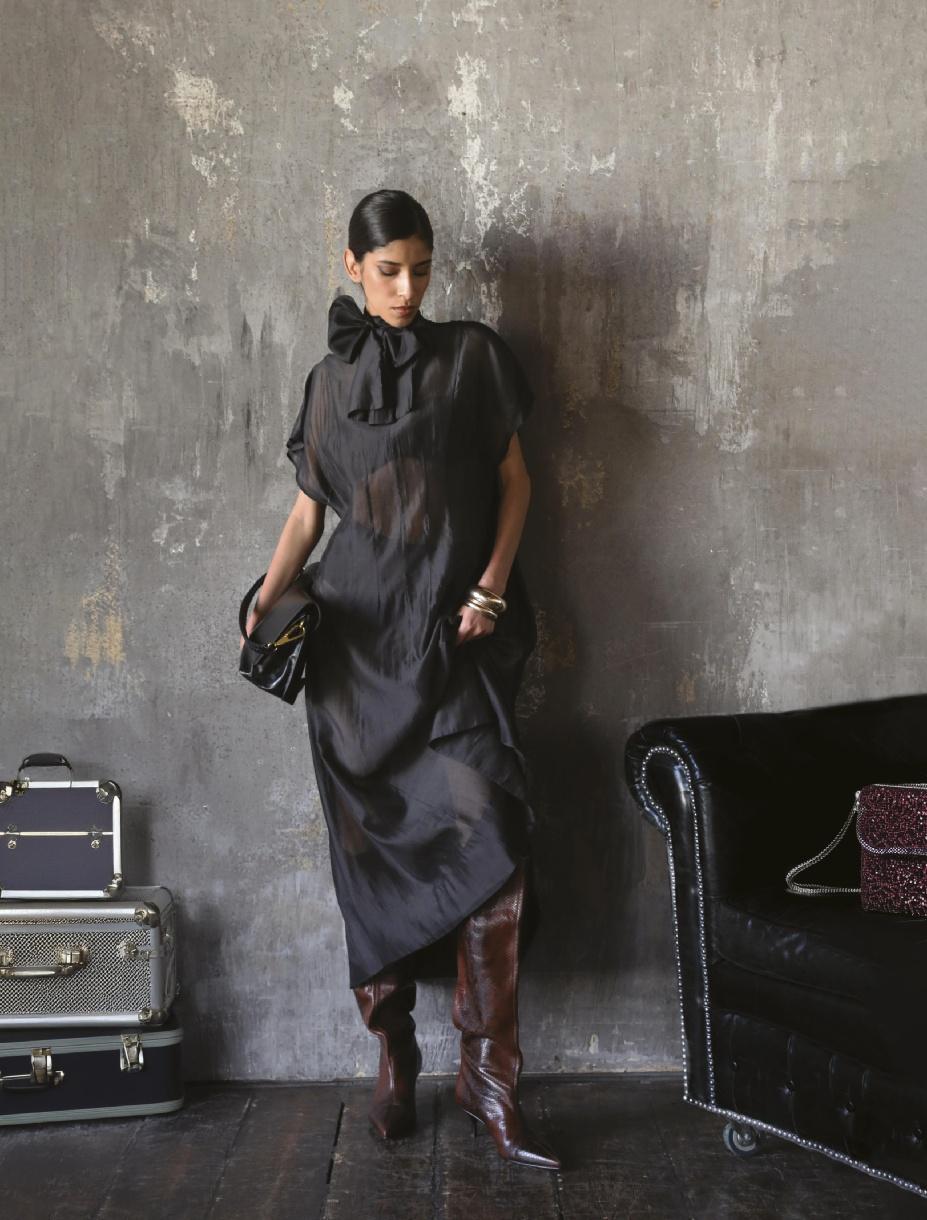
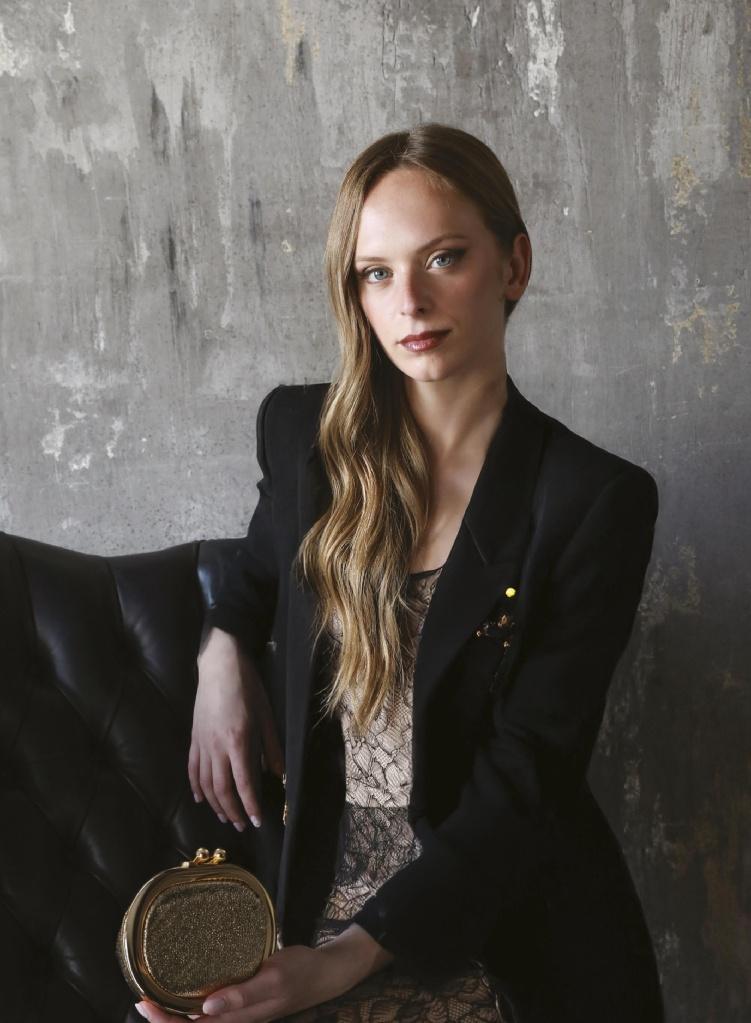
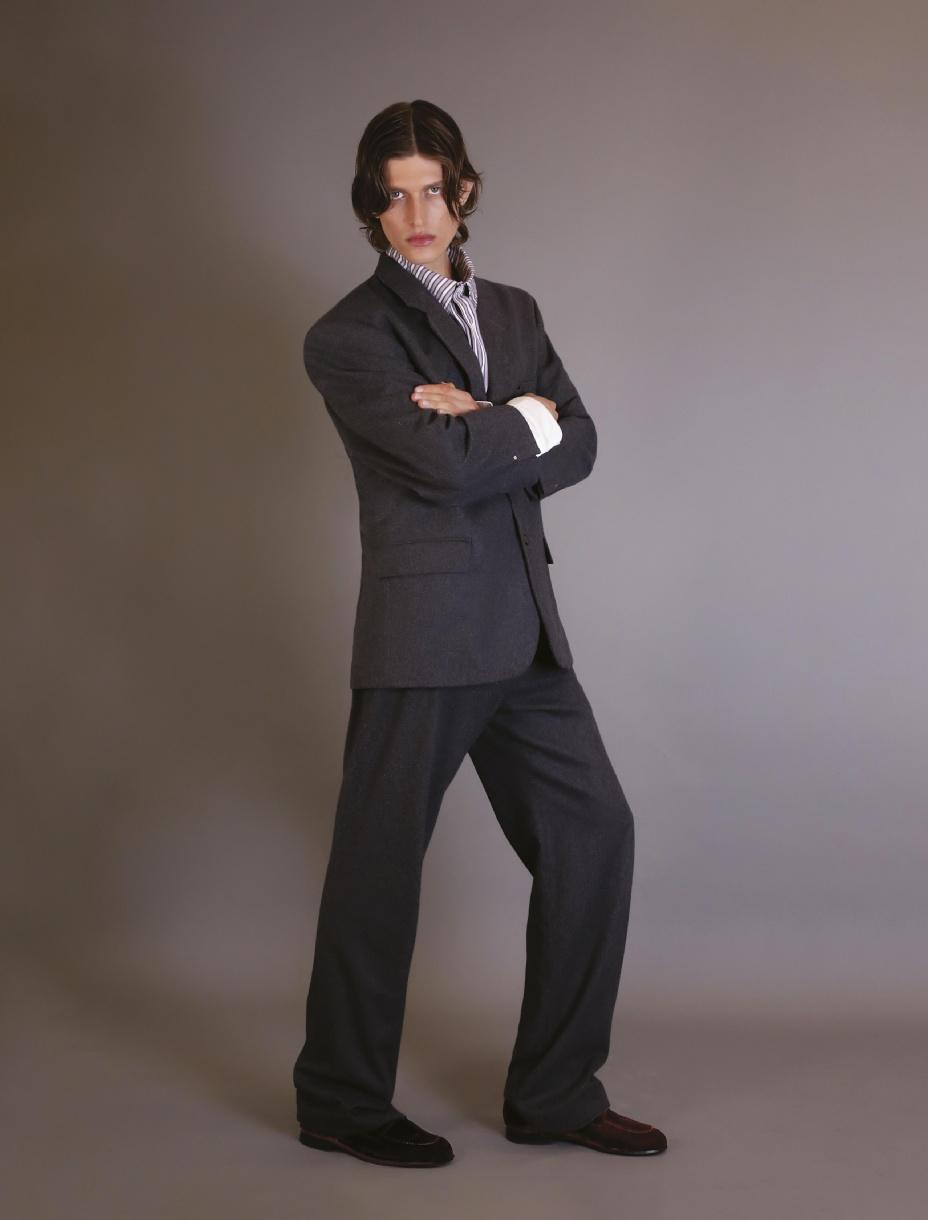
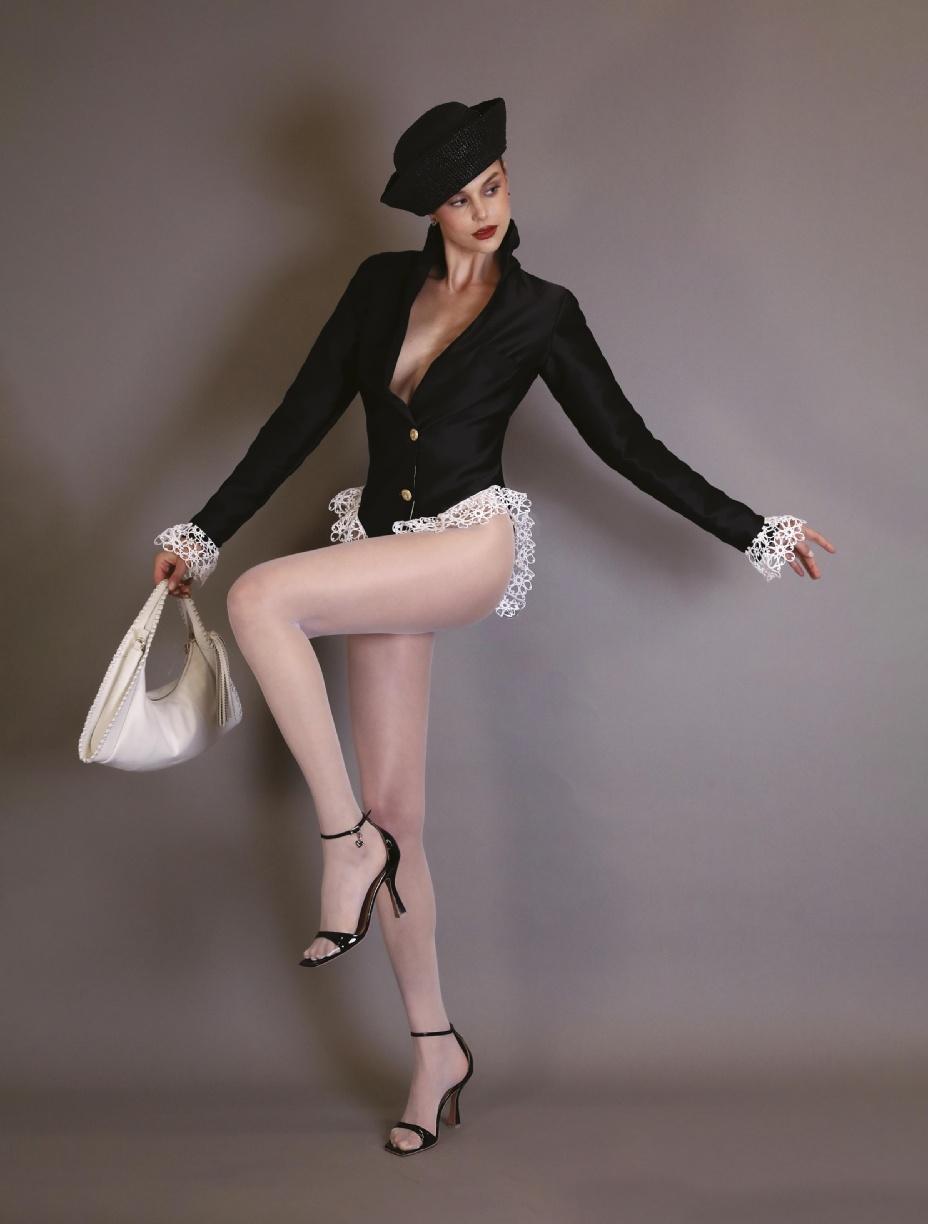
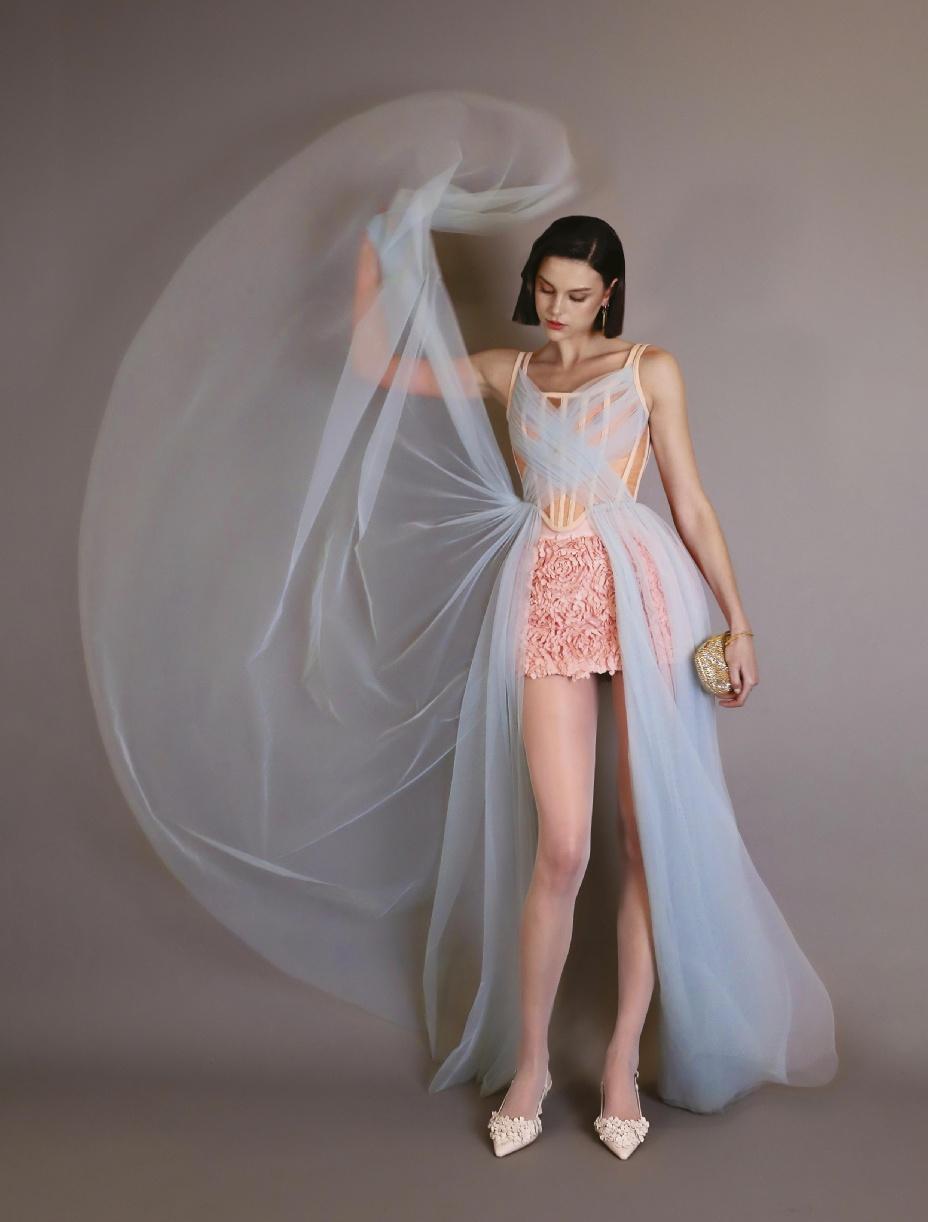
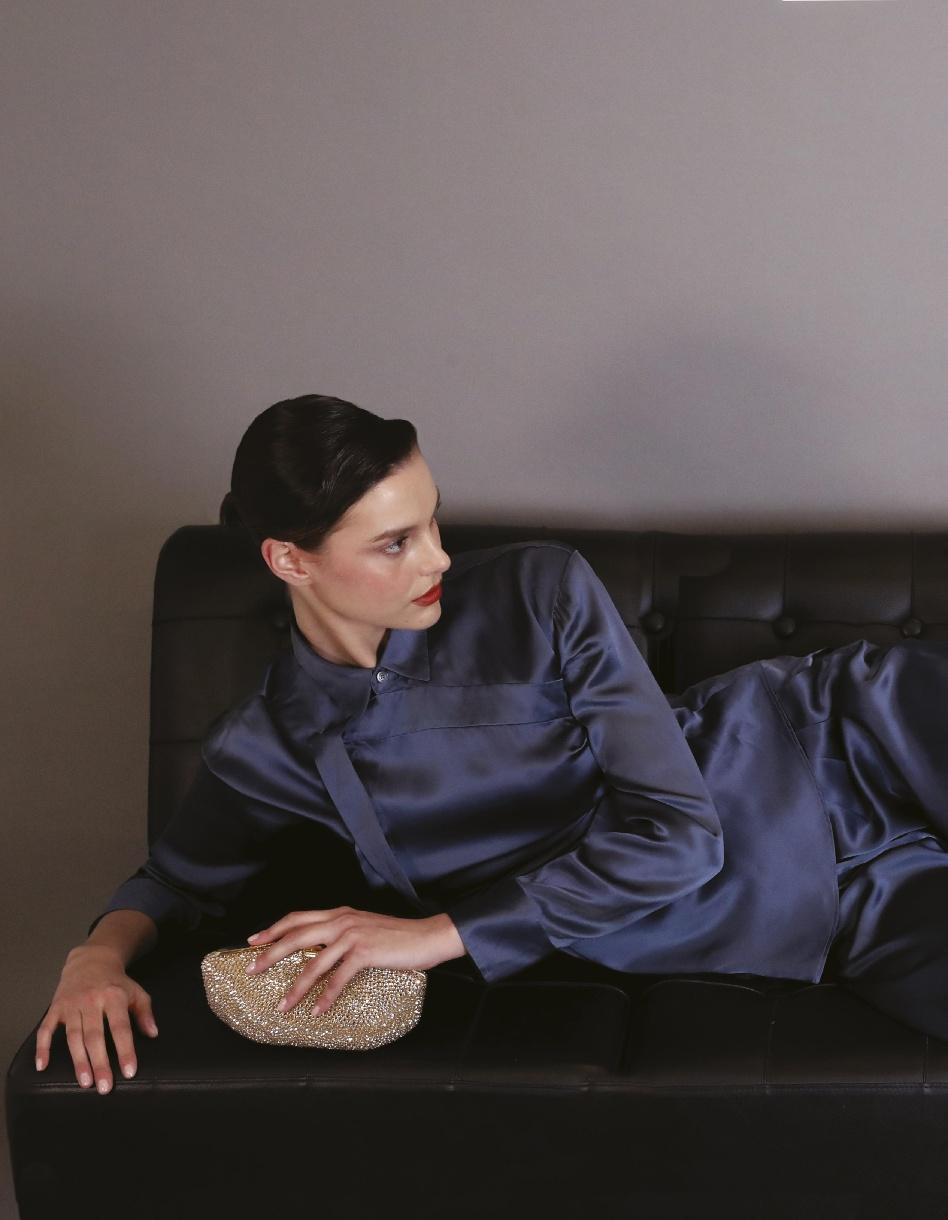
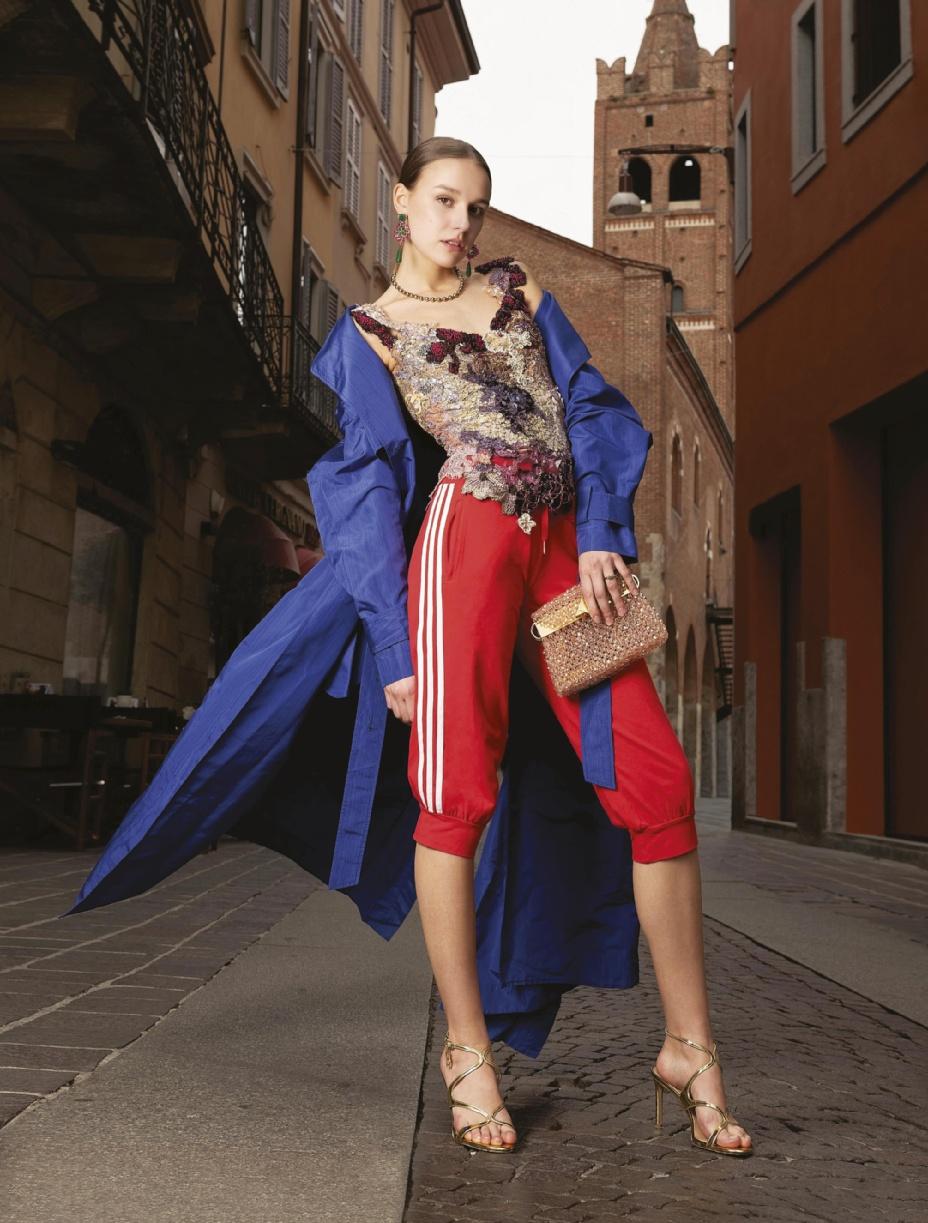
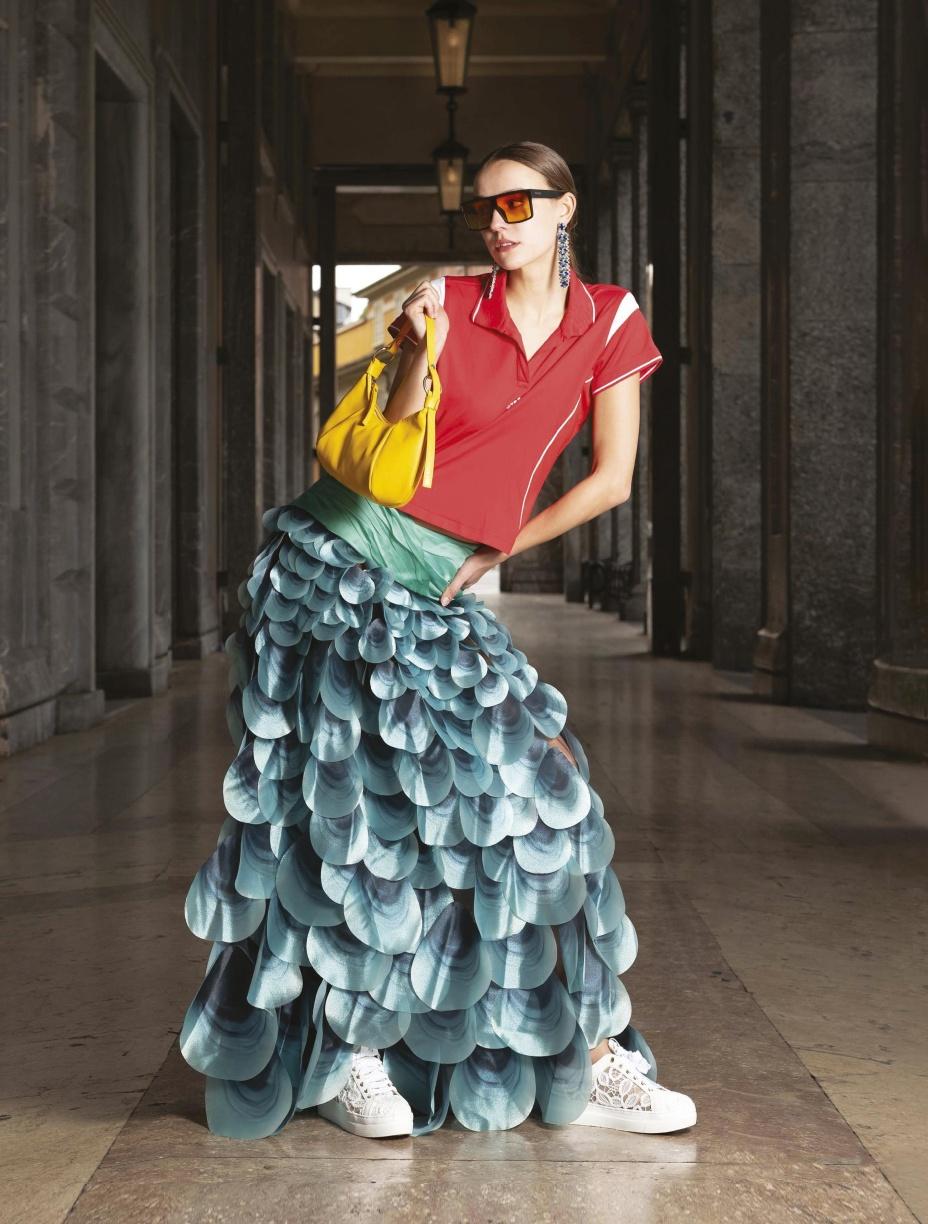
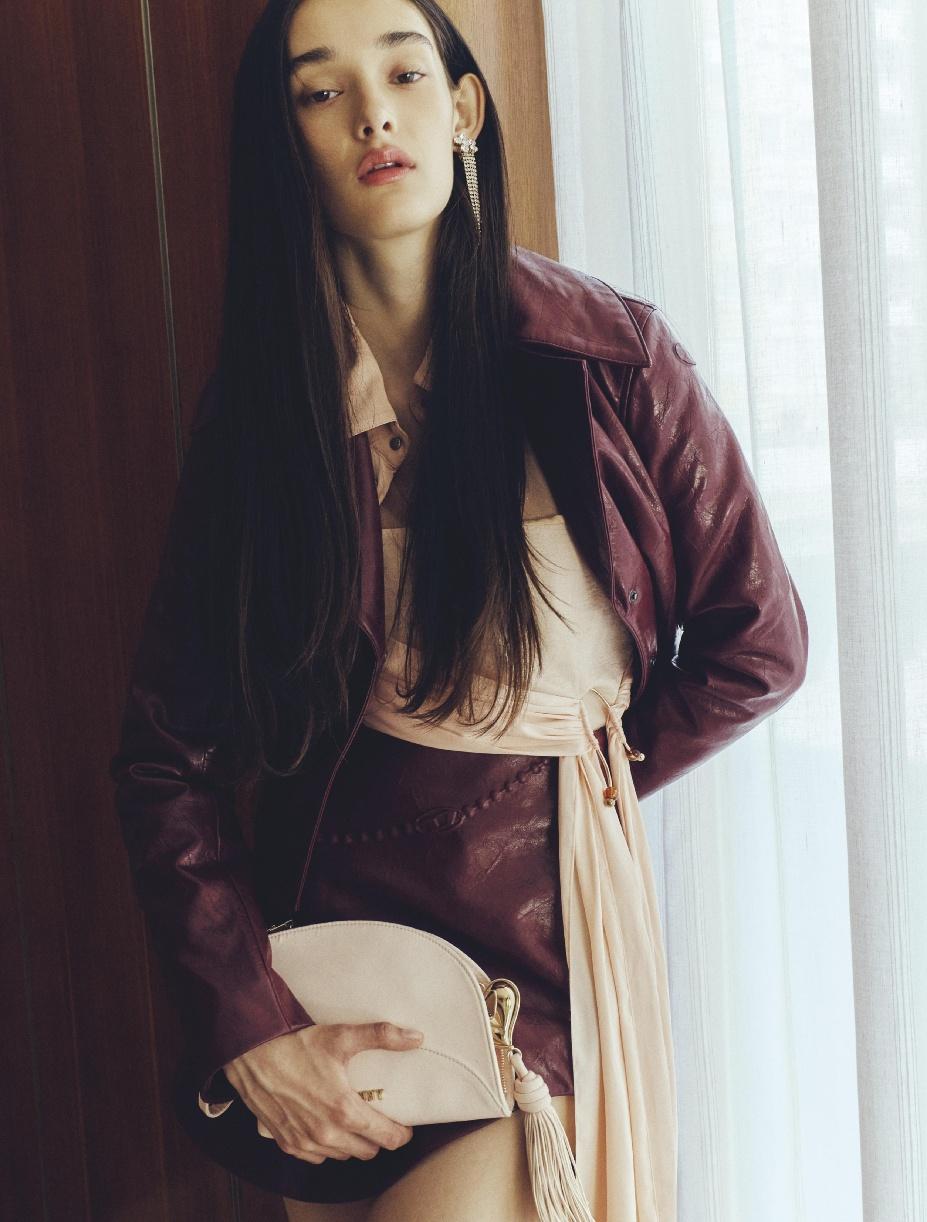
COVER STORY: 1 Bruno: Trousers and Pants: RANDOM IDENTITIES, Shoes: RANDOM IDENTITIES X SEBAGO, Shirt: BARBA NAPOLI - 2 Barbara: Dress: SU, Boots: SCAROSSO, Bag: GIANNI CHIARINI, Bracelet: SAINT LAURENT, Top and Shorts: DOLCE & GABBANA - 3 Augustin: Blazer: COLLINI, Shirt: ANTONY MORATO, Shorts: GABRIELE PASINI, Shoes: SCAROSSO, Glasses: CELINE4 Liza: Body And Shorts: COLLINI, Shoes: LORIBLU, Necklaces: DESA 1972, Earrings: PDPAOLA, Tights: PIERRE MANTOUX - 5 Ottavia: Top and Pants: BALESTRA, Blazer: MAXMARA, Shoes: MARIO VALENTINO, Bag: RODO
Make
by Angelo
Augustin
Photos
Lanza - Fashion by Chiara Naretto,
Up And Hair: Dorotea Ravalli, Erica Sberna, Valentina Woo, Model: Barbara Mendes, Liza Rodionova, Ottavia Tresoldi @ Women Models mng – Milano
A., Bruno B. @ I Love Models Milano
09 Movies are colder
by Enrico Martinelli
Prendete la nuova versione de "Il Diavolo veste Prada" e confrontatela con la pellicola del 2006. Noterete quanto le luci di 20 anni fa fossero più calde, contrastate; le aree buie talvolta rendevano invisibili alcuni dettagli. Oggi il look è più freddo e ogni parte della scena è ben leggibile. Sono intervenuti cambiamenti di gusto, ma hanno influito sulle scelte dei direttori della fotografia, soprattutto le evoluzioni tecnologiche. Un film oggi deve essere perfetto per la sala, ma anche per lo smartphone o il tablet. Verrà trasmesso da tante e differenti piattaforme di streaming. Per dire come l'innovazione muti tradizione e costumi. Come cambia mercati, consumatori e produzione. Se ne parla molto in questo numero raccontando l'evoluzione della valigeria, visitando la Design Week, passando per designer rivoluzionari (Nina Christen), scanner del piede, manifattura additiva, pellami di T-Rex e, soprattutto, con le anticipazioni riguardo Expo Riva Schuh e Gardabags che consentono di intuire quanto il focus della prossima edizione sarà proprio sull'innovazione.
Take the new version of "The Devil Wears Prada" and compare it with the 2006 film. You’ll notice how much warmer and higher-contrast the lighting was 20 years ago; the dark areas sometimes made certain details invisible. Today the look is cooler and every part of the scene is clearly visible. Changes in taste have taken place, but technological developments have had the greatest influence on the choices made by cinematographers. A film today must be perfect for the theaters, but also for smartphones or tablets. It will be streamed across many different platforms.
This illustrates how innovation transforms tradition and customs. How it changes markets, consumers and production. This issue explores this extensively, tracing the evolution of luggage, visiting Design Week, featuring revolutionary designers (Nina Christen), foot scanners, additive manufacturing, T-Rex leather and, above all, with previews of Expo Riva Schuh and Gardabags that give a glimpse of just how much the focus of the next edition will be on innovation.
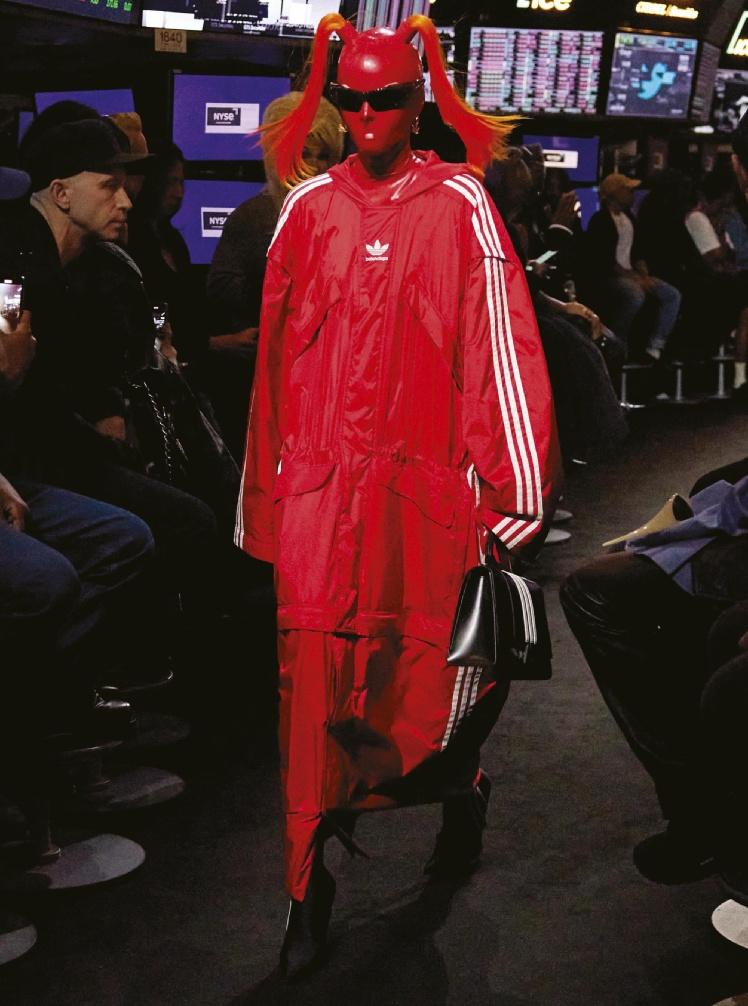
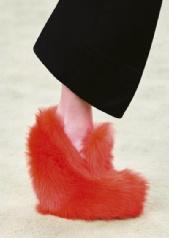
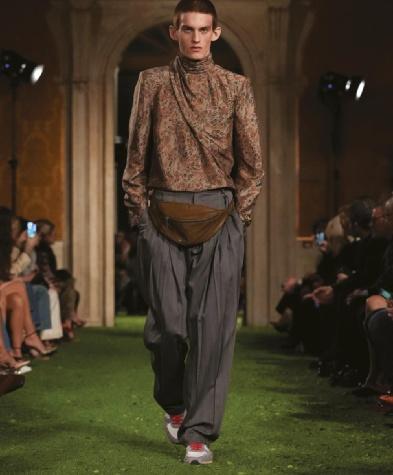
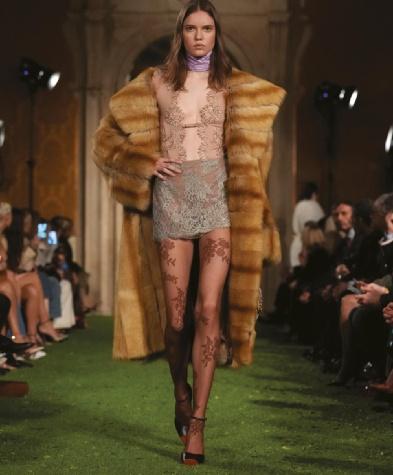
Balenciaga Couture 2023
Sporty street: the perfect contamination 11
by Ursula Beretta
Nuova voce del dizionario della moda, trasforma il linguaggio dello sport in un fashion statement contemporaneo, elevando l’estetica sportiva a simbolo di stile, identità e appartenenza.
La contaminazione tra moda e sport, ormai conclamata, non rappresenta una semplice tendenza ma una delle traiettorie più solide e riconoscibili degli ultimi decenni, come ricordano le collaborazioni dei grandi marchi del lusso con i brand sportivi più celebri (Adidas con Stella McCartney, Gucci e Balenciaga, Nike e Off-White e Jacquemus, Fila con Fendi). Oggi che lo streetwear è diventato protagonista anche delle passerelle e non più relegato a un vezzo (copiatissimo) al quale ispirarsi, il trend sporty è un vero e proprio status quo con il quale confrontarsi. Non è un caso che la classifica The Lyst Index Q1 - vale a dire la piattaforma che ogni quadrimestre stila la lista dei venti brand più richiesti e desiderati del momento - registri sempre al suo interno un marchio sportivo (con una netta predilezione per Moncler). Una dimostrazione, se mai ce ne fosse ancora bisogno, di quanto lo stile sportivo nella sua dimensione quotidiana intercetti consumatori sempre più inclini ad annullare i confini tra corpo, identità personale e stile di vita. Che poi, a voler ben guardare, sono strettamente connessi l’uno con l’altro.
A incarnare perfettamente questa nuova grammatica è probabilmente il tennis, disciplina che più di ogni altra è riuscita a trasformare l’estetica della performance in un immaginario aspirazionale. Non stupisce allora che Jannik Sinner sia diventato, oltre che il volto più luminoso dello sport italiano contemporaneo, anche uno degli uomini più desiderati dalla moda. Il suo aplomb misurato, quell’eleganza anti-divistica e la capacità di attraversare con naturalezza tanto il campo quanto il front row delle sfilate, raccontano bene il motivo per cui gli atleti sono diventati molto più che testimonial, ma interpreti culturali del presente. E del resto, la relazione tra moda e sport non si limita più alla semplice sponsorizzazione, ma è qualcosa di più profondo e strutturale. Lo dimostra il modo stesso in cui l’estetica sportiva ha colonizzato il guardaroba di ogni giorno. Le sneaker tecniche abbinate ai cappotti sartoriali, le felpe running indossate con gonne minimaliste, le polo rétro, le tracksuit dal gusto vintage e perfino l’ascesa del mondo outdoor (Salomon docet) raccontano una trasformazione precisa del concetto stesso di comfort che, lungi dall’essere il contrario dell’eleganza, si delinea come una sua naturale evoluzione. In fondo, lo sporty street nasce proprio da questa esigenza contemporanea di fluidità. Viviamo giornate ibride, veloci, attraversate continuamente da spostamenti, lavoro, tempo libero e cura del corpo. E la moda, come sempre, finisce per intercettare i cambiamenti prima ancora che raccontarli. Così l’abbigliamento sportivo smette di essere confinato al momento dell’allenamento e diventa un codice identitario trasversale, capace di adattarsi a ogni contesto senza perdere il proprio carattere funzionale.
Ma, rispetto all’athleisure degli anni Dieci, lo sporty contemporaneo appare molto più raffinato e consapevole: è meno urlato, meno legato al logo e più vicino a un’idea di benessere quotidiano che passa attraverso materiali tecnici, vestibilità fluide e capi pensati per accompagnare il movimento reale delle persone. Del resto, uno degli immaginari più forti
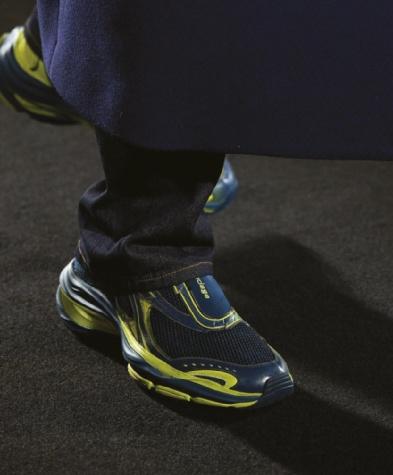
del momento arriva dal running: scarpe performanti, un tempo riservate agli sportivi – da Asics a On, fino ai modelli rétro-tech di Adidas e New Balance – sono diventate oggetti-moda trasversali, indossati tanto con leggings e windbreaker, quanto con completi sartoriali e trench minimalisti. Parallelamente, il tenniscore continua a esercitare una fortissima attrazione visiva, grazie a quella sua capacità di unire disciplina ed eleganza, rigore e sensualità discreta. Gonne plissé, polo vintage, cardigan sportivi e sneakers bianche raccontano un’estetica precisa reinterpretata, però, attraverso un linguaggio più urbano e contemporaneo. Persino il mondo outdoor e hiking, fino a pochi anni fa considerato esclusivamente tecnico, è entrato stabilmente nel lessico della moda trasformando giacche impermeabili, fleece e capi utility in elementi di stile quotidiano. Più che di una tendenza, insomma, si tratta di un cambiamento culturale profondo. Lo sporty street riflette un nuovo rapporto con il corpo, un corpo che non viene più soltanto esibito ma allenato, protetto, ascoltato. E una moda che sembra voler rispondere non solo a un desiderio estetico ma anche a un bisogno crescente di funzionalità, libertà e autenticità. Naturalmente, il dialogo tra questi due mondi non nasce oggi. Se già nel Novecento designer come Coco Chanel ed Elsa Schiaparelli ne avevano intuito la forza rivoluzionaria, è solo tra gli anni Ottanta e Novanta che lo sport entra definitivamente nell’immaginario fashion globale. E Michael Jordan, con le sue Air Jordan, segna probabilmente il vero punto di svolta assoluto, trasformando per la prima volta l’atleta in marchio, linguaggio e oggetto del desiderio. Non è un caso che i grandi gruppi del lusso investano sempre più nello sport per parlare un linguaggio quanto più immediato, emotivo e globale, capace di raggiungere pubblici trasversali e generazioni diversissime unendo performance, racconto e senso di appartenenza. Ed è forse proprio qui il cuore autentico dello sporty street contemporaneo, nella sua capacità di far convivere estetica e funzione, desiderio e praticità, immagine e movimento. Non più semplice tendenza passeggera ma uniforme implicita del presente, capace di raccontare il modo stesso in cui oggi vogliamo vivere, muoverci e persino percepirci.
It is the new entry in the fashion dictionary that transforms the language of sport into a contemporary fashion statement, elevating sports aesthetics to a symbol of style, identity, and belonging.
The contamination between fashion and sport, now clear, does not represent a simple trend but one of the most solid and recognizable trajectories of recent decades, as recalled by the collaborations of the great luxury brands with the most famous sports brands (Adidas with Stella McCartney, Gucci and Balenciaga, Nike and Off-White and Jacquemus, Fila with Fendi). Today, when streetwear has also become a protagonist on the catwalks and is no longer relegated to a (very copied) habit to draw inspiration from, trend sporty is a true status quo to contend with. It is no coincidence that The Lyst Index Q1 ranking - that is, the platform that every quarter draws up the list of the twenty most requested and desired brands of the moment - always registers a sports brand within it (with a clear predilection for Moncler). A demonstration, if any were still needed, of how sports style in its daily dimension intercepts consumers increasingly inclined to blur the boundaries between body, personal identity and lifestyle. Which then, if you look closely, are closely connected to each other.
Tennis, a discipline that more than any other has managed to transform the aesthetics of performance into an aspirational imagination, probably perfectly embodies this new grammar. It is no surprise then that Jannik Sinner has become, in addition to the brightest face of contemporary Italian sport, also one of the most desired men in fashion. His measured aplomb, his anti-divisional elegance, and his ability to naturally traverse both the court and the front row of parades speak volumes about why athletes have become much more than testimonials, but cultural interpreters of the present. And besides, the relationship between fashion and sport is no longer limited to simple sponsorship, but is something
Voile Blanche SS2026
“The contamination between fashion and sport, now clear, does not represent a simple trend but one of the most solid and recognizable trajectories of recent decades.”
deeper and more structural. This is demonstrated by the very way in which sports aesthetics have colonized every day's wardrobe. Technical sneakers paired with tailored coats, running sweatshirts worn with minimalist skirts, retro polo shirts, vintage-flavored tracksuits, and even the rise of the outdoor world (Salomon docet) demonstrate a precise transformation of the very concept of comfort, which, far from being the opposite of elegance, emerges as a natural evolution. Ultimately, sporty street was born precisely from this contemporary need for fluidity. We live hybrid, fast days, constantly crossed by travel, work, leisure and body care. And fashion, as always, ends up intercepting changes before even telling them. Thus, sportswear ceases to be confined to training and becomes a transversal identity code, capable of adapting to any context without losing its functional character.
But, compared to the athleisure of the 1910s, contemporary sporty appears much more refined and conscious: it is less shouted, less tied to the logo and closer to an idea of everyday well-being that passes through technical materials, fluid fits and garments designed to accompany the real movement of people. Moreover, one of the strongest imaginaries of the moment comes from running: performance shoes, once reserved for athletes –from Asics to On, up to the retro-tech models of Adidas and New Balance – have become transversal fashion objects, worn as much with leggings and windbreakers, as with tailored suits and minimalist trench coats. At the same time, the tennis player continues to exert a very strong visual attraction, thanks to his ability to combine discipline and elegance, rigor and discreet sensuality. Pleated skirts, vintage polo shirts, sports cardigans, and white sneakers convey
a precise aesthetic reinterpreted, however, through a more urban and contemporary language. Even the outdoor and hiking world, until a few years ago considered exclusively technical, has become a permanent fixture in the fashion lexicon, transforming waterproof jackets, fleeces, and utility garments into everyday style elements.
More than a trend, in short, it is a profound cultural change. Sporty street reflects a new relationship with the body, a body that is no longer just exhibited but trained, protected, listened to. And a fashion that seems to want to respond not only to an aesthetic desire but also to a growing need for functionality, freedom and authenticity. Of course, the dialogue between these two worlds does not arise today. If designers like Coco Chanel and Elsa Schiaparelli had already sensed its revolutionary strength in the twentieth century, it was only between the 1980s and 1990s that sport definitively entered the global fashion imagination. And Michael Jordan, with his Air Jordans, probably marks the real turning point, transforming the athlete for the first time into brand, language and object of desire. It's no coincidence that large luxury groups are increasingly investing in sports to speak a language that is as immediate, emotional, and global as possible, capable of reaching cross-cutting audiences and generations of diverse audiences by combining performance, storytelling, and a sense of belonging. And it is perhaps right here the authentic heart of contemporary sporty street, in its ability to bring together aesthetics and function, desire and practicality, image and movement. No more simple passing trend but implicit uniform of the present, capable of telling the very way in which today we want to live, move and even perceive ourselves.
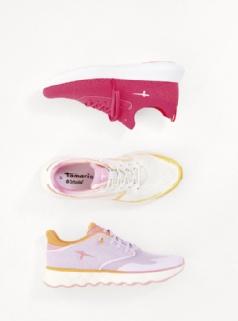
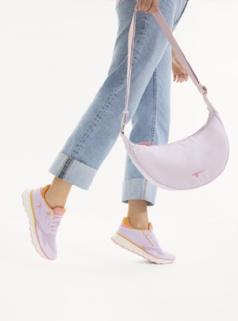
Tamaris
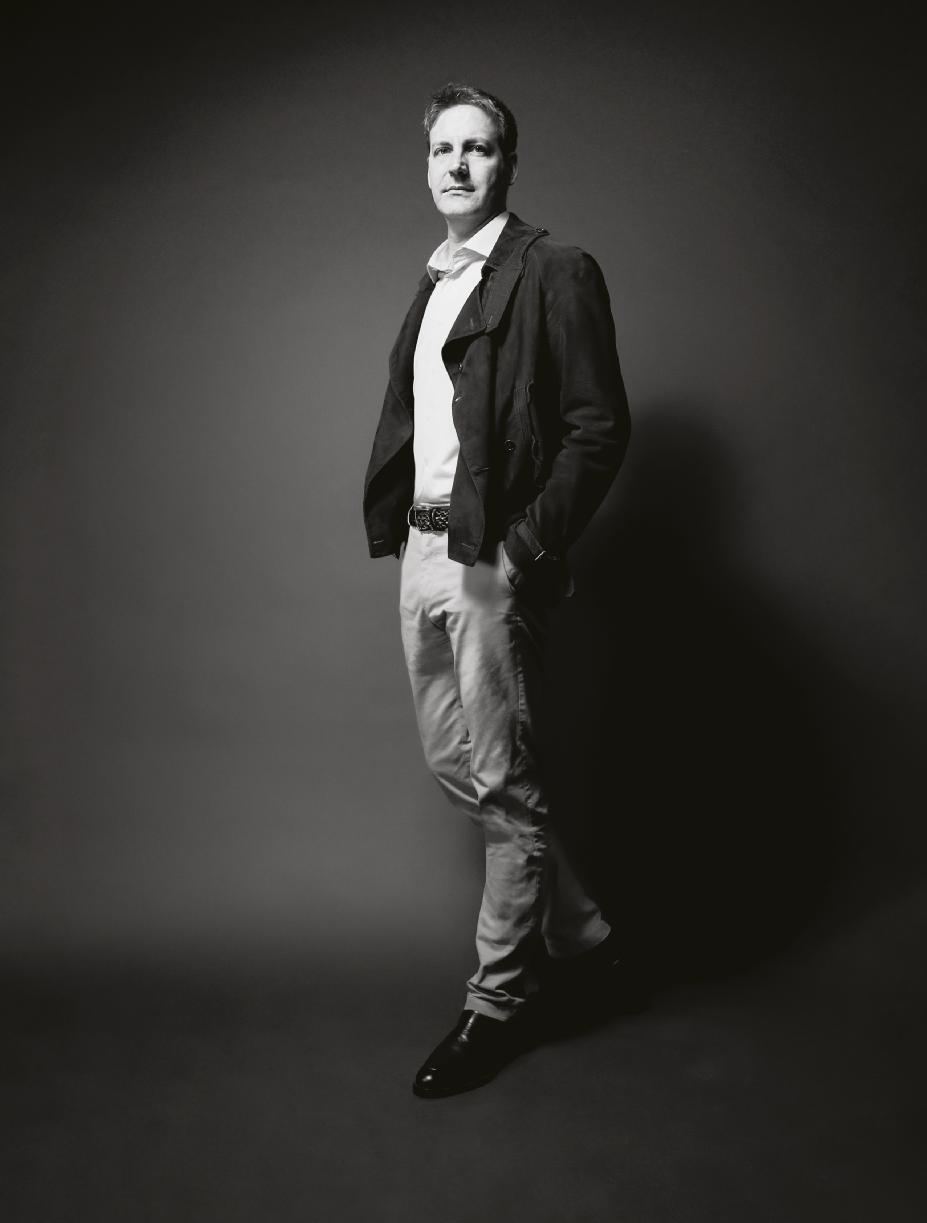
Ennio Capasa tells his story 16
by Anna Barattoni
Dalla fondazione di Costume
National al debutto di Capasa
Milano nel 2022, il percorso di Ennio Capasa continua ad evolversi, restando però fedele alla qualità e ad uno stile distintivo.
Come nasce il progetto Capasa Milano Shoes?
In modo spontaneo e casuale, dall'incontro tra il mio desiderio di dedicarmi alla produzione di una linea di calzature e la proposta di un ex collaboratore che di fatto ha accelerato il processo ideativo, creativo e di sintesi, concretizzatosi nella collezione A/I 2026-27. La filosofia del brand unisce tradizione artigianale a una visione di design moderna e contemporanea, fondendosi in calzature dal carattere "senza tempo", sospese tra passato e futuro. I valori principali si basano sull'esaltazione della manualità e della cura del dettaglio, in netta controtendenza rispetto alla digitalizzazione e all'uso dell'AI oggi presente nel settore. Grande importanza viene data alla ricerca di semilavorati, pelli perfette e di altissimo livello, necessarie per creare un prodotto di qualità, che sia allo stesso tempo bello e comodo. L'obiettivo finale è sicuramente quello di rivoluzionare le forme attuali
del mercato, troppo standardizzate, per infondere nei modelli una rinnovata energia.
C’è un elemento di 'continuità' o di 'rottura' rispetto al suo iconico passato che ha voluto infondere in questa nuova linea di scarpe da donna?
La linea Capasa Milano Shoes esprime una "rottura" che mira a superare l'omologazione della moda attuale, anche del mercato del lusso, proponendo forme inedite e materiali ricercati. La "continuità" si riflette invece nel DNA e nell'esperienza acquisita da me nel corso degli anni, una continuità paragonabile all'evoluzione di un'auto classica, come ad esempio la Porche, che dagli anni 50 ad oggi si è modernizzata, senza però mai tradire se stessa. Questa nuova linea di calzature unisce passato e presente in una sfida tecnica che mira a fondere un’estetica contemporanea al comfort assoluto, creando scarpe belle ma comode.
Dopo il successo della sfilata del 2022, il progetto calzature rappresenta oggi un nuovo inizio?
Concretamente no, direi che è indipendente dal debutto iniziale del 2022. La presentazione del progetto calzature a febbraio 2026 segna una ripartenza strategica basata in particolare su una distribuzione globale molto selettiva, che crescerà gradualmente di stagione in stagione puntando su negozi di alta gamma.
Come si è evoluta la sua estetica, da sempre mix tra minimalismo e anima rock? Qual è il dettaglio 'ossessivo' che definisce questa collezione?
La dualità tra minimalismo tagliente e anima rock è andata via via ‘limandosi’ in una forma più elegante, sofisticata e legata al mio passato. La collezione traduce questa estetica in un prodotto essenziale, ma al contempo dotato di una forte carica di sex appeal. L'obiettivo è di offrire calzature capaci di sedurre intensamente chi le acquista e chi le indossa, evitando però ogni forma di ridondanza ed eccessiva provocazione, rimanendo fedeli a un'idea di sensualità mai pacchiana, dal
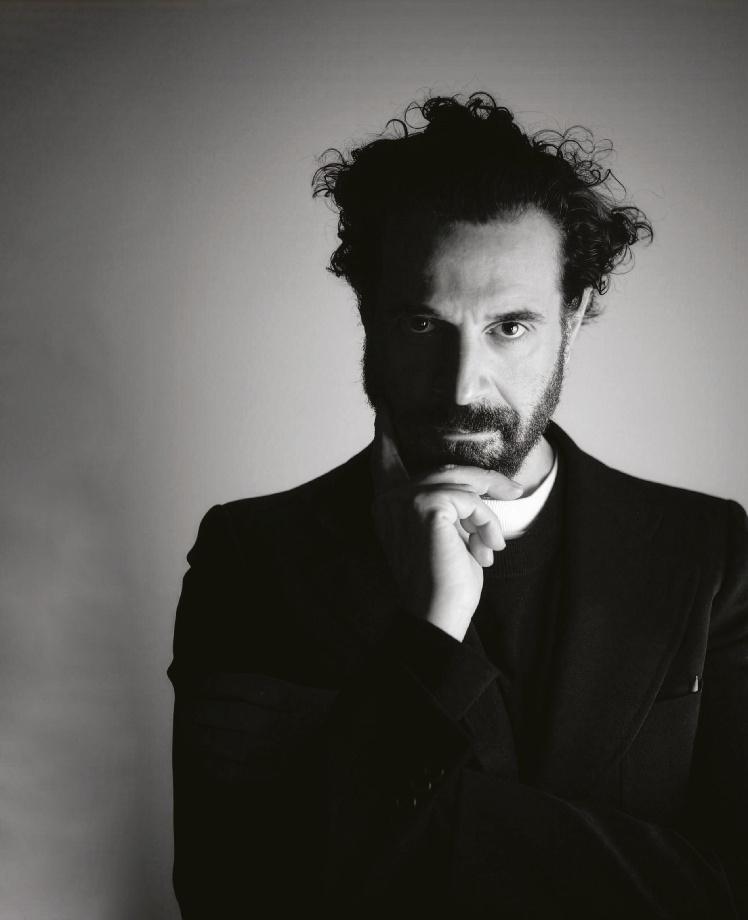
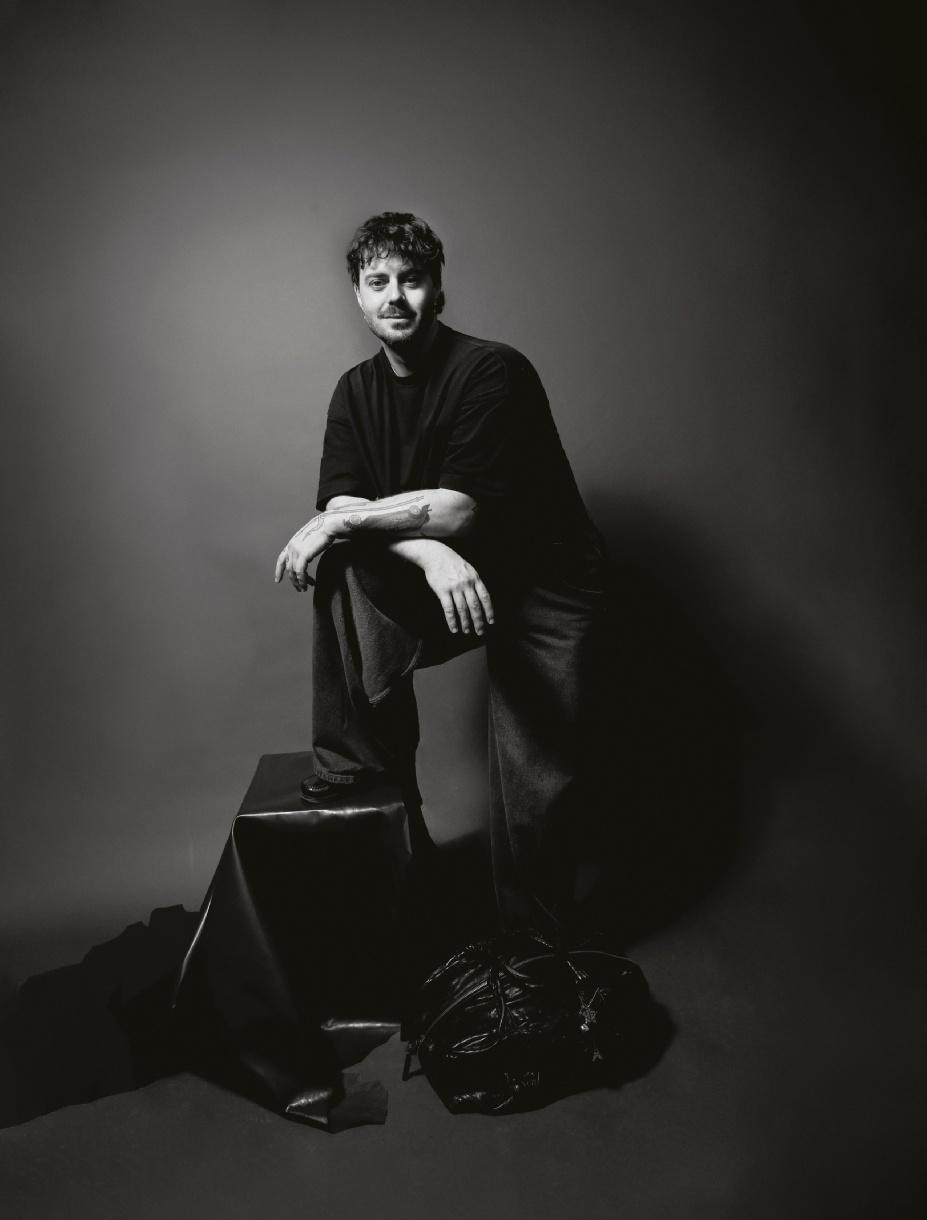
Ennio Capasa
gusto classico e pulito. La collezione mira a proporre un lusso accessibile, fatto di pelli di elevata qualità, ma ad un prezzo competitivo con i concorrenti del lusso. Questa scelta nasce come risposta a un mercato del super lusso che, inseguendo mondi troppo visionari, si è a mio parere distaccato dalla realtà e oggi ne paga le conseguenze.
Quanto conta la sostenibilità per il marchio?
Il brand investe molto sulla sostenibilità come valore aggiunto. Le politiche italiane ed europee in tal senso sono all’avanguarda e anche le nuove generazioni sono molto sensibili a questo tema. Punto ad un riallineamento di un prodotto moda di qualità e sostenibile che possa andare incontro alle reali esigenze economiche del pubblico. L'obiettivo è riattivare un dialogo profondo con quei consumatori attratti dalle cose belle, ma dotati di una capacità di spesa normale e non esasperata. Il progetto Capasa Milano Shoes non è quindi una semplice linea di scarpe, ma esprime la volontà di intercettare chi apprezza l'eccellenza, rifiutando i prezzi inaccessibili del lusso estremo. I mercati cui si rivolge sono l’Europa, ma anche gli Stati Uniti, la Corea e il Giappone, storicamente rilevanti e con una forte cultura della calzatura.
Se dovesse scegliere un libro, un 'frame' cinematografico o un accordo musicale che sintetizzi l'energia del nuovo progetto, quale sarebbe? Per descrivere l'energia del nuovo progetto mi piace citare il saggio "Un mondo nuovo" di Aldous Huxley, che mi ha spinto a tornare alle radici del mio motore creativo, dandomi lo stimolo per fondere il minimalismo di matrice giapponese con la passionalità e la sensualità mediterranea. Sul fronte musicale, preferisco ascoltare brani anni '902000 perché non amo la standardizzazione e la mancanza di sperimentazione dei progetti attuali. La musica resta per me un arricchimento personale e un legame storico, avendo vestito grandi star del settore.
From the founding of Costume National to the launch of Capasa Milano in 2022, Ennio Capasa’s journey continues to evolve, whilst remaining true to quality and a distinctive style.
How did the Capasa Milano Shoes project come about? Spontaneously and by chance, from the convergence of my desire to devote myself to producing a footwear line and a proposal from a former colleague who effectively accelerated the conceptual, creative and synthesis process, culminating in the A/W 2026-27 collection. The brand’s philosophy combines traditional craftsmanship with a modern and contemporary design vision, merging into footwear with a ‘timeless’ character, suspended between the past and the future. The core values are based on the celebration of craftsmanship and attention to detail, in stark contrast to the digitalisation and use of AI currently prevalent in the sector. Great importance is placed on sourcing semi-finished materials and perfect, top-quality leathers, essential for creating a high-quality product that is both beautiful and comfortable. The ultimate goal is undoubtedly to revolutionise the current, overly standardised forms of the market, infusing the designs with renewed energy.
Is there an element of “continuity” or “break” with your iconic past that you wanted to infuse into this new line of women’s shoes?
The Capasa Milano Shoes line embodies a ‘break’ that aims to transcend the uniformity of contemporary fashion – including the luxury market – by offering original designs and refined materials. 'Continuity', on the other hand, is reflected in the DNA and experience I have acquired over the years – a continuity comparable to the evolution of a classic car, such as the Porsche, which has modernised from the 1950s to the present day without ever losing sight of its roots.
Capasa Milano F/W 2026-27
“The Capasa Milano Shoes project is therefore not simply a shoe line, but expresses a desire”
This new footwear line combines past and present in a technical challenge that aims to blend contemporary aesthetics with absolute comfort, creating shoes that are both beautiful and comfortable.
Following the success of the 2022 fashion show, does the footwear project now represent a new beginning?
Not strictly speaking; I would say it is independent of the initial launch in 2022. The presentation of the footwear project in February 2026 marks a strategic relaunch based in particular on a highly selective global distribution strategy, which will grow gradually from season to season, focusing on high-end boutiques.
How has your aesthetic evolved, having always been a blend of minimalism and a rock spirit? What is the ‘obsessive’ detail that defines this collection?
The duality between sharp minimalism and a rock spirit has gradually ‘smoothed out’ into a more elegant, sophisticated form that is linked to my past. The collection translates this aesthetic into a minimalist product, yet one imbued with a powerful sex appeal. The aim is to offer footwear capable of intensely seducing both those who buy it and those who wear it, whilst avoiding any form of redundancy or excessive provocation, remaining faithful to a concept of sensuality that is never tacky, with a classic and clean aesthetic. The collection aims to offer accessible luxury, crafted from high-quality leathers, yet at a price competitive with luxury rivals. This choice stems from a response to a super-luxury market which, in chasing overly visionary worlds, has, in my view, become detached from reality and is now paying the price.
How important is sustainability to the brand?
The brand invests heavily in sustainability as an added value. Italian and European policies in this area are at the forefront, and the younger generations are also very sensitive to this issue. I am aiming to reposition a high-quality, sustainable fashion product that can meet the public’s real economic needs. The aim is to re-establish a meaningful dialogue with those consumers who are drawn to beautiful things but have a normal, rather than excessive, spending capacity. The Capasa Milano Shoes project is therefore not simply a shoe line, but expresses a desire to appeal to those who appreciate excellence whilst rejecting the unaffordable prices of extreme luxury. The target markets are Europe, but also the United States, Korea and Japan, which are historically significant and have a strong footwear culture.
If you had to choose a book, a film scene or a musical chord that encapsulates the energy of the new project, what would it be?
To describe the energy of the new project, I like to quote Aldous Huxley’s essay ‘Brave New World’, which prompted me to return to the roots of my creative drive, giving me the impetus to blend Japanese-style minimalism with Mediterranean passion and sensuality. On the musical front, I prefer listening to tracks from the 90s and 2000s because I dislike the standardisation and lack of experimentation in current projects. Music remains for me a source of personal enrichment and a historical connection, having dressed some of the industry’s biggest stars.
Nina Christen: the shoe designer who is redefining luxury 22
Per anni rimasta nell’ombra dei grandi brand del lusso, seppure le sue creazioni fossero ricercati oggetti di culto, la shoe designer cileno-svizzera è oggi tra le più richieste del panorama contemporaneo, grazie alla sua capacità di plasmare identità diverse, senza perdere la propria.
Ammirate sulle passerelle, virali sui social, corteggiate dalle collezioniste più attente: le scarpe firmate da Nina Christen sono tra le più ricercate del panorama contemporaneo. Eppure, fino a poco tempo fa, il suo nome era noto soprattutto agli addetti ai lavori. Dietro silhouette ardite ma sempre misurate, dietro tacchi scultorei e pro-
porzioni inaspettate, c’è la visione di una designer cileno-svizzera che, nell’arco di poco più di un decennio, ha contribuito a ridefinire l’idea stessa di calzatura di lusso.
Il suo percorso inizia nel 2011 da Saint Laurent, sotto la direzione di Hedi Slimane. Il salto definitivo avviene con Céline ai tempi di Phoebe Philo, dove l’essenzialità diventa linguaggio e la sottrazione un atto creativo. Da lì, Nina prosegue in alcune delle case di moda più influenti degli ultimi anni: Bottega Veneta durante l’era di Daniel Lee, The Row e Loewe sotto la guida di Jonathan Anderson. Con quest’ultimo si instaura un sodalizio creativo profondo: quando nel 2025 Anderson assume la direzione creativa di Dior, le affida il ruolo di Shoes Design Director. Un invito suggellato da un gesto simbolico: il dono del libro ‘Dior by Roger Vivier’, omaggio alla tradizione calzaturiera della maison.
Il tratto distintivo di Nina Christen è la capacità di plasmare identità diverse senza perdere la propria. Ogni brand per cui lavora porta l’impronta di codici riconoscibili, ma sempre filtrati attraverso la sua libertà espressiva.
Nel 2024 decide di firmare finalmente un progetto tutto suo: nasce Christen, marchio indipendente di calzature di lusso. Il brand parla a donne eclettiche e sicure di sé — tra le estimatrici si annoverano Victoria Beckham e Rosie Huntington-Whiteley — e propone modelli pensati per accompagnare personalità molteplici.
Christian Dior
La produzione avviene in Veneto, cuore dell’eccellenza manifatturiera italiana, con gli stessi fornitori che collaborano con le grandi maison. È una scelta che testimonia l’attenzione quasi ossessiva per qualità e costruzione. Ogni modello nasce da un dialogo costante tra disegno e artigianato, tra intuizione e tecnica. La “scarpiera ideale” immaginata da Nina è in continua evoluzione: sexy ma discreta, potente ma misurata, sempre scultorea. L’obiettivo non è inseguire la tendenza del momento, bensì creare icone de -
For years, having remained in the shadow of major luxury brands, even though her creations were sought after as cult objects, the Chilean-Swiss shoe designer is today among the most soughtafter on the contemporary scene, thanks to her ability to shape diverse identities without losing her own
Acclaimed on the catwalk, viral on social media, sought after by the most discerning collectors: shoes designed by Nina Christen are among the most sought-after in the contemporary scene. Yet, until recently, her name was known mainly to industry insiders. Behind bold yet always measured silhouettes, behind sculptural heels and unexpected proportions, lies the vision of a Chilean-Swiss designer who, over the course of just over a decade, has helped redefine the very concept of luxury footwear. Her journey began in 2011 at Saint Laurent, under the direction of Hedi Slimane. The definitive breakthrough came at Céline during Phoebe Philo’s tenure, where minimalism became a language and subtraction a creative act. From there, Nina went on to work at some of the most influential fashion houses of recent years: Bottega Veneta during Daniel Lee’s era, The Row and Loewe under the guidance of Jonathan Anderson. A deep creative partnership developed with the latter: when Anderson took over as Creative Director at Dior in
stinate a durare.
Oggi Nina Christen è tra le shoe designer più richieste del settore. Lavora dietro le quinte, ma il suo segno è immediatamente riconoscibile: una tensione costante tra audacia e controllo, tra desiderio e misura. Le sue creazioni parlano a donne che, come lei, non ne hanno mai abbastanza. Perché una scarpa, quando è pensata con intelligenza e sensibilità, non completa soltanto un look: racconta una storia, definisce una postura, diventa memoria.
2025, he appointed her as Shoes Design Director. An invitation sealed by a symbolic gesture: the gift of the book ‘Dior by Roger Vivier’, a tribute to the maison’s shoemaking tradition.
Nina Christen’s hallmark is her ability to shape different identities without losing her own. Every brand she works for bears the mark of recognisable codes, yet these are always filtered through her creative freedom.
In 2024, she finally decided to launch her own project: Christen, an independent luxury footwear brand, was born. The brand appeals to eclectic, self-assured women — with admirers including Victoria Beckham and Rosie Huntington-Whiteley — and offers styles designed to complement a variety of personalities.
Production takes place in Veneto, the heart of Italian manufacturing excellence, using the same suppliers who work with the major fashion houses. It is a choice that testifies to an almost obsessive attention to quality and craftsmanship. Each model is born from a constant dialogue between design and craftsmanship, between intuition and technique. The ‘ideal shoe collection’ imagined by Nina is constantly evolving: sexy yet understated, powerful yet measured, always sculptural. The aim is not to chase the trend of the moment, but to create icons destined to last.
Today, Nina Christen is one of the most sought-after shoe designers in the industry. She works behind the scenes, but her signature is instantly recognisable: a constant tension between boldness and restraint, between desire and restraint. Her creations speak to women who, like her, can never get enough. Because a shoe, when designed with intelligence and sensitivity, does not merely complete a look: it tells a story, defines a stance, becomes a memory.
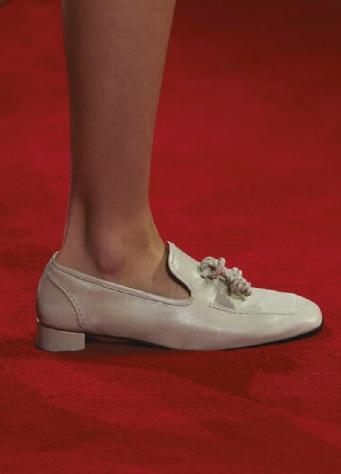
Loewe SS2023
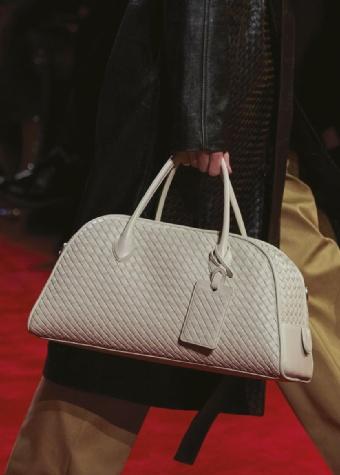
Bottega Veneta SS2020
Loewe SS2023
Bottega Veneta Fall 2022
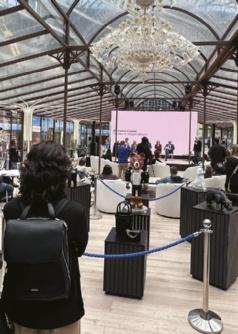
Whilst borders are closing,Expo Riva Schuh and Gardabags are crossing them 26
Stabilità nel business e occasioni di informazione e incontro di livello internazionale. In un mondo sempre più chiuso le fiere rivane vanno controcorrente.
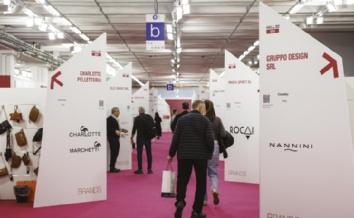
Expo Riva Schuh e Gardabags, dal 13 al 16 giugno 2026 a Riva del Garda raccontano con i numeri quanto aprirsi all'internazionalizzazione paghi sempre. Oltre 1.000 brand ed espositori da 44 paesi. Il 62,63% arriva da fuori Europa, il 37,37% dall'UE: percentuali che spostano da sole il baricentro della manifestazione. La Cina porta il 34,46% degli espositori, l'Italia il 17%, la Turchia il 10,61%, l'India il 9,39%. E poi i debutti: Vietnam, Tunisia, Sudafrica per Expo Riva Schuh; una delegazione vietnamita, un'azienda giapponese e una croata nell'area Brands di Gardabags.
Sul fronte compratori, la geografia si allarga ulteriormente. 219 gli hosted buyer internazionali da 49 paesi, 26 dei quali rappresentati per la prima volta nell’incoming programme
Per intercettarli, sono stati attivati 19 uffici ITA - Italian Trade Agency nel mondo.
Ad accoglierli, nel padiglione B4, una nuova buyers lounge progettata per questa community.
L'internazionalizzazione, però, non è solo una somma di passaporti. È anche occasione di pensiero vario e differente che nell'incontro
si arricchisce. Lo prova il LATAM Footwear Leader Summit — che si terrà al Centro Congressi di Riva del Garda durante i giorni di fiera, riunendo i membri di ACCAL, l’istituzione che rappresenta le principali associazioni nazionali e le camere di commercio del settore calzaturiero e della componentistica dell'America Latina — che conferma l'evoluzione della manifestazione in piattaforma di business & learning al servizio della community internazionale del settore.
APRIRSI IN UN MONDO CHE SI CHIUDE
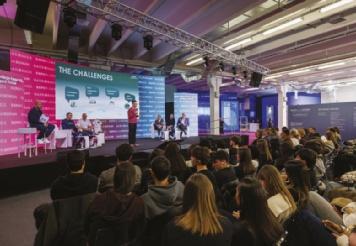
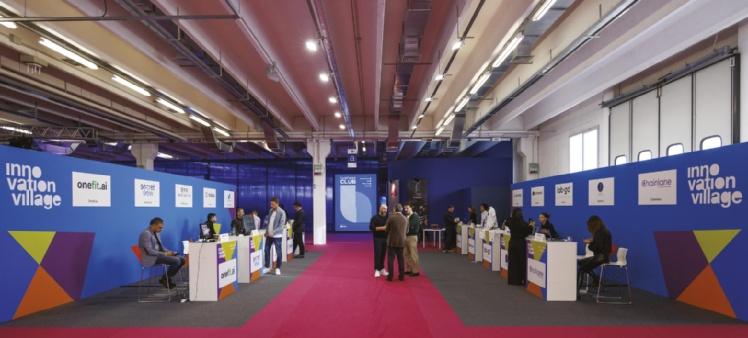
Dazi, blocchi, alleanze che si scompongono e ricompongono. In che modo una fiera può crescere proprio mentre il commercio internazionale inciampa in centinaia di buche? Solo se continua a essere il luogo dove i mercati si incontrano davvero, non solo simbolicamente. Una scommessa che si rinnova a ogni edizione. E si incontrano non solo per tessere relazioni commerciali, ma anche con il desiderio di capire e interpretare i mutamenti del settore. Li aiutano in questa complessa missione i 22 eventi a calendario L'Innovation Village Retail (Mainstage A2) porta 10 startup da
7 paesi — Italia, Germania, Olanda, Regno Unito, Portogallo, Spagna, Corea del Sud — e culmina nella Startup Competition di lunedì 15 giugno. Per scoprire innovazioni concrete che possono cambiare il volto della distribuzione calzaturiera.
A proposito di innovazione: per questa edizione gli organizzatori hanno preparato un’esperienza immersiva che intreccia comunicazione e prodotto. Una selezione delle collezioni degli espositori verrà messa in scena in modo assolutamente inedito. Non anticipiamo altro, ma sarà un'occasione da non perdere per chi guarda al futuro.
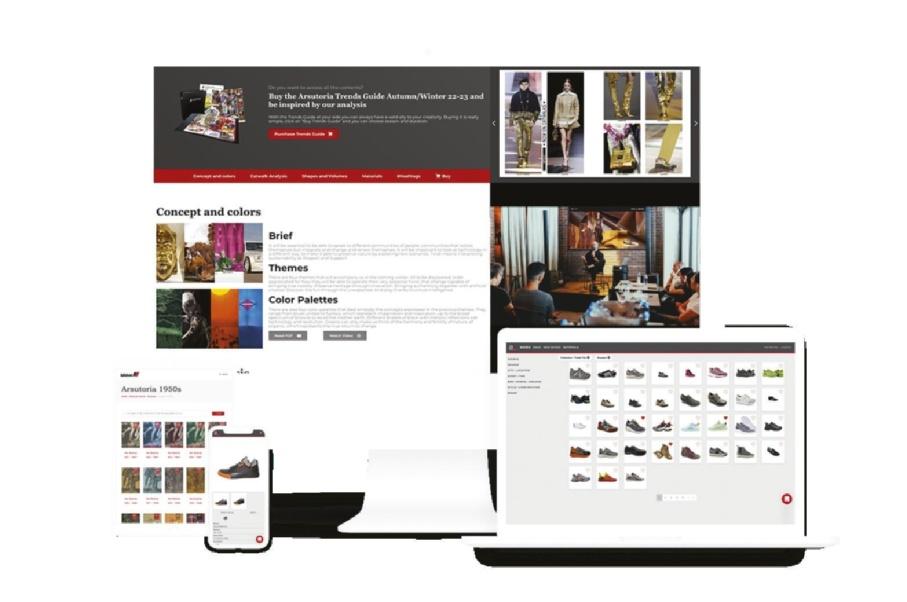
L'Area Highlights, ideata con Arsutoria, è il termometro dei trend: sei momenti dedicati a borse (domenica e lunedì, ore 10:00), scarpe (sabato e lunedì, ore 14:00), sneaker (domenica, ore 14:00) e mercato DACH (domenica, ore 16:30, con Claudia Schulz).
Il Market Focus conferma i quattro appuntamenti dedicati ad Asia, America, Europa, Africa e Medio Oriente, e aggiunge due novità. "India Calling — Nuove Rotte per il Business Globale" si concentrerà sulle opportunità aperte dall'accordo di libero scambio UE–India, e si terrà in apertura del Market Focus Asia.
FAIST - Fábrica Ágil, Inteligente, Sustentável e Tecnológica, con Pedro Duarte del CTCP (Portuguese Footwear Technological Centre), racconterà la trasformazione digitale del comparto calzaturiero portoghese, in apertura del Market Focus Europa. Da non mancare: nel padiglione A2 la nuova Area Showcase di Gardabags, mentre al PalaVela la Expo Riva Nights. Tutto il programma vive sull'app ufficiale della fiera.
DUE ANIME, UNA PIATTAFORMA
La forza della manifestazione è tenere insieme più profili di espositori: sourcing e brand, private label e identità di marchio, flessibilità e posizionamento. Lo stesso accade lato compratori: retailer, ecommerce, buying office, importatori e catene internazionali si trovano nello stesso perimetro. Una convivenza non casuale. È una scelta strategica che consente di andare incontro a entrambe le anime che caratterizzano i visitatori delle manifestazioni: il 41,7% cerca solo prodotti Private Label; il 26,5% è a caccia dei soli brand; chi indaga entrambe le tipologie di prodotto rappresenta il restante 31,7%.
Business stability and opportunities for international networking and information exchange. In an increasingly closed-off world, Riva’s trade fairs are bucking the trend.
Expo Riva Schuh and Gardabags, from 13 to 16 June 2026 in Riva del Garda, demonstrate through the figures that opening up to internationalisation always pays off. Over 1,000 brands and exhibitors from 44 countries. 62.63% come from outside Europe, 37.37% from the EU: percentages that single-handedly shift the event’s centre of gravity. China accounts for 34.46% of exhibitors, Italy 17%, Turkey 10.61%, and India 9.39%. And then there are the debutants: Vietnam, Tunisia and South Africa at Expo Riva Schuh; a Vietnamese delegation, a Japanese company and a Croatian firm in the Brands area of Gardabags.
On the buyers front, the geographical scope is expanding further. There are 219 international hosted buyers from 49 countries, 26 of whom are represented for the first time in the incoming programme. To engage with them, 19 ITA – Italian Trade Agency offices worldwide have been activated. Welcoming them in Hall B4 is a new buyers’ lounge designed specifically for this community.
Internationalisation, however, is not merely a matter of passports. It is also an opportunity for diverse and varied perspectives that are enriched through interaction. This is demonstrated by the LATAM Footwear Leader Summit — to be held at the Riva del Garda Congress Centre during the fair, bringing together members of ACCAL, the institution representing the main national associations and chambers of commerce in the footwear and components sector in Latin America — which confirms the event’s evolution into a business & learning platform serving the sector’s international community.
OPENING UP IN A CLOSING WORLD
Tariffs, trade barriers, alliances that break down and reform. How can a trade fair grow just as international trade stumbles over hundreds of obstacles? Only if it continues to be the place where markets truly meet, not just symbolically. A challenge that is renewed with every edition. And they meet not only to forge business relationships, but also with the desire to understand and interpret the changes in the sector.
The 22 events on the calendar help them in this complex mission. The Innovation Village Retail (Mainstage A2) brings together 10 start-ups from 7 countries — Italy, Germany, the Netherlands, the United Kingdom, Portugal, Spain and South Korea
— and culminates in the Startup Competition on Monday 15 June. Discover concrete innovations that can change the face of footwear distribution.
Speaking of innovation: for this edition, the organisers have prepared an immersive experience that intertwines communication and product. A selection of the exhibitors’ collections will be showcased in a completely new way. We won’t reveal any more, but it will be an unmissable opportunity for those looking to the future. The Highlights Area, conceived in collaboration with Arsutoria, serves as a barometer of trends: six sessions dedicated to handbags (Sunday and Monday, 10:00), shoes (Saturday and Monday, 14:00), sneakers (Sunday, 14:00) and the DACH market (Sunday, 16:30, with Claudia Schulz).
Market Focus confirms the four sessions dedicated to Asia, America, Europe, Africa and the Middle East, and adds two new features. ‘India Calling — New Routes for Global Business’ will focus on the opportunities opened up by the EU–India free trade agreement, and will take place at the start of Market Focus Asia. FAIST - Fábrica Ágil, Inteligente, Sustentável e Tecnológica, featuring Pedro Duarte from the CTCP (Portuguese Footwear Technological Centre), will explore the digital transformation of the Portuguese footwear sector, opening Market Focus Europe.
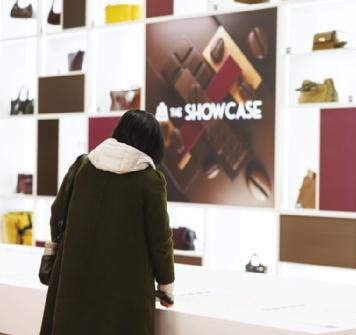
Not to be missed: the new Showcase Area by Gardabags in Hall A2, and Expo Riva Nights at the PalaVela. The full programme is available on the official app of the fair
TWO SOULS, ONE PLATFORM
The strength of the event lies in bringing together diverse profiles of exhibitors: sourcing and brands, private labels and brand identity, flexibility and positioning. The same applies to buyers: retailers, e-commerce platforms, buying offices, importers and international chains all come together under one roof. This coexistence is no accident. It is a strategic choice that allows the event to cater to both segments that characterise its visitors: 41.7% are looking solely for private label products; 26.5% are on the hunt for brands only; those exploring both types of product account for the remaining 31.7%.
Design inspirations from the past, present and future
Many of the top shoe and bag designers worldwide use Arsutoria Studio to create their new collections and to find new market opportunities.
We have a simple mission: help you turn your ideas into products
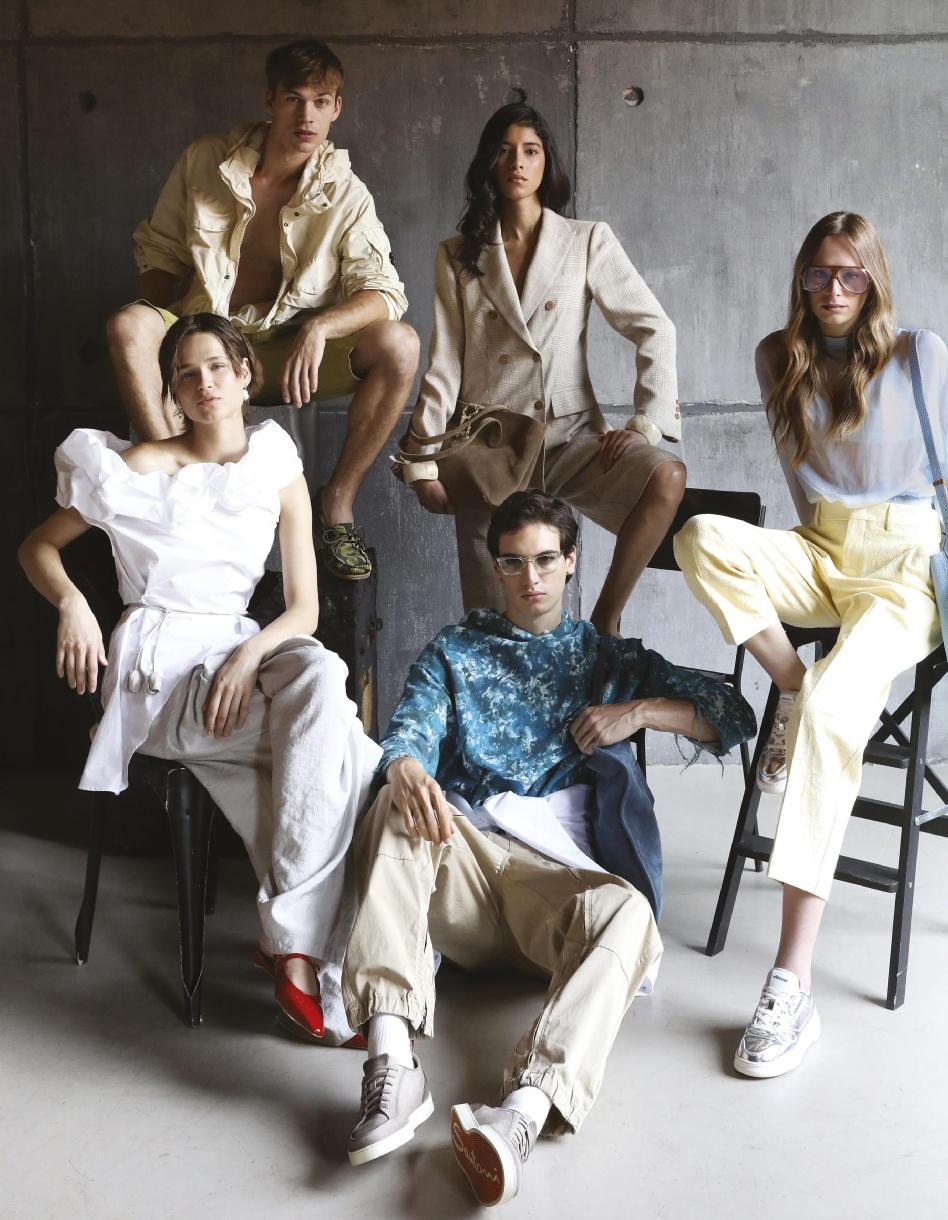
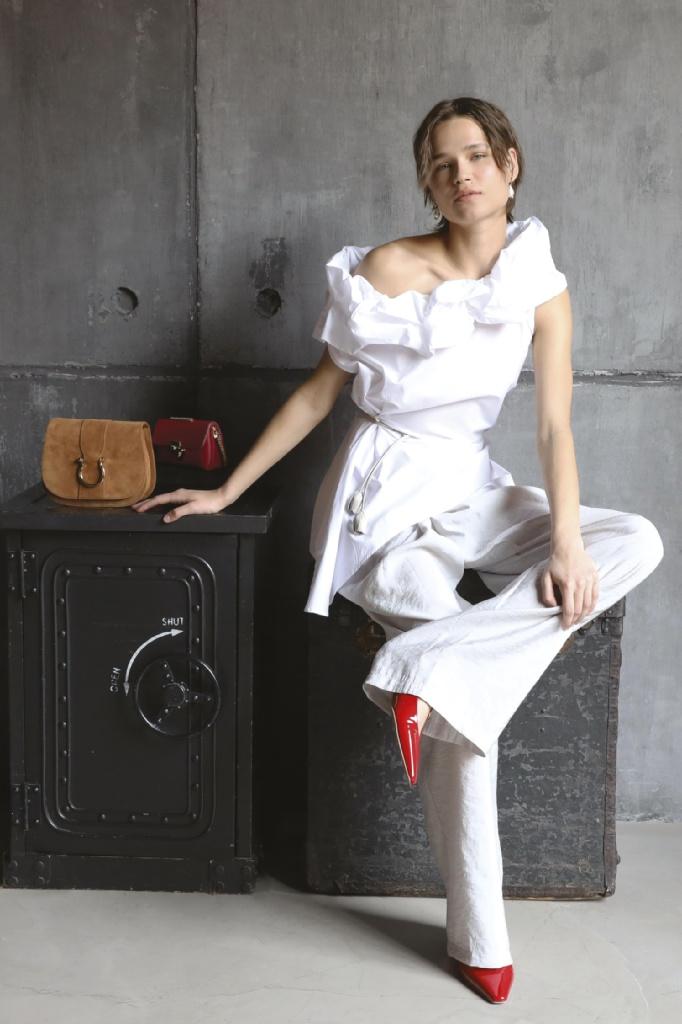
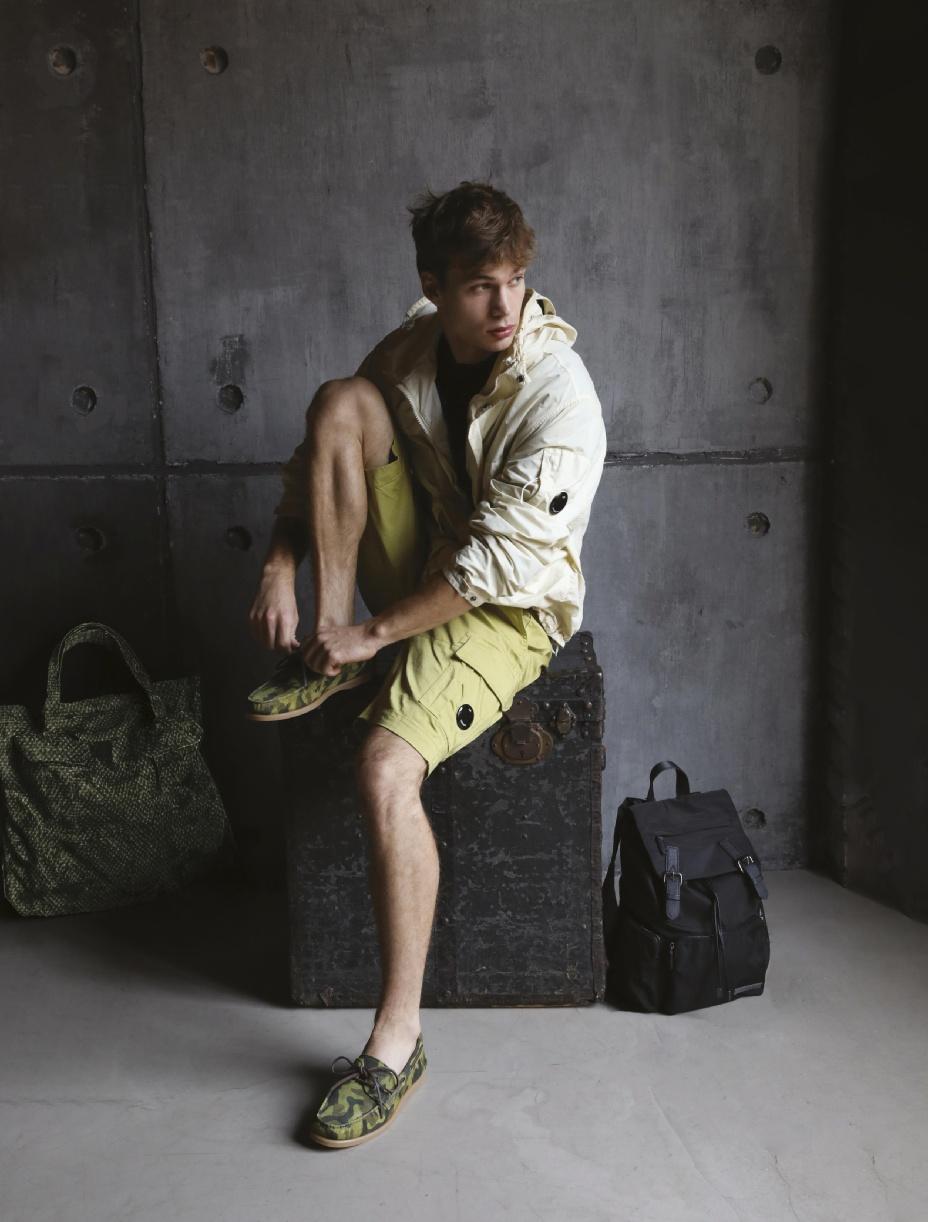
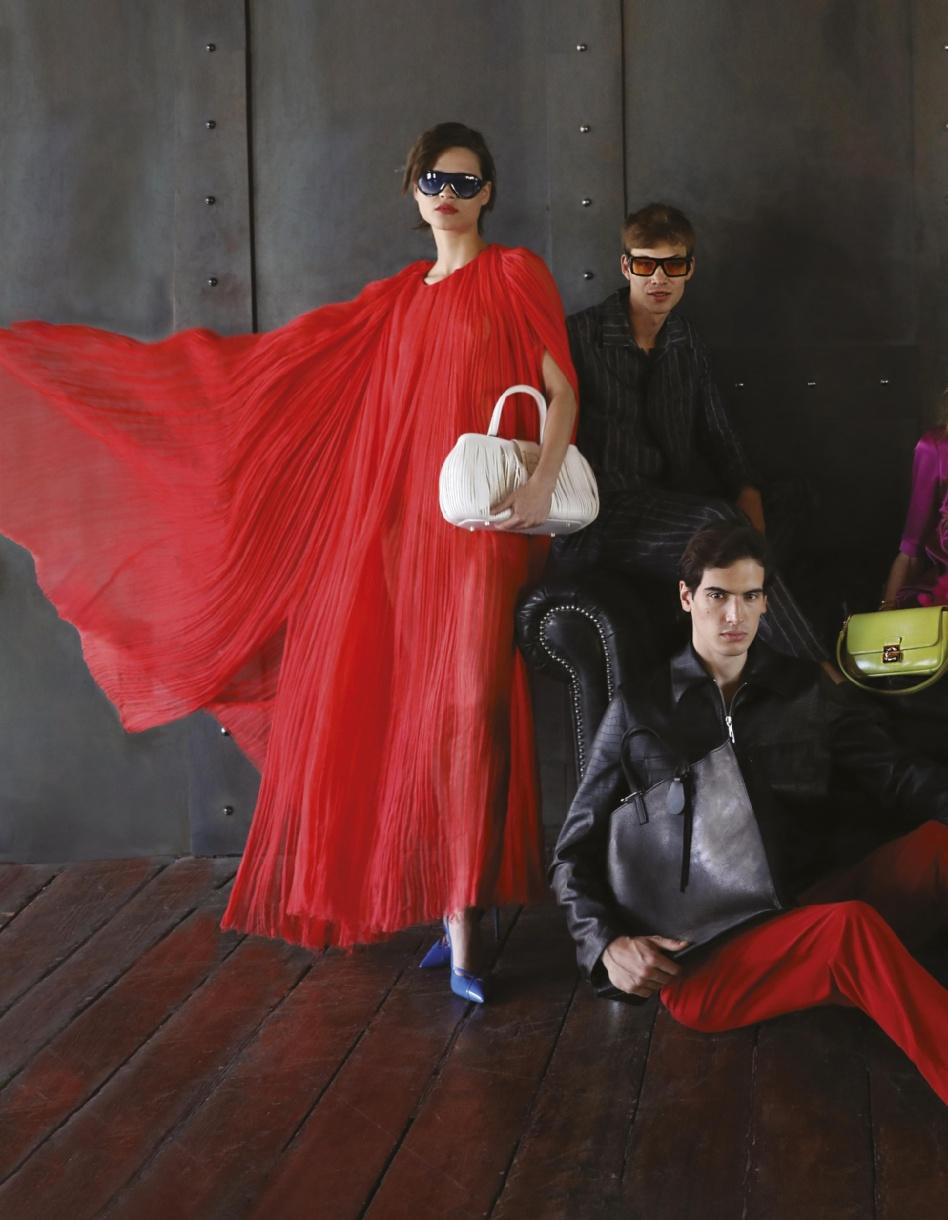
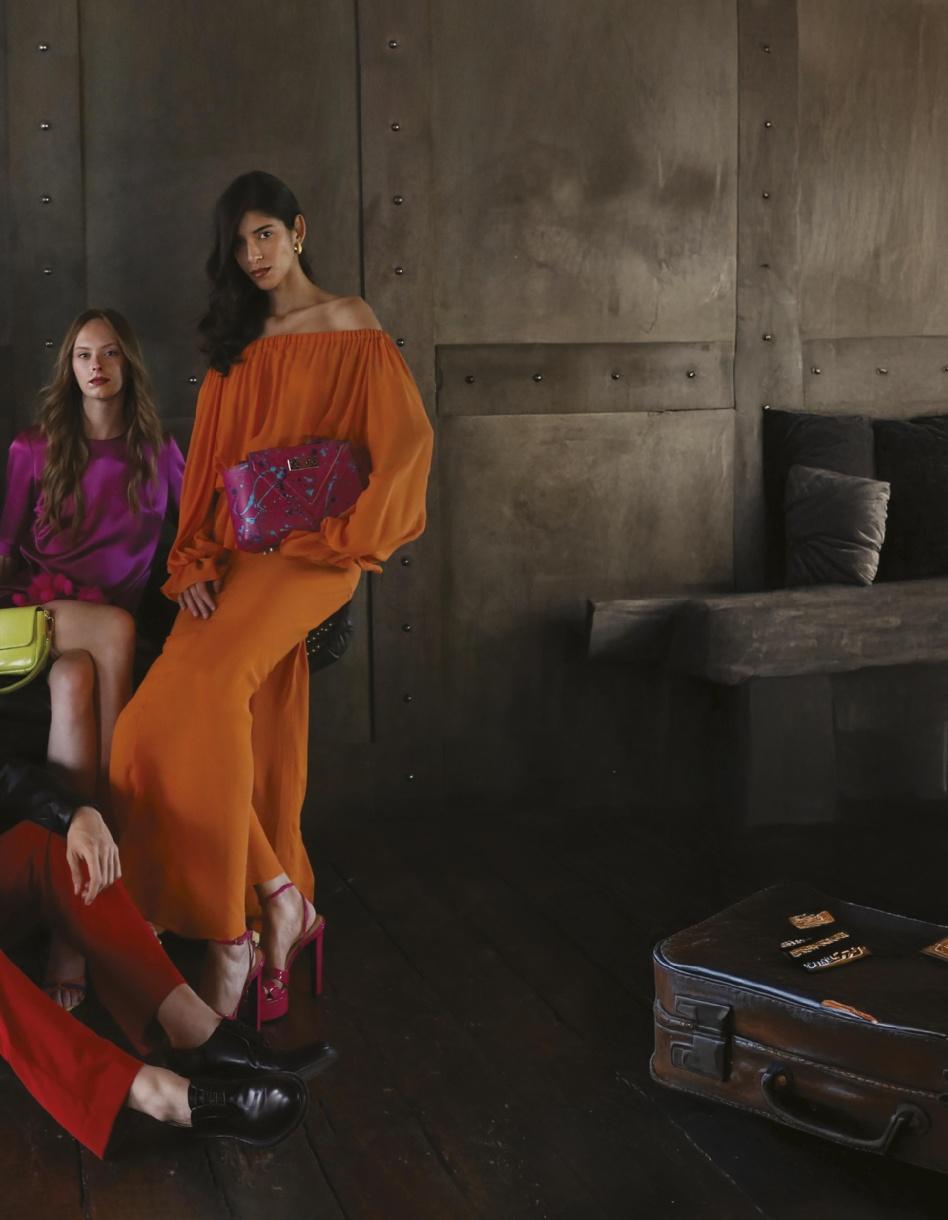
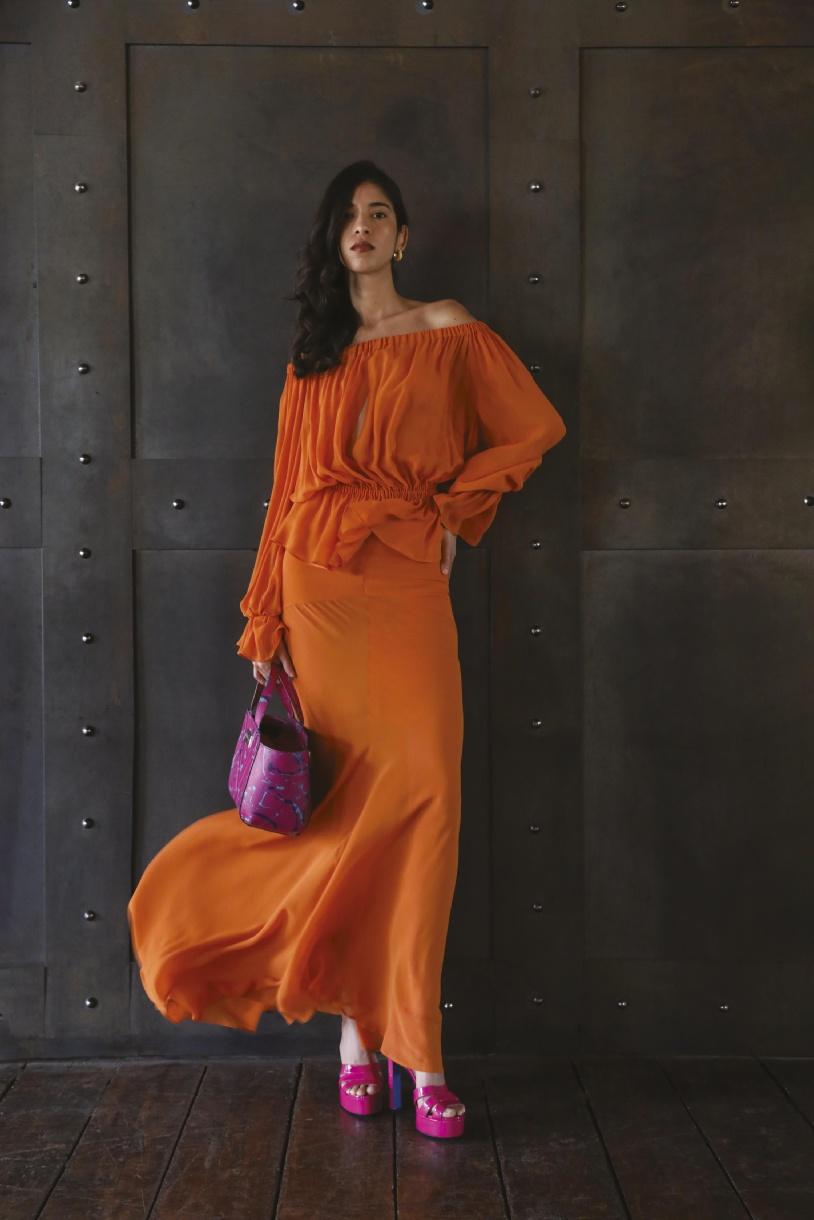
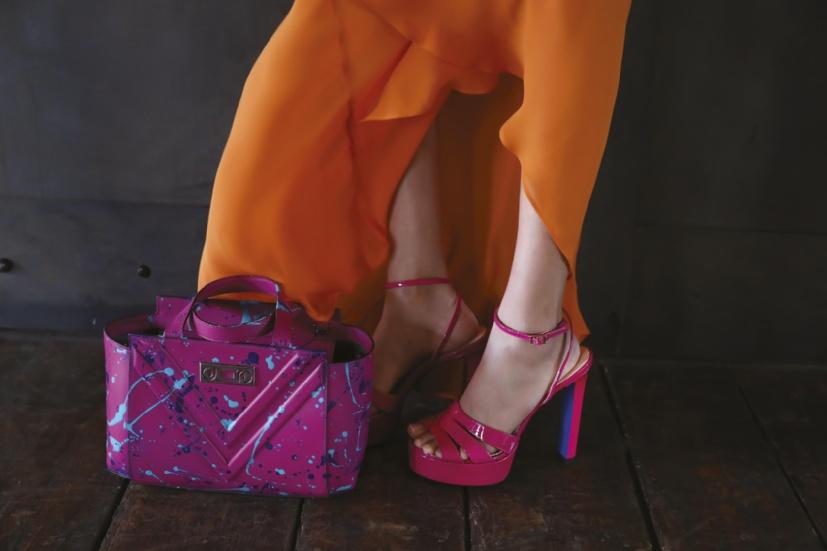
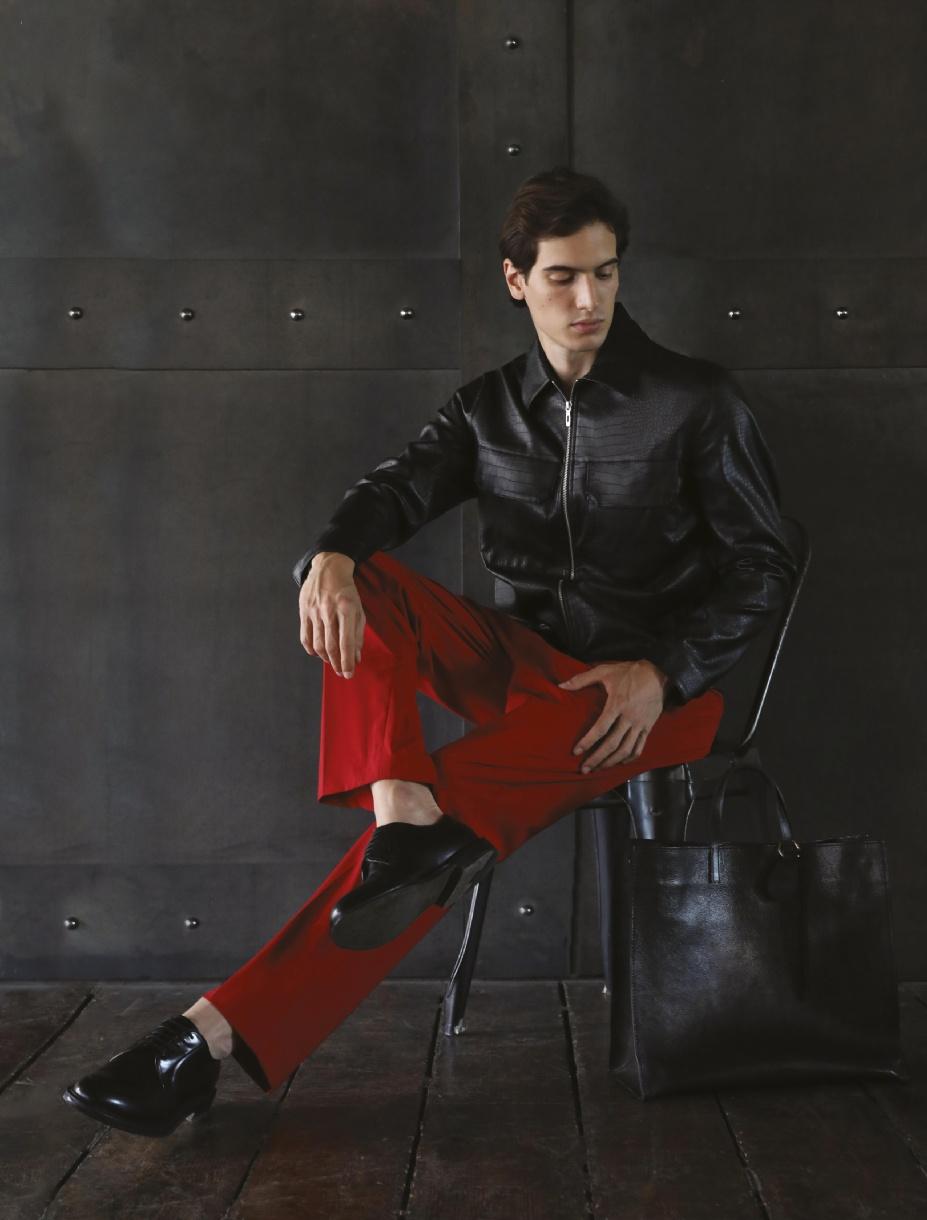
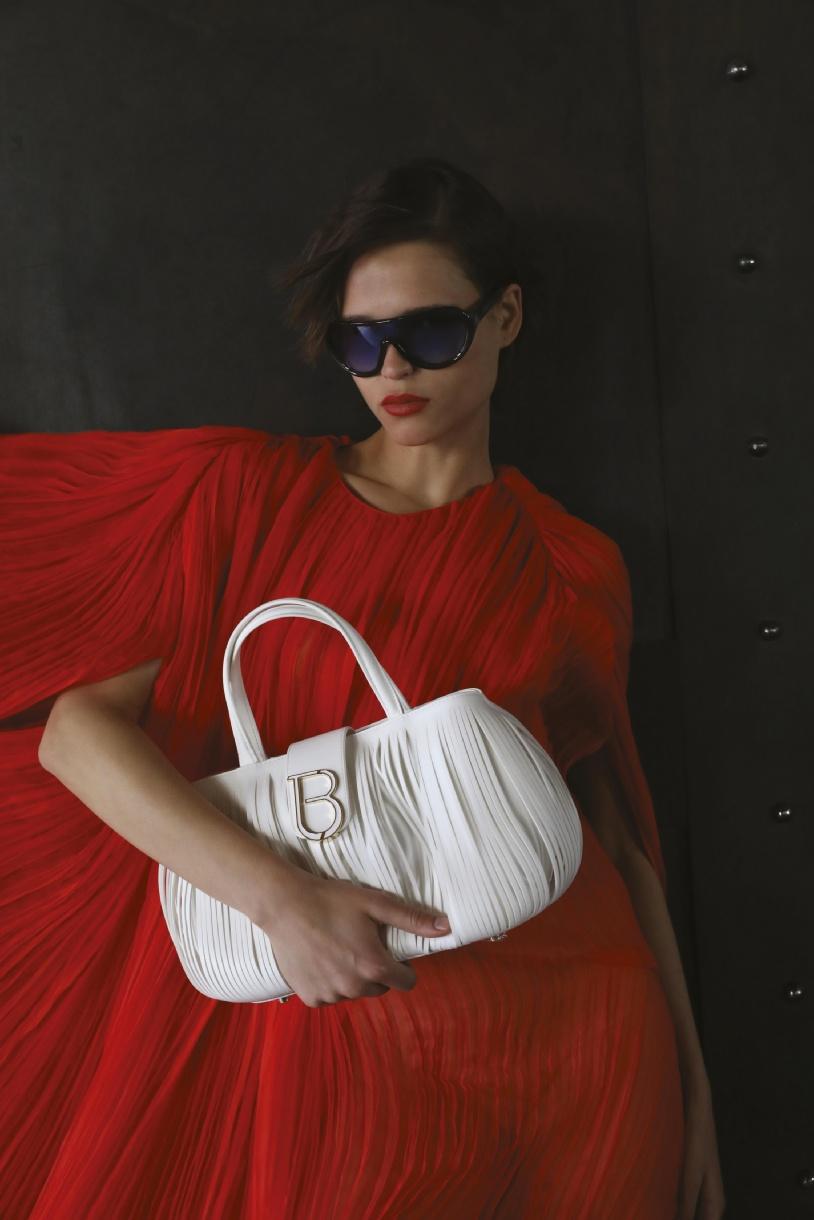
Traveling Souls
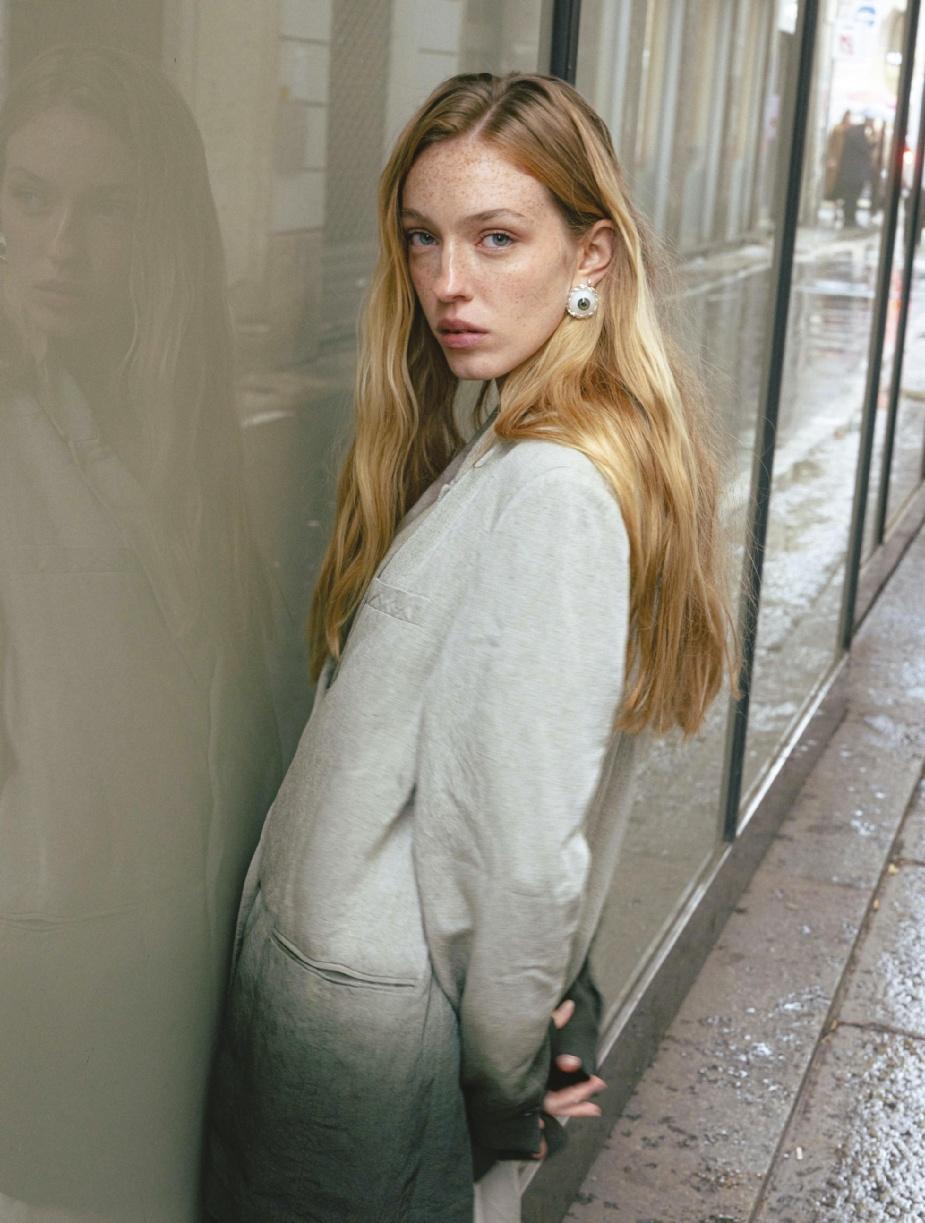
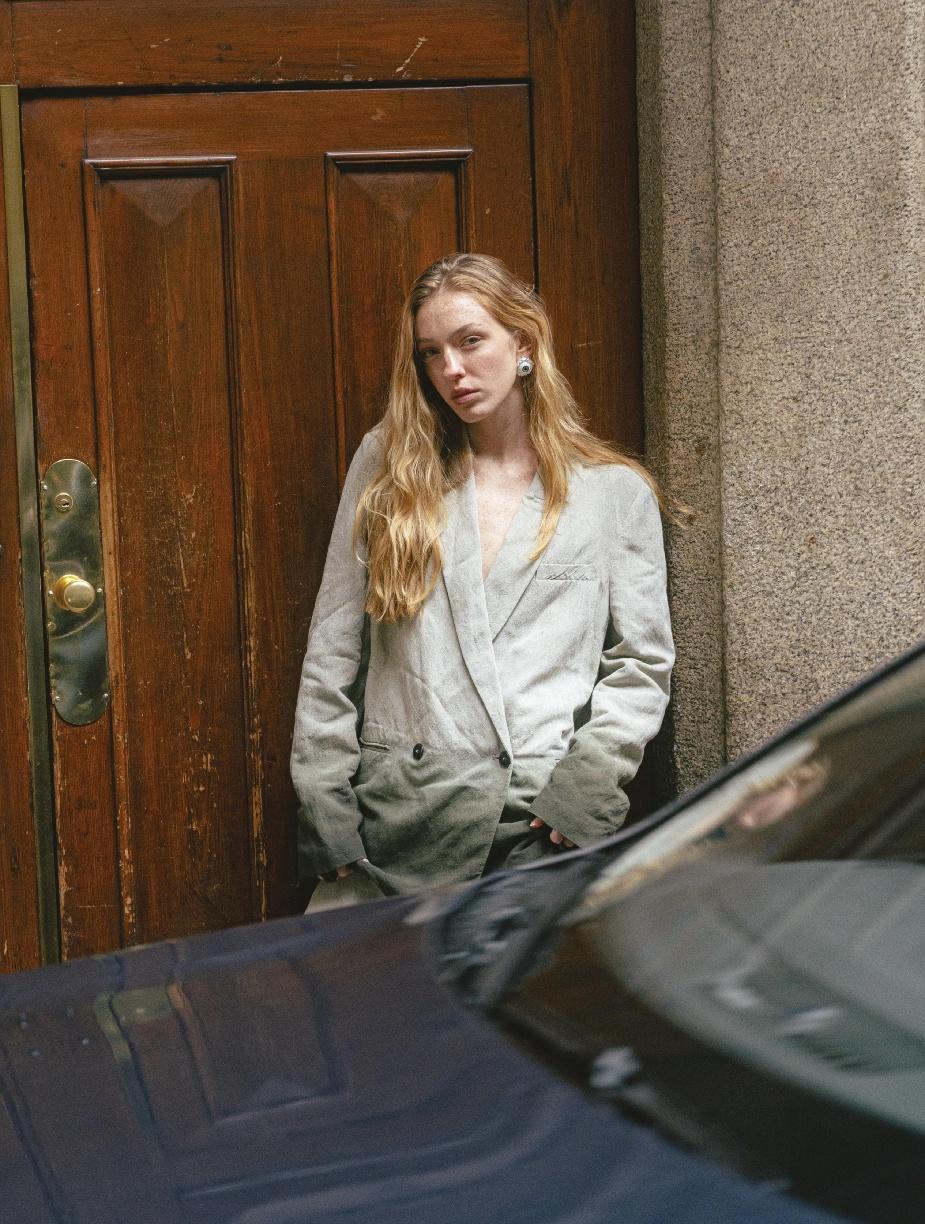
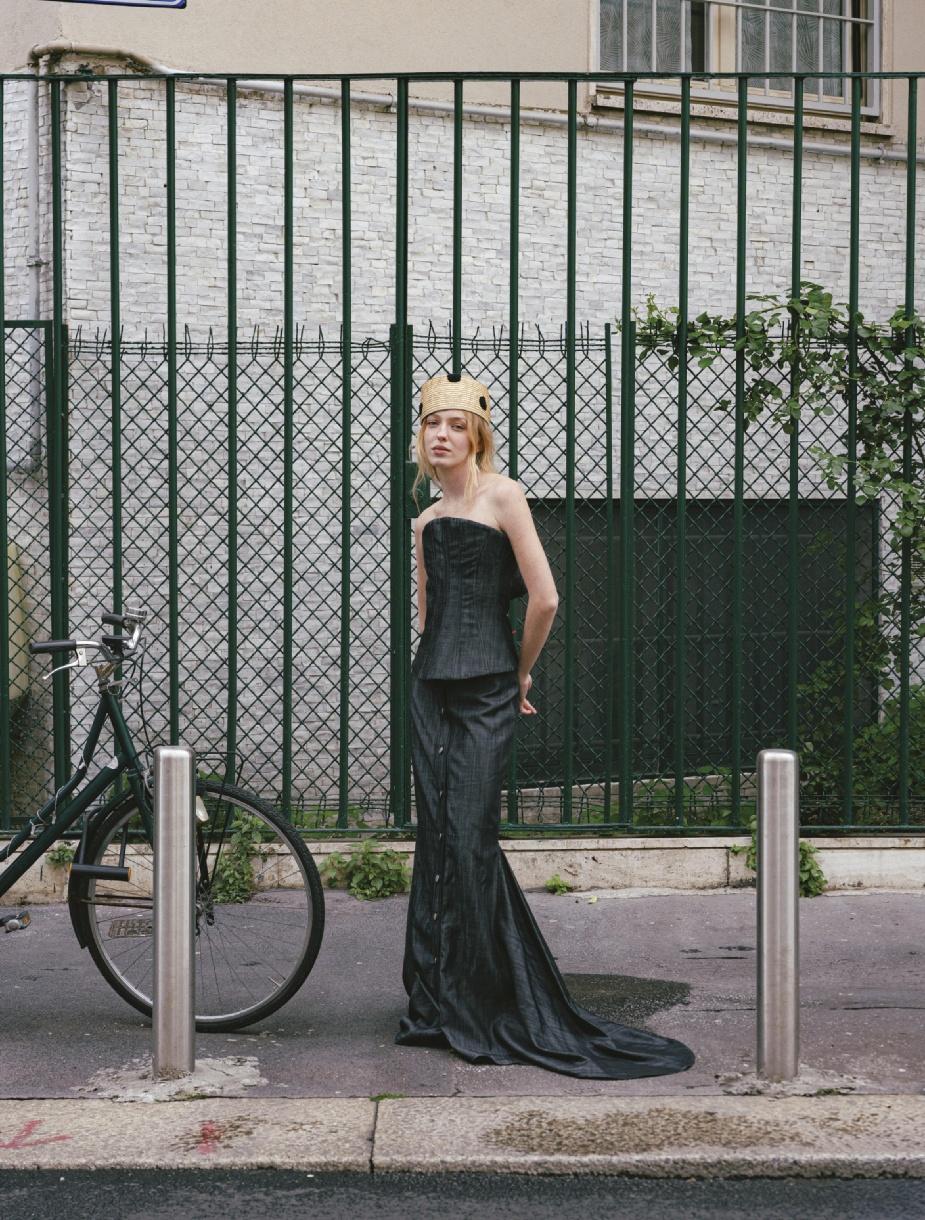
Distinct aesthetics meeting among sharp lines and unapologetic expression
Photo by Angelo Lanza
Fashion by Chiara Naretto
OTTAVIA
Top: AVANT TOI
Trousers: BERWICH
Shoes: ELLESSE
Bag: GIANNI CHIARINI Glasses: TOMFORD
BRUNO
Sweater: AVANT TOI
Shirt: LABO ART
Trousers: RANDOM IDENTITIES
Shoes: SANTONI
Bag: STUDIO TONDINI
Glasses: SAINT LAURENT
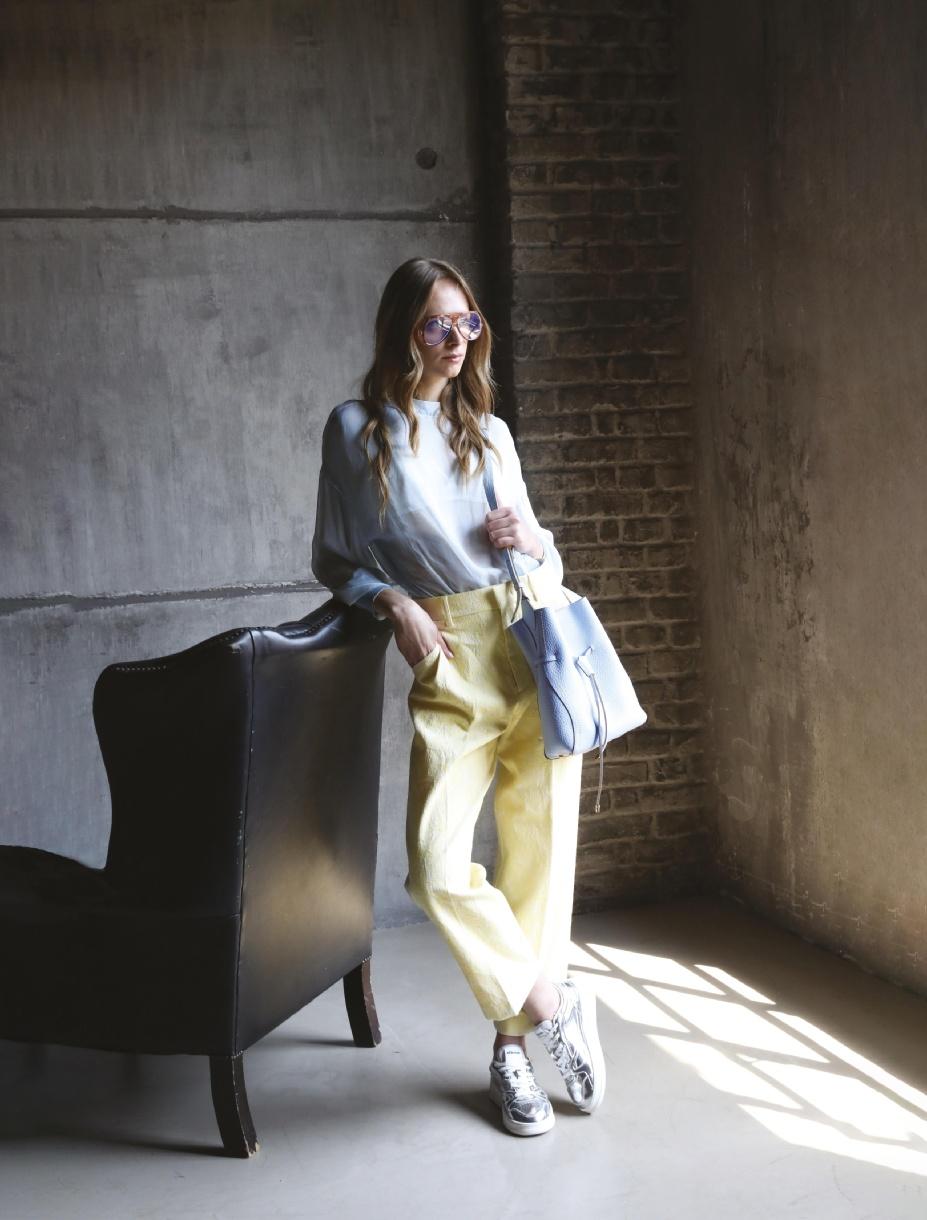
LIZA
Trousers and Top: SU Bag: UNISA
Earrings: PDPAOLA Belt: DESA 1972
AUGUSTIN
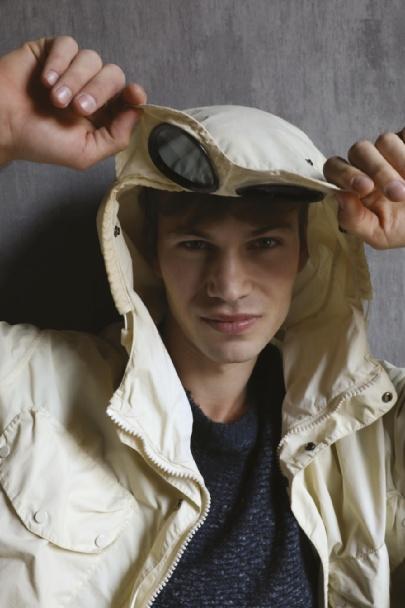
Jacket: C.P. COMPANY
Sweater: AVANT TOI
BARBARA Blazer and Bermuda: SKILLS MILANO Bag: UNISA Glasses: MIUMIU
LIZA
Trousers and Top: SU
Shoes and Bag: UNISA
Earrings: PDPAOLA
Belt: DESA 1972
AUGUSTIN Jacket and Shorts: C.P. COMPANY
Sweater: AVANT TOI
Shoes: SCAROSSO
Backpack: MINORONZONI
OTTAVIA
Top and Skirt: COLLINI
Shoes: LORIBLU
Bag: STUDIO TONDINI
Earrings: PDPAOLA
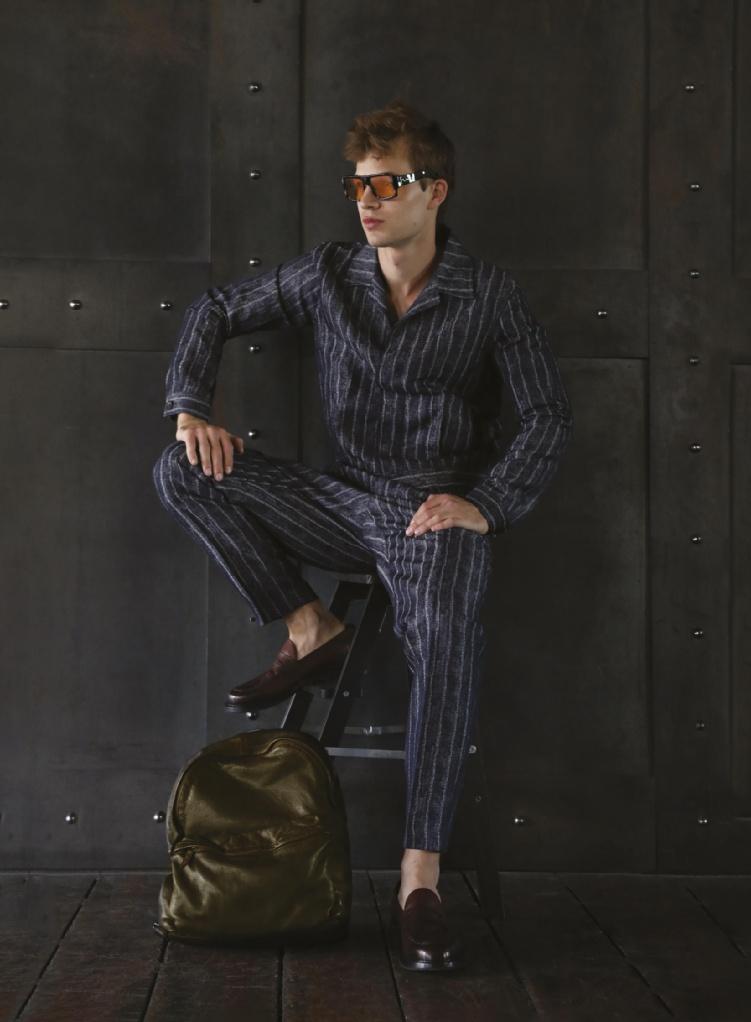
AUGUSTIN Shirt and Trousers: TAGLIATORE Shoes: GREEN GEORGE
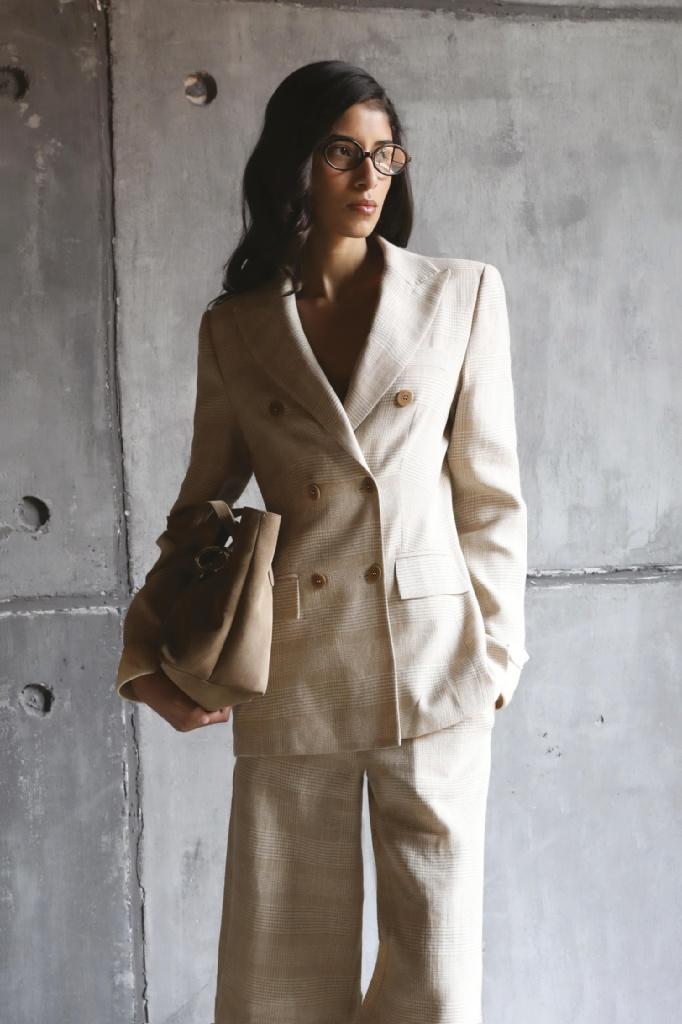
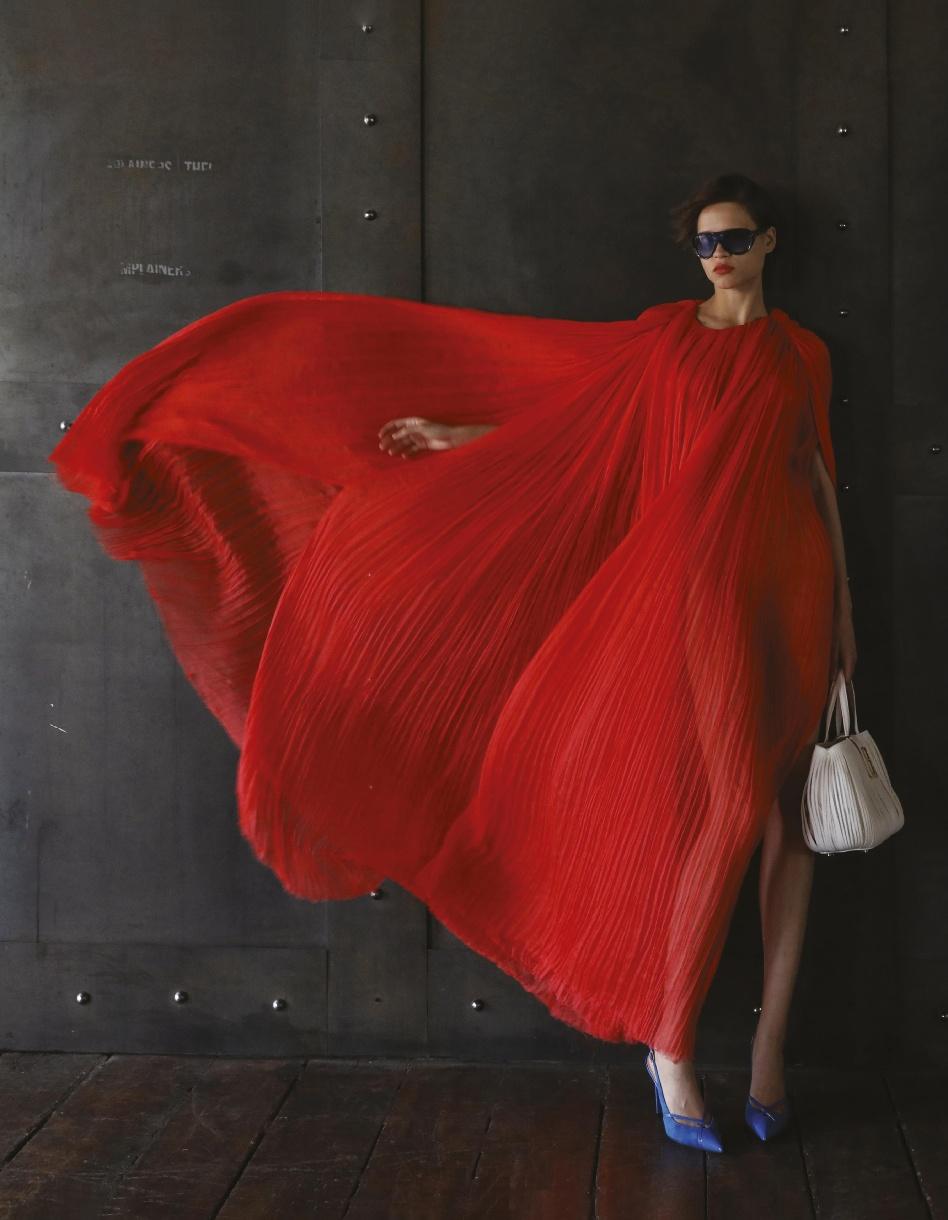
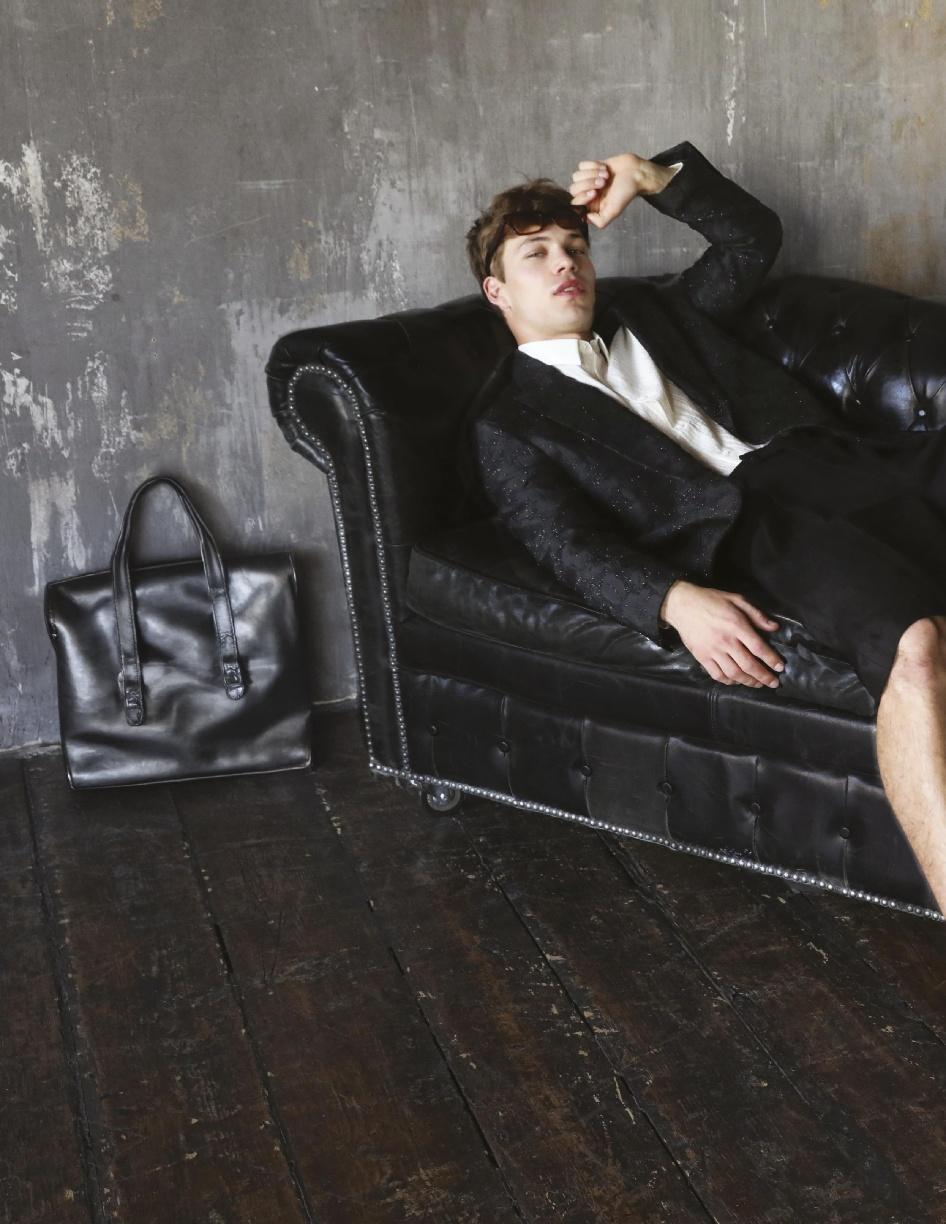
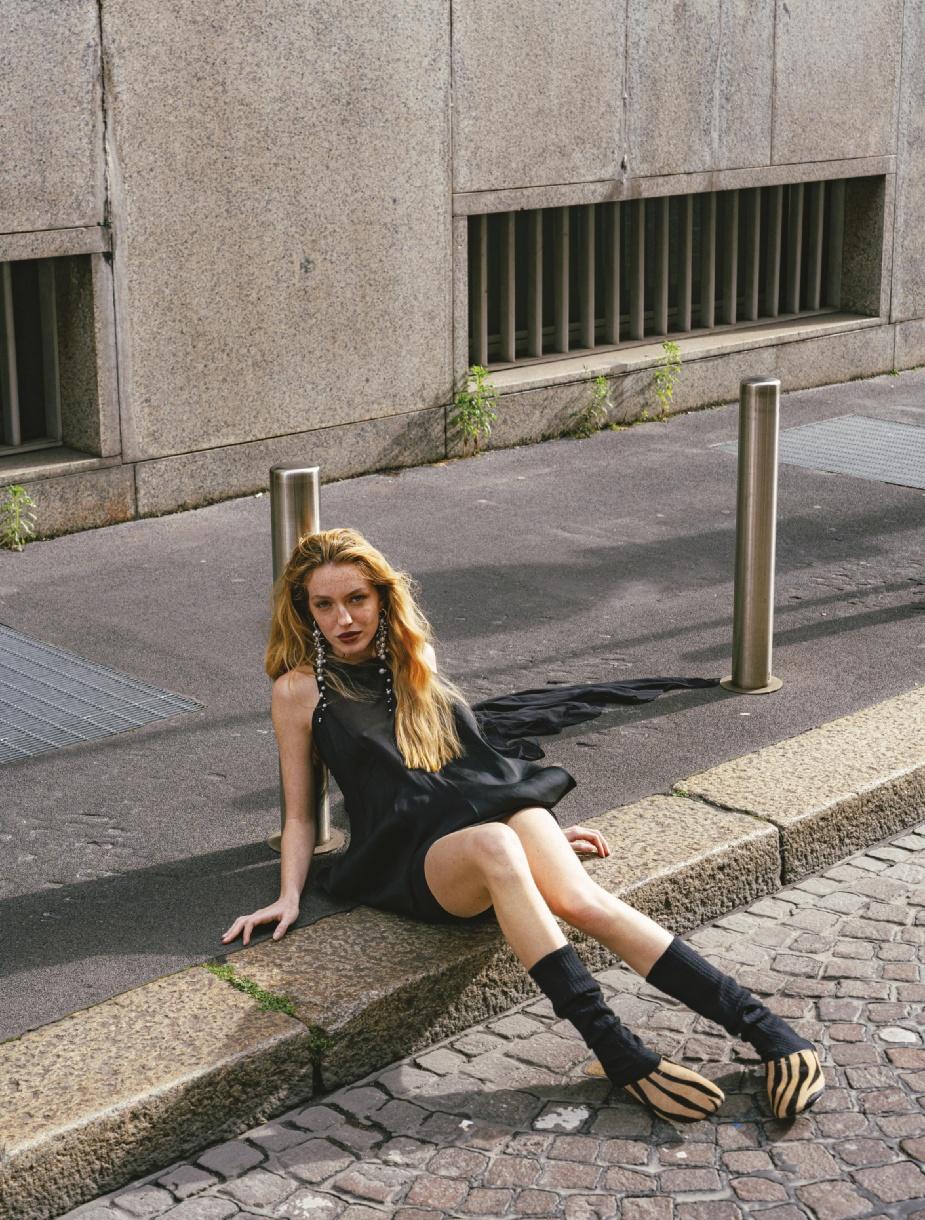
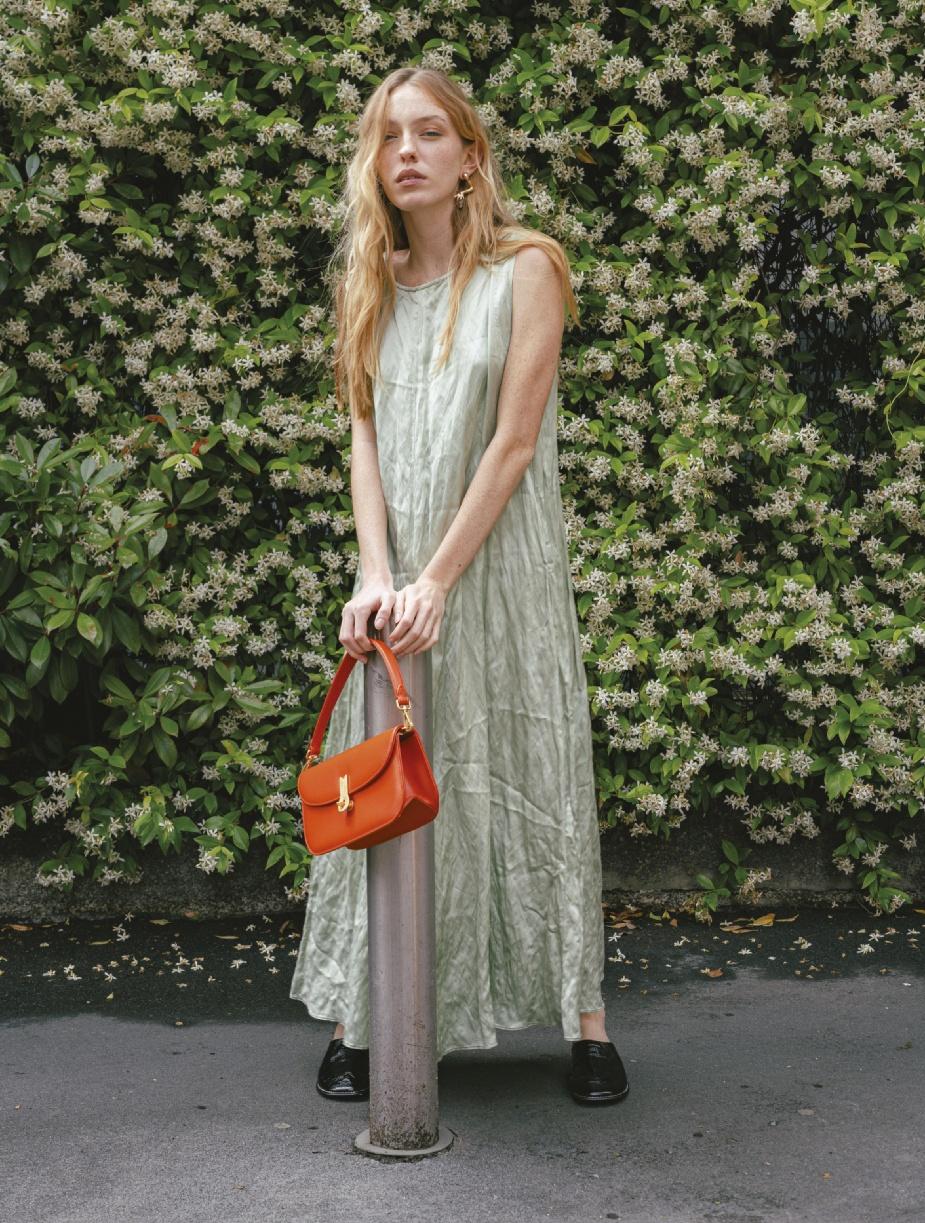
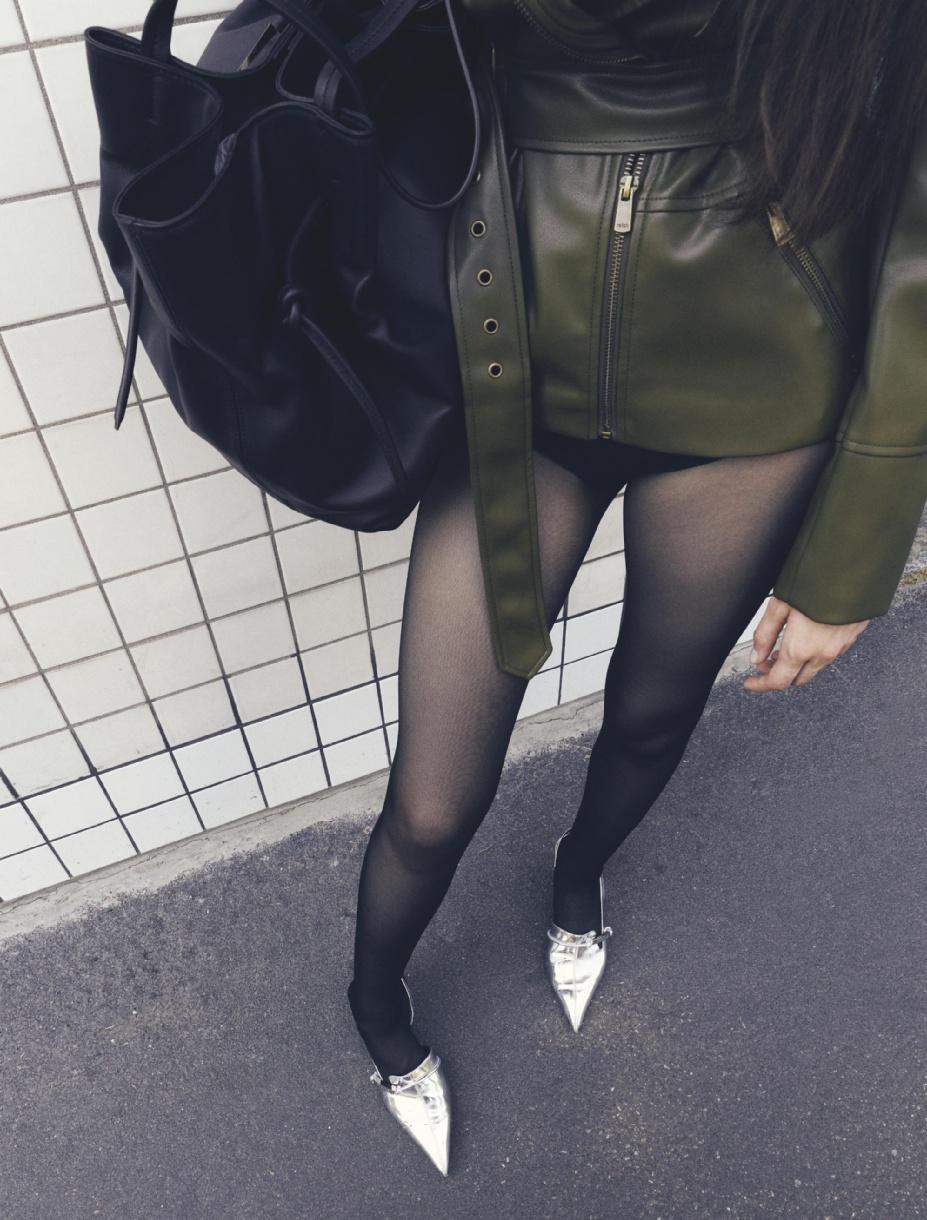
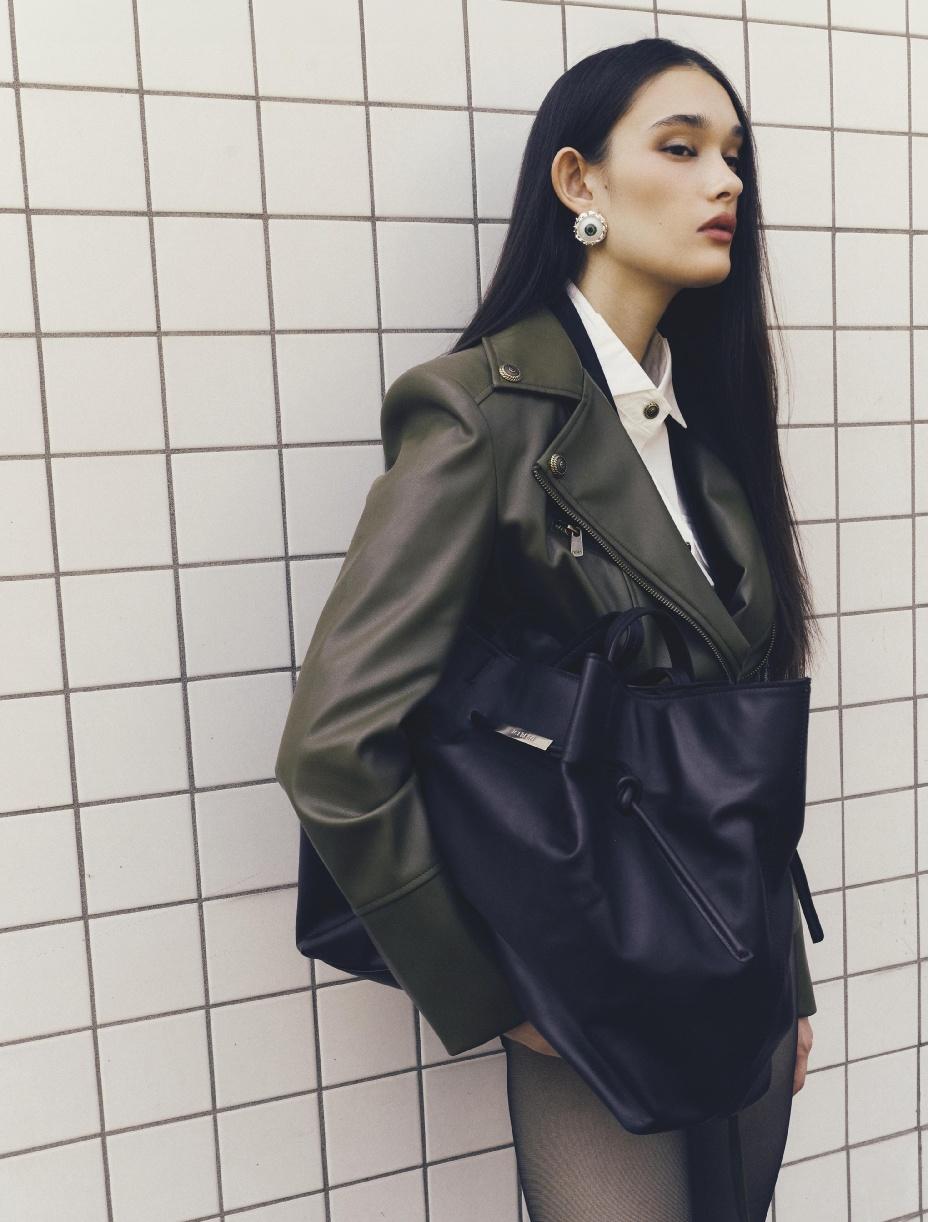
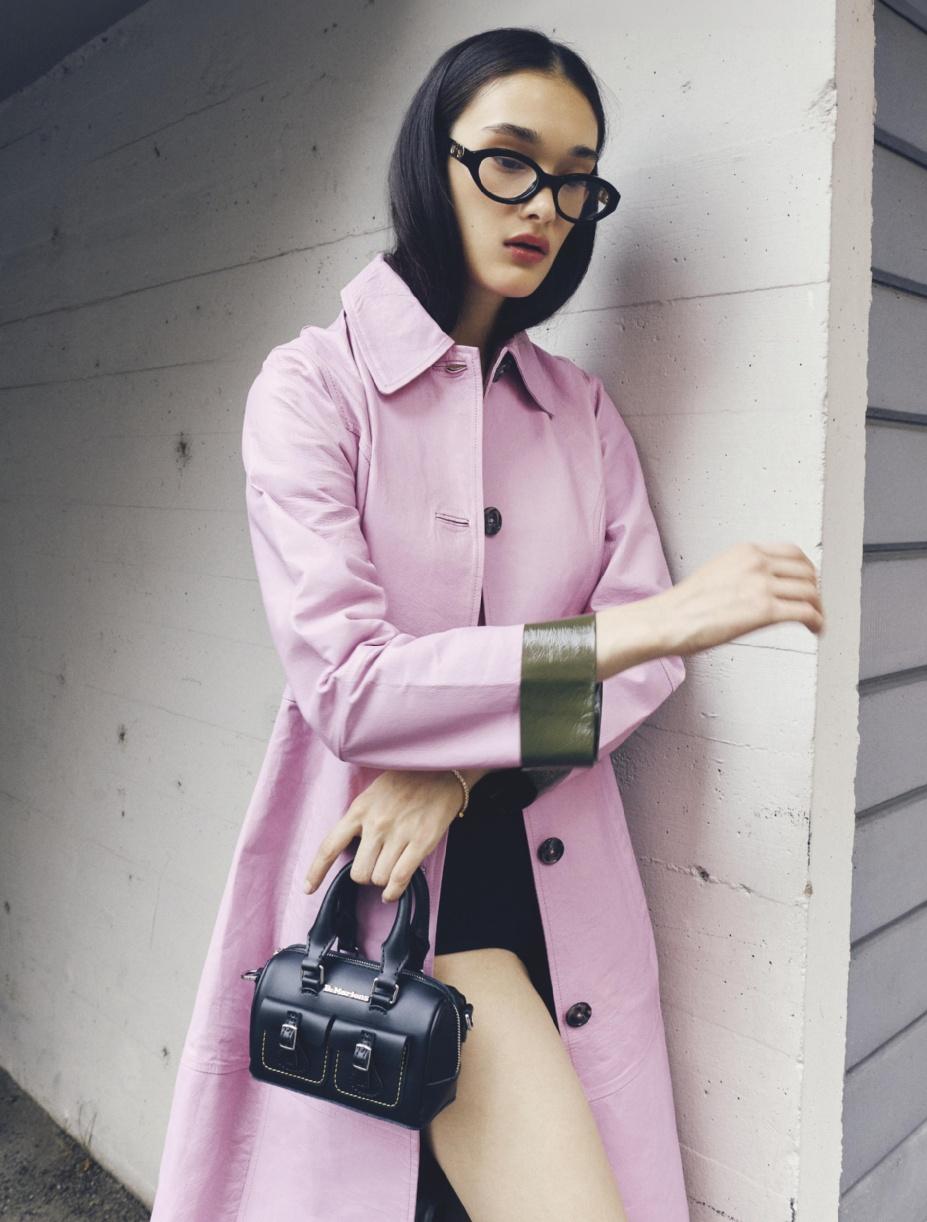
Cinque corpi, cinque identità, cinque modi diversi di abitare lo spazio e il tempo della moda. In questo editoriale, l'estetica incontra la realtà in un ambiente industriale spoglio, quasi ruvido, dove cemento, metallo e luce naturale diventano parte integrante della narrazione visiva.
I protagonisti sono cinque ragazzi, ciascuno portatore di una storia, di una fisicità e di un'identità cromatica unica. Non si tratta semplicemente di diversità estetica, ma di una pluralità di sguardi, posture e attitudini che riflettono una generazione in continua trasformazione. Le loro differenze - nei tratti, nei colori della pelle, nelle espressioni - non vengono uniformate, ma valorizzate attraverso uno styling che dialoga con la loro individualità invece di sovrastarla.
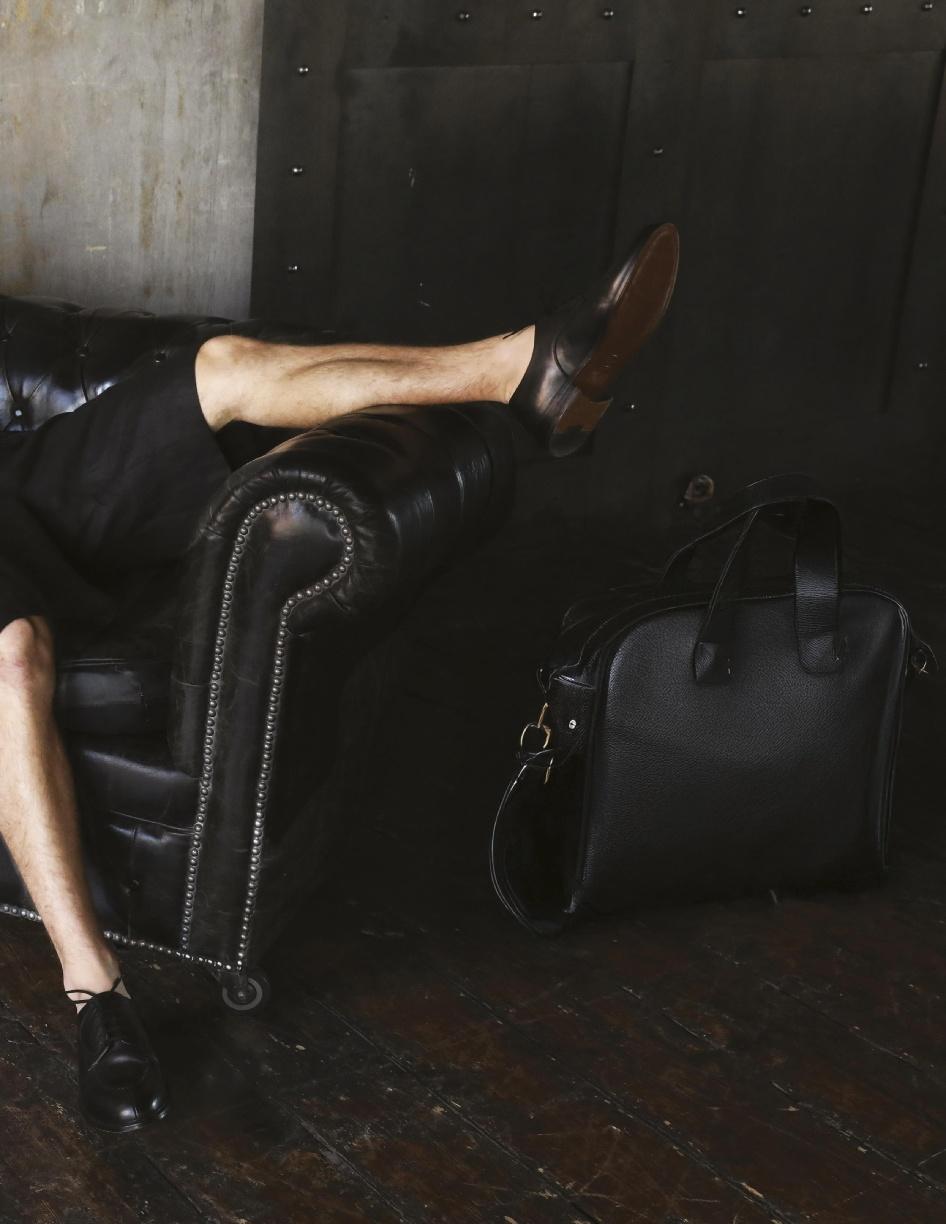
Le tendenze qui non sono imposte, ma reinterpretate. I capi si muovono tra volumi oversize e silhouette più aderenti, tra richiami workwear e dettagli sofisticati, creando un equilibrio tra funzionalità e ricerca stilistica.
La fotografia cattura momenti dove il gesto spontaneo diventa linguaggio. Non c'è rigidità, ma un flusso continuo di energia che attraversa lo spazio e i corpi. In questo dialogo tra individui e ambiente, emerge una visione della moda come strumento di espressione libera, inclusiva e profondamente contemporanea.
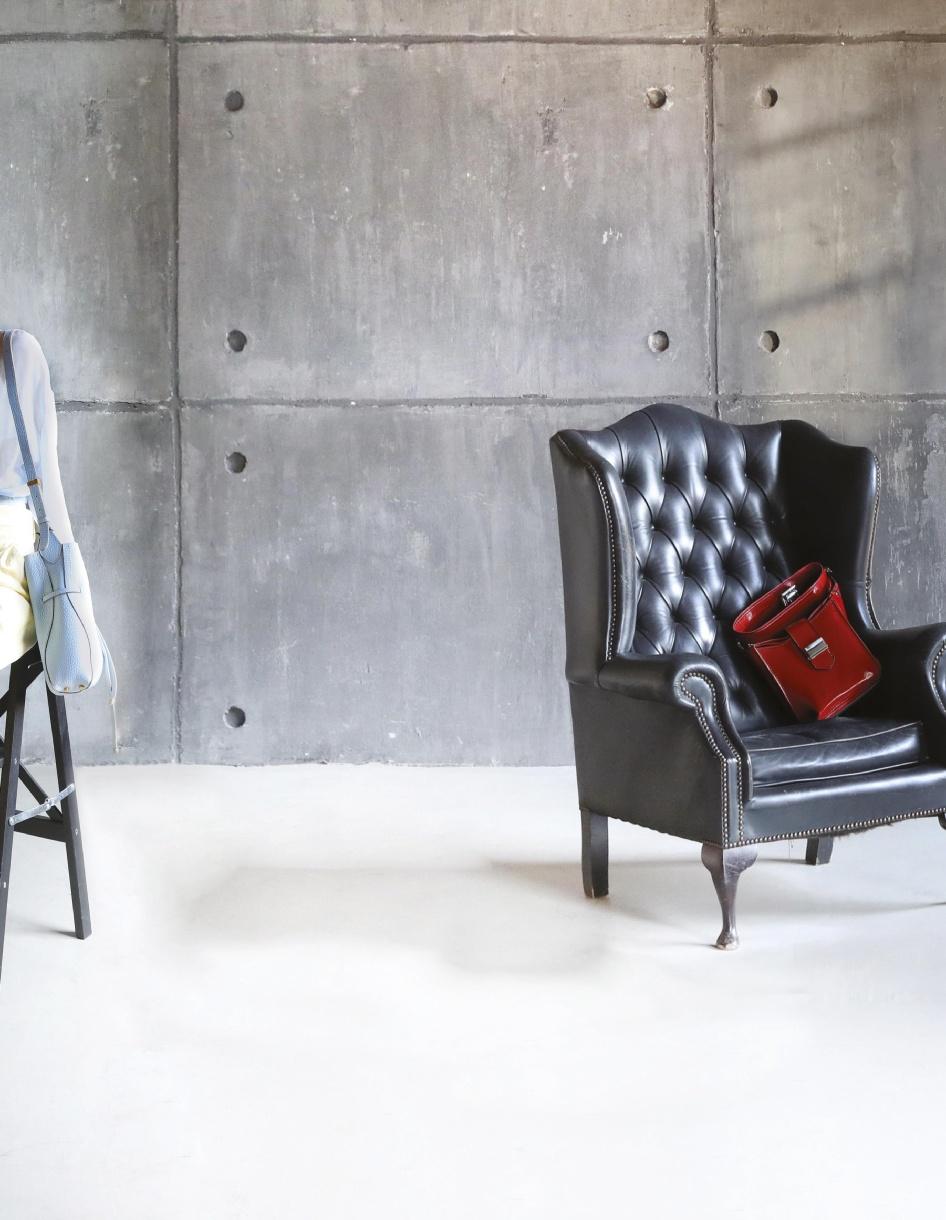
Five bodies, five identities, five different ways of inhabiting the space and time of fashion. In this editorial, aesthetics meet reality within a raw, industrial setting, where concrete, metal, and natural light become integral parts of the visual narrative.
The protagonists are five young individuals, each carrying a unique story, physicality, and chromatic identity.
This is not simply about aesthetic diversity, but about a plurality of gazes, postures, and attitudes that reflect a generation in constant transformation. Their differences — in features, skin tones, and expressions -
- are not flattened, but elevated through styling that engages with their individuality rather than overpowering it.
Here, trends are not imposed but reinterpreted. The garments move between oversized volumes and more fitted silhouettes, between workwear references and refined details, creating a balance between functionality and stylistic research.
The photography captures suspended, almost stolen moments, where spontaneous gestures become a language of their own. There is no rigidity, but rather a continuous flow of energy moving through space and bodies. In this dialogue between individuals and environment, fashion emerges as a tool for free, inclusive, and deeply contemporary expression.
LIZA
BRUNO
OTTAVIA
AUGUSTIN
BARBARA
When the suitcase became for everyone 62
by Maria Cristina Rossi
Dall'alba del Novecento agli anni
Quaranta: l'automobile, le due guerre e la nascita dell'industria del bagaglio. La valigia smette di essere privilegio e diventa abitudine.
C'è un momento preciso in cui il bagaglio smette di essere un oggetto aristocratico e diventa qualcosa di più democratico, più personale, più moderno. Non è un'invenzione, non è un brevetto: è un cambiamento di mentalità. Il Novecento porta con sé nuovi mezzi, nuove velocità, nuovi ritmi. E con essi, una nuova idea di cosa significhi partire.
L'automobile cambia le regole È l'automobile il vero agente di cambiamento. Le prime automobili hanno cofani stretti, sedili ravvicinati, spazi ridotti. Chi
in
parte
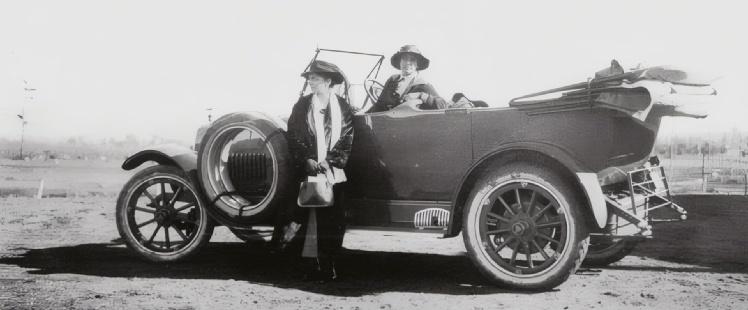
1920: The automobile imposes new rules on luggage. Compact sizes, lightweight materials, coordinated sets.
1920: l'automobile impone nuove regole al bagaglio. Formati compatti, materiali leggeri, set coordinati.
macchina deve portare con sé solo l'essenziale, sistemato in modo compatto. Nasce così una nuova estetica della valigia: più bassa, più larga, con forme che si adattano agli spazi del veicolo. Il concetto di set coordinato, più pezzi dello stesso materiale e dello stesso colore, pensati per incastrarsi l'uno nell'altro, prende forma proprio in questi anni.
I materiali cambiano di conseguenza. La pelle rimane il riferimento del lusso, ma diventa più sottile e lavorata. La tela cerata si diffonde nei ceti medi. Le fibre vegetali pressate permettono di produrre valigie resistenti a costi contenuti. Il bagaglio non è più un investimento familiare: è un articolo di consumo, con la sua filiera industriale e i suoi punti vendita.
Tra le due guerre: nasce Samsonite Gli anni tra le due guerre sono contraddittori: la crisi economica frena gli spostamenti in Europa, ma negli Stati Uniti la mobilità privata esplode. Le strade migliorano, le automobili si diffondono, il turismo interno comincia a strutturarsi come industria. La valigia segue questo doppio binario: si semplifica, si alleggerisce, perde l'aura di oggetto cerimoniale per diventare un compagno di avventura. È in questo contesto che a Denver, Colorado, i fratelli Shwayder fondano nel 1910 la Shwayder Trunk Manufacturing Company. Il nome del marchio, Samson, come il personaggio biblico della forza straordinaria, dice già tutto: robustezza, affidabilità, durata.
Lo slogan «strong enough to stand on» era letterale: le pubblicità mostravano i quattro fratelli in piedi sopra una delle loro valigie. Una promessa di solidità che risuonava forte in un'epoca in cui la qualità era ancora un lusso per pochi.
Nel 1941 lanciano la Streamlite: struttura in legno rivestita di fibra vulcanizzata, leggera, resistente agli urti, impermeabile. E soprattutto bella, con forme pulite e moderne lontanissime dai bauli del passato. Il successo è tale che l'azienda decide di cambiare nome per identificarsi con il suo prodotto di punta. Nasce così Samsonite, un nome destinato a diventare sinonimo di valigia in tutto il mondo occidentale.
Samsonite Streamlite, 1941: il bagaglio diventa prodotto di massa, bello, leggero, alla portata di tutti.
Sul binario degli anni quaranta: viaggiare è diventato un rito popolare
Samsonite Streamlite, 1941: luggage becomes a mass-produced product, beautiful, lightweight, affordable for everyone.
On the track of the 1940s: traveling has become a popular ritual.
Guccio Gucci: dalla valigeria all'impero C'è una storia che pochi conoscono, ma che dice molto sul legame tra valigeria e moda italiana. Guccio Gucci, prima di fondare il suo impero, lavorava alla reception del Savoy Hotel di Londra, dove osservava ogni giorno i bagagli più eleganti del mondo. Poi tornò in Italia e mise a frutto quella formazione nel posto più naturale: la Valigeria Franzi di Milano, il marchio fornitore di quattro case reali che abbiamo incontrato nella puntata precedente, dove imparò il mestiere sul campo.
Nel 1921 apre in Via della Vigna Nuova a Firenze il suo primo negozio con l'insegna «G. Gucci & C. Specialità valigeria inglese». Il riferimento all'Inghilterra non è casuale: tutto ciò che veniva da Londra evocava eleganza e solidità. Guccio lo sapeva, e offriva ai suoi clienti fiorentini quel mondo, con il tocco italiano però, fatto di pelle lavorata, accessori in bambù e seta, un senso del dettaglio che il Nord
Europa non avrebbe mai potuto replicare. La storia di Gucci è la dimostrazione perfetta di come la valigeria abbia generato la grande moda italiana del Novecento.
Alla fine degli anni Quaranta il mondo è stanco ma ha voglia di ricominciare. La valigia che entra in questo nuovo capitolo è già profondamente diversa dal baule con cui siamo partiti. Non è più un segno di casta: è un oggetto personale, pratico, riconoscibile, qualcosa che dice chi sei e dove stai andando. Il bagaglio ha imparato a parlare il linguaggio della modernità. E il meglio deve ancora venire.
Nel prossimo numero: gli anni Cinquanta esplodono con il boom del viaggio aereo. Arrivano i nuovi materiali come ABS, alluminio, polipropilene e con loro una nuova generazione di designer che trasformano la valigia in oggetto di stile. Cini Boeri progetta per Franzi, Valextra inventa la «forma zero». Il bagaglio entra nell'età del design.
Firenze, 1921: apre in Via della Vigna Nuova a Firenze il primo negozio con l'insegna «G. Gucci & C. Specialità valigeria inglese». Prima la valigeria, poi la moda.
Gina Lollobrigida in una foto degli anni ‘50 Florence, 1921: Guccio Gucci opens on Via della Vigna Nuova. First, luggage, then fashion.
Gina Lollobrigida in a 1950s photo
From the dawn of the 20th century to the 1940s: the car, the two world wars and the birth of the luggage industry. The suitcase ceased to be a privilege and became commonplace.
There is a precise moment when luggage ceases to be an aristocratic object and becomes something more democratic, more personal, more modern. It is not an invention, it is not a patent: it is a change in mindset. The twentieth century brings with it new means of transport, new speeds, new rhythms. And with them, a new idea of what it means to set off.
The car changes the rules
The car is the true agent of change. The first cars had narrow bonnets, seats close together, and limited space. Those setting off by car had to take only the essentials with them, packed compactly. Thus a new aesthetic for the suitcase was born: lower, wider, with shapes that adapted to the vehicle’s interior. The concept of a coordinated set—multiple pieces made of the same material and in the same colour, designed to fit together—took shape precisely during these years.
Materials changed accordingly. Leather remained the benchmark of luxury, but became thinner and more finely crafted. Waxed canvas became popular amongst the middle classes. Pressed plant fibres made it possible to produce durable suitcases at affordable prices. Luggage was no longer a family investment: it was a consumer item, with its own industrial supply chain and retail outlets.
The interwar period: the birth of Samsonite
The interwar years were a time of contradictions: the economic crisis curbed travel in Europe, but in the United States, private motoring boomed. Roads improved, cars became widespread, and domestic tourism began to take shape as an industry. The suitcase followed this dual trajectory: it became simpler, lighter, shedding its aura as a ceremonial object to become a companion on adventures.
It was against this backdrop that, in Denver, Colorado, the Shwayder brothers founded the Shwayder Trunk Manufacturing Company in 1910. The brand name, Samson – like the biblical figure of extraordinary strength – says it all: sturdiness, reliability, durability. The slogan ‘strong enough to stand on’ was literal: the adverts showed the four brothers standing on top of one of their suitcases. A promise of solidity that resonated strongly in an era when quality was still a luxury for the few. In 1941, they launched the Streamlite: a wooden frame covered in vulcanised fibre, lightweight, impact-resistant and waterproof. Above all, it was beautiful, with clean, modern lines a world away from the trunks of the past. Its success was such that the company decided to change its name to align itself with its flagship product. Thus Samsonite was born, a name destined to become synonymous with suitcases throughout the Western world.
Guccio Gucci: from luggage to an empire
There is a story that few people know, but which says a great deal about the link between luggage and Italian fashion. Before founding his empire, Guccio Gucci worked at the reception of the Savoy Hotel in London,
where he observed the world’s most elegant luggage every day. He then returned to Italy and put that training to good use in the most natural of places: Valigeria Franzi in Milan, the supplier to four royal houses that we encountered in the previous episode, where he learnt the trade on the job.
In 1921, he opened his first shop on Via della Vigna Nuova in Florence under the sign ‘G. Gucci & C. Speciality: English luggage’. The reference to England was no accident: everything that came from London evoked elegance and solidity. Guccio knew this, and offered his Florentine customers that world, albeit with an Italian touch, featuring crafted leather, bamboo and silk accessories, and a sense of detail that Northern Europe could never have replicated. The history of Gucci is the perfect illustration of how luggage gave rise to the great Italian fashion of the 20th century.
By the end of the 1940s, the world was weary but eager for a fresh start. The suitcase entering this new chapter was already vastly different from the trunk we had set out with. It was no longer a symbol of social status: it was a personal, practical, recognisable object – something that spoke of who you were and where you were going. Luggage had learnt to speak the language of modernity. And the best was yet to come.
In the next issue: the 1950s explode with the boom in air travel. New materials arrive – ABS, aluminium, polypropylene – and with them a new generation of designers who transform the suitcase into a style statement. Cini Boeri designs for Franzi, Valextra invents the ‘forma zero’. Luggage enters the age of design.
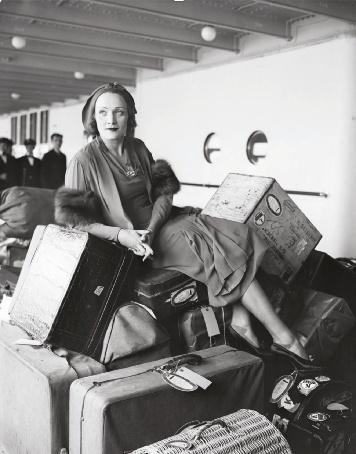
Marlene Dietrich
The universeChirpyat Expo Riva Schuh
Con
una struttura produttiva integrata al
90% e un forte focus su qualità e comfort, l’azienda turca Eren Terlik si propone oggi come partner strategico per il private label e con il proprio brand di calzature Chirpy.
Fondata nel 2007 in Turchia, ponte tra Europa e Asia, Eren Terlik ha inizialmente avviato la propria attività producendo pantofole per hotel e, con il marchio Chirpy, è cresciuta nel segmento delle pantofole da interno puntando sull'adozione di un modello di produzione agile, in grado di adattarsi rapidamente alle mutevoli esigenze del mercato. Oggi l’azienda opera con una struttura produttiva integrata al 90%, il che significa che componenti chiave come suole, solette, ricami e stampi sono prodotti internamente. Ma non solo: la produzione, che avviene in uno stabilimento di 12.000 metri quadrati, impiega una forza lavoro costituita per il 90% da donne. Circa il 40% della produzione è dedicata al marchio Chirpy, mentre la parte restante serve conto terzi clienti turchi e stranieri, con un’offerta che include pantofole invernali e modelli estivi, con una crescita costante di collezioni e nuove linee di prodotti. Cosa contraddistingue la vostra produzione rispetto a quella dei concorrenti?
Senza dubbio in Chirpy, il nostro punto di forza principale risiede nella struttura produttiva integrata che ci permette di realizzare internamente i componenti più critici – quali suole, solette, ricami e stampi – e gestire internamente tutti i processi di progettazione. Questo consente di mantenere i più elevati standard qualitativi e di garantire il pieno controllo in ogni fase della produzione. Inoltre, poniamo il comfort, la durata e l’estetica al centro del nostro approccio produttivo. Grazie ai nostri
design ergonomici e alle materie prime di alta qualità, i nostri prodotti sono durevoli nel tempo e facili da usare. Fattori chiave sono, inoltre, la nostra capacità di seguire da vicino le tendenze, sviluppare rapidamente nuove collezioni e mantenere una struttura produttiva flessibile.
Quali sono i vostri principali mercati e a quali guardate con maggiore interesse?
Attualmente stiamo ampliando la nostra rete di esportazione e rafforzando la nostra presenza sui mercati internazionali. Monitoriamo attentamente i mercati con potenziale di crescita, in particolare in Europa. L'Europa rimane il nostro terreno di gioco naturale. Nel prossimo futuro, miriamo a consolidare la nostra posizione nel mercato nordamericano e aumentare il nostro volume di esportazioni per raggiungere una crescita sostenibile su scala globale.
Voi siete espositori di Expo Riva Schuh: perché è una fiera di riferimento per la vostra attività?
Abbiamo partecipato per la prima volta a Expo Riva Schuh nel giugno 2022 e, da allora, consideriamo questo evento uno dei più importanti punti di incontro internazionali del settore. La fiera offre un valore aggiunto significativo in termini di contatto diretto con i buyer internazionali, osservazione delle nuove tendenze del mercato e posizionamento del nostro marchio su una piattaforma internazionale. Funge inoltre da piattaforma strategica per sviluppare nuove partnership e rafforzare la nostra rete di esportazione.
Cosa vi aspettate dalla prossima edizione?
Per la prossima edizione, puntiamo a presentare le nostre nuove collezioni a un pubblico internazionale più ampio e a rafforzare i nostri rapporti con i partner commerciali esistenti. Allo stesso tempo, instaurare potenziali collaborazioni in nuovi mercati e aumentare la notorietà globale del nostro marchio sono tra le nostre priorità principali. Viviamo un periodo caratterizzato da una difficile situazione internazionale legata, in particolare, alla guerra in Medio Oriente. Come lo state affrontando?
Siamo consapevoli degli sviluppi geopolitici in atto su scala globale e gestiamo con attenzione questi periodi di incertezza. Per garantire la continuità operativa, puntiamo sulla diversificazione della nostra catena di approvvigionamento, sulla creazione di una presenza equilibrata nei diversi mercati e sull’aumento della nostra flessibilità operativa.
With a 90% integrated production facility and a strong focus on quality and comfort, the Turkish company Eren Terlik now positions itself as a strategic partner for private label brands and with its own
footwear brand, Chirpy.
Founded in 2007 in Turkey, a bridge between Europe and Asia, Eren Terlik initially began its business by producing slippers for hotels and, under the Chirpy brand, has grown in the indoor slipper segment by adopting an agile production model capable of adapting rapidly to the changing needs of the market. Today, the company operates with a 90% integrated production structure, meaning that key components such as soles, insoles, embroidery and moulds are produced in-house. But that’s not all: production, which takes place in a 12,000-square-metre factory, employs a workforce that is 90% female. Around 40% of production is dedicated to the Chirpy brand, whilst the remainder is for third-party Turkish and international clients, with a range that includes winter slippers and summer styles, alongside a steady expansion of collections and new product lines. What sets your production apart from that of your competitors?
At Chirpy, our main strength undoubtedly lies in our integrated production structure, which enables us to manufacture the most critical components – such as soles, insoles, embroidery and moulds – inhouse and manage all design processes internally. This allows us to maintain the highest quality standards and ensure full control at every stage of production. Furthermore, we place comfort, durability and aesthetics at the heart of our production approach. Thanks to our ergonomic designs and high-quality raw materials, our products
are long-lasting and easy to use. Key factors are also our ability to closely follow trends, rapidly develop new collections and maintain a flexible production structure.
What are your main markets, and which ones are you most interested in?
We are currently expanding our export network and strengthening our presence in international markets. We are closely monitoring markets with growth potential, particularly in Europe. Europe remains our natural home ground. In the near future, we aim to consolidate our position in the North American market and increase our export volume to achieve sustainable growth on a global scale.
You are exhibitors at Expo Riva Schuh: why is this trade fair a key event for your business?
We took part in Expo Riva Schuh for the first time in June 2022 and, since then, we have regarded this event as one of the sector’s most important international gatherings. The fair offers significant added value in terms of direct contact with international buyers, observing new market trends and positioning our brand on an international platform. It also serves as a strategic platform for developing new partnerships and strengthening our export network.
What are your expectations for the next edition?
For the next edition, we aim to introduce our new collections to a broader international audience and strengthen our relationships with existing business partners. At the same time, establishing potential collaborations in new markets and increasing our brand’s global awareness are among our key priorities.
How do you plan to cope with the difficult international situation linked in particular to the war in the Middle East?
We are aware of the geopolitical developments occurring on a global scale and carefully manage such periods of uncertainty. To ensure business continuity, we focus on diversifying our supply chain, creating a balanced presence across different markets, and increasing our operational flexibility.
Light, movementmaterial, and time: four trends shaping the next season
Durante la visita a una grande mostra d'arte, talvolta accade di smettere di guardare e di cominciare a sentire. È da quella stessa intensità percettiva che nascono le tendenze protagoniste della prossima stagione. Quattro visioni generate dall'osservazione dell'arte come strumento di ricerca.
Expo Riva Schuh e Gardabags (13-16 giugno 2026) le presenteranno e le approfondiranno durante gli appuntamenti dell'Area Highlights, realizzati in collaborazione con Arsutoria.
SHINE ON
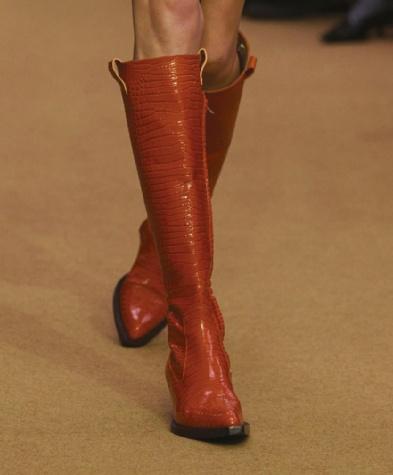
Parte dalla Pop Art: Jeff Koons porta la superficie all'estremo, lucidissima, che riflette tutto. Daniel Buren aggiunge il codice delle righe verticali colorate. Bridget Riley introduce il movimento con bande ottiche che vibrano. Il risultato: super lucido, vernici colorate, lattice, metallizzati. Palette pop e diretta — rossi saturi, gialli accesi, verdi elettrici. Una tendenza che vuole essere vista e che gioca con la luce come strumento commerciale.
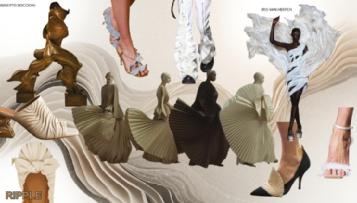
RIPPLE
Boccioni ha reso visibile la velocità in forme scultoree. Iris van Herpen costruisce abiti che sembrano fatti d'acqua. Entrambi si concentrano sul medesimo obiettivo: dare forma a ciò che sfugge. Trasferita sul prodotto, questa idea significa superfici vive: pieghe, plissé, goffrature, onde tridimensionali. Una texture che si vede ma, soprattutto, si sente. Pelli costruite — non stampate — che creano profondità tattile reale, con un valore aggiunto immediato e riconoscibile.
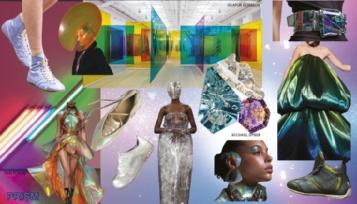
PRISM
Olafur Eliasson crea ambienti che cambiano colore a seconda di dove ci si trova. Dan Flavin trasforma i neon in architettura pura. Da questi riferimenti nasce un'estetica di materiali cangianti, iridescenti, metallizzati a specchio. Vinili che virano dal verde al viola, pelli che catturano il bagliore e lo restituiscono trasformato. Borse e scarpe che si reinventano con la luce e con il movimento: la tendenza più vicina all'acquisto d'impulso.
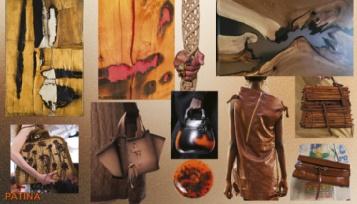
PATINA
Alberto Burri bruciava tela, legno e plastica: da quella trasformazione emergeva qualcosa di prezioso. Un buon insegnamento: la materia più bella è quella che porta i segni del tempo. Patina traduce questa convinzione in prodotto: sfumature degradé, effetti vissuti, coste vive al naturale, finiture al vegetale. Ogni pezzo è diverso dall'altro. L'imperfezione non è un difetto: è il valore aggiunto da comunicare, la risposta più forte a un mercato saturo di standardizzazione.
During a visit to a major art exhibition, there are moments when you stop looking and start feeling. It is from this same intensity of perception that the key trends of the next season emerge — four visions inspired by observing art as a research tool.
Expo Riva Schuh and Gardabags (13-16 June 2026) will present and explore them through the Area Highlights programme, developed in collaboration with Arsutoria
SHINE ON
It starts with Pop Art: Jeff Koons pushes surfaces to the extreme, ultra-glossy and reflective. Daniel Buren introduces the code of coloured vertical stripes, while Bridget Riley adds movement through vibrating optical bands. The result: high-gloss finishes, coloured coatings, latex and metallic effects. A bold, direct palette — saturated reds, bright yellows, electric greens. A trend designed to stand out, using light as a powerful commercial tool.
RIPPLE
Boccioni translated speed into sculptural form. Iris van Herpen creates garments that appear fluid, almost water-like. Both share the same goal: giving shape to the intangible. Applied to product design, this becomes living surfaces: folds, pleats, embossing and three-dimensional waves. A texture that is not only visible, but above all tangible. Structured leathers — not printed — create real depth, delivering immediate and recognisable added value.
PRISM
Olafur Eliasson creates environments that change colour depending on perspective. Dan Flavin transforms neon into pure architecture. From these references emerges an aesthetic based on iridescent, colour-shifting and mirrored materials. Vinyl materials that shift from green to violet, leathers that capture and reflect light in constantly changing ways. Bags and shoes that reinvent themselves through light and movement — the trend closest to impulse buying.
PATINA
Alberto Burri worked by burning canvas, wood and plastic, revealing unexpected value through transformation. A key insight: the most interesting material is the one marked by time. Patina translates this approach into product design: gradient tones, worn effects, raw edges, vegetable-tanned finishes. Each piece is unique. Imperfection is not a flaw — it becomes the added value to communicate, a strong response to a market saturated with standardisation.
It’s not just about new dates: MOMAD focuses on selection, quality, and forecasting 72
La fiera madrilena gioca d'anticipo per facilitare le scelte d'acquisto, spostandosi dal 23 al 25 luglio. Con un format più snello e mirato, racconta la direttrice Julia González, punta ad offrire margini operativi più ampi e una pianificazione delle collezioni in linea con i nuovi cicli di consumo globale.
Cominciamo con la grande novità sulle date: MOMAD si terrà per la prima volta dal 23 al 25 luglio, anziché a settembre come di consueto. Come è stata presa questa decisione?
È stata una decisione molto ponderata e legata in particolare all'evoluzione del settore. Da tempo stavamo analizzando come si evolvono i calendari, come acquistano le aziende, come si muovono i buyer e di cosa ha realmente bisogno oggi una fiera come MOMAD per continuare a essere un punto di riferimento nella moda europea. A tal fine, abbiamo visto che luglio poteva offrirci un'opportunità molto interessante. Più che un semplice cambio di date, lo intendiamo come un modo per inaugurare un'edizione speciale, con una propria personalità, anticipata nel calendario e fortemente orientata ad aiutare i marchi e i buyer a cogliere prima le tendenze, preparare meglio le loro collezioni e generare business con margini più ampi.
Inoltre, questa mossa coincide con una fase di rinnovamento e mi-
glioramento delle infrastrutture di IFEMA MADRID, il che ci offre anche l’opportunità di adeguare il formato e lo svolgimento della fiera a un momento di transizione naturale, senza perdere di vista l’obiettivo principale, che rimane quello di offrire uno spazio efficace e utile per il business.
Qual è l'idea alla base del «nuovo Momad»?
Quando parliamo del “nuovo MOMAD”, puntiamo a un evento con una propria personalità, più attento nella selezione dei marchi, più incentrato sulla qualità che sul volume e pensato per un visitatore professionale che viene per lavorare, scoprire e prendere decisioni. Ci interessa che chi viene trovi un'offerta coerente, attuale e commercialmente rilevante; una fiera in cui le collezioni riflettano esattamente ciò che sta accadendo sul mercato e ciò che accadrà nei prossimi mesi. C'è anche una chiara volontà di rafforzare il ruolo del MOMAD come spazio di anticipazione. Nel mondo della moda, essere in anticipo è fondamentale. È importante riuscire a cogliere una tendenza per tempo, individuare quali categorie stanno guadagnando terreno, capire in che direzione si sta muovendo il consumatore e avere il margine necessario per costruire una proposta significativa. Questa edizione di luglio ci permette proprio di lavorare su questa idea di anticipazione, che riteniamo abbia oggi un valore enorme sia per i marchi che per i buyer.
Inoltre, volevamo che questa edizione avesse un profilo molto attraente dal punto di vista dell’esperienza professionale. Oltre a quanto menzionato, vogliamo arricchire l’esperienza professionale con attività che apportino contenuto e valore aggiunto alla visita. In questo contesto, proponiamo nuove iniziative per spazi iconici come la passerella del MOMAD o gli spazi dedicati alla sostenibilità o ai designer emergenti, che contribuiscono ad ampliare la visione del settore, dare visibilità a nuove idee e rafforzare il ruolo della fiera come luogo in cui non solo si presentano prodotti, ma si condividono anche tendenze, conoscenze e un modo più consapevole di intendere la moda.
Da tempo Momad si sta trasformando in una fiera dedicata allo stile di vita, riunendo diversi settori —moda, accessori, gioielleria, tessili e articoli per la casa— nelle stesse date e nello stesso polo fieristico. A partire da settembre, anche «Fashion Link» a Milano riunirà 5 fiere di moda e life style. Perché il settore delle fiere internazionali si sta muovendo in questa direzione?
Perché il mercato funziona in modo sempre più interconnesso. Oggi i marchi, i buyer e gli opinion leader non operano più nei settori come elementi isolati. Tutto dialoga di più, ad esempio la moda con gli accessori, le calzature con il lifestyle o la gioielleria con la proposta globale del marchio. Le fiere devono rispondere a questa realtà. Ha senso offrire ecosistemi più ampi, dove il professionista possa trovare in un unico ambiente ispirazione, prodotti, contatti e una visione più completa del mercato. Credo che questo sia uno dei motivi per cui le fiere internazionali si stanno evolvendo in questa direzione: perché oggi il business richiede connessioni più ampie ed esperienze più integrate. Le fiere commerciali odierne vanno oltre la loro semplice funzione di piattaforma commerciale per trasformarsi in occasioni di networking e scambio di conoscenze: quale sarà il loro ruolo in futuro?
Quel ruolo diventerà ancora più importante. Una fiera non può più essere solo un luogo dove si va a vendere o ad acquistare. Deve essere anche uno spazio dove comprendere meglio il mercato, dove ascol-
tare altri professionisti, dove individuare i cambiamenti e dove creare relazioni che poi abbiano un seguito, ed è proprio questo l'obiettivo che intendiamo raggiungere con l'edizione di luglio di MOMAD. Le fiere continueranno a essere un'occasione di business, naturalmente, ma il valore aggiunto risiederà sempre più nella capacità di riunire le persone giuste, al momento giusto, e di offrire loro un'esperienza che apporti loro davvero qualcosa.
In un momento in cui l'instabilità in Medio Oriente e la guerra russo-ucraina stanno incidendo sulle esportazioni e sui costi
Julia González
di produzione, quali iniziative state adottando per sostenere la competitività dei vostri espositori e garantire la rilevanza internazionale della fiera?
In un contesto come questo, la nostra responsabilità è quella di essere molto vicini al settore e lavorare affinché MOMAD continui a essere uno strumento utile e competitivo per le aziende. Ciò significa curare con grande attenzione il contesto commerciale, la selezione, progettare format sempre più adeguati alle loro esigenze, attrarre acquirenti e visitatori professionali mirati e continuare a rafforzare la visibilità internazionale della fiera.
The Madrid trade fair is bringing the event forward to make purchasing decisions easier, moving the dates to 23-25 July. With a more streamlined and focused format, explains director Julia González, it aims to offer greater operational flexibility and a collection planning schedule in line with new global consumption cycles.
Let’s start with the big news about the dates: MOMAD will be held for the first time from 23 to 25 July, rather than in September as usual. How was this decision reached?
It was a carefully considered decision, linked in particular to developments in the sector. For some time, we had been analysing how calendars are evolving, how companies make purchases, how buyers operate, and what a trade fair like MOMAD really needs today to remain a benchmark in European fashion. To this end, we saw that July could offer us a very interesting opportunity. Rather than a simple change of dates, we see it as a way to launch a special edition, with its own distinct character, brought forward in the calendar and strongly focused on helping brands and buyers spot trends earlier, prepare their collections more effectively and generate business with higher margins. Furthermore, this move coincides with a phase of renewal and improvement of IFEMA MADRID’s infrastructure, which also offers us the opportunity to adapt the format and running of the fair to a natural transition period, without losing sight of the main objective, which remains that of offering an effective and useful space for business.
What is the concept behind the ‘new MOMAD’?
When we talk about the ‘new MOMAD’, we are aiming for an event with its own distinct identity, one that is more selective in its choice of brands, focuses more on quality than quantity, and is designed for professional visitors who come to work, discover and make decisions. We want visitors to find a coherent, up-to-date and commercially relevant offering; a trade fair where the collections accurately reflect what is happening in the market and what will happen in the coming months.
There is also a clear desire to strengthen MOMAD’s role as a platform for anticipating trends. In the world of fashion, being ahead of the curve is essential. It is important to be able to spot a trend early on, identify which categories are gaining ground, understand
the direction in which the consumer is moving, and have the necessary leeway to build a meaningful offering. This July edition allows us precisely to work on this idea of foresight, which we believe is of enormous value today for both brands and buyers.
Furthermore, we wanted this edition to offer a highly appealing professional experience. In addition to the points mentioned, we aim to enhance the professional experience with activities that add substance and value to the visit. In this context, we are proposing new initiatives for iconic spaces such as the MOMAD catwalk or the areas dedicated to sustainability and emerging designers, which help to broaden the sector’s outlook, give visibility to new ideas and reinforce the fair’s role as a place where not only products are presented, but trends, knowledge and a more conscious approach to fashion are also shared.
For some time now, Momad has been evolving into a lifestyle trade fair, bringing together various sectors—fashion, accessories, jewellery, textiles and homewares—on the same dates and at the same exhibition centre. From September onwards, ‘Fashion Link’ in Milan will also bring together 5 fashion lifestyle trade fairs. Why is the international trade fair sector moving in this direction?
Because the market is becoming increasingly interconnected. Today, brands, buyers and opinion leaders no longer operate in sectors as isolated entities. Everything is more interconnected: for example, fashion with accessories, footwear with lifestyle, or jewellery with the brand’s overall offering.
Trade fairs must respond to this reality. It makes sense to offer broader ecosystems, where professionals can find inspiration, products, contacts and a more comprehensive view of the market all in one place. I believe this is one of the reasons why international trade fairs are evolving in this direction: because today’s business environment demands broader connections and more integrated experiences. Today’s trade fairs go beyond their simple function as a commercial platform to become opportunities for networking and knowledge-sharing: what will their role be in the future?
That role will become even more important. A trade fair can no longer be just a place where you go to sell or buy. It must also be a space where you can better understand the market, listen to other professionals, identify changes and build relationships that lead to further engagement, and this is precisely the objective we aim to achieve with the July edition of MOMAD. Trade fairs will, of course, continue to be a business opportunity, but the added value will increasingly lie in the ability to bring the right people together at the right time and to offer them an experience that truly adds value.
At a time when instability in the Middle East and RussianUkrainian War are affecting exports and production costs, what measures are you taking to support the competitiveness of your exhibitors and ensure the fair’s international relevance?
In a context such as this, our responsibility is to remain closely attuned to the sector and work to ensure that MOMAD continues to be a useful and competitive tool for companies. This means paying close attention to the commercial environment and the selection process, designing formats that are increasingly tailored to their needs, attracting targeted buyers and professional visitors, and continuing to strengthen the fair’s international visibility.
City attitude: where roads energy meets modern style Street Flame
Photo by Lorenzo Visentin
Fashion by Alessia Casà
Suits: POMANDÈRE
Earings: WUNDERKRAMMER JEWELS
Suits: POMANDÈRE
Earings: WUNDERKRAMMER JEWELS
Skirt and Bustier: KASAI Hat: LA STRAMBERIA
Dress: HARAM3MMA
Body: ROSSOPORPORA
Shoes: OVYÉ Earings: PERLE SEXY
Total Look: DIESEL Necklace: 12PM
Top: AMELIA DESIGN STUDIO Pants: SAGIO Bag: PALERA MILANO
Top: HARAM3MMA Necklace: PERLE SEXY
Dress: DAVII Shoes: MICHEL PILZA Earings: PERLE SEXY
Top and Skirt: HARAM3MMA Necklace: PERLE SEXY
Dress: POMANDÈRE
Bag: AMATO DANIELE
Shoes: MICHEL PILZA
Earings: WUNDERKRAMMER JEWELS
Photographer: Lorenzo Visentin
Styling: Alessia Casà
Hair and makeup: Ilaria Pighi Model: Joelle @jooelleeeeeeeee
Around The World: Expo Riva Schuh and Gardabags capturing the direction of business
Da Orlando a Chengdu, passando per Coventry. Il progetto Around The World porta Expo Riva Schuh e Gardabags là dove si delineano le tendenze, si discute di regolamenti e si stringono partnership. Tre tappe, un solo fine: trasformare la conoscenza dei mercati in opportunità di business.
Prosegue l'impegno della fiera nell'approfondire la conoscenza dei mercati e stringere alleanze strategiche che agevolino la crescita delle occasioni di business durante la manifestazione. Rimanendo sempre fedeli al valore dell'internazionalizzazione come motore di sviluppo per l'intero settore.
È il senso del progetto Expo Riva Schuh e Gardabags Around The World: portare l'evento oltre i confini di Riva del Garda. Presidiare gli appuntamenti che contano, raccogliere segnali deboli prima che diventino tendenze acclarate per offrire in anticipo, ai frequentatori delle manifestazioni, la miglior interpretazione del mercato globale. Non un tour promozionale, ma un tessere relazioni finalizzato a promuovere il business: ascoltare i mercati per riportarne la voce in fiera. Anno dopo anno, questo progetto ha portato anche la 105ª edizione (13-16 giugno 2026) ad essere un punto di sintesi globale per calzature e borse.
STATI UNITI. Orlando, congresso NSRA. Per il quarto anno consecutivo, Expo Riva Schuh e Gardabags hanno preso parte al congresso annuale della National Shoe Retailers Association, il più importante appuntamento dedicato ai retailer indipendenti del set-
tore calzaturiero statunitense. Presenza continuativa, scelta strategica: branding, lobbying, ma soprattutto ascolto. I retailer americani, racconta Gianpaola Pedretti, Chief International Officer di Riva del Garda Fierecongressi, "non sono troppo preoccupati rispetto alla situazione geopolitica". Sui dazi serpeggia ironia più che allarme; sulla voglia di tornare in fiera, costruire programmi e sviluppare i propri brand, vige un cauto ottimismo. A Orlando, l'effetto wow l'ha portato Alberto Mattiello — futurist e membro del Comitato Scientifico di Expo Riva Schuh e Gardabags dove si occupa di innovazione — con un intervento sull'intelligenza artificiale applicata al retail: dal CES di Las Vegas alle integrazioni di Google e Maps con Gemini, fino a un video deepfake del presidente NSRA che gioca a basket con scarpe nuove. Simpatica sintesi visiva di dove può arrivare la tecnologia. Subito dopo, una presentazione di segno diverso per raccontare il valore dell'intelligenza umana, della relazione, del luogo. È stata presentata, infatti, la fiera di Riva del Garda come contesto che favorisce il business proprio perché favorisce il contatto. Due intelligenze, che muovono nella medesima direzione. Tappa successiva, New York, sede ITA - Italian Trade Agency, con la direttrice Erica Di Giovancarlo, che a giugno porterà in fiera una nutrita delegazione di buyer americani. "Il settore moda qui è forte, in particolare la moda italiana", ha detto Di Giovancarlo: il mercato americano è sempre affascinato non solo dai brand blasonati, ma anche dai piccoli marchi italiani, dalle produzioni limitate, dalla qualità altissima. Il Made in Italy gode di una reputazione che tiene a bada anche il rumore di fondo dei dazi.
ASIA. Chengdu, accordo strategico. I numerosi viaggi in Asia - che negli anni hanno legato Expo Riva Schuh e Gardabags al continente dove avviene la gran parte della produzione mondiale di calzature e borse - hanno condotto a una ulteriore e importante intesa. L'8 maggio 2026 la Direttrice Generale di Riva del Garda Fierecongressi, Alessandra Albarelli, e Li Qijun, in rappresentanza
della Chengdu Footwear Industry Chain Chamber of Commerce & Huidu Fashion Industrial Park, hanno siglato un accordo di cooperazione strategica. Chengdu è uno dei principali poli asiatici nella produzione di calzature femminili. L'intesa punta a sviluppare networking, matchmaking internazionale, servizi di consulenza per l'internazionalizzazione e iniziative congiunte di promozione fieristica. "Rafforziamo così il dialogo con uno dei più importanti distretti produttivi cinesi, oggi sempre più orientato alla qualità e all'innovazione, e capace di rispondere in modo efficace alle esigenze del mercato globale", ha dichiarato Albarelli. Alla cerimonia hanno preso parte rappresentanti istituzionali italo-cinesi di primo piano, dal Consolato Generale della Repubblica Popolare Cinese a Milano all'Associazione per lo Sviluppo Economico e Imprenditoriale Italia-Cina (ASEIIC).
REGNO UNITO. Coventry, BFA Sustainability Summit. Il 23 aprile 2026 Expo Riva Schuh e Gardabags hanno partecipato, ancora una volta, al Sustainability Summit della British Footwear Association. Il messaggio del summit: per le aziende europee essere sostenibili sarà obbligatorio entro il 2028 e rappresenterà un requisito di sopravvivenza nel mercato entro il 2030. Il calzaturiero affronta la sua più grande trasformazione in vent'anni. Il 19 luglio 2026, in UE, la distruzione dell'invenduto diventerà illegale per le grandi imprese. Tracciabilità, Digital Product Passport, durabilità come primo parametro industriale, dati verificati: tanti gli obblighi (opportunità?!) da cui non si potrà prescindere. Un dato racconta bene il momento attuale: l'85% dei consumatori vorrebbe scegliere meglio, solo il 29% sta davvero cambiando comportamenti. Il gap non è di volontà, è di informazione. Tradotto: chi saprà spiegare bene ciò che fa guadagnerà un vantaggio competitivo.
Tre tappe, tre geografie, un'unica logica: conoscere i mercati affinché Expo Riva Schuh e Gardabags proseguano nella loro missione di essere il punto di riferimento per tutto il mondo delle calzature e delle borse.
Alberto Mattiello during his speech at the NSRA Forum
Erica Di Giovancarlo with GianPaola Pedretti - ITA New York
From Orlando to Chengdu, via Coventry. The Around The World project takes Expo Riva Schuh and Gardabags where trends take shape, regulations are discussed and partnerships are built. Three stops, one objective: turning market knowledge into business opportunities.
The fair continues its commitment to deepening its understanding of global markets and building strategic alliances that support business growth during the event — while remaining firmly aligned with the value of internationalisation as a key driver for the entire sector. This is the essence of the Expo Riva Schuh and Gardabags Around The World project: taking the event beyond the borders of Riva del Garda. Being present where it matters, capturing early signals before they become established trends, and translating them into valuable insights for the fair’s community. Not a promotional tour, but a continuous process of relationship-building aimed at supporting business: listening to markets and bringing their voice back to the fair. Year after year, this approach has helped make the 105th edition (1316 June 2026) a global point of reference for footwear and bags.
UNITED STATES. Orlando, NSRA Convention. For the fourth consecutive year, Expo Riva Schuh and Gardabags took part in the annual convention of the National Shoe Retailers Association, the leading event for independent footwear retailers in the United States. A consistent presence, and a strategic choice: branding, lobbying, but above all listening. According to Gianpaola Pedretti, Chief International Officer at Riva del Garda Fierecongressi, American retailers “are not overly concerned about the current geopolitical situation”. Tariffs are met with more irony than concern, while there is cautious optimism about returning to trade fairs, planning ahead and developing their brands. In Orlando, the “wow effect” came from Alberto Mattiello — futurist and member of the Scientific Committee of Expo Riva Schuh and Gardabags, where he focuses on innovation — with a keynote on artificial intelligence applied to retail. From CES in Las Vegas to Google and Maps integrations with Gemini, all the way to a deepfake
video of the NSRA president playing basketball in a new pair of shoes — a striking visual summary of where technology is heading. This was followed by a very different presentation, focused on the value of human intelligence, relationships and place. The Riva del Garda fair was presented as a business platform that fosters connections — because it fosters real human interaction. Two forms of intelligence, moving in the same direction.
The next stop was New York, at the headquarters of the Italian Trade Agency (ITA), with Director Erica Di Giovancarlo, who will bring a large delegation of American buyers to the fair in June.
“The fashion sector here is strong, particularly Italian fashion,” said Di Giovancarlo. The US market continues to be attracted not only by established brands, but also by smaller Italian labels, limited productions and exceptional quality. The reputation of Made in Italy remains strong — even against the background noise of tariffs.
ASIA. Chengdu, strategic agreement. The many trips to Asia — a continent where the majority of global footwear and bag production takes place — have led to a further important agreement. On 8 May 2026, Alessandra Albarelli, General Manager of Riva del Garda Fierecongressi, and Li Qijun, representing the Chengdu Footwear Industry Chain Chamber of Commerce & Huidu Fashion Industrial Park, signed a strategic cooperation agreement. Chengdu is one of Asia’s leading hubs for women’s footwear production. The agreement aims to develop networking, international matchmaking, consultancy services for internationalisation, and joint promotional initiatives. “We are strengthening our dialogue with one of China’s most important manufacturing districts, now increasingly focused on quality and innovation, and able to respond effectively to global market demands,” said Albarelli. The signing ceremony was attended by leading Italian and Chinese institutional representatives, including the Consulate General of the People’s Republic of China in Milan and the Italy-China Association for Economic and Entrepreneurial Development (ASEIIC).
UNITED KINGDOM. Coventry, BFA Sustainability Summit. On 23 April 2026, Expo Riva Schuh and Gardabags once again took part in the Sustainability Summit organised by the British Footwear Association. The message was clear: for European companies, sustainability will become mandatory by 2028 and a condition for market survival by 2030. The footwear sector is undergoing its most significant transformation in the past twenty years. From 19 July 2026, within the EU, the destruction of unsold goods will become illegal for large companies. Traceability, Digital Product Passport, durability as a primary industrial parameter, verified data — these are no longer optional requirements, but essential conditions (and opportunities) for the future. One figure captures the current moment: 85% of consumers would like to make more sustainable choices, but only 29% are actually changing their behaviour. The gap is not willingness — it is information. In other words: those who can clearly communicate what they do will gain a competitive advantage.
Three stops, three geographies, one shared logic: understanding markets so that Expo Riva Schuh and Gardabags can continue to fulfil their mission — to be the global point of reference for the footwear and bags industry.
Accordo Riva del Garda Fierecongressi - Chengdu Footwear Industry Chain Chamber of Commerce & Huidu Fashion Industrial Park
The shoe that crosses continents 92
Dazi USA al 10%, fabbriche nuove in Asia, reshoring nordamericano: la geografia produttiva e commerciale delle calzature nel
2026 si riscrive in tempo reale.
Il 20 febbraio 2026, a Washington, la Corte Suprema degli Stati Uniti ha dichiarato illegittimi i dazi imposti l'anno prima dall'amministrazione Trump sulla base dell'IEEPA, l'International Emergency Economic Powers Act. È una vittoria? Per qualche ora sembra di sì. Poi la Casa Bianca pubblica un ordine esecutivo: i dazi tornano, stavolta fondati sulla Sezione 122 del Trade Act del 1974. Aliquota aggiuntiva del 10%, validità fino al 24 luglio 2026. Quasi in contemporanea, sui social, il Presidente accenna a un futuro innalzamento al 15%.
Sembra una vicenda di diritto commerciale. Lo è. Ma è anche, e soprattutto, una storia di scarpe.
Perché ogni paio che esce da un container italiano, indonesiano, vietnamita o cinese diretto verso un porto americano dipende, oggi, da come quella riga di codice doganale viene letta dal funzionario di turno. E le conseguenze sono già misurabili. Secondo Assocalzaturifici, il 55% degli operatori italiani che esportano negli Stati Uniti giudica gli effetti dei dazi "non irrilevanti", con un'azienda su cinque in forte criticità. L'export verso gli USA, dopo aver guadagnato il +6% nella prima metà del 2025, è sceso del -1,9% nella seconda parte dell'anno.
NIKE: PREZZI SU, FABBRICHE FUORI DALLA CINA
L'effetto sul colosso di Beaverton si misura in numeri secchi. Un mi-
liardo di dollari di costi aggiuntivi nel solo 2026, secondo quanto comunicato dal CFO Matthew Friend nell'earnings call del 26 giugno. Un miliardo e mezzo nelle stime più aggiornate riportate da CFO Dive e Motley Fool. Trenta per cento: tanto ha lasciato per strada il titolo da inizio anno. Il margine lordo è calato di 320 punti base.
La risposta del gruppo guidato dal CEO Elliott Hill sta in quattro mosse, e nessuna è ornamentale: ottimizzare il mix produttivo riducendo la quota cinese dal 16% attuale all'high single-digit entro fine anno fiscale; rinegoziare con fornitori e retailer; alzare i prezzi al dettaglio negli USA di 5-10 dollari a paio; tagliare i costi corporate. L'impatto stimato sul margine lordo annuo si fermerà a 75 punti base, dice Friend. Ma il sourcing del più grande brand sportivo del mondo, in pratica, non sarà più lo stesso. Ralph Lauren e Canada Goose stanno attuando movimenti simili.
E mentre Nike si ricolloca, qualcun altro si fa trovare pronto.
STELLA, IL CONTRARIO DELLA RITIRATA
Stella International, gigante hongkonghese della produzione di calzature e pelletteria per i grandi brand globali, ha chiuso un primo trimestre 2026 con ricavi a 337,4 milioni di dollari (+1,9%) e ha annunciato un piano triennale 2026-2028 che porterà a regime tre nuovi stabilimenti: Indonesia, Bangladesh, Vietnam. Insieme alla fabbrica già operativa a Solo, l'obiettivo è aggiungere circa 20 milioni di paia di capacità annua. "Il 2026 è un anno di investimento cruciale", ha dichiarato il chairman Lawrence Chen. La domanda dai brand sportivi e dal segmento fashion alto di gamma rimane robusta, secondo il CEO Chi Lo-Jen.
Si guardi bene questo passaggio: mentre i dazi spingono alcuni a ridurre l'esposizione asiatica, altri la rafforzano diversificandola.
REGIONALIZZAZIONE, NON DEGLOBALIZZAZIONE
C'è un termine che torna in ogni analisi del 2026 e va capito bene: reshoring. Non significa che le fabbriche tornino tutte a casa: sarebbe ingenuo pensarlo. Significa che il modello Just-in-Time sta cedendo il passo a un modello Just-in-Case, in cui prossimità,
resilienza e controllo della filiera contano più del costo unitario. Significa, per i manufacturers nordamericani, lavorare in un hub trinazionale tra Stati Uniti, Canada e Messico. La strategia "China Plus One" si sta evolvendo in un approccio "Domestic-First" per le filiere considerate critiche.
C'è poi il pezzo tecnologico, che è quello che davvero sposta gli equilibri. L'automazione di Industry 4.0 sta livellando il divario di costo del lavoro che ha tenuto in piedi mezzo secolo di delocalizzazioni. Un robot industriale, ammortizzato sulla sua vita utile, oggi costa spesso meno del salario annuo di un operaio offshore. Aggiungete la pressione delle tasse sul carbonio e la rendicontazione obbligatoria delle emissioni Scope 3, e si capisce perché il calcolo del Total Cost of Ownership pesa in modo diverso rispetto a dieci anni fa. IL CONSUMATORE PAGA, MA SCEGLIE Il mercato statunitense, intanto, mostra come la domanda si stia riassestando. Secondo i dati Circana, il primo trimestre 2026 ha chiuso a +1% in valore, ma con volumi in calo. Il prezzo medio sale, e a sostenerlo è il segmento performance (+5% in dollari, con il running a doppia cifra). Tengono sandali, mules e clog. Crollano gli stivali. "Le categorie legate all'uso quotidiano, all'attività fisica e al comfort casual sono le meglio posizionate per intercettare la spesa", osserva Beth Goldstein, footwear advisor di Circana. Tradotto per chi produce: l'americano compra meno paia, ciascun paio costa di più. I 5-10 dollari aggiunti da Nike li pagherà, ma con maggiore selettività. Scrivere oggi del commercio internazionale delle calzature significa scrivere di una mappa che si ridisegna mentre la guardiamo. La Corte Suprema decide, la Casa Bianca riscrive, un CFO di Beaverton annuncia, un chairman di Hong Kong inaugura, un robot in Pennsylvania sostituisce un operaio di Guangdong. E in mezzo, l'industria calzaturiera italiana — 14,5 miliardi di euro di fatturato, 73.000 addetti, 85% di export, secondo i dati di Assocalzaturifici — trattiene il fiato. Resilienza, dicono. Forse. O semplicemente, l'unica strada percorribile quando il terreno trema.
10% US tariffs, new factories in Asia, North American reshoring: the geography of footwear production and trade in 2026 is being rewritten in real time.
On 20 February 2026, in Washington, the US Supreme Court ruled that the tariffs imposed the previous year by the Trump administration under the IEEPA (International Emergency Economic Powers Act) were unlawful. Is this a victory? For a few hours, it seemed so. Then the White House issued an executive order: the tariffs are back, this time based on Section 122 of the Trade Act of 1974. An additional 10% tariff, valid until 24 July 2026. Almost simultaneously, on social media, the President hinted at a future increase to 15%.
It seems like a trade law case. It is. But it is also, and above all, a story about shoes.
Because every pair that leaves an Italian, Indonesian, Vietnamese or Chinese container bound for an American port depends, today, on how that line of customs code is interpreted by the official on duty. And the consequences are already measurable. According to Assocalzaturifici, 55% of Italian operators exporting to the United States consider the effects of the tariffs to be ‘significant’, with one in five companies facing serious difficulties. Exports to the US, after rising by 6% in the first half of 2025, fell by 1.9% in the second half of the year.
NIKE: PRICES UP, FACTORIES OUT OF CHINA
The impact on the Beaverton giant is measured in hard figures. One billion dollars in additional costs in 2026 alone, according to CFO Matthew Friend’s statement during the earnings call on 26 June. One and a half billion in the most recent estimates reported by CFO Dive and Motley Fool. Thirty per cent: that is how much the share price has fallen since the start of >
“There is the technological aspect, which is what is really shifting the balance. Industry 4.0 automation is levelling the labour cost gap that has sustained half a century of offshoring”
the year. The gross margin has fallen by 320 basis points. The response from the group led by CEO Elliott Hill consists of four moves, and none are merely cosmetic: optimising the production mix by reducing the Chinese share from the current 16% to a high single-digit figure by the end of the financial year; renegotiating with suppliers and retailers; raising US retail prices by $5–$10 per pair; and cutting corporate costs. The estimated impact on the annual gross margin will be limited to 75 basis points, says Friend. But sourcing for the world’s largest sports brand will, in practice, never be the same again. Ralph Lauren and Canada Goose are implementing similar moves. And whilst Nike is repositioning itself, someone else is standing ready.
STELLA, THE OPPOSITE OF A RETREAT
Stella International, the Hong Kong-based giant in footwear and leather goods manufacturing for major global brands, closed the first quarter of 2026 with revenues of $337.4 million (+1.9%) and announced a three-year plan for 2026–2028 that will see three new factories come on stream: in Indonesia, Bangladesh and Vietnam. Together with the factory already operational in Solo, the aim is to add around 20 million pairs of annual capacity. “2026 is a crucial year for investment,” said Chairman Lawrence Chen. Demand from sports brands and the high-end fashion segment remains robust, according to CEO Chi Lo-Jen.
Take a close look at this point: whilst tariffs are pushing some to reduce their exposure to Asia, others are strengthening it by diversifying.
REGIONALISATION, NOT DEGLOBALISATION
There is a term that crops up in every analysis of 2026 and needs to be properly understood: reshoring. It does not mean that all factories are returning home: it would be naive to think so. It means that the Just-in-Time model is giving way to a Just-in-Case model, in which proximity, resilience and supply chain control matter more than unit cost. For North American manufacturers, it means operating within
a tri-national hub comprising the United States, Canada and Mexico. The ‘China Plus One’ strategy is evolving into a ‘Domestic-First’ approach for supply chains deemed critical.
Then there is the technological aspect, which is what is really shifting the balance. Industry 4.0 automation is levelling the labour cost gap that has sustained half a century of offshoring. An industrial robot, amortised over its useful life, often costs less today than the annual wage of an offshore worker. Add the pressure of carbon taxes and mandatory reporting of Scope 3 emissions, and it is clear why the calculation of Total Cost of Ownership weighs differently than it did ten years ago.
THE CONSUMER PAYS, BUT CHOOSES
Meanwhile, the US market shows how demand is readjusting. According to Circana data, the first quarter of 2026 closed at +1% in value, but with falling volumes. The average price is rising, driven by the performance segment (+5% in dollars, with running seeing double-digit growth). Sandals, mules and clogs are holding their own. Boots are plummeting. “Categories linked to everyday use, physical activity and casual comfort are best positioned to capture spending,” observes Beth Goldstein, footwear advisor at Circana. Translated for manufacturers: Americans are buying fewer pairs, but each pair costs more. They will pay the extra $5–10 charged by Nike, but with greater selectivity.
Writing today about the international footwear trade means writing about a map that is being redrawn as we look at it. The Supreme Court decides, the White House rewrites, a CFO in Beaverton announces, a chairman in Hong Kong inaugurates, a robot in Pennsylvania replaces a worker in Guangdong. And in the midst of it all, the Italian footwear industry — with a turnover of €14.5 billion, 73,000 employees and 85% of production exported, according to data from Assocalzaturifici — holds its breath. Resilience, they say. Perhaps. Or simply, the only viable path when the ground is shaking.
The evolving chemistry of contemporary fashion Style in motion
Photo by Angelo Lanza
Fashion by Chiara Naretto
Miranda: Skirt: BARBARA RIZZI, Top: RANDOM IDENTITIES, Shoes: SCAROSSO, Bag: STUDIO TONDINI Massimo: Total Look: MANUEL RITZ, Shoes: STEVE’S
Dress: TWINSET Bag: RODO
Total Look:RANDOM IDENTITIES
Jewels: LUCA CANTARELLI
Shoes: STEVE’S
Body: CRISCI SOFIA BY MP MODA Shoes: MARIO VALENTINO Earrings: LUCA CANTARELLI Bag: TOSCA BLU Tights: OROBLÙ
Corset: BARTOLOTTA&MARTORANA
Skirt: TWINSET
Shoes: TOSCA BLU
Bag: RODO
Earrings: PDPAOLA
Pants and Top: BALESTRA Bag: RODO Shoes: LORIBLÙ
Miranda Dress: FEDERICA BONIFACI Shoes: LORIBLU Bag: PALERA
Massimo Blazer and Pants: SUITSUPPLY Shirt: TOM FORD
Pants and Shirt: J.SALINAS Bag: STUDIO TONDINI Shoes: MARIO VALENTINO
Miranda Feather Top and Skirt: COLLINI
Bag: Studio TONDINI
Shoes: UNISA
Massimo Shirt: SAINT LAURENT
Trousers: RANDOM IDENTITIES
Eyeglasses: OKKIA
Dress: CRISCI SOFIA by MP MODA Shoes: MARIO VALENTINO Bag: RODO
Earrings: PDPAOLA
Photo by Angelo Lanza Fashion by Chiara Naretto Make and hair: Elena Gentile
Models : Miranda Marti @ Women Models Mng – Milano Massimo W @ I love Models Mng - Milano
Innovation setting the pace for the industry at Expo Riva Schuh and Gardabags 114
All'Innovation Village Retaildecima edizione - le startup raccontano un settore alle prese con la digitalizzazione a tutto campo
Alcune famose presentazioni si concludevano con la mitica frase: "One more thing". Quest'anno anche Expo Riva Schuh e Gardabags stupiranno i visitatori con una sorpresa che avrà il sapore fresco, dinamico e accattivante dell'innovazione. Ne parleremo più avanti, anche se il profumo rivoluzionario di una tecnologia sempre più capace di cambiare le carte in tavola della produzione e vendita di scarpe e borse, quella fragranza misteriosa che sa di futuro, aleggerà su tutta l'edizione estiva di Expo Riva Schuh e Gardabags (13-16 giugno 2026). L'innovazione, infatti, sarà un tema centrale.
Alberto Mattiello
Village Retail dell’edizione di gennaio 2026
Partiamo da alcuni dati che raccontano come l'innovazione sia in generale un focus da cui non si può prescindere.
Secondo il recente rapporto World Footwear, l'adozione dell'AI nelle imprese OCSE è passata dal 6% nel 2020 al 20% nel 2025 Una curva che si impenna proprio negli ultimi due anni, quelli in cui ChatGPT, Claude, Gemini e affini hanno smesso di essere giocattoli per il 'wow' e hanno cominciato a svolgere lavoro vero. Nel calzaturiero, questa curva si traduce in casi concreti. Case history portoghesi mostrano, per esempio, che la sola pianificazione AIassisted sviluppata da Olifel ha ridotto il ciclo di lavoro da otto ore a una, e ha alzato l'aderenza al programma di produzione dal 50% al 98,5%. ISI prevede di tagliare i tempi di pianificazione del 90%.
MIND, grazie al potenziamento della modellazione 3D, comprime di tre quarti il ciclo concept-to-sample.
Non è solo questione di software. A Monsummano Terme (in Italia) – distretto a cui non assoceresti immediatamente l'aggettivo "avanzato" – le aziende calzaturiere che hanno investito in digitalizzazione e automazione hanno registrato aumenti produttivi fino al 30% con riduzione dei costi operativi del 15%.
Al Politecnico di Milano, intanto, Paolo Rocco lavora al "soft handling": robot collaborativi che imparano – grazie a sensori tattili, computer vision e machine learning – a manipolare oggetti deformabili come cavi, tessuti, tomaie. È l'ultimo collo di bottiglia dell'automazione attuale. E sta cedendo.
Il quadro più nitido di dove stiamo andando, però, l'ha disegnato Alberto Mattiello a Orlando (USA), durante il recente congresso NSRA - National Shoe Retailers Association. Mattiello – futurist e membro del Comitato Scientifico di Expo Riva Schuh e Gardabags – ha mappato quattro livelli di intelligenza artificiale che convivono e che stanno riscrivendo le regole del retail di scarpe e borse. C'è l'AI orizzontale, quella che ormai usiamo quasi tutti. Non più chatbot, ma agenti capaci di navigare il web, compilare moduli,
ordinare campioni al posto nostro: Mattiello racconta di aver fatto cercare alla sua AI fornitori di materiali bio originati da funghi. Senza che lui intervenisse un campione gli è stato recapitato in ufficio. C'è, poi, l'AI verticale: cinquantamila strumenti specializzati per problemi precisi, dai contratti al pricing al servizio fotografico generato senza studio di posa. Una terza declinazione AI riguarda il fenomeno del Vibe Coding: chiunque, oggi, può chiedere a una macchina di costruirgli il software di cui ha bisogno, senza scrivere una riga di codice. La quarta è incorporata nei prodotti fisici: dalla lavatrice che capisce il linguaggio naturale alla macchina per lanciare palle da tennis che simula lo stile di Alcaraz.
Dentro questa mappa, due intuizioni meritano una sottolineatura
La prima: l'AI personale. Quando il nostro assistente digitale conoscerà la nostra anamnesi, le nostre preferenze, lo stato del nostro armadio, sarà lui a fare gli acquisti per noi. Mastercard e Visa hanno già predisposto l'infrastruttura perché agenti di Perplexity, ChatGPT e Gemini possano finalizzare un pagamento. McKinsey stima che entro tre anni il "web agentico" muoverà cinque trilioni di dollari. La SEO – ottimizzare i contenuti per i motori di ricerca – lascia il posto al GEO: farsi capire dalle AI che fanno acquisti per conto dei loro umani.
La seconda intuizione: oggi un'azienda calzaturiera o pellettiera può passare da un'idea a un prototipo digitale in pochi minuti. Il time-to-market si comprime, i campionari si riducono, le decisioni si prendono nella stessa stanza dove nascono le idee.
In uno scenario così delineato, i numeri di contesto chiariscono la posta in gioco: 1,3 miliardi di persone usano l'AI ogni giorno, l'obiettivo dichiarato è arrivare a 5 miliardi entro il 2030.
Retail Hub, partner della fiera di Riva del Garda per quanto riguarda il tema innovazione aggiunge ulteriori considerazioni (qui il comunicato completo): secondo il report “State of Fashion Technology 2026”, oltre il 75% dei brand moda internazionali considera
L’Innovation
oggi l’intelligenza artificiale e le tecnologie digitali una priorità strategica per migliorare customer experience, supply chain e sostenibilità. In uno scenario così delineato, le startup rappresentano oggi uno dei principali motori di innovazione del settore. Il Global Startup Ecosystem Report 2025 ha analizzato oltre 5 milioni di startup distribuite in più di 350 ecosistemi internazionali, confermando come innovazione tecnologica, intelligenza artificiale e sostenibilità siano oggi i principali driver della nuova imprenditorialità globale (in Italia sono più di 12 mila le startup registrate presso il MIMIT).
Lette tutte insieme, queste considerazioni sembrano fantascienza. È qui che entrano in scena Expo Riva Schuh e Gardabags, per riportare l'innovazione nel concreto del business. L'edizione di giugno 2026 segna la decima dell'Innovation Village Retail e della Startup Competition. Dieci edizioni in 5 anni, quasi 90 startup da 17 Paesi: un osservatorio privilegiato su dove sta andando il settore. E le startup di quest'anno raccontano uno scenario in evoluzione, articolato su cinque assi. Il primo è il 3D senza più scuse: Voxelo (UK) trasforma un video da smartphone in un digital twin pronto per gli usi più svariati; Threedium (Spagna), con Custom Wrkshop, genera anch'esso 'gemelli digitali' intelligenti in grado di alimentare ogni aspetto del ciclo di vita del prodotto; Ustyle (Italia) fornisce suggerimenti personalizzati per migliorare la scoperta dei prodotti e incrementare le vendite. Il secondo è la calzata come dato: Sooley (Germania) fa di un iPhone uno scanner 3D del piede; Shoefitr (Olanda) scansiona piedi e scarpe finite e li mette in relazione per prevenire i resi. Il terzo è la personalizzazione di massa: Tailoor (Italia) consente ai brand di produrre e personalizzare on-demand riducendo le scorte; il focus sul made-to-order lo pone anche PlatformE (Portogallo) in grado di digitalizzare l'esperienza dalla creazione del prodotto fino alla distribuzione; Estyl, Like Magic (Italia) digitalizza il camerino con virtual try-on iperrealistici e styling automatizzato per esperienze d'acquisto molto personali. Il quarto asse è il Passaporto Digitale di Prodotto: HALA (Italia) e Circular Solution (Corea del Sud) preparano le aziende alle imminenti normative UE, trasformando la compliance in leva di crescita. Il quinto, trasversale a quasi tutti, è la riduzione dei resi e l'apertura di nuove opportunità di aftersale, dal recommerce al riciclo verificato. Cinque assi, una conclusione: l'innovazione nel calzaturiero e nella pelletteria non è più solo questione di macchinari e tecnologie. È anche questione di dati, di digitalizzazione, di tracciabilità del prodotto.
Durante la fiera rivana, altre iniziative saranno dedicate all'innovazione. Durante il Market Focus Europa, APICCAPS presenterà i risultati del progetto FAIST – il consorzio portoghese da 50 milioni di euro che sta portando l'AI e non solo dal pilot alla produzione nelle fabbriche. Un riferimento utile per tutti.
E poi, naturalmente, "One more thing". Expo Riva Schuh e Gardabags hanno pensato, per la prossima edizione, a una sorpresa che intreccia comunicazione e innovazione: una selezione di prodotti degli espositori sarà messa in scena in modo assolutamente inedito. Non anticipiamo altro, ma sarà un'occasione da non perdere per chi ama il prodotto, l'innovazione, e guarda al futuro.
Concludiamo tornando a un concetto caro a Mattiello: ogni AI che stiamo usando oggi è, per definizione, la peggiore che useremo mai. Domani sarà già un passo più avanti.
Il futuro delle scarpe e delle borse, quindi, non è ancora completamente a fuoco. Ma il sapore di innovazione è decisamente nell'aria.
At the tenth edition of the Innovation Village Retail, start-ups are telling the story of a sector undergoing full-scale digital transformation.
Some iconic presentations used to end with the famous phrase: “One more thing”. This year, Expo Riva Schuh and Gardabags will also surprise visitors with something fresh, dynamic and innovation driven. We will reveal more shortly — but the unmistakable sense of a technology capable of reshaping how shoes and bags are designed, produced and sold will run throughout the entire summer edition of Expo Riva Schuh and Gardabags (13-16 June 2026). Innovation will, in fact, be a central theme.
Let’s start with some figures that clearly show why innovation can no longer be overlooked.
According to the latest World Footwear report, AI adoption among OECD companies has risen from dal 6% in 2020 to 20% in 2025 — with a sharp acceleration in the past two years, as tools such as ChatGPT, Claude and Gemini have moved beyond experimentation to become real working tools. In the footwear sector, this translates into tangible case studies. In Portugal, for example, AI-assisted planning developed by Olifel has reduced working cycles from eight hours to one, increasing production schedule accuracy from 50% to 98.5%. ISI expects to cut planning time by 90%, while MIND, through advanced 3D modelling, has reduced the concept-to-sample cycle by three quarters.
This is not just about software. In Monsummano Terme, Italy — not typically associated with cutting-edge innovation — companies investing in digitalisation and automation have recorded productivity increases of up to 30%, alongside a 15% reduction in operating costs
Meanwhile, at the Politecnico di Milano, Paolo Rocco is working on
“soft handling”: collaborative robots capable of manipulating deformable objects such as cables, fabrics and uppers, thanks to tactile sensors, computer vision and machine learning. It is the last major bottleneck in automation — and it is beginning to be overcome.
A clearer picture of where the industry is heading was outlined by Alberto Mattiello in Orlando (USA), during the recent NSRA – National Shoe Retailers Association conference. Mattiello – futurist and member of the Scientific Committee of Expo Riva Schuh and Gardabags –identified four levels of artificial intelligence already coexisting and reshaping the rules of footwear and leather goods retail. There is horizontal AI — now widely used — no longer just chatbots, but agents capable of navigating the web, completing forms and even ordering samples autonomously. Mattiello himself described how his AI sourced mushroom-based materials and had a sample delivered to his office without further input. Then there is vertical AI: tens of thousands of specialised tools designed for specific tasks, from contracts and pricing to photo shoots generated without a physical studio. A third development is Vibe Coding: anyone can now ask a machine to build the software they need, without writing a single line of code. The fourth level is embedded in physical product — from washing machines that understand natural language to tennis ball machines capable of replicating the playing style of Alcaraz. Within this framework, two insights stand out. The first is personal AI. As digital assistants begin to understand our preferences, habits and even wardrobe, they will increasingly make purchasing decisions on our behalf. Mastercard and Visa have already developed infrastructures enabling agents from platforms such as Perplexity, ChatGPT and Gemini to complete transactions. McKinsey estimates that within three years, the “agentic web” could generate five trillion dollars in value. SEO is giving way to GEO — content optimised not for search engines, but for AI systems making decisions on behalf of users.
The second insight: today, footwear and leather goods companies can move from idea to digital prototype in minutes. Time-tomarket is shrinking, sampling is reduced, and decisions are made in the same space where ideas are generated.
Against this backdrop, the scale of change is clear: 1.3 billion people already use AI daily, with a projected 5 billion by 2030
According to Retail Hub, innovation partner of the Riva del Garda fair, the State of Fashion Technology 2026 report (here is the full press release) shows that over 75% of global fashion brands now consider artificial intelligence and digital technologies a strategic priority to improve customer experience, supply chain efficiency and sustainability. In this scenario, start-ups have become one of the main drivers of innovation. The Global Startup Ecosystem Report 2025, analysing over 5 million start-ups across more than 350 ecosystems, confirms that technological innovation, artificial intelligence and
sustainability are now key drivers of global entrepreneurship (with over 12,000 start-ups registered in Italy alone).
Taken together, these developments may seem almost futuristic. This is where Expo Riva Schuh and Gardabags come into play — bringing innovation back into the reality of business.
The June 2026 edition marks the tenth Innovation Village Retail and Start-up Competition. Ten editions in five years, nearly 90 start-ups from 17 countries: a unique observatory on the future of the sector. This year’s start-ups reflect a rapidly evolving landscape across five key areas. The first is 3D without compromise: Voxelo (UK) transforms smartphone videos into digital twins; Threedium (Espain), with Custom Wrkshop, generates intelligent digital twins for the entire product lifecycle; Ustyle (Italy) enhances product discovery through personalised recommendations. The second is fit as data: Sooley (Germany) turns an iPhone into a 3D foot scanner; Shoefitr (Netherlands) matches foot scans with finished shoes to reduce returns. The third is mass customisation: Tailoor (Italy) enables ondemand production and personalisation, reducing stock; PlatformE (Portugal) digitises the entire journey from product creation to distribution; Estyl, Like Magic (Italy) brings hyper-realistic virtual try-on and automated styling into the digital fitting room. The fourth area is the Digital Product Passport: HALA (Italy) and Circular Solution (South Korea) help companies prepare for upcoming EU regulations, turning compliance into a growth driver. The fifth — cutting across all others — is returns reduction and after-sales innovation, from recommerce to verified recycling.
Five directions, one conclusion: innovation in footwear and leather goods is no longer just about machinery and technology. It is about data, digitalisation and product traceability.
During the fair, additional initiatives will also focus on innovation. As part of Market Focus Europe, APICCAPS will present the results of the FAIST project — a €50 million Portuguese consortium bringing AI and advanced technologies from pilot phases into industrial production. A valuable reference for the entire industry.
And then, of course, “one more thing”. For the upcoming edition, Expo Riva Schuh and Gardabags have planned a surprise that combines communication and innovation: a curated selection of exhibitor products will be presented in a completely new way. We won’t reveal more for now — but it will be an unmissable opportunity for anyone interested in product, innovation and the future.
To conclude, returning to a key idea highlighted by Mattiello: every AI we use today is, by definition, the least advanced we will ever use. Tomorrow, it will already be more powerful.
The future of footwear and bags is not yet fully defined — but the direction of innovation is unmistakably in the air.
The Innovation Village Retail marks its tenth anniversary
La culla tecnologica di Expo Riva Schuh & Gardabags celebra con giugno 2026 un importante traguardo di continuità nel segno dell’innovazione,
confermandosi l'osservatorio globale per la transizione digitale e sostenibile della filiera.
L'edizione di giugno 2026 segna la decima edizione dell'Innovation Village Retail e della Startup Competition, confermando il progetto come il cuore pulsante tecnologico di Expo Riva Schuh & Gardabags. Nato nel gennaio 2022 dalla visione di Riva del Garda Fierecongressi, l'evento ha ospitato in questi dieci anni circa cento start-up provenienti da venticinque Paesi, diventando un osservatorio globale privilegiato per anticipare i continui mutamenti del fashion retail. Realizzato in collaborazione con Retail Hub e con il coordinamento scientifico di Alberto Mattiello, questo ecosistema crea una vera e propria "fiera nella fiera" dove startup visionarie, grandi player e investitori si incontrano per condividere soluzioni capaci di ridefinire l'intera filiera. In un mercato che evolve a ritmi senza precedenti, l'innovazione diventa la leva strategica fondamentale. Dalle applicazioni dell'intelligenza artificiale alla sostenibilità, l'Innovation Village mette in scena le tecnologie destinate a trasformare l'esperienza d'acquisto globale, offrendo risposte concrete alle sfide digitali ed ecologiche del futuro.
The technological hub of Expo Riva Schuh & Gardabags celebrates a significant milestone of continuity in the name of innovation in June 2026, reaffirming its role as the global observatory for the digital and sustainable transition of the supply chain.
The June 2026 edition marks the tenth edition of the Innovation Village Retail and the Startup Competition, confirming the project as the technological heart of Expo Riva Schuh & Gardabags. Launched in January 2022 from the vision of Riva del Garda Fierecongressi, the event has hosted around one hundred start-ups from twenty-five countries over the past ten years, becoming a privileged global observatory for anticipating the constant changes in fashion retail. Organised in collaboration with Retail Hub and under the scientific coordination of Alberto Mattiello, this ecosystem creates a veritable ‘fair within a fair’ where visionary start-ups, major players and investors come together to share solutions capable of redefining the entire supply chain. In a market evolving at an unprecedented pace, innovation becomes the fundamental strategic lever. From artificial intelligence applications to sustainability, the Innovation Village showcases the technologies set to transform the global shopping experience, offering concrete solutions to the digital and environmental challenges of the future.
Tailoor (Italy)
Piattaforma digitale basata sull'intelligenza artificiale che consente ai brand di creare e vendere prodotti personalizzati on-demand attraverso configuratori e tecnologie 3D avanzate. La soluzione aiuta a ridurre le scorte di magazzino, ottimizzare la produzione e offrire un'esperienza cliente su misura, integrando design, produzione e vendita in un unico flusso di lavoro digitale.
Tailoor (Italy)
AI-powered digital platform that enables brands to create and sell customized products on demand through advanced 3D technologies and configurators. It helps reduce inventory, optimize production, and deliver a tailored customer experience by integrating design, production, and sales into a single digital workflow.
Voxelo (UK)
Studio di 3D e AI progettato specificamente per i brand di moda, calzature e accessori. La sua tecnologia proprietaria UG3D® (User Generated 3D) trasforma un singolo video del prodotto girato con uno smartphone in un digital twin 3D pronto per la produzione. Partendo da quell’unico asset, Voxelo genera tutto ciò di cui un brand ha bisogno per il merchandising lungo l’intero funnel di vendita: visualizzatori 3D interattivi per le pagine prodotto, prove in realtà aumentata (AR) per mobile, immagini AI per i canali social e paid, e intere scene lifestyle senza necessità di set fotografici.
Voxelo (UK)
3D and AI studio purpose-built for fashion, footwear and accessory brands. Our proprietary UG3D® (User Generated 3D) technology turns a single product video - captured on a phone - into a production-ready 3D digital twin. From that one asset Voxelo then generate everything a brand needs to merchandise the product across the funnel: interactive 3D viewers for product pages, AR try-on for mobile, AI product imagery for paid and social, and full lifestyle scenes without a studio shoot.
Threedium - Custom Wrkshop (Spain)
Infrastruttura di IA 3D che genera "digital twin" intelligenti in grado di alimentare ogni aspetto del ciclo di vita del prodotto: dall'ideazione del prodotto alla prototipazione, fino al marketing e alla creazione di customer experience iper-personalizzate. Wrkspace AI sostituisce strumenti frammentati con un'unica piattaforma di design basata su IA e pronta per l'impresa, accelerando il percorso dal concept al mercato. La piattaforma produce inoltre asset pronti per le campagne.
Threedium - Custom Wrkshop (Spain)
3D AI infrastructure that generates intelligent digital twins that power every aspect of the product lifecycle. From product ideation to prototyping to marketing to building hyper personalised customer experiences. Wrkspace Ai that replaces fragmented tools with a single, enterprise-ready Ai design platform, accelerating the path from concept to market. The platform also produces campaign-ready assets.
Sooley (Germany)
Sooley aiuta brand e retailer a rilevare dati 3D accurati da remoto o in negozio con un semplice iPhone, rendendo la precisione della calzata scalabile senza costosi scanner. Ciò aumenta la fiducia dei clienti, supporta la personalizzazione, abilità servizi premium, riduce i resi legati alla taglia e crea nuove opportunità per le esperienze di vendita, sia digitali che in store.
Sooley (Germany)
It helps brands and retailers capture accurate 3D foot data remotely or in store with a standard iPhone, making better fit scalable without expensive scanners. This improves customer confidence, supports personalization, enables premium services, reduces fit related returns, and creates new opportunities for digital and in store sales experiences.
Shoefitr.io (Netherlands)
Non una software house ma un’infrastruttura. La “Fit Intelligence” si basa su due livelli di scansione che lavorano in sinergia. Primo livello: i consumatori scansionano i propri piedi tramite l’app web mobile di Shoefitr prima dell’acquisto. Secondo livello: le fabbriche e i brand scansionano le scarpe finite dopo la produzione utilizzando l’hardware di Shoefitr, rilevando il volume e le dimensioni effettive, che spesso differiscono dalla forma originale a causa del restringimento dei materiali e delle variazioni durante la manifattura, evitando resi.
Shoefitr.io (Netherlands)
It is not a software company but a infrastructure. Fit Intelligence is built on two scanning layers working together. Layer one: consumers scan their own feet using Shoefitr’s mobile web app before purchasing generating real foot geometry data at the point of buying intent. Layer two: factories/Brands scan finished shoes after production using Shoefitr’s hardware capturing actual shoe volume and dimensions, which differ from the original last due to material shrinkage and variation during manufacture, preventing returns.
CircularSolution (South Korea)
Piattaforma di Passaporto Digitale del Prodotto (DPP) che trasforma il ciclo di vita dei prodotti in un vantaggio circolare. L’azienda garantisce la tracciabilità end-to-end dall’approvvigionamento delle materie prime al riciclo, assicurando la piena conformità alle normative UE. Digitalizzando i beni fisici, la piattaforma verifica il contenuto riciclato, monitora l’impronta di carbonio e ottimizza la gestione dei rifiuti.
CircularSolution (South Korea)
Digital Product Passport (DPP) platform that transforms product lifecycles into a circular advantage. They enable end-to-end traceability from raw material sourcing to recycling ensuring seamless compliance with EU regulations. By digitizing physical goods, the platform verifies recycled content, tracks carbon footprints, and optimizes waste management.
HALA (Italy)
Aiuta i brand a trasformare il Passaporto Digitale del Prodotto in un vantaggio per il business. L’azienda offre una piattaforma RegTech e DataTech che attribuisce ai prodotti fisici un’identità digitale sicura, abilitando tracciabilità, autenticità e controllo del ciclo di vita, in linea con le imminenti normative UE. Con HALA, le imprese ottengono piena visibilità sulla storia del prodotto, sui passaggi di proprietà e sulle attività del mercato secondario, riducendo contraffazione, sovrapproduzione e complessità operativa.
HALA (Italy)
It helps brands turn Digital Product Passports into a business advantage. They provide a RegTech and DataTech platform that gives physical products a secure digital identity, enabling traceability, authenticity, and lifecycle control, in line with upcoming EU regulations. With HALA, companies gain visibility over product history, ownership changes, and secondary-market activity, while reducing counterfeiting, overproduction, and operational complexity.
Estyl, Like Magic (Italy)
Piattaforma di AI Generativa che trasforma l’e-commerce della moda attraverso il Virtual Try-On ad alta fedeltà e lo styling automatizzato. Consente ai retailer di offrire esperienze di acquisto personalizzate, permettendo ai clienti di visualizzare i capi su modelli AI realistici e diversificati. I brand possono generare istantaneamente immagini di moda professionali, sostituendo i tradizionali servizi fotografici con contenuti visivi scalabili guidati dall’intelligenza artificiale.
Estyl, Like Magic (Italy)
Generative AI platform that transforms fashion e-commerce through high-fidelity Virtual Try-On and automated styling. They enable retailers to offer personalized shopping experiences by allowing customers to visualize outfits on realistic, diverse AI models. Brands can generate professional fashion imagery instantly, replacing traditional photoshoots with scalable, AI-driven visual content.
PlatformE (Portugal)
Opera nella personalizzazione e customizzazione digitale, con focus sul made-to-order di prodotti nei settori fashion e lifestyle. Permette la digitalizzazione dell’intero percorso MTO: creazione del prodotto, digital twin, visualizzazione, logiche di configurazione e possibilità di deployment omnicanale su e-commerce, retail fisico, reseller terzi o esperienze embedded, ad esempio WeChat
PlatformE (Portugal)
Digital personalisation and customisation- made to order of goods in the fashion and lifestyle sectors. It allows the digitalization of the full MTO journey: product creation- digital twin, visualisation, configuration logic and ability to deploy it omni-channel across ecommerce, physical retail, third party resellers or embedded experiences (e.g. Wechat).
Ustyle (Italy)
Piattaforma B2B per l’e-commerce della moda che si integra direttamente nelle pagine prodotto. Mostra modelli in video e immagini mentre indossano il capo principale abbinato ad articoli complementari, offrendo ai clienti combinazioni di outfit illimitate. Alimentata dall’intelligenza artificiale, fornisce suggerimenti personalizzati, variazioni di modelli in base alla taglia, modelli e sfondi dinamici, oltre a un’infinità di pose per migliorare la scoperta dei prodotti e incrementare le vendite.
Ustyle (Italy)
B2B platform for fashion e-commerce that integrates directly into product pages. It showcases models in videos and images wearing the main product styled with complementary items, offering shoppers limitless outfit combinations. Powered by AI, it provides personalised suggestions, size-aware model variations, dynamic models and backgrounds, and endless pose coverage to enhance discovery and drive sales.
Off duty on point
Photo by Luigi Colonna Fashion by Francesco Volturale
Dress: VOLTURALE COUTURE
Trousers: RANDOM IDENTITIES
Jacket: OCTAVIO PIZARRO
Gloves: DUECCI GLOVES
Sunglasses: TOM FORD provided by OTTICA MAURO Earrings: STEFANIA MAZZOTTI
Shoes: JEFFREY CAMPBELL Bag: PALERA MILANO
Dress: RALLEGRATI
Jacket: VOLTURALE COUTURE
Shoes: STEVE MADDEN
Bag: PALERA MILANO
Sunglasses: EMPORIO ARMANI provided by OTTICA MAURO
Earrings: PDPAOLA
Shoes: STEVE MADDEN
Dress: NOELL MAGGINI
Earrings: STEFANIA MAZZOTTI
Leggings: ADIDAS
Shoes: STEVE MADDEN
Bag: ANTONIO SINISCALCHI
Trench Coat :BALESTRA Pants: ADIDAS
Corset: VOLTURALE COUTURE
Shoes: STEVE MADDEN
Bag: PALERA MILANO
Earrings: STEFANIA MAZZOTTI
Ring: PDPAOLA
T-shirt: ADIDAS Skirt: BARBARA RIZZI Shoes: STOKTON FIRENZE provided by RAGO CALZATURE Bag: ANTONIO SINISCALCHI Sunglasses: OKKIA Earrings: STEFANIA MAZZOTTI
Photographer: Luigi Colonna Fashion Stylist: Francesco Volturale Make-up & Hair: Camilla Moneta
Model: Katerina Roggiero @bravemodels
Photographer Assistants: Jacopo Giustarini e Fabio Huapaya
Additive footwear: a turning point for the supply chain 132
Nell'estate 2025 Nike ha portato la sua prima sneaker interamente stampata in 3D sul mercato di massa. Dietro l'annuncio, un'industria che riscrive il rapporto tra macchine, materiali e processi.
Estate 2025. Nike annuncia l'Air Max 1000 in collaborazione con Zellerfeld: la prima sneaker della casa interamente stampata in 3D a finire su uno scaffale, non in una vetrina concettuale. Nello stesso anno Adidas mette a punto i piani per la produzione di massa di calzature integralmente additive, mentre Zellerfeld chiude la fase beta e apre la sua piattaforma a designer terzi.
Sembra l'ennesimo annuncio. Non lo è.
Il mercato globale della calzatura stampata in 3D vale circa 2,5 miliardi di dollari nel 2025, con proiezioni oltre i 5 miliardi entro il 2030 e un CAGR stimato del 18-19% (Expert Market Research, Technavio).
Numeri che cambiano la conversazione: non più "se" l'additivo entrerà nella produzione calzaturiera, ma "come" la filiera si prepara. E qui la storia si fa interessante. La rivoluzione non vive solo nella suola — dove un reticolo a "papillon" sviluppato da Carbon con Adidas converte la pressione verticale in spinta orizzontale — ma anche nella tomaia, negli accessori, nelle decorazioni. Per anni si è letto della stampa 3D nel fashion ma assomigliava più a retorica da fiera. Poi sono arrivati i casi industriali.
Stratasys, multinazionale della tecnologia PolyJet, ha sviluppato la J85 TechStyle: una stampante che deposita polimero a getto d'inchiostro direttamente sul tessuto. Denim, cotone, poliestere, lino, pelle. Aree di stampa fino a due metri, oltre 600.000 colori, accessori — bottoni, gemelli, fibbie per borse — stampabili fino a 50 mm di altezza. Il software dialoga con i MES di stabilimento. La sponda italiana ha un nome: Dyloan, con la D-house milanese, sede anche di un'academy per fashion designer.
Punti critici: per democratizzare la produzione su richiesta — "zero magazzino" è lo slogan di Zellerfeld — serve un'infrastruttura tecnologica e formativa tutt'altro che leggera. Personalizzare a milioni costa più che produrre in serie a milioni. Almeno per ora.
La scarpa del prossimo decennio non si cucirà più, fra knitting e stampa 3D? Si comporrà strato dopo strato? Staremo a vedere, ma non sembra più essere così tanto assurdo rifletterci con attenzione. Sicuramente la prototipazione sta cambiando e cambierà sempre di più.
In the summer of 2025, Nike launched its first fully 3D-printed trainer onto the mass market. Behind this announcement lies an industry that is redefining the relationship between machines, materials and processes.
Summer 2025. Nike announces the Air Max 1000 in collaboration with Zellerfeld: the brand’s first fully 3D-printed trainer to hit the shelves, rather than a conceptual display case. In the same year, Adidas finalises plans for the mass production of fully additive footwear, whilst Zellerfeld concludes its beta phase and opens its platform to third-party designers. It sounds like yet another announcement. It isn’t. The global market for 3D-printed footwear is worth around $2.5 billion in 2025, with projections exceeding $5 billion by 2030 and an estimated CAGR of 18–19% (Expert Market Research, Technavio).
These figures are changing the conversation: it is no longer a question of ‘if’ additive manufacturing will enter footwear production, but ‘how’ the supply chain is preparing. And this is where things get interesting. The revolution isn’t confi-
ned to the sole — where a ‘bow tie’ lattice developed by Carbon in collaboration with Adidas converts vertical pressure into horizontal thrust — but extends to the upper, accessories and embellishments. For years, we’ve read about 3D printing in fashion, but it seemed more like trade fair rhetoric. Then came the industrial applications.
Stratasys, the PolyJet technology multinational, has developed the J85 TechStyle: a printer that deposits polymer via inkjet directly onto fabric. Denim, cotton, polyester, linen, leather. Print areas of up to two metres, over 600,000 colours, accessories — buttons, cufflinks, bag buckles — printable up to 50 mm in height. The software interfaces with factory MES systems. The Italian side has a name: Dyloan, with the Milan-based D-house, which also houses an academy for fashion designers.
Critical points: to democratise on-demand production — “zero stock” is Zellerfeld’s slogan — a technological and training infrastructure is required that is anything but lightweight. Customising millions of items costs more than mass-producing millions. At least for now.
Will the shoe of the next decade no longer be sewn, but instead made using knitting and 3D printing? Will it be built up layer by layer? We’ll have to wait and see, but it no longer seems so absurd to give it careful thought. Prototyping is certainly changing and will continue to do so.
Avoiding the wrong size 134
Dalla scansione morfologica su iPhone alla webapp universale: Snapfeet-Web elimina ogni attrito al processo di misurazione del piede.
Un metro da sarto, qualche centimetro di differenza, un abito che cade bene o male. Chi ha mai commissionato un vestito su misura sa che la misurazione non è la parte complicata del processo: è la parte imprescindibile. Il problema nasce quando quella fase sparisce.
Nell'e-commerce moda e, in particolare calzaturiero, è sparita. Al suo posto: una tabella taglie spesso vaga, un consiglio generico, e quell'abitudine di ordinare la stessa scarpa in due taglie diverse, sperando che una vada bene, mentre l'altra si rende. I resi per problemi di taglia rimangono tra le prime cause di restituzione nel fashion online, con percentuali che in alcuni segmenti superano il 30%. Non per disattenzione. Perché le tabelle taglie sono generiche, i piedi no.
Giorgio Raccanelli lavora sulla scansione morfologica del piede da anni, con una domanda precisa in testa: come reintrodurre quella fase necessaria senza il metro, senza sensori dedicati, ma utilizzando quello che ciascuno di noi ha già in tasca, lo smartphone.
La prima risposta è stata SnapFeet: un'app costruita su ARKit, il framework di realtà aumentata di Apple, capace di scansione morfologica precisa e confronto tridimensionale con le forme della calzatura. Funzionava bene. Funzionava solo su iPhone — il che significa partire
con una copertura strutturalmente parziale del mercato. Il passaggio successivo ha risolto il problema alla radice: la scansione si sposta sul web con nuovo plug-in Snapfeet-Web. Nessuna app, nessun sistema operativo richiesto, nessun sensore speciale — niente lidar, niente foglio A4 posizionato sul pavimento come riferimento. Qualsiasi smartphone con un browser funziona; solo i modelli molto vecchi restano esclusi.
Il plug-in trasforma ogni e-commerce in un strumento capace di misurare il piede con una tolleranza di pochi millimetri e un'affidabilità del 96%. Quando il brand dispone delle forme della calzatura, il sistema confronta la scansione con il modello 3D e restituisce la taglia per quella scarpa specifica. Quando le forme non ci sono — come nei grandi marketplace multibrand — il riferimento diventa la sola lunghezza del piede.
L'effetto più diretto è la riduzione degli acquisti multipli — e con loro dei costi logistici, delle emissioni, delle scarpe che viaggiano inutilmente avanti e indietro. Meno resi è la prova che la tecnologia ha una valenza di rilievo. Per una demo scrivere a: info@trya.it
From foot scanning on an iPhone to a universal web app: Snapfeet-Web removes all friction from the foot-measuring process.
A tailor’s tape measure, a few centimetres’ difference, a suit that fits well or poorly. Anyone who has ever commissioned a bespoke suit knows that taking measurements isn’t the complicated part of the process: it’s the essential part. The problem arises when that stage disappears. In fashion e-commerce, and in the footwear sector in particular, it has
disappeared. In its place: an often vague size chart, generic advice, and the habit of ordering the same shoe in two different sizes, hoping one will fit whilst the other is returned. Returns due to sizing issues remain among the leading causes of returns in online fashion, with percentages exceeding 30% in some segments. This is not due to carelessness. It is because size charts are generic, but feet are not.
Giorgio Raccanelli has been working on the morphological scanning of the foot for years, with a specific question in mind: how to reintroduce that necessary step without a tape measure, without dedicated sensors, but using what each of us already has in our pockets – the smartphone.
The first answer was SnapFeet: an app built on ARKit, Apple’s augmented reality framework, capable of precise morphological scanning and three-dimensional comparison with the last of the shoe. It worked well. It only worked on iPhones — which meant starting with structurally partial market coverage.
The next step solved the problem at its root: scanning moved online with the new SnapFeet-Web plug-in. No app, no operating system required, no special sensors — no LiDAR, no A4 sheet placed on the floor as a reference. Any smartphone with a browser works; only very old models are excluded.
The plug-in transforms any e-commerce site into a tool capable of measuring the foot with a tolerance of just a few millimetres and 96% reliability. When the brand has the shoe last data, the system compares the scan with the 3D model and returns the size for that specific shoe. When last patterns are not available — as is the case in large multibrand marketplaces — the sole reference point is the length of the foot.
The most immediate benefit is a reduction in multiple purchases — and with them, logistics costs, emissions, and shoes travelling back and forth unnecessarily. Fewer returns are proof that the technology has significant value. For a demo, please email: info@trya.it
Jackat: HENRI PARIS Collant: TEZENIS Shoes: SANTONI
Modern romance between nature and city Soft escape
Photo by Alessia Barontini
Fashion by Vittoria Di Riso
Boots: AGL SHOES
Dress: SANDRO Boots: AGL SHOES
Dress: SIMON CRACKER
Suit: NORTH BEACHWEAR
Bag: CATERINA LUCCHI
Shoes: SIMON CRACKER
Dress: SIMON CRACKER
Gloves: BOTTEGA FIORENTINA
Bag: TRUSSARDI
Socks: TEZENIS
Shoes: AGL SHOES
Shoes: AGL SHOES Bag: TRUSSARDI
Top: ESSENTIEL ANTWERP
Shorts: SIMON CRACKER
Earings: SODINI
Bag: CAMPOMAGGI
Jacket: HENRI PARIS
Earings: SODINI
Bag: CAMPOMAGGI
Photographer: Alessia Barontini
Stylist: Vittoria Di Riso
Mua: Federica Castiglioni
Model: Charlotte @ Monster Mng Milano
When shoes meet the Radiofonografo 146
Alla Milano Design Week 2026 borse e calzature hanno abbandonato le vetrine per entrare nei distretti creativi. Accanto a ceramiche, tavoli e installazioni scultoree, gli accessori si sono raccontati in modo diverso. Ecco cosa è valso la pena vedere.
C'è un Radiofonografo RR226 di Achille e Pier Giacomo Castiglioni al MoMA di New York. Bianco, lucido, sembra un volto in ascolto. È uno degli oggetti che definiscono cosa significhi design italiano.
Lo scorso aprile, durante il Fuorisalone della Milano Design Week, nel distretto di Via Tortona, quello stesso oggetto è tornato in scena. Non in originale: nella sua reinterpretazione cucita a mano su un mocassino.
Tod's ha costruito Icons by Icons su un'idea semplice e difficile da eseguire: quattro versioni del Gommino in edizione limitata, ciascuna ispirata a un'opera che ha definito il design industriale
italiano del Novecento. La poltrona Elda di Joe Colombo, la sedia Crosby di Gaetano Pesce, il tavolo Kristall di Michele De Lucchi per Memphis Milano, il Radiofonografo dei Castiglioni. Ogni mocassino traduce in pelle il codice estetico dell'opera. Le reinterpretazioni erano esposte fianco a fianco agli originali. Quel giorno, artigiani Tod's hanno cucito davanti al pubblico. La cucitura del Gommino è una delle tecniche che la macchina non riesce a sostituire del tutto. Con 267 iniziative in 19 quartieri, la Design Week 2026 ha confermato quello che si intravedeva già nelle edizioni precedenti: il circuito degli accessori è diventato un sottoprogramma autonomo. Borse e scarpe in dialogo con architetti, ceramisti, artisti — non un'operazione di visibilità occasionale, ma una presenza strutturata.
Nel Quadrilatero, la boutique Longchamp di via della Spiga 6 ospitava una collaborazione con Patrick Jouin — designer le cui opere stanno al Centre Pompidou e al MoMA. Tavoli in acciaio smaltato a mano, una seduta in pelle, e una lampada portatile in pelle microforata su base in rovere, edizione limitata. Un oggetto a metà tra borsa e pezzo d'arredamento. Il confine è sfumato di proposito. A pochi passi, in via della Spiga 46, Gianni Chiarini Firenze aveva costruito un giardino contemporaneo con terracotta dell'Impruneta firmata dalla Fornace Carbone: mele, vasi, geometrie nate dall'arco e dalla sfera. Le nuove borse, i modelli Dua e Marcella, in versione intrecciata scamosciata condividevano lo spazio con le sculture. Il gesto artigianale come lingua condivisa tra oggetti che non si somigliano.
“Shoes and bags are no longer accessories for the body. They become accessories for the space.”
Il marchio di sneakers D.A.T.E. ha presentato una collaborazione con Cara \ Davide e 70Materia. Il progetto dà forma a un’installazione che riflette sul concetto di contaminazione tra moda e design come valore creativo.
Asics SportStyle ha debuttato al Salone del Mobile con “Asics Kinetic Playscape”, un'installazione immersiva pensata per presentare la nuova sneaker Gel-Kinetic 2.0.
Un evento speciale per la Milano Design Week tra personalizzazione, creatività e nuove energie per il marchio di borse Gabs Approcci diversi. Differenti modi di rispondere alla stessa domanda: cosa fa un brand di accessori alla settimana del design? Non espone. Costruisce un contesto.
Scarpa e borsa non sono più accessori del corpo. Divengono accessori dello spazio.
At Milan Design Week 2026, bags and shoes left the shop windows to take centre stage in the creative districts. Alongside ceramics, tables and sculptural installations, accessories presented themselves in a new light. Here’s what was worth seeing.
There is an RR226 Radiofonografo by Achille and Pier Giacomo Castiglioni at MoMA in New York. White and glossy, it looks like a face listening intently. It is one of the objects that define what Italian design means.
Last April, during the Fuorisalone at Milan Design Week, in the Via Tortona district, that very object returned to the scene. Not the original: a hand-stitched reinterpretation on a moccasin. Tod's built Icons by Icons on a simple yet challenging concept: four limited-edition versions of the Gommino, each inspired by a piece that defined 20th-century Italian industrial design. Joe Colombo’s Elda armchair, Gaetano Pesce’s Crosby chair, Michele De Lucchi’s Kristall table for Memphis Milano, and the Castiglioni bro-
thers’ Radiofonografo. Each loafer translates the aesthetic code of the work into leather. The reinterpretations were displayed side by side with the originals. That day, Tod’s artisans sewed in front of the public. The stitching of the Gommino is one of the techniques that machines cannot fully replace.
With 267 events across 19 districts, Design Week 2026 confirmed what had already been glimpsed in previous editions: the accessories circuit has become an autonomous sub-programme. Bags and shoes in dialogue with architects, ceramists and artists — not a one-off publicity stunt, but a structured presence.
In the Quadrilatero, the Longchamp boutique at 6 Via della Spiga hosted a collaboration with Patrick Jouin — a designer whose works are housed at the Centre Pompidou and MoMA. Hand-enamelled steel tables, a leather chair, and a limited-edition portable lamp in micro-perforated leather on an oak base. An object halfway between a bag and a piece of furniture. The boundary is deliberately blurred.
A few steps away, at Via della Spiga 46, Gianni Chiarini Firenze had created a contemporary garden featuring Impruneta terracotta by Fornace Carbone: apples, vases, and geometric forms inspired by arches and spheres. The new bags, the Dua and Marcella models, in a woven suede version, shared the space with the sculptures. The artisanal touch as a shared language between objects that do not resemble one another.
The sneaker brand D.A.T.E. presented a collaboration with Cara \ Davide and 70Materia. The project takes the form of an installation that reflects on the concept of cross-pollination between fashion and design as a creative value.
Asics SportStyle made its debut at the Salone del Mobile with “Asics Kinetic Playscape”, an immersive installation designed to showcase the new Gel-Kinetic 2.0 sneaker.
A special event for Milan Design Week, combining personalisation, creativity and fresh energy for the handbag brand Gabs
Different approaches. Different ways of answering the same question: what does an accessories brand do at Design Week? It doesn’t exhibit. It creates a context.
Shoes and bags are no longer accessories for the body. They become accessories for the space.
Gabs
Asics SportStyle
D.A.T.E.
Gianni Chiarini
T-Rex bag:Jurassic hoaxes or signs from the future? 150
Ad
Amsterdam ha debuttato la
prima borsa "in pelle di T-Rex", coltivata in laboratorio da frammenti di collagene fossile. La scienza è scettica, il marketing meno.
Ad Amsterdam, fino all'11 maggio scorso, una sola borsa di colore verde-azzurro è rimasta esposta al museo Art Zoo accanto a Stan, il calco di uno dei Tyrannosaurus rex più conosciuti al mondo. L'11 giugno andrà all'asta a Parigi. Prezzo di partenza riferito: oltre 500 mila dollari. L'oggetto, disegnato dal polacco Michal Hadas (per il marchio techwear Enfin Levé), monta argento sterling, diamanti neri, un rinforzo in cotone tecnico — quello degli aviatori britannici della Seconda guerra mondiale — e una tracolla in nylon del giapponese Shindo. Il materiale che dà il nome al modello, e che ha generato scalpore, è quello del rivestimento esterno: T-Rex Leather™. Presentata come "pelle di T-Rex", in realtà si tratta di un biomateriale coltivato a partire da frammenti di collagene fossile, completati con biologia computazionale e modelli di IA, sintetizzati in DNA, inseriti in una linea cellulare carrier e fatti crescere sull'Advanced
Tissue Engineering Platform di Lab-Grown Leather (gruppo BSF Enterprise, Londra). Partner: l'agenzia VML (WPP) e l'olandese The Organoid Company per l'ingegneria genomica. Un singolo campione di dieci per quindici centimetri si è stimato costi fra i 10mila e i 20mila euro. Siamo ben oltre il lusso.
La comunità scientifica esterna al progetto non ci sta. Tom Ellis, bioingegnere all'Imperial College, ricorda che la conoscenza dell'evoluzione dei dinosauri non basta a disegnare uno specifico gene del collagene del T-Rex; e che, riuscendoci, il materiale sarebbe indistinguibile da quello di una mucca. La paleontologa Mary Higby Schweitzer (NC State) considera impropria la stessa etichetta. Melanie During (Vrije Universiteit) ha chiarito: nei fossili il collagene resta in tracce frammentate. Eppure, i promotori non hanno fatto passi indietro rispetto alle critiche. Anzi. Bas Korsten, global chief creative officer di VML, l'ha dichiarato apertamente: la pelle coltivata "non ha ancora convinto il lusso, perché viene letta come un'imitazione". Da qui la mossa. Si è rinunciato a competere sul terreno della similitudine — più morbida, più resistente, più sostenibile — e si è costruito un terreno differente su cui battagliare: 66 milioni di anni di distanza, la mitologia del fossile, un dinosauro accanto al prodotto come mascotte.
La notizia, crediamo, non stia nella trovata di marketing o nelle conseguenti polemiche sia paleontologiche che conciarie, quanto nel sotteso e innovativo contenuto scientifico/industriale. Siamo agli albori di nuove prospettive forti di potenziali storie epiche da raccontare, seppur superflue? Sicuramente siamo al cospetto di frontiere tecnologiche da osservare con attenzione.
The first “T-Rex leather” bag, grown in a laboratory from fragments of fossilised collagen, has made its debut in Amsterdam. Science is sceptical; marketing, less so.
In Amsterdam, until 11 May, a single blue-green bag was on display at the Art Zoo museum alongside Stan, the cast of one of the world’s most famous Tyrannosaurus rex skeletons. On 11 June, it will go under the hammer in Paris. Estimated starting price: over $500,000. The item, designed by the Polish designer Michal Hadas (for the techwear brand Enfin Levé), features sterling silver, black diamonds, a technical cotton lining — the same used by British airmen during the Second World War — and a nylon shoulder strap by the Japanese brand Shindo. The material that gives the model its name, and which has caused a stir, is the outer lining: T-Rex Leather™. Presented as “T-Rex leather”, it is in fact a biomaterial cultivated from fragments of fossilised collagen, enhanced with computational biology and AI models, synthesised into DNA, inserted into a carrier cell line and grown on the Advanced Tissue Engineering Platform at Lab-Grown Leather (BSF Enterprise group, London). Partners: the agency VML (WPP) and the Dutch firm The Organoid Company for genomic engineering. A single sample measuring ten by fifteen centimetres is
estimated to cost between 10,000 and 20,000 euros. We are well beyond the realm of luxury.
The scientific community outside the project is not convinced. Tom Ellis, a bioengineer at Imperial College, points out that knowledge of dinosaur evolution is not sufficient to design a specific T-Rex collagen gene; and that, even if successful, the material would be indistinguishable from that of a cow. Palaeontologist Mary Higby Schweitzer (NC State) considers the label itself inappropriate. Melanie During (Vrije Universiteit) has clarified: in fossils, collagen remains in fragmented traces.
Yet the promoters have not backed down in the face of criticism. Quite the contrary. Bas Korsten, global chief creative officer at VML, stated it openly: "Cultured leather has not yet convinced the luxury sector, because it is perceived as an imitation”. Hence the move. They have abandoned competing on the grounds of similarity — softer, more durable, more sustainable — and have built a different battleground: 66 million years in the past, the mythology of the fossil, a dinosaur alongside the product as a mascot.
The news, we believe, lies not in the marketing gimmick or the ensuing controversy — both palaeontological and tanning-related — but in the underlying and innovative scientific/industrial content. Are we at the dawn of new, powerful perspectives with potential for epic stories to tell, albeit superfluous ones? We are certainly in the presence of technological frontiers to be observed with care.
A fearless mix of street culture and contemporary fashion Urban desire
Henry Beguelin entra nel portfolio Clara Garcovich
Clara Garcovich PR & Communication amplia il proprio portfolio annunciando la nuova collaborazione con Henry Beguelin, maison italiana che interpreta il lusso attraverso artigianalità, tempo e materia. L’agenzia gestirà tutte le attività di comunicazione integrata e crossmediale, media relations, ufficio stampa, PR e digital PR, con un approccio strategico volto a valorizzare l’identità del brand e il suo posizionamento nel panorama contemporaneo.
Nato sull’isola d’Elba nei primi anni ‘80, Henry Beguelin si distingue per una visione del lusso autentica e profondamente radicata nel “fare”: ogni creazione prende forma attraverso processi lenti e intenzionali, in cui la manualità e l’integrità dei materiali diventano elementi centrali di un’estetica essenziale e senza tempo. Le pelli, selezionate per la loro naturale unicità, evolvono nel tempo, raccontando una storia fatta di uso, memoria e relazione.
Henry Beguelin joins the Clara Garcovich portfolio
Clara Garcovich PR & Communication expands its portfolio by announcing a new collaboration with Henry Beguelin, an Italian fashion house that interprets luxury through craftsmanship, time and materials. The agency will manage all integrated and crossmedia communications, media relations, press office, PR and digital PR, with a strategic approach aimed at enhancing the brand’s identity and its positioning within the contemporary landscape. Founded on the island of Elba in the early 1980s, Henry Beguelin stands out for an authentic vision of luxury deeply rooted in the act of ‘making’: each creation takes shape through slow, deliberate processes, in which craftsmanship and the integrity of the materials become central elements of an essential, timeless aesthetic. The leathers, selected for their natural uniqueness, evolve over time, telling a story of use, memory and connection.
Beorma: orgoglio inglese
“Mi chiamo Alex e sono il fondatore di Beorma. Nel maggio 2022 sono tornato a casa dal mio nono viaggio in Medio Oriente. Dopo una carriera di 15 anni nel settore dello smaltimento di ordigni esplosivi, trascorsa lavorando in alcuni dei luoghi più incredibili e con le persone più straordinarie di tutto il mondo, è stato come lanciarsi da un precipizio con gli occhi bendati”. Inizia così l’avventura di Alex Simpson, una carriera nelle Forze Armate di Sua Maestà e una passione profonda per la lavorazione del cuoio. Decide di rilevare un’azienda con quattro generazioni di storia alle spalle nella lavorazione del cuoio, situata nel cuore di Walsall, in Inghilterra. Nasce così il brand Beorma, una testimonianza di resilienza, una celebrazione del patrimonio e una dedica agli artigiani della pelle di Walsall.
Beorma: English pride
“My name is Alex and I am the founder of Beorma. In May 2022, I returned home after my ninth trip to the Middle East. After a 15-year career in explosive ordnance disposal, spent working in some of the most incredible places and with the most extraordinary people from all over the world, it was like jumping off a cliff blindfolded.” Thus began Alex Simpson’s adventure, a career in Her Majesty’s Armed Forces and a deep passion for leather craftsmanship. He decided to take over a company with four generations of leatherworking history behind it, located in the heart of Walsall, England. Thus was born the Beorma brand, a testament to resilience, a celebration of heritage and a tribute to Walsall’s leather craftsmen.
Blundstone: ritorno all’essenziale tra natura, comfort e design
Dal 1870 Blundstone produce calzature robuste e durevoli in Tasmania, Australia. Meglio conosciuta per i suoi stivaletti Chelsea, Blundstone combina la robustezza con un design minimal, creando scarpe versatili e resistenti fatte per muoversi con sicurezza nelle avventure quotidiane della vita. Per la prossima PE 2027, la collezione Blundstone è un invito a vivere la stagione estiva con naturalezza e libertà. L’estetica della collezione trae ispirazione diretta dagli elementi naturali, con una particolare attenzione alla texture e alla resa materica. Dai pellami più pregiati come il Waxed Nubuck e il Full-grain, fino a sperimentazioni tattili come il Denim Emboss, le trame artigianali e i denim lavati, ogni materiale è scelto per la sua capacità di evolvere e raccontare una storia attraverso l’uso.
Blundstone: back to basics with nature, comfort and design
Since 1870, Blundstone has been producing sturdy, durable footwear in Tasmania, Australia. Best known for its hard-wearing Chelsea boots, Blundstone combines robustness with minimalist design, creating versatile, durable shoes made to move with confidence through life’s everyday adventures. For the upcoming SS 2027, the Blundstone collection is an invitation to experience the summer season with natural ease and freedom. The collection’s aesthetic draws direct inspiration from natural elements, with a particular focus on texture and material finish. From the finest leathers such as Waxed Nubuck and Full-grain, to tactile experiments like Denim Emboss, artisanal weaves and washed denim, every material is chosen for its ability to evolve and tell a story through wear.
Oberwerth & Fujifilm: due borse fotografiche in edizione limitata
Il produttore tedesco di articoli premium in pelle annuncia una partnership esclusiva con Fujifilm per la realizzazione di una capsule collection di borse fotografiche - Weekender Nelson M e Momentum L - in edizione limitata pensate per fotografi, creativi e viaggiatori che apprezzano la qualità eccezionale, il design intramontabile e l’artigianato autentico. Realizzata a mano in Germania con i materiali più pregiati, ogni borsa è progettata per diventare una compagna di vita. Questi valori si allineano perfettamente con l’eredità di Fujifilm fatta di design iconico, eccellenza tecnologica e passione per la fotografia. I due prodotti sono venduti in Italia esclusivamente sullo store online ufficiale Fujifilm. In particolare, Momentum L è una tracolla (messenger) reinterpreta che una silhouette classica, combinando praticità e sapienza artigianale. Lo storico logo “Fuji” impresso nella pelle celebra l’eredità fotografica condivisa da entrambi i marchi.
Oberwerth & Fujifilm: two limited-edition camera bags
The German manufacturer of premium leather goods has announced an exclusive partnership with Fujifilm to create a limited-edition capsule collection of camera bags – the Weekender Nelson M and Momentum L – designed for photographers, creatives and travellers who appreciate exceptional quality, timeless design and authentic craftsmanship. Handcrafted in Germany using the finest materials, each bag is designed to be a lifelong companion. These values align perfectly with Fujifilm’s heritage of iconic design, technological excellence and a passion for photography. The two products are sold in Italy exclusively via the official Fujifilm online store. In particular, the Momentum L is a messenger bag that reinterprets a classic silhouette, combining practicality and expert craftsmanship. The historic ‘Fuji’ logo embossed on the leather celebrates the shared photographic heritage of both brands.
Reebok e ICECREAM insieme per rilanciare Board Flip
L’iconico marchio di cultura sportiva e ICECREAM, fondato da Pharrell Williams e NIGO®, hanno stretto una partnership per portare avanti il rilancio della Board Flip dopo il suo ritorno in occasione del ComplexCon di Las Vegas nell’ottobre 2025. Proposta originariamente nel 2005, la Board Flip è una delle prime sneakers co-create da Pharrell, diventata una silhouette iconica dell’era dello skate della metà degli anni 2000. Sulla scia del rinnovato interesse per il modello d’archivio, la fase successiva vedrà il ritorno della colorazione Watermelon e l’introduzione della Pink Lemonade, celebrando ulteriormente l’eredità della scarpa nello skateboard, nello streetwear e nella cultura delle sneakers. Caratterizzata da una tomaia in pelle con pannelli traforati, un occhiello in pelle scamosciata e un puntale in gomma testurizzata.l design include il marchio ICECREAM sulla linguetta, sul tallone e sulla soletta, insieme a un logo Bones & Cones ricamato sul tallone laterale posteriore.
Reebok and ICECREAM team up to relaunch the Board Flip
The iconic sportswear brand and ICECREAM, founded by Pharrell Williams and NIGO®, have formed a partnership to continue the relaunch of the Board Flip following its return at ComplexCon in Las Vegas in October 2025. Originally launched in 2005, the Board Flip is one of the first trainers co-created by Pharrell, quickly becoming an iconic silhouette of the mid-2000s skate era. In the wake of renewed interest in the archive model, the next phase will see the return of the Watermelon colourway and the introduction of Pink Lemonade, further celebrating the shoe’s legacy in skateboarding, streetwear and sneaker culture. Featuring a leather upper with perforated panels, a suede eyelet and a textured rubber toe cap, the design includes the ICECREAM branding on the tongue, heel and insole, alongside a Bones & Cones logo embroidered on the rear side heel.
‘The New Retail Culture’: the rise of the CuratorLifestyle Buyer 165
Curato e moderato
da Orietta Pelizzari, Global Macro-Trend Forecaster, il summit internazionale ha posto al centro del dibattito la trasformazione del punto vendita in hub culturale e l’ascesa di una nuova figura professionale.
Il capoluogo lombardo ha riaffermato il proprio ruolo di capitale strategica del sistema moda globale accogliendo il 14 aprile scorso, nella cornice unica e suggestiva di Palazzo Lombardia, l’incontro internazionale "The New Retail Culture", un evento di alto profilo promosso da Fashion Link Milano, il progetto che integra in un’unica visione strategica le sette fiere del settore moda riunite a Milano: MICAM, MIPEL, TheOne, Fashion&Jewels, Lineapelle, Simac Tanning Tech e FILO.
L’incontro, curato e moderato da Orietta Pelizzari - Global MacroTrend Forecaster in Creative Industries Cross-Cultural Strategy for Retail Futures - si è distinto per un format originale, dinamico e interattivo, articolato in tavoli di conversazione tematici, con collegamenti in diretta da varie parti del mondo.
Il tema centrale dell’incontro ha riguardato l'evoluzione radicale degli spazi di vendita. Il retail non è più inteso come un semplice luogo di scambio commerciale, ma come una piattaforma culturale contemporanea. In questo nuovo paradigma, il prodotto smette di essere l'unico protagonista per integrarsi in un flusso narrativo più ampio che coinvolge tecnologia avanzata, processi sostenibili e stili di vita. Il negozio fisico e digitale diventa così un luogo dove si generano esperienze complesse e rilevanti, capaci di rispondere a un consumatore sempre più esigente e alla ricerca di valori identitari. Parlando di futuro del retail, un ruolo chiave non poteva che essere ricoperto dall’’intelligenza artificiale, che si pone non solo come tecnologia abilitante, ma come un vero e proprio motore interpretativo. In un contesto sempre più data-driven, l’AI consente al buyer di leggere in tempo reale i micro-trend lifestyle, trasformando segnali deboli e flussi informativi complessi in insight concreti a supporto delle decisioni di acquisto e della costruzione degli assortimenti. Dai contributi emersi, si delinea un retail sempre più orientato all’esperienza e alla contaminazione tra ambiti diversi, in cui gli spazi fisici si trasformano in luoghi di relazione, scoperta e connessione
culturale, mentre le logiche di selezione e proposta diventano sempre più sofisticate e integrate. E qui entra in gioco una nuova figura professionale, quella del Lifestyle Curator Buyer.
IL LIFESTYLE CURATOR BUYER
Una delle novità più significative emerse durante l’incontro è la ridefinizione delle figure professionali, che vede l’emergere del profilo del Lifestyle Curator Buyer. Questa figura supera la tradizionale selezione merceologica settoriale per abbracciare un approccio trasversale.
Il nuovo buyer agisce come un curatore di ecosistemi di consumo: non sceglie solo abiti, ma costruisce mondi in cui moda, beauty, wellness, design e innovazione convivono in maniera fluida. È una visione olistica del mercato, dove l'acquisto diventa una scelta di campo su un intero lifestyle.
Il Lifestyle Curator Buyer è una figura ibrida che unisce le competenze di buyer, redattore, influencer e imprenditore nel settore delle esperienze: è colui che cura i contenuti con lungimiranza, definisce
lo stile e lancia nuove tendenze creando una proposta di lifestyle coerente che abbraccia diverse categorie.
Cosa fa in concreto? Crea una “storia” per il negozio, assicurandosi che tutti gli articoli selezionati (abbigliamento, borse, accessori) siano in armonia tra loro, dando vita a un concetto ben definito. Tutti i prodotti all’interno del punto vendita sono coerenti tra loro in termini di design, qualità, profilo del cliente o la logica stilistica. Per fare questo, il Lifestyle Curator Buyer deve conoscere a fondo la storia e la personalità del marchio, ma anche dei materiali e delle linee, così come della domanda di mercato Il risultato è che il cliente si fida del negozio e delle sue scelte e si lascia guidare da esso. Come ha sottolineato Maura Basili, presidente di Camera Buyer e tra gli sopiti all’evento, il Lifestyle Curator Buyer è soprattutto un imprenditore che individua e investe in marchi emergenti, quindi un professionista che anticipa le tendenze, più che seguirle, muovendosi in una realtà dove, più che mai, il vero lusso è rappresentato dall’artigianalità, cuore pulsante del Made in Italy.
“The dress code for the event was “The Garden of Time,” inspired by J.G. Ballard’s 1962 short story”
Curated and moderated by Orietta Pelizzari, Global Macro-Trend Forecaster, the international summit focused on the transformation of the retail outlet into a cultural hub and the emergence of a new professional role.
The Lombard capital reaffirmed its role as a strategic hub of the global fashion system by hosting, on 14 April, in the unique and evocative setting of Palazzo Lombardia, the international conference ‘The New Retail Culture’, a high-profile event promoted by Fashion Link Milano, the project that integrates the seven fashion trade fairs held in Milan into a single strategic vision: MICAM, MIPEL, TheOne, Fashion&Jewels, Lineapelle, Simac Tanning Tech and FILO.
The meeting, curated and moderated by Orietta Pelizzari – Global Macro-Trend Forecaster in Creative Industries Cross-Cultural Strategy for Retail Futures – stood out for its original, dynamic and interactive format, organised into themed discussion panels, with live links from various parts of the world.
The central theme of the meeting centred on the radical evolution of retail spaces. Retail is no longer seen simply as a place of commercial exchange, but as a contemporary cultural platform. Within this new paradigm, the product ceases to be the sole focus, instead becoming part of a broader narrative that encompasses advanced technology, sustainable processes and lifestyles. The physical and digital shop thus becomes a place where complex and meaningful experiences are generated, capable of responding to an increasingly demanding consumer in search of values that define their identity.
When discussing the future of retail, a key role could only be played by artificial intelligence, which acts not merely as an enabling technology, but as a genuine interpretative engine. In an increasingly data-driven context, AI enables buyers to interpret lifestyle micro-trends in real time, transforming weak signals and complex information flows into concrete insights to support purchasing decisions and the development of product ranges. From the contri-
butions that emerged, a picture is emerging of a retail sector increasingly focused on experience and the cross-pollination between different fields, in which physical spaces are transformed into places for interaction, discovery and cultural connection, whilst selection and offering strategies become increasingly sophisticated and integrated. And this is where a new professional role comes into play: that of the Lifestyle Curator Buyer.
THE LIFESTYLE CURATOR BUYER
One of the most significant developments to emerge during the meeting is the redefinition of professional roles, which has seen the emergence of the Lifestyle Curator Buyer. This role goes beyond traditional sector-specific product selection to embrace a crosscutting approach.
The new buyer acts as a curator of consumer ecosystems: they do not merely select clothes, but construct worlds in which fashion, beauty, wellness, design and innovation coexist seamlessly. It is a holistic view of the market, where purchasing becomes a choice of lifestyle.
The Lifestyle Curator Buyer is a hybrid figure who combines the skills of a buyer, editor, influencer and entrepreneur in the experience sector: they are the person who curates content with foresight, defines style and launches new trends, creating a coherent lifestyle proposition that spans different categories.
What does this actually involve? It involves creating a ‘story’ for the shop, ensuring that all the selected items (clothing, bags, accessories) complement one another, thereby bringing a clearly defined concept to life. All products within the store are consistent with one another in terms of design, quality, customer profile or stylistic logic. To achieve this, the Lifestyle Curator Buyer must have a thorough understanding of the brand’s history and personality, as well as its materials and collections, and market demand. The result is that the customer trusts the store and its choices and allows themselves to be guided by it.
As Maura Basili, president of Camera Buyer and one of the guests at the event, pointed out, the Lifestyle Curator Buyer is above all an entrepreneur who identifies and invests in emerging brands; thus, a professional who anticipates trends rather than following them, operating in a world where, more than ever, true luxury is embodied by craftsmanship, the beating heart of Made in Italy.
The real ones
Style straight 1
Photo by Angelo Lanza
Artwork by Joe Colosimo
Matteo Pasca, Director
In Arsutoria amo lavorare con i docenti e le aziende alla progettazione dei corsi ed all’organizzazione dei progetti, visitare le fabbriche ed acquisire nuove competenze per poi studiare il modo migliore di raccontarle, immaginare come potrebbe diventare la azienda nel futuro e trovare soluzioni per dare corpo a questi sogni. At Arsutoria, I enjoy working with teachers and companies to plan courses and organise projects, visiting factories and acquiring new skills, and then figuring out the best way to present them; I also enjoy imagining what the company might become in the future and finding solutions to bring these dreams to life. Shirt: PRADA - Pullover: BALLANTYNE - Pants: BOGGI - Trench: BURBERRY - Shoes: CHURCH’S
Matteo Pirelli, IT Manager
Mi occupo di far sì che gli strumenti digitali di Arsutoria lavorino in armonia, per supportare chi ogni giorno insegue la propria passione per la moda. È un lavoro fatto di connessioni — tra persone, idee e tecnologie — al servizio di una realtà che da decenni informa e forma i talenti della calzatura e della pelletteria.
My role is to ensure that Arsutoria’s digital tools work in harmony, supporting those who pursue their passion for fashion every day. It is a job built on connections — between people, ideas and technologies — serving an institution that has been nurturing and training talent in footwear and leather goods for decades.
Total Look: RALPH LAUREN - Glasses: PERSOL - Shoes: VIGANÒ
Angelo Di Cristofaro, Illustrator and Design Lecturer Disegno fin da bambino e ho sempre saputo sarebbe diventato il mio lavoro. Oggi sento di aver trovato il giusto equilibrio: l’insegnamento mi arricchisce profondamente e provo un sincero senso di orgoglio nel veder maturare gli studenti lezione dopo lezione.
I’ve been drawing since I was a child and always knew it would become my career. Today, I feel I’ve found the right balance: teaching enriches me deeply, and I feel a genuine sense of pride in seeing students develop lesson by lesson.
Mi occupo di modelleria, making e prototipia, accompagnando gli studenti nello sviluppo concreto dei loro progetti. La parte che preferisco è vedere come un’idea prende forma: da intuizione iniziale
a oggetto reale, attraverso errori, prove e soluzioni intelligenti.
I handle pattern-making, making and prototyping, guiding students through the practical development of their projects. My favourite part is seeing how an idea takes shape: from an initial intuition to a real object, through mistakes, trials and clever solutions.
Total Look: UNIQLO - T-Shirt: ARTKNIT - Shoes: CRIMAGNO - Bag: SPALDING and BROSS
Valentino Parlato, Shoes Designer
In qualità di footwear designer e design coordinator, mi piace vivere la moda come un dialogo continuo tra visione e materia, traducendo emozioni in forme che raccontano qualcosa.
Allo stesso tempo, trovo valore nel guidare i futuri designer nel loro percorso.
As a footwear designer and design coordinator, I like to experience fashion as an ongoing dialogue between vision and material, translating emotions into shapes capable of telling a story. At the same time, I find value in guiding future designers on their journey.
Total Look: LIU JO - Hat: HUGO BOSS - Bag: ROY ROGER’S - Key Chain: BYBLOS - Rings: 9,25 and MORELLATO - Shoes: GIUSEPPE ZANOTTI
Un servizio moda senza modelli è una lieve contraddizione. Ma è anche l’unico modo per comunicare un concetto semplice: lo stile vero non si mette in posa, si indossa nel quotidiano, ci accompagna nello scorrere delle ore. È quello stile diretto che va dritto al punto, che non cerca consenso e ammirazione, ma genera identità. È un tornare alla moda non come gesto autoreferenziale, ma come taglio e cucitura, accessorio e dettaglio che dicono qualcosa di noi.
A fashion shoot without models is a slight contradiction. But it is also the only way to convey a simple concept: true style isn’t about posing; it’s worn in everyday life, accompanying us as the hours pass. It is that direct style that gets straight to the point, which doesn’t seek approval or admiration, but creates identity. It is a return to fashion not as a self-referential gesture, but as cut and seam, accessory and detail that say something about us.
Andrea Zampieri, Project Manager
“Nel gruppo di Arsutoria/Fotoshoe seguo la produzione dei progetti speciali, organizzando in particolare i servizi fotografici e gli eventi. La parte più bella di questo lavoro è quando, durante la ricerca di risorse e competenze, riusciamo a valorizzare le capacità nascoste dei colleghi, così da crescere tutti assieme come team.”
“In the Arsutoria/Fotoshoe group, I oversee the production of special projects, particularly organizing photo shoots and events. The best part of this job is when, while searching for resources and expertise, we are able to leverage the hidden talents of our colleagues, allowing us to grow together as a team.” Jacket: RALPH LAUREN - Shirt: BOGGI - Pants: UNIQLO - Shoes: FRATELLI ROSSETTI - Belt: BOGGI
FALL/WINTER 2026-27 RUNWAY
Tra Milano e Parigi, la moda per la prossima stagione fredda racconta una storia di contrasti audaci. Borse oversize e morbide, stivali texani che sfidano i confini dello streetwear, sneakers dai colori esplosivi: gli accessori diventano protagonisti assoluti. La pelle si declina in sfumature terrose e improvvise esplosioni cromatiche – dal viola al blu elettrico – mentre materiali naturali come la rafia introducono note artigianali inaspettate. Lusso e funzionalità si intrecciano senza compromessi.
Between Milan and Paris, fashion for the coming cold season tells a story of bold contrasts. Oversized, soft bags, Texan boots that challenge the boundaries of streetwear, sneakers in explosive colours: accessories take centre stage. Leather comes in earthy shades and sudden bursts of colour – from purple to electric blue – while natural materials such as raffia introduce unexpected artisanal touches. Luxury and functionality intertwine without compromise.