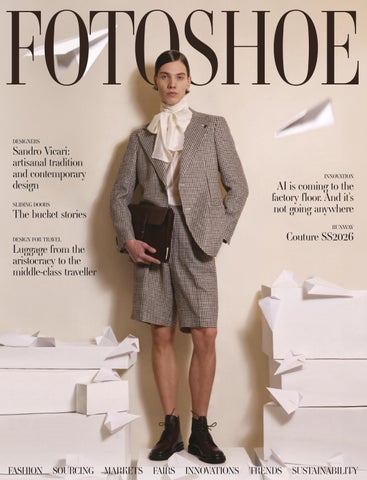
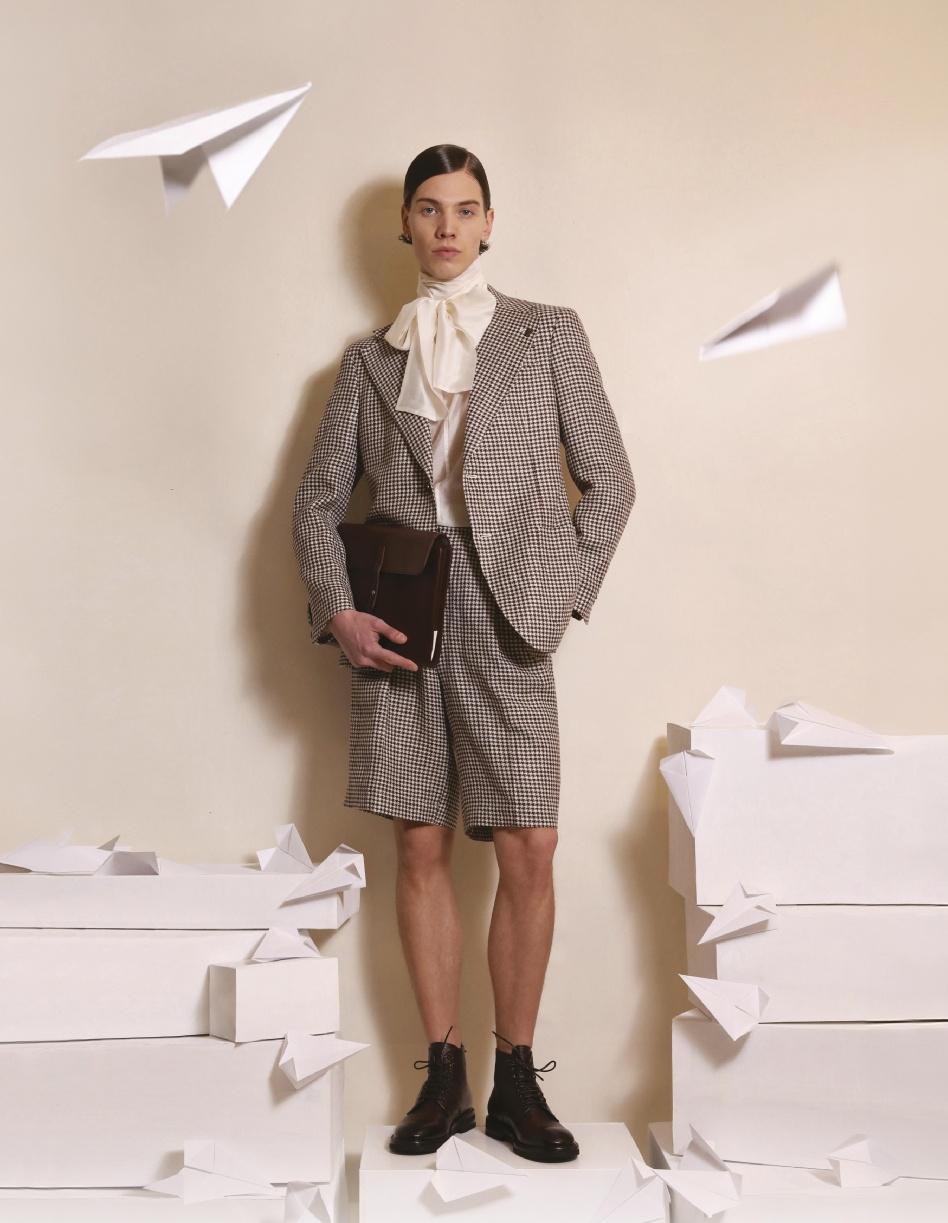
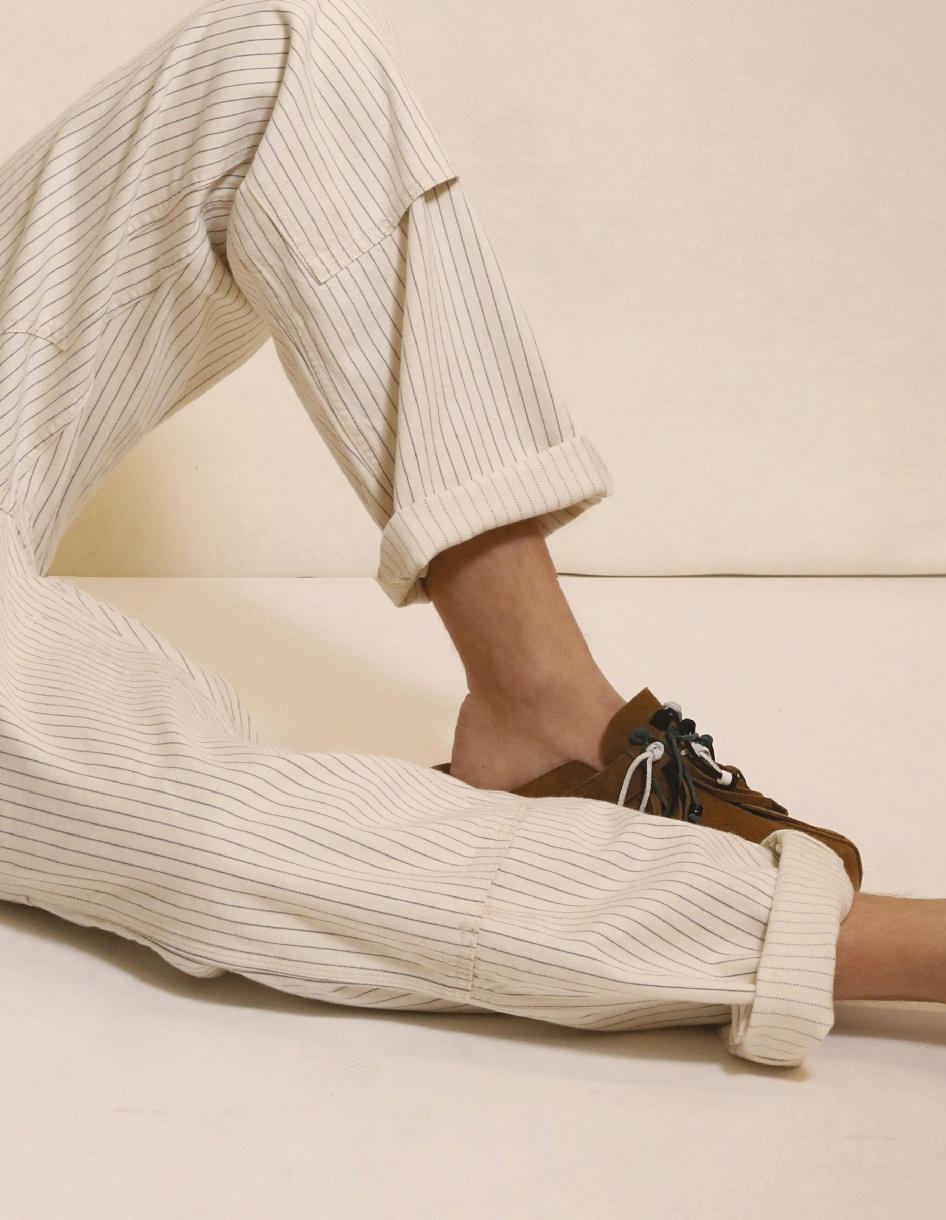
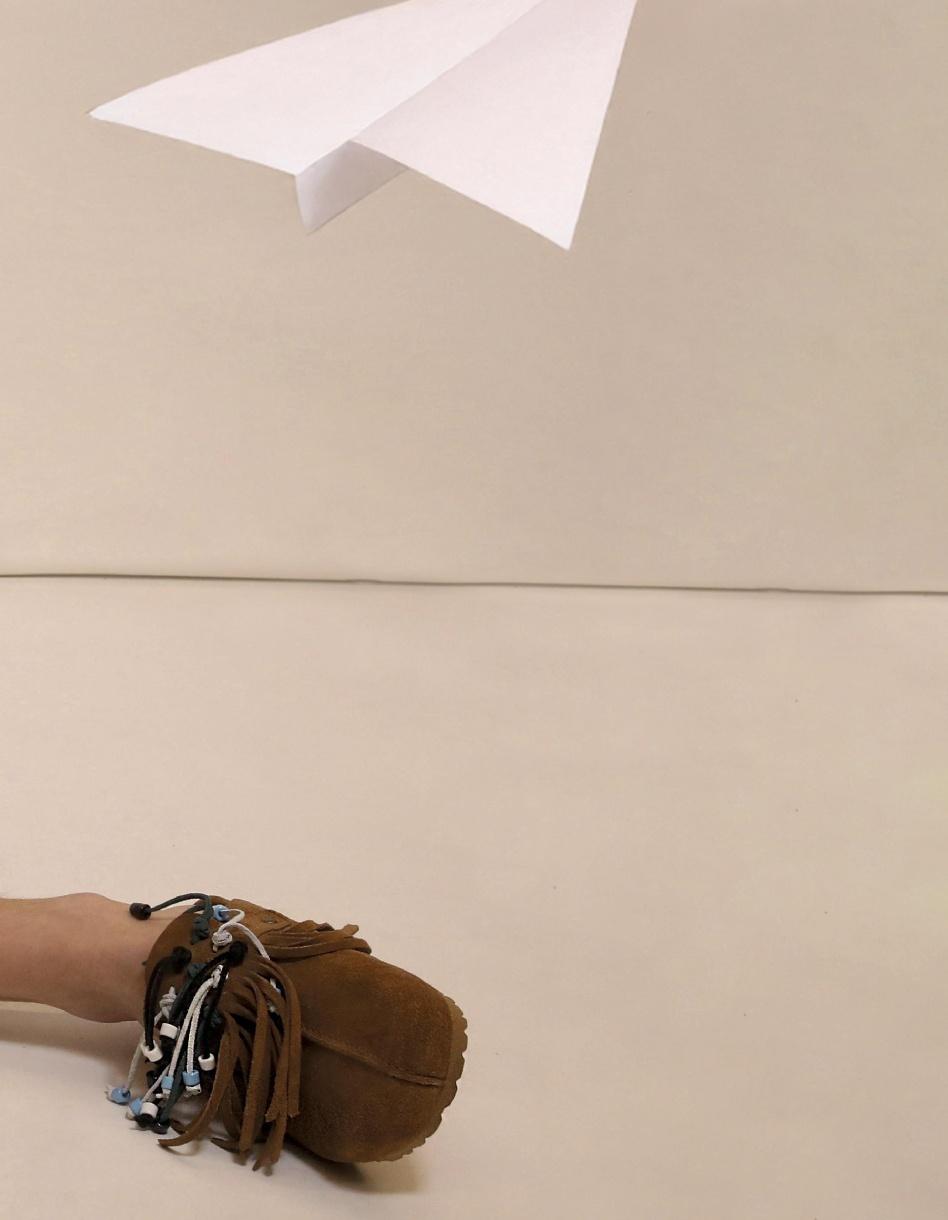
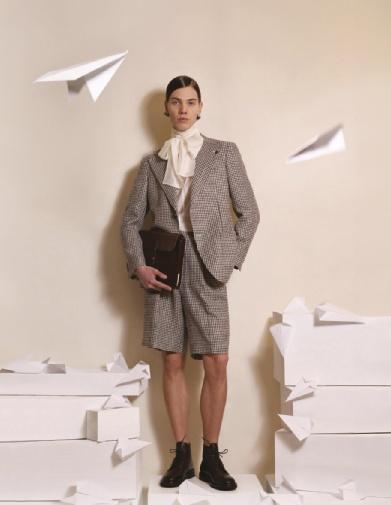
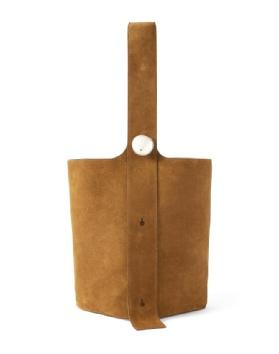
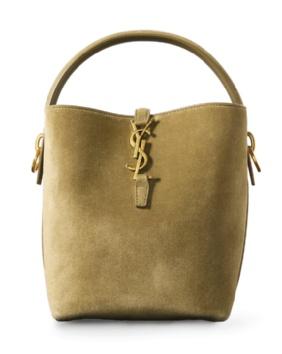
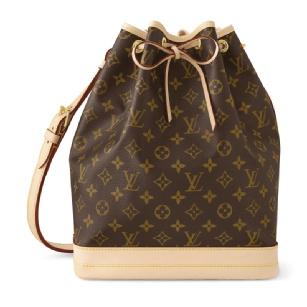
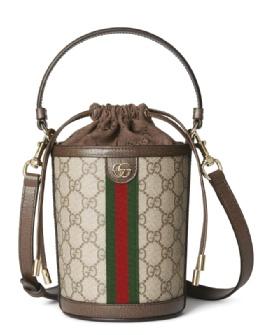
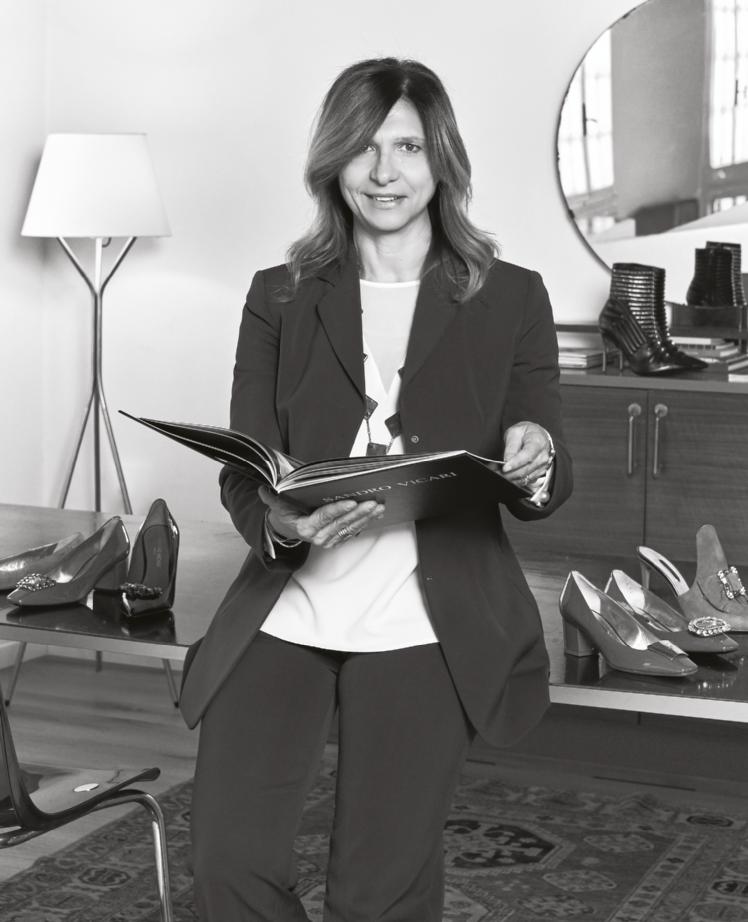
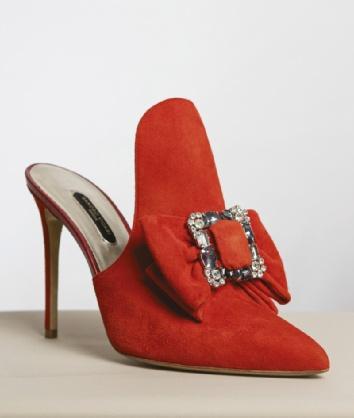
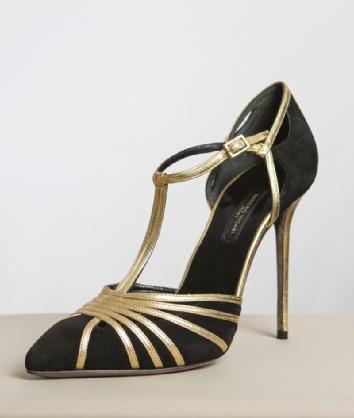
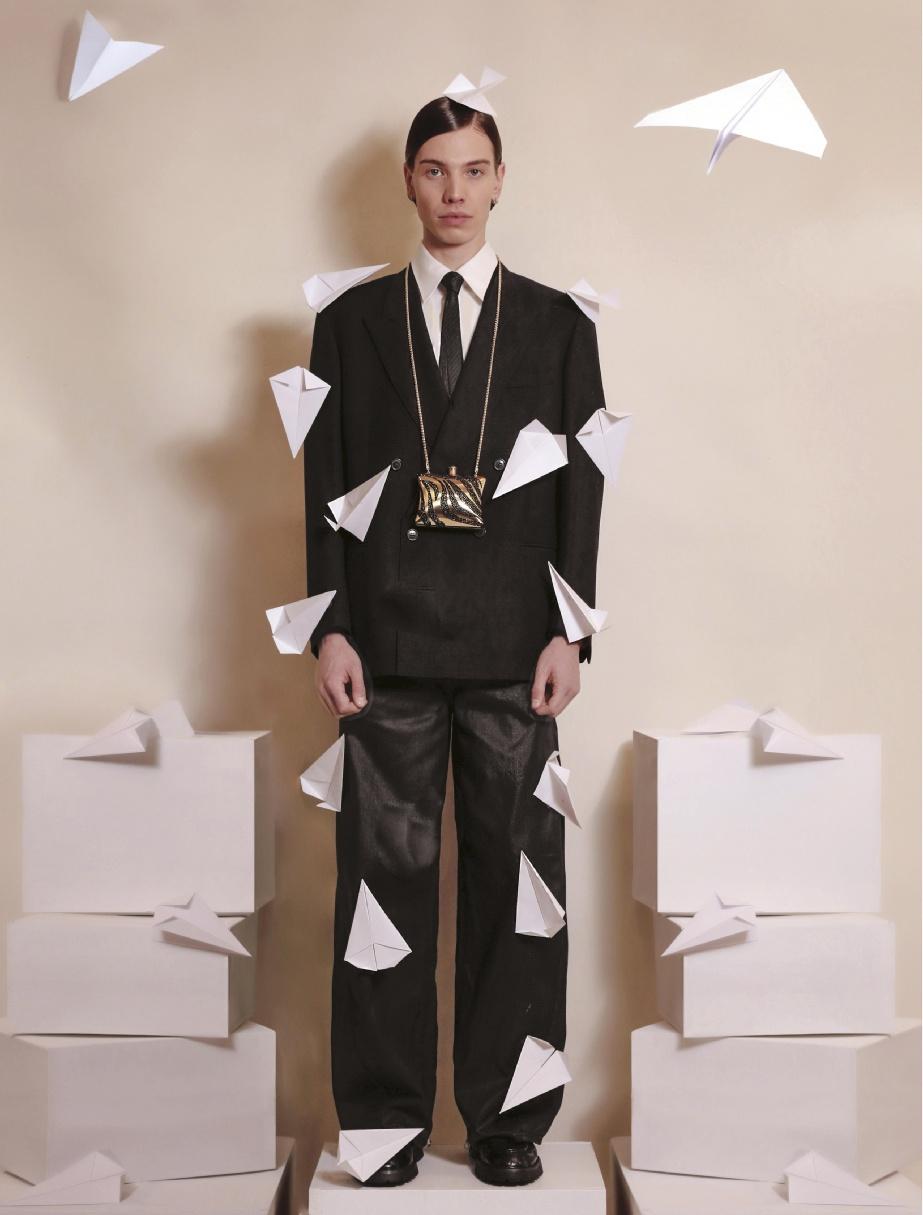
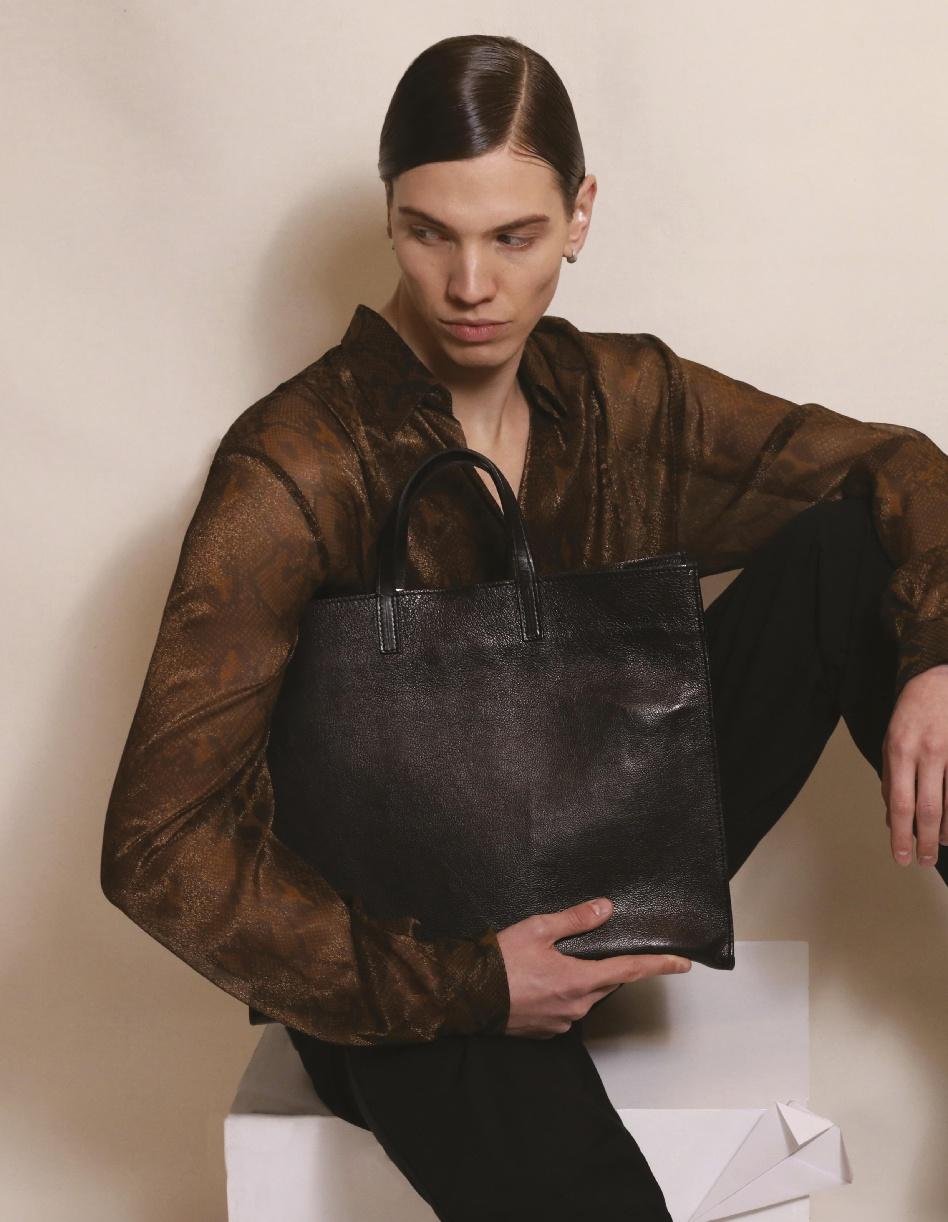
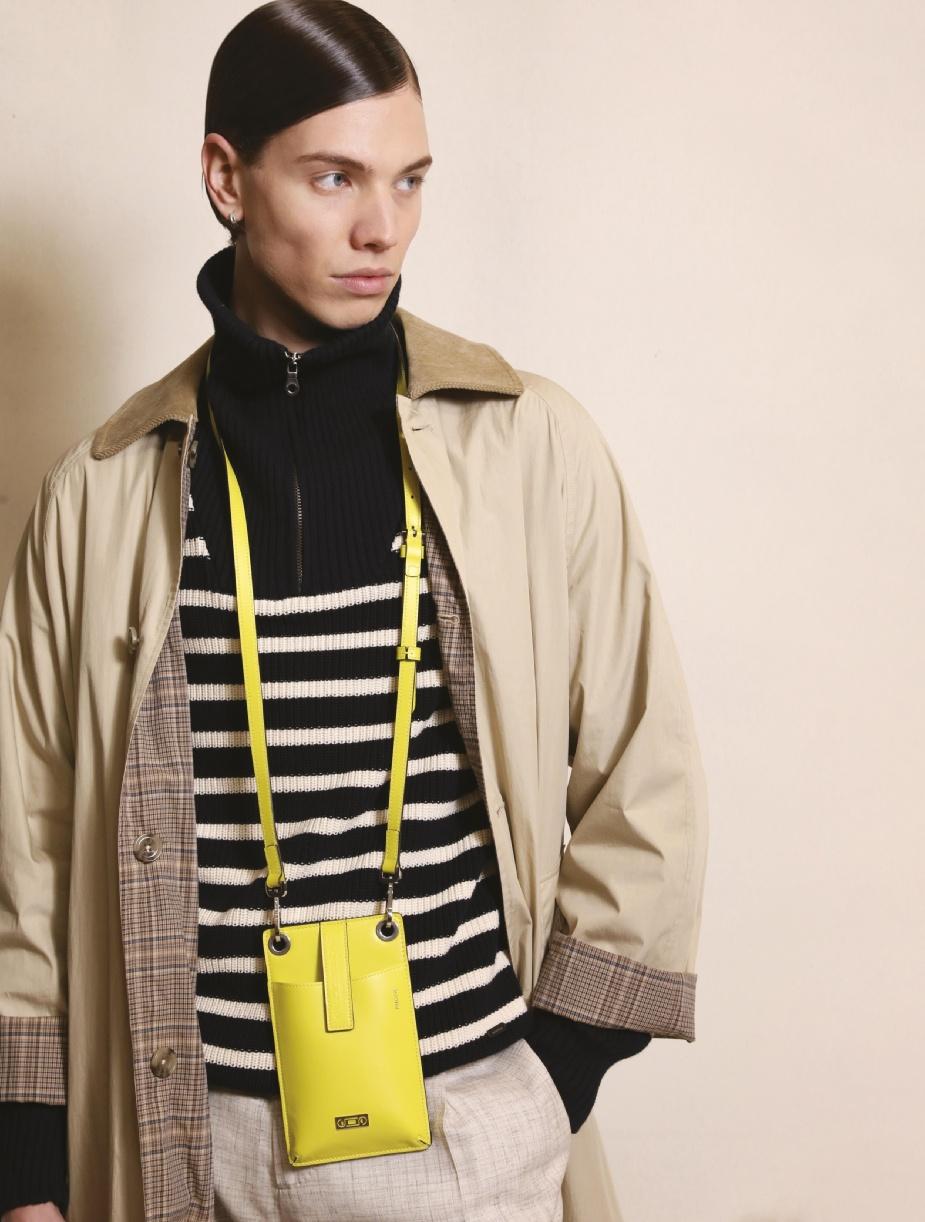
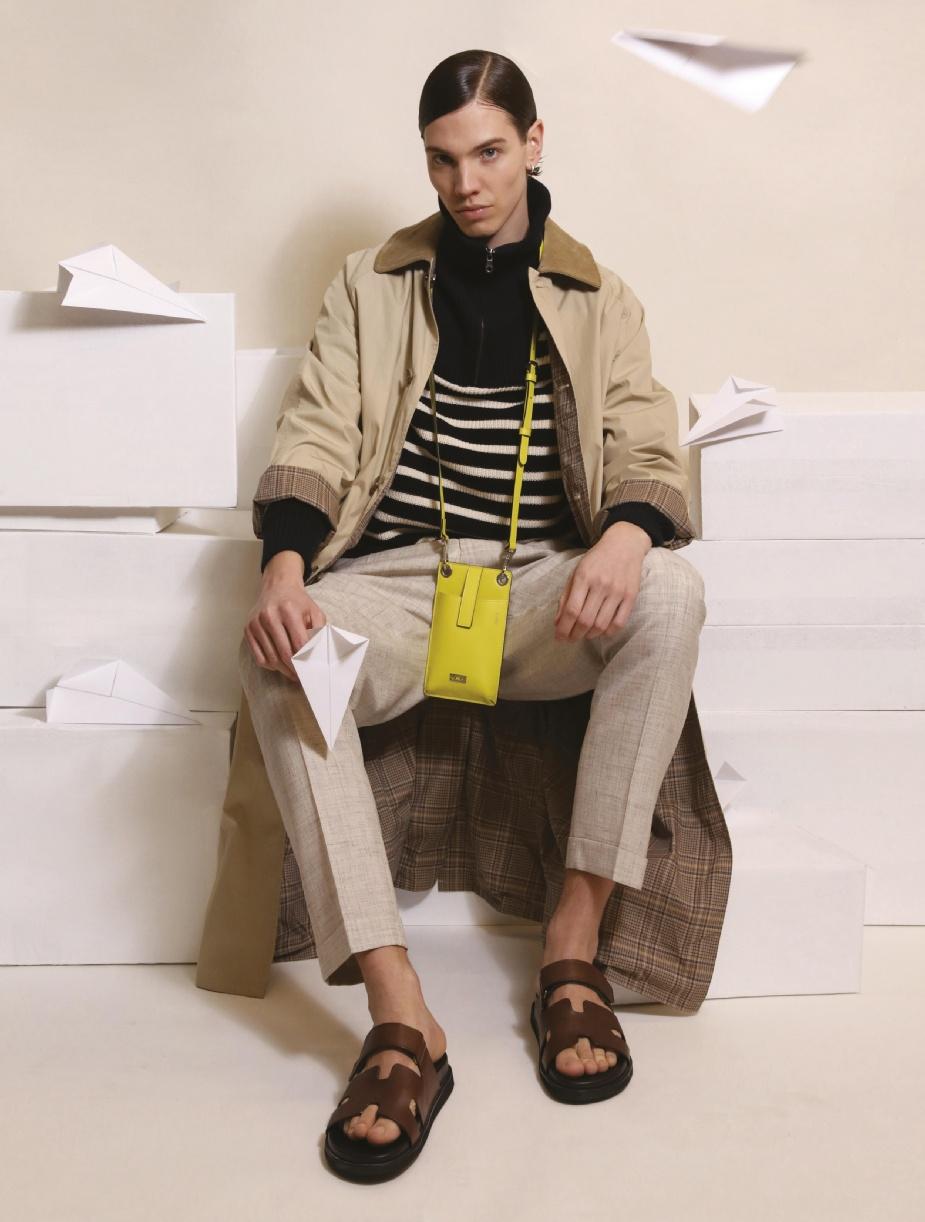
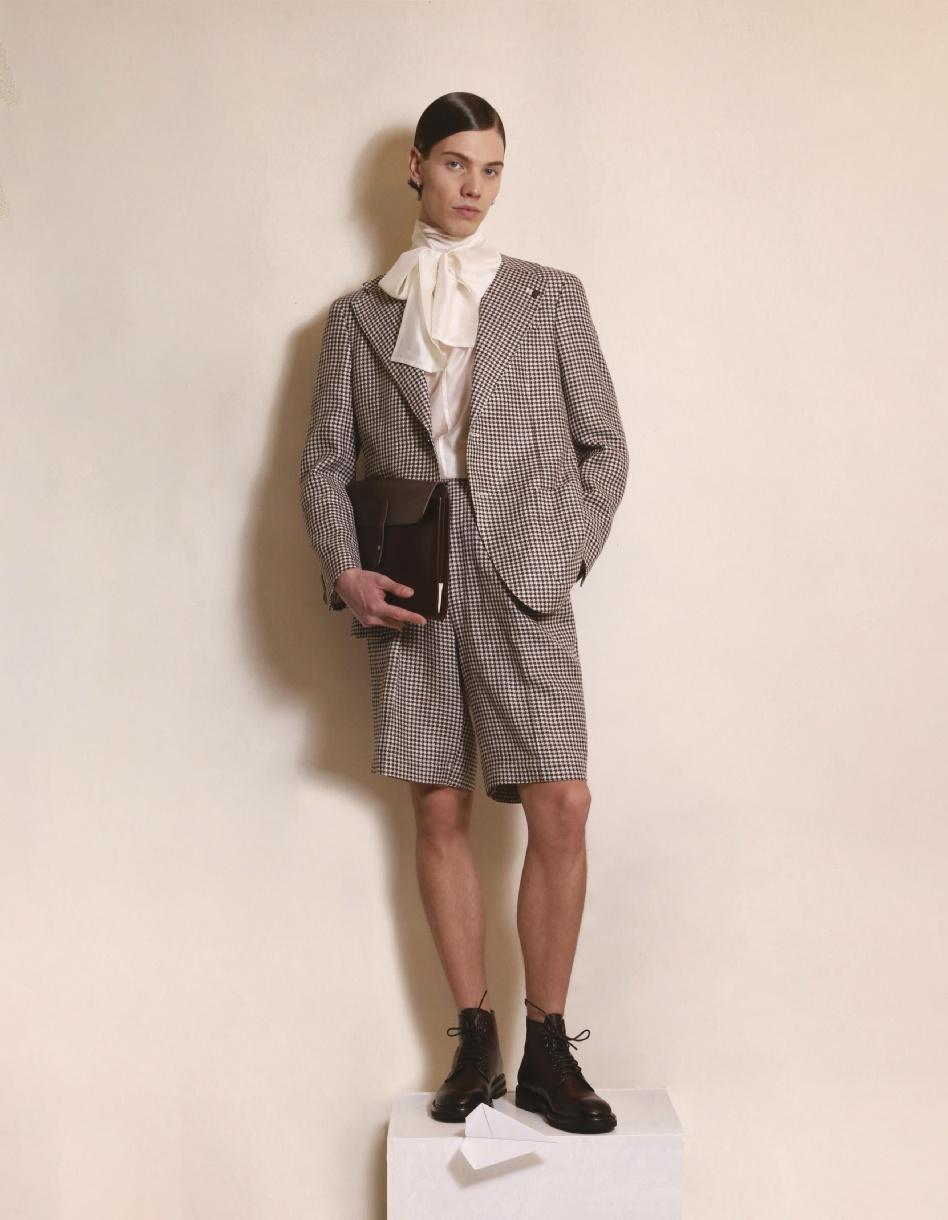
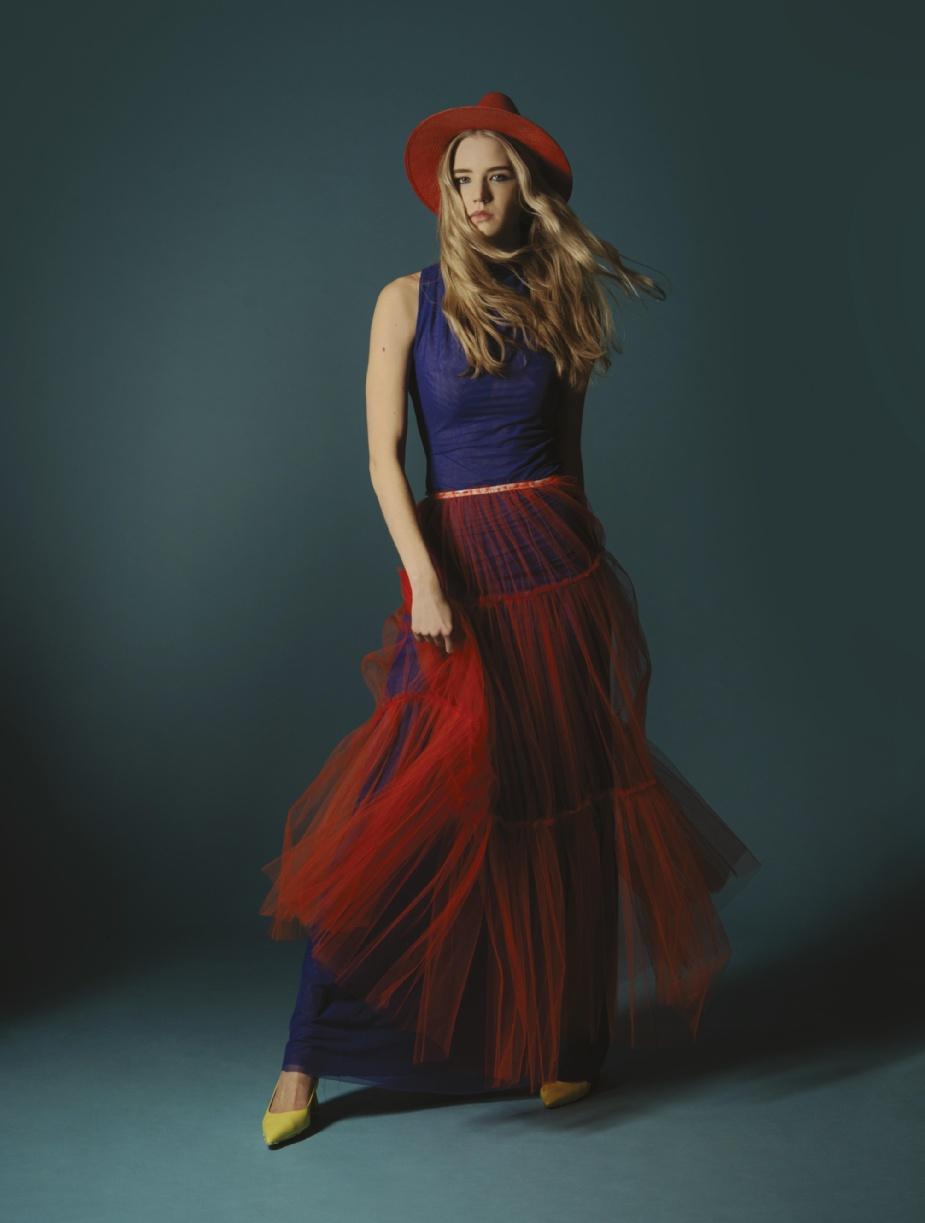
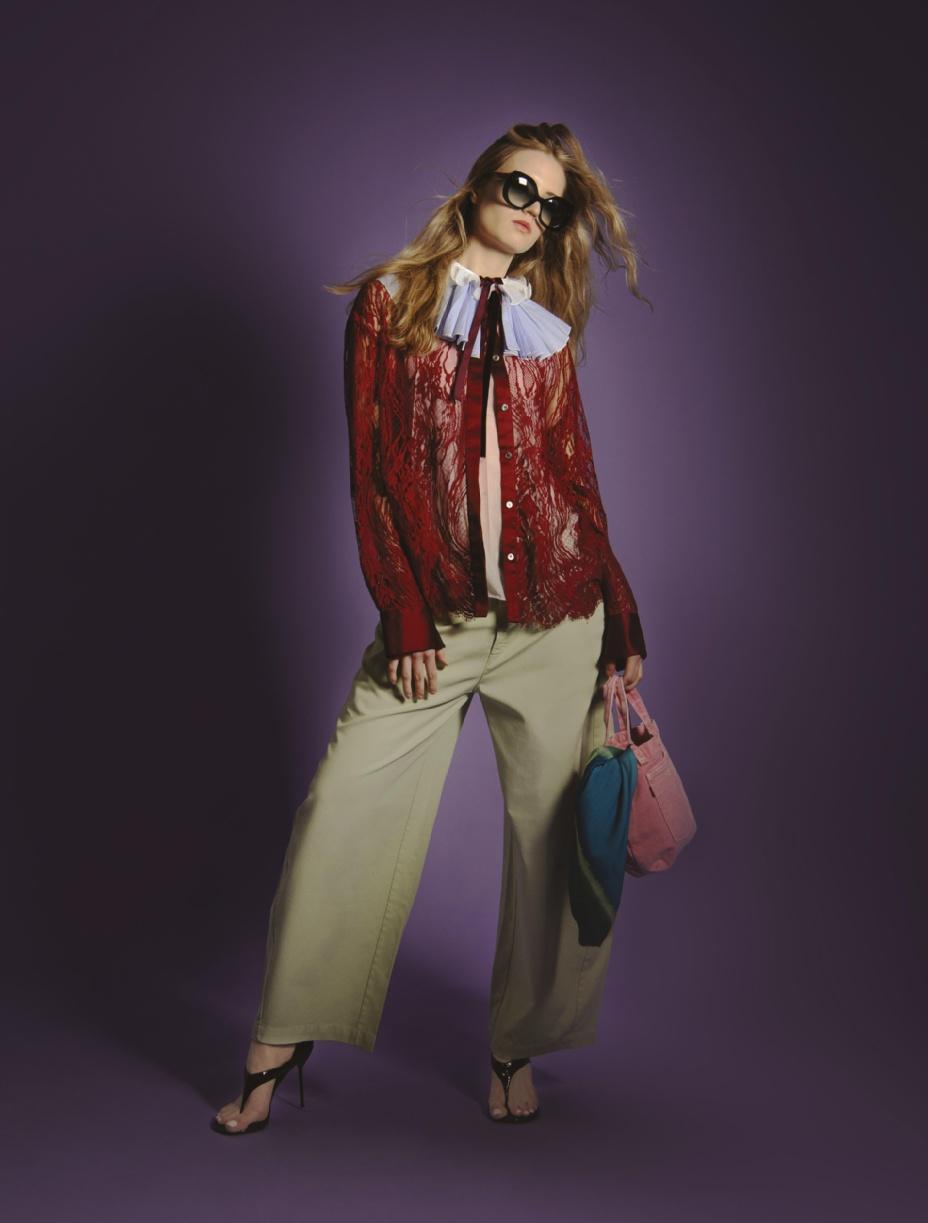
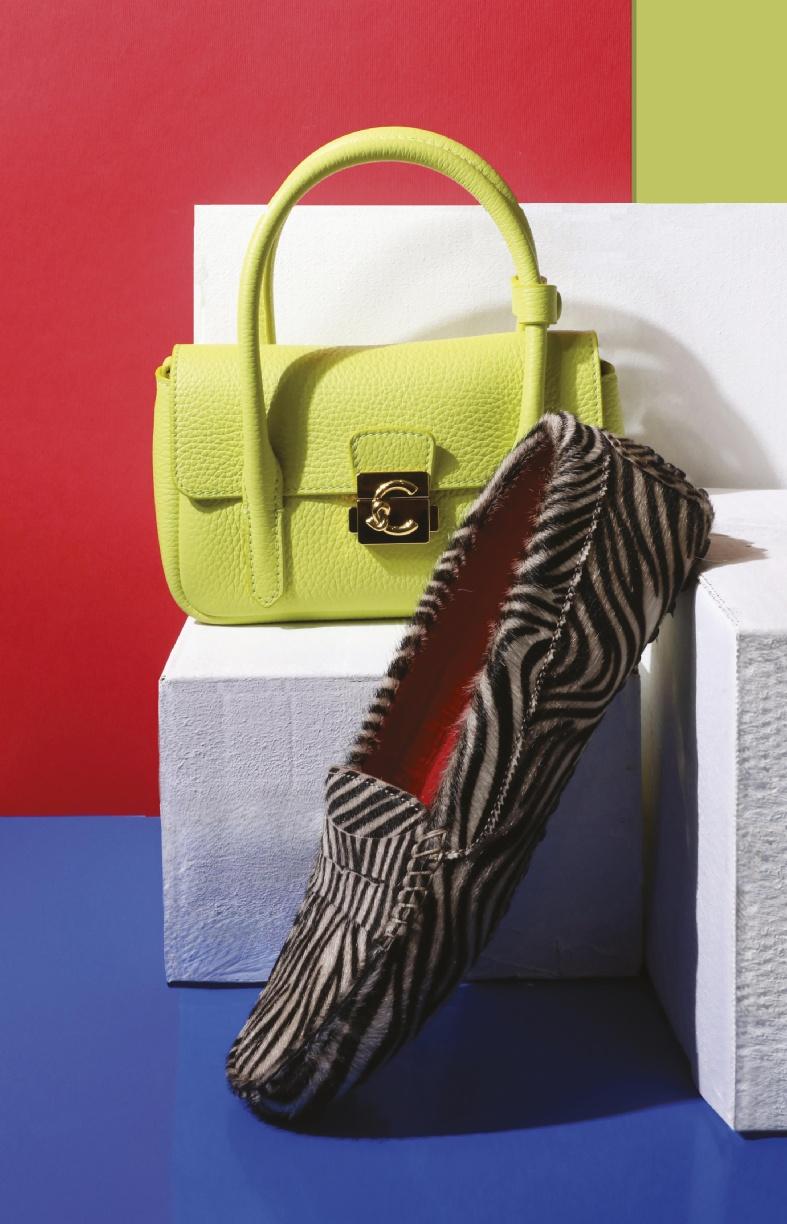
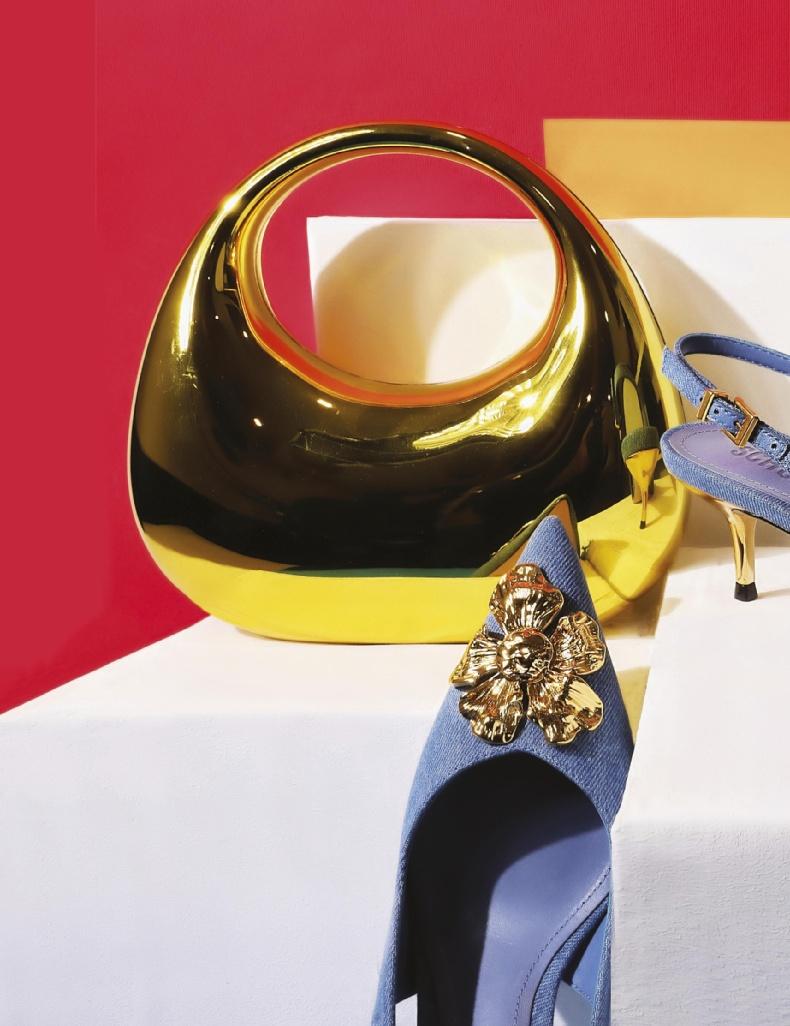
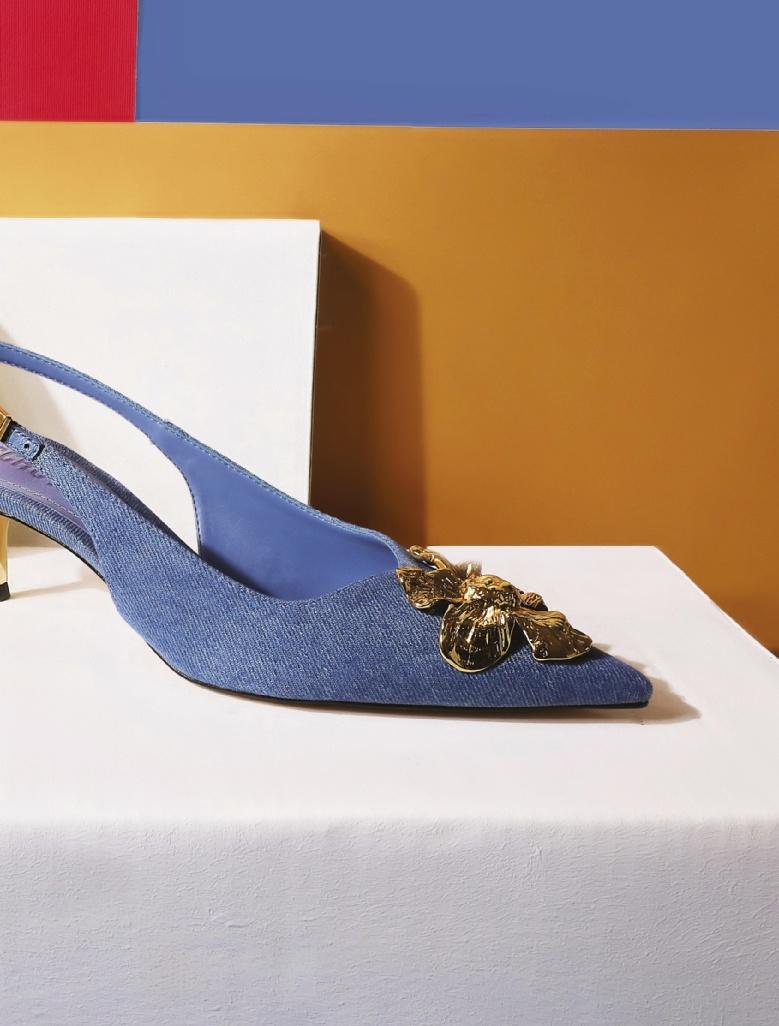
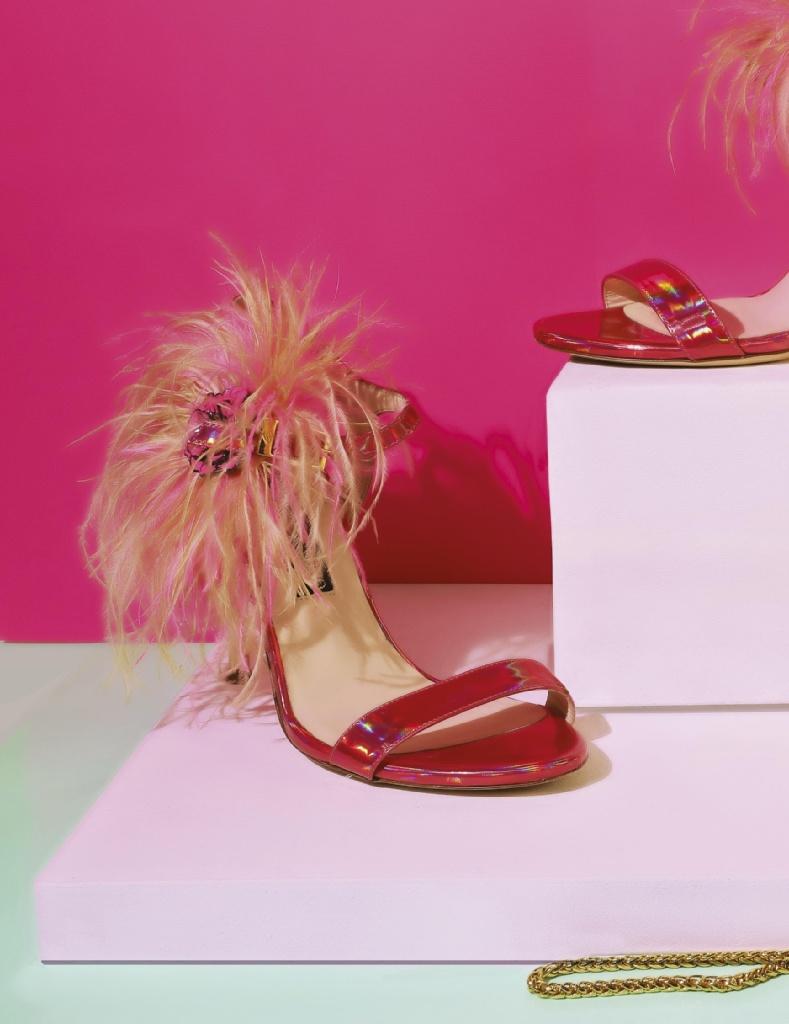
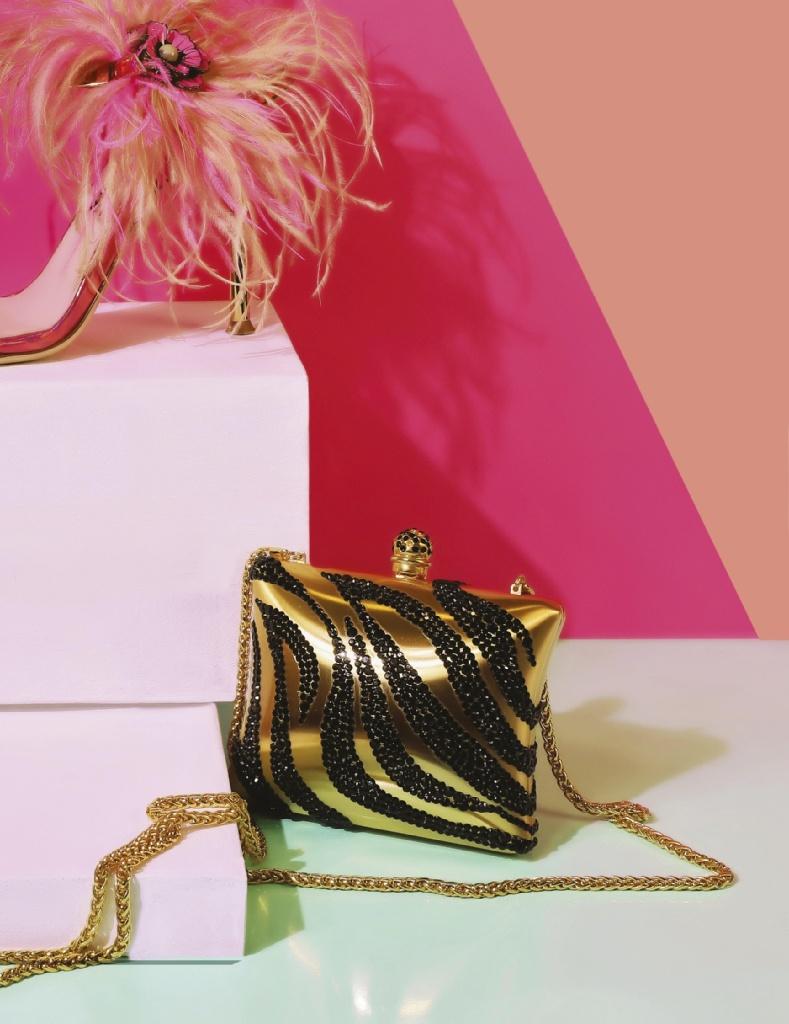
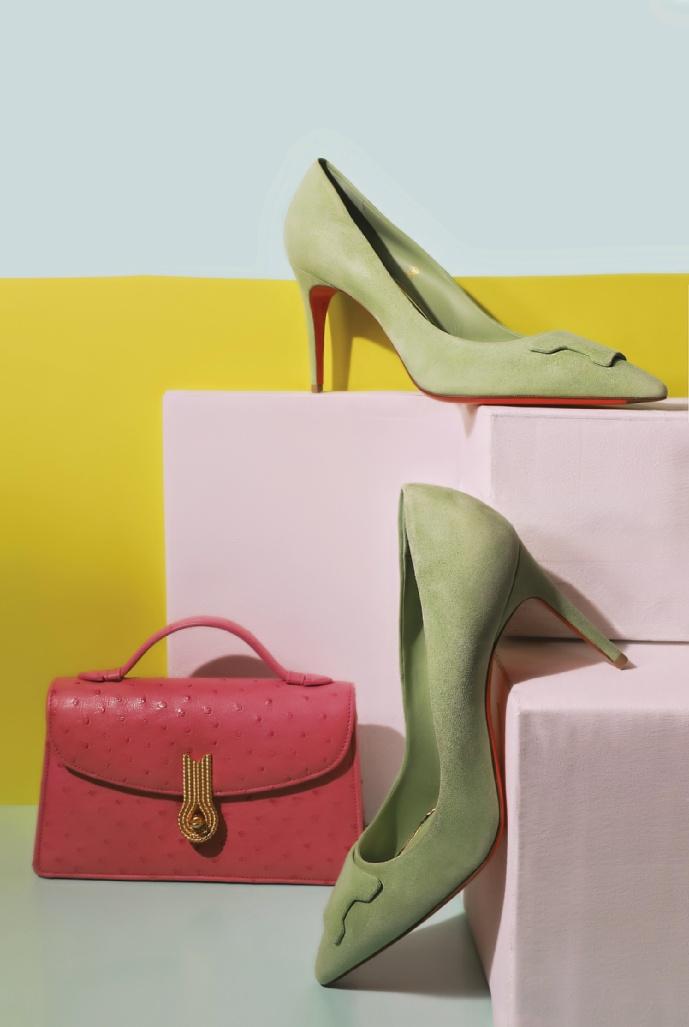
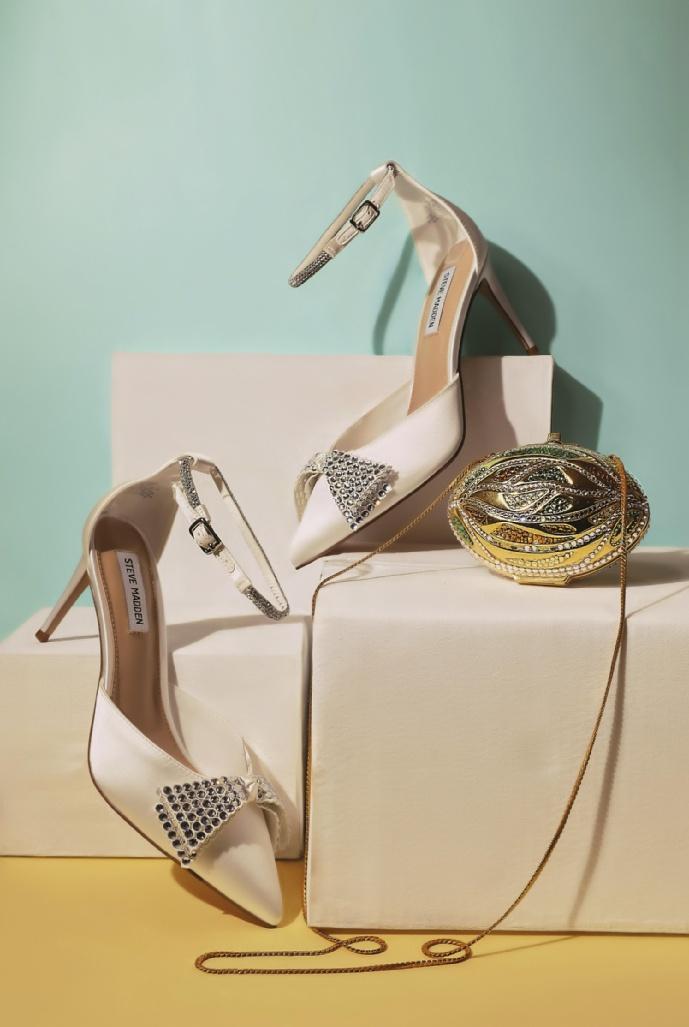
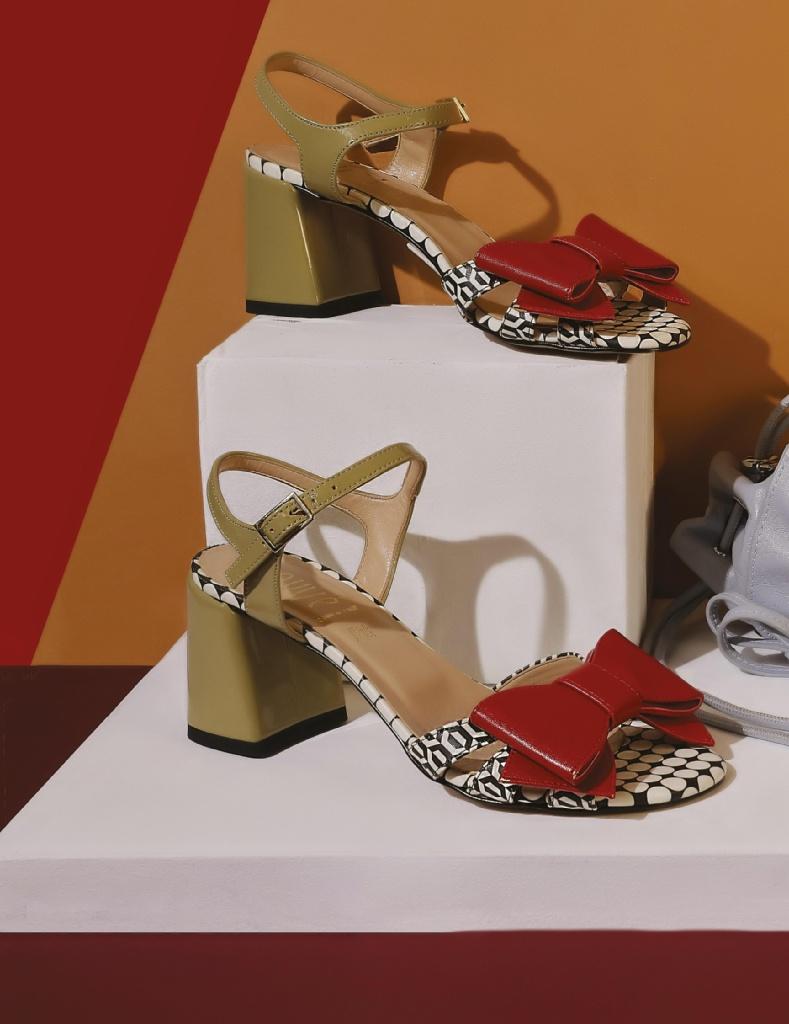
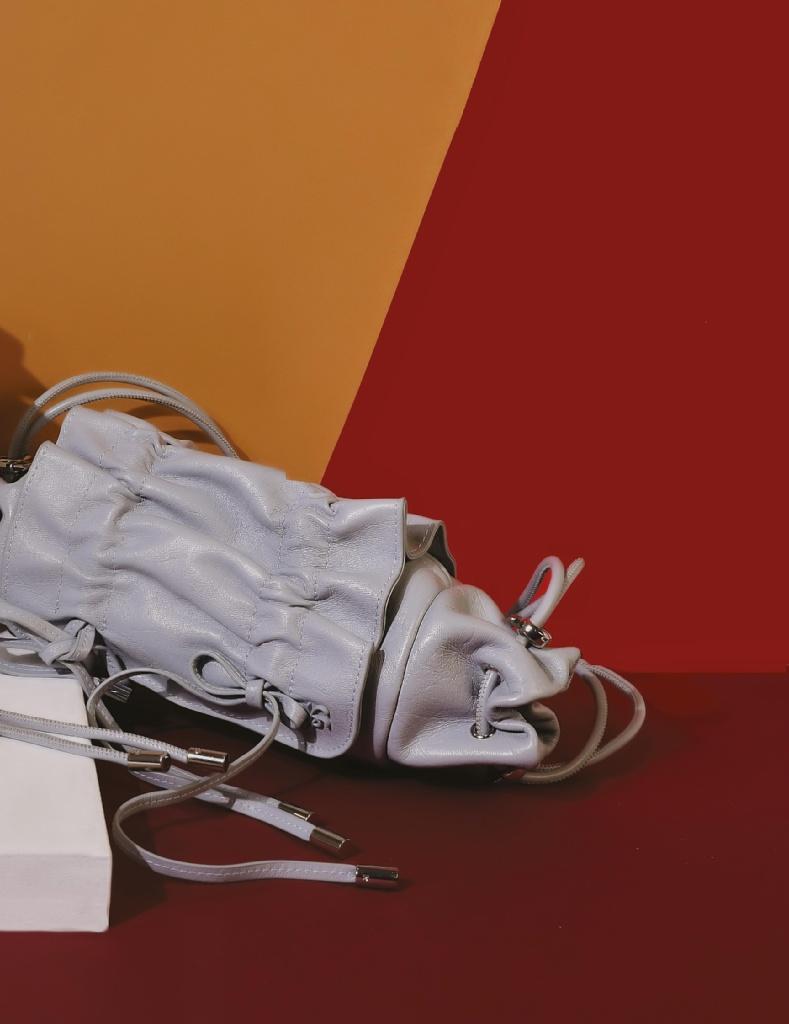
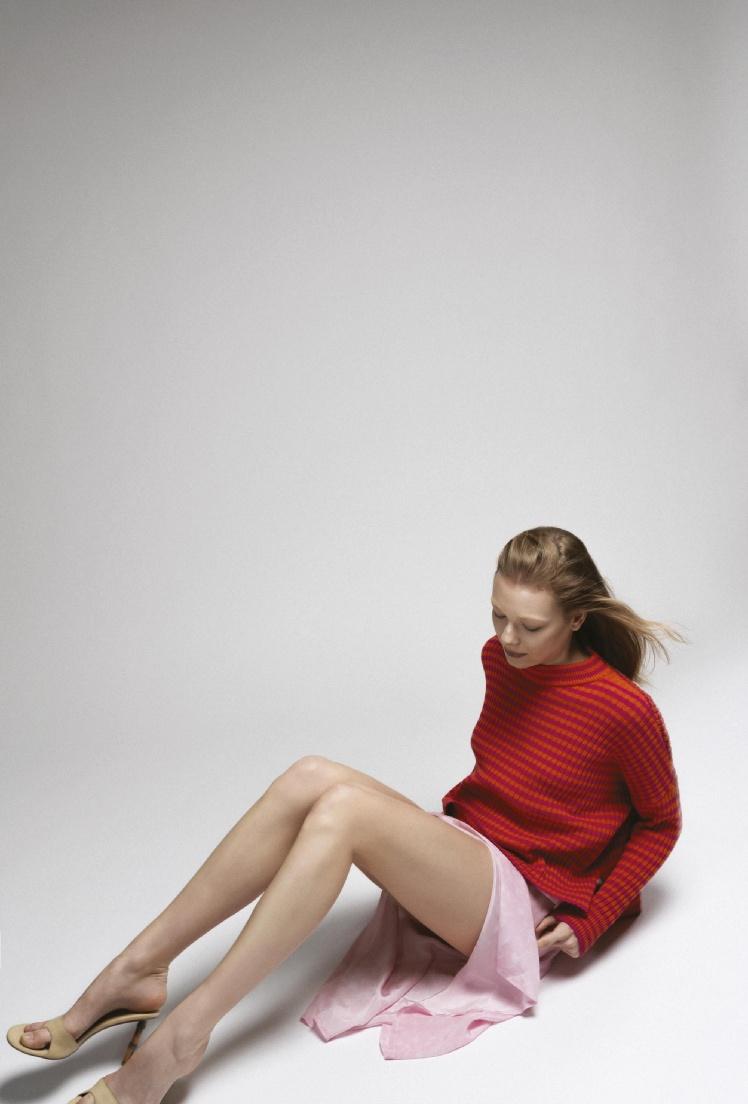
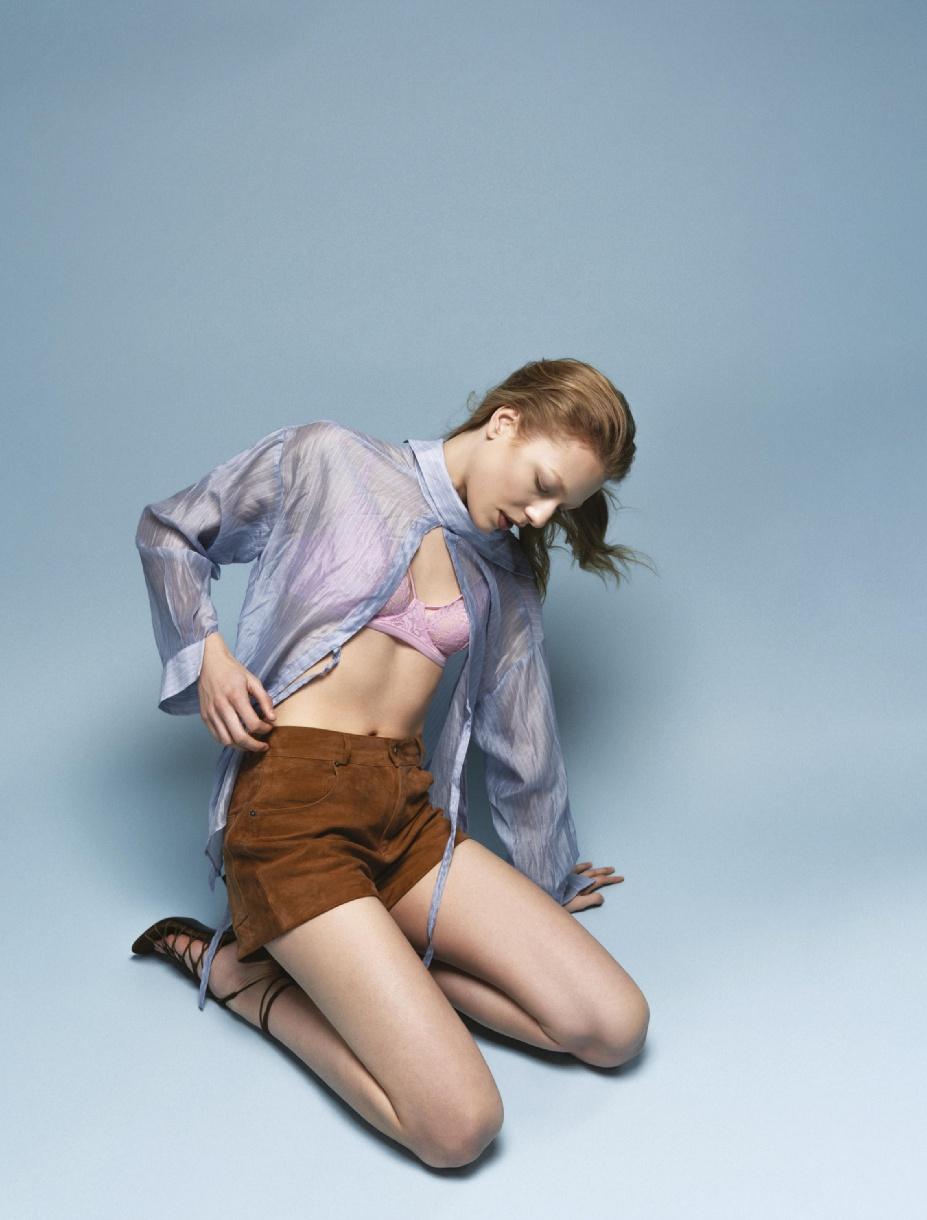
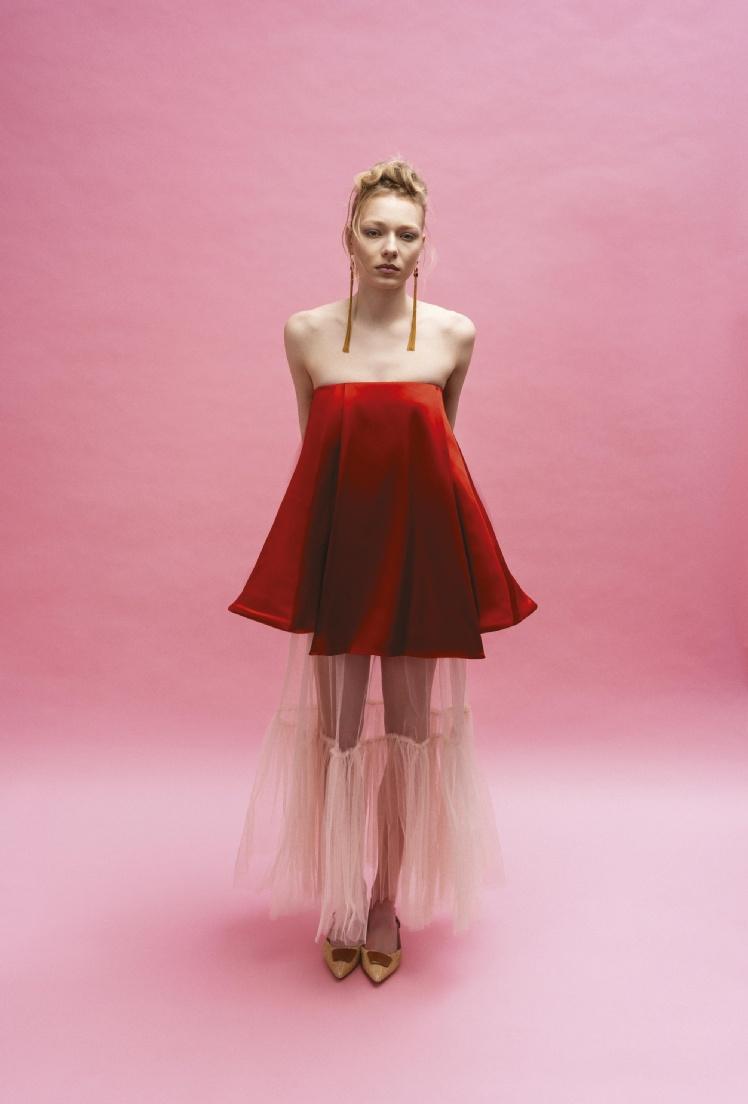
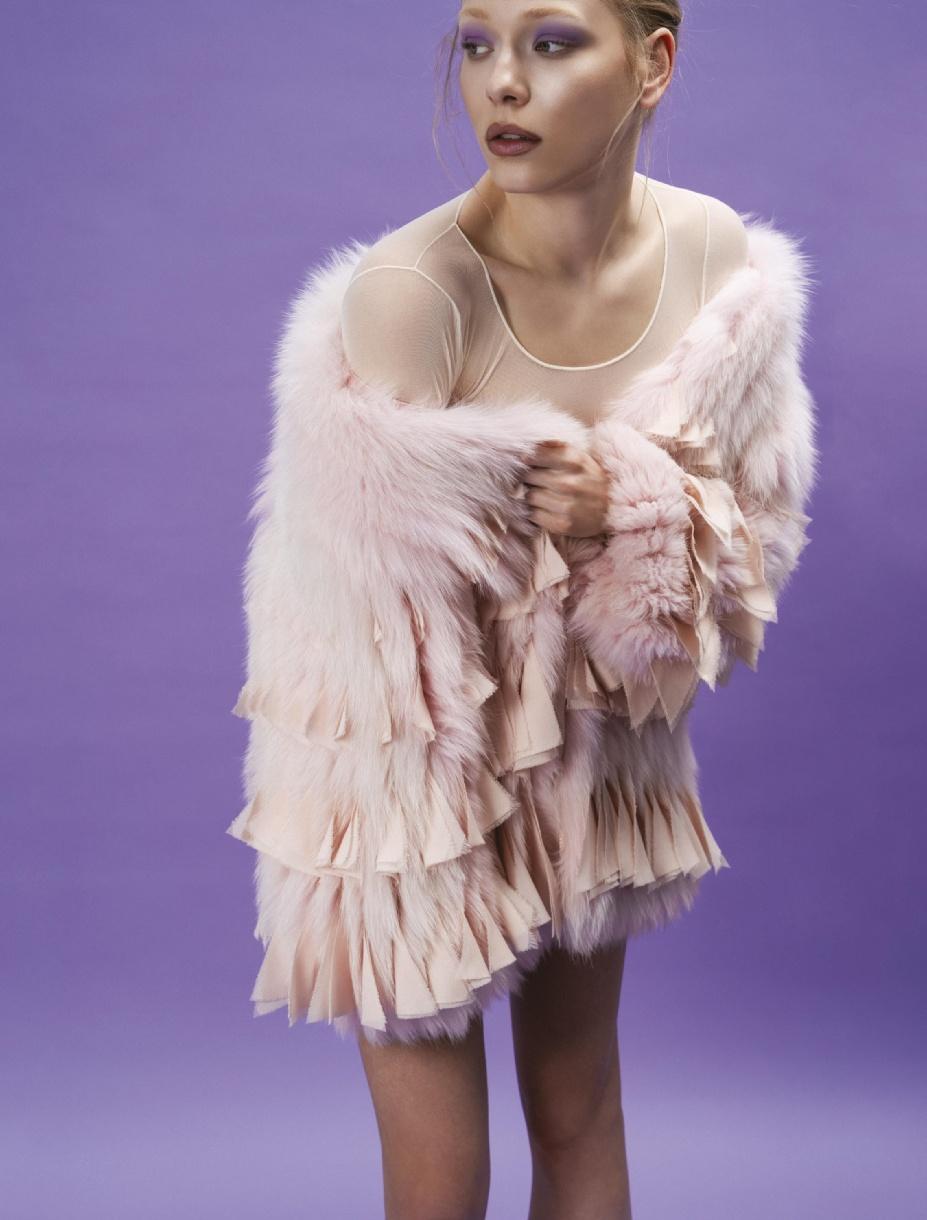
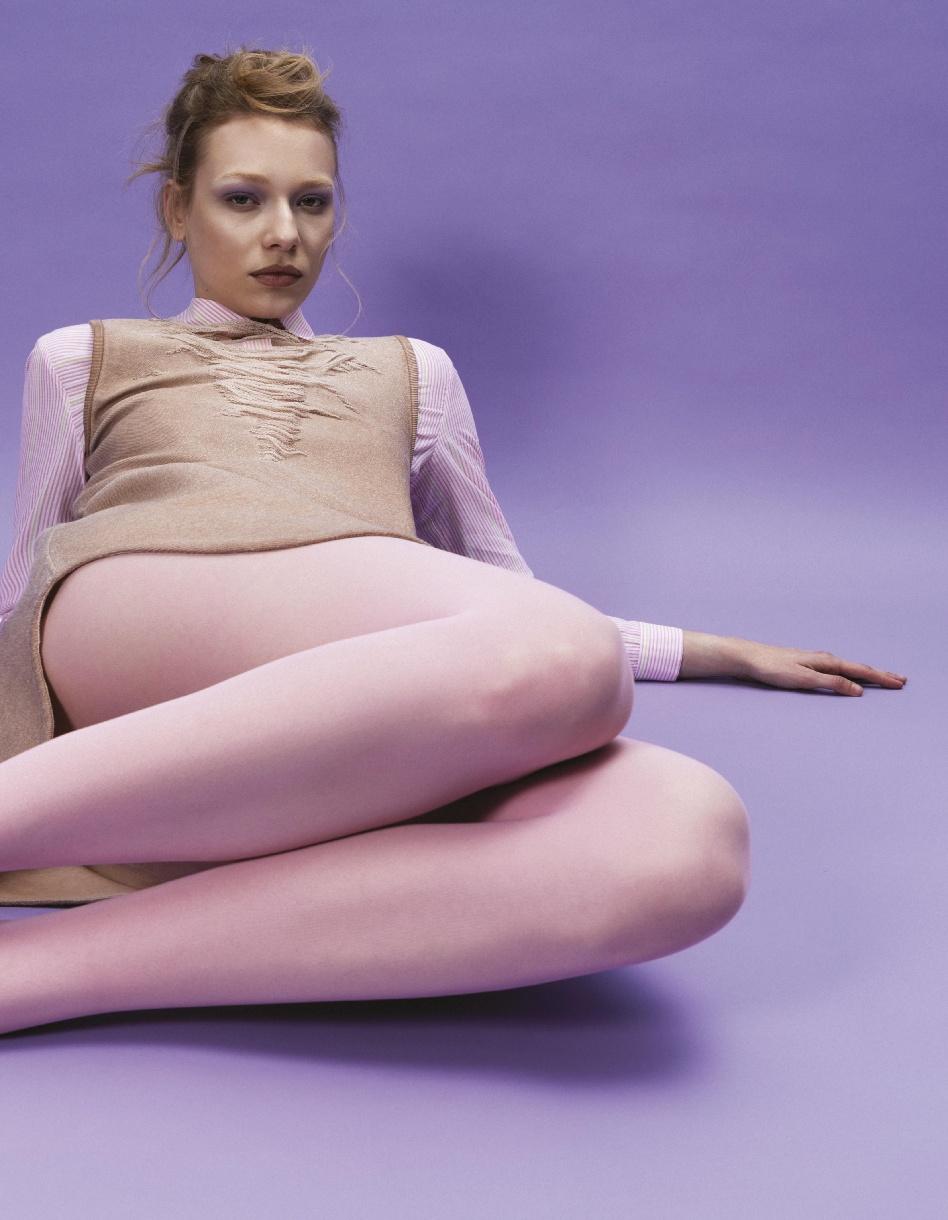
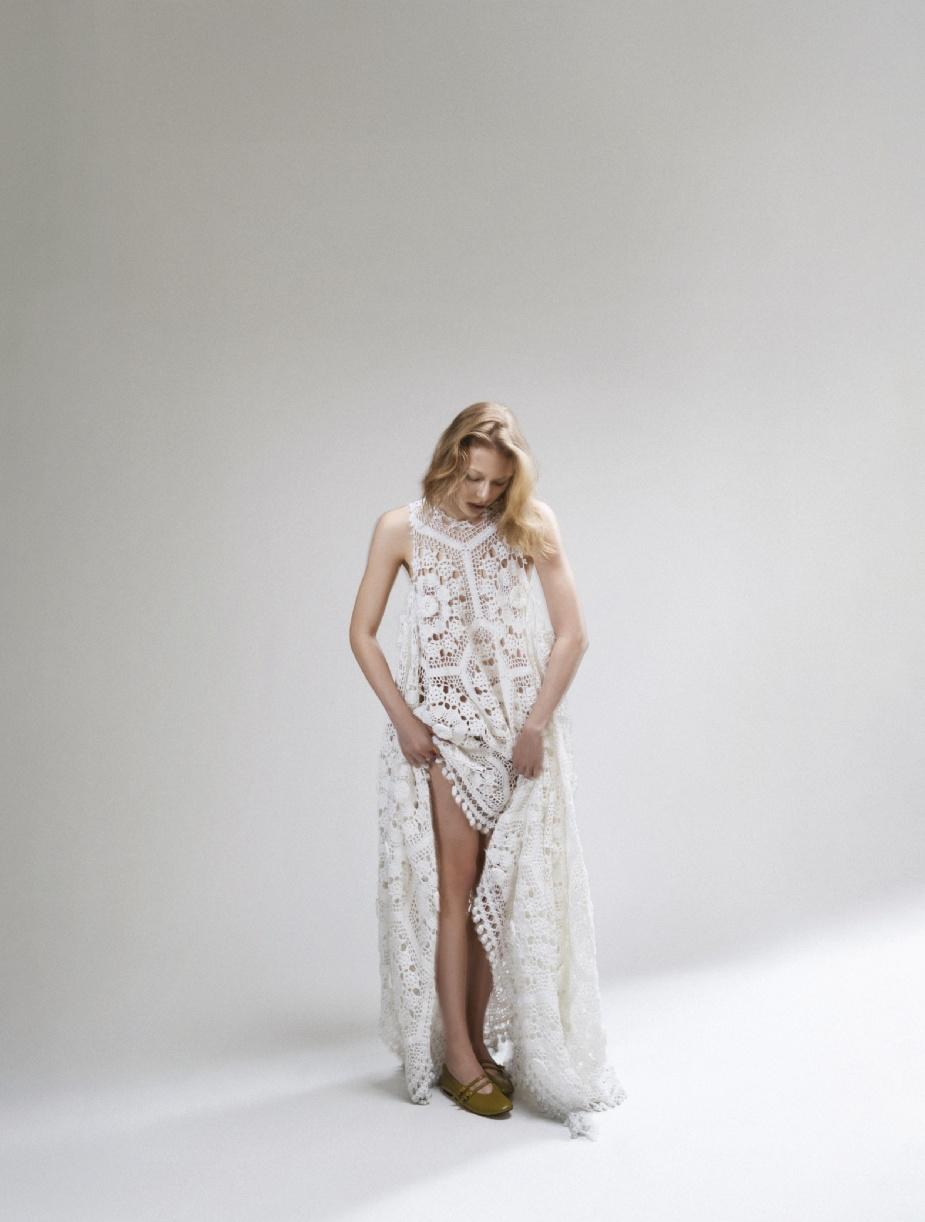
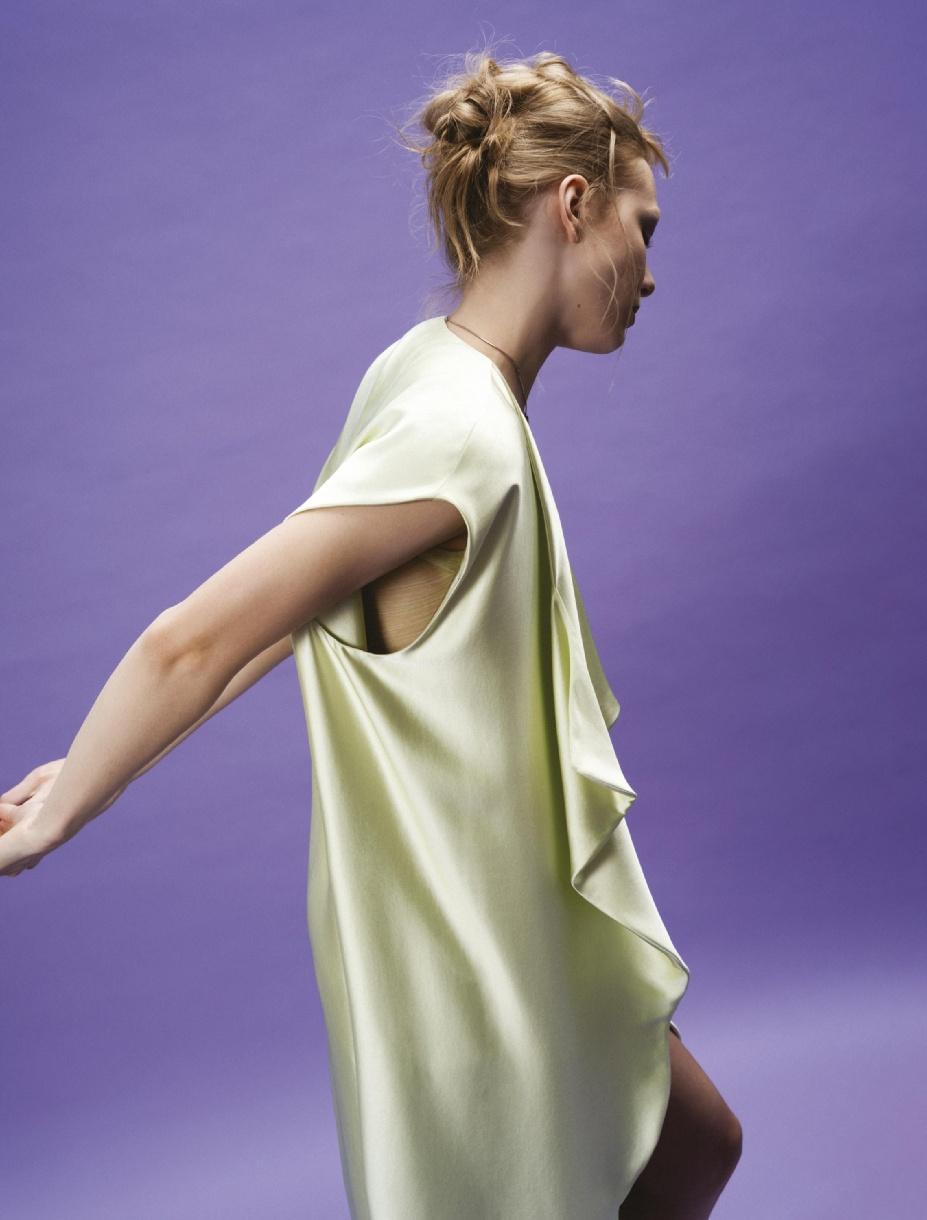
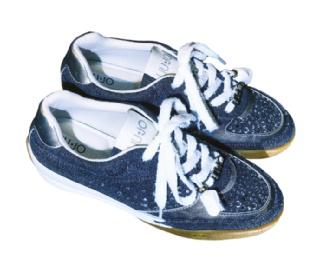
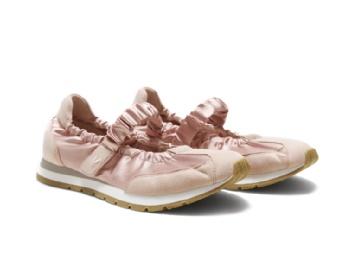
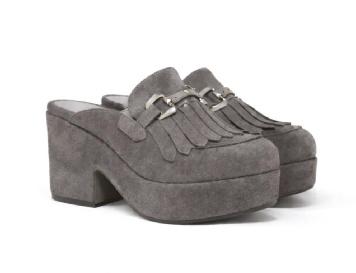
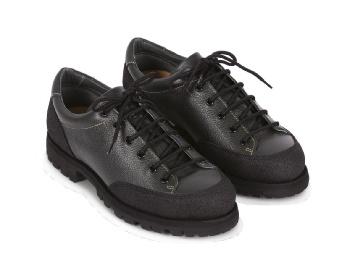
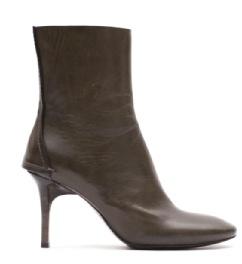
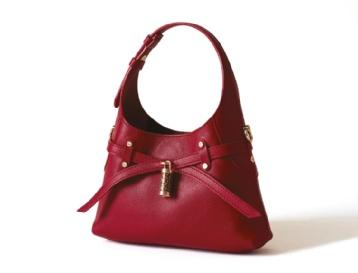
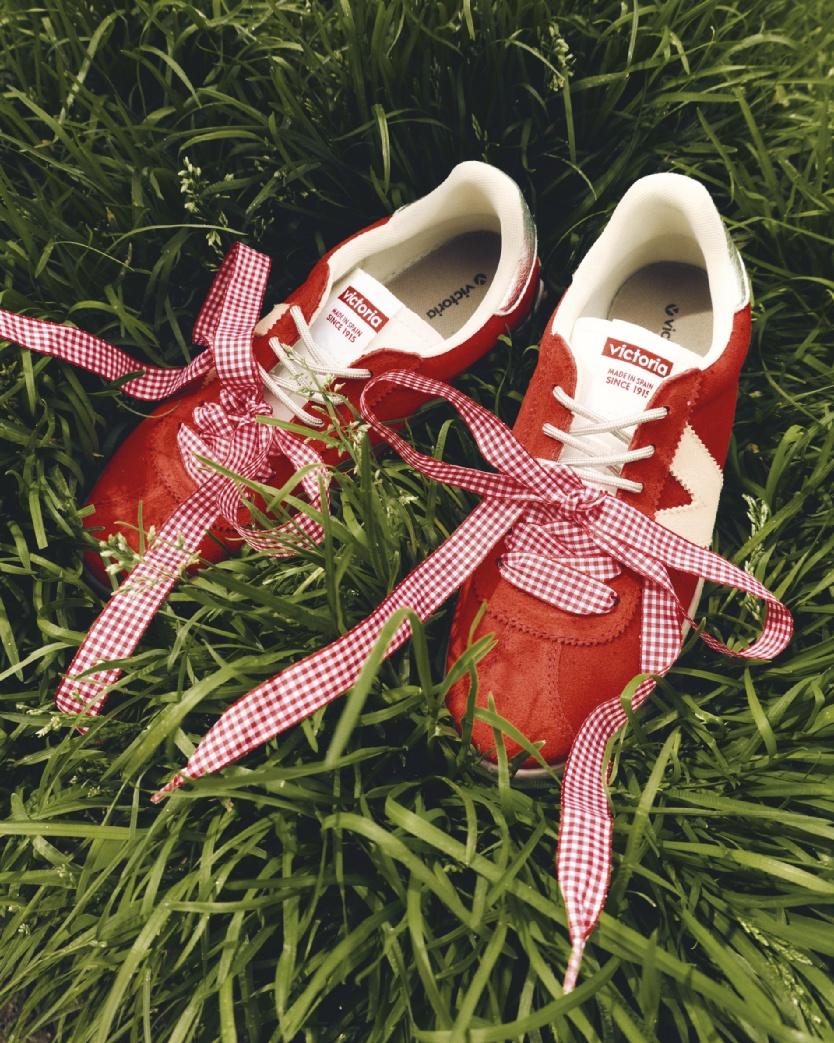
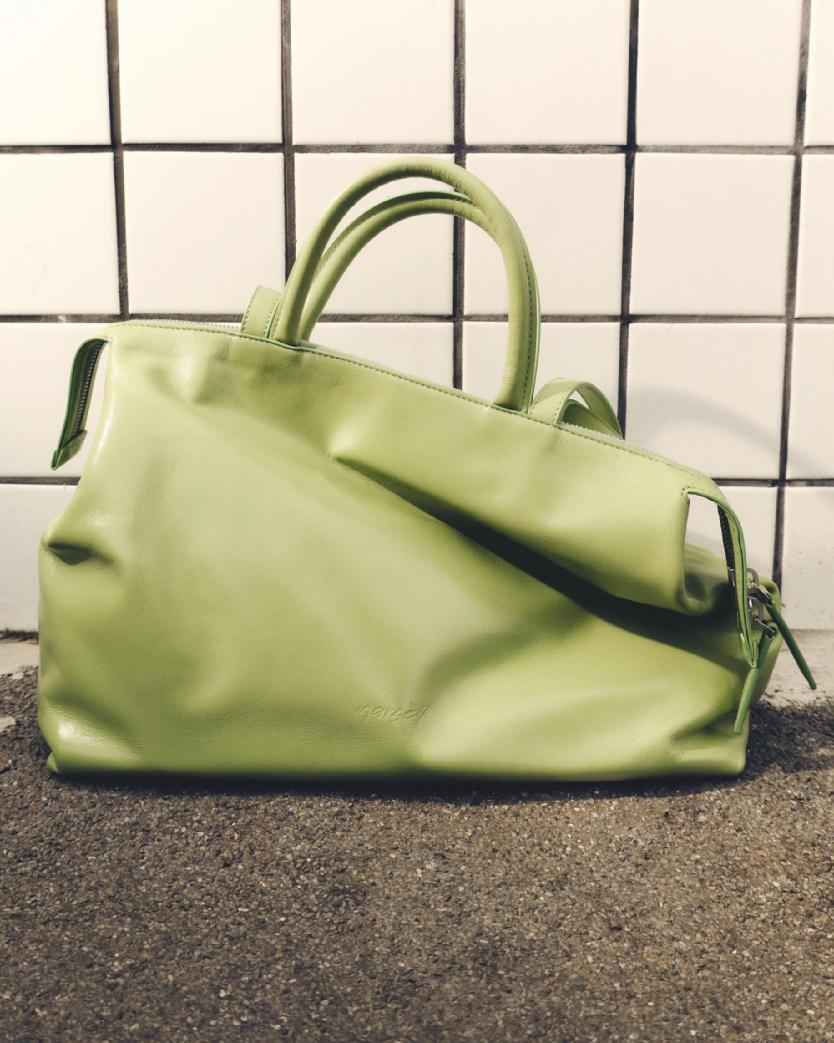
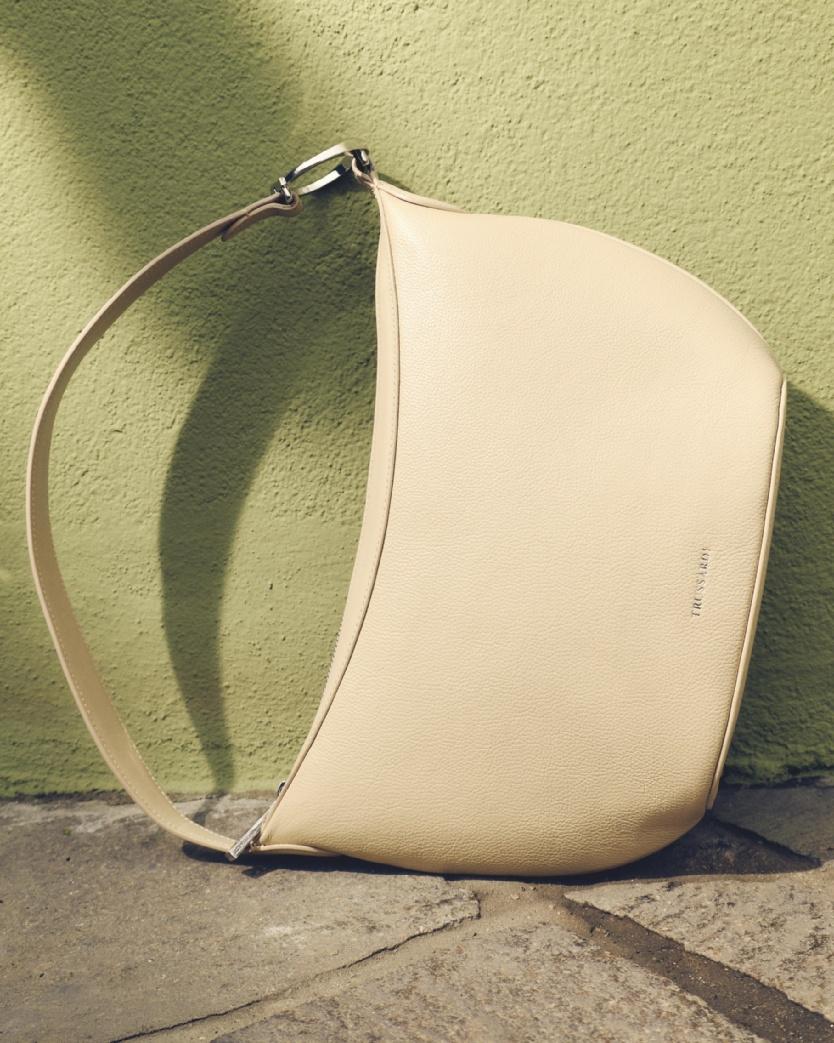
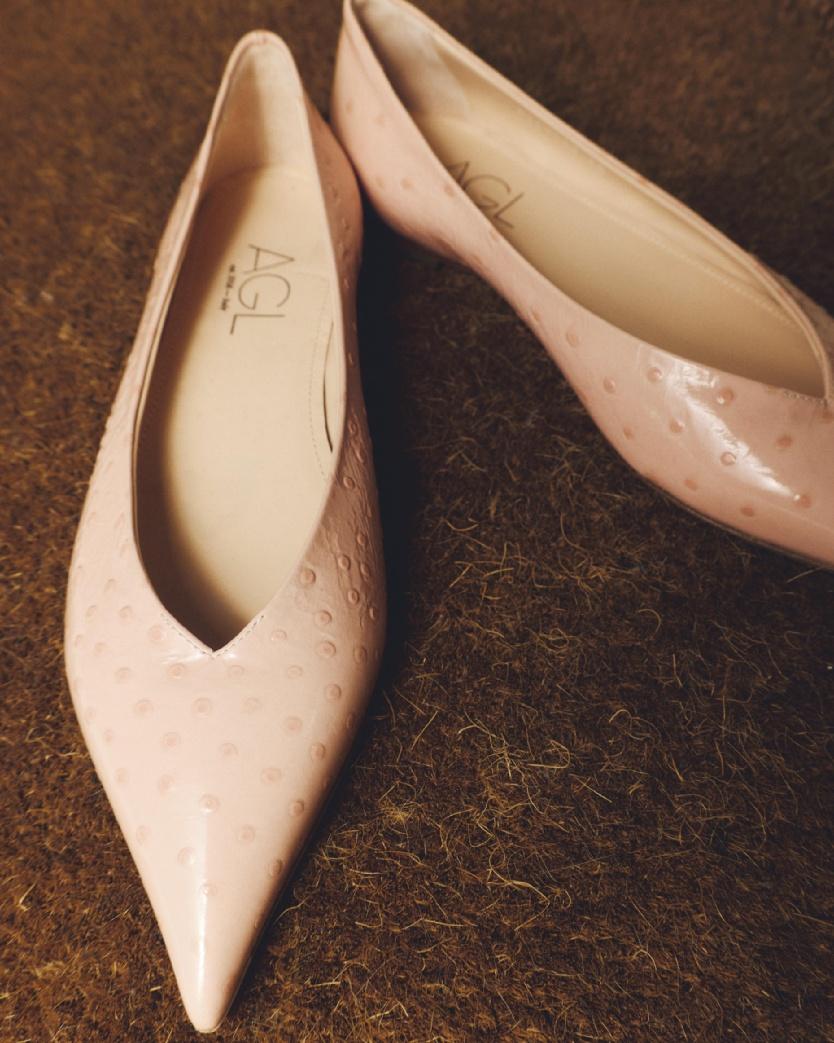
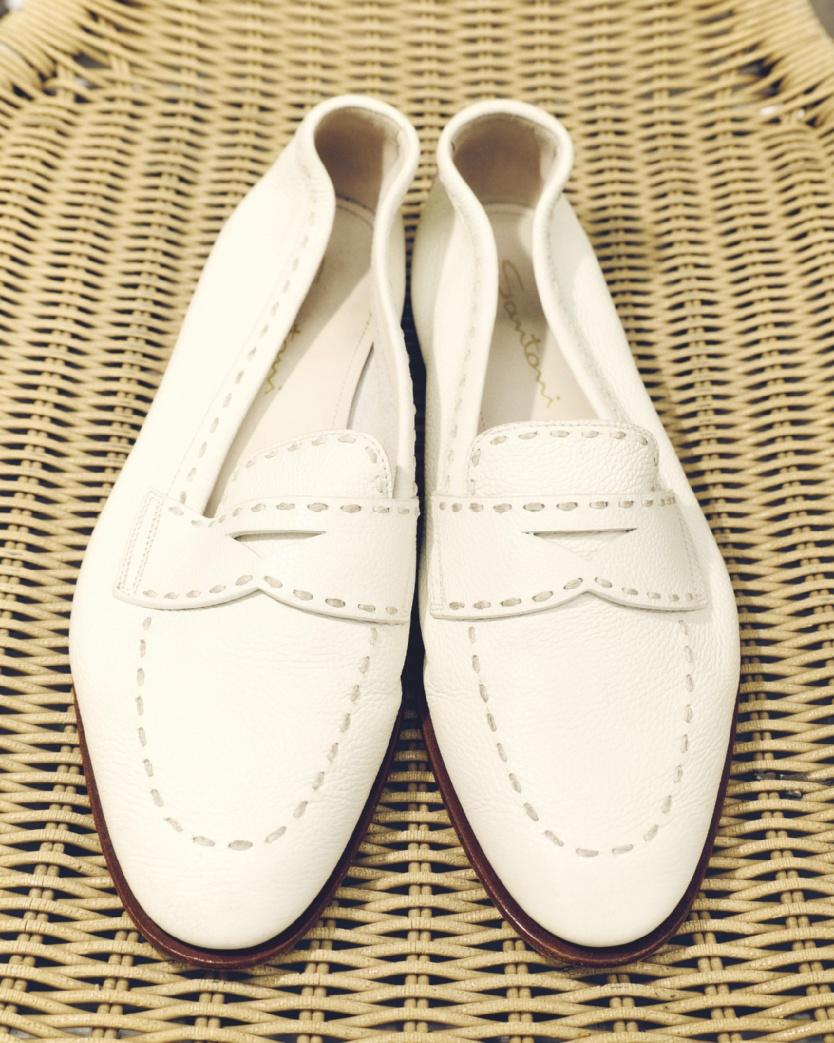
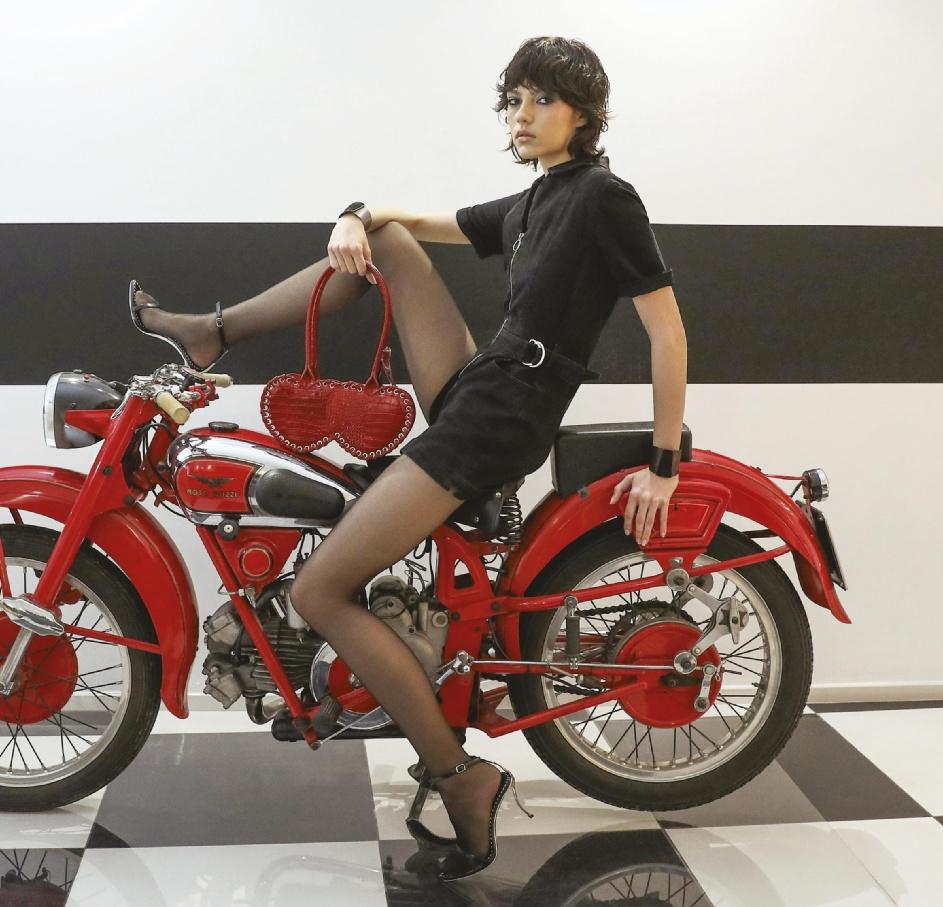
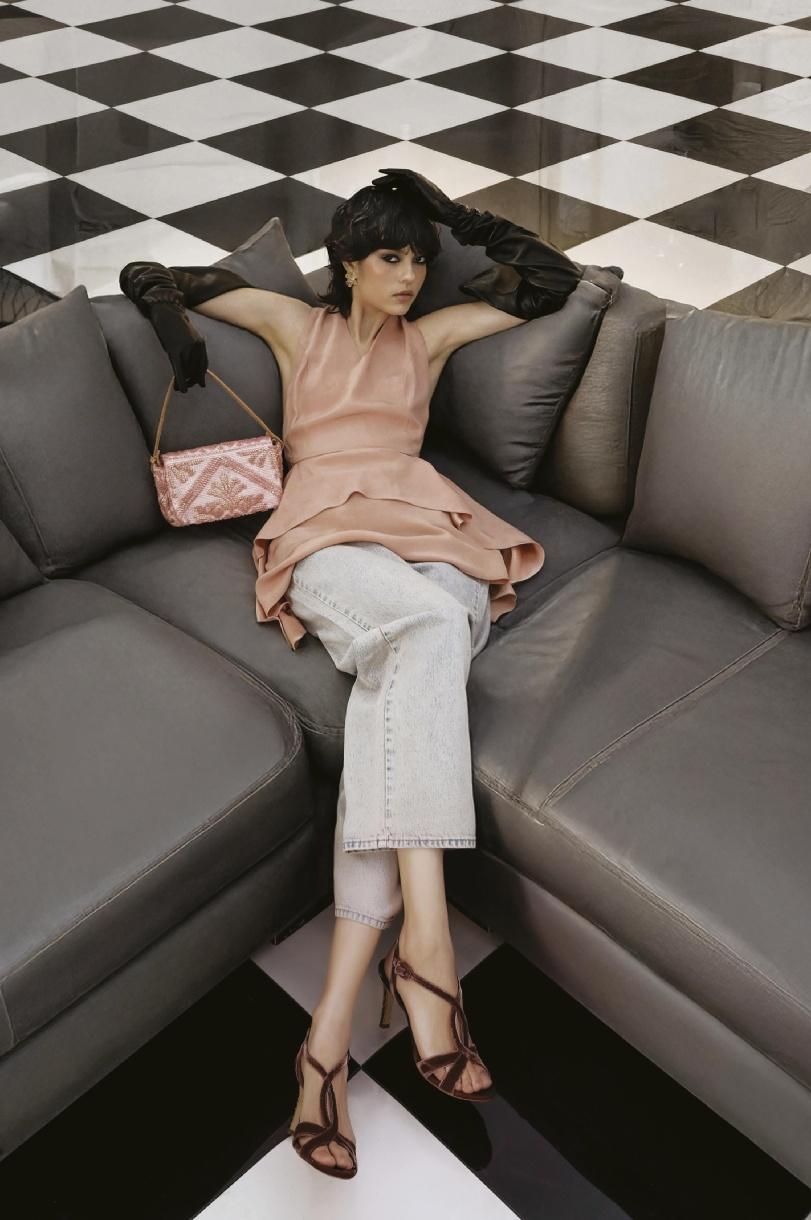
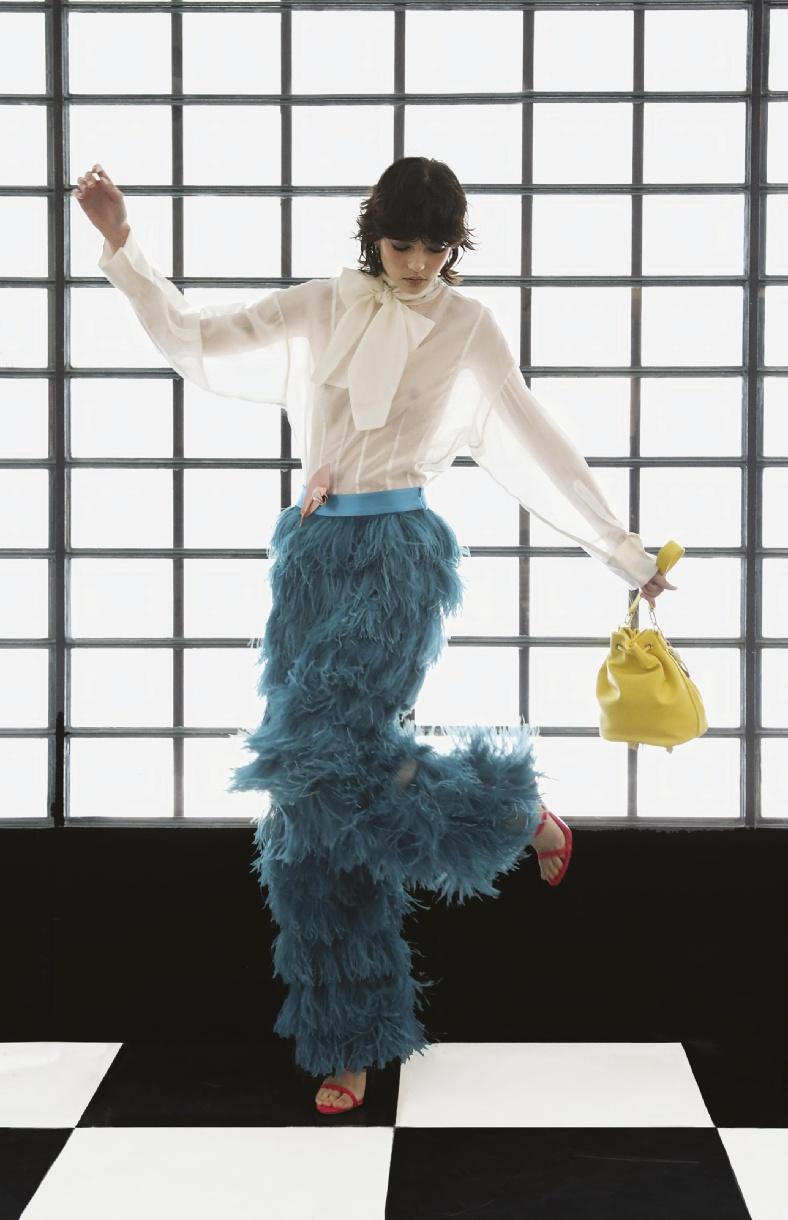
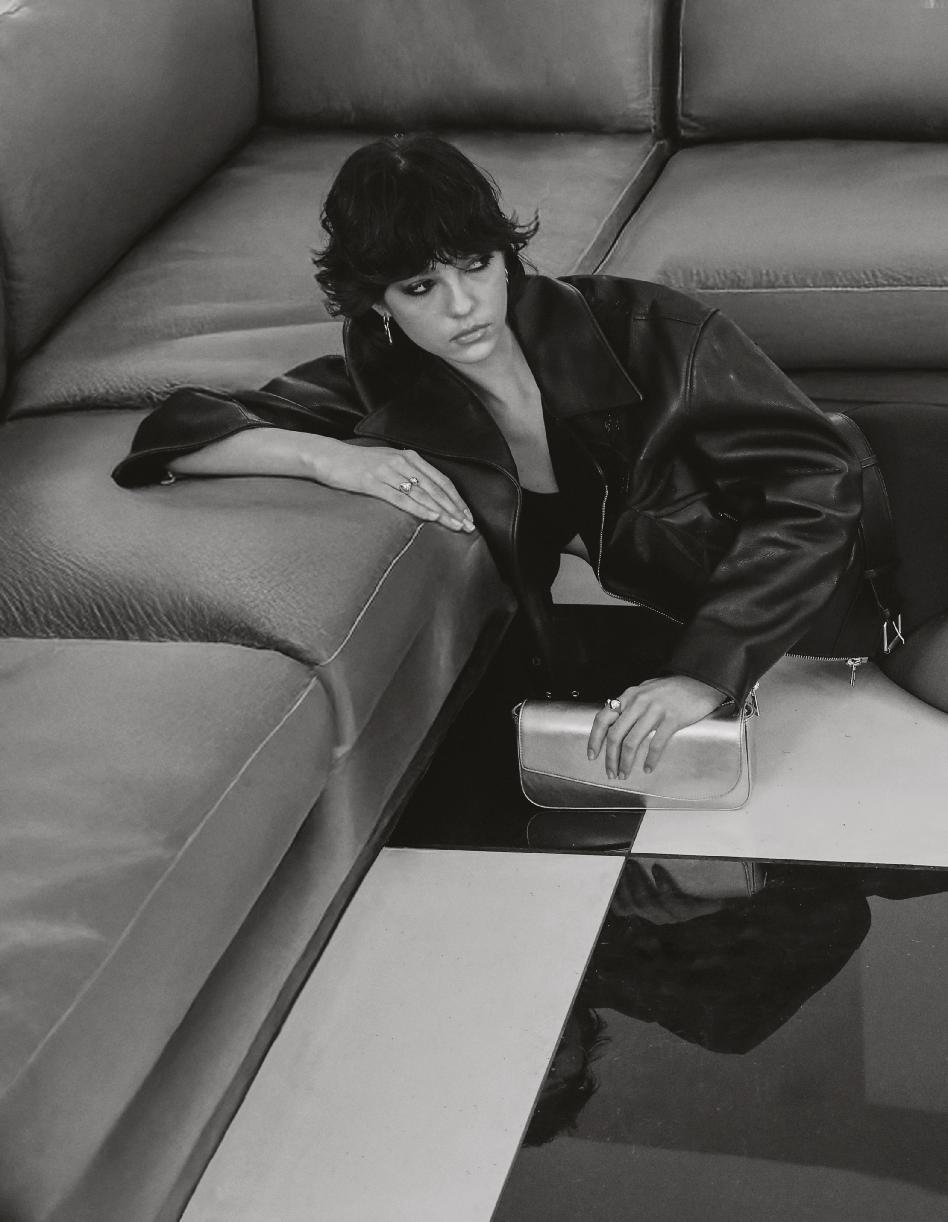
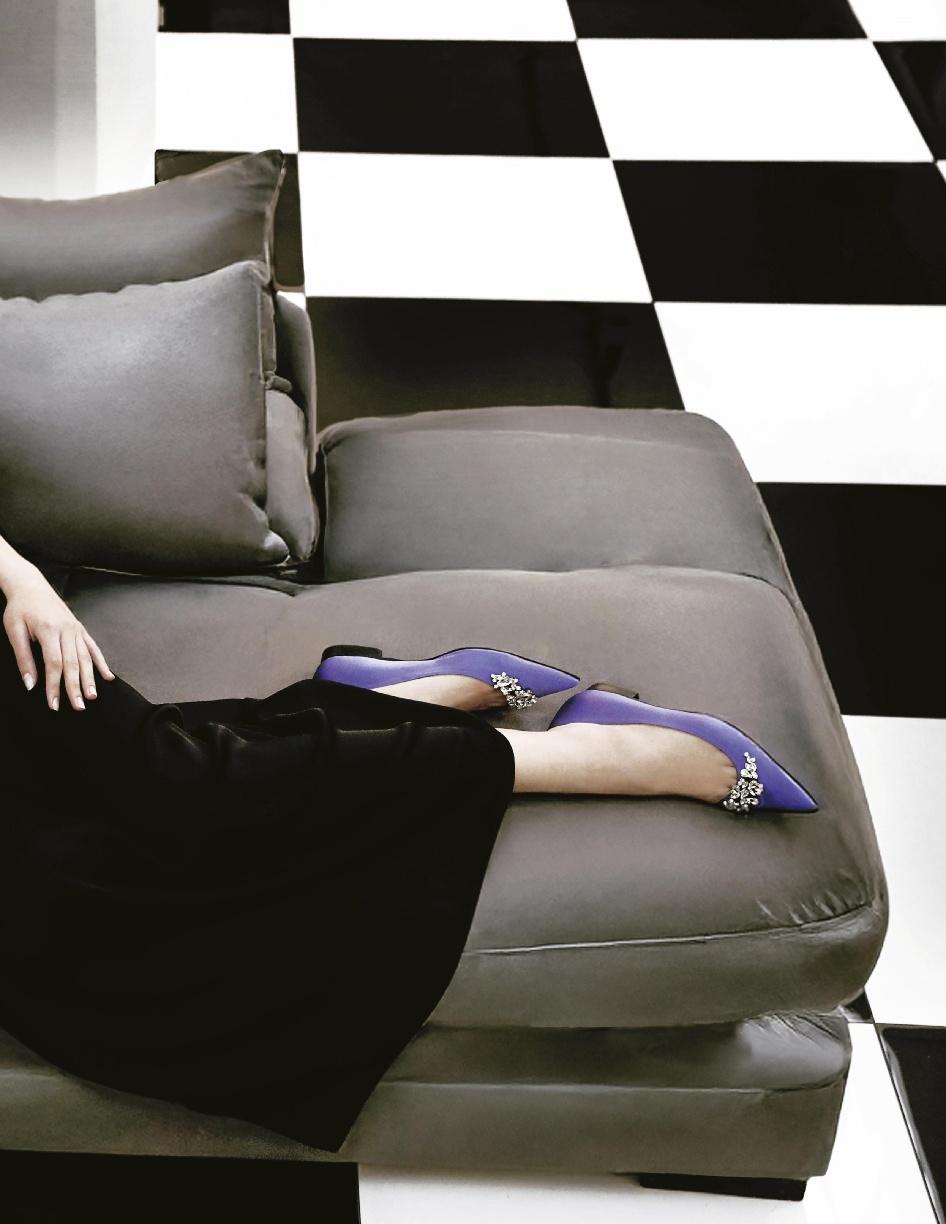
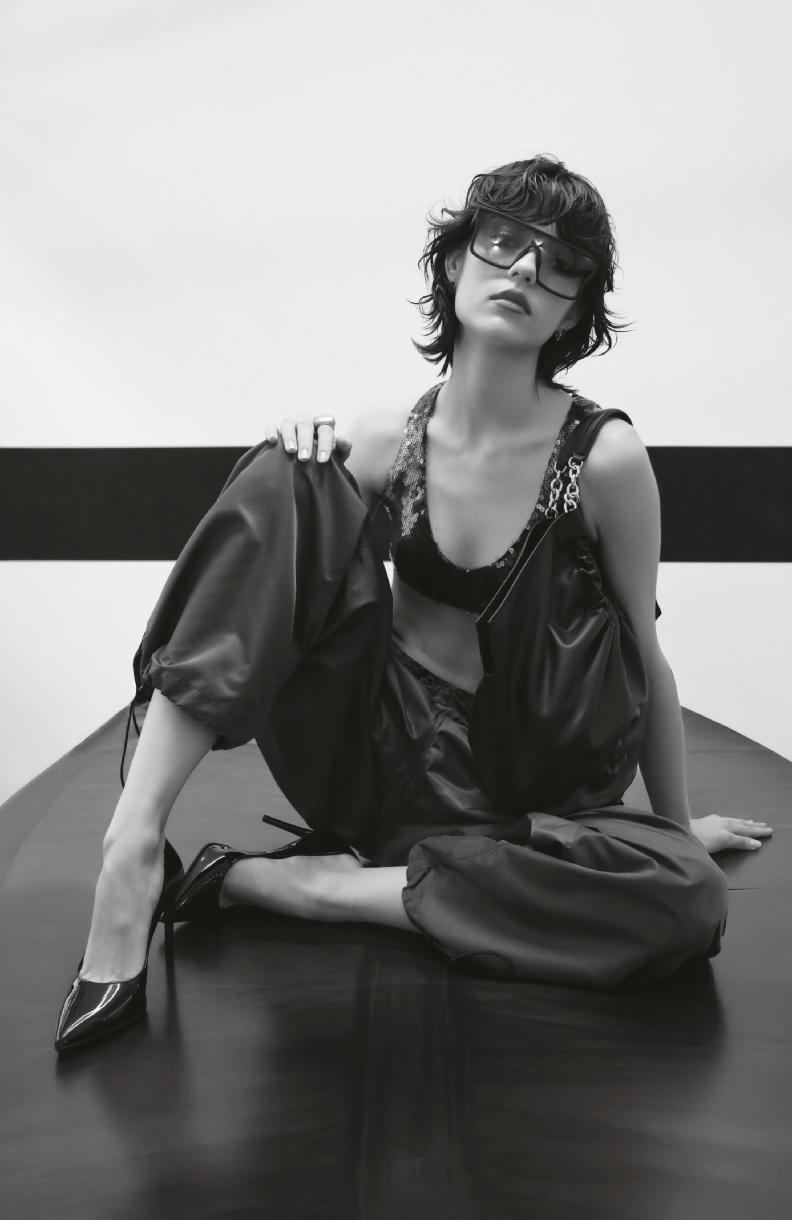
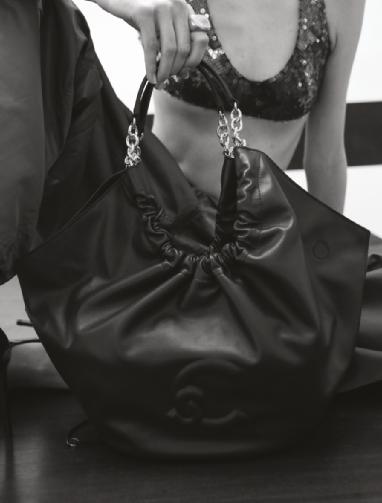
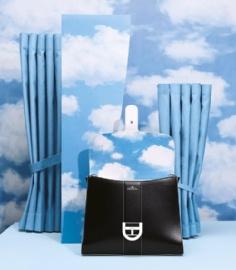
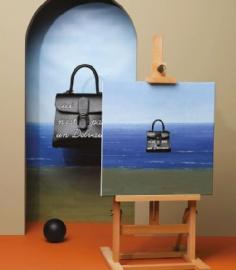
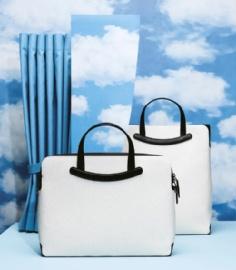
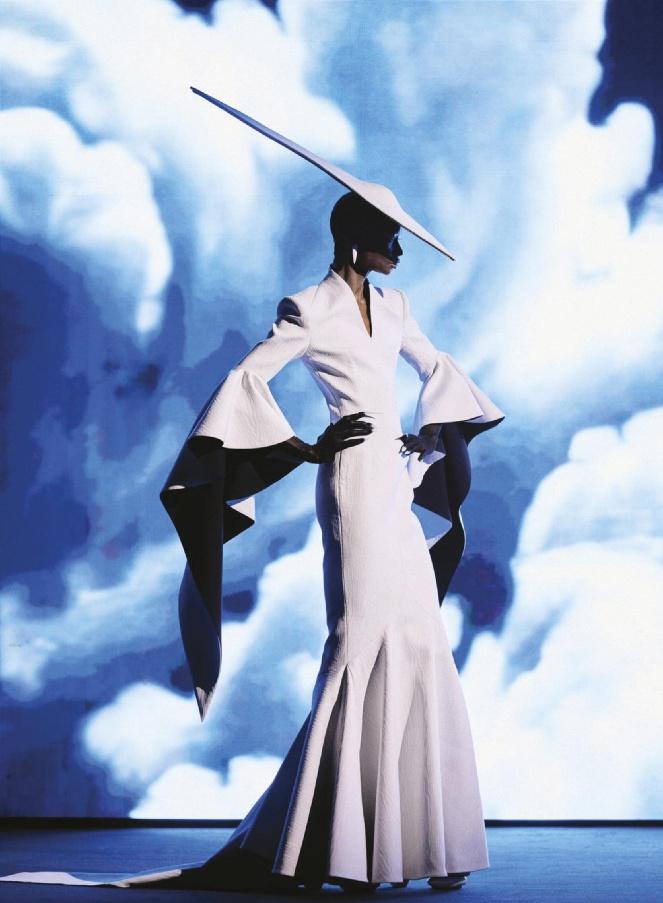
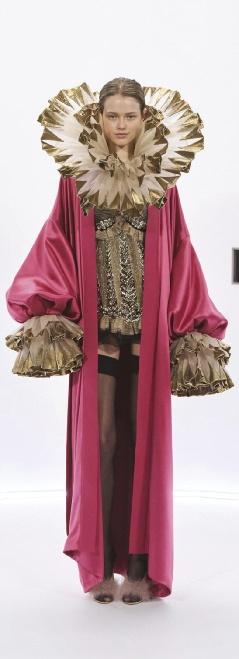
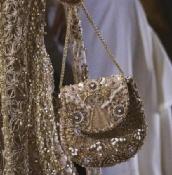
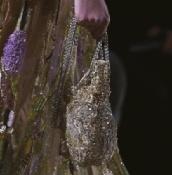
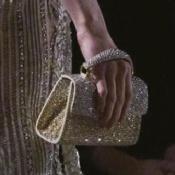
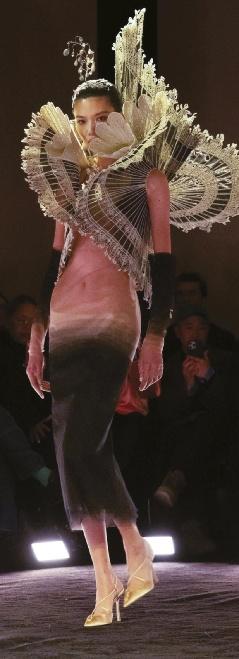
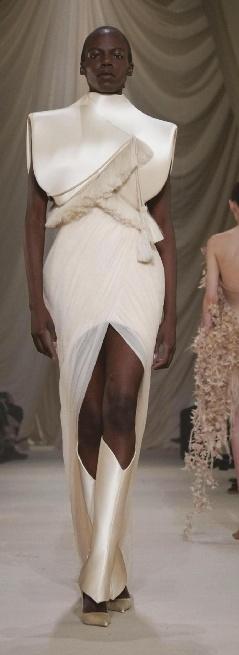
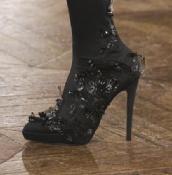
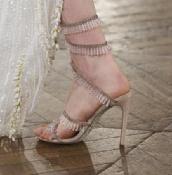
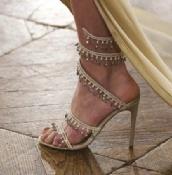
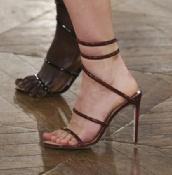
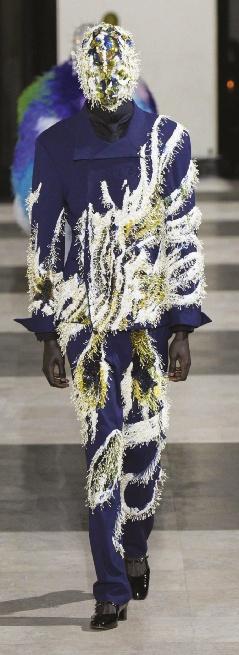
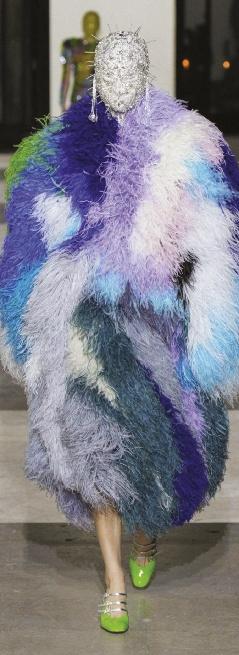
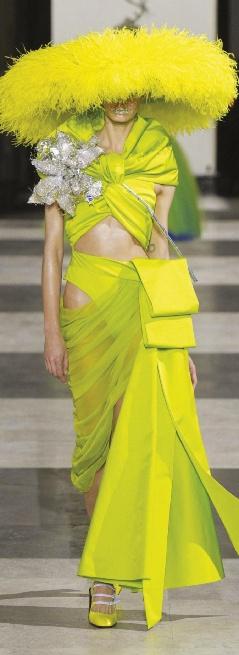
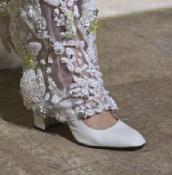
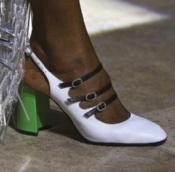
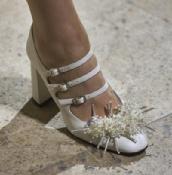
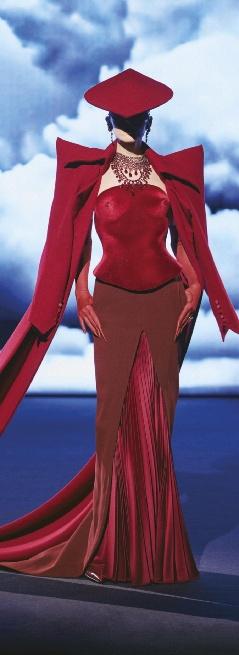
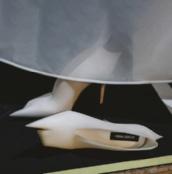
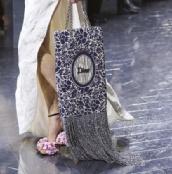
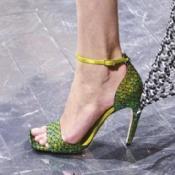
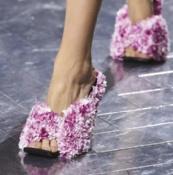
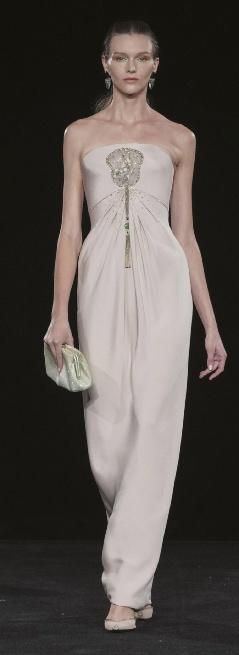
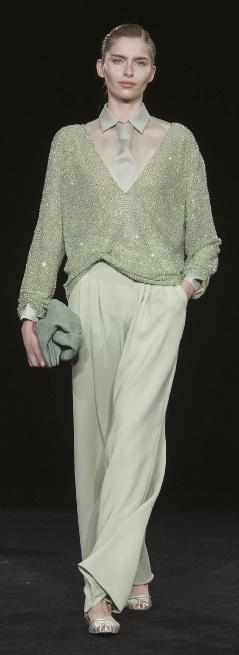
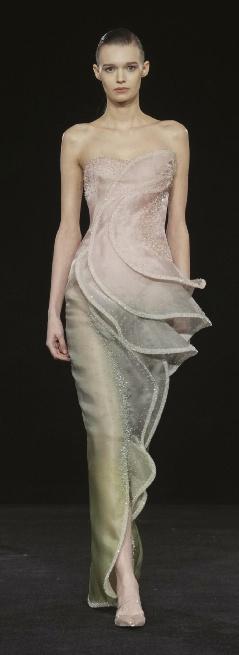
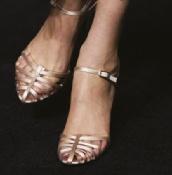
Assistant: Margherita Maffei, Ilaria Scappi Model: Antonio Tortorella @Ilovemodelsmngt
07 Atelier garage
by Enrico Martinelli
Si parla molto di viaggi in questo numero. Se ne parla anche quando così non sembrerebbe. Del viaggio siamo abituati a considerare la meta come argomento interessante e cruciale. Eppure, quasi sempre, di un viaggio è curioso valutare il luogo da cui si parte. I tanti itinerari di cui parliamo in questo numero hanno preso le mosse da luoghi angusti, inconsueti. Un piccolo e sconosciuto atelier (Delvaux). Un garage californiano, quello dove 50 anni fa nasceva Apple; da lì, anche se non solo da lì, partì la rivoluzione digitale che ci ha condotto all’e-commerce e all’intelligenza artificiale (di cui traiamo qualche bilancio nelle prossime pagine).
Le valigie con cui ci imbarchiamo (e della cui storia pubblichiamo in questo numero la prima puntata) sono lo scrigno di oggetti utili, funzionali e talvolta di facezie, se rimane spazio. Sembra lo stesso criterio e gli stessi valori secondo cui la moda procede: utilità come scusa per giochi creativi. Meno lineare l’avvicendarsi delle rivoluzioni tecnologiche che dalla notte dei tempi (quella precedente alla tecnologia del fuoco) rivoluziona e scuote gli umani, li porta verso il meglio e il peggio di sé. Ad oggi possiamo valutare dove ci ha condotto finora la rivoluzione digitale e immaginare qualche passo più in là. Di certo c’è solo che il tema va affrontato con proattività ed energia. Alcuni, vedrete, l’hanno capito, altri devono ancora metterci la testa.
There is a great deal of talk about travel in this issue. It is discussed even when it might not seem so. When it comes to travel, we are accustomed to viewing the destination as the interesting and crucial aspect. Yet, almost always, it is intriguing to consider the place from which a journey begins. The many journeys we discuss in this issue began in cramped, unusual places. A small, unknown atelier (Delvaux). A Californian garage, the very one where Apple was born 50 years ago; from there, though not solely from there, the digital revolution set in motion that led us to e-commerce and artificial intelligence (which we take stock of in the following pages). The suitcases with which we embark (and whose history we begin to recount in this issue) are a treasure trove of useful, functional objects and, if there is room, the occasional trifle. It seems to be the same criteria and values by which fashion proceeds: utility as a pretext for creative play. Less linear is the succession of technological revolutions which, since the dawn of time (that which preceded the technology of fire), has revolutionised and shaken humanity, leading us towards the best and worst of ourselves. Today, we can assess where the digital revolution has taken us so far and imagine a few steps further ahead. The only certainty is that the issue must be tackled with proactivity and energy. Some, as you will see, have grasped this; others still need to get their heads around it.
8
The bucket stories
by Ursula Beretta
Iconica per sua stessa nascita, passe-partout in virtù di uno spirito - libero e indomito - che non ha mai temuto di attraversare le stagioni a testa alta, essenziale nel dna ma talmente versatile da fare ombra a ogni possibile rivale. Di stile, naturalmente!
Èla bucket bag, meglio nota come borsa a secchiello, un modello senza tempo che, da quasi un secolo, occupa le fantasie e gli outfit di tutto il mondo, rinnovandosi continuamente, accogliendo ispirazioni differenti ma non perdendo mai quella sua sintesi magica di bellezza e praticità che l’ha resa un accessorio irrinunciabile. Una scommessa ambiziosa per una borsa nata, come tante in passato, da una pura casualità – e da quel pizzico di genio che non disturba mai - dall’intuito di Gaston-Louis Vuitton, nipote del fondatore della maison, per soddisfare i desiderata di un vigneron
suo cliente. La richiesta era apparentemente semplice: si chiedeva una borsa da regalare che potesse contenere cinque bottiglie di champagne e che fosse, al contempo, resistente a sufficienza da poterle trasportare durante un viaggio oltreoceano. Era il 1932 e il giovane Gaston-Louis accettò la sfida scegliendo, per realizzarla, una pratica forma a secchiello con base rettangolare, utilizzando il cuio per la sua natura solida aggiungendo poi una tracolla regolabile e un laccetto con chiusura a coulisse. Ecco servita la borsa dal nome biblico, Noè, un ideale tributo allo storico patriarca che, dopo il Diluvio Universale, iniziò a coltivare un vigneto sul monte Ararat come segno di buon auspicio e al quale, tradizionalmente, viene fatta risalire l’invenzione del vino. Esattamente come da quella borsa prese il via una vera e propria genealogia di secchielli che divennero presto l’accessorio più in voga da sfoggiare durante i déjeuners sur l’herbe dell’alta società d’Oltralpe, seducendo nello stesso tempo l’immaginario di altre maison di moda, Schiaparelli, Gucci ed Hermès in primis. Non solo cestino da pic-nic però perché, quando negli anni Sessanta le donne cominciarono a cercare borse più capienti di quelle tradizionali ma che non perdessero in eleganza e in stile, si rifecero proprio a quell’archetipo raffinato, capace di aprirsi a nuove sperimentazioni ma sempre ferocemente fedele alla sua naturale classe. Con un nome riconoscibile, secchiello appunto, e un pedigree nobile, si affermò progressivamente come la borsa per antonomasia, libera e spensierata, chic ma super funzionale. Le star dell’epoca lo elevarono a dettaglio irrinunciabile del loro mood dégagé: Jane Birkin con il suo celebre panier in vimini che usava in ogni occasione – pare pure per nascondere le posate in argento sottratte da chez Maxim’s, culla della dolce vita
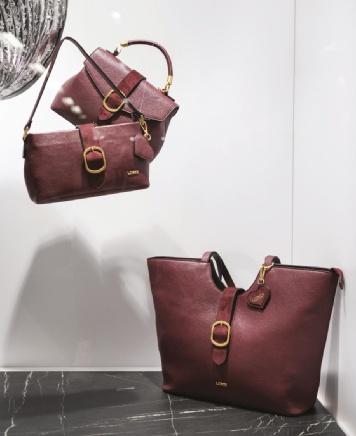
in salsa parigina- ma anche Catherine Deneuve, Patti Boyd e Jean Shrimpton lo portavano con nonchalance a ogni latitudine geografica riempiendolo di fame di vita e di successo. E così, decennio dopo decennio, la bucket bag ha continuato ad assecondare un’evoluzione costante e stilosa, restando però sempre riconoscibile – come potrebbe essere altrimenti? – e sperimentando con una vis gioiosa i materiali e le lavorazioni più disparate. Con la sua silhouette inalterata, capace di unire capienza e carattere; con la sua linea compatta ma generosa al contempo; con quell’adattabilità squisita che conquista senza compromessi, si è fatta tela per accogliere tendenze, divertissement e suggestioni e tutto quel catalogo di mode e modi che hanno scritto – e scrivono - la storia del fashion e dei suoi accessori. Perfetta sempre, essenziale oppure barocca, capace di cambiare proporzioni in armonia e senza battaglie restando, sempre e comunque, sotto i riflettori. Anche e soprattutto quelli della stagione estiva 2026 che hanno scelto per lei l’ennesimo frasario, differente ma sempre versatile e coerente per non tradire alcuna aspettativa di stile. Dalla nuovissima Pivot di casa Versace provvista di Medusa-cameo e catena dorata dal piglio rock, al modello in pelle shopper oriented di Boss passando per la sinuosa bucket bag di Missoni da portare a mano e il delizioso bon-bon puntellato di micro-strass di Giambattista Valli. E se le passerelle raccontano la tendenza, il quotidiano è occupato da piccoli secchielli capaci di ravvivare ogni look, tra cui un posto d’onore meritano i modelli di Coccinelle, brand da sempre amante della forma.
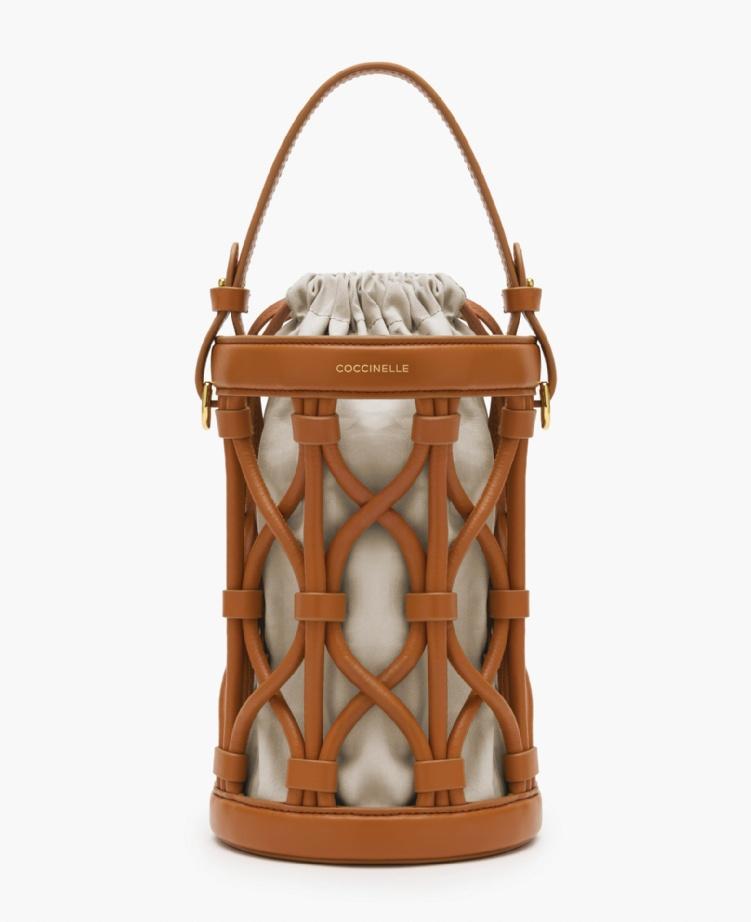
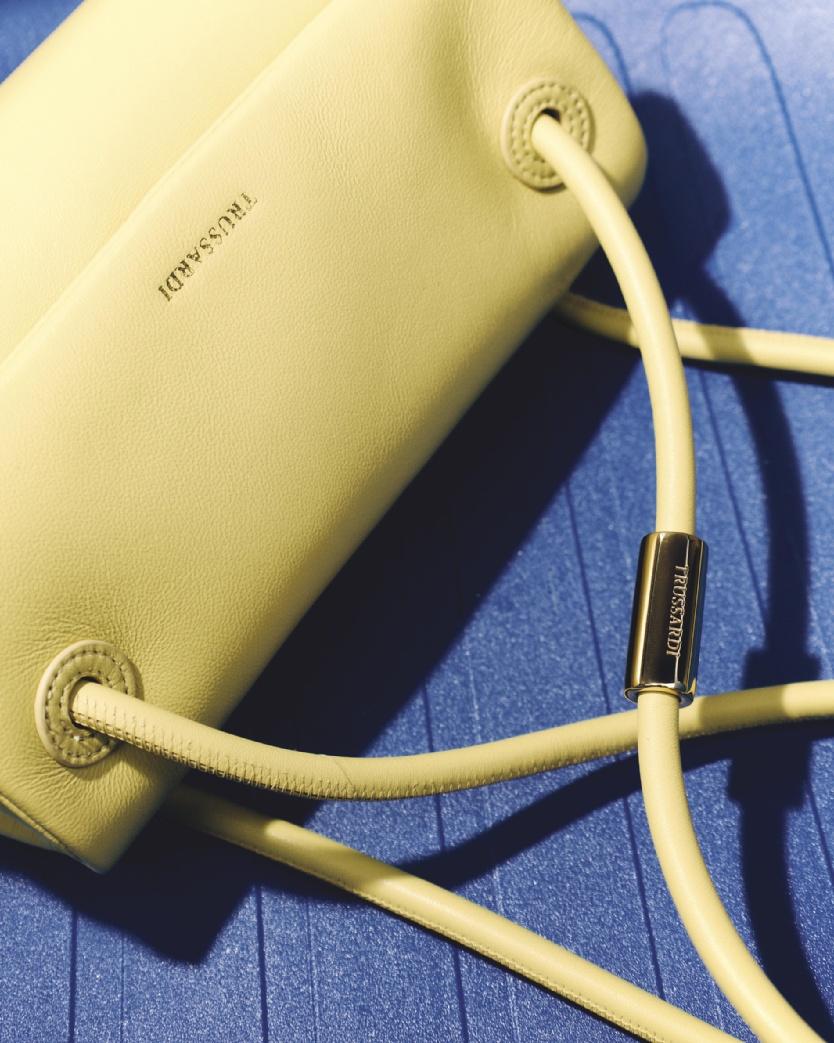
Tra le sue novità spicca la Koi, che del bucket conserva l’essenza ma ne riscrive il linguaggio con una silhouette cilindrica, compatta e affilata. Elegante senza sforzo, sofisticata senza ostentazione, si lascia scoprire nei dettagli: il sacchetto interno removibile con coulisse, gesto pratico che diventa cifra stilistica, e soprattutto quella costruzione avvolgente fatta di tubolari in pelle liscia che si intrec-
ciano in un ritmo continuo, quasi ipnotico. È qui che il secchiello si fa oggetto, quasi scultura portatile: una forma conosciuta che si tende, si stringe, si reinventa, una variazione sul tema e insieme una dichiarazione di stile misurata e precisa, pensata per chi cerca nel quotidiano un accento distintivo, mai gridato, ma impossibile da ignorare.
Iconic from the moment it was born, a true all-rounder thanks to a spirit - free and indomitable - that has never shied away from weathering the seasons with its head held high; essential at its core yet so versatile as to outshine any possible rival. In style, of course!
It is the bucket bag, a timeless design that, for almost a century, has captured the imagination and graced the outfits of people all over the world, constantly reinventing itself, embracing different inspirations yet never losing that magical blend of beauty and practicality that has made it an indispensable accessory.
An ambitious undertaking for a bag that came about, like so many before it, through pure chance – and that touch of genius that never goes amiss – thanks to the intuition of Gaston-Louis Vuitton, grandson of the brand’s founder, in fulfilling the wishes of a winemaker who was one of his clients. The request was seemingly simple: he wanted a gift bag that could hold five bottles of champagne and, at the same time, be sturdy enough to transport them
LOEWE
YVES SAINT LAURENT
on an overseas journey. It was 1932, and the young Gaston-Louis accepted the challenge, opting for a practical bucket shape with a rectangular base, using leather for its sturdy nature, and adding an adjustable shoulder strap and a drawstring closure. And so the bag with the biblical name, Noé, was born – an ideal tribute to the historic patriarch who, after the Great Flood, began cultivating a vineyard on Mount Ararat as a sign of good fortune and to whom, traditionally, the invention of wine is attributed. It was precisely from that bag that a veritable lineage of bucket bags began, which soon became the most fashionable accessory to show off during the déjeuners sur l’herbe of high society across the Alps, whilst simultaneously capturing the imagination of other fashion houses, Schiaparelli, Gucci and Hermès foremost among them.
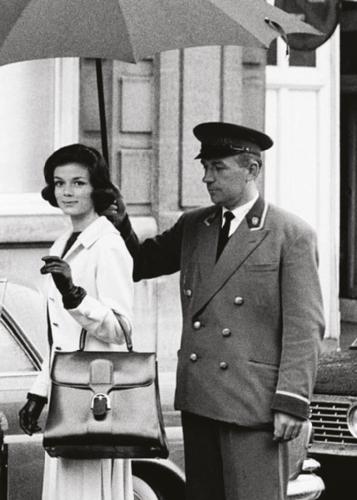
It wasn’t just a picnic basket, however, because when women in the 1960s began looking for bags that were more spacious than traditional ones but didn’t compromise on elegance or style, they turned to that very refined archetype – one open to new experiments yet always fiercely true to its natural class. With a recognisable name – the bucket bag, in fact – and a noble pedigree, it gradually established itself as the quintessential bag: free-spirited and carefree, chic yet highly functional. The stars of the era elevated it to an indispensable detail of their ‘dégagé’ style: Jane Birkin with her famous wicker panier, which she used on every occasion – rumour has it even to hide the silver cutlery she’d nicked from Maxim’s, the cradle of the Parisian-style dolce vita – but Catherine Deneuve, Patti Boyd and Jean Shrimpton also carried it with nonchalance across every corner of the globe, filling it with a hunger for life and success.
And so, decade after decade, the bucket bag has continued to undergo a constant and stylish evolution, whilst remaining instantly recognisable – how could it be otherwise? – and joyfully experimenting with the most diverse materials and finishes. With its unchan-
ged silhouette, capable of combining capacity and character; with its compact yet generous shape; with that exquisite adaptability that wins you over without compromise, it has become a canvas for embracing trends, entertainment and inspiration, and the whole catalogue of fashions and styles that have written – and continue to write – the history of fashion and its accessories. Always perfect, whether minimalist or baroque, capable of changing proportions harmoniously and effortlessly whilst remaining, always and in any case, in the spotlight. Especially so for the summer 2026 season, which has chosen yet another style for it – different yet always versatile and consistent, so as not to disappoint any expectations of style. From the brand-new Pivot by Versace, featuring a Medusa cameo and a rock-inspired gold chain, to the leather shopperstyle model by Boss, via the sinuous bucket bag by Missoni to be carried by hand and the delightful bon-bon studded with microrhinestones by Giambattista Valli. And whilst the catwalks set the trends, everyday life is dominated by small bucket bags capable of brightening up any look, with the models from Coccinelle—a brand that has always loved this shape—deserving a place of honour.
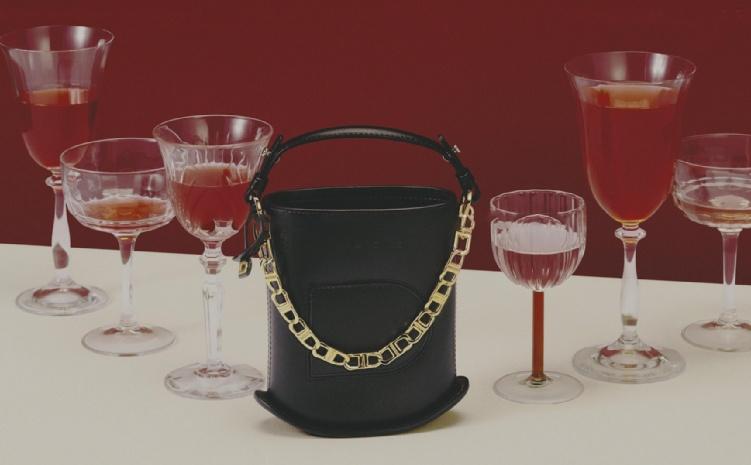
One of the standout new additions is the Koi, which retains the essence of the bucket bag whilst reimagining its design with a cylindrical, compact and tapered silhouette. Effortlessly elegant, sophisticated without ostentation, its true character is revealed in the details: the removable inner pouch with drawstring, a practical feature that becomes a stylistic signature, and above all that enveloping construction made of smooth leather tubes that intertwine in a continuous, almost hypnotic rhythm. It is here that the bucket bag becomes an object, almost a portable sculpture: a familiar shape that stretches, tightens and reinvents itself, a variation on the theme and, at the same time, a measured and precise style statement, designed for those who seek a distinctive touch in their daily lives—never loud, yet impossible to ignore.
LOUIS VUITTON GUCCI
Sandro Vicari: artisanal tradition and designcontemporary 12
Il futuro che nasce dalla storia, dove tradizione e innovazione convivono ogni giorno per esprimere la vera eccellenza del Made in Italy.
La storia del brand è profondamente legata a quella del suo fondatore Sandro Placido Vicari, uomo visionario e appassionato, che dagli anni sessanta ha trasformato la propria determinazione e curiosità in un progetto imprenditoriale solido e riconoscibile, portando fin dagli inizi le proprie creazioni oltre i confini italiani, viaggiando in Europa, Oriente e America, in un periodo in cui la moda italiana non aveva ancora conquistato il ruolo internazionale che ricopre oggi. Ne parliamo con Alessandra Vicari, figlia del fondatore e oggi alla guida del brand.
Come nascono le collezioni Sandro Vicari?
Le nostre collezioni nascono dall’incontro tra tradizione artigianale e linguaggio contemporaneo. Le nostre produzioni dalle linee pulite, contrasti ricercati, accessori distintivi e preziosi dettagli diventano la firma di un’identità stilistica riconoscibile. Ogni calzatura è pensata per una donna elegante e raffinata, attenta alla qualità e alla bellezza autentica. Negli anni 2000 l’azienda ha affrontato un importante passaggio generazionale…
Sì, ma abbiamo saputo mantenere saldo il legame con le nostre origini, tanto che oggi l’azienda è guidata con lo stesso spirito di dedizione e passione di mio padre. Abbiamo sviluppato una visione orientata alla competenza condivisa, all’innovazione e alla collaborazione con le più prestigiose maison internazionali. In un settore in continua evoluzione, il nostro obiettivo rimane quello di preservare il valore della manifattura italiana, rendendola sempre più contemporanea e sostenibile. L’azienda guarda al futuro attraverso i principi della impact economy, investendo nella transizione ecologica, energetica e digitale e ponendo grande attenzione al benessere delle persone che ne fanno parte”, sottolinea.
Alessandra Vicari President and CEO
Qual è oggi la situazione del mercato della calzatura di lusso e cosa chiedono i buyer?
Anche se il mercato del lusso sembra stia rallentando, in realtà ritengo stia tornando ad una dimensione più ‘normale’. Dopo anni in cui la crescita era sostenuta soprattutto dal marketing e dall’espansione dei prezzi, il settore sta riscoprendo un principio semplice: il prodotto deve funzionare davvero, non solo raccontarsi bene. Gli ordini iniziali sono più contenuti, ma più consapevoli. Il sell-through è tornato a essere più importante dell’immagine. Come sta cambiando la ‘geografia del lusso’?
Gli Stati Uniti rappresentano oggi il mercato più pragmatico, perché se il prodotto è giusto, performa rapidamente. L’Europa resta, invece, un riferimento culturale e qualitativo fondamentale, dove esiste ancora una forte sensibilità verso la manifattura e la costruzione del prodotto. Dal canto suo, la Cina sta vivendo una fase di maturazione profonda, che vede il consumatore più orientato verso prodotti destinati a durare, mentre il Meaddle East - da hub commerciale centrale per il lusso internazionale – sta ora attraversando una fase critica ed è difficile prevedere quando tornerà a ricoprire il ruolo strategico avuto in precedenza. Quanto conta la sostenibilità nel lusso?
La sostenibilità oggi è sempre più centrale, perché brand e buyer chiedono sempre di più tracciabilità, trasparenza della filiera e processi responsabili. Nel lusso, inoltre, il vero prodotto sostenibile è quello destinato a rimanere nel tempo. Ci parli della rete “In punta di piedi”: come nasce? Nasce dal bisogno di conoscerci e fare sistema. Nella filiera calzaturiera molte aziende condividono le stesse sfide, ma spesso le affrontano individualmente. L’obiettivo che questo progetto si
prefigge è quello di creare uno spazio di confronto e collaborazione per scambiare competenze e affrontare insieme temi sempre più complessi quali sostenibilità, digitalizzazione, gestione delle risorse umane e carenza di professionalità qualificate. Il confronto ha generato risultati concreti. Sul tema della sostenibilità, ad esempio, la condivisione di esperienze ha permesso ad alcune aziende di avviare percorsi comuni, ottimizzando costi e accelerando adeguamenti come gli standard ZDHC e la definizione di strumenti operativi quali PRSL e MRSL. Il valore della rete è trasformare il confronto in azione: condividere competenze non significa perdere identità, ma rafforzare la capacità di evolvere insieme. Il dialogo tra le imprese continua in modo informale e costante. Le relazioni costruite rappresentano la base per i prossimi sviluppi e per nuove progettualità condivise.
Quanto sta cambiando la figura dell’imprenditore moda?
Oggi l’imprenditore deve gestire una complessità molto più ampia rispetto al passato: sostenibilità, digitalizzazione, organizzazione interna, persone e scenari internazionali instabili. Non basta più l’intuito o la competenza tecnica. Serve capacità di adattamento continuo e di lettura anticipata del cambiamento.Sta emergendo una figura di imprenditore meno solitaria e più orientata alla collaborazione. Fare rete oggi non è più un’opzione, ma una necessità. Che cosa ha rappresentato di recente un’ispirazione importante?
Sicuramente la mostra di Giorgio Armani alla Pinacoteca di Brera, perché mi ha confermato una volta di più quanto contino i dettagli. Ogni scelta - dal taglio di un tessuto, alla costruzione di una scarpa - può fare la differenza. È la dimostrazione che il lusso è equilibrio tra stile e sostanza.
“The company looks to the future through the principles of the impact economy, investing in the ecological, energy and digital transitions and paying close attention to the well-being of the people who are part of it,” she emphasises.”
A future born of history,
where tradition and innovation coexist every day to express the true excellence of Italian craftsmanship.
The brand’s history is deeply intertwined with that of its founder, Sandro Placido Vicari, a visionary and passionate man who, from the 1960s onwards, transformed his determination and curiosity into a solid and recognisable business venture, taking his creations beyond Italy’s borders from the very beginning, travelling throughout Europe, the East and America, at a time when Italian fashion had not yet achieved the international standing it enjoys today. We discuss this with Alessandra Vicari, the founder’s daughter and now at the helm of the brand.
How are Sandro Vicari’s collections created?
Our collections are born from the fusion of traditional craftsmanship and contemporary design. Our creations, with their clean lines, sophisticated contrasts, distinctive accessories and exquisite details, have become the hallmark of a recognisable stylistic identity. Every shoe is designed for an elegant and refined woman who values quality and authentic beauty.
In the 2000s, the company underwent a significant generational transition…
Yes, but we have managed to maintain a strong connection with our roots, so much so that today the company is run with the same spirit of dedication and passion as my father’s. We have developed a vision focused on shared expertise, innovation and collaboration with the most prestigious international fashion houses. In a constantly evolving sector, our goal remains to preserve the value of Italian craftsmanship, making it increasingly contemporary and sustainable. The company looks to the future through the principles of the impact economy, investing in the ecological, energy and digital transitions and paying close attention to the well-being of the people who are part of it,” she emphasises.
What is the current state of the luxury footwear market, and what are buyers looking for?
Although the luxury market appears to be slowing down, I actually believe it is returning to a more ‘normal’ state. After years in which growth was driven mainly by marketing and price increases, the sector is rediscovering a simple principle: the product must actually work, not just look good. Initial orders are smaller but more informed. Sell-through has once again become more important than image. How is the ‘geography of luxury’ changing?
The United States is now the most pragmatic market, because if
the product is right, it performs quickly. Europe, on the other hand, remains a fundamental cultural and quality benchmark, where there is still a strong appreciation for craftsmanship and product construction. For its part, China is undergoing a period of profound maturation, with consumers increasingly favouring products built to last, whilst the Middle East – once a central commercial hub for international luxury – is now going through a critical phase, and it is difficult to predict when it will return to the strategic role it previously held. How important is sustainability in the luxury sector?
Sustainability is becoming increasingly central today, as brands and buyers are demanding ever greater traceability, supply chain transparency and responsible processes. Furthermore, in the luxury sector, a truly sustainable product is one that is built to last.
Tell us about the “In punta di piedi” network: how did it come about?
It arose from the need to get to know one another and work together as a network. Within the footwear supply chain, many companies face the same challenges, but often tackle them individually. The aim of this project is to create a space for discussion and collaboration to exchange expertise and tackle increasingly complex issues together, such as sustainability, digitalisation, human resources management and the shortage of skilled professionals. This dialogue has yielded concrete results. On the subject of sustainability, for example, sharing experiences has enabled some companies to embark on joint initiatives, optimising costs and accelerating compliance with standards such as ZDHC, as well as defining operational tools such as PRSL and MRSL. The value of the network lies in transforming dialogue into action: sharing expertise does not mean losing one’s identity, but rather strengthening the ability to evolve together. Dialogue between companies continues informally and consistently. The relationships built form the basis for future developments and new shared projects.
How much is the role of the fashion entrepreneur changing?
Today, entrepreneurs must manage a far greater complexity than in the past: sustainability, digitalisation, internal organisation, people, and unstable international scenarios. Intuition or technical expertise alone is no longer enough. What is needed is the ability to adapt continuously and to anticipate change. A new type of entrepreneur is emerging – one who is less solitary and more collaboration-oriented. Networking today is no longer an option, but a necessity.
What has been a major source of inspiration for you recently?
Definitely Giorgio Armani’s exhibition at the Pinacoteca di Brera, because it confirmed once again just how important details are. Every choice – from the cut of a fabric to the construction of a shoe –can make all the difference. It demonstrates that luxury is a balance between style and substance.
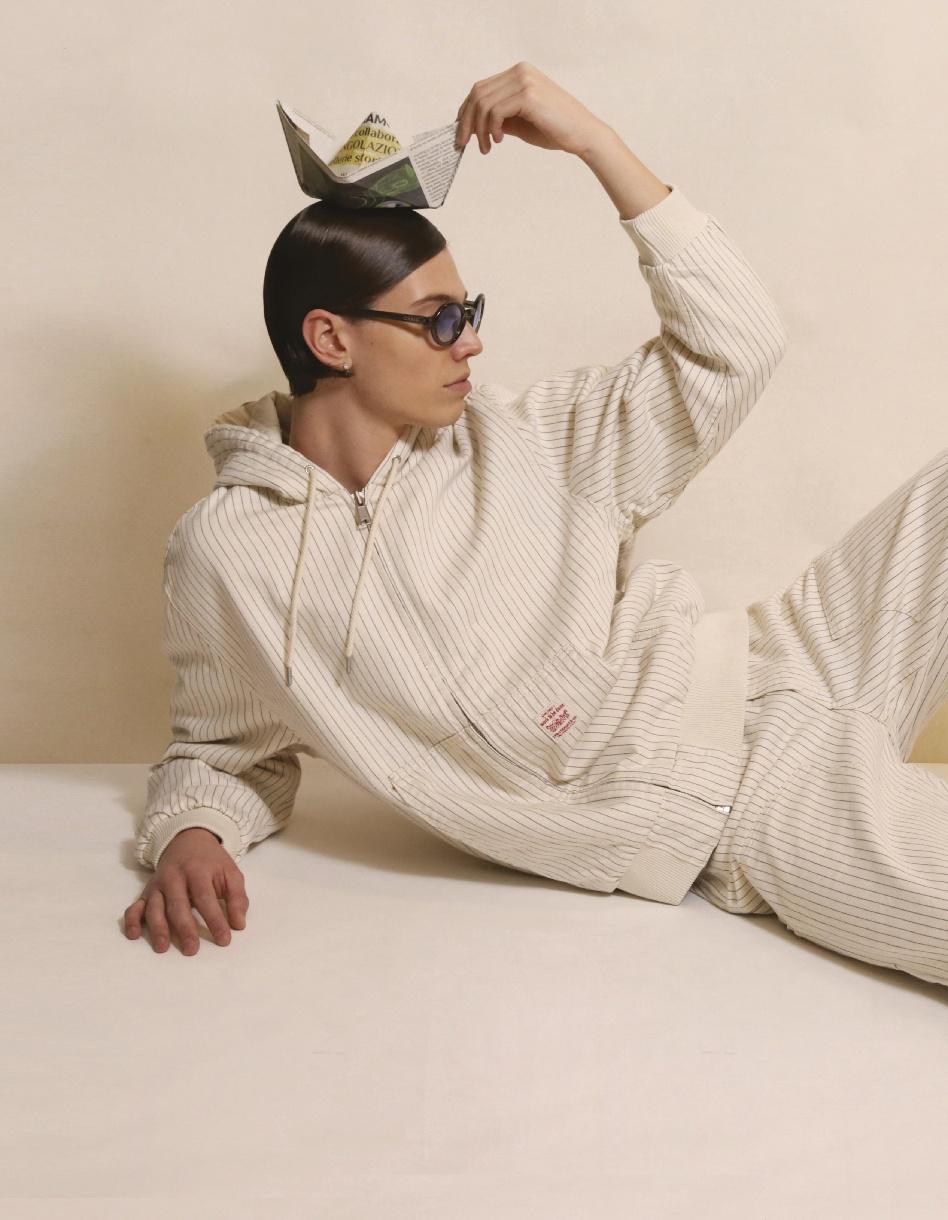
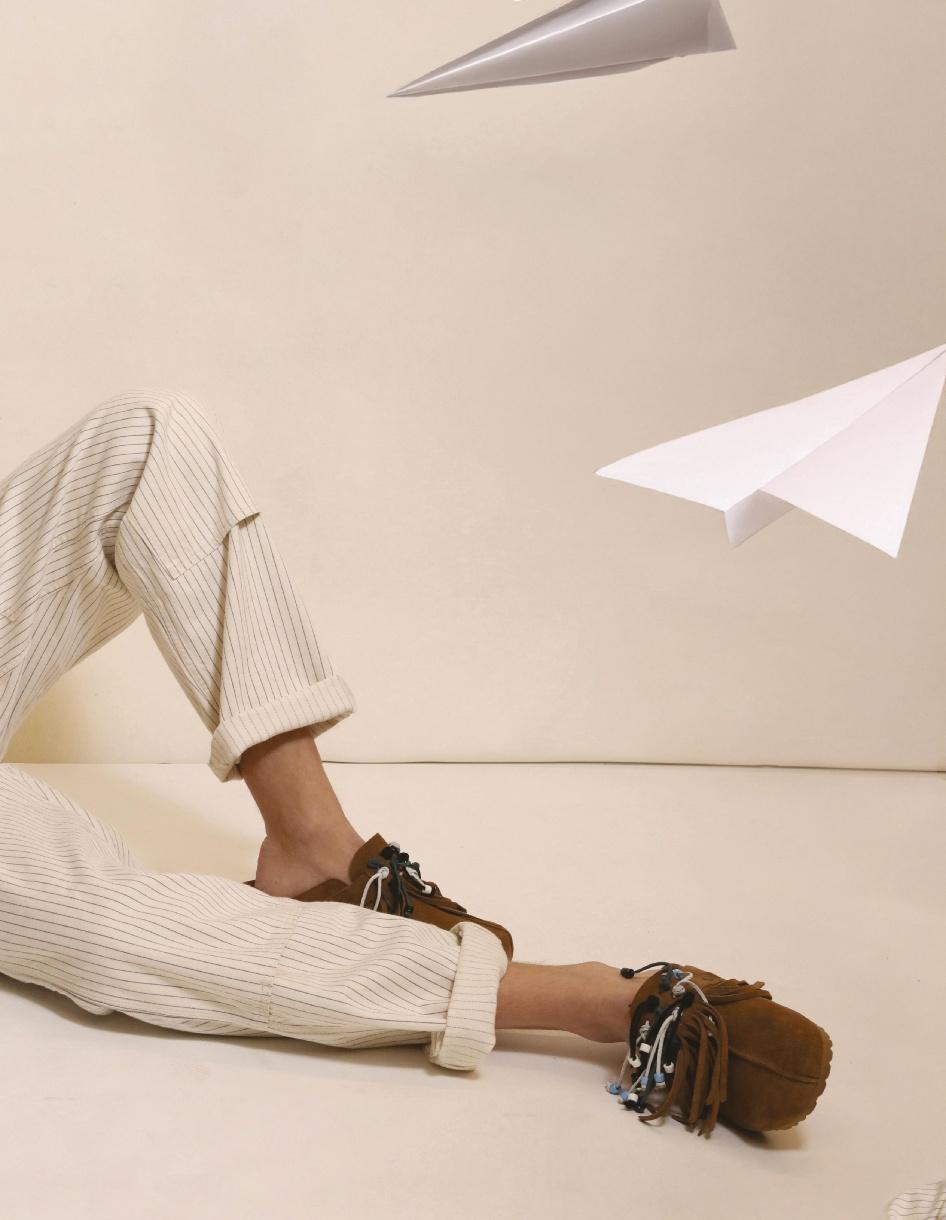
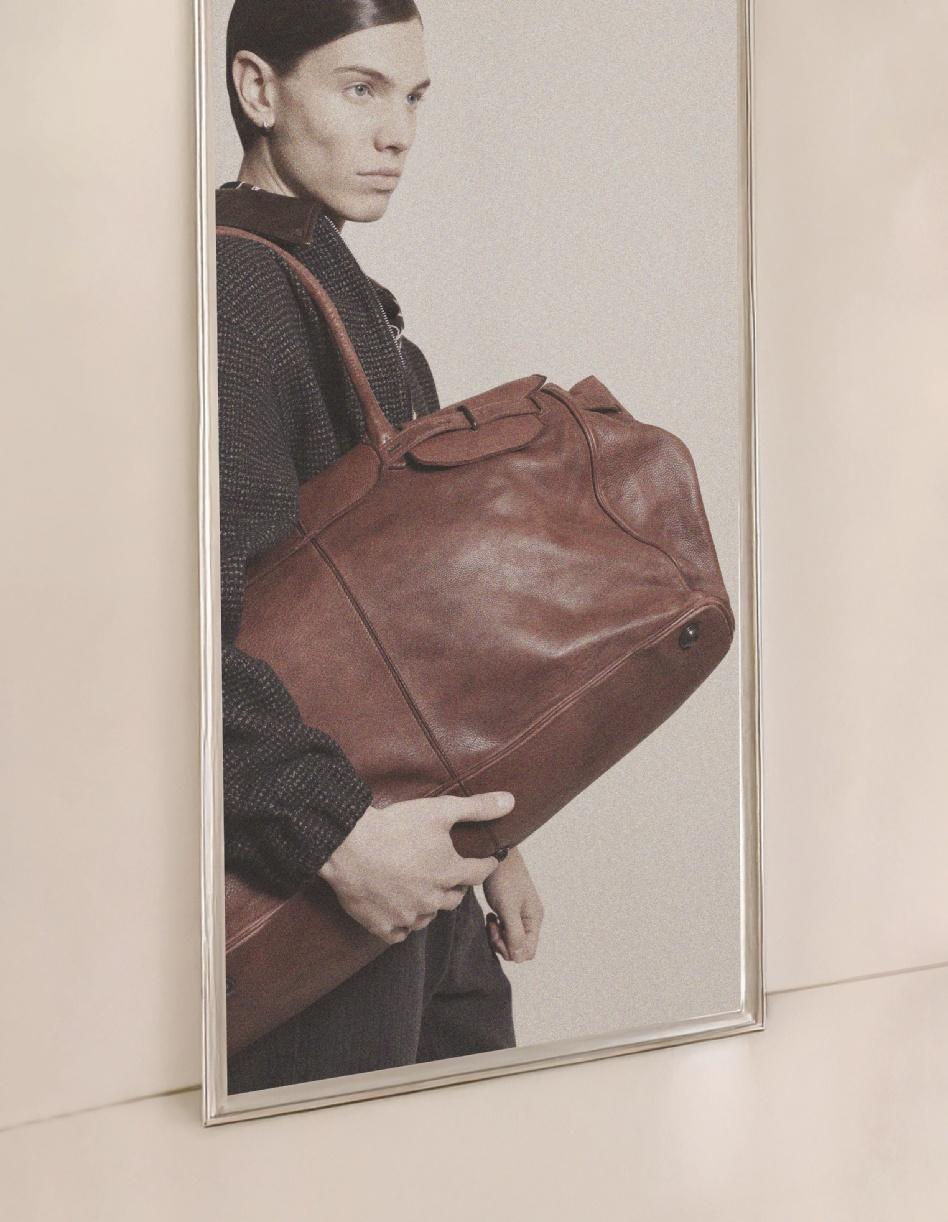
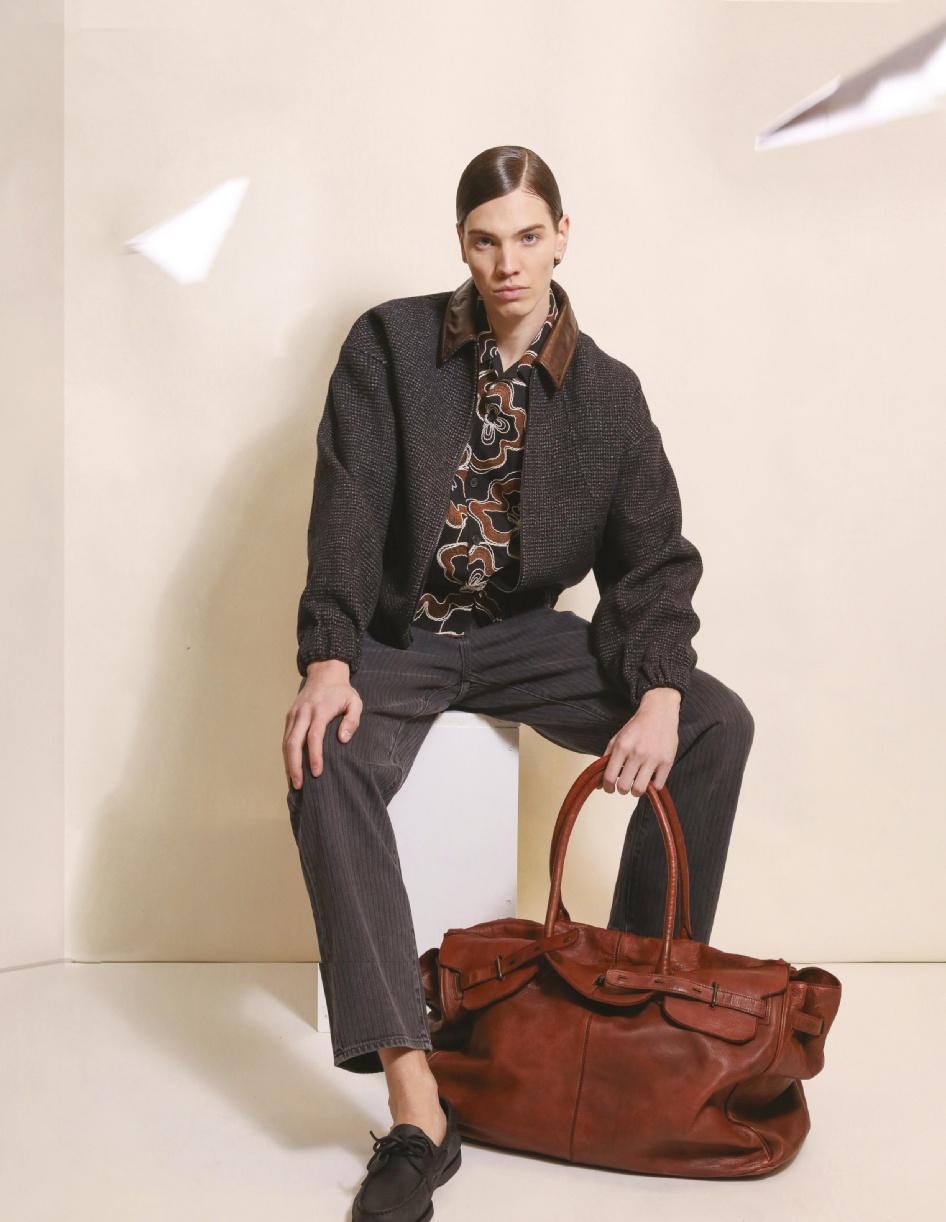
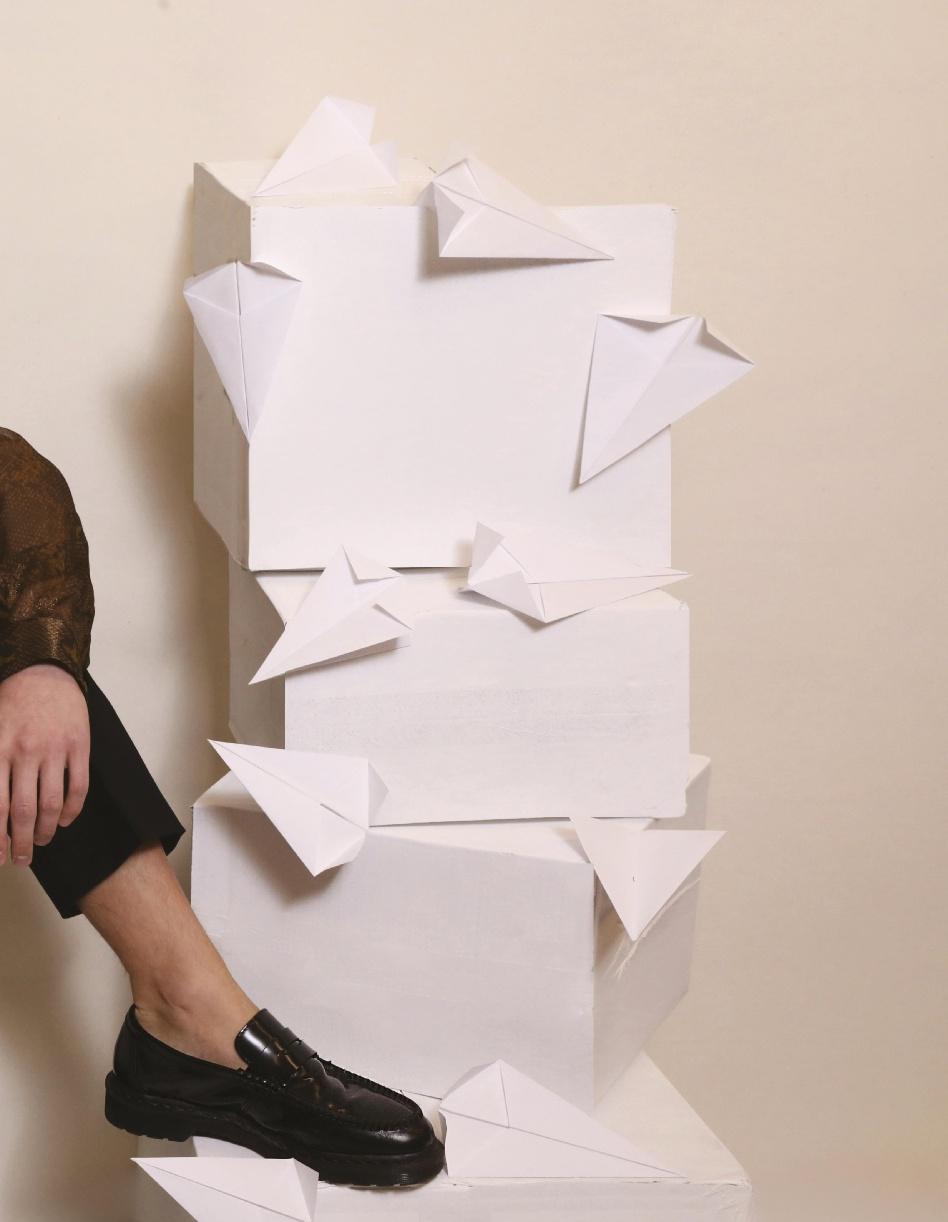
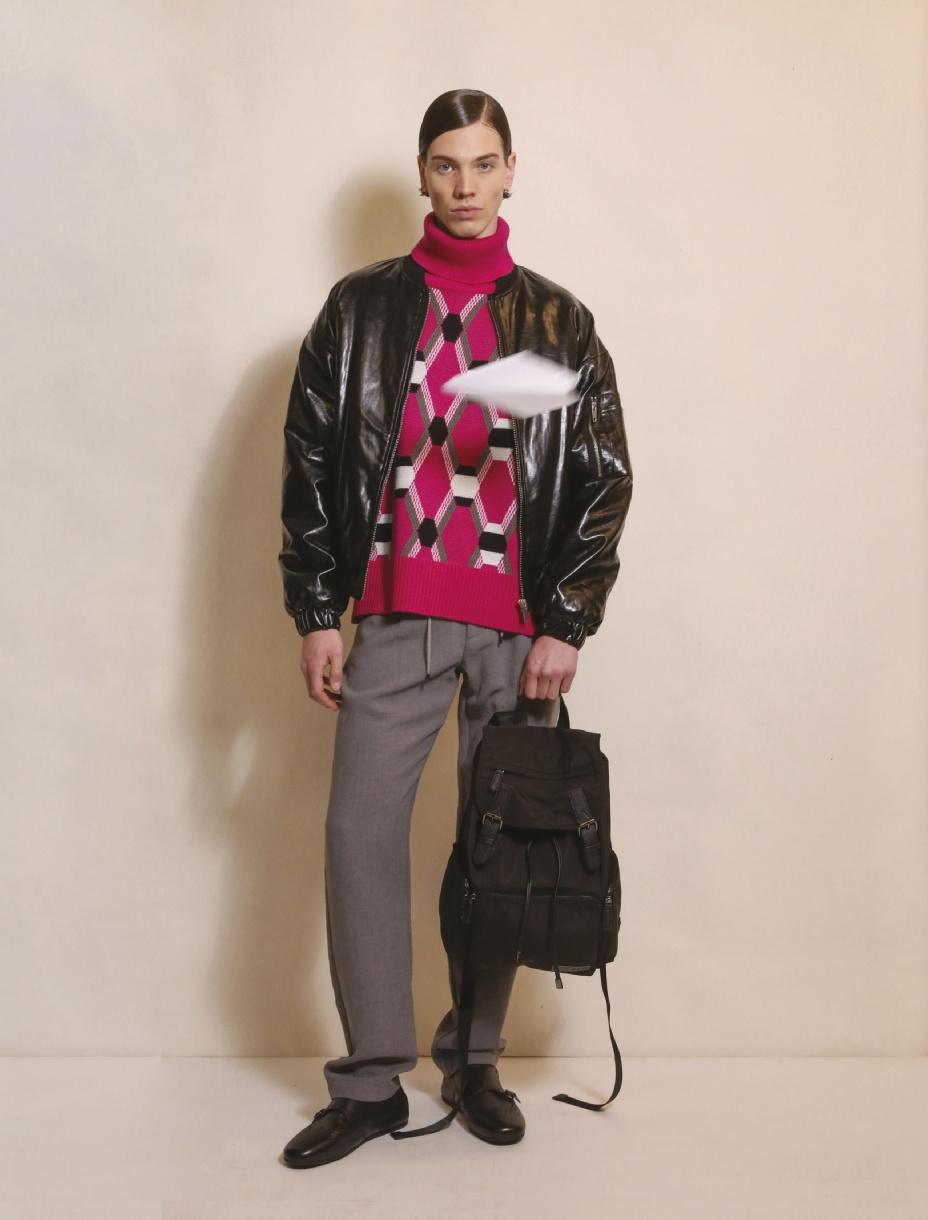
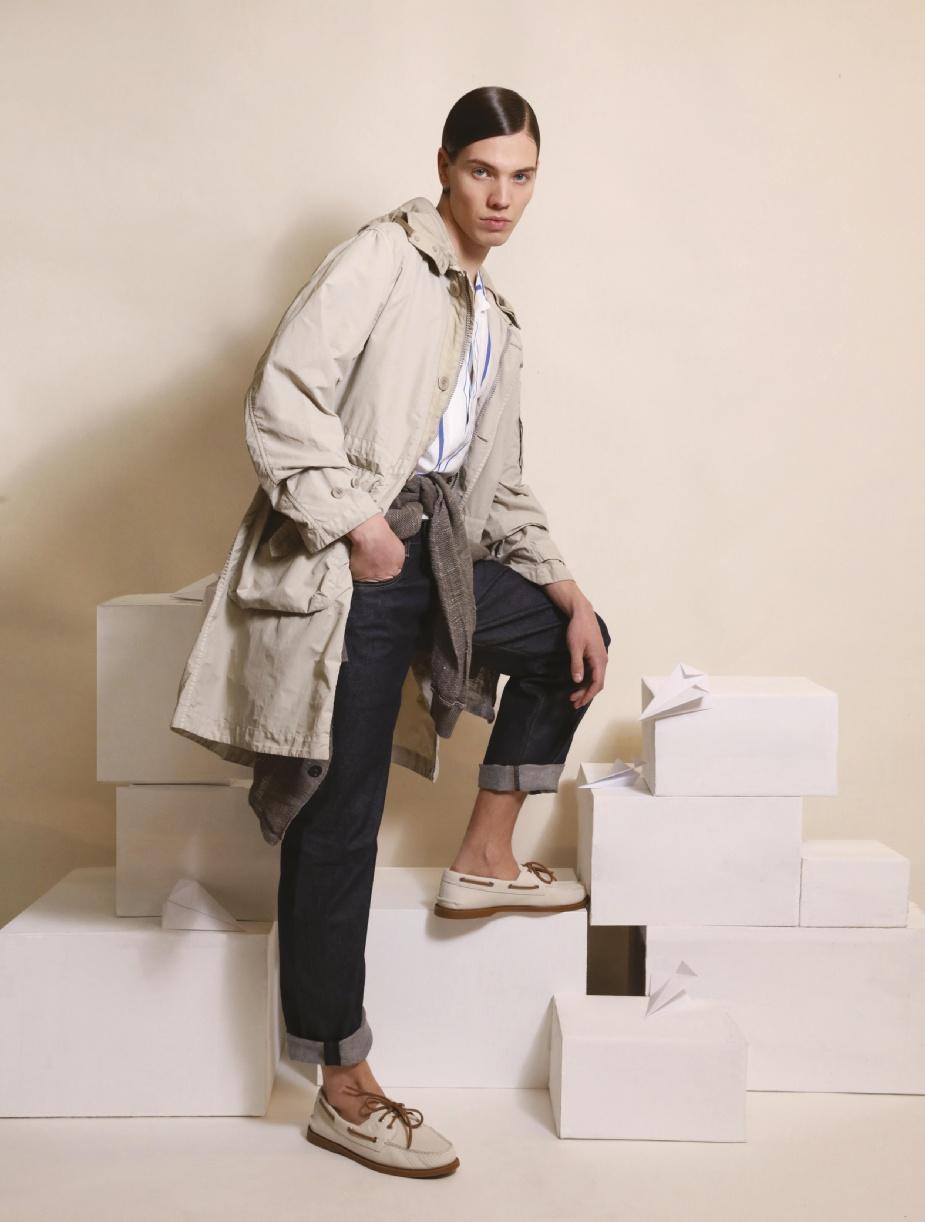
Airborn geometries
Masculine codes poised volumes
Photo by Angelo Lanza
Fashion by Chiara Naretto
Shirt: ZONA 20 Blazer: BARBA NAPOLI Jeans: LEVI’S
Shoes: GREEN GEORGE Bag: RODO
Jacket And Pants: LEVI’S
Shoes: SCAROSSO
Sunglasses: OKKIA CLUB
Shirt: ANTONY MORATO Jacket: NUDE PROJECT
Jeans: LEVI’S
Shoes: SPERRY Bag: MINORONZONI
Total Look: COLLINI Bag: RADICA Shoes: SERGIO ROSSI
Jacket: SAINT LAURENT
Sweater: RANDOM IDENTITIES
Trousers: MONTECORE
Shoes: SCAROSSO
Backpack: MINORONZONI
Trench: C.P. COMPANY
Shirt: PENINSULA Sweater: AVANT TOI Denim: LEVI’S Shoes: SPERRY
Styling Assistant: Margherita Maffei, Ilaria Scappi Model: Antonio Tortorella @Ilovemodelsmngt
Luggage from the aristocracy to the middle-class traveller - episode I
by Maria Cristina Rossi
Dal baule di rappresentanza alla prima valigia moderna: tre secoli di storia raccontati attraverso oggetti che erano già, allora, molto più di semplici contenitori.
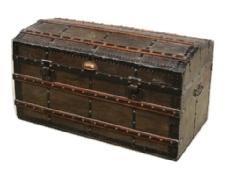
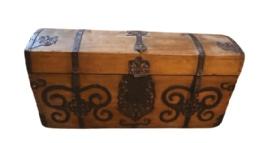
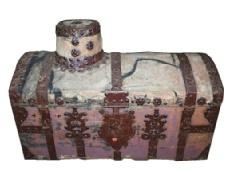
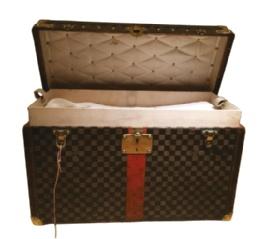
C’è un oggetto che, più di qualunque altro, ha saputo tenere il tempo. Non un orologio, non un libro. Una valigia. O meglio, quello che veniva prima di essa: il baule. Tozzo, pesante, rinforzato con borchie di metallo e legno pregiato, il baule settecentesco non era pensato per essere trasportato facilmente, era pensato per arrivare. Per essere visto. Per dichiarare, prima ancora che il padrone aprisse bocca, chi fosse, a quale rango appartenesse, quanto lontano potesse permettersi di andare.
La storia della valigeria è, in questo senso, uno specchio fedele della storia del costume. Ogni volta che il modo di viaggiare cambia, cambia anche il modo di portare con sé le proprie cose. E ogni volta che cambia il bagaglio, cambia anche l’idea di chi siamo quando siamo in movimento, lontani da casa, lontani dalle abitudini, sospesi tra un luogo e un altro. In quel momento di sospensione, la valigia ci rappresenta più di quanto immaginiamo.
Il Settecento: partire era uno spettacolo
Nel Settecento, viaggiare era un atto che riguardava pochissimi. L’aristocrazia europea e in misura minore la grande borghesia mercantile, era praticamente l’unica classe sociale in grado di affrontare i costi, i rischi e i tempi di un viaggio vero. Le strade erano impervie, le carrozze scomode, le soste incerte. Eppure si partiva, e si partiva in grande stile. Una famiglia nobile che si spostava per ragioni diplomatiche, per il Grand Tour, per seguire la corte non caricava su una sola carrozza il necessario per il viaggio. Ne occupava più di una, spesso affiancata da muli e servitori a cavallo. Il numero di pezzi di bagaglio poteva facilmente superare i trenta o quaranta tra bauli, cappelliere, casse per gli abiti da cerimonia, cofanetti per i gioielli, necessaire da toilette e astucci per le posate d’argento. Non era eccesso: era protocollo.
I bauli dell’epoca erano oggetti di grande manifattura. La struttura portante era in legno, spesso abete o pioppo, rinforzata con borchie e profili in ottone o ferro battuto. Le finiture interne, in taffetà o velluto, custodivano gli indumenti più preziosi avvolti in carta di seta. Le chiusure erano complesse e affidabili. Nulla era lasciato al caso. Il bagaglio era curato quanto l’abito del suo proprietario perché, in un certo senso, ne era il prolungamento.
Il bagaglio, insomma, non era un oggetto funzionale. Era un’estensione visibile della ricchezza familiare, una dichiarazione di status che precedeva di ore o giorni l’arrivo del padrone. La servitù che gestiva i bauli era personale specializzato: sapeva come imballarli, come caricarli, come difenderli dagli agenti atmosferici durante il viaggio. Era un mestiere, con le sue regole non scritte e le sue gerarchie silenziose.
Nel Settecento partire era uno spettacolo: la carrozza stracarica di bauli pesanti, rinforzati con borchie di metallo, era la prima dichiarazione di potere di una famiglia
In the 18th century, leaving was a spectacle: the carriage overloaded with heavy trunks, reinforced with metal studs, was the first declaration of power of a noble family.
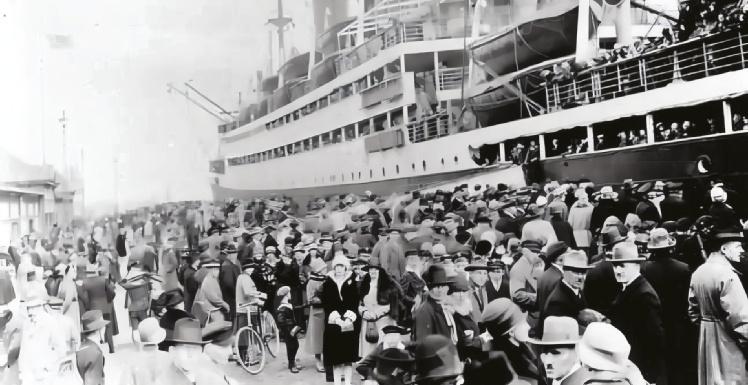
L’Ottocento: il vapore cambia tutto Poi arriva il vapore, e il mondo non è più lo stesso. La ferrovia quella grande invenzione che comprime le distanze in modo che sembrava impossibile solo una generazione prima. Un tragitto che richiedeva giorni di carrozza si riduce a poche ore. I transatlantici aprono le rotte oceaniche a chi, prima, non avrebbe mai potuto nemmeno immaginare di attraversare un oceano. Il viaggio smette di essere un’eccezione e
comincia a diventare un’abitudine almeno per chi può permetterselo. In questo contesto nasce la valigeria moderna come la intendiamo oggi. Non più soltanto produzione artigianale su commissione per le grandi famiglie, ma una vera industria del bagaglio, con manifatture specializzate, cataloghi, clienti abituali, richieste precise. I grandi marchi nascono in questo momento, e nascono con un’identità già forte: non vendono contenitori, vendono un modo di viaggiare.
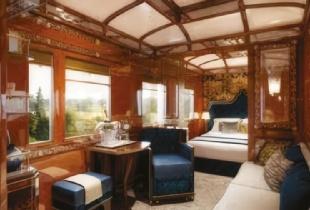
Steam shortens distances and ushers in elite tourism: luxurious trains and ocean liners revolutionise the relationship between people and travel.
nobile.
Il vapore accorcia le distanze e inaugura il turismo d’élite: treni lussuosi e transatlantici rivoluzionano il rapporto tra le persone e il viaggio.
1854: Louis Vuitton reinventa il baule
Il 1854 è una data che nella storia della valigeria ha il peso che il 1947 ha nella storia della moda, l anno in cui Christian Dior, con il suo New Look, sancisce la rinascita del lusso e dell’eleganza dopo anni di austerità bellica. È l’anno in cui Louis Vuitton apre il suo primo negozio al numero 4 di Rue Neuve-des-Capucines a Parigi, e lo fa con un’idea precisa: rivoluzionare il baule da viaggio.
Il suo capolavoro si chiama Trianon. A differenza dei bauli convessi che erano stati la norma per secoli — quella forma a cupola che permetteva all’acqua di scivolare via ma rendeva impossibile qualsiasi impilazione — il Trianon è piatto. Sembrerebbe una scelta ovvia, ma non lo era affatto: Vuitton capisce prima degli altri che il futuro del viaggio è verticale, che i bauli verranno caricati uno sull’altro su treni e navi, e che l’impilabilità è una virtù tecnica destinata a diventare uno standard. Il rivestimento in tela grigia cerata, leggero e impermeabile, fa il resto: il Trianon è più maneggevole, meno pesante, più resistente all’umidità rispetto ai bauli in cuoio pieno dei concorrenti.
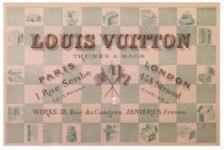
Ma la vera intuizione di Vuitton non è solo tecnica, è culturale. Lui capisce che il baule deve diventare un oggetto riconoscibile, identificabile, personale. Nel 1888 introduce il motivo a scacchi Damier, e nel 1896 suo figlio Georges lancia il Monogram Canvas — un pattern di fiori stilizzati e iniziali intrecciate che è, di fatto, uno dei primissimi atti di branding visivo della storia della moda. Non a caso era anche uno strumento anti-contraffazione: le imitazioni dei bauli Vuitton erano già un problema in quegli anni, e il Monogram rendeva le copie immediatamente riconoscibili.
I bauli Vuitton dell’epoca erano oggetti di complessità sorprendente. All’interno potevano contenere armadi in miniatura con cassetti, specchi, portaabiti su misura, scomparti segreti. Erano commissioni private, personalizzate secondo le esigenze del cliente: chi viaggiava con tanti libri, chi con valigette da toilette, chi con un intero set di stoviglie in argento. Oggi alcuni di questi esemplari vengono battuti nelle grandi case d’aste, Christie’s a Parigi li ha inseriti in cataloghi di collezione a cifre che riflettono non solo la qualità della manifattura, ma il peso storico e iconico di questi oggetti.
Il necessaire da toilette: il lusso nel lusso
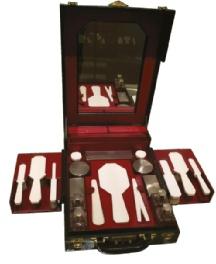
Accanto ai grandi bauli da trasporto, il XIX secolo perfeziona un oggetto che è quasi un microcosmo del gusto borghese e aristocratico dell’epoca: il necessaire da toilette.
Erano piccole casse, spesso in cuoio o ebano, con interni in velluto o seta avorio — che contenevano tutto il necessario per la cura personale del viaggiatore: spazzole con manico in argento o avorio, flaconi da profumo in cristallo molato, specchietti incorniciati, accessori per la rasatura, forbicine, fermagli.
Erano oggetti di raffinatezza estrema, destinati alle dame e ai gentiluomini dell’alta società che non potevano concedersi, nemmeno in viaggio, alcuna approssimazione nel rito della toilette.
Ogni pezzo era coordinato, spesso personalizzato con le iniziali del proprietario, e il set completo rappresentava un investimento considerevole, all’altezza, però, del messaggio sociale che veicolava. Portare con sé un necessaire di questo livello era comunicare, anche in un vagone ferroviario o in una cabina di transatlantico, che si apparteneva a un mondo dove la cura di sé era un’arte, non una necessità.
Trunks and Monograms - 1896: Archive - Louis Vuitton Museum, Paris.
Nineteenth-century toiletries bags were veritable travel jewels: silver brushes, crystal bottles, framed mirrors. Luxury was not left at home.
Bauli e monogram - 1896 : Archivio - Museo Louis Vuitton, Parigi.
I necessaire da toilette ottocenteschi erano veri e propri gioielli da viaggio: spazzole in argento, flaconi in cristallo, specchi incorniciati. Il lusso non si lasciava a casa.
Franzi: quando Milano vestiva le case reali
Se Parigi aveva Louis Vuitton, Milano aveva Franzi. Fondata nel 1864, la Valigeria Franzi nasce in un momento in cui la borghesia milanese sta costruendo la propria identità fatta di qualità silenziosa, artigianato impeccabile, discrezione. Niente eccessi, niente ostentazione: solo la perfezione del dettaglio, la scelta del materiale migliore, la cura di ogni cucitura. In pochi decenni, Franzi diventa qualcosa di più di un marchio di valigeria: diventa un fornitore ufficiale di case reali. Quattro, per la precisione, un primato assoluto nella storia della pelletteria mondiale. L’Italia dei Savoia, l’Austria degli Asburgo, l’Egitto di casa Khediviale, la Grecia dei
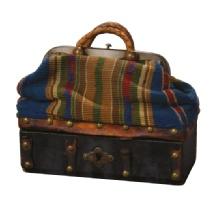
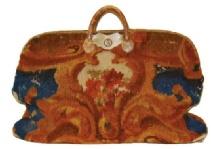
La Carpet Bag e la valigia degli emigranti
Mentre l’aristocrazia europea perfezionava i propri bauli su misura, dall’altra parte dell’Atlantico si stava costruendo un’altra storia. Negli Stati Uniti, l’espansione della rete ferroviaria e la crescita del trasporto navale stavano rendendo il viaggio accessibile per la prima volta a persone di condizione umile, lavoratori, commercianti, e soprattutto emigranti. Persone che avevano bisogno di portare con sé le proprie cose, ma che non potevano permettersi né il peso né il costo di un baule. Nasce così la Carpet Bag: letteralmente, una borsa da tappeto. Il nome dice tutto. I primi esemplari erano realizzati con ritagli di tappeti orientali o persiani, materiali resistenti, spessi, abbastanza rigidi da mantenere una forma. Avevano un manico singolo, abbastanza ca-
Glücksburg: tutte e quattro contemporaneamente. Questo significava che lo stesso laboratorio milanese produceva bauli e valigette per sovrani e principi di corti diverse, spesso rivali sul piano politico ma accomunati dall’esigenza di possedere il meglio.
Il riconoscimento come fornitore reale non era una questione di marketing. Era una certificazione di eccellenza assoluta, ottenuta dopo ispezioni, forniture di prova, valutazioni rigorose da parte degli acquisti di corte. Per Franzi era il sigillo di una reputazione costruita con pazienza e coerenza, generazione dopo generazione. Ancora oggi, a più di 160 anni dalla fondazione, quel pedigree rimane parte integrante dell’identità del marchio.
piente da contenere gli indumenti essenziali, abbastanza leggera da essere trasportata da una sola persona senza l’aiuto di servitori. Era l’antitesi del baule aristocratico: democratica, improvvisata, funzionale prima di qualunque altra cosa.
Il problema della Carpet Bag era la sua fragilità: il tessuto dei tappeti si usurava rapidamente, soprattutto agli angoli e ai punti di maggiore stress. I fabbricanti cominciarono quindi a sperimentare alternative: prima la tela robusta, poi la pelle. Ed è qui che la storia cambia registro. Quando la pelle entra in gioco, la sacca da viaggio smette di essere un ripiego e diventa un oggetto degno. Le persone benestanti, non più solo i ricchi, ma la borghesia emergente, i professionisti, i commercianti, cominciano ad adottarla.
E con la pelle arrivano anche i lucchetti: la sacca non contiene più solo
The original Valigeria Franzi plaque with the coats of arms of the four royal houses — Italy, Austria, Egypt and Greece.
Carpet bags — bags made from scraps of carpet — were the luggage of emigrants and workers. Then came leather, and with it the padlock.
La placca originale della Valigeria Franzi con gli stemmi delle quattro Case Reali — Italia, Austria, Egitto e Grecia.
Le Carpet Bag — borse ricavate da ritagli di tappeto — furono il bagaglio degli emigranti e dei lavoratori. Poi arrivò la pelle, e con essa il lucchetto.
DESIGN FOR TRAVEL
vestiti, ma anche denaro. La sicurezza diventa una funzione essenziale.
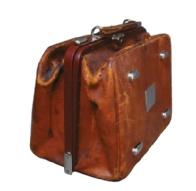
Tra la fine dell’Ottocento e i primi anni del Novecento, con i grandi flussi migratori che portano milioni di persone dall’Europa alle Americhe e altrove, questa sacca evolve ancora. Le pareti si irrigidiscono, il fondo diventa più stabile, il manico si rinforza. Nasce così la piccola valigia rigida con manico singolo che è, a tutti gli effetti, la diretta antenata della valigia moderna. Non più un oggetto per pochi: un compagno di viaggio per chiunque si mettesse in cammino verso una vita nuova.
Un oggetto che cresce con il mondo Guardando indietro a questo primo grande capitolo della valigeria, quello che colpisce non è tanto l’evoluzione tecnica, i materiali che cambiano, le chiusure che si perfezionano, il peso che diminuisce, quanto piuttosto la coerenza del significato profondo che il bagaglio porta con sé. In ogni epoca, in ogni contesto sociale, il modo in cui le persone impacchettano le proprie cose dice qualcosa di essenziale su di loro: le priorità, i valori, le aspirazioni. Il baule del nobile settecentesco e la Carpet Bag dell’emigrante ottocentesco sono due oggetti agli antipodi per materiali, costo, ambizione estetica. Eppure condividono la stessa radice: la necessità umana di portare con sé un pezzo del proprio mondo, qualunque esso sia, ogni volta che ci si mette in movimento.
Nel prossimo numero: il Novecento irrompe con l’automobile, l’aereo e una nuova classe di consumatori. La valigia smette di essere un privilegio e diventa un’industria globale. E tra una guerra e l’altra, nascono i nomi che ancora oggi definiscono il lusso nel viaggio.
From the formal trunk to the first modern suitcase: three centuries of history told through objects that were, even then, much more than simple containers.
There is one object that, more than any other, has been able to keep time. Not a watch, not a book. A suitcase. Or rather, what came before it: the trunk. Stocky, heavy, reinforced with metal studs and fine wood, the 18th-century trunk was not designed to be easily transported, it was designed to arrive. To be seen. To declare, even before its owner opened his mouth, who he was, what rank he belonged to, how far he could afford to go. In this sense, the history of luggage is a faithful reflection of the history of customs. Every time the way we travel changes, the way we carry our belongings also changes. And every time our luggage changes, so does the idea of who we are when we are on the move, far from home, far from our habits, suspended between one place and another. In that moment of suspension, our suitcase represents us more than we imagine.
The 18th century: travelling was a spectacle
In the 18th century, travelling was something that very few people did. The European aristocracy and, to a lesser extent, the wealthy merchant class were practically the only social classes able to afford the costs, risks and time involved in real travel. The roads were rough, the carriages uncomfortable and the stops uncertain. Yet people still travelled, and they did so in style.
A noble family travelling for diplomatic reasons, for the Grand Tour, or to follow the court did not load everything they needed for the journey onto a single carriage. They used more than one, often accompanied by mules and servants on horseback. The number of pieces of luggage could easily exceed thirty or forty, including trunks, hat boxes, chests for ceremonial clothing, jewellery boxes, toiletries bags and silver cutlery cases. It was not excess: it was protocol. Trunks of that era were objects of great craftsmanship. The supporting structure was made of wood, often fir or poplar, reinforced with brass or wrought iron studs and profiles. The interior finishes, in taffeta or velvet, protected the most precious garments wrapped in silk paper. The closures were complex and reliable. Nothing was left to chance. The luggage was as well cared for as its owner’s clothes because, in a sense, it was an extension of them.
In short, luggage was not a functional object. It was a visible extension of the family’s wealth, a statement of status that preceded the arrival of its owner by hours or days. The servants who handled the trunks were specialised personnel: they knew how to pack them, how to load them, how to protect them from the elements during the journey. It was a profession, with its unwritten rules and silent hierarchies.
The 19th century: steam changes everything
Then came steam, and the world was never the same again. The railway, that great invention that compressed distances in a way that seemed impossible just a generation earlier. A journey that used to take days by carriage was reduced to a few hours. Ocean liners opened up transatlantic routes to those who, before, could never have imagined crossing an ocean. Travel ceased to be an exception and began to become a habit, at least for those who could afford it.
It was in this context that modern luggage as we know it today was born. No longer just handcrafted to order for wealthy families, but a real luggage industry, with specialised manufacturers, catalogues, regular customers and specific requests. The big brands were born at this time, and they were born with a strong identity: they did not sell containers, they sold a way of travelling.
1854: Louis Vuitton reinvents the trunk
The year 1854 is as significant in the history of luggage as 1947 is in the history of fashion, the year in which Christian Dior, with his New Look, heralded the rebirth of luxury and elegance after years of wartime austerity. It was the year Louis Vuitton opened his first
The 18th-century trunk was not designed to be easily transported, it was designed to arrive. To be seen. To declare, even before its owner opened his mouth, who he was, what rank he belonged to, how far he could afford to go
store at 4 Rue Neuve-des-Capucines in Paris, and he did so with a clear idea in mind: to revolutionise the travel trunk.
His masterpiece is called Trianon. Unlike the convex trunks that had been the norm for centuries — with their domed shape that allowed water to slide off but made stacking impossible — the Trianon is flat. It would seem an obvious choice, but it was not at all: Vuitton understood before anyone else that the future of travel was vertical, that trunks would be loaded on top of each other on trains and ships, and that stackability was a technical virtue destined to become a standard. The lightweight, waterproof grey waxed canvas lining did the rest: the Trianon was easier to handle, lighter and more resistant to moisture than its competitors’ solid leather trunks. But Vuitton’s true insight was not only technical, it was cultural. He understood that the trunk had to become a recognisable, identifiable, personal object. In 1888, he introduced the Damier check pattern, and in 1896, his son Georges launched Monogram Canvas — a pattern of stylised flowers and intertwined initials that is, in fact, one of the very first acts of visual branding in fashion history. Not surprisingly, it was also an anti-counterfeiting tool: imitations of Vuitton trunks were already a problem in those years, and the Monogram made copies immediately recognisable.
The Vuitton trunks of the era were objects of surprising complexity. Inside, they could contain miniature wardrobes with drawers, mirrors, custom-made clothes hangers and secret compartments. They were private commissions, customised according to the customer’s needs: some travelled with lots of books, others with toiletries cases, and others with an entire set of silver tableware. Today, some of these items are auctioned at major auction houses. Christie’s in Paris has included them in its collection catalogues at prices that reflect not only the quality of their manufacture but also the historical and iconic significance of these objects.
The toiletries bag: luxury within luxury
Alongside large transport trunks, the 19th century perfected an object that was almost a microcosm of the bourgeois and aristocratic taste of the time: the toiletries bag. These were small boxes, often made of leather or ebony, with velvet or ivory silk interiors, containing everything a traveller needed for personal care: brushes with silver or ivory handles, cut crystal perfume bottles, framed mirrors, shaving accessories, scissors and hair clips.
These were extremely refined objects, intended for ladies and gentlemen of high society who could not allow themselves, even when travelling, any approximation in their toiletries ritual. Each piece was coordinated, often personalised with the owner’s initials, and the complete set represented a considerable investment, but one that was commensurate with the social message it conveyed. Carrying a toiletries bag of this calibre was a way of communicating, even in a railway carriage or transatlantic cabin, that one belonged to a world where personal care was an art, not a necessity.
Franzi: when Milan dressed the royal houses
If Paris had Louis Vuitton, Milan had Franzi. Founded in 1864, Valigeria Franzi was born at a time when the Milanese bourgeoisie was building its identity based on quiet quality, impeccable craftsmanship and discretion. No excesses, no ostentation: just perfection in detail, the choice of the best materials and attention to every stitch.
In just a few decades, Franzi became more than just a luggage brand: it became an official supplier to royal families. Four, to be precise, an absolute record in the history of global leather goods. The Savoy dynasty in Italy, the Habsburgs in Austria, the Khedivial family in Egypt, and the Glücksburgs in Greece: all four at the same time. This meant that the same Milanese workshop produced trunks and briefcases for sovereigns and princes from different courts, often political rivals but
united by the need to possess the best.
Recognition as a royal supplier was not a matter of marketing. It was a certification of absolute excellence, obtained after inspections, trial supplies and rigorous evaluations by the royal purchasing department.
For Franzi, it was the seal of a reputation built with patience and consistency, generation after generation. Even today, more than 160 years after its foundation, that pedigree remains an integral part of the brand’s identity.
The Carpet Bag and the emigrants’ suitcase
While the European aristocracy was perfecting its custom-made trunks, another story was unfolding on the other side of the Atlantic.
In the United States, the expansion of the railway network and the growth of shipping were making travel accessible for the first time to people of humble means, workers, traders and, above all, emigrants. These were people who needed to take their belongings with them but could not afford the weight or cost of a trunk.
This is how the Carpet Bag came about: literally, a bag made from carpet. The name says it all. The first examples were made from scraps of Oriental or Persian carpets, materials that were resistant, thick and rigid enough to hold their shape. They had a single handle, were large enough to hold essential clothing items and light enough to be carried by a single person without the help of servants. It was the antithesis of the aristocratic trunk: democratic, improvised and functional above all else.
The problem with the Carpet Bag was its fragility: the fabric of the carpets wore out quickly, especially at the corners and points of greatest stress. Manufacturers therefore began to experiment with alternatives: first sturdy canvas, then leather. And this is where the story takes a turn. When leather comes into play, the travel bag ceases to be a makeshift solution and becomes a worthy object. Wealthy people, no
longer just the rich, but the emerging middle class, professionals and merchants, began to adopt it. And with leather came padlocks: the bag no longer contained just clothes, but also money. Security became an essential feature.
Between the late 19th and early 20th centuries, with large migratory flows bringing millions of people from Europe to the Americas and elsewhere, this bag evolved further. The walls became stiffer, the bottom more stable and the handle stronger. This led to the creation of the small hard suitcase with a single handle, which is, to all intents and purposes, the direct ancestor of the modern suitcase. No no longer an object for the few, it became a travel companion for anyone setting out on a new life.
An object that grows with the world
Looking back on this first major chapter in the history of luggage, what is striking is not so much the technical evolution, the changing materials, the improved fastenings, or the reduced weight, but rather the consistency of the profound meaning that luggage carries with it. In every era, in every social context, the way people pack their belongings says something essential about them: their priorities, values and aspirations.
The trunk of the 18th-century nobleman and the carpet bag of the 19th- century emigrant are two objects that are polar opposites in terms of materials, cost and aesthetic ambition. Yet they share the same root: the human need to take a piece of one’s world with one, whatever it may be, whenever one sets out on a journey.
In the next issue: the 20th century bursts onto the scene with the car, the aeroplane and a new class of consumers. The suitcase ceases to be a privilege and becomes a global industry. And between one war and another, the names that still define luxury in travel today are born.
AI is coming to the factory floor. And it’s not going anywhere 37
L'Intelligenza Artificiale sta trasformando in profondità il manifatturiero globale, ma il divario tra chi la usa davvero e chi si limita a parlarne è già enorme.
Secondo i dati OCSE, la quota di aziende con almeno dieci dipendenti che adottano l'intelligenza artificiale è passata dal 6% nel 2020 al 20% nel 2025. In cinque anni, più che triplicata. Qualcuno potrebbe leggere questo dato come un segnale incoraggiante di diffusione tecnologica. Chi conosce il manifatturiero sa che la vera domanda non è quante imprese adottano l'AI, ma quante la usano per generare valore reale. Perché qui si apre la crepa. Uno studio Accenture rivela che, nonostante l'86% delle aziende investa in AI, solo il 18% riesce a generarne valore concreto. I motivi? Principalmente la scarsa preparazione della forza lavoro, la mancanza di infrastrutture informative adeguate e — aggiungiamo — la tendenza a usare l'AI come strumento di comunicazione prima ancora che come strumento
operativo. Siemens, Volkswagen, BMW e Michelin stanno già implementando l'AI per ottimizzare produzione, logistica e controllo qualità. E le aspettative sono concrete: per gli Stati Uniti si prevede un aumento della produttività manifatturiera del 2,7% nel 2025 proprio grazie all'AI.
L'Italia, da questo punto di vista, parte con uno svantaggio significativo: l'83,6% delle imprese con almeno dieci addetti non adotta tecnologie AI, secondo i dati ISTAT di dicembre 2025. Un dato che pesa, in un Paese che è ancora una potenza manifatturiera, ma che fatica a colmare il gap di competenze, a navigare l'incertezza normativa e a sostenere i costi di adozione. La Francia, per fare un confronto, ha già finanziato un data center AI per Mistral con 830 milioni di dollari tramite un consorzio bancario.
AI E CALZATURE
Calzature, un comparto dove l'artigianalità è un valore autentico, così come l'innovazione tecnologica.
Il mercato calzaturiero globale ha raggiunto nel 2023 un valore di circa 417,5 miliardi di dollari, con stime che lo portano a 642,16 miliardi entro il 2032. Un settore industriale di primissimo piano, quindi, con dinamiche competitive globali. E l'AI, in questo contesto, non è più un'opzione da esplorare nei convegni, ma una necessità strategica per la competitività e la sostenibilità del settore nei prossimi anni.
Le applicazioni lungo la filiera sono già concrete e documentate.
Sul fronte del design, strumenti di generative AI consentono di trasformare uno sketch in un'immagine in pochi secondi, esplorando infinite varianti stilistiche sulla base di parametri definiti dal designer. Mentre l'AI può generare design, richiede sempre la visione del designer e istruzioni chiare per farlo: l'intelligenza umana resta al centro, ma viene amplificata, non sostituita.
Sul fronte della personalizzazione, il livello di sofisticazione raggiunto è notevole. Aziende come Volumental usano tecnologie avanzate come computer vision e AI per fornire raccomandazioni personalizzate di taglia e stile: le scansioni 3D dei piedi catturano dieci dati cruciali, e le raccomandazioni sono addestrate su oltre
45 milioni di scansioni combinate con milioni di acquisti passati. Un sistema che riduce i resi e migliora la soddisfazione del cliente, due obiettivi che per qualsiasi brand rappresentano voci di bilancio concrete.
In produzione, l'impatto è altrettanto tangibile. Robot equipaggiati con sistemi AI basati su modelli di deep learning sono ora in grado di eseguire operazioni complesse con alta precisione e velocità, dal taglio alla cucitura, dall'assemblaggio dei componenti all'organizzazione delle solette, sostituendo il lavoro manuale ripetitivo con prestazioni costanti, costi ridotti e tempi di produzione più brevi. Nella supply chain, i guadagni sono misurabili: i modelli predittivi
basati su machine learning hanno già mostrato tassi di accuratezza fino al 97% nelle previsioni per singolo prodotto e all'85% per categoria, abilitando decisioni più precise e agili.
CON IL PROGETTO FAIST L'AI ARRIVA IN FABBRICA
Il modo migliore per capire se una tecnologia funziona davvero è guardare cosa succede quando viene portata sul campo, non in un laboratorio ma in una fabbrica che deve rispettare le consegne, gestire i fornitori e chiudere i bilanci.
Il progetto FAIST (Fabbrica Agile, Intelligente, Sostenibile e Tecnologica) è un consorzio nazionale progettato per modernizzare l'industria calzaturiera e pellettiera portoghese attraverso l'innovazione applicata. Riunisce oltre quaranta partner — produttori, fornitori di tecnologia e istituzioni di ricerca — e si estende da giugno 2022 a giugno 2026 con un investimento complessivo di circa 50 milioni di euro.
Tre casi concreti mostrano il percorso dall'intenzione al risultato. Il primo è Olifel, società fondata nel 1988 a Felgueiras che sviluppa software gestionale per produttori di suole. All'interno di FAIST, Olifel ha sviluppato Visualgest, un motore di pianificazione e schedulazione che considera scadenze, priorità cliente, disponibilità materiali, capacità macchine, stampi, colori e tempi ciclo per generare scenari ottimizzati in pochi minuti. Gli obiettivi dichiarati sono specifici: riduzione del tempo di ciclo di pianificazione da otto ore a una; aderenza agli schedule portata dal 50% al 98,5%; utilizzo delle risorse critiche (ad esempio le linee suole) aumentato dal 60% all'84%; work-in-process ridotto da 10 a 2 unità; non conformità abbattute da 10 a 4 unità. Non si tratta di percentuali estratte da una brochure: sono KPI misurabili, legati a dati di fabbrica reali.
Il secondo caso è ISI, produttore portoghese specializzato in suole iniettate con circa 130 dipendenti. La sostenibilità è un pilastro del modello di business di ISI: l'azienda detiene la certificazione ISO 14001 e RCS (Recycled Claim Standard), e il suo focus sul "zero waste" prevede il recupero e la micronizzazione degli scarti di produzione, inclusi materiali come le palline da tennis dismesse. All'interno di FAIST, ISI sta implementando strumenti per monitorare la CO₂ emessa per ogni paio prodotto oltre che collegare la pianificazione di produzione al monitoraggio in tempo reale dell'andamento della fabbrica. Il risultato atteso? ISI prevede una riduzione del 90% nel tempo del ciclo di pianificazione grazie all'utilizzo dell'AI.
Il terzo caso è MIND, sviluppatore di soluzioni CAD/CAM industriali fondato nel 1997, con una quota di circa il 30% dei ricavi legata alla calzatura. Nel modelling, MIND riporta casi in cui il tempo di sviluppo del campione è sceso di circa tre quarti, passando da otto settimane a circa due per ottenere l'approvazione del design. L'efficienza del piazzamento legato al taglio dei materiali è proiettata in miglioramento fino a tre punti percentuali, traducendosi in risparmi equivalenti di materia prima e meno pezzi difettosi.
EXPORT E AI: LA COMPETITIVITÀ PASSA PER I DATI
C'è un ulteriore piano su cui l'intelligenza artificiale sta cambiando le carte in tavola per le imprese del made in Italy, calzatura inclusa: quello dell'internazionalizzazione.
Le esportazioni italiane nel 2025 hanno raggiunto 640 miliardi di euro, con oltre 120.000 imprese esportatrici. Ma la crescita non è uniforme: mentre farmaceutica e mezzi di trasporto avanzano, tessile e abbigliamento arretrano del -2,2% per il secondo anno consecutivo. In questo scenario di forte selettività dei mercati, la capacità di analizzare rapidamente dove e come vendere diventa discriminante.
Giorgio Spina, CEO di Execus, va dritto al punto: l'AI generativa, in questo contesto, è un asset strategico. Il report McKinsey "The economic potential of generative AI" stima che l'AI generativa possa incrementare la produttività delle attività knowledge-intensive tra il 30% e il 45%. E i dati della ricerca AI 4 Italy, condotta da TEHA Group con Microsoft Italia, confermano che il 47% delle aziende che usano l'AI dichiara una crescita dei ricavi superiore al 5%.
Applicata all'export, l'AI consente di ottimizzare le rotte logistiche internazionali, automatizzare la documentazione doganale, gestire i contenuti commerciali in più lingue e analizzare quasi in tempo reale le performance per mercato, canale e linea di prodotto. Non è burocrazia tecnologica: è la riduzione dell'asimmetria informativa che oggi penalizza le PMI rispetto ai grandi player globali.
Il filo che unisce questi scenari — dalla fabbrica portoghese di suole al piccolo produttore italiano che vuole espandere l'export — è uno solo: l'AI crea valore quando parte da un obiettivo preciso, lavora su dati disponibili e viene misurata su indicatori concreti come tempi di pianificazione, aderenza agli schedule, scarti, consegne puntuali, conversioni sui mercati esteri. Chi aspetta il momento perfetto, i dati perfetti o il sistema perfetto, rischia di trovarsi a inseguire concorrenti che hanno già imparato a correre.
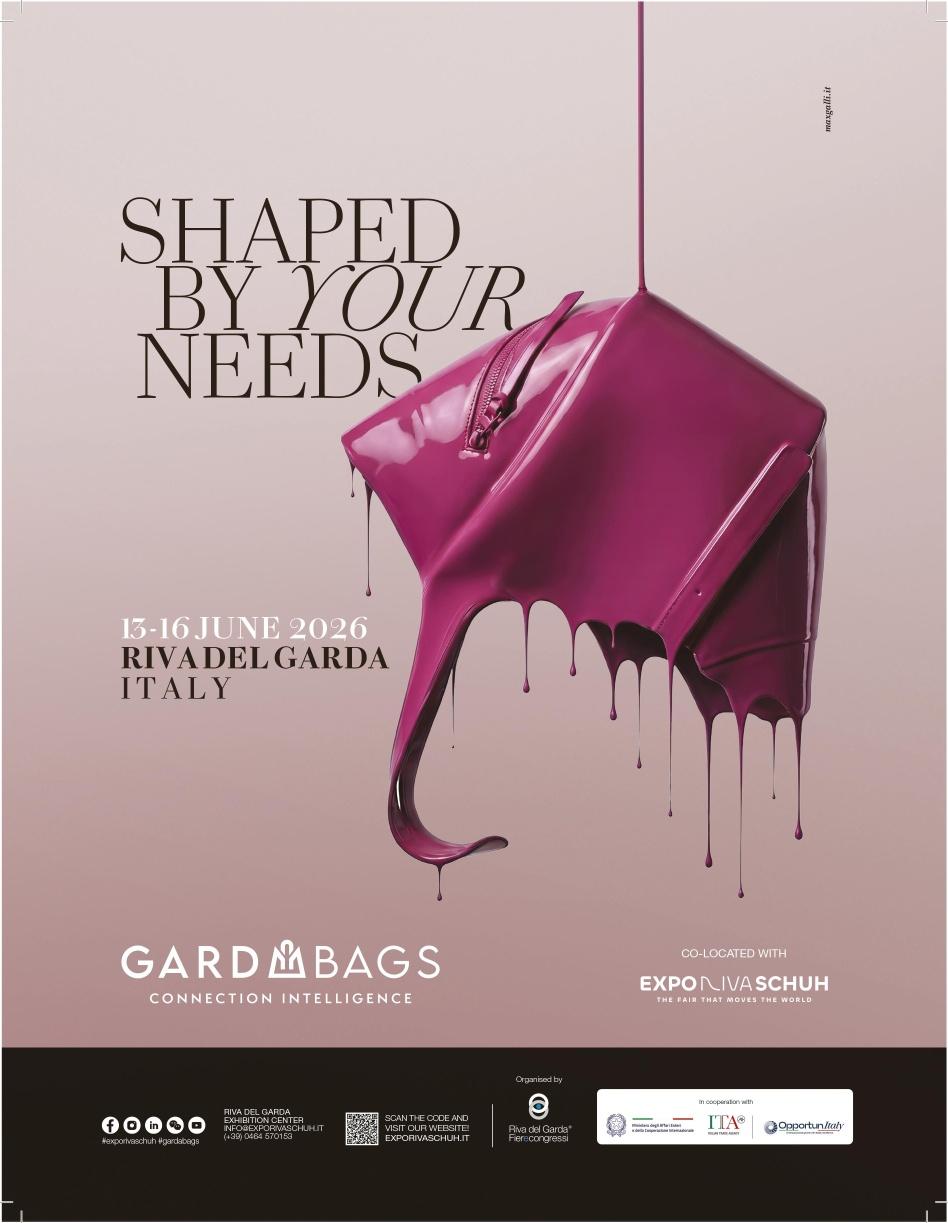
L'innovazione digitale e tecnologica, tra cui l'AI, possono concretamente cambiare il profilo industriale della produzione e del business calzaturiero. Expo Riva Schuh e Gardabags lo hanno capito da tempo; infatti, da molti anni ospitano l'Innovation Village Retail selezionando e dando voce a interessanti Startup di caratura internazionale. Un'attenzione che si confermerà anche durante la prossima edizione (13-16 giugno 2026) che ospiterà anche la presentazione dei risultati del progetto FAIST, di cui abbiamo accennato poco fa.
Riva del Garda, quindi, punto di riferimento non solo per il business internazionale di scarpe e borse, ma anche occasione unica per informarsi su come innovare lungo la filiera della moda. >
Artificial Intelligence is profoundly transforming global manufacturing, but the gap between those who actually use it and those who merely talk about it is already huge.
According to OECD data, the proportion of companies with at least ten employees adopting artificial intelligence has risen from 6% in 2020 to 20% in 2025. In five years, it has more than tripled. Some might interpret this figure as an encouraging sign of technological adoption. Those familiar with the manufacturing sector know that the real question is not how many companies are adopting AI, but how many are using it to generate real value.
Because this is where the gap lies. An Accenture study reveals that, although 86% of companies invest in AI, only 18% manage to generate tangible value from it. The reasons? Primarily the lack of training among the workforce, the lack of adequate IT infrastructure and — we might add — the tendency to use AI as a communication tool rather than an operational one. Siemens, Volkswagen, BMW and Michelin are already implementing AI to optimise production, logistics and quality control. And the expectations are concrete: for the United States, a 2.7% increase in manufacturing productivity is forecast for 2025, thanks precisely to AI.
From this perspective, Italy starts at a significant disadvantage: 83.6% of companies with at least ten employees do not adopt AI technologies, according to ISTAT data from December 2025. This is a telling figure in a country that remains a manufacturing powerhouse but struggles to bridge the skills gap, navigate regulatory uncertainty and bear the costs of adoption. France, by way of comparison, has already funded an AI data centre for Mistral with $830 million through a banking consortium.
AI AND FOOTWEAR
Footwear, a sector where craftsmanship is a genuine asset, as is technological innovation. The global footwear market reached a value of approximately $417.5 billion in 2023, with estimates projecting it to reach $642.16 billion by 2032. A leading industrial sector, therefore, with global competitive dynamics. And AI, in this context, is no longer an option to be explored at conferences, but a strategic necessity for the sector’s competitiveness and sustainability in the coming years.
Applications throughout the supply chain are already concrete and documented. On the design front, generative AI tools allow a sketch to be transformed into an image in a matter of seconds,
exploring infinite stylistic variations based on parameters defined by the designer. Whilst AI can generate designs, it always requires the designer’s vision and clear instructions to do so: human intelligence remains at the centre, but is amplified, not replaced.
In terms of personalisation, the level of sophistication achieved is remarkable. Companies such as Volumental use advanced technologies like computer vision and AI to provide personalised recommendations on size and style: 3D scans of feet capture ten crucial data points, and the recommendations are trained on over 45 million scans combined with millions of past purchases. A system that reduces returns and improves customer satisfaction, two objectives that represent tangible financial items for any brand.
In production, the impact is equally tangible. Robots equipped with AI systems based on deep learning models are now capable of performing complex operations with high precision and speed, from cutting to sewing, from assembling components to organising insoles, replacing repetitive manual labour with consistent performance, reduced costs and shorter production times.
In the supply chain, the gains are measurable: predictive models based on machine learning have already demonstrated accuracy rates of up to 97% in forecasts for individual products and 85% by category, enabling more precise and agile decision-making.
WITH THE FAIST PROJECT, AI COMES TO THE FACTORY
The best way to understand whether a technology really works is to see what happens when it is put into practice, not in a laboratory but in a factory that has to meet deadlines, manage suppliers and balance the books.
The FAIST project (Agile, Intelligent, Sustainable and Technological Factory) is a national consortium designed to modernise the Portuguese footwear and leather goods industry through applied innovation. It brings together over forty partners — manufacturers, technology suppliers and research institutions — and runs from June 2022 to June 2026 with a total investment of around €50 million.
Three concrete cases illustrate the journey from intention to result. The first is Olifel, a company founded in 1988 in Felgueiras that develops management software for sole manufacturers. Within FAIST, Olifel has developed Visualgest, a planning and scheduling engine that takes into account deadlines, customer priorities, material availability, machine capacity, moulds, colours and cycle times to generate optimised scenarios in a matter of minutes. The stated objectives are specific: reduction of the planning cycle time from eight hours to one; schedule adherence increased from 50% to 98.5%; utilisation of critical resources (e.g. sole production lines) increased from 60% to 84%; work-in-process reduced from 10 to 2 units; non-conformities reduced from 10 to 4 units. These are not
percentages plucked from a brochure: they are measurable KPIs, linked to real factory data.
The second case is ISI, a Portuguese manufacturer specialising in injected soles with around 130 employees. Sustainability is a cornerstone of ISI’s business model: the company holds ISO 14001 and RCS (Recycled Claim Standard) certification, and its focus on ‘zero waste’ involves the recovery and micronisation of production waste, including materials such as discarded tennis balls. Within FAIST, ISI is implementing tools to monitor the CO₂ emitted for each pair produced, as well as linking production planning to realtime monitoring of factory performance. The expected result? ISI anticipates a 90% reduction in planning cycle time thanks to the use of AI.
The third case is MIND, a developer of industrial CAD/CAM solutions founded in 1997, with around 30% of its revenue linked to footwear. In modelling, MIND reports instances where sample development time has fallen by around three quarters, dropping from eight weeks to around two to obtain design approval. The efficiency of material cutting layout is projected to improve by up to three percentage points, translating into equivalent savings in raw materials and fewer defective parts.
EXPORTS AND AI: COMPETITIVENESS DEPENDS ON DATA
There is a further area where artificial intelligence is changing the game for Italian-made businesses, including footwear: internationalisation.
Italian exports in 2025 reached €640 billion, with over 120,000 exporting companies. But growth is uneven: whilst pharmaceuticals and transport are advancing, textiles and clothing are down by -2.2% for the second consecutive year. In this scenario of highly selective markets, the ability to quickly analyse where and how to sell becomes a decisive factor.
Giorgio Spina, CEO of Execus, gets straight to the point: generative AI, in this context, is a strategic asset. The McKinsey report ‘The economic potential of generative AI’ estimates that generative AI could boost productivity in knowledge-intensive activities by between 30% and 45%. And data from the AI 4 Italy study, conducted by TEHA Group with Microsoft Italy, confirms that 47% of companies using AI report revenue growth of over 5%.
When applied to exports, AI enables the optimisation of international logistics routes, the automation of customs documentation, the management of commercial content in multiple languages, and the analysis of performance by market, channel and product line in near real time. This is not technological bureaucracy: it is the reduction of the information asymmetry that currently puts SMEs at a disadvantage compared to large global players.
The common thread linking these scenarios — from the Portuguese sole factory to the small Italian manufacturer looking to expand its exports — is a single one: AI creates value when it starts from a specific objective, works on available data and is measured against concrete indicators such as planning times, adherence to schedules, wastage, on-time deliveries and conversions in foreign markets. Those who wait for the perfect moment, the perfect data or the perfect system risk finding themselves chasing competitors who have already learnt to run.
Digital and technological innovation, including AI, can tangibly transform the industrial landscape of footwear production and business. Expo Riva Schuh and Gardabags have understood this for some time; indeed, for many years they have hosted the Innovation Village Retail, selecting and giving a voice to interesting Startups of international calibre. This focus will be confirmed once again during the next edition (13–16 June 2026), which will also host the presentation of the results of the FAIST project, which we mentioned earlier.
Riva del Garda, therefore, is not only a key hub for the international footwear and handbag business, but also a unique opportunity to learn how to innovate across the fashion supply chain.
ILM 163: the “living room of the leather industry”,between innovationdigital and business 42
Dai trend moda all’intelligenza artificiale, la Fiera della
Pelletteria di Offenbach è andata in scena dal 7 al 9 febbraio scorso, confermando il valore insostituibile del networking fisico.
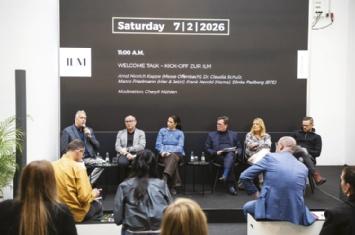
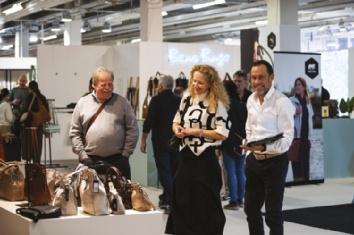
Nonostante le incertezze macroeconomiche, la tradizionale fiera di Offenbach ha confermato il suo ruolo di bussola per l’intero comparto della pelletteria e del viaggio, con gli operatori del settore commerciale e industriale impegnati a lavorare insieme su concetti innovativi, in un’atmosfera decisamente positiva. Come sottolineato da Arnd Hinrich Kappe, CEO di Messe Offenbach, l’ILM è percepito oggi come il “salotto dell’industria della pelletteria”, un luogo dove l’atmosfera conviviale e le vibrazioni positive hanno permesso di affrontare temi complessi con uno spirito di collaborazione inedito. L’aura di glamour è stata poi garantita dalla presenza dell’icona televisiva e della moda Frauke Ludowig, che ha sottolineato l’appeal senza tempo dell’accessorio di qualità.
Il tema centrale dei panel di esperti è stato l’impatto dell’Intelligenza Artificiale e degli strumenti digitali sulla filiera. Nel segmento Travel, l’in-
novazione ha dominato la scena: le nuove collezioni di valigeria non sono più semplici contenitori, ma sistemi integrati. I visitatori hanno potuto testare bagagli dotati di tracciamento GPS e Bluetooth gestibili tramite smartphone e serrature biometriche con sensori d’impronte, elevando la sicurezza a standard digitali.
Sul fronte dello stile, le linee guida per la stagione AW 2026/27 vedono il ritorno di texture materiche come la pelliccia sintetica e l’effetto coccodrillo, con il marrone quale colore protagonista, declinato in tonalità naturali accostate a colori freschi e contrastanti per un look contemporaneo. Grande attenzione anche agli accessori “ornamentali”: ciondoli e foulard che diventano fondamentali per personalizzare la borsa.
A Offenbach è stata dedicata particolare attenzione ai segmenti dei bagagli e degli articoli scolastici. Attraverso le Trend Lectures, i rivenditori hanno raccolto idee su come creare entusiasmo nei punti vendita, trasformando il negozio fisico in un luogo di intrattenimento e competenza.
From fashion trends to artificial intelligence, the Leather Goods Fair in Offenbach took place from 7 to 9 February, confirming the irreplaceable value of physical networking.
Despite macroeconomic uncertainties, the traditional leather goods fair in Offenbach confirmed its role as a compass for the entire leather goods and travel sector, with commercial and industrial operators working together on innovative concepts in a decidedly positive atmosphere. As Arnd Hinrich Kappe, CEO of Messe Offenbach, pointed out, ILM is now perceived as the “living room of the leather goods industry”, a place where the convivial atmosphere and positive vibes have made it possible to tackle complex issues with an unprecedented spirit of collaboration. The aura of glamour was guaranteed by the presence of television and fashion icon Frauke Ludowig, who emphasised the timeless appeal of quality accessories.
The central theme of the expert panels was the impact of Artificial Intelligence and digital tools on the supply chain. In the Travel segment, innovation dominated the scene: the new luggage collections are no longer simple containers, but integrated systems. Visitors were able to test luggage equipped with GPS and Bluetooth tracking that can be managed via smartphone and biometric locks with fingerprint sensors, raising security to digital standards. On the style front, the guidelines for the AW 2026/27 season see the return of textured materials such as faux fur and crocodile effect, with brown as the main colour, available in natural shades combined with fresh, contrasting colours for a contemporary look. There is also a strong focus on “ornamental” accessories: charms and foulards become essential for personalising bags.
In Offenbach, particular attention was paid to the luggage and school supplies segments. Through Trend Lectures, retailers gathered ideas on how to generate excitement in stores, transforming the physical shop into a place of entertainment and expertise.
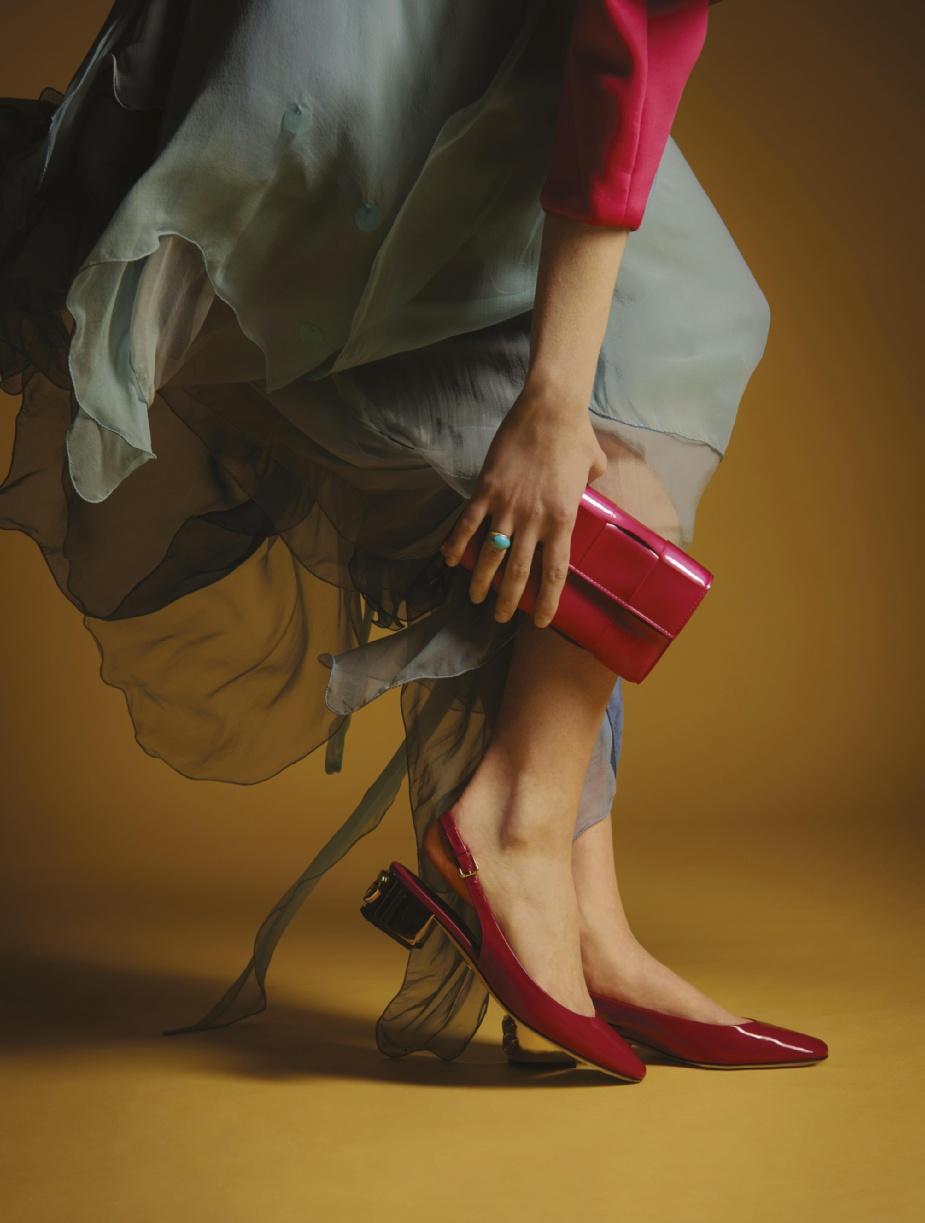
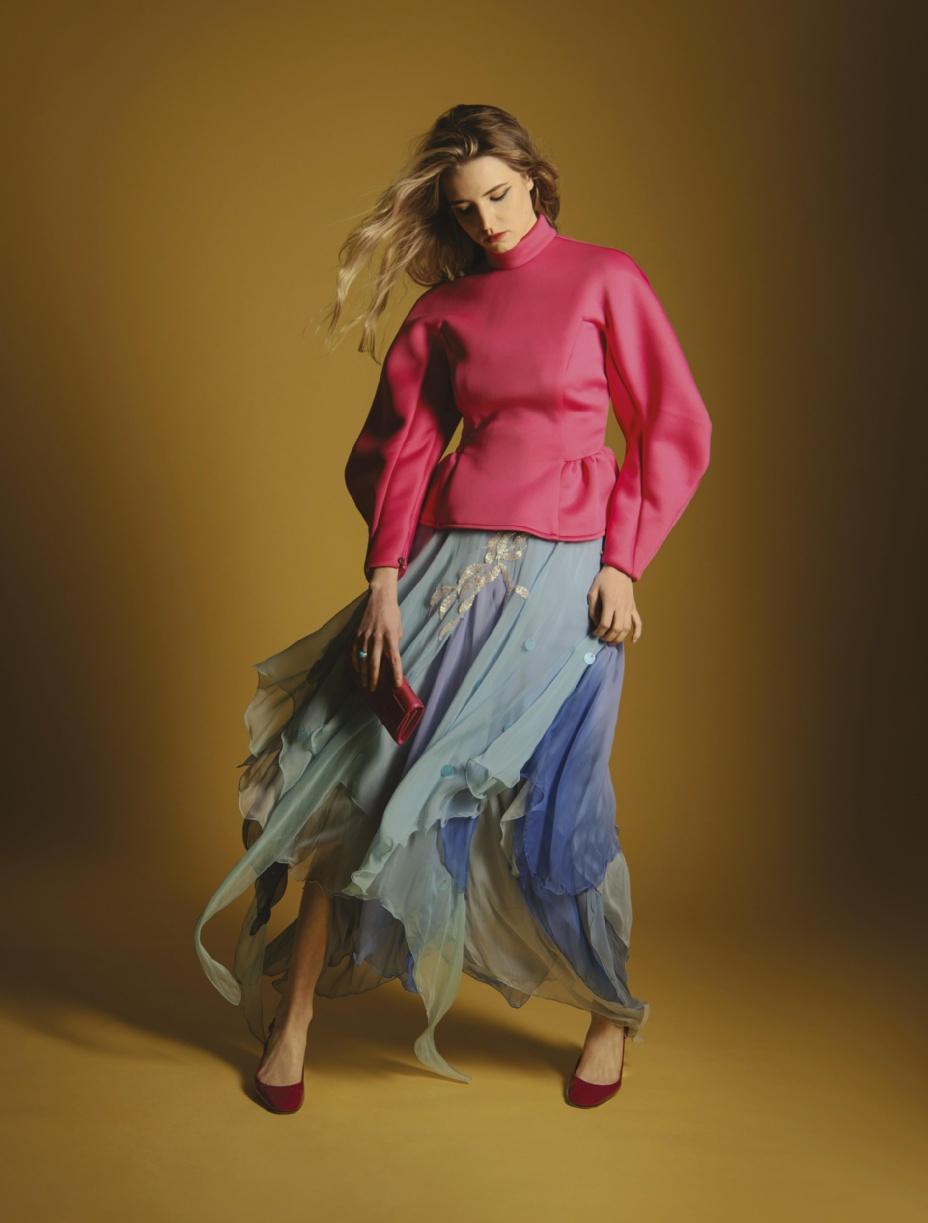
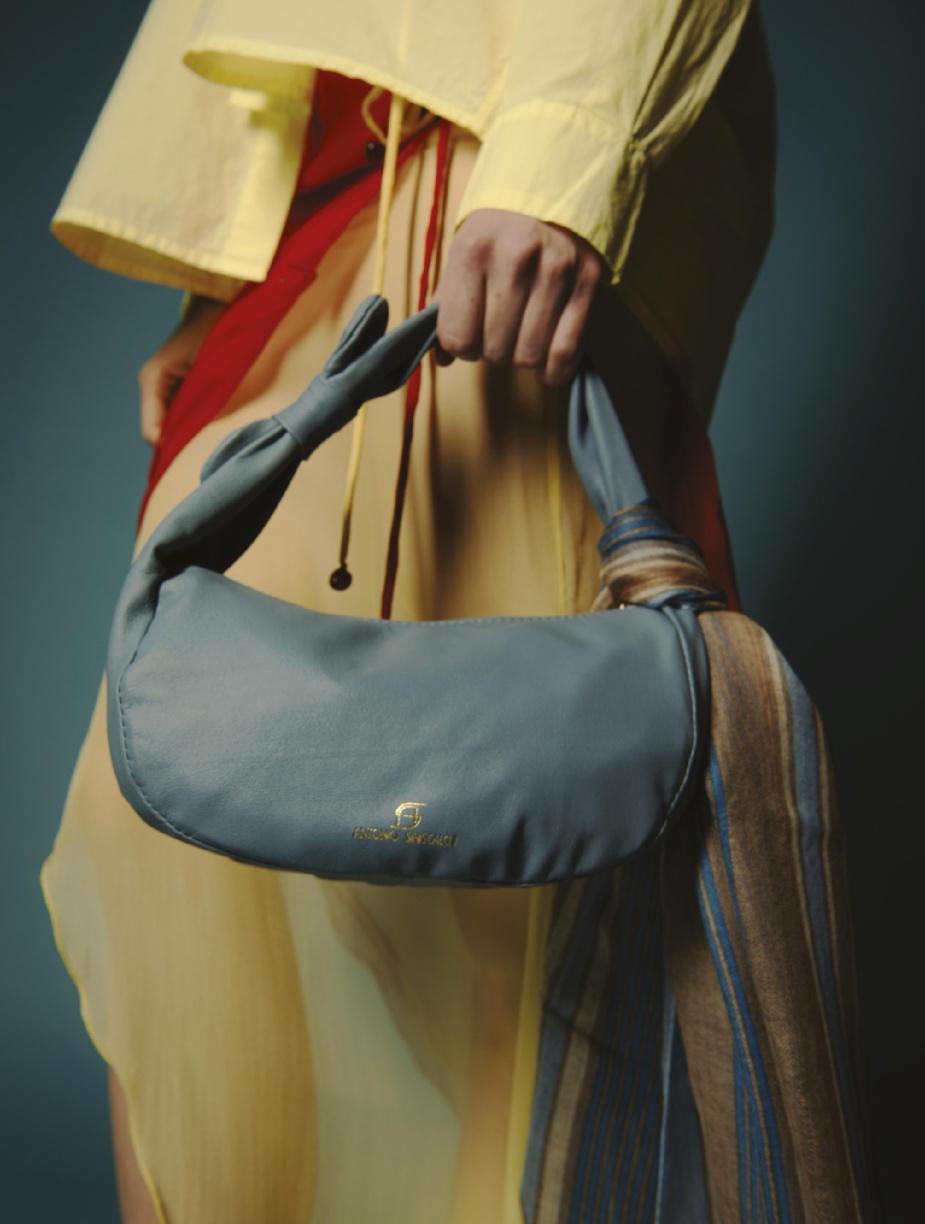
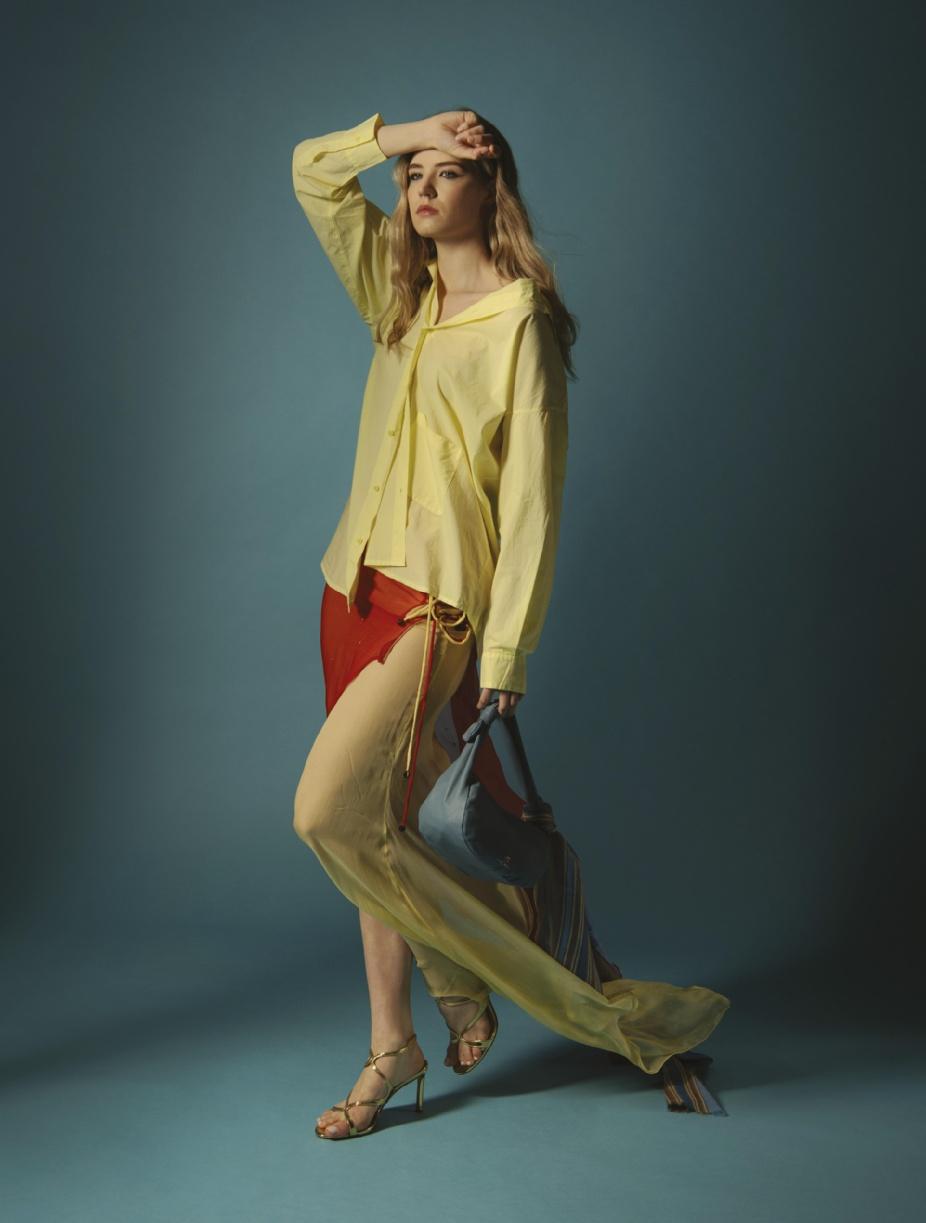
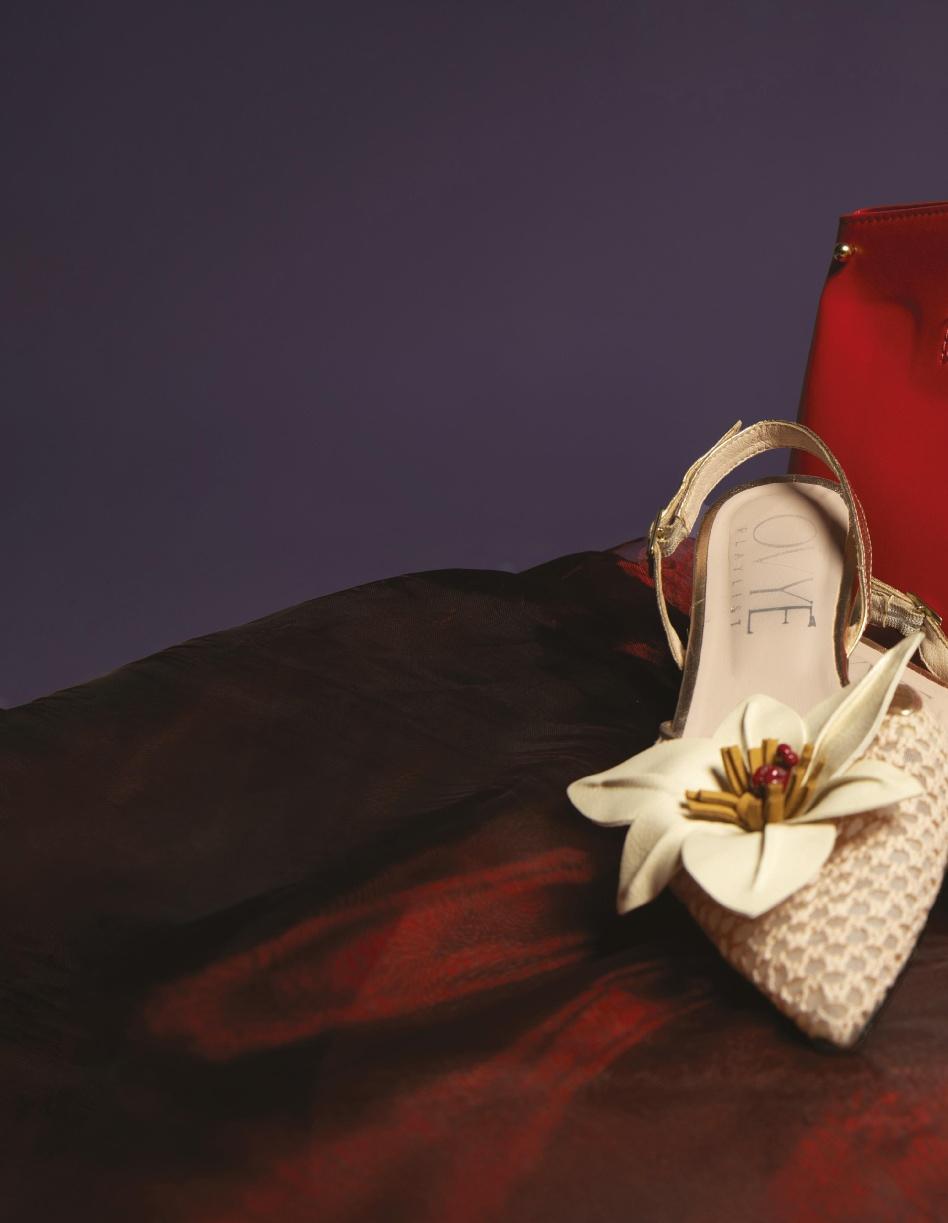
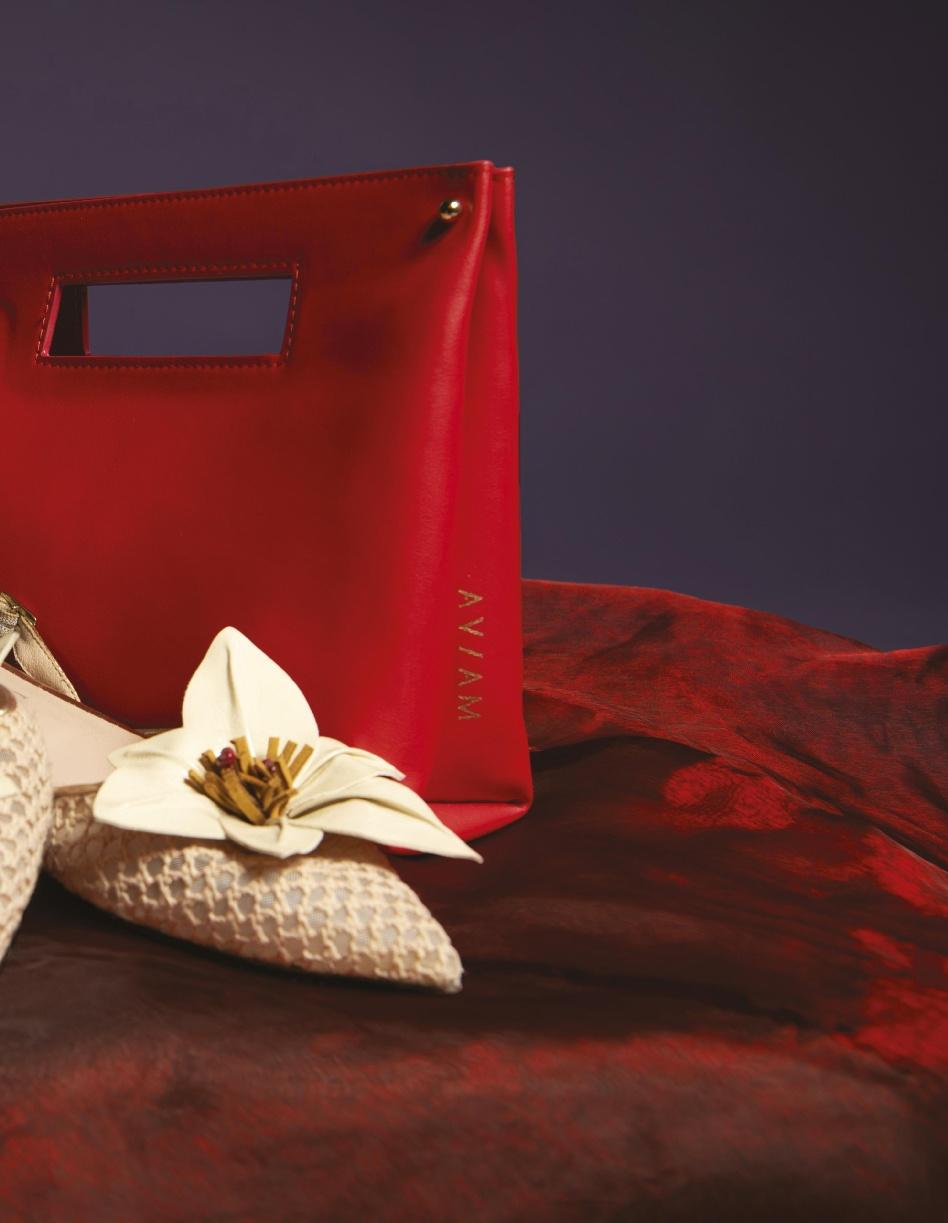
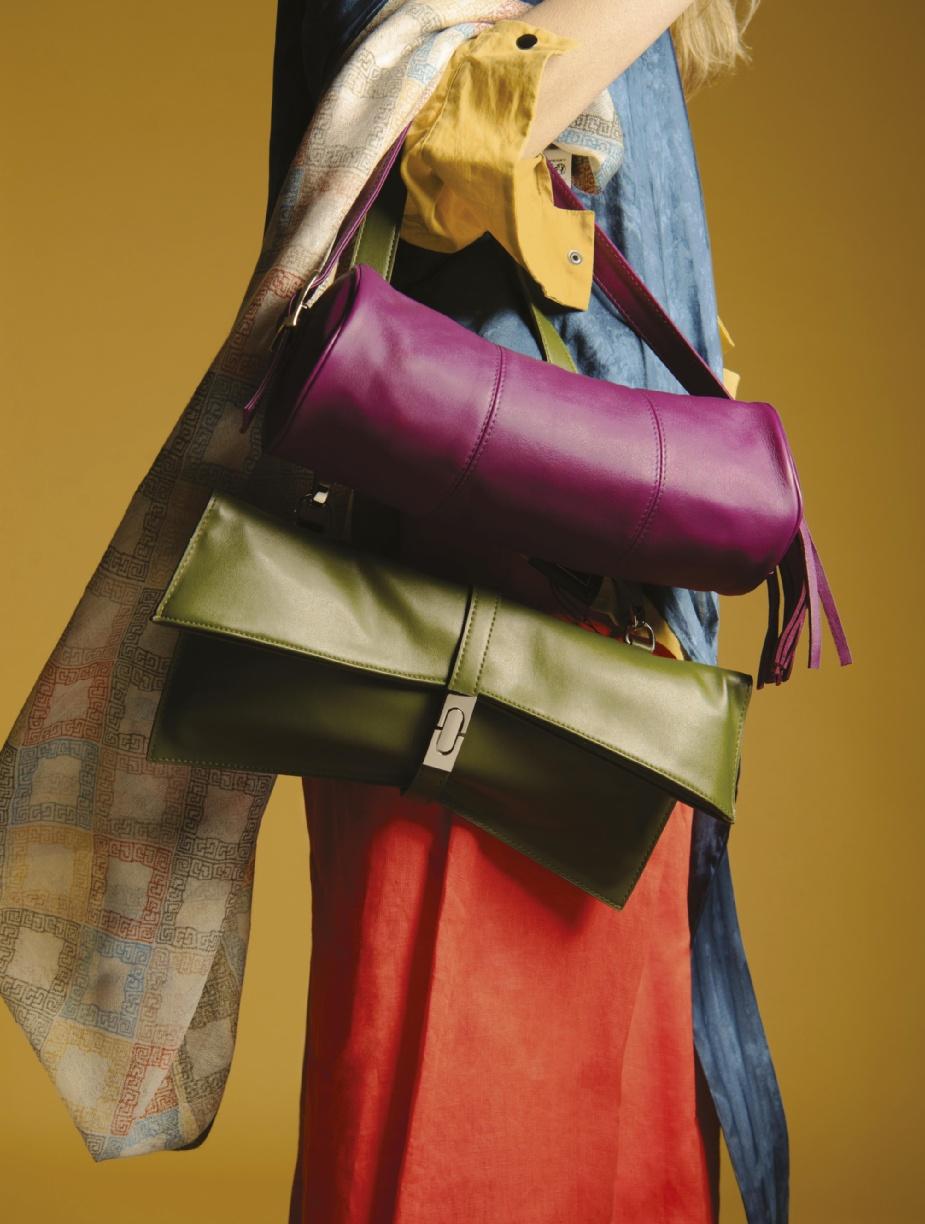
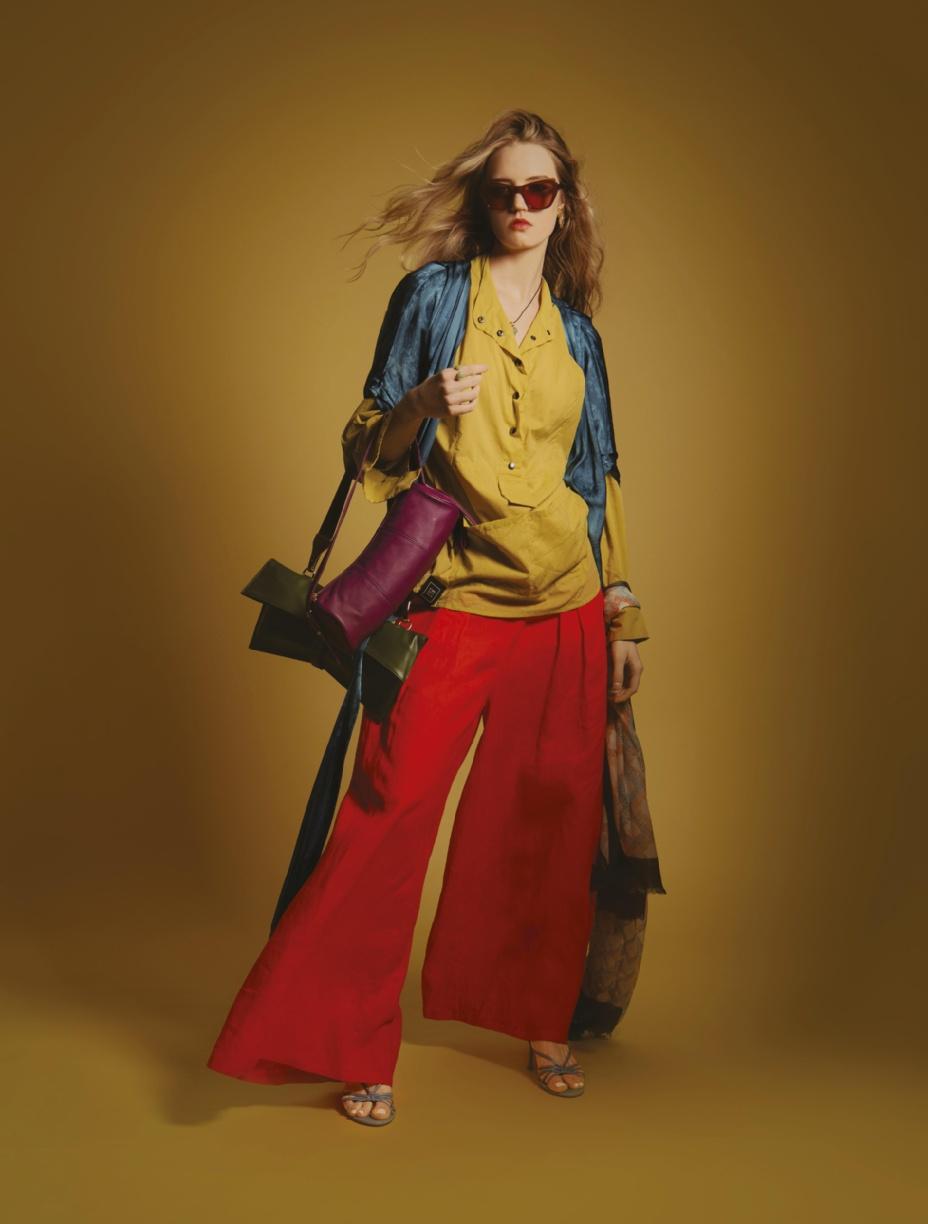
Chromatic Breeze
Photo by Augusto Martini
Fashion by Federico Rege Cambrin Francesco Volturale
Shirt: POMANDÈRE
Skirt: VOLTURALE COUTURE
Shoes: STEVE MADDEN Bag: AV/AM Jewels: 12PM
Shoes: DOLCE & GABBANA FOUND ON VINTED
Bag: BOTTEGA VENETA FOUND ON VINTED
Ring: BELLEKE GOIELLI
Top: SABIRAH Skirt: VOLTURALE COUTURE
Shoes: DOLCE & GABBANA FOUND ON VINTED
Bag: BOTTEGA VENETA FOUND ON VINTED
Ring: BELLEKE GOIELLI
Bag: ANTONIO SINISCALCHI
Foulard: STETSON
Shirt: LABO.ART
Skirt: VOLTURALE COUTURE
Shoes: STEVE MADDEN Bag: ANTONIO SINISCALCHI
Earrings: BELLEKE GOIELLI Foulard: STETSON
Bag: AV/AM Shoes: OVYÉ
Bag Green: AV/AM
Bag Bordeaux: ANTONIO SINISCALCHI
Foulard: STETSON
Shrug: AVANT TOI Shirt: KIMONO RAIN
Pants: CETTINA BUCCA
Shoes: STEVE MADDEN
Bag Green: AV/AM
Bag Bordeaux: ANTONIO SINISCALCHI Glasses: ARU Earrings: BELLEKE GOIELLI Ring: PDPAOLA
Necklace: PDPAOLA Foulard: STETSON
Dress: BALESTRA Skirt: CETTINA BUCCA
Shoes: OVYÉ
Hat: STETSON
Earrings: BELLEKE GOIELLI
Shirt: BALESTRA Tank top: SCAGLIONE Collar: MAREA Pants: LABO.ART
Shoes: JEFFREY CAMPBELL Bag: LEVI’S Glasses: ARU Foulard: AVANT TOI
Photos by: Augusto Martini Fashion by: Federico Rege Cambrin, Francesco Volturale Make-Up: Sara Samoila
Photo Assistant: Salvatore Sedda Model: Vlada @bravemodels
ECHOES Wooden Frames
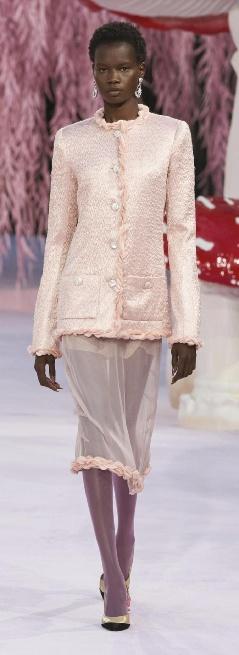
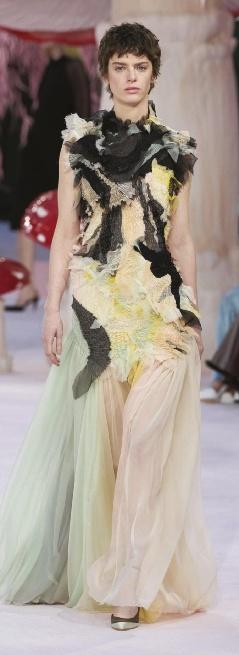
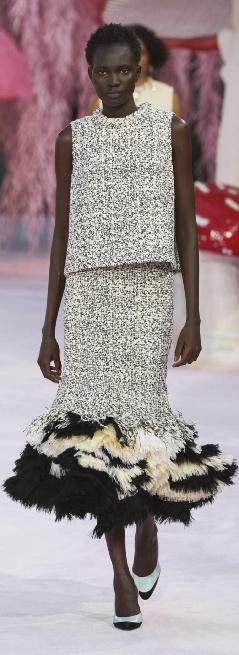
Haute Couture 2026
Artworks by Angelo Di Cristofaro
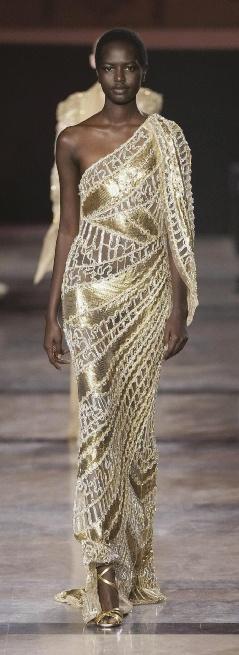
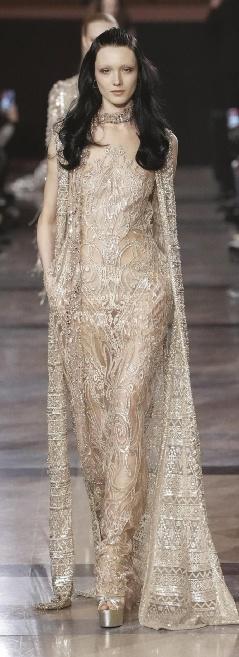
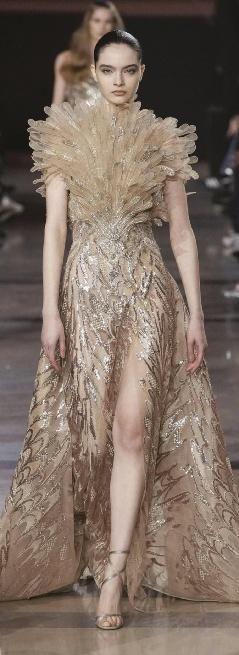
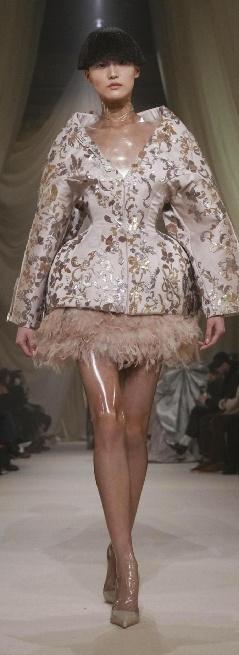
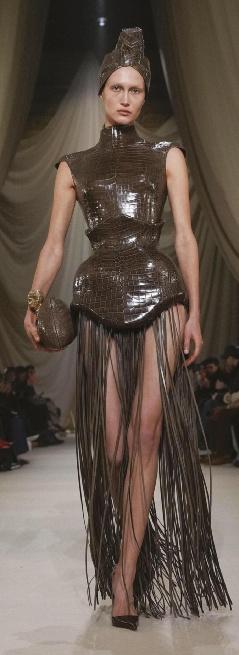
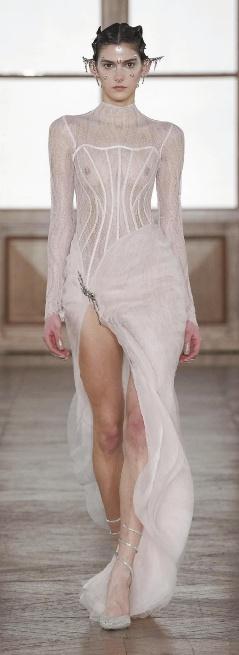
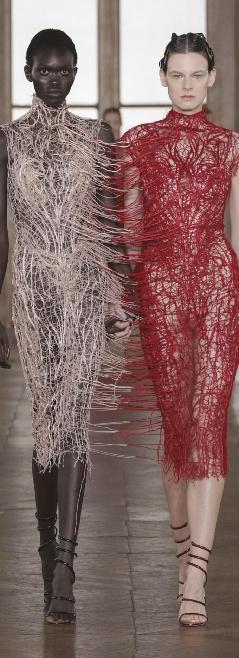
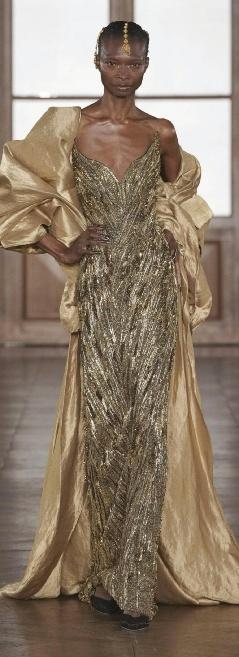
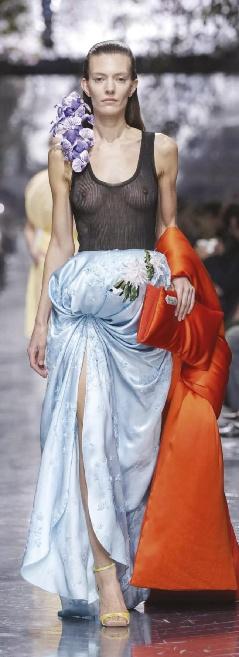
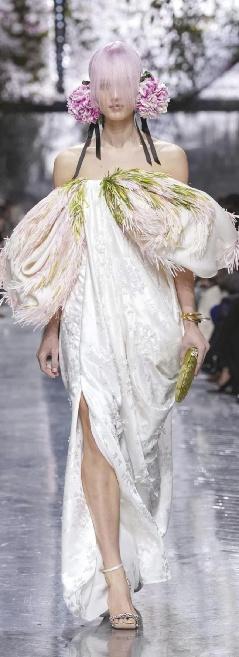
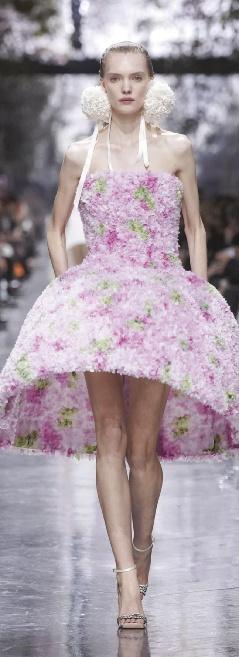
La settimana dell’haute couture 2026 è stata intensa e significativa, segnata dal rinnovamento delle direzioni creative nelle storiche maison, che hanno restituito una lettura del presente più netta e consapevole, capace di evocare una forza quasi indescrivibile. Non si è trattato solo di un cambiamento estetico, ma di un diverso modo di guardare la realtà: la moda ha riportato al centro il rapporto con la natura, non più come semplice suggestione visiva, ma come elemento essenziale e ineludibile. Ne emerge una consapevolezza profonda del nostro legame con l’ambiente, che richiede oggi di fermarsi, osservare e coglierne ogni sfumatura prima che le trasformazioni in atto ne disperdano la complessità.
The Haute Couture Week 2026 was intense and meaningful, marked by a renewal of creative direction across historic maisons, offering a clearer, more conscious reading of the present—one capable of evoking an almost indescribable force. It was not merely an aesthetic shift, but a different way of seeing reality: fashion has brought the relationship with nature back to the forefront, no longer as a simple visual suggestion, but as an essential and inescapable element. What emerges is a profound awareness of our bond with the environment, calling for a pause to observe and grasp its every nuance before ongoing transformations disperse its complexity.
E-commerce, three key areas: growth, artificial intelligence and the rules of the game 72
Il commercio digitale B2B vale ormai quasi 2.000 miliardi di euro in Europa e l'intelligenza artificiale ne sta riscrivendo le logiche profonde.
Immaginate un mercato che cresce a velocità industriale, dove miliardi di pacchi attraversano frontiere ogni anno, dove un algoritmo può cercare fornitori, negoziare prezzi e concludere un acquisto senza che nessun essere umano prema il tasto "Compra". Non è fantascienza. È il commercio digitale oggi. E il settore della moda, delle calzature e della pelletteria è in prima fila — sia come protagonista, sia come 'bersaglio'.
NUMERI ALLA MANO
Il valore dell'e-commerce B2B in Europa nel 2025 ha raggiunto 1.817 miliardi di euro, con il 25-30% degli ordini gestito online — una quota destinata a crescere rapidamente. Non si tratta di una tendenza, ma di una trasformazione strutturale del modo in cui le imprese comprano e vendono.
L'89% dei buyer B2B utilizza già strumenti di intelligenza artificiale generativa per cercare fornitori, configurare soluzioni complesse, analizzare mercati di approvvigionamento e negoziare prezzi. Una percentuale che, detta così, suona quasi incredibile. Ma i dati parlano chiaro: il buyer di oggi non è più quello di dieci anni fa. I buyer appartengono sempre di più alla generazione millennials e Z, nativi digitali che richiedono esperienze di acquisto fluide, ingaggianti e ibride.
Nel frattempo, nel 2025 sono stati importati nell'UE 5,8 miliardi di pacchi. Un numero che rende bene l'idea della pressione logistica, doganale e competitiva che grava sull'intero sistema produttivo europeo.
L'AI CHE CAMBIA LE REGOLE
L'intelligenza artificiale non è più una promessa sul futuro: è già dentro i processi. Dal dibattito emerso in occasione del Netcomm Digital Commerce Strategy Talk di gennaio 2026 è risultato chiaro che l'AI non è più una tecnologia da esplorare, ma una leva strategica concreta che impatta su produttività, relazione con il cliente e modelli di business. La vera sfida, precisano gli esperti, non è tecnologica: è organizzativa e culturale.
Sul fronte operativo, i risultati sono già misurabili. Un caso nella distribuzione farmaceutica ha prodotto quasi un milione di euro di risparmi in meno di un anno su un campione di sole mille referenze, grazie all'ottimizzazione della pianificazione e dell'inventory management. Un principio applicabile — con le dovute proporzioni — anche alla filiera moda e calzaturiera, dove la gestione delle collezioni, dei materiali e dei fornitori internazionali rappresenta da sempre un nodo critico.
Gli AI Agent, in particolare, trovano nel B2B un terreno fertile. Nel commercio tra imprese i prodotti sono complessi, le configurazioni personalizzate, i prezzi variabili e i processi di approvazione articolati. Gli agenti AI si integrano nativamente con i sistemi aziendali, attingendo ai dati proprietari dell'azienda per generare risposte precise e contestualizzate.
C'è però un passaggio che merita attenzione particolare: Nexi ha presentato il protocollo AP2 (Agent Payments Protocol), sviluppato con Google e oltre 60 partner, pensato per abilitare transazioni sicure gestite autonomamente dagli agenti AI per conto degli utenti — uno scenario che mette in discussione l'assunzione fondamentale dei flussi di pagamento attuali, in cui è l'essere umano a cliccare esplicitamente "Compra". Il futuro dei pagamenti,
insomma, sarà agentico. E richiederà nuovi standard di sicurezza e responsabilità.
Un'altra trasformazione silenziosa riguarda la visibilità dei brand. Con la Generative Engine Optimization (GEO) come evoluzione della SEO, i grandi assistenti AI stanno diventando i nuovi intermediari delle fasi di ricerca e scelta, allontanando potenzialmente il consumatore dal rapporto diretto con il brand. Per chi lavora nel fashion e nel lusso — settori in cui l'identità di marca è tutto — si tratta di una sfida non banale.
LE REGOLE CHE MANCANO
La crescita dell'e-commerce porta con sé un problema che l'Europa non può più ignorare. Molti dei prodotti che arrivano sul mercato UE contravvengono alle norme vigenti: frodi IVA, violazione degli standard di sicurezza, violazione dei diritti di proprietà intellettuale e dichiarazioni fuorvianti alimentano una concorrenza sleale all'interno del Mercato Unico, svantaggiando le imprese che rispettano gli elevati standard europei. Tali pratiche commerciali scorrette, legate alle spedizioni di piccoli pacchi, stanno erodendo intere catene industriali del valore.
Di fronte a questo scenario, un'ampia coalizione di associazioni europee — tra cui CEC, la Confederazione Europea delle Calzature, e EURATEX per il tessile-abbigliamento — ha firmato una dichiarazione congiunta chiedendo all'UE di introdurre senza ulteriori ritardi l'obbligo per gli operatori stranieri di nominare un responsabile legale nell'Unione Europea per le importazioni ecommerce.
Il nodo è il cosiddetto "deemed importer": l'UE, con il nuovo Codice Doganale dell'Unione, prevede di introdurlo solo nel 2028, ma per le associazioni di categoria sarà troppo tardi. I firmatari della petizione sottolineano che sarebbe tecnicamente fattibile anticipare questa misura con un semplice Regolamento UE: è solo una questione di volontà politica. Sostenibilità, sicurezza, proprietà intellettuale: sono esattamente i valori su cui l'industria europea della moda e delle calzature ha costruito la propria reputazione nel mondo. Vederli aggirati da importazioni opache e non conformi è, prima di tutto, una questione di equità competitiva.
Riassumendo: il commercio digitale B2B cresce a ritmo sostenuto e l'intelligenza artificiale ne sta moltiplicando l'efficienza — ma anche la complessità. Mentre le imprese corrono per adottare AI Agent, strumenti predittivi e nuovi protocolli di pagamento, le regole del gioco restano in ritardo. Per il settore calzaturiero e della pelletteria, che compete globalmente su qualità e conformità, ottenere un quadro normativo più efficace non è un dettaglio: è una condizione di sopravvivenza.
B2B digital commerce is now worth almost €2 trillion in Europe, and artificial intelligence is fundamentally reshaping the way it works.
Imagine a market growing at breakneck speed, where billions of parcels cross borders every year, where an algorithm can search for suppliers, negotiate prices and complete a purchase without any human being pressing the ‘Buy’ button. This is not science fiction. It is digital commerce today. And the fashion, footwear and leather goods sector is at the forefront — both as a key player and as a ‘target’.
ACCORDING TO THE FIGURES
The value of B2B e-commerce in Europe in 2025 reached €1.817 trillion, with 25–30% of orders handled online — a share set to grow rapidly. This is not a trend, but a structural transformation of the way businesses buy and sell.
89% of B2B buyers already use generative AI tools to search for suppliers, configure complex solutions, analyse procurement markets and negotiate prices. A figure that, put like that, sounds almost unbelievable. But the data speaks for itself: today’s buyer is no longer the same as ten years ago. Buyers increasingly belong to the Millennial and Generation Z cohorts, digital natives who demand seamless, engaging and hybrid shopping experiences.
Meanwhile, 5.8 billion parcels were imported into the EU in 2025. A figure that clearly illustrates the logistical, customs and competitive pressures weighing on the entire European production system.
AI THAT CHANGES THE RULES
Artificial intelligence is no longer a promise for the future: it is already embedded in processes. From the debate that emerged during the Netcomm Digital Commerce Strategy Talk in January 2026, it became clear that AI is no longer a technology to be explored, but a concrete strategic lever that impacts productivity, customer relations and business models. The real challenge, experts point out, is not technological: it is organisational and cultural.
On the operational front, the results are already measurable. A case study in pharmaceutical distribution generated savings of almost one million euros in less than a year across a sample of just one thousand product lines, thanks to optimised planning and inventory management. This principle is also applicable — with the necessary adjustments — to the fashion and footwear supply chain, where the management of collections, materials and international suppliers has always been a critical issue.
AI Agents, in particular, find fertile ground in B2B. In business-to-
business commerce, products are complex, configurations are customised, prices are variable and approval processes are intricate. AI agents integrate natively with corporate systems, drawing on the company’s proprietary data to generate precise and contextualised responses.
There is, however, one development that deserves particular attention: Nexi has unveiled the AP2 (Agent Payments Protocol), developed with Google and over 60 partners, designed to enable secure transactions managed autonomously by AI agents on behalf of users — a scenario that challenges the fundamental assumption of current payment flows, where it is the human who explicitly clicks ‘Buy’. In short, the future of payments will be agent-driven. And it will require new standards of security and accountability.
Another quiet transformation concerns brand visibility. With Generative Engine Optimisation (GEO) as an evolution of SEO, major AI assistants are becoming the new intermediaries in the search and selection phases, potentially distancing the consumer from a direct relationship with the brand. For those working in fashion and luxury — sectors where brand identity is everything — this is no small challenge.
THE MISSING RULES
The growth of e-commerce brings with it a problem that Europe can no longer ignore. Many of the products entering the EU market contravene current regulations: VAT fraud, breaches of safety standards, infringements of intellectual property rights and misleading claims fuel unfair competition within the Single Market, putting businesses that adhere to high European standards at a disadvantage. Such unfair
commercial practices, linked to small parcel shipments, are eroding entire industrial value chains.
Faced with this scenario, a broad coalition of European associations — including CEC, the European Footwear Confederation, and EURATEX for textiles and clothing — has signed a joint declaration calling on the EU to introduce, without further delay, the obligation for foreign operators to appoint a legal representative in the European Union for e-commerce imports.
The crux of the matter is the so-called ‘deemed importer’: the EU, under the new Union Customs Code, plans to introduce this only in 2028, but for trade associations, this will be too late. The signatories of the petition stress that it would be technically feasible to bring this measure forward via a simple EU Regulation: it is merely a question of political will.
Sustainability, safety, intellectual property: these are precisely the values on which the European fashion and footwear industry has built its global reputation. Seeing these values undermined by opaque and non-compliant imports is, first and foremost, a matter of fair competition.
To sum up: B2B digital commerce is growing at a rapid pace and artificial intelligence is multiplying its efficiency — but also its complexity. Whilst businesses are rushing to adopt AI agents, predictive tools and new payment protocols, the rules of the game are lagging behind. For the footwear and leather goods sector, which competes globally on quality and compliance, securing a more effective regulatory framework is not a mere detail: it is a matter of survival.
Bold in color
Photo by Alberto Alicata Fashion by Alessia Casà
Jumper: GAIA SEGATTINI
Skirt: GRIFONI
Sabot: JEFFREY CAMPBELL
Shirt: THE FRENKIE SHOP
Bra: TEZENIS
Shorts:HAIKURE
Sandals: JEFFREY CAMPBELL
Dress: BARBARA RIZZI
Skirt: CETTINA BUCCA
Earings: 12PM
Shoes: MARCO TOZZI
Body: PIERRE MANTOUX
Fur: DE SANTIS
Shirt: ALVIERO MARTINI Dress: DIESEL Collant: TEZENIS
Shoes: STEVE MADDEN
Body: OH CARLA T-shirt: PETIT BATEAU Skirt: MAREA
Dress: SIMON CRACKER
Ballerinas: COCCINELLE Earings and Ring: 12PM
Bomber: BIKINI MI.MA
Dress: ALEPH Bag: PALERA
Photos by: Alberto Alicata
Fashion by: Alessia Casà Make-Up: Giovanni Zummo, Irene Tartaglia Hair: Luca Miles
Photo Assistant: Sofia Brogi, Tanya Kulyk
Styling Assistant: Alessia Staffolani, Virginia Panarisi
Model: Yara Van Rootselaa @ Elite Model - Milano
LIU JO is ‘On the road’
Uno scenario che curva verso il mare, l’asfalto caldo sotto i piedi e la luce che si riflette su superfici inattese: è questo lo sfondo della campagna “On the road” – S/S 2026, con cui Liu Jo racconta un viaggio emozionale, sospeso tra realtà e visione. In questo scenario aperto e luminoso, le nuove sneakers Liu Jo accompagnano ogni passo: una silhouette pulita e leggera, dalle proporzioni equilibrate, pensate per seguire il ritmo naturale del corpo e della quotidianità. Accanto ai modelli monocromo, espressione di un’eleganza essenziale e versatile, la collezione si arricchisce di versioni speciali dal forte impatto visivo, macro-paillettes argentate, pietre, tra superfici morbide, texture decorative e finiture più tecniche.
LIU JO is ‘On the road’
A landscape curving towards the sea, the warm tarmac beneath your feet and light reflecting off unexpected surfaces: this is the backdrop to the “On the road” campaign – S/S 2026, through which Liu Jo recounts an emotional journey, suspended between reality and vision. In this open, luminous setting, the new Liu Jo trainers accompany every step: a clean, lightweight silhouette with balanced proportions, designed to follow the natural rhythm of the body and everyday life. Alongside the monochrome models, an expression of essential and versatile elegance, the collection is enriched with special versions featuring a strong visual impact, including large silver sequins and gemstones, set against soft surfaces, decorative textures and more technical finishes.
VIVAIA e i nuovi modelli Balletcore
Per la prossima estate, VIVAIA presenta nuovi modelli ispirati al Balletcore, che combinano l’eleganza delle ballerine con il comfort delle sneaker. Leggere, versatili e confortevoli, ogni paio è progettato per l’uso quotidiano, oltre ad essere lavabili in lavatrice e facili da mantenere. L’ iconica Sneakerina si rinnova con una suola bubble più sostenitiva e nuove opzioni di colore, oltre al classico oro chiaro, come argento e giallo, insieme a nastri in raso morbido e un delicato design color-block. La Satin Sneakerina diventa virale (indossata anche da star come Bella Hadid), con la sua silhouette ispirata alla sensazione del barefoot.
Stringart guarda alla libertà dei Seventies
Il brand guidato da Chiara Frigo - fondatrice e direttrice creativaguarda al vintage anni ‘70 e al femminismo della liberazione: donne in jeans, scarpe comode, movimento libero, immaginazione al potere. È così che nascono calzature per una vita attiva, indipendente, senza costrizioni: dai nuovi Giulietta Boots ai Giulietta Mock, fino ai sabot invernali e agli zoccoli-boot con fondo in legno, la collezione esplora volumi decisi e materiali ricercati, tra suede, pelle e tessuti iconici come il pied-de-poule, il tartan e il tweed.
VIVAIA and the new Balletcore styles
For next summer, VIVAIA presents new styles inspired by Balletcore, combining the elegance of ballet flats with the comfort of trainers. Lightweight, versatile and comfortable, each pair is designed for everyday wear, as well as being machine-washable and easy to care for. The iconic Sneakerina has been revamped with a more supportive bubble sole and new colour options, alongside the classic light gold, such as silver and yellow, along with soft satin ribbons and a delicate colour-block design. The Satin Sneakerina is going viral (worn by stars such as Bella Hadid), with its silhouette inspired by the barefoot sensation.
Stringart draws inspiration from the freedom of the 1970s
The brand, led by Chiara Frigo – founder and creative director – draws inspiration from 1970s vintage fashion and the feminist liberation movement: women in jeans, comfortable shoes, freedom of movement, and imagination in power. This is how footwear for an active, independent life, free from constraints, comes to life: from the new Giulietta Boots to the Giulietta Mock, right through to winter sabots and wooden-soled clog-boots, the collection explores bold silhouettes and refined materials, including suede, leather and iconic fabrics such as houndstooth, tartan and tweed.
Prima volta insieme per OBEY x PARABOOT
OBEY e il marchio francese di calzature Paraboot uniscono per la prima volta le forze con il modello Montana e una linea Limited Edition di abbigliamento di alta qualità. Il cuore della linea calzature è il modello Montana, omaggio alle scarpe da arrampicata degli anni '70: su una tela di pelle martellata di alta qualità, OBEY ha impresso sulla linguetta l'Icon Face, un audace simbolo della controcultura ideato dal fondatore di OBEY, l'artista e attivista Shepard Fairey. Una delicata sfumatura chartreuse funge da cucitura di risalto, un omaggio alle aspre montagne Chartreuse che si ergono di fronte alla fabbrica Paraboot in Francia.
Debutta CAPASA MILANO SHOES
La tradizione dell’artigianato italiano, la cura del dettaglio e il segno di un design riconoscibile sono il tratto distintivo della nuova collezione, prodotta in collaborazione con il calzaturificio Peron e che rispecchia la visione creativa di Ennio Capasa, fondatore dell’iconico marchio Costume National e protagonista della moda internazionale degli anni ‘90 e 2000. La collezione, che comprende 26 modelli donna, presenta tre forme, accomunate da un’identità progettuale chiara e coerente: La forma a punta, chiodata a mano per enfatizzare gli spigoli e conferirle maggiore carattere. La forma tonda, altezza 80, che amplifica visivamente lo slancio, e quella urbana, ispirata alle scarpe inglesi da uomo con altezza 55, realizzata con pelli doppiate e sfoderate, per ottenere una scarpa strutturata ma leggera.
First collaboration for OBEY x PARABOOT
OBEY and the French footwear brand Paraboot have joined forces for the first time with the Montana model and a limited-edition range of high-quality clothing. At the heart of the footwear range is the Montana model, a tribute to 1970s climbing boots: on a high-quality hammered leather canvas, OBEY has stamped the Icon Face onto the tongue, a bold symbol of counterculture created by OBEY’s founder, the artist and activist Shepard Fairey. A delicate chartreuse hue serves as accent stitching, a tribute to the rugged Chartreuse Mountains that rise opposite the Paraboot factory in France.
CAPASA MILANO SHOES makes its debut
The tradition of Italian craftsmanship, attention to detail and a distinctive design aesthetic are the hallmarks of the new collection, produced in collaboration with the Peron shoe factory and reflecting the creative vision of Ennio Capasa, founder of the iconic Costume National brand and a leading figure in international fashion during the 1990s and 2000s. The collection, comprising 26 women’s styles, features three silhouettes, united by a clear and consistent design identity: the pointed silhouette, hand-studded to emphasise the edges and give it greater character. The round shape, with an 80mm heel, which visually enhances the silhouette, and the urban style, inspired by British men’s shoes with a 55mm heel, crafted from double-layered, unlined leather to create a structured yet lightweight shoe.
Borbonese presenta “A Room with a View”
Lo storico brand torna a raccontare la propria storia attraverso la narrazione “based on a true story”, concept che per la seconda stagione riafferma la missione del marchio di trasformare l’identità in racconto. Questa nuova puntata si intreccia con la naturale vocazione di Borbonese per le espressioni artistiche d’avanguardia, e la cornice è un luogo unico e inedito come l’ingresso di Palazzo Crespi, iconico edificio nel cuore di Milano progettato da Piero Portaluppi nel 1930.
Il punto di vista è quello di Martin Romeo, artista transmediale italoargentino che indaga il dialogo tra natura e tecnologia attraverso sculture interattive, performance in ambienti virtuali e installazioni multimediali. Il suo intervento si innesta con coerenza nell’universo Borbonese, amplificandone i codici e proiettandoli in una dimensione immersiva, con i modelli della collezione FW 2026 che diventano parte attiva della narrazione.
Borbonese presents “A Room with a View”
The historic brand returns to tell its story through a narrative “based on a true story”, a concept which, for the second season, reaffirms the brand’s mission to transform its identity into a story. This new instalment intertwines with Borbonese’s natural affinity for avant-garde artistic expression, and the setting is a unique and previously unseen location: the entrance to Palazzo Crespi, an iconic building in the heart of Milan designed by Piero Portaluppi in 1930.
The perspective is that of Martin Romeo, an Italian-Argentine transmedia artist who explores the dialogue between nature and technology through interactive sculptures, performances in virtual environments and multimedia installations. His work fits seamlessly into the Borbonese universe, amplifying its codes and projecting them into an immersive dimension, with the designs from the FW 2026 collection becoming an active part of the narrative.
Roadster Hardcase by Porsche Design x BRIC’S
Porsche Design, in collaborazione con il produttore italiano di valigeria di lusso BRIC’S, presenta una versione rivisitata della celebre collezione Roadster Hardcase, che unisce funzionalità moderna e design senza tempo del fondatore di Porsche Design, Ferdinand Alexander Porsche. La collezione include un trolley da cabina, un trolley business da cabina espandibile e tre valigie da stiva espandibili nelle misure M, L e XL. La forma ottimizzata dei modelli appare ancora più distintiva e funzionale, con linee chiaramente definite e una superficie progettata con maggiore precisione per un’estetica moderna e potente. Le valigie sono realizzate in policarbonato ultraleggero ma robusto e sono dotate di una cerniera bidirezionale e di una serratura a combinazione TSA. Le maniglie superiori e laterali sono in vera pelle—garantendo esclusività, resistenza e comfort. Infine, le ruote con cuscinetti a sfera e assorbimento degli urti, si ispirano nella forma al design classico delle ruote Porsche.
Roadster Hardcase by Porsche Design x BRIC’S
Porsche Design, in collaboration with the Italian luxury luggage manufacturer BRIC’S, presents a reimagined version of the renowned Roadster Hardcase collection, which combines modern functionality with the timeless design of Porsche Design’s founder, Ferdinand Alexander Porsche. The collection includes a cabin trolley, an expandable business cabin trolley and three expandable hold luggage pieces in sizes M, L and XL. The optimised shape of the models appears even more distinctive and functional, with clearly defined lines and a surface designed with greater precision for a modern and powerful aesthetic. The suitcases are made from ultra-lightweight yet robust polycarbonate and feature a two-way zip and a TSA combination lock. The top and side handles are crafted from genuine leather—ensuring exclusivity, durability and comfort. Finally, the ballbearing, shock-absorbing wheels are inspired by the classic design of Porsche wheels.
@Women_milano - Gratefull thanks to Matteo Gavazzi @ LAMBRETTA CLUB MILANO for welcoming our photoshoot team. We would also like to thank architect Maria Marseglia for her kindness
Shirt: SU Bag: SUN68
Coat: Desa 1972
Pants: Pence 1979
Shoes: OVYÉ
INNOCENTI LAMBRETTA 125 LD – anno 1954
Delvaux: where luxury becomes an experience 112
Dalla nascita a Bruxelles nel 1829 come piccolo atelier artigianale, la Maison ha attraversato oceani, cieli e continenti, segnando alcune tappe fondamentali della storia della valigeria e pelletteria di lusso.
Nel 1829, quando Bruxelles vibrava di nuove idee e il Belgio si preparava a diventare una nazione, Charles Delvaux aprì un piccolo atelier destinato a trasformarsi in una leggenda. Era un luogo in cui il profumo del cuoio appena lavorato si intrecciava ai sogni di viaggiatori curiosi, desiderosi di scoprire il mondo. In breve tempo, dalle animate vie della città — Rue Neuve, Boulevard du Nord e Rue de l’Empereur — giunsero ordini sempre più numerosi, richiamando artigiani che, con mani esperte e cuore appassionato, diedero forma a un’estetica nuova: quella della Maison Delvaux. Da allora, le creazioni della Maison hanno attraversato oceani, cieli e continenti. Hanno viaggiato su treni lussuosi, transatlantici scintillanti e i primi audaci voli intercontinentali, diventando compagne silenziose di donne e uomini che cercavano libertà, eleganza e possibilità. Nel 1908, Delvaux immaginò qualcosa di completamente nuovo: la prima borsa in pelle brevettata, dedicata alle donne che
viaggiavano leggere, sicure di sé, pronte a esplorare il mondo con grazia e determinazione. Nel 1946, la Maison svelò la rivoluzionaria valigia Avia Airess, creata per sfidare il cielo.
Dietro un esterno in pelle morbida e fluida si celava un’anima in lega rimovibile, resistente e sorprendentemente leggera, capace di accompagnare le avventure di un tempo in cui l’aria stessa sembrava un confine da superare.
DAL VIAGGIO ALL’ALTA MODA
Con gli anni Cinquanta iniziò una nuova era, in cui la Maison dialogò con l’alta moda, dando vita a collezioni stagionali che univano visione, coraggio e poesia. Da questo slancio creativo nacquero icone come Le Brillant nel 1958, La Tempête nel 1967 e Le Pin nel 1972: non semplici borse, ma creature di stile, destinate a diventare compagne di vita, custodi di segreti, simboli di un’eleganza che non conosce tempo.
Dal 1908, ogni idea, ogni schizzo, ogni intuizione è stata accolta nel Livre d’Or, l’archivio che preserva l’anima della Maison. Più di tremila disegni raccontano la storia di una ricerca incessante, fatta di dettagli minuziosi, intuizioni ardite e un savoir-faire che si tramanda come un gesto sacro. Sfogliarlo significa entrare nel cuore pulsante di Delvaux, dove tradizione e immaginazione convivono in perfetta armonia.
Il Belgio, terra di surrealismo, di ironia sottile e di eleganza anticonvenzionale, ha riconosciuto fin da tempo immemorabile la magia della Maison. Dal 1883 Delvaux è Fornitore Ufficiale della Corte Reale, un privilegio che celebra non solo la qualità straordinaria delle
sue creazioni, ma anche la sua capacità di fondere rigore artigianale e un tocco di meraviglia. Ogni modello porta con sé una lieve irriverenza, una scintilla di humor, una raffinata libertà che è parte del DNA culturale belga.
DELVAUX OGGI
Oggi Delvaux illumina il mondo con oltre cinquanta boutique, spazi concepiti come scrigni di bellezza, dove la modernità dialoga con la storia e le atmosfere si intrecciano con le tradizioni dei luoghi. Ogni boutique racconta una storia diversa, celebrando sia le radici profonde della Maison, sia la sua inesauribile voglia di reinventarsi. Entrarvi significa immergersi in un universo dove il tempo rallenta, i sensi si risvegliano e il lusso diventa esperienza.
Nel distretto Arsenal di Bruxelles batte il cuore creativo della Maison: l’atelier e il Museo Delvaux, un luogo prezioso dove la storia della borsa viene custodita e raccontata attraverso testimonianze rare, modelli d’archivio e memorie artigianali. Qui si respira la stessa energia che animava il primo atelier del 1829: una miscela di audacia, delicatezza e infinito rispetto per la materia.
Oggi, quasi due secoli dopo, Delvaux continua a celebrare la bellezza della creazione. Le sue borse, plasmate nei propri atelier con materiali selezionati, tecniche meticolose e un savoir-faire unico, non sono soltanto oggetti: sono emozioni da indossare, frammenti di arte quotidiana, compagne destinate ad attraversare generazioni. In esse vive un’eleganza senza tempo, profondamente contemporanea, che racconta la storia di chi le porta e di chi le ha create con infinita passione.
Since its founding in Brussels in 1829 as a small artisan workshop, the Maison has crossed oceans, skies and continents, marking some of the key milestones in the history of luxury luggage and leather goods.
In 1829, when Brussels was buzzing with new ideas and Belgium was preparing to become a nation, Charles Delvaux opened a small workshop destined to become a legend. It was a place where the scent of freshly tanned leather mingled with the dreams of curious travellers, eager to discover the world. Before long, from the bustling streets of the city — Rue Neuve, Boulevard du Nord and Rue de l’Empereur — came an ever-increasing number of orders, attracting craftsmen who, with expert hands and passionate hearts, gave shape to a new aesthetic: that of Maison Delvaux. Since then, the Maison’s creations have crossed oceans, skies and continents. They have travelled on luxurious trains, glittering ocean liners and the first daring intercontinental flights, becoming the silent companions of women and men seeking freedom, elegance and opportunity. In 1908, Delvaux envisioned something entirely new: the first patent-leather handbag, designed for women who travelled light, self-assured, ready to explore the world with grace and determination. In 1946, the Maison unveiled the revolutionary Avia Airess suitcase, created to take on the skies. Behind a soft, supple leather exterior lay a removable alloy frame – durable and surprisingly light – capable of accompanying the adventures of an era when the air itself seemed a boundary to be overcome. FROM TRAVEL TO HAUTE COUTURE
The 1950s marked the beginning of a new era, in which the Maison engaged with haute couture, creating seasonal collections that combined vision, courage and poetry. From this creative momentum emerged icons such as Le Brillant in 1958, La Tempête in 1967 and Le Pin in 1972: not merely bags, but stylish creations, destined to become lifelong companions, keepers of secrets, symbols of timeless elegance.
Since 1908, every idea, every sketch, every intuition has been recorded in the Livre d’Or, the archive that preserves the soul of the Maison. More than three thousand drawings tell the story of a ceaseless quest, made up of meticulous details, bold intuitions and a savoir-faire handed down as a sacred ritual. To leaf through it is to enter the beating heart of Delvaux, where tradition and imagination coexist in perfect harmony.
Belgium, a land of surrealism, subtle irony and unconventional elegance, has recognised the magic of the Maison since time immemorial. Since 1883, Delvaux has been an Official Supplier to the Royal Court, a privilege that celebrates not only the extraordinary quality of its creations, but also its ability to blend artisanal rigour with a touch of wonder. Each design carries with it a touch of irreverence, a spark of humour, and a refined sense of freedom that is part of Belgium’s cultural DNA.
DELVAUX TODAY
Today, Delvaux lights up the world with over fifty boutiques, spaces designed as treasure troves of beauty, where modernity engages with history and the atmosphere blends with local traditions. Each boutique tells a different story, celebrating both the Maison’s deep-rooted heritage and its inexhaustible desire to reinvent itself. Stepping inside means immersing oneself in a world where time slows down, the senses are awakened and luxury becomes an experience.
The creative heart of the Maison beats in Brussels’ Arsenal district: the Delvaux atelier and Museum, a precious place where the history of the handbag is preserved and told through rare artefacts, archive models and artisanal memories. Here, one breathes the same energy that animated the first atelier in 1829: a blend of audacity, delicacy and infinite respect for the materials. Today, almost two centuries later, Delvaux continues to celebrate the beauty of creation. Its bags, crafted in its own ateliers using selected materials, meticulous techniques and unique savoir-faire, are not merely objects: they are emotions to be worn, fragments of everyday art, companions destined to span generations. Within them lives a timeless, deeply contemporary elegance that tells the story of those who wear them and those who created them with boundless passion.
COUTURE SS2026
ROBERT WUN
Le sfilate Haute Couture di Parigi Primavera-Estate 2026 hanno celebrato maestria artigianale e visioni spettacolari, con maison come Dior e Chanel tra scenografie oniriche e silhouette raffinate. Protagonisti anche Schiaparelli, Valentino e Armani Privé, che hanno puntato su volumi scultorei, ricami preziosi e reinterpretazioni contemporanee dell’eleganza.
The Paris Spring-Summer 2026 Haute Couture shows celebrated masterful craftsmanship and spectacular visions, with houses like Dior and Chanel showcasing dreamlike settings and refined silhouettes. Schiaparelli, Valentino, and Armani Privé also took center stage, showcasing sculptural volumes, exquisite embroidery, and contemporary reinterpretations of elegance.
Chanel
Leggerezza impalpabile e poesia couture tra tradizione e libertà. Impalpable lightness and couture poetry between tradition and freedom.
Valentino
Romanticismo essenziale, silenzi cromatici e purezza formale. Essential romanticism, chromatic silences, and formal purity.
Elie Saab
Opulenza luminosa, ricami gioiello e femminilità da red carpet. Luminous opulence, jeweled embroidery, and red carpet femininity.
Schiaparelli
Surrealismo scolpito, oro e anatomie trasformate in arte.
Sculpted surrealism, gold and anatomy transformed into art.
Ashi Studio
Silhouette architettoniche, tensione grafica e couture strutturata. Architectural silhouettes, graphic tension, and structured couture.
Gaurav Gupta
Futurismo fluido, spirali cosmiche e sensualità astratta. Fluid futurism, cosmic spirals, and abstract sensuality.
Germanier
Energia cromatica, riciclo creativo e couture irriverente. Chromatic energy, creative recycling, and irreverent couture.
Robert Wun
Dramma concettuale, volumi scultorei e narrazione emotiva. Conceptual drama, sculptural volumes, and emotional narrative.
Dior
Couture teatrale tra memoria storica e tensione contemporanea. Theatrical couture between historical memory and contemporary tension.
Giorgio Armani Privè
Eleganza cangiante, luce soffusa e rigore senza tempo. Iridescent elegance, soft light, and timeless rigor.
Design inspirations from the past, present and future
Many of the top shoe and bag designers worldwide use Arsutoria Studio to create their new collections and to find new market opportunities.
We have a simple mission: help you turn your ideas into products
arsutoria
Arsutoria provides you complete information on footwear, leather goods and accessories industries, reporting the latest shoe and handbags trends, focusing on special topics such as sports, sustainability or technology. Arsutoria editorial plan now includes a complete Trends guide, reports for tanning industries, safety shoes and much more.
photo galleries
Database of photos from trade fairs, fashion shows, retail windows. Only on Arsutoria Studio.
historical archive
Arsutoria (for shoes) and Arpel (for bags) historical archives of our magazines available online. Arsutoria from 1947 and Arpel from 1965.
A D D R E S S E S
ASAP Comunicazione tel. +39 02.760.044.95 info.mi@asaplimited.com www.asaplimited.com pag. III cover
COMPANIES LIKE ZELLERFELD 3D-PRINT COMPLETE SHOESLET’S INTRODUCE ENTIRELY PRINTED GARMENTS INTO OUR COLLECTION AS WELL
WE NEED A NEW CREATIVE DIRECTOR, WITH A CLEAR VISION, A STRONG IDENTITY AND A TRACK RECORD OF SUCCESS!I’M SEARCHING IN OUR DATABASE…
I FOUND ONLY ONE WITH THOSE CHARACTERISTICS… WE FIRED HIM LAST YEAR!AH… AND WHERE IS HE NOW? STILL HERE… WE HAD ACCIDENTALLY LOCKED HIM IN OUR ARCHIVES…HELP!!!...
IS THEIR PUNISHMENT? THEY MUST RECORD APOLOGY VIDEOS FOR ALL ETERNITY...