ESCENARIOS Caprichos Musicales en Paradores
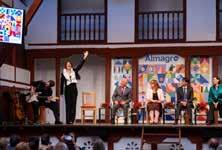
FESTIVAL DE MÉRIDA Lydia Bosch y Toni Acosta

El verano tiene algo que nos invita a bajar el ritmo. A darnos un baño sin mirar la hora, a alargar la sobremesa, a caminar sin prisa y a volver a disfrutar de esos pequeños momentos que, durante el resto del año, casi pasan desapercibidos.
Por eso decimos que el verano es para hedonistas. Para quienes entienden el viaje como el placer de descubrir, de saborear y de vivir cada destino a su propio ritmo. Porque no hace falta recorrer miles de kilómetros para desconectar; muchas veces basta con detenerse, mirar alrededor y dejarse sorprender por lo que tenemos delante.
Y en eso, nuestro país es un auténtico privilegio. En España, el verano se vive con un chapuzón en el mar, con la brisa fresca de la montaña, un paseo por las calles de algún pueblo con encanto al caer la tarde o una comida que celebra los sabores de cada territorio. Hay mil maneras de disfrutar esta estación, tantas como viajeros.
Y en Paradores queremos acompañarte en todas ellas.
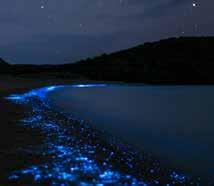
En este número te proponemos algunas. Celebramos la reapertura de los Paradores de Olite y Santillana del Mar, dos establecimientos emblemáticos que vuelven a abrir sus puertas tras un importante proceso de renovación, reflejo del compromiso de Paradores por conservar y modernizar su Red para seguir cuidando este patrimonio y ofrecer la mejor experiencia a quienes nos visitan. Recorremos la Alhambra cuando cae la noche; viajamos entre Cádiz y Ceuta, donde se encuentran dos continentes; descubrimos la espectacularidad del Valle de Añisclo, el mágico mar de ardora de las costas gallegas o la sabiduría de una arquitectura tradicional que lleva siglos enseñándonos cómo convivir con el calor de forma natural.

There’s something about summer that invites us to slow down. To take a dip without watching the clock, to linger over lunch, to stroll at a leisurely pace and to rediscover those little moments that, for the rest of the year, almost go unnoticed.
That’s why we say summer is for hedonists. For those who see travel as the pleasure of discovering, savouring and experiencing each destination at their own pace. Because you don’t need to travel thousands of kilometres to wind down; often, all it takes is to stop, look around and let yourself be surprised by what’s right in front of you.
And in that respect, our country is a real privilege. In Spain, summer is experienced with a dip in the sea, the cool mountain breeze, a stroll through the streets of a charming village as evening falls, or a meal that celebrates the flavours of each region. There are a thousand ways to enjoy this season, as many as there are travellers. And at Paradores, we want to accompany you on every one of them.
In this issue, we suggest a few. We are celebrating the reopening of the Paradores in Olite and Santillana del Mar, two iconic establishments that are reopening their doors following a major refurbishment, reflecting Paradores’ commitment to preserving and modernising its Network so that it can continue to look after this heritage and offer the best possible experience to our visitors. We
También encontrarás naturaleza, gastronomía, cultura e historias que hablan de la riqueza y la diversidad de nuestro país. Porque viajar no es solo cambiar de lugar; es descubrir, aprender y volver a casa con una mirada diferente.
Espero que estas páginas te inspiren para tu próxima escapada, ya sea junto al mar, en la montaña o en cualquiera de los rincones extraordinarios que hacen de España un destino único. Nosotros seguiremos trabajando para ofrecerte experiencias auténticas, cuidar un patrimonio que es de todos y hacer que cada estancia en Paradores te haga sentir como en casa.
Feliz verano. Disfrútalo sin prisa, con curiosidad y encontrando placer en esas pequeñas cosas que hacen que un viaje merezca la pena.
RAQUEL SÁNCHEZ
PRESIDENTA DE PARADORES
Espero que estas páginas te inspiren para tu próxima escapada, ya sea junto al mar, en la montaña o en cualquiera de los rincones extraordinarios que hacen de España un destino único
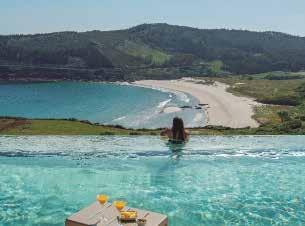
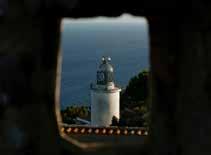
Parador Costa da Morte (Muxía)
I hope these pages inspire you for your next getaway, whether by the sea, in the mountains or in any of the extraordinary corners that make Spain such a unique destination
explore the Alhambra as night falls; we travel between Cádiz and Ceuta, where two continents meet; we discover the spectacular beauty of the Añisclo Valley, the magical ‘mar de ardora’ off the Galician coast, and the wisdom of traditional architecture that has been teaching us for centuries how to live with the heat in a natural way.
You’ll also find nature, cuisine, culture and stories that speak to the richness and diversity of our country. Because travelling isn’t just about changing location; it’s about discovering, learning and returning home with a fresh perspective.
I hope these pages inspire you for your next getaway, whether by the sea, in the mountains or in any of the extraordinary corners that make Spain such a unique destination. We’ll continue to work to offer you authentic experiences, to care for a heritage that belongs to us all, and to ensure that every stay at Paradores makes you feel right at home.
Have a wonderful summer. Enjoy it at a leisurely pace, with curiosity, and by finding pleasure in those little things that make a trip worthwhile.

CARTA D e l A PR e SID e NTA 03
Paradores, para todos. Para todas Paradores, for everyone
Paradores, el placer de descubrur Paradores, the joy of discovery
NOV e DAD e S e N PARADOR e S 08
Santillana Altamira: donde la historia sigue viva Where History Lives On
Olite-Erriberri: el esplendor de una corte renovada A royal legacy renewed
Arquitectura del
Entre dos aguas
Between two seas


PATRIMONIO NATURA l
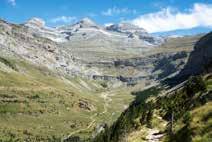
Los senderos de Añisclo The Añisclo trails
Escapadas y paisajes donde rompe la mar Getaways shaped by the sea
El mar de ardora: cuando el océano se enciende
The mar de ardora: When the ocean catches fire
Recomendaciones de Paradores Paradores recommendations
AMIGOS D e PARADOR e S 108 Felipe Mármol Martínez
Favorecer el turismo en zonas castigadas ayuda a recuperar el paisaje y a sostener a quienes lo habitan
Encouraging tourism in hard-hit areas helps restore the landscape and support the people who live there
¿Cuánto sabes de Paradores? Paradores, how much do you know?

N e RA l Ricardo Mar Ruipérez
DIR e CTORA D e COMUNICACIÓN, RRII Y MARCA
Silvia Zancajo García
COORDINADORA D e COMUNICACIÓN, RRII Y MARCA
Alba Zafra Espejo
CONS e JO e DITORIA l Conchi Antón Ana Martínez
R e DACCIÓN Y TRADUCCIÓN
Editorial MIC
DIAGRAMACIÓN Y DIS e ÑO
Editorial MIC
FOTOGRAFÍA
Archivo Paradores
Editorial MIC
PUB l ICIDAD
Editorial MIC 902 271 902 987 27 27 27
Madrid: Jesús Pérez
Barcelona: Belén Matè Àngel Ferrándiz
León: Esther García · Benita Espadas
Valladolid: Virginia de la Bastida
Valencia: Esther G. Pablo
WHERE HISTORY LIVES ON
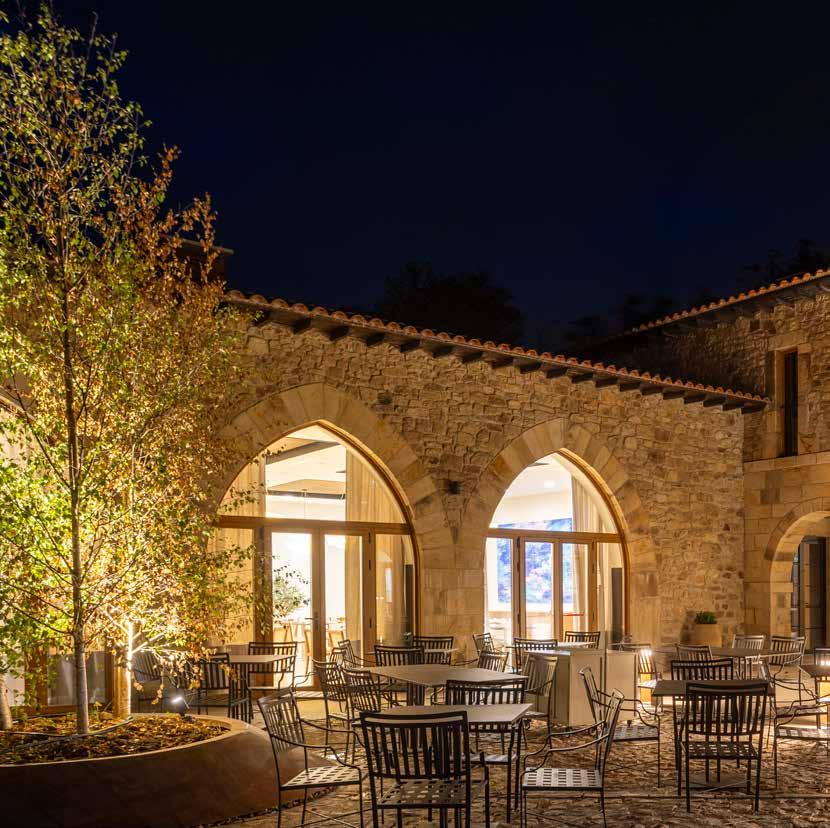
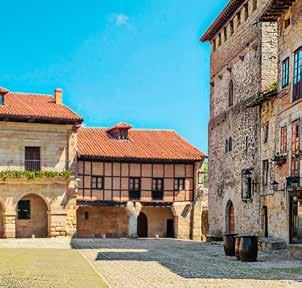
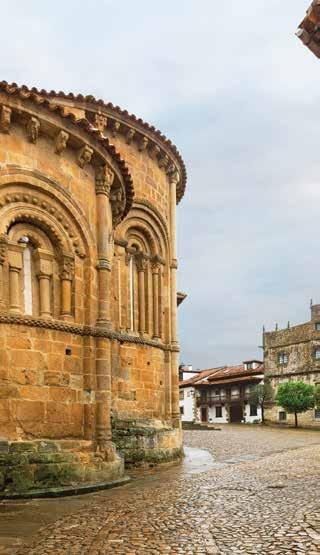
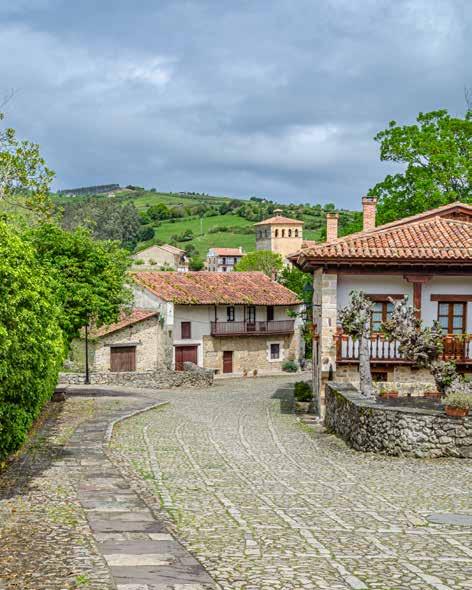
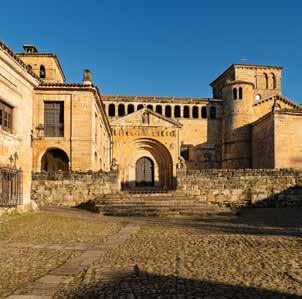
Santillana del Mar reúne, en apenas unos pasos, la intimidad de una villa medieval y la dimensión universal de Altamira. La villa, considerada uno de los conjuntos histórico-artísticos mejor conservados del país, mantiene el pulso de las casonas, las torres y las plazas de piedra; muy cerca, Altamira abre una dimensión mucho más antigua, vinculada a uno de los grandes tesoros culturales y patrimoniales de la humanidad. De esa historia compartida surge la etapa renovada del Parador de Santillana Altamira.
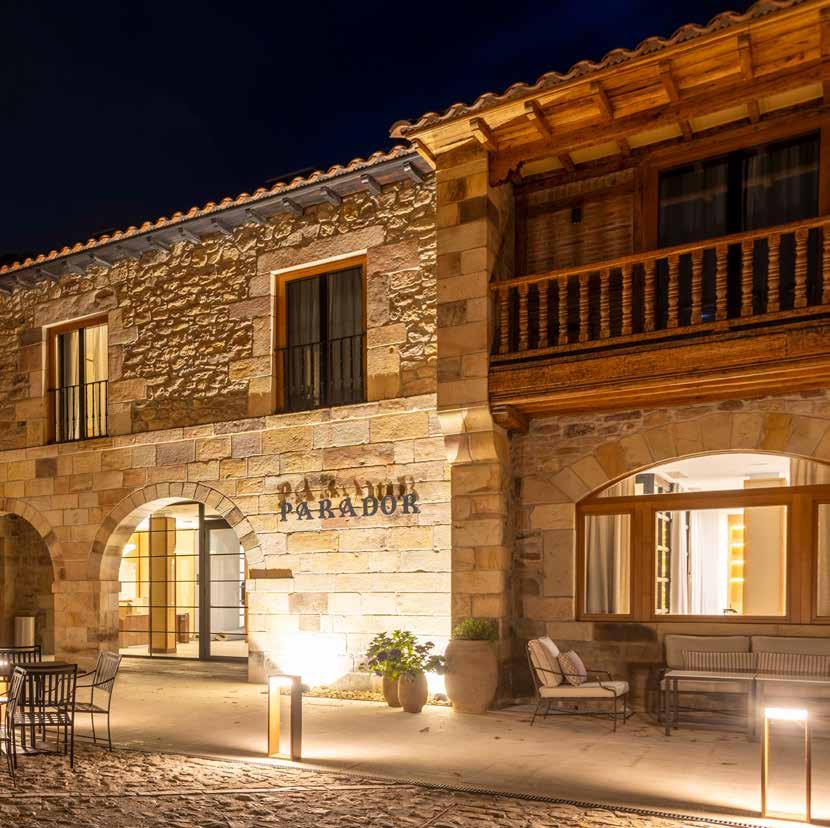
Santillana del Mar brings together, in just a few steps, the intimacy of a medieval town and the universal significance of the Cave of Altamira. The town, regarded as one of the best-preserved historic townscapes in Spain, keeps alive the rhythm of its manor houses, towers, and stone squares. Nearby, Altamira opens onto a far older dimension, linked to one of humanity’s great cultural and heritage treasures. From that shared history comes the renewed chapter of the Parador de Santillana del Mar – Altamira.
El proyecto artístico está inspirado en Cantabria, su naturaleza y sus oficios
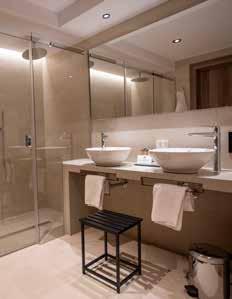
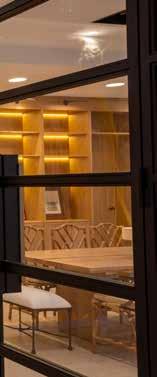
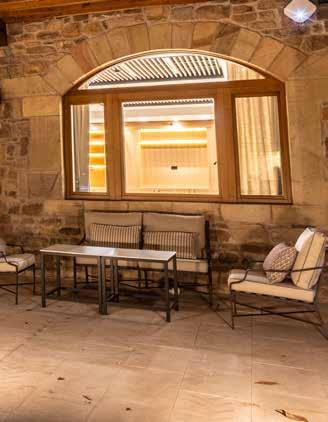
El establecimiento cántabro vuelve a recibir al viajero con una imagen renovada tras una intervención de ocho millones de euros que lo sitúa entre los Paradores más modernos de la Red. La reforma ha elevado su categoría de tres a cuatro estrellas, pero su verdadero alcance se percibe en cada estancia: más confort, mejor accesibilidad, mayor eficiencia energética y un interiorismo que incorpora la arquitectura tradicional cántabra mediante materiales nobles, piezas artesanales y una estética sobria, elegante y atemporal.
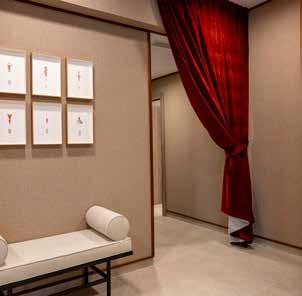
La mejora se nota en los es pacios y en las sensacio nes que despierta en el huésped. El edificio ha ganado tres habitaciones, reforzado su acondicionamiento acústico y renovado sus sistemas de climatización mediante aerotermia y gas natural. La inversión permitirá reducir la huella de carbono del Parador en un 85 %, el equivalente a evitar 110 toneladas de CO 2 al año o plantar 5.200 árboles. También se ha renovado el ascensor, se ha incorporado una habitación adaptada en planta baja y adecuado los aseos comunes para personas con movilidad reducida.
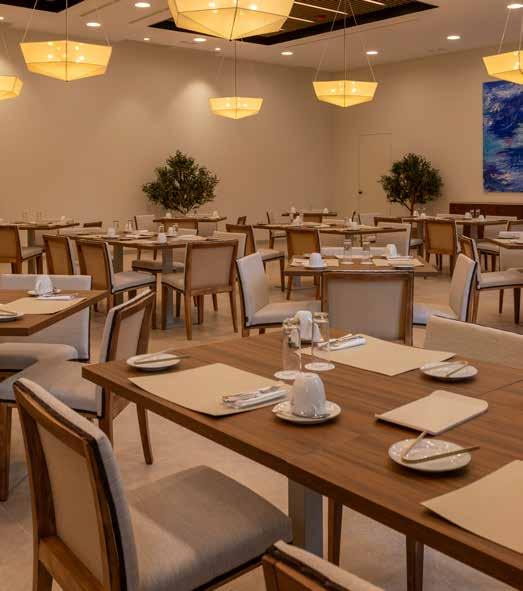
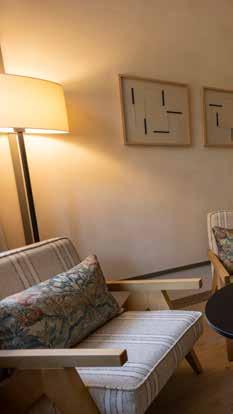
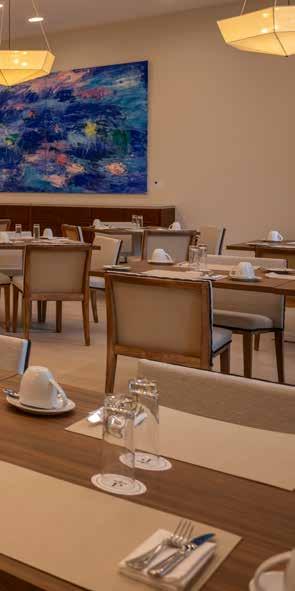
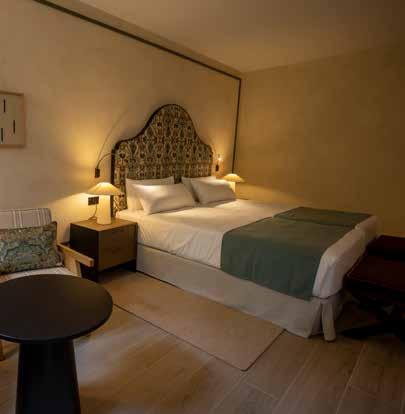
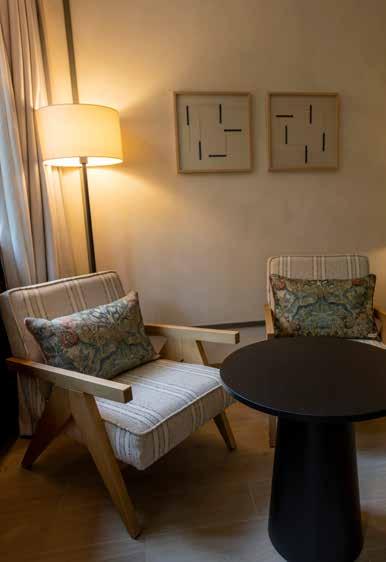
Puertas adentro, el Parador apuesta por una combinación de tradición y vanguardia. El mobiliario autóctono recuperado, las piezas artesanales, los materiales nobles y las líneas limpias construyen una atmósfera sobria, elegante y atemporal. La paleta cromática se inspira en el paisaje local, mientras la iluminación, las texturas y los acabados refuerzan una sensación de calma muy ligada a la arquitectura cántabra.
El proyecto artístico está inspirado en Cantabria, su naturaleza y sus oficios. El arte textil ocupa un lugar destacado, con obras de Amparo de la Sota o Regina de Jiménez que reinterpretan técnicas tradicionales del ámbito rural y doméstico desde un lenguaje actual. El resultado enlaza arte contemporáneo, artesanía y memoria material. Santillana del Mar cuenta con una singularidad dentro de la Red: dos Paradores en una misma localidad. Junto al renovado Santillana Altamira, el Parador de Santillana Gil Blas reabrió recientemente tras una inversión de 900.000 euros. La doble actuación refuerza la presencia de Paradores en Cantabria y su papel como herramienta de preservación patrimonial y dinamización local.
The art program draws inspiration from Cantabria, its nature, and its crafts
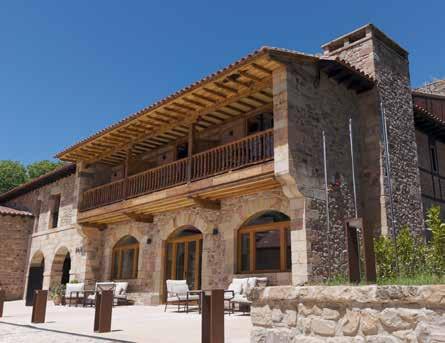
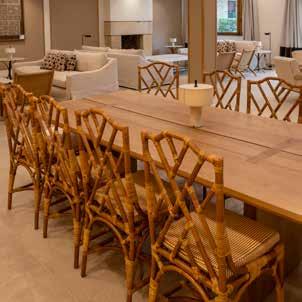
The Cantabrian property welcomes travelers once again with a refreshed look after an eight-million-euro renovation that places it among the most modern Paradores in the portfolio. The project has raised its category from three to four stars, but its real impact is felt in every stay: greater comfort, improved accessibility, higher energy efficiency, and an interior design that brings traditional Cantabrian architecture into the present through fine materials, handcrafted pieces, and a sober, elegant, timeless aesthetic.
The improvements can be felt in the spaces themselves and in the impressions they leave on guests. The building has added three guestrooms, improved its sound insulation, and modernized its heating and cooling systems with aerothermal technology and natural gas. The investment will reduce the Parador’s carbon footprint by 85%, equivalent to avoiding 110 metric tons of CO2 a year or planting 5,200 trees. The elevator has also been renovated, an accessible room has been added on the ground floor, and the shared restrooms have been adapted for guests with reduced mobility.
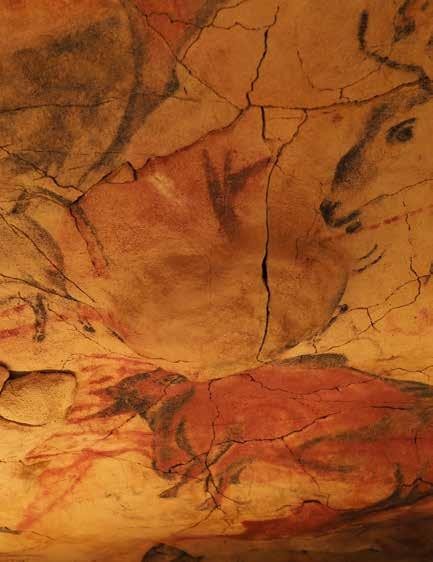
La excusa perfecta para prolongar la estancia se encuentra en Altamira, a escasa distancia de Santillana del Mar. La cueva fue declarada Patrimonio Mundial de la UNESCO en 1985 y, desde 2008, forma parte del bien Cueva de Altamira y arte rupestre paleolítico del norte de España, que agrupa 18 cavidades de la cornisa cantábrica. El Museo Nacional y Centro de Investigación de Altamira permite acer carse a ese legado a través de la Neocueva, una re producción científica inaugurada en 2001 para proteger la cavidad original, y de la exposición permanente Los tiempos de Altamira, que reúne piezas procedentes de la propia cueva y de otros yacimientos cántabros. La visita sitúa Santillana en una escala mucho más amplia: la de las sociedades del Paleolítico superior y su capacidad para convertir la roca en lenguaje simbólico.
A poca distancia, el Laberinto de Villapresente cambia el registro sin abandonar el territorio. Inaugurado en
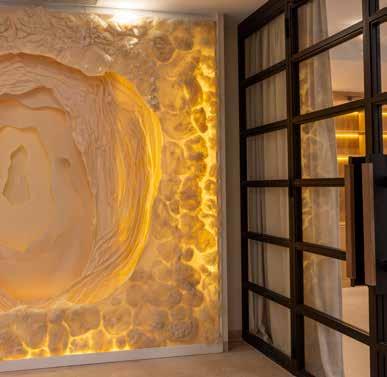
Inside, the Parador embraces a balance of tradition and contemporary design. Restored local furnishings, handcrafted pieces, fine materials, and clean lines create a sober, elegant, timeless atmosphere. The color palette is inspired by the surrounding landscape, while the lighting, textures, and finishes reinforce a sense of calm closely tied to Cantabrian architecture.
The art program draws inspiration from Cantabria, its nature, and its crafts.
Textile art plays a prominent role, with works by Amparo de la Sota and Regina de Jiménez that reinterpret traditional rural and domestic techniques through contemporary language. The result brings together contemporary art, craftsmanship, and material memory.
Santillana del Mar has a singular place within Paradores: two Paradores in one town. Alongside the newly renovated Santillana Altamira, the Parador de Santillana Gil Blas recently reopened following a 900,000-euro investment. The double project strengthens Paradores’ presence in Cantabria and its role as a tool for heritage preservation and local development.
The perfect reason to extend a stay lies in Altamira, just a short distance from Santillana del Mar. The cave was declared a UNESCO World Heritage Site in 1985 and, since 2008, has formed part of the Cave of Altamira and Paleolithic Cave Art of Northern Spain site, which brings together 18 caves along the Cantabrian coast. The National Museum and Research Center of Altamira offers access to that legacy through the Neocave, a scientific reproduction inaugurated in 2001 to protect the original cave, and through the permanent exhibition The Times of Altamira, which brings together pieces from the cave itself and from other Cantabrian archaeological sites. The visit places Santillana on a much broader scale: that of Upper Paleolithic societies and their ability to turn rock into symbolic language. Nearby, the Villapresente Maze shifts the mood without leaving the area. Opened in 2017 in the municipality of Reocín, it covers 5,625 square meters of level ground and is made up of cypress trees of the Cupressus leylandii variety. Its more than five kilometers of paths, about one meter wide and 2.5 meters high, turn the visit into an experience of orientation, play,
Very close to the Parador, the Cantabrian coast also reveals some of its most spectacular beaches, many of them blissfully uncrowded and set within natural landscapes of great value: from Suances and Cuchía to Gerra, Cóbreces and Comillas.
Muy cerca del Parador, la costa cántabra despliega además algunas de sus playas más espectaculares, muchas poco masificadas y abiertas a entornos naturales de gran valor: de Suances y Cuchía a Gerra, Cóbreces o Comillas.
2017 en el municipio de Reocín, ocupa 5.625 metros cuadrados de terreno llano y está formado por cipreses de la variedad Cupressus leylandii. Sus más de cinco kilómetros de pasillos, de alrededor de un metro de anchura y 2,5 metros de altura, convierten la visita en una experiencia de orientación, juego y paisaje vegetal. En una escapada desde el Parador, funciona como contrapunto familiar y contemporáneo al peso histórico de Santillana y Altamira.
and living landscape. As an excursion from the Parador, it serves as a family-friendly, contemporary counterpoint to the historic weight of Santillana and Altamira. The route can end facing the Cantabrian Sea, at the El Bolao cliffs, between Cóbreces and Toñanes, within the municipality of Alfoz de Lloredo. There, the La Verde River falls as a waterfall beside the remains of old watermills, in a setting where meadows reach almost to the edge of the rock. The Toñanes overlook offers a view from above of the falling water and the open line of the coast, an image that captures another Cantabria: rural, maritime, and shaped by ocean erosion. From Santillana Altamira, the journey thus brings together three complementary readings of the surrounding area: prehistory, vegetation, and the coast.
El recorrido puede cerrarse frente al Cantábrico, en el acantilado de El Bolao, entre Cóbreces y Toñanes, dentro del municipio de Alfoz de Lloredo. Allí, el río La Verde desemboca en forma de cascada junto a los restos de antiguos molinos de agua, en un enclave donde los prados llegan casi hasta el borde de la roca. El mirador de Toñanes permite contemplar desde arriba la caída del agua y la línea abierta del litoral, una imagen que resume otra Cantabria: rural, marítima y modelada por la erosión del océano. Desde Santillana Altamira, el viaje suma así tres lecturas complementarias del entorno: la prehistoria, el paisaje vegetal y la costa.
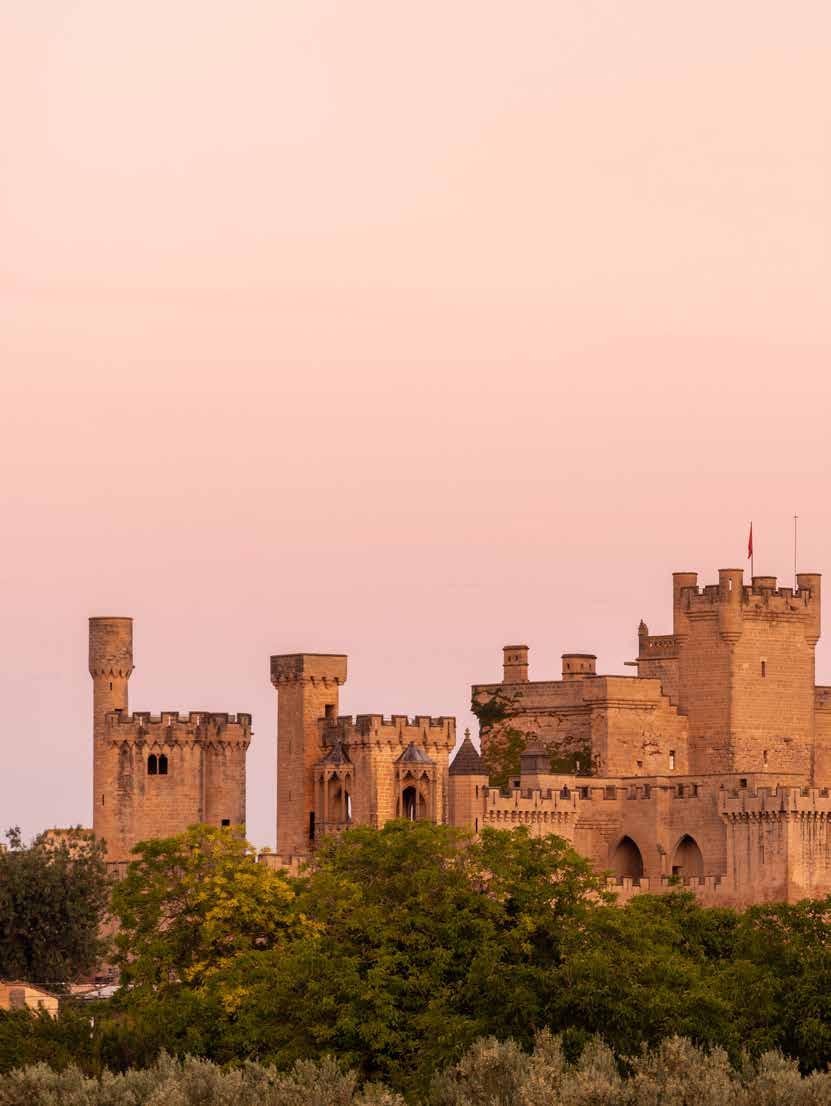
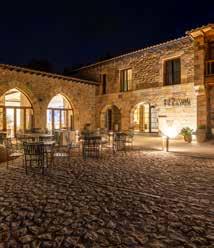
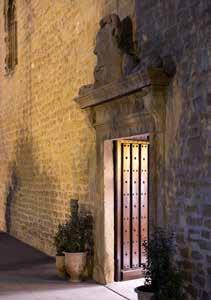
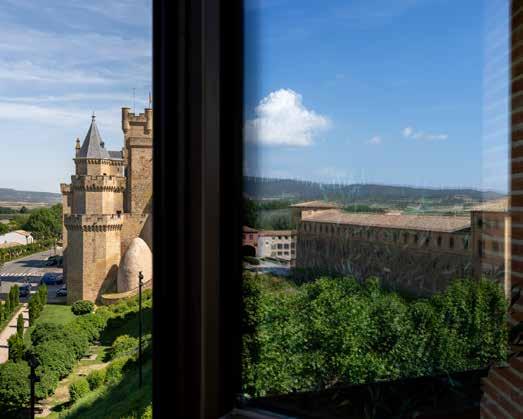
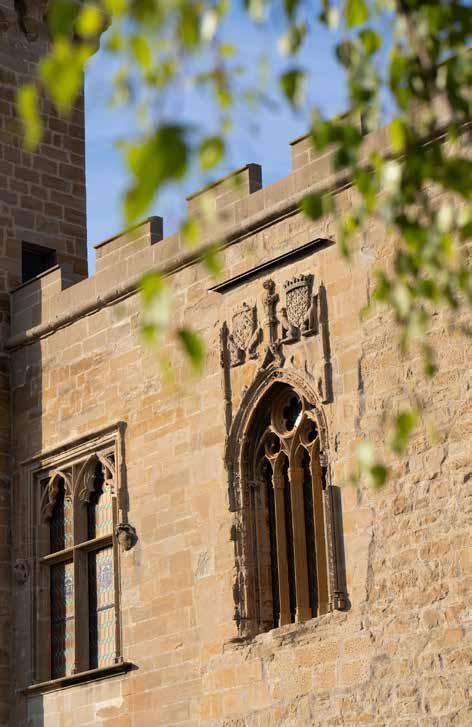
Palacio Real de Olite. El Parador de Olite-Erriberri ocupa el ala más antigua del majestuoso palacio-castillo de los reyes de Navarra, construido en época medieval y ampliado en el siglo XV por Carlos III el Noble
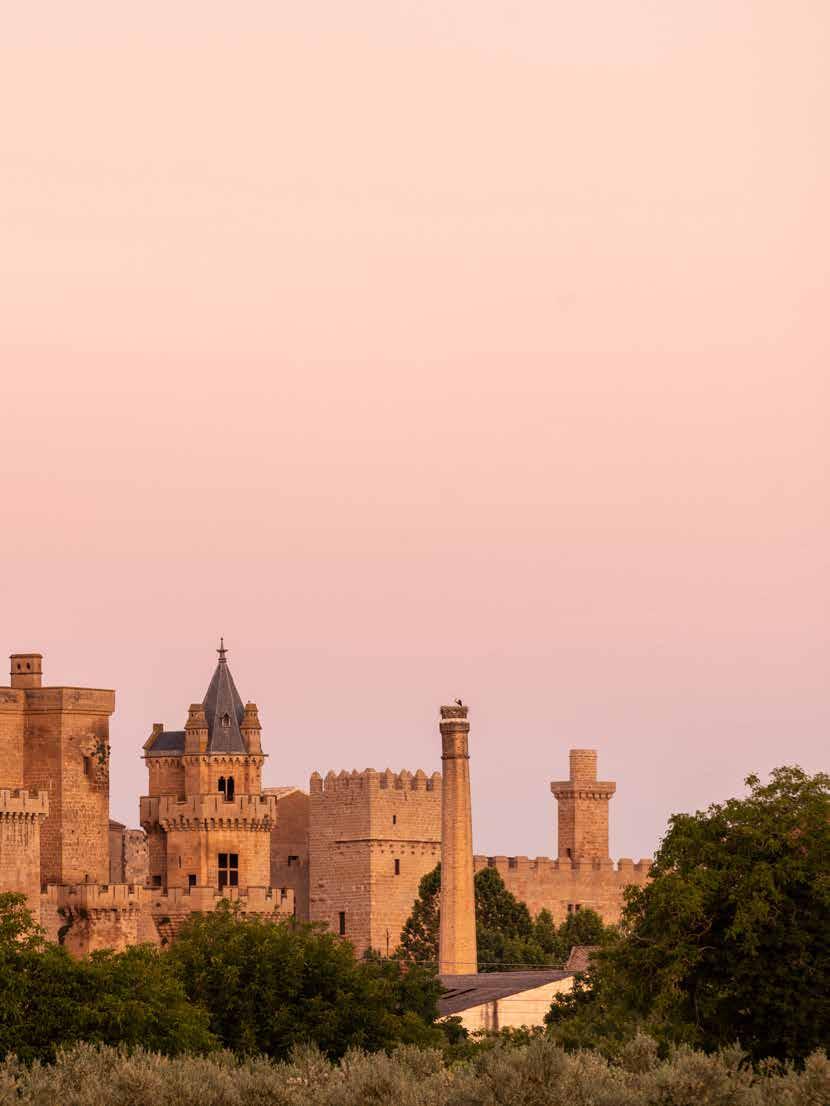
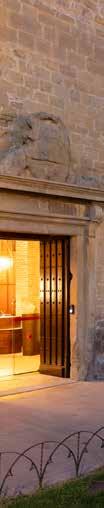
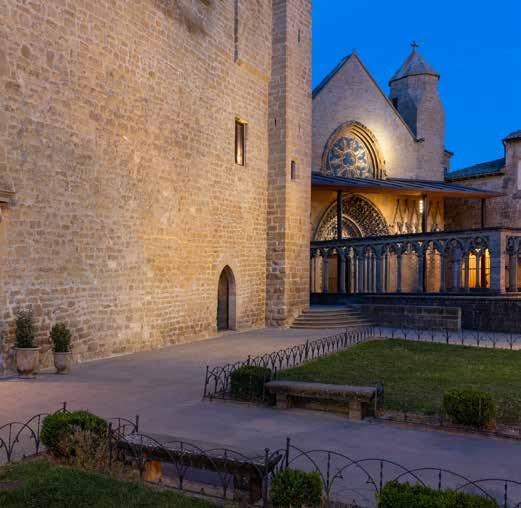
Entre torres, galerías y pasajes donde la piedra conserva el eco de los antiguos reyes de Navarra, el Parador de Olite-Erriberri vuelve a ocupar su lugar en el corazón del Palacio Real. Ubicado en el Palacio Viejo o de los Teobaldos, se integra en uno de los conjuntos gótico-civiles más importantes del continente y en la villa que aún guarda la memoria de una de las cortes más sofisticadas de la Europa medieval.
Among towers, galleries, and passageways where the stone still holds the echo of the old kings of Navarre, the Parador de Olite-Erriberri once again takes its place at the heart of the Royal Palace. Housed in the Old Palace, also known as the Palacio de los Teobaldos, it forms part of one of Europe’s most important examples of Gothic civic architecture and of a town that still preserves the memory of one of medieval Europe’s most sophisticated courts.
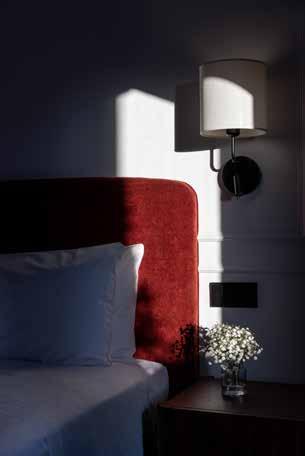
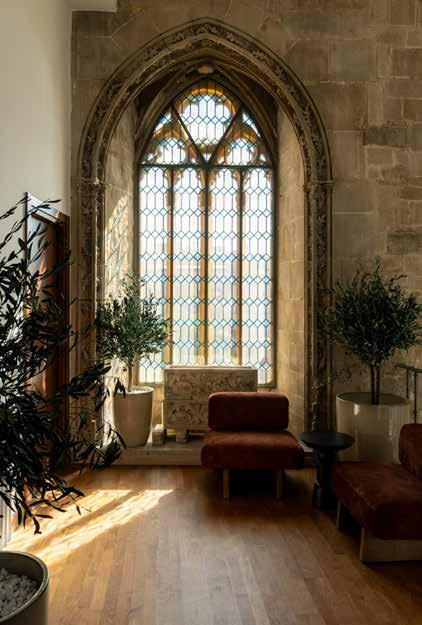
Tras casi veinte meses cerrado, el Parador inicia una nueva etapa marcada por una profunda remodelación orientada a modernizar y mejorar el edificio y sus instalaciones, sin renunciar a su esencia ni al carácter que lo convierte en uno de los establecimientos más emblemáticos de la Red. Una inversión total de 8,6 millones de euros ha permitido renovar cubiertas, carpinterías exteriores, habitaciones y baños, además de mejorar espacios de trabajo, como la cocina, la lavandería y las zonas de personal.
También se han restaurado las fachadas y la torre, y una nueva iluminación monumental realza ahora el perfil del conjunto al caer la tarde. La actuación permite leer el palacio con otros ojos: más confortable, más actual y, al mismo tiempo, profundamente fiel a la memoria del lugar. Esa convivencia entre renovación y respeto patrimonial marca el tono de toda la
intervención, pensada para que el edificio siga acogiendo al viajero sin perder la huella de los siglos.
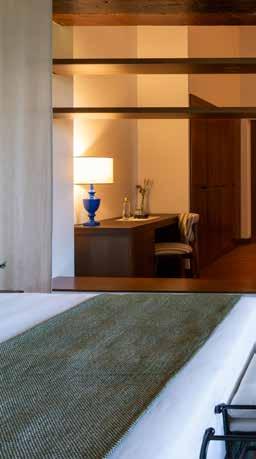
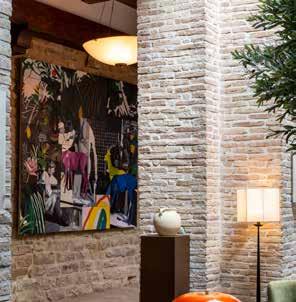
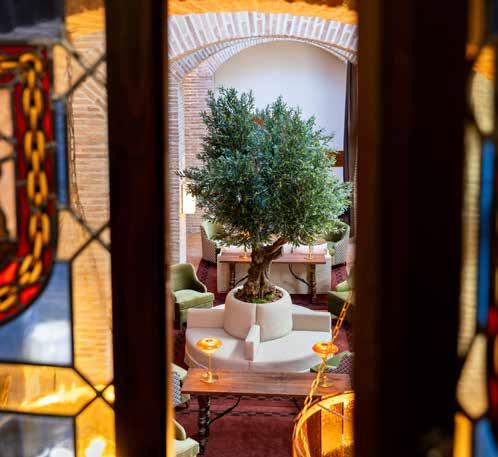
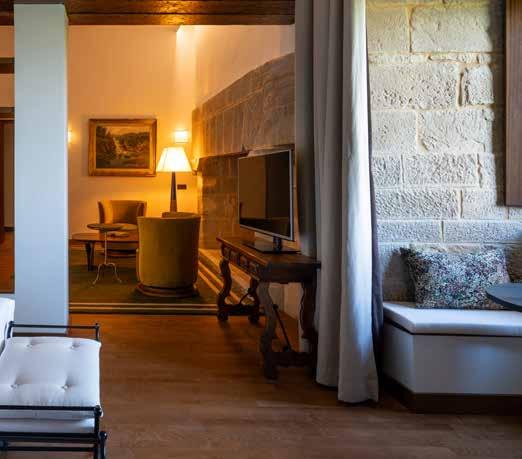
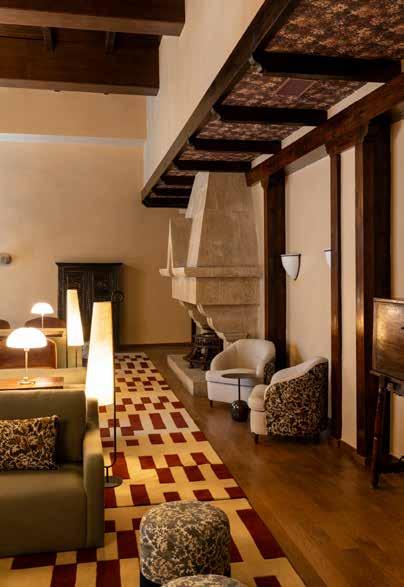
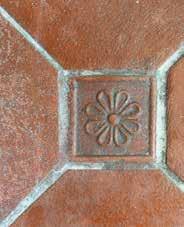
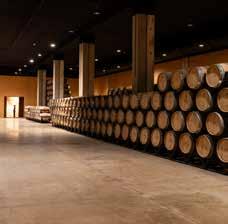
El Parador recupera su carácter palaciego desde una mirada sobria y contemporánea. Piedra, ladrillo, arcos y pasajes originales permanecen visibles y dialogan con una paleta de arcillas, burdeos, mieles y dorados inspirada en el paisaje navarro, en la tierra y en la cultura del vino. El resultado es un Parador más luminoso, funcional y acogedor. Las habitaciones y zonas comunes prolongan esa lectura con materiales nobles, luz tamizada y una atmósfera serena que actualiza el descanso sin desdibujar la memoria cortesana del edificio.
El proyecto artístico está inspirado en uno de los episodios más fascinantes del palacio, cuando Carlos III reunió en Olite uno de los zoológicos cortesanos más singulares de la Europa medieval. Leones,
After being closed for nearly 20 months, the Parador begins a new chapter shaped by a major refurbishment designed to modernize and improve the building and its facilities, while preserving the character that makes it one of Paradores’ most emblematic properties. A total investment of € 8.6 million has made it possible to renovate roofs, exterior woodwork, guest rooms, and bathrooms, as well as to improve work areas such as the kitchen, laundry, and staff spaces.
The facades and tower have also been restored, and new architectural lighting now enhances the silhouette of the ensemble at dusk. The project invites the palace to be seen with fresh eyes: more comfortable, more contemporary, and, at the same time, deeply faithful to the memory of the place. This balance between renewal and respect for heritage sets the tone for the entire intervention, conceived so that the building can continue to welcome travelers without losing the imprint of the centuries.
The Parador has reclaimed its palatial character through a sober, contemporary lens. Stone, brick, arches, and original passageways remain visible and enter into dialogue with a palette of clays, burgundies, honeys, and golds inspired by the Navarrese landscape, the earth, and wine culture. The result is a brighter, more functional, and more welcoming Parador. The guest rooms and common areas extend that reading with noble materials, filtered light, and a serene atmosphere that updates the experience of rest without blurring the building’s courtly memory.
The art project is inspired by one of the palace’s most fascinating chapters, when Charles III assembled in Olite one of medieval Europe’s most singular courtly menageries. Lions,
camellos, jirafas, búfalos o loros regresan simbólicamente al Parador a través de obras de Estela de Castro, Nacho Martín Silva, Manuel Vilariño y Álvaro de la Vega, tendiendo un puente entre la memoria medieval y la creación contemporánea. El arte no actúa como añadido, sino como forma de mirar el pasado desde el presente, para recordar que Olite fue también un lugar de asombro, representación y cultura.
Más allá de los muros del Palacio Real, la estancia en el Parador de OliteErriberri invita a seguir el rastro de algunos de los grandes hitos patrimoniales de la Zona Media de Navarra. El primer paso está en el propio palacio, levantado en su mayor parte entre finales del siglo XIV y comienzos del XV bajo el impulso de Carlos III el Noble. Concebido como residencia cortesana más que como fortaleza, conserva una silueta de torres, galerías, patios, jardines elevados y miradores que ayuda a entender por qué Olite fue una de las sedes más refinadas del Reino de Navarra.
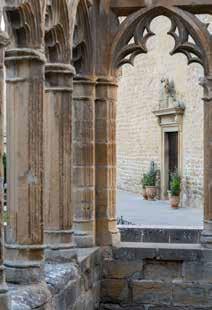
A sus pies, la iglesia de Santa María la Real completa el primer paseo. Construida entre los siglos XIII y XIV junto al conjunto palaciego, destaca por su portada gótica –terminada hacia 1300, es una de las más importantes de la escultura medieval navarra– y por el retablo mayor de Pedro de Aponte, instalado en 1528. La intersección entre palacio e iglesia resume bien la doble condición de Olite: poder cortesano y devoción medieval en apenas unos pasos.
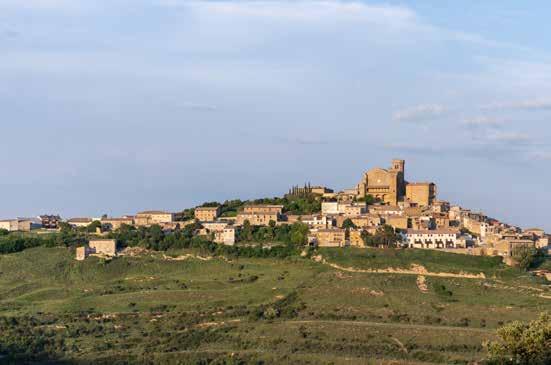
La experiencia puede prolongarse hacia Ujué, situada sobre una colina de más de 800 metros de altitud. Allí, la iglesia-fortaleza de Santa María, declarada Monumento Nacional en 1936, reúne una cabecera románica, una nave gótica y una de las imágenes románicas más veneradas de Navarra: la Virgen de Ujué, fechada hacia 1190. También conserva el corazón de Carlos II, depositado junto a la imagen por voluntad del propio monarca.
Artajona aporta otro capítulo de la Navarra fortificada. El Cerco, levantado sobre un cerro dominante, conserva parte de un recinto amurallado que llegó a contar con diecisiete torres, de las que hoy permanecen nueve. En su interior, la iglesia de San Saturnino refuerza la lectura defensiva y religiosa del conjunto, una arquitectura pensada para proteger, vigilar y ordenar el territorio. El Monasterio de La Oliva, en Carcastillo, cierra el recorrido con sobriedad cisterciense. Fundado en el siglo XII, fue una de las primeras fundaciones del Císter en el reino de Navarra y conserva su iglesia abacial, claustro y vida monástica. Su aus teridad ofrece un con trapunto perfecto al esplendor cortesano de Olite. Otro modo de entender la piedra, el tiempo y el silencio.

camels, giraffes, buffalo, and parrots symbolically return to the Parador through works by Estela de Castro, Nacho Martín Silva, Manuel Vilariño, and Álvaro de la Vega, creating a bridge between medieval memory and contemporary creation. Art is not treated as an addition, but as a way of looking at the past from the present, recalling that Olite was also a place of wonder, display, and culture.
Beyond the walls of the Royal Palace, a stay at the Parador de Olite-Erriberri invites travelers to follow the trail of some of the great heritage landmarks of Navarre’s Middle Zone. The first step is the palace itself, built largely between the late 14th and early 15th centuries under the patronage of Charles III the Noble. Conceived as a courtly residence rather than a fortress, it preserves a silhouette of towers, galleries, courtyards, elevated gardens, and viewpoints that helps explain why Olite became one of the most refined seats of the Kingdom of Navarre.

At its feet, the Church of Santa María la Real completes the first walk. Built between the 13th and 14th centuries beside the palace complex, it stands out for its Gothic portal—completed around 1300 and considered one of the most important works of medieval sculpture in Navarre—and for the main altarpiece by Pedro de Aponte, installed in 1528. The intersection of palace and church captures Olite’s dual character: courtly power and medieval devotion within just a few steps.
The experience can continue toward Ujué, set on a hill more than 800 meters above sea level. There, the
Descubre el Parador de Olite-Erriberri
Discover the Parador de Olite-Erriberri
fortress-church of Santa María, declared a National Monument in 1936, brings together a Romanesque chancel, a Gothic nave, and one of Navarre’s most venerated Romanesque images: the Virgin of Ujué, dated to around 1190. It also preserves the heart of Charles II, placed beside the image at the monarch’s own request.
Artajona adds another chapter to fortified Navarre. El Cerco, raised on a commanding hilltop, preserves part of a walled enclosure that once had 17 towers, nine of which remain today. Within it, the Church of San Saturnino reinforces the defensive and religious reading of the ensemble: architecture designed to protect, watch over, and organize the territory.
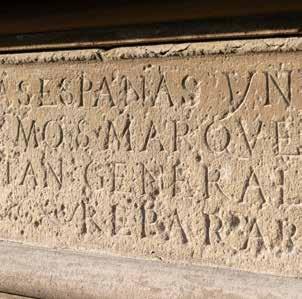
The Monastery of La Oliva, in Carcastillo, brings the route to a close with Cistercian sobriety. Founded in the 12th century, it was one of the first Cistercian foundations in the Kingdom of Navarre and preserves its abbey church, cloister, and monastic life. Its austerity offers the perfect counterpoint to the courtly splendor of Olite. Another way of understanding stone, time, and silence.
Fecha: hasta el 20 de septiembre de 2026
Lugar: Museo del Romanticismo, Madrid
Horarios: martes a sábado de 9:30 a 20:30 h. Domingos y festivos de 10:00 a 15:00 h.
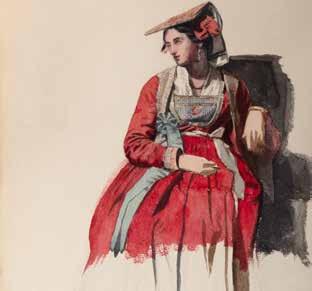
A través de los dibujos de Federico de Madrazo (1815-1894), Luis de Madrazo (1825-1897) y Vicente Palmaroli (18341896) en las colecciones del Museo Nacional del Romanticismo se descubre cómo eran los viajes de aprendizaje artístico a Italia a mediados del siglo XIX, antes de que se estableciera la Academia de España en Roma. Estos dibujos reflejaban cómo era esta etapa de formación de quienes buscaron estudiar el arte tanto de la Antigüedad romana como de la Edad Media y el Renacimiento italianos y emular a grandes maestros como Miguel Ángel, Rafael o Giotto.
THE ARTIST IN ITALY
Date: Until 20 September 2026
Times: Tuesday to Saturday, 9:30 am to 8:30 pm. Sundays and public holidays, 10:00 am to 3:00 pm.
Through drawings by Federico de Madrazo (1815–1894), Luis de Madrazo (1825–1897) and Vicente Palmaroli (1834–1896) from the collections of the Museo Nacional del Romanticismo, this exhibition explores the artistic training journeys to Italy undertaken in the mid-19th century, before the Spanish Academy in Rome was established. These drawings offer insight into a formative stage for artists who sought to study the art of Roman Antiquity, as well as that of the Italian Middle Ages and Renaissance, and to emulate great masters such as Michelangelo, Raphael and Giotto.
Gaudí: ventanas al futuro
Lugar: Palau Güell, Barcelona
Fecha: hasta el 25 de octubre de 2026
Horarios y entradas: inici.palauguell.cat/es
En pleno Año Gaudí, el Palau Güell dedica su gran exposición de temporada a un aspecto menos transitado y muy revelador del arquitecto: sus ventanas. Gaudí: ventanas al futuro reúne más de 270 ejemplos de aberturas, maquetas, pomos, vidrieras y recursos interactivos para mostrar cómo Gaudí pensaba la luz, la ventilación y la belleza interior de sus edificios. La muestra permite redescubrir uno de sus espacios barceloneses más emblemáticos y prolongar la escapada desde el Parador de Cardona, fortaleza medieval desde la que el patrimonio catalán se abre hacia Barcelona y su gran año arquitectónico.
Gaudí: Windows to the Future
Venue: Palau Güell, Barcelona
Date: Through October 25, 2026 Times and tickets: inici.palauguell.cat/es
As Barcelona marks Gaudí Year, Palau Güell devotes its major seasonal exhibition to one of the architect’s less familiar and most revealing fields of work: his windows. Gaudí: Windows to the Future brings together more than 270 openings, models, handles, stainedglass pieces and interactive resources to show how Gaudí thought about light, ventilation and interior beauty in his buildings. The exhibition offers a fresh look at one of his most emblematic Barcelona spaces and opens the way to a getaway from the Parador de Cardona, a medieval fortress from which Catalan heritage leads naturally toward Barcelona and its great architectural year.

CÓMICOS DE ROMA
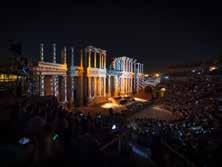
Fecha: 5 al 9 de agosto de 2026 Lugar: Teatro Romano de Mérida Horarios y entradas: www.entradas.com
Fernando Tejero se pone al frente de Cómicos de Roma , una comedia que recupera el pulso popular y festivo del teatro clásico en el marco imponente del Teatro Romano de Mérida. Adaptada y dirigida por José Pascual, la obra dialoga con Plauto desde una mirada viva y contemporánea, entre el enredo, la risa y el juego escénico. La cita invita a disfrutar de una noche de teatro bajo las estrellas y a prolongar la experiencia en el Parador de Mérida, enclave histórico que acompaña con naturalidad el viaje a la antigua Augusta Emerita.
CÓMICOS DE ROMA
Dates: August 5-9, 2026
Venue: Roman Theater of Mérida Times and tickets: www.entradas.com
Fernando Tejero leads Cómicos de Roma , a comedy that brings back the popular, festive pulse of classical theater against the imposing backdrop of Mérida’s Roman Theater. Adapted and directed by José Pascual, the play enters into a lively, contemporary dialogue with Plautus through farce, laughter and theatrical play. The performance invites visitors to enjoy a night of theater under the stars and round out the experience at the Parador de Mérida, a historic setting that naturally extends the journey to ancient Augusta Emerita.
Fecha: del 31 de julio al 15 de agosto de 2026
Lugar: varios lugares, La Granja, Segovia Horarios y entradas: nochesmagicasdelagranja.es
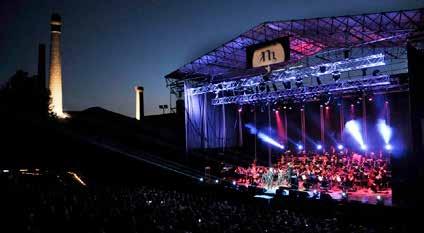
El festival celebra cada año la perfecta armonía entre cultura viva y patrimonio histórico, una programación de música y danza que convierte los espacios patrimoniales de La Granja en escenario de excepción. Esta edición reúne una cartelera de primer nivel con artistas como Ara Malikian, Luz Casal, Víctor Manuel o Valeria Castro. Además, el 9 de agosto Zimmer & Williams. Bandas Sonoras para un Eclipse, llega tres días antes del eclipse solar total del doce de agosto, convirtiendo La Granja en uno de los enclaves más singulares para vivir este verano astronómico.
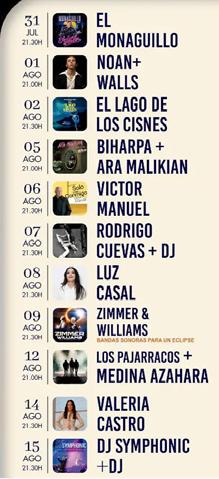
Dates: July 31-August 15, 2026
Location: Various venues, La Granja, Segovia Times and tickets: nochesmagicasdelagranja.es
Each year, the festival brings living culture and historic heritage into elegant balance, with a program of music and dance that turns La Granja’s heritage spaces into exceptional stages. This edition features a first-rate lineup with artists such as Ara Malikian, Luz Casal, Víctor Manuel and Valeria Castro. On August 9, Zimmer & Williams: Soundtracks for an Eclipse arrives just three days before the total solar eclipse of August 12, making La Granja one of the most distinctive places to experience this astronomical summer.
LA OREJA DE VAN GOGH TOUR 2026
Fecha: 27 de agosto de 2026
Lugar: Pingüinos Arena, Valladolid Horarios y entradas : bandsintown.com
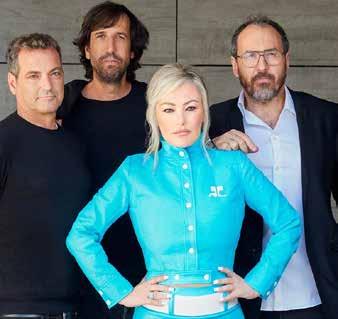
Treinta años dan para mucho. Y La Oreja de Van Gogh lo sabe mejor que nadie. La banda donostiarra vuelve a los escenarios en 2026 con Amaia Montero al frente y una gira que no necesita justificarse: Tantas Cosas que Contar es el título, y también la verdad más sencilla que puede decirse sobre tres décadas de canciones que han acompañado a varias generaciones. Desde Rosas hasta El último vals , los asistentes podrán disfrutar del repertorio de uno de los grupos más longevos e influyentes del pop en castellano en la historia.
LA OREJA DE VAN GOGH
TOUR 2026
Date: August 27, 2026
Venue: Pingüinos Arena, Valladolid Times and tickets: bandsintown.com
Thirty years is a lot of ground to cover, and La Oreja de Van Gogh knows that better than anyone. The San Sebastián band returns to the stage in 2026 with Amaia Montero at the microphone and a tour that needs no explanation: Tantas Cosas que Contar is its title, and also the simplest truth about three decades of songs that have accompanied several generations. From Rosas to El último vals, audiences will hear the repertoire of one of the longest-running and most influential pop bands in Spanish-language music.
Lugar: San Sebastián / Donostia
Fechas: 18 al 26 de septiembre de 2026
Durante nueve días, Donostia se convierte en punto de encuentro del cine internacional. La programación reúne Sección Oficial, New Directors, Horizontes Latinos, Perlak y Zabaltegi-Tabakalera. A ellas se suman apartados como Zinemira, Made in Spain, Culinary Zinema, Klasikoak y Velódromo. El certamen combina grandes estrenos, cine de autor, nuevas voces y diálogo con la industria. En 2026, la retrospectiva estará dedicada al cineasta y novelista José Giovanni. La agenda se despliega en espacios como el Kursaal, el Teatro Victoria Eugenia, Tabakalera, Príncipe, Trueba y el Velódromo. La Concha de Oro, los Premios Donostia y los encuentros con cineastas refuerzan su dimensión internacional. Desde el Parador de Hondarribia, la escapada suma patrimonio, costa y el ambiente cultural de la ciudad. Una cita imprescindible para vivir el cine contemporáneo en uno de sus escenarios europeos más reconocidos.
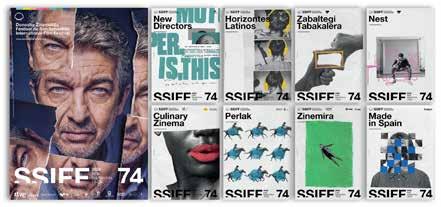
INTERNATIONAL FILM FESTIVAL
Location: San Sebastián / Donostia
Dates: September 18-26, 2026

For nine days, Donostia becomes a meeting point for international cinema. The program includes the Official Selection, New Directors, Horizontes Latinos, Perlak and Zabaltegi-Tabakalera, alongside sections such as Zinemira, Made in Spain, Culinary Zinema, Klasikoak and Velódromo. The festival brings together major premieres, auteur cinema, new voices and industry dialogue. In 2026, the retrospective will be dedicated to filmmaker and novelist José Giovanni. Events unfold in venues such as the Kursaal, Teatro Victoria Eugenia, Tabakalera, Príncipe, Trueba and the Velódromo. The Golden Shell, the Donostia Awards and encounters with filmmakers reinforce its international dimension. From the Parador de Hondarribia, the getaway adds heritage, coastline and the city’s cultural atmosphere. An essential date for experiencing contemporary cinema in one of Europe’s most recognized festival settings.
Fecha: 8 de agosto de 2026
Lugar: Arriondas, Parres y Ribadesella, Asturias.
Horarios y entradas: acceso libre, comienzo a partir de las 11:00 h. descensodelsella.com
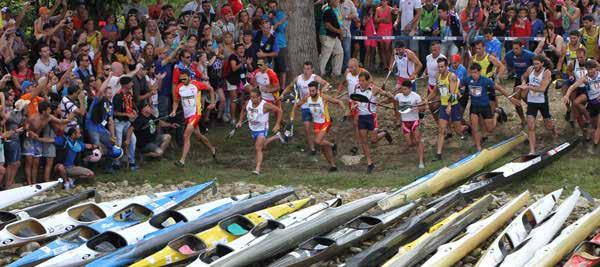
Cada primer sábado de agosto, el río Sella se convierte en el escenario de uno de los eventos deportivos y festivos más emblemáticos de España. El descenso recorre los aproximadamente veinte kilómetros de río que separan Arriondas de Ribadesella entre una marea de color, música y entusiasmo desde primera hora de la mañana. Declarada Fiesta de Interés Turístico Internacional, cada año congrega a cientos de palistas de todo el mundo y a decenas de miles de espectadores que toman los márgenes del río para animar el paso de las embarcaciones. Más allá de la competición, el evento se extiende durante todo el fin de semana con conciertos, gastronomía asturiana y la inconfundible atmósfera de la fiesta del verano en el norte de España.
FIESTA DE LAS PIRAGUAS: INTERNATIONAL DESCENT OF THE SELLA
Date: August 8, 2026
Location: Arriondas, Parres and Ribadesella, Asturias
Times and tickets: Free admission; starts at 11:00 a.m. descensodelsella.com
Every first Saturday in August, the Sella River becomes the setting for one of Spain’s most iconic sporting and festive events. The descent covers roughly 20 kilometers of river between Arriondas and Ribadesella, amid a tide of color, music and excitement from early morning. Declared a Festival of International Tourist Interest, it brings together hundreds of paddlers from around the world and tens of thousands of spectators who line the riverbanks to cheer on the boats. Beyond the competition, the celebration continues throughout the weekend with concerts, Asturian cuisine and the unmistakable atmosphere of summer in northern Spain.
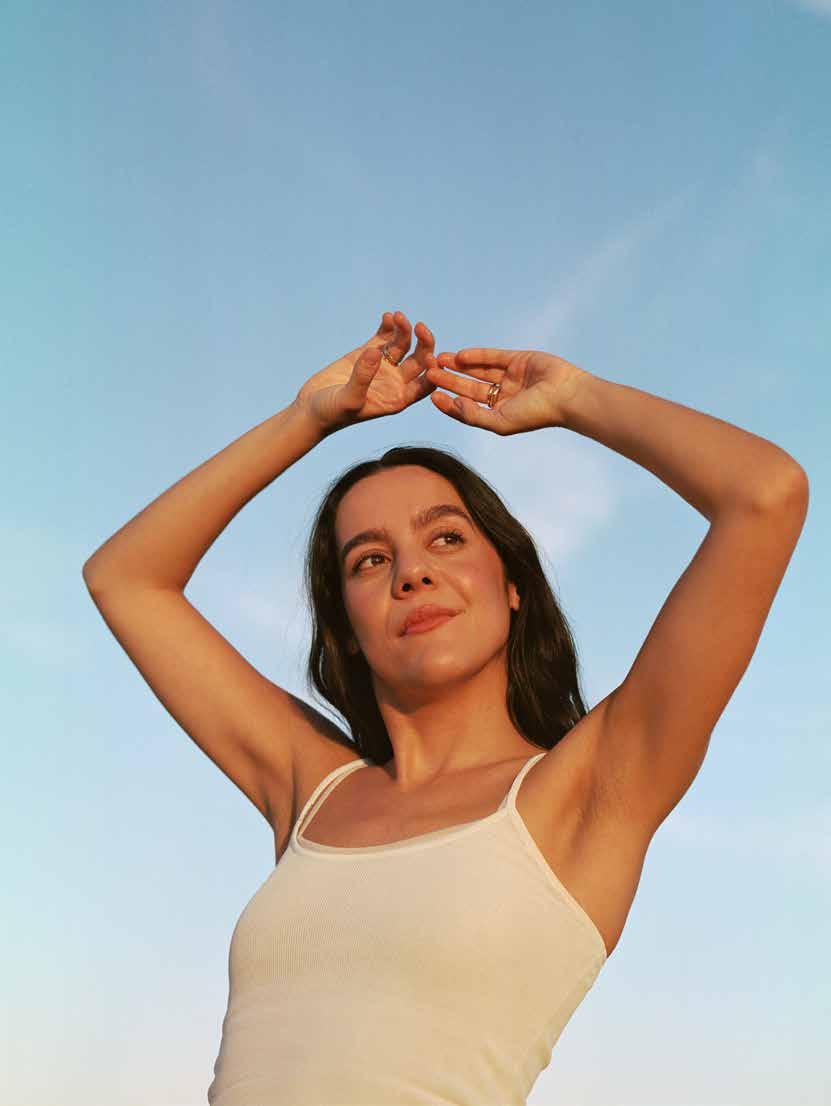
«Quiero hacer del directo un momento valioso para todo el que lo viva»

“I want every live performance to be a meaningful moment for everyone who experiences it”
Los espacios más singulares de Paradores se convierten de nuevo en escenarios irrepetibles en Caprichos Musicales, ciclo que recorre la geografía española con algunas de las figuras más reconocibles del panorama actual: José Mercé en el Parador de Málaga Golf, Sílvia Pérez Cruz en el de Sigüenza, Miguel Poveda en el de Toledo y Valeria Castro y Carminho en Mazagón.
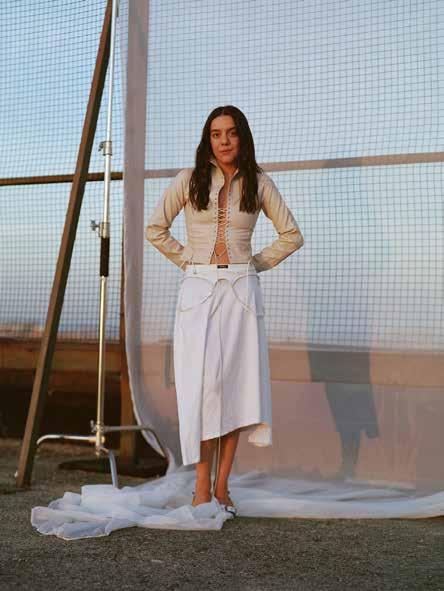
A sus 27 años, Valeria Castro ha aprendido a mirar de frente a las heridas sin dejar que la definan, algo que refleja con fuerza en su último disco. Esa calidez y valentía la han convertido en una de las voces más sólidas de la música actual. Junto a Carminho, llevará al enclave onubense su particular manera de entender el amor y la vida.
Paradores’ most distinctive spaces are once again transformed into one-of-a-kind stages for Caprichos Musicales, a series that travels across Spain with some of the most recognizable names on today’s music scene: José Mercé at the Parador de Málaga Golf, Sílvia Pérez Cruz at the Parador de Sigüenza, Miguel Poveda at the Parador de Toledo and Valeria Castro and Carminho in Mazagón.
At 27, Valeria Castro has learned to face her wounds without letting them define her, something that comes through powerfully in her latest album. That warmth and courage have made her one of the most compelling voices in contemporary music. Alongside Carminho, she will bring to this corner of Huelva her own way of understanding love and life.
Desde que despuntó en el panorama musical, su voz siempre ha sido sinónimo de dulzura y sensibilidad. ¿Cómo está viviendo la vuelta a los escenarios?
Muy bien, es precioso que se me perciba de esa manera: dulzura, sensibilidad, valentía y respeto por la profesión. Estoy viviendo esta gira con mucho agradecimiento, por lo extraordinario que es poder estar ejecutando esta profesión. Quiero hacer del directo un momento valioso para todo el que lo viva. Quizás la mejor descripción sería estar viviéndolos emocionalmente vivos.
En su último disco, El cuerpo después de todo, pone sobre la mesa el sufrimiento como algo que transitar. «Tengo claro que hay heridas que me van a hacer sufrir», canta. ¿Cree que la sociedad actual sabe cómo enfrentarse al dolor?
Estamos aprendiendo. Los dolores ahora están más expuestos, hay más imágenes y situaciones donde verlos reflejados, y su evidencia conlleva tener que transitarlos en vez de evitarlos. Creo que, simplemente, estamos cambiando la forma de asumir las realidades. Eso, muchas veces, resulta caótico y parece dar a entender que lo gestionamos peor, pero solo es un proceso distinto al de otras generaciones y encontraremos la forma de enfrentarlo cada vez mejor. Hay en este disco una llamada a la compasión hacia uno mismo, que no siempre nos permitimos. ¿De dónde nace esa reflexión?
La compasión es la capacidad de poder percibir, comprender y sentir el dolor y, desemboca en la motivación profunda de intentar aliviarlo. La reflexión nace egoísta y tiernamente de ese anhelo.
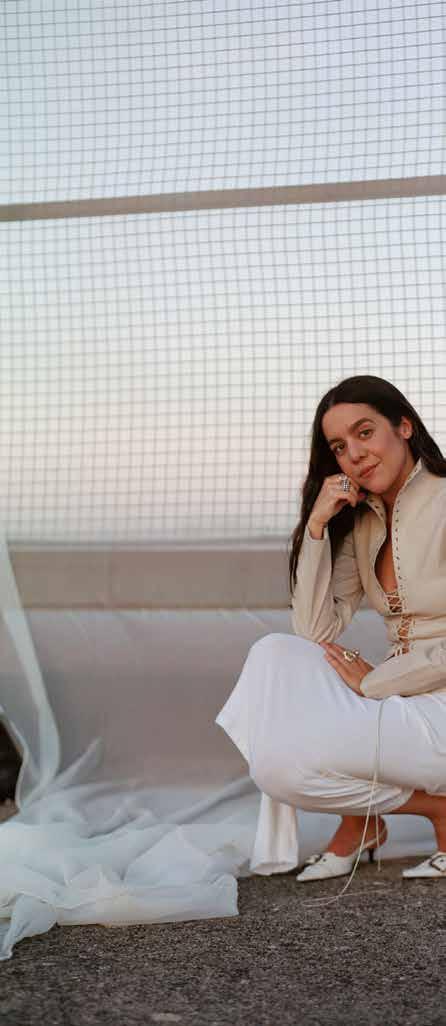
«Los dolores ahora están más expuestos y su evidencia conlleva tener que transitarlos en vez de evitarlos»
“Pain is more visible now, and that visibility means we have to move through it rather than avoid it”
Since you first emerged on the music scene, your voice has been synonymous with sweetness and sensitivity. How are you experiencing your return to the stage?
Very well. It is beautiful to be perceived that way: sweetness, sensitivity, courage, and respect for the profession. I am living this tour with great gratitude, because it is extraordinary to be able to do this work. I want every live performance to be a meaningful moment for everyone who experiences it. Perhaps the best way to describe it is that I am living these shows as emotionally alive moments.
In your latest album, El cuerpo después de todo, you bring suffering to the fore as something to move through. “I know some wounds will make me suffer”, you sing. Do you think today’s society knows how to face pain?
We are learning. Pain is more visible now; there are more images and situations in which we can see it reflected, and that visibility means we must move through it rather than avoid it. I think we are simply changing the way we come to terms with reality. That often feels chaotic
and may seem to suggest that we manage it worse, but it is only a process different from that of other generations, and we will find better and better ways to face it.
This album contains a call for compassion toward oneself, something we do not always allow ourselves. Where does that reflection come from?
Compassion is the ability to perceive, understand, and feel pain, and it leads to a deep motivation to try to ease it. That reflection arises, selfishly and tenderly, from that longing.
Caprichos Musicales takes place in spaces filled with history. How does the setting influence the way music is perceived?
In the times we are living through, the authenticity of a concert matters even more. And while what happens on stage is the center of the show, everything around it adds something unique, something that will only happen in that moment. It has always been the audience that holds the power to create that magic, but setting the entire experience within historic spaces that stay in the memory deepens its value even further.
Caprichos Musicales se desarrolla en espacios cargados de historia. ¿Cómo influye el entorno en la manera de percibir la música?
En los tiempos que corren, lo genuino de un concierto cada vez toma más importancia y, así como lo que ocurre en el escenario es el centro del espectáculo, todo lo que lo rodea lo carga de algo único que solo pasará en ese momento. Siempre ha sido el público quien concentra la capacidad de generar esa magia, pero rodear todo el contexto de espacios históricos que alimenten el recuerdo marca aún más el valor que esto supone.
Llega a un escenario tan especial acompañada de Carminho, ¿qué supone para usted?
Carminho ha sido la voz en lengua extranjera que más ha marcado mi vida. Su forma de cantar, su raíz del fado, siempre ha sido una inspiración para mí y me parece muy emocionante poder compartir este escenario con ella.
Sus voces sonarán en el Parador de Mazagón. ¿Ya lo conocía?
A mi madre le encanta Huelva, y Mazagón siempre estaba entre los sitios a los que queríamos ir, pero no se esperaba que lo hiciera con su hija cantando.
¿Algún otro Parador del que guarde un recuerdo especial?
Soy de La Palma y tengo recuerdos muy bonitos en el Parador de allí, el cumpleaños de mi padre en algunas ocasiones.
You arrive at such a special stage accompanied by Carminho. What does that mean to you?
Of all the artists I listen to in other languages, Carminho is the voice that has had the greatest impact on my life. Her way of singing, her roots in fado, have always been an inspiration to me, and I find it very moving to share this stage with her.
Your voices will be heard at the Parador de Mazagón. Had you been there before?
My mother loves Huelva, and Mazagón was always among the places we wanted to visit, but she never expected that we would make it there with her daughter singing.
Any other Parador that holds a special memory for you?
I am from La Palma, and I have very fond memories of the Parador there — my father’s birthday, on several occasions.

2026
12 de julio: Miguel Poveda, Parador de Toledo
26 de septiembre: Valeria Castro y Carminho, Parador de Mazagón
July 12: Miguel Poveda, Parador de Toledo
September 26: Valeria Castro and Carminho, Parador de Mazagón
DIEGO RODRÍGUEZ
EL ARTE DE TEMPLAR EL VERANO
Antes de que el aire acondicionado convirtiera el frío en una respuesta inmediata, la arquitectura llevaba siglos aprendiendo del calor. Lo hacía con paciencia, atenta al recorrido del sol, a los cambios de temperatura entre el día y la noche, a la dirección del aire, a la intensidad de la luz y a los ritmos de la vida cotidiana. El verano dejaba de ser una abstracción hostil para convertirse en una presencia que enseñaba otra forma de habitar.
/
Before air conditioning turned cold air into an instant fix, architecture had spent centuries learning from heat. It did so patiently, attentive to the path of the sun, the temperature swings between day and night, the direction of the wind, the intensity of light, and the rhythms of daily life. Summer ceased to be a hostile abstraction and became a presence that taught a different way of living.
Esa inteligencia nació de muchas respuestas acumuladas en climas, culturas y territorios distintos. Algunas proceden de conventos y castillos; otras, de casas populares, palacios, jardines o edificios de raíz andalusí. Todas comparten una intuición común: más que aislarse del entorno, había que comprenderlo. La Red de Paradores conserva muchos de esos aprendizajes en edificios que permiten leer el patrimonio como memoria histórica y también como saber práctico: una arquitectura que atempera, regula y acompaña.
En plena conversación sobre sostenibilidad, eficiencia energética y adaptación climática, esas soluciones regresan y recuerdan que el fresco nació mucho antes de la máquina, en una relación más paciente entre el cuerpo y el clima, y porque otra manera de vivir el verano sigue siendo posible: una que no pretende borrar el verano, sino hacerlo habitable.
That intelligence emerged from many accumulated responses across different climates, cultures and territories. Some came from convents and castles; others from vernacular houses, palaces, gardens or buildings rooted in Andalusian tradition. All share a common intuition: rather than sealing oneself off from the environment, the aim was to understand it. The Paradores network preserves many of those lessons in buildings that allow heritage to be read as historical memory and also as practical knowledge — an architecture that moderates, regulates and accompanies.
At a time when conversations about sus tainability, energy efficiency and climate adaptation are everywhere, those solutions return to remind us that coolness was born long before the machine, in a more patient relationship between the body and the climate — and that another way of living through summer is still possible: one that does not try to erase summer, but to make it livable.
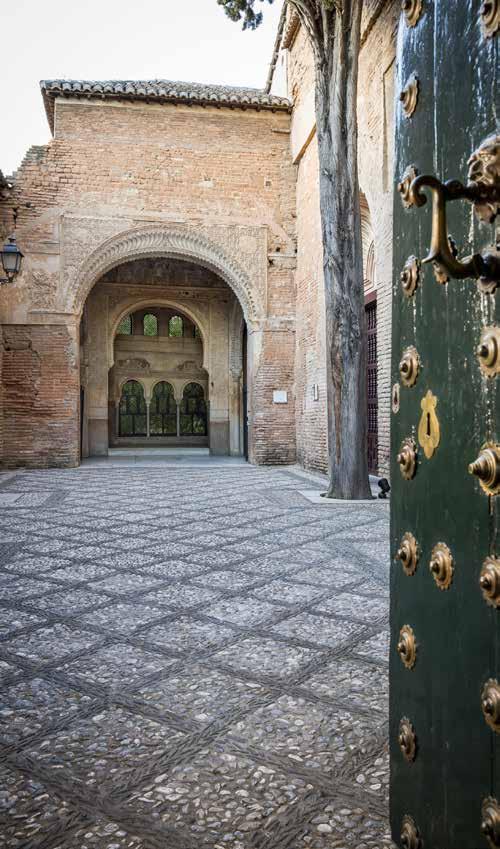
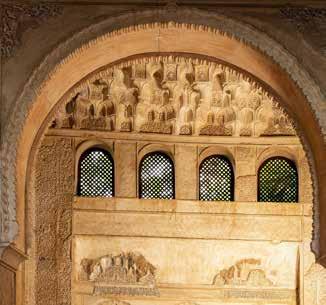
Parador de Granada. En la qubba, la arquitectura nazarí convierte altura, penumbra y luz filtrada en una forma sutil de atemperar el calor
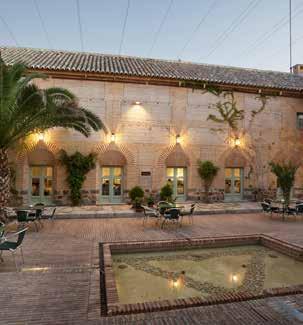
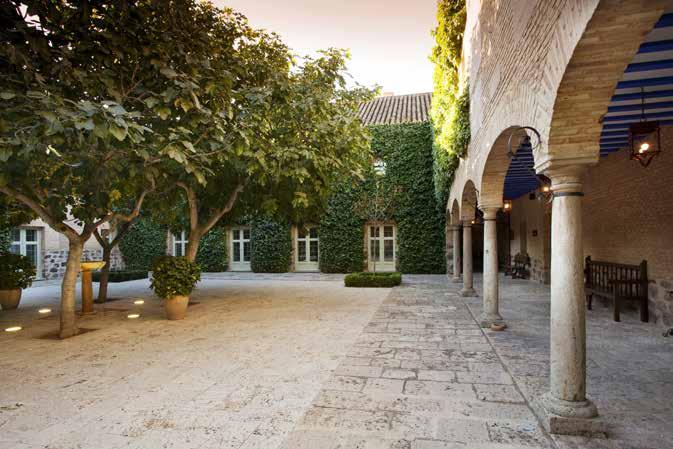
El patio organiza el espacio y le da aire. En torno a él se ordenan la luz, el silencio y el paso de las horas. En la arquitectura mediterránea, pocas soluciones han sido tan eficaces para modular el verano: el sol entra tamizado, la sombra cambia con el día, el aire circula entre corredores y estancias, y la vida se recoge alrededor de un espacio protegido.
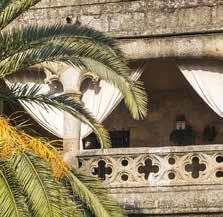
En el Parador de Almagro , instalado en el antiguo Convento de Santa Catalina, esa lógica se reconoce en sus patios interiores, galerías y pasillos, que componen una arquitectura de tránsito lento, hecha para pasar de una sombra a otra. El patio conventual guarda además una templanza climática, espacial y también anímica: invita a bajar la voz, a caminar despacio, a dejar que la luz repose sobre los muros. En Almagro, el verano no se combate, se contiene.
The courtyard organizes space and gives it air. Around it, light, silence and the passage of hours fall into order. In Mediterranean architecture, few solutions have been as effective at moderating summer: sunlight enters filtered, shade shifts through the day, air moves between cor ridors and rooms, and life gathers around a sheltered space.
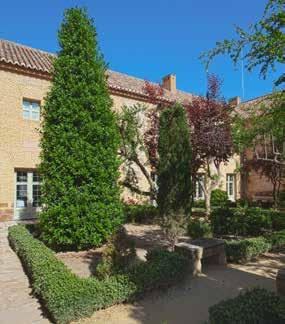
At the Parador de Almagro , housed in the former Convento de Santa Catalina, that logic is legible in its interior courtyards, galleries and passageways, which compose an architecture of slow transit — built for moving from one patch of shade to the next. The convent courtyard holds a climatic, spatial and even emotional calm: it invites you to lower your voice, to walk slowly, to let the light rest on the walls. In Almagro, summer is not fought — it is contained.
If the courtyard cools through air and shade, the wall does it through thickness. Stone has a slow relationship with temperature: it takes time to warm up, holds the coolness of the night for hours, and creates interiors where summer seems to enter cautiously. That thermal mass — today explained in technical terms — was for centuries a constructive instinct.
The Parador de Sigüenza preserves that physical presence of the wall. The castle dominates the city with a mineral solidity felt even before crossing the threshold. Inside, the stone, the vaulted ceilings and the thick walls build a sense of shelter. It is a dense, almost Castilian calm: relief born of mass, of half-light, and of stillness. What once served to hold a stronghold now reveals the thermal patience of materials. In Sigüenza, the wall sustains and tempers.
En el sur, la luz no es un fondo neutro. Tiene peso, rebota en las fachadas, endurece los perfiles, invade las plazas. La cal fue una respuesta humilde y brillante a esa intensidad. Su blanco devuelve parte del sol, protege la superficie de los muros, limpia, unifica y transforma una necesidad climática en una de las imágenes más reconocibles del paisaje andaluz.
El Parador de Arcos de la Frontera se asoma a ese mundo blanco desde el casco histórico, sobre el tajo del Guadalete. En torno a él, la ciudad despliega calles estrechas, fachadas encaladas y una relación muy antigua entre sombra, altura y luz. La cal se entiende a simple vista, en la piel misma del lugar: una defensa frente al sol y, al mismo tiempo, una construcción estética del paisaje. En vez de negar la luz, el blanco la administra.
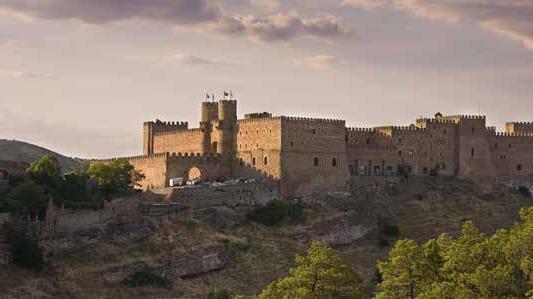
Si el patio refresca por aire y sombra, el muro lo hace por espesor. La piedra tiene una relación lenta con la temperatura: tarda en calentarse, conserva durante horas el frío de la noche y crea interiores donde el verano parece entrar con cautela. Esa inercia térmica, hoy explicada con lenguaje técnico, fue durante siglos una intuición constructiva. El Parador de Sigüenza conserva esa presencia física del muro. El castillo domina la ciudad con una rotundidad mineral que
In the south, light is not a neutral backdrop. It has weight, bounces off facades, sharpens edges, floods plazas. Whitewash was a humble and brilliant response to that intensity. Its white returns part of the sun, protects wall surfaces, purifies, unifies, and transforms a climatic necessity into one of the most recognizable images of the Andalusian landscape.
The Parador de Arcos de la Frontera looks out over that white world from the historic quarter, above the Guadalete gorge. Around it, the town unfolds narrow streets, whitewashed facades and a very old relationship between shade, height and light. Whitewash speaks for itself, in the skin of the place: a defense against the sun and, at the same time, an aesthetic shaping of the landscape. Rather than denying light, the white manages it.
se percibe antes incluso de cruzar la puerta. Dentro, la piedra, las bóvedas y los muros gruesos construyen una sensación de abrigo. Es una templanza densa, casi castellana: el alivio nace de la masa, de la penumbra y de la estabilidad. Lo que en otro tiempo sirvió para guardar una plaza fuerte revela ahora la paciencia térmica de los materiales. En Sigüenza, el muro sostiene y templa.
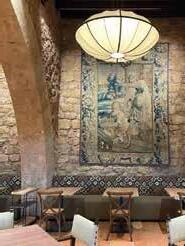

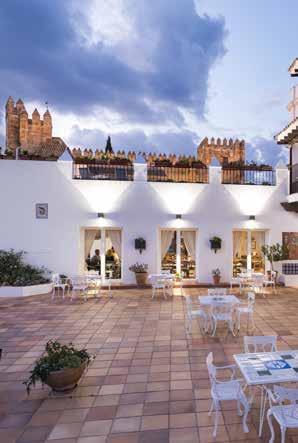
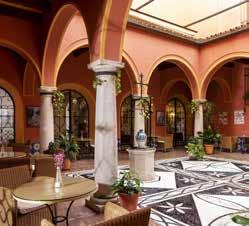

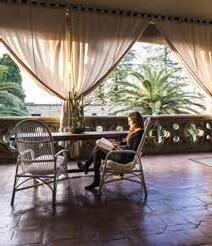
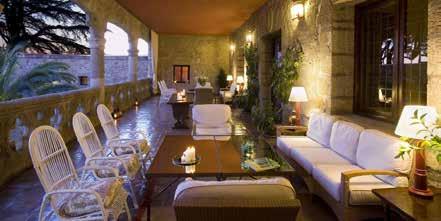
La galería ocupa el territorio templado entre el interior y el exterior. A medio camino entre estancia y patio, permite caminar, mirar, esperar o conversar sin entregarse al sol. Es una arquitectura del umbral, hecha para acompañar el movimiento y prolongar la sombra.
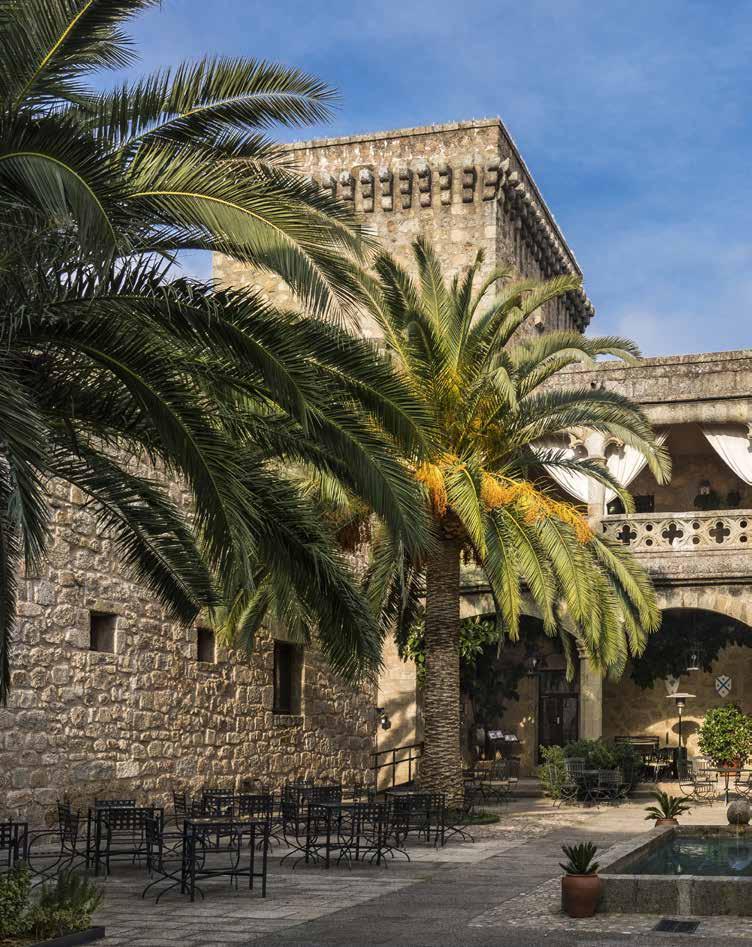
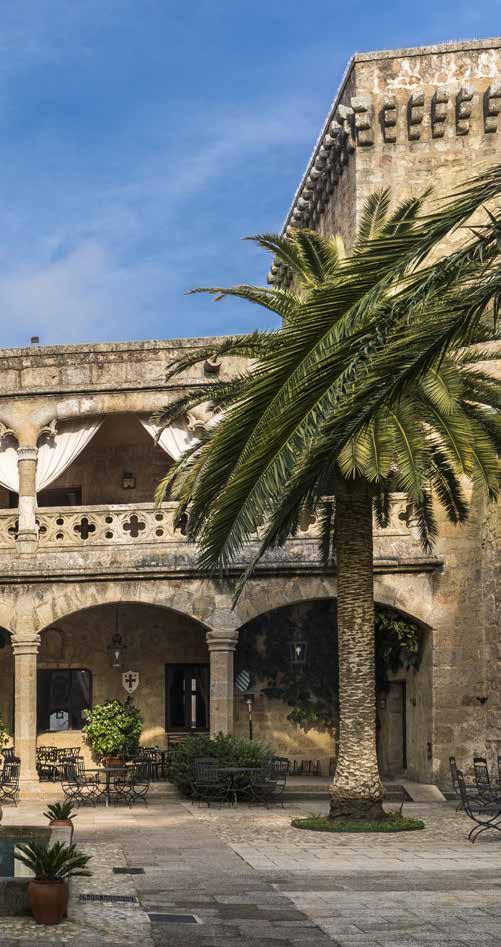
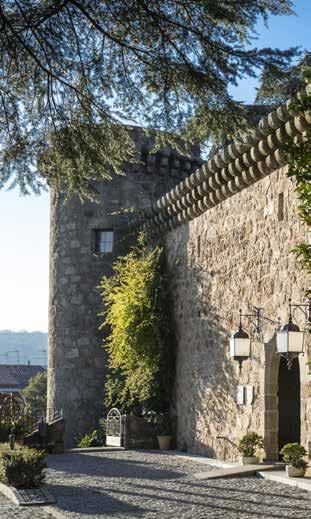
En el Parador de Jarandilla de la Vera, antiguo castillo-palacio de los condes de Oropesa, la galería gótica del patio interior muestra cómo la belleza puede nacer de la función. Sus dos pisos crean un borde habitable alrededor del patio, un recorrido sombreado desde el que el edificio se contempla y se atraviesa a la vez. La arquitectura y el territorio se prolongan en el carácter umbrío de La Vera, con gargantas, vegetación y humedad cercana.

La vegetación es una arquitectura lenta. Un árbol proyecta sombra, mueve el aire, aporta humedad, reduce la temperatura del suelo y transforma la luz en una materia más blanda. Allí donde la piedra acumula calor, la hoja lo filtra; donde el pavimento endurece el verano, el jardín introduce una respiración distinta.
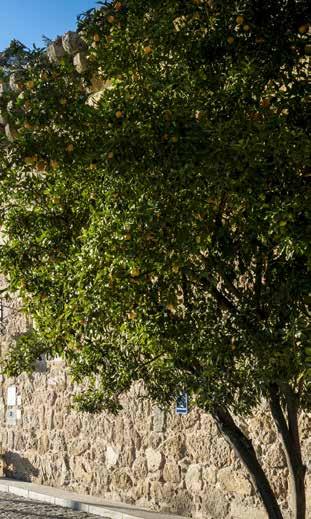
El Parador de Chinchón, antiguo monasterio de Nuestra Señora del Paraíso, conserva ese vínculo entre el edificio y lo vivo en sus jardines y en su huerta conventual. Frutales, claustro, muros y espacios de reposo forman un conjunto donde el verde no aparece como añadido ornamental, sino como parte de una vida organizada también por la sombra y el cultivo. El frescor procede también de lo vivo: de la humedad que queda en el aire, de la fruta, de la hoja, del suelo menos expuesto.
The gallery occupies the temperate territory between inside and outside. Halfway between room and courtyard, it allows to walk, look, wait or talk without surrendering to the sun. It is a threshold architecture, built to accompany movement and extend the shade.
At the Parador de Jarandilla de la Vera, the former castle-palace of the Counts of Oropesa, the Gothic gallery around the interior courtyard shows how beauty can emerge from function. Its two stories create a livable border around the patio — a shaded circuit from which the building can be contemplated and traversed at the same time. Architecture and territory extend into the shaded character of La Vera, with its ravines, lush vegetation and nearby moisture.
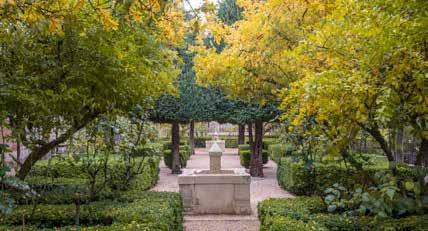
Vegetation is a slow architecture. A tree casts shade, stirs the air, adds moisture, lowers the ground temperature, and transforms light into a softer matter. Where stone accumulates heat, leaves filter it; where paving hardens summer, the garden introduces a different kind of breathing.
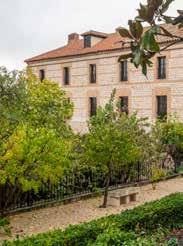
The Parador de Chinchón, former monastery of Nuestra Señora del Paraíso, preserves that bond between building and living things in its gardens and vegetable plot. Fruit trees, cloister, walls and spaces for rest form an ensemble where the green appears not as an ornamental addition, but as part of a life organized also by shade and cultivation. The coolness comes from living things too: from the moisture left in the air, from the fruit, from the leaves, from the less exposed ground.
El agua ha sido una de las grandes aliadas contra el calor. Su valor no está únicamente en el sonido o en el símbolo; también transforma el aire. En patios, albercas, fuentes, acequias o jardines, introduce humedad, favorece la evaporación y acompaña a la sombra vegetal. Donde hay agua bien situada, el calor pierde aridez.
En Córdoba, esa cultura baja de lo monumental hacia lo doméstico. En la Arruzafa, el Parador se vincula a una ciudad donde patio, sombra, jardín y cocina fría ordenan la relación con el verano. Aquí el agua no necesita convertirse en espectáculo: aparece como presencia baja, cotidiana, ligada a la vegetación, a la mesa y al ritmo de las horas. El microclima pertenece al edificio, pero también a la sombra húmeda, al salmorejo o a las sopas frías como parte de una misma cultura del calor.
Water has always been one of the great allies against heat. Its value lies not only in sound or symbol — it also transforms the air. In courtyards, pools, fountains, irrigation channels and gardens, it introduces moisture, encourages evaporation and accompanies vegetative shade. Where water is well placed, heat loses its dryness.
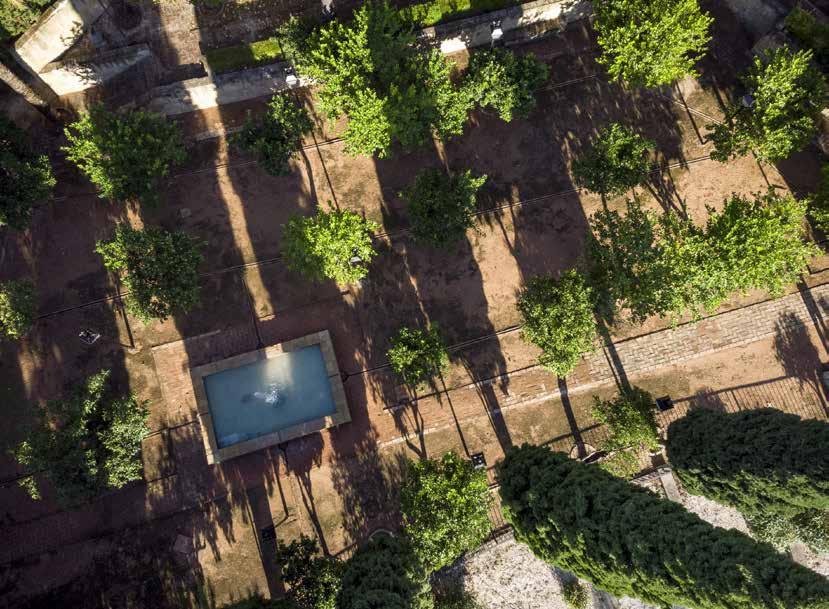
In Córdoba, that culture descends from the monumental to the domestic. At La Arruzafa, the Parador connects to a city where courtyard, shade, garden and cold kitchen govern the re lationship with summer. Here water needs no spectacle: it appears as a low, everyday presence, bound to vegetation, to the table and to the rhythm of the hours. The microclimate belongs to the building, but also to the damp shade, to the salmorejo or the chilled soups, as part of one and the same culture of heat.
DEL PARADOR DE CÁDIZ AL PARADOR DE CEUTA
MIGUEL SÁNCHEZ
BETWEEN TWO SEAS, FROM THE PARADOR DE CÁDIZ TO THE PARADOR DE CEUTA
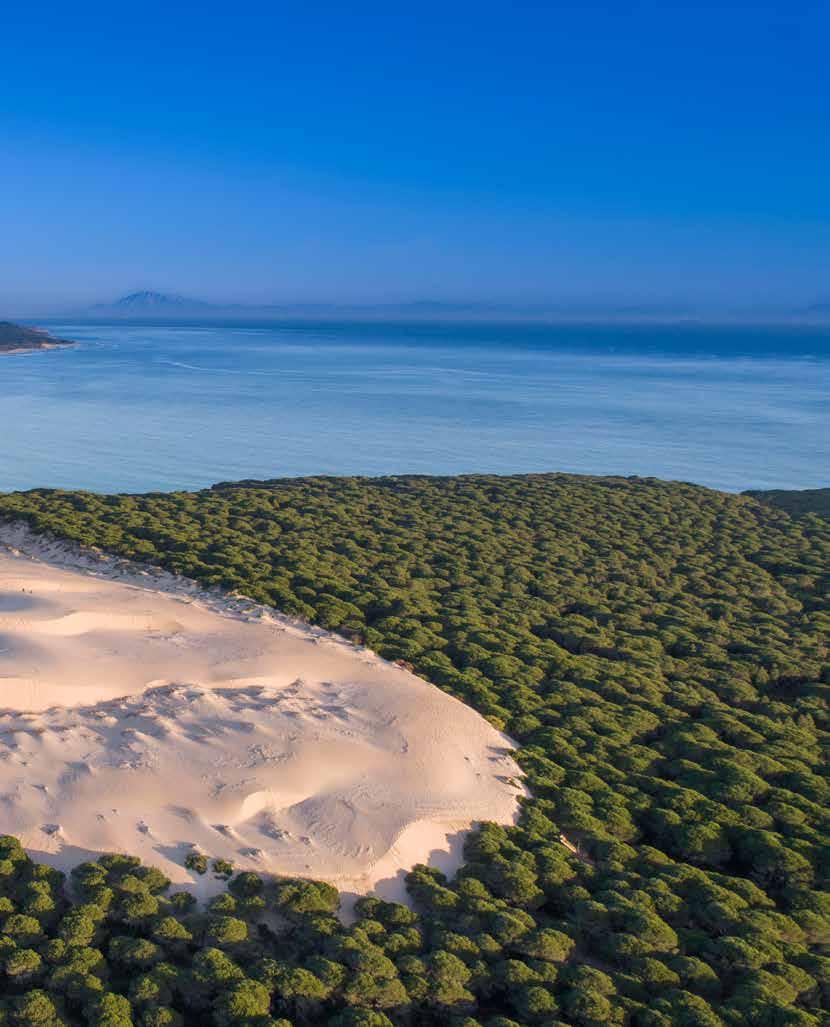
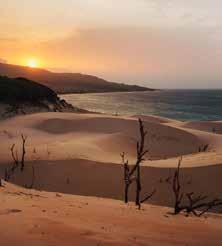
Entre el Atlántico y el Mediterráneo, la costa gaditana dibuja una ruta de luz, viento y sabor. Desde el Parador de Cádiz hasta el Parador de Ceuta, pasando por Zahara de los Atunes, Tarifa o Tánger, el viaje avanza por un territorio donde el mar cambia de nombre y la mesa cuenta la historia de cada orilla.
Where the Atlantic meets the Mediterranean, the Cádiz coast traces a route of light, wind, and flavor. From the Parador de Cádiz to the Parador de Ceuta and with Zahara de los Atunes, Tarifa, and Tangier along the way, the journey crosses a territory where the sea changes names and every table tells the story of its shore.
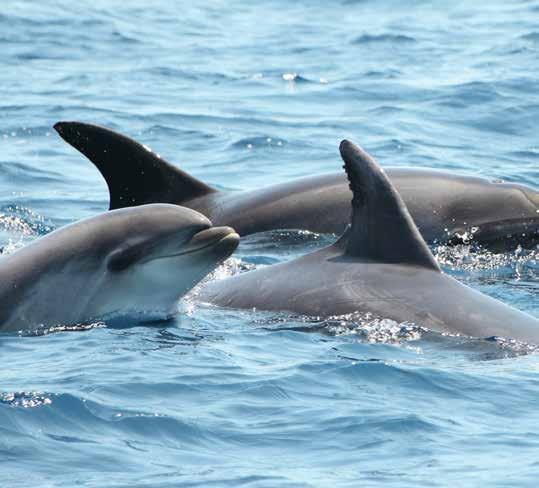
Avistamiento de delfines y ballenas en aguas de Tarifa / Turmares
Mediterráneo y atlántico, europeo y africano, andaluz y marroquí, el estrecho de Gibraltar se mueve entre dos aguas para ser frontera y encuentro desde tiempos fenicios. En época romana, aquí floreció una importante industria pesquera y, tras siglos de trasiego colonial con América, alberga el 10 % del tráfico marítimo mundial en sus poco más de 14 km de anchura.
Orcas, delfines y cachalotes tienen aquí un paso natural que convierte a sus aguas en un punto excelente para el estudio de los cetáceos. Junto a playas vírgenes y pueblos blancos al refugio de los vientos, se abren paso puertos de gran trasiego como los de Tánger o Algeciras.
Una tierra de contrastes para conocer desde Cádiz, dejando que los encantos naturales y gastronómicos de una costa bañada por el sol y el salitre salgan al encuentro de quien advierta la mezcla de culturas, sabores, vientos y mares.
El mar baña a Cádiz por casi todos sus costados. Inmersa entre su bahía y el Atlántico, fue puerto a las Américas desde que Sevilla perdiera su monopolio en 1717, cuando Felipe V decretó el traslado de la Casa de Contratación al disminuir el calado del Guadalquivir.
Ese sabor colonial se nota en plazas y jardines, donde el bullicioso carácter local se abre a los placeres de la buena mesa sin necesidad de ostentación. Pasear por el barrio de la Viña o el
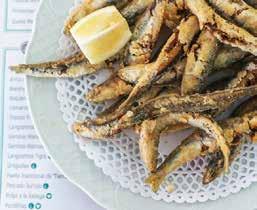
Mercado Central de Abastos es contemplar una despensa marina donde la fritura es dorada como la arena de la inmensa playa de la Victoria.
Rumbo al sur, aguarda Chiclana de la Frontera y sus esteros. Una forma de pesca tradicional con orígenes en el tiempo de los fenicios, responsables de un enor me paisaje de canales donde la acción de las mareas sirve a la gestión de este criadero milenario. Más adelante, Conil abre su caserío al mar con la vista puesta en su tradición más enraizada: la almadraba.
At once Mediterranean and Atlantic, European and African, Andalusian and Moroccan, the Strait of Gibraltar has been both border and meeting place since Phoenician times. A major fishing industry thrived here under Rome; centuries later, after the age of colonial trade with the Americas, this strip of water just over 14 km wide now carries 10% of the world’s maritime traffic.
Orcas, dolphins, and sperm whales follow this natural passage, turning these waters into an exceptional vantage point for cetacean research. Around them, unspoiled beaches and whitewashed villages sheltered from the winds share the coast with busy ports such as Tangier and Algeciras.
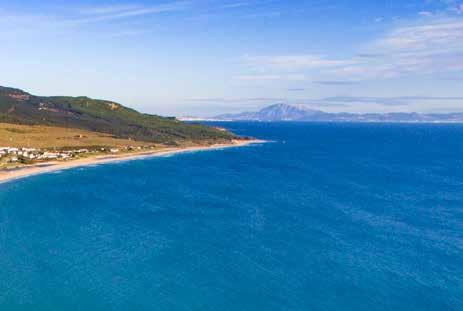
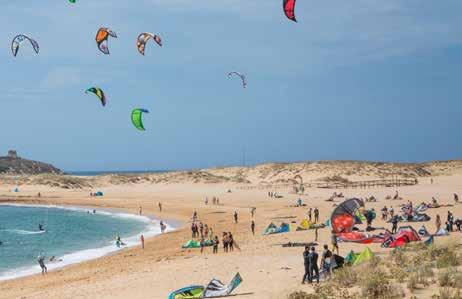
Starting in Cádiz, the route reveals a coast of contrasts: sun, salt air, open water, and a cuisine shaped by the crossing of cultures, flavors, winds, and seas.
Cádiz is almost entirely surrounded by water. Poised between its bay and the Atlantic, the city became Spain’s port for the Americas after Seville lost its monopoly in 1717, when Philip V moved the Casa de Contratación as the Guadalquivir became harder to navigate.
That Atlantic history still lingers in its squares and gardens, where Cádiz’s lively character meets the pleasures of good food without fanfare. Walking through La Viña or the Mercado Central de Abastos is like entering a marine pantry, with fried fish as golden as the sand of the broad Playa de la Victoria.
Heading south, Chiclana de la Frontera brings the esteros into view: a traditional fishing landscape with Phoenician roots, made of channels where the tides manage an ancient breeding ground. Farther on, Conil opens its white streets to the sea and to its most deeply rooted tradition, the almadraba
Between April and June, these floating labyrinths of nets are set for bluefin tuna. Although much of the catch travels to Japan, the Cádiz coast is still the best place to taste one of the sea’s rarest delicacies at its peak, simply prepared and without anything getting in the way.
Entre abril y junio, estos laberintos de redes flotantes sirven para la pesca del atún rojo. Aunque gran parte de sus capturas acaba en Japón, la costa gaditana es el mejor lugar para degustar al punto, sin tratamientos superfluos, uno de los mejores y más escasos manjares del mar.
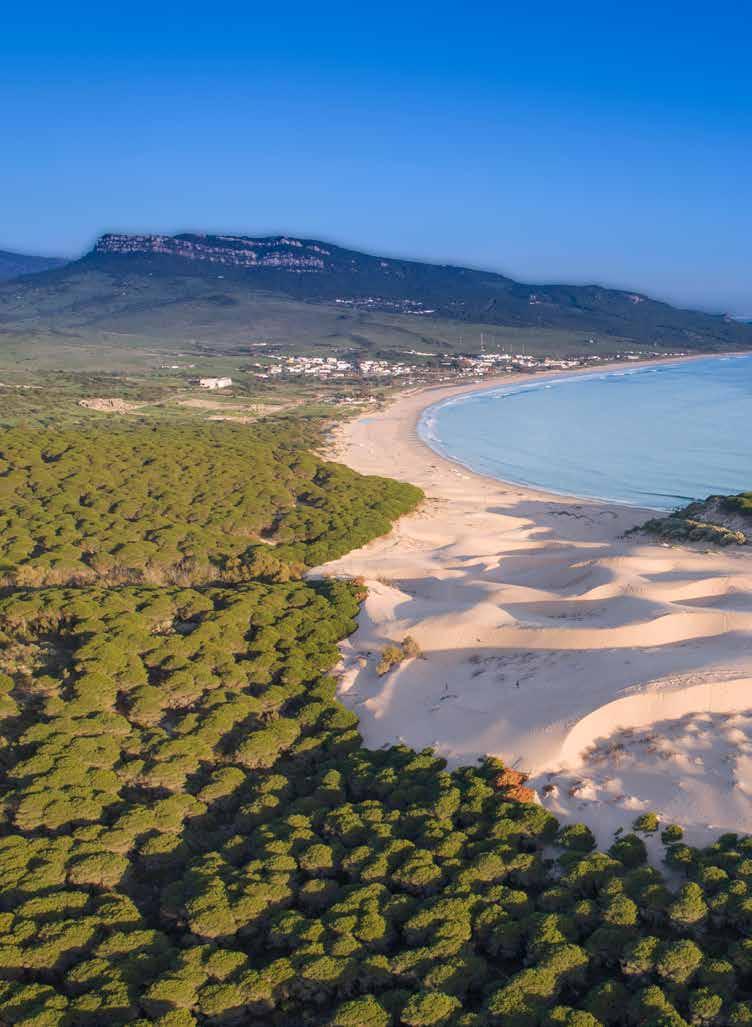
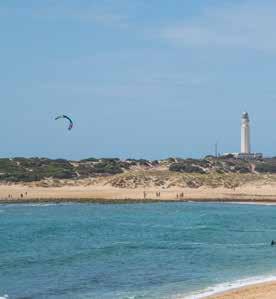
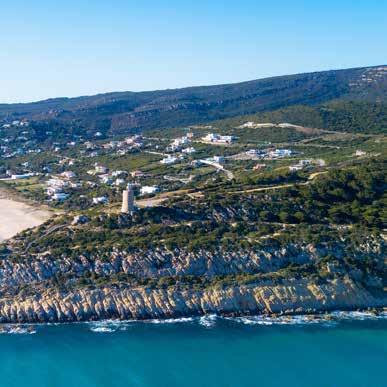
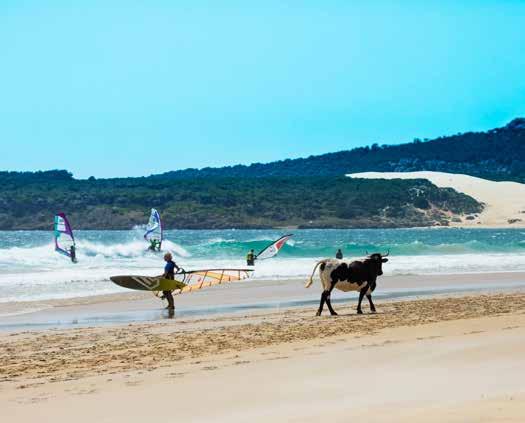
En busca del estrecho, la costa de Cádiz despliega playas kilométricas como las de El Palmar. Sin embargo, la más peculiar se ubica junto a las ruinas de la ciudad-factoría de Baelo Claudia, dedicada a la elaboración del garum y uno de los mejores conjuntos arqueológicos de Andalucía, donde la huella romana quedó congelada en el tiempo tras la acción sorpresiva de un tsunami.
Allí, la acción del viento ha creado una inmensa duna capaz de engullir una colina repleta de pinos. Un paisaje para recordar la acción de los elementos en este paraje situado al albur de unos vientos que, mientras en Vejer de la Frontera condicionaron la forma de su caserío, en Tarifa crean un auténtico paraíso para los amantes del windsurf
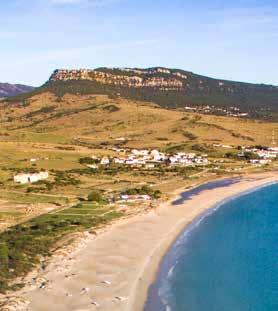
Antes de cruzar el estrecho, pueblos como Barbate o Zahara de los Atunes quedan en el recuerdo de quien busca la mesa marinera de un territorio donde orcas y pescadores se afanan en la captura del atún rojo. Un espectáculo que puede divisarse a lo largo de la travesía que une el ferry entre Tarifa y la populosa Tánger, refugio de escritores y bohemios desde Paul Bowles hasta Umberto Pasti. En Ceuta, las contundentes murallas hablan de un pasado militar ligado a la defensa de los límites. Sin embargo, los numerosos edificios historicistas y decimonónicos muestran la mentalidad comercial y emprendedora que siempre anida en las tierras de frontera y trasiego. Lugares que, como las costas que van de Cádiz a Ceuta, serán siempre lugares de paso debido a estar, como bien sabía Paco de Lucía, entre dos aguas.
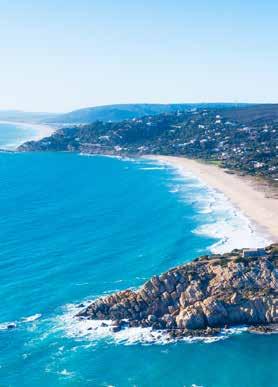
Faro de Trafalgar, Barbate / Pedro Jiménez Morales
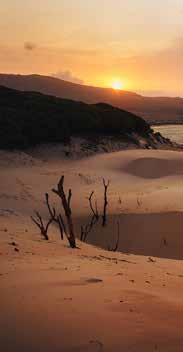
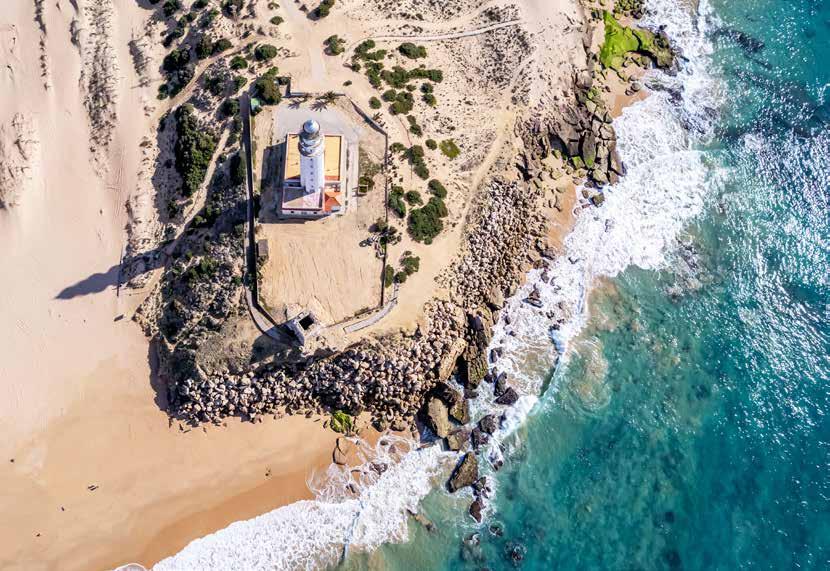
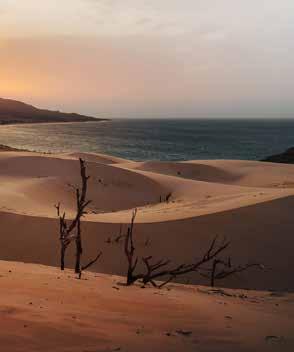
Toward the Strait, the Cádiz coastline stretches into long beaches such as El Palmar. The most striking, however, lies by the ruins of Baelo Claudia: a Roman fish-salting town where garum was made, and one of Andalusia’s finest archaeological sites, its Roman footprint frozen in time after the sudden force of a tsunami.
Here, the wind has raised a dune vast enough to swallow a pine-covered hill. It is a landscape shaped openly by the elements: the winds that helped define the layout of Vejer de la Frontera have turned Tarifa into a natural haven for windsurfers.
It is a landscape shaped openly by the elements
Before the Strait crossing, Barbate and Zahara de los Atunes linger in the memory of anyone drawn to the seafood traditions of a coast where orcas and fishermen both pursue bluefin tuna. Sometimes that spectacle can be seen from the ferry between Tarifa and bustling Tangier, a refuge for writers and bohemians from Paul Bowles to Umberto Pasti.
In Ceuta, heavy fortifications speak of a military past bound up with the defense of borders. Yet its many historicist and 19th-century buildings also reveal the commercial, enterprising spirit of places shaped by frontier life and constant passage. Like the coast from Cádiz to Ceuta, they will always be places in transit: as Paco de Lucía knew in Entre dos aguas, suspended between two seas.
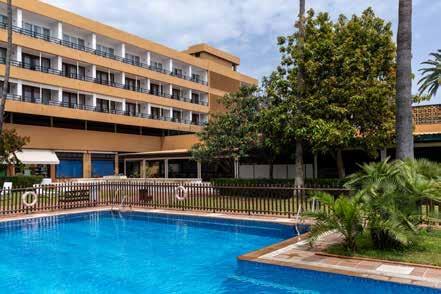
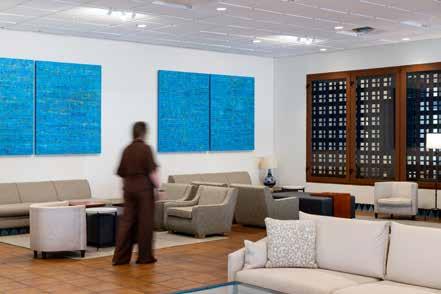
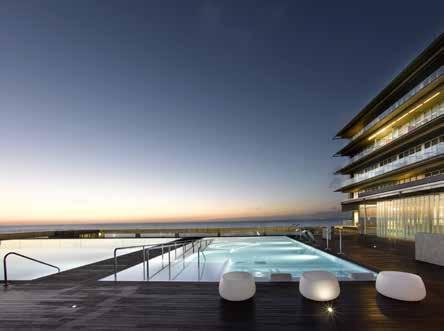
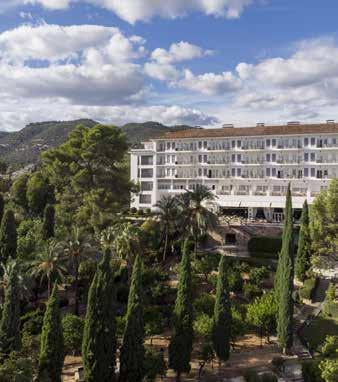
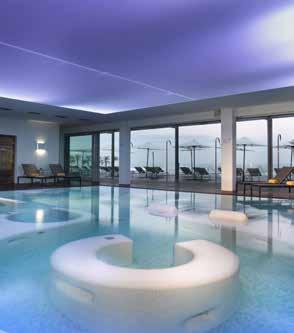
El Parador de Cádiz marca el inicio de la ruta. Situado junto al mar y el casco histórico, es uno de los más modernos de la Red, al inaugurarse en 2012 con una arquitectura de luz y cristal abierta al mar. Al otro lado del Estrecho, el Parador de Ceuta ofrece el contrapunto de un edificio construido junto a las Murallas Reales.
The Parador de Cádiz sets the route in motion. Beside the sea and the historic quarter, it is one of Paradores’ most modern properties, opened in 2012 with a light-filled glass design open to the water. Across the Strait, the Parador de Ceuta offers a fitting counterpoint: a building beside the Royal Walls.
AL NATURAL
Los días largos invitan a viajar de otra manera, con más calma y más tiempo para mirar alrededor. Un paseo junto al agua, una visita a un paisaje protegido, una cata al atardecer o un recorrido guiado por caminos con historia son formas de redescubrir el territorio desde una perspectiva más cercana. En Paradores, esa forma de viajar se entiende como una invitación a detenerse, observar y conectar mejor con cada lugar. Esa mirada pausada, atenta al paisaje y a quienes lo habitan, está en el origen de Naturaleza para los Sentidos, programa presente en veintisiete Paradores que propone descubrir el territorio desde dentro, a través de experiencias vinculadas al entorno, los oficios, los saberes y la memoria de cada destino.
Las actividades nacen de la colaboración con guías, agricultores, artesanos, intérpretes del paisaje y personas profundamente ligadas al territorio. Son voces locales que abren la puerta a una forma de viajar más consciente, en la que cada propuesta cuida el entorno, impulsa la economía de proximidad y favorece una relación más auténtica con el destino. Con la llegada del verano, el programa cobra una intensidad especial. La estación invita a salir, respirar, tocar, saborear y dejar que el paisaje marque el ritmo. Y en Paradores, esa invitación se convierte en una colección de momentos pensados para sentir el territorio con todos los sentidos.
Long summer days invite us to travel differently: with greater calm and more time to look around. A walk beside the water, a visit to a protected landscape, a tasting at sunset or a guided route along paths steeped in history are all ways of rediscovering a territory from a closer perspective. At Paradores, this way of traveling is understood as an invitation to pause, observe and connect more deeply with each place. This slow gaze, attentive to the landscape and to those who inhabit it, is the starting point for Nature for the Senses, a program available at twenty-seven Paradores that invites guests to discover each territory from within, through experiences linked to the surroundings, local crafts, knowledge and the memory of each destination.
The activities are born from collaboration with guides, farmers, artisans, landscape interpreters and people closely rooted in the area. These local voices open the door to a more mindful way of traveling, where each proposal helps care for the environment, supports the local economy and encourages a more authentic relationship with the destination. With the arrival of summer, the program takes on a particular intensity. The season invites you to step outside, breathe, touch, taste and let the landscape set the rhythm. At Paradores, that invitation becomes a collection of moments designed to experience the territory with all the senses.
Descubre nuestras actividades / Discover our activities
Para descubrir todas las propuestas del programa de cada Parador, consulta el catálogo de experiencias en la web paradores.es. Las actividades están sujetas a disponibilidad y es necesario contactar previamente con el Parador correspondiente.
To discover all the proposals in each Parador’s program, consult the experiences catalog at paradores.es Activities are subject to availability and it is necessary to contact the corresponding Parador in advance.

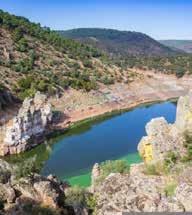
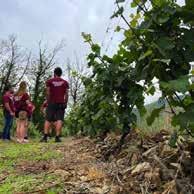
Descenso en kayak por la principal corriente de agua de la comarca, fuente de riqueza, biodiversidad y conexión natural con Monfragüe.
THE TIÉTAR FROM THE WATER
A kayak descent along the region’s main watercourse, a source of wealth, biodiversity and natural connection with Monfragüe.
Recorrido sensorial de conexión con la naturaleza, mediante mindfulness, respiración y movimientos suaves, para activar el olfato, el tacto y la vista.
A sensory route for connecting with nature through mindfulness, breathing and gentle movements, designed to awaken smell, touch and sight.
PARADOR DE VIC
DESCUBRIR EN BICICLETA
Ruta en bicicleta desde el Parador, adaptable a distintos niveles, para descubrir la Cataluña más auténtica entre paisajes, miradores, ermitas, historia y leyendas de Osona.
DISCOVERING BY BICYCLE
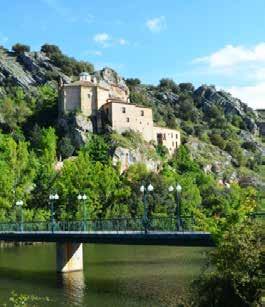
DE SORIA
MEMORIA DE AGUA Y PIEDRA
Paseo cultural con un historiador por las orillas del Duero, de San Juan de Duero a San Saturio, para descubrir patrimonio, ingenios hidráulicos e inspiración poética.
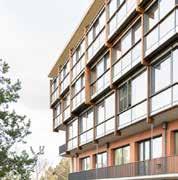
MEMORY OF WATER AND STONE
A cultural walk with a historian along the banks of the Duero, from San Juan de Duero to San Saturio, to explore heritage, hydraulic works and poetic inspiration.
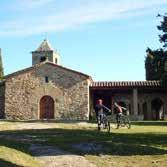
A bicycle route from the Parador, adaptable to different levels, to explore the most authentic side of Catalonia among landscapes, viewpoints, hermitages, history and legends of Osona.
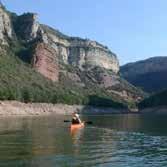
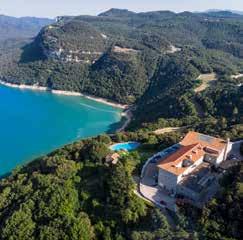
SECRETOS DEL PANTANO DE SAU
Aventura en kayak por el pantano de Sau, desde Can Mateu hasta San Román de Sau y el Morro de la Abeja, con guías locales expertos.
SECRETS OF THE SAU RESERVOIR
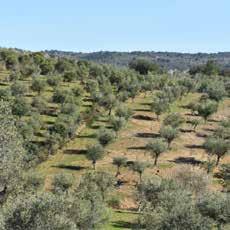
CULTIVADORES DE ACEITE
Experiencia en torno al aceite con visita a un olivar y a una almazara para conocer su cultivo, extracción, beneficios y usos, finalizando con una cata.
OLIVE OIL GROWERS
An experience centered on olive oil, with a visit to an olive grove and oil mill to learn about cultivation, extraction, benefits and uses, ending with a tasting.
A kayak adventure on the Sau reservoir, from Can Mateu to San Román de Sau and the Morro de la Abeja, accompanied by expert local guides.
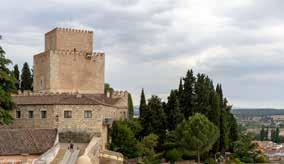
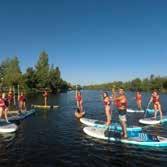
CIUDAD RODRIGO
DESDE EL AGUA
Descenso guiado en piragua por el río Águeda para descubrir la naturaleza y la historia fluvial de Ciudad Rodrigo, finalizando con una cata de vino y productos típicos.
CIUDAD RODRIGO FROM THE WATER
A guided canoe descent along the Águeda River to discover the nature and river history of Ciudad Rodrigo, ending with a tasting of wine and traditional local products.
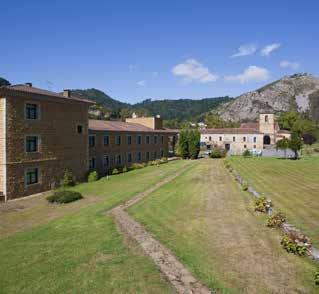
PARADOR DE CANGAS DE ONÍS
LAGOS DE COVADONGA. GEOLOGÍA Y ETNOGRAFÍA MAYÚSCULAS
Visita guiada a los Lagos de Covadonga para descubrir su paisaje glaciar, sus miradores y la huella de pastores y conservacionistas en los Picos de Europa.
THE LAKES OF COVADONGA: GEOLOGY AND ETHNOGRAPHY ON A GRAND SCALE
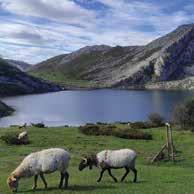
A guided visit to the Lakes of Covadonga to discover their glacial landscape, viewpoints and the imprint left by shepherds and conservationists in the Picos de Europa.
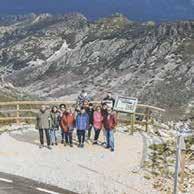
PARADOR DE GUADALUPE
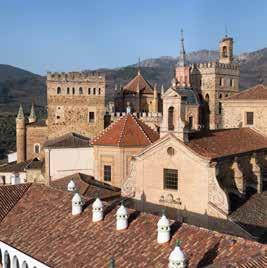
EL CIELO DESDE LAS CUMBRES
Ruta en 4x4 por el Geoparque Villuercas-Ibores-Jara para descubrir su origen geológico, fósiles, paisajes y legado natural y cultural.
THE SKY FROM THE SUMMITS
A 4x4 route through the VilluercasIbores-Jara Geopark to discover its geological origins, fossils, landscapes and natural and cultural legacy.
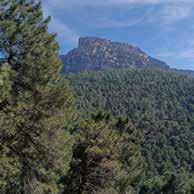
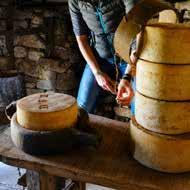
CATA DE QUESOS ASTURIANOS
Viaje gastronómico junto al director del Parador para degustar seis de los quesos más representativos de Asturias, maridados con copa de vino.
ASTURIAN CHEESE TASTING
A gastronomic journey with the Parador manager to taste six of Asturias’ most representative cheeses, paired with a glass of wine.
PARADOR DE CAZORLA CAMINOS PERDIDOS DEL TIEMPO
Recorrido por un sendero poco transitado desde el Parador para descubrir la naturaleza, leyendas e historia de los caminos de Enrique Mackay y del Puente de las Herrerías.
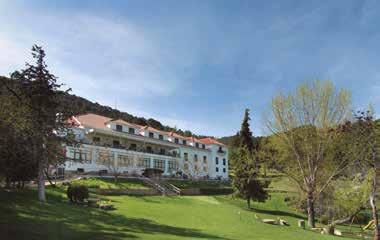
LOST PATHS THROUGH TIME
A route along a little-traveled trail from the Parador to discover the nature, legends and history of the paths of Enrique Mackay and the Puente de las Herrerías.
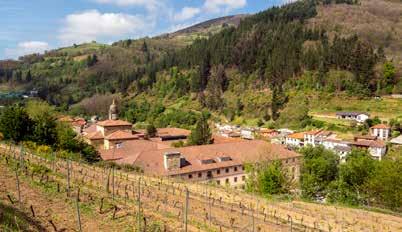
Propuesta enoturística en Cangas del Narcea con visita a viñedos y bodega para conocer su tradición vitivinícola y finalizar con una cata maridada.
WINES WITH HISTORY
A wine tourism experience in Cangas del Narcea with a visit to vineyards and a winery to explore its winemaking tradition and end with a paired tasting.
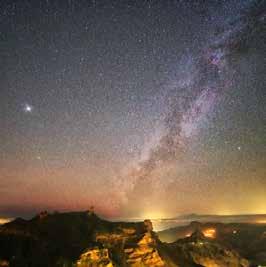
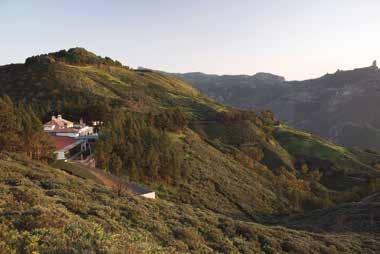
BAJO EL CIELO GUANARTEME
Observación del cielo desde el Parador de Cruz de Tejeda, en un enclave privilegiado para disfrutar de los paisajes volcánicos de Gran Canaria.
UNDER THE GUANARTEME SKY
Stargazing from the Parador de Cruz de Tejeda, in a privileged setting for enjoying the volcanic landscapes of Gran Canaria.
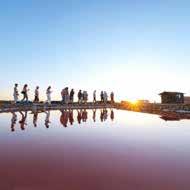
Visita a unas salinas artesanales para descubrir los saberes tradicionales de la extracción de sal y el cultivo natural de salicornia.
ELEMENTS IN HARMONY
A visit to traditional salt flats to discover the ancestral knowledge behind salt extraction and the natural cultivation of salicornia.
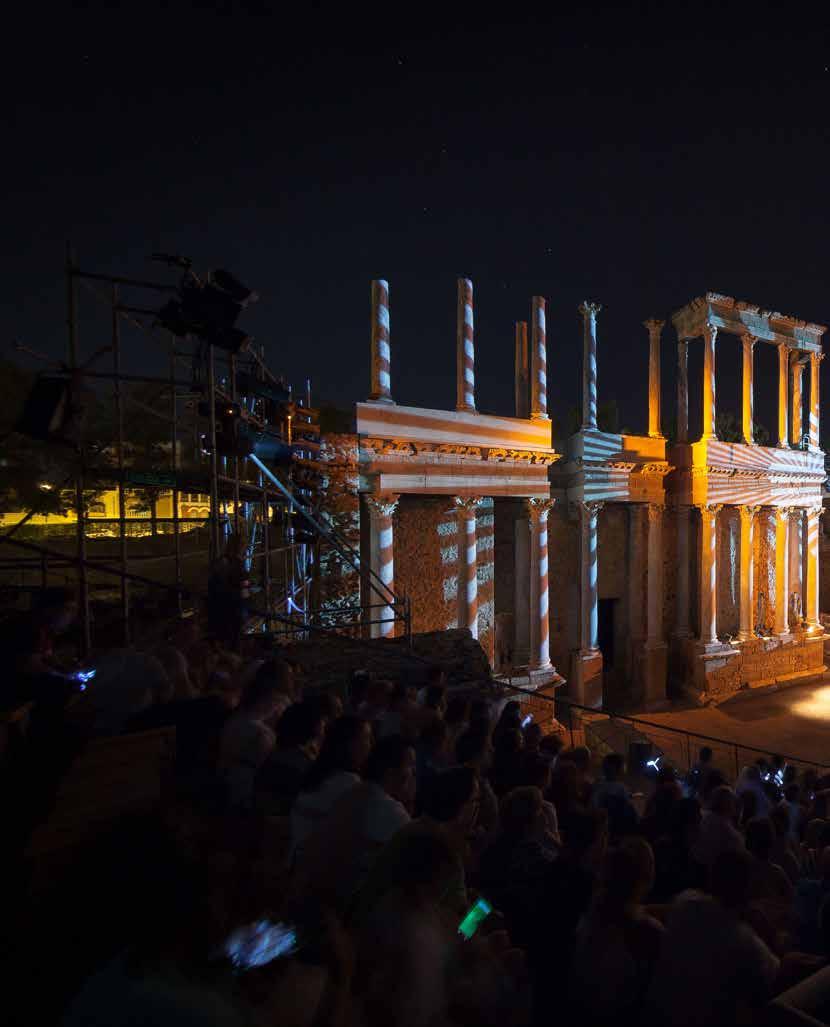
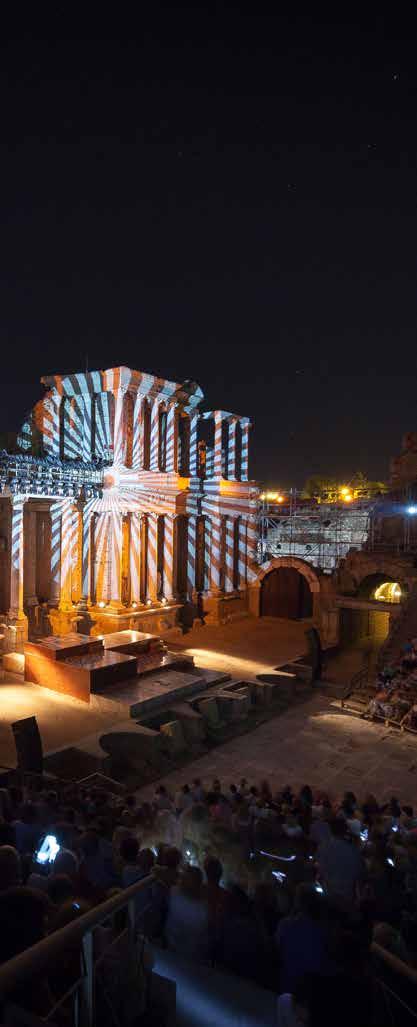
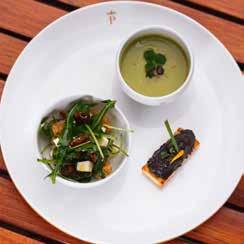
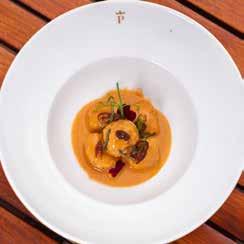
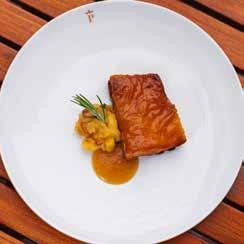
Del 3 de julio al 30 de agosto, el Festival Internacional de Teatro Clásico de Mérida celebra su 72.ª edición y vuelve a convertir el Teatro Romano en uno de los grandes escenarios culturales del verano. Un año más, el Parador de Mérida se suma a la cita con una propuesta propia, pensada para prolongar la experiencia del festival más allá de la función y llevarla también a la mesa.
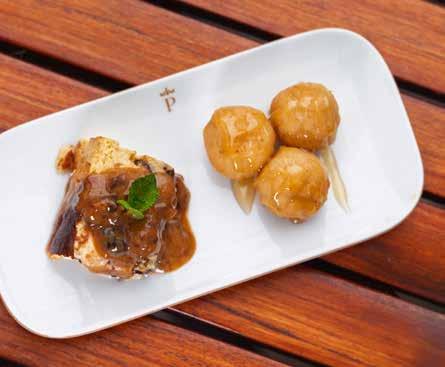
From July 3 to August 30, the Mérida International Classical Theater Festival celebrates its 72nd edition, once again turning the Roman Theater into one of the great cultural stages of the summer. This year, the Parador de Mérida joins the occasion with a proposal of its own, designed to extend the festival experience beyond the performance and bring it to the dining table.
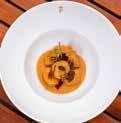
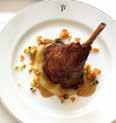
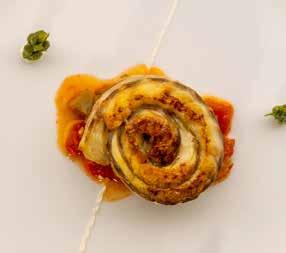
The focus is the Medea Menu, created especially for this edition as a tribute to Margarita Xirgu and to the historic 1933 performance of Medea that restored Mérida’s Roman Theater to the contemporary stage. The proposal approaches the classical world through cuisine, taking the convivium –the Roman banquet– as its starting point to reinterpret recipes linked to Augusta Emerita with a contemporary, recognizable approach designed for today’s diners. The gustatio opens the experience with cremor pisorum more Vitellii –creamed peas in the style of Vitellius–, cassata oplontis –a salad of cheese, dried fruits and nuts, and honey– and epityrum, a black olive pâté. The prima mensa brings together tuna meatballs with mint and garum, and Segovia suckling pig roasted in the style of Vitellius, served with Persian apples. The sweet finale, the secunda mensa, features lac fritum –fried milk– and patina dactylorum et sapae, a casserole of dates and grape syrup. The menu is available as part of the Parador’s special half-board package during the festival, and also as a tasting menu for guests with a reservation, priced at 50 euros per person, drinks not included.
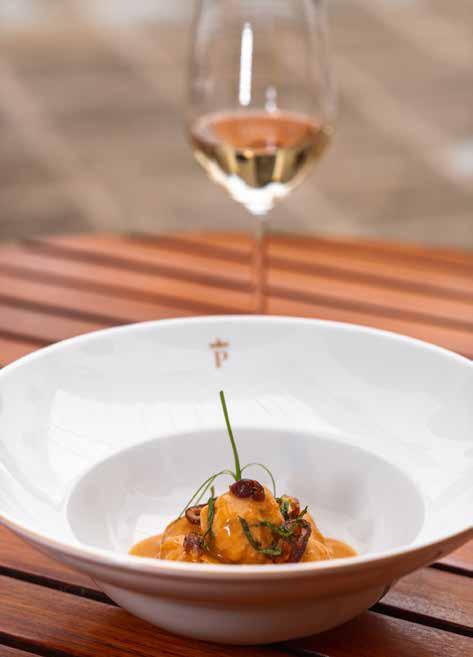
El protagonismo recae en el Menú Medea, diseñado especialmente para esta edición como homenaje a Margarita Xirgu y a la histórica representación de Medea que, en 1933, devolvió el Teatro Romano de Mérida a la escena contemporánea. La propuesta mira al mundo clásico desde la cocina y toma como punto de partida el convivium, el banquete romano, para reinterpretar recetas vinculadas a Augusta Emérita con una lectura actual, reconocible y pensada para el comensal de hoy. La gustatio abre el recorrido con cremor pisorum more Vitellii –cremoso de guisantes al estilo de Vitelio–, cassata oplontis –ensalada de queso, frutos secos y miel– y epityrum, paté de aceitunas negras. En la prima mensa llegan las albóndigas de atún con menta y garo y el cochinillo de Segovia asado a la manera de Vitelio, acompañado de manzanas persas. El cierre dulce, la secunda mensa, reúne lac fritum –leche frita– y patina dactylorum et sapae, una cazuela de dátiles y arrope. El menú se ofrece dentro del paquete especial de media pensión del Parador durante el festival y también como degustación para clientes con reserva, al precio de 50 euros por persona, bebidas no incluidas.
Setas de Castilla y León: la marca que pone en valor lo que nace en nuestros montes
Pocas veces nos preguntamos de dónde vienen las setas que compramos. En los circuitos comerciales conviven productos muy distintos: setas silvestres de nuestros montes junto a producto importado, vendido muchas veces sin distinguirse y a igual precio, aunque su calidad y sus garantías sanitarias no sean las mismas.
La Marca de Garantía Setas de Castilla y León (www.setasdecastillayleon.com) certifica que el producto es silvestre, recogido en montes de la comunidad, identificado por expertos micológicos y sometido a requisitos estrictos de calidad: pieza entera, sin golpes, sin agusanamiento, con talla definida y trazabilidad de origen. Ver el sello es saber lo que tienes en la mano
Castilla y León alberga una de las masas forestales más extensas y variadas de la Península. Pinares, encinares, robledales y castañares se suceden de provincia en provincia, cada uno con sus propias especies, sus temporadas y sus sabores. Rebozuelos, níscalos, oronjas, boletus y muchas otras especies de estos montes figuran ya en las cartas de algunos de los mejores restaurantes del país, y no es casualidad: se trata de un producto silvestre con una complejidad de sabor que el cultivo no puede reproducir Detrás de la marca hay pequeñas empresas familiares arraigadas en el medio rural que generan empleo local y ponen en valor un recurso que, sin ellas, se perdería en el monte. Su tra-
bajo lo respalda Micocyl (www.micocyl. es), programa de Cesefor (www.cesefor.es) que lleva más de 15 años gestionando de forma sostenible el recurso micológico de la comunidad.
Si durante su visita encuentra la etiqueta Setas de Castilla y León en una tienda o en la carta de un restaurante, es una buena ocasión para probarlas. Y si no la ve, no dude en pedirla. Pero las setas de nuestros montes no solo se disfrutan en la mesa: también le invitamos a buscarlas, a recorrer nuestros bosques y a descubrir de primera mano el recurso forestal que hay detrás de cada plato.
"Culture opens minds and awakens awareness"

«La cultura te abre la mente, sirve para despertar conciencias»

Volver al teatro tras una ausencia de 37 años precisa no andarse con chiquitas. Así lo ha entendido Lydia Bosch que protagoniza Fedra, en los infiernos , escrita y dirigida por José María del Castillo, en el Festival Internacional de Teatro Clásico de Mérida, donde el mito se lee desde el deseo, la culpa y el juicio ajeno. Su llegada al Teatro Romano, por primera vez en su carrera, convierte este regreso en algo más que una cita escénica: es una forma de medirse con la historia. /
Returning to the stage after 37 years away calls for something bold. Lydia Bosch has found it in Fedra, en los infiernos, written and directed by José María del Castillo and presented at the Mérida International Classical Theater Festival, where the myth is reframed through desire, guilt and the judgment of others. Her first appearance at the Roman Theater turns this comeback into more than a performance: it becomes a way of measuring herself against history.
Después de casi cuatro décadas alejada del teatro, vuelve con un personaje tan abrasador como Fedra. ¿Qué encontró en esta mujer para sentir que tocaba regresar?
Es un reto y un regalo. Me siento con la madurez y la experiencia necesarias para meterme en la piel de esta Fedra que me ofreció José María del Castillo, uno de los personajes más complejos y fascinantes del teatro clásico y de la tragedia universal.
En esta versión, Fedra no es solo una mujer dominada por la pasión, sino también alguien juzgado constantemente. ¿Somos una sociedad dura con las mujeres que se salen de lo esperado?
Desgraciadamente, sí. Aunque la sociedad ha avanzado algo en el terreno de la igualdad entre hombres y mujeres, queda mucho por hacer. Prueba de ello es que, si no sigues lo que se considera socialmente «correcto», inmediatamente eres cuestionada, juzgada y etiquetada. Y el volumen sube cuando eres mayor de 45 años. Romper con lo que supuestamente se espera de ti sigue siendo señalado por una gran parte de la sociedad, y no precisamente para bien. Ahora mismo, nuestra Fedra está muy vigente y hace falta escuchar voces de mujeres maduras que toman decisiones, asumen sus errores y quieren cambiar la situación.
El mito de Fedra ha sobrevivido porque habla del deseo y de la culpa. ¿Qué sigue incomodándonos tanto de esta historia?
Esta historia funciona como un gran espejo de temas que, por un motivo u otro, pueden escocer: el deseo prohibido, la falta de control, los juicios, el miedo al qué dirán, la mentira, la manipulación y el recordarnos que la pasión y el deseo pueden anular la razón y estar por encima de la familia…
After almost four decades away from the stage, you return with a character as searing as Phaedra. What did you find in her that made you feel it was time to come back?
It is both a challenge and a gift. I feel I now have the maturity and experience needed to step into this Phaedra that José María del Castillo offered me, one of the most complex and fascinating characters in classical theater and universal tragedy.
In this version, Phaedra is not only a woman driven by passion, but also someone constantly judged. Are we still hard on women who step outside what is expected of them?
Unfortunately, yes. Society has made some progress on equality between men and women, but there is still a long way to go. The proof is that if you do not follow what is considered socially “correct”, you are immediately questioned, judged and labeled. And the noise gets louder once you are over 45. If you break with what is supposedly expected of you, a large part of society still points it out, and not for the better. Right now, our Phaedra feels very relevant, and we need to hear the voices of mature women who make decisions, own their mistakes and want to change things.
The myth of Phaedra has endured because it speaks of desire and guilt. What still unsettles us about this story?
This story acts as a great mirror for issues that, for one reason or another, still touch a nerve: forbidden desire, loss of control, judgment, fear of what people will say, lies, manipulation, and the reminder that passion and desire can override reason and even come before family.
In this version, Phaedra is given a second chance to revisit her own story. Do people truly change, or do they simply learn to see things differently?
Both. I want to believe that human beings can change over time, and I also think
Esta Fedra recibe una segunda oportunidad para volver sobre su propia historia. ¿El ser humano cambia de verdad o solo aprende a mirar de otra manera?
Ambas cosas. Quiero creer que el ser humano sí puede cambiar con el tiempo, y pienso también que las dos cosas van unidas, porque, cuando aprendes a mirar las situaciones desde otro punto de vista y, por lo tanto, haces que te afecten de otra manera, estás cambiando. Todo lo que sea aprender es un cambio para mejor. Los seres humanos no cambiamos de la noche a la mañana, pero, a lo largo de la vida, gracias a la experiencia de los años y, sobre todo, si te cultivas, pueden cambiar nuestros pensamientos. La cultura te abre la mente, sirve para despertar conciencias y para cambiar poco a poco la mentalidad de la sociedad. Creo en el poder del cambio, en el poder de la cultura para reflexionar y modificar, en el poder de la mente y en el del amor.
Su carrera ha pasado por la televisión, el cine, el entretenimiento y ahora por una gran tragedia clásica contemporánea. ¿Con los años una actriz gana más libertad?
Pienso que la libertad no la ganas, no te la dan como si fuera un premio: la libertad te la tienes que dar a ti misma, y yo ahora siento que me la doy. Puedo tomar decisiones que antes no tomaba por inocencia, por miedos, por no defraudar… Ahora, después de tantos años de profesión, siento que quiero darme permiso para disfrutar, quitándome la presión de los juicios. No es fácil, pero ya es una decisión tomada y no puedo tener mejor compañera de viaje que Fedra.
Mérida tiene algo ritual para cualquier intérprete. ¿Se vive de otra manera un personaje cuando se representa en un teatro donde el peso de la historia está tan presente?
Es la primera vez que pisaré el suelo del Teatro Romano de Mérida, así que ya puedes imaginarte cómo me siento… ¡Absolutamente feliz! Será una experiencia única y emocionante. El Teatro Romano de Mérida tiene algo mágico, algo sagrado… Desde hace 2000 años, grandes figuras han pasado por aquí, muchas personas han pisado este teatro romano, y eso hace que haya una gran carga energética, algo sagrado en sus columnas, en cada una de sus gradas de piedra… Por no hablar de la maravilla de hacer la función bajo las estrellas… Y encima, el 12 de agosto, que es el día que estrenamos Fedra, en los infiernos, ¡hay un eclipse solar total en España!
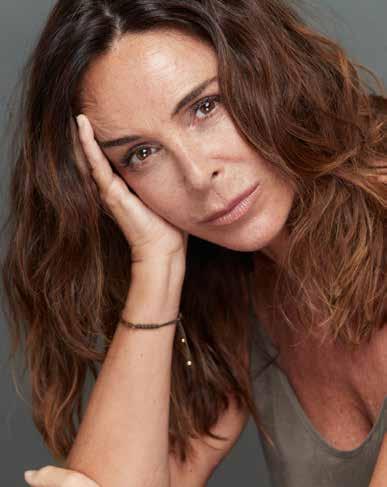
the two ideas are connected. When you learn to look at situations from another point of view and, as a result, they affect you differently, you are changing. Any kind of learning is a change for the better. Human beings do not change overnight, but over a lifetime, through the experience that comes with the years and, above all, if you keep growing through culture, your thoughts can change. Culture opens your mind; it awakens awareness and gradually helps change the mindset of society. I believe in the power of change, in the power of culture to make us reflect and transform, in the power of the mind and in the power of love.
Your career has moved through television, film, entertainment and now a major contemporary take on classical tragedy. Does an actress gain more freedom with time?
I think freedom is not something you gain, and it is not handed to you like a prize. You have to give it to yourself, and that is what I feel I am doing now. I can make decisions I did not make before out of innocence, fear or the worry of disappointing others. Now, after so many years in this profession, I feel I want to give myself permission to enjoy it, letting go of the pressure of being judged. It is not easy, but the decision has been made, and I could not have a better traveling companion than Phaedra.
Mérida has a ritual quality for any performer. Do you inhabit a character differently in a theater where the weight of history is so present?
It will be my first time setting foot on the stage of the Roman Theater of Mérida, so you can imagine how I feel: absolutely thrilled. It will be a unique and moving experience. The Roman Theater of Mérida has something magical, something sacred. For 2,000 years, great figures have stood there; so many people have stepped into this Roman theater, and that gives it a powerful energy, something sacred in its columns and in every stone tier. And then there is the wonder of performing under the stars. On top of that, August 12, the day we open Fedra, en los infiernos, is the day of the total solar eclipse in Spain.
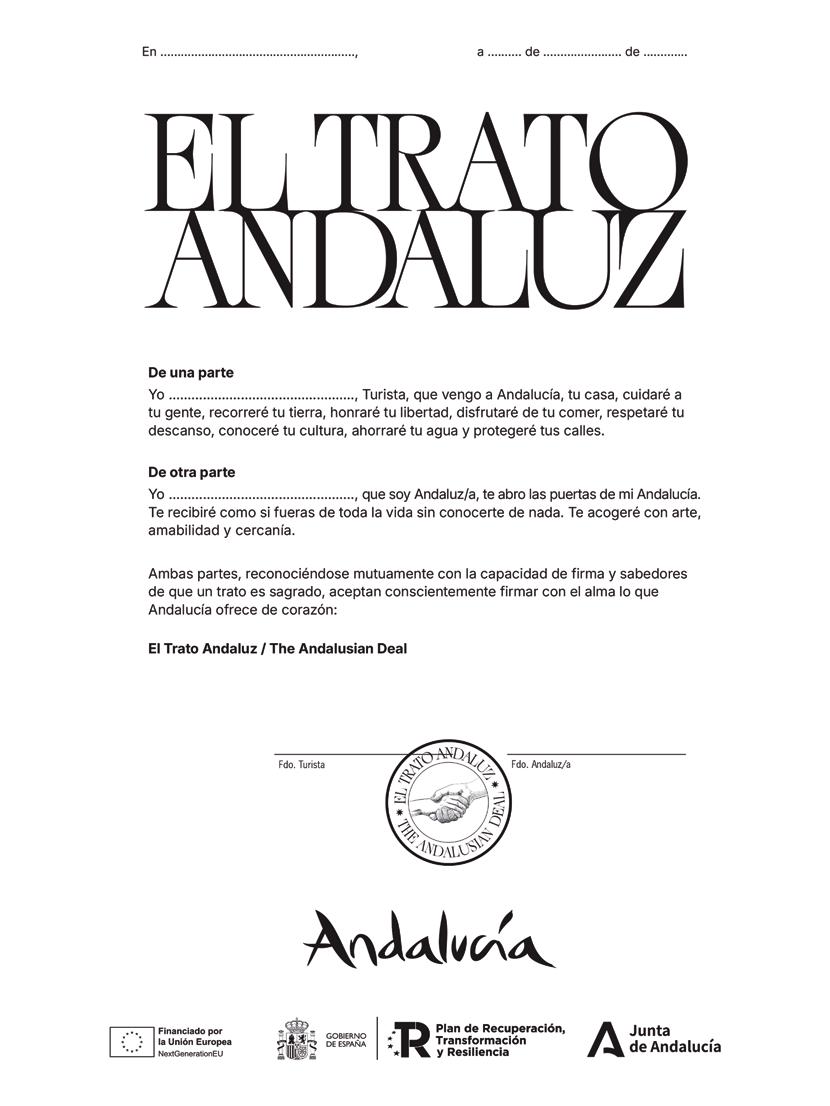

“I deeply believe in the body as an expression of art”
«Creo profundamente en el cuerpo como manifestación del arte»
Es una veterana de la interpretación a la que cuesta sorprender, pero Chevi Muraday y Juan Carlos Rubio han conseguido tentarla con la manzana de la danza para su próximo proyecto, Bacanal, que estrenan en el Teatro Romano de Mérida este verano. El reto es mayúsculo: encarnar a unas bacantes que luchan contra los opresores lazos del poder empeñado en coartar sus ritos y su disfrute. Casi parece un retrato de la adolescencia, o de una sociedad actual que amenaza con dar pasos hacia atrás en cuestión de libertades y derechos. Acosta, que reconoce en su propio pasado una educación en la que el deseo todavía cargaba con demasiadas culpas, defiende hoy la danza como una forma sana y necesaria de exaltación física y así lo demostrará en el gran teatro emeritense.
A seasoned performer who is not easily surprised, Toni Acosta has nevertheless been tempted by Chevi Muraday and Juan Carlos Rubio with the forbidden fruit of dance for her next project, Bacanal, which premieres at the Roman Theatre of Mérida this summer. The challenge is formidable: to embody one of the bacchantes who rise against the oppressive bonds of power intent on curbing their rites and their enjoyment. It almost reads as a portrait of adolescence, or of a present-day society that seems in danger of stepping backwards on freedoms and rights. Acosta, who recognizes in her own past an upbringing in which desire still carried too much guilt, now defends dance as a healthy and necessary form of the physical celebration of the body, as she will show on that great Roman stage in Mérida.

En 2020 pisó el Teatro Romano de Mérida con Anfitrión, en una edición marcada por la pandemia y por la recuperación del teatro en vivo. ¿Qué supone para usted volver en un contexto tan diferente?
Volver a Mérida en 2026 es un reto, empezando porque estará el aforo completo. Creo que Mérida 2020 fue muy especial porque tanto el público como los actores teníamos muchas ganas de ver teatro vivo. Ahora sé a lo que voy, sé las dimensiones del teatro y, además, soy consciente del calor, algo que aquel año me sorprendió bastante. También este año es un regalo que hago a mis padres, que en 2020 no pudieron viajar desde Tenerife y este año estarán sentados entre el público.
En esta ocasión viene con Bacanal, una obra que se mueve entre la danza y el teatro, casi como un ritual. ¿Qué puede contar sobre la pieza y sobre su personaje?
Chevi Muraday y Juan Carlos Rubio componen un equipo muy sólido, se conocen mucho. Yo me subo al barco con un equipo fantástico, es un sueño trabajar con Carlos Hipólito, Juana Acosta, Mapi, Elisa, estar a las órdenes también de Ignasi Vidal... Es una celebración de la vida. A mí me toca algo maravilloso que tiene que ver con la magia y con el poder adivinador y estoy deseando empezar.
El Teatro Romano no es un espacio cualquiera. ¿Cómo condiciona la manera de actuar?
Lo condiciona todo: la voz, el cuerpo, la expresividad, la preparación física... No es que no sea un espacio al uso, es que es el espacio más exigente para cualquier actor,
In 2020 you stepped onto the stage of the Roman Theatre of Mérida with Anfitrión, in an edition marked by the pandemic and the return of live theater. What does it mean for you to come back in such a different context?
Returning to Mérida in 2026 is a challenge, not least because it will be at full capacity. Mérida 2020 was very special because both the audience and the actors were eager to see live theater again. Now I know what I am walking into; I know the scale of the theater and I am also aware of the heat, which caught me rather by surprise that year. This time, too, it is a gift I am giving my parents: in 2020 they could not travel from Tenerife, and this year they will be sitting in the audience.
This time you are coming with Bacanal, a work that moves between dance and theater, almost like a ritual. What can you tell us about the piece and about your character?
Chevi Muraday and Juan Carlos Rubio make up a very solid team; they know each other extremely well. I am coming on board with a fantastic company: it is a dream to work with Carlos Hipólito, Juana Acosta, Mapi and Elisa, and also to be directed by Ignasi Vidal... It is a celebration of life. I have been given something wonderful, connected with magic and prophetic power, and I can’t wait to begin.
The Roman Theatre is no ordinary space. How does it shape the way you perform?
It shapes everything: the voice, the body, expressiveness, physical preparation... It is not merely an unusual space; it is the most demanding space for any actor, director, lighting team or sound team. I have the deepest respect for this place, and that is where I will go to offer the audience my craft and my respect.
director, equipo de luces y sonido... Respeto profundamente este lugar y allá que voy, a ofrecerles mi saber hacer y mi respeto.
Bacanal parece preguntarse por qué aprendimos a temer al cuerpo y a vivir separados del deseo. ¿Seguimos necesitando espacios donde reconciliarnos con esa parte más instintiva y libre?
Tengo 54 años y vengo de una educación, sobre todo para las mujeres, todavía muy represiva. Fui a un colegio de monjas y todo lo que fuera cuerpo, deseo… era malo y pecado. Creo profundamente en las nuevas generaciones, en disfrutar del cuerpo y usarlo como manifestación del arte, y lo más cercano a ese disfrute y exaltación es la danza. Ese es uno de los motivos por los que elegí este proyecto. Chevi me lo propuso y dije: «wow, me la voy a gozar». Considero que la exaltación del cuerpo a través de la danza es sanísima y necesaria.
En Bacanal, la fiesta no parece solo celebración, sino también una forma de resistencia…
Hay una relación directa entre utilizar el cuerpo y su exhibición y disfrute con la resistencia a la opresión. Hoy vivimos tiempos en los que no tenemos que descuidarnos, especialmente las mujeres, no tenemos que dar ni un paso atrás: vistámonos y caminemos por las calles como nos dé la gana, seamos libres.
¿Cómo ha sido el trabajo con un elenco tan multidisciplinar?
Los procesos creativos son mi parte favorita del montaje. Estoy disfrutando muchísimo y hay una exigencia tremenda. Chevi tiene una frase que siempre contesta cuando le pregunto a qué hora terminaremos que es «cuando os canséis». Él es incansable y vive totalmente enchufado a la historia. Todas las imágenes que nos manda, colores, películas, libros… todo tiene que ver con el montaje. El proceso está siendo agotador, pero delicioso. Entre giras y rodajes, habrá tenido tiempo de conocer distintos Paradores, ¿tiene alguno favorito?
Voy a decir uno en el que acabo de estar de gira con Una madre de película, que es el Parador de Cádiz. Le tengo muchísimo cariño y está en la playa. Pero vamos, yo podría vivir en ellos, de Parador en Parador.

«There is a direct relationship between using the body, displaying it and taking pleasure in it, and resistance to oppression»
Bacanal seems to ask why we learned to fear the body and to live apart from desire. Do we still need spaces in which to reconcile ourselves with that more instinctive, freer part of who we are?
I am 54, and I come from an upbringing that was still very repressive, especially for women. I went to a convent school, and anything to do with the body, desire... was bad and sinful. I deeply believe in the new generations, in enjoying the body and using it as an expression of art, and the closest thing to that enjoyment and exaltation is dance. That is one of the reasons I chose this project. Chevi suggested it to me and I said: “wow, I am really going to enjoy this”. I think the exaltation of the body through dance is profoundly healthy and necessary.
In Bacanal, the revelry seems to be not just a celebration, but also a form of resistance...
There is a direct relationship between using the body, displaying it and taking pleasure in it, and resistance to oppression. We live in times when
we cannot afford to let our guard down, especially as women. We must not take a single step backwards: let us dress and walk down the street however we want; let us be free. What has it been like to work with such a multidisciplinary cast?
Creative processes are my favorite part of putting on a production. I am enjoying it enormously, and the level of demand is tremendous. Chevi has a phrase he always uses when I ask him what time we will finish: “when you get tired”. He is tireless and completely plugged into the story. Everything he sends us, from images to films and books, connects with the production. The process is exhausting, but delightful.
Between tours and shoots, you must have had time to discover different Paradores. Do you have a favorite?
I will mention one where I have just stayed while touring with Una madre de película: the Parador de Cádiz. I am very fond of it, and it is right on the beach. But really, I could live in them, moving from Parador to Parador.
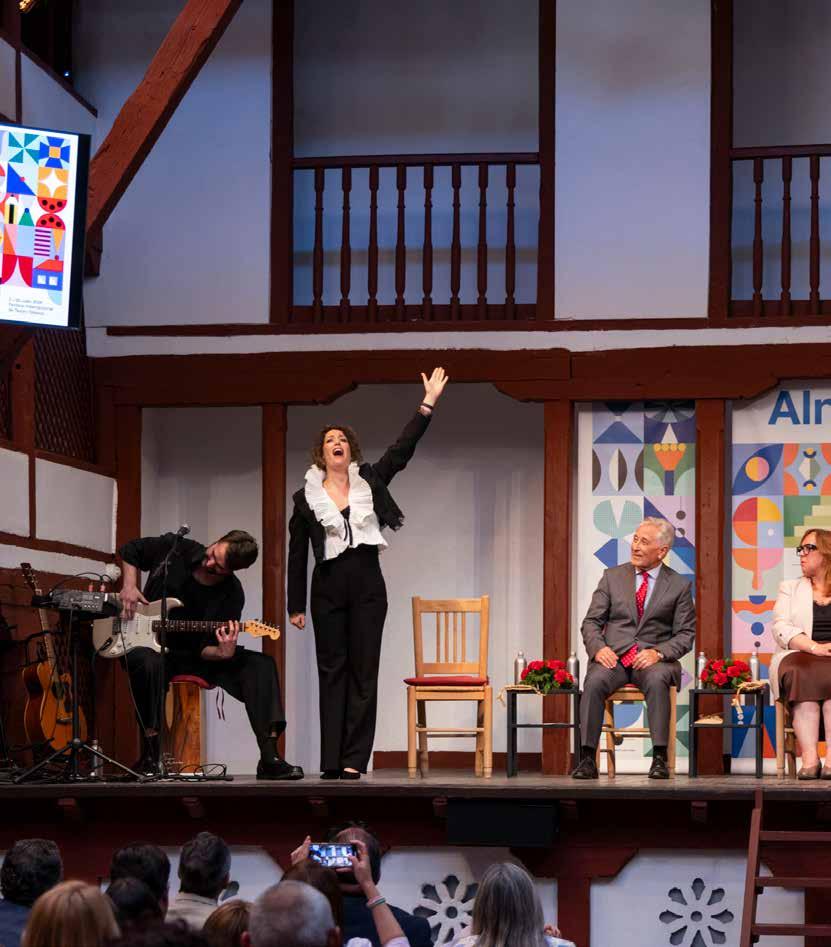
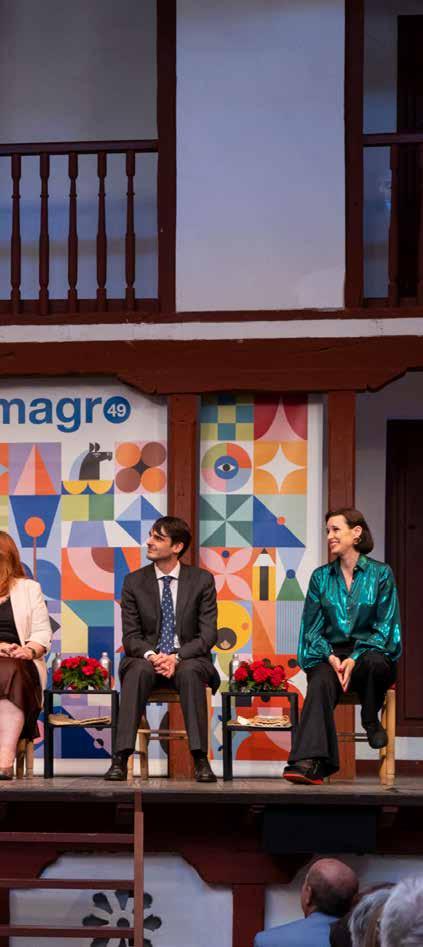
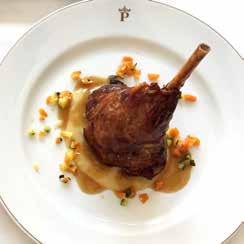
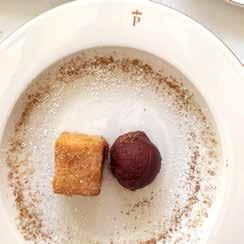
Del 2 al 26 de julio, el Festival Internacional de Teatro Clásico de Almagro vuelve a situar la villa manchega en el centro de la escena del Siglo de Oro. Un año más, el Parador se suma a la cita con una propuesta gastronómica propia, concebida para prolongar la experiencia teatral en torno a la mesa y enlazar literatura, memoria culinaria y sabores cervantinos.
From July 2 to 26, the Almagro International Classical Theater Festival once again places this town in Castilla-La Mancha at the heart of Spain’s Golden Age stage. The Parador joins the festival with a culinary proposal of its own, designed to extend the theatrical experience to the table through literature, culinary memory, and the flavors of Cervantes’ world.
The focus is the Tribute to the Golden Age Menu, available for lunch and dinner throughout the festival. This year, the Parador turns to Cervantes and to the dishes that run through Don Quixote, in a sequence conceived almost as a performance in several acts by the kitchen team led by chef José Alfonso Merlo. The first act brings together Quixote-inspired appetizers: puff pastry with escabeche trout and vegetables, duelos y quebrantos —the traditional scramble of eggs, chorizo, and bacon—, fried cheese in almond bread, and meatballs in the style of Camacho’s wedding, a direct nod to one of the novel’s great banquets. The second act features mojete made with air-dried cod, prepared in the Manchegan style with tomato, onion, olive oil, and pepper. The third turns to oven-roasted lamb shank with spiced turnip purée, evoking the festive tables described by Cervantes. For the finale, traditional leche frita is served with mostillo sorbet, a Castilla-La Mancha sweet made from reduced grape must flavored with cinnamon, anise, and orange peel. The menu is priced at 48 euros per person, including drinks and coffee or tea. The Parador also takes part in the Sal de Tapas route
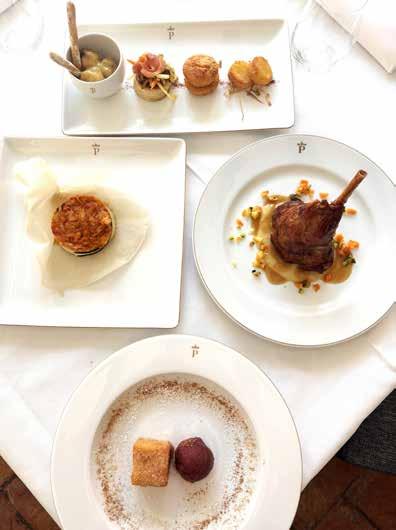
El eje de la propuesta es el menú Homenaje al Siglo de Oro, disponible en almuerzos y cenas durante todo el festival. En esta edición, el Parador dirige la mirada al universo de Cervantes y a los platos
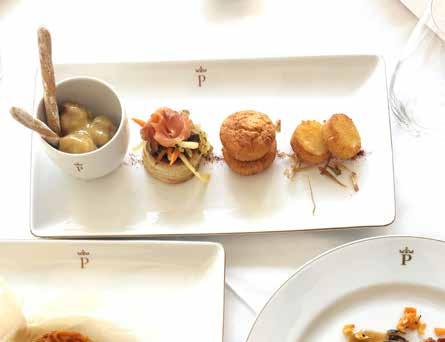
Descubre el menú
El Quijote
Discover the El Quijote menu
El Quijote, con una secuencia planteada casi como una representación en varios actos por el equipo de cocina que dirige el chef José Alfonso Merlo. El primer acto reúne aperitivos de inspiración quijotesca: hojaldre de trucha en escabeche con su verdura, duelos y quebrantos, queso frito en pan de almendra y albondiguitas al estilo de las bodas de Camacho, una referencia directa a uno de los grandes banquetes de la novela. El segundo acto llega con un mojete de bacalao cecial, servido al modo manchego con tomate, cebolla, aceite de oliva y pimiento. El tercero apuesta por un zancarrón de cordero al horno con puré de nabo especiado, evocando las mesas festivas descritas por Cervantes. Como desenlace, la tradicional leche frita aparece acompañada de sorbete de mostillo, dulce castellano-manchego elaborado con mosto de uva reducido y aromatizado con canela, anís y cáscara de naranja. El menú mantiene un precio de 48 euros por persona, con bebidas incluidas y café o infusión. Además, el Parador participa en la ruta Sal de Tapas con dos creaciones: «El perro del hortelano», un canelón de ciervo y pato con castañas confitadas, y «Al son de Cervantes», un canelón de verduras asadas con especias morunas.

Parador de Olite
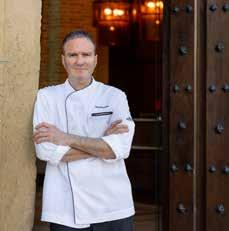
Abel Llorente Jefe de Cocina
Soraya Jiménez Jefa de Sala
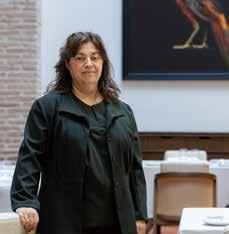
Las pochas de Sangüesa son uno de esos productos que explican una tierra sin necesidad de levantar la voz. Modestas en apariencia y finísimas en el plato, estas alubias blancas forman parte de la memoria gastronómica de Navarra y tienen en Sangüesa uno de sus templos naturales. Allí se les rinde incluso homenaje propio, el Elogio a la Pocha, porque hay productos que no solo se cultivan: se celebran.
La pocha no presume, pero convence. Su gracia está en esa delicadeza que la separa de otras legumbres: una piel sutil, una textura mantecosa y un sabor limpio, vegetal, casi dulce, que habla de cocina hecha sin prisas. Bien tratada, no necesita artificios. Basta el punto justo de cocción para que despliegue todo su carácter.
En el Parador de Olite, la receta mira a esa tradición con respeto y le añade compañía de altura: la codorniz. La legumbre se guisa con cebolla, pimientos, ajo, puerro y laurel, dejando que las verduras aporten fondo y cuerpo al conjunto. La codorniz, por su parte, se dora y se guisa con bresa, hierbas aromáticas, brandy y vino tinto, hasta quedar sabrosa y jugosa. Después se sirve deshuesada sobre las pochas, con apenas un toque de su salsa, sin robar protagonismo al producto principal. Unas guindillas fritas aparte rematan el plato con ese punto alegre que tan bien entiende la cocina navarra.
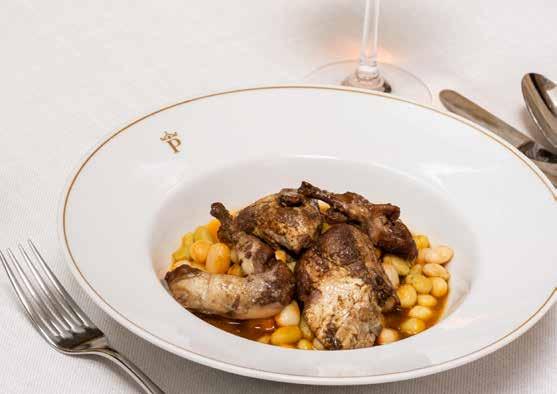
A una receta como esta, fina pero con fondo, le va de maravilla un blanco navarro con personalidad: Huracán Daniela 2025, de Gonzalo Celayeta Wines. Elaborado con garnacha blanca, viura y chardonnay, nace en San Martín de Unx, en esa baja montaña que aporta frescura y acidez. Sus notas de fruta de hueso, su punto anisado y mineral, y su boca grasa y larga lo convierten en un vino especialmente gastronómico, capaz de acompañar la delicadeza de la pocha y la profundidad de la codorniz sin taparlas.
Contiene alérgenos
INGREDIENTES PARA 10 PAX
Para las pochas
Alubia pocha de Sangüesa 2 kg
Cebolla
Pimiento rojo
Pimiento verde
250 g
200 g
200 g
Ajo pelado 50 g
Puerro 1 ud
Laurel c/s
Sal c/s
AOVE 2 dl
Para la elaboración de codorniz
Codornices 10 uds
Sal c/s
Agua c/s
Manteca de cerdo c/s
Bresa
Puerro 2 uds
Cebolla 2 uds
Zanahoria 3 uds
Aove c/s
Brandy c/s (sulfitos)
Romero fresco c/s
Tomillo fresco c/s
Pimienta negra en grano c/s
Contains allergens
INGREDIENTS FOR 10 PEOPLE
For the pochas
Sangüesa pocha beans 2 kg
Onion
Red bell pepper
Green bell pepper
Peeled garlic
Leek
250 g
200 g
200 g
50 g
1 unit
Bay leaf as needed
Salt as needed
EVOO 2 dl
For the quail preparation
Quail 10 units
Salt as needed
Water as needed
Lard as needed
Mirepoix
Leek 2 units
Onion
2 units
Carrot 3 units
EVOO as needed
Brandy as needed (sulfites)
Fresh rosemary as needed
Fresh thyme as needed
Black peppercorns as needed
Red wine as needed sulfites
Vino tinto c/s sulfitos
Agua Sal
Maizena
Para emplatar


Guindilla fresca 160 g Aove c/s
Pochas de Sangüesa
Pelar y lavar la pocha. Reservar. Lavar la verdura y reservar.
En una olla con agua fría poner a cocer las pochas, la cebolla, los pimientos, el ajo, el puerro, la hoja de laurel, sal y un chorrón de aceite de oliva virgen extra. Espumar de vez en cuando. Vigilar el punto de cocción, enteras pero cocidas.
Recoger las verduras, triturar, colar y añadir a las pochas.
Enfriar y reservar.
Codorniz
Quemar las plumas de las codornices. Separar las pechugas y los muslos y reservar las carcasas.
carcasas, flambear con el brandy.
Añadir las verduras y los aromáticos (romero, tomillo, pimienta negra) dorar todo junto, añadir vino tinto, cocer 5 minutos, añadir agua e incorporar las codornices, sazonar y guisar. Retirar las codornices guisadas, enfriar y reservar. Colar la salsa de cocer las codornices y ligar con la maizena. Enfriar y reservar.
EMPLATADO
Calentar las pochas y las codornices.
Water as needed
Salt as needed
Cornstarch as needed
For plating
Fresh guindilla peppers 160 g
EVOO as needed
METHOD
Sangüesa pocha preparation
Peel and wash the pochas. Set aside. Wash the vegetables and set aside. In a pot with cold water, cook the pochas, onion, peppers, garlic, leek, bay leaf, salt and a generous splash of extra-virgin olive oil. Skim from time to time. Watch the cooking point: the beans should remain whole but tender. Remove the vegetables, blend, strain and add to the pochas.
Cool and set aside.
Quail preparation
Singe off any remaining feathers from the quail.
Separate the breasts and legs and reserve the carcasses.

Add the vegetables and aromatics (rosemary, thyme, black pepper), brown everything together, add red wine, cook for 5 minutes, add water, add the quail, season and braise. Remove the braised quail, cool and set aside. Strain the quail cooking sauce and thicken with cornstarch. Cool and set aside.
Heat the pochas and the quail. Arrange in a soup plate and carefully place the boned braised quail on top.
Heat the quail cooking sauce and spoon a small amount over the pochas.
Fry a few fresh guindilla peppers and place them on a separate plate as an accompaniment.
Sangüesa pochas are one of those quiet ingredients that seem to carry a whole landscape within them. Modest in appearance and remarkably delicate on the plate, these white beans belong to Navarre’s culinary memory and find one of their natural homes in Sangüesa. There, they are even honored with their own celebration, Elogio a la Pocha, because some products are not only grown: they are celebrated.
The pocha does not try to impress, but it wins you over. Its charm lies in the delicacy that sets it apart from other legumes: a thin skin, a buttery texture and a clean, vegetal, almost sweet flavor that speaks of cooking done without hurry. Handled well, it needs no artifice. The right point of doneness is enough for it to reveal its full character.
At the Parador de Olite, the recipe approaches that tradition with respect and pairs it with an elegant companion: quail. The beans are stewed with onion, peppers, garlic, leek and bay leaf, allowing the vegetables to lend depth and body to the dish. The quail is browned and then braised with mirepoix, aromatic herbs, brandy and red wine until flavorful and juicy. It is then served boned over the pochas, with only a light touch of its sauce, so as not to overshadow the main ingredient. Fried guindilla peppers served on the side finish the dish with the lively note Navarrese cooking understands so well.
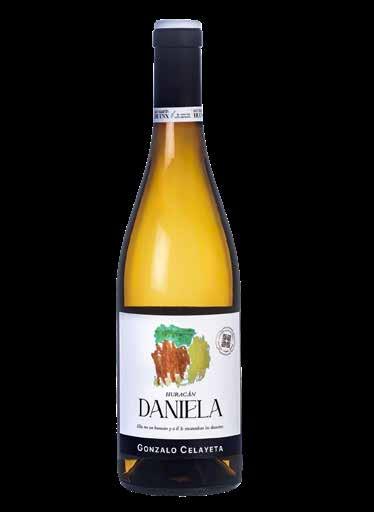
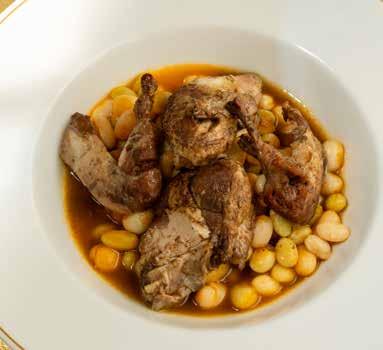
For a recipe like this, refined yet substantial, a Navarrese white with personality is an excellent match: Huracán Daniela 2025, by Gonzalo Celayeta Wines. Made with Garnacha Blanca, Viura and Chardonnay, it comes from San Martín de Unx, in the lower mountain area that brings freshness and acidity. Its stone-fruit notes, aniseed and mineral touch, and broad, long palate make it an especially gastronomic wine, able to accompany the delicacy of the pocha and the depth of the quail without overpowering them.
,
Vino de pueblo de San Martín de Unx. Gonzalo Celayeta. Olite (Navarra) garnacha blanca (70 %), viura fermentado y criado sobre lías en tinaja de barro durante 5 meses. amarillo pajizo con reflejos verdosos, vivaz. En nariz es un vino fino, no muy intenso pero profundo, elegante, con predominio de fruta blanca de hueso (melocotón, albaricoque…), un toque anisado y un fondo mineral marcado, agradece la aireación en copa. En boca es un vino intenso, graso, con fruta blanca, lías, mineralidad y buena acidez.
D.O. Navarra
Local wine from San Martín de Unx.
Author: Gonzalo Celayeta. Olite (Navarra)
Varietal: garnacha blanca (70 %), viura and chardonnay.
Aging: Fermented and aged on the lees in a clay amphora for 5 months.
Tasting Notes: Pale straw yellow with greenish highlights, lively. On the nose, this is a fine wine, not very intense but deep and elegant, with predominant white stone fruit (peach, apricot...), an aniseed touch and a marked mineral background; it benefits from aeration in the glass. On the palate, it is intense and broad, with white fruit, lees, minerality and good acidity.
LA CARA MÁS INDÓMITA DE ORDESA
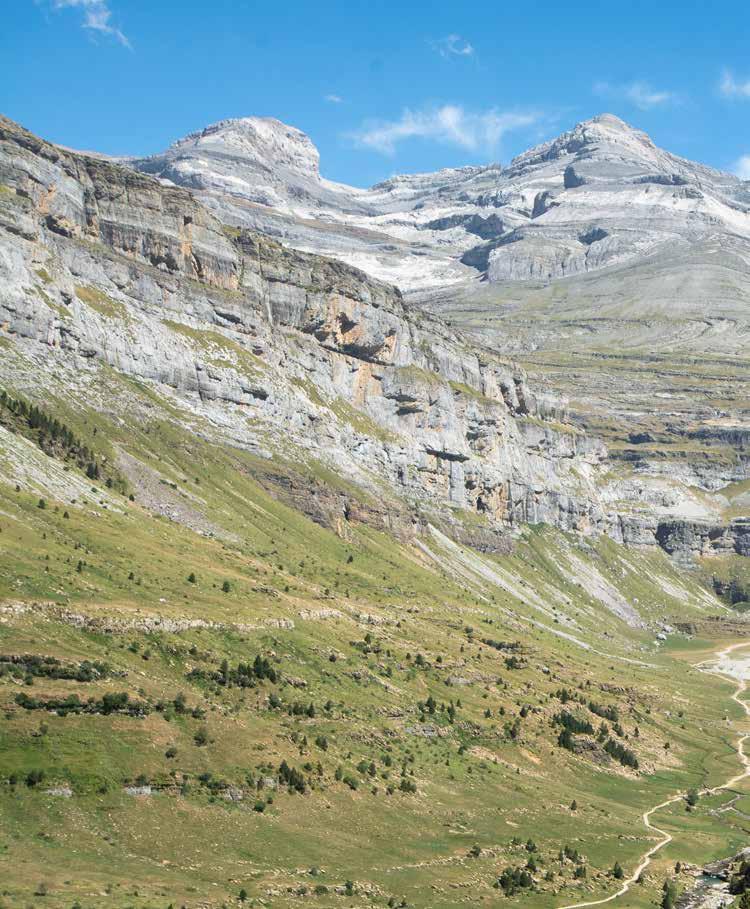
Es el rostro más salvaje del Parque Nacional de Ordesa y Monte Perdido. Tallado durante milenios por el río Bellós sobre la roca caliza, este profundo cañón combina paredes verticales, bosques húmedos, cascadas y senderos históricos en uno de los paisajes más espectaculares del Pirineo aragonés. Frente a la amplitud de Ordesa, Añisclo se muestra íntimo y sombrío, con una atmósfera casi primitiva en la que el agua domina cada rincón.
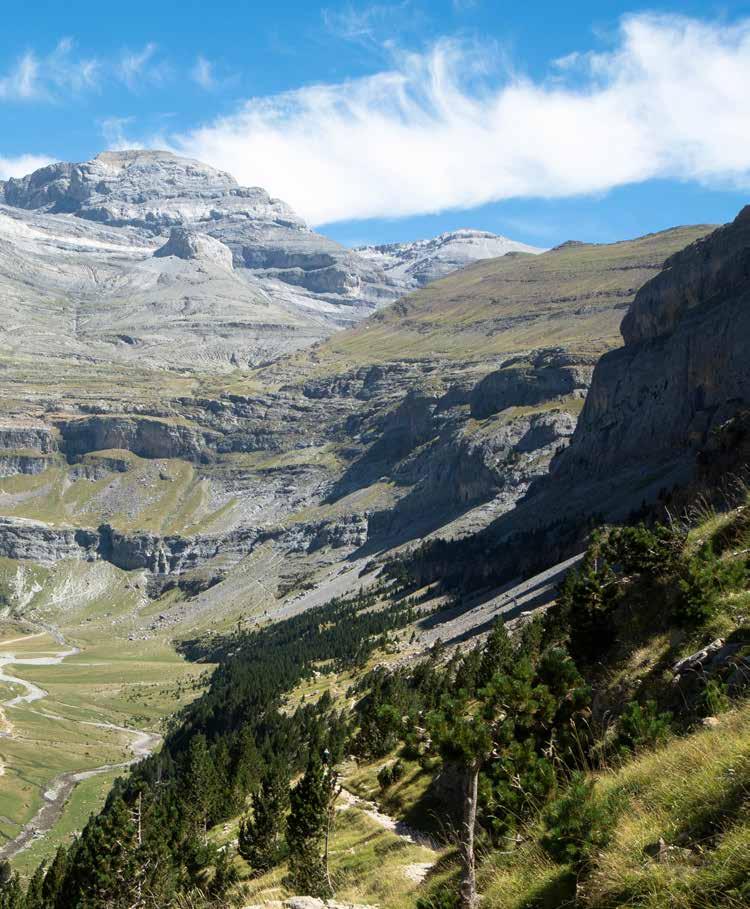
This is the most rugged side of Ordesa y Monte Perdido National Park. Carved over thousands of years by the Bellós River through limestone, this deep canyon brings together sheer walls, damp forests, waterfalls and historic trails in one of the most spectacular landscapes of the Aragonese Pyrenees. Unlike the broad sweep of Ordesa, Añisclo feels intimate and shadowed, with an almost primal atmosphere where water seems to rule every corner.
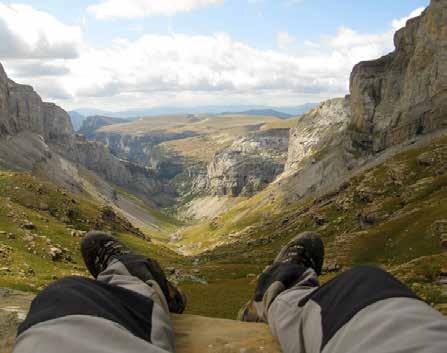
El acceso habitual se realiza desde la loca lidad de Escalona hasta el aparcamiento de San Úrbez, puerta natural de este sector del parque. Desde allí parten algunas de las rutas más emblemáticas del Sobrarbe, itinerarios que permiten descubrir desde pequeños recorridos familiares hasta largas travesías hacia el corazón del cañón.
Recorrido sencillo y accesible que concentra buena parte de los elementos que hacen úni co este valle: agua, roca, bosque y patrimonio histórico. Comienza junto al famoso puente medieval de San Úrbez, suspendido sobre las aguas turquesas del río Bellós. Desde este mirador natural se aprecia cómo el río se encajona entre paredes calcáreas antes de internarse en el gran cañón. Muy cerca aparece la ermita rupestre de San Úrbez, excavada en la roca y ligada a la figura legendaria del pastor y eremita que dio nombre al lugar.
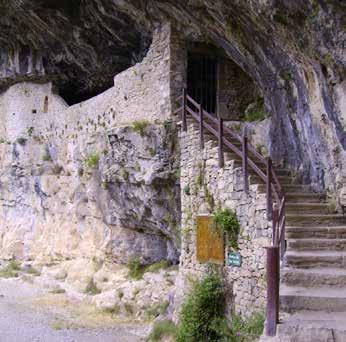
El sendero avanza entre pasarelas, escaleras de piedra y pequeños miradores cubiertos de musgo. La humedad permanente favorece un bosque exuberante vestido con hayas, pinos y vegetación de ribera. El sonido constante del agua acompaña todo el recorrido hasta alcanzar las cascadas y el antiguo molino de Aso.
San Úrbez a la Fon Blanca: hacia el corazón del valle
La ruta se adentra durante horas en el interior del cañón, siguiendo el curso del río Bellós, hasta alcanzar uno de los fenómenos geológicos más sorprendentes del Pirineo. Parte también del aparcamiento de San Úrbez y remonta el valle a través de bosques sombríos y desfiladeros estrechos. El río acompaña los pasos atrapado entre dos gigantes verticales, formando pozas, rápidos y pequeñas cascadas que convierten el camino en una experiencia constante de agua y roca.
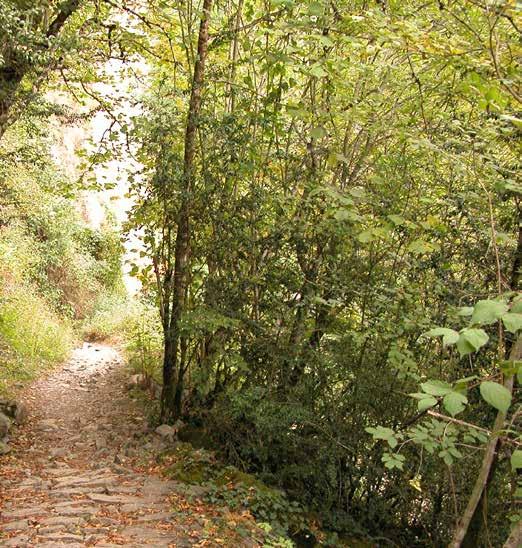
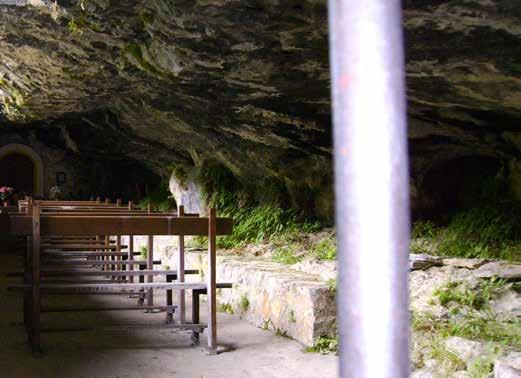
The usual approach is from Escalona to the San Úrbez parking area, the natural gateway to this part of the park. Some of Sobrarbe’s most emblematic routes set out from here, ranging from short family walks to long hikes into the heart of the canyon.
This easy, accessible route brings together many of the elements that make the valley so distinctive: water, rock, forest and historic heritage. It begins beside the famous medieval bridge of San Úrbez, suspended above the turquoise waters of the Bellós River. From this natural lookout, the river can be seen narrowing between limestone walls before disappearing into the great canyon. Close by stands the rock-hewn hermitage of San Úrbez, linked to the legendary shepherd and hermit who gave the place its name.
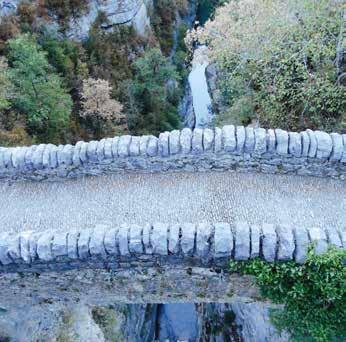
The trail continues along walkways, stone steps and small viewpoints covered in moss. The constant humidity feeds a lush forest of beeches, pines and riverside vegetation. The sound of water accompanies the whole route, all the way to the waterfalls and the old Aso mill.
This route follows the Bellós River for hours into the canyon, leading to one of the most striking geological features in the Pyrenees. It also starts at the San Úrbez parking area and climbs the valley through shadowy woods and narrow gorges. The river keeps pace with the trail, caught between two vertical giants and forming pools, rapids and small waterfalls that turn the walk into a continuous encounter with water and rock.
La ruta es larga –más de veinte kilómetros ida y vuelta– pero técnicamente sencilla. A medida que gana altura, el paisaje se vuelve más abierto y aparecen praderas de montaña como la Ripareta, descanso natural antes del tramo final.
Al alcanzar la Fon Blanca, una espectacular surgencia brota directamente de la pared rocosa bajo las cumbres de Monte Perdido. El agua emerge desde el interior del macizo kárstico formando una cascada vertical que cae sobre el valle. Más allá del atractivo paisajístico, la ruta permite entender la dimensión geológica del valle y el papel del agua en la formación del cañón.
La ruta permite entender la dimensión geológica del valle y el papel del agua en la formación del cañón
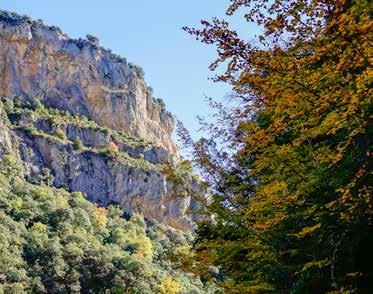
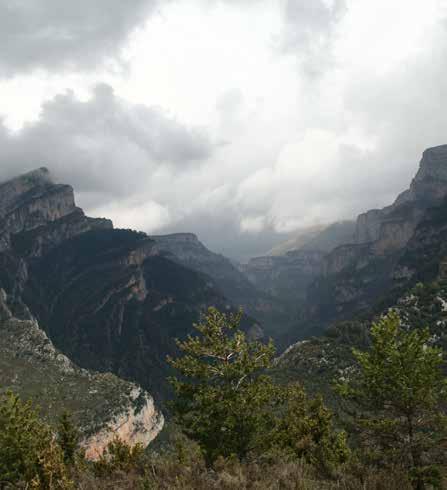
La tercera propuesta conduce hacia la zona más alpina y menos transitada del valle. Aquí el paisaje cambia de nuevo: desaparece el carácter cerrado del cañón y el sendero se aproxima a las grandes alturas que rodean Monte Perdido.
Es una ruta más exigente, orientada a senderistas habituados a largas jornadas de montaña. Asciende progresivamente desde el fondo del valle hacia collados y zonas altas donde dominan praderas de altura, lapiazes calcáreos y vistas abiertas sobre el macizo. La sensación de aislamiento es total y el silencio solo se rompe por el agua de los barrancos o el vuelo de buitres y quebrantahuesos.
Uno de los grandes atractivos del Añisclo Superior es la perspectiva que ofrece sobre la geografía del parque nacional. Desde las zonas altas se comprende la magnitud del sistema glaciar y kárstico que dio forma a este territorio, así como la conexión natural entre Añisclo, Pineta y Ordesa. Como obsequio para toda la vida, se despliega una bella postal con los Tres Sorores al fondo, vigilando el Parque Nacional de Ordesa y Monte Perdido.

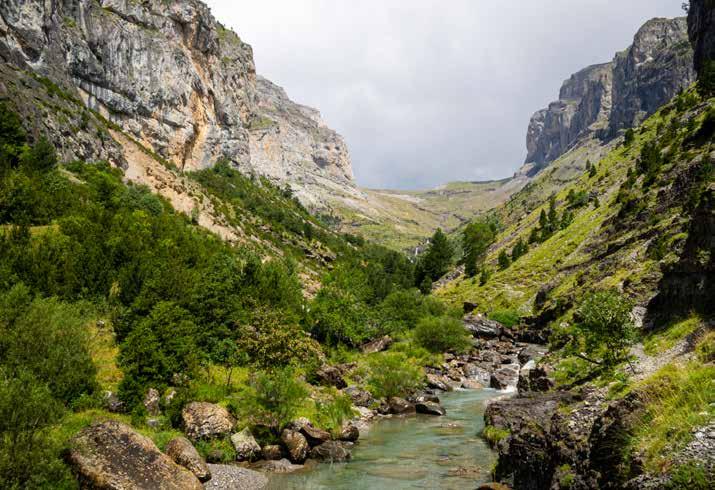
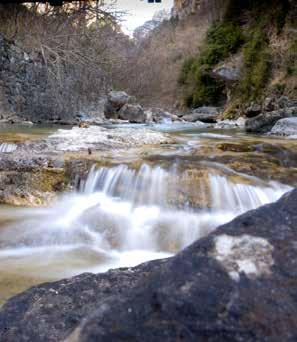
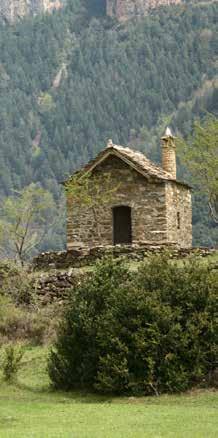
The route is long — more than 20 kilometers out and back — but technically straightforward. As it gains height, the landscape opens up and mountain meadows such as La Ripareta appear along the way, a natural place to pause before the final stretch.
At Fon Blanca, a spectacular spring bursts directly from the rock wall beneath the peaks of Monte Perdido. Water emerges from inside the karst massif in a vertical cascade that falls into the valley. Beyond its scenic appeal, the route reveals the geological scale of the valley and the role of water in shaping the canyon.
The third route leads toward the valley’s most alpine and least-traveled area. Here the landscape changes again: the enclosed feel of the canyon gives way as the trail approaches the high mountains around Monte Perdido.
This is a more demanding route, intended for hikers used to long days in the mountains. It climbs steadily from the valley floor toward passes and high areas dominated by mountain grasslands, limestone pavements and open views of the massif. The sense of isolation is complete, broken only by the sound of water in the ravines or the flight of vultures and bearded vultures overhead.
One of the great rewards of Upper Añisclo is the perspective it gives on the geography of the national park. From the high ground, the scale of the glacial and karst system that shaped this territory becomes clear, as does the natural connection between Añisclo, Pineta and Ordesa. As a lasting gift, the Tres Sorores rise in the distance, watching over Ordesa y Monte Perdido National Park.
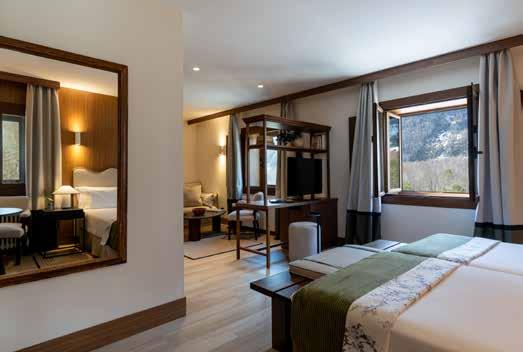
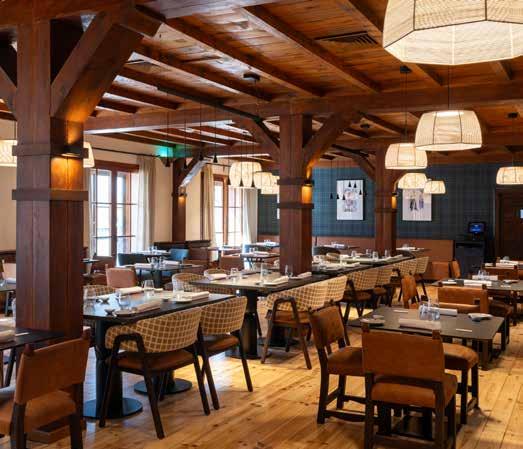
El Parador de Bielsa, a los pies del valle de Pineta y rodeado de grandes cumbres pirenaicas, es uno de los mejores refugios para descubrir la cara más salvaje de Ordesa y Monte Perdido.
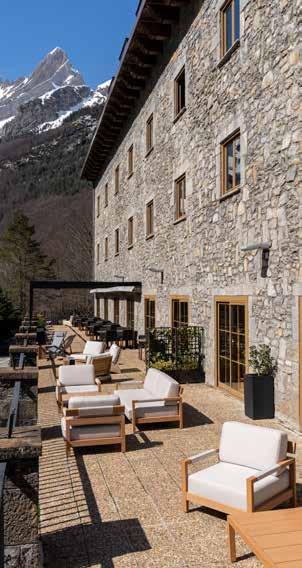
The Parador de Bielsa, at the foot of the Pineta Valley and surrounded by the great peaks of the Pyrenees, is one of the best bases for discovering the wildest side of Ordesa y Monte Perdido. Built in 1968 and renovated last year, it retains the character of a mountain refuge, with stone and wood setting the tone for warm, contemporary spaces open to the landscape.
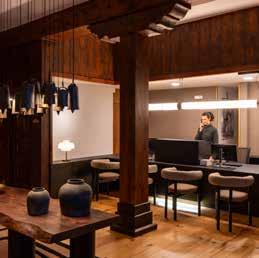
Construido en 1968 y renovado en 2025, presenta una arquitectura de carácter moderno. Su estética, inspirada en un refugio de montaña, se define por el uso predominante de la piedra y la madera. Su gastronomía, referente de la Comarca, destaca por las carnes de caza, ternasco de Aragón, y postres artesanales como las pasteras y las teresitas.
Its location turns the return from Añisclo into part of the trip: the terrace looks straight out to the high mountain scenery of Pineta, an exceptional setting for ending the day after a route among canyons, forests and waterfalls. The restaurant is another reason to linger, with a menu rooted in the surrounding area and local mountain cooking: game meats, ternasco de Aragón and handmade desserts such as pasteras and teresitas.

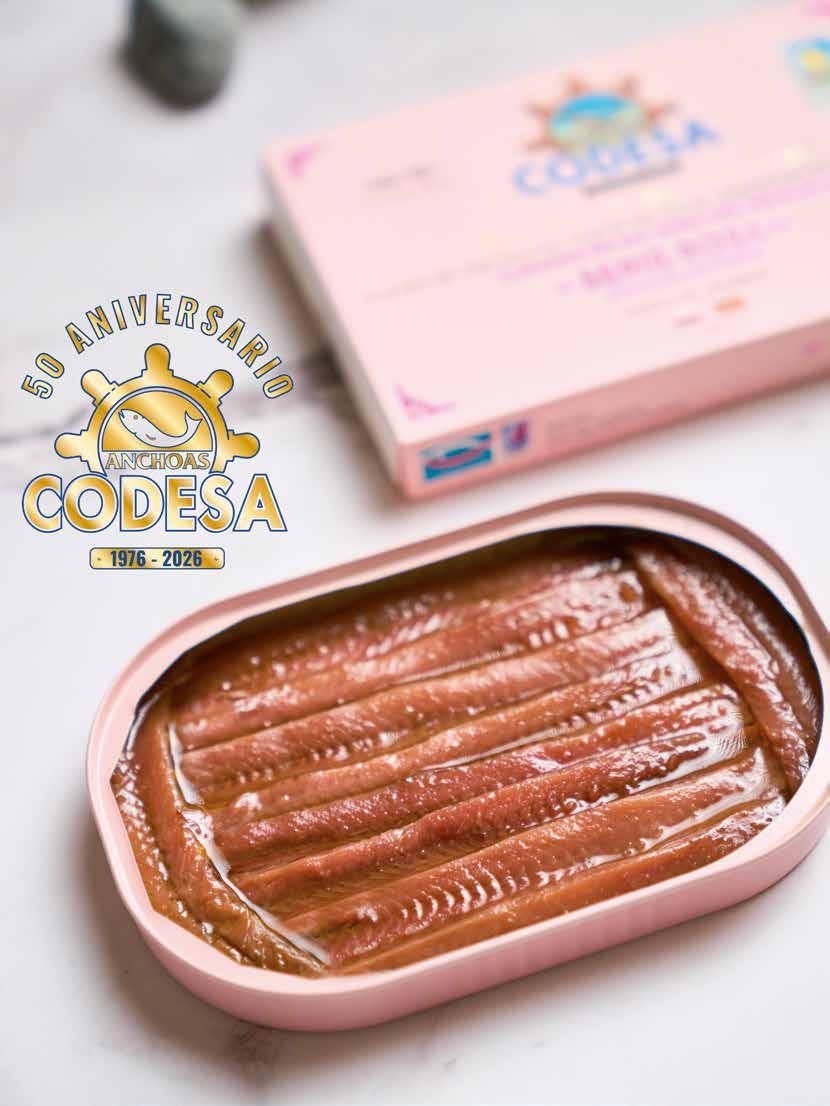
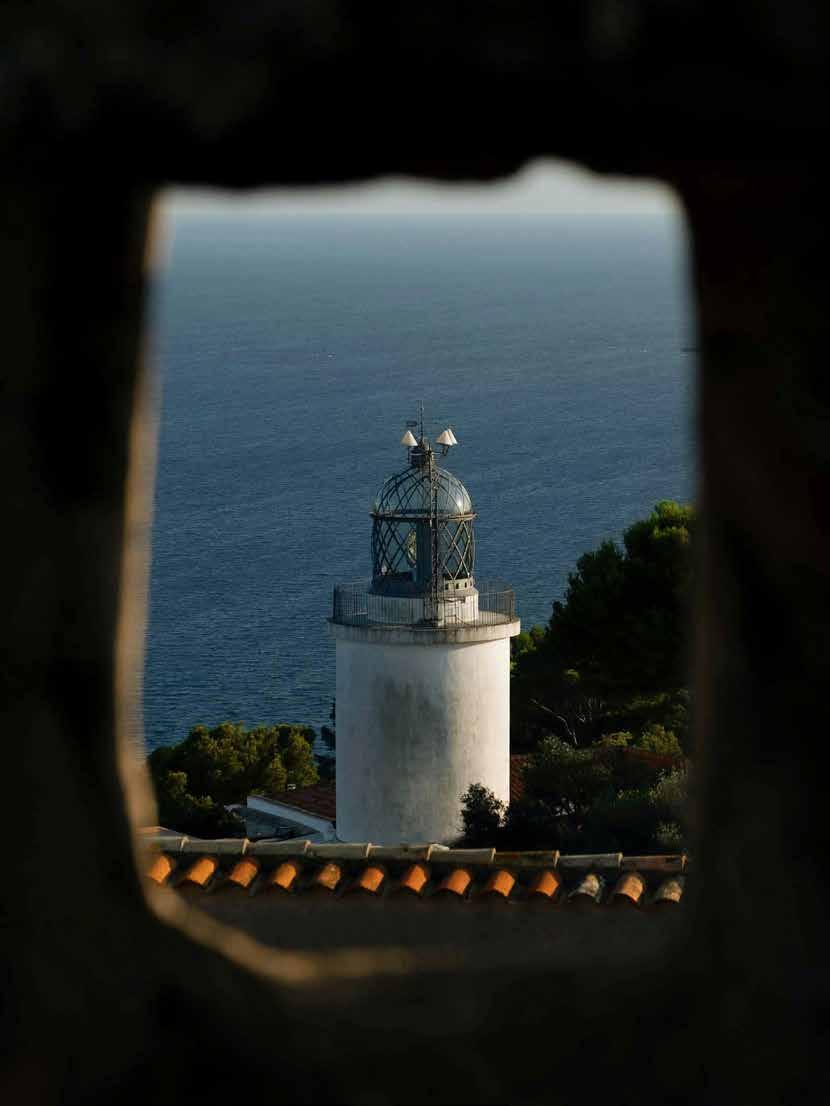
DE NORTE A SUR: PASEO POR LOS FAROS MÁS BONITOS DE ESPAÑA
FROM NORTH TO SOUTH: A JOURNEY THROUGH SPAIN’S MOST BEAUTIFUL LIGHTHOUSES GETAWAYS SHAPED BY THE SEA
Solitarios, dignos y magnéticos, los faros no solo iluminan costas remotas: desde hace siglos cuentan historias de naufragios, desafían tormentas y guían vidas entregadas a la mar.
Lucí en el Mediterráneo…
Por las aguas aparentemente calmas del Mare Nostrum han navegado barcos durante milenios, bajo la vigilancia de esos guardianes de la costa que aún hoy dibujan una cartografía de acantilados, calas y horizontes abiertos.
FARO DE SAN SEBASTIÁN (GIRONA)
Levantado a mediados del siglo XIX sobre el Conjunto Monumental de Sant Sebastià de la Guarda, es probablemente uno de los faros con mejores vistas de la Costa Brava. A unos 170 metros de altura, domina un paisaje de calas, miradores, restos ibéricos y una torre vigía del siglo xv, a solo unos kilómetros del Parador de Aiguablava.
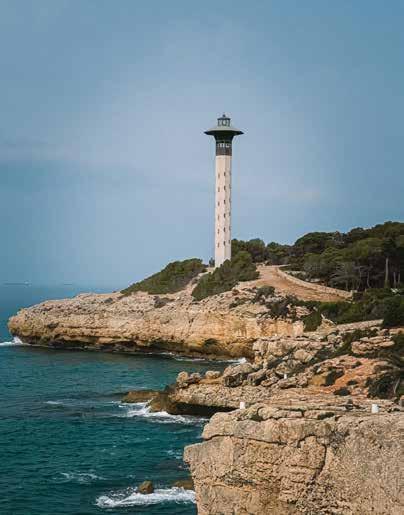
FARO DE TORREDEMBARRA (TARRAGONA)
Diseñado por Josep Maria Llinàs, se considera el último faro español construido en el siglo xx y su torre es la más alta del litoral catalán. Sus vistas abiertas sobre la costa justifican el paseo, en un entorno donde también afloran huellas romanas –una villa, una cantera– y que queda a poco más de una hora del Parador de Tortosa.
Aún hoy dibujan una cartografía de acantilados, calas y horizontes abiertos
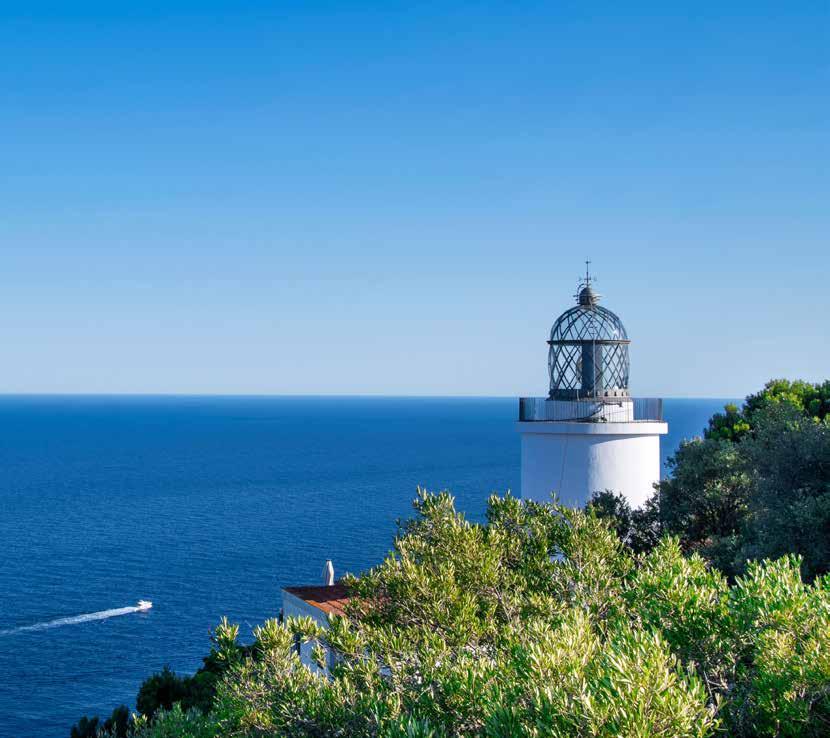
Solitary, dignified and magnetic, lighthouses do more than cast their beam over remote stretches of coast. For centuries, they have carried stories of shipwrecks, weathered storms and guided lives shaped by the sea.
Ships have crossed the seemingly calm waters of the Mare Nostrum for thousands of years, watched over by these coastal sentinels that still trace a map of cliffs, coves and open horizons.
Built in the mid-19th century on the Sant Sebastià de la Guarda monumental complex, this is probably one of the lighthouses with the finest views on the Costa Brava. From a height of around
170 meters, it looks out over coves, viewpoints, Iberian remains and a 15th-century watchtower, just a few kilometers from the Parador de Aiguablava.
Designed by Josep Maria Llinàs, it is considered the last Spanish lighthouse built in the 20th century, and its tower is the tallest on the Catalan coast. Its open views over the shoreline are reason enough for a visit, in an area where Roman traces also emerge —a villa, a quarry— just over an hour from the Parador de Tortosa.
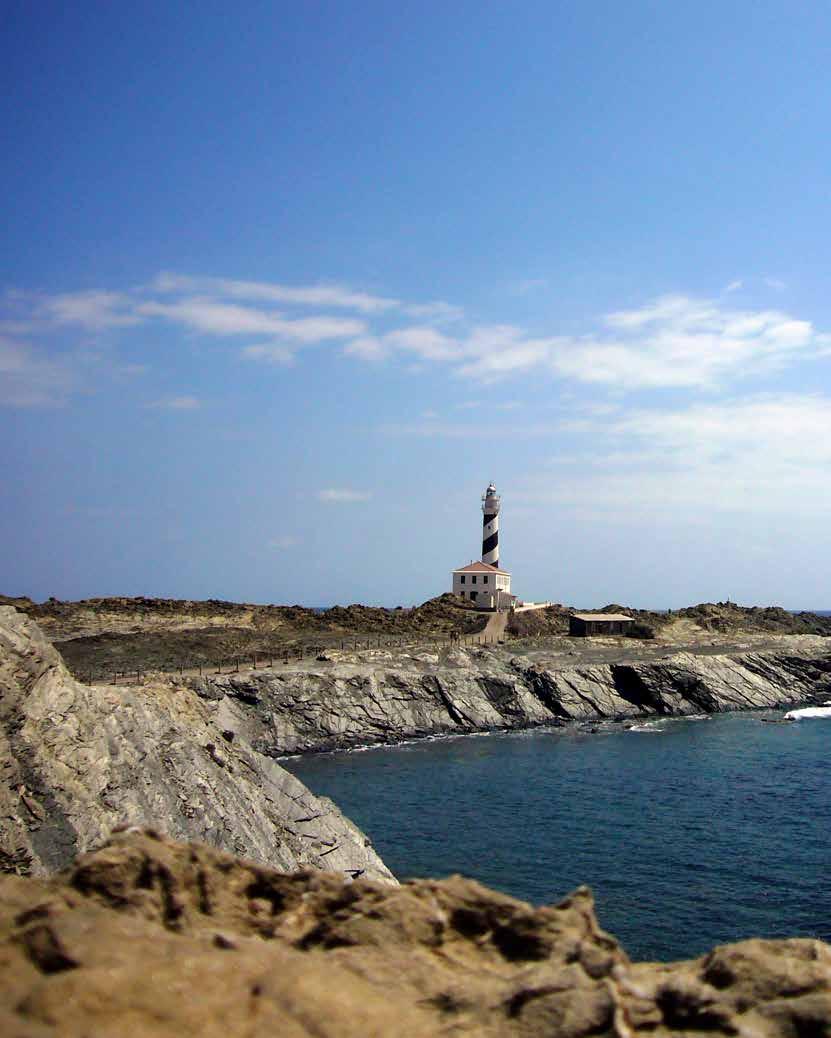
Los marineros seguían las estrellas hasta distinguir, en la costa, esas otras luces levantadas por la mano humana
Sailors followed the stars until, on the coast, they could make out those other lights raised by human hands
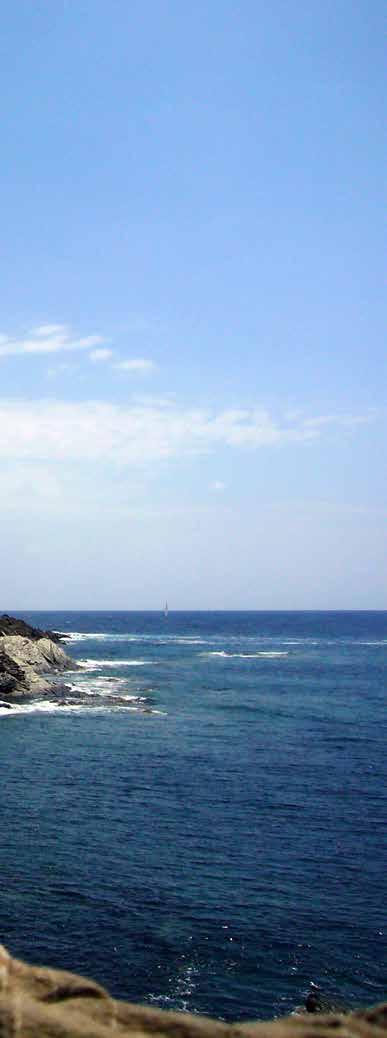
FARO DE NULES (CASTELLÓN)
Proyectado por la arquitecta Blanca Lleó, una de las pocas mujeres autoras de faros en España, el de Nules rompe con la silueta tradicional con una pieza rectangular y contemporánea. Desde 1992 vigila la Plana y sus campos de naranjos; al sur, los estanques de Almenara añaden un contrapunto natural de lagunas, aves y paisaje mediterráneo, con fácil acceso desde el Parador de El Saler.
FARO DE FAVÀRITX (MENORCA)
En el Parc Natural de s’Albufera des Grau, la torre blanca ceñida por una banda negra se recorta desde 1922 sobre los acantilados de pizarra del cabo de Favàritx. El camino permite acercarse al lago Cós des Síndic y, algo más allá, a calas como Presili o Tortuga. Su paisaje mineral y cambiante justifica la visita casi con cualquier tiempo.
Designed by architect Blanca Lleó, one of the few women to have designed lighthouses in Spain, the Nules lighthouse breaks with the traditional silhouette through a clean, contemporary rectangular form. Since 1992 it has watched over La Plana and its orange groves; to the south, the Almenara wetlands add a natural counterpoint of lagoons, birds and Mediterranean landscape, within easy reach of the Parador de El Saler.
FARO DE FAVÀRITX (MENORCA)
In the Parc Natural de s’Albufera des Grau, its white tower, bound by a black band, has stood out since 1922 against the slate cliffs of Cape Favàritx. The approach brings visitors close to Cós des Síndic lagoon and, farther on, to coves such as Presili and Tortuga. Mineral, stark and constantly changing, this landscape rewards a visit in almost any weather.
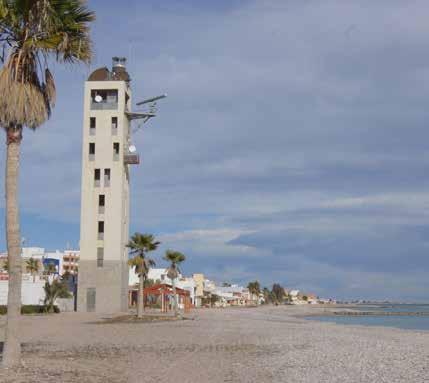
Faro de Camarinal (Cádiz)
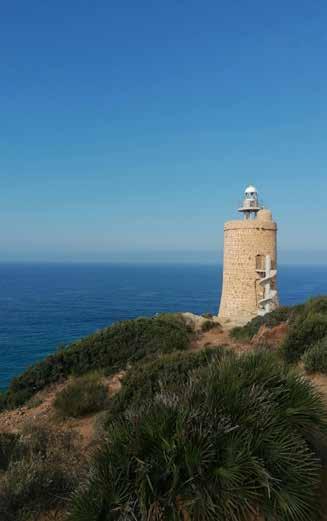
Con la Edad Moderna, las rutas entre el Viejo y el Nuevo Mundo convirtieron el Mare Tenebrarum en un puente oceánico. Los marineros seguían las estrellas hasta distinguir, en la costa, esas otras luces levantadas por la mano humana.
FARO DE CAMARINAL (CÁDIZ)
A un centenar de kilómetros del Parador de Cádiz, este faro del parque natural del Estrecho ocupa una antigua torre almenara del siglo XVI, declarada Bien de Interés Cultural. Desde su atalaya, el sendero desciende hacia una cala salvaje, mientras África asoma entre brumas al otro lado del Estrecho.
FARO DE LA ENTALLADA (FUERTEVENTURA)
Muy cerca del continente africano, este faro de tres torres y planta en forma de U se alza sobre un acantilado de unos 200 metros. Desde su mirador se contempla la silueta ondulada de la isla y, hacia el interior, el Monumento Natural de los Cuchillos de Vigán, memoria volcánica de Fuerteventura.
FARO DE LA PUNTA DEL HIDALGO (TENERIFE)
Proyectado por Ramiro Rodríguez-Borlado en 1992, rompe con la imagen clásica del faro: su estructura de hormigón armado evoca una macla de cristales nacida de lavas volcánicas. A sus pies se despliega el Parque Rural de Anaga, Reserva de la Biosfera y territorio de cumbres recortadas, barrancos y largas caminatas, con acceso desde el Parador de Las Cañadas del Teide.
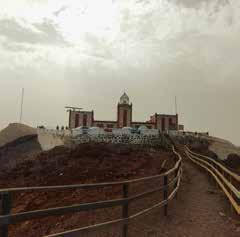
FARO DE CABO HOME (PONTEVEDRA)
Frente a las islas Cíes, en la punta más occidental de la península de O Morrazo, su luz guarda la entrada de la ría de Vigo. A menos de 50 kilómetros del Parador de Pontevedra, reúne algunos de los rasgos más reconocibles del paisaje gallego: roca escarpada, vegetación atlántica y un horizonte que parece no agotarse nunca.
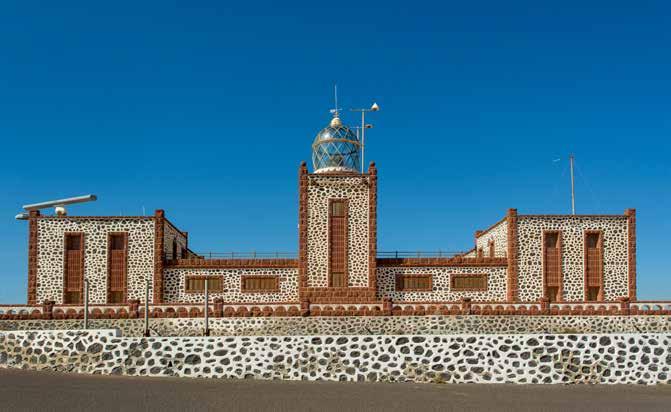

With the early modern age, the routes between the Old and New Worlds turned the Mare Tenebrarum into an ocean bridge. Sailors followed the stars until, on the coast, they could make out those other lights raised by human hands.
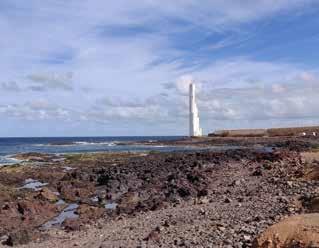
Around one hundred kilometers from the Parador de Cádiz, this lighthouse in the Parque Natural del Estrecho occupies a former 16th-century watchtower, now listed as a Site of Cultural Interest. From its lookout, the path drops toward a wild cove, while Africa appears through the haze on the far side of the Strait.
Very close to the African continent, this three-towered lighthouse, with its U-shaped plan, rises above a cliff some 200 meters high. From its viewpoint, the island unfolds in undulating lines; inland lies the Monumento Natural de los Cuchillos de Vigán, a volcanic memory of Fuerteventura.
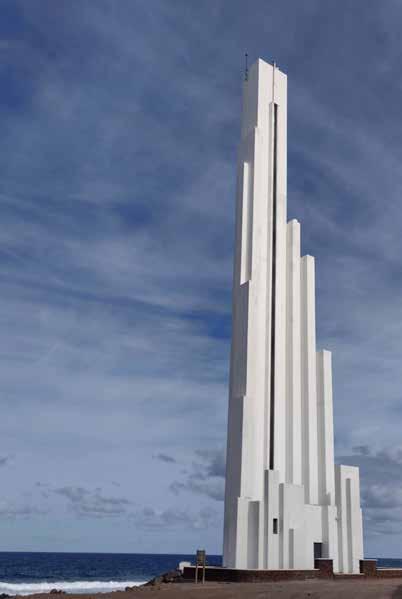
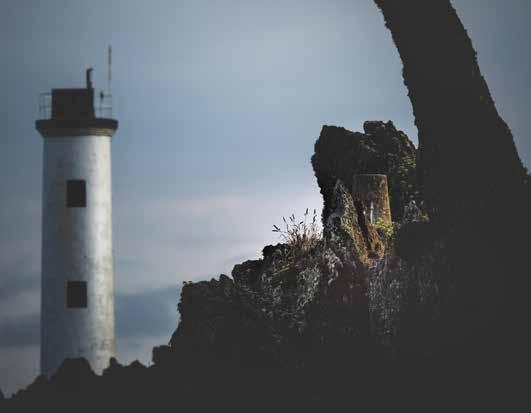
Designed by Ramiro RodríguezBorlado in 1992, it breaks away from the classic image of a lighthouse: its reinforced-concrete structure evokes a cluster of crystals born from volcanic lava. At its feet stretches the Parque Rural de Anaga, a Biosphere Reserve of jagged ridges, ravines and long walking routes, accessible from the Parador de Las Cañadas del Teide.
Facing the Cíes Islands, at the westernmost point of the O Morrazo peninsula, its light guards the entrance to the Vigo estuary. Less than 50 kilometers from the Parador de Pontevedra, it brings together some of Galicia’s most recognizable features: rugged rock, Atlantic vegetation and a horizon that seems to go on forever.
…las rocas iluminando en playa, bramaba el mar del golfo de Vizcaya…
Los acantilados y paisajes salvajes del Cantábrico revelan la fuerza de un mar que ha moldeado la costa norte y también el carácter de sus gentes marineras.
Entre el monte Buciero y Santoña, este faro de 1863 se esconde en uno de los enclaves más espectaculares del Cantábrico. Para alcanzarlo desde tierra hay que caminar y descender sus célebres setecientos escalones, recompensa previa a un balcón sobre aguas transparentes y vistas de vértigo.
Sobre los acantilados del cabo Billano, a 165 metros sobre el mar, se levanta el faro más alto de Euskadi. Aunque data de los años noventa, el entorno conserva huellas de otras épocas: búnkeres de posguerra, panorámicas abiertas al Cantábrico y, algo más lejos, el
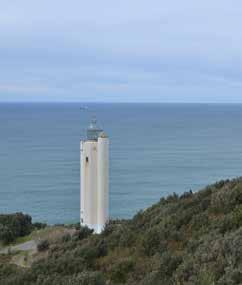
fortín de Azkorriaga, construido en el siglo XVIII.
De Malpica a Fisterra, la Costa da Morte encadena luces levantadas frente a uno de los litorales más bravos de Galicia: As Illas Sisargas, Punta Nariga, Roncudo, Laxe, Cabo Vilán, Punta da Barca, Cabo Touriñán y Cabo Fisterra trazan una ruta de acantilados, santuarios marineros, naufragios y atardeceres atlánticos. El recorrido encuentra en Muxía una base privilegiada en el Parador Costa da Morte, asomado a la playa de Lourido y muy cerca de algunas de esas señales que aún ordenan el horizonte.
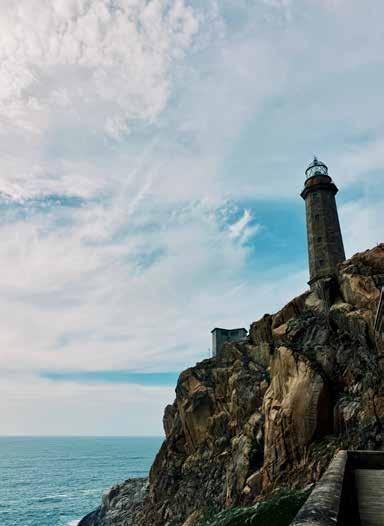
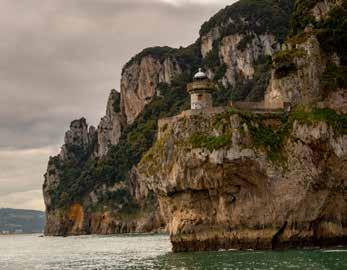
...the rocks lit along the shore, roared the sea in Bay of Biscay...
The cliffs and untamed landscapes of the Cantabrian coast reveal the force of a sea that has shaped Spain’s northern shore and the character of its seafaring communities.
FARO DEL CABALLO (CANTABRIA)
Between Monte Buciero and Santoña, this 1863 lighthouse is hidden in one of the most spectacular settings on the Cantabrian coast. Reaching it by land means walking and descending its famous seven hundred steps, the necessary prelude to a balcony over clear waters and dizzying views.
FARO DE GORLIZ (BIZKAIA)
On the cliffs of Cape Billano, 165 meters above the sea, stands the tallest lighthouse in the Basque Country. Although it dates from the 1990s, the surrounding area preserves traces of other eras: postwar bunkers, broad views over the Cantabrian Sea and, a little farther away, the 18th-century Fortín de Azkorriaga.
COSTA DA MORTE LIGHTHOUSE ROUTE (A CORUÑA)
From Malpica to Fisterra, the Costa da Morte links a chain of lights facing one of Galicia’s most powerful stretches of coast. As Illas Sisargas, Punta Nariga, Roncudo, Laxe, Cabo Vilán, Punta da Barca, Cabo Touriñán and Cabo Fisterra trace a route of cliffs, seafaring sanctuaries, shipwrecks and Atlantic sunsets. In Muxía, the route finds a privileged base at Parador Costa da Morte, overlooking Lourido beach and close to several of the beacons that still bring order to the horizon.
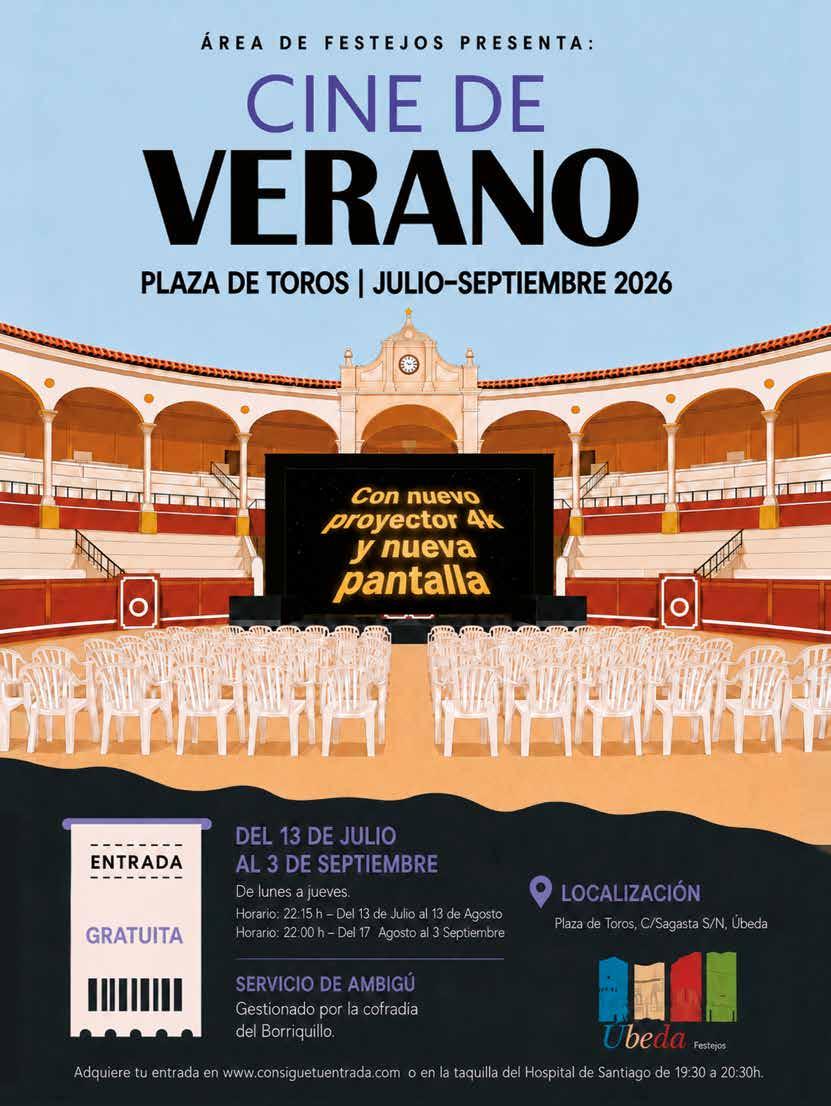
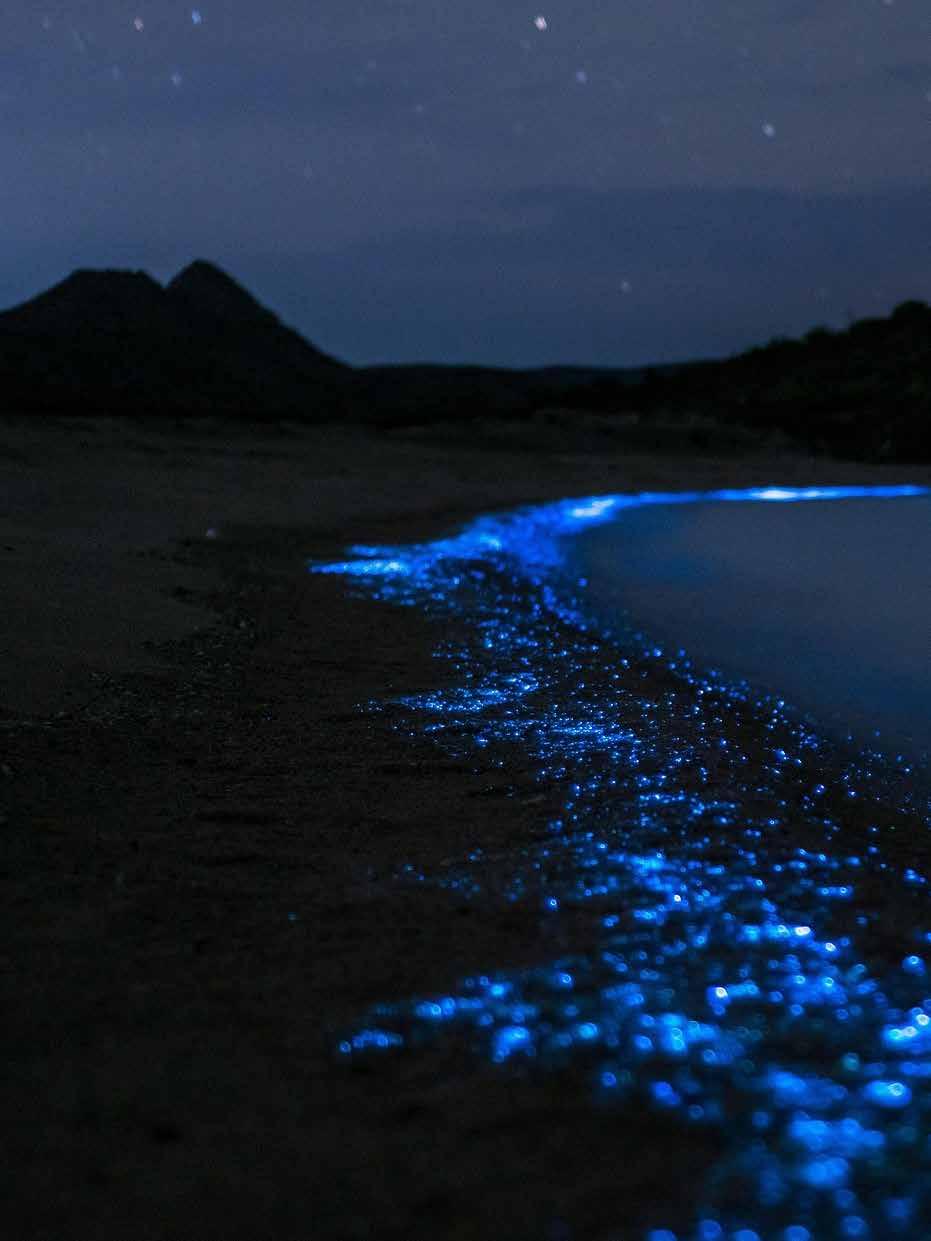
SANDRA ROBLES
Foto: Álvaro Bejarano
WHEN THE OCEAN CATCHES FIRE
«El mar es la gran reserva de la naturaleza. El mundo, por así decirlo, comenzó en el mar, y quién sabe si no terminará en él».
Veinte mil leguas de viaje submarino, Julio Verne
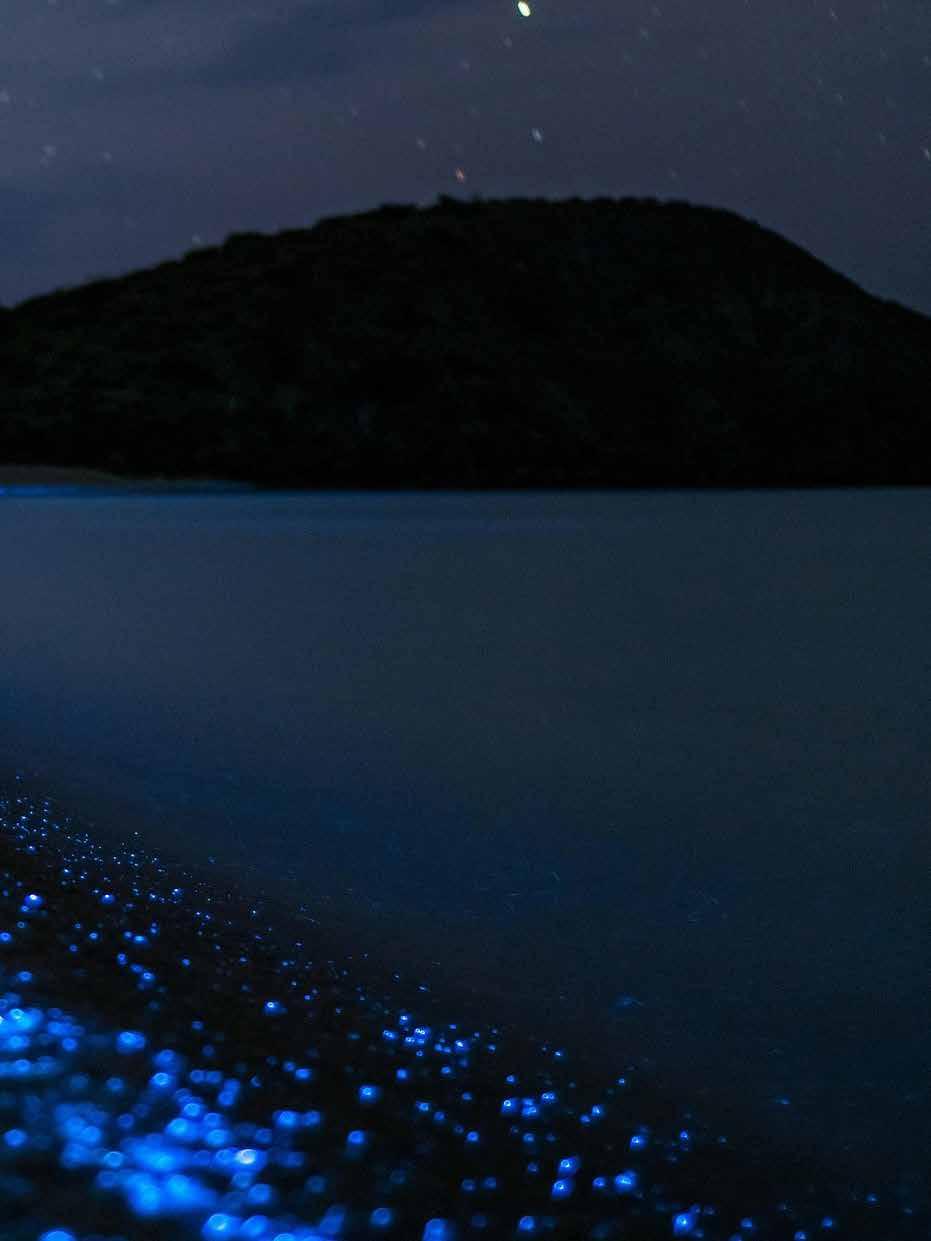
“The sea is nature’s great reservoir. The world, so to speak, began in the sea, and who knows whether it will not end there.”
En algunas noches de verano, el Atlántico gallego parece encenderse desde dentro. Las olas rompen en la orilla y cada golpe de agua deja un destello azul; la estela de un remo, el paso de una barca o una pisada en la arena mojada dibujan líneas de luz que se apagan en segundos. Es el mar de ardora, un fenómeno tan antiguo como la navegación y hoy convertido en una de las imágenes más buscadas de la costa gallega.
/
On certain summer nights, the Atlantic off Galicia seems to ignite from within. Waves break on the shore and each surge of water leaves a blue flash; the wake of an oar, the passage of a boat, or a footstep on wet sand draws lines of light that fade within seconds. This is the mar de ardora — a phenomenon as old as seafaring, and today one of the most sought-after images on the Galician coast.
Bajo ese nombre poético hay un proceso natural muy concreto: la bioluminiscencia marina. La luz procede de organismos microscópicos del plancton que, cuando el agua se agita, emiten un breve destello. En Galicia se asocia sobre todo a proliferaciones de dinoflagelados, entre ellos Noctiluca scintillans, aunque pueden intervenir otras especies planctónicas.
El fenómeno no es una lámpara permanente ni un simple efecto óptico. Depende de que esos organismos se concentren en cantidad suficiente y de que las condiciones del mar, la temperatura, los nutrientes, la marea y la oscuridad permitan que su brillo se perciba a simple vista. Por eso la ardora aparece de forma irregular y no admite una cita exacta en el calendario.
La explicación química encierra parte de su encanto: en el interior de estos organismos se produce una reacción en la que una molécula emisora de luz, la luciferina, actúa con ayuda de una enzima, la luciferasa, y genera un resplandor breve. La señal se activa con la turbulencia: una ola, un pez, un remo o el movimiento de un bañista. Una sola célula apenas ilumina; millones de ellas hacen que la orilla parezca arder en silencio.
En Galicia, los pescadores bautizaron hace si glos ese resplandor como mar de ardora: el mar que arde sin fuego.
La Costa da Morte es uno de los territorios gallegos más asociados a este fenómeno. Carnota, con su extenso arenal abierto al Atlántico, suele aparecer entre los escenarios más citados, junto con playas y rías de Malpica, Ponteceso, Corme, Laxe, Ézaro o Muxía. La clave no está solo en el lugar, sino en la coincidencia de oscuri dad, calma relativa, presencia de plancton y movimiento del agua.
La experiencia exige prudencia. Las playas gallegas cambian con rapidez, las mareas ganan terreno y algunas zonas pueden resultar incómodas o peligrosas de noche. Consultar el estado del mar, acudir con calzado adecuado y evitar luces intensas ayuda a disfrutar del fenómeno sin alterar el entorno ni convertir la búsqueda en una carrera por la fotografía perfecta.
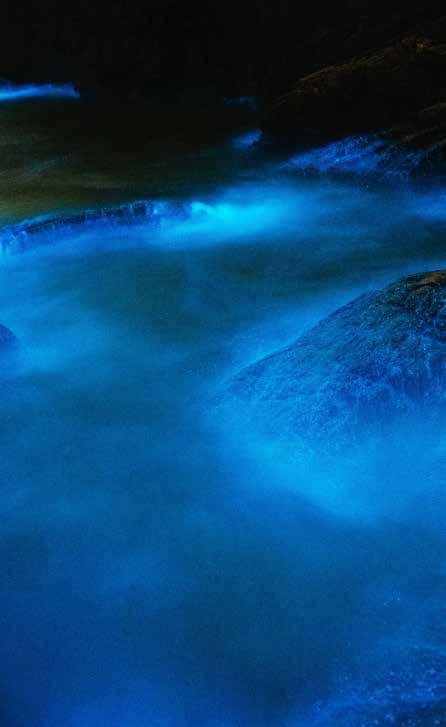
What the mar de ardora really is
Behind that poetic name lies a very specific natural process: marine bioluminescence. The light comes from microscopic plankton organisms that emit a brief flash when the water is disturbed. In Galicia, the phenomenon is associated above all with blooms of dinoflagellates, particularly Noctiluca scintillans , though other planktonic species may also be involved.
The phenomenon is neither a permanent lamp nor a simple optical effect. It depends on these organisms concentrating in sufficient numbers, and on sea conditions — temperature,
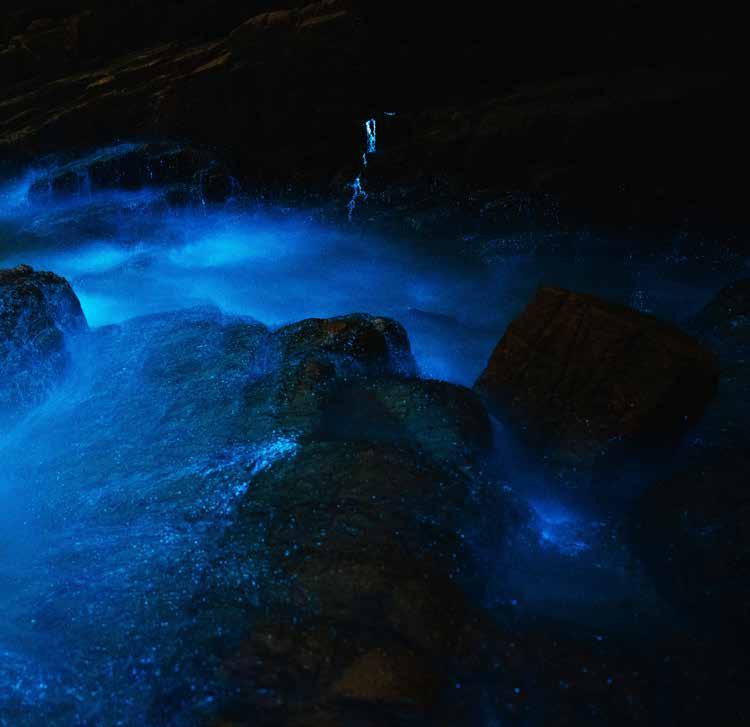
nutrients, tide and darkness — allowing their glow to be seen with the naked eye. That is why ardora appears irregularly and cannot be pinned to a fixed date on the calendar.
The chemistry holds part of its mystery: inside these organisms, a reaction takes place in which a light-emitting molecule, luciferin, acts with the help of an enzyme, luciferase, to generate a brief glow. The signal is triggered by turbulence — a wave, a fish, an oar, or the movement of a swimmer. A single cell barely illuminates; millions of them make the shoreline appear to burn in silence.
In Galicia, fishermen named that glow centuries ago: mar de ardora — the sea that burns without fire.
Las posibilidades aumentan entre finales de primavera y el verano, sobre todo en noches oscuras, sin luna o con poca iluminación artificial. Conviene alejarse de focos urbanos, apagar linternas y pantallas, esperar a que la vista se acostumbre a la penumbra y observar la línea donde rompen las olas. La ardora no se programa: se busca con paciencia y con respeto por el arenal y el ecosistema que la hace posible.
The chances increase between late spring and summer, especially on dark nights with little moonlight or artificial light. Move away from urban areas, turn off flashlights and screens, let your eyes adjust to the dark, and watch the line where the waves break. Ardora cannot be scheduled: it is sought with patience and with respect for the shore and the ecosystem that makes it possible.
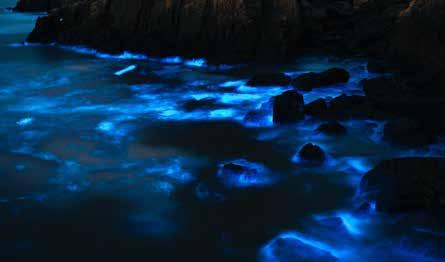
En Veinte mil leguas de viaje submarino, Julio Verne describe el paso del Nautilus por un mar de leche, una claridad oceánica atribuida a organismos vivos. No es exactamente el mismo fenómeno costero que se observa en Galicia, pero comparte la misma fascinación: la de un océano que parece producir su propia luz.
La referencia funciona como puente entre ciencia y asombro. Verne miraba el mar como un territorio de aventura, pero también como un espacio que podía explicarse. La ardora gallega conserva esa doble condición: maravilla para quien la contempla, proceso biológico para quien la estudia.
El mar de ardora se distingue de otros espectáculos naturales más previsibles porque obliga a detenerse. No hay reservas, horarios ni garantías. Se espera, se escucha la respiración del océano y se deja que la oscuridad haga su trabajo. Si el plancton está allí y el mar se agita en el momento justo, el Atlántico devuelve un destello azul que parece surgir de lo más hondo.
En esa aparición breve reside buena parte de su belleza. La luz dura apenas unos segundos, pero basta para recordar que el paisaje también se escribe con formas de vida invisibles. Galicia, tan acostumbrada a mirar el mar de día, encuentra en la ardora una forma nocturna de revelarlo.

La luz dura apenas unos segundos, pero basta para recordar que el paisaje también se escribe con formas de vida invisibles

The Costa da Morte is one of the Galician regions most closely associated with this phenomenon. Carnota, with its broad beach open to the Atlantic, is among the most often cited settings, along with the beaches and inlets of Malpica, Ponteceso, Corme, Laxe, Ézaro and Muxía. The key lies not only in location, but in the convergence of darkness, relative calm, a presence of plankton, and the movement of the water.
The experience demands caution. Galician beaches change quickly, tides advance fast, and some areas can be uncomfortable or dangerous at night. Checking sea conditions, wearing suitable footwear, and avoiding bright lights all help to enjoy the phenomenon without disturbing the environment or turning the search into a race for the perfect photograph.
The light lasts only a few seconds, but it is enough to recall that non-visible forms also write the landscape of life
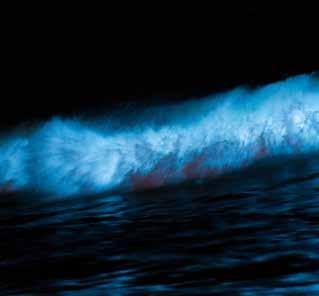
In Twenty Thousand Leagues Under the Sea, Jules Verne describes the Nautilus passing through a milky sea — an oceanic brightness attributed to living organisms. It is not exactly the same coastal phenomenon seen in Galicia, but it shares the same sense of wonder: an ocean that seems to produce its own light.
The reference bridges science and awe. Verne regarded the sea as a territory of adventure, but also as a space that could be explained. The Galician ardora preserves that double nature: a marvel for those who witness it, a biological process for those who study it.
The mar de ardora stands apart from more predictable natural spectacles because it demands stillness. There are no reservations, no schedules, no guarantees. You wait, listen to the ocean breathe, and let the darkness do its work. If the plankton is there and the sea stirs at the right moment, the Atlantic returns a blue flash that seems to rise from its depths.
In that brief appearance lies much of its beauty. The light lasts only a few seconds, but it is enough to recall that non-visible forms also write the landscape of life. Galicia, so accustomed to looking at the sea by day, finds in the ardora a nocturnal way of seeing it revealed.
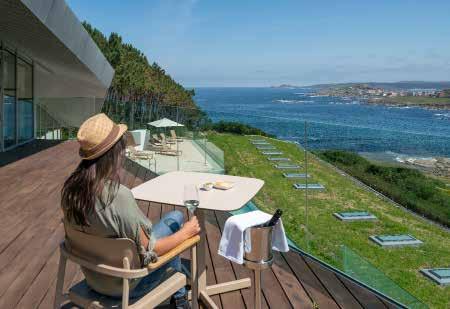
El Parador Costa da Morte, en Muxía, prolonga la experiencia con vistas a la playa de Lourido y al horizonte atlántico. Sus habitaciones miran al mar y el spa invita a bajar el ritmo después de una noche de búsqueda en la costa. En el restaurante Nosa Señora da Barca, la cocina regional gallega se apoya en pescados y mariscos de lonja, quesos de la tierra y carnes seleccionadas.
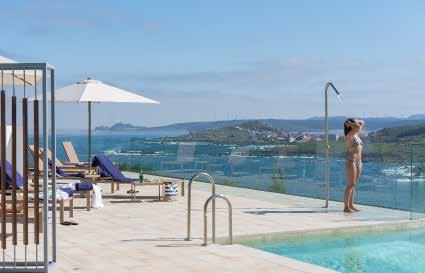
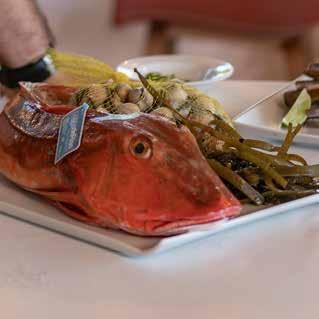
The Parador Costa da Morte, in Muxía, extends the experience with views of Lourido beach and the Atlantic horizon. Its rooms face the sea and the spa invites guests to unwind after a night searching along the coast. In the Nosa Señora da Barca restaurant, regional Galician cuisine draws on fresh-caught fish and shellfish, local cheeses, and select meats.
La memoria une generaciones de familias; aman, cuidan y resisten cuando la vida se tuerce. En esta novela humana y luminosa sobre soledad, duelo, enfermedad, humor, esperanza y ternura, Simón continúa narrando la épica de lo cotidiano. Con su prosa cercana, el autor de Los incomprendidos consigue retratar la familia, la dignidad, el paso del tiempo y la fragilidad. Unos abuelos que se enamoran desde jóvenes, unos padres que aprenden a serlo cuando las cosas no van bien, hijos que observan y nietos que heredan historias; se trata de una historia para aprender a quedarse, sobre lo que empieza tarde y que, justamente por esa razón, importa mucho más, y sobre lo que no se planea y, aun así, nos salva. Porque la vida, a veces, también sabe cuidar.
Instrucción
Las autoras del pódcast Las hijas de Felipe, tras más de una década de investigación, desvelan una verdad desconocida para la gran mayoría: la realidad de un convento de los siglos podía distar mucho del imaginario colectivo. No reinaba el si lencio que solo interrumpían el murmullo de las oraciones o los cantos litúrgicos; había otras formas de amar, convivir, organizarse, cuidar y crear. Las autoras recogen las vidas de monjas barrocas que vivían en espa cios creados por y para mujeres: con sejos de Teresa de Ávila para el buen gobierno económico, trucos de María de Jesús de Ágreda para estar en varios luga res al mismo tiempo, la audacia de Ana de Jesús y Beatriz de la Concepción para sos tener un amor contra todo o la rabia de sor Juana Inés de la Cruz para librarse –siglos antes del #MeToo– del acoso de un confe sor. Tras leer esta obra, algo dejan patente Garriga y Urbita: «Todo lo que nos pasa, ya le pasó a una monja del barroco».
Memory links generations of families who love, care for one another, and endure when life goes off course. In this warm, deeply human novel about loneliness, grief, illness, humor, hope, and tenderness, Simon continues to tell the epic story of everyday life. With his close, direct prose, the author of Los incomprendidos captures family, dignity, the passage of time, and fragility. Grandparents who fell in love when they were young; parents who learn to be parents when things are not going well; children who watch; grandchildren who inherit stories. This is a story about learning to stay, about what begins late and matters even more for it, and about what we never planned but that still saves us. Because life sometimes knows how to care for us.
Instrucción de novicias: vidas del convento barroco para guiar tu presente
Ana
The creators of the podcast Las hijas de Felipe, after more than a decade of research, open a door onto a reality still unknown to many readers: convent life in the 16th and 17th centuries could be far removed from the image that survives in the collective imagination. Silence did not always reign, broken only by murmured prayers or liturgical songs. There were other ways to love, live together, organize, care, and create. The authors gather the lives of Baroque nuns who inhabited spaces made by and for women: Teresa of Ávila’s advice on sound financial management; María de Jesús de Ágreda's techniques for being in several places at once; the boldness of Ana de Jesús and Beatriz de la Concepción in sustaining a love against all odds; or Sor Juana Inés de la Cruz’s anger as she freed herself, centuries before #MeToo, from the harassment of a confessor. After reading this book, Garriga and Urbita make one thing clear: ‘Everything that happens to us had already happened to a Baroque nun.’
Eduardo Mendoza
Tras escribir una crónica sobre un fune ral sin importancia en Barcelona despi den a Ramoncito Valenzuela, un perio dista novato. Sin querer, ha destapado hechos que llevan a una trama finan ciera de alto nivel y revelan una enorme conspiración. Al famoso detective sin nombre –protagonista también de El misterio de la cripta embrujada , entre otros– le corresponde volver a inves tigar un caso que aparenta ser mucho menor de lo que termina siendo: enga ños, suplantaciones, chapuzas crimina les… Mediante su característica mezcla de lucidez, sátira y absurdo, Mendoza relata en clave de comedia cómo a nin guno de los implicados le interesa que se conozca la verdad de esta disparatada trama.
After writing a report on a seemingly minor funeral in Barcelona, rookie journalist Ramoncito Valenzuela is fired. Without meaning to, he has uncovered facts that lead to a high-level financial plot and expose a vast conspiracy. The famous unnamed detective, protagonist of The Mystery of the Enchanted Crypt , among other novels, returns to investigate a case that seems far smaller than it finally proves to be: deception, impersonation, bungled crimes, and a truth that no one involved wants to be brought to light. With his trademark blend of lucidity, satire, and absurdity, Mendoza turns this wild plot into comedy.
Ganadora de El Ojo Crítico de Narrativa 2025, la novela debut de Solla cuenta qué es ser joven, madurar y construir una identidad propia. Comerás flores narra la historia de Marina, una joven que, poco después de la muerte de su padre y de graduarse, conoce a un hombre más mayor que ella: Jaime. Con delicadeza lírica y crudeza visceral muestra cómo la protagonista cambia de vida de forma radical: de vivir con su mejor amiga e ir a conciertos pasa a compartir piso con Jaime y cenar en los mejores restaurantes, y comienza a olvidar qué la definía. Esta aclamada obra desvela las dificultades que el duelo plantea, las distintas caras que el amor muestra, los espejismos que manan de relaciones desiguales y la amistad que crea refugio.
Lucía Solla Sobral
Winner of the 2025 El Ojo Crítico Narrative Prize, Solla’s debut novel explores what it means to be young, to grow up, and to build an identity of one’s own. Comerás flores tells the story of Marina, a young woman who, shortly after her father’s death and her graduation, meets Jaime, a man much older than she is. With lyrical delicacy and visceral rawness, the novel shows how Marina’s life changes radically: from living with her best friend and going to concerts, she moves in with Jaime, starts dining at the finest restaurants, and begins to forget what once defined her. This acclaimed work reveals the difficulties of grief, the many faces of love, the illusions that arise from unequal relationships, and the friendship that offers shelter.
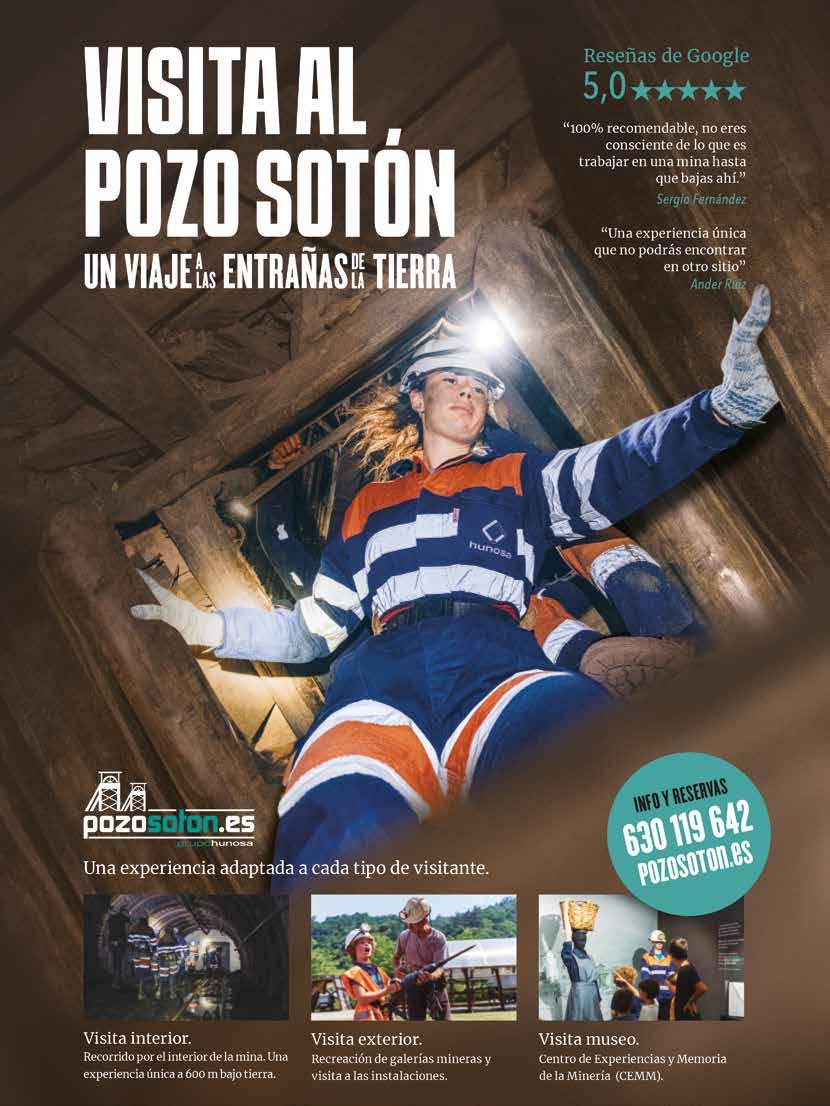
Durante los Sanfermines de 1997, la policía municipal novata Amaia da con el cadáver: una mujer de raza negra caída de las murallas. Lo que todos consideran un accidente, a la policía euskalduna le parece un homici dio. Solicita la ayuda del inspec tor Julio Goñi, que había estado investigando hasta hace poco el narcotráfico en Galicia y lleva a cuestas el peso de la figura de su padre, un oscuro comisario franquista. A pesar de pertene cer a dos Pamplona opuestas, a ambos policías los une el objetivo de descifrar un caso que se vuelve cada vez más peligroso y complejo en el momento en que ETA secuestra a Miguel Ángel Blanco. López relata una investigación criminal que engancha, una fiesta interrumpida, unos días que transformaron España.

Yukihisa Yamamoto
Una celebración de la belleza de la vida y de las flores, que tienen el poder de ayudar a recuperar la esperanza y sanar heridas que no se ven. La protagonista de la novela, Kikuko Kimina, de 24 años, no aguanta más la explotación laboral y siente que ha perdido el rumbo en la vida. Tras una pelea con su jefe, Kikuko conoce a Rita Tojima, que regenta la Kawarazaki Flower Shop, una pequeña floristería. Esta le ofrece un puesto temporal en su negocio, a través del cual la joven se embarca en un viaje inesperado. En esta entrañable obra, Yamamoto cuenta cómo la protagonista aprende el lenguaje secreto de las flores a través de las personas que se acercan a comprarlas: un joven que se despide de una amiga, un niño que adorna la tumba de su madre o un señor mayor que honra la memoria de su mujer. Magnolia, crisantemo, cerezo, clavel; cada flor representa una emoción universal como amor, esperanza o gratitud que es única para cada encuentro. La pequeña floristería en Tokio está llena de milagros cotidianos y conmemora la bondad, la resiliencia y la fuerza de las flores y de los que las cuidan.
During the 1997 San Fermín festival, rookie municipal police officer Amaia comes across a body: a Black woman who has fallen from the city walls. What everyone else sees as an accident looks like murder to this Basque-speaking officer. She asks Inspector Julio Goñi for help. Until recently, he had been investigating drug trafficking in Galicia, and he carries the burden of his father, a shadowy Franco-era police commissioner. Although they come from two opposing Pamplonas, the two officers share one goal: to unravel a case that grows more dangerous and complex just as ETA kidnaps Miguel Ángel Blanco. Lopez tells a gripping criminal investigation, a festival interrupted, and a few days that changed Spain.
A celebration of life’s beauty and of flowers, with their power to restore hope and heal invisible wounds. The novel’s protagonist, 24-year-old Kikuko Kimina, can no longer bear workplace exploitation and feels she has lost her way. After an argument with her boss, Kikuko meets Rita Tojima, who runs the Kawarazaki Flower Shop, a small flower shop. Rita offers her a temporary position, and the young woman begins an unexpected journey. In this tender novel, Yamamoto shows how Kikuko learns the secret language of flowers through the people who come in to buy them: a young man saying goodbye to a friend, a child decorating his mother’s grave, or an older man honoring his wife’s memory. Magnolia, chrysanthemum, cherry blossom, carnation: each flower holds a universal emotion, from love and hope to gratitude, and makes it singular in every encounter. The Little Tokyo Flower Shop is filled with everyday miracles and celebrates kindness, resilience, and the quiet strength of flowers and those who care for them.
«Favorecer el turismo en zonas castigadas ayuda a recuperar el paisaje y a sostener a quienes lo habitan»
“Encouraging tourism in hard-hit areas helps restore the landscape and support the people who live there”

En 2020, cuando viajar significaba, más que nunca, volver a respirar, Felipe Mármol Martínez encontró en Paradores una forma nueva de entender el descanso. Eran tiempos de pandemia y la Red quiso agradecer el esfuerzo del personal sanitario con promociones especiales. Desde entonces, este trabajador del hospital madrileño La Paz ha tejido una relación cada vez más estrecha con la cadena hotelera. En su última escapada al Parador de Villafranca del Bierzo, realizó una «Excursión a caballo por Las Médulas», iniciativa incluida en el programa Naturaleza para los Sentidos que invita a descubrir el territorio de la mano de proveedores locales y, en esta ocasión, promueve la recuperación de las zonas más afectadas por los incendios.
Su relación con Paradores comenzó en 2020. ¿Cómo recuerda aquel primer acercamiento?
Siempre me habían llamado la atención la ubicación y la singularidad de los Paradores. Durante la pandemia, mi pareja y yo encontramos en las promociones específicas para personal sanitario una forma de empezar a descubrirlos. Conocer lugares tan bonitos y con tanta historia nos ayudó también a desconectar de lo que estábamos viviendo.
¿Qué le llevó a hacerse Amigo de Paradores?
Quería estar al día de ofertas, promociones y propuestas que nos permitieran seguir visitando lugares con mucho encanto.
Excursión a caballo por Las Médulas», incluida en el programa Naturaleza para los Sentidos
In 2020, when travel meant, more than ever, a chance to breathe again, Felipe Mármol Martínez discovered a new way to unwind through Paradores, thanks to special promotions created during the pandemic to recognize the efforts of health care workers. Since then, this employee at Madrid’s La Paz Hospital has built an increasingly close relationship with the hotel company. On his latest getaway to the Parador de Villafranca del Bierzo, he took part in a horseback ride through Las Médulas, an activity included in the Nature for the Senses program, which invites guests to discover the surrounding area alongside local providers and, on this occasion, supports the recovery of the areas most affected by the wildfires.
Your relationship with Paradores began in 2020. What do you remember about that first encounter?
I had always been drawn to the locations and distinctive character of each Parador. During the pandemic, my partner and I found in the specific promotions for healthcare workers a way to begin discovering them. Getting to know such beautiful places, with so much history, also helped us disconnect from what we were living through.
What led you to become a Friend of Paradores?
I wanted to stay up to date on offers, promotions, and experiences that would allow us to keep visiting places with real charm.
This summer, you took part in a horseback excursion through Las Médulas, a landscape of extraordinary natural and historical force marked by wildfires. What impression did it leave on you?
It was a bittersweet experience. Seeing such a beautiful, life-filled setting and, at the
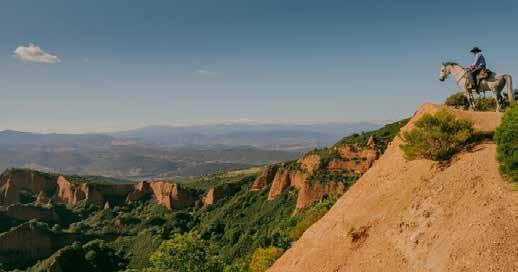
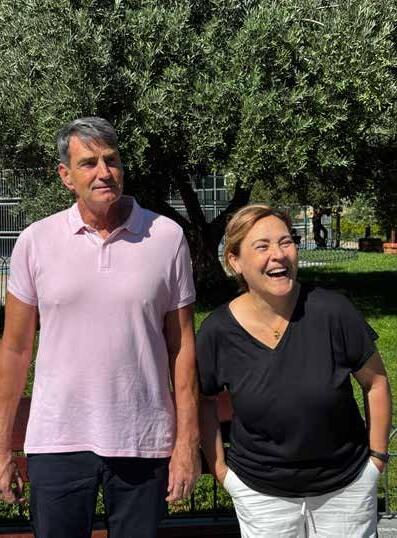
Este verano participó en una excursión a caballo por Las Médulas, un paisaje de enorme fuerza natural e histórica marcado por los incendios. ¿Qué impresión le produjo?
Fue una experiencia agridulce. Ver un entorno tan hermoso, tan lleno de vida, y, al mismo tiempo, contemplar las huellas de la destrucción impresiona mucho. Solo queda esperar que la naturaleza pueda recuperarse. Además, escuchar a la gente de allí hablar con tanta tristeza resultaba sobrecogedor. La actividad buscaba atraer visitantes a zonas afectadas para contribuir a su recuperación. Fue una manera de conocer la zona desde dentro. En cada tramo se percibía la fragilidad del paisaje, y se veían los estragos del fuego y sus consecuencias. Mientras avanzábamos, pensábamos en la suerte que tenemos de contar con territorios así, llenos de naturaleza e historia, y en lo fácil que es perderlos por un incendio. Será bonito volver y comprobar cómo se van recuperando.
Paradores impulsó estas experiencias gratuitas en Villafranca del Bierzo, Verín y Puebla de Sanabria como apoyo a las áreas más castigadas. ¿Cómo valora la iniciativa?
Muy positivamente. Acerca al viajero al territorio y a su historia, pero también a quienes lo cuidan. La gente del lugar conversa contigo y te muestra, por ejemplo, sus castaños centenarios o te lleva incluso a sus pequeños bares,
que funcionan como puntos de encuentro. Ese contacto hace que te sientas uno más. Favorecer el turismo en estas zonas ayuda a recuperar el paisaje y a sostener a sus habitantes. Me parece una idea estupenda. La naturaleza es un legado de vida que hemos recibido y que debemos dejar a quienes vengan detrás. Tenemos que ser responsables.
¿Ha cambiado en algo su forma de mirar los paisajes naturales?
Me ha animado a conocer los lugares en los momentos buenos y en los difíciles. Solo así se aprende a valorarlos más y a cuidarlos. Estas iniciativas tienen un valor incalculable.
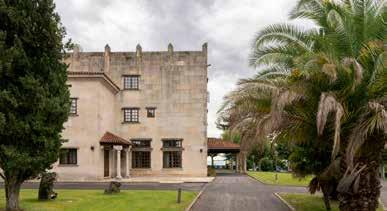
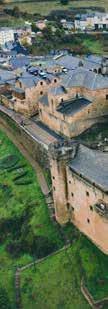
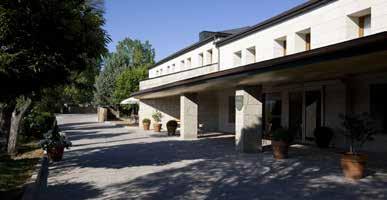
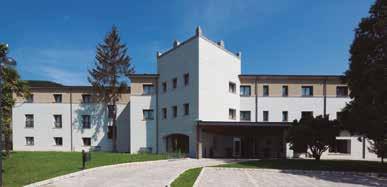
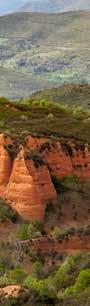
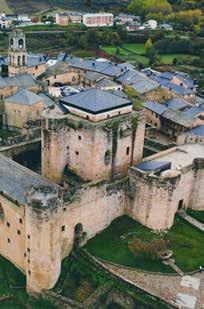
same time, the traces of destruction makes a strong impression. All you can do is hope that nature can recover. Listening to local people speak with such sadness was also deeply moving. The activity was designed to draw visitors to affected areas and contribute to their recovery. It was a way of getting to know the area from within. Along each stretch, you could sense the fragility of the landscape and see the damage caused by the fire and its consequences. As we rode on, we thought about how fortunate we are to have places like this, full of nature and history, and how easily they can be lost to a fire. It will be wonderful to return and see how they gradually recover.
«La naturaleza es un legado de vida que hemos recibido y que debemos dejar a quienes vengan detrás. Tenemos que ser responsables»
“Nature is a legacy of life we have received and must leave to those who come after us. We have to be responsible”
Paradores launched these free experiences in Villafranca del Bierzo, Verín, and Puebla de Sanabria to support the hardest-hit areas. How do you view the initiative?
Very positively. It brings travelers closer to the place and its history, but also to the people who care for it. Local people talk to you and show you, for example, their centuries-old chestnut trees, or even take you to their small bars, which serve as meeting places. That contact makes you feel part of the community. Encouraging tourism in these
areas helps restore the landscape and support its inhabitants. I think it is a wonderful idea. Nature is a legacy of life we have received and must leave to those who come after us. We must be responsible.
Has it changed the way you look at natural landscapes?
It has encouraged me to get to know places in good times and in difficult ones. That is the only way to learn to value them more and take care of them. These initiatives are invaluable.
DIEGO RODRÍGUEZ
DISCOVER THE PLANET’S BEATING HEART AT PARADORES
Cada verano, Paradores renueva su compromiso con la conservación marina a través de su colaboración con la Fundación Oceanogràfic de Valencia. Durante años, el vínculo se ha articulado en torno a una idea sencilla: El mar empieza aquí. Una frase que recuerda a los huéspedes que incluso en un Parador de interior, cada gesto importa.
Every summer, Paradores renews its commitment to marine conservation through its collaboration with Fundación Oceanogràfic de Valencia. For years, that partnership has been built around a simple idea: The ocean begins here. It is a reminder to guests that even at an inland Parador, every gesture matters.
En esta ocasión, la Fundación invita a ampliar la mirada. Los polos también empiezan aquí. Lo que ocurre en cualquier rincón del planeta repercute en los casquetes polares, y lo que les sucede a ellos afecta a todos los océanos. Así nace The New Warm Times, una campaña que recuerda que el latido del planeta es uno solo, y que está cambiando.
La imagen central es un corazón-iceberg que late, se calienta y se ahoga. Surge del mural
The Heartbeat of the Ocean, creado por las ilustradoras Cachetejack –Nuria Bellver y Raquel Fanjul– para las calles de Valencia, en el marco del OceanFest 2026 y del festival 10 Sentidos. Una pieza de arte urbano que sintetiza con precisión y fuerza la fragilidad de los ecosistemas polares y su papel como reguladores del clima. Solo vemos la punta. El verdadero corazón está debajo.
This year, the Foundation broadens the focus: The poles also begin here. What happens anywhere on the planet has an impact on the polar ice caps, and what happens to them affects every ocean. That is the idea behind The New Warm Times, a campaign that reminds us that the planet has a single heartbeat, and that it is changing.

At the center of the image is an iceberg heart: it beats, warms and struggles for air. It comes from The Heartbeat of the Ocean, the mural created by illustrators Cachetejack –Nuria Bellver and Raquel Fanjul- for the streets of Valencia as part of OceanFest 2026 and the 10 Sentidos festival. This work of urban art captures, with strength and precision, the fragility of polar ecosystems and their role as climate regulators. We see only the tip. The real heart lies beneath.
Para dar forma al mural, las artistas visitaron el Oceanogràfic, conversaron con los equipos de biología, veterinaria y educación, y se dejaron interpelar por los animales que habitan los polos y el Mediterráneo. De ese proceso nació también CacheteKids, un cuaderno para colorear donde la tortuga se toma la temperatura, la pingüina hace la maleta para mudarse y el pez navega entre residuos. Imágenes que despiertan empatía y abren conversaciones con los más pequeños.
Este verano, Paradores incorpora el nuevo cartel junto a un código QR con contenidos de sensibilización. Una manera de que cada estancia sea también una oportunidad para detenerse, mirar y comprender que proteger los océanos empieza, inevitablemente, aquí.
To create the mural, the artists visited Oceanogràfic, spoke with its biology, veterinary and education teams, and let themselves be challenged by the animals that inhabit the polar regions and the Mediterranean. That process also led to CacheteKids, a coloring book in which a turtle takes its temperature, a penguin packs her bags to move away, and a fish makes its way through waste. These images awaken empathy and open conversations with young readers.
This summer, Paradores is displaying the new poster alongside a QR code linking to awareness materials. It is a way for every stay to become an opportunity to pause, look closely and understand that protecting the oceans begins, inevitably, here.

MÁS VALOR EN CADA RESERVA
DETALLES QUE MARCAN LA DIFERENCIA
VENTAJAS EXCLUSIVAS
ÚNETE AQUÍ
5% dto. y noches gratis con tus puntos
Copa de bienvenida y otros beneficios
Ofertas y promociones
El Parador de Santiago, Mejor hotel con historia de España
El Hostal dos Reis Católicos suma un nuevo reconocimiento a la trayectoria marcada por el Camino, la hospitalidad y el patrimonio.
El Parador ha sido elegido «Mejor hotel con historia de España» en la cuarta edición de los Premios de los Lectores 2026 de Viajes National Geographic, después de una votación abierta entre 94 finalistas repartidos en catorce categorías.
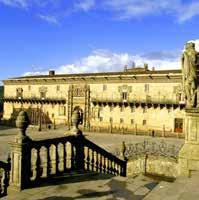
El premio llega mientras el edificio, situado en la plaza del Obradoiro y declarado Bien de Interés Cultural con categoría de monumento, afronta una reforma de más de 36 millones de euros para modernizar sus instalaciones, mejorar su eficiencia y preservar su valor histórico. Antiguo hospital de peregrinos durante más de cuatro siglos, fue transformado en hotel en 1953 e integrado en Paradores en 1986.
(The Parador de Santiago, Best Historic Hotel in Spain
The Hostal dos Reis Católicos has received a new accolade in a history shaped by the Camino de Santiago, hospitality and heritage. The Parador de Santiago was named Best Historic Hotel in Spain in the fourth edition of the 2026 Viajes National Geographic Readers’ Awards, following a public vote among 94 finalists in 14 categories. The award comes as the building, located on Plaza del Obradoiro and listed as an Asset of Cultural Interest in the monument category, undergoes a renovation of more than €36 million to modernize its facilities, improve efficiency and preserve its historic value. A pilgrims’ hospital for more than four centuries, it was converted into a hotel in 1953 and became part of Paradores in 1986.
El Parador de Melilla afrontará a partir de octubre una renovación interior y exterior con una inversión total prevista de 7,3 millones de euros. La actuación modernizará habitaciones, baños, pasillos, zonas comunes e instalaciones, incorporará mejoras de accesibilidad y recuperará la imagen original de la fachada del edificio, inaugurado en 1973 y diseñado por Juan Luis ManzanoMonís y Mancebo. El proyecto incluye también un nuevo interiorismo inspirado en los años setenta y ochenta y en la identidad arquitectónica de la ciudad. En materia energética, la instalación de sistemas de termosolar y aerotermia permitirá reducir en un 80 % las emisiones anuales de CO2 y ahorrar alrededor de 20.000 euros al año. El cierre temporal está previsto desde octubre de 2026, con reapertura a finales de 2027 o comienzos de 2028.
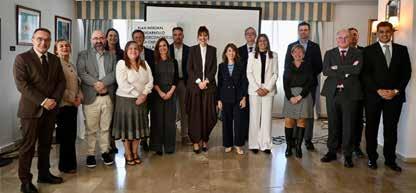
€7.3 million renovation at the Parador de Melilla
Work will begin at the Parador de Melilla in October 2026 on an interior and exterior renovation with a planned investment of €7.3 million. The project will modernize guestrooms, bathrooms, corridors, public areas and facilities; improve accessibility; and restore the original appearance of the façade of the building designed by Juan Luis ManzanoMonís y Mancebo and opened in 1973. It will also introduce a new interior design inspired by the 1970s and 1980s and by the city’s architectural identity. In terms of energy efficiency, solar thermal and aerothermal systems will reduce annual CO2 emissions by an estimated 80% and save around €20,000 per year. The Parador is expected to close temporarily in October 2026 and reopen in late 2027 or early 2028.
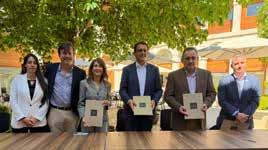
Preacuerdo para renovar el convenio colectivo
Paradores ha firmado el preacuerdo para la renovación del convenio colectivo que regulará las relaciones laborales entre la empresa y las personas trabajadoras durante los próximos años. El texto refuerza el marco de estabilidad laboral y el compromiso con el diálogo social, con el objetivo de preservar una regulación estable y con vocación de permanencia. La firma se celebró en el Parador de Alcalá de Henares, con la participación de la dirección de la compañía y representantes de FeSMC-UGT, CCOO-Servicios y CSIF. Tras la rúbrica, el documento continúa su tramitación administrativa: deberá contar con la autorización de la Dirección General de Patrimonio y el visto bueno de Costes de Personal antes de su publicación en el registro oficial REGCON y su entrada en vigor.
Preliminary agreement to renew the collective bargaining agreement
España en cada bocado en el Salón Gourmets
Paradores volvió a ejercer como socio culinario del Ministerio de Agricultura, Pesca y Alimentación en la presentación del sello 100 % Raza Autóctona durante el 39.º Salón Gourmets, celebrado en IFEMA Madrid. Bajo el lema «España en cada bocado. Experiencia 100 % Raza Autóctona», el equipo de Restauración preparó una degustación en el espacio #AlimentosdEspaña con productos vinculados a razas ganaderas españolas y a sus territorios. La propuesta reunió carnes bovinas de Morucha, Avileña-Negra Ibérica y Retinta; productos de Porco Celta y Gochu Asturcelta, y huevos de Gallina Castellana Negra. El sello del MAPA ampara ya 81 razas ganaderas y refuerza la conservación del patrimonio genético animal, la producción extensiva y el producto de cercanía.
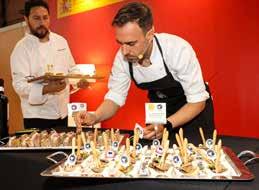
Paradores once again served as the culinary partner of the Ministry of Agriculture, Fisheries and Food for the presentation of the 100% Raza Autóctona label at the 39th Salón Gourmets, held at IFEMA Madrid. Under the slogan “Spain in every bite. 100% Raza Autóctona Experience”, the Paradores restaurant team prepared a tasting at the #AlimentosdEspaña space featuring products linked to Spanish native breeds and their territories. The selection included Morucha, Avileña-Negra Ibérica and Retinta beef; products from Porco Celta and Gochu Asturcelta pigs; and eggs from Gallina Castellana Negra hens. The MAPA label now covers 81 livestock breeds and supports the conservation of animal genetic heritage, extensive livestock farming and local produce.
Paradores has signed a preliminary agreement to renew the collective bargaining agreement that will regulate labor relations between the company and its employees in the coming years. The text reinforces labor stability and Paradores’ commitment to social dialogue, with the aim of preserving a stable framework intended to last. The signing took place at the Parador de Alcalá de Henares, with representatives of the company’s management and of FeSMCUGT, CCOO-Servicios and CSIF. Following the signing, the document continues through the required administrative process: it must receive authorization from the Directorate-General for State Assets and the necessary approval on personnel costs before publication in the official REGCON registry and entry into force.
Con motivo del Día Mundial de la Tapa, Paradores ofreció el 16 de junio una tapa tradicional en todos sus restaurantes y espacios gastronómicos, sustituyendo el aperitivo de bienvenida por una especialidad regional. La iniciativa respaldó la candidatura de «El Tapeo» como Patrimonio Cultural Inmaterial de la Humanidad de la UNESCO, impulsada por el Ministerio de Agricultura, Pesca y Alimentación y apoyada por Saborea España, plataforma de la que Paradores forma parte. Los equipos de Cocina prepararon propuestas frías y representativas de cada territorio, desde la pipirrana con melva de Andalucía hasta el pastel de cabracho asturiano, la empanada gallega, el zorongollo extremeño o la coca de escalivada catalana.
To mark World Tapas Day on June 16, Paradores offered a traditional tapa at all its restaurants and dining spaces, replacing the welcome appetizer with a regional specialty. The initiative supported the candidacy of “El Tapeo” for recognition by UNESCO as Intangible Cultural Heritage of Humanity, promoted by the Ministry of Agriculture, Fisheries and Food and backed by Saborea España, a platform of which Paradores is a member. The kitchen teams prepared cold specialties representing each territory, from Andalusian pipirrana with melva tuna to Asturian scorpionfish terrine, Galician empanada, Extremaduran zorongollo and Catalan coca de escalivada.
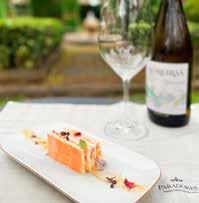
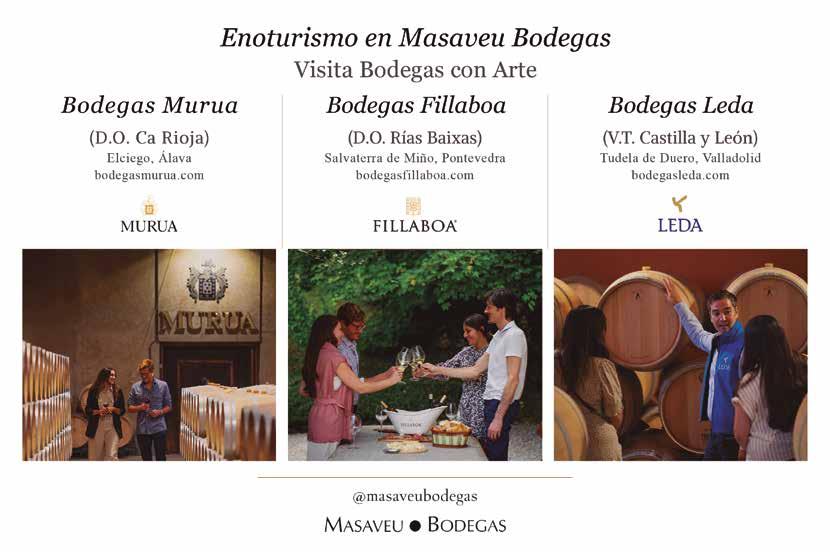
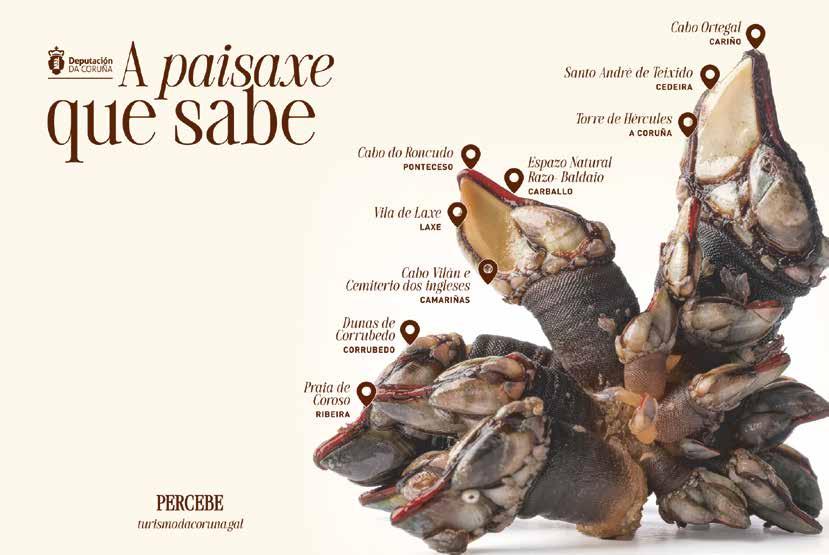
Paradores sigue sumando nuevos
Puntos Violeta en sus establecimientos como espacios seguros para informar y acompañar ante situaciones de violencia de género. Como empresa pública, Paradores integra los Puntos Violeta en sus espacios y en su forma de trabajar, asumiendo la responsabilidad de ofrecer entornos seguros y una atención de calidad. Este compromiso se traduce en formación específica para su plantilla, con el objetivo de que el primer contacto sea humano, sereno y útil, y en la identificación visible de los puntos para que cualquier persona los ubique sin dificultad.
Estos puntos funcionan como espacios de información, apoyo y visibilización, y se suman al compromiso de Paradores con un turismo seguro, respetuoso y atento a las personas. La medida amplía la presencia de recursos de prevención en establecimientos con fuerte relación con la vida local y con el tejido social de su entorno.
Paradores continues to introduce new Puntos Violeta at its properties, creating safe spaces that provide information and support in situations involving gender-based violence. As a public company, Paradores is incorporating Puntos Violeta into its spaces and working practices, taking responsibility for offering safe environments and highquality support. This commitment includes specific training for its teams so that the first response is empathetic, calm and useful, as well as clearly visible signage so that anyone can locate these points easily.
These points serve as spaces for information, support and awareness, and form part of Paradores’ commitment to safe, respectful tourism centered on people. The initiative expands prevention resources at properties closely connected with local life and the social fabric around them.
Corazón de Corcho: segunda vida para los tapones
Paradores activa la primera campaña de 2026 de envío de tapones para el proyecto Corazón de Corcho, una iniciativa desarrollada con la Asociación Vertidos Cero que recupera un material natural, biodegradable y con capacidad para retener CO2. La colaboración comenzó en 2024 y ha crecido gracias a la separación que realizan durante todo el año los equipos de Sala y Cocina en cada establecimiento. En el primer ejercicio se enviaron 483 kg de corcho y en 2025 la cifra superó los 680 kg recuperados. El material recogido se evalúa para su revalorización y transformación en nuevas aplicaciones, con el objetivo de evitar que acabe en vertederos y reforzar la economía circular, uno de los ejes del Plan de Sostenibilidad 2025-2028 de Paradores.
de Corcho: a second life for
(Paradores is launching its first 2026 cork-stopper collection campaign for Corazón de Corcho, an initiative developed with Asociación Vertidos Cero to recover a natural, biodegradable material able to retain CO2. The partnership began in 2024 and has grown thanks to the yearround sorting carried out by restaurant and kitchen teams at each property. In the campaign’s first year, Paradores sent 483 kg of cork for recovery; in 2025, the figure exceeded 680 kg. The collected material is assessed for reuse and transformation into new applications, helping to keep it out of landfill and strengthening the circular economy, one of the pillars of Paradores’ 20252028 Sustainability Plan.

Paradores presenta su campaña de verano con una imagen creada por Eugenio Recuenco dentro de la serie estacional que el fotógrafo firma para la marca en 2026. Bajo el concepto Parahedonistas, la pieza convierte el viaje en una escena de placer, imaginación y belleza: una fantasía submarina habitada por corales, caballitos de mar y juegos de color, construida con decorados artesanales y sin recurrir a imagen generada por inteligencia artificial. La propuesta invita a mirar el verano como un tiempo de calma y disfrute, de luz, agua y descanso, y enlaza esa atmósfera sensorial con la experiencia de alojarse en un Parador: lugares donde el entorno, la historia, la gastronomía y el confort se encuentran para hacer del viaje algo memorable.
Paradores presents its summer campaign with an image created by Eugenio Recuenco as part of the seasonal series the photographer is producing for the brand in 2026. Under the concept Parahedonistas, the visual turns travel into a scene of pleasure, imagination and beauty: an underwater fantasy populated by coral, seahorses and shifting color, built with handcrafted sets and without AI-generated imagery. The campaign invites travelers to see summer as a time for calm and enjoyment, for light, water and rest, and connects that sensory atmosphere with the experience of staying at a Parador: places where setting, history, gastronomy and comfort come together to make every journey memorable.
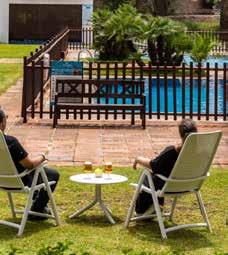
Ganadora/Winner:
Mercedes Adrados Villarz
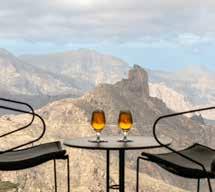
04 03
¡Atrévete y participa! Si conoces las respuestas, remite la solución al correo electrónico antes del 27 de septiembre de 2026: prensa@parador.es
No olvides aportar el nombre completo, DNI y un número de teléfono. Entre las respuestas acertadas, Paradores sorteará una estancia de dos noches para dos personas en habitación estándar y régimen de alojamiento y desayuno *
Dare to participate! If you know the answers, send them to the following email address before September 27, 2026: prensa@parador.es
P. de La Palma
P. de Tui
P. de Córdoba
P. de Ayamonte
Nada mejor que disfrutar de la brisa estival en las terrazas de Paradores. ¿Dónde se encuentran estos espacios singulares?
There is no better way to enjoy the summer breeze than from the terraces of Paradores. Where can these unique spaces be found?
Do not forget to provide your full name, identity card number and a telephone number. Among the correct answers, Paradores will raffle a two-night stay for two people in a standard room, on bed and breakfast basis*.