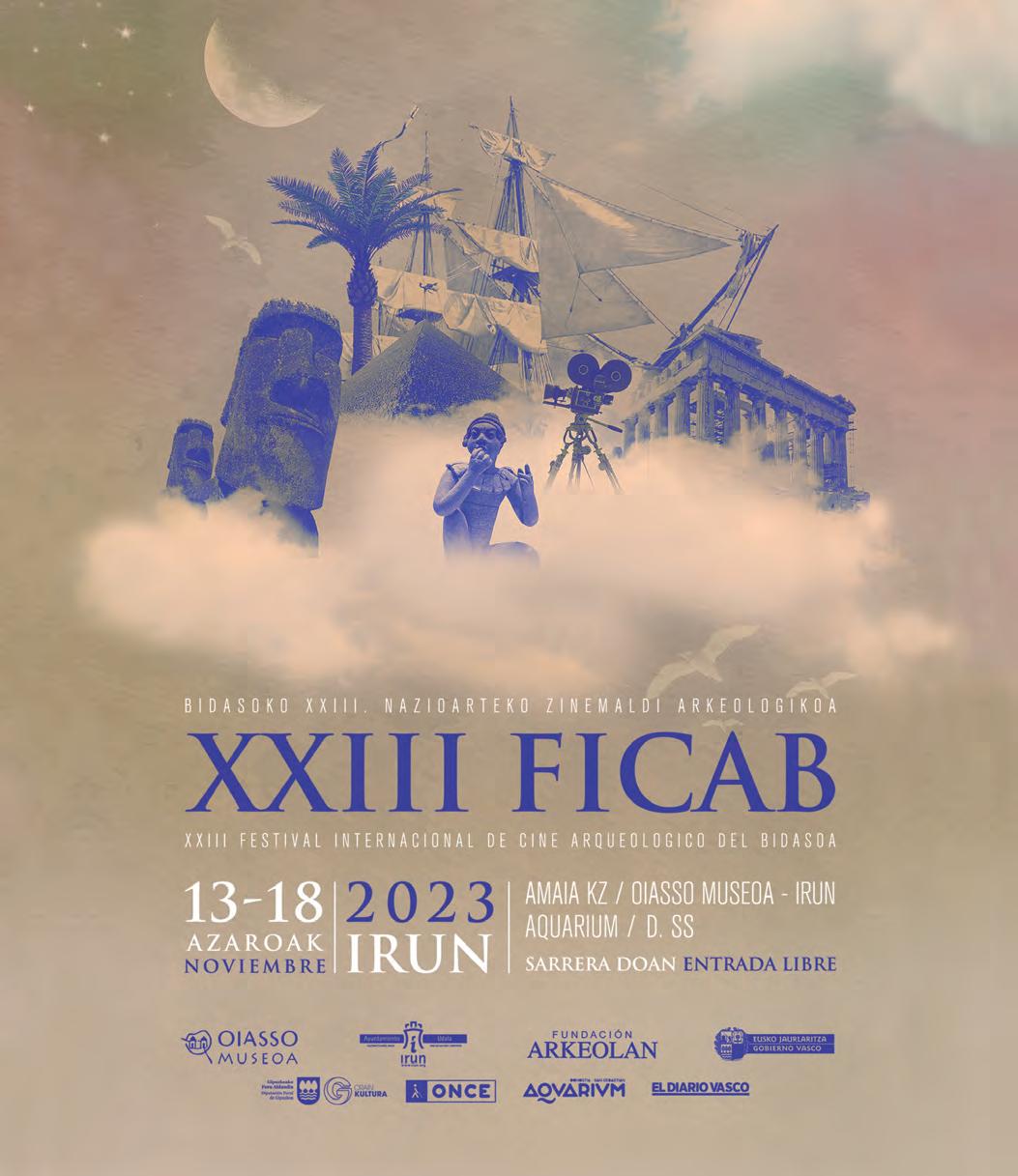
irun Festival Cine Arqueológico 2023 - FICAB XXIII
EPAIMAHAIA / JURADO
XXIII FESTIVAL INTERNACIONAL DE CINE
ARQUEOLÓGICO DEL BIDASOA
EGITARAUA / PROGRAMA
13 ASTELEHENA / LUNES
14 ASTEARTEA / MARTES
15 ASTEAZKENA / MIÉRCOLES.
16 OSTEGUNA / JUEVES
OSTIRALA / VIERNES
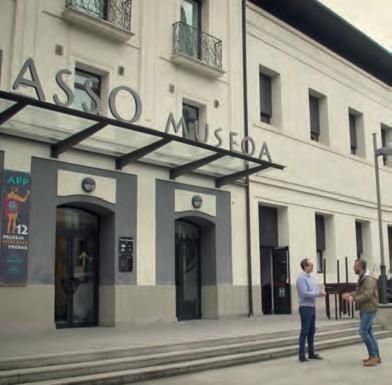
Argitaratzailea/Edita: Oiasso Museoa. FICAB.
BIDASOKO XXIII. NAZIOARTEKO ZINEMALDI ARKEOLOGIKOA XXIII FESTIVAL INTERNACIONAL DE CINE ARQUEOLÓGICO DEL BIDASOA
Azaroak 13-18 Noviembre 2023 – IRUN
SARRERA DOHAINIK
Oharra: Hezkuntza saileko film guztiak jatorrizko bertsioan proiektatuko dira, euskarazko azpitituluekin. Sekzio ofizialeko film guztiak jatorrizko bertsioan proiektatuko dira, gaztelaniazko azpitituluekin. Ordutegiak gutxi gorabeherakoak dira.
ENTRADA LIBRE
Nota: Todas las películas de la sección educativa se proyectarán en versión original con subtítulos en euskera. Todas las películas de la Sección Oficial se proyectarán en versión original con subtítulos en castellano. Los horarios de las proyecciones son aproximados..
ENTRÉE LIBRE
Note: Tous les films de la section éducative seront projetés en version originale sous-titrée en basque. Tous les films de la Section Officielle seront projetés en version originale sous-titrée en espagnol. Les horaires des projections sont approximatifs.
[5]
FREE ADMISSION
Note : All the films in the educational section will be screened in their original version with subtitles in Basque. All the films in the Oficial Section will be screened in their original version with Spanish subtitles. Screening times are approximate.
BATZORDE ANTOLATZAILEA
COMITÉ ORGANIZADOR
BIDASOKO XXIII. NAZIOARTEKO ZINEMALDI ARKEOLOGIKOA
XXIII FESTIVAL INTERNACIONAL DE CINE ARQUEOLÓGICO DEL BIDASOA
Azaroak 13-18 Noviembre 2023 – IRUN
BATZORDE ANTOLATZAILEA /COMITÉ ORGANIZADOR
· Nuria Alzaga
Irungo Udaleko Kultura Zinegotzia / Delegada de Cultura del Ayuntamiento de Irun
· Eunate Encinas
Irungo Udalaren Kultura eta Kirol Arloko zuzendaria / Director del área de Cultura y Deportes del Ayuntamiento de Irun
· Marian Mateos
Irungo Udaleko Kultura teknikaria / Técnico de Cultura del Ayuntamiento de Irun
EKOIZPENA/PRODUCCIÓN
· Juanjo Jiménez
Oiasso Museoko Zuzendaria/ Director del Museo Oiasso
· Mélanie Doré
Koordinatzailea/ Coordinadora
AHOLKULARI ZIENTIFIKOA /ASESOR CIENTÍFICO
· Leire Lizartzategi
Ekintzen Teknikaria/Técnico de Actividades
HEZKUNTZA SAILAREN ARDURADUNAK / RESPONSABLES
SECCIÓN EDUCATIVA
· It saso Bikuña, Idoia Castro
Oiasso Museoko Hezkuntza eta Kultur Ekintza Saila / Departamento de Educación y Acción Cultural del Museo Oiasso
ADMINISTRAZIOA/ ADMINISTRACIÓN
· Idoia Lekuona
Oiasso Museoko Administraria/ Administradora del Museo Oiasso
ZUZENDARITZA / DIRECCIÓN
· Aizpea Goenaga
Oiasso Museoko koordinatzaile orokorra / Coordinadora general del Museo Oiasso
EPAIMAHAIA / JURADO
· Isabel Izquierdo EPAIMAHAIBURUA / PRESIDENTA
Arkeologoa, ikertzailea eta Arkeologia Museo Nazionaleko zuzendaria / Arqueóloga, investigadora y directora del Museo
Arqueológico Nacional
· Juant xo Agirre
Aranzadi Zientzia Elkarteko idazkari nagusia / Secretario general de la Sociedad de ciencias Aranzadi
· Julieta Juncadella
Zinemagilea, banatzailea eta ekoizlea / Cineasta, distribuidora y productora
· Eneko Sagardoy
Aktorea / Actor
· Mer txe Urteaga
Arkeologian doktoregoa, Gipuzkoako Foru Aldundiko Ondare historiko-artistisko zerbitzuko kidea / Doctora en Arqueología, miembro del Servicio de Patrimonio Histórico-artístico de la Diputación Foral de Gipuzkoa
EPAIMAHAIA JURADO
ISABEL IZQUIERDO
EPAIMAHAIBURUA / PRESIDENTE
Historiako doktoregoa lortu zuen, Arkeologiako espezialitatekoa, Valentziako Unibertsitatean, eta ikerketa munduan aritu da, arkeologiaren eta arkeologia museoen esparruan, arreta kultura iberikoaren eta museologiaren azterketan jarrita bereziki. Era berean, Espainiako eta nazioarteko indusketa arkeologikoetan parte hartu du.
Estatuko Museoetako kontserbatzailea da, eta, Kultura Ministerioaren bidez, museoak (funtsean, arkeologia museoak) eraberritzeko proiektu ugari kudeatu eta koordinatu ditu. Arte Ederretako Zuzendaritza Nagusiko kide eta aholkularia izan da, eta AC/E Acción Cultural Española sozietateko Programazioko zuzendaria –Estatuaren sozietate bat da AC/E, eginkizuntzat Espainiako kultura eta ondarea Espainian bertan eta nazioartean proiektatzea duena–. 2023ko apirilaren 15ean, Kultura eta Kirol Ministerioak Espainiako Arkeologia Museo Nazionaleko zuzendari izendatu zuela iragarri zuen.
Doctora en Historia, especialidad Arqueología por la Universidad de Valencia, ha desarrollado un currículum de investigación, en materia de arqueología y museos arqueológicos, con especial dedicación al estudio de la cultura ibérica y la museología. También ha participado en excavaciones arqueológicas nacionales e internacionales.
Conservadora de Museos del Estado, ha gestionado y coordinado desde el Ministerio de Cultura numerosos proyectos de reforma de museos, fundamentalmente arqueológicos. Posteriormente ha sido Vocal Asesora de la Dirección General de Bellas Artes y Directora de Programación de Acción Cultural Española (AC/E), sociedad estatal cuya misión es la proyección, nacional e internacional, de la cultura y el patrimonio español. El Ministerio de Cultura y Deporte anunció el pasado 15 de abril de 2023 su nombramiento como directora del Museo Arqueológico Nacional.
JUANTXO AGIRRE
Geografia eta Historiako lizentziaduna da, eta Ondare Arkeologiko eta Artistikoko masterra egin zuen. Aranzadi Zientzia Elkarteko idazkari nagusia da, eta Erdi Aroko eta Erdi Aroaren osteko gaiak jorratzen ditu. Indusketa arkeologikoak eta azterketa historikoak zuzendu ditu, hirietan eta testuinguru erlijiosoetan, eta, gaur egun, Amaiurko Erdi Aroko gazteluko eta erromatarren garaiko Zalduako aztarnategiko indusketa arkeologikoak zuzentzen dihardu, Nafarroan. Arkeologia gaiei buruzko argitalpen ugariren egilekidea da.
Licenciado en Geografía e Historia. Máster en patrimonio arqueológico y artístico. Secretario general de la Sociedad de ciencias Aranzadi. Desarrolla su actividad en época medieval y postmedieval. Ha dirigido distintas intervenciones arqueológicas e estudios históricos en contextos urbanos y religiosos. Actualmente dirige excavaciones arqueológicas en el castillo medieval de Amaiur y el yacimiento romano de Zaldua (Navarra). Coautor de muchas publicaciones sobre arqueología.
EPAIMAHAIA JURADO
JULIETA JUNCADELLA
Buenos Airesen jaio zen, eta, han, zinemagintza ikasi zuen, Esperimentazio eta Errealizazio Zinematografikoko Argentinako Eskola Nazionalean. 2019an, komisariotza master bat bukatu zuen, Elías Querejeta Zine Eskolan, Donostian, eta, urte hartan bertan, kide batzuekin batera, Una Presencia fundatu zuen, Buenos Airesen bertan kokatutako produkzio etxe bat, zeinaren bidez jaialdietan estreinatu eta saritutako zazpi film labur ekoitzi zituen. 2021ean, Al Oriente film luzea ekoitzi zuen, José María Avilésena, zeina Veneziako Zinemaldian estreinatu zen, eta, gaur egun, Espainian bizi da: bertan, 2020an, Silvia Cruzekin batera, Vitrine Filmes España banaketa eta produkzio etxea fundatu zuen.
Nació en Buenos Aires, donde estudió producción de cine en la ENERC. En 2019 finalizó un máster en curaduría de cine en Elias Querejeta Zine Eskola en San Sebastián. En 2019 co-funda Una Presencia, productora de cine afincada en Buenos Aires, desde la cual produjo 7 cortometrajes estrenados y premiados en festivales. En 2021 produjo el largometraje Al Oriente, de José María Avilés, estrenado en el Festival de cine de Venecia. Actualmente vive en España, donde junto a Silvia Cruz fundaron en 2020 Vitrine Filmes España, distribuidora y productora de cine.
ENEKO SAGARDOY
Bizkaitar aktorea da, antzerkian, telebistan eta zineman aritzen da. Hainbat filmetan hartu du parte, besteak beste, Errementari, Soinujolearen semea, Hil kanpaiak, Irati... Handia filmaren protagonista izan zen, eta lan horrengatik Goya saria irabazi zuen. Bere lehen laburmetraia Betiko gaua zuzendu berri du. Eta oraintxe bertan, gladiadoreen inguruko nazioarteko serie bat ari da grabatzen Erroman: Those about to die.
Trabaja tanto en el teatro, en televisión y en el cine. Ha participado en varias películas, entre ellas, Errementari, Soinujolearen semea, Hil kanpaiak, Irati... Protagonizó la película Handia, trabajo por el que ganó el premio Goya. Acaba de dirigir además, su primer cortometraje Betiko gaua. Y ahora mismo está grabando en Roma una gran serie internacional sobre gladiadores: Those about to die.
MERTXE URTEAGA
Arkeologian doktorea da eta Gipuzkoako Foru Aldundiaren Ondare historikoartistikoaren zerbitzuan egiten du lan. Arkeolan Fundazioaren zuzendari izanik, 2001ean FICAB Bidasoko Nazioarteko Zinemaldi Arkeologikoa egitea bururatu zitzaion. Jaialdi horren zuzendari izan da 2006tik 2016ra bitartean, Oiasso museoko buru izan zen garaian. Ibilbide zabal eta nabarmena du ikerketa arkeologikoen alorrean, eta ekarpen handiak egin ditu gure lurraldean iragan erromatarra ezagutzeko bidean.
Doctora en Arqueología, Mertxe Urteaga trabaja en el Servicio de Patrimonio histórico-artístico de la Diputación Foral de Gipuzkoa. Siendo directora de la Fundación Arkeolan, ideó en el año 2001 el Festival Internacional de Cine Arqueológico del Bidasoa, FICAB, que ha dirigido de 2006 a 2016, coincidiendo con su etapa al frente del museo Oiasso. Cuenta con una amplia y reconocida trayectoria en el ámbito de las investigaciones arqueológicas, destacando sus aportaciones al conocimiento del pasado romano en nuestro territorio.
XXIII FICAB
BIDASOKO NAZIOARTEKO XXIII. ZINEMALDI ARKEOLOGIKOA
FICABen 23. edizioa martxan da. Ohore handia da proiektu honen parte izatea. Jaialdia urtez urte sendotuz joan da, dokumentalen kalitatea handituz joan da eta sail berriak eskaintzen, baina, azpimarragarriena da ikusleen fideltasuna duen jaialdia dela. Eta horrek, harrotasunez eta ilusioz betetzen gaitu. Edizio berri hau antolatu dugun ilusio berarekin, hautaketa erakargarri bat egiten saiatuz, gonbidatu interesgarriekin solasaldiak antolatuz, Aquariumean zinema maratoi bat eskainiz, filmak online ere ikusteko aukerari eutsiz, Bizinemarekin elkarlanean Amaiera Gala dibertigarri batekin... eta nazioarteko Epaimahai bikain bat edukitzeak ematen digun pozarekin., Arkeologia Museo Nazionaleko zuzendari Isabel Izquierdo, Aranzadi Zientzia Elkarteko idazkari nagusi Juantxo Agirre, Goya sari baten irabazle den Eneko Sagardoy aktorea, Julieta Juncadella, nazioarteko banatzaile eta FICABeko arkeologo eta sortzailea den Mertxe Urteaga dira aurtengo Epai-mahai kideak. Ahalegin handia da, baina oso atsegina, zientzia eta arkeologia maite ditugulako. Eta aurkikuntza eta aurrerapen berrien zabalkundean sinesten dugu; eta ikusleen erantzunak hori erakusten digu, erronka berriei eta, batez ere, publiko gazteenari iristen saiatzearen beharra.
Oso pozgarria da ikastetxeen erantzuna ARK-MO egitasmoan. Parte hartzen duten ikastetxeetako ikasleek
Amaia aretoan, FICABen esparruan ARK-MO film laburrak jendeaurrean aurkezten dituzte. Arkeologiari edo beren inguruko historiari lotutako zer ondare edo gai partekatu nahi duten aukeratzen dute. Gidoia egin, nola azaldu erabaki, grabatu, editatu... eta erakutsi egiten dute. Oso harro gaude egiten ari diren lanaz, eta Hezkuntza Saileko proiekzio guztietan ikusi ahal izango da. Eta bere filmei esker, aditu eta, batez ere, bere ondare arkeologikoaren defendatzaile bihurtzen dira. Lan horiek guztiak, gainera, Oiasso museoaren webgunean egongo dira eskuragarri.
Azaroaren 13tik 18ra aretoetako ateak zabal-zabalik izango dituzue, doakoak diren goizeko, arratsaldeko eta gaueko saioez gozatzeko. Mundua eta gure iragana ezagutzeko, ikasteko eta, batez ere, zinema eta arkeologia pasio bilakatzeko.
Aizpea Goenaga XXIII. FICABeko zuzendaria
XXIII FICAB
XXIII FESTIVAL
INTERNACIONAL DE CINE ARQUEOLÓGICO
DEL BIDASOA
El FICAB arranca su 23 edición. Es un gran honor ser parte de este proyecto. Un festival que año tras año se ha ido consolidando, que ha ido aumentando la calidad de los documentales y ofreciendo nuevas secciones, pero sobre todo es un festival que cuenta con la fidelidad del público. Y lo decimos con orgullo y con mucha ilusión. Con la misma ilusión con la que hemos organizado esta nueva edición, intentando hacer una selección atractiva, organizando coloquios con interesantes invitados, montando una maratón de cine en el Aquarium, manteniendo la posibilidad de ver las películas también online, con una divertida Gala de Clausura en colaboración con Bizinema… y teniendo la satisfacción de contar con un magnífico Jurado internacional con Isabel Izquierdo, directora del Museo Arqueológico Nacional, Juantxo Agirre, Secretario General de la Sociedad de Ciencias Aranzadi, Eneko Sagardoy, actor, ganador de un Goya, Julieta Juncadella, distribuidora internacional y Mertxe Urteaga, arqueóloga y fundadora del FICAB. Es un gran esfuerzo aunque muy gratificante, ya que nos apasiona la ciencia y la arqueología. Y creemos en la divulgación de los nuevos descubrimientos y avances; y nos lo demuestra la respuesta del público que nos empuja a intentar abordar nuevos retos, y sobre todo hacia el público más joven. Estamos muy ilusionados con la implicación de los centros escolares en la sección ARK-MO. Los alumnos de los centros participantes presentan en la Sala Amaia, y dentro del marco del FICAB sus cortometrajes, sus ARK-MO. Eligen el patrimonio o tema vinculado a la arqueología o a la historia de su entorno que quieren compartir. Realizan el guión, deciden cómo hacerlo, lo graban, lo editan… y lo muestran. Nos sentimos muy orgullosos del trabajo que están haciendo, y que se podrá ver en todas las proyecciones de la Sección Educativa. Y gracias a sus películas se convierten en expertos y sobre todo en defensores de “su” patrimonio arqueológico. Todos estos trabajos estarán además disponible en la web del museo Oiasso.
Os esperamos con las puertas de las salas abiertas desde el día 13 al 18 de noviembre, con sesiones gratuitas de mañana, tarde y noche, para recorrer el mundo y nuestro pasado, para aprender y sobre todo para disfrutar del cine y de la arqueología.
Aizpea Goenaga
Directora del FICAB XXIII
EGITARAUA PROGRAMA
ASTELEHENA / LUNES 13
17:00 “HISTORIA TANTAK” ZIKLOA / CICLO “PÍLDORAS DE HISTORIA”
Amaia KZ Sala de conferencias/Hitzaldi aretoa
Aurrez aurre dudan lekua: sambaqui-ak / El lugar ante mí, sambaquis. Brasil. 2022, 86’
19:00 SAIL OFIZIALA / SECCIÓN OFICIAL
Amaia KZ Auditoriuma
Zinemaldia irekiera ekitaldia / Gala de apertura del festival
Izotz aroko Amerika / Ice Age America.
Kanada-Frantzia / Canada-Francia. 2023, 90’
ASTEARTEA / MARTES 14
11:00 HE ZKUNTZA SAILA / SECCIÓN EDUCATIVA
Amaia KZ Auditoriuma
Ark-Mo - Urdanibiako errotari bueltaka. Espainia / España. 2023, 5’
Erromatarren arrastoak oinen azpian / Huellas romanas bajo los pies. Espainia / España. 2023, 30’
17:00 “HISTORIA TANTAK” ZIKLOA / CICLO “PÍLDORAS DE HISTORIA”
Amaia KZ Sala de conferencias/Hitzaldi aretoa
Neandertal, beste gizatasun baten arrastoen atzetik / Neandertal, tras las huellas de otra humanidad. Frantzia / Francia. 2022, 52’
19:00 SAIL OFIZIALA / SECCIÓN OFICIAL
Amaia KZ Auditoriuma
Amazonen erregina / La reina de las Amazonas. Frantzia / Francia. 2023, 90’
ASTEAZKENA / MIÉRCOLES 15
11:00 HEZKUNTZA SAILA / SECCIÓN EDUCATIVA
Amaia KZ Auditoriuma
Ark-Mo - Itsasoko zaindari, herriaren armarri: Sokoako gotorlekua. Frantzia / Francia. 2023, 5’
Odisea, gure eboluzioaren historia / Odisea, la historia de nuestra evolución. Belgika / Bélgica. 2023, 30’
Erromatarren arrastoak oinen azpian / Huellas romanas bajo los pies. Espainia / España. 2023, 30’
17:00 “HISTORIA TANTAK” ZIKLOA / CICLO “PÍLDORAS DE HISTORIA”
Amaia KZ Sala de conferencias/Hitzaldi aretoa Téviec . Frantzia / Francia. 2022, 52’
18:00 SAIL OFIZIALA / SECCIÓN OFICIAL
Maratón FICAB - Aquarium (Donostia-San Sebastián)
Bikingoak: erresuma galdua / Vikingos: el reino perdido. Frantzia / Francia. 2022, 90’
Piraten egiazko historia / La verdadera historia de los piratas. Frantzia / Francia. 2022, 52’
19:00 SAIL OFIZIALA /SECCIÓN OFICIAL
Amaia KZ Auditoriuma
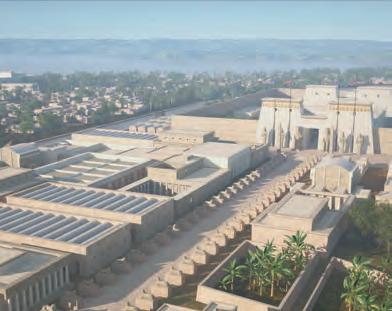
Ramsesen hiri galdua / La ciudad perdida de Ramsés II. Frantzia / Francia. 2022, 90’
OSTEGUNA / JUEVES 16
11:00 HEZKUNTZA SAILA /SECCIÓN EDUCATIVA
Amaia KZ Auditoriuma
Ark-Mo - Scripta Manent (+ making off). Espainia / España. 2023, 7’
Ark-Mo - Kale nagusia, Lezo + Gure arbasoen arrastoak. Espainia / España. 2023, 4’
Lur urratua / Tierra rasgada. Espainia / España. 2023, 56’
17:00 “HISTORIA TANTAK” ZIKLOA / CICLO “PÍLDORAS DE HISTORIA”
Amaia KZ Sala de conferencias/Hitzaldi aretoa
Guadalperaleko trikuharria / El dolmen de Guadalperal. Espainia / España. 2020, 30’
Derbent: Pertsiak atzean utzi zuena / Derbent: lo que Persia dejó atrás. Holanda. 2022, 30’
19:00 SAIL OFIZIALA / SECCIÓN OFICIAL
Amaia KZ Auditoriuma
Izeh. Iran. 2018-19, 14’
Nekropoli baten istorioak / Historias de una necrópolis. Espainia / España. 2022, 56’
OSTIRALA / VIERNES 17
11:00 SAIL OFIZIALA / SECCIÓN OFICIAL
Amaia KZ Auditoriuma (Publiko guztiari zabalik / Abierto a todos los públicos)
Paris, desagertutako jauregiaren misterioa / París, el misterio del palacio desaparecido. Frantzia / Francia. 2022, 90’
17:00 “HISTORIA TANTAK” ZIKLOA / CICLO “PÍLDORAS DE HISTORIA”
Amaia KZ Sala de conferencias/Hitzaldi aretoa Arkeomania, azken judizioaren eguna (1. eta 2. atalak) /Arqueomanía, el día del juicio final (partes 1 y 2). Espainia / España. 2022-23, 60’
19:00 SAIL OFIZIALA / SECCIÓN OFICIAL
Amaia KZ Auditoriuma
Akileako basilikaren jatorria / Los orígenes de la basílica de Aquilea. Italia. 2023, 8’
Harriekin pintatzen hasi gara /Aquí empezamos a pintar con piedra. Italia. 2021, 28’
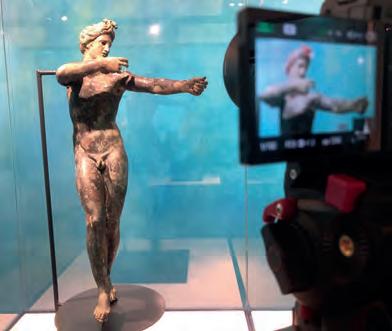
Izpi bat uretan bezala, San Casciano dei Bagniko brontzeak /Como un rayo en el agua, bronces de San Casciano dei Bagni. Italia. 2023, 56’
LARUNBATA / SÁBADO 18
11:00 “MEMORIA HISTORIKOA”/“MEMORIA HISTÓRICA”
Amaia KZ Auditoriuma
Baso bat ur Eliorentzat / Un vaso de agua para Elio. Espainia / España. 2023, 72’
“Granuja”-ri jarraika / Persiguiendo el “Granuja”. Espainia / España. 2023, 51’
18:30 KLAUSURAKO GALA / GALA DE CLAUSURA
Amaia KZ Auditoriuma
Sari-banaketa / Ceremonia de entrega de premios Irulegiko eskua / La mano de Irulegi. Espainia / España. 2022, 16’
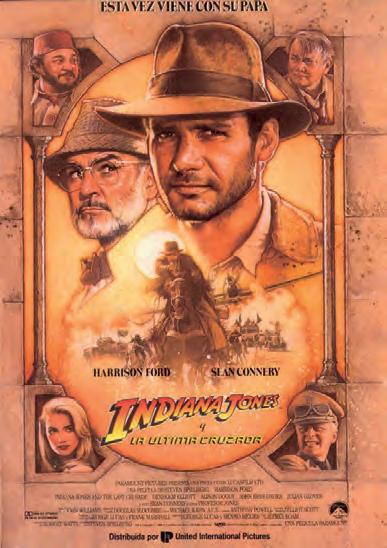
Indiana Jones eta azken gurutzada / Indiana Jones y la última cruzada. AEB / EEUU. 1989, 127’
EGITARAUA-FILMAK PROGRAMA-PELÍCULAS
13
ASTELEHENA / LUNES
17:00 “HISTORIA TANTAK” ZIKLOA / CICLO “PÍLDORAS DE HISTORIA”
AMAIA KZ SALA DE CONFERENCIAS/HITZALDI ARETOA
Entrada por Lope de Becerra-tik sarrera
O LUGAR ANTES DE MIM, SAMBAQUIS
AURREZ AURRE DUDAN LEKUA: SAMBAQUI-AK
EL LUGAR ANTE MÍ, SAMBAQUIS
ZUZENDARITZA / DIRECCIÓN: KARLA NASCIMENTO
PRODUKZIOA / PRODUCCIÓN: AMPLER CINE - TV - NOVAS MÍDIAS
HIZKUNTZA / IDIOMA: PORTUGALERA / PORTUGUÉS
BRASIL . 2022, 86’
Aurrez aurre dudan lekua sailak ikus-entzunezko baliabideen bitartez kolonizazio aurreko arkeologia ezagutaraztea proposatzen du, eta, hirugarren atalean, sambaqui-ak aztertzen ditu, duela 10.000 urte Brasilen nahita eraikitako maskor piloak, 30 metro baino garaiago ere izan daitezkeenak. Horrela, filmak inguruan bizi ziren herrien eguneroko bizitzako gaiak azaltzen ditu, baita, besteak beste, kostaldeko eta ibaiko hondakindegien arteko jatorrizko harreman posiblea ere.
La serie El lugar ante mí propone dar a conocer la arqueología precolonial a través de recursos audiovisuales. El tercer episodio de esta serie tiene como tema los montículos de conchas brasileños, montones de conchas construidos intencionadamente hace 10 000 años (a. p.), y que pueden medir más de 30 metros de altura. El largometraje retrata diversos aspectos de la vida cotidiana de las poblaciones que vivían allí además de otros temas, como la posible relación de ascendencia entre los muladares costeros y fluviales.
AURKEZPENA ETA SOLASALDIA XABIER PEÑALVER DOKTOREAREN
ESKUTIK / PRESENTACIÓN Y COLOQUIO A CARGO DEL DOCTOR XABIER
PEÑALVER
17:00
19:00 SAIL OFIZIALA / SECCIÓN OFICIAL
AMAIA KZ Auditoriuma
Zinemaldia irekiera ekitaldia / Gala de apertura del festival
ICE AGE AMERICA
IZOTZ AROKO AMERIKA
LA AMÉRICA DE LA ERA GLACIAL
ZUZENDARITZA / DIRECCIÓN: ROBIN BICKNELL
PRODUKZIOA / PRODUCCIÓN: YAP FILMS, BELLOTA FILMS
HIZKUNTZA / IDIOMA: FRANTSESA, INGELESA / FRANCÉS, INGLÉS
KANADA-FRANTZIA / CANADA-FRANCIA. 2023, 90’
Izotz Aroko Amerika dokumentalak paradigma aldaketa bat azaltzen du, denbora errealean. Izan ere, zenbait urtetan, gizakia Ameriketara uste baino askoz lehenago iritsi zen frogak aurkitu zituzten Ciprian Ardelean arkeologo ezagunak eta beste zientzialari arnegatu batzuek. Bidaia epiko bat izan zen, gorabeheraz betea, eta kamerak deskubrimendu emozionalak zein erabateko etsipena jaso zituen.
Ice Age America documenta un cambio de paradigma científico en tiempo real. Durante varios años, el célebre arqueólogo Ciprian Ardelean y otros científicos renegados descubren pruebas de que los humanos llegaron a las Américas mucho antes de lo que se pensaba. Es un épico viaje plagado de altibajos que incluye momentos de descubrimiento emocional y de aplastante decepción, todos ellos captados por la cámara. Nuevas pruebas son desenterradas por toda América, incluido el asombroso descubrimiento de antiguas huellas que muestran claramente a adultos y niños caminando junto a mamuts y otra megafauna de la última era glacial.
19:00
14 ASTEARTEA /MARTES
11:00 HEZKUNTZA SAILA / SECCIÓN EDUCATIVA
AMAIA KZ Auditoriuma
*ARK-MO - URDANIBIAKO ERROTARI BUELTAKA
ZUZENDARITZA / DIRECCIÓN: Irungo San Vicente de Paul kolegioa / Colegio San Vicente de Paul de Irún HIZKUNTZA / IDIOMA: EUSKARA ESPAINIA / ESPAÑA. 2023, 5’
*ARK-MO - OIASSO
ZUZENDARITZA / DIRECCIÓN: Gureak HIZKUNTZA / IDIOMA: EUSKARA ESPAINIA / ESPAÑA. 2023, 5’ SOLASALDIA / COLOQUIO: Juan José Jimenez
PRODUKZIOA / PRODUCCIÓN: SERDAR YILMAZ, UFUK SOYÖZ
HIZKUNTZA / IDIOMA: TURKIERA / TURCO
TURKIA / TURQUÍA . 2022, 5’
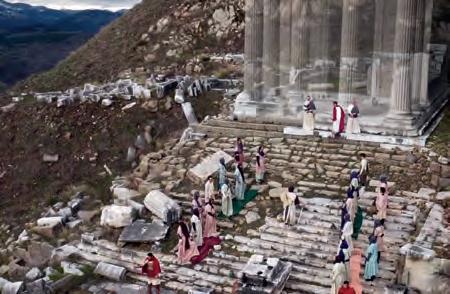
Pergamo mundu helenistikoko lehenengo erresuma emergenteetako bat izan zen. Agintari atalidarrek, nolabait, erritu erlijiosoetarako agertoki bat balitz bezala diseinatu zuten hiria, baina, aro helenistikoan, errituok eraldatu, eta errege-erreginen errituak hartu zituzten barnean. Errege-erregina helenistikoak agertu aurretik, Aro Klasikoko mundu greziarrean, demokrazia zen gobernu sistema, eta demokraziarako jarduketa nagusia, dantza zirkularra: gizon gazteek osatutako taldeek hiria eratzen zuten tribuak ordezkatzen zituzten, eta dantza lehiaketek gizartearen integrazio sozialean laguntzen zuten. Polis demokratikoko dantza zirkularrak orchestra-ko zirkulu osoa okupatzen zuen, baina, aro helenistikoan, agertokiak orchestra erdia inbaditu zuen, eta txikitu eta erdizirkular bilakatu zuen.
ARK-MO EGITASMOA: Ikastetxe ezberdinetako ikasleek 5 minutuko filmlaburrak sortu dituzte, euren inguruko Ondarearen inguruan, eta FICAB jaialdiko Hezkuntza Sailean aurkeztuko dituzte.
PROYECTO ARK-MO: Alumnos de diferentes centros escolares han creado cortometrajes de 5 minutos de duración, en torno a su patrimonio, que presentan en la Sección educativa del FICAB.
11:00
Pérgamo fue uno de los primeros reinos emergentes del mundo helenístico. Los gobernantes atálidas diseñaron la ciudad casi como un escenario para albergar los rituales religiosos. Estos rituales se reformaron en la época helenística para dar cabida a los rituales de la realeza. Antes de la aparición de los reyes helenísticos, el mundo griego de la Época Clásica se regía por la democracia. La actuación más importante para la democracia era la danza circular, en la que equipos de hombres jóvenes representaban a las distintas tribus que constituían su ciudad. Los concursos de danza facilitaban la integración social de la sociedad. La danza circular en la polis democrática ocupaba todo el círculo de la orchestra. En la época helenística, sin embargo, el escenario invadió la mitad de la orchestra y la redujo a una zona semicircular.
*RIMSKA SVADBENA TRPEZA
EZTEI OTURUNTZA ERROMATARRA BANQUETE NUPCIAL ROMANO
ZUZENDARITZA / DIRECCIÓN: MILICA POPOVIC
PRODUKZIOA / PRODUCCIÓN: SVETLANA BANDIC
HIZKUNTZA / IDIOMA: SERBIARRA / SERBIO
SERBIA. 2022, 25’
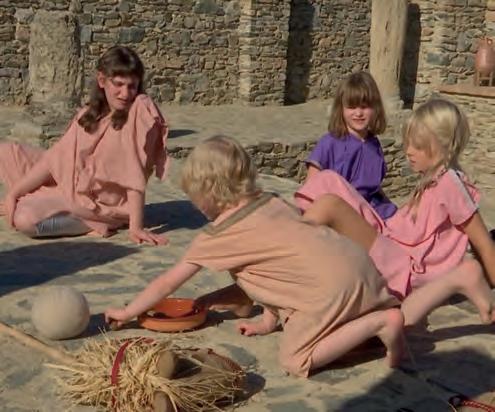
ArcheoCuisine fikziozko dokumental sailaren barruan, Eztei oturuntza erromatarra atalak azaltzen du nola sartzen ziren erromatarren garaiko neska-mutilak helduaroan, ezkontzara bitartean. Hain zuzen ere, erromatarren hedonismoaren goren maila eztei oturuntza zen, osagai eta lurrin exotikoen nahasketa bat.
Como parte de la serie de docuficción ArcheoCuisine, Banquete nupcial romano representa el paso a la madurez de chicos y chicas en la época romana, hasta el mismo acto del matrimonio. El hedonismo romano alcanza su apogeo en el banquete nupcial, donde se mezclan los ingredientes y aromas más exóticos.
*ERROMATARREN ARRASTOAK OINEN AZPIAN
HUELLAS ROMANAS BAJO LOS PIES
ZUZENDARITZA / DIRECCIÓN: NAGORE REMENTERIA, IÑAKI LETURIA
PRODUKZIOA / PRODUCCIÓN: ELHUYAR, EITB MEDIA
HIZKUNTZA / IDIOMA: EUSKARA ESPAINIA / ESPAÑA . 2023, 30’
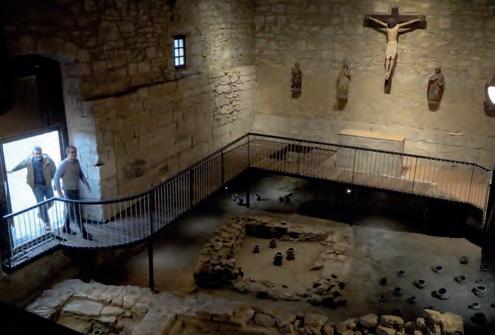
Irunen lur-azpian altxor handiak daude, izan ere, bertan zegoen Oiasso hiri erromatarra. Orain arte aurkitu dituzten arrastoen atzetik ibili gara Juan Jose Jiménez Oiasso museoko zuzendariarekin eta Zohartze Galan Arkeolaneko arkeologoarekin.
En Irun hay grandes tesoros bajo tierra, ya que ahí se encontraba la ciudad romana de Oiasso. Hemos seguido las huellas que se han encontrado hasta ahora con el director del museo Oiasso, Juan José Jiménez, y el arqueólogo de Arkeolan, Zohartze Galán.
11:00
14 ASTEARTEA /MARTES
17:00 “HISTORIA TANTAK” ZIKLOA / CICLO “PÍLDORAS DE HISTORIA”
AMAIA KZ SALA DE CONFERENCIAS/HITZALDI ARETOA
Entrada por Lope de Becerra-tik sarrera
NÉANDERTAL, DANS LES PAS D’UNE AUTRE HUMANITÉ
NEANDERTAL, BESTE GIZATASUN BATEN ARRASTOEN ATZETIK
NEANDERTAL, TRAS LAS HUELLAS DE OTRA HUMANIDAD
ZUZENDARITZA / DIRECCIÓN: DAVID GEOFFROY
PRODUKZIOA / PRODUCCIÓN: COURT-JUS PRODUCTION
HIZKUNTZA / IDIOMA: FRANTSESA / FRANCÉS
FRANTZIA / FRANCIA . 2022, 52’
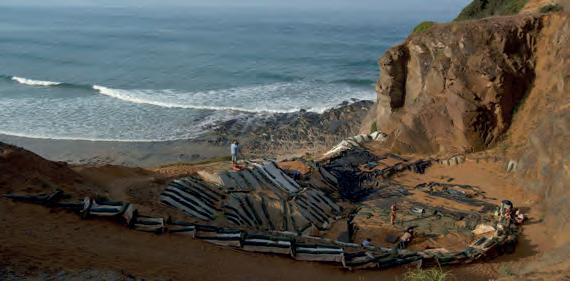
Klimaren beroketa itsas higaduraren ondoriozko suntsiketa bizkortzen ari da, ezin saihestuzko moduan bizkortzen ere, baina, Le Rozeleko aztarnategian, Cotentin penintsulan, haren mehatxupean egonda ere, duela 80.000 bat urte Normandiako kostaldeko leku aipagarri hori okupatu zuten herri neandertalen eguneroko bizitzaren aparteko arrastoak gorde dira, oso hauskorrak berauek; tartean, 2.000 oinatz baino gehiago, neandertalen oinatzen munduko bildumarik handiena. 2012tik, Dominique Cliquet arkeologoa erlojuaren kontra lanean ari da historiaurreko aztarnategi hori induskatzen, oso garrantzitsua nazioartean, itsasoaren haserreak garai batean han ibili ziren gizon, emakume eta haur neandertalek dunan utzitako bizi arrastoak betiko irentsi aurretik. Normandian egindako aurkikuntzei esker eta azken urteetan Europa osoan eta harago egindako ikerketei esker, ikerketa arkeologiko honek, inoiz ez bezalakoa bera, denboran abiada bizian bidaiatzera eramango gaitu, neandertalen aztarnen atzetik. Pixkana-pixkana, neandertalen eguneroko bizitzari jarraikiz, arkeologiaren bidez, ikusiko dugu zertan oinarritzen zen desagertutako espezie horren gizatasuna, oso desberdina gurearen aldean baina, aldi berean, oso gertukoa.
Amenazado por la erosión marina, cuyos estragos acelera inexorablemente el calentamiento climático, el yacimiento de Le Rozel, en la península de Cotentin, ha conservado algunos vestigios excepcionales de la vida cotidiana de las poblaciones neandertales que ocuparon este notable lugar de la costa normanda, hace unos 80 000 años. Entre estos frágiles restos, los arqueólogos han desenterrado más de 2000 huellas: la mayor colección de huellas neandertales del mundo. Desde 2012, el arqueólogo Dominique Cliquet trabaja a contrarreloj para excavar este yacimiento prehistórico de importancia internacional antes de que el mar embravecido se trague para siempre las huellas de vida dejadas en la duna por los hombres, mujeres y niños neandertales que un día frecuentaron el lugar. Con los descubrimientos hechos en Normandía y otras investigaciones llevadas a cabo en los últimos años en toda Europa y más allá, esta investigación arqueológica sin precedentes nos adentra en un vertiginoso viaje en el tiempo, tras las huellas del hombre de Neandertal. Poco a poco, tras la vida cotidiana de los neandertales, la arqueología nos permite vislumbrar en qué se basaba la humanidad de esta especie extinguida, tan diferente, pero tan cercana a nosotros.
19:00
AMAIA KZ Auditoriuma
LA REINE DES AMAZONES
AMAZONEN ERREGINA
LA REINA DE LAS AMAZONAS
ZUZENDARITZA / DIRECCIÓN: ALEXANDRA BARBOT, VÉRONIQUE PRÉAULT
PRODUKZIOA / PRODUCCIÓN: ZED, CESKA TV, MAGELLAN TV
HIZKUNTZA / IDIOMA: FRANTSESA / FRANCÉS
FRANTZIA / FRANCIA . 2023, 90’
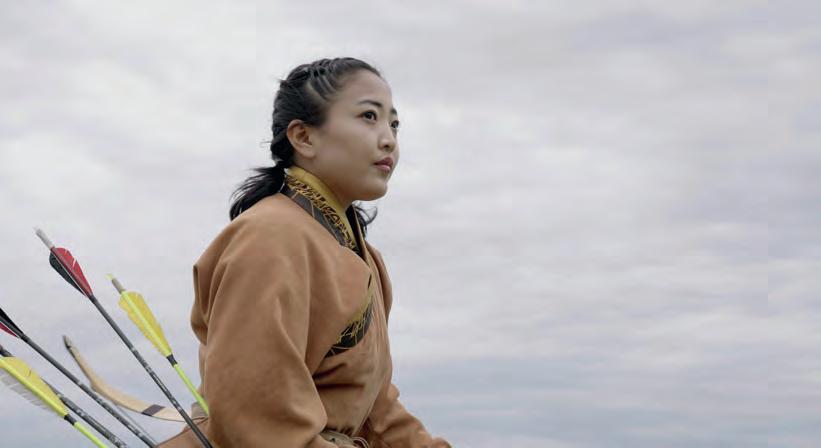
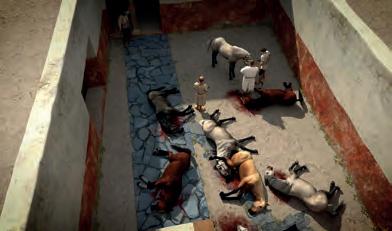
Berriki, Siberian, Armenia iparraldean, Mongolian eta Krimean, aurkikuntza batzuk egin dituzte, hala nola burua moztu zieten emakumeen eskeletoak eta armaz inguratutako eta gizontzat hartutako emakume baten hilobia, eta aurkikuntza horiek nazioarteko adituek zuzendutako espedizio arkeologiko bati bide eman diote. Emakume horiek guztiak bizitza errealeko amazonak ote, gizonik ausartenenen pareko abilezia fisikoa eta indarra izateagatik ohoratzen zituzten emakume gerrari eta ehiztarien tribu ikaragarri independentea? Egia historikorik ote zaldi gainean ibiltzen ziren emakume borrokalarien mitoaren oinarrian?
Landa lana, antzezpen historikoa, hiru dimentsioak eta elkarrizketa sakonak konbinatuz, dokumental honek deskubrituko du nor ziren emakumeok, amazonen mitoaren oinarrian dagoen egia azaleratu nahian.
Tras los recientes descubrimientos en Siberia, el norte de Armenia, Mongolia y Crimea, que incluyen esqueletos de mujeres decapitadas y la tumba de una mujer rodeada de armas y confundida con un hombre, se inicia una expedición arqueológica dirigida por expertos internacionales.
¿Podrían ser estas mujeres guerreras amazonas de la vida real, una tribu de guerreras y cazadoras ferozmente independientes que eran veneradas por su destreza física y su fuerza comparable a la de los hombres más valientes? ¿Existe alguna verdad histórica tras el mito de estas luchadoras aguerridas que montaban a caballo?
Gracias a la combinación de la investigación de campo, recreaciones dramáticas, 3D y entrevistas pormenorizadas, este documental desvelará quiénes fueron estas mujeres con la esperanza de exponer la verdad que se esconde tras el mito de las Amazonas.
15 ASTEAZKENA / MIÉRCOLES
11:00 HEZKUNTZA SAILA / SECCIÓN EDUCATIVA
AMAIA KZ Auditoriuma
*ARK-MO - ITSASOKO ZAINDARI, HERRIAREN ARMARRI: SOKOAKO
Gure eboluzioaren historia, Neolitotik Mendebaldeko Erromatar
Inperioaren bukaerara arte.
La historia de nuestra evolución desde el Neolítico hasta el final de la época del Imperio Romano de Occidente.
11:00
*ERROMATARREN ARRASTOAK OINEN AZPIAN
HUELLAS ROMANAS BAJO LOS PIES
ZUZENDARITZA / DIRECCIÓN: NAGORE REMENTERIA, IÑAKI LETURIA
PRODUKZIOA / PRODUCCIÓN: ELHUYAR, EITB MEDIA
HIZKUNTZA / IDIOMA: EUSKARA
ESPAINIA / ESPAÑA . 2023, 30’
Irunen lur-azpian altxor handiak daude, izan ere, bertan zegoen
Oiasso hiri erromatarra. Orain arte aurkitu dituzten arrastoen atzetik
ibili gara Juan Jose Jiménez Oiasso museoko zuzendariarekin eta Zohartze Galan Arkeolaneko arkeologoarekin.
En Irun hay grandes tesoros bajo tierra, ya que ahí se encontraba la ciudad romana de Oiasso. Hemos seguido las huellas que se han encontrado hasta ahora con el director del museo Oiasso, Juan José Jiménez, y el arqueólogo de Arkeolan, Zohartze Galán.
11:00
17:00 “HISTORIA TANTAK” ZIKLOA / CICLO “PÍLDORAS DE HISTORIA”
AMAIA KZ SALA DE CONFERENCIAS/HITZALDI ARETOA
Entrada por Lope de Becerra-tik sarrera
TÉVIEC
ZUZENDARITZA / DIRECCIÓN: HUBERT BÉASSE
PRODUKZIOA / PRODUCCIÓN: VIVEMENT LUNDI !
HIZKUNTZA / IDIOMA: FRANTSESA / FRANCÉS
FRANTZIA / FRANCIA. 2022, 52’
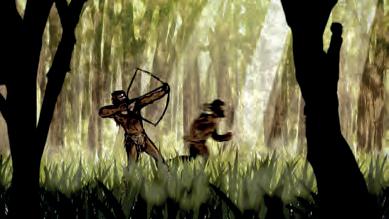
1920ko hamarkadan, Marthe eta Saint-Just Péquart-ek osatutako arkeologo bikoteak Mesolitoko hilobi bat aurkitu zuen, Téviec izeneko uhartean, Morbihanen. Arkeologia hastapenetan zegoen artean, eta Téviecekoarenaren pareko kalitateko nekropoli prehistorikoak oso urriak ziren Europan. Eskeletoen artean, Péquartarrek K6 izendatu zutenak bazuen komunitate zientifiko osoaren jakin-mina piztu zuen berezitasun bat, bizkarrezurrean sartutako bi gezi mutur: aurkikuntza horrek zalantzan jarri zuen Mesolitoko gure arbasoak ehiztari-biltzaile baketsuak ziren ustea. 2000ko hamarkadaren hasieran, Tévieceko eskeletoek berriro piztu zuten komunitate zientifikoaren interesa, eta Grégor Marchand arkeologoak eta beronen taldeak ikerketari berrekin zioten, ezagutzen dugun Mesolitoko lehenengo homizidioa nola gertatu zen jakin nahian.
En los años veinte del siglo pasado, una pareja de arqueólogos descubrió un enterramiento mesolítico en la isla de Téviec, en Morbihan. La arqueología estaba aún en pañales y las necrópolis prehistóricas de esta calidad eran muy poco frecuentes en Europa. Entre los esqueletos, el que Marthe y Saint-Just Péquart denominan «K6» presenta una peculiaridad que intriga a la comunidad científica: dos puntas de flecha incrustadas en la columna vertebral. Este descubrimiento pone en entredicho la idea de que nuestros antepasados mesolíticos eran cazadores-recolectores pacíficos. A principios de la década de 2000, los esqueletos de Téviec despertaron un renovado interés en la comunidad científica. El arqueólogo Grégor Marchand y su equipo reabren la investigación e intentan comprender cómo se produjo el primer homicidio mesolítico conocido.
AURKEZPENA ETA SOLASALDIA XABIER PEÑALVER DOKTOREAREN
ESKUTIK / PRESENTACIÓN Y COLOQUIO A CARGO DEL DOCTOR XABIER
ZUZENDARITZA / DIRECCIÓN: ALEXIS DE FAVITSKI, PIERRE STINE
PRODUKZIOA / PRODUCCIÓN: ZED, MECHANIX FILM
HIZKUNTZA / IDIOMA: FRANTSESA / FRANCÉS
FRANTZIA/ FRANCIA . 2022, 90’
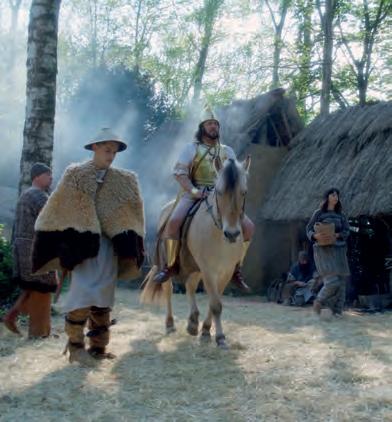
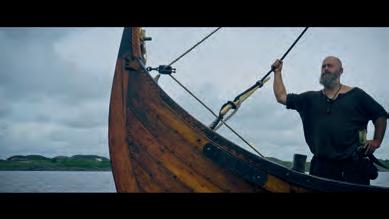
Gjellestad (Norvegia), 2018. Arkeologo batzuek berebiziko aurkikuntza bat egin zuten: hilobitarako itsasontzi bikingo bat, 20 metro luze zena eta 1.200 urte zituena. Nor zegoen gordeta hilobian? Zer esan ziezagukeen zerraldoak bikingoen eguneroko bizitzari, sineskerei eta tradizioei buruz? Galdera horiei erantzun nahian, 2020ko uztailean, ohiz kanpoko espedizio arkeologiko bat hasi zen. Bikingoak: erresuma galdua ikerketa zientifiko bat da, eta, era berean, bada drama historiko epiko bat ere, teknologia aurreratuez, zinemakoen mailako antzezpenez eta espezialista bikainen laguntzaz baliatuz bikingoen zibilizazio galduko baserritar, gudari eta artisauak berpizten dituena.
2018, Gjellestad, Noruega. Los arqueólogos hacen el descubrimiento de su vida: un barco funerario vikingo de 20 metros de eslora y 1200 años de antigüedad. ¿Quién se esconde en esta tumba? ¿Qué puede decirnos este ataúd sobre la vida cotidiana, las creencias y las tradiciones de los vikingos? En julio de 2020, comienza una excepcional expedición arqueológica con la esperanza de encontrar respuestas.
Mediante el uso de tecnologías de vanguardia, recreaciones teatralizadas dignas del cine y con la ayuda de grandes especialistas, Vikingos: el reino perdido es a la vez una investigación científica y un drama histórico épico que devuelve a la vida a aldeanos, guerreros y artesanos de esta civilización perdida.
*LA VÉRITABLE HISTOIRE DES PIRATES
PIRATEN EGIAZKO HISTORIA LA VERDADERA HISTORIA DE LOS PIRATAS
ZUZENDARITZA / DIRECCIÓN: STÉPHANE BEGOIN
PRODUKZIOA / PRODUCCIÓN: GEDEON PROGRAMMES
HIZKUNTZA / IDIOMA: FRANTSESA, INGELESA / FRANCÉS, INGLÉS
FRANTZIA/ FRANCIA . 2022, 52’
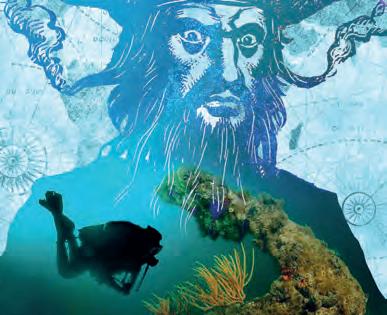
Nola bizi ziren piratak? Kondairaz harago, nor ziren? Galdera horri erantzuteko, filmak ohiz kanpoko bi misio arkeologikori jarraitzen die, Maurizion eta Madagaskarren. Orain arte, piraten itsasontzien hondakin bakan batzuk aurkitu dira. Bada, egun, arkeologo talde bat urpeko azterketak egiten ari da, Indiako Ozeanoko mendebaldean, Speaker izeneko itsasontziaren aztarnen bila –1702an hondoratu zen–, eta, aldi berean, lehorrean, Sainte-Marie izeneko uhartean, ikerketa osagarriak egiten, piratak han bizi eta ezkutatzen baitziren. Ikerketa horiei esker, piraten bizitza misteriotsuaren aztarna eta froga konkretuak lortuko ditugu.
¿Cómo vivían los piratas? ¿Quiénes eran más allá de la leyenda? Para responder a esta pregunta, nuestra película sigue a dos excepcionales misiones de investigación arqueológica en Mauricio y Madagascar. Hasta ahora, solo se han descubierto unos pocos pecios piratas. Actualmente, en el océano Índico occidental, un equipo de arqueólogos lleva a cabo estudios submarinos en busca de los restos del Speaker, famoso barco pirata que se hundió en 1702. A su vez, en tierra, se hacen investigaciones complementarias en la isla Sainte-Marie, donde se escondían y vivían los piratas. Estas investigaciones nos proporcionan pistas y pruebas tangibles de las misteriosas vidas de estos hombres.
MERTXE URTEAGA ARKEOLOGO ETA EPAIMAHAIKIDEAREN ETA ANDER ARRESE SUHAR ARKEOLOGIAKO ARKEOLOGOAREN AURKEZPENA / PRESENTACIÓN A CARGO DE MERTXE URTEAGA, ARQUEÓLOGA Y MIEMBRO DEL JURADO, Y ANDER ARRESE, ARQUEÓLOGO DE SUHAR
Aquarium
19:00 SAIL OFIZIALA / SECCIÓN OFICIAL
AMAIA KZ Auditoriuma
LA CITÉ OUBLIÉE DE RAMSÈS II
RAMSESEN HIRI GALDUA
LA CIUDAD PERDIDA DE RAMSÉS II
ZUZENDARITZA / DIRECCIÓN: LAURENT PORTES
PRODUKZIOA / PRODUCCIÓN: PERNEL MEDIA
HIZKUNTZA / IDIOMA: FRANTSESA / FRANCÉS
FRANTZIA/ FRANCIA . 2022, 90’
Ramses II.a Antzinako Egiptoko faraoi nagusia izan zen. Sei hamarkada baino gehiago gobernatu zuen, eta ezin konta ahala monumentu eraikiarazi zituen, herrialde osoan zehar, zein baino zein bikainagoa. Nolanahi ere, haren benetako harribitxia sortu zuen hiriburu mitikoa izan zen: Pi-Ramses. Hiru milurtekoko ahanzturatik berreskuratu, eta XX. mendearen bukaeran aurkitu zuten, Nilo ibaiaren deltan, eta arkeologoek urtero-urtero induskatzen dute, sekretu berriak azaleratzeko. 2022an, lehenengo aldiz, Henning Franzmeier irakaslea buru zuen arkeologo talde batek Ramses II.aren beraren jauregia induskatzeari ekin zion.
Ramsés II fue el mayor faraón del antiguo Egipto. Reinó durante más de seis décadas y construyó una miríada de monumentos por todo el país, cada uno de ellos más imponente que el anterior. Pero la verdadera joya de este faraón constructor fue su mítica capital: Pi-Ramsés. Redescubierta a finales del siglo XX en el delta del Nilo, tras tres milenios de olvido, esta ciudad es excavada cada año por arqueólogos para revelar nuevos secretos. En 2022, por primera vez, un equipo de arqueólogos dirigido por el profesor Henning Franzmeier emprendió excavaciones en el mismísimo palacio de Ramsés II.
Dokumental honek, Jaizkibel mendiko errepidearen eraikitze prozesuan, beren ideiengatik, bizi eta lan baldintza gogorren mende lan behartuak egitera zigortuak izan ziren frankismoko presoen memoria berreskuratzen du. Iraganean gertatutako historia bat, gaur egungo pertsonek kontatua, berriro gerta ez dadin.
Este documental recupera la memoria de los prisioneros del franquismo castigados a trabajos forzados por sus ideas, y sometidos a duras condiciones de vida y de trabajo durante la construcción de la carretera del monte Jaizkibel. Una historia del pasado contada por personas del presente para recordar lo ocurrido, rescatando los hechos del olvido, para que no vuelvan a suceder.
SOLASALDIA / COLOQUIO: MIGUEL ANGEL BARCENILLA LOPEZ, historialaria eta Etxetxo Lezoko Memoria Historikoeren Elkarteko kidea / MIGUEL ANGEL BARCENILLA LOPEZ, historiador y miembro de Etxetxo, asociación de Memoria Histórica de Lezo
11:00
17:00 “HISTORIA TANTAK” ZIKLOA / CICLO “PÍLDORAS DE HISTORIA”
AMAIA KZ SALA DE CONFERENCIAS/HITZALDI ARETOA Entrada por Lope de Becerra-tik sarrera
*EL DOLMEN DE GUADALPERAL
GUADALPERALEKO TRIKUHARRIA
ZUZENDARITZA / DIRECCIÓN: JOSÉ CAMELLO MANZANO
PRODUKZIOA / PRODUCCIÓN: LIBRE PRODUCCIONES SL,
CANAL EXTREMADURA TV
HIZKUNTZA / IDIOMA: GAZTELANIA / CASTELLANO
ESPAINIA / ESPAÑA . 2020, 30’
Guadalperaleko trikuharria ez dago bakarrik bere hilobi likidoan: Tajo ibaiaren ibilbidean bertan, beste urtegi batzuetan, obra arkitektoniko handiak egin zituzten lehengo kulturen aztarna gehiago gelditu dira ur azpian. Duela 5.000 urte, edo are lehenago, sineskera sistema sendo-sendo batek eragin zuen hura eraikitzea; harrizko pieza handiak landu, mugitu eta armatzeko ahalegin itzela egitea. Induskatu eta egundoko egitura azaleratu, berriz, 1925ean egin zen, apenas hamarkada batzuk direla. Azkenik, trikuharria 2019ko udan geratu zen kanpoan, inoiz ez bezala, eta, orain, bisitariz betetzen da, harik eta ura itzultzen den arte. Bada, adituek istorio interesgarri hori kontatuko digute.
El dolmen de Guadalperal no está solo en su tumba líquida. En el mismo curso del Tajo, otros pantanos han inundado más vestigios de las primeras culturas que realizaron grandes obras arquitectónicas... Cinco mil años atrás, o aún antes, un fortísimo sistema de creencias empujó su construcción, el esfuerzo casi titánico de labrar, mover y armar sus grandes piezas pétreas. Y en 1925, hace apenas el soplo de unas décadas, fue excavado y sacada a la luz la impresionante estructura. El dolmen queda al descubierto como nunca en el verano de 2019 y se llena de visitantes hasta que el agua vuelve. Los expertos nos cuentan su intensa historia.
17:00
*DERBENT : WHAT PERSIA LEFT BEHIND
DERBENT: PERTSIAK ATZEAN UTZI ZUENA
DERBENT : LO QUE PERSIA DEJÓ ATRÁS
ZUZENDARITZA / DIRECCIÓN: PEJMAN AKBARZADEH
PRODUKZIOA / PRODUCCIÓN: PERSIAN DUTCH NETWORK
HIZKUNTZA / IDIOMA: INGELESA / INGLÉS HOLANDA. 2022, 30’
Derbenteko gune gotortua, VI. mendekoa, Persiar Inperioak (Iranek) Kaukason zuen defentsarako egitura nagusia izan zela jotzen da, eta UNESCOren Munduko Ondarearen Zerrendaren barruan dago. Gaur egun, Dagestango Errepublikan dago, Errusiako muturrik hegoaldekoenean, baina Mendebaldekooi hara ez bidaiatzea aholkatzen digute, talde islamisten eta indar errusiarren arteko gatazka odoltsuak direla eta. Film honek hasiera batean Persiar Inperioaren iparraldeko muga babesteko eraikitako gotorleku sistemaren garrantzi historikoa azaltzen du, eta, era berean, aztertzen du nola babestu duten gotorleku jakin hau hamabost bat mendez agintari persiar, arabiar, turkiar eta errusiarrek.
Inscrito en la Lista del Patrimonio Mundial de la UNESCO, el complejo fortificado de Derbent, del siglo VI, está considerado la mayor estructura defensiva del Imperio Persa (Irán) en el Cáucaso. Ahora se encuentra en la República de Daguestán, el extremo más meridional de Rusia, adonde se ha desaconsejado viajar a los occidentales debido a los sangrientos conflictos entre grupos islamistas y fuerzas rusas. Esta película explica la importancia histórica del sistema de fortificaciones, construido originalmente para proteger la frontera septentrional del Imperio Persa. También explora cómo la fortaleza ha sido preservada durante unos quince siglos por gobernantes persas, árabes, turcos y rusos.
AURKEZPENA ETA SOLASALDIA XABIER PEÑALVER DOKTOREAREN ESKUTIK / PRESENTACIÓN Y COLOQUIO A CARGO DEL DOCTOR XABIER PEÑALVER
19:00 SAIL OFIZIALA / SECCIÓN OFICIAL
AMAIA KZ Auditoriuma
*IZEH
ZUZENDARITZA / DIRECCIÓN: IMAN KIARSI
PRODUKZIOA / PRODUCCIÓN: IMAN KIARSI
HIZKUNTZA / IDIOMA: INGELESA / INGLÉS
IRAN. 2018-2019, 14’
Izeh izeneko Irango hirian badira elamdar zibilizazioaren eta Partiar Inperioaren aztarna ederrak: elamdar zibilizazioarenak, K.a. 2700. urtetik 547. urtera artekoak, eta Partiar Inperioarenak, K.a. 242. urtekoak. Zehazki, Kul-e Farah izeneko hiritik gertu badira sei labar erliebe elamdar, Austen Henry Layardek 1841ean aurkituak: proposatu dutenez, zeremonia erlijiosoetarako erabiltzen zen santutegi ireki baten moduko zerbait, non animaliak sakrifikatzen ziren. Hiru harrizko paretetan zizelkatuta daude, eta beste hirurak, berriz, harkaitz handietan. Sakrifizioak, prozesioak eta oturuntza bat irudikatzen dituzte, eta hirutan musikari taldeak ere ageri dira. I. erliebeko inskripzioak Hanni aipatzen du, Tahhi-ren semea, eta, horregatik, Hanniren garaikotzat hartu da erliebe hori, K.a. VII. mendearen ingurukotzat, baina litekeena da erliebe batzuk eta besteak garai desberdinetakoak izatea, III.a, IV.a eta VI.a K.a. II. mendearen bukaerakotzat edo I.aren hasierakotzat hartu baitira.
En la ciudad iraní de Izeh se encuentran hermosas ruinas de la civilización elamita (2700-547 a. C.) y del Imperio Parto (242 a.C.). Cerca de Kul-e Farah se encuentran seis relieves rupestres elamitas, descubiertos por primera vez por Austen Henry Layard en 1841. Se ha sugerido que se trata de una especie de santuario abierto para ceremonias religiosas que implicaban el sacrificio de animales. Tres relieves están tallados en paredes rocosas, mientras que los otros tres están en grandes rocas. Representan escenas de sacrificios, procesiones y un banquete, y tres de ellos muestran grupos de músicos. La inscripción del relieve I menciona a Hanni, hijo de Tahhi, por lo que está fechada en la época de Hanni (hacia el siglo VII a.e.c.). Sin embargo, los relieves podrían pertenecer a varios periodos, habiéndose datado los relieves III, IV y VI a finales del II o principios del I milenio a.e.c.
*HISTORIAS DE UNA NECRÓPOLIS
NEKROPOLI BATEN ISTORIOAK
ZUZENDARITZA / DIRECCIÓN: JAVIER TRUEBA
PRODUKZIOA / PRODUCCIÓN: MADRID SCIENTIFIC FILMS
HIZKUNTZA / IDIOMA: GAZTELANIA / CASTELLANO
ESPAINIA / ESPAÑA . 2022, 56’
En colaboración con ONCE-rekin elkarlanean: sistema AUDESC disponible / AUDESC sistema eskuragarri
Dra Abu el-Naga izeneko muinoa funtsezkoa da Egiptoko historian: han lurperatu zituzten XVII. dinastiako erregeak eta XVIII.eko lehenengoak, K.a. 1600. urtearen eta 1500.aren artean –ondoren, Hatxepsutek Erregeen harana inauguratu zuen–. Hilerriaren bizitza luzearen eta hark denboran barrena izandako berrerabilera eta eraldaketen bidez, egiptologia eta beronen ikasgaiak prozesu dinamiko baten parte direla aditzera ematen du dokumental honek. Horrela, nekropoliak induskat zea erabilera berriak, arpilatzeak , aldaketa sozialak, aldaketa politikoak, aldaketa erlijiosoak, modak... dokumentatzea da, eta egiptologoek puzzlea osatu behar dute, gertakari eta prozesuen katea deduzitzen saiatuz.
Dra Abu el-Naga es una colina fundamental en la historia de Egipto. Allí se enterraron los reyes de la dinastía 17 y los primeros de la 18, entre el 1600 y el 1500 a. C., hasta que Hatshepsut inauguró el Valle de los Reyes. A través de la prolongada vida del cementerio, de sus reutilizaciones y transformaciones a lo largo del tiempo, este documental presenta la egiptología y sus objetos de estudio como partes de un proceso dinámico. Por eso excavar en una necrópolis es documentar nuevos usos, saqueos, cambios sociales, políticos y religiosos, modas... Y el egiptólogo ha de recomponer el puzle tratando de deducir cadenas de acontecimientos y procesos en el tiempo.
17 OSTIRALA / VIERNES
11:00 SAIL OFIZIALA / SECCIÓN OFICIAL
AMAIA KZ Auditoriuma
Publiko guztiari zabalik / Abierto a todos los públicos
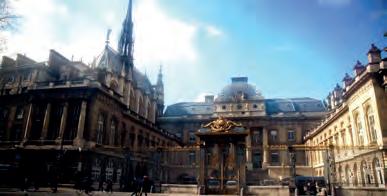
PARIS, LE MYSTÈRE DU PALAIS DISPARU
PARIS, DESAGERTUTAKO JAUREGIAREN MISTERIOA
PARÍS, EL MISTERIO DEL PALACIO DESAPARECIDO
ZUZENDARITZA / DIRECCIÓN: STÉPHANE JACQUES
PRODUKZIOA / PRODUCCIÓN: CAPA, FRANCE TÉLÉVISIONS
HIZKUNTZA / IDIOMA: FRANTSESA / FRANCÉS
FRANTZIA / FRANCIA . 2022, 90’
Versailles izan zen, Versailles baino lehenago: Parisen bihotzean zegoen jauregi ikusgarri bat, 2.000 urteko historia zuena, Julio
Zesarrek Galia inbaditu zuenetik Maria Antonieta exekuziora bitartean espetxeratu zutenera bitartekoa. Nolatan utzi da ahaztera eta nolatan egin dira gobernu baten eta bestearen eraikinak gainean?
Maisulan galdu hau noiz eta zergatik eraiki zen zehazteko, adituek denbora luzean ezkutuan egondako historia politiko, militar eta erlijiosoaren geruzak erauziko dituzte, helburu bakar bat gogoan: K.a. 52. urterainoko aztarnak biltzea, Jauregi Galdua digitalki berreraikitzeko eta haren tamaina, forma eta testura birsortzeko eta, horrela, zientzialari eta historialariekin batera, zer-nolako sorpresak gordetzen dituen deskubritzeko.
Fue Versalles antes que Versalles: un palacio espectacular en el corazón de París con una historia que abarca 2000 años, desde la invasión de Gaulle por Julio César hasta el encarcelamiento de María Antonieta a la espera de su ejecución. ¿Cómo ha sido borrado de la memoria y vuelto a construir por sucesivos edificios gubernamentales? Para determinar con exactitud cuándo y por qué se construyó esta obra maestra perdida, los expertos despojarán las capas de historia política, militar y religiosa ocultas durante mucho tiempo con un único objetivo: reunir pistas que se remonten al año 52 a. C. que permitan reconstruir digitalmente el Palacio Perdido, recreando su tamaño, forma y textura con el fin de descubrir, junto a científicos e historiadores, sus sorpresas ocultas.
17:00 “HISTORIA TANTAK” ZIKLOA / CICLO “PÍLDORAS DE HISTORIA”
AMAIA KZ SALA DE CONFERENCIAS/HITZALDI ARETOA
Entrada por Lope de Becerra-tik sarrera
ARQUEOMANÍA - EL DÍA DEL JUICIO FINAL (PARTES 1 Y 2)
ARKEOMANIA - AZKEN JUDIZIOAREN EGUNA (1. ETA 2. ATALAK)
ZUZENDARITZA / DIRECCIÓN: MANUEL PIMENTEL
PRODUKZIOA / PRODUCCIÓN: RTVE, LA NAVE DE THARSIS
HIZKUNTZA / IDIOMA: GAZTELANIA / CASTELLANO ESPAINIA / ESPAÑA . 2022-23, 60’
Bi emanaldi hauetan, Turuñueloko indusketen historiaren ikuspegi orokor bat emango dugu –Guareñan dago Turuñuelo– hasieratik gaur arte, eta zuzendariek Italiara etruriar munduko paralelismoen bila egindako espedizioa azaldu.
A lo largo de estas dos entregas hacemos una panorámica general de la historia de las excavaciones del Turuñuelo de Guareña desde sus orígenes hasta la más rabiosa actualidad, mostrando la expedición de sus directores a Italia en busca de paralelos en el mundo etrusco.
AURKEZPENA ETA SOLASALDIA XABIER PEÑALVER DOKTOREAREN
ESKUTIK / PRESENTACIÓN Y COLOQUIO A CARGO DEL DOCTOR
XABIER PEÑALVER
17:00
19:00 SAIL OFIZIALA / SECCIÓN OFICIAL
AMAIA KZ Auditoriuma
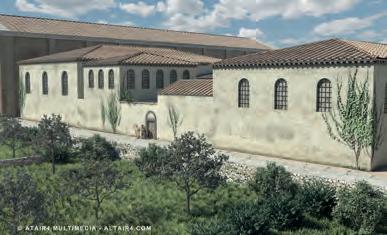
*ALLE ORIGINI DELLA BASILICA DI AQUILEIA
AKILEAKO BASILIKAREN JATORRIA
LOS ORÍGENES DE LA BASÍLICA DE AQUILEA
ZUZENDARITZA / DIRECCIÓN: PIETRO GALIFI DELLA BAGLIVA, STEFANO MORETTI
PRODUKZIOA / PRODUCCIÓN: ALTAIR4 MULTIMEDIA
HIZKUNTZA / IDIOMA: ITALIARRA / ITALIANO
ITALIA . 2023, 8’
K.o. 313. urtean, Milango ediktua kaleratu eta denbora gutxira, Teodoro gotzainak lehenengo apezpiku gunea eraikiarazi zuen, Akilean, hiriaren inguruan, harresietatik eta biltegi handi batetik gertu: horrela hasi zen basilika zahar-zahar honen historia.
En el año 313 d. C., poco después del edicto de Milán, el obispo Teodoro construyó el primer complejo episcopal en Aquilea. Estaba situado en una zona suburbana, cerca de las murallas de la ciudad y de un gran almacén. Así comenzó la asombrosa historia de la milenaria basílica.
19:00
17 OSTIRALA / VIERNES
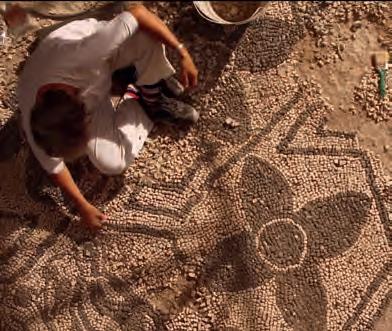
*ECCO CHE COMINCIAMO A DIPINGER CON LA PIETRA
HARRIEKIN PINTATZEN HASI GARA
AQUÍ EMPEZAMOS A PINTAR CON PIEDRA
ZUZENDARITZA / DIRECCIÓN: MASSIMO D’ALESSANDRO
PRODUKZIOA / PRODUCCIÓN: RAI RADIOTELEVISIONE ITALIANA
HIZKUNTZA / IDIOMA: ITALIARRA / ITALIANO
ITALIA . 2021, 28’
“Orain ez zaizkigu gustatzen panelak ez mendiak gela baterantz hedatzen dituzten espazioak: harriekin pintatzen hasi gara”. Horrela iragarri zuen Pliniok dekorazio teknika berri baten sorrera, mosaikoarena. Eraikin inperialak, egoitza pribatuak eta instalazio publikoak zolatu eta apaintzeko teknikarik erabilienetako bat bihurtu zen mosaikoa, eta, Portusen, Berant Antzinaroko instalazio termal batean, termetako zerbitzugune baten lurreko mosaiko batean egindako zaharberritze lan luze eta konplexua deskubrituko dugu, ondasun arkeologiko garrantzitsu baten errekuperazioa eta mendeetan gizarte erromatarraren oinarrietako bat izan zen integrazio eredu baten kontakizuna.
“Ahora no nos gustan los paneles ni los espacios que extienden las montañas hacia una habitación: aquí empezamos a pintar con piedra”. Así atestigua Plinio la introducción de una nueva técnica decorativa que se convertiría en una de las más populares para pavimentar y decorar edificios imperiales, residencias privadas e instalaciones públicas: el mosaico. Y es aquí, en Portus, en una instalación termal de la Antigüedad tardía, donde descubriremos el largo y complejo trabajo de restauración realizado sobre un mosaico en el suelo de una de las zonas de servicio de las termas. La recuperación de un importante bien arqueológico y el relato de un modelo de integración que fue una de las bases de la sociedad romana durante siglos.
*COME UN FULMINE NELL’ACQUA, I BRONZI DI SAN CASCIANO DEI BAGNI.
IZPI BAT URETAN BEZALA, SAN CASCIANO DEI BAGNIKO BRONTZEAK
COMO UN RAYO EN EL AGUA, BRONCES DE SAN CASCIANO DEI BAGNI
Gorputza eta espiritua zaintzen zituen ura; eraikin sakratua eta beilatokia; egoitza bortxaezina, non etruriarren eta erromatarren arteko kontrasteak bizikidetza baketsuari bide eman zion. Hori guztia izan zen zazpi mende baino gehiago, K.a. III. mendetik K.o. V. mendera arte, Bagno Grandeko santutegia (San Casciano dei Bagni). Hango “bihotzak”, igerileku, sakratuak brontzezko 200 objektu baino gehiago eta 5.000 txanpon baino gehiago eman ditu: oraindik ere osasunaz, harreraz eta fedeaz mintzo zaigun iragan bat leialtasunez islatzen duten eskaintzak.
Agua que curaba el cuerpo y el espíritu, edificio sagrado y lugar de peregrinación, morada inviolable en la que el contraste entre etruscos y romanos dio paso a una convivencia pacífica. Todo ello fue durante más de siete siglos –entre el s. III a. C. y el s. V d. C.– el santuario de Bagno Grande, en San Casciano dei Bagni, cuyo “corazón”, la piscina sagrada, ha proporcionado más de 200 objetos de bronce y más de 5000 monedas. Un conjunto de ofrendas que “fotografían” fielmente un pasado que sigue hablando de salud, de acogida y de fe.
18 LARUNBATA / SÁBADO
11:00 “MEMORIA HISTORIKOA”/“MEMORIA HISTÓRICA”
AMAIA KZ Auditoriuma
*UN VAS D’AIGUA PER A L’ELIO
BASO BAT UR ELIORENTZAT
UN VASO DE AGUA PARA ELIO
ZUZENDARITZA / DIRECCIÓN: PERE JOAN VENTURA
PRODUKZIOA / PRODUCCIÓN: ENRIC ESCOFET PACREU
HIZKUNTZA / IDIOMA: KATALAN / CATALÁN
ESPAINIA / ESPAÑA. 2023, 72’
Behin Bigarren Mundu Gerran faxismoa menderatuta, Espainian, idealista batzuek borrokan jarraitu zuten, Francoren diktaduraren kontra. Hirurogei urte geroago, Enrica Volpik eta bere senideek misterio bat deskubrituko dute: nola eta zergatik desagertu zen Elio arrastorik utzi gabe.
Tras la derrota del fascismo en la Segunda Guerra Mundial, algunos idealistas en España continuaron la lucha contra la dictadura de Franco. Sesenta años después, Enrica Volpi y el resto de su familia descubrirán el misterio de cómo y por qué Elio desapareció sin dejar rastro.
11:00
*PERSEGUINT EL “GRANUJA”
“GRANUJA”-RI JARRAIKA
PERSIGUIENDO EL “GRANUJA”
ZUZENDARITZA / DIRECCIÓN: JOSEP MARIA CASTELLVÍ VILADEGUT
PRODUKZIOA / PRODUCCIÓN: JOSEP MARIA CASTELLVÍ VILADEGUT
HIZKUNTZA / IDIOMA: KATALAN / CATALÁN
ESPAINIA / ESPAÑA. 2023, 51’
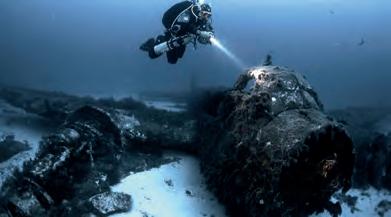
1979an, arrantza ontzi batek 270 metrora harrapatu zuen gerra hegazkin bat arrastaka eraman, eta ur azaletik gertu utzi zuen, Tarragonan. Han ziotenez, Espainiako Gerra Zibilaren bukaeran, hiriaren kontrako eraso batean, Kondor Legioaren bi motorreko hegazkin bat eraitsia zen, Granuja esaten ziotena. Gatazka horretako bonbardaketen oroitzapen lazgarriak gertatutakoaren lekuko izan zirenen gogora etorri ziren, baina urpeko aireontzia dokumentatu eta identifikatzeko prozesuak ondorio harrigarri bat eman zuen, eta ikerketa ildo berri bati heltzera behartu zuen. Granuja-renak al ziren egiaz urpeko hondakin horiek?
En 1979 una barca de pesca arrastró a un avión de guerra que enganchó a doscientos setenta metros de profundidad y lo depositó en un fondo poco profundo cercano a Tarragona. Allí, se decía que a finales de la Guerra Civil española, durante una incursión sobre la ciudad, había sido abatido un bimotor de la Legión Cóndor apodado el “Granuja”. Los terribles recuerdos de los bombardeos durante aquel conflicto volvieron a la memoria de aquellos que fueron testigos de los hechos. Pero el proceso de documentación e identificación de la aeronave sumergida condujo a una conclusión sorprendente y obligó a emprender una nueva línea de investigación. ¿Eran realmente aquellos restos sumergidos los del “Granuja”?
11:00
18:30 KLAUSURAKO GALA / GALA DE CLAUSURA
AMAIA KZ Auditoriuma
Sari-banaketa ekitaldia Ylenia Benitok aurkeztuta / Ceremonia de entrega de premios presentada por Ylenia Benito
LEHIAKETAZ KANPOKO FILMAK / PELÍCULAS FUERA DE CONCURSO
*LA MANO DE IRULEGI IRULEGIKO ESKUA
ZUZENDARITZA / DIRECCIÓN: EIDER CONDE
PRODUKZIOA / PRODUCCIÓN: SOCIEDAD DE CIENCIAS ARANZADI
HIZKUNTZA / IDIOMA: GAZTELANIA / CASTELLANO ESPAINIA / ESPAÑA. 2022, 16’ AURKEZPENA / PRESENTACIÓN: EIDER CONDE, MATTIN AIESTARAN
Irulegi mendian aurkitua, K.a. I. mendeko brontzezko esku bat. Orain arte ezagutzen den euskarazko inskripziorik zaharrena.
Hallada en el monte Irulegi, una mano de bronce del siglo I a.C. con la inscripción en lengua vascónica más antigua que se conoce hasta la fecha.
Hirugarren atal honetan, protagonistaren aita, Henry Jones ere arkeologoa, bahitu egingo dute Grial Santuaren bila zebilela. Indianak erreskatatzera joan beharko du eta, bide batez, erlikia preziatua bereganatzen saiatu, naziek ere nahi dutena.
En esta tercera entrega, el padre del protagonista, Henry Jones, también arqueólogo, es secuestrado cuando buscaba el Santo Grial.
Indiana tendrá que ir a rescatarlo y, de paso, intentar hacerse con la preciada reliquia, que también ambicionan los nazis.
18:30
ONLINE JAIALDIA / FESTIVAL ONLINE
FICAB Bidasoko Nazioarteko Zinemaldi Arkeologikoak, jaialdia zinema aretoetan antolatzeaz gain, lehiaketan parte hartuko duten hainbat filma ONLINE ikusteko eskaintza egingo du, Azaroaren 13tik 18era bitartean.
El Festival Internacional de Cine Arqueológico del Bidasoa FICAB, además de organizar el festival de manera presencial, ofrecerá la posibilidad de disfrutar de las sesiones online de una selección de las películas a concurso que estarán disponibles desde el día 13 hasta el 18 de noviembre. Hauek dira ONLINEko sailak / Estas son las secciones online:
SAIL OFIZIALA
SECCIÓN OFICIAL
• El lugar ante mí, sambaquis 86’
• Ice Age America 90’
• Neander tal, tras las huellas de otra humanidad 52’
• La reina de las Amazonas 90’
• Téviec 52’
• Vikingos: el reino perdido 90’
• La verdadera historia de los piratas 52’
• La ciudad perdida de Ramsés II 90’
• El dolmen de Guadalperal 30’
• Derbent: lo que Persia dejó atrás 30’
• Izeh 14’
• Historias de una necrópolis 56’ (en colaboración con ONCE-rekin elkarlanean: Sistema AUDESC disponible / AUDESC Sistema eskuragarri)
• París, el misterio del palacio desaparecido 90'
• Arqueomanía: el día del juicio final (partes 1 y 2) 60’
• Los orígenes de la basílica de Aquilea 8’
• Aquí empezamos a pintar con piedra 28’
• Como un rayo en el agua. Bronces de San Casciano del Bagni 56’
• Un vaso de agua para Elio 72’
• Persiguiendo el “Granuja” 51’
HEZKUNTZA SAILA
SECCIÓN EDUCATIVA
• Pergamo helenistikoari begirada / Mirada al Pérgamo helenístico - 5’- jatorrizko bertsioa euskarazko azpitituluekin / V.O. subt. euskera
• Ez tei oturuntza erromatarra / Banquete nupcial romano
- 25’- jatorrizko bertsioa euskarazko azpitituluekin / V.O. subt. euskera
• Erromatarren arrastoak oinen azpian / Huellas romanas bajo los pies - 30’ - jatorrizko euskarazko bertsioa / V.O. euskera
• Odisea, gure eboluzioaren historia / Odisea, la historia de nuestra evolución - 30’ - jatorrizko bertsioa euskarazko azpitituluekin / V.O. subt. euskera
• Lur urratua / Tierra rasgada - 56’ - jatorrizko euskarazko bertsioa / V.O. euskera
23rd FICAB
23rd
BIDASOA INTERNATIONAL ARCHAEOLOGY FILM FESTIVAL
The 23rd edition of FICAB is getting under way. It is a great honour to be part of this project. It is a festival that has become more established year after year, which has increased the quality of the documentaries and offered new sections, but above all, a festival that can count on the audience’s loyalty. And we say that with pride and a great deal of excitement. That same excitement has coloured our organisation of this new edition. We have tried to choose attractive films, organising discussions with interesting guests, putting on a film marathon in the Aquarium, maintaining the opportunity to see the films online as well, with an enjoyable Closing Ceremony in collaboration with Bizinema… We also have the satisfaction of having a magnificent international jury with Isabel Izquierdo, the Director of the National Archaeological Museum, Juantxo Agirre, General Secretary of Aranzadi Society of Sciences, the Goya-winning actor Eneko Sagardoy, Julieta Juncadella, international distributor and Mertxe Urteaga, archaeologist and founder of FICAB. It is a lot of effort but very gratifying, because we are passionate about science and archaeology. And we believe in the dissemination of our discoveries and progress; and this belief is rewarded with the audience response which encourages us to tackle new challenges, above all involving the youngest audience members.
We are very excited about schools’ involvement in the ARK-MO section. Within the framework of FICAB, students from the participating schools show their short films, their ARK-MO, in the Sala Amaia. They choose the heritage or theme linked to archaeology or the history of their surroundings that they wish to share. They prepare the script, decide how to do it, they record it, edit it… and they show it. We are very proud of the work they are doing, which will be shown in the Education Section screenings. And thanks to their films they become experts and, above all, defenders of “their” archaeological heritage. All these pieces of work will also be available on the Oiasso Museum website.
We await you with the cinema doors wide open from 13th to 18th November. There will be free sessions in the mornings, afternoons and evenings, to travel around the world and through our past, to learn and, above all, to enjoy films and archaeology.
Aizpea Goenaga Director of FICAB XXIII
XXIII FICAB
XXIII FESTIVAL INTERNATIONAL DE CINÉMA ARCHÉOLOGIQUE DE LA BIDASSOA
Le FICAB démarre sa 23ème édition. C’est un grand honneur de faire partie de ce festival qui chaque année se consolide un peu plus, voit augmenter la qualité de ses documentaires et propose de nouvelles sections, mais c’est surtout un festival qui compte sur un public fidèle. Et nous le disons avec fierté et beaucoup de joie. La même joie avec laquelle nous avons organisé cette nouvelle édition, en essayant de faire une sélection attrayante, en organisant des colloques avec des invités intéressants, en préparant un marathon de cinéma à l’Aquarium, en conservant la possibilité de voir les films online, en concoctant une amusante cérémonie de clôture en collaboration avec Bizinema… et avec la satisfaction d’accueillir un magnifique jury international formé par Isabel Izquierdo, directrice du Musée archéologique national, Juantxo Agirre, Secrétaire général de la Société des sciences Aranzadi, Eneko Sagardoy, acteur et lauréat d’un Goya, Julieta Juncadella, distributrice internationale et Mertxe Urteaga, archéologue et fondatrice du FICAB. Cela demande un effort conséquent mais gratifiant, puisque nous sommes des passionnés de science et d’archéologie. Et nous croyons en la divulgation des nouvelles découvertes et avancées, comme le prouve l’accueil du public qui nous encourage à relever de nouveaux défis, en particulier à destination des jeunes spectateurs. Nous sommes très heureux de l’engagement des établissements scolaires dans la section ARK-MO. Les élèves des établissements participants présentent leurs courts-métrages dans la salle Amaia et dans le cadre du FICAB. Ils choisissent un patrimoine ou un sujet en lien avec l’archéologie ou l’histoire qui les entoure et qu’ils veulent partager. Ils écrivent le scénario, décident comment le faire, le filment, le montent… et le projettent. Nous sommes très fiers de leurs travaux qui seront présentés dans la Section Éducative. Et grâce à leurs films, ils deviennent des experts et surtout des défenseurs de “leur” patrimoine archéologique. Tous ces travaux seront disponibles sur le site Internet du musée Oiasso.
Nous vous attendons nombreux du 13 au 18 novembre, avec des séances gratuites le matin, l’après-midi et le soir, pour parcourir le monde et notre passé, pour apprendre et surtout pour profiter du cinéma et de l’archéologie.
Aizpea Goenaga
Directrice du XXII FICAB
Jury Jury
ISABEL IZQUIERDO (PRESIDENT)
With a PhD in History specialising in Archaeology from the University of Valencia, she has developed a career in research with regard to archaeology and archaeological museums, paying particular attention to the study of Iberian culture and museology. She has also taken part in national and international archaeological digs.
A State Museum Curator, she has managed and coordinated numerous museum renovation projects, mainly archaeological, for the Ministry of Culture. Later on, she became a Consultant Member of the General Directorate of Fine Arts and Programming Director of Acción Cultural Española (AC/E), a state organisation whose mission is the national and international projection of Spanish culture and heritage. The Ministry of Culture and Sport announced her as director of the National Archaeological Museum on 15 April 2023.
JUANTXO AGIRRE
A Geography and History graduate, he has a Master’s Degree in Archaeological and Artistic Heritage. He is General Secretary of Aranzadi Society of Sciences. He works on the medieval and post/ medieval eras. He has directed different archaeological interventions and historical studies in urban and religious contexts. He is currently directing digs in the medieval castles of Amaiur and the Roman site of Zaldua (Navarre). He is the co-author of many archaeology publications.
ISABEL IZQUIERDO (PRÉSIDENTE)
Docteure en Histoire à l’Université de Valencia, spécialisée en Archéologie, elle a mené une carrière de chercheuse en matière d’archéologie et de musées archéologiques, avec une attention toute particulière pour l’étude de la culture ibérique et de la muséologie. Elle a également participé à des fouilles nationales et internationales. Conservatrice de musées de l’État, elle a géré et coordonné depuis le Ministère de la Culture de nombreux projets de restauration de musées, principalement archéologiques. Elle a ensuite été membre associée de la Direction générale des Beaux-Arts et directrice de programmation d’Action Culturelle Espagnole (AC/E), institution publique ayant pour mission la diffusion nationale et internationale de la culture et du patrimoine espagnols. Le 15 avril dernier, le Ministère de la Culture et des Sports l’a nommée à la tête du Musée Archéologique National.
JUANTXO AGIRRE
Diplômé d’Histoire-Géographie, il possède un Master en patrimoine archéologique et artistique et occupe le poste de secrétaire général de la Société des sciences Aranzadi. Spécialiste des époques médiévale et post-médiévale, il a dirigé plusieurs interventions archéologiques et études historiques dans des contextes urbains et religieux. Il dirige actuellement les fouilles du château médiéval d’Amaiur et du site romain de Zaldua (Navarre). Il a co-écrit plusieurs ouvrages sur l’archéologie.
JULIETA JUNCADELLA
Born in Buenos Aires, where she studied film production at the National School of Film Experimentation and Production (ENERC). In 2019 she completed a Master’s Degree in Film Curating Studies at Elias Querejeta Zine Eskola in San Sebastián In 2019 she co-founded Una Presencia, a film production company based in Buenos Aires, where she has produced seven short films which premièred and won awards at film festivals. In 2021 she produced the feature film Al Oriente, by José María Avilés, which premièred at the Venice Film Festival. She currently lives in Spain where, alongside Silvia Cruz, she founded Vitrine Filmes España, a film distributor and production company, in 2020.
ENEKO SAGARDOY
He divides his time between theatre, television and film. He has participated in several films, including Errementari, Soinujolearen semea, Hil kanpaiak and Irati. He starred in the film Handia, for which he won the Goya Award. He has also just directed his first short film Betiko gaua. Right now he is in Rome filming a big international series about gladiators, Those About to Die.
MERTXE URTEAGA
A Doctor in Archaeology, Mertxe Urteaga works in the Historical and Artistic Heritage Department of the Gipuzkoan Regional Government. As director of the Arkeloan Foundation, in 2001 she had the idea of the Bidasoa International Archaeology Film Festival, FICAB, which she directed from 2006 to 2016, coinciding with the time she was head of Oiasso Museum. She has had a long and distinguished career in the field of archaeological investigations, with special emphasis on her contributions to the knowledge of Roman history in our territory.
JULIETA JUNCADELLA
Originaire de Buenos Aires, elle y a étudié la production cinématographique à l’ENERC. En 2019, elle a obtenu un Master de conservation du cinéma à la Elias Querejeta Zine Eskola de San Sebastián. Elle est co-fondatrice de Una Presencia, maison de production basée à Buenos Aires qui a produit sept courts-métrages programmés et primés dans différents festivals. En 2021, elle produit le long-métrage Al Oriente, de José María Avilés, sélectionné au Festival de Venise. Elle vit aujourd’hui en Espagne, où elle a fondé en 2020 avec Silvia Cruz, Vitrine Filmes España, une maison de distribution et production cinématographique.
ENEKO SAGARDOY
Acteur de théâtre, de télévision et de cinéma, il a joué dans de nombreux films, parmi lesquels Errementari, Soinujolearen semea, Hil kanpaiak, Irati… Son rôle principal dans le film Handia lui a valu un Goya. Il vient de réaliser son premier court-métrage, Betiko gaua, et il se trouve actuellement à Rome pour le tournage d’une grande série internationale sur les gladiateurs, Those about to die.
MERTXE URTEAGA
Docteure en Archéologie, elle travaille dans le Service du Patrimoine historico-artistique de la Députation forale du Guipuscoa. Alors qu’elle est à la tête de la Fondation Arkeolan, elle a l’idée de créer en 2001 le Festival International de Cinéma Archéologique de la Bidassoa, FICAB, qu’elle dirige de 2006 à 2016, période où elle assume la direction du musée Oiasso. Elle possède une trajectoire longue et reconnue dans le domaine des recherches archéologiques et se distingue par ses contributions à la connaissance du passé romain de notre territoire.
PROGRAMME PROGRAM
MONDAY 13
5:00 p.m.
“HISTORY PILLS” SEASON
Amaia Cultural Centre. Conference hall
THE PLACE BEFORE ME, SAMBAQUIS
DIRECTOR: KARLA NASCIMENTO
PRODUCTION: AMPLER CINE - TV - NOVAS MÍDIAS
LANGUAGE: PORTUGUESE. BRAZIL. 2022, 86’
The series The Place Before Me proposes to publicize pre-colonial archaeology through audiovisual resources. The third episode of this series has as its theme the Brazilian shell mounds, heaps of shells built intentionally since 10,000 years (BP), which can measure more than 30 meters in height. The feature film portrays various aspects of everyday life of populations who lived there and other topics such as the possible relationship of ancestry between the coastal and riverine middens. Presentation and discussion led by Doctor Xabier Peñalver.
7:00 p.m.
OFFICIAL SECTION
Amaia Cultural Centre. Auditorium
Festival opening ceremony
ICE AGE AMERICA
DIRECTOR: ROBIN BICKNELL
PRODUCTION: YAP FILMS, BELLOTA FILMS
LANGUAGES: FRENCH, ENGLISH. CANADA, FRANCE. 2023, 90’
Ice Age America documents a scientific paradigm shift in real time. It follows renowned archaeologist Ciprian Ardelean and other renegade scientists over several years as they uncover evidence that humans arrived in the Americas far earlier than previously thought. It’s an epic roller-coaster ride that features moments of emotional discov-
LUNDI 13
17:00
CYCLE “GRAINES D’HISTOIRE”
Salle de conférences du Centre Culturel Amaia
L’ENDROIT DEVANT MOI, SAMBAQUIS
RÉALISATION : KARLA NASCIMENTO
PRODUCTION : AMPLER CINE - TV - NOVAS MÍDIAS
LANGUE : PORTUGAIS. BRÉSIL. 2022, 86’
La série L’endroit devant moi présente l’archéologie précoloniale à travers des ressources audiovisuelles. Ce troisième épisode se concentre sur les sambaquis brésiliens, amas coquilliers construits par l’Homme il y a 10 000 ans et pouvant mesurer jusqu’à 30 mètres de hauteur. Le film décrit divers aspects de la vie quotidienne des populations qui y ont vécu, ainsi que d’autres sujets comme la possible relation ancestrale entre sambaquis côtiers et fluviaux.
Présentation et colloque dirigé par le docteur
Xabier Peñalver.
19:00
SÉLECTION OFFICIELLE
Auditorium du Centre Culturel Amaia
Cérémonie d’ouverture du festival
AMÉRIQUE : LA NOUVELLE HISTOIRE DES PREMIERS HOMMES
RÉALISATION : ROBIN BICKNELL
PRODUCTION : YAP FILMS, BELLOTA FILMS
LANGUE : FRANÇAIS, ANGLAIS. CANADA, FRANCE. 2023, 90’
Un groupe d’éminents archéologues propose une nouvelle version de l’histoire du peuplement des Amériques. Leurs découvertes révèlent que les premiers hommes ont posé le pied sur ce continent il y a 30.000 ans, au plus fort de la dernière glaciation, faisant ainsi reculer la date de leur arrivée de plus de 15.000 ans. Ce film raconte
ery and crushing disappointment, all captured on camera. New evidence is unearthed across America, including the astounding discovery of ancient footprints that clearly show adults and children walking alongside mammoths and other megafauna of the last ice age.
TUESDAY 14
11:00 a.m.
EDUCATIONAL SECTION
Amaia Cultural Centre. Auditorium
ARK-MO PROJECT: Students from different schools have created 5-minute-long short films about their heritage, which will be presented in the FICAB Department of Education.
*
ARK-MO - URDANIBIAKO ERROTARI BUELTAKA
DIRECTOR: COLEGIO SAN VICENTE DE PAUL OF IRUN
LANGUAGE: BASQUE. SPAIN. 2023, 5’
*ARK-MO - OIASSO
DIRECTOR: GUREAK
LANGUAGE: BASQUE. SPAIN. 2023, 5’
*LOOKING INTO THE HELLENISTIC PERGAMON
DIRECTOR: SERDAR YILMAZ
PRODUCTION: SERDAR YILMAZ, UFUK SOYÖZ
LANGUAGE: TURKISH. TURKEY. 2022, 5’
Pergamon was one of the first emerging kingdoms of the Hellenistic world. Attalid rulers designed the city almost as a stage to house the religious rituals. These rituals were re-fashioned in the Hellenistic age to accommodate rituals of the kingship.
Before the emergence of the Hellenistic kings, the Greek world in the Classical period was ruled by democracy. The most important performance for the democracy was the circular dance. Teams of young men represented various tribes that constituted their city. Dance competitions facilitated the social integration of the society
l’histoire passionnante et controversée de ce changement de paradigme, en suivant les recherches sur des sites archéologiques majeurs, du Grand Nord canadien à la pointe Sud du Chili. Déterminés à résoudre le mystère de l’arrivée des premiers peuples en Amérique, ces scientifiques internationaux remettent en question la théorie en vigueur et réécrivent l’histoire des migrations humaines à l’échelle de tout le continent.
MARDI 14
11:00
SECTION ÉDUCATIVE
Auditorium du Centre Culturel Amaia
PROJET ARK-MO: Des élèves de plusieurs collèges ont créé des courts-métrages de 5 minutes sur leur patrimoine et ils les présentent dans la Section Éducative du FICAB.
*ARK-MO - URDANIBIAKO ERROTARI BUELTAKA
RÉALISATION : COLLÈGE SAN VICENTE DE PAUL D’IRUN
LANGUE : BASQUE. ESPAGNE. 2023, 5’
*ARK-MO - OIASSO
RÉALISATION : GUREAK
LANGUE : BASQUE. ESPAGNE. 2023, 5’
*REGARD SUR LE PERGAME HELLÉNISTIQUE
RÉALISATION : SERDAR YILMAZ
PRODUCTION : SERDAR YILMAZ, UFUK SOYÖZ
LANGUE : TURC. TURQUIE. 2022, 5’
Pergame fut l’un des premiers royaumes émergents du monde hellénistique. Les Attalides conçurent la ville pratiquement comme une scène pour y abriter les rituels religieux. Ces rituels furent redessinés à l’époque hellénistique pour accueillir ceux de la royauté.
Avant l’apparition des rois hellénistiques, le monde grec de l’Époque classique était régi par la démocratie. La performance la plus importante pour la démocratie était la danse circulaire, où des équipes de jeunes hommes
The circular dance in the democratic polis occupied the full circle of the orkhestra. In the Hellenistic period however the stage invaded half of the orkhestra reducing it to a semi-circular area.
*ROMAN WEDDING BANQUET
DIRECTOR: MILICA POPOVIC
PRODUCTION: SVETLANA BANDIC
LANGUAGE: SERBIAN. SERBIA. 2022, 25’
As a part of the docufiction series ArcheoCuisine, Roman Wedding Banquet represents maturing of boys and girls during the Roman times, up to the very act of marriage. Roman hedonism is at its peak at the wedding banquet and it blends the most exotic ingredients and aromas.
*ROMAN FOOTPRINTS UNDER THE FEET DIRECTORS: NAGORE REMENTERIA, IÑAKI LETURIA
PRODUCTION: ELHUYAR, EITB MEDIA
LANGUAGE: BASQUE. SPAIN. 2023, 30’
There are great treasures underground in Irun, where the Roman city of Oiasso was discovered. We have followed the traces found so far with Oiasso Museum’s director, Juan José Jiménez, and the Arkeolan archaeologist, Zohartze Galán.
5:00 p.m.
“HISTORY PILLS” SEASON
Amaia Cultural Centre. Conference hall
NEANDERTHAL, IN THE STEPS OF ANOTHER HUMANITY
DIRECTOR: DAVID GEOFFROY
PRODUCTION: COURT-JUS PRODUCTION
LANGUAGE: FRENCH. FRANCE. 2022, 52’
Threatened by marine erosion, which global warming is inexorably accelerating its ravages, the Le Rozel site in the Cotentin peninsula has yielded some rare vestiges of the daily life of the Neanderthal populations who Neanderthals who occupied this remarkable spot on the Normandy coast, some 80,000 years ago. Among these fragile remains are more than 2,000 footprints have been unearthed by archaeologists:
représentaient les différentes tribus qui constituaient leur cité. Les concours de danse facilitaient l’intégration sociale. La danse circulaire dans la polis démocratique occupait tout l’orchestre. À l’époque hellénistique, cependant, la scène envahit la moitié de l’orchestre pour le réduire à un demi-cercle.
*BANQUET NUPTIAL ROMAIN
RÉALISATION : MILICA POPOVIC
PRODUCTION : SVETLANA BANDIC
LANGUE : SERBE. SERBIE. 2022, 25’
Tiré de la série de docu-fiction ArcheoCuisine, Banquet nuptial romain représente le passage à la maturité des garçons et des filles de l’époque romaine, jusqu’au mariage lui-même. L’hédonisme romain atteint son apogée durant le banquet nuptial, où se mélangent les ingrédients et les aromes les plus exotiques.
*DES EMPREINTES ROMAINES SOUS LES PIEDS
RÉALISATION : NAGORE REMENTERIA, IÑAKI LETURIA
PRODUCTION : ELHUYAR, EITB MEDIA
LANGUE : BASQUE. ESPAGNE. 2023, 30’
Le sous-sol d’Irun recèle de grands trésors, car c’est là que se trouvait la ville romaine d’Oiasso. Nous avons suivi les traces retrouvées jusqu’à présent avec le directeur du musée
Oiasso, Juan José Jiménez, et l’archéologue d’Arkeolan, Zohartze Galán.
17:00
CYCLE “GRAINES D’HISTOIRE”
Salle de conférences du Centre Culturel Amaia NÉANDERTAL, DANS LES PAS D’UNE AUTRE
HUMANITÉ
RÉALISATION : DAVID GEOFFROY
PRODUCTION : COURT-JUS PRODUCTION
LANGUE : FRANÇAIS. FRANCE. 2022, 52’
Menacé par l’érosion marine dont le réchauffement climatique accélère inexorablement les ravages, le site du Rozel, dans le Cotentin, livre des vestiges rarissimes de la vie quotidienne de populations néandertaliennes ayant occupé ce point remarquable du littoral normand, il y a envi-
the world’s largest collection of Neanderthal footprints in the world! Since 2012, archaeologist Dominique Cliquet has been working race against time to excavate this internationally important prehistoric site before the raging sea swallows up for ever the traces of life left in the dune by the Neanderthal men, women and children who once Neanderthals who frequented the site. The discoveries made in Normandy and other research carried out in recent years conducted in recent years across Europe and beyond, this unprecedented archaeological investigation takes us on a dizzying journey back in time, in the footsteps in the footsteps of Neanderthal man. Little by little, behind the everyday life of the Neanderthals, archaeology gives us a glimpse us a glimpse of what underpinned the humanity of this extinct species, so different... and yet so close to us!
Presentation and discussion led by Doctor Xabier Peñalver.
7:00 p.m.
OFFICIAL SECTION
Amaia Cultural Centre. Auditorium
AMAZONS: WOMEN WARRIORS
DIRECTORS: ALEXANDRA BARBOT, VÉRONIQUE PRÉAULT
PRODUCTION: ZED, CESKA TV, MAGELLAN TV
LANGUAGE: FRENCH. FRANCE. 2023, 90’
Following recent discoveries Siberia, Northern Armenia, Mongolia and Crimea, including decapitated women’s skeletons, and the tomb of a woman surrounded by weapons and mistaken for a man, an archaeological expedition led by international experts begins.
Could these women be real-life Amazon warriors - a fiercely independent tribe of warriors and hunters who were revered for their physical prowess and sheer strength comparable to the bravest of men? Is there any historical truth behind the myth of these hard-fighting, horse-riding female fighters?
Combining field research, dramatic reenactments, 3D and in-depth interviews, this documen-
ron 80 000 ans. Parmi ces fragiles vestiges, plus de 2000 empreintes de pieds sont mises au jour par les archéologues : la plus grande collection au monde d’empreintes de Néandertaliens ! Depuis 2012, l’archéologue Dominique Cliquet a engagé une véritable course contre la montre pour fouiller ce site préhistorique d’importance internationale avant que la mer en furie n’engloutisse à jamais les traces de vie laissées dans la dune par les hommes, les femmes et les enfants néandertaliens qui fréquentaient les lieux. Au fil des découvertes normandes et d’autres recherches conduites ces dernières années à travers toute l’Europe et bien au-delà, cette enquête archéologique inédite nous entraîne dans un vertigineux voyage dans le temps, dans les pas de l’Homme de Néandertal. Peu à peu, derrière la vie quotidienne des Néandertaliens, l’archéologie nous permet d’entrevoir ce qui fonde l’humanité de cette espèce disparue, si différente et pourtant si proche de nous !
Présentation et colloque dirigé par le docteur Xabier Peñalver.
19:00
SÉLECTION OFFICIELLE
Auditorium du Centre Culturel Amaia LA REINE DES AMAZONES
RÉALISATION : ALEXANDRA BARBOT, VÉRONIQUE PRÉAULT
PRODUCTION : ZED, CESKA TV, MAGELLAN TV LANGUE : FRANÇAIS. FRANCE. 2023, 90’
Suite à de récentes découvertes en Sibérie, en Arménie du Nord, en Mongolie et en Crimée, dont plusieurs squelettes de femmes décapitées et la tombe d’une femme qu’on a cru être un homme entouré d’armes, une expédition archéologique menée par des experts internationaux commence. Ces femmes pourraient-elles être de véritables amazones - une tribu de guerrières et de chasseuses farouchement indépendantes vénérées pour leurs prouesses physiques et leur force comparable à celle des hommes les plus courageux ? Y a-t-il une vérité historique derrière le mythe de ces combattantes et cavalières ? Combinant
tary will uncover who these women were, hoping to expose the truth behind the myth of Amazons.
WEDNESDAY 15
11:00 a.m.
EDUCATIONAL SECTION
Amaia Cultural Centre. Auditorium
*ARK-MO - ITSASOKO ZAINDARI, HERRIAREN
ARMARRI: SOKOAKO GOTORLEKUA
DIRECTOR: COLEGIO PIARRES LARZABAL OF CIBOURE
LANGUAGE: BASQUE. FRANCE. 2023, 5’
*ODYSSEA, THE STORY OF OUR EVOLUTION
DIRECTOR: SÉBASTIEN DUHEM
PRODUCTION: TROPISME STUDIO, MUSÉE
AUBECHIES-BELOEIL
LANGUAGE: FRENCH. BELGIUM. 2023, 30’
The story of our evolution from the Neolithic period to the end of the Western Roman period.
*ROMAN FOOTPRINTS UNDER THE FEET
DIRECTORS: NAGORE REMENTERIA, IÑAKI
LETURIA
PRODUCTION: ELHUYAR, EITB MEDIA
LANGUAGE: BASQUE. SPAIN. 2023, 30’
There are great treasures underground in Irun, where the Roman city of Oiasso was discovered. We have followed the traces found so far with Oiasso Museum’s director, Juan José Jiménez, and the Arkeolan archaeologist, Zohartze Galán.
5:00 p.m.
“HISTORY PILLS” SEASON
Amaia Cultural Centre. Conference hall TÉVIEC
DIRECTOR: HUBERT BÉASSE
PRODUCTION: VIVEMENT LUNDI !
LANGUAGE: FRENCH. FRANCE. 2022, 52’
In the 1920s, a couple of archaeologists unearthed a Mesolithic burial site on the Morbihan island of Téviec. Archaeology was still in its
recherches sur le terrain, reconstitutions dramatiques, 3D et interviews, ce documentaire dévoilera qui étaient ces femmes, dans l’espoir d’exposer la vérité derrière le mythe des amazones
MERCREDI 15
11:00
SECTION ÉDUCATIVE
Auditorium du Centre Culturel Amaia
*ARK-MO - ITSASOKO ZAINDARI, HERRIAREN
ARMARRI: SOKOAKO GOTORLEKUA
RÉALISATION : COLLÈGE PIARRES LARZABAL DE CIBOURE
LANGUE : BASQUE. FRANCE. 2023, 5’
*ODYSSEA, L’HISTOIRE DE NOTRE ÉVOLUTION
RÉALISATION : SÉBASTIEN DUHEM
PRODUCTION : TROPISME STUDIO, MUSÉE
AUBECHIES-BELOEIL
LANGUE : FRANÇAIS. BELGIQUE. 2023, 30’ L’histoire de l’évolution des technologies et des cultures chez l’être humain de l’ère paléolithique à la fin de la période romaine occidentale.
*DES EMPREINTES ROMAINES SOUS LES PIEDS
RÉALISATION : NAGORE REMENTERIA, IÑAKI
LETURIA
PRODUCTION : ELHUYAR, EITB MEDIA
LANGUE : BASQUE. ESPAGNE. 2023, 30’
Le sous-sol d’Irun recèle de grands trésors, car c’est là que se trouvait la ville romaine d’Oiasso. Nous avons suivi les traces retrouvées jusqu’à présent avec le directeur du musée Oiasso, Juan José Jiménez, et l’archéologue d’Arkeolan, Zohartze Galán.
17:00
CYCLE “GRAINES D’HISTOIRE”
Salle de conférences du Centre Culturel Amaia
TÉVIEC
RÉALISATION : HUBERT BÉASSE
PRODUCTION : VIVEMENT LUNDI !
LANGUE : FRANÇAIS. FRANCE. 2022, 52’
infancy, and prehistoric necropolises of this quality were rare in Europe. Among the skeletons, the one Marthe and Saint-Just Péquart refer to as “K6” has a peculiarity that intrigues the scientific community: two arrowheads embedded in the spinal column. This discovery calls into question the idea that our Mesolithic ancestors were peaceful hunter-gatherers. In the early 2000s, the Téviec skeletons aroused renewed interest in the scientific community. Archaeologist Grégor Marchand and his team reopen the investigation and try to understand how the first known Mesolithic homicide took place... Presentation and discussion led by Doctor Xabier Peñalver.
6:00 p.m.
OFFICIAL SECTION
Aquarium (San Sebastian)
VIKINGS: THE LOST KINGDOM
DIRECTORS: ALEXIS DE FAVITSKI, PIERRE STINE
PRODUCTION: ZED, MECHANIX FILM
LANGUAGE: FRENCH. FRANCE. 2023, 90’ 2018, Gjellestad, Norway. Archaeologists make the discovery of a lifetime: a 20-metre long, 1200-year-old Viking funeral ship. Who is hiding in the grave? What can this coffin tell us about the daily lives, beliefs and traditions of the Vikings? In July 2020, begins an exceptional archaeological expedition in hope to find answers.
Using state-of-art technologies, cinema-worthy dramatized reenactments and with the help of great specialists, Vikings: the lost kingdom is both a scientific investigation and an epic historical drama which brings back to life villagers, warriors and craftsmen of this lost civilization.
Dans les années 1920, un couple d’archéologues met au jour un site funéraire mésolithique sur l’île de Téviec, dans le Morbihan. L’archéologie est encore balbutiante et les nécropoles préhistoriques de cette qualité sont rares en Europe. Parmi les squelettes, celui que Marthe et Saint-Just Péquart désignent comme « K6 » comporte une particularité qui intrigue la communauté scientifique : deux pointes de flèches fichées dans la colonne vertébrale.
Cette découverte remet en cause l’idée que nos ancêtres du Mésolithique étaient de pacifiques chasseurs-cueilleurs.
Au début des années 2000, les squelettes de Téviec suscitent un regain d’intérêt des communautés scientifiques. L’archéologue Grégor Marchand et son équipe rouvrent l’enquête et tentent de comprendre comment s’est déroulé le premier homicide connu du Mésolithique. Présentation et colloque dirigé par le docteur Xabier Peñalver.
18:00
SÉLECTION OFFICIELLE
Aquarium (Donostia-San Sebastián)
*LE VRAI VISAGE DES VIKINGS
RÉALISATION : ALEXIS DE FAVITSKI, PIERRE STINE
PRODUCTION : ZED, MECHANIX FILM
LANGUE : FRANÇAIS. FRANCE. 2022, 90’ 2018, Gjellestad, Norvège. Les archéolo gues font une découverte spectaculaire : un navire funéraire viking de 20 mètres de long, vieux de 1 200 ans. Qui repose dans le bateau-tombe ? Que peut nous apprendre ce cercueil sur la vie quotidienne, les croyances et les traditions des Vikings ? En juillet 2020, commence une expédition archéologique exceptionnelle, dans l’espoir de trouver des réponses. Grâce aux technologies de pointes, à des reconstitutions dramatiques dignes du cinéma et à l’aide de grands spécialistes, Le vrai visage des Vikings est à la fois une enquête scientifique et un drame historique épique, qui redonne vie aux villageois, guerriers et artisans de ce peuple disparu.
THE TRUE STORY OF PIRATES
DIRECTOR: STÉPHANE BEGOIN
PRODUCTION: GEDEON PROGRAMMES
LANGUAGE: FRENCH, ENGLISH. FRANCE. 2022, 52’
How did the pirates live, who were they beyond the legend? To answer this, our film follows two exceptional archaeological research missions to Mauritius and Madagascar. Until now, only a few pirate shipwrecks have been discovered. Today, in the western Indian Ocean, a team of archaeologists is conducting underwater studies in search of the remains of the Speaker, a famous pirate ship that sank in 1702... On land, complementary research is being carried out on Sainte-Marie Island, where pirates used to hide and live. Their research provides us with clues and tangible evidence of the mysterious lives of these men. Presentation by Mertxe Urteaga, archaeologist and member of the jury, and Ander Arrese, archaeologist at Suhar.
7:00 p.m.
OFFICIAL SECTION
Amaia Cultural Centre. Auditorium
THE FORGOTTEN CITY OF RAMSES II
DIRECTOR: LAURENT PORTES
PRODUCTION: PERNEL MEDIA
LANGUAGE: FRENCH. FRANCE. 2022, 90’ Ramses II was the greatest pharaoh of ancient Egypt; he reigned for more than six decades and built a myriad of monuments throughout the country, each more imposing than the last. But the real jewel of this builder pharaoh was his mythical capital: Pi-Ramses. Rediscovered at the end of the 20th century in the Nile Delta, after three millennia of oblivion, this city has been excavated every year by archaeologists and reveals new secrets. In 2022, for the first time, a team of archaeologists led by Professor Henning Franzmeier undertook excavations in the very palace of Ramses II.
*LA VÉRITABLE HISTOIRE DES PIRATES
RÉALISATION : STÉPHANE BEGOIN
PRODUCTION : GEDEON PROGRAMMES
LANGUE : FRANÇAIS, ANGLAIS. FRANCE. 2022, 52’
Les pirates sont depuis toujours des héros populaires. Leurs jambes de bois, leur soif de richesse et leurs navires chargés d’or ont fait d’eux des personnages mythiques. Mais qui étaient réellement ces hommes ? Sont-ils seulement des marins cachant des trésors au fond des baies ou de violents brigands ? Quelle est la réalité de leur quotidien, l’importance de leur trafic ? Jusque-là, très peu d’épaves de bateaux pirates avaient été retrouvées et la vie de ces hommes restait mystérieuse… A l’île Maurice et dans la baie de l’île Sainte-Marie, à Madagascar, des archéologues étudient les restes du navire d’un pirate célèbre et cherchent, à terre, des traces d’habitations. Entre légendes et réalité, ils nous emmènent à la rencontre des princes des mers et de leurs redoutables vaisseaux… Présentation de Mertxe Urteaga, archéologue et membre du jury, et Ander Arrese, archéologue de Suhar.
19:00
SÉLECTION OFFICIELLE
Auditorium du Centre Culturel Amaia LA CITÉ OUBLIÉE DE RAMSÈS II
RÉALISATION : LAURENT PORTES
PRODUCTION : PERNEL MEDIA
LANGUE : FRANÇAIS. FRANCE. 2022, 90’ Ramsès II a été le plus grand pharaon de l’Egypte antique ; il a régné plus de six décennies et a édifié à travers tout le pays une myriade de monuments, tous plus imposants les uns que les autres. Mais le véritable joyau de ce pharaon bâtisseur était sa capitale mythique : Pi-Ramsès. Redécouverte à la fin du XXe siècle dans le delta du Nil, après trois millénaires d’oubli, cette cité est depuis fouillée chaque année par les archéologues et révèle de nouveaux secrets. En 2022, pour la première fois, une équipe d’archéologues menée par le professeur Henning Franzmeier entreprend des fouilles dans le palais même de Ramsès II.
THURSDAY 16
11:00 a.m.
EDUCATIONAL SECTION
Amaia Cultural Centre. Auditorium
*ARK-MO - SCRIPTA MANENT (+ MAKING OFF)
DIRECTORS: IKASTOLA ORERETA OF ERRENTERIA
LANGUAGE: BASQUE. SPAIN. 2023, 7’
*ARK-MO - KALE NAGUSIA, LEZO + GURE
ARBASOEN ARRASTOAK
DIRECTORS: HIGH SCHOOL OF LEZO LANGUAGE: BASQUE. SPAIN. 2023, 56’
*TORN EARTH
DIRECTORS: GURUTZE SUSPERREGI, KEPA GONZÁLEZ
PRODUCTION: ETXETXO ELKARTEA
LANGUAGE: BASQUE. SPAIN. 2023, 56’
This documentary is a memorial to the prisoners of Francoism punished for their ideas by means of forced labour and subjected to tough living and working conditions during the construction of the road on Mount Jaizkibel. A story from the past told by people from the present to recall what happened, rescuing events from oblivion so that they do not happen again.
5:00 p.m.
“HISTORY PILLS” SEASON
Amaia Cultural Centre. Conference hall
*THE DOLMEN OF GUADALPERAL
DIRECTOR: JOSÉ CAMELLO MANZANO
PRODUCTION: LIBRE PRODUCCIONES SL, CANAL EXTREMADURA TV
LANGUAGE: SPANISH. SPAIN. 2020, 30’
The dolmen of Guadalperal is not alone in its liquid tomb. On the course itself of the River Tagus, other reservoirs have flooded more vestiges of the earliest cultures that built great architectural works… Five thousand years ago, or even before that, a very strong belief sys-
JEUDI 16
11:00
SECTION ÉDUCATIVE
Auditorium du Centre Culturel Amaia
*ARK-MO - SCRIPTA MANENT (+ MAKING OFF)
RÉALISATION : IKASTOLA ORERETA DE ERRENTERIA
LANGUE : BASQUE. ESPAGNE. 2023, 7’
*ARK-MO - KALE NAGUSIA, LEZO + GURE ARBASOEN ARRASTOAK
RÉALISATION : LYCÉE DE LEZO
LANGUE : BASQUE. ESPAGNE. 2023, 4’
*TERRE DÉCHIRÉE
RÉALISATION : GURUTZE SUSPERREGI, KEPA
GONZÁLEZ
PRODUCTION : ETXETXO ELKARTEA
LANGUE : BASQUE. ESPAGNE. 2023, 56’
Ce documentaire restaure la mémoire des prisonniers franquistes condamnés à des travaux forcés pour leurs idées, et soumis à des conditions de vie et de travail difficiles pendant la construction de la route du mont Jaizkibel. Une histoire du passé racontée par des personnes du présent afin de se souvenir, en sauvant ces événements de l’oubli pour éviter qu’ils ne se reproduisent.
17:00
CYCLE “GRAINES D’HISTOIRE”
Salle de conférences du Centre Culturel Amaia
*LE DOLMEN DE GUADALPERAL
RÉALISATION : JOSÉ CAMELLO MANZANO
PRODUCTION : LIBRE PRODUCCIONES SL, CA-
NAL EXTREMADURA TV
LANGUE : ESPAGNOL. ESPAGNE. 2020, 30’
Le dolmen de Guadalperal n’est pas seul dans sa tombe liquide. Le cours du Tage a également inondé d’autres vestiges de grandes œuvres architecturales réalisées par les premières cultures. Il y a cinq mille ans, voire plus, de très fortes croyances ont poussé à sa construction, moyennant l’effort titanesque
tem drove its construction, the almost titanic effort to work, move and assemble its large stone parts. And in 1925, just a few decades ago, the impressive structure was excavated and brought to light. The dolmen was revealed as never before in the summer of 2019 and is inundated with visitors until the water returns. Experts tell us its intense story.
*DERBENT : WHAT PERSIA LEFT BEHIND
DIRECTOR: PEJMAN AKBARZADEH
PRODUCTION: PERSIAN DUTCH NETWORK
LANGUAGE: ENGLISH. NETHERLANDS. 2022, 30’
Registered as a UNESCO World Heritage Site, the 6th-century Derbent fortification complex is considered the largest defensive structure of the Persian Empire (Iran) in the Caucasus. It is now located in the Republic of Dagestan, the southernmost tip of Russia, where Westerners have been advised against travelling due to the bloody conflicts between Islamist groups and Russian forces. This film illuminates the historical significance of the fortification system, which was originally built to guard the northern frontier of the Persian Empire. It also explores how the fortress has been preserved for some fifteen centuries by Persian, Arab, Turkish and Russian rulers. Presentation and discussion led by Doctor Xabier Peñalver.
7:00 p.m.
OFFICIAL SECTION
Amaia Cultural Centre. Auditorium
*IZEH
DIRECTOR: IMAN KIARSI
PRODUCTION: IMAN KIARSI
LANGUAGE: ENGLISH. IRAN. 2018-19, 14’
Beautiful ruins from the Elamite Civilisation (2700-547 BC) and the Parthian Empire (242 BC) can be found in the Iranian city of Izeh. Nearby Kul-e Farah is the site of six Elamite rock reliefs, first discovered by Austen Henry Layard in 1841. It has been suggested that this is a kind of open sanctuary for religious ceremonies involving the sacrifice of animals.
de façonner, déplacer et soulever ses grandes pièces de pierre. En 1925, il y a quelques décennies à peine, l’impressionnante sculpture a été fouillée et révélée au grand jour. À l’été 2019, le dolmen était visible comme jamais et il déborde de visiteurs lors des basses eaux. Les experts nous racontent son histoire riche.
*DERBENT : CE QUE LA PERSE A LAISSÉ DERRIÈRE
RÉALISATION : PEJMAN AKBARZADEH
PRODUCTION : PERSIAN DUTCH NETWORK
LANGUE : ANGLAIS. PAYS-BAS. 2022, 30’
Inscrit au Patrimoine mondial de l’UNESCO, le complexe de fortifications de Derbent datant du VIe siècle est considéré comme la plus grande structure défensive de l’Empire Perse (Iran) dans le Caucase. Il se situe désormais dans la République du Daghestan, à l’extrême est de la Russie, où il est déconseillé de voyager pour les occidentaux à cause des conflits sanglants qui opposent groupes islamises et forces russes. Ce film explique l’importance historique du système de fortifications, construit à l’origine pour protéger la frontière nord de l’Empire Perse. Il explore aussi la façon dont la forteresse a été préservée pendant une quinzaine de siècles par des dirigeants perses, arabes, turcs et russes. Présentation et colloque dirigé par le docteur Xabier Peñalver.
19:00
SÉLECTION OFFICIELLE
Auditorium du Centre Culturel Amaia
*IZEH
RÉALISATION : IMAN KIARSI
PRODUCTION : IMAN KIARSI
LANGUE : ANGLAIS. IRAN. 2018-19, 14’ La ville iranienne d’Izeh abrite de magnifiques ruines de la civilisation élamite (2700-54 av. J.-C.) et de l’Empire parthe (242 av. J.-C.). Près de Kul-e Farah, six reliefs rupestres élamites ont été découverts pour la première fois par Austen Henry Layard en 1841. On a supposé qu’il s’agissait d’une sorte de sanctuaire ouvert pour des cérémonies religieuses impliquant le
Three reliefs are carved on rock faces, while the other three are on large boulders. They depict scenes of sacrifice, processions and a banquet, and three of them show groups of musicians. The inscription on relief I mentions Hanni, the son of Tahhi, and is therefore dated to Hanni’s time (circa 7th century BCE). However, the reliefs may belong to several periods, with reliefs III, IV, and VI having been dated to the end of the 2nd or the beginning of the 1st millennium BCE.
*STORIES OF A NECROPOLIS
DIRECTOR: JAVIER TRUEBA
PRODUCTION: MADRID SCIENTIFIC FILMS
LANGUAGE: SPANISH. SPAIN. 2022, 56’
In collaboration with ONCE: AUDESC system available
Dra Abu el-Naga is a fundamental hill in the history of Egypt. It is where the kings of the 17th dynasty and the early 18th dynasty were buried, between 1600 and 1500 BC, until Hatshepsut inaugurated the Valley of Kings. Through the prolonged life of the cemetery, its reuse and transformations over time, this documentary presents Egyptology and its objects of study as parts of a dynamic process. For this reason, excavating a necropolis involves documenting new uses, looting, social, political and religious changes, fashions… And the Egyptologist has the job of putting the puzzle back together, attempting to deduce chains of events and processes in time.
FRIDAY 17
11:00 a.m.
OFFICIAL SECTION
Amaia Cultural Centre. Auditorium
Open to the public
PARIS: THE MYSTERY OF THE LOST PALACE
DIRECTOR: STÉPHANE JACQUES
PRODUCTION: CAPA, FRANCE TÉLÉVISIONS
LANGUAGE: FRENCH. FRANCE. 2022, 90’
It was Versailles before Versailles: a spectac-
sacrifice d’animaux. Trois reliefs sont taillés dans des murs rocheux, tandis que les trois autres se trouvent dans de grands rochers. Ils représentent des scènes de sacrifices, de processions et un banquet, et trois d’entre eux montrent des groupes de musiciens. L’inscription du premier relief fait mention d’Hanni, fils de Tahhi, et est donc daté de l’époque d’Hanni (vers le VIIe siècle av. J.-C.). Cependant, les reliefs pourraient appartenir à différentes périodes, puisque les reliefs III, IV et VI ont été datés de la fin du IIe ou du début du Ier millénaire av. J.-C.
*HISTOIRES D’UNE NÉCROPOLE
RÉALISATION : JAVIER TRUEBA
PRODUCTION : MADRID SCIENTIFIC FILMS
LANGUE : ESPAGNOL. ESPAGNE. 2022, 56’
En collaboration avec ONCE : système AUDESC disponible
Dra Abou el-Naga est une colline fondamentale de l’histoire de l’Égypte. C’est là qu’ont été enterrés les rois de la XVII dynastie et les premiers de la XVIII, entre 1600 et 1500 av. J.-C., avant qu’Hatchepsout inaugure la Vallée des Rois. À travers la longue vie du cimetière, ses réutilisations et transformations au fil du temps, ce documentaire présente l’égyptologie et ses objets d’étude comme les parties d’un processus dynamique. Fouiller une nécropole c’est prouver de nouveaux usages, pillages, changements sociaux, politiques et religieux, modes… Et l’égyptologue doit recomposer le puzzle en essayant de déduire des chaînes d’événements dans le temps.
VENDREDI 17
11:00
SECTION OFFICIELLE
Auditorium du Centre Culturel Amaia
Ouvert au public
PARIS, LE MYSTÈRE DU PALAIS DISPARU
RÉALISATION : STÉPHANE JACQUES
PRODUCTION : CAPA, FRANCE TÉLÉVISIONS
LANGUE : FRANÇAIS. FRANCE. 2022, 90’
ular palace in the heart of Paris, with a history spanning 2000 years – from Julius Caesar’s invasion of Gaulle to Marie Antoinette’s imprisonment as she awaited execution. So how has it been erased from memory and built over by successive government buildings? To determine exactly when -- and why -- this lost masterpiece was built the experts will strip away layers of political, military, and religious history long hidden from view with a single goal: to gather clues beginning as far back as 52 BC in order to digitally reconstruct the Lost Palace, piecing together the size, shape and texture of the palace and discover its hidden surprises by interacting with scientists and historians.
5:00 p.m.
“HISTORY PILLS” SEASON
Amaia Cultural Centre. Conference hall
ARQUEOMANÍA - THE FINAL JUDGEMENT DAY (PARTS 1 AND 2)
DIRECTOR: MANUEL PIMENTEL
PRODUCTION: RTVE, LA NAVE DE THARSIS
LANGUAGE: SPANISH. SPAIN. 2022-23, 60’
These two episodes give a general overview of the history of the excavations at El Turuñuelo de Guareña from their origins to the present day, showing its directors’ expedition to Italy in search of parallels in the Etruscan world. Presentation and discussion led by Doctor Xabier Peñalver.
7:00 p.m.
OFFICIAL SECTION
Amaia Cultural Centre. Auditorium
*THE ORIGINS OF THE BASILICA OF AQUILEA
DIRECTORS: PIETRO GALIFI DELLA BAGLIVA, STEFANO MORETTI
PRODUCTION: ALTAIR4 MULTIMEDIA
LANGUAGE: ITALIAN. ITALY. 2023, 8’
In 313 A.D., soon after the edict of Milan, the bishop Theodorus built the first episcopal complex in Aquileia. It was located in a suburban area, close to the city walls and a big warehouse. Thus began the amazing history of the millenary basilica.
Au cœur de Paris, un Palais entier a disparu. C’était la toute première demeure des Rois de France. Le Palais de la Cité se dressait sur l’île la plus prestigieuse de Paris, le berceau historique de la France, face à Notre Dame. Si majestueux au Moyen-Âge, il est devenu un fantôme de l’histoire. Avec les siècles, ce chef d’œuvre d’architecture a presque totalement disparu. Pour la première fois, un trio d’experts va le ressusciter, en 3D. Grâce à la science et à des fouilles inédites, ils vont traquer les pièces du puzzle pour reconstituer le Palais de la Cité à son apogée, au 14e siècle. Et redonner vie aux fantômes qu’ils l’ont hantés : des romains aux Vikings, de Saint-Louis aux rois maudits… Tous nous ont laissé des indices de ce Versailles du Moyen-Âge.
17:00
CYCLE “GRAINES D’HISTOIRE”
Salle de conférences du Centre Culturel Amaia
ARQUEOMANÍA - LE JOUR DU JUGEMENT
FINAL (PARTIE S 1 ET 2)
RÉALISATION : MANUEL PIMENTEL
PRODUCTION : RTVE, LA NAVE DE THARSIS
LANGUE : ESPAGNOL. ESPAGNE. 2022-23, 60’
Ces deux épisodes dressent un panorama général de l’histoire des fouilles de Turuñuelo de Guareña depuis leurs origines jusqu’à aujourd’hui, en montrant l’expédition de leurs directeurs en Italie à la recherche de parallèles avec le monde étrusque.
Présentation et colloque dirigé par le docteur Xabier Peñalver.
19:00
SÉLECTION OFFICIELLE
Auditorium du Centre Culturel Amaia
*LES ORIGINES DE LA BASILIQUE D’AQUILÉE
RÉALISATION : PIETRO GALIFI DELLA BAGLIVA, STEFANO MORETTI
PRODUCTION : ALTAIR4 MULTIMEDIA
LANGUE : ITALIEN. ITALIE. 2023, 8’
En l’an 313, peu après l’édit de Milan, l’évêque
*HERE WE START PAINTING WITH STONE
DIRECTOR: MASSIMO D’ALESSANDRO
PRODUCTION: RAI RADIOTELEVISIONE ITALIANA
LANGUAGE: ITALIAN. ITALY. 2021, 28’
“Now we don’t like panels or spaces that stretch mountains into a room: here we start painting with stone”. So does Pliny testify to the introduction of a new decorative technique that was to become one of the most popular for paving and decorating imperial buildings, private residences and public facilities: the mosaic. And it is here in Portus, in a late antique thermal facility, that we will discover the long and complex restoration work carried out on a floor mosaic of one of the service areas of the baths. The recovery of an important archaeological asset and the telling of a model of integration that was one of the foundations of Roman society for centuries.
*AS A LIGHTNING INTO WATER. SAN
CASCIANO DEI BAGNI BRONZES
DIRECTOR: EUGENIO FARIOLI VECCHIOLI
PRODUCTION: PARCO ARCHEOLOGICO OSTIA
ANTICA
LANGUAGE: ITALIAN. ITALY. 2023, 56’
Water that healed body and spirit, a sacred building and place of pilgrimage, an inviolable dwelling in which the contrast between Etruscans and Romans gave way to peaceful coexistence. All this, for more than seven centuries - between the third century B.C. and the fifth century A.D. - was the sanctuary of Bagno Grande in San Casciano dei Bagni, whose “heart,” the sacred pool, has yielded more than 200 bronze artifacts and more than 5,000 coins. A set of offerings that faithfully “photograph” a past, which still speaks of health, of welcome, of faith.
Théodore fit construire le premier complexe épiscopal à Aquilée. Il était situé dans les faubourgs, près des murailles de la ville et d’un grand entrepôt. C’est ainsi que commença l’incroyable histoire de la basilique millénaire.
*ICI NOUS AVONS COMMENCÉ À PEINDRE
AVEC LA PIERRE
RÉALISATION : MASSIMO D’ALESSANDRO
PRODUCTION : RAI RADIOTELEVISIONE ITALIANA
LANGUE : ITALIEN. ITALIE. 2021, 28’
“Désormais, nous n’aimons plus les panneaux ni les espaces étendus dans une pièce par les montagnes : ici nous avons commencé à peindre avec la pierre”. C’est ainsi que Pline témoigne de l’introduction d’une nouvelle technique décorative qui deviendra l’une des plus populaires pour paver et décorer des bâtiments impériaux, des résidences privées et des installations publiques : la mosaïque. Et c’est là, à Portus, dans des thermes de l’Antiquité tardive, que l’on découvrira le long et complexe travail de restauration réalisé sur une mosaïque du sol de l’une des zones de service des thermes. La restauration d’un bien archéologique et le récit d’un modèle d’intégration qui fut l’une des bases de la société romaine pendant des siècles.
*COMME
UN ÉCLAIR DANS L’EAU, BRONZES DE SAN CASCIANO DEI BAGNI
RÉALISATION : EUGENIO FARIOLI VECCHIOLI
PRODUCTION : PARCO ARCHEOLOGICO OSTIA ANTICA
LANGUE : ITALIEN. ITALIE. 2023, 56’
Eau qui soignait le corps et l’esprit, bâtiment sacré et lieu de pèlerinage, demeure impénétrable où le contraste entre étrusques et romains donna lieu à une cohabitation pacifique. Voilà ce que fut pendant plus de sept siècles, entre le IIIe siècle av. J.-C. et le Ve siècle ap. J.-C., le sanctuaire de Bagno Grande, à San Casciano dei Bagni, dont le “cœur”, la piscine sacrée, a donné plus de 200 objets en bronze et plus de 5000 pièces de monnaie. Un ensemble d’offrandes qui offre une “photographie” fidèle d’un passé qui parle encore de santé, d’accueil et de foi.
SATURDAY 18
11:00 a.m.
“HISTORICAL MEMORY”
Amaia Cultural Centre. Auditorium
*A GLASS OF WATER FOR ELIO
DIRECTOR: PERE JOAN VENTURA
PRODUCTION: ENRIC ESCOFET PACREU
LANGUAGE: CATALAN. SPAIN. 2023, 72’
After the defeat of fascism in the Second World War, some idealists in Spain continue the struggle against Franco’s dictatorship. Sixty years later, Enrica Volpi and the rest of her family will discover the mystery of how and why Elio disappeared without a trace.
*CHASING THE “GRANUJA”
DIRECTOR: JOSEP MARIA CASTELLVÍ VILADEGUT
PRODUCTION: JOSEP MARIA CASTELLVÍ
VILADEGUT
LANGUAGE: CATALAN. SPAIN. 2023, 51’
In 1979 a fishing boat dragged a war plane from a depth of two hundred and seventy meters and deposited it on a shallow bottom near Tarragona. There it was said that at the end of the Spanish Civil War, during a raid on the city, a Legion Condor twin-engine nicknamed the “Granuja” had been shot down. The terrible memories of the bombings during that conflict returned to the memory of those who witnessed the events. But the process of documenting and identifying the submerged aircraft led to a surprising conclusion and forced a new line of investigation. Were those submerged remains really those of the “Granuja”?
SAMEDI 18
11:00
“MÉMOIRE HISTORIQUE”
Auditorium du Centre Culturel Amaia
*UN VERRE D’EAU POUR ELIO
RÉALISATION : PERE JOAN VENTURA
PRODUCTION : ENRIC ESCOFET PACREU
LANGUE : CATALAN. ESPAGNE. 2023, 72’
Après la défaite du fascisme dans la Seconde Guerre mondiale, certains idéalistes espagnols ont continué la lutte contre la dictature de Franco. Soixante ans après, Enrica Volpi et le reste de sa famille découvriront comment et pourquoi Elio a disparu sans laisser de traces.
* À LA RECHERCHE DU “GRANUJA”
RÉALISATION : JOSEP MARIA CASTELLVÍ VILADEGUT
PRODUCTION : JOSEP MARIA CASTELLVÍ VILADEGUT
LANGUE : CATALAN. ESPAGNE. 2023, 51’
En 1979, un bateau de pêche a traîné un avion de guerre qu’il a accroché à 270 mètres de profondeur et l’a déposé dans des fonds peu profonds près de Tarragone. Là, on racontait qu’un bimoteur de la Légion Condor surnommé le “Granuja” avait été abattu à la fin de la Guerre civile espagnole, pendant une incursion sur la ville. Les terribles souvenirs des bombardements pendant ce conflit sont revenus à la mémoire de ceux qui en ont été témoins. Mais le processus de documentation et d’identification de l’épave a mené à une conclusion surprenante, obligeant à ouvrir une nouvelle enquête. Cette épave était-elle vraiment celle du “Granuja” ?
6:30 p.m.
CLOSING CEREMONY
Amaia Cultural Centre. Auditorium
Prize Award Ceremony presented by Ylenia
Benito
NON-COMPETING FILMS
* THE HAND OF IRULEGI
DIRECTOR: EIDER CONDE
PRODUCTION: SOCIEDAD DE CIENCIAS
ARANZADI
LANGUAGE: SPANISH. SPAIN. 2022, 16’
Found on Mount Irulegi, a bronze hand from the first century BC with the oldest inscription in Vascon language found to date.
*INDIANA JONES AND THE LAST CRUSADE
DIRECTOR: STEVEN SPIELBERG
PRODUCTION: PARAMOUNT PICTURES, LUCASFILM
LANGUAGE: ENGLISH. USA. 1989, 127’
In the third instalment, Indiana Jones’s father, Henry Jones, who is also an archaeologist, is kidnapped when looking for the Holy Grail. Indiana will have to go and rescue him and, at the same time, obtain the precious relic, which the Nazis are also keen to get their hands on.
18:30
SOIRÉE DE CLÔTURE
Auditorium du Centre Culturel Amaia
Cérémonie de remise de prix présentée par Ylenia Benito
FILMS HORS-COMPÉTITION
* LA MAIN D’IRULEGI
RÉALISATION : EIDER CONDE
PRODUCTION : SOCIEDAD DE CIENCIAS
ARANZADI
LANGUE : ESPAGNOL. ESPAGNE. 2022, 16’ Retrouvée dans le mont Irulegi, une main en bronze du Ier siècle av. J.-C. porte l’inscription en langue vasconique la plus ancienne connue jusqu’à aujourd’hui.
* INDIANA JONES ET LA DERNIÈRE CROISADE
RÉALISATION : STEVEN SPIELBERG
PRODUCTION : PARAMOUNT PICTURES, LUCASFILM
LANGUE : ANGLAIS. ÉTATS-UNIS. 1989, 127’
Dans ce troisième volet, le père du protagoniste, Henry Jones, lui aussi archéologue, est kidnappé alors qu’il cherche le Saint Graal. Indiana doit partir à sa rescousse et essayer au passage de dérober la précieuse relique, également convoitée par les nazis.
ONLINE FESTIVAL
The Bidasoa International Archaeology Film Festival, FICAB, in addition to organising the festival on-site, will offer the possibility of enjoying the online sessions of a selection of the films in competition which will be available from 13 to 18 November. These are the online sections:
EDUCATIONAL SECTION
Looking into the hellenistic Pergamon - 5’ - in the original language with subtitles in Basque
Roman wedding banquet - 25’ - in the original language with subtitles in Basque
Roman footprints under the feet - 30’ - in the original language in Basque
Odyssea, the story of our evolution - 30’ - in the original language with subtitles in Basque
Torn earth - 56’ - in the original language in Basque
OFFICIAL SECTION
The place before me, sambaquis 86’
Ice Age America 90’
Neanderthal, in the steps of another humanity 52’
Amazons: women warriors 90’
Téviec 52’
Vikings: the lost kingdom 90’
The true story of pirates 52’
The forgotten city of Ramses II 90’
The dolmen of Guadalperal 30’
Derbent: what Persia left behind 30’
Izeh 14’
Stories of a necropolis 56’ (AUDESC system available)
Paris, the mystery of the lost palace 90'
Arqueomanía: the final judgement day (parts 1 and 2) 60’
The origins of the basilica of Aquilea 8’
Here we start painting with stone 28’
As a lightning into water. San Casciano del Bagni bronzes 56’
A glass of water for Elio 72’
Chasing the “Granuja” 51’
FESTIVAL ON-LINE
Le Festival International de Cinéma Archéologique de la Bidassoa (FICAB) offre également la possibilité de profiter de séances on-line du 13 au 18 novembre. Voici les sections on-line :
SECTION ÉDUCATIVE
Regard sur le Pergame hellénistique - 5’ - V.O. turque sous-titrée en basque