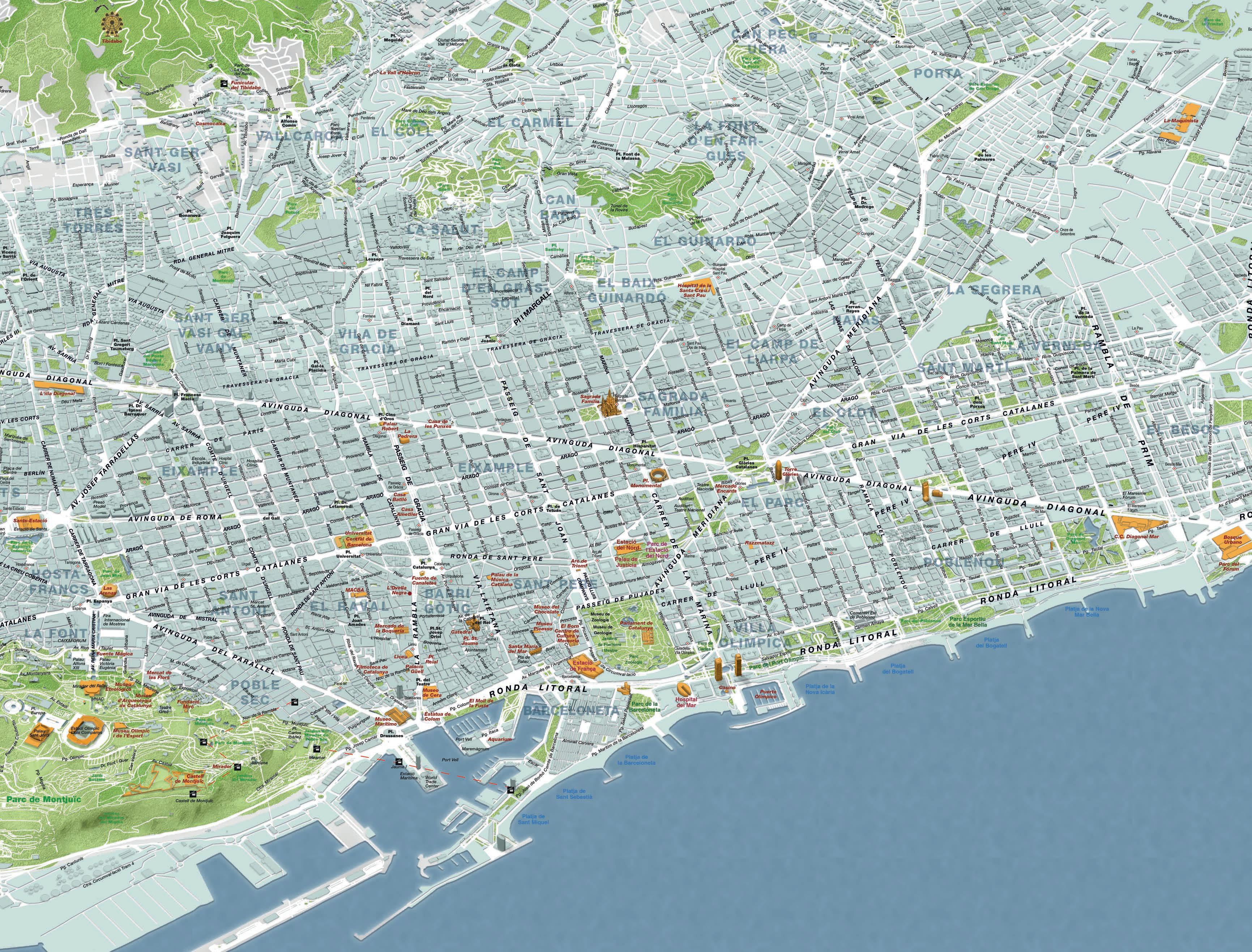
1. Starbucks CC La Illa Diagonal Avda. Diagonal, 557
2. Starbucks Diagonal 593 Avda. Diagonal, 593
3. Starbucks Diagonal 640 Avda. Diagonal, 640
4. Starbucks Diagonal 635 Avda. Diagonal, 635
5. Starbucks Bhotel Gran Via de les Corts Catalanes, 389 - 391
6. Starbucks Rambla Catalunya 10 Rambla Catalunya, 10
7. Starbucks Rambla Catalunya 122 Rambla Catalunya, 122
8. Starbucks Rambla Catalunya 71 Rambla Catalunya, 71
9. Starbucks Passeig de Gràcia 103 Passeig de Gràcia, 103
10. Starbucks Room Mate ANNA c/ Aragó, 271
11. Starbucks Consell de Cent c/ Consell de Cent, 343
12. Starbucks Pau Claris c/ Pau Clarís, 169
13. Starbucks Plaça Universitat Plaça Universitat, 2
14. Starbucks Pelai Triangle Shopping Center c/ Pelai, 13 - 39
15. Starbucks Rambla 89 Rambla de Canaletes, 89
16. Starbucks Rambla Canaletes Rambla Canaletes, 109
17. Starbucks Sant Pere Ronda Sant Pere, 17
18. Starbucks Plaça Sant Jaume Plaça Sant Jaume, 3
19. Starbucks Arc de Triomf Avda. Vilanova, 3
20. Starbucks Via Laietana Via Laietana, 32
21. Starbucks Argentería c/ de l’Argenteria, 61
22. Starbucks Moll d’Espanya C.C Maremagnum Moll d’Espanya, 7
23. Starbucks Sagrada Familia Plaça Sagrada Família, 19
24. Starbucks CC Glòries Avda. Diagonal, 208
25. Starbucks Diagonal 3 Avda. Diagonal, 3
26. Starbucks La Maquinista C.C. La
BARCELONA
1. PASEO DE GRÀCIA
Es donde se concentra buena parte del legado de la arquitectura modernista de Barcelona y una de las avenidas principales de la ciudad ya que une la plaza Cataluña con el conocido y pintoresco barrio de Gràcia. Son de obligada visita dos de las obras majestuosas de Gaudí, la Casa Batlló y la Pedrera, pero también es muy recomendable detenerse un instante a apreciar el Modernismo en los edificios de los reconocidos Domènech y Montaner, Puig y Cadafalch o Enric Sagnier. Aparte del patrimonio arquitectónico, el Paseo es uno de los principales ejes comerciales de la ciudad donde conviven algunas de las tiendas más lujosas. ¡Una auténtica tentación para los amantes del shopping!
2. LAS RAMBLAS/FUENTE DE CANALETAS
Las Ramblas son el meeting point de los barceloneses y la vía más emblemática de la ciudad. A semejanza de la canción de Sinatra dedicada a Nueva York, esta también es la zona que “nunca duerme”, siempre encontramos gente que deambula y se entremezcla con artistas bohemios, quioscos, floristerías, restaurantes, cafeterías y tiendas de souvenirs A lo largo de su recorrido -que enlaza Plaza Cataluña con la estatua de Cristóbal Colón - se encuentran algunos de los edificios más emblemáticos de Barcelona como el Palacio de la Virreina, el Mercado de la Boqueria o el Teatro del Liceo. Nada más iniciar el descenso por Las Ramblas, debemos prestar atención a nuestra derecha para observar la Fuente de Canaletas, lugar de culto donde los aficionados culés celebran las hazañas deportivas de su equipo.
3. MACBA En el epicentro del barrio del Raval, uno de los cuatro barrios que forman parte del distrito de Ciutat Vella, el casco antiguo de Barcelona, encontramos el Museo de Arte Contemporáneo de Barcelona (MACBA). El MACBA, fue construido en los noventa por el americano Richard Meier, y da espacio a las distintas corrientes artísticas surgidas en la segunda mitad del siglo XX.
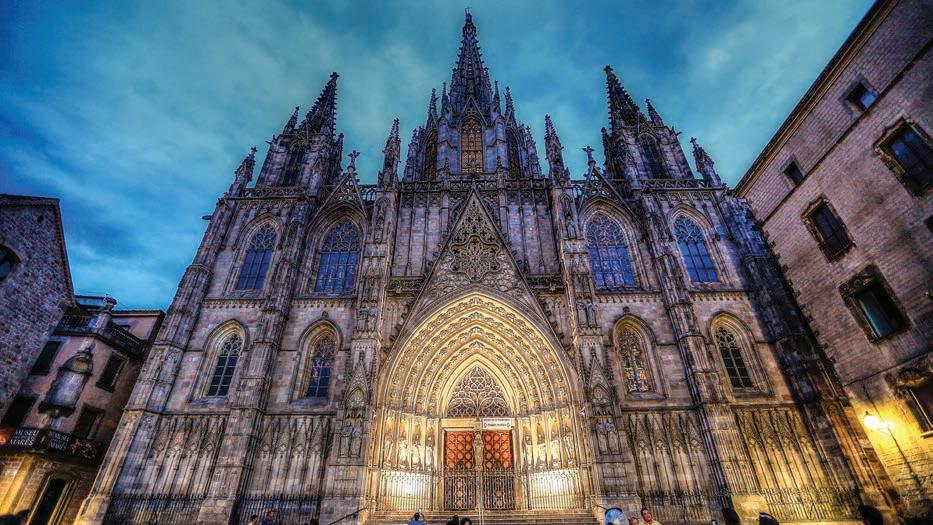
4. CATEDRAL La Catedral de Barcelona, también conocida como la Seu o la Catedral de la Santa Cruz y Santa Eulalia es la obra magna del centro histórico de la ciudad y uno de los edificios más imponentes de Barcelona, con el permiso de la Sagrada Familia. De estilo gótico, fue construida entre los siglos XIII y XV, y sus muros susurran infinidad de leyendas. Consejo: No perdáis la oportunidad de descubrir su historia a través del claustro, la fachada y sus capillas. Cerca de la catedral, en pleno barrio gótico encontramos la Plaza Sant Jaume donde encontramos dos de los pilares de la política barcelonesa y catalana: el Ayuntamiento de la ciudad y la Generalitat de Cataluña.
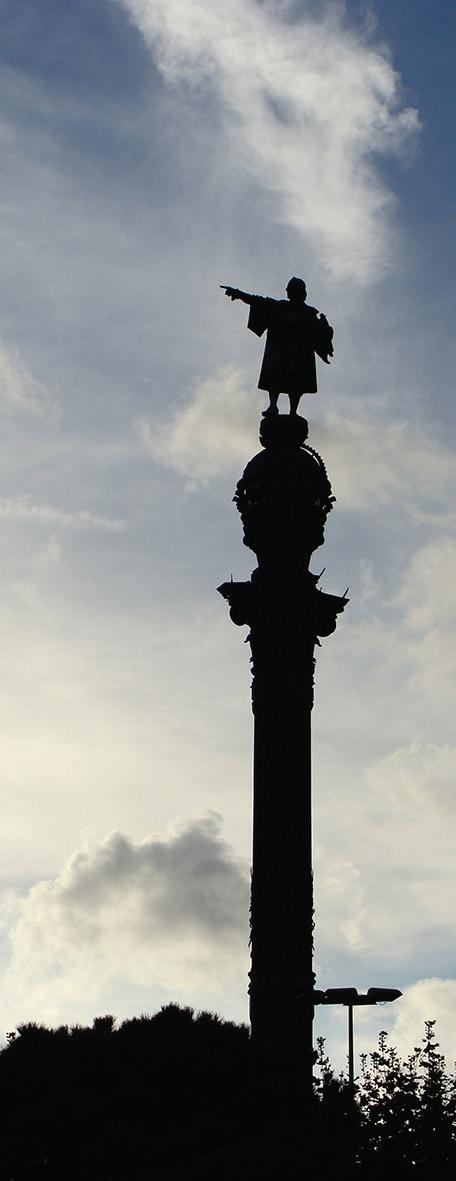
5. COLÓN/EL MOLL DE LA FUSTA
Baixant per les Rambles i deixant l’estàtua de Cristóbal Colón enrere, podreu gaudir d’una agradable passejada pel moll de la fusta, una zona envoltada de palmeres i amb vistes a les embarcacions del Port Vell. Travessant la passarel•la de fusta, els interessats en el fons marí no us podeu perdre visitar l’espectacular Aquàrium pels qui preferiu dedicar una jornada al shopping podeu fer-ho al gran centre comercial Maremàgnum.
6. SANTA MARIA DEL MAR
Uno de los grandes referentes del gótico catalán. Fue el pueblo el encargado de construirla entre los siglos XIV y XV: los pudientes aportaron el oro y el resto su esfuerzo para hacerla realidad. Actualmente se ha convertido en uno de los templos más visitados de la ciudad gracias al éxito de la novela “La catedral del mar”, de Ildefonso Falcones, obra inspirada en su construcción.
7. MUSEO PICASSO Los amantes de la obra de Pablo Picasso no pueden dejar de visitar el museo dedicado al pintor malacitano ya que es una de las salas con mayor número de trabajos de él en todo el mundo, más de 4.000 en diferentes disciplinas que abordaba el genial artista: pintura, escultura, dibujo y grabado.
8. EL BORN CENTRE DE CULTURA MEMÒRIA
El edificio del antiguo mercado del Born (1876), primer edificio de la arquitectura del hierro en Barcelona, es hoy el Born CCM, un centro cultural que acoge un importante yacimiento arqueológico del siglo XVIII y un espacio donde se recuerdan los hechos de la Guerra de Sucesión de 1714. Además, se realizan diferentes eventos relacionados con el teatro, la música o la literatura. Aprovechad la visita para conocer el Born, uno de los barrios más carismáticos y frescos de la ciudad en lo que se refiere al amplio abanico de ocio, cultura y gastronomía que ofrece, en un marco arquitectónico incomparable.
9. ARC DE TRIOMF
Otro de los símbolos arquitectónicos de la ciudad. El monumento, de 30 metros de altura, fue diseñado por el arquitecto José Vilaseca y se construyó con motivo de la celebración de la Exposición Universal de Barcelona celebrada en 1888, aunque se restauró a finales de los 80.
10. PARC DE LA CIUTADELLA
Sus 18 hectáreas de terreno lo convierten en uno de los pulmones de la ciudad. No en vano, es el parque público más grande de Barcelona. El recinto nos ofrece diferentes propuestas lúdicas y culturales que van desde un agradable paseo por la formidable zona verde que representa para admirar las esculturas repartidas por el parque (obras de Frederic Marès, Josep Clarà o Josep Llimona, entre otros) a visitar uno de sus máximos reclamos: el Zoo de Barcelona. Además, y entre otros edificios de interés, encontramos la sede del Parlament de Cataluña.
1. PASEO DE GRÀCIA
This street concentrates Most of Barcelona’s Catalan modernist architecture, and it is one of the city’s main avenues linking Plaza Cataluña with the picturesque Gràcia district. Two of Gaudí’s masterpieces, Casa Batlló and La Pedrera, are a mandatory visit, but we also recommend stopping to appreciate the Modernism in the buildings of Domènech y Montaner, Puig y Cadafalch or Enric Sagnier. In addition to its architectural heritage, the Paseo is one of the city’s main shopping centers, where you can find some of the most upscale shops - a real temptation for shopping lovers!
2. THE RAMBLAS/FOUNTAIN OF CHANNELS
The Ramblas is the most typical meeting point for Barcelona’s people and the city’s most emblematic street. Like the Sinatra song dedicated to New York, this is the area that “never sleeps,” you will always find people wandering and mingling with bohemian artists, kiosks, florists, restaurants, cafeterias, and souvenir shops. Along its routewhich connects Plaza Cataluña with the statue of Christopher Columbus - you will find some of Barcelona’s most symbolic buildings such as the Virreina Palace, the Boqueria Market, and the Liceo Theatre. Upon starting the descent down Las Ramblas, look to your right to see the Canaletas Fountain, a place of worship where Culés celebrate the exploits of their team.
3. MACBA
At the epicenter of the Raval neighborhood, one of the four quarters that form part of the old town of Barcelona is the Barcelona Museum of Contemporary Art (MACBA). Built in the nineties by American architect Richard Meier, it provides a space for the different artistic trends that emerged in the second half of the twentieth century.
4. CATHEDRAL
The Cathedral of Barcelona, also known as La Seu or the Cathedral of the Holy Cross and Saint Eulalia, is the masterpiece in the historic center of the city and one of the most imposing buildings in Barcelona. Built in the Gothic style between the 13th and 15th centuries, its walls whisper countless legends. Do not miss the opportunity to discover its history through its cloisters, façade, and chapels. Close to the cathedral, in the heart of the Gothic quarter, we find the Plaza Sant Jaume and two pillars of Barcelona and Catalan politics: the City Council and the Generalitat de Catalunya.
5. COLÓN/EL MOLL DE LA FUSTA
Walking down the Ramblas and leaving the statue of Christopher Columbus behind, you can enjoy a pleasant walk along the moll de fusta, an area surrounded by palm trees that overlooks the boats in the Port Vell. Crossing the wooden walkway, those interested in the underwater world can visit the amazing Aquarium. For those of you who prefer to spend a day shopping, you can visit the Maremàgnum shopping center.
6. SANTA MARIA DEL MAR
One of the great benchmarks of Catalan Gothic.
The townspeople built it between the 14th and 15th centuries: the wealthy contributed the gold and the rest their effort to make it a reality. Today it has become one of the most visited churches in the city thanks to the success of the novel “ La catedral del mar” by Ildefonso Falcones, a work inspired by its construction.
7. PICASSO MUSEUM
Lovers of Pablo Picasso’s work cannot miss the museum dedicated to the Malacian painter as it holds the world’s most extensive collection of his works, over 4,000 in several disciplines tackled by the brilliant artist: painting, sculpture, drawing, and engraving.
8. THE BORN CENTRE OF CULTURE AND MEMORY
The former Born market (1876) is the first example of iron architecture in Barcelona. Today it is known as the Born CCM, a cultural center that houses an important archaeological site from the 18th century and a museum that recalls the events of the War of Succession in 1714. Also, it hosts various cultural events related to theatre, music, and literature. Enjoy the visit to discover the Born, one of the city’ s most charming neighborhoods when it comes to its wide range of recreation, culture, and gastronomy offers set in a unique architectural setting.
9. ARC OF TRIOMF
Another architectural symbol of the city. The 30-meter high monument, designed by the architect José Vilaseca, was built for the 1888 Bar-
10. PARC DE LA CIUTADELLA
Its 18 hectares of land make it one of the city’s lungs and the most significant public parks in Barcelona. The park offers different recreational and cultural options ranging from a pleasant stroll through the beautiful green area to admire the sculptures scattered about it (works by Frederic Marès, Josep Clarà or Josep Llimona, among others) to a visit to one of its greatest attractions: the Barcelona Zoo. Also, and among other exciting buildings, we find the headquarters of the Catalan Parliament.
¡Bienvenido a la ciudad! Visita todos
y descubre
¡te descontamos un 10% en tu bebida grande o venti en cualquiera de nuestras tiendas!
Et donem la benvinguda a la ciutat! Visita’n tots els museus i descobreix-ne tots els racons amb qualsevol de les nostres begudes a la mà.
Et descomptem un 10 % en la teva beguda gran o venti a qualsevol de les nostres botigues! Welcome to the city! Visit all the museums and discover
holding any of our drinks. We give you a 10% discount on your large drink or Venti at any of our stores! -10%
celona Universal Exhibition and was restored at the end of the 1980s.
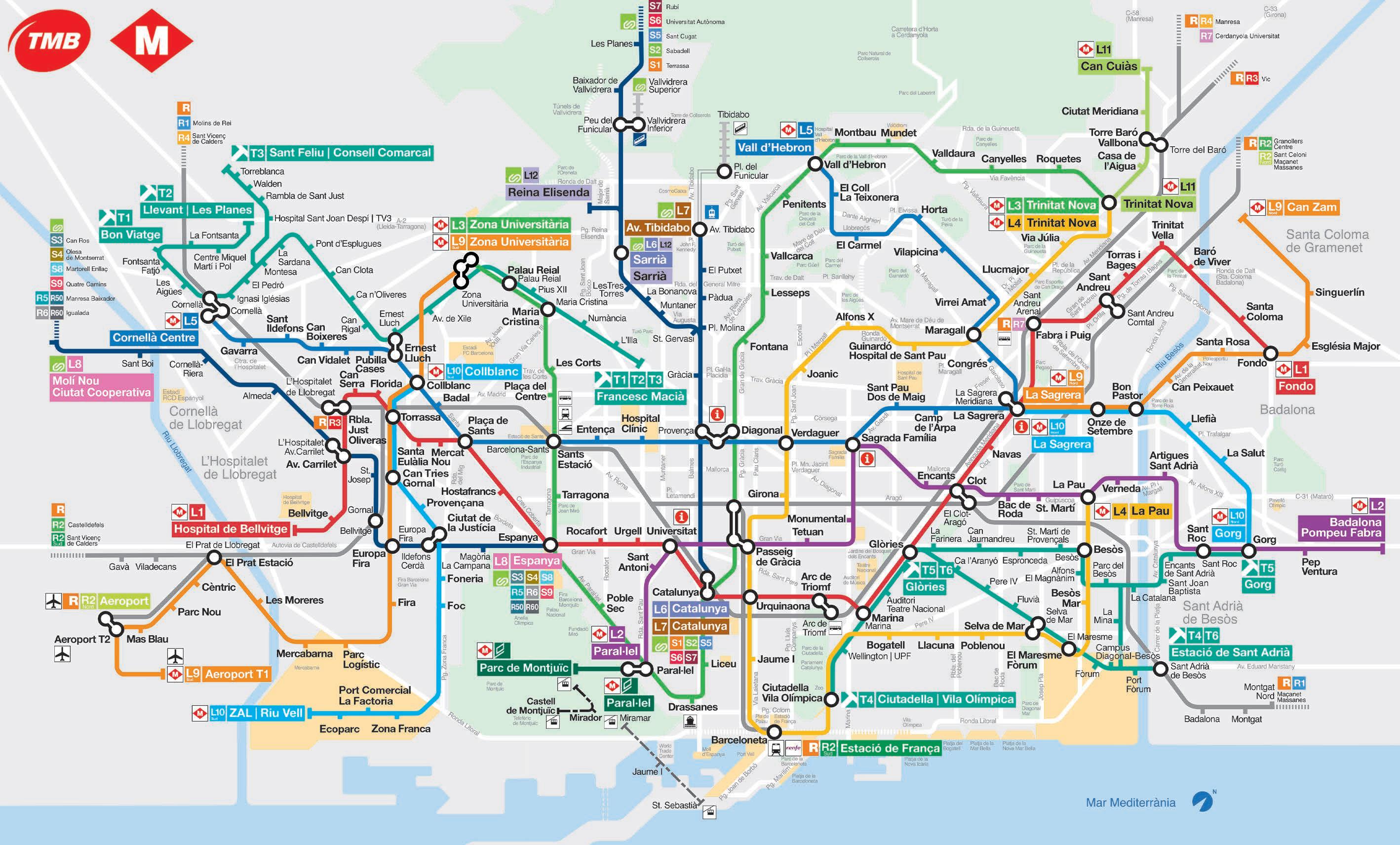
Xarxa de Metro