IA, 6G i espai com a capes que ja sostenen l’economia digital
MWC 2026: THE INVISIBLE INFRASTRUCTURE OF THE FUTURE
AI, 6G and space as layers already supporting the digital economy
En l’actual etapa de transformació tecnològica, la innovació ja no es defineix únicament per nous productes o serveis, sinó per la consolidació d’infraestructures que operen com a base del sistema econòmic digital. El focus s’ha desplaçat cap a capes estructurals que, tot i ser poc visibles, determinen capacitats competitives, models de negoci i equilibris de poder.
La intel·ligència artificial s’ha integrat en processos crítics: optimitza cadenes de subministrament, automatitza decisions financeres, coordina entorns industrials i gestiona volums massius de dades en temps real. Ja no és un complement funcional, sinó una infraestructura operativa.
En paral·lel, l’evolució cap al 6G apunta a una arquitectura de connectivitat distribuïda, amb latències mínimes i capacitat per suportar sistemes autònoms, robòtica avançada i entorns immersius persistents. La connectivitat deixa de ser un servei per convertir-se en una condició estructural de l’activitat econòmica.
In the current phase of technological transformation, innovation is no longer defined solely by new products or services, but by the consolidation of infrastructures that operate as the foundation of the digital economic system. The focus has shifted to structural layers which, although largely invisible, determine competitive capabilities, business models and power balances. Artificial intelligence has been integrated into critical processes: optimising suppl y chains, automating financial decisions, coordinating industrial environments and managing massive volumes of data in real time. It is no longer a functional complement, but an operational infrastructure.
In parallel, the evolution towards 6G points to a distributed connectivity architecture, with minimal latencies and the capacity to support autonomous systems, advanced robotics and persistent immersive environments. Connectivity ceases to be a service and becomes a structural condition of economic activity.
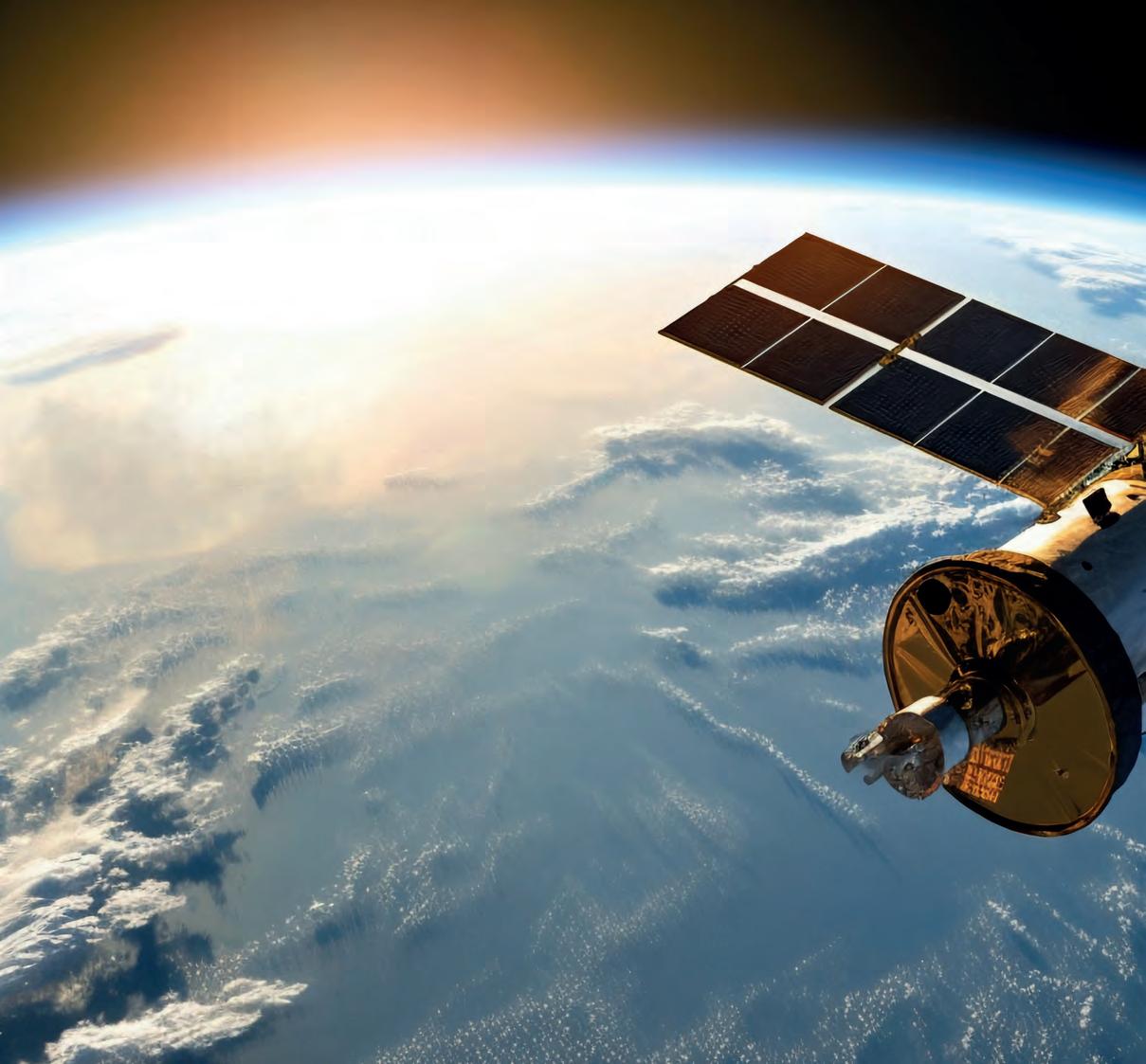
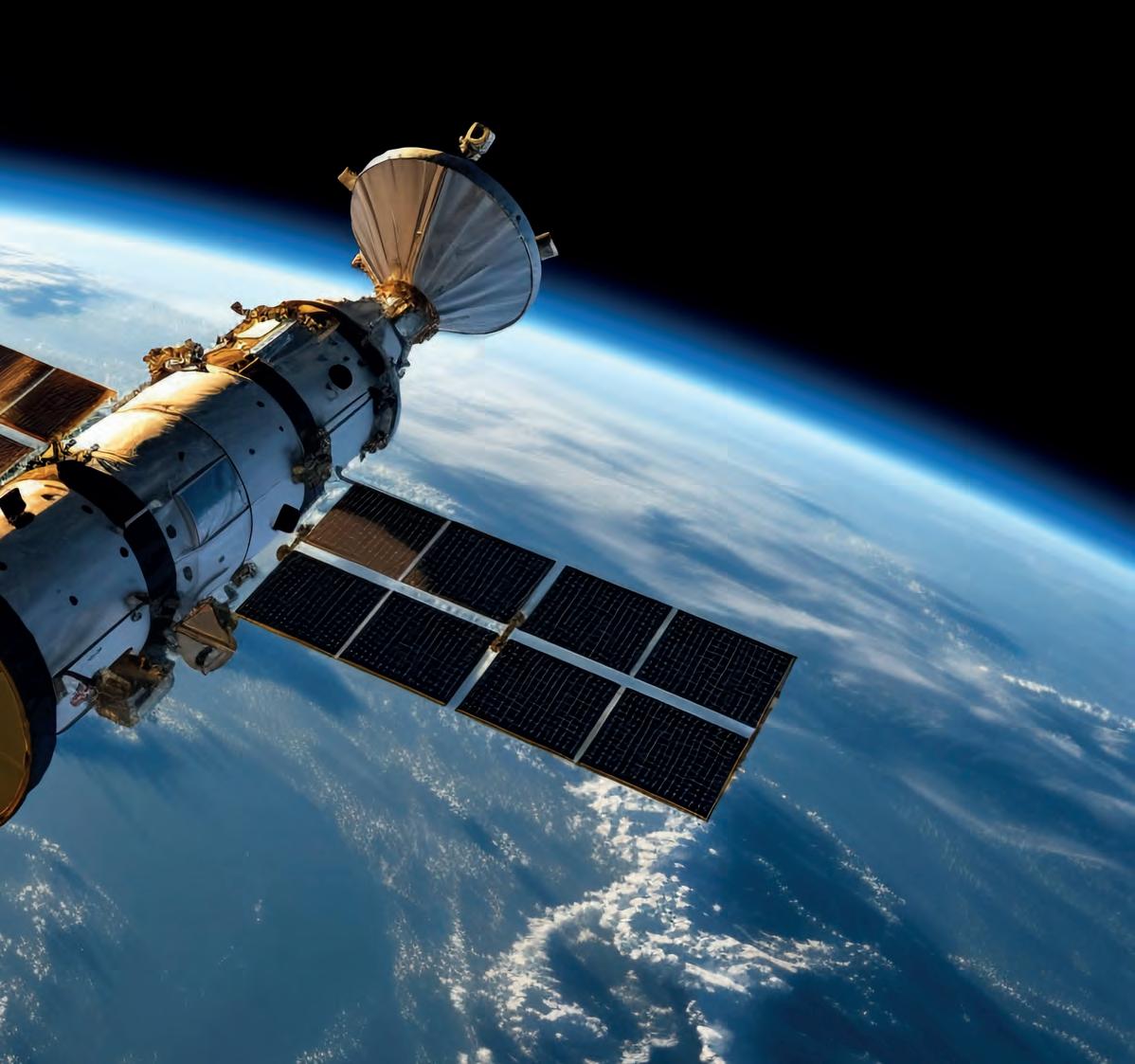
A aquesta equació s’hi suma l’espai com a extensió estratègica de les infraestructures terrestres. Les constel·lacions de satèl·lits i les noves plataformes orbitals reforcen la resiliència de les xarxes, amplien la cobertura global i generen noves capes de dades que impacten sectors clau com les telecomunicacions, la logística, la defensa o l’energia.
Aquestes tres dimensions —IA, connectivitat avançada i infraestructura espacial— no evolucionen de manera aïllada. Conformen un ecosistema interdependent que redefineix la manera com les organitzacions operen i competeixen. Invertir en aquestes capes no és una qüestió d’adopció tecnològica puntual, sinó de posicionament estructural.
El debat ja no gira entorn de què és la tecnologia emergent, sinó de quines infraestructures s’estan consolidant i qui en controla el desenvolupament, els estàndards i la governança. En aquest escenari, la infraestructura invisible esdevé l’actiu més rellevant.
És en aquest nivell, menys visible però més determinant, on es decideix el futur de l’economia digital.
Space is added to this equation as a strategic extension of terrestrial infrastructure. Satellite constellations and new orbital platforms reinforce network resilience, expand global coverage and generate new layers of data that impact key sectors such as telecommunications, logistics, defence and energy.
These three dimensions — AI, advanced connectivity and space infrastructure — do not evolve in isolation. They form an interdependent ecosystem that redefines the way organisations operate and compete. Investing in these layers is not a matter of a one-off technological adoption, but of structural positioning.
The debate is no longer about what emerging technology is, but about which infrastructures are being consolidated and who controls their development, standards and governance. In this scenario, the invisible infrastructure becomes the most significant asset.
It is at this level, less visible but more decisive, that the future of the digital economy is decided.
PROGRAMA SCHEDULE
DILLUNS 2 DE MARÇ
MONDAY, MARCH 2
6G, Cloud, Edge, AI: The New Power Stack for Industrial Leadership
09:00-10:15
Hall 6, Marconi Stage
Accelerating AI Innovation with Dell Technologies and NVIDIA
09:00-13:00
Hall 8-4YFN and Partner Theatres, Sky Stage
Agentic AI Summit
09:00-13:00
Hall 6, GSMA Summits Stage
Open Gateway Roundtable: Accelerating the Adoption of Advanced APIs
09:00-11:00
Hall 2, CC2.5 GSMA Information Centre
Keynote 1: Leading the Future: Intelligent, Inclusive, Unstoppable
09:30-10:45
Hall 4, MWC Main Stage
Increasing Global Impact with Orbital Intelligence and Connectivity
09:30-10:00
Hall 6, New Frontiers Stage
SPORTS CONGRESS – MORNING
09:45-18:45
Hall 6, Lamarr Stage
4YFN Opening Session: Exponential Value in the AI Economy
10:00-11:10
Hall 8.0-4YFN & Partner Theatres, Banco Sabadell Stage
Huawei Industry Digital and Intelligent Transformation Summit and New Horizons for ISP Growth 10:30-15:45
Hall 8.0-4YFN & Partner Theatres, Partner Theatre 6
NTN at a Crossroads: Open Interoperability or Walled Gardens in Space? 10:30-11:00
Hall 6, New Frontiers Stage
The Healthcare Opportunity: Mobile Network Operators and Their Growing Role in Digital Health 10:30-11:45
Hall 2, CC2 GSMA Insights Hub Stage
AI and Us: Where Are We Really Heading? 10:45-11:45
Hall 6, Johnson Stage
From Applications to Agents: Your Next Teammates Will Be AI
10:55-11:30
Hall 8.0-4YFN & Partner Theatres, Agora Stage
4YFN Awards Semi-Finals: Climate Tech and Digital Horizons
11:00-12:00
Hall 8.0-4YFN & Partner Theatres, Founders Stage
Breaking the Walls: The Convergence of AI, Devices and Connectivity
11:00-12:00
Hall 6, Turing Stage
Manufacturing and Production Summit: Building Resilient Resource Networks for AI
Hall 8.0–4YFN and Partner Theatres, Partner Theatre 4
Startup Pitch Session: Deutsche Telekom Pitch Parade – 10 Startup Pitches from Our Ecosystem 12:30–13:30
Hall 8.0–4YFN and Partner Theatres, 4YFN Pitch Stage
The AI Time Machine: Why Speed Is the New Competitive Advantage 12:55–13:15
Hall 8.0–4YFN and Partner Theatres, Agora Stage
Qilimanjaro’s Quantum Computers: From the Lab to Data Centres 13:00–13:30
Hall 6, New Frontiers Stage
The Voice of the Global South: Redefining Global Governance 13:00–13:45
Hall 6, Johnson Stage
Beyond Advertising: Startups, Corporates and the AI Already Making an Impact
13:15–13:45
Hall 8.0–4YFN and Partner Theatres, Agora Stage
Community Launch 13:15–13:45
Hall 8.0–4YFN and Partner Theatres, Founders Stage
From LLMs in Telecoms to Domain AI: Building the Brain of Specialised Intelligence 13:15–14:15
Hall 6, Marconi Stage
The (VC) World Beyond AI 13:20–14:00
Hall 8.0–4YFN and Partner Theatres, Banco Sabadell Stage
Connected Healthcare Roundtable
12:30–14:30
Hall 2, CC2.1 MWC Roundtable Room
First Post-Quantum Implementations in the Telecommunications Ecosystem 13:30–16:00
Hall 2, CC2.5 GSMA Information Centres
Unlocking the Next Chapter of Mobile Money 13:30–14:00
Upper Walkway, CC5 Focus Stage
Startup Pitch Session “Scaling Global Transition”: LG U+’s Open Innovation Catalyst for the AI Ecosystem 13:45–14:15
Hall 8.0–4YFN and Partner Theatres, 4YFN Pitch Stage
Investors Workshop: How to Identify High-Performance Leaders in the AI Era 14:00–14:45
Hall 8.0–4YFN and Partner Theatres, 4YFN Workshop Room
Skybound 5G: Drones, HAPS, Satellites and the Race to Connect the World 14:00–14:45
Hall 6, Turing Stage
The Art of Bold Bets: Building Platforms That Redefine What’s Possible 14:00–14:20
Hall 8.0–4YFN and Partner Theatres, Banco Sabadell Stage
The Great Skills Reset 14:00–14:45
Upper Walkway, Ministerial Stage CC5
Blink and You’ll Miss It: The Power of Micromoments 14:15–15:00 Hall 6, Johnson Stage
5G Global Partnerships Summit: From Connectivity to Smart Industry and Ecosystems 14:30–16:30
Hall 2, CC2 GSMA Insights Hub Stage
Smart Mobility Summit: Connected Future – The Engine of Smart Mobility 14:30–15:45
Hall 4, Connected Industries
Startup Pitch Session: Japanese Innovation Unveiled – Part 2 14:30–15:30
Hall 8.0–4YFN and Partner Theatres, 4YFN Pitch Stage
Networks 2030: AI and the 6G Horizon 14:45–16:00
Hall 6, Marconi Stage
Device Enablement Summit 15:00–17:00
Hall 8.0–4YFN and Partner Theatres, Partner Theatre 1
Founder OS: Building for Legacy vs. Exit 15:00–15:25
Hall 8.0–4YFN and Partner Theatres, Founders Stage
Disconnected Healthcare: How AI and Digital Innovation Are Rewriting the Rules of Patient Demand in Early Type 1 Diabetes Diagnosis
15:00–15:30
Hall 8.0–4YFN and Partner Theatres, Agora Stage
Mobile Identity Summit 15:00–18:30
Hall 6, GSMA Summits Stage
Quantum Across Industries 15:00–15:30
Hall 6, New Frontiers Stage
SEC Convention 15:00–16:30
Hall 6, Lamarr Stage
Show-Driven Mobility: Unlocking a Competitive, Resilient and Sovereign Future 15:00–19:00
Hall 8.0–4YFN and Partner Theatres, Partner Theatre 6
The Data-Driven Telco – AI Rescue: The Lifeline of Data Strategy 15:00–19:00
Hall 8.0–4YFN and Partner Theatres, Partner Theatre 5
Intelligent Resilience: Building Networks That Endure 15:15–16:00
Hall 6, Turing Stage
The Agentic Enterprise: Creating People, Platforms and Processes 15:15–18:45
Hall 8.0–4YFN and Partner Theatres, Partner Theatre 2
Tower Summit
15:15–19:00
Hall 8.0–4YFN and Partner Theatres, Partner Theatre 3
4YFN Exhibitor Mentoring: Deep Tech and Spin-Offs
15:30–17:00
Hall 8.1–4YFN, 4YFN Meeting Point
Connecting the Global Startup Map: Meet and Connect with Dealroom.co
15:30–17:00
Hall 8.0–4YFN and Partner Theatres, 4YFN Networking Hub
Founder OS: Hiring
15:30–15:55
Hall 8.0–4YFN and Partner Theatres, Founders Stage
Telecom Legacy Modernisation at Scale: Unlocking Capital Without Disruption
15:30–17:30
Hall 2, CC2.2 MWC Roundtable Room
Private 5G in the Native AI Era: Intelligent Slicing at the Enterprise Edge
15:30–16:15
Hall 6, Johnson Stage
Tips for Startups Expanding Internationally
15:30–16:00
Hall 8.0–4YFN and Partner Theatres, Agora Stage
Startup Pitch Session: Universitat Politècnica de Catalunya (UPC)
15:45–16:45
Hall 8.1–4YFN, 4YFN Pitch Stage
Founder OS: Compensation Frameworks
15:55–16:20
Hall 8.0–4YFN and Partner Theatres, Founders Stage
Hacked by Design? The Overlooked Backdoors of AI and Their Impact on Security
16:00–17:00
Hall 8.0–4YFN and Partner Theatres, Agora Stage
MVNO Summit: Innovation and Partnerships for Growth
16:00–18:30
Hall 8.0–4YFN and Partner Theatres, Partner Theatre 4
From Prototype to Profitability: Executive Lessons on Scaling Agentic AI in Customer Experience (CX) with Engageware, NetUno and IDC
16:05–16:35
Hall 4, MWC Broadcast Stage
Ask Me Anything
16:15–17:00
Hall 8.0–4YFN and Partner Theatres, 4YFN Workshop Room
Masterclass: Turning Business Challenges into Private 5G Value at Scale
16:15–17:30
Hall 4, Connected Industries
Founder OS: Earned Media
16:25–16:50
Hall 8.0–4YFN and Partner Theatres, Founders Stage
AI Factories: How to Build Them and How to Monitor Them
16:30–17:30
Hall 2, CC2.3 GSMA Information Centre
Virginia Tech Foundry Roundtable on Fraudulent Bots
16:30–18:30
Hall 2, CC2.5 GSMA Information Centre
Engineering Personality: How Does Your Agent Represent Your Company?
16:45–17:30
Hall 6, Marconi Stage
Founder OS: Fundraising
16:50–17:20
Hall 8.0–4YFN and Partner Theatres, Founders Stage
4YFN Awards Final 17:00–18:00
Hall 8.0–4YFN and Partner Theatres, Banco Sabadell Stage
GLOMO Awards 2026: Winners Ceremony
17:00–18:00
Hall 6, Turing Stage
Startup Pitch Session: The Madrid Innovation Ecosystem
17:00–18:00
Hall 8.1–4YFN, 4YFN Pitch Stage
DIJOUS 5 DE MARÇ
THURSDAY, MARCH 5
AWS Startup Theatre Programme – Sky Stage
09:00–13:00
Hall 8.0–4YFN and Partner Theatres, Sky Stage
From Research to Reality: Building the Path to 6G
09:00–11:00
Hall 2, CC2.5 GSMA Information Centre
Private Networks in Practice: Enterprise Deployment Models and Ecosystem Collaboration
09:00–11:00
Hall 2, CC2.3 GSMA Information Centre
Changing Education Together 2026: Technology with Purpose – Educating for the Common Good in the Age of Algorithms
10:00–13:00
Hall 4, MWC Main Stage
CX-Factor: Can AI Truly Win the Customer’s Heart?
10:00–10:45
Hall 6, Johnson Stage
Swiping Right on Enterprise: The Partnership Paradox
10:00–10:45
Hall 6, Turing Stage
From Steel to Silicon: The Next Chapter for Towers
10:00–10:45
Hall 6, Marconi Stage
Game On! Who Will Win the Next Generation of Gaming?
10:00–11:00
Hall 8.0–4YFN and Partner Theatres, Agora Stage
K-Startup Spotlight: Innovating the Future
10:00–10:30
Hall 8.0–4YFN and Partner Theatres, Founders Stage
Outsmarting Intelligence, Speed and Performance with PwC
10:00–15:30
Hall 4, PwC Stand 4D10
Sports & Entertainment Summit: From Field to Screen – AI-Powered Immersive Fan Experiences at Scale
10:00–10:30
Hall 4, Connected Industries
Startup Pitch Session: From Lab to Scale – European Deep Tech Powered by the EIC
10:00–11:00
Hall 8.1–4YFN, 4YFN Pitch Stage
Where Imagination Meets Technology: The Science of Creativity
10:30–11:30
Hall 8.0–4YFN and Partner Theatres, Banco Sabadell Stage
Sports & Entertainment Summit: Connectivity Revolutionising Sports and Entertainment
10:30–12:00
Hall 4, Connected Industries
4YFN26 Spin-Off Pitch Battle
10:45–11:45
Hall 8.0–4YFN and Partner Theatres, Founders Stage
Diversity Drives Innovation: Rethinking Who Builds the Future of Technology
11:00–11:30
Hall 8.0–4YFN and Partner Theatres, Agora Stage
#ChangeTheFace Summit: Unmuted Youth – Defining Digital Wellbeing
11:15–12:00
Hall 6, Johnson Stage
How Green Is Your Bottom Line?
11:15–12:00
Hall 6, Marconi Stage
The End of the Car as We Know It 11:15–12:00
Hall 6, Turing Stage
Open Verified Calls Roundtable
11:30–13:30
Hall 2, CC2.3 GSMA Information Centre
Senior VOIS Leaders Discuss How Shared Intelligence Accelerates Business Outcomes
11:45–12:15
Hall 4, MWC Broadcast Stage
AI Won’t Steal Your Job, But… 11:50–13:00
Hall 8.0–4YFN and Partner Theatres, Banco Sabadell Stage
10 Years Transforming Lives: Humanitarian Technology with Purpose
12:00–13:00
Hall 8.0–4YFN and Partner Theatres, Agora Stage
AI in Action: Use Cases in Cybersecurity, Defence and Space
12:30–13:30
Hall 8.0–4YFN and Partner Theatres, Partner Theatre 6
Built-In, Not Bolted-On: Co-Designing Inclusive Consumer Experiences
12:30–13:15
Hall 6, Marconi Stage
From Discovery to Decision: How AI Is Transforming the B2B Experience
12:30–14:30
Hall 6, MWC Networking Hub
Jobpocalypse: The White-Collar Worker’s Nightmare
12:30–13:15
Hall 6, Turing Stage
MWC 2026: What Did We Learn? 12:30–13:15
Hall 6, Johnson Stage
Sports & Entertainment Summit: Beyond Connectivity – Fan Engagement in Sports and Entertainment 12:30–14:00
Hall 4, Connected Industries
Startup Launch Session by ESADE
12:00–12:45
Hall 8.0–4YFN and Partner Theatres, Founders Stage
LA FIRA DESCOBREIX
COMPUTACIÓ QUÀNTICA APLICADA
La cursa quàntica: maduresa tecnològica, seguretat i avantatge estratègic
APPLIED QUANTUM COMPUTING
The quantum race: technological maturity, security and strategic advantage
La computació quàntica ha deixat de ser un camp estrictament experimental per entrar en una fase de desenvolupament precompetitiu. Encara lluny de la tolerància completa a errors i de l’escala necessària per a aplicacions universals, el sector es troba en un moment crític: la transició des de prototips NISQ (Noisy Intermediate-Scale Quantum) cap a arquitectures més estables i escalables.
Quantum computing has moved beyond being a strictly experimental field and entered a pre-competitive development phase. Still far from full error tolerance and the scale required for universal applications, the sector is at a critical juncture: the transition from NISQ (Noisy Intermediate-Scale Quantum) prototypes to more stable and scalable architectures.
Els principals reptes continuen sent la coherència dels qubits, la reducció del soroll i la correcció d’errors quàntics. Les plataformes basades en superconductors, ions atrapats o fotònica integrada competeixen en estabilitat, escalabilitat i costos operatius. En paral·lel, s’estan desenvolupant capes de software especialitzat —compiladors quàntics, algoritmes variacionals i entorns híbrids clàssic-quàntics— que permeten començar a explorar avantatges concrets en optimització combinatòria, simulació molecular i modelització de sistemes complexos.
The main challenges remain qubit coherence, noise reduction and quantum error correction. Platforms based on superconductors, trapped ions or integrated photonics compete on stability, scalability and operating costs. In parallel, specialised software layers are being developed — quantum compilers, variational algorithms and hybrid classical-quantum environments — which allow the exploration of concrete advantages in combinatorial optimisation, molecular simulation and modelling of complex systems to begin.
En l’àmbit de les telecomunicacions, la computació quàntica té una doble dimensió. D’una banda, permet abordar problemes d’optimització de xarxes amb una complexitat exponencial difícilment assumible per sistemes clàssics. De l’altra, impulsa el desenvolupament de comunicacions quàntiques, especialment en la distribució de claus quàntiques (QKD), on la seguretat es basa en les propietats físiques de la mecànica quàntica —com el principi d’incertesa o la no-clonació— i no únicament en la dificultat matemàtica.
In the field of telecommunications, quantum computing has a twofold dimension. On the one hand, it allows tackling network optimisation problems with an exponential complexity that is difficult for classical systems to handle. On the other hand, it drives the development of quantum communications, especially in quantum key distribution (QKD), where security is based on the physical properties of quantum mechanics—such as the uncertainty principle or non-cloning— and not solely on mathematical difficulty.
Aquesta dimensió de seguretat és, probablement, el vector més urgent. L’eventual disponibilitat d’ordinadors quàntics capaços d’executar l’algoritme de Shor a gran escala comprometria sistemes criptogràfics basats en RSA o ECC. Davant aquest escenari, la transició cap a criptografia post-quàntica ja és una prioritat estratègica per a governs, infraestructures crítiques i sector financer. La migració d’algoritmes i estàndards no és trivial: implica actualitzar arquitectures, certificacions i cicles de vida tecnològics amb anys d’antelació.
This security dimension is probably the most urgent vector. The eventual availability of quantum computers capable of running Shor’s algorithm at scale would compromise cryptographic systems based on RSA or ECC. In this scenario, the transition to post-quantum cryptography is already a strategic priority for governments, critical infrastructure and the financial sector. Migrating algorithms and standards is not trivial: it involves updating architectures, certifications and technology life cycles years in advance.
Més enllà de la tecnologia, la cursa quàntica té una dimensió geopolítica clara. Estats Units, Xina i la Unió Europea competeixen no només en capacitat científica, sinó en control d’ecosistemes industrials, propietat intel·lectual i talent especialitzat. El domini de la infraestructura quàntica pot traduir-se en avantatges en defensa, seguretat de dades, recerca farmacèutica i optimització energètica.
Paral·lelament, un teixit creixent de startups especialitzades en software quàntic, middleware, control electrònic criogènic i serveis d’accés al núvol està configurant un nou segment de mercat. Aquest ecosistema no substitueix la computació clàssica, sinó que la complementa en casos d’ús d’alt valor estratègic.
La computació quàntica aplicada no és encara una realitat massiva, però tampoc és una hipòtesi remota. Es troba en un punt d’inflexió on la inversió, la regulació i la planificació anticipada marcaran la diferència entre adopció reactiva i posicionament estratègic.
La qüestió no és si la capacitat quàntica transformarà determinats sectors, sinó qui estarà preparat quan aquesta capacitat deixi de ser experimental i esdevingui operativa.
Beyond the technology, the quantum race has a clear geopolitical dimension. The United States, China and the European Union are competing not only on scientific capability, but on control of industrial ecosystems, intellectual property and specialised talent . Dominance of quantum infrastructure could translate into advantages in defence, data security, pharmaceutical research and energy optimisation.
Parallel to this, a growing network of start-ups specialising in quantum software, middleware, cryogenic electronic control and cloud access services is shaping a new market segment. This ecosystem does not replace classical computing, but rather complements it in high-strategic-value use cases.
Applied quantum computing is not yet a mass phenomenon, but it is not a remote hypothesis either. It is at a turning point where investment, regulation and forward planning will determine the difference between reactive adoption and strategic positioning.
The que stion is not whether quantum capability will transform certain sectors, but who will be prepared when this capability ceases to be experimental and becomes operational.
IA AGÈNTICA I AUTOMATITZACIÓ EMPRESARIAL
Els agents autònoms i la transició cap a l’empresa auto-operada
AGENTIAL AI AND BUSINESS
AUTOMATION
Autonomous agents and the transition to the self-operating enterprise
La intel·ligència artificial està entrant en una nova fase evolutiva: la transició des de sistemes predictius o assistencials cap a sistemes capaços d’actuar de manera autònoma. L’anomenada
IA agèntica es capaç de planificar, executar tasques complexes, interactuar amb múltiples sistemes i adaptar-se dinàmicament a entorns canviants sense intervenció humana contínua.
Artificial intelligence is entering a new evolutionary phase: the transition from predictive or assistive systems to systems capable of acting autonomously. So-called agentic AI can plan, execute complex tasks, interact with multiple systems and adapt dynamically to changing environments without continuous human intervention.
A diferència dels models tradicionals d’automatització —basats en regles fixes o en fluxos predefinits— els agents d’IA operen sobre arquitectures multimodals, integren models de llenguatge avançats, memòria contextual persistent i capacitats de raonament iteratiu. Poden descompondre objectius en subtasques, accedir a eines externes, consultar bases de dades corporatives i prendre decisions operatives en temp s real.
Aquest canvi té implicacions directes en l’organització empresarial. La integració d’agents autònoms en àrees com finances, logística, atenció al client o gestió de riscos permet una automatització contínua, 24/7, amb capacitat d’escalabilitat gairebé instantània. La frontera entre suport a la decisió i execució autònoma comença a difuminar-se.
La clau no és només la substitució de tasques repetitives, sinó la coordinació dinàmica de processos complets. En entorns altament digitalitzats, un conjunt d’agents pot monitoritzar indicadors, anticipar desviacions, activar protocols i reajustar operatives sense necessitat d’escalat jeràrquic. Això redefineix el concepte d’eficiència operativa i redueix latències decisòries en sectors on el temps és un factor crític.
Aquest escenari planteja, també, una qüestió estructural sobre el model de software empresarial. El paradigma SaaS tradicional, basat en aplicacions verticals amb interfícies humanes, podria evolucionar a capes de serveis consumides directament per agents automatitzats. En lloc d’usuaris interactuant amb plataformes, podríem veure agents interactuant entre si, orquestrant ser veis mitjançant APIs i entorns programables.
Tanmateix, aquesta transició no és només tecnològica. Implica nous reptes en governança, traçabilitat de decisions, responsabilitat legal i ciberseguretat. Delegar capacitat operativa en sistemes autònoms exigeix marcs de control, auditoria i supervisió capaços d’assegurar alineació amb objectius corporatius i normatius.
La IA agèntica no converteix immediatament les empreses en entitats completament au tònomes, però sí que introdueix un nou model operatiu: organitzacions híbrides, on persones i agents comparteixen responsabilitats en un entorn altament automatitzat. En aque st context, l’avantatge competitiu no dependrà només de disposar de models avançats, sinó de la capacitat d’integrar-los en arquitectures escalables, segures i alineades amb l’estratègia corporativa.
La pregunta no és si els agents autònoms substituiran completament els sistemes actuals, sinó quines organitzacions seran capaces d’adoptar aquest nou paradigma abans que es converteixi en estàndard operatiu.
Unlike traditional automation models—based on fixed rules or predefined workflows—AI agents operate on multimodal architectures, integrating advanced language models, persistent contextual memory and iterative reasoning capabilities. They can break down objectives into subtasks, access external tools, query corporate databases and make operational decisions in real time.
This shift has direct implications for the business organisation. The integration of autonomous agents in areas such as finance, logistics, customer service or risk management enables continuous, 24/7 automation with near-instantaneous scalability. The boundary between decision support and autonomous execution is beginning to blur.
The key is not just the replacement of repetitive tasks, but the dynamic coordination of entire processes. In highly digitised environments, a set of agents can monitor indicators, anticipate deviations, activate protocols and readjust operations without the need for hierarchical escalation. This redefines the concept of operational efficiency and reduces decision-making latencies in sectors where time is a critical factor.
This scenario also raises a structural question about the enterprise software model. The traditional SaaS paradigm, based on vertical applications with human interfaces, could evolve into layers of ser vices consumed directly by automated agents. Instead of users interacting with platforms, we could see agents interacting with each other, orchestrating services via APIs and programmable environments.
However, this transition is not just technological. It involves new challenges in governance, decision traceability, legal liability and cybersecurity. Delegating operational capability to autonomous sy stems requires control, audit and oversight frameworks capable of ensuring alignment with corporate and regulatory objectives.
Agentic AI does not immediately turn companies into fully autonomous entities, but it does introduce a new operating model: hybrid organisations, where humans and agents share responsibilities in a highly automated environment. In this context, competitive advantage will not depend solely on having advanced models, but on the ability to integrate them into scalable, secure architectures aligned with corporate strategy.
The question is not whether autonomous agents will completely replace current systems, but which organisations will be able to adopt this new paradigm before it becomes the standard operating procedure.
ROBÒTICA CONNECTADA I HUMANOIDES
La nova interfície operativa del món físic
CONNECTED AND HUMANOID ROBOTICS
The new operational interface of the physical world
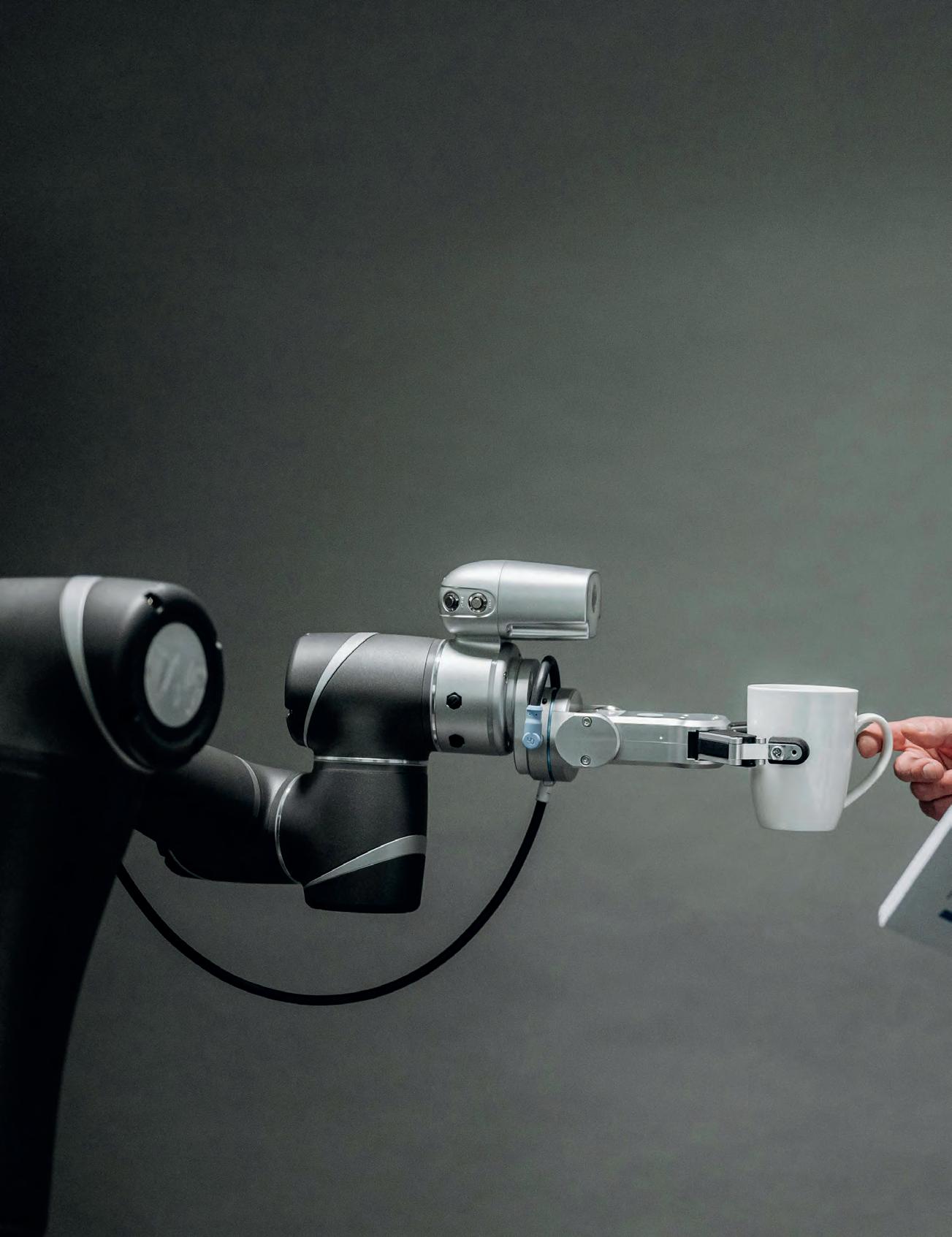
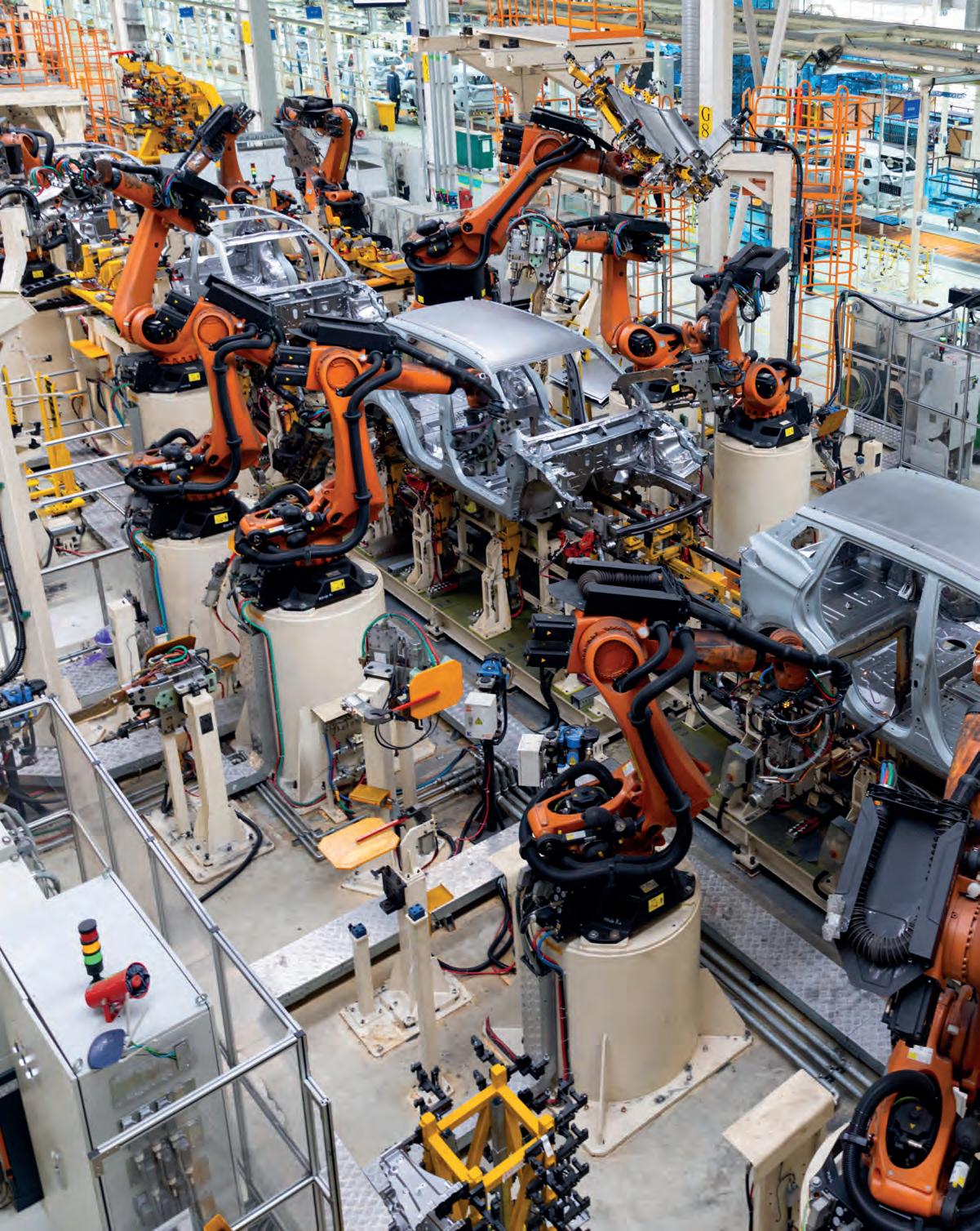
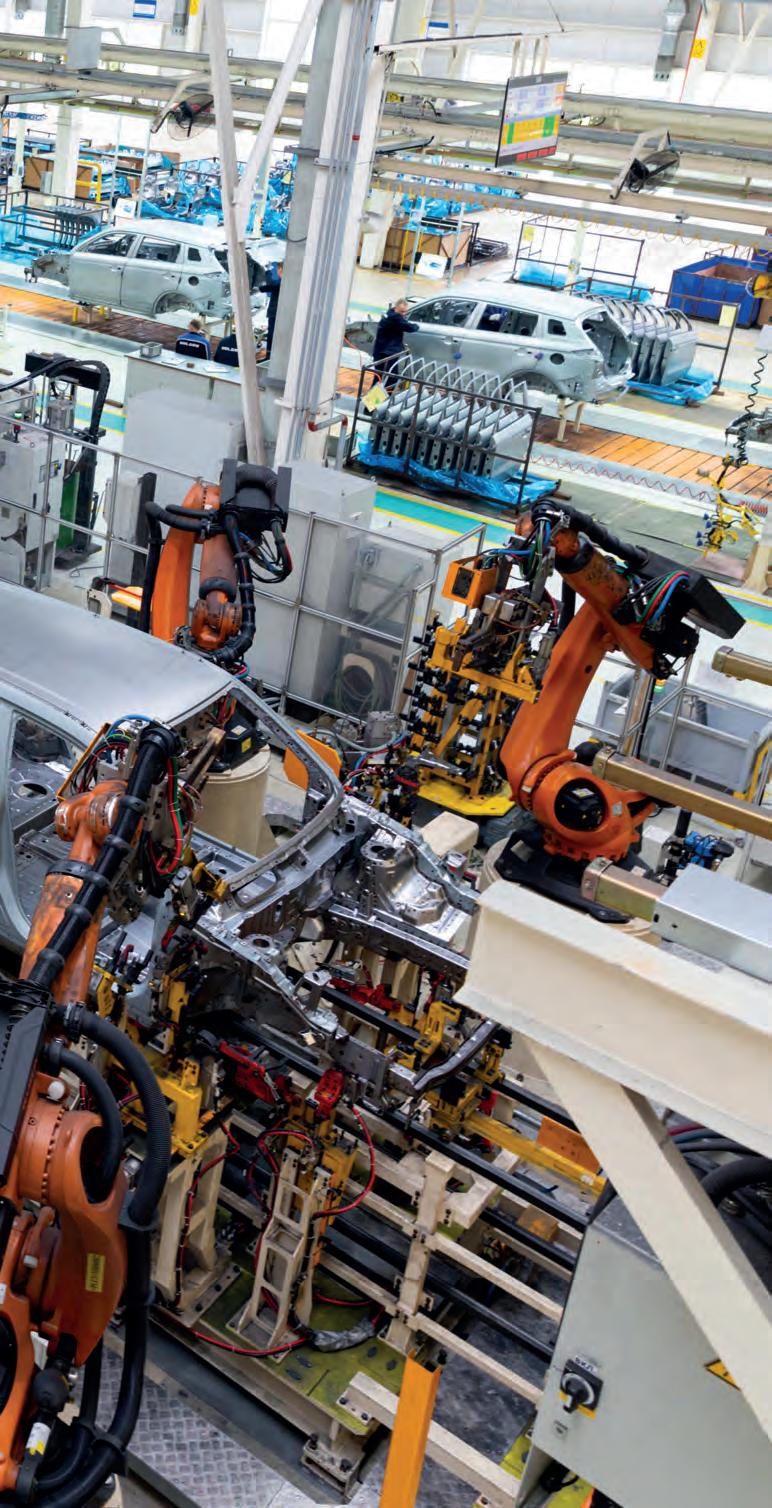
La robòtica està entrant en una fase d’escalabilitat industrial. Segons la International Federation of Robotics (IFR), el 2023 es van instal·lar més de 540.000 robots industrials a nivell global, amb una base operativa que supera els 4 milions d’unitats actives. A aquesta xifra cal sumar-hi el creixement sostingut dels robots de servei professional, especialment en logística, retail i sanitat.
Robotics is entering an industrial scalability phase. According to the International Federation of Robotics (IFR), more than 540,000 industrial robots were installed globally in 2023, with an operational base exceeding 4 million active units. To this figure, we must add the sustained growth of professional service robots, especially in logistics, retail and healthcare.
El canvi qualitatiu no és només quantitatiu. La nova generació de robots està dissenyada per operar com a nodes connectats dins d’infraestructures digitals distribuïdes. La combinació de visió artificial basada en deep learning, sensors LIDAR d’alta precisió, sistemes SLAM (Simultaneous Localization and Mapping) i connectivitat 5G permet desplegaments en entorns no estructurats amb latències inferiors als 10 mil·lisegons en arquitectures edge.
En el sector retail, els robots d’inventariat automatitzat poden escanejar fins a 30.000 referències per hora, generant dades en temps real que s’integren amb sistemes ERP i plataformes de gestió de cadena de subministrament. Això redueix errors d’estoc, minimitza ruptures de producte i optimitza la reposició. Els sistemes autònoms mòbils (AMR) ja operen en grans superfícies logístiques amb reduccions de costos operatius que poden situar-se entre el 20% i el 40% segons el grau d’automatització.
The qualitative change is not just quantitative. The new generation of robots is designed to operate as connected nodes within distributed digital infrastructures. The combination of deep learning-based computer vision, high-precision LIDAR sensors, SLAM (Simultaneous Localization and Mapping) systems and 5G connectivity enables deployments in unstructured environments with latencies below 10 milliseconds in edge architectures. In the retail sector, automated inventory robots can scan up to 30,000 items per hour, generating real-time data that integrates with ERP systems and supply chain management platforms. This reduces stock errors, minimises product out-of-stocks and optimises restocking. Autonomous mobile robots (AMRs) are already operating in large logistics centres, delivering operational cost reductions of between 20% and 40%, depending on the degree of automation.
En l’àmbit sanitari, la robòtica connectada va més enllà de la cirurgia assistida. Hospitals europeus i nord-americans utilitzen robots autònoms per a transport intern de medicació i mostres clíniques, reduint temps de distribució en més d’un 30% i minimitzant exposicions en entorns d’alt risc biològic. Els sistemes quirúrgics robotitzats, amb assistència de visió augmentada i estabilització mecànica, milloren precisió i reducció d’errors en intervencions mínimament invasives. La integració amb 5G és un element estructural. Les xarxes privades 5G permeten ample de banda dedicat, segmentació mitjançant network slicing i latència ultra-baixa, requisits essencials per a teleoperació o coordinació multi-robot. En entorns industrials avançats, el processament es distribueix entre dispositiu i edge computing, reduint dependència del núvol centralitzat i millorant resiliència operativa.
In the healthcare sector, connected robotics goes beyond assisted surgery. European and North American hospitals use autonomous robots for the internal transport of medication and clinical samples, reducing delivery times by more than 30% and minimising exposure in high-biological-risk environments. Robotic surgical systems, with augmented vision assistance and mechanical stabilisation, improve precision and reduce errors in minimally invasive procedures.
Integration with 5G is a structural element. Private 5G networks provide dedicated bandwidth, segmentation via network slicing and ultra-low latency, essential requirements for teleoperation or multi-robot coordination. In advanced industrial environments, processing is distributed between the device and edge computing, reducing reliance on the centralised cloud and improving operational resilience.
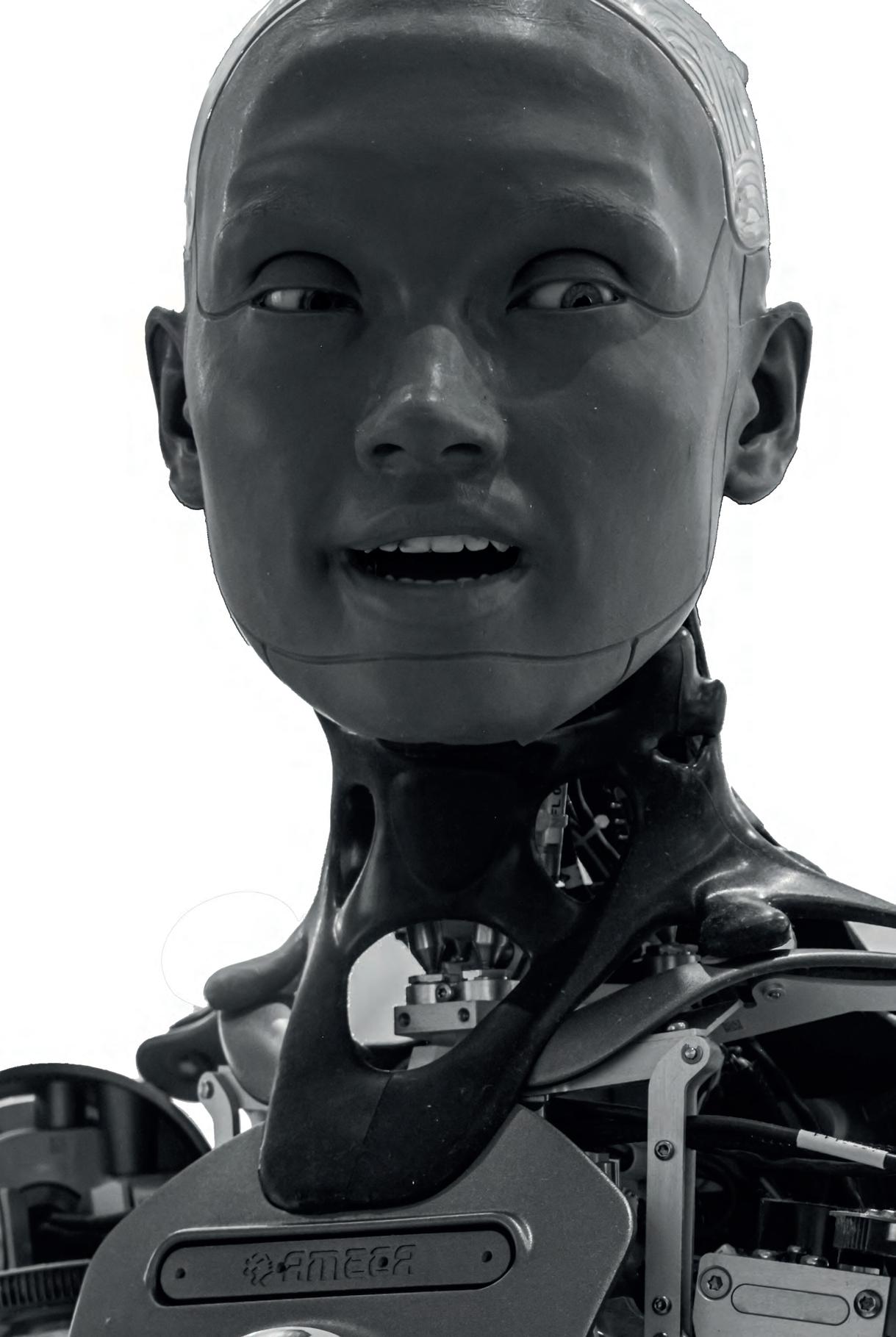
Els humanoides representen una línia emergent dins d’aquest ecosistema. Plataformes amb mobilitat bípeda, actuadors elèctrics d’alta precisió i control mitjançant models d’aprenentatge per reforç estan entrant en fases pilot en entorns logístics i manufactureres. Encara lluny del desplegament massiu, el seu interès rau en la capacitat d’operar en infraestructures dissenyades per a humans sense necessitat de redisseny físic de l’entorn.
Tanmateix, l’escalabilitat comporta nous riscos. Un robot connectat és també un endpoint dins de la infraestructura de xarxa. La ciberseguretat en sistemes OT (Operational Technology), l’aïllament de xarxes i la certificació de firmware esdevenen crítics. La fallada d’un sistema físic autònom pot tenir impacte material immediat, no només digital.
La robòtica connectada no és simplement automatització mecànica; és la integració del món físic dins de l’arquitectura digital. L’avantatge competitiu no dependrà exclusivament del desenvolupament de maquinari, sinó de la capacitat d’orquestrar connectivitat, dades i intel·ligència distribuïda amb criteris de seguretat, eficiència i escalabilitat.
La interfície del futur ja no serà només una pantalla. Serà un sistema físic connectat, capaç d’executar, adaptar-se i aprendre dins d’una infraestructura digital cada vegada més autònoma.
Humanoids represent an emerging line within this ecosystem. Platforms with bipedal mobility, high-precision electric actuators and control via reinforcement learning models are entering pilot phases in logistics and manufacturing environments. Still a long way from mass deployment, their appeal lies in the ability to operate in infrastructures designed for humans without the need for physical redesign of the environment.
However, scalability brings new risks. A connected robot is also an endpoint within the network infrastructure. Cybersecurity in OT (Operational Technology) systems, network isolation and firmware certification become critical. The failure of an autonomous physical system can have an immediate material impact, not just a digital one.
Connected robotics is not simply mechanical automation; it is the integration of the physical world into the digital architecture. Competitive advantage will not depend solely on hardware development, but on the ability to orchestrate connectivity, data and distributed intelligence with security, efficiency and scalability in mind.
The interface of the future will no longer be just a screen. It will be a connected physical system, capable of executing, adapting and learning within an increasingly autonomous digital infrastructure.
TELECOMUNICACIONS 6G
Cap a la hiperconnectivitat immersiva
i cognitiva
6G TELECOMMUNICATIONS
Towards immersive and cognitive hyperconnectivity
De sprés de la consolidació del 5G com a infraestructura de connectivitat massiva, el desenvolupament del 6G obre una nova etapa en l’arquitectura de les telecomunicacions. No es tracta simplement d’augmentar velocitats o reduir latències, sinó de redefinir el paper de la xarxa dins de l’ecosistema digital global.
Following the consolidation of 5G as a massive connectivity infrastructure, the development of 6G opens a new chapter in the architecture of telecommunications. It is not simply about increasing speeds or reducing latencies, but about redefining the role of the network within the global digital ecosystem.
El 6G es concep com una infraestructura nativament intel·ligent. A diferència de generacions anteriors, on la xarxa actuava principalment com a canal de transmissió, el nou paradigma integra capacitats d’intel·ligència artificial directament en la capa d’infraestructura. La xarxa no només transporta dades: les interpreta, les optimitza i adapta dinàmicament els recursos en funció del context operatiu.
6G is conceived as a natively intelligent infrastructure. Unlike previous generations, where the network acted primarily as a transmission channel, the new paradigm integrates artificial intelligence capabilities directly into the infrastructure layer. The network not only transports data: it interprets it, optimises it and dynamically adapts resources according to the operational context.
Aquesta evolució respon a una realitat emergent: l’expansió de sistemes autònoms, entorns immersius persistents, robòtica distribuïda i aplicacions industrials crítiques que exigeixen latències de l’ordre del mil·lisegon, sincronització ultra-precisa i fiabilitat quasi absoluta. La hiperconnectivitat immersiva implica que el món físic i el digital operin com un sistema continu, sense friccions perceptibles.
Des d’un punt de vista tecnològic, el 6G explora l’ús d’espectre en bandes sub-terahertz i terahertz, arquitectures massives MIMO encara més avançades, comunicacions integrades amb sistemes de sensing i localització d’alta precisió, així com virtualització extrema de la xarxa mitjançant tecnologies cloud-native. La desagregació d’elements de xarxa i la programabilitat total permetran models operatius més flexibles, amb capacitat d’orquestració en temps real.
Un altre element central és la convergència entre xarxes terrestres i no terrestres. La integració nativa de satèl·lits de baixa òrbita (LEO), plataformes aèries i infraestructures terrestres crea un entorn de cobertura contínua i resilient. Aquesta arquitectura híbrida no només amplia abast geogràfic, sinó que reforça la redundància en infraestructures crítiques, amb implicacions directes en seguretat, defensa i sobirania digital.
This evolution responds to an emerging reality: the expansion of autonomous systems, persistent immersive environments, distributed robotics and critical industrial applications that demand millisecond-scale latencies, ultra-precise synchronisation and near-absolute reliability. Immersive hyperconnectivity implies that the physical and digital worlds operate as a single, continuous system, without perceptible friction.
From a technological perspective, 6G explores the use of spectrum in sub-terahertz and terahertz bands, even more advanced massive MIMO architectures, communications integrated with high-precision sensing and localisation systems, as well as extreme network virtualisation through cloud-native technologies. The disaggregation of network elements and full programmability will enable more flexible operating models, with real-time orchestration capabilities.
Another central element is the convergence between terrestrial and non-terrestrial networks. The native integration of low Earth orbit (LEO) satellites, aerial platforms and terrestrial infrastructure creates a continuous and resilient coverage environment. This hybrid architecture not only expands geographic reach but also reinforces redundancy in critical infrastructure, with direct implications for security, defence and digital sovereignty.
El 6G també redefineix la relació entre xarxa i indústria. En entorns manufacturers avançats, per exemple, la combinació de connectivitat ultra-fiable, edge computing i digital twins permet monitoratge en temps real, simulació contínua i ajust operatiu immediat. En el camp de la realitat estesa, la telepresència immersiva o els entorns hologràfics deixen de ser demostracions tecnològiques per convertir-se en aplicacions viables a escala.
Tanmateix, aquesta transició planteja reptes estructurals significatius: assignació i harmonització global d’espectre, definició d’estàndards internacionals, models d’inversió sostenibles i nous marcs regulatoris. La cursa pel 6G no és només tecnològica; és també in-
Si el 5G va establir les bases per a la connectivitat massiva, el 6G aspira a convertir la xarxa en una infraestructura cognitiva i distribuïda. No es tracta únicament de connectar més dispositius, sinó d’habilitar sistemes autònoms interdependents, entorns digitals persistents i processos crítics amb una integració gairebé invisible.
La hiperconnectivitat immersiva no és una extensió incremental. És un canvi de paradigma en la manera com entenem la infraestructura de comunicacions: de canal a sistema intel·ligent, de servei a arquitectura estructural de l’economia digital avançada.
manufacturing environments, for example, the combination of ultra-reliable connectivity, edge computing and digital twins enables real-time monitoring, continuous simulation and immediate operational adjustment. In the field of extended reality, immersive telepresence or holographic environments cease to be technological demonstrations and become viable applications at scale.
However, this transition poses significant structural challenges: global spectrum allocation and harmonisation, the definition of international standards, sustainable investment models and new regulatory frameworks. The race for 6G is not just technological; it is also industrial and geopolitical. Whoever defines the standards and controls the key patents will shape the digital ecosystem of the next decade.
If 5G laid the foundations for massive connectivity, 6G aspires to turn the network into a cognitive and distributed infrastructure. It is not just about connecting more devices, but about enabling interdependent autonomous systems, persistent digital environments, and critical processes with near-invisible integration.
Immersive hyperconnectivity is not an incremental extension. It is a paradigm shift in how we understand communications infrastructure: from a channel to an intelligent system, from a service to the structural architecture of the advanced digital economy.
ECONOMIA DE LES DADES
Qui és propietari de les teves dades el 2026?
DATA ECONOMY
Who will own your data in 2026?
Les dades s’han consolidat com un actiu estructural de l’economia digital. Tanmateix, la seva centralitat ha obert una qüestió fonamental: qui en té el control efectiu, qui en pot determinar l’ús i qui en captura el valor econòmic?
Durant anys, el model dominant s’ha basat en l’acumulació massiva de dades per part de grans plataformes digitals, que les han explotat mitjançant publicitat segmentada, serveis personalitzats i desenvolupament d’algoritmes. Aquest esquema ha generat eficiència i innovació, però també concentració de poder i asimetries informatives.
Data has become a structural asset of the digital economy. However, its centrality has raised a fundamental question: who has effective control over it, who can determine its use, and who captures its economic value?
For years, the dominant model has been based on the massive accumulation of data by large digital platforms, which have exploited it through targeted advertising, personalised services and the development of algorithms. This scheme has generated efficiency and innovation, but also concentration of power and informational asymmetries.
La Unió Europea ha impulsat en els darrers anys un marc normatiu ambiciós que busca reequilibrar aquest ecosistema. El Reglament General de Protecció de Dades (GDPR) va establir el principi de control individual i portabilitat. Posteriorment, el Data Governance Act (2022) i el Data Act (2023) han ampliat l’abast regulador, introduint obligacions d’interoperabilitat, accés a dades generades per dispositius connectats i mecanismes per facilitar la compartició segura entre empreses i administracions.
El Data Act, en particular, redefineix el règim d’accés a les dades generades per productes i serveis connectats, establint que els usuaris —individuals o corporatius— tenen dret a accedir-hi i a compartir-les amb tercers sota condicions transparents. Això té implicacions directes per a sectors com l’automoció, la indústria 4.0 o l’energia, on els fluxos de dades operatives esdevenen un recurs competitiu.
En paral·lel, emergeixen els anomenats data marketplaces: infraestructures digitals que permeten intercanviar dades anonimitzades o agregades sota contractes definits, amb traçabilitat i criteris de governança clars. Aquests espais responen a la necessitat de crear mercats secundaris regulats on la dada es tracti com un actiu econòmic amb valor explícit, i no només com a subproducte d’una plataforma dominant.
Un altre vector rellevant és el desenvolupament d’identitats digitals i carteres electròniques europees, alineades amb el marc eIDAS 2.0. Aquestes eines poden facilitar models de consentiment granular i, potencialment, obrir la porta a mecanismes de monetització personal més estructurats. Tot i que la monetització directa per part de l’usuari encara és incipient, la infraestructura legal i tecnològica comença a fer-la viable.
Per a les empreses, el debat va més enllà del compliment normatiu. La governança de dades —qualitat, traçabilitat, interoperabilitat i seguretat— es converteix en un factor diferencial. En un entorn regulat, la capacitat de compartir dades de manera compliant i eficient pot determinar accés a ecosistemes industrials, contractació pública o aliances transfrontereres.
El 2026, l’economia de les dades ja no es pot entendre només en termes de volum o capacitat analítica. Es tracta de definir drets d’accés, responsabilitats, estàndards tècnics i mecanismes de redistribució de valor. Europa ha optat per un model basat en regulació estructural i sobirania digital. Altres regions segueixen aproximacions més orientades al mercat o al control estatal.
La propietat de les dades no és absoluta ni unívoca. És una combinació de drets d’accés, ús i explotació definits per marcs legals i infraestructures tècniques. En aquesta definició s’està configurant una part essencial de l’equilibri econòmic digital de la pròxima dècada.
In recent years, the European Union has promoted an ambitious regulatory framework aimed at rebalancing this ecosystem. The General Data Protection Regulation (GDPR) established the principle of individual control and portability. Subsequently, the Data Governance Act (2022) and the Data Act (2023) have expanded the regulatory scope, introducing interoperability obligations, access to data generated by connected devices, and mechanisms to facilitate secure sharing between companies and public administrations.
The Data Act, in particular, redefines the regime for accessing data generated by connected products and services, establishing that users—individual or corporate—have the right to access it and share it with third parties under transparent conditions. This has direct implications for sectors such as automotive, Industry 4.0 or energy, where operational data flows become a competitive resource.
In parallel, so-called data marketplaces are emerging: digital infrastructures that allow the exchange of anonymised or aggregated data under defined contracts, with traceability and clear governance criteria. These spaces respond to the need to create regulated secondary markets where data is treated as an economic asset with explicit value, and not merely as a by-product of a dominant platform.
Another relevant vector is the development of European digital identities and e-wallets, aligned with the eIDAS 2.0 framework. These tools can facilitate granular consent models and, potentially, open the door to more structured personal monetisation mechanisms. Although direct monetisation by the user is still in its infancy, the legal and technological infrastructure is beginning to make it viable.
For businesses, the debate goes beyond regulatory compliance. Data governance—quality, traceability, interoperability and security—becomes a differentiating factor. In a regulated environment, the ability to share data in a compliant and efficient manner can determine access to industrial ecosystems, public procurement or cross-border alliances.
By 2026, the data economy can no longer be understood solely in terms of volume or analytical capacity. It is about defining access rights, responsibilities, technical standards and mechanisms for value redistribution. Europe has opted for a model based on structural regulation and digital sovereignty. Other regions are pursuing more market-oriented or state-controlled approaches.
Data ownership is neither absolute nor unambiguous. It is a combination of rights of access, use and exploitation defined by legal frameworks and technical infrastructures. This definition is shaping an essential part of the digital economic balance of the next decade.
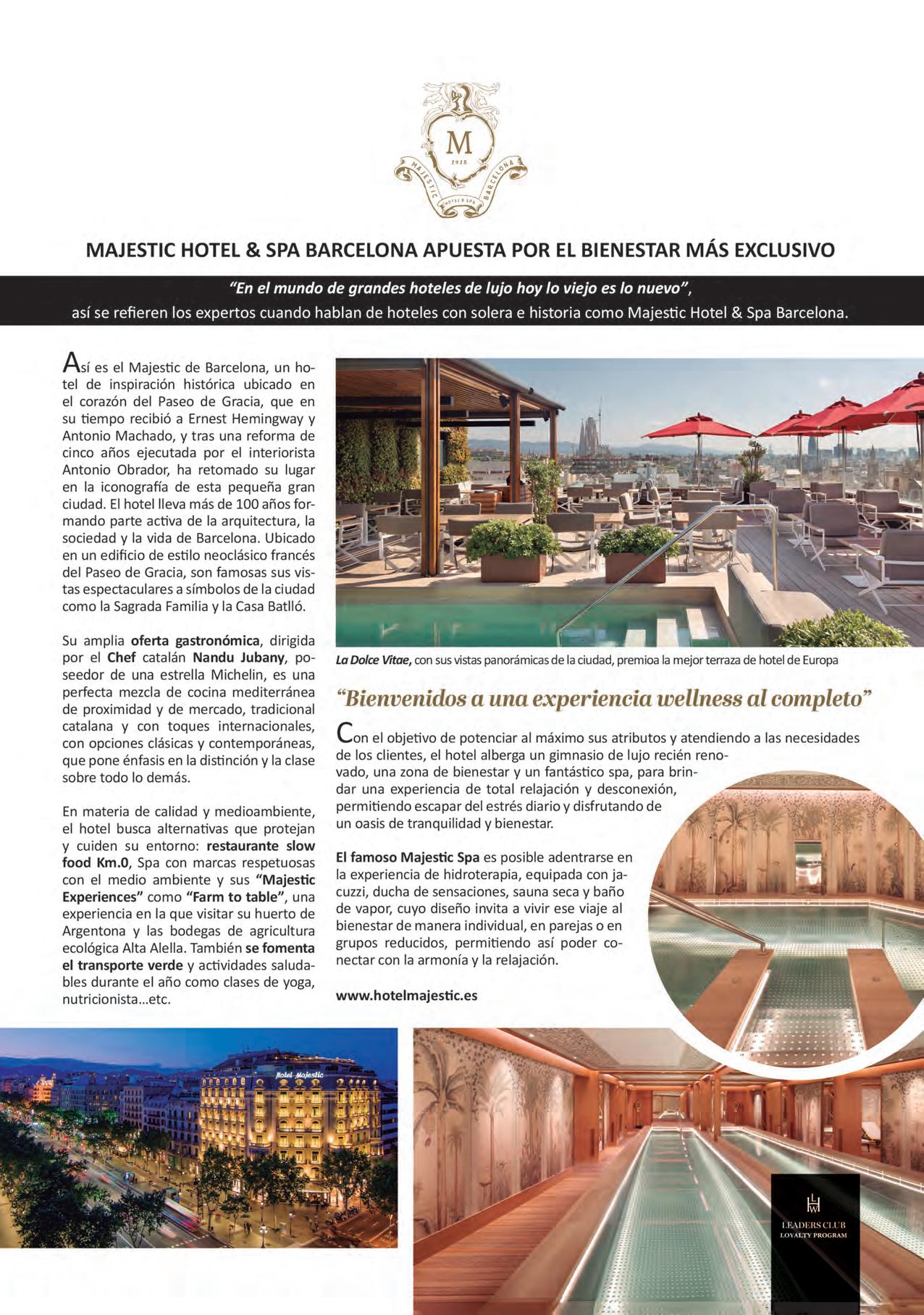
FUSIÓN DE LUJO Y ESTILO RURAL
PUEBLOASTUR ES UN SUEÑO
HECHO REALIDAD. UNA ESPECIE DE OBSESIÓN POR MARIDAR LA DELICADA ESENCIA DEL LUJO Y EL MÁS PURO ESTILO RURAL.
SIN DUDA, LA MEJOR MANERA DE MOSTRAR AL MUNDO LO QUE ESTA PEQUEÑA ALDEA ASTURIANA DESCUBRE CADA MAÑANA AL DESPERTAR: EL PARAÍSO.
Amanece cada día sobre un mar de nubes que da paso al canto del gallo y el coro de cencerros en un medio natural de soberbia belleza. Autenticidad, tradición y modernidad se funden en un nuevo concepto de hotel, levantado sobre los muros de una casona centenaria, meticulosamente rehabilitada y complementada con edificios de nueva factura, donde la madera de castaño y la piedra se funden en perfecta armonía con el paisaje y el arte contemporáneo, creando una estética sorprendentemente elegante y respetuosa con el entorno. Calidad y sensaciones conviven en este resort donde además de sus habitaciones panorámicas y espectaculares suits, sorprenden los espacios dedicados a salud y bienestar: piscina infinita exterior, piscina climatizada, circuito de hidroterapia, centro de estética y masajes, yoga y técnicas de relajación, que combinan a la perfección con las excelencias de la gastronomía asturiana.
Caballos asturcones, ovejas de raza xalda, cerdos (gochos) asturceltas, gallinas (pitas) pintas, ocas... viven en una extensión de pastos, huertos y zona boscosa, que permite descubrir el encanto de la arquitectura tradicional asturiana (hórreos, paneras, lavadero, molino, etc.) sin salir del propio hotel. Lo más parecido a un auténtico paraíso terrenal.
EL VALLE DE EL SUEVE
Ubicado en Cofiño (Parres), en la falda sur del Pico Pienzo (Picu Pienzu) y balcón natural del Sueve y los Picos de Europa, Puebloastur sorprende por sus imponentes vistas. Todos sus espacios permiten divisar la Cordillera Cantábrica que se abre desplegando sus verdes valles, salpicados de aldeas y caseríos, para dar paso a las cimas nevadas de los majestuosos macizos de Picos de Europa.
La proximidad del mar invita a disfrutar de un entorno de increíble versatilidad. El Sueve y los concejos que lo forman invitan a hacer surf al despertar el día, descender el río Sella a media mañana y ascender por la tarde a más de 1.000 metros de altura sobre el nivel del mar.
GASTRONOMÍA
Puebloastur sorprende con todas las maravillas de la gastronomía asturiana que los clientes y visitantes podrán degustar en nuestro fantástico restaurante Puebloastur (y el restaurante Halcón con privatización) bajo la batuta del chef Javier Felechosa y su equipo. Ambos espacios invitan a degustar joyas culinarias que han colocado a la cocina del norte de España entre las mejores del mundo. Pescados y mariscos frescos del Cantábrico servidos a diario desde la lonja de Tazones, carnes de vacas, cerdos y corderos de
nuestros pastos, verduras de nuestra huerta brindan su magia a platos convertidos en lienzos llenos de esmero y vocación.
CENTRO WELLNESS NATURE
Puebloastur ofrece, tanto a clientes alojados como a los visitantes que lo deseen, el centro de salud y bienestar Nature. Un moderno Spa con circuito de hidroterapia, laberinto de duchas terapéuticas, sauna finlandesa y baño turco, así como diferentes cabinas para masajes y rituales. Nada mejor para liberarse de la rutina y disfrutar de infinitas sensaciones.
EL NOU TALENT DIGITAL: ENGINYERS, OPERADORS I PERFILS HÍBRIDS
Què busquen les empreses i com evoluciona l’ocupació tecnològica
NEW DIGITAL TALENT: ENGINEERS, OPERATORS AND HYBRID PROFILES
What companies are looking for and how technology employment is evolving
La transformació digital ha entrat en una fase de maduresa que està redefinint el concepte mateix de talent tecnològic. Si durant la darrera dècada la demanda es concentrava en desenvolupadors de software i especialistes en dades, avui el mercat requereix perfils capaços d’operar infraestructures complexes, integrar sistemes distribuïts i supervisar entorns altament automatitzats.
Digital transformation has entered a maturity phase that is redefining the very concept of technological talent. Whereas over the past decade demand was concentrated on software developers and data specialists, today the market requires profiles capable of operating complex infrastructures, integrating distributed systems and overseeing highly automated environments.
La tecnologia ja no és un departament; és una capa transversal que sosté operacions, producte, logística, finances i governança. Això implica un desplaçament des de perfils estrictament tècnics cap a perfils híbrids: professionals amb base en enginyeria, però amb comprensió operativa, visió de negoci i capacitat d’interlocució estratègica.
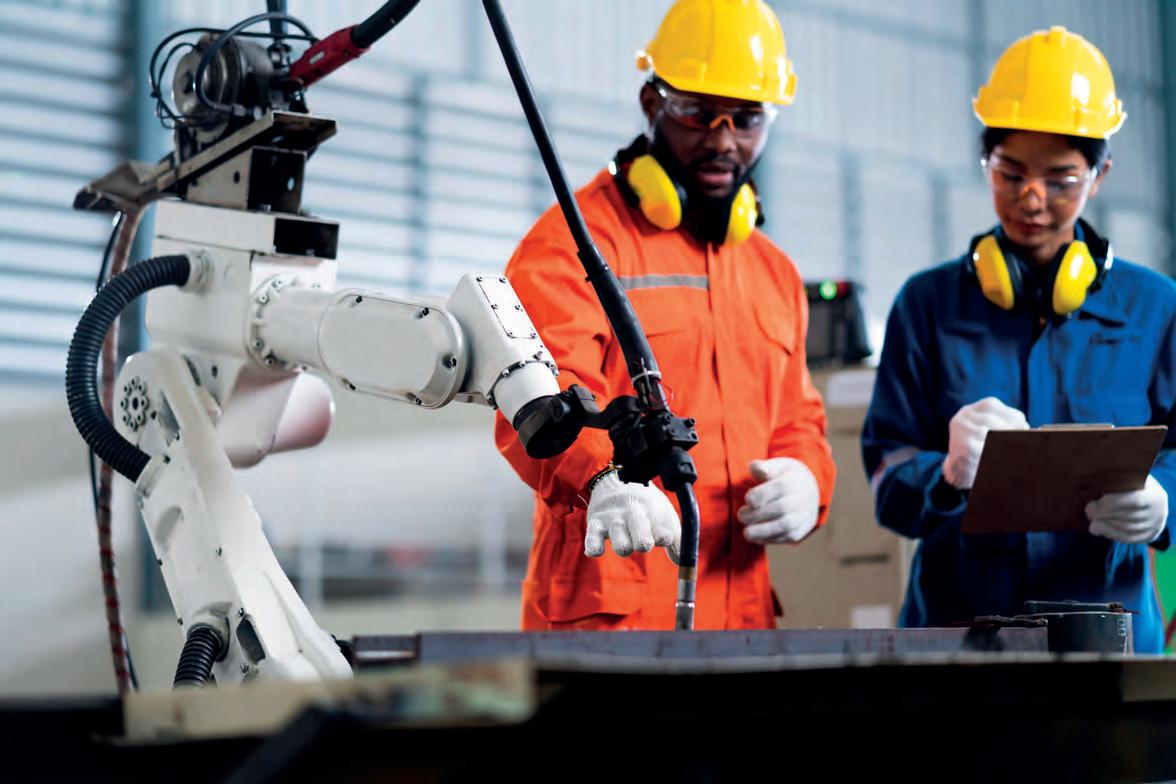
Les empreses busquen cada vegada més enginyers capaços d’integrar IA en processos productius, especialistes en ciberseguretat orientats a infraestructures crítiques, arquitectes de sistemes distribuïts i operadors de xarxes avançades. Però també emergeix la figura de l’“operador digital”: professionals responsables de supervisar sistemes automatitzats, gestionar excepcions i garantir alineació entre decisió algorítmica i objectiu corporatiu.
L’automatització creixent no elimina la necessitat de talent; la transforma. A mesura que la IA agèntica i la robòtica connectada assumeixen tasques repetitives, augmenta la demanda de perfils capaços de dissenyar, auditar i governar aquests sistemes. La capacitat de comprendre models, validar resultats i gestionar riscos tecnològics esdevé tan rellevant com la programació en si mateixa.
Technology is no longer a department; it is a cross-cutting layer that underpins operations, product, logistics, finance and governance. This entails a shift from strictly technical profiles towards hybrid ones: professionals with an engineering background, but with operational understanding, business acumen and the ability to engage strategically.
Companies are increasingly seeking engineers capable of integrating AI into production processes, cybersecurity specialists focused on critical infrastructure, distributed systems architects and advanced network operators. But the figure of the “digital operator” is also emerging: professionals responsible for overseeing automated systems, managing exceptions and ensuring alignment between algorithmic decisions and corporate objectives.
Growing automation does not eliminate the need for talent; it transforms it. As agentive AI and connected robotics take on repetitive tasks, the demand for profiles capable of designing, auditing and governing these systems increases. The ability to understand models, validate results and manage technological risks becomes as relevant as programming itself.
Un altre canvi estructural és la intersecció entre tecnologia i regulació. Amb l’entrada en vigor de normatives com l’AI Act europeu, les organitzacions necessiten professionals que entenguin tant la lògica tècnica dels sistemes com el marc normatiu que els condiciona. El talent híbrid inclou, cada vegada més, competències en governança, ètica i compliment regulador.
En aquest escenari, l’atracció i retenció de talent no depèn únicament de la remuneració, sinó de la capacitat de les organitzacions per oferir projectes d’alt impacte, entorns d’aprenentatge continu i accés a infraestructures avançades. La competència és global, i el treball distribuït amplia el mercat laboral més enllà de fronteres físiques. El debat sobre el futur del treball tecnològic sovint es formula en termes de substitució. No obstant això, la tendència dominant apunta cap a una reconfiguració de rols. L’empresa digital avançada no funciona amb menys talent, sinó amb talent diferent: més interdisciplinari, més orientat a sistemes i amb major responsabilitat estratègica. El 2026, el veritable avantatge competitiu no serà només disposar d’infraestructures avançades, sinó comptar amb els professionals capaços d’operar-les, adaptar-les i governar-les amb criteri. En un entorn on la tecnologia esdevé infraestructura crítica, el talent deixa de ser un recurs funcional per convertir-se en actiu estructural.
Another structural shift is the intersection of technology and regulation. With the introduction of regulations such as the European AI Act, organisations need professionals who understand both the technical logic of systems and the regulatory framework that governs them. Hybrid talent increasingly includes skills in governance, ethics, and regulatory compliance.
In this scenario, attracting and retaining talent depends not only on remuneration, but on an organisation’s ability to offer high-impact projects, continuous learning environments, and access to advanced infrastructure. The competition is global, and distributed work expands the labour market beyond physical borders.
The debate about the future of technological work is often framed in terms of replacement. However, the prevailing trend points towards a reconfiguration of roles. The advanced digital enterprise does not operate with less talent, but with different talent: more interdisciplinary, more systems-oriented and with greater strategic responsibility.
By 2026, true competitive advantage will not lie in having advanced infrastructure alone, but in having professionals capable of operating, adapting and governing it with sound judgement. In an environment where technology becomes critical infrastructure, talent ceases to be a functional resource and becomes a structural asset.