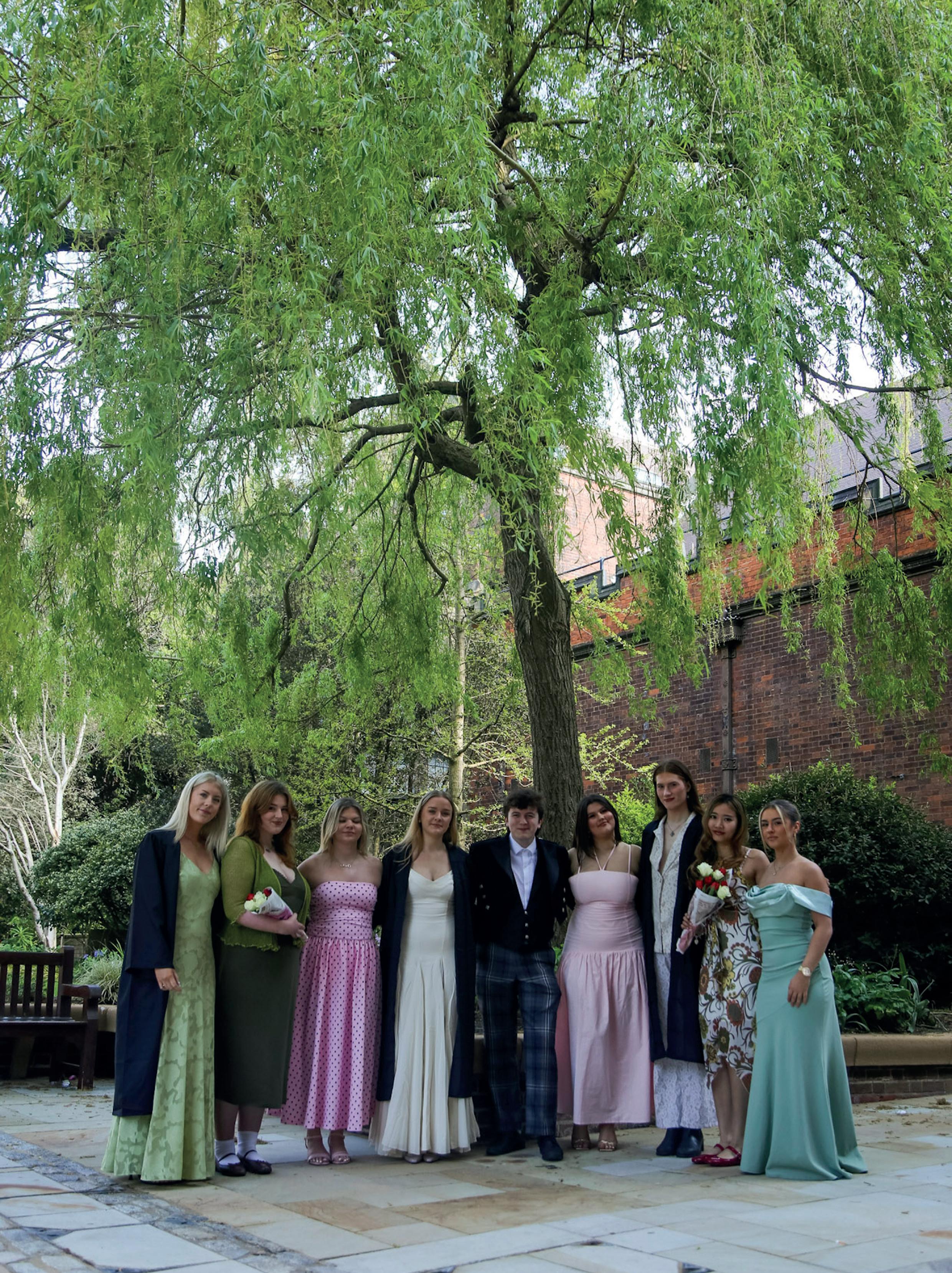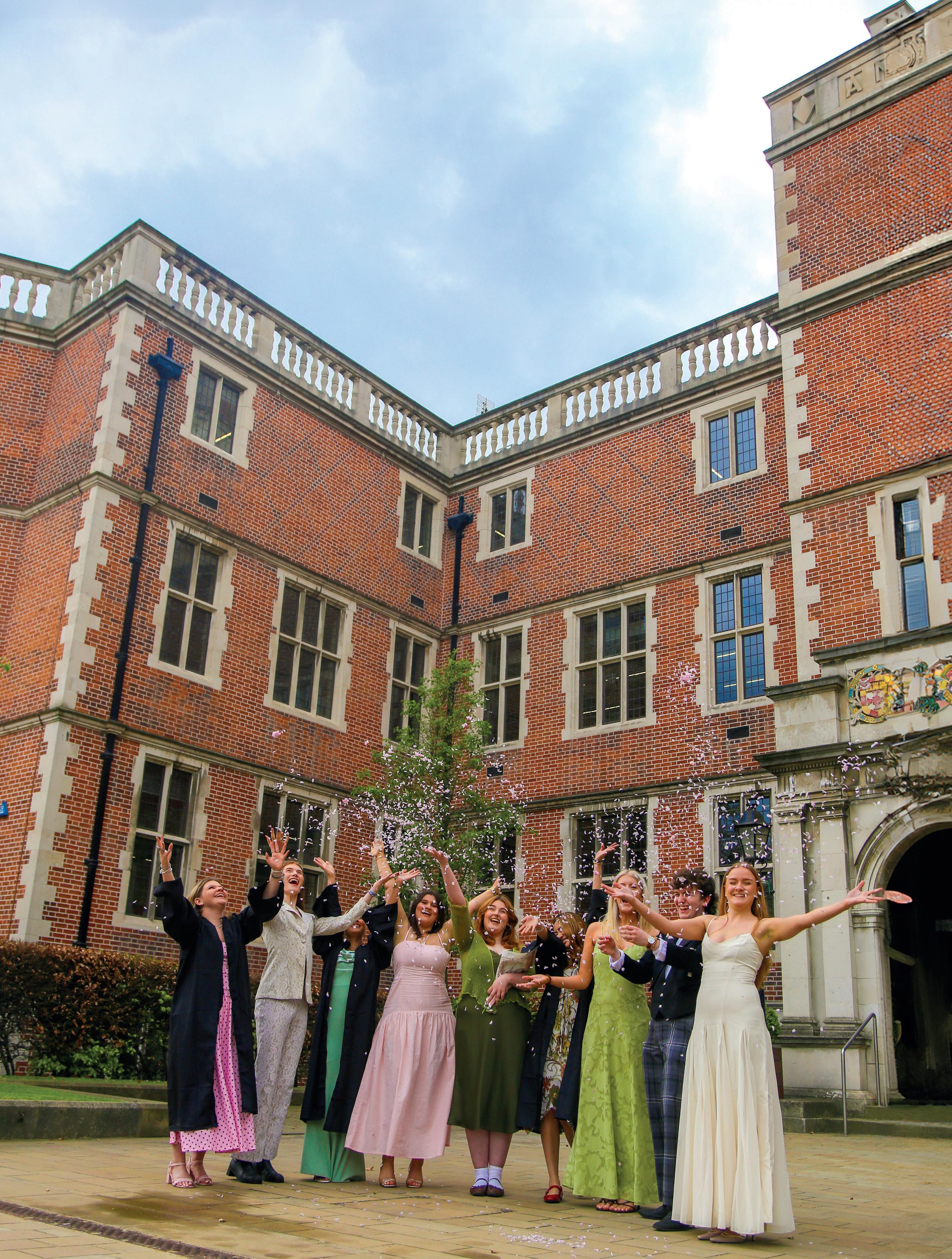


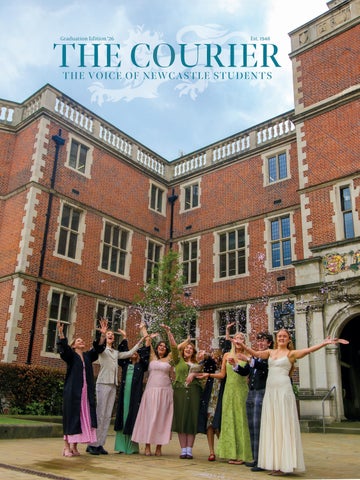
Well, this is it.
Our final edition of the year and my last Editor’s Note, ever. It feels quite funny writing this now, as every single Friday we’ve come to piecing together the final bits of the newspaper, and to be transparent - I always rush this bit. I haven’t taken the time to properly reflect on what’s been going on and what’s happening. It’s always just a scramble to get something together. But now, this is the last time I’ll ever get to write one of these. And I’m sitting here, the sun shining outside, reflecting on all of it and trying to take it all in.
We’ve accomplished so much in just a year. Nine editions and 14,000 copies distributed across campus, highlighting our incredible student journalism. Twelve nominations for national student media awards, two conferences attended, and two awards won. Both NSR & NUTV have never been better, and that’s all thanks to the incredible team that works so hard to keep everything running smoothly, a group that we love collaborating with.
But it's not only a reflection on the last year of Student Media but also on the last four years that I’ve been a part of Student Media. I started as a Writer, attending every Student Media Afternoon and starting down a career path in journalism. Then, I joined the Editorial Team as a subeditor for Campus Comment, working in a team of three (that I still speak to today, with one in Cambridge and the other in Australia). Last year, I had the pleasure of being Deputy Editor, and I knew I still wanted more. Being elected as Editor in Chief and Student Media Officer was one of the greatest feelings in the world. I’d worked so hard for three years, and I still had another year of it all. And I’ve loved
Current Affairs |
A reflection on my second year at university
By Scarlett Palmer | Page 5
Life & Style |
A love letter to my Nan
By Ursula Monro | Page 12
Culture |
every moment of it.
In a month, my role comes to an end, and so does my four years of calling Newcastle my home. It’s a really bittersweet feelingsomething I’ve said in just about every Editors Note I’ve written this year. I’m excited for the future and new beginnings and to start fresh somewhere else. But I’ll miss this. I’ll miss Friday’s scrambling to pull the newspaper together, and hosting Student Media afternoons, and Editor’s Meetings on a Monday morning. I’ll miss the city and Tynemouth at the weekend, and the Dog and Parrot on a random weekday, or a spontaneous private room in Cosy Joes, and I’ll miss these moments sat at my desk pondering what to say.
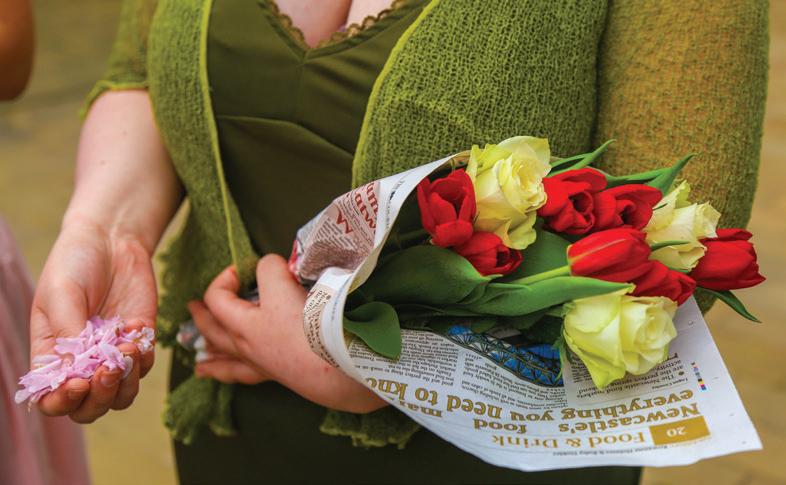
favourite part in this role has been forming this wonderful community. And it was so special to be surprised with a video made by my closest friends, with a lovely bouquet of flowers and the most sentimental gift I’ve ever received.
Every writer can attest to this feeling, how the written word feels like a second language in itself. But how funny it is to be sat here not knowing what to say. To be stuck for words, when it’s what I was born to do - to write. Sometimes words really aren’t enough to express the feelings in the moment. But it’s in these pages, every single one of them, and all the ones before it.
I’m so proud of everything we’ve accomplished for The Courier, so proud of all the editors, the writers, and those that have contributed elsewhere - whether it’s photography, an interview, or a press release. It is such a privilege to look back through everyone’s hard work on these pages, and I’m so grateful for all the memories that I’ll have forever.
Hi everyone! My name is Gabbi, and I have the absolute pleasure of being your Student media Officer and Editor-In-Chief this year. Over the summer, I’ve been working hard behind the scenes alongside the Editorial team and NUSU to bring you this Freshers’ issue. Not only will you find loads of incredible articles written by our fantastic sub-editors, you’ll also find a one-stop guide to Freshers’ week, including an introduction to the Freshers’ week assistants who have put together an amazing programme of daytime activities for you all.
It is even more special to recognise our final edition in this new format, and everyone has worked so hard to pull it all together. This final edition represents all our hard efforts in a limited edition memento, and I’ll be celebrating it for a very long time. Similarly, our Media Awards happened last week, and it was my favourite night of the year - and in my role. A night full of celebrating success and the greatest talent in Student Media. A night full of laughter and tears. It is without a doubt that my
Freshers’ week is a time to get to know more about
Which, surprisingly, was not just the frame of my favourite article I’ve ever written, signed by my entire Editorial Team. But it was the gift of this wonderful community. Something that can’t ever be materialised.
Even though it feels weird to be reflecting on all these special moments when I still have a month left in my role, it really does feel like it’s coming to an end. I feel so full of gratitude and love. So, for the last time. Goodbye! Take care of yourselves, and long live student journalism. All my love forever, your Editor in Chief xoxo
Editor
Libby Griffiths l.griffiths9@newcastle.ac.uk
Trinity Eadie t.eadie2@newcastle.ac.uk
Heads of Current Affairs
Oscar Jenkins o.jenkins1@newcastle.ac.uk
Jess Mooney j.mooney2@newcastle.ac.uk
News
Phillipp Andreewitch
Jemima Ashton-Roberts
Ben Moore
Oliver Tierney
Katy Woods
Why inclusive character design is crucial
By Anna Lewis | Page 25
Sport |
No Room For Racism: how the Premier League are tackling racism
By Alex Paine | Page 30
On Air On Campus |
A goodbye from NSR & NUTV
By Katy Johnston & Grace Laidler | Page 8



Callum Borkowski
Emily Hawtin
Scarlett Palmer
Opinion
Martha Nugent
Sophie Psaila
Emma Stephenson
Science
Charlotte Chantler
Sapphire Ling

Charlotte Burley-Hnat c.burley-hnat2@newcastle.ac.uk
Dylan Seymour d.seymour1@newcastle.ac.uk
Heads of Life & Style
Sophie Jarvis s.jarvis2@newcastle.ac.uk
Ruby Tiplady r.tiplady2@newcastle.ac.uk
Relationships
Elin Auld
Ursula Monro
Blind Date & Agony Aunt
Charley Dobson
Lifestyle
Erin Neal
Izzy Whitley
Fashion & Beauty
Ella Saint
Mia Wijayatilleke
Travel
Tilly Aveyard Paula Carrillo
Food & Drink
Rowanne Holmes
Ruby Tinkler

Culture
Heads of Culture
Keira Gratton k.e.gratton2@newcastle.ac.uk
Amy Mescus a.mescus1@newcastle.ac.uk
Music
Emma Monaghan
Milly Thompson
TV
Maddy Kendall
Kate Kennedy
Natalya Mathers
Film
Charlotte Atkinson
Zoe Lett
Alex Paine
Gaming
Emily-Maisy Milburn
Keyon Snoek
Arts
Imogen Hayes
Kate Sturrock
Puzzles
Raven Orteza
Sport
Senior editor: Noelia Fernandez Perez n.fernandez-perez2@newcastle.ac.uk
Sasha Cowie
Megan Grimston
Aarya Shenoy Image credit: Newcastle

Sub-Editors:
Philipp Andreewitch - News Sub-Editor
Rounding up a year of fantastic research at Newcastle University.
Aproject run by our university has won a research project award at the IChemE global awards. The project was recognised for research into chemical reactors that could help realise a low carbon future. Specifically, the project aspires to use chemical reactors to produce hydrogen with less carbon footprint than current methods. Clean hydrogen processing is vital for realising the sustainable use of hydrogen to power cars, aircraft, rockets and industrial plants. Global demand for hydrogen is already driven by use in applications including fertilisers, oil refinery and manufacturing, meaning that new production methods could improve global footprint immediately.
The program has been funded by the Royal Academy of Engineering as part of it's Emerging Technologies program. This initiative has fostered a relationship with Newcastle University for the past five years
and overseen major project milestones. Of particular note is the design, construction and operation of a 5 kWth hydrogen production plant on the main Newcastle University campus. The system is envisioned to be a cost effective and more sustainable production method for companies like BOC (Linde), which already conduct commercial hydrogen production in the UK.
“Newcastle University has also been appointed as the new Vice-Chair for the Zero Hunger Goal”
Meanwhile, Newcastle University has also been appointed as the new Vice-Chair for the Zero Hunger goal within the United Nations Academic Impact (UNAI) program. The UNAI network involves universities in over 150 countries working collaboratively to advance each of the United Nation's 17 Sustainable Development Goals (SDG), of which only 35% are on track to meet their 2030 targets. Achieving Zero Hunger is the 2nd SDG and presents a continuing challenge. Following a review of over 330 institutions,
the UN chose Newcastle University for the Vice Chair role on account of the University's development of sustainable energy production, regulatory influence and emphasis on global stewardship within taught content. These efforts are part of the UN's 2030 Agenda for Sustainable Development. The work involves considerations around food, nutrition, energy, and climate change by using academic influence to create positive social, economic, and environmental change.
To top it all off, researchers at Newcastle University have been awarded the Queen Elizabeth Prize for Education by King Charles III at Buckingham Palace. The research has been recognised by the highest national honour for universities on account of its contribution in understanding, diagnosing and caring for dementia patients.
These prestigious recognitions are awarded by the Royal Anniversary Trust every two years to highlight quality work which impacts the wider world. The team at Newcastle University has identified brain changes and developed brain imaging to diagnose Dementia with Lewy Bodies (DLB), the second most common form of dementia after Alzheimer’s. DLB is currently affecting over 130,000 people in the UK. The work at Newcastle university has enabled earlier detection and pioneered new therapies to fight the disease.
Harsh Agrawal
If you are continuing your studies at Newcastle next year, here's some things you can expect...
Do you know about the big changes coming for students this year? That’s the question I’ve been asking friends across Newcastle University as we prepare for 2026/27. Two issues are on everyone’s minds: student loans and the new renting rules.
From May 2026, the Renters' Rights Act will scrap fixed 12-month contracts for students in private houses. Tenancies will become rolling (monthly), and landlords can only take one month’s rent upfront. At the same time, maintenance loans for home students are only going up by around 2.7% - nowhere near enough for the rising cost of living in Jesmond, Heaton, and other student areas.
But that’s not all. More changes are hitting students at the same time. Tuition fees for home students are rising by 2.71% to around £9,790 per year. The interest
rate on many student loans (Plan 2 and Plan 3) will be capped at 6% from September 2026, which offers a bit of protection. However, the repayment threshold is being frozen from April 2027, which means graduates will start paying back earlier and end up paying more over time. Tanish, an international student from India going into his second year, is already feeling the pressure while househunting:
“I’m really worried,” he says. “Many of us paid 6 or 12 months’ rent upfront because we don’t have UK guarantors. Now landlords can only take one month. It’s making everything so much harder.”
Chloe, another second-year student from the UK, has a more balanced view on the renting changes. She says, “I think the rolling tenancies will be good for some and not others. But they have also gotten rid of the ‘no fault’ tenancies, so they can’t just kick people out because they want to make more money. They can only raise rent once a year and tenants can challenge it. But I think it means landlords could just look for an excuse to kick them out if they wanted.”
She also welcomes the new Decent Homes Standard and Warm Homes Plan, which will force landlords to bring properties up to at least an EPC C energy efficiency rating. Chloe knows firsthand how important this is after growing up in a cold, poorly maintained
house. She recalls, “For example, my mum’s house during the cost of living crisis… our landlord didn’t insulate it properly.” She further says, “There were cracks in the corners of the windows where cold air would just blow in, and the radiators didn’t work properly. Northern winters get pretty cold, so we had to use hot water bottles and blankets at night because we couldn’t afford to have the heating on all the time. We even put duct tape over the cracks in the windows when the landlord refused to fix them.”
The combination of all these changes creates real uncertainty for students in Newcastle and across the UK. International students like Tanish face new barriers in the housing market, while many home students worry about tighter budgets and unclear loan rules. At the same time, improvements like better energy efficiency standards and the end of no-fault evictions offer some hope for fairer housing in the long run.
As second-years rush to find houses and everyone watches their budgets, the year 2026/27 is already feeling like one of the toughest years ahead. These national policies will shape where we live, how much we pay, and how warm (or cold) our homes feel next winter.
Read more on our website, https://www. thecourieronline.co.uk/
Emma Capdeville
Our writer discusses global crises' impact on young people...
When was the last time you read an article about the war in Ukraine or Gaza? When did you last read a headline counting the number of people killed?
The last time a video showed people being bombed, you kept scrolling, didn’t you? Was it indifference? Or are you simply… desensitised to violence?
If you are, you wouldn’t be the only one. Our decline in emotional or empathetic responses to violent or traumatic content is due to its constant and repeated exposure. The normalisation of global crises does not come from a loss of emotion but rather from a habit; an endless cycle of witnessing images of destruction through scrolling and swiping, before becoming disturbingly familiar with it. Breaking news after
breaking news, our attention and awareness struggles to keep up with a media landscape that consistently flashes overwhelming urgency. It’s not that we passively accept suffering, but rather, our brains and emotions no longer know how to process it.
“...these crises and wars blur into one another...”
This is particularly evident in the way crises in the Middle East are consumed through media. The wars in Gaza or Iran are not isolated events; they are part of wider patterns of geopolitical instabilities. For many viewers, these crises and wars blur into one another, reducing them to just headlines that appear briefly before being replaced by the next big red ‘breaking news’ alert on our screens. I have come to believe that as a consequence, we are also less sensitive to the collapse of world order, currently led by the erratic man playing with global security and peace in the White House. Who, interestingly, also largely benefits from media overwhelm to distract the public from national crises and outbreaks
in scandals (I think we all know what I’m referring to). Thus, when the world becomes one of the world’s most powerful man’s board game, can we really expect the public to react with sustained shock? With the normalisation of the US’s international actions in Venezuela or more recently in Iran, it has become a game of guessing what ludicrous decision will be implemented next. When unpredictability becomes the norm, we become less sensitive and, in such a context, outrage simply loses its impact… such as claims to “wipe out an entire civilization”.
At its core, the topic remains that wars and conflicts have simply never been more advertised via the media than today. Advances in communication mean that events unfolding thousands of miles away from us are almost instantly accessible, which emphasises a feeling that the world is constantly deteriorating. We begin to ask ourselves whether we are turning away from conflict out of indifference, or out of a deeper sense of helplessness.
But is our world truly getting worse?
Read more on our website, https://www. thecourieronline.co.uk/
the
want sorted? The local elections are the place for that, they are the place for you to make a change to the spaces you occupy daily.
Just vote, just vote...
As May 7th looms and the local elections are just around the corner, with the country in a state of political turmoil, how important is your vote? Especially as a student, when you're likely to be voting away from home.
Whether you are in your first year, or your last, it is important that you help contribute to the political scene in Newcastle because voting shapes the future. You might be in your first year, hoping that regardless of whether you live in Jesmond or Heaton next year, it will be a nice, clean, friendly place to live as your navigate living far from home with your friends. So surely it is our responsibility to ensure that every incoming student has a welcoming place to live.
Local elections are the place where things like public transport, housing, waste collection, and much more are decided. So whether you are still in student accommodation or have moved into the surrounding communities, these are key issues that will impact your life as a student in Newcastle. Is your landlord being unreasonable? Is the bus into town too irregular? Days where the bin isn't collected like it is supposed to be? Any other issues you
It isn't just about the students either, as you live further out of the city, your neighbours are less likely to be students but people who may have spent their entire lives in Newcastle, or perhaps people who have settled down here. Surely it is our responsibility, as good neighbours, to vote for a neighbourhood in which they can still feel welcome even after we have moved on and some other nervous students are sleeping in our rooms and laughing in our kitchen with a whole new set of friends.
We come into these communities as students, as people from all over the country, and try to carve a space for ourselves. Whether that is in student accommodation, Jesmond, Heaton, or Shieldfield. I believe that it is vital we help give back to these communities, that we have a say in how they are run so that future students may also enjoy the same environment that we have benefited from by being welcomed into the area.
election. This becomes the most widespread, most accurate poll that the country could take before the election in 2029. Voting here as a student is the best way to make sure that your voice is heard across the country.
I believe that it is the civic duty of every person over eighteen to vote, whether you have particularly strong allegiances or not, because it is a right that many across the world do not have. It is a right that until 1918, women in this country did not have. You have this right, it is important to use it, because voting in politics is not just about you, but it is also about everyone you leave behind. Whether that is your neighbours, professors, or friends from the North-East.

These local elections are also used to come to conclusions about the political mindset of the country, so your vote to your preferred party could have an impact on how politics changes in the run-up to the next general
It is simple, at the end of the day, because when students vote as a group the council will listen to their needs and take the student population seriously. They will prioritise renters rights, they will prioritise public transport and they will ensure that the community reflects a safe space for students to happily live.
So, for the sake of ten minutes out of your day, why would you not exercise your right and vote?
Sub-Editors:
Scarlett Palmer - Campus Comment Sub-Editor
Want to know what to look out for in your second year?
Second year is like the middle child of university.
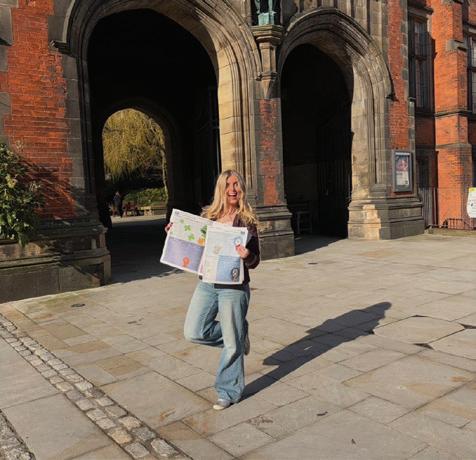
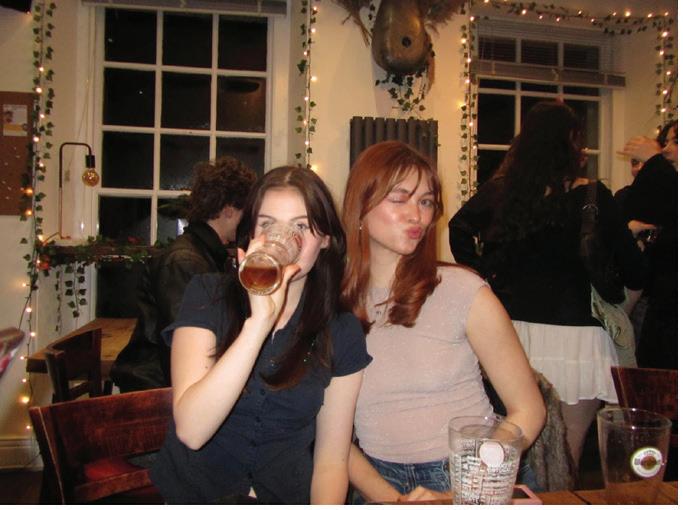
You have the fresher, which is the golden era of your life; you drink most nights, then missing your 9ams every Thursday but somehow still making it to Casa the next day. Then there is third year, which though I have yet to experience, I’ve heard it's quite hellish, spending most days in the library and losing any stamina you had in second year to go out. Second year is a grey area, some people find it an easy transition from clubbing to pubbing at all hours of the day, and others are blessed with the second-year house curse, which involves lots of mould and damp, and bickering with your housemates.
If you are a fresher and reading this thinking 'I have got a great landlord', you probably don’t. Sorry.
Regardless though, second year has been a journey, a fun one but also a harsh glimpse into adulthood. The realisation dawns that there will always be that secondary school drama you thought you’d left behind, and a tiresome weekly food shop when you only have £10 to your name. Speaking the truth, I hated second year at first, I went through an anxious period of not knowing where I fit in. This is something that feels daunting but also is a universal experience for many at university. I spent the first
few weeks sat in my fusty room listening to Harry Styles and Sabrina Carpenter and ringing my mum. This didn’t last long though, I met the best people and in true Newcastle uni student fashion, we had a red pint in the pub. These few weeks at the beginning of my second-year journey were nothing short of a nightmare, however, the tables always turn, and now I am thriving with all of my amazing friends and lots of time spent on Osborne Road. The mould still unfortunately lingers, but you can’t have everything.
gave me an opportunity to rant about male dominated societies and sexism, which I have a great interest in. The lecture theatres have been filled every day, and yes, we all miss the occasional 9am, or bail on our 3rd back-to-back lecture on a Monday evening, but the excitement to study a book and get the academic validation I had at A-levels, has finally returned.
"...I have opened by eyes to how incredible Newcastle University really is..."
“...Saying no to the club and yes to the library isnt all too bad..."
The Courier has been an absolutely fabulous addition to my second year, not only have I made so many friends, but I have also learnt so much. The Courier has made me realise how important journalism is, but also as Campus Comment SubEditor, I have opened my eyes to how incredible Newcastle University and the North East really are; the vibrant, friendly atmosphere is like no other. I couldn't have wished for a better team of Sub and Senior Editors to work alongside.
English Literature in first year, looked like empty lecture theatres, spare a few keen students, and lots of last-minute deadlines. Whereas in second year, you still see those familiar faces but also unlock new ones. We all begin to ‘lock in’ and become enthusiastic. For me that is definitely the case, especially because despite my clubbing-filled weeks in freshers, I didn’t end the year with a bad grade, in fact I started to think my course was relatively easy. Oh no. The stakes rise immensely in second year; after getting my first assignment grade back, I vowed to spend a lot more time in Philly Rob, and not as much time in Hobos. However, saying no to the club and yes to the library, isn’t all too bad; I’ve found myself really enjoying reading the texts this year, and I have actually found it difficult to choose which texts to write about for my end-of-module assignments. This could also be because the modules this year really cater to what I’m passionate about, for example Goblin Market by Rossetti in my Victorian Passions module, and Gentlemen Prefer Blondes in my American Lit module. These texts
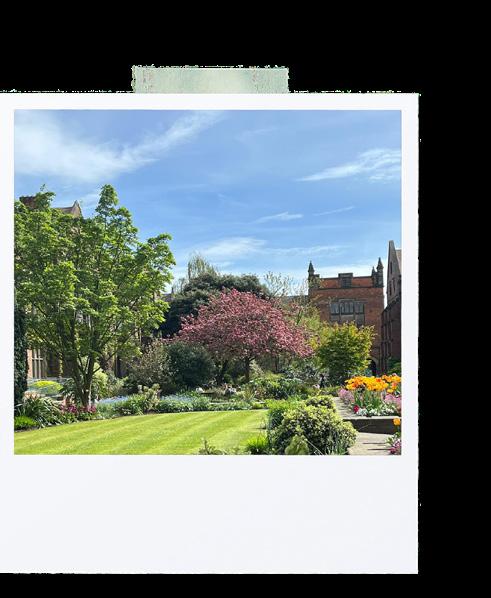
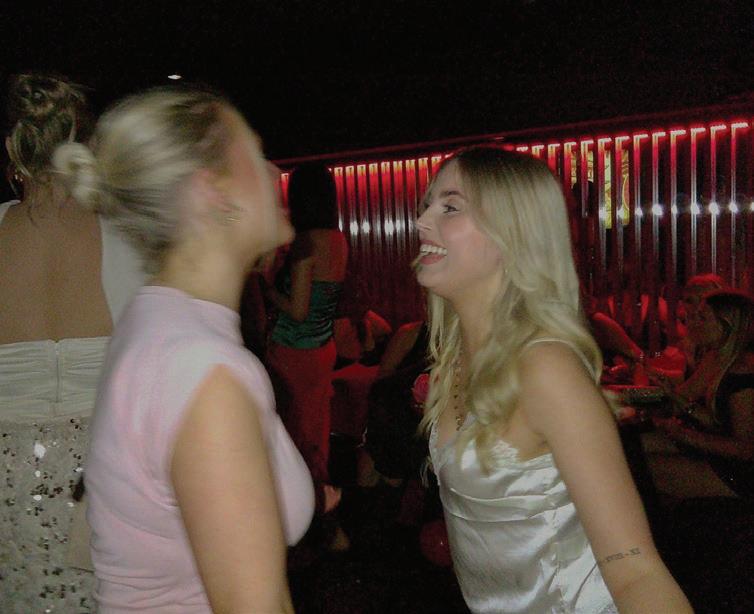
I also think it’s worth reflecting on living in Jesmond in my rendition of second year, because the shift from rough nights out and a kitchen debrief in your dressing gown, to coffee mornings in linen trousers and a trench coat, and a cheeky debrief at Starbucks, is a total transformation. I have to say, Jesmond is never quiet, even after a Wednesday night, and I quite enjoy everyone’s morning strolls to get a Greggs or even in some extreme cases, grab a red pint at the pub. The Jesmond vibes are like no other, and the large amount of pubs on Osborne Road have been incredibly lived in this year, Blanc being my personal favourite, and hearing from me far too much.
Second year may be the middle child, where everyone is figuring out friendships and sorting out their mould problems, but it is also in some ways a fresh start, to lock in at the library and still go to the pub at all ungodly hours of the day.
This is far from a love letter to my second year, but it is a realistic reflection on the highs and lows I have experienced. Good luck, I hope you have the best time, let me know when the Longchamp and trench coat arrives, because soon you’ll be a Jesmond girl like the rest of us.
Hannah Carlebach
1 in 10 women are affected by endometriosis. Intense, lifedisrupting period pain should not be something you just have to ‘deal with.’
The history of medicine has never been particularly kind to women. Whether it is the fact that women have only been mandated to be included in clinical trials since 1993, or today’s lack of research into one of the most prominent diseases, Endometriosis. This disease affects 10% of all women of reproductive age. Surely a disease affecting this many people should not take an average of 8 years and 10 months to diagnose.
Endometriosis is a chronic condition in which the endometrium lining, which is typically shed every month within the menstrual cycle, grows outside of the womb, commonly on ovaries, fallopian tubes and pelvic tissue. These unwanted growing patches of tissue can react to hormones, cause bleeding and inflammation and potential scarring every month, not even yet mentioning the immense pain that occurs for women living with this condition. While mild cramps are common during periods, severe pelvic pain that interferes with your everyday life may indicate endometriosis, and speaking with a doctor about it may help find management strategies.
can impact everyone differently. Surgery to remove the masses grown can help but does not count as a permanent cure, and living in and out of surgeries is not ideal. Motivated to investing the condition which has had such an impact on her life, Burns now works investigating it at the University of Cincinnati College of Medicine.
A disease estimated to affect 176 million women worldwide (according to Endometriosis UK) should have much more well-funded research ongoing. Even this large number is only a rough estimate as many cases are undiagnosed, and access to health facilities vary across the world.
Whilst the cause of endometriosis is unknown and there is yet no definite cure, a greater focus is being put on this disease. It is estimated that 30-50% of endometriosis patients face varying difficulties conceiving. There are also many related pregnancy complications such as miscarriages and an increase in ectopic pregnancies.
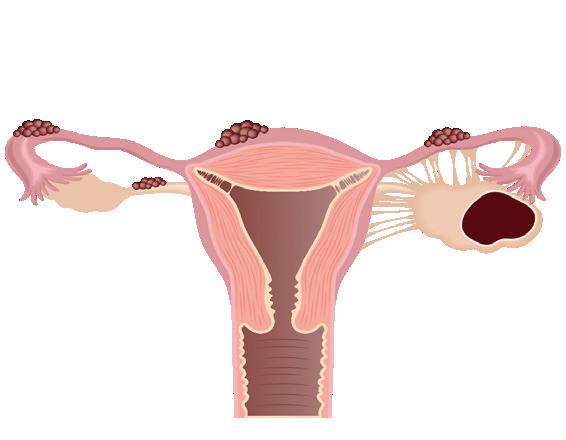
Alongside the weight of these patients’ chronic pains and chances of infertility, there has been a link made investigating genetic associations of endometriosis with depression, anxiety and eating disorders from a 2023 study published in JAMA open network.
Locally, the Newcastle upon Tyne Endometriosis Centre is accredited by the British Society of Gynaecological Endoscopy (BSGE) and offers specialists in this field, providing help and treatment for women.
It is difficult to target and diagnose a disease which has no reliable biomarkers. It is especially difficult to diagnose a disease which is so commonly mistaken and simplified to simply being intense period pains. In some cases, this condition is identified at birth and is then something to be managed for the rest of a woman’s life. However, for so many young girls they are told they are simply being ‘dramatic’, that pains which have them curled up on a floor just waiting for them to stop, are 'normal'. Or periods so heavy that they can’t do anything without taking an entire pharmacy in a bag with them, living in constant fear of bleeding through their clothes.
A recent Science feature investigated the story of Kathrine Burns, PhD, who was diagnosed with the condition in her early 20s. She describes having pains that sent her to the emergency room, and being dismissed by many gynaecologists, the very people she hoped would help her. When it came to treatment options, she was disappointed at the lack of available options, as are so many women today. Taking birth control pills can bring on other unwanted side effects and
Recently, two new daily take at home pills have been approved by the NHS. These are Linzagplix and Relugolix combination therapy which treats endometriosis by blocking pain causing hormones. This hopes to reduce painful periods and non-menstrual pelvic pain in an attempt to manage side effects. Worldwide there are ongoing studies which are investigating new treatments and research on this, with hopes of eventually giving patients some relief. Locally, the Newcastle upon Tyne Endometriosis Centre is accredited by the British society of gynaecological endoscopy (BSGE) and offers specialists in this field, providing help and treatment for women. There is also ongoing research within the university about this condition, with a growing focus on its genetic causes and molecular mechanisms. With this research and ongoing studies across the word, the focus on the condition affecting 1 in 10 women worldwide is growing, with hopes for extending our knowledge and improving treatment in the near future. Finally, to the women living with endometriosis and its symptoms daily, you are not alone, and you are definitely not being 'dramatic'.
Laura Anderson
he “Wood Wide Web”; very few have heard of it, and yet, it is all around us. Under the soil we walk on and in the air we breathe! An invisible network that has spread its roots far and wide, connecting the trees around us to one another. But what exactly do the oak trees have to say? And how come their conversations went undetected for so long? German forester, Peter Wohlleben has some answers!
For many years, we believed that trees were a group of ruthless loners. They competed with one another for resources (water, nutrients, and sunlight). The winners were cutthroat: blocking out the sky and starving all other contenders of the light they oh-so needed for photosynthesis and life. The forest was a battleground, a prime example of “survival of the fittest”. Now, however, there is substantial scientific evidence which contradicts our past beliefs.
"Tree's are far more intelligent than we thought"
Image
Wohlleben, who manages a forest nature reserve, was the first to write about these new discoveries. His book The Hidden Life of Trees: What They Feel, How They Communicate became a publishing sensation, hitting best-seller lists across the globe. A book that never would have been written, if not thanks to the insistence of his wife, Miriam. The book puts the scientific revolution into the spotlight, showcasing what latest scientific studies have confirmed: trees are far more intelligent than we thought.
Trees of the same species are now shown to be communal. Wohlleben refers to two beech trees within his forest as being “old friends”, “sharing sunlight [and having] root systems [that] are closely connected”. He adds that, “in cases like this, when one dies, the other usually dies soon afterward, because they are dependent on each other.”
Not only that, but studies also show that trees will form alliances with individuals of other species. The forest is a battleground no more, but instead its own little community; a society made up of friendships and alliances that has lasted, in some cases, for hundreds of years. These bonds have been maintained by a unique form of communication – not that dissimilar to the “hivemind” of an insect colony...

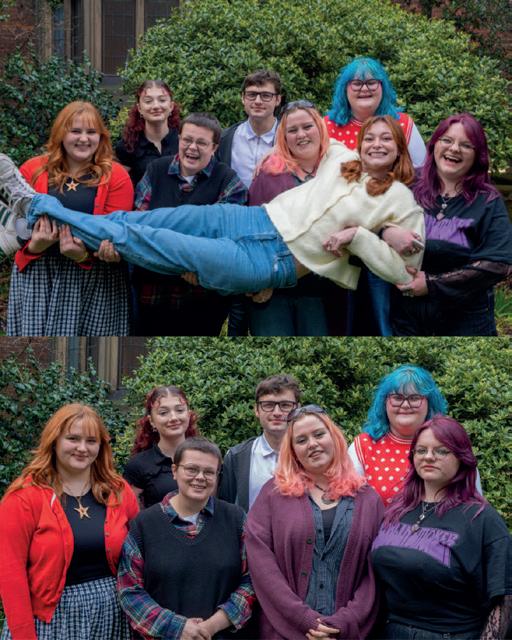
Katy Johnston - NSR Station Manager
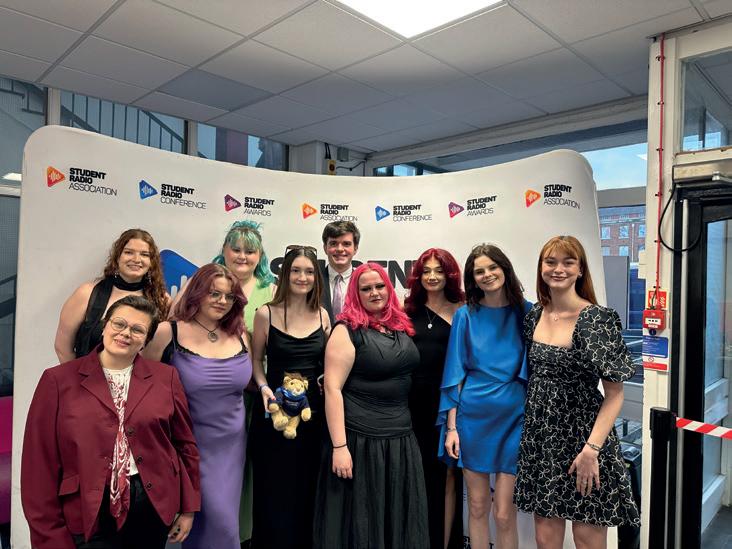
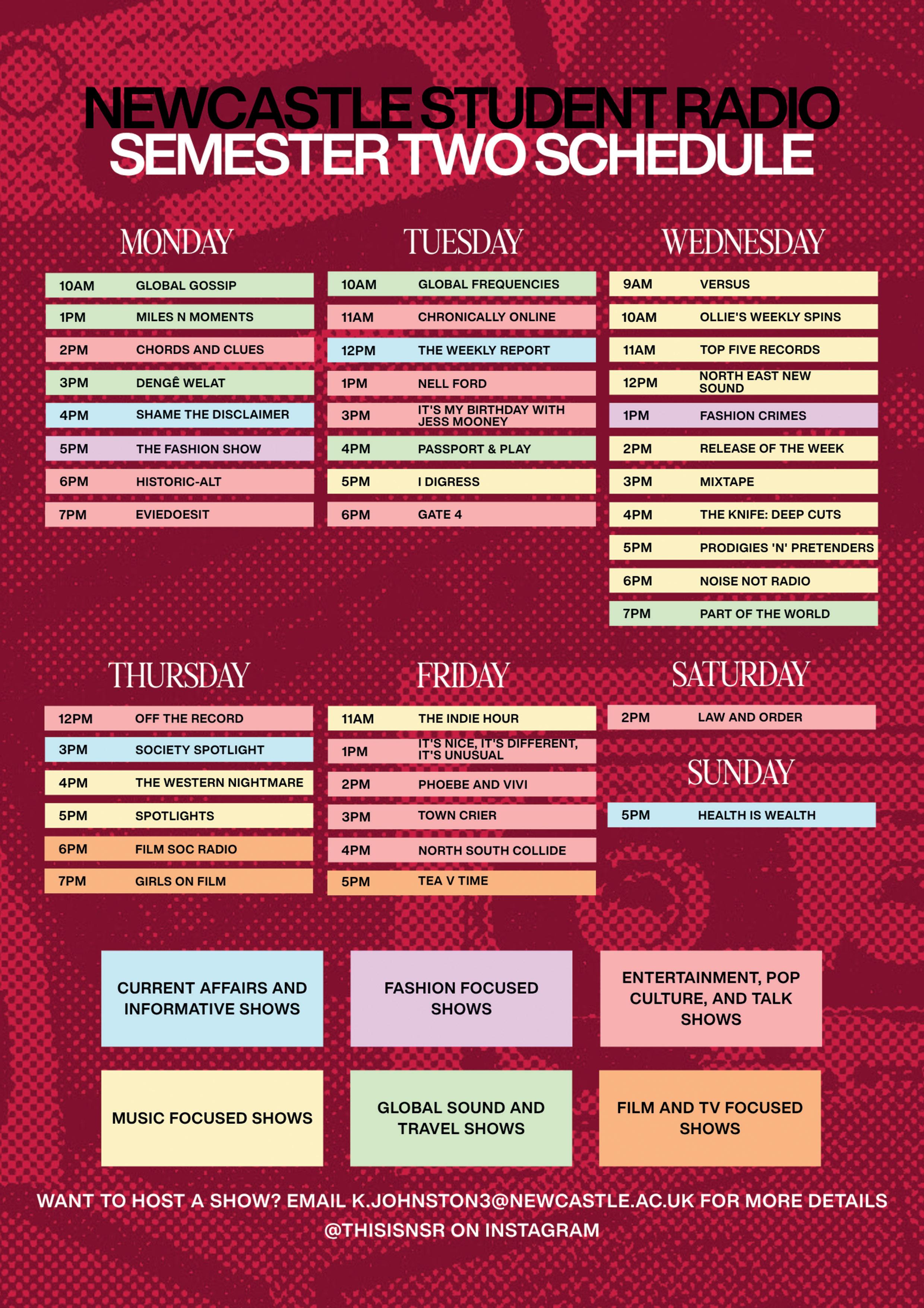
Ijust wanted to say a huge thank you to everyone involved in Student Media this year, it’s been an incredible time for NSR! I ran for station manager hoping to improve NSR, and I’m happy to report we’ve had an incredible year, we even won Bronze for Most Improved Station at the Student Radio Association national awards, we couldn’t have done it without our 100+ volunteers putting in so much effort every week and creating incredible output. A huge thanks to our amazing executive team this year, NSR would have collapsed if I didn’t have such a strong team around me keeping everything running so smoothly.

What a whirlwind of a year this has been! If you had told me back in September all the things that have happened, I would not have believed you – but here we are! I went from a face in the crowd of excited hopefuls in the student media afternoons to one of the most senior positions in the team. Wowza. Let’s take a walk down NUTV’s memory lane…
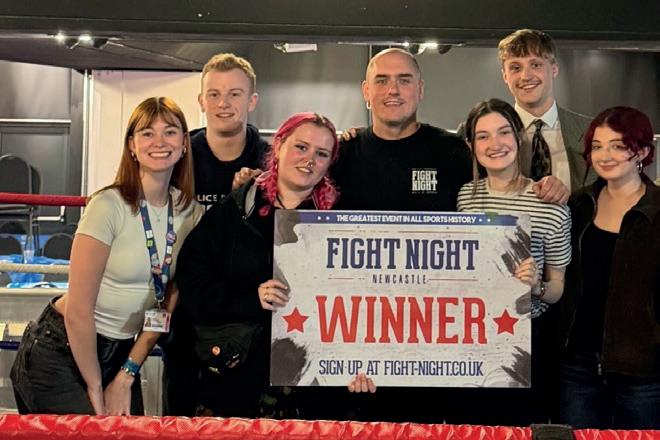
We’ve hosted four Fight Night, with a total of forty volunteers helping out across each session. From smooth camera operating to charismatic presenting to high-energy commentating, every single
Thank you to Naomi, who works so hard, week in week out uploading the music for all our volunteers, organising incredible interviews, and navigating all our licensing and legal restrictions to keep us on air. Megan, thank you for making our socials the best they’ve ever been, creating an incredible new website from scratch, and improving NSR’s brand- keeping up the façade that we’re a legitimate station. A huge thanks to Charlotte BH, the schedule is one of those jobs that flies under the radar, but it really is the foundation of the entire station- and I can’t thank you enough for working through hundreds of availabilities and schedules, and helping NSR run so smoothly this year. Thank you to Mia, for keeping me sane and helping so much to co-ordinate all our volunteers, and for putting on some brilliant socials. I think NSR turned into a real community this year, not just a solo hobby for our volunteers, and I have her to thank for this. Chance, thank you for making sure our tech hasn’t exploded- and for always stepping in to help when things have inevitably go wrong. It’s been brilliant seeing the NUTV collaborations you’ve helped create with your skills, we’ll definitely
need you for this refurbishment! thanks to Charlotte A, who has somehow brought Podcasts back from beyond the grave. The output we’ve already had has been incredible, and we couldn’t have done it without you. Podcasts are the future of audio, and to be able to offer this experience to our volunteers has

And finally thank you to Libby. It’s been a difficult year, but your continued support has been brilliant. Thank you for getting NSR involved in so much across the union, and helping out voice be heard- with brilliant student media collaborations, and the huge improvement of the Media Awards to reflect our new output, NSR is doing incredibly. I’m really looking forward to our final collaboration, setting everything up to hopefully keep NSR’s success going next year!
volunteer brought the events to life and attracted over 13,000 viewers!
We’ve been greatly involved in the student’s union democratic events. We broadcasted the bi-monthly student council meetings, including the annual general meeting.

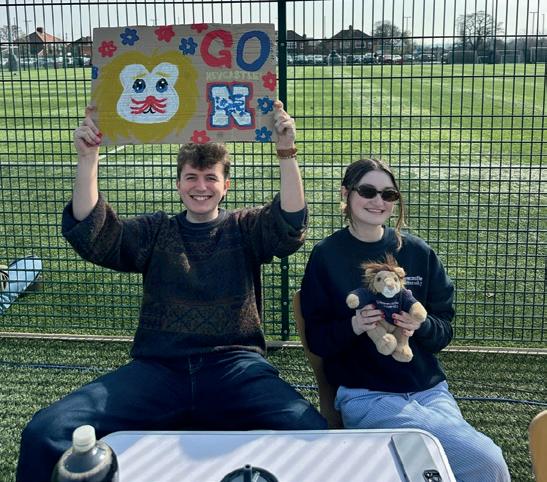
We collaborated with The Courier and NSR to host Candidates’ Rally, where eight of our volunteers interviewed the different candidates for the officer roles in the student elections. I went in front of the camera for the first time by interviewing the prospective sports officers! This was followed by a glamorous evening, where we broadcasted the election results night. The production that I am most proud of is our coverage of the NewcastleNorthumbria Varsity. This is the first time that NUTV has broadcasted this annual event, which I had pledged to do in my speech to become station manager. Although we only managed to film one football match, I am still unbelievably happy to have fulfilled my promise and
hopefully
I wanted to say a huge thank you to all the volunteers who contributed to our productions this year, as they couldn’t go ahead without you. I would like to thank my head of communications Estrella for her endless commitment to NUTV and the amazing content she made for every single production.
I would also like to thank Harry for stepping in as head of production halfway through the year and having such an incredible creative eye for every shot he filmed. Finally, thank you to Libby and Katy for their kindness throughout the year when it came to supporting me in this role. I’m glad that I took the leap of faith to sign up for it, as I wouldn’t have got my job at BBC Sport without it.
Edited by: Charley Dobson
January 20th - February 18th
Aquarius, it will delight you to hear this- this month the stars promise that you know best. Trust your own counsel before you let others fog your perception. You must be on the right path.

February 19th-March 20th
Slow down, Pisces! The stars have told you me that you’re much too impatient- and for what? Anything that’s supposed to happen will arrive when it’s meant to. Just hold your horses.
SMarch 21st- April 19th
Aries, this month the stars urge you to remain open minded- opportunities may take the form you least expect. Keep up that compassion and get ready to receive.
April 20th-May 20th
ome advice from the stars, Taurus: put yourself first. It might be a tight squeeze to support others as well as your own needs, you might have to get crafty with a solution.
GMay 21st-June 20th
emini, the stars are kindly asking what you’re waiting for? Good fortune won’t wait for ever. Good things to those who wait, but not for those who wait too late as they say.
July 23rd-August 22nd
Trust your intuition this month, Leo. The stars have left the truth within you; all you have to do is find it.

October 23rd-November 21st
Avery relatable horoscope for you this month, Scorpio. The stars warn that you may be feeling lazy or fatiguedunderstandable given all these looming deadlines. How about taking a well-earned rest?
August 23rd-September 22nd
As neurotic as this sounds, Virgo, the stars suggest that taking things step by step will help your dreams to materialise. Let’s not rush things this month, okay? Stop and smell the flowers first.
CJune 21st- July 22nd
ancer, the stars asked me to warn you of some slight turbulence this month. Not to panic, just be prepared! Even fate struggles to waiver a solid plan.

September 23rd-October 22nd
You’re your own biggest enemy, Libra. The only thing standing in your way is your belief that your goals are out of reach. They’re not. You’re getting warmer!
November 22nd-December 21st
Sagittarius, you can expect to find a sense of belonging this month. You’ll feel more aligned with wherever, or whoever, you call home. May is all about community and contentment for you.
December 22nd-January 19th
Capricorn, the stars have so much love to offer you this month, if only you’d let them. New feelings don’t have to be scary just because they’re unfamiliar.

Jessica Lancaster
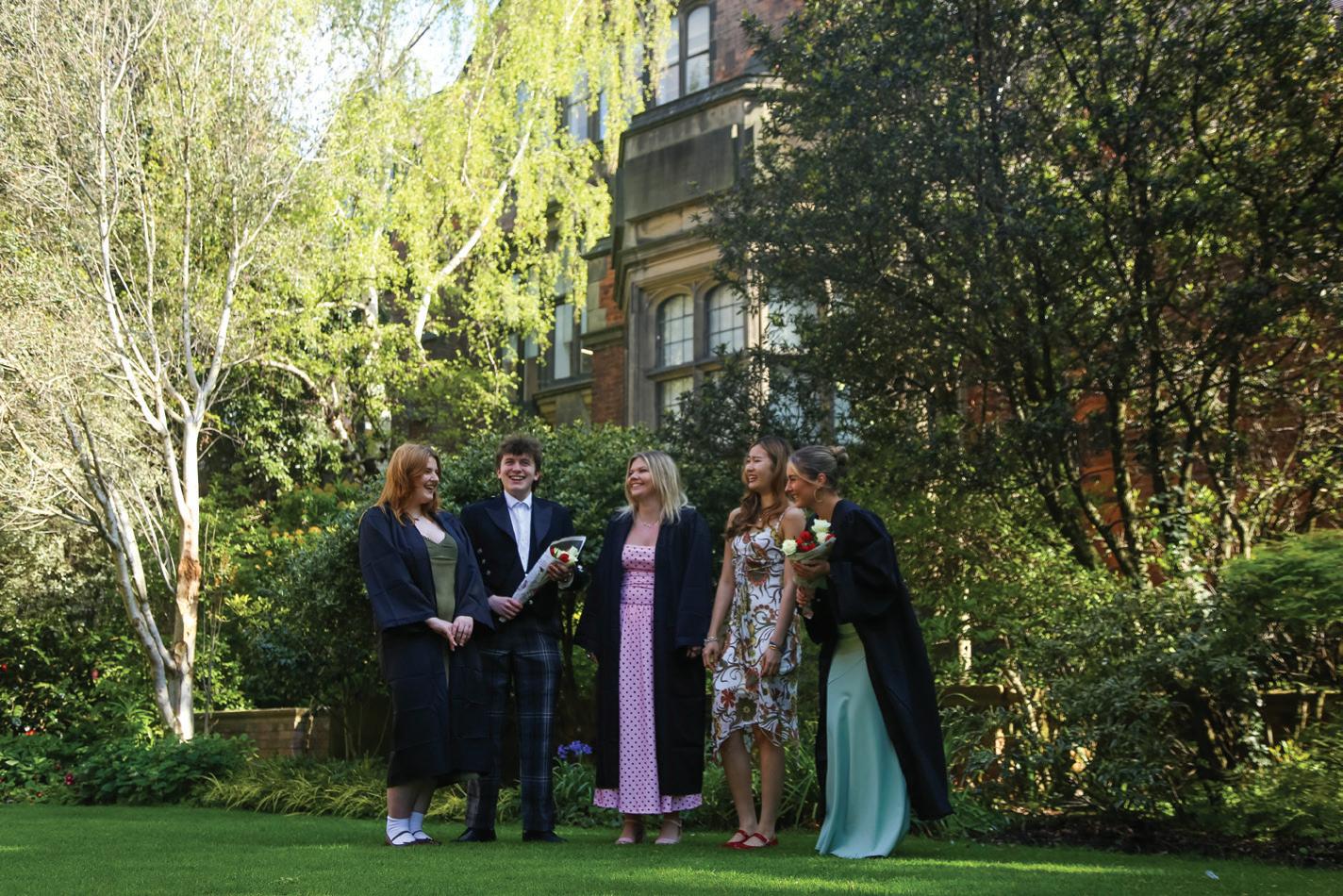
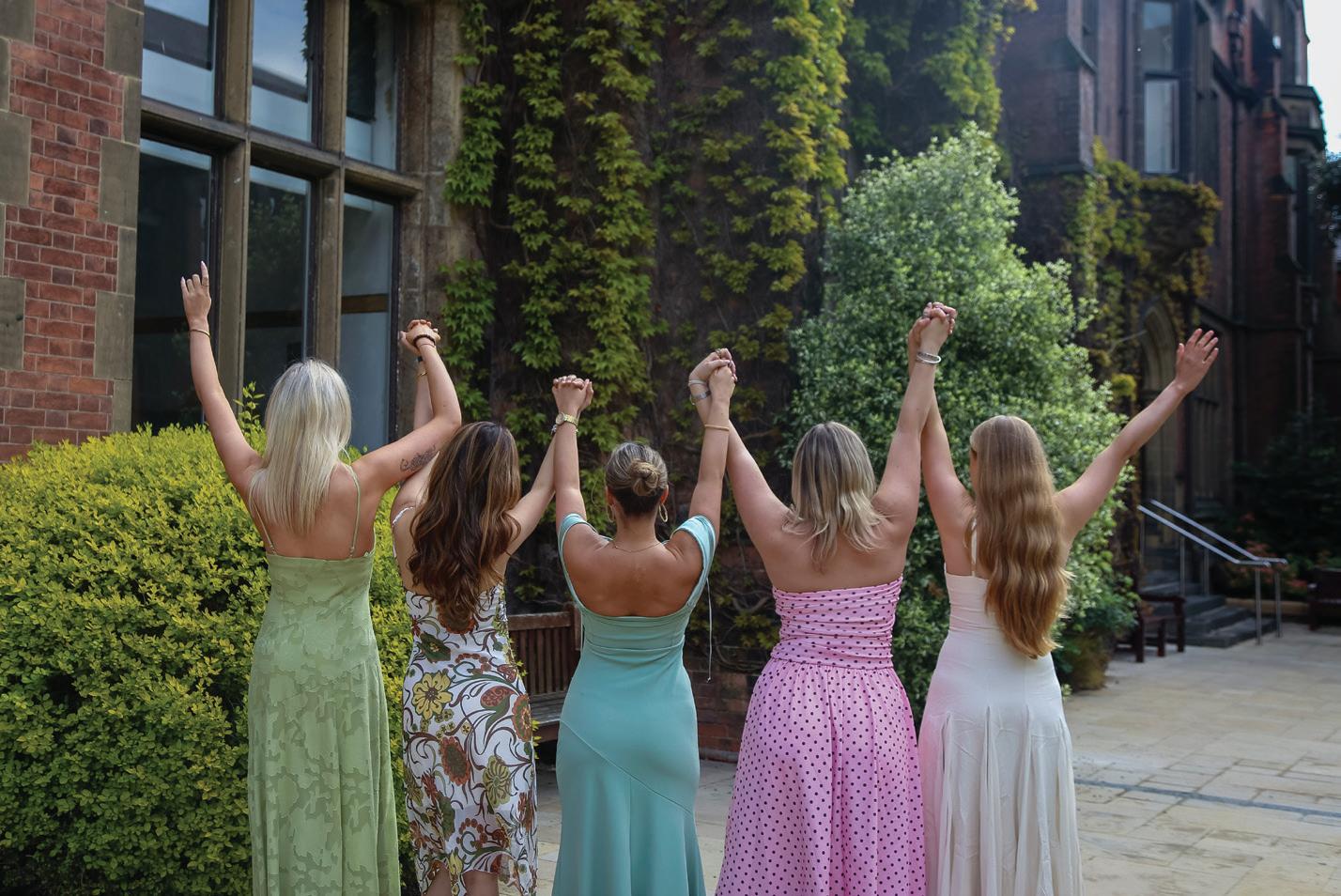
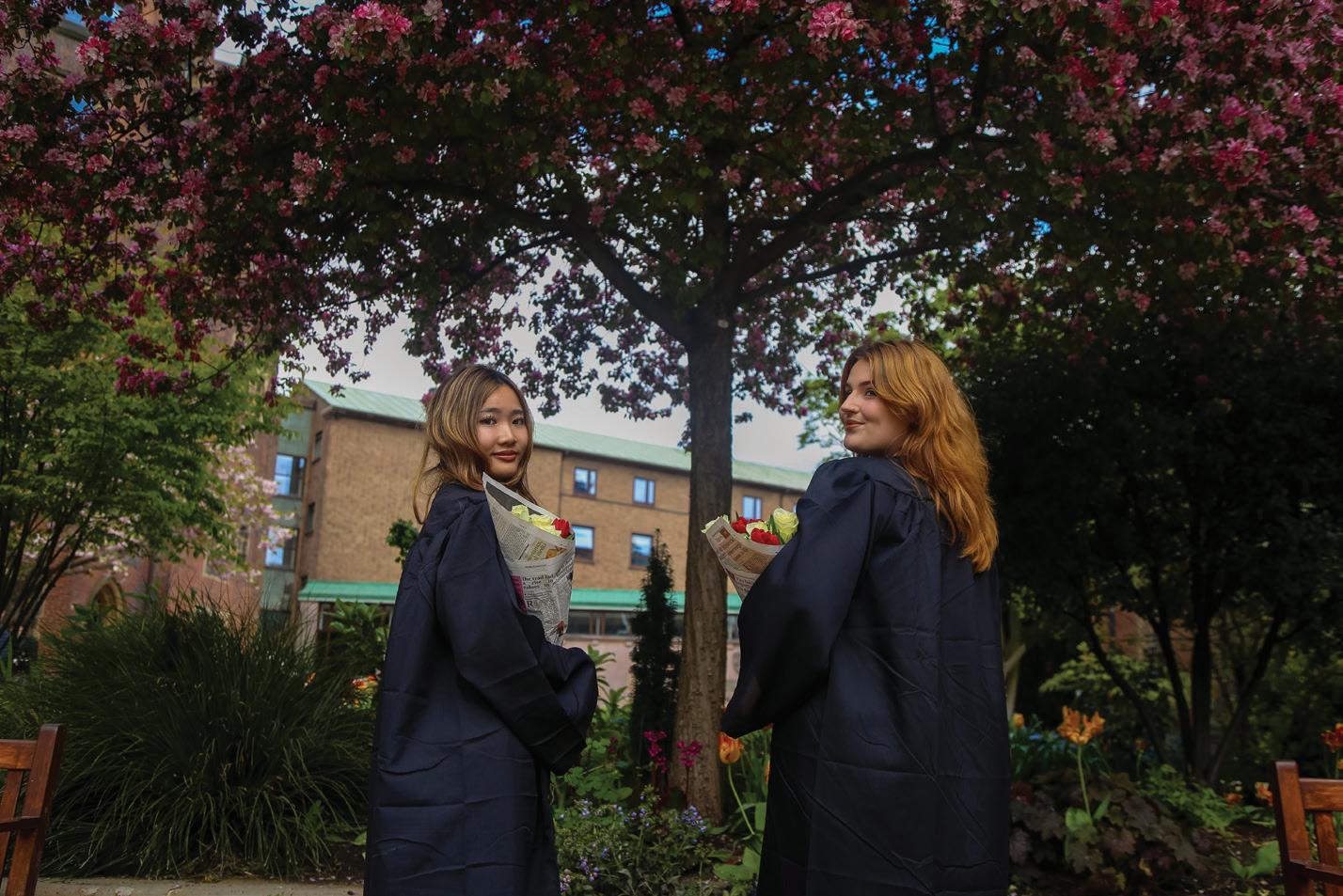
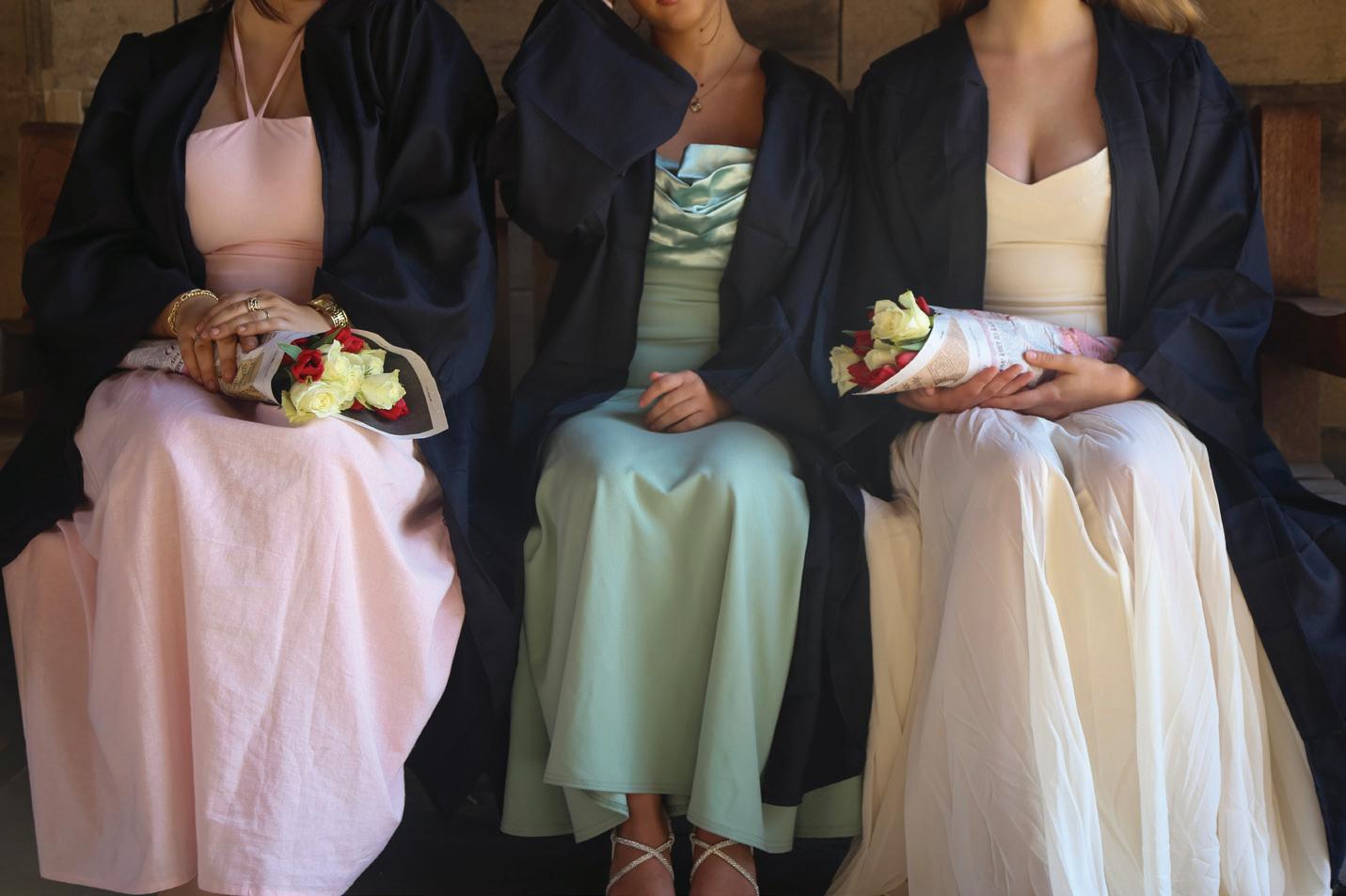
Graduating from university is the next significant milestone for many of us students. As a huge chapter in our lives concludes, now is the perfect time to take a step back, celebrate, rest and be proud of all we have accomplished. But it comes with the question, “Now what?”
"...the friendships you make at university will last a lifetime... we've really bonded over it all."
Well, firstly, I plan to spend some time reflecting on what an amazing experience the last three years have been! From starting out as a fresher, in a new city, making new friends, and playing many a game of drunk Monopoly with my first-year flatmates, to then settling into student life as my routines massively changed. Suddenly, I had a whole lot more freedom…with socials on a Wednesday, late-night study sessions before working on the weekends and the 24/7 Philip-Rob, which was a lifeline during deadlines. They say the friendships you make at university will last a lifetime – 9 am seminars, midnight kitchen rants, and dragging your feet downstairs each time the fire alarm went off, we’ve really bonded over it all.

approaching, although there is plenty I will miss about this wonderful city. So, what will I be doing with the time I have left before leaving Newcastle? With the summer months well on their way, and after finally seeing some sun, my plans involve strolling through Jesmond Dene, the windy beach at Whitley Bay and a well-earned trip to Tynemouth Market for a new book or two.
So now that nearly three years passed and I find myself within the final few weeks of my degree, everybody keeps asking what I’ll do next. As we leap into the unknown of the job market, it can feel quite isolating, despite most graduates all being on a similar journey to secure employment. With job prospects being at an all-time low since 2012, and with the number of graduate hires in the UK having decreased by 8% over the last two years, it is a daunting horizon to be looking out onto. However, despite the job market feeling rather bleak, there are some things I have been doing to reduce my stress levels. I am making sure to stay proactive, updating my CV, attending networking events, and

my degree knowing nobody to now living with some of my favourite people. Making the most of the final summer we have together before things change and the next chapter
The concept of moving back home with the knowledge that my lifestyle would have to change drastically at first felt deflating. Though I have since realised that it is not a step backwards, but rather the perfect opportunity to continue building healthy habits for the future, whilst spending quality time with family after living almost 300 miles away over the last few years. The change from a small town to a vibrant city was both the scariest and yet one of the most rewarding decisions I could have made. If I could go back and talk to the version of myself before moving to Newcastle, without sounding too cliché, I would tell myself not to be so afraid. Take risks, try new things and just take it one day at a time. I have gained so much more than a degree, and I am excited to see what the future has in store for me next.

"If I could go back and talk to the version of myself before moving...I would tell myself not to be so afraid."
The
days were long, the years have been
Ursula Monro - Relationships Sub-Editor
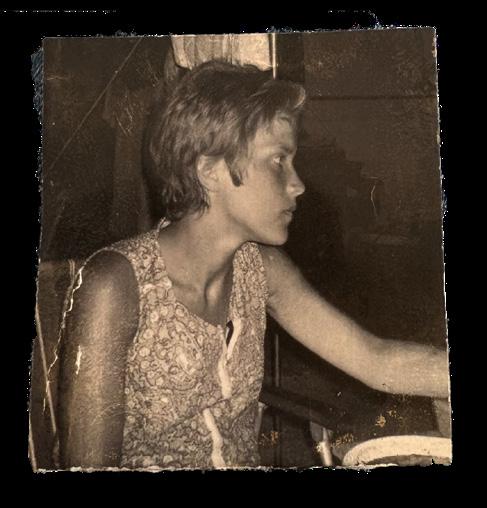
On the 19th of October, my nan passed. Honestly, it’s the hardest thing I have ever experienced. I’d never lost a grandparent before, and nothing really prepares you for the quiet absence that they leave behind. When I think about my nan, my mind goes back to being a child. Sunny afternoons in the garden. She would play with my brother and me for hours, whether it was playing shopkeeper, ping pong, or our own “family Olympics” each summer. And in the evenings, it was hot chocolate and a bedtime story, while the soft hum of Strictly drifted up the stairs. Those moments say everything about her: kind, patient, and always giving.
“I’d
Grace Miller
But as I grew older, my understanding of her deepened. She became
more than just the gentle figure of my childhood, but a woman of remarkable depth and quiet power. She loved reading, getting lost in a story (even reading the encyclopaedia cover to cover, which still amazes me). She was a runner, someone who kept herself moving, and on holidays she’d always be swimming – enjoying life in its simplest form. She was also just completely her own person. A true beauty, not just in appearance but in spirit. I always think of the story of her cutting her hair short in Spain with my grandpa – an act of spontaneity that I’m not sure I would be brave enough to replicate now. That’s how I remember her: vibrant, decisive, and full of life. Those parts of her still inspire me more than I probably realise. And then there was the love she shared with my grandpa. It was something really special –rare, even. It was the kind of love that shapes a family without ever showing itself off, but you can feel it in everything. The way he cared for her night and day through her Parkinson’s
said so much about him. It wasn’t easy, he was there through it all, by her side. Together, they’ve truly set a standard for the women in my family for what a true connection can look like over a lifetime. In losing her, I realised something I didn’t understand before. When the people we love pass, they do not simply disappear. They become woven into everything. I see her in old photographs and familiar memories, of course. But also, in the small, unexpected details of everyday life. In the playhouse that still sits at the back of the garden. In rainbows. In holidays being celebrated to the absolute fullest. Even in the runners passing by. She’s still there, just in a different way. And I feel her shaping my life, even now. What she went through with Parkinson’s was incredibly difficult, but it taught me something I’ll carry with me - to move our bodies, to exercise our minds while we are able. Not to take any of it, or anyone, for granted.
Love you, Nan, always.
Have we lost the art of inconveniencing ourselves for others?
As students, we all want to make life easier. Whether that means getting the lift to the second floor of the Robinson Library or quickly grabbing the last seat on the metro ride home. We all, more often than not, just want to take the easy route. After all, who wants to make it complicated on the way to your post-sports-night 9am? But this makes it all the more important in the moments we choose to let someone else take the easy path, especially if it also functions as a detriment to yourself. I live in a studio flat with my long-term boyfriend this year, and we came up with a great way to split the chores. A google form, where we put who we would want to do each chore. I put his name for taking out the bins, my name for hoovering and mopping, and luckily it ended up being pretty even. But we all slip sometimes. So, I’m sitting writing this after taking out the bins. And I’m not necessarily mad about it. He’s currently trekking back from his job in Gosforth, likely bringing me back some of the fruit I ran out of this morning. Did I really want to make the journey from my flat to the bins down the street? No,
of course not. I want to be lazy. But does he want to take the long route home that skips past Tesco? Probably not. But both of us will feel so appreciative because of it. Inconveniencing yourself sounds worse than it is. It all comes down to one simple question - would you make your life a little bit more tedious to see the people you surround yourself with feel joy?
“Going out of your way lets the people around you know that they matter...”
Be they romantic or platonic, the relationships we build make us who we are, meaning it is so important we value them. It doesn’t matter if it’s letting someone you’ve never met sit next to you in a lecture, or if it’s heading to your friend’s place for pre-drinks when you know your house is that little bit closer, letting someone know that you care about them to the point of inconveniencing yourself strengthens bonds. University life can get lonely and making new friends in a new place is hard enough. Going out of your way lets the people around you know that they matter, and these strong relationships will mean a lot to both them and you in this crazy era of our lives. And, honestly, it feels a little good make someone feel valued. That’s
I genuinely believe it can be a love language. Someone’s face can light up in the same way, whether you buy them a little gift or simply just walk a little longer to meet them instead of making them come to you. It may feel a little selfish to know you’re putting yourself in a difficult position to
Ffion Oliver
Permanently anxious, constantly homesick, barely 18, and a sea away from home. Moving to university was something that always felt so far away, but it came around scarily fast. Since September, being a student and living in Newcastle has taught me a lot of lessons about myself, adulthood, and surprisingly… fashion.
Before I left home, I had to really cut down on clothes. Anybody in my life could tell you about my Vinted addiction, my extensive wardrobe, and my inability to part with anything even slightly meaningful. You might think that packing light became my first university lesson—it did not. After a year, I have accumulated a ‘HEAVY’ sticker and a heavy fee on every suitcase I’ve flown home with. This is a goal to work towards next year… I hope. One of my biggest preuni worries was the impression I was going to make. Would I look cool enough to make friends in my lectures? Am I too talkative or too quiet? I stressed and spiralled over trivial
things like this to the point that I convinced myself that I would spend three years entirely alone. Subsequently, this is where I had to slowly force myself into confidence. Since coming to university, I’ve been far less scared of my own Pinterest boards. Alongside becoming confident enough to wear whatever I want, I slowly became confident enough to talk to new people without overthinking a concerning amount. The little voice that tells me “everyone knows you NEVER wear skirts casually” has quieted, and I am proud to say I’m now capable of wearing a skirt casually!
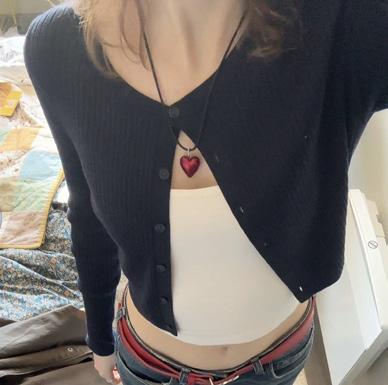
Possibly my worst mistake of all was moving to Newcastle without a winter coat. Living anywhere in the UK without owning a puffy jacket is a crime in itself, but I quickly learned that my permanent weather optimism would not work out here. I caved in December and splashed out, after three months of shivering and being constantly rained on. I think this has also translated to being more prepared in general; I even keep hand cream and plasters in my bag now! I hope my grandparents are proud. Being here means there’s nobody to tell me to put a coat on, and there’s also nobody to
force me to hurry up and pick an outfit. I am chronically last-minute and always in a rush, and I found myself missing the mildly stressed calls of “are you nearly ready?!” up the stairs. I am somehow still convinced, after 18 years of life, that I am capable of bending time every morning after snoozing six alarms and rolling out of bed with 20 minutes to make it to a lecture. I won’t lie to myself; this is definitely a lesson that I’ll be learning until I graduate. I never really cared about nights out before university, so I felt like I was thrown into the deep end coming to Newcastle. Because of this, I’ve made infinite mistakes when it comes to going out and the worst one must be uncomfortable shoes. It took me far too long to accept that the old, fraying, 4-inch-heeled boots on my shoe rack needed to be retired. One too many nearly broken ankles finally forced me to just put trainers on instead and feel slightly less fashionable, because Bigg Market isn’t technically a runway (though it does feel like it sometimes).
Surprisingly, my wardrobe mishaps and Pinterest boards have taught me a lot this year. Even though I’m yet to learn the practical lessons of time management and successfully packing a suitcase, moving from a small town to Newcastle has helped me grow in ways I never expected.
Image credit: Ffion Oliver (outfit)
Emily Hawtin
- Campus Comment Sub-Editor
Friday 20th March. Spring sun is setting. Red pints are pouring. Clock is ticking. Students are strutting.
Being almost front row for the final varsity game of the season offered so much more than just a view for the rugby. The symbiosis of game and runway was invigorating as a constant flow of tipsy, stylish students went to and from the bar as the gripping match played out. Of course, congratulations are in order for Newcastle University’s unbeatable women’s and men’s rugby union teams, continuing to take home the trophy for another winning year.
"I have chosen to rename, redefine, the trudge from the stalls to the bar as the strut of The Varsity Catwalk."
However, for me, the occasion offered so much more than a game of rugby, but also to see what the girls and guys of Newcastle had chosen to flaunt. All with an eye fashion inspo, my friends and I observed many a trend, style and more, in the passing Newcastle and Northumbria supporters. And so, I have chosen to rename, redefine, the trudge from
the stalls to the bar as the strut of The Varsity Catwalk.
I will admit, the men of the crowd were not my primary focus. Of course, I’ve got to give a nod to the cult of Uni of rugby union blazers, overwhelming the scene with their red, blue, and white stripes. Other than this, I’m afraid this piece is really a female focused tribute. So, let’s get to it!
To begin, take a shot if you see a black trench! The uniform of a North-East uni student, of course, must consist of a trench coat to protect against the cold conditions. Or, in other cases, worn with the waist ties in a loose bow at the back to reveal the, probably, linen pants and floaty blouse underneath. A black trench is such a staple to any wardrobe, no wonder every girl in Jesmond has caught on. Another popular choice, and equally as much of a wardrobe necessity, was a cropped trench. A special shout out to the sea of khaki green cropped trenches in the crowd! To finish with outer-wear, I’d like to give an honourable mention to the resurgence of double denim. Mismatched or perfectly paired, I am one of the many who are in awe of those who can pull off and master an accessorised, styled double denim look. The varsity catwalk, too, showcased this trend to the max, made for the transition from winter into spring.
Just to throw another one into the mix, my absolute favourite jacket I saw at varsity was an amber suede bomber. Never have I ever seen such a gorgeous piece. The girl’s pairing with chunky gold jewellery and dark navy jeans completed the look. Congratulations, I am in awe.
Onto accessories. As my friend articulated perfectly, “Look at that claw clip that’s doing absolutely nothing. Love that!” A shift from the clean girl slick back to the loose, bouncy blow out could not be missed. Clipping hair back carelessly in a half-up half-down style was my favourite hairstyle of the evening, giving off the ultimate model-off duty image.
"The shift from the clean girl slick back to the loose, bouncy blow out could not be missed."
Secondly, and maybe controversially, I loved to see girls wearing baker-boy caps. Bringing this trend out of the winter months and into spring is definitely a movement I want to see, adding such a classy element to any outfit and showing an admirable level of confidence. An unnecessary scary stigma has been placed on the wearing of hats, but this has made it even more commendable when someone decides to. Taking the races attire out of the occasion was another image that must be given praise to. Girls in knee high boots paraded across the catwalk with flawless confidence; the sound of heels really is the sound of success- in this case, the sound of a successful outfit.
I’d love to say I was too immersed in the game to notice anything other than the riproaring sport taking place before my eyes. But my fashion spidey sense took over and instead the game ground transformed into a catwalk for the fans.
Fleur Tuppin
Aquick TikTok doomscroll, a saved video, and suddenly you’re planning a trip to somewhere which hadn’t even crossed your mind before twenty minutes ago.
OK, I’d love to admit that I’ve not personally fallen into the ultimate tourist trap of travel influencing, but I’d definitely be lying. In this day and age, it can feel almost impossible not to turn to social media for help and top tips - especially when it’s so accessible. 70% of us are likely to book a trip based on something we’ve seen on TikTok. Perhaps you’re a part 70%, too?
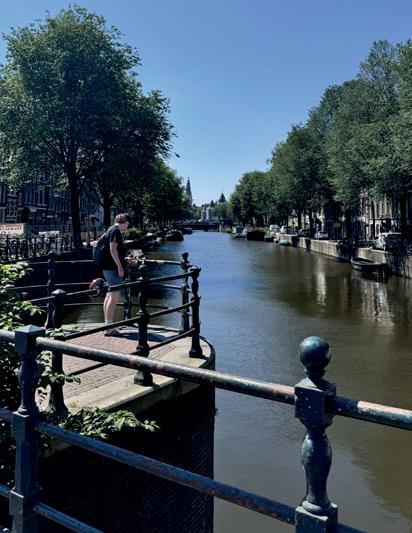
But many of us don’t just use social media for research. Instagram, among others, can be the perfect way to document where you’ve as well as updating your followers on your recent whereabouts. There’s sometimes no better way of keeping record than with a fresh new photo dump on your feed.
‘London's highly rated restaurants’, ‘Lisbon's party hostels’, ‘Tokyo's best viewpoints’, and ‘Lake Garda dupes’ are just a few of the most common questions that fuel #TravelTok. Platforms like Instagram and TikTok have made itineraryplanning, budgeting, and finding top-rated accommodation a lot easier in this everevolving digital age.
The ease of pulling out your phone and typing “nice Italian food in Edinburgh” into the TikTok search bar has, arguably, made making plans almost a bit too easy.

I’m definitely guilty of this. But in some ways, it can feel rewarding, like creating a personal log of where I’ve been. My personal favourite Instagram highlight documents my Interrail trip, and it is surprisingly nice to revisit those archived stories and relive the memories.

For those of us who do use social media in this way, it’s worth considering if we’d still do certain things if we knew it wouldn’t be posted to our Instagram story. Maybe that thirtyminute detour on a road trip to snap a viewpoint feels more justified when it ends up on your feed, but would we have done it otherwise?
That said, I’d be lying if I said social media hasn’t other ways. Seeing what other people have experienced can be really inspiring.
"... it’s worth considering if we’d still do certain things if we knew it wouldn’t be posted to our Instagram story."
But this does raise a bigger question: has travelling always been this way, or are we travelling differently now because of social media?
When I first started uni, I didn’t expect that maintaining an exciting level of travel would be even remotely realistic or possible. However, seeing other people in similar situations doing exactly that was reassuring and tempted me to try it out for myself. If other uni students can do X, Y and Z - why can’t I?
Perhaps the age of social media hasn’t completely changed why we travel, but it’s definitley shaped how many of us experience it. Maybe on your next trip, it’s worth considering how to make it an experience for yourself, rather than something to fit into your next Instagram dump...
Eleanor Urry
Iused to think travel was just about escape. A change from every-day life, from the mundaneness of the routine of school and work. Get a good tan, collect some souvenirs, and return home, happy but fairly unchanged. However, in July 2024 I would find one trip that dismantled this and really did change me.
When I was nearing the end of Year 12, my school got a visit from a company called ‘Camps International’. Their presentation to our year group spoke about their aims for their expedition in Costa Rica, and how our volunteering would boost the local economy and help the children. Activities such as beach clean-up and reef restoration were on offer, alongside getting a scuba diving license.
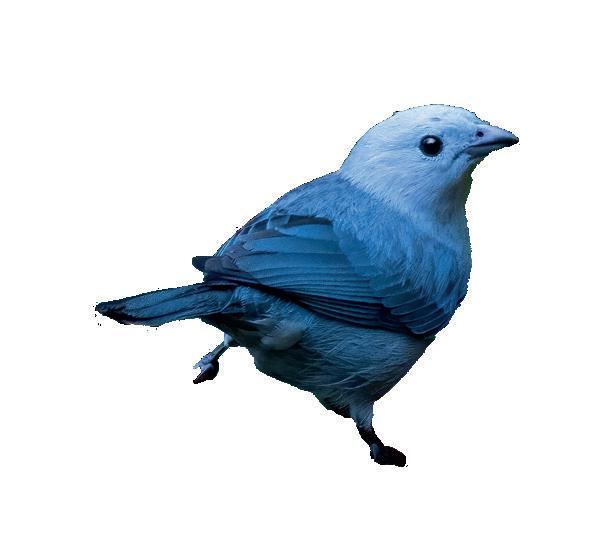
Fast forward to 13 months later, I was on the plane to Toronto, ready for my connection to San Jose, the capital city of Costa Rica. On my first day, I met the locals of the village we were staying in, who were full of kindness and eagerness to see the work we were doing.
Whilst we were restoring the dock on the river, they would bring us food and drink, all coming from their own pockets. They would teach us about local Costa Rican customs, and the importance of saying ‘Pura Vida’ to everyone you see! Their uniquely positive outlook on life is pure and refreshing, and something that kept me happy during my month out there.
The second village I visited was further from the city, and deep into the Costa Rican rainforest. Our main focus here was on helping the local children, by improving their English and renovating their school, to make learning and play safer. Seeing how little they had, yet how positive they remained, gave me such a newfound appreciation for my life and made me realise how much I take for granted. The children taught us games, and as we helped them with English, they in turn helped us with Spanish, so we could all communicate better. Most of the children had never left their village before, and had never seen anyone who wasn’t Costa Rican, but they welcomed us with open arms and changed the trip for the better. Being surrounded by people with lives so drastically different to mine made me slow down. As the trip drew to a close, I realised that my perspectives had begun to shift.
Things that once felt so important to me (social media, school, even makeup!) began to take less precedence in my life, as I realised that they didn’t really matter anymore. Human connection is so much more important, and I met people that I ordinarily would never have had the chance to meet.
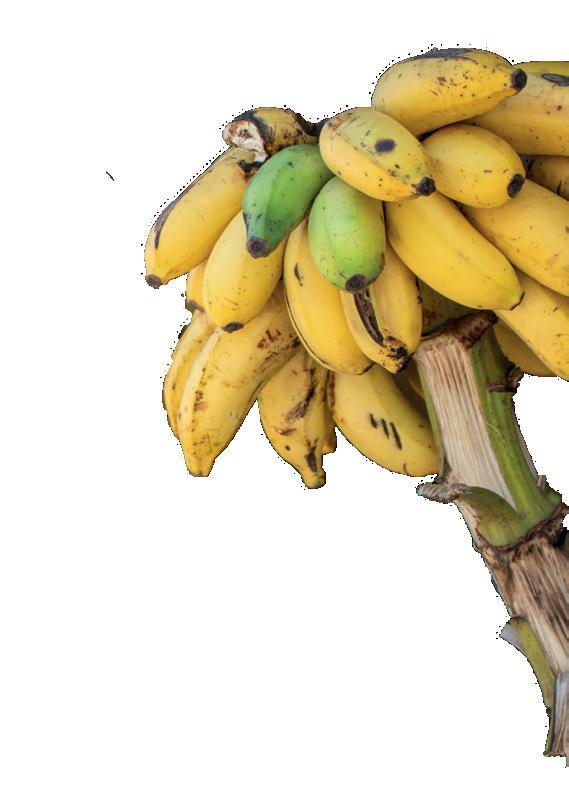
Was every moment of the trip perfect? No. There were unexpected delays, times where I felt out of my comfort zone, days where I wanted to go be in my own bed. But I think the perseverance of the trip really shaped who I am as a person. It made me realise how to travel ethically and support the local communities of where I visited. This trip made me realise that there are endless opportunities in our world and to take as many chances as I can, as one trip can really change your life.
Image source: Zoshua Colah, Unsplash
Katherine Thomson
Tea is as elemental to British culture as the monarchy, the BBC, and the ever-present rain. It’s not just a beverage of choice, but rather a comforting ritual, unique to each individual. Whether you can’t start your day without it, or simply reach for it when it’s too early to put the heating on, tea is profoundly personal. And yet, within this seemingly uniting facet of society, exists an unspoken divide: Yorkshire Tea, or PG Tips?
Although at first glance the brands seem quite comparable; fairly similar pricepoints, both black teas, and stocked at every supermarket, consumers of Yorkshire Tea and PG Tips seem incredibly brand-loyal, which sparks the question: what does your teabag of choice say about you?
"... your teabag of choice is much like a football team..."
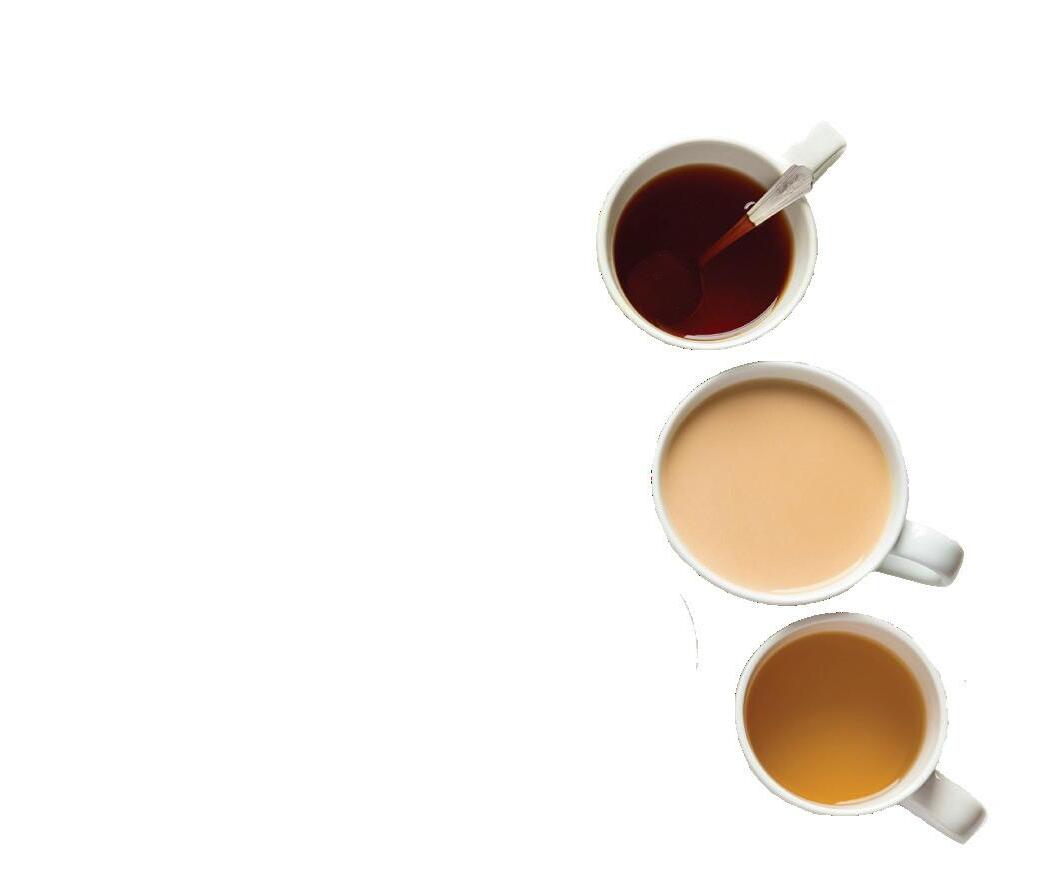
In terms of the taste profile, Yorkshire tea tends to have a stronger, tannin-rich flavour, whereas PG Tips is lighter and smoother. PG Tips brands itself as a quick, convenient
has) and stick with it, leaving logic behind. Between you and me, I probably couldn't taste the difference between ASDA’s Everyday and Yorkshire Tea; but if anyone asked me, I would swear in my life that there exists no brew better than a warm mug of Yorkshire Tea. As a child, I don’t think I knew there were
other brands of tea, as my parents stashed an overflowing freezer-bag full of it into their suitcase every time they went away, insisting that they couldn’t go a day without it. The green scenic box was as much a part of the background as art on
As a student, tea quickly became an unexpected source of comfort, knowing that each morning I would sip on the same drink my family would at homes, many miles away — a quiet constant in the chaos of university life. Even as I arrived in Newcastle for the first time, a wideeyed fresher, I was greeted with a “caramelized biscuit brew” Yorkshire tea freebie, a subtle suggestion as to where my loyalty should belong. Ultimately, while we may fall for flashy branding and gimmicky consumer goods elsewhere when doing our weekly food shop, tea is not the place to mess about. Regional pride, habit, and nostalgia, all have a role in how the brand becomes more than just tea, but a symbol of our identity. The rivalry between Yorkshire Tea and PG Tips is harmless, but is also incredibly telling of who we are as Brits. Ultimately, your side in the debate is arguably unimportant, but the fact that we (mostly) engage in it is significant in itself.
Ilsa Hartley - NUSU President
My parents used to let me help cook dinner from when I was very small. Likely, this was incredibly exhausting for them both: I doubt I was being particularly helpful and they were now supervising a 6 year old with a sharp knife/flaming hob/glass bowl, as well as having to get dinner on the table. As I got older I like to think I got slightly more helpful in dinner preparation (or, tea as we call it in The North). Sometimes, though, I'd ask my mum how long the onions needed to cook on the hob - I was often given the low-risk job of stirring onions. What I wanted to hear was a definitive number, but without fail, my mum would reply “Until it’s done”. This was the most infuriating thing I could possibly hear. I would ask her how I was supposed to know if it was done or not if she wasn’t giving me a time, and she would look at me, stirring my practically raw onions, and ask “Well… Would you like to eat them?”. It took me much longer than I’d like to admit to understand that she was teaching me much more than how long onions took to cook every time she replied with that phrase. She was teaching me that onions look a certain way when they’re ready, that they smell a certain way, taste a certain way. She
was teaching me that no hob, no pan, no onion is the same. You simply can’t rely on a number of minutes to tell you when something is ready when there are so many variables at play. My mum taught me how to be an intuitive cook: knowing when a sauce needs more salt; when something is on the verge of burning because the kitchen is starting to fill with an acrid smell; and when a dough is

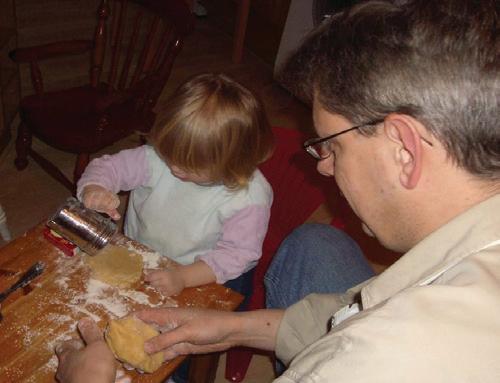
done proving by its texture.
Most people coming to university and having to cook for the first time didn’t have my parents as their personal cooking tutors. Learning to cook by seeing and doing is the most effective, but I recognise how lucky I am to have had this. For lots of people when it comes to learning how to cook, that help comes in the form of recipes. Now, let it be known that I don’t hold anything against the people who will always follow a recipe. Recipes are a tool to teach, but I think they’re often being used to teach the wrong thing. Cooking isn’t an exact science, it’s an
art. Cooking isn’t rigid and bound by rules. We can make substitutions, use a different cooking method, or make it vegan. I don’t deny that following a recipe down to the letter will produce something worth eating, but I'd liken it to painting by numbers. It’s delicious, but is it yours?
Techniques and processes are the paintbrushes of cooking, and they can be used however the cook wants to create a different masterpiece of a meal. While my mum taught me intuition, it was my dad that taught me these specific processes and techniques. There’s a picture of me, very young, rubbing butter into flour for scones with my dad. While I don’t remember that moment specifically, I remember the countless other moments my dad told me to come and watch him do something so that next time, I could instead.
Recipes are enlightening for teaching us how to cook new things and I use them regularly when I’ve never made something before. A good cook, in my opinion, is one that can look in the fridge and create a meal out of whatever is kicking around, using a few things from the store cupboard. With intuition, and the right techniques in your arsenal, you can make anything under the sun.
Not everyone needs to be a good cook, though. Cooking doesn’t have to be your hobby, and using a recipe is fine by me if it stops you being hungry. But, cooking is my hobby. Luckily, that means I’ve cooked enough for all of us. Lunch, anyone?
Edited by: Megan Grimston

Milly Thompson - Music Sub-Editor
Tote bags, laptops and abandoned notebooks have been formally recognised as legitimate occupants of library seating across Newcastle University, following what officials described as a “natural evolution” of student behaviour during exam season.
The decision effectively confirms what many students had already assumed: that any item placed on a chair constitutes a binding claim to that space, regardless of whether its owner returns.
Seats are now routinely held for hours at a time without human presence, in what some have compared to “a soft launch of the housing crisis, but indoors.” One student explained, “You just leave a water bottle and hope for the best.”
A university spokesperson defended the situation, stating that it “encourages independence and strategic thinking,” and forms part of a wider “student wellbeing initiative.” They added that libraries remain “high demand collaborative learning environments,” and advised students to “plan their seating journeys in advance to avoid disruption.”
Internal data suggests that 93% of available library seats are currently occupied by water bottles, tote bags, or singular chargers, while students themselves circulate the building clutching £1000 MacBooks under their arms “without cases or any other belongings” in an
effort to demonstrate their worthiness.
At the Philip Robinson Library, competition has reached unprecedented levels where booths are considered prime territory. Under the new official guidelines, these can now be reserved with a minimum offering of “one empty Filto coffee can,” positioned with confidence.
Queues for library access have been observed forming as early as 4am, with some students opting to camp overnight. One student, wrapped in blankets outside the building, insisted it was “completely necessary.”
When asked why they were camping outside a 24-hour facility, they added: “Well, the The 1975 haven’t toured in a while. I missed the feeling of camping on a road.”
doesn’t even count for them.”
Reports of “seat theft disputes” have risen sharply, prompting an increased security presence across library floors. Students have also begun guarding chairs in shifts, while others have adopted more innovative strategies, including the use of scarves, even during warmer weather.
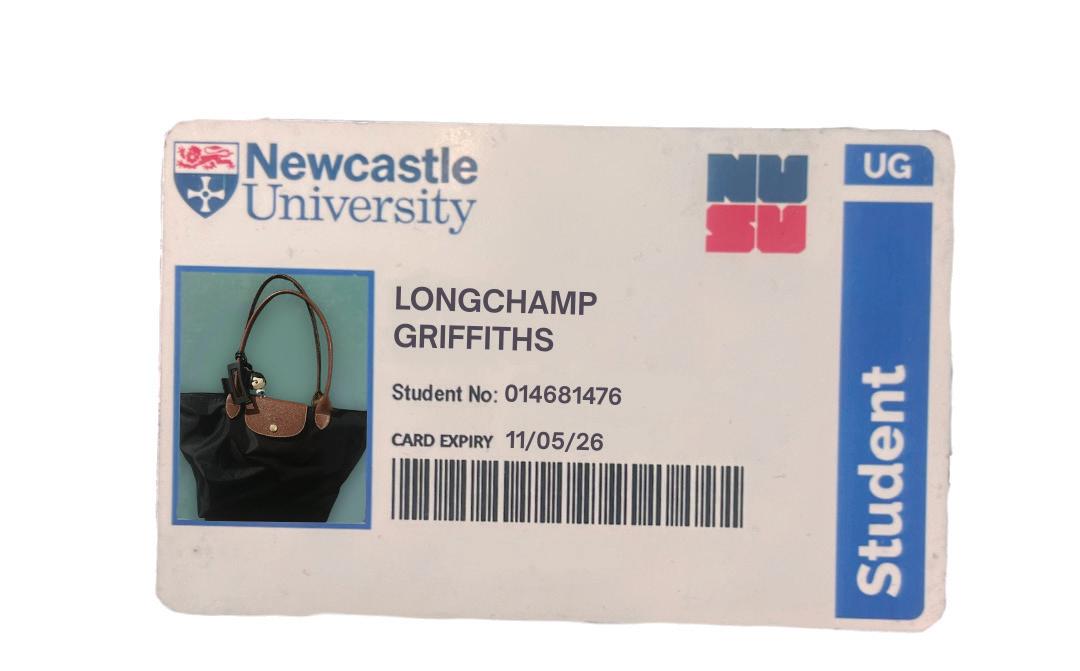
Elsewhere, the Marjorie Robinson Library became the focus of student campaigning. It has recently returned to operating a 10pm closing time, a development widely described as “a compromise,” though few appear satisfied.
Student responses to the current system remain divided. One student, defending their claim to a seat, stated: “I left my charger there, obviously that means I live there now.”
Another argued: “I made eye contact with the chair. That’s basically a contract.”
Those who attempt to sit in unoccupied seats have increasingly been treated as outliers, with one third-year warning that such behaviour is “deeply naive.” “You learn quickly,” they said. “Trust no one. And I don’t know why first years should even be allowed seats. This year
“Skinny scarves work best,” one student confirmed.
“You can stretch them across at least two chairs without drawing attention.”
The situation has also given rise to a growing black market for “premium window seats,” with listings now appearing on student-run websites.
In response, the university has introduced a new seat booking app, which students report “does not work,” alongside a system of fines for abandoned seats, though enforcement remains largely theoretical.
A new module, Advanced Seat Reservation Strategies, is also set to be introduced, aiming to equip students with “real-world competitive skills.” The university has confirmed it is “monitoring the situation,” from a reserved seat.
Scarlett Palmer
- Campus
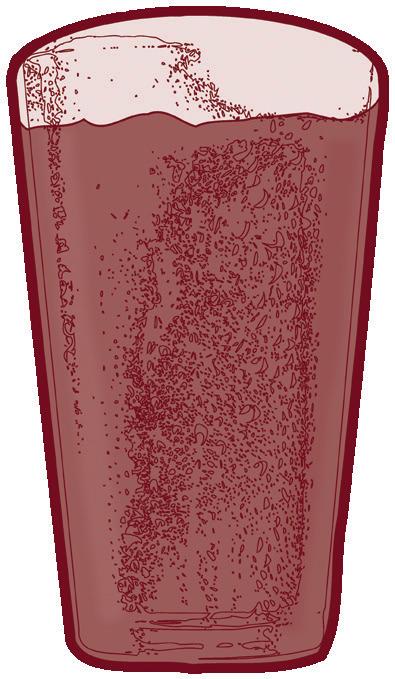
On Tuesday the 28th of April (aka the best night of the week - £2 Tuesday), Osborne Road ran out of all apple cider and blackcurrant cordial, causing a huge stir in Jesmond. The student population was outraged, crowding around the bars: Blanc, Spy Bar, Pheonix, even Lonsdale had run dry! No bar had a red pint in sight.
One bar tender at Blanc, home of the rugby boys commented, “It was like being in the lion’s den, they turned rabid like beasts.”
Another bar tender from Pheonix said, “We offered the students everything else, Spritzs, VKs a bottled cider, but it just made them angrier.” This incident has clearly left Jesmond scarred, and students in a state of agonising
disappointment.
It seemed impossible for the situation to get worse, but with time ticking until Wednesday evening, when all the sports teams would be out, the bars were working fast. As the evening closed in there became a search for apple cider and blackcurrant, but nothing could be found. Jesmond was like a drought.
Wednesday 29th, 7pm: The students of Jesmond were released, but this time it was worse, there were hungry freshers with them. Pirates, fairies, cowboys, condoms, chickens, sailors – you name it, every society was out, and all were thirsty for a red pint. The bar tenders had mentally prepared, but it wasn’t enough. The bars were rampaged by freshers, being dared to chug a red pint but there were none to be seen, Vks were offered in desperation by the bar tenders, but it only held them back momentarily.
This shortage couldn’t continue, what would the bars do? Even the locals became angry as
the weekend began, it was like a war.
As the stock eventually trickled in, the red pints became like gold; Rugby teams queued at the doors of Blanc and stationed their freshers outside Spy Bar Phoenix as a precaution. The Jesmond girls paced outside of Hus and Jam Jar, the whole student population ready to run. I hadn’t seen anything like this before, not even on St Patrick’s day. As the doors opened, they ran in, taking all the stock before 12pm.
This shocking story of the red pint shortage has become the talk of Jesmond. Let’s hope we don’t
Edited by: Megan Grimston
Sasha Cowie - Sport Sub-Editor
Upon arrival, our fellowship was split. Not by choice—no, by rooms in airbnbs. Half of us were blessed with what historians will one day call The Lovely Airbnb: functioning heating, actual curtains, and beds that didn’t fold back onto you.
The rest of us? They were cast into what can only be described as The Sickly Airbnb. Curtains were but a myth. Blankets, a luxury. Instead, we turned to the only resource we had in abundance: copies of The Courier. At last, the paper fulfilled its highest purpose—not informing the public, but insulating the cold. The weekend commenced, as all serious journalistic endeavours do, with drag queen bingo. Numbers were called. Drinks were poured. Spirits were high.
And then—she appeared. A Palatinate girl (yes, Palatinate, we’re naming names) with the voice of an angel. As she delivered a haunting rendition of Careless Whisper, time stood still. Saturday was a whirlwind of intellectual
stimulation. Panels ranged from genuinely insightful to “I’m nodding but absorbing nothing.” We networked with TikTokers whose ring lights cost more than our rent.
Then came the paper swap. A battlefield of print. And here’s the thing—more people picked up The Courier than Palatinate. We’re not saying it means anything. But we’re also not not saying that.
The evening loomed. Dresses were steamed. Suits were worn by Adam since the rest of us wore dresses or trousers with a nice top. Emotions ran high. Some were confident. Some had already accepted defeat. And some—unnamed—were battling stressinduced IBS. Let it be known: Buscopan is the unsung hero of SPANC.
We took our seats alongside the elite: Flying Solo and Spark. The food was… acceptable. The dessert? Allegedly incredible—though tragically missed by Jess Mooney, a loss we may never recover from.
Then, against all odds—victory. One award. Mine. Tears followed. Not polite tears. Not subtle tears. Full emotional devastation. A speech so powerful it left the room weeping— because if there’s one thing I do well, it’s making people cry.
And just when we thought the night couldn’t
get more dramatic—she returned. The Palatinate girl. Beautiful. Impeccably dressed. Complimenting one of us.
We accepted graciously. But alas—no compliment was returned. A fatal error. She was offended. And thus, the war began.
Courier cocktails flowed freely. At some point, Noe vanished—last seen in the company of Nouse. We awoke the next morning with headaches that could only be described as biblical.
The AGM followed. Surprisingly engaging, considering most of us were clinging to consciousness. And looming ahead: the five-hour journey back to Newcastle. A punishment, frankly.
And yes—she appeared again. The Palatinate girl. Still beautiful. Still mysterious. Still… rude?
Was it jealousy? Admiration? A deep, unspoken desire to be us?
Let this stand not as a gentle reflection, but as a formal declaration. To the beautifully dressed enigma from Palatinate: consider this your warning—next year, it’s on sight.
No more polite smiles, no more half-hearted compliments. If you’re coming back to SPANC, come prepared—because The Courier will be.
Emma Monaghan - Music Sub-Editor
Acourageous generation has decided that luggage is no longer a necessary accessory.
We investigate the bare-handed revolution sweeping Newcastle’s most fragrant postcode.
A walk down Osborne road on a fresh weekday morning and you will see, at first glance, what appears to be a man in crisis. He is striding towards the Phillip Robinson, wearing Birkenstocks that appear to have survived a small flood and some funky linen trousers. Cradled against his chest, as if it has just been released from the maternity ward of the RVI, is a MacBook Pro. Unbagged. Unbothered. Gloriously alone.
He has no bag. He does not want a bag. The bag was never really him.
The phenomenon, first spotted last autumn, and now reaching what some academics call ‘a full quarter zip saturation’. To understand this phenomenon, we must understand the landscape of Jesmond. This suburb has perfected the art of the expense, with dingy Victorian houses, on average costing £720 a month to inhabit.
The students who inhabit it have, over several
recent academic cycles, developed a look that combines perfection with ‘aggressively unbothered’, an aesthetic that requires a considerable effort to appear effortless. The skinny scarf is perhaps its purest expression: a slither of fabric, barely functional, expressing that one is too relaxed about temperature to require actual warmth.
Tom’s trunks have also plagued the suburb. A minimalist trouser that has become a kind of uniform among the young men whose father owns property in at least two countries.
The Jesmond Birkenstock is a specific subspecies in itself. This universal Jesmond look is accompanied perfectly with the bag free look. The bag implies you have many things. In Jesmond in 2026, the need to be organised reads too close to the need to try.
We approached various students outside of the Phillip Robinson library to ask about their bag-free choices. One, who asked not to be named, told us he simply ‘hadn’t really thought about it’, while cradling a device that retails at £1,299. A third mentioned that his parents had sent him a nice one from somewhere, and he just never really got into using it.
There is something so particularly pure about the bare laptop as a symbol: an object that is, in itself, proof of significant financial resources.
What a year it has been... Those of you who are not in your final year of university, count your blessings.
September is starting to feel as though it was many moons ago. I, personally, wish that I took people's advice about start your dissertation early a bit more seriously. In fact, as I write this I have just finished and submitted my own dissertation... But that's besides the point, kind of.
“...now that [...] graduation dates have been confirmed for summer, it's beginning to feel a little bit more real.”
Throughout university, most people don't even think about graduation - it's too far away and it's not even going to happen if assignments aren't completed and exams aren't sat anyway - but it's a great form of motivation. However, now that those of us in final year have had our graduation dates confirmed for summer, it's beginning to feel a little bit more real.
What to wear, who to bring, should I go for a meal afterwards?
There are undoubtedly a lot of things to consider when planning your graduation.
“One thing that Newcastle University students don't have to fret about, however, is their hair getting messed up due to a mortar board.”
One thing that Newcastle University students don't have to fret about, however, is their hair getting messed up due to a mortar board.
Something that always gets a side-eye from my friends at other universities is when I tell them that Newcastle University doesn't actually have mortar boards included in the whole graduation get-up. In fact, they're actually not allowed (I am not complaining).
And my favourite part of this whole interaction is when they inevitably ask, "why?" and I get to go on a tangent this tradition that dates back to 1963.
When Newcasltle University gained independence from Durham University - and was no longer called King's Collegestudents graduating that year celebrated by
throwing their caps into the River Tyne. Since then, mortar boards have not been included in the academic attire for Newcastle University graduates.
Bit of an environmental concern... but, alas. However, if you are wanting to have a mortar board in your official graduation photographs, you don't have to miss out.
As an FYI... you wear the same mortar board prop as everyone else who wants one in their photos... it is inevitably covered in makeup and what not.
Some people still believe that the whole River Tyne thing is just a myth too. Anyone have any relatives born in 1963 who can
Bethan King
Festival season: freedom, friendship and absolute survival mode...
Content Warning: Mention of injury
Growing up in the NorthEast, it was a rite of passage to attend at least one Leeds festival upon coming of age. Like a debutante ball, but… with a lot less cordiality. It was built up to be the best weekend of your life. It was freedom.
But in reality, a bunch of bairns in a field, limited consequences, no survival skills, shower or structure… it really was a recipe for disaster. The realities of festivalliving are intense, and looking back on my time at Leeds fest (my first festival), I'm astounded we actually made it out alive.
“I'm astounded we actually made it out alive.”
Picture this: You're fresh out of exams, the sun is shining, and the final weekend of August is approaching. You've been waiting for it all year… August bank holiday weekend: Leeds Festival. After months of being burdened by school, my mates and I were ready to let loose at Leeds. We planned everything: from the sleeping arrangements to the outfits. It all started off so smoothly. We prepared for the 2 hour car journey it took for us to get down there, singing along to the tracks of Bastille, Dave, Arctic Monkeys, and many more. We did the mandatory pit-stop at Wetherby Services, filing in amongst the excited crowds of other festival-goers. Finally, we indulged in the final, real meal we were to have until the following week, like it was the last supper.

Back in the car, we eventually arrived at Bramham Park. We jumped out onto the grass with great enthusiasm, now clearly amongst many other, festival-first timers. Backpacks were
poorly packed, half open, and bigger than ourselves, throwing us all off balance.
Where we saw excitement, my dad inevitably saw danger. Our beaming smiles remained shining with the grave concern on his face, as he looked around the rowdy crowd we'd be spending our weekend with. There was no going back now; it was official, we'd bought the tickets, he'd driven us down, it was time for him to wave his little girl and her two childhood best friends goodbye. How naïve, we had no idea what we were in for.
So off we went, embarking on a long route to the campsite. It felt like we were the three musketeers, embarking on our muchanticipated adventure. But as we walked further down that long dusty road (have I mentioned how long it was?) our spirits were already tainted. The length, and excessive weight on our backs, was proving to be more physically demanding than we’d expected. My friend’s mam had packed for her, and she was bewildered at the weight of a particular bag. What on earth had she packed? Fed up, she chucked it aside in the bush, deciding it wasn't important.
Finally, after what had felt like a century we reached camp. As we wandered through tents, we saw people laughing and joking whilst setting up their camps. Through crowds, food stalls and fun-fair rides, we absorbed the noise, smells and joy creating an ecstatic atmosphere. As the twister called 'scream if you wanna go faster', our spirits were quickly returning.
Eventually we found our mates who’d already parked base in Blue Camp. Tent settled and bearings found, we were parched. After all the walking, bag-carrying and orientation, we needed rejuvenating. We needed a drink. We turned to the two others, expecting the alcohol that they'd promised to bring with them and get through security, but there was a moment of silence. To our dismay, they had forgotten it. Fuming. What were they thinking?
“Just the beginning of our troubles...”
I stood up and looked longingly upon our surrounding camps, sat drinking from their collections of bottles and cans. My friend rang her mam in despair hoping to get some sympathy… but it only made things worse. Remember that bag she chucked? Fed-up by its weight? Take your guess about what had caused that excessive load... Yep, Abbey's gem of a mam had kindly supplied us with 1 litre of Smirnoff vodka. Now lost, long gone, in the bushes somewhere at the beginning of that long dusty road. I think we sat there in silence for a good half an hour, our spirits hitting what we thought would be rock bottom. Little did we know this was just the beginning of our troubles. That evening, upon trying to
fall asleep, we discovered that the churros van that we'd hitched our tent next to was ran by hardcore ravers. Boom, boom, boom, relentlessly pounding out hardcore dance tracks. All. Night. Long. Not the most peaceful lullaby.

So sleep we did not. The raving churros van had us awake and lying mindlessly in our tents for hours on end with its nonstop motive. We hadn’t even seen any acts yet and we were physically drained, bickering about alcohol, and now sleepdeprived from the active churros van.
If we didn’t think it could get any worse, the next day, one of my friends fainted at a headliner. Overwhelmed by heat, bodies and movement, she started falling and had to be pulled over the barriers. Classic. Of course there’s always one.
Later that night we were back mindlessly laying in our tents, the churros van still relentlessly pounding... boom, boom, boom when it was suddenly interrupted by the crushing bodyweight of a grown man falling down upon our heads. It was gone as quickly as it had come, and we all slowly rose from our slumber in unison, as if we were aligned by some sort of higher power. We were like corpses sitting up in coffins, turning to look at each other in complete silence, speechless and slightly bewildered by what had just happened.
Then we all burst out laughing, at the state of ourselves and the weekend we were having. With our tent now half caved in, and my mates glasses pulled half from her face, we definitely looked worse for wear.
As the sun rose on the Sunday morning, somehow still alive after nearly being crushed, we went to the stages first thing.
Read more at thecourieronline.co.uk
Image credits: Bethan King, Amelia Thompson
Image source: RoundIcons, Unsplash
Alex Evans
In July, Crown Works Film Studios will begin to be built on the banks of the River Wear, on what was once shipyard sites.
Taking on such a large project that is so heavily focused on creative industries is the first step to the general attitude regarding the North East transforming; from a place where Southerners think nothing happens and that you must go to London to make it, to one that is a hub for creative sectors. McGuinness stated "We’ve heard leading voices from Sam Fender to Jade talk about their pride in their North East roots and the huge barriers working class young people from the North face when trying to make it in music and film. [...] If you have a creative dream, you don’t need London to succeed. We’ll prove that."
The proposed studios give back hope to young people, both from the region and those studying at North Eastern universities. In a time where the job market is so uncertain, especially for those looking to go into creative careers, the studios and the project’s financial investments are like a beacon of light in a seemingly dark professional world. The
proposed project, as well as investments into creative industries, clearly will aid the economy and those locally, but they also represent more widely the growing appreciation of the North East that it rightly deserves. On top of this, it suggests further development of the region into becoming a northern epicentre for culture and creative industries, allowing residents more local opportunities.
The local area is featured as a location in so many famous films, like Harry Potter or 28 Years Later, and yet the region doesn’t get half the recognition it deserves. Hopefully the proposed studios and investments in creative industries will allow the North East this appreciation. The local pride is one of the qualities many admire about those from the North East, and the studios will only strengthen this, through providing job opportunities locally. For northern working class people with creative aspirations, the
region should not be an obstacle in chasing their dreams. The prevailing mentality for so many years was if you wanted to succeed, you went to London, but now with the proposed studios and investments, there is no need for Mackems and Geordies to leave their home turf to flourish. The studios, and everything they represent, are a game changer.
As someone from the South East who chose to study at Newcastle University, it was (unfortunately) impossible to avoid the questions asking why I chose to go so far up north, rather than stay near London where there were apparently more opportunities. Most of these people had never bothered to visit the region or city, for them, Newcastle was just a stop on the train. But for me, from the first time I stepped foot here I fell in love with the place and now I don’t think I could ever leave. Personally, these new studios, as well as the mayor’s commitment of £42m to creative industries, sports events, festivals, small venues, and grassroots talent prove the richness of the area, demonstrating that the North East easily rivals London and the South. There is no need to flock southward; it is just as good (if not better) up here.
Read more at thecourieronline.co.uk
Scarlet Davies
Fuelled by the instant success of Bohemian Rhapsody, which garnered international attention and won no less than five Oscar Awards, the film industry has been churning out popstar biopics into mainstream cinema in the hopes that their film will have the same level of popularity. And it’s been working. Within just under a decade, films such as Rocketman (Elton John), A Complete Unknown (Bob Dylan), Elvis (Elvis Presley) and What's Love Got to Do With It (Tina Turner) have all been exceedingly wellliked at the box office.
Famous pop stars in cinema, even fictionalised ones, have always been a recipe for success. Having an already widely celebrated and well-loved figure makes it easy to develop them for the big screen. Crowds who have loved and followed artists for years - both of the older and younger generations - come to cinemas in droves to find out the juicy secrets of their favourite pop star.
Pop star biopics also present more ways than one to become successful: for example, Rocketman recorded an entirely new album of covered Elton John songs that appeared within the movie, which entered the Billboard 200 at No. 58 (June 2019) and No. 6 on the Billboard Soundtracks chart. Not only did the film do well, but the
album encouraged a new rise in John's music - even encouraging people who hadn't seen the film to discover and stream his music. This helps to make the film more popular to a contemporary crowd, even if the pop star was popular decades before. The commercial appeal of songs, alongside the premise of a new film, allows for a cultural explosion of popularity for not only the film, but the subject of the movie. It's no surprise that pop stars have begun to beg for a biopic the minute their career begins to head downhill; a reemergence of their music, with the excuse of cinema, is guaranteed to have a positive effect on their bank account.
Then there's the appeal of the secrecy of the pop world. In most biopics surrounding bands and pop stars, the film usually centres around the glitz and the glamour, drugs and rock n roll. Ever heard the phrase "sex sells"? It works well in films where the pop star is already a subject of interest outside of the film itself. Suddenly, people who hadn't considered seeing the film beforehand are buying tickets in the hopes of finding out the 'truth' about living a life of riches. Previous questions that have gone unanswered - messy breakups, emotional fallouts - are dragged back up in the newly-retold versions of the pop star's life. There's nothing better than getting a glimpse into someone's life who actually lived; like a gossip session that has real life consequences. Who wouldn't want an inside scoop into the elusive pop star's lifestyle?
But then there's the issue of bias. Consumers get so caught up with needing to know all the juicy details of their favourite pop star's life onscreen that the actual film itself can lack depth and structure. For example, recent complaints have been made about Michael for being produced by Michael Jackson's family, and depicting an extremely one-sided and subjective view of Michael's life. There is no mention of drug misuse, as papers repeatedly reported on during Michael's life, nor mention of the controversies that Michael underwent during the second half of his life. With a sequel reportedly in the works, it's unlikely that - as Jackson's family - the film will portray him in anything less than a positive light. Many families own the rights of pop stars, particularly deceased ones, and this can really affect the true art of the film. Biopics surrounding the Beatles are also set to hit the cinema in 2028, with previews already being shared on social media. But with the director (Sam Mendes) focusing on four separate films for each band member, is this yet another money-hungry cash grab for Beatles fans? With early criticism about the A-List cast, and the lack of authenticity behind their appearances, it seems unlikely that all directors are making pop-star biopics for the right reasons.
Sub-Editors:
Ella Saint - Fashion Sub-Editor
AJane Austen retelling with Dónal Finn playing the nerdy love interest? Say less…
The Other Bennet Sister (2026) is a spin on Austen’s classic tale Pride and Prejudice (1813) (quite possibly my favourite novel and movie ever made). It is an absolute masterclass on middle child syndrome and has the perfect amount of yearning I expect from period dramas. For those unaware of the phenomenon, middle child syndrome is often described as the feeling of being neglected or overlooked because parents tend to focus more on the first and last-born children.
“So, what is left for Mary?”, I hear you ask. ”
The series centres around Mary Bennet – played by Ella Bruccoleri - the middle child of the Bennet sisters in Austen’s beloved classic. She is a serious, bookish character who is described as being plain, paling in comparison to her siblings. Elizabeth and Jane are her beautiful, witty older sisters. Kitty and Lydia are her sprightly, outspoken younger sisters. “So, what is left for Mary?”, I hear you ask. Many a great thing, let me just say that. Like most period dramas, the series follows the girls on their quest to navigate the marriage market. We watch as each sister finds their significant other, some more questionable than others (looking at you Mr. Wickham). But while everyone else moves on, Mary gets left behind. Her socially awkward tendencies prevent her from finding ‘the one’ and her mother’s constant belittling keeps her small and shy. The amount of times I wanted to crawl
through the screen and give Mary a hug was unquantifiable.
Speaking of her mother, Mrs. Bennet is the ultimate villain of this series – at least in my eyes. How someone can be that cruel to their own daughter, I’ll never understand. She
mother and a wife. This is stripped away when her husband, Mr. Bennet, passes on. She is swiftly kicked out of the house raised her children in and becomes a burden to everyone around her. What use is a woman unless she can produce an heir, eh? Obviously joking. Mary finally escapes from her mother’s
iron grip when she goes to live with her aunt and uncle in London. She chooses her own path: becoming a governess. Slowly, you watch her start to breathe for the first time. Our heroine meets people outside her immediate family, and she can be herself without fear or consequence. Mary makes her first real friend and, of course, because this is a Jane Austen special, there is a good old fashioned love triangle (of sorts). For me, the choice was clear from the beginning. Tom Hayward, duh! Watching those two dorks fall in love was peak television – argue with the wall.
However, I must make clear that Mary doesn’t find herself merely because a man comes along and tells her she’s beautiful. She really does find her own place in the world and finds a type of love that most can only dream of.
When you are not fed love from a silver spoon, you learn to lick it off of knives. Which is to say, a lack of love often makes people even more desperate to find it. But, not for Mary. After Hayward disappears to Yorkshire because he believes Mary to be engaged to someone else, she doesn’t wallow in self-pity like you might expect. She continues to work and when he does eventually return, then the fairy tale begins.
"...a beacon of hope in the dreary world of modern dating..."
Ultimately, this 10-episode series served as a beacon of hope in the dreary world of modern dating. Although, I hope it served as a reminder to middle children everywhere that they deserve flowers too. You sparkle just as you are. And if you have to get away from your family to realise that, I hope you breathe a little easier now.
Hannah Green
Tracy Emin’s A Second Life exhibition refuses any fixed idea of womanhood...
Tracey Emin once said, “there are good artists who have children. Of course there are. They are called men”, in an interview with The Guardian back in 2014. This line still lands because the expectation it points to persists. Motherhood remains the default setting of womanhood, and women who step outside it are still treated as exceptions. Emin’s current exhibition, A Second Life, foregrounds the life she has chosen not to live.
In my experience, saying “I don’t want children” as a woman rarely ends the conversation. It invites reassurance, doubt and the insistence that the decision is temporary. In discussions surrounding her abortions, Emin has made clear that motherhood would have compromised her work. As Simone de Beauvoir wrote in The Second Sex, “one is not born, but rather becomes, a woman”, a reminder that the roles attached to womanhood are constructed rather than inevitable. The script of womanhood may be socially built, but it still tends to write motherhood as the final chapter.
Emin’s 2026 A Second Life resists this script, building on a career defined by raw self-exposure, from her famous My Bed onwards. Spanning decades of work, the exhibition traces Emin’s life through trauma, illness and survival. It illustrates a second life shaped by experience, not convention. Following major surgery and near-death, her work turns to the body as lived, not idealised, marked by her “what you see is what you get” honesty.
"Men are rarely forced to choose between art and family in the same way ... their dedication to career is assumed."
Choosing a life outside of motherhood is often framed as radical, but its reality is practical. Art may not be a child, but it still demands constant attention and zero sleep. Traditional models of parenthood do not easily accommodate artistic careers’ reliance on time and total commitment. Men are rarely forced to choose between art and family in the same way as their dedication to career is
assumed. Refusing motherhood then becomes both a practical and political decision.
"...motherhood operates as an institution, shaped by social expectations as much as choice."
Emin is not alone in this refusal. Marina Abramović has been equally direct, stating that having children would have been a disaster for her work. Georgia O’Keeffe, Stevie Nicks, Frida Kahlo, Mary Cassatt. All women who have said no to motherhood
culture, from Bridget Jones to Sex in the City to tradwife content on Instagram, where fulfilment is often tied to conventional family structures. As Adrienne Rich argues, motherhood operates as an institution, shaped by social expectation as much as choice.
"There
is no suggestion that her life is lacking because she remains childless. What we see is a life shaped by the pursuit of art."

The expectation is, however, beginning to shift. More people are delaying or rejecting parenthood altogether, questioning whether it is necessary for a complete and fulfilled life. Though they are not fully accepted yet, alternatives to the heteronormative nuclear family model are becoming more visible in the UK. Let’s seriously start talking about raising a kid with your best mate or co-parenting with
A Second Life exhibition offers is about possibility. There is no sense of absence in Emin’s work. There is no suggestion that her life is lacking because she remains childless. What we see is a life shaped by the pursuit of art. “I afraid of dying”, she says, “I’m more afraid of living”, capturing the intensity of an ongoing choice to choose a life on
"We
need to question why we still treat motherhood as the default..."
And yet, the fact that this still feels radical says a lot. The association between womanhood and motherhood remains deeply embedded in our society through the media we consume, the conversations we have, and the baby dolls we buy as young girls. We need to question why we still treat motherhood as the default in the first place. Until a woman’s decision not to have children is treated as ordinary, the act of refusing will continue to be treated like a scandal when it’s really just a choice.
Anna Lewis
Are oversexualisation and racial exclusion becoming the norm?
Great representation often goes unnoticed, particularly in video games. The player shouldn’t be thinking about how a certain person looks, the inclusion of certain kinds of people, or how the design of a character is being influenced by the developers and their biases. They should be thinking about levelling up, about the stupid yet engaging mechanics of their experience, trying to get enough money or points to upgrade their weapons, car, armour or boat. Diversity should be a given.
The first game I can honestly say I played to completion, aged thirteen, was Final Fantasy XV (FFXV). For the uninitiated, FFXV is widely considered one of the weakest instalments of the franchise, which is made up of discrete stories set in a variety of magically populated lands. In fact, one of the only recurrent characters across all the games is a man responsible for vehicle upgrades named Cid. For number fifteen, the developers had an old man version of Cid in the game, but his role as a mechanic was instead occupied by a young woman named Cindy.
It was then that I understood why it was called Final Fantasy
"Cindy didn't like these things, the creators did."
At thirteen, I didn’t possess the critical thinking skills to fully comprehend the motivations and personal preferences of the men behind a game like Final Fantasy XV. As far as I was concerned, Cindy chose to wear revealing clothing, had a body that was out of this world, and liked to bend over the cars she was fixing at just the right angle so that you could see a little bit more than you perhaps should. But there was a problem. Cindy didn’t like these things, the creators did.
Unlike oversexualisation, racial exclusion must be spotted in absence. In a moment that bordered on hilariously divine, as I searched for particularly lacking games, I found that the Final Fantasy series as a whole had come in for frequent criticism for its lack of POC characters. Just as with the women, I’d dismissed it in my childhood. The protagonists happened to be white, and only meet other white people. Again, the problem was the same. It wasn’t a coincidence that there were all these white people, it was the creators' decision.
The real world isn’t exclusively inhabited by white men and women whose breasts defy gravity, but the world that these developers,
most likely straight white men themselves, envisioned was.
This ‘reality gap’ is thrown into the sharpest relief by games that are forced to reflect our world. When I mentioned the subject of my article to my housemate, his response was immediate - are you going to talk about FIFA? I had only the passing familiarity of someone who grew up playing the couch co-op mode on other people’s PlayStations, but the relevance of the games was obvious. FIFA is real. Real players, real teams, a real football league. Due to it initially being men’s football, it didn’t feature any women until a few years ago, but the racial diversity was almost incomparable. Why? Because it reflects real life, and the obvious real fact that being a good footballer has nothing to do with race.
Similarly, the games of Supermassive’s Dark Pictures Anthology each feature five protagonists, whose movements and expressions are obtained from closely translated motion capture gained by using real actors. By reflecting the proportions of ordinary actors, the female characters’ breasts can be large or small, but not unrealistic. The way they stand, talk, and move are all based on the decisions of real women. The human element is present here in the same way it is in FIFA, and disperses any notion that people might have that developers ignore diversity for ‘realism’ reasons.
Read more online at: https://www. thecourieronline.co.uk/
Jacksepticeye to produce an animated Bloodborne movie...
The critically acclaimed 2015 videogame Bloodborne is being turned into an R-rated animated film, produced by Sony and Jacksepticeye. With an increasing amount of video games being converted into cinematic forms, is this a positive trend for fans, or one that is purely a cash grab that could harm the industry?
In a nutshell, Bloodborne follows a hunter trying to find the source of a plague that turns local residents of Yharnam into terrible monsters and beasts, this virus being blood-borne explains the name. The game has been cited as one of the "best games of all time" by various critics and gamers, including Seán "Jack" McLoughlin (Jacksepticeye) who is one of three producers for the upcoming film adaptation. As a keen fan of the game, he
has expressed how eager he is to be a part of this development and understands how important it is to fans to watch an authentic adaption of a beloved game.
Jack has various memorabilia of Bloodborne, including a tattoo of the hunter’s mark on his arm. He stated in a recent video on YouTube covering the announcement that “Bloodborne is like the thing I wake up and play video games for. It is the top of the top.” The sheer level of excitement does settle some players’ hopes that it is in good hands, as he promises to fight to make this film “the best it can possibly be.”
However, this announcement did spark a lot of memes, jokes, and arguments online about how he is going to ruin the game and destroy what makes it such a fantastic memory for players. But, the fact that Jack has gone from cameoing as MountainShopBot in Vacation Simulator, to voicing Punch Up in the award-winning story
game Dispatch, and even acting himself in short films like In Space With Markiplier is a testament to how enthusiastic he is about the gaming industry.
Bloodborne is the latest game to be given an adaptation, in a recent trend of other video games receiving the same treatment to varying levels of success. This could be due to fan engagement with projects, and how vocal fans are about their favourite franchises. More Exit 8, Iron Five Nights at Freddy’s have gained incredibly positive reviews from fans globally due to inclusions of cameos, easter eggs, and just an overall authentic replication of sets. Exit 8 film completely replicated the iconic subway hallway from the game, even including the creepy old man. But not every adaptation has gone down well... Read more online https://www. thecourieronline.







Erin Parkes
Years of history come to life
Newcastle University Men’s 1’s remain victorious, bringing home a 35-0 win over rivals Northumbria, in this year’s intense varsity clash. Hosted at Kingston Park Stadium, the match delivered intensity, physicality attacking brilliance, everything expected from a varsity rugby game.
Sealing their fifth consecutive win, Newcastle set the tone with dominant possession and territorial control. Roared on by a vocal travelling support, they looked composed and purposeful, stringing together phases and probing for gaps. Northumbria, to their credit, displayed early resilience, producing some strong carries and welltimed runs that threatened to break the line. However, despite these promising moments, they struggled to convert territory into points.
chance against the reigning victors of varsity. Newcastle wasted little time capitalising in the second half. Early on, Newcastle’s Robbie Edginton powered over for a well-earned try, which was converted to extend the lead to 21–0.
"As tensions rose, the game briefly descended into chaos, with a fight breaking out as frustrations boiled over."
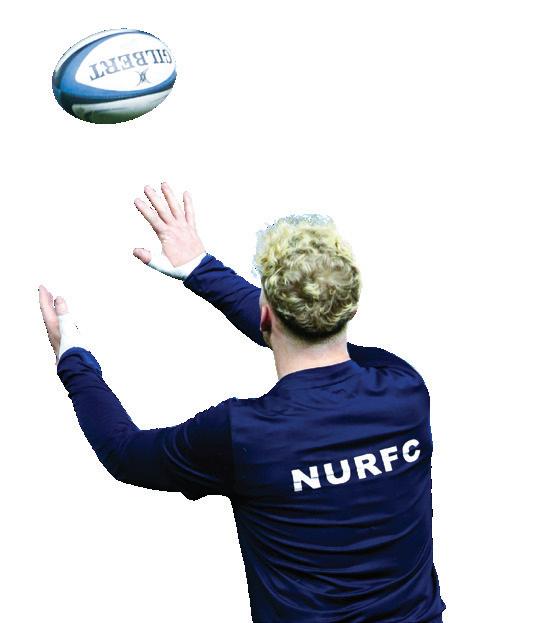
The first half saw Newcastle take firm control. Their ability to break through tackles proved crucial, consistently making metres after contact and keeping Northumbria on the back foot. A series of penalties and sustained pressure eventually led to Newcastle’s opening score, before they doubled their lead to make it 14–0 by halftime. Unfortunately for Northumbria, their overall discipline began to falter, with Newcastle’s dominance proving unforgiving. Reflecting in quiet became they stood no
Despite the scoreboard, Northumbria continued to show flashes of determination. Their runners remained aggressive, and their defensive efforts kept Newcastle working hard for every score. However, handling errors crept into both sides’ play, with a noticeable lack of structure and several loose passes. Lousy catches and clumsy distribution, including a wayward throw from Northumbria, summed up a scrappy period in the second half.
As tensions rose, the game briefly descended into chaos, with a fight breaking out as frustrations boiled over. It was emblematic of a second half that lacked fluidity but not intensity, with rough tackles and a foul from Northumbria further disrupting the rhythm.
Amid the disorder, Newcastle’s quality still shone through. A huge defensive moment from Newcastle’s Fergus Wood halted a rare Northumbria break, underlining the discipline and organisation that had defined their performance.
otherwise difficult half.
Newcastle continued to press and were rewarded with another try, pushing the score to 28–0 after a successful conversion that just squeezed through the posts. By now, the result felt inevitable with Newcastle fans firmly behind their team while Northumbria’s support remained timid behind their staggering loss.
"Newcastle continued to press and were rewarded with another try"
The moment of the match came when Newcastle’s Wilf Batham Reed produced an outstanding solo run, slicing through the defence and racing clear to score under the posts. The conversion was straightforward, taking the score to a resounding 35–0.
To their credit, Northumbria never stopped fighting. They showed aggression and determination late on, but Newcastle’s dominance in possession and their ability to follow through attacking phases ensured there would be no comeback.
As the final whistle blew, confirming an outstanding 35–0 victory, celebrations erupted. The energy from the crowd spilled down the stands, with spectators running down to join the players in marking a memorable varsity triumph.
Fergus Wood, 1st XV Captain said to The Courier that 'the opportunity to play at Kingston Park in the finale of Varsity 2026 turned out to be one of the special nights in Newcastle University Sports' history. Although both teams stormed out to convincing wins, what this team will remember in years to come will be the feeling of support from our friends and family whilst representing the
While Northumbria showed moments of promise, particularly in their running game and early scrum dominance, it was Newcastle’s control, physicality, and clinical finishing that
Image credit: @nooee.jpg, Noelia Fernandez Perez
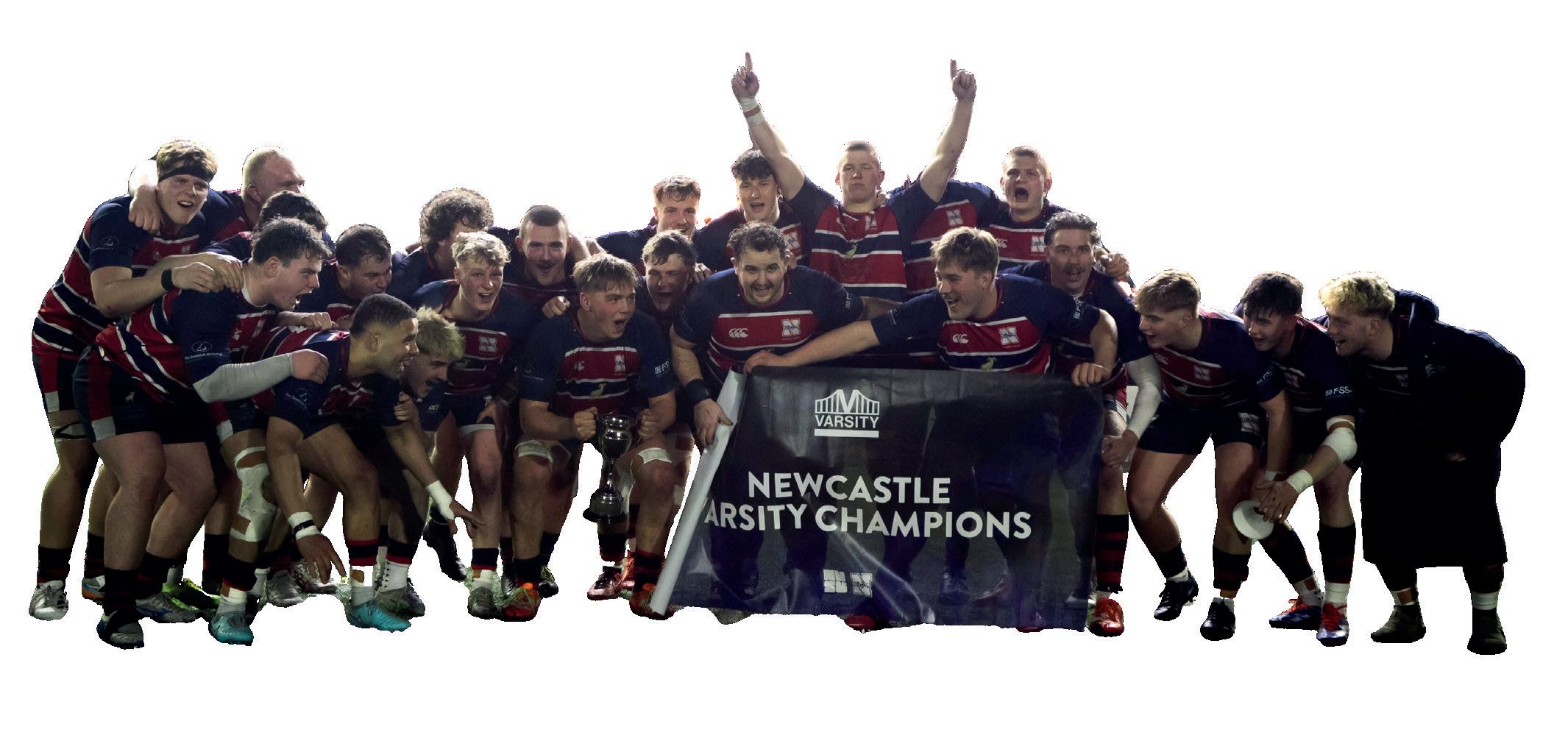
Grace Laidler - NUTV Station Manager
NUWRFC defend the Varsity crown with a hge victory
At the 15-minute mark, our deputy editor said, “Whoever scores the first try here wins the whole game.”
Five minutes later, Newcastle’s Oldridge slammed the ball across the line. From that moment on, the rest was history.
The Women’s Rugby Union varsity game took place on a clear Friday evening at sunset. Although the weather was calm, the atmosphere was not.
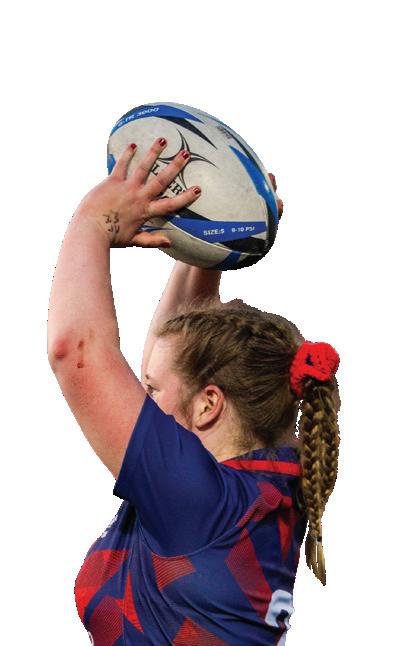
Northumbria kept pushing forward, but it was Newcastle who broke through the ranks to score that crucial first try. This was followed up by a conversion by formidable finisher Copley. From there, the floodgates opened. They were strong, fast and absolutely flying. Newcastle scored three more tries, with Copley scoring a subsequent conversion every time. At half-time, they were 28-0 up. When both teams returned to the pitch for the second half, it was business as usual for Newcastle as another try was scored, and Copley followed up with the conversion.
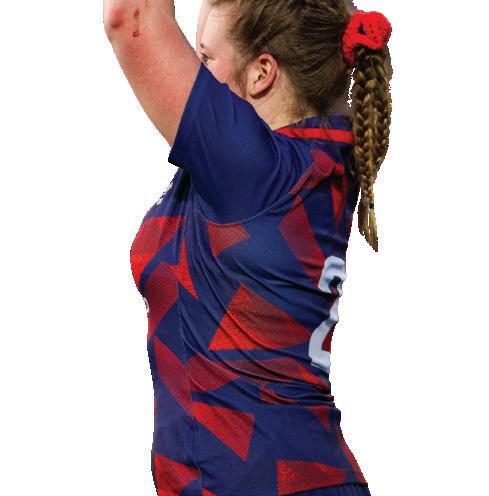
“Then, Newcastle turned the tables with forward Holmes coming the closest to the line.”
This game was the first of the two ‘finale fixtures’ held at Kingston Park. The 10,210-capacity stadium was taken over by a sea of students cheering for their teams, two-pinters in hand.
After both teams hurtled onto the field through their respective cheer tunnels, Northumbria kicked the match off. They had a strong start to the game, with captain Gerrard making a brilliant run up the pitch. Then, Newcastle turned the tables with forward Holmes coming the closest to
“Newcastle stuck the knife into Northumbria’s varsity dreams even further with a try from vicecaptain Haskell. ”
However, five minutes later, Northumbria’s Williamson managed to score their first try. It was clear that a firework had been lit under Northumbria to take control of the match. The conversion was scored. It was game on.
The intensity grew between the two sides. Tackles flew, players yelled, Newcastle’s Pendry and Northumbria’s Leach shoved each other; this was the derby game we wanted to see.
left, Northumbria’s time for a comeback was running out. They had some excellent runs from vice-captain Maloney, but any momentum they gathered was punctured by two debilitating injuries.
Neale-Wright damaged her ankle, forcing her to hobble the whole way around the pitch to the dugout, carried by a physio under each arm. Then, Horridge split her head open within five minutes of being on, resulting in a gash of blood pouring down her face.
In the closing minutes, Newcastle stuck the knife into Northumbria’s varsity dreams even further with a try from vice-captain Haskell. Captain Eley was unable to score the conversion. Another try three minutes later, and another conversion missed, but it didn’t matter. The whistle blew, and the team in navy won the game by a staggering 50-12!
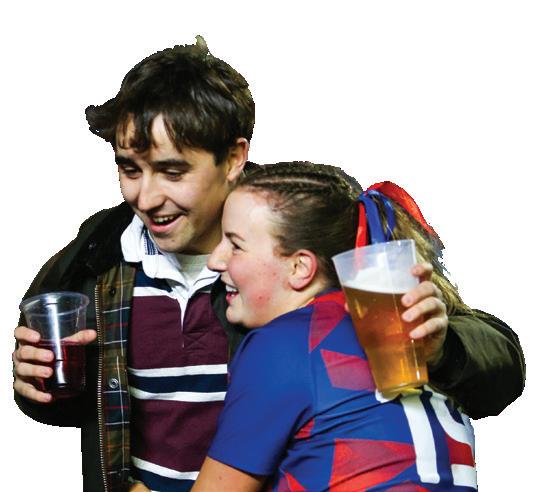
Newcastle’s Prior scored the next try, but their conversion luck dried up with a kick that was completely wide of the mark. Northumbria swiftly responded with a try from Leach, but they were also unable to score
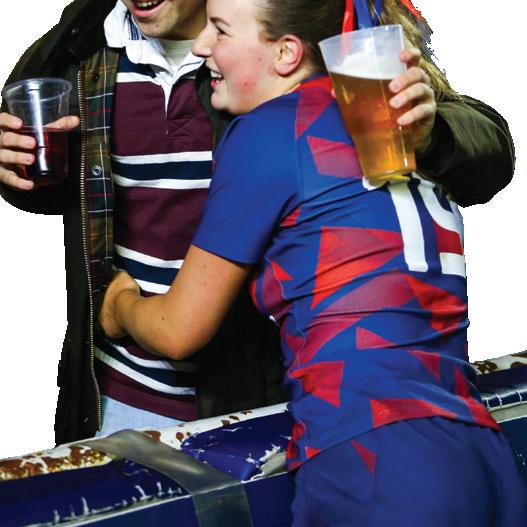
Eliza Prior, Welfare Officer and player for the 1VX's, said to The Courier that 'Varsity was such an amazing experience to be a part of. The opportunity to play at a venue such as Kingston Park in front of 5,000 people, including family, friends and other members of the club, is a memory we will all cherish for a very long time. The team played so well together: every carry, every tackle and every try was for each other, and the score reflected all the hard work we've put in this year.' It was a remarkable performance by Newcastle. Although Northumbria threatened to come back in the second half, the team held
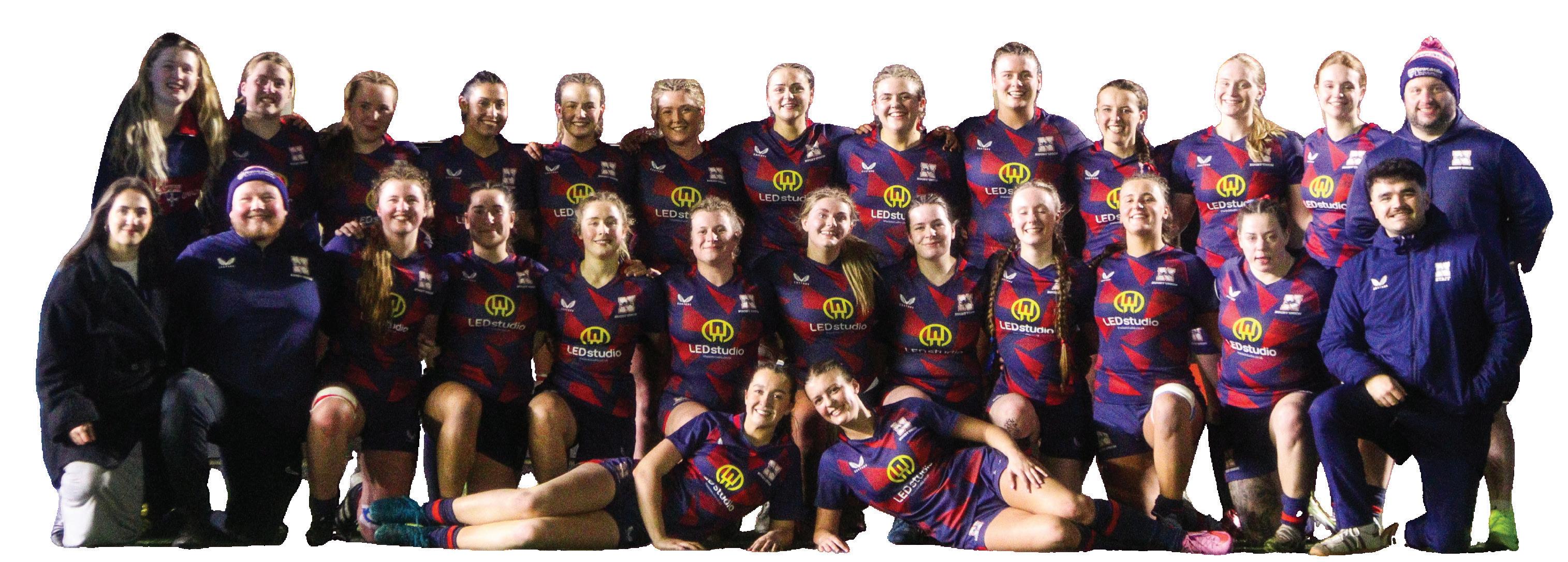
Alex Paine - Film Sub-Editor
Racism has no place in the Premier League.
Paul Canoville was the first black player to be on Chelsea’s senior men’s team back in 1982. What should have been an amazing milestone for the club was blighted by the racist abuse he experienced from both fans and team members - a racist altercation with a fellow player caused him to leave the club in 1986.
Blackpool player Jason Euell was racially bullied by a fan on the opposing team during a 2009 match. The fan was ejected from the stadium, but both Euell
and then-manager Ian Holloway were furious, calling for the punter to be banned for life.
Canoville and Euell’s experiences are just two of many experiences of systemic racism in British football, and it’s a negative experience that the Premier League are keen to rectify. Following in the footsteps of other anti-racism sports initiatives such Racism The Red Card and Kick It Out, the Premier League launched No Room For Racism in 2019, aiming to promote equality and tackle discrimination in the sport.
With the initiative, the Premier League seeks to make one thing clear: this is everyone’s game.
As Premier League champion Wes Morgan states, “anybody who doesn’t support diversity isn’t welcome in football.”
or online, and running initiatives to help under-represented groups get into football, reported cases of racism have shrunk year-onyear since the plan was set in motion.
“While the No Room For Racism action plan is working, there is still work to be done.”
The League officially launched an action plan in 2021 to help put their goals into practice. Through providing wellbeing support for players, tough sanctions for racist behaviour in-person
https://creativecommons.org/licenses/by-sa/4.0/,
However, there have still been over 3000 investigations into cases of online discriminatory abuse over the last four years proving that, while the No Room For Racism action plan is working, there is still work to be done. 27 clubs are now involved in the Premier League Equality, Diversity and Inclusion Standard (PLEDIS), and a third of participants in League-funded programmes are from diverse backgrounds. So, with any luck, the Premier League will continue to drive these numbers up and forge the path for the eradication of racism in British football.
Sasha Cowie - Sport
Newcastle Ladies 3s delivered a ruthless and, at times, almost theatrical performance as they dismantled Northumbria 12–0 in a sunsoaked clash that felt decided long before the final whistle.
From the very first exchanges, it was clear this was going to be one-way traffic—though few could have predicted quite how emphatic it would become.
The tone was set early when Flo Denbow opened the scoring in just the 9th minute, calmly converting after Newcastle’s initial pressure paid off. What followed was less a contest and more a showcase. Newcastle pinned Northumbria deep inside their own half, racking up penalty corners at an almost comical rate. Each one
felt like a goal waiting to happen, and more often than not, it nearly was.
Denbow was at the centre of it all. Her second goal came soon after—this time via a thunderous strike from a corner that had the crowd audibly stunned. Even among the steady hum of spectators enjoying the sunshine (and, in many cases, showing up with face paint to match the occasion), her performance stood out. A group of boys nearby certainly thought so, loudly and repeatedly praising her skillset throughout the first half—and it’s hard with a crowd who clearly loves a certain player on the Ladies 3's.
By the midpoint of the first half, Newcastle’s dominance was absolute. struggled to clear defence looking under sustained pressure, while their midfield—arguably their strongest area—was left chasing shadows. Attacks rarely made it into Newcastle’s half, and when they did, they were quickly shut down. A third goal from Frankie Davidson around the 30-minute mark—one that perhaps the goalkeeper will feel she could have done more to stop- it showed just how far apart the two teams were.
At half-time, the 3–0 somehow felt generous to Northumbria.
If there were any hopes of a reset after the break, Newcastle quickly shut them down. Within a minute of the restart, they struck again, and from there the floodgates truly opened. Goals came from all angles— short-range finishes, slick moves through the circle, and even speculative long shots that Northumbria seemed unable to intercept. The defensive structure that had already looked shaky began to unravel completely.
Newcastle’s relentless corner routine continued to pay dividends, with wave after wave of set-pieces testing a Northumbria defence that simply couldn’t cope. By the time the score reached 7–0— finished off with a particularly sharp strike—the game had taken on an almost surreal quality. On a day where the sun was shining and Newcastle couldn’t seem to miss, this was less a match and more a masterclass.
Image credit: @nooee.jpg, Noelia Fernandez Perez
Graice Laidler - NUTV Station Manager
It’s been a remarkable season for our football teams up in here in the North-East, if I do say so myself. From trophies in the non-league, to surprises in the top-flight, there’s been plenty to cheer about on Tyneside, Wearside and Teesside. Welcome to The Courier’s (almost) end-of-season review!
Starting off with the North-East’s biggest club, it’s been a glass half-full/ half-empty season for Newcastle United. On one hand, they currently sit 14th in the Premier League, after losing their last four games on the bounce. They have only won four league away games all season and tremendously crashed out of the Champions League with a 7-2 defeat at the hands of Barcelona.
On the other hand, Newcastle have navigated choppy waters this season after the tumultuous summer drama involving Alexander Isak. They reached the round of 16 in the Champions League and the semifinals of the Carabao Cup. Whilst some new players flopped, some have flourished under the floodlights of St. James’ Park, with Malick Thiaw reaching his 50th appearance in his debut season.
respectable finish for a newly-promoted side.
Heading south to Teesside and the Championship, Middlesbrough have enjoyed one of their strongest seasons in years.
In their 150th season as football club, they currently sit 4th in the second division,
Boro fans left feeling betrayed, the club welcomed Swedish head coach Kim Hellberg. Although Hellberg had never managed on English soil before, he quickly adapted to the Championship, winning his first four competitive matches with the club.
“...four games left to try and turn Newcastle's Premier League fortunes around...”

year’s
The black-and-white fanbase is divided on whether Eddie Howe should be the man to lead the team into next season. The club’s most successful manager has four games left to try and turn Newcastle’s Premier League fortunes around, as securing a place in European football is still a possibility.
Sunderland
Meanwhile, across the water, Sunderland had a strong return to the Premier League after an eight-year absence from the top-flight. Their biggest achievement was a 12-game unbeaten run against every visitor at the Stadium of Light from the start of the season until a defeat by Liverpool in February. They also managed to win both Tyne-Wear derbies this season.
Their form has slipped since the ending of this run, notably losing a fifth-round FA Cup tie to League One side Port Vale, where the match-winner Ben Waine celebrated by mimicking his childhood hero Alan Shearer. However, the black cats currently sit in 12th place, which would be a very
playoffs. The Boro have won 22 league games this season, with striker Morgan Whittaker leading the charge with 14 goals so far. What’s extra impressive about Middlesbrough is that they were able to overcome a major behind-the-scenes drama in the middle of the season. August, former Luton man Rob Edwards become Boro’s head coach. He quickly became very well-liked on Teesside, winning eight games out of his 15 in charge. However, in a shock decision, Edwards left the club in mid-November to manage struggling Premier League side, Wolves.
With
Despite the turbulence in November, there is a high chance that Hellberg could lead Middlesbrough back to the Premier League.
Nobody in the North-East has had a topsy-turvier season than Gateshead. Down in the National League, the Heed were almost guaranteed to be relegated. From November until February, the team lost a staggering 14 league games in a row. However, Gateshead’s luck turned around when they re-appointed former Newcastle goalkeeper Rob Elliot as their manager in January. Elliot coached the side to nine wins, notably beating National League champions York City 3-1. Against all the odds, the Heed secured their safety in their April win against
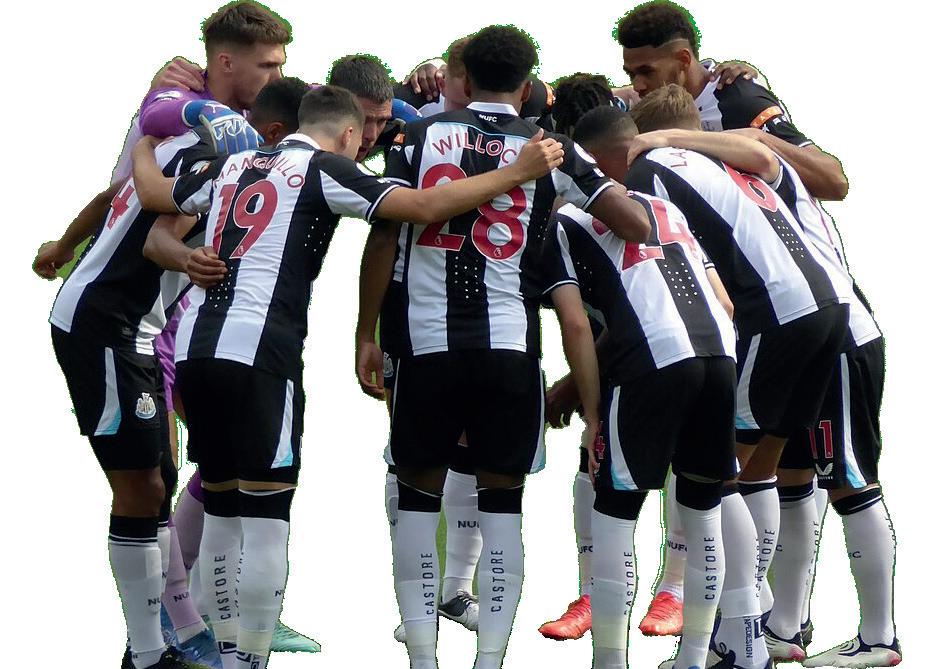
the non-leagues, more specifically the National League North, South Shields are on the precipice of greatness. After a season-long tussle with AFC Fylde, Shields finished second place, qualifying for the playoffs for a place in the National League for the first time. It’s a milestone moment since the club was revived in 2015, and this Mariner will be cheering on to see her team make next big leap
This team might be playing in the lowest league on this list, but they achieved the highest honour. On Saturday 25th April, Hebburn Town made history by winning the Northern Premier League, securing promotion into the National League North. The club have progressed so far since 2017. They used to play in front of crowds of less than 50 supporters in the Northern League Division Two, but now the hornets have enjoyed three promotions and won the FA