Welcome to our June/July issue. We’re calling it our “home” issue, but it’s truly so much more than that.
Inside, we feature a stunning home beautifully designed by our friends at Niche Modern Home. We also took a trip to Picayune, Mississippi, to explore the Crosby Arboretum— and what a treat that was. Closer to home, we’re excited to share news of a new community garden in Folsom, along with a heartwarming story of a couple’s journey into parenthood through fostering. We also talk with local interior designer Corrin Fisher, who shares her expert tips on getting your home ready to sell.
If you’ve been around the Northshore lately, you’ve likely noticed the life-sized sculptures that have appeared throughout the area. We had the pleasure of meeting Lisa Condrey Ward who played a key role in bringing the iconic sculptures of J. Seward Johnson Jr. to the Northshore.
Our social pages are filled with highlights from a lively spring season packed with festivals, fundraisers, and community events—and there is plenty more to come.
Perhaps the most monumental development in recent weeks has been the arrest of four individuals in connection with the 44-year-old cold case murder of Roxanne Sharpe. These arrests followed an 18-month effort by Northshore Media’s Charles Dowdy, who produced the podcast “Who Killed Roxanne?” in hopes of generating new leads. Those leads ultimately reached Louisiana State Police and helped move the case forward. In this issue, we take a closer look at the podcast and the impact it has had. We are incredibly proud of our involvement and excited to continue providing new episodes in the future.
We hope these stories inspire you, connect you, and remind you of the many ways “home” can be found across our community.
PUBLISHER
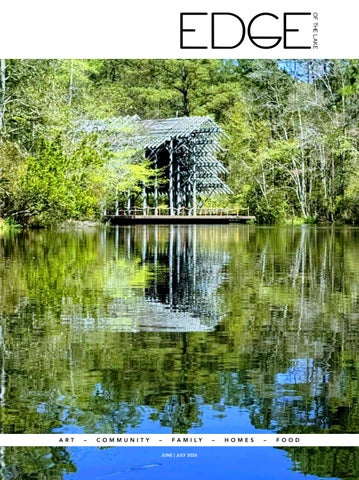
Cover Crosby Arburetum
Photo by Jerry Cotrell
ST. TAMMANY MANY MORE SWEET MOMENTS
There are MANY reasons to take care of your heart. At The Cardiology Center at St. Tammany Health System, we’ve got nationally ranked cardio care, growing to fit the needs of the Northshore.
Here, technology and compassion never miss a beat. We offer innovative procedures. World-class diagnostics. The finest cardio care team in the region. All in one convenient, low-stress setting. In MANY ways, heart care just got sweeter.
Photo By: Jerry Cotrell
ROXANNE SHARP? KILLED WHO KILLED (A
PODCAST )
PHOTOS NORTHSHORE MEDIA GROUP AND LOUISIANA STATE POLICE
LOCAL POLICE USE PODCAST TO HELP CRACK A 43-YEAR-OLD COLD CASE
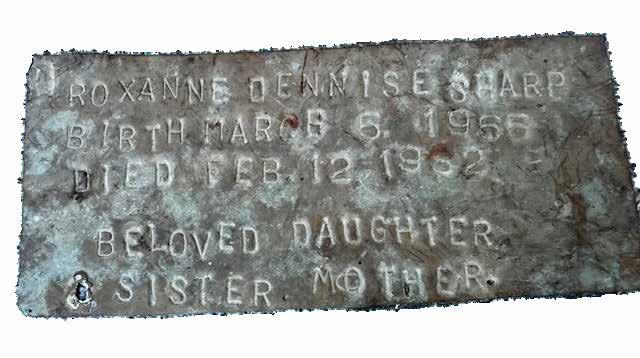
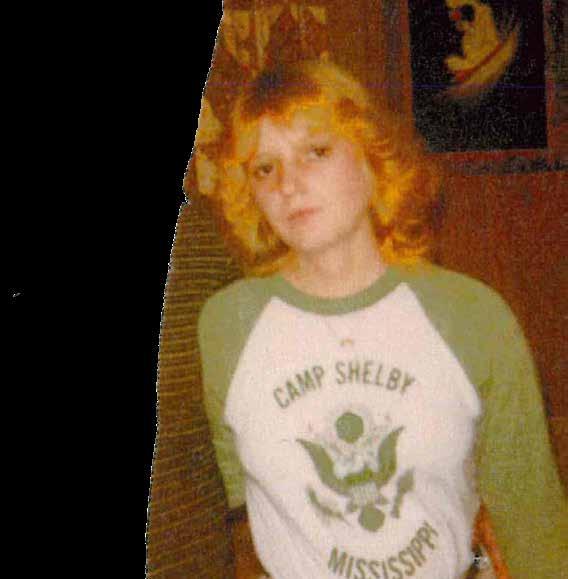
On the morning of February 12, 1982, the body of 16-yearold Roxanne Sharp was discovered in a wooded area near the St. Tammany Parish Fairgrounds in Covington. She had been raped and killed. She was a young mother, someone’s daughter, someone’s niece, someone’s friend, and for 43 years, no one was held accountable for her death.
That changed on April 24, 2026, when Louisiana State Police announced the arrests of four men charged with aggravated rape and second-degree murder— a breakthrough built on law enforcement persistence, modern DNA technology, and a truecrime podcast produced right here on the Northshore.
The podcast is called “Who Killed Roxanne?” It was the result of a collaboration between Louisiana State Police and Northshore Media Group’s Charles Dowdy — and it proved that local media and local law enforcement, working together, can accomplish good things for the community.
FORTY-THREE YEARS OF REFUSING TO QUIT
The initial investigation into Roxanne Sharp’s death was conducted by the Covington Police Department. Detectives surmised that she had been abducted, raped, and murdered, her body left in the wooded area where it was later found. Physical evidence was scarce, and the public wasn’t talking. Suspects were questioned. Over the years investigators took a run at the case. Even as the case went cold, authorities never truly walked away from it.
In 2023, the Louisiana State Police formally took over the lead role, bringing fresh eyes to boxes and boxes of investigative files. Investigator Stefan Montgomery got hooked on the case, literally taking it home with him on weekends and living with it. Slowly they were moving forward — but they needed the public’s help, and that’s where a creative partnership with a local media company made all the difference.
THE PODCAST THAT HELPED INVOLVE THE PUBLIC
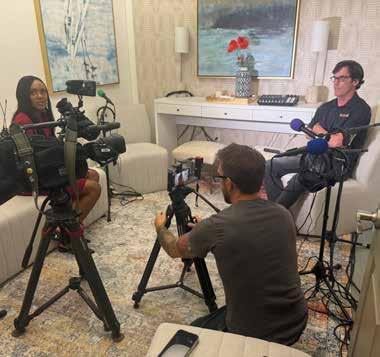
Public Information Officers with Louisiana State Police pitched the novel idea of partnering with Northshore Media Group and Louisiana State Police leadership agreed to let them try it. Charles Dowdy, morning host at Lake 94.7 and vice president of Northshore Media Group thought he knew exactly how to tell Roxanne’s story through a podcast in a way that would resonate with Northshore listeners.
“Who Killed Roxanne?”, which stands at 8 episodes and counting, is a true-crime series that aired in 2025 and 2026 and quickly captured national attention. Dowdy talked to family members, law enforcement, historians, and was even present as detectives physically re-created the crime scene, using measuring tapes to mark the exact locations where Roxanne’s body and key pieces of evidence had been found.
Early episodes of the podcast reignited talk about Roxanne’s case and drew the community back into the mystery. Family members came forward to share memories of Roxanne. Old friends reconnected to talk about her. And most importantly, people who had kept quiet for decades finally picked up the phone.
“A lot of people stepped up and said they knew Roxanne, they remembered her, they were friends with her,” Dowdy said. “When we started the podcast, we kind of thought nobody cared — we were quickly corrected.”
LSP Public Information Officer Marc Gremillion confirmed the strategy paid off exactly as investigators intended. “It helped our investigators piece together where Roxanne was days before up until the time she died,” Gremillion said. “It was a very large help with getting that message out to the public, and then, therefore, those witnesses getting back to us.”
The new tips, fed back to detectives and layered with the existing case work, helped connect the dots. It was already known that Roxanne had spent time in a Covington neighborhood known as the “Ozone” in the days leading up to her murder, and that she had been in the company of a group of young adult males from that area. Information sourced in part from previous witnesses and new information from the podcast, pointed investigators directly toward the men who would eventually be charged.
TRYING TO DELIVER JUSTICE
On April 24, 2026, Louisiana State Police held a press conference that Northshore residents had waited more than four decades to see. The Louisiana 22nd Judicial District Court District Attorney’s Office charged four men — all now in their 60s — with aggravated rape and second-degree murder in connection with the death of Roxanne Sharp.
The men charged were Perry Wayne Taylor, 64; Darrell Dean Spell, 64; Carlos Cooper, 64; and Billy Williams Jr., 62. Two of them — Taylor and Cooper — were already incarcerated in Louisiana state prisons on unrelated charges. Spell was arrested in Dayton, Ohio, and has been extradited back to Louisiana. Williams Jr. was taken into custody at his home in Covington earlier that week.
The statements from law enforcement officials at the press conference reflected the weight of the moment.
District Attorney Collin Sims credited both investigative persistence and modern technology. “This case is a powerful example of what persistence, collaboration, and advancements in investigative technology can accomplish,” Sims said. “For more than four decades, this victim and her family have waited for answers. Today’s arrests reflect our unwavering commitment to pursue justice — no matter how much time has passed.”
The Louisiana State Police also recognized the role the podcast played as one part of a broader strategy. “These arrests highlight the continued commitment of law enforcement to pursue justice, regardless of how much time has passed,” the agency said in a statement. “Through advancements in investigative techniques and strong interagency cooperation, cases once thought unsolvable can still be brought to resolution.”
For Michele Lappin, Roxanne’s niece, the day was one her family had long prayed for. “It’s always meant something to us,” Lappin said. “But when the podcast came out, I realized it meant something to a lot of people.”
It meant something to the broadcasting industry, too. Northshore Media Group received a Prestige Award from the Louisiana Association of Broadcasters, with “Who Killed Roxanne?” named Best Podcast in a Small Market. The company was also recognized in a national trade magazine and in countless national and regional news stories.
ABOUT NORTHSHORE MEDIA GROUP
Northshore Media Group is the only locally owned, family-operated broadcast and media company dedicated to the Northshore region of Louisiana and southwest Mississippi. The company operates 13 radio stations along with print magazines, digital marketing services, and podcasting. It is, at its core, a media company whose mission is to be the voice for the local community.
The “Who Killed Roxanne?” podcast is a reflection of that mission. When law enforcement came looking for a trusted local voice to help carry Roxanne Sharp’s story back into the public, Northshore Media Group answered the call. That’s what local media is supposed to do.
And now Roxanne Sharp’s long case is one step closer to finally being over.
For more information about Northshore Media Group visit northshoremedia.net.
WE WANT TO THANK!
Charles Dowdy and Northshore Media Group extend their sincere gratitude to everyone who helped make the “Who Killed Roxanne?” podcast possible.
We are especially thankful for the collaboration of the Louisiana State Police Investigator Stephan Montgomery, Louisiana State Police Public A airs O cer Trooper Marc
District Attorney Collin Sims announced the intictments of the four men in connection with the 1982 rape and murder of Roxanne Sharp.
As we move into the heart of summer, these months encourage us to slow down to appreciate what makes our community so special. Longer days, warm evenings in the backyard and familiar faces who remind us that this is more than where we live; its where we belong.
This season brings opportunities to reconnect. Whether it’s attending local events, supporting small businesses or simply checking in on a neighbor, these small actions strengthen the bonds that hold us together. Community isn’t built in grand gestures, it grows through everyday kindness, shared experiences and care for one another.
I am excited to share that many projects are underway, which in various ways will contribute to the quality of life that we love and deserve. The Fishing Pier, formerly the Twin Span in Slidell, is under construction and is expected to be complete by early 2027 and ready for our citizens to enjoy next Spring. Additionally, we continue to invest in the beloved Tammany Trace, through the replacement of critical bridges and by working to connect to Heritage Park in Slidell. Our outdoor landscape is part of what makes our Parish wonderful. We will continue to seek opportunities for our citizens to enjoy our community.
This summer is also especially exciting as we celebrate our nation’s 250th birthday. On this momentous anniversary, I encourage you to think about the pillars of which our nation was founded and what still makes our country great today. Over 250 years, we have shown resilience and pride here at home. That spirit continues to guide us as we invest in local improvements, create opportunities for growth, and ensure that our Parish remains a place where people feel safe, valued, and heard.
I encourage you to get involved. If you have any questions, please email me at President@ StTammany.gov and the Parish Council at Council@StTammany.gov.
Serving as your Parish President remains one of my greatest honors!
As we head into the summer months, more residents are taking advantage of longer days and warmer weather to get outside. People are walking in neighborhoods, jogging, and riding bicycles with family and friends. With that increase in activity comes an important reminder: safety on our roadways is a shared responsibility.
Recent incidents involving pedestrians and cyclists underscore the need for increased awareness and accountability. Too often, these crashes are preventable and result from distractions, failure to yield or disregard for traffic laws.
To address this, the St. Tammany Parish Sheriff’s Office has secured a grant to support targeted enforcement and education efforts. This grant funds overtime for deputies to work actively monitoring areas with high pedestrian and bicycle traffic, focusing on compliance with traffic laws by both motorists and those on foot or bicycle.
Drivers are reminded to slow down, eliminate distractions, and always yield to pedestrians in crosswalks.For pedestrians, visibility and awareness are key. Use sidewalks and crosswalks whenever possible, make eye contact with drivers before entering the roadway and wear light-colored or reflective clothing during low-light hours.
Cyclists should follow the same rules of the road as vehicles. Ride in the direction of traffic, obey traffic signals and stop signs and use proper hand signals when turning. Wearing a helmet remains one of the most effective ways to prevent serious injury. If you are riding at night make sure you are wearing light-colored or reflective clothing and that your bicycle is equipped with the appropriate lights.
The rise in electric bicycles has added another layer of concern, especially among juveniles. Some e-bikes are capable of higher speeds, and riders must understand they are still required to follow all traffic laws. Unsafe or reckless operation will not be tolerated and creates unnecessary risks for everyone sharing the roadway.
The goal of these efforts is not simply enforcement, but prevention. By increasing awareness and encouraging compliance, we aim to reduce injuries and save lives across our community.
Public safety depends on all of us making responsible choices. By working together, we can ensure everyone reaches their destination safely.
Mike Cooper
St. Tammany
Parish President
Randy Smith
St. Tammany Sheriff
IN JUST ONE PLACE — AND NEITHER ARE WE!
Northshore Media Group gives your business powerful exposure across radio, print, podcasts, digital, social media and more — creating advertising that people hear, see and remember.
The Evolution
of Home. NICHE MODERN
STORY SARAH COTTRELL PHOTOS FOTOSOLD
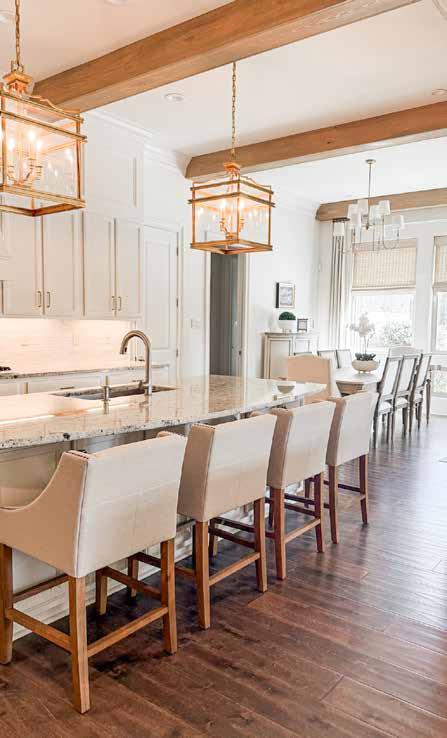
In the heart of TerraBella, a quiet shift is taking place. It is not loud or trend driven. It is thoughtful. Intentional. A home that feels as though it has always been there, even when it is brand new. That is exactly the point.
For over 30 years, Highland Homes has built a reputation for building a wide variety of architectural designed residences, and for just over 10 years, interior designer Jeff McNeely, coowner of Niche Modern Home alongside Steve Macloud, has worked in close collaboration with the builder. That longstanding relationship is evident in this home, where architecture and interiors feel fully aligned rather than layered on after the fact. As TerraBella has grown, so have the expectations of the people who live there. Homeowners are asking for more space, more function, and more definition. This model is their answer, and it represents something more than just a larger home. It is an evolution.
“We were involved from the very beginning,” McNeely says. “When we saw the plans, we were immediately excited. It felt different.”
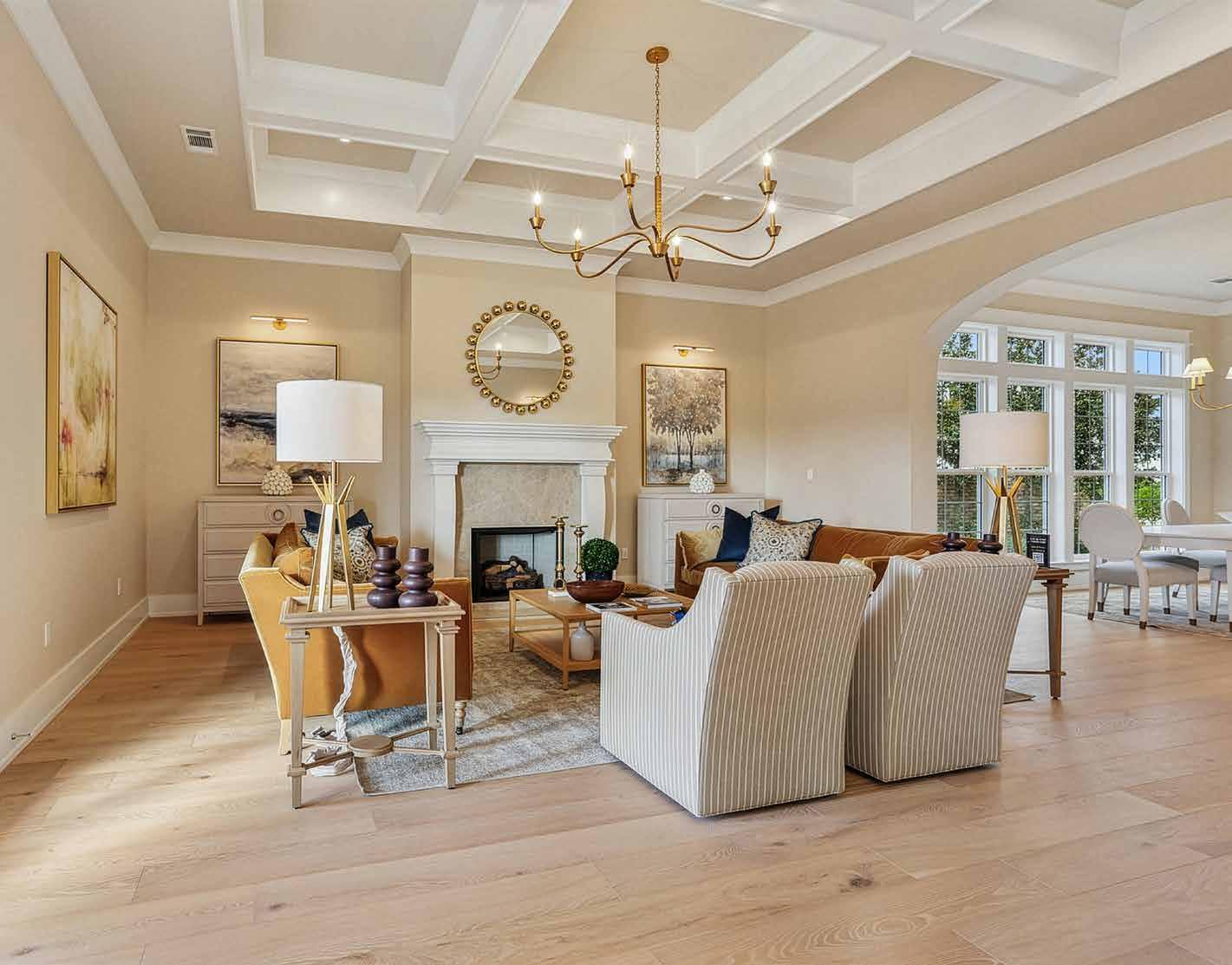
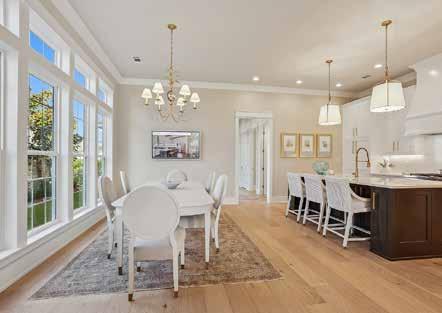
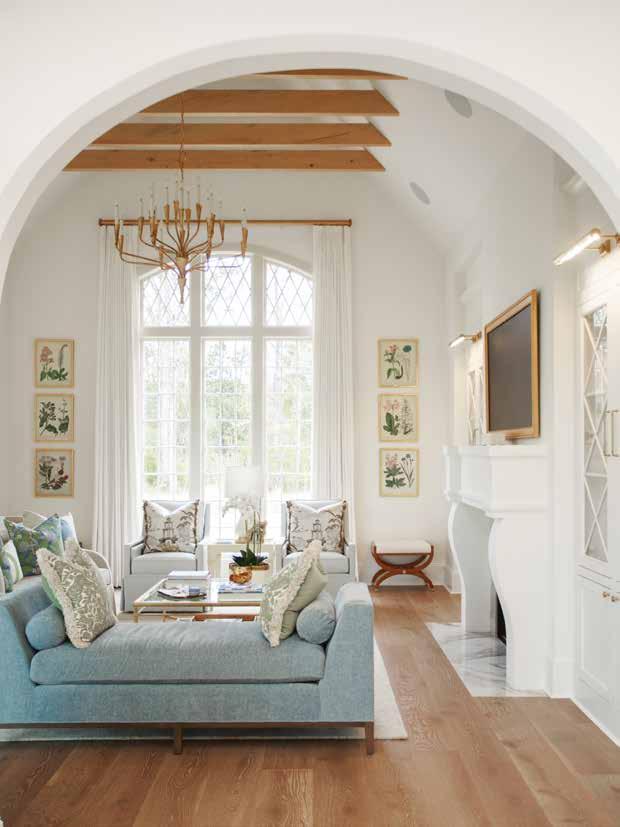
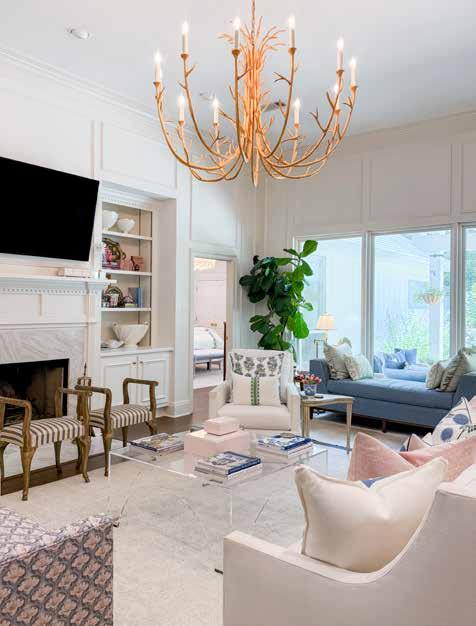
At first glance, the home embraces the open concept living that has defined residential design for years, but step inside and the difference becomes clear. This is not one continuous, undefined space. Instead, there is structure, with a true foyer that welcomes you in before the home reveals itself. Beyond that, the kitchen and dining areas are gently separated from the living room by a simple, elegant arch. It is not a wall, but a thoughtful transition that allows each space to function independently while still feeling connected. “It’s still open,” McNeely explains, “but it’s more defined. It’s a nod back to traditional homes, where rooms had purpose, without losing that modern flow.”
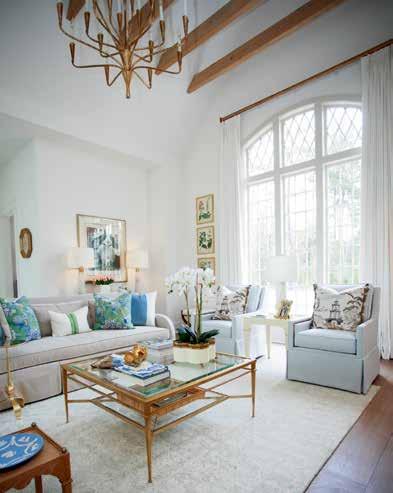
That balance between old and new carries throughout the home, with a renewed emphasis on millwork, coffered ceilings, detailed trim, and molding that add depth and character. These elements give the home a sense of permanence, creating the feeling that it has been lived in long before the first homeowner arrives. The furnishings follow the same philosophy, elevated but livable. In the living room, two velvet sofas face each other, creating symmetry and balance, paired with tailored club chairs that invite conversation and connection. “It’s one of my favorite ways to design a room,” McNeely says. “That symmetry just works.”
Just off the foyer, the study offers a striking contrast. The space is fully color drenched in Sherwin Williams Urbane Bronze, with walls, trim, and built ins wrapped in the same deep tone. A tailored desk and a mohair velvet chair introduce a subtle nod to 1920s French design. “We’re not afraid of color,” McNeely says. “But it’s intentional.” That restraint reflects a broader shift in interiors, where spaces are moving away from extremes and settling into something more balanced. Color is returning, but in a measured way, whether through a deeper tone, warmer wood, or a single dramatic moment that anchors the room. “The world feels a little chaotic right now,” McNeely says. “People want their homes to feel like a refuge.”
That idea carries throughout the home, where every space is designed to be used rather than simply admired. Nowhere is that more evident than in the kitchen, which McNeely describes as his favorite room in the home. As someone who cooks almost every night, he values not just how the space looks, but how it functions, the kitchen works seamlessly with the dining area to create a natural gathering place at the center of the home. Even the outdoor areas extend that thinking, with a brick courtyard just off the dining room creating a seamless connection between indoors and out, adding both function and a sense of retreat. “It makes the house feel bigger,” he says, “but also more livable.”
bathroom
For all the conversation around design, one of the most meaningful shifts happening today has very little to do with style and everything to do with how a home actually lives. “We focus so much on square footage,” McNeely says. “But it’s really about how the house is organized.” A smaller home with intention can feel expansive, while a larger one can feel underused. Reflecting on a previous home, he notes that there were rooms they did not enter for weeks, a realization that is reshaping priorities toward less excess, less maintenance, and more purpose. “There’s a value to that,” he says. “A simpler way of life.”
That shift extends beyond the home and into the community itself. “There’s a real desire right now to slow down,” McNeely says. “To reconnect.” TerraBella reflects that idea, designed as more than a neighborhood, but as a place where daily life unfolds
bedroom
in shared spaces, on front porches, and along walkable streets. “You’re not buying the lot,” he explains. “You’re buying the whole concept. The village.” That intention is visible in every detail, from narrower streets that encourage interaction to homes that sit closer to the front, making connection feel natural rather than forced. “That’s how community happens,” he says.
Though newly built, the home feels layered, a result of a design philosophy rooted in curation. “A well-designed home should be a mix,” McNeely says. “Not everything has to be new.” He recalls a client with a beloved family piece that ultimately shaped the proportions of an entire room. “We made the wall bigger to fit it,” he says, reinforcing the idea that the best homes are built around meaning rather than perfection. “I love furniture that’s been used,” he adds. “That’s what gives it character.” Scratches,
wear, and age are not flaws, but markers of life, a perspective that challenges the idea that a home must feel pristine to feel complete. “Life isn’t perfect,” he says. “And your home doesn’t need to be either.”
Behind every finished space is a process that is both structured and intuitive. Design begins not with furniture, but with understanding how someone lives. “We always look at how clients are living now,” McNeely says. “That tells us everything.” From there, the role of the designer is not to overwhelm, but to refine, offering clarity in a world saturated with options. “Here are three options,” he explains. “Not hundreds.” In a time when inspiration is endless and decisions can become paralyzing, that edit becomes essential. “You can go down a rabbit hole,” he says. “Our job is to edit.” Patterns emerge, preferences reveal themselves, and slowly a
home takes shape that feels personal rather than prescribed. “This should be your house,” he says.
One of the most important lessons in design is also one of the simplest: a home does not have to be finished all at once. “You don’t have to do everything at once,” McNeely says. After long builds, homeowners often rush to complete every room, making decisions out of fatigue rather than intention. Instead, he encourages a different approach, starting with what is necessary and allowing the rest to evolve over time. “Start with what you need,” he says. “Then live in the house.” The best homes are not created overnight, but layered gradually, shaped by how they are used and experienced.
At its core, the home is not about square footage, but
about living well. It can serve a range of homeowners, from families to empty nesters looking to simplify without sacrificing the ability to gather. That thinking shaped one of the most important spaces in the home, the dining room, which was designed to be generous and central rather than secondary. “It’s not an overly large home,” McNeely says. “But it functions beautifully.” That distinction reflects a larger shift away from more space toward better space, where every square foot is considered and purposeful.
If there is one guiding principle behind it all, it is to design for the life you are living now. “The biggest mistake people make is thinking about resale first,” McNeely says. That mindset often leads to safe choices and neutral spaces that lack personality. Instead, he encourages something more personal and more immediate. “If you love it, do it.”
A home is not meant to appeal to everyone, but to reflect the people who live there, and often the most meaningful spaces come from choices that feel a little unexpected.
In the end, the house represents more than a new model home. It reflects a broader shift in how people want to live, with more intention, more connection, and more meaning. It is a home designed not just to be seen, but to be lived in, where every decision supports real life rather than an idealized version of it. The most successful homes are not defined by size or perfection, but by how they hold the lives within them, quietly shaping daily experience in ways that feel both natural and lasting. A home that doesn’t just impress when you walk in. But one that, as one homeowner described it perfectly, feels like a hug.
Where Music Education Meets Excellence
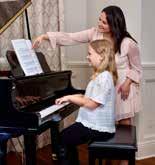
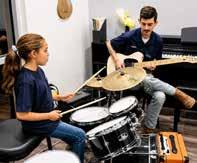
Middle C Music offers professional music instruction for students of all ages, with LESSONS AVAILABLE IN-STUDIO AND IN-HOME .
Led by founder and owner Anna Zimmer, voted West St. Tammany’s Best Music Teacher, our experienced instructors provide engaging, personalized education that meets students where they are—literally and musically.
From first notes to confident performances, we nurture talent, discipline, and a lifelong love of music.
Relationships are created by common experiences. After you do something together, you then have a relationship. It may be a good relationship or it may be a bad relationship, but you have a relationship. Community is built upon relationships. Per math’s transitive property of equality, community is therefore built upon common experiences.
Seeing and contemplating public art creates a common experience amongst folks who otherwise have no other relationship … and thereby creates community. This is a good thing. Currently, Covington is enjoying eleven wonderfully interesting bronze statues created by the American sculptor Seward Johnson. They are sponsored by the Covington Public Art Fund (covingtonpublicart.com) and Visit the Northshore (visitthenorthshore.com). Placed strategically throughout downtown, these life-like works of art are all the buzz amongst the town’s folk – friends and strangers alike: “Did you see the lady with the groceries at Acquistapace’s, the children eating ice cream by Coffee Rani or the man painting Tavi?” they ask. “I think they’re creepy, I think they’re wonderful, I thought the girl watering flowers in front of The Southern Hotel was real” can be heard in coffee shops, hair salons and eateries throughout the city.
I invite you to grab a coffee, an ice cream or a beverage (yes, we allow open containers ; ) and to take a stroll down our 200+ year old streets … stumbling upon these fascinating works of everyday life (or grab a map at The Southern Hotel or Trailhead Museum). Experience what those around you are experiencing and glean a smidgen of our Covington community.
We had a GREAT SPRING, and the City of Mandeville had many successful events! From concerts to crawfish cook-offs, to beautification projects, we couldn’t be prouder of the things happening in Mandeville.
It’s hard to believe that it’s SUMMERTIME already. Children are on summer break and families are taking those long-awaited vacations. For those that do staycations, Mandeville has plenty to offer from Bed and Breakfasts, Restaurants, Shopping, Bowling, Simulation Golf, a Trampoline Park and Splash Pads at both the Mandeville Lakefront and Trailhead. Visit www.exploretheshore.org for all your staycation and shop local needs.
Mandeville is host to one of the BEST Independence Day Celebrations around. In celebration of America 250, Light-Up the Lake will be held on Saturday, July 4, 2026 beginning at 6pm with a special program, Liberty on the Lake , honoring the 250th Birthday of the USA followed by LIVE Music from Groovy 7. Mandeville will have a kid tent, food trucks and a spectacular Firework Show from a barge on Lake Pontchartrain at 8:45pm. You won’t want to miss it!
Lastly, don’t forget that Mandeville has a Community Market at the Mandeville Trailhead from 9am til 1pm every Saturday, all year long. With over 90 artisans, food vendors and farmers to bring the very best product to the market. Offering a variety of seasonal produce, eggs, honey, fresh cut flowers, annual plants, delicious prepared foods, arts and crafts.
Mark Johnson
City of Covington Mayor
Clay Madden
City of Mandeville Mayor
THE NEXT CHAPTER
For families across the Northshore, pediatric dental care goes beyond checkups — it’s about feeling confident in who you trust with your child’s smile. From the very first visit, comfort, connection, and quality care should come standard.
Since 2006, Dr. Todd S. Brasuell has built his practice with that philosophy in mind, creating an environment where children feel at ease and parents feel informed every step of the way.
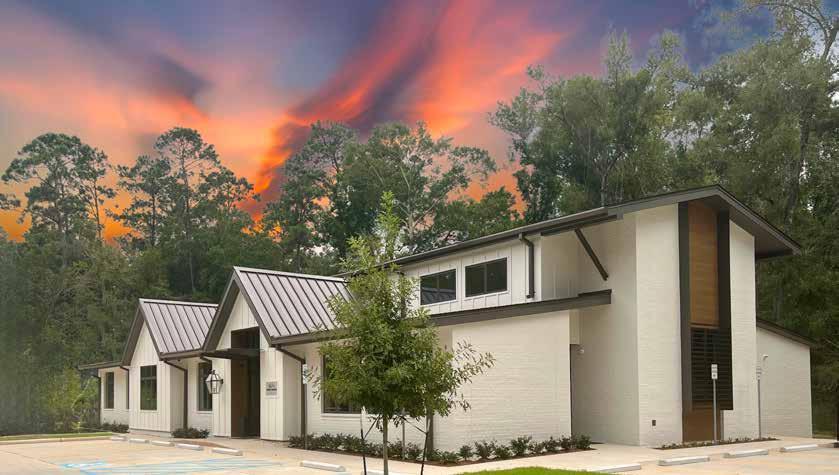
Now, with the opening of a newly built o ce in Madisonville just o Highway 21, that vision continues to grow. Designed to better serve an expanding community, the new space allows for a smoother, more e cient experience while maintaining the personalized care families know and value.
The updated o ce includes additional treatment rooms, a larger and more welcoming waiting area, and modern technology designed with children in mind. From a dedicated pre-operative sedation space to a more comfortable numbing approach, every detail supports a gentler experience. The practice has also
introduced laser treatment options for lip and tongue ties, further expanding its range of care.
Alongside Dr. Brasuell, Dr. Brooke Vinturella brings a shared commitment to patient-centered care. Together, they focus on clear communication, patience, and creating positive dental experiences for every child. With the ability to care for patients simultaneously in the expanded space, families benefit from both e ciency and attentiveness without sacrificing that personal touch.
Education continues to be a cornerstone of the practice. By guiding families through each stage of dental development and encouraging healthy habits early on, the team helps build strong, confident smiles that last.
As this next chapter begins, the mission remains the same: to treat each child as if they were our own, to deliver the highest quality dental care, to introduce dentistry to children in a fun and entertaining environment, and to emphasize preventative dentistry that will last a lifetime!
985.892.5942 | TODDBRASUELLDDS.COM
437 HIGHWAY 21, MADISONVILLE, LA (Across from Christ Episcopal)
2026 Tips to Sell Your House
STORY AND PHOTOS CORRINN FISHER
Preparing your home to sell is not just about putting it on the market. It is about presenting a lifestyle that someone else can immediately see themselves stepping into. From Corrinn Fisher’s perspective, the process is less about decorating and more about refining. It is about editing your space with intention so that every room feels considered, functional, and inviting.
The first step is always to take a step back and look at your home through a different lens. Not as the place where your life happens, but as a product that is about to be experienced by someone new. Buyers are not just looking at square footage or finishes. They are paying attention to how a home feels. Does it feel calm, collected, and well cared for, or does it feel busy and overwhelming. That emotional response often determines whether they stay or move on.
One of the most important things you can do is purge. And not just lightly. This is a true edit. Closets, drawers, cabinets, and surfaces should all be addressed. If it is not essential or does not contribute to the overall look of the home, it should be removed. Overfilled spaces signal to buyers that there is not enough storage, even if that is not actually the case. Clean, open storage areas suggest ease and functionality.
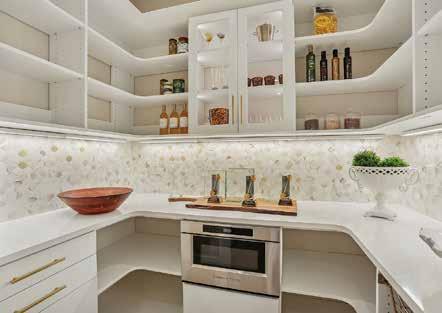
Organization naturally follows purging, but it should feel elevated. Think beyond basic tidiness. This is about creating visual order. Kitchens should have clear countertops with only a few intentional pieces left out. Pantries should feel structured and easy to navigate. Bathrooms should be simplified to the essentials. Even small details, like neatly folded linens or evenly spaced hangers in a closet, communicate a sense of care and attention.
Once the home is edited, the focus shifts to creating a cohesive look. This is where design truly comes into play. Corrinn believes that consistency from room to room is key. That does not mean everything needs to match, but there should be a clear thread throughout the home. Whether it is a warm neutral palette, natural textures, or a balance of modern and traditional elements, that continuity helps buyers feel grounded as they move through the space.
Furniture placement is another critical piece that is often overlooked. Rooms should feel open, but also purposeful. Every space should clearly show how it is meant to be used. If a room feels awkward or undefined, buyers may struggle to understand its value. Rearranging furniture to improve flow can make a significant difference. In many cases, removing a piece or two can completely transform how a room feels.
Lighting is equally important. Natural light should always be maximized. Opening window coverings, treatments, or shutters to bring more light into the space can instantly make a room feel brighter and more expansive. Lamps and overhead lighting should work together to create a warm and welcoming environment. Harsh or dim lighting can change the entire mood of a space. A well lit home feels larger, cleaner, and more inviting.
Details matter, but they should be intentional. This is not the time for heavy personalization. Family photos, bold artwork, and overly specific decor should be minimized. Instead, focus on pieces that add texture and interest without telling too specific of a story. A well styled coffee table, a simple arrangement of greenery, or a stack of books can add just enough character without distracting.
One of Corrinn’s signature approaches is creating small moments within a space. These are the subtle design choices that elevate a home without overwhelming it. A chair paired with a soft throw in a corner, a styled console with layered accessories, or a neatly made bed with balanced pillows can all create a sense of ease. These moments help buyers imagine themselves living there in a natural way.
The exterior of the home should not be overlooked. First impressions begin before anyone walks through the door. The entry should feel clean and inviting. Simple updates like fresh greenery, a clean walkway, and a well styled front door can set the tone for the entire showing. It signals that the home has been cared for from the inside out.
Another important consideration is scent and sound. While often underestimated, these elements play a role in how a home is perceived. The space should feel fresh, not overly fragranced. Background noise should be minimal. A quiet, calm environment allows buyers to focus and fully experience the home.
Finally, preparation is about consistency. The home should be maintained at this level throughout the selling process. Every showing is an opportunity, and the space should always feel ready. This level of care not only impacts how quickly a home sells, but often influences the final sale price.
From Corrinn Fisher’s perspective, preparing a home for sale is about creating clarity. It is about removing distractions, refining the design, and presenting a space that feels both aspirational and attainable. When done well, it allows buyers to move beyond seeing a house and start envisioning a home.
For dyslexic thinkers, the right place changes everything! At Louisiana Key Academy, we utilize an evidence-based curriculum to develop literacy skills and academic confidence.
Students receive small-group instruction led by Certified Academic Language Therapists (CALTs) that builds on their strengths and equips them with the tools needed to succeed.
Complete Online Questionnaire
Book A Campus Tour
Observe Reading Lessons & Classrooms
Start An Application
The Pavillion
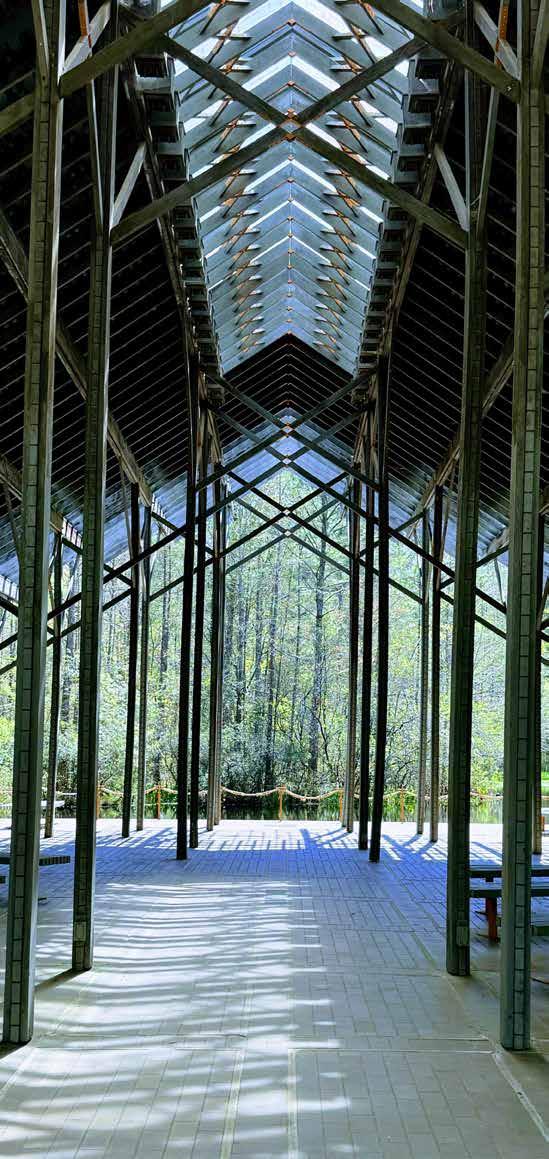
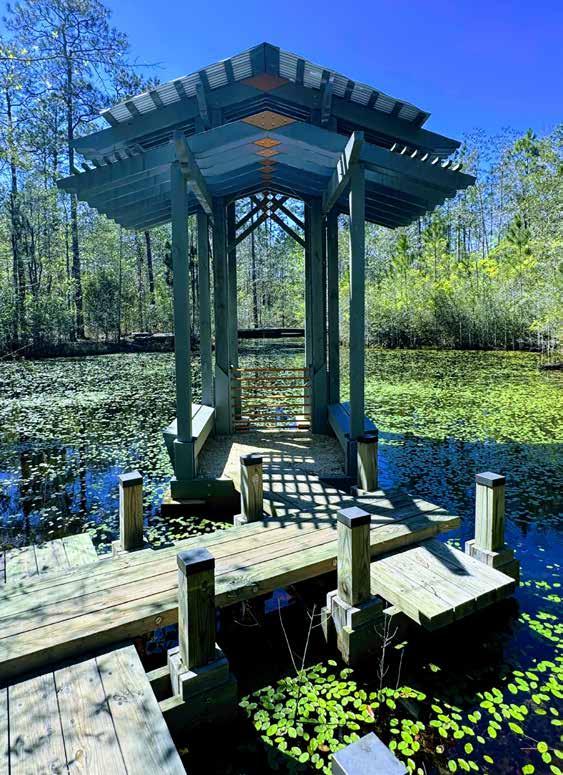
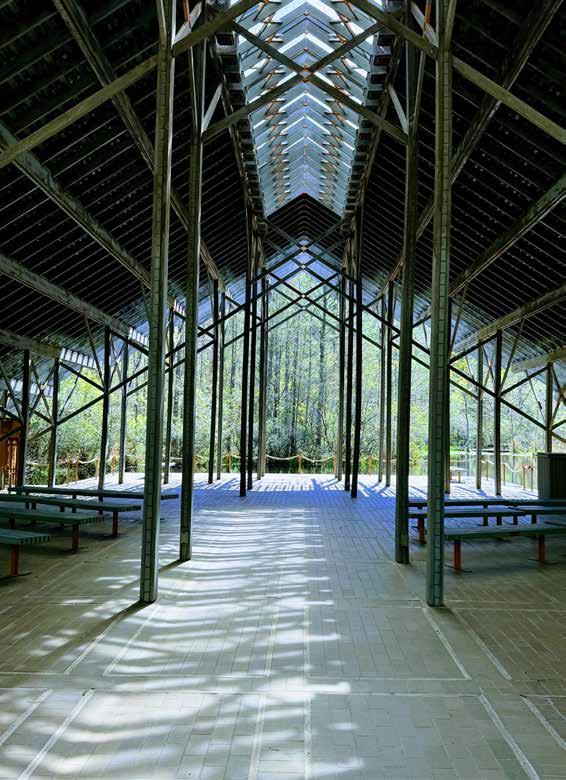
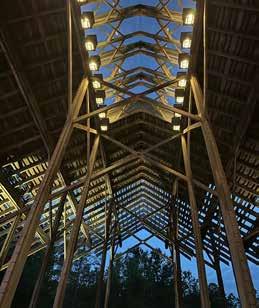
The Pavilion is a gathering place. This simple, open building marks a place to be used for many activities. It is a starting point for nature walks, for talks and discussions about important things in the environment and natural world, a place for exhibits and artistic performance, and a setting for social gatherings.Architecturally, the Pavilion is a symmetrical shed, resting on a base of earth-toned brick, surrounded by earth, water, and trees. The brick pattern expresses the basic building module—the composition and arrangement of all the vertical columns. The all-wood structure is built of indigenous material, native pine, and is fastened together with nails, dowels, and metal connections. There is complete exposure of every construction element, all visible from within and without. Every framing member, every beam, brace, and connection is absolutely necessary to achieve structural stability. The building is ordered by a geometric theme—a step-edged pattern that defines the outline of the base and the roof’s outer edges. Many smaller elements, for lighting and display, are shaped and detailed to reflect and reinforce the characteristic geometry—to build a strong relationship of each part to the whole and to achieve organic unity. As
the vertical supports rise from the brick pavement, there is a spreading-out of structural members and a progressively thinning-out of roof decking toward the edges of the hovering roof. There is a transition in the sheltering overhead arrangement, accented by a central skylight, from close and dense to open and fragile. This is analogous to the organic unfolding or blossoming of so many forms of botanical growth. The imbricated pattern of wood shingles also emulate and recall many of natures’ surfaces— the bark of trees and the wings of birds.All wood is stained and the metal painted in colors that harmonize with the earth and plants. Nothing has been added to the structure as mere decoration. Ornamentation or decorative enrichment will come from the ever-changing patterns of light and shadows that play on the closely-spaced structural elements as the sun and moon move across the sky. Time of day and seasonal changes will modify the shadows that frame the light and will keep the spaces in and around the Pavilion vital and alive, continuously enhancing the poetics of revealed construction.-
- Euine Fay Jones, Architect Crosby Arboretum
STORY SARAH COTTRELL PHOTOS JERRY COTTRELL
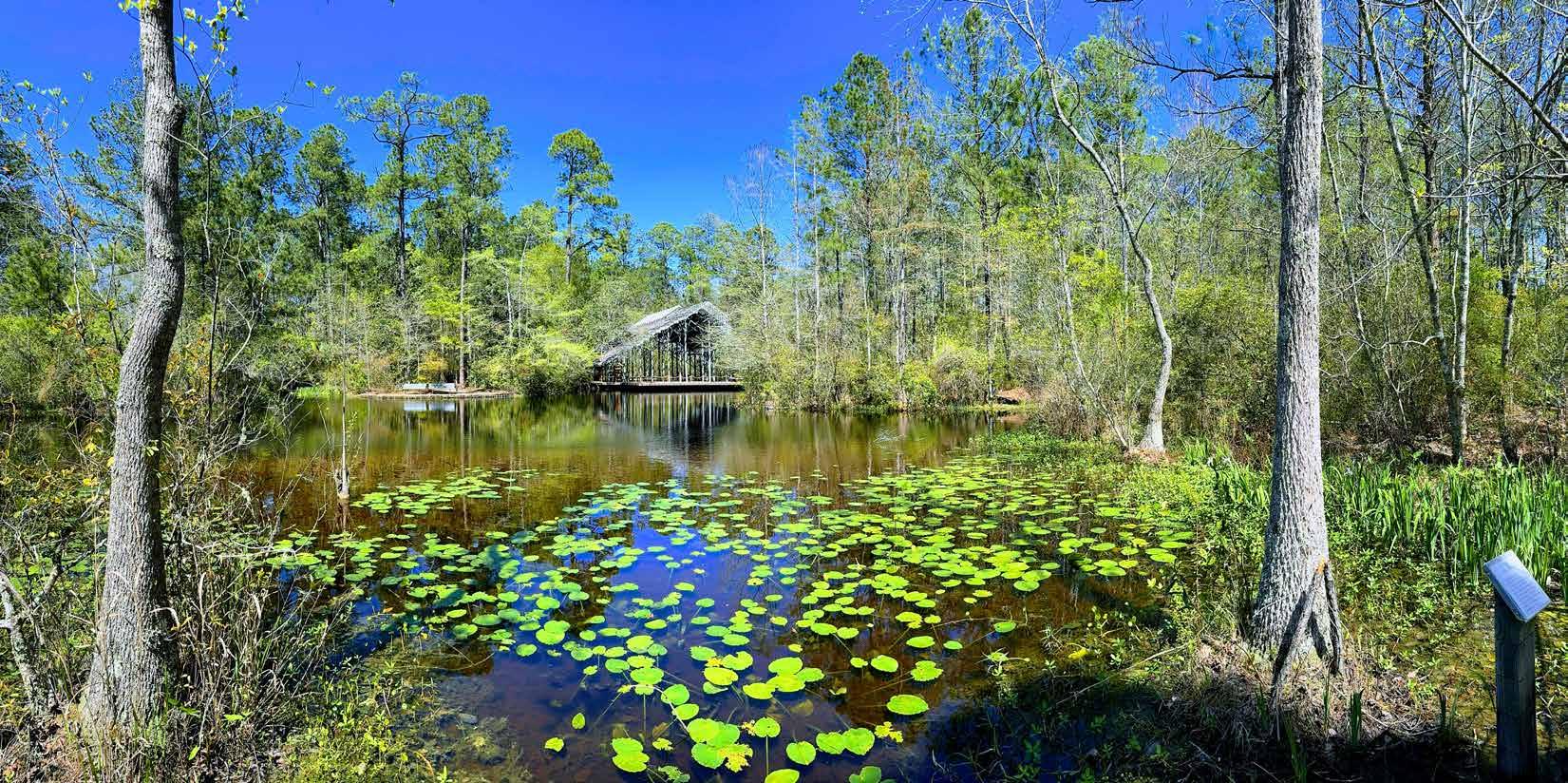
I saw a photograph of the Pinecote Pavilion at night and immediately wondered where on earth it could be. It looked almost otherworldly. Warm light glowing through timber, reflected in still water, like something out of a dream rather than just up the road.
When I discovered it was in Picayune, such a short drive from the Northshore, I knew it had to be worth the trip.
So when the weather finally warmed up and spring arrived, we planned a Sunday drive to the Crosby Arboretum. Managed by Mississippi State University as a research and education facility, the Arboretum is not a manicured garden. It is a working landscape, a preserved slice of the Pearl River Basin designed to study, protect, and interpret native ecosystems of south Mississippi and Louisiana.
Tucked just outside Picayune, in the Piney Woods region near the Louisiana line You pass car dealerships and the usual roadside distractions, and for a moment you wonder if you have made a wrong turn. But follow the signs, and suddenly you are there. A modest parking lot. A quiet entrance. No fanfare.
And then you step into the trees. Almost immediately, everything changes. The noise disappears. The air shifts. There is a stillness that feels intentional, like the landscape itself is asking you to slow down. The trails wind gently through native pines and longleaf ecosystems, dotted with markers that do not just identify plants, but quietly tell the story of this place, its ecology, its preservation, its purpose.
We made our way to the temporary visitor center, paid the small fee, browsed the gift shop and plant sale, and refilled our water bottles. The staff were warm and welcoming, offering a map and a few helpful tips.
“Don’t worry,” they said with a smile, “you won’t get lost.”
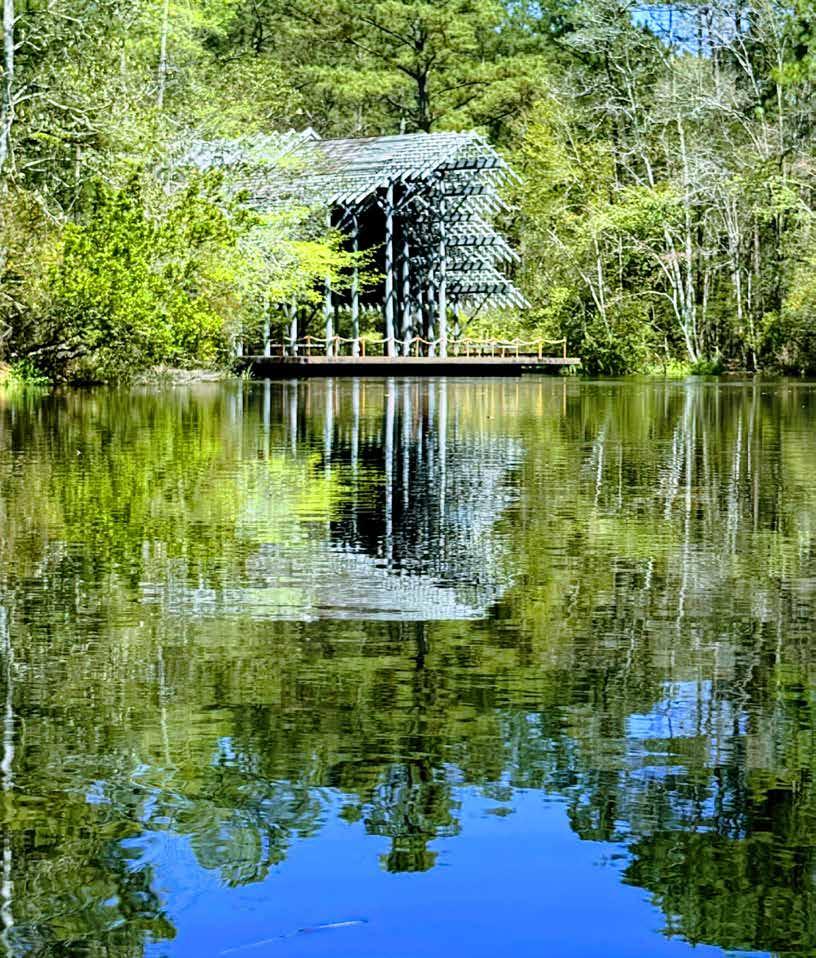
And they are right. The trails are beautifully marked, the map easy to follow, each path connecting like a thoughtfully designed experience rather than just a walk in the woods. We set off and almost immediately, without warning, you come upon it. The Pinecote Pavillion. It does not announce itself loudly. It reveals itself.
Rising from the landscape, the structure feels both grounded and weightless, an intricate composition of wood, light, and geometry. It is widely considered one of the most important architectural structures in Mississippi, and standing beneath it, you understand why.
Designed by E. Fay Jones, a protégé of Frank Lloyd Wright, the pavilion embodies a philosophy where structure and environment exist in harmony.
The soaring timber lattice filters sunlight by day and glows with quiet drama by night. Beneath it, reflections ripple across the water, blurring the line between what is built and what is natural.
It is not just something you look at. It is something you feel.
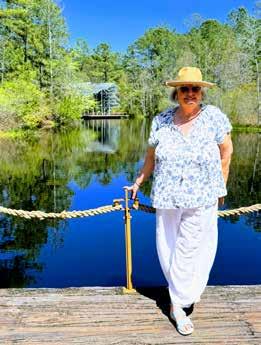
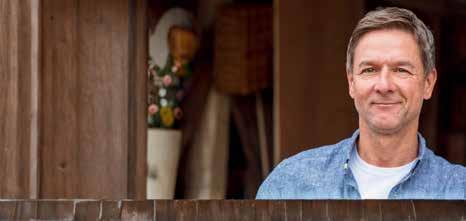
We took a slow walk around Piney Woods Lake, the kind where no one is checking the time and every turn feels like it might reveal something new. Along the way, we met a dad out for a nature walk with his two young children, one of those sweet, unhurried moments that just fits in a place like this. We stopped, chatted for a bit, compared notes on what we had seen so far, the kids eager to share their discoveries. It felt less like strangers passing and more like being part of a quiet little community, if only for a moment. From there, the landscape began to shift.
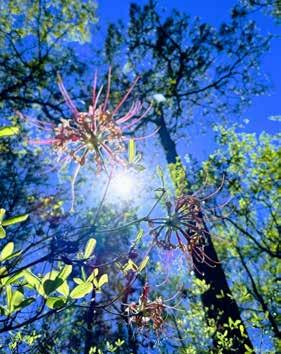
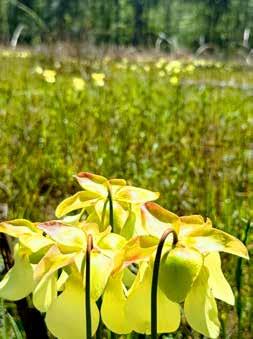
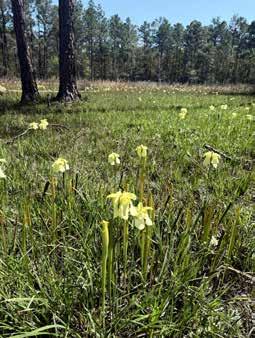
The trails led us into the pitcher plant bog, one of the most striking areas of the arboretum. It is almost surreal. Bright yellow trumpet-shaped blooms rise from the earth, scattered among the carnivorous pitcher plants that seem both delicate and a little mysterious. There is a wildness here, but it is carefully preserved, protected.
We continued through the bog savanna, where longleaf pines stretch upward and sunlight filters through in that soft, dappled way that makes everything feel calmer. Each turn brings a subtle change in environment, the kind of place where you do not just see nature, you move through its different moods.
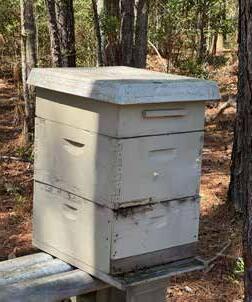
Not far along, we passed the active beehives, clearly marked and thoughtfully placed so visitors can observe from a distance without disturbing the rhythm of the colony. There is something reassuring about that quiet hum in the background, a reminder that this place is not just for us, it is alive, working, thriving.
PLAN YOUR VISIT
Just 30 minutes north of Slidell, Crosby Arboretum o ers a tranquil, design-forward escape into the native landscapes of the Southeast—close enough for a spontaneous afternoon, yet immersive enough to feel like a true getaway.
DON’T MISS
- Pinecote Pavilion — striking architecture best seen in early morning or golden hour
- Piney Woods Lake Loop — an easy, scenic walk beneath longleaf pines
- Pitcher Plant Bog — seasonal carnivorous plant blooms you won’t see just anywhere
- Swamp Forest Trail — cypress, tupelo, and those iconic knobby cypress knees
- Pollinator Garden — butterflies, native bees, and constant motion
GOOD TO KNOW
- Just o Highway 59 with easy, stress-free access
- Managed by Mississippi State University
- Small admission fee (worth it for the upkeep and experience)
- Clearly marked, beginner-friendly trails
- Active beehives are safely marked—observe, don’t disturb
- Restrooms and water refill stations available on-site
- Benches and shaded spots throughout the grounds
- Seasonal events and educational programs o ered yearround
PLAN
- Website: crosbyarboretum.msstate.edu
- Phone: (601) 799-2311
- Hours: Typically open Wednesday–Sunday (check ahead for seasonal changes)
- Best Time to Visit: Spring and fall for peak color and comfortable weather
WHAT TO BRING
- Comfortable walking shoes
- Refillable water bottle
- Camera or smartphone for photos
- Sunscreen and bug spray (especially in warmer months)
- Light snacks or picnic essentials
- Extra time—you’ll likely want to explore longer than planned
The trail carried us onward into the swamp forest, where the ground feels softer, the air heavier, and the trees seem to rise straight out of the water. Cypress knees break the surface like natural sculptures, and everything slows again, as if the landscape itself is exhaling.
We wandered through the pollinator garden, buzzing with life, bees, butterflies, movement everywhere if you stop long enough to notice. It is vibrant without being overwhelming, curated but still completely natural.
What stayed with me most was not just the pavilion, though it is unforgettable. It was the way the entire experience unfolded. From roadside uncertainty to quiet immersion, from
a simple walk around the lake to conversations with strangers who felt like neighbors, from delicate pitcher plants to towering pines and still water reflections.
Less than 30 minutes north of Slidell, tucked beyond the everyday, is a place that gently reminds you to slow down, look a little closer, and appreciate the beauty that does not shout for attention.
And sometimes, the best discoveries are not the ones you plan in detail.
They are the ones that begin with a photograph and end with a feeling you carry home.
-89.6662
STANDING
One Northshore family’s quiet calling
IN THE GAP
to foster, heal, and love without limits
SWEET MAGNOLIA PHOTOGRAPHY ASHLEY SCHACKAI
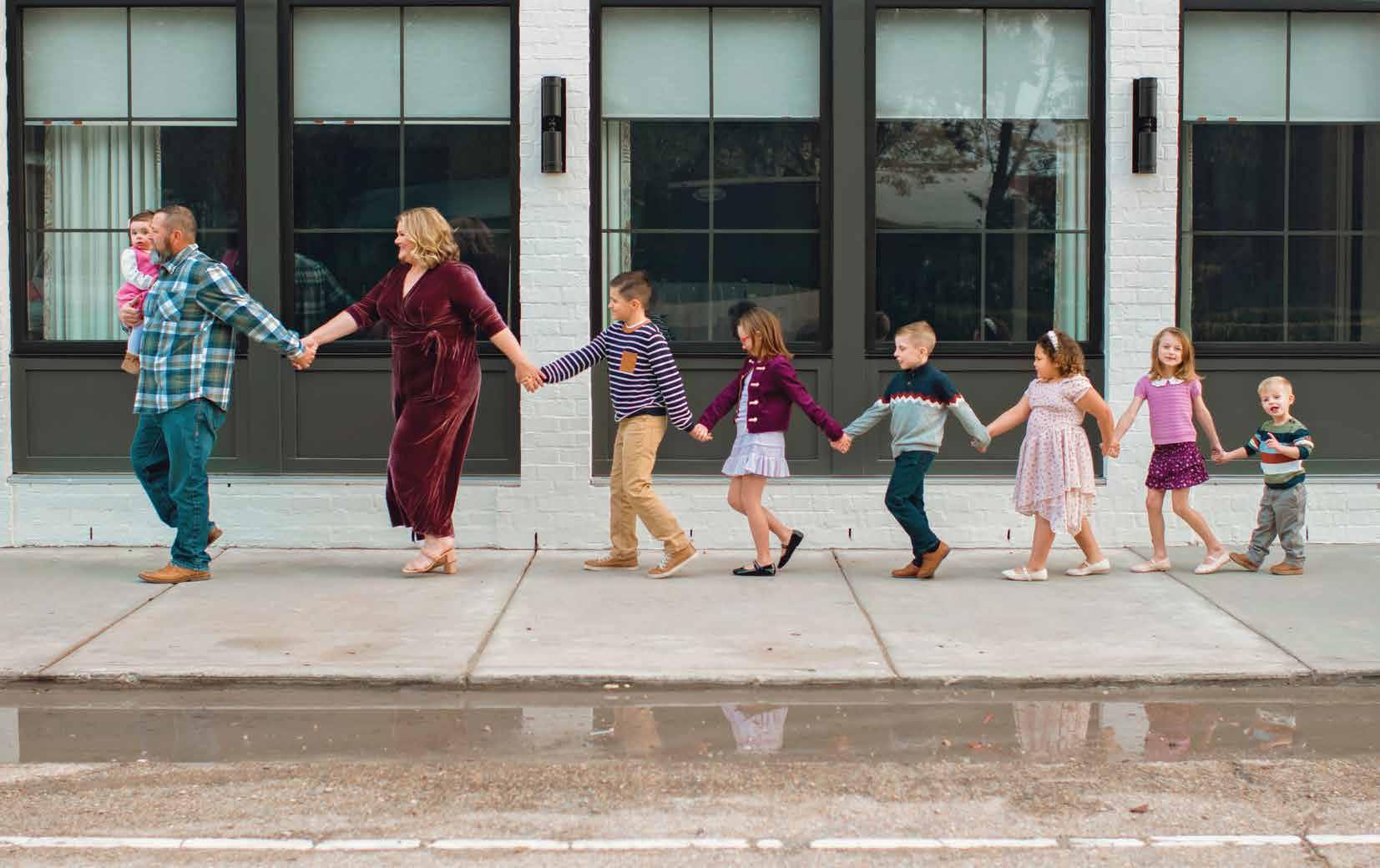
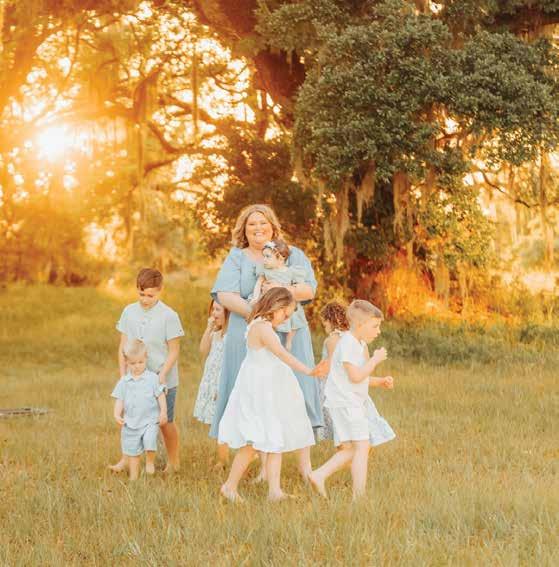
On the Northshore, where life tends to move at a gentler pace and community still feels like something you can reach out and touch, there is a home that hums with a different kind of energy. It is the sound of children arriving from school, voices overlapping as stories spill out all at once, and dinner already in motion before anyone has time to ask what is on the stove. It is full in every sense of the word. Full of movement, full of purpose, and most of all, full of love.
What makes this home remarkable is not simply the number of children who pass through its doors, but the intention behind each one.
For Monica, a Metairie native, fostering was not a lifelong plan carefully mapped out over time. It began with something much simpler. She and her husband, Benny, wanted to grow their family. They did not know exactly how that would look, but they knew they wanted their lives to mean something beyond themselves.
That curiosity led them to an orientation class through the Louisiana Department of Children and Family Services. What they learned there shifted their perspective almost immediately. The need was not distant or abstract. It was here, in their own backyard, across St. Tammany, Tangipahoa, Livingston, St. Helena, and Washington Parish. Children were entering the system every day, and families were struggling in ways many people never see.
That moment of awareness became a turning point. What started as a question quietly became a calling.
Foster care does not unfold the way most people expect. There is no long runway to prepare. No gradual transition into parenthood. Instead, there is a phone call, and in an instant, everything changes.
Their first call came for a baby in the hospital. By the time they arrived, the child had already been placed with a grandparent. It was a brief introduction to the system, a moment that hinted at what was to come without yet fully stepping into it.
The next call would be different.
A five week old baby needed a home. Within hours, Monica and Benny found themselves walking out the door with a child in their arms, still trying to process
how quickly their lives had shifted. There was no time to overthink it. Only time to respond.
Just weeks later, their world shifted again when the August 2016 flood swept through Tangipahoa Parish, forcing them out of their home and into a long season of rebuilding. They navigated those early months of foster parenting while living with family, holding together both the practical and emotional pieces of a life that had been turned upside down.
Through it all, they remained committed to the child placed in their care. They worked closely with his biological parents, supporting the reunification plan and hoping for restoration. When that plan ultimately changed, and the opportunity for adoption was presented, their answer came without hesitation.
They had already become a family.
Today, their story has grown far beyond what they could have imagined in those early days. Seven children have become permanent members of their family through adoption. More than ninety others have come through their home, each one bringing a story, a set of needs, and a moment in time where stability mattered.
Those numbers, while striking, only begin to tell the story. Behind them is a steady commitment to showing up again and again, regardless of how long a child stays.
That consistency is not something Monica and Benny carry alone. Their extended family plays a vital role in making this life possible. Parents, siblings, and relatives step in with a kind of quiet generosity that mirrors the heart of their home. Holidays are inclusive without question. Every child present is treated as part of the family, no distinctions made.
It creates a sense of belonging that extends far beyond Monica and Benny’s walls, reinforcing something every child needs to feel. You are seen. You are included. You matter.
At the center of everything is a perspective that shapes how they approach each placement. Monica describes it simply. They are the safe place in the gap. They are not there to replace families, but to hold space while healing has the opportunity to take place.
STORY ELAINE MILLERS
PHOTOS
That mindset requires both strength and surrender. It means loving children deeply while understanding that the goal is often for them to return home. From the beginning, they have approached fostering with a commitment not only to the children, but also to their parents. They attend visits, maintain communication, and offer encouragement wherever possible.
For Monica, compassion does not stop at the child. It extends to the entire family.
She is candid about the challenges many parents face. Addiction, mental health struggles, and difficult life circumstances often play a role in why children enter care. Rather than viewing parents as adversaries, she sees them as people in need of support and restoration.
That perspective is rooted in something deeper than circumstance. It is grounded in faith.
Monica speaks openly about relying on her faith to navigate the uncertainty that comes with foster care. There are moments when decisions are difficult to understand, when outcomes are not what she hoped for, and when letting go is harder than she imagined. In those moments, faith becomes the anchor that allows her to continue forward with grace.
Daily life inside their home reflects both structure and flexibility. Mornings begin early, with breakfast, school preparations, and a carefully coordinated system to get everyone where they need to be. Afternoons are filled with school pickups, appointments, and therapy sessions that support the unique needs of each child.
Many of the children who enter their home carry trauma that is not always visible on the surface. Behaviors often reflect deeper experiences of instability, fear, or loss. Addressing those needs requires patience, resources, and a willingness to look beyond what is immediately in front of you.
Monica approaches this with intention, seeking out the therapies and support systems that help each child move toward healing. At the same time, she understands that some of the most meaningful progress happens in the everyday moments.
Dinner at the table. Homework after school. Bedtime routines that remain consistent night after night.
For children who have experienced uncertainty, those rhythms create a sense of safety that cannot be overstated.
One of the most powerful elements in their home comes from within the family itself. Their children play a significant role in welcoming new placements, often breaking the ice in ways adults cannot. A simple invitation to play or ride bikes becomes the first step toward trust.
It is a reminder that sometimes the most meaningful connections are also the most natural.
While the work is demanding, the rewards are deeply rooted in transformation. Monica recalls moments when reunification has been successful, when parents have followed through on their plans and created a stable environment for their children to return to. Those outcomes, she says, are the ones she hopes for every time.
Even when children leave, the relationships do not always end. Some stay in touch, continuing to see Monica and Benny as a source of support long after their time in the home has ended. In those cases, the impact of fostering extends far beyond its original timeline.
For those who may be considering fostering, Monica offers straightforward advice. Do not overthink it. If the desire is there, take the first step. Learn, get certified, and begin.
And for those who feel called to help but not necessarily to foster, she emphasizes that there are many ways to be involved. Support can take many forms, and every contribution matters.
At the end of the day, as the house settles into quiet and preparations begin for the next morning, there is a sense of continuity that carries through everything they do. Each day brings new challenges, new needs, and new opportunities to make a difference.
In this Northshore home, life is not defined by routine alone. It is defined by presence, by compassion, and by a willingness to step into the space where it is needed most.
It is, in every sense, a life built around standing in the gap.
ART IMITATING LIFE’S FLEETING MOMENTS
STORY LIZ GENEST SMITH PHOTOS JERRY COTTRELL
I wanted it to be a delightful surprise on the street,” Lisa Condrey Ward explained when we spoke about a temporary public art exhibition that she helped bring to the Northshore. “Most of the sculptures depict regular people doing regular things, and I thought it would be a cool idea to sprinkle them around for people to discover.”
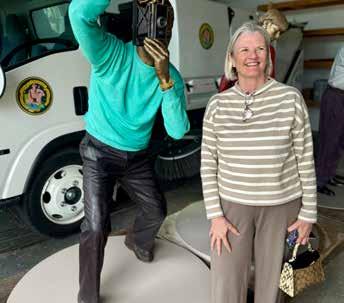
Thanks to the efforts of Lisa and the Covington Public Art Fund, plus private donations and generous sponsorships by Arena Collective and Visit The Northshore, a collection of 15 lifelike statues, called “Art Imitates Life” by world-famous sculptor Seward Johnson, arrived on March 30 and will remain here until April 2027. The pieces have been installed mainly around downtown Covington, but Madisonville, Mandeville, Abita Springs and Olde Towne Slidell are each prominently displaying one, as well.
Ironically enough, the day after I spoke with Lisa in early April, I happened upon two of the sculptures quite accidentally. While spending an afternoon in downtown Covington with my mother-in-law, one depicting a pony-tailed little girl sharing her ice cream cone with a little boy in overalls seemed to materialize out of thin air as we stepped onto the sidewalk following our lunch at Coffee Rani. Just minutes later, while we were driving around enjoying the spring blooms, a 1980s-looking lady in a red power suit walking her little terrier appeared out of nowhere on a corner en route to Bogue Falaya Park.
Just as Lisa had hoped, despite knowing of their existence, they took me by complete surprise. I had intended to seek them out, but I was delighted by the unexpected sightings!
The following weekend, my husband and I decided to play a little game of “I spy” all over downtown Covington. After a quick glance at the map found on the Covington Public Art Fund’s website, we noted the general vicinity but not the exact locations, then challenged ourselves to drive around and spot the imposters amongst all the actual humans milling about.
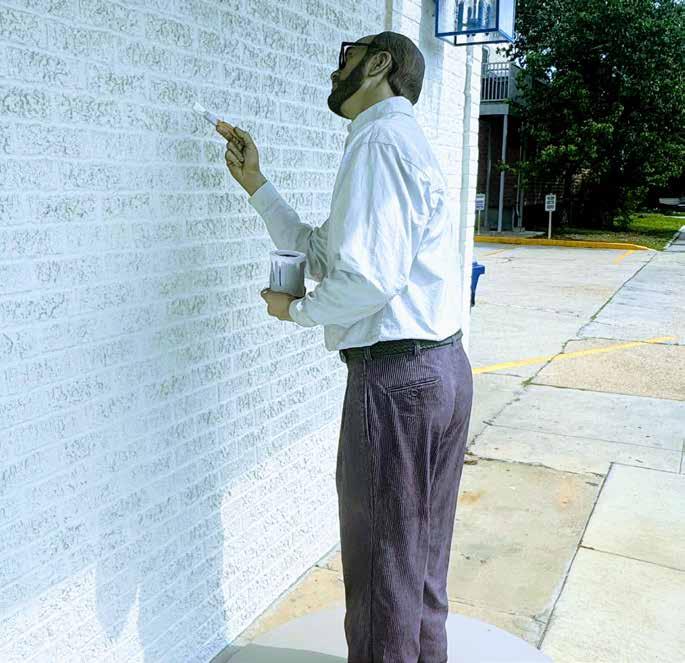
While the two that are on display in Madisonville and Olde Towne Slidell are based on unmistakably iconic images (one from a famous painting, the other from a famous photograph), the rest are as Lisa aptly described them: “regular people doing regular things.” So we found ourselves doing a whole lot of double-takes. The statues are made of bronze, but they’re painted in subtle hues, giving them a muted appearance to better blend in with their surroundings. The ones in anachronistic period dress were easier to catch, of course, but others, like a lady sitting on a park bench, a man painting a brick wall and a teen carrying a backpack, were a little tougher to discern.
I was unfamiliar with the artist, so I did some research to learn a bit about Seward Johnson. Unlike the local artists and collections that are typically supported or procured by Lisa and the Covington Public Art Fund, Mr. Johnson is a native of New Jersey. So, how did he make it onto Lisa’s radar?
“An artist friend of mine contacted me about the exhibition when it was in Florida, and she suggested that I take a look at it. A Seward Johnson piece called ‘The Awakening’ that I’d seen in my 20s had stuck with me all these years, and I realized it was the same artist.”
Johnson, who passed away in 2020 at the age of 89, had an extraordinary life. His grandfather was one of the founders of the famous Johnson & Johnson healthcare corporation back in 1886. Plus, as a child, he moved all over the world with his family, and even rubbed elbows with legendary artists like Georgia O’Keeffe and Alfred Stieglitz. Young Seward struggled with dyslexia, so his family sent him to a special boarding school in Connecticut where none other than Albert Einstein, also dyslexic, served as an academic advisor. After stints in college, the Navy and a 2,200-mile canoe trip through the northernmost Canadian wilderness, he dabbled in various art classes, eventually finding success on his own terms in the medium of sculpting. In 1974, he founded the Johnson Atelier Technical Institute of Sculpture, which is responsible for lending this collection to our community.
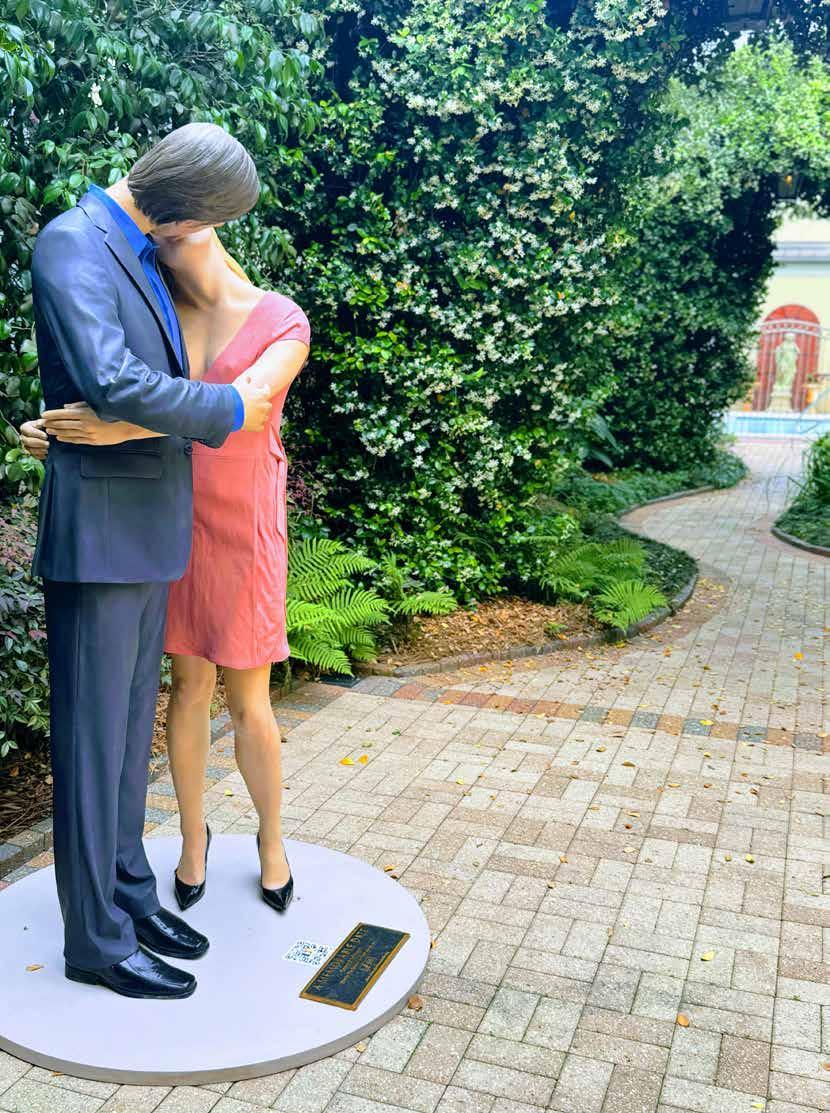
Given his life of immense wealth, privilege and adventure, I found it sort of fascinating that Johnson chose such ordinary, everyday subjects. But then I remembered the two pieces in Madisonville and Slidell. They seemed so out-of-place. After a little more research, I discovered that “Art Imitating Life” is actually a blend of three different collections. While the majority of pieces are from his “Celebrating the Familiar” collection which, as the name implies, captures snapshots of normal life, Madisonville’s new visitor, called “Embracing Peace,” recreates the famous photo of the sailor kissing the nurse in Times Square at the end of World War II. It’s originally from “Icons Revisited,” Johnson’s collection that also includes famous figures like Rosie the Riveter, Mr. Rogers and Marilyn Monroe. “A Turn of the Century,” currently residing in Olde Towne Slidell, is the 3D embodiment of a couple seen dancing in Pierre-Auguste Renoir’s famous 1883 painting, “Dance at Bougival.” It is originally from the “Beyond the Frame” collection, an homage to Johnson’s favorite paintings. Despite their more auspicious origins, the uplifting mood and freeze-framed element presented by those two sculptures actually dovetail nicely into the collection’s overall theme of exploring beauty and humanity in life’s fleeting moments.
And that’s exactly what made the collection appealing to Lisa. In addition to being a lawyer, a successful real estate developer and co-owner of the Southern Hotel, she also manages to find time to serve in organizations that support art and historic preservation like the Covington Historic District Commission, the Louisiana Trust for Historic Preservation and the aforementioned Covington Public Art Fund. So, how do these things intersect?
“I think historical preservation is vital to know who we are, to treasure who came before us and to honor their vision and values. I like the idea of those values being reflected in public art like this. It’s nice to just take a moment out of your day and be presented with a little food for thought.”
For more information on the exhibition, its locations via QR code and printable map, or to make a donation, please visit covingtonpublicart.org.
A Sculpture Trail Across
3.
4.
COMMUNITY LEADERS
Dear Citizens,
This has been a wonderful spring for the City of Slidell. Our community enjoyed successful Mardi Gras and St. Patrick’s Day parades, celebrated the arts in Olde Towne during Arts Evening, and welcomed visitors to the opening receptions for the Salad Days Juried Exhibition of St. Tammany Parish Student Art and the Mixed Media exhibit in the George Dunbar Gallery.
The fun continues in June with more opportunities to enjoy music and entertainment in Slidell. Join us for Bayou Jam featuring Bobby Ohler and the Harbor Band at 5 p.m. on Sunday, June 7, at Heritage Park. We also invite you to attend “Some Enchanted Evening” with the Northshore Community Orchestra at 3 p.m. on Sunday, June 14, at the Slidell Municipal Auditorium.
As we enjoy the summer season, another hurricane season is also approaching. I encourage everyone to begin preparing now. One of the most important things you can do is stay informed.
As in years past, the City of Slidell will post emergency information on MySlidell. com, the City of Slidell, Louisiana Facebook page, and @SlidellSOS on X. These services can be accessed from virtually anywhere using a cellphone, computer, laptop, or tablet. Even if you evacuate, you can still receive continuous updates about Slidell and local emergency operations.
I encourage you to take advantage of these communication tools and make preparations early to help keep your family safe this hurricane season.
Robby Miller
Tangipahoa Parish President
If there has been a theme for the first half of our work in 2026, it’s certainly been a year for regionalism.
From helping usher in new leadership on the Southshore to expanding opportunities here on the Northshore, #TeamTangi is proud to partner with our neighbors in parish government to make good things happen across our area.
A hallmark of our administration has been old-fashioned teamwork. We achieve more together.
As we head into the second half of the year, we will hold more roundtable meetings with constituents and partners across the Northshore. Our message is simple: regional progress isn’t a slogan, it’s a strategy.
When parishes align priorities, share resources, and exchange ideas instead of competing for them, the entire region moves forward with greater momentum. Whether coordinating infrastructure, aligning economic development, or simply picking up the phone to solve problems, these partnerships turn small wins into lasting progress.
That’s what regionalism looks like in practice. It’s less about lines on a map and more about building connections between people.
We’ve already seen how this approach strengthens outcomes. Projects move faster. Communication improves. Opportunities that once felt out of reach become attainable when we stand shoulder to shoulder.
Looking ahead, these roundtables will be more than meetings. They will be working sessions where ideas are sharpened, concerns are heard, and solutions are built together. We want voices from every corner of our community at the table, because the best plans are shaped by those who live them every day.
Randy Fandal City of Slidell Mayor
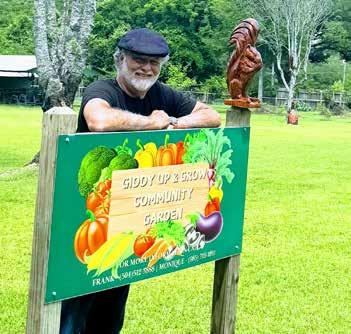
GIDDY UP AND GROW!
COMMUNITY
GARDEN
STORY SARAH COTTRELL
PHOTOS JERRY COTTRELL
In Folsom, Louisiana, where the population hovers around 800, change does not arrive with fanfare. It happens slowly, almost quietly, until one day you realize something feels different. There is movement where there once a slower pace. Music where there used to be silence. And people, lots of them, choosing to stop instead of simply pass through.
At the center of that shift is Frank Richer and his daughter, they did not set out to transform a town, but helped anyway.
When Frank & Ashley began construction on Giddy Up Coffee in 2015, Folsom was not exactly a destination. It was a blink-and-you-miss-it kind of place, known more for its quiet roads than its gathering spots.
By early 2016, the doors opened, and something subtle began to shift.
“We just celebrated ten years,” Frank says. “I never dreamed this would be this hard.”
Hard, yes, but meaningful. Because Giddy Up was never meant to be just a coffee shop. It became a place where people lingered, connected, and, perhaps most importantly, returned.
From that single starting point, a vision began to unfold.
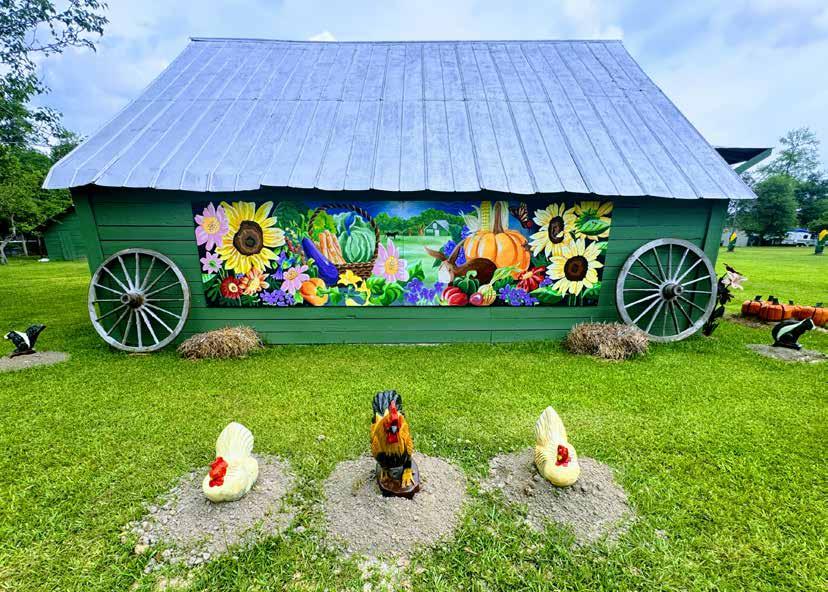
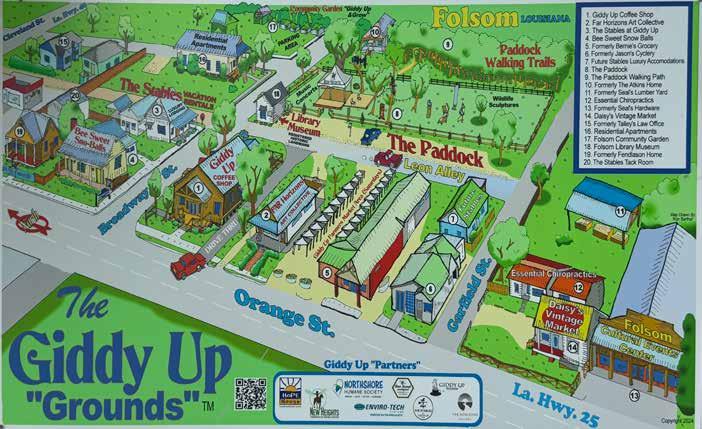
What is now known as the Giddy Up Grounds grew organically, one thoughtful addition at a time. The Paddock, an open-air music venue, brings in crowds of up to 300 people, transforming quiet evenings into something electric. Next door to Giddy Up, you will find Far Horizons Art Gallery, which gives a home to a thriving local arts community. A bed and breakfast, The Stable, invites visitors to stay a little longer and take it all in.
The original Folsom Library sits on the grounds and was officially entered into the National Register of Historic Places in 2022. The library is open to visitors during the week. Jerry Laiche historian; museum curator and author oversees the operations of the library.
Individually, each element feels intentional. Together, they form something rare, a walkable, layered experience that feels both curated and completely natural.
Not every piece of the story was planned.
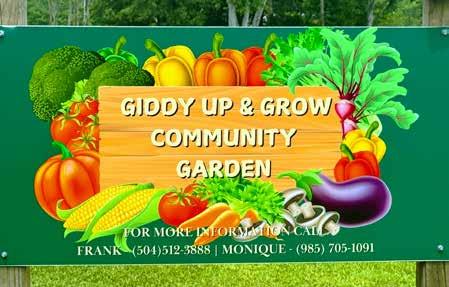
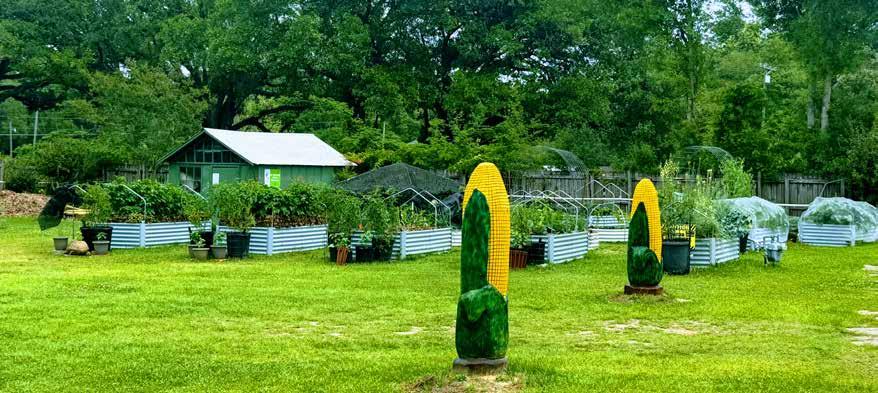
The Community Garden, now a cornerstone of the grounds, came about almost by accident. After learning of a parish initiative to establish a community garden, Frank attended a meeting, only to find the opportunity had already been claimed.
“So I just did it myself,” he says.
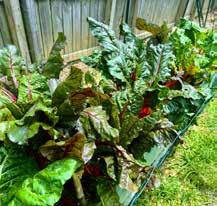
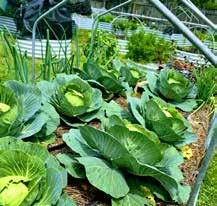
The land is privately owned, but the purpose is shared. With the help of LSU AgCenter County agent Will Afton and the expert management of local Master Gardener Laura Stetfe, the garden has become both productive and generous.
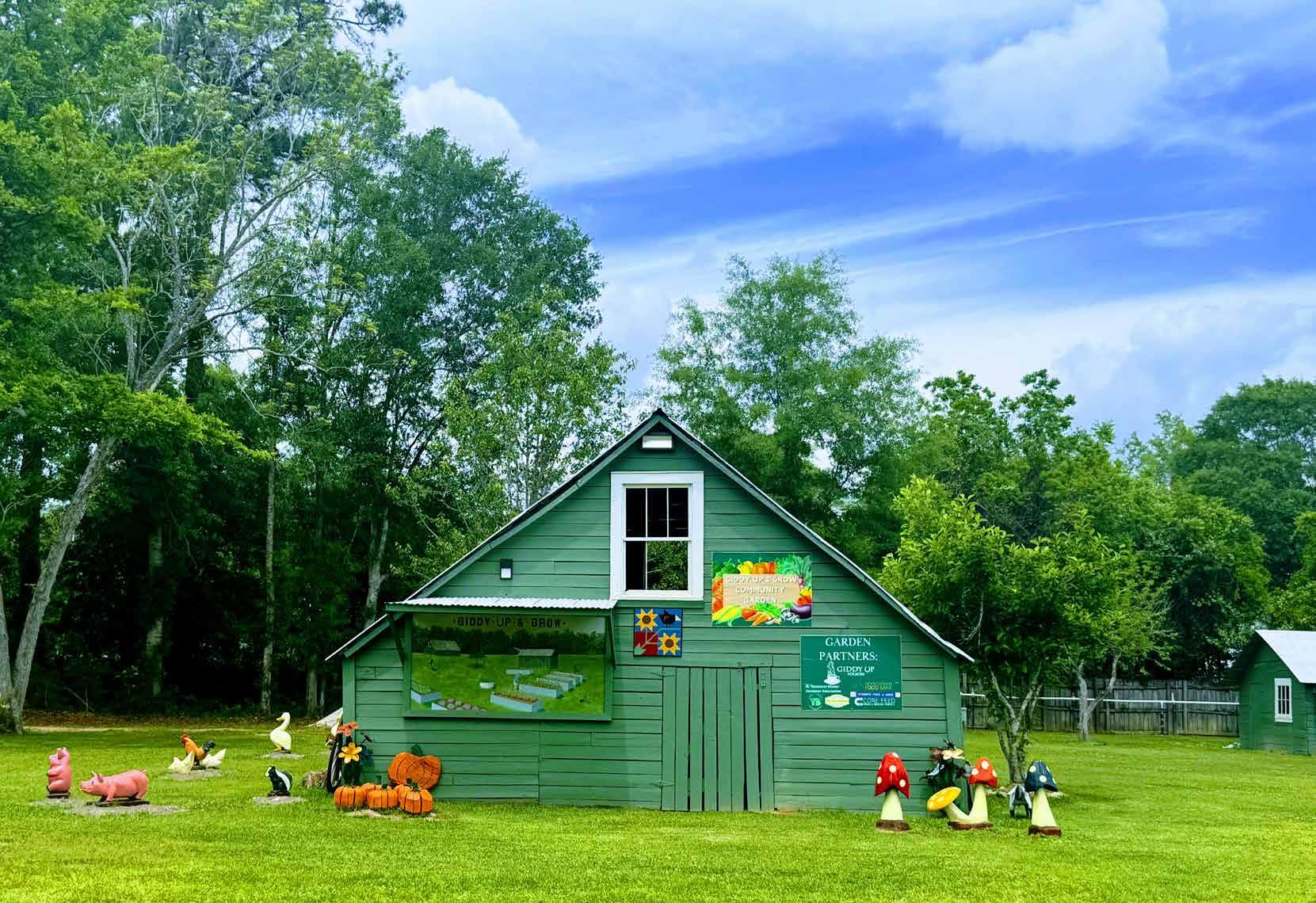
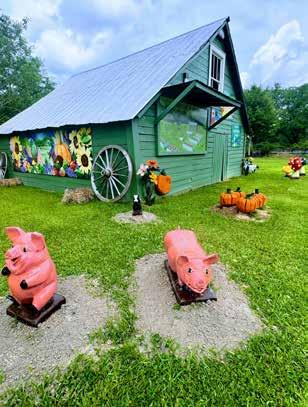
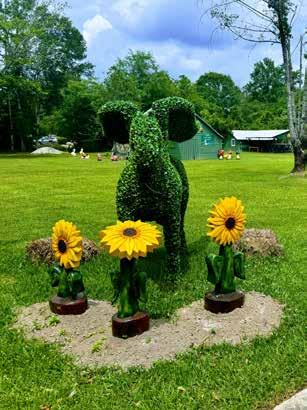
Our team built the infrastructure, including planters, layout, and irrigation, while Laura brought it to life. Day after day, often spending hours in the Louisiana heat, she tends the beds and recruits others to join in among the many wood sculptures carved by local artist Steve Tresvik. Classes are offered by Will in the semi open air classroom.
Volunteers are welcome. Participants can take home what they harvest, and what remains is donated to the Northshore Food Bank, quietly extending the garden’s reach beyond its borders. Frank gives all the credit to Laura for the success of the garden.
“It has become a destination,” Frank says. “Without it, there would not really be anywhere to go.”
The hope is simple, that more locals will step in, get their hands in the soil, and become part of something growing.
There is a respect for history woven into everything here.
One of the original barns on the property dates back to the 1930s. It once belonged to a man named John Green, known locally as “Mr. Green,” a farmer who painted everything, fittingly, in shades of green.
When Frank acquired the land, he refused to tear the structures down.
“I insisted on keeping them,” he says. “I knew they could become something.”
That instinct has shaped the grounds in ways both visible and subtle. A nearby parcel has been transformed
into a rustic park, complete with a fireplace built from the remains of a long-fallen home. Now, a wooded walking path is emerging, cleared after a drought took down dozens of trees and made way for something new.
“A lot of people do not go into the woods,” Frank says. “Now they can.”
For decades, Folsom was a place people passed through. Today, it is a place they seek out.
Markets, car shows, art shows and live music bring a pulse to the area. There is a sense of movement that did not exist even a few years ago.
“It has become a destination,” Frank says.
Ironically, much of that momentum comes from beyond Folsom’s borders. Visitors drive in from across the Northshore, drawn by something that feels increasingly rare, authenticity.
The locals are coming too, just at their own pace.
What is perhaps most compelling about the Giddy Up Grounds is that it does not feel finished.
There are more ideas, more plans, and more pieces waiting to take shape, always with input from Frank’s daughter, Ashley Richer and Penton, who plays an integral role in the familyrun operation, along with Monique Basse, a longtime family friend.
What started as a coffee shop has become a cultural anchor. It is a place where art, music, food, and community intersect in a way that feels effortless, but is anything but.
In a town as small as Folsom, that kind of transformation does not just change a place. It defines it.
And if you ask Frank, he will tell you he is not done yet.
our turn:
by Jael Hilic & Gabriela Kimball
ABOUT JAEL HILIC & GABRIELA KIMBALL
In every issue, EDGE of the Lake invites a local chef or restaurateur to visit another eatery on the Northshore.
Gabriela Kimball is the General Manager of Mantra Indian Cuisine, the first of its kind in Mandeville and well-received by the community since its opening a few short months ago. From classic favorites to creative dishes, the menu is all about bold spices and the rich, authentic flavors of North India and Punjab, featuring handcrafted curries, smoky tandoori dishes and freshly baked naan. Thanks to their specially trained, experienced chef, Bansi Lal, and a menu that caters to all palates, you can expect each dish to be a masterpiece. Open for lunch, dinner and special occasions, Mantra is located on Highway 22 in Azalea Square shopping center.
I’m new to Mandeville, so I hadn’t heard of DiCristina’s Italian and Seafood Restaurant before, but when I mentioned it to other people from around here, they immediately knew what it was. Their great reputation precedes them, so I was excited about trying their food. Mantra’s owner, Jael Hilic and I visited on a Saturday night after work, so we didn’t get there until about 9pm. We were so glad they were able to seat us so late.
I love the downtown area of Covington and it’s located right in the heart of everything. We parked nearby and enjoyed a short walk past the pretty Trailhead park to get to the restaurant. The building itself didn’t look all that large, but once you step inside, it’s an enormous, very open space with various seating areas for big and small groups, and dividers that keep it from being too overwhelming. There’s also a private dining room tucked away down a hall in the back of the restaurant.
The decor has a modern vibe with lots of windows and a white interior with pops of color and a big wine cellar rack that takes up a back wall. The elevated bar area stood out, as well, with plenty of seating, an inviting design and nice lighting. It made me want to come back and sit there sometime.
Because of the late hour, it wasn’t too busy, so we were seated right away in a spacious booth that could easily accommodate about six people. The menu was large, but not overwhelming because it was wellorganized into categories that catered to different tastes. Along with traditional pasta and seafood dishes, they had creative dishes that were intriguing, plus a huge salad selection and dessert menu.
To start, we each ordered a glass of Chianti and we split the fried green tomato appetizer. I’m a huge fan of fried green tomatoes. They were a staple while I was growing up, and I was very impressed by this dish. It was super crispy and flavorful and topped with a creamy, housemade crabmeat sauce that was so good. I couldn’t get enough of it. The portion was huge and great for sharing. I think there was probably enough for three or four people.
For my entree, I chose Chicken Theaux, which was blackened with a house-made buttery wine sauce and served over bowtie pasta. I really liked the cajun flavor of the chicken and the sauce was so creamy and satisfying. I devoured it and still wound up having enough to take home for leftovers.
Jael ordered the veal cutlet with sides of baked macaroni and cheese and smashed cauliflower. We shared our dishes so we could sample everything, and we could tell the baked macaroni was made in-house with lots of love. The veal was phenomenal, too. It was so tender, perfectly seasoned and cooked to perfection. The cauliflower was creamy and delicious with simple, yet flavorful seasoning. We ate it spoonful after spoonful until it was gone.
For dessert, we shared a generous portion of their homemade tiramisu. The presentation was beautiful, and it tasted as good as it looked. It was creamy, light, not too sweet and you could just taste the fresh brewed coffee they used to soak the ladyfingers.
Along with the food, the service was great, as well. Not only was our waiter, Nicky, really sweet, attentive and able to answer all of our questions, but we also noticed how helpful the rest of the staff was. The manager checked in and chatted with all the tables, and the kindness of the staff created an overall nice environment.
I would definitely recommend DiCristina’s to others. It seems like a perfect spot for date nights, family outings and special occasions for large groups. In fact, I was thinking of bringing family and friends here to celebrate my husband’s birthday!
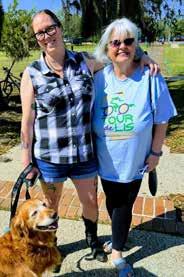
Pedaling together for something bigger, the Cancer Association of Louisiana’s Tour de Lis unites riders in support of those impacted by cancer.
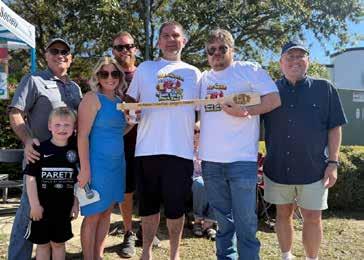
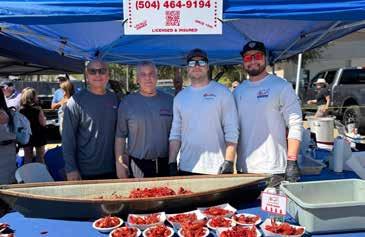
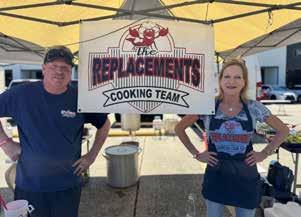
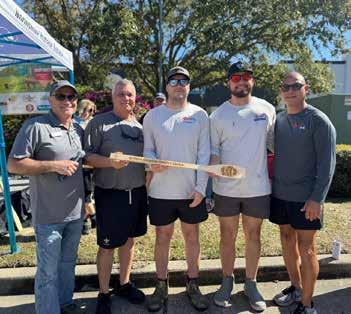
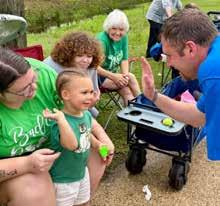
Boiled crawfish, wagging tails, and a whole lot of heart. The Northshore Humane Society Claws and Paws Crawfish Cook Off served up flavor and community spirit.
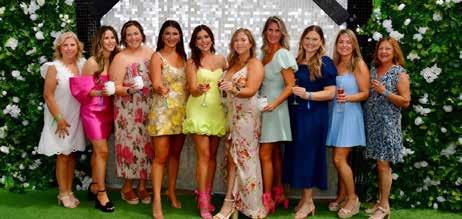
Habitat for Humanity St. Tammany West Hammers & Heels, where every step supports safe, affordable housing in our community.
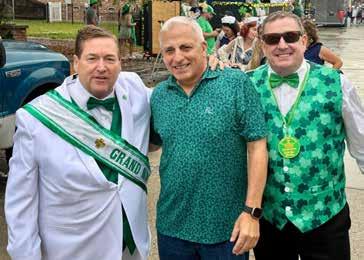
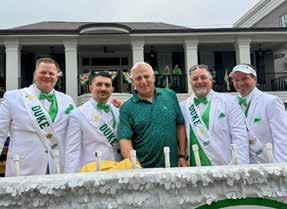
Olde Towne Slidell celebrated the annual Olde Towne Merchants Association St. Patrick’s Day Parade!
King Louis Ochoa, Queen Kelly Hartman, and Grand Marshal Billy Nungesser joined by Mayor Randy Fandal walking the parade route, greeted the crowd and shared in the festive St. Patrick’s Day spirit in Olde Towne. It was a great day for the community to come together and celebrate!
to
,
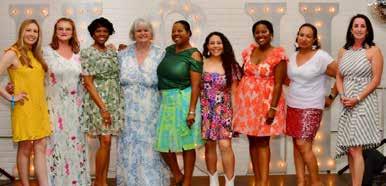
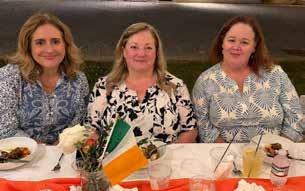
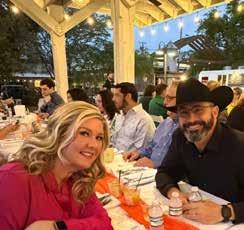
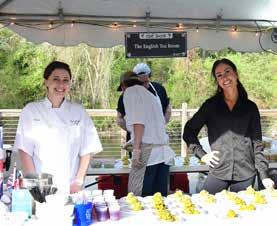
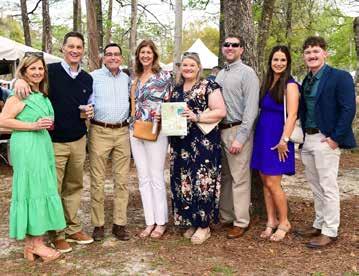
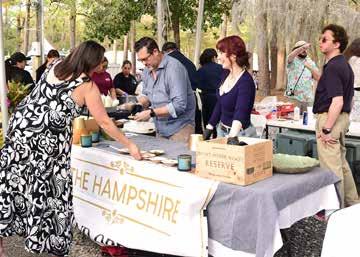
An evening by the Covington Heritage Foundation celebrating local flavor, community, and tradition.
Farm
Table
the Covington way.
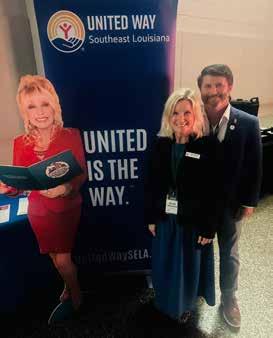
Northshore Media Group’s General Manager, Brian Shirey, stopped by the United Way booth at Southeastern Louisiana University’s Executive Business Forum.
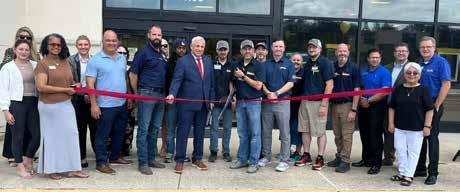
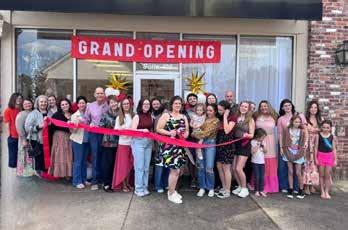
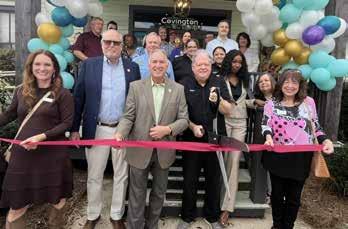
Ribbon Cuttings
Northshore Media Group’s Charles Dowdy, Johnny Chauvin and Blake Esta were each proud recipients of Louisiana Association of Broadcasters Prestige Awards honors.
Home Outlet - Slidell
Studio Cay Collective - Covington
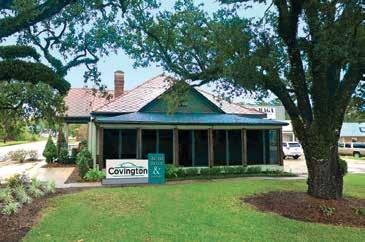
Covington Auto Title & Notary - Covington
Guests enjoyed a beautiful evening at the Youth Service Bureau’s annual Chef Soirée.
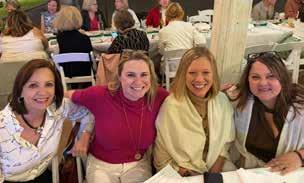
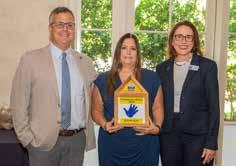
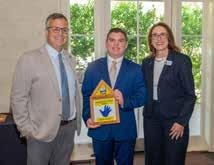
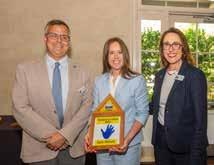
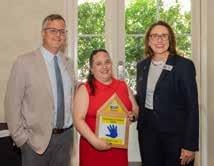
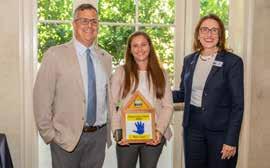
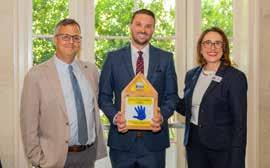
Community leaders, advocates, and supporters gathered for the fifth annual Children's Advocacy Center- Hope House's Champions for Children Breakfast, presented by A Gift Given in Jesus’ Name and Gulf Coast Bank. The event honored seven local heroes for their dedication to improving the lives of children and families across the Northshore. This year’s honorees were Kristine Bush, Nicole Cox, Marie Jefferson, Sunny McDaniel, Zachary Popovich, Katie Ragan and Youth Champion Colby Stewart.