
How Miller Avenue School got students excited about coming to school
Kaiako heading to the United States to explore new ways of engaging learners
How one teacher is redefining what's possible for neurodiverse learners

ne of the privileges of editing Education Gazette is meeting people who care deeply about making a difference for their learners. Reading the stories in this issue, I am reminded that while much in education shifts and evolves, some things remain constant.
Great educators are lifelong learners. They are curious, committed and generous with their knowledge. They build strong relationships, see potential in others, and create opportunities for people to grow and thrive.
Read on to meet educators who are exploring new ideas overseas, helping neurodiverse learners flourish, creating authentic learning experiences, strengthening school culture, supporting student leadership and finding innovative ways to engage young people.
In every corner of the sector, educators are drawing on their experience, values and passion to make a difference for learners, whānau and colleagues. Whether they're leading a school, teaching in a classroom, sharing insights through a podcast, or reflecting on 150 years of teacher education, their influence extends far beyond the school gate.
At a time when those working in education navigate both opportunities and challenges, this issue offers a chance to pause and celebrate the expertise, care and dedication that educators bring to their work every day.
They remain, as they always have been, at the heart of education.
Ngā mihi nui, Sarah Wilson
Ētita | Editor
PUBLISHED BY
Education Gazette is published by the Ministry of Education PO Box 1666, Wellington. ISSN 2815-8423 (online)
cover
Get the latest vacancies, notices, and stories: gazette.education.govt.nz
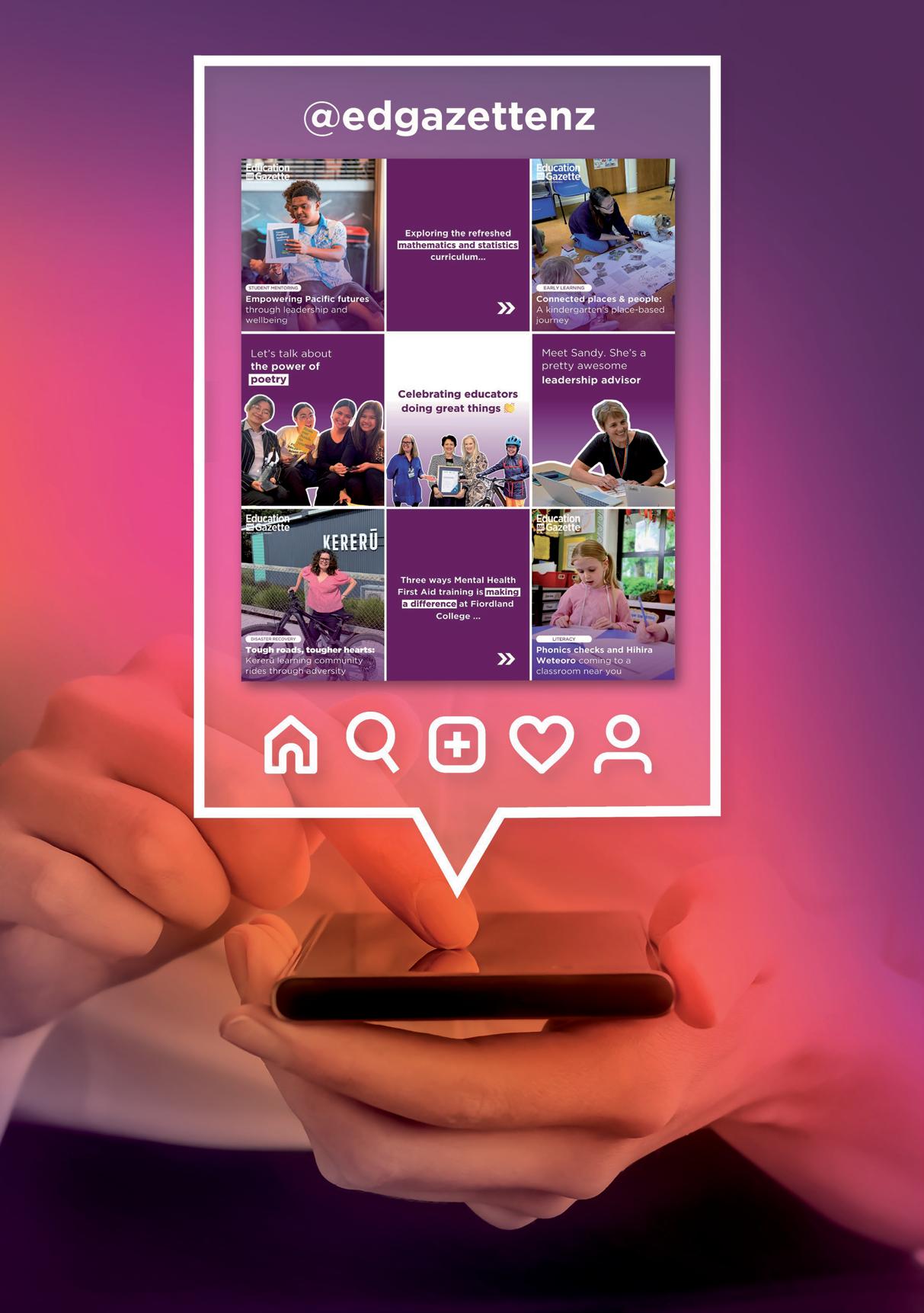
Follow us on Instagram: @edgazettenz
The Ministry of Education and Education Gazette do not endorse, approve, or accept responsibility or liability for the accuracy or content of information belonging to third parties, including but not limited to information in links to third party websites.
Terms and conditions: gazette.education.govt.nz/terms-and-conditions © 2026 Education Gazette. All rights reserved.
Story ideas and feedback
We welcome your ideas and feedback. If you have a story in mind, email us a brief outline (50–100 words). gazette@education.govt.nz
Vacancies and notices listings Vacancies@edgazette.govt.nz
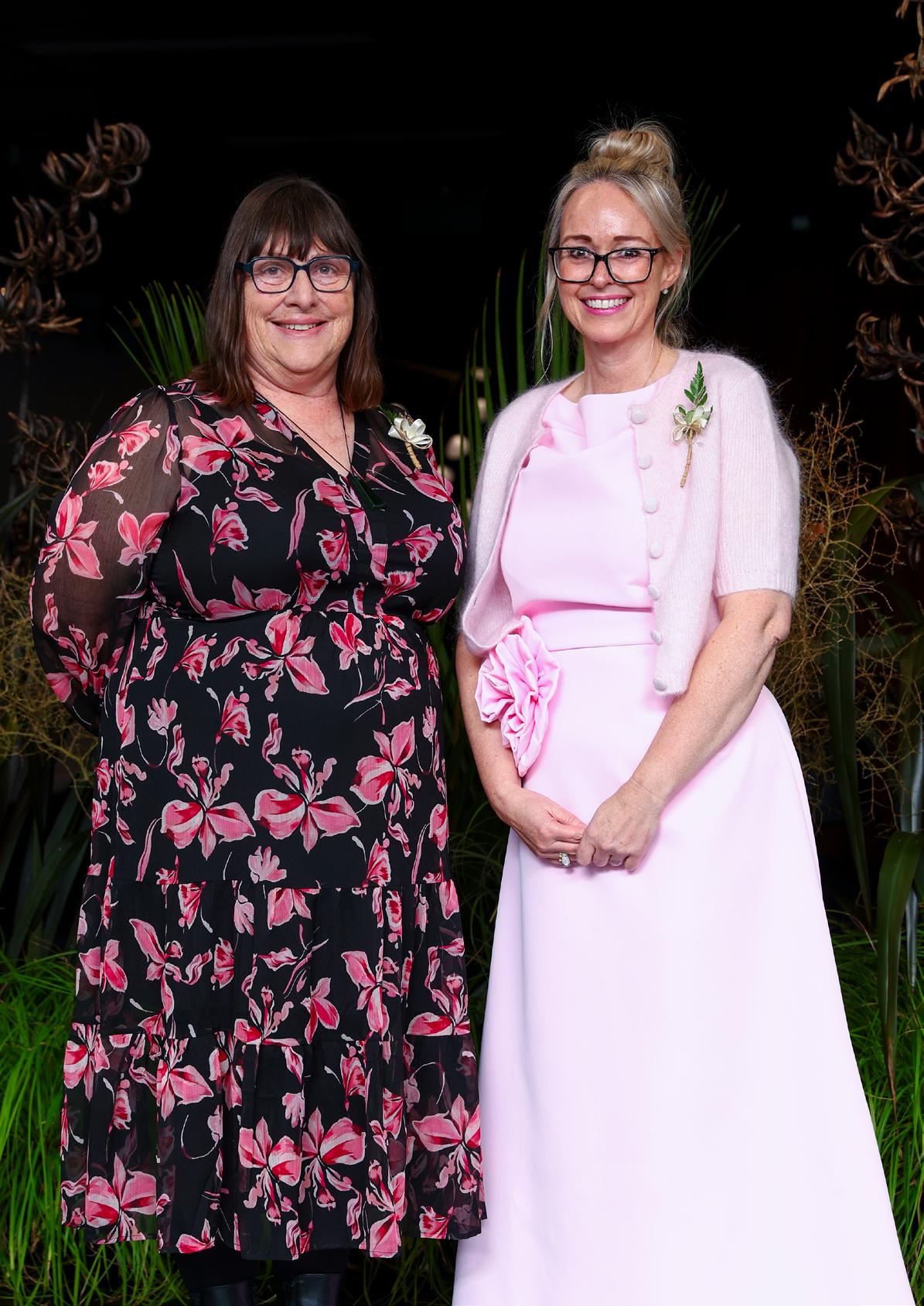
Two kaiako from the Wellington region are set to deepen their practice in the United States through the Fulbright Distinguished Awards in Teaching Programme, investigating how to re-engage secondary learners through community connections and how play can support language development in diverse classrooms.
From the Wellington region to the United States of America, two kaiako have been awarded a prestigious opportunity to spend four months studying an educational research topic of their choice, leaving next month.
Rachael Kneepkens and Mary Bluck are the newest recipients of the prestigious Fulbright Distinguished Awards in Teaching Programme.
Rachael is a special education needs coordinator for Arahunga Special School at Ōtaki College. She will attend Indiana University of Pennsylvania, where her research will focus on how to motivate and support disengaged secondary students.
Mary teaches in the junior school at Te kura O Ngā Puna Waiora Newtown School in Wellington. She will attend Rochester University in New York, researching how indigenous play in the playground can be introduced in the classroom to assist learning, especially for English language learners.
Both kaiako bring deep classroom experience and a clear sense of purpose to their research.
“I want to learn about how we can motivate the students who don’t feel like school is the place for them and understand how we can do this as a community,” says Rachael. “What resources could we offer to our students?”
Mary has spent 17 years teaching junior school students, becoming a teacher after first working as a registered nurse.
“My love of working with kids is a lifelong thing. I get so much joy from interacting with my little people,” she says. “I think we’re all given talents, and this is the one that God’s given me.”
Mary received the news she was a Fulbright awardee while waiting at a bus stop to take her students to a nearby park.
“I kept reading the email, it was so hard to believe,” she shares. “Then I got to dance around with the kids as they played. I was just feeling so happy.”
With almost 30 years of teaching experience, Rachael has been based at Ōtaki for the past five years in learning support. She applied for the scholarship after seeing it advertised on Facebook. She says she has often pondered how schools can re-engage disinterested students, with her recent work opening her eyes to the role of community.
While working within the former kāhui ako programme, Mary explored positive play in the playground, which is the inspiration behind her upcoming research.
“I will be investigating whether play is universal, whether there is a cultural component, and how we can use play to affect change, learning, agency and connection in the classroom,” she explains.
For both kaiako, their inquiries centre on expanding how and where learning happens.
Rachael has seen firsthand that learning doesn’t always need to be confined to traditional classroom settings.
“I’ve seen that there are so many opportunities for students to get more out of their education in different ways outside of the traditional classroom,” she says.
“Work experience in the community is a great example of this. If the traditional classroom isn’t working for our students, how can we do things differently so they are still set up well for their future?”
Rachael believes most students love learning, but how they access it is not one-size-fits-all.
“As teachers, we should be doing everything we can to support our learners, thinking outside of the box to create opportunities for their future,” she says.
Mary is exploring a different but complementary idea that play can act as a powerful bridge for learning, particularly for students learning English as an additional language.
In her classroom, where 80 percent of students have English as their second language, she has observed play as a shared form of communication.
“It’s used in the playground, but how can I use it in the class to accelerate learning?” she asks.
Mary’s interest in play is long-standing. She was involved in the Playcentre movement before completing her teaching qualification.
“I’ve had an underlying philosophy that children learn best through play about the things that interest them,” she says. “Now I want to build on this, especially for my second language students who need more support.”
She notes that while games like Hide and Seek are universal, they are played differently across cultures.
“One of my Somali mums explained how it was played differently in Somalia. There’s no reason why we can’t play that version so it’s familiar to those students, while also introducing something new to others,” she says.
Rachael's work similarly draws on alternative settings for learning, including taking small groups to the local library or a café.
“I think the college is doing exceptionally well already, but I want to see what else is out there, and what I can bring back,” she says. “How do we meet the needs of individual students and re-ignite a passion for learning?”
Mary also acknowledges the bicultural journey within her school.
“We have a lot to learn from our Māori counterparts, and I feel really strongly about what we can incorporate from our tangata whenua,” she says. “I want to build on what I know about Māori play as well.”
Both kaiako see the opportunity not just as personal development, but as something to share.
“Collaborating is important in the teaching world. For me, the best ideas often come from other teachers.”
Both areas of research highlight the importance of connection to community, culture and shared experience.
Rachael wants to tap into the skills and talents around her to better support students. Ōtaki College already provides examples of this, with students engaging in initiatives such as the local opportunity shop, the Zero Waste programme and support from the MenzShed.
“I want to look at how we use these groups, our local businesses, our grandparents as a community pool of resources for our students to tap into,” she says.
Meanwhile, Mary is exploring how play reflects culture and identity within the classroom.
In her school environment, she sees imaginative play as a key tool for communication, with students drawing on familiar routines and experiences. She is also interested in the shared nature of games.
“We call it Tag here, but in the South Island it’s called Tig, so how can we use this commonality?” she says.
Rachael is approaching her research with an open mind.
“I’m at the early stages of this journey. I’m not quite sure how it will pan out, but I think it’s always good to dream big and hope I will come back to New Zealand with something that can create positive change for our students,” she says.
Although she admits to feeling nervous about leaving her family, she describes the experience as a once-in-a-career opportunity and is excited about what she will bring back, including a global perspective on education.
Mary is equally focused on what comes next. While in the United States, she plans to visit the Strong National Museum of Play in Rochester NY, and collaborate with teachers from 16 nations.
“This collaborating is really important in the teaching world,” she says. “For me, the best ideas often come from other teachers.”
She hopes her research will lead to workshops she can share with others back in Aotearoa.
“This opportunity will allow me to learn and bring what I learn back into the school and make a difference,” she says.
For Mary, it is a time to embrace new opportunities.
“If people ask me to do things, I will say ‘yes, let’s give it a go’, because that’s what brings excitement and joy in life, and you just never know what’s around the corner.”

Why are you here? A professional learning experience centred on this simple question has led two principals to explore how identity, intent and emotional presence influence teaching, leadership and student outcomes.
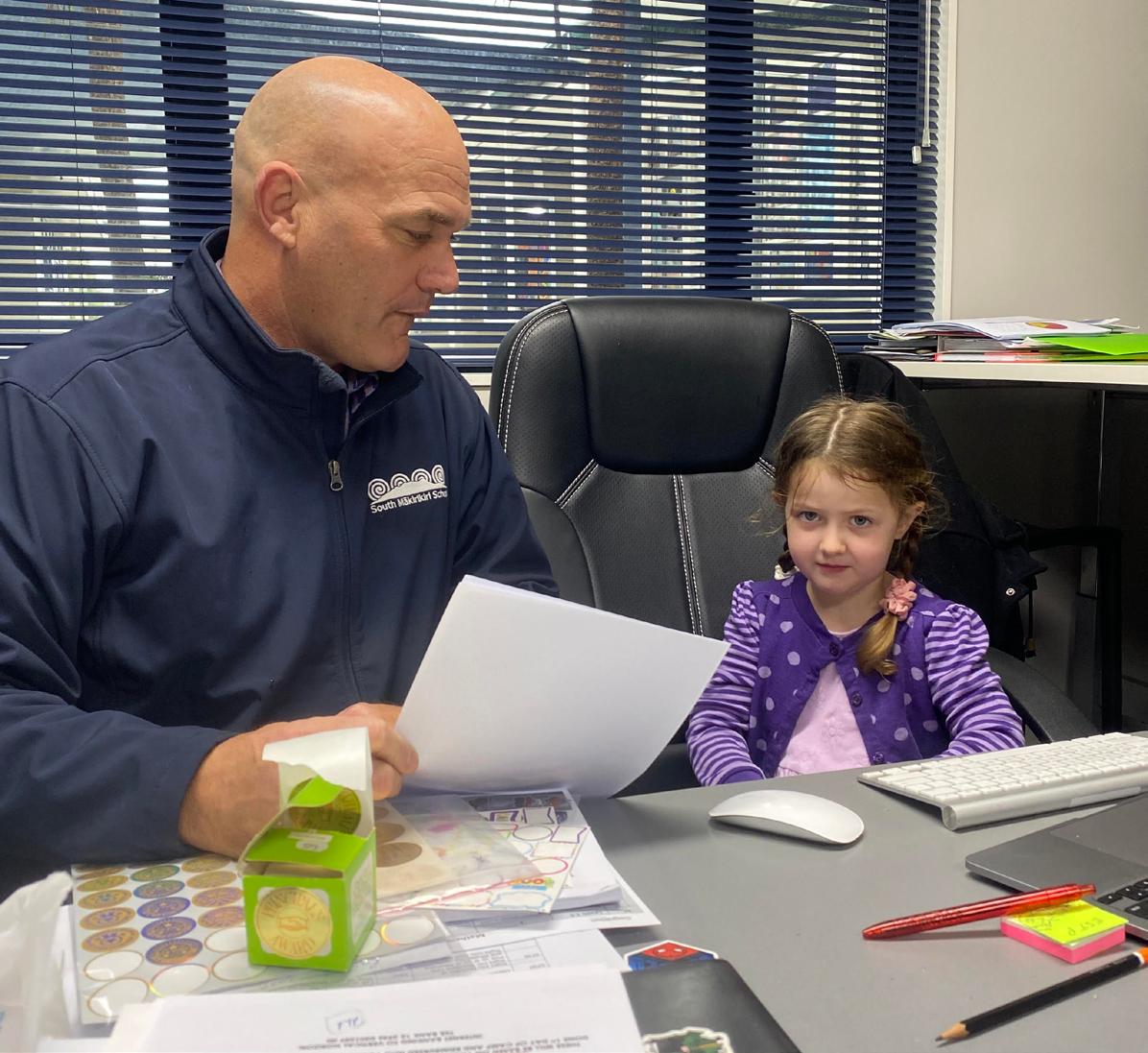
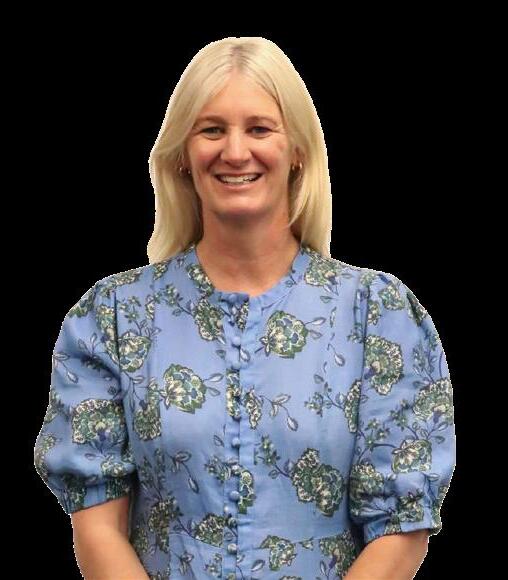
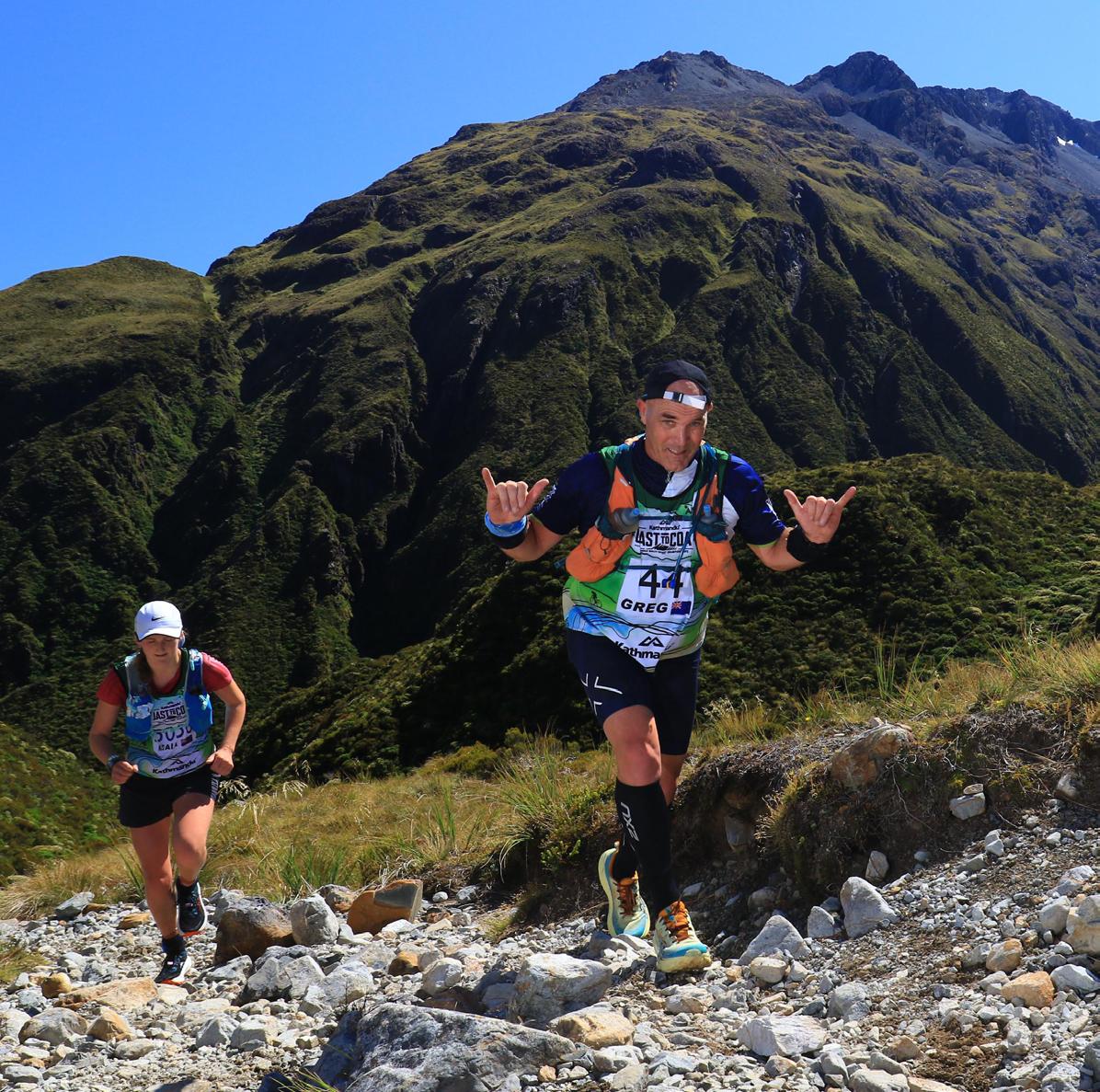
For Sarah Morris, principal of Frankley School in New Plymouth, and Greg Allan, principal of South Makirikiri School near Marton, engaging with David Galbraith’s “Teaching as Guardianship” work has reinforced a simple but powerful belief. The energy, presence and intent teachers bring into the classroom can have as much impact as the lesson itself.
When Sarah invited David Galbraith to work with her staff and board, she wasn't looking for another day focused on curriculum.
"We wanted to look at our children. What emerged was far deeper than we anticipated,” she says.
"Like many schools, we are navigating complexity, change, curriculum shifts and the growing pressure that exists within education. We wanted to create space for our staff to reconnect with what sits underneath all of that – our children, our relationships, our purpose and the kind of culture we want to build together. The magic of teaching."
The day repeatedly returned to one deceptively simple question: Why are you here?
"That question created honest reflection, vulnerability and meaningful conversations among all of us. It reminded us of why we chose teaching in the first place."
For Greg, the experience also prompted deep reflection, but about his own leadership.
"Before engaging with David's work, I probably viewed leadership primarily through the lens of traditional management – systems, compliance, policies and strategic outcomes," he says.
"Working with David has supported building my leadership toolbox and helped me become more around setting an example, practising being a good human and effectively helping shape our whole school environment into a place where good people come to provide a quality learning environment for all our community."
Rather than seeing leadership as directing people, Greg now sees it as creating the conditions for others to flourish.
"I now see my role not as a controller of outcomes, but as a steward of environment and potential," he says.
"It has shifted my focus from trying to fix people's weaknesses to releasing their 'internal handbrakes', the fears, perfectionism and anxieties that keep both teachers and students from turning up and being authentic."
That shift has changed the way he thinks about his own presence as a leader.
"Before, I viewed relationships as a mechanism to achieve goals, and energy as just how enthusiastic I was. Now I understand that as a leader, I am the thermometer for my kura.
"My internal state – my presence, my calmness, my steadiness – sets the tone for the entire room, the staffroom and ultimately the classrooms."
"If I walk into a space carrying unexamined stress, the room absorbs that anxiety."
For Sarah, one line resonated strongly with staff: “A dysregulated adult can dysregulate a regulated child”.
“That challenged many of us to think more deeply about what we bring into a room each day."
She says staff were left asking themselves, "What energy are we bringing through the gate?” “How aware are we of the emotional tone around our children?” “How often do we stop and reflect on the impact we have on others simply by how we show up?"
Those questions have practical implications in classrooms.
For Greg, prioritising presence begins before the first lesson even starts.
"It looks like a teacher who greets students at the door not just with a checklist, but with active, intentional energy that signals, 'I see you, you are safe here, and I am glad you are in this space’."
He believes teachers should be outside connecting with tamariki before school rather than waiting in the staffroom.
Inside the classroom, he says the emotional environment matters just as much as the lesson plan.
"The teacher isn't reactive to disruptions; they hold their ground like an anchor.
"The lesson plan matters. The environment enables tamariki to take risks alongside the kaiako taking risks to do things differently, but the emotional climate of the room matters more, because a brain in a state of high anxiety or low trust cannot learn.
"We have, the majority of the time, our teaching team in a calm state which enables them to reflect this onto the tamariki."
Greg says there is nothing more rewarding than hearing and seeing the excitement of tamariki deeply engaged in the Health and Physical Education curriculum.
“It brought us back to the essence, the humanity at the heart of education."
He further explains how PE sessions have shifted from teachers supervising activities to actively participating alongside students.
"Now we are seeing teachers regularly engaging directly with groups of tamariki, sharing in the excitement of attempting to beat a challenge.
"We all know the sound of engaged and excited versus loud, boisterous and not following what is expected."
The philosophy also influences leadership. Greg describes himself as the "tuning fork" for his leadership team.
"Me knowing and modelling how I respond to challenges, issues and anxiety supports them modelling with their teams."
Rather than immediately stepping in to solve problems, leaders spend time reflecting on how their responses shape others.
"Together we unpack how we can sometimes respond, speak, answer or just jump in to rescue situations, and this is counterproductive. This is how we want our learners to develop – with meaningful skills to respond to challenges when presented with them."
Sarah says the day with David helped Frankley School reconnect with its vision, or as she calls it, the school’s "North Star".
"In the busyness of school life, the day helped us realign around what matters most – the wellbeing, growth, belonging and development of our children."
Greg says leading in this way can be difficult within the wider education system.
"The wider educational landscape is still heavily obsessed with metrics, compliance, immediate outcomes, along with negative narratives and opposition to change.
"When external pressures mount, the instinctual human reaction is to grab the handbrake and try to control everything again."
He believes resisting that instinct requires continual self-reflection.
"It's hard work to continuously look in the mirror and consciously choose courage over comfort when you are tired or overwhelmed."
For principals interested in exploring similar thinking, Greg says the work cannot begin with staff.
"Do not treat this as a professional development programme or a strategy to tick off your annual plan. If you treat it as a tool to change the staff, it will fail."
Instead, he believes leaders must first be prepared to examine themselves.
"You have to be willing to go deep and look honestly at your own fears and leadership blind spots."
"Start with the leadership team… Once the leadership team operates from a place of grounded presence and courage, that energy naturally flows into the rest of the school."
Looking back, Greg says the biggest lesson has been that wellbeing and performance go hand in hand.
"High performance and deep wellbeing are not mutually exclusive, they are entirely dependent on each other.
"True excellence in a school doesn't come from forcing compliance or tightening control, it comes from loosening the grip of fear."
Sarah agrees the experience was about returning to what matters most.
"For us, this was more than professional development; it brought us back to the essence, the humanity at the heart of education."
In an era where schools are under pressure to do more than ever before, both principals say the starting point isn't another initiative.
It's remembering that children may not remember every lesson they were taught, but they will remember how the adults around them made them feel.
“Now I understand that as a leader, I am the thermometer for my kura."
At Miller Avenue School in Paeroa, improving attendance has gone hand in hand with creating a more engaging school experience.
Principal Derek Martin and his team have focused on quality learning, purposeful break times and fostering a strong sense of belonging, with results reflected in both attendance and achievement.
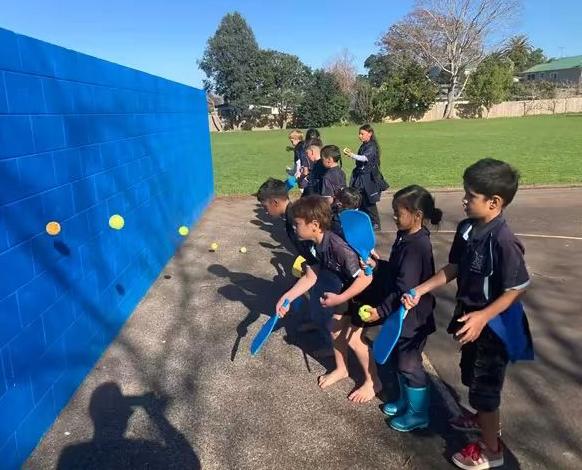
When Derek Martin arrived at Miller Avenue School, it didn't take long to identify attendance as an area needing attention.
Student behaviour was a concern and many children appeared disengaged during break times. Derek spent his first weeks observing playground interactions and how students transitioned between break times and classroom learning.
"I walked around the playground every day for a couple of weeks as well as watched the transition from break times to classroom times and could tell things needed a revamp," says Derek.
The Ministry of Education attendance data reinforced what he was seeing.
"The Ministry attendance report confirmed that not enough learners had regular attendance."
Rather than beginning with attendance campaigns or compliance measures, Derek and his team focused on making school a place students wanted to be.
While expanded sports and lunchtime programmes have become a visible part of Miller Avenue School's approach, Derek believes the most important work still happens inside the classroom.
"What happens in the classroom is the most important factor in running a good school," says Derek.
"Apart from just ensuring curriculum coverage, teachers need to make lessons fun, exhilarating and memorable."
That focus reflects the school's wider vision of creating a second home for learners while maintaining strong expectations for achievement. The school emphasises personalised learning, high expectations and providing opportunities for every child to thrive.
For Derek, engagement, attendance and achievement are closely connected.
As new activities and opportunities were introduced across the school day, students became increasingly enthusiastic about being at school.
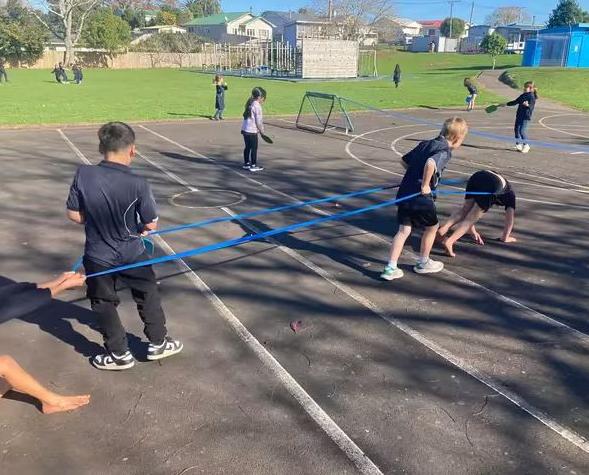
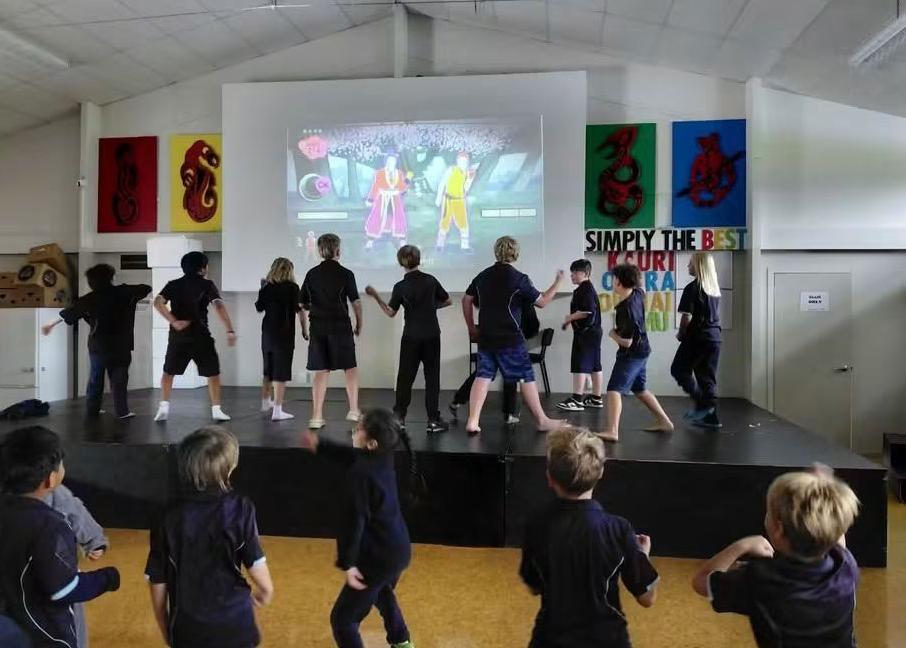
"It happened naturally as soon as we spiced up what was happening in the classrooms and on the sports fields and playground," says Derek.
"More students were enjoying themselves and so naturally they did not want to miss out on the fun that was happening around the school."
Creating opportunities to belong
Miller Avenue School expanded opportunities for students to participate in sport, arts, music and other activities. The school website highlights an ongoing commitment to helping every child find an activity they love.
Derek says there was never a concern that these additional activities would distract students from their learning.
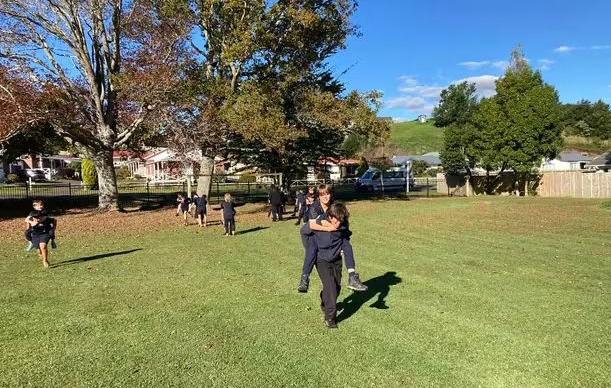
"Children need a lot of play and outside time and when these needs are being met, their performance in the classroom tends to improve alongside."
He says the impact was quickly visible, with “immediate improvements in maths, reading and writing”.
Student voice also helped shape the activities offered.
“Make your kura an exciting and engaging place that offers children a much more fun experience than they would have if they took the day off."
"The teachers and I would present the children with a range of lunchtime activity options and ask them in advance which ones they would prefer," says Derek.
"Their answers sometimes surprised us – for example mini-tennis became hugely popular and a favourite of the junior classes. I would not have expected this, so be open minded and ask the children what activities they would prefer."
Derek says improvements in attendance have been the result of collective effort across the school community.
He and deputy principal Jane Lupton worked together to establish a clear direction and embed it into the school's strategic planning.
"Jane and I strategised what we were trying to achieve and documented it in our strategic and annual plans," says Derek. "This was shared with staff at a number of meetings and their input was encouraged."
The positive response from staff has been one of the most rewarding aspects of the journey.
"I am proud of the buy-in we achieved from staff. We have a very talented and committed group."
As students became more engaged, staff enthusiasm also grew.
"As soon as we introduced our revamped activity programme, our team saw and understood the benefits and began to volunteer their own ideas about which sports, arts and music activities we could include."
Derek credits the wider community for helping sustain the momentum, including the board and the school's active Whānau and Friends Group.
"We used our weekly newsletter, Facebook page, website and whānau meetings to share our vision," says Derek.
"We also have a creative and committed Whānau and Friends Group who embraced and took further what we were trying to do."
The school's attendance improvements have been significant. Regular attendance increased from 51 percent to 70 percent within a year, while daily attendance rose above 90 percent.
Derek says attendance data helped confirm that the school's approach was working, but it never became a pressure point.
"The rise in attendance was so quick and so sustained that this was never an issue. We began to easily exceed our targets as soon as we introduced our revamped sports and arts programmes."
For him, the most important indicator was not the data itself but the atmosphere around the school.
"We began to see very happy tamariki around our school and this lifted everyone's spirit and encouraged them to participate further in the initiatives."
Looking back, Derek believes the lessons are surprisingly simple.
"It's quite a simple message – make your kura an exciting and engaging place that offers children a much more fun experience than they would have if they took the day off."
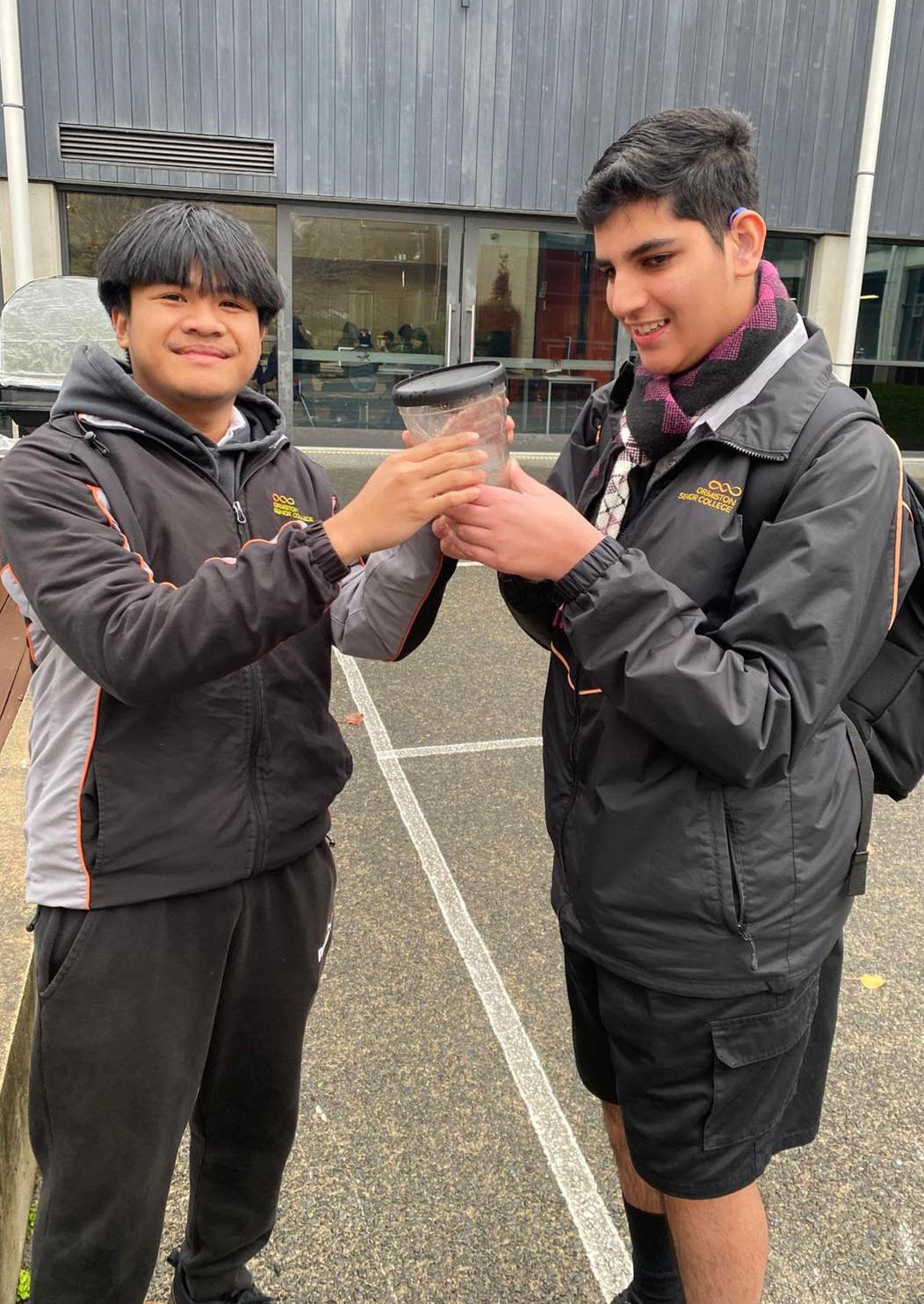
Former urban planner Michelle Harvey brings a different perspective to her role at Ormiston Senior College. By sharing power in the classroom, adopting flexible pathways and maintaining high expectations, she and her colleagues are helping neurodiverse learners build confidence, achieve success and recognise their strengths.
Michelle Harvey took a winding path to reach her current position, kāinga leader (dean) and TIC of geography, tourism studies and education for sustainability at Auckland’s Ormiston Senior College.
A qualified urban planner, her career wound through boardrooms across Australia and Southeast Asia before returning to classrooms in Tāmaki Makarau. Reflecting on her teenage years, she says she disliked high school.
“If you’re in a classroom where the teacher is continually instructional, [akonga] are sitting there as a sponge, and they don't always have the ability to ask questions or interact.”
Michelle much preferred her university experience, largely because her learning there was self-directed.
Since becoming a teacher, she’s upheld a philosophy of power sharing within the classroom; of enabling students to drive their own learning, guided by their interests with light, strategic input from teachers.
She encourages teachers to be flexible and comfortable with power-sharing learning approaches that support learners as critical thinkers and future leaders.
“I don’t want students to have the experience that I had,” says Michelle. “I want school to be a joyous experience.”
Michelle’s kaupapa is informed by learners with additional needs, including neurodiverse and hearing-impaired students.
For years, she’s applied her previous boardroom experience and worked closely with special education
needs coordinators (SENCOs) and Ko Taku Reo (Deaf Education New Zealand) to drive tangible results among students in one of Auckland’s fastestgrowing suburbs.
Ormiston Senior College is less than two decades old. It serves a range of brand-new subdivisions on the outskirts of Auckland. Its classrooms are diverse, involving many new families from overseas.
Michelle and her colleagues, Ormiston learning support teachers Marianne Uys and Aradhna Achari, see themselves not so much as teachers, but conductors. They believe that, with strategic, lighttouch guidance, any student can go farther than expected.
“If we don’t give and create opportunities for our kids, we’re forever stuck,” says Marianne.
Michelle first noticed the range of learning needs at Ormiston through her mainstream geography classes, which always had at least one student with additional learning needs.
She subsequently helped build a programme involving five students wh0 she saw for eight sessions per week.
These learners are involved in the class’s regular work but with more support and a longer time scale. That is, two different learning programmes running at the same time in the classroom for mainstream and neurodiverse learners.
Michelle’s programme runs through Education for Sustainability (EfS), a project-based learning kaupapa that encourages learners to solve real world issues.
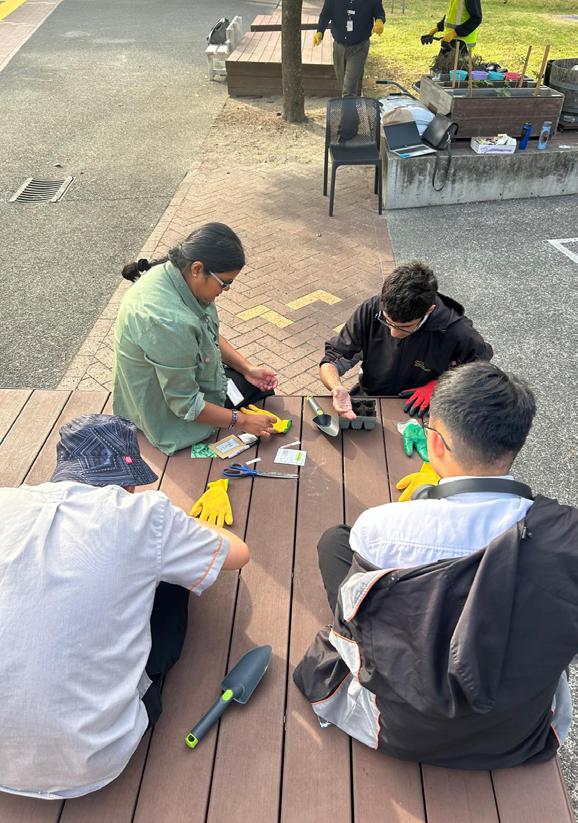
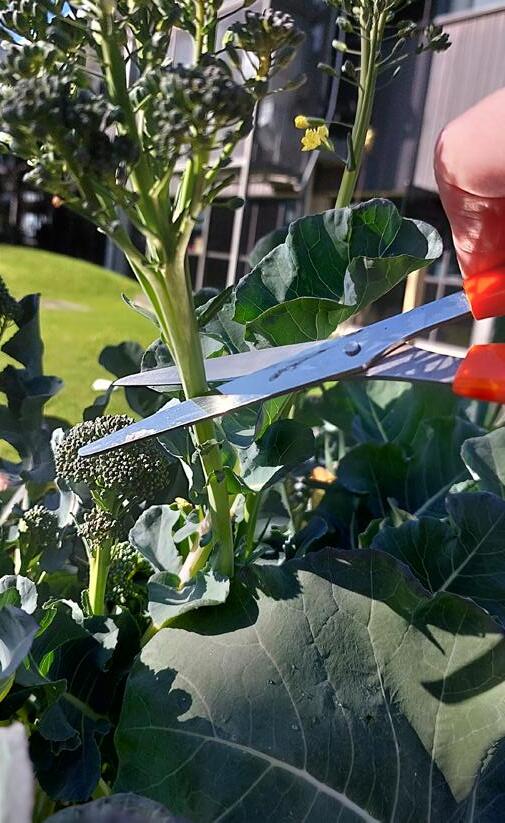
Michelle and Marianne are especially proud of their classrooms’ work with the School Environment Council ‘Burger Crew’ wherein rangatahi worked in a community garden to supply produce for a local charity food truck.
The pair says this work taught students about agriculture, soil, pests and community service.
Michelle recalls one student taking part in this EfS project who “used to come into the classroom, take her shoes off, sit down in a corner and rock”.
Michelle adds that the student didn’t like certain sensory inputs and couldn’t touch soil.
Michelle bought her a pair of pink gardening gloves, gently encouraging participation.
“It’s giving them an opportunity where they’re not judged. Where we’re working with their abilities and we’re taking the time,” says Michelle. “It’s not a race. We’re conducting. We’re at the pace of the learner.”
Eventually, the student stepped outside her comfort zone, handling soil and even worms.
“She went on to feeding birds out of her hands […] to going upside down on a zip line,” recalls Marianne.
“An EfS learner with neurodiversity can be a powerful influencer, shaking the perceived idea of a ‘learner with disabilities,’” says Michelle.
Empathy is at the core of Michelle’s power-sharing kaupapa. Through EfS projects, she says listening to a learner’s needs and acting slowly and intentionally, is
key to giving them confidence to stay engaged at school.
This kaupapa presents challenges, especially when students appear to be unmotivated or approach self-guided learning with low effort.
Michelle believes this can be overcome with patience and persistence.
“If you take time to listen, observe and find out what [their] passion is … everyone has something. It takes time but it’s a winning approach.”
Over two years, the programme’s five neurodiverse learners gained 30 NCEA credits each in a range of subjects including geography and business studies.
Michelle says she brought the programme in line with NCEA by using the standards as “an à la carte menu to create a learning plan.”
“[We] did not lessen any part of the curriculum and high expectations were set for all learners,” continues Michelle.
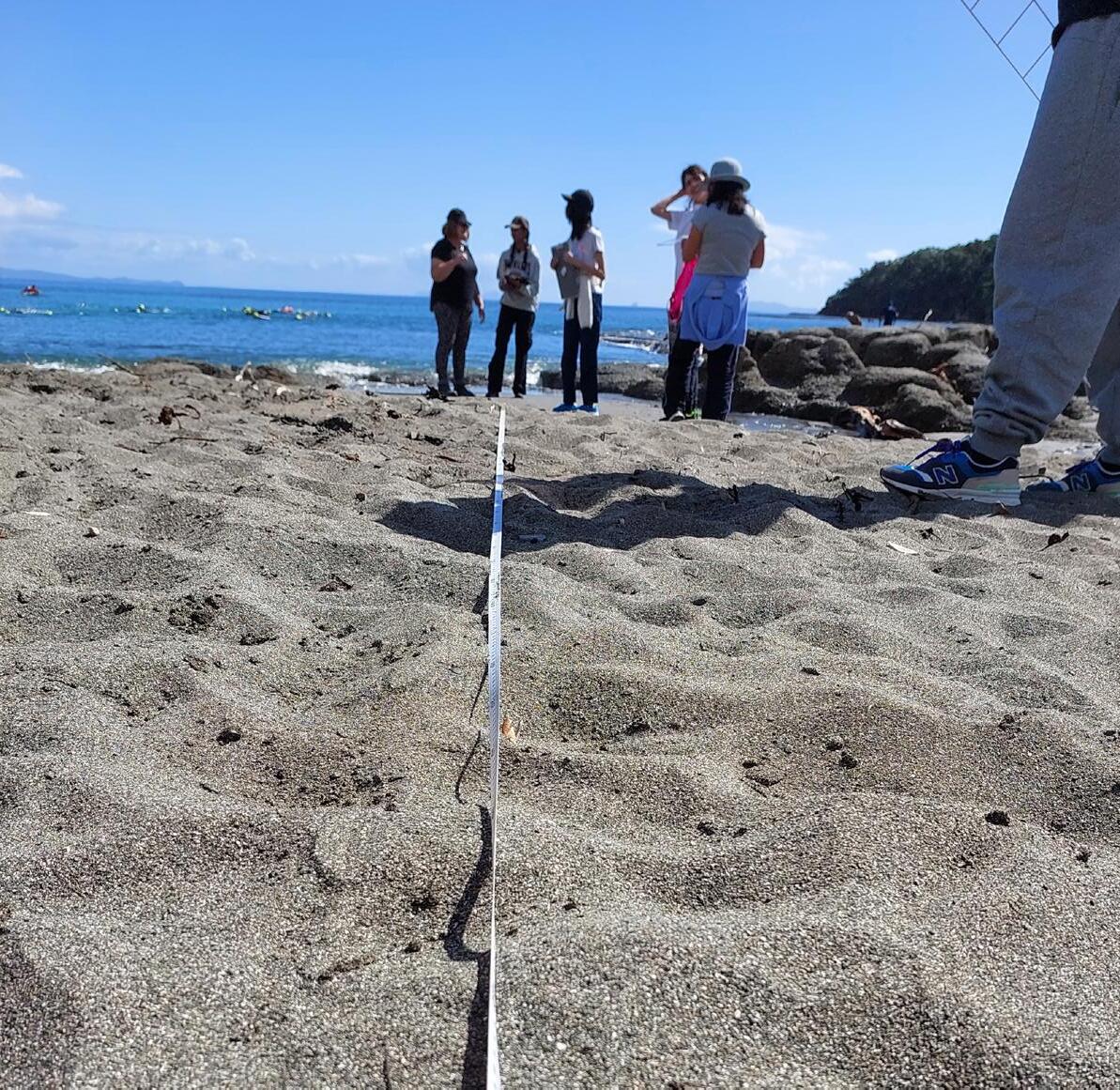
Last year, Michelle and Marianne also became qualified Duke of Edinburgh Award facilitators for learners with additional needs.
Michelle says all rangatahi can find the confidence to pursue their learning goals, and that opportunities outside the classroom should be explored.
“You don’t leave them behind because you’re on a field trip and you think they’re going to be a problem,” says Marianne. “You take them on a field trip and you have the right wraparound support.”
Michelle says that whānau involvement is an important part of working with neurodiverse students,
especially when those families come from migrant backgrounds.
“Parents of neurodiverse learners need additional support as they are genuinely wondering ‘what happens next?’” says Michelle, adding that parents frequently express concerns about what kinds of careers or college course their children are suited to.
She’s also careful to point out that while her processes are neuro-informed, they by no means apply only to learners with additional needs.
Ultimately, Marianne feels the need to push beyond what’s traditionally expected of students, particularly the most vulnerable.
At Blockhouse Bay Intermediate, information shared through Te Rito is helping educators build a richer picture of each learner. By supporting the safe sharing of information as taonga, it is enabling stronger transitions, earlier support and more meaningful connections with ākonga and whānau from day one.
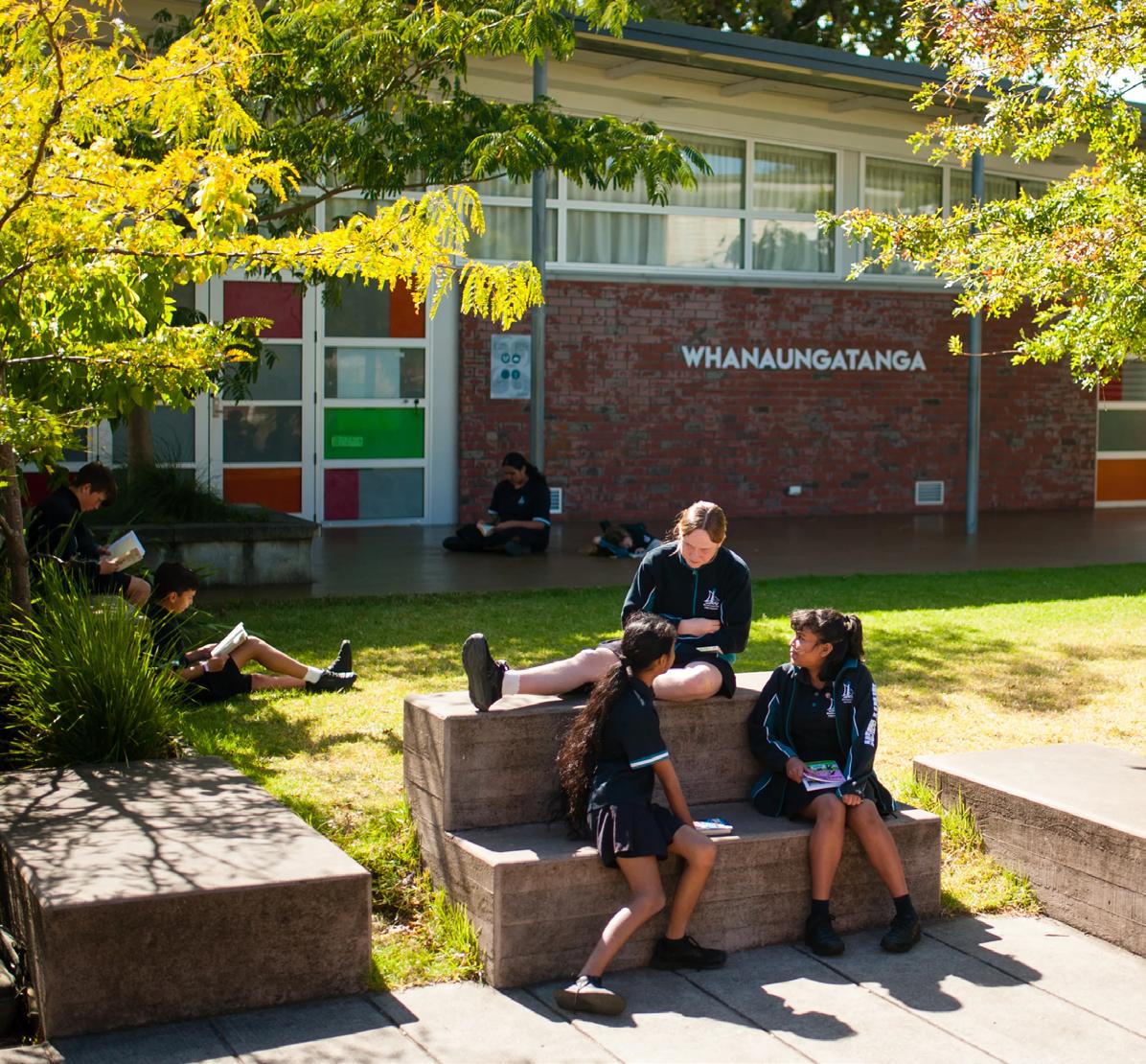
Every child arrives at Blockhouse Bay Intermediate as more than a name on a roll.
“Every child that walks through our gate has a story,” says principal Michael Malins. “And that story deserves to be known and needs to be heard.”
Often, these stories haven’t followed learners as they move through the education system.
“Every time a parent enrols their child into a new school, they must litigate for their child and their learning needs,” says Michael. “This is wasteful in both mana, resourcing and precious time it takes to establish connections.”
Te Rito, a secure cloud-based service being rolled out across Aotearoa, supports the safe sharing of
learner information. It supports the safe sharing of learner information that can be shared through and between SMS as ākonga move throughout their schooling.
At its heart is a simple idea that resonates strongly with educators: know me before you teach me.
“It helps us start from a place of connection rather than assumption,” says deputy principal Tom Norton.
“When a teacher knows something meaningful about a learner from the beginning, they are better able to build trust, set them up for success and make decisions that support both learning and wellbeing.”
Across the sector, continuity of information is considered as essential.

New Zealand Principals’ Federation president Jason Miles says they are looking forward to principals, teachers and administrators having clear, timely and secure information about learners transitioning to their school.
“This way schools will be able to best support every learner and whānau as they continue their learning journey together,” explains Jason.
“When a young person moves school, it isn’t a simple handover. High quality learner information is the starting point needed when they move from one school to the next.”
“It’s not just data,” says Michael. “It’s the narrative behind the data that comes together, and it travels with you. It's a really rich tapestry for the learner and the educators to draw upon.”
At Blockhouse Bay, as information becomes more readily available with Te Rito, that richer narrative can better inform day-to-day teaching practice, supporting professional judgement rather than replacing it.
“Te Rito provides us with a core functionality for engaging our teachers with data about their students,” says Michael.
“Transitions from Year 7 to 8 and to high school are critical points to make sure the right data is handed to the next teacher.”
Access to learner data shared through Te Rito is changing how teachers plan and respond, explains Tom.
“It allows us to be faster at gathering data, as well
as being more proactive. Instead of waiting for issues to emerge, we can identify needs earlier and plan support.
“For classroom teachers, it helps with grouping, goal setting and planning next learning steps. For whānau leaders, learning support and senior leadership, it supports better coordination.”
It's also shaping conversations with whānau, making them more specific and useful from the outset, before concerns appear, because staff can draw on data already shared.
“It helps shift the focus from ‘what is the problem?’ to ‘what do we know about this learner, and how can we work together?’” says Tom.
“It also helps us acknowledge what has already been tried, what has worked before, and what matters to the family.”
Former whānau leader, now principal of Rosehill Intermediate School, Julie Wong says that deeper understanding shapes how learners experience their first days at school.
“Te Rito really helps us understand the child as a whole; their strengths, their challenges and the connections that they have already made,” she says.
“So then as soon as the child steps into the classroom or the school environment, they feel that sense of belonging because we already know the child.”
continuity through transitions Transitions are when educator knowledge matters most, but it is often the hardest to access.
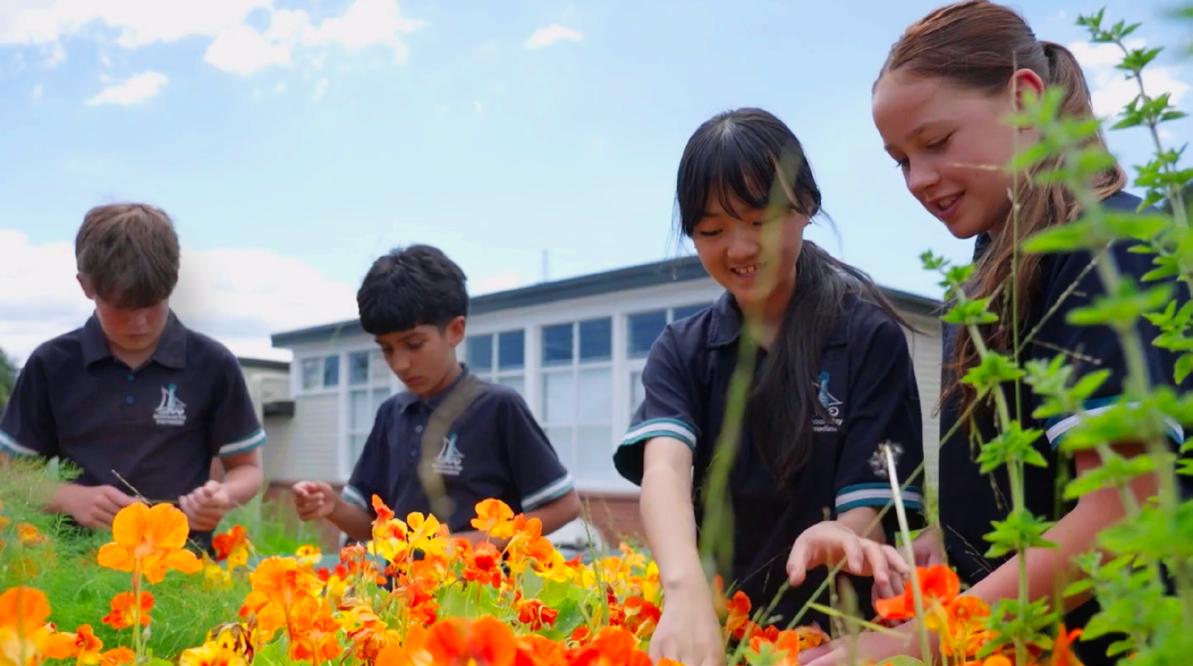
“Traditionally, what happens when a child moves schools, nothing goes with them,” says Michael. “We have to reach out to their previous school and know the questions that we have to ask. Often it is in response to something that is pressing or concerning.”
Without that shared understanding, teachers can be left to reconstruct a learner’s story after they arrive.
“Te Rito has reinforced that transition is not just an enrolment process, it is a learning and wellbeing process,” says Tom.
“For a school like ours, where students come from a range of contributing schools, it helps create continuity.
“Rather than students having to ‘start again’ when they arrive, we can build on what is already known.”
Tom emphasises the value of the data-sharing Te Rito enables, particularly if you use the information for strengthening transition.
“For intermediate schools in particular, the biggest issue is time. We only have students for two years, and by the time we get to know them well, a significant part of that time has already passed. Anything that helps us understand a learner earlier is valuable.
“For intermediates, where transition is a constant part of school life, Te Rito can help make those first weeks more connected, informed and mana enhancing for students and whānau.
“My advice would also be to be clear with staff about the purpose. It is not about labelling students or making assumptions before they arrive. It is about saving time, reducing gaps in transition, and helping teachers build relationships and support sooner.”
For many educators, time-saving is an immediate impact of the data-sharing between schools that Te Rito enables.
Previous approaches have relied on manual processes, spreadsheets, handwritten notes and informal exchanges.
“Our workload is higher without Te Rito,” says Michael. “With Te Rito there will be less administrative burden for enrolments and quicker resourcing to ensure it’s there on time and not after the need becomes apparent.”
“A big advantage with Te Rito is the accuracy and the speed,” adds Tom. “It delivers both from numerous sources, so we are able to build a bigger picture of that child before they get to us.”
At a system level, administrative efficiencies are critical.
“Tools like Te Rito can significantly reduce the administrative burden for school leaders. It allows
them to be proactive and prepared with in-school support and outside agencies ready from day one,” says Jason.
For Michael, the impact goes beyond efficiency.
“One of the biggest benefits of Te Rito is cost saving, time and resourcing,” he says. “We are more agile and able to meet the needs of our students and we can free up time for our core business, which is actually teaching the kids.”
At the same time, educators are clear that learner information is not just a resource.
“All data belongs to the learner and the whānau. They have the right to request it at any time,” says Michael.
This must be a consideration for anything that is recorded. We are merely kaitiakitanga of the data for the student and their whānau.”
This understanding shapes how information is interpreted and used in practice.
“We are very clear that information should never be used to label or limit a student. It should help us understand how to support them,” says Tom.
“A student’s record might tell us that they have had challenges in the past, but our response should always be: what helps this learner succeed, who do they connect with, what are they good at, and what conditions allow them to thrive?
“It is also about professional trust. Staff need to understand that access to information carries responsibility. The goal is always to uphold the mana of the child and their whānau.”
For Michael, this is fundamental.
“We are a growth school, we have no place for deficit thinking in learning. It defeats the purpose.”
Building trust with whānau is equally critical.
“While having an understanding of learners is essential, assuring data safety and sovereignty is paramount,” says Jason.
“Te Rito has worked hard to assure principals that its learner information is maintained to the highest security standards so personal details are kept safe and secure.”
While Te Rito provides the infrastructure for learner information to follow ākonga, it is educators who remain at the heart of the work: interpreting information, building relationships, and shaping what comes next.
Me tiaki te mana o te tamaiti me tōna whānau.
Protect the mana of the child and their family.
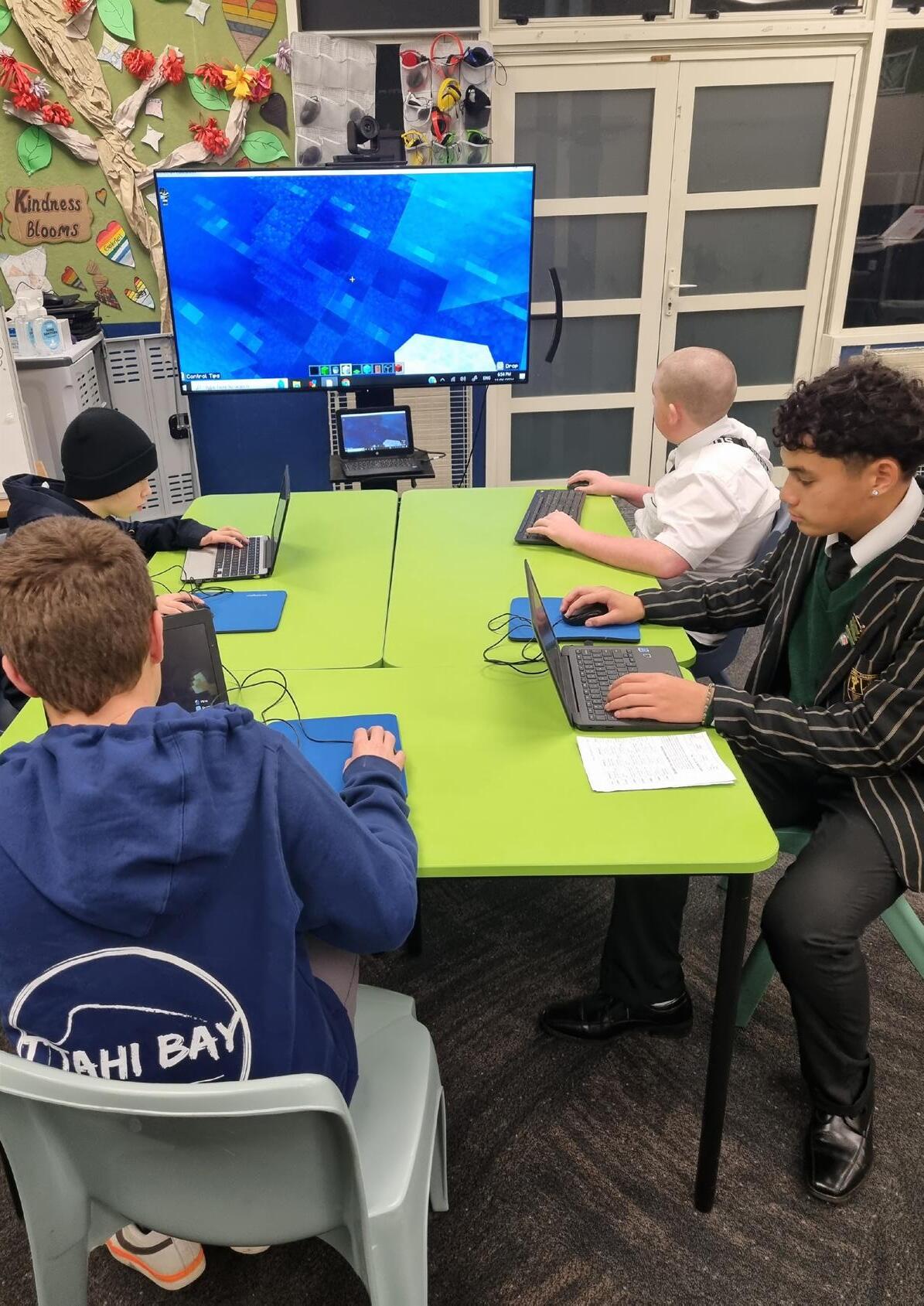
When Tawa College students Ash Millward and Levi Irvine began building a digital model of their community, they were doing more than developing technical skills. Supported by kaiako David Foulds and a network of community partners, they were applying their learning to a real-world project with the potential to inform future planning and development in Tawa.
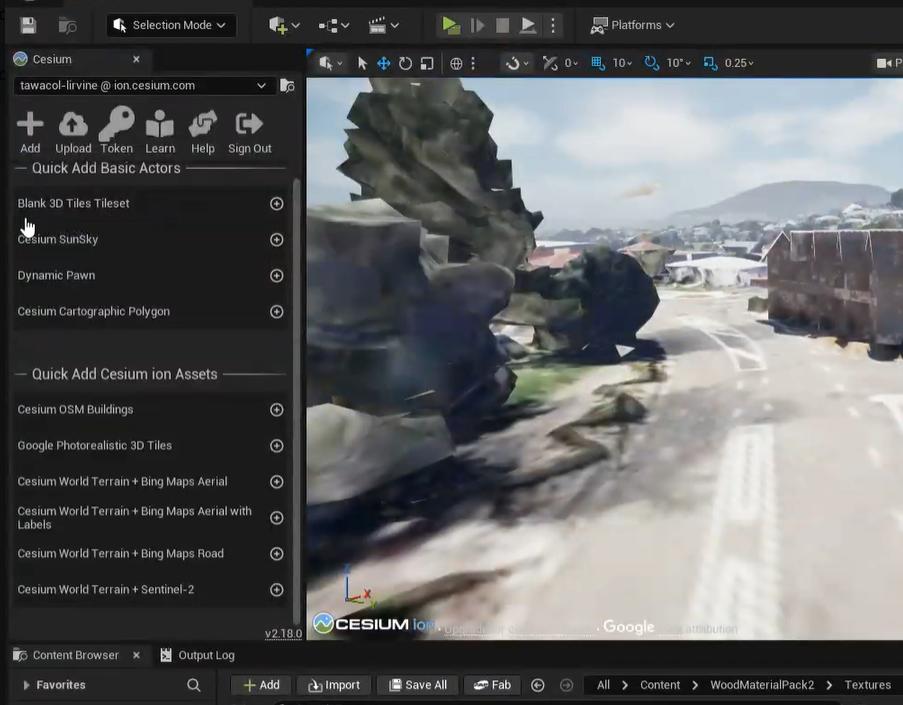
What began as a digital technologies project at Tawa College is helping students connect classroom learning with real-world challenges facing their community.
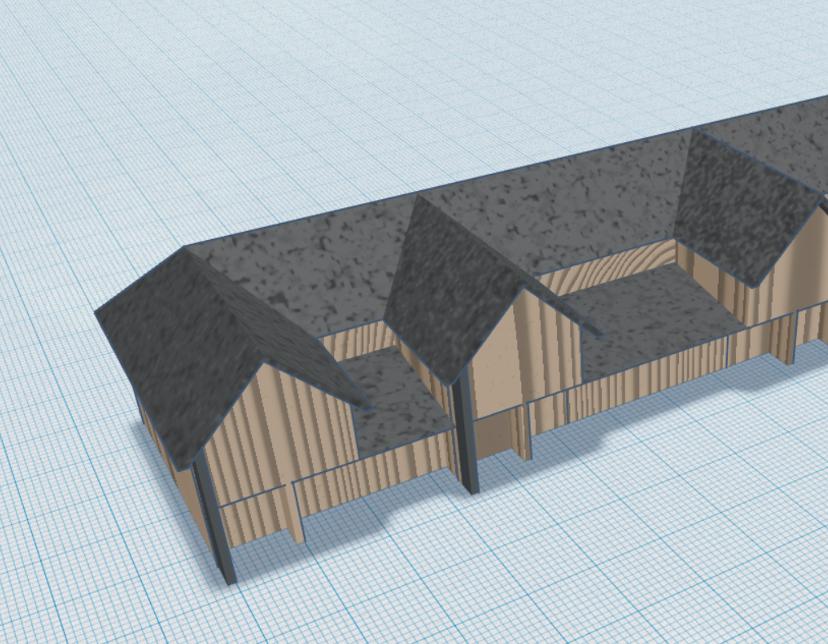
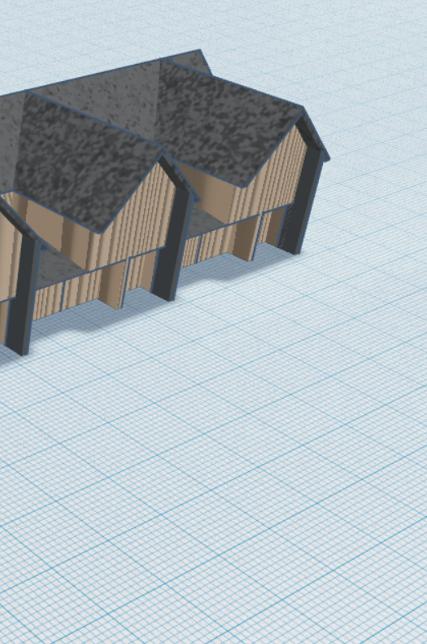
Led by head of department David Foulds, the 3D Tawa Project brings together students, local industry experts, council staff and community organisations to create a digital model of Tawa that could one day support urban planning, infrastructure development and community consultation.
The project is supported by Tony Hassed and Gary Rogers from the Tawa Technology Education Trust (TTET), which provides opportunities for Tawa College students to exercise their creative talents through digital technology projects.
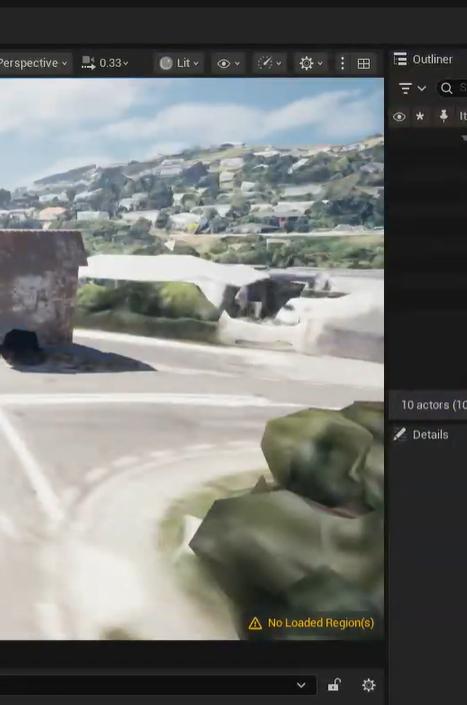
“The challenge is to build a foundation for a series of projects to visualise future Tawa,” says David.
The long-term vision is for the model to become a platform for exploring future scenarios, including higher-density housing, new transport systems and ultimately a 20-minute neighbourhood.
Potential users could include residents, local and regional councils, Tiaki Wai, Metlink and other utilities.
“A digital model turns intuition into insight. It is a powerful tool for visualising, testing and communicating ideas to build a stronger, healthier community,” says David.
As leader of digital technologies, David looks for students who are ready to extend themselves beyond the classroom.
Some come to the project with existing interests in coding, programming, game design or 3D modelling.
“Some ākonga already have an interest in Unity, Unreal Engine or Blender for Game or 3D Model development, so the Unreal Engine 3D Tawa Project naturally suits their interests, skills and knowledge,” says David.
Alongside technical capability, he looks for dispositions such as rangatiratanga and urupū –autonomy, diligence and perseverance.
A Year 13 student at the time of the project, Ash Millward says problem-solving and curiosity were critical.
“For a student to become involved in this work, one of the core skills they need to be disciplined in is their problem-solving abilities – being able to trace errors back and critically evaluate approaches is one of the foundational skills which made this project possible for Levi and me,” says Ash.
“Furthering this, a discernible disposition that kaiako looked for and nurtured in students was a curiosity. Being curious naturally predisposes you to have a passion for the work which you involve yourself with, and without a passion to keep you motivated on a project, the quality of the work would decrease noticeably.”
Ash says that passion helped him and fellow student Levi Irvine persist through challenges and continue working towards a meaningful outcome.
The project uses Unreal Engine, an industry-standard platform that is not typically taught at secondary school level because of the specialised computing power required.
Rather than attempting to teach every aspect of the software, David encourages students to learn through inquiry while drawing on the expertise of previous students and industry professionals.
“As a kaiako I encourage ākonga to whai whakaaro (reflect and consider) the past portfolio/diary of other ākonga to utilise their research, notes and resources on using Unreal Engine. The past ākonga mahi becomes very helpful for the new ākonga who will take on the development in the new year,” says David.
“Like any new technology tool it takes self-inquiry learning, yet guidance from the kāiako.”
Community and industry connections have played an important role in supporting that learning. Students have worked alongside Wellington City Council staff and received support from Eagle Technology in the use of ArcGIS and geospatial data.
Levi says David's contribution extended well beyond technical knowledge.
“Mr Foulds provided us valuable insight, project development experience and a reliable ability to point us in the right direction when we needed it. He guided us through principles that apply to almost any complex project – iteration, refinement, doing the mahi when you don't feel like it,” says Levi.
“Once, when Ash and I hit a real roadblock, he connected us with someone from the council who pointed us toward resources we needed. That kind of guidance is just as valuable as any technical knowledge.”
The project aligns with two NCEA Level 3 Digital Technologies standards, allowing students to gain credits while working on something with real-world relevance.
David says the standards provide a structure while still allowing students significant ownership of their work.
“I encourage ākonga to make their own choices on their three stages they would like to develop, such as physical structures overlaid on the geographic model, infrastructure, transport, weather or accessibility of amenities for the community,” says David.
He also encourages students to learn through experimentation and to document their progress collaboratively so future students can build on their work.
“I encourage ākonga to make mistakes, in understanding that we learn through trialling and testing of technology components and techniques.”
For Ash, one of the strengths of the project was its ability to connect authentic learning with formal assessment.
“With the way that the NCEA system is integrated into classrooms, learning is generally tailored to meet specific standards. This can create a barrier between students and adopting larger, more authentic projects such as the Digital Model of Tawa.
“The way in which this project was undertaken was thankfully able to resonate with two standards of achievement officiated by NCEA. Because of this it meant that, beyond the passion of creation, Levi and I had an incentive that would progress our academic record.”
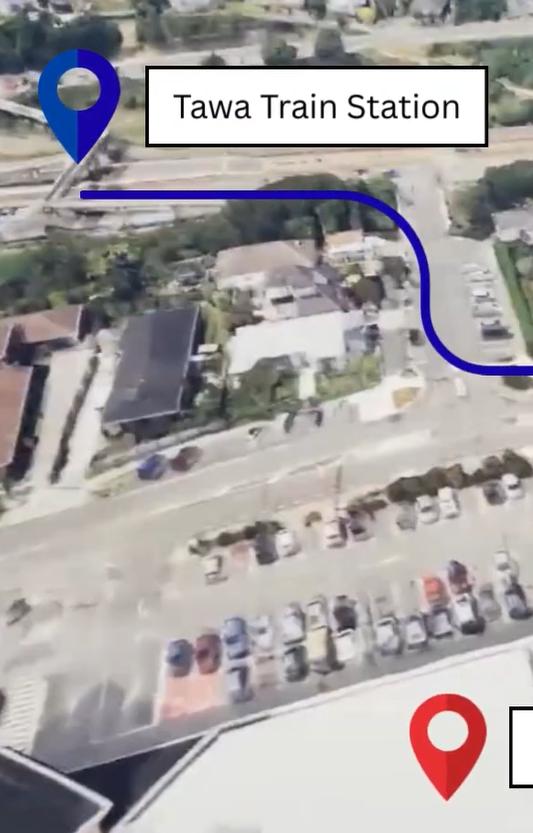
While the final outcome is a sophisticated digital model, both students say the most valuable learning happened behind the scenes.
Ash believes the most important skills were the transferable ones.
“The complex technical skills used in a large-scale project aren’t the things being taught. The real things being taught are the underlying skills which provide the scaffolding to develop such an outcome,” says Ash.
“Our kaiako Mr Foulds wasn't able to teach us the intricacies of Unreal Engine, but he was able to teach us how to compartmentalise a project, use iterations, continually save progress, and take a step back when things aren’t working so we can consider a different approach.
“These were the skills which made the development
of complex technical skills possible. Encouraging independence and problem-solving granted Levi and me the core abilities to proactively learn the complex technical skills demonstrated in our project.”
Levi says those habits were developed over years rather than weeks.
“Ash and I had been in the digital technologies department for four years before this project started, building those habits through classes, clubs and interschool STEM competitions. Every 50-page report that made us question why we were doing digital technologies was another step forward.
“In some ways, this project didn't begin last year, it began when we chose digital technologies in Year 9. By the time we sat down to build the model of Tawa, those skills were already ingrained. The project just gave them somewhere meaningful to go.”
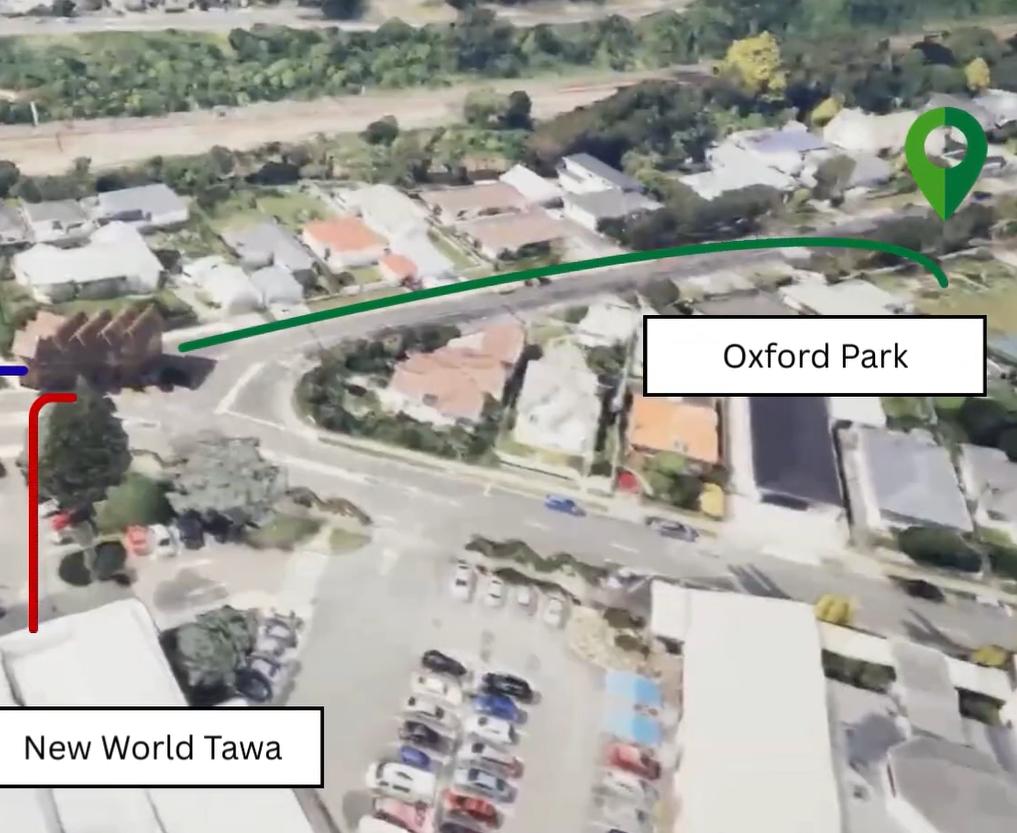
A defining feature of the project has been its connection to industry and community partners.
Students visited Wellington City Council to see how planners use digital modelling tools and worked with Tawa-based civil engineering firm Orogen to understand how similar technologies are used professionally.
Those experiences helped students see how the skills they were developing could be applied outside the classroom.
“This project was the perfect bridge between classroom learning and real-world issues like urban planning. It was an opportunity to apply our project development, research and technical skills that we had developed in the classroom,” says Levi.
He says David was also able to connect project work to familiar assessment requirements.
“When our testing documentation was lacking, for instance, he could frame his feedback in terms of the assessment criteria we were used to, which made the feedback immediately clear and actionable.”
David says industry experiences often help students connect their learning to future careers. During a visit to Eagle Technology, one Year 10 student realised how geospatial mapping could support a future career as an aircraft pilot.
For Ash, the project also demonstrated how flexible achievement standards can be.
“I personally feel like the concept of standards is actually more applicable than many teachers
realise, and that the way standards can be assessed is actually very malleable,” says Ash.
Knowing the model could potentially be used by the wider community gave the students an added sense of responsibility.
“The way in which the magnitude and influence our project would have was communicated to us was through meetings with council members. Having these meetings was important for Levi and me to get a sense of appreciation for how much influence our project would have on the wider community,” says Ash.
“Because we were able to glean the importance of the project, we carried a sense of responsibility on our shoulders throughout the project. This bit of pressure
definitely influenced us to ensure we covered our bases and were disciplined in our documentation and iteration.”
For David, one of the most rewarding aspects has been watching students grow through that responsibility.
“Our ākonga have really exercised their authority, autonomy and leadership when taking on the 3D Tawa Project. The reward has been seeing our ākonga grow their independence, communication skills, creativity skills and knowledge of how technology is used in real-world applications.”
Looking ahead, all three see opportunities for more schools to connect learning with industry and community partners.
“The opportunity to work on something like this was just incredible. It allowed me to have a glimpse into what it was going to be like transitioning from academia to a real-life professional environment,” says Ash.
“The skills and experience I gleaned from this project were meaningful and relevant and I think other schools would be naïve to not create or look for other opportunities such as this one.”
Levi believes students can achieve more than many educators realise when given authentic opportunities.
“Schools would be surprised how much further their students can go when they're working on something they have a genuine curiosity and passion for, rather than just chasing credits,” says Levi.
David hopes the project will continue strengthening connections between schools, industry and community organisations.
“I would highly recommend other technology kaiako to reach out to their community in tūhono tangata, connecting people with interests and passions for technology to provide real-world projects for ākonga to showcase their creativity within the local natural environment,” says David.
For David, projects like this show what can happen when students are trusted with meaningful problems, connected with experts and given the freedom to explore solutions.
He says the project is best captured by a whakataukī that reflects both the learning and the partnerships behind it: Ehara taku toa i te toa takitahi, engari he toa takitini. Success is not achieved alone, but through the contribution of many.
TECHNOLOGY
Mana College is embracing technology to expand learning opportunities for ākonga, from creative design and digital arts to coding and 3D printing. Behind the scenes, support from Network for Learning (N4L) is helping provide the reliable connectivity needed to make that possible.
Step into the smart new technology block at Mana College and you’ll find a vibrant hub of modern learning.
In one corner, ākonga might be fine-tuning architectural designs using computer-aided design (CAD) software. In another, a 3D printer hums to life, turning a digital blueprint into a physical model. Nearby, young creators may be busy with photography, laser cutters, and building design.
For the kaiako at this Porirua school, which has been serving its community since 1957, these tools are helping bring creative and future-focused learning to life. To make sure all ākonga could access those opportunities, however, the school first needed to address connectivity issues with support from Network for Learning (N4L).
Connectivity challenges
Mana College has a diverse student body. While the school embraced a bring-your-own-device model several years ago, internet connectivity was presenting a challenge for principal Jeff Chapman and his teaching staff.
“Some of the areas of the school weren’t getting reliable Wi-Fi, mainly in our marae space, as that’s an older part of the school,” says Jeff. “So, the kids in E Tipu E Rea, our special immersion space in the school, were missing out on technology.”
This lack of reliable connection was placing an administrative burden on the school’s leadership team.
Deputy principal Joanne Te Morenga was often finding herself troubleshooting technical glitches,
rather than focusing on learning outcomes. Issues like occasional digital dropouts were also having a tangible impact on student engagement, particularly in creative subjects.
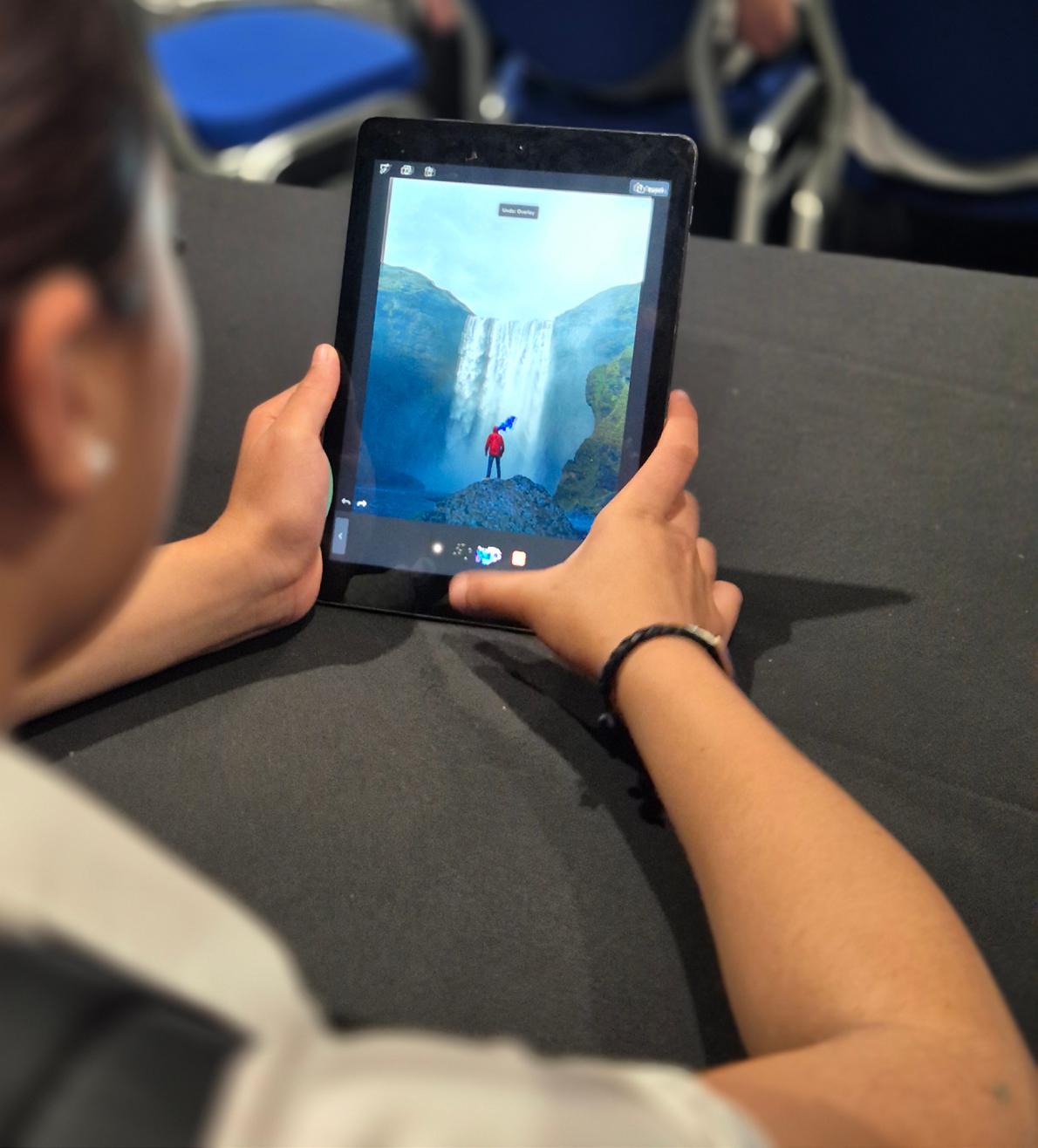
“Our graphic design students use [digital art and illustration app] Procreate and this became really difficult when things were lagging or dropping out, and we even had some students losing their work,” says Joanne.
Strengthening the digital foundations
Reliable connectivity is increasingly important in a school where digital tools are embedded across multiple learning areas. N4L worked with Mana College to understand the issues they were experiencing and support improvements to the school's network infrastructure.
By upgrading Mana College’s Wi-Fi as part of the Equipment Replacement phase of the Ministry of Education’s Te Mana Tūhono programme, N4L helped Mana College resolve their coverage issues in the older parts of the campus and provide new network equipment for their brand-new building block.
“With bringing in new devices, bringing in new technology, making sure that all works, it’s exciting, but there’s a lot of stuff that comes in behind that,” says Jeff.
“Having staff on board who are able to facilitate, and having IT providers that can communicate really well, is really important. With N4L, they’ve been fantastic to work with and are really helpful in trying to work through different connectivity problems.”
With a reliable network foundation in place, the school has closed the digital divide and is supporting their E Tipu E Rea ākonga to have access to the same technical opportunities as others.
“Equity for our students here is really important to us,” says Joanne. “If we can give them the opportunities to use more technology, I think we could have some pretty cool Māori and Pasifika innovators in the future.
“Having the network work better now, they’re also able to receive the same connectivity as the rest of the school. That’s been important for them to feel valued.”
The robust connection has allowed the school to expand its curriculum and invest in new learning tools with confidence. The school has also introduced a Toi Māori design option, purchasing iPads and Apple Pencils for ākonga to use in their creative work.
Today, the frustrations of dropped connections and lost work are a thing of the past, allowing kaiako and ākonga at Mana College to focus on what’s most important: teaching and learning.
“Now we’ve got our technology block up and running, we’ve got lots of different, exciting things that are happening in there – creative design, particularly using the iPads all the time and the 3D printers,” says Jeff.
“But that’s also happening in our building schools; they’re using technology to do that, using iPads. It’s a digital world, so we still need to develop our kids in that space.”
The stability of their Wi-Fi connections has also allowed the school to reintroduce junior digital classes, where students use Grok Academy to learn coding, while art students seamlessly research global art movements.
As Joanne says, “Everything is just happening as it should be.”
Network for Learning (N4L) is a Crown-owned technology company that delivers a wide range of managed internet, Wi-Fi and cybersecurity services to New Zealand schools and kura.
They help more than 905,000 staff and students enjoy daily access to safer and more secure online learning environments, so kaiako and ākonga can focus on teaching and learning.
N4L connects, protects and supports schools to help improve digital learning experiences and educational outcomes for all.
In Mana College's case, N4L's support included upgrading Wi-Fi equipment and improving network coverage through the Ministry of Education's Te Mana Tūhono programme.
Schools can find out more by contacting N4L’s Customer Support team through email at support@n4l.co.nz or by calling 0800 532 764.
Read more about N4L's core services of Connect | Tūhono, Protect | Tiaki, and Support | Tautoko at www.n4l.co.nz
How school principals are gaining more control of their school Wi-Fi
More than 1,000 schools have taken up Network for Learning’s Secure Access tool, a network access control that provides greater visibility over Wi-Fi networks.
Read Mt Roskill School’s story.
Digital connection and care: Bridging the gap at Northern Health School
Northern Health School supports students learning in hospitals, specialist units, homes and other settings across the North Island. N4L helps make that possible by providing reliable internet connectivity, online safety services and network support, helping teachers and students stay connected wherever learning takes place.
Read Northern's Health School's story.
Search for more stories about online safety and security at gazette.education.govt.nz

The winners of the 2026 New Zealand Education Excellence Awards | Ngā Tohu Kairangi Mātauranga o Aotearoa were announced at a ceremony held at Parliament in Wellington on Wednesday 24 June. Details can be found at education.govt.nz
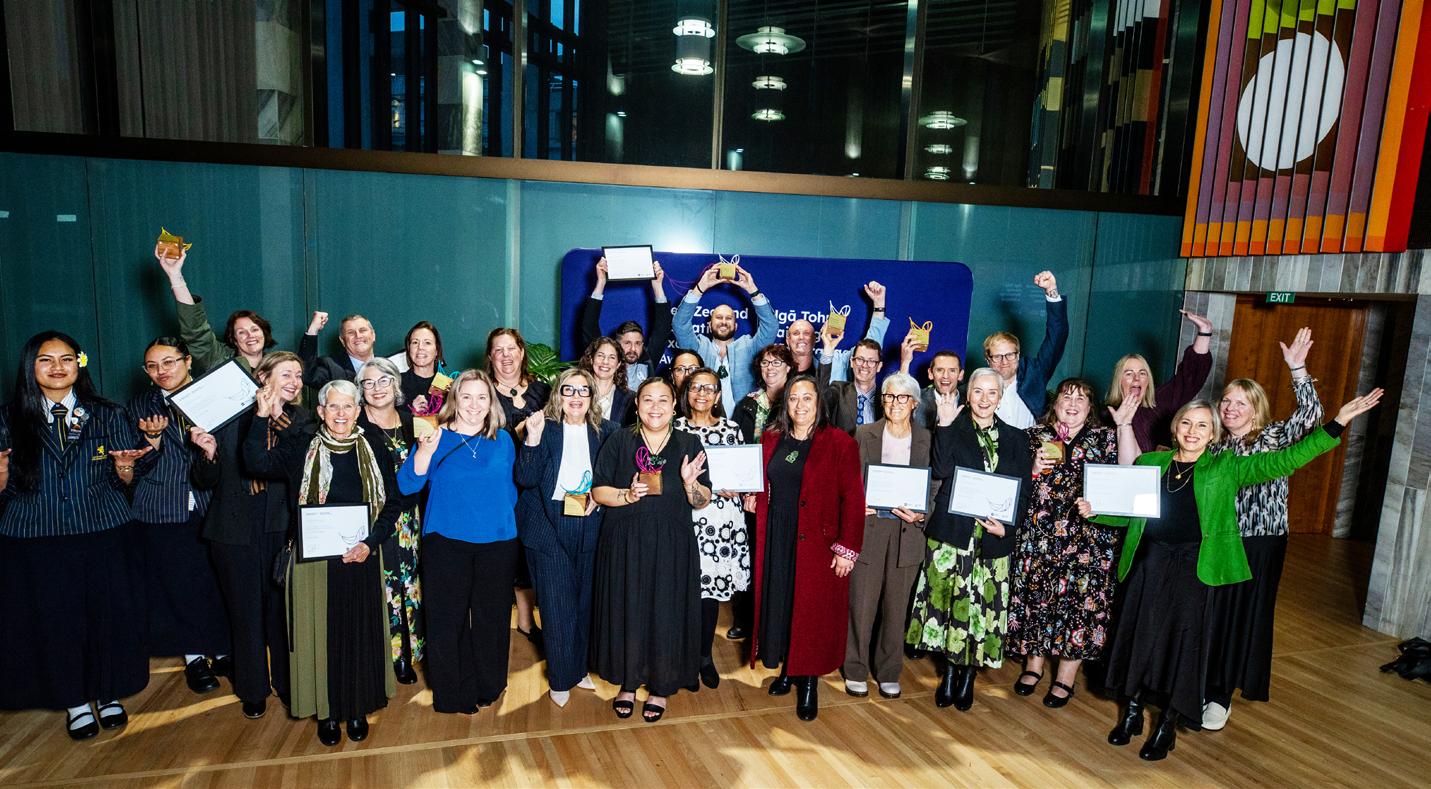
Twenty finalists were recognised across four categories spanning primary and secondary schooling, with nine winners announced at the ceremony. Congratulations to all winners, finalists and those schools whose applications the judges commended.
2026 award winners
Primary
Excellence in Raising Student Achievement | Manurewa Intermediate
Excellence in Student Engagement and Attendance | Kaihere School (U1-3) | Kaiti School
Excellence in Quality Teaching and Instruction | Sommerville School
Excellence in Educational Leadership | Goodwood School
Secondary
Excellence in Raising Student Achievement | Auckland Girls’ Grammer School
Excellence in Student Engagement and Attendance | Maniototo Area School
Excellence in Quality Teaching and Instruction | Avondale College
Excellence in Educational Leadership | Westlake Girls’ High School
2026 award finalists
Primary
Excellence in Student Engagement and Attendance | Rāroa Normal Intermediate | Iqra School
Excellence in Educational Leadership | Manurewa Intermediate | Gulf Harbour School
Secondary
Excellence in Raising Student Achievement
| Rutherford College | Long Bay College
Excellence in Student Engagement and Attendance | Nelson College for Girls
Excellence in Quality Teaching and Instruction | Albany Junior High School
| Long Bay College
Excellence in Educational Leadership Rolleston College | Nelson College for Girls
Commended schools
Commitment to student wellbeing
| Christchurch North College
Engagement with students and whānau
| Ōpunake High School
Innovative integration of AI
| Rotokawa School
Strong community focus | Mairangi Bay School
Embedding culturally responsive practice
| Bayswater School
As The Principals podcast reaches 100 episodes, it is the willingness of principals to share their experiences, challenges and lessons learned that has transformed it from a resource for new leaders into a trusted companion for school leaders across every stage of their career.
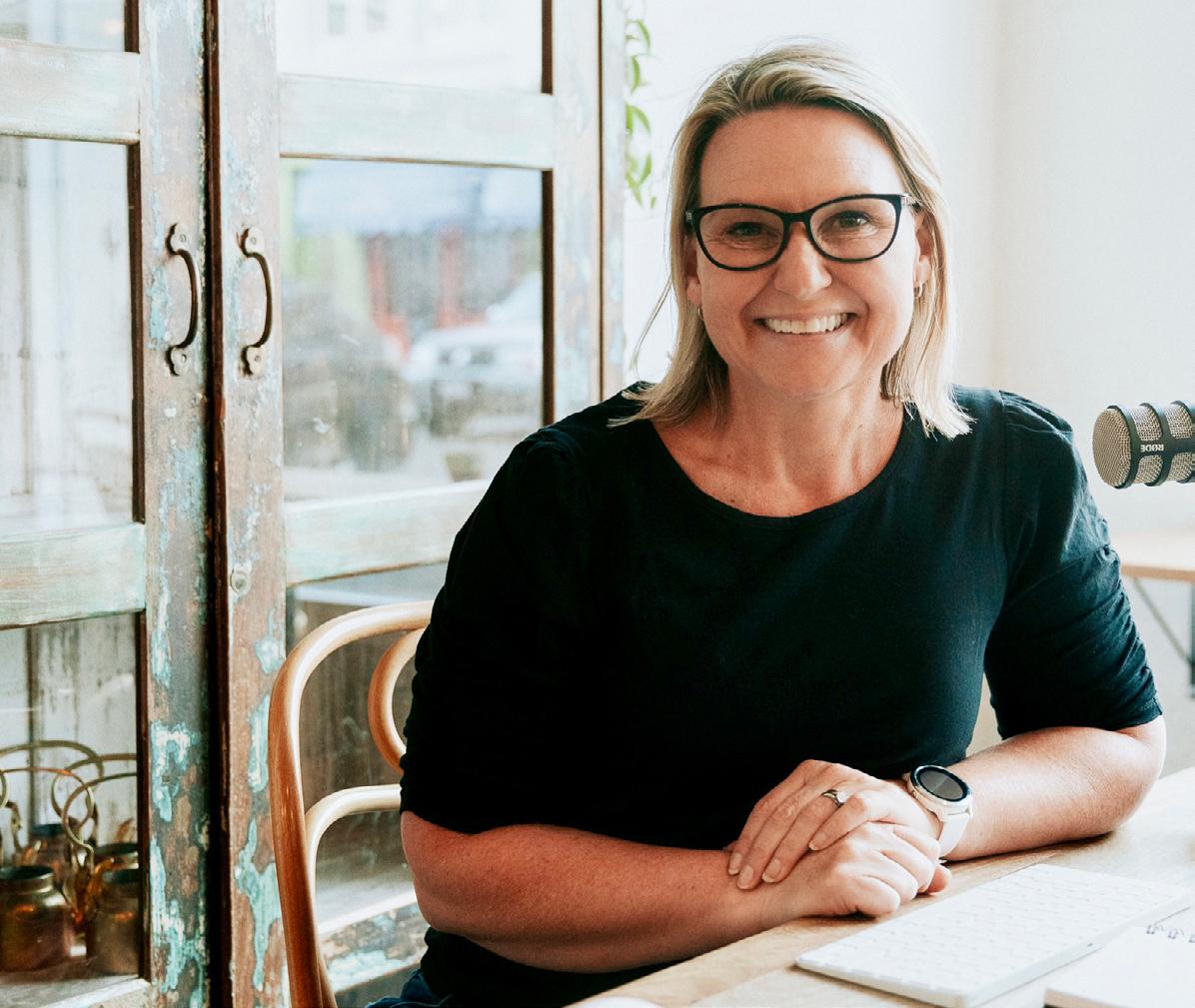


Originally pitched as a single-season podcast, The Principals podcast has just celebrated its 100th episode in its third season. Hosted by Eleisha McNeill, the podcast started as a verbal companion to Te Ara Tīmatanga mō ngā Tumuaki | The Beginning Pathway for Principals.
“When we started the podcast, we hoped it would be a useful resource for new principals because they often get thrown in the deep end, without a lot of preparation,” says Eleisha.
The team behind the podcast didn’t expect it to extend beyond the first season, but then the stats came in.
“We really had no idea what the appetite would be for a podcast like this ... But the stats showed it was getting traction and then we knew it would turn into something bigger than we had originally hoped.”
The format of the show is chatty and easy to listen to, with the focus on real principals sharing their own experiences.
First-time principal Sharlyn Holt has worked at Tongariro School since 2024 and often listens to the podcast while walking.
“I find it an accessible way to stay connected with the wider education community and hear what other school leaders are experiencing,” she says.
It’s a contrast to the information-dense personal learning development that principals also have to complete.
Acting principal Michael Greenwood has stepped up to the top leadership position at Panmure District School this year while the principal is seconded to the Ministry of Education.
He listens to the podcast during his daily commute home from work; a 30-minute drive.
“I also find myself listening while completing routine tasks at home, such as ironing shirts,” he says. “It is a great opportunity to reflect, learn from experienced principals and consider how their insights apply to my own leadership journey.”
While the first season passed on knowledge and insights for new principals, the subject matter has evolved alongside the audience and their desires.
“We had basic topics covering the realities of being a principal, making sure principal listeners know how to deal with their communities and did not feel isolated,” says Eleisha.
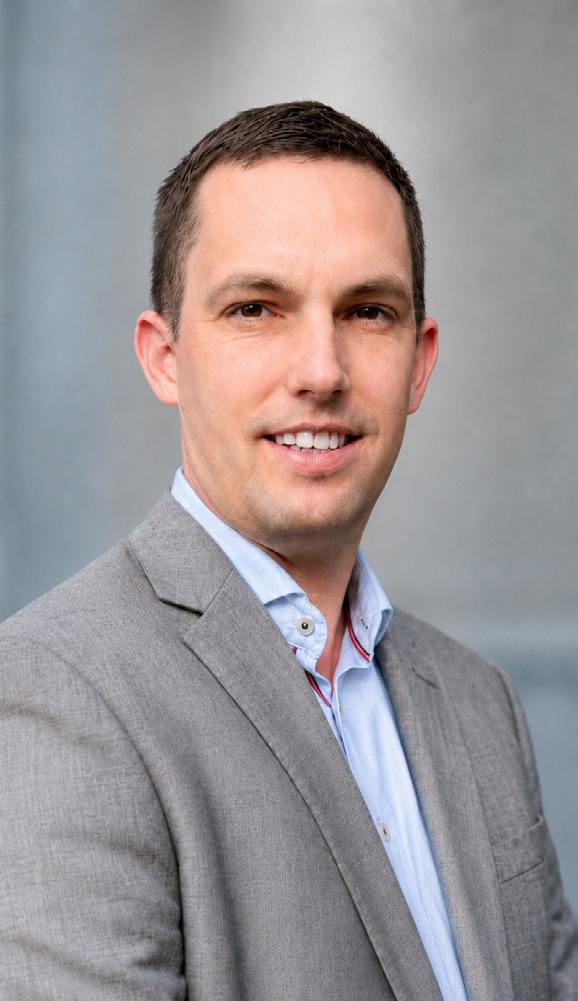
“As a beginning principal, I have found the podcast to be an incredibly valuable resource,” says Michael.
“It has become one of the first places I look when I am seeking advice or guidance on a particular aspect of school leadership. Hearing authentic, real-world experiences from other principals provides practical insights that are often difficult to find elsewhere.”
He says many of the topics have aligned closely alongside the Beginning Principal modules.
Feedback on the podcast highlights how much listeners enjoy hearing from their counterparts across the motu.
“They’re able to get advice on how to handle situations from those who’ve been there before,” says Eleisha. “Listeners can be inspired to approach or think about a situation differently based on how another principal has dealt with something.”
“Principalship can be both rewarding and challenging, and listening to others share their experiences, successes and lessons learned provides reassurance, inspiration, and practical ideas,” shares Sharlyn.
“It reminds us that many of the challenges we face are shared and that there is great value in learning from one another.”
Now the audience has expanded to include aspiring principals and current principals who are interested in hearing about challenges others have faced and how they moved through them. With a new audience, demand for the podcast has only grown.
Similar themes have emerged across the conversations Eleisha has been having on the show: “Staffing, the pace of change in education are all challenges that principals have in common,” she says.


What links all the principals together – those interviewed and those who listen – is passion for their schools.
“Principals love their job, their schools, their ākonga and the staff. They give it everything, and sometimes I think it comes at quite a high personal cost,” adds Eleisha.
The most memorable shows for Eleisha have been the episodes interviewing principals who have had to stand up and lead in a crisis – from weather events, the Christchurch earthquakes, the Mosque attacks, and deaths in school.
“Principals are expected to lead their communities through incredibly difficult times … It's been a huge privilege to hear about how they’ve navigated these emergencies.”
As a parent herself, she’s also found it interesting what other parents expect from their schools.
In Season 2, she interviewed a principal who had to deal with a parent who took a complaint to the Ombudsman about their child missing out on selection for a sports team. There have also been legal challenges on student selection for prizes and prefect appointments.
Sharlyn has resonated most with the episodes that focus on leading through change, building strong school culture and maintaining a clear sense of purpose in complex environments.
“As a principal, I've found that the stories of leaders who remain grounded in their values while navigating significant change closely reflect my own experiences,” she says.
“Those conversations reinforce the importance of relationships, community and keeping learners at the centre of every decision.”

With new episodes uploaded weekly, host Eleisha McNeill talks to tumuaki and other experts about the joys and challenges of leading a kura. Each episode is around 25 minutes long.
Upcoming episodes will feature principals from the New Zealand Education Excellence Awards, as well as topics around attendance, leading beyond crisis, leading a high equity index school, leading specialist schools, and transitioning out of a school.
Find all episodes at podbean: moe-pld.podbean.com
Episodes featured in this article:
Season 2, Episode 33: Navigating legal challenges in school leadership
Season 2, Episode 15: Leading curriculum and pedagogical change
Season 2, Episode 3: From classroom to core team: stepping up
Episode three from Season 2, transitioning into the principal role, has reflected his own experiences as a new principal, says Michael.
He’s also been learning how to approach recruiting and retaining staff, prepare for ERO reviews, and manage property projects, areas he had limited expertise in before his role.
“The podcast provided practical advice and reassurance as I navigated those responsibilities,” he says.
Importantly, the show is creating community for principals.
“I hope the podcast makes principals realise they are not on their own,” says Eleisha. “There’s a whole raft of people who are doing something similar and collaborating.”
Season 1, Episode 28: Working with your ERO evaluation partner
Season 1, Episode 18: Crisis management
“It
is a great opportunity to reflect, learn from experienced principals and consider how their insights apply to my own leadership journey.”
All of the principals interviewed on the show have invited others to reach out to them for any further advice.
“I always feel so lucky to be talking to these amazing people who care so much about their jobs and the communities they serve. It’s not something they do for the money; rather, they genuinely care about their schools,” says Eleisha.
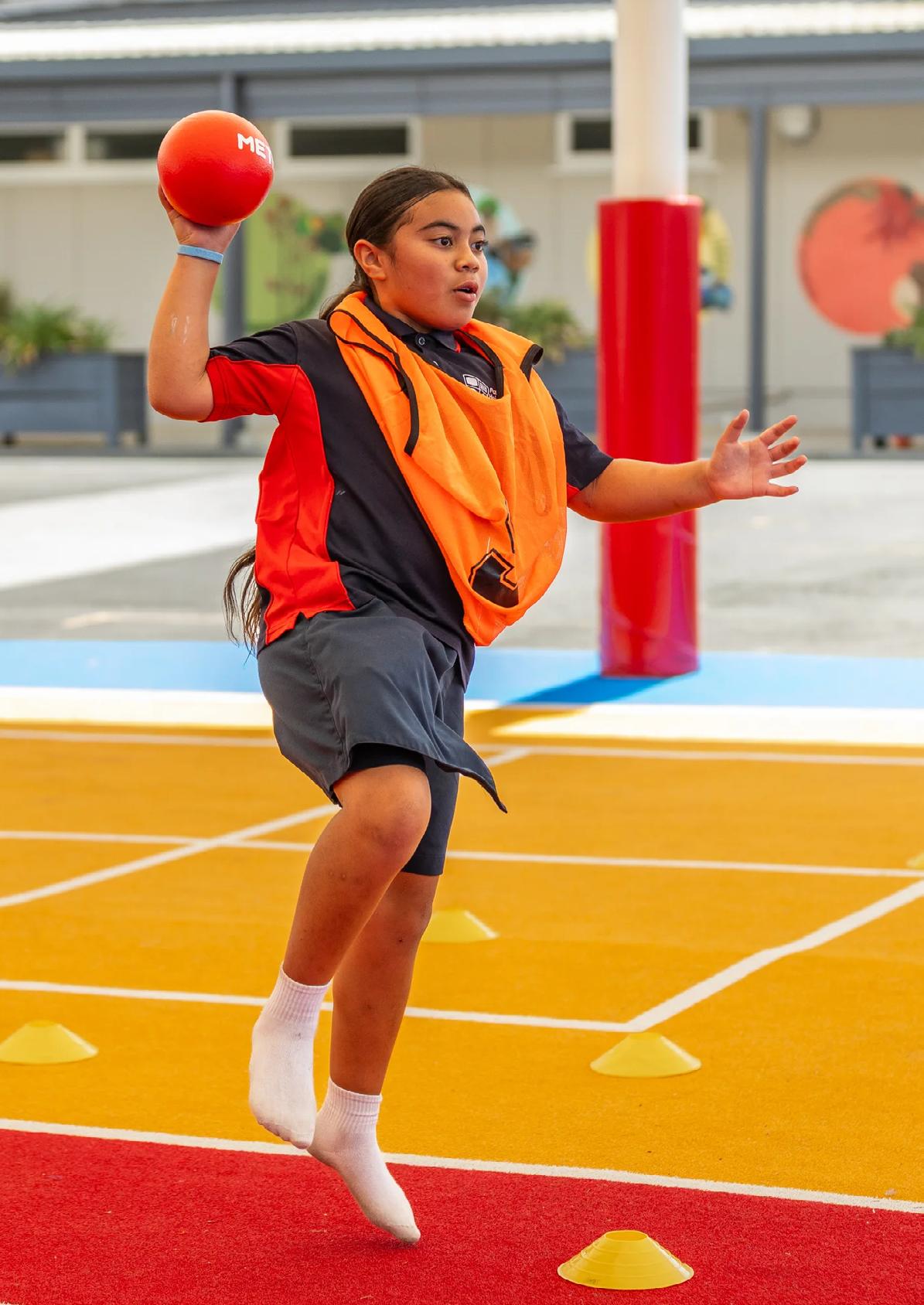
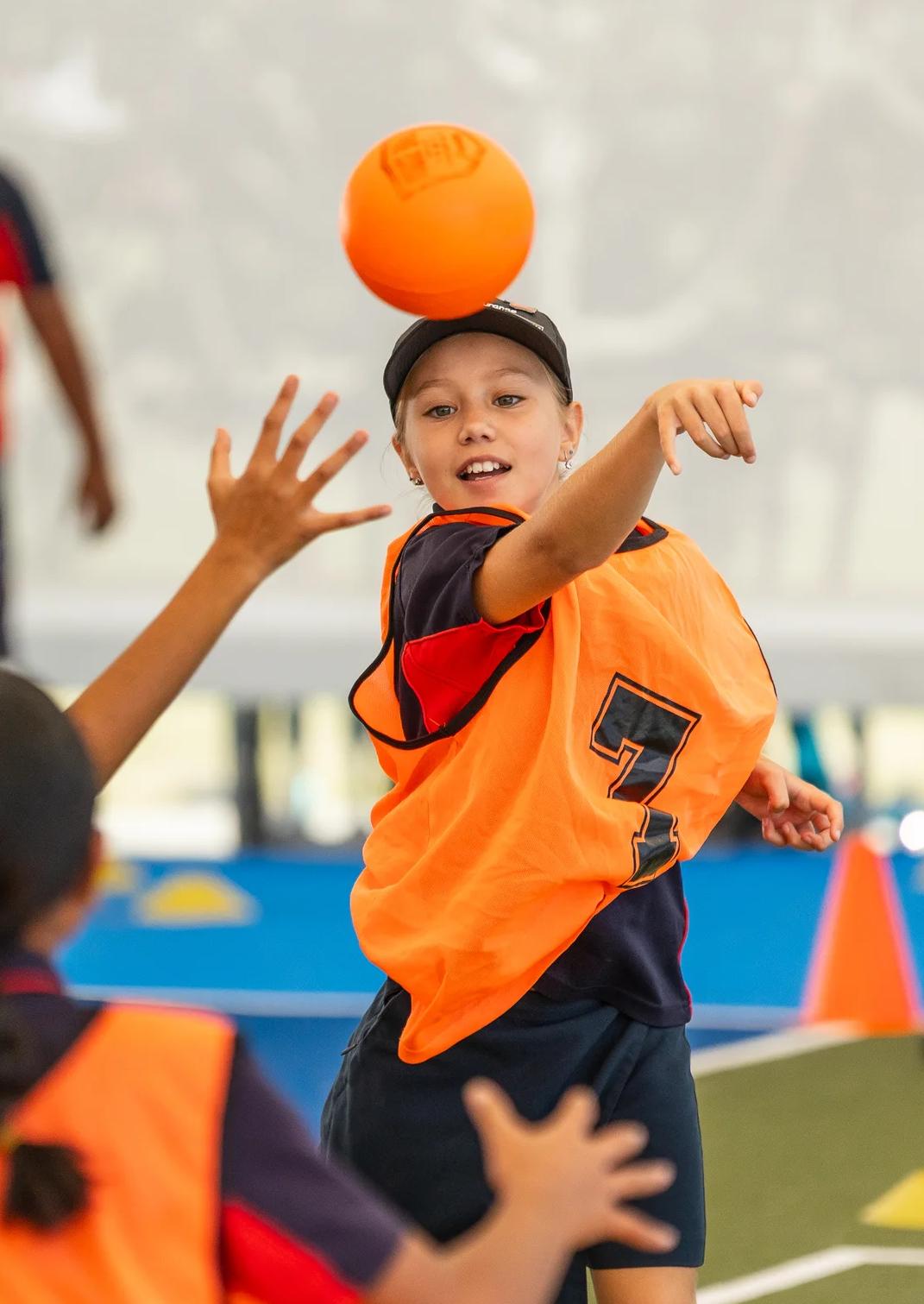
At Pakuranga Heights School, a focus on teacher leadership, professional learning and student voice is transforming break times, creating more opportunities for learners to be active, connected and included.
At Pakuranga Heights School, student-led activities at break time have become the norm.
As part of a wider shift happening across the school, students are stepping into leadership roles to plan and lead fun, inclusive activities for their peers. While students are increasingly visible as leaders, staff say the change has been driven by a deliberate focus on strengthening both teacher capability and student voice.
Supported by Sport Auckland’s Healthy Active Learning team, Pakuranga Heights School has taken a whole-school approach to hauora and physical activity, embedding it more intentionally across school life.
Students had always played a role as sports leaders, but their responsibilities were more limited.
The school's Healthy Active Learning connector reflects, saying, “their job was just to set up some equipment at lunchtime, help with sport days and help with whānau days.”
As the school began rethinking the role students could play, teachers focused on how to create systems that enabled students to take greater ownership of lunchtime activities.
Student voice was central to the changes.
Through focus groups with the Healthy Active Learning connector, students shared what they liked and didn’t like about being active at break time, and what equipment or games they wanted more of.
With clearer insight into what their peers wanted, student leaders now work alongside teachers to plan and run lunchtime activities, creating more relevant and enjoyable options for everyone.
New favourites include parachute activities, challenge games, cultural games and a wider range of inclusive activities.
Alongside redesigning the role of student sports leaders, the school established a group of Healthy Active Learning kaiako champions to lead term planning and support schoolwide change.
The group includes both experienced and earlycareer teachers who have embraced the opportunity to lead.
As one senior leader notes, “you don’t have to be an experienced teacher to be a champion. You just have to be keen to learn and do the work.”
Tailored professional learning and development delivered by Sport Auckland has supported kaiako to strengthen health and physical education planning and delivery across the school.
The school’s Healthy Active Learning advisor says the approach has been successful because it responds to the needs of teachers at different year levels.
“All the professional learning and development was really targeted to the needs of the staff teaching at that age group. That’s been a really big success – teachers have the time and space to learn.”
Survey results reflect that shift, with the proportion of teachers who felt they had time to plan and teach effective health and physical education increasing from 22 percent to 43 percent. Confidence and capability to meet student needs has also improved.
The school's growing commitment to physical activity is also becoming more visible in strategic planning, increasing from 22 percent to 63 percent.
Pakuranga Heights School’s engagement with Healthy Active Learning has led to meaningful schoolwide change.
Teachers are more confident, collaborative and committed to delivering quality health and physical education, supported by a strong network of enthusiastic kaiako champions.
At the same time, students have greater opportunities to influence and lead the activities happening around them.
By valuing student voice and tailoring professional learning to staff needs, the school has built a culture that prioritises health and physical activity, creating an environment where both students and kaiako are supported to succeed.
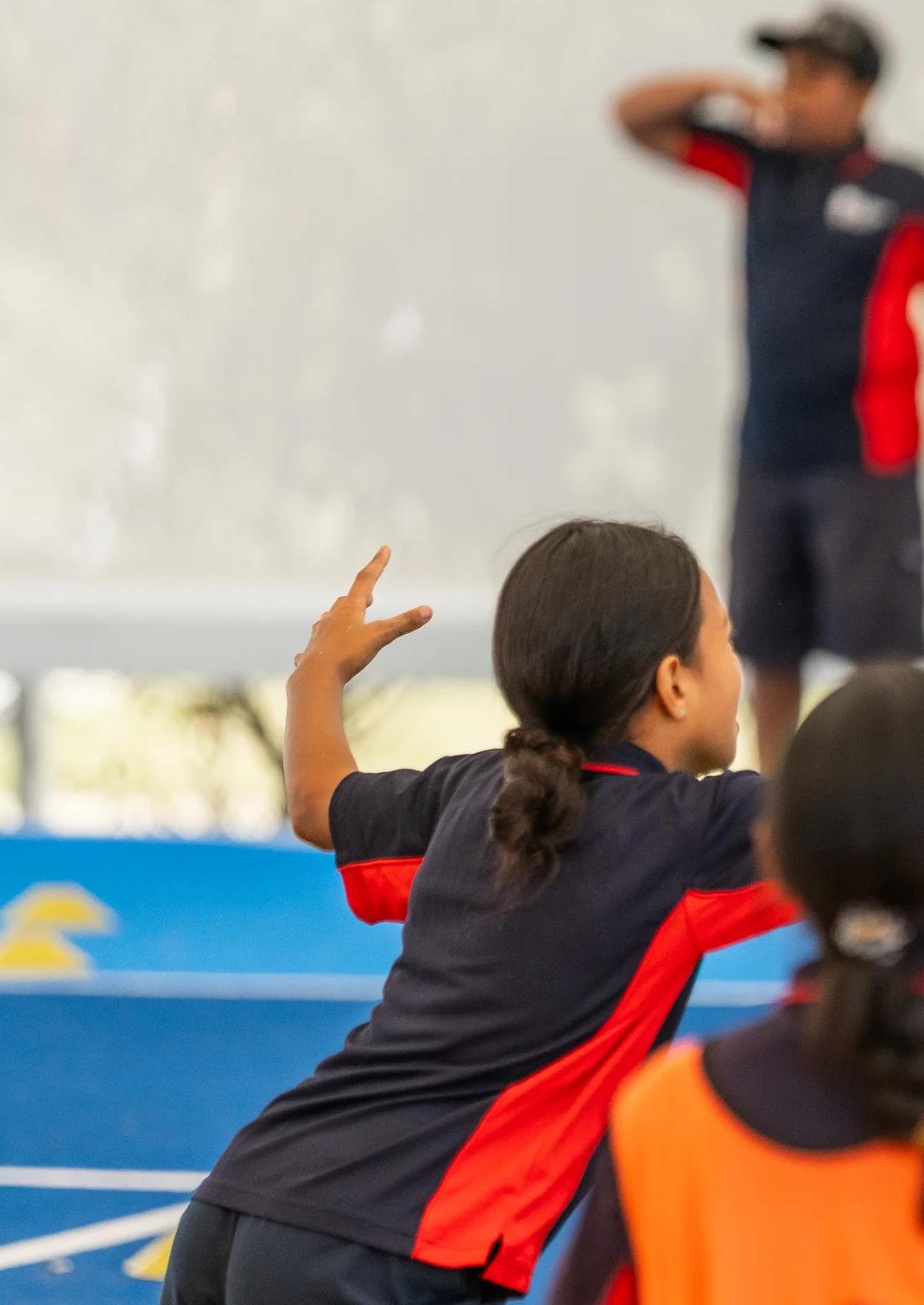
“You don’t have to be an experienced teacher to be a champion. You just have to be keen to learn and do the work.”
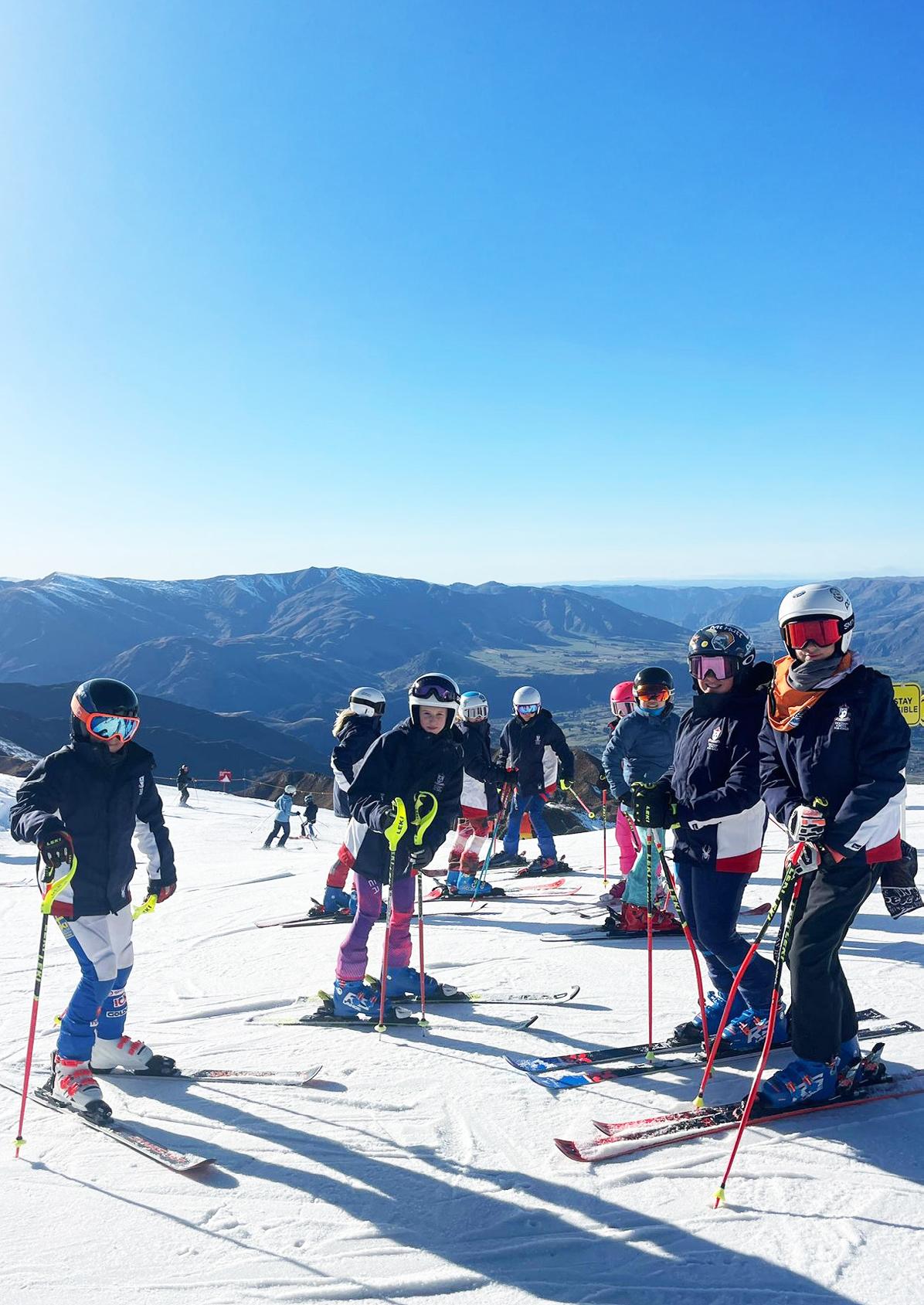
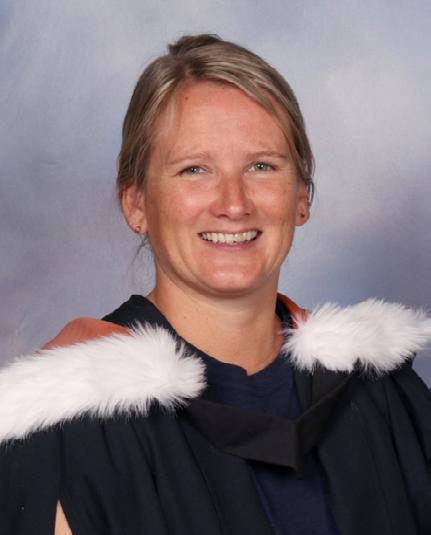
Tāmaki Makaurau may not be known for its wintery climate but that hasn’t deterred one teacher from sharing a passion for snowsports with her students. Alongside her normal teaching duties, Saint Kentigern Boys’ School Year 7 dean Sarah Gimblett makes sure the opportunity to experience the thrill of skiing or snowboarding is open to everyone.
At Saint Kentigern Boys’ School, skis and snowboards are being taken out of the cupboards for another season as students prepare to make the most of winter.
Though the Remuera preparatory school is located far from the nearest natural snow, Sarah Gimblett does her best to get as many students as possible to try the sport she loves.
Coordinating the snowsports programme is just one of Sarah’s many duties at Saint Kentigern Boys’. Alongside her role as dean, she runs the school holiday programme, and teaches English and Character Education.
It’s all worth the effort – it’s rare to see an unhappy student on the mountain, says Sarah.
“The après ski is as much fun for the kids as the racing and being on the mountain. I think there’s quite a lot of life skills around skiing because you’ve got to be quite resilient to the cold and the conditions and the weather. It’s not for the faint-hearted some days.
“I think it’s a fantastic sport to be a part of.”
Sarah was bitten by the skiing bug at the age of 11 when her family went on a one-off trip to Ruapehu.
“They never went again, but I really enjoyed it. And then from there I wanted to live it. I felt like it was something that you couldn’t go on the odd weekend and get any good at.”
So after high school, she packed her bags and went to Park City in Utah in the United States to work for a winter as a lift operator.
She later returned to North America after teacher training, where she worked as a nanny in Banff, Canada, and “just skied to my heart’s content”.
Back in Aotearoa, in her first teaching role at Auckland Normal Intermediate, Sarah was asked to take on a sport. Skiing suddenly seemed like something she could bring to her teaching role.
Her ākonga trained at Snow Planet, Auckland’s indoor ski slope, and attended North Island Primary and Intermediate School (NIPS) championships at Ruapehu.
“It’s not about it being for the fastest or the best, or any kind of elitism. Everyone is welcome.”

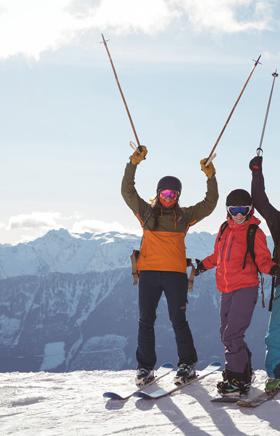
“The kids just seem genuinely so happy being on the mountain, outdoors and the ski racing is only ever a small part of the day.”
“The kids were really into it and the families loved it.”
Skiing took a back seat when Sarah spent a decade in London, but it came back on her radar when she returned to take her role at Saint Kentigern Boys’ School.
“Chris Hansen, who runs the Schools Alpine Competition (SAC) at Cardrona, was a colleague at the time. He was running the ski team and I said I’d love to get involved, so once he left I took over that.”
Now, the biggest event in Saint Kentigern Boys’ snowsports calendar is the annual Schools Alpine Competition in Wānaka for young skiers and snowboarders.
The snowsports programme requires strong parental support, both to attend training sessions at Snow Planet and the trip to Wānaka.
Not all of the participating students’ families ski, says Sarah. “We organise managers for the team and we have staff on the mountain and for the SAC competition in particular, we take care of the kids, but the parents are around. So it doesn’t have to be that the parents have to ski.”
Likewise, Sarah says it’s important that students who don’t have strong snow skills still feel like they can participate.
“It’s not about it being for the fastest or the best, or any kind of elitism. Everyone is welcome,” she says.
“We’ve got our youngest skiers to our Year 8 confident students, we’ve got people who are brand new to the sport and just want to have a go at racing, and then we’ve got kids who literally travel internationally, or their parents move down south for a term over winter to compete.”
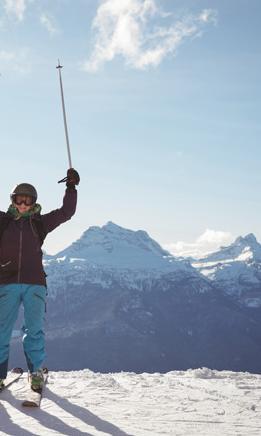
Snowsports opportunities for everyone
Chris says competitions help introduce snowsports to the next generation, but he often battles to gain sponsorship because people think of it as an exclusive sport.
“Because it is expensive, flying to Queenstown, booking accommodation for a week and having all the gear.”
The benefits, though, are great, he says.
“Obviously you need to be fit to ski; it’s exhilarating – much like surfing, you’re going downhill. I think also it’s one of those sports that when you see someone who skis proficiently, you want to ski like them.
“Nothing beats being up on the mountain on a bluebird day.”
For teachers who might be interested in starting
The Schools Alpine Competition started at Coronet Peak four years ago before moving to Cardrona in Wānaka.
The competition began for primary-aged New Zealand children from Year 2 and has since opened up to Australian schools and, from this year, high school students.
Up to 250 competitors are expected at this year’s competition which runs from 14 to 17 September. Events include:
» The giant slalom in skiing and snowboarding which all competitors take part in to be graded
» The dual slalom – skiing in teams
» The gravity cross – skiing and snowboarding (individuals).
Athletes should be registered and paid by 10 August. Late entries will be taken until 7 September.
Go to the Schools Alpine Competition website for more information alpinecomp.nz
their own ski or snowboarding clubs, Sarah’s advice is keep parents informed and make it easy for them.
“I don’t go to every event, it’s not possible. I just advertise what’s out there, send reminders to parents, encourage the kids to go and promote it on our school’s system.”
For her, skiing is hard to beat – fresh mountain air, individuality but also an element of celebrating each other’s success.
“The kids just seem genuinely so happy being on the mountain, outdoors and the ski racing is only ever a small part of the day.
“They go off and ski round themselves and have some fun and take risks and have their snowball fights. It’s competitive for some, it’s very relaxed for others and its generally just good fun.”
As Te Kura Ākau Taitoka – the University of Otago College of Education approaches its 150th anniversary, Education Gazette looks back at the origins of teacher education in Aotearoa New Zealand and the legacy of the country’s first training institution.

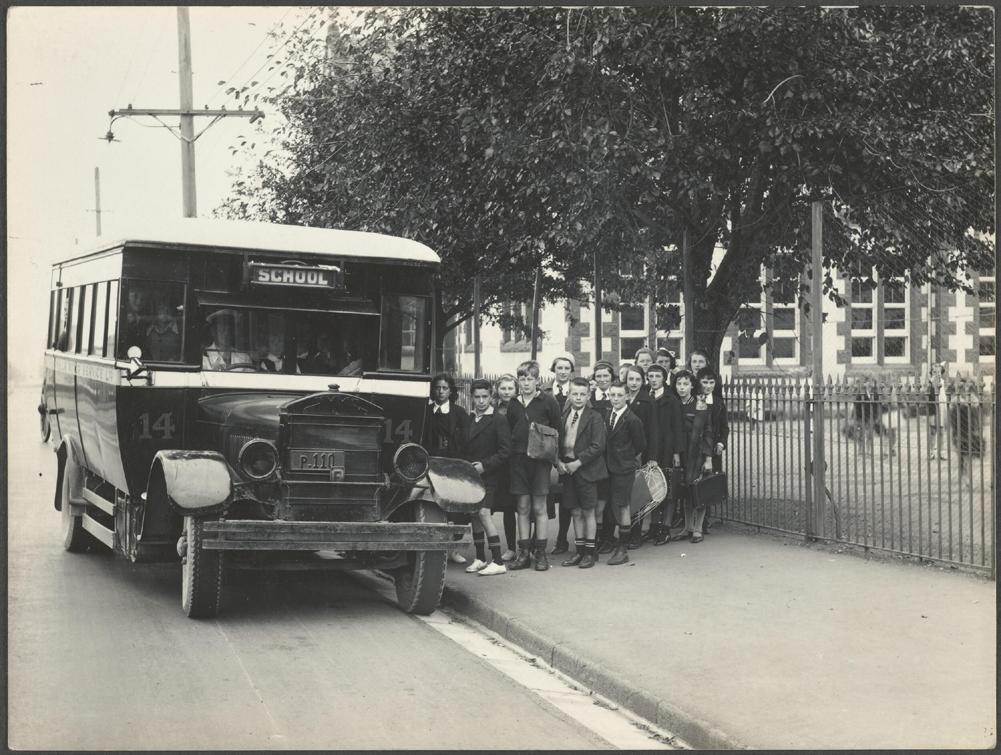
Collins, Claude Morris, 1888-1951, School bus at George Street School (1936). Hocken Digital Collections.


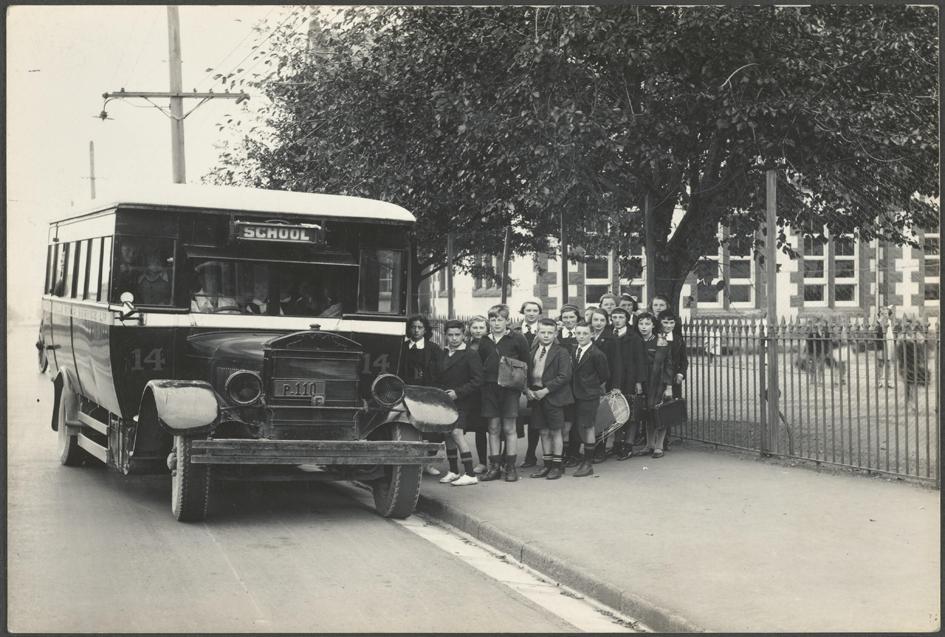
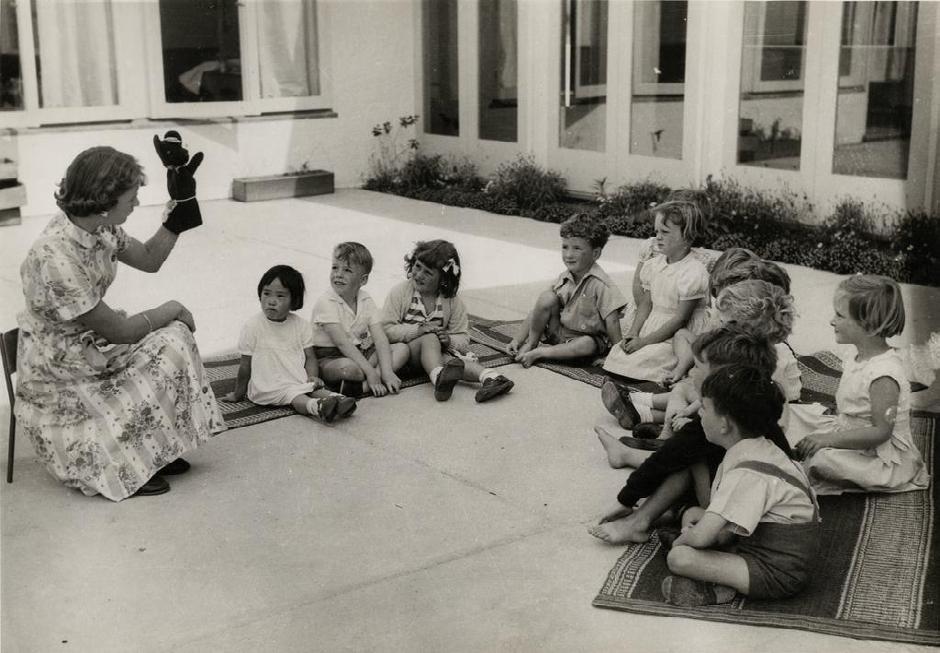
D'Story time' at the Helen Deem Centre for Pre-School Education (1950s). Hocken Digital Collections.
rawing on its long history, Te Kura Ākau Taitoka –the University of Otago College of Education has built a reputation for preparing teachers to meet the changing needs of learners and communities.
Across 150 years, the college has weathered significant challenges including closure during the Great Depression, a major campus fire in 1968, and the disruption of the Covid-19 pandemic.
Current dean of the college Professor Vivienne Anderson says the institution is in fine fettle after a century and a half of educational service. She and her colleagues are keenly awaiting the college’s alumni reunion this October, when former staff and students will gather to toast the institution’s 150th birthday.
The whakataukī at the heart of the celebrations is ‘Hoki whakamuri, kia anga whakamua – Look to the past to forge the future’.
“We’re very proud to celebrate the 150th. It speaks to a long history of caring for people – of working hard to care for education and child wellbeing.
“It’s also a unique opportunity to honour all who have built this proud reputation and to consider our role in developing the educators and educational researchers of tomorrow.”
That history of caring began in 1876 with the college’s first iteration – the Training Department of the Dunedin Normal School. Its establishment in Dunedin was a relief to British migrant teachers who were struggling to meet the educational needs of a community booming in the wake of the Otago gold rush.
Until this point, schools had supplemented their staff with ‘pupil-teachers’ – an apprenticeship system, introduced here by Scottish settlers, where highachieving students received on-the-job training under the direction of a headmaster.
Professor Hugh Morrison, researcher and lecturer at the college, says his great-grandfather Edward Pinder was one of the institution’s first pupil-teachers and, later, a principal.
During Edward’s time, the college's stated goal was to train teachers who were “humble, industrious, and instructed”.
When asked which three traits he thinks the college prizes most in its current students, Hugh painted an educational picture far from the somewhat starchy hopes of his ancestor’s day.
“I would say we’re aiming to produce people who are teachable, empathetic and relational.”
An educational frontrunner Ōtepoti Dunedin was the perfect location for the nation’s inaugural teacher education facility. It already boasted the first university, first public secondary school for girls and would soon roll out the first kindergartens.
The institution opened its doors before the 1877 Education Act which heralded free, secular and compulsory state education for all colonial settler children in New Zealand aged between seven and 13.
The first student intake was of five men and 17 women. During conscription of WW1 and WW2, there were nearly five times as many female students as male.
Having initially focused its efforts on primary school education, the college broadened its offerings in the post-WW2 period and hatched a new suite of programmes. These included undergraduate and postgraduate degrees, and diplomas in early childhood, primary, primary bilingual and secondary teacher education.


First Dunedin Training College, Moray Place, opened in 1876. Otago Daily Times (Newspaper), Dunedin Teachers College (n.d.). Hocken Digital Collections.
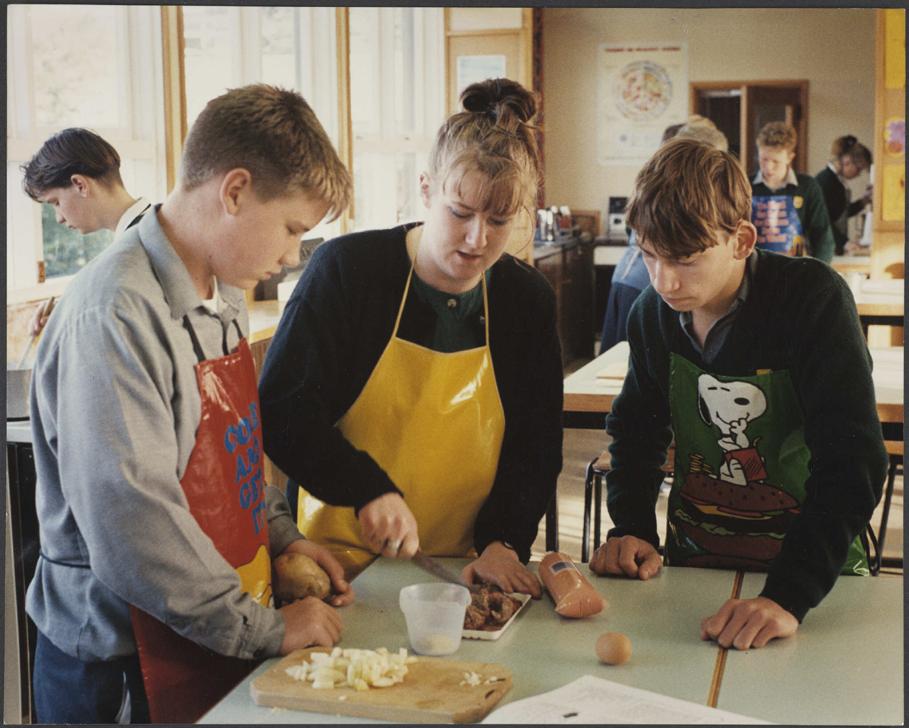
In 1980, it increased its geographical reach by establishing a satellite campus, Ahuahu Te Mātauranga, in Invercargill.
The college has continued to diversify. It began building an international profile through advisory work, exchanges and partnerships in the 1980s, and established the Children’s Writer in Residence programme in 1992. It was the only residency of its kind in Aotearoa New Zealand.
The college is also home to the national education monitoring project – the Curriculum Insights and Progress Study, in partnership with the New Zealand Council for Educational Research. Vivienne describes it as “a national taoka and the envy of colleagues offshore”.
Over the years, the college has had an on-again off-again relationship with the University of Otago, from 1976 when a joint University-College Bachelor of Education was established, to separating again in the 1990s. They eventually merged in 2007, signalling a concerted effort to bring expertise in teaching and research together.
This union would have pleased the college’s first rector, William Fitzgerald, who actively encouraged students to enrol in university papers to broaden their educational expertise.
In recent times the college sought to rebuild a partnership with mana whenua, and to further embed mātauranga and te reo Māori within its offerings.
Newly added Māori and Pacific leadership roles have cemented the college’s commitment to cultural capability and to attracting greater numbers of Māori and Pacific students. Vivienne says plans are afoot to honour the original intent behind Te Pōkai Mātauranga o te Ao Rua, the primary bicultural teacher education programme at the Invercargill campus, by reverting to bilingual delivery and extending access to the programme beyond Invercargill.
There have been many impressive teachers over the decades – like Gordon Tovey, the man who introduced innovative programmes in the 1940s that encouraged creative expression.
His teaching galvanised many art-minded trainees, including Ralph Hotere, Cliff Whiting and Para Matchett, all of whom became leading figures in the arts.
Gordon was eventually snapped up by the Department of Education where he continued to revolutionise art education at a national level.
Many of the college’s more than 25,000 alumni used their education as a springboard for career paths beyond the classroom – people like Dame Kāterina Mataira, who helped revitalise te reo Māori, which in turn spurred the growth of kura kaupapa Māori; Phil Silva OBE, who went on to found the groundbreaking Dunedin Multidisciplinary Health and Development Study; and Bernice Mene, who deployed her skills on the netball court as captain of the Silver Ferns.
Over the years, the college has shifted premises several times and tried on many different names. These included the Training Department of the Dunedin Normal School (1876); Dunedin Training College (1880); Dunedin Teachers’ College (1953); the Dunedin College of Education (1989), and finally, Te Kura Ākau Taitoka –the University of Otago College of Education (2007).
When those “teachable, empathetic and relational” alumni gather to celebrate the college’s 150th this October, they’ll likely toast their “humble, industrious and instructed” forebears and marvel at the distance travelled from the smudge-prone writing slates of the 19th Century to the slick iPads of today.
They’ll also salute the commitment common to all college graduates across 150 years: care for education, care for the child.
The college alumni reunion weekend will be held on the weekend of 16-18 October 2026.
More information and registration details are 0n the University of Otago website: events.otago.ac.nz

Get real stories from classrooms and communities, plus jobs and professional learning opportunities.
Scan to stay connected.