A mat for all to stand on
Te Whāriki as a foundation across contexts
Kaiako explore how Te Whāriki is woven into practice
How different communities shape the strands of Te Whāriki

A mat for all to stand on
Te Whāriki as a foundation across contexts
Kaiako explore how Te Whāriki is woven into practice
How different communities shape the strands of Te Whāriki
Four visual guides show the continuity of teaching in oral language, reading, writing and maths across Te Whāriki, Kōwhiti Whakapae and the refreshed New Zealand Curriculum in the first six months of learning at school.
The visuals illustrate:
• the strong coherence of teaching,
• how oral language, reading, writing and maths are expressed across the pathway,
• and highlight key teaching practices and considerations.
• the visuals are designed to support professional conversations, from early learning to school, by showing the continuity across the pathway.
They are also intended to support discussions about children’s learning with whānau and parents, supporting the transition from early learning to school.
Visit Te Whāriki Online to learn more.

oipoia te kākano, kia puāwai ai. Nurture the seed, and it will blossom.
This was the very first whakatakukī I held as the new editor of Education Gazette | Tukutuku Kōrero back in 2022. It feels fitting to return to it now, in this special edition celebrating Te Whāriki.
It is also fitting for Education Gazette to return to this significant chapter in education history. For it was in 1990, in this publication (albeit a different look), that the first call to develop early childhood curriculum guidelines was published.
And so, for 30 years, Te Whāriki has guided early learning kaiako in nurturing the seeds of Aotearoa. Through its woven strands, mokopuna are supported to grow in confidence, in identity, and in belonging, all while grounded in who they are, where they come from, and looking ahead to where they might go. As a new māmā of two pēpi (two years old and six months old), this edition feels especially close to home and heart. My own tamariki are now beginning their journeys within the embrace of Te Whāriki, held by the care and dedication of incredible kaiako. To act as kaitiaki for this edition has been a privilege, and one I carry with deep gratitude.
To our early learning kaiako and kaihautū: in this edition, we celebrate you.
Kia kaha, e Te Whāriki.
Ngā mihi nui, Sarah Wilson
Ētita | Editor
PUBLISHED BY
Education Gazette is published by the Ministry of Education PO Box 1666, Wellington. ISSN 2815-8423 (online)
Get the latest vacancies, notices, and stories: gazette.education.govt.nz.
Follow us on Instagram: @edgazettenz
On the cover
Woven from many strands and principles, Te Whāriki resists being captured in a single image, much like this edition. Our front cover celebrates the early learning kaiako who brought this special edition to life, while the back cover acknowledges a rich legacy of early learning imagery from across the Ministry of Education.
The Ministry of Education and Education Gazette do not endorse, approve, or accept responsibility or liability for the accuracy or content of information belonging to third parties, including but not limited to information in links to third party websites.
Terms and conditions: gazette.education.govt.nz/terms-and-conditions © 2026 Education Gazette. All rights reserved.
KEY CONTACTS
Story ideas and feedback
We welcome your ideas and feedback. If you have a story in mind, email us a brief outline (50–100 words). gazette@education.govt.nz
Vacancies and notices listings Vacancies@edgazette.govt.nz
Kia ora koutou,
This year, we mark 30 years since Te Whāriki | He whāriki mātauranga mō ngā mokopuna o Aotearoa Early Childhood Curriculum was published. It’s a significant milestone.
From its first draft in 1993, launch in 1996 and refresh in 2017, Te Whāriki has demonstrated the critical role a strong curriculum plays in supporting high quality early childhood education.
Unique in the world, Te Whāriki has proven its strength by standing the test of time. It remains as relevant today as it was 30 years ago and continues to support equitable and excellent outcomes for mokopuna, whānau, kaiako and communities across Aotearoa.
Te Whāriki was given its name by co-writer Tā Tamati Reedy and means 'a mat for all to stand on'. It's a mat formed by the many experiences, cultures, identities and contributions of mokopuna and their communities.
Te Whāriki has always stood as a symbol of collective strength, with its strands woven together to create a strong foundation for future learning pathways and long-term learner success.
As we acknowledge the strength of this curriculum, we also acknowledge those who created it, and the partnerships that underpinned its development.
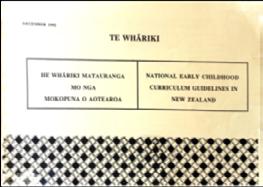
Te Whāriki was developed by Dr Margaret Carr and Dr Helen May through the Early Childhood Curriculum Project of 1991 to 1992. Working alongside the late Tā Tamati Reedy, the late Lady Tilly Reedy and Te Kōhanga Reo National Trust, and informed by contributions from across the
early learning sector, they helped establish the first bicultural framework for a curriculum document in Aotearoa New Zealand.
I acknowledge with deep respect the recent passing of Tā Tamati Reedy and Lady Tilly Reedy, whose profound contributions to Māori education, te reo Māori revitalisation and the development of Te Whāriki leave a lasting legacy. Together, their leadership, vision and commitment helped shape Aotearoa New Zealand's approach to early learning, and strengthened the foundations for mokopuna, whānau and kaiako. Their work, and their influence, endure. Thirty years on, Te Whāriki and its emphasis on "our bicultural foundation, multicultural present and shared future" continues to shape the future of early learning.
Implementation of Te Whāriki in everyday practice is driven by our early learning kaiako and support staff. These dedicated kaiako are the ones who make sure the principles and strands of Te Whāriki are woven into every part of the learning journey.
Through the insights and reflections of these kaimahi, this special issue of Education Gazette | Tukutuku Kōrero recognises and honours those who shaped, interpreted and championed Te Whāriki over the last three decades.
It highlights that Te Whāriki | He whāriki mātauranga mō ngā mokopuna o Aotearoa has been, and will continue to be, a collective journey. We offer our gratitude to the kaiako, leaders, whānau and communities who use Te Whāriki every day as they strive for equitable and excellent outcomes for all mokopuna.
Ngā mihi nui,
Ellen MacGregor-Reid Te Tumu Whakarae mō te Mātauranga Secretary for Education

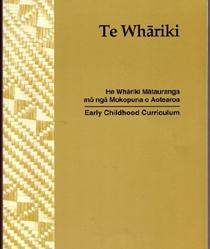
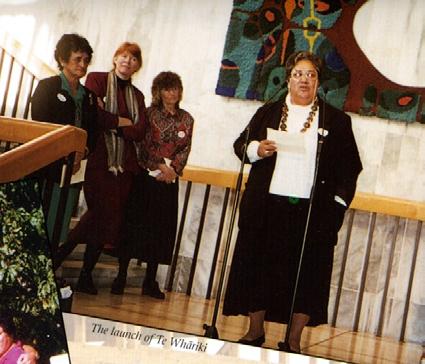
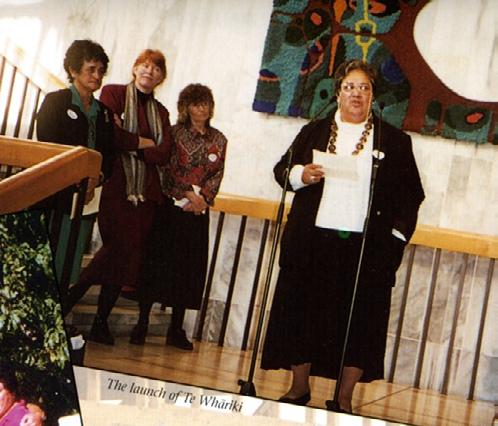

A tapestry for life: In honour of the late Tā Tamati Reedy and Lady Tilly Reedy

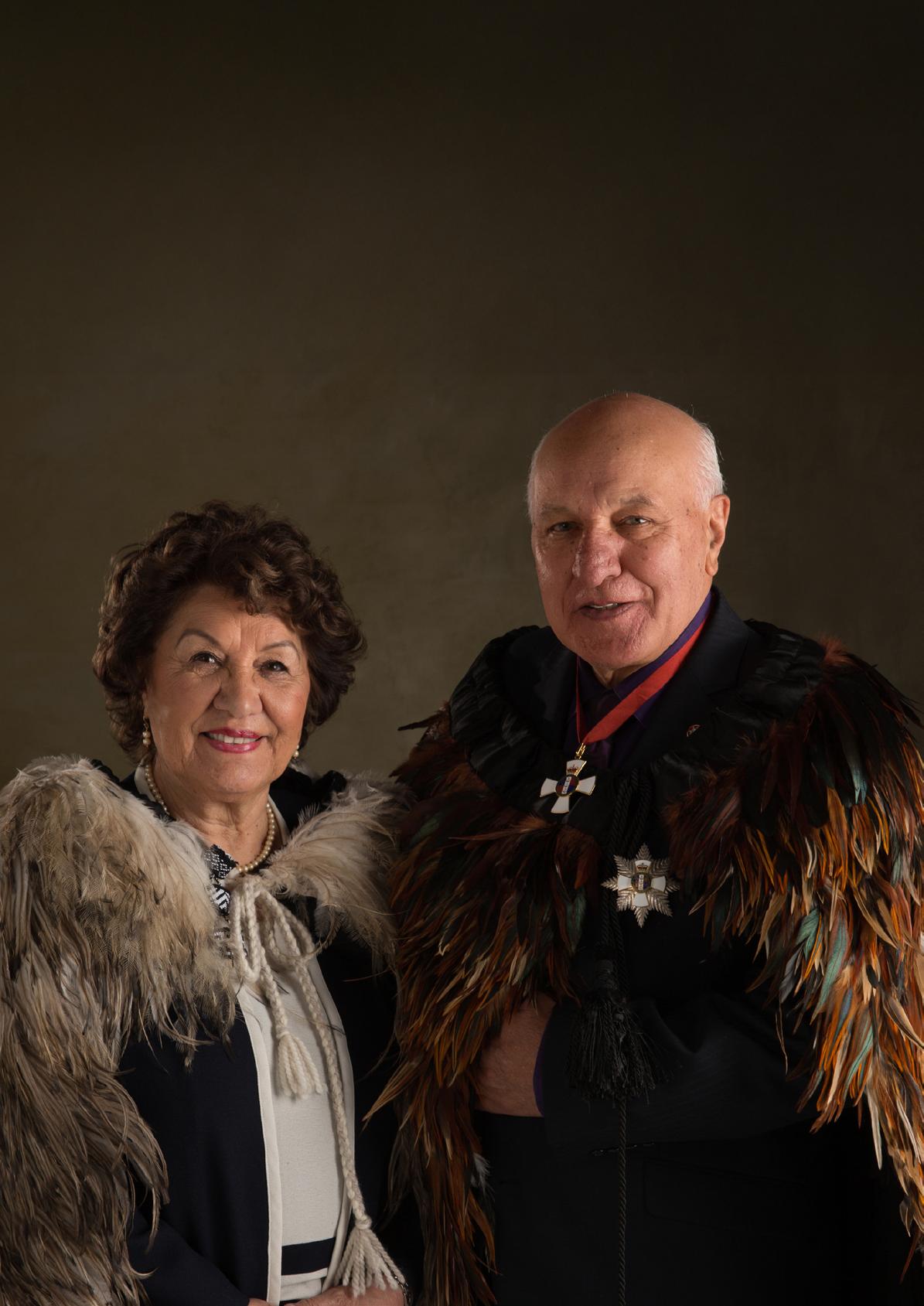
In March this year, Aotearoa New Zealand mourned the passing of Lady Kahurangi Tilly Te Koingo Reedy (Ngāti Porou) (1934-2026). Then sadly in May, Tā Tamati Muturangi Reedy (Ngāti Porou) (1936-2026) also passed. They were deeply respected leaders, educators and advocates for Māori language and education. Their vision and expertise were instrumental in shaping Te Whāriki. We honour their legacy and life, and the taonga that continues to shape generations.
In this tribute, Emeritus Professor Helen May reflects on the vision, leadership and enduring impact of Tā Tamati and Lady Tilly, and the weaving of Te Whāriki as a foundation for mokopuna in Aotearoa.
A tribute by Helen May
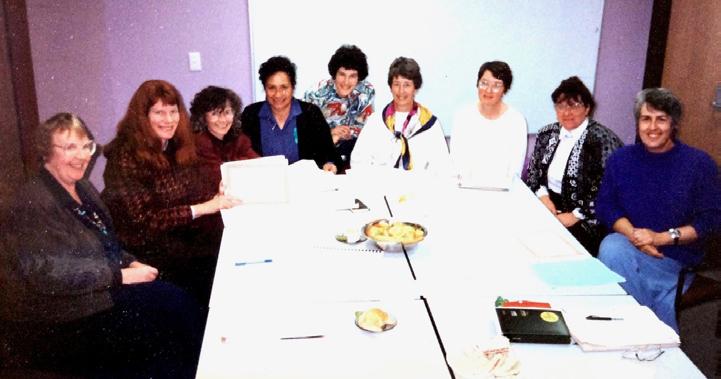
Sir Tamati and Lady Tilly Reedy, on behalf of Ngā Kōhanga Reo Trust, worked alongside Margaret Carr and me on our contract to develop National Early Childhood Curriculum Guidelines.
The 1991 proposal to the Ministry of Education included a Māori curriculum with a separate working group, along with working groups for Pacifica, home-based, infants and toddlers, young children and children with special needs.
Thus in late 1991 we began our extraordinary journey with Tilly and Tamati, beginning with the framework of the five domains of Mana that became Te Whāriki – as a ‘mat for all to stand on’ but woven with multiple curriculum patterns
In hindsight this was radical; a curriculum woven by all kaiako, grounded in the peoples and places of Aotearoa with the principle of empowerment of mokopuna at its heart.
Both Tilly and Tamati had a way with words. Separately and collectively, across the decades, they translated, promoted and protected Te Whāriki.
Tilly’s way with words was her expressive ability to charm, challenge, cajole and explain. This is not to forget Tamati’s scholarship, knowledge and translations that guided us so well.
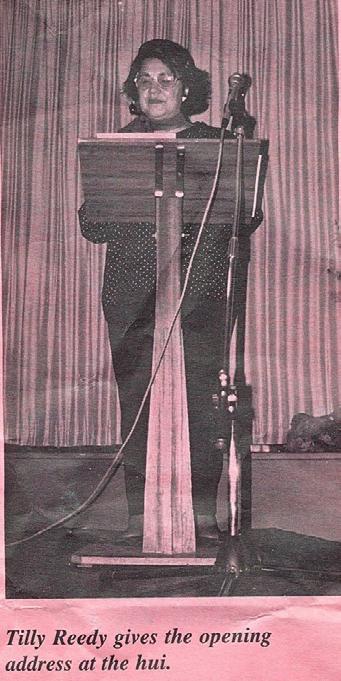
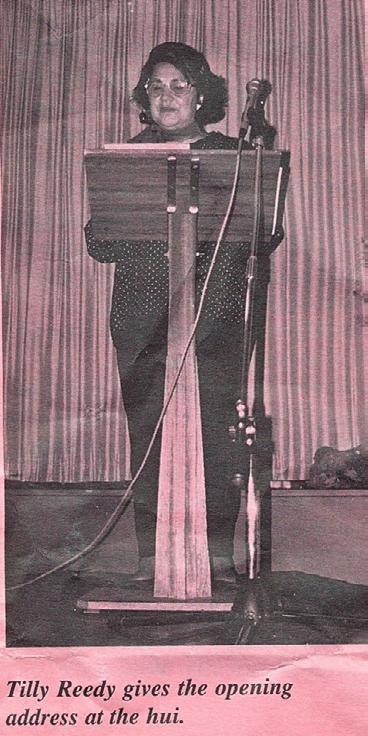
It was, however, Tilly, with her hands-on experience, who was more often on the frontline. She spoke at many hui, mainly unscripted and always feisty.
Tilly fronted the Ministry of Education’s first consultation hui in late 1991 with a ‘who’s who’ of academics, teacher educators and organisation leaders, and unveiled the framework of Te Whāriki with its four principles and the domains of Mana Atua, Mana Whenua, Mana Reo, Mana Tangata and Mana Aoturoa – what did they mean?
There was a stunned response as Margaret and I then outlined the parallel domains of: Wellbeing, Belonging,
Communication, Contribution and Exploration. These were also new words. Preschool curricula were mainly framed around play areas, apparatus or subjects.
Gaining acceptance of the principles and dual framework from these cross-sector power brokers was a huge step.
It was Tilly’s speech ‘I have a Dream’ that launched Te Whāriki at the CECUA Conference in 1993 after the draft was posted without fanfare to centres.[1]
"I have a dream that we, the Māori people of Aotearoa will secure our place here in Aotearoa through our commitment to our mokopuna," she said.
That we would be celebrating ‘Te Whāriki at 30 Years’ (after its official launch by Prime Minister Rt Hon Jim Bolger in 1996 at the Beehive) was never imagined.
In 2004 the OECD Directorate of Education organised a workshop for national coordinators of early childhood policy that showcased Te Whāriki as ‘groundbreaking’.[2] In 2013 New Zealand hosted a conference, again for OECD member early childhood policy makers who requested a focus on Te Whāriki.
After a mihi whakatau and an introductory mihi by Riripeti Reedy, Lady Tilly and Sir Tamati opened proceedings. Their speech, ‘Te Whāriki: A Tapestry for Life’, in the presence of the Hon Hekia Parata, a first Māori Minister of Education, was a powerful message to this international audience.[3]
Tilly spoke first, echoing the missive from a 1995 keynote, ‘Power and Knowledge set me Free’: “Te Whāriki encapsulates my horizon and the dreams I have for my mokopuna’s heritage. It can be your horizon too … Te Whāriki recognises my right to choose, and your right to choose.”
Tamati followed, translating what the domains of Mana meant for all mokopuna in Aotearoa.
[1] Tilly Reedy, ‘I have a Dream’ Keynote Address Combined Early Childhood Union of Aotearoa National Curriculum Conference, Christchurch, 1993 [2] Directorate for Education, Five Curricula Outlines, OECD, 2004. [3] Tilly Reedy and Tamati Reedy (Ngāti Porou), ‘Te Whāriki: A Tapestry for Life’, OECD Conference Te Whāriki an international perspective, 2013.
Presented by Lady Tilly Reedy and Tā Tamati Reedy at the New Zealand Conference on Early Childhood Education and Care in cooperation with the OECD ECEC Network on 9 December 2013, Wellington, New Zealand.
Mihi – introduction by Riripeti Reedy
Ko Hikurangi te maunga
Ko Waiapu te awa
Ko Ngati Porou te iwi
Ko au, e tu atu nei
He uri na Porourangi
He mokopuna na Paikea
Tena koutou, tena koutou, tena tatou katoa
Iam Heneriata Riripeti, a daughter of Tilly and Tamati.
A few days ago mother said to me, your father and I have decided you will do the mihi to everyone and introduce us. That will be about two or three minutes, and really that has been the way of things working with my parents, working with Te Whāriki, over the past couple of years – being in charge is a fluid process!
So, welcome, welcome once, twice, welcome to us all.
My parents’ kōrero on Te Whāriki spans all of my lifetime, and it was retold again at a family Christening of one of our mokopuna yesterday. I then understand that the learnings of Te Whāriki have been the gifts to each of my parents from their tīpuna – they were both ‘highly favoured mokopuna’ of their respective grandparents. I also understand that the power of Te Whāriki at the end of 2013, is that it was written and conceived of in Māori for all of us and our duty here today is to share it with you and beyond you. Kia ora.
Te Whāriki as a I see it, is a tapestry for life.
It is a Māori tapestry for life available to anyone and everyone. Its unique qualities stretch back to infinity, to ancient times, to ancestors and their deeds.
Te Whāriki is built on a foundation of Māori values and belief systems, like mana, having authority, prestige, power, ihi, having rank and essential inner force, wehi, being awe-inspiring, manaaki, showing respect, and aroha, having love and compassion. It is also about whakapapa, geneology, tūrangawaewae, identity, te reo, language and tikanga, etiquette and behaviour. It is about stories, songs and dance.
Te Whāriki is a curriculum which is child-centred and learning-oriented – ko te whakamana i te tamaiti ki te ako te pūtake o tēnei marautanga. The basic principle that underpins Te Whāriki is ‘to empower the child to learn’.
Te Whāriki is the first curriculum of its kind for Aotearoa New Zealand. After 200 years of educational history, Māori was, for the first time, being given the opportunity to influence a new curriculum that would touch the minds of future New Zealanders.
When Helen May and Margaret Carr of Waikato University won the contract to develop the curriculum for early childhood education in New Zealand, Tamati and I became involved.
Coming from a strong Māori base that was using a Māori medium for instruction and processes, it was obvious to Tamati and me that there could be difficulties. But they were not insurmountable, thanks to Helen and Margaret.
Their leadership, and their strong commitment to the Treaty of Waitangi, the founding document of this nation, to the Māori world-view and the promise for a curriculum with an ‘Aotearoa flavour’ produced a bilingual and a bicultural curriculum.
They supported Te Whāriki and consequently put New Zealand on the international map of early childhood education.
Tamati and I also felt the awesome reponsibility of thinking in Māori, and of laying down a philosophical framework in Māori that would survive the challenges of an education system of 200 years... That was a system based on a language and culture different from Māori, and ignorant of Māori. And of course, there was the wide ranging consultative group that Helen and Margaret called together.
They were representative of most, if not all of the early childhood education groups, and I think it would be safe to say, that none of them were native speakers of Māori and none would have had a depth understanding of Māori values and belief systems.
This is in no way a criticism of those very dedicated people, but more as an explanation of the task to be done.
We were all there, with our own philosophies, our own cultures, our own languages – both oral and non, and our own convictions that our way was the best one for us.
In the formulation of Te Whāriki, Tamati and I worked to develop a theoretical framework that would recognise the right of groups to choose the content of their learning, and the process by which this would be transmitted.
We were very aware of tribal pride and sensitivity, of tribal histories and traditions, particular to, and peculiar to, each group. So that was another major consideration for us.
As a consequence we created a curriculum which we felt was not only answerable to the requirements of the Minsitry of Education and its government, but was also multi-tribal and multi-cultural in its execution.
With the translations we provided, we believe Te Whāriki is appropriate for all groups, with core elements that can cross cultures with respect, and still allow for individual developments specific to each person, each group, each tribe and each culture.
This is the real strength of Te Whāriki. Its capacity to establish strong and durable foundations for every culture in Aotearoa New Zealand, and in the world.
Te Whāriki promises strong and durable foundations on which to weave a tapestry for life. The key word is ‘foundations’. Oku tūrangawaewae, my foundations.
That is what Te Whāriki seeks from us ... we really have to know who we are, what we are, why we are the way we are, before we can be any good to ourselves, let alone the children who have been entrusted to our care.
With self-knowledge comes self-belief, self-value, and self-love, all of which will determine our level of commitment to the children we serve, and the quality of that commitment.
Ko Te Whāriki te mokopuna. Ko te mokopuna Te Whāriki.
Te Whāriki is the child. The child is Te Whāriki.
The possibilites for the development of the mokopuna are infinite. When we weave a strong and secure whāriki-foundation we develop a strong and secure individual.
When we nurture the mokopuna in love and respect, we build an individual with mana and power and confidence.
“They both had a way with words. Separately and collectively, across the decades, they translated, promoted and protected Te Whāriki.”
Te Whāriki projects a four-dimensional holistic development of the mokopuna at all times – the physical, the mental, the spiritual and the emotional. The learnings, Ngā Taumata Whakahirahira or achievement aims, that build and develop their physical, mental, spiritual and emotional strengths are the beginnings of their tapestries for life.
And therein lies the challenge to all of us, their caregivers who transmit all knowlege and learning to them. The commitment must be towards developing not only their physical and mental capacities but their spiritual and emotional strengths as well.
In Te Whāriki the following translation of the summaries of each of these dimensions are:
Tinana
This dimension deals with the physical power of the body and its health. The student learns that play, sport and enjoyment are fundamentals to good body health; that knowledge of the biological functions and processes of the body are necessary learnings; that the daily maintenance of the body using old and new learnings are important.
Hinengaro
This dimension deals with power of the mind. The student learns about thoughts; about control of ones inner and external worlds which build this power of the mind; about ‘belief systems’ that empower the mind; about explanations of the universe, that embrace ancient Māori philosophies of te po and te kore, to modern explanations of ‘black holes’, and future/past time zones; about understanding themselves and their purpose in life. To meet these needs the Māori mind developed the very useful tool of karakia incantation, and affirmation. The karakia imprints within the mind and being of the person, the ability to focus on the
purpose at hand which may be to seek help for someone, themselves, a job, or to help achieve some goal. This imprinting is similar to the rituals performed in the culture of the kumara. This is no different to prayers calling on some divine agent , like Jesus Christ, God, or Allah, for guidance.
Wairua
This dimension deals with spiritual power and the sense of oneness with the universe. The student learns that all things are part of the universe; that all matter is made up of the same energy forces. The past, present and future are sources of trust, confidence and self-esteem; that eternal questions about atua, gods and their place in the Universe are challenges for the mind to explore; that tradition, religious beliefs, philosophy, and modern science are not necessarily incompatible.
Whatumanawa
This dimension deals with the power of the emotions. The student through knowledge and experiences builds an understanding of the range of emotions we humans express... from love and happiness, to hate and sorrow. These emotions manifest outwardly our inner world. If the experiences are positive and happy the emotional responses will produce a student who is positive and happy – one who is confident and has a positive self-image.
Nga Taumata Whakahirahira ensure the learner is empowered in every way possible. The main achievement occurs in the development of the mana of the student. The student is nurtured in the knowledge that they are loved and respected. That their physical, mental, spiritual and emotional strength, build mana, influence and control; that having mana is the enabling and empowerment tool to controlling their own destiny.
Mana Atua
is the development of personal wellbeing in the child, through an understanding of their own uniqueness and divine specialness.
Mana Tangata
is the development of self-esteem through ones confidence to contribute to life. It encompasses the spirit of generosity and reciprocity, of caring for others and creating enduring personal relationships; of developing physical powers
through a strong and healthy body; of developing emotional maturity and awareness, of learning to deal with fears and inhibitions that lead to joy and happiness. Students must learn early that life is a once only experience. It is not a practice run.
Mana Reo
is the development of communication which enhances personal mana and wellbeing. The learnings here are to empower the student in their ability to speak and to elucidate their learnings, knowledge and abstract thoughts, in te reo Māori. It is the fluency of their delivery that their mana is enhanced. Language is the window into one’s culture and transmits the values and beliefs of its people. The many languages in this world have their own sounds and their own structures, yet, with but one purpose – to convey messages between a speaker and a receiver.
Mana Whenua is the development of a sense of sovereignty, of identity and the sense of belonging. According to Māori a child born has its umbilical cord cut and buried in their own land. The placenta and the afterbirth in Māori is also termed “whenua”. Because of these traditions, the
spriritual unity of the child with the land, with its people and the Universe at large is as one; the sense of identity for the land its environment. The spirit of the land lives in the person; the physical and emotional identity with the land are strengthened through myths, song, dance and karakia; confidence and self-esteem are the outcomes.
Mana Aoturoa
is the development of a sense of exploration and understanding of all aspects of this world and the Universe. Mana Aoturoa is the development of curiosity, of seeking answers. The student learns and understands their uniqueness and similarity with the rest of the Universe; that conquering the unknown through one’s mind and understanding is possible; that understanding the physical world is exciting and challenging; that development and practising the universal emotions of peace, compassion and harmony are a responsiblity for us all.
Te Whāriki rests on the theory that all children will succeed in education when the foundations to their learning is based on an understanding and a respect for their cultural roots. Te Whāriki has as its central focus the child, ‘to empower the child to learn’.
MĀORI MEDIUM
Te Kōhanga Reo National Trust share a snapshot of 30 years of Te Whāriki a Te Kōhanga Reo.
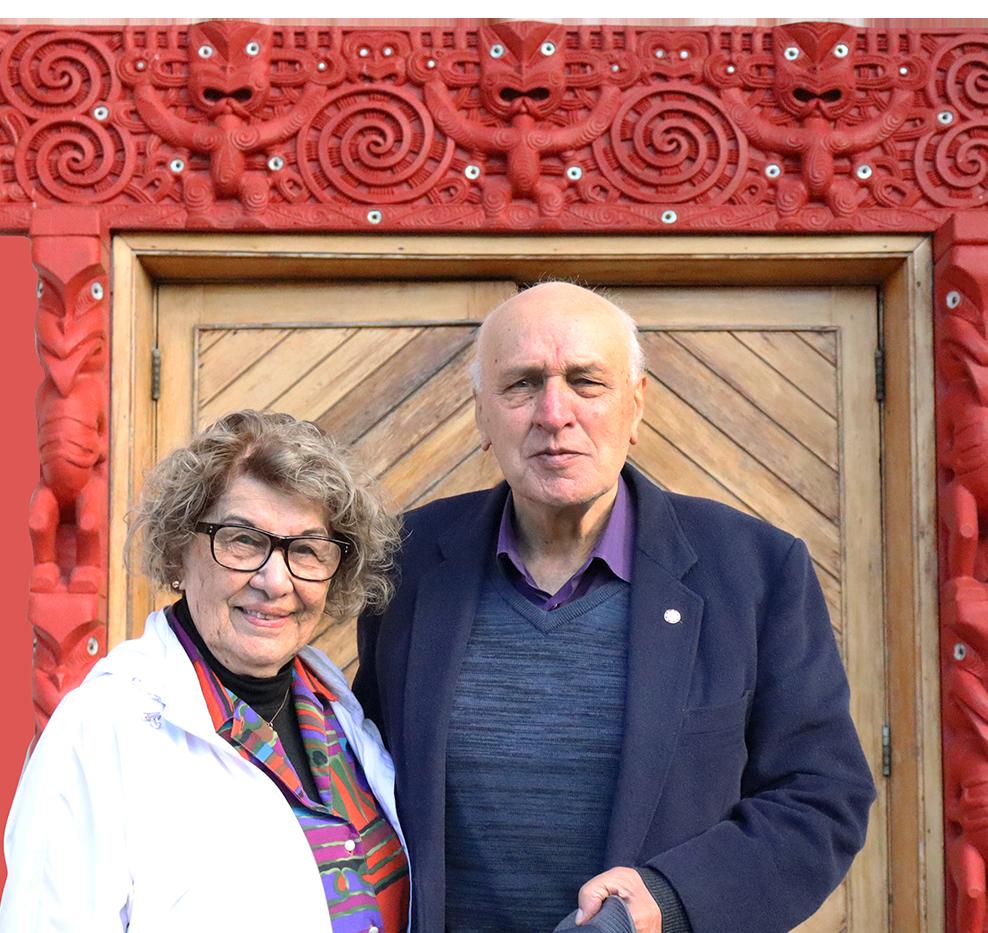
Ewhakatinana ana Te Whāriki i te mauri o te ao Māori me ngā mātāpono e whakawhenua nei i tā te Māori tirohanga i te ao. Ehara i te marau mātauranga noa, engari kē ia he kauwaka mō ngā kawenga mahi katoa e aro pū ana ki te whakarauoratanga o te reo Māori, te kaha mauroa o te whānau me te oranga tonutanga o ngā mokopuna puta noa. Koinei te whakatinanatanga o ngā wawata me ngā moemoeā i tuia e ngā Pohoi Toroa o te ao Māori ki te whāriki o te ao tukupū e puāwai ai anō te reo Māori, te ahurea Māori e noho nei tātou me te tuakiri o te tangata.
Mai i te hui Kaumātua tuatahi i te tau 1979 ki Waiwhetu tae noa mai ki mohoa noa nei, kua whakaara te Māori i a ia anō ahakoa ngā aupēhitanga o te wā.
Nā Lady Tilly Reedy rāua ko Tā Hemi Henare te ingoa ‘Te Kōhanga Reo’ i tapa, ā, he huahuatau tēnei mō te morimoritanga o ngā mokopuna i roto i te pūāhurutanga o te reo Māori.
Ka awatea te manako nui i ngā mahi o te hunga i a Kahurangi Iritana Tawhiwhirangi, ka ea te wawata i te horapa o te reo Māori me ōna tikanga ki ngā kainga maha o Aotearoa. Ahakoa e hoki putuputu tonu ana te Māori ki tōna reo, ki ōna tikanga, ki tōna ahurea me tōna tuakiri, e ora marika ana ngā mātāpono i whakatakotoria e ngā kairaranga o Te Whāriki, e mārama ake ai hoki te kōrero a Tā Hemi Henare e mea ana; “Ko te reo te mauri o te mana Māori.”
Nā Lady Tilly Reedy rāua ko tana hoa rangatira, a Tā Tamati Reedy, Te Whāriki i tuhi, ā, i mua noa atu i te whakaahutanga o te rautaki kōhungahunga a Te Tari
Mātauranga i te tau 1990 i parahia kētia e rāua me te tira tautoko te ara whakamua. I rewa Te Whāriki i te tau 1993, i whenumitia Te Whāriki ki Te Korowai o Te Kōhanga Reo i te tau 1995, ka mutu, nā Te Hēkeretari Mātauranga tēnei whenumitanga i whakamana. Ki konei mana ai te kōrero a Lady Tilly Reedy e kī ana; “Ko te reo Māori te pae kawe i ngā mea katoa.”
Me he whāriki te mokopuna e ranga nei i a ia anō ki ōna toronga whakapapa, tōna taiao, tōna hapori me tōna ahurea. Kāore he rerekētanga o te taiao o te tamaiti me ngā mahi e ako nei ia, ka noho hoki ngā āhuatanga ako o te mokopuna hei pou tarāwaho mōna.
Nō te tau 2017 whakahoungia Te Whāriki hei tohu mō tana mana nui me tōna hirahira. Ka ora Te Whāriki i ngā tāngata e whakatinana ana i ōna mātāpono, ka mutu, ki konei kitea ai te rerekē o Te Whāriki me ērā atu marau mātauranga. Mātua rā te kete kōrero o Te Whāriki a
Te Kōhanga reo e kī ana; “Ko te whakamana i te mokopuna ki te ako te pūtake o Te Whāriki.”
Kua eke Te Whāriki ki te 30 tau, ā, e tika ana kia whakahōnoretia ngā ihorei i ao ai tēnei tuhinga. E mihi ana te Te Poari Matua a Te Kōhanga Reo ki a Tā Tamati Reedy, Lady Tilly Reedy, Kahurangi Iritana Tawhiwhirangi, Tā Hemi Henare, Tā John Bennett, Tā Kara Puketapu, ngā tini kaumātua, ngā kuia, ngā whānau, ngā kaiako, ngā kaupapa kaimahi me ngā mokopuna kua pupuru i te mauri o Te Whāriki mai i tōna oroko tīmatanga mai.
I tōna tau 30, e whai tonu ana Te Whāriki a Te Kōhanga Reo i tāna i whakatakoto i ngā tau iwa tekau. E rangaranga tonu nei te whakarauoratanga o te reo Māori, te kaha mauroa o te whānau me te oranga tonutanga o ngā mokopuna puta noa, e ea ai te kōrero a Te Whāriki a Te Kōhanga Reo e kī ana; “Ko te whāriki te mokopuna, ko te mokopuna te whāriki.”
English translation
Te Whāriki a Te Kōhanga Reo embodies the philosophies and principles of a Māori worldview grounded in the cultural, spiritual, and social values of Te Ao Māori. More than a curriculum, it represents the aspirations of a movement committed to the revitalisation of te reo Māori, the strengthening of whānau, and the wellbeing of mokopuna. It is a living tapestry woven from the hopes and collective vision of generations who believed that Māori language, culture and identity would flourish once more.
The origins of Te Whāriki are inseparable from the story of Te Kōhanga Reo. In the late 1970s and early 1980s, Māori leaders and kaumātua became increasingly concerned about the decline of te reo Māori and the broader social challenges facing Māori communities.
In response, Sir Kara Puketapu convened the first Hui Kaumātua at Waiwhetū Marae in 1979, bringing together respected leaders from across the motu to consider the future of Māori and the place of te reo within it.
At these hui, kaumātua articulated a clear vision: the revitalisation of te reo Māori, the restoration of tikanga Māori, and the development of strong, capable whānau. Mokopuna were identified as the central priority, while whānau were recognised as the means through which aspirations for future generations would be realised. The survival of te reo Māori was understood as inseparable from the wellbeing of whānau and the strength of Māori communities.
During one gathering, Lady Tilly Reedy and Sir James Henare were tasked with naming the emerging movement. The name Kōhanga Reo, meaning 'language nest,' was gifted as a metaphor for a nurturing environment where mokopuna would be immersed in language, culture, identity and belonging. The vision was both simple and profound: to create spaces where te reo Māori would once again be the natural language of daily life, supported by the active involvement of whānau.
Under the leadership of Dame Iritana Tāwhiwhirangi and many others, this vision grew rapidly into a nationwide movement. Te Kōhanga Reo became more than an early childhood initiative – it became a movement of language revitalisation, whānau development and cultural regeneration. Whānau –including parents, grandparents, aunties and uncles – embraced the responsibility of learning alongside their mokopuna, ensuring that te reo Māori extended beyond the kōhanga into homes, marae, communities, kura kaupapa Māori, and future generations.
From its inception, Te Kōhanga Reo has been based on total language immersion within a Te Ao Māori environment. Central to this worldview is the understanding that all things possess mauri. Learning is holistic, experiential and relational. Mokopuna are immersed in contexts where language, culture, spirituality and identity are lived rather than taught. Through interactions with people, places, and the natural world, they develop an understanding of their connections to one another, their ancestors and the wider environment.
As Lady Tilly Reedy emphasised, Te Whāriki was not newly created but handed down by our ancestors. Alongside Sir Tamati Reedy, she travelled throughout the country consulting with kaumātua to shape a curriculum reflecting Māori aspirations for mokopuna and their whānau. These engagements affirmed that learning begins long before formal education and is nurtured through whakapapa, relationships, language, culture and collective responsibility.
In 1990, the Ministry of Education began developing a national early childhood framework. At the same time, Te Kōhanga Reo had already established its own direction. Recognising the need to articulate its philosophy within an evolving policy environment, the movement remained steadfast in its commitment to kaupapa Māori.
In 1993, the first draft of Te Whāriki a Te Kōhanga Reo, written entirely in te reo Māori, was presented to kōhanga across the motu. This affirmed that te reo Māori was not merely a subject, but the natural carrier of Māori knowledge, values and ways of understanding the world. As Lady Tilly Reedy stated, “Te reo Māori can carry everything.”
The marautanga was incorporated within Te Korowai in 1995 and formally endorsed by the Secretary of Education. It reflected the partnership responsibilities of Te Tiriti o Waitangi, acknowledging the roles of both the Crown and Te Ao Māori. While the Ministry provided support, Te Kōhanga Reo National Trust retained responsibility for safeguarding te reo Māori, tikanga Māori and the aspirations of whānau.
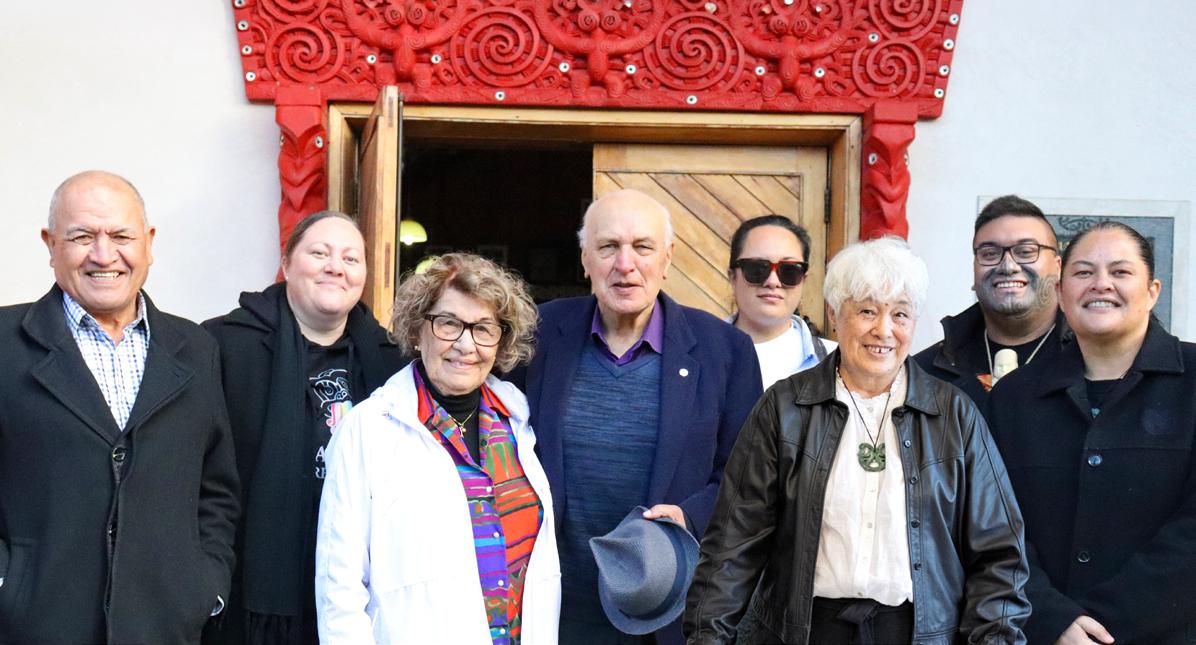
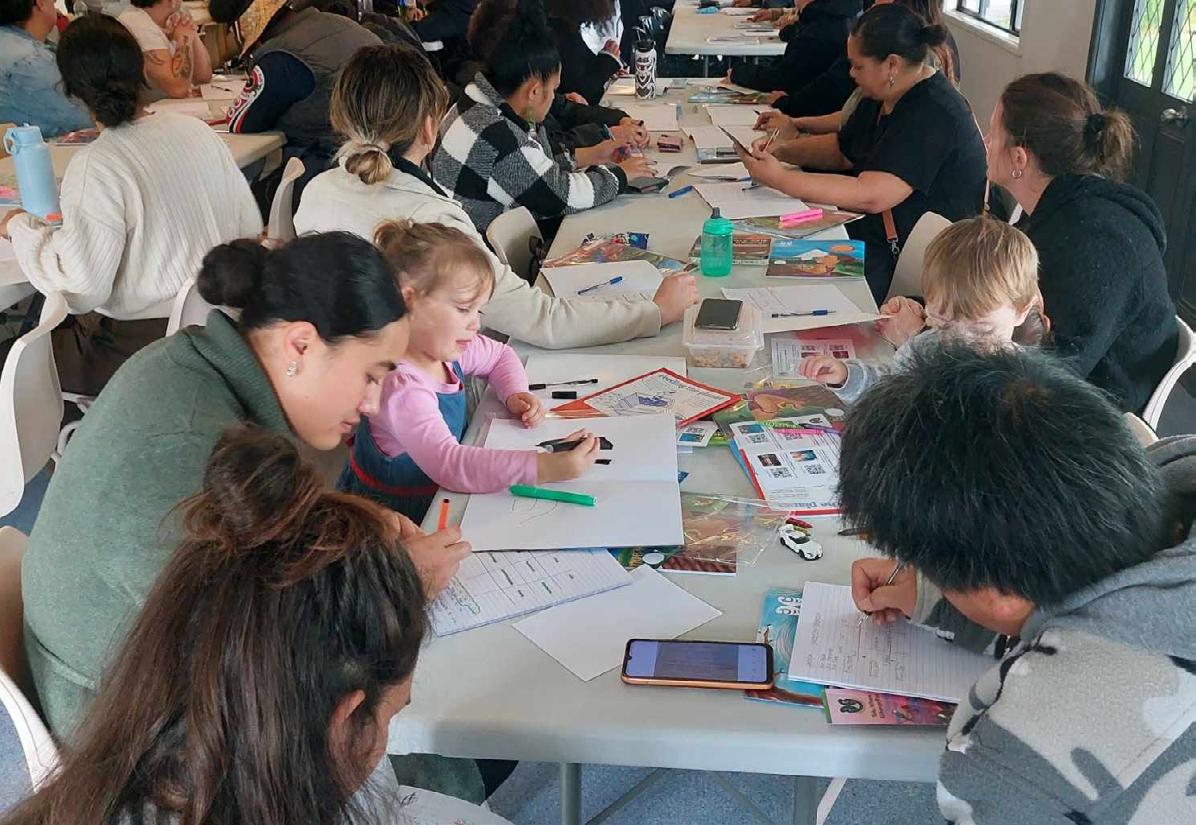
The concept of Te Whāriki is reflected in its name. A whāriki is a woven mat created by many hands, with each strand contributing to the strength of the whole. In the same way, every mokopuna is woven through relationships with whānau, hapū, iwi, language, culture, environment and community. Learning is not separate from life, but part of a continuous journey that begins before birth and continues throughout a lifetime.
Te Whāriki extends beyond a bicultural framework by recognising the interconnectedness of the whole child. It affirms that learning encompasses physical, emotional, spiritual, intellectual, cultura and collective dimensions. Each mokopuna is seen as a capable and competent learner, whose development is nurtured through meaningful relationships and experiences.
Over time, Te Whāriki has continued to evolve while remaining true to its original kaupapa. The 2017 refresh reaffirmed its place within the early childhood landscape and its relevance for future generations. Unlike static curriculum documents, Te Whāriki lives through the people who uphold it. Across the motu, whānau, kaiako, kaumātua and kaupapa kaimahi engage in wānanga, hui whakangungu, Te Pae Tuku o Ngā Taumata Whakahirahira, Whakapiki i te Reo initiatives
and Wererou, ensuring ongoing reflection and renewal.
Te Whāriki a Te Kōhanga Reo provides enduring foundations upon which mokopuna can weave their own pathways through life. Its guiding principle, “Ko te whakamana i te mokopuna ki te ako te pūtake o Te Whāriki,” reflects a commitment to nurturing the inherent potential within every child.
As Te Whāriki reaches its 30-year milestone, it is a time to honour those who laid its foundations and those who continue to carry the kaupapa forward.
Te Kōhanga Reo National Trust acknowledges Sir Tamati Reedy, Lady Tilly Reedy, Dame Iritana Tāwhiwhirangi, Sir James Henare, Sir John Bennett, Sir Kara Puketapu, and the many kaumātua, kuia, whānau, kaiako, kaupapa kaimahi and mokopuna who have contributed to its development and continuation.
Thirty years on, Te Whāriki a Te Kōhanga Reo remains a living expression of its original vision. It affirms that the revitalisation of te reo Māori, the strengthening of whānau and the wellbeing of mokopuna are inseparable. The weaving continues, with each generation contributing its own strand to the tapestry: “Ko te whāriki te mokopuna, ko te mokopuna te whāriki.”
From teacher education to leadership, Dr Bradley Hannigan has seen Te Whāriki shape practice in ways that extend far beyond early learning. Currently the manager early learning curriculum at the Ministry of Education, he reflects on its influence across sectors and over time.
started my early learning professional journey in the late 1990s when Helen May invited me to tutor, and later lecture, in her History of Early Childhood paper at Te Herenga Waka – Victoria University of Wellington. Since then, I have taught in early childhood teacher education programmes at both Victoria University and the University of Canterbury, worked as a senior teacher in early childhood and led a Master of Applied Management research programme.
In November 2024, I moved into my current role as manager of the early learning curriculum team at the Ministry of Education.
A philosophy that shaped my practice
My first connection with Te Whāriki came during my postgraduate study, where I focused on peace education and peaceful pedagogies.
From there my engagement deepened; through my PhD years and in my work supporting student teachers, and later practising teachers in kindergartens, to engage with Te Whāriki as the tuapapa of their practice with children.
As an adult educator, I have long advocated that the principles and strands of Te Whāriki are highly relevant beyond early learning. I see them as foundational to adult education, and indeed to management and leadership, as the basis for good quality practice.
Today, I lead the early learning curriculum team developing curriculum and teaching and learning resources to support the sector through self-directed learning. Te Whāriki underpins all the work that we do.
Why Te Whāriki still leads the world
Te Whāriki is often recognised as the world’s first bicultural curriculum statement – something we should be immensely proud of.
But having reviewed curricula from multiple jurisdictions, I see several world-leading components within it.
Our curriculum explicitly recognises three broad age groups – infants, toddlers, and young children –which is not often the case internationally.
It goes further by providing guidance for kaiako on how to support learning and development for each group, connecting the principles, strands, outcomes and goals in meaningful ways. That level of integration is rare.
Another unique aspect is its recognition that curriculum does not sit in isolation. Te Whāriki includes advice and prompts for leaders and managers, acknowledging the essential role of leadership and resourcing in enabling good practice.
At its heart is a clear commitment to the rights of children to be children.
Its focus on holistic, play-based pedagogy, balanced with professional intentionality, alongside its emphasis on equity, identity, language and culture, gives it its place as a world-leading curriculum.
More than that, I see it as an exemplar not just for early learning, but across the full education pathway through schooling and into tertiary contexts.
In my own career, I have applied Te Whāriki in a variety of settings. Alongside embedding it in teacher education, I used it as the basis for teaching in a Master of Management programme – informing lecture design, tutorials, andragogy and assessment practice.
There is a real power in focusing on belonging, wellbeing, communication, contribution and exploration for all learners, regardless of age.
I also see significant, largely unexplored potential in using Te Whāriki in business management and leadership contexts. Its principles and strands offer both inspiration and practical guidance for leading people and organisations well.
While Te Whāriki is a world-leading curriculum in early learning, its utility extends well beyond that space. I have often thought it could even be meaningfully applied in contexts such as aged care.
Quite arguably, Te Whāriki is more than just a curriculum statement. It is a taonga – one that lives not only in the minds and practices of early learning kaiako, but also in heartfelt connection.
It guides practice, but it also brings kaiako across diverse services, communities and philosophies together.
Over time, we have shown that it can be updated and improved – a mark of a mature education system. At the same time, it reflects enduring truths about what matters for our mokopuna.
We want children to grow, learn and flourish. We want them to be accepted for their gifts and secure in their identities.
We want children to be connected to their whānau and communities through caring, positive, manaenhancing relationships. And we want them to see themselves as powerful learners who care for others and for themselves.
There is something perennial in the vision and hope of Te Whāriki. That is what will keep it at the heart of early learning in Aotearoa New Zealand and, I hope, extend its influence into other areas of education and across our wider social systems.

Dr Bradley Hannigan.
“At its heart is a clear commitment to the rights of children to be children.”
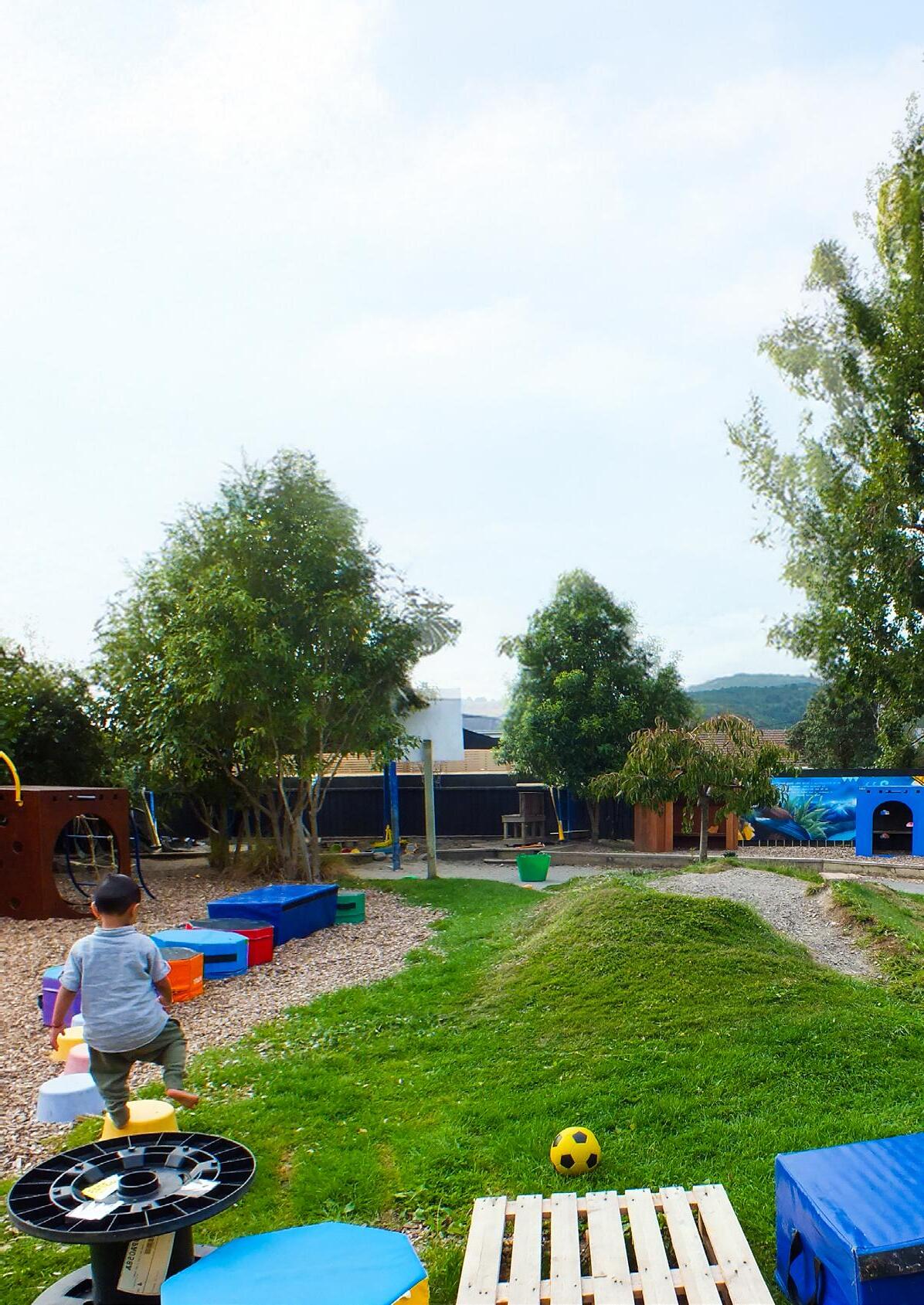
Three kaiako with diverse backgrounds and careers in early learning explore how Te Whāriki works in practice and how it continues to evolve through the lives of mokopuna and whānau.
After teaching during her gap year in England, Lauren Stafford realised education was her calling.
At the beginning of her teaching career in Aotearoa, Te Whāriki was around 10 years old.
Already, it was “world-leading”, she says. “It’s a beautiful and living document … It’s really stood the test of time.”
Now with more than 20 years of experience in early childhood education, Lauren is acting national manager for Rātā Educare, overseeing four Salvation Army-run centres in Auckland and Wellington.
As a holistic document, Lauren says Te Whāriki can be used in a myriad of ways. She adds that the curriculum shines best when teachers use it to understand children in unexpected ways.
“It helps teachers identify learning and follow different learning journeys to support the needs of each child.”
At one of her centres, kaiako were struggling to pinpoint how a specific child was learning. Through observation, they noticed how he constantly kept small trinkets gifted from other people in his pockets.
The team recognised this behaviour aligned to the principle of ngā hononga – relationships.
“The kaiako asked, 'How does this collection of trinkets reveal how the child relates to others in his life?'” says Lauren.
They then looked at the 'belonging' strand and by connecting links with family and the wider world, began building on his learning through affirming his relationships and community connections. Bringing in his family, they helped create the child’s pepeha.
“[Te Whāriki] is a natural way of adapting and learning with each other.”
When kaiako are responding to learning journeys, they begin with the child’s interests and aspirations. Teachers then consider their own goals using Te Whāriki as a lens, while parents share their hopes for their child.
“It’s really important that families have the opportunity to be involved in these decisions,” says Lauren.
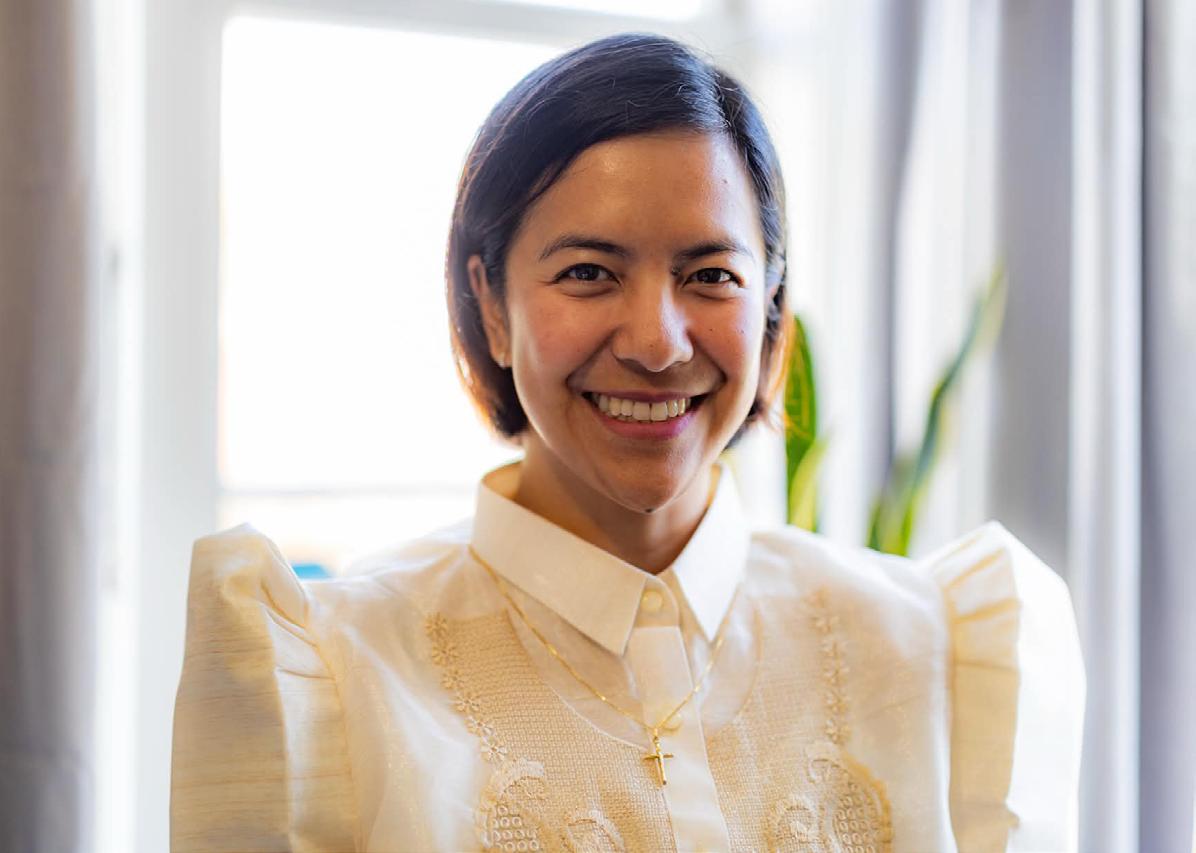
Maria Dalope.
When Maria Dalope landed in New Zealand from the Philippines, Te Whāriki presented an entirely different approach to early learning.
“It was a shock as there were lots of differences when it came to teaching and learning,” she says.
“It’s more of a play-based approach, whereas in the Philippines, children from age four are already in a structured classroom.”
Maria recognised the importance of Te Whāriki when she first began working with infants and under-twos.
“Te Whāriki directs you to a different way of understanding how infants progress and thrive in an environment where teachers really rely on whānau,” she says.
Maria now implements Te Whāriki as head teacher at Taitā Kindergarten. Working in the kindergarten space, she says her creativity has flourished.
“It’s not bookish – it’s what feels right for the community. It’s not forced – it’s a natural way of adapting and learning with each other,” she says.
She has built relationships with parents, followed home routines and focused on each child’s overall wellbeing.
Her kindergarten often invites whānau in for a “kai or cuppa” and asks parents: “What does your child’s success at kindergarten look like for you?”
“Te Whāriki is everything we do; providing and encouraging us to be flexible every single day to meet the changing needs of the tamariki and their whānau,” she says.
With many different cultures represented in Maria’s kindergarten, kaiako greet families in different languages and make a point of pronouncing names correctly.
Before children eat morning tea, they share different traditions. One Muslim child says “Bismillah”; a Japanese child says “Itadakimasu”.
“We bring all these ideas together. Not in a tokenistic way, but it’s honouring what each child brings to our kindergarten,” says Maria.
“Te Whāriki – being woven – reflects the nature of humans. We work in harmony. Without each strand, it’s not a community. Everybody brings something that we value.”
Jo Wild from Little Pipis has spent three decades in early childhood education and has watched Te Whāriki evolve over that time. She says documenting children’s learning was very different when she started teaching.
“Right up to today, you can see how unique this record keeping is,” says Jo. “It’s not only for the child but also for their whānau, and you can see the importance of looking at a child’s development holistically, where each skill links to a wider strand.”
At Jo’s centre, tuakana-teina is an important concept in which older children support younger children during play and learning.
“They learn to look after and think of others, developing empathy and respect,” she says.
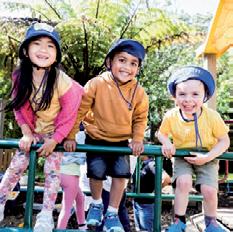
As one example, Jo says four-year-olds often cheer on younger children as they work hard to make their way across the monkey bars.
Those early experiences of belonging, confidence and connection become the foundations children carry into school.
“From birth to school age, there is so much that a child is learning,” says Lauren.
“A large amount of this learning is about their identity, their strengths and their place in the world. If children have learned about wellbeing and belonging, they can then contribute, communicate, explore and thrive.”
“Te Whāriki – being woven – reflects the nature of humans. We work in harmony.”
Three experienced educators, now advisors for the Ministry of Education, reflect on their journeys with Te Whāriki from first encounters to day-to-day practice. They share the moments, challenges and insights that have shaped their practice over time.
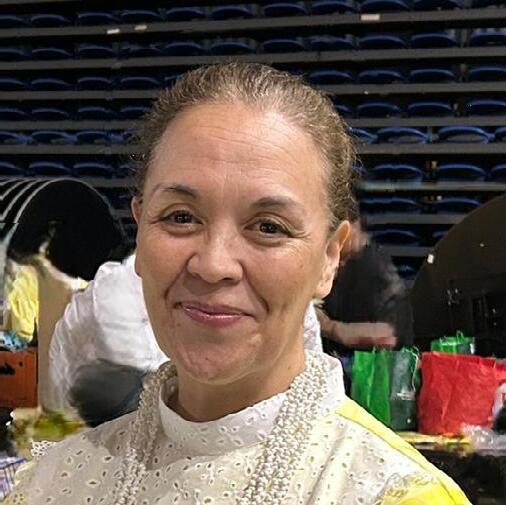
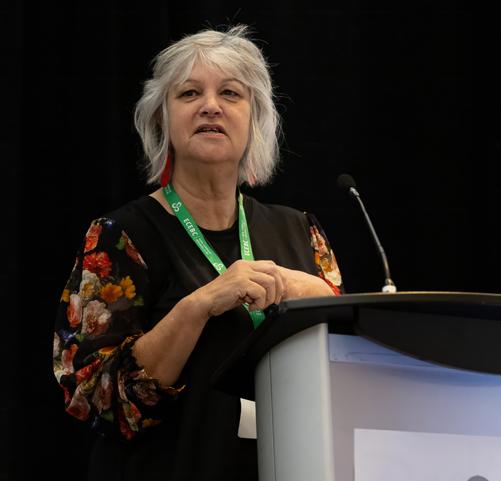
For Sue Hone, Michelle Unuia and Jess Tuhega, Te Whāriki has never been just a curriculum document. As kaiako, leaders and now advisors, it has become a living kaupapa they constantly return to. Each of them describes Te Whāriki as a guide that shifts as they do – continuing to shape how they work with mokopuna, whānau and communities decades after they first encountered it.
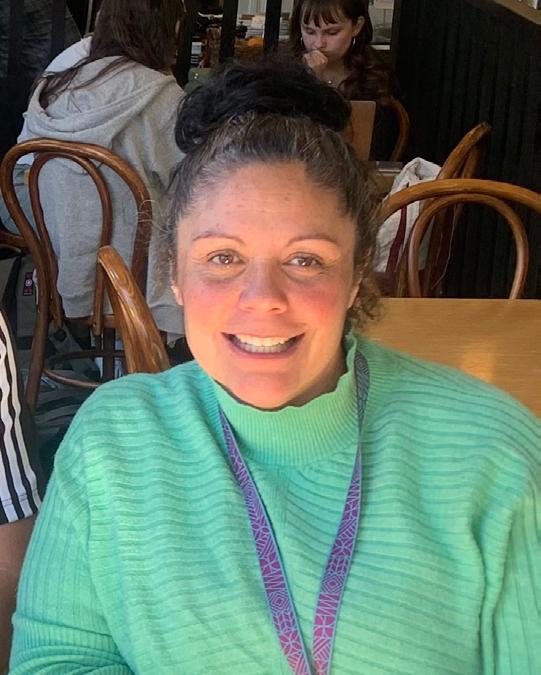
Sue is a curriculum advisor based in Whakatū Nelson, bringing years of experience as a kaiako and head teacher with the Nelson Tasman Kindergarten Association.
Jess, now a senior curriculum lead in Otago Southland, began her journey in 2000 when she first encountered Te Whāriki during her degree.
Michelle, a principal advisor in the Ministry’s early learning curriculum team, has worked across the sector since beginning her teaching career in 1993, taking on roles from kaiako to centre manager to national advisor.
Across different settings and stages, their experiences point to a shared understanding that Te Whāriki is something to be revisited and reinterpreted, evolving alongside their own practice over time.
Together, their reflections make clear that the curriculum does not replace professional judgement, but it depends on it.
Sue emphasises the critical role kaiako play in shaping the future. That responsibility feels even more significant in a fast-changing world.
With increasing uncertainty and information overload, Sue says Te Whāriki tells kaiako what is important for mokopuna to learn and what needs to be in place for that learning to happen.
“Te Whāriki guides our kaiako to grow and nurture our citizens of the future. It is what takes knowledgeable people and turns them into the creators of identity, the builders of dreams and the engagers of lifelong learning.”
“While
it has evolved over
time and responded to new learning, at its core it remains about people, relationships, whānau
and contribution.”
Te Whāriki becomes most powerful through the people who use it. As Sue explains, “Te Whāriki on its own does not support learning. It takes an intentional kaiako to bring Te Whāriki to life.”
She describes it as “the spark and fuel in the fire of learning”, but says it is kaiako who provide the oxygen.
Michelle connects that idea directly to relationships. In her experience, the curriculum works because it centres what matters most for tamariki, which is “relationships, whānau and community, empowerment and holistic development”.
It guides kaiako, she explains, to notice children’s thinking, respond to it and extend it in meaningful ways.
“In my work with services across the country, I’ve been fortunate to walk alongside individuals and teams as they engage with Te Whāriki in new ways and make shifts in their understanding.
“As confidence and knowledge grow, you can see the difference in the environment, in the interactions and in the experiences for tamariki and their families.”
Jess adds another dimension, grounding that work in culture and identity. For her, Te Whāriki rests on the belief that all tamariki will succeed in education when the foundation to learning is based upon an understanding and respect for their cultural roots.
Empowerment, she says, sits at the heart of that.
Te Whāriki comes alive not just through practice, but through deep knowledge of people, place and identity.
“Learning about each tamaiti, whānau, cultural background and from where and with whom they came would equip me with valuable knowledge,” explains Jess.
“This knowledge was essential to designing a curriculum, using Te Whāriki, that was holistic, was inclusive of whānau and community and empowered all tamariki to become confident and competent learners.”
Sue echoes this: “Knowing the child is at the heart of everything we do.”
She recalls the image of the woven mat and explains how this calls on kaiako to first understand who a child is and then respond to that with the kete of tools and knowledge at their disposal.
“Te Whāriki has its own whenu and aho. But when you weave a child’s whāriki there are other whenu to consider… whānau, prior learning, dispositions, preferences and all the things that make this child who they are.
“The aho is you. What are you weaving into their mat? And the technique you use, the whatu, is your planning and intentional teaching.”
Despite its depth, all three advisors return to a consistent message: keep Te Whāriki simple.
Sue has seen how easily complexity can creep in. Over time, she says, a “simple and effective curriculum” can become weighed down by templates and processes. Her advice is to go back to basics, to ground practice in the principles and let the strands and outcomes come into view from there.
Michelle remembers taking that same approach when Te Whāriki was first introduced. Rather than trying to take it all on at once, she and her colleagues worked through it gradually, unpacking one part at a time and considering what it meant in their context.
Jess’ early experiences reinforce how important that patience is. Learning alongside more experienced colleagues, she describes the “rich learning” that came from observing and working within a team.
Across their perspectives, there is a shared understanding that depth comes with time. The goal is not to implement everything perfectly, but to keep learning – always anchored in a belief in the potential of mokopuna.
For Sue, that belief is central. “Each child comes with potential regardless of ability, and each child has the right to reach that potential.”
It reminded her, she says, to focus on relationships and to slow down, listen and respond, rather than simply working through tasks.
Jess experienced a similar shift as she moved into leadership roles. She sees Te Whāriki as a framework that applies wherever people are involved. It supports wellbeing, belonging and communication.
In leadership, that means recognising the mana of others and building on their strengths. Jess links this directly to the principles of Whakamana, Kotahitanga and Ngā Hononga, and to a deeper idea highlighted by Tā Tāmati and Lady Tilly Reedy: that effective kaiako must first understand themselves.
“With self-knowledge comes self-belief, self-value and self-love, all of which determines the level of commitment to the tamariki we serve, and the quality of that commitment.”
A living document, a lasting impact Decades on, all three describe Te Whāriki as something that continues to evolve through how it is understood and lived in practice.
Sue’s copy is well worn. She says it’s “dog-eared, coffee-stained, highlighted and post-it noted up the wahzoo” – a reflection of how often she returns to it.
Michelle shares that sentiment, with her 2017 copy filled with notes, post-it flags and highlighting, having travelled with her across the country. It remains, she says, her “go-to guide” in daily work.
“Te Whāriki takes knowledgeable people and turns them into creators of identity, builders of dreams and engagers of lifelong learning.”
As their careers progressed, each advisor came to see Te Whāriki as something that extends into leadership, collaboration and personal growth.
Michelle reflects on how her own practice has evolved. Looking back at her early years, she describes a “narrow” lens shaped by her own experiences. Over time, that lens widened, influenced by the people she worked with and by Te Whāriki itself.
“Thirty years on, Te Whāriki has shown its longevity. While it has evolved over time and responded to new learning, at its core it remains about people, relationships, whānau and contribution – and is uniquely grounded in Aotearoa.”
Reflecting on how it can be applied across contexts and systems, Jess echoes a speech by Lady Tilly Reedy, describing Te Whāriki as “a tapestry for life”.
She hopes to see its influence grow even wider, imagining a future where it becomes a foundational document across all education sectors, grounded in Te Tiriti o Waitangi and bicultural in practice.
“Te Whāriki has the capacity to establish strong and durable foundations for every tamaiti, no matter their culture, ability and knowledge base.”
Speaking to the people who use it every day, Sue has a simple takeaway. For Te Whāriki to make a difference, kaiako need to engage with it meaningfully every day and trust in its strength.
“Kia kaha, kia maia, kia manawanui. Be strong, be courageous, be steadfast. Te Whāriki has your back.”
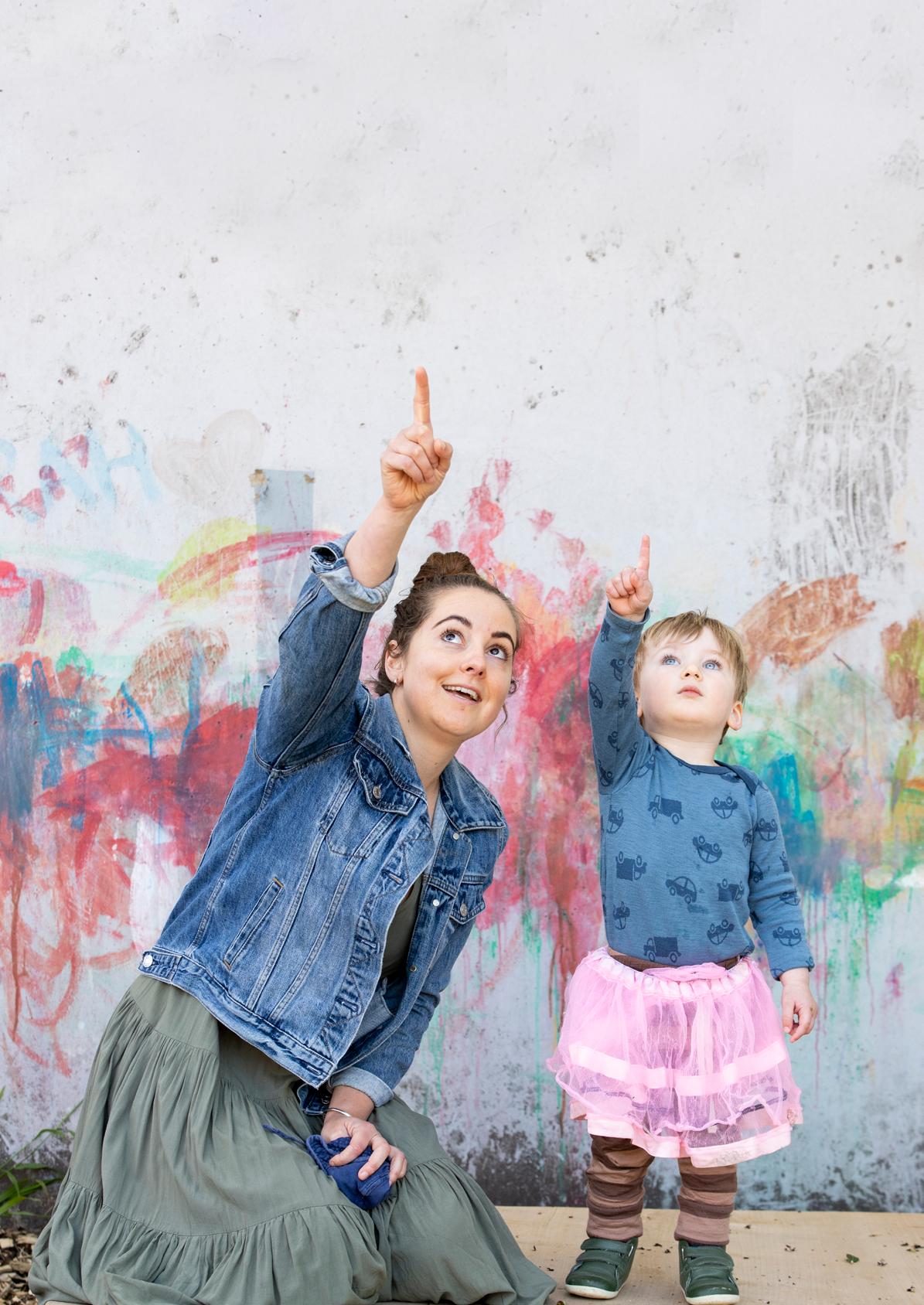
Early childhood spans a range of ages, so how does Te Whāriki cater to them all? Education Gazette visits Capital Kids Cooperative in Te Whanganui-a-Tara Wellington to find out.
Newtown is a busy inner-city suburb, home to a diverse population and both Wellington Hospital and Wellington Zoo. Nestled in amongst it all is Capital Kids Cooperative (CKC), a small mixed-age early childhood centre.
The centre cares for tamariki from around seven months old through to school age, with all learning together in one shared environment.
“Because we are a mixed-age centre, we don’t have spaces for different ages,” explains centre manager Megan White.
“This means younger children get to benefit from observing and interacting with older tamariki, while older children naturally develop tuakana-teina relationships.”
In this kind of setting, Megan says one of the key challenges in delivering Te Whāriki is making sure it is consistent and responsive, “while still meeting the very different developmental needs of infants, toddlers and older tamariki”.
Licensed for 30 tamariki, including 12 under twos, the centre balances calm, relationship-focused environments for infants alongside more focused learning for older children.
“This requires us to be very intentional with our planning and have strong communication and shared understanding across the team,” says Megan.
With the principles and strands of Te Whāriki staying the same across different age groups, Megan says CKC’s curriculum “strongly reflects relationships where tamariki learn alongside and from one another across different ages and stages of development”.
“Older children naturally develop leadership, empathy and responsibility, while younger children learn through observation, imitation and connection.”
At different ages, Megan says what changes within Te Whāriki “is how kaiako respond to developmental stages, interests, and ways of learning”.
She explains what she means, using celebrating events as an example, which is what most of their group planning is focused on.
“For infants, learning may focus on sensory and relational experiences like music, textures, colours, dance, shared books or tasting foods connected to the celebration.
“Toddlers might engage through movement, art, simple cooking experiences, role play, singing and opportunities for repetition and exploration.
“Older tamariki are often involved in deeper conversations, collaborative projects, storytelling, creating decorations, learning greetings or songs in different languages, researching traditions and contributing their own ideas and questions.”
Recounting the centre’s recent learning about Chinese New Year, Megan delves into specifics.
“Our infants explored red and gold sensory materials, music and lanterns, while the toddlers helped make dragon art, joined in dancing and tried traditional foods.
“We had our older tamariki learning about the zodiac, writing their names in Chinese characters, creating collaborative dragon dances and having discussions about cultural traditions.”
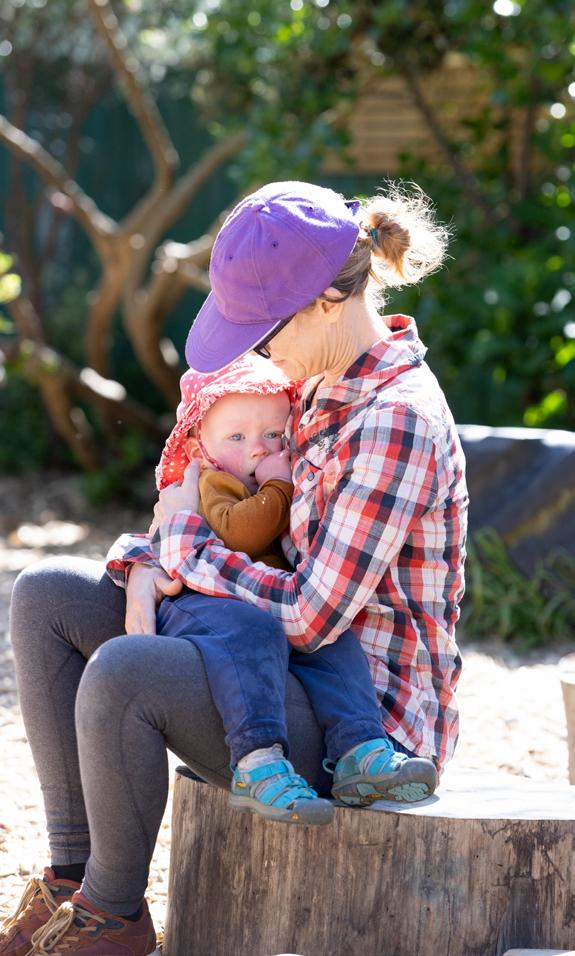
Bringing Te Whāriki to life
Megan says being located so centrally means the centre has ample learning opportunities at its fingertips, all woven into implementation of the curriculum.
“We’re close to the town belt, to Matairangi Mount Victoria and to parks, schools, bus routes and community spaces such as Kaicycle urban farm. All of these are rich opportunities for us to explore and engage with the community – we often go on trips in our morning block.”
She says the outdoor environment is a huge part of the centre’s identity.
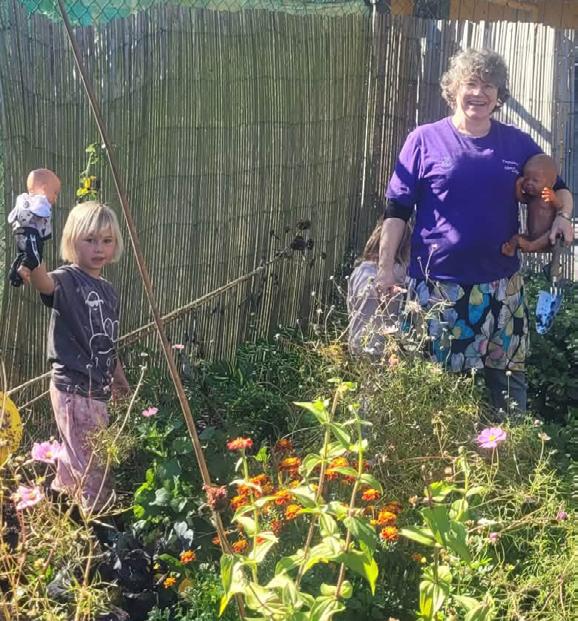
“We love being outside. Being outside encourages exploration, risk-taking, physical confidence, creativity and connection with nature, so we encourage tamariki to regularly connect with te taiao through excursions, environmental projects, gardening and outdoor play.”
Speaking enthusiastically about CKC’s approach to implementing Te Whāriki, Megan highlights the way it brings the framework “to life in a way that is meaningful and authentic to our centre”.
“Implementing the curriculum is deeply influenced by our values of manaakitanga, whanaungatanga, kaitiakitanga and wairuatanga,” says Megan.
“We view ourselves as a whānau and we place strong importance on relationships, emotional wellbeing, belonging and connection to people and place.”
She shares what this looks like in practice.
“Day to day, you’ll see this in the way we welcome and connect with whānau during arrivals, then get into play and exploration indoors and outdoors, as well as intentional learning experiences based on children’s interests.
“We have group experiences such as waiata, storytelling, movement or mat times, and care routines for infants and toddlers give us the opportunity for one-to-one interactions and responsive caregiving.”
She pauses before continuing. “There’s also project work, creative experiences, sensory play and outdoor exploration and plenty of opportunities for rest and quiet.
“This is all to say that learning happens through play, conversations, routines, exploration and everyday interactions.”
The role of whānau Megan is quick to point out the pivotal role that whānau play in shaping and guiding CKC’s curriculum, and whānau are involved wherever possible.
“Whānau are essential partners. Their knowledge of their child, cultural values, language and aspirations directly inform our teaching practice and curriculum decisions across all age groups.
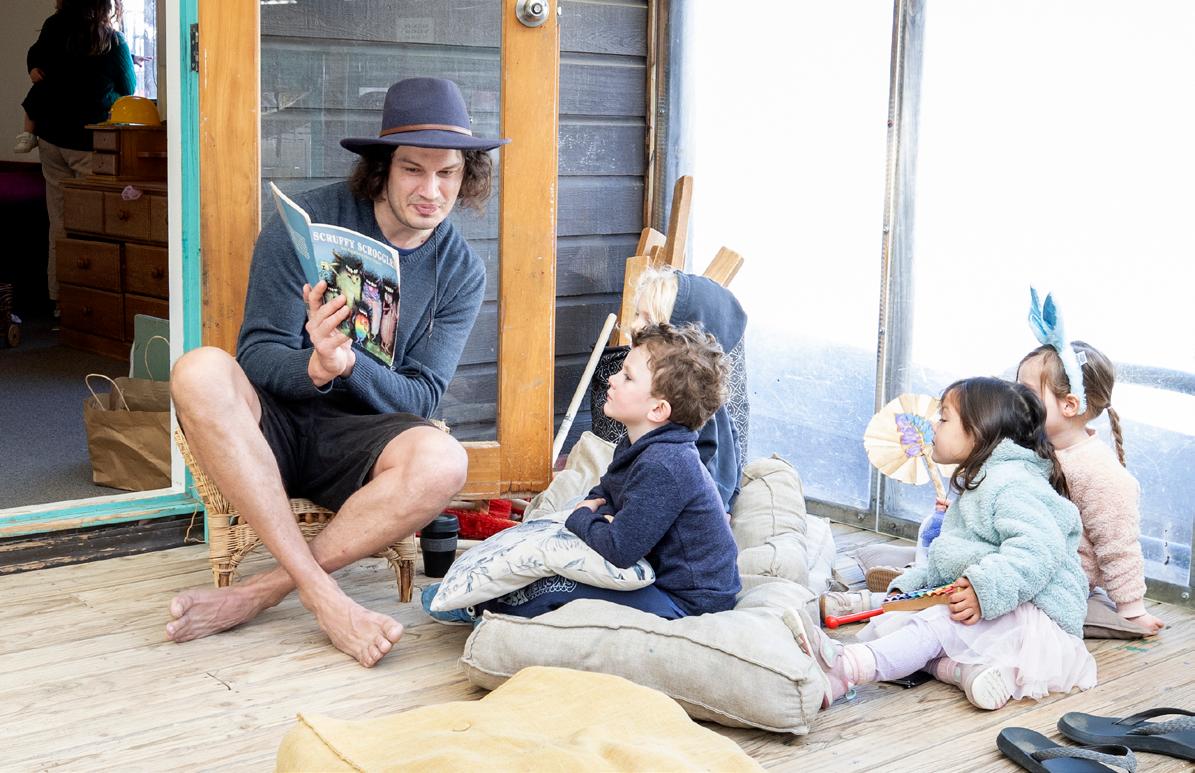
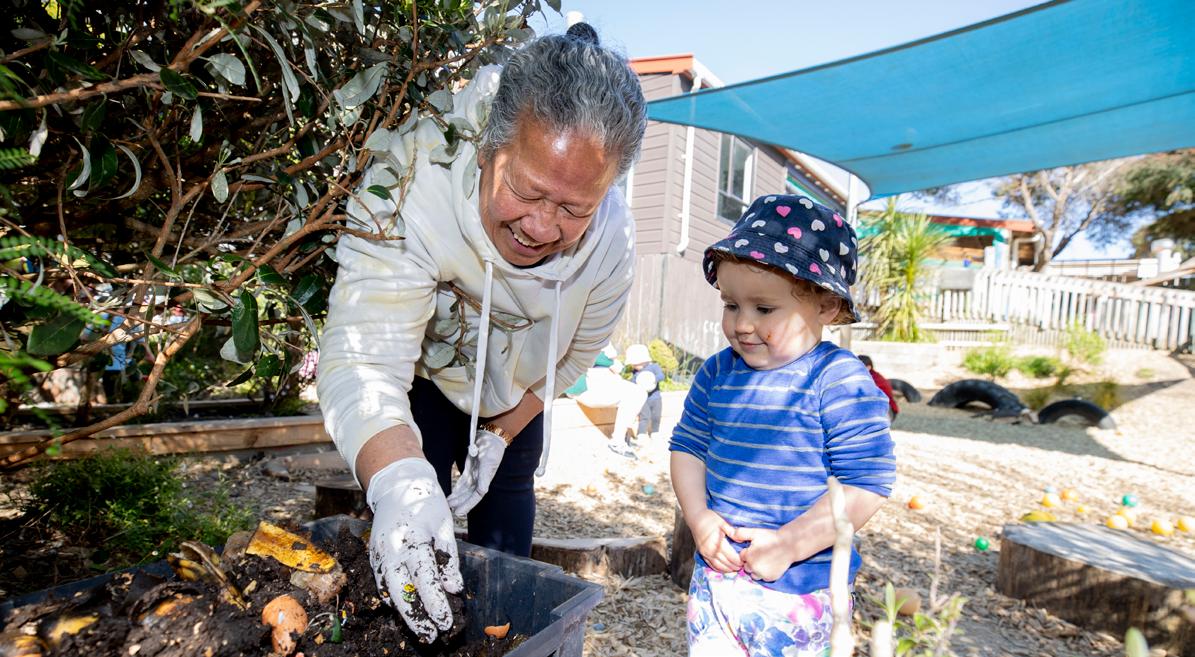
“They also help us to make sure our celebrations are authentic and respectful. They bring with them stories, clothing, food, music, language and experiences from home – having strong whānau connections gives us a real sense of belonging that makes the centre feel like an extension of home.”
Each new child starting at the centre has a pepeha created for them alongside their whānau, easily adapted for different ages.
“As infants, their pepeha is shared with them,” explains Megan, “and as they become toddlers, they start to repeat words back. Our older tamariki have a deep understanding about their whakapapa and can say their pepeha with little prompts.”
She says the centre actively seeks input and feedback from whānau, making sure families are not only informed about their child’s learning but are also active contributors to it.
“Once a year around Matariki, we have an aspiration kōrero with every whānau. Kaiako use whānau aspirations to guide planning and intentional teaching. These aspirations are revisited regularly and reflected in learning stories and curriculum decisions across infants, toddlers and older tamariki.”
Developing skills from the beginning
For kaiako at CKC, creating learning environments and experiences for such a wide range of developmental stages is all about being flexible and inclusive.
“We try and create spaces for infants that are calm, safe, sensory-rich and allow freedom of movement and
secure exploration,” explains Megan, “while toddlers start to get a bit more into active exploration, independence, physical movement and hands-on discovery.
“For older tamariki, our environment offers more complex resources, open-ended materials, collaborative spaces and opportunities for inquiry and creativity. Open-ended resources are important because they can be used in different ways by different age groups.”
She describes how the outdoor space has been redeveloped “very intentionally” to have no fixed way to play and engage with it.
“We also wanted to make sure there were plenty of opportunities for safe risk-taking,” says Megan. “So we have big climbing ropes and trees to climb. We don’t put children in trees – they have to develop the skills from the beginning to be able to climb them, which makes it safe for all ages.”
Throughout the day, says Megan, kaiako observe children carefully to identify interests and strengths.
“From there, we intentionally provide experiences, resources, questions and environments that extend learning in meaningful ways.”
Ultimately, says Megan, having a successful mixed-age learning environment comes down to making sure the curriculum and its implementation evolves alongside their tamariki, whānau, kaiako and community.
“Our work reflects our commitment to Te Whāriki, Te Tiriti o Waitangi and creating a nurturing, empowering and culturally responsive learning environment where all tamariki can thrive.”
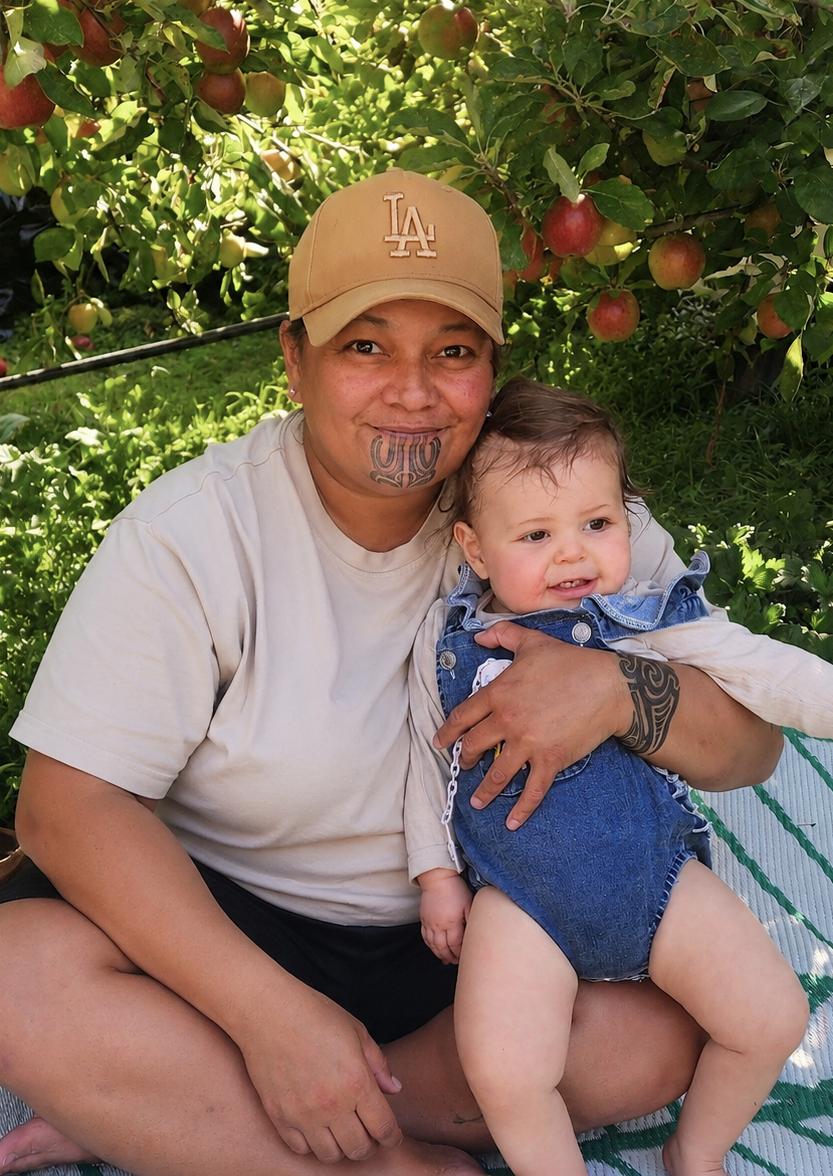
Te Whāriki is grounded in relationships, culture and place – a curriculum designed to be lived rather than applied. Three decades on, its strength lies in how different communities shape its strands in practice, from kaupapa Māori settings to multicultural centres, home-based education and parent-led Playcentres.
At Whānau Tree House, learning begins not inside four walls, but between people, place and practice.
The bilingual early learning provider immerses its tamariki in te reo Māori and te ao Māori through a bilingual kaupapa, where Te Whāriki is lived day to day.
“It’s a holistic approach,” says manager Trina. Kaiako Amiria adds that their Whare Ako framework works alongside Te Whāriki and shapes how learning happens within their whare.
Community is a huge part of Whānau Tree House, and the puna reo often connects tamariki with their local environment – taking part in kapa haka at the nearby school or going on outings to the ngahere (forest).
“This gives our tamariki a sense of belonging and identity,” says Amiria. “The whare keeps us warm, but the environment teaches both the kaiako and the children.”
This connection to nature and learning outside of the whare helps children and their whānau develop respect and care for the environment.
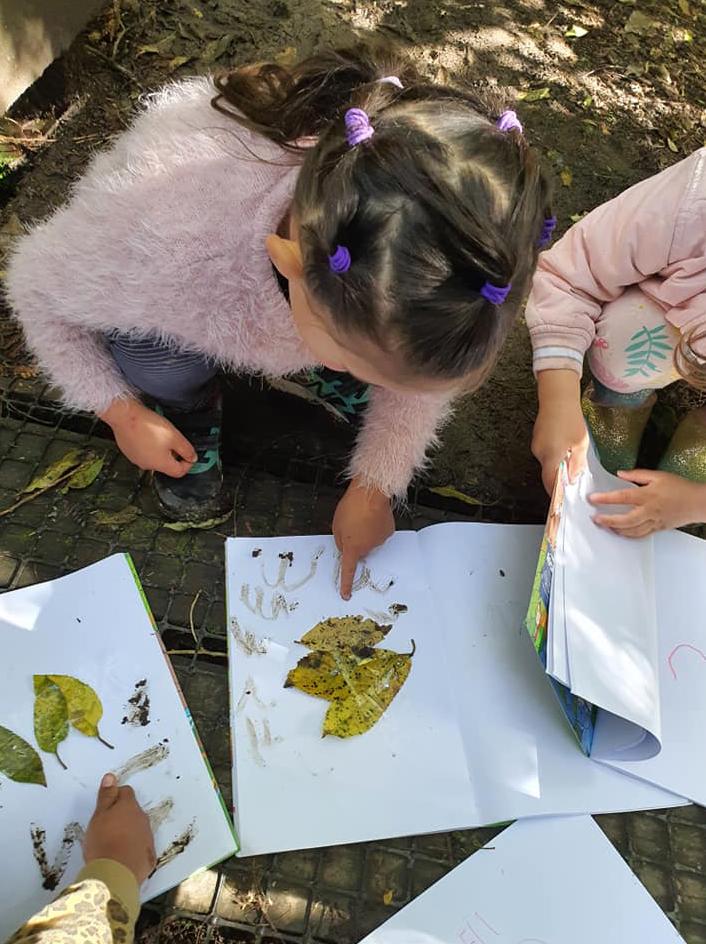
“We take the karakia into the ngahere,” says Amiria. “And it’s practical learning, where the tamariki are picking up the leaves, and they’re learning to be gentle with them.”
The kaiako believes this practical experience is important as it feeds a child’s imagination much more than learning from a book could.
“For example, learning about the colour kowhai, a child could think there’s only one shade. But when you go out into the ngahere, you see the colour in a whole different light. Looking at flowers, yellow comes to life,” says Amiria.
Trina says this experience out in the community
deepens a child’s connection with it and weaves tikanga Māori into their lives as a daily practice.
“For a tamaiti who’s been practising karakia to Tane Mahuta every day, it’s a normal practice of respect for their environment,” she shares.
Te reo Māori is used throughout the day as the children follow a routine structure.
“All of our moments are there to nurture te reo and tikanga and relationships,” says Amiria.
With different age groups learning alongside each other, tuakana-teina has a core role in generational learning.
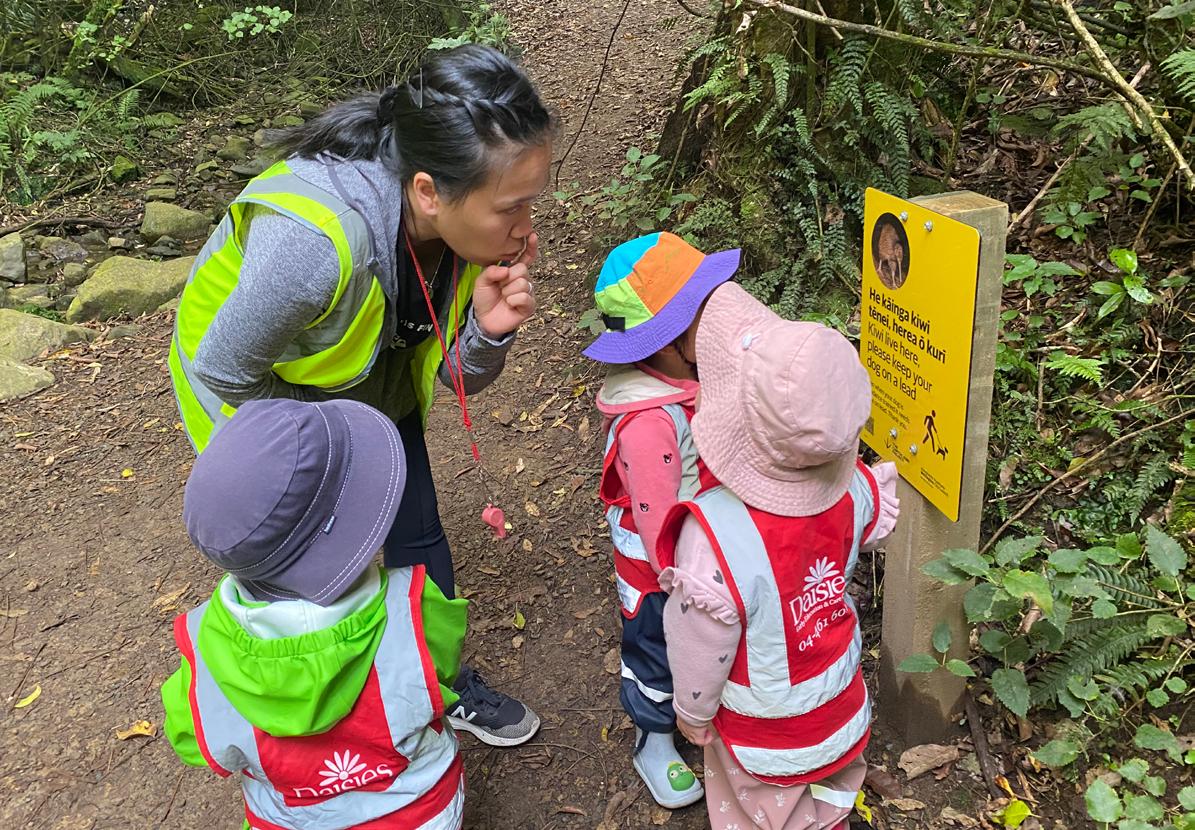
Pho Bui, originally from Vietnam, has been working as an early childhood teacher in Wellington since 2015. Bringing her own multicultural experience as she implements Te Whāriki, Pho says this has helped her foster the same sense of belonging and wellbeing among the diverse children entering her centre.
“When I started work, I worried that I would be quite different,” she says. “But Te Whāriki put me at ease, as it’s all about valuing differences amongst our tamariki and creating a sense of belonging in the learning environment.”
She remembers having to adjust to a new environment; an empathy Pho extends to parents and children.
Now at Daisies Early Education and Care Centre in Wellington, Pho says she has seen an increasing number of children entering the centre with diverse backgrounds. But Te Whāriki supports these increasingly diverse early childhood education environments.
“It values a culturally responsive and open-minded teaching practice,” says Pho.
Teaching infants and toddlers, Pho and her fellow kaiako make sure to first learn about each child’s language, culture, values and their family’s aspirations.
“When the baby has that trusting relationship with you, and their learning environment reflects their home environment, they start to feel secure,” says Pho.
“Te Whāriki sees children as capable and competent learners, and it guides us to move at the child’s learning pace so we’re not rushing.”
She captures the children’s learning through Storypark and shares these photos and moments with whānau.
“I believe that diversity is a strength in our early childhood education.”
“I believe that diversity is a strength in our early childhood education. It’s where children learn about empathy, and they take this understanding and respect of people with different languages and cultures with them as they grow up,” says Pho.
Beyond early learning centres, Te Whāriki also takes shape in more intimate, home-based environments, where learning is closely woven into everyday life.
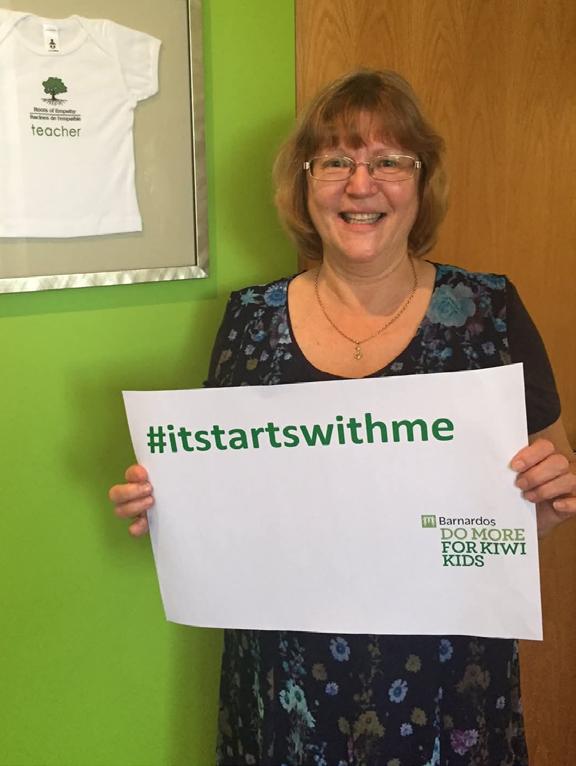
Penelope Janes was involved in the development of Te Whāriki from its early beginnings to its publication in 1996. As a visiting teacher and home-based educator for Barnardos, she contributed to early professional learning around the curriculum.
“I attended professional development workshops on this new curriculum, which seemed so different to what I had been taught in my ECE teaching qualification,” she says.
At the beginning of its implementation, Penelope says she noticed early learning professionals were trying to fit the framework into theories and practices already in place.
“But over time, Te Whāriki became a living document as teachers increasingly understood that children develop within the context of their family, community and culture.”
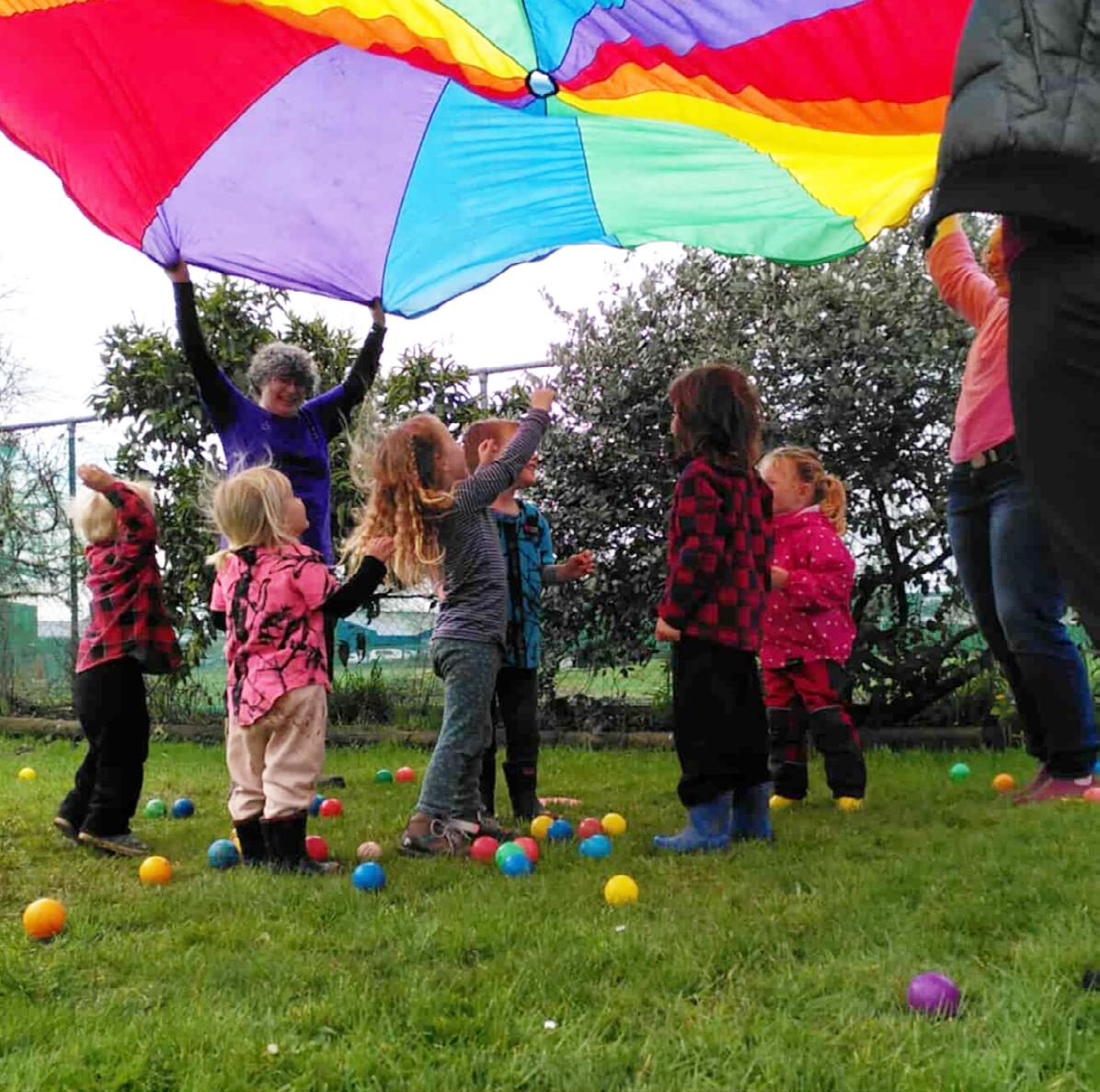
As a home-based educator, Penelope would work with no more than four children, including her own pre-school child.
Although she had a plan for the day, it could easily be changed depending on the children’s interests and what might come up during the day. They would often go to the park, library or playgroup.
“One of the unique aspects of home-based ECE is the role of the educator in the lives of children and their families,” she says.
“The educator can build really effective relationships with the families of the children at their place each day.”
At the day’s end, Penelope would share a child’s learning with their parents.
“I wrote stories of learning using narrative assessment and based on my understanding of Te Whāriki. Any thoughts from the parents or visiting teacher were also included,” she adds.
With the foundation of relationships with people, places and things in a child’s environment, Penelope says the very nature of home-based settings means that educators are well-placed to provide a curriculum based on local and authentic learning experiences for children.
When whānau take the lead
While home-based education places learning within family life, parent-led Playcentres bring families directly into the teaching role.
With her “beat-up old copy” dog-eared and tabbed, Moira Siobhan uses Te Whāriki daily as a Playcentre session facilitator in Motueka.
At the parent-led early childhood education provider, she helps the parent-kaiako create learning stories, and plan, for the children. Te Whāriki is understandable not just for a qualified teacher but for new parents hoping to grow with their child.
Whānau tangata, family and community, is one of the underlying principles.
“Everything we are as a Playcentre is about whānau,” says Moira. “We really live Te Whāriki every day.”
Ngā hononga – relationships is another underlying principle and this relates to the environment of a Playcentre, where family members showing up include grandparents and fathers. By having whānau involved, Moira can take the children out on excursions to parks and beaches, helping them connect to their local environments.
She’s laminated overview pages of Te Whāriki so new parents can quickly get up to speed on how the curriculum works when they bring their child to the Playcentre.
“Te Whāriki sees children as capable and competent learners, and it guides us to move at the child’s learning pace so we’re not rushing.”
There’s a compartment box with all of the learning outcomes and strands printed in different colours. Parents can go through the container and work with their children to organise these and create their own goals. Colourful and engaging posters of the principles and strands decorate the Playcentre walls as a reference.
“Parents are at the Playcentre because they want to be with their children and learn too,” she says.
“We’ve broken down Te Whāriki so the parents can fit the learning into their own busy lives, helping to make sure their children's development continues to thrive. Parents take Te Whāriki into the home environment too.”
Across every setting, from multilingual centres and kaupapa Māori environments to homes and Playcentres, the strength of Te Whāriki lies in its ability to adapt while keeping children, relationships and community at its heart.
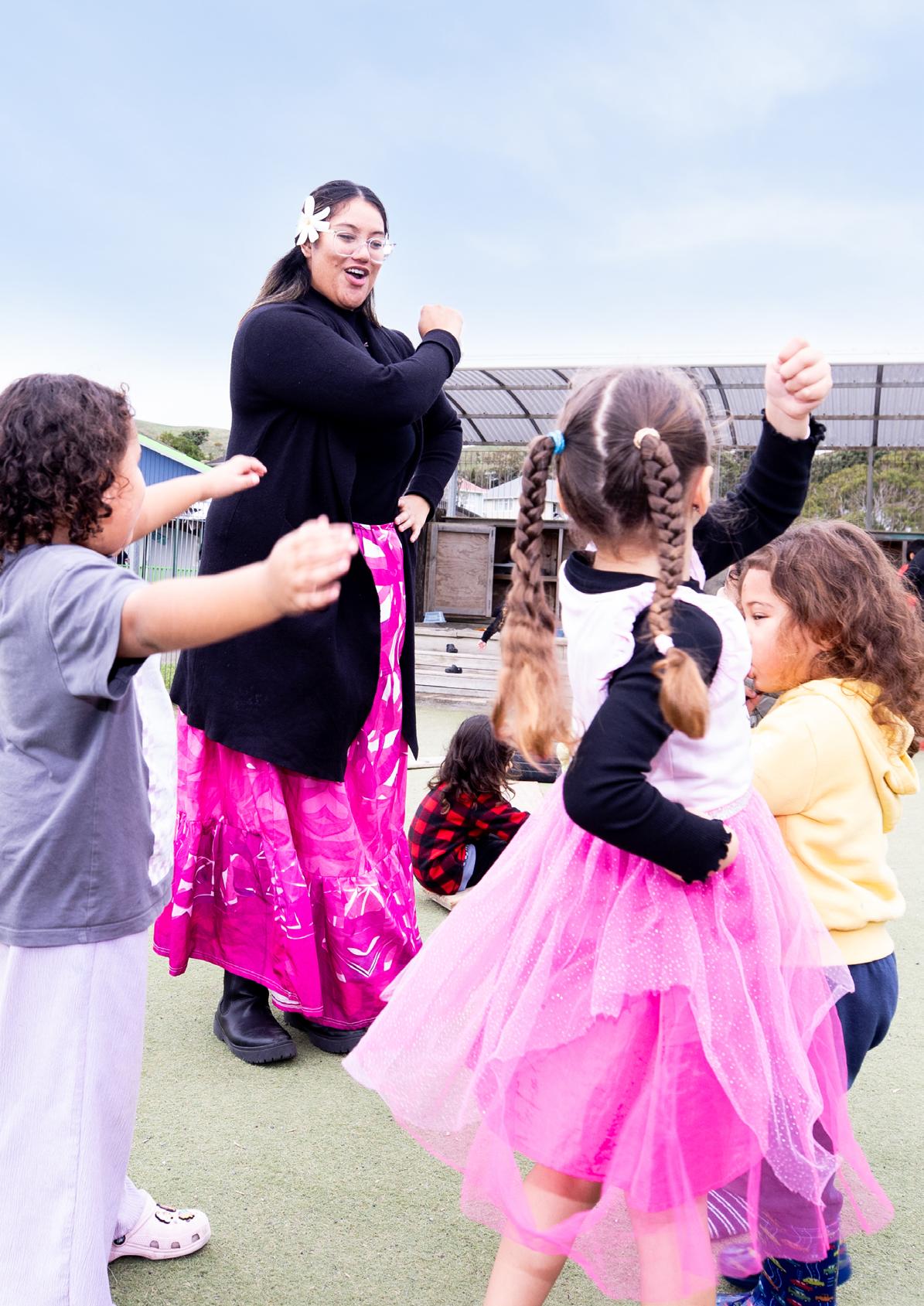
Texas (teacher aide and in training) and children are practising an item for an upcoming Te Kiwa Nui performance.
At Toru Fetū Kindergarten in Porirua, learning follows the rhythms of Pacific life – collective, relational and grounded in cultural practice. Through Cook Islands, Niue and Tuvalu values and knowledge-systems, Te Whāriki is woven so children grow strong in their identity and place in the world.
In Porirua there is a place where Pacific tamaiti learn and grow in an environment that reflects their communities and cultures, as true as their enua reflected in the beautiful Pacific seas.
It is called Toru Fetū – three stars, drawing on Cook Islands (toru) and Niue and Tuvalu (fetū).
The name holds many meanings, beyond its literal translation. It reflects the Cook Islands, Niue and Tuvalu communities who came together to build it. It speaks to the stars that once guided Pacific voyagers across vast oceans. And for many here, it carries a spiritual meaning that is grounded in faith and service.
“It was very apt … the stars that navigated us to where we got to … and also the three groups,” says Lealamanu’a Aiga Caroline Mareko, community services senior lead for Piri’anga Alofa Pacific and Community Services.
But Toru Fetū is more than a name. It is a story shaped by community, carried within the vā between people, and expressed each day through the way tamaiti learn.
It started with playgroups
Before Toru Fetū opened its doors in 2010, there were three Pacific playgroups operating across Porirua; one for each of the Cook Islands, Tuvaluan and Niuean communities.
The women leading them were volunteers, driven by a deep commitment to keep their cultures and languages alive in future generations.
“They operated out of halls and classrooms and garages … around their own homes,” Caroline recalls. “And you don’t get paid to run playgroups … they were purely volunteers.”
Despite this, the work was rich and purposeful. Many of the women went on to train as teachers so they could continue supporting their communities in more formal settings.
“For our Cook Island women, they were in their 50s when they went to do their training,” says Caroline.
Over time, the three groups began to think about what might come next. They wanted something more sustainable.
The journey began in the mid-2000s, with the three playgroups exploring how they might move toward a licensed service together. Support from the Ministry of Education helped them take the next step, including early funding to get things started.
From there, the group chose to partner with what was then the Wellington Kindergarten Association (now Whānau Manaaki Kindergartens), to help bring their shared vision to life.
“It was a collective … people talking to people, relationships being established,” says Caroline.
Bringing three Pacific communities together meant navigating difference, as each came with its own language, cultural practices and expectations of early learning.
There were early discussions around things like language and cultural practice. In the Cook Islands nest, teachers and community acknowledged the different dialects of te reo Māori Kūki ‘Āirani but needed to choose one to lead teaching and learning. They ultimately agreed to use the dialect most common among them, Rarotongan.
For Tuvaluan families, there were strong views about play itself. “They were really adamant their kids did not play in the sand or water,” recalls Caroline, reflecting how expectations of learning looked different across communities.
At the same time, Niuean families placed high expectations on their language teachers to make sure their culture was upheld strongly within the space.
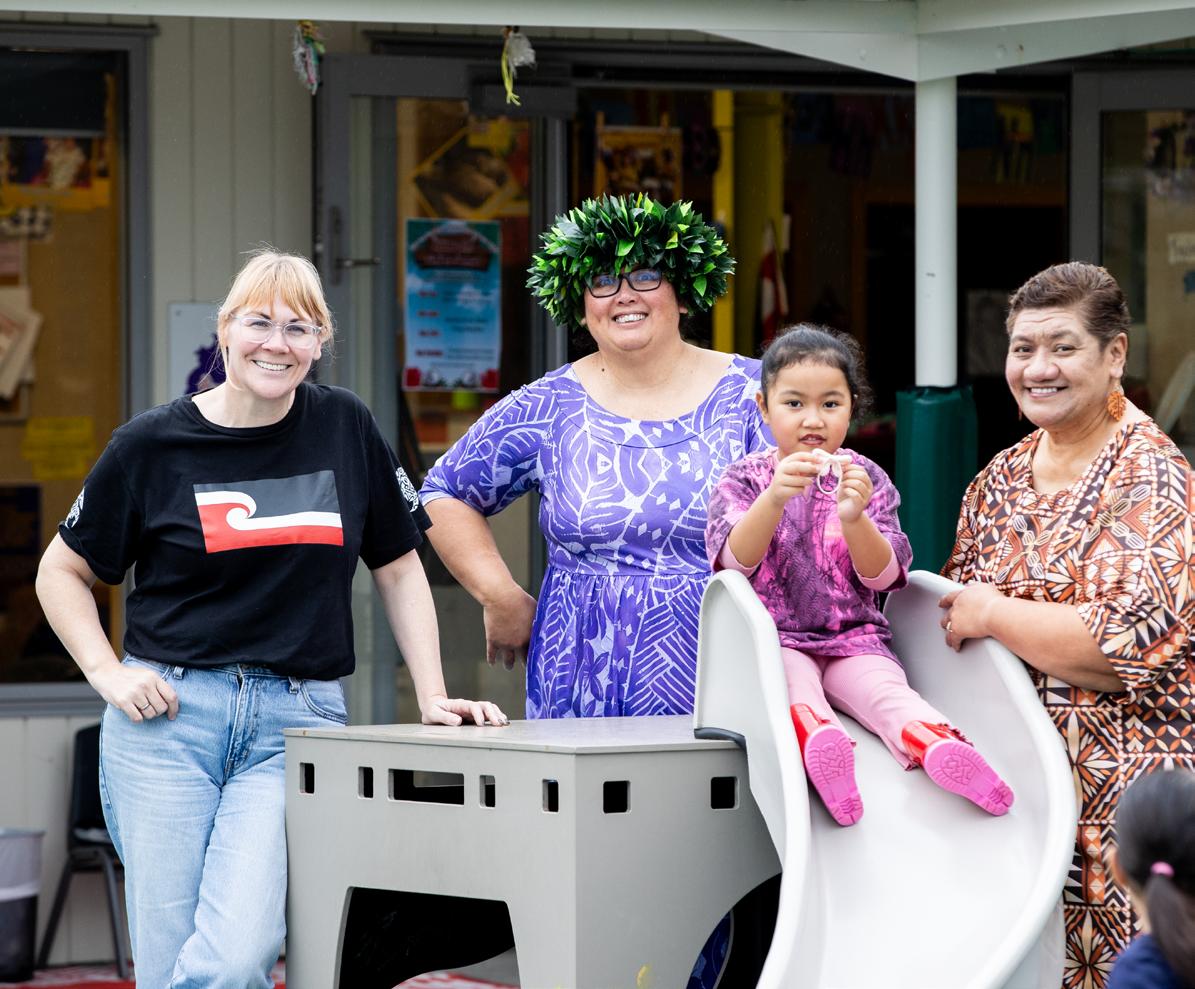
What held it all together was not agreement on everything, but ongoing talanoa and a clear commitment to each other.
A shared memorandum of understanding set out the values and expectations of each group, while also defining what they would hold collectively, including language, culture and Christian values.
It took around four years of planning, consultation and design before the centre finally opened in June 2010, with a newly appointed team of staff and a purpose-built space – the first of its kind in Aotearoa New Zealand.
Today, the centre has three rooms, or nests, around 20 qualified kaiako, four teacher aides, and two support staff. Together, they nourish and support 80 tamaiti each day.
Step into Toru Fetū today, and the sense of togetherness is immediate.
The kindergarten operates as a mixed-age space, where babies, toddlers and older children learn alongside each other.
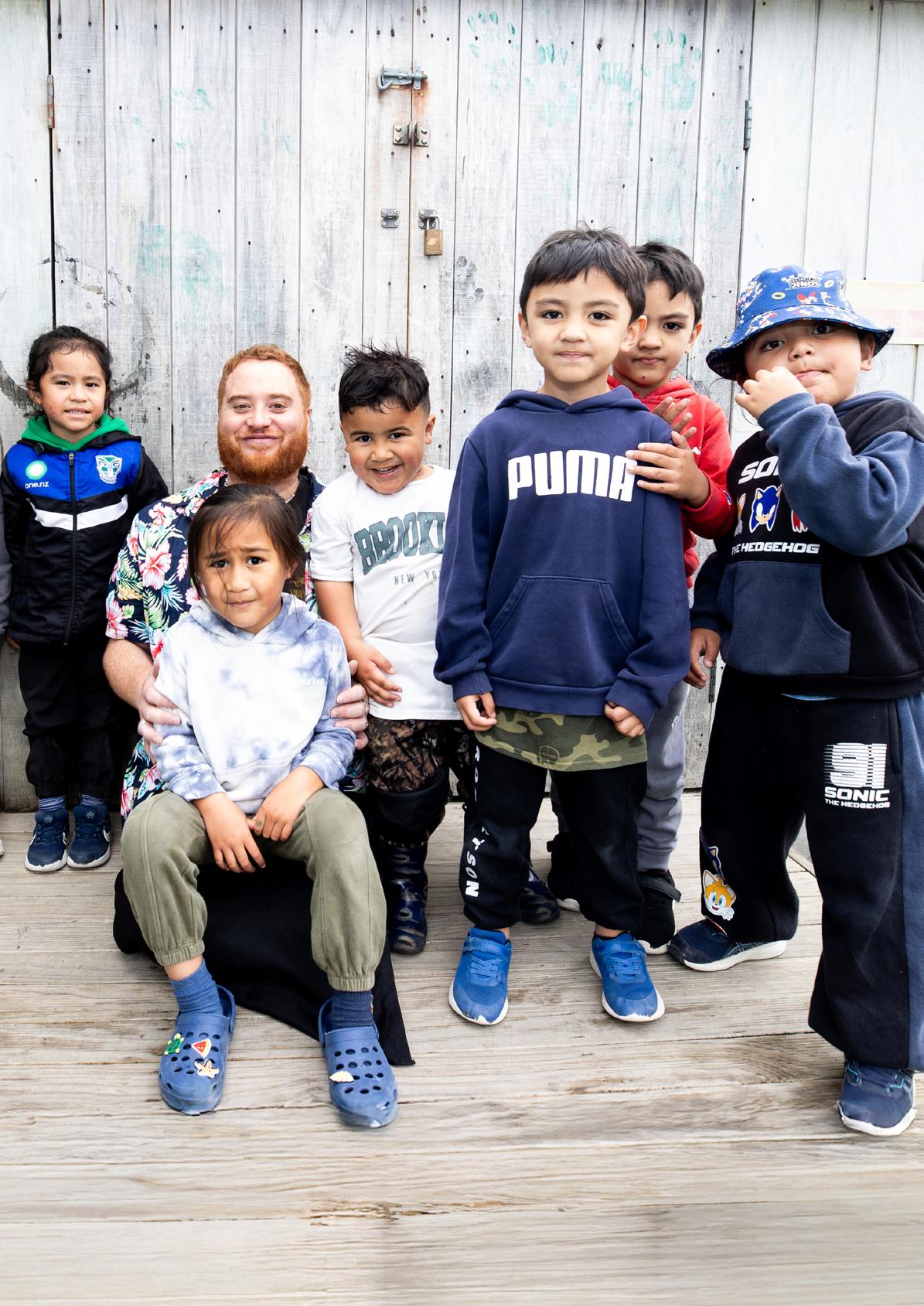
“We run a mixed-age whānau-based approach… we are all one,” says senior head teacher Trinity Coulston.
This creates a natural flow of learning and “there’s a lot of tuakana-teina,” says Trinity.
For assistant head teacher Lana Nootai, this reflects familiar ways of growing up.
“It’s very much a Pacific concept as well,” she says. “We all grew up with our cousins … in grandparents’ houses.”
That sense of collective care extends beyond the children.
“It takes a village ... Every teacher here is for every child,” says Lana.
There is also a strong sense of holistic support around families. The centre has a dedicated community liaison role that connects families with health, learning support and other services when needed, recognising that children learn best when their wider needs are met.
“Because we know that if children come in here with their needs not met, they’re not going to be able to learn,” Trinity explains.
Three stars guiding the vaka Leadership at Toru Fetū is shared across a three-way model, with each role carrying different strengths that work together to support children and families.
As senior head teacher, Trinity leads the day-to-day running of the kindergarten, while assistant head teacher Lana brings strong cultural leadership, guiding how language and identity are upheld across the spaces.
Alongside them is Ngaretta Strong in the dedicated community liaison role, focused on connecting whānau with wider services and making sure children are supported holistically.
“It’s not just one person doing everything,” explains Trinity. “We can support each other.”
This shared approach reflects the centre’s collective values, where responsibility is carried together.
For Lana, this leadership is grounded in service and representation. “I’m the hands, the feet, the ears, the voice of Pacific for Toru Fetū,” she says, describing the responsibility of holding culture closely in everyday practice.
Te Whāriki, woven with
Te Whāriki provides the foundation for learning at Toru Fetū. But here, it is not something applied in a uniform way.
Teachers draw on its principles and continually interpret them through the lens of their communities.
This has included careful unpacking of mainstream approaches and reshaping them so that teaching reflects Pacific ways of learning and relating.
“There’s a lot of good bits in the mainstream,” says Caroline. “But what does that look like in terms of our setting?”
This questioning has shaped their practice over time, leading to ongoing reflection and adaptation. One of the outcomes of this work is the development of the centre’s framework, Fetū Taonga.
“Our children are our treasured stars,” explains Lana. Fetū Taonga draws on Pacific symbols, including the turtle, stingray, coconut crab (uga) and tavake bird, to represent different learning dispositions such as curiosity, resilience, leadership, nurturing and protection.
These symbols allow children to see their learning reflected in forms that are culturally meaningful for them.
“We want them to be able to see themselves,” says Trinity. “To see their dispositions within a cultural lens.”
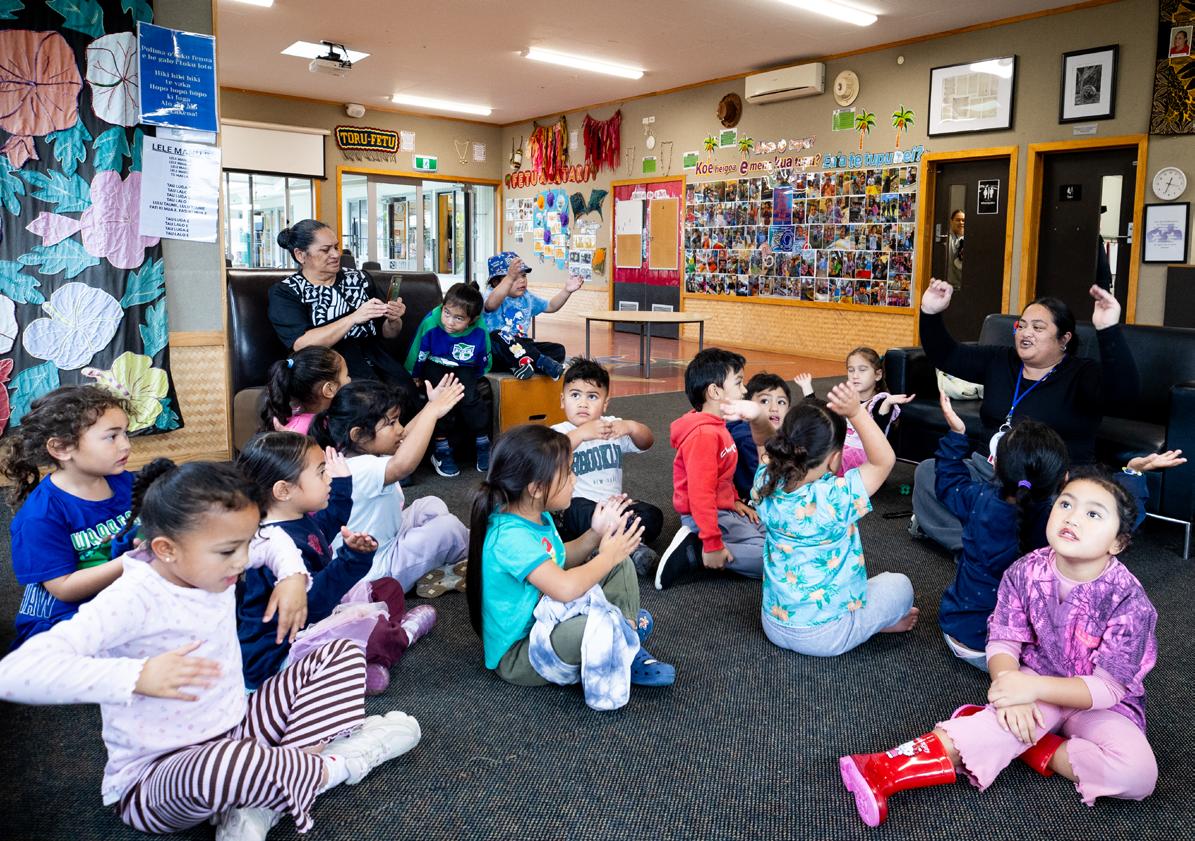
For children, this brings learning to life and “opens up a whole new world for them”.
The framework sits alongside Te Whāriki, along with the Ministry of Education’s Tapasā and Whānau Manaaki Kindergarten’s Te Manawa, helping guide how teaching and learning are implemented in ways that are consistent and culturally grounded.
At Toru Fetū, learning happens in the flow of the day, through relationships and shared experiences.
For babies, learning is grounded in connection and “through facial expressions and interactions… the nurturing of the teachers,” says Lana.
For toddlers, it is driven by curiosity. For older children, it grows into leadership and confidence.
“We build leaders in Toru Fetū,” says Lana. “They come out of here great leaders.”
Teachers describe their role as noticing, recognising and responding – following what Trinity calls “the rhythm of the child."
This means children are supported to take part in opportunities when they show readiness and interest, whether that is performing at Te Kiwa Nui, exploring their environment or taking on new challenges.
“You’re never told you’re too young,” says Trinity. Spirituality and faith are also part of this daily rhythm, not separate from learning but woven through it in ways that are natural and familiar for children and families.
As Trinity explains, it is “not an isolated thing… it’s a part of everything,” lived through everyday practices like devotions, shared rituals and routines that children come to recognise and take part in.
Families and communities are part of learning at Toru Fetū. The centre places a strong emphasis on relationships with families, recognising that learning does not happen in isolation.
“We do serve our community a lot here,” says Lana. “We do work in partnership with our community.”
That partnership is grounded in a strong sense of service, which is something the team identifies as a core value in how they work alongside families.
In the early years, this partnership also included supporting parents to understand how learning happens in early childhood settings.
“They thought the kids just play,” recalls Caroline. “So we had to show them what learning in action is.”
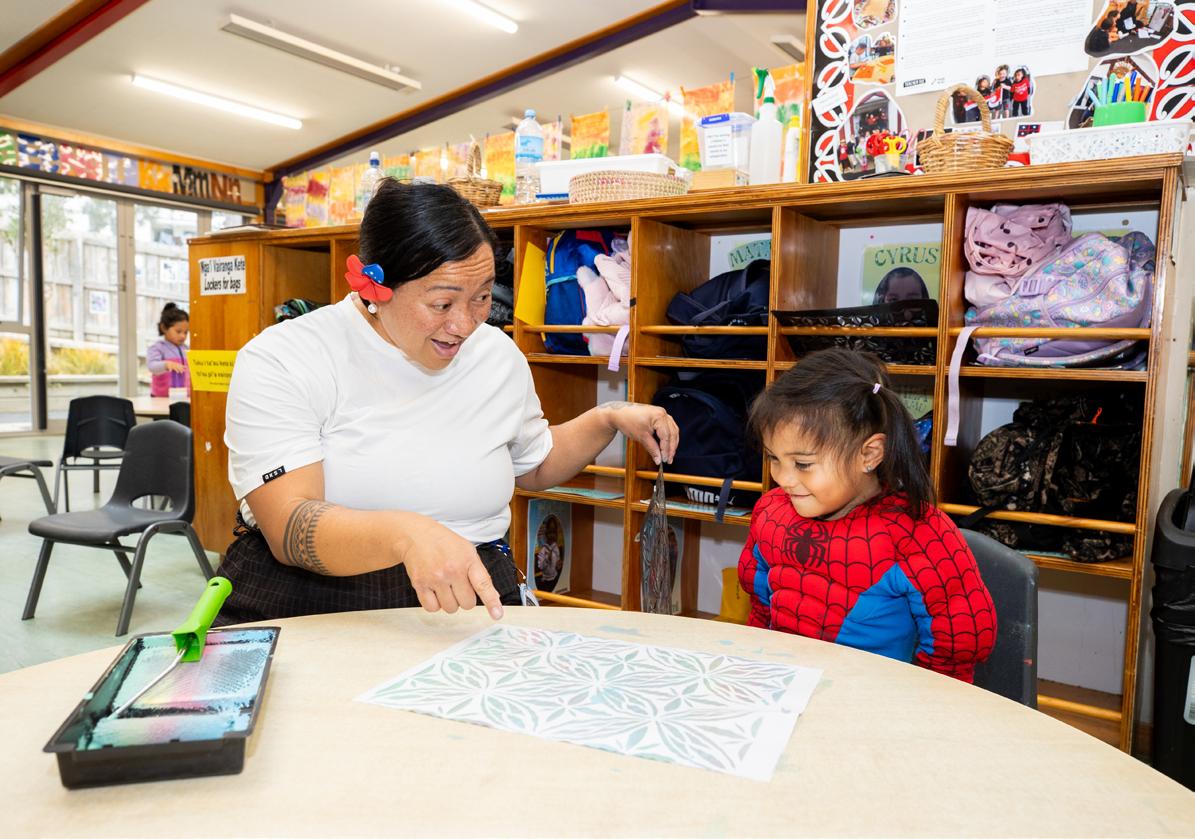
Through workshops and everyday interactions, teachers shared how children develop skills through play, from literacy and numeracy to social confidence.
The doors to Toru Fetū are always open to families, who are welcome at any time, and their contributions are visible throughout the centre.
Grandparents play a strong role, coming in to share knowledge, support activities and participate in events.
“They give 100, 150, even 200 percent,” says Caroline.
From language weeks to shared excursions and celebrations, the learning environment extends beyond the classroom into the wider community.
Sixteen years on, Toru Fetū continues to grow and evolve.
There is a strong awareness of the importance of sustaining language, culture and identity, particularly as communities change and face new challenges.
This includes the growing challenge of sustaining Pacific languages, even in homelands, and the need to continue building a new generation of speakers, teachers and leaders.
“It’s about how we preserve and continue the legacy,” reflects Caroline. “We’re doing our bit here … But we’ve also got to look out to the horizon.”
At the centre of that vision is a simple but powerful idea.
“We hope that here, we plant the seed,” says Trinity.
Seeds of identity, belonging and confidence so children leave knowing who they are and carry that into the wider world.
At Toru Fetū, Te Whāriki is not just followed. It is lived, shaped and woven together to create a strong foundation for the next generation of Pacific learners to stand tall as themselves.
The team at Toru Fetū acknowledge the contribution of Tā Tamati Reedy and Lady Tilly Reedy, who were instrumental in the development of Te Whāriki. Their work made sure Pacific perspectives were included, so that communities like Toru Fetū could see themselves within the curriculum and shape it in ways that are meaningful for their tamaiti.
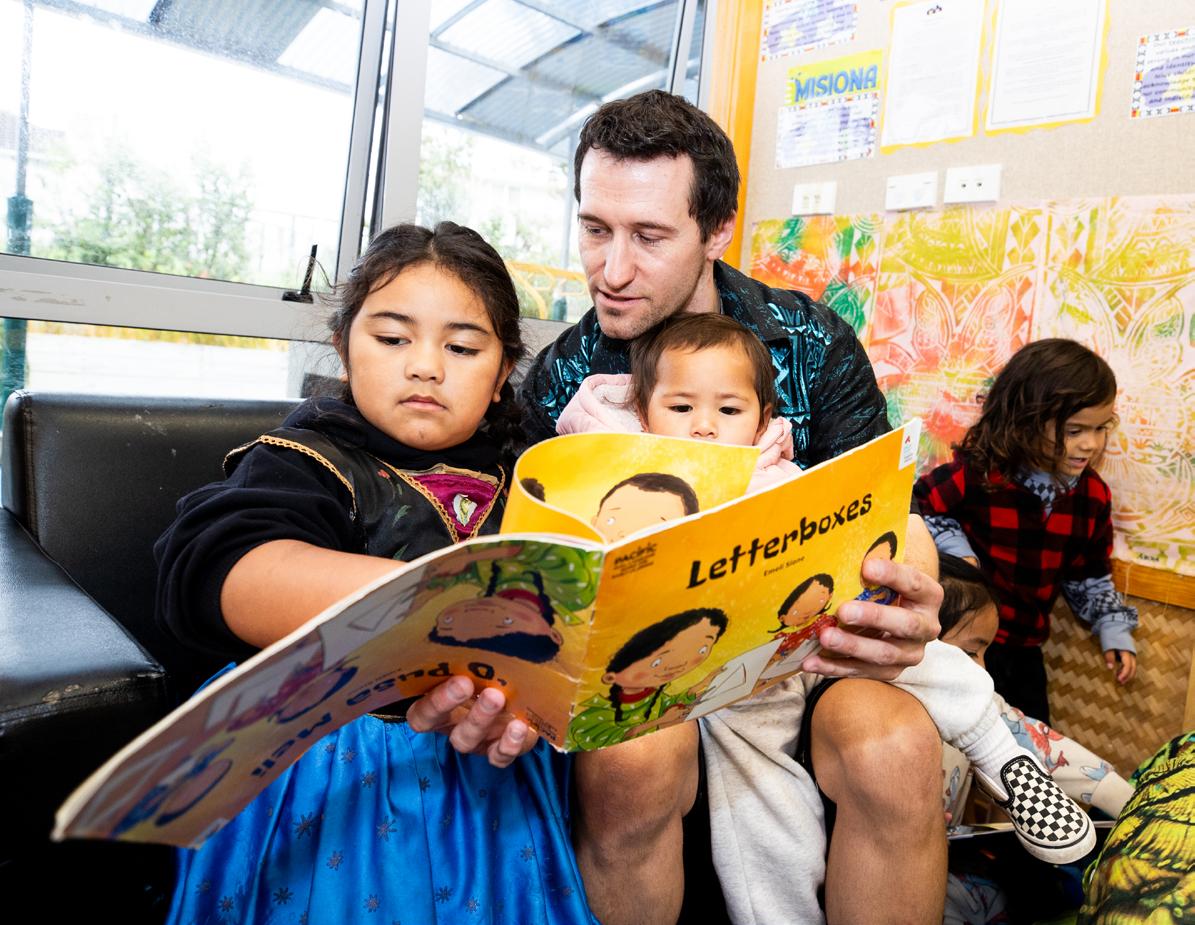
In Te Whāriki, the early childhood curriculum, children are positioned as confident and competent learners from birth. They learn by engaging in meaningful interactions with people, places and things. This is a process that will continue throughout their life.
We have developed a kete of play ideas for learning that offer suggestions for a wide variety of experiences and opportunities to support learning and development. Each card is grounded in Te Whāriki.
The cards were developed for playgroups but will be helpful to other early learning kaiako and to whānau as well.
The play ideas cards offer suggestions for a wide variety of experiences and opportunities to support young children’s learning and development. They provide a simple introduction to key areas of play, with practical suggestions and links to Te Whāriki.
Visit Te Whāriki Online to learn more.
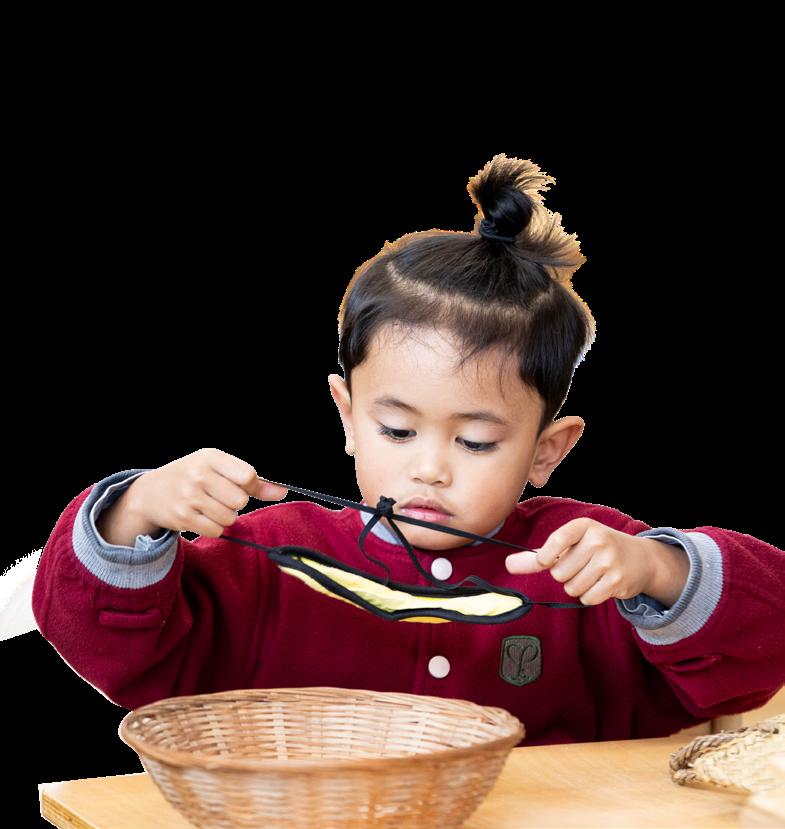
For many tamariki, entering school age is a significant milestone – one that marks a period of transition between their early learning years and the next stage of education. In Te Whanganui-a-Tara Wellington, early learning kaiako Anna Lewis and new entrant kaiako Judith Urry have spent years working together to make this transition as easy as possible – not just for tamariki, but for kaiako and their whānau too.
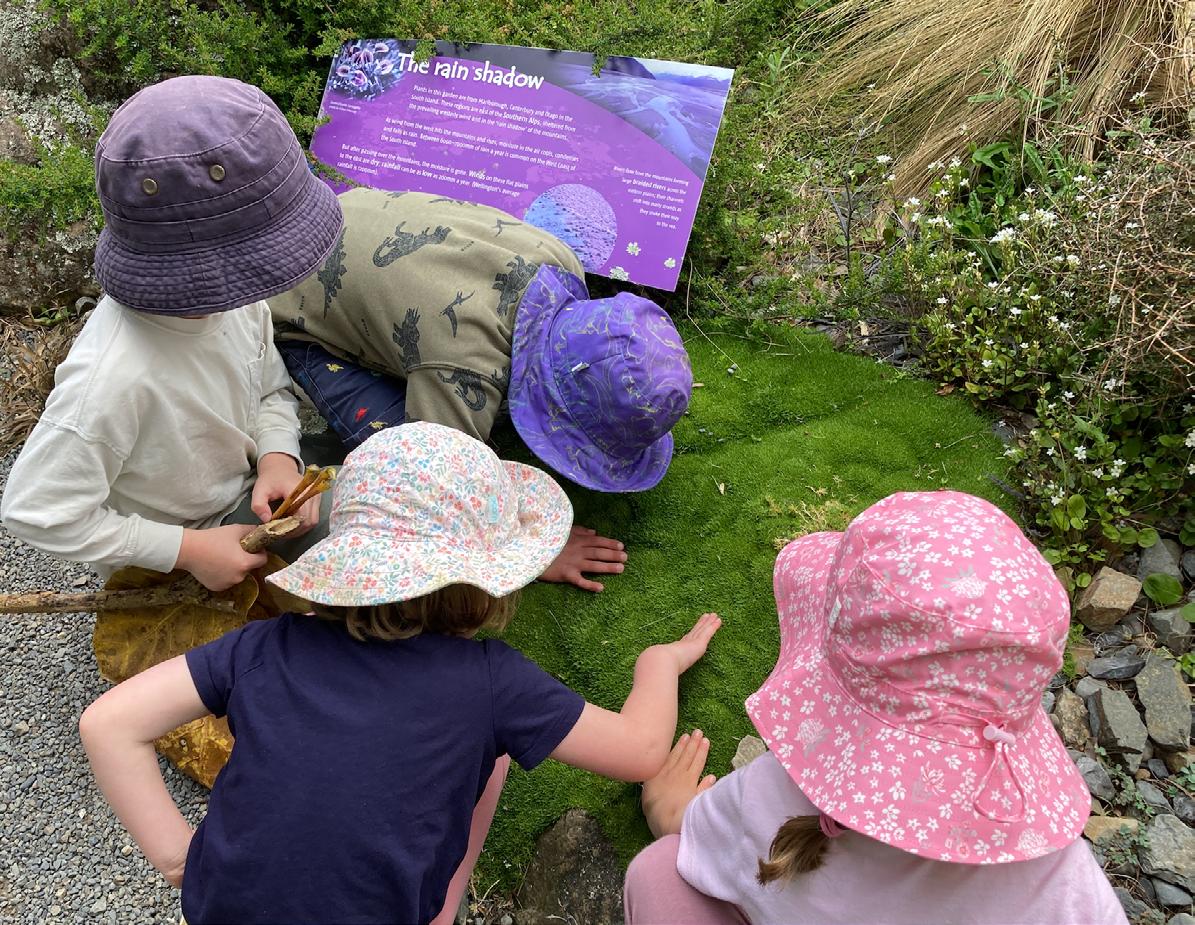
Anna Lewis has watched countless tamaiti hit a huge milestone – turning five or six – and with that milestone, leaving early childhood education (ECE) and starting school.
But it wasn’t until her own son turned five that Anna began to appreciate just how monumental that transition is.
“The transition from early childhood education to school can have a lasting impact on a child’s confidence, sense of belonging and engagement with learning,” says Anna, who has been a kaiako at Bowen Early Childhood Education Centre for more than 15 years.
Anna’s son’s new entrant teacher was Judith Urry, with whom she quickly developed a strong rapport.
“Judith helped highlight for me what a strong, supportive transition into school from early learning can look like,” says Anna, “and it’s something I want all tamariki to have the opportunity to experience.”
Anna and Judith began building a professional relationship based on the connections between early learning and primary school. Over the past 10 years, their careers have intersected, with both spending time in the other’s field of teaching.
“During her son’s transition to school, I visited Bowen ECE,” says Judith, “and I later spent time at the centre during my 2016 sabbatical. Following this, I wanted to deepen my understanding of children’s pre-school learning needs, so I left primary teaching for 18 months to work full-time in an ECE setting while completing a Postgraduate Diploma of Teaching (ECE).
“After graduating, I realised that my heart lay in primary. I wanted to apply my new learnings and make transitioning to school a positive, empowering experience for tamariki and their whānau.”
Similarly, Anna took leave from Bowen to work alongside Judith in a Year 0 to 1 classroom for six months; an experience Judith describes as having “significantly strengthened our connection and further aligned our pedagogical approaches”.
“We’ve built on each other’s strengths, sharing our knowledge and experience to support tamariki and their whānau during the transition to school,” explains Anna.
The knowledge-sharing has resulted in the two developing a transition programme for tamariki moving on from Bowen and starting at Northland School –where Judith is deputy principal pastoral/SENCO.
“At the heart of this programme is wanting to find ways to support tamariki to feel secure in their own readiness for school,” says Judith.
“Kaiako and tamariki from Bowen visit our school library and playground regularly and small groups of transitioning students come and spend time in the new entrant classroom.”
“We’re both passionate about making sure tamariki feel confident, supported and familiar with their new environment before they start school,” adds Anna.
“The programme focuses on creating positive, meaningful connections. The visits build strong relationships and help tamariki see school as an extension of the Bowen community.”
It’s a reciprocal relationship, with an open invitation for Judith to visit Bowen at any time.
“It’s an informal arrangement that allows me to ‘pop in’ and build authentic relationships with kaiako and tamariki beyond the scope of a formal transition visit. I also conduct planned visits to support individual children as they prepare for school,” explains Judith.
“To further foster this sense of belonging, Bowen is regularly invited to school events such as kapa haka performances, Matariki evenings and school productions.”
The collaboration also extends to professional development and learning.
“We’ve had shared staff meetings with Bowen, and we’ve participated in joint PLD, specifically in inquiry learning, literacy and maths,” says Judith.
“We are also looking forward to hosting a gathering of local ECE kaiako at our school this term.”
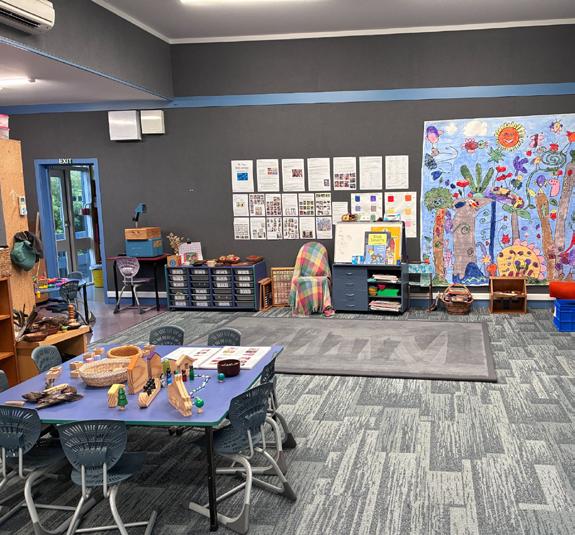
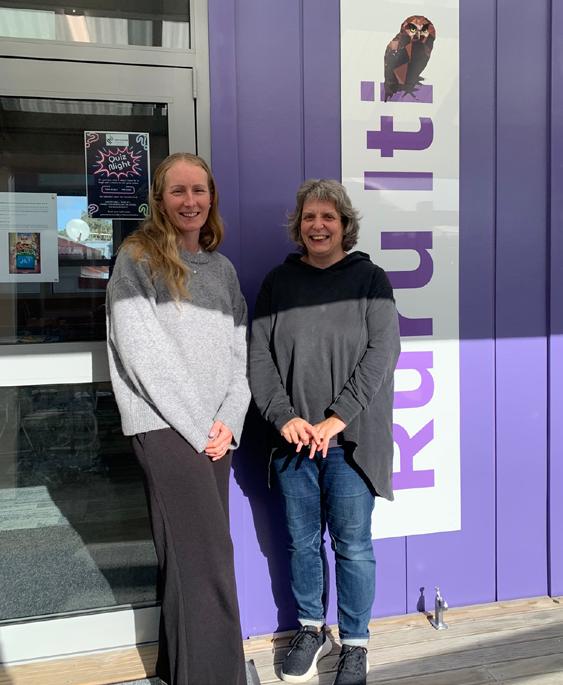
“We’ve built on each other’s strengths, sharing our knowledge and experience to support … the transition to school.”
Judith shares the story of a recent group of Bowen tamariki all transitioning to Northland.
“Because they had spent time in the new entrant classroom through our informal pop-in visits and library trips, they were already familiar with the rhythms of the day and the physical environment.
“On their first day at school, they immediately engaged with the learning activities and sought out older peers they had met during previous visits. The familiarity they had with us meant they could dive straight into their learning with confidence.
“On top of this, us being able to touch base with their ECE kaiako after they started meant we could refine our support based on their established interests, and make sure they didn't just settle in, but thrive from day one.”
The secret to the programme’s success, says Judith, is that because tamariki already feel at home at school, they bypass any anxiety they might develop about starting school.
“We’ve built a comprehensive safety net for children and their families so that the transition to school is a natural extension of their early childhood experience rather than a daunting shift,” says Judith, emphasising how that sense of belonging and security is established long before a child’s first day at school.
“Our success is anchored in ongoing, organic relationships that extend far beyond the first week of school. We have an open dialogue with Bowen, which allows us to support children using a shared understanding of their history and strengths.”
In the span of her career, Judith recounts working in UK schools that had attached nursery programmes, an opportunity that meant she could work alongside teachers of three- to four-year-olds and teach ‘reception’, or students aged four to five.
“It gave me a firsthand look at the importance of a joined-up educational approach and the necessity of ‘getting it right’ as children progress from early childhood settings into formal schooling.”
Returning to New Zealand, she started to wonder if she was truly meeting the needs of children entering school.
After visiting ECE centres to explore the pedagogy of play, she began incorporating it into her classroom, embracing the principles of Te Whāriki alongside the foundations of the New Zealand Curriculum.
Te Whāriki is critical to the transition to school, says Judith, because the knowledge and skills tamariki acquire through the early learning curriculum are important scaffolds for the classroom.
“We have a play-based inquiry programme that supports [Te Whāriki principle] kotahitanga (holistic development),” she explains, “which means we nurture the whole child and attend to their emotional, spiritual and social wellbeing alongside the academic foundations.
“The unhurried environment, especially in our morning block, allows for ngā hononga (relationships) to remain the priority. Through play, we have the time to observe and build deep connections, which strengthens mana reo (communication) and mana tangata (contribution).”
She acknowledges the strong foundations first set by teachers at Bowen, where Te Whāriki is woven into learning priorities to support four-year-olds on their pathway to school.
“Turning four is often a significant milestone for tamariki and their whānau,” says Anna. “We like to focus on supporting tamariki to develop the confidence, independence, communication and problem-solving abilities that allow them to see themselves as capable learners.
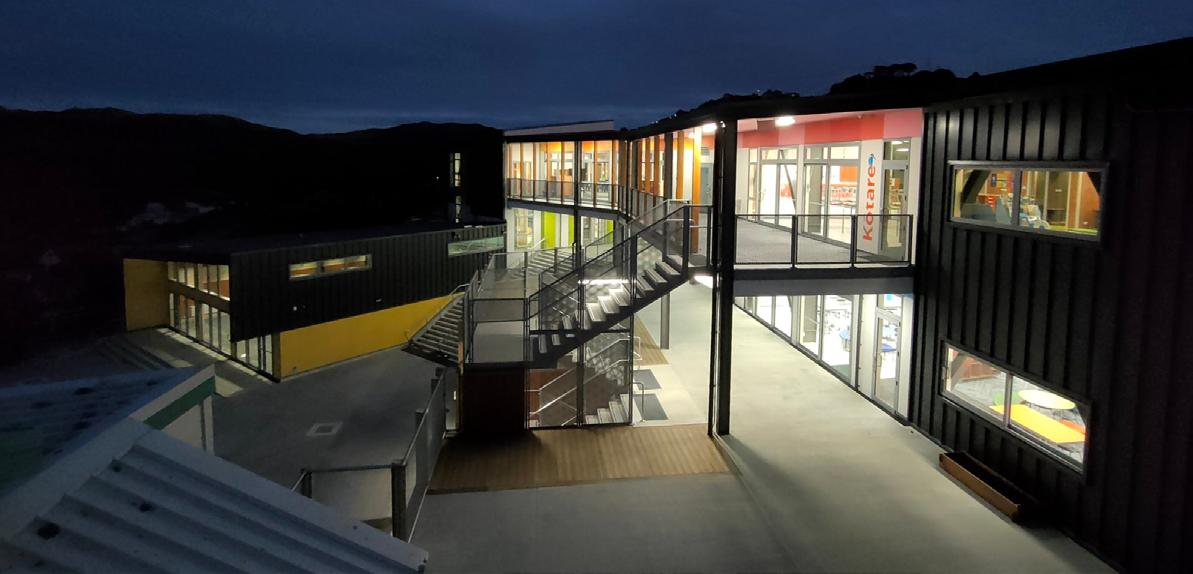
Teaching and learning in oral language, reading, writing and maths progresses continuously from early childhood through to the first six months of school.
The Ministry of Education recently released four visuals showing the continuity of learning and teaching across Te Whāriki, Kōwhiti Whakapae and the refreshed New Zealand Curriculum in the first six months of school.
You can explore these further on Tāhūrangi.
“We use everyday routines to build independence and resilience. Whether it’s children carrying their own bag, dressing themselves, managing their belongings, or taking responsibility for self-care tasks, they’re learning important skills around self-regulation, organisation and perseverance.”
She highlights several rituals and experiences Bowen has specifically designed to support growing independence and confidence in tamariki as they prepare for school, connecting them to Te Whāriki principle of empowerment and the strands of wellbeing and communication, among others.
“For example, we have ‘lunchbox days’, which support self-regulation, independence and autonomy. On these days, our four-year-olds gather in a shared space to enjoy a lunchbox they have helped prepare with gentle support from kaiako.
“They’re beginning to learn some of the practical routines often associated with school life such as managing their food and opening containers.
“We also have daily sign-in experiences where tamariki are invited to write or recognise their names in ways that feel engaging and achievable for them,” adds Anna, highlighting the focus on early literacy and fine motor skills.
One of the most key rituals, she says, is the “school passport”, a document shared between ECE and new entrant kaiako. The passport creates a picture of the child – their strengths, interests, learning strategies and identity – and gives continuity between early learning and school.
“It allows the new entrant teacher to build on what the tamaiti already knows and can do, rather than starting from scratch,” explains Anna.
Though the proximity of Bowen Early Childhood Education Centre and Northland School creates a natural point of connection, Anna and Judith encourage all schools and early learning services to consider partnership.
“This partnership completely demystifies the school environment – not just for tamariki, but for parents and whānau too,” says Judith.
Because Bowen kaiako visit Northland so frequently, they’re able to talk to parents about school life based on what they’ve seen firsthand, and able to give families insight into the transition process by documenting visits through learning stories.
Ultimately, the pair say the partnership empowers children to enter school feeling like they belong there.
“What we see through this approach is tamariki transitioning to school with confidence, resilience and a strong sense of identity,” enthuses Anna.
“They arrive not only with practical skills, but with a sense of belonging to both their early childhood centre and their new school community.
“It has been incredibly rewarding to see former Bowen tamariki thriving at school while still feeling connected to the community they came from.”
1990 » The Ministry of Education publishes an advertisement in the Education Gazette for a contract to develop National Early Childhood Curriculum Guidelines.
» Dr Margaret Carr and Dr Helen May submit a proposal on behalf of the sector which includes a partnership with Kōhanga Reo Trust.
1991
» Contract to develop National Early Childhood Curriculum Guidelines awarded to Dr Margaret Carr and Dr Helen May at the University of Waikato with the backing of the early childhood organisations.
» Ministry of Education Curriculum Review Committee established, convened by Carol Hamer.
» Curriculum Development Group meets at the University of Waikato, including Dr Tamati Reedy and Tilly Reedy, appointed by the Kōhanga Reo Trust to coordinate the Māori immersion curriculum working group, and the coordinators of specialist working groups for Tagata Pasifika, home-based and children with learning support needs.
» Working Document One: The Framework presented to the Ministry of Education Review Committee, organisation stakeholders, researchers and teacher educators. The framework is named Te Whāriki by Dr Tamati Reedy.
1992 He Whāriki Maturanga mo nga Mokopuna of Aotearoa – National Early Childhood Curriculum Guidelines in New Zealand presented to the Ministry of Education.
1993 Te Whāriki: Draft Guidelines for Developmentally Appropriate Programmes in Early Childhood Services published by the Ministry of Education and posted to early childhood centres for a trial period.
» The Combined Early Childhood Union of Aotearoa (CECUA) holds a launch of Te Whāriki which is attended by the Ministry of Education.
1994 Ministry of Education professional development programmes begin and Te Whāriki is incorporated into teacher education programmes and qualifications.
1995 Consultation with the sector on the curriculum including Murrow, K. (1995) Early Childhood Workers' Opinion on the Draft Document Te Whaariki, Research Section Report Series No. 5, Ministry of Education and centre trials, by Dunedin College of Education and Wellington College of Education.
1996 After further revisions, Te Whāriki: He whāriki mātauranga mō ngā mokopuna o Aotearoa –Early Childhood Curriculum is launched by the Prime Minister Rt Hon Jim Bolger at the Beehive.
19971999 » Ministry fund three research projects on: assessment (M. Carr), evaluation, (V. Podmore and H May) and learning and teaching stories (V. Podmore, M. Carr and H. May).
1998 » Education Review Office publishes Use of Te Whāriki.
» Three DVDs by Dr Margaret Carr, Assessing Children’s Experiences in Early Childhood Settings, NZCER. Introduction to learning disposition and learning stories as a tool for assessment.
1999 Ministry of Education releases The Quality Journey as a resource developed by Dr Anne Meade for self-evaluation of early childhood programmes.
2000 Ministry of Education releases the first of a three-part video series for Te Whāriki The Big Picture outlining the framework foundations of Te Whāriki.
2001 Ministry of Education releases the second of a three-part video series for Te Whāriki Empowered to learn Te Whāriki for infants and toddlers.
2003 Ministry of Education video for Māori immersion ECE, Te rere a Te Amokura: hei tautoko i te whakaora ano me te whakau i Te Reo Maori.
2004–2009
Kei Tua o te Pai – Assessment for Learning ECE Exemplars. Twenty booklets published by Ministry of Education.
2007 Ministry of Education releases the updated New Zealand Curriculum for schools that is aligned with the strands of Te Whāriki.
2009 Ministry of Education resource. Te Whatu Pōteka: Kapupapa Māori Assessment for Learning.
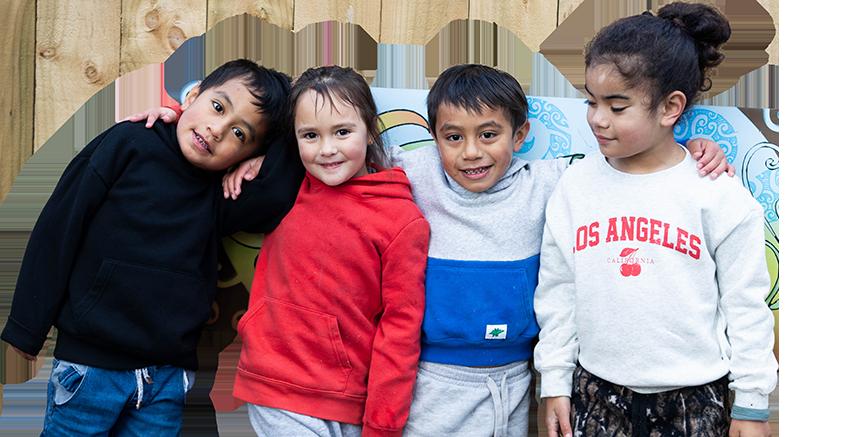
2010 The Ministry of Education ECE Taskforce Report, An Agenda for Amazing Children, determines that Te Whāriki’s framework of principles strands and goals is ‘robust’ but recommends a review of its implementation to better support teachers.
2014 Minister of Education Hon Hekia Parata establishes an Advisory Group on Strengthening the Implementation of Te Whāriki, chaired by Professor Joce Nuttall. Dame Iritana Tāwhiwhirangiis appointed to look after the interests of Kōhanga Reo.
2015 Report of the re-named Advisory Group of Early Learning cites the support for Te Whāriki and recommends an updated document.
2016 Ministry of Education appoints an expert group of writers, convened by Nancy Bell, to undertake the refresh. The original writers become advisors to the project.
2017 14 April: Refreshed Te Whāriki launched by Education Minister Hekia Parata with updated learning outcomes and stronger bicultural framing. Te Whāriki a te Kōhanga Reo becomes an expanded and standalone document.
July: Ministry professional learning and development programme begins supporting implementation through workshops, webinars and online resources.
2018 July: Education Review Office publishes Awareness and confidence to work with Te Whāriki (2017).
15 November: Education Review Office publishes Engaging with Te Whāriki (2017).
2019 12 December: Education Review Office publishes final report, Te Whāriki (2017) Awareness towards Implementation.
2021 Work underway on developing Te Ara Māori, a te ao and te reo Māori pathway for Puna Reo, Māori medium and bilingual early learning settings
2023 Principles, strands, goals and learning outcomes. Te Ara Māori, and te tauira whāriki become part of the Early Learning Curriculum Framework | He Anga Marau Kōhungahunga published in the New Zealand Gazette | Te Kāhiti o Aotearoa.
New Zealand is the first country to develop a national curriculum for early childhood.
1993 Margaret Carr and Helen May travel to the UK, Hong Kong and China for the first of many international presentations on Te Whāriki.
First international publication on Te Whāriki. Margaret Carr and Helen May, ‘Choosing a Model: Reflecting on the Development Process of Te Whāriki, National Early Childhood Curriculum Guidelines in New Zealand’, International Journal of Early Years Education, Vol. 1 No. 3. pp. 7-22.
2002
OECD Directorate of Education showcases Te Whāriki at the Early Childhood Education and Care (ECEC) Policy Network workshop in Sweden.
2013 Conference in co-operation with the OECD Directorate of Education, ECEC Policy Network, Curriculum implementation in ECEC, Te Whāriki an International Perspective, Wellington.
2003 2013 2017 Celebrating 10 years of Te Whariki from its release as a draft: Weaving Te Whāriki: Aotearoa New Zealand’s Early Childhood Curriculum Document in Theory and Practice, ed. Joce Nuttall, NZCER Press. Celebrating 20 years, 2nd edition, 2013, ed. Joce Nuttall. 3rd edition, 2017, eds. Alex Gunn and Joce Nuttall.
2016 NZEI Te Riu Roa celebrates 20 years of Te Whāriki at its annual conference with the release of film Te Whāriki Turns 20 and panel presentations by Tā Tamati and Lady Reedy, Professors’ Margaret Carr and Helen May.
2026 Thirty years since the publication of the 1996 Te Whāriki document. Education Leadership Project Conference The Stories We Weave: Te Whāriki at 30! Auckland. Helen May presents keynote address, Before, Beginnings and Beyond Te Whāriki.
2026 Education Gazette publishes special edition celebrating 30 years of Te Whāriki: A mat for all to stand on.