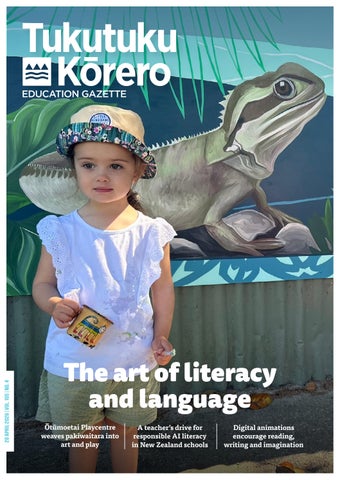
The art of literacy and language
Ōtūmoetai Playcentre weaves pakiwaitara into art and play
A teacher’s drive for responsible AI literacy in New Zealand schools
Digital animations encourage reading, writing and imagination
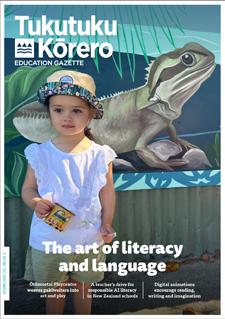
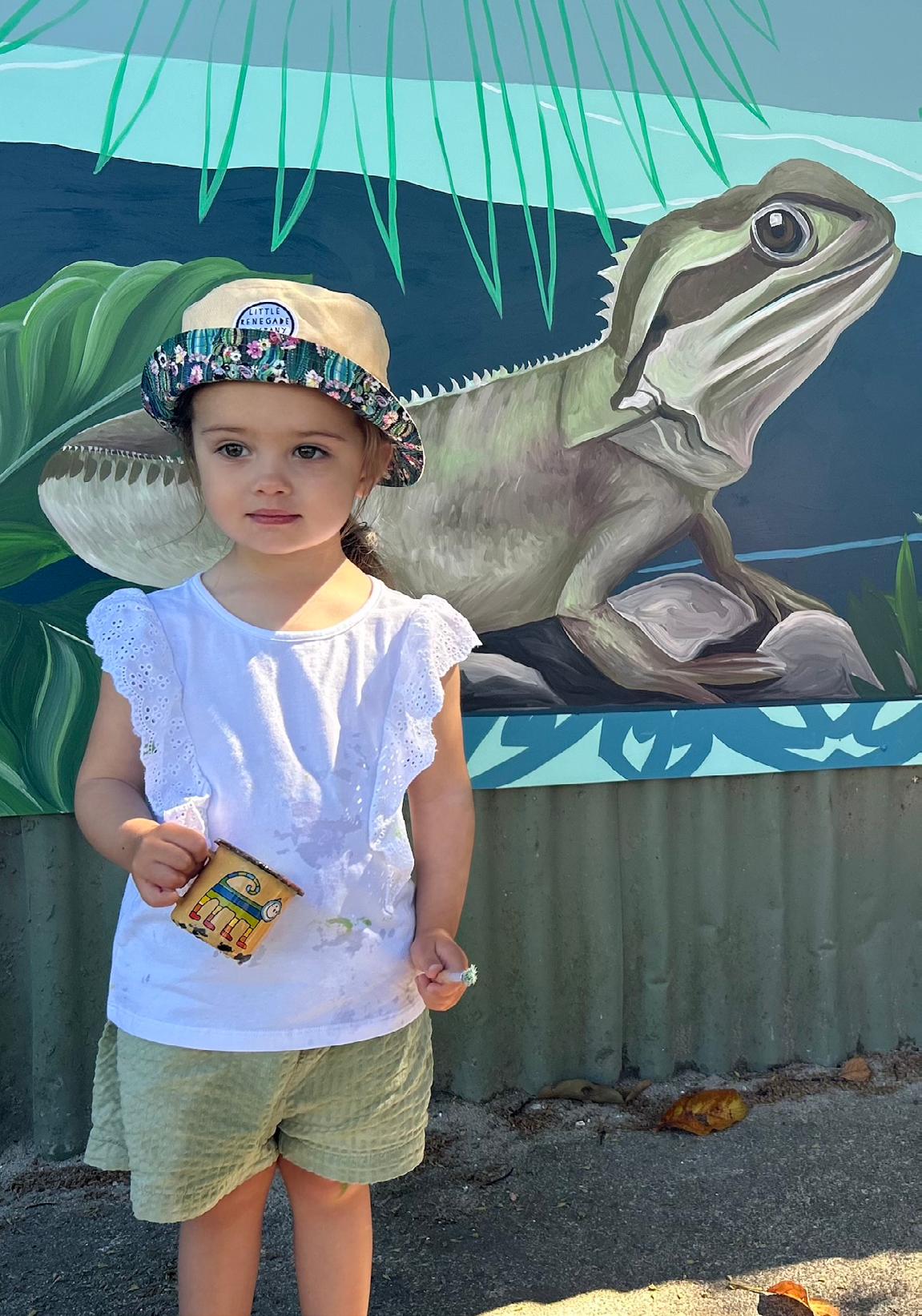
the cover Neva in front of the new mural that has been inspiring art and storytelling for Ōtūmoetai Playcentre tamariki.
Learning the art of literacy and language
When art, literacy and language combine in learning, the results can be powerful and beautiful.
At Ōtūmoetai Playcentre, a new mural has sparked inspiration and enthusiasm for tamariki, from storytelling to artistic expression through their own colourful brushstrokes.
Next door at Ōtūmoetai College, ākonga are preparing to enter short story competition Te Pae Tawhiti, which encourages young voices to be heard through the art of writing. In Whakatāne, Trident High School ākonga have also discovered the joy and influence of the written word as part of their contribution to a series of online animations. PhD student Gisela de Castro created the accessible platform to investigate how storytelling, reading and writing is changing in a digital world.
That digital world comes with fast-paced change and challenges. Auckland teacher Susana Tomaz has taken a deep dive into the responsible use of artificial intelligence (AI) in learning, to answer the burning question of how AI literacy can be built in kaimahi and ākonga quickly and effectively.
Literacy and language form a foundation for lifelong learning. At Newmarket School, that looks like ongoing research into their local Anzac history as part of an initiative to build leadership through legacy. For these ākonga, Anzac commemorations serve as active leadership challenges rooted in respect and perseverance.
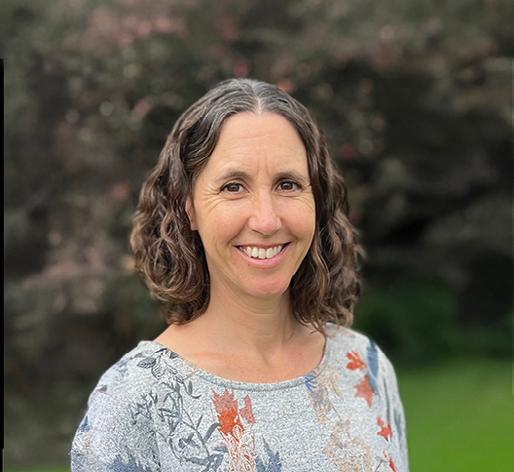
From the next issue of Education Gazette, you’ll notice the return of a familiar face to this page, with editor Sarah Wilson now back on board following parental leave. Thanks for having me!
Ngā mihi nui
Maike van der Heide
Ētita | Editor
PUBLISHED BY
Education Gazette is published by the Ministry of Education
PO Box 1666, Wellington. ISSN 2815-8423 (online)
The Ministry of Education and Education Gazette do not endorse, approve, or accept responsibility or liability for the accuracy of information belonging to third parties, including but not limited to information on third party websites we link to.
Terms and conditions: gazette.education.govt.nz/terms-andconditions
© 2026 Education Gazette. All rights reserved.
KEY CONTACTS
Editorial
gazette@education.govt.nz
Vacancies and notices listings gazette.vacancies@education.govt.nz 0800 GAZETTE (0800 429 3883)
Send us your story ideas
Our upcoming issues focus on how schools, kura and early learning services connect with their communities. How do you involve local businesses, industry and volunteer services in your teaching and learning?
Join us online
Get the latest vacancies, notices, and stories on our website. gazette.education.govt.nz
Follow us on Instagram: @edgazettenz
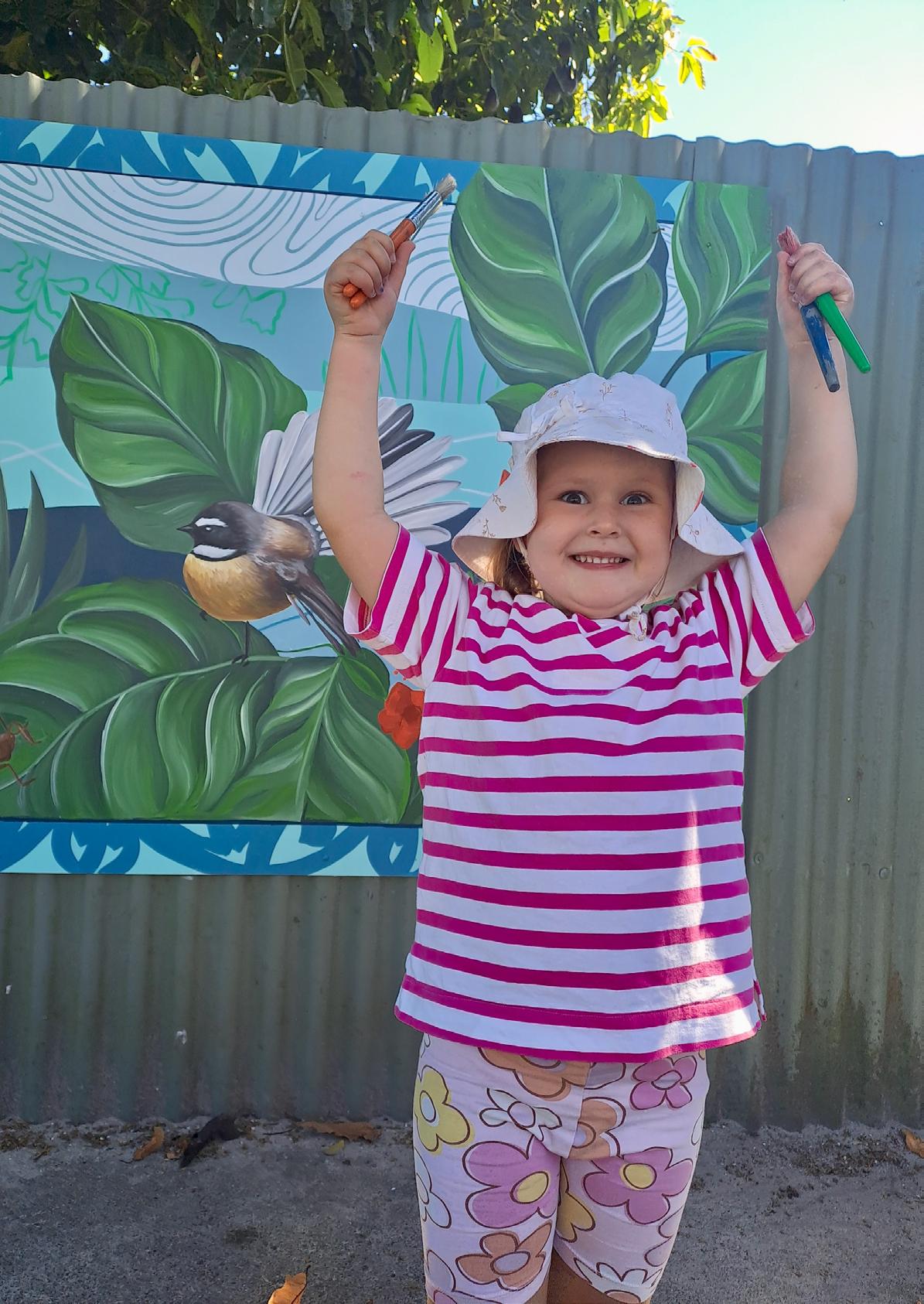
is excited to do some art at Ōtūmoetai Playcentre in Tauranga.
Emmie
TŌtūmoetai Playcentre weaves pakiwaitara into art and play
At Ōtūmoetai Playcentre in Tauranga, a new mural is doing more than brightening a wall. It’s helping tamariki step into local stories, sparking language, curiosity and a deep sense of belonging. ART AND STORYTELLING
he walls of Ōtūmoetai Playcentre have come alive, turning a simple outdoor space into a vibrant telling of local history. But this isn’t just a backdrop for play. It’s become part of the learning itself.
Through a collaborative mural project with artist Millie Pidwell, tamariki are not only seeing art, they are engaging with pakiwaitara, asking questions and connecting with the stories of their place. For kaiako and whānau, it’s a powerful reminder of how literacy and language can live well beyond books and how the principles and strands of Te Whāriki are woven into the environment and everyday experiences.
From the earliest stages, the project centred on storytelling. The mural draws on the legend of Taurikura, a chief's daughter who transforms into a tuatara and becomes a guardian of the land and water. It’s a story rich with meaning, and one that tamariki can return to again and again through play, conversation and imagination.
For Millie, who has worked on murals in schools across the region, that sense of ongoing connection is what matters most.
“I loved painting this mural for Ōtūmoetai Playcentre,” she says. “I feel so grateful to be part of projects like this one, to collaborate with staff and whānau to create something meaningful and long lasting for the community.
“The more murals I paint, the more I realise why I love painting them so much. It’s the story, community feeling and impact.”
A partnership with mana whenua
Rather than choosing a design in isolation, Ōtūmoetai Playcentre worked closely with Ngāi Tamarāwaho iwi to shape the mural. Takitimu kowhaiwhai patterns were woven through the artwork, grounding it firmly in local identity.
That collaboration sits at the heart of the project. It’s not just about representation, but about building relationships and understanding the stories behind the imagery.
For parent Jodie Moore, the mural reflects what the centre values most.
"It reflects our belonging to the local area. The story of Taurikura is about kaitiakitanga and manaakitanga – qualities we want to instil in our tamariki," she explains.
Moments like the blessing of the mural added another layer of meaning. Kaumātua Des Tata of Ngāi Tamarāwaho led the unveiling, bringing together whānau, tamariki and life members for a special day, says Ōtūmoetai Playcentre co-president Sheldon Macartney.
For kaiako, these experiences offer authentic contexts for language. Tamariki hear and use te reo Māori in meaningful ways, connected to people, place and story rather than isolated vocabulary.
“It reflects our belonging to the local area. The story of Taurikura is about kaitiakitanga and manaakitanga – qualities we want to instil in our tamariki.”
Curiosity, creativity and child-led learning
While the finished mural is a masterpiece, much of the learning happened during the process.
Watching Millie at work sparked immediate curiosity. Tamaiti Sonny captured it perfectly: “Woah! How is she painting a tuatara?” and “How does she paint so big?”
Those questions became the starting point for rich conversations. Tamariki wondered about scale, technique, and the story unfolding in front of them.
Instead of keeping the process at a distance, the centre invited children to pick up brushes and create alongside the artist. That simple decision shifted them from observers to participants.
Giving tamariki this time, space and trust saw their own questions and ideas come through. Language followed that curiosity, from describing what they saw to wondering how things worked and retelling the story behind it.
The mural continues to support this long after the paint has dried. It’s a prompt for storytelling, a visual cue for recalling the legend of Taurikura, and a shared reference point for conversations.
Strengthening the village
For Ōtūmoetai Playcentre, a sense of collective ownership is woven through the project.
From the initial design conversations to the unveiling, whānau were involved every step of the way. The result is more than an artwork. It’s something the whole community feels connected to.
“The artwork becomes part of students’ everyday lives,” explains Millie. “It adds to a sense of belonging and pride. It reflects shared values, history and community.”
That sense of belonging is especially important in early learning settings and is an important strand of Te Whāriki. When tamariki see their stories and environment reflected around them, it affirms who they are and where they come from.
The project was supported by a Tauranga City Council Creative Communities Scheme grant, but its impact goes well beyond the funding. It has strengthened relationships, created shared experiences, and left a lasting legacy for future generations.
For Sheldon, the unveiling brought that home.
“To gather as a centre and take part in the blessing, guided by kaumātua Des, made the project feel truly complete.”
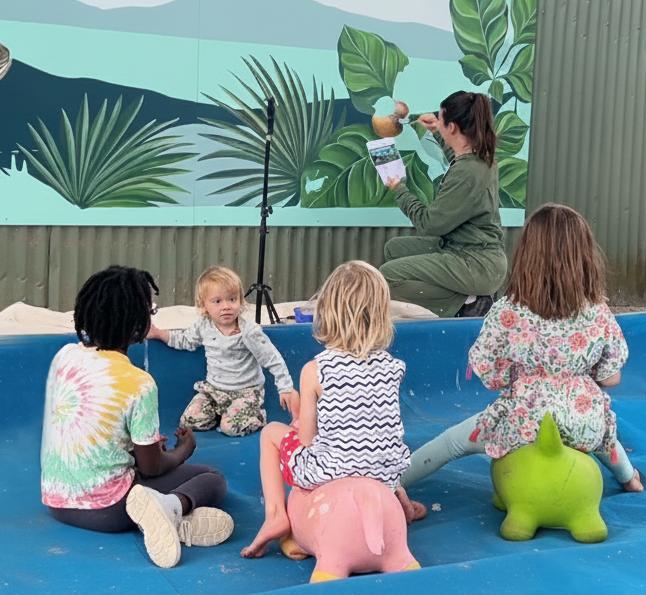
Artist Millie Pidwell with tamariki from

VISUAL AND DIGITAL LANGUAGE
Digital animations encourage reading, writing and imagination
PhD student Gisela de Castro invited ākonga across Aotearoa to write letters to their town or city as if it were a person. She then turned their words and pictures into 22 animated films that celebrate young voices, creativity and inclusion around literacy and language. The project inspired students to write, and created a fully accessible digital reading platform.
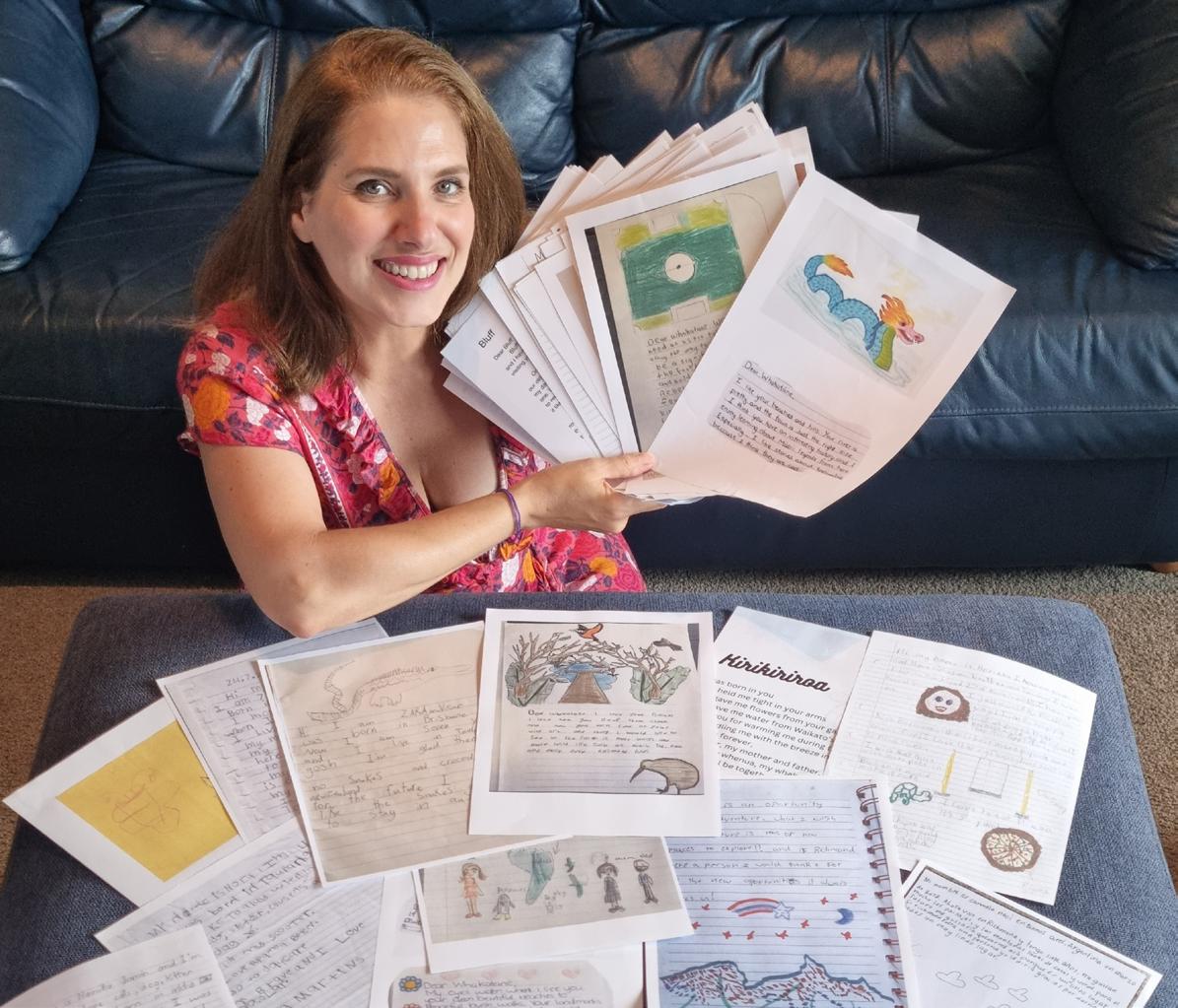
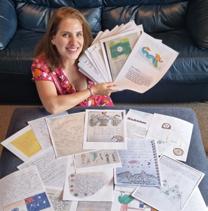
Brazilian writer and theatre practitioner Gisela de Castro with some of the 70 letters written by ākonga from all over Aotearoa.
Two years ago, Brazilian writer and theatre practitioner
Gisela de Castro stood in front of students at Trident High School in Whakatāne and asked them to write a letter to their town.
She wanted them to imagine Whakatāne as a person and write what they loved most, as well as their hopes and dreams for the town’s future.
The letters were for her PhD project at the University of Waikato in screen and media studies, that explores how children across New Zealand are thinking about climate, place and the future, while investigating how digital tools may reshape children’s literacy.
Gisela wanted to hear what the tamariki and rangatahi of Aotearoa thought about where they lived.
So, she emailed every school in the country.
The result was 70 letters by young writers aged between four and 15.
Those handwritten or typed letters about climate change, hometowns and the future, eventually became the foundation for A Flight Over Aotearoa New Zealand, a collection of 22 animations inspired by the children’s letters, which are now available to watch online.
Fun and authentic writing
Trident High School teacher Jess Harvey says students often do not write unless it’s for school and grades. That’s why this project felt different.
“It wasn’t graded, so the pressure was off. It was just fun and interesting.
“And it gave them an authentic audience – people other than their teacher who were going to read their work.”
Jess noticed the shift in her students straightaway.
“It engaged them in a way I haven’t seen before.”
Alongside her general Year 9 class, Jess included her class of around 12 students with lower literacy levels.
“They loved it too. Some students struggle with writing, and yet they were engaged and enthusiastic.”
Ākonga were encouraged to use te reo Māori in their letters if they could, and two did, which Jess says was another meaningful way to draw students in.
“It was such a good project.”
Jess had put her hand up immediately for her students to take part when she read about Gisela’s request for help.
“I admired how genuine and open Gisela’s idea was.”
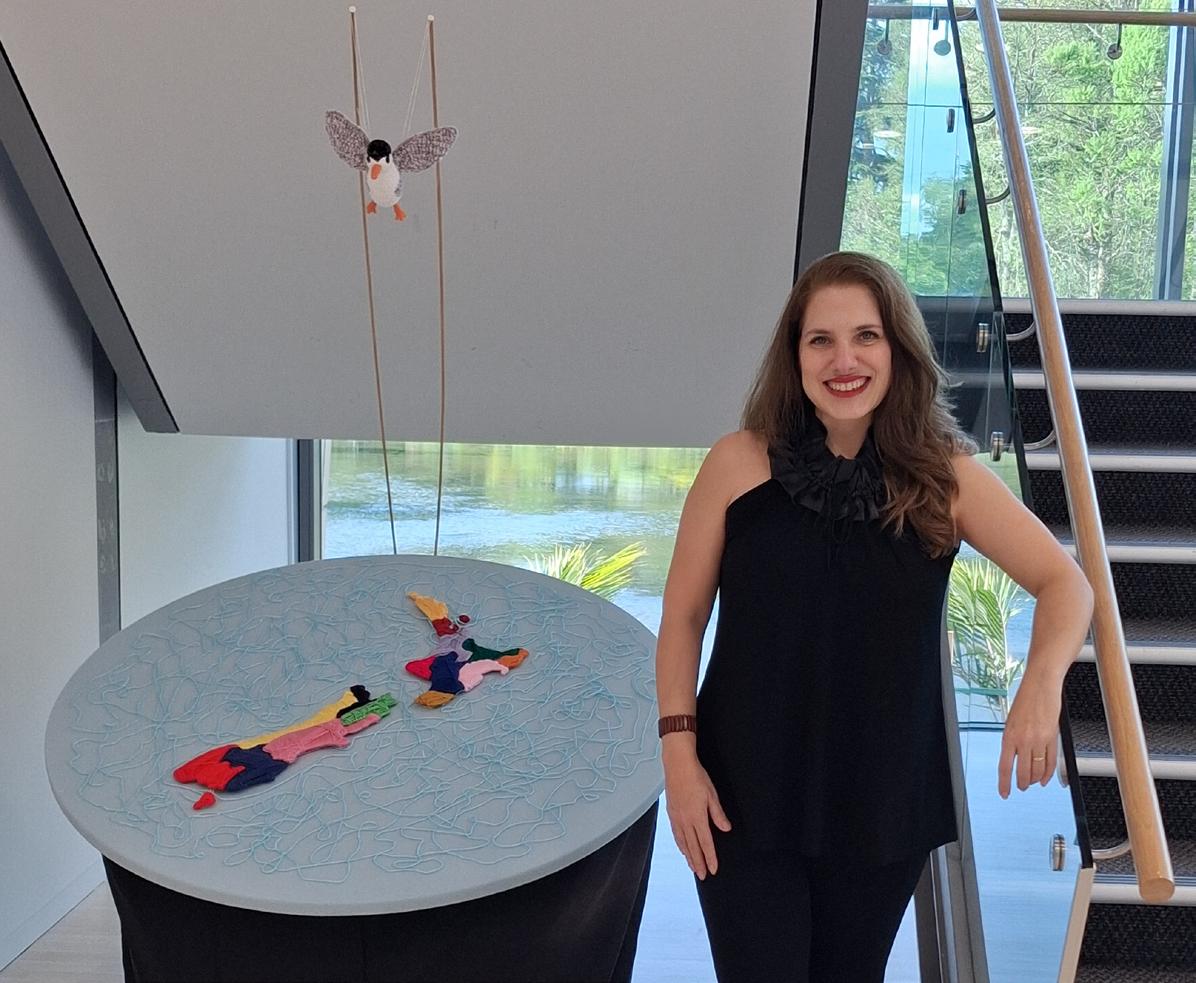
Gisela with the crocheted tara iti, the New Zealand fairy tern, which serves as the avatar on her digital platform, and the New Zealand map made of wool.
Students drafted the letter to their town or city in their books first, received feedback from their teacher if they wanted it, and then rewrote the letters on fresh lined paper with space for drawings and colour.
Some ākonga imagined new attractions for their communities, while others reflected on the places that hold personal memories.
After gaining permission from parents, because the letters would end up online, Jess sent them off.
She says the students who saw the finished project two years later were “blown away” at seeing their work on screen.
“They absolutely loved it. There was giggling and carrying on seeing their words and pictures come to life.”
The confidence to speak up
Gisela hopes her finished project shows how digital storytelling can reshape literacy, language and creativity, while giving children confidence and a platform to speak for themselves.
“We should listen to their voices and what they’ve written,” says Gisela.
“I was mesmerised by their words. They’re so clever and intelligent. Their letters had social justice content and environmental awareness. If they were city planners, the country would be even more amazing.
“And when the students saw the results on the screen, they felt so proud of themselves, that they were able to do something to create.”
Gisela says the result shows students the possibilities for their future.
“They can be web designers, writers, illustrators – they see the possibilities.
“Every student can see their contribution; it was a whole project made by many hands, without judgement.”
In their letters, children’s concerns were wide-ranging: care for pets and nature, environmental preservation, and also practical urban desires.
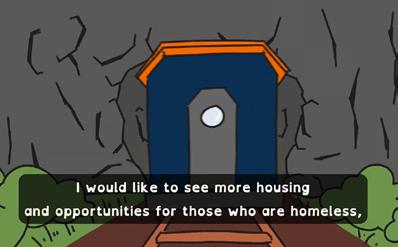
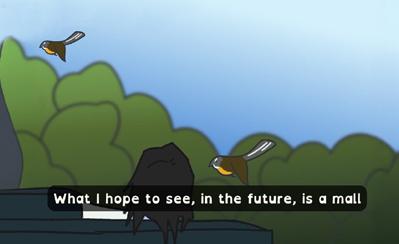
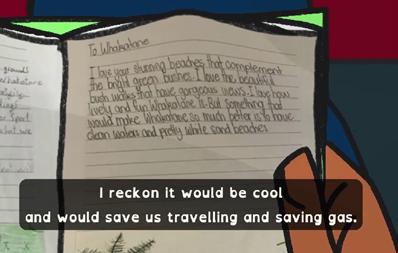
“Some wanted more local malls so families could avoid using expensive petrol,” says Gisela. “Others wanted housing and opportunities for homeless people because ‘we need to protect them.’ One student called ‘desperately’ for an astroturf, which demonstrates how sports can make a significant difference in a city’s quality of life.
“They were amazing. The world would be much better if they were in charge.”
A labour of love and volunteers
Because Gisela’s project was a scholarly one and non-commercial, much of the creative work to pull it together came from volunteers. It took two years to create the 22 animations.
The process was so slow they joked it was like making sourdough, says Gisela, who contributed koha for the volunteer work and covered essential costs like software licences.
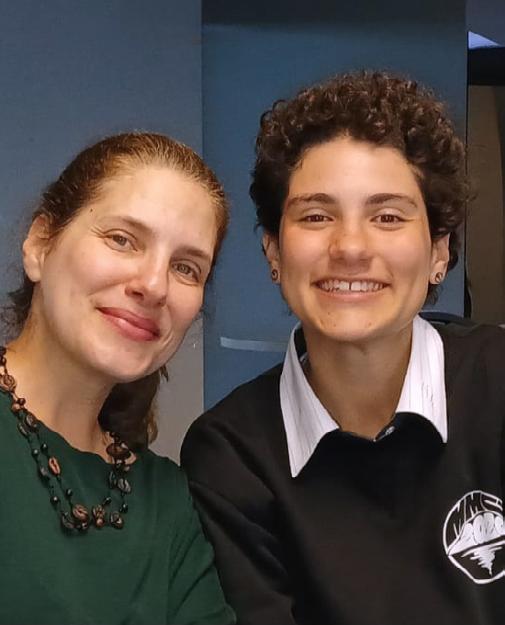
Gisela, left, with daughter Lara, has a dream to create accessible online reading platforms so all rangatahi can build literacy and language with confidence, wherever they are and whatever their circumstances.
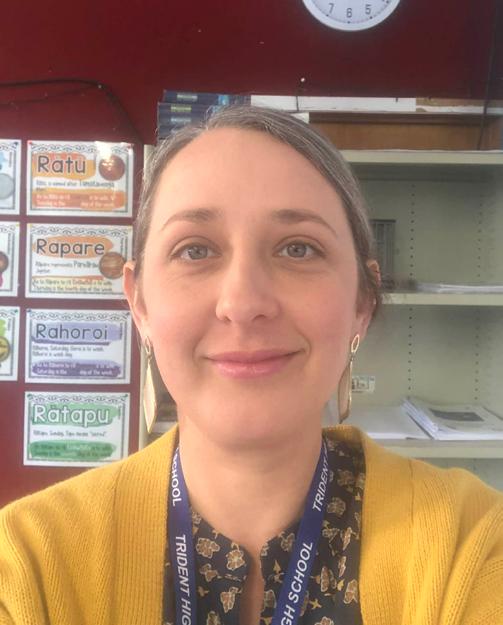
Trident High School teacher Jess Harvey’s students wrote letters for the project.
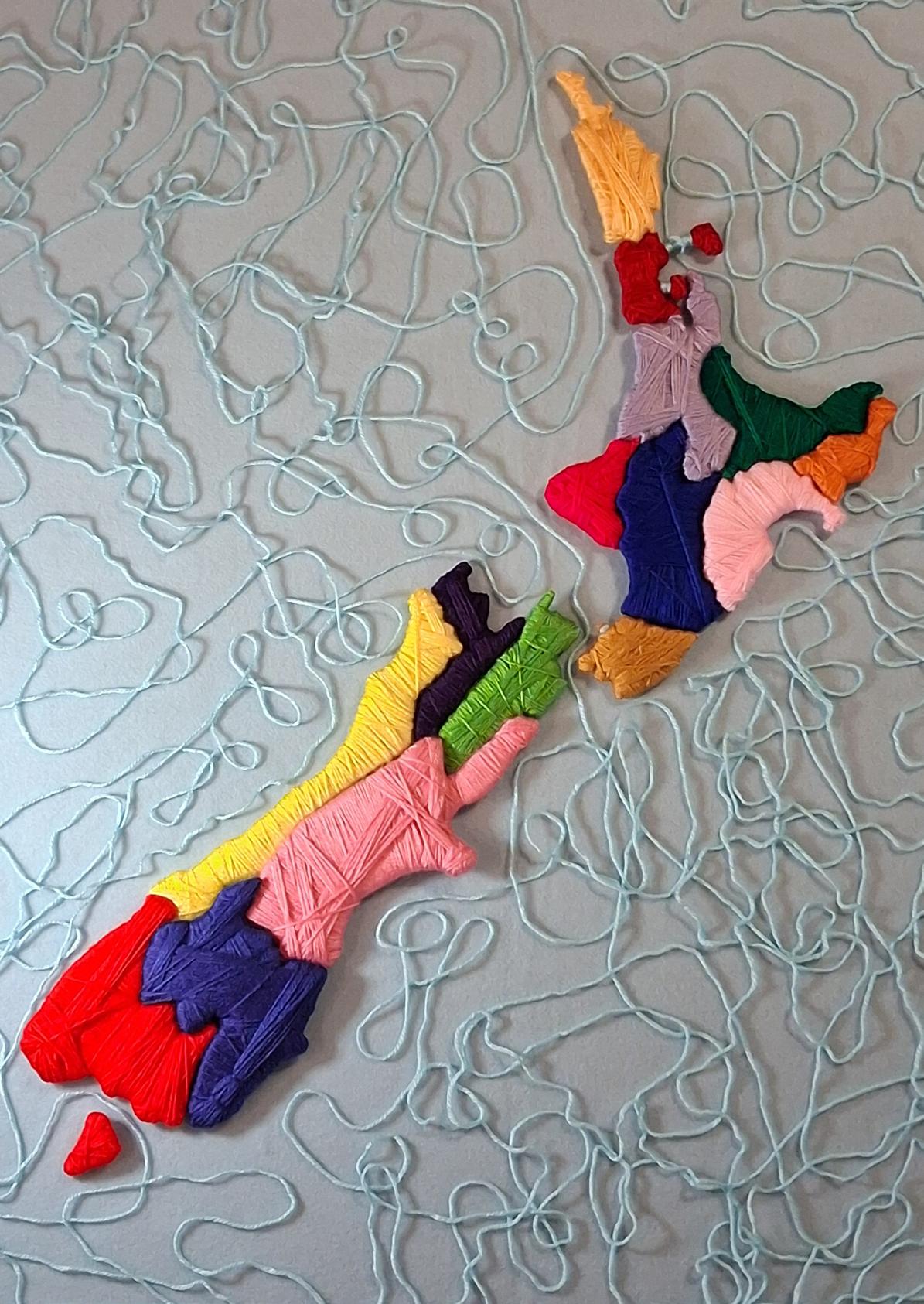
Gisela crafted a map of Aotearoa from wool, with regions fitting together like puzzle pieces.
Gisela worked with seven animators, three musicians, an editor, a crochet artisan and a web designer to adapt the letters into digital stories combining text, illustration, narration and sound.
Gisela’s teenage daughter Lara also helped a lot, and one of her friends even submitted a poem about Aotearoa.
Gisela says the result had to be accessible to everyone to watch, hear and enjoy.
“One of the animators told me about a type font that allows people with dyslexia to enjoy and read better, so we used that on the website and in some of the videos.”
The animations encourage children to view reading and writing as expressive acts and to see themselves as authors, artists and creators, says Gisela.
‘Ancestral intelligence’
Gisela says she uses a different type of AI – ‘ancestral intelligence’.
“It’s where you mix the past, the knowledge, and old-fashioned technology with the future and new technological stuff and digital material to make content. This combination to me is really beautiful.”
Gisela was inspired by contemporary artists, two of whom were aged over 90.
In the films, the students’ own art comes to life, as well as their handwriting. A crocheted tara iti, or New Zealand fairy tern, is the avatar. The map of Aotearoa was made of wool, like handmade puzzle pieces, representing the regions of the country.
When the project was finished, Gisela held a screening of the stories and invited some students who had taken part.
“Teenagers were reading together, reading aloud, and playing together,” she remembers.
“It was a great experience.”
Lockdowns sparked accessible digital reading platforms
During the Covid-19 pandemic, Gisela and her daughter Lara were living in Rio de Janeiro, Brazil, where extended lockdowns were up to seven months long.
Gisela couldn’t stop thinking about the millions of children without school and libraries all this time.
So, she published a digital interactive book that had sign language, voice-overs, illustrations and subtitles to make it accessible for everyone.
“In Brazil, there are around 10 million [people] who are Deaf or hard of hearing and the children struggle to learn to read properly in Portuguese.”
Gisela also held workshops in Brazil to help children create physical books.
“I could see how engaged and transformed they are when they saw their book handcrafted. They feel so proud.”
Now based in Aotearoa, Gisela is dedicating her thesis to her dream of creating online reading platforms that every student can access. That includes anyone who is Deaf or hard of hearing, is blind or has low vision, dyslexia or learning difficulties, Gisela says. She hopes all young people can develop literacy and language with confidence, wherever they are and whatever their circumstances.
The launch of A Flight Over Aotearoa marks a milestone in Gisela’s doctoral research, with further analysis and academic outputs to follow as she prepares for thesis submission this year, and oral defence in 2027.
The digital platform is now live and available to watch. www.afoa.nz
Some frames by animator Reuben Rupapere based on students' letters from Trident High School.
“I was mesmerised by their words. They’re so clever and intelligent. Their letters had social justice content and environmental awareness. If they were city planners, the country would be even more amazing."
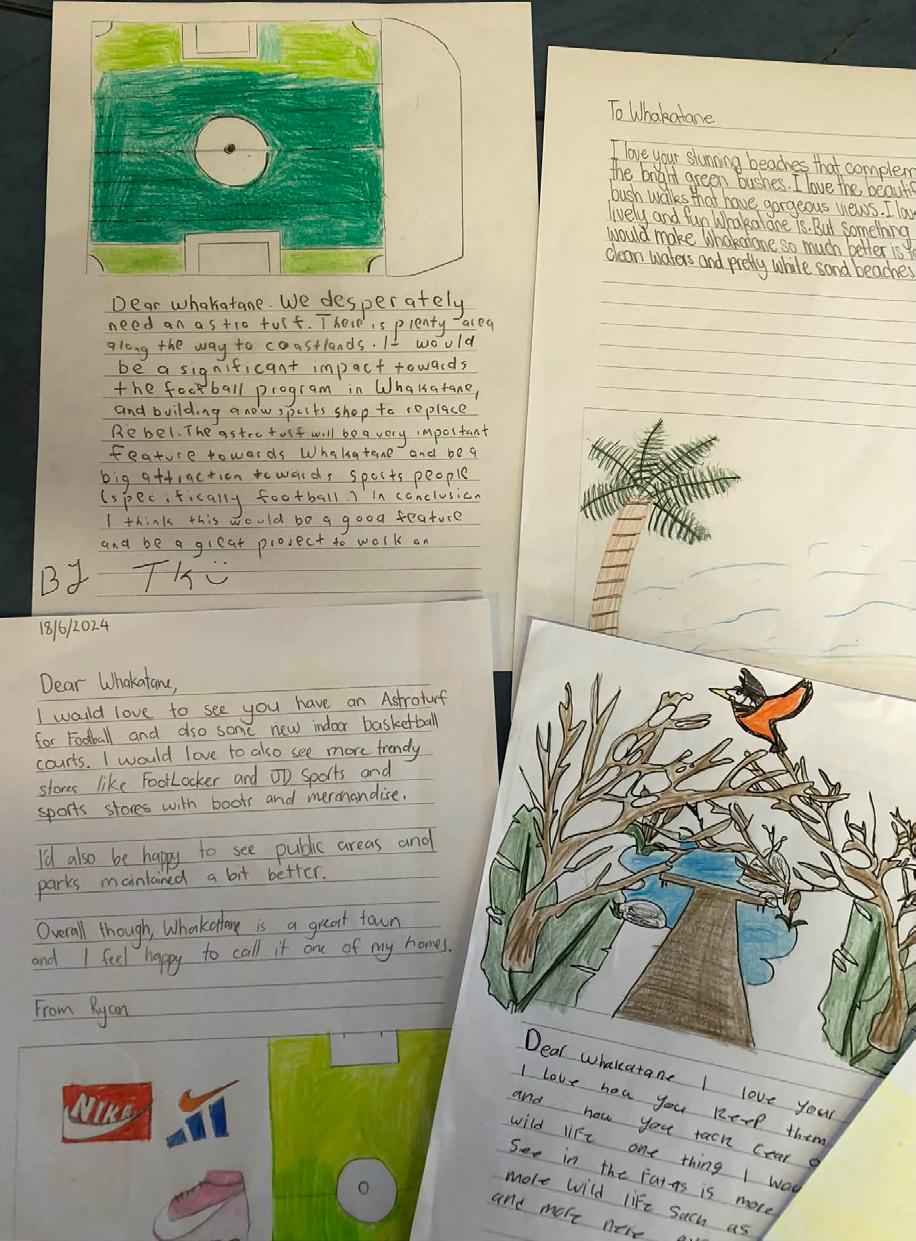
Some of the letters written by ākonga from Trident High School in Whakatāne.
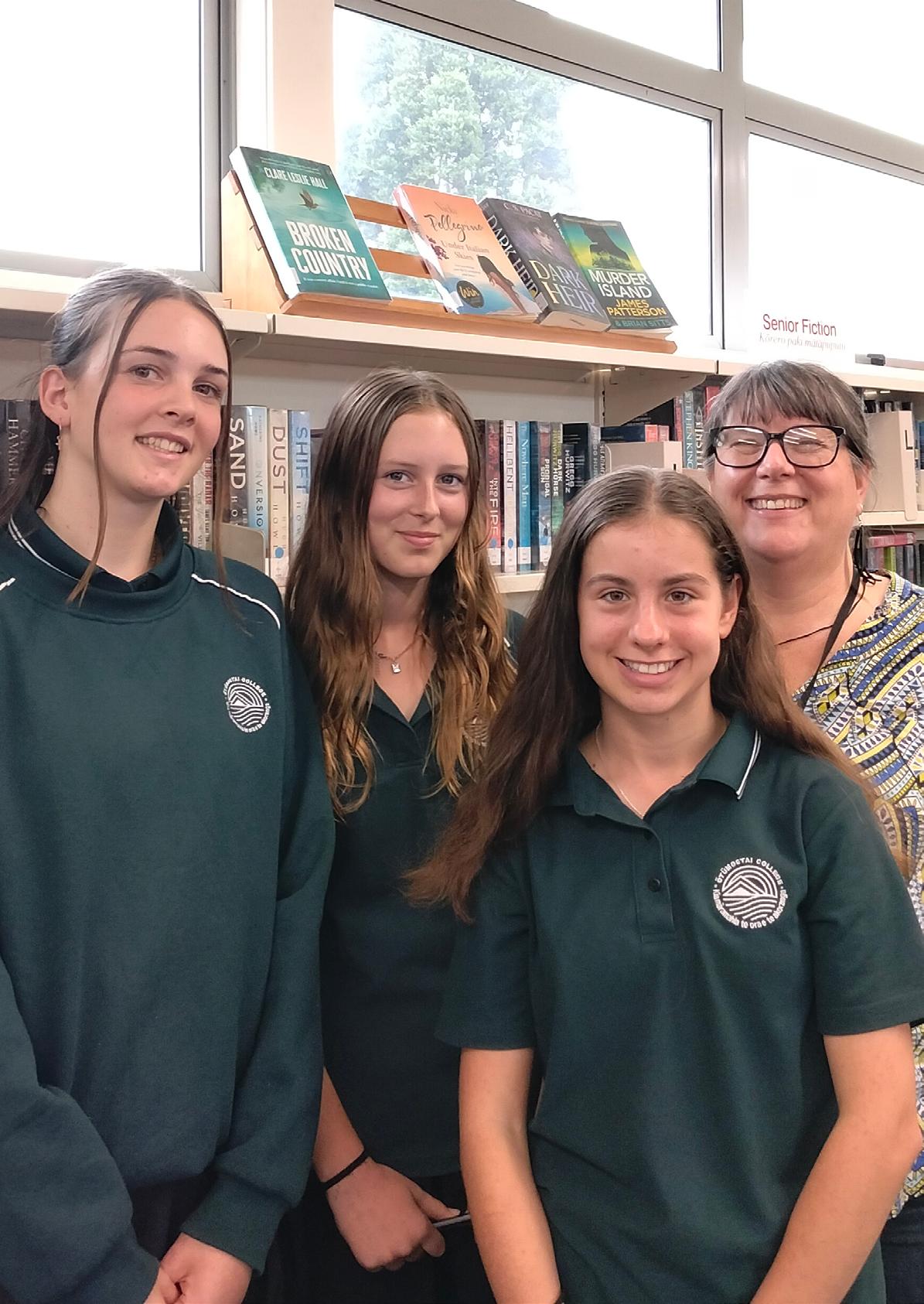
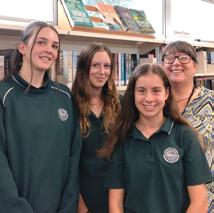
Ōtūmoetai College students, from left, Jaya, Leo and Ayla, are entering young writers’ competition
Te Pae Tawhiti with the support of their English teacher and author Piper Mejia, far right.
Short story competition offers one-on-one author feedback
Young writers are in to win valuable one-on-one feedback on their work from award-winning New Zealand authors. Years 9 to 13 ākonga are now invited to take part in a new speculative fiction (spec fic) short story writing competition, Te Pae Tawhiti, run by SpecFicNZ.
Ōtūmoetai College English teacher and author Piper Mejia says giving real-world writing opportunities to young writers shows them their voice has value.
“You’ve got to grow and support young writers, because they grow up so quickly.
“Aotearoa is unique in many ways and we should cherish that. Never think our stories don’t matter.”
She encourages schools across Aotearoa and the Pacific Islands to put the details of Te Pae Tawhiti Awards into their school’s notices and English classes, because every 800-word entry from a young writer gets personalised feedback from the team of judges. And as every writer knows, after a cash prize, feedback is a valuable reward for their effort.
Piper hopes students who enter will share their feedback with their teachers so that they, in turn, can see the value of what they teach in the classroom outside of it.
“Then we can celebrate with them – having finished a story and sent it off is a fantastic achievement no matter who wins,” she says.
“Sometimes you need someone else’s voice besides your teacher’s to say, ‘Hey, you’re doing a good job’. And as a teacher it’s important to celebrate when students follow their passions.”
Creativity and confidence
Piper has authored two books, is a longtime member of Tauranga Writers, and in 2011 helped launch a young writers’ group that went on to run a national competition for 12 years.
She says some of those early entrants became award winners in other nationally recognised publications, like Emma Shi, who now has her work returning to the classroom as studied texts.
This year, SpecFicNZ has taken up the mantle, relaunching the short story competition under the new name Te Pae Tawhiti.
Speculative fiction (spec fic), is the umbrella term for fairy tales, Grimm tales, horror, science fiction and fantasy.
SpecFicNZ is made up of New Zealand authors, and friends of Piper’s, which is why she’s determined to make sure as many teachers as possible hear about this opportunity.
Tristin, a senior student at Ōtūmoetai College in Tauranga, is preparing work for Te Pae Tawhiti.
“Sharing your writing is scary and writing competitions help you face your fears,” he says.
Other students from Ōtūmoetai College also told Piper why they’re giving it a go.
“Creative writing is how we learn to be creative thinkers, especially science fiction. Writing competitions are a good way of having a go at seeing what people will believe,” says junior student Luke.
“I like entering writing competitions because I want my writing to be seen by other people,” adds fellow junior student Jaya.
Senior student Sierra-Jane says writing competitions are a chance to gain new knowledge about writing.
“And to have fun with our own stories.”
"Speculative fiction allows readers and writers to imagine the world they want to live in and the people they want to be."
Meeting the interests of rangatahi
The theme Distant Horizons doesn’t encompass “normal novel” style, says Piper.
“Young people don’t write that way. The speculative fiction theme meets teenagers where they’re interested, to challenge their creativity and increase their scope for writing.”
Piper says Ōtūmoetai College’s English department have incorporated the competition into their creative writing teaching, with a focus on fairy tales.
“Then we can talk to them about the elements of creative writing, and speculative fiction.”
Speculative fiction covers many dark themes that teenagers enjoy, says Piper, but they can get overwhelmed by choice. That’s why the Ōtūmoetai College English department is focusing on just one theme: Grimm tales.
Piper says the teaching will cover what it is, why it’s speculative fiction, and why it is an important style of writing to engage modern audiences.
Because the creative writing is part of their teaching programme, Piper will read students’ writing entries first, give initial feedback, then allow them time to re-write if necessary.
“[We will] do the teachery things, like grammar, and speech marks, because that is also part of learning skills that need to be practised and feedback is so important.”
Lastly, she will make sure students are given time during class to enter the competition themselves.
“Sometimes you need someone else’s voice besides your teacher’s to say, ‘Hey, you’re doing a good job’.”
Valuable feedback from top authors
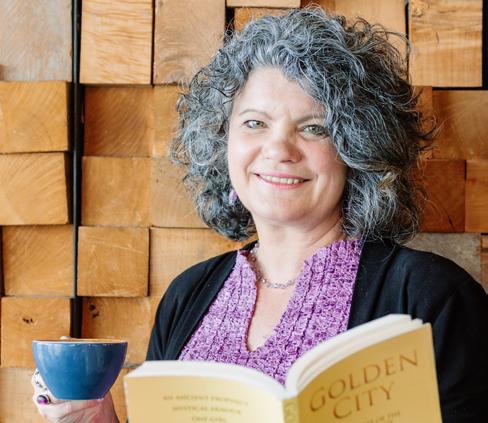
Accomplished writer Lee Murray, an Officer of the New Zealand Order of Merit and chief judge of Te Pae Tawhiti, hopes this year’s competition will reveal some exciting new voices.
“Our young storytellers bring a unique perspective. I can’t wait to read what they want us to know,” says Lee.
“Te Pae Tawhiti Awards are inviting Aotearoa and Pacific secondary students to sharpen their storytelling skills and share their vision for the future through myth, metaphor and magical far-off worlds.
"Speculative fiction allows readers and writers to imagine the world they want to live in and the people they want to be."
As chief judge, Lee will be given the top stories from each year group after a panel of readers has gone through each submitted work.
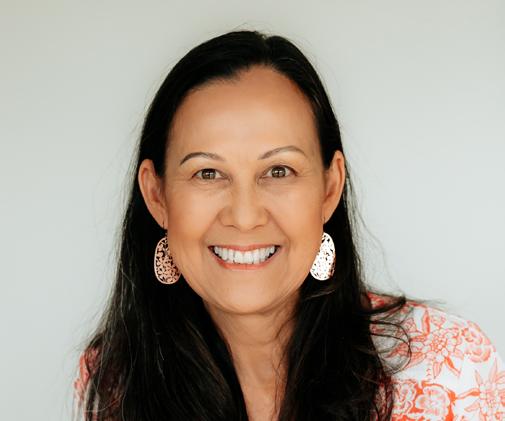
SpecFicNZ president Sharon Manssen is on the panel, and is also the multi-award nominated author of The Realmshift Trilogy – a young adult fantasy fiction trilogy.
“So many fantastic budding writers never develop into amazing authors due to lack of opportunities to really learn the craft,” says Sharon.
“Te Pae Tawhiti Awards are offering a unique opportunity for Aotearoa and Pacific students to not only win prizes for their speculative short story, but along the way gain valuable feedback and mentoring from some of New Zealand's top authors.”
Te Pae Tawhiti Awards
The theme of the 2026 Te Pae Tawhiti Awards is Distant Horizons. The writing must be 800 words and original, not using artificial intelligence (AI).
It’s free to enter and open to anyone across two secondary year groups: Years 9 and 10 or Years 11 to 13.
Entries must be in by 3 July. There are cash prizes and writers receive author feedback.
Winning and place entries will also be published on SpecFicNZ’s website for a global audience.
Sponsored by Creative NZ, Te Pae Tawhiti Awards are being held as part of Hamilton Book Month.
You can enter the competition on Te Pae Tawhiti Awards' website.
Secondary School Speculative Fiction Competition –Te Pae Tawhiti Awards
Encouraging young voices to be heard through the art of writing is behind the inaugural Te Pae Tawhiti Awards, with chief judge Lee Murray.
Te Pae Tawhiti Awards judges, including Sharon Manssen, will give each entry personalised feedback.
The Day of AI: A teacher’s drive for responsible AI literacy in New Zealand schools
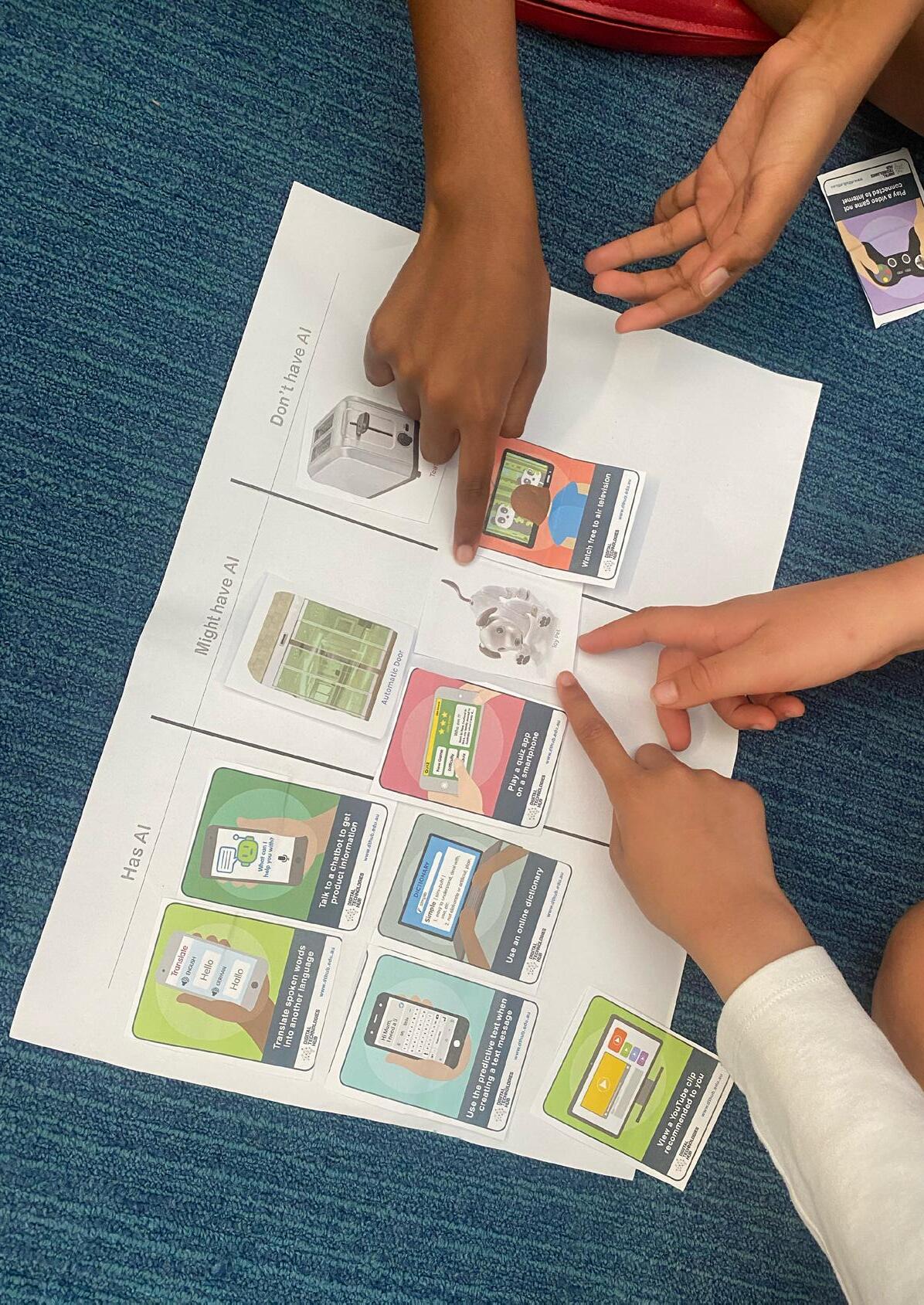
It all began with one Auckland teacher’s burning question: How can we build artificial intelligence (AI) literacy in Kiwi ākonga and kaimahi quickly and effectively? Susana Tomaz’s question led to a Day of AI pilot at nine New Zealand schools, resulting in a localised, culturally responsive resource designed to help build foundational AI literacy in schools.
The Day of AI is an international initiative developed by experts from the Massachusetts Institute of Technology (MIT) Responsible AI for Social Empowerment and Education (RAISE) programme. It provides teachers with AI literacy resources to help students understand what AI is, how it works, and its ethical and societal impacts.
Day of AI has now been localised to New Zealand.
“It’s a kit-in-a-box for teachers to deliver in class,” says Susana Tomaz, director of futures and AI strategy at Westlake Girls’ High School and coordinator of Day of AI Aotearoa New Zealand.
Susana led the inaugural Day of AI Aotearoa pilot in term 4 last year with nine schools from diverse communities. Tailored to the New Zealand education context, the programme was adapted from Day of AI Australia in collaboration with Technology Education New Zealand and Westlake Girls' High School, and the support of the Educational Partnership and Innovation Trust (EPIT). It was independently evaluated by David Coblentz from the New Zealand Council for Educational Research.
Flexibility and localisation of the programme were key to its success, with modules integrating te ao Māori values and exploring how those values intersect with AI through a reflective and critical lens, says Susana.
“Some schools delivered the four lessons across a term, others across a single week. It’s highly adaptable to the learning needs and priorities of each school.”
What pilot schools said
Pilot schools found particular relevance in connecting AI applications to the New Zealand context, such as the
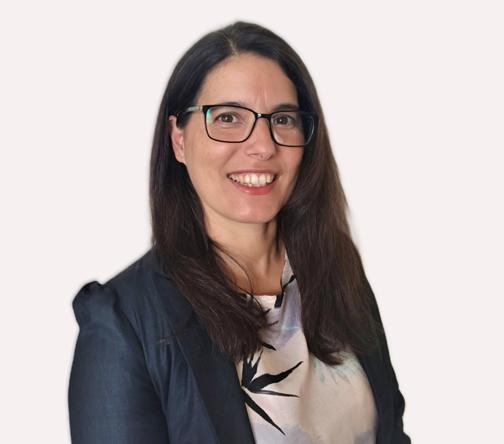
Susana Tomaz.
farming industry, helping students see how the technology intersects with their local contexts.
Students were also curious and concerned about digital safety and data use. They asked thoughtful questions about image ownership and control over personal data, adds Susana.
“The programme builds not just AI literacy, but critical thinking around AI use. We need students to understand both the benefits and the drawbacks. The biggest risk of AI isn’t cheating – it’s cognitive offloading and a lack of AI literacy.”
The pilot found that at baseline, 92 percent of students had tried AI tools, yet almost none could explain how AI works – and only one of the nine schools had received formal
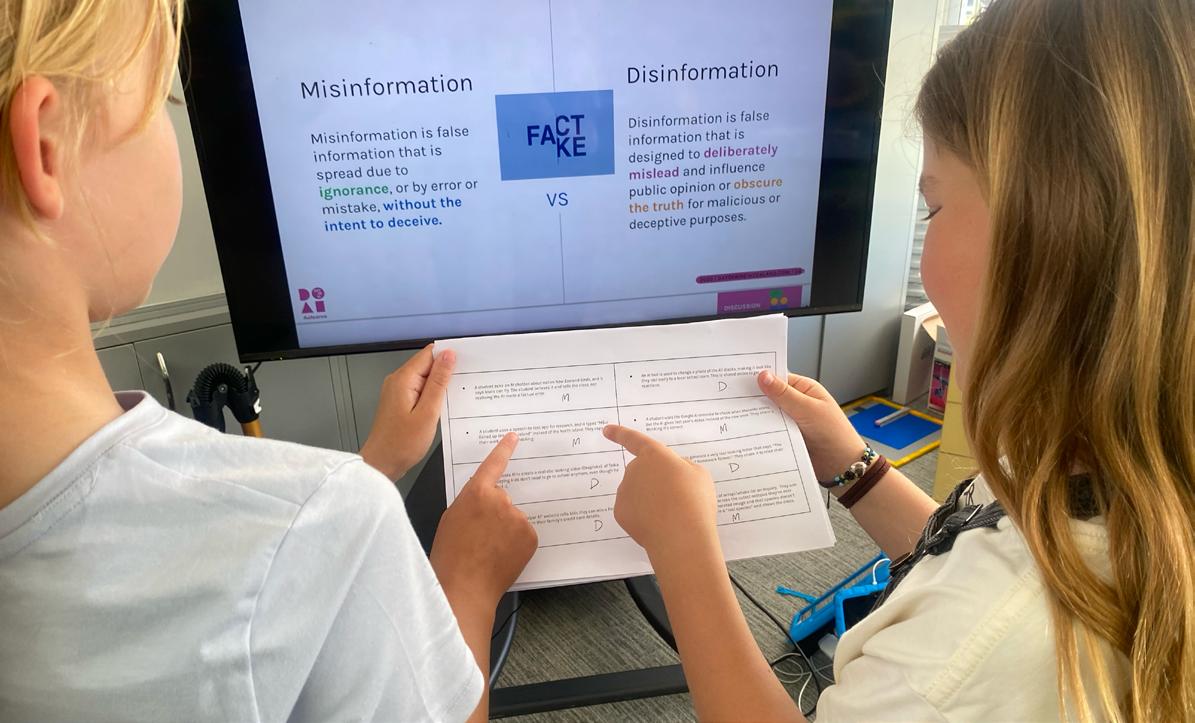
training in AI education. But after participating, students demonstrated greater ethical awareness. One student cautioned an adult, saying, “Oh, you can’t put that into AI – it’s personal data".
A system to be questioned and checked
In one primary school, the proportion of students who felt they could explain what AI is rose from 20 percent to 64 percent; in a secondary school, it increased from 50 percent to 82 percent. Students shifted from seeing “AI as a magic helper” to “AI as a system that can be questioned and checked”, says Susana, with 93 percent recognising after the programme that AI can make mistakes or be unfair.
The programme’s cultural responsiveness has also resonated strongly. The pilot showed that Māori and Pacific students valued discussions around data sovereignty and diverse cultural perspectives, and connection to their values and identity. Across all pilot schools, agreement that Māori and Pacific ideas matter in how AI is used in Aotearoa increased.
One pilot teacher observed unexpectedly high engagement among previously disengaged students. This included Māori and Pacific students. Another pilot teacher said: “The classes are optional, and we consistently have our ākonga returning. One student said it’s his favourite class." The teacher enjoyed the robust discussion and ‘removing the veil’ from AI. "I really valued the comparison between humans and AI, highlighting our ability to think critically.”
The programme also functioned as professional learning for teachers. Pilot teachers reported substantial growth in confidence explaining AI concepts and leading ethical discussions.
its use.
“We want to coach students to build on their strengths and develop the skills... without bypassing learning that nurtures human connection and deep thinking.”
One said, “I went from about a two out of 10 to a six or seven. I now feel confident having these conversations with my students.”
Another teacher said, “My own knowledge probably increased more than maybe the kids'… lots of aspects I hadn’t actually even considered.”
One teacher also reinforced the impact on learners: “The kids no longer saw AI as this all-knowing thing… and that changed everything.”
AI at Westlake Girls’ High School
Susana, who established Westlake Girls’ science, technology, engineering and mathematics (STEM) programme, says it was her own students who prompted her move into the AI space in 2023. Several of her Year 9 students had asked her about a new AI feature on a social media platform.
“They weren’t just curious. They were confused, intrigued and slightly unsettled,” she recalls. “They didn’t know what it was, whether it was a real person, or how it seemed to know their location, even with location settings switched off. They couldn’t block it.”
That conversation stayed with Susana long after the school bell rang.
The Day of AI programme builds AI literacy and critical thinking around
“The programme builds not just AI literacy, but critical thinking around AI use. We need students to understand both the benefits and the drawbacks.”
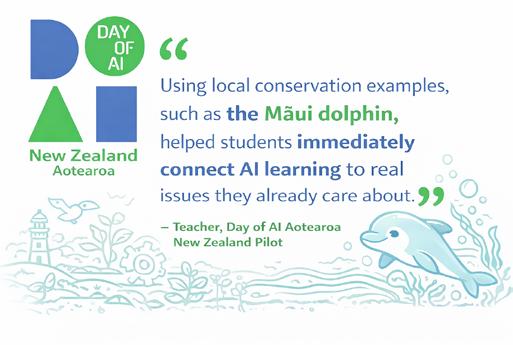
“It was obvious; whether we were ready or not, AI was already shaping our young people’s lives,” she says. “AI is not just another tool. For the first time in history, a ‘machine’ is becoming a human-in-the-loop actor in the thinking process. It is quietly reshaping how students learn and seek help, how teachers guide thinking, and how trust is built in the learning process itself.”
Since then, Susana has completed a master’s degree focused on integrating AI into education. She is now a fellow at the International Research Centre for Artificial Intelligence (IRCAI) under UNESCO, and mentors educators across regions on ethical and responsible AI in education with the Asia Europe Foundation.
Why it matters
At Westlake Girls’, Susana has translated her learnings into a schoolwide AI strategy, policy and guidelines grounded in pedagogy, ethics and equity.
When introducing AI literacy at the school, Susana knew the school community needed to understand why it mattered. Education futurist Frances Valintine was invited to speak to parents, teachers, students and leadership teams.
“Her talk was a catalyst,” says Susana. “She spoke about the disruption emerging in the workforce – and then tracked backwards to how we prepare young people to thrive as school leavers.”
From there, Susana designed an AI integration roadmap and developed, in consultation with the school community, the Westlake Girls’ AI Policy and Guidelines for teachers and students.
“It was important to move fast,” explains Susana. “When teachers become confident in this space, they can pass that knowledge to their students.”
This was a key finding from the pilot – that by empowering teachers to facilitate AI literacy, students engage with the content more deeply compared to if they were completing modules as self-study.
Westlake Girls' ākonga now complete AI literacy using the Day of AI Aotearoa New Zealand programme. The aim is to help students engage with it critically, ethically and responsibly, in ways that strengthen rather than replace their thinking.
This includes making sure teachers remain central to relational, educative interactions with students in an AI-infused learning environment.
“There’s emerging data suggesting that without AI literacy, some young people are replacing friendships and real-world conversations with chatbot interactions,” says Susana.
Equity in AI
Susana believes AI literacy has become an equity issue. “AI is already part of our learners’ lives, yet many students are using these tools outside school with little or no guidance.”
There is increasing evidence that New Zealand’s digital divide is becoming an AI literacy divide, she says.
“Some schools have the resources to invest in AI capability. Others are being left behind. Day of AI is about closing that gap by giving schools free, high-quality, culturally grounded resources that empower teachers to build ethical and responsible use of AI in students.”
New Zealand’s first national AI strategy emphasises productivity and economic growth, says Susana.
“To achieve the economic benefits outlined in the national AI strategy, we need to invest in the future workforce – our young people,” says Susana “There are many AI platforms that aren’t fit for purpose in education. The Day of AI programme builds capability the right way, making sure our students are equipped for a bright future.”
Register for the Day of AI Aotearoa New Zealand programme to access the resources. Day of AI Aotearoa New Zealand
You can also email the Day of AI team. dayofainewzealand@gmail.com
AI guidance and resources for schools
AI in education should improve teaching and learning by supporting knowledgeable and skilled teachers.
The Ministry of Education has guidance and resources for teachers on the use of AI in schools.
Generative AI – Ministry of Education
Growing strong leaders: Rooted in history, serving the future
Weaving historical mottos, core values and real-world action creates a holistic framework for student leadership at Newmarket School in Tāmaki Makaurau. Newmarket School kaimahi explain to Education Gazette how dedication to local Anzac history and other school initiatives illustrate this approach in action.
At Newmarket School, our approach to student leadership is framed by a unique dialogue – a conversation between our past and our future.
We are guided by two distinct mottos that act as the bookends of our leadership philosophy. Our historical motto, ‘Not self but service’ grounds us in a tradition of contribution over ego. Our current motto, ‘From these roots shall strong trees grow, Nō ēnei pakiaka ka tupu ai ngā rākau kaha’, serves as a forward-looking vision, highlighting our commitment to long-term development, sustainability and a lasting legacy. The pakiaka (roots) represent the mauri of the school’s purpose, while the kaupapa brings the community together.
Navigating the space between these two ideas requires a robust set of values. By integrating our foundational school values of kindness, respect and perseverance with the deep cultural wisdom of te ao Māori values – whanaungatanga, manaakitanga and kaitiakitanga – we are cultivating student leaders who understand that true leadership is a profound act of service.
We have determined that these qualities are most effectively cultivated through immersive, thematic learning that requires students to translate values into practice. Our dedication to our community's Anzac history and our comprehensive environmental initiatives best illustrate this approach in action.
Honouring the past: Anzac and the spirit of service
The concept of ‘not self but service’ is perhaps never more relevant than when engaging with Anzac history. For our student leaders, Anzac commemorations are not merely passive annual community events: they are active leadership challenges rooted in respect and perseverance.
Leading ceremonies requires the perseverance to master protocols and the deep respect necessary to honour those who went before. At Newmarket School we go beyond the annual community parade to Newmarket Park: We use the Anzac spirit to teach lessons in contribution. Students explore what ‘service’ looks like in their current context.
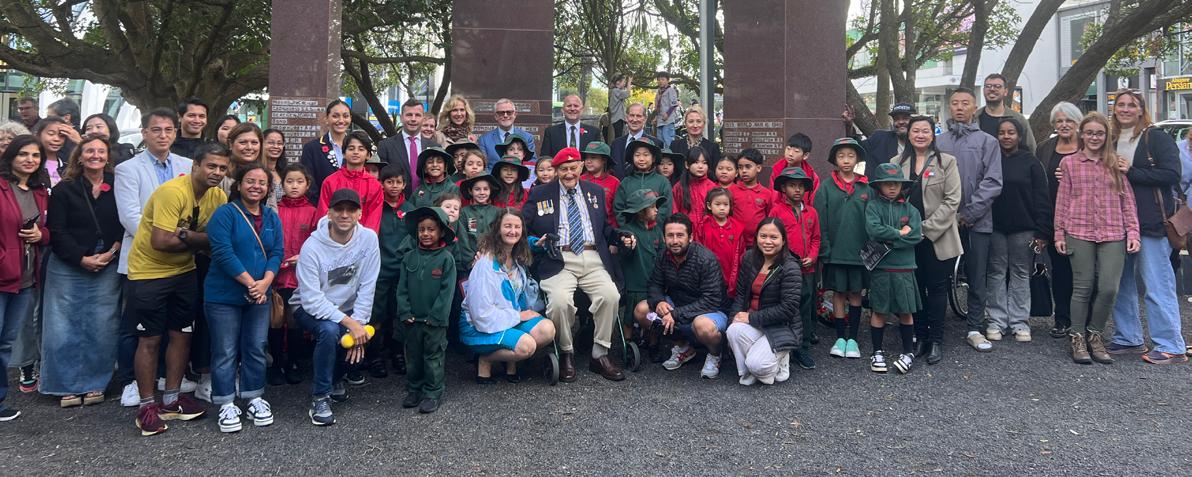
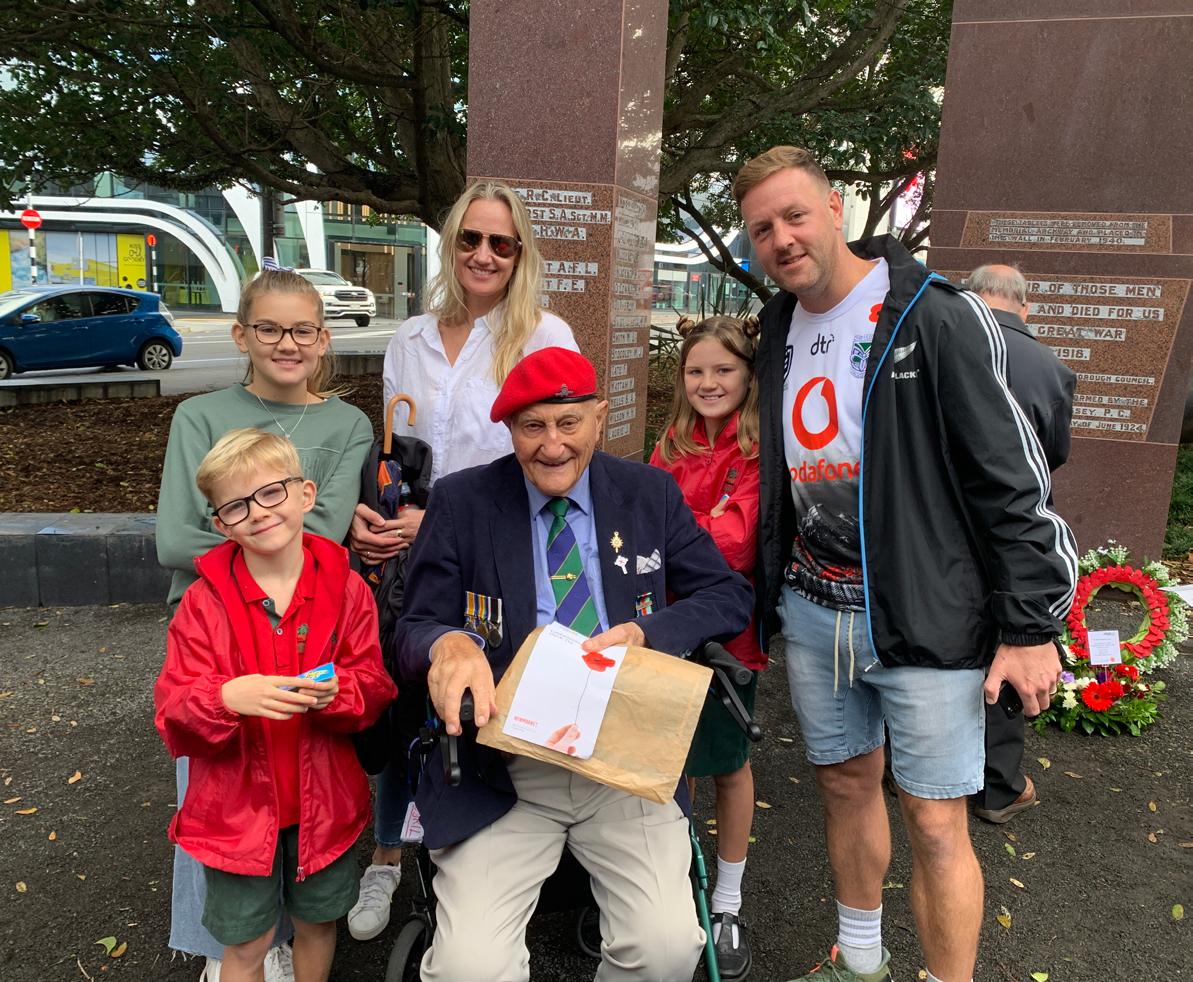
It is about understanding that leadership sometimes requires sacrifice – giving up lunchtimes to organise events, standing up for others when it is difficult, or simply being a reliable presence for peers.
The historical identity of the Newmarket area, known as Te Tī Tūtahi (the single standing cabbage tree), provides a metaphorical and physical connection to the land.
Although the original sacred tree was removed in the early 20th century, its legacy as a wāhi tapu – a sacred place where the umbilical cords of chiefly children were buried – remains central to the school's sense of tūrangawaewae.
This historical lens provides weight and depth to our students’ roles. Our students learn that they are part of a continuum of service, laying the groundwork for the ‘strong roots’ mentioned in our current motto.
“For our student leaders, Anzac commemorations are not merely passive annual community events; they are active leadership challenges rooted in respect and perseverance.”
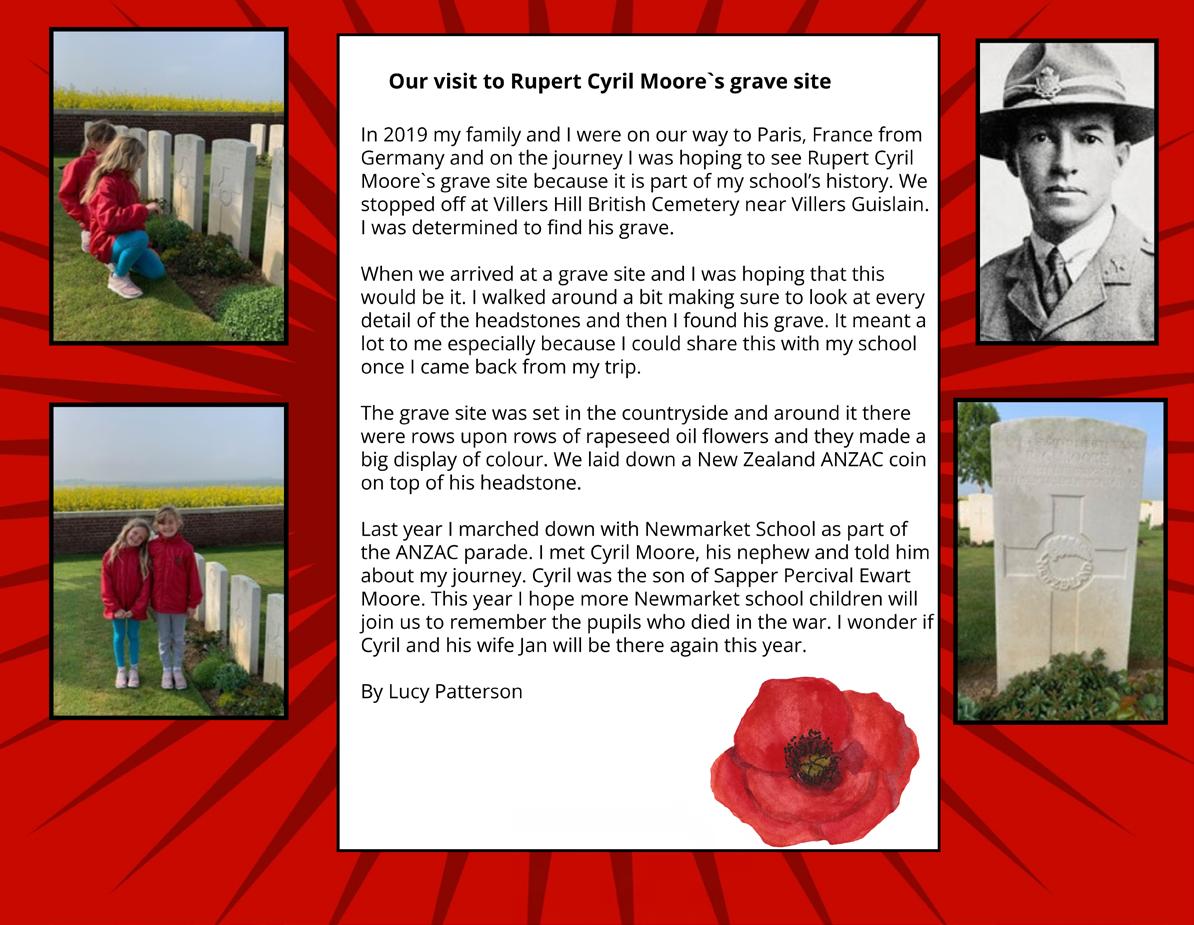
Ākonga Lucy (pictured second from right) created an article for the Newmarket School newsletter, sharing her journey to locate Rupert Cyril Moore’s grave in France. Back in Auckland, Lucy and her family met Rupert’s nephew Cyril and gave him a photo of them at his uncle’s grave.
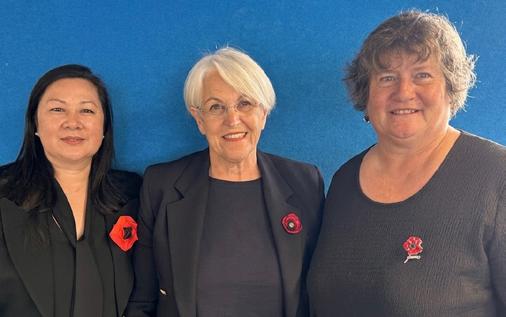
From left: Newmarket School deputy principal Virginia Kung, principal Wendy Kofoed and teacher Sonya Van Schaijik.
Living the values: The daily practice of leadership
If history provides the anchor, our daily values provide the compass. We challenge our leaders to embody kindness and respect in every interaction, understanding these not as ‘soft skills’, but as essential leadership tools.
Here, the values of whanaungatanga and manaakitanga are crucial. A student leader’s primary role is to foster whanaungatanga – making sure every student feels a sense of belonging within the school whānau. They achieve this through manaakitanga – showing kindness, offering support to younger students, and making sure the school environment is welcoming and respectful.
Leadership is rarely easy, which is why perseverance is key. When a project stalls or conflicts arise, we encourage our leaders to embrace resilience and perseverance, supported by the collective strength of the leadership group.
Kaitiakitanga: Leading for a sustainable future
Ultimately, our leadership programme aims to fulfil the promise of our current motto: ‘From these roots shall strong trees grow.’ This is most literally expressed through our enviro theme. Enviro is the prefix for everything environmental.
The Environmental Education for Sustainability Strategy uses Te Whare Tapa Whā model to define best practice across four dimensions: the spiritual (te taha wairua), the thought (te taha hinengaro), the physical (te taha tinana), and the social (te taha whānau). By adopting this holistic model, student leaders at our school engage in complex project management, including waste reduction, garden management, getting to school safely (called the Travelwise initiative) and energy audits, understanding that their leadership has tangible, long-lasting consequences.
Environmental leadership is where students move from serving their immediate community to serving the planet and future generations. This is the embodiment of kaitiakitanga – guardianship and stewardship. Our enviro leaders are not just looking after the school gardens. They are learning complex project management, influencing peers to change behaviours, and understanding the science of sustainability.
By taking ownership of environmental projects, ākonga learn that their leadership has tangible, long-lasting actions as leaders leave a measurable, lasting footprint. They are growing the ‘strong trees’ that will shade those who come after them.
A holistic vision
By linking the historical call of ‘not self but service’ with the future-focused aspiration of ‘from these roots shall strong trees grow’, we provide our students with a powerful narrative for their leadership journey.
When they understand that kindness, respect and perseverance are the daily nutrients for those roots, and when they apply whanaungatanga, manaakitanga and kaitiakitanga to real-world challenges like Anzac remembrance and environmental sustainability, they become more than just student representatives. They become empathetic, resilient and forward-thinking guardians of our school's future.
“We challenge our leaders to embody kindness and respect in every interaction.”
Written by Newmarket School teacher Sonya Van Schaijik, principal Wendy Kofoed and deputy principal Virginia Kung.
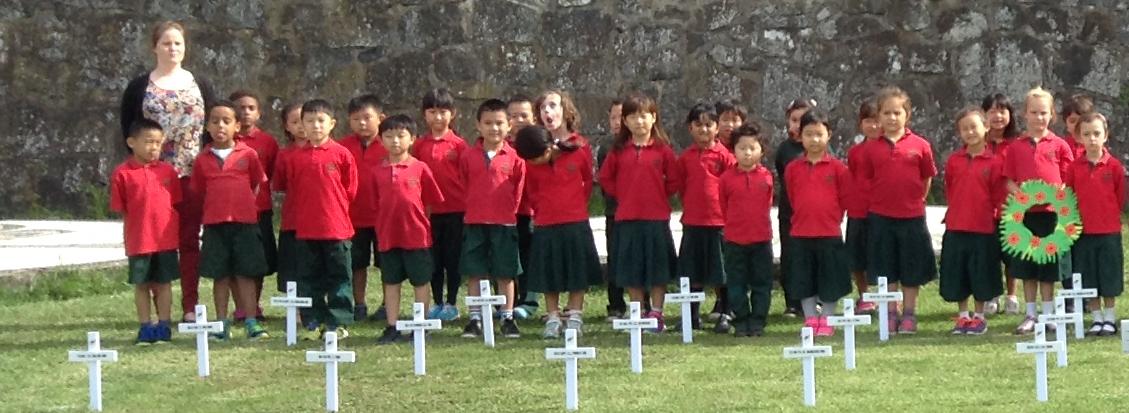
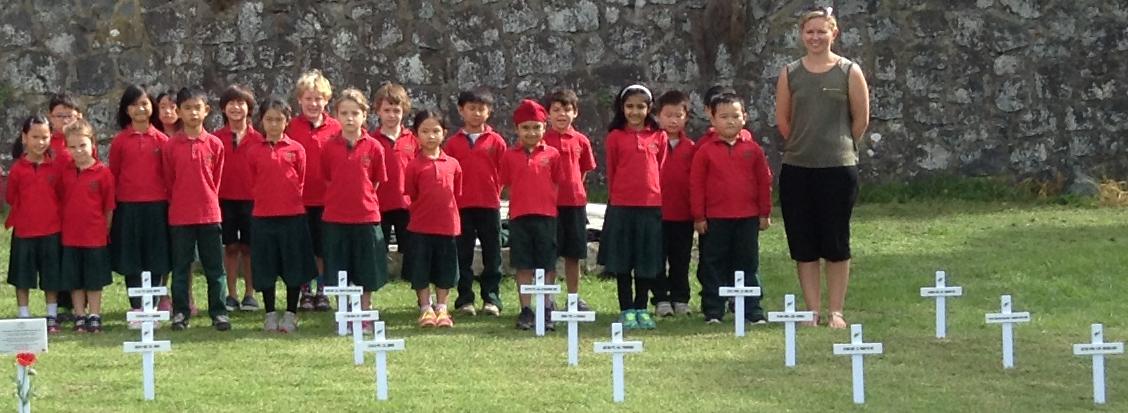
Teachers Elena Reihana and Renee Mills with their class in 2015. It was the first time they used the original School Kit crosses from the Walking with an Anzac Education Programme to hold a ceremony at school.
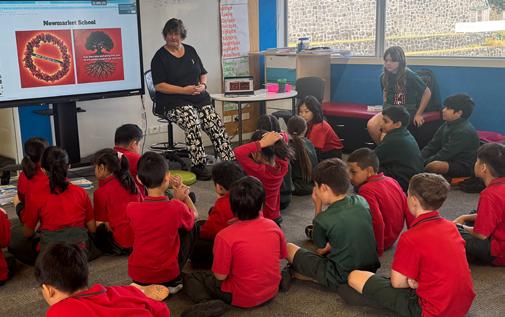
Newmarket School teacher Sonya Van Schaijik guides senior ākonga to research past students who went to the school.
Newmarket School’s narratives
Newmarket School has created narratives around Anzac Day, environmental education and Travelwise, a programme based on safe travel to and from school.
» Newmarket School's Anzac narrative – Book Creator
» Newmarket School's Environmental Education for Sustainability narrative – Book Creator
» Newmarket School's Travelwise narrative – Book Creator
SCHOLARSHIP
From Ruakituri School to Rocket Lab
Each year, Rocket Lab awards a scholarship to an outstanding student from the Māhia or wider Wairoa district. Last year’s recipient, former Napier Boys’ High School ākonga Tony, looks back on an educational journey from rural Ruakituri School to the University of Canterbury that was backed by his whānau, his iwi, mentors and teachers.
Tony has his mother to thank for landing the $20,000 Rocket Lab scholarship that is now helping fund his first year of electrical engineering studies at the University of Canterbury.
“My mum’s always been in the know about everything going on in Wairoa. Really early last year, she told me I should apply for the Rocket Lab scholarship,” he says.
He took her advice and became the ninth recipient of Rocket Lab’s annual award.
The scholarship covers a full year of study fees for one outstanding student from the Māhia or wider Wairoa district. It also pairs the recipient with a Rocket Lab mentor, offering rare one-on-one access to a world-leading space and engineering expert.
For Tony, that mentorship is one of the most exciting parts. Now a few months into his degree, he’s very grateful to be learning directly from someone working inside Rocket Lab.
“Being able to ask questions and get real-world answers is huge,” he says.
Home-grown talent
The Rocket Lab scholarship exists to grow the next generation of home-grown science, technology, engineering and mathematics (STEM) talent, especially for young people from remote communities who don’t always have easy access to opportunities in science and engineering.
Tony’s story is a perfect example. His childhood was shaped in Ruakituri where he was raised on a beef farm by his parents, Katie and Daniel, alongside his two younger brothers.
The small settlement sits about half an hour north of Wairoa, surrounded by rugged hills and the trout-filled Ruakituri River.
“It’s a close-knit place. Everyone knows everyone,” says Tony.
His early education took place at Ruakituri School, where the roll rarely reached double digits.
“It meant almost one-on-one learning,” says Tony. “Mrs (Diana) King was one of the best teachers I’ve ever met. She helped me during my whole primary school career by figuring out how I learn and what works for me."
Branching out
Aged 13, Tony left home to board at Scinde House while attending Napier Boys’ High School. He returned home every school holiday, but the shift from a tiny rural school to a large secondary school was huge.
Electrical engineering wasn’t yet on his radar, but the seeds were there.
“I’d always been interested in engineering,” he says. “Once I got into high school and learned about the different branches, electrical engineering just fascinated me. The physics behind it is fun.”
Tony accelerated early, completing NCEA Level 1 in Year 10, then finishing Level 3 calculus and physics in Year 12. That freed up his final year for chemistry, accounting and agriculture.
He found accounting easy, and agriculture made sense to him because it was what he grew up with.
Shaped by whakapapa
Tony’s whakapapa is central to who he is. He affiliates to Rongomaiwahine, Ngāti Kahungunu ki te Wairoa and Ngāti Porou.
“When I was little, I used to go to the marae heaps for family gatherings and tangi. I’m not amazing at speaking Māori, but I can pick up phrases.”
His connections to Erepēti and Te Reinga marae, and to the wider Ruakituri and Māhia region, have shaped his sense of belonging.
“It’s definitely helped shape my identity and built that sense of community. My marae and my region are huge parts of who I am. I love Māhia.”
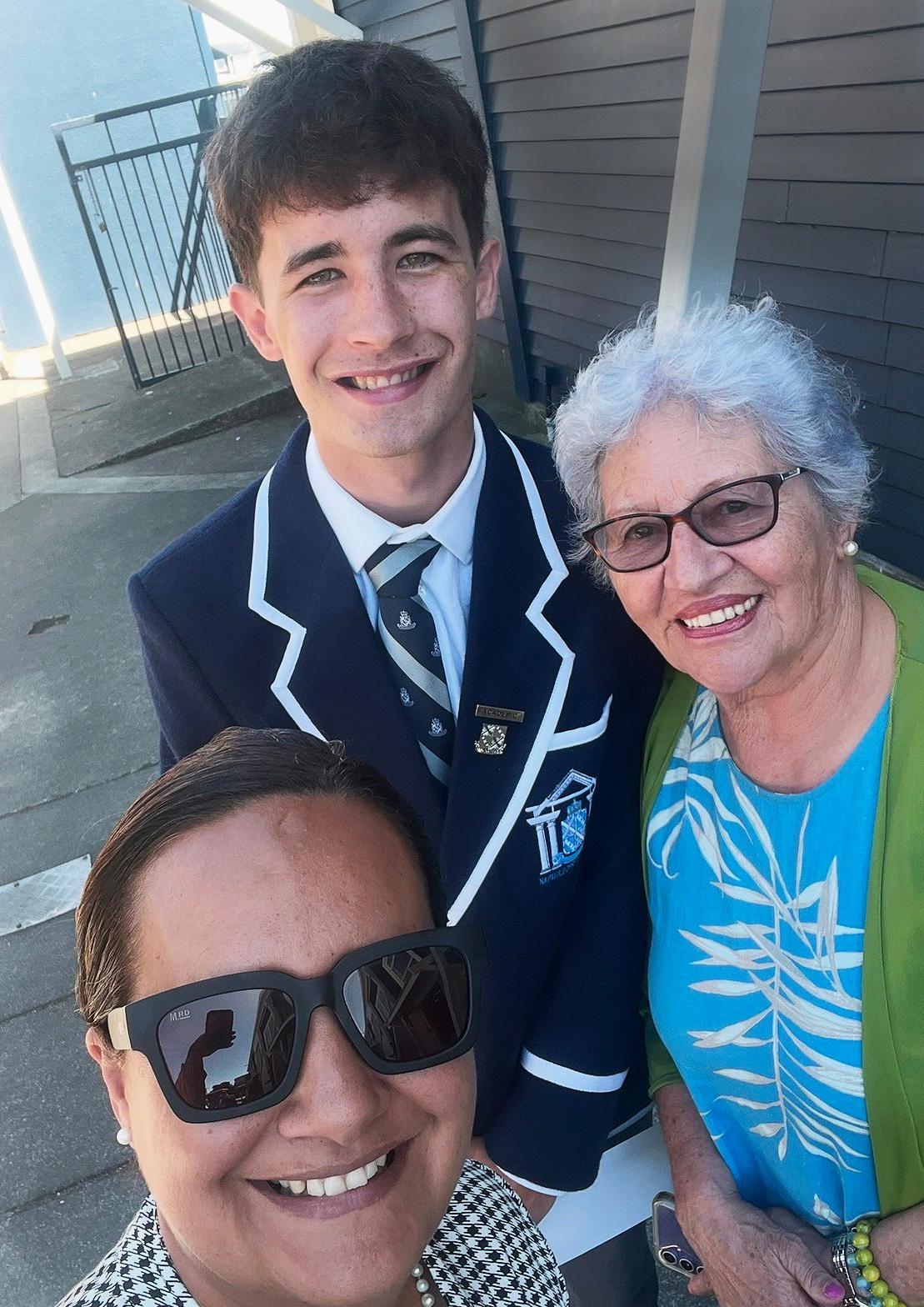
“Mrs King helped me during my whole primary school career by figuring out how I learn and what works for me."
Tony, his mother Katie, and Tony’s former teacher from Ruakituri School, Diana King.
Tony
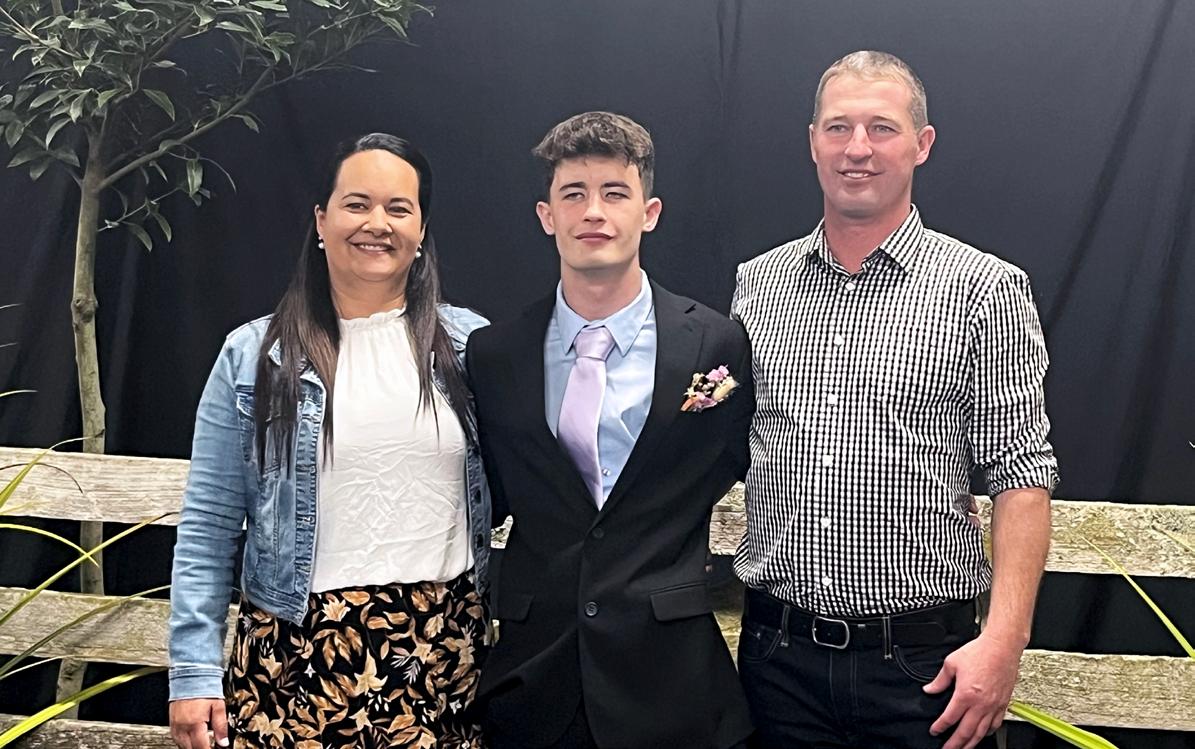
During his time at Napier Boys’, Tony was selected for the Māori Young Achievers Programme, a group of ākonga from across Aotearoa who had never met before. The group travelled on a fully funded week-long trip to Singapore, visiting architectural sites, Fonterra facilities, and health science labs where they took part in food research.
“It was one of the longest but shortest weeks of my life,” says Tony. “We did so much, but it still didn’t feel like enough time.”
“Being able to ask questions and get real‑world answers is huge.”
Forging his own path
Tony is quick to acknowledge the adults who have helped shape him alongside his whānau. Diana King at Ruakituri School is one. The other is Ash Johnson, who is the head of boarding at Scinde House.
"He's one of the most onto-it people I've ever met," says Tony. "He’s always busy but always has everybody’s backs. He’s the guy you go to if you need help."
Ash has led Scinde House for almost a decade, supporting around 200 boarders each year with a team of boarding staff. They teach ākonga everything from how to tie a tie, jump start a car and academic choices.
“This is the boarders’ home away from home,” says Ash, who lives on site with his own family. “We’re looking after other people’s children, and we want to give them the best experience.”
“Hand up and not hand out” is one of the phrases Ash repeats on a regular basis to the boarders at Napier Boys’ High School.
He says Tony stood out early.
“He was always his own man,” says Ash. “Tony wasn’t easily persuaded by peers and was prepared to make his own decisions, and that’s quite unusual from teens. I mean, we all go through that time where peers are more important in our lives. Tony has always been a very hard worker with a great sense of humour who doesn’t take himself too seriously.
“He’s very deserving of this scholarship. We’re all very proud of him at Napier Boys’.”
A future of opportunities
Tony is now living at University Hall in Ōtautahi with friends he made during his years at Napier Boys’.
“It’s cool,” he says.
He’s still figuring out exactly where electrical engineering will take him.
“I’m going to learn on the job. I like the look of it, but I don’t know too many jobs that have to do with it yet.”
Tony is stepping into a field with endless possibilities. Electrical engineers work across telecommunications, automotive design, aerospace, consumer electronics and more by designing and developing the technologies that power homes, businesses and industries.
For now, Tony is focused on settling into university life, staying connected to home and making the most of the Rocket Lab mentorship that lies ahead.
“It’s a massive opportunity,” he says. “I’m really grateful.”
and his parents, Katie and Daniel.
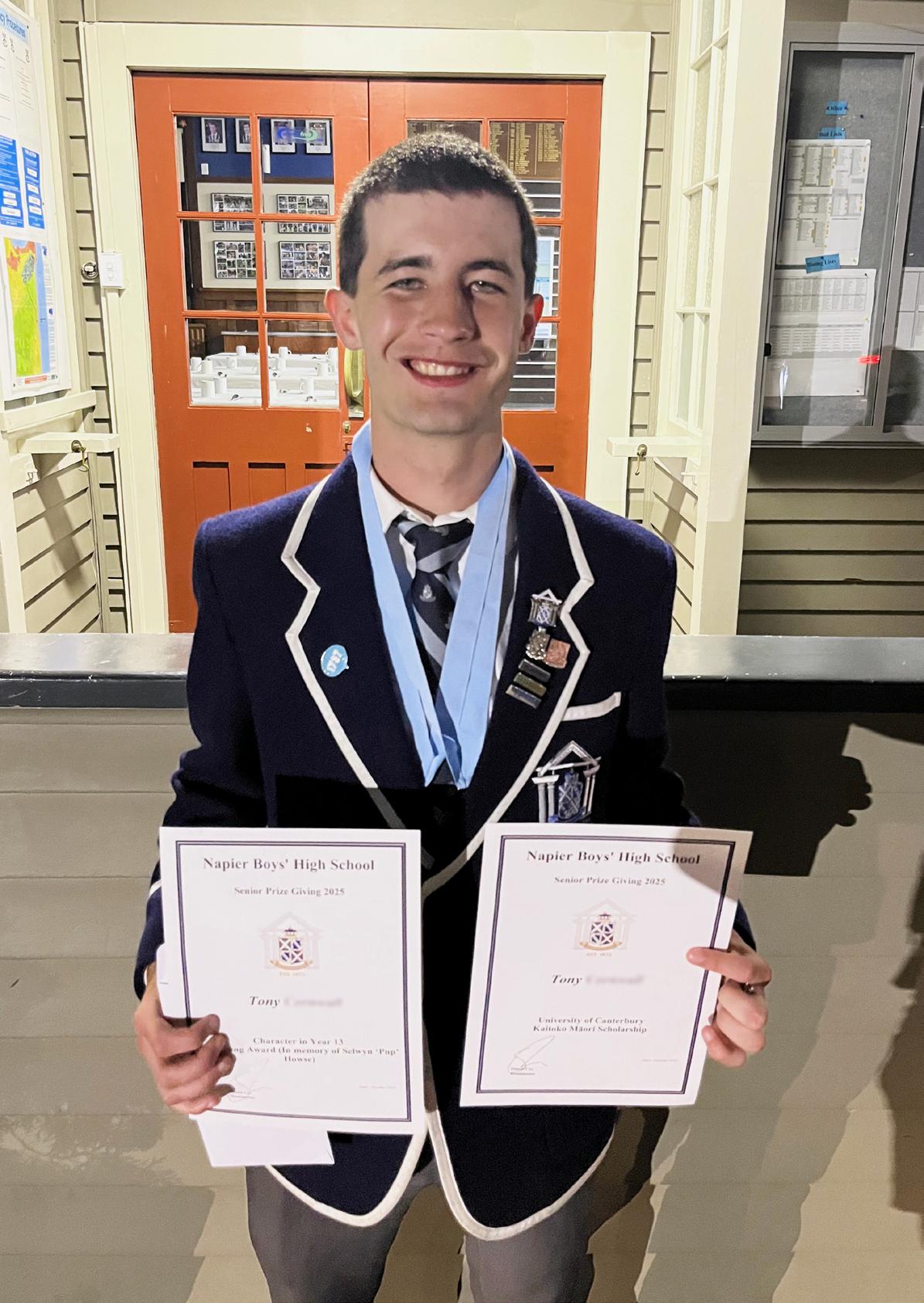
Rocket Lab scholarship winner and former Napier Boys’ High School student Tony.
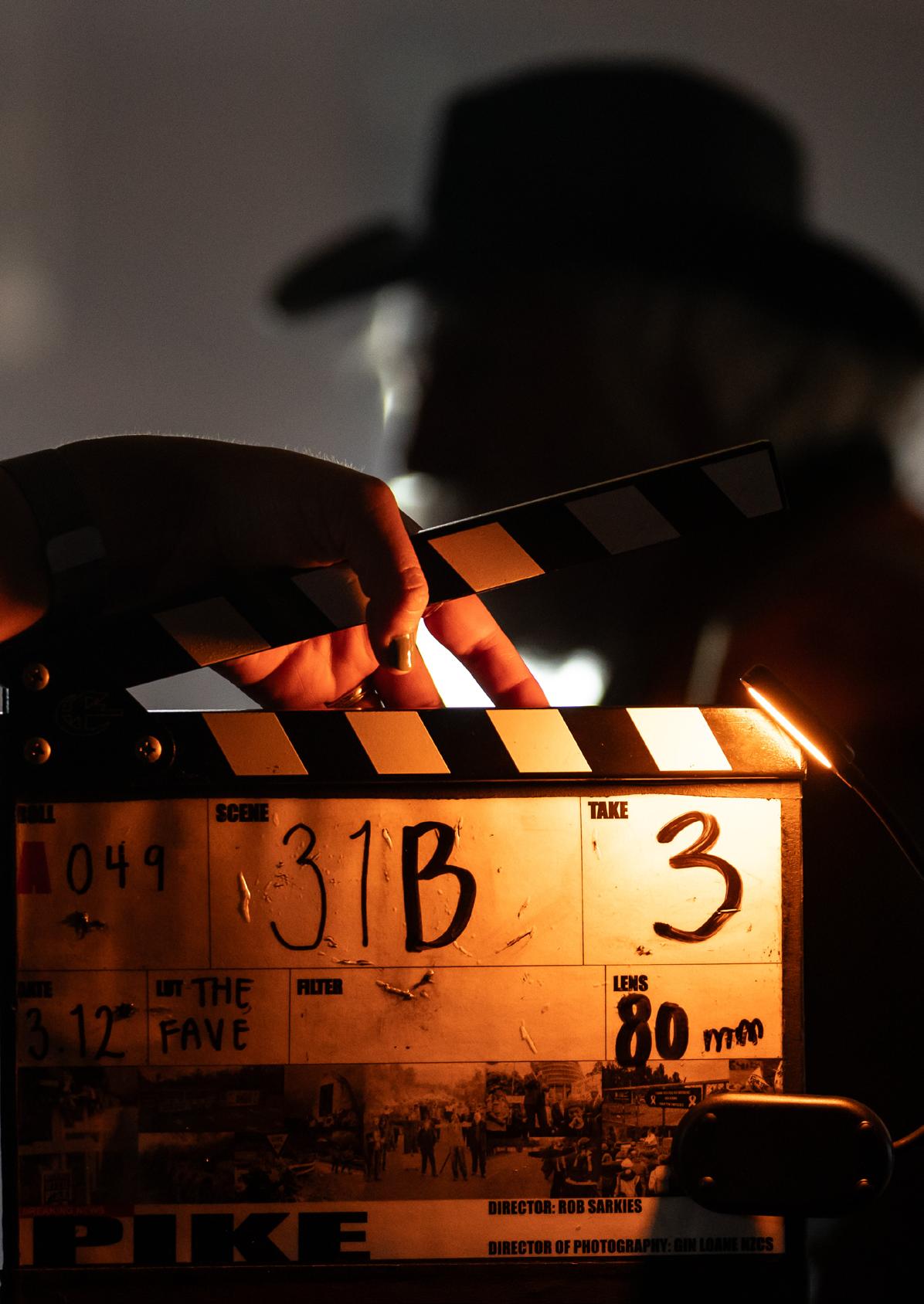
Students go behind the screens and scenes of Pike River film
Secondary school ākonga can now look behind the scenes of Pike River thanks to an educational resource created by the makers of the film. It investigates the film's production, the Pike River Mine disaster and the fight for justice led by Papanui High School support staff member Sonya Rockhouse and former Paparoa Range School staff member Anna Osborne, who both lost family members in the mine.
Pike River Mine on the West Coast exploded on 19 November 2010, taking the lives of 29 miners. It was a tragedy that a Royal Commission investigation found could have been prevented.
Sonya Rockhouse lost her 21-year-old son in the disaster and has fought for justice ever since.
Her story, alongside that of friend and fellow Pike River advocate Anna Osborne, whose husband died in the mine, was brought to light in the film Pike River, released last year.
Pike River film director Rob Sarkies sought an educational resource to accompany the film as part of the Pike River legacy.
“The film is a gateway and the resources take you beyond that gate to engage with the many societal issues brought up by the Pike River story,” he says.
The education kit, funded by the New Zealand Film Commission and supported by Madman Entertainment, was created by Square Eyes creator Nic Marshall, who bridges cinema and education. Olly Bisson was the key educator who worked to make sure the kit was curriculum-aligned.
The resource is for Years 10 to 13 ākonga and launched in January. The classroom and teacher support materials include scene-specific director commentary, behind-the-scenes footage, and interview clips with filmmakers and actors including Robyn Malcolm and Melanie Lynskey, who portray Sonya and Anna.
Rob says he made the film as a cultural mirror, exploring how New Zealand operates by walking in the shoes of Sonya and Anna.
“I felt this would be a great thing to explore in schools because the film is one thing, and the actual story is another. This makes it relevant to a lot of subject areas from English to history, social studies to media studies.”
The kit covers the disaster itself and explores Royal Commission reports and the art of filmmaking. Ākonga can analyse themes and how film is used to convey a broader picture in a way that is understandable to the audience. They can also explore the power of acting to engage audiences' attention.
“The film is a gateway and the resources take you beyond that gate to engage with the many societal issues brought up by the Pike River story.”
Framing narratives and standing up
At Papanui High School, social studies students already learn about Pike River through Rebecca Macfie’s book, Tragedy at Pike River. Alongside this, Sonya – who has worked at the school for 25 years – shares her own perspective on losing a son in the mine explosion.
“I get asked a lot of questions,” she says. “Some teachers even send their kids from class to ask me questions. I talk to them about standing up and using their voices.”
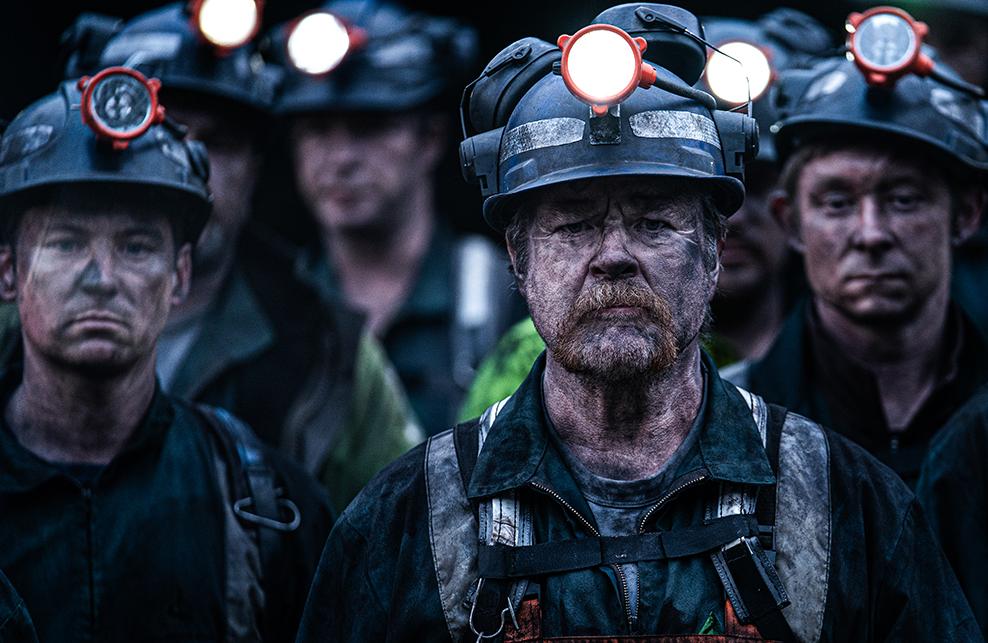
The film Pike River follows the 2010 disaster and the resulting legal battles by the families of the miners who were tragically lost. Photo: Matt Grace
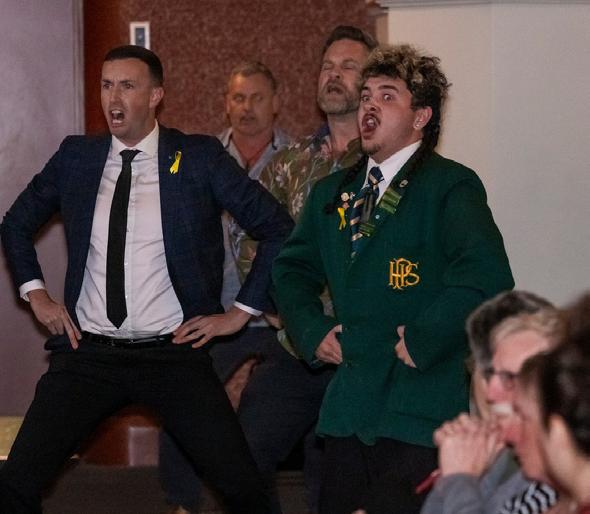
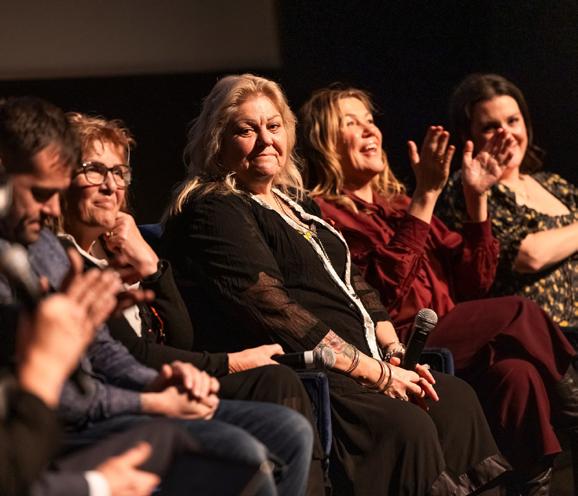
At the Christchurch premiere of the film in October 2025, 150 Papanui High School staff and ākonga attended and performed a captivating haka in honour of Sonya.
The film and its unpacking help ākonga see behind the scenes of the tragedy. Sonya says it is part of New Zealand’s history and is important to remember.
“This event is something the kids can relate to more than other past international historic events. They’ve seen it on the news, heard their parents talk about it. This makes it more relatable to them, and it makes them more engaged,” she says. “My school thinks the kit is a fantastic idea.”
Anna, who previously worked at Paparoa Range School as a learning support coordinator (LSC), adds that 29 people lost their voices that day: “They can’t speak for themselves now, so that’s why we’re doing what we’re doing.
“It’s important that the young ones know they don’t have to be a rocket scientist or doctor or something with really high education levels to speak out,” she continues. “We are just two ordinary women who saw the injustice and decided to fight for what was right. You just have to believe in what you believe in and go forward with that.”
The Pike River disaster is well documented across the media, with coverage from many perspectives. It’s why, Rob explains, the idea of ‘framing narratives’ is the central theme of the education kit. Ākonga consider the question: “How do people frame narratives?”
“We want them to think critically and have an awareness that every narrative they’ve been exposed to has been framed in some way,” says Rob. “Who’s in control of the narrative? Traditionally, it’s the people who have power.”
Although the mine explosion occurred more than 15 years ago, the film keeps the story alive and remains relevant to students using the resources, including workplace health
and safety, say Sonya and Anna.
“I kissed my husband goodbye in the morning, and that was it. He didn’t return home,” says Anna. “It was all so unexpected. We were just ordinary people, and it could happen to anyone.
“We’re hoping that this film and what we have done will get people thinking about their own health and safety.”
The courage to question
Sonya and Anna say they want ākonga to watch the film to understand why they stood up and fought for justice.
“We had no choice as far as we were concerned,” they say. “That’s what we want students to know – that they can speak up if they see things that are not right.”
When these discussions occur in her school, Sonya says she feels a sense of pride. “If we can save one life, then it was all worth it.”
She speaks of one of her students who attended the premiere. Legally blind, he wants to be a lawyer.
“He’s had his obstacles to overcome, and he told me he wants to be a lawyer so he can advocate for people who can’t advocate for themselves. He told me Pike is a big part of that,” she shares.
Anna says the resource is inspiring ākonga to think critically and to have the courage to question.
“To question decisions, why a decision has been made. We live in a democracy, and young people have a right to have their voices heard.”
When Sonya hears ākonga complaining about certain issues, she asks them directly: “So what are you going to do about it?”
“Hopefully, our story, explored in greater depth through these resources, can inspire kids; if they think that something is not right, to do something about it,” she says.
The power of action
Sonya and Anna's fight to prevent the mine from being sealed led to an investigation into the tragedy, which uncovered new evidence. In 2017, the Supreme Court ruled it was unlawful for WorkSafe to withdraw its prosecution of the Pike River mine boss in exchange for payments to the victim’s families.
“If Sonya and I hadn’t stamped our feet and started to throw some hissy fits, it would have been up to the Police and the Government because they were ready to close the mine and basically throw away the key,” says Anna.
“We wouldn’t have been sitting here now,” adds Sonya. “None of this would have happened.”
Sonya and Anna have also helped to create a guide for agencies including the Police on how to approach and work with victims’ families.
Rob adds that, in 15 to 20 years, some of the rangatahi engaging with this education resource will be our leaders.
“I would like to think that Sonya and Anna's story, via this film and the kit, can inspire a new generation of young people to protest and have empathy for others,” he says. “To stand up and fight if they see that a wrong has been done. To inspire the next Nigel Hampton, the next Helen Kelly, the next Anna Osborne and Sonya Rockhouse. To find their own pathway to helping the world be a fairer place.”
Rob says Sonya and Anna stand as examples of perseverance. “What they’ve done is inspiring, and I feel like that’s a great message for young people, whatever the cause may be,” he says.
Anna hopes the resource will inspire future generations.
“History has a bad habit of repeating itself. We’re hoping this will educate our young people and make them believe in themselves, to know that their voice is important and they have every right to question people if they think something’s wrong,” says Anna. “We want to encourage more of our young people to stand up and be counted without being afraid.”
The Pike River film education resource is available on Madman Entertainment’s website. Pike River – Educational Resource Kit
Papanui High School kaimahi and ākonga performed a haka at the Christchurch premiere of Pike River.
Photo: Doug Richardson
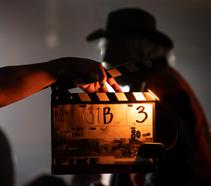
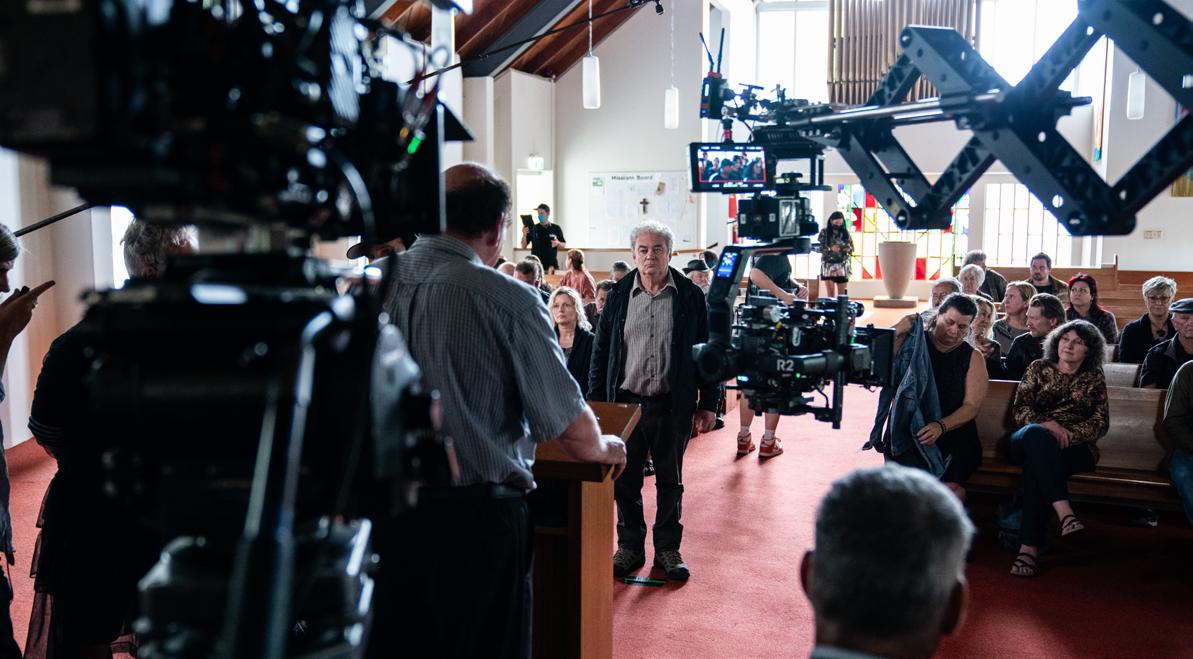
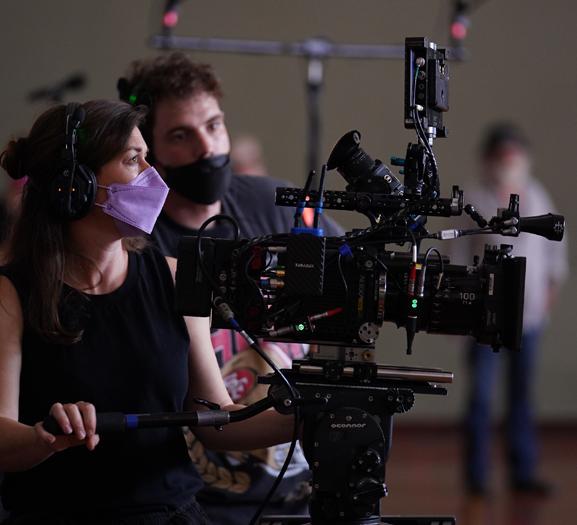
Filming Pike River. Photo: Matt Grace
Sonya Rockhouse, centre, at the Christchurch premiere of Pike River. Sonya was portrayed in the film by Robyn Malcolm, who sits to the right of her. Photo: Doug Richardson
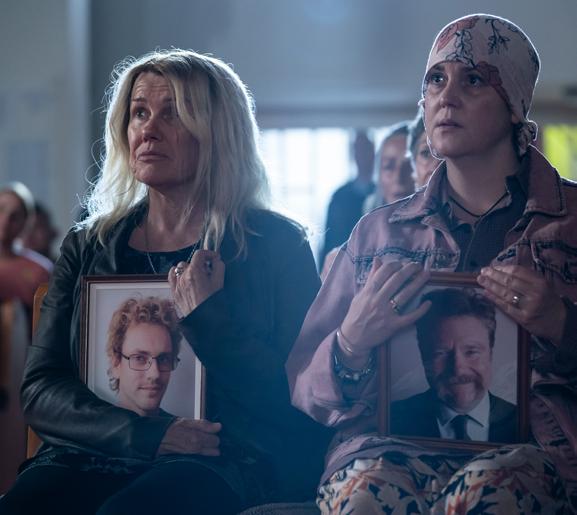
A scene out of the film Pike River with actors Robyn Malcolm and Melanie Lynskey who portray Sonya Rockhouse and Anna Osborne. Photo: Matt Grace
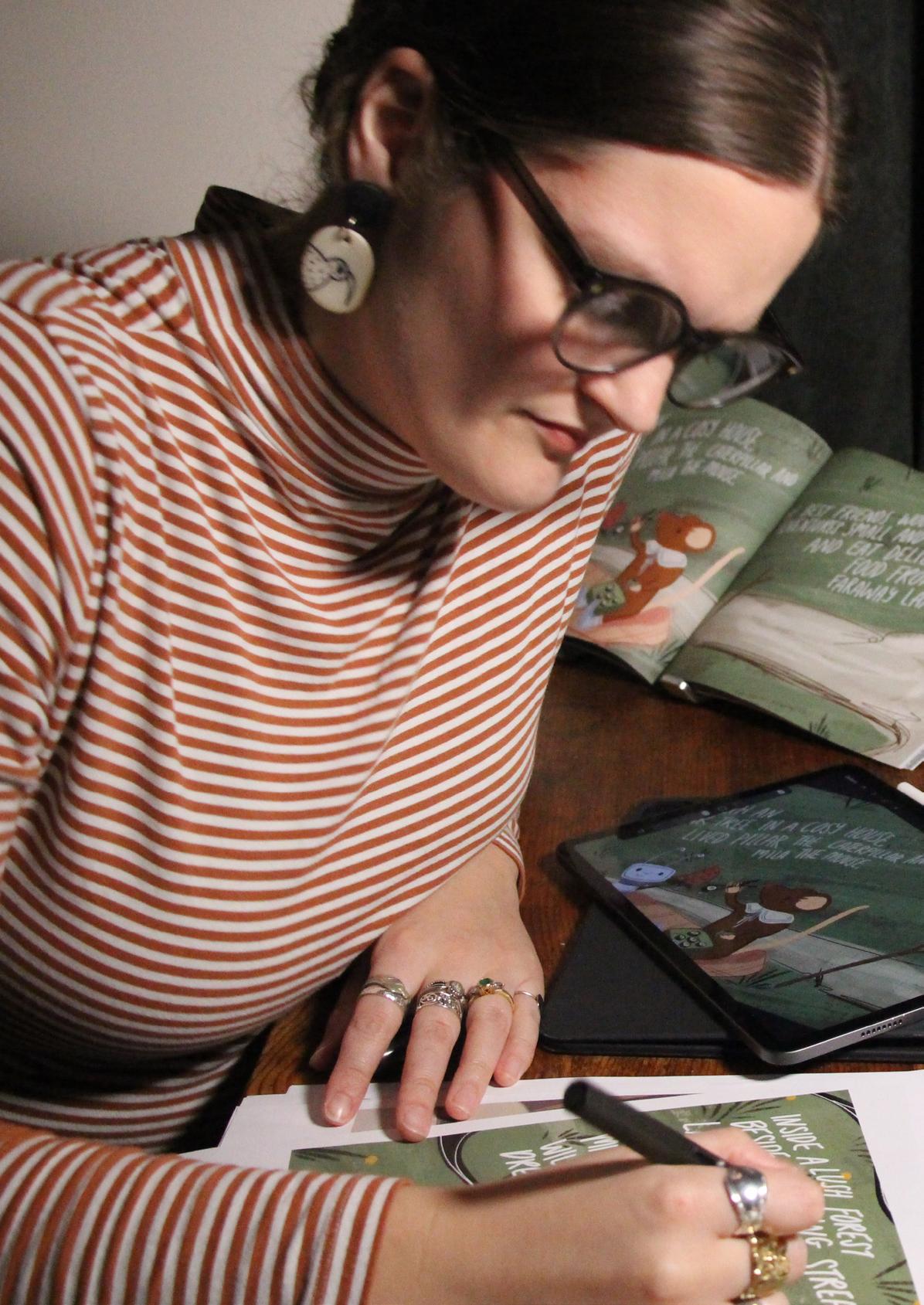
Eleanor Sherson illustrated a new book for children about grief.
New children’s book about grief aims to support emotional literacy
A former Wellington primary teacher has drawn on her own classroom experience to illustrate a new book for children about grief. Illustrator Eleanor Sherson and author Eleisha Foon hope Where is Pillar? will take its place on school bookshelves as a useful resource for ākonga dealing with difficult life events.
When friends Eleanor Sherson and Eleisha Foon set out to research resources about grief for children, they found the bookshelves at their local library lacking. “If we were to make a grief book for a child, what is actually out there?” they asked each other.
“I was shocked at how horrendous the resources were; ones I wouldn’t even use in my own classroom,” remembers illustrator and former teacher, Eleanor. “It really highlighted for me that there was a major gap for grief resources that are both classroom-appropriate and actually help children.”
Now based in the UK, Eleanor completed her teacher training in 2019 and jumped straight into teaching during the Covid-19 pandemic era at several schools across the Wellington region.
“There was such a large range of pastoral issues – kids in foster care, kids losing parents, grandparents – so many loss-related situations; but there were no educational resources to guide children through this,” she says.
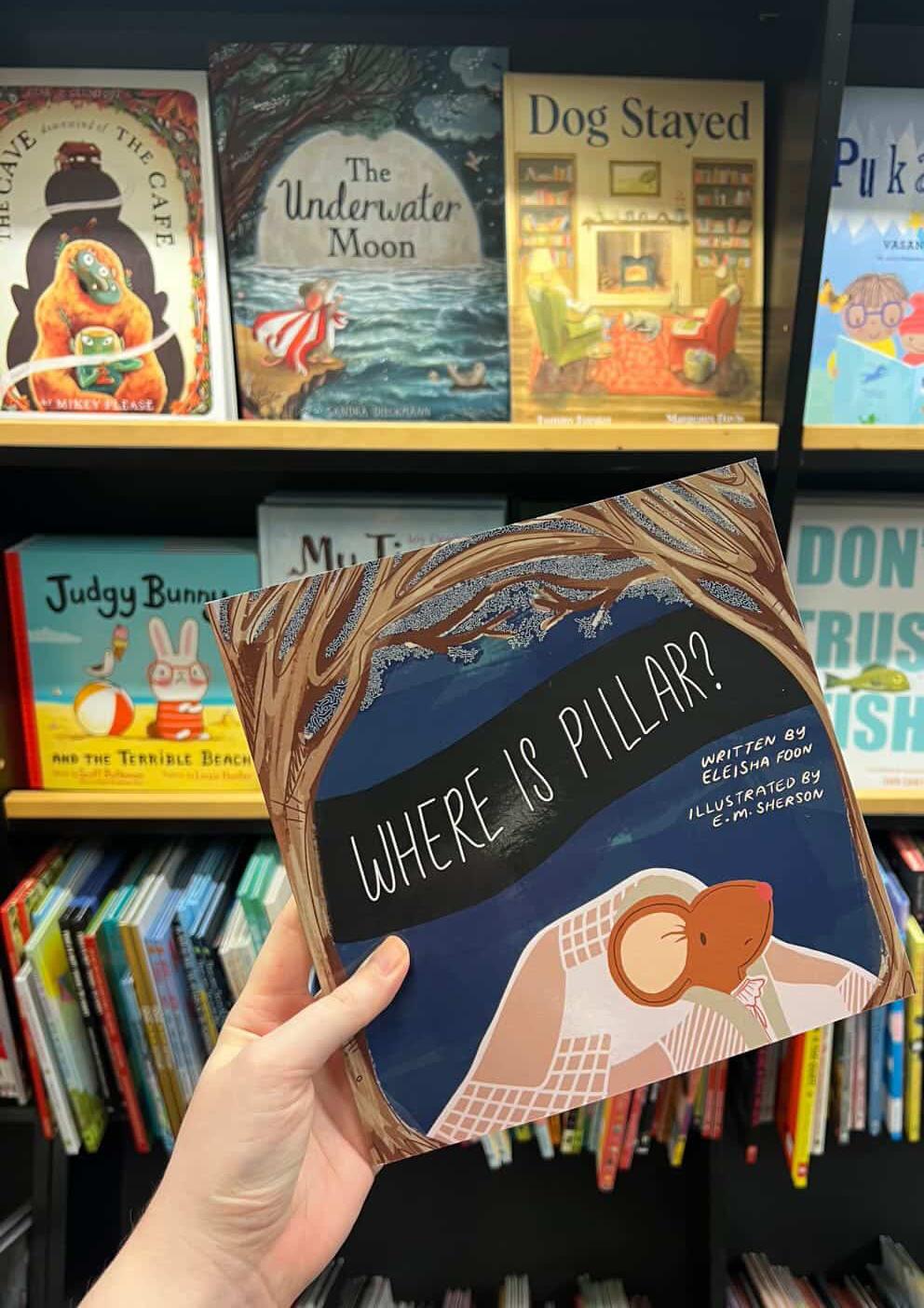
Those situations and conversations she had with her students influenced Eleanor’s illustrations for the newly released book, Where is Pillar? She and Eleisha, who authored the book, describe it as an emotional literacy resource and a companion to any child working through grief. The project began following the death of Eleisha’s close friend.
“We’re all going through some version of loss, suffering or grief,” says Eleisha. “We wanted to create a book that shows children they don’t have to rush through the process of grief, but they can be met where they’re at.”
An intentional design inspired by classics
Rather than a more generalised book, Eleanor wanted the work to speak specifically to children. That’s why the illustrations are designed in a way for children to follow along easily; the custom typeface used for the text is not straight, it wiggles and expands across the page.
“This was intentional,” says Eleanor. “It’s especially relevant for engaging a neurodiverse child. They can follow along with
the text with their finger.” Eleanor explains it's a calming exercise that she previously used in her classroom.
She was also inspired by classic books that children eagerly devour, including those by Beatrix Potter, Dick Bruna’s Miffy, and Winnie the Pooh, while Eleisha drew on the rhyming of Dr Seuss. Both also consulted health professionals to make sure the content would be helpful, based on best practice.
Eleisha says Eleanor “captured the vision I had in my head."
“The book is light and hope at the end of the tunnel,” shares Eleisha. “Like, the feeling is awful, and you may hate feeling this way. But it too shall pass, and on the other side, there’s going to be something beautiful. You can turn the grief around and let it be a gift to the world.”
A framework for safe conversations
Although the book was created with children aged three to seven in mind, it can extend to ākonga up to age 12. It includes five steps to starting a grief conversation with a child, beginning with safety, welcoming every feeling, inviting expression, speaking simply and openly with honesty, and closing the conversation with comfort.
“This is a framework for teachers to create a safe situation for their students,” says Eleanor.
It also features a conversation guide to engage the child to reflect on and process their sadness in an age-appropriate way. The questions are reading comprehension-related and provide a springboard into deeper emotional conversation if the situation is appropriate.
“We want the children to bring their own personal experience into the conversation,” explains Eleanor. “The questions are quite poignant and focus on emotional regulation and processing, such as ‘how did Mila feel when she lost Pillar?’”
A child can then be directed to answer what that feels like, or to draw what the feeling looks like, she says.
The conversation guide can be used in the classroom, in small-group discussions, with a single child, or with whānau.

Whanganui primary teacher Crystina Hussey believes these guided questions support students to share their experiences with peers, and coping strategies can be learned as a class.
“By creating some visual aids, these can be highly therapeutic for many students and help them gain confidence in sharing how they feel in the future with trusted adults, whānau and friends,” she says.
“They do not see their feelings as something they should hide, as they learn that it's healthy to share when they are feeling down, especially because they are not alone.”
A resource to support emotional literacy
Eleanor says the book can be applied in a wide range of ‘grief’ situations and it isn’t specifically for loss through a death in the child’s life.
“It is a roadmap for students to model how to move forward in an emotionally healthy way,” she says. An illustration of a ribbon weaves its way across the pages, getting thinner and longer. It’s a metaphor for the child moving through the tangling, knotted emotion that is grief.
The characters are all animals, adds Eleanor, and designed to appeal across cultures. Kiwiana is present throughout: a drawing of a kiwifruit, a New Zealand skink, and a piwakawaka, the favourite bird of Eleisha’s friend.
Eleisha says the characters model a safe way of expressing their emotions, which children can reflect in their own lives.
“Imagine if this book can sow a seed in children’s lives, so one day, when they are rooted and planted somewhere and do go through really difficult grief, from this book, they learned how to process it with loved ones, caregivers and teachers.”
Writing the book has been cathartic for Eleisha’s own grief. She is represented by the main protagonist, and her friend is represented by Pillar, the little caterpillar. The book shows children that loss comes and goes, but it doesn’t just go away. And that’s OK.
Other characters that feature show that friends and family can walk alongside you in your grief.
Eleanor and Eleisha hope the book will equip children with the emotional literacy and vocabulary tools in their kete to hold themselves through the harder experiences of life.
“We want children to be comfortable alongside their caregivers, to express sadness, disappointment and anger,” says Eleisha. “Rather than sweeping their emotions under the rug, it’s OK to be. It’s OK to have feelings and to grieve.”
Tātou Tātou: Ross Intermediate students engineer a local economy
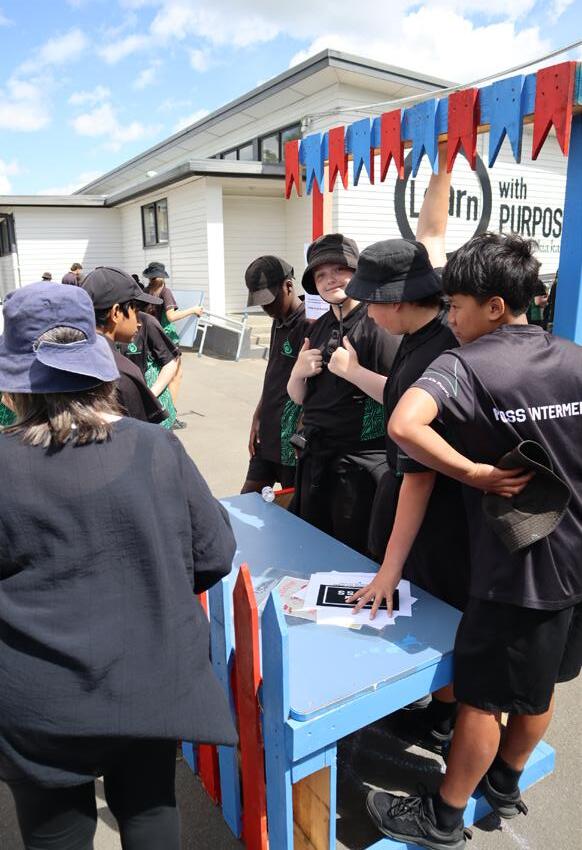
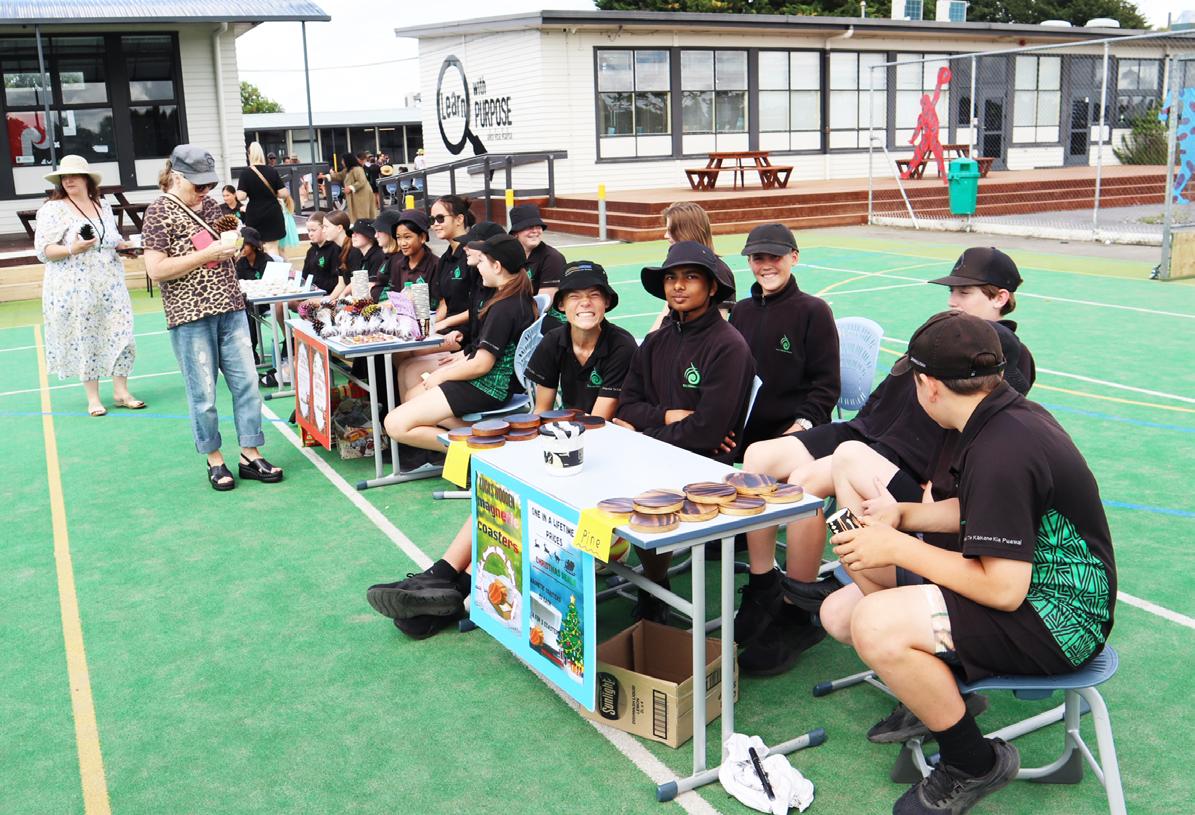
At Ross Intermediate School in Palmerston North, the end of term 4 saw the launch of dozens of new business ventures. The school grounds transformed into ‘Tātou Tātou –Our Market, Our Community’, and created a new fixture on the school calendar.
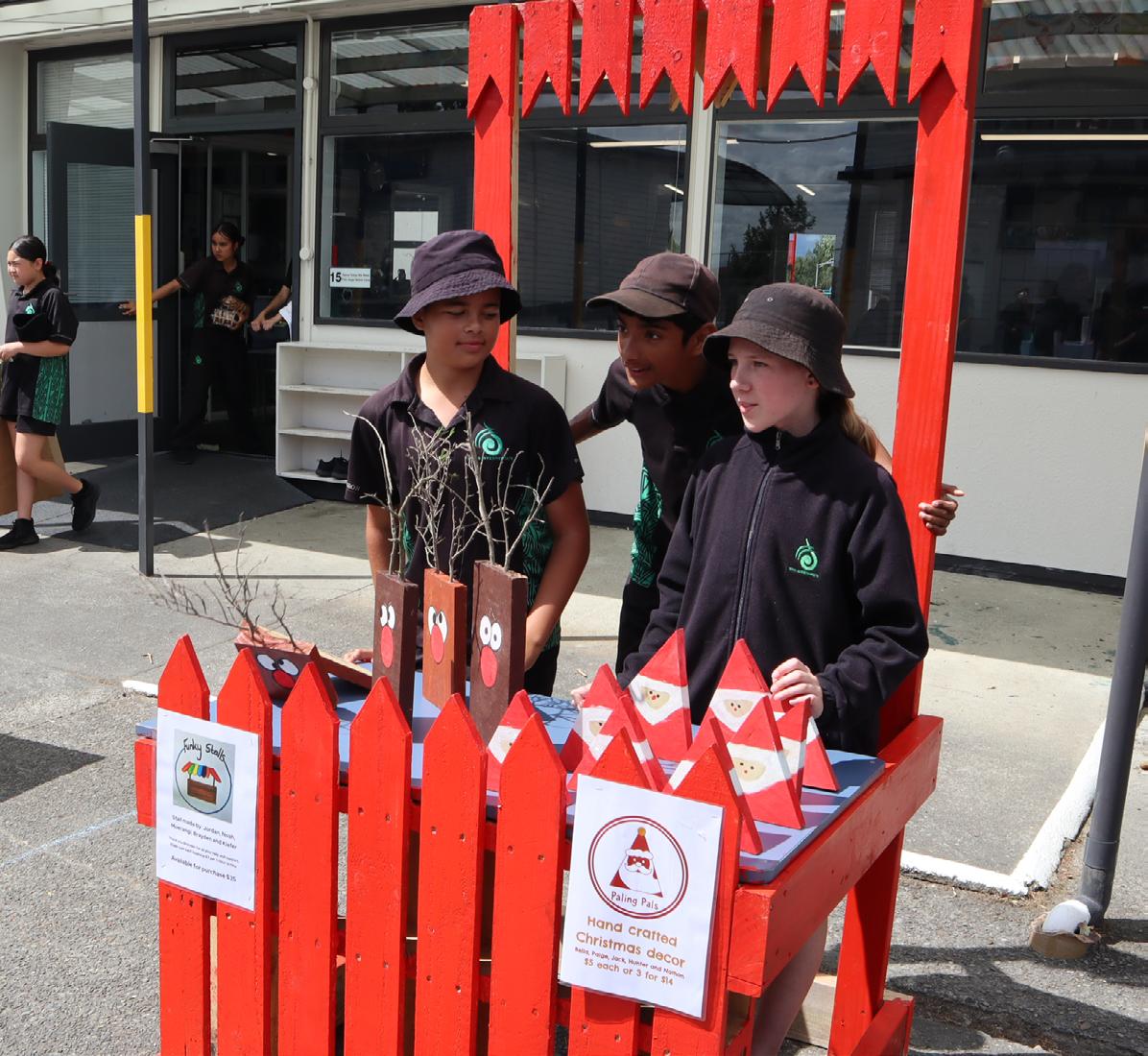
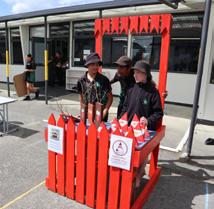
Jack, Nathan and Paige at their market stall.
Ross Intermediate’s student-led marketplace served as the grand finale for a term-long inquiry into economic participation and financial literacy. The inquiry prompt students were working towards was 'how do our economic decisions, both as individuals and as a community, affect people and the world around us?'
Teacher Siobhan Walker explains the project began in the classroom, where ākonga explored the mechanics of how people participate in economic activities.
The learning quickly moved beyond 'textbook' learning. Working in small groups, students were tasked with creating a viable business from the ground up – covering everything
from product design and market research to financial planning and promotion.
"The best part was actually making something from scratch and seeing people want to buy it," shares one Year 8 ākonga while reflecting on the day. "We had to change our prices halfway through because we were selling out so fast!"
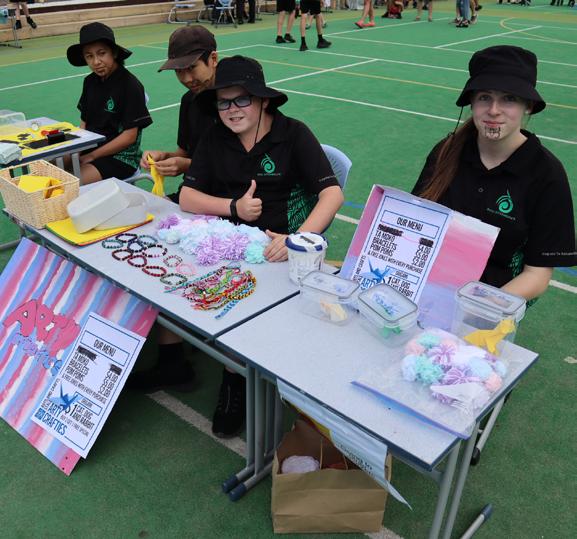
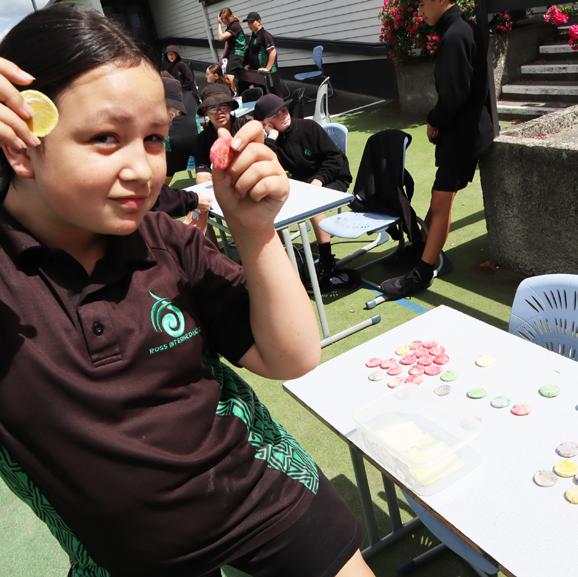
The diversity of the ‘Friday market’ reflected the students’ creativity and local insight. Stalls ranged from artisanal goods like 3D-printed toys, hand-made Christmas ornaments, and custom posters to services including a car wash and even a professional photography booth
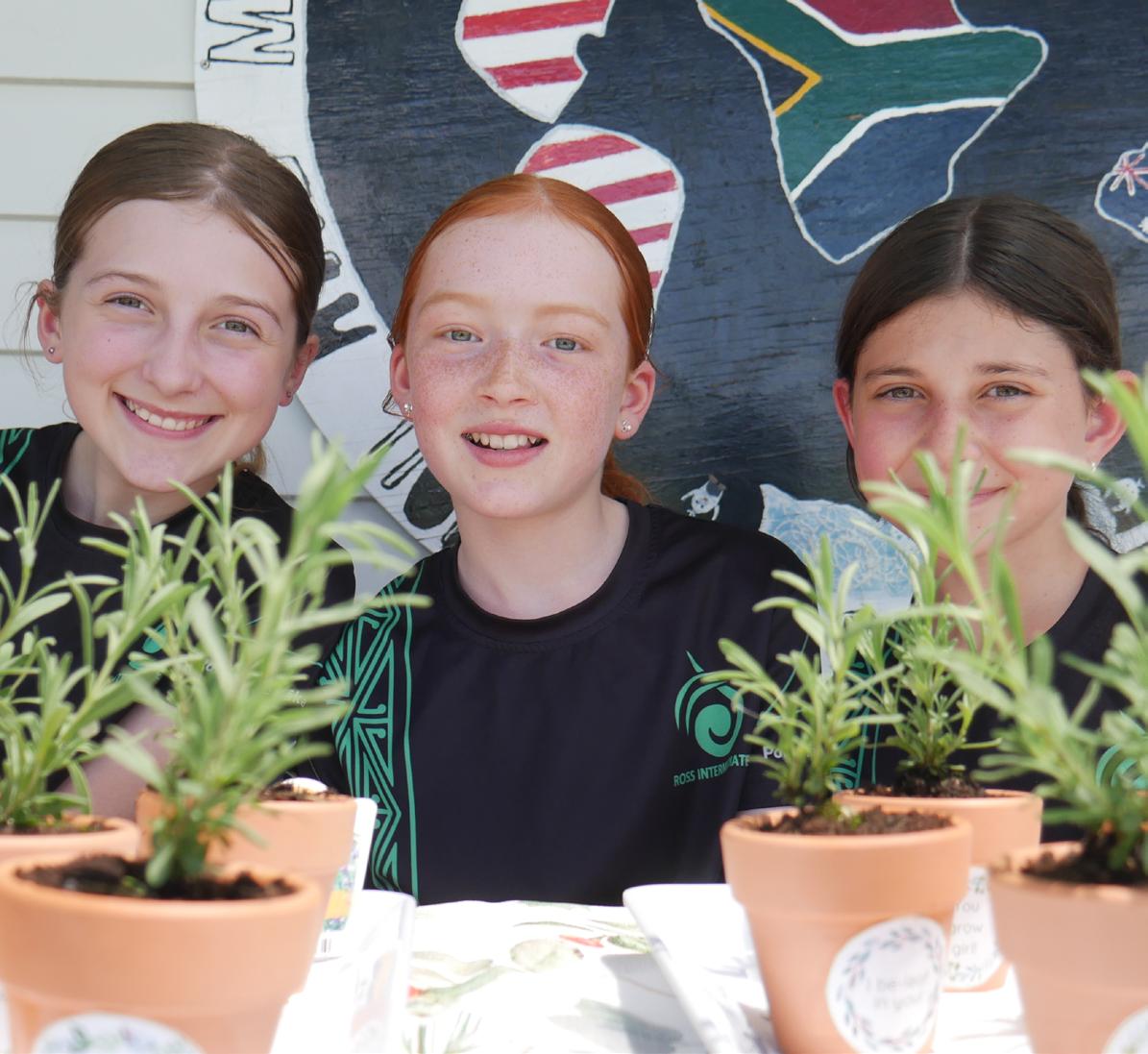
Eliza, Ella and Harlow sold potted plants.
“When
they saw parents and locals lining up at 11am to buy products they had designed and built, the 'why' of their learning became immediate and real.”
A currency of their own
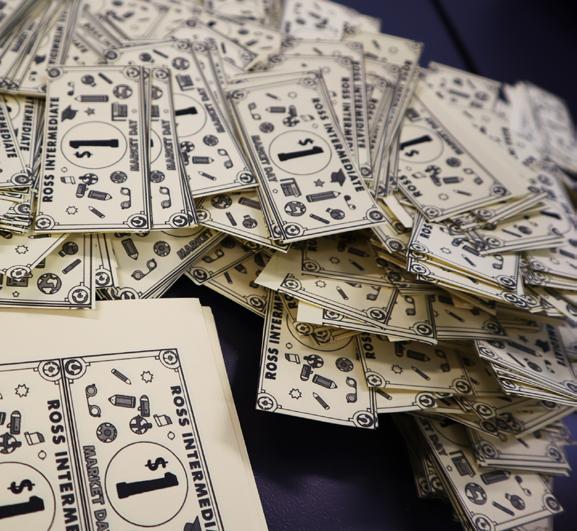
One of the most innovative features of Tātou Tātou was the implementation of a schoolwide temporary currency. To participate, whānau and community members exchanged New Zealand dollars for ‘market currency’ at a central exchange located in the school gym.
"At first, I was worried about how the tokens would work, but it actually made it way easier to keep track of our sales," explains another student entrepreneur.
This system added a layer of authentic financial literacy. Ākonga had to manage their ‘cash flow’ using the tokens, while the school office handled pre-event exchanges for students to simulate banking systems. For the young entrepreneurs, the challenge was clear: price their goods competitively while managing the logistics of a fast-paced trading environment.
Connecting with community
The event’s name, Tātou Tātou (meaning ‘all of us together'), aligns with the school’s vision: Poipoia te kākano kia puawai (connect, nurture, grow).
"It wasn’t just about making a sale," says school kaimahi Adam Dodd. "It was about our ākonga seeing themselves as active contributors to their community. When they saw parents and locals lining up at 11am to buy products they had designed and built, the 'why' of their learning became immediate and real."
By 11am, the students themselves were allowed to browse their peers' stalls, fostering a sense of tautoko and entrepreneurial spirit across the school.
Future-focused learning
Initiatives like these bridge the gap between intermediate schooling and the real world. For example, as part of the development of their stalls students had to balance both financial and environmental impacts.
By navigating the highs and lows of business – from supply chain issues to the rush of a first sale – Ross Intermediate students are developing the soft skills of resilience, collaboration and critical thinking that will serve them long after they leave the school gates.
"I definitely want to do this again next year," says one ākonga, as they pack up their stall. "I learned that you have to be really organised if you want your business to work."
“We have been blown away with the engagement from our students and community and see this as being an ongoing feature of our school calendar,” says Siobhan. “We have learned that when you give students the agency to build their own economy, they don't just learn about the market – they create it.”
Kyrah-lee with her wares.
Maia, Darren, Jacob and Miya sold their arts and crafts.
There were plenty of satisfied customers.
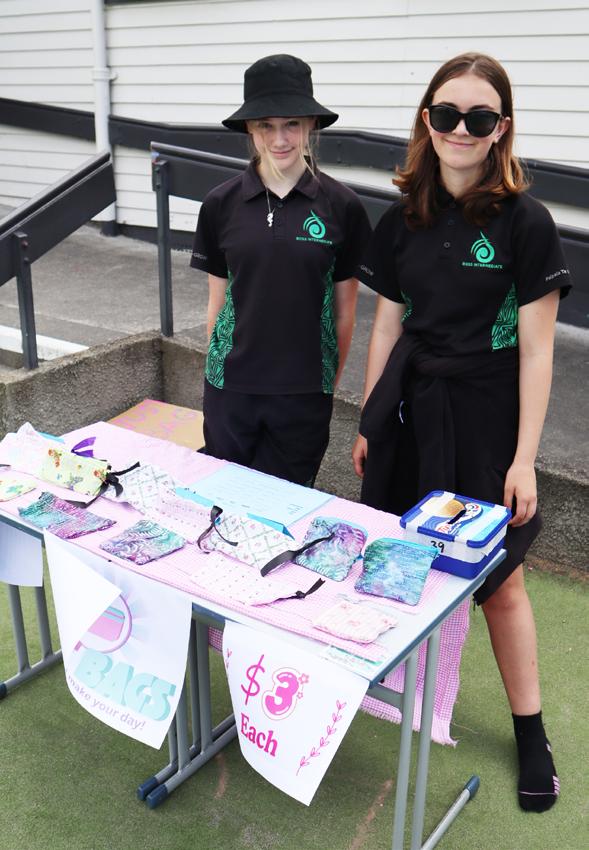
Eden and Aly sold bags.
From student to leader: Full circle for Fresh Horizons schools coordinator
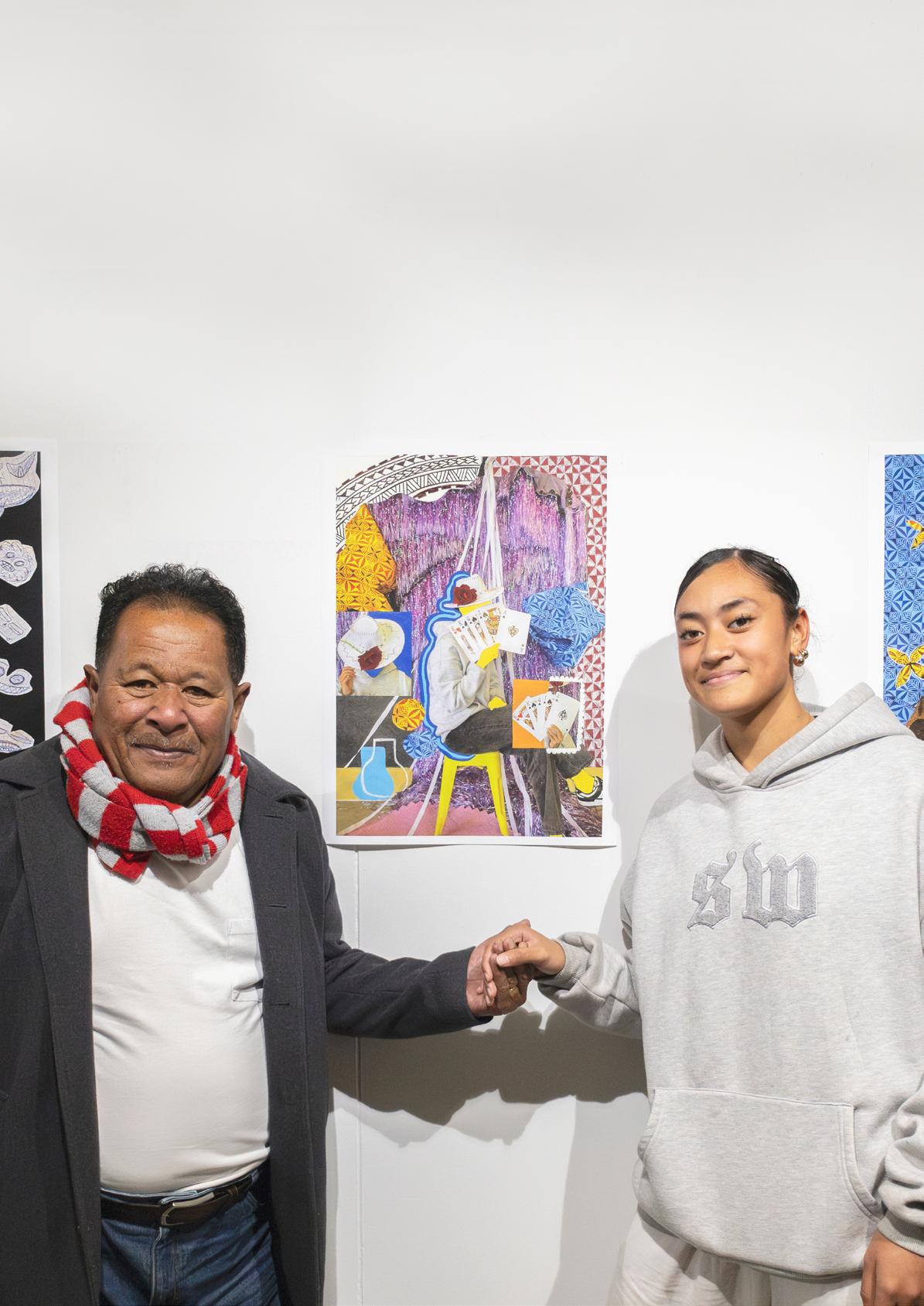
Fresh Horizons brings Pacific secondary school students onto Massey University’s Pukeahu campus for three days of hands-on creativity. The event includes workshops, cultural learning and exposure to potential career pathways.
VISUAL LANGUAGE
Destiny from Scots College with grandfather, Paulo Paulo. Photo: Tautai Pacific Arts Trust/Vain Creative.
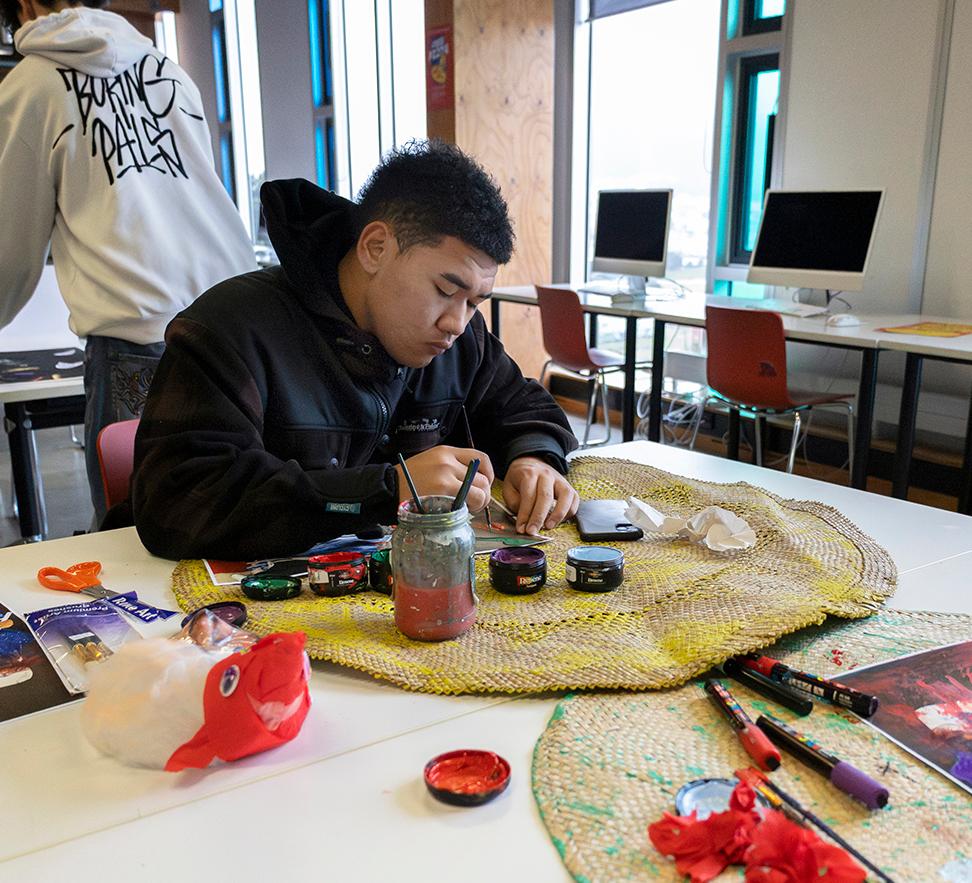
When Sosefina Masoe-Filo talks about Fresh Horizons, she’s speaking from authentic experience. She knows the benefits firsthand and is now helping with engagement for this year's event.
The programme is a long-running collaboration between Tautai Pacific Arts Trust and Toi Rauwhārangi, Massey University’s College of Creative Arts. It has been connecting Pacific rangatahi with practising artists for more than a decade and returns to Wellington from 9 to 11 June.
For Sosefina, Fresh Horizons helped find her direction in life.
“I didn’t know what to do when I was in Year 11 and Year 12,” she recalls.
It was a teacher at her school, Wellington East Girls’ College, who pointed her toward Fresh Horizons.
“My teacher told me to go to this activity that they do at Massey University. And I was like, ‘oh, why not? I’ll go and try it’.”
As part of the programme she decided to take a closer look at fashion and took a workshop led by Lindah Lepou.
That decision set her on a path that would take her through a Bachelor of Design (Hons) in fashion design and back to the programme that first opened the door.
“Without Fresh Horizons, I didn’t know what opportunity I would take.”
A connecting role
Today, Sosefina is the Pacific creative navigator at Massey’s College of Creative Arts and the schools coordinator for Fresh Horizons 2026.
She is responsible for helping connect students with the programme and guiding them through it.
Her role reflects one of the programme’s core aims: creating visible, accessible pathways for Pacific students into creative industries.
“Fresh Horizons changed the way I saw myself as a young Pacific creative,” she says. “It’s an honour to now help shape that experience for others.”
Tui from St Patrick’s College Silverstream participates in Fresh Horizons 2025.
Photo: Tautai Pacific Arts Trust/Vain Creative
The programme sees students and their aiga receive information packs through schools, outlining the artists involved and the workshops on offer. From there, they choose the creative stream they want to follow across the three days.
“They can pick which one they want to take for the threeday event,” says Sosefina. “It gives students that exposure to things they may not know are out there. I feel like it’s a great opportunity for Pacific students who are very creative.”
Sosefina says the programme is especially valuable for students who are unsure of their next step. For those students, she says, the programme offers a starting point.
Last year featured interdisciplinary artist Telly Tuita with support from Toi Rauwhārangi academic Israel Randell and singer/songwriter Teremoana Rapley.
This year’s programme has workshops led by Pacific artists working across contemporary and cultural practices.
Niue artists Katrina Iosia and Joy Sipeli-Antipas will guide students through sessions that combine digital technology with heritage-based knowledge.
More than just creative workshops
There is a new partnership element for 2026, where students will visit Te Papa Tongarewa and go behind the scenes with the Pacific curatorial team and engage with both taonga and contemporary collections.
The aim is to broaden students’ understanding of where creative practice can sit – not just in studios, but in institutions, communities and careers.
Belinda Palolo Weepu, director Māori and Pacific pathways at Massey University, says that wider context is critical.
“Fresh Horizons is about more than creative workshops, it’s about visibility, belonging and showing Pacific rangatahi that their stories, cultures and talents have a place in Aotearoa’s creative future.”
Belinda has been closely involved in shaping the programme over several years through her role.
Based within Te Ranga Tai Kura (Massey's Māori and Pacific arts development team), she has helped strengthen the connection between schools, communities and the university, including establishing the Pacific creative navigator role that Sosefina now holds.
That role is designed to provide both pastoral support and practical guidance to help students not only access opportunities but also stay connected to them.
It’s part of a wider system that Fresh Horizons feeds into.
Students who take part are encouraged to consider submitting work to Kohara2Shine, a Wellington secondary school exhibition that showcases fashion, textiles, industrial design and visual communication.
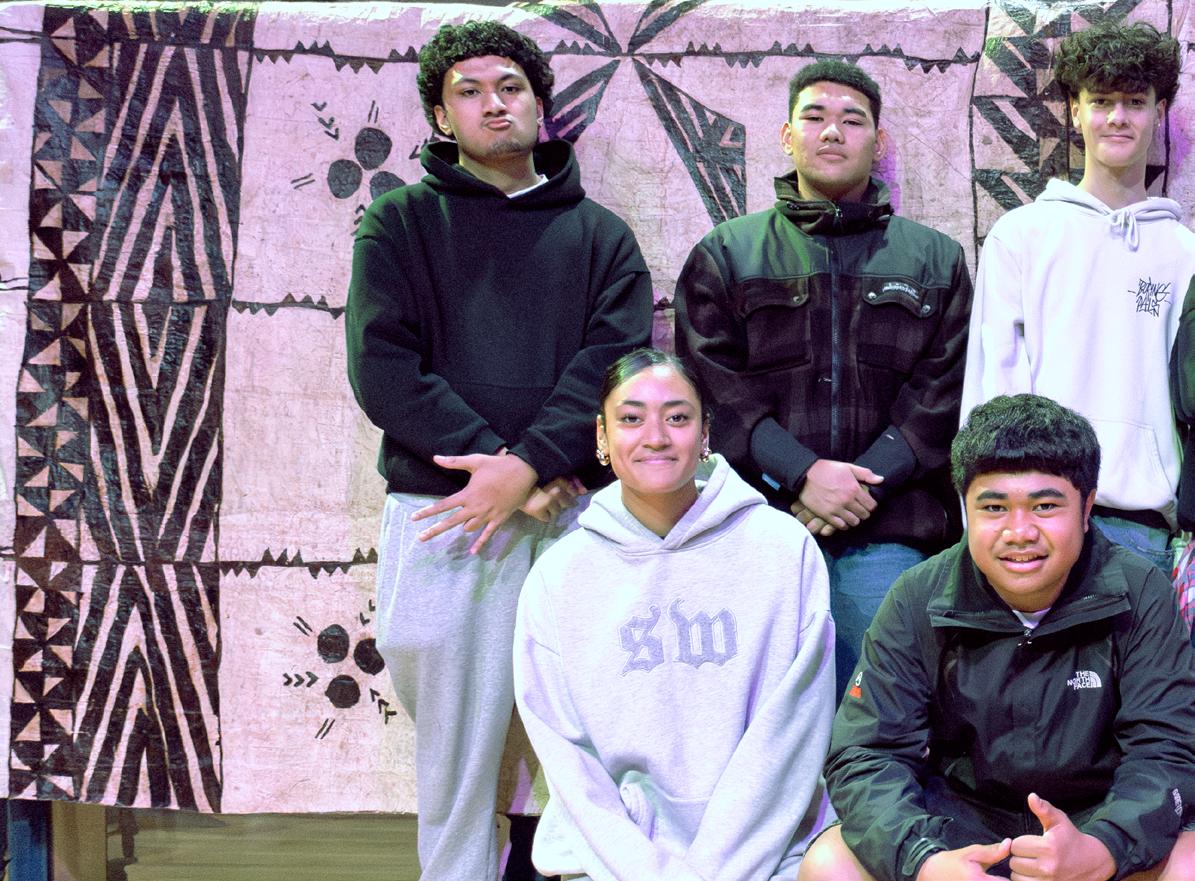
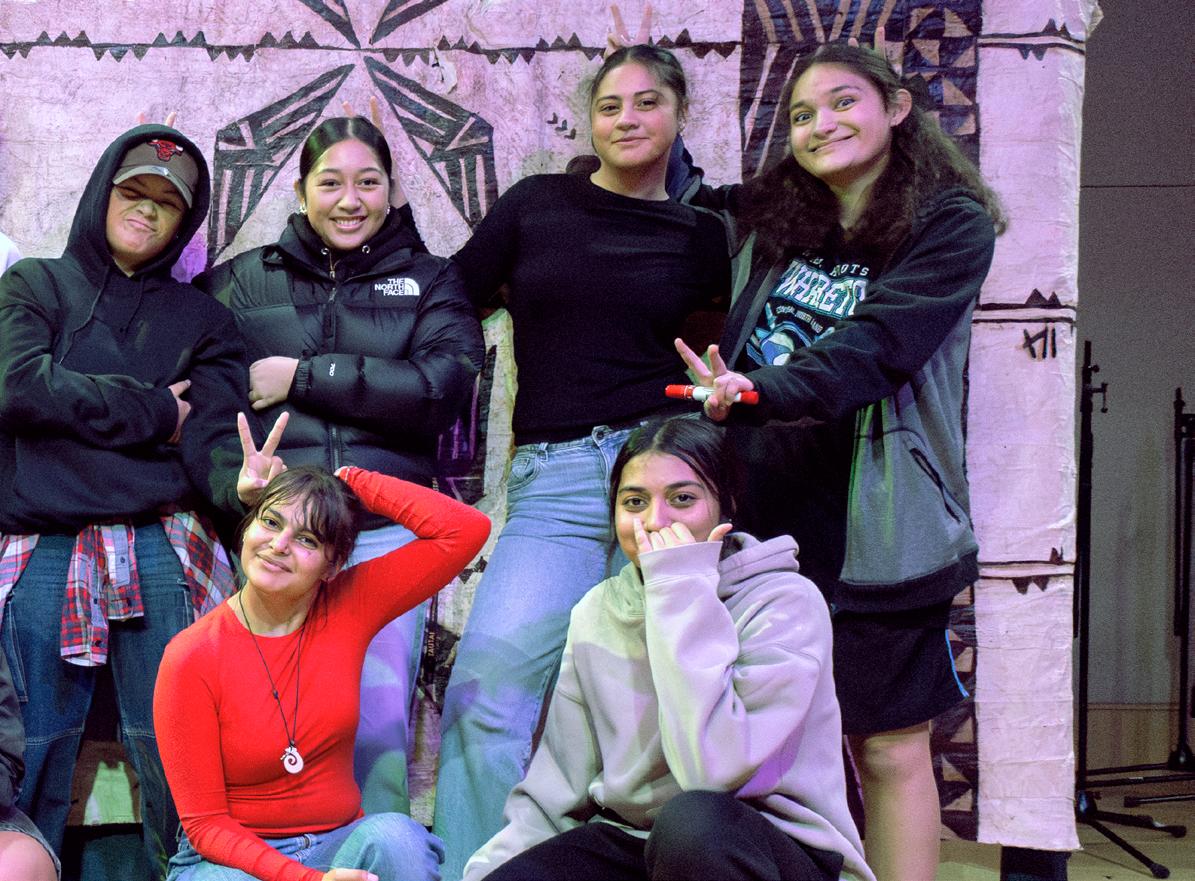
Rangatahi participating in the 2025 Fresh Horizons programme. Photo: Tautai Pacific Arts Trust/Vain Creative
The exhibition provides a next step moving students from workshop environments into public creative spaces, reinforcing the idea that their work has value beyond the classroom.
The programme has continued to evolve over time, with different artists involved each year and a growing network of connections across the creative sector.
“It gives students that exposure to things they may not know are out there.”
Pathways in practice
For many students, stepping onto a university campus can feel out of reach. Fresh Horizons shifts that dynamic, offering a structured introduction to the environment and the people within it.
Sosefina says students are not just learning skills, they are seeing what those skills can look like in people who share their cultural backgrounds and experiences.
She adds that representation is a key part of what makes the programme work.
“Different people come in and always change every year,”
she says. “So it’s a great opportunity for students to see who other artists are.”
That exposure, she says, can be the difference between seeing creativity as a hobby and recognising it as a viable pathway.
For students who may not have considered tertiary study or who don’t see people like themselves in creative industries, the programme offers a practical entry point.
By connecting students with working Pacific artists, it provides a clearer picture of what those pathways can look like in practice and the different directions a creative career can take.
Sosefina says students are encouraged to reach out directly if they have questions.
“Please contact me whenever you need more information or any detail about the event before it happens,” she says.
While the workshops run for three days, the impact is often longer lasting.
For Sosefina herself, Fresh Horizons is more than a programme; it’s proof of what can happen when Pacific students are given early access, support and belief.
Now, she’s helping create that same inspiration for others, helping to open doors they didn’t know were there.
“It was an amazing opportunity – it was like a chance.”
Email Sosefina for more information. sosefina.filo@gmail.com
READING
Growing readers, growing stories: Te Awhi Rito in action
From school visits to national advocacy, Te Awhi Rito reading ambassadors are working alongside kaiako to grow a culture of reading for pleasure across Aotearoa.
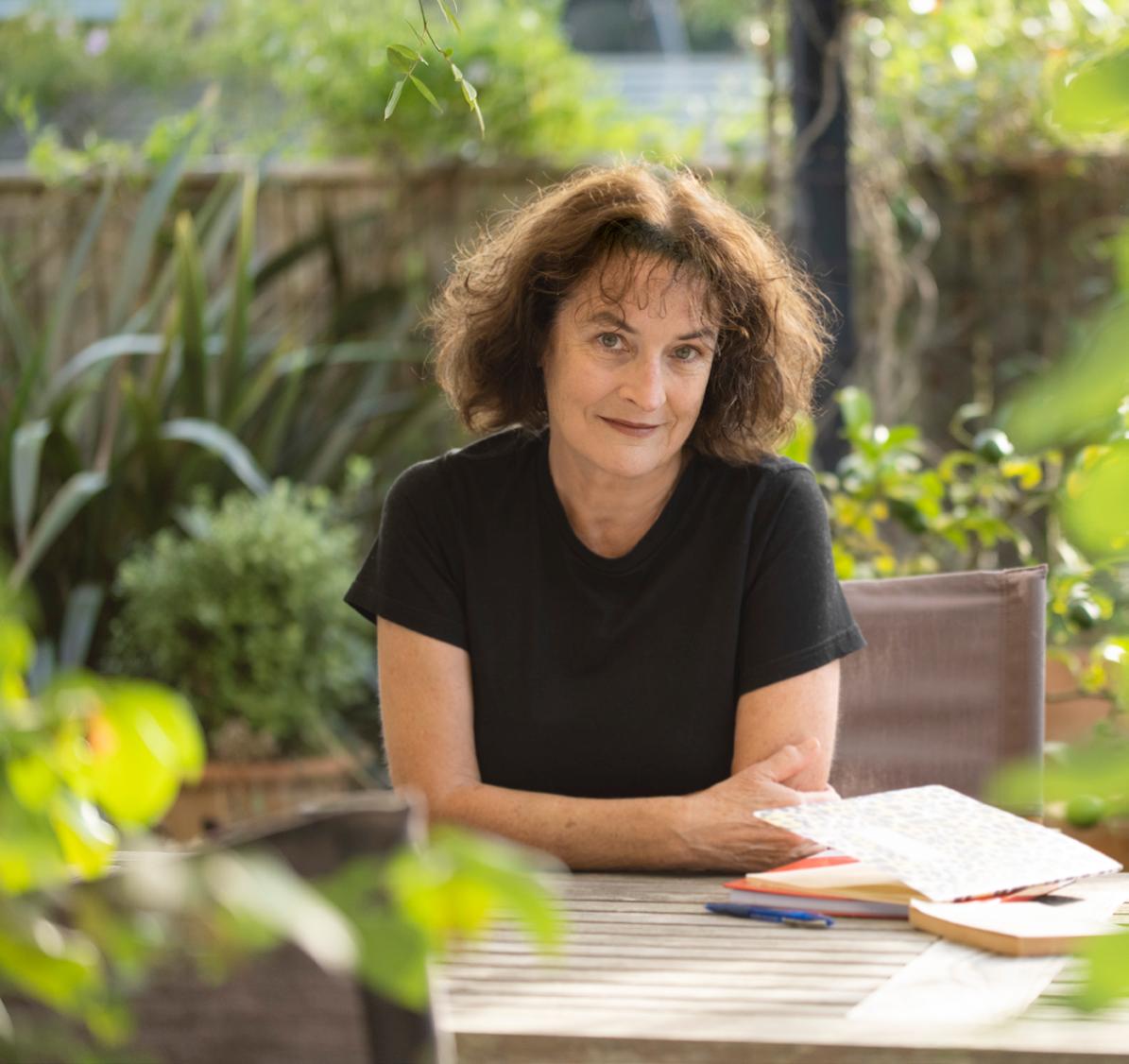
Author Kate de Goldi is Te Puna Mātauranga o Aotearoa National Library of New Zealand’s third
Te Awhi Rito reading ambassador. Photo: Bruce Foster
Te Awhi Rito New Zealand reading ambassador is a national role focused on championing reading in the lives of tamariki and rangatahi, including in classrooms across Aotearoa. Led by Te Puna Mātauranga o Aotearoa National Library of New Zealand and supported by partners including Read New Zealand Te Pou Muramura, Creative New Zealand Toi Aotearoa, and Storylines Children’s Literature Charitable Trust, the role connects schools, libraries and communities to grow a culture of reading for pleasure.
At its core, the role is about relationships. Te Awhi Rito programme includes “engagement with young people in schools and other settings, and with whānau and community,”
alongside collaboration with educators, librarians and the wider literacy sector. In practice, that often looks like school visits, workshops and conversations about books that stick with ākonga long after the session ends.
Te Awhi Rito derives from the whakapapa of the harakeke plant. In te ao Māori, the rito are the young shoots at the centre of the plant. Awhi rito are the strong, mature leaves that stand straight and tall to surround, protect and nurture the rito. The outer leaves of the plant are tūpuna that support the whole, over time bending towards the ground and eventually becoming part of the whenua,making sure the cycle of growth continues.
Te Awhi Rito is a metaphor for the reading ambassadors’ role in nurturing and inspiring young and new readers. Te Awhi Rito reading ambassadors, along with authors, kaiako, librarians and others, can be seen as the tūpuna whose collective strength supports the creation of a flourishing community of readers.
Finding the right book
For schools, the work of Te Awhi Rito is most visible in the way the ambassadors connect directly with ākonga and school staff, who are important reading role models.
They share their own reading lives, introduce new texts and help teachers and school librarians discover books that resonate.
Former ambassador Alan Dingley brought a strong focus on kaiako and school librarians to the role. As a practising school librarian, he focused on matching readers with texts that sparked interest and enjoyment. His approach is captured in his words: “A good book is either a doorway or a mirror. You can see yourself in it, or you can escape into it.”
Over two years, Alan reached nearly 20,000 young readers through visits and events nationwide. His mahi reinforced something many teachers already see every day: when students find the right book, engagement follows.
Before Alan, inaugural ambassador Ben Brown (Ngāti Mahuta, Ngāti Koroki, Ngāti Paoa) focused on storytelling, identity and belonging. Through school engagements and national initiatives, he encouraged tamariki to see themselves in stories and to value their own voices. Reflecting on his impact, current ambassador Kate De Goldi said he was “a man of huge heart, deep thought and astonishing mahi… it seems to me now that our first Te Awhi Rito could have only been Ben.”
A new chapter with Kate De Goldi
Kate, the National Library’s third Te Awhi Rito, began her term in June 2025 and continues this strong connection with schools. An award-winning author, broadcaster and educator, she brings a clear focus on reading for pleasure and its place within everyday learning.
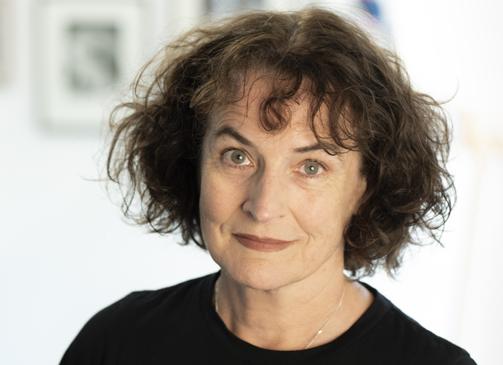
“A good book is either a doorway or a mirror. You can see yourself in it, or you can escape into it.”
Kate describes the books she shares as “exemplars of the various elements I look for in reading with young people and recommending books for them.” For her, that includes “language play and stretch,” “the shapeliness of story”, and “skilfully developed character and relationships across generations”. She also looks for “language and story that both mirror and affirm the known world and sharpen a lens on new worlds, other beings, different ideas”, alongside “the nuances and moral shadings of character” and “the frailty and comedy of human behaviour”.
At their best, she says, these texts offer “transcendent moments of lived experience: joyous insight, wonder, inspiration, imaginative leaps and bounds”.
Kate also reflects on the wider purpose of the role.
“I'm so grateful for the opportunity this appointment offers to contribute to the National Library's farsighted aspiration of building a nation of readers alongside Te Awhi Rito founding partners and the broader sector,” she says. “It seems more vital than ever before that a multitude of voices advocate for our young people and their communities, why reading matters and the crucial benefits of reading for pleasure on education, lifelong joy and learning.”
Across each appointment, Te Awhi Rito continues to evolve. What remains consistent is the focus on connection – between readers and texts, between schools and communities, and between the many people who contribute to a young person’s reading journey.
The reading ambassadors’ blogs and more information about Te Awhi Rito are on the programme’s website.
Te Awhi Rito Reading Ambassador
Former Te Awhi Rito reading ambassador Alan Dingley passes the harakeke, and the position, to current ambassador Kate de Goldi. Photo: Mark Beatty
Kate de Goldi. Photo: Bruce Foster