A student’s journey back to learning with Te Kahu Tōī
Wairarapa College shares success in structured literacy
Inclusion by design at Addington School’s playground

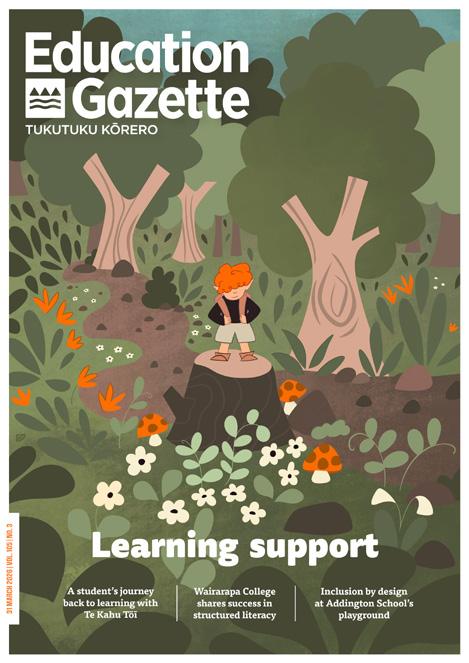
Every day, kaimahi in education work hard to support and uplift all ākonga so they can thrive – or, as one learning support coordinator in Tāmaki Makaurau puts it, “get our tamariki flying”.
Across the motu, all state and state integrated schools and kura with students in Years 1 to 8 will have access to learning support coordinators (LSCs) by 2028. Two Auckland schools talk to us about how LSCs have already made a positive impact for ākonga and kaimahi just weeks into the new school year.
In Hamilton, LSC Michelle Macintyre’s investigation into how the learning of neurodivergent ākonga can be celebrated has resulted in an inclusive, strengths based assessment. And in Wairarapa, LSC and teacher Rachel Harvey leads a literacy programme that has become a model for secondary schools nationwide.
Out of the classroom and into the playground or sports field, we look at how a few simple adaptions can make movement and play fun for everyone. Student leaders across several central Auckland schools have been learning what that can look like, and the Halberg Foundation has released a new digital tool to support schools with getting all ākonga involved in active games and sports.
At Addington School in Ōtautahi, a beautiful playground was intentionally designed to cater for all abilities and shaped by the philosophy that movement and momentum aren’t extras, they’re core to participation and learning.
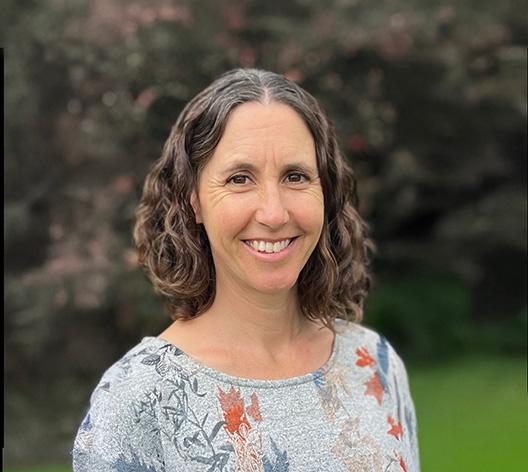
We also meet Marshall, an ākonga who had disengaged from learning. Supported by Te Kahu Tōī | Intensive Wraparound Service, his schools, his whānau and a strengths based approach, Marshall is now proudly celebrating his academic and sporting achievements.
Mā te wā
Maike van der Heide
Ētita | Editor
PUBLISHED BY
Education Gazette is published by the Ministry of Education
PO Box 1666, Wellington. ISSN 2815-8423 (online)
The Ministry of Education and Education Gazette do not endorse, approve, or accept responsibility or liability for the accuracy of information belonging to third parties, including but not limited to information on third party websites we link to.
Terms and conditions: gazette.education.govt.nz/terms-and-conditions © 2026 Education Gazette. All rights reserved.
KEY CONTACTS
Editorial gazette.education.govt.nz
Vacancies and notices listings gazette.education.govt.nz
0800 GAZETTE (0800 429 3883)
Send us your story ideas
What’s happening at your school or kura in 2026?
We would love to tell your stories. Our upcoming issues include a focus on numeracy.
Join us online
Get the latest vacancies, notices, and stories on our website gazette.education.govt.nz
Follow us on Instagram: @edgazettenz
Once excluded from school and struggling with anxiety and behaviour challenges, Marshall was disengaged from learning and life in his community. With support from Te Kahu Tōī | Intensive Wraparound Service and a strengths-based approach, he, his whānau and his school are now celebrating confidence, achievement and a hopeful future.
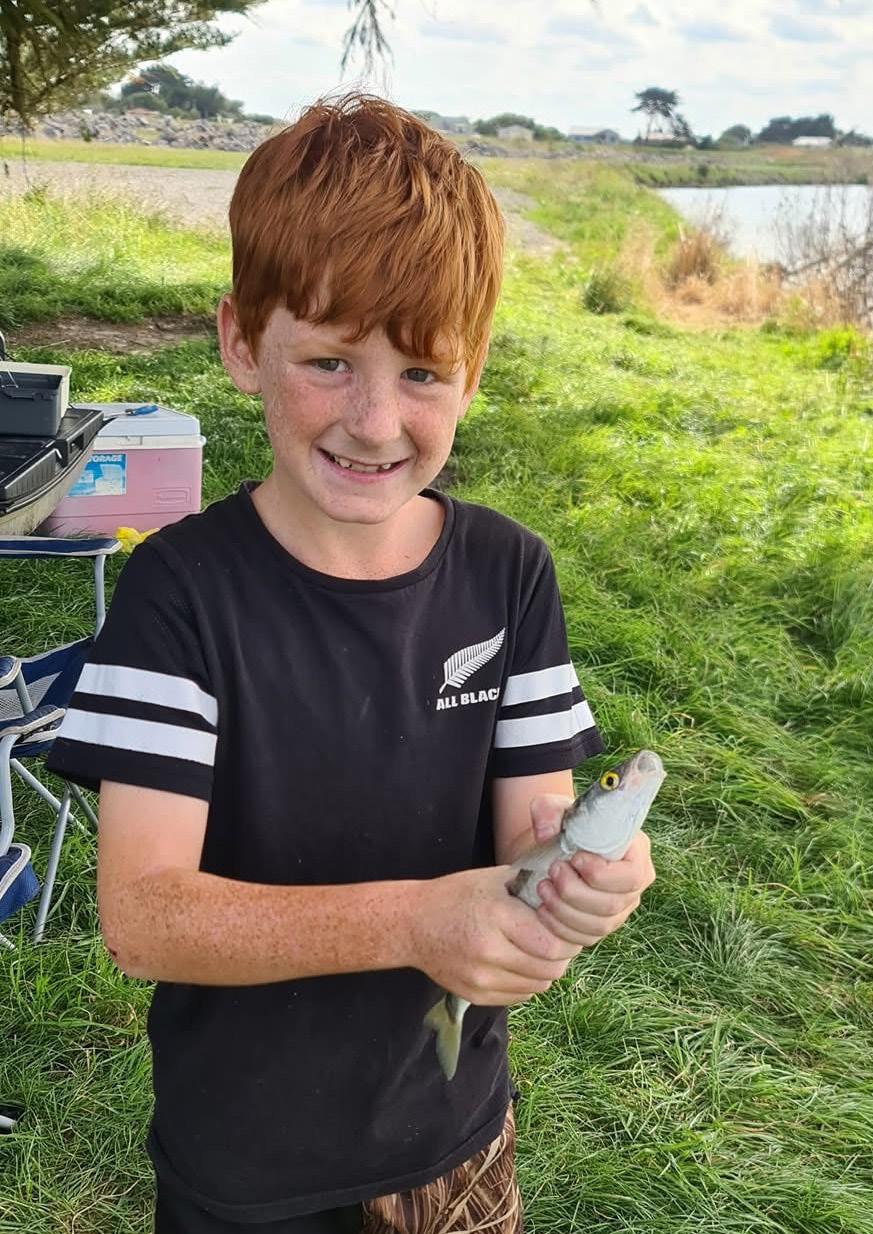
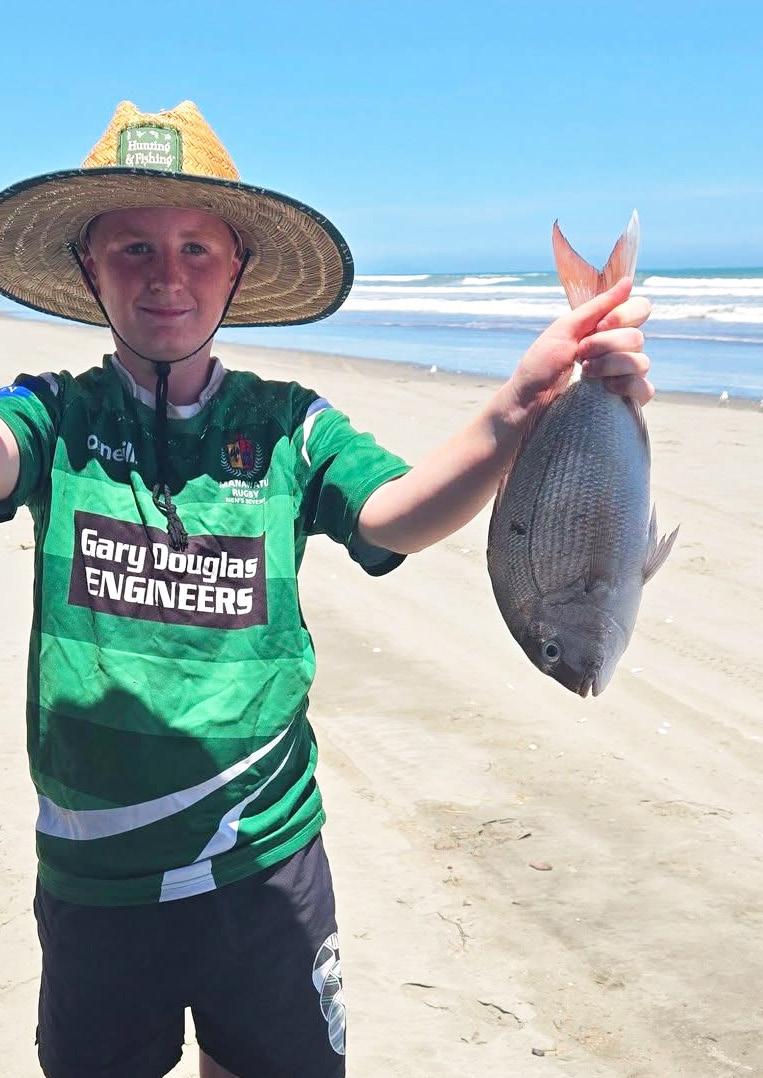
Marshall loves playing rugby, fishing and hanging out with lots of different people. He enjoys spending time with family, likes to chat, and describes himself as funny, kind, caring and loving.
But at school, Marshall struggled from a young age. Excluded from one of his small town’s two primary schools, he was finding life in and outside of school increasingly difficult. His parents, Emma and Geoff, were getting phone calls several times a week to pick their son up from school because of his behaviour.
“Because he’s diagnosed ADHD, autism spectrum disorder and Tourette’s, a lot of his behaviours were quite evident, especially in the school environment,” says Emma.
By Year 6, Marshall had fully used local learning support services and things were “coming to a head” at school and at home, explains Emma.
Marshall’s relationship with his three siblings had completely broken down and aggressive behaviour meant Emma could no longer be alone with him. Marshall also had a negative reputation in the local community which was affecting his mental health and wellbeing.
“I was pretty much at breaking point,” remembers Emma. Then, the regional learning support team suggested they apply to the Ministry of Education’s Te Kahu Tōī | Intensive Wraparound Service (IWS).
Te Kahu Tōī is for rangatahi with complex needs at school, at home, and in their community, and who have already received comprehensive support. A referrer makes the application together with whānau, and the application is considered using eligibility criteria at a hui.
Emma says she knew the service had eligibility criteria but thought it was worth trying.
“Sure enough, we shared our story and they looked into Marshall’s history and took it to the board, and we were successful.”
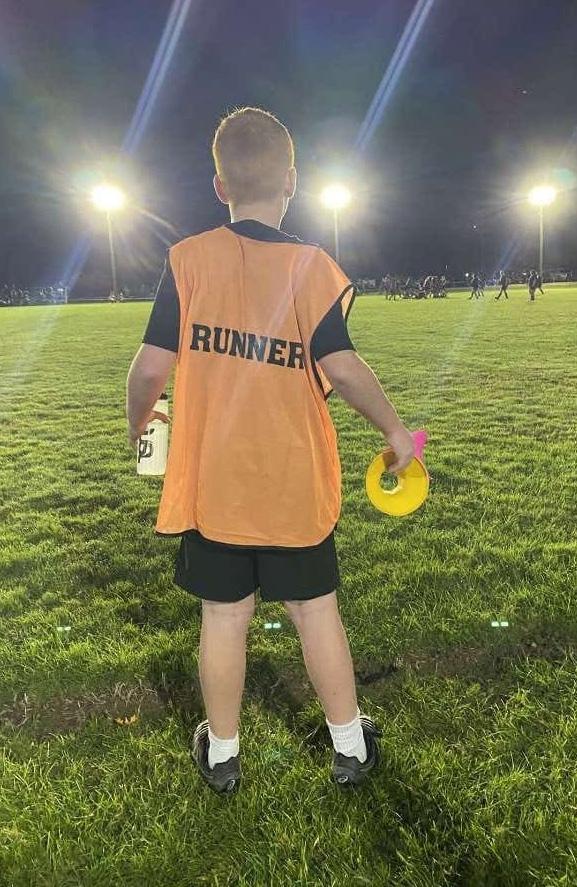
Marshall helping on the field for Manawatū Rugby.
Building on Marshall’s strengths
Te Kahu Tōī is a strengths based service and uses the evidence based wraparound model of practice. Te Kahu Tōī psychologist Carolina Millar says it was important to find an intervention for Marshall that was generalised across all settings.
“If we worked to focus just in the classroom, or in maths or literacy, that wouldn’t be enough. We had to work from his self concept – he had a really low self concept. He thought he wasn’t good at anything… he didn’t feel like he belonged.”
Marshall was also struggling to stay at school past midday, adds Carolina.
“Afternoons were really hard. We had to find interventions that gave everyone a bit of a break and worked on his self esteem and belonging."
That first intervention was rugby. Aged 10, Marshall was invited by Manawatū Rugby to help set up the field and corporate boxes for weekend matches.
On those Friday afternoons, a very different Marshall emerged – a Marshall who could show his family what he had to offer, says Carolina.
“He was brilliant. He was organised, he was able to do everything, he had a long list of things he needed to do. He was so proud and was looking forward to Fridays.”
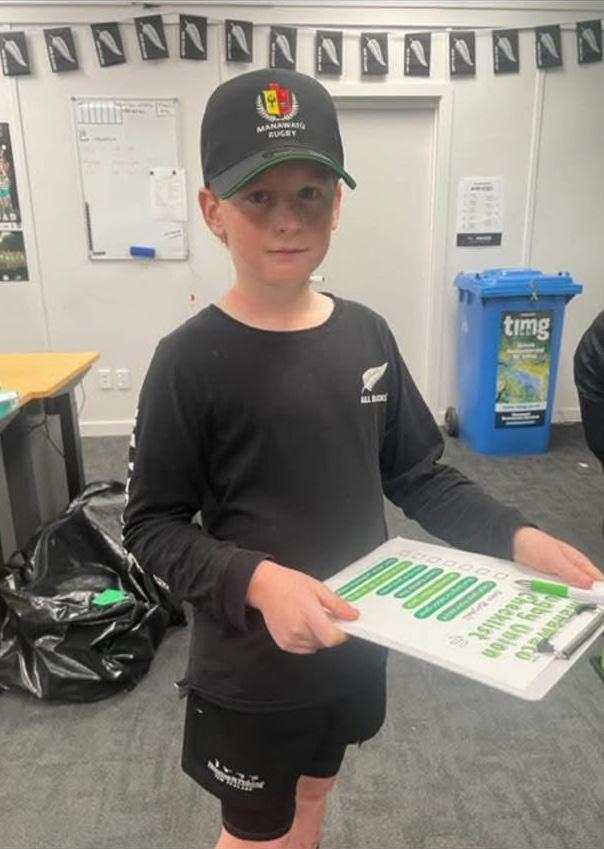
Marshall says he met “a whole bunch of new people”.
“They made me feel welcome and known there.”
Marshall’s next work experience was at a retirement home where his dad worked. There, he worked in the kitchen, delivered cups of tea and biscuits, and played games with residents.
“It’s just nice chatting to them because they always wanted to chat,” says Marshall.
Back at school, Marshall also helped with the FootSteps programme, which combines physical activity with devices in schools. This appealed to Marshall’s interest in sports and gaming. He helped set up the technology and did maths by collecting data from the devices. This showed leadership and provided incidental learning, says Carolina.
“The more that Marshall did these little jobs, the community started seeing a different side of Marshall and the reputation he had started changing.
“Little by little, during two years, he built his confidence as a learner and as a person.”
Improvement through understanding Emma says the intensive wraparound process seemed “absolutely daunting” at the start.
“You sit in a room with everybody who works with Marshall and keep going over the same process, his history. But I found it really, really good that everyone was in the same room, all on the same page. There were no crossovers and everyone had their own input on how we could try and help.”
Monthly targets were set and visually represented on a scale.
“That was quite good for Marshall… so he can see how much he has been improving,” says Emma.
Over time, Marshall felt as though things were getting better at school.
“I was achieving more. I was behaving a lot more.”
Marshall began to feel like people understood him more, adds Emma.
“The relationships have changed in the community. I’ve had so many comments from people in the community saying how far he’s come, and he’s such a great kid and things like that, it’s just huge.”
By the time Marshall left Year 8, Emma says she’d watched her son undergo “huge improvement”.
“Just the significance of how far he had come socially, and his schoolwork academically; just his behaviour. He tried, and managed to, regulate his own behaviour in the end.”
Last year, Marshall started at Awatapu College in Palmerston North. Before he started, Nicola Reid, head of the school’s learning support department, was invited onto Te Kahu Tōī IWS hui to meet Marshall and the team and create a transition plan.
“It was great to get an understanding of Marshall’s history, present situation, and goals for his transition.
“Te Kahu Tōī IWS established a clear team that kept Marshall’s needs and growth at the centre... we just followed through on the path set.”
Nicola says Marshall’s first weeks had rocky moments as he adapted to a completely different environment.
“As a department, we all discussed Marshall’s learner profile and made sure we knew what his early signs were when he was becoming dysregulated.
“We kept open and honest communication, and there were times when Marshall was clearly amping up, and was able to reset and move on.”
Marshall says he was nervous, but found good friends to hang out with, liked being around older students, and finds the work interesting and more challenging.
He also completed Te Ara Whakamana, adds Nicola. “Through repetition and ‘singing the same song’, he was able to identify where he was and what needed to happen – all with a mana enhancing lens.”
Emma says Awatapu College has been very responsive to Marshall’s needs.
“Awatapu is amazing for students who are neurodiverse. They think of the kid as the kid, and they support them. I feel like they see him.”
If it became clear certain classroom settings did not suit him, they quickly moved his timetable around to find one that did, says Emma.
With shared teacher aide support in most classes, Marshall had one on one support from his mentor, student supporter Taipari Waaka, who Nicola says has been a great fit.
“The connection they formed, and the influence Tai had on Marsh’s sense of self have been huge.”
She says this model allows for flexibility and the space for Marshall to increase his capacity.
Marshall says he has a ‘time out card’ that allows him to leave class and spend time in the learning support room.
“If I feel overwhelmed and I’m going to do something bad, I time out.”
Emma adds school kaimahi “read how he is” and help Marshall decide when he’s ready to go back to class, or if he needs more time.
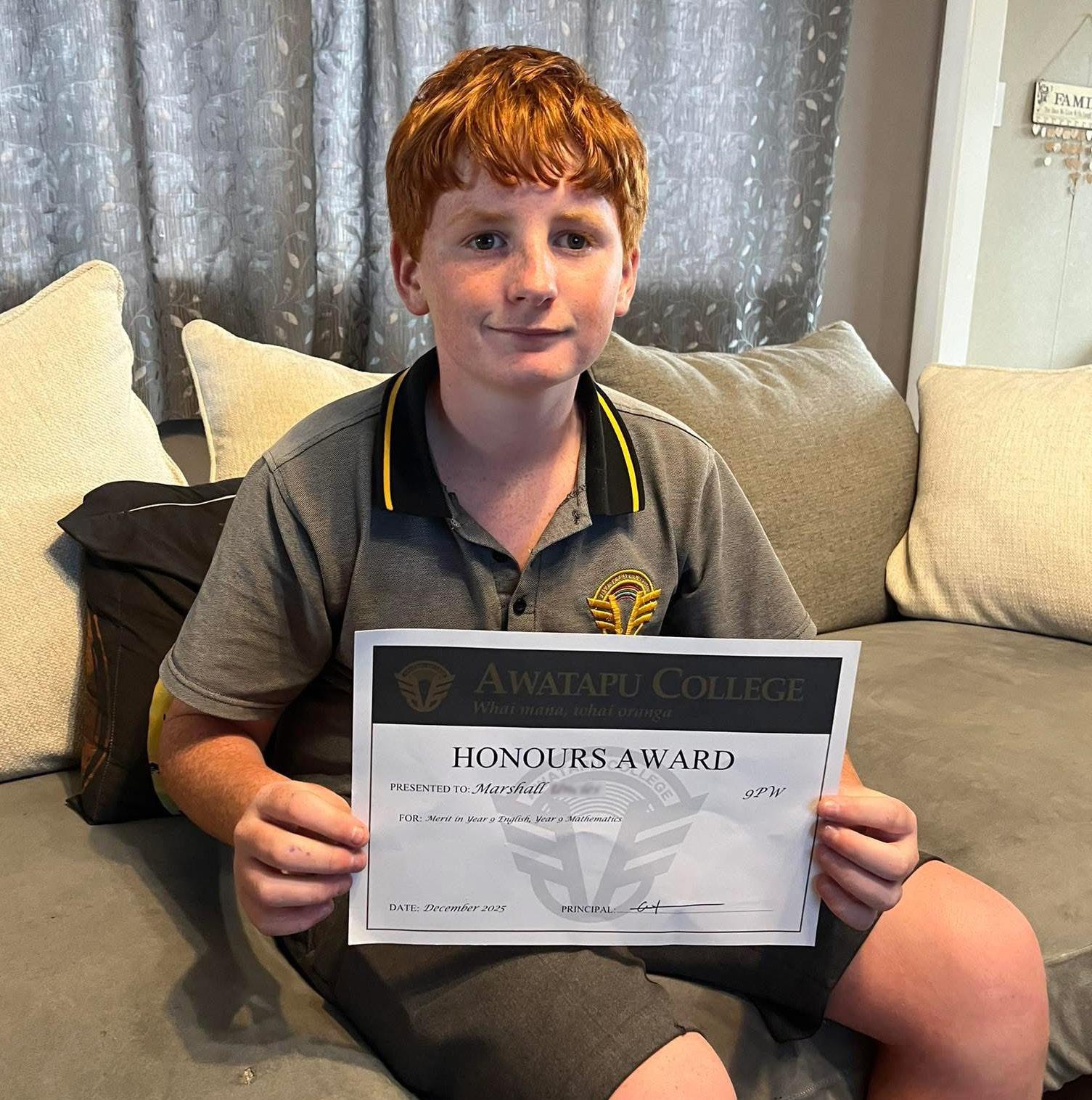
At the end of Year 9, Marshall stood in front of his peers at school and received three merit certificates for maths, English and rugby.
It’s a remarkable achievement, says Carolina. She credits the work Marshall and his family put into Te Kahu Tōī, saying whānau input is crucial to the programme’s success.
Nicola agrees having Te Kahu Tōī and whānau support leading Marshall into his high school transition was “huge”.
“Perhaps unsurprisingly, Marsh threw himself into college life, and as such made an impression on others, especially within rugby. Some key senior students have walked alongside him, championing his successes. This has not been formally organised, it’s just the energy Marshall puts out.”
Marshall says he feels “a lot better, a lot more calm and chill”. He is proud of his academic and rugby achievements, which Nicola adds has been a success socially as well.
For Emma, who three years ago had “given up hope”, Te Kahu Tōī has provided a future for her son and whānau she could not have imagined.
“It’s definitely time consuming but it’s worth it in the long run. An hour a month does change your life.”
Last year, Marshall travelled to Europe with his grandfather and older brother. It was a trip Emma says would have been impossible before Te Kahu Tōī: “He was good as gold!”
Marshall is now looking forward to the next few years at school.
“I want to just do good, like with my work, and go far in rugby.”
Te Kahu Tōī Intensive Wraparound Service referral information – Ministry of Education
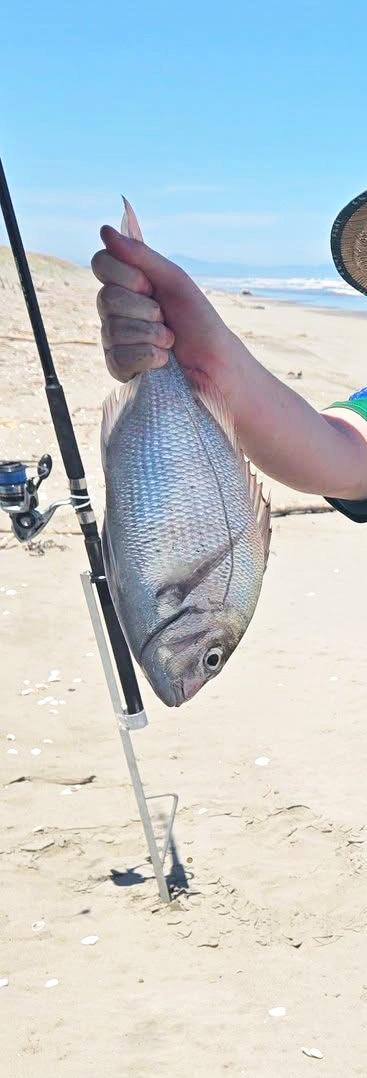
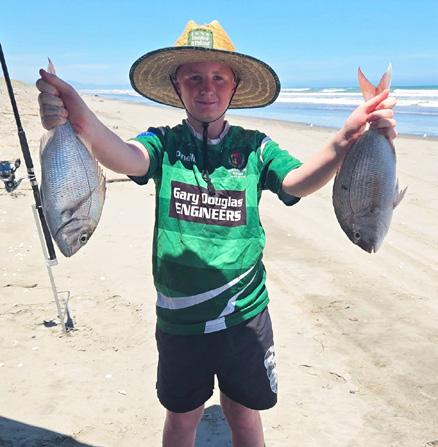
Catch of the day: Now happy at school, home and in the community, Marshall can focus on what he loves to do – like fishing.
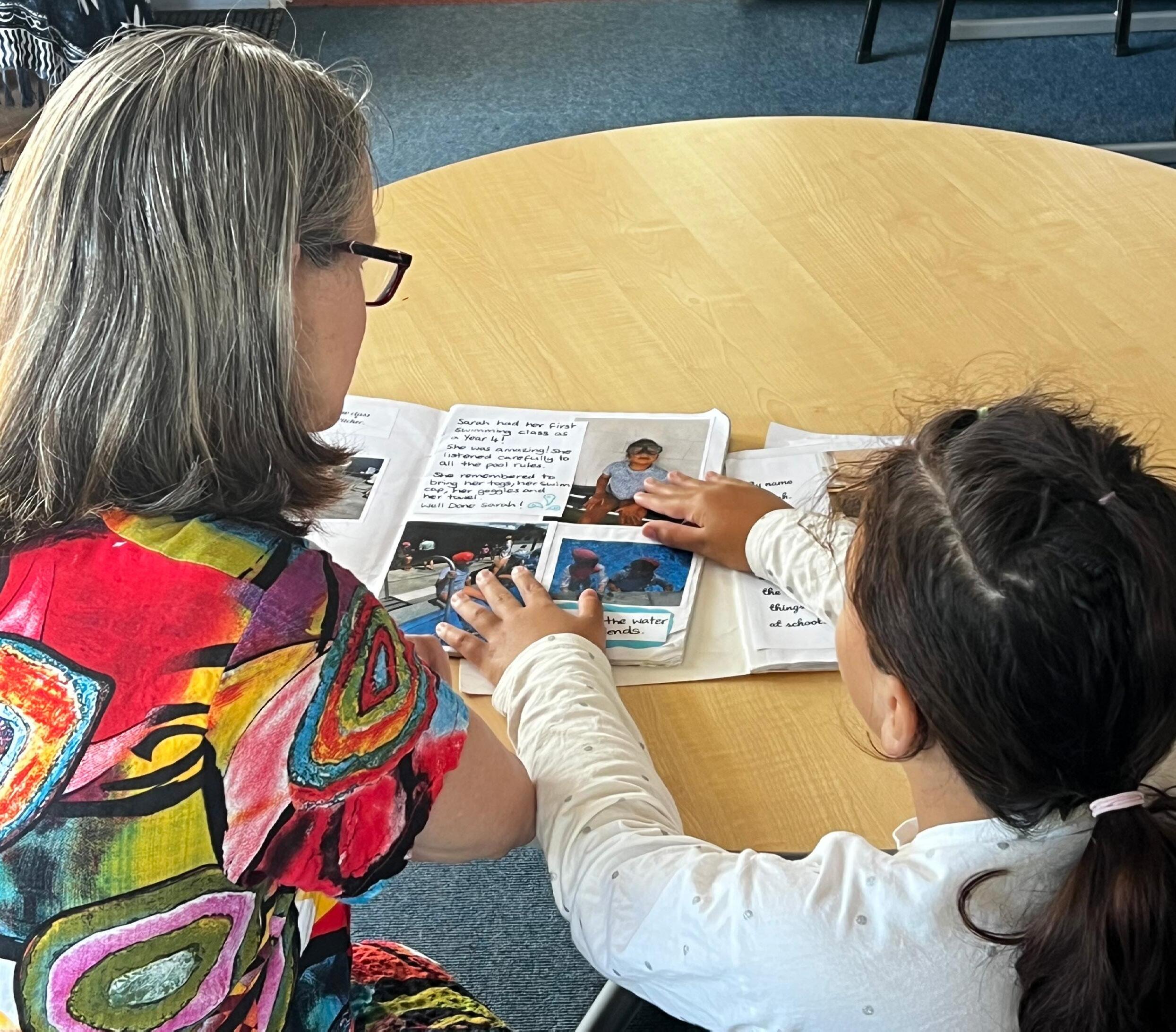
At Hillcrest Normal School, learning support coordinator Michelle Macintyre investigated how the learning of neurodivergent ākonga can be celebrated. The result is an inclusive, strengths-based assessment that recognises everyday moments.
Michelle Macintyre’s assessment, called Moments of Growth, is the result of her Postgraduate Diploma in Specialist Teaching for Complex Educational Needs. The tool shows the social, emotional and academic growth of the neurodivergent students she works with in her role as learning support coordinator (LSC) at her Hamilton school.
In her time as LSC, Michelle says she noticed some assessments did not show the complexity of a learner’s journey.
“I became increasingly aware that many of the most meaningful shifts, like self regulation, were happening in ways that were not captured in traditional data,” she says. “They were quite invisible.”
She wanted to create a way to capture learning that shows growth in confidence, connection, wellbeing and agency.
“I wanted to explore approaches that make neurodiverse strengths visible, and honour the learning that unfolds in everyday moments,” says Michelle.
Moments of Growth is a simple template in book format, where each entry is paired with a photo and a short reflection linked to the school’s values. The assessment directs focus to the strengths of each learner.
“Our school has been moving intentionally toward strengths based and relational practice, so this inquiry dovetailed naturally into the direction already established,” says Michelle. “It offered a way to make visible the learning we value most: creativity, connection, confidence, and the shifts that show a learner flourishing from within.”
The photo becomes a piece of transparent data, making learning visible.
“Learning is not always found in data but in the stories that connect us,” explains Michelle. “You might not see that the letter A is written by the student properly for a long time, but you can see growth in connections, which is also important.”
When Michelle worked with an ākonga to talk about her book, she says she turned each page with care, attention and a broad smile as she gazed at the photos of herself. One photo captured the tamaiti learning to cook with others, which she proudly explained to Michelle.
“I like my book, and I would prefer it more than telling,” says the ākonga. “The whole book is my favourite. I like to show it to my family.”
Moments of Growth also empowers the whānau to feel involved in their child’s school life, says the student's parent.
“It gave us a bridge between school and home. It helped her process what had happened and reflect on it. Through the pictures, she could tell her story, add her own details, and show whether she was proud or not.”
The parent explains that they saw a change in their child’s accountability for her actions and interactions.
“It wasn’t just about her learning – it changed her behaviour. She knew I was seeing what was happening at school,” they say.
“As a parent of a neurodiverse child, you often hear negatives. You never feel like school is a place where they’re thriving. This helped me see that she is learning, even if she can’t always articulate it. It’s reassuring to know school is not this negative place. It’s somewhere she can be happy.”
Michelle says it’s important to focus on the positives. “Instead of saying this student never sits on the mat, doesn’t do this or doesn’t do that, we reframe and focus on what the child is doing right and how we can build on that to empower them further in their learning,” she says. It’s encouraging for ākonga, and they want to rise to these new levels, she adds.
“In capturing these moments of growth, I realised that assessment, at its heart, is about connection, the quiet noticing that helps every learner’s spirit to find its rhythm and flow.”
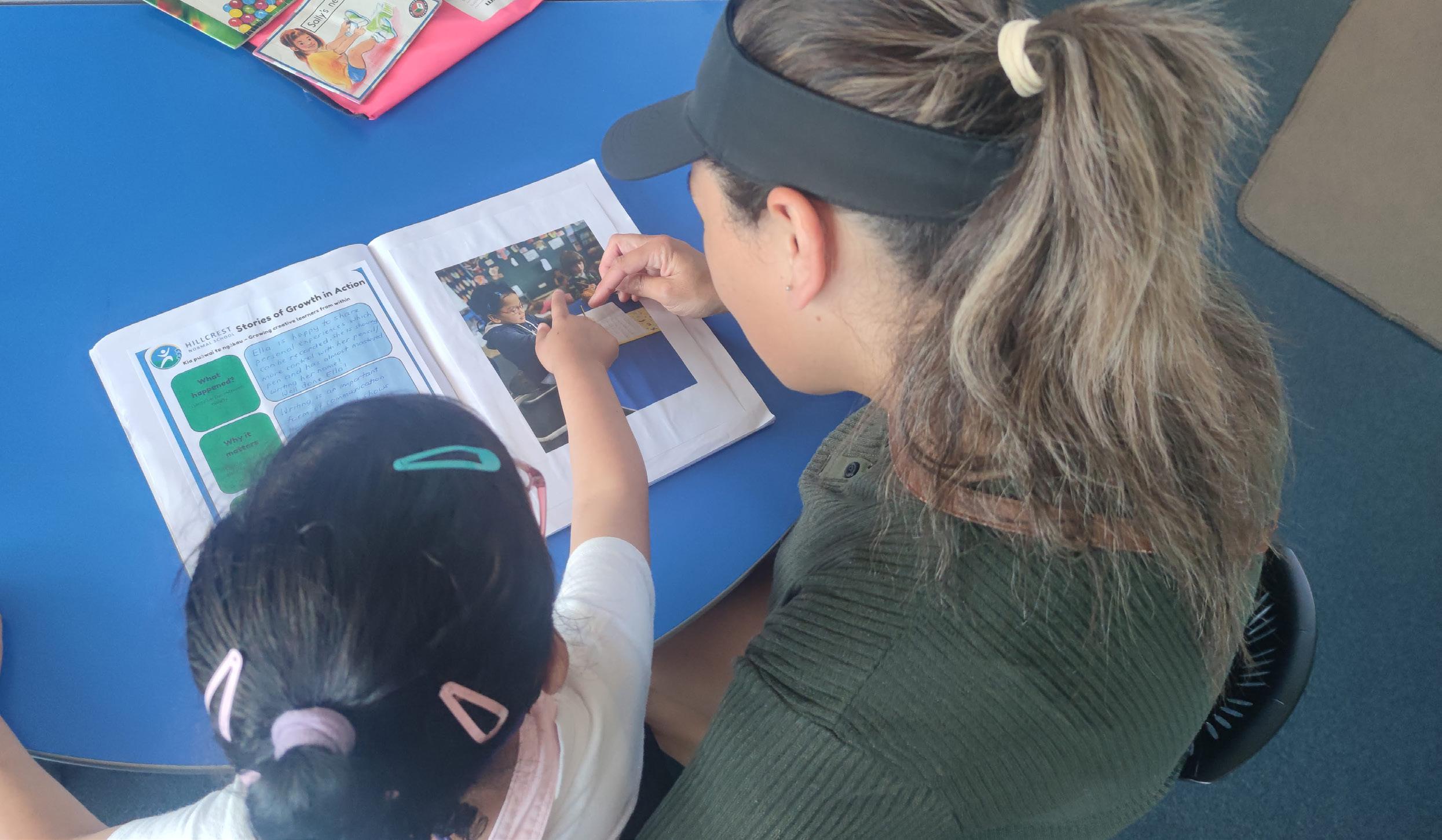
The book format is important as it gives the tamaiti agency.
“A book is easier,” explains the parent. “It lives on the bookshelf, and we snuggle up and look through it together. You can’t do that with a device. It’s hers, not something we need to log into or ask permission to use.”
Together, they recount the school day with the tamaiti leading the way, flicking through the book’s pages.
Michelle says the book sparks conversations in a way that digital devices don’t always do, especially with neurodivergent learners. For example, one father has been using the photos as a conversation starter.
“The book connects them with their peers, parents and teachers.”
Another Hillcrest teacher trialled Moments of Growth in class with a once a week entry.
“Seeing how much parents appreciate it makes it absolutely worth it,” they say. “Because we record what happened, why it matters, and next steps, parents can support those future goals. It’s a perfect way to highlight strengths and achievements.”
Michelle encourages other schools to consider how they can make learning visible for all neurodivergent learners, outside of traditional data methods.
“In capturing these moments of growth, I realised that assessment, at its heart, is about connection, the quiet noticing that helps every learner’s spirit to find its rhythm and flow.”
Fostering a sense of belonging for neurodivergent learners in school
Michelle and two of her colleagues at Massey University, Michelle Cowie and Megan Leitch Carroll, created a list of tips for kaimahi to stick in their planning diaries. The tips serve as a reminder of basic ways they can foster a sense of belonging in their schools.
1. See the whole child, not just the learner.
2. Create emotionally safe spaces.
3. Include, don’t just integrate.
4. Offer voice, choice and agency.
5. Use Universal Design to benefit all learners.
6. Deepen whānau relationships through respectful communication.
7. Infuse belonging into the everyday.
Michelle Macintyre says the resource was created for schools across Waikato, in response to a shared understanding that belonging is foundational to wellbeing and learning.
“Through our inquiry, we heard that ākonga thrive when they feel accepted, seen and valued for who they are.”
The resource is available on the Learning Support Network (login required).
Home – Learning Support Network
The New Zealand Education Excellence Awards | Ngā Tohu Kairangi Mātauranga o Aotearoa recognise outstanding performance by schools and kura. The Awards shine a light on the schools and kura making a meaningful difference for learners, their educators and communities.
If your school or kura is doing amazing things to:
• raise student achievement
• increase student engagement and attendance
• excel in quality teaching and instruction; or
• lead the way in school leadership nominate them now.
New Zealand Education Excellence Awards
Nominations open now until 10 April
LEARNING SUPPORT COORDINATORS
By 2028, all schools with students in Years 1 to 8 will have access to a learning support coordinator (LSC) to help make sure every child has the opportunity to succeed. Two schools in Tāmaki Makaurau Auckland explain how LSCs support confidence and success in teaching and learning.
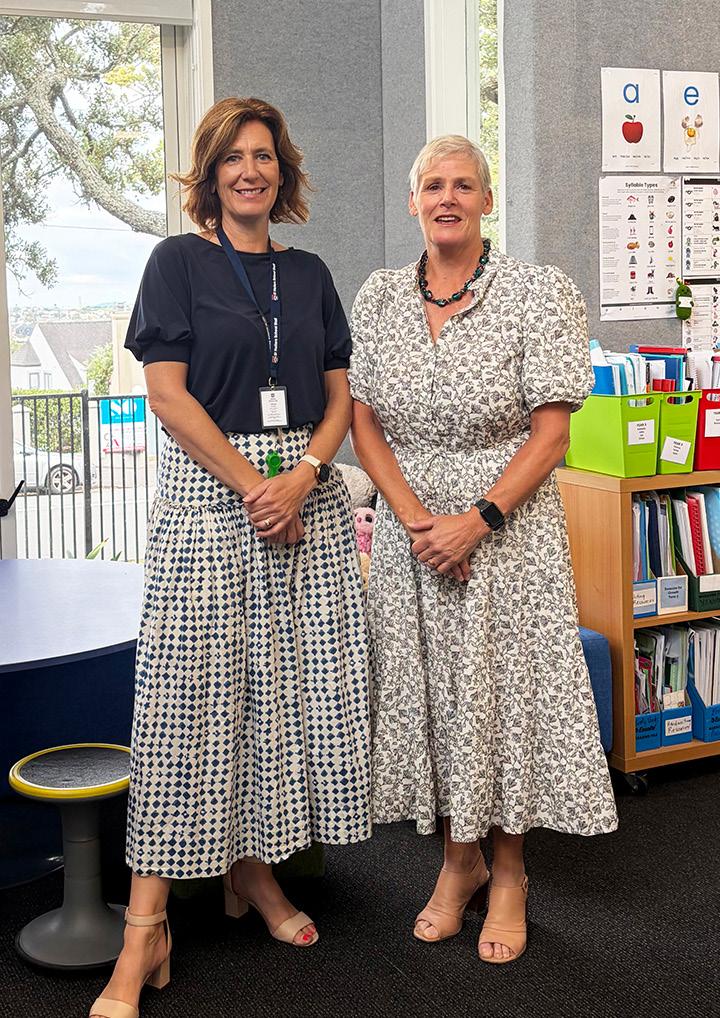
More than 100,000 ākonga in 474 schools across New Zealand will benefit from LSCs working in their schools by the end of this year. One of them is Deb Shirley who, after seven years’ working at Auckland’s Point England School as a new entrant teacher, began this year in a new role as a full time LSC.
Deputy principal and special education needs coordinator (SENCo) Toni Nua says the internal appointment made sense.
“She understands the school culture and already has these strong relationships with our kids and whānau. We’re really blessed to have a full time LSC.”
Moving from an individual classroom teacher role to a whole school view, Deb says she has spent the first weeks of term 1 helping teachers identify new students who may require additional support.
“In this early part of the term, I’ve been really focused on drilling down into where children’s achievement levels are at, figuring out any gaps in their knowledge and working out the best way we can accelerate their progress,” she says. “The teachers, support workers and I will then work together to make a plan to get our tamariki flying as quickly as we can.”
Across Auckland at St Heliers School, full time LSC Sharron Buer also began the year by making sure ākonga were well supported from the start. During their first teacher only day, Sharron and deputy principal Alex Wood focused on smooth transitions for students entering a new year level or starting school.
“We wanted to be on top of meeting our students’ needs as quickly as possible,” says Sharron. “And we wanted to set the teachers up for success, providing advice in areas they might need support managing children with or without learning diagnoses in the classroom.”
This meant teachers began term 1 already knowing their students well and feeling confident supporting them through the year.
A responsive rather than reactive approach
With a holistic view, Sharron connects students, their whānau, wider agencies and learning assistants. She documents the support and learning interventions each child receives, so information is retained over time.
Alex explains that as the LSC, Sharron has a lasting relationship with the family, even as the child moves through different teachers and year groups.
One example of a child’s success involved a student who began their school journey as a flight and safety risk but later developed into a confident learner moving on to high school.
If a parent raises concerns about their child who may not have an official diagnosis, Sharron can observe, report and screen to determine whether further investigation from a health professional may be needed.
“The teachers, support workers and I will work together to make a plan to get our tamariki flying as quickly as we can.”
“Sharron on board has just been revolutionary,” says Alex. “We’ve been able to designate time to put systems and processes in place that track and support the children throughout their journey with us.”
This means the school can target students earlier with interventions, taking a responsive rather than reactive approach.
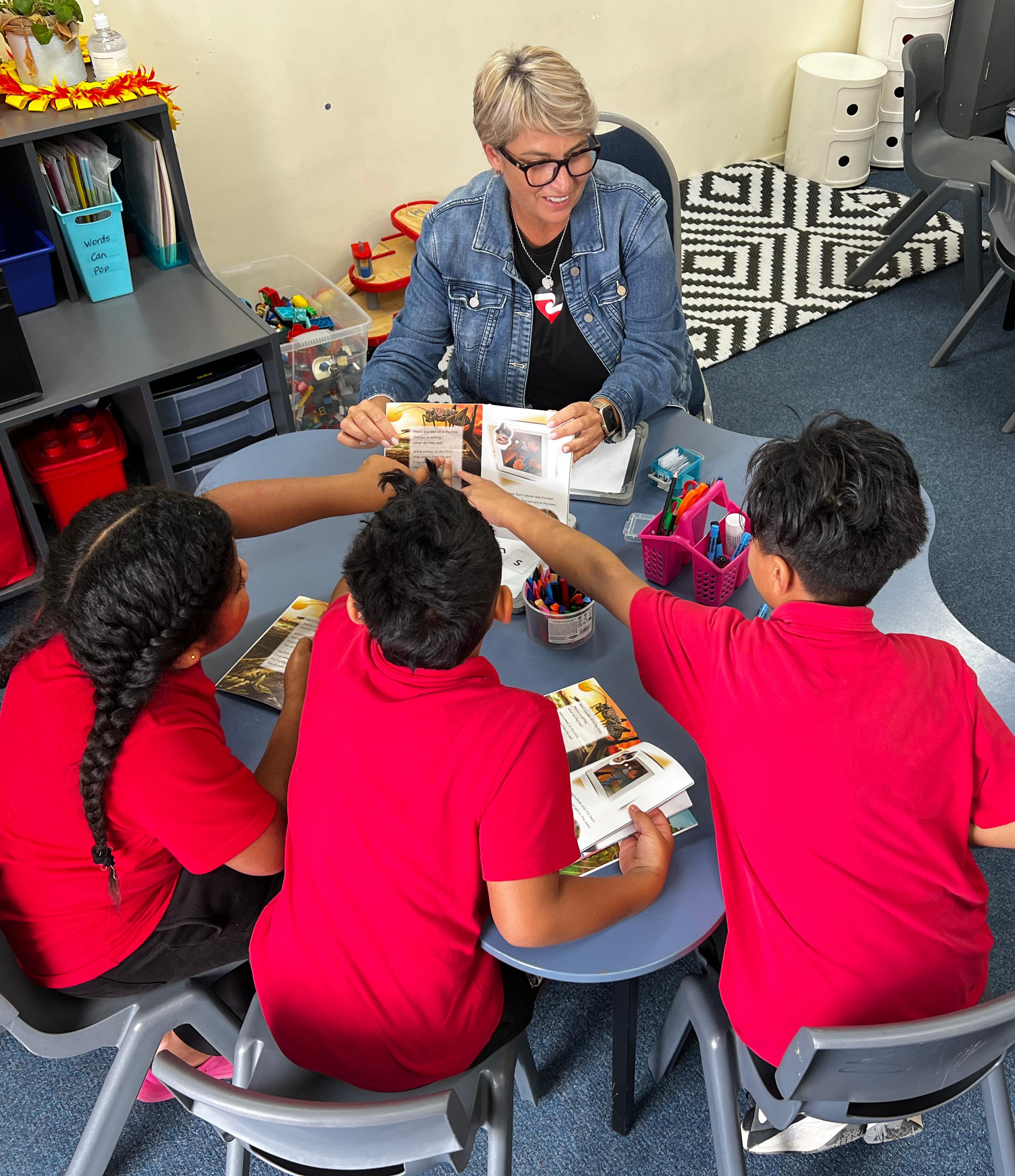
With this full time role, Deb can now go directly into classrooms and support children within their own learning environment.
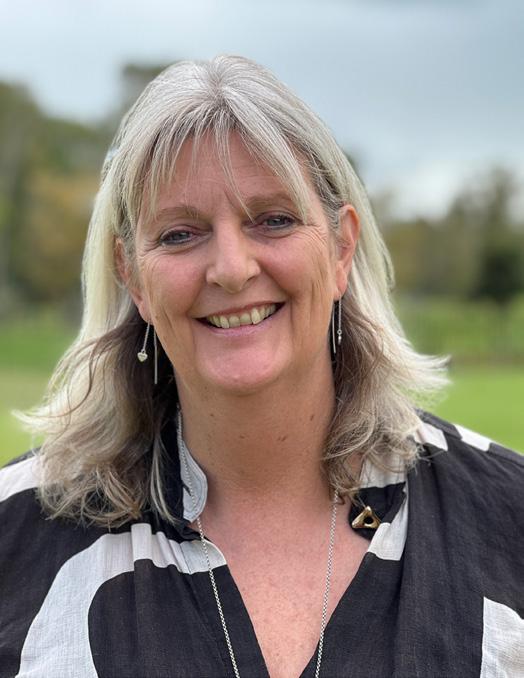
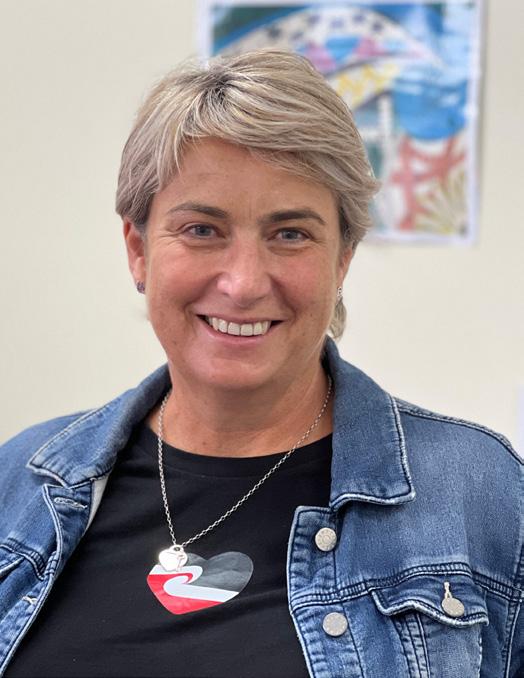
“We now have time to build relationships with the child and make sure they feel safe and like they still have a place in their classroom,” she says. “We want the teacher to feel supported, too. It’s powerful to be able to go in and support them in their own classroom space.”
At Point England School student needs are diverse, Toni explains, and the full time LSC role allows these needs to be met more effectively. Deb and Toni can also spend time with support workers, helping them grow in their roles to better support students.
“This LSC role is about taking the entire school community along on the journey with us,” says Deb. “It’s got the potential to make a big difference in supporting our kids with higher needs.”
“We’re actually setting our children up for success, and we’re really proud of that.”
A major focus for both Deb and Sharron this year is literacy support.
Toni says there is huge need for this, “as the range of abilities in classrooms is massive”.
“That gap often widens across the school, where we previously haven’t been able to meet all of the needs.”
Point England School follows the Better Start Literacy Approach, says Deb.
“What we have found is that sometimes kids need a little more time to build that foundation, and that’s where I come in. We focus on tier two learners, the new entrant students who begin to fall behind learning expectations in the first 10 weeks.”
Once identified, these students receive additional learning time in small groups so they can practise skills and build automaticity while still feeling included in class.
Deb works to identify these ākonga early so they do not fall further behind.
Toni adds: “In terms of the LSC role, we want to grow teachers’ structured literacy competency right across the school and target more children."
The duo also want to create opportunities for whānau to become more involved in their children’s learning. “It takes a lot more than one teacher – it’s a whole community approach.”
St Heliers also has an established learning intervention programme for its tier two students following the Learning MATTERS iDeaL approach.
“Those students needing targeted support work in small groups at our learning hub with the learning assistants,” explains Sharron. “What’s been great is we've been able to further upskill our learning assistants to work with our tier two children and give them a double dose of support."
Both LSCs are working to make sure ākonga with gaps in their literacy are supported from the start of the school year.
Alex says the role has made year to year transitions much more seamless.
“We’re on the front foot rather than being reactive. We’re actually setting our children up for success, and we’re really proud of that.”
The Ministry of Education has a new three course induction programme for schools with an in school LSC starting this year. Anyone with an Education Sector Login (ESL) can access the new induction course including all in school LSCs, cluster based LSCs, and SENCos.
The induction includes essential knowledge and skills needed to perform successfully in their role, for consistent practice across the motu.
Professional learning and development will be available for all LSCs later in 2026.
The Ministry of Education website has more information about the induction programme.
Learning support coordinators in schools – Ministry of Education
"This
year we've been able to further upskill our learning assistants to work with our tier two children and give them a double dose of support."
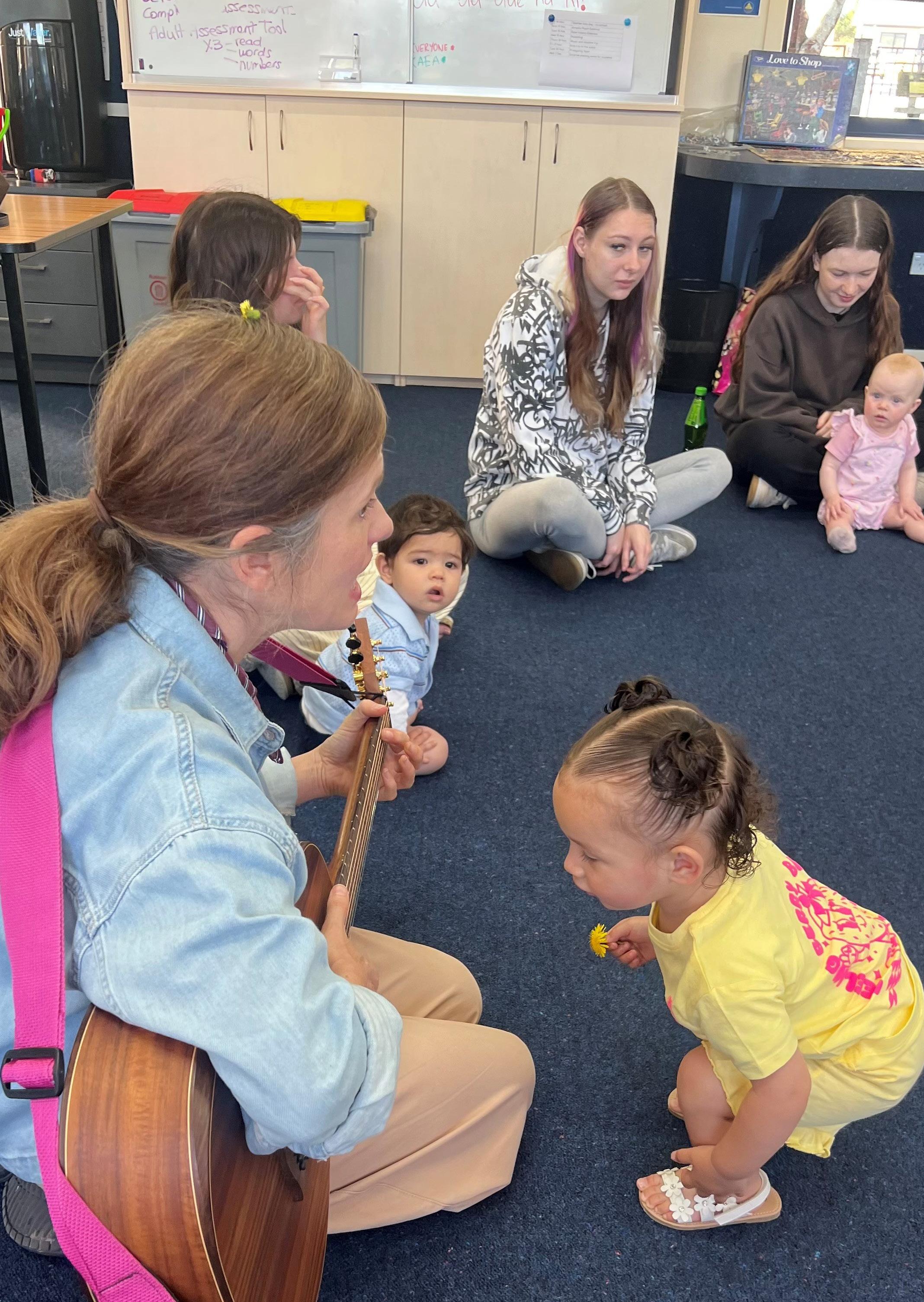
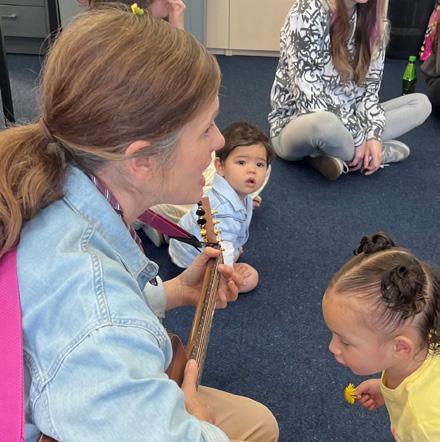
In Wairarapa, a pilot programme in music therapy has shown measurable benefits for both teen parents and their tamariki. Trialled at Masterton’s Puawānanga teen parent unit in term 4 last year, the programme set out to see if starting a school day with big smiles, world music, waiata and dancing could improve learning for parents and their babies.
For the programme’s creator, Pip Algie, it was all about helping young parents to find a little joy amid the headwinds of parenthood, and to learn strategies around positive parenting through musical play.
Music therapy is a clinical practice that uses music to support a person’s physical, emotional, cognitive and social wellbeing; as a music therapist, Pip works with a wide range of ages and abilities.
“It’s a real tangible job and with my current caseload, no two days are the same,” she says.
Instruments for interaction and connection
More recently, Pip has been keen to explore how a music therapy service could be beneficial for teen parents with their pēpi.
She carefully considered what her goals were and decided they had to be centred around growing connections and developing confidence in play skills through musical play.
To explore the idea further, Pip secured funding for a pilot from Music Therapy New Zealand, which supports therapists and advances music therapy as a profession.
She then approached Masterton’s Puawānanga, which sits alongside Mākoura College, and after a little research, the unit’s manager, Prue Harawira Smith, quickly came on board.
“We could see the possibilities, we were just curious to see how it would go, how the mums would interact with the children and how the children would enjoy it.”
Prue says Pip was an immediate hit with the young children, although some of the teenagers took time to adjust.
“Some of the mums found it challenging to let themselves be vulnerable enough to be silly and make the noises and get stuck in, but also through that, you’re just hoping they develop skills to connect with their kids in a positive way and also to manage them in a shared space.”
If their tamariki got frustrated, some parents thought that “everyone’s judging them but as you get older, you realise that everyone’s in the same boat”, says Prue.
Sessions were deliberately kept short at no longer than 45 minutes, with 30 minutes of actual musical play.
The emphasis was on creating a fun and relaxed space where young parents could develop play skills and learn new activities and games to support parenting and bonding.
Activities were easily replicated at home, like the 'parachutes game’ which can be played with a simple bed sheet.
As the pilot got established, Pip watched ākonga grow in confidence. They would take the lead with waiata, initiate play and respond to their babies in a more authentic and natural way, "rather than, 'I have to do this'."
One activity summed things up for Pip. Tamaiti sat on their parents’ laps watching the other children in a music and movement task. Pip then encouraged the parents “to turn the babies around and do it face to face so they could see the joy on their children’s faces”.
“I think the sessions and interactions felt really relaxed at the end, joyful and relational,” says Pip.
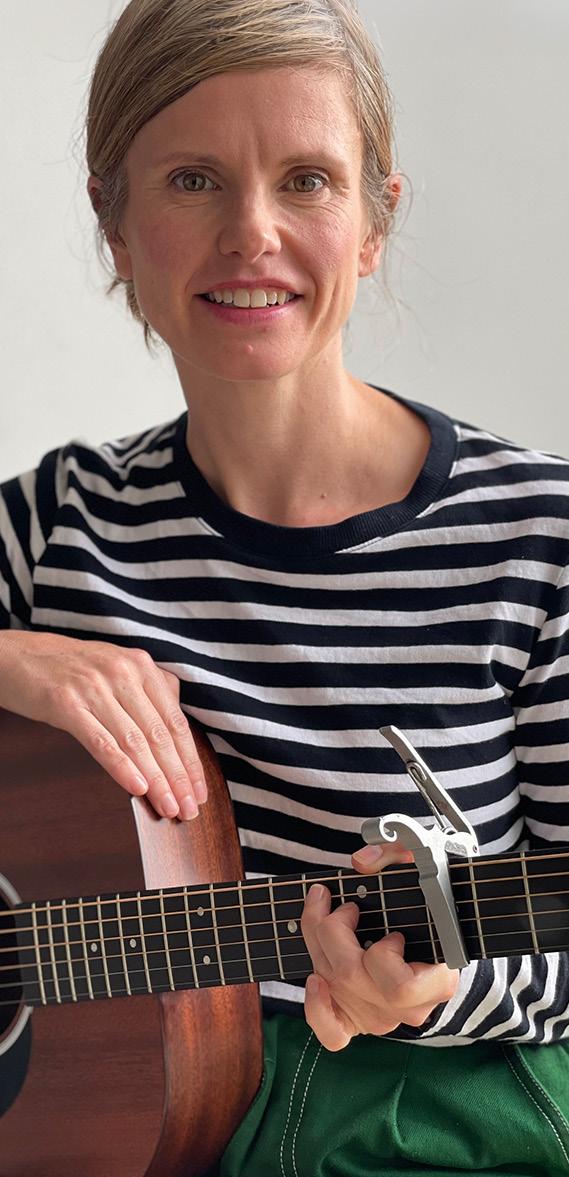
Pip Algie says music therapy supports wellbeing of both teen parents and tamariki, which underpins their learning.
“The sessions and interactions felt really relaxed at the end, joyful and relational.”
In music therapy, as in education, playing around with instruments, turn taking games, waiata and dance moves have a secondary purpose.
The emphasis on relationships and responsiveness was closely connected to key competencies about managing self, participating and contributing, says Pip.
“Everyone’s input was valued; this pilot project supported hauora and wellbeing, which underpins learning across the whole curriculum. And it’s a positive start to the day as well.”
Being the focus of so much creative attention had a notable effect on the young tamariki in the pilot, who were more settled and relaxed at childcare after one of Pip’s sessions.
Anonymised feedback from ākonga themselves has also been positive.
“I like the music. I wasn’t feeling much this morning ’cause I was in a rush but it made me feel happy my baby was loving it,’’ said one young parent.
Others expressed a sense of belonging in their feedback: “I like seeing all the kids happy. I feel peaceful,” or “I feel happy and part of a family.”
Pip says she works to make sure she meets everyone where they’re at, and one student’s comment meant a lot. “I feel very included by you, even if my baby is shy,” the student said.
Teachers at the unit also said the sessions gave them time they did not usually have to observe the students with their babies, and to formulate strategies to support them.
“I love seeing the students interact positively with their babies. I hope it teaches them how to have fun with their kids,” said one teacher.
The future for music therapy at Puawānanga is unclear and reliant on funding. But with 100 therapists and 25 teen parent units around the country, Pip sees real potential for the programme to be implemented elsewhere.
She is now busy writing a template of her pilot programme, with her strategies and resources, so other therapists can pick it up.
Prue also hopes the pilot will find some traction.
“It would be amazing if everyone had a chance to have a music therapist. I think that would be so fantastic.”
Written by Catherine Harris
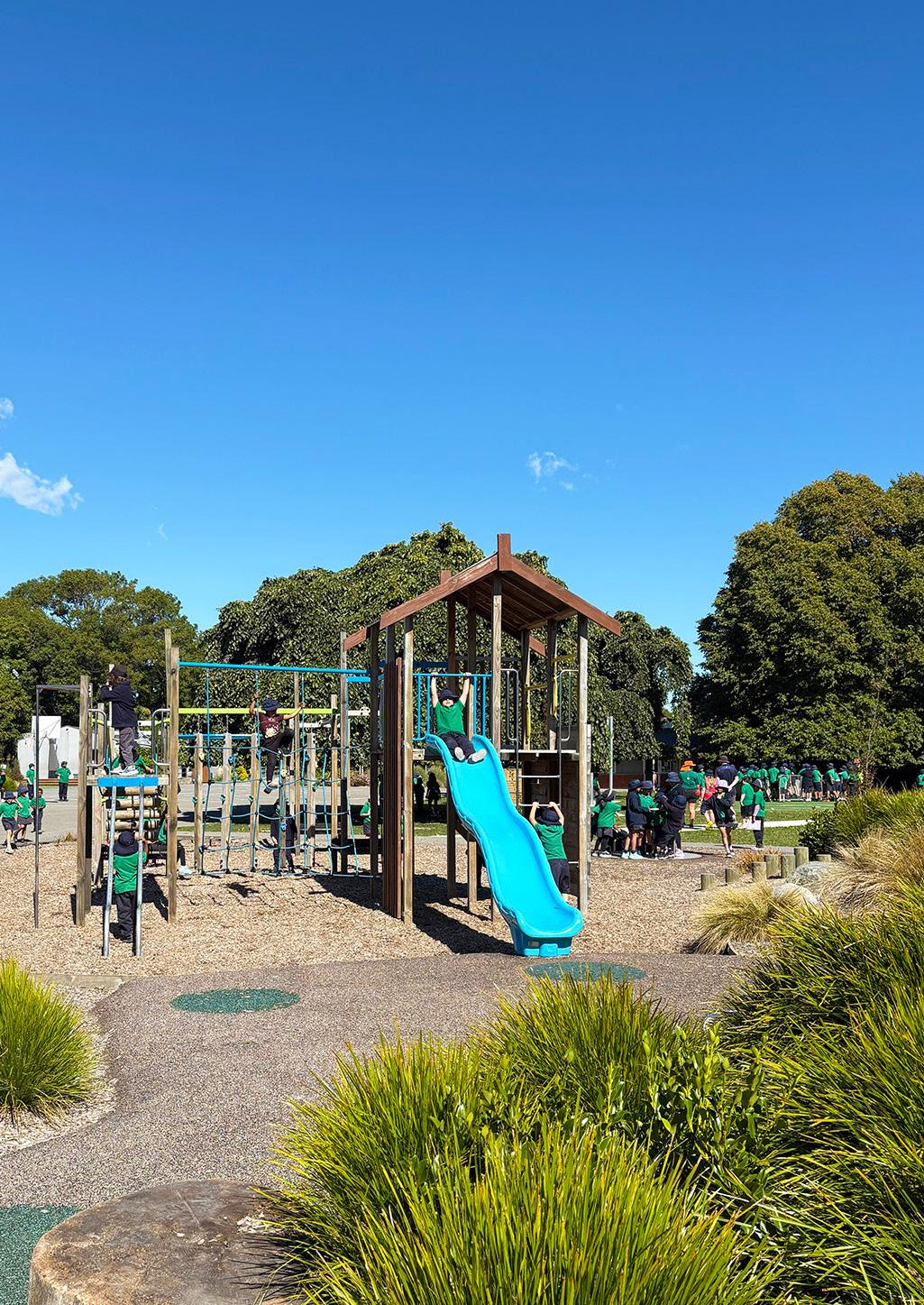
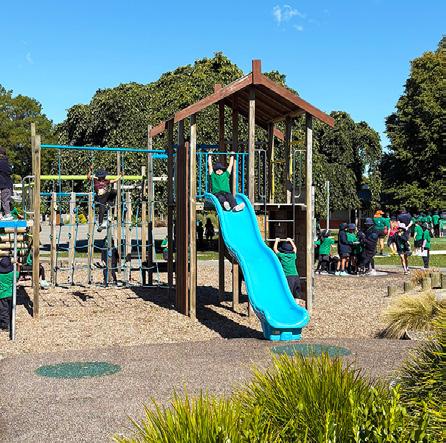
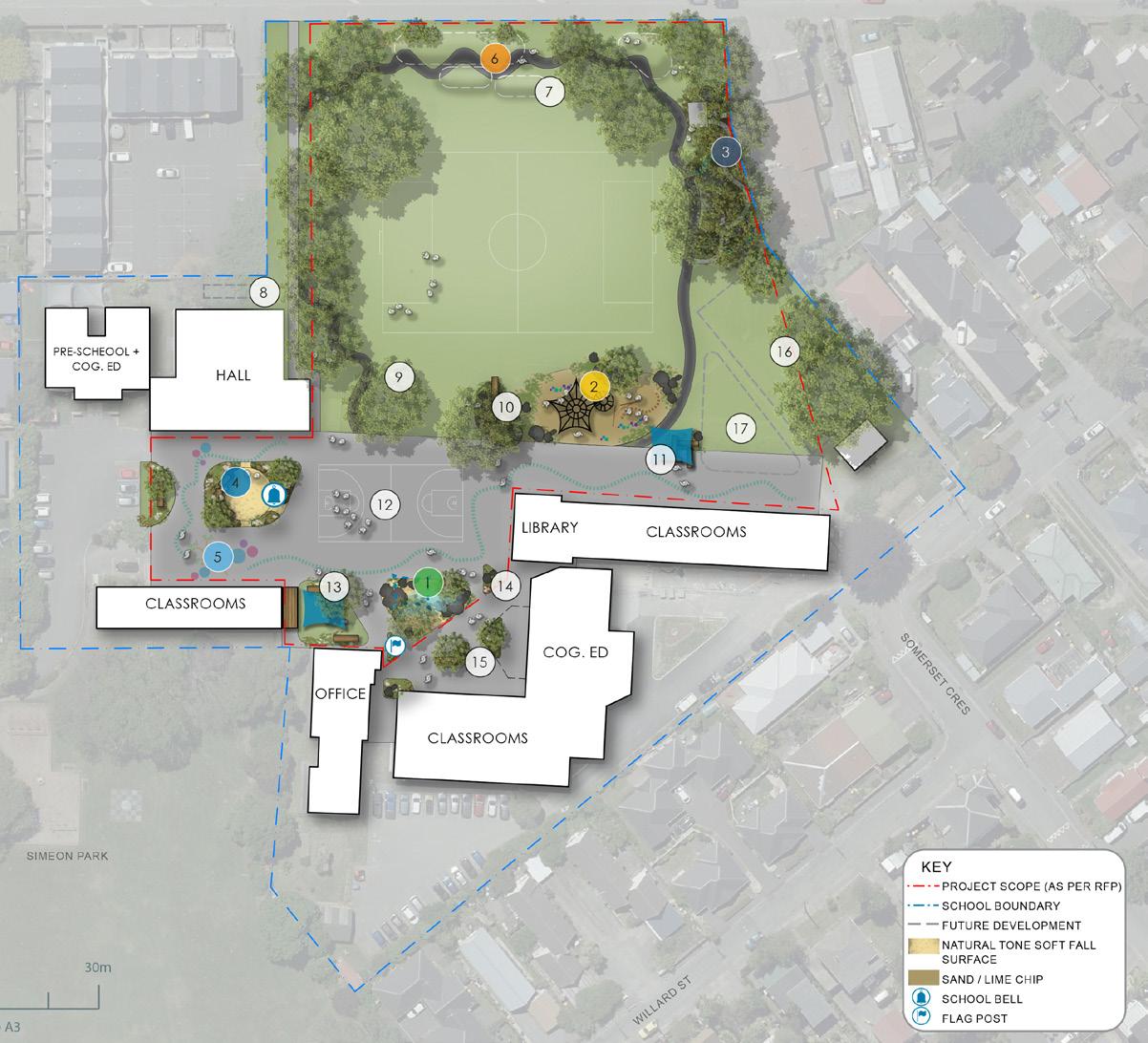
At Addington Te Kura Taumatua in Ōtautahi Christchurch, the inclusive playground has become a vital part of daily life. A primary school with a unit for ākonga with diagnosed motor disorders, the main playspace was intentionally designed to support inclusive and collaborative play for children of all abilities.
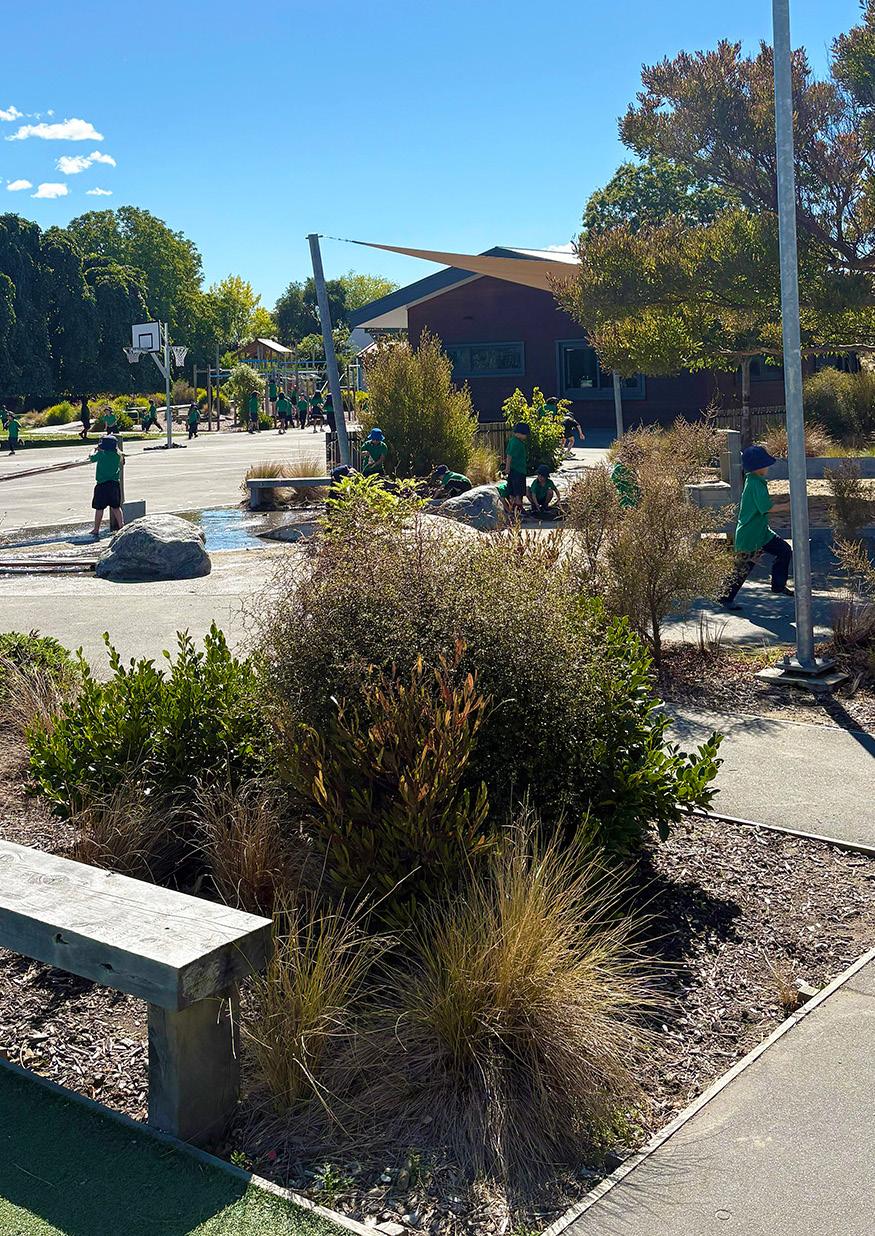
On most days at Addington Te Kura Taumatua the playground hums from morning bell to pick up. Children loop the cycle track, drift toward the sand and water play, cluster on the turf to kick a ball or shoot hoops or slip away to a quiet corner beneath native grasses.
For staff, that everyday busyness is the point. This is a play environment that doesn’t set aside difference but invites everyone in – especially the learners in Harakeke, Addington’s classroom for children with significant motor needs.
Why rebuild, and why it mattered
“Our previous play space had simply aged out,” explains principal Donna Bilas. “As the school rebuilt learning spaces to be more accessible and inclusive, it became clear the outdoor environment lagged behind.”
More importantly, it no longer represented the children or the rapidly changing community around them. A community minded board and some carefully held financial reserves made it possible to align the playground with the school’s values and be more inclusive of learners’ needs.
A competition to design and build the new playspace was won by Boffa Miskell landscape architects and Gill Landscapes. Their initial design concept was driven by the school’s cultural narrative of “The Tree for the Nesting Birds: Our kura and community is like a ngāhere where our children are sheltered and find the resources they need to grow”.
Entry to Harakeke is for students with Ongoing Resource Funding (ORS) and with a diagnosed motor disorder who require high levels of support. Many use wheelchairs, walkers, hoists or adapted bikes, and some can walk with assistance. The team’s approach follows conductive education principles: the belief that bodies can learn new patterns through purposeful movement. The playspace design brief was shaped by the philosophy that movement and momentum aren’t extras, they’re core to participation and learning.
“So, bike riding is a big part – that vestibular, keeping the body upright movement and momentum is a big part of the day – and being able to move opens up the world for those students,” explains Donna.
The cycle track became the key element. It’s deliberately wide enough for two wheelchairs side by side – or an adult alongside a child – with room for another rider to pass in the opposite direction on a bike, scooter or skateboard. That geometry drove surface choices (low upkeep concrete) and stitched together adjacent areas into a navigable loop.
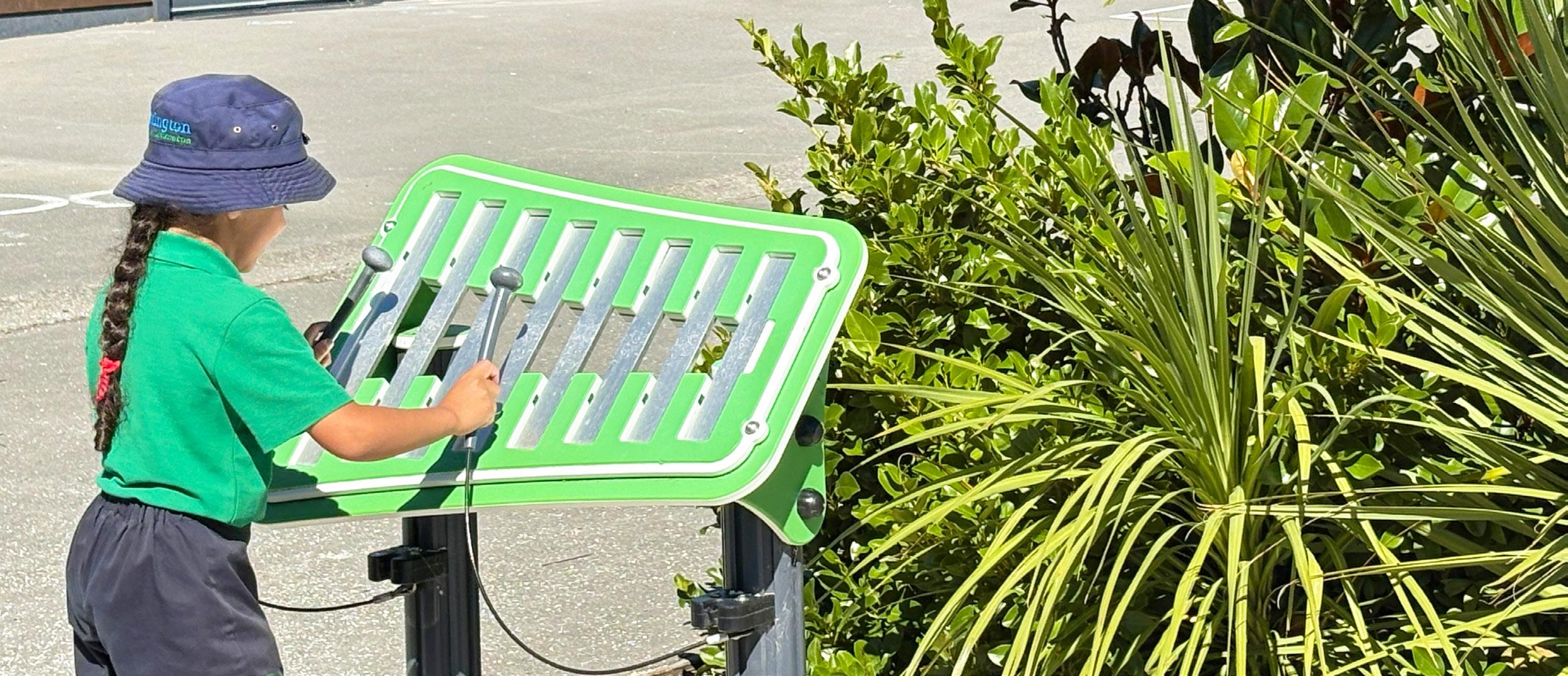
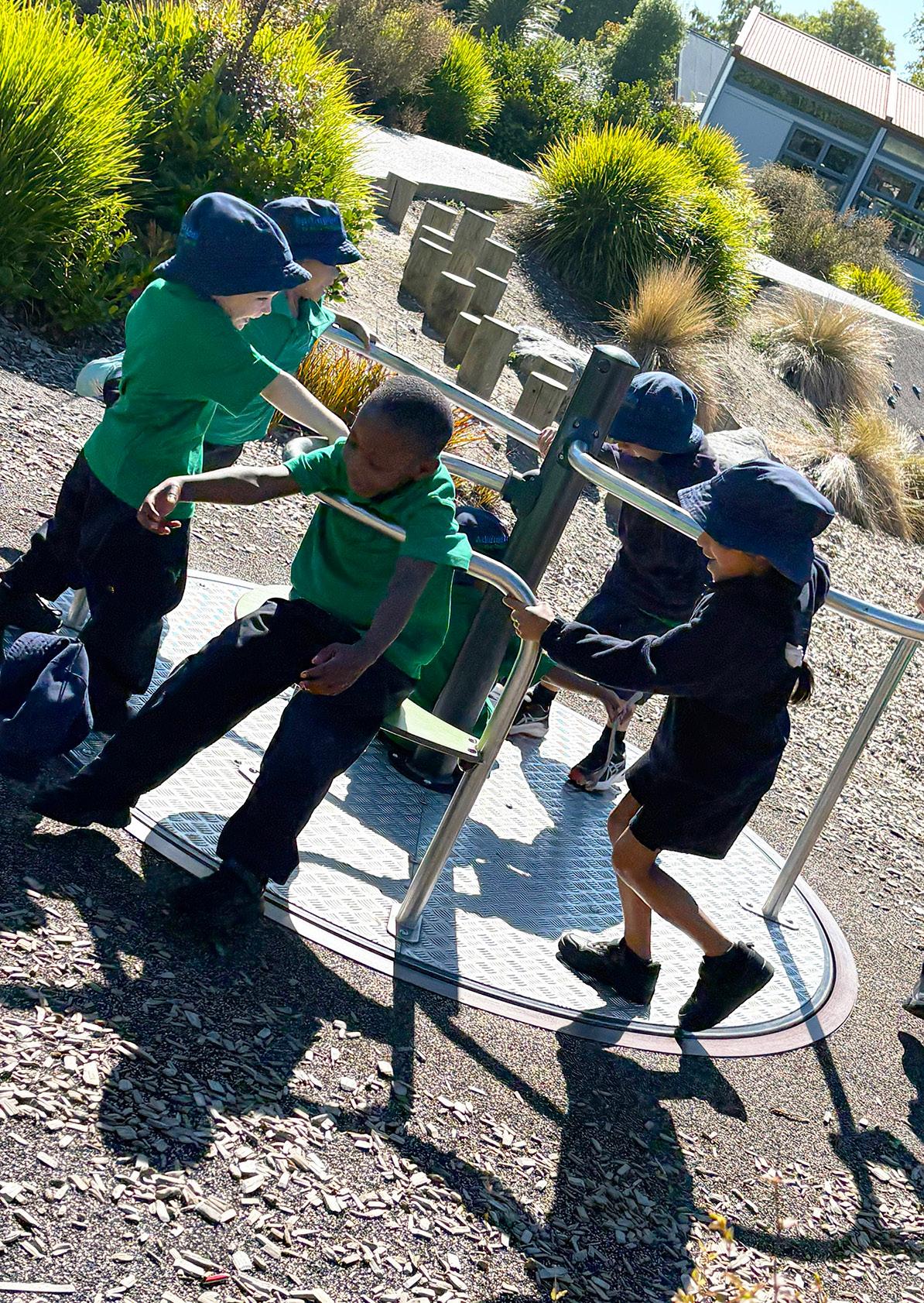
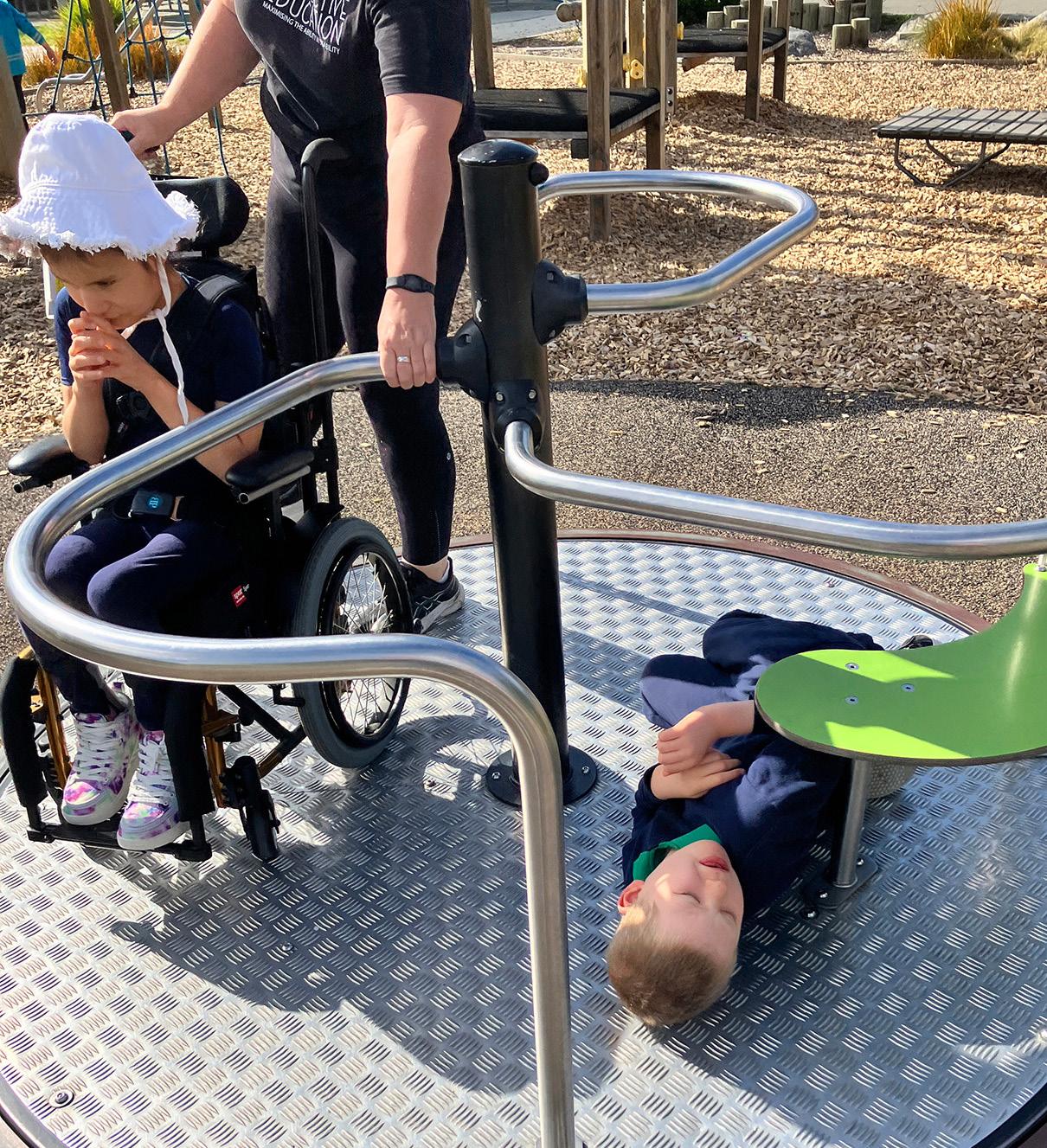
Every piece of equipment asks the same question: “Can we do this together?” A wheelchair accessible carousel lets children roll on and spin with peers. A broad, gentle slide is safe for an adult and child to ride together. The sandpit and water race are edged and raised so a child can stand, transfer, or wheel right up to the action. Outdoor instruments add sensory
voice was threaded through the entire design process with
cause and effect: making sound that rewards exploration and agency. The result is a space where access quietly becomes participation.
“The opportunities for our kids to experience fun and play with their peers is true inclusivity in action,” says Bridget Manson, Harakeke conductive education manager.
The design also made room for stillness. A remembrance garden with step free entry and a newly accessible memorial bell gives the community a dignified place to gather memories of students who have died. Previously, memorials were scattered across the site; now remembrance sits within the rhythm of daily life. School staff say the space has become “hugely significant,” a place to sit, talk, or simply be.
Student voice was threaded through the entire design process. Early classroom activities invited children to sketch and collage their dream playgrounds, which Boffa Miskell designers and staff then grouped into themes: water and sand, things to climb and swing, and places to sit and talk.
Responding to parent feedback around cultural references, there’s a little whare students can sit in.
Focus groups tested options for the adventure zone, and when the time came to vote on carousels, students overwhelmingly chose the image that showed a child in a wheelchair; an affirmation that “this is for everyone”. The design language is intentionally natural rather than fluorescent, with timber and native grasses softening the site.
Spaces for basketball and football were important, too.
“We had a wonderful family connected to the school that donated fully for the all purpose soccer field, which was amazing and we use it for so many events,” says Donna.
While staff describe the daily camaraderie as “true inclusivity in action”, walk through the school and you’ll hear it in children’s words.
“We love going round and round – it’s so fast!” say junior ākonga of the carousel and the looping track.
Older ākonga Elliot says: “In the nature areas we can look at the trees and climb them. We can dig for gold, too.”
Others in Year 3 mention “places to sit and talk… in the quiet.”
One child beams: “I’m learning lots of tricks on the monkey bars – like skipping bars!”
“We can practise our shooting on the basketball court!” says Ikan.
These are small statements, but together they measure what matters: confidence, choice, and belonging.
The playground use isn’t tied to the school timetable. Families use it after hours and on weekends, drawn by the enclosed layout and gates that help caregivers keep children safely inside the grounds. A verandah style stage is quickly claimed for dance and performance, while the multi use artificial turf (no mud the next day) turns everything from casual picnics to whānau gatherings into simple logistics.
The basketball half court and an all weather football area broaden the appeal so that at any time you might find structured sport, imaginative play, and quiet conversation happening within a few metres of each other.
Since opening, teachers have seen how the environment supports learning rhythms. Not every child can sit for long blocks of reading, writing and maths. Movement breaks, especially on the cycle track, help students regulate and return ready to focus. Use and play strategies shift as cohorts rotate: when seniors are in the sandpit, they tend toward role play and collaborative construction; the younger students dig, pour and test gravity. Water play rises and falls with the weather and the day’s appetite for splashing. In short, the playground flexes as students do.
Perhaps the clearest sign of success is how ordinary the extraordinary now looks. It’s commonplace to see wheelchairs beside scooters, an adult riding the slide with a child, or a small group talking quietly in the remembrance garden. The miracle is not the novelty; it’s the routine.
By designing for the students with the most complex needs, Addington created a place that works better for everyone. And that, as any child circling the track can tell you, is what inclusion feels like: movement, friendship and a path made wide enough to walk together.
To keep school life calm during the build, teachers and school leaders split play breaks, updated emergency procedures, and leaned on the park next door. A
The project totalled around $500,000. The school committed $300,000 from reserves and the asphalt component was funded as part of the Ministry of Education’s broader rebuild work. Smaller additional grants helped buy seating and selected sports equipment.
Community generosity filled important gaps. Shaded seating arrived by donation, and the community constructed the rose garden, the vegetable garden and non major planting. The all weather soccer field was funded entirely by a family connected to the school. Together, those pieces made the ambition feasible.
The timeline was tight but deliberate: planning and design from November 2020 to April 2021, then construction from April to December 2021. A rigorous tender and strong project management helped navigate pandemic era disruptions; only one item had to come from overseas.
Looking back, principal Donna Bilas credits a few essentials:
» Clarity of purpose – the “why” stayed visible, from conductive education principles to student voice.
» Co design – involving children early and often surfaced the features that would actually be used.
» Project discipline – an experienced design team and project manager proved invaluable when Covid era variables stacked up.
» Community – when families and local donors saw the impact, they came forward, sometimes with financial donations, or contributions of time and materials, and even with an entire football field.
“You forget, when you live in it every day, what it took to create – until someone asks how you did it and why,” says Donna.
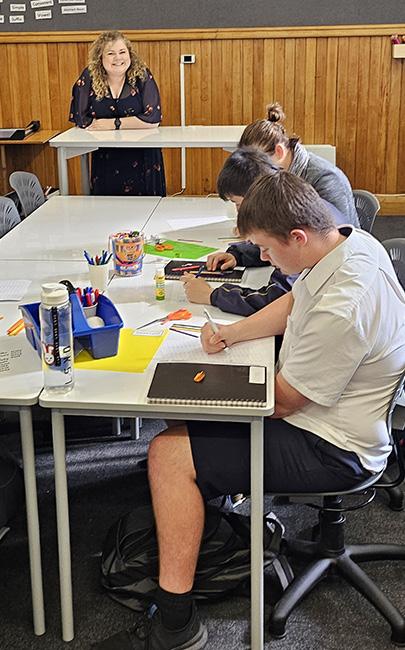
A Wairarapa College literacy programme has become a model for secondary schools nationwide. Rachel Harvey, teacher and learning support coordinator (LSC), leads the initiative alongside the school’s English department.
Literacy is the key area to succeed in life from education,” says Rachel Harvey, whose literacy programme has gained the attention of schools around New Zealand. The programme acknowledges trauma and neurodivergent learning needs, effectively identifies struggling ākonga, and guides students to functional literacy through a carefully structured curriculum.
Through her mahi, Rachel hopes to make a real difference for school leavers.
Neurodivergent ākonga are especially vulnerable, says Rachel, particularly after primary school. Lower literacy skills can cause feelings of trauma in ākonga, she adds.
“Some ākonga are arriving at high school at 14 with a reading age of six or seven. That alone is trauma. They’ve spent years in school where everything is reading and writing and they can’t do it. They learn to avoid work – anything to avoid the feeling of not being able to do something.
“Then there’s trauma from family situations: poverty, abuse, neglect, no food. They come to school and learning is their last priority.”
Relationships, predictability and routine, intellectual respect and trust ground Rachel’s practice. She says these attributes help ākonga unlearn behaviours and mindsets that impacted on their ability to read and write.
Identifying students for intervention is Rachel’s first step. For this, she uses hard data from standard Schonell spelling tests and Burt reading tests. Test delivery is important, she explains.
“We don’t want to bring all the Year 8 students into the hall to do all this testing for a day because that is the opposite of trauma informed.”
Rachel sends tests to Wairarapa College’s 22 feeder schools in term 3, asking teachers to make the assessments part of their class programme.
“We make it low stakes and the kids give it their best shot,” says Rachel. “We also ask them to do a reading fluency test,
and we use Dynamic Indicators of Basic Early Literacy Skills (DIBELS) for that.”
With reading age, spelling age and fluency assessment data, Rachel identifies students in need of a structured literacy intervention, then takes them to the next stage.
Structured literacy is a step by step approach to teaching language. Informed by neuroscience, it focuses on core concepts like phonics, spelling rules, grammar and meaning. Rachel’s gradual approach means ākonga feel confident when challenged. She works alongside students, slowly removing support when it’s clear they can work alone.
Her scope and sequence includes five stages that take roughly two years to complete at four lessons per week.
The five stages are broken into two sections: English code, covering spelling rules, syllables and word structure; and writing, covering punctuation alongside sentence and paragraph structure.
Rachel carefully tailors her content so that students feel confident and understand that struggling with literacy is not a reflection of their intellectual ability.
“We explain that many students in intervention are some of the brightest in school,” says Rachel. “It’s not about IQ, it’s about how their brains learn.”
Wairarapa College was completely onboard when Rachel started her initiative, and she says her approach led to remarkable progress among ākonga last year. School data shows almost all students increased in reading age after one year in her literacy programme, and some ākonga by as many as four years.
Student feedback has also been positive, she adds.
“This course was really helpful, because whenever I needed help I would get it in a way that I would understand,” says one student.
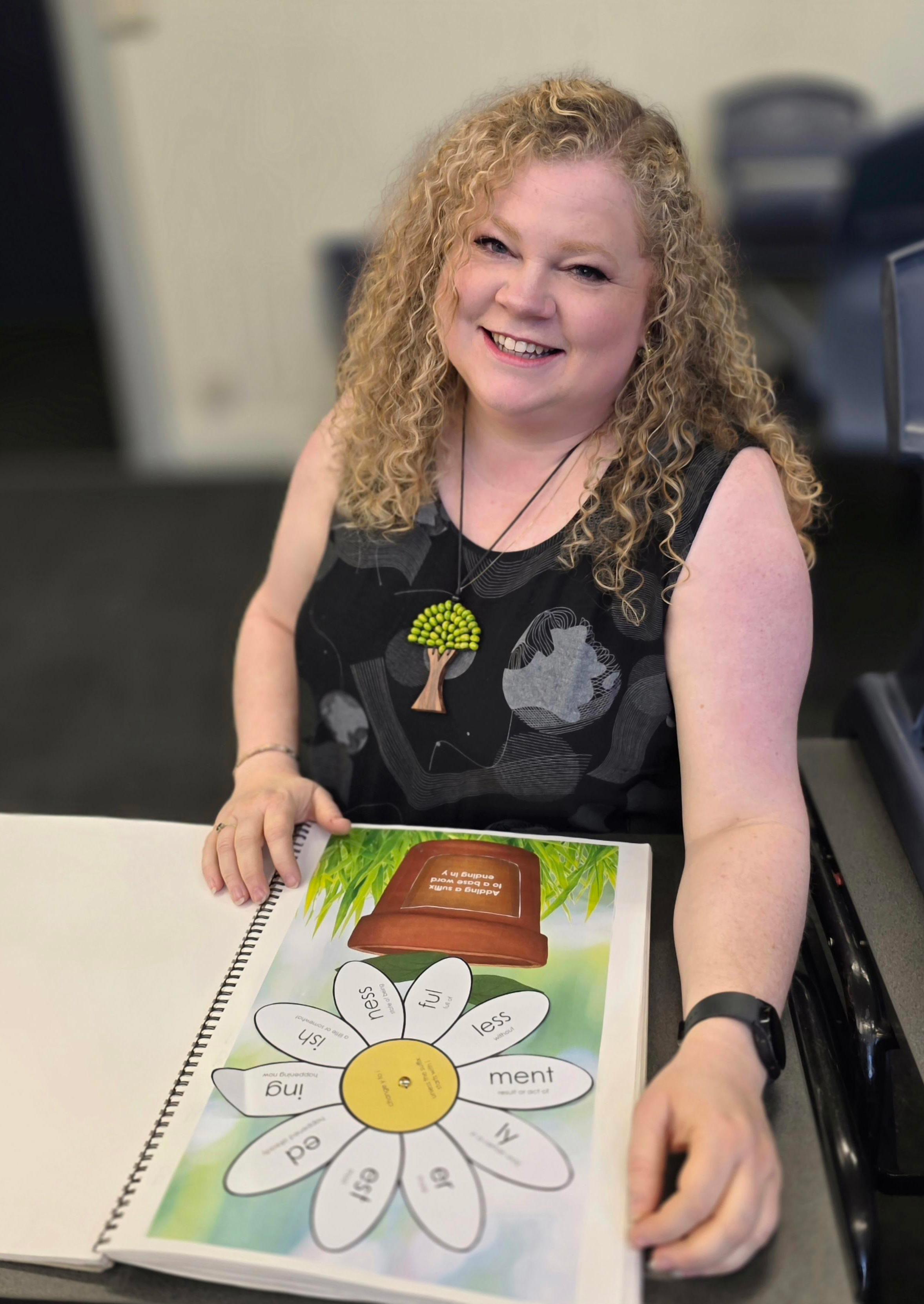
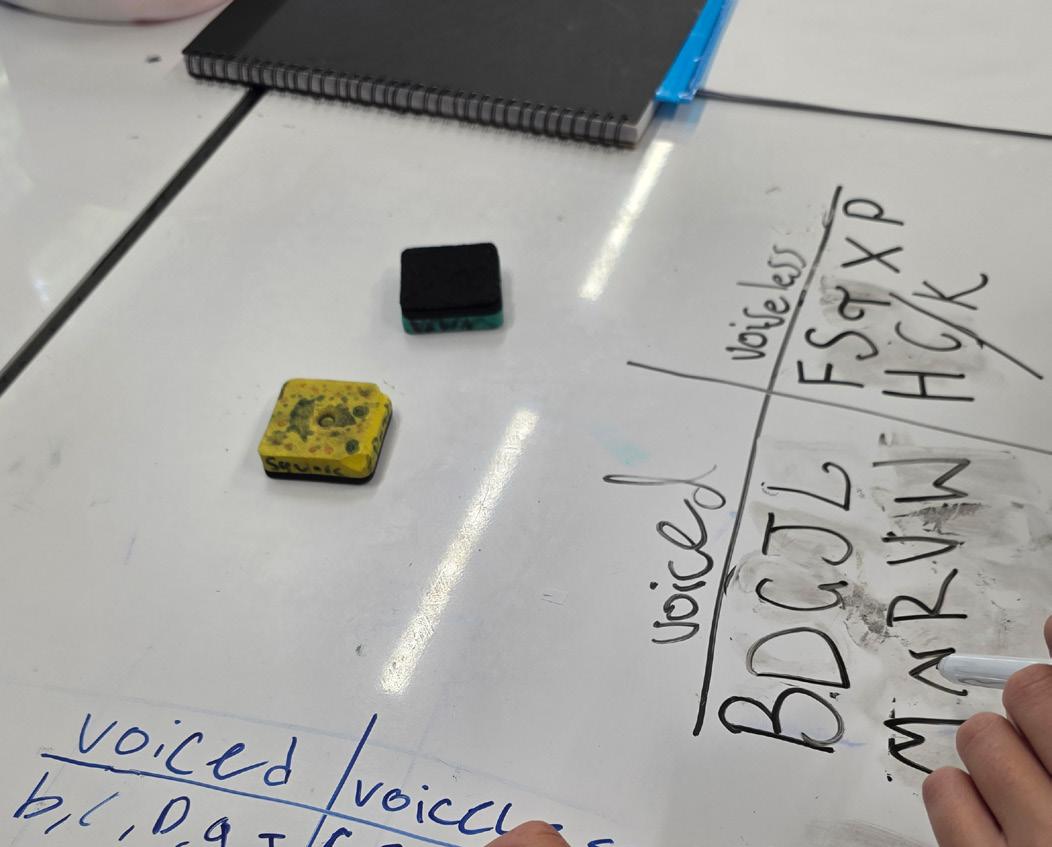
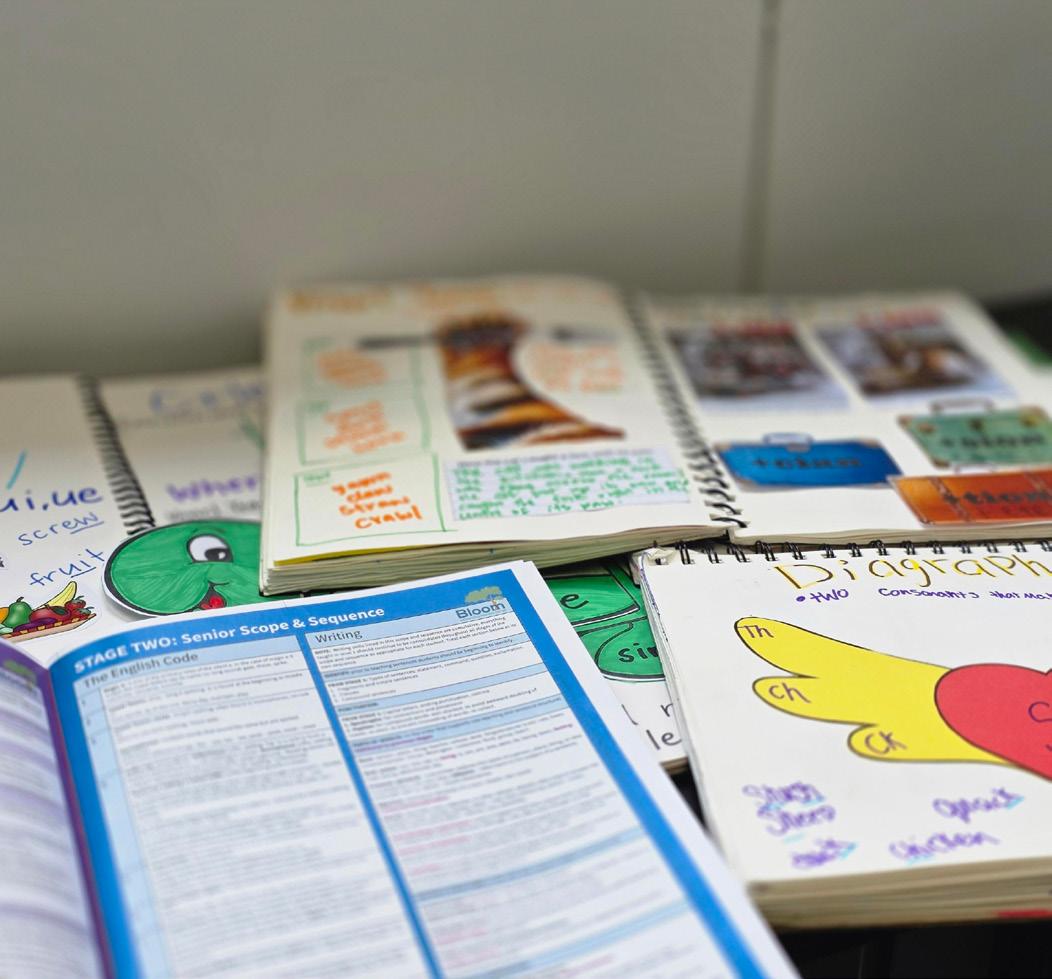
Rachel explains how English code concepts are taught visually.
Another student says: “When I came into this class it was a lot better. I knew what I was doing and I felt prepared.”
Rachel shares her materials and ideas with teachers across the motu. This year, a Zoom conference in which she laid out the core principles of her programme attracted 29 live participants. A further 100 educators requested the recording. High school teachers find her material especially useful as, not being primary school trained, they may have limited experience teaching literacy to students with low literacy levels, says Rachel.
Rachel says literacy support, informed by initiatives like hers and guided by LSCs, is in demand among high school educators.
This year, 474 full time teacher equivalents (FTTEs) are starting in schools around New Zealand, benefitting more than 100,000 students. During the next three years, all
schools with Year 1 to 8 students will have access to an LSC, bringing dedicated learning support closer to the students who need it most.
Rachel says LSCs are vital to the success of programmes like hers.
“Collecting assessment information, choosing the students, analysing the data, going into the classes, seeing how they’re going,” she continues. “That’s all LSC.”
Ultimately, Rachel believes awareness of trauma and neurodiverse needs is the best way English teachers can make sure ākonga are supported towards functional literacy.
“We know […] that everyone is capable of reading and writing if they’re taught the right way,” says Rachel.
“We can’t just accept an 80 percent literacy rate among students. It needs to be 100 percent.”
The Ministry of Education website has more information about LSCs.
Learning support coordinators – Ministry of Education
“Everyone is capable of reading and writing if they’re taught the right way.”
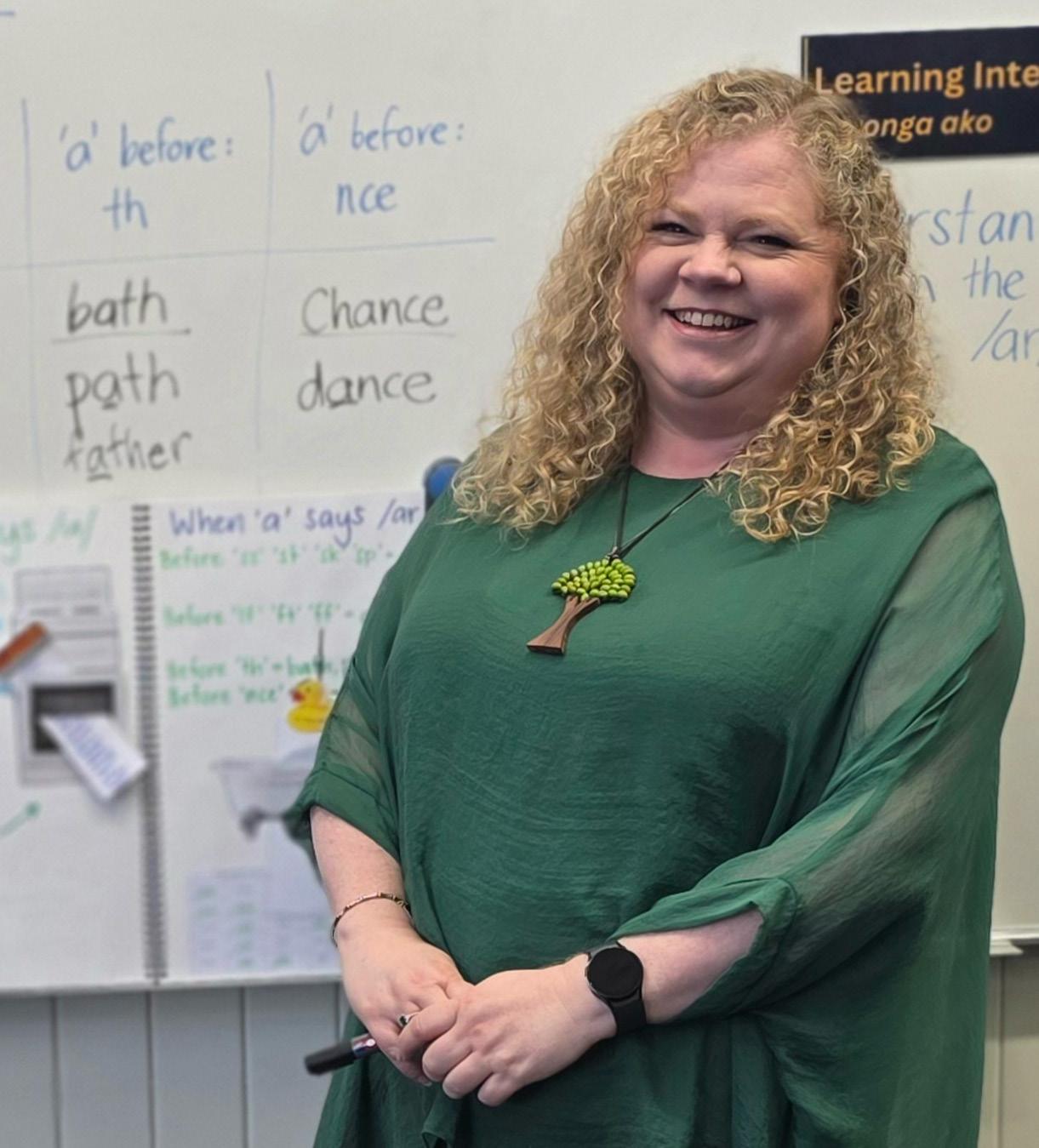
models a literacy lesson on the third sound of the ‘a’ vowel.
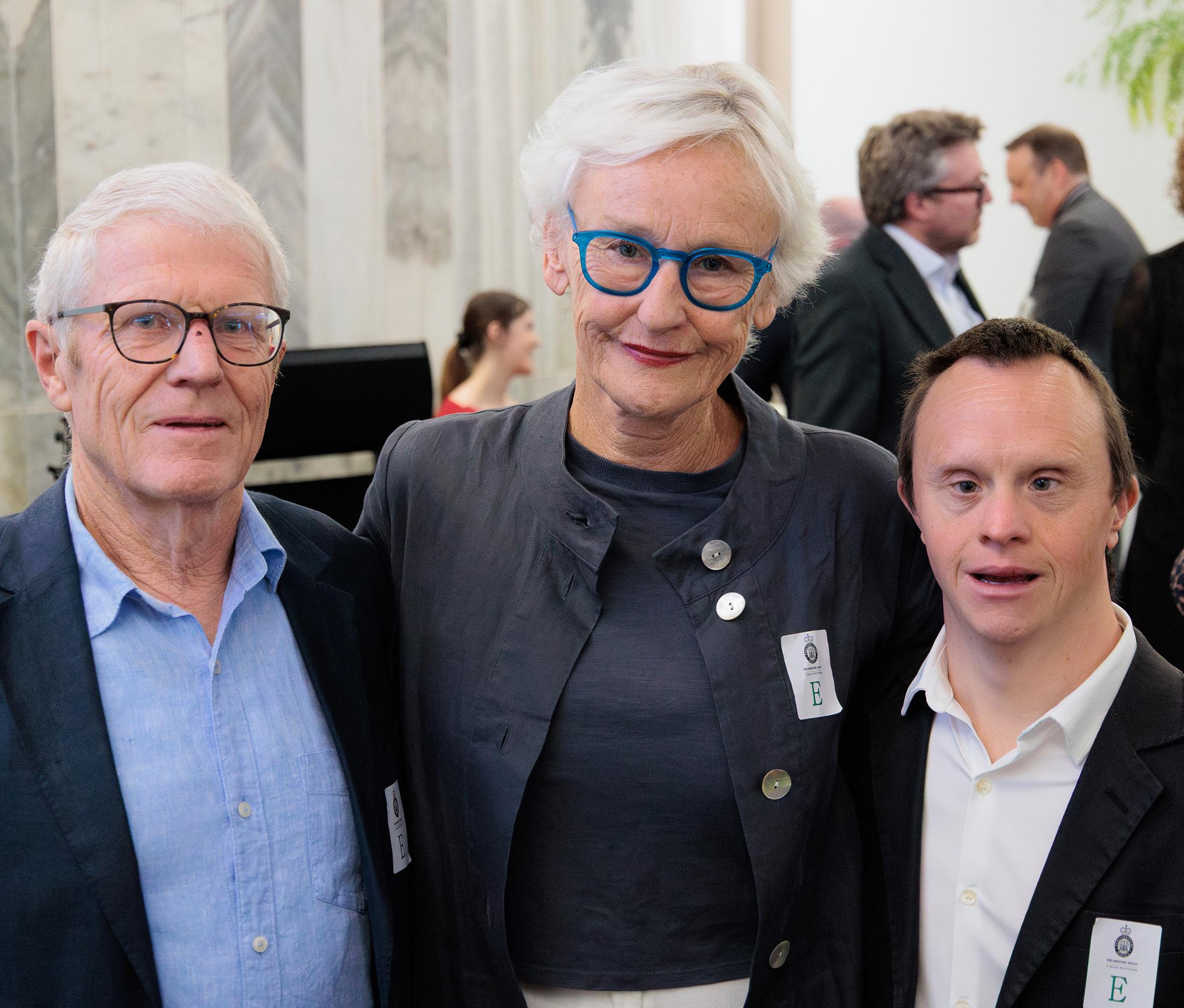
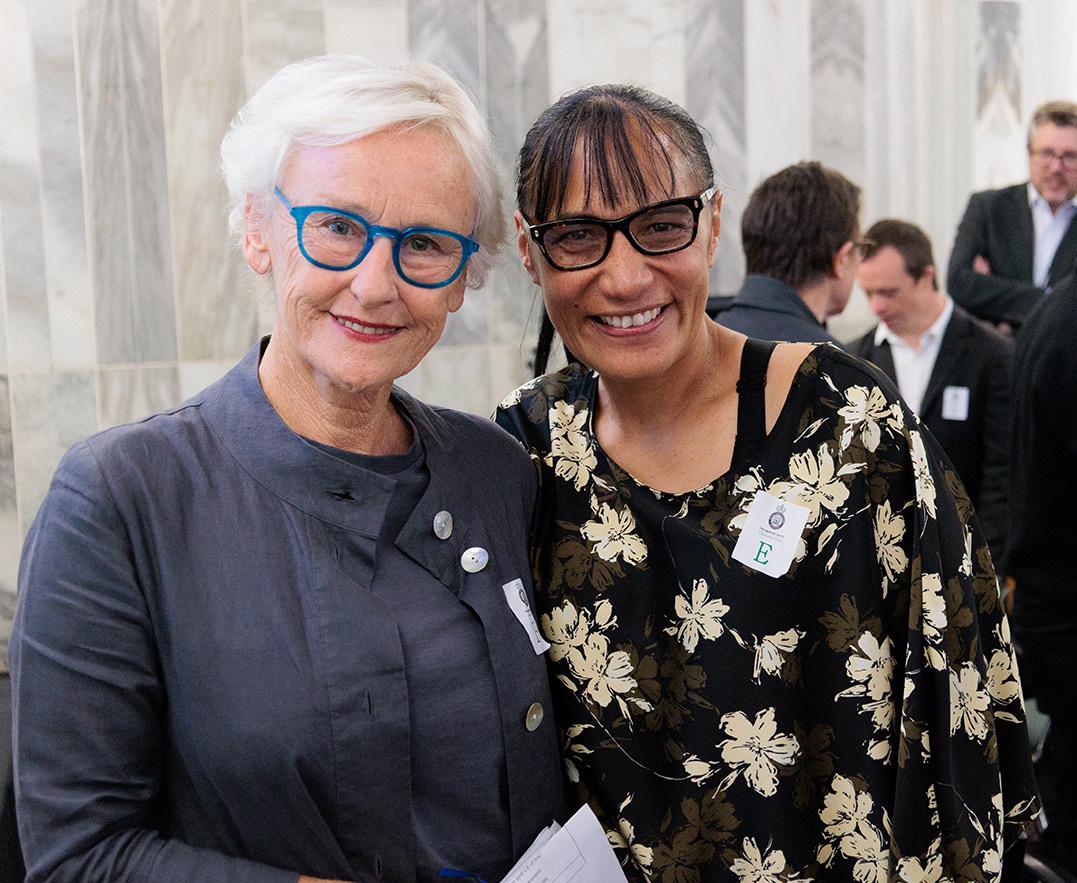
In December 2025, a landmark agreement was signed at Parliament that marks a big step forward for ākonga with disabilities and their whānau. It is also one that will have a positive impact for schools, IHC inclusive education lead Trish Grant tells Education Gazette.
Teachers know that school is more than academic learning: it’s where children build relationships, share experiences and feel a sense of belonging and wellbeing. Many disabled students have not had that experience.
Kataraina, a mother from Porirua who spoke at the signing of the agreement, described how her daughter with autism had to attend part time for three years because she wasn’t understood or supported.
“For our children to be respected and valued in society, they need to be respected and valued at school,” she said. “Belonging means that our children are welcomed, understood and accepted for who they are.”
Kataraina and her daughter’s experiences have been shared by too many families for too long. The agreement reached between IHC and the Government resolves a long running legal claim first taken to the Human Rights Commission in 2008. IHC emphasised in its claim that access to education for disabled children was a human right and the education system had not made sure of that right. The complaint argued that policies contributed to disadvantage and discrimination for disabled ākonga in mainstream schools.
At its core, the agreement commits the Ministry of Education to implement a framework for action – a set of nine priority areas based in evidence, including Ministry and Education Review Office reports, collected over decades. The framework was designed by IHC and informed by families, teachers and disabled people themselves.
The evidence shows long term and widespread agreement across the education and disability sectors that the current policies and funding do not provide what disabled students need to learn and belong at school.
The evidence also points to the stress for schools and families over long waiting lists for specialist advice or services such as communication, behaviour and occupational specialists.
The 2022 Education Review Office report Thriving at School: the learning experiences of disabled students at school identified that many school boards were not aware of their legal and policy obligations to disabled students. It found many new and experienced teachers lacked confidence and capability in teaching the diversity of ākonga in their classrooms.
IHC’s framework for action, which the Ministry has agreed to implement over the next six years, is focused on fundamental shifts in how the system understands and responds to disabled students’ needs.
The Ministry has also agreed to establish an external stakeholder monitoring group of up to eight people to make sure there is full implementation of the framework. IHC will chair the group. Members will include disabled people, tāngata whaikaha Māori, Pacific people, whānau and others who understand how education system policy settings impact schools, ākonga and their whānau. This group will monitor and guide work on the framework over at least the next six years.
“The intent of the agreement and framework is clear: children with disabilities should be able to go to their local school with their siblings and friends, learn alongside their peers, and participate fully in school life.”
For many teachers, the promise of inclusive education is familiar. But for too many disabled children that promise has not been realised.
The settlement acknowledges the need for the education system to better support schools and disabled ākonga so that inclusion of all students is “just what we do”, not something that seems too far out of reach.
Inclusion means every ākonga is supported by an education system that provides what they need for learning and belonging at school.
Inclusion means that all schools have what they need to welcome, teach and support every ākonga to succeed.
The use of the term “disabled students”
In this article, Trish Grant purposefully uses the term “disabled students” rather than “students with disabilities”.
She explains: “That’s because these students are disabled, not by their nature but the systems that focus only on their deficits (what they cannot do) rather than their strengths. IHC’s long running legal action aimed to change that systemic discrimination.”
The intent of the agreement and framework is clear: Children with disabilities should be able to go to their local school with their siblings and friends, learn alongside their peers, and participate fully in school life – not on the margins, not part time, not separated or disadvantaged. This outcome will align the education system with human rights principles and create positive outcomes for all students, including those with a disability.
As Kataraina reminded us: “Belonging is a fundamental human need.” When policy makers, schools and communities embrace that principle alongside practical system support, we can truly make meaningful education accessible to all.
At the signing event, IHC chief executive Andrew Crisp shared the story of a 10 year old student with Down syndrome who was enrolled at his local school but only attended half days, half weeks – and occasionally not at all. When he was there, he was separated from his classmates and learning little. The school said it simply didn’t have the staffing or resources.
“I struggle to understand why in 2025 this is still happening,” said Andrew.
IHC is confident we now have a partnership with the Ministry to implement the framework and build an education system that works for all disabled students and schools. We believe the work ahead will be positive, respectful and focused on the system changes so urgently needed.
Too many ākonga have been let down and left out. We must act now with certainty, together.
The framework for action agreement includes:
» better data collection
» reporting and evidence informed funding policy
» access to specialists
» collaboration to resolve enrolment
» participation, learning and achievement
» responsiveness of the curriculum
» accessible school environments
» an investigation of how deficit based funding approaches that focus on what students cannot do rather than what they can, affect students, parents and communities.
The Ministry of Education website has more details of the framework and agreement.
Framework for action: a quality education for all Ministry of Education

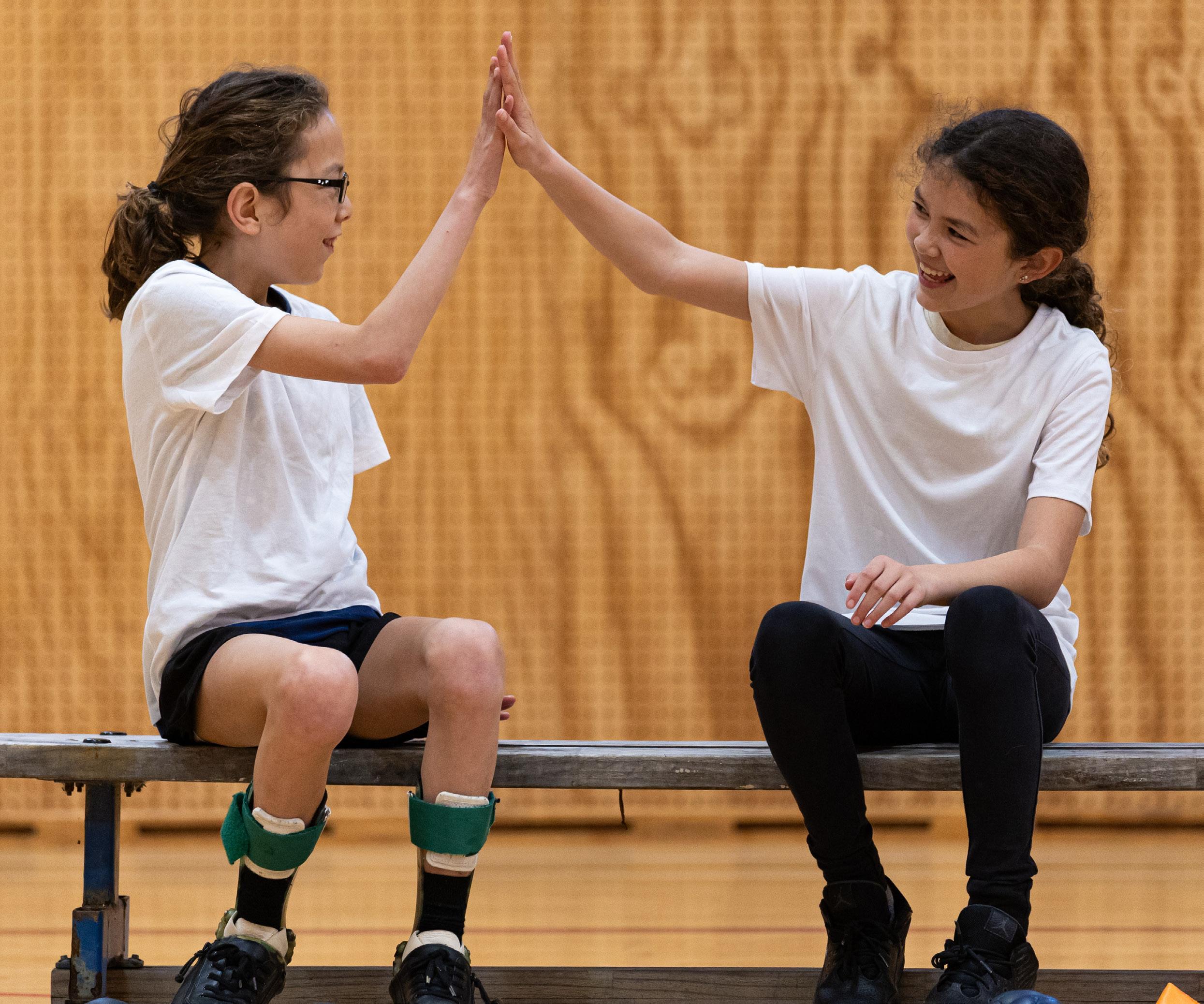
Supporting all ākonga to move, play and thrive at school can sometimes mean adapting sports, games and other physical activities. Auckland-based Ministry of Education physiotherapist Erin Swan and the Halberg Foundation, which supports schools to create inclusive sports experiences for everyone, explain some of the ways schools can support all students to participate with confidence.

Ministry of Education physiotherapist Erin Swan works with ākonga with a wide range of complex needs, from full time wheelchair users to children with balance or strength difficulties, and students with cerebral palsy and spina bifida.
“Life is pretty tough for some of our tamariki, and I want to make their life better,” she says.
Erin works closely with kura communities to help build an inclusive school culture both inside and outside the classroom. Adapting sport and physical movement is a key part of this.
But before the games can begin, safety and access at school are Erin’s top priorities. After receiving a child's referral, an occupational therapist completes a property assessment, says Erin.
“Have we got a massive flight of stairs that means this child can’t participate in the curriculum?” she asks. “How can we move the child from A to B? If they’re a full time wheelchair user, can they get from their classroom chair to the bathroom? How do they sit in their classroom chair? Do they require specific equipment, and does their teacher
aide need training to assist in those transfers?”
Next, she looks at how the child moves.
“We want to take a biomechanical look at their bodies to make sure we’re ready for any challenges that come as they grow,” she says.
With safety and access established, Erin says working on inclusive movement and play for ākonga “is the really fun bit" of her job. While the focus is on the student, teachers and teacher aides are also involved, learning what inclusive movement looks like for each specific child and their school environment.
Recently, Erin worked with an ākonga who used a wheelchair part time, and a walker part time. The child’s goal was to participate in athletics day.
“Her mum was really keen on making it authentic participation,” says Erin, explaining that the parents didn’t want their child’s involvement to be an “add on” at the end of the day.
To make the day successful for everyone, Erin and her team – the special education needs coordinator (SENCo), parent, sports coordinator and teacher aides – devised specific events and ran them in the middle of the athletics programme.
Rather than throwing a shotput, the ākonga was able to throw a Vortex.
“It was easier for her to throw, but she still got great distance and felt that success,” explains Erin.
For the long jump, she ran in her walker, then lifted her feet and glided. Her jump was measured from when she lifted her feet until she put them down again.
“After the day, both mum and child were buzzing,” says Erin. “It was a whole team effort.”
Erin says inclusion should be proactive rather than reactive, and to achieve this, Halberg Foundation’s Train content, available on CoachMate, is a useful tool.
Halberg Train, available for free on the CoachMate app, provides training resources via short videos that help teachers, coaches and parents create inclusive sports experiences for everyone. It features lessons and activities, translating inclusive intentions into everyday practice,
explains Halberg senior manager James Glen, who oversees Halberg’s content on CoachMate.
A core part of inclusion in physical movement and play is learning how to adapt sports through the STEP model. Erin shared this with the school she was working with for their athletics day, and they used it to inform their inclusive activities. For example, S stands for the space where the activity is taking place, and how it is used.
“We saw it would be better for (the student) to run with her walker on the smooth asphalt, not the grassy field,” explains Erin.
James adds that beyond supporting educators, CoachMate also encourages peers to learn how to care, collaborate, “and treat children with disabilities no differently”.
Another approach Erin uses is introducing a game that is new for everybody but still inclusive. She worked with Disability Sport Auckland to bring adaptive wheelchairs into schools for a two week wheelchair basketball programme.
“Every child is learning new skills, and sometimes the student I’m working with has the advantage.”
CoachMate also offers inclusive games to inspire teachers and coaches.
“They’re new for the whole class, not just for the student I come to see,” says Erin.
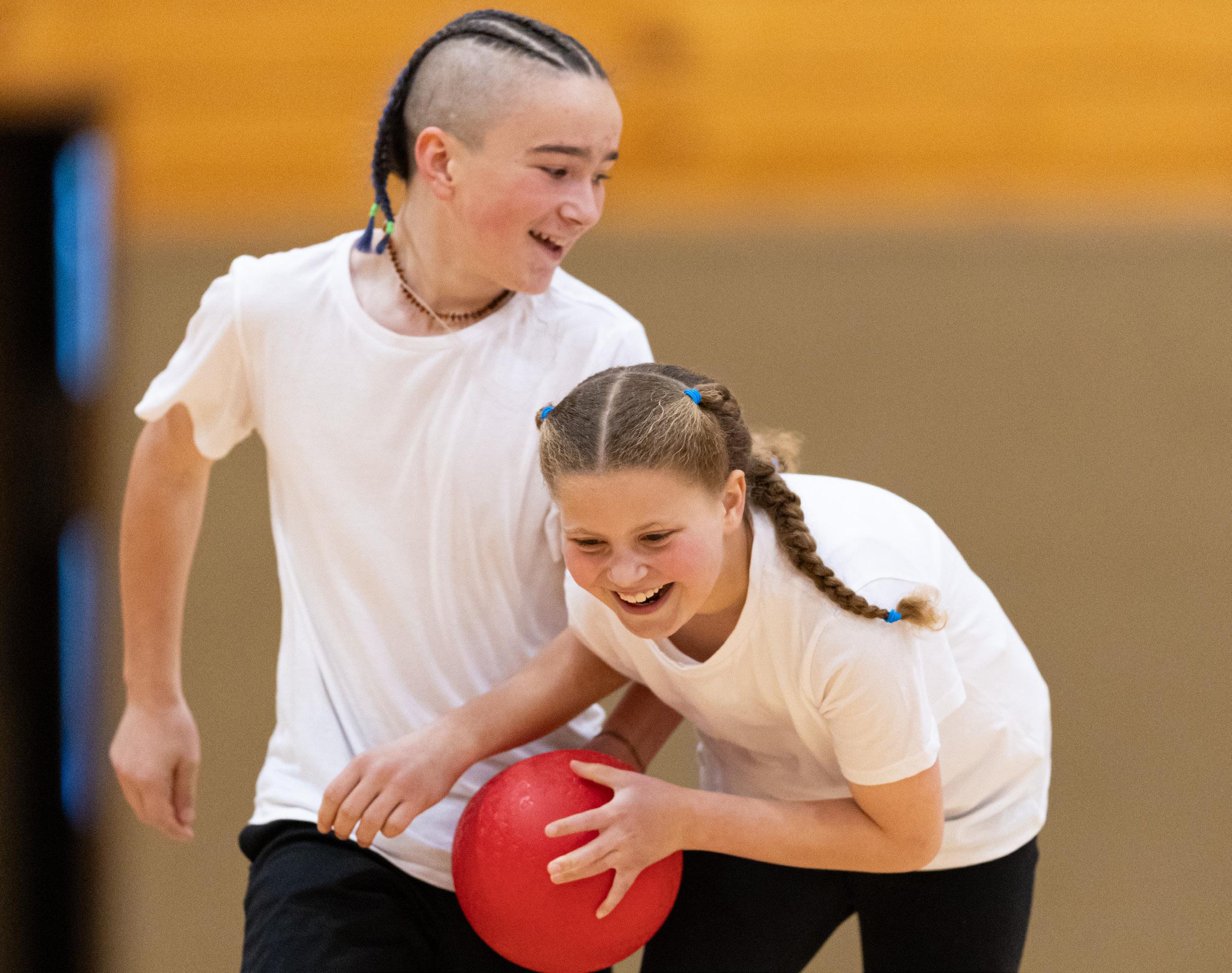
The Halberg Foundation believes participation is a right, not a privilege. Halberg chief executive Tom Smith says: “When diverse learners are meaningfully included in movement and play, we see positive outcomes, not just in physical skills, but in confidence, social connection and engagement in learning.
“Inclusive sport strengthens school culture. It teaches empathy, removes inequalities and reinforces that every child belongs.”
There are many other free resources available for teaching inclusive sport and play, including āhei and adaptive guides created by Athletics New Zealand.
Erin says a big part of her role is sharing this knowledge with schools. She wants to empower teachers to have the confidence to make sure every day is an inclusive play day.
“Every child can benefit from feeling included in physical activity,” says Erin. “We want to build physical activity as a normal part of kids’ lives, especially those with disabilities.”
Tom says an important part of inclusive sport is mindset.
“It is about shifting from ‘who can’t?’ to ‘how can we?’
"This changes the culture of participation. When we think about diversity, inclusion and joy for all from the outset, participation becomes possible for everyone.”
With schools, Erin asks what’s in their programme and observes sessions to suggest ways to make them more inclusive. One such change allowed a full time wheelchair user to use their power assist during races so he could keep up with his peers.
“Otherwise, this student would have needed to be pushed by a peer across the grass, which isn’t safe,” she says.
Erin says students want to keep up with their peers and not feel “different”, particularly during intermediate years.
After hearing from one ākonga with a neurological condition who just wanted to go fast and have fun with their friends, Erin created a running based programme that they completed at home with their family.
Later, the child achieved their best ever score on the multi stage fitness ‘Beep’ test.
“It's really important to include student voice,” says Erin. “They know their bodies, and they have goals and dreams they want to achieve.”
The STEP model is a guide for modifying activities so every child can participate and have fun, no matter their sporting ability. Teachers can learn about STEP through the Halberg Train content available on the CoachMate app.
S – Space. Where is the activity taking place, and how is space used in the activity?
T – Task. What is the type of activity or activities you are delivering in your session, and what impact can they have on inclusion?
E – Equipment. During your planning, it’s essential to consider if the equipment you are using is the best fit for your participants. Make sure you adjust the equipment to suit everyone’s needs.
P – People. Looking at the people involved, consider the person delivering, the players within the setting and the interactions between them. Make changes where necessary.
The Halberg Foundation website has information about the Train content available on their app.
Halberg CoachMate Training App – Inclusive Coaching Tool
Tourette Syndrome is widely recognised but often misunderstood.
Many educators are familiar with the name, yet uncertainty can arise when supporting a student whose tics are visible in the classroom. Emma Henderson, general manager of the Tourette’s Association of New Zealand, explains more about what Tourette Syndrome is and how ākonga can be supported in the classroom.
Across Aotearoa, schools are increasingly demonstrating that with understanding and small practical adjustments, students with Tourette Syndrome can thrive academically and socially. When teachers understand what tics are and how to respond, the classroom quickly becomes a more inclusive and supportive environment.
What Tourette Syndrome is
Tourette Syndrome is a neurological condition characterised by involuntary motor and vocal tics. Tics are sudden movements or sounds that occur outside a person’s control.
Motor tics may include behaviours such as blinking, shoulder shrugging, facial movements, or head movements. Vocal tics can include throat clearing, sniffing, repeating sounds or words, or other vocalisations.
Tics naturally fluctuate. They may increase during times of stress, fatigue, excitement, or heightened concentration, and may reduce when a student is relaxed or absorbed in an activity. This variability means Tourette Syndrome can look very different from one student to another and can change over time.
One of the most common misconceptions is that Tourette Syndrome is defined by swearing. In reality, only a small minority of individuals experience coprolalia, the involuntary use of socially inappropriate words. Most students with Tourette Syndrome experience tics that are noticeable but not offensive.
It is also important to understand that Tourette Syndrome often occurs alongside other conditions such as ADHD, anxiety, or obsessive compulsive behaviours. These associated challenges can sometimes have a greater impact on learning than the tics themselves.
How Tourette Syndrome may appear in the classroom
In classroom environments, tics can present in many ways. A student may blink frequently, cough, make small noises, tap objects, repeat words, or move their head or shoulders. Some tics are subtle while others are more noticeable, particularly during quiet classroom activities.
Many students attempt to suppress their tics during the school day. While suppression can sometimes be achieved for short periods, it requires considerable mental effort. Students often describe needing to focus intensely on holding the tic in, which can leave little capacity for listening, processing information, or participating fully in learning.

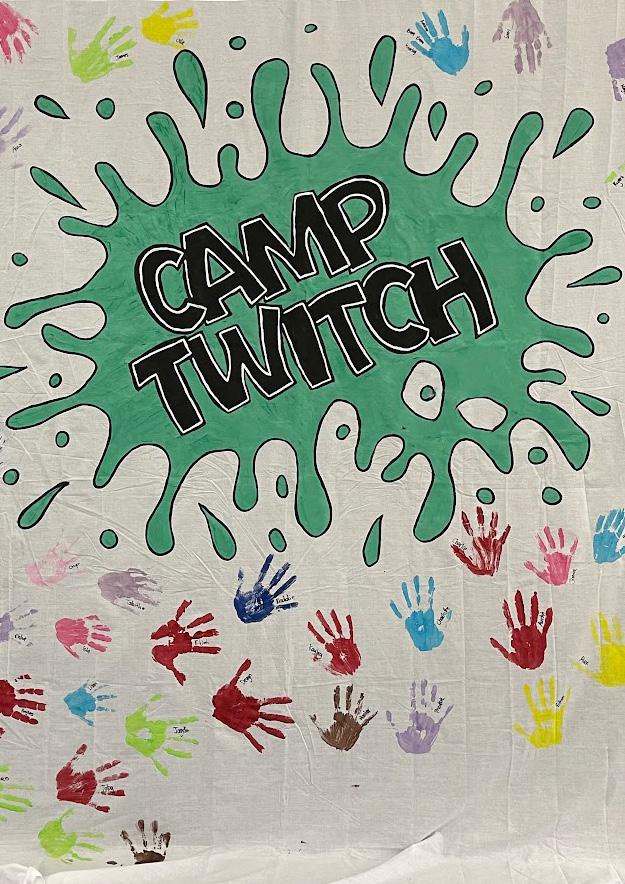
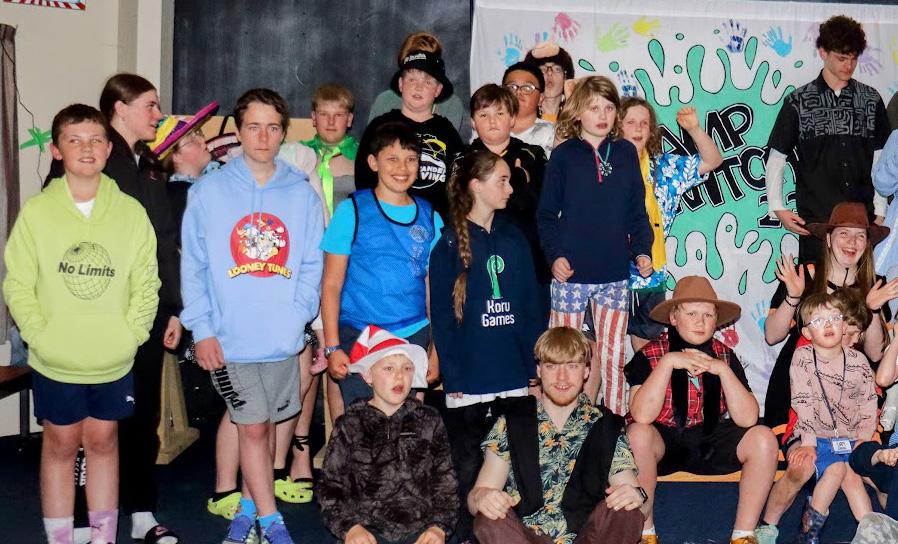
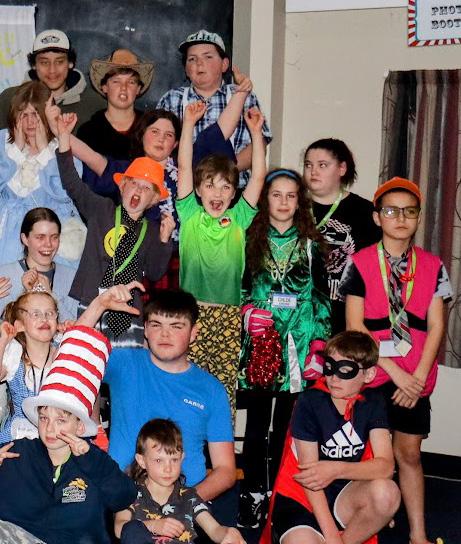
Camp Twitch is an event that supports whānau who have members living with Tourette Syndrome.
When a student is suppressing tics, much of their attention is focused on holding the tic in rather than on the lesson itself. For this reason, suppression is not a sustainable strategy for the school day. It may occasionally occur when a student is trying to manage a particular situation, but over time the effort required can be exhausting. When suppression ends, tics may temporarily increase as the body releases the built up urge.
Educators can support students by recognising that there may be a time and place for suppression, but it should not be expected as a long term classroom solution. Allowing natural tic expression, along with short breaks or discreet movement when needed, often allows students to refocus and return to learning more comfortably.
For some learners, tics have little impact on their participation in class. For others, they may make tasks such as writing, reading aloud, or concentrating for long periods more difficult.
Many rangatahi describe school as the environment where their tics are most noticeable, and where reactions from others can influence how comfortable they feel participating. When teachers respond with calm understanding, students often report feeling significantly more confident and supported.
For many ākonga, the most challenging part of Tourette Syndrome is not the tics themselves but how others react to them.
Drawing attention to tics, asking a student to stop, or reacting visibly can increase anxiety and unintentionally intensify tic activity. Calm, matter of fact responses help normalise tics and reduce social pressure.
Students frequently say that the most helpful approach is when teachers treat tics as a normal part of the classroom environment rather than something that needs to be corrected. When adults respond calmly, classmates usually follow their lead.
Supporting a student with Tourette Syndrome rarely requires complex interventions. Often, small adjustments can make a significant difference.
Normalise tics
Respond to tics calmly and avoid drawing unnecessary attention to them. Treating tics as ordinary behaviour helps reduce embarrassment and classroom disruption.
Offer flexibility with participation
Situations such as reading aloud, presentations, or highly visible tasks can increase stress and temporarily intensify tics. Offering voluntary participation or alternative ways to demonstrate learning can reduce anxiety while maintaining inclusion.
Support concentration and comfort
Allowing subtle movement, brief breaks, or low distraction seating options can help students manage the physical discomfort that sometimes accompanies attempts to suppress tics.
Adjust written tasks where needed
Motor tics affecting the hands, arms or eyes can make sustained writing difficult. Options such as laptops, voice to text tools, or printed instructions can help reduce fatigue. Create predictable classroom environments
Consistent routines, clear expectations, and psychologically safe learning environments can reduce stress, which in turn may reduce tic intensity.
Importantly, strategies should be discussed with the student. Many young people with Tourette Syndrome have strong insight into what helps them learn comfortably and what situations make tics worse.
“For many students, the most challenging part of Tourette Syndrome is not the tics themselves but how others react to them.”
Students take cues from the adults around them. When teachers respond calmly and confidently to tics, classmates typically follow this example.
Sometimes brief, age appropriate explanations about Tourette Syndrome can help reduce curiosity or misunderstanding. These conversations are most effective when they occur with the student’s consent and involvement.
Building a classroom culture that values differences benefits not only students with Tourette Syndrome but all learners.
Families often have valuable insight into their child’s experiences, triggers, and helpful strategies. Open communication between educators and whānau allows schools to better understand the student’s needs and preferences.
Collaboration can also support transitions between classrooms, year levels or schools. Changes in environment can temporarily increase tic activity, and proactive planning can reduce stress for both students and educators.
strengths based perspective
Tourette Syndrome does not affect intelligence. Students with Tourette’s bring the same range of talents, interests and abilities as any other learner.
Many develop strong resilience, creativity, humour and self awareness through navigating difference. When schools focus on strengths rather than symptoms, students are more likely to feel confident and engaged in their learning.
With understanding, flexibility and inclusive classroom practices, Tourette Syndrome does not need to be a barrier to belonging or success in school.
The Tourette’s Association of New Zealand provides information, resources and presentations for educators, schools and students seeking to better understand Tourette Syndrome.
After a professional learning session with the Tourette’s Association of New Zealand, one Year 5 teacher shared:
“I gained a much better understanding of my student and how to support their needs in a positive and collaborative way. Learning more about how their tics present, possible triggers, and practical strategies for the classroom has helped create a positive outcome for everyone involved.
“We have also started a very open dialogue with the student and their whānau. We are all still learning together, but it is clear that taking the time to truly understand Tourette Syndrome makes a significant difference.”
Schools interested in learning more can access resources or request a professional learning session through the Tourette’s Association of New Zealand. More information is available on their website. www.tourettes.org.nz
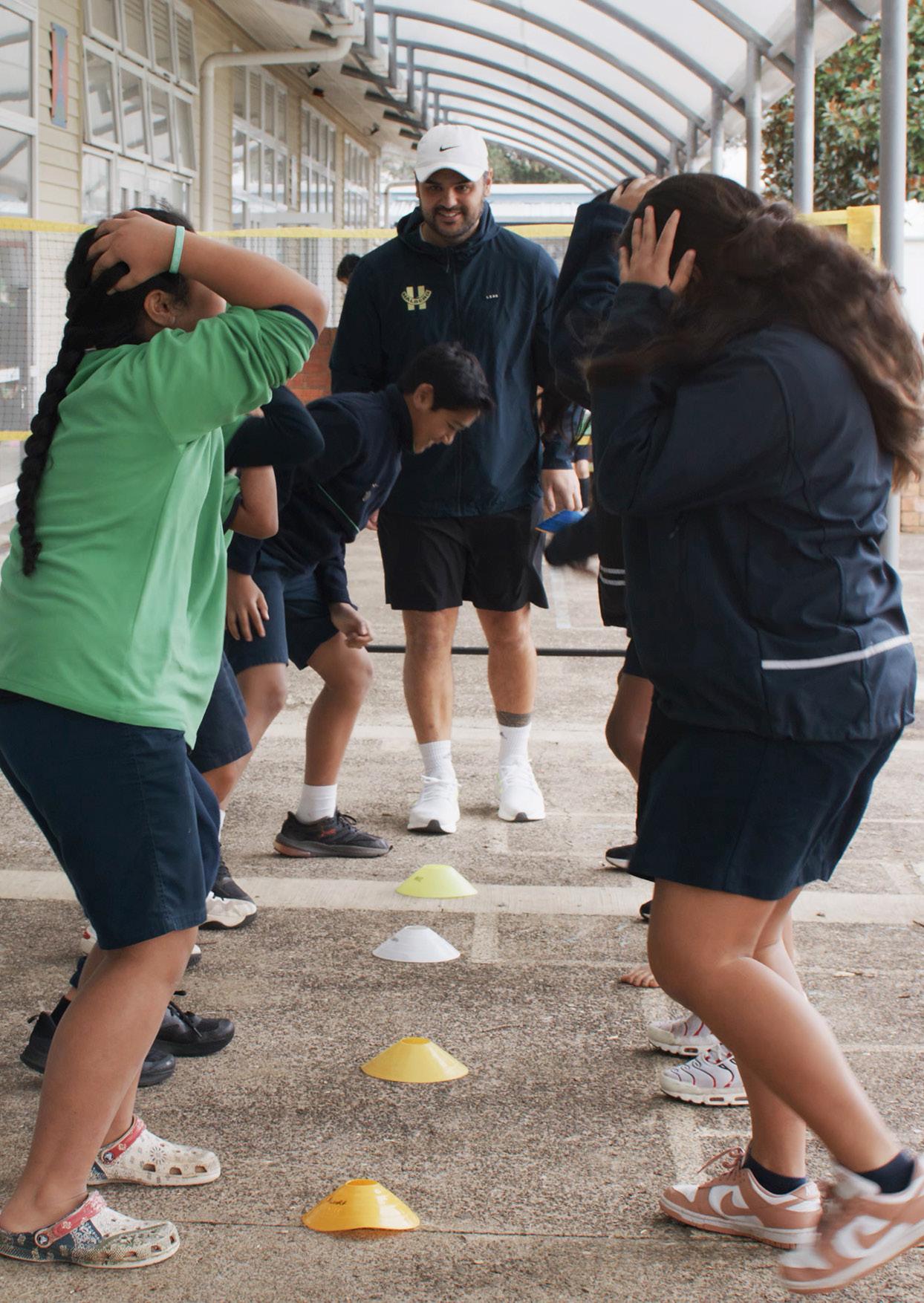
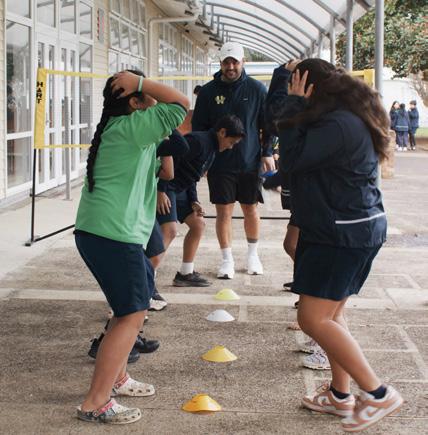
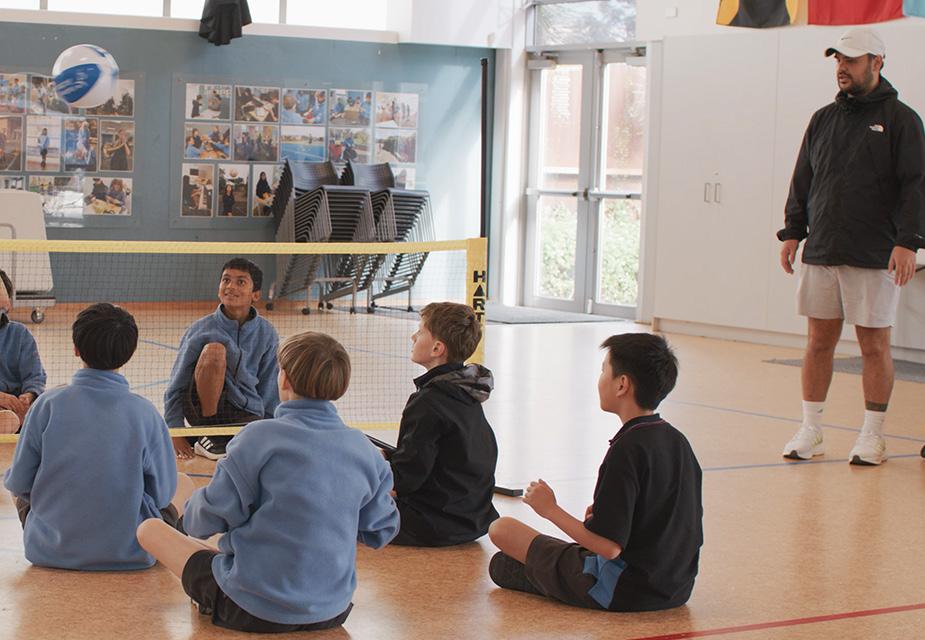
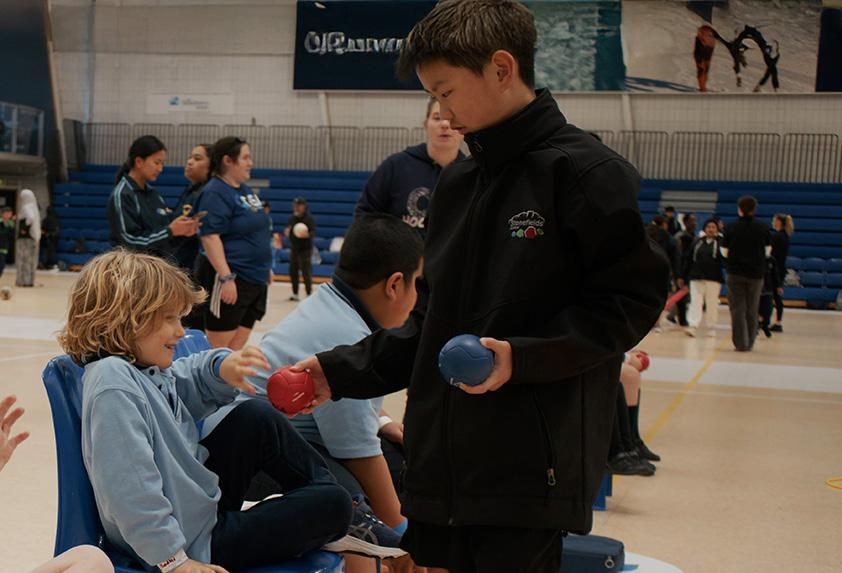
Student leaders across central Auckland primary schools are learning how to make physical activity more inclusive for their peers, building stronger connections between mainstream schools and specialist satellite units.
Student physical activity leaders (PALs) have been working alongside Sport Auckland’s Healthy Active Learning team and the Halberg Foundation to support adaptive physical activity opportunities for specialist satellite units.
At Mt Roskill Primary, which has an inclusive setting for students with additional needs called the Endeavour Centre, deputy principal Jess Lawrence says the peer led approach is already making a difference.
“Having the students from the Endeavour Centre have more to do with our mainstream students makes them
have that sense of belonging in the playgrounds at break times.”
At Sommerville Special School, kaiako and sports coordinator Monique Istead says PALs are developing their understanding of how to support students who attend specialist schools.
"From what I saw today, the PALs really understood how to communicate with some of our learners and it's not a big scary thing anymore," says Monique.
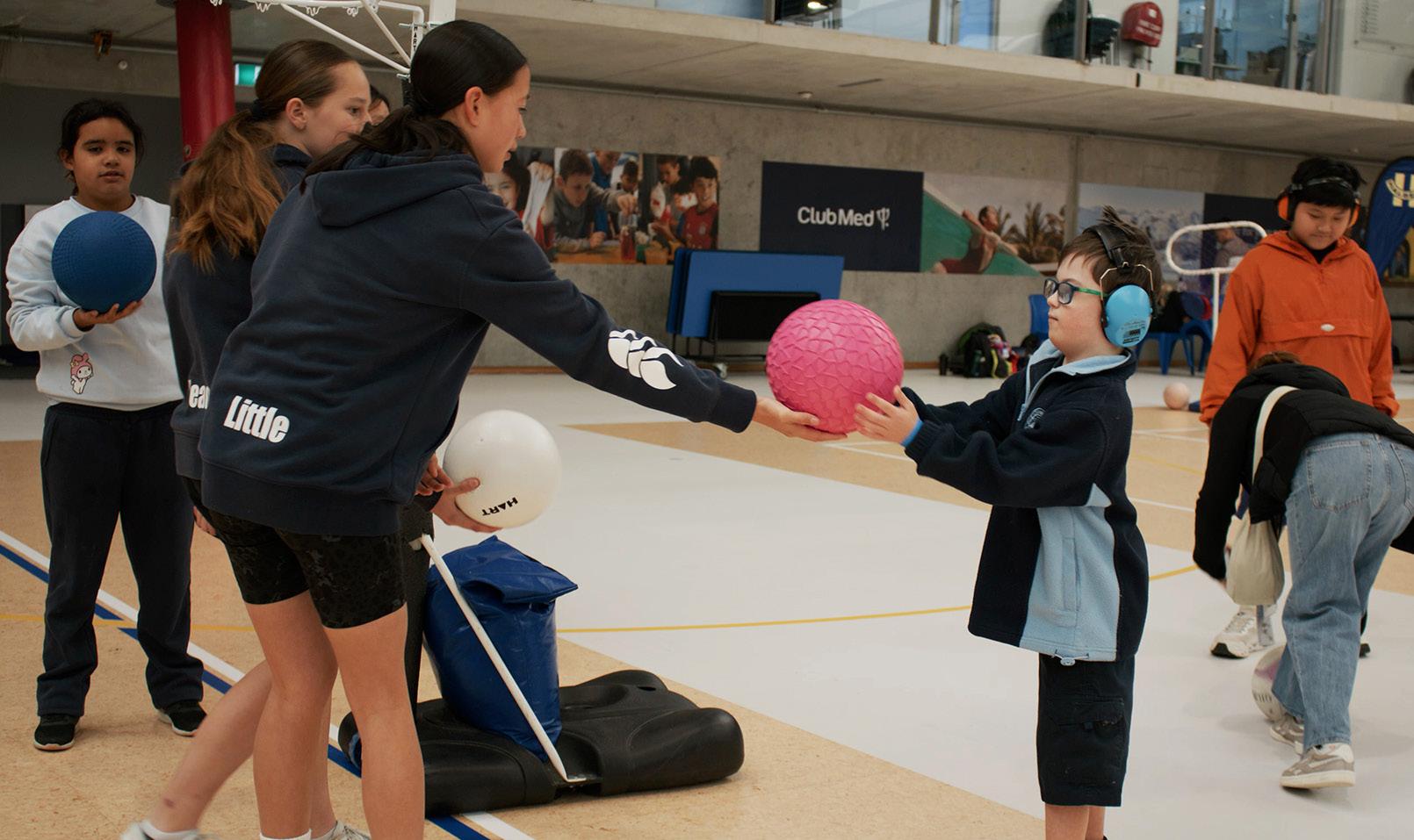
In late 2025, PALs from Stonefields School, Dominion Road School and Mt Roskill Primary attended an inclusion focused workshop with the Halberg Foundation.
They then put their learning into action at an adaptive inter school sports day, supporting around 100 students from Sommerville Special School, Central Auckland Specialist School and the Endeavour Centre. Following the event, PALs also supported satellite classes at the ‘Have a Go Day’ for the Mt Roskill sports cluster.
One Mt Roskill PAL says the adaptive sports days have changed how he sees his leadership role.
"I can help [other students] and make them feel welcome for who they are"
Daniel Reeve, kaiako at Central Auckland Specialist School, says the benefits go both ways.
“For mainstream students to see what some of our students have to go through on a day to day basis, they learn compassion.”
An Active NZ survey showed tamariki with a disability experienced higher levels of exclusion during physical activity and had fewer opportunities to participate at school. Recent Healthy Active Learning evaluation shows progress since 2020: teachers are more confident planning physical activity based on student voice and the number of schools offering experiences suitable for all learners has increased from 65 percent to 78 percent.
“For mainstream students to see what some of our students have to go through on a day-to-day basis, they learn compassion.”
The experiences at the adaptive sports day had inspired schools to further strengthen their relationships with satellite classes and to expand opportunities for PALs to champion and support satellite students, both within school and at other inter school events.
This year, PALs from Stonefields School will support Sommerville School’s athletics day, while Mt Roskill Primary is working towards having students lead inclusive break time activities for learners from the Endeavour Centre.
“We want to continue to help build those physical and social skills with ākonga from the Endeavour Centre and mainstream classes,” says Jess.
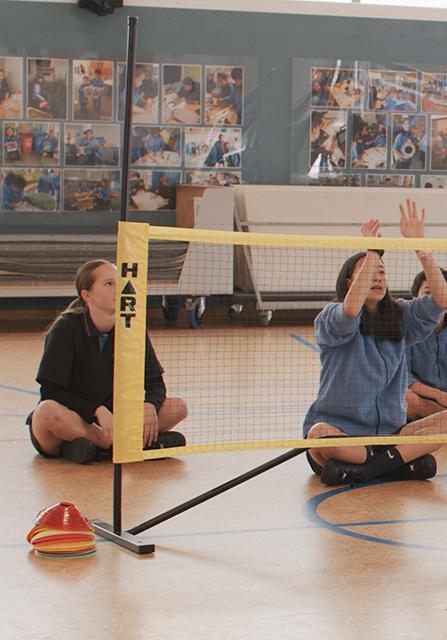
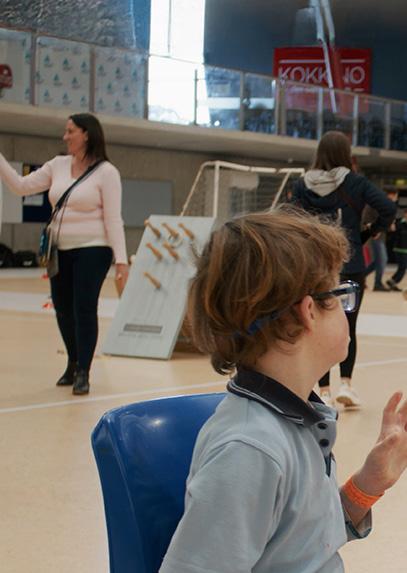
For most students, school is a physical place – a building with lockers, bells and bustling hallways. But for those at Northern Health School, school is a concept that moves with them. It might be a classroom at Auckland's Starship Hospital, a local library, a kitchen table at home, or one of the 20 NHS units dotted across the North Island.
Northern Health School (NHS) provides education for students who are too unwell to attend their regular school. If a student meets their admission criteria due to a medical condition that prevents them from attending their regular school, they can enrol at NHS.
Supporting ākonga with these unique needs requires more than just dedicated teachers. It also requires digital infrastructure that is as flexible and resilient as the staff themselves. This is where the partnership between NHS and Network for Learning (N4L) is important.
A classroom without borders
The hallmark of NHS is its adaptability.
"Where the tuition takes place can look how it needs to look – all based on the needs of the students," says Tracy Grieve, NHS business manager.
Tracy oversees the engine room of the school – everything from information technology (IT), administration and human resources to accounts and the fleet of teachers’ cars. NHS classrooms are located in ‘units’, which are both teaching spaces and office hubs for staff. Tracy is located at the NHS’s largest unit and head office in Auckland’s Newmarket.
But the school’s reach is vast.
"It might be that teachers visit a student in a ward at Middlemore Hospital, or in their school of enrolment,” says Tracy. “We have a classroom at Ronald McDonald House and at Haumaru Ōrite, the acute psychiatric child and adolescent mental health inpatient unit at Starship Hospital.
“At our Wilson unit on the North Shore in Auckland, students are residential because of treatment for things like traumatic head injuries, or orthopedic surgery requiring intensive rehabilitation.”
Tracy says ākonga will often come into the classroom in wheelchairs and many have accessibility requirements.
“Other students might come to us for a while and, as they get better, transition back to their school of enrolment.”
This transition often involves NHS teachers meeting students in their school of enrolment, or at a local library, to help them regain their confidence.
"Often it takes some time to get them into the classroom when they’re in recovery," says Tracy. "They don't want to see people. They just want to sit quietly in the corner. If we can't get a student into the classroom because they're too unwell, initial lessons might be online."
"It might be that teachers visit a student in a ward at Middlemore Hospital, or in their school of enrolment.”
Since the Covid 19 pandemic, NHS’s reliance on digital learning has grown exponentially, much like every other school. Teachers now frequently use various learning platforms to keep students engaged, regardless of where they’re physically located. Lessons might be online, or teachers might meet the student on Microsoft Teams or Google, with lots of app sharing.
Like other state and state integrated schools in Aotearoa, NHS’s teaching units are part of the N4L Managed Network, and N4L provides these sites with a fully funded, high speed, enterprise grade internet connection.
For Tracy and her team, the value of N4L’s network technical specifications is in the online security it provides. When dealing with ākonga who are already facing significant personal challenges, the internet needs to be a safe space, not a source of further risk.
There are a range of ways N4L helps keep NHS safer and more secure online. N4L’s Internet Safety & Security Services provides them with a baseline level of protection. As part of that service, web filtering allows schools to block categories, websites and apps. Email protection provides protection against email based cyber threats. Meanwhile, N4L applies SafeSearch, a service managed and provided by Google and Bing, which helps filter out adult content in search results.
Running a school that operates across hospital wards, homes and units is a logistical challenge. Tracy admits their circumstances can sometimes lead to technical hurdles. As NHS continues to grow – they’ve recently moved into a new purpose built school in Taupō – the stability of their network remains constant. With their Managed Network Upgrade now complete, Wifi upgrades in place for many units and more to come, the school is well positioned to meet the evolving needs of its students.
At the heart of the collaboration with N4L is a simple goal: making sure every student, no matter how unwell they are, has the opportunity to learn.