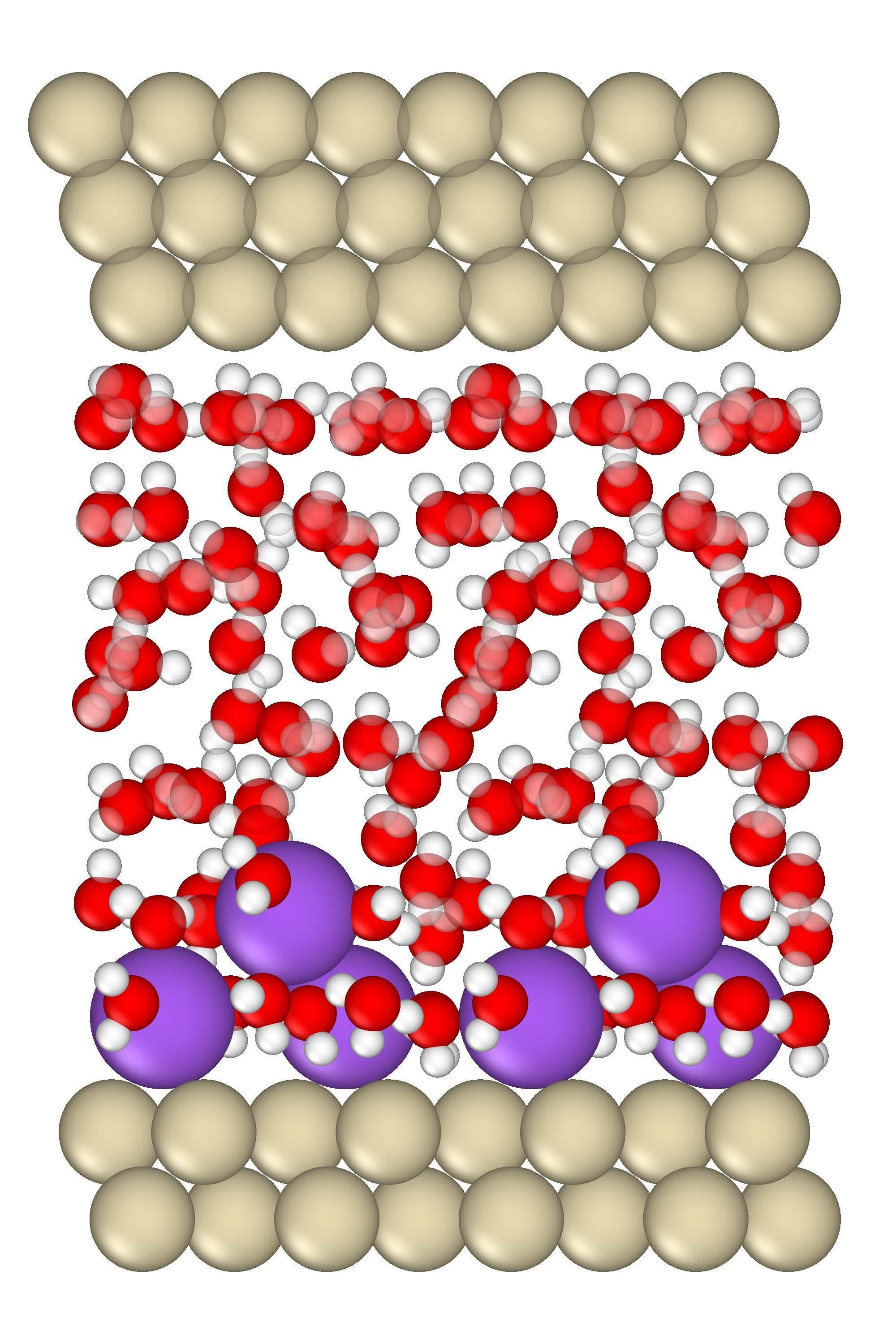
2026 Summer Fellowship Recipients 37 A Tale of Two Double Layers: Metallic vs. Semiconductor Electrodes 43 The Charge Neutral Species in the Electrical Double Layer: No Longer a Background VOL. 35, NO. 2, Summer 2026
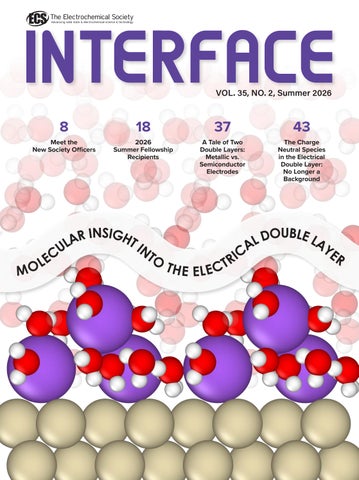
2026 Summer Fellowship Recipients 37 A Tale of Two Double Layers: Metallic vs. Semiconductor Electrodes 43 The Charge Neutral Species in the Electrical Double Layer: No Longer a Background VOL. 35, NO. 2, Summer 2026
The Electrochemical Society, a prestigious nonprofit professional organization, has led the world in electrochemistry, solid state science and technology, and allied subjects since 1902, providing a rigorous and high-quality home for the whole community. The Society is dedicated to moving science forward by empowering researchers globally to leave their mark.
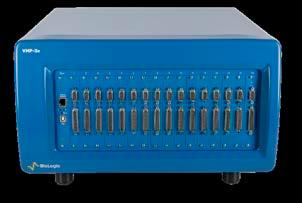
Premium Potentiostats
Down to ±10 nA EIS up to 11 MHz
EC-Lab® EIS QI™ ZFit
Essential Potentiostats
Down to ±10 µA EIS up to 1 MHz
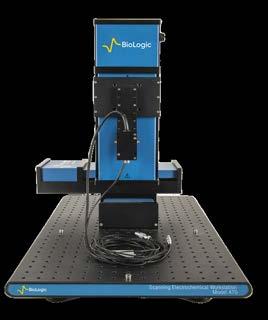
Scanning Electrochemical Workstation
Multi-technique platform ac- & dc-techniques
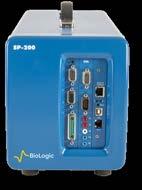
EC-Lab® Developer OEM
Multi-instrument setups
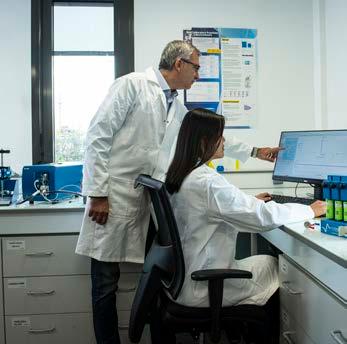
Fundamental electrochemistry serves as the cornerstone for many important application areas, encompassing multiple scales & approaches, requiring sophisticated instrumentation and advanced analytical tools. BioLogic potentiostats & local electrochemistry solutions offer a transversal approach, combining local, bulk and coupled electrochemistry to provide a complete solution for fundamental electrochemistry.

will venture to say that all of us have fond memories of the playgrounds of our youth. We looked forward to playing with our friends and to meeting new ones. It was a place that promised unbridled joy. We seek to recreate that feeling in our professional lives, but it’s hard. Just as with the playground, you don’t have to be friends with everyone there, you just need to find your crew who agree on the playground rules. Many of us didn’t realize it at the time, but, like our childhood experiences, our early work experiences have a huge impact on how we work and supervise others as we progress in our careers. We either try to replicate what we experienced or try to do the opposite. What we often forget is that not everyone’s experience mirrors our own—and so we get confused when they don’t act like us, which is obviously the best way to act.
My first experience in electrochemistry research was working on stress-corrosion cracking of metallic alloys for hip implants with PhD student Vimal Chaitanya (recently VP for Research at New Mexico State). At the start I was terrified of screwing up, but Vimal exuded firm but gentle confidence in me which was only misplaced a few memorable times. He made being at work exciting because he linked “our” work to the higher purpose of the research even when I was just waiting for something to crack. His inclusion of me in the “our” had, I realize now, a great impact on me.
As Vimal graduated, I started to work for Prof. Pat Moran who would later serve as my graduate advisor. Through Pat I was hired as an intern at a US Navy Research and Development Laboratory where I started working with John Scully. I had met John before, as he was finishing his Master’s thesis when I started working with Vimal, but I didn’t really know him. Among the many things John taught me was what rigor looks like in experimental science. John’s enthusiasm for electrochemical science was (and still is, 42 years later) infectious, to say the least. With John, you knew you were working on the coolest and most important project ever, until the next one. Having avoided sinking the entire US Navy, I was ready for graduate school. Pat’s passion for other people’s success changed my life. His belief in his students’ abilities was unshakeable. For Pat, your success was far more important to him than his own. Together these three men shaped the foundation of my approach to working with people, and they are lifelong, dear friends. They taught me how to play in the playground of science. With my students, I have tried to model the encouragement of Vimal, the scientific curiosity and rigor of John, and the servant leadership of Pat.
All that said, I have learned along the way that there are a lot of ways to successfully supervise people. One key is that the management style of the supervisor matches the supervision style that is optimal for the supervisee. In the case of students, there are those who grow best when mostly left alone, and others who flourish with frequent touchpoints. Another key is understanding both people’s expectations—for the other and for themselves. This mutual awareness prevents many points of pain. Experiences with such points of pain were the motivation for my putting together an expectations document that I share with all my students. It has evolved over the last three decades, but it still serves as the covenant between my students and me. It’s our foundational agreement on the rules of the playground.
Other faculty and managers have shared their expectations documents, and I am always impressed with both the depth of thought and the variety of expectations. It reminds me that while my glasses work well for me, they likely don’t for anyone else. Each is no doubt shaped by the person’s own early work experiences and works for them. Different playgrounds can have different rules. Gotta run; the line at the climbing wall is short.
Until next time, be safe and happy.

Rob Kelly Editor-in-Chief https://orcid.org/0000-0002-7354-0978
Published by: The Electrochemical Society (ECS) 65 South Main Street Pennington, NJ 08534-2839, USA Tel 609.737.1902, Fax 609.737.2743 www.electrochem.org
Editor-in-Chief: Robert G. Kelly
Guest Editors: Yue Qi and Stephen Paddison
Contributing Editors: Christopher L. Alexander, Christopher G. Arges, Scott Cushing, Ahmet Kusoglu, Donald Pile, Alice Suroviec
Senior Director of Publications: Adrian Plummer
Production Editor: Kara McArthur
Graphic Design & Print Production Manager: Dinia Agrawala
Staff Contributors: Frances Chaves, Francesca Di Palo, Genevieve Goldy, Maggie Hohenadel, Mary Hojlo, Christopher J. Jannuzzi, John Lewis, Anna Olsen, Fern A. Oram, Jennifer Quartararo, JaneAnn Wormann
Advisory Board: Jie Xiao (Battery Division)
Eiji Tada (Corrosion Division)
Eva Kovacevic (Dielectric Science and Technology Division)
Andreas Bund (Electrodeposition Division)
Vidhya Chakrapani (Electronics and Photonics Division)
Minhua Shao (Energy Technology Division)
Xingbo Liu (High-Temperature Energy, Materials, & Processes Division)
Elizabeth Biddinger (Industrial Electrochemistry and Electrochemical Engineering Division)
Chong-Geng Ma (Luminescence and Display Materials Division)
Ardemis Boghossian (Nanocarbons Division)
Ariel Furst (Organic and Biological Electrochemistry Division)
Loraine Torres-Castro (Physical and Analytical Electrochemistry Division)
Praveen Kumar Sekhar (Sensor Division)
Publications Subcommittee Chair: Marca Doeff
Society Officers: Francis D'Souza, President; Robert Savinell, Senior Vice President; Marca Doeff, 2nd Vice President; Jennifer Hite, 3rd Vice President; Gessie Brisard, Secretary; Paul J. A. Kenis, Treasurer; Alice Suroviec, Community Inclusion Chair; Christopher J. Jannuzzi, Executive Director & CEO
Statements and opinions given in The Electrochemical Society Interface are those of the contributors, and ECS assumes no responsibility for them. Authorization to photocopy any article for internal or personal use beyond the fair use provisions of the Copyright Act of 1976 is granted by The Electrochemical Society to libraries and other users registered with the Copyright Clearance Center (CCC). Copying for other than internal or personal use without express permission of ECS is prohibited. The CCC Code for The Electrochemical Society Interface is 1064-8208/92.
ISSN : Print: 1064-8208 Online: 1944-8783
The Electrochemical Society Interface is published quarterly by The Electrochemical Society (ECS), at 65 South Main Street, Pennington, NJ 08534-2839, USA. Subscription to members is part of membership service. © Copyright 2026 by The Electrochemical Society. *“Save as otherwise expressly stated.”
The Electrochemical Society is an educational, nonprofit 501(c)(3) organization with more than 9,000 scientists and engineers in over 75 countries worldwide who hold individual membership. Founded in 1902, the Society has a long tradition in advancing the theory and practice of electrochemical and solid state science by dissemination of information through its publications and international meetings.

by Stephen J. Paddison
by Wolfgang Schmickler
Jianzhong

Reference 620
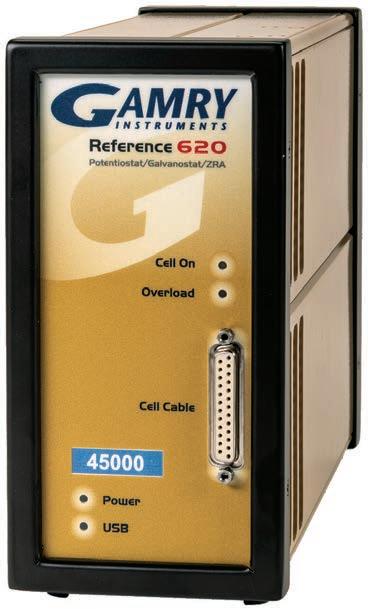
Measure impedances up to TOhm
Fast CV, ultra-low current
Electrically isolated
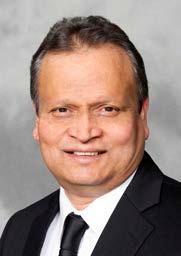
t is my great honor to be the 124th President of The Electrochemical Society. For over 30 years, ECS has been my home society—shaping my career and connecting me with valued colleagues and friends.
During my term, I look forward to advancing key priorities, including marking major milestones, helping strengthen the Society’s financial position to ensure its long-term sustainability, expanding global engagement, supporting the next generation of scientists, strengthening connections across academia, industry, and policy, and to moving our mission and serving ECS and its members and staff constructively, collaboratively, and respectfully.
Marking major milestones. At my first ECS meeting in 1993 in New Orleans, I interacted with senior scientists and engaged in scientific discussions. This was when I decided to make ECS my home, and since then, I have attended every spring meeting (and some fall meetings). Many of my US and global colleagues have also attended meetings regularly for more than 30 years. They shared my experience of the openness and warmth of ECS Meetings, and in turn, these colleagues also welcome newcomers openheartedly.
In October, ECS celebrates its 250th meeting in Calgary, Canada—a moment to reflect on more than a century of scientific achievement while looking ahead. ECS has spanned world wars and the Industrial and Digital Ages and is now ready to enter the era of artificial intelligence. There is no doubt in my mind that this is an exciting time for ECS members, from established scientists to newcomers.
Balancing tradition and innovation. ECS’s strength lies in managing a good balance between tradition and innovation for future growth. For example, as new discoveries emerged (e.g., nanotubes, graphene, MXenes, etc.), my “home” division evolved from a small Fullerene Group with a limited scope to today’s Nanocarbons Division. During my four years as division chair (2004–2008), expanding and testing the division’s scope received 100 percent support from the ECS community. Since then, NANO has established three research awards recognizing breakthrough contributions by young investigators and junior and senior colleagues.
Expanding global engagement. With nearly 10,000 members across 65+ countries, ECS’s global reach drives multidisciplinary collaborative research, helps standardize global science and technology, advances open access, and supports scientific excellence worldwide with awards and grants. Strengthening international engagement remains a priority as we look to lower barriers to global engagement, diversify leadership, and increase support for underrepresented regions and people from developing countries. In addition, the rising costs of running meetings and the Society’s overall operations have made it clear that we should seek support from corporate donors to strengthen investment in future sustainability and growth while maintaining low registration fees and meeting costs for attendees. It is my intention to work toward achieving these goals.
Supporting the next generation of scientists. More than 160 student chapters worldwide provide a primary entry point for training and fostering the next generation of scientists and
engineers. Chapter activities are the breeding ground for new science and the development of its leaders, while ensuring a continuous supply of fresh ideas that help sustain the Society. Promoting young scientists is key to the Society’s future. We must continue inviting junior colleagues to our meetings, provide help when needed, and showcase how the ECS community can further their professional and personal growth. Strengthening connections. ECS can strengthen connections across sectors by:
1. Continuing our commitment to publication excellence and open access to high-quality, groundbreaking research;
2. Advancing scientific advocacy by translating complex data into “policy-ready” formats that support effective communication and outreach by the ECS community;
3. Serving as a “human bridge” between the ECS Career Center and industry, academia, and government laboratories to facilitate the recruitment of talented individuals;
4. Inviting agency funding leaders and policymakers to engage directly with our community at ECS meetings, helping to protect science funding and ensure that science has a voice in shaping critical national and international priorities.
Advancing theory and practice at the forefront of electrochemical and solid state science and technology. Electrochemical science and technology play a vital role in modern life—from renewable energy production and energy storage to corrosion prevention, pollution control, sensors and biosensors, and greenhouse gas reduction—and are central to addressing environmental protection, climate change, and global warming.
ECS is a central hub for these efforts, with interdisciplinary collaboration driving innovation at both the academic and industrial levels. The Interdisciplinary Science and Technology Subcommittee (ISTS) plays a central role in creating new symposia on related topics. Increasing support for ISTS activities and co-sponsoring our symposia with startup and established clean energy technology companies is key here. ECS’s workforce education courses also help narrow the academic–industry gap.
A message to ECS members. Stay engaged and focused on the bigger picture. ECS is not working in a vacuum but contributes to solving real-world problems. Senior colleagues: Be very active and build your legacy through stewardship. Junior colleagues: Take ownership, as you are the Society’s future. Help support its sustainable growth by encouraging contributions from individuals and corporate partners that advance the Society’s mission and benefit humanity overall.

Francis D’Souza ECS President https://orcid.org/0000-0003-3815-8949
n March 29 , 2026, the newly elected officers of The Electrochemical Society assumed their posts. We welcome Francis D’Souza as president, Jennifer Hite as 3rd vice president, and Paul J. A. Kenis as treasurer.
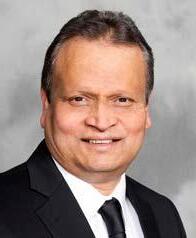
Francis D’Souza
ECS President, 2026–2027
Francis D’Souza is Regents Professor of Chemistry and Materials Science and Engineering at the University of North Texas and is also part of UNT’s Applied Materials and Manufacturing Processing Institute. His research covers chemistry, nanophotonics, electrochemistry, and materials science, with principal research interests that include supra and nanomolecular chemistry of photosensitizercarbon nanomaterials, advanced functional materials for light energy harvesting and photovoltaics, electrochemical and photochemical sensors, and catalysts.
After completing his BS and MS at Mysore University, Francis received his PhD from the Indian Institute of Science, Bangalore. He held postdoctoral positions at the University of Houston and the Université de Dijon. Prior to joining UNT in 2011, he was Professor of Chemistry at Wichita State University (WSU). Francis has authored or coauthored more than 560 publications, given more than 500 conference talks, and edited 10 Handbooks on Carbon Nanomaterials, resulting in more than 25,800 citations with a cumulative h-index of 81. He has received funding from the National Science Foundation (NSF), National Institutes of Health (NIH), Department of Energy (DOE), American Chemical Society (ACS) Petroleum Research Fund (PRF), and from private agencies. He was the Program Director for the NSF Chemistry Division from 2022 to 2024.
The honors and awards Francis has received include Fellow of The Electrochemistry Society and the Royal Society of Chemistry; Society of Porphyrins & Phthalocyanines (SPP) Hans Fischer Career Award for Lifetime Achievement; ECS Nanocarbons Division Robert C. Haddon Research Award; Fulbright Specialist Scholar; ACS Dallas-Fort Worth Doherty Award; Chemical Research Society of India Medal; UNT Foundation Eminent Faculty Award and UNT Research Leadership Award, Regents Professorship, Distinguished Professorship, and Toulouse Scholar Award; Global Initiative of Academic Networks (GIAN) Fellow, Government of India; Fellow of the Japan Society for the Promotion of Science; and the WSU Excellence in Research Award.
An active member of The Electrochemical Society since 1993, Francis previously served as Chair, Vice Chair, Secretary, and Treasurer of the ECS Nanocarbons Division, and is currently a Member at Large of that division. As division chair, he was instrumental in establishing and securing endowment monies for the Nanocarbons Division Richard E. Smalley Research Award and SES Research Young Investigator Award. He has served on several Society-level committees and has co-organized more than 45 Society fall and spring biannual meeting symposia. From 2011 through 2022, Francis served as Technical Editor of the ECS Journal of Solid State Science and Technology. Francis is married to Mirabilis (Pearl) and they have a daughter and two sons. Francis likes to travel, explore new places, and meet people to learn about their culture, art, and food.
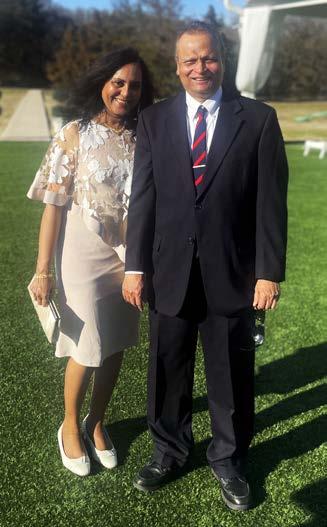

Hite ECS 3rd Vice President, 2026–2027
Jennifer Hite is Professor of Materials Science and Engineering at the University of Florida (UF). Her research focuses on the growth and characterization of wide and ultrawide-bandgap semiconductors, with an emphasis on applications in power electronics.
Jennifer earned her BS in Chemical Engineering and PhD in Materials Science and Engineering (2006) at the University of Florida. Prior to her PhD studies, she worked at Lucent Technologies. In 2007, she was an ASEE Postdoctoral Fellow at the US Naval Research Laboratory, transitioning to permanent staff as a Karles Fellow in 2010, then Senior Materials Research Engineer. She joined the UF faculty in 2024. The author or co-author of more than 190 publications and 300 presentations, she holds eight patents.
Jennifer has been active in ECS since her first presentation as a graduate student at the 210th ECS Meeting in Cancún, Mexico, in 2006. Since then, she has organized or co-organized more than 20 ECS symposia on solid state topics and has served the Society in many roles. For the past eight years, she has been an ECS Electronic and Photonics Division (EPD) Executive Committee member, including 2nd Vice Chair and Division Chair. She has chaired the Interdisciplinary Science and Technology Subcommittee (ISTS) for the past three years, overseeing the expansion of the committee’s role in symposium organization and championing a push into multidisciplinary symposia addressing resiliency issues. Through her roles with EPD and ISTS, she has been on the Board of Directors, Technical Affairs Committee, and Symposium Planning Advisory Board. Supporting the organization in publications, Jennifer served as division representative on the ECS Interface Advisory Board and guest edited a Journal of Solid State Science and Technology focus issue and an ECS Interface issue.
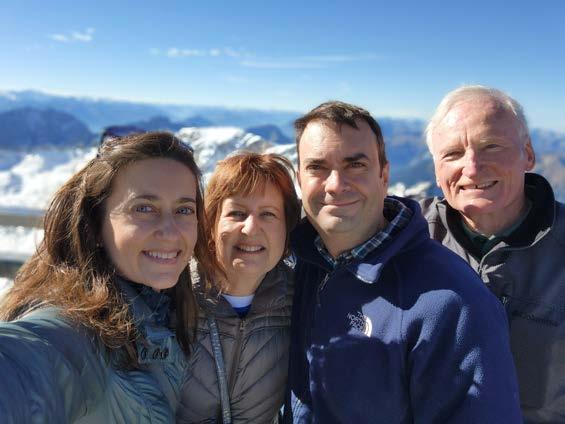
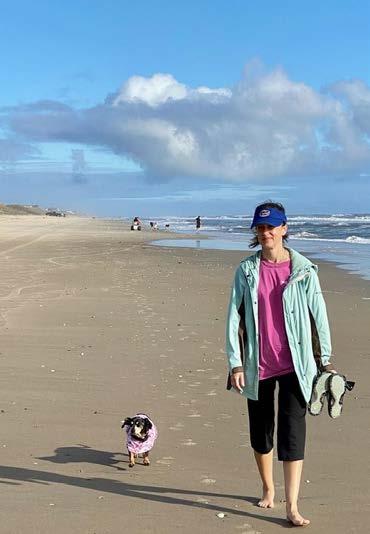
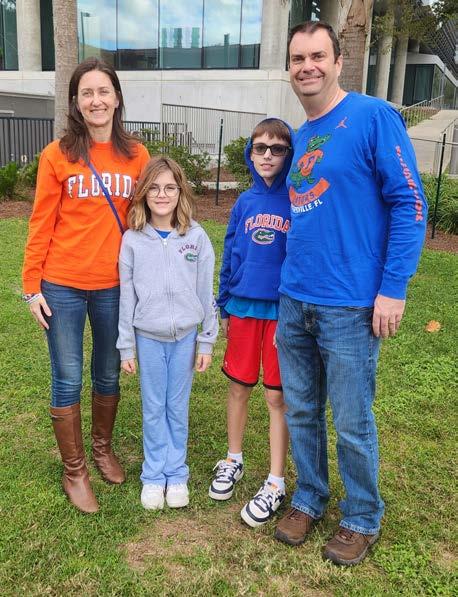
Outside of work, Jennifer enjoys spending time with friends and family, walking, traveling, gardening, rooting for the Gators, and living the Florida life.
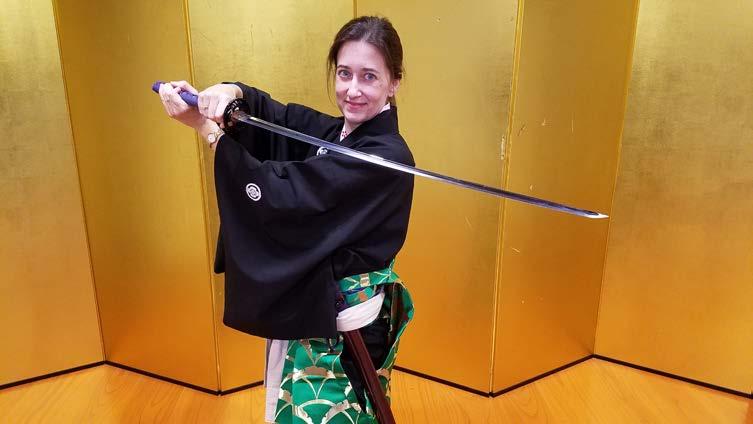
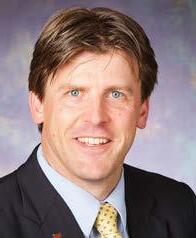
ECS Treasurer, 2026–2030
Paul J. A. Kenis is Professor of Chemical and Biomolecular Engineering at the University of Illinois Urbana-Champaign (UIUC) where he holds the Elio E. Tarika Endowed Chair. He is Director of the School of Chemical Sciences, after serving for 11 years as Head of the Chemical Engineering Department. He also holds an affiliate appointment with the International Institute for Carbon Neutral Energy (I2CNER) at Kyushu University.
Paul’s research pursues a variety of projects in the area of electrochemical engineering, often related to electrifying chemical manufacturing using renewable feeds such as CO2, air, flue gasses, and biomass (e.g., crude glycerol). Specific efforts include CO2 or CO reduction, glycerol valorization, as well as ammonia oxidation and water electrolysis for hydrogen transportation/production. Earlier, he worked extensively on microfuel cells, including membraneless fuel cells (which led to a startup company, INI Power Systems, Inc.), and electrochemical flow reactors. A second research area pertains to the autonomous/automated synthesis, purification, and characterization of inorganic nanomaterials, including quantum dots and electrocatalysts.
After receiving a BS in Chemistry from Radboud Universiteit Nijmegen and PhD in Chemical Engineering from Universiteit Twente, Paul completed a postdoc at Harvard University focusing on microfluidics and microanalytical systems. Since joining UIUC in 2000, he has trained more than 40 PhDs and 120 undergraduates, many of whom have gone on to successful electrochemistry careers in industry, academia, and national labs.
The author of more than 220 publications and 14 patents, Paul is coauthor of reports on the prospects of CO2 utilization at scale issued by the US National Academies, UK Royal Society, and global Mission Innovation consortium. A Fellow of The Electrochemical Society and the International Society of Electrochemistry, some of his most recent recognitions include the ECS Carl Wagner Memorial Award, ECS Energy Technology Division Research Award, and Institution of Chemical Engineers Industry Project Award. Earlier, he received an NSF CAREER award and 3M Young Faculty Award.
Paul’s service with the Society includes organizing more than two dozen symposia, judging PEMFC student poster competitions, and sitting on various division subcommittees. Since 2020, he has served as Secretary/Treasurer, Vice Chair, and Chair of the ECS Industrial Electrolysis and Electrochemical Engineering Division; Member at Large of the ECS Energy and Technology Division; and member of the ECS Finance Committee (2024–2026). He guest edited the Electrochemistry for a Sustainable World special issue of ECS Interface in fall 2020, and today is the Journal of The Electrochemical Society Technical Editor for Electrochemical Engineering.
Paul is married to Mary Kraft, Chien Family Professorial Scholar and Professor of Chemical and Biomolecular Engineering at UIUC, whose focus is bioimaging. They enjoy birdwatching at home and while traveling. Paul is an avid mountaineer and rock climber who has summited major peaks worldwide, including Mount Rainier, Mont Blanc, Mount Whitney, Mount Fuji, and Monte Viso. He especially loves coffee and desserts.






by Adrian T. Plummer, MPA, PMP, Senior Director of Publications
As we move into the summer season in North America, the ECS publications program reflects both continuity and renewal, fueled by the contributions of our global community and strengthened by the addition of new members to our editorial boards. These appointments bring fresh perspectives and expertise that will further support the rigor, relevance, and impact of ECS journals.
The early months of 2026 have highlighted the people and the principles that sustain our publications efforts. In February, we recognized Black History Month and the lasting contributions of Black scientists and members of ECS whose work continues to shape electrochemical sensing, energy systems, and materials innovation. Their achievements underscore the importance of fostering an inclusive scholarly ecosystem where diverse voices drive discovery and innovation.
In March, we celebrated Women’s History Month and the essential role of women across the ECS community—as researchers, editors, reviewers, and leaders. Their contributions, alongside the dedication of our broader volunteer network, reinforce the principle of collaboration upon which ECS publications are built. The commitment of editors and peer reviewers remains central to maintaining the high standards of quality and integrity that define our journals.
April brought a focus on renewal; a theme that resonates strongly as we look ahead to the months of increased activity that summer brings. Renewal in science is driven by resilience and sustained through collaboration. The long-standing tradition of ECS meetings and publications demonstrates that even in times of uncertainty, the pursuit of knowledge continues unabated. Each submission, review, and publication contributes to a living body of work that advances the field and supports future discovery.
This spirit of renewal is reflected not only in the research disseminated in ECS publications but also in the evolution of our editorial leadership. We are pleased to welcome new editors joining our boards and to recognize those continuing their service. Together, they represent a dynamic and dedicated group committed to guiding the next generation of electrochemical and solid state science scholarship.
As we enter the summer months and prepare this June issue of Interface, we are reminded that progress in science is both cumulative and collective. With new ideas taking shape, new leaders stepping forward, and a community united by curiosity and purpose, the ECS publications program remains focused on advancing rigorous, impactful, and inclusive science for the benefit of all.

The ECS Publications Subcommittee has approved the following appointments and reappointments to the editorial boards of ECS journals. For Technical Editor roles, approvals were granted jointly by the Publications Subcommittee and the ECS Technical Affairs Committee.



Alice Suroviec has accepted appointment as Technical Editor for the Journal of The Electrochemical Society (JES) in the Organic and Bioelectrochemistry topical interest area for the 24-month term May 1, 2026–April 30, 2028.
Praveen Sekhar has accepted appointment as a Technical Editor for JES in the Sensors topical interest area for the 24-month term May 1, 2026–April 30, 2028.
Alexander Zestos has accepted appointment as an Associate Editor for JES in the Sensors topical interest area for the 36-month term April 1, 2026–March 30, 2029.
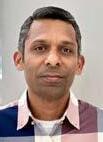


Nagappan Ramaswamy has accepted appointment as an Associate Editor for ECS Advances (ECSA) for the 24-month term February 15, 2026–February 14, 2028.
Nian Liu has accepted appointment as Associate Editor for ECSA for the 24-month term February 15, 2026–February 14, 2028.
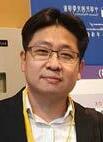
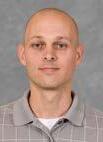
Soohwan Jang has accepted appointment as an Associate Editor for the ECS Journal of Solid State Science and Technology (JSS) for the 36-month term March 1, 2026–February 28, 2029.

Sheng-Joue Young has accepted reappointment as an Associate Editor for JES in the Sensors topical interest area for the term March 1, 2026–May 31, 2026.
Jeffrey Bell has accepted reappointment as an Associate Editor for ECS Sensors Plus (ECSSP) for the term March 1, 2026–February 28, 2027.
John Staser has accepted reappointment as an Associate Editor for JES in the Electrochemical Engineering topical interest area for the term March 18, 2026–March 17, 2027.

Perla Balbuena has accepted reappointment as an Associate Editor for JES in the Battery and Energy Storage topical interest area for the term April 1, 2026–March 31, 2029.
The fall issue of Interface, guest edited by Marca Doeff, will be a special issue honoring the 250th ECS Meeting to be held in Calgary, Canada, October 25–29, 2026. The meeting and the issue will be a historic celebration of science, innovation, and community. Stories and reflections from ECS members old and new
will demonstrate the power of the ECS community coming together to connect, inspire, and nurture creativity and pathbreaking research.
Fall 2026 will also include Pennington Corner; the ECS Board Report; and our regular features and news from the Society, members, divisions, and sections.
JES is the flagship journal of The Electrochemical Society. Published continuously since 1902, JES is one of the most highly cited journals in electrochemistry and solid state science and technology.
JSS is a peer-reviewed journal covering fundamental and applied areas of solid state science and technology, including experimental and theoretical aspects of the chemistry and physics of materials and devices.
This multidisciplinary, gold open-access journal provides an international platform for scientists, engineers, and technologists whose primary interests focus on materials, structures, properties, performance, and characterization of sensing and detection devices and systems.
ECS Advances (ECSA)
ECSA is a multidisciplinary, gold open-access forum for peer-reviewed, highquality content covering all technical areas supported by the Society. ECS Advances publishes full-length original work, brief communication-style papers, perspectives, review articles, and special issues.


HM
Battery
Jie Xiao, Chair
Pacific Northwest National Laboratory
Jagjit Nanda, Vice Chair
Xiaolin Li, Secretary
Neil Dasgupta, Treasurer
Doron Aurbach, Journals Editorial Board Representative Cl–
Corrosion
Eiji Tada, Chair Institute of Science Tokyo
Rebecca Schaller, Vice Chair
Yaiza Gonzalez-Garcia, Secretary/Treasurer
Sannakaisa Virtanen, Journals Editorial Board Representative
D T S
Dielectric Science and Technology
Eva Kovacevic, Chair
GREMI
Thorsten Lill, Vice Chair
Hiroki Kondo, Secretary
Neelakandan Marath Santhosh, Treasurer
Peter Mascher, Journals Editorial Board Representative
Electrodeposition
Andreas Bund, Chair Technische Universität Ilmenau
Rohan Akolkar, Vice Chair
Adriana Ispas, Secretary
Massimo Innocenti, Treasurer
Takayuki Homma, Journals Editorial Board Representative
Electronics and Photonics
Vidhya Chakrapani, Chair
Rensselaer Polytechnic Institute
Zia Karim, Vice Chair
Travis Anderson, 2nd Vice Chair
Jennifer Hite, Secretary
Helmut Baumgart, Treasurer
Travis Anderson, Journals Editorial Board Representative
Tae-Yeon Seong, Journals Editorial Board Representative
Energy Technology
Minhua Shao, Vice Chair
Hong Kong University of Science and Technology
Hui Xu, Vice Chair
Iryna Zenyuk, Secretary
Ertan Agar, Treasurer
Minhua Shao, Journals Editorial Board Representative
High-Temperature Energy, Materials, & Processes
Xingbo Liu, Chair
West Virginia University
Teruhisa Horita, Vice Chair
Dong Ding, Junior Vice Chair
Xinfang Jin, Secretary/Treasurer
Minhua Shao, Journals Editorial Board Representative
Industrial Electrochemistry and Electrochemical Engineering
Elizabeth Biddinger, Chair City College of New York
Chockalingam Karuppaiah, Vice Chair
William Tarpeh, Secretary/Treasurer
Paul J. A. Kenis, Journals Editorial Board Representative
Luminescence and Display Materials
Chong-Geng Ma, Chair
Chongqing University of Posts and Telecommunications
William Cohen, Vice Chair
Luiz Jacobsohn, Secretary/Treasurer
Won Bin Im, Journals Editorial Board Representative
Nanocarbons
Ardemis Boghossian, Chair Independent Researcher
Michael S. Arnold, Vice Chair
Anton Naumov, Secretary
Jeffrey Blackburn, Treasurer
Jihyun Kim, Journals Editorial Board Representative
O B
Organic and Biological Electrochemistry
Ariel Furst, Chair
Massachusetts Institute of Technology
Jeffrey Halpern, Vice Chair
David Hickey, Secretary/Treasurer
Alice Suroviec, Journals Editorial Board Representative
Physical and Analytical Electrochemistry
Anne Co, Chair
The Ohio State University
Svitlana Pylypenko, Vice Chair
Iwona Rutkowska, Secretary
Valentine Vullev, Treasurer
Andrew Hillier, Journals Editorial Board Representative
Sensor
Praveen Kumar Sekhar, Chair
Washington State University
Dong-Joo Kim, Vice Chair
Leyla Soleymani, Secretary
Harshini Mukundan, Treasurer
Praveen Kumar Sekhar, Journals Editorial board Representative
Three divisions held elections in April. These division executive committee members took office following the spring ECS Meeting.
D T S Dielectric Science and Technology
Chair
Eva Kovacevic, GREMI/Université d’Orléans
Vice Chair
Thorsten Lill, Lam Research Corporation
Secretary
Hiroki Kondo, Kyushu University
Treasurer
Neelakandan Marath Santhosh, Jožef Stefan Institute Members at Large
Gautam Banerjee, IBM Corporation Research Center
Vimal H. Chaitanya, New Mexico State University
Zhi David Chen, University of Kentucky
Stefan De Gendt, imec
Dennis Hess, Georgia Institute of Technology
Hemanth Jagannathan, IBM Corporation Research Center
Zia Karim, Yield Engineering Systems
Dong-Kyun Ko, New Jersey Institute of Technology
Oana Leonte, Berkeley Polymer Technologies, Inc.
Peter Mascher, McMaster University
Durga Misra, New Jersey Institute of Technology
Yaw Obeng, National Institute of Standards and Technology
Kalpathy Sundaram, University of Central Florida
Mahendra Sunkara, University of Louisville
Industrial Electrochemistry and Electrochemical Engineering
Tyler Petek, The Lubrizol Corporation
Doug Riemer, Niron Magnetics, Inc.
Shrihari Sankarasubramanian, University of Texas San Antonio
Robert Savinell, Case Western Reserve University
John Staser, Ohio University
Xiao Su, University of Illinois at Urbana-Champaign
Venkat Subramanian, University of Texas at Austin
William Tarpeh, Stanford University
Santosh Vijapur, Faraday Technologies, Inc.
John Weidner, University of Cincinnati
Ardemis Boghossian, Independent Researcher
Vice Chair
Michael S. Arnold, University of Wisconsin–Madison
Secretary
Anton Naumov, Texas Christian University
Treasurer
Jeffrey Blackburn, National Laboratory of the Rockies
Members at Large
Noe Alvarez, University of Cincinnati
Delphine Bouilly, Université de Montréal
Sophie Cambre, Universiteit Antwerpen
Tatiana Da Ros, Università degli Studi di Trieste
Francis D’Souza, University of North Texas
David Écija, Instituto Madrileño de Estudios Avanzados en Nanociencia
Chair
Elizabeth Biddinger, City College of New York
Vice Chair
Chockalingam Karuppaiah, Vetri Labs
Division Secretary/Treasurer
William Tarpeh, Stanford University
Members at Large
Christopher Arges, Penn State University
Saket Bhargava, Blueshift
Gerardine Botte, Texas Tech University
Fikile Brushett, Massachusetts Institute of Technology
Damilola Daramola, Northeastern University
Luis Diaz Aldana, Idaho National Laboratory
James Fenton, University of Central Florida
Taylor Garrick, General Motors Holdings, LLC
Matthew Graaf, Corteva Agriscience
Shrisudersan Jayaraman, Corning, Inc.
Wenzhen Li, Iowa State University
Juan Lopez-Ruiz, Pacific Northwest National Laboratory
Trung Van Nguyen, University of Kansas
Mark E. Orazem, University of Florida
Andrew Ferguson, National Renewable Energy Laboratory
Daniel Heller, Memorial Sloan Kettering Cancer Center
Mark Hersam, Northwestern University
Tetyana Ignatova, University of North Carolina at Greensboro
Hiroshi Imahori, Kyoto University
Nicole Iverson, University of Nebraska-Lincoln
Markita Landry, University of California, Berkeley
Yan Li, Peking University
Richard Martel, Université de Montréal
Nazario Martín, Universidad Complutense de Madrid
Shigeo Maruyama, University of Tokyo
Elisa Miller-Link, National Laboratory of the Rockies
Roberto Paolesse, Università degli Studi di Roma Tor Vergata
Slava V. Rotkin, The Pennsylvania State University
Ángela Sastre-Santos, Universidad Miguel Hernández de Elche
Steve Stevenson, Purdue University
Tomás Torres, Universidad Autónoma de Madrid
YuHuang Wang, University of Maryland
R.Bruce Weisman, Rice University
Yoko Yamakoshi, Eidgenössische Technische Hochschule Zürich
Jana Zaumseil, Universität Heidelberg
Ming Zheng, National Institute of Standards and Technology
The ECS Battery, Corrosion, and Sensor Divisions are gearing up for an exciting new chapter, nominating a dynamic slate of officers and members at large to serve from fall 2026 through fall 2028. These nominees represent individuals within the community who are committed to advancing their divisions’ impact, shaping strategic priorities, and strengthening the future of electrochemical and solid state science. Elections take place September 1–30, 2026, with results announced in the winter 2026 issue of ECS Interface. All division members are encouraged to take part in this important opportunity to help guide their community forward.
Battery Division
Chair
Jagjit Nanda, SLAC-Stanford
Vice Chair
Xiaolin Li, Pacific Northwest National Laboratory
Secretary
Neil Dasgupta, University of Michigan
Treasurer
Jang Wook Choi, Seoul National University Member at Large
Chibueze Amanchukwu, University of Chicago
Veronica Augustyn, North Carolina State University
Peng Bai, Washington University in St. Louis
Tiffany Chen, Lawrence Berkeley National Laboratory
Corie Cobb, University of Washington
Tobias Glossman, Mercedes-Benz Research & Development North America
Elham (Ellie) Honar, Ford Motor Company
Liangbin Hu, Yale University
Golareh Jalilvand, University of South Carolina
Judith Jeevarajan, UL Research Institutes
Jung-Hyun Kim, Ohio State University
Gary Koenig, University of Virginia
Feng Lin, Brown University
Gao Liu, Lawrence Berkeley National Laboratory
Amy Marschilok, Stonybrook University/Brookhaven National Laboratory
Matthew McDowell, Georgia Institute of Technology
Michael Metzger, Dalhousie University
Partha Mukerjee, Purdue University
Dong-Hwa Seo, Korea Advanced Institute of Science and Technology
Changmin Shi, Syracuse University
Seung-Wan Song, Chungnam National University
Laisuo Su, The University of Texas at Dallas
Gabriel Veith, Oak Ridge National Laboratory
Veenasri Vallem, Quino Energy, Inc.
Wei Wang, Pacific Northwest National Laboratory
Ruocun (John) Wang, University of North Texas
Yan Wang, Worcester Polytechnic Institute
Marina Yakovleva, Rio Tinto
Guang Yang, Oak Ridge National Laboratory
Vitaliy Yurkiv, University of Arizona
Corrosion Division
Chair
Rebecca Schaller, Sandia National Laboratories
Vice Chair
Yaiza Gonzalez-Garcia, Technische Universiteit Delft Division Secretary/Treasurer
Michael Rohwerder, Max-Planck-Institut für Eisenforschung GmbH Member at Large
Christopher Alexander, University of South Florida
Santiago Fajardo, Centro Nacional de Investigaciones Metalúrgicas CENIM-CSIC
Samantha Gateman, Western University
Rajeev Gupta, North Carolina State University
Yoshinao Hoshi, Nagoya Institute of Technology
Brendy Rincon Troconis, University of Texas at San Antonio
Raghu Srinivasan, University of Alaska
Hiroaki Tsuchiya, Osaka University
Chair
Dong-Joo Kim, Auburn University
Vice Chair
Leyla Soleymani, McMaster University
Secretary
Harshini Mukundan, Lawrence Berkeley National Laboratory
Treasurer
Dongmei Dong, Rowan University
Milad Navaei, Georgia Institute of Technology
Member at Large
Sheikh Akbar, Ohio State University
Netz Arroyo, University of North Carolina at Chapel Hill
Shekhar Bhansali, Vanderbilt University
Aicheng Chen, University of Guelph
Pengyu Chen, Auburn University
Dongmei Dong, Rowan University
Aida Ebrahimi, The Pennsylvania State University
Jay Grate, Pacific Northwest National Laboratory
Peter Hesketh, Georgia Institute of Technology
A.Robert Hillman, University of Leicester
Gary Hunter, NASA Glenn Research Center
Takeo Hyodo, Nagasaki University
Jessica Koehne, NASA Ames Research Center
Rangachary Mukundan, Lawrence Berkeley National Laboratory
Larry Nagahara, Johns Hopkins University
Milad Navaei, Georgia Institute of Technology
Michael Sailor, University of California San Diego
Yasuhiro Shimizu, Nagasaki University
Thiagarajan Soundappan, Navajo Technical University
Lok-kun Tsui, University of New Mexico
Raluca Van Staden, Institutul National De Cercetare – Dezvoltare
Pentru Electrochimie Si Materie Condensata
Petr Vanýsek, Northern Illinois University
Nianqiang Wu, University of Massachusetts Amherst
The Society has awarded the 2026 ECS Summer Fellowships to Stefan Oswald (Colin Garfield Fink Fellowship), Maura Appleberry (Edward G. Weston Fellowship), Natalie Strom (Joseph W. Richards Fellowship), Ba Lich Pham (F. M. Becket Fellowship), and Devadharshini Kathan (H. H. Uhlig Fellowship). These fellowships provide support from June through August for students who are ECS members enrolled in a college or university pursuing work of interest to the Society—the Fink Fellowship for postgraduate researchers/engineers, and the Weston, Richards, Becket, and Uhlig Fellowships for students who are are pursuing PhD degrees. Their research reports will appear in the 2026 ECS Interface winter issue.
Applications for the 2027 ECS Summer Fellowships and Colin Garfield Fink Fellowship are accepted from September 15, 2026 to January 15, 2027.
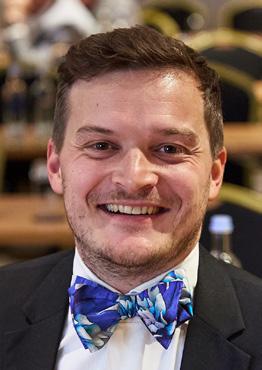
Dr. Stefan Oswald received the Colin Garfield Fink Fellowship for research on “advancing lithium-ion batteries via the detection, quantification, and understanding of detrimental proton intercalation into nickel-rich layeredoxide cathode materials.” He is a Postdoctoral Research Associate in Prof. Dame Clare Grey’s Research Group at the University of Cambridge. His research focuses on transport and degradation processes in energy-storage devices, with a particular interest in elucidating degradation mechanisms of battery active materials. By employing electrochemical impedance spectroscopy, impedance spectroscopy, and operando electrochemical mass spectrometry, his work has advanced our understanding of the degradation mechanisms and stability limits of state-of-the-art and next-generation battery materials.
Stefan received his BSc and MSc in Physics from the Technische Universität München (TUM) before completing his PhD in Technical Electrochemistry with Prof. Hubert Gasteiger in 2023. His PhD dissertation received the Excellence Award of the German Chemistry Executives Association for its high industrial relevance. His first scientific publication, “Novel Method for Monitoring the Electrochemical Capacitance by In Situ Impedance Spectroscopy as Indicator for Particle Cracking of Nickel-Rich NCMs: Part I. Theory and Validation,” received the 2020 ECS Norman Hackerman Young Author Award for the best paper published in the Journal of The Electrochemical Society on a topic in the field of electrochemical science and technology by a young author or authors. The ECS Battery Division awarded him a travel grant in 2025. The author of 11 peer-reviewed articles, he has mentored one postdoctoral researcher, 12 graduate students, and three undergraduate students.
After joining the Society in 2017, Stefan served as board member and treasurer of the ECS Munich Student Chapter from 2018 to 2022.
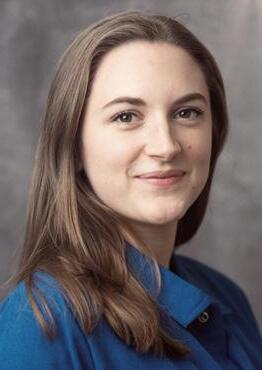
Maura Appleberry received the 2026 Edward G. Weston Fellowship for her project, “Design of a Lithium-Selective Electrochemical pLi Sensor for Alkaline Systems.” She is a PhD student in the Sustainable Materials and Energy Laboratory at the University of California San Diego under Prof. Zheng Chen. Her research focuses on lithium-ion battery degradation and the development of scalable direct recycling strategies.
Maura completed a BS in Mechanical Engineering at Boston University in 2019. After completing an internship in system engineering at Gridspan Energy LLC, she was subsequently hired as Lead Hardware Engineer (2019–2020); she then worked as a Battery
Lab Team Lead and Technical Project Manager at Titan Advanced Energy Solutions from 2021 to 2022. She earned an MSc at UC San Diego in 2023. She mentors eight undergraduate and four graduate students. The author of 10 published articles, Maura has received one patent with two applications pending. After serving as treasurer of the ECS University of California San Diego Student Chapter, she now serves as the chapter’s chair.
She has held a Sloan Scholar Fellowship at UC San Diego since 2022. In her fellowship profile, she states, “As a child growing up in Kentucky, it was impossible for me to ignore the socioeconomic and environmental effect that coal mining had on the people and landscape. I became fascinated by our parasitic relationship with electrical energy, and I still believe that renewable energy is key to equity around the world.”

Natalie E. Strom received the Joseph W. Richards Fellowship for “Unveiling the Mechanism and Impact of Silver on Multi-Drug Resistant Pathogens through Electrochemistry.” She is a PhD student in the Olja Simoska Research Group at the University of South Carolina. Her research focuses on employing electrochemical methods to investigate microbial metabolism and antimicrobial activity in clinically relevant systems, ultimately aiming to understand and address antibiotic-resistant infections.
She completed her BS in Neuroscience and Chemistry at the University of South Carolina in 2025, where she received the 2025 University of South Carolina President’s Award, which is given to the university’s most exceptional graduating seniors for academic accomplishments, leadership achievements, cocurricular involvement, and service to the Carolina community. Her undergraduate work also earned her two first-place poster awards and the 2025 University of South Carolina Outstanding Senior Award for demonstrating major achievement in the categories of service, leadership, academics, and research. Natalie mentors six undergraduate students and has published three papers with three others currently under review. In her spare time, Natalie enjoys playing golf, reading, and surfing.
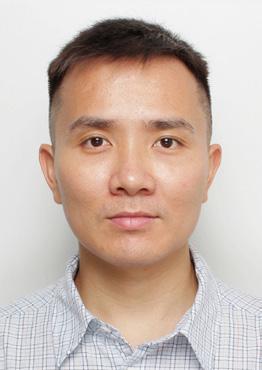
Ba Lich Pham won the F. M. Becket Fellowship for his project, “Mechanism of Ion-induced Surface Poisoning on Pt and Au Electrodes via SHG, SFG Spectroscopies Combined with DFT Calculations.” He will complete his PhD in Electrochemistry under the supervision of Christophe Humbert at the Institut de Chimie Physique (ICP), Université Paris-Saclay, in December 2026. His work in electrochemistry integrates nonlinear optical techniques such as
sum frequency generation (SFG) and second harmonic generation (SHG) spectroscopies to probe electrochemical interfaces. This approach enables molecular-level insight into interfacial structure, charge transfer, and reaction dynamics at electrode–electrolyte interfaces.
Ba Lich received his BSc with Honors in Analytical Chemistry from the Hanoi University of Science (2012), followed by an MSc with Honors in Nanotechnology from the Vietnam Japan University, University of Osaka (2018), and MSc in Chemistry from the Erasmus Mundus Joint Masters program (2020). Erasmus Mundus scholarships funded studies from 2020 through 2022 in the Surface, Electro-, Radiation, and Photo-Chemistry (SERP+) Masters program. Ba Lich has been awarded travel grants by the ECS Europe Section, Federation of Physical Chemistry at Université Paris-Saclay, and International Water & Energy Conference. He worked as an engineer for Nippon Steel from 2016 to 2017, and in 2014, he volunteered at the 46th International Chemistry Olympia, a “Green Nature” summer campaign, and participated in the Asia-Pacific Forum on Youth Volunteerism.

Devadharshini Kathan will work on “Ionomer Integrated Zn Anodes for Enhanced Ionic Conductivity and Zn Utilization in Zn-Air Batteries” with support from the H. H. Uhlig Fellowship. She is a PhD student in Chemical Engineering at the University of South Carolina (USC) in the William Mustain Laboratory for Energy Storage and Fuels. Her research focuses on enhancing mass transport in zinc-based
batteries to mitigate limitations in rate capability and stability, contributing to the development of safe, cost-effective, and scalable energy storage systems.
Devadharshini’s undergraduate BTech degree from the Central Electrochemical Research Institute (CSIR, Tamil Nadu) is also in Chemical Engineering. She is the author of four publications. Devadharshini received ECS Battery Division Travel Grants for the 245th and 248th ECS Meetings and a second prize for best poster at a Battery Safety Seminar. At USC, she serves as vice president of the Chemical Engineering Graduate Student Organization. In her spare time, she enjoys origami and reading.
The Society thanks the 2026 Summer Fellowship Subcommittee members:
• Gessie Brisard, Subcommittee Chair, Université de Sherbrooke
• Wesley Chang, Drexel University
• Junsoo Han, Université Sorbonne Paris
• Peter Mascher, McMaster University
• Aashutosh Mistry, Colorado School of Mines
• Kody Wolfe, Ohio University

Francis D’Souza President, Spring 2027
Robert Savinell Senior Vice President, Spring 2027
Marca Doeff 2nd Vice President, Spring 2027
Jennifer Hite .......................................................... 3rd Vice President, Spring 2027
Gessie Brisard Secretary, Spring 2028
Paul J. A. Kenis ....................................................................Treasurer, Spring 2030
Alice Suroviec Community Inclusion Chair, Spring 2029
Christopher Jannuzzi Executive Director, Term as ED
Audit Committee
James Fenton, Chair
Immediate Past President, Spring 2027
Francis D’Souza President, Spring 2027
Robert Savinell Senior Vice President, Spring 2027
Kevin Johnson Nonprofit Financial Professional, Spring 2028
Paul J. A. Kenis Treasurer, Spring 2027
Community Inclusion Committee
Alice Suroviec, Chair
Natalia Bencomo
Anne Co
Damilola Daramola
Jeffrey Halpern
Yoshinao Hoshi
Nicole Iverson
Vivek Kamat
Eva Kovacevic
Fred Omenya
Spring 2029
Spring 2029
Spring 2029
Spring 2029
Spring 2029
Spring 2029
Spring 2029
Spring 2029
Spring 2029
Spring 2029
Nicola Perry Spring 2029
Kay Song
Spring 2029
Natasa Vasiljevic .................................................................................. Spring 2029
Justyna Zeler
Spring 2029
TBD .......................................................................... Student Member, Spring 2027
TBD Student Member, Spring 2027
Education Committee
Scott Calabrese Barton, Chair
Spring 2029
Thomas Barrera Spring 2030
Damilola Daramola Spring 2027
Anton Naumov
Thiagarajan Soundappan
Maureen Tang
Spring 2028
Spring 2030
Spring 2027
Maria Eugenia Toimil-Molares........................................................... Spring 2029
Justyna Zeler Spring 2029
Dominika Grzesiak ................................................. Student Member, Spring 2027
TBD Student Member, Spring 2028
Gessie Brisard Secretary, Spring 2028
Uroš Cvelbar Chair, Individual Membership Committee, Spring 2029
Nicole Iverson Community Inclusion Member, Spring 2027
Kay Song Community Inclusion Member, Spring 2027
Ethical Standards Committee
James Fenton, Chair Immediate Past President, Spring 2027
Gessie Brisard Secretary, Spring 2028
Paul Kenis Treasurer, Spring 2030
Elizabeth Podlaha-Murphy ........................................... Past Officer, Spring 2029
Daniel Steingart Past Officer, Spring 2027
Alice Suroviec ........................................ Community Inclusion Chair, Spring 2029
Finance Committee
Paul J. A. Kenis, Chair Treasurer, Spring 2030
Helmut Baumgart Spring 2028
Jeffrey Blackburn Spring 2029
Gessie Brisard Secretary, Spring 2028
Sreeram Vaddiraju Spring 2029
Kevin Johnson Nonprofit Financial Professional, Spring 2028
Tim Gamberzky Chief Operating Officer, Term as COO
Honors and Awards Committee
Adam Weber, Chair Spring 2027
Katherine Ayers ................................................................................... Spring 2029
Shekhar Bhansali Spring 2027
Elizabeth Biddinger Spring 2027
Stanko Brankovic Spring 2027
Uroš Cvelbar Spring 2028
Colm O’Dwyer ...................................................................................... Spring 2030
Stephen Paddison Spring 2029
Roberto Paolese .................................................................................. Spring 2029
Eiji Tada Spring 2030
Siegfried Waldvogel ............................................................................ Spring 2028
Jie Xiao Spring 2030
Justyna Zeler Spring 2028
Francis D’Souza President, Spring 2027
Eva Kovacevic Community Inclusion Member, Spring 2027
Natasa Vasiljevic Community Inclusion Member, Spring 2027
Individual Membership Committee
Uroš Cvelbar, Chair Spring 2029
Gessie Brisard Secretary, Spring 2028
Hussain Abdul Jabbar ......................................................................... Spring 2027
Sarah Berlinger Spring 2028
Joshua Gallaway .................................................................................. Spring 2027
Paul Kempler Spring 2029
Elisa Miller-Link Spring 2029
Tomoyuki Yamamoto Spring 2028
Antonia Pawlowski Student Member, Spring 2029
Sahand Serajian Student Member, Spring 2027
Jeffrey Halpern Community Inclusion Representative, Spring 2027
Fred Omenya Community Inclusion Representative, Spring 2027
Alex Peroff Chair, Institutional Engagement Committee, Spring 2028
Institutional Engagement Committee
Alex Peroff, Chair Spring 2028
Bernhard Bugenhagen ....................................................................... Spring 2029
William Cohen Spring 2027
Russell Freed ....................................................................................... Spring 2028
Dongping Lu Spring 2028
Vivek Kamat Spring 2028
Zia Karim Spring 2029
Jacob Ketter Spring 2027
John Muldoon Spring 2027
TBD Spring 2029
Paul J. A. Kenis Treasurer, Spring 2030
Uroš Cvelbar Chair, Individual Membership Committee, Spring 2029
Nominating Committee
James Fenton, Chair Immediate Past President, Spring 2027
Jennifer Hite .......................................................... 3rd Vice President, Spring 2027
Masyuki Itagaki Spring 2027
Jessica Koehne Spring 2027
Robert Kostecki Spring 2027
Alice Suroviec Community Inclusion Chair, Spring 2028
Christopher Jannuzzi Executive Director, Term as ED
Technical Affairs Committee
Robert Savinell, Chair Senior Vice President, Spring 2027
Francis D’Souza President, Spring 2027
Marca Doeff ................................ Chair, Publications Subcommittee, Spring 2027
James Fenton Immediate Past President, Spring 2027
Jennifer Hite ..................................... Chair, Meetings Subcommittee, Spring 2027
Maria Inman Chair, Interdisciplin. Sci. & Technol. Subcom., Spring 2028
Christopher Jannuzzi Executive Director, Term as ED
Paul J. A. Kenis Treasurer, Spring 2030
Colm O’Dwyer 2nd Immediate Past President, Spring 2027
Gessie Brisard Secretary, Spring 2028
Alice Suroviec Community Inclusion Chair, Spring 2029
Publications Subcommittee of the Technical Affairs Committee
Marca Doeff, Chair .............................................. 2nd Vice President, Spring 2027
Jennifer Hite, Vice Chair 3rd Vice President, Spring 2027
Rohan Akolkar ......................................................................... ECSA EiC, 5/31/2027
Netz Arroyo ECSSP EiC, 12/31/2026
David Cliffel .............................................................................. JES EiC, 11/14/2026
Robert Kelly ECS Interface EiC, 5/31/2028
Fan Ren JSS EiC, 12/31/2028
Dominic Bresser Spring 2028
Eva Kovacevic Spring 2028
Yuliya Preger Spring 2028
Sreeram Vaddiraju .............................................................................. Spring 2027
Damilola Daramola Community Inclusion Member, Spring 2027
Justyna Zeler ..................................... Community Inclusion Member, Spring 2027
Meetings Subcommittee of the Technical Affairs Committee
Jennifer Hite, Chair 3rd Vice President, Spring 2027
Marca Doeff, Vice Chair 2nd Vice President, Spring 2027
Vito Di Noto Spring 2028
Dongmei Dong Spring 2029
Xiao Su Spring 2027
Natalia Bencomo Community Inclusion Representative, Spring 2027
Yoshinao Hoshi Community Inclusion Representative,Spring 2027
Interdisciplinary Science and Technology Subcommittee of the Technical Affairs Committee
Maria Inman, Chair Spring 2028
Andreas Bund Spring 2028
Zhi David Chen Spring 2029
Dev Chidambaram Spring 2028
Daniel Heller Spring 2028
David Hickey Spring 2027
Zia Karim Spring 2029
Chockkalingam Karuppaiah Spring 2027
Paweł Kulesza Spring 2029
Rangachary Mukundan ...................................................................... Spring 2027
David Reber Spring 2028
Jacob Spendelow ................................................................................. Spring 2029
Alok Srivastava Spring 2027
Jianhua Tong Spring 2028
Vivek Kamat Community Inclusion Member, Spring 2027
Nicola Perry Community Inclusion Member, Spring 2027
Symposium Planning Advisory Board of the Technical Affairs Committee
Jennifer Hite, Chair 3rd Vice President, Spring 2027
Elizabeth Biddinger Chair, Industrial Electrochemistry and Electrochemical Engineering Division, Spring 2028
Ardemis Boghossian Chair, Nanocarbons Division, Spring 2028
Andreas Bund Chair, Electrodeposition Division, Fall 2027
Vidhya Chakrapani Chair, Electronics and Photonics Division, Spring 2027
Anne Co Chair, Physical and Analytical Electrochemistry Division, Spring 2027
Ariel Furst Chair, Organic and Biological Electrochemistry Division, Spring 2027
Maria Inman Chair, Interdisciplinary Science and Technology Subcommittee, Spring 2028
Eva Kovacevic ..... Chair, Dielectric Science and Technology Division, Spring 2028
Xingbo Liu Chair, High-Temperature Energy, Materials, & Processes Division, Fall 2027
Chong-Geng Ma Chair, Luminescence and Display Materials Division, Fall 2027
Praveen Sekhar Chair, Sensor Division, Fall 2026
Minhua Shao Chair, Energy Technology Division, Spring 2027
Eiji Tada Chair, Corrosion Division, Fall 2026
Jie Xiao Chair, Battery Division, Fall 2026
Society Historian Roque Calvo Spring 2026
American Association for the Advancement of Science
Christopher Jannuzzi Term as Executive Director
National Inventors Hall of Fame
Adam Weber Chair, Honors & Awards Committee, Spring 2027

ECS has honored long-term supporters of the Society with the Leadership Circle Awards since the fall ECS Meeting in 2002. The awards recognize and thank our partners in electrochemistry and solid state science. They are granted in the anniversary year an institutional member reaches a milestone level.
We would like to thank and congratulate the Institutional Partners listed below for reaching their milestone levels in 2025. These companies have been tremendous partners to ECS and we appreciate all the support they have given the Society over the years.
GE Aerospace Research is GE Aerospace’s innovation powerhouse, dedicated to shaping the future of flight through advanced research and technology development. Built uniquely from 100+ years of GE’s innovation DNA started by Thomas Edison, GE Aerospace Research is composed of a highly multidisciplinary group of more than 750 scientists and engineers, 30 labs, and 50+ technical capabilities bringing deep and broad R&D capabilities in advanced propulsion, electrical systems, novel materials, and digital technologies. We aren’t afraid to roll up our sleeves and take on the biggest challenges in the name of science, passionately pursuing solutions to some of the toughest problems in our field, and keeping our eyes trained on the future of our industry.
For more information on their products and services, visit the GE Aerospace Research website at https://www.geaerospace.com/ company/research
Sandia National Laboratories (Sandia Labs) is a multi-mission laboratory operated by National Technology and Engineering Solutions of Sandia LLC, a wholly owned subsidiary of Honeywell International Inc., for the US Department of Energy’s National Nuclear Security Administration. Sandia Labs has major research and development responsibilities in nuclear deterrence, global security, defense, energy technologies, and economic competitiveness, with main facilities in Albuquerque, New Mexico, and Livermore, California.
For more information on Sandia Laboratories, visit their website at http://www.sandia.gov/
Bronze Partner – 5 years

The National Science Foundation (NSF)-funded Center for Synthetic Organic Electrochemistry (CSOE) is a multi-institutional research center advancing electrosynthesis as a sustainable platform for chemical manufacturing. By uniting chemists and industry partners, CSOE develops scalable electrosynthetic methods, trains the nextgeneration workforce, and promotes community standards that accelerate adoption of electrosynthesis across academia and industry.
For more information about their mission and work, visit the CSOE website at https://csoe.mst.edu/
Plug Power is a leader in comprehensive solutions for the global hydrogen economy, spanning production, storage, delivery, and power generation. A first mover, Plug has built its business around electrolyzers, fuel cells, and hydrogen production plants, serving customers across material handling, industrial applications, and energy markets, advancing energy resilience and industrial decarbonization.
For more information on Plug Power’s products and services, visit their website at https://www.plugpower.com/
Founded in 1866, The Sherwin-Williams Company is a global leader in paint and coatings, serving professional, industrial, commercial, and retail customers worldwide. Headquartered in Cleveland, Ohio, the Company operates more than 5,400 stores and serves customers in over 120 countries.
For more information on The Sherwin-Williams Company’s products and services, visit their website at https://www.sherwinwilliams.com/
Underwriters Laboratories is a nonprofit organization dedicated to advancing the UL public safety mission through the discovery and application of scientific knowledge. We conduct rigorous independent research and analyze safety data, convene experts worldwide to address risks, share knowledge through safety education and public outreach initiatives, and develop standards to guide the safe commercialization of evolving technologies. We foster communities
of safety, from grassroots initiatives for neighborhoods to summits of world leaders. Our organization employs collaborative and scientific approaches with partners and stakeholders to drive innovation and progress toward improving safety, security, and sustainability, ultimately enhancing societal well-being.
For more information about the UL Research Institutes, visit their website at https://ul.org/
UNITED MINERAL & CHEMICAL CORPORATION

United Mineral & Chemical has been a leading supplier of Ultra High Purity source materials to the compound semiconductor industry and complementary technologies for more than 35 years. Worldwide sourcing and supply chain management enable manufacturers and researchers to purchase very efficiently, with most products available for immediate shipment from local stock. Custom forms and shapes are also available for many items.
For more information on United Mineral & Chemical’s products and services visit their website at https://UMCCORP.com or contact John A. Braun.
Contact Anna Olsen, Senior Manager, Corporate Programs, to learn more about the ECS Institutional Partnership Program.



(up to 318 MPa at 6 mm / 114 MPa at 10 mm electrode diameter)
Gas pressure sensor and gas in- and outlet (optional)


For aprotic chemistries with solid-state and liquid electrolytes















In March, the Jefferson Scholars Foundation honored Robert G. Kelly with its Hartfield Excellence in Teaching Award for his decades of “exceptional teaching and mentorship” at the University of Virginia (UVA).
Rob is the Thomas Goodwin Digges Professor of Materials Science and Engineering at UVA, where he co-directs the Center for Electrochemical Science and Engineering. The award committee recognized Rob’s innovative approaches and classroom excellence, stating that he is described by his colleagues and students as a patient mentor who is deeply invested
in developing young scientists. Rob has advised and mentored generations of students and researchers at every stage of their careers. His graduate students have earned numerous honors, including six who earned The Electrochemical Society Morris Cohen Award for outstanding research in corrosion science and engineering. Each year, the Foundation invites deans and department chairs across the university to nominate outstanding educators for its Award for Excellence in Teaching. Nominations for the Hartfield Excellence in Teaching Award are submitted by department chairs and the dean within the UVA School of Engineering and Applied Science. Recipients are selected by a review committee composed of current UVA faculty
The Minerals, Metals & Materials Society (TMS) has elected John R.Scully to its 2026 Class of Fellows. Elevation to fellowship in the society is a pinnacle award that recognizes outstanding contributions to the practice of metallurgy, materials science, and technology. The honor of TMS Fellow is one of the highest in the field of metallurgy and materials science as the number of fellows is capped at 100, which is 0.1% of the professional members of TMS. The award honors John’s outstanding scientific advances in the understanding of the mechanisms of corrosion and hydrogen embrittlement of engineered materials, emphasizing interdisciplinary, integrated studies of metallurgy, electrochemistry, and surface science.
John holds the Charles Henderson Named Professorship in Materials Science at the University of Virginia. He is an Awarded Life Member and Fellow of The Electrochemical Society who joined ECS in 1981. His ECS recognitions and awards include the 2009 Corrosion Division H. H. Uhlig Award and the 2016 Henry B. Linford Award for Distinguished Teaching.

Kern
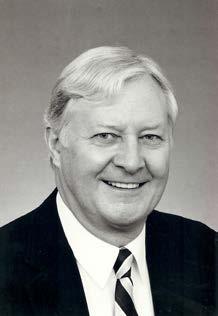
The Electrochemical Society mourns the passing of Werner Kern, who died on December 19, 2025. Werner was born on March 18, 1925, in Basel, Switzerland. When his regular schooling was cut short by World War II, he joined the pharmaceutical firm Hoffmann-La Roche as a junior chemist, assisting Dr. Max Kofler in vitamin research while attending night school. In addition to his work at Roche, he maintained his own basement laboratory where he invented, produced, and sold a new type of liquid soap to finance his research. One of his first publications (in German) was on the discovery of fluorescing carcinogenic hydrocarbons in certain organic soils.
In 1948, at the age of 23, he moved to the US, where he joined Roche’s New Jersey branch. On December 13, 1954, he became a naturalized US citizen. On a 10,000-mile trip around his new country, he met Mildred C. Patti in Bryce Canyon, Utah. After a short courtship, they married on November 20, 1955. Midge and Werner had three wonderful children: Jeffrey (1957), Vanessa (1959), and Peter (1967). Later they would have five grandchildren.
In 1955 Werner received a BS in chemistry from Rutgers University. In 1960 he was given an offer he could not refuse: to join the RCA Semiconductor Division and oversee the newly opened Radioisotope Laboratory which was investigating transistor chip processing using radioactive tracers. Five years later he joined the RCA David Sarnoff Research Center in Princeton as a Fellow of the Technical Staff specializing in research into dielectric film formation, chemical vapor deposition, microcontamination, and etching processes. From 1974 to 1979 he was a Project Scientist for government-sponsored research contracts on glass passivation of ICs, dielectric defect detection, and large-scale production of silicon solar cells. He was Chief Investigator and Technical Consultant on silicon device processing and chemical safety for RCA for over 20 years.
In 1987 he opened his own company, Werner Kern Associates, for technical and scientific consulting in semiconductor materials processing for the microelectronics industry. With Advantage Production Technology in New Mexico, he developed the basic process sequence for vapor phase cleaning of silicon wafers. In 1988 he joined the CVD Division of Lam Research Corporation as a Senior Scientist and Research Advisor for developing new CVD processes.
Werner joined ECS in 1965. He was a member of the Dielectric Science and Technology Division (DSTD) until his passing. The division awarded him the Thomas D. Callinan Award in 1971 for his research in chemical vapor deposition processes. He served as division Vice Chair (1981–1982) and Chair (1982–1984), and as Technical Affairs Advisor to each of the three solid state divisions of the Society until 1987. ECS named him a Fellow of The Electrochemical Society in 1991.
His work resulted in 14 US patents, more than 150 peer-reviewed publications, and chapters in several books. With John L. Vossen, Werner co-edited the best-selling classic Thin Film Processes in 1978, and its sequel, Thin Film Processes Volume II, in 1991. He and Karen A. Reinhardt co-edited the Handbook of Semiconductor Wafer Cleaning Technology—the first comprehensive book on the subject in 1993, followed by two more editions.
He received three RCA Outstanding Achievement Awards: in 1966, for his work in integrated-circuit process research; in 1973, for contributions to glass passivation of silicon devices; and in 1983 for inventing the fusible glass (CVD BPSG) for VLSI circuits. In 1981 NASA awarded him a Scientific Certificate of Recognition for his research. In 1997 Werner was honored with the prestigious SEMI Award for his lifetime contributions to the semiconductor industry. SCP Global Technologies, Inc. gave him the inaugural Werner Kern Award for technical excellence, which was founded in his honor in 1999.
In 2000 Werner retired from his many business activities to spend more time with his wife and family and to enjoy reading, music, and his library of travel photobooks
Based on a remembrance from Jeffrey Kern.
Send us updates about yourself or another


edited by Scott Cushing, Interface Contributing Editor
This feature is intended to let ECS award-winning students and post-docs write primary author perspectives on their field, their work, and where they believe things are going. This issue we highlight the work of Seungju Yu, recipient of the 2025 Battery Division Graduate Student Research Award.
by Seungju Yu
Batteries that simultaneously deliver high energy density and robust safety are essential for advancing electric transportation and sustainable energy systems.1 All-solidstate batteries provide a promising pathway by replacing flammable liquid electrolytes with non-combustible inorganic solids, while also enabling cell architectures that can enhance energy density at the pack level.2 For practical implementation, solid electrolytes need to achieve ionic conductivities comparable to those of commercial liquid electrolytes, typically on the order of 10−2 S cm−1. Among the various candidates, sulfide and oxide solid electrolytes have been most extensively studied owing to their high ionic conductivities.3,4 Sulfide electrolytes represent the current state of the art, with room-temperature ionic conductivities reaching 2.5 × 10⁻² S cm−1 in recently developed Li10GeP2S12-based compositions, in some cases exceeding those of liquid electrolytes.5 Oxide electrolytes such as Li7La3Zr2O12 also exhibit high room-temperature ionic conductivities on the order of 10−3 S cm−1 . 6 However, both classes suffer from intrinsic interfacial limitations with electrode particles. Sulfide electrolytes are prone to parasitic reactions at the cathode interface,7 whereas oxide electrolytes, because of their high mechanical stiffness, suffer from poor interfacial contact, ultimately limiting their electrochemical performance.8
Halide solid electrolytes have recently emerged as an attractive class of materials because of their electrochemical stability against high-voltage cathodes and relatively low mechanical rigidity, which enables intimate interfacial contact through cold pressing.9 Despite these advantages, ionic transport in halide systems remains poorly understood and largely empirical. Improvements in conductivity are often attributed to loosely defined descriptors, such as cation disorder or synthesis conditions, without a clear understanding of lithium-ion transport.10 For example, in Li3YCl6, cation disorder can enhance ionic conductivity by about three orders of magnitude (from 10−6 to 10−3 S cm−1), highlighting the strong dependence of transport on the local structural environment.9,11
A rational design strategy for halide solid electrolytes, therefore, requires a mechanistic framework for understanding superionic conduction that explicitly connects local cation configurations, structural disorder, and the energy landscape to macroscopic ion transport. In this article, we show that variations in local cation configurations, even within the same composition, dictate lithiumion diffusion mechanisms and result in markedly different ionic conductivities, as demonstrated in the representative halide system (i.e., Li3YCl6).12 We further discuss how the identified diffusion mechanisms can guide the design of other disordered solid electrolytes.
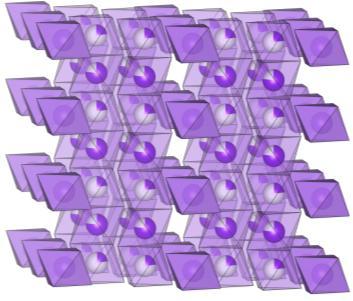
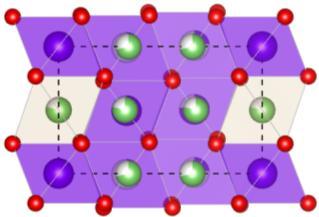
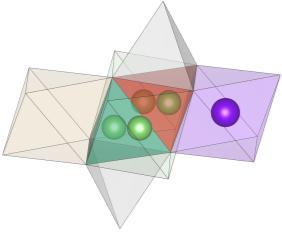
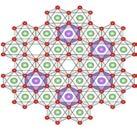
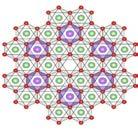
Li3YCl6 adopts a layered halide structure in which lithium and yttrium ions occupy interstitial octahedral sites within a hexagonal close-packed chloride lattice (Fig. 1a). Along the c-axis, lithium migrates through face-sharing octahedral sites that form a wellconnected diffusion pathway, resulting in fast diffusion. By contrast, diffusion in the ab-plane requires hopping through an intermediate tetrahedral site that face-shares with either yttrium or a vacancy in the same ab-plane (Fig. 1b), and the energy of this intermediate state determines the migration barrier. As a result, lithium transport is highly anisotropic, and the overall ionic conductivity is bottlenecked by diffusion in the ab-plane.
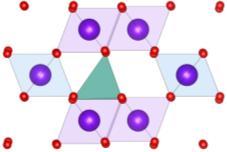
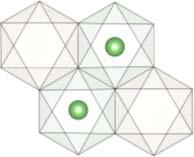
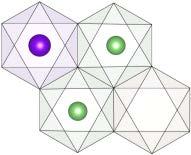
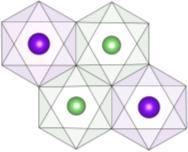
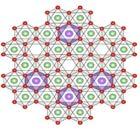
The ab-plane diffusion bottleneck is governed by the local cation arrangement because the migration barrier depends on the local environment of the intermediate tetrahedral site. When the intermediate tetrahedral site face-shares with a vacant octahedron, the transition-state energy remains low, enabling facile lithium hopping. However, face-sharing with yttrium substantially increases the transition-state energy through electrostatic repulsion between yttrium and lithium, thereby significantly suppressing lithiumdiffusion kinetics. Yttrium therefore acts as a local diffusion blocker, and yttrium-rich local environments disconnect the ab-plane diffusion pathway (Fig. 1c, right panel). As these local diffusion blockers accumulate, vacancy-mediated diffusion pathways in the ab-plane become progressively interrupted, fragmenting the abplane diffusion network into isolated diffusion pathways. This loss of pathway connectivity indicates the breakdown of a percolating diffusion network across the ab-plane (Fig. 1d). Consequently, once yttrium occupancy exceeds the percolation threshold, the diffusion network becomes non-percolating and long-range lithium transport is strongly suppressed. Therefore, the ab-plane diffusion kinetics are governed by whether vacancy-mediated diffusion pathways remain percolating across the plane, which requires low yttrium occupancy in the interlayer.
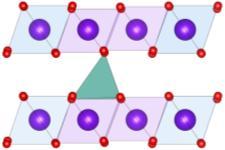
At the same time, yttrium does not simply hinder lithium-diffusion kinetics. A certain level of yttrium occupancy in the interlayer enlarges the interlayer distance (Fig. 1c, left panel), which stabilizes the transition-state lithium at the intermediate tetrahedral site and thereby lowers the migration barrier for ab-plane hopping.13 In this sense, yttrium acts as an electrostatic pillar, promoting lithium diffusion by maintaining sufficient interlayer spacing. This beneficial effect, however, is accompanied by a clear trade-off. Although some yttrium





Isolated diffusion network leads to significantly reduced diffusion kinetics






Occupancy of M in the Layer 1 This work



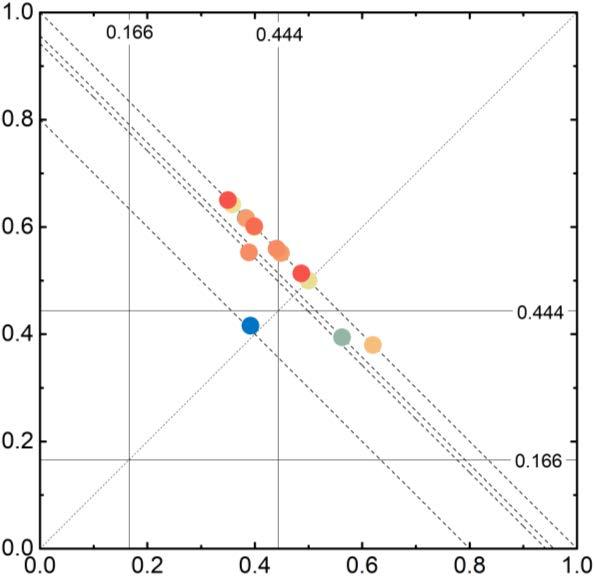
Fig. 1. (a) Crystal structure of the halide solid electrolyte; (b) Local lithium diffusion pathway in the ab-plane; (c) Effect of interlayer cations on lithiumdiffusion kinetics; (d) Schematic illustration of the percolation threshold. (e) Comparison of ionic conductivity from previous studies with the present work. The ionic conductivity value follows the color scale bar in the graph. (a-e) Adapted with permission from Ref. 12.
is needed to maintain sufficiently large interlayer space, excessive yttrium occupancy disrupts the percolating lithium-diffusion network in the ab-plane and suppresses overall conductivity. Therefore, fast lithium-diffusion kinetics emerge only when both conditions are satisfied: a percolating ab-plane diffusion network and a sufficiently large interlayer spacing. Superionic conduction in trigonal halide electrolytes is thus governed not simply by the degree of disorder, but also by how cation arrangement balances diffusion-network connectivity and interlayer spacing.
Based on the identified lithium-diffusion mechanism, we establish a design principle that defines the cation occupancy range required for superionic conduction. Revisiting previously reported trigonal halide electrolytes shows that high ionic conductivity can already be achieved when at least one ab-plane falls within this target region,9,10,14 because that plane can provide a percolating lithiumdiffusion network with sufficient interlayer space (Fig. 1e). However, when both ab-planes fall outside the target region, ab-plane lithium diffusion becomes sluggish in both layers, and the ionic conductivity decreases significantly. These observations further suggest that even faster conduction can be achieved when both ab-planes simultaneously satisfy the target cation occupancy range. Guided by this design strategy, we developed a new halide solid electrolyte
in which both layers fall within the blue target region in the figure, and this material exhibits the highest ionic conductivity within the same structural family. These results support the proposed diffusion mechanism and highlight that fast ion conduction is achieved when each interlayer simultaneously preserves a percolating lithium diffusion network and sufficient interlayer space.
More broadly, this work suggests that lithium diffusion in disordered solid electrolytes can be understood first in terms of the connectivity of the lithium diffusion network. For long-range ion transport to occur, local cation arrangements must preserve percolating diffusion pathways throughout the structure. A flattened migration energy landscape is also important, but only after percolating diffusion pathways are achieved. In other words, pathway connectivity is the more fundamental requirement, because even a low-barrier landscape cannot support fast lithium-ion transport when
network is locally isolated. This perspective
(continued on next page)
may be particularly relevant to emerging amorphous oxyhalide solid electrolytes and other highly disordered systems,15,16 in which reexamining how local structure opens or blocks lithium diffusion pathways may provide a more rigorous understanding of ion transport.
The author gratefully acknowledges support from the Youlchon AI Young Researcher Scholarship.
© The Electrochemical Society. DOI:10.1149/2.F02262IF

Seungju Yu, Postdoctoral Associate, Lawrence Berkeley National Laboratory
Education: BS in Materials Science and Engineering (Seoul National University), PhD in Materials Science and Engineering (Seoul National University).
Research Interests: His research focuses on developing a fundamental understanding of ion transport and redox chemistry in advanced battery materials. He investigates how crystal structure, disorder, and defect chemistry influence lithium diffusion, structural stability, and electrochemical behavior by integrating electrochemical analysis with computational approaches.
Awards: ECS Battery Division Student Research Award (2025), Materials Research Society (MRS) Graduate Student Award, Silver (2024 spring).
https://orcid.org/0000-0002-3287-8825

Scott Cushing, Assistant Professor of Chemistry, Caltech
Education: BS in Physics, emphasis in Material Science and Chemistry and PhD in Physics, under Nick Wu and Alan Bristow (West Virginia University).
Research Interests: With a multidisciplinary background spanning Chemistry, Materials Science, and Physics, his research focuses on the creation of new scientific instrumentation that can translate quantum phenomena into practical devices and applications. The Cushing lab is currently pioneering the use of attosecond X-ray, time-resolved TEM-EELS, and ultrafast beams of entangled photons for a range of microscopy and spectroscopy applications.
Work Experience: Past appointments include Dept. of Energy
EERE Postdoctoral Fellow, Prof. Stephen Leone Group University of California, Berkeley with a Co-Appointment at Lawrence Berkeley National Laboratory. Currently Senior Research Advisor for Pacific Integrated (PI) Energy, San Diego, CA.
Pubs & Patents: >60 publications, 3 patents, h-index >30, cited ~8,000 times
Awards: 2022 Cottrell Scholar, 2022 Shirley Malcom Prize for Excellence in Mentoring, 2019–2021 Young Investigator awards for DOE, AFOSR, ACS, and Rose Hill Foundation.
Work with ECS: ETD Division: assist with organizing and chairing symposium. Member for >15 years.
Website: cushinglab.caltech.edu https://orcid.org/0000-0003-3538-2259
1. M. Armand, and J. M. Tarascon, Nature, 451, 652 (2008).
2. Y.-S. Hu, Nat Energy, 1, 16042 (2016).
3. R. Murugan, V. Thangadurai, and W. Weppner, Angew Chem Int Ed in English, 46, 7778 (2007).
4. N. Kamaya, K. Homma, Y. Yamakawa, M. Hirayama, R. Kanno, et al., Nat Mater, 10, 682 (2011).
5. Y. Kato, S. Hori, T. Saito, K. Suzuki, M. Hirayama, et al., Nat Energy, 1, 16030 (2016).
6. Y. Li, J.-T. Han, C.-A. Wang, H. Xie, and J. B. Goodenoug, J Mater Chem, 22, 15357 (2012).
7. S.-K. Jung, H. Gwon, S.-S. Lee, H. Kim, J. C. Lee, et al., J Mater Chem A, 7, 22967 (2019).
8. S. Han, D. Kil, S. Lee, H. Park, K.-H. Ko, et al., ACS Energy Lett, 8, 4794 (2023).
9. T. Asano, A. Sakai, S. Ouchi, M. Sakaida, A. Miyazaki, et al., Adv Mater, 30, 1803075 (2018).
10. R. Schlem, S. Muy, N. Prinz, A. Banik, Y. Shao-Horn, et al., Adv Energy Mater, 10, 1903719 (2020).
11. H. J. Steiner, and H. Lutz, Z für Anorg Allg Chemie, 613, 26 (1992).
12. S. Yu, J. Noh, B. Kim, J.-H. Song, K. Oh, et al., Science, 382, 573 (2023).
13. K. Kang, and G. Ceder, Phys Rev B Condens Matter, 74, 094105 (2006).
14. R. Schlem, A. Banik, S. Ohno, E. Suard, and W. G. Zeier, Chem Mater, 33, 327 (2021).
15. W. Kim, S. Han, S. Lee, J. Yoo, C. Park, et al., Energy Environ Sci, 18, 8039 (2025).
16. J. Yue, S. Zhang, X. Wang, J. Fu, Y. Xu, et al., Nat Energy, 10, 1237 (2025).

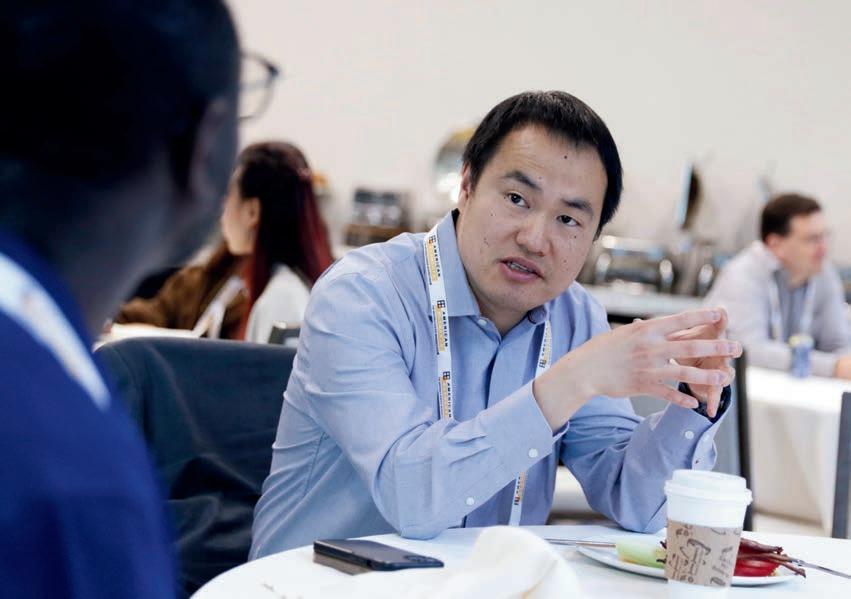
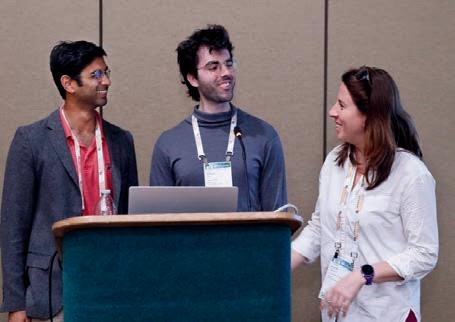
TakeaSNEAK PEEKatthe 249thECS Meeting—lookfor thefullrundown inthe Interface fallissue!
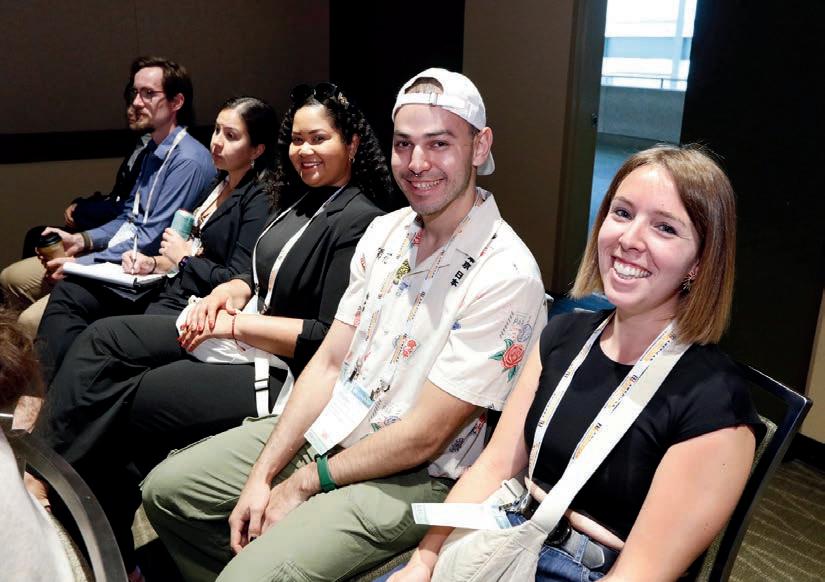
Defining Electrode-Level Metrics for Enabling Earth-Abundant, Mn-Rich Cathodes: A Technoeconomic Analysis of Experimental Materials
This study provides a rigorous, applicationoriented technical assessment of cobalt-free lithium/manganese-rich (LMR) cathodes by combining BatPaC technoeconomic modeling with experimental validation. Its strongest scientific contribution is methodological: the authors convert electrode-level properties into cell-level cost/energy outcomes and identify which parameters most control commercial competitiveness. The key finding is that positive-electrode densification (reducing total porosity while increasing active-material fraction) is the most impactful pathway to improve both cost and energy, more than N/P-ratio changes. A major finding is the advanced Co-free LMR/graphite system, which demonstrates improved areaspecific impedance, ~220 mAh g−1 capacity at C/3, and ~95% energy retention over 100 cycles. When evaluated in the BatPaC framework, it reaches ~254 Wh kg−1 at $85.1/ kWh (45% porosity), while a lower-porosity (35%) case projects ~271 Wh kg−1 at ~$81/ kWh, placing performance within ~5% of the projected practical limit. Overall, this work offers a credible R&D roadmap for Mn-rich cathodes and a strong benchmark for translating lab results toward manufacturable EV cells. Importantly, the study also clarifies practical tradeoffs between electrochemical performance and manufacturability, giving battery developers a quantitative basis to prioritize porosity engineering over less influential design adjustments in EV commercialization.
From: J. Chen, K. W. Knehr, M.-T. F. Rodrigues, et al., J Electrochem Soc, 173, 030505 (2026).
Electrodeposition-Fabricated Flexible Copper Electrodes for Electrocatalytic Nitrate Reduction
Excessive nitrate discharge in wastewater is a cause of pollution and is a risk to human health. Nitrate removal by physical or biological means has inherent disadvantages compared to electrocatalytic nitrate reduction, with direct conversion, tunable products, and selectivity. Porous Cu foam has been reported as an electrode for nitrate reduction due to its high surface area and catalytic activity, but a version with high plasticity and deformability is desired to conform with complex reactor geometries. A team led from the Huazhong University of Science and Technology has reported a flexible Cu electrode electrodeposited on polyurethane sponge (PUS). The researchers studied the effect of overpotential and Cu concentration on the electrodeposition mechanism of Cu on PUS, selecting a method involving deposition in a cyclone reactor to obtain continuous Cu plating with a regular cubic morphology. The surface had a strong presence of Cu(I), which is considered to play a role in electrocatalytic
reduction of nitrate. They characterized performance using a nitrate-containing solution, finding a higher faradaic efficiency for nitrate conversion at a potential 300 mV lower than that of a regular Cu foam, and with a removal rate of 92.52%.
From: S. Xing, L. Shi, and X. Wu, J Electrochem Soc, 173, 032502 (2026).
Identifying Critical Electrode Metrics for Efficient, Selective CO2 Electrochemical Conversion
For economic viability of renewable pathways for carbon-based fuels and commodity chemicals, electrochemical reduction of carbon dioxide needs to achieve a current density greater than 500 mA/cm2 at voltages less than 2 V. Zero-gap membrane-based cell architecture can help achieve this goal. Researchers at the National Laboratory of the Rockies and at Twelve Benefit Corporation evaluated the key design parameter of the ionomer-to-catalyst ratio in the catalyst layer of such cells through electrochemical impedance spectroscopy (EIS). The team created cell pairs with varying ionomer-tocatalyst ratios and performed CO2 electroreduction and in situ EIS for each of the pairs. Through analysis of the EIS data, they extracted high frequency resistance, charge transfer resistance, catalyst layer resistance, and catalyst layer capacitance. An increased ionomer-to-catalyst ratio does not necessarily improve the CO2 reduction performance. The authors attributed this finding to ionomer swelling’s impact on the utilization of catalyst and ion transport within the catalyst layer, and recommended 3D modeling to gain further insight. The researchers demonstrated the usefulness of in situ EIS as a rapid screening tool for catalyst-coated membrane.
From: G. M. Carroll, T. Van Cleve, M.Waldrup, et al., J Electrochem Soc, 173, 034502 (2026).
Silver Decorated Reduced Graphene Oxide/Stannous Sulfide Heterostructures for High-Performance Faradaic-Type Supercapacitors Hybrid-type supercapacitors—devices that merge the fast ion adsorption of electrical double-layer capacitors with the redox-driven charge storage of faradaic materials—have long been viewed as a promising route to bridge the performance gap between traditional capacitors and batteries. In a recent study, researchers from Christ University and SASTRA Deemed University in India reported a ternary heterostructure that combines silver-decorated reduced graphene oxide (Ag-rGO) with stannous sulfide (SnS) nanosheets as an advanced electrode material. Synthesized through a simple hydrothermal route, the composite couples the high electronic conductivity of Ag-rGO with the redox activity of tin-based chalcogenide SnS, producing a mesoporous, defect-rich framework that promotes efficient ion diffusion and rapid electron
transport. Microscopy and spectroscopy reveal faceted SnS sheets intercalated within wrinkled Ag-rGO layers, creating abundant electroactive sites that accelerate faradaic charge-storage kinetics. This engineered architecture enables a specific capacitance of 847 F g⁻¹ at 0.5 A g⁻¹ and 86.7% capacity retention after 5000 cycles, outperforming the individual components. A symmetrical solid-state device based on the composite further achieves 22.04 Wh kg⁻¹ and 1202 W kg⁻¹ at 1.5 A g⁻¹. The work highlights how strategic nanoscale integration can unlock superior electrochemical performance in supercapacitor systems.
From: C. Saravanan and A. Varghese, J Electrochem Soc, 173, 025501 (2026).
Microwave Hydrothermal Method for the Inclusion of Silicon onto Reduced Graphene Oxide and Its Impact on Supercapacitor Behavior
One of the major challenges in supercapacitor development is the limited energy density of carbon-based electrodes. In this study, researchers from Kannur University and Payyanur College in India have developed a facile method for incorporating silicon nanoparticles into reduced graphene oxide (rGO) to enhance its structural properties. Si nanoparticles were incorporated between rGO layers to mitigate issues associated with π-π restacking, which can reduce the accessible surface area and limit electrolyte ion transport. A comparison of results from cyclic voltammetry and galvanostatic cycling demonstrated that the addition of Si nanoparticles significantly impacted electrochemical performance. The specific capacitance values obtained for the Si-rGO composite and the pure rGO samples, when cycled at a scan rate of 1 mV s-1, were ~1216 and ~647 F g-1, respectively. The relatively high values achieved for both samples may in part be due to contributions from the Ni foam current collector. Nonetheless, it is clear that the addition of Si nanoparticles significantly increases specific capacitance. This study highlights the importance of structural modification to enhance the specific capacitance of rGO-based supercapacitor electrode materials.
From: M. K. Ranjusha, A. Paravannoor, F. J. Jaleel, et al., J Solid State Sci Technol, 14, 121001 (2025).
Tech Highlights was prepared by Joshua Gallaway of Northeastern University, David McNulty of University of Limerick, Chao (Gilbert) Liu of Shell, Zenghe Liu of Abbott Diabetes Care, Chock Karuppaiah of Vetri Labs and Ohmium International, and Donald Pile of EnPower Inc. Each article highlighted here is available online. Click on the article link to take you to the full-text version of the article.
by Stephen J. Paddison
It is nearly 80 years since David C. Grahame’s review article (Chemical Reviews 41, 441–501, 1947) on the electrical double layer (EDL). This seminal work (with more than 5000 citations) continues to garner substantial interest and serves as an important pedagogical piece for students learning the fundamentals of electrochemistry. At a recent ESC Meeting I had the privilege to listen to yet another talk on the EDL; and so when asked for a topic for a special issue of Interface, I suggested that it be centered around the EDL. Hence, this special issue coedited with Yue Qi highlights important progress in understanding this fundamental subject along with provocation for pursuing remaining questions.
Grahame wrote in his review that: “The electric double layer is the array of charged particles and oriented dipoles which is thought to exist at every interface.” It is interesting that in his definition of the EDL he was careful to declare the uncertainty as to its broad or wide scale existence. Furthermore, he limited the use of the term in his review article to that pertaining to “the array of charges and dipoles between two immiscible media when one is a salt solution.” As one would imagine, a substantial body of both experimental and theoretical research has been undertaken over the past eight decades and hence our collective understanding and insight into the EDL is far more extensive than when Grahame reviewed the body of scientific knowledge in 1945.
A brief review of the fundamentals of the origins and characteristics of an EDL will be helpful. Charge at an interface is typically balanced by an opposite (and equal) net charge of mobile ions in the electrolyte. These electrolyte ions are attracted to the charge on the interface but due to entropic effects are dispersed in the solvent (e.g., aqueous or organic) in the vicinity of the interface surface. It is this charge separation in the electrolyte that is referred to as the EDL. The EDL affects many properties, including (but not limited to): interfacial charge transfer, electrode stability, reaction pathways, and reaction kinetics. The charged ions in the electrolyte (i.e., in the solvent) experience repulsion, but not simply that described by Coulomb’s law due to the presence of the counter ions in the double layer.
A host of experimental techniques have been utilized in an effort to characterize the EDL. These methods to be useful must be able to discriminate the properties of the EDL from those of the interface. Measurement of voltage and capacitance provide information concerning the double layer in proximity to the electrode or charged interface and its dependence upon the electrolyte. Advanced experimental techniques such as atomic force microscopy (AFM), electrochemical impedance spectroscopy (EIS), X-ray spectroscopy, and in situ infrared and Raman spectroscopy enable direct investigation of the EDL structure and dynamics on a molecular level. These methods, combined with computational modeling, continue to refine the understanding of electrochemical interfaces.
There are, however, several important and as yet unanswered questions that drive current research. These include: the molecular structure of the EDL under non-ideal conditions; electrolyte behavior and polarization at charged interfaces, the relationship between solvent dynamics and electrochemical reactivity, ion confinement and transport when nanostructured and/or nanoporous electrodes are employed, the coupling between the EDL and electrocatalytic reactions, and the validity of continuum theories and the correct treatment of ion interactions.
As indicated above, this special issue of Interface features four invited contributions that summarize progress in addressing important aspects of the EDL with theoretical and computation studies.
Qi and coworkers point out the importance of considering the effects of charge-neutral species (e.g., water, organic solvents, etc.) on
the formation and the integrity of the EDL. They point to recent and ongoing first principles and classical molecular dynamics simulations as providing a molecular-level description of the structuring and layering of water when it is utilized as the electrolyte. They make the case that charge-neutral species are not passive and as such offer the opportunity to enhance electrochemical synthesis and catalysis.
Wu in his erudite article describes three important discrepancies that persist between the classical EDL as described by Grahame and the circumstances that bring about its emergence in typical electrochemical systems. Wu advocates that statistical mechanical approaches such as classical density functional theory, when coupled with electronic structure calculations, will provide a much more rigorous and realistic description of the EDL.
It is back to fundamentals as they relate to the practicalities of how electrochemical processes and experiments operate and are conducted in the article by Schmickler. He makes a case that as so much of electrochemistry is performed under conditions where the potential of the electrode is kept constant, the applicable thermodynamic potential to utilize in simulations of the system is the surface tension. If the calculations and simulations are performed at constant potential with an appropriate double-layer model, then reasonable estimates of the change in potential that occur during reactions may be computed.
The contribution by Chaudhary and Alexandrov with a provocative title (a seemingly electrochemical adaptation of the title of C. Dickens’ famous novel of 1859!) examines the complexities introduced in understanding the EDL when a semiconductor (as opposed to the customary metallic) electrode is utilized. Non-trivial complications occur in both the potential distribution and with the charge carriers with these electrodes. Finally, they point out the important advances that are occurring due to the integration of machine learning DFT–derived force fields to describe and predict the interfaces occurring in current electrochemical devices.
We hope that this special issue will serve as an appetizer and a primer for electrochemists young and old to pursue further understanding and research into this central important phenomenon in electrochemistry: the electrical double layer.
© The Electrochemical Society. DOI:10.1149/2.F04262IF
Stephen J. Paddison, Department of Chemical & Biomolecular Engineering, University of Tennessee
Education: PhD, BSc (University of Calgary)
Work Experience: Gibson Endowed Professor of Engineering, University of Tennessee (’14–present); Visiting Scientist (’25, ’17, ’15, ’13), University of Padua, Italy
Research Interests: Multiscale materials
modeling; Proton transport in soft materials, liquids, and mixed systems
Pubs + Patents: > 135 papers, > 140 presentations, 1 edited book, 1 patent, h-index: 56
Honors & Awards: Fellow of the Royal Society of Chemistry, 2016; 2019 Best Paper, Solid State Ionics
Work with ECS: Member since 1998, Life Member, organized >18 ECS symposia, PAED Member-at-Large, Treasurer, Secretary, Vice Chair, and Chair. Currently Past Chair.
Website: https://protons.utk.edu/ https://orcid.org/0000-0003-1064-8233












by Wolfgang Schmickler
The correct thermodynamic potential to use for an ensemble depends on the constraints, the quantities that are kept constant. In electrochemical systems the electrode potential is usually kept constant, so the surface tension is the correct potential. However, whether a particular process occurs at constant potential depends on
Theoretical electrochemistry has largely been transformed into computational electrochemistry, with density functional theory (DFT), which had been designed for surface science, as one of its main tools. Electrochemical systems consist of an electrode and an electrolyte, typically a solution. So a representation of electrochemical systems is typically much larger than a model for a surface in ultra-high vacuum (UHV), making electrochemical simulations much more time consuming. In addition, solutions are liquid at room temperatures, so that meaningful calculations require thermodynamic averaging. Recently there has been much discussion about what thermodynamic ensemble should be used1-4 in electrochemical DFT-based simulations. In DFT, as an electronic structure method, the number of electrons is specified, so that simulations at constant charge are natural. However, electrochemical experiments are usually performed at constant electrode potential, so much effort has been made to perform DFT simulations at constant potential, and concomitant packages have been included in DFT codes. I believe that this problem is of general interest, since it occurs in a similar way in other fields of simulation. So in this article I put the problem into its wider context, and present my point of view, which is unpopular with those who have spent so much time and effort to develop simulations at constant electrode potential.
We learn elementary thermodynamics from the behavior of gases. They can be described by a number of state functions, including the thermodynamic potentials, which describe energy changes under certain conditions. The second law of thermodynamics serves to define the internal energy U and its differential: dU = TdS – pdV, which has the entropy S and the volume V as natural variables, and is therefore particularly useful for describing processes at constant S and V. More common in gases are processes at constant temperature and volume. They are better described by the Helmholtz free energy equation F = U – TS and the differential dF = –SdT – pdV. The transition from U to F is an example of a Legendre transformation, which always involves two conjugate variables, in this case S and T, of which one is extensive (S), and the other is intensive (T). Another transformation G = F + pV with the differential dG = –SdT + pdV takes us to the Gibbs free energy G, useful for processes at constant T and V. For multicomponent systems these differentials contain an extra term + ΣiµidNi, where Ni is the particle number of species i, and µi the corresponding chemical potential. These potentials are thermodynamic quantities; therefore, if one wants to follow changes in these potentials during a process as a function of time, the changes must be reversible in the thermodynamic sense, and the respective variables have to be kept constant. For this reason, the speed of the changes is important. A good example, where these conditions are
its speed. A single electrochemical reaction step occurs at a timescale of picoseconds, while double-layer relaxation, which would keep the potential at the reaction site constant, takes much longer. Therefore recent attempts to simulate electrochemical reactions at constant potentials do not correspond to the physical reality.
not fulfilled, is the propagation of sound waves. Even if this takes place in a large volume of gas maintained at constant temperature and volume, the changes in local pressure are so fast that they are adiabatic rather than isothermal, and the temperature fluctuates locally. The same is true, say, for a local exothermic reaction, which increases the temperature in the region where it takes place, and it takes some time till the thermostat reestablishes the old temperature. Of course, if you only want to calculate the change in a state function between an initial state and a final state, the path taken does not matter; but this change does not contain any information about the dynamics.
Let us turn to electrochemistry, which deals with processes at the interface between an electronic and an ionic conductor, typically between a metal and an electrolyte solution. This introduces another pair of conjugate variables: the electrode potential and the charge, more precisely, the surface charge, because in conductors excess charges are restricted to the surface. Because of the strength and range of electromagnetic interactions, the total electrochemical system must be electrically neutral. Therefore any excess charge on the metal surface must be balanced by a countercharge, of equal magnitude and opposite sign, on the electrolyte side of the interface. It is convenient to define the surface excess charge by the electronic charge on the metal surface, because changes in this charge can be directly measured by the current to the electrode. It is an extensive quantity, and it is usually normalized by the electrode area and denoted by s, the excess charge density. The distribution of the charge is not uniform on the electrode surface. It is higher on protrusions, and lower on terraces.
The electrode potential is defined by the difference in electrostatic potential between the electrode and a reference electrode; it is thus a macroscopic quantity. In contrast to the charge density, it is constant on the electrode surface. A normal thermodynamic ensemble at constant volume or pressure has the particle numbers Ni as natural variables. In an electrochemical ensemble a few of the species are charged, the ions and electrons, and are therefore related to the charge density. In particular the surface charge density on the metal can be expressed through the number of electrons. Therefore, an ensemble at constant volume or charge has the (average) surface charge density as a natural variable. Indeed, quantum-chemical calculations of the electrochemical interface specify the electronic charge on the electrode and provide structural and energetic information on this basis. In such ensembles, the surface Helmholtz energy is the natural thermodynamic potential.
However, electrochemical experiments are usually performed at constant electrode potential. The electrode potential is a macroscopic quantity and must be distinguished from the local electrostatic potential, which may vary. This local variation is similar to the situation in a gas held at constant temperature: Locally, when a sound wave passes, the temperature can deviate from the mean. Nevertheless, for a thermodynamic characterization it is convenient
(continued on next page)
(continued from previous page)
to perform another Legendre transformation and use the electrode potential as the independent variable. This is done in the following way: Let Fs be the Helmholtz surface energy per area, and µ the electrochemical potential of the electrons in the electrode. The surface tension γ is then defined by:
Fe dd S / 0 and (1)
where we have used the fact that the electrochemical potential can be split into a constant chemical part µ and an electrostatic part ze0ϕ, where z is the charge number of the particle; for an electron e0 , and dd .
The surface tension is the surface energy at constant potential, and for liquid electrodes it can be measured directly. In this respect, mercury, which is inert, and whose surface can be kept clean by periodically renewing the drop, was ideal for the development of electrochemical thermodynamics and double-layer theory by Grahame5 and later by Parsons.6 Now it is practically banned from laboratories to preserve the hair of electrochemists.
In any case, most electrochemical experiments are conducted with a control of the electrode potential, so the surface tension is the correct thermodynamic potential to use. On solid electrodes its absolute value cannot be measured directly, but changes can be measured using the second part of eq. (1). By studying changes of the surface tension with ionic concentrations the composition of the double layer can be investigated. This method was developed into an art by Grahame and his followers, and gives well-defined, in principle exact, results. However, this requires many precise measurements, and has dropped out of fashion. In any case there is no doubt that the surface tension is the correct thermodynamic potential for the usual electrochemical condition of constant electrode potential.
In recent decades, with increasing computing power, computational electrochemistry has developed rapidly. Nowadays it is mostly based on density functional theory (DFT), and is not only used to investigate the structure of electrochemical interfaces, but also the dynamics of electrochemical reactions. This poses various problems. As long as only the thermodynamics of electrochemical structures is investigated, there is no doubt that the electrode potential must be controlled. However, DFT calculations give the distribution of particles and charges—within certain errors, but not the electrode potential. The electrode potential cannot be obtained from DFT simulations because a realistic ensemble requires an excessive number of solvent molecules and ions. In addition, DFT has problems with the inner potential as employed in electrochemistry; it simply calculates the average electrostatic potential averaged over all charges. As was already shown by Bethe,7 this average potential is dominated by the highly localized charges on the atomic cores. This average is the potential which is obtained from electron scattering experiments; it is positive by 3–4 V with respect to the vacuum or air outside. However, this potential is not the potential experienced by the ions in solution. This point is well investigated in a number of papers,8,9 but largely ignored by the electrochemical DFT community. Without consideration of the timescales involved, many groups now perform DFT-based molecular dynamics simulations at constant potentials. In order to relate charge to potential, by necessity they rely on simple continuum solvation models like a modified Born or linear GouyChapman models. This substantially increases the computation time, because the results also have to be self-consistent with the solvation. Because the latter is modeled as a continuum which follows instantly the particles distribution, it does not require any relaxation time to adjust to a configurational change.
Electrochemical reactions involve the exchange of a charged particle, often an electron or a proton, between the solution and
the electrode surface. This presence causes a strong change in the local electrostatic potential. In addition, it involves a significant reorganization of the solvent in the vicinity of the reaction site. Indeed, according to the theory of charge transfer reactions in solution, the reaction is triggered by a fluctuation of the solvation shell, which takes it to an intermediate configuration between the initial and the final state. When the system has reached a saddle point in configuration space, the actual charge transfer, such as an electron and proton transfer, takes place, and the system relaxes to its new equilibrium. The charge transfer itself is fast, and the reaction time is dominated by the solvent dynamics. There are several related theories for the corresponding solvent relaxation time, but they all give about the same value for water, about 0.1 ps, corresponding to the inverse of the friction coefficient. So this is the time scale at which an individual elementary reaction occurs.
Usually, electrochemical reactions require an activation energy larger than a few kBT, where kB is the Boltzmann constant. This requirement makes them rare events in terms of the time that can be followed by quantum-based molecular dynamics, so that they cannot be observed during a simulation, or only by constrained dynamics, which distorts the time scale. Only exothermic reactions that do not require activation can be observed by MD. An example is the desorption of hydrogen from graphene. Fig. 1 shows the change in the local potential before and after the reaction H + H2O → H3O+ + e on graphene. The potential has been averaged in the xy direction parallel to the graphene over a 4 Å by 4 Å area centered at the reaction site. The reaction has been induced by the application of a small positive charge to the electrode. After the reaction the average potential in the solution has become substantially higher. The positive charge is spread over the H3O+ and therefore not strongly localized. The calculations have been performed by DFTB,10 a simplified version of DFT, which does not have the problem with the inner potential discussed above. Further details are in Schmickler and Santos.11
It is important to distinguish between the time that an individual reaction step takes, and the macroscopic reaction time, which is the average time between two reaction steps. The latter is usually much larger than the former. Indeed, it is usually larger than the macroscopic time for double-layer charging. In a typical potential step experiment, the charging of the double layer is observed at very short times, before the current due to the reaction sets in. This observation has repeatedly been used to argue that the elementary reaction step does occur at constant potential. But this is a fallacy. The purpose of atomic scale simulations is to observe a single reaction step.
During an electrochemical reaction a charge—usually a unit charge—is generated or destroyed in the double layer. This process generates a sizable change in the electrostatic potential at the reaction
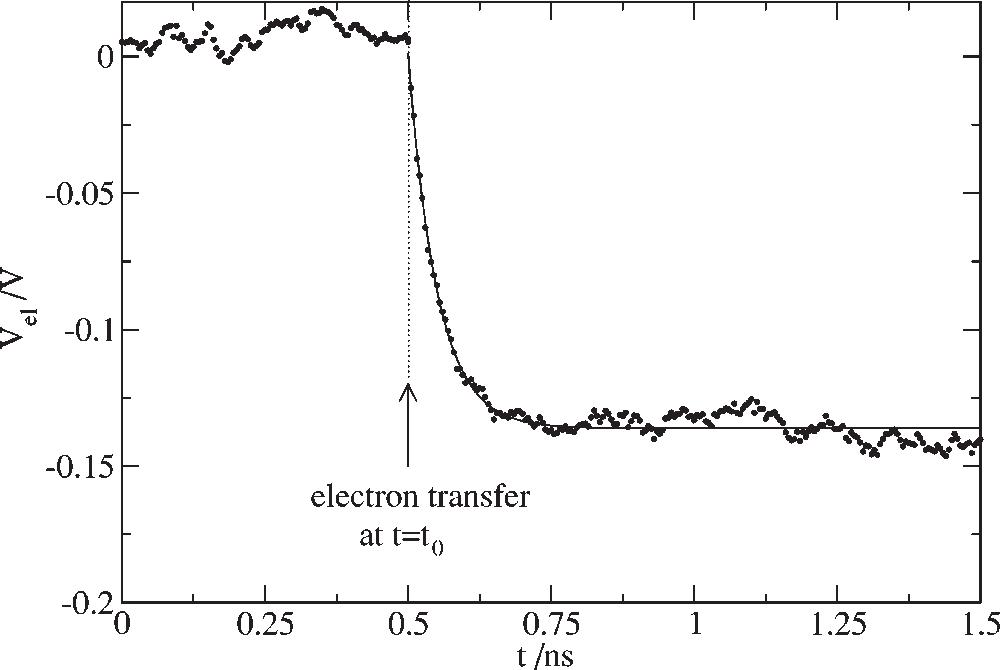
TABLEI.ParametersoftheexponentialÞtoftheelectrostaticpotential createdinthecenterofelectroactivespeciesasfunctionsoftime V el ( V 0 V )exp (t t0)/ V foreachelectrolyteconcentrationforasurface chargeof 0.032Cm 2 :
For thermodynamic or stationary properties, the time scale of the elementary reaction plays no role. The value of state functions is independent of the path that has been taken to calculate them. Therefore they can be calculated at constant charge or at constant potential. DFT calculations at constant charge are much faster, and if one has a good double-layer theory or concomitant experimental data the change in potential can be calculated a posteriori.
Fig. 2. Electrical potential in volts created in the center of the electroactive species by all other ions as a function of time. The electrolyte concentration is 1 M, the extension of the simulation box is = 15 nm between the electrodes. Reproduced from with permission from Ref. 12 from AIP publishing.
FIG.6.Electricalpotential involt createdinthecenteroftheelectroactive speciesbyallotherionsasafunctionoftime.Theelectrolyteconcentrationis1.02molL 1 andthesurfacechargeis0.032Cm 2;thesignal isaveragedover100simulations.Thechargesofelectroactivespecies aresuddenlychangedat t 0 0.5ns.TheÞtcurveofequation( V 0 V ) exp( (t t0)/ ) V isalsoshown solidline withinthepresentcase V 0 0.0012V, 0.051ns,and V 0.1361V.
site, and the double layer is locally out of equilibrium. It has to relax toward the new equilibrium by ion migration. The corresponding time is characterized by the double-layer relaxation time. In implicit solvation models this time is zero: the response is instantaneous. In reality, this relaxation time is much longer than the reaction time, as was first pointed out by Grün et al.12 in an explicit, although classical, simulation. It depends on the electrolyte concentration and on the dimensions of the cell, in particular the distance between electrode and counter electrode. The latter was 15 nm in their work—much larger than can be used in DFT-based MD. The observed relaxation times were on the order of 0 1–0 4 ns, about one thousand times slower than the reaction; the relaxation time decreases with the electrolyte concentration, and increases with the separation of the electrodes.
modiÞcationofthecurvatureoftheelectrostaticpotential whentherelaxationoccurs.Thevalueoftheelectrostatic potentialinsidethewholedoublelayerwillbeofprimeinterestforfutureworks seeSec.IV .Nevertheless,forthe purposeofthispaperÑdeterminingtherelaxationtimeofthe doublelayerÑsuchgraphsarenotveryconvenient.Thisis thereasonwhywedecidedtomonitorthesystembehavior throughtheelectrostaticpotentialcreatedinthecenterofthe electroactivespeciesbyallotherchargedparticles.More precisely,wecomputeateachtimesteptheelectricalpotential V el( t )duetoallionsofthesupportingelectrolyte,taking intoaccountthelongrangeoftheelectrostaticinteraction thankstoanEwaldsummation
Fig. 2 shows an example of the change in the potential produced at the reaction site by the environment after a charge transfer. The decay can be fitted to a relaxation time of τ = 5 × 10-11 s; as we shall discuss below, the relaxation time scales with the electrode separation: τ L; so an extrapolation to a separation of 1mm gives an estimate of τ = 5 × 10⁻⁵ s.
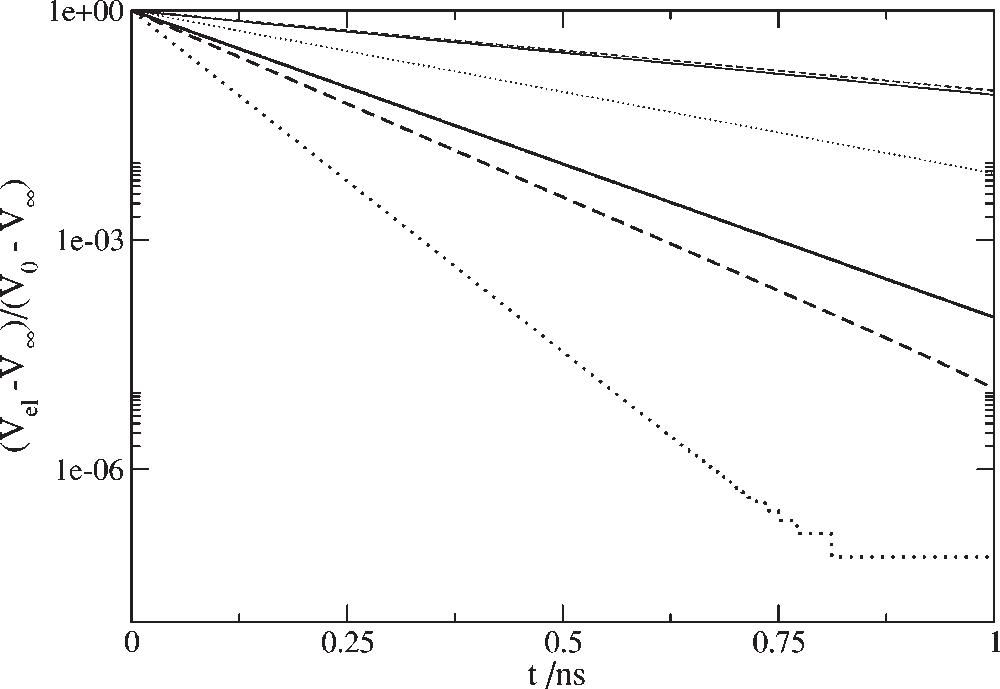
There is a substantial body of literature on double-layer relaxation based on analytical treatments of the Poisson-Nernst-Plank model or the simpler Debye-Falkenhagen equation. Both are based on a model of point charges interacting in a dielectric medium. The basis set-up that is usually considered consists of two parallel electrodes separated by a distance L in this medium. Potential steps ∆Φ and -∆Φ are applied to the electrodes at a time τ = 0, and the response of the charge density and the electrostatic potential in the solution are followed. Because charge has to be transferred from one electrode to the other, the separation enters into the relaxation time. The mathematics of the relaxation is surprisingly complex, but the various treatments agree that the dominant relaxation time is: τ = λDL/D, where λD is the Debye length of the solution, and D is the diffusion coefficient, which is usually taken as equal for cations and anions. In accord with the results of the simulations of Grün et al. it decreases with increasing ionic concentration. If we identify L with the distance between the working and the reference electrode, and assume an optimistic value of L = 1 mm, we obtain τ ≈ 10-3 s for concentrations of 0 1–1 M.
In principle all thermodynamic ensembles are equivalent, so it seems that it does not matter if stationary properties are calculated at constant charge or at constant potential. However, calculations at constant potential require a good double-layer model, and none of them is universally good. The procedure becomes especially questionable when one attempts to calculate the double-layer capacity of an electrochemical interface by DFTat constant potential. In this case the calculations already rely on a model for the double-layer capacity, so one is trying to calculate something which one thinks one already knows. Nevertheless, this approach has been used in a few cases. This example shows how dangerous it is to use DFT packages without thinking about what they actually do.
where r i ( t )isthedistanceattime t betweenion i andthe centeroftheelectroactivespeciesunderconsideration.Note thatneitherthereplicasofelectroactivespecieslocatedin othersimulationboxesnortheelectrodesaretakenintoaccountinthiscalculation:astheseentitiesareÞxed,their contributiontotheelectricalpotentialisaconstant.Inorder tominimizethestatisticalnoise,theelectricalpotential V el( t )isaveragedover100independentrunsandthemean betweentheabsolutevaluesofthepotentialneareachelectrodeisdetermined.
Thetimeevolutionof V el foranelectrolyteconcentrationof1.02molL 1 andasurfacechargeof0.032Cm 2 is giveninFig.6.Weobserveanexponentialdecayfor V el( t ) thatmaybeÞttedbythefollowingequation:
V el t V 0 V exp t t 0 V ,
where t 0 isthetimeatwhichtheelectrontransferoccurs, V isthevalueof V el afterthenewequilibriumstateisattained, and V 0 itsvalueatequilibriumbeforetheperturbationoccurred.ThisÞttingprocedureallowsustodeÞneacharacteristictime ,whichistherelaxationtimeofthedoublelayer. TheÞttingprocedureisrepeatedforseveralconditions ofconcentrationandsurfacecharges:theresultsarecollected inFig.7andtheparametersoftheÞtsaregatheredinTables I foraconstantsurfacecharge andII foraconstantelectrolyteconcentration
Electrochemical experiments are generally performed at constant electrode potential, and the corresponding thermodynamic potential is the surface tension. In principle this potential involves a grandcanonical ensemble, because the number of electrons is not kept constant. However, thermodynamics says nothing about the timescale of processes that change the electrostatic potential locally. The potential is restored by double-layer relaxation, which is much longer than the time of a single charge-transfer reaction. Therefore, simulations for electrochemical reactions should not be performed at constant potential. Thermodynamic or stationary properties do not depend on any timescale. Because all thermodynamic ensembles are equivalent, they can be calculated at constant charge or at constant potential. However, calculations at constant charge require a good double-layer model. The models that are used in the various DFT-packages are quite simple, which casts some doubt on such calculations.
© The Electrochemical Society. DOI:10.1149/2.F05262IF
Wolfgang Schmickler, Professor
InFig.7,whichshows( V el V )/( V 0 V )asafunctionoftime inalogarithmic y scale( t 0correspondsto theelectrontransfer ,theslopeofeachstraightlineisproportionaltothecharacteristictime .Mostrunslastfor1ns, exceptintwocaseswhichcorrespondtotheslowestrelaxationtimes twouppercurvesinFig.7 whichlastfor2ns. Itisshownthatthecomputedrelaxationtimedecreaseswhen

Emeritus, Institute of Theoretical Chemistry, Ulm University
Education: Studies of Physics, Mathematics and Chemistry at the Universities of Bonn, Heidelberg, and Imperial College, London. Diploma in Physics (University of Bonn), Doctorate of Science (summa cum laude) under Prof. Dr. W. Vielstich (Institute of Physical Chemistry of the University of Bonn). Habilitation at the Institute of Physical Chemistry of the University of Bonn.
TABLEII.ParametersoftheexponentialÞtoftheelectrostaticpotential V el createdinthecenterofelectroactivespeciesasfunctionsoftime V el ( V 0 V )exp (t t0)/ V foreachsurfacecharge foranelectrolyte concentrationof C 0.11molL 1
Of course, the geometry of migration after a reaction is different from the simple model set-up, but the order of magnitude of the relaxation time must be the same.
FIG.7.ExponentialÞttingcurvesofthenormalizedelectrostaticpotentials( V el V )/( V 0 V ) exp (t t0)/ createdinthecenterofelectroactivespeciesasfunctionsoftime,inalogarithmicscale here, t 0 0). V 0 isthevalueatequilibriumbeforetheperturbationoccurred,and V isthevalueatequilibriumaftertherelaxationoccurred.Thindashed line, C 0.11molL 1 , 0.032Cm 2 ;thinsolidline, C 0.11molL 1 , 0.064Cm 2 ;thindottedline, C 0.11molL 1 , 0.128Cm 2 ;thicksolidline, C 0.45molL 1 , 0.032Cm 2 ; thickdashedline, C 0.61molL 1 , 0.032Cm 2 ;thickdottedline, C 1.02molL 1 , 0.032Cm 2
Double-layer relaxation is a macroscopic process, because the charge that compensates the perturbation caused by the reaction must finally come from the counter electrode.
Therefore double-layer relaxation is much slower than an individual reaction step, and the latter does not take place at constant potential.
Research Interests: Electrochemistry, Theoretical physical chemistry
Work Experience: Sept. 2014 – present: Professor Emeritus, Ulm University; Sept. 1992 – 2014: Professor, Ulm University; 1990–1992: Associate Professor, Department of Physics, Utah State University; 1985–1990 Temporary Professor at the University of Bonn; 1980–1985 Lecturer at the University of Düsseldorf; 1980–1985 Heisenberg-Fellowship; 1976–1980 Scientific Assistant, University of Bonn; 1974–1976 Liebig-Scholarship
Awards: Honorary Doctorate of Chemistry, University of Córdoba, Argentina; Leloir Award, State of Argentina; Kuznetsov Prize, International Society of Electrochemistry
(continued on next page)
Schmickler (continued from previous page)
Pubs + Patents: 384 articles, 78 chapters, 5 books. H-index: 59 Website: www.uni-ulm.de/en/nawi/institute-of-theoreticalchemistry https://orcid.org/0000-0003-4162-6010
1. N. G. Hörmann, S. D. Beinlich, and K. Reuter, J Phys Chem C, 128(13), 5524 (2024).
2. M. Re Fiorentin, M. G. Bianchi, M. A. H. Christiansen, A. Ciotti, F. Risplendi et al., Small Methods, 10(5), e01542 (2026).
3. N. Govindarajan, G. Kastlunger, J. A. Gauthier, J. Cheng, I. Filot et al., ACS Energy Lett, 10(9), 4277 (2025).
4. E. Santos and W. Schmickler, Electrochim Acta, 498, 144659 (2024).
5. D. C. Grahame, Chem Rev, 41(3), 441 (1947).
6. R. Parsons and M. A. V. Devanathan, Trans Faraday Soc, 49, 404 (1953).
7. H. Bethe, Ann Phys, 392(17), 55 (1928).
8. M. R. Becker, P. Loche, and R. R. Netz, J Chem Phys, 157(24), 240902 (2022).
9. E. Santos and W. Schmickler, J Solid State Electrochem, 28(3), 1319 (2024).
10. P. Quaino, J. L. Nuñez, B. Aradi, T. van der Heide, E. Santos et al., ChemElectroChem, 10(20), e202300230 (2023).
11. W. Schmickler and E. Santos, ChemElectroChem, 9(16), e202200511 (2022).
12. F. Grün, M. Jardat, P. Turq, and C. Amatore, J Chem Phys, 120(20), 9648 (2004).

by Payal Chaudhary and Vitaly Alexandrov
Although the electrical double layer (EDL) is central to electrochemistry, its behavior is far from universal. The transition from metallic to semiconductor electrodes introduces complexities that challenge conventional models and demand new theoretical approaches. This perspective article traces the historical trajectory of these two distinct interfaces, contrasting the electronic and
The electrical double layer (EDL) at electrode/electrolyte interfaces is central to electrochemical processes, from energy storage and conversion to sensing and corrosion. The classical Gouy-Chapman-Stern (GCS) framework, primarily developed for metallic electrodes, evolved from Helmholtz’s parallel-plate capacitor (1879), through the GouyChapman diffuse layer (1910–1913), to Stern’s model of specific ion adsorption (1924). Later refinements by Grahame (1947), Bockris and Devanathan (1954), and others introduced more details such as the concepts of the inner and outer Helmholtz planes.1–4 Although the exceptional reproducibility of dropping-mercury electrodes established the GCS model as an electrochemical cornerstone, traditional mean-field theories fail to capture many critical atomicscale details. Also, fundamental disparities between metallic and semiconductor interfaces in electronic structure and charge screening lead to distinct potential distributions, capacitive behaviors, and interfacial reactivity.
In metallic electrodes, electrons are highly delocalized with pronounced density of states near the Fermi level. Charge accumulation upon electrode polarization is screened efficiently over a very short distance (a few atomic layers) via the Thomas-Fermi mechanism. This arrangement results in a thin screening region where excess charge resides primarily on the surface atoms, with electron density “spill-out” into the electrolyte side. The EDL is dominated by the electrolyte response: a compact Helmholtz layer of oriented solvent molecules and specifically adsorbed ions, followed by a diffuse Gouy-Chapman layer in dilute solutions (Fig. 1). This
ionic distributions that define their behavior. By examining recent breakthroughs in modeling these disparate systems, we provide a critical outlook on how a deeper understanding of the metal-vssemiconductor dichotomy can propel the design of more efficient electrochemical energy systems.
results in high interfacial capacitance (typically 20–50 μF/cm2) that is largely governed by the liquid-side structure rather than the internal carrier density or the electronic properties of the bulk metal.
Semiconductor electrochemistry emerged later, spurred by the first commercial silicon transistor developed at Bell Telephone Laboratories in 1954, arguably the most important invention of the 20th century.5 The initial attention to silicon and germanium was driven by the need for materials that could operate at the gigahertz frequencies required for radar receivers. When silicon and germanium wafers were etched and cleaned in aqueous electrolytes, they exhibited a range of phenomena inexplicable by the GCS model, such as strong rectification in the dark, capacitance varying by orders of magnitude with applied potential, and light-sensitive currents. Starting in the late 1950s, pioneering work by Brattain, Bardeen, Garrett, Dewald, Pleskov, Davydov, Gerischer, Lewerenz, and others established the foundations of modern semiconductor electrochemistry.5–7 Although the first observation of a photoelectrochemical system was made as early as in 1839 by Bequerel, it was Fujishima and Honda who discovered TiO2 photoactivity in 1972, marking the beginning of modern photoelectrochemistry.8 Heinz Gerischer was the first to formulate a comprehensive continuum theory for semiconductor/ electrolyte interfaces.9–11 In one of his review articles, Gerischer wrote, “The study and kinetic interpretation of electrode reactions was, from the early years of electrochemistry, dominated by processes occurring at electrodes with metallic conductivity. Only since the late 1950s and early 1960s has it been realized that semiconductor electrodes behave differently in many respects…”11 It is somewhat ironic that Gerischer began his groundbreaking investigations of semiconductor electrodes around 1957 at the Max Planck Institute for Metal Research in Stuttgart.
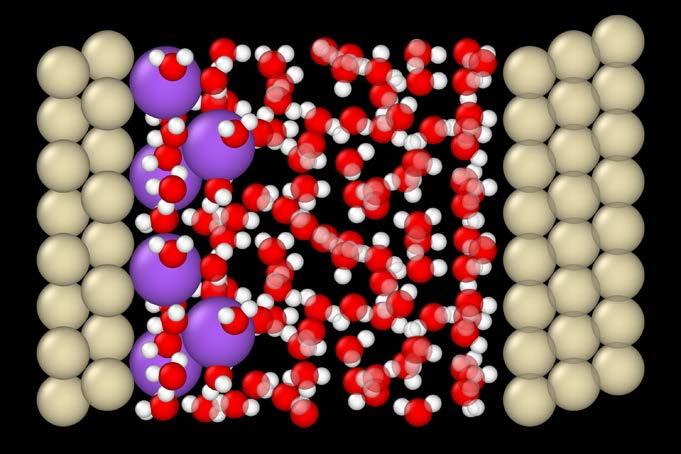
Fig. 1. Structure and potential profile of the electrical double layer (EDL) at a metal/electrolyte interface. Specifically adsorbed ions and oriented water molecules define the inner Helmholtz plane (IHP, x = d1), while the outer Helmholtz plane (OHP, x = d2) marks the closest approach of solvated ions. Beyond d2, the potential decays exponentially through the diffuse layer toward the bulk electrolyte value.
In contrast to metals, semiconductor electrodes exhibit lower carrier densities and a band gap. Charge screening is far less efficient, leading to penetration of the electrical field into the electrode bulk over much larger distances (~10–1000 nm), forming a space-charge region (Fig. 2). Depending on the applied potential relative to the flat-band condition (conceptually similar to the potential of zero charge for metals), this space charge manifests as band bending: upward (depletion of majority carriers) or downward (accumulation of majority carriers). The space-charge capacitance in series with the Helmholtz and diffuse layers often dominates the total interfacial capacitance, making it highly potential-dependent and sensitive to doping levels, surface states, and defects. For photoelectrochemical applications, band bending drives charge separation, but it also introduces further complexities like recombination of charge carriers at interfacial states.
The limitations of continuum EDL models are increasingly evident in modern electrochemical energy applications, where the “average” behavior described by mean-field theory fails to capture
(continued on next page)
Chaudhary and Alexandrov
(continued from previous page)
the atomistic and quantum nuances essential for optimizing device performance. Phenomena such as specific ion adsorption, atomic structure of the interface, solvent fluctuations, and quantum effects require microscopic details that continuum theories cannot provide. As we move toward precise interfacial engineering, detailed predictive atomistic and quantum models of the EDL have become indispensable. In this regard, density functional theory (DFT) simulations offer a way to build a deeper fundamental understanding of electronic redistribution at the interface, explicit solvent-ion interactions, and potential-dependent reactivity. Furthermore, the rapid integration of machine learning (ML) force fields is currently transforming the field—extending the accuracy of DFT to the larger time and length scales necessary to capture the dynamic, collective behavior of the EDL in realistic environments.
The EDL at metallic electrodes has remained a cornerstone of electrochemistry for over a century, yet the traditional model is currently undergoing a fundamental reevaluation. Recent experimental and computational advances have shifted our understanding of electrochemical interfaces from a passive, static region to a grand canonical, quantum, and dynamically fluctuating entity.
From an atomistic perspective, the emphasis has been shifting toward a better understanding of how specific interfacial structures physically shape the double layer’s response. For instance, the local bonding environment of reaction intermediates and how they interact with electrolytic cations and anions at the interface has become a significant focus in electrocatalytic research.12–14 The local atomic structure of the electrode can also sometimes
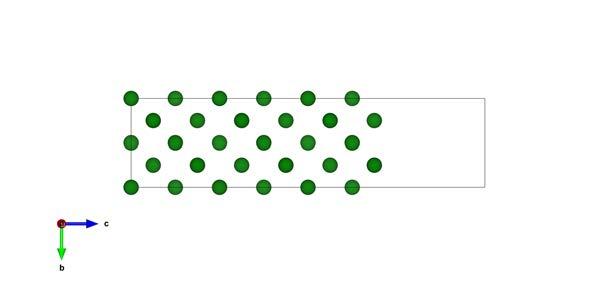
affect the EDL behavior more strongly than the electrode inherent chemistry.15,16 While classical models assume a uniform surface, atomistic simulations reveal that the specific coordination of atoms profoundly alters the local electric field and solvent orientation. Thus, computational models of interfacial reactivity move beyond simple descriptors such as adsorption energies of reaction intermediates to how they dynamically evolve within the electrode/electrolyte microenvironment.
Although much of electrocatalytic theory has historically been enthalpy-driven, an emerging frontier focuses on the entropy of the EDL as an important contributor to the overall reaction energetics. Drawing parallels with biomolecular systems where conformational entropy often governs substrate binding, electrochemists have started quantifying how interfacial solvent disorder modulates the Gibbs free energy of reactions (G = H − TS). For example, the potential of zero charge (PZC) is now understood not just as a static electronic property of the metal, but as a parameter highly sensitive to the configurational entropy of the interfacial solvent.17 This relationship is experimentally accessible via the potential of maximum entropy (PME), typically characterized using laser-induced current transient (LICT) techniques or through ab initio molecular dynamics (AIMD). A highly structured, “ice-like” water layer at the PZC represents an entropic penalty that must be overcome during the solvent reorganization required for interfacial charge transfer. Peterson et al. recently demonstrated that under certain electrolyte compositions multiple stable configurations can exist, each corresponding to a distinct PME value, with one coinciding with the PZC.18
Another critical development in computational electrochemistry is the transition from constant-charge to constant-potential simulations. Historically, DFT was constrained to a fixed number of electrons, a limitation that caused the electrode potential to drift as interfacial ions reorganized. Modern grand-canonical DFT (GC-DFT) solves this by allowing electrons to flow continuously in and out of the electrode to maintain a constant Fermi level.19–21 This breakthrough
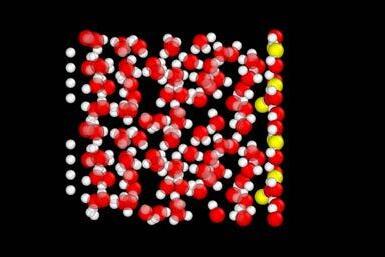
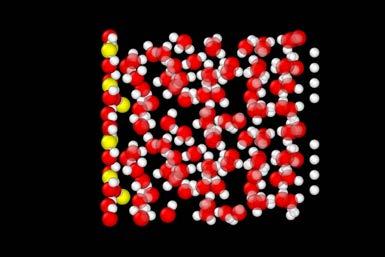
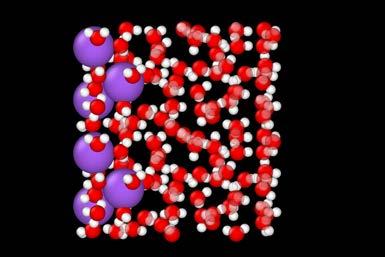
Fig. 2. Space charge layers at an n-type semiconductor/electrolyte interface under three bias conditions. Top: charge carrier distributions; middle: corresponding band edge diagrams showing the conduction band (EC), valence band (EV), and Fermi level (EF) relative to the flat-band potential (Efb); bottom: potential profiles across the interface. Left to right: flat-band condition (Δφsc = 0), anodic polarization forming a depletion layer (Δφsc > 0), and cathodic polarization forming an accumulation layer (Δφsc < 0).
enables the evaluation of capacitance and reaction barriers as explicit functions of applied voltage, providing a direct bridge to experimental potentiostatic measurements.
In addition to atomistic details for both the electrode and electrolyte, there is a growing interest in quantum features of electrochemical interfaces. The metal surface is no longer viewed as a “hard wall.” Instead, the electronic density spills out into the solvent, creating a quantum-mechanical tail. This electronic overlap generates a non-monotonic relationship between the PZC and local permittivity, explaining the anomalous capacitance peaks observed in metals like gold and silver—a phenomenon that directly contradicts the monotonic predictions of classical Gouy-Chapman-Stern theory.22
The quantum mechanical aspects of the EDL extend beyond the electronic spill-out of the metal to the very nuclei of electrolyte species. In the aqueous environments that dominate modern electrochemistry, the behavior of hydrogen—the smallest and most ubiquitous ion— defies classical description.23,24 Path-integral molecular dynamics (PIMD) have fundamentally demonstrated that interfacial protons behave less like localized point particles and more like delocalized waves predicting enhanced probability of water dissociation at the aqueous Pt interfaces.25 These nuclear quantum effects (NQEs) are far from mere computational nuances; they can strongly affect solvent dynamics and interfacial kinetics.26–28 By accounting for the wave-like nature of the proton, researchers have found that energy barriers for proton transfer are significantly lowered via tunneling, while the zero-point energy (ZPE) corrections can entirely reorder the stability of adsorption sites. On benchmark surfaces like Pt(111), NQEs shift the preferred site for hydrogen adsorption, a factor that is indispensable for accurately predicting the kinetics of the hydrogen evolution reaction (HER).
The implications of NQEs extend far beyond HER.29,30 Because most complex electrochemical transformations such as CO2 and NO3 reduction reactions rely on coupled proton-electron transfers, the quantum nature of both electrons and protons can play an important role. For instance, the branching ratio between methane and ethylene often hinges on the precise timing and energetics of a hydrogenation step. If a proton can tunnel through a barrier to reach an intermediate more easily than it can participate in coupling, the entire product distribution shifts. In fact, recent work used electron tunneling at metallic interfaces to study electrocatalytic reactions.31 Overall, ignoring quantum effects may lead to an overestimation of activation barriers and a fundamental misunderstanding of how local pH and electrolyte composition modulate catalyst selectivity.
Historically, the EDL at semiconductor/liquid interfaces has remained less understood than its metallic counterparts, largely due to the inherent complexity of potential distribution and charge carrier behavior within the solid. However, the push for efficient solar-tochemical energy conversion and the proliferation of semiconductorbased technologies have catalyzed a significant shift in our fundamental understanding. Much like the evolution of metal/liquid interface research, the emphasis is now transitioning toward bridging the gap between quantum-mechanical precision and large-scale, longtime dynamics. This leap is being driven by the integration of grand canonical density functional theory (GC-DFT) and emerging ML tools. Here, we emphasize the dual-layer nature of the semiconductor interface: while metals only have an electrolyte-side double layer, semiconductors feature a simultaneous space-charge layer within the solid itself (see Fig. 2).7
The structural organization of the EDL at semiconductor interfaces differs fundamentally from that of metals due to the lower carrier density of the solid.11,32 In metals, a high density of electronic states enables near-perfect charge screening, concentrating the potential drop into a compact, high-capacitance Helmholtz layer just a few Ångstroms thick. This “overscreening” often creates extreme interfacial field strengths and a rigid layer of hydrated ions. In contrast, the potential at a semiconductor interface is partitioned between the external EDL and an internal space-charge region. Because semiconductors exhibit
distributed screening, the total interfacial capacitance is typically dominated by internal Mott-Schottky behavior, meaning energy storage and electrical field profiles are governed by internal doping rather than external ion crowding.
This partitioning creates a unique electrochemical microenvironment.7,33 By limiting the potential drop across the liquid-side Helmholtz layer, semiconductors avoid the chaotic ion restructuring and extreme field strengths characteristic of metals. This leads to two major advantages. First, the energy specificity of semiconductor bands allows for superior product selectivity. While metals drive multiple competing reactions via an unmitigated surface potential drop, semiconductor band edges can be “pinned” to align specifically with desired redox energy levels. Second, semiconductors promote local pH stability. The more controlled charge transfer and lower current flux at these interfaces prevent the drastic surface pH deviations common at metals, allowing for precise electrolyte tuning and higher faradaic efficiencies.
As mentioned earlier, grand-canonical DFT (GC-DFT) enables constant-potential instead of standard fixed-charge DFT simulations of electrochemical interfaces. GC-DFT allows one to model potential partitioning at the interface accurately, showing how much of the voltage drop occurs across the Helmholtz layer versus the spacecharge region. This distinction is vital for photoelectrocatalysis, where the driving force for carrier extraction depends entirely on this internal potential distribution. However, semiconductors represent a more challenging case than metals from the electronic-structure point of view since proper treatment of the band gap and charge carrier localization requires approaches beyond standard DFT, such as hybrid exchange-correlation functionals or the GW approximation.34 This requirement typically adds much higher computational costs. Combined with the need to monitor the dynamics of charge carriers such as electron holes or polarons generated by sunlight, it adds enormous computational burden to ab initio calculations of semiconductor/liquid interfaces. Another complication may arise in highly doped semiconductors or thin films, when the contraction of the space-charge region would allow quantum confinement and tunneling effects. This effect can substantially reduce the EDL capacitance by introducing a quantum capacitance in series with the Helmholtz capacitance. These effects are particularly significant in nanoscale devices.
Traditionally, the semiconductor space-charge region and the electrolyte EDL were modeled as two independent regions. Modern research recognizes, however, that these regions are dynamically entangled: the potential distribution across the interface shifts continuously during a reaction. Moving beyond the static framework toward an atomistic understanding of the coupling between semiconductor charge carriers and redox-active species faces significant hurdles. One challenge is the timescale mismatch: electron-hole generation and recombination occur on picosecond to nanosecond scales, whereas ion reorganization in the electrolyte is orders of magnitude slower. Despite these complexities, recent advances in ML force fields hold great promise for accurately modeling such complex, dynamic interfaces.
Recent years have seen transformative advances in ML tools for electrochemical systems. The introduction of ML interatomic potentials (MLIPs) trained on DFT data—including energies, forces, and virial stresses—enables spatially and temporally large-scale dynamical simulations with near-DFT accuracy (see Fig. 3).35 Frameworks such as DeePMD-kit36 and NequIP37 have successfully simulated aqueous interfaces with thousands of atoms, uncovering complex hydrogen-bonding networks and proton-transfer mechanisms that are inaccessible via traditional ab initio molecular dynamics (AIMD).
An emerging frontier is the integration of grand-canonical DFT (GC-DFT) with MLIPs to simulate interfaces at a constant
(continued on next page)
Chaudhary and Alexandrov
(continued from previous page)
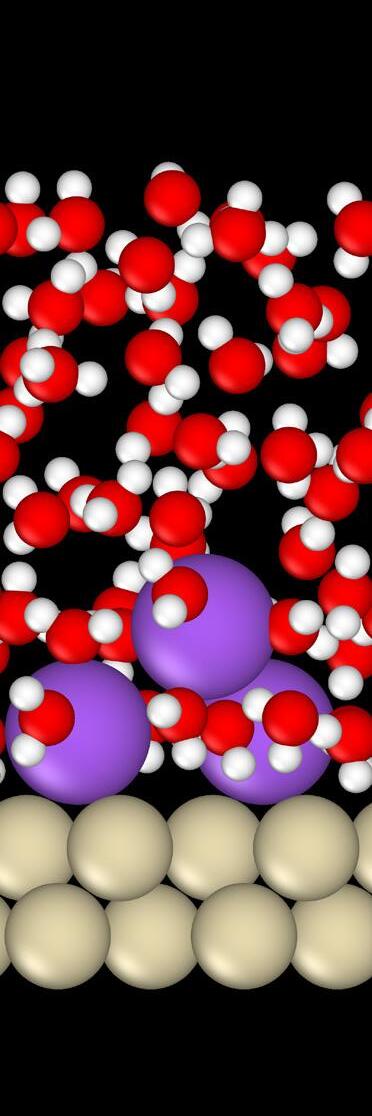
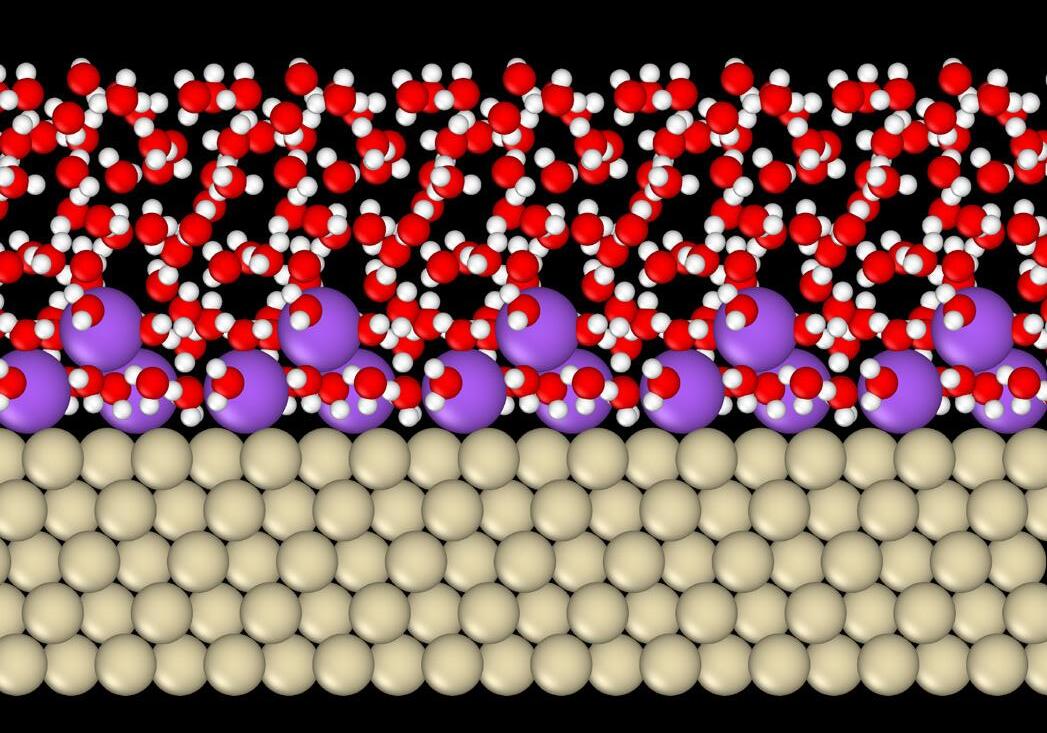
Fig. 3. Comparison of ab initio and machine learning interatomic potential (MLIP) approaches to molecular dynamics simulation of the electrode/electrolyte interface. Left: the exact potential energy surface E(x) defined via the Schrödinger equation, limited to small system sizes (N ~ 102) and short timescales (t ~ 10-12 s). Right: MLIPs approximate the total energy as a sum of environment-dependent atomic contributions, mapping atomic configurations onto lowdimensional descriptors q. The dashed line indicates close agreement between the ML-predicted and reference energy surfaces, enabling simulations of N ~ 103-104 atoms over timescales reaching t ~ 10-9 s.
electrochemical potential. This synergy overcomes the intrinsic limitations of traditional GC-DFT, which is typically restricted to small systems and short timescales. Recent architectures, such as Graph Neural Networks (GNNs), have begun to directly incorporate electrode potential as an input to capture field-dependent dynamics.38,39 However, while most studies focus on metallic interfaces, semiconductor systems present distinct challenges and opportunities owing to the need to accurately describe band gaps and localized electron/hole polarons.
Describing charge carrier dynamics in semiconductors requires moving beyond standard MLIPs, which typically map atomic positions to a single potential energy surface (PES). Emerging hybrid frameworks offer a promising path forward. For example, Leopold (LEarning Of POLaron Dynamics) incorporates the charge state as an input feature alongside atomic coordinates, enabling nanosecond-scale simulations of polaron hopping at DFT-level accuracy.40 This ability allows the model to distinguish between multiple PESs for a single configuration, such as a polaron localized on one lattice site versus another. Similarly, DeepWannier models track electronic centers of mass (Wannier centroids), providing a rigorous bridge between atomic motion and carrier dynamics.36 Despite these breakthroughs, applying such hybrid ML approaches to the semiconductor/liquid EDL remains rare, representing an open frontier for theoretical research.
Looking forward, the shift from mean-field approximations to a fully atomistic, quantum-mechanical framework marks a defining moment for interfacial electrochemistry. The evolution of EDL models from the rigid parallel plates of Helmholtz to the grandcanonical, quantum-level simulations of today reflects the deepening integration of solid-state physics, surface chemistry, and data science.
Merging predictive, quantum-grounded modeling with atomic-scale engineering will be instrumental in optimizing the performance of next-generation electrochemical systems. Over the coming decade, resolving the “modeling gap” will hinge on integrating grandcanonical DFT with ML tools, facilitating high-fidelity simulations of field-dependent dynamics and reactivity across nanosecond timescales.
We acknowledge funding support from the National Science Foundation (NSF) through the NSF CAREER award (Grant No. CBET-1941204).
© The Electrochemical Society. DOI:10.1149/2.F06262IF

Payal Chaudhary, Graduate Research Assistant in Chemical and Biomolecular Engineering, University of Nebraska–Lincoln
Education: MTech in Materials Science and Engineering (Indian Institute of Technology (BHU) Varanasi), PhD in Chemical and Biomolecular Engineering (University of Nebraska–Lincoln)
Work Experience: In 2021, joined the University of Nebraska–Lincoln as Graduate Research Assistant Research Interests: Computational studies of electrochemical interfaces for energy applications
Pubs + Patents: 10+ publications
Work with ECS: Member for two years https://orcid.org/0000-0002-8863-5646
Vitaly Alexandrov, Associate Professor of Chemical and Biomolecular Engineering, University of Nebraska–Lincoln
Education: Diploma in Electrochemistry, MS in Quantum Chemistry (St. Petersburg State University, Russia), PhD in Chemistry (Max Planck Institute for Solid State Research, Germany)
Research Interests: Computational/theoretical electrochemistry with applications in energy storage and conversion Pubs + Patents: 70+ publications Website: https://valexandrov.github.io/webpage https://orcid.org/0000-0003-2063-6914
1. C. M. Schott, P. M. Schneider, K. T. Song, H. Yu, R. Götz, et al., Chem Rev, 124, 12391 (2024).
2. J. Wu, Chem Rev, 122, 10821 (2022).
3. W. Schmickler, Chem Rev, 96, 3177 (1996).
4. W. Schmickler and D. Henderson, Prog Surf Sci, 22, 323 (1986).
5. M. Riordan, L. Hoddeson, and C. Herring, Rev Mod Phys, 71, S336 (1999).
6. M. G. Walter, E. L. Warren, J. R. McKone, S. W. Boettcher, Q. Mi, et al., Chem Rev, 110, 6446 (2010).
7. R. Memming, Semiconductor Electrochemistry, (Wiley, 2015).
8. A. Fujishima and K. Honda, Nature, 238, 37 (1972).
9. H. Gerischer, Surf Sci, 18, 97 (1969).
10. H. Genscher, J Electrochem Soc, 113, 1174 (1966).
11. H. Gerischer, Electrochim Acta, 35, 1677 (1990).
12. M. C. O. Monteiro, F. Dattila, B. Hagedoorn, R. García-Muelas, N.López, et al., Nat Catal, 4, 654 (2021).
13. P. Li, Y. Jiao, J. Huang, and S. Chen, JACS Au, 3, 2640 (2023).
14. J. Resasco, JACS Au, 5, 5253 (2025).
15. S. Xue, P. Chaudhary, M. R. Nouri, E. Gubanova, B. Garlyyev, et al., J Am Chem Soc, 146, 3883 (2024).
16. N. L. Fröhlich, J. Liu, K. Ojha, A. Hagopian, K. Doblhoff-Dier, et al., Nat Chem (2026).
17. X. Ding, B. Garlyyev, S. A. Watzele, T. Kobina Sarpey, and A. S.Bandarenka, Chem Eur J, 27, 10016 (2021).
18. A. S. Petersen, T. K. Madsen, T. K. Sarpey, C. M. Schott, E. L. Gubanova, et al., Adv Theory Simul, 9, e00958 (2026).
19. A. J. W. Wong, D. Zhu, S. Chatterjee, and M. J. Janik, J Phys Chem C, 129, 20857 (2025).
20. N. G. Hörmann, O. Andreussi, and N. Marzari, J Chem Phys, 150, 041730 (2019).
21. R. Sundararaman, W. A. Goddard, and T. A. Arias, J Chem Phys, 146, 114104 (2017).
22. W. Schmickler, Chem Rev, 96, 3177 (1996).
23. J. A. Morrone, and R. Car, Phys Rev Lett, 101, 017801 (2008).
24. M. Ceriotti, J. Cuny, M. Parrinello, and D. E. Manolopoulos, Proc Natl Acad Sci USA, 110, 15591 (2013).
25. J. Lan, V. V. Rybkin, and M. Iannuzzi, J Phys Chem Lett, 11, 3724 (2020).
26. T. E. Markland, and M. Ceriotti, Nat Rev Chem, 2, 0109 (2018).
27. N. Stolte, J. Daru, H. Forbert, J. Behler, and D. Marx, J Phys Chem Lett, 15, 12144 (2024).
28. M. Sun, B. Jin, X. Yang, and S. Xu, Nat Commun 2025 16:1, 16, 3600 (2025).
29. T. E. Markland and M. Ceriotti, Nat Rev Chem 2018 2:3, 2, 0109 (2018).
30. M. Ceriotti, W. Fang, P. G. Kusalik, R. H. McKenzie, A. Michaelides, et al., Chem Rev, 116, 7529 (2016).
31. J. H. K. Pfisterer, Y. Liang, O. Schneider, and A. S. Bandarenka, Nature, 549, 74 (2017).
32. C. P. Ursenbach and G. A. Voth, J Chem Phys, 103, 7569 (1995).
33. A. J. Bard, A. B. Bocarsly, F. R. F. Fan, E. G. Walton, and M. S. Wrighton, J Am Chem Soc, 102, 3671 (1980).
34. J. M. Crowley, J. Tahir-Kheli, and W. A. Goddard, J Phys Chem Lett, 7, 1198 (2016).
35. M. Kulichenko, B. Nebgen, N. Lubbers, J. S. Smith, K. Barros, et al., Chem Rev, 124, 13681 (2024).
36. J. Zeng, D. Zhang, A. Peng, X. Zhang, S. He, et al., J Chem Theory Comput, 21, 4375 (2025).
37. S. Batzner, A. Musaelian, L. Sun, M. Geiger, J. P. Mailoa, et al, Nat Commun, 13, 2453 (2021).
38. J. L. Chen, X. Z. Qi, J. Zhu, J. Li, X. C. Jiang, et al., J Chem Theory Comput, 21, 11039 (2025).
39. R. Wang, S. Fang, Q. Huang, and Y. Liu, J Chem Theory Comput, 21, 7628 (2025).
40. V. C. Birschitzky, L. Leoni, M. Reticcioli, and C. Franchini, Phys Rev Lett, 134, 216301 (2025).

by Yue Qi, Xi Tan, and Chaoxuan Gu
The electrical double layer (EDL) is central to electrochemistry and has long been defined by charged species, with charge-neutral solvents treated as passive dielectric media in macroscopic models. Decades of advancements in molecular simulations and characterizations have revealed that solvent molecules are structurally and functionally active components of the EDL. Water, in particular, exhibits layering, potential-dependent orientation, and strong coupling with ions.
Charged interfaces are the foundation of electrochemistry. The term “electrical double layer” (EDL) suggests two layers of charge, one on the solid electrode and the other in the salt solution (electrolyte) with opposite signs, situated at the electrode/electrolyte interface. This nanoscale feature gives rise to interfacial capacitances. In his seminal work, David C. Grahame reviewed the theory of EDL and the measured capacitance.1 The theory assumed ideal polarized interfaces, which means the concentrations of all the species no longer change with time. Most of the experimental results discussed in Grahame’s paper are based on mercury (Hg) electrodes, water as the solvent, and salt concentrations less than 1.0 M. Through the comparison of theoretically calculated and experimentally observed capacitances, including both agreements and disagreements, ion distributions in the EDL are illustrated (Fig. 1a). In these pictures, Grahame drew the adsorbed ions and the solvated ions in the inner and outer Helmholtz planes.
Over the last four-score years, the close interaction between experiments and theory has been enhanced by more accurate molecular simulation methods and precise characterization methods which probe nanoscale interfaces. The iteration of agreements and disagreements among theory, simulations, and experiments continues to improve our fundamental understanding of EDL and our ability to predict its impact in electrochemical systems.
In this article, we discuss the behavior of charge-neutral species, including solvents and other additives or reactants, in the EDL. Rather than serving merely as a dielectric medium, solvent molecules such as water reorient in response to surface charge and self-organize into layered structures at the inner Helmholtz plane, thus strongly influencing the capacitance and the potential drop within the EDL. In mixed-solvent systems, solvent concentrations in the EDL can deviate dramatically from their bulk concentrations, impacting interface electrochemical reactions. Thus, solvents play a critical role in shaping the EDL structure and electrochemical reactions.
In Grahame’s model, the solvent (water) was treated as a uniform material with a dielectric constant of 78.49. The high dielectric constant reflects the large dipole moment and strong polarity of water molecules, which will reorient under an electric field. While Grahame did not explicitly include the role of the water dipole in the EDL, Watts-Tobin pointed out, in 1961, that the reorientation of water molecules under an electrical field occurs much faster than ion transport, contributing to the large potential drop.2 On the metal electrode side, the electron density on the surface will be influenced
Together, they determine ion distributions, interfacial potential drop, and capacitance. In organic electrolytes, mixed chargeneutral species further introduce complex and tunable interfacial environments that govern electrochemical reactivity and selectivity. Here, we highlight the evolving understanding of charge-neutral species in the EDL and discuss emerging opportunities to design the interfacial structures for energy storage and electrosynthesis.
by the electrical field developed at the interface. The intricate interactions among ions, solvent dipoles, and electrons from the electrode surface were described in the ion-dipole-jellium model by Schmickler and Henderson.3 This theoretical model gave predictions for the mercury electrodes used in Grahame’s experiments, as well as other metal electrodes. These theories envisioned the physical mechanisms within the nanoscale EDL and provided the mathematical framework to connect the nanoscale phenomena with system-level measurements (e.g., capacitance).
With the development of computers, molecular simulations have quickly helped to paint the molecular behavior of EDL. The WattsTobin model could be viewed as the first molecular model, in which a monolayer of water was represented as dipoles reorienting on the electrode surface.2 Lee et al.4 used molecular dynamics (MD)5 with a classical force field (ST2)6 to simulate water (216 water molecules) sandwiched between two hydrophobic plates (not charged) and reported layering of water near the surface due to hydrogen bonds (H-bonds). The water molecules in the first layer (in direct contact with the electrode surface) prefer to form H-bonds with water molecules in the second layer by sharing their hydrogens and leaving the lone pair lobe toward the electrode surface. This arrangement is also called “ice-like” structures and the “bi-layer” structures. The electrode surface charge and ions in the inner Helmholtz layer will inevitably disturb the water layers. More simulations on the EDL structures of water, both pure and salt-containing, at electrified interfaces can be found in reviews on the topic.7 One important assumption in the MD simulations is the interaction between the charged electrode surface and water. The simple Lennard-Jones 9-3 potentials used by Lee4 were replaced by Shelley et al 8 with a jellium model, along with water orientation-dependent terms to describe the mercury/water interface. Density functional theory (DFT)–based ab initio MD (AIMD) simulations were first performed on a copper/water interface by Price and Halley.9 Both MD and AIMD showed that the layering of water is because the water-water interactions due to H-bonds are more significant than the metal-water interactions in determining the EDL structure, at least at the voltage near the potential of zero charge (PZC).
Because the EDL is extremely thin, typically only a few Ångstroms to a few nanometers thick, resolving its structure requires separating the weak interfacial signals from the much stronger signals from the bulk electrode and electrolyte. In 1994, Toney et al. used in situ X-ray scattering to measure the water density profile on single-crystalline Ag(111) surfaces.10 The NaF salt concentration is low (0.002M to 0.1M) and only two voltages above and below the PZC were measured. The results confirmed that water molecules
(continued on next page)
Qi et al.
(continued from previous page)
are ordered up to three layers (Fig. 1b), consistent with theoretical prediction. However, they also found that the first layer of water has a higher density than bulk water, especially at +0.52 V above the PZC; this phenomenon has not been predicted by previous theory or simulations. Ataka et al. probed water structures on Au(111) surfaces with surface-enhanced infrared absorption spectroscopy in a wider range of electric potentials (-0.6~0.8 V with respect to the PZC) in 0.5 M perchloric acid.11 A more complex picture emerged. Around the PZC, water lies flat. At potentials more negative than the PZC, water molecules are weakly H-bonded with two H-atoms closer to the surface than O-atoms. The previously discussed “ice-like” structures (Fig. 1c) appear at potentials slightly more positive than the PZC. The ice-like structure is broken at more positive potentials due to the adsorption of anions. The broken H-bonds due to anion adsorptions led to more closely packed water, consistent with the higher density measured from X-ray scattering. Therefore, some simulation results of EDL structures are only partially valid if ions are not present in the simulation.
Another advancement is the increasing collaboration of modeling and experiments. One example is the X-ray absorption spectroscopy (XAS) measurements of the dynamic structure of water at Au electrode flowing with a 10 μM NaCl aqueous electrolyte.12 AIMD simulations were used to generate structural trajectories of the Au/ water interface, from which XAS spectra were computed. The statistics of the first-layer water molecules were captured: about 50% lie flat on the surface, while the other 50%, which have broken hydrogen bonds, do not contribute to the XAS because of coupling with the Au surface. This example highlighted the importance of integrating simulations with experiments to avoid misinterpretation. Here, the model revealed a previously unknown physics arising from the strong coupling between the X-ray excited states and the surface electronic structure. Due to this effect, even more flatlying water molecules with broken hydrogen bonds appear under negative bias. However, they produce a spectrum similar to that of bulk water. Without the direct structure-spectrum simulations, this could be misleading. Given the complexity of the EDL, multimodal characterization combined with accurate simulations is essential for a coherent picture.
How does layered water change our understanding of ion distributions in the EDL? The presence of cations in the EDL has received much attention recently, as they are critical for electrocatalytic reactions. Markovic et al. showed that for the hydrogen oxidation reaction (HOR), oxygen reduction reaction (ORR), and methanol
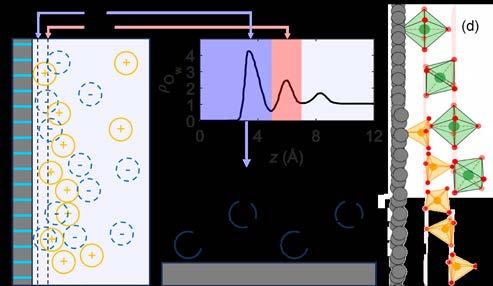
Fig 1. Evolving view of water in the electrical double layer (EDL). (a) EDL structure replotted from Grahame with water as a background.1 (b) Layering of water observed by X-ray agrees with (c) the ice-like water structure at potentials slightly more positive than the PZC.10, 11 (d) The cation hydration shell (green and yellow for different ion sizes) fits into the layered hydrogenbond network, reproduced from recent MD simulation results.13 Reproduced with permission. Copyright 1947, ACS; 1994, Springer; 1996, ACS; 2026, Elsevier.
oxidation, the reaction rates follow the order of Cs+ > K+ > Na+ > Li+ at the potential range from 0.8 to 1.0 V vs the reversible hydrogen electrode (RHE). The cation size was generally used to explain this activity trend. A recent MD simulation by Moss and Doblhoff-Dier predicted that the distance of the alkali cations (Li+, Na+, Cs+) to the Pt(111) surface not only scales with cation size, but also with how the solvation shell fits with the water layers.13 For example, Li+ will sit slightly below the first water layer, so the triangular face of its tetrahedral coordinated water shell will fit with the first water layer. On the other hand, Na+ will sit directly in the first water layer to maintain its octahedral water solvation structure (Fig. 1d). Thus, the layering of water and layering of ions are coordinated. Higher ion concentrations will also break the water H-bond network.
From the iterations among theory, experiments, and simulations, the understanding evolves. It is clear that theory and simulations play complementary but distinct roles. There is an increasing number of AIMD simulations of the metal/electrolyte interface dedicated to electrocatalytic reactions, giving qualitative predictions, while quantitative connections with experimentally measured electrochemical data are rather limited.
Compared with water, which is uniquely important and complicated, the EDL structures in organic solvents appeared somewhat simpler in Grahame’s experiments on methanol.14 The capacitance of multiple salts in methanol was qualitatively similar to that observed in aqueous solutions at elevated temperatures, without the characteristic “hump” observed in water, indicating no strong methanol layering in the EDL. However, this apparent simplicity breaks down when Hou et al. tried to find solvent descriptors to correlate with EDL capacitance.15 They found no simple relationship between EDL capacitance and the dielectric constant, viscosity, boiling temperature, or dipole moment of solvents. It becomes more complicated for mixed solvents. Early studies of binary organic solvents, such as methanol and acetone, already revealed selective adsorption of acetone on the mercury electrode surface, particularly on the cathodic branch of the capacity curve.16
With hundreds of commonly used organic solvents, 109 molecules in public databases, and countless possible mixtures, organic electrolytes create a vast design space for electrochemical applications, as shown in Fig 2. Here, the organic solvent broadly includes all the charge-neutral species in the liquid electrolyte, solvent, additives, reactants, and reaction mediators for a variety of applications.
For energy storage devices, such as capacitors and batteries, the cell voltage is limited by the electrolyte reduction and oxidation potentials. Thus, moving from aqueous to organic electrolytes increases the cell voltage from 0.9 V to 2.5~2.7 V for EDL capacitors (EDLC) and to 3.0~4.2 V for Li-ion batteries, proportionally increasing both energy and power. Yet, the need to understand the role of charge-neutral species in EDL structure is different.
Motivated by experiments on EDLC with organic solvents,17 MD simulations have revealed that the EDL structure in tetraethylammonium tetrafluoroborate (TEABF4) in acetonitrile (ACN) exhibits solvent layering and alternating layers of cations/ anions.18 In some cases, organic solvents were shown to enhance the EDLC performance,19 but other studies found little effect of solvent choice on the inner layer capacitance across a range of organic solvents,20 likely reflecting different solvent and electrode surface interactions.
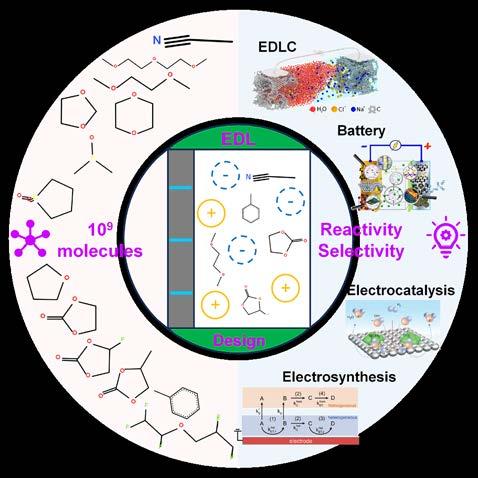
Fig 2. Direct design of the EDL in organic electrolytes for electrochemical applications. Mixtures of solvent molecules organize at charged interfaces to tune local composition and interfacial structure, enabling applications in capacitors, batteries, electrocatalysis, and electrosynthesis. Reproduced with permission.29-32 Copyright 2014, 2022, 2025, ACS; 2013, Springer.
In batteries, passivation layers on the two electrodes, referred to as the solid electrolyte interphase (SEI) on the negative electrode or the cathode-electrolyte interphase (CEI), enable the battery to operate outside of the electrolyte electrochemical stability window. Thus, multicomponent organic electrolytes are designed not only to ensure fast ion transport but also the interface stability.21 MD simulations has shown that the local composition at the electrode can differ significantly from the bulk electrolyte. A representative example is the mixed ethylene carbonate (EC) and dimethyl carbonate (DMC) solvent with LiPF6 salt EDL near a charged graphite electrode, where the more polar EC becomes enriched in the EDL near both positively and negatively charged electrodes.22 Further, Wu et al. analyzed the MD-predicted representative structures in the EDL and fed them to DFT calculations to evaluate which species/clusters are most likely to be reduced and therefore contribute to SEI formation.23 They showed that the appearance of same-charged ions in the EDL, such as anions on the negatively charged surfaces, is sensitive to solvents and temperature. Adding fluorinated additives (e.g., fluoroethylene carbonate, FEC) may not result in any increase in F-content in the SEI, due to compositional competition in the EDL. The results explain a series of experimental observations that cannot be interpreted by the bulk electrolyte alone. Therefore, what really gets reduced or oxidized at a battery electrode is not just determined by the bulk electrolyte composition, but also by which molecules and ions actually gather in the EDL next to the charged surface. Therefore, in organic electrolytes, charge-neutral molecules are not only the dielectric medium in which ions move and redistribute, but also part of the EDL structure, which creates a local environment that determines potential drop, local composition, and reactivity. Instead of passively studying EDL structures, can we actively design specific EDL structures to achieve desired electrochemical reactions?
In electrosynthesis, electrolyte design is increasingly used to engineer the local microenvironment, not just to provide conductivity
and stability. Solvents and supporting salts can influence yield and selectivity by controlling the near-electrode composition and interface structure. Once charge-neutral species enter the EDL, they are not distributed randomly. They can adsorb with preferred geometries, reorient under the local electric field, and form layered or heterogeneous interfacial structures. Two recent perspectives have highlighted that understanding the EDL structures will enable new reaction pathways for electrosynthesis and electrocatalysis.24, 25 A direct example of the role of charge-neutral solvents comes from the electrohydrodimerization of acrylonitrile to adiponitrile.26 This reaction is an important industrial electrosynthesis. In situ attenuated total reflectance-fourier transform infrared (ATR-FTIR) spectrum has shown that tetraalkylammonium ions accumulate in the EDL, creating a local environment that enhances neutral acrylonitrile while excluding water, thus preventing the hydrogen evolution reaction. This example provides direct evidence that EDL composition can regulate selectivity by controlling which neutral reactants are present near the electrode and by suppressing competing solvent reactions. These dynamics of the EDL can also be used to tune electrochemical reactions,27 because electrochemical processes occur with continuously evolving EDL rather than in a perfectly equilibrated interfacial structure. Recent MD studies have further highlighted the time-dependent redistribution of charge-neutral species in the EDL under both constant and alternating polarity conditions to mitigate side reactions.28 A complete picture of neutral species in the EDL should therefore include their equilibrium, composition distribution, and arrangement, and how rapidly they respond to electrochemical driving forces. The temporal and spatial evolution of the species cascading from electrochemical reactions near the EDL region needs to be resolved.
Overall, charge-neutral molecules in organic electrolytes are not passive media. They contain rich chemistry for electrosynthesis. They are part of the EDL structure and help determine local composition and reactivity. Yet our understanding of EDLs in organic solvents remains far less developed than in water, leaving major opportunities to design interfacial environments for improved electrochemical synthesis and catalysis.
CXG and YQ acknowledge support from the NSF Center for Synthetic Organic Electrochemistry, CHE-2503773. XT and YQ acknowledge support from the DOE, Office of Science, DESC0026248, for EDL in batteries.
© The Electrochemical Society. DOI:10.1149/2.F07262IF

Yue Qi, Joan Wernig Sorensen Professor of Engineering, Brown University
Education: BS in Materials Science and Engineering and Computer Science (Tsinghua University), PhD in Materials Science (Caltech)
Work Experience: General Motors (2001~2013); Michigan State University (2013~2000)
Research Interests: Multiscale modeling, Electrochemical process, Electrochemomechanical coupled phenomena in energy storage and sustainability technologies
Pubs + Patents: 200 publications, 3 patents
Awards: Fellow of MRS (class of 2026), ACerS Ross Coffin Purdy Awards (2025), TMS Brimacombe Medalist (2017)
Work with ECS: Member at Large for the Physical and Analytical Electrochemistry Division Officers/Executive Committee and Associate Editor for ECS Journal of Solid State Science and Technology
Website: https://vivo.brown.edu/display/yqi27 https://orcid.org/0000-0001-5331-1193
(continued on next page)
(continued from previous page)

Xi Tan, PhD student in the School of Engineering, Brown University
Education: BS in Power Engineering and Engineering Thermophysics (Nanjing Normal University), MS in Power Engineering and Engineering Thermophysics (Huazhong University of Science and Technology)
Research Interests: Solid-liquid electrical double layer Pubs + Patents: 9 publications https://orcid.org/0009-0002-9003-4409
Chaoxuan Gu, PhD student in the School of Engineering, Brown University
Education: BS in Polymer Materials and Engineering (Sichuan University), MS in Materials Science and Engineering (Columbia University), PhD in Materials Science (Brown University)
Research Interests: Multiscale modeling, Electrochemical interface
Pubs + Patents: 4 publications
Work with ECS: Student Member https://orcid.org/0000-0002-2118-9805
1. D. C. Grahame, Chem Rev, 41, 441 (1947).
2. R. J. Watts-tobin, The Philosophical Magazine: A Journal of Theoretical Experimental and Applied Physics, 6, 133 (1961).
3. W. Schmickler and D. Henderson, Prog Surf Sci, 22, 323 (1986).
4. C. Y. Lee, J. A. McCammon, and P. J. Rossky, J Chem Phys, 80, 4448 (1984).
5. B. J. Alder and T. E. Wainwright, J Chem Phys, 33, 1439 (1960).
6. F. H. Stillinger and A. Rahman, J Chem Phys, 60, 1545 (1974).
7. R. Guidelli and W. Schmickler, Electrochim Acta, 45, 2317 (2000).
8. J. C. Shelley, G. N. Patey, D. R. Bérard, and G. M. Torrie, J Chem Phys, 107, 2122 (1997).
9. D. L. Price and J. W. Halley, J Chem Phys, 102, 6603 (1995).
10. M. F. Toney, J. N. Howard, J. Richer, G. L. Borges, J. G. Gordon et al., Nature, 368, 444 (1994).
11. K.-i. Ataka, T. Yotsuyanagi, and M. Osawa, J Phys Chem, 100, 10664 (1996).
12. J.-J. Velasco-Velez, C. H. Wu, T. A. Pascal, L. F. Wan, J. Guo et al., Science, 346, 831 (2014).
13. J. H. Moss and K. Doblhoff-Dier, Electrochim Acta, 557, 148462 (2026).
14. D. C. Grahame, Zeitschrift für Elektrochemie, Berichte der Bunsengesellschaft für physikalische Chemie, 59, 740 (1955).
15. Y. Hou, K. J. Aoki, J. Chen, and T. Nishiumi, J Phys Chem C, 118, 10153 (2014).
16. A. Muszalska and J. Jastrzebska, J Electroanal Chem Interfacial Electrochem, 318, 145 (1991).
17. J. Chmiola, G. Yushin, Y. Gogotsi, C. Portet, P. Simon, et al., Science, 313, 1760 (2006).
18. G. Feng, J. Huang, B. G. Sumpter, V. Meunier, and R. Qiao, PCCP, 12, 5468 (2010).
19. S. Li, P. Zhang, F. Fulvio Pasquale, C. Hillesheim Patrick et al., J Phys Condens Matter, 26, 284105 (2014).
20. Y.-J. Tu, S. Delmerico, and J. G. McDaniel, J Phys Chem C, 124, 2907 (2020).
21. A. Wang, S. Kadam, H. Li, S. Shi, and Y. Qi, npj Comput Mater, 4, 15 (2018).
22. J. Vatamanu, O. Borodin, and G. D. Smith, J Phys Chem C, 116, 1114 (2012).
23. Q. Wu, M. T. McDowell, and Y. Qi, J Am Chem Soc, 145, 2473 (2023).
24. P. Sebastián-Pascual, Y. Shao-Horn, and M. Escudero-Escribano, Curr Opin Electrochem, 32, 100918 (2022).
25. F. Dorchies and A. Grimaud, Chem Sci, 26, 7103 (2023).
26. R. Mathison, R. Atwi, H. B. McConnell, E. Ochoa, E. Rani et al., JACS, 147, 4296 (2025).
27. E. Santos and W. Schmickler, Electrochim Acta, 498, 144659 (2024).
28. C. Gu, K. Liu, A. Pendergast, Y. Kawamata, P. S. Baran, et al., ACS Electrochemistry, 1, 2749 (2025).
29. D. Strmcnik, M. Uchimura, C. Wang, R. Subbaraman, N. Danilovic, et al., Nat Chem, 5, 300 (2013).
30. J. H. Hymel, C. A. Renfro, S. N. Khan, J. P. Pederson, and J. G. McDaniel, J Phys Chem C, 129, 17380 (2025).
31. K. Xu, Chem Rev, 114, 11503 (2014).
32. G. Jeanmairet, B. Rotenberg, and M. Salanne, Chem Rev, 122, 10860 (2022).





by Jianzhong Wu
From the age of the mercury electrode to the era of sustainable development, the landscape of electrochemistry has transformed.
Eighty years after David C. Grahame’s monumental review of the electrical double layer, electrochemical devices are no longer adequately modeled by simple planar interfaces, but by nanoporous electrodes and complex electrolytes. This feature article explores the frontier of this evolution, redefining our fundamental understanding
Nearly eight decades have passed since David C. Grahame published his landmark review on the electrical double layer (EDL) and the theory of electrocapillarity.1 In this seminal work, Grahame demonstrated that the capacitive properties of an “ideal polarized electrode” in contact with a “capillary-inactive electrolyte” could be described by combining Gibbs thermodynamics (the Lippmann equation) with what he termed “the kinetic theory of the diffuse double layer.” This framework, separating chemisorption in a dielectric continuum from diffuse-layer point charges, established differential capacity measurements as the primary method for probing interfacial structure, specific adsorption, and the distinct roles of anions and cations at the electrode-electrolyte interface.
While Grahame’s model remains a foundational milestone, its direct applicability to modern electrochemical systems is limited. He formulated his theory for an idealized mercury electrode in dilute aqueous electrolytes, which contrasts strongly with the nanostructured electrodes and complex electrolytes employed in contemporary energy storage devices and electrochemical conversion processes. This mismatch gives rise to at least three fundamental disconnects between the assumptions underlying the classical EDL model and the realities of present-day electrochemistry. First, Grahame’s model assumes a semi-infinite, planar interface. In contrast, modern electrochemical devices, including supercapacitors, fuel cells, and batteries, often rely on porous electrodes where electrolytes are confined within tortuous nanospaces.2 In these environments, the overlapping potential fields from pore walls fundamentally alter the EDL structure, invalidating the assumption of standard planar Gouy-Chapman-Stern models. Second, the field has moved beyond simple dilute systems to a diverse landscape of complex electrolytes, including room-temperature ionic liquids, molten salts, and highly concentrated “water-in-salt” solutions.3 Unlike the point charges assumed in the classical EDL model, these complex electrolytes exhibit interactions and correlation effects that cannot be captured by a mean electrostatic potential alone. Third, the classical EDL model assumes a boundary governed by simple electrostatics, neglecting the electronic structure and specific electron-electrolyte interactions, thereby providing limited insights into the interface reactivity.
This article addresses each of these three disconnects in turn. First, we examine how the confining geometry of nanoporous electrodes fundamentally alters the EDL structure, requiring theoretical frameworks that move beyond the planar Gouy-Chapman-Stern model. Second, we show how integrating experimental advances with multiscale modeling—including molecular dynamics and classical density functional theory—captures critical phenomena intrinsic to complex electrolytes, such as steric crowding, ion–ion
of interfacial thermodynamics, reaction kinetics, and ion transport through experimental advances and multiscale modeling. As we look beyond Grahame’s idealized models, the synthesis of theory and experiment offers a new paradigm for engineering the next generation of electrochemical systems for energy storage and chemical transformation.
correlations, and overscreening. Third, we extend the thermodynamic description of the EDL to incorporate the electronic structure of the electrode, addressing chemisorption and electrokinetic phenomena that lie largely outside the scope of Grahame’s original review. By explicitly bridging these electronic, molecular, and macroscopic scales, we reveal how electrolyte complexity and porous confinement together redefine our understanding of interfacial thermodynamics, electrocatalysis, and electrokinetics in modern electrochemical systems.
To meet escalating demands for energy and power density, contemporary electrochemical systems have abandoned simple geometries in favor of complex architectures. As illustrated schematically in Fig. 1, this evolution spans both the electrode structure and the electrolyte composition, replacing the idealized components of the past with materials designed for specific electrochemical functions.
On the electrode side, the shift is defined by surface morphology and chemical functionality. Nanoporous carbons, exemplified by activated carbons and carbide-derived carbons, are among the most commonly used electrode materials in electrical double layer capacitors (EDLCs), leveraging their vast internal surface areas to accommodate ions within tortuous nanopores.4 Beyond purely electrostatic storage, the incorporation of heteroatoms (such as nitrogen and oxygen) into the carbon lattice introduces pseudocapacitance,5 a charge-storage behavior first articulated by Grahame in the context of specific adsorption. This phenomenon is further amplified in transition metal oxides (e.g., RuO2 or MnO2) and in MXenes.6 These materials exploit fast, reversible faradaic reactions to store energy while retaining the kinetic signature of a capacitor. In contrast to the physical adsorption characteristic of pristine carbons, pseudocapacitive energy storage relies on surface or near-surface redox processes involving distinct chemical changes, such as the transformation of nitrogen functional groups (e.g., transitions between pyridinic and pyrrolic forms) or valency shifts in metal centers (e.g., Mn3+ to Mn4+). Crucially, this electron transfer is often coupled with the rapid intercalation of protons or alkali cations into crystal lattice channels, enabling energy densities to exceed those of standard double-layer materials while maintaining high power delivery.7
Parallel to the evolution of electrode chemistry and architectures, the electrolyte has shifted from simple, dilute aqueous solutions to complex, interaction-dominated systems driven by the dual mandates of wider electrochemical stability windows (ESW) and operational
(continued on next page)
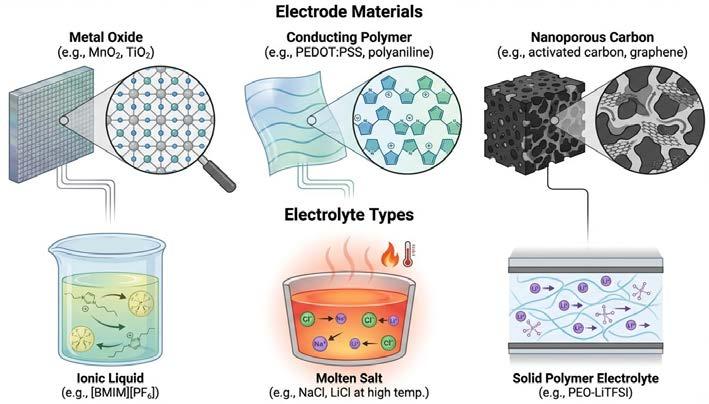
safety. Room-temperature ionic liquids (RTILs) represent the extreme limit of this densification.8 By pairing bulky organic cations (e.g., imidazolium, pyrrolidinium) with large fluorinated anions (e.g., TFSI), they eliminate neutral solvents entirely to create a dense fluid governed by strong coulombic interactions rather than solvation shells. A parallel breakthrough is observed in “water-in-salt” electrolytes,9 which revolutionize aqueous chemistry by inverting the traditional salt-to-solvent ratio. In these super-concentrated regimes, the scarcity of free water molecules suppresses parasitic hydrogen evolution, thereby extending the ESW to levels previously exclusive to non-aqueous organic solvents. While these innovations are pivotal for device performance, they introduce complex physical environments characterized by strong confinement, steric crowding, and ion-ion correlations. These factors fundamentally deviate from the dilute, planar assumptions of Grahame’s classical model.
To reconcile the idealized assumptions of classical EDL models with the complexities of modern electrochemical devices, advanced theoretical frameworks are required that not only capture the essential physics but also enable quantitative predictions. By moving beyond the mean-field treatment of point charges, statistical-mechanical approaches, such as molecular dynamics (MD) simulations and classical density functional theory (cDFT), account for the particulate nature of ions and solvent molecules in confined geometries, enabling
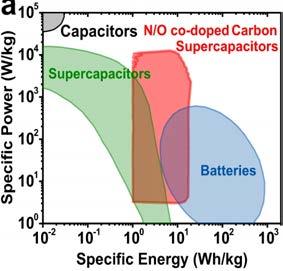
explicit treatment of excluded-volume effects, solvent-mediated interactions, and electrostatic correlations in nonfaradaic systems.11 When formulated using semi-empirical force fields or coarse-grained models, these methods provide a rigorous description of the interfacial phenomena governing high-performance electrochemical devices, most notably ion crowding (saturation) at high applied potentials and charge inversion (overscreening) in concentrated electrolytes and ionic liquids.12 Such theoretical capabilities are critical for elucidating confinement effects in nanoporous electrodes, providing fundamental insights needed to guide the rational design of nextgeneration energy storage devices.
To illustrate the synergy between experiment and molecular modeling, Fig. 2a presents a Ragone plot comparing the energy and power densities of conventional capacitors, supercapacitors, and batteries, highlighting how nanoporous carbon electrodes and ionic liquids advance EDLC performance.10 This competitive landscape sets the applied context and defines the target regime—namely, the experimentally observed anomalous capacitance enhancements that cDFT and MD must ultimately explain and predict if molecular modeling is to guide real device optimization. The capacitance of a nanoporous electrode exhibits a nontrivial dependence on pore width, deviating markedly from classical continuum predictions. This capacitive behavior arises from interplay between ion confinement and molecular packing effects in ionic liquids and organic electrolytes. cDFT is uniquely suited to capturing the full spectrum of electrochemical behavior because it provides an accurate description of the free-energy landscape across length scales, from sub-nanometer confinement—where pore dimensions are smaller than the solvated ion—to mesoscopic pores in which bulk-like layering emerges. As shown in Figures 2b and 2c, cDFT calculations not only reproduce earlier experimental observations of an anomalous enhancement in capacitance as the pore size approaches the effective ion diameter in the sub-nanometer regime,13 they also predict a pronounced oscillatory decay of capacitance as the pore width increases into the mesoscopic regime. While this oscillatory profile awaits direct experimental observation, it is consistently predicted by both theoretical analysis and MD simulations.14 We note, however, that since these methods
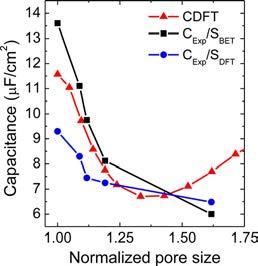
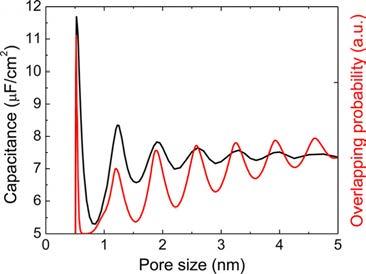
probability (right axis) on pore size for a model ionic liquid. Adapted with permission from Ref. 10. Copyright 2013 American Chemical Society.
a. Electrical Double Layer
b. Stern Layer
Eq.
Fig. 3. Double layer characteristics and adsorption energetics. a. Schematic of the Stern layer and diffuse layer, demarcated by the outer Helmholtz plane (OHP, red dashed line). b. The electrical field (|E|) within the Stern layer as a function of surface charge density (σ). Here, εs(E) stands for the Stern layer dielectric constant. c. Relationship between the potential at the OHP (ψs) and surface charge density (σ) within the diffuse layer, comparing predictions from cDFT and the classical Grahame equation. d. Variation of the electrode potential (ε) with surface charge density (σ). e. Dependence of the adsorption energy (ΔΩ) on the applied electrode potential (ε).
share underlying physical assumptions, their agreement reflects a consistent theoretical narrative rather than independent validation.
Unlike continuum approaches, cDFT does not rely on macroscopic variables as the input; instead, it is grounded in particlelevel interactions comparable to those used in MD simulation. By minimizing the grand potential functional, cDFT solves for the spatial distribution of ionic species and thermodynamic properties directly, thereby circumventing computationally expensive microstate sampling. This efficiency makes cDFT uniquely effective for resolving the inhomogeneous density profiles of electrolytes in confined geometries. However, the method is constrained by its classical nature: it lacks an explicit description of electronic structure and relies on the accuracy of the underlying molecular models (or force fields), which can limit chemical specificity. These constraints underscore the necessity for hybrid strategies capable of capturing reactivity at the electrode-electrolyte interface.
The electrochemical interface is not merely a passive charged wall as described in the classical EDL model; it is defined by the specific coupling of electronic states in the electrode with molecular orbitals in the electrolyte. Consequently, the electronic structure plays a pivotal role in charge transfer and faradaic reactions, necessitating a theoretical treatment that extends beyond simple electrostatics.
Classical approaches to electrochemical capacitance struggle to reconcile the ionic response of the electrolyte with the electronic structure of the electrode. In particular, they often overlook the effect of quantum capacitance, a series-coupled contribution dictated by the finite density of electronic states. This effect can dominate the total capacitive response in low-dimensional or poorly conducting materials, such as graphene or undoped semiconductors. Conversely, first-principles methods such as Hartree–Fock (HF) and Kohn-Sham density functional theory (KS-DFT) treat electronic states quantum mechanically but typically restrict the system to a fixed atomic configuration. This static representation fails to capture the statistical nature and entropic contributions of the inhomogeneous electrolyte environment. To address these limitations, researchers have made significant progress in developing semi-classical theories that combine a quantum-mechanical description of the electrode with liquid-state methods for ion distributions.15, 16 The success of any such hybrid
model hinges on two fundamental requirements: 1) establishing the continuity of the electrostatic potential across the interface, and 2) employing a robust semi-empirical model for electron-electrolyte interactions to capture short-range effects like Pauli repulsion and dispersion forces at the boundary.
In principle, ab initio molecular dynamics (AIMD) can directly simulate the interface with explicit consideration of ionic and solvent configurations.17 However, these methods are often computationally prohibitive, even when accelerated by machine learning potentials (MLPs), owing to the extensive grand canonical sampling required for open electrochemical systems. By contrast, implicit solvent models treat the liquid as a continuous dielectric medium.18 While this approximation enables electronicstructure calculations without the need for microstate sampling, it often obscures the interfacial structure and specific solute–solvent interactions. To bridge this gap, hybrid frameworks incorporate liquid-state theories, such as the reference interaction site model (RISM), directly into the electronic structure calculation.19 By coupling a quantum-mechanical description of the electrode with a classical density profile for the electrolyte, this hybrid approach allows the EDL structure to respond self-consistently to the electronic density. This refinement represents a significant advancement, merging quantum-mechanical precision with statistical-mechanical realism.
Fig. 3 presents a multiscale framework that integrates KS-DFT to describe chemisorption, cDFT to predict ion distribution, and the Booth model to link the local dielectric constant with the electrical field in the Stern layer.20 This unified approach offers a self-consistent description of the interdependence among electrode potential, surface charge density, interfacial electrical field, and capacitance across a broad range of electrolyte types and concentrations. Validated against experimental observations, this framework predicts how electrolyte composition and concentration govern the selectivity toward CO on Ag electrodes and toward multi-carbon (C2+) products on Cu electrodes during CO2 electroreduction. By effectively bridging the electronic properties of the electrode surface with the thermodynamics of the confined electrolyte, this hybrid framework opens new avenues for predicting ionic impacts on electrocatalysis.
Current hybrid models face inherent limitations arising from the semi-empirical formulation of non-electrostatic free energy functionals. The coupling between the quantum electron density and the classical fluid density typically relies on parameterized repulsive potentials to mimic Pauli exclusion, which compromises transferability across diverse chemical environments.21 To overcome this empiricism, multicomponent density functional theory (MCDFT) has been proposed as a rigorous long-term framework. By treating both electrons and nuclei as quantum species on an equal footing, MCDFT offers a unified variational description where the electrode and electrolyte are treated self-consistently within the grand canonical ensemble. However, practical implementations of MCDFT at electrochemical interfaces remain in their infancy, and its application to chemically realistic systems—including the complex geometries and electrolyte compositions discussed here—has yet to be demonstrated. Should these challenges be overcome, MCDFT holds the promise of capturing interfacial phenomena such as nonadiabatic effects and dynamic polarization without ad hoc fitting parameters, offering a genuinely first-principles path forward.
(continued on next page)
(continued from previous page)
While fundamental electrochemical theories are often derived for idealized planar surfaces, practical energy technologies—ranging from fuel cells to supercapacitors—rely almost exclusively on porous electrodes to maximize active surface area and throughput.2 As illustrated schematically in Fig. 4, the overall performance of these devices is governed not just by intrinsic catalytic activity, but also by the complex interplay of mass transport, ion conduction, and reaction kinetics within tortuous nanostructures.
In contrast to planar surfaces where the EDL structure is relatively uniform, the nanostructure of a porous electrode induces significant spatial heterogeneity in charge density and potential distribution. For instance, in gas diffusion electrodes (GDEs) for CO2 electroreduction, nanostructured catalyst layers significantly shorten the diffusion length of CO2, leading to considerably higher current densities and enhanced product selectivity.22 However, this geometric complexity also creates varying double-layer structures across the catalyst surface, necessitating models that can account for reaction kinetics and ion transport in non-uniform environments.
To describe these confinement effects, we establish a hierarchical theoretical framework for ion transport in nanoporous materials that integrates microscopic interactions with macroscopic connectivity across three coupled levels.23 Given that the atomic structure of practical porous electrodes is often unknown, this approach approximates the system using representative, well-defined nanochannels. At the microscopic level, we employ dynamic density functional theory (DDFT)—an extension of the equilibrium cDFT framework to time-dependent transport. DDFT describes ion motion by explicitly incorporating thermodynamic nonideality, ion–ion correlations, and steric effects. These critical features are fundamentally absent in the Poisson-Nernst-Planck (PNP) equations, which treat ions merely as non-interacting point charges within a mean electrostatic field. At the mesoscopic level, these ionic concentration and flux profiles are coupled with the Navier–Stokes equations, which govern the viscous fluid flow driven by the local electrical fields established within the pore. Finally, at the macroscopic level, the effective
medium approximation (EMA) statistically averages these pore-scale transport properties over the full pore size distribution and network connectivity of the electrode, bridging the gap between the behavior of a single idealized nanochannel and the tortuous, disordered geometry of a practical device.
This hierarchical approach can be readily extended to elucidate the impact of pore size distribution on both reaction rates and ion transport that are inherently inaccessible to single-scale models. For example, theoretical predictions have provided a quantitative explanation for the giant gap observed between the ionic conductivity of a single straight pore and that of a complex porous network.24 By systematically linking the local EDL structure to the macroscopic network topology, this framework highlights the dominant mechanisms of ion transport in confined geometries, offering a powerful tool for the rational design of porous electrodes optimized for specific practical applications.
This article has traced a theoretical evolution driven by three fundamental disconnects between Grahame’s classical EDL framework and the realities of modern electrochemical systems. At the device level, the shift from planar mercury electrodes to nanoporous architectures invalidates the planar geometry assumption and demands frameworks capable of resolving confinement-induced capacitance anomalies and heterogeneous ion distributions—a challenge met here through cDFT and its quantitative agreement with experimental observations in sub-nanometer pores. At the electrolyte level, the emergence of ionic liquids, molten salts, and water-in-salt systems introduces steric crowding, overscreening, and strong ion–ion correlations that mean-field continuum models are fundamentally incapable of capturing—addressed through statistical-mechanical approaches that treat ions as finite-sized, correlated species rather than as point charges. At the interfacial level, the recognition that the electrode–electrolyte boundary is defined by quantum-mechanical coupling between electronic states and molecular configurations —not simple electrostatics—has motivated hybrid KS-DFT/cDFT frameworks that allow the EDL structure to respond self-consistently to the electronic density, opening new predictive capabilities for electrocatalysis and chemisorption.
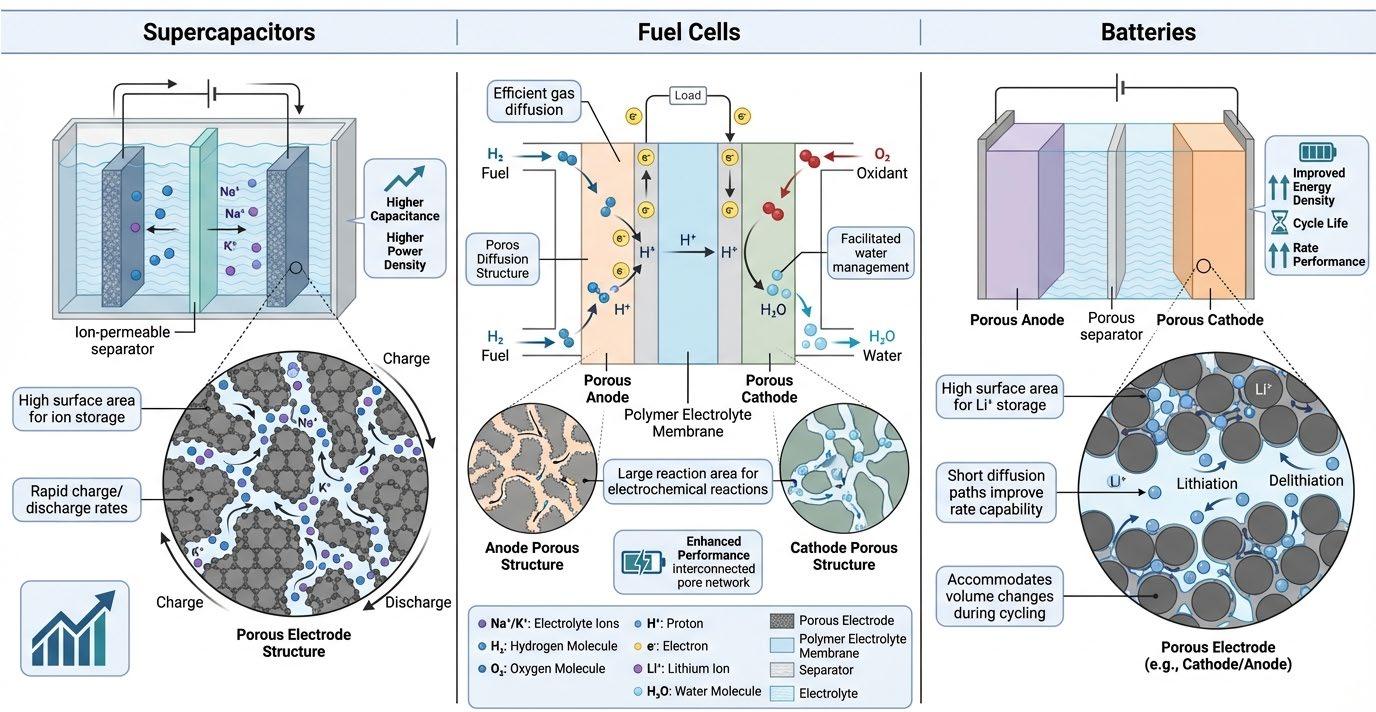
These advanced methods resolve the microscopic ionic correlations and steric effects critical for accurately predicting interfacial thermodynamics and electrokinetics in complex electrochemical systems. Of particular significance are hybrid quantum-classical frameworks, which couple liquid-state theories with KS-DFT. By allowing the EDL structure to respond self-consistently to the electronic density of the electrode, these frameworks capture specific solute–solvent interactions and provide an accurate description of the microenvironment’s effects on chemisorption. Importantly, researchers have successfully extended these concepts to porous electrodes, where the integration of molecular theory with macroscopic transport equations and effective medium approximations elucidates how pore size distributions govern ion transport and reaction kinetics in practical, disordered geometries.
First-principles simulations and liquid-state theories offer distinct strengths: the former excels at describing chemical bonding and electronic states, while the latter efficiently captures statistical correlations and entropic effects. Their integration yields a more complete and physically grounded picture of interfacial behavior, thereby enabling predictive modeling of electrochemical performance under realistic operating conditions. Looking ahead, the next generation of modeling tools must transcend the existing dichotomy. We envision a new class of open-system, distribution-respecting simulation frameworks that seamlessly blend first-principles calculations, statistical mechanics, continuum electrostatics, and physics-informed machine learning. These approaches should be capable of resolving interfacial charge transfer, dielectric response, solvation structure, dynamic solute distributions, and transport processes in chemically realistic and computationally scalable ways. By unifying these disparate scales, theoretical electrochemistry will transform from a descriptive science into a truly predictive tool for the design and optimization of next-generation energy technologies.
© The Electrochemical Society. DOI:10.1149/2.F08262IF
This research is made possible through financial support from the NSF-DFG Lead Agency Activity in Chemistry and Transport in Confined Spaces under grant no. NSF 2234013.
Jianzhong Wu, Professor of Chemical and Environmental Engineering, University of California, Riverside
Education: BEng/BS in Chemical Engineering/ Applied Math (Tsinghua University); MS in Chemical Engineering (Tsinghua University); PhD in Chemical Engineering (University of California, Berkeley).
Research Interests: Statistical mechanics, Complex fluids, Electrochemical processes
Work Experience: University of California, Riverside (since 2001). Collaborative appointments in Bioengineering, Materials Science and Engineering, and Mathematics.
Work with ECS: Member since 2024
Awards: Clarivate Highly Cited Researcher (2024), World’s Top 2% Scientists, Yangtze River Scholar Award (2013), Elected Fellow of the American Physical Society (APS), the American Institute of Chemical Engineers (AIChE), and the American Institute for Medical and Biological Engineering (AIMBE), in recognition of his contributions to classical density functional theory, molecular modeling, and interdisciplinary research in chemical engineering.
Pubs + Patents: 300+ publications
Email: jianzhon@ucr.edu
Website: https://jwulab.engr.ucr.edu/ https://orcid.org/0000-0002-4582-5941
1. D. C. Grahame, Chem Rev, 41, 441 (1947).
2. E. M. Farber, N. M. Seraphim, K. Tamakuwala, A. Stein, M. Rücker et al., Science, 390, adn9391 (2025).
3. M. Li, C. S. Wang, Z. W. Chen, K. Xu, and J. Lu, Chem Rev, 120, 6783 (2020).
4. H. Shao, Y. C. Wu, Z. F. Lin, P. L. Taberna, and P. Simon, Chem Soc Rev, 49, 3005 (2020).
5. T. Wang, R. T. Pan, M. L. Martins, J. L. Cui, Z. N. Huang et al., Nat Commun, 14, ARTN 4607 (2023).
6. S. Fleischmann, Y. Zhang, X. P. Wang, P. T. Cummings, J. Z. Wu et al., Nat Energy, 7, 222 (2022).
7. V. Augustyn, P. Simon, and B. Dunn, Energ Environ Sci, 7, 1597 (2014).
8. T. Zhou, C. M. Gui, L. G. Sun, Y. X. Hu, H. Lyu, et al., Chem Rev, 123, 12170 (2023).
9. L. M. Suo, O. Borodin, T. Gao, M. Olguin, J. Hoet al., Science, 350, 938 (2015).
10. D. E. Jiang and J. Z. Wu, J Phys Chem Lett, 4, 1260 (2013).
11. J. Z. Wu, Chem Rev, 122, 10821 (2022).
12. A. A. Kornyshev, J Phys Chem B, 111, 5545 (2007).
13. J. Chmiola, G. Yushin, Y. Gogotsi, C. Portet, P. Simon et al., Science, 313, 1760 (2006).
14. G. Feng and P. T. Cummings, J Phys Chem Lett, 2, 2859 (2011).
15. K. Schwarz and R. Sundararaman, Surf Sci Rep, 75, 100492 (2020).
16. N. Bruch, T. Binninger, J. Huang, and M. Eikerling, J Chem Phys, 162, 224703 (2025).
17. C. Q. Feng and B. Jiang, JACS Au, 5, 5939 (2025).
18. S. Ringe, N. G. Hörmann, H. Oberhofer, and K. Reuter, Chem Rev, 122, 10777 (2022).
19. S. Hagiwara, S. Nishihara, F. Kuroda, and M. Otani, Phys Rev Mater, 6, 093802 (2022).
20. J. K. Sun and J. Z. Wu, J Phys Chem C, 129, 8946 (2025).
21. M. Todorova, S. Wippermann, and J. Neugebauer, Nat Rev Chem, 10, 133 (2026).
22. T. Burdyny and W. A. Smith, Energ Environ Sci, 12, 1442 (2019).
23. C. Lian, H. P. Su, C. Z. Li, H. L. Liu, and J. Z. Wu, ACS Nano, 13, 8185 (2019)
24. T. Kress, X. Y. Liu, and A. C. Forse, Nat Mater, 25, 440 (2026).
The ECS New England Section met on March 19, 2026, at Northeastern University, welcoming 41 attendees from across the region and from academia and industry. Graduate students made the trip from the University of Massachusetts Lowell, University of Massachusetts Amherst, Brown University, Northeastern University, and Yale University. Members gathered for networking, collaboration, and a Mediterranean dinner before the evening’s seminar.
The featured speaker was Prof. Joy Zeng. She joined the faculty of Brown University as an Assistant Professor of Engineering in 2025 after completing a PhD at the Massachusetts Institute of Technology and a postdoctoral fellowship at Harvard University. Her talk explored how tools and insights from thermocatalysis can open up new approaches to electrochemical reactions relevant to clean energy and industrial decarbonization. The seminar sparked an engaged discussion, with graduate students staying well past the formal end of the evening to keep the conversation going.
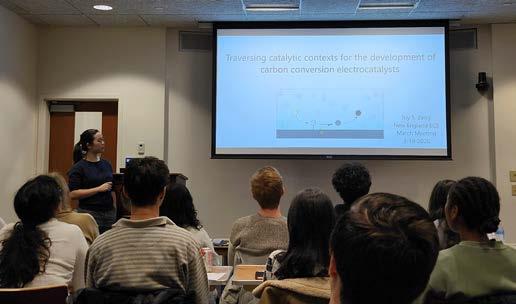
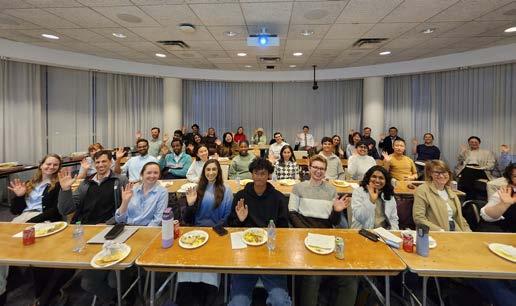



ECS Sections introduce and support activities in electrochemistry and solid state science within specific regions and bring technical news and activities to those not able to attend ECS meetings. Sections participate in overall ECS affairs, work to increase ECS membership, and help create awareness for science. Getting involved with a section
is an excellent networking opportunity for those new to the field or advanced in their careers!
For more information on your region’s section, go to https://www. electrochem.org/sections. For more information on joining, contact ECS Section & Chapter Engagement Specialist Maggie Hohenadel
Section Name
Section Chair
Arizona Section Candace K. Chan
Brazil Section Raphael Nagao
Canada Section Christian Kuss
Chile Section José H. Zagal
China Section Open
Detroit Section Tobias Glossmann
Europe Section Ingrid Milošev
Georgia Section Faisal Alamgir
India Section Sinthai Ilangovan
Israel Section Eran Edri
Japan Section Seiichiro Higashi
Korea Section Won-Sub Yoon
Mexico Section Norberto Casillas Santana
Mid-America Section Ahmed Farghaly
National Capital Section Alexander Zestos
New England Section Joshua Gallaway
Pacific Northwest Section April Li
Pittsburgh Section Open
San Francisco Section Xiong Peng
Singapore Section Qingyu Yan
Taiwan Section Chi-Chang Hu
Texas Section Yan Yao
Thailand Section Soorathep Kheawhom
Twin Cities Section Lifeng Dong
Learn more about ECS sections at www.electrochem.org/sections.
Recognition matters. It celebrates achievement, inspires innovation, and strengthens the community that drives scientific progress.
ECS acknowledges outstanding technical achievements in electrochemical and solid state science and technology and recognizes exceptional service to the Society. Through the Honors & Awards Program, ECS highlights the people whose research, leadership, and service advance our field and our community.
ECS offers opportunities for recognition in the following categories:
• Society Awards – Honor significant contributions and leadership across the ECS community
• Division Awards – Celebrate achievements within specialized technical areas
• Student Awards – Support and recognize the next generation of scientists and engineers
• Section Awards – Acknowledge excellence within regional communities
Awards do more than recognize accomplishments—they build visibility, inspire peers, and strengthen professional networks across the Society.
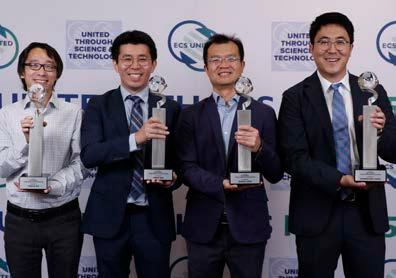
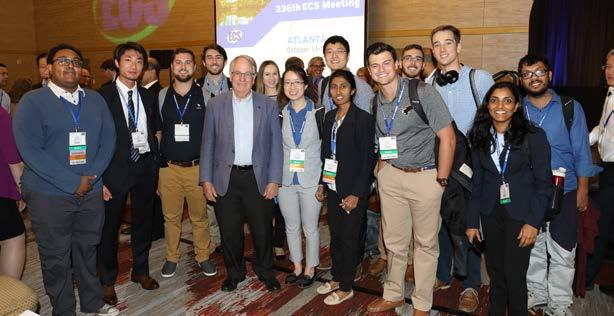
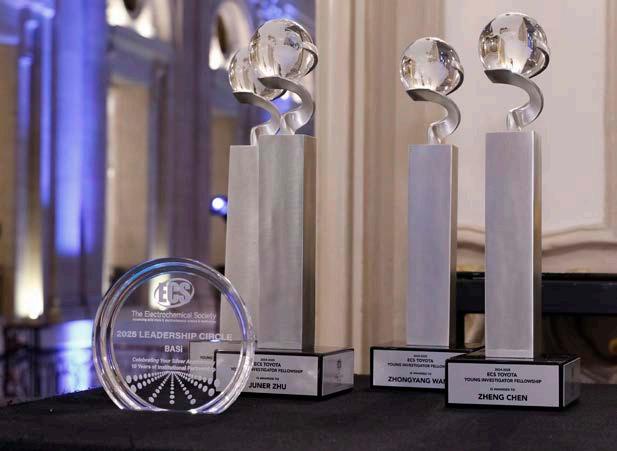
Awards programs thrive when members participate—not only as nominees and recipients, but also as engaged volunteers who help identify and elevate excellence. The strength of any scientific society comes from its members.
This spirit applies equally within ECS. Volunteer engagement fuels our awards program. Members contribute by:
• Recommending deserving colleagues,
• Serving on award committees,
• Mentoring early-career researchers, and
• Helping expand awareness of recognition opportunities.
When members actively participate, we ensure that great work does not go unnoticed and that our community continues to grow stronger. CELEBRATE
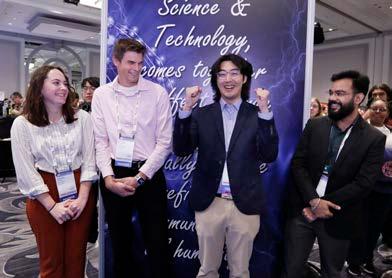
Whether you are nominating a colleague, serving as a volunteer, or encouraging students to apply, your engagement helps highlight the achievements shaping the future of electrochemical and solid state science.
Celebrate excellence. Recognize impact. Engage with ECS.
Learn more about ECS awards and volunteer opportunities today

• Nominations March 15 through June 15 (approved in the fall)
• Nominations October 31 through January 31 (approved in the spring)
Know someone making a big impact? Plan accordingly to submit your nomination within the new window!
www.electrochem.org/society-awards

Stand out to employers and step into your dream career with a professionally written resume, cover letter, LinkedIn profile, and interview prep with Job Seeker Premium Services.
Access to in-depth data on industry outlook, wages, qualifications, and more.
Elevate your career with personalized guidance from an experienced and certified career coach.
Discover new niche job opportunities tailored to your industry—you won’t find these anywhere else!
Create a profile today to take advantage of all the tools the ECS Career Center offers. Save time, increase exposure, and find exactly what you’re looking for in your professional career.
ECS is proud to announce the new members for January, February, and March 2026. Members are listed alphabetically by family/last name.
ALynden Archer, Ithaca, NY US
Subramaniam Arulkumaran, Singapore, East Region Singapore B
Mohsen Bahrami, Middletown, OH US
Jin Ho Bang, Ansan, Gyeonggi-do ROK
Alexis Bell, Oakland, CA US
Michael Benson, Idaho Falls, ID US
Nicola Boaretto, Vitoria-Gasteiz, Álava Spain
Chia-Hsiang Chen, Kaohsiung, Kaohsiung Taiwan
Hsiang Chen, Puli, Nantou County Taiwan
Junsang Cho, Seoul, ROK
Sooyeon Cho, Suwon, Gyeonggi-do ROK
Kylie Dart, Moses Lake, WA US
Jordi Estevadeordal, Saratoga Springs, NY US
Ababo Gudisa, Edmonton, AB CA
Dharmesh Hansora, Lakewood, CO US
Jeff Helm, Highland, MI US
Ernst Hölzenbein, Cochem, RP Germany
Brian Huffman, Belle Mead, NJ US
IMasatoshi Ishida, Hachioji, Tokyo Japan
Ho Seong Jang, Seoul, Seoul ROK
Zhen Jiang, Murfreesboro, TN US
Gusphyl Justin, Elm Grove, WI US
Koki Kubota, Kofu, Yamanashi Japan
Akira Kusaba, Kasuga, Fukuoka Japan
Susumu Nomoto, Aki-gun, Hiroshima Japan
Sebastian Öner, Berlin, BE Germany
Federica Rigoni, Brescia, Lombardia Italy
Toshiya Sakata, Tokyo Japan
Jean Mimar Santa Cruz Yabarrena, Springfield, VA US
Hillary Smith, Swarthmore, PA US
Andrew Stewart, Longmont, CO US
Lela Vukovic, El Paso, TX US
Seung-Ho Yu, Seoul, Seoul ROK
Abdulrahman Abbas, New Cairo, Cairo Egypt
Asmaa Abd Elaal, Cairo, Cairo Egypt
Moustafa Abdelaziz, Elsinbellawin, Dakahlia Egypt
Abdallah Abdeldaiem, New Cairo, Cairo Egypt
Khaled Abdelfattah, Cairo, Cairo Egypt
Shahdan Abdelkareem, Cairo, Cairo Egypt
Taha Abdellatif, New Cairo, Cairo Egypt
Abdullah Abdulfattah, Faisal, Giza Egypt
Hafs Abubakar, Bangkok, Bangkok Thailand
Mohamed Ahmed, Abbaseya, Cairo, Cairo Egypt
Sungju Ahn, Naju-si, South Jeolla ROK
Mostafa Ali, New Cairo, Cairo Egypt
Muhanad Al-Jeda, Mississauga, ON CA
Aly Alt, Alexandria, Alexandria, Alexandria Egypt
Robyn Alteneder, Durham, NC US
Diana Alvarado, Houston, TX US
Seyed Parsa Amouzesh, Chicago, IL US
Zhiyu An, Chicago, IL US
Gray Andres, Oxford, MS US
Iffat Arisa, Middletown, PA US
Jared Arkfeld, Ann Arbor, MI US
Abdelrahman Ashour, New Cairo, Cairo Egypt
BSamuel Baffour, Ithaca, NY US
Mir Hadi Banan Khojasteh, Las Vegas, NV US
Hem Barot, Stuttgart, BW Germany
Joel Baskar, Nagapattinam, TN India
Natasha Basu, Lubbock, TX US
Zachariah Bath, Madison, WI US
Brandon Berdan, Airdrie, AB CA
Mia Bernstein, San Carlos, CA US
Anjani Bhatia, Newark, DE US
Nishma Bhattarai, Tuscaloosa, AL US
Yilni Bioltif, Boulder, CO US
Faezeh Bohlool, Philadelphia, PA US
James Brady, Manhasset, NY US
Hugo Braun, Duebendorf, ZH Switzerland
Faith Brookshire, San Diego, CA US
Enerelt Burentugs, Newark, DE US
CDeepanshu C, Amroha, UP India
Leonardo Campos Pani, Puebla, Puebla México
Leonardo Cardarelli, Houston, TX US
Benjamin Cato, Everett, WA US
Sijil Chattopadhyay, Houston, TX US
Jitendra Choudhary, Bryan, TX US
Ryan Chow, Herriman, UT US
Yoon Seo Chung, San Diego, CA US
Jesús Cid, Puebla, Puebla México
Julie Dalton, Honolulu, HI US
Ayantika Dan, Corvallis, OR US
Simon Danitz, Seattle, WA US
Debanjan Das, Austin, TX US
Supriya Das, Urbana, IL US
Erika Dávila, Puebla, Puebla México
Nisa Demirbilek, Clemson, SC US
Aishan Dias, Bryan, TX US
Idil Dokucu, Newark, DE US
Hugo Dominguez, México City, CDMX México
Karam Eeso, Atlanta, GA US
Katherine Eisenman, Evanston, IL US
Basma El Shafey, New Cairo, Cairo Egypt
Shadi Eldib, El Senblawein, Giza Egypt
Kenzy ElGamal, Sheikh Zayed City, Giza Egypt
Devallee Ellapen, Calgary, AB CA
Ahmed Elsebaay, New Cairo, Cairo Egypt
Mohamed Eltawil, El Materya, Cairo Egypt
Charles Fields, Newark, DE US
Per Finne, München, BY Germany
Vikas Gangwar, Mumbai, MH India
Laura Garcia de la Cruz, Jilotepec, Estado de México México
Clara Gausepohl, Garching bei München, BY Germany
Utku Gezici, Istanbul, Istanbul Turkey
Maryam Ghotbi, College Station, TX US
Ciara Gillis, Irvine, CA US
Evan Grothen, Madison, WI US
Michael Guarino, Newark, DE US
Gazal Gupta, New Delhi, DL India
Komal Gupta, Shahjahanpur, UP India
Varun Gupta, New Delhi, DL India
Bryan Gutierrez Najera, Newark, DE US
Sahil Halarnkar, Ann Arbor, MI US
Lydia Hatfield, Gainesville, FL US
TJ Hernan, Smyrna, DE US
Eric Hintz, Middleton, WI US
Braden Holst, Chapin, SC US
Jinki Hong, Ulsan, Gyeongsangnam-do ROK
Hossameldin Ibrahim, Alshrouk, Cairo Egypt
Richard Ikwugbado, Houston, TX US
Oluwaferanmi (Loveth) Isinkaye, Houston, TX US
Ahmed Ismail, New Cairo, Cairo Egypt
Ioanna Itskou, Boston, MA US
Felipe Jacques Lima Duarte, Garching bei München, BY Germany
Syed Jafri, Richmond Hill, ON CA
Charmy Jani, Potsdam, NY US
Josue Jaramillo, Nezahualcoyotl, México México Avinash Jukanti, Ariel, Judea and Samaria Area Israel
Prabhjyot Kaur Juneja, Moraga, CA US
Dayun Jung, Madison, WI US
KRajath K. P., Mumbai, MH India
Donghun Kang, Busan, Gyeongsangnam-do ROK
Madison Kang, Prosper, TX US
Sreyanka Karmakar, Mumbai, MH India
Yokubjon Khaydarov, Garching bei München, BY Germany
Ankur Khokhar, Roorkee, UT India
Shaza Khorshed, New Cairo, Cairo Egypt
Bohyeon Kim, Norristown, PA US
Hyewon Kim, Pohang, Gyeongsangbuk-do ROK
Sanghyeon Kim, Bryan, TX US
Kenneth King, Camden, DE US
Sarah Ko, Foothill Ranch, CA US
Hunter Koltunski, Broomfield, CO US
Koushik Kosanam, Erlangen, BY Germany
Evangelos Kostarelos, North York, ON CA
Robert Krumland-Dunning, La Jolla, CA US
Brajesh Kumar, Mumbai, MH India
Ardita Kurtishaj Hamzaj, Ljubljana, Slovenia
Slovenia
LGregory Langager, Boca Raton, FL US
Nam Le, Richmond, TX US
Lily Leaverton, Seattle, WA US
Hsin-Hui Lee, Newark, DE US
Jaeyoung Lee, Chapel Hill, NC US
Minji Lee, San Diego, CA US
Ulises Lezama, Ciudad de México, CDMX México
Hui Li, Hong Kong, Hong Kong Hong Kong
Yu-Wei Lien, Taipei City, Taipei Taiwan
Han-Shiuan Lin, Hsinchu City, Hsinchu County
Taiwan
Xin Liu, Trondheim, Norway
MHaozheng Ma, Los Angeles, CA US
Irving Macias, Puebla, Puebla México
Ahmed Mahmoud Shafiek, Zagazig, Sharqia
Egypt
Fahian Mahmud, DeKalb, IL US
Soumya Maity, La Jolla, CA US
Suman Maity, Mumbai, MH India
Arnab Maji, Bryan, TX US
Rahul Mallela, Chicago, IL US
Jahnavi Manikantan Sudharma, Lemont, IL US
Joanna Maria Maratos, Provo, UT US
Ana Martínez, México City, CDMX México
Ethan McClaine, Newark, DE US
Steph Meikle, La Jolla, CA US
Karen Méndez, San Manuel México
Felix Minami, Palo Alto, CA US
Neha Mishra, Hyderabad, TG India
Matthew Miyagishima, Laguna Niguel, CA US
Amira Mohamed, New Cairo, Cairo Egypt
Nikita Mohan, Orleans, ON CA
Sajib Kumar Mohonta, Clemson, SC US
Zarin Mona, Norman, OK US
Timothy Montoya, Charlottesville, VA US
Katherine Montoya Cano, Chihuahua, Chihuahua México
Junyeob Moon, Cambridge, MA US
Walin Moorsol, Brenham, TX US
Mamonamane Mphahlele, Marishane, Limpopo
South Africa
Pancee Muhammad, New Cairo, Cairo Egypt
Amisha Mukherjee, Powai, MH India
Ramya Muralidaran, Potsdam, NY US
NMuddasir Naeem, Lahore, Punjab Pakistan
Reshmi Nair, Monterrey, Nuevo Leon México
Ximena Nava Garcia, Puebla, Puebla México
Chi Nguyen, Boston, MA US
Jenny Nicolas, La Jolla, CA US
Lakhana Nuth, Buffalo, NY US
ODong-Kyu Oh, College Station, TX US
Daniel Okagbare, Bear, DE US
Sarah Ortiz, Houston, TX US
Nsikak-Abasi Otung, Storrs, CT US
PManodip Pal, Mumbai, MH India
Elizabeth Pallavicini, Buffalo, NY US
Katie Palmer, Denver, CO US
Alok Pandey, State College, PA US
Davide Panico, Delft, South Holland Netherlands
Avinash Pariskar, Vellore, TN India
Eshita Patel, Guelph, ON CA
Kapil Patidar, Hsinchu, Hsinchu County Taiwan
Partho Paul, Irvine, CA US
Gregory Pedzich, Buffalo, NY US
Shashika Perera, Lexington, KY US
Alexander Potts, La Jolla, CA US
Lincoln Pritt, Newark, DE US
RZeyad Radwan, Giza, Giza Egypt
Carlos Ramirez Erazo, Mississauga, ON CA
Marina Reis, Pfreimd, BY Germany
Yolanda Reyes, Chico, CA US
Iram Riaz, Arlington, TX US
Yannis Riedel, München, BY Germany
Henry Roell, Durham, NH US
Kaitlyn Root, Gores Landing, ON CA
Moritz Rosar, Tiefenbronn, BW Germany
Priyam Roy, Barpeta Road, India
Hanaa Rujully, Guelph, ON CA
Myeonghwa Ryou, San Diego, CA US
SHarini S., Powai, MH India
Alankrith S. J., Palakkad, KL India
Mohan Aditya Sabbineni, Minneapolis, MN US
Negar Sabouhanian, Guelph, ON CA
Sameha Sadek, New Cairo, Cairo Egypt
Sukanta Saha, Katwa, WB India
Kareem Salim, New Cairo, Cairo Egypt
Swarnaprava Samal, Vellore, TN India
Prasad Sanjeewa, Las Vegas, NV US
Sarumathi Santhasaru, Cuddalore, TN India
Jean-Pierre Sanza, Stillwater, OK US
Jayasri Saravanan Rani, Austin, TX US
Rohan Sartape, Chicago, IL US
Changgyu Seok, Christinasburg, VA US
Javier Serrano, Athens, OH US
Hanan Shaat, New Cairo, Cairo Egypt
Ishaan Shah, Porter Ranch, CA US
M Shahriar, Brooklyn, NY US
Mohamed Sharaf, Cairo, Cairo Egypt
Jayanti Sharma, Buffalo, NY US
Sheeba Sheeba, Stillwater, OK US
Yining Shi, Scarborough, ON CA
Mahmoud Shokry, Cairo, Cairo Egypt
Asparshika Shruti, Newark, DE US
Shivam Shukla, Padrauna, UP India
Raman Singh, Mumbai, MH India
Mohamed Sobhy, Cairo, Cairo Egypt
Yuvraj Soni, Bryan, TX US
Abhishek Srivastava, Mumbai, MH India
Conrad Stabile, West Lafayette, IN US
Elayaperumal Sujithkrishnan, Ariel, Judea and Samaria Area Israel
Sean Sutyak, Chicago, IL US
Omar Swidan, Toronto, ON CA
Leonhard Tannesia, Singapore, Singapore
Singapore
Yesica Tellez Garcia, Ciudad de México, CDMX México
Judah Thibaut, Houston, TX US
Yuki Tsuchiya, Ichinomiya, Aichi Japan
Seda Ulusoy, Uppsala, Uppland Sweden
Shilpa Umesh, Chennai, TN India
Michaela Vacca, Eugene, OR US
Michiel Van Eyck, Newark, DE US
Arlete Vazquez Garcia, Querétaro, Queretaro de Arteaga México
Abdul Rehman Virk, Lahore, Punjab Pakistan
Thanh Hoang Vu, Jülich, NW Germany
Andreas Winter, Ilmenau, TH Germany
Andie Wu, Wilmington, DE US
XGary (Zhiqiang) Xie, Victoria, BC CA
Ruzhen Xu, Guelph, ON CA
YHarvey Yang, Bellevue, WA US
Yang Yang, Cleveland, OH US
Qingxin Zhang, Burnaby, BC CA
Wenxi Zhang, Newark, DE US
Qianlu Zheng, Champaign, IL US
Shuanglin Zheng, Norman, OK US
Jianing Zhou, La Jolla, CA US
Claire Zimmerman, Irvine, CA US
New Members by Country Look who


























The ECS British Columbia Student Chapter hosted a Career Day centered on an interactive panel discussion at the University of British Columbia (UBC) on November 24, 2025. The event began with a curriculum vitae workshop led by Prof. Tim Storr of Simon Fraser University.
Recognizing the critical need to bridge academic study with professional practice, the chapter organized a focused Q&A session featuring local leaders in the field of electrochemistry. The panel included Ms. Nika Kafeety, PDF Solutions; Dr. Hanshuo Liu, National Research Council of Canada; Prof. Elod Gyenge, UBC; Mr. O’Rian Reid, Nano One Materials Corp.; and Dr. Javad Parnian, Mangrove Lithium. This initiative provided a platform for students from regional institutions to engage directly with experts. Driving visibility for both the chapter’s organizational capabilities and British Columbia’s robust electrochemistry sector, the curated panel offered students concrete career advice aligned with current industrial and academic demands. The invited leaders represented a cross section of British Columbia’s innovative energy and materials industries, providing clear explanations of the skills required to succeed in specialized roles. Attendees gained objective insights into the realities of the profession, learning how their academic training could be directly applied to commercial advancement and applied research.
Building on this momentum, the chapter is currently organizing the Young Electrochemist’s Symposium (YES 2026), an event designed for students to showcase their research to regional peers. Invited speakers will lecture on their current work in electrochemistry.
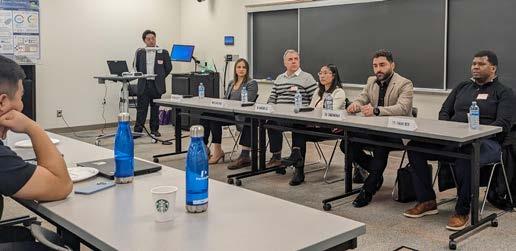
Panelists at the ECS British Columbia Student Chapter Career Day were (seated from left to right): Ms. Nika Kafeety, PDF Solutions; Prof. Elod Gyenge, University of British Columbia; Dr. Hanshuo Liu, National Research Council of Canada; Dr. Javad Parnian, Mangrove Lithium; and Mr. O’Rian Reid, Nano One Materials Corp
Photo: Daelin Peel-Smith
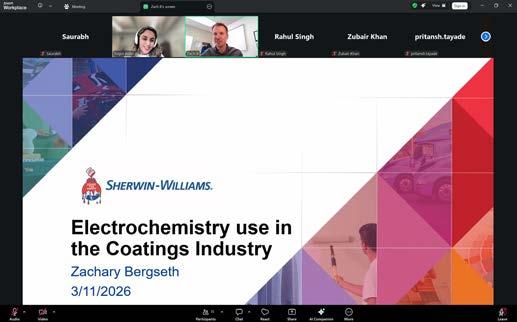
Dr. Zachary Bergseth, R&D Chemist II at Sherwin-Williams, presented “Electrochemistry Use in the Coatings Industry” on March 11, 2026, as part of the chapter’s Electrochemistry Lecture Series. He emphasized how coating technology continues to evolve in response to increasingly strict global regulation and performance demands. Dr. Bergseth discussed the application of electrochemical techniques such as electrochemical impedance spectroscopy (EIS), potentiodynamic polarization (PDP), and galvanic corrosion measurements in evaluating coating durability and performance. These methods are essential for screening formulations, diagnosing potential failures, and optimizing new materials before commercialization. The session provided valuable insight into how electrochemistry is applied in industrial settings to develop advanced, reliable, and sustainable coating systems.
On March 4, 2026, the chapter hosted a lecture by Dr. Katherine Steinberg, postdoctoral researcher at Columbia University, titled “Unveiling Composition–Functionality Relationships at Lithium Metal Solid Electrolyte Interphases.” The lecture focused on the
(continued on next page)
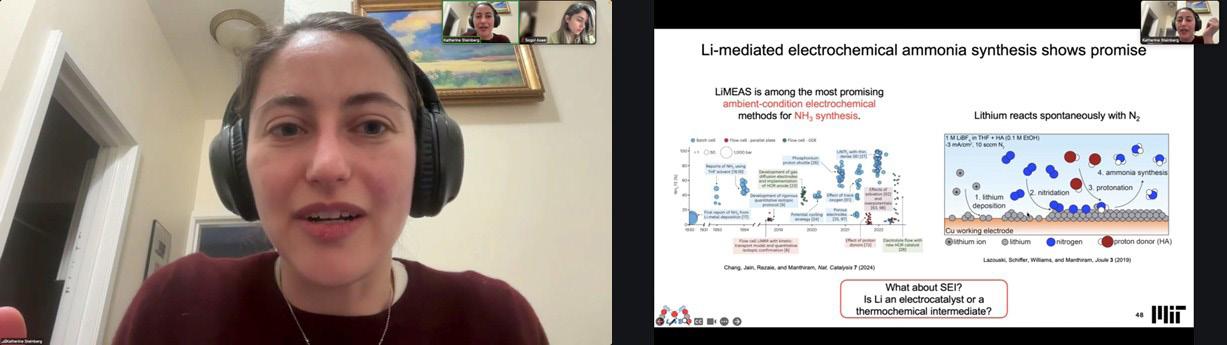
(continued from previous page)
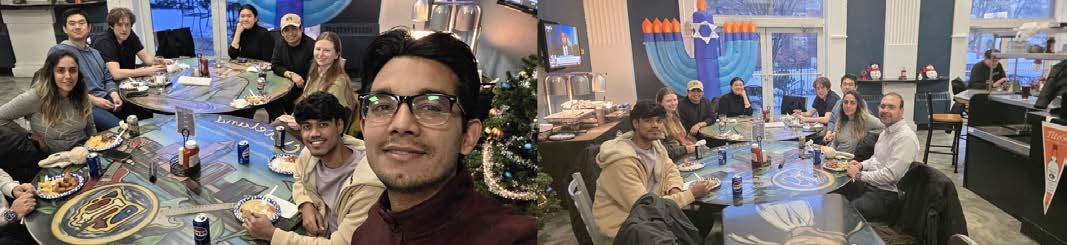
fundamental challenges associated with lithium metal anodes, particularly the formation and behavior of the solid electrolyte interphase (SEI). Dr. Steinberg explained how the SEI must remain stable while allowing efficient lithium-ion transport, and how its composition directly influences battery performance, capacity loss, and long-term stability. Using advanced techniques such as EIS and titration gas chromatography, her work demonstrates how specific SEI components govern ionic conductivity and reactivity at lithium surfaces. The talk also highlighted strategies to improve electrolyte design and enable more efficient and stable lithium-based energy storage systems.
The chapter wrapped up 2025 with a lively Year-End Celebration and Networking Reception on December 5 at The Jolly Scholar in Cleveland. Chapter members came together in a relaxed and festive setting, which provided an opportunity to reflect on the year’s accomplishments and strengthen community connections. Attendees enjoyed food, refreshments, and engaging conversation, celebrating academic progress and research milestones achieved throughout the year. The gathering fostered a sense of camaraderie among members and created a welcoming space for networking and collaboration. This event highlighted the chapter’s strong community spirit and set a positive tone for continued success in the upcoming year.
The interdisciplinary ECS Gdańsk University of Technology Student Chapter (also known locally as the RedOx Student Research Group) brings together students from multiple faculties with a shared interest in electrochemistry and advanced materials. The chapter is actively engaged in scientific research, educational initiatives, and science outreach activities. Members regularly organize demonstrations and workshops to promote scientific awareness among diverse audiences—particularly younger participants—and foster enthusiasm for experimental science and innovation.
The chapter’s research activities focus on electrochemical systems, additive manufacturing, and sustainable material development. A key project, UP-S! Electrochemistry 5.0: Recovery of Raw Materials and Advanced Additive Technologies for Biosensing Applications, funded by the Polish Ministry of Science and Higher Education (MNiSW),
explores innovative upcycling strategies for converting organic waste into highly conductive carbon materials. These materials are designed for electrochemical applications, including environmental biosensors and integration with advanced fabrication techniques such as 3D printing, aligning sustainability with technological advancement. At the same time, the student chapter RedOx group is involved in the BIO-SKAN project, aimed at developing a portable electrochemical tool for rapid microbiological detection. Conducted under the supervision of Dr. Eng. Mateusz Cieślik and in collaboration with the Bakterioza Student Research Group at the University of Gdańsk, this initiative focuses on designing a miniaturized measurement chamber for analyzing microbial growth and volume. The functionality of the device is validated against standard microbiological methods, ensuring reliability and applicability in real-world diagnostic and environmental monitoring scenarios.
On August 7, 2025 over the past six months, the ECS Indian Institute of Technology (IIT) Madras Student Chapter has emerged as a vibrant hub of scientific dialogue and innovation, curating a series of high-impact lectures by distinguished experts that bridge academia and industry. Dr. Shrisudersan Jayaraman, Principal Scientist – Electrochemistry at Corning Inc., illuminated the journey of supercapacitors from material discovery to commercialization. Prof. Shankara Gayathri Radhakrishnan, University of Pretoria, spoke on December 15, 2025, on transformative pathways in electrocatalysis, converting CO2 into valuable multi-carbon products. On December 30, 2025, Dr. S. Venkataraman, R&D Director, Duracell India, offered an industry-centric perspective on battery material innovation. Prof. Yair Ein-Eli, Technion – Israel Institute of Technology, presented a talk on January 5, 2026, about the evolution of next-generation energy storage technologies, from Li-ion to emerging Si-ion concepts. The intellectual landscape was further enriched by interdisciplinary thought, most notably on February 23, 2026, through
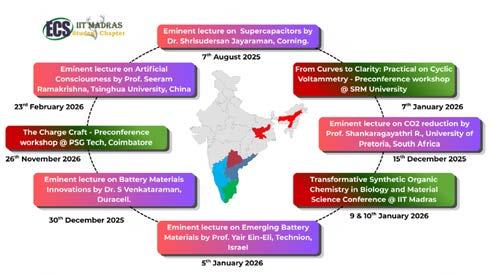
In late 2025 and early 2026,
Participants gather at the international conference on Transformative Synthetic Organic Chemistry in Biology and Material Science at IIT Madras (January 9–10, 2026), held in honor of Prof. Indrapal Singh Aidhen’s contributions to carbohydrate chemistry.
Photo: Santhoshini Murugan, IIT Madras, Chennai
Prof. Seeram Ramakrishna, Tsinghua University, presents “Nature of Artificial Consciousness?” on February 23, 2026, as part of the chapter ’ s lecture series.
Photo: Sandeep Kumar, IIT Madras, Chennai
the provocative lecture “Nature of Artificial Consciousness?” by Dr. Seeram Ramakrishna, whose global academic leadership spans Tsinghua University and the National University of Singapore.
These events, which also are reflected in the chapter’s ongoing initiatives highlighted on ecsiitm.com, underscore a commitment to
Participants and organizers gather for the chapter-organized PSG Tech, Coimbatore, Pre-Conference Workshop during the International Conference on Sustainable Technologies for Energy and Environment (ICSTEE).
Biji Pullithadathil, PSG Institute of Advanced Studies, Coimbatore
fostering dialog at the intersection of materials science, energy, and emerging technologies. Each session not only disseminated cuttingedge knowledge but also inspired students and researchers to envision broader applications and societal impact.
Beyond lectures, the chapter demonstrated a strong collaborative spirit through its active participation in workshops and international conferences and hands-on learning experiences. They empowered participants with practical analytical skills through The Charge Craft at PSG College of Technology, Coimbatore, on November 27, 2025, alongside the International Conference on Sustainable Technologies for Energy and Environment (ICSTEE), and From Curves to Clarity at the SRM Institute of Science and Technology, Chennai, on January 7, 2026, during the International Conference on Green Hydrogen and Energy Technologies 2026. The chapter’s involvement extended to supporting the international conference on Transformative Synthetic Organic Chemistry in Biology and Material Science at IIT Madras, January 9–10, 2026, held in honor of Prof. Indrapal Singh Aidhen’s remarkable contributions to carbohydrate science. Together, these initiatives reflect a dynamic ecosystem where knowledge exchange, mentorship, and global collaboration converge, defining the chapter as a catalyst for scientific excellence and community engagement. Through these workshops, the chapter reached out to 400+ MS and PhD students in STEM, popularizing electrochemistry, a vision they share with ECS.
The ECS Montréal Student Chapter elected their 2026 Executive Committee in January and looks forward to organizing multiple scientific events for its members! Upcoming chapter events include an educational webinar with Pine




Research Instrumentation and a Sip of Science networking event with student presentations.





As part of its mission to strengthen scientific exchange and build bridges between academia and industry, the ECS Munich Student Chapter organized a visit to Symbio in Lyon, France, in November 2025. As a leading company in fuel cell technology, Symbio provided the chapter’s members with valuable insights into fuel cell stack and system design. The visit featured a comprehensive tour of the company’s R&D laboratories, testing facilities, and production site, giving participants a firsthand look at the development and manufacturing processes behind modern fuel cell systems. Beyond the technical program, the trip also aimed to strengthen the chapter’s internal network. Exploring the city of Lyon fostered team spirit and encouraged new connections within the group. The combination of technical exchange and shared experiences contributed to a highly engaging and rewarding visit for all participants. The chapter thanks Julien Durst, Electrochemical Engineer, Symbio, and the Symbio team for organizing this visit and for giving the chapter such a valuable look into Symbio’s work.
The chapter concluded an exciting 2025 in December with its annual Christmas party. It was the perfect opportunity to celebrate the chapter’s achievements, reconnect with friends and colleagues outside the lab, and hold the annual board elections. The newly elected executive board members leading the chapter through 2026 are President Lara Link, Vice President Antonia Pawlowski, Treasurer Corbinian Grön, and Secretary Noémie Sorrentinella. As the chapter continues to grow, it extends its deepest gratitude to outgoing presidents Vivian Meier and Franziska Hnyk. Their diligent commitment, leadership, and dedication were instrumental in the chapter’s success over the past year.
Wasting no time carrying their momentum into the new year, the chapter kicked off 2026 in February with a technical visit to the Tesla Gigafactory Berlin-Brandenburg. This excursion provided members with impressive, firsthand insights into high-volume electric vehicle production. During a guided tour of the production lines, students observed the high level of automation and advanced robotics required for next-generation mobility. A key focus of the event was
the integration of engineering and digitalization within gigafactory operations, prompting deep-dive discussions on battery production and sustainable manufacturing strategies. Seeing the precision of these automated systems in action reinforced the chapter’s goal of bridging academic theory with large-scale industrial practice. A big thank you goes out to the Tesla team, especially Cell Engineers Philip Rapp, Simon Qian, and Fabian Linsenmann, for their warm welcome and for organizing such an insightful tour.
This year sees a robust schedule of events, including new sessions of the chapter’s popular Materials & Methods Club, more exciting company visits, and continuous opportunities for interdisciplinary exchange. The chapter looks forward to another fantastic year of advancing electrochemistry and solid state science within its student community!
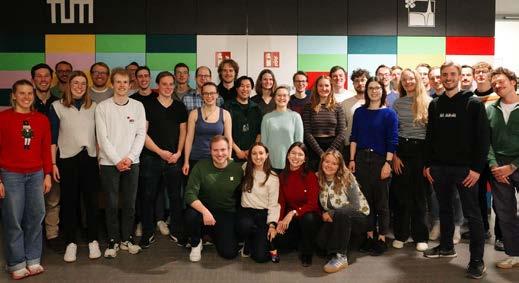
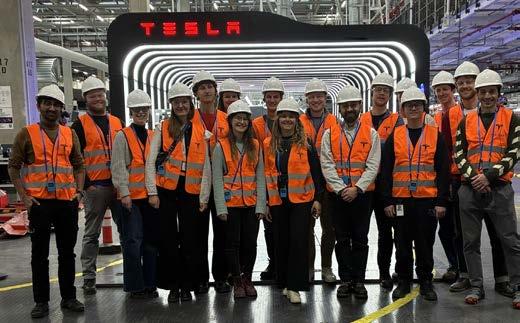
The fall 2025 semester saw the ECS Purdue University Student Chapter contribute to the broader electrochemical energy community by publishing an energy focus article in ACS Energy Letters, introducing MoChA: Modeling, Characterization, and Analytics in Electrochemical Energy Systems as an integrated approach to advancing electrochemical energy systems. Positioned at the intersection of fundamental science and applied engineering, this work highlights how complex, multiscale phenomena governing batteries and related technologies can be addressed through the synergy of physics-based modeling, advanced characterization techniques, and data-driven analytics. By bridging length scales from atomic interactions to system-level performance, the framework presents a unifying vision for addressing persistent challenges in performance, degradation, and safety of next-generation energy storage systems.
The chapter kicked off its 2026 MoChA Webinar Series in February with a seminar titled “Battery Analytics from the Lens of EV Diagnostics” by Dr. Sobana Rangarajan, Modeling Engineer Battery Analytic at General Motors and alumna of Purdue University Energy and Transport Sciences Laboratory (ETSL).The session highlighted the growing role of data-driven methodologies in electrochemical systems, connecting fundamental electrochemical principles with real-world applications in transportation and grid systems. Drawing on her industry experience, Dr. Rangarajan discussed how physics-informed models and advanced analytics are used to enhance battery performance, reliability, and safety across their lifecycle. The session concluded with an engaging discussion spanning both technical topics and career pathways.
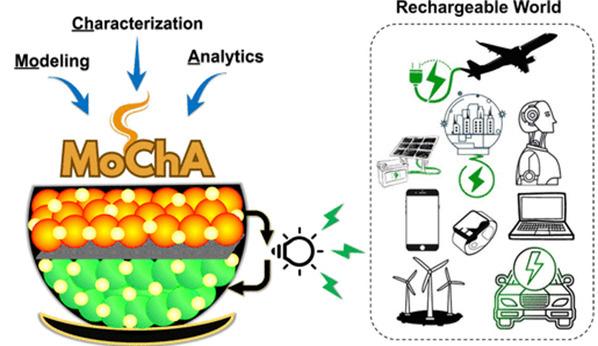
The ECS Purdue University Student Chapter published an energy focus article, “MoChA: Modeling, Characterization, and Analytics in Electrochemical Energy Systems,” by D. Chatterjee, P. Mitra, A. Singla, S. Banerjee, A. S. J. Alujjage, and P. P. Mukherjee, in ACS Energy Letters (2025, 10, 7, 3430–3436).
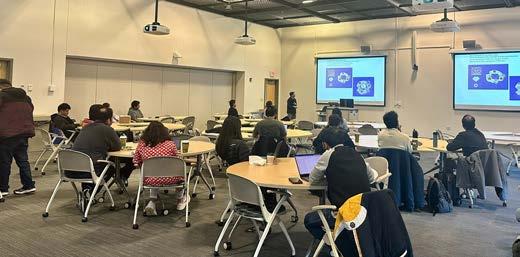
Building on this momentum, the chapter hosted its second MoChA webinar in early March, featuring Dr. Daniel Juárez-Robles, Senior Research Engineer, Southwest Research Institute and ETSL alumnus. His talk, “Structural Insights and Performance Characterization,” presented a comprehensive perspective on lithium-ion battery design, emphasizing the interplay between cell architecture, material behavior, and performance evaluation. His insights highlighted the importance of integrating electrochemical, thermal, and mechanical characterization to bridge laboratory-scale observations with systemlevel understanding. The session fostered thoughtful discussion on both technical concepts and professional development.
The chapter hosted an engaging in-person seminar by Dr. Song Xu, Nanocue Technology & Molecular Imaging, organized by the ECS Purdue University Student Chapter and co-hosted with the Wu Group. His talk on 3D desktop manufacturing and its application to in situ atomic force microscope (AFM) studies of lithium battery electrode morphology provided valuable insights into microscale structural evolution and its implications for energy storage performance. With a strong foundation in mechanical engineering and machining, Dr. Xu demonstrated how practical research challenges can be translated into innovative solutions through rapid prototyping of AFM equipment accessories. The session drew a highly engaged audience and sparked lively discussion.
A special highlight of March 2026 was recognition of the chapter’s many successful years, honoring its former presidents, Dr. Susmita Sarkar, Debanjali Chatterjee, Aditya Singla, Sourim Banerjee, and Anuththara Alujjage, and acknowledging the Founding and Lead Faculty Advisor, Prof. Partha P. Mukherjee, whose leadership helped shape the chapter into the vibrant and impactful community it is today. Their contributions to scientific outreach, community building, and the establishment of initiatives such as Women in Electrochemical Sciences & Engineering (WIESE) and the MoChA series were acknowledged in a moment reflecting both gratitude and continuity. The recognition underscored the strong foundation for future growth as current members continue to build on this legacy.
The chapter extends its sincere appreciation to The Electrochemical Society for providing a platform to showcase their initiatives to a global audience. The chapter is especially grateful to Lead Faculty Advisor Prof. Partha P. Mukherjee, for his invaluable guidance and continued support. They also thank the readers of ECS Interface and invite them to stay connected with the latest activities through our Twitter handle: @EcsPurdue.
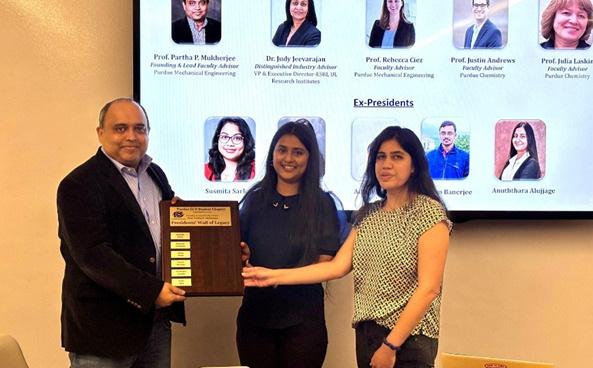
The Ontario Tech University and Trent University ECS Student Chapter hosted its STEM Coffee Chat event in collaboration with Ontario Tech-Trent Working for Inclusivity in Chemistry (OTT-WIC) on March 25, 2026, at the Trent University Campus. The chapter set up a table outside the Chemistry Lounge, providing complimentary snacks, coffee, and tea to interested students and faculty. This event was a great opportunity for networking with undergraduate and graduate students. The chapter recruited several new members. Big thanks to OTT-WIC’s Copresident Josephine Esposto for helping to organize the STEM Coffee Chat. The chapter looks forward to more collaborative events in the future!
Resilient is the best word to describe the ECS Texas A&M University (TAMU) Student Chapter’s spring 2026 events and exhibitions. In the field of engineering, resilience is known as the ability to absorb or avoid damage and carry on. The chapter could not have demonstrated resilience any better than it did during its events this semester.
The chapter hosted its Callout and Social Meeting on January 29.Chapter President Autumn Kudlack informed attendees about upcoming events and opportunities, including working on an outreach project, ice skating, electing officers, and participating in an upcoming research day. New members learned about the chapter and The Electrochemical Society. After the presentation, attendees kicked off the semester with food and games.
The Ice Skating Social took place on February 14 with attendees practicing their skills or learning something new about the art of skating on ice. Sometimes people fell, but they got back up and continued trying. Although the event was centered around a nonscience activity, the group could not keep from talking about their research or scientific interests. Thus, they learned from each other in different formats.
On March 27, the chapter held an exhibition on piezoelectric materials as part of the annual TAMU Night at the ZACH event. More than 3,000 people attended, including K-12 students invited to attend the Texas Science & Engineering Fair (TXSEF), their families, and other students and members of the public. The chapter chose to explore a set of materials that embody resilience by absorbing physical stress, enduring, and going on to produce a usable voltage. Chapter members showed how a piezoelectric membrane, or diaphragm, can be used to record a voice and then play back the recorded sounds. They went on to demonstrate a separate circuit, showing how an LED can be powered by the electricity generated from the piezoelectric diaphragm.
The event’s success is due to the many chapter members who volunteered and dedicated themselves to the project. They helped both during the recurring preparation meetings and by engaging the audience at the event. The members’ desire to promote electrochemical and solid state science and technology prevailed despite some challenges. Special thanks to Laura Hoagland who made chemical models, Autumn Kudlack for organizing, Jason
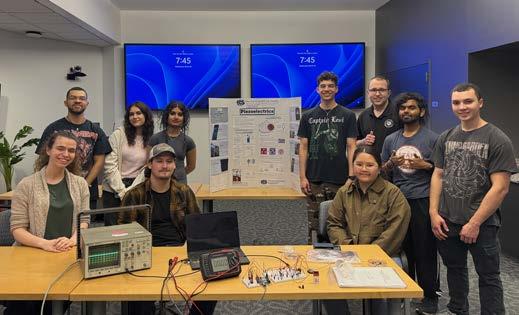
Kress for creating an animation, Walin Moorsol for coding, Tiago Sousa for modeling and 3D printing a part, and Connor Dixon who had the idea and knew the circuitry.
The chapter recognizes the new officers elected during the spring 2026 semester: Vice President Walin Moorsol, Treasurer Connor Dixon, Secretary Tiago Sousa, and Undergraduate Representative Robert Marshall. In addition, we are very grateful for past officers
Wynn Miholits, Laura Hoagland, and Kazi Araf Sayeed. Notable events that they took part in include the 2025 Texas Section ECS Symposium at Texas A&M, Lab Games, and Chemistry Open House. These individuals helped plan several outreach events throughout Texas with related project demonstrations, research, and collaboration. The chapter wishes them all the best in their future endeavors, knowing that they will move forward with resilience.
The ECS Texas Tech University Student Chapter had a productive semester from December through March, one which was notable for leadership transition, student engagement, and increased chapter visibility.
Following elections, the new leadership team began its term in January 2026. The officers are President Sergio A. Arias, Vice President Jessica Ortega Ramos, Secretary Sergio Arango, Treasurer Daniela Ferreira Garcia, and Undergraduate Chair Bianca Camacho
Other major milestones included the launch of the chapter’s new website, ecsttustudents.com, developed as a modern platform to share chapter activities, opportunities, and organization updates. On January 28, the chapter hosted its Kick-Off Meeting, welcoming graduate and undergraduate students and helping build strong momentum for the semester. To strengthen its visual identity, the chapter organized a logo competition in March. Several creative designs were submitted. The finalists were shared on Instagram and the community voted through likes. This initiative increased member participation and resulted in a renewed chapter identity.
The chapter was active in STEM outreach and professional engagement throughout the semester. Members participated in Día de Ciencias (Science Day) on March 7. Organized by the Society of Hispanic Professional Engineers (SHPE) at Texas Tech University, the event took place at the Science Spectrum in Lubbock, TX. Chapter members gave hands-on demonstrations to children and families, introducing concepts in energy and electrochemistry through interactive experiments, fuel cells, and solar-powered cars. This activity, which highlighted the importance of scientific outreach and communication, made STEM more accessible to the community.
On March 27, the chapter hosted the Drive the Future: HandsOn Electrochemistry and Energy Storage Workshop at the 2026 AIChE Southwest Regional Conference. The workshop welcomed students from universities across Mexico, Louisiana, and Texas, providing a collaborative environment for hands-on learning and

networking. Through interactive demonstrations and activities, participants explored how electrochemistry powers real-world energy technologies.
In April, the chapter launched the virtual ECS at TTU Online Electrochemistry Seminar Series, featuring five invited speakers. This seminar provided students and attendees with opportunities to engage with researchers and professionals from diverse areas of electrochemical science and engineering, further strengthening the chapter’s academic and professional programming.
Looking ahead, the ECS TTU Student Chapter is excited to host the 2026 ECS Texas Section Symposium at Texas Tech University from September 18 to 20, 2026. Planned activities include workshops, academic and industrial lectures, and lab visits.
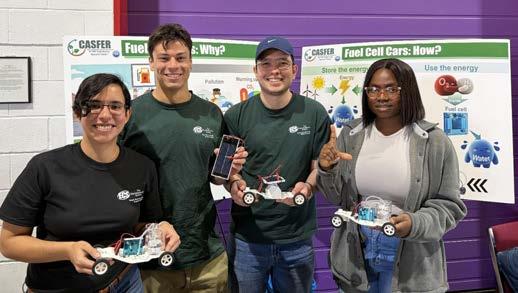
The ECS Toronto Metropolitan University (TMU) Student Chapter continued to expand its activities in fall 2025 by organizing impactful, research-focused events that strengthened collaboration across institutions.
In October 2025, the chapter hosted Dr. Behnam Nourmohammadi Khiarak from the University of Toronto for a seminar titled “CO2 Electroreduction on the Road to Industrialization: Challenges and Opportunities.” He shared insights into the challenges and opportunities of CO2 electroreduction technologies and highlighted their potential role in shaping sustainable fuels and chemicals. His talk provided valuable perspectives on bridging fundamental research and industrial application.
In November 2025, the chapter hosted its flagship event, the Annual ECS TMU Student Chapter Conference 2025 on Electrochemical Technologies for Sustainable Energy. Held in a hybrid format, the conference brought together PhD, MSc, and postdoctoral researchers
The ECS Toronto Metropolitan University (TMU) Student Chapter hosted Dr. Behnam Nourmohammadi Khiarak from the University of Toronto for a seminar titled “CO2 Electroreduction on the Road to Industrialization: Challenges and Opportunities.” From left to right: Chapter members Yi Ren and Amira Mohamad, Chair Mahdis Zareie, Dr. Behnam Nourmohammadi Khiarak, SOP Officer Fazele Karimian Bahnamiri, Vice Chair Masoud Khalili, and Treasurer Seyed Mohammad Ali Manzourolajdad
Photo: Dhanvin Lad
from TMU, the University of Toronto, and the University of Connecticut. Participants presented cutting-edge research on topics that included water electrolyzers, CO2 electroreduction, platinum group metal recovery, and PEM fuel cells. Research groups led by Dr. ChungHyuk Lee and Dr. Hadis Zarrin (TMU), Dr. Aimy Bazylak (University of Toronto), and Dr. Jasna Jankovic (University of Connecticut) contributed to the program, fostering engaging discussion and interdisciplinary collaboration.
In addition, the chapter introduced its new executive board for 2026, reflecting continued growth and leadership development within the student community. The newly appointed officers are Chair Mahdis Zareie, Vice Chair Masoud Khalili, Secretary Dana Brown, Treasurer Seyed Mohammad Ali Manzourolajdad, and SOP officer Fazele Karimian Bahnamiri. With the continued support of faculty advisors Dr. ChungHyuk Lee and Dr. Hadis Zarrin, the chapter remains committed to promoting electrochemical science and building a collaborative research network across institutions. Through these initiatives, the chapter is building a vibrant community and opening new doors for students to explore the exciting world of electrochemistry. Stay tuned for updates on future seminars, workshops, and collaborative events.
The ECS University at Buffalo Student Chapter was relaunched in the fall of 2025, marking an exciting new chapter for the campus electrochemistry community. The new chapter officers are President Shwetha Prakash, Vice President Pratahdeep Gogoi, Treasurer Gina DelMonache, Secretary Rachel Snider, and Faculty Advisor Dr. Chris Li. Together, we are working to build a strong and active chapter that connects students and researchers across disciplines who share an interest in electrochemistry and solid state science.
The chapter started the 2026 academic year with a successful kickoff event on February 9, 2026, which drew 32 attendees from diverse backgrounds in chemistry, engineering, materials design, and physics. The event served as an important first step in recruiting new members, helping to introduce them to ECS’s mission and the opportunities the student chapter hopes to create. Undergraduates, graduate students, and postdoctoral researchers came together to learn more about ECS and what the chapter has planned, and to meet with fellow like-minded colleagues.
The chapter launched its official LinkedIn page (https://www. linkedin.com/company/ubecs) to strengthen outreach, support
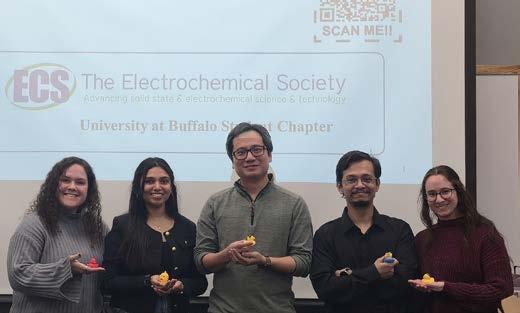
recruitment efforts, and share updates on upcoming events, chapter activities, and professional opportunities.
For the second event of the semester, on March 13, 2026, the chapter co-hosted renowned electrochemist Prof. Amy Marschilok’s seminar on battery technology, “Electrochemistry Energy Storage: A Keystone for a Sustainable Energy Future,” part of the Foster Chemistry Colloquium Series. Prof. Marschilok, Professor of Chemistry at Stony Brook University and Scientist at Brookhaven National Laboratory—and long-time ECS member—discussed the critical role of batteries in transportation and the energy grid and highlighted the importance of balancing battery materials and design considerations to achieve safety, efficiency, and cost-effectiveness. The seminar attracted an excellent turnout, with more than 50 students and faculty members attending from the electrochemical energy storage and sustainable energy research community across the University at Buffalo.
The chapter’s upcoming events will continue building an interdisciplinary community of students and researchers interested in electrochemistry. ECS Interface readers are encouraged to follow the chapter’s LinkedIn page for updates on events, chapter activities, and announcements.
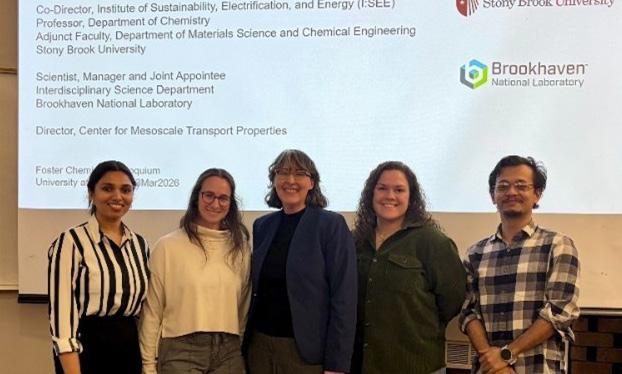
The student chapter co-hosted Prof. Amy Marschilok’s seminar “Electrochemistry Energy Storage: A Keystone for a Sustainable Energy Future.” From left to right: President Shwetha Prakash, Secretary Rachel Snider, Presenter Amy Marschilok, Treasurer Gina DelMonache, and Vice President Pratahdeep Gogoi.
During the spring 2026 semester, the ECS University of Michigan Student Chapter fostered academic enrichment and collaboration in electrochemistry by hosting engaging talks and interactive networking opportunities for students and researchers across campus.
The chapter organized a series of seminars in electrochemistry, featuring professors and industry professionals from across the State of Michigan and beyond. Early in the semester, Dr. Andrew Getsoian, Technical Specialist at Ford Motor Company, presented “Enthalpic and Entropic Contributions to the Phase Stability of Lithium-NickelManganese Oxide Cathodes,” which discussed the thermodynamics of different lithium-ion battery compositions, and the subsequent effect on material properties. Later in the term, the chapter hosted Prof. Scott Calabrese Barton from Michigan State University, who reviewed his group’s approach to modeling complex systems at the interface of biology and electrochemistry in “Multiscale Modeling of Bioelectrocatalysis.” In his virtual talk, “Peering inside a battery cell during electrochemical cycling,” Dr. Daniel P. Abraham, a lead researcher at Argonne National Laboratory, detailed the operando methods used to analyze the interactions among battery cell components, and the implications of this work for battery longevity.
In addition to technical seminars, professional development was emphasized by opportunities for students to engage with industry
professionals. The student chapter hosted Dr. Enhui Liu (Battery Modeling Engineer, Ford Motor Company), Dr. Vamakshi Yadav (Senior Researcher, General Motors), Dr. Thomas Yersak (Staff Researcher, General Motors), Dr. Chengji Zhang (Cell Component Engineer, Daimler Trucks), and Dr. Rohan Patni (Mechatronics Engineer, KLA Corporation), giving members the opportunity to network with leading professionals in the battery and semiconductor industries. The visiting professionals attended a networking dinner with student members, where they discussed career pathways, emerging industrial trends, and diverse scientific perspectives in electrochemistry. Additionally, the chapter continued to foster campus-wide collaboration by hosting an energy, industry, and engineering career panel in collaboration with the Graduate Society of Women Engineers (GradSWE) at the University of Michigan. The panel consisted of visiting professionals Simon Miller (Project Manager, Bechtel), Hannah Ogrean (Electrical Field Engineer, Bechtel), and Dr. Ellie Honar (Battery Cell Scientist, Ford Motor Company) who shared practical advice and future industrial outlooks. The chapter celebrated a successful year with social events and activities that brought members together, strengthened the chapter’s sense of community, and commemorated another year of academic and professional growth.
This year, a group of graduate students and a postdoctoral fellow reactivated the ECS University of Toronto Student Chapter with the shared mission of unifying the university’s growing electrochemistry and solid state science communities and fostering greater synergy across diverse research groups and technical disciplines.
The university’s Department of Chemical Engineering and Applied Chemistry honored the chapter with a news article promoting its upcoming kick-off event and initiatives. The hybrid kick-off meeting on April 2 welcomed 27 participants from five departments: Chemistry, Chemical Engineering and Applied Chemistry, Materials Science and Engineering, Mechanical and Industrial Engineering, and Physics and Environmental Sciences. The session provided an overview of the ECS’s global impact and introduced the chapter’s new executive committee. Prof. Donald Kirk, one of the chapter’s faculty advisors, delivered a featured talk on the professional value of ECS. He highlighted essential resources for faculty and student members, including ECS Interface, biannual international meetings, and the various funding and professional development opportunities provided by the Society. The meeting concluded with a networking session and light refreshments.
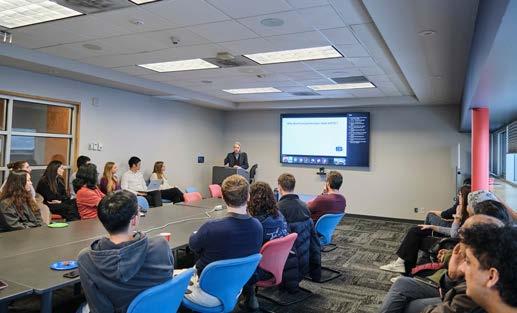
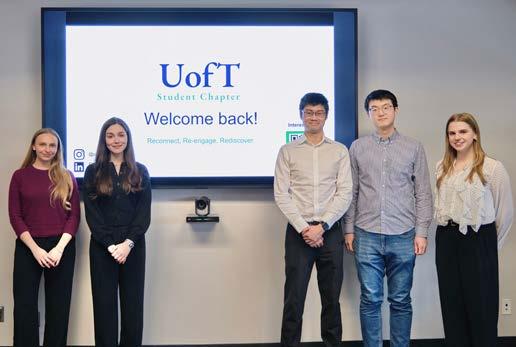
The chapter is presenting a series of technical talks and workshops throughout the summer. To stay abreast of these initiatives, join the mailing list and follow the chapter on LinkedIn and Instagram Looking ahead, the chapter is interested in expanding its reach through collaborations with other chapters and industrial fellows.
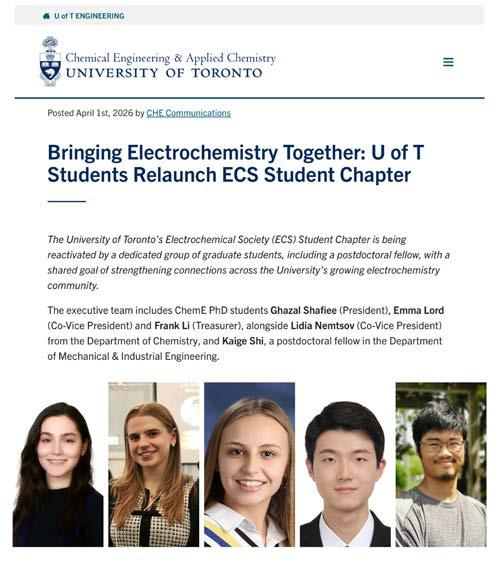
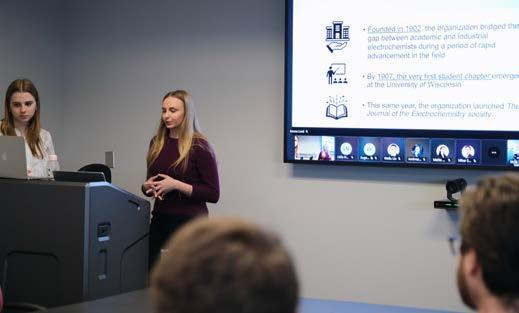
BioLogic, Knoxville, TN, US
Duracell US Operations, Inc., Bethel, CT, US
Gamry Instruments, Warminster, PA, US
Hydro-Québec, Varennes, QC, Canada
PalmSens BV, Houten, Netherlands
Pine Research Instrumentation, Durham, NC, US
BASi, West Lafayette, IN, USA
Center for Solar Energy and Hydrogen Research Baden-Württemberg (ZSW), Germany
Central Electrochemical Research Institute, Tamil Nadu, India
Corteva Agriscience, Indianapolis, IN, US
DLR – Institute of Engineering Thermodynamics , Oldenburg, Germany
EL-CELL GmbH, Hamburg, Germany
Ford Motor Company, Dearborn, MI, US
GS Yuasa International Ltd., Kyoto, Japan
Honda R&D Co., Ltd., Tochigi, Japan
Medtronic, Inc., Minneapolis, MN, US
Nel Hydrogen, Wallingford, CT, US
Nissan Motor Co., Ltd., Yokosuka, Japan
NSF Center for Synthetic Organic Electrochemistry, Salt Lake City, UT, US
Pacific Northwest National Laboratory (PNNL), Richland, WA, US
Panasonic Energy Corporation, Osaka, Japan
Permascand AB , Ljungaverk, Sweden
Plug Power, Inc., Latham, NY, US
Teledyne Energy Systems, Inc., Sparks, MD, US
UL Research Institutes, Northbrook, IL, US
easyXAFS, LLC , Renton, WA, US
Energizer Battery, Westlake, OH, US
Faraday Technology, Inc., Clayton, OH, US
GE Aerospace Research, Niskayuna, NY, US
Lawrence Berkeley National Laboratory (LBNL), Berkeley, CA, US
Scribner, LLC , Southern Pines, NC, US
Toyota Research Institute of North America (TRINA), Ann Arbor, MI, US
BMW Group, München, Germany
Current Chemicals, Cleveland, OH, US Electrosynthesis Company, Inc , Lancaster, NY, US
General Motors Holdings LLC , Warren, MI, US
Giner, Inc., Newton, MA, US
Ion Power, Inc., New Castle, DE, US
Littelfuse, Inc, Wiltshire, UK
Los Alamos National Laboratory (LANL), Los Alamos, NM, US
Metrohm USA, Inc., Riverview, FL, US
Microsoft Corporation, Redmond, WA, US
next Machinery Group | nextCoatema Technologies GmbH , Chadds Ford, PA, US
Occidental Petroleum Corporation, Houston, TX, US
Sandia National Laboratories, Albuquerque, NM, US
Sandisk GK , Yokkaichi Mie, Japan
Sensolytics GmbH, Bochum, Germany
Sherwin-Williams, Minneapolis, MN, US
Spectro Inlets ApS , Copenhagen, Denmark
Technic, Inc., Providence, RI, US
United Mineral & Chemical Corporation, Lyndhurst, NJ, US
Westlake Corporation, Monroeville, PA, US
Help us continue the vital work of ECS by joining as an Institutional Partner today.
To renew, join, or discuss institutional partnership options, please contact Anna Olsen, Sr. Manager, Corporate Programs, sponsorship@electrochem.org

250th ECS Meeting
October 25–29, 2026
Calgary, Canada
BMO Centre
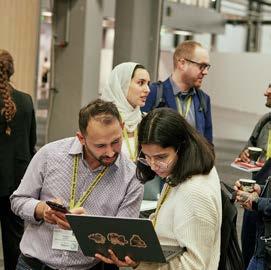
251st ECS Meeting
May 30–June 3, 2027
Washington, DC US
Walter E. Washington Convention Center and Marriott Marquis
252nd ECS Meeting
October 17–21, 2027
Detroit, MI US Huntington Place Convention Center
253rd ECS Meeting
May 21–25, 2028
Gothenburg, Sweden
Swedish Exhibition & Congress Centre