Coming Through in a Crisis
Child Care Organizers Find
New Ways Forward



The power of everyday people was tested in 2025, and child care organizers answered in force.
Families and communities faced growing instability: homes and child care centers caught up in climate disasters, attacks on immigrant communities, erosion of safety-net supports, and rising fear and uncertainty about who would be protected—and by whom. In response, RCCF grantee partners organized. They built networks of trust, mobilized mutual aid, defended public investments, and created spaces where parents, providers, and early educators could act together in moments of crisis.
That reflects the core mission of the Raising Child Care Fund (RCCF). Launched by the Early Childhood Funders Collaborative (ECFC) in 2019, RCCF was built on the belief that those most affected by the child care crisis—parents, early educators, and providers—must lead the movement for change.
Even amid federal funding restrictions and growing political hostility, grantee partners helped defeat state and local budget cuts, defend hard-won gains, and advance new pathways for public investment that make real improvements in people’s lives.



What began as an idea among a small group of ECFC member foundations has grown into an investment in grassroots organizing across 19 states and the District of Columbia. Sixteen foundations currently support RCCF, including both ECFC members and outside foundations, with aligned goals for lifting voices, building power, and expanding equity.
RCCF is proud to support organizers and movement leaders who fuel social change—from universal child care implemented in New Mexico and debated in New York, to securing no-cost child care assistance for lower-income families in California, to growing movements for tax fairness, pay equity, and democratic participation in communities across the country.
These victories demonstrate what sustained organizing can accomplish. They also make clear what philanthropy can do differently.
Opposition is intensifying to equitable public investment in child care and systems that support family well-being, while many grassroots organizations face growing uncertainty as parts of philanthropy pull back or grow more cautious in a politically hostile environment. Yet this is precisely the moment when bold, sustained investment is needed most.
Building people power requires long-term investment in grassroots organizing, leadership development, and community-rooted infrastructure. Because it intersects with gender, racial, immigrant, and economic justice, organizing in this sector strengthens far more than child care systems alone. RCCF grantee partners are helping communities defend public programs, strengthen democratic participation, respond to attacks on immigrant families, and build local leadership in times of crisis.
RCCF also has demonstrated the power of funders acting together strategically. Through shared learning through both RCCF and our State Grassroots Growth Project, pooled investment, and long-term commitment, philanthropic partners have supported ambitious, community-led strategies that no single institution could have sustained alone. In a moment when fear can encourage institutions to retreat, collaboration creates the confidence and momentum to move forward. What started as a pilot has demonstrated the critical importance of listening to solutions from those most harmed by broken social systems—and providing them with the funding to lead for themselves.
In solidarity,
Rachel Schumacher
Founding Director and Senior Advisor, Raising Child Care Fund



Our Theory of Change starts with centering the voices of those who most rely on and work in child care, especially people who have been historically disenfranchised and left out of decisions that impact them. Additionally, RCCF supports intersectional leadership and underwrites our grantee partners’ capacity to combat the historic race and gender inequities built into child care in America. Our ultimate goal is for robust funding to resource and center the experiences of families, early educators, and caregivers in the development of an equitable child care system.
We give grants to community organizers to:
Lift parent, early educator, caregiver, and ally voices and increase their participation in crafting equitable policy solutions in states and/or communities.
Build effective coordination among RCCF grantee partners and advocacy groups, community groups, parents, early educators, caregivers, and allies.
Expand financial resources to secure increased and equitable funding to quality child care, including through intentional strategies to reach and prioritize children and families most affected by injustice and inequity.

2.
Multi-year support allows grassroots groups to build power: the staff, membership, financial backing, and influence needed to both act on opportunities and take on challenges. Securing long-term funding remains very difficult, which makes RCCF a lifeline for some of our grantee partners.
Grassroots groups sustain communities in crisis. The networks of trusting relationships created by RCCF grantee partners enable, in emergencies, mutual aid and other forms of responsiveness to community needs beyond a group’s core issues.
3. Organizing is deep, trust-based work, and it requires more staff. RCCF support has enabled grantee partners to increase FTE staff— the number of people working on behalf of the community—and reduce burnout, as well as develop leadership pipelines to hire from within the community. Expanding statewide power will depend upon more support from state and national donors.

4. Politicians aren’t brave without backup. Consistent pressure from the people provides the political cover to take action. Organizing is what moves local and state leadership in the direction parents and providers (not corporations and lobbyists) want them to go. This is especially true when it comes to putting more public dollars into child care.
5. When funders join forces, big ideas turn into bold action. Funders of the RCCF pool and state funders are able to take action they wouldn’t have taken alone. In a harsh climate, the natural reaction is to pull back. Even in a comfortable climate, it's easy to stay in learning mode. Working together provides the energy to push forward. RCCF enables funders to make and sustain a long-term commitment to building people power across the country—together.
















Hundred Year floods. Immigrant neighbors detained. Organizers worried for their physical safety. Social safety nets weakened by federal legislation. Amid the emergencies of 2025, RCCF grantee partners acted swiftly to stabilize their communities.
When a second Hundred Year flood hit West Virginia in the span of six months, Amy Jo Hutchison’s home was the only one on her street left untouched. She went to work.
Amy Jo already had been organizing a group of MomsRising members for monthly skills building and community meetings on topics like child care. Those same women jumped into action when Amy Jo reached out.
Amy Jo and her volunteers went door to door, and she applied her community-organizing skills to help identify and set up networks for distributing aid. She conducted on-the-spot training on how to do traumainformed conversations with the flood survivors. She organized triage child care with teachers who could care for children while adults worked with FEMA on recovery.
With Internet service down, Amy Jo’s group helped 800 people sign up to receive emergency SNAP benefits and fill out the forms to receive FEMA supplies and temporary funds for food and child care.
RCCF has funded Amy Jo as a consultant since 2021. Now she is a full-time staff member of MomsRising, which gave her benefits and leave for the first time in her life as an organizer. She is just one example of the exponential effects of identifying and investing in local leaders. Grantee since 2021 800 people IN WEST VIRGINIA RECEIVED EMERGENCY SNAP BENEFITS
What I learned is that when communities are reminded of their shared humanity and their ability to work together, that collective strength stays with you. It’s something I carry with me every day.

AMY
JO HUTCHISON WV Campaign Director, MomsRising Together and MomsRising Education Fund
After a Level 3 tornado struck St. Louis, Missouri, RCCF partners immediately mobilized.
Gateway Early Childhood Alliance, Urban Sprouts, and WEPOWER effectively coordinated community efforts: helping child care providers and families relocate, connecting them to financial and legal services, and aiding in recovery. Together they raised $750,000 to support the early childhood ecosystem.
Speed is of the essence in an emergency, and it is enabled by relationships previously built over time—and the steady, multiyear funding for organizational capacity that’s required to build such trust.
Along with climate emergencies, grantee partners in 2025 responded to another kind of disaster: the one sweeping up immigrant families.
For All Families Oregon partnered with the governor, mayor, the American Civil Liberties Union (ACLU), and more than 2,000 residents on the Protect Portland initiative to counteract the federal HR 1 “Big Bill” and attacks on immigrant communities. They responded to threats of troop deployment and joined a suit against the federal government—winning a preliminary injunction—over the administration’s plans to defund Head Start programs if undocumented immigrant families were allowed to continue participating.
Parent Voices California quickly pivoted to raise legal funds, offer a weekly legal clinic, teach “know your rights” workshops, stand up a committee to focus on ongoing issues for immigrant members, and staff a phone line for panicked callers seeking comfort and resources (not just a voicemail recording) when a neighbor or family member was detained.
$750,000 raised IN MISSOURI TO SUPPORT THE EARLY CHILDHOOD ECOSYSTEM


Organizers, too, worried for their physical safety. Alabama Institute for Social Justice (AISJ) said the potential for public conflict creates an extra layer of fear and tiredness among the base, making it more difficult to organize in the state’s Black Belt communities. Still, AISJ is slowly building its power and base to the point of gaining two seats on a state-level task force of child care stakeholders. At a time when 165,000 families faced losing services because of HR 1, AISJ is making sure parents and providers are heard.
2,000 residents MORE THAN

PARTNERED ON THE PROTECT PORTLAND INITIATIVE
ALONG WITH THE GOVERNOR, MAYOR, AND ACLU

Organizing builds relationships and trust within communities. Trusted relationships are what allow for collective action and mutual aid efforts.
RCCF funders are investing not only in child care but in the kind of community ties that promote family well-being.

As experts in organizing, RCCF grantee partners are building the national child care movement—from organizing infrastructure to cohesive state-to-national strategy. Their active participation grew the movement in 2025 through coalition expansion, cross-sector engagement, and leadership at the national level.
National organizing groups and a number of RCCF grantee partners actively work together to plan and implement movement strategy. RCCF collaborates with national groups who have organizing expertise to connect community groups to the larger national movement.
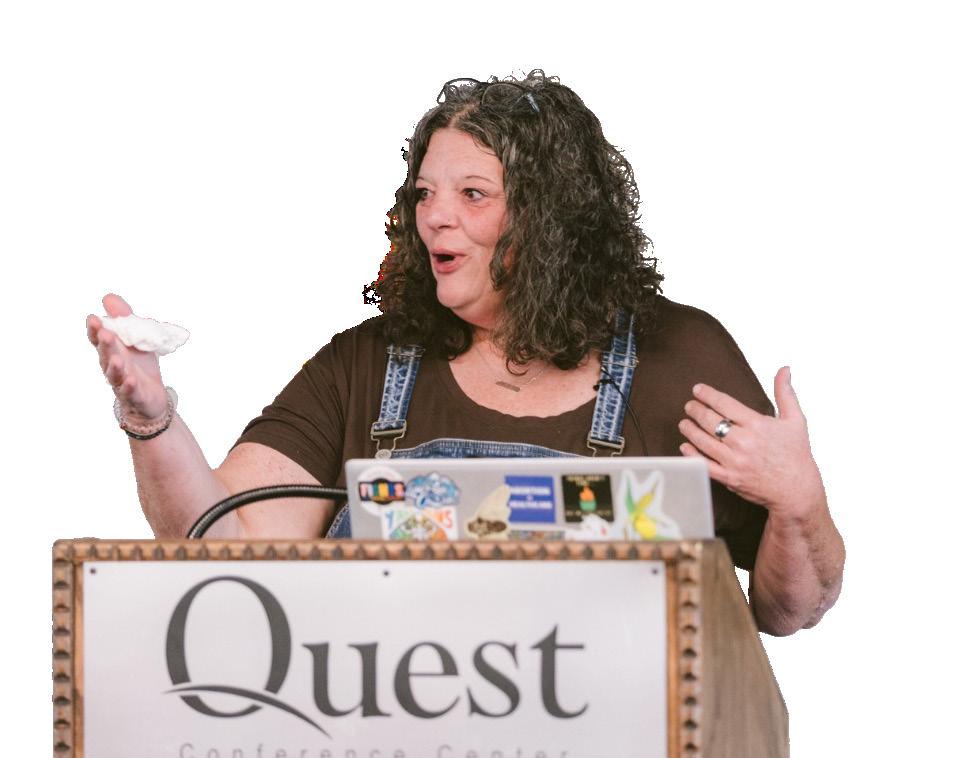
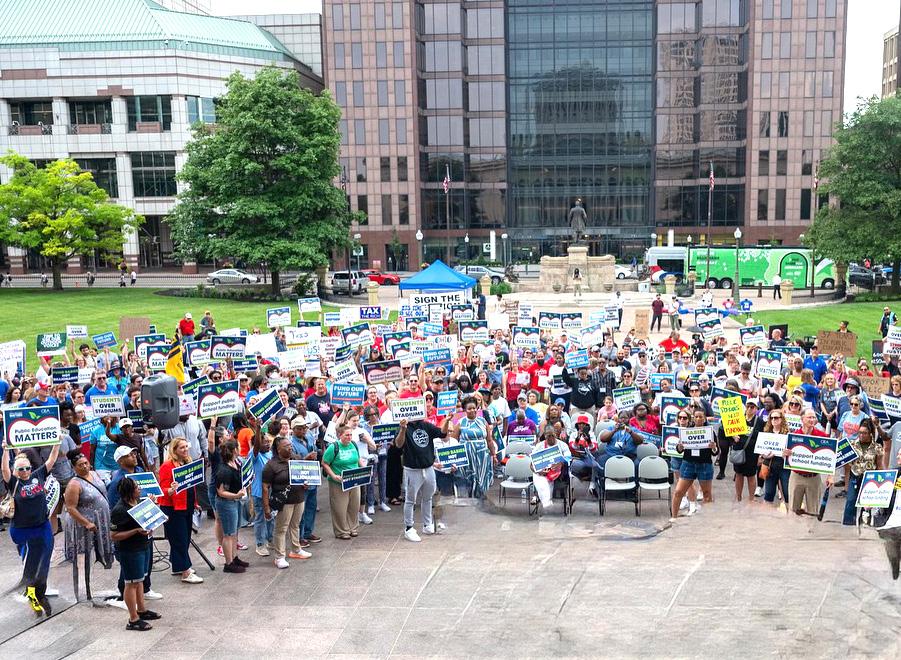
The National Day Without Child Care, led by Childcare Changemakers, occurs in May each year as a highly visible national campaign in which hundreds of child care providers shut down for the day and rally at state capitols. Most RCCF grantee partners are part of a Community Change cohort that receives campaign support, including peer-to-peer learning. In Ohio, 550 providers attended the rally in 2025, with half shutting down their centers—compared to one center shutting down for their first rally only four years ago. In Utah, one of the few states that provides no state funding for child care, a record 490 providers participated in seven cities; Utah Advancement for the Education of Young Children and partners aim for 15 cities next year.
The Child Care for Every Family Network spearheads a national movement and campaign to guarantee child care for every family and good wages for child care providers. The Network has a Steering Committee with a range of national organizations and grassroots leaders. Eight of RCCF’s grantee partners are planning or implementing statewide child care campaigns as part of the Network’s State Child Care Campaign cohort. Grassroots regional convenings welcome RCCF grantee partners to join; in 2025, grantee partners attended or sent parents and providers from Alabama, Georgia, Louisiana, Mississippi, and West Virginia to a convening in Baton Rouge.
MomsRising is another national partner. They helped build power in West Virginia first by acting as a fiscal sponsor to pay for Amy Jo’s time to organize, and then hiring her full-time with benefits.
Ohio providers who shut down centers for the rally
1 IN 2021 272 IN 2025

490 providers
ATTENDED THE NATIONAL DAY WITHOUT CHILD CARE
RALLY IN UTAH—A RECORD
Other ways grantee partners are building a wider base—across race, geography, sector, and gender—to strengthen political and community power:
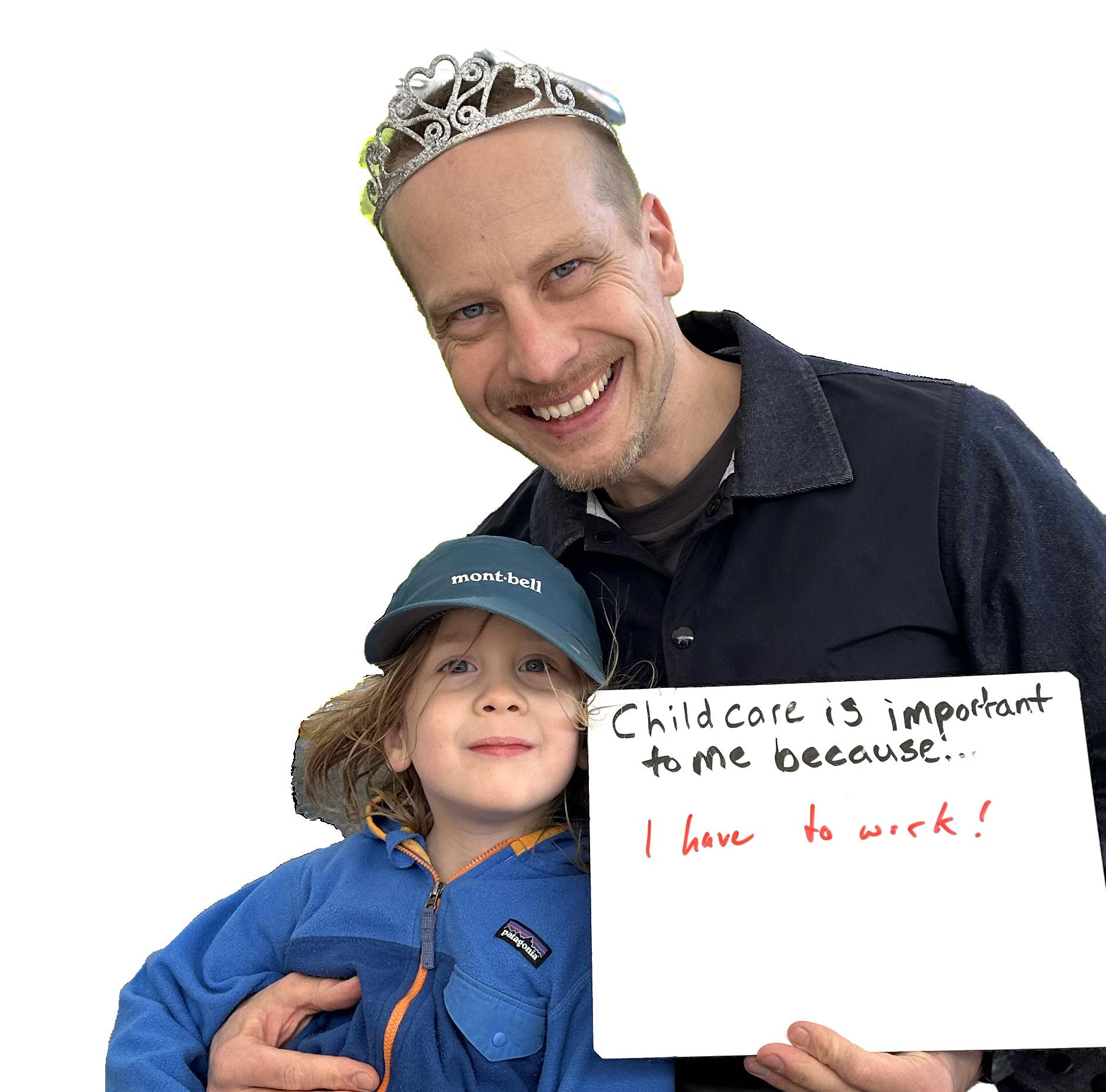
Bringing its number of active chapters to eight, Parent Voices California launched a new chapter in Los Angeles. Benefiting from the generational shift of fathers becoming increasingly involved, the chapter is led by a young father of a three-year-old. The Louisiana Power Coalition caught legislators’ attention by emphasizing the role of fathers and father figures (including men working in child care centers) during a “Dad’s Day” they organized at the capitol.
Chambers of Commerce increasingly are becoming allies in the child care movement. In Pennsylvania, 72 chambers signed a letter in support of budget demands by which champions early education. They won $25 million in a new line-item for teacher retention grants, $41.7 million more to ease a backlog in early intervention, and a $9.5 million increase in Pre-K Counts funding.
A director of Ohio Organizing Collaborative now serves on the board of the Chamber of Commerce, representing child care providers as small businesses. This and broader partnerships supported efforts to shift the stance of a Republican legislator, who went on to cosponsor child care legislation.
$25 million $41.7 million
$9.5 million WON FOR TEACHER RETENTION GRANTS WON TO EASE A BACKLOG IN EARLY INTERVENTION

ISAIAH used RCCF’s rapid response funds to hire 10 phone bankers for two weeks to reach child care centers and family child care providers across Minnesota. Through hundreds of calls—some lasting 45 minutes as providers shared concerns about burnout, staffing shortages, and the sustainability of their businesses—50 family providers expressed interest in joining the movement. Digital outreach efforts also brought more than 200 new people, including many from rural areas, into the campaign in 2025.
Maine People’s Resource Center ran a record-breaking summer canvass operation out of three offices with the Maine People’s Alliance. Employing dozens of young people knocking on more than 40,000 doors, they recruited hundreds of new members and raised more than $170,000 in grassroots donations.

40,000 doors
KNOCKED ON IN MAINE MORE THAN
$170,000 IN GRASSROOTS DONATIONS MORE THAN raising

Ohio’s recent budget cut the subsidy of Appalachian family child care providers in a way that could close them down entirely. Large centers owned by private equity firms fared better. Ohio Organizing Collaborative mobilized providers against the rule changes, preparing them to give public testimony and gathering a thousand signatures of providers calling for a veto by the governor. The organizing prompted a Democratic lawmaker to pursue corrective legislation. The collaborative, through its Care Economy Organizing initiative, is working toward having a leader in every district in Ohio.
Virginia Organizing added an 18th chapter in Williamsburg this past year, led by and organized around members of the Latino community. Adding interpretation services at coalition meetings helped welcome diverse voices, and the new chapter brought an elected official into the fold.
Among a number of grantee partners doing “know your rights” work, For All Families Oregon (FAFO) led safety trainings in rural areas. To better include Latino communities, Spanish-speaking organizers at FAFO used familiar tech tools: WhatsApp and 1:1 texting to share materials in Spanish. Latino members attending recent events surged to 40. FAFO also helped provide continuinged courses in both English and Spanish for child care providers as part of the Day Without Child Care rally.

RCCF grantee partners trained community members—in formats ranging from a few days to a full year, and aimed at varying levels of experience—to create a rising tide of leaders who understand how their political system works, are prepared to advocate for child care, and can bring others along with them.
Tami Lunan helps child care providers to see that they deserve to have a voice in the political process. She’s the Care Economy Organizing project director at the Ohio Organizing Collaborative; she’s also building leaders in other states.
As part of a partnership co-led by RCCF grantee partners, Tami brings child care providers together from across the county for a two-day workshop about how to build power in their context. Seeing leaders blossom is one of the things she’s most proud of.
“I’m creating space for child care providers to think about what it means to be a leader in this time, and what could happen for them if they get serious about if they want power,” Tami said. “That’s the number-one thing they wrestle with: do you want power? That’s what we get them clear about.”
After the workshop, one participant from North Carolina executed on a campaign that won $40 million in the state budget for child care.
“She came through our training and let go of some beliefs that were holding her back as a leader,” Tami said. “She talks about that training as a pivotal point in her life.”
Providers from Louisiana had never participated in Day Without Child Care. At the workshop, a participant set turnout goals and built a plan for how to reach them. She showed up with 1,000 people at the statehouse— the largest action in the country. The two-day training has been called transformational, and it can be replicated in other states with more funding.


I’m creating space for child care providers to think about what it means to be a leader in this time.
TAMI LUNAN Ohio Organizing Collaborative
Building hubs of activists in different areas of the state is one approach for exponential growth taken by several RCCF grantee partners. Each hub leader recruits new members and they form one growing organization with nodes across the state, lifting more voices in the press and in public. For example, 9to5 Georgia expanded its Community Justice Fellowship Program from 24 to 30 fellows across the Albany, Atlanta, and Savannah regions. One fellow spoke at the Southern Early Childhood Education Justice network, attended by state policy organizations and advocates in the South.
100% of graduating fellows
IN GEORGIA SAID THEY FEEL CONFIDENT IN THEIR ABILITY TO ORGANIZE
119 alumni WITH NEARLY HALF SERVING ON A STRATEGY AND IMPLEMENTATION ORGANIZING COMMITTEE
Other grantee partners aim for hubs across multiple states. Mothering Justice now has “Mamavists” in 10 states, through a fellowship program that pays $3,000 to participate. Mamavists learn how the political system works and what makes good child care policy (it must stabilize the industry, be affordable for families, and offer a living wage). They each contact 100 women in their network with an extra push to vote, then track politicians on the issues they care about to hold them accountable. They’re nudged to run for office themselves, or else supported at whatever level they want to engage. Mothering Justice works with 75 Mamavists at a time, adding 7,500 women to the network.
50,000 women of color
ARE PART OF THE NATIONAL MOTHERING JUSTICE NETWORK MOVEMENT
650 supporters
ACROSS GEORGIA MORE THAN
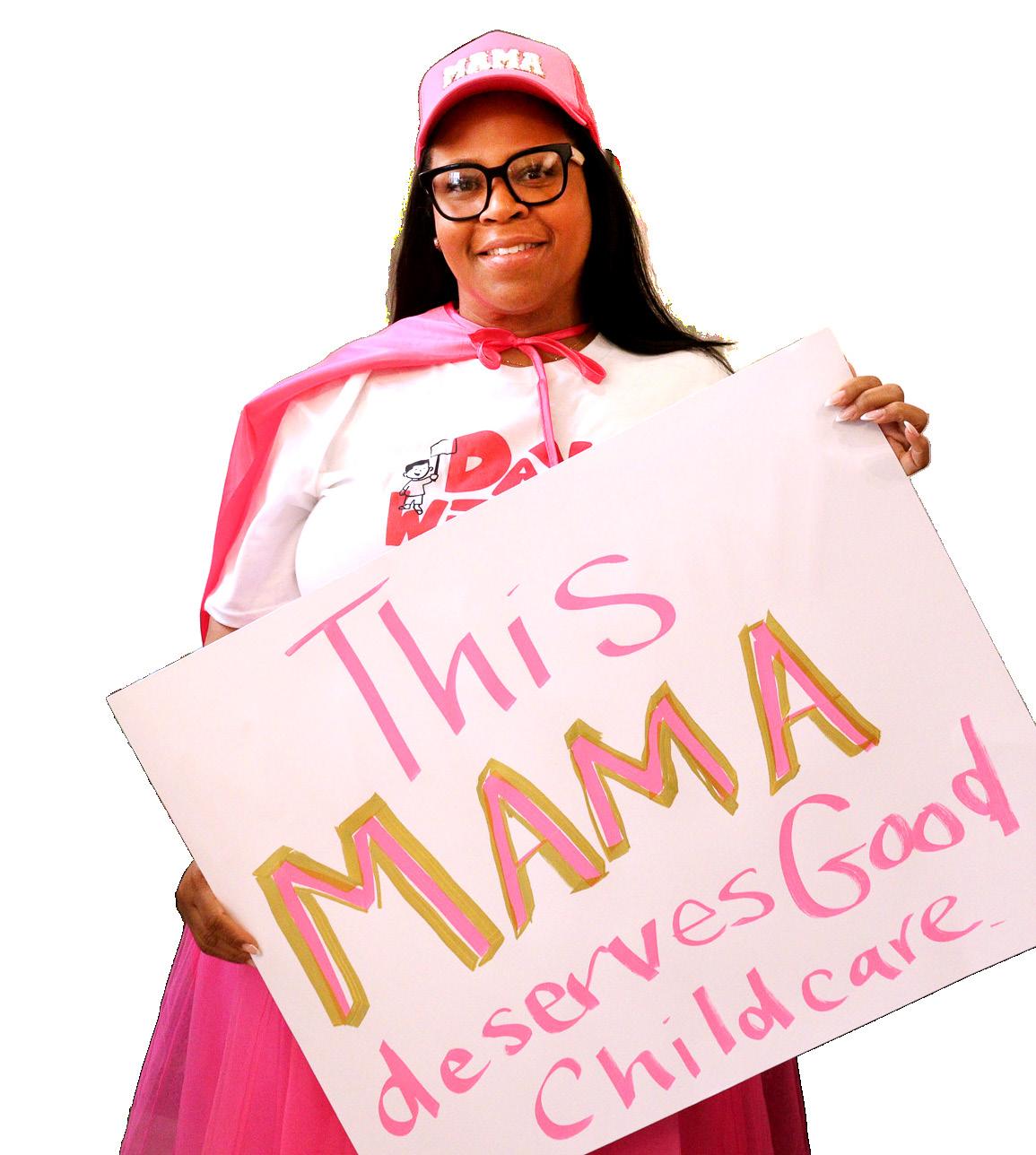


Relationship-based organizing—listening to many people’s stories and trying to help people see that they do have power—is deep and difficult work. It’s essential to care for staff, and hire additional staff, to avoid burnout and turnover.
The steering committee of For All Families Oregon held a three-day retreat to recenter its purpose. As a result, they brought on an experienced coalition manager to strengthen coordination and engagement across partners. With a focus on better engaging underrepresented voices, the manager will expand FAFO’s participation in diverse groups such as the Black Parent Initiative. The Maine People’s Resource Center hired a full-time staff member from its six-month fellowship program. Mothering Justice offered $10,000 stipends per person for staff to attend professional development training. And ISAIAH of Minnesota ensured that a summit for 100 child care providers was also a retreat: an energizing, relationship-rich space with most components planned by the providers themselves.

Taken together, RCCF saw grantee partners strengthening long-term leadership, building capacity, and sustaining organizational health.

Wellness, hiring staff, and increasing capacity are a few ways RCCF grantee partners attempt sustainability. But funders can help them do even better. Robust, multi-year funding is what allows organizations to pay a decent salary, offer benefits, and sustain the effort to shape policy, budgets, and systems.

RCCF backs grassroots organizations because they bring into the political process the voices of those directly impacted by an issue—resulting in policies that make a positive difference for parents and providers.
Once new policy passes, grassroots organizations monitor implementation to ensure equity. They hold the line against efforts to erode progress, or they continue work to expand on the progress.
Here’s how just a few RCCF grantee partners influenced policy wins in 2025.
Advocates across the country cheered when the governor of New Mexico announced universal child care. And there was more to do in 2025. The initiative needs to be fully funded, for one. Organizers in the Land of Enchantment (OLÉ) are particularly concerned about provider pay. OLÉ worked inside and outside strategies to push for at least $18/hour for early educators, addressing long-stagnant wages.
OLÉ often counters opposition from center owners worried they can’t afford the pay increase. OLÉ hopes to prove that higher wages boost both the supply and the skill of child care providers. They also need to partner with the state department to find ways to monitor the new pay requirement.
OLÉ is no stranger to persistent campaigns—organizers worked 12 years to architect and pass dedicated funding for early childhood. With three full-time organizers, because of stable funding from RCCF and others since 2019, OLÉ has more capacity. This will be essential with a new governor expected in 2026.
$18/hr negotiated FOR EARLY EDUCATORS IN NEW MEXICO
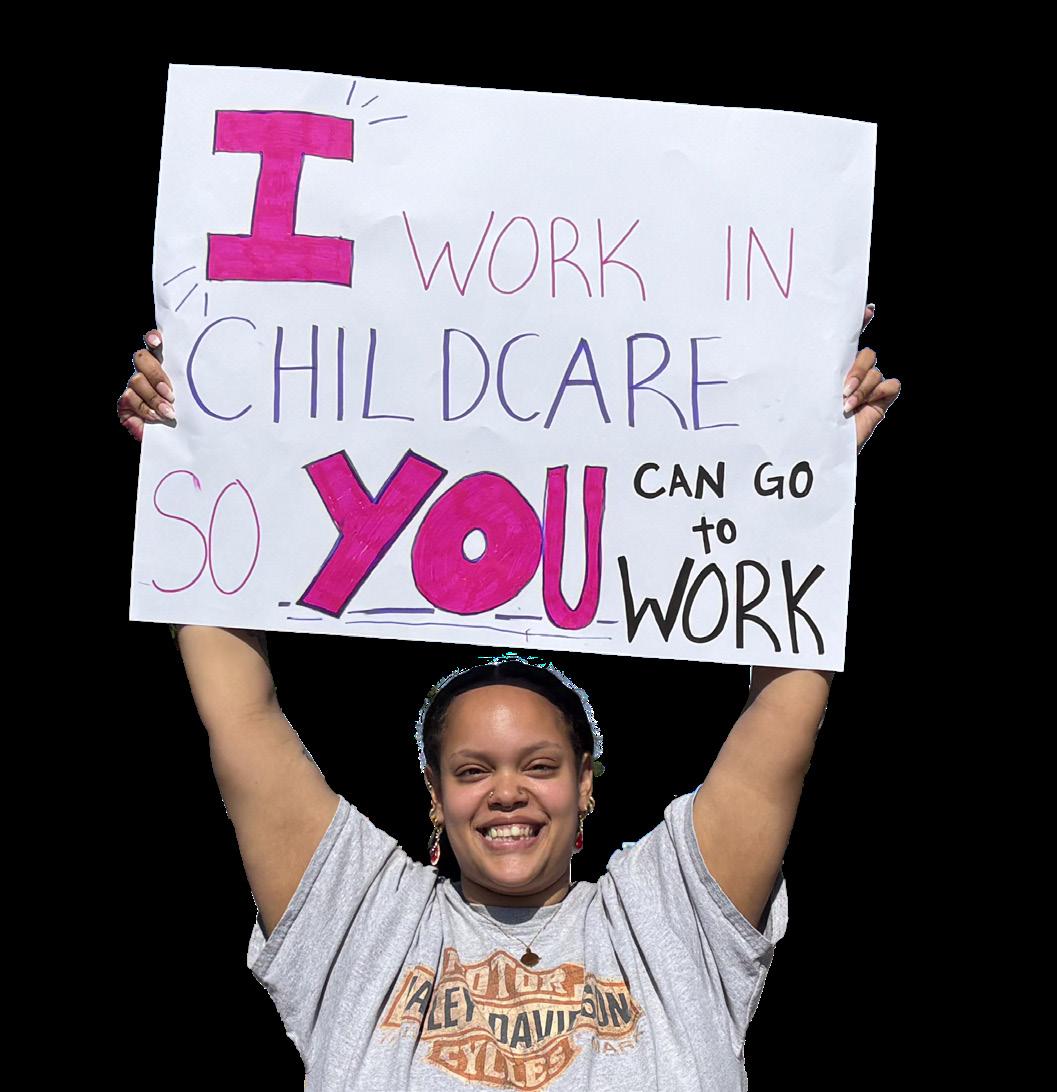

Grassroots organizations are sowing hope that what’s happening now doesn’t have to be like this, we don’t have to accept it, that we can make change.

In Minnesota, ISAIAH is influencing reform of the child care licensing system. Family child care and rural providers told the state that they experience the system as culturally insensitive, inequitable, and at times punitive. The state drafted a new system, but it was disappointing enough that ISAIAH organized a boycott and spent a year crafting new recommendations. Providers’ solutions are now shaping a bipartisan bill and influencing the transition of licensing into a new Department of Youth and Families. Next up: licensing flexibility that better reflects rural, farm-based, and nature-focused programs.
Policy victories matter only if implementation is shaped by those most impacted. That doesn’t happen without the power and the pressure of grassroots organizations centering provider and parent perspectives.
Imagine needing to absorb not only new tax laws in another language but new rules governing your business. First Up staffs E.C.E. Latinos (Empowering and Connecting Educators Latinos), which persuaded the state of Pennsylvania to translate regulation and licensing documents into Spanish, as well as have inspectors use a translation app during inspections of child care centers. Though the state agency had a goal of equitable and accessible policy implementation, the pressure and partnership of grassroots organizations is what helped the state more clearly see and meet this need.
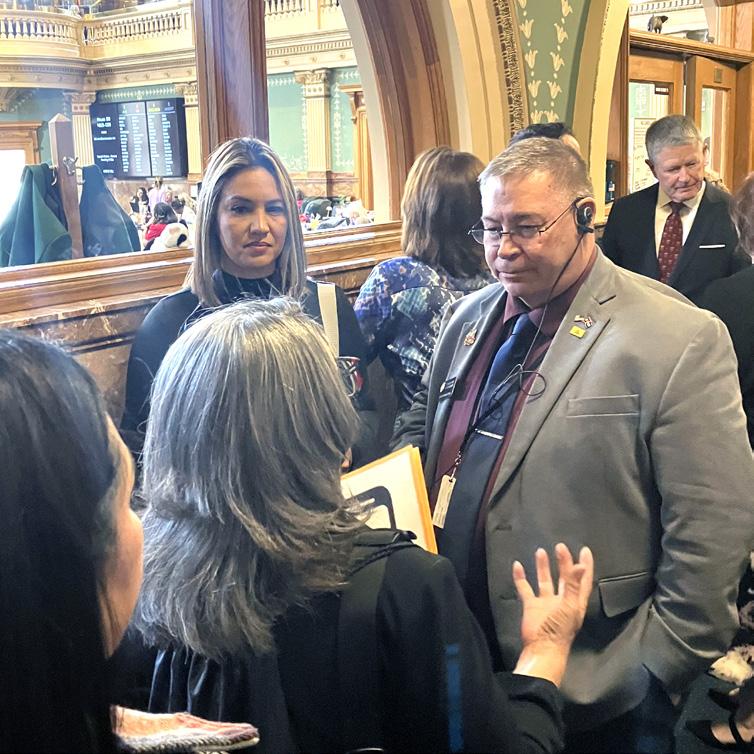
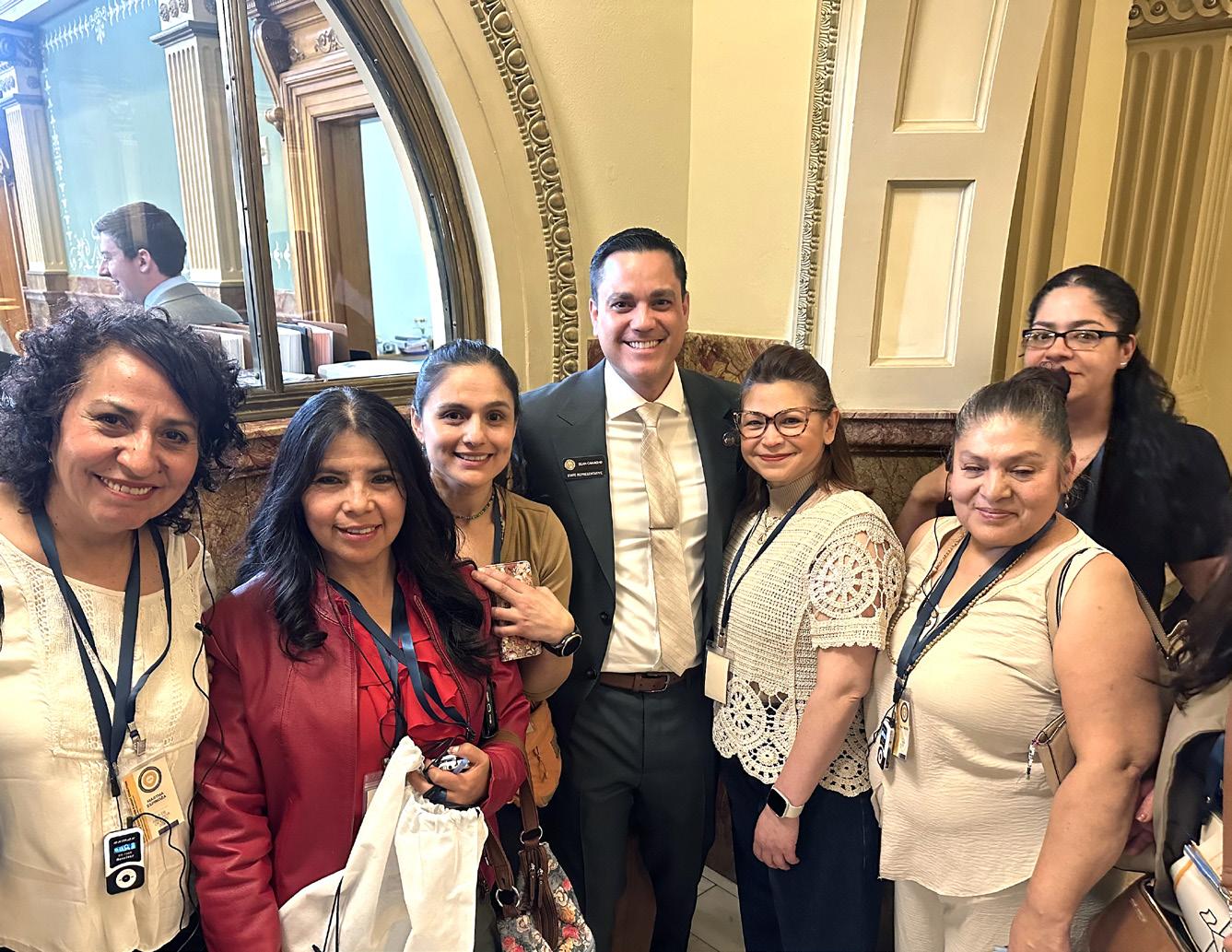

Many friends, families and neighbors (or “FFNs”) who provide child care don’t think of themselves as care workers. So when Colorado state passed a new Care Worker Tax Credit, the Colorado Statewide Parent Coalition saw a need to educate FFNs about the new provision. They offered mini-grants ranging from $500 to $10,000 to organizations that work directly with FFNs. The parent coalition also administers a state program to equip FFNs with child-development materials, training, and technical assistance. It was harder to reach rural providers, as more people were afraid to open their doors after news of ICE raids—making the efforts of the coalition even more essential.
Families across the country—including people who rely on or work in the child care sector—are feeling the pinch as the federal government restricts funding levels and access to programs that keep families and low-wage workers afloat.
States and localities can find ways to raise revenue to fill these gaps, but few will make that choice on their own. That’s where organizing and building power comes in.


What makes it so hard for families to find and afford child care in many communities? Most states still do not add more than the minimum required to draw down federal block grant funding for child care assistance. These and other factors keep payments to providers and early educator workforce salaries below market rate, in turn leaving child care business owners without an incentive to expand or open a new business.

Organizers work for years to increase equity by raising revenue and fixing policies that make providing or using child care nearly impossible. In Ohio, a change in state child care assistance payment rates caused a rural child care provider’s monthly pay to drop by $2,000 overnight; it could mean closure. In Mississippi, lawmakers won’t increase state funding for child care but wring their hands about women’s labor participation rates dropping across the economy. In too many states, it’s a fight to get child care providers a higher wage than they could earn working at Starbucks.
Compensation that dignifies the care workforce will depend on more equitable sources of revenue that lift the burdens unfairly carried by small businesses, teachers and caregivers, and families.
Through both wins and losses in 2025, RCCF grantee partners kept their focus on long-term solutions.
Tax fairness is central to our vision to sustainably fund a universal child care system.
—CATE BLACKFORD Public Policy Director, Maine People’s Resource Center
In Oregon, funding for the state’s child care assistance program was short by $73 million. More than 13,000 children were on the waitlist. Funding discussions during the legislative session faltered. Then Multnomah County’s flagship Preschool for All program faced a serious threat to the tax on higher-income households that was funding it. For All Families Oregon sprang into action— and succeeded in defending the program.
The “Hands Off Preschool for All” campaign compelled more than 100 individuals to submit testimony, with many others providing comments online, and more than 27,000 emails were sent to legislators.
Going into 2025, some Pennsylvania senators pledged they would not vote for any budget increase. By the end of 2025, First Up organizers, in coalition with other advocates, had secured $25 million in a new line-item for teacher retention grants—a term they deliberately used to resonate with business leaders, who understand the high cost of staff turnover.
Persistence and tenacity are the best descriptors of success.
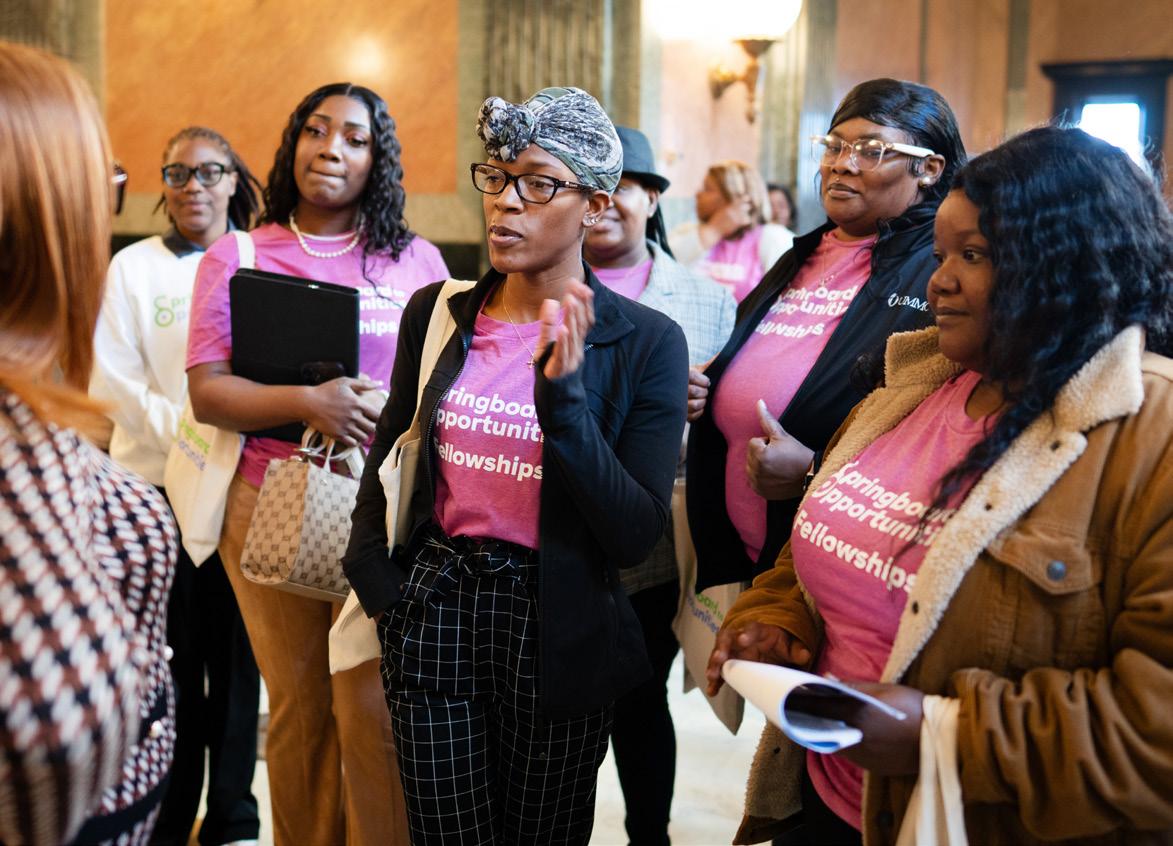
—SARAH STRIPP Mississippi Springboard to Opportunities


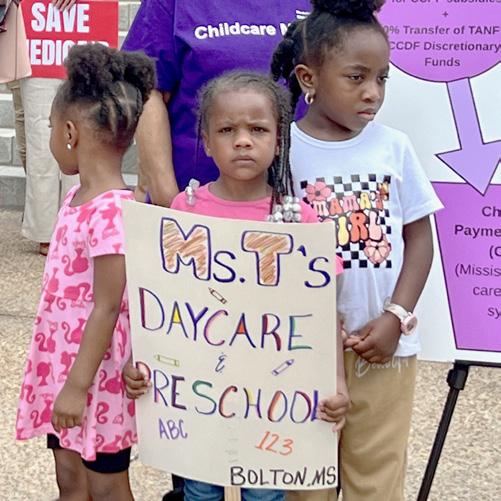
In Mississippi, a funding shortage is causing a slowly unfolding disaster. Thousands of families’ child care assistance was terminated in 2025, which in turn is closing classrooms, costing childcare providers their jobs, and forcing poor parents—typically single Black moms working two low-paying jobs—to quit work.
The Mississippi Low-Income Child Care Initiative (MLICCI) and Springboard to Opportunities feel they’re playing whack-a-mole with the non-solutions that get proposed. They’re pushing for the state to direct unused Temporary Assistance for Needy Families (TANF) block grant funds to stem the tide.
In 2025, MLICCI won a provision expanding access to child care for 17,000 single moms. This took a decade of work—a persistence that funders must match.
In states with a low investment in child care, the first slow task is to disrupt deeply held beliefs about who deserves help.
“Policies don’t change unless we can shift the way people see other people,” said Carol Burnett, executive director of MLICCI.
When the governor of New Mexico announced universal child care starting in November 2025, it followed more than a decade of work to create new and tap existing revenue sources for early childhood, with unflagging effort from RCCF grantee OLÉ. Now they’ll work on the additional funds needed to ensure that all families who need assistance paying for child care can get it.

Not all states can tap oil and gas money, of course. With a focus on long-term fiscal sustainability, other RCCF grantee partners are eyeing their state’s tax code. Whatever the source, it’s the kind of decades-long work RCCF is willing to support.
Parent Voices California is working to extend a ballot measure that taxes incomes above $250,000, while their policy team pushes legislators to uncover new revenue by eliminating tax breaks for sending money to offshore accounts. They also are working with the California Budget and Policy Center to develop a new “vision bill” for child care—including cost modeling and a needs assessment—that would strengthen long-term state investment.
Maine People’s Resource Center, laying groundwork to sustainably fund a universal child care system, celebrates the state Senate passing the first progressive revenue increase in decades and a doubling of the child tax credit.
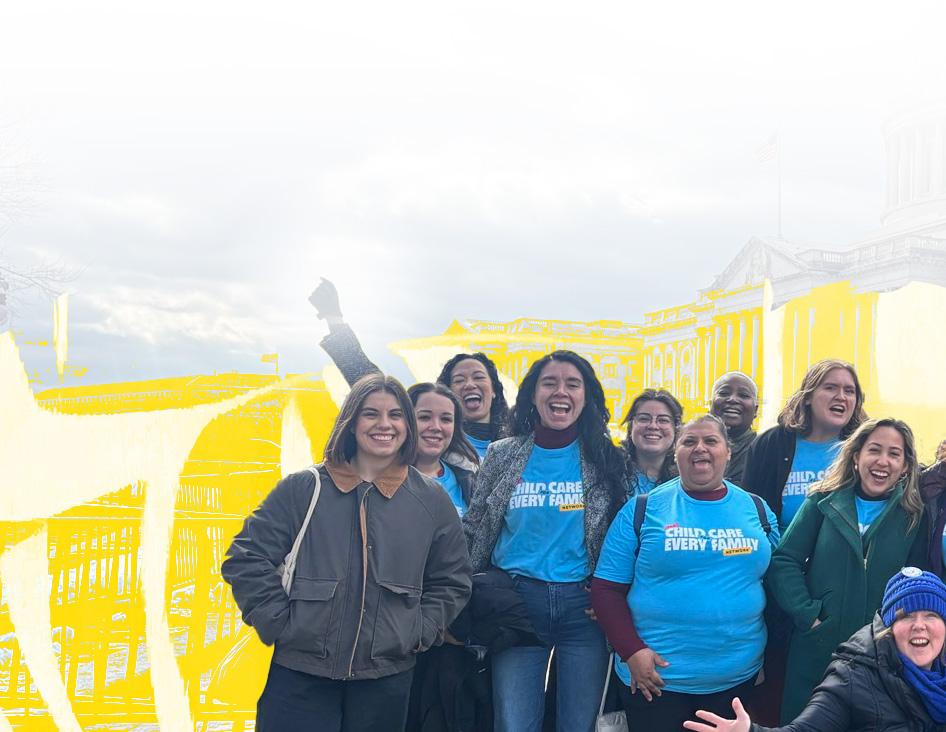
The Colorado Statewide Parent Coalition is leading efforts to amend the state’s Taxpayers Bill of Rights Act, which limits tax increases and legislative spending such that $1.2 billion had to be sent back to taxpayers in 2025.
A campaign in New York to raise taxes on higher incomes did not pass. But the Alliance for Quality Education continues coalition work to advance tax fairness and progressive revenue strategies, alongside pushing for a special session to address the urgent budget shortfalls looming from HR 1.
In D.C., SPACEs in Action helped win the Early Childhood Educator Pay Equity Fund—a first-in-the-nation program aimed at achieving pay parity between early childhood educators and their K-12 counterparts—which required the highest income earners in
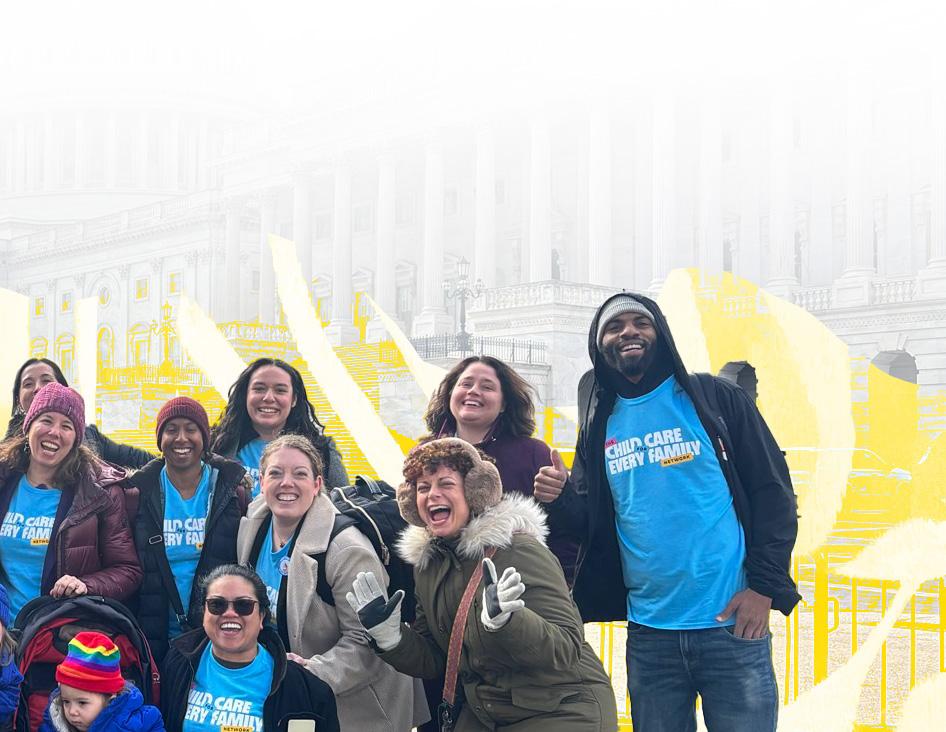
the city to pay a little more. Now they fight annually to keep the funding generated by that tax provision, as the mayor’s budget has zeroed out the Pay Equity Fund. At the same time, families lost the child tax credit and funding was cut related to learning delays and health care services, with deeper cuts expected in 2026.
WEPOWER in St. Louis launched the Child Care Voter Campaign, aiming to win $100 million in new public revenue for child care and address barriers faced by Black women and low-income families.
Foundations and donors, take note: Grassroots organizations will need more funding as these efforts ramp up, including c4 funds.
For now, protecting existing resources was the baseline goal in 2025 for many RCCF grantee partners. For example, the Power Coalition and partners were able to restore $15 million from a proposed $24 million cut to early care and education in the Louisiana budget. Holding the line or stemming the tide will continue to be the goal into 2026.
How can we effectively begin to build support in states with a particularly low investment in child care? The State Grassroots Growth Project is an exploratory RCCF initiative. Participating statebased funders commit to supporting grassroots efforts locally— boosted by a matching grant of up to $100,000 from RCCF, plus money for tailored technical assistance of the state’s choosing.
State-based funders join a learning cohort, where they learn together about the fundamentals of grassroots organizing, power-building, relevant case studies, and trust-based philanthropy.
The project also includes a landscape assessment of the state organizing and advocacy, and what is needed to support grassroots organizing working closely with state funders and community-based groups.
The landscape analysis for the current state learning cohort, completed in 2025, was either traditional or co-designed. In the traditional design, consultants utilized an online survey and video interviews to gather input from providers, policy groups, advocates, and organizers. The co-design analysis started with a design team of state-based organizers. The process included a kickoff for the design team to identify stakeholders and develop the assessment process, regular updates, surveys with follow-up video interviews as well as focus groups to gather input for the assessment, and synthesizing and analyzing the information in partnership. In both cases, results were shared back to the community.
We’re excited to see what the future holds and what other great collaborations emerge.
SARAH ROBINSON Couch Family Foundation

“The co-design process strengthened relationships and centered equity to ensure that our shared vision, and the solutions we identified, work for everyone,” Kim Firth of Endowment for Health reflected.
A shared vision also helped guide next steps based on the landscape assessment. “Keep the values at the center—internally and



The state learning cohort met 17 times in 2024–2025. The four states not only exchanged insights, they were able to coordinate resources and scale effective organizing practices beyond individual states. For example, they collaborated on research and a communications strategy focused on the impact of HR 1 on children and families. Each state amplified the messages through child care providers, advocates, and journalists.

Funder learning groups play a critical role in fostering cross-state collaboration by creating space for shared learning, strategy alignment, and relationshipbuilding across regions. When paired with opportunities to combine funding for cross-state projects, these groups amplify their impact.



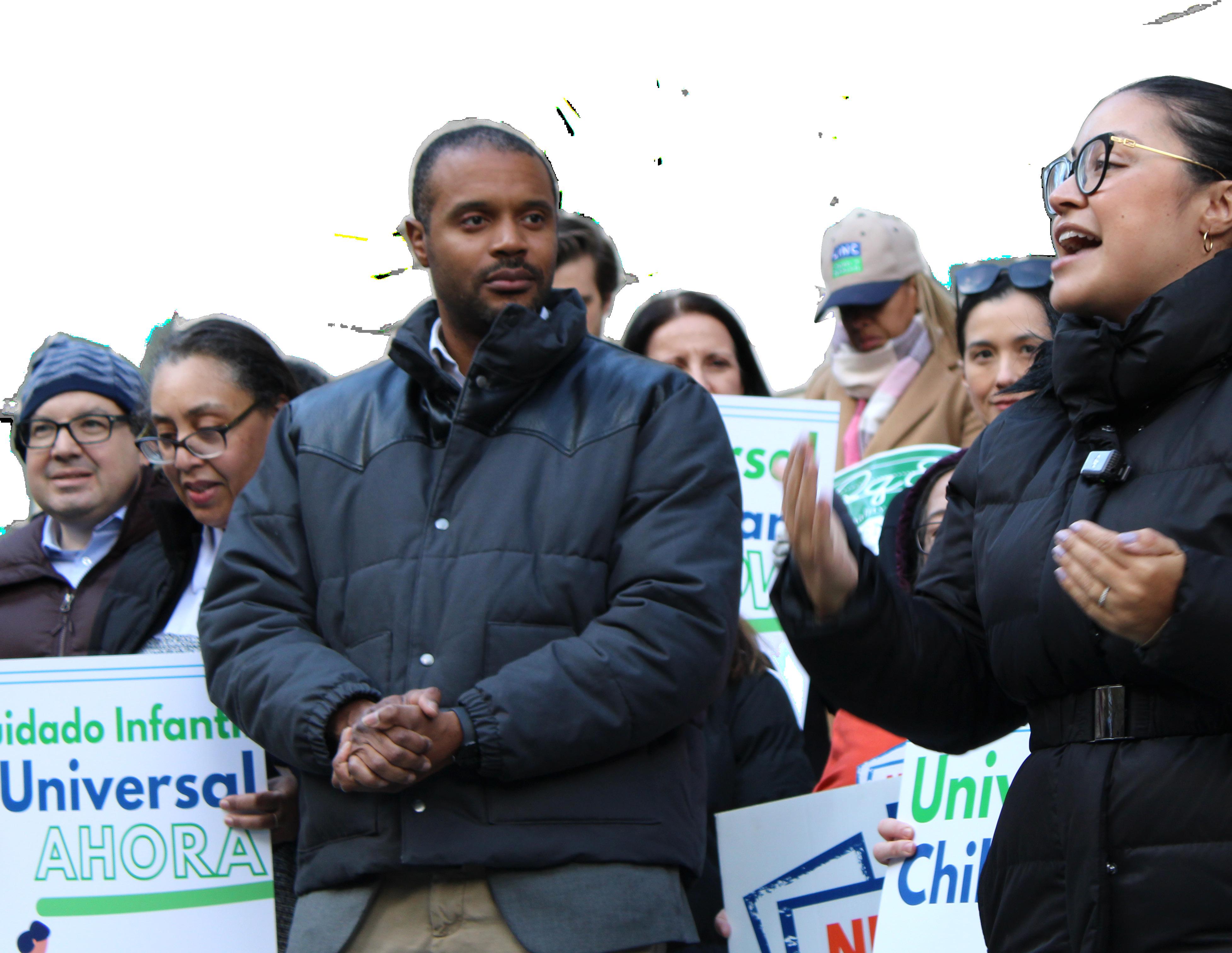


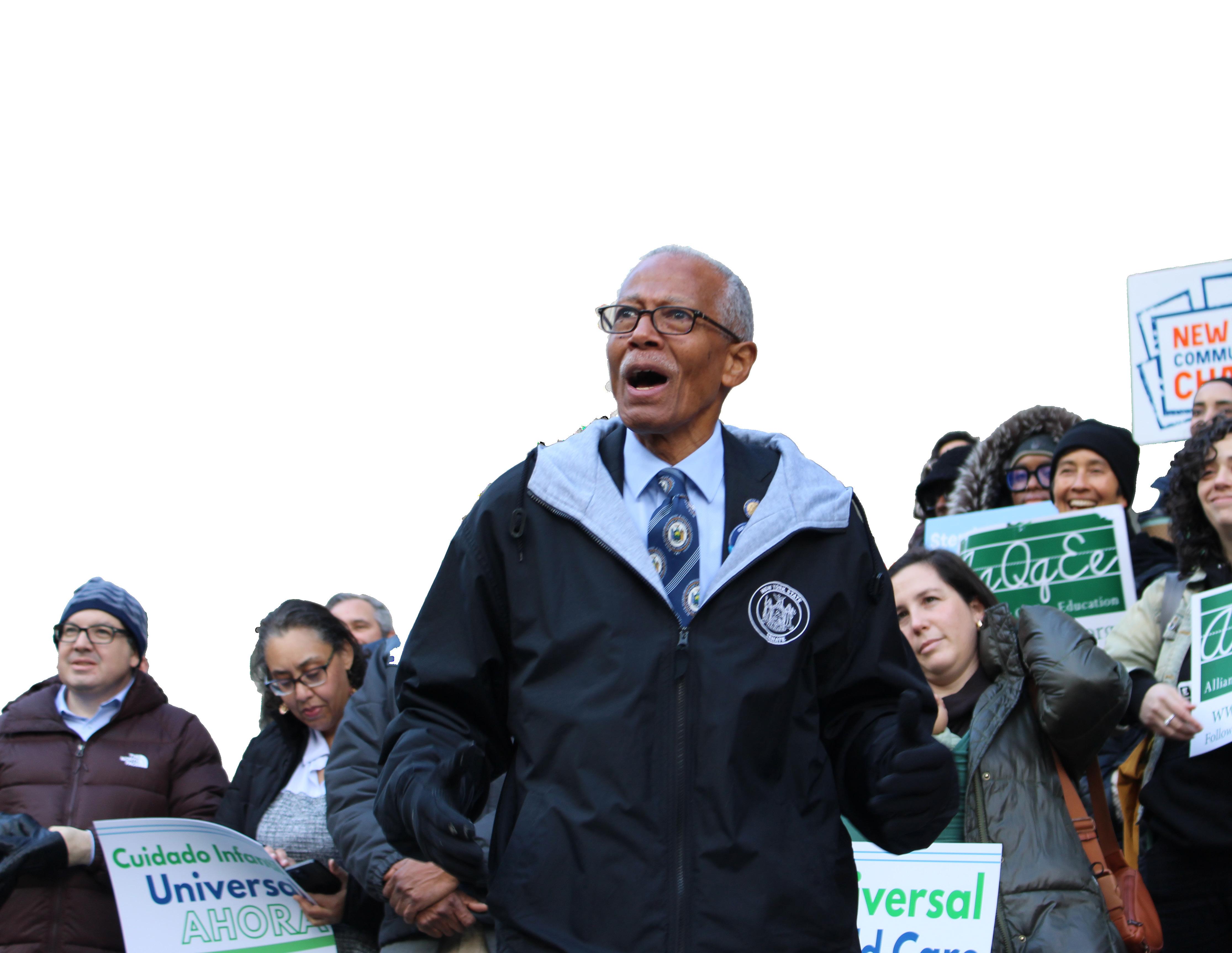
Local ballot initiatives in California. New child care trust funds in New York. Wage-minimum monitoring in Colorado. Providers aiming to co-create child care regulation in Ohio and gaining seats on a task force in Alabama. Stemming the tide of federal losses across the country. No matter the campaign and no matter the state, creating a more equitable child care system in 2026 will be about lifting voices
Conversations with RCCF grantee partners at the end of 2025 confirm that organizing is increasingly resource-intensive and dangerous. Trust-based funding is shrinking. Federal infrastructure has been hobbled. At the same time, awareness of our cause is State to state, 2026 holds the potential for both considerable progress and serious setbacks.
The Raising Child Care Fund seeks funders and donors committed—through ups and downs—to resourcing the grassroots organizations driving systemic change. Not just with networks and technical assistance. With staff. With money.
We fuel the larger child care movement by acting as:
• Key stabilizer. RCCF pools national foundation dollars, with contributions from state and local funders, to provide general operating support. Flexible, long-term investment—especially critical to maintain during periods of uncertainty—sustains this work.
• Connector. Organizations are more likely to attract additional funding when they have stable funding. RCCF directly introduces funders and grantee partners. RCCF has helped grantee partners pair with local partners or participate in national coalitions.
• Investor in leaders. RCCF identifies and bets on grassroots leaders across the country, both up-and-coming and experienced, who could do more with more. As funders, we embrace partnership, a spirit of service, our own learning, and above all, trust.
We don’t do this work alone; RCCF is not the sole funder of any grantee. But grantee partners say they couldn’t do their work without RCCF. Year after year, these leaders show what it takes to sustain and grow a child care movement when public systems are under strain. This year, they showed why grassroots organizing matters now more than ever.
The Raising Child Care Fund brings together funders committed to advancing a more equitable child care system through long-term investment in grassroots organizing, power building, and community-led change rooted in racial, gender, and economic justice.
As momentum grows, so does the opportunity—and need—for deeper philanthropic partnership. We ask more foundation and donor partners to join us in this crucial time.


617,000 people reached EVEN IN A NON-ELECTION YEAR 25,000+ people joined actions
DESPITE A FEARFUL CLIMATE
80+ FTEs organizing FOR CHILD CARE JUSTICE
100% lead 100%

STATEWIDE STRATEGY organize ON INTERDEPENDENT ISSUES
All grantee partners are members of their state’s leadership of organizing and advocacy strategy; 14 are leads or co-leads
including paid leave, economic and tax justice, racial equity, and voting rights
One-third of RCCF grantee partners are in the South, where investment in child care is particularly low 19 states and DC



to the following funders for their continued support.